Reading view

There are new articles available, click to refresh the page.

Used Tesla Prices Jump As Other EVs Crash Back To Earth
  • Used Tesla prices climbed after the tax credit ended.
  • Most other used EVs lost value as demand cooled.
  • The Porsche Taycan was the only non-Tesla EV to rise.

The loss of $7,500 federal tax credits should, in theory, have put every EV brand on an even footing, but Tesla and its customers decided to write their own script. While most electric car values have dropped since last fall, Tesla values are actually climbing.

According to a new study, used Tesla prices have risen 4.3 percent since the EV credit disappeared at the end of September 2025. Over the same period, nearly every other used EV dropped an average of 3.6 percent.

More: EV Sales Fell Off A Cliff, Yet New Car Prices Still Set Another Record

Because Teslas make up such a huge slice of the used EV pie, the average price of all used EVs actually went up 3.5 percent, painting a superficially rosy picture. Strip Tesla out of the equation and things look very different. Non-Tesla EVs slid from an average of $24,629 to $23,738. Meanwhile, used combustion cars dipped 2 percent.

Declining Share
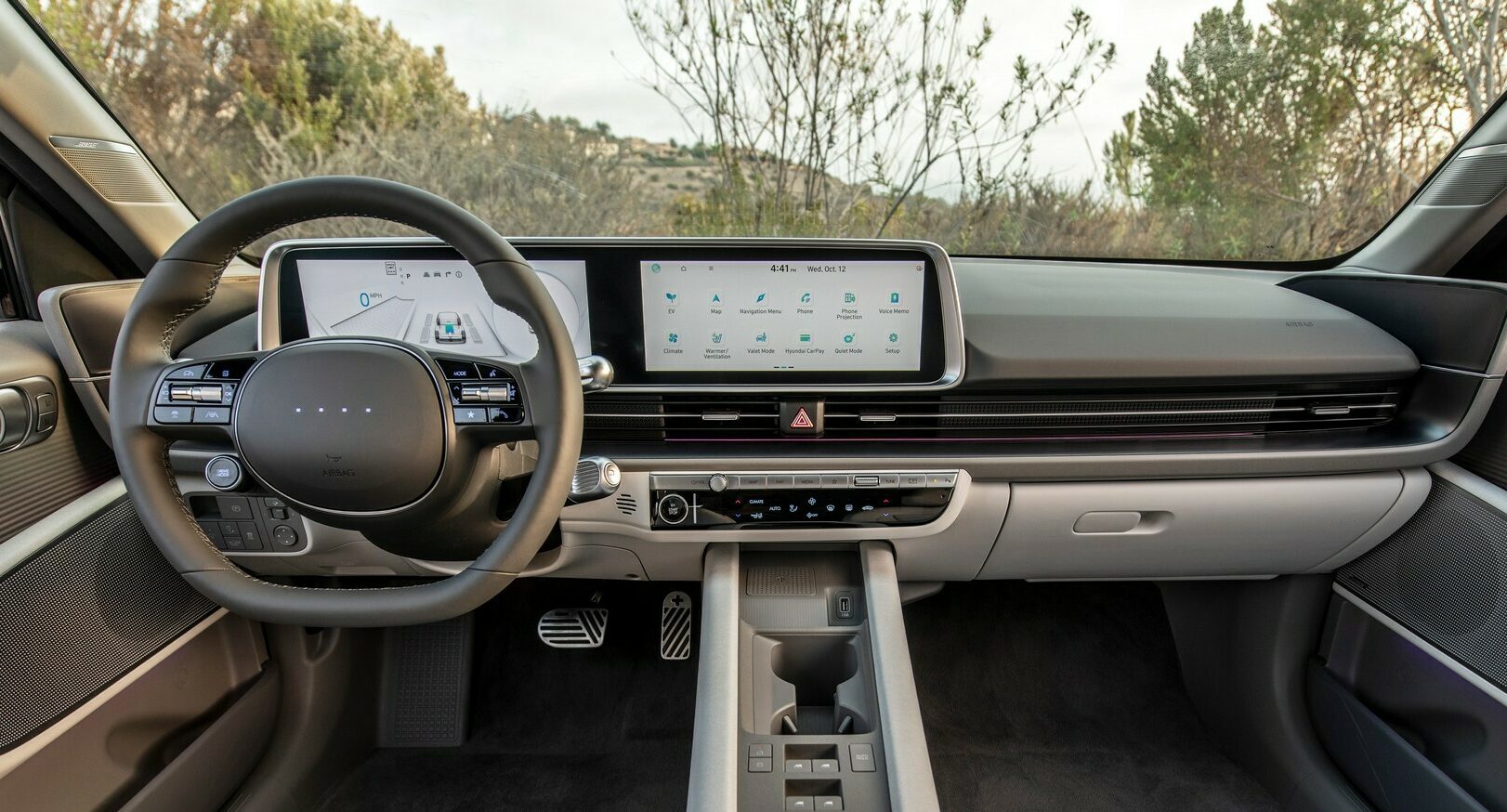
 Used Tesla Prices Jump As Other EVs Crash Back To Earth

The iSeeCars study also found that used EV market share fell 20 percent between September and January, dropping from 3.5 percent to 2.8 percent. A year earlier, that share had been climbing, but now it is heading the other way. The early adopters already have their EVs. Mainstream buyers are apparently thinking harder about price, charging, and range.

Average Prices For 1- To 5-Year-Old Used Cars
SegmentSep ’25Jan ’26Diff.
EVs$29,637$30,666+3.5%
ICE$31,900$31,249-2.0%
SWIPE

Look at individual models and the pattern gets clearer. Lower-cost EVs like the Hyundai Kona Electric, Volkswagen ID.4, Kia Niro EV and Nissan Leaf all lost between roughly five and six percent of their value. Meanwhile Tesla Model 3 and Model Y prices ticked up, as did those for the Porsche Taycan, the only non-Tesla EV to experience a jump in values.

New EV Prices Down
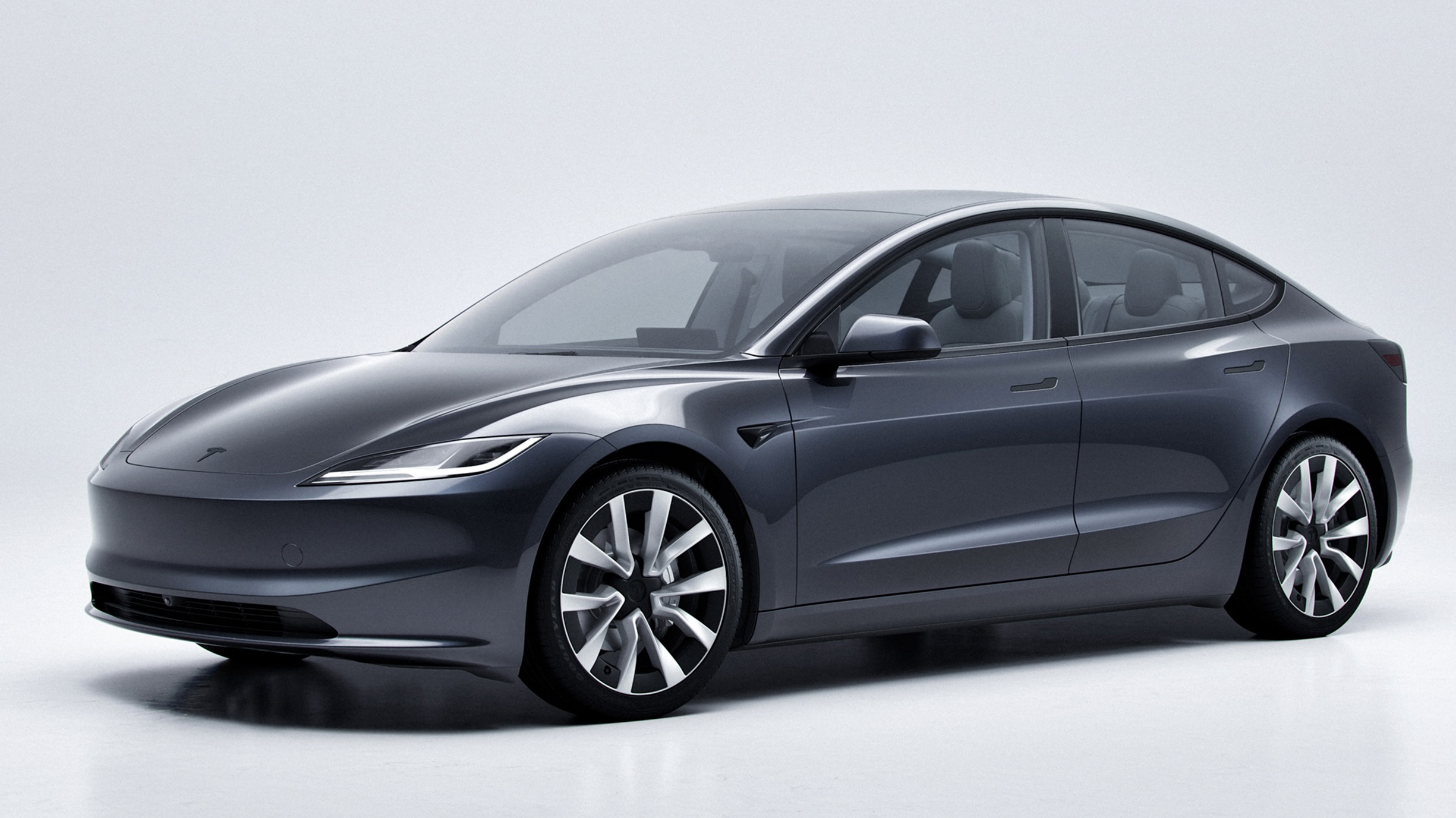
 Used Tesla Prices Jump As Other EVs Crash Back To Earth
Tesla

New EVs tell a similar story. Excluding Tesla, which iSeeCars doesn’t have data for, average new EV prices dropped 2.3 percent, while new internal combustion vehicles rose 2.5 percent. Some mainstream EVs like the Hyundai Ioniq 5 and Chevrolet Equinox EV saw even steeper cuts.

Carmakers are clearly trying to replace that vanished tax credit with old fashioned discounting, but falling EV sales figures since tax credits disappeared tells us it’s not a complete fix.

Average Used EV Prices
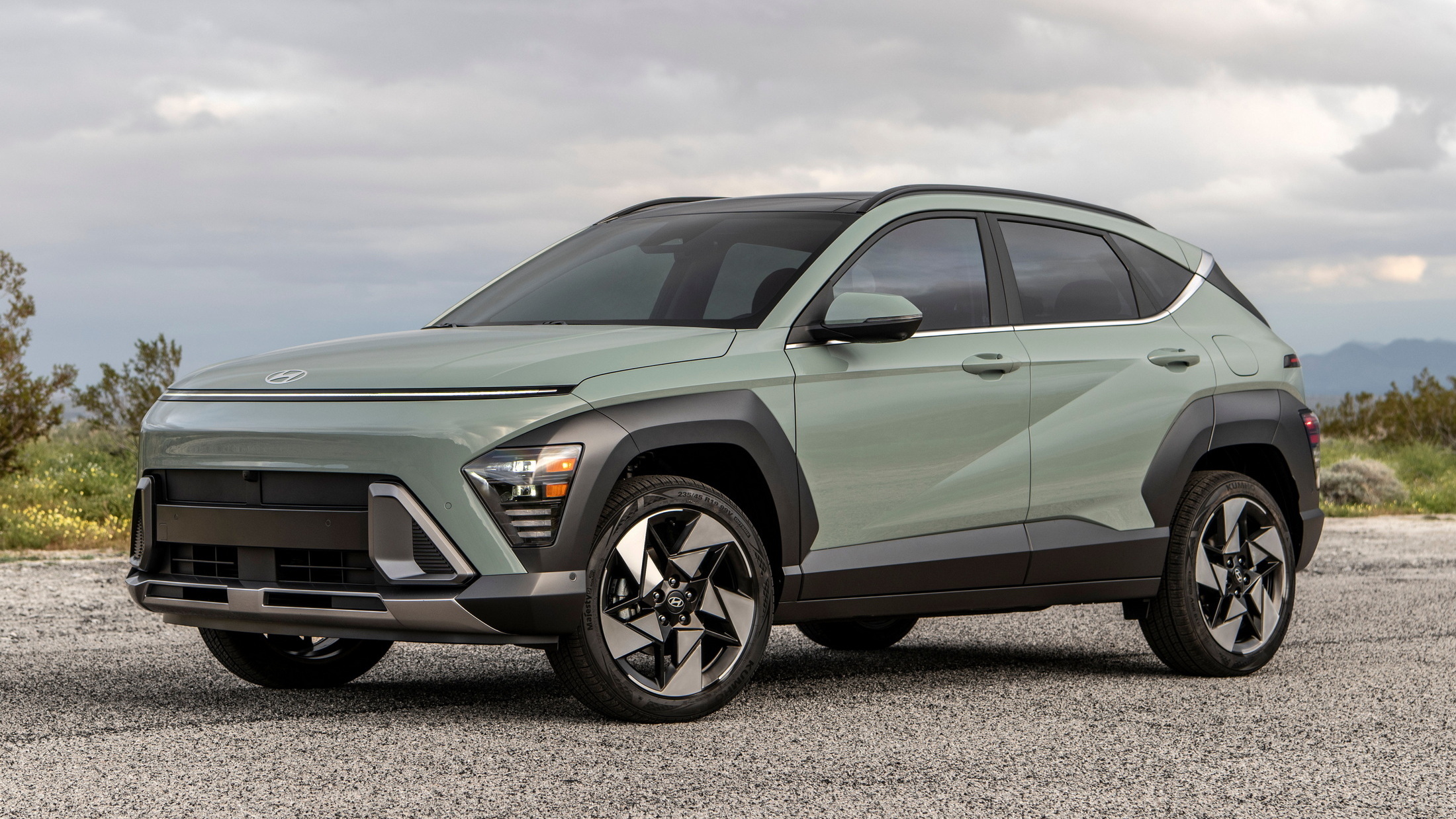
 Used Tesla Prices Jump As Other EVs Crash Back To Earth
ModelSep ’25Jan ’26Diff.
Hyundai Kona Electric$21,020$19,678-6.4%
Volkswagen ID.4$23,307$21,860-6.2%
Kia Niro EV$21,128$20,024-5.2%
Ford Mustang Mach-E$30,575$29,014-5.1%
Nissan LEAF$16,360$15,606-4.6%
Polestar 2$26,006$25,508-1.9%
Tesla Model Y$29,603$29,989+1.3%
Tesla Model 3$25,061$25,701+2.6%
EV Average$29,637$30,666+3.5%
Porsche Taycan$74,465$77,552+4.1%
Tesla Model S$47,226$51,249+8.5%
Tesla Model X$51,973$57,306+10.3%
SWIPE
Average New EV Prices
 Used Tesla Prices Jump As Other EVs Crash Back To Earth
ModelSep ’25Jan ’26Diff.
Hyundai IONIQ 5$52,273$45,068-13.8%
Chevrolet Equinox EV$42,373$38,687-8.7%
Jeep Wagoneer S$58,377$53,568-8.2%
Ford F-150 Lightning$70,482$65,722-6.8%
Volkswagen ID. Buzz$65,753$61,425-6.6%
Kia Niro EV$39,363$37,267-5.3%
Dodge Charger$55,873$53,195-4.8%
GMC Sierra EV$78,897$75,302-4.6%
Kia EV6$50,664$48,732-3.8%
Kia EV9$64,125$61,749-3.7%
Volvo EX90$86,343$83,867-2.9%
EV* Average$63,327$61,860-2.3%
Audi A6 Sportback e-Tron$67,718$70,338+3.9%
Lucid Air$91,479$96,256+5.2%
Audi Q6 e-Tron$68,250$72,052+5.6%
Audi Q4 e-Tron$57,622$60,867+5.6%
Volvo EX40$55,343$59,239+7.0%
Mercedes-Benz EQS (SUV)$109,614$123,643+12.8%
SWIPE

Tesla Avoids A Massive California Ban By Junking Its Most Famous Feature

  • Tesla drops Autopilot term in California to avoid license suspension.
  • Brand’s new models now only come with cruise control as standard.
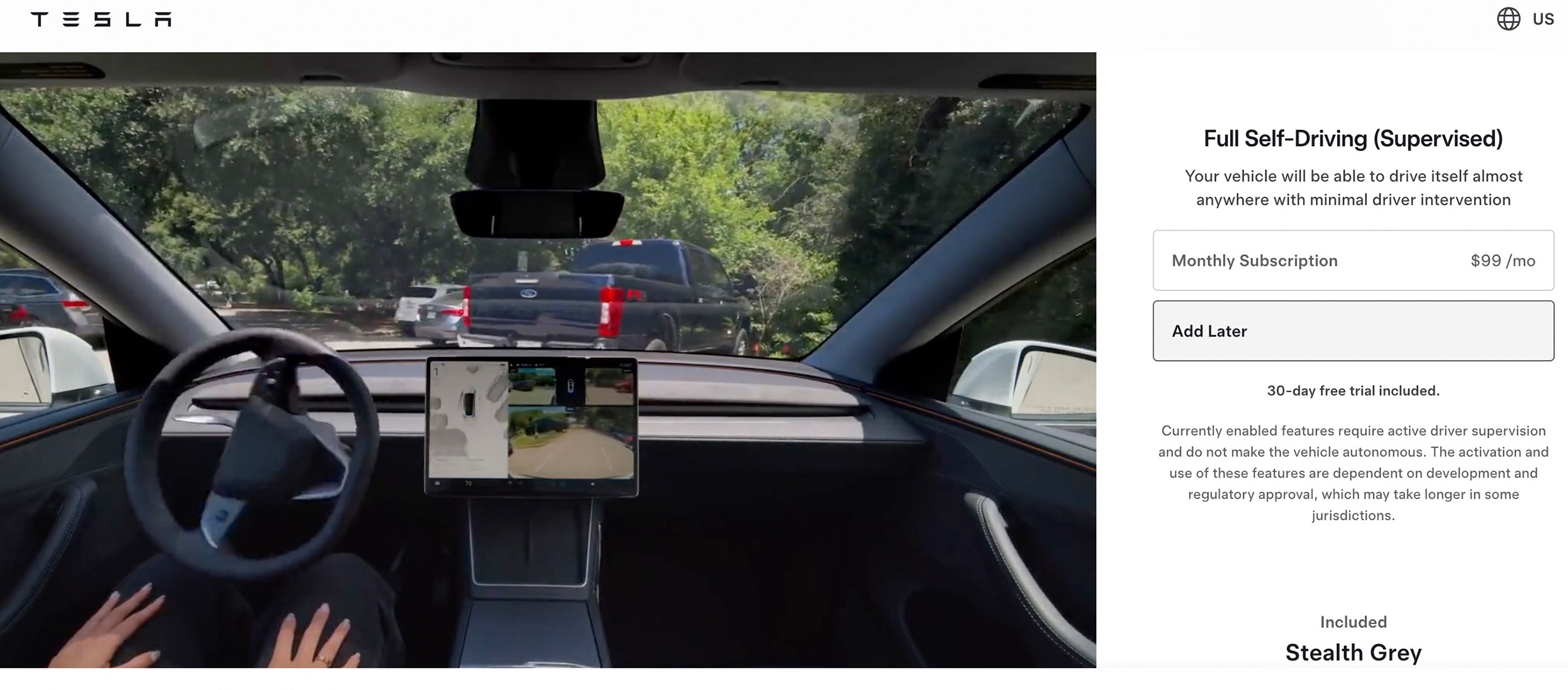
  • EV buyers are being pushed towards $99 FSD subscriptions instead.

After years of sparring with California regulators, Tesla has agreed to stop using its famous Autopilot term in the state, neatly sidestepping a 30-day suspension that would have frozen sales in its biggest US market with nearly 180,000 deliveries last year.

More: Tesla Quietly Kills Standard Autopilot, Now Wants $99 A Month To Give It Back

The California Department of Motor Vehicles (DMV) wasn’t amused by Tesla’s marketing language, arguing that phrases like “Autopilot” and “Full Self Driving Capability”, later softened to “Full Self-Driving (Supervised)”, gave buyers the impression their cars could drive themselves. The DMV pointed out that they can’t now, and never could, operate as autonomous vehicles.

The formal accusations were filed in 2023, though regulators traced the issue back to marketing language used as early as May 2021. At the time, Tesla described its system as capable of handling short and long-distance trips with no action required by the person in the driver’s seat, a claim the DMV said crossed a legal line.

60 Days To Find A Fix

A judge agreed and proposed suspending Tesla’s dealer and manufacturer licenses for a month. That would have been awkward timing for a company trying to convince the world that robotaxis are just around the corner. The DMV offered Tesla 60 days to fix the issue before the suspension started, and instead of digging in, Tesla wisely took corrective action.

“The DMV is committed to safety throughout all California’s roadways and communities,” said DMV Director Steve Gordon. “The department is pleased that Tesla took the required action to remain in compliance with the State of California’s consumer protections.”

So Autopilot, as a marketing term, is now gone in California (though you’ll still find it on the brand’s EVs elsewhere in the world). The company had already softened Full Self Driving into Full Self Driving Supervised to make it crystal clear that, no, the car is not fully autonomous. By complying with the deadline, Tesla avoided the suspension and kept the revenue rolling in.

 Tesla Avoids A Massive California Ban By Junking Its Most Famous Feature

Autopilot Feature Phased Out

This is not just a word swap, though. We reported last month that Tesla had already begun phasing out the previously standard Autopilot system on its cars, replacing it with Traffic Aware Cruise Control and pushing buyers toward a $99 per month Full Self Driving subscription.

Lane centering that rivals include as standard now lives behind a paywall, and CEO Elon Musk has hinted that the subscription price could rise over time. From a business perspective, it’s clever, but from a branding perspective, it looks like a climbdown.

Autopilot was one of Tesla’s most recognizable terms, though it was also one due to be left behind in the coming years as the far more sophisticated FSD improves to the point where it really can deliver full self-driving.

 Tesla Avoids A Massive California Ban By Junking Its Most Famous Feature
Tesla

Tesla Never Made A Cybervan, So A Russian Startup Did It First

  • Russian brand Russo-Balt unveils an electric van with Tesla flair.
  • The F200 uses a hand-welded stainless steel body and monocoque.
  • It looks similar to a Chinese van, but company claims it’s original.

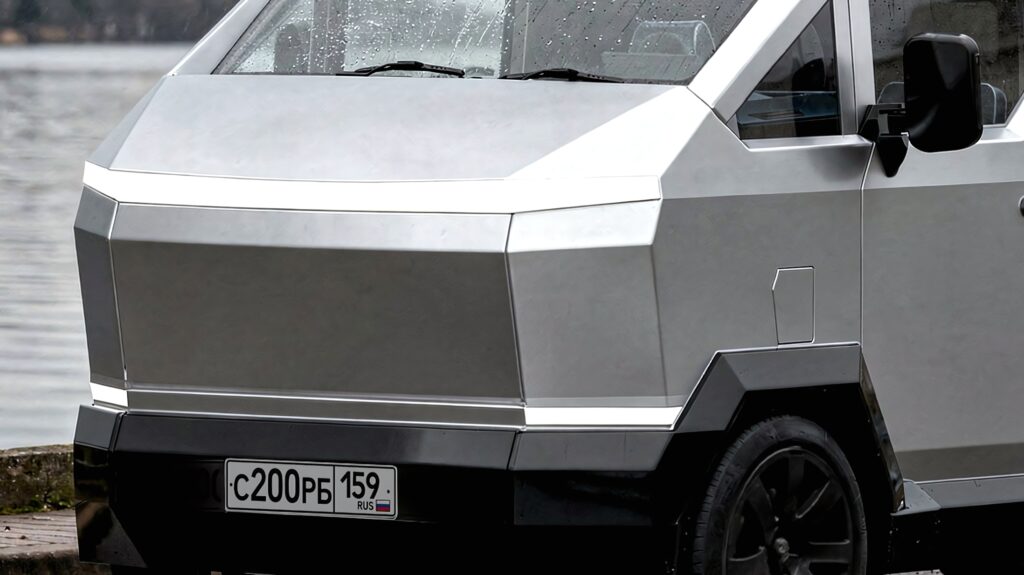
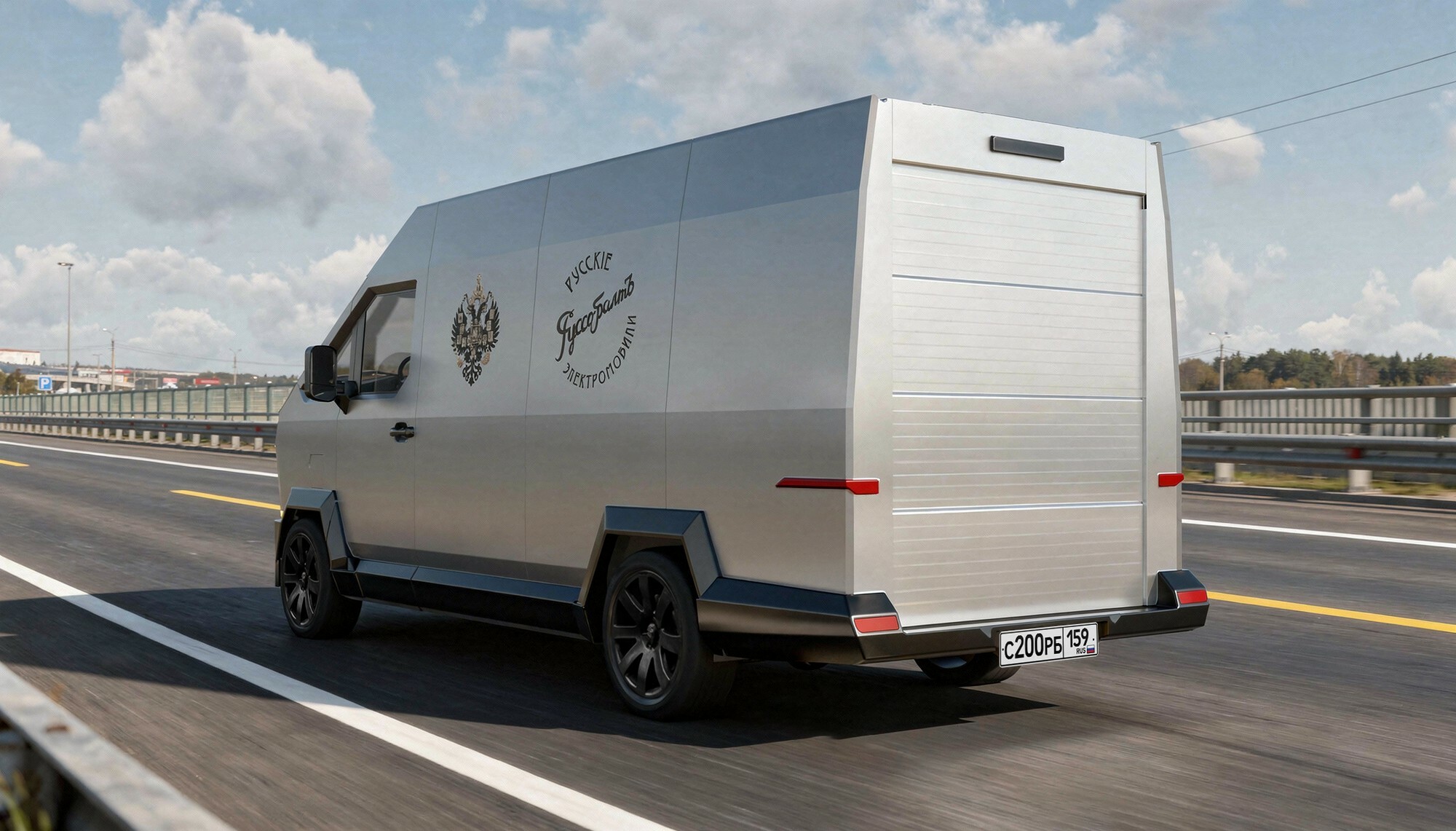
Tesla hasn’t created a Cybervan yet, but someone else just beat them to it. A Russian startup has stepped in with something that looks uncannily like a bulked-up Cybertruck, except it’s an electric van, and yes, it’s heading for production.

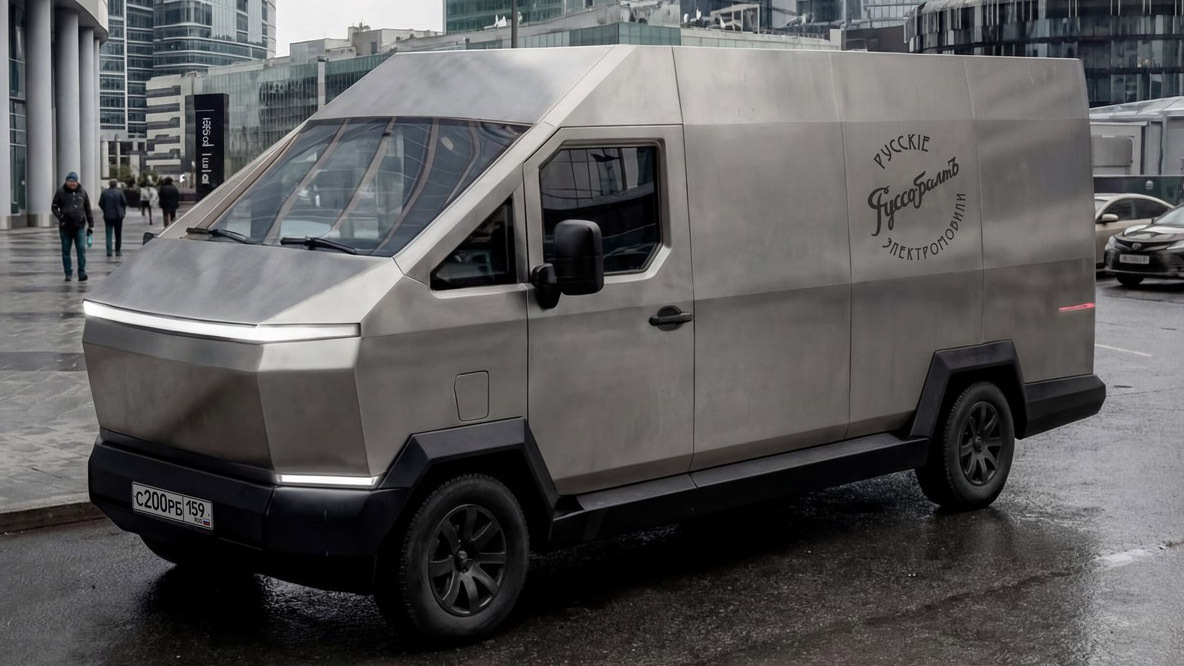
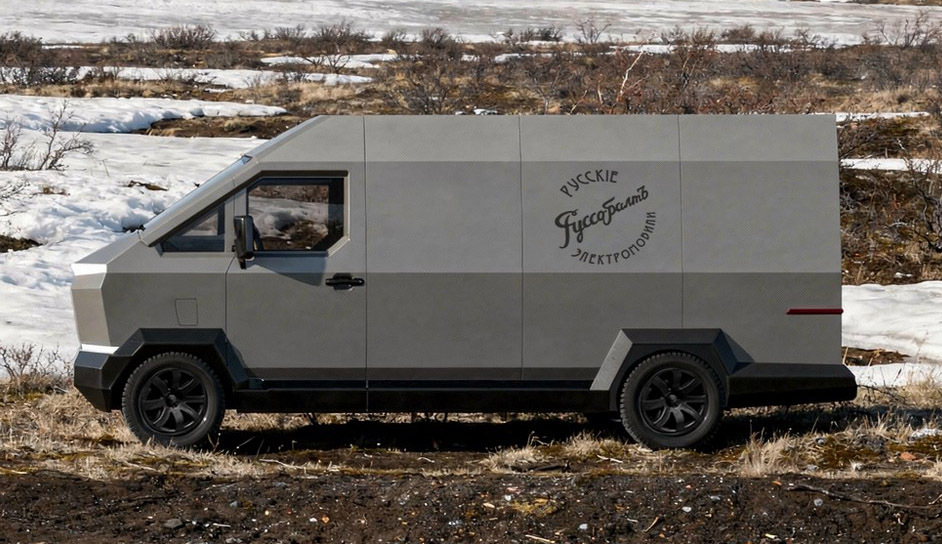
Meet the Russo-Balt F200, a stainless steel slab of a van with unmistakable Cybertruck flair. It’s the first model from a newly revived brand that traces its name back to a storied Russian automaker and railway carriage builder that operated between 1869 and 1918. Production plans are already in motion, with initial deliveries scheduled for January 2027.

More: Russia’s Cybervan Looks Like A Sci-Fi Tesla Truck That Gave Up

As we previously reported, the F200 has already been seen roaming public roads in Russia, confirming that it’s more than a rendering or vaporware project. Amusingly, the company even featured a link to our earlier coverage on its own website.

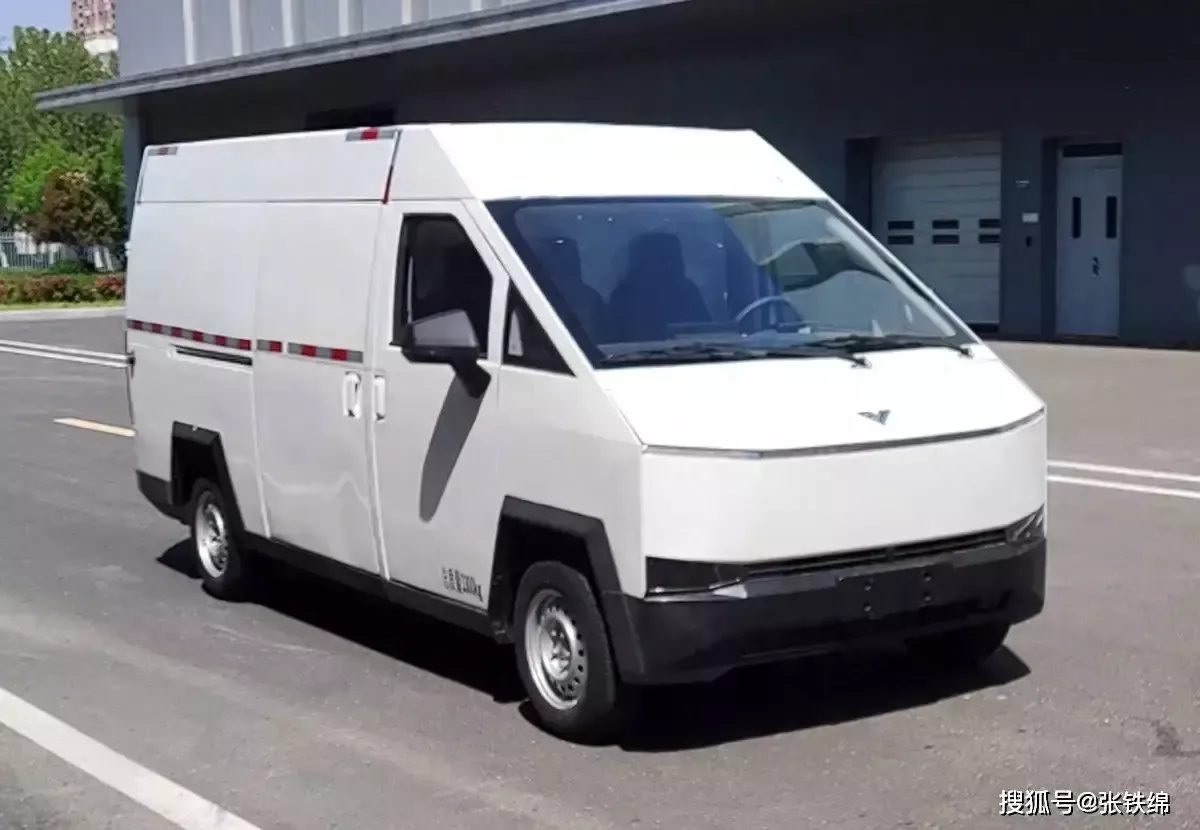
Although we pointed out a resemblance to China’s Weiqiao New Energy V90, Russo-Balt insists the F200 is its own creation and not a rebadge job.

What Is This Thing, Exactly?

 Tesla Never Made A Cybervan, So A Russian Startup Did It First
The Russo-Balt F200 above, compared to China’s Weiqiao V90 below.
 Tesla Never Made A Cybervan, So A Russian Startup Did It First

The body panels are shaped from unpainted stainless steel, just like the Cybertruck, welded together by hand. Despite the raw-metal finish, buyers can personalize the look with optional polyurethane wraps, available in a full range of colors and graphics.

From its sharp creases to the flat windows and squared-off arches, the F200 borrows more than a few cues from the Cybertruck. Full-width LED lighting front and rear, plus a tailgate design that recalls the styling of Tesla’s electric truck bed cover, round out the visual nods.

While most vans of this size ride on a ladder-frame chassis, the F200 uses a monocoque chassis. This setup supports a payload of up to 1,000 kg (2,205 pounds), which appears to be in line with commercial expectations.

100-Year Warranty

 Tesla Never Made A Cybervan, So A Russian Startup Did It First

According to the Russian startup, the vehicle falls under the international L3H3 classification and measures 5,950 mm (234.3 inches) in length, 2,000 mm (78.7 inches) in width, and 2,550 mm (100.4 inches) in height, tall enough for most people to stand upright inside.

The standard build includes a 100-year body warranty for the stainless steel panels, which sounds a bit rich for a van that hasn’t hit the road yet in full production form.

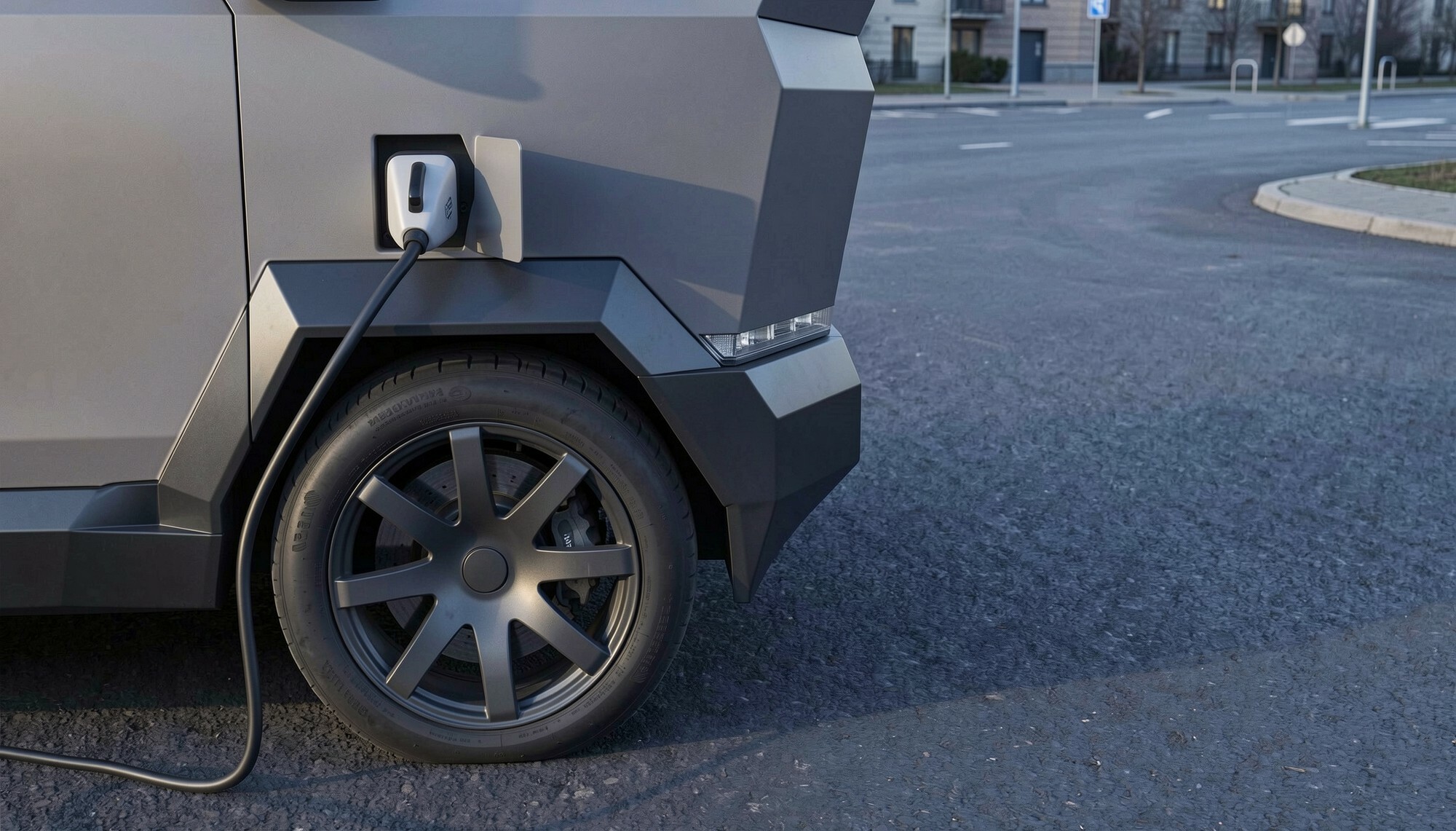
Power comes from a single electric motor with 200 hp sent to the front wheels. A 115 kWh battery pack provides a claimed range of 400 kilometers (249 miles), with DC fast charging supported via a port on the front fender.

How Much Does it Cost?

 Tesla Never Made A Cybervan, So A Russian Startup Did It First

Pricing is set at 6.5 million rubles, roughly $85,200 at current exchange rates. A refundable deposit of just 10,000 rubles (around $131) secures a place in the production queue, though the total planned volume hasn’t been disclosed.

More: Ukraine Turns A BMW 7-Series Into A Luxury Russia-Fighting Rocket Launcher

Standard equipment includes ABS, ESP, climate control, rear air suspension, and a 360-degree camera setup with live streaming capability. Virtually every surface that could be warmed, including seats, steering wheel, mirrors, even the windshield wipers, is heated. This is a vehicle built for Russian winters, after all.

Infotainment is handled by a 14-inch touchscreen, which displays vehicle settings and offers integrated entertainment from Russian platforms such as Rutube, VKvideo, and Yandex.

More to Come from Russo-Balt

 Tesla Never Made A Cybervan, So A Russian Startup Did It First

Interestingly, the team behind the F200 claims prior experience in manufacturing stainless steel water dispensers, and they plan to carry over the same material and fabrication expertise to the van. Production will be on a made-to-order basis.

A second model, the F400, is already in development. This one will feature a range-extending gas engine and all-wheel drive via dual electric motors, combining for a projected 400 horsepower. It will also add front air suspension, in addition to the rear air spring setup already included on the F200. Pricing details have yet to be announced.

\\\\\\\\\\\\

Russo-Balt

Tesla’s Trying To Sell The Cybertruck Somewhere You’d Never Worry About Gas

  • Tesla Cybertruck starts at $110,000 in the United Arab Emirates.
  • U.S. sales fell 48.1 percent to 20,237 units during 2025.
  • Elon Musk once predicted 500,000 annual Cybertruck sales.

Prior to launching the Tesla Cybertruck, Elon Musk suggested they could sell as many as 500,000 of them per year. However, as sales of the electric pickup never really picked up in the United States, Tesla has started selling the Cybertruck in more markets, the latest being the Middle East.

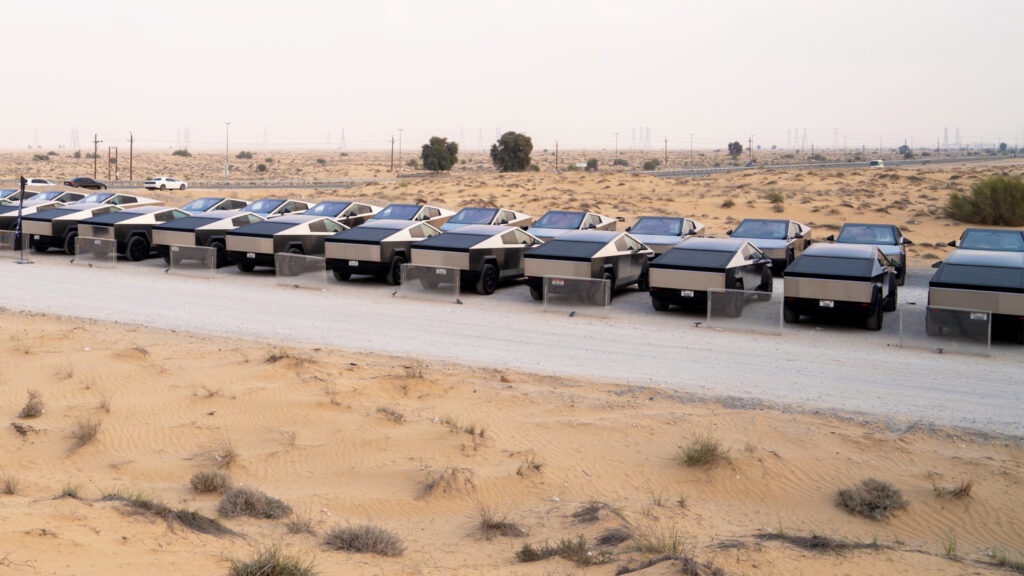
Earlier this month, the first Cybertrucks were delivered to customers in the United Arab Emirates (UAE). Roughly 60 units were handed over during a launch event held for the occasion.

Read: Tesla’s Running Out Of Cybertruck Buyers, So Musk’s Other Companies Are Buying It

While much of the early hype surrounding the electric truck has died down in the US, it’s a hot ticket in the Middle East, with many having already been imported into the region by enthusiastic buyers before Tesla made it official. Of course, the UAE and the broader Middle East remain relatively small markets and won’t help Tesla get anywhere near its early estimates for the Cybertruck.

As one of the world’s top oil producers, the UAE enjoys some of the lowest fuel prices globally, which makes electric vehicles a harder sell. With cheap gas and a strong car culture rooted in performance and presence, the appeal of a futuristic EV like the Cybertruck has more to do with novelty than necessity.

How Much Is a Cybertruck in Dubai?

\\\\

Tesla Europe & Middle East/Twitter

In the UAE, pricing starts at AED404,900 for the dual-motor variant, roughly $110,000. That’s significantly more than the $79,990 price tag in the U.S. The top-end tri-motor Cyberbeast comes in at AED454,900, or about $123,000, which represents a smaller markup over its American counterpart at $114,900.

American Sales Crater

Back in the U.S., sales of the Cybertruck tumbled in 2025. Tesla moved just 20,237 units, down 48.1 percent from the 38,965 sold in 2024, the vehicle’s first full year on the market. The final quarter was especially tough, with only 4,140 trucks delivered. That’s a 68.1 percent drop compared to the 12,991 units shifted in Q4 of the previous year.

\\\\\\\
❌