Normal view

There are new articles available, click to refresh the page.
Before yesterdayMain stream

Tesla Still Rules EV Satisfaction, Though One Rival Just Caught Up

  • EV owner satisfaction has reached an all-time high.
  • Best models come from Tesla, BMW, and Cadillac.
  • Most EV owners would consider getting another one.

Electric vehicles have come a long way in the past few years, and the progress is finally showing up where it matters most: in owner satisfaction. According to the latest data, these steady gains in technology and infrastructure are translating into record-high approval from drivers.

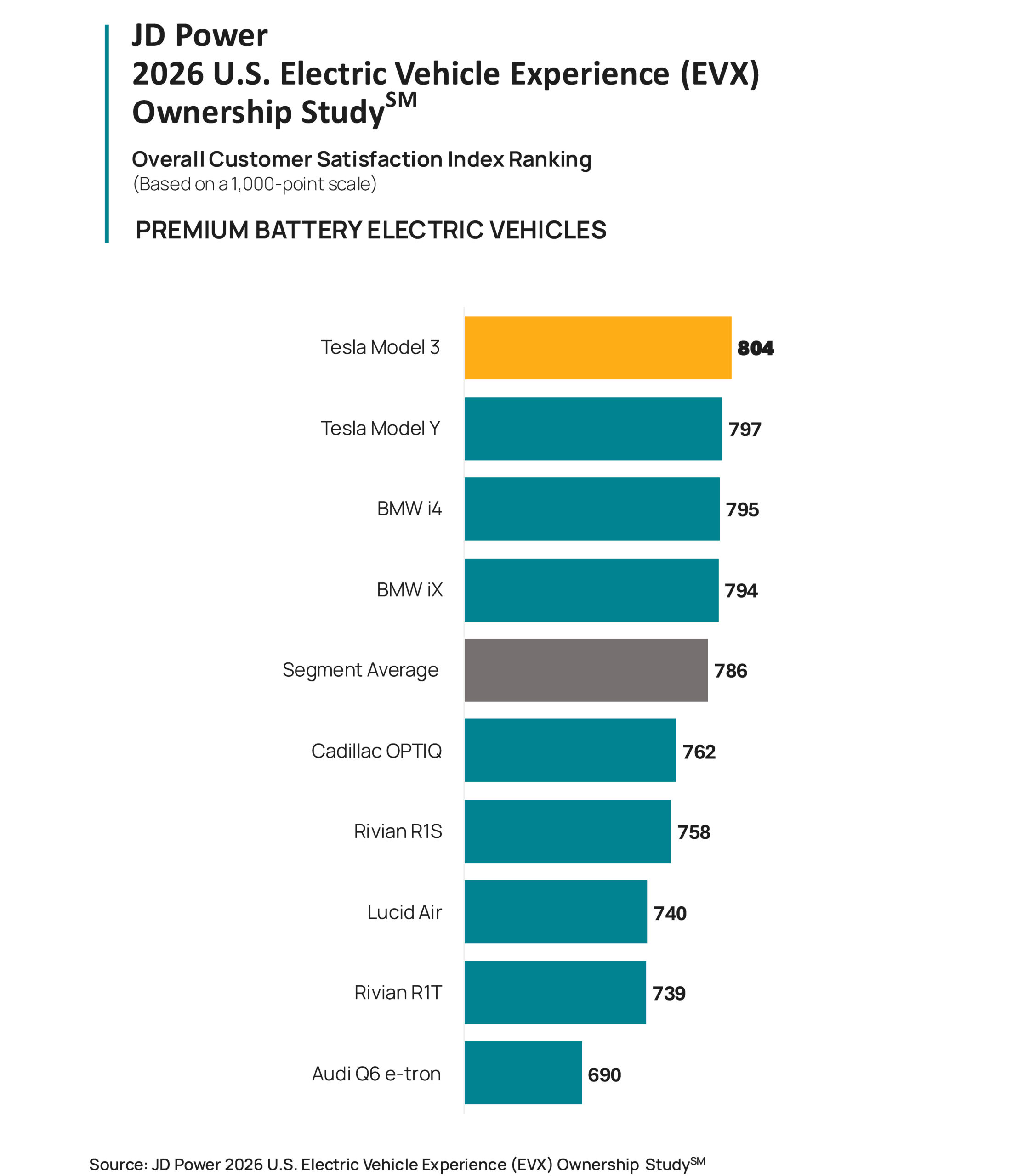
That’s the verdict from JD Power’s 2026 U.S. Electric Vehicle Experience Ownership Study, which found premium EV satisfaction climbed from 756 points last year to 789 in 2026. Mainstream EVs also improved two points to hit 727 out of 1,000.

More: A Third of Americans Are Priced Out Of New Cars, And It’s Getting Worse

The highest rated premium EVs were the Tesla Model 3 (804), Tesla Model Y (797), and BMW i4 (795). On the flip side, the new Audi Q6 e-tron came in dead last at 690. It placed well below the Lucid Air (740) and Rivian R1T (739).
 Tesla Still Rules EV Satisfaction, Though One Rival Just Caught Up

Segment Standouts And Stragglers

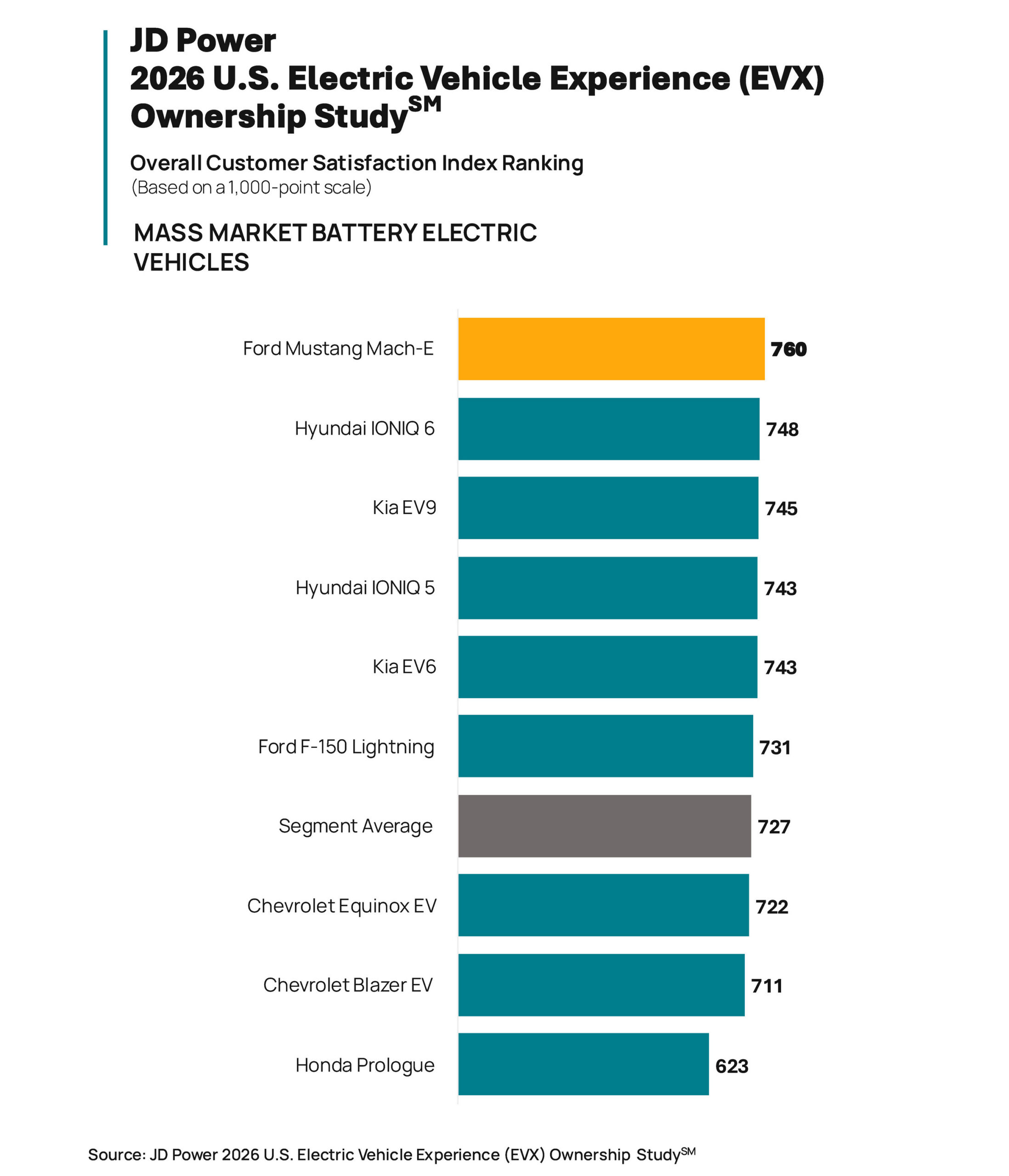
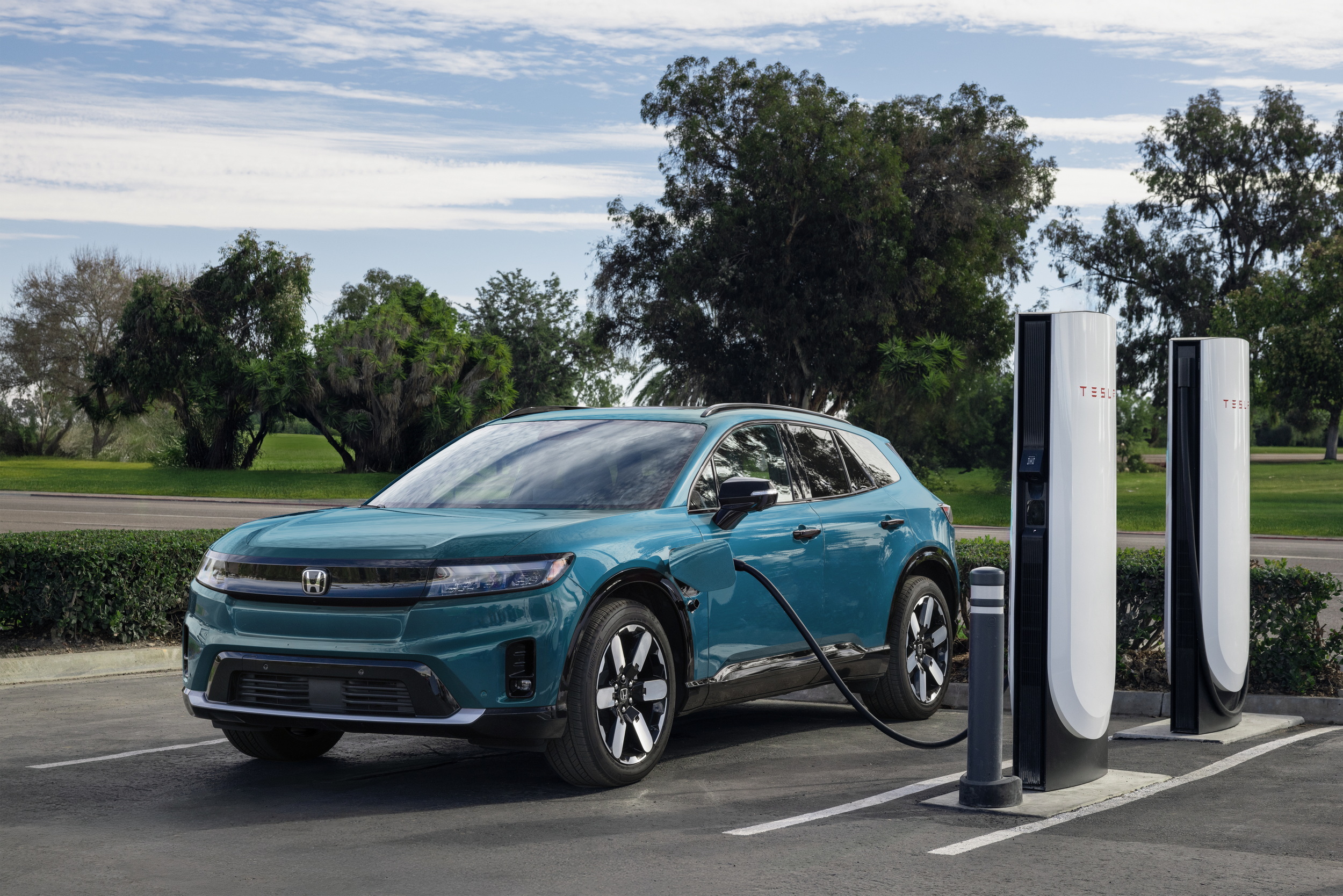
On the mass market side of the equation, the Ford Mustang Mach-E took top honors with a score of 760. The electric pony car was followed by the Hyundai Ioniq 6 (748) and Kia EV9 (745). Interestingly, the two lowest rated EVs were the Chevrolet Blazer EV (711) and Honda Prologue (623). That’s a huge point spread considering both models are built by GM and have a lot in common.

Of course, things aren’t completely straightforward as the study examined ten different factors. This includes the “accuracy of stated battery range, availability of public charging stations, battery range, cost of ownership, driving enjoyment, ease of charging at home, interior and exterior styling, safety and technology features, service experience, and vehicle quality and reliability.”

Encouragingly, 96 percent of EV owners said they would consider buying or leasing another one and the study also found quality has improved. That’s especially true of premium EVs, which had 15.9 fewer problems per 100 vehicles compared to last year. This brought the total down to 75 and JD Power said this was driven by noise improvements as well as fewer problems with driver assistance technology.
 Tesla Still Rules EV Satisfaction, Though One Rival Just Caught Up

Is Charging Still A Concern?

The study also found that EV drivers are becoming more satisfied with public charging. Scores climbed by over 100 points and this is being attributed to growing charging infrastructure as well as the opening of Tesla’s Supercharger network to other automakers.

Last but not least, EV drivers are more satisfied than those with plug-in hybrids. Premium EVs scored 114 points higher than their PHEV rivals, while mainstream electric vehicles had a 117 point advantage. Part of this can be chalked up to the cost of ownership as plug-in hybrid drivers have to deal with a more complex powertrain that involves gas and electricity.

In a statement, JD Power’s Brent Gruber said “Improvements in battery technology, charging infrastructure and overall vehicle performance have driven customer satisfaction to its highest level ever. What’s more, the vast majority of current EV owners say they will consider purchasing another EV for their next vehicle, regardless of whether they benefited from the now-expired federal tax credit.”
 Tesla Still Rules EV Satisfaction, Though One Rival Just Caught Up

Honda’s Super-One Wants To Be A Hot Hatch So Bad It Pretends To Shift Gears

  • Honda reveals production Super-One ahead of its Japan launch.
  • Electric hot hatch gets wide arches, power boost, and fake noise.
  • UK, Europe, and Asia-Pacific markets confirmed for release.

Forget the clinical efficiency and silent hum of modern EVs. Honda has other ideas. The brand is channeling some of its spikiest ’80s spirit into the electric era, drawing a direct line from the analog madness of the City Turbo II to its latest pint-sized experiment.

After showing off a prototype at the Japan Mobility Show, Honda has pulled the curtain back on the production-ready Super-One via a new teaser site ahead of its domestic launch.

More: Honda Walks Back Its EV Plans As Losses Spiral

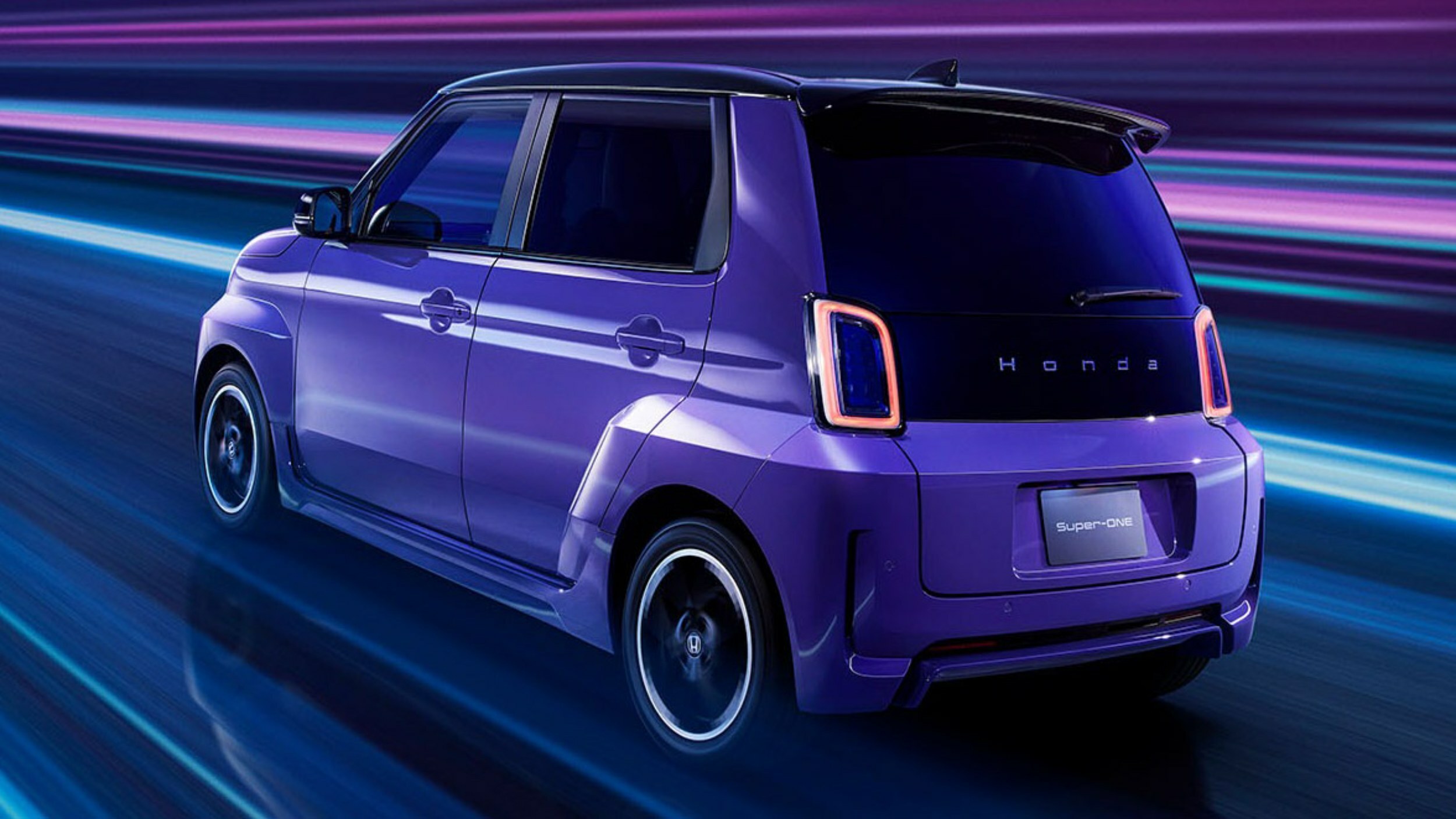
The Super-One isn’t just a slightly jazzed-up N-One e:. It’s a city-sized hot hatch, with a wider stance, upgraded chassis, and an electric powertrain that tries to evoke the grit of a gasoline engine with synthesized sounds. Honda says it’s a spiritual successor to the City Turbo II Bulldog from the 1980s.

Widebody Pocket Rocket

Visually, the Super-One stands out with reshaped bumpers featuring functional air ducts, distinctive “blister fenders” along the sides, and a roof spoiler. It also rides on a new set of 15-inch alloy wheels finished in matte Berlina Black with a machined face, paired with wider Yokohama tires.

\\\\\\\\\

In terms of size, the Super-One comes in at 3,589 mm (141.3 inches) long, 1,573 mm (61.9 inches) wide, and 1,616 mm (63.6 inches) tall. That makes it 194 mm (7.6 inches) longer, 98 mm (3.8 inches) wider, and 71 mm (2.8 inches) taller than the standard N-One e:, though it retains the same 2,520 mm (99.2-inch) wheelbase.

More: Prelude, Type R And CR-V Get Sporty HRC Makeovers, And Honda Didn’t Stop There

Honda has introduced a new color called Boost Violet Pearl, inspired by lightning and offered exclusively on the Super-One. Other available finishes include Platinum White Pearl, Crystal Black Pearl, Citron Yellow Pearl, and Mono Gray, each offered in both monotone and bi-tone combinations.

What About The Interior?

Inside, the dashboard layout is mostly carried over from the N-One e:, but the Super-One adds its own touches with reshaped seats featuring heavier bolsters, purple accents, and custom graphics for the 7-inch digital instrument cluster. When Boost Mode is activated, the display shifts to show a simulated tachometer.

\\\\\

Adding to the theatrics, the Active Sound Control system mimics gear shifts and engine growls through the standard eight-speaker Bose premium audio setup. Equipment levels are generous, with a 9-inch infotainment system, heated front seats, a heated steering wheel, and Honda’s full suite of advanced driver assistance features.

Power Boost

The pint-sized hot hatch is driven by a front-mounted electric motor. While Honda hasn’t officially confirmed the output, earlier details from the Singapore Motor Show in January suggest it delivers 94 hp (70 kW / 95 PS) in Boost Mode.

More: The Manual Honda That Thinks It’s A Baby Type R

That might not sound like a lot, but it represents a healthy increase over the 63 hp (47 kW / 64 PS) of the N-One e:. Even so, it is less powerful than the discontinued Honda e that produced 152 hp (113 kW / 154 PS) in its most potent form.

 Honda’s Super-One Wants To Be A Hot Hatch So Bad It Pretends To Shift Gears

The added power and increased width mean the Super-One will be classified as a passenger vehicle rather than a kei car. Honda has not yet revealed battery capacity or range figures, though the N-One e: uses a 29.6 kWh unit.

Rounding out the changes, the sporty EV features a custom chassis setup with a lowered suspension and wider tracks for improved handling.

How Much Does It Cost?

Full details on the Super-One’s pricing and launch timing will follow in the coming weeks. However, Japanese outlet Creative Trend reports that Honda is targeting a price range between ¥3,000,000 and ¥3,500,000 (approximately $19,700 to $22,900) before incentives.

That positions it higher than the standard N-One e:, which starts at ¥2,699,400 ($17,600) and can drop as low as ¥1,625,400 ($10,600) with full subsidies applied.

Following its debut in Japan, the Super-One will also reach additional markets including the UK, Europe, Australia, New Zealand, and select parts of Asia.

Honda Walks Back Its EV Plans As Losses Spiral

  • Honda logged its fourth straight quarter of operating losses.
  • EV-related write-offs reached $1.71 billion through December.
  • A revised EV roadmap is expected to be announced this year.

Honda, like many other automakers, is learning just how expensive missteps and overinvestment in the EV market can be. The Japanese company has already taken major write-offs tied to its electric vehicle efforts and now finds itself in damage control after multiple consecutive quarters of operating losses.

Read: Honda’s New Electric SUV Might Be Small But Its Global Ambitions Are Big

In the nine months ending December 31, Honda reported 267.1 billion yen (or $1.71 billion) in write-offs and expenses tied to its push into electric vehicles. While the financial impact hasn’t reached the same level as Ford’s EV setbacks, it remains a troubling sign for Honda’s strategy.

Losses Pile Up

 Honda Walks Back Its EV Plans As Losses Spiral

Honda has shelved several upcoming EV models and recently logged its fourth straight quarter of operating losses. For the first three quarters of its fiscal year, those losses total 166.4 billion yen, or $1.07 billion. Industry outlet Auto News projects that the full-year impact could reach 700 billion yen, around $4.48 billion, all stemming from its EV ventures.

Speaking about Honda’s most recent financial results, executive vice president Noriya Kaihara acknowledged the firm needs “to conduct a fundamental review of our strategies to rebuild our competitive strength.”

GM Partnership Unwinds

 Honda Walks Back Its EV Plans As Losses Spiral

Things will soon become even more costly. Honda is ending its close cooperation with General Motors on EVs, due in part to slow sales of the Acura ZDX and Honda Prologue, both of which use GM’s Ultium EV platform. It’s understood that Honda reduced the number of vehicles it purchased from GM, and compensated the carmaker.

Redrawing The EV Map

As recently as 2024, Honda said it aimed to sell up to 2 million EVs annually by 2030. However, it greatly overestimated the global popularity of EVs, which has undoubtedly been affected in part by the change in administration in the US just over twelve months ago. According to Kaihara, the company now plans to “significantly revise our future EV strategy” and expects to unveil an updated roadmap in the near future.

 Honda Walks Back Its EV Plans As Losses Spiral

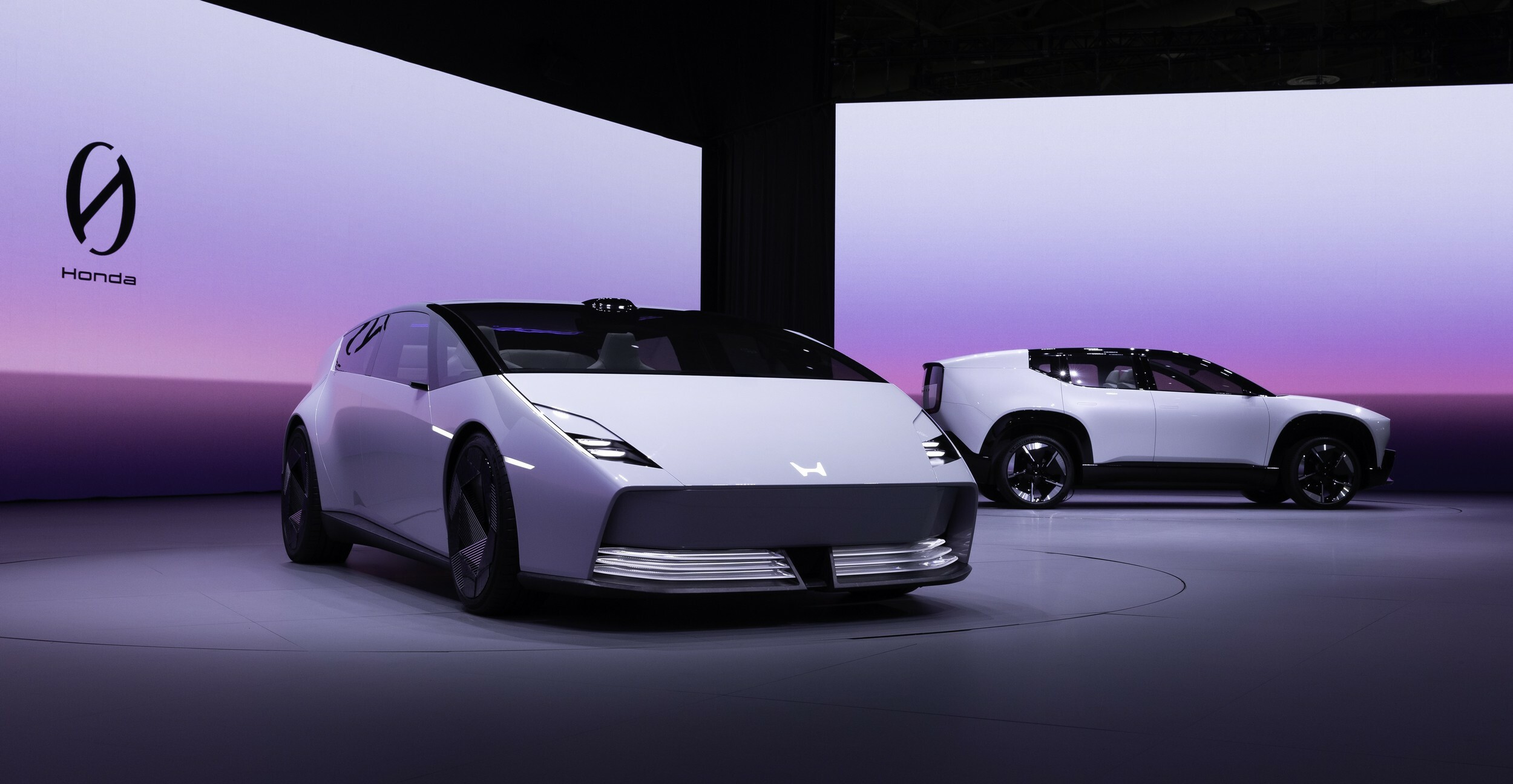
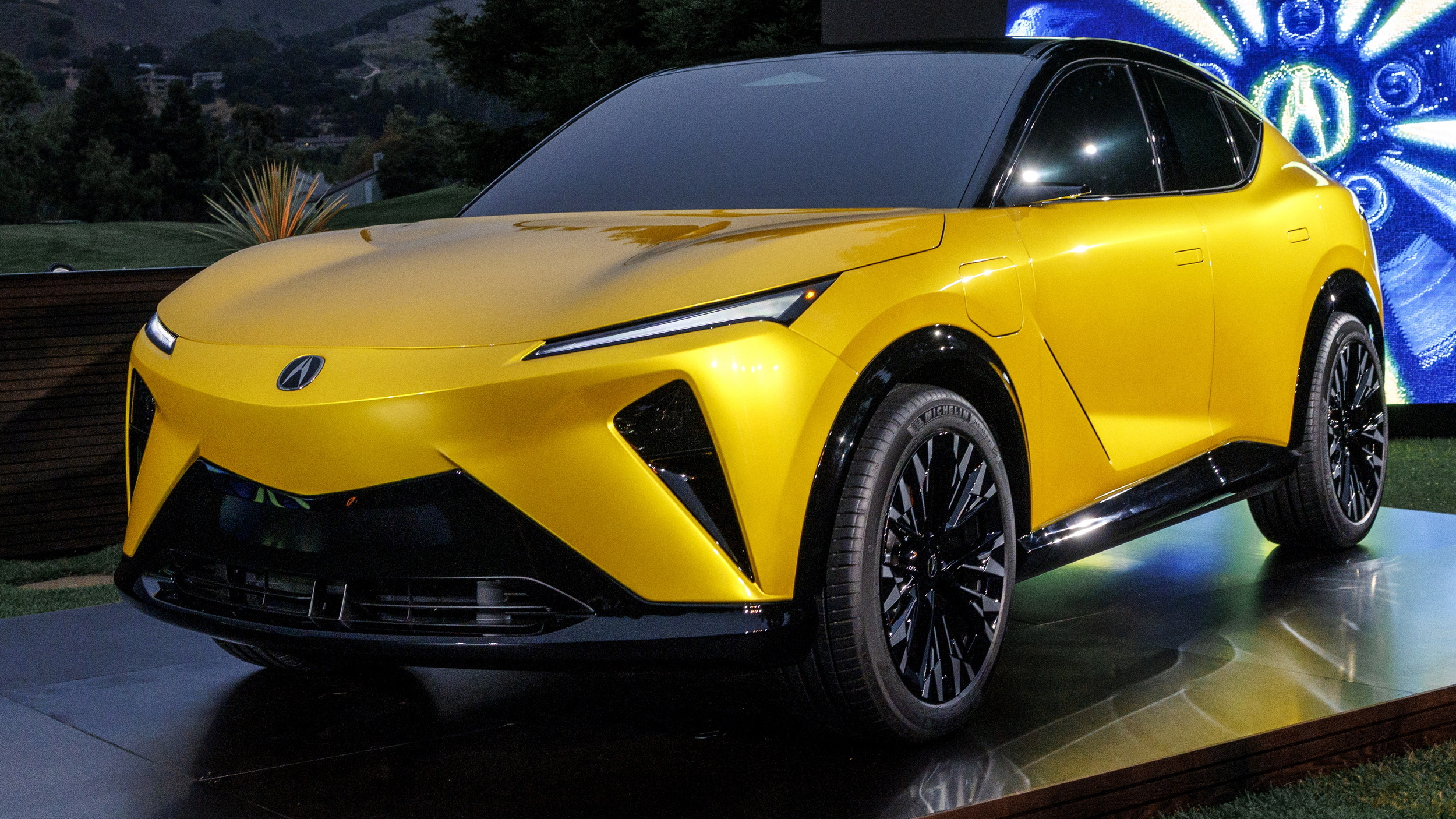
That said, Honda recently told us during a roundtable that the new electric Acura RSX and Honda 0 Series SUV are still on track for a launch later this year.

Central to this realignment will be a renewed emphasis on hybrid models. Honda aims to double its hybrid sales to 2.2 million units in 2020, signaling a clear pivot away from its earlier EV-heavy approach.

 Honda Walks Back Its EV Plans As Losses Spiral
❌
❌