Normal view

There are new articles available, click to refresh the page.
Before yesterdayMain stream

Mazda Bet Big On New Tech And Paid For It In The Reliability Rankings

  • Lexus, Subaru, and Toyota top Consumer Reports’ latest reliability rankings.
  • Tesla climbs sharply, while Mazda tumbles thanks to trouble with new SUVs.
  • Hybrids keep impressing, but EVs and PHEVs still cause trouble for owners.

If you want a new car that spends more time on your driveway than at the dealer, Consumer Reports has some familiar advice. Stick with the usual suspects, be suspicious of shiny new tech, and maybe don’t volunteer to beta test an automaker’s latest big idea.

At the top of the pile, Toyota grabbed first place with Subaru second and Lexus third. Honda and BMW rounded out the top five. Consumer Reports based the study on survey data covering about 380,000 vehicles, so this is the kind of league table that has credibility, and isn’t just the result of an angry guy yelling into a forum thread about his rogue SUV.

Related: A CX-90 Owner Returned His New SUV After One Day, Bought Another, And Got The Same Problem

If you’re wondering who had the best transformation, that would be Tesla. It jumped eight places from last year’s study to ninth overall, helped largely by stronger showings from the Model 3 and, in particular, the Model Y. That doesn’t mean everything in Tesla land is suddenly flawless, because the Cybertruck still landed below average, but it does suggest the company is finally getting a better grip on some of the fit, finish, and hardware gremlins that used to follow it around.

Mazda’s PHEV Nightmare

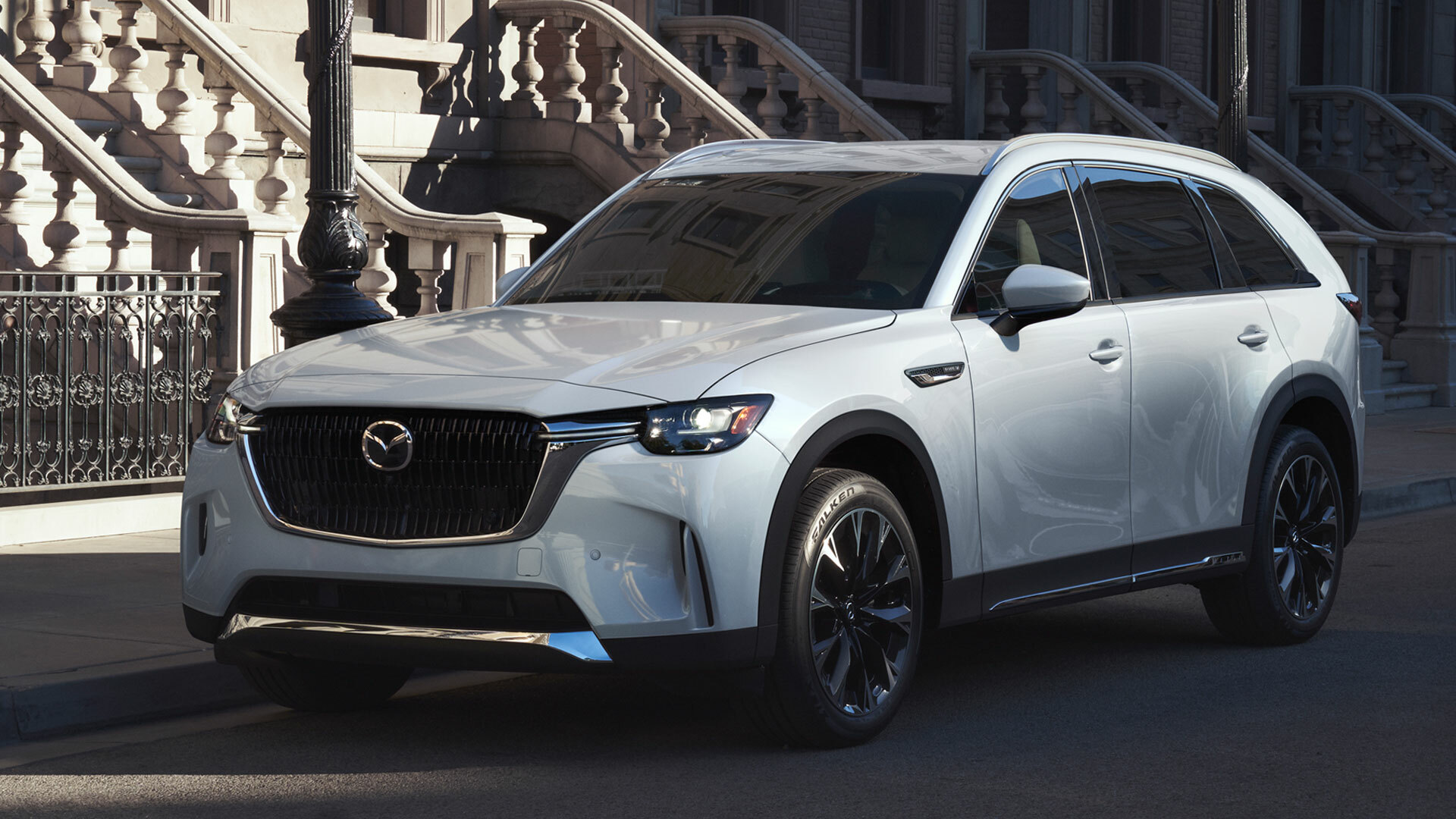
The brand that took the awkward tumble was Mazda, which dropped eight spots to 14th. Older Mazda models still did reasonably well, but the newer, more complicated CX-70 and CX-90, especially in plug-in hybrid form, apparently kept causing trouble.

That’s a classic case of what happens when an automaker gets ambitious with new platforms, new drivetrains, and new tech all at once. Sometimes the engineering team nails it. Sometimes the owners become unwitting, unpaid members of the R&D squad.
 Mazda Bet Big On New Tech And Paid For It In The Reliability Rankings
Mazda

Consumer Reports also says hybrids continue to be a safe option for ICE fans looking for better economy. EVs and PHEVs, meanwhile, remain overrepresented among the least reliable models in the survey, especially when they’re brand new or heavily redesigned.

Buick Leads Detroit Brands
 Mazda Bet Big On New Tech And Paid For It In The Reliability Rankings

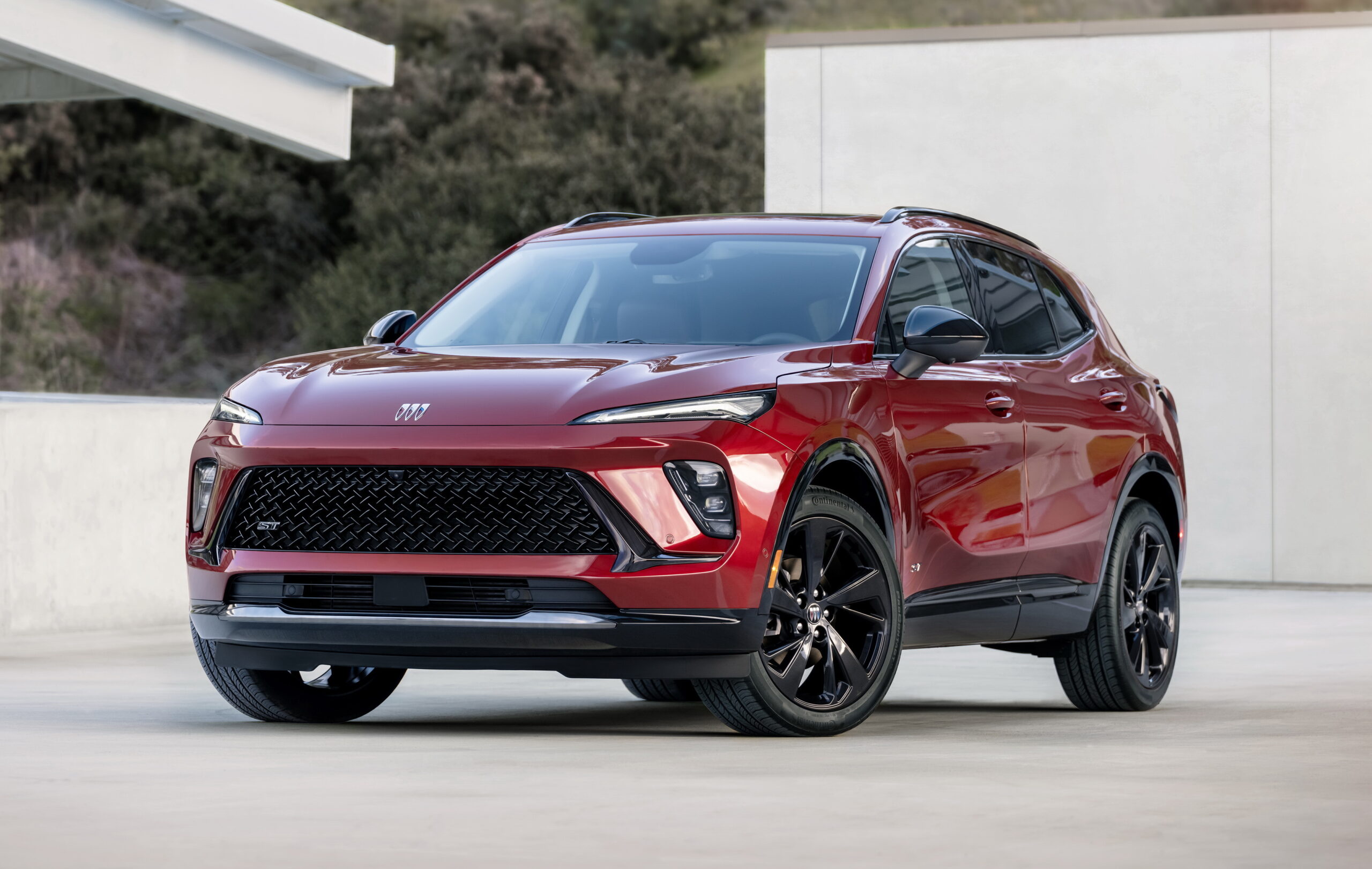
There were a few other eyebrow raisers in the rankings. Buick was the highest placed traditional Big Three Detroit brand at eighth, Ford landed 11th, and relative newcomer Rivian brought up the rear, though it’s worth pointing out that Jaguar, Land Rover, Fiat, Alfa Romeo and more were excluded from the study due to a lack of data.

Consumer Reports also found Asian brands still dominate on reliability, Europeans sit in the middle, and domestic brands trail overall, even if Tesla’s jump gave Team America something to celebrate. 

And reliability is worth celebrating. No, it’s never going to be sexy, but unless your idea of excitement includes hanging around in waiting rooms and constantly swapping into loaner crossovers, Consumer Reports has a pretty clear message: maybe let somebody else test the cutting edge first.

Consumer Reports Reliability Study
Position BrandScore
1Toyota66
2Subaru63
3Lexus60
4Honda59
5BMW58
6Nissan57
7Acura54
8Buick51
9Tesla50
10Kia49
11Ford48
12Hyundai48
13Audi44
14Mazda43
15Volvo42
16Volkswagen42
17Chevrolet42
18Cadillac41
19Mercedes-Benz41
20Lincoln40
21Genesis33
22Chrysler31
23GMC31
24Jeep28
25Ram26
26Rivian24
SWIPE

Consumer Reports

EV Bets Already Cost Four Legacy Carmakers $70B, And The Tab Keeps Climbing

  • Honda recently posted $15.7 billion in expenses for its EV U-turn.
  • EV registrations in the US collapsed 48 percent in December.
  • Ditching the $7,500 federal EV tax credit has eroded EV demand.

The new year hasn’t been kind to traditional automakers, many of which now find themselves confronting an EV reality in the U.S. that looks very different from what they had been planning in boardrooms not long ago. A mix of policy changes and cooling demand is forcing several manufacturers to rethink electrification plans that, until recently, sat at the center of their long-term strategies.

Read: Honda Cancels 0 Sedan, 0 SUV, And Acura RSX EVs

Honda is the latest to change course. The company confirmed this week that it will scrap all three electric vehicles it had planned to build in America, citing weakening demand, especially in the US market. The move places it alongside Ford, GM, and Stellantis, all of which have recently scaled back their own EV programs.

Taken together, the retreat is proving expensive. Those four automakers alone have absorbed close to $70 billion in losses tied to their EV investments, reports Auto News. And that figure doesn’t even include other manufacturers, such as Porsche, which have also begun dialing back their electrification plans.

The drop in EV demand in the US can be largely traced to decisions made by the Trump administration. New government policies not only encourage manufacturers to prioritize combustion-powered models, but the removal of the $7,500 federal EV tax credit has also further weakened demand at a time when adoption was already slowing.

In fact, EV registrations fell 48 percent in December compared to last year, dropping to just 75,427 vehicles. As a result, EV market share slipped from 9.9 percent to 5.3 percent.

The EV Graveyard

 EV Bets Already Cost Four Legacy Carmakers $70B, And The Tab Keeps Climbing

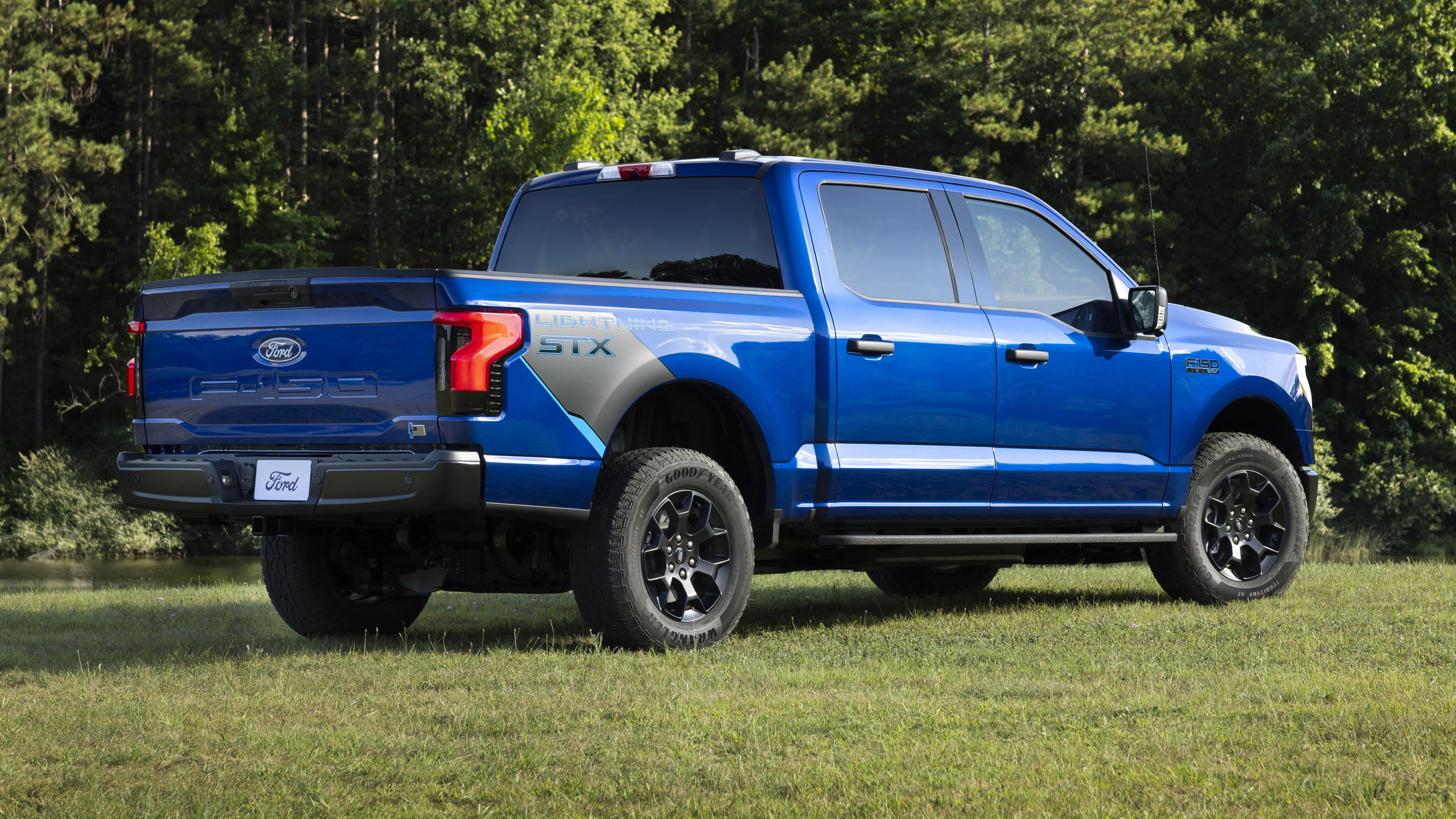
Ford has already revealed that its retreat from EVs has cost roughly $21 billion. The company scrapped plans for a three-row electric SUV and ended production of the F-150 Lightning last year after it failed to meet sales expectations.

Stellantis recently said its EV pullback will cost about $26 billion, following the cancellation of several electric models. GM has also stepped back, halting production of the Chevrolet BrightDrop electric van in Canada and repurposing a Michigan plant for gas trucks after originally planning to build EVs there.

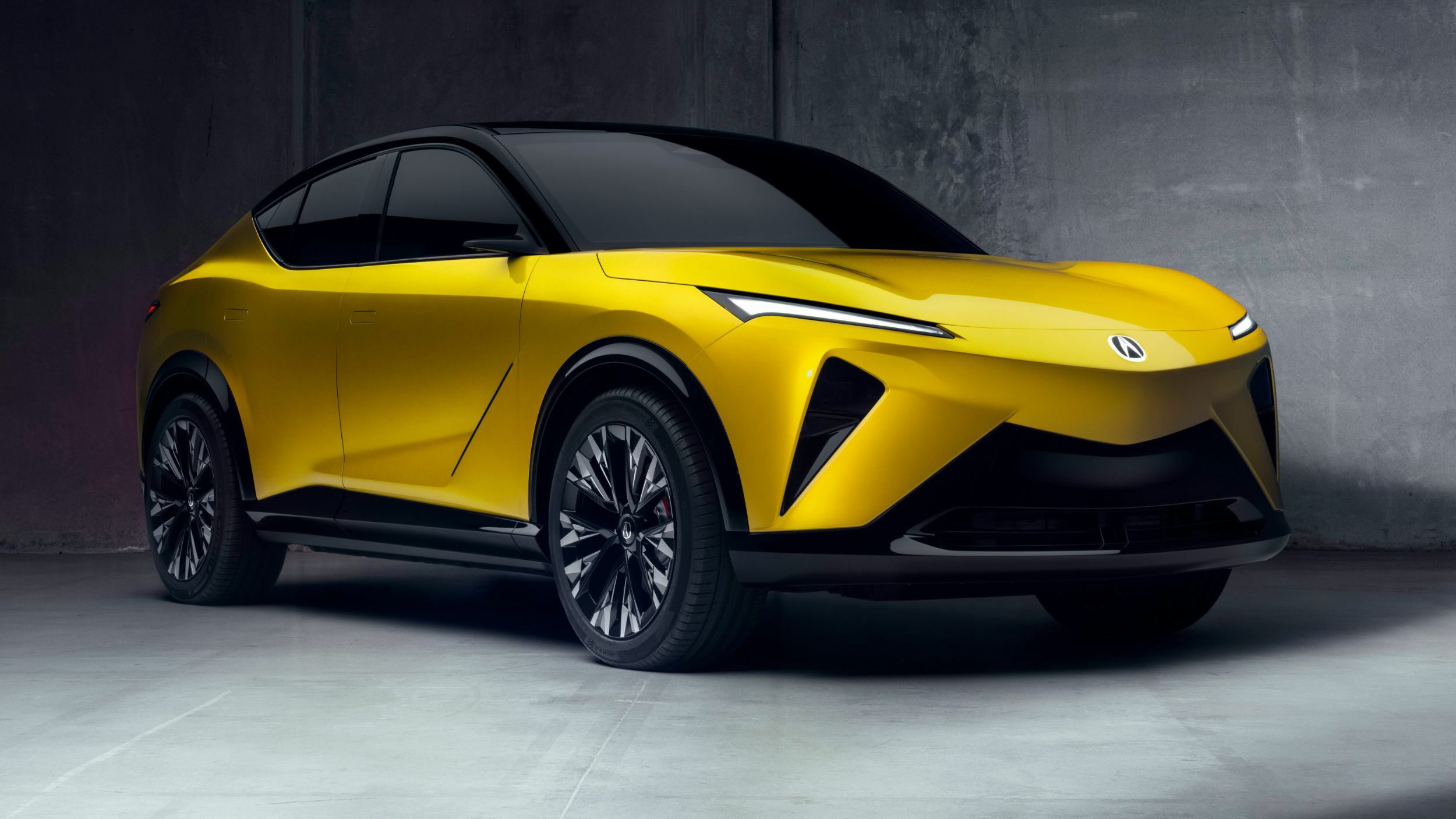
As noted by Auto News, Honda is booking 2.5 trillion yen or $15.7 billion in expenses and losses due to its EV U-turn. In addition to killing off the 0 Saloon and the 0 SUV, the car manufacturer has killed off the all-electric Acura RSX. That sleek coupe SUV was unveiled as a pre-production prototype last year and would have been the first to use Honda’s in-house global EV platform.

Honda is booking 2.5 trillion yen or $15.7 billion in expenses and losses tied to its EV U-turn. Alongside the cancellation of the 0 Saloon and the 0 SUV, the automaker has also killed the all-electric Acura RSX. The stylish coupe SUV debuted as a pre-production prototype last year and was set to become the first model built on Honda’s in-house global EV platform.

 EV Bets Already Cost Four Legacy Carmakers $70B, And The Tab Keeps Climbing
Acura RSX

Honda Cancels 0 Sedan, 0 SUV, And Acura RSX EVs

  • Honda confirms it’s canceled three US EVs including Acura RSX.
  • Axed Honda models are a Lambo-shaped sedan and quirky SUV.
  • Honda now expects massive losses and a bigger focus on hybrids.

Honda’s electric future just got a whole lot less bright. The automaker has announced it’s scrapping three planned North American EVs that were supposed to spearhead its next big push as it rethinks its electrification plans against a backdrop of cooling global EV demand.

The three vehicles are Honda’s delightfully bonkers 0 Saloon and 0 SUV, and Acura’s upcoming RSX crossover, and axing them so late in the game means a ton of financial pain for Honda. The company says it is booking roughly 2.5 trillion yen ($15.7 billion) in expenses and losses due to the U-turn.

Related: Honda Walks Back Its EV Plans As Losses Spiral

Here’s what Honda told us in a statement:

“In order to improve the current earnings situation as early as possible, Honda considered various options; however, after careful consideration, the company made the decision to cancel the development and market launch of three EV models that had been planned for production in the U.S., namely the Honda 0 SUV, Honda 0 Saloon, and Acura RSX.

Honda determined that starting production and sales of these three models in current business environment where the demand for EVs is declining significantly would likely result in further losses over the long term.”

Sedan Does Supercar

Of the trio, the 0 Saloon was the showstopper. It looked like someone fed a Lamborghini Gallardo and a minivan into the same blender. Honda had previously said it would launch in North America after the SUV, and just earlier this year reports said it had already slipped to 2027. Now it appears the delay has turned into a funeral.

\\\\\\\\\\\\\\

The 0 SUV was the more realistic sibling, though still plenty wild from a design standpoint with its hunchback rear. It was an electric crossover SUV with a tall cabin, pixel style lighting and Honda’s new ASIMO OS. This was supposed to be the practical EV that actually paid the bills, and would probably have been the model seen most regularly on US roads.

RSX Revival Iced

But maybe it’s the loss of the Acura RSX that was due to enter production later this year that will sting the most. Acura had already shown a pre-production prototype of the coupe SUV, promising dual motors, all-wheel drive and a sportier feel than the GM-based ZDX that was recently dropped. The RSX was also going to revive a name made famous by an iconic driver-focused Acura of yesteryear, and even if it did so by turning a fondly remembered rev-happy coupe into yet another crossover, at least it was a seriously good looking crossover.

Honda’s change of heart isn’t just bad news for North American EV buyers either, it’s all bad for US workers. All three EVs were scheduled to be built in Ohio. We have reached out to Honda for confirmation and will update this story when we hear back.

\\\\\\\\\\\\

Honda/Acura

❌
❌