Normal view

There are new articles available, click to refresh the page.
Today — 9 June 2026Main stream

Lexus Charges BMW Money On A Toyota Budget, And It’s Working

  • Lexus plans EVs and hybrids from one common vehicle architecture.
  • Flexible platforms help preserve profits if consumer tastes change.
  • Experts say Lexus benefits from Toyota technology and buying power.

For years, automakers, including Lexus that once pledged to go EV-only by 2035, told us the future would be electric. Now that EV growth has cooled in several key markets, many of those same companies are quietly changing course, often at a huge cost. Lexus, however, thinks it has found a smarter, less financially painful way forward.

Related: The 2027 Lexus TZ Borrows The Highlander’s Bones And The LFA’s V10 Voice

Instead of betting everything on dedicated EV platforms, or U-turning in favor of old-fashioned gas cars, Toyota’s luxury division is developing vehicles that can be built as either hybrids or fully electric models using much of the same underlying architecture. It’s a strategy designed to give Lexus maximum flexibility while competitors wrestle with expensive shifts in demand.

One Platform, Two Powertrains
 Lexus Charges BMW Money On A Toyota Budget, And It’s Working
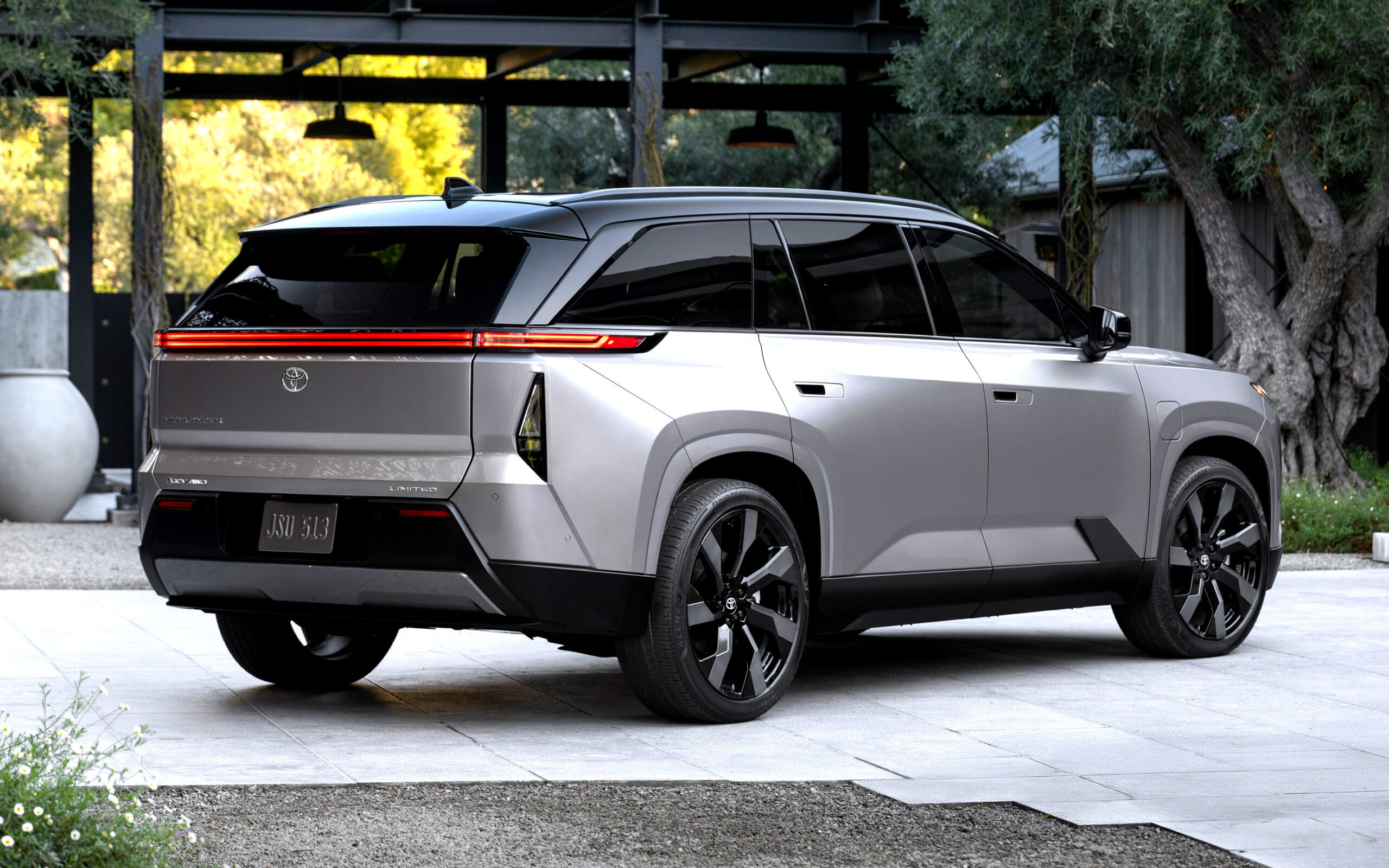
The 2026 Toyota Highlander

Future products will be designed so the two brands can install either a battery pack or a hybrid powertrain within essentially the same vehicle structure, according to Lexus and Toyota executives who presented the plan to Handelsblatt and other media at the Shimoyama development center in Japan. That means Lexus can react faster if customer demand swings toward EVs, hybrids, or somewhere in between. Or if the next US president reinstates tax credits for cleaner vehicles.

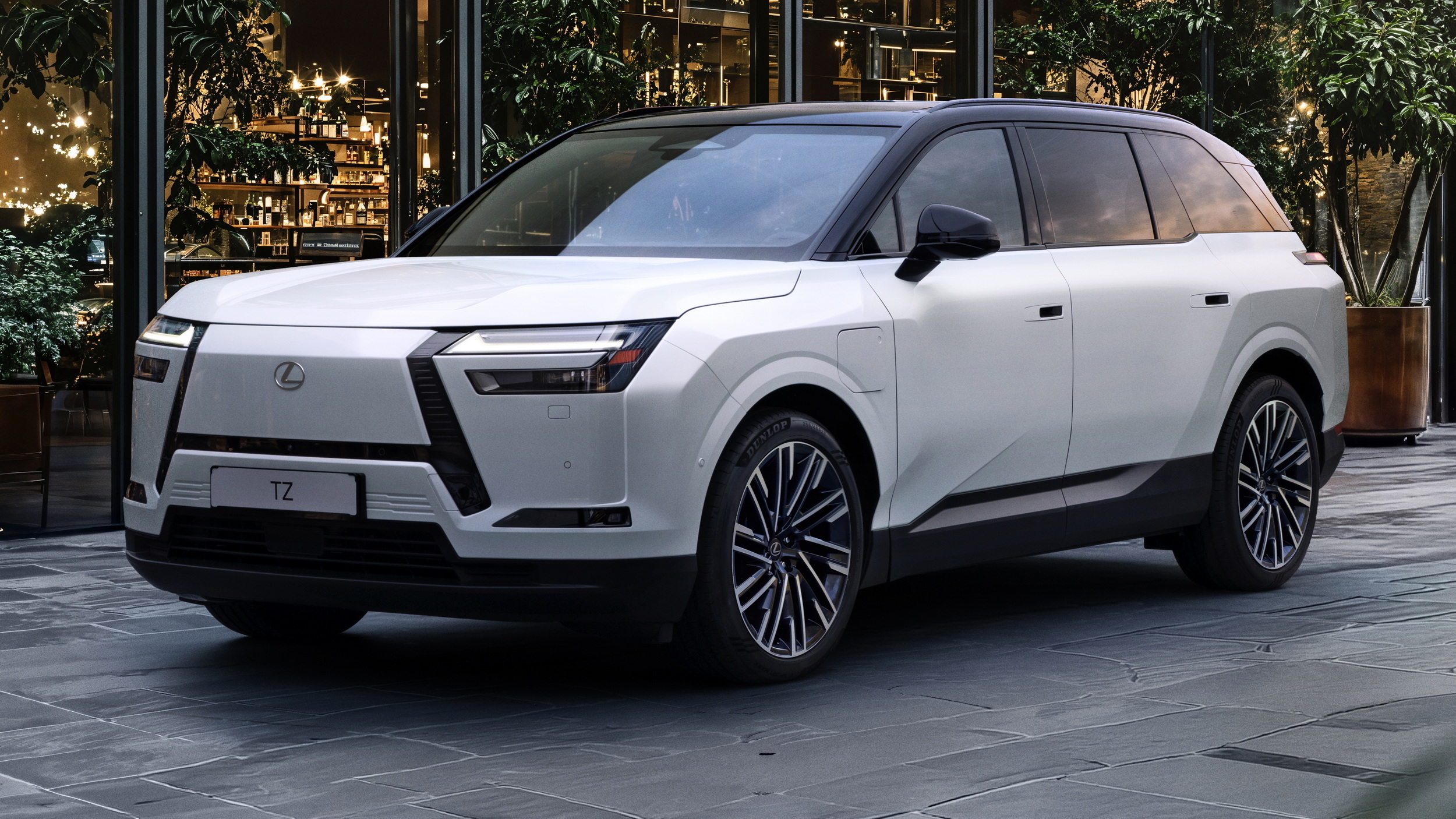
Toyota CTO Hiroki Nakajima told reporters that Lexus’s upcoming TZ electric SUV is expected to be profitable from launch in North America. That’s a claim many automakers would love to make right now, because some, like Honda/Acura and Porsche, are hurting badly from having written off billions of dollars in EV development, and US EV sales are dire.

Christopher Richter, an automotive analyst at CLSA in Tokyo, traces that edge to Lexus’s lower cost base. Toyota doesn’t break out Lexus financials, but Richter told the German outlet he figures the brand’s margins sit well into the double digits. By comparison, Mercedes posted a return on sales of 5% last year and BMW managed 5.3%. The trick, Richter says, is that Lexus can charge BMW money while leaning on the purchasing volume and development resources of the world’s largest carmaker.
 Lexus Charges BMW Money On A Toyota Budget, And It’s Working

The TZ isn’t the first Lexus or only Lexus to benefit from common-platform thinking. The new ES sedan is already available as a hybrid or EV, both versions built from the same basic architecture. It’s not a strategy peculiar to Lexus. BMW and Mercedes also build some EVs and hybrid cars on shared platforms, including the X1 and iX1, 5-series and i5, and CLA.

But the two German brands also have EV-specific platforms. BMW’s new ICE 3-series sedan, for instance, will look almost identical to the i3 electric 3-series, yet they’ll ride on totally different architectures.

Profit Over Volume

BMW and Mercedes both sell more than twice as many cars as Lexus, which moved 882,291 vehicles worldwide in 2025, nearly half of them in North America. In particular, Mercedes shifted around 1.8 million that year and BMW close to 2.2 million under its core brand. But in the luxury game it’s profit, not registrations, that counts, and Toyota’s upscale division seems convinced it holds the better hand.

\\\\\\\\\

Lexus, Rivers/Carscoops

Before yesterdayMain stream

BMW Beat 23 Other EVs In Range, Then Beat Its Own Too

  • BMW iX3 went the furthest of any EV in Norway’s summer test.
  • Xpeng X9 minivan beat its official range by a wide margin.
  • Most of the 24 EVs barely strayed from their stated range figures.

Most modern EVs look like long-haul champions on the spec sheet, but the paper numbers and the real world don’t always shake hands. The Norwegian Automobile Federation (NAF) and its independent membership magazine Motor are back with the bi-annual “El Prix” range test, putting 24 electric models through their paces to see which ones live up to their official WLTP ratings, and which ones fall flat.

This round was run under the kindest conditions an EV could ask for. NAF conducted the test during the Norwegian summer, with dry roads and temperatures hovering between 12 and 18°C (53.6 to 64.4°F).

More: EV Range Claims Still Sound Great, Until Freezing Temps Hit

The standout was the new BMW iX3 50 xDrive, which covered 781 km (485 miles) on a single charge. That’s not just close to its claim, it’s 1.5 percent beyond its official WLTP figure and a hefty 11.7 percent more than its advertised EPA range.

 BMW Beat 23 Other EVs In Range, Then Beat Its Own Too
BMW iX3

Predictably, the new iX3 posted a much higher range figure than the model it replaces. Even so, NAF points out that the previous-gen iX3 tested back in 2021 still holds the all-time summer record for positive deviation, beating its rating by 23.5 percent with 556 km (345 miles) of range.

More: EV Speed Comes At A Price, So Where’s The Sweet Spot?

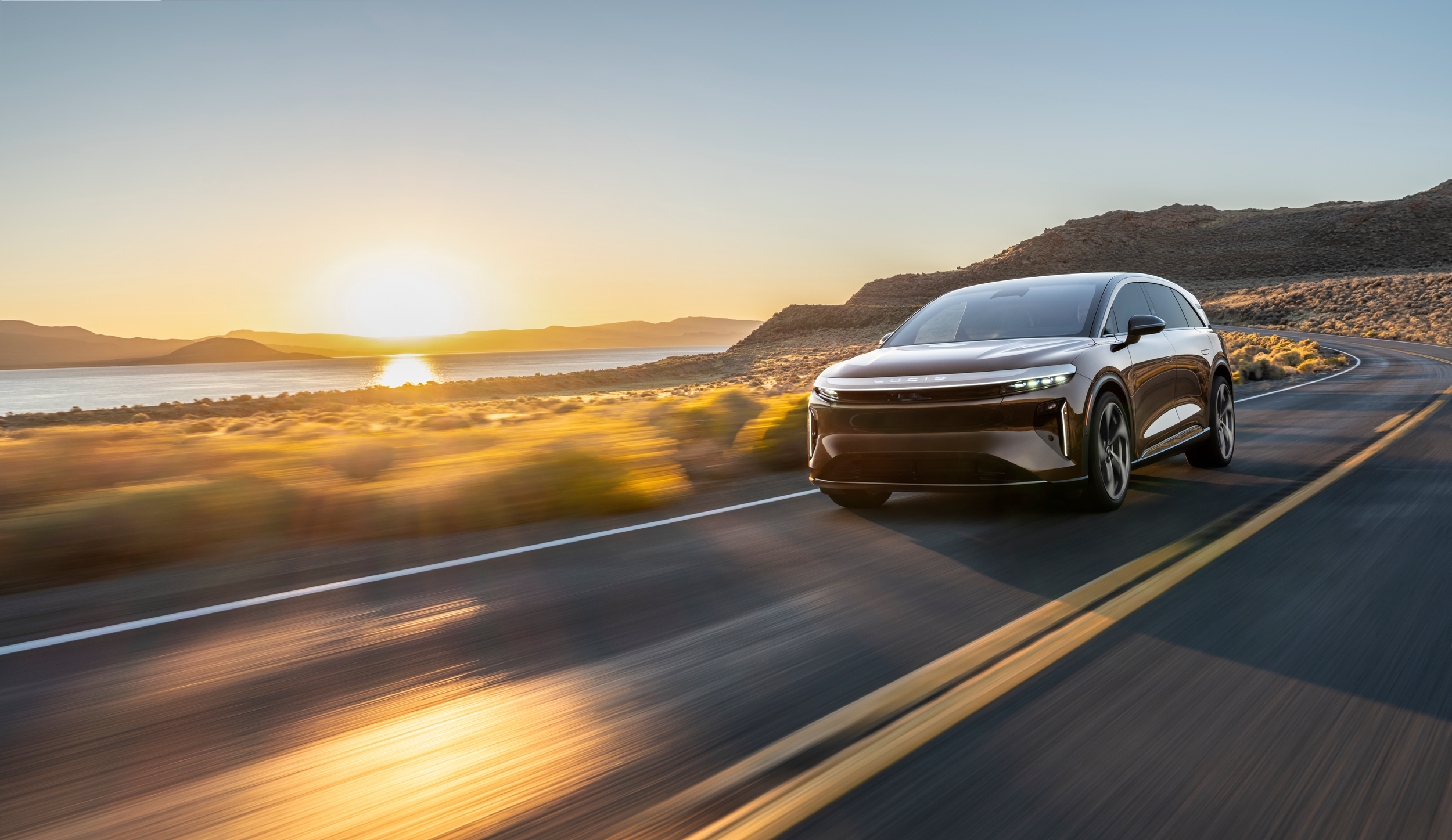
As for the ultimate record for the longest range, it belongs to the Lucid Air that achieved 832 km (517 miles) in the summer of 2025. This year Lucid showed up with the Gravity SUV instead, which ran for 720 km (447 miles) before the battery gave out, falling 3.7 percent short of its expected figure.

 BMW Beat 23 Other EVs In Range, Then Beat Its Own Too
Xpeng X9

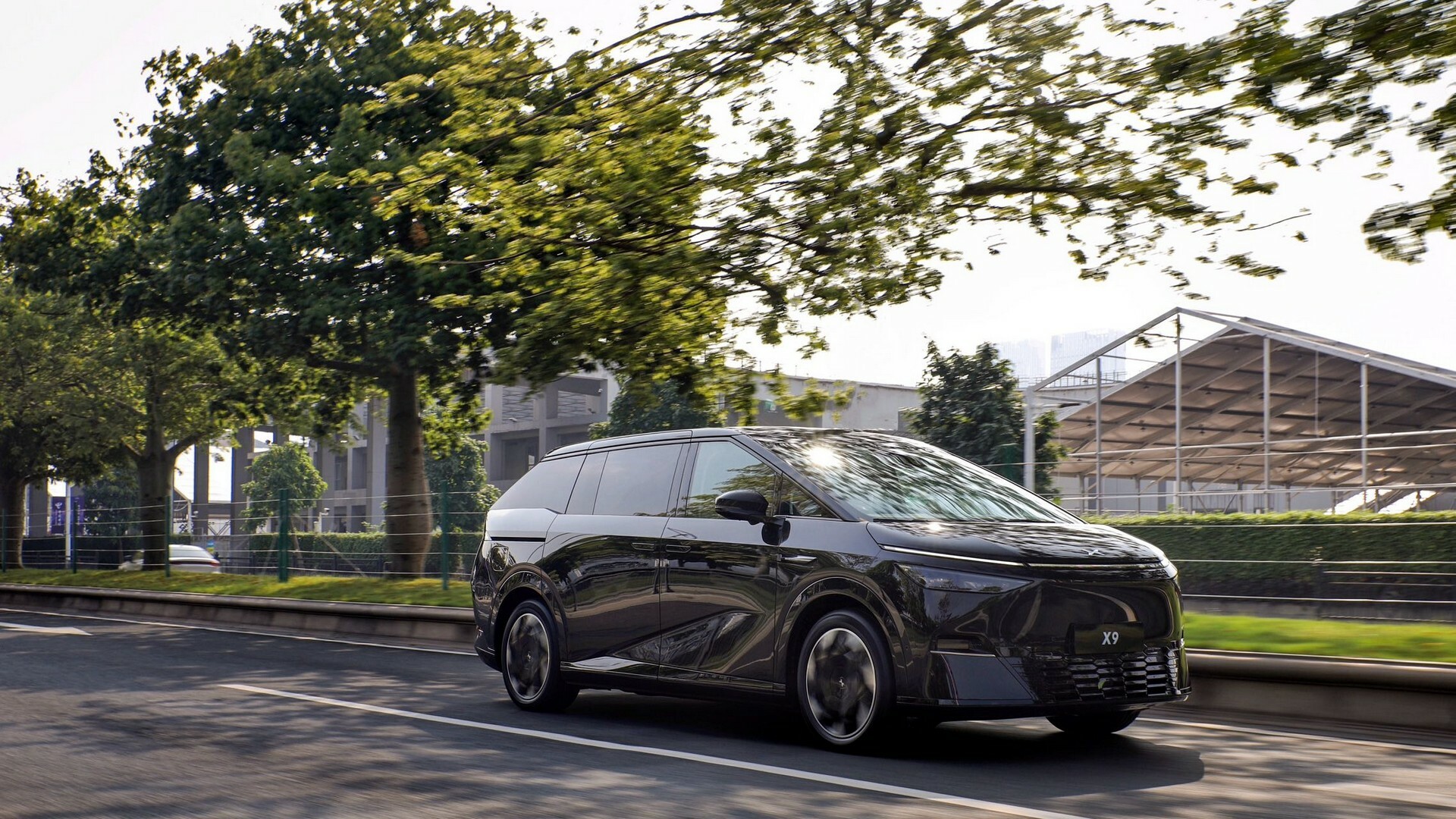
The BMW drove the furthest, but the most impressive result of the year came from the XPeng X9. The Chinese minivan posted a real-world range of 646 km (401 miles), beating its WLTP rating of 580 km (360 miles) by 11.4 percent. That kind of overachievement is nothing new for XPeng, as the G9 SUV topped its advertised range by 13 percent back in the 2023 test.

More: This EV’s Real Range Misses By 23% But That’s Not The Worst Part

At the opposite end sat another Chinese model, the MG IM6 sedan, which managed just 446 km (277 miles), falling 11.7 percent short of its WLTP figure. Nils Sødal, senior communications adviser at NAF, said the result caught the team off guard: “We were surprised to see such a large negative deviation for this MG, especially when the other MG model, the S6, achieved a positive deviation of 3.4 per cent.”

The rest of the field stayed within a tight band, deviating from their stated range by anywhere from -5.7 to +5.4 percent, helped along by the dry roads and mild summer temperatures.

 BMW Beat 23 Other EVs In Range, Then Beat Its Own Too
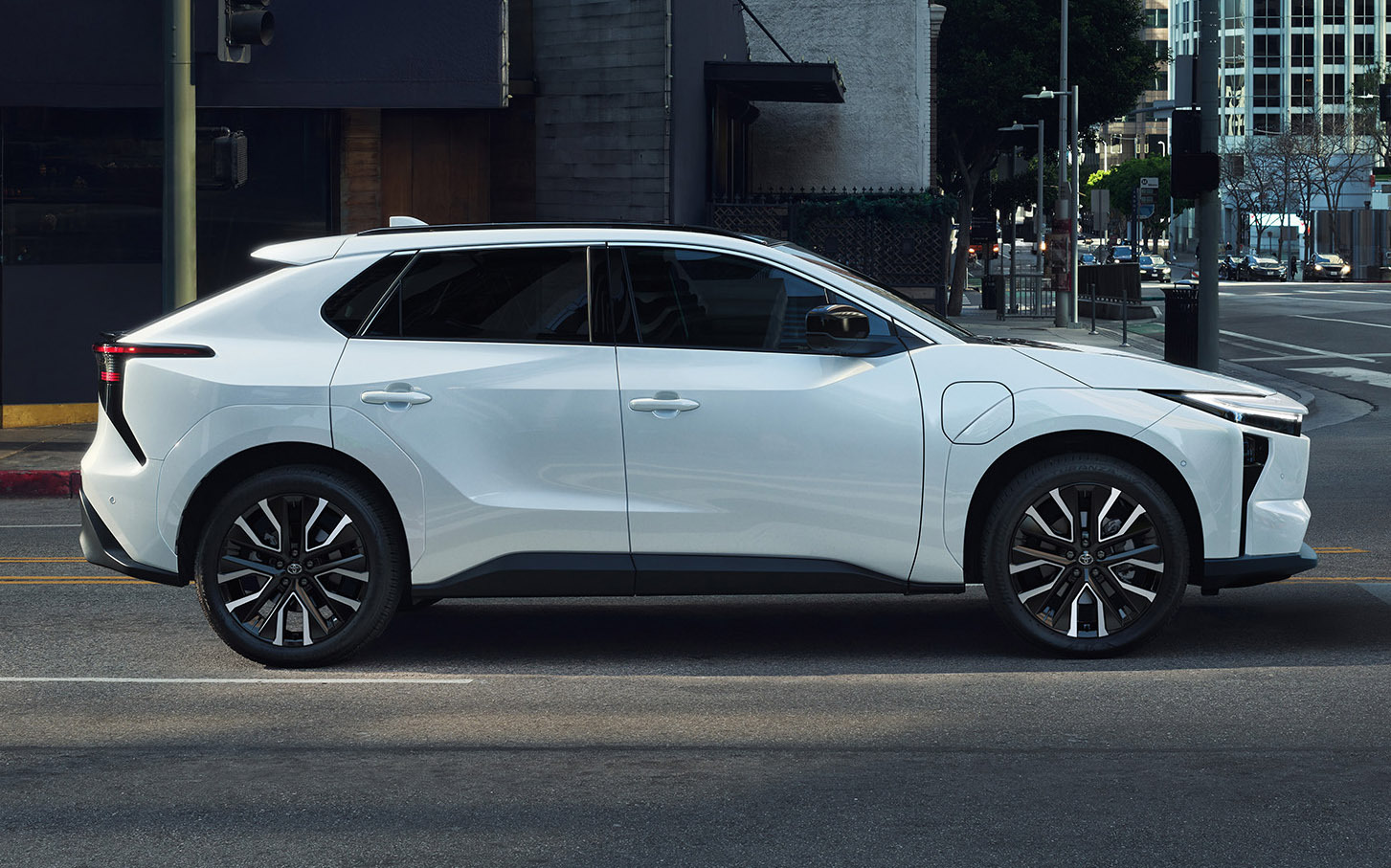
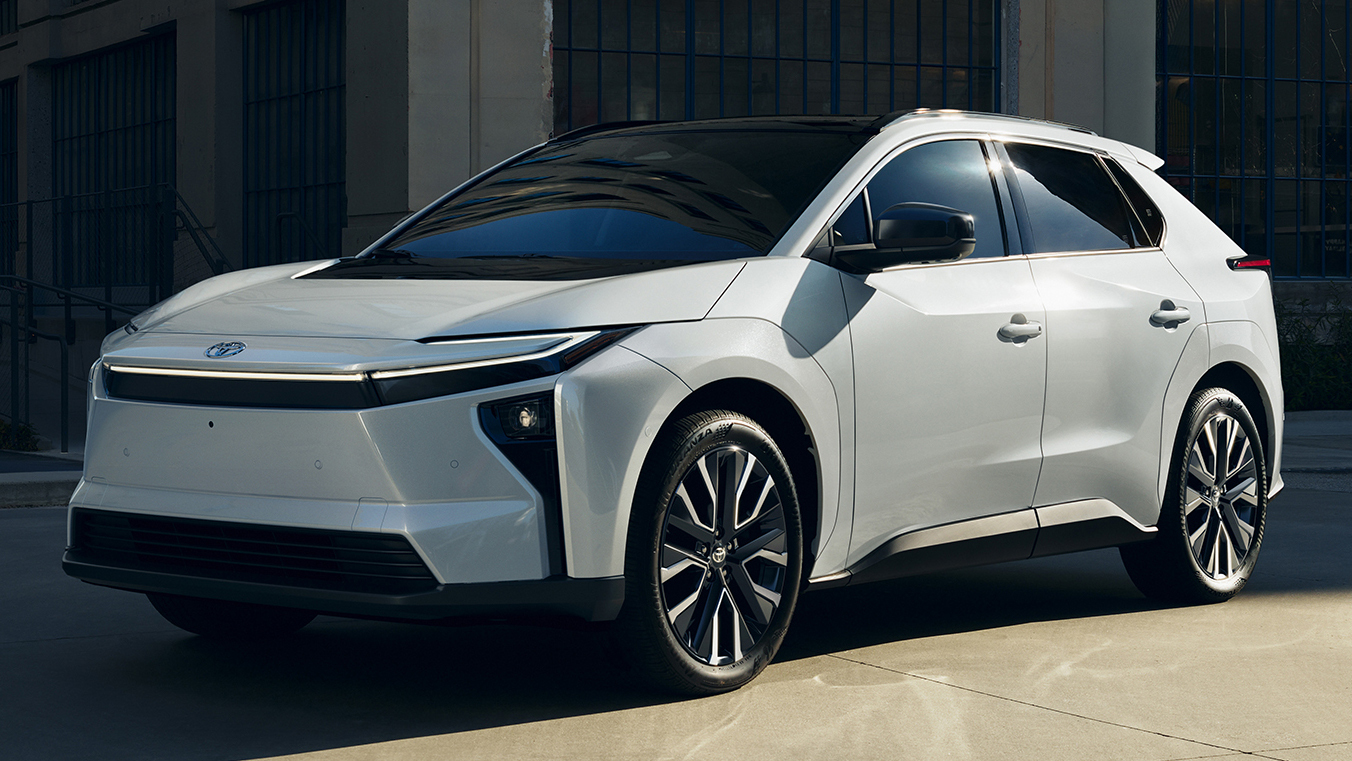
Toyota bZ (bZ4 in Europe)

Interestingly, the facelifted Toyota bZ4X perfectly matched its WLTP figure of 506 km (314 miles) on the real-world test. However, the driver stated that the Japanese model showed 0% remaining battery 18 km (11 miles) before it actually ran dry. Keep in mind that NAF pushes these EVs to their absolute limit, driving each one until it’s completely discharged.

Below you can see the results for the full batch of 24 EVs that took part in the summer 2026 edition of the “El Prix,” ranked from the longest to the shortest range on a single charge.

Test Results
ModelWLTP Stated RangeReal-World Range Deviation
BMW iX3770 km (478 miles)781 km (485 miles)+1.5%
Lucid Gravity748 km (465 miles)720 km (447 miles)-3.7%
Mercedes-Benz CLA708 km (440 miles)675 km (419 miles)-4.7%
Mercedes-Benz GLC 400643 km (400 miles)665 km (413 miles)+3.4%
Xpeng X9580 km (360 miles)646 km (401 miles)+11.4%
Polestar 3625 km (388 miles)601 km (373 miles)-3.8%
Mercedes-Benz GLB 350563 km (350 miles)593 km (368 miles)+5.3%
Toyota C-HR+607 km (377 miles)587 km (365 miles)-3.4%
Kia EV4594 km (369 miles)575 km (357 miles)-3.3%
Hyundai Ioniq 9600 km (373 miles)566 km (352 miles)-5.7%
Smart #5540 km (336 miles)556 km (345 miles)+3%
Kia EV5520 km (323 miles)509 km (316 miles)-2.1%
Toyota bZ4X506 km (314 miles)506 km (314 miles)
MG S6485 km (301 miles)502 km (312 miles)+3.4%
Citroen E-C5 Aircross513 km (319 miles)500 km (311 miles)-2.5%
Mazda 6e479 km (298 miles)485 km (301 miles)+1.2%
BYD Atto EVO470 km (292 miles)460 km (286 miles)-2.1%
MG IM6505 km (314 miles)446 km (277 miles)-11.7%
Changan Deepal S05445 km (277 miles)431 km (268 miles)-3.1%
Kia PV5412 km (256 miles)420 km (261 miles)+1.8%
Hyundai Inster360 km (224 miles)373 km (232 miles)+3.5%
KGM Musso379 km (235 miles)369 km (229 miles)-2.6%
Dongfeng Vigo340 km (211 miles)348 km (216 miles)+2.3%
Kia EV2308 km (191 miles)325 km (202 miles)+5.4%
SWIPE
 BMW Beat 23 Other EVs In Range, Then Beat Its Own Too
Lucid Gravity

Subaru Keeps Trademarking ACX STI, And The Coupe Rumors Keep Getting Louder

  • Subaru might be working on a new sports car with an STI version.
  • Recent ACX and ACX STI trademark filings point to an EV.
  • A combustion sports car could be based on the Toyota GR Celica.

The rumor mill around Subaru’s performance division has been working overtime lately. Fans of Subaru Tecnica International have spent months chasing reports of a returning WRX STI hot hatch, but the company may also be working on a new sports coupe with a proper STI variant attached.

The Trademarks

According to CarSales, Subaru has trademarked the ACX and ACX STI nameplates with IP Australia, a callback to the ACX-II concept car from 1985. The Australian outlet leans toward a gasoline-powered application, pointing to separate “Flat Shift” and “Rev Sync” filings as supporting evidence. However, trademarks lodged elsewhere in the world tell a different story.

More: Subaru Can’t Sell You A Proper WRX STI, But It’ll Race One Against Cars With Nearly Double Its Power

The ACX, VPX, and ZPX names have already been trademarked in the US, Canada, and the UK alongside their respective STI variants. Each of those filings carries a specific description: “Automobiles and structural parts therefore electric cars.” That wording leaves little to the imagination.

\\\\\

Illustrations: Theottle

Of the three new names, only VPX has been paired with a Wilderness designation, which points toward something taller and more utilitarian, whether a truck, a crossover, or an SUV. ACX and ZPX arrive without that context, leaving only earlier rumors and reports to go on. One plausible home for either name is the long-rumored successor to the BRZ.

Independent digital artist Theophilus Chin has imagined that successor as a fully electric sports car, pulling design language from the Performance-E STI Concept into a modernized two-door silhouette that still reads as a BRZ.

What About ICE?

\\\\\

Illustrations Theottle

The ACX paperwork tilts heavily toward a zero-emission powertrain, but the ongoing Subaru-Toyota partnership leaves room for a combustion sports car to exist alongside it.

More: Subaru’s BRZ Finally Has A Turbo And AWD, Just Not In A Version You Can Buy

Subaru recently launched a widebody BRZ-based rally car running a turbocharged engine and all-wheel drive, built to compete in the JRC. Toyota, meanwhile, is testing a still-unidentified WRC contender with a two-door coupe profile, widely believed to be the competition version of the upcoming GR Celica.

\\\\\\

Subaru Boxer Rally Spec.Z

The two rally cars share nothing mechanically, but there is still a path for Subaru to field a sibling to the production Toyota GR Celica when that car arrives. Whether Toyota commits to a front-engined or mid-engined layout for the road car is still unresolved.

More: Subaru Says STI Is “Not Dead”, But Its Boxer May Be

Toyota has confirmed a next-generation GR 86 is coming, but the Subaru side of that partnership may diverge, with the next BRZ potentially going fully electric and adopting the elevated stance previewed by the Sport Mobility Concept.

Toyota’s Record Sales Year Couldn’t Outrun Trump’s $8.8 Billion Tariff Bill

  • Toyota announced the FY2026 results, including a record ¥50.68 trillion revenue.
  • US tariffs dealt a ¥1.38 trillion blow, pushing North American operations into the red.
  • Company expects a further 20% profit dip in FY2027 due to Middle East instability.

Toyota released its financial results for the previous fiscal year, revealing a bittersweet reality: while consumers are buying their cars in record numbers, global but trade wars and geopolitical chaos are taking a serious bite out of the bottom line.

For fiscal year 2026, which ran from April 1 through March 31, Toyota Motor Corporation booked record revenue of 50.68 trillion yen ($323.42 billion), up 5.5 percent year over year. Operating income, however, dropped by roughly 1 trillion yen ($6.4 billion) to 3.77 trillion yen ($24 billion).

More: Toyota’s Next Corolla Cross Is Growing Up, And The RAV4 Should Be Worried

The single biggest culprit was a 1.38 trillion yen ($8.8 billion) hit from US tariffs. That alone was enough to drag Toyota’s North American division into a rare operating loss of 298.6 billion yen ($1.9 billion) excluding swaps, even though regional vehicle sales actually grew 8.5 percent. Selling more cars and losing money doing it is not the equation Toyota wants to be solving.

 Toyota’s Record Sales Year Couldn’t Outrun Trump’s $8.8 Billion Tariff Bill
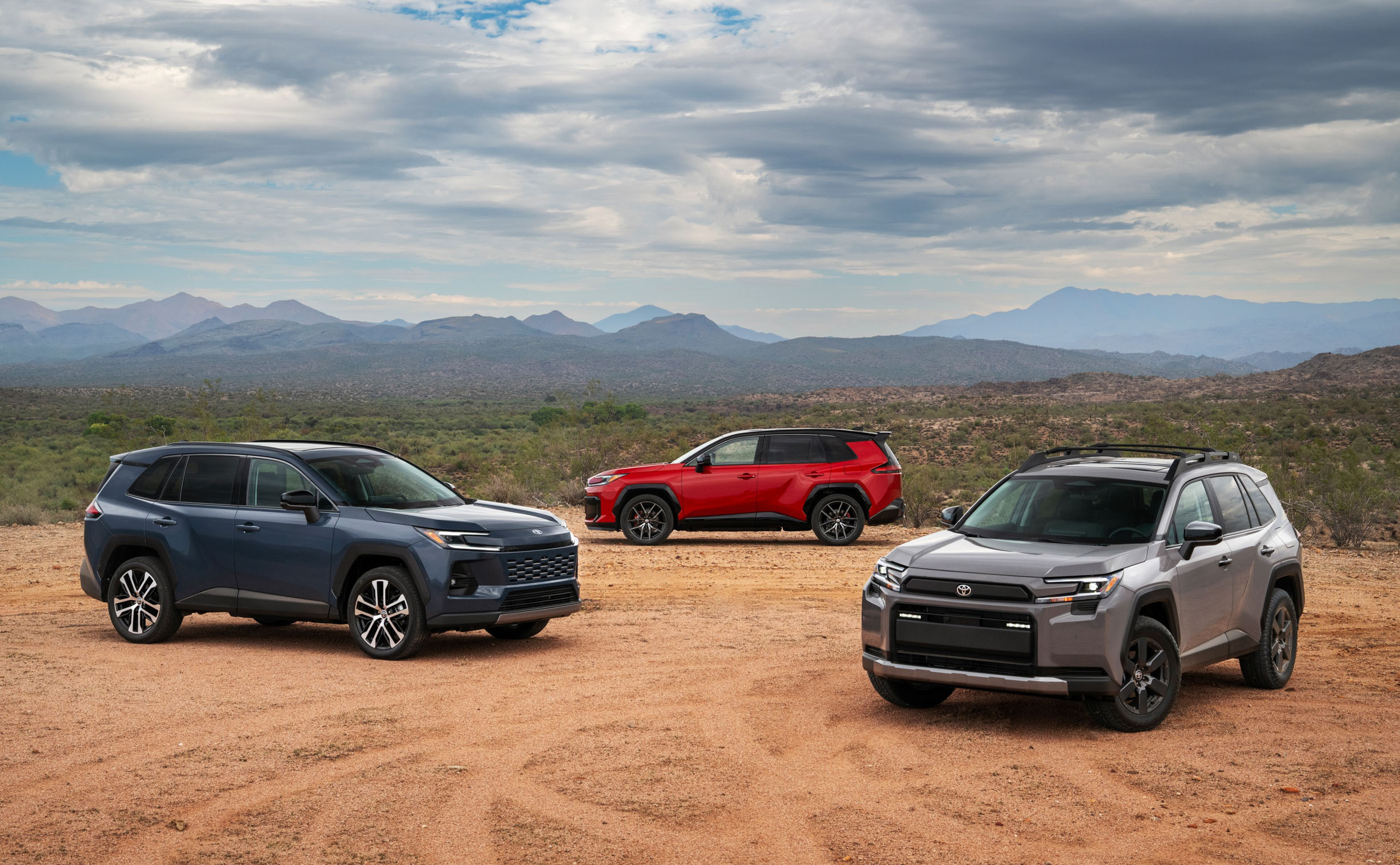
Toyota RAV4

To combat these trade frictions, Toyota will begin exporting US-built models to Japan starting this year, including the Camry sedan, the Highlander SUV, and the Tundra pickup. This move is less about covering local demand and more of a strategic effort to balance trade relations with the US.

More: A Texas-Built Full-Size Pickup Is Now On Sale In The Country That Invented The Kei Car

The 2026 results were quite positive for global sales of electrified vehicles, which reached 5.04 million units, making up 48.1% of total volume (11,283 million). These include 4.62 million HEVs, 175,000 PHEVs, and 243,000 BEVs, with the latter surging by 68.4% compared to last year. For FY2027, Toyota expects to more than double its BEV sales to 598,000 units.

What’s Next For Toyota?

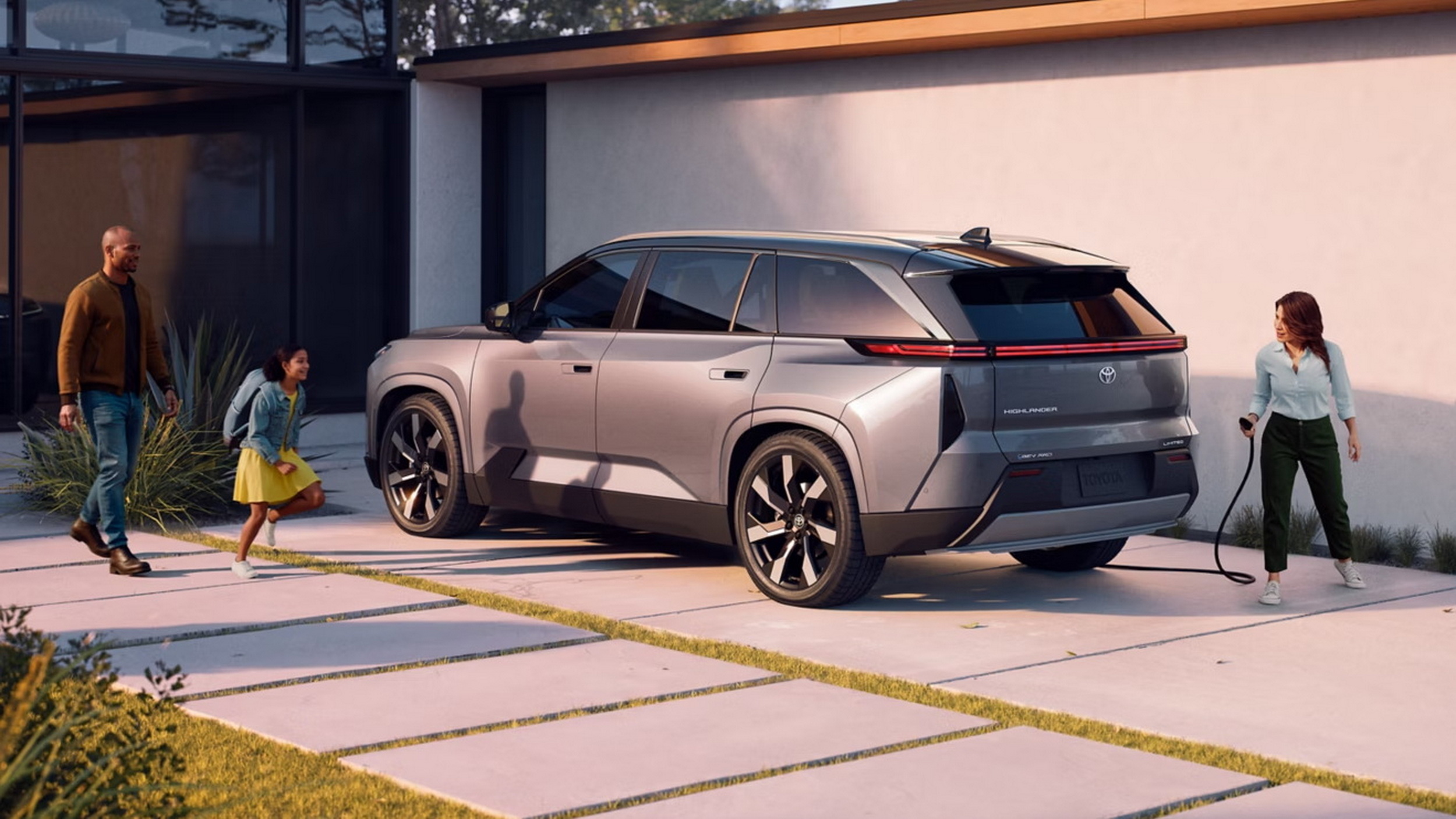
 Toyota’s Record Sales Year Couldn’t Outrun Trump’s $8.8 Billion Tariff Bill
Toyota Highlander EV

The overall forecast for FY2027 is rather cautious. Toyota expects sales volume to hold roughly steady, but operating income is forecast to fall 20.3 percent to around 3 trillion yen ($19.1 billion). The company is bracing for an additional 670 billion yen ($4.27 billion) in costs tied to economic and logistical disruptions over the coming year.3

More: The Toyota Van That Refused To Change For 22 Years Is Being Replaced, And It’ll Look Nothing Like Before

Toyota specifically called out the “destabilization” of the Middle East and the ongoing war there, which are pushing materials and energy costs higher. Combined with ongoing tariff pressures and a massive 1.8 trillion yen ($11.48 billion) investment in R&D, Toyota is signaling to investors that the next 12 months will be a period of defensive maneuvering.

 Toyota’s Record Sales Year Couldn’t Outrun Trump’s $8.8 Billion Tariff Bill
Toyota bZ

Shareholders aren’t being left empty-handed. Toyota declared a full-year FY2026 dividend of 95 yen ($0.61) per share and plans to bump it to 100 yen ($0.64) for FY2027. Toyota stock currently trades at 2,913 yen ($18.58), down 14 percent since the start of the year.

More: Toyota’s Most Powerful Land Cruiser Ever Is A $112K Hybrid Americans Can’t Buy

Toyota’s newly appointed President, Kenta Kon, said: “I feel there is still significant room for improvement in our management and administrative operations. Those of us in such positions, by further examining where our abilities truly lie, can move beyond simply managing the front lines and instead get directly involved to support operations.”

Below you can watch the entire presentation that was streamed earlier today from Japan.

One In Six New Cars Sold In Australia Is Now An EV As Gas Sales Fall Off A Cliff

  • Gas-powered vehicle sales fell 30 percent as electrified models rose.
  • In April, Toyota held first place, with BYD second and Kia third overall.
  • Other Chinese automakers gain ground, including Zeekr, Geely, and Chery.

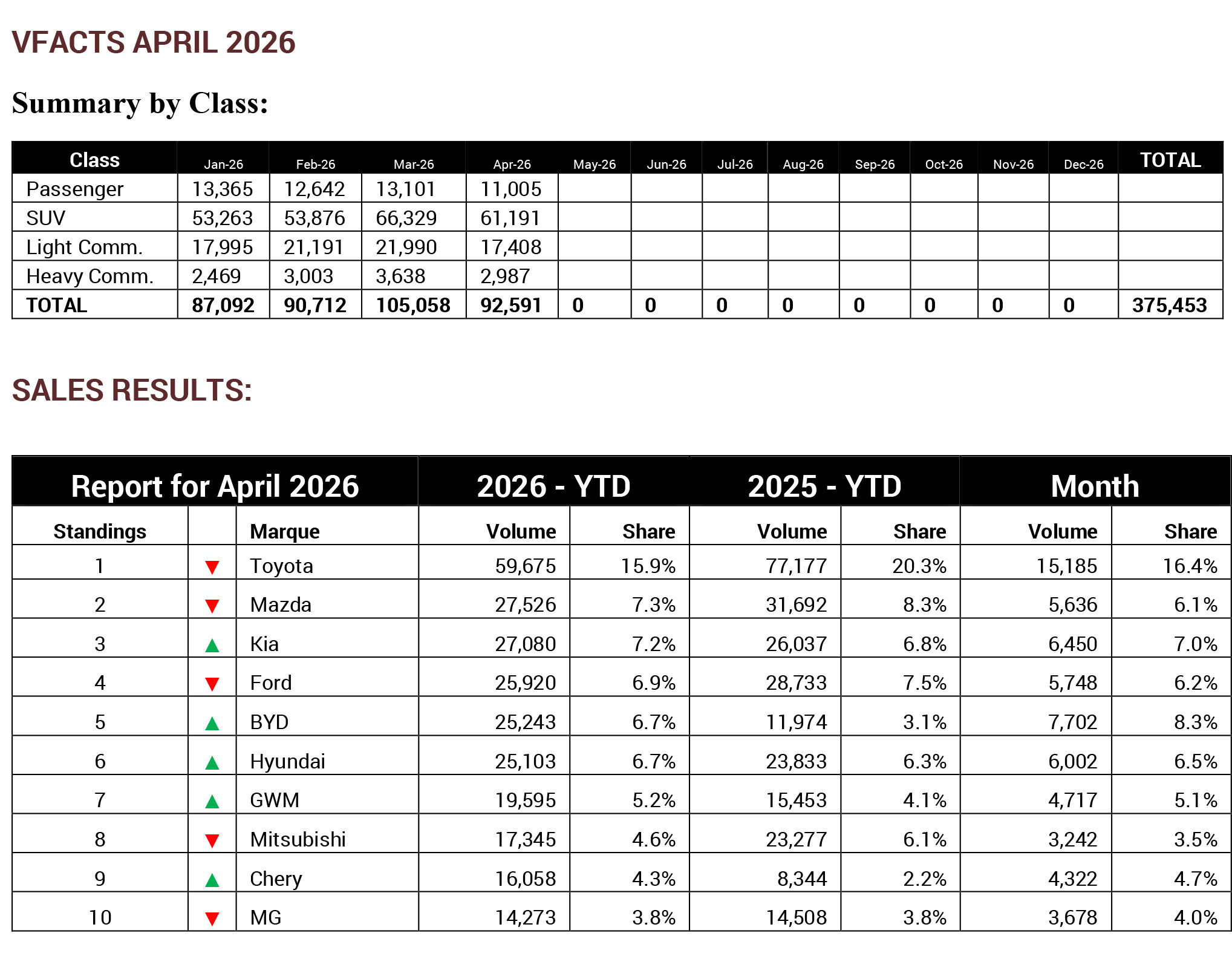
Data from Australia’s Federal Chamber of Automotive Industries and the Electric Vehicle Council reveal that, of the 92,591 new cars, SUVs, pickups, vans, and trucks sold in April 2026 (up 2.2% over the same month in 2025), 16.4% were battery-electric. This works out to 15,185 vehicles. In contrast, April 2025 saw just 6,010 new EV sales.

See Also: For The First Time, Electrified Car Sales Surpassed Gas Vehicles In Australia

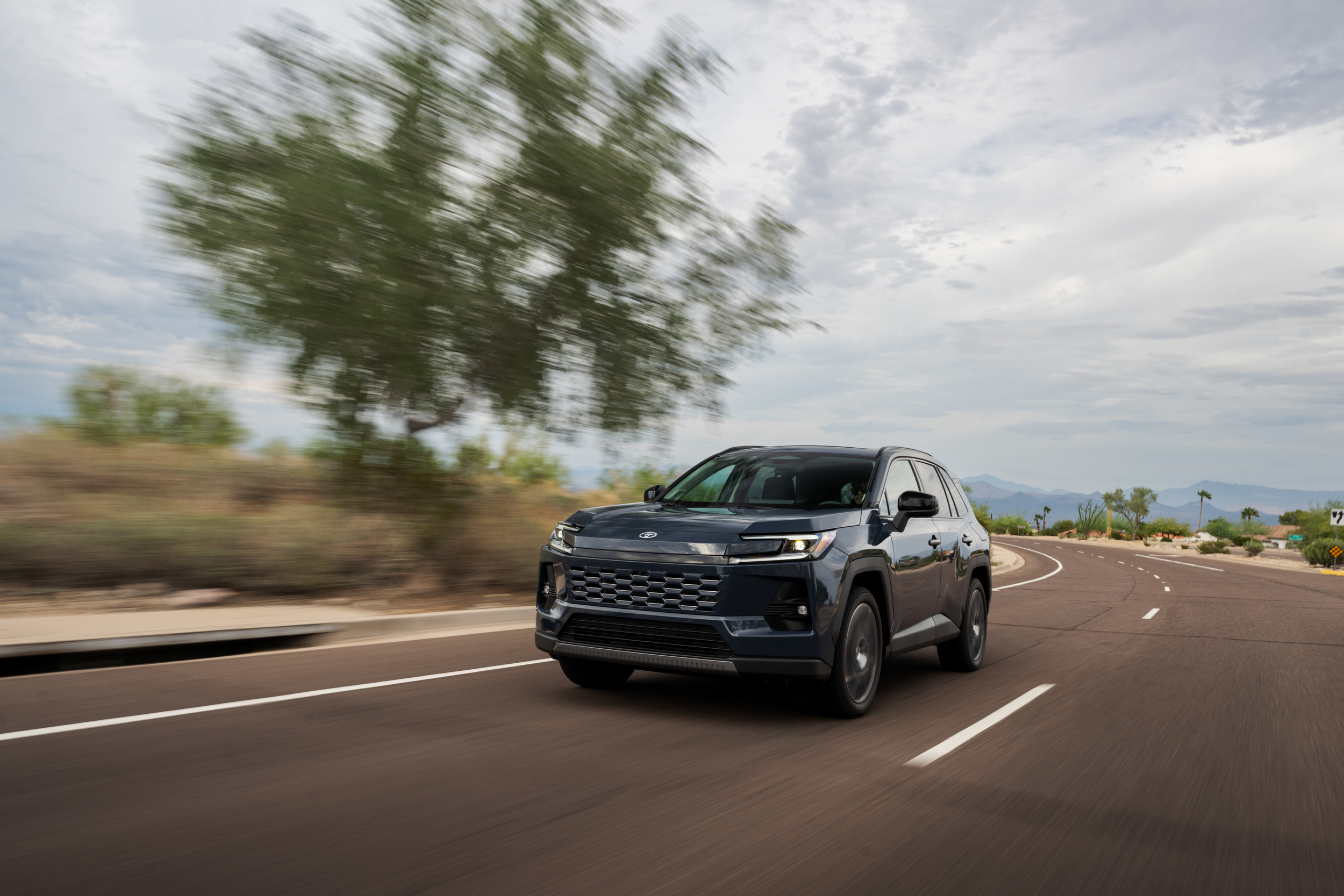
It’s not just EVs that saw strong numbers; hybrids were also in demand. In fact, 18,162 new hybrids found homes in April 2026, bolstered by the first full month of sales of the Toyota RAV4, which bagged best-selling car in Australia. Plug-in hybrids also saw 9,628 new units shifted in April 2026.

Petrol And Diesel Vehicle Sales Dwindle

While EVs, hybrids, and plug-in hybrids were enjoying the limelight, partly driven by tax incentives, traditional gasoline and diesel-powered vehicles took a hit in April 2026. Sales of new gasoline-powered vehicles saw a decline of 30.1% in comparison with April 2025 figures.

Diesel-powered new vehicle sales were down by 21.7%. These declines could also be attributed to the ongoing war in the Middle East, which has significantly affected crude oil deliveries to Australia. This has resulted in rising prices at the pump, as well as some scattered shortages.

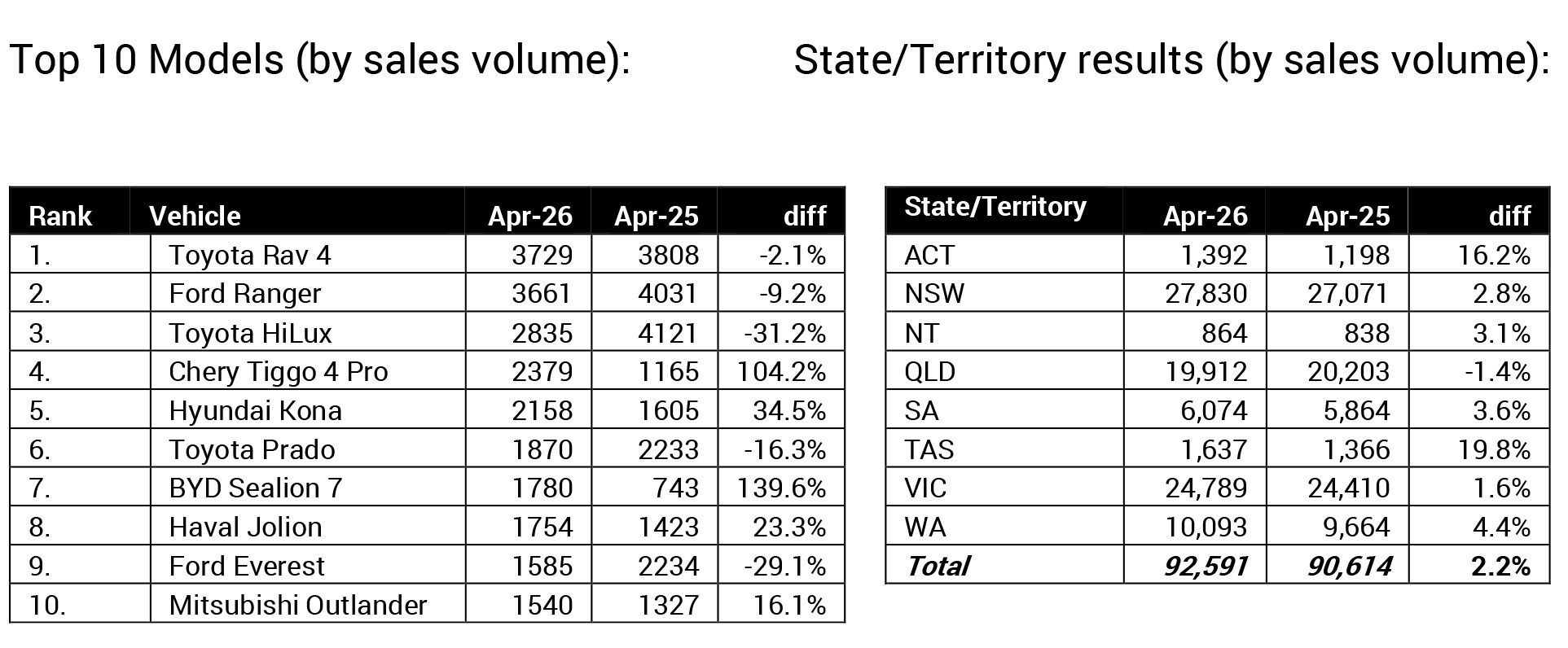
For April 2026, BYD’s Sealion 7 SUV dominated the EV rankings, with 1,780 units sold. Meanwhile, the Tesla Model Y sold nearly 1,000 fewer units, although it was up 193.6% year-on-year, as last year’s model was due for replacement.

The BYD brand as a whole shifted 7,702 new units. Other strong sellers in the Chinese EV space include the Geely EX5 with 1,202 deliveries, and 1,006 units from Chinese brand Zeekr, of which 973 were its 7X SUV. Shifting our attention to the car segment, Tesla’s Model 3 narrowly beat BYD’s Seal, with 403 versus 370 deliveries.

Toyota Still Leads, Ford And Mazda Drop From Podium

 One In Six New Cars Sold In Australia Is Now An EV As Gas Sales Fall Off A Cliff

Despite a 21.6% reduction in year-on-year sales, Toyota remained top dog in Australian new vehicle sales through April 2026. They shifted 15,185 units, followed by BYD with a 7,702 new unit tally.

 One In Six New Cars Sold In Australia Is Now An EV As Gas Sales Fall Off A Cliff

BYD’s rise to second place means that Ford and Mazda, the historical second and third-place finishers, are now fifth and sixth, with 5,748 and 5,636 units respectively. However, the Ford Ranger held on to the silver medal as the second best-selling vehicle, sandwiched between the RAV4 and Hilux.

When looking at Australian new car sales as a whole, the new third- and fourth-place occupants for April are Kia and Hyundai, with 6,450 and 6,002 units sold respectively. Of course, these two automakers also have EVs and hybrids in their portfolio. The same is true for Chery in eighth place and MG in ninth, while Isuzu rounded off the Top 10 ahead of Mitsubishi.

 One In Six New Cars Sold In Australia Is Now An EV As Gas Sales Fall Off A Cliff

The Toyota Van That Refused To Change For 22 Years Is Being Replaced, And It’ll Look Nothing Like Before

  • A new generation Toyota HiAce is expected to make its debut by early 2027.
  • It will switch to the TNGA platform and drop its long-used cab-over layout.
  • Multiple body styles are expected, along with an available hybrid powertrain.

After more than two decades of soldiering on through countless updates, Japan’s most familiar workhorse is finally getting a proper rethink. The Toyota HiAce remains one of the world’s most popular commercial vehicles, but the current H200 generation has been on sale in Japan since 2004, making a strong case for a successor. A new model is rumored to debut by early next year, marking the biggest change in the nameplate’s history.

More: This Van Should Be Dead By Now, But Toyota Keeps Updating It After 22 Years

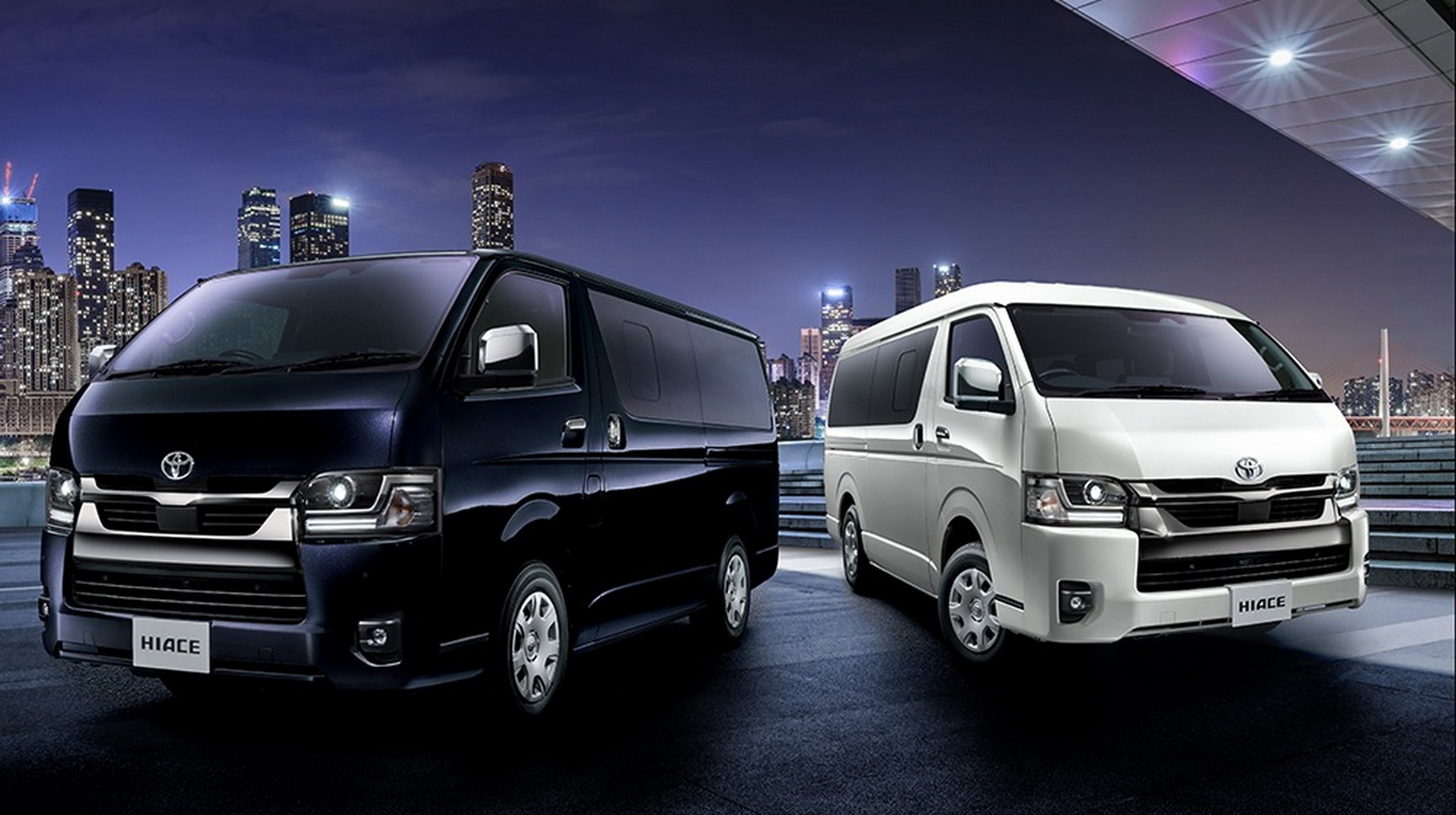
In 2019, Toyota introduced the H300 generation of the HiAce, though Japan stuck to the older cabover H200 van. The latter has received countless model year updates over the past 22 years, but it is inevitably getting closer to retirement.

What Will The Next HiAce Look Like?

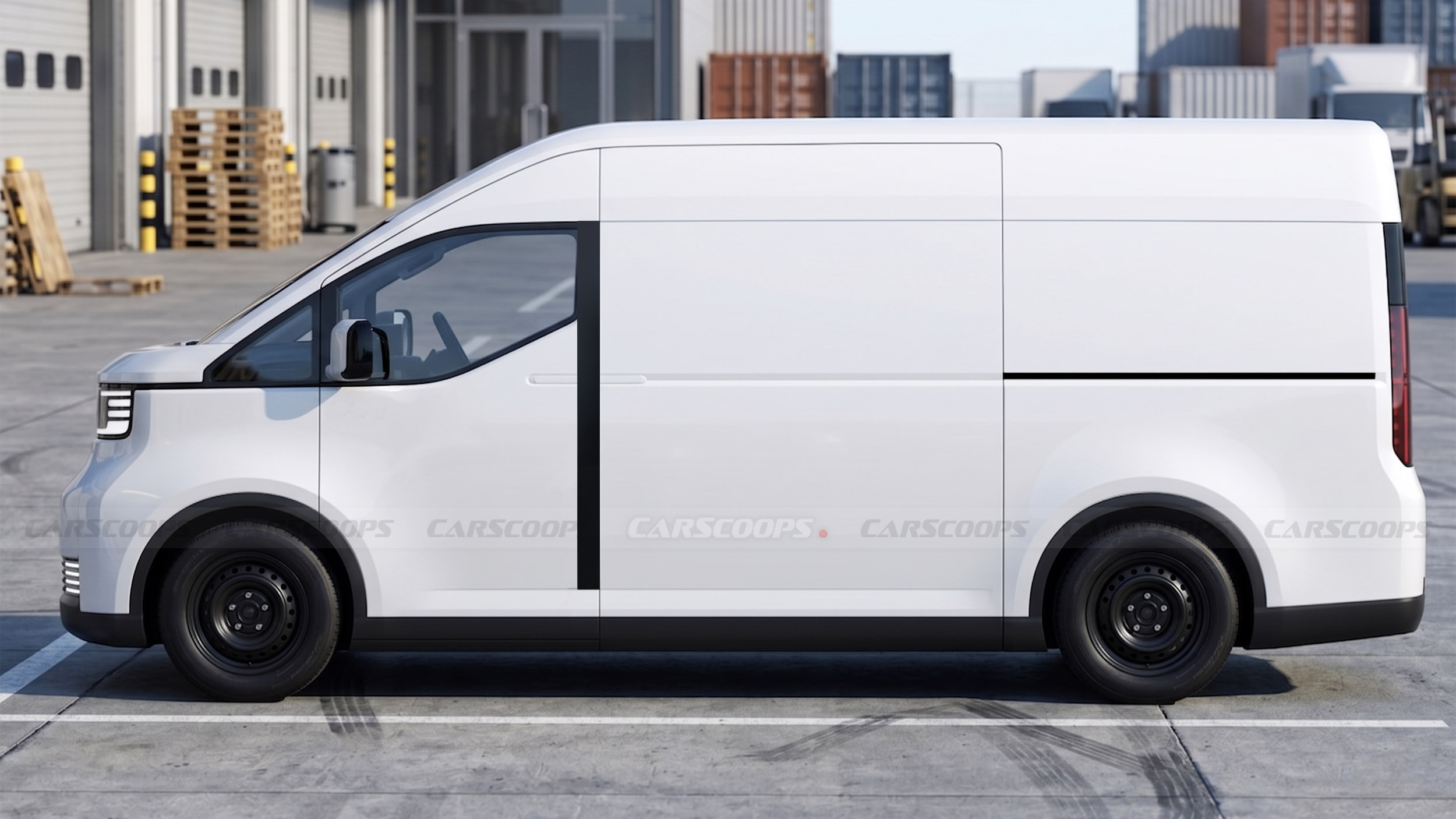
The Toyota HiAce Concepts that debuted at the 2025 Japan Mobility Show are the best indication of the next generation model, which will finally give Japanese buyers access to a modern Toyota light commercial vehicle (LCV).

One of the concepts features a long-wheelbase, high-roof bodystyle, while the other is a standard van. Both have modern LEDs and clean surfacing inspired by the 2023 Toyota Kayoibako concept. Crucially, while the new HiAce will abandon the cab-over styling of the H200, it will have a shorter hood than the H300, making it more suitable for the tight roads of Japan.

 The Toyota Van That Refused To Change For 22 Years Is Being Replaced, And It’ll Look Nothing Like Before

Illustration: Thanos Pappas for CarScoops

Our exclusive rendering previews the upcoming production-spec HiAce as a white commercial van with a high roof and a long wheelbase, riding on black steelies. The narrow side windows of the concepts will likely be reserved for passenger-oriented trims, while the lighting units might gain simpler LED graphics for cost-saving reasons.

More: Toyota’s Next Corolla Cross Is Growing Up, And The RAV4 Should Be Worried

Toyota will most likely offer several bodystyle variants of the LCV, following the example of the current HiAce, which is available in different widths, heights, and lengths. It is safe to assume the new model will also serve as a base for passenger shuttles and even camper conversions.

Furthermore, the lineup will be joined by a smaller van based on the Daihatsu Kayoibako-K concept, designed for urban deliveries and short camping adventures.

TNGA Platform Brings Big Changes

\\\\\\\\\\

2025 Toyota HiAce Concepts

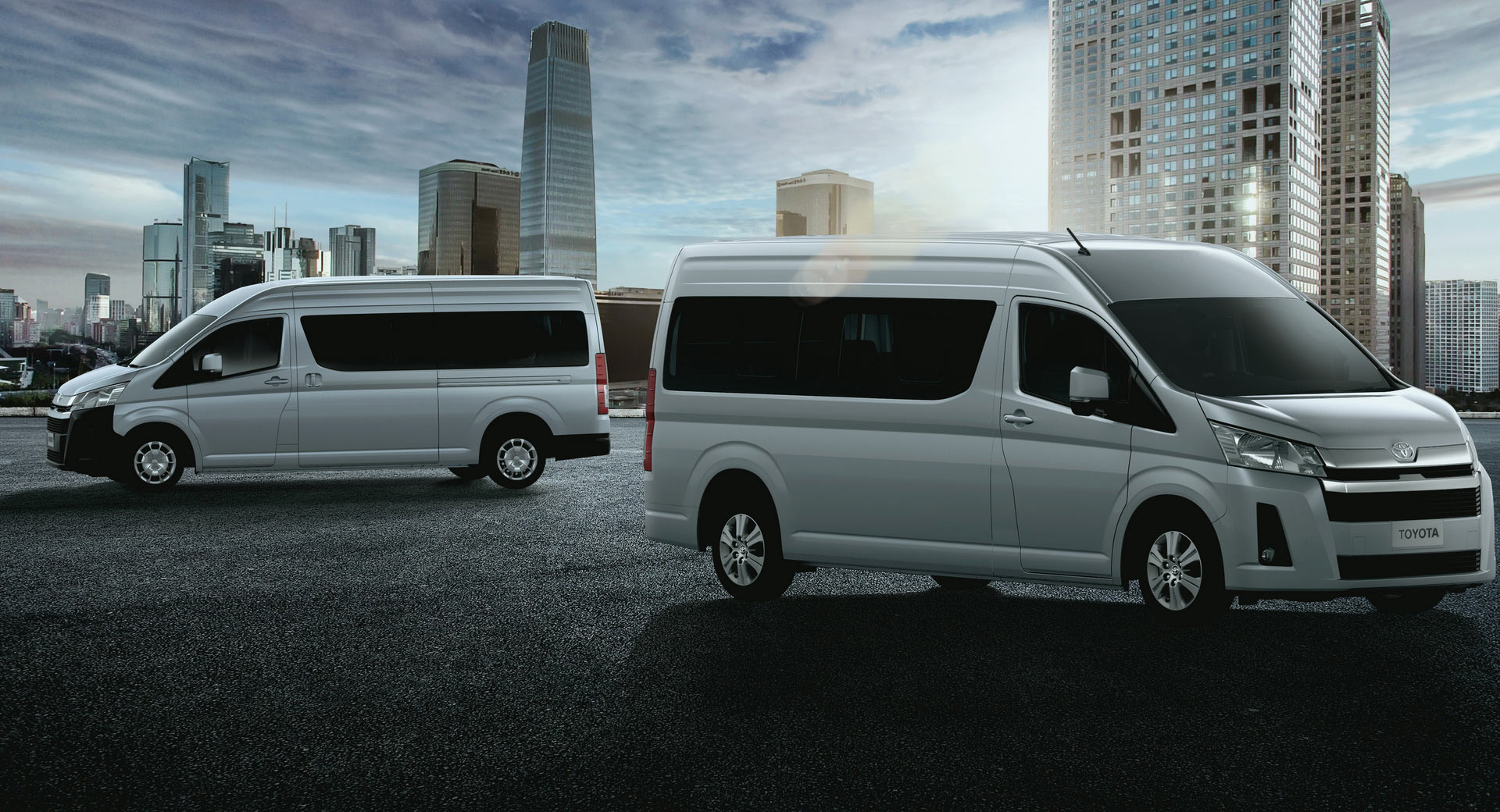
Local media reports suggest the new HiAce will share components with the H300 generation currently sold in markets such as the Philippines, Thailand, and Australia. The LCV is expected to ride on the TNGA platform, with improvements in safety and ride quality over the aging H200.

Besides switching from a mid-engined to a front-engined layout, the HiAce will reportedly introduce a self-charging hybrid powertrain option. This will likely be more powerful and more efficient than the existing diesel and gasoline engines.

More: This 14-Year-Old Van Refuses To Die And Somehow Keeps Getting New Gear

As hinted at by the Global HiAce BEV concept from 2023, a fully electric version of the LCV was under consideration. However, the latest rumors suggest the zero-emission powertrain has been put on hold due to shifting market conditions.

According to Creative Trend, citing information from local agency Apollo News Service, the new generation of the HiAce is expected to debut in late 2026 or early 2027. We will keep an eye out for more information about the popular van and update this story accordingly.

 The Toyota Van That Refused To Change For 22 Years Is Being Replaced, And It’ll Look Nothing Like Before
The current H200 generation (above) sold in Japan, and the H300 (below) sold in the Philippines.
 The Toyota Van That Refused To Change For 22 Years Is Being Replaced, And It’ll Look Nothing Like Before

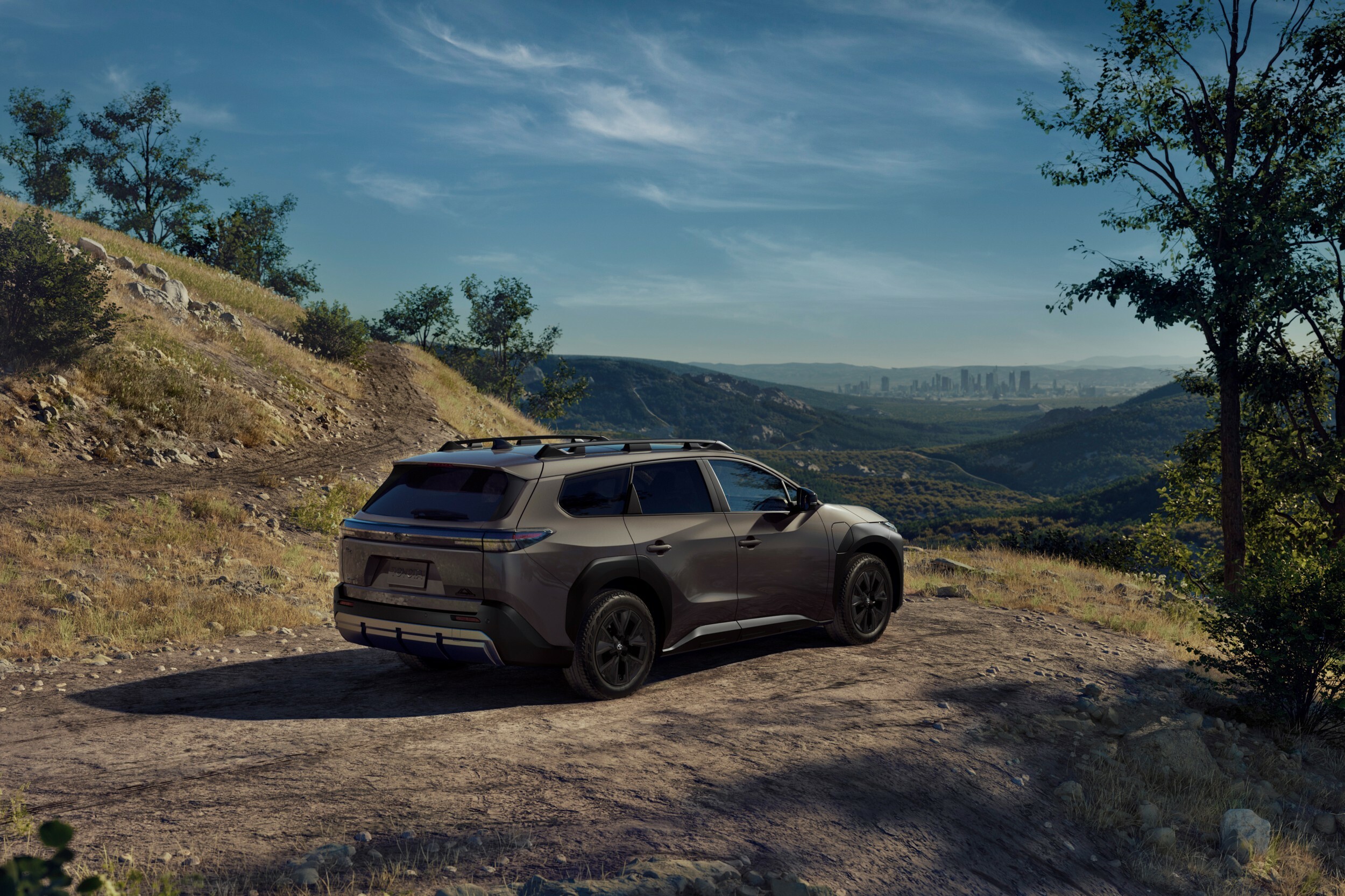
Lexus Is About To Charge You Lexus Money For A Toyota Highlander EV

  • Lexus is preparing a three-row electric flagship to take on Volvo and Hyundai rivals.
  • The TZ shares its overall shape and proportions with the new Toyota Highlander EV.
  • Powertrain choices may follow Toyota’s setup, though upgrades are likely.

After plenty of speculation about its existence, Lexus’s long-expected electric three-row SUV has surfaced in the open at last. Spied testing for the first time, it is, at heart, a more polished take on the new Toyota Highlander EV, positioned to square up against the Hyundai Ioniq 9, Kia EV9, and Volvo EX90, with a ‘9’ set to feature in its name.

While this prototype is covered from head to toe in camouflage, we can see it retains the same overall shape and profile as the Highlander, though Lexus has worked over the details. Up front, for example, there are split headlights and a cleaner, less cluttered bumper design.

Read: Subaru’s Next SUV Is Big, Electric, And Very Toyota

Cast your eyes down the sides of the TZ, and you’ll notice the wheel arches are slightly more square than they are on the Highlander, and it sits on new wheels, too. The door handles and side windows also look the same as the Toyotas’, although the door skins look a little different.

The rear remains carefully disguised, offering little beyond hints. The taillights appear to mirror the Highlander’s general shape, possibly stretching further down the sides, though for now, most of the detail stays under wraps.

\\\\\\\\\\\\\\\\\\\\\\\\\\

Baldauf

With a few possible exceptions due to the different body panels, the Lexus TZ should have largely the same dimensions as the Highlander. That means it should be about 198.8 inches long, 78.3 inches wide, and stand 67.3 inches, complete with a 120.1-inch wheelbase.

With a few allowances for its unique bodywork, the Lexus TZ or TZ9 if the naming structure holds, is expected to mirror the Highlander’s footprint quite closely. That points to an overall length of roughly 198.8 inches, a width of 78.3 inches, and a height of 67.3 inches, riding on a 120.1-inch wheelbase.

What About The Powertrain?

As for what sits underneath, the safest assumption is that Lexus will lean heavily on Toyota’s existing hardware. In Highlander form, the base setup pairs a 77 kWh battery with a single motor producing 221 hp and 198 lb-ft (268 Nm). Step up to all-wheel drive and output rises to 338 hp and 323 lb-ft (438 Nm), alongside a larger 95.8 kWh battery and a claimed range of up to 320 miles (515 km).

\\\\\\\\\\\\\\\\\

SB-Medien

Although those figures would pass muster for a Lexus, the competition has already moved on. The Volvo EX90 carries a 111 kWh battery, while the Hyundai Ioniq 9 comes in at 110.3 kWh, both pushing for longer real-world range. Against that backdrop, a larger pack for the TZ would not go amiss.

A Familiar Lexus Cabin

We don’t yet have any photos of the TZ’s interior, though a couple of shots show the door panels. They’re clearly different from the doors of the Highlander and appear to have the same electric door release button as other Lexus models.

While some reports suggest it could be built alongside the Highlander EV at Toyota’s plant in Georgetown, Kentucky, others point to production in Japan with exports to global markets, including the US. Either way, it is expected to debut toward the end of the year or in early 2027.

\\\\\\\\\\\\\\\\\\\\\

Baldauf

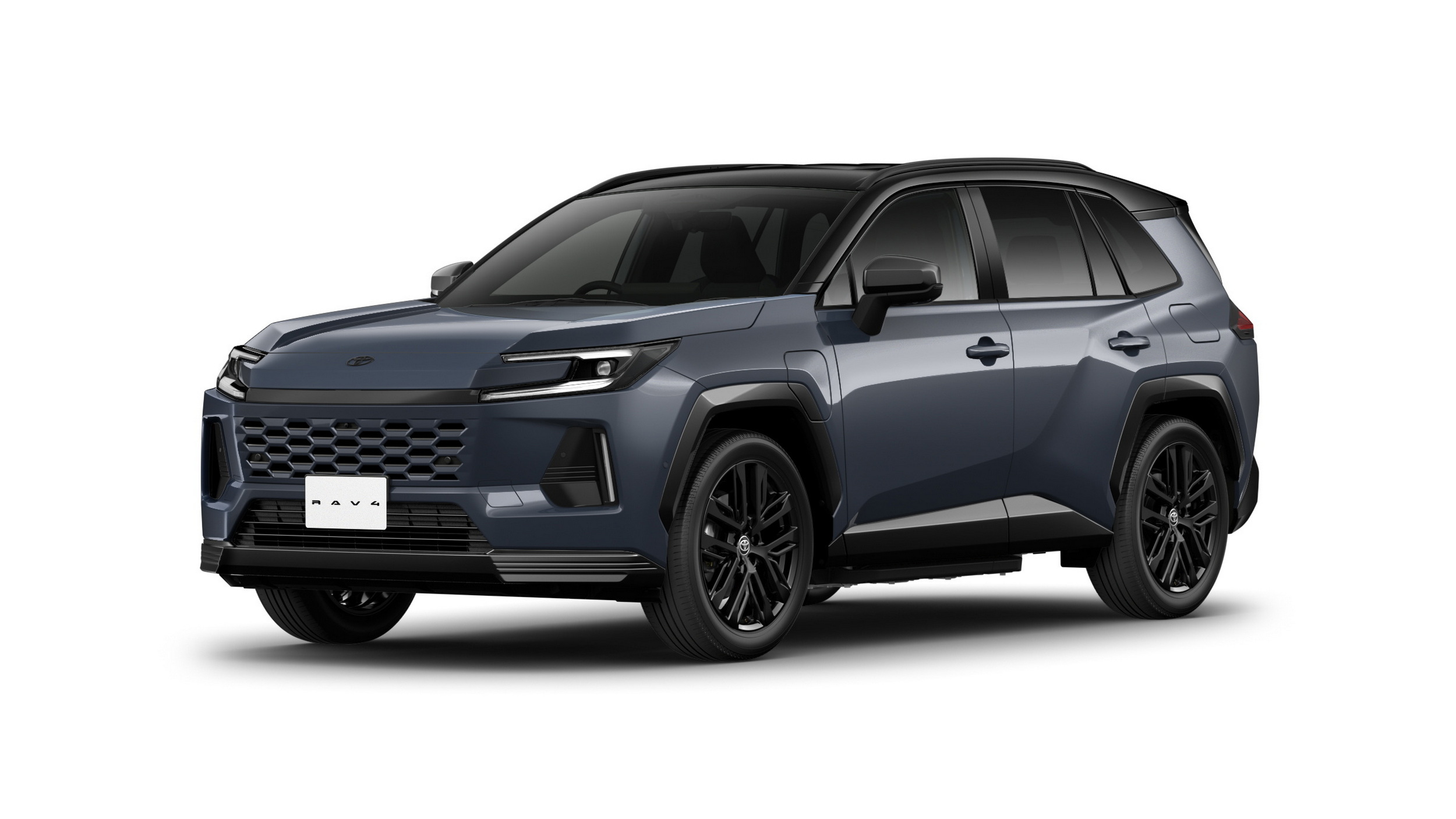
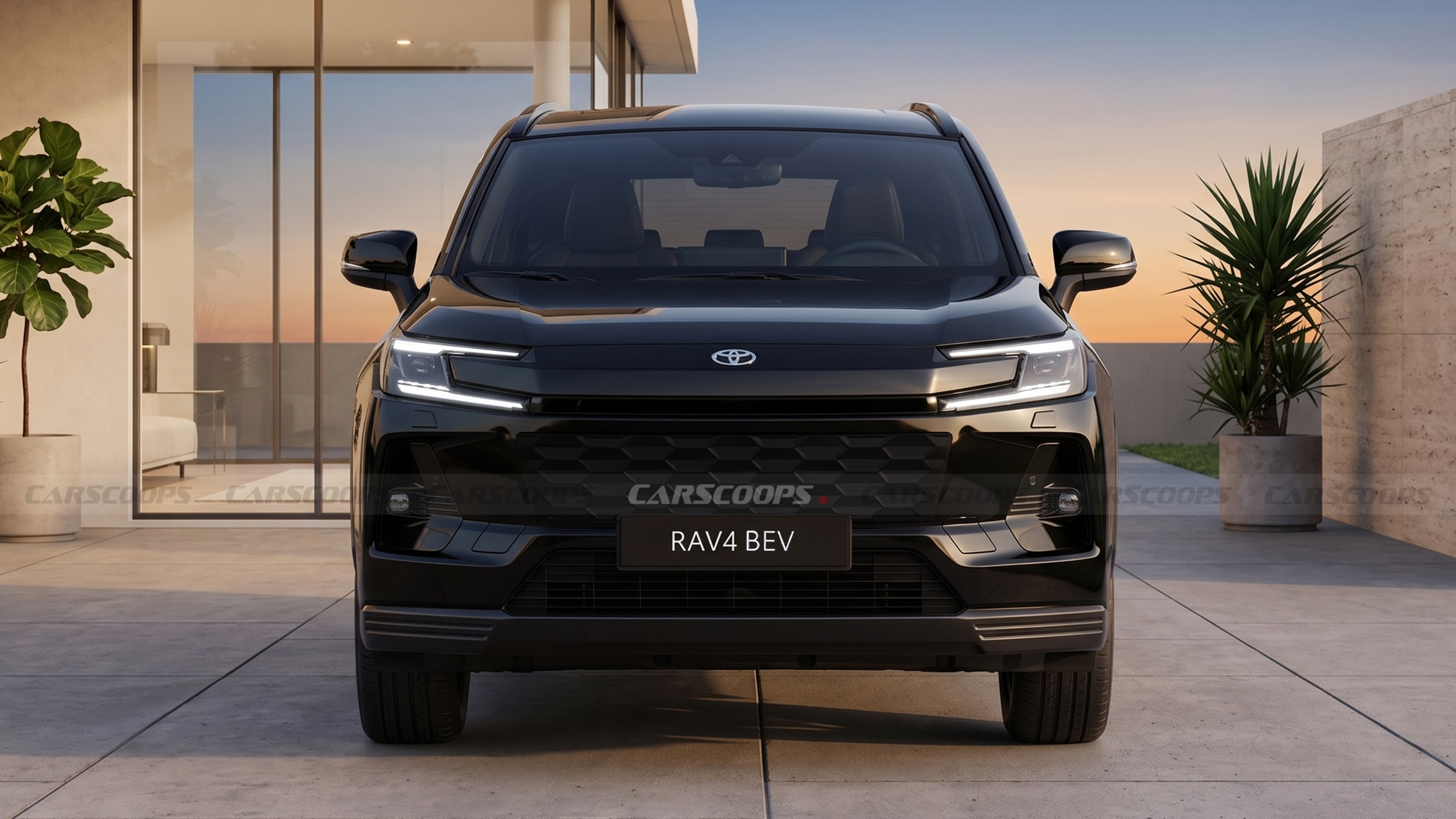
40,000 RAV4s Sell Every Month In The US, But An Electric Version Isn’t Coming

  • Toyota has ruled out an all-electric RAV4 in favor of purpose-built EV platforms.
  • The RAV4’s hybrid architecture can’t support a battery-electric conversion cleanly.
  • Instead, Toyota’s bZ lineup, led by the bZ, carries the company’s full EV ambitions.

As the world shifts to electric cars, Toyota has seemingly ruled out an all-electric variant of one of its best-selling SUVs. The move is an indication of a strong course by Toyota, which is opting to invest more in its broader electrification plan rather than turning one of its most successful cars into a battery-powered model.

Review: The 2026 Toyota RAV4 Finally Feels Like The SUV It Was Meant To Be

The report comes despite growing interest in EVs worldwide, particularly in Australia, where the bZ4X has seen a 300% increase in sales.

Toyota Shifts Focus Toward Dedicated EV Platforms

 40,000 RAV4s Sell Every Month In The US, But An Electric Version Isn’t Coming

It’s not just the bZ4X that has seen an uptick in numbers. With geopolitical tensions pushing more people towards EVs, Australia, one of many countries hit by rising fuel costs, recorded a record number of new EVs in March, accounting for 14.6 percent of new car sales and representing an 88.9 percent year-on-year increase.

On paper, an EV version of the hot-selling RAV4, which sees 40,000 units shifted in the US each month alone, would seem like a match made in heaven.

But speaking to CarSales, RAV4 chief engineer Yoshinori Futonagane confirmed that we won’t be seeing an all-electric version of his car. Rather, Toyota is concentrating on its purpose-specific electric range under the bZ brand. The models (e.g., the Toyota bZ) are being introduced as core EVs and are designed from the get-go to improve driving range and overall performance.

Designed Without An EV In Mind

 40,000 RAV4s Sell Every Month In The US, But An Electric Version Isn’t Coming

Futonagane went on to explain that simply converting the RAV4 to a full EV will not fit within the company’s existing product roadmap. The RAV4 is based on a hybrid and plug-in hybrid platform, and Toyota’s EVs are built on separate bespoke platforms.

Toyota has opted for multiple pathways in its electrification strategy. The car manufacturer has invested heavily in hybrids, plug-in hybrids, and hydrogen vehicles rather than fully converting to battery-electric cars.

Is Toyota’s strategy the right move, especially against Chinese offerings, such as Jaecoo? Time will tell, but for now, Toyota isn’t in any way rushing to change track.

 40,000 RAV4s Sell Every Month In The US, But An Electric Version Isn’t Coming
Illustration Thanos Pappas for Carscoops

Toyota Was Mocked For Going Slow On EVs, Honda And VW Are Now Paying For Going Fast

  • Automakers in the US are taking sharply different paths toward EV adoption.
  • Some, like Toyota and Mercedes, continue with a measured approach to new EVs.
  • Others, such as Honda and Stellantis, are cutting back on their planned EV launches.

The auto industry is at a crossroads with EVs, and this is becoming increasingly evident. Nearly every automobile manufacturer has been forced into some level of self-reflection as far as electric cars are concerned. Some are forging ahead in hope, while others are slowing down and reassessing their plans as market demand fluctuates and prices rise.

Also: These Are The Best-Selling EVs In America This Year So Far

The recent developments in the industry portray the picture of how fragmented everything has become. Some have already abandoned or delayed EV projects since it has emerged that the growth they were envisaging was not that imminent. Others are in the process of doubling down and are taking this as a chance to leapfrog, as competition takes a breather.

Slow And Steady Wins The Race?

Toyota is one of the companies that continues to go on the offensive. It will launch four electric models in the U.S. towards the end of the year, including the bZ, bZ Woodland, C-HR, and a three-row Highlander EV.

 Toyota Was Mocked For Going Slow On EVs, Honda And VW Are Now Paying For Going Fast

Speaking to Automotive News, analysts from iSeeCars and Edmunds expressed positivity on Toyota’s approach. Toyota had attracted criticism for its slow approach towards EVs, but its measured approach seems to have left it in good standing. The ratio of hybrids, gas cars, and EVs the company has had over the years is finally starting to pay off because it will be able to be flexible as the market readjusts.

Pull Backs And Uncertainty

One of the biggest shifts in EV planning has to have been from Honda. The Japanese company has scrapped a number of future electric models and is shifting to hybrids. This move comes with a financial hit, but the company believes that it is a more prudent short-term decision since EV demand has not yet evened out.

Read: Toyota’s bZ Outsold The Prius, And Now A Second US-Made Electric SUV Is Coming

Stellantis is taking the same route, scrapping its electric Ram pickup and delaying other EV plans in Europe. Ford and General Motors are not giving up on electric vehicles, but instead, they are streamlining their production to suit demand rather than overloading it too soon. It is not about quitting but timing things.

 Toyota Was Mocked For Going Slow On EVs, Honda And VW Are Now Paying For Going Fast

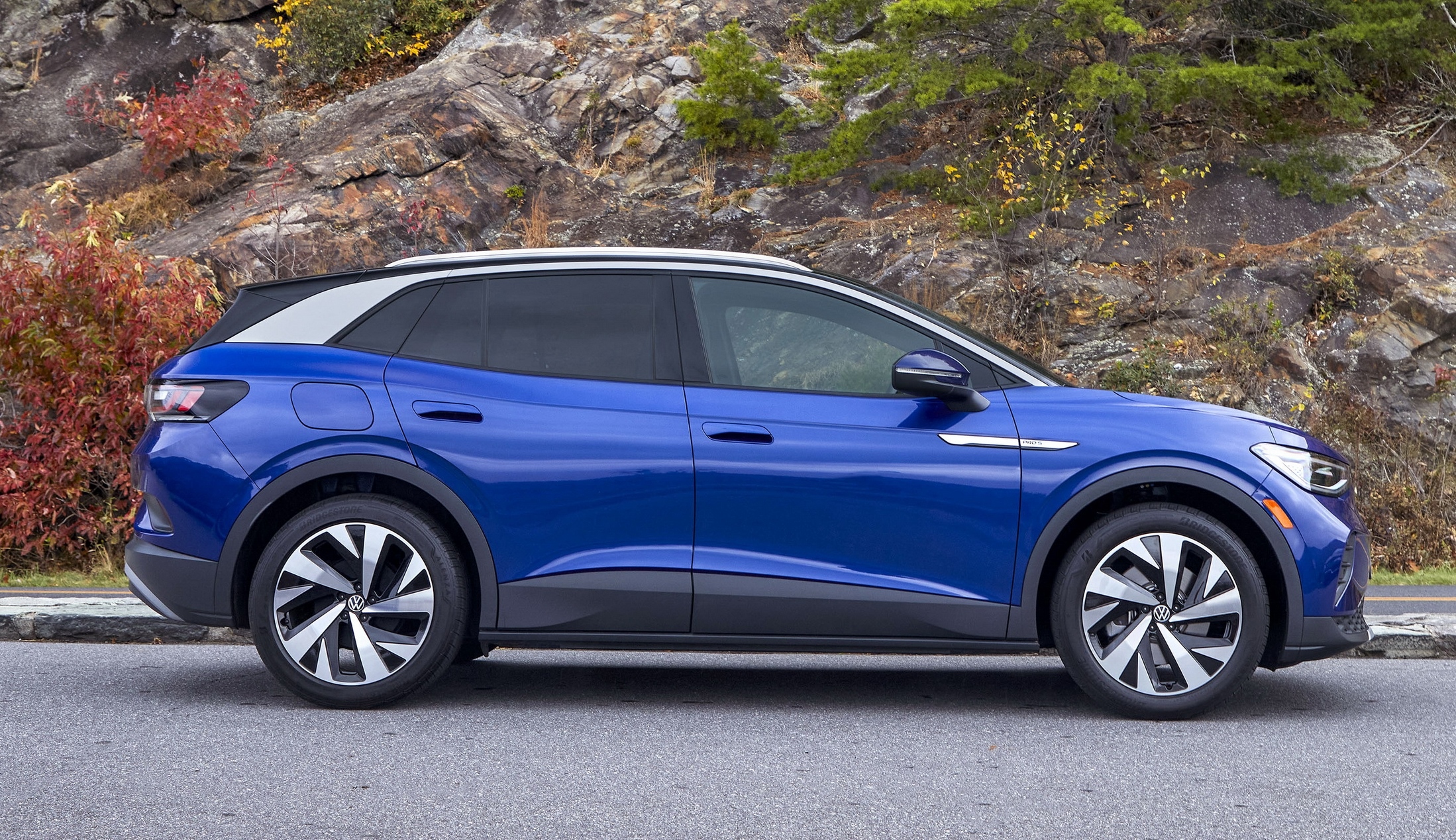
Meanwhile, Volkswagen has canceled its production of the US-made ID4 electric crossover. Besides the ID Buzz minivan, there are no plans to expand the VW EV lineup stateside for the next couple of years. On the other hand, Mercedes-Benz still plans to introduce more EVs to the US, but their approach will continue to incorporate gas and hybrid options too.

See Also: A 96% Sales Collapse Is Why VW Just Killed US ID.4 Production

These different avenues are reduced down to the situation of the firms, according to industry analysts. Some have the financial cushion to keep on investing, but others are choosing to save and avoid incurring more losses.

 Toyota Was Mocked For Going Slow On EVs, Honda And VW Are Now Paying For Going Fast

Toyota’s bZ7 Is Bigger Than A Model S And Cheaper Than A Model 3. China Ordered 3,100 In An Hour

  • Toyota grabbed 3,100 bZ7 orders during first launch hour.
  • China-only flagship EV priced below smaller Tesla Model 3.
  • Cabin features Huawei HarmonyOS and zero-gravity seats.

We’re seven months out from Black Friday, but Toyota could be forgiven for thinking it’s November already. The automaker was bombarded with 3,100 orders for its new electric sedan in just the first hour after it went on sale, which sounds nuts until you learn how much it costs.

The bZ7 is Toyota’s new flagship EV for China, launched through its GAC-Toyota joint venture. It’s big and full of clever tech, but it’s also ridiculously cheap. Prices begin at ¥147,800, or about $21,500, and rise to ¥199,800, roughly $29,000.

Related: Toyota’s Flagship Electric Sedan Undercuts Tesla Model S By Nearly $96,000 In China

China’s domestic market is so competitive that buyers’s aren’t short of bargains, but even so, the bZ7 looks like incredible value for money. At 5,130 mm (202 inches) long and with a 3,020 mm (118.9 inches) wheelbase, it is bigger than a Tesla Model S, but it’s priced below even the Model 3, which starts at ¥236,500 ($34,500) in China.

More Tortoise Than Hare

The biggest bZ is no Model S Plaid, with a peak power output of 278 hp (282 PS / 207 kW), but battery choices include 71 kWh and 88 kWh LFP packs delivering claimed CLTC ranges of up to 440 miles (710 km) depending on trim. Toyota also says fast charging can add 186 miles (300 km) in 10 minutes.

\\\\\\\\\\\\\\\

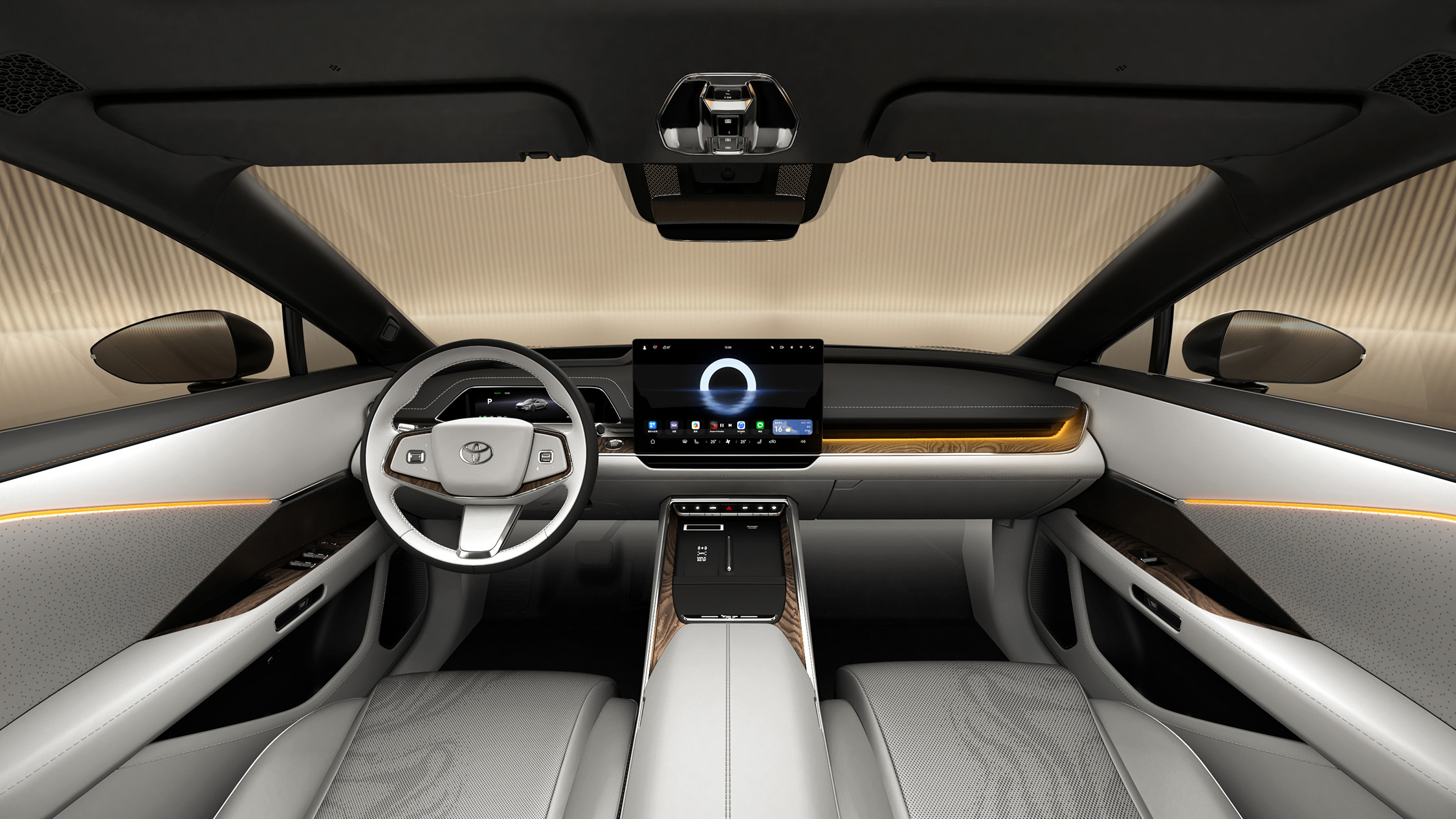
And although it won’t win many drag races, it will impress plenty of drivers with its tech. Available zero-gravity front seats offer heating, ventilation, and massage functions. A floating 15.6-inch center display dominates the dash, backed by a smaller driver screen and head-up display.

Sensory Overload

The cabin runs Huawei’s HarmonyOS system on a floating 15.6-inch center display, and there’s integration with Xiaomi’s smart-home ecosystem, meaning drivers can interact with household devices from the car. You can also spec a cutting-edge driver assistance pack with roof-mounted lidar, five millimetre-wave radars, 11 high-definition cameras, and 10 ultrasonic radars.

That’s 27 sensors to keep you safe, or just 27 electrical headaches for a used owner a decade down the road, depending on your point of view.

\\\\\\\\\\\\\\\

Toyota GAC

Toyota Flooded With 3,100 Orders In 1 Hour For New EV, See The Price And You’ll Know Why

  • Toyota grabbed 3,100 bZ7 orders during first launch hour.
  • China-only flagship EV priced below smaller Tesla Model 3.
  • Cabin features Huawei HarmonyOS and zero-gravity seats.

We’re seven months out from Black Friday, but Toyota could be forgiven for thinking it’s November already. The automaker was bombarded with 3,100 orders for its new electric sedan in just the first hour after it went on sale, which sounds nuts until you learn how much it costs.

The bZ7 is Toyota’s new flagship EV for China, launched through its GAC-Toyota joint venture. It’s big and full of clever tech, but it’s also ridiculously cheap. Prices begin at ¥147,800, or about $21,500, and rise to ¥199,800, roughly $29,000.

Related: Toyota’s Flagship Electric Sedan Undercuts Tesla Model S By Nearly $96,000 In China

China’s domestic market is so competitive that buyers’s aren’t short of bargains, but even so, the bZ7 looks like incredible value for money. At 5,130 mm (202 inches) long and with a 3,020 mm (118.9 inches) wheelbase, it has a similar footprint to a Tesla Model S, but it’s priced below even the Model 3, which starts at ¥236,500 ($34,500) in China.

More Tortoise Than Hare

The biggest bZ is no Model S Plaid, with a peak power output of 278 hp (282 PS / 207 kW), but battery choices include 71 kWh and 88 kWh LFP packs delivering claimed CLTC ranges of up to 440 miles (710 km) depending on trim. Toyota also says fast charging can add 186 miles (300 km) in 10 minutes.

 Toyota Flooded With 3,100 Orders In 1 Hour For New EV, See The Price And You’ll Know Why

And although it won’t win many drag races, it will impress plenty of drivers with its tech. Available zero-gravity front seats offer heating, ventilation, and massage functions. A floating 15.6-inch center display dominates the dash, backed by a smaller driver screen and head-up display.

Sensory Overload

The cabin runs Huawei’s HarmonyOS system on a floating 15.6-inch center display, and there’s integration with Xiaomi’s smart-home ecosystem, meaning drivers can interact with household devices from the car. You can also spec a cutting-edge driver assistance pack with roof-mounted lidar, five millimetre-wave radars, 11 high-definition cameras, and 10 ultrasonic radars.

That’s 27 sensors to keep you safe, or just 27 electrical headaches for a used owner a decade down the road, depending on your point of view.

\\\\\

Toyota GAC

H/t to Car News China

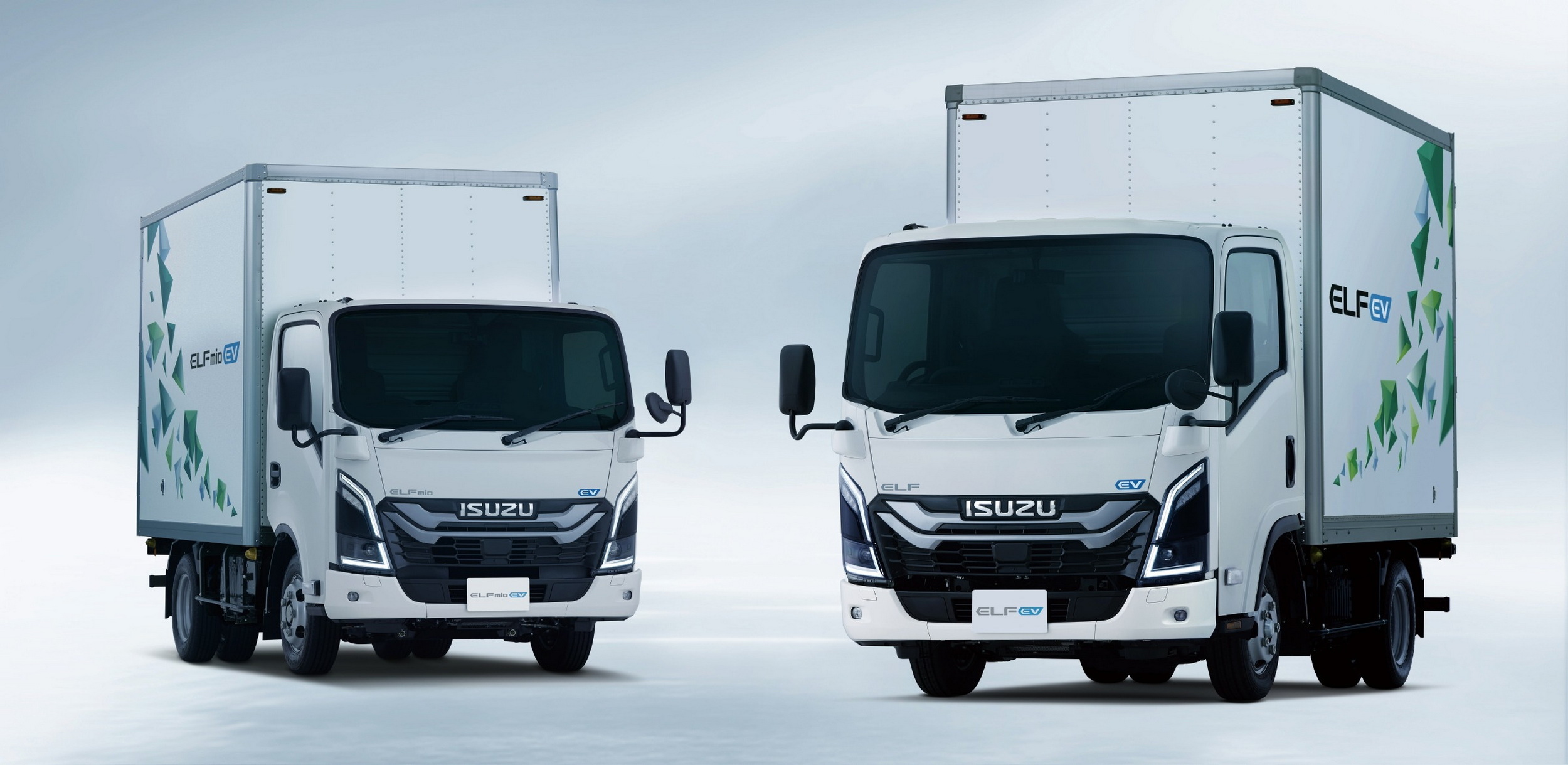
Toyota And Isuzu’s New Hydrogen Truck Solves The Problem Refrigerated Delivery EVs Can’t

  • Isuzu and Toyota are building Japan’s first hydrogen light-duty truck.
  • The fuel cell hardware is Toyota’s, the chassis is Isuzu’s Elf EV.
  • Toyota’s next fuel cell system delivers 20% better efficiency than before.

Hydrogen mobility might not be moving forward as quickly as expected in passenger cars, but it still has clear promise in the commercial space. The latest move comes from Isuzu and Toyota, which have teamed up to develop Japan’s first mass-produced light-duty fuel-cell electric truck, expected to reach the road within the next two years.

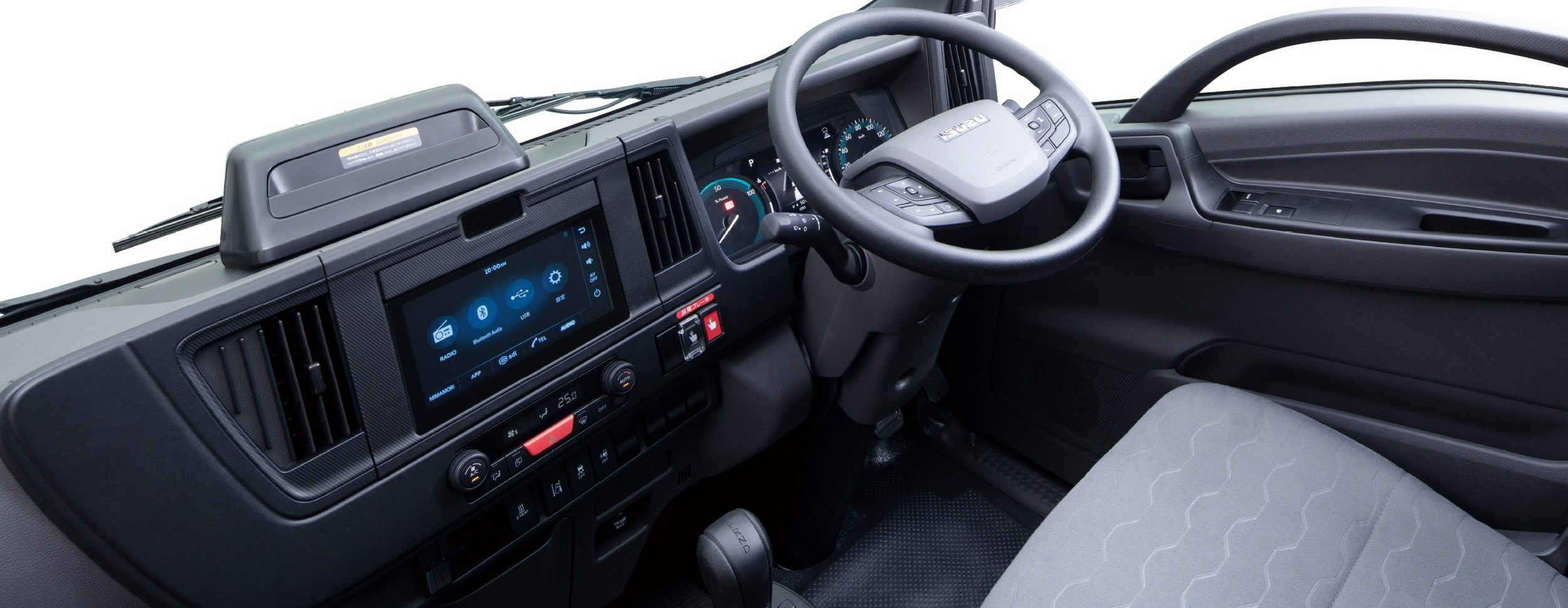
This won’t be a ground-up rethink. Instead, it rides on the familiar ladder-frame chassis of the Isuzu Elf EV. The electric Elf, known globally as the N-Series, arrived in 2023 with modular 20 kWh battery packs, scaling from 40 to 180 kWh depending on spec.

More: A Gullwing Door Hides The Coziest Room On Wheels

The real story sits under the skin. Toyota’s upcoming third-generation fuel-cell system takes center stage here, bringing a claimed 20% improvement in efficiency over the current setup. It is also expected to last longer and cope better with hard use, which matters when your daily routine involves stop-start urban logistics or hauling refrigerated goods across a city.

Why Hydrogen?

 Toyota And Isuzu’s New Hydrogen Truck Solves The Problem Refrigerated Delivery EVs Can’t

One of the primary drivers behind this FCEV project is the inherent limitation of battery-electric trucks in certain commercial roles. Light-duty trucks used for supermarket and convenience store deliveries often require heavy refrigeration equipment that drains battery power quickly. Furthermore, the long charging times associated with large battery packs can disrupt tight delivery schedules.

More: BMW iX5 Hydrogen Teased With 385 Miles Of Range

Hydrogen refueling, which takes roughly the same amount of time as diesel, offers a more seamless transition for fleet operators, while offering an extended driving range. At the same time, an FCEV truck produces much fewer vibrations and noise compared to a diesel-powered equivalent, while having zero CO2 emissions.

Reducing Costs Is The Key

 Toyota And Isuzu’s New Hydrogen Truck Solves The Problem Refrigerated Delivery EVs Can’t

The sticking point remains cost. Fuel-cell vehicles are still expensive, and hydrogen infrastructure is far from widespread. Isuzu and Toyota say the answer lies in smarter engineering, from optimizing the vehicle structure to rethinking manufacturing processes, alongside continued development of the fuel-cell system itself.

More: The Honda CR-V e:FCEV Is Living On Borrowed Time

Production of the light-duty fuel cell truck is scheduled to start in the Japanese fiscal year 2027, which ends on March 30, 2028.

This isn’t the first time the two companies have worked together on hydrogen. Isuzu and Toyota are already collaborating on the ERGA FCV, an urban flat-floor bus with hydrogen tanks integrated on its roof structure.

\\\\\\

Consumers Adapting to ‘New Normal’. Vehicle Customization and Pre-Ordering

Smart Toyota Madison WI 
Happy New Car Day Digital Signage
Consumers ‘Bang the Gong’ to celebrate the arrival of their new Toyota at Smart Toyota Madison WI.

Since early 2020, American consumers have had to come to terms with a new kind of normal. Products and services are not as plentiful as we’ve grown accustomed to. Covid-19 and the occasional freak weather patterns have wreaked havoc on a number of industries in many ways, especially in terms of shortages. The restaurant industry is struggling to hire viable and reliable employees. Grocery stores are out of products, specifically goods originating from meat-packing plants. And we all know how paper products like toilet paper were hard to come by for many months. Nearly all industries are having some growing pains adapting to the unavoidable changes taking place, including automobile manufacturers.

Madisonians have noticed the dearth of new vehicles for the past several months when they pass by Smart Toyota on Odana Road. What has been a car lot brimming with options for decades has suddenly become a sort of ghost town with only a handful or so of vehicles on the lot.

“It’s a very noticeable difference,” says Smart Toyota’s sales director Justin Jackson. “We normally have 400 or more new vehicles on the lot, but since mid-April 2021 we’ve seen a steady decline in the number of New Toyotas we have on the lot. Now we only have maybe 5 to 10 new vehicles physically at the store.”

Justin Jackson
Sales Director
Smart Toyota – Madison, WI

Jackson says the pandemic is partially to blame for the shortage because modern vehicles rely on computer chips which became scarce due to manufacturers reallocating them to industries other than automotive. Then, early in 2021 the issue in new vehicle manufacturing were winter storms that crippled Texas-based businesses that are critical in the manufacturing of foam for seats.

“If it’s not one thing it’s another,” says Jackson. “We’ve got the chips, but because of the power issues Texas faced in the Spring of 2021, we didn’t have enough foam padding for the seats, and today, as production ramps up, it’s supply chain and logistical issues.”

It’s Not All Doom and Gloom

Those looking to purchase a new vehicle seem to understand the slow-down in global manufacturing, Jackson says. Instead of getting upset they can’t drive off the lot with a vehicle they think is “good enough,” consumers are now more apt to customize and pre-order a vehicle specifically made to their specifications.

“It’s kind of cool how people have adapted,” says Jackson. “They might not get that prior sense of immediate gratification of new car ownership, but they get to experience something else: personalization.”

Jackson explains the process of pre-ordering has been well-received for a few reasons, one of which is the compassion the consumer feels about simple logistics as they relate to inventory issues in this day and age.

Vehicle Customization increases satisfaction

“They also really like the fact we can get them exactly what they want; from safety features and amenities, to color preference,” says Jackson. “And when their customized vehicle comes in – usually in about 45 days – they are over the moon when they see the Happy New Car Day sign bearing their name saying the car was made specifically for them. It takes ‘ownership’ to a whole new level.”

Custom Pre-Orders on the Rise

Jackson says about five percent of Smart’s new vehicle sales used to be custom ordered. Today the percentage has skyrocketed to about 50 percent of the dealership’s monthly new car sales. And, Jackson notes, when a consumer has all the customizable options at his or her disposal, no one opts for a base model in order to save a buck or two.

“Often times, though, it’s not options that are the most appealing aspect of pre-ordering,” says Jackson. “Instead, currently, there has been a surge in hybrid vehicle sales. And now in winter, AWD (all-wheel drive) vehicles will see a spike in popularity.”

If you know you are going to order a customized vehicle, Jackson says it might be best to do a little homework prior to meeting with a sales consultant.

“People take a lot of amenities for granted, but if you’re customizing, you should consider some of the following options,” he says.

Custom Pre-Order Checklist

  1. Entertainment & Communications: think about your stereo system. Do you still need a CD player? How about satellite radio capability? Hands-free phone control? A video system? Navigation?
  2. Comfort & Convenience: this includes upholstery, heated/cooled seats, power door locks, keyless entry, dual climate control, etc.
  3. Safety: the simple rule of thumb is the more you can install, the more secure you’ll feel. If you can, opt for dual air bags, anti-lock brakes, traction control, cruise control, and parking assist systems.
  4. Appearance: the most enjoyable aspect of customizing is picking out your paint, trim, and wheels.
  5. Performance: what do you need to get from point A to point B in your daily life? A larger engine? Sport suspension? 4-wheel drive? Automatic transmission or stick?

Jackson says while customers are not complaining right now about having to customize and then wait for their new ride, he anticipates their patience won’t last forever. However, he also doesn’t see new vehicle inventory returning to “normal” in the immediate future, and with customer satisfaction currently at such a high level he’s not overly anxious about it.

“At this point, we do not see ‘ground stock’ (vehicles physically on the lot) back to our previously average levels before the end of the year,” he says. “That could change, but we really don’t see it happening until late 2022.”

The post Consumers Adapting to ‘New Normal’. Vehicle Customization and Pre-Ordering appeared first on Smart Toyota Blog.

❌
❌