Reading view

There are new articles available, click to refresh the page.

Kia EV9 Owners Are Reporting Battery Failures, And Long Waits For Fixes
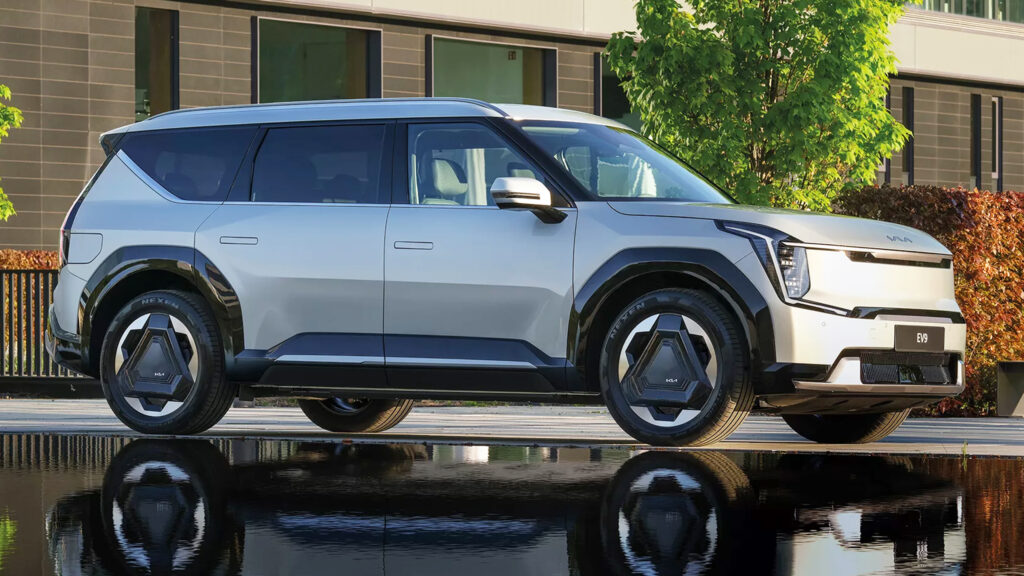
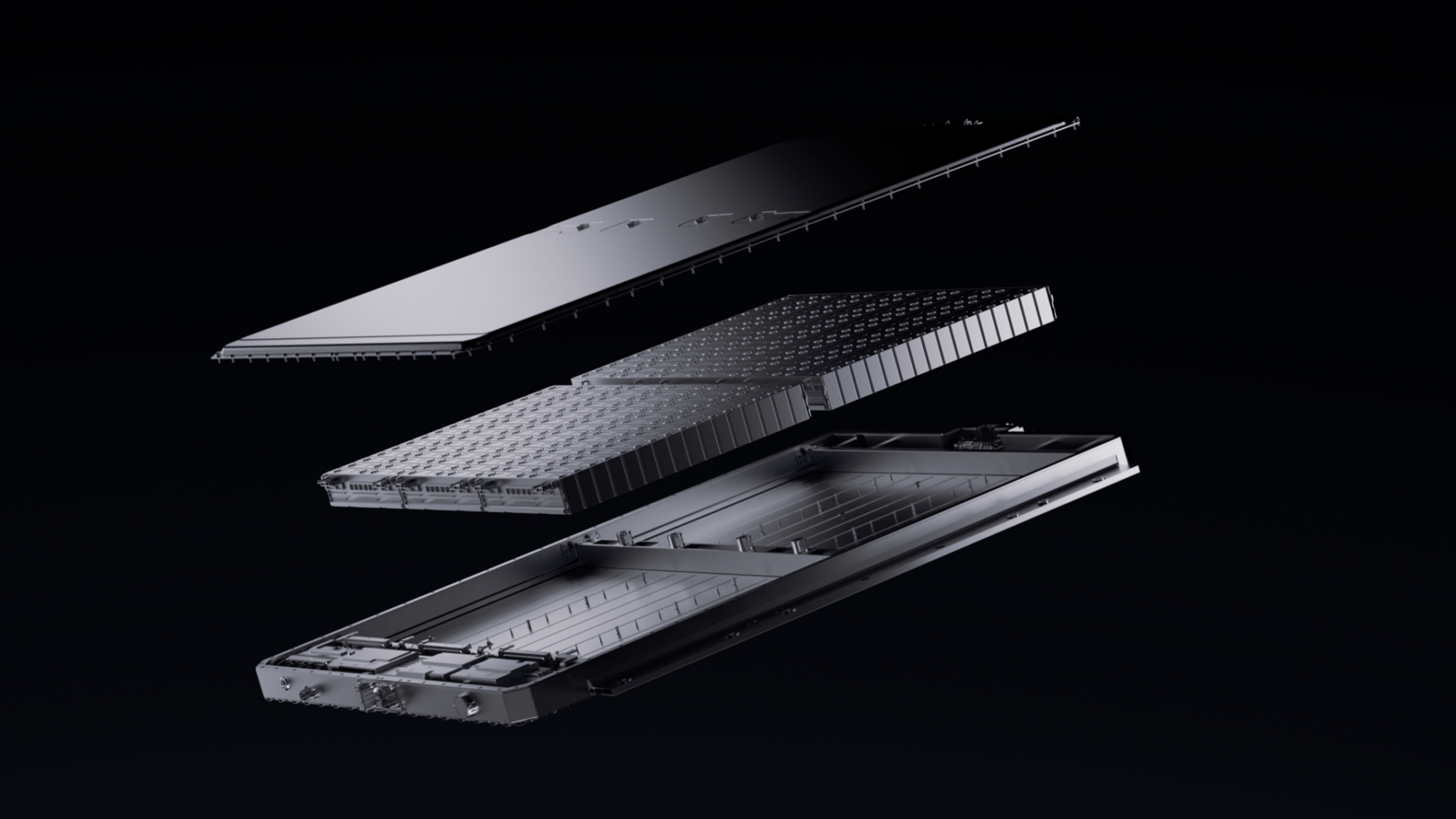
  • Dozens of Kia EV9 owners are reporting significant battery pack problems.
  • Some of the EV9’s battery modules appear prone to premature death.
  • Replacement packs can take months to arrive, leaving owners stranded.

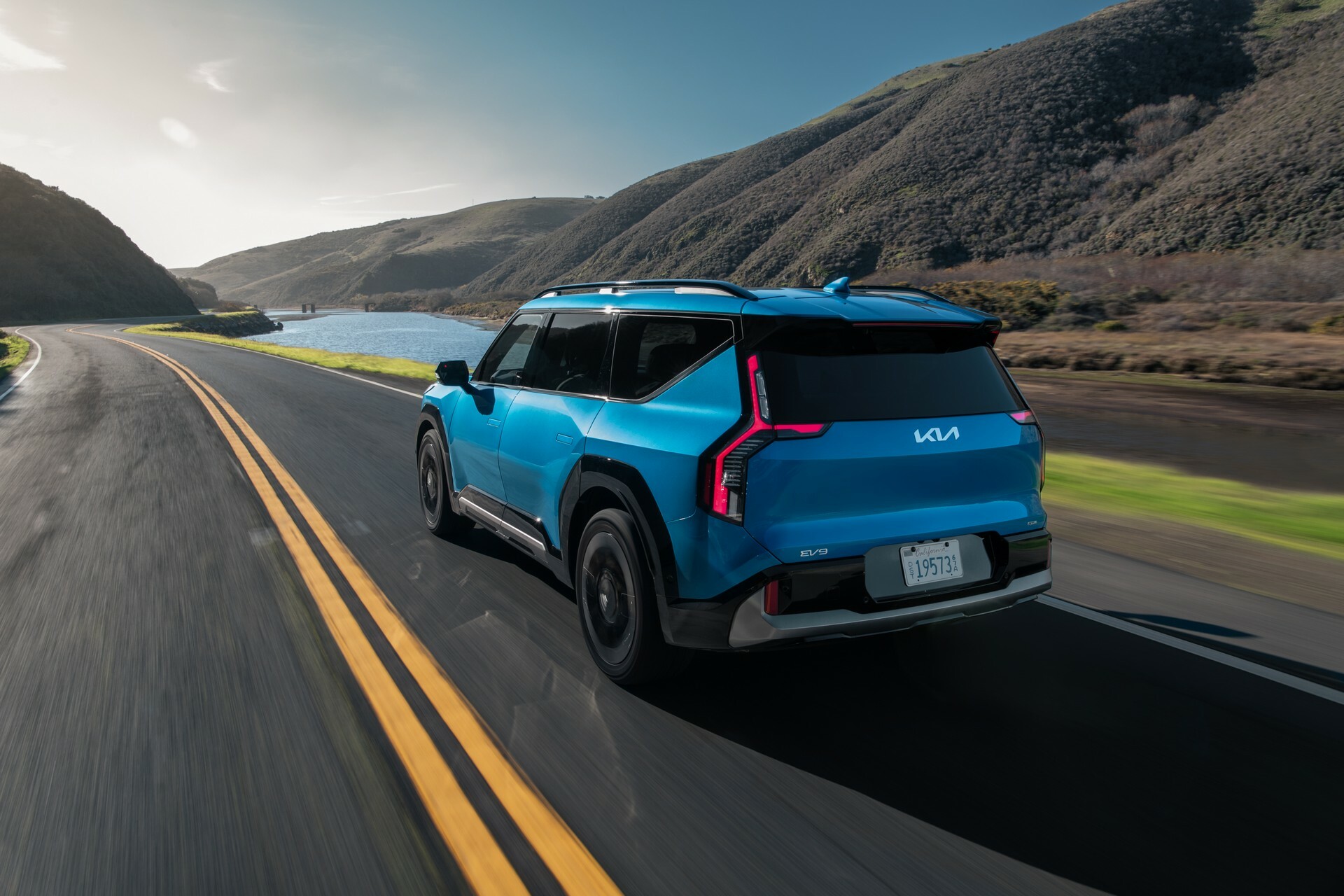
As impressive as the Kia EV9 is, a growing number of owners are experiencing serious battery pack issues and enduring long waits for repairs. It will be a huge concern for Kia, particularly given that several other EVs from the broader Hyundai Group have also suffered serious powertrain-related faults in recent years.

Reports from EV9 owners have been swirling online since at least last year, and a UK writer from The Verge, who just so happens to own an EV9, has experienced them firsthand. It started with a small issue, where the 12-volt battery was drained, and he was unable to unlock the car. To get it up and running, he had to access the frunk manually and then hook up a booster to the battery. As it turns out, this fault would soon be the least of his worries.

Review: Kia’s 2026 EV9 Earth Gets The Hard Part Right And Stumbles On The Obvious One

Several weeks later, he says the SUV’s battery would suddenly jump from 82 percent to 100 percent charge when plugged into his home AC charger. The EV’s estimated driving range at 100 percent also plummeted. After purchasing an OBD-II scanner, he discovered that when the Kia displayed 100 percent charge, it was actually only holding 71 kWh, despite having a 99.8 kWh pack. The scanner revealed that some of the pack’s 38 individual modules were dead.

Long Waits For Battery Replacements

\\\\\\\\\

A Kia dealership soon verified the issue and confirmed the SUV would need to have the high-voltage battery pack replaced. It’s been entered into Kia’s battery repair program, available through the eight-year warranty for the batteries in the UK, but there’s no clear timeline for when it will be repaired.

The Verge writer says he’s spoken with more than a dozen other EV9 owners in the country who have had similar problems, and some have been unable to continue driving their vehicles while waiting for a new battery. He says at least one has seen their EV9’s range drop to just 30 miles (48 km). Numerous owners in the US have also complained about battery pack failures, indicating this could be a global issue.

Widespread Faults Across Hyundai’s EV Lineup
 Kia EV9 Owners Are Reporting Battery Failures, And Long Waits For Fixes

For years, EVs from Hyundai, Kia, and Genesis have also suffered failures of the Integrated Charging Control Unit (ICCU). The automaker stayed quiet about the problem for a long time before finally acting in 2024, recalling every e-GMP-based EV sold in the US. That didn’t resolve things. Owners continued reporting faults, and Hyundai eventually extended warranties for electric vehicles with ICCU-related problems.

At this stage, no recall has been issued for battery pack failures in the EV9. However, if more owners start experiencing problems and these reports receive greater media coverage, the South Korean car manufacturer may be forced to act.
\\\\\\\\

The 1,600 Jobs And $3.5 Billion Plant GM Promised Indiana Are Now On Hold

  • GM’s battery plant with Samsung was supposed to house 1,600 employees.
  • The plant would initially have 30 GWh of capacity for up to 300,000 EVs.
  • Site may switch from nickel-rich batteries to lithium iron phosphate batteries.

Another U.S. electric vehicle battery plant is on shaky ground as local EV demand keeps sliding. This one is the massive facility GM and Samsung have been building near New Carlisle, Indiana, and its future is now anything but certain.

The $3.5 billion plant was announced three years ago with initial plans for it to produce nickel-rich prismatic batteries. GM anticipated the site would initially have 30 GWh of capacity, meaning it could produce battery packs for up to 300,000 EVs annually. Capacity was then supposed to ramp up to 36 GWh.

Read: GM’s EV Dream Plant Is Now A Gas Powerhouse In The Making

The problem is what’s happened to the market since. With the Trump administration killing off the $7,500 federal EV tax credit, U.S. demand has cratered, and it’s getting harder for automakers and tech firms to justify writing checks this big for plants of this size.

GM has confirmed that construction of the plant will be paused. In a statement to Detroit News, GM spokesperson Kevin Kelly said: “Construction of the battery cell plant in New Carlisle, Indiana will be paused to align production capacity with current demand. GM and Samsung SDI will communicate plans for the site at a future date.”

The plan, for now, is to finish the building’s exterior as quickly as possible. However, after that, the future of the site remains unclear.

GM’s EV Mistakes

 The 1,600 Jobs And $3.5 Billion Plant GM Promised Indiana Are Now On Hold

It’s possible the car manufacturer could completely withdraw from its joint venture with Samsung, which is exactly what it did in late 2024 when it pulled out of its partnership with LG Energy Solution on a Michigan battery plant. GM reportedly sold its stake to LG for $1 billion.

An alternative is for GM and Samsung to remain partners and instead manufacture more common lithium-iron phosphate batteries at the site.

If GM pulls out of its joint venture with Samsung, it’ll come at a cost. The company has already revealed it took up to $8.7 billion in EV-related charges and write-downs in 2025, and the money invested in the Indiana plant could be yet another misstep in its EV strategy. The site was supposed to employ up to 1,600 workers and initially set to set producing battery cells this year, although this was later delayed to 2027 a couple of years ago.

 The 1,600 Jobs And $3.5 Billion Plant GM Promised Indiana Are Now On Hold

BYD’s Nine-Minute Charge Was Industry Leading For About Four Weeks

  • CATL says its new Shenxing 3 charges from 10 to 98 percent in 6.5 minutes.
  • The Qilin 3 promises 621 miles of range while weighing only 1,378 pounds.
  • Company is betting fast charging and battery swapping will drive EV adoption.

Electric vehicles are quick, quiet, and typically offer awesome packaging and an easier maintenance schedule than combustion-powered cars. Where they struggle to keep up with their gas-powered competition is on the refueling side of things.

Charging infrastructure is nowhere near what it is for gas-powered cars, and when one does find a charger, it can take a long time to get a battery that’s flat back to full. Now, CATL says it’s found a solution, and it’ll charge a battery from 10 to 98 percent in just 6.5 minutes.

More: This New Battery Could Outlive You, Never Mind Your Car

According to The Wall Street Journal, the new Shenxing 3 battery hits that mark in roughly 6.5 minutes, beating the charging capability BYD revealed just last month, which took nine minutes to go from 10 to 97 percent, or seven minutes from 10 to 70. Bernstein analysts told the publication the new battery “effectively closes the gap with ICE vehicles.”

 BYD’s Nine-Minute Charge Was Industry Leading For About Four Weeks

CATL says the new pack is capable of a 10C charging rate and can go from 10 to 80 percent in just 3 minutes and 44 seconds. Even more impressive, the company claims the battery can still charge from 20 to 98 percent in around nine minutes even when temperatures plunge to -22 degrees Fahrenheit (-30 Celsius).

Perhaps most impressive is that CATL says these charging speeds don’t destroy long-term battery life. Evidently, the Shenxing 3 still retains over 90 percent of its capacity after 1,000 full charging cycles.

CATL also introduced the new Qilin 3 battery, which it says can deliver up to 621 miles (1,000 km) of range while weighing just 1,378 pounds (625 kg). That makes it significantly lighter than comparable packs and, according to the company, improves efficiency, acceleration, braking, and handling. Oh, and wait, there’s more.

 BYD’s Nine-Minute Charge Was Industry Leading For About Four Weeks

A new Qilin Condensed battery can deliver up to 932 miles (1,500 km) of range in a sedan or over 621 miles (1,000 km) in a full-size SUV. Obviously, that kind of range would be a giant benefit for the EV industry as it would reduce range anxiety and the need for additional charging infrastructure.

CATL says the Shenxing 3 and Qilin 3 batteries are intended for production vehicles rather than distant concepts, with the first applications likely arriving within the next year or so. The more ambitious Qilin Condensed battery appears further off, while CATL says its sodium-ion battery will enter mass production by the end of 2026.

 BYD’s Nine-Minute Charge Was Industry Leading For About Four Weeks

CATL Says Its New EV Battery Can Charge From 10 To 98 Percent In Just 6.5 Minutes

  • CATL says its new Shenxing 3 battery charges in just 6.5 minutes.
  • The company also unveiled lighter batteries with up to 1,500 km range.
  • CATL is betting fast charging and battery swapping will drive EV adoption.

Electric vehicles are quick, quiet, and typically offer awesome packaging and an easier maintenance schedule than combustion-powered cars. Where they struggle to keep up with their gas-powered competition is on the refueling side of things. Charging infrastructure is nowhere near what it is for gas-powered cars, and when one does find a charger, it can take a long time to get a battery that’s flat back to full. Now, CATL says it’s found a solution, and it’ll charge a battery from 10 to 98 percent in just 6.5 minutes.

According to The Wall Street Journal, the new Shenxing 3 battery can hit that mark in roughly 6.5 minutes, beating the approximately nine-minute charging capability BYD revealed just last month. Bernstein analysts told the publication the new battery “effectively closes the gap with ICE vehicles.”

More: This New Battery Could Outlive You, Never Mind Your Car

CATL says the new pack is capable of a 10C charging rate and can go from 10 to 80 percent in just 3 minutes and 44 seconds. Even more impressive, the company claims the battery can still charge from 20 to 98 percent in around nine minutes even when temperatures plunge to -22 degrees Fahrenheit (-30 Celsius). Perhaps most impressive is that CATL says these charging speeds don’t destroy long-term battery life. Evidently, the Shenxing 3 still retains over 90 percent of its capacity after 1,000 full charging cycles.

 CATL Says Its New EV Battery Can Charge From 10 To 98 Percent In Just 6.5 Minutes

CATL also introduced the new Qilin 3 battery, which it says can deliver up to 621 miles (1,000 km) of range while weighing just 1,378 pounds (625 kg). That makes it significantly lighter than comparable packs and, according to the company, improves efficiency, acceleration, braking, and handling. Oh, and wait, there’s more.

 CATL Says Its New EV Battery Can Charge From 10 To 98 Percent In Just 6.5 Minutes

A new Qilin Condensed battery can deliver up to 932 miles (1,500 km) of range in a sedan or over 621 miles (1,000 km) in a full-size SUV. Obviously, that kind of range would be a giant benefit for the EV industry as it would reduce range anxiety and the need for additional charging infrastructure.

CATL says the Shenxing 3 and Qilin 3 batteries are intended for production vehicles rather than distant concepts, with the first applications likely arriving within the next year or so. The more ambitious Qilin Condensed battery appears further off, while CATL says its sodium-ion battery will enter mass production by the end of 2026.

 CATL Says Its New EV Battery Can Charge From 10 To 98 Percent In Just 6.5 Minutes

Mercedes’ Next EVs Are Ditching CATL For Samsung, Starting In 2028

  • Future Mercedes models based on its MMA platform will use Samsung’s batteries.
  • Several existing Mercedes-Benz EVs already use advanced NMC battery packs.
  • The current Mercedes CLA 250+ and CLA 350 source battery packs from CATL.

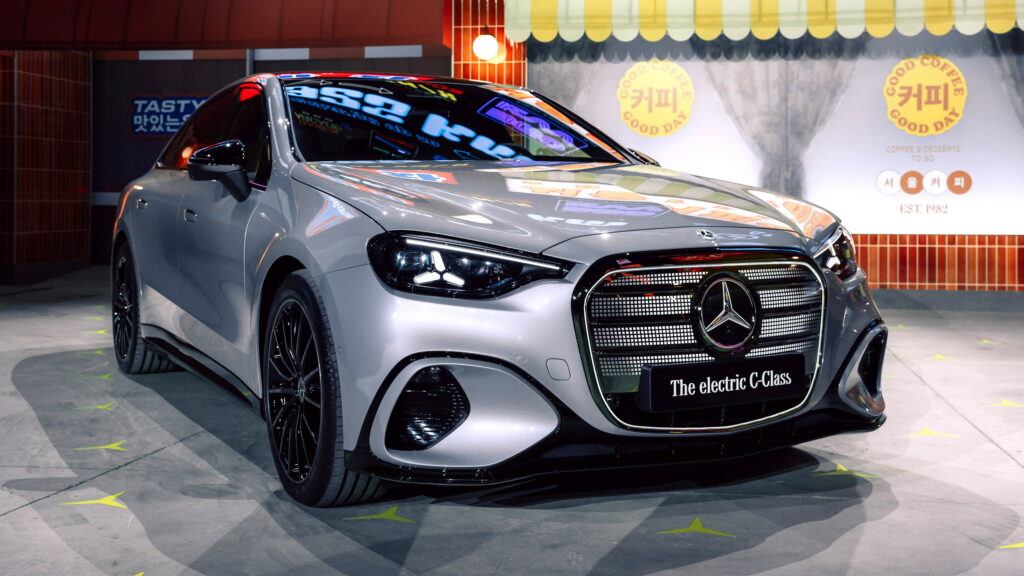
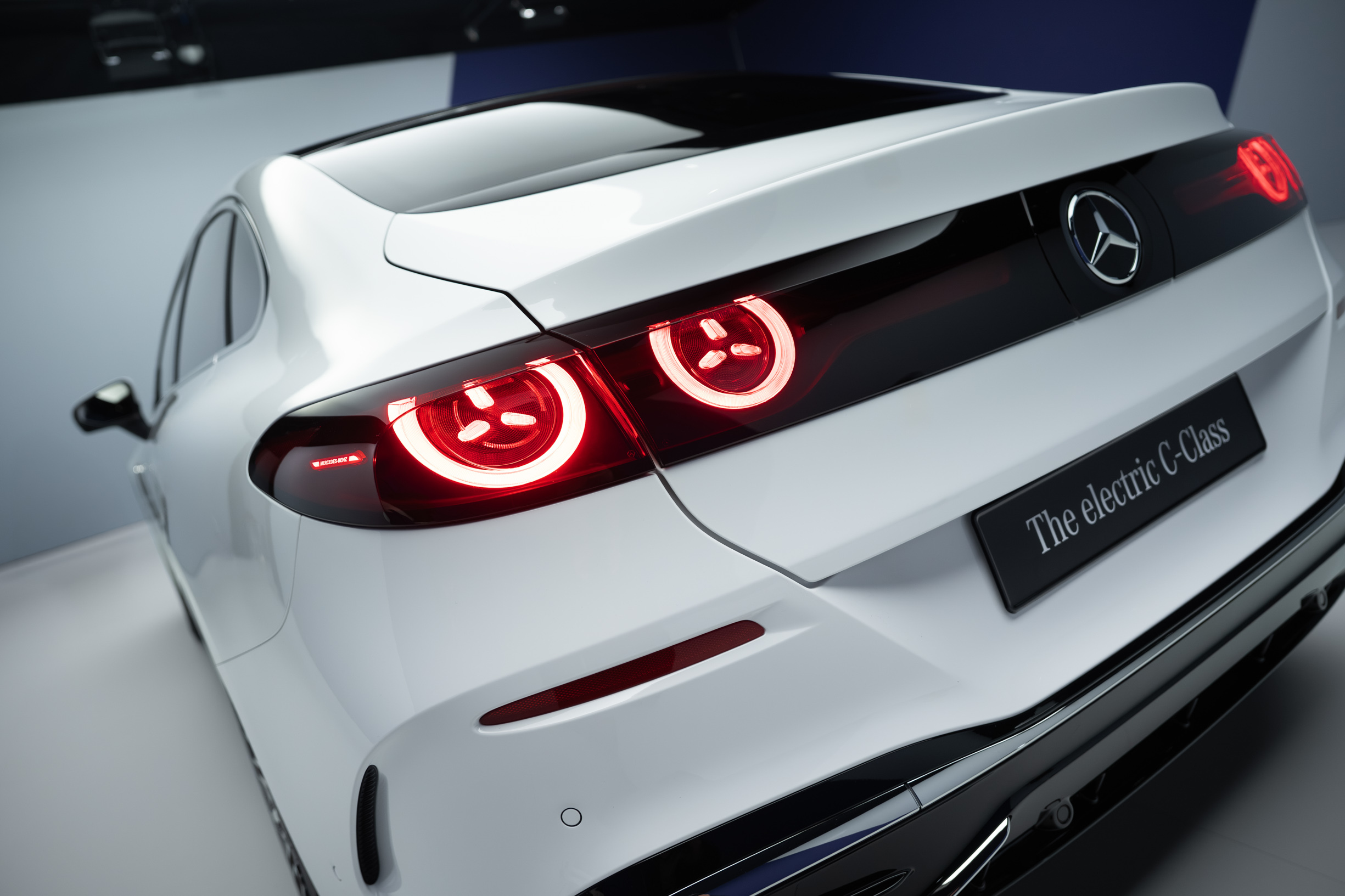
Just after unveiling its all-new electric C-Class, Mercedes-Benz confirmed a key piece of its future EV strategy. The next generation of its electric models will draw power from battery cells supplied by South Korea’s Samsung SDI.

The agreement, signed earlier this week, secures a steady flow of nickel, cobalt, and manganese (NMC) battery cells. Samsung claims these packs will deliver strong energy density, long service life, and the kind of sustained output and range figures premium EV buyers have come to expect, at least on paper.

Read: Mercedes’ Electric C-Class Is The BMW i3’s Neue Nightmare

Mercedes has yet to put a firm date on when these NMC batteries from Samsung will make their debut. Still, industry insiders point to models built on the upcoming Mercedes Modular Architecture (MMA) from 2028 onward. That would cover a wide spread of compact and mid-size SUVs, along with a handful of coupes that, for now, remain unnamed.

German Cars, Asian Batteries

 Mercedes’ Next EVs Are Ditching CATL For Samsung, Starting In 2028

The German brand already offers several of its EVs with NMC batteries, including the CLA 250+ and CLA 350 4Matic, sourced from China’s CATL. In addition, the all-electric Mercedes VLE uses a 115 kWh NMC battery pack, while the newly-revealed electric C-Class uses a 94.5 kWh NMC battery, promising a range of up to 472 miles (760 km).

“This partnership brings together the innovative DNA of both companies,” Samsung SDI said. “It is meaningful in that SAMSUNG SDI has secured a battery order aimed at strengthening its position in the global EV market.”

There are trade-offs between nickel, cobalt, and manganese (NMC) batteries and lithium iron phosphate (LFP) packs, the two chemistries currently dominating the EV space. NMC’s headline advantage is energy density, which means more range from a similarly sized battery, something premium brands tend to prioritize.

LFP, on the other hand, takes a more pragmatic approach. These packs are typically more durable over time and can be charged to 100 percent far more frequently without accelerating degradation. That makes them well suited to daily-use scenarios, even if they cannot quite match NMC’s outright range potential.

\\\\\\\\\\\\\\

CATL’s New EV Battery Charges Faster Than Ford’s Mustang GTD Laps The ‘Ring

  • Battery maker CATL has just leaped ahead of BYD and Geely in charge speeds.
  • Its latest Shenxing LFP battery can charge from 10-35 % in only one minute.
  • A 10-80% charge takes 3 min 44 seconds, cold weather has minimal impact.

Some records stand for decades. Bob Beamon’s 8.9 m 1968 long jump, still unbroken 58 years later, is one. Others, like the 5 minutes it takes BYD’s Blade 2.0 battery to go from 10-70 percent, seem spectacular at the time, but here we are only weeks later and it’s already been smashed not once, but twice.

First it was Geely, whose Golden Brick battery can charge from 10-70 percent in 4 minutes 22 seconds. And now battery giant CATL has made even that look like it was hooked up to a household AC socket.

Related: Geely’s Golden Brick Battery Charges Faster Than BYD, But Good Luck Finding A Plug For It

CATL’s 3rd-gen Shenxing LFP battery stops the clock at 3 minutes 44 seconds. And that’s not even charging to 70 percent, but to 80 percent. Geely’s battery needs almost two minutes longer to reach the same point.

And that’s not the only crushing stat. If you’ve ever charged an EV, you’ll know that charge rates aren’t linear. It takes a while to reach peak charge speed and then the rate falls away again as the battery gets closer to full. But the CATL pack comes out all guns blazing, charging from 10-35 percent in just 1 minute.

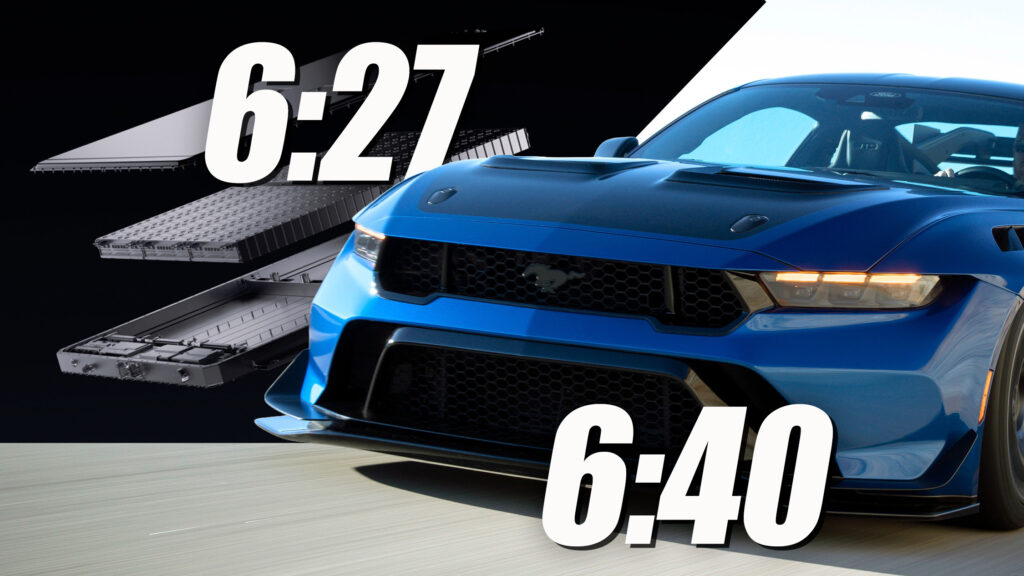
And from 10-98 percent takes only 6 minutes and 27 seconds. That compares with 8 minutes 42 seconds for a 10-97 percent fill with Geely’s Golden Brick and 9 minutes for BYD’s Blade 2.0. Or to put it another way, the CATL goes from flat to full 13 seconds faster than it takes a Ford Mustang GTD to lap the Nurburgring.

Cold Weather? No Problem

These numbers are all achieved in optimal temperatures, of course, but CATL threw out another one to show that even in less than ideal condition charging is still really rapid. Drop the temperature to -30˚ C (-22˚F) and the 10-98 percent top-up still only takes 9 minutes.

Unveiling the new battery at its Tech Day Event, CATL claimed the pack’s 0.25 milliohms internal resistance is 50 percent lower than the industry average. It also features multi-point temperature monitoring for each cell and Self-Heating tech that involves using pulses of heat to improve low-temperature charging speeds.

Long Lifespan

Just as importantly, CATL claims that the battery health remains above 90 percent even after 1,000 ultra-fast charge cycles, countering skepticism from BMW engineers about the viability of the new generation of insanely fast-filling Chinese batteries.

BYD has already begun to expand its Flash Charging network to Europe, and CATL also claims it’s looking into bringing its own tech behind China’s borders together with SAIC-GM-Wuling. But don’t bank on it arriving in the US any time soon.

 CATL’s New EV Battery Charges Faster Than Ford’s Mustang GTD Laps The ‘Ring

CATL, Ford

❌