Reading view

There are new articles available, click to refresh the page.

BMW Found 145 New iX3s Whose Body Panels Can Buzz And Shock You While Charging
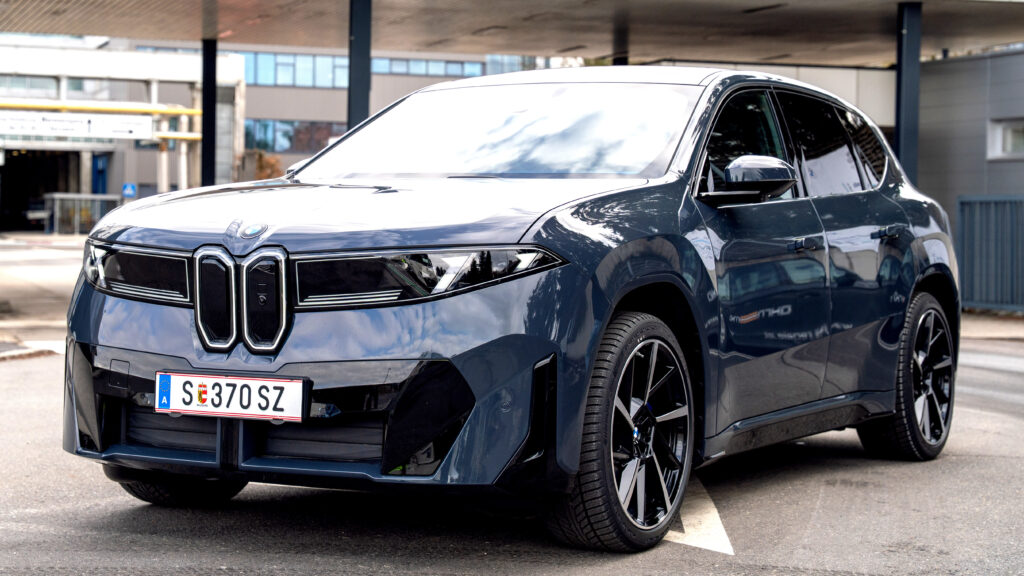
  • Owners of the new BMW iX3 could get an electric shock while charging their EV.
  • The iX3 is also being recalled for possible issues with the side airbags.
  • One of the recalls impacts 4,843 iX3s globally, including 1,071 in Germany.

The second-generation BMW iX3 has been well received by most, marking a serious step up from its predecessor and delivering the kind of driving range usually reserved for Chinese EVs. But the launch hasn’t gone off without a hitch. Two recalls have already been issued for the electric SUV in Germany, and one of them sounds genuinely unpleasant.

The first recall landed at the end of May and covers 145 vehicles built between November 25, 2025, and February 20, 2026. According to BMW, these iX3 models carry an onboard charger, the component that converts AC power to DC, that may be faulty. The defect could leave the SUV’s body panels buzzing with electricity while the car is plugged in.

Read: BMW Adds A 395-Mile Base iX3 And A Black Package For Summer

BMW says it isn’t aware of any injuries so far, but it admits owners could get a nasty shock if they touch the car at the wrong moment. The fix is straightforward enough, as the onboard chargers on affected models will be swapped out, whether or not they actually turn out to be defective. With high-voltage EVs, better safe than sorry. All told, the recall covers 145 cars worldwide, 28 of which are in Germany.

Dangerous Airbags

\\\\\\\

Then a few days later, on June 1, a second recall followed. This time, BMW says the side airbags may not have been bolted in to spec. The concern is twofold: the airbag might not deploy properly in a crash, and the gas generator could shift out of position and strike occupants.

The affected iX3s were built between December 18, 2025, and May 8, 2026. It’s the bigger of the two campaigns, covering 4,843 vehicles worldwide, including 1,071 in Germany. As with the charger issue, there are no known accidents or injuries tied to the airbag fault.

In this case, BMW says it will inspect the screws that hold the side airbags in place and, if necessary, resolve any issues.
\\\\\\\

Tesla’s Robot Eyes Missed 14,575 Stickers, Sending Every Owner Back To The Dealer

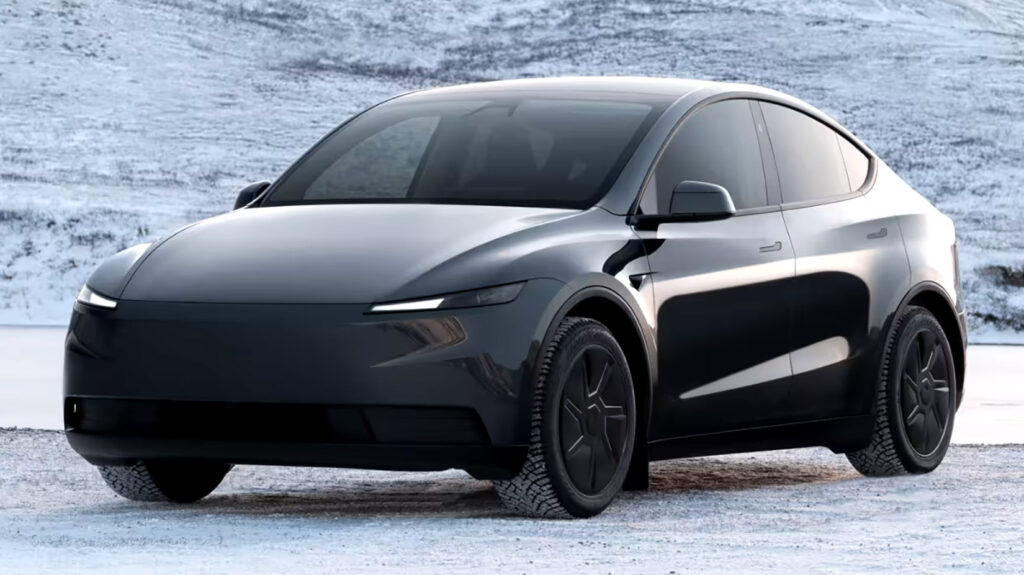
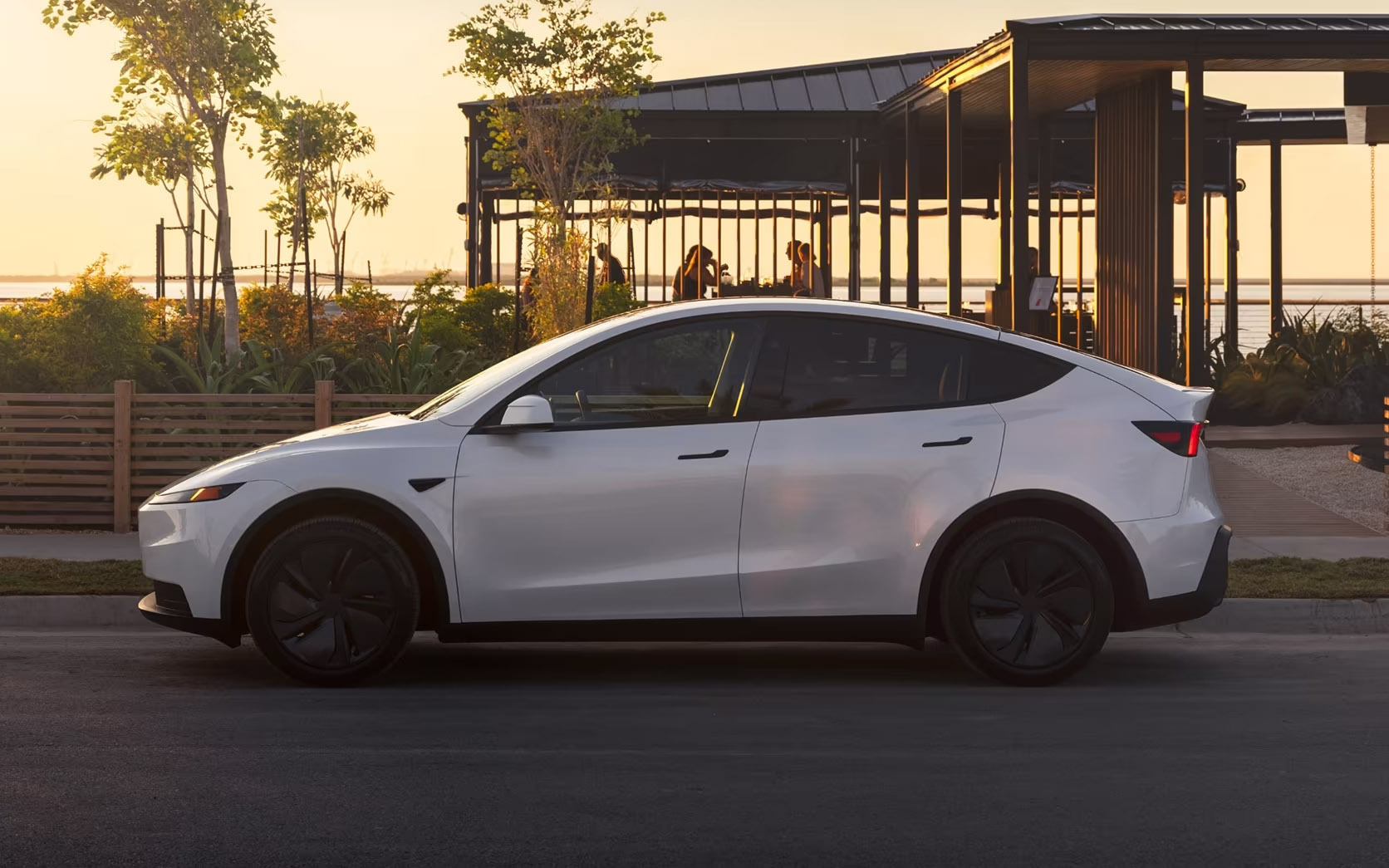
  • Tesla is worried owners may overload their Model Ys due to a missing label.
  • The safety concern has been blamed on issues with a vision-scanning tool.
  • Impacted Model Y owners will be alerted to the recall from July 17.

Recalls usually come dressed up in regulatory language that hides how mundane the underlying problem is. This one is refreshingly honest about it. More than 14,000 examples of the 2025 and 2026 Tesla Model Y are being recalled in the United States, and unlike most Tesla recalls, an over-the-air update will not fix it.

The recall says Tesla noticed a vehicle with a missing certification label during a routine audit of its Fremont factory last month. It was soon discovered that an automated vision-scanning tool, which verifies the presence of a properly affixed certification label, wasn’t performing as it should have.

Read: Tesla’s First Model Y Price Hike In Two Years Skips The Cheapest Version

The certification label lists the vehicle’s weight specifications, the numbers owners check before loading cargo or hitching a trailer. Without it, drivers can exceed those limits without realizing it, and an overloaded Model Y brakes, handles, and crashes differently than the one Tesla engineered.

What’s The Fix?

 Tesla’s Robot Eyes Missed 14,575 Stickers, Sending Every Owner Back To The Dealer

A total of 14,575 vehicles are caught up in the recall. The list includes 2,697 Model Ys built between November 17, 2024, and February 24, 2025, covering the 2025 model year, plus another 11,878 examples produced from February 25, 2025, through April 21, 2026. It is a large pool of cars, but Tesla says it is not aware of any collisions, injuries, or fatalities tied to the missing sticker, which is about what you would expect from a label-related defect.

Tesla says it repaired the automated scanning tool on April 17 at its Fremont, California, factory and also began performing manual checks to ensure newly produced models have the correct certification label. In addition, the scanning tool at Tesla’s Gigafactory in Texas was also fixed on May 7.

Owners of impacted Model Ys will be alerted to the recall from July 17, and Tesla will inspect affected vehicles and attach the certification label as required.

 Tesla’s Robot Eyes Missed 14,575 Stickers, Sending Every Owner Back To The Dealer

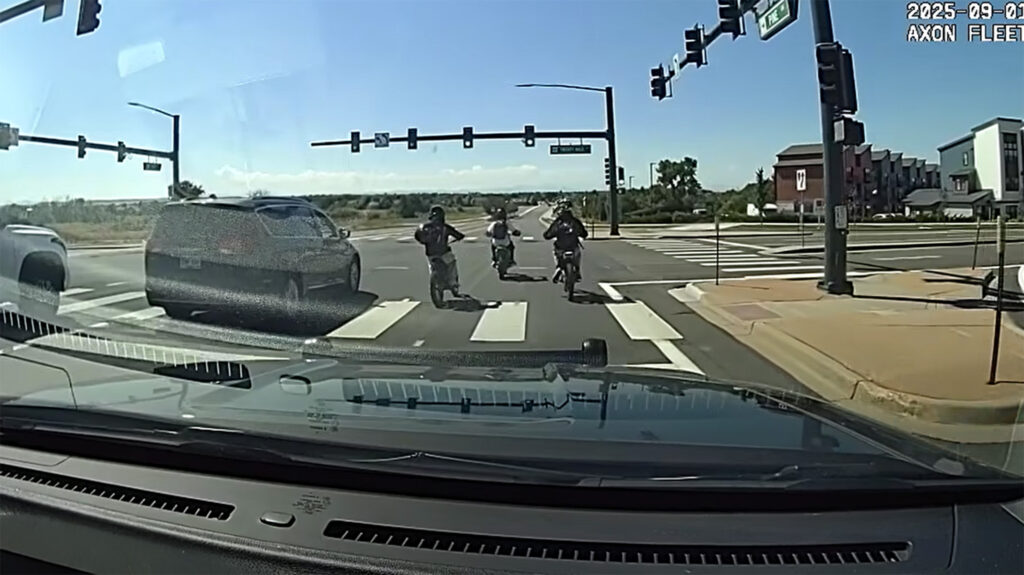
Cops Couldn’t Catch The Sur-Ron Riders, So Colorado Is Asking Residents To Help

  • Residents can anonymously report unsafe riding activity to Parker Police.
  • Police say electric motorcycles follow the same laws as regular motorcycles.
  • The system is meant to target illegal riding on streets, trails, and parks.

Police departments across the U.S. are struggling to figure out what to do with the explosion of electric motorcycles, Sur-Rons, dirt bikes, and high-powered e-bikes flooding suburban streets and trails. Now, one Colorado town is taking a new approach. It’s asking residents to report riders directly to police through an anonymous online portal.

The Parker Police Department in south Denver recently launched its “E-Bike, Dirt Bike, & E-Motorcycle Safety Reporting” tool, allowing residents to submit locations, rider descriptions, and details about allegedly unsafe behavior. The form includes options like “stunt riding,” “unsafe lane changes,” “running stop signs,” and even “no dangerous actions/just riding.”

More: Colorado Police Lost Most Of The Dirt Bike Pack And Still Managed To Start A Bigger Fight

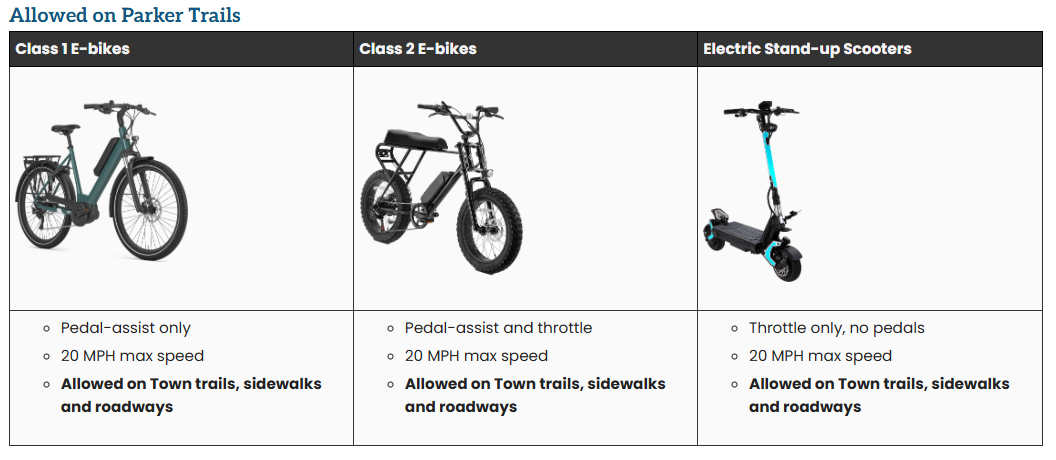
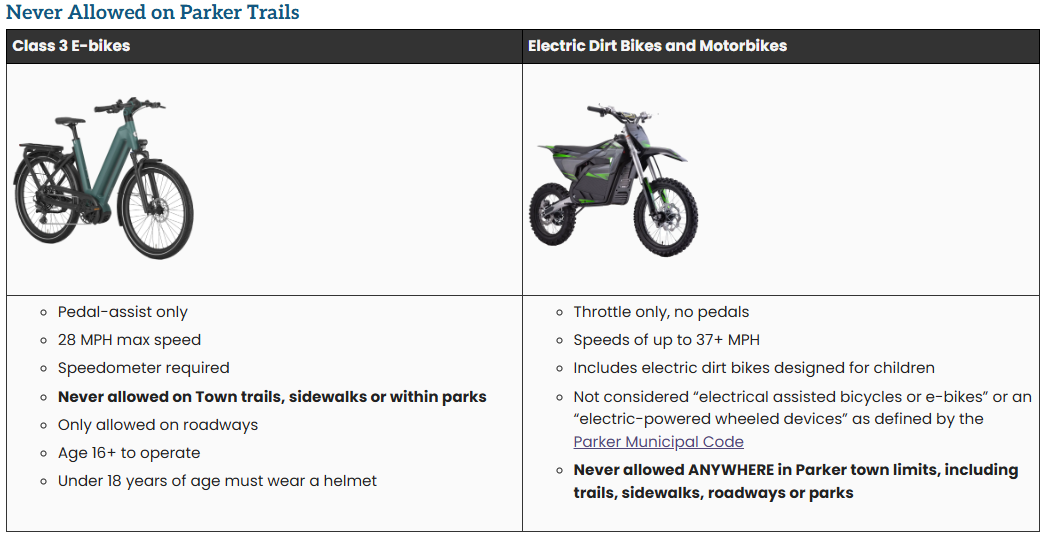
Importantly, police are making the important distinction between genuine e-bikes, the ones made for commuting, trail use, and recreation, and electric motorcycles that are often nearly inoperable with the pedals alone. According to the department, many riders are allegedly operating without licenses, insurance, or registration while also damaging parks, trails, and private property. States nationwide have seen an uptick in illegal electric motorcycle use and abuse.

Parker Police also pointed to a recent California case where a mother was charged with involuntary manslaughter after her 14-year-old son allegedly struck and killed an 81-year-old man while riding an electric motorcycle. Officials say the incident highlights the potential dangers associated with improperly used high-powered electric bikes.

That all said, the new system effectively creates a crowdsourced enforcement network where residents can anonymously report riders without any direct interaction with law enforcement. While supporters will likely argue it improves public safety, critics may see it as another example of expanding surveillance culture creeping into everyday transportation.

One local tells Carscoops, “This isn’t an e-bike or e-motorcycle issue. It’s a person issue. If kids are running from the police, it’s a parenting issue. Either way, it’s about the person riding and not the mode of transportation.”

Whether Parker’s new reporting system becomes a model for other cities or a flashpoint in the growing debate over surveillance and micromobility remains to be seen. What’s clear is that towns and police departments are rapidly losing patience with high-powered electric motorcycles operating in legally gray areas, especially as crashes, complaints, and viral social media videos continue piling up.

 Cops Couldn’t Catch The Sur-Ron Riders, So Colorado Is Asking Residents To Help
 Cops Couldn’t Catch The Sur-Ron Riders, So Colorado Is Asking Residents To Help

Credit: Parker Police Department

China Banned Them First, Now Hong Kong Wants To Shut The Door On Hidden EV Handles

  • Hong Kong is considering banning EVs with only electronic door handles.
  • China will require manual door releases on all new cars from 2027.
  • Officials say physical handles improve safety after crashes or power failures.

Electronic door handles have become one of the defining design trends of the EV era. They look futuristic, shave a bit of drag off the bodywork, and give cars like the Tesla Model S and Model Y their clean, button-free profiles. But now, Hong Kong is signaling it’s ready to follow China’s lead and shut the door on them.

Specifically, officials there say they’re preparing to ban new EVs equipped solely with electronic door handles. The move comes not long after mainland China’s decision to require physical mechanical releases on all new vehicles beginning in 2027. While Hong Kong is part of China, it maintains its own vehicle regulations and legal framework under the “one country, two systems” arrangement, meaning those rules don’t automatically apply there.

Read: China Is Banning Tesla-Style Door Handles

According to the South China Morning Post, Hong Kong Secretary for Transport and Logistics Mable Chan said the government is reviewing the mainland’s newly published GB 48001-2026 standard, which focuses specifically on automotive door-handle safety.

 China Banned Them First, Now Hong Kong Wants To Shut The Door On Hidden EV Handles
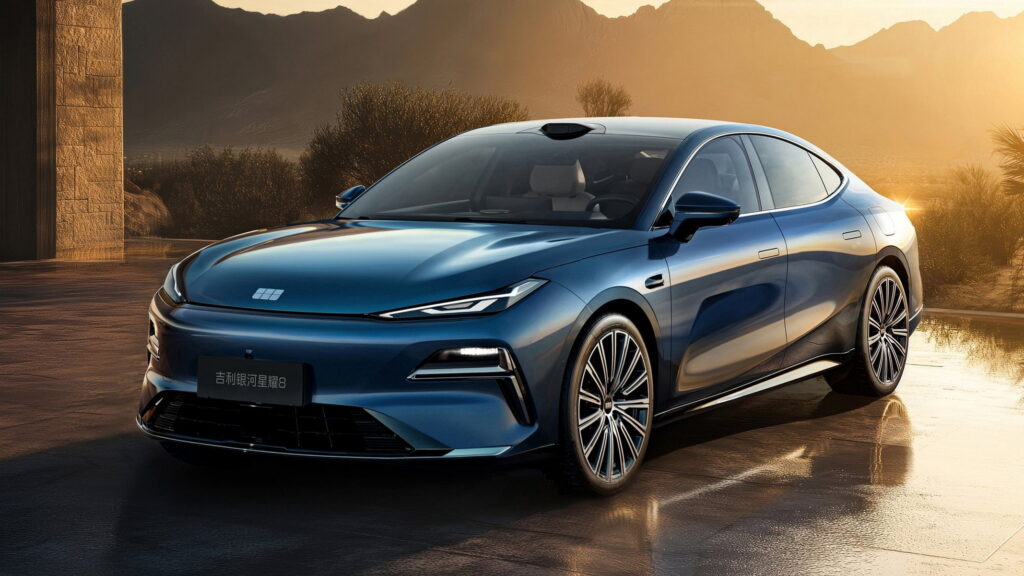
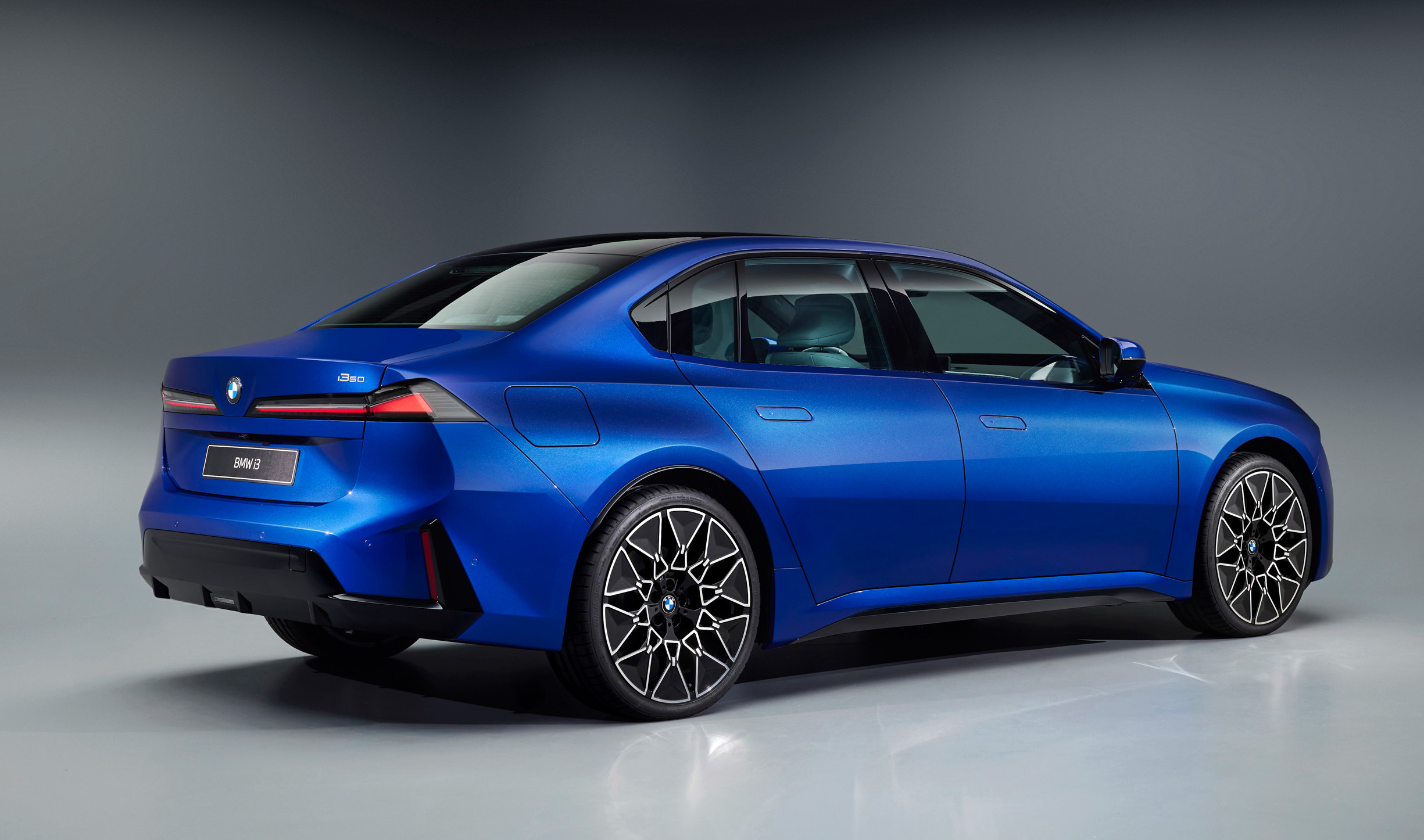
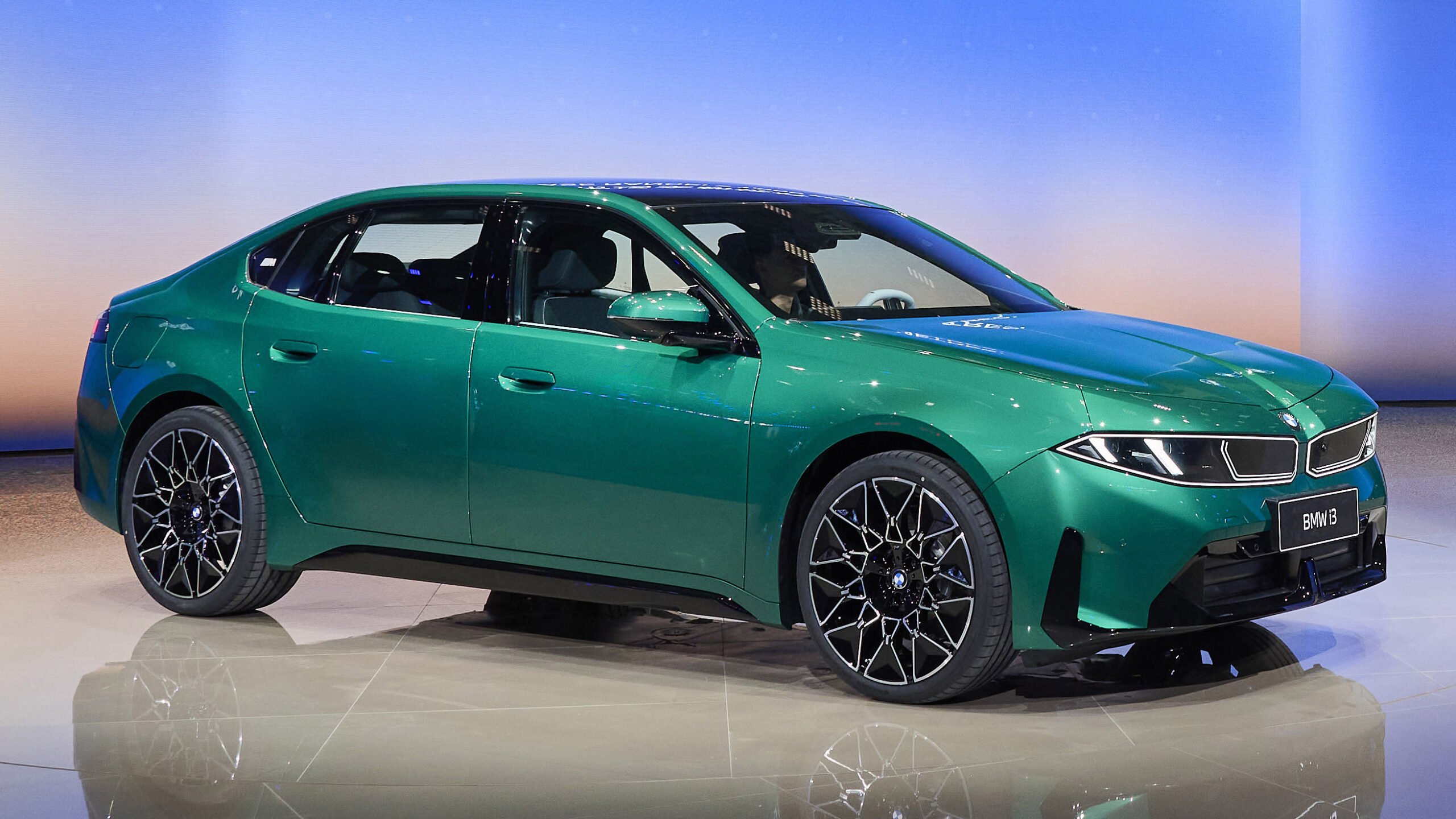
Unlike Western markets (above), BMW’s Chinese i3 (below) and iX3 ditch the pop-out handles for traditional ones.
 China Banned Them First, Now Hong Kong Wants To Shut The Door On Hidden EV Handles

Chan said the Transport Department has already consulted the industry about adopting similar local standards and reminded importers last year that all vehicles must include manual door releases. Somewhat perplexingly, it only applies to EVs, so combustion cars can continue on with hide-away or electric handles.

That said, the EV door handle rule would require both interior and exterior mechanical door handles on future vehicles. The reasoning is simple after you’ve seen videos of EVs catching on fire quickly. Electronic systems can fail after a crash, during a fire, or if a vehicle loses power, potentially trapping occupants inside or slowing emergency responders trying to get in.

Chan said the China’s standard specifically focuses on “addressing issues such as failure in operating door handles after accidents.”

 China Banned Them First, Now Hong Kong Wants To Shut The Door On Hidden EV Handles

In some vehicles, the emergency mechanical release is hidden, difficult to access, or works differently from what occupants expect in a panic situation. That’s become a bigger concern as automakers increasingly replace traditional hardware with powered systems. Some modern EVs don’t just use electronic exterior handles but also electronic interior door-open buttons, with backup releases tucked away in less intuitive locations.

Ringo Lee Yiu-pui of the Hong Kong, China Automobile Association added that first responders often still lack an exterior mechanical way to access the vehicle during emergencies. He also warned that sales staff frequently fail to explain how emergency releases actually work.

Interestingly, these regulations could very well have a worldwide ripple effect. Automakers rarely engineer market-specific door systems if they can avoid it, meaning these rules could eventually influence vehicles sold in Europe, North America, and elsewhere.

 China Banned Them First, Now Hong Kong Wants To Shut The Door On Hidden EV Handles

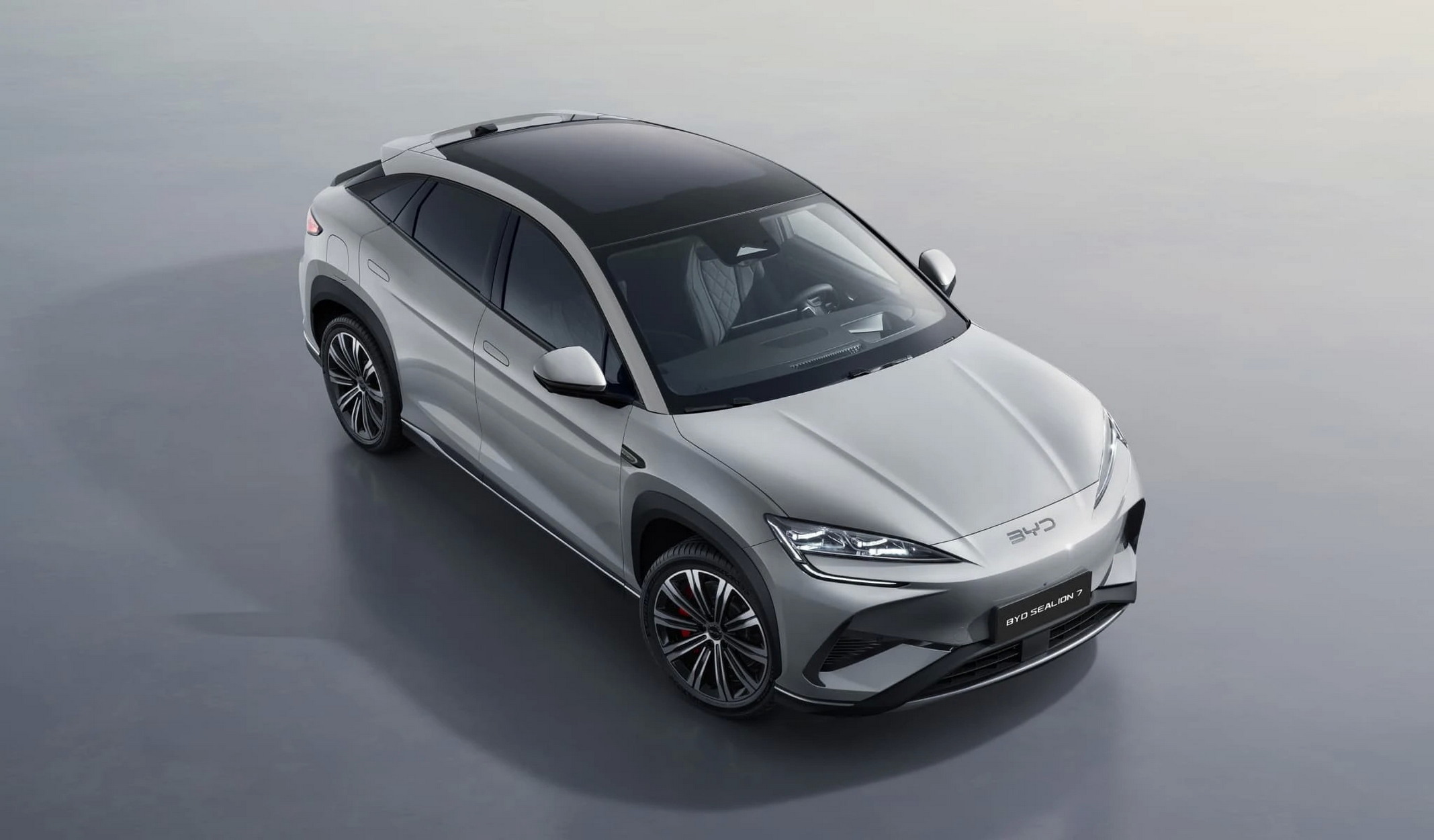
Credit: Geely/BYD

Tesla Is Recalling All 173 Cheap Cybertrucks Because Their Wheels Can Fall Off

  • The issue stems from cracking around brake rotor stud holes under load.
  • Only rear-wheel-drive units with base 18-inch wheels are affected.
  • Some serviced EVs may also carry the same potentially faulty parts.

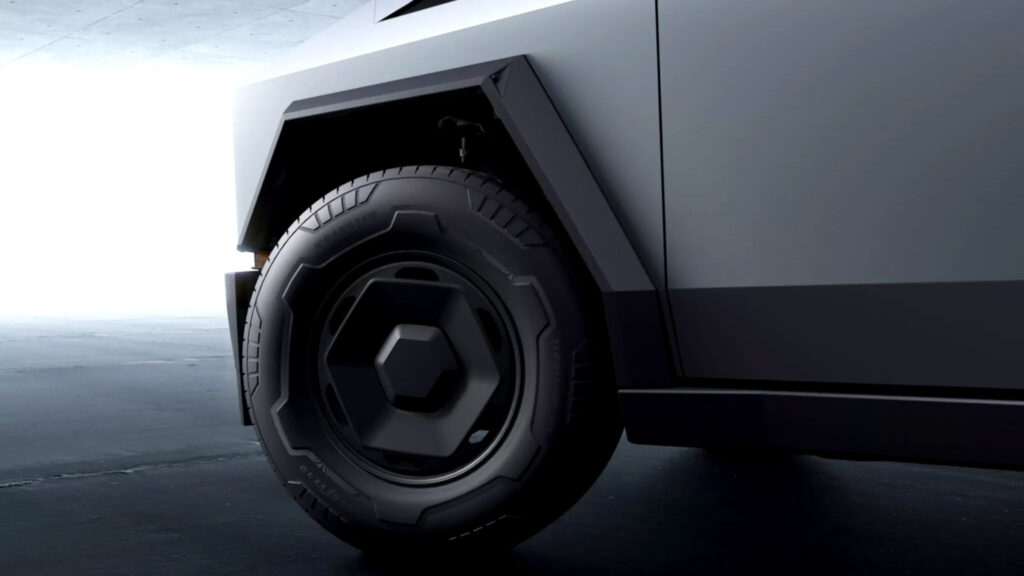
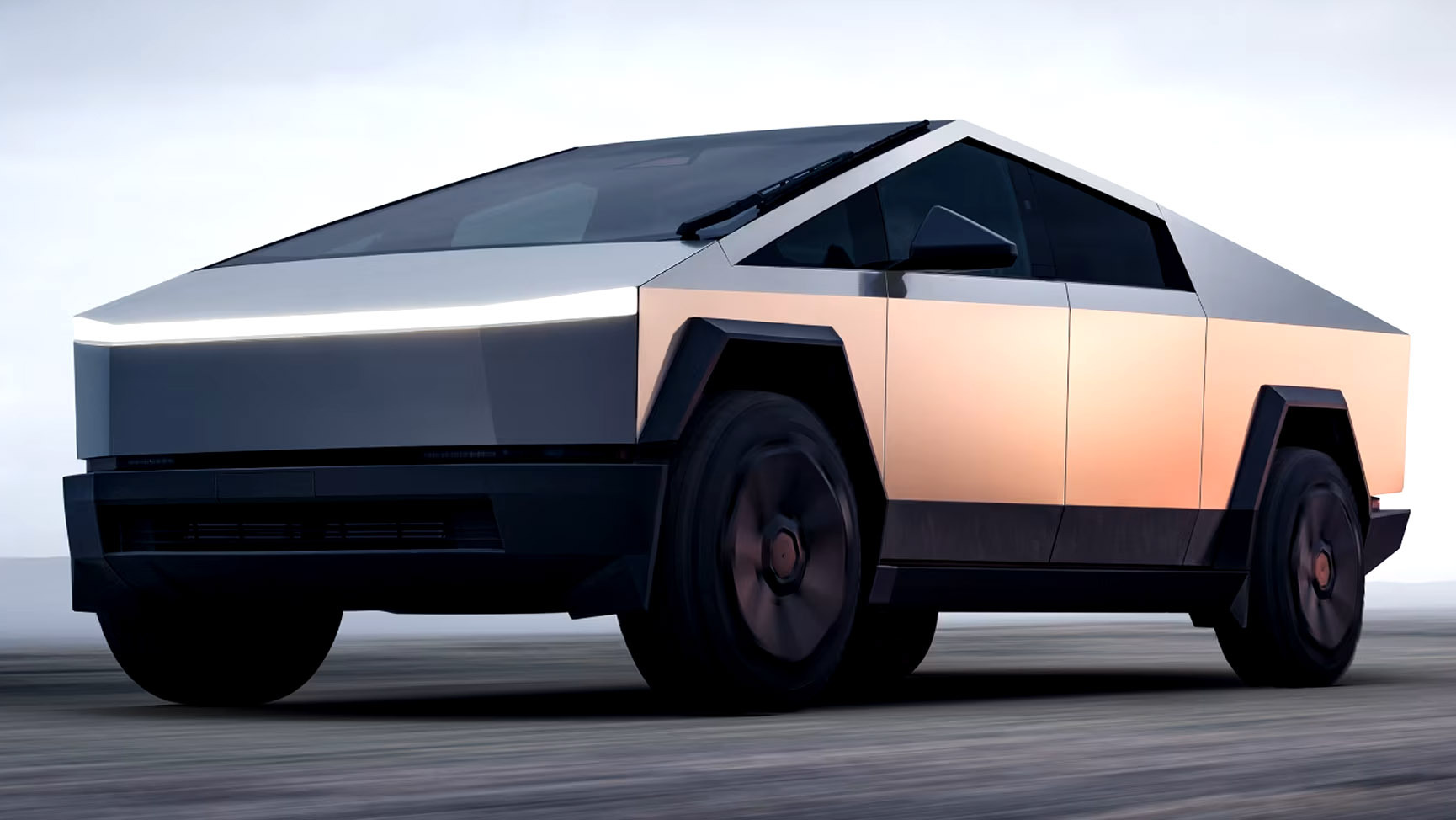
The owners of 173 Cybertruck RWDs have a new problem to worry about. Tesla has issued a recall on the short-lived budget variant after discovering the wheels can come off while driving, which ranks somewhere near the top of the list of things you definitely do not want your vehicle to do.

Tesla says that on-road disturbances and cornering forces can cause cracking around the stud holes in the brake rotors. If that happens, the entire wheel stud may separate from the hub. The company is not aware of any crashes or injuries tied to the issue, though it has logged three related warranty claims.

Read: His Cybertruck Made It to 100,000 Lyft Miles Before Sending A $7,200 Reminder

A total of 173 models built between March 21, 2024, and November 25, 2025, are included in the recall. Only Cybertruck RWD versions with the base 18-inch wheels are affected, not those fitted with the optional 20-inch setup.

Tesla first identified a potential problem in August of last year, when pre-production testing revealed some cracking in the brake rotors, even though all studs remained intact at the time. Further investigation, along with field reports, showed the issue was more serious than initially thought.

Not only did Cybertruck RWD models leave the factory with the defect, but some Tesla service centers were also using the potentially faulty brake rotors, so vehicles that have had their brakes replaced may also suffer from the same issue.

What’s The Fix?

 Tesla Is Recalling All 173 Cheap Cybertrucks Because Their Wheels Can Fall Off

While the recall notice lists vehicles produced from March 21, 2024, Tesla says it only began building Cybertruck RWD models with 18-inch wheels on August 28, 2025. Production ended less than three months later, on November 5, with the company citing limited demand for the variant.

Owners can expect notification from Tesla after June 20. They will be asked to bring their trucks to a service center, where technicians will replace the front and rear brake rotors, hubs, and lug nuts with updated, more durable components.

\\\\\

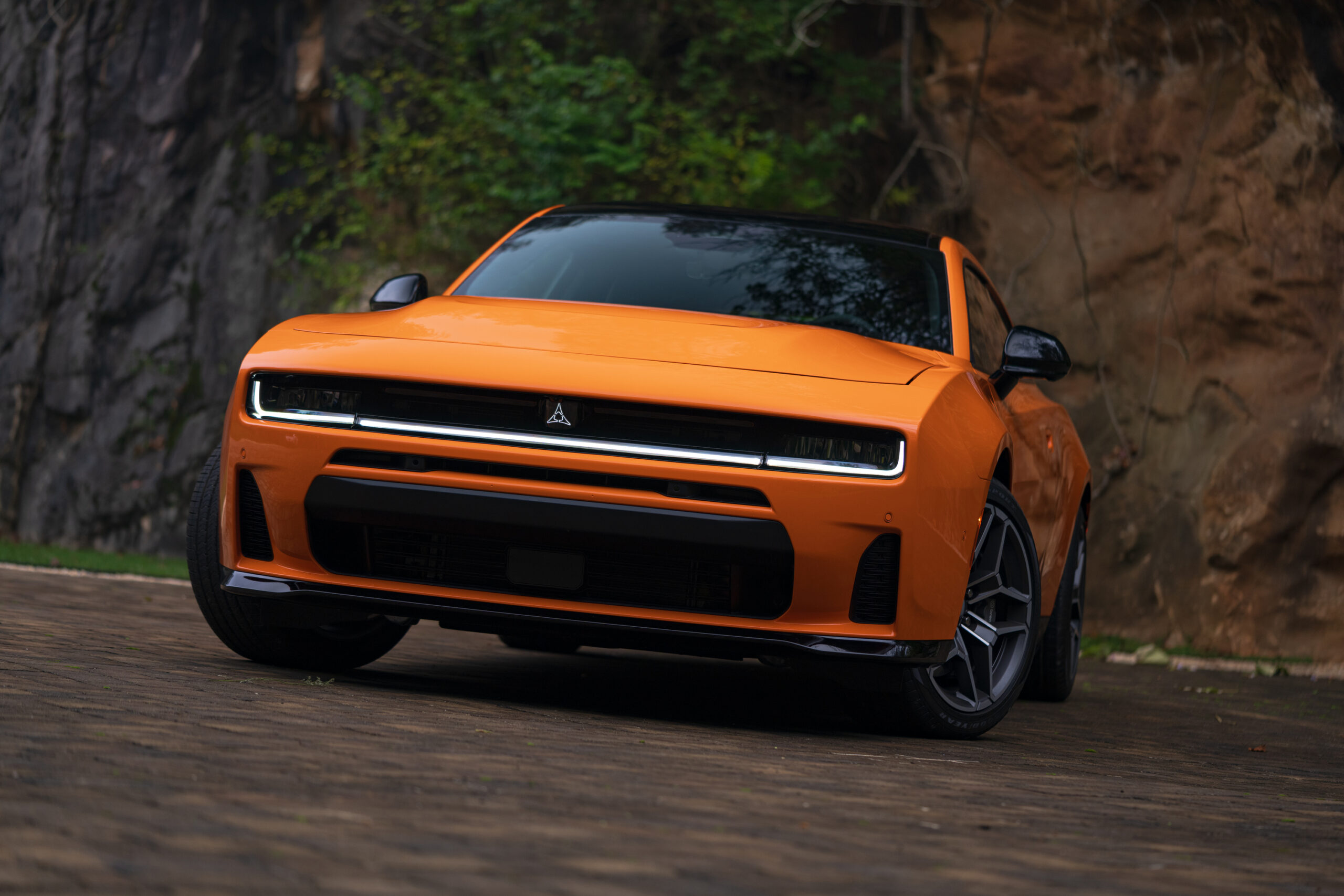
Wagoneer S And Charger Daytona Buyers Paid For More Screen, Now It Just Goes Blank

  • Over 20,000 EVs were just recalled due to blank instrument clusters.
  • Affected models include the Jeep Wagoneer S and Dodge Charger Daytona.
  • The issue could hide critical warnings like brake, ESC, and tire pressure alerts.

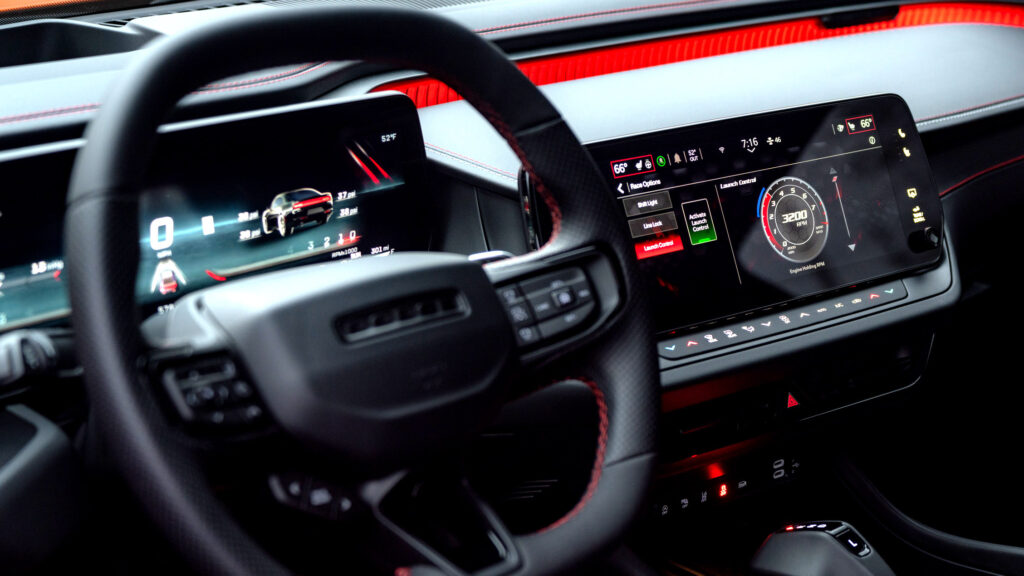
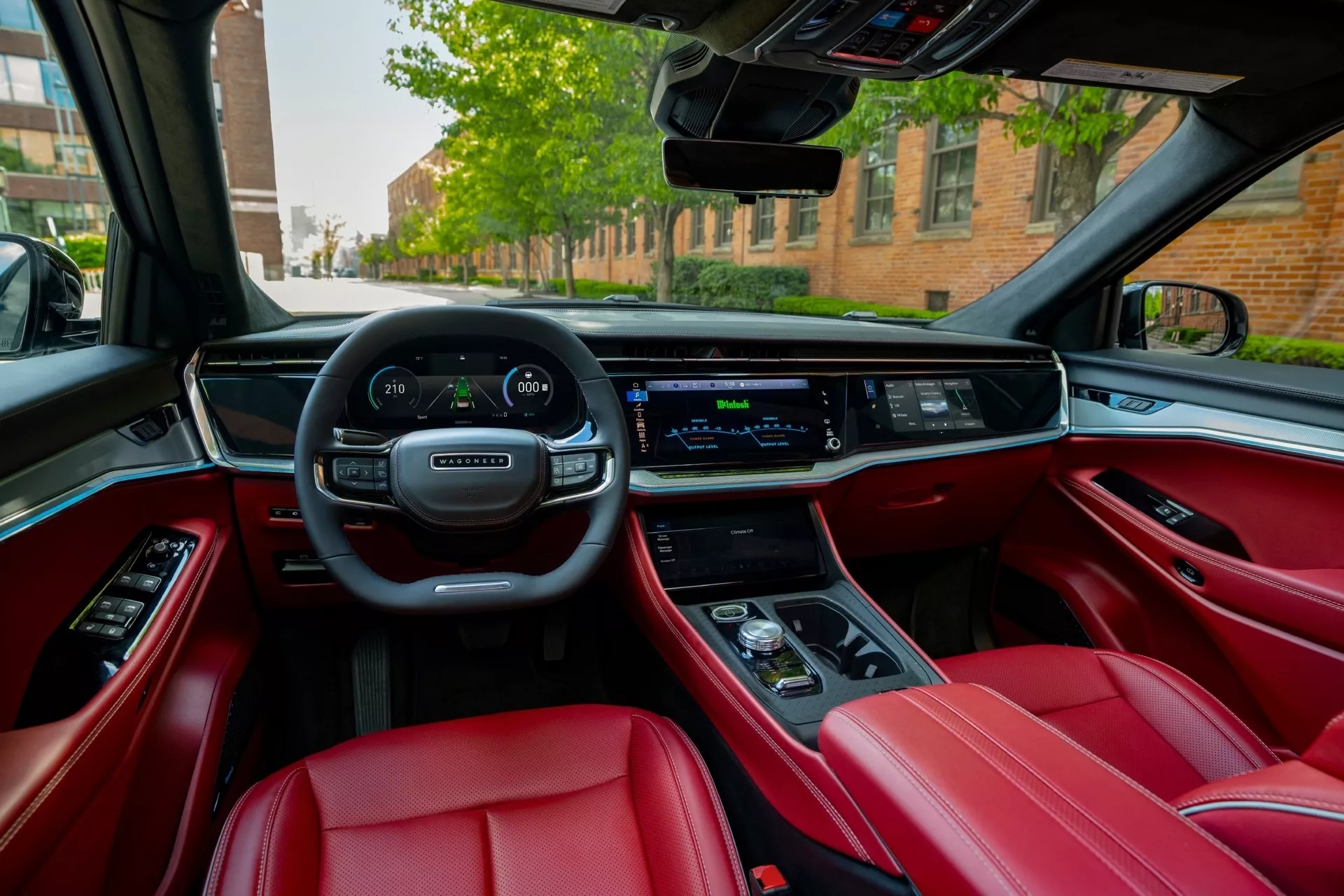
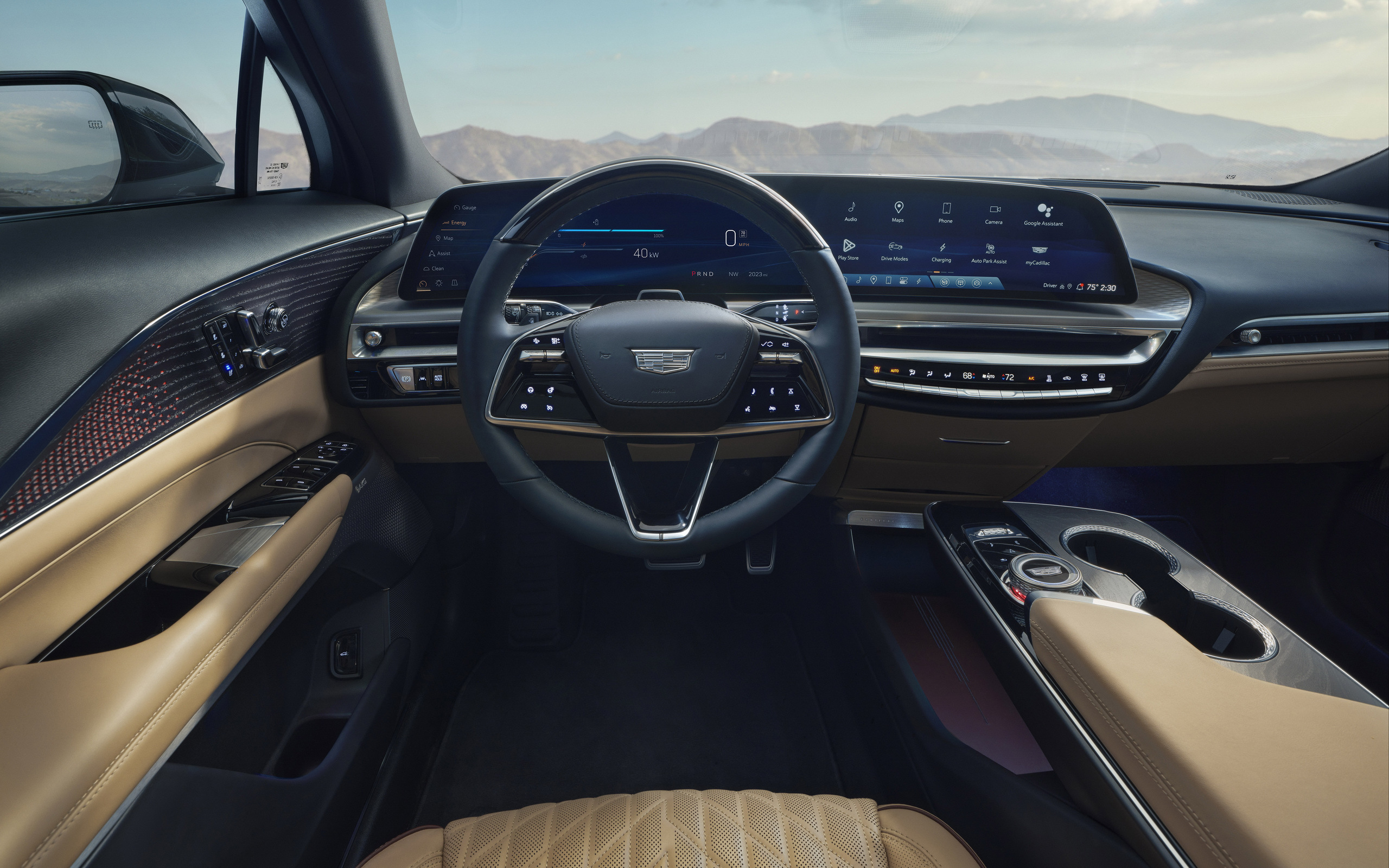
The shift to more screens in cars was supposed to be the wave of the future. We could customize them, enjoy cute little animations, and pack more info into them than anyone could dream of doing with an analog gauge cluster. Of course, an old-school mechanical cluster can’t disappear for no obvious reason during a drive. Over 20,000 Stellantis vehicles with a digital cluster might have just that happen, so the automaker is issuing a new recall.

According to documents put together by Stellantis and filed with the NHTSA, the issue potentially exists in 100 percent of the 20,271 affected vehicles built from March of 2024 through November 2025. 11,743 are Jeep Wagoneer S EVs, and the other 8,528 are Dodge Charger Daytonas.

Read: Stellantis Faces Third Recall As Jeep Hybrid Engines Keep Failing

Stellantis says it met internally about the issue on March 10, 2026 and worked with its FCA engineering team to understand what was happening through the end of that month and into April. On April 16, it decided to issue the recall but not simply because the gauge cluster was going dark. No, instead, it’s doing this because when the cluster goes dark it can no longer alert the driver to certain information.

 Wagoneer S And Charger Daytona Buyers Paid For More Screen, Now It Just Goes Blank

Federal Motor Vehicle Safety Standards require that a car can alert a driver to issues with systems like the ABS, TPMS, ESC, and more. When the panel in a Jeep Wagoneer S or Dodge Charger Daytona takes a nap, it can’t tell the driver if there are issues with these key systems. As a result, Stellantis must recall the cars and fix the issue.

Notably, the automaker stopped well short of describing exactly what causes the panel to blank out in the first place. It appears that it’s entirely software-related, as the ‘remedy’ is quoted as “software,” in the filing. Dealers will simply update the cluster software, and that should prevent them from taking a break while the driver is driving.

 Wagoneer S And Charger Daytona Buyers Paid For More Screen, Now It Just Goes Blank

Cadillac Lyriq Lawsuit Says EVs Can Suddenly Brick Without Warning

  • Owners say SUVs can suddenly stop charging, starting, or driving.
  • Lawsuit claims GM knew about the defects before selling the Lyriq.
  • Plaintiffs allege some vehicles spent weeks or months at dealerships.

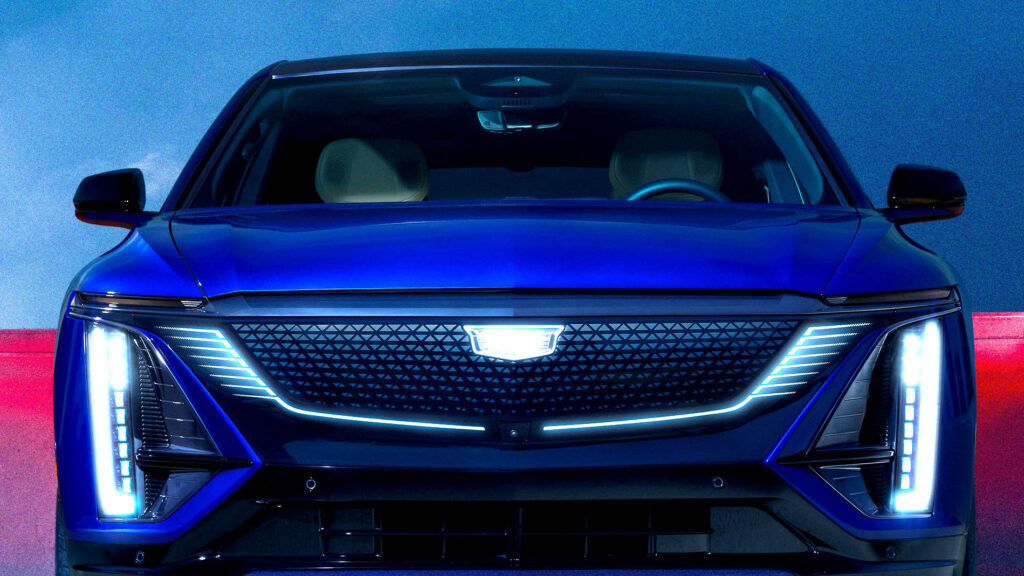
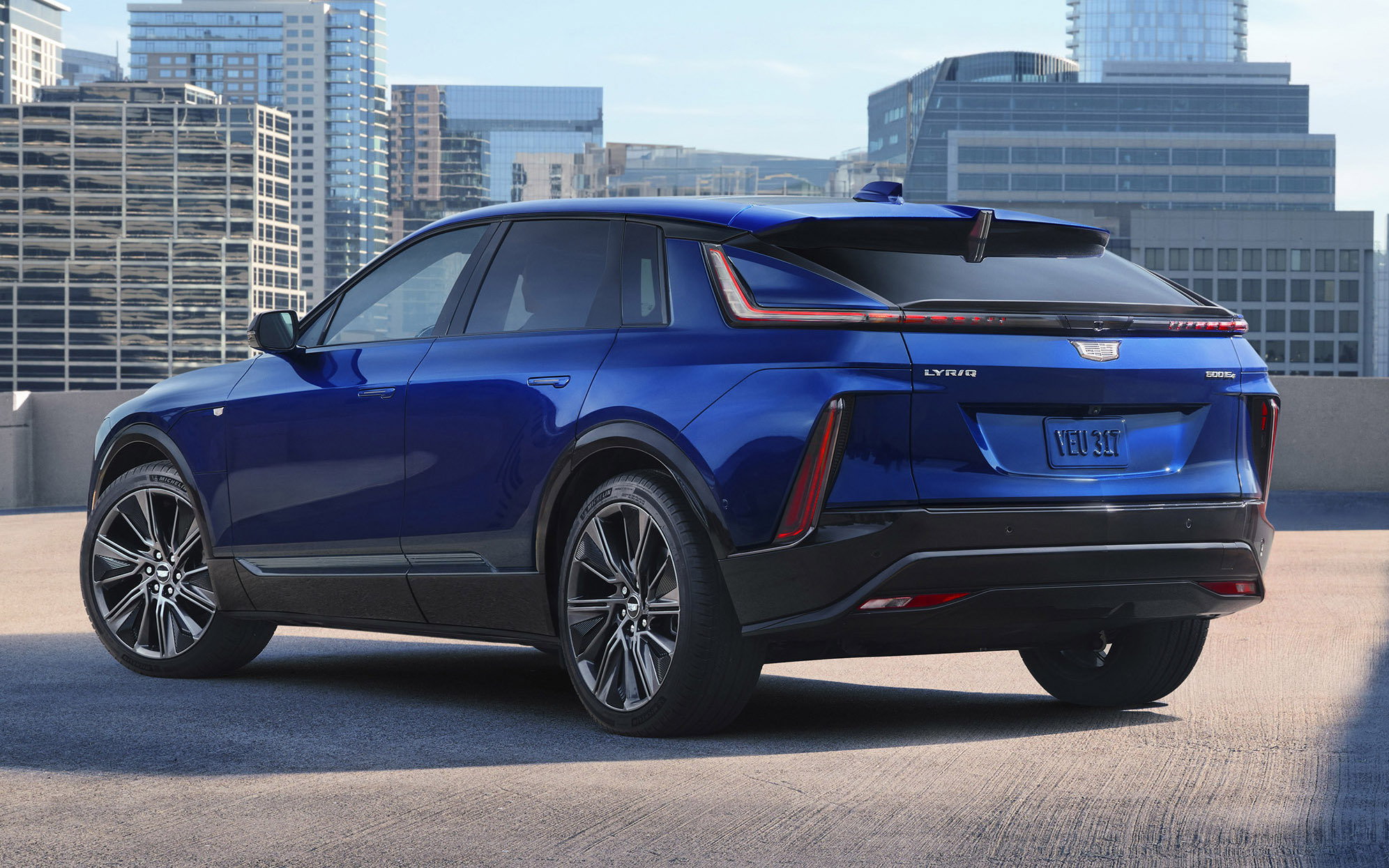
For something as expensive and high-tech as the Cadillac Lyriq, buyers probably expect a few software bugs here and there. Maybe a glitchy screen, a frozen app, or a charger that occasionally needs a second try. According to a new lawsuit against General Motors, some owners are dealing with something much worse: SUVs that suddenly become completely unusable.

A proposed class-action lawsuit filed in federal court in Washington claims the Cadillac Lyriq suffers from widespread electrical, software, and battery-management issues that can leave the electric SUV unable to start, charge, or drive. In other words, the lawsuit alleges that some Lyriqs effectively become very expensive driveway ornaments, or, in tech terms, bricks. We doubt owners find much comfort in that, regardless of whatever styling drew them in.

More: Thousands Of Cadillac EVs Recalled Over A Feature Meant To Impress

According to the lawsuit seen by Carcomplaints, Washington resident Wendy Cochran and Florida resident Charlene Riddle both say their Lyriqs suffered what’s described as “catastrophic electrical system failure.” Riddle claims GM told her a software fix was required, but that no fix was available at the time. Cochran, meanwhile, says her SUV became unusable, leaving her with lost time, added costs, and a vehicle now worth less than she paid.

 Cadillac Lyriq Lawsuit Says EVs Can Suddenly Brick Without Warning

Importantly, the filling calls into question failures with the Lyriq’s electrical architecture, battery-management modules, software systems, and vehicle control networks. All of those systems have to constantly work with one another. The plaintiffs point out that if one fails, it can cascade throughout the rest of the system and effectively brick the car.

One important piece of the puzzle is that the lawsuit claims that GM was aware about this issue and put the cars on the market anyway. The lawsuit alleges that the company had access to pre-production testing, engineering reports, warranty claims, dealership repair records, and consumer complaints, all of which pointed to the same issue. Even so, GM allegedly continued marketing the Lyriq as a premium, reliable luxury EV.

At this point, the ball is in GM’s court. It can respond by denying the allegations or, more likely, it could ask the judge to dismiss the case altogether. Generally, the next move comes within three weeks of the initial filing so we should have more news on the case soon.

 Cadillac Lyriq Lawsuit Says EVs Can Suddenly Brick Without Warning
GM

❌