Reading view

There are new articles available, click to refresh the page.

Lexus Charges BMW Money On A Toyota Budget, And It’s Working

  • Lexus plans EVs and hybrids from one common vehicle architecture.
  • Flexible platforms help preserve profits if consumer tastes change.
  • Experts say Lexus benefits from Toyota technology and buying power.

For years, automakers, including Lexus that once pledged to go EV-only by 2035, told us the future would be electric. Now that EV growth has cooled in several key markets, many of those same companies are quietly changing course, often at a huge cost. Lexus, however, thinks it has found a smarter, less financially painful way forward.

Related: The 2027 Lexus TZ Borrows The Highlander’s Bones And The LFA’s V10 Voice

Instead of betting everything on dedicated EV platforms, or U-turning in favor of old-fashioned gas cars, Toyota’s luxury division is developing vehicles that can be built as either hybrids or fully electric models using much of the same underlying architecture. It’s a strategy designed to give Lexus maximum flexibility while competitors wrestle with expensive shifts in demand.

One Platform, Two Powertrains

 Lexus Charges BMW Money On A Toyota Budget, And It’s Working
The 2026 Toyota Highlander

Future products will be designed so the two brands can install either a battery pack or a hybrid powertrain within essentially the same vehicle structure, according to Lexus and Toyota executives who presented the plan to Handelsblatt and other media at the Shimoyama development center in Japan. That means Lexus can react faster if customer demand swings toward EVs, hybrids, or somewhere in between. Or if the next US president reinstates tax credits for cleaner vehicles.

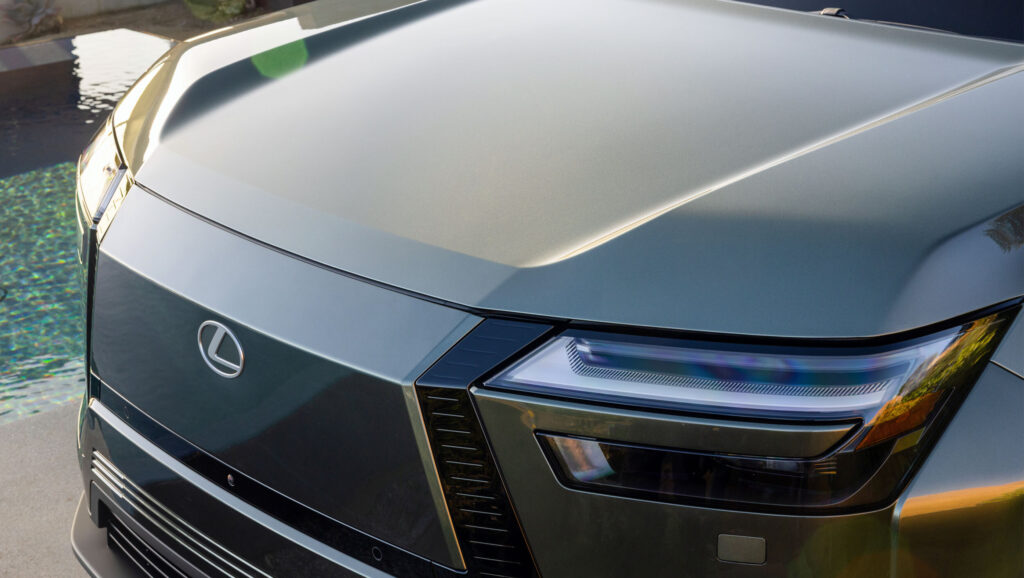
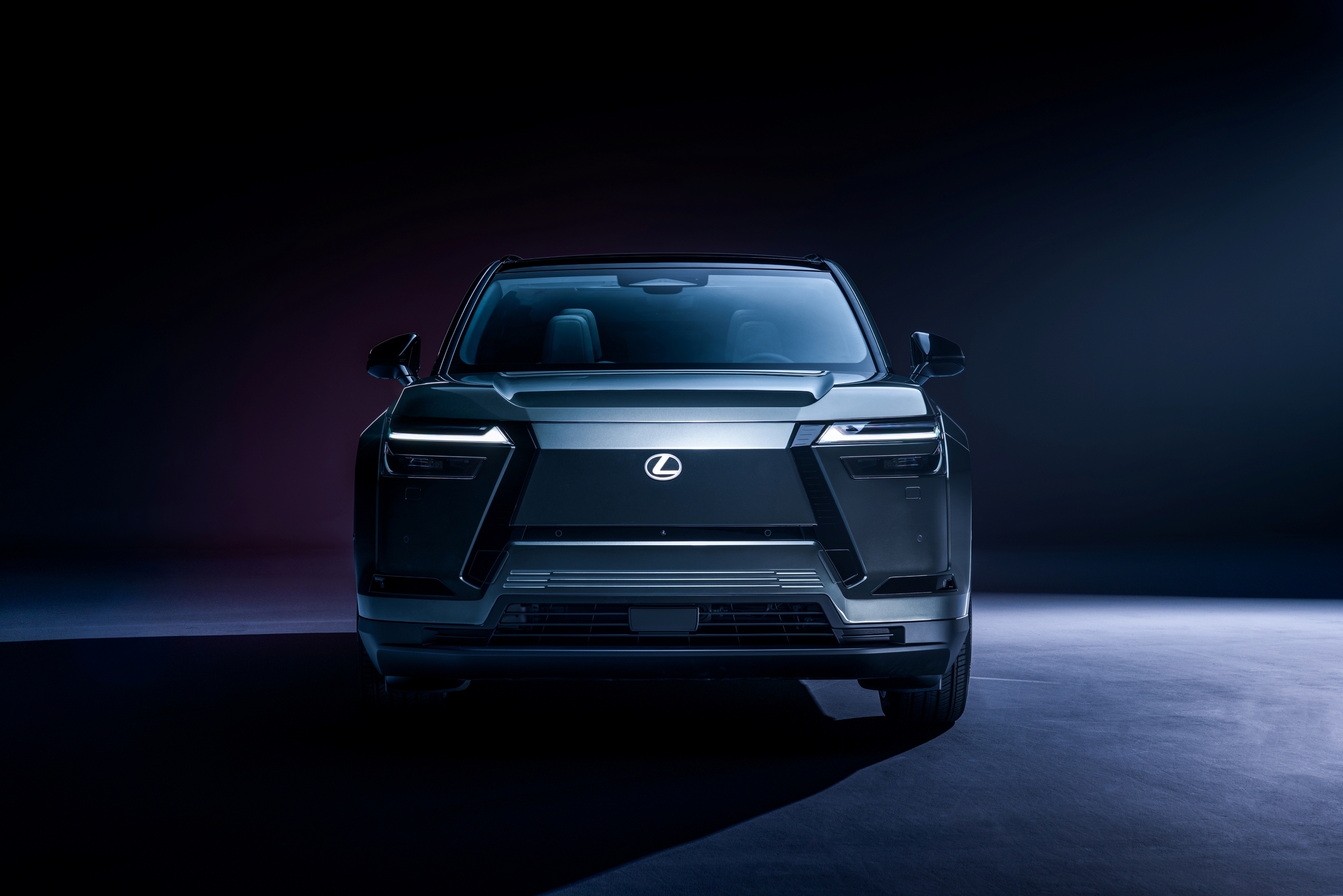
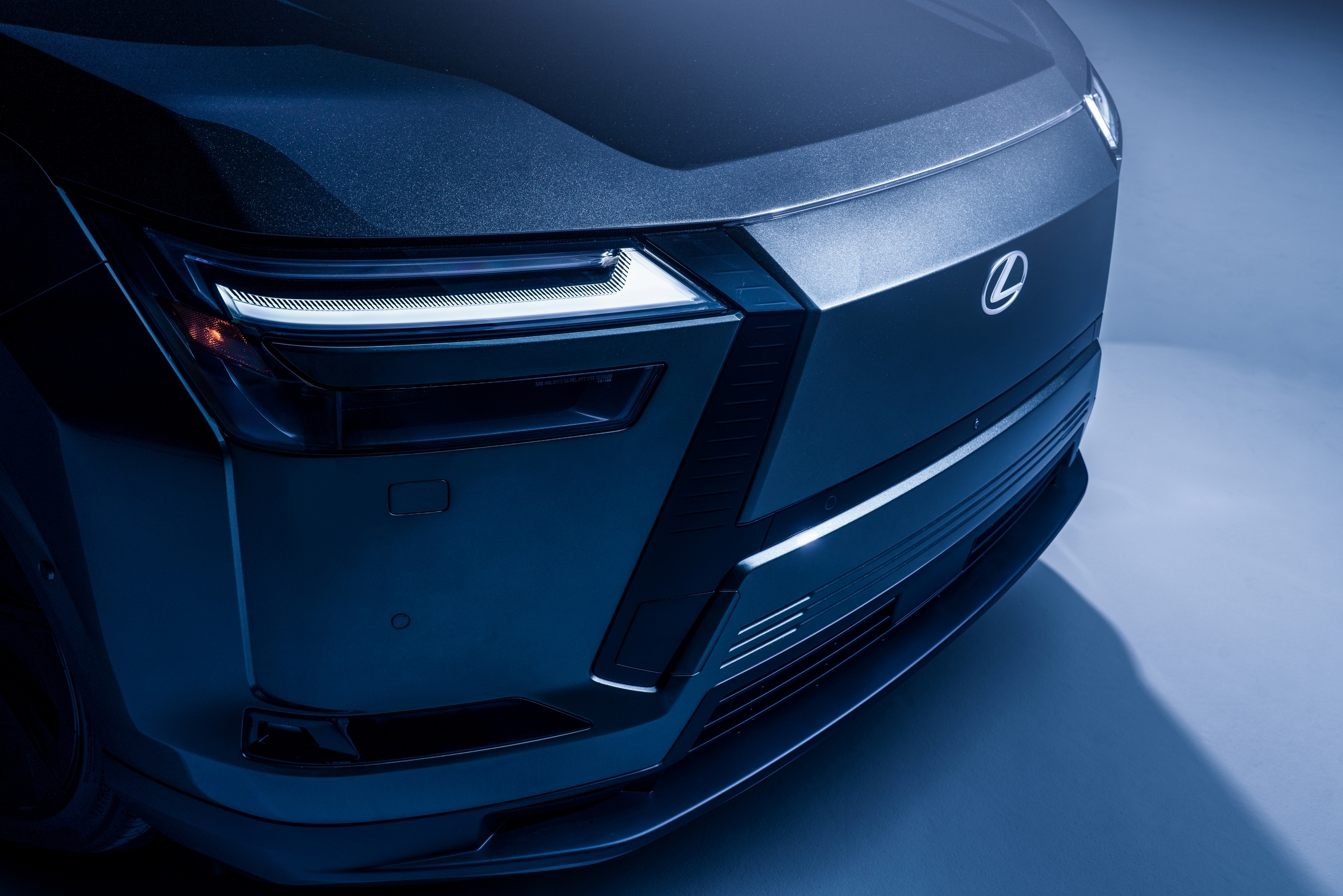
Toyota CTO Hiroki Nakajima told reporters that Lexus’s upcoming TZ electric SUV is expected to be profitable from launch in North America. That’s a claim many automakers would love to make right now, because some, like Honda/Acura and Porsche, are hurting badly from having written off billions of dollars in EV development, and US EV sales are dire.

Christopher Richter, an automotive analyst at CLSA in Tokyo, traces that edge to Lexus’s lower cost base. Toyota doesn’t break out Lexus financials, but Richter told the German outlet he figures the brand’s margins sit well into the double digits. By comparison, Mercedes posted a return on sales of 5% last year and BMW managed 5.3%. The trick, Richter says, is that Lexus can charge BMW money while leaning on the purchasing volume and development resources of the world’s largest carmaker.

 Lexus Charges BMW Money On A Toyota Budget, And It’s Working

The TZ isn’t the first Lexus or only Lexus to benefit from common-platform thinking. The new ES sedan is already available as a hybrid or EV, both versions built from the same basic architecture. It’s not a strategy peculiar to Lexus. BMW and Mercedes also build some EVs and hybrid cars on shared platforms, including the X1 and iX1, 5-series and i5, and CLA.

But the two German brands also have EV-specific platforms. BMW’s new ICE 3-series sedan, for instance, will look almost identical to the i3 electric 3-series, yet they’ll ride on totally different architectures.

Profit Over Volume

BMW and Mercedes both sell more than twice as many cars as Lexus, which moved 882,291 vehicles worldwide in 2025, nearly half of them in North America. In particular, Mercedes shifted around 1.8 million that year and BMW close to 2.2 million under its core brand. But in the luxury game it’s profit, not registrations, that counts, and Toyota’s upscale division seems convinced it holds the better hand.

\\\\\\\\\

Lexus, Rivers/Carscoops

Lexus’s BMW i3 Sedan Rival Is Dead, But Its Most Ambitious Tech Isn’t

  • Toyota halts Lexus electric sedan development amid slowing global demand.
  • Next-gen technologies remain alive, but are more likely to be rebooted in an SUV.
  • Lexus is still on track to deliver a flagship luxury electric coupe successor to the V10 LFA.

The auto industry’s EV reality check is definitely not over. The latest brand to backtrack on its electric rollout is Lexus, whose parent company Toyota has axed plans for a next-generation battery-powered sedan that was supposed to showcase some of the company’s most advanced electric and construction technology.

The casualty appears to be the production version of the Lexus LF-ZC concept (shown below), a sleek electric sedan unveiled in 2023 that was going to spearhead Lexus’s next wave of battery-powered luxury vehicles. Production had originally been scheduled to begin this year before reportedly being pushed back to 2027. Nikkei Asia first reported that the project to build a rival to BMW’s i3 sedan has been shelved altogether, something Toyota has since confirmed to Automobilewoche.

Related: Lexus Exec Basically Confirmed A GX 550h Hybrid, But It May Lose What Buyers Love Most

That’s not because Toyota has given up on the technology itself. The company is reportedly continuing development of both gigacasting manufacturing techniques and solid-state batteries, two technologies heavily associated with the canceled sedan. Instead, Toyota appears to be reconsidering where those innovations make the most business sense.

And right now, the answer isn’t hard to find. Buyers continue flocking to SUVs while traditional luxury sedans struggle to gain traction, particularly in the EV segment, regardless of what younger Americans say they want. If Toyota eventually launches a next-generation electric vehicle featuring those advanced technologies, there’s a good chance it’ll ride higher off the ground, according to Nikkei Asia.

Sales Are Bigger, So Are Concerns

\\\\\\\\\\\

The move comes despite Toyota’s EV sales increasing by 42 percent in 2025 to more than 190,000 units globally. Models such as the updated bZ4X and China-market bZ3X (above) have helped boost demand, but global market conditions are challenging, particularly in North America. The removal of federal EV incentives in the US, and shifting political sentiment in Europe, a region moving away from a 2035 ICE ban, have forced automakers to reassess electrification plans made several years ago. Plans which now look hopelessly ambitious.

Toyota certainly isn’t alone. Over the past two years, numerous manufacturers have delayed, scaled back, or outright canceled EV programs as growth rates slowed from their earlier breakneck pace. Some have paid heavily for those decisions. Honda’s recent retreat from parts of its 0 Series EV strategy reportedly resulted in almost $16 billion in charges and write-downs.

But this latest Toyota U-turn doesn’t mean Lexus is abandoning EVs altogether. The luxury brand is still developing a flagship electric coupe that’s a successor the the V10-powered LFA and positioned as a counterpart to Toyota’s upcoming V8-powered GR GT.

 Lexus’s BMW i3 Sedan Rival Is Dead, But Its Most Ambitious Tech Isn’t

Toyota, Lexus

We Drove The 2026 Lexus ES Hybrid And EV, And One Version Stands Out | Review

PROS ›› Classy cabin, great fuel economy, spacious second row CONS ›› A bit boring to drive, some questionable materials, no RWD

For decades, the Lexus ES has existed in a comfortable little bubble. Buyers loved it because it was quiet, reliable, spacious, and almost aggressively committed to not upsetting anyone. It wasn’t sporty, it wasn’t especially daring, and if you asked enthusiasts about it, many would respond with a shrug and a comment about retirement communities.

That wasn’t really criticism either. Lexus knew exactly what the ES was and, more importantly, who it was for. The formula worked so well that the brand had little reason to mess with it. Why reinvent a luxury sedan that’s spent years quietly printing money? Now Lexus says it’s broadened the ES formula.

Read: The First Electric Lexus ES Actually Costs Less Than The Hybrid

After driving the all-new 2026 ES lineup around San Diego, including the ES 350h AWD hybrid, ES 350e, and range-topping ES 500e AWD, there’s evidence the company wasn’t just tossing around marketing jargon. The eighth-generation ES is a big change. It’s literally larger in every direction, rides on a new multi-pathway architecture supporting both hybrid and EV variants, and, for the first time ever, gets fully electric versions.

That also created an unusual challenge for this review. The new ES is really two different cars wearing nearly identical sheet metal. One relies on Lexus’ latest hybrid system while the other embraces full electrification, and they deliver very different experiences from behind the wheel. So rather than force them into one giant blended driving section, we’re splitting that section of this review into two. One set of impressions for the hybrid and another for the EVs.

QUICK FACTS
› Model:2026 Lexus ES
› Starting Price:$48,895–$60,295 + $1,395 destination (depending on trim/powertrain)
› Dimensions:202.4 in L x 75.6 in W x 61.2 in H (5,141 x 1,920 x 1,554 mm)
› Curb Weight:Hybrid: 4,001–4,134 lbs (1,815–1,875 kg)

EV: 4,608–4,928 lbs (2,090–2,235 kg)
› Powertrain:ES 350h – 2.5-liter four-cylinder hybrid + rear electric motor, eCVT AWD
ES 350e – Single Motor FWD electric
ES 500e – Dual-motor AWD electric
› Output:ES 350h – 244 hp (182 kW)
ES 350e – 221 hp (167 kW) / 198 lb-ft (268 Nm)
ES 500e – 338 hp (252 kW)
› MPG / Range:Hybrid – 47 city / 42 highway / 44 combined MPG (AWD)
Electric – 272–307 miles EPA-estimated
› On Sale:Hybrid – June 2026
Electric – Now
SWIPE

Because after spending a day hopping between all three variants, one thing became clear: they may look nearly identical, and sitting in them produces the same vibe… but they absolutely don’t feel identical once you’re moving. So did Lexus finally build an ES with some personality? Or is this just a modernized appliance for those who don’t really love driving to begin with? Read on to find out.

Styling

\\\\\\\\\

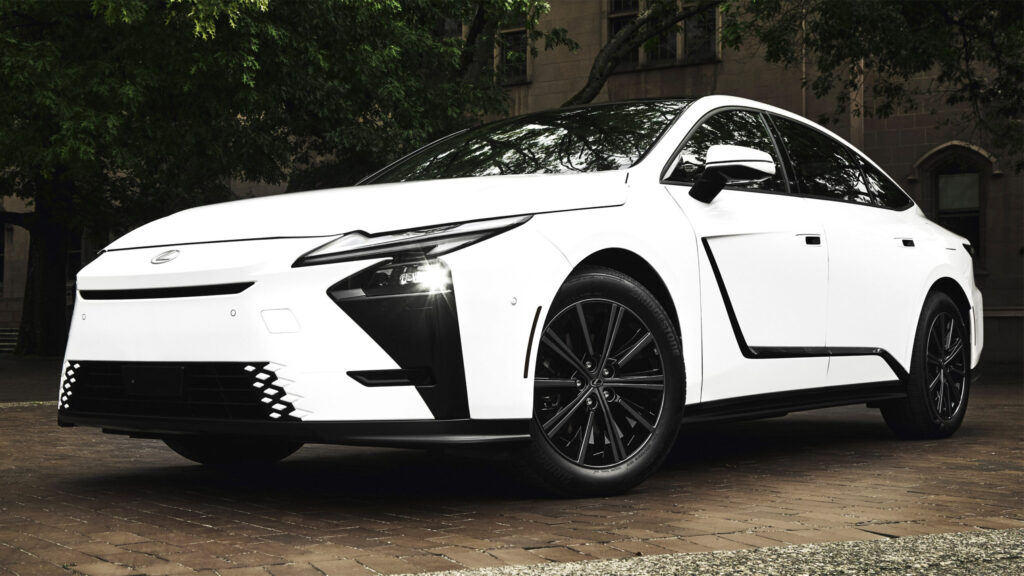
Aside from actual ES owners and sincere fans, most folks probably couldn’t provide many details about what the ES generations look like from one to the next. Most blended into traffic so effectively that you could probably lose one in a Costco parking lot within minutes. Not this one.

The new ES genuinely looks striking. During our drive, it repeatedly turned heads and, at one point, one distracted Mazda driver seemed more interested in staring at the Lexus than the road ahead. That’s anecdotal, sure, but the point stands. People noticed it.

The side profile is dominated by an enormous character strake that feels very Lexus. It very much reminds me of the Maxwell tape ad “Blown Away Guy.” Some people are going to hate it. Others will love it. That’s okay. Lexus has spent years pushing design further than Toyota, and it continues doing exactly that here.

 We Drove The 2026 Lexus ES Hybrid And EV, And One Version Stands Out | Review

The hood itself is wild too. There are creases and surfacing details piled on top of more creases and surfacing details. Exhibit should pop out any moment, asking if we wanted creases on our creases. Depending on your taste, it’ll either feel bold or overworked. It’s probably one of the many touches Lexus is using to make this look as far afield from a Toyota product as it can.

The rear, meanwhile, is where things come together best. The Blade-style taillight treatment works, the proportions are cleaner than before, and the trunk opens surprisingly wide. Useful details still matter in a sedan like this. Dimensionally, this thing has grown significantly too. Wheelbase stretches to 116.1 inches, while total length swells to 202.4 inches.

Cabin Appointments

\\\\\\\\\\

The cabin immediately creates a strong first impression. The seats are excellent. Bolstering is good, thigh support is good, visibility is good, and the seating position doesn’t leave you perched awkwardly high like some modern luxury vehicles (especially electrified ones). Add in the massage functionality, and long highway drives should be easy work.

Fit and finish are generally impressive, too. This isn’t a flagship, but that doesn’t mean that Lexus suddenly abandoned quality. Panel fit felt mature and well-sorted. The available bamboo trim also deserves praise. It looks genuinely interesting and, importantly, it’s real material rather than some totally fake printed substitute. Luxury trims get illuminated bamboo layering integrated into the cabin design as well.

Of course, then you start touching things, and a few cracks begin to appear.

 We Drove The 2026 Lexus ES Hybrid And EV, And One Version Stands Out | Review

For example, the look of the HVAC controls is nice. It’s uniform, simple, and most importantly, we’re talking about physical buttons. But Lexus hid them all under a long rubberized panel. It feels a lot like (and I realize very few ES buyers will get this reference) the texture of gaming controller stalks. That’s all well and good, but only to a point.

Since everything lives on one strip and relies almost entirely on symbols, you still glance down to make sure you’re pressing the right thing. Worse, if one switch fails, replacing it means replacing or, at very least, removing a much larger assembly. Plenty of buyers won’t care because they’ll sell before the warranty runs out, but it’s worth considering for second or third buyers and especially beyond.

The steering wheel buttons don’t help. Some feel oddly cheap for a Lexus, and the infotainment volume knob looks expensive while somehow feeling… not expensive.

Thankfully, the infotainment system itself provides no real reason for anything but praise. Every ES gets a 14-inch touchscreen and a 12.3-inch digital driver display. The screen is bright, responsive, and fairly intuitive once you learn your way around it. The Mark Levinson 17-speaker system absolutely rips, too.

\\\\\\\\\\\\\\\\\

Rear seat buyers get interesting options too. The Executive Package adds heated, ventilated, and massaging rear seats plus a deployable ottoman on the passenger side. That’s delightfully weird and surprisingly cool. Lexus says buyers get 13.3 cubic feet of cargo space, which is fine for the class. The extra length of this car really goes toward rear-seat comfort over all else. From that standpoint, it’s a clear winner, as at 6’6”, my head only grazed the roof and my legs had space for days.

Driving Impressions

 We Drove The 2026 Lexus ES Hybrid And EV, And One Version Stands Out | Review

ES 350h

First and foremost, let’s focus on the ES 350h. The hybrids will no doubt be the volume sellers here. Lexus imagines that 80 percent of buyers will pick the hybrid, and it’s easy to see why. It’s the tech that most are familiar with, and the two versions couldn’t be much more different when it comes to range and performance.

The ES 350h uses a 2.5-liter four-cylinder hybrid setup producing 244 hp (182 kW), a CVT, and offers up to 46 mpg combined in FWD form. Lexus also says the range exceeds 600 miles. Our test car started the day with 629 miles of predicted range. That’s outstanding and makes this a genuine highway mile crusher for those who regularly take longer drives.

Those who opt for the AWD version won’t give up much in fuel economy either. It gets up to 44 mpg, but keep in mind that performance doesn’t really change. The FWD version does 0-60 mph in 7.3 seconds, while the AWD gets an electric motor for the rear axle and does the same sprint in 7.1 seconds. Those figures are acceptable, but far from what the average enthusiast will consider reasonable.

First Look: Lexus’ New TZ Trades Fake Ruggedness For Quiet Luxury

Around town, the ES is dialed in. It’s comfortable, quiet, composed, and just a pleasant place to spend time. I’d stop short of saying that it feels particularly nimble or playful, but it doesn’t feel clumsy, dopey, or disappointing. While the steering verges on overly light, the pedal feedback deserves real praise. It’s easy to get hybrid braking systems wrong, but Lexus absolutely nailed it here. Modulating the brakes on what starts out as a harder braking event is easy enough that you can finish that same event with a deft and subtle touch easily.

There’s only one problem that really stands out, but it only pops up under one circumstance, and to solve it, there’s a simple fix. Never ever drive the EV.

ES 350e / ES 500e

 We Drove The 2026 Lexus ES Hybrid And EV, And One Version Stands Out | Review

Back when we tested the BMW i5 and its gas-powered counterparts, we noted something unique. The gas-burners felt decidedly more fun to drive because, while they weren’t as quick, they were so much lighter that chucking them around was more engaging. Somehow, Lexus has done the exact opposite here. If anything, the EVs feel more playful, but that’s not why hybrid buyers need to stay away.

The problem is that the EVs are so quiet that the hybrid feels abnoxiously loud after driving them back to back. Don’t get us wrong. The hybrids aren’t actually loud in the grand scheme of things. But adding a relatively unrefined efficiency-focused four-cylinder to a CVT and lengthy acceleration times for things like getting on the highway, and these two are in different leagues when it comes to interior noise.

Recentering on the driving experience itself, the ES 350e starts with 221 hp (167 kW), front-wheel drive, and up to 307 miles of range. It reaches 60 mph in 7.4 seconds. That’s right, a modern automaker just built an EV that’s slower than its hybrid equivalent. Leave it to Lexus, I guess. From behind the wheel, though, it’s surprisingly good. Obviously, the throttle response is far more direct.

The steering and braking are similar to the hybrid, but it’s worth noting that there’s no simple one-pedal driving setting. Instead, Lexus allows drivers to increase or decrease regenerative braking via pedals. That’s nice, but one-pedal driving is even nicer for those who prefer it.

The ES 500e is the real winner here. Its dual-motor setup pumps out 338 hp (252 kW) and launches to 60 mph in 5.1 seconds. This is the one for drivers. Acceleration hits hard down low. It feels punchy, nimble in traffic, and more premium because it actually feels like Lexus wanted to compete dynamically.

Even then, this still feels slightly conservative. Like Lexus got halfway toward building a true German sports sedan rival and then eased off. Still, if I had to choose? Easy. I’d charge at home and buy the ES 500e. NACS charging capability only sweetens the deal.

Competition

 We Drove The 2026 Lexus ES Hybrid And EV, And One Version Stands Out | Review

Pricing is where the new ES starts making a strong argument. The hybrid lineup begins at just over $51,000, while the EV range spans from roughly $49,000 for the ES 350e to just over $60,000 for a loaded ES 500e AWD Luxury. That’s notable because key rivals often start much higher. A BMW i5 begins around $68,500, while the Mercedes E-Class starts in the mid-$60,000 range before options begin their inevitable attack on your wallet.

Then there are the numbers. The ES 350h offers up to 46 mpg combined and over 600 miles of estimated range, while the EVs deliver between 272 and 307 miles depending on trim and wheel choice. The ES 500e also puts down 338 hp (252 kW) and reaches 60 mph in 5.1 seconds, making it quick enough to stay in the conversation even if it won’t embarrass German rivals at a stoplight.

The difference is philosophy. BMW and Mercedes still prioritize performance and prestige. Lexus seems content offering a quieter, less complicated luxury experience that also happens to cost thousands less. Whether that’s enough depends entirely on what you want out of a luxury sedan.

The Verdict

 We Drove The 2026 Lexus ES Hybrid And EV, And One Version Stands Out | Review

The old ES formula worked because Lexus understood exactly what its buyers wanted. It wasn’t a big flagship sedan, and it wasn’t a tight compact sports sedan either. This new one adds a little more spice without completely abandoning the script. The hybrid remains the rational choice.

But the EVs, especially the ES 500e, finally inject some personality into a sedan that spent years avoiding it. Lexus broadened the ES. I just wish it had gone a little further. Thankfully, this is just the start of the generation. There’s plenty of time left for an ES 500e F. Note that we didn’t say “F-Sport.” Hope Lexus is listening.

\\\\\\\

Credit: Stephen Rivers for Carscoops / Lexus

Lexus’s F-Sport Built Its Name On V8 Theatrics, The Next One Might Ditch Gas Entirely

  • Lexus says EV power may make more sense for future F-Sport models.
  • Chief engineer Kohei Chiashi believes electrification enables new possibilities.
  • The ES500e can send all available torque rearward in some situations.

Performance and electrification spent years looking like reluctant roommates. Enthusiasts rolled their eyes, automakers talked about efficiency, and every new hybrid sports car seemed to come with a warning that excitement wasn’t the priority. Fast forward to now, and electrification has infiltrated nearly everything, from economy cars to six-figure exotics with varying degrees of success.

Increasingly, performance brands aren’t asking if electricity belongs in the conversation, but how much of it should be involved. According to the engineer behind the all-new Lexus ES, electrification may end up shaping the future of F-Sport too.

Chief Engineer Makes The Case For Batteries

While speaking with ES chief engineer Kohei Chiashi during the new ES first-drive launch event, we asked which powertrain made more sense if Lexus ever wanted to build a more performance-focused F-Sport variant: hybrid or battery-electric. His answer was revealing.

Also: Lexus ES Chief Engineer Is ‘Not Happy’ About SUVs Taking Over

“Personally, I think the BEV is well-suited because electrification has raw power and we can manipulate the powertrain more granularly to produce different types of performance within that envelope,” Chiashi told us.

 Lexus’s F-Sport Built Its Name On V8 Theatrics, The Next One Might Ditch Gas Entirely

That line may sound like standard EV talking points at first, but Chiashi followed it with something more interesting. According to him, the ES500e’s system can send 100 percent of available torque to the rear wheels in certain situations. Drivers don’t control that behavior directly, though, so before anyone starts imagining a drift button hidden in a submenu, Lexus isn’t going there.

Why An F-Sport ES Isn’t Here Yet

The answer also helps explain why Lexus isn’t rushing to add an F-Sport model to the ES lineup immediately. According to Chiashi, the ES500e already checks many of the boxes that F-Sport traditionally represented, and introducing another trim at launch would have complicated things.

Read: The First Electric Lexus ES Actually Costs Less Than The Hybrid

That doesn’t mean Lexus has abandoned the idea. Chiashi made clear the company is still considering future possibilities. If nothing else, the comments offer an interesting glimpse into where Lexus performance thinking may be headed. F once stood for naturally aspirated V8s and high-revving theatrics. The next chapter might involve software, instant torque, and a whole lot more electricity.

 Lexus’s F-Sport Built Its Name On V8 Theatrics, The Next One Might Ditch Gas Entirely
Stephen Rivers / Carscoops

Lexus ES Chief Engineer Is ‘Not Happy’ About SUVs Taking Over

  • ES chief engineer says he’s “not personally happy” with the SUV takeover.
  • Lexus poured “everything” into the new ES because it refused to give up.
  • The comments came during our first-drive event for the new ES.

SUVs are absolutely everywhere these days. No matter where you look, they’re not just present, they’re getting bigger, taller, and selling in greater numbers than ever. Most automakers have pushed that reality harder than they’ll admit. SUVs are great for profit margins, and they also benefit from looser emissions rules tied to vehicle footprint. Despite all of that, the Lexus ES is bucking the trend with an all-new generation.

More: The First Electric Lexus ES Actually Costs Less Than The Hybrid

During our time at the brand’s first-drive launch event, we asked ES chief engineer Kohei Chiashi a simple question. Why do luxury sedans still matter in an SUV world? His answer wasn’t the sort of carefully polished corporate response we’ve come to expect from so many others.

 Lexus ES Chief Engineer Is ‘Not Happy’ About SUVs Taking Over
Lexus ES Chief Engineer Kohei Chiashi.

“For me personally, I love sedans,” Chiashi told us. “This situation with SUVs everywhere is something I’m not personally happy with. I was very passionate about not giving up on the ES. For us, we poured everything we could into the ES because we care about it so much.”

The Sedans Lexus Has Already Lost

That comment carries extra weight when viewed against Lexus’ recent history. The company has already watched parts of its sedan lineup disappear or shrink in importance. The GS was discontinued in 2020, the LS has become increasingly niche with Lexus even contemplating a six-wheel minivan replacement, and the future of traditional luxury sedans has looked less certain as SUVs continue to dominate nearly every segment.

 Lexus ES Chief Engineer Is ‘Not Happy’ About SUVs Taking Over

Against that backdrop, keeping the ES relevant meant doing more than simply refreshing an existing formula. Lexus expanded the sedan’s role dramatically. The new generation now supports both hybrid and battery-electric powertrains while growing larger and more spacious in the process.

Interestingly, Chiashi also made it clear that Lexus didn’t approach the ES as some kind of reluctant compromise or farewell tour. Instead, the focus stayed on protecting the model’s identity: comfort, cabin space, and effortless long-distance driving. The funny thing is that the ES may now matter more than ever. Fighting for it seems to have been the right choice for everyone involved.

\\\\\\\\\\\

Credit: Stephen Rivers for Carscoops

First Look: Lexus’ New TZ Trades Fake Ruggedness For Quiet Luxury

  • Lexus’ TZ sits unusually low for a three-row, chasing efficiency and composure.
  • The ultra-quiet cabin feels genuinely luxurious despite a few odd material choices.
  • Pricing will decide whether the TZ becomes a real contender or a niche luxury EV.

A week ago, Lexus pulled the wraps off of its new TZ, the brand’s first three-row electric SUV. Now, we’ve just had a chance to see it up close, and there’s a lot to drink in. Available with up to 402 horsepower, this new all-electric SUV that’s based on the Toyota Highlander EV appears ready for prime time. Whether it flies off dealer lots won’t likely be down to interior quality, but rather pricing.

Read: The 2027 Lexus TZ Borrows The Highlander’s Bones And The LFA’s V10 Voice

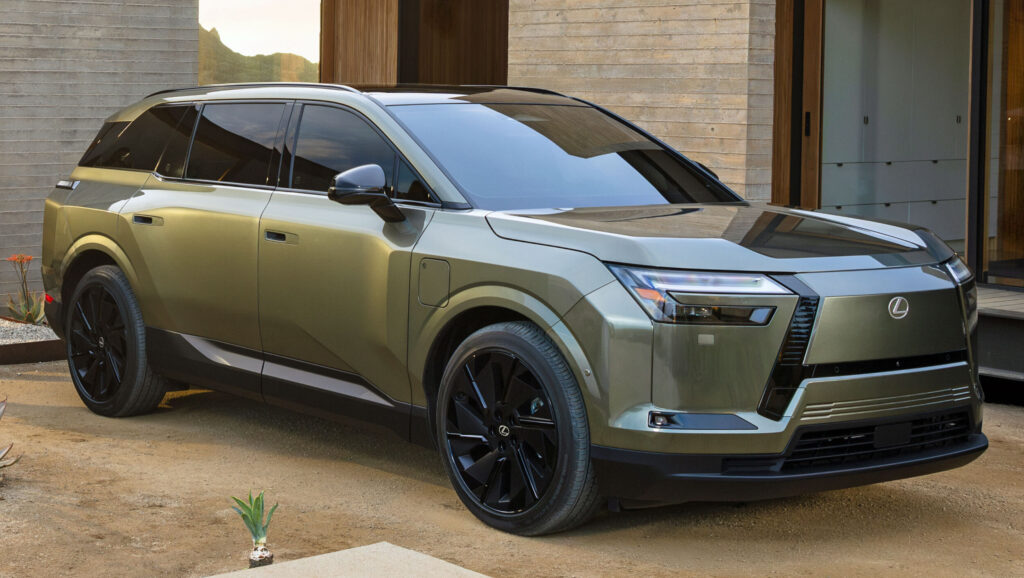
Unlike most modern three-row SUVs desperately trying to cosplay as off-roaders, the TZ sits low. Really low. That stance completely changes the vibe of the vehicle. Instead of chasing fake ruggedness with oversized cladding, massive ride heights, and chunky styling gimmicks that hurt both efficiency and on-road dynamics, the TZ feels intentionally road-focused. It’s sleek, stretched, and surprisingly elegant for something this large.

Aerodynamic Lexus Styling

Speaking of efficiency, the TZ has a drag coefficient of just 0.27. To put that into perspective, the Prius scores 0.25. That’s right, this three-row SUV is almost as slippery in the wind as a Prius.

\\\\\\\\\\

Photos Stephen Rivers / Carscoops

From some angles, especially up front, the design does feel a little derivative. There’s only so much you can do when aerodynamic efficiency becomes the priority, and EVs no longer need giant grilles or aggressive cooling ducts. But the rear? That’s where the TZ becomes genuinely interesting. The tail has a far more artistic and sculptural look than the front, giving the SUV a stronger visual identity than Lexus’ press photos initially suggested.

Interestingly, the version shown here is technically the European model. U.S.-spec examples will reportedly offer an illuminated front badge. Powertrain details remain somewhat limited for now, but Lexus has confirmed dual-motor all-wheel drive and roughly 300 miles (483 km) of range or (not and) up to 402 horsepower (299 kW) depending on trim.

Inside The Driver’s Lounge

 First Look: Lexus’ New TZ Trades Fake Ruggedness For Quiet Luxury

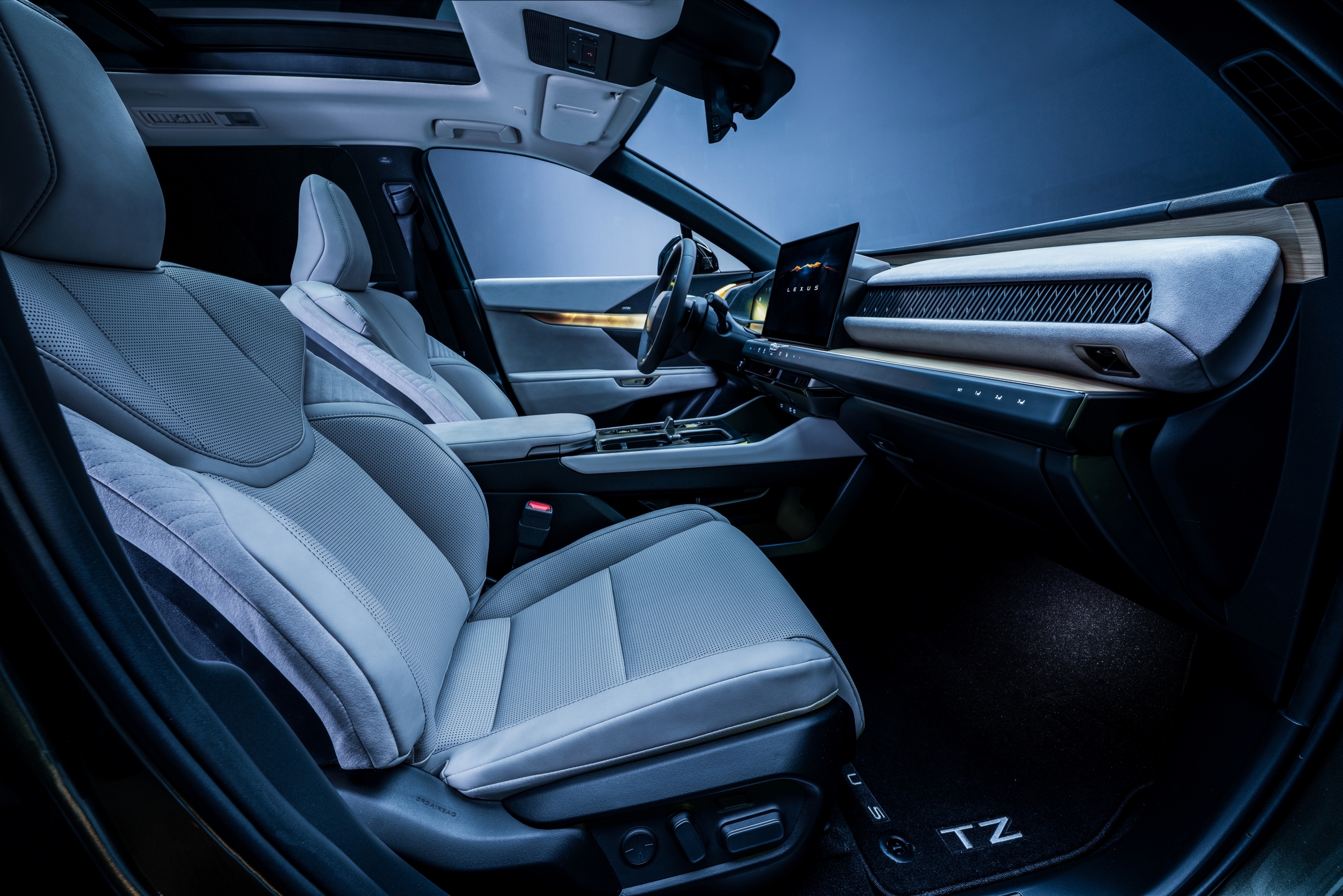
Inside, the TZ leans heavily into what Lexus calls a “Driver’s Lounge” philosophy. Slightly strange wording considering drivers probably shouldn’t be lounging behind the wheel of a massive electric SUV, but the execution itself works. The cabin is exceptionally quiet, arguably quieter than anything else in Lexus’ lineup, including the LX. And unlike many EVs that simply feel sterile, the TZ genuinely comes across as upscale.

First Look: New Toyota Highlander Drops Its Biggest Tradition, And I Got A Front-Row Look

Designers did a great job of making the dash different enough from the Toyota Highlander that they’re not a direct one-to-one comparison despite having a similar vibe overall. Things like the gauge cluster, wireless chargers, and some controls are in similar spaces but positioned a bit differently.

Some materials are more successful than others. Lexus’ “forged bamboo” trim sounds incredibly cool on paper, and the fact that it incorporates real bamboo is admirable. In reality, though, the finish initially looked more like faux stone-effect plastic before anyone explained what it actually was.

 First Look: Lexus’ New TZ Trades Fake Ruggedness For Quiet Luxury

Still, there’s a lot to like here. The packaging appears excellent, the third row seems genuinely usable, and certain details make more expensive products like the Cadillac Escalade IQ feel undercooked. For instance, the TZ features one-touch power buttons along with heating and seatback adjustment for the third row. The Escalade, which costs substantially more, has none of that.

Also: New Toyota Highlander Goes All-Electric, But Its Door Handles Don’t Fully Trust Electricity

There are plenty of tech items to sort out whenever we get the chance to drive it for the first time. For example, it’ll feature rear-wheel steering, a high-end Mark Levison audio system, and a “rear-comfort” mode for dampening inputs in order to make the ride more comfortable for rear-seat occupants.

 First Look: Lexus’ New TZ Trades Fake Ruggedness For Quiet Luxury

Where The TZ Lives Or Dies

The biggest question is price. The engineering philosophy makes perfect sense for Lexus. EVs naturally amplify serenity, smoothness, and isolation. But enthusiasm for large luxury EVs in America remains questionable.

Given the TZ shares its underpinnings with the Toyota Highlander EV but sits a full segment above it in finish and intent, the gap between the two stickers will be the real test. If Lexus prices the TZ aggressively enough, it could become a compelling alternative to vehicles like the Volvo EX90. If not, this may simply become an exceptionally refined niche product for buyers who want maximum comfort and minimal noise.

\\\\\\\\\\\\\\\\

Photos Stephen Rivers / Carscoops

The 2027 Lexus TZ Borrows The Highlander’s Bones And The LFA’s V10 Voice

  • The Lexus TZ arrives as a new three-row EV for global buyers.
  • Upscale cabin adds roomy seating plus synthetic driving sounds.
  • An AWD setup with 402 hp targets roughly 300 miles of range.

Lexus has pulled the wraps off the TZ, a fully electric three-row, six-seat SUV that gives the brand a proper family-hauling EV to slot above the RZ. It rides on the same architecture as the Toyota bZ Highlander but gets a reworked body, a more upscale cabin, and a stronger all-wheel-drive powertrain to justify the badge on the hood.

At 5,100 mm (200.8 in) long, the TZ stretches 50 mm (2 inches) beyond its Toyota sibling, though both share an identical 3,050 mm (120.1-inch) wheelbase and the same general proportions. From there, the styling diverges sharply.

More: The First Electric Lexus ES Actually Costs Less Than The Hybrid

The front end leads with a closed-off spindle grille flanked by stacked, two-story LED headlights, and the squared-off hood borrows visual cues from the tougher Lexus GX. The sides are heavily sculpted around the wheel arches, drawing the eye to the standard 22-inch alloys, with 20s available for buyers who want to soften the ride and (likely) improve their driving range.

\\\\\\\\\\\\\\\\\\\\\\\\\\\\\\

The semi-flush door handles and the pillars appear to be carried over from the Toyota, but the roofline drops towards the back leading to a slightly longer rear overhang. The rear end has a large roof spoiler, full-width LED taillights and vertical L-shaped indicators.

Quietest Lexus SUV Yet, With An LFA Soundtrack On Tap

Inside, Lexus is pitching the TZ as a “relaxing lounge experience” for every occupant, with six seats spread across three rows. The brand has thrown serious effort at sound insulation and NVH tuning, to the point that it claims the TZ will be the quietest cabin in their SUV lineup, flagship LX included.

More: Lexus’ $100,000 Luxury Minivan Picks Up A Few Strange New Tricks

The TZ doesn’t have to whisper at all times, though. An Active Sound Control system pipes in synthesized soundscapes tied to throttle inputs, including what Lexus describes as “musical chord sequences” and, more interestingly, a mode that mimics the howl of the LFA’s V10. Whether anyone shopping a three-row family EV actually wants their grocery runs scored by a fake supercar soundtrack is a separate question, but the option is there.

Three Rows Of Lounge Seating And Hidden Touch Controls

\\\\\\\\\\\\\\\\\\\\\\\\\\\\\\\\\\\\\\\\\\\\\\\\\\\\\\\\\\\\\\\\

The front and second row seats offer ventilation and power leg rests, while even the third-row seats promise “sofa-like cushioning”. The second and third rows have a one-touch fold-down feature for expanding the cargo space. Passengers will also find various storage compartments including a removable rear console.

The dashboard is dominated by the large touchscreen with a new generation infotainment, joined by a digital instrument cluster. Unlike the Toyota that has a row of physical switches under the touchscreen, the Lexus opts for touch buttons that remain hidden on the dashboard trim and steering wheel trim when not in use, in combination with a textured volume cylinder.

The rest of the spec sheet reads like a Lexus showroom brochure: panoramic roof, soft-close doors, configurable ambient lighting, and a 21-speaker Mark Levinson audio system. Trim materials lean into the brand’s sustainability push, with forged bamboo inserts and bio-based UltraSuede upholstery throughout. The latest Lexus Safety System+ 4.0 ADAS suite comes standard.

\\\\\\\\\\\\\\\\\\\\\\\\

Standard AWD And A 300-mile range

The SUV rides on a reinforced version of the TNGA architecture and will be exclusively available as an EV. Dual electric motors produce a combined 402 hp (300 kW / 408 PS) and up to 369 lb-ft (500 Nm) of torque, surpassing the most potent version of its Toyota sibling.

More: Toyota’s Next Corolla Cross Is Growing Up, And The RAV4 Should Be Worried

Power is transmitted to all four wheels via the standard Direct4 AWD system. The driver has access to a Dynamic Rear Steering system, five selectable drive modes (Normal, Sport, Eco, Range, Rear Comfort), and five levels of regenerative braking.

According to Lexus, the 0-62 mph (0-100 km/h) acceleration is completed in 5.4 seconds and the towing capacity is rated at 3,500 lbs (1,588 kg).

\\\\\\\\\\\\\\\\\\\\\\\\\\\

Buyers have a choice between two lithium-ion battery packs with capacities of 76.96 kWh and 95.82 kWh. The larger battery targets an EPA range of 300 miles (483 km), which is actually 20 miles (32 km) lower than the maximum range of the Highlander, most likely due to the extra power.

For global markets the WLTP rating is 530 km (329 miles), the WLTC range is 620 km (385 miles) and the more optimistic CLTC figure is 640 km (398 miles).

More: Toyota’s Most Powerful Land Cruiser Ever Is A $112K Hybrid Americans Can’t Buy

The North American TZ comes with a NACS port making it compatible with Tesla Superchargers. On the other hand, the global-spec model sticks with the CCS2 port. Both support up to 150 kW DC fast charging, meaning that a 10-80% charge can be completed in 35 minutes.

Production And Availability

The new Lexus EV will roll off two assembly lines. North American units will be built at the Georgetown facility in Kentucky alongside the Toyota Highlander, while Europe and Asia will be supplied by the Miyata plant in Japan.

The 2027 Lexus TZ is expected to reach North American dealers at the end of 2026, with Europe, Japan, China, and other international markets following in early 2027. Detailed pricing and trim structure will be announced later this year.

\\\\\\\\\\\\\\\\\\\\\\\\\\\\
\\\\\\\\\\\\\\\\\\\\\\\\\\\\\\\

Lexus’s New SUV Is A Posh Toyota Highlander EV With A Bigger Sticker

  • Lexus confirms a new electric SUV debut set for May 6.
  • Teasers point to a Highlander-based three-row electric SUV.
  • Earlier trademarks suggest it will adopt the TZ moniker.

The teaser drip has begun, as Lexus has confirmed a new SUV for May 6. The name remains withheld, though the smart money is on the Lexus TZ, a model expected to share its bones with the 2027 Toyota Highlander.

The dark teasers shared on social media reveal the silhouette of an SUV positioned as the zero-emission counterpart to the Lexus TX. The proportions read Highlander, but the roofline appears to taper more aggressively toward the rear.

More: Lexus Is About To Charge You Lexus Money For A Toyota Highlander EV

The bodywork is also expected to be redesigned, with a new lighting signature and a hood that leans slightly toward the rugged Lexus GX. Recent spy shots hint at split LED headlights, a covered singleframe grille, toned fenders, sculpted doors, and large alloy wheels. Still, the greenhouse and door handles appear to carry over from the Toyota sibling.

Inside, the cabin should rise to something more befitting the badge, even if certain components, the 14-inch infotainment screen among them, get carried across. A three-row layout is expected, possibly in six-seat configuration.

\\\\

The footprint of the Lexus TZ will likely align closely with the Toyota Highlander EV. The latter stretches to 5,050 mm (198.8 inches) long, with a 3,050 mm (120.1 inches) wheelbase, riding on a modified version of the TNGA-K architecture.

More: Lexus Is Preparing A Facelift For Their Second Best-Selling Model

Lexus filed trademarks for TZ450e and TZ550e back in 2023, hinting at two electric powertrain options. The Toyota equivalent comes in front- and all-wheel-drive forms, rated at 221 hp and 338 hp respectively. Battery options include a base 77 kWh unit and a larger 95.8 kWh pack offering up to 320 miles (515 km) of range.

\\\\\\\\\\\\\\\\\\\\\\\\\\

Baldauf

Rivals include the Kia EV9, Hyundai Ioniq 9, and Volvo EX90. Pricing will sit above the Highlander EV, which is expected to start in the low to mid $50,000s.

The unveiling will be broadcast on YouTube on Thursday, May 7, 2026, at 10:30 am JST, which translates to Wednesday, May 6, 2026, at 9:30 pm EDT. Besides North America, the model will also be sold in the Japanese market. As for production, some reports suggest it will be manufactured in the US, while others point to Japan.

Lexus Is About To Charge You Lexus Money For A Toyota Highlander EV

  • Lexus is preparing a three-row electric flagship to take on Volvo and Hyundai rivals.
  • The TZ shares its overall shape and proportions with the new Toyota Highlander EV.
  • Powertrain choices may follow Toyota’s setup, though upgrades are likely.

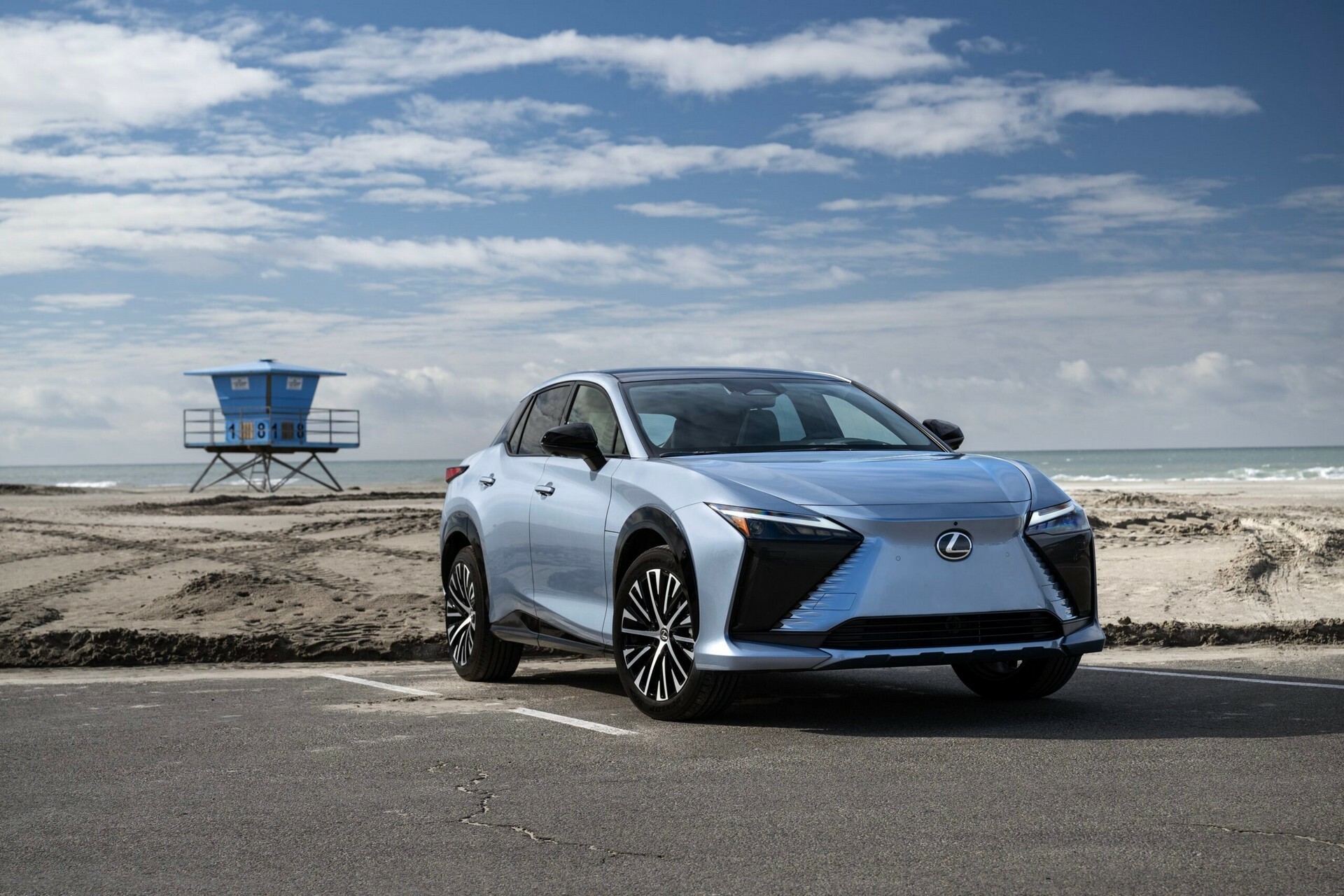
After plenty of speculation about its existence, Lexus’s long-expected electric three-row SUV has surfaced in the open at last. Spied testing for the first time, it is, at heart, a more polished take on the new Toyota Highlander EV, positioned to square up against the Hyundai Ioniq 9, Kia EV9, and Volvo EX90, with a ‘9’ set to feature in its name.

While this prototype is covered from head to toe in camouflage, we can see it retains the same overall shape and profile as the Highlander, though Lexus has worked over the details. Up front, for example, there are split headlights and a cleaner, less cluttered bumper design.

Read: Subaru’s Next SUV Is Big, Electric, And Very Toyota

Cast your eyes down the sides of the TZ, and you’ll notice the wheel arches are slightly more square than they are on the Highlander, and it sits on new wheels, too. The door handles and side windows also look the same as the Toyotas’, although the door skins look a little different.

The rear remains carefully disguised, offering little beyond hints. The taillights appear to mirror the Highlander’s general shape, possibly stretching further down the sides, though for now, most of the detail stays under wraps.

\\\\\\\\\\\\\\\\\\\\\\\\\\

Baldauf

With a few possible exceptions due to the different body panels, the Lexus TZ should have largely the same dimensions as the Highlander. That means it should be about 198.8 inches long, 78.3 inches wide, and stand 67.3 inches, complete with a 120.1-inch wheelbase.

With a few allowances for its unique bodywork, the Lexus TZ or TZ9 if the naming structure holds, is expected to mirror the Highlander’s footprint quite closely. That points to an overall length of roughly 198.8 inches, a width of 78.3 inches, and a height of 67.3 inches, riding on a 120.1-inch wheelbase.

What About The Powertrain?

As for what sits underneath, the safest assumption is that Lexus will lean heavily on Toyota’s existing hardware. In Highlander form, the base setup pairs a 77 kWh battery with a single motor producing 221 hp and 198 lb-ft (268 Nm). Step up to all-wheel drive and output rises to 338 hp and 323 lb-ft (438 Nm), alongside a larger 95.8 kWh battery and a claimed range of up to 320 miles (515 km).

\\\\\\\\\\\\\\\\\

SB-Medien

Although those figures would pass muster for a Lexus, the competition has already moved on. The Volvo EX90 carries a 111 kWh battery, while the Hyundai Ioniq 9 comes in at 110.3 kWh, both pushing for longer real-world range. Against that backdrop, a larger pack for the TZ would not go amiss.

A Familiar Lexus Cabin

We don’t yet have any photos of the TZ’s interior, though a couple of shots show the door panels. They’re clearly different from the doors of the Highlander and appear to have the same electric door release button as other Lexus models.

While some reports suggest it could be built alongside the Highlander EV at Toyota’s plant in Georgetown, Kentucky, others point to production in Japan with exports to global markets, including the US. Either way, it is expected to debut toward the end of the year or in early 2027.

\\\\\\\\\\\\\\\\\\\\\

Baldauf

❌