Normal view

There are new articles available, click to refresh the page.
Before yesterdayMain stream

This EV Was Already Cheap, Then Dacia Knocked Off Nearly $6,000

  • Dacia cut €5,000 off the Spring in Germany through Feb 28.
  • The new €11,900 price makes it cheaper than in the UK.
  • Buyers must register the EV by June 30 to keep the deal.

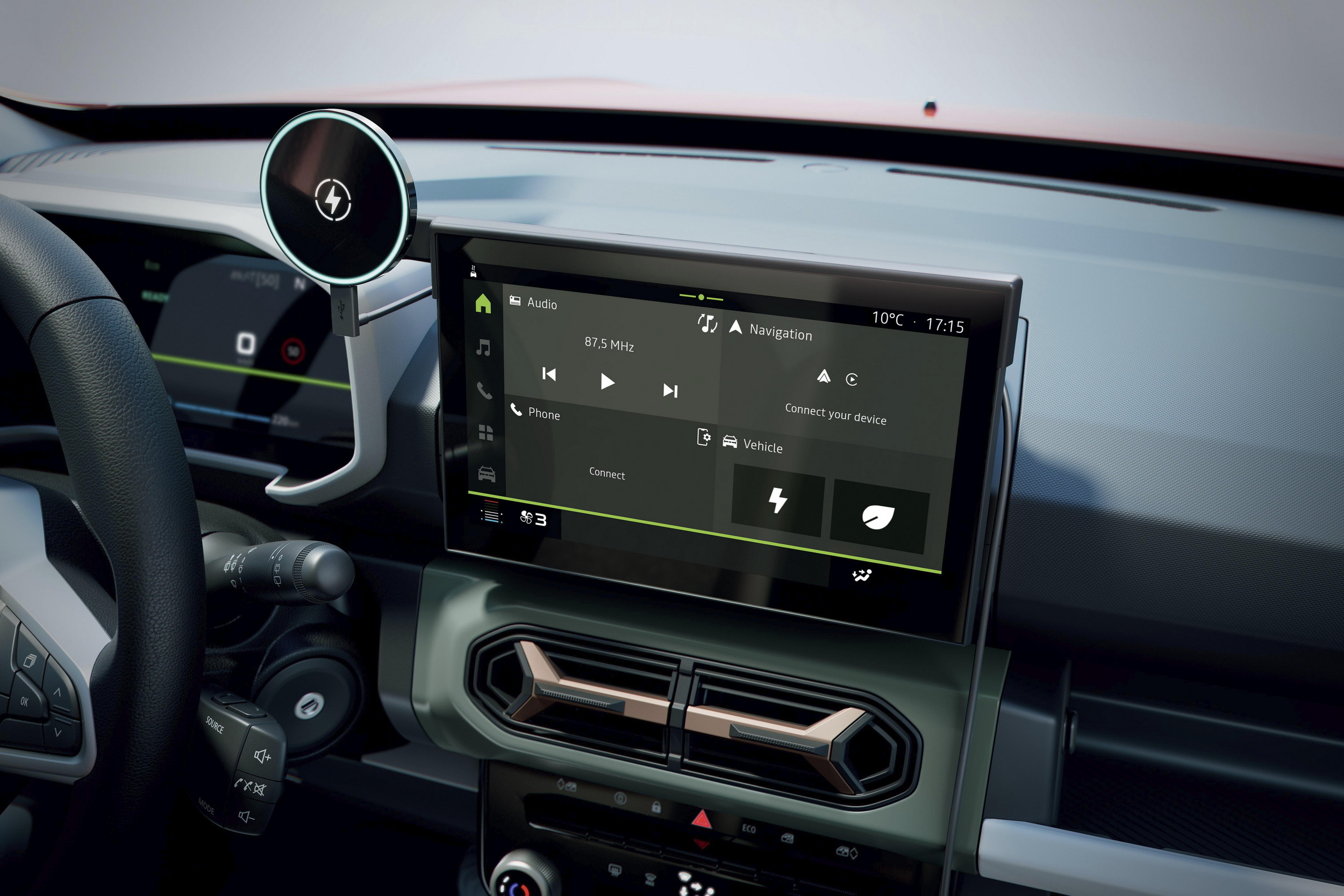
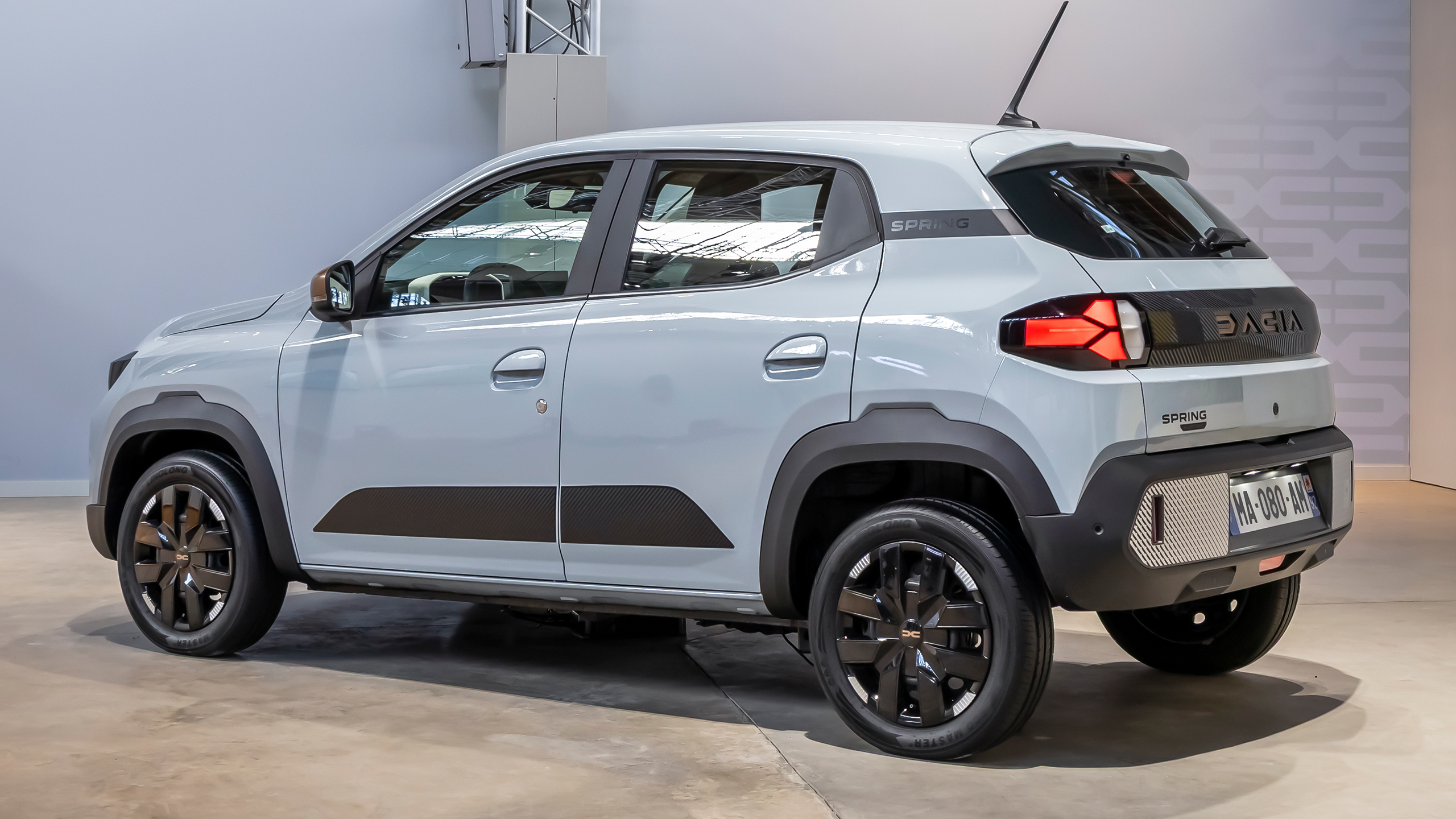
Buying a new electric car just got even cheaper in Germany, as Europe’s most budget-friendly EV has pulled further ahead of the pack. The all-electric Dacia Spring now starts at just €11,900 (around $13,900), thanks to a massive €5,000 (around $5,900 at current exchange rates) discount. At that price, it’s significantly cheaper in Germany than it is in the UK.

It’s not a government subsidy or rebate through a dealer. The discount is applied straight to the vehicle’s base price, but it won’t last forever. To take advantage of the full €5,000 off, buyers must sign a purchase or lease agreement by February 28. On top of that, the car needs to be registered no later than June 30.

Read: UK’s Cheapest EV Is Made In China, But Doesn’t Wear A Chinese Badge

Beyond the headline price, the Spring comes with a seven-year or 150,000-kilometer warranty as standard. It’s also compact and lightweight, tipping the scales at 995 kg (2,193 pounds) and measuring 3.7 meters (12.1 feet) in length.
 This EV Was Already Cheap, Then Dacia Knocked Off Nearly $6,000

What Do You Get For The Money?

Of course, a car this cheap comes with compromises. The Spring is equipped with a 24.3 kWh lithium-iron phosphate battery, which powers a single front-mounted electric motor producing just 70 horsepower. It’s also built in China, which helps account for the low cost.

Dacia says it can average a respectable 12.7 kWh/100 km over the combined cycle, offering up to 225 km (140 miles) of driving range. For those who only drive in the Spring in cities, the range can be extended to up to 341 km (212 miles).
 This EV Was Already Cheap, Then Dacia Knocked Off Nearly $6,000

Incredibly, this isn’t the wildest deal we’ve seen for the Dacia Spring. As part of a new government scheme in Italy designed to encourage locals to scrap their old ICE cars in favor of EVs, the Spring can be purchased for as little as €3,900 ($4,600).

However, to qualify for the maximum saving of €11,000 ($13,900), locals must scrap a Euro 5 or earlier vehicle, live in an urban area with more than 50,000 residents, and have a family income of less than €30,000 ($35,100).
\\\\\\\\\\\

Looks Like Gas And Diesel Cars Won’t Be Banned In Europe After All

  • EU reportedly plans to soften its 2035 combustion engine ban.
  • Lawmakers may allow green fuels beyond the 2035 deadline.
  • New regulations are expected to be announced later this week.

After years of policy wrangling and behind-the-scenes bargaining, the European Union appears poised to walk back one of its most ambitious climate mandates.

The bloc is reportedly scaling down its planned 2035 ban on combustion-powered petrol and diesel cars, a move that follows persistent pressure from industry leaders, particularly in Germany and Italy, and comes despite objections from brands like Volvo and Polestar that had supported the original plan.

Read: EU’s 2035 EV-Only Dream Hits A Hybrid Speed Bump

Following reports last week that lawmakers were softening their stance on the ban, the leader of the European People’s Party, Manfred Weber, told German newspaper Bild that the bloc has agreed to ease its mandate from a full ban on internal combustion engine (ICE) vehicles by 2035 to a 90 percent reduction instead.

Weber also stated that a full ICE ban wouldn’t be coming by 2040 either, though he didn’t clarify whether a new target year is under consideration.

While speaking at a press conference in Germany late last week, Weber said that the European Commission will present its revised proposal on Tuesday.

Plug-Ins Get a Lifeline Too

 Looks Like Gas And Diesel Cars Won’t Be Banned In Europe After All

“The technology ban on combustion engines is off the table,” he told Bild. “All engines currently manufactured in Germany can therefore continue to be produced and sold.” Weber added that the EU can now pave the way for the continued sale of plug-in hybrid models, including those with longer driving ranges.

German Chancellor Friedrich Merz, also present at the press conference, endorsed the decision, saying it now offers the automotive sector “real planning security.”

Earlier in December, Merz had written directly to European Commission President Ursula von der Leyen, urging the body to allow continued production and sale of ICE-powered vehicles past the 2035 deadline.

That letter, according to European Commissioner for Sustainable Transport and Tourism Apostolos Tzitzikostas, was “very well received in Brussels.”

Although the Commission’s revised legislation has not yet been made public, Tzitzikostas recently hinted that alternative fuels may feature more prominently in the new framework, citing “zero- and low-emission fuels, and advanced biofuels” as possible avenues for compliance.

 Looks Like Gas And Diesel Cars Won’t Be Banned In Europe After All

Sources: Bild, The Guardian

Chief Engineer Says He Reported A ‘Nazi’ Slur At Lucid, Then Got Fired

  • Eric Bach sues Lucid alleging wrongful firing and discrimination.
  • He says an HR executive called him a “German Nazi” internally.
  • Lucid rejects his claims as absurd amid ongoing executive exits.

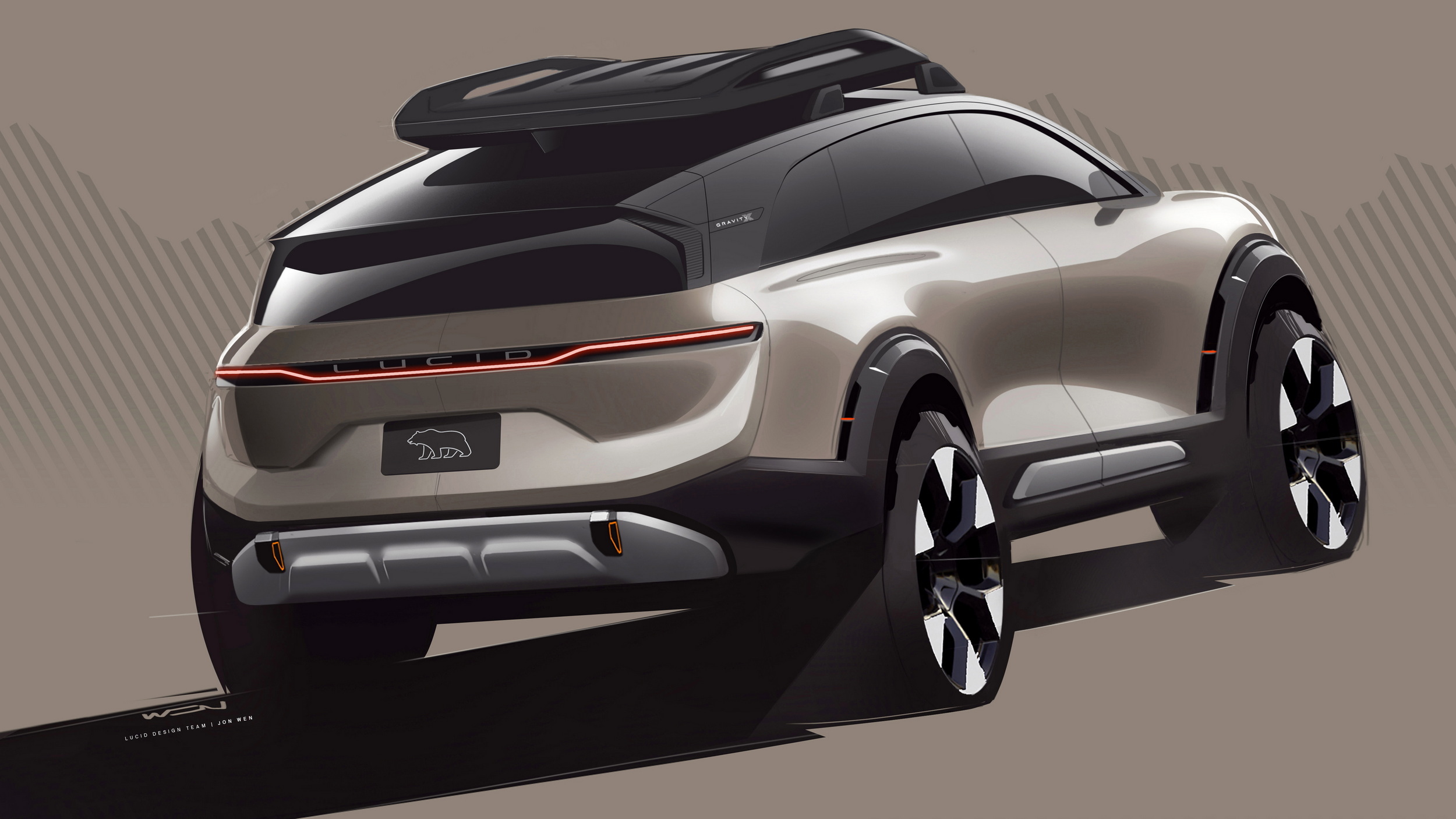
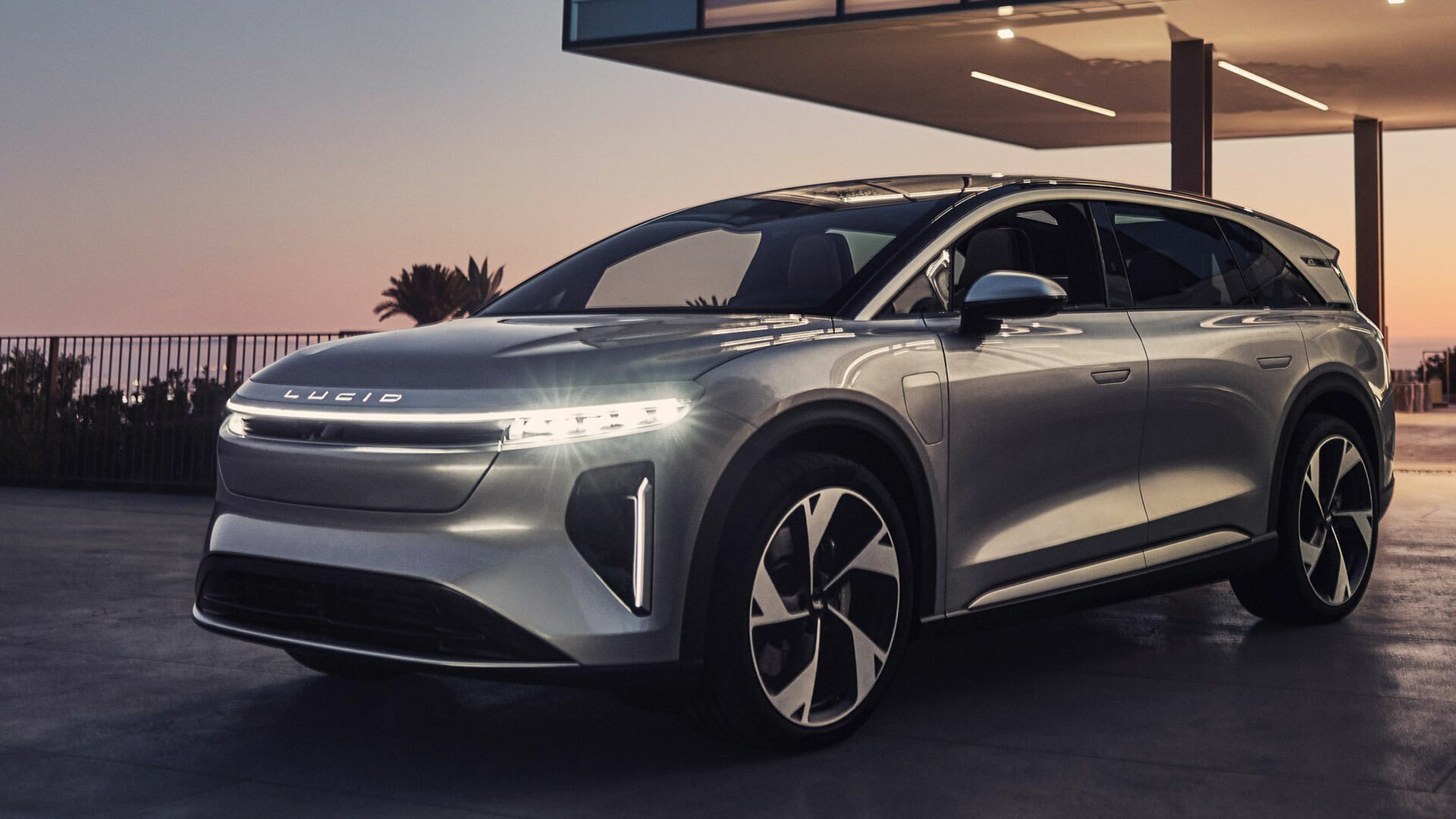
Lucid Motors has plenty on its plate already. Cash burn, slow production ramps, a delayed Gravity SUV launch, and media stories about drivers being shafted with huge repair costs. Now it can add one more thing to the list: a high-profile lawsuit from its former chief engineer that claims a serious lack of harmony at the Newark, CA, HQ.

Eric Bach, who spent a decade at Lucid and rose to become Senior Vice President of Product and Chief Engineer, has filed a federal lawsuit alleging wrongful termination, discrimination, and retaliation.

What Sparked the Fallout?

At the center of the complaint is a claim that a senior HR executive referred to him as a “German Nazi” during an internal investigation into workplace culture. Bach was born and raised in Germany and says the remark was deeply offensive and discriminatory.

Also: Spilled Water Bricks Lucid, Repair Costs As Much As A Used Corolla

According to the lawsuit, Bach learned about the comment in mid-2025, months after the start of an HR-led culture probe Bach claims was already “tainted by racist beliefs.”

During that investigation, he says he was stripped of key responsibilities, including oversight of Lucid’s electric powertrain division, and excluded from board meetings.

After encouraging a colleague to report the remark through internal channels, Bach claims Lucid confirmed the comment was made, yet failed to act meaningfully.

Pushed Out

Things escalated from there. Bach says the company began pressuring him to resign in October 2025 before firing him outright on November 5. Lucid’s public statement at the time merely said he had “departed,” offering no hint of the brewing conflict behind the scenes.

 Chief Engineer Says He Reported A ‘Nazi’ Slur At Lucid, Then Got Fired
Linkedin

Lucid, for its part, is having none of it. The automaker issued a blunt response calling Bach’s legal claims “absurd” and says it is confident the facts will show legitimate reasons for his termination.

Company sources have pointed to long-running product delays, quality issues, and execution problems, arguing that leadership restructuring was overdue.

Bach’s responsibilities were partially handed to Emad Dlala, who was promoted to Senior Vice President of Engineering and Digital after Bach’s exit.

Tricky Timing

 Chief Engineer Says He Reported A ‘Nazi’ Slur At Lucid, Then Got Fired

The lawsuit lands at an awkward moment for Lucid. The company is still trying to ramp production of the Gravity SUV while developing a more affordable midsize EV due in late 2026.

Executive turnover has been relentless, with former CEO Peter Rawlinson resigning earlier this year and multiple vice presidents exiting across different strands of the business.

Also: Lucid Teases $50K Mid-Size SUV As It Readies L4 Autonomous Driving

Bach’s complaint paints a very different picture of his standing, citing praise from board members and repeated salary increases, and even suggestions that he was being groomed for a future CTO role.

He’s now requesting damages and a very public jury trial. For a company built on calm luxury, Lucid’s latest saga is anything but serene.

 Chief Engineer Says He Reported A ‘Nazi’ Slur At Lucid, Then Got Fired

Sources: Wigdor, Tech Crunch

EV Buyers Just Got A Huge Break In Germany That Lasts Ten Years

  • New EVs in Germany now qualify for long-term tax exemptions.
  • All but one political party voted in favor of the new program.
  • Purchase incentives will also return starting January 1, 2026.

About two years ago, Germany scrapped a key set of electric vehicle subsidies, only to find out just how dependent its EV market had become on them. The drop-off in sales was sharp enough to prompt a policy reversal.

Now, not only are purchase incentives making a comeback from January 1, 2026, but a generous tax break is being extended for another five years.

Read: Germany Brings Back EV Incentives To Save Its Auto Industry

It’s been confirmed that any new electric vehicle registered in Germany will be exempt from motor vehicle tax through December 31, 2035. Lawmakers have agreed to keep the registration window open until the end of 2030, meaning any EV signed off before that deadline will enjoy the full exemption through to the end of 2035.

According to Manager Magazin, the original tax exemption had been set to expire at the close of this year. The extension received broad support across parliament, with every party backing it, except for the right-wing AfD.

According to Stefan Korbach, a member of the federal parliament, the tax break is intended to encourage more people to enter the EV market while also supporting Germany’s automotive sector at large.

Purchase Incentives Return

 EV Buyers Just Got A Huge Break In Germany That Lasts Ten Years

The return of the tax exemption isn’t the only policy lever being pulled to revive electric vehicle demand. As noted, the federal government plans to reintroduce purchase incentives starting in 2026, with a focus on helping lower- and middle-income households afford new EVs.

The program will provide incentives of up to €4,000 ($4,660) toward the purchase of a new EV priced under €45,000 ($52,400), a significant reduction from the previous scheme, which allowed for vehicles up to €65,000 ($75,700).

Eligibility is expected to be limited to individuals earning less than €45,000 ($52,400) annually, which naturally narrows the pool of potential recipients. It’s worth noting that buyers earning under that threshold may find more breathing room in the used EV market rather than in showrooms.

Between 2016 and 2023, Germany’s earlier EV subsidy initiative disbursed around €10 billion ($11.6 billion) in payments to buyers.

 EV Buyers Just Got A Huge Break In Germany That Lasts Ten Years

Source: Manager Magazin

New Mercedes GLB Ditches Gas For Now, Adds AI And A Very Strange Rear End

  • Mercedes GLB replaces EQB and launches with electric-only options.
  • 85 kWh battery enables 392 miles in single-motor, 382 in dual-motor.
  • Next year, an entry-level EV will be introduced, as will several hybrids.

A new generation of the Mercedes-Benz GLB has arrived, and while the silhouette remains true to the blocky, upright form of the original, there’s quite a bit going on beneath the surface.

Offered in both 5- and 7-seat configurations, the 2026 GLB debuts as an all-electric model and, for now, serves as a replacement for the EQB in everything but name. Hybrid versions will follow later, but the first wave is electric-only.

Read: New Mercedes GLB Goes Big On Screens And Stars

Two versions of the new generation GLB are launching out of the gate. The first, labeled GLB 250+ with EQ Technology, features an 85 kWh lithium-ion battery and adopts an 800-volt electric architecture.

It powers a single rear-mounted motor rated at 268 hp and 247 lb-ft of continuous torque, with a short-term boost up to 335 lb-ft. Acceleration from 0–62 mph (100 km/h) takes 7.4 seconds, and range is quoted at 392 miles (630 km) on a full charge, olid figures for a compact SUV in this category.

\\\\\\\\\\\\\\\\\\\\\\\\\\\\\\\\\\\\\\\\\

Sitting above the 250+ is the 350 4Matic with EQ Technology. The name might not stick in your memory, but the numbers probably will. This dual-motor variant adds a front axle motor for all-wheel drive, producing a combined 349 hp and 380 lb-ft of torque.

Range takes a slight dip to 382 miles (615 km), but the extra grunt cuts the 0–62 mph time down to 5.5 seconds.

Mercedes has also confirmed a more affordable electric entry-level version will join the lineup next year, followed by a hybrid variant using 48-volt architecture. Three power levels will be available across front- and all-wheel drive formats.

Starry Eyed

\\\\\\\\\\\\\\\\\\\\\\\\\\\\

Like other new-generation Mercedes models (think CLA and GLC EQ), the GLB adopts a more expressive front end. A large grille dominates the nose, flanked by redesigned headlights with intricate star-shaped DRLs and a full-width light bar. It’s not a particularly handsome looking SUV, but neither is the outgoing model.

The rear-end is perhaps the most controversial angle of the 2026 GLB. The taillight treatment leans into the styling language seen on the brand’s EQXX Concept from a few years back, with vertically oriented clusters connected by a slim light bar. The signature star pattern makes another appearance here.

How Much Bigger Is It?

 New Mercedes GLB Ditches Gas For Now, Adds AI And A Very Strange Rear End

The new electric GLB has grown in nearly every direction compared to both the previous EQB and the combustion-powered GLB it effectively replaces in this segment. At 4,732 mm (186.3 inches) in length, it’s 48 mm (1.9 inches) longer than the EQB and a full 98 mm (3.9 inches) longer than the earlier GLB. Width is up as well, now measuring 1,861 mm (73.3 inches), 27 mm (1.1 inches) wider than both predecessors.

Interestingly, height has gone the other way, dropping slightly to 1,687 mm (66.4 inches), which makes it 14 mm (0.6 inches) lower than the previous models.

The wheelbase sees the most notable stretch, now sitting at 2,889 mm (113.7 inches), a 60 mm (2.4 inches) increase over earlier versions. That extra length between the axles should improve interior space, particularly in the second row.

One small trade-off comes in maneuverability: the turning circle has grown marginally, from 11.7 m (38.4 feet) in the old GLB to 11.9 m (39.0 feet) in the new electric version. Boot capacity is also up, with 667 liters (23.6 cubic feet) available in the rear and 127 liters at the front (frunk).

An All-New Cabin

\\\\\\\\\\\\\\\\\\\\\\\\\\\\\\

A big step into the future has also been made with the GLB’s interior. Like the CLA, it can be optioned with the Mercedes Superscreen, consisting of a 10.25-inch driver display, a 14-inch infotainment screen, and a 14-inch display for the passenger.

As with other new Mercedes-Benz interiors, the dash of the GLB is almost completely flat, largely free of any interesting design details.

It runs on the fourth-generation MBUX system that includes Microsoft and Google artificial intelligence. The screen runs on the Unity Game Engine and includes the MBUX Virtual Assistant, based on ChatGPT4o. Clearly, Mercedes was eager to make the GLB as tech-focused as possible.

At this point, pricing is confirmed only for Germany. The GLB 250+ with EQ Technology starts at €59,048 ($68,700), while the 350 4Matic comes in at €62,178 ($72,400). US pricing hasn’t been announced yet, but expect a similar spread when it arrives in other markets next year.

\\\\\\\\\\\\\\\\\\\\\\\\

Photos Mercedes

Are EV Drivers At Risk From Radiation? A New Study Has The Answers

  • A new study tested whether EVs expose drivers to hidden radiation.
  • The German researchers tested 11 electric cars while driving and charging.
  • Engineers used dummies packed with sensors to capture real conditions.

A new study has just delivered some reassuring news for anyone who has ever wondered whether sitting on top of a massive battery pack might quietly turn them into a human antenna. Electric cars, it turns out, aren’t the stealth radiation chambers some might imagine.

Germany’s ADAC auto club recently took a deep dive into electromagnetic fields in electric cars and found that drivers and passengers are exposed to very low levels of radiation.

Related: You Might Want To Keep Your Car Windows Closed While Charging

In fact, the results show that EVs are no more dangerous than any other modern vehicle and in some cases they actually give off less electromagnetic – or “electrosmog” – activity than cars with combustion engines.

What Did They Test?

 Are EV Drivers At Risk From Radiation? A New Study Has The Answers

The study was commissioned by Germany’s Federal Office for Radiation Protection. It involved testing eleven electric cars along with a couple of hybrids and one conventional gasoline model.

Engineers from ADAC placed ten probes into a seat dummy and moved it through at least two seating positions while the vehicles were driven and charged. They wanted to know how strong the magnetic fields get under realistic conditions and whether any of them approach the thresholds that scientists consider risky.

During the on-road testing, the team observed a few brief spikes in magnetic field strength during hard acceleration and braking or when electrical components were activated. These peaks, though, are nothing unusual in a car that relies on high voltage circuitry and electric motors.

What the Numbers Show

According to ADAC, the electric fields and current densities that would actually arise in a human body under those conditions remained well below the recommended limits.

And the higher values were measured in the footwell, not near the head. In other words, there is nothing happening inside the cabin that would trouble your cells, your nerves, or your pacemaker.

 Are EV Drivers At Risk From Radiation? A New Study Has The Answers

One surprising finding came from a feature many of us use without a second thought. Heated seats produce some of the strongest electromagnetic readings, and this was true not only in electric cars but also in plug in hybrids and even the lone combustion model in the study.

Even then, however, the numbers were far from dangerous. The most noticeable variations happened in the footwell near the electric drive units and their cabling while the head and torso area barely registered anything at all.

Does Charging Change Anything?

Charging did not make much difference either. AC charging created stronger readings around the plug at the moment the session began yet these levels also fell safely inside all guidelines. And despite its higher power output, DC fast charging produced weaker fields than the slower AC charging.

 Are EV Drivers At Risk From Radiation? A New Study Has The Answers

Sources: ADAC

An American EV Was Germany’s Most Defective Vehicle This Year

  • One in five cars in Germany failed annual roadworthiness inspection.
  • VW’s Golf, Touareg, and T-Roc dominated rankings across segments.
  • Mercedes led long-term quality with lowest defects among older cars.

Germany’s car-check watchdog has crunched the reliability numbers and once again, Tesla finds itself parked at the very bottom of the heap. The 2026 TÜV-Report, covering annual roadworthiness inspections of approximately 9.5 million vehicles between July 2024 and June 2025, found that Tesla EVs occupied the two bottom spots in the league table.

The Model 3, which was the worst-ranked car for the two previous years was found to have a defect rate of 13.1 percent, meaning one in every 7.6 cars in the two-to-three-year-old ages group failed the Hauptuntersuchung safety check.

Why Is The Model Y So Troubled?

But the Model Y was even worse. It had a defect rate of 17.3 percent, versus 3.5 percent for a Mini Cooper SE, making it the worst TÜV has seen in this age group in a decade. The biggest defect culprits were the axle assembly, suspension, brakes and lighting.

Related: Tesla Is Now The World’s Most Avoided EV Brand And It’s Probably Musk’s Fault

Pulling back to look at the bigger picture covering cars of all ages reveals that 21.5 percent, or one in five cars failed the inspection due to a “significant” or “dangerous” defect, an increase of 0.9 percent on last year, ADAC reported. And the proportion with minor defects rose 0.8 percent to 12.3 percent.

Other reliability villains include the BMW 5-series and 6-series in both the 4-5-year-old and 8-9-year-old age groups, the Dacia Duster in the 6-7 and 10-11 age groups and the Renault Clio among 12-13-year-old cars.

Electric Cars Defect Rate, 2-3 Years Old
 An American EV Was Germany’s Most Defective Vehicle This Year
ADAC/TÜV

Pop the Champagne for VW

But with every list of losers there has to be a list of winners, and for cars that have passed their fourth birthday, this one is headed by Volkswagen.

The VW Golf wagon and T-Roc scored well in the 4-7-year-old categories and the automaker’s Touareg was top of the oldies. The Mazda CX-3 and Mercedes B-Class were also commended.

Looking at the 2-3-year-old group, Fiat’s 500e toped the small car category, proving to Tesla that EVs can be reliable, the Mazda 2 and BMW 1-series were the top-rated small car and compact, and the C-class took the mid-range award (if you’re reading from the US, those classifications will look kinda messed up).

The T-Roc popped up again to take best SUV, and the B-class bagged most reliable nearly-new minivan.

Rate of Serious Inspection Defects
 An American EV Was Germany’s Most Defective Vehicle This Year
ADAC/TÜV

One big change in this year’s study is the introduction of an award for long-term quality, handed out to brands whose vehicles, aged 10+ exhibit the lowest average defect rate for safety-related faults and stand for quality, durability, and good service.

Mercedes took gold with an 18.5 percent defect rate – almost matching that of a 2-3-year-old Model Y – Audi was second with 19.2 percent and Toyota snuck onto the podium’s last step with a 22 percent defect rate.

Winners By Segment, 2-3 Years Old
ClassWinner
Mini carsFiat 500e
Small carsMazda 2
Compact BMW 1 Series
Mid-rangeMercedes C-Class
SUVVW T-Roc
MinivanMercedes B-Class
SWIPE
Winners In Other Age Groups
AgeWinner
4–5 yearsVW Golf Sportsvan, VW T-Roc
6–7 yearsVW T-Roc
8–9 yearsMazda CX-3
10–11 yearsMercedes B-Class
12–13 yearsVW Touareg
SWIPE

❌
❌