Normal view

There are new articles available, click to refresh the page.
Yesterday — 27 February 2026Main stream

Trapped Driver Died After Xiaomi’s Electronic Doors Reportedly Failed

  • Rescuers couldn’t open SU7’s electric door releases as it burned.
  • Eyewitnesses tried desperately to smash the driver’s side window.
  • China will ban electric door releases like the SU7’s from 2027.

An official investigation into the death of a man who crashed his Xiaomi SU7 in China last year has confirmed details previously reported by local media. The findings underscore how critical basic mechanical access can become in seconds. Authorities concluded that the 31-year-old died after being unable to open the electrically operated doors once the electric sedan caught fire.

While this case involves a Xiaomi, concerns about electronically actuated door systems have been debated across the industry and in global markets for years. This isn’t just a Tesla issue.

The crash occurred at approximately 3:15 a.m. on October 13, 2025, in Chengdu, reports Carnewschina. The Xiaomi driver, identified simply as Deng, was allegedly driving under the influence of alcohol at the time and slammed into another vehicle on Tianfu Avenue South before jumping over the central divider and bursting into flames.

Timeline Of The Crash

According to forensic findings cited by the Chinese magazine Caixin, the SU7 reached 203 km/h (126 mph) just three seconds before the crash. It then slowed to 167 km/h (104 mph) after striking the other car and was traveling 138 km/h (86 mph) when it hit the divider.

Read: Trapped Xiaomi Driver Dies After Doors Fail To Open In Fiery Crash

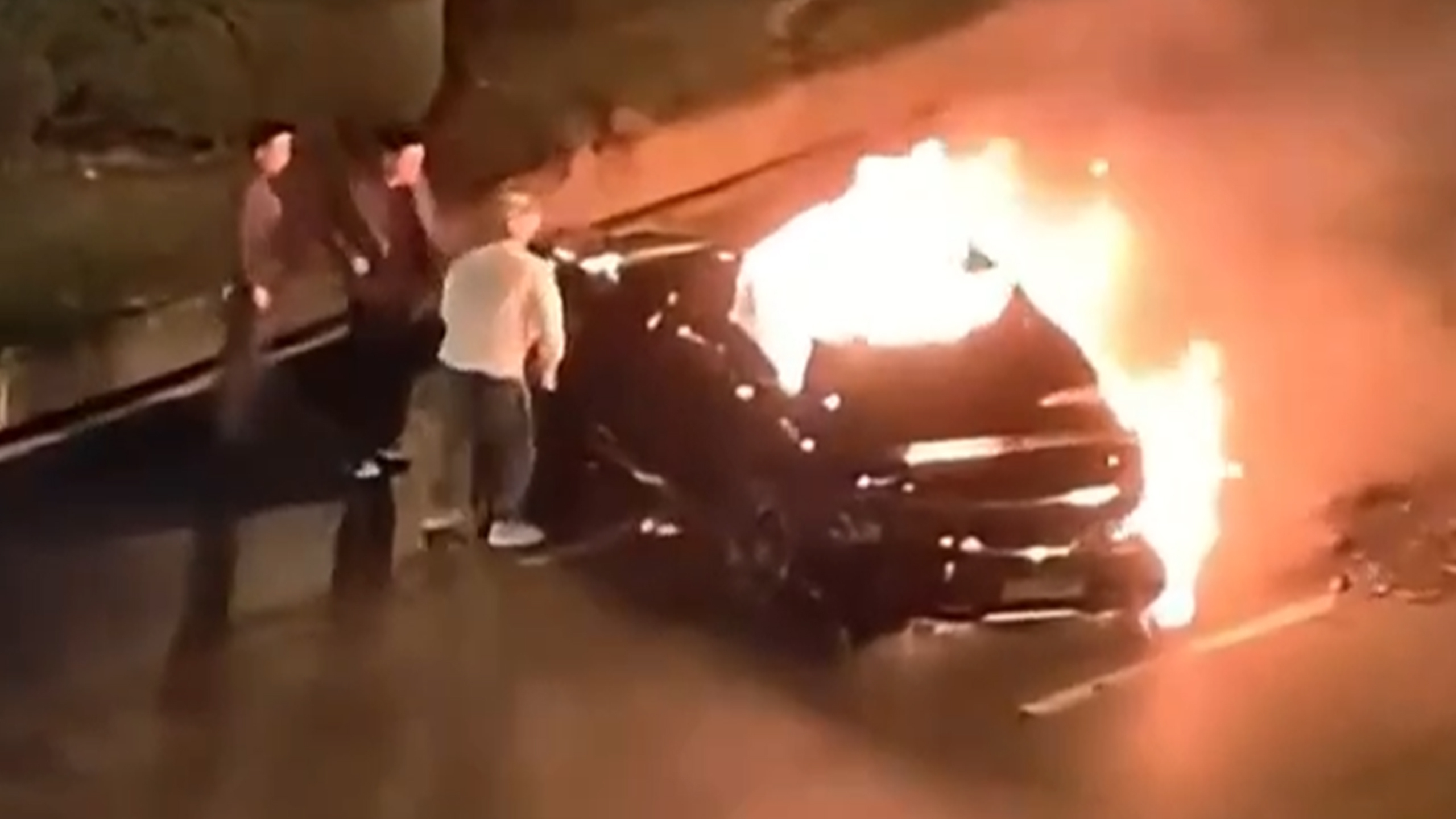
Harrowing footage captured in the immediate aftermath showed bystanders attempting to smash the driver’s side window and open the door in an effort to save him, but without success.

Why The Doors Wouldn’t Open

Investigators concluded that the doors could not be opened from the outside because the fire caused the low-voltage system to shut down, disabling the door handle release function. The report added that the SU7 has no mechanical latches accessible from the outside and relies solely on electric release buttons.

Xiaomi shares plunged nearly 9% after a fatal crash involving its SU7 electric car, Bloomberg reports

According to the outlet, a 31-year-old driver in China collided with another vehicle, crossed into the opposite lane, and the car caught fire. Witnesses tried to pull the man… pic.twitter.com/yPQ70FoKXN

— NEXTA (@nexta_tv) October 13, 2025

The Xiaomi also uses electric release buttons inside the cabin. Although it is equipped with mechanical emergency releases, locating and operating them while disoriented after a crash would not be straightforward.

Regulatory Response In China

This fatal crash, along with others, has prompted regulators in China to ban electronic door handles on EVs. The new rule will take effect on January 1, 2027. It will require exterior handles that provide a handhold of at least 60 mm by 20 mm (2.36 inches x 0.79 inches), ensuring they can be used by rescuers in an emergency. In addition, mechanical releases inside the vehicle must include clear signage explaining how to open them during an emergency.
 Trapped Driver Died After Xiaomi’s Electronic Doors Reportedly Failed
Opening image via Zhao Qing/The Paper
Before yesterdayMain stream

EV Repair Costs Are Starting To Drop, But The Real Bill Is Hiding Elsewhere

  • Repairable EV collision claims rose sharply in 2025.
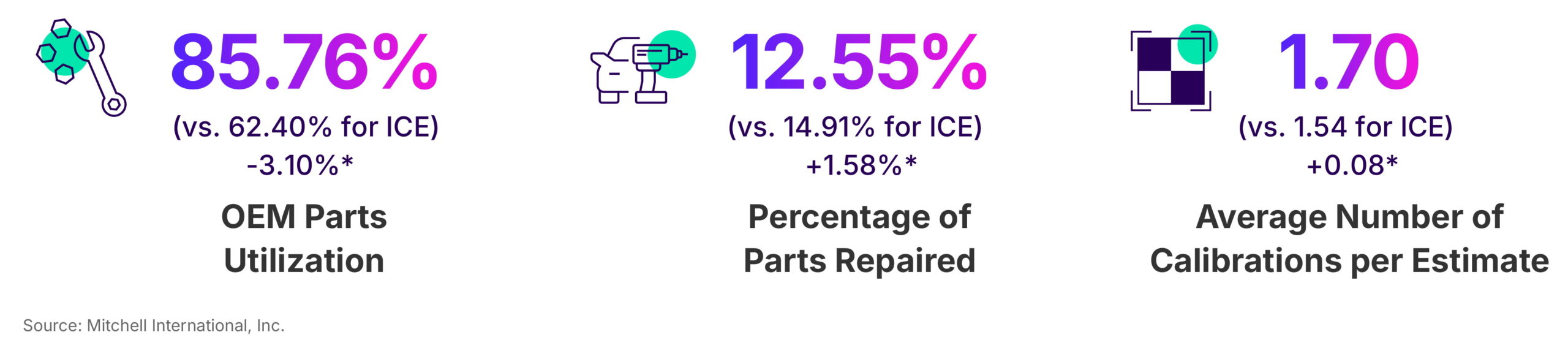
  • EVs required an average of 1.70 calibrations per estimate.
  • US EV total loss values fell 6% due to depreciation.

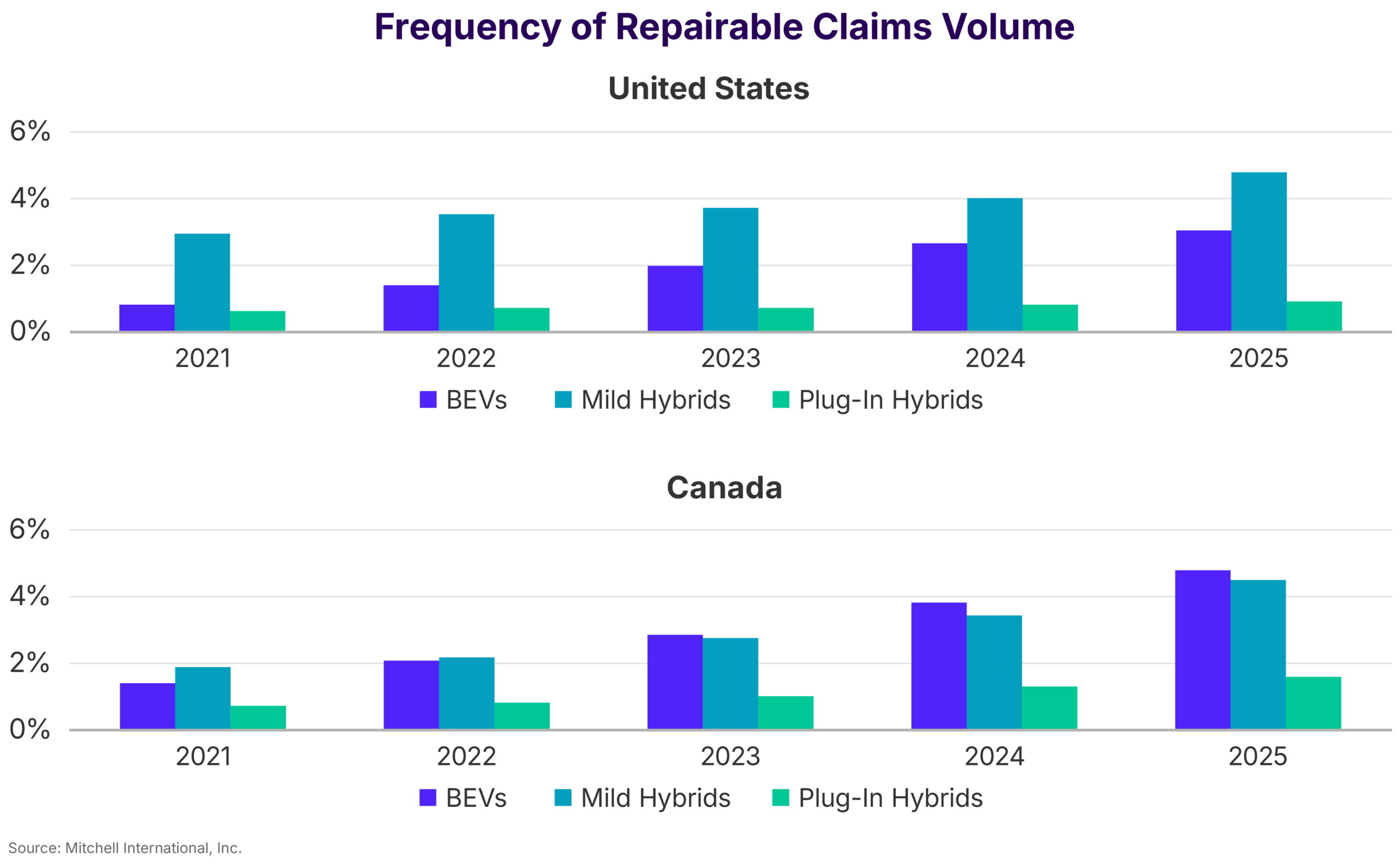
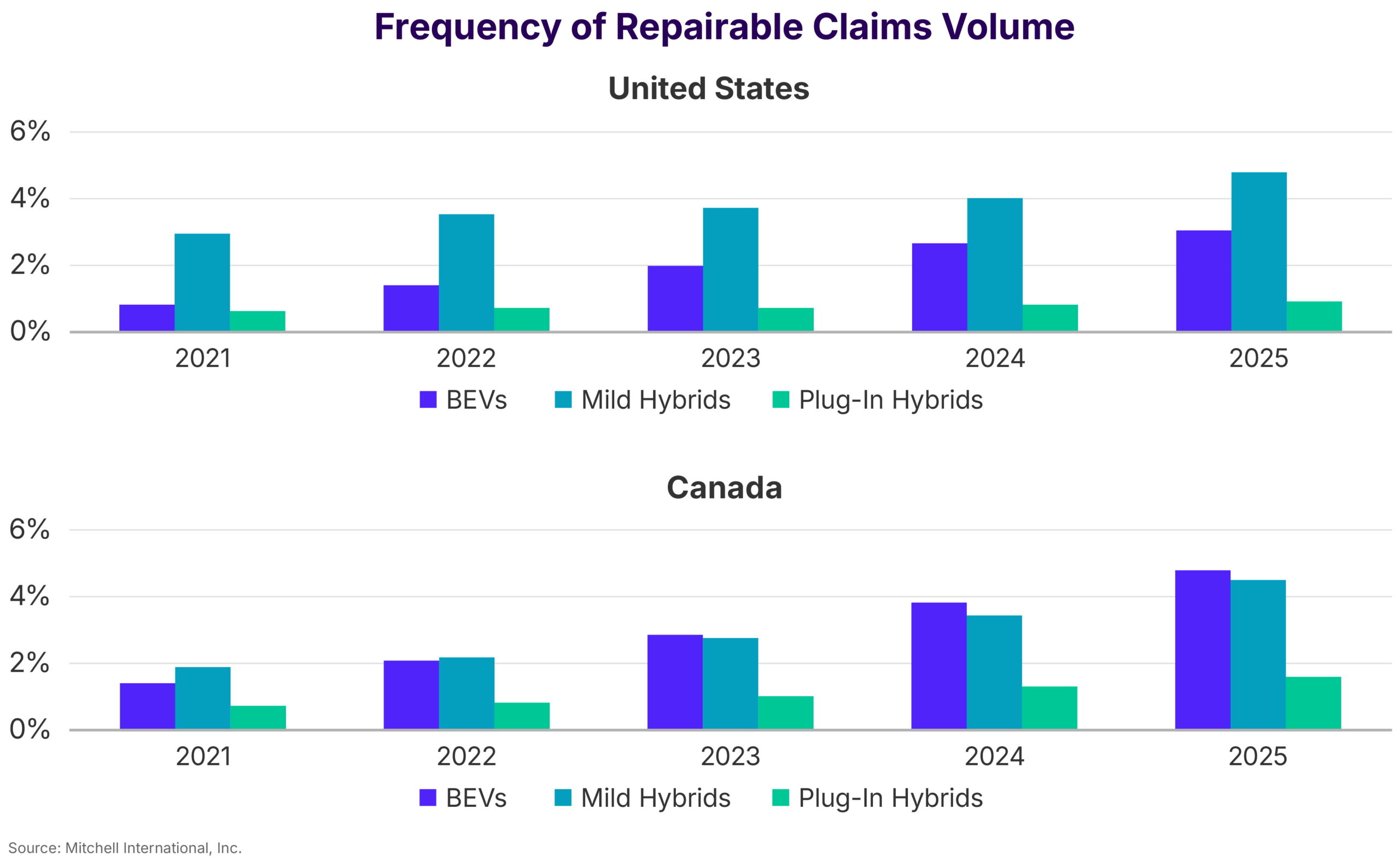
Electric vehicles are turning into a proper migraine for the insurance industry. According to the latest report from collision management software provider Mitchell, repairable collision claims for EVs jumped 14% in the US and 24% in Canada during 2025.

What makes these numbers particularly jarring is the fact that EV sales growth slowed down in 2025 as government tax incentives expired and consumer interest shifted to hybrids. Cox Automotive estimates that new EV sales dropped approximately 2% in the US, with S&P Global Mobility reporting a 0.4% decline in new EV registrations.

More: Car Repair Costs Are Exploding And It’s Not Just About Tariffs

Even Tesla’s grip on the market loosened slightly, with its US market share slipping to 46.2% from 48.7% in 2024 as more competitors gained ground.

Rising Repair Complexity

Even so, the existing EV fleet is aging into more accidents, and the complexity of repairing them is becoming a logistical and financial hurdle for the repair industry.

Ryan Mandell, Mitchell’s vice president of strategy and market intelligence, explained: “Due to their dense electrical architectures, software-driven systems and interconnected, sensor-heavy designs, these vehicles require additional diagnostic and calibration operations when damaged that can add cost, complexity and cycle time to each repair.”

 EV Repair Costs Are Starting To Drop, But The Real Bill Is Hiding Elsewhere

The “Plugged-In: EV Collision Insights” report also examined other electrified vehicles. Repairable claims for PHEVs increased 6% in the US and 26% in Canada in 2025. Mild-hybrid models (MHEV) recorded increases of 20% in the US and 29% in Canada. It is worth noting, however, that MHEV sales in the US surged 28% in 2025.

Also: Why Even The Smallest Accident Is Designed To Destroy Your Wallet

Across North America, British Columbia recorded the highest EV repair demand at 8.48%, followed by Quebec at 8.21% and California at 6.58%.

Which Models Top The Claims List?

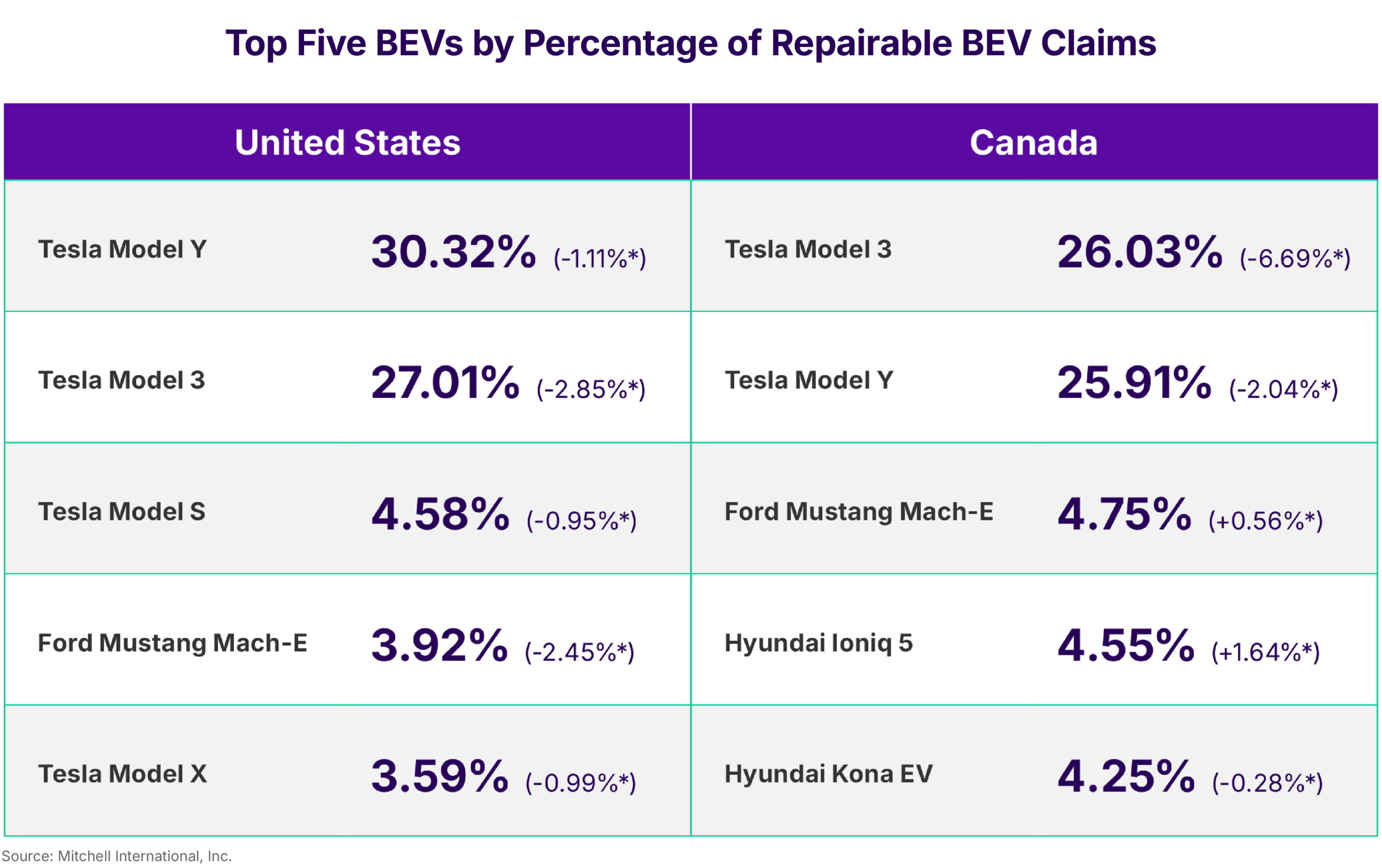
Looking at individual models, Tesla continues to dominate claims volume. In the US, the Model Y accounts for 30.32% of repairable BEV claims, followed by the Model 3 at 27.01%, meaning the two together represent more than half of all such claims. The pattern is similar in Canada, although the positions are reversed, with the Model 3 at 26.03% slightly ahead of the Model Y at 25.91%.

 EV Repair Costs Are Starting To Drop, But The Real Bill Is Hiding Elsewhere
*Difference between 2025 and 2024.

The Economics Of Fixing An EV

There is at least one sliver of good news. On the repair side, the average cost to fix an EV fell 5% in the US, from US$ 6,707 to US$ 6,395, and declined 2% in Canada in 2025. ICE-powered vehicles and PHEVs remained largely flat in the US, while MHEVs saw their average claim cost rise 4%, from $4,865 to $5,054.

Nevertheless, the higher repair complexity of electrified vehicles is reflected in their “calibrations per estimate” rating, which tracks how often sensors and systems must be recalibrated after repairs. In 2025, the average number of revisions was 1.70 for EVs and 1.63 for hybrids, compared to 1.54 for ICE-powered vehicles.

Mitchell’s data also shows that 86% of EV parts dollars go toward OEM components, with only 13% of parts deemed repairable rather than replaceable. For ICE-powered vehicles, 62% of parts dollars go to OEMs, and 15% of components are considered repairable.

 EV Repair Costs Are Starting To Drop, But The Real Bill Is Hiding Elsewhere
 EV Repair Costs Are Starting To Drop, But The Real Bill Is Hiding Elsewhere

The Depreciation Trap

Mitchell also reported that total loss market values declined across most powertrain types in 2025, with EVs seeing the sharpest drops. In the US, EV values fell 6%, from US$ 30,126 in 2024 to US$ 28,185 in 2025. In Canada, they dropped 13%, from CA$ 41,775 to CA$ 36,504.

More: China’s EV Boom Is Cooling, And The Big Names Are Feeling It

By comparison, ICE vehicle values declined 2.55% in the US, from $14,241 to $13,887, and 6.12% in Canada, from $17,049 to $16,005. Hybrids presented a more mixed picture, with US values rising 4.18%, from $18,453 to $19,225, while Canadian values fell 4.40%, from $30,268 to $28,938.

Analysts attribute the steeper EV declines to accelerated depreciation, the arrival of more budget-friendly models, and shifts in consumer sentiment.

 EV Repair Costs Are Starting To Drop, But The Real Bill Is Hiding Elsewhere

Rivian R1T Tried A Touchless Wash, It Definitely Got Touched

  • A touchless car wash tore off a Rivian R1T roof panel.
  • Clips and adhesive were ripped loose in the incident.
  • Repairs may require interior trim removal for access.

A Rivian R1T owner has just learned the hard way that “touchless” does not mean “harmless.” Sure, these washes skip the spinning brushes, but that does not make them gentle. As it turns out, high-pressure water and moving hardware can still do a number on a six-figure electric pickup.

Posting on Reddit, the owner says he recently took his R1T through a touchless car wash for the first time when a black plastic panel at the rear of the EV’s roof suddenly popped off. That panel covers a fair bit of electronic gubbins, including the antenna, and is secured with clips and adhesive. Obviously, it is meant to stay put.

Read: That Rattle In Your Rivian Might Mean A Recall

Photos show several of those clips torn loose, with adhesive strips peeled back as if the truck had tried to shed its own roof trim. It would be easy to blame water pressure or the industrial-strength dryers at the end of the tunnel, but that does not appear to be what happened.

According to the owner, one of the wash’s spraying arms became lodged under the roof panel, apparently misjudging the height of the pickup. Instead of gliding past, it hooked underneath and pried the piece upward. Not exactly part of the premium wash package.

Image Reddit/mrwillya

Some commenters on the Reddit thread suggest that in order for Rivian to repair the rear roof panel, it’s possible that part of the interior will have to be removed to gain access to all of the wires positioned beneath the panel. Additionally, the third brake light of the R1T is positioned directly above the rear window near this panel, and may also need to be replaced.

Then there’s the matter of who will end up paying for the repairs. The owner says the car wash’s insurance will cover the costs, though that likely means a round of negotiations between insurers before any money changes hands. In the meantime, the damaged truck could spend weeks, possibly longer, waiting in a body shop bay for parts and repairs. So much for a quick rinse.

 Rivian R1T Tried A Touchless Wash, It Definitely Got Touched

This Rivian R1S Parking Incident Triggered A $54,000 Repair Bill

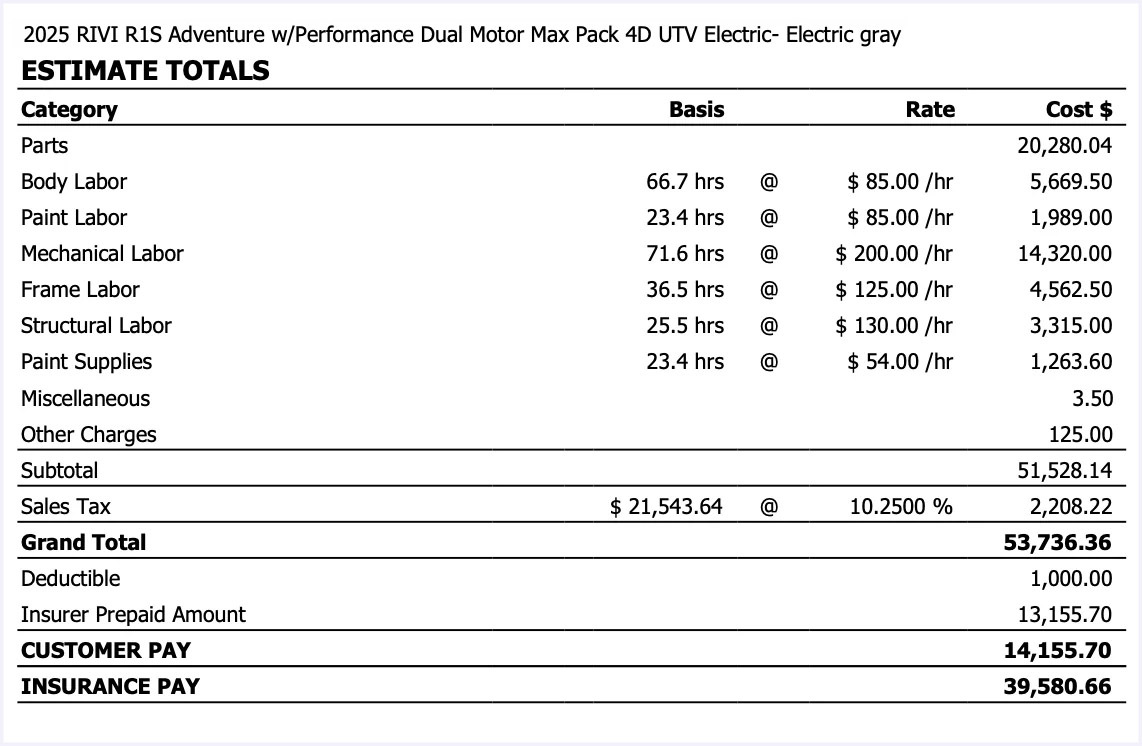
  • Rear quarter damage triggered a $53,736 repair bill.
  • Labor alone accounted for $29,856 of the estimate.
  • Quarter panel replacement requires major disassembly.

Modern vehicles may be packed with advanced engineering and clever design, but even a minor fender-bender can sometimes trigger catastrophic repair bills. If you own a Rivian R1S or R1T, you might want to keep your fingers crossed that one of the rear quarter panels is never damaged. If it is, repair costs can climb past $50,000, prompting some insurers to write off vehicles that, at least on paper, could be repaired.

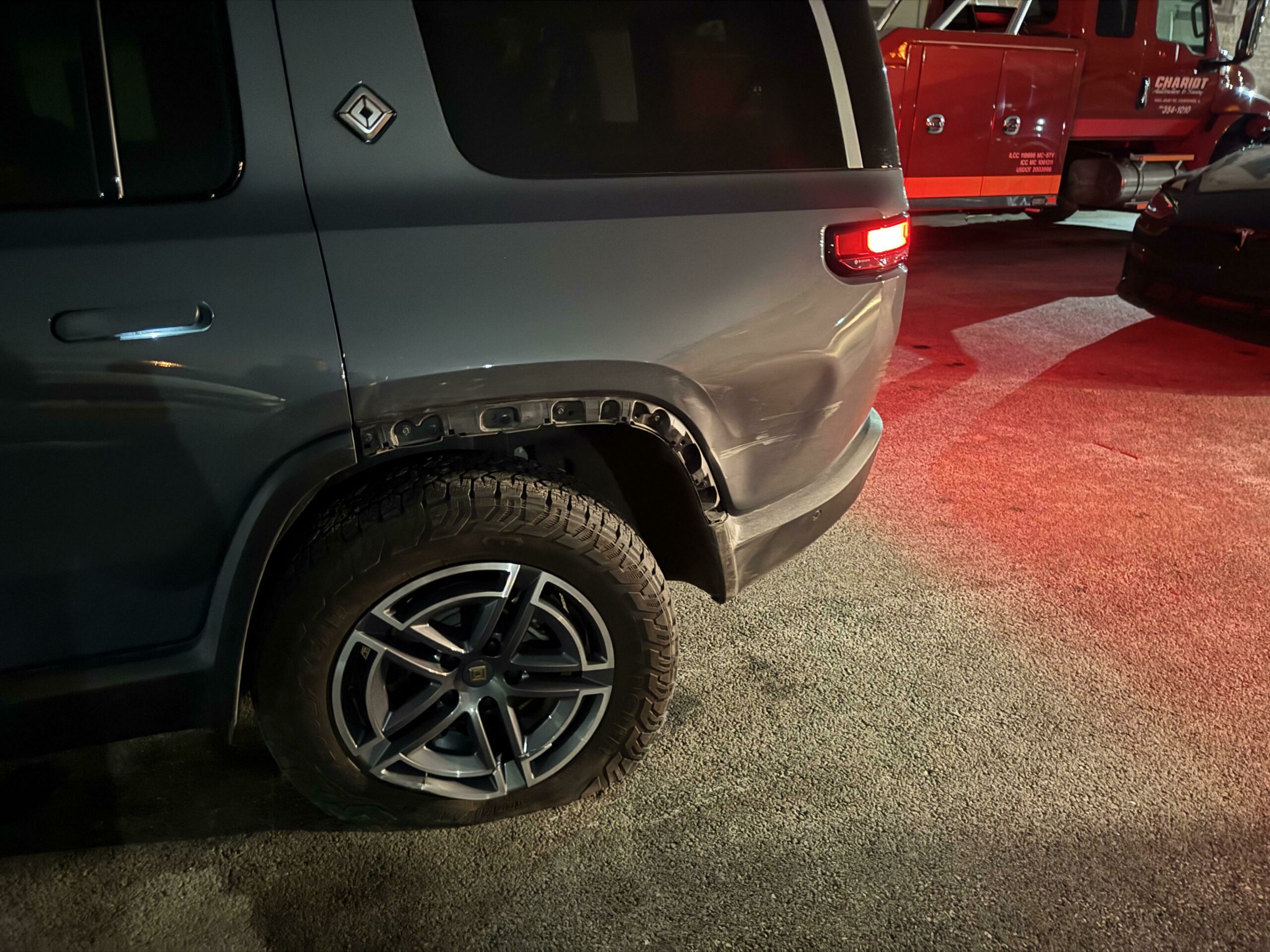
An R1S owner recently took to Reddit to share the bill shock he experienced after someone hit his wife’s SUV while it was parked. A photo posted on the forum shows a large dent in the rear quarter panel, along with damage to the wheel and, as it turns out, the frame and suspension too.

Read: Paintless Dent Removal Magician Saved Rivian R1 Owner From $41k Bodyshop Invoice

In the grand scheme of things, the damage does not appear catastrophic. You might reasonably assume the repair would run a few thousand dollars. That assumption would be wrong.

 This Rivian R1S Parking Incident Triggered A $54,000 Repair Bill
Reddit u/jgilbs

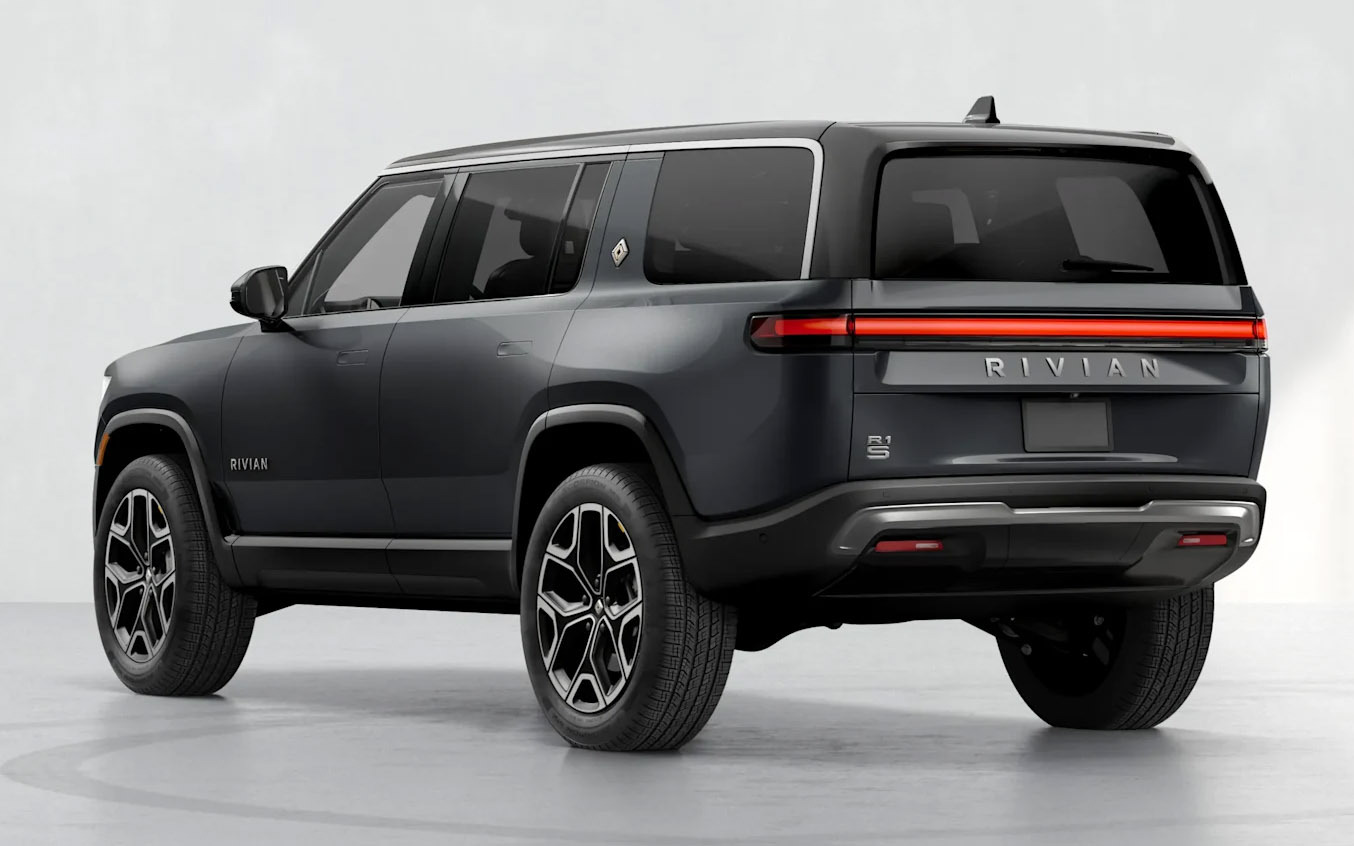
An authorized Rivian repair facility quoted the owner $53,736 to fix this R1S, or more than half the MSRP of a 2026MY that in this configuration, retails for around $100,000. Of that sum, $29,856 is attributed to labor alone. Insurance would cover close to $40,000, leaving the owner responsible for a little over $14,000.

Why Does It Cost So Much?

It appears much of the cost is related to the complexity of replacing the quarter panel, as it can’t simply be removed and replaced with another. Previous cases of similar damage indicate that much of the SUV’s interior must be stripped and that most of the R1S’s side must be removed, cut, and reassembled. In some cases, it’s been reported that the panoramic glass roof may also have to be removed.

Things can be even costlier for owners of R1T models, as the rear-quarter panel is even larger and stretches up and over the side windows, ending at the A-pillars.

 This Rivian R1S Parking Incident Triggered A $54,000 Repair Bill
Reddit u/jgilbs

According to the owner, “replacing the quarter panel is the majority of that cost. No motor battery or frame damage”. Some commenters questioned the reference to frame damage because the repair quote specifically mentioned it in one line item. The owner, however, clarified that “the side of the vehicle is considered an integral part of the frame”.

He also explained that “suspension work was quoted as 13 total hours of labor vs. about 250 hrs total. So roughly thats 5% of the price”, adding that this was “one of the top Rivian certified shops in our area, who Rivian themselves recommended”.

Also: Can You Believe This Rivian R1T Damage Repair Cost $21,000?

Without a more detailed breakdown, it is difficult to draw firm conclusions. Still, this is hardly the first time we’ve seen excessively high Rivian repair costs, including a $21,000 estimate for what was described as a relatively minor backup incident.

 This Rivian R1S Parking Incident Triggered A $54,000 Repair Bill

A Pattern Of High Repair Bills

While this particular example appears to involve underlying damage, which may justify more extensive work, the total still sounds steep. In cases without structural or deeper damage, more affordable solutions do exist.

More: Rivian Owner’s DIY Repair Saves Thousands After Mishap And Teaches Us A Lesson

Many paintless dent removal specialists have repaired similar quarter panel damage for a fraction of the quoted insurance repair cost, restoring the panel rather than replacing it. Just pray that you don’t damage the taillight too.

Trapped In His Tesla, He Said “I Can’t Get Out” Before It Was Too Late

  • Samuel Tremblett, 20, died after his Tesla caught fire.
  • He called 911, saying he was trapped inside the car.
  • His body was later found in the Model Y’s rear seat.

Tesla has been hit with yet another lawsuit related to its electrically powered doors. Last week, the mother of a 20-year-old man who died following a collision in a 2021 Tesla Model Y filed a lawsuit against the automaker. The complaint was submitted to federal court in Massachusetts.

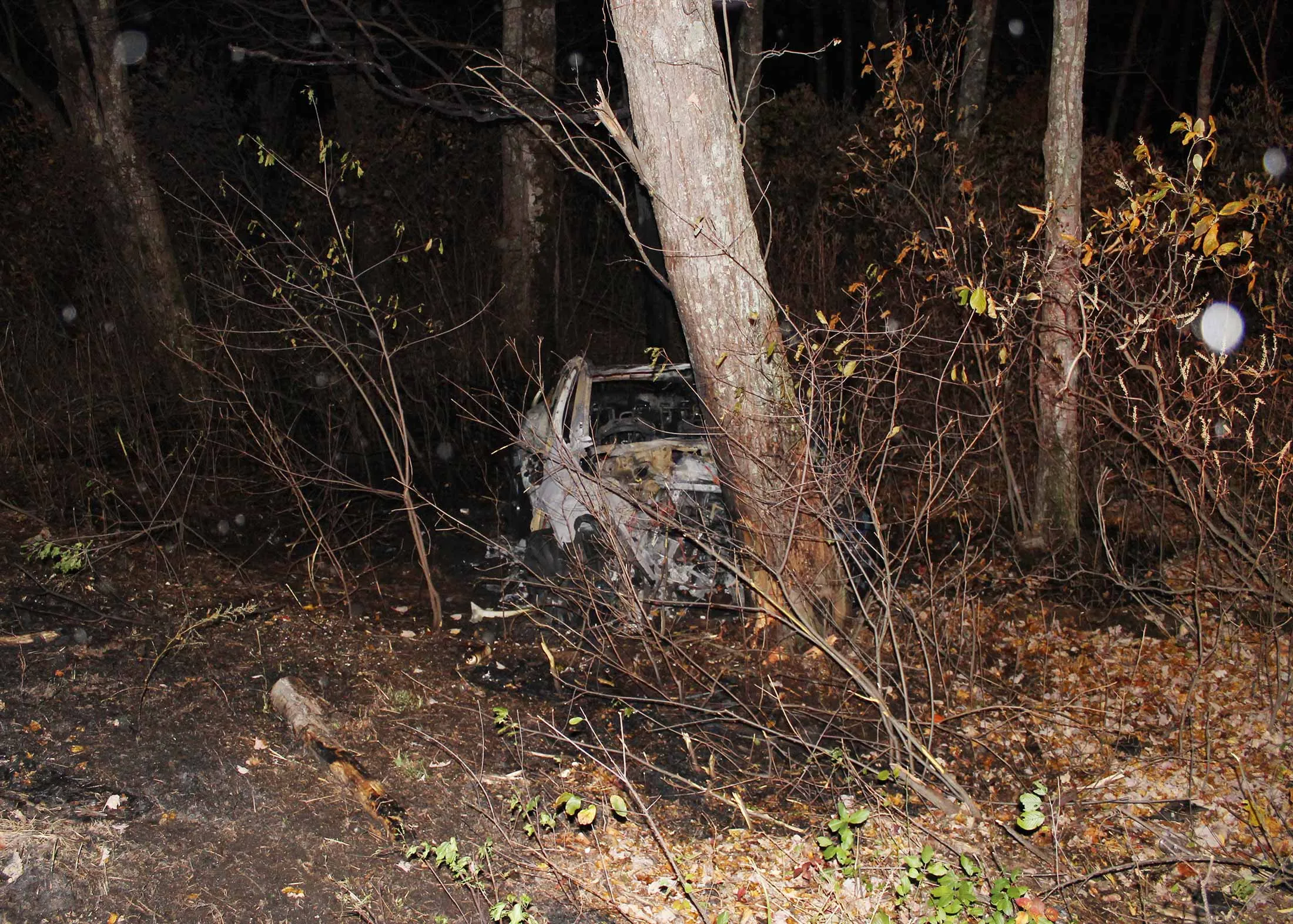
According to the filing, Samuel Tremblett was still alive after crashing his Model Y into a tree along Route 138 in Easton, a small town just south of Boston. He managed to dial 911 from inside the car, but a transcript of the call reveals he was unable to open the doors as fire began to engulf the car.

Trapped And Unable To Escape

“I’m stuck in a car crash,” Tremblett said on the call, no doubt in a frenzied state. “I can’t get out, please help me. I can’t breathe…It’s on fire…I’m going to die.”

Read: Families Claim Tesla Door Handles Trapped Teens In Burning Cybertruck

Emergency crews were dispatched to the scene, but they couldn’t extinguish the blaze fast enough to save the young man. According to local media, fire responders heard four explosions from the Model Y within the first 10 minutes at the scene. It took four hours before the inferno was put out.

 Trapped In His Tesla, He Said “I Can’t Get Out” Before It Was Too Late
The Tesla Model Y driven by Samuel Tremblett/Easton Police Department

The lawsuit states that Tremblett suffered “catastrophic thermal” injuries as well as smoke inhalation. His body was found in the back seat of the Model Y. According to the complaint, he was unable to open the doors after the crash and succumbed to the fire before help could reach him.

How Tesla Doors May Fail

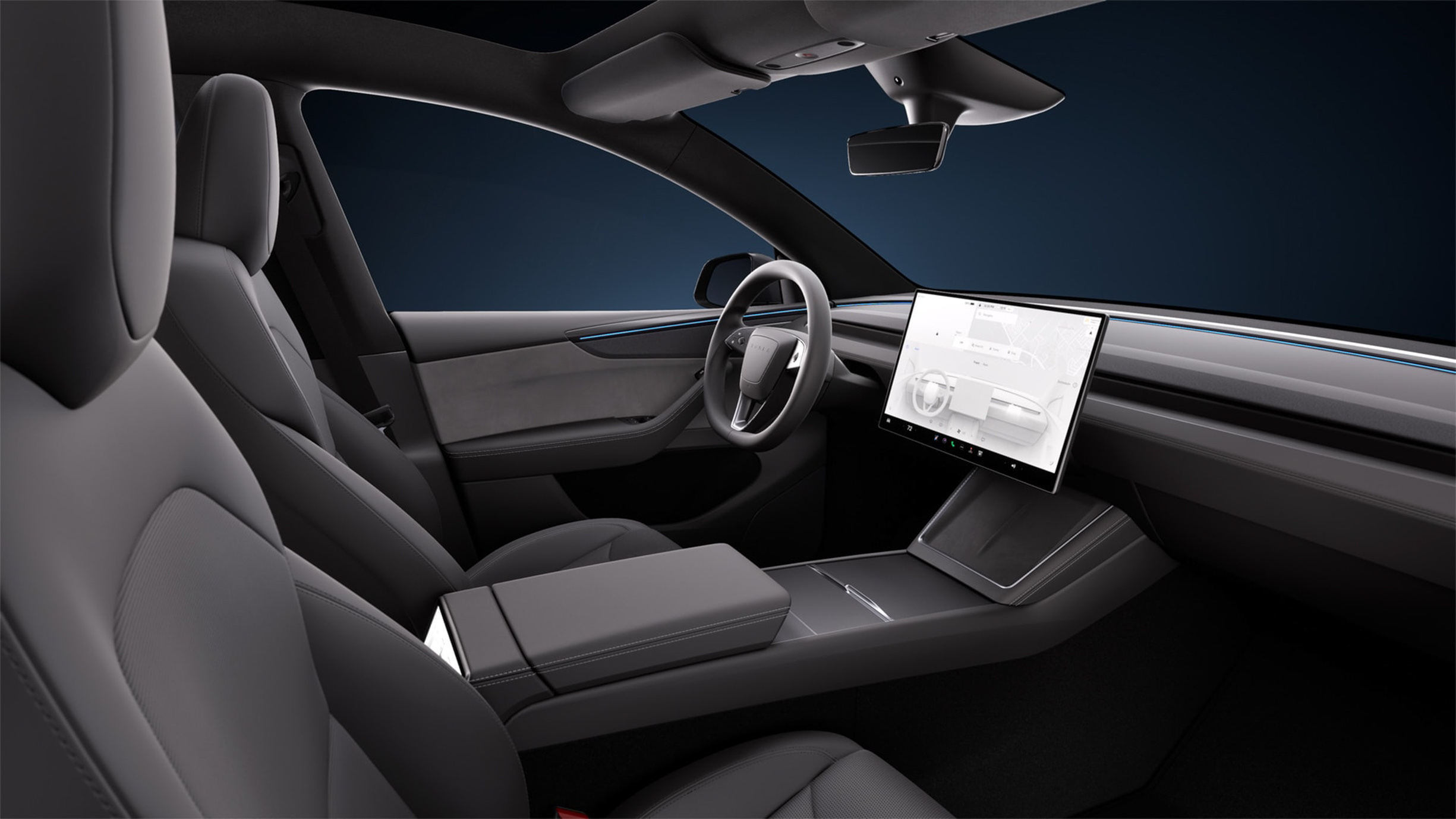
The lawsuit claims that the electronic exterior door handles on the Tesla Model Y may fail to open during a crash, making it impossible to access the vehicle from outside. In addition, the suite says that the interior mechanical door release is not clearly marked and may be difficult to locate.

This is especially problematic in the rear, where the emergency release is hidden beneath a plastic panel in the door pocket. It’s a simple cable, and many Model Y owners and/or passengers may not even realize it’s there.

The lawsuit cites 17 incidents, going back to 2016, in which Tesla reportedly received complaints of both adults and children becoming trapped inside vehicles during thermal runaway events.

 Trapped In His Tesla, He Said “I Can’t Get Out” Before It Was Too Late

Growing Regulatory Pressure

A recent report from Bloomberg says that at least 15 people in the US have been killed in crashes involving Tesla vehicles where the doors couldn’t be opened. Concerns over the operation of these electronic door handles have recently prompted a ban in China, and it’s possible that other countries could follow suit.

In the US, the National Highway Traffic Safety Administration announced in September that it is investigating potential defects in some Model Y vehicles. These cases involve incidents where the external door handles allegedly failed following collisions.

Meanwhile, a US lawmaker has proposed legislation that would require manual door releases in new vehicles and provide first responders with reliable access when power is lost.

 Trapped In His Tesla, He Said “I Can’t Get Out” Before It Was Too Late

This Crash Is Why China Banned Hidden Door Handles

  • Video shows three passengers rescued from a burning electric sedan.
  • Dongfeng says the crash involved a high-speed collision with a truck.
  • Incident highlights just how important functional doors are in any crash.

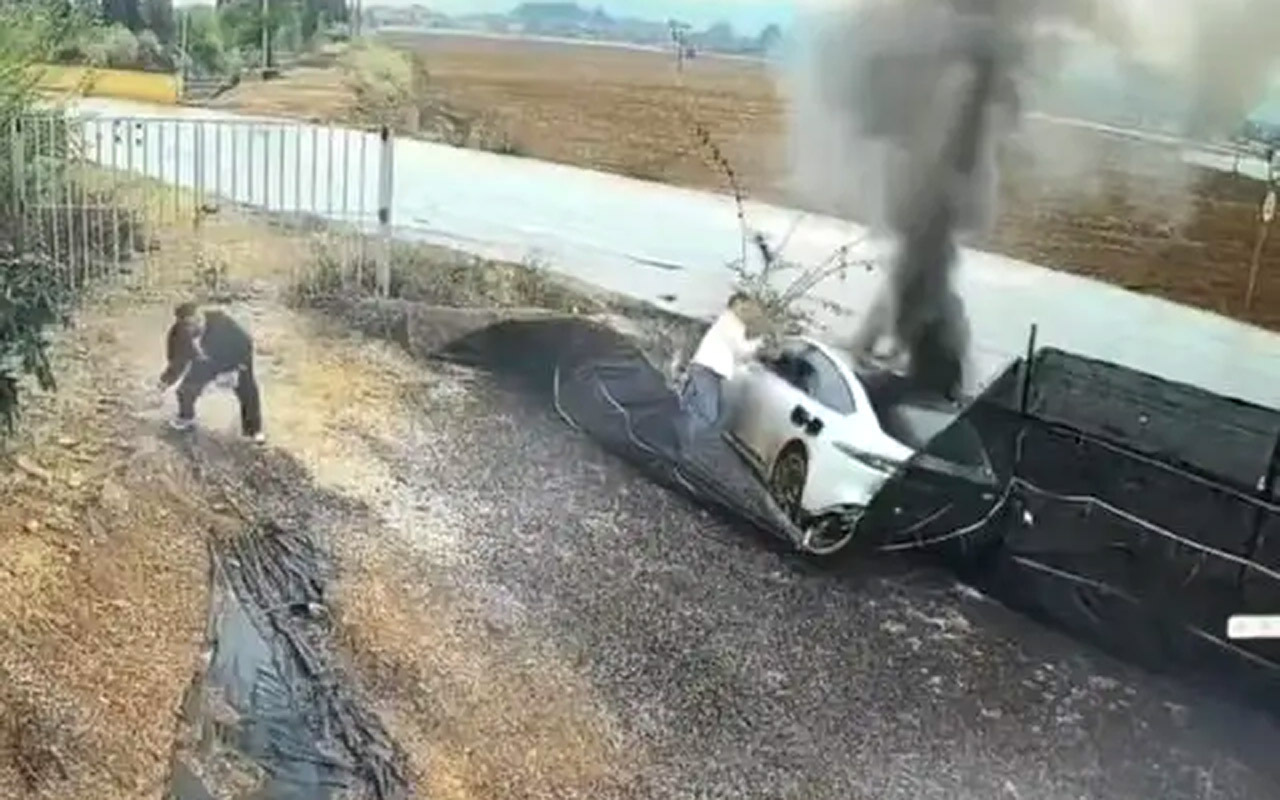
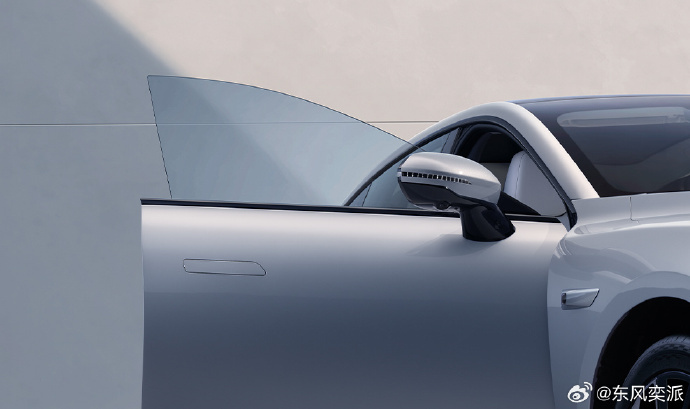
The last year has been full of stories surrounding dangerous door handle design. Now, China is banning retractable handles, beginning with electric vehicles. A newly uncovered video highlights why. After a collision with a truck, one Dongfeng eπ007 turns into a full conflagration in less than a minute.

While the video went viral today, Dongfeng itself confirmed that the crash actually occurred in Wenshan, Yunnan province, on March 19, 2025.

In it, we see the Chinese electric sedan, which, notably, serves as the base for Nissan’s popular N7, spins and slides off the road before it hits some construction fencing. Nothing about the crash looks particularly devastating, but apparently, somewhere along the line, the battery ends up punctured.

Why Seconds Count

The driver pops out of the car immediately, but can’t open the rear door. The handles won’t extend out of the body of the door itself. Then, his door also shuts and no longer responds to similar attempts to open it. 29 seconds after the initial impact, smoke is billowing from the passenger side of the car, and all of the doors are shut.

More: China Officially Bans Pop-Out Door Handles, And The World May Follow

The driver begins trying to break the window with his elbow. Another individual runs up, and the pair uses rocks to break the side windows. Then, the real work begins as they pull two occupants from the car rather quickly. 52 seconds after the initial crash, flames are clearly visible on the outside of the car, and the cabin is completely filled with black smoke.

A Race Against Time and Fire

 This Crash Is Why China Banned Hidden Door Handles

Despite the flames, the individual who popped up out of nowhere to help managed to pull the final passenger out of the fully on-fire car. The occupants all have remnants of the fire visible on their clothing and faces.

Read: Dongfeng eπ 007 EV Offers Lambo Doors And Up To 536 hp From Just $22,400

The rescuer later said all three passengers suffered burns, with the injuries described as serious but not life-threatening. He himself sustained severe burns to his hands, saying five fingers were still bandaged months later and that the injuries may prevent him from returning to work as a truck driver.

Company Responds

On February 5, Dongfeng’s eπ brand issued a statement confirming the crash occurred in March 2025 and expressing sympathy to all those involved. The company said its team went to the scene at the time and cooperated with authorities.

Read: Electric Door Handles Face Global Scrutiny After Deadly EV Crashes

According to Dongfeng, the fire was triggered after a high-speed collision with a truck. The automaker also warned that circulating clips may not reflect the full context of the crash and could cause further distress to those involved.

It’s also worth noting that, while some reports from China claimed a front-seat passenger died in the fire, this has not been confirmed.

If it wasn’t clear before why accessible, fully operable manual door handles are important, this incident should clear it up.

 This Crash Is Why China Banned Hidden Door Handles

Yangwang’s Jumping U9 Hypercar Couldn’t Jump Its Way Out Of This Collision

  • A Yangwang U9 crashed into a Zeekr 009 and BYD Seagull in China.
  • Thankfully, no serious injuries or battery fires occurred.
  • The U9 claims it can drive on three wheels and jump over road obstacles.

For a hypercar famous for hopping over potholes like a caffeinated kangaroo, the Yangwang U9 just had a very grounded moment. The Chinese electric hypercar was involved in a multi vehicle crash in Zhejiang, and this time its trick suspension could not spring it out of trouble.

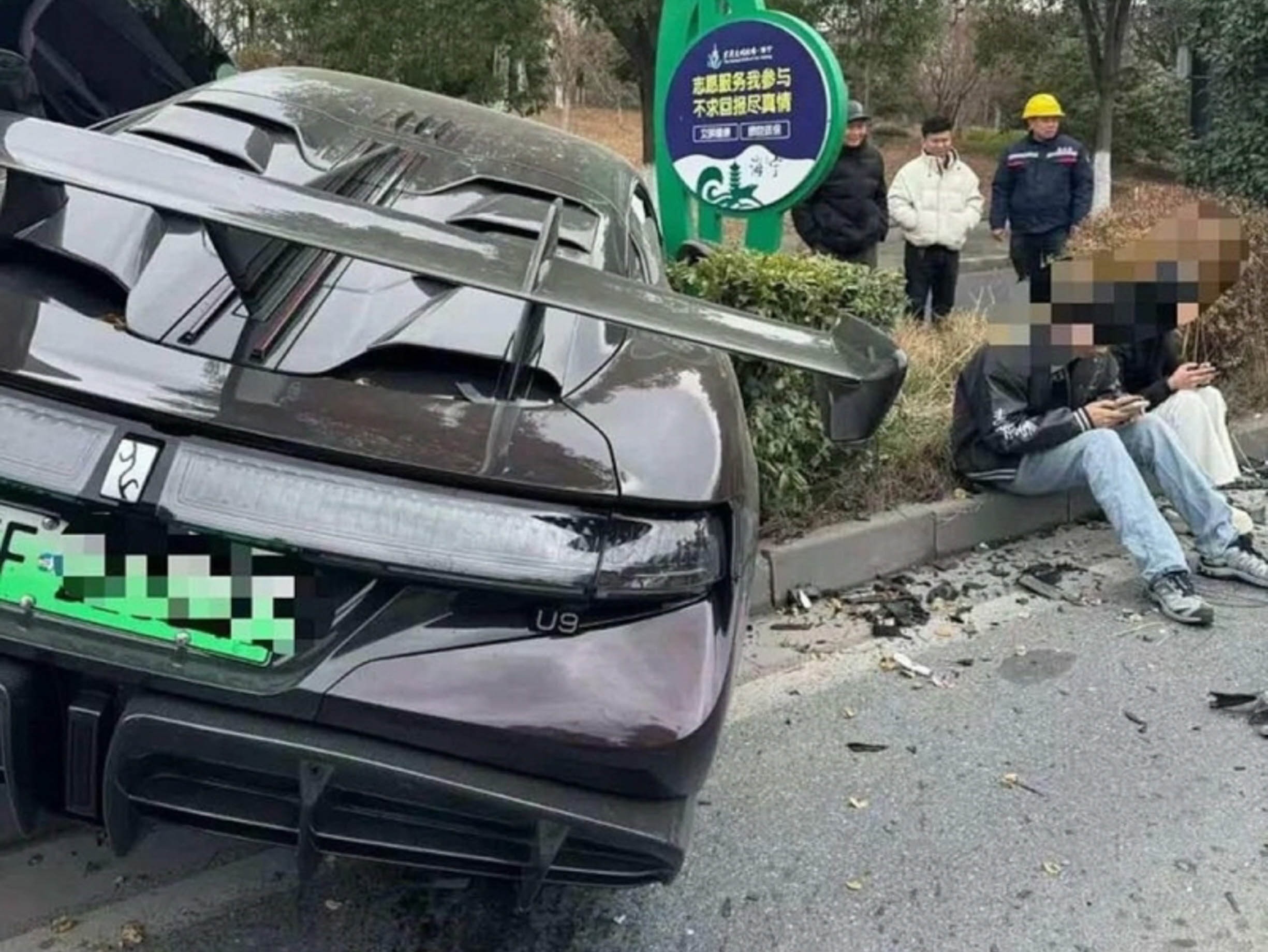
According to reports shared on Chinese social media, the incident happened near an intersection while a Zeekr 009 electric MPV was stopped at a red light. The U9 reportedly struck the Zeekr at speed, then continued on to meet some roadside greenery and an advertising sign on the median.

More: BYD Drops Giant Palm Tree On $150K YangWang And It Drives Off Like Nothing Happened

A BYD Seagull also got caught up in the chain of impacts, according to Car News China, making this one unfortunate EV love-in. Thankfully, early accounts say no one in any of the vehicles suffered serious injuries, and there were no fatalities.

 Yangwang’s Jumping U9 Hypercar Couldn’t Jump Its Way Out Of This Collision

Images from the scene show heavy front-end damage to the U9, while the Zeekr 009 appears to have taken a serious hit as well, as one of its front wheels was reportedly detached.

One thing observers were quick to note was what did not happen. Despite the severity of the crash sequence, there were no reports of battery fires in any of the cars, including the U9. In a high-performance EV with a massive battery pack, that’s something to be thankful for.

Pointless Tricks

The Yangwang U9 made headlines this time last year when the BYD-owned brand released a video showing it leaping over small obstacles in the road. Using its trick Disus X suspension, the quad motor hypercar can clear potholes and spikes, dance, and drive on three wheels. But as this accident proves, some laws of physics can’t be cheated.

The regular U9 packs a 1,287-hp (1,305 PS / 960 kW) quad-motor powertrain, but last fall an appropriately-named limited edition U9 Extreme with an outrageous 2,978 hp (3,019 PS / 2,220 kW) achieved 308.4 mph (496.22 km/h).

\\\\\\\\

Images BYD fans

💾

❌
❌