Normal view

There are new articles available, click to refresh the page.
Before yesterdayMain stream

Tesla Owners Furious After FSD Transfer Rules Change Again

  • Tesla had said FSD transfers applied to orders by March 31.
  • Now it requires vehicles be delivered by March 31 instead.
  • Many buyers chose the base Cybertruck expecting FSD transfers.

Few, if any, car manufacturers change their prices and sales policies as abruptly as Tesla, and it has become part of the brand’s public persona. The company famously reversed its resale ban for the Cybertruck a couple of years ago, and it has now unsettled customers again with its latest Full Self-Driving-related revision.

As Carscoops reported earlier this year, Tesla no longer offers Full Self-Driving (Supervised) as a one-time purchase and has shifted entirely to a monthly subscription model. It also announced that owners who had previously paid upfront for FSD would only be able to transfer it to their next vehicle if they took delivery of a new Tesla by March 31.

Read: That $8,000 Tesla Upgrade Won’t Be Yours Much Longer

Soon after this announcement, Tesla revised the wording of its FSD Transfer program terms, stating that customers simply needed to place an order by March 31 to qualify for a transfer. That revision took effect on January 20, 2026, temporarily replacing the delivery-by deadline with an order-by cutoff and giving buyers more flexibility, especially those trying to secure one of the final custom-built Model S or Model X vehicles before production winds down.

It has now reversed that change, once again requiring vehicles to be delivered by March 31 rather than merely ordered by that date.
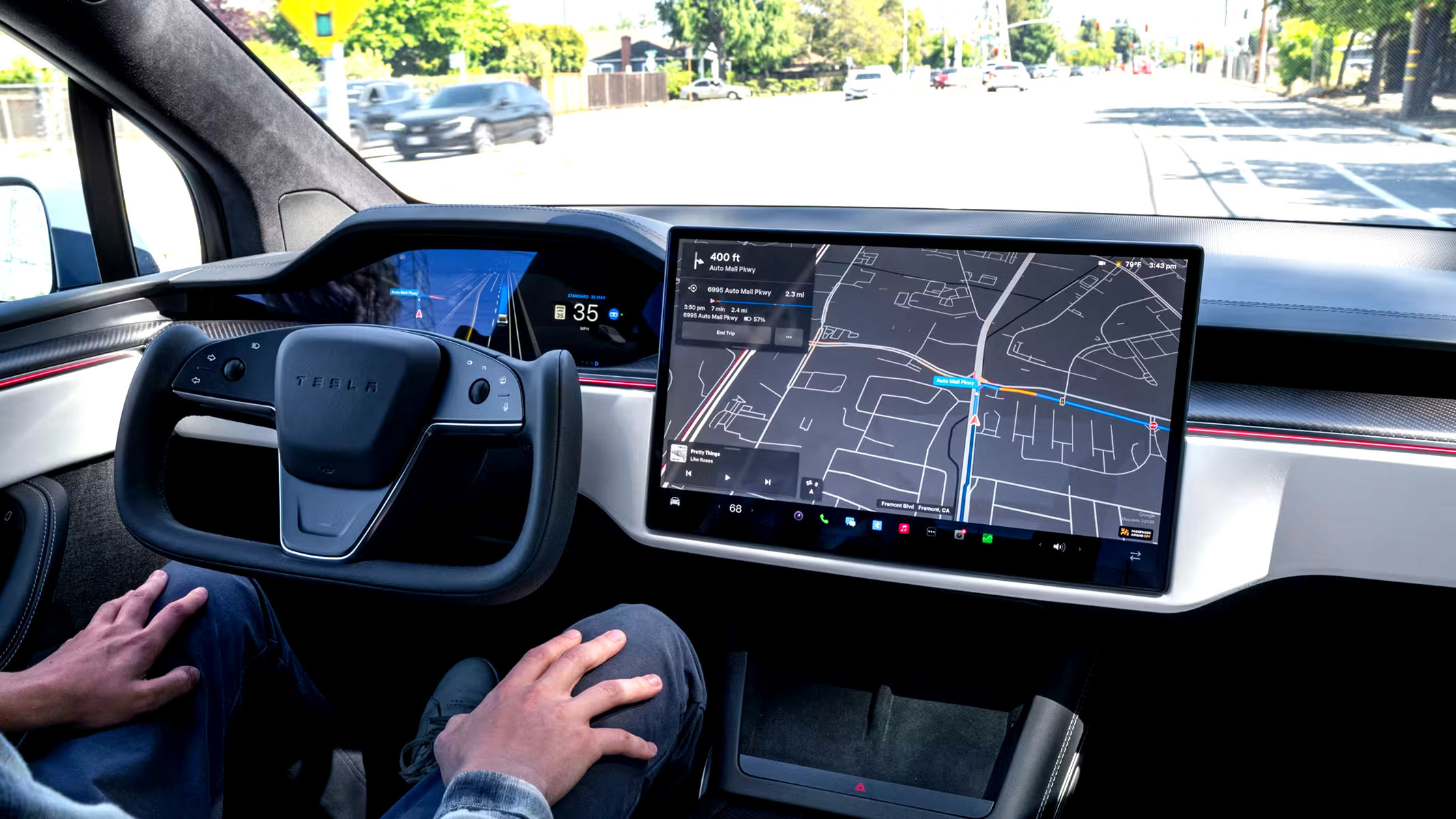
 Tesla Owners Furious After FSD Transfer Rules Change Again

It is understood that customers who placed an order and received an expected delivery window on or before March 31 will remain eligible for an FSD transfer, even if delivery slips into April because of delays on Tesla’s side. However, those who placed an order but were given a delivery window beyond March 31 will not have their FSD transfer honored.

Bad News For Cybertruck Buyers

Those who placed an order for the new Tesla Model Cybertruck Dual-Motor AWD are likely to be most affected. After Tesla updated its policy to simply require an order placed by March 31, Not a Tesla App reports many shoppers placed orders for the new entry-level Cybertruck at its introductory price of $59,999, fully expecting to be able to transfer their FSD system, despite many deliveries not expected until next year. Now, those buyers appear to be out of luck.

Furthermore, that introductory price has since increased to $69,990, and deliveries for this specific trim are not expected to begin until the summer, effectively excluding all current order holders from the transfer window under the reinstated delivery rule.

Compounding the issue, there are no readily available Dual-Motor AWD Cybertruck units in existing inventory that would allow customers to pivot their transfer to an in-stock alternative.

In what seems to be an effort to ease frustration, Tesla is offering full refunds, including the $250 order fee, which is typically non-refundable.
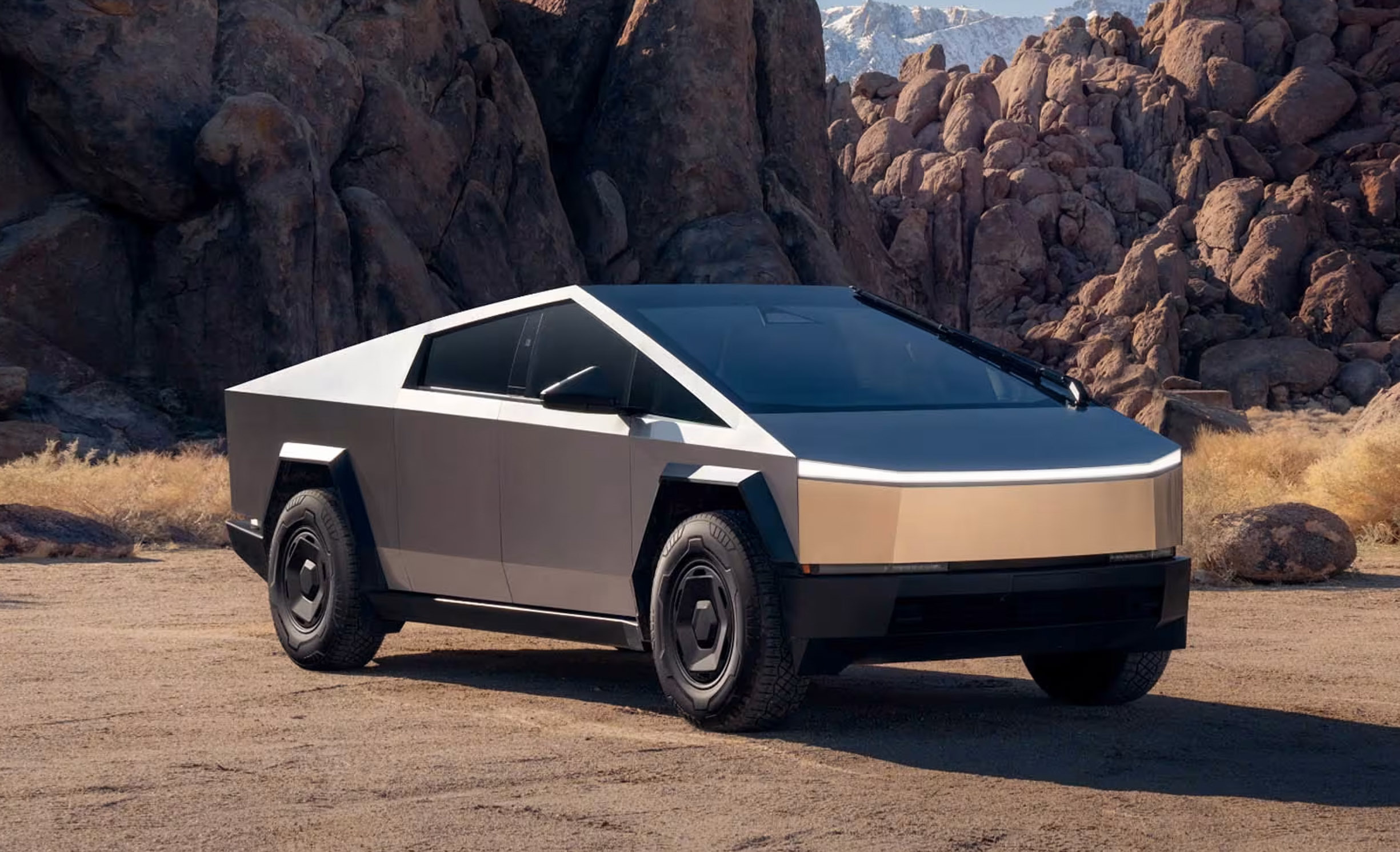
 Tesla Owners Furious After FSD Transfer Rules Change Again

Chinese Phone Giant Is Hunting For Hypercar Cred On Gran Turismo

  • Xiaomi unveiled its Vision Gran Turismo concept at MWC 2026.
  • Like the Aston Martin Valkyrie, it uses huge venturi tunnels.
  • The cocoon-like cockpit makes just enough space for two.

Chinese smartphone and consumer electronics giant Xiaomi, now very much a car manufacturer too, has become the first Chinese brand to unveil its own Vision Gran Turismo concept. Presented at the Mobile World Congress 2026 in Barcelona, Spain, the car is bold and offers a glimpse of what a legitimate hypercar from the tech juggernaut might look like if it ever reached production.

Underpinning the Vision GT is the company’s 900-volt Silicon Carbide platform. While no performance specifications have been released, it could deliver upwards of 1,900 hp from its electric powertrain. Most of the details shared by Xiaomi focus on the car’s design and aerodynamic intent.

Read: Trapped Driver Died After Xiaomi’s Electronic Doors Reportedly Failed

According to Xiaomi’s head of automotive design, Li Tianyuan, the Vision GT concept posts a drag coefficient of 0.29 and has effectively been sculpted by the wind.

\\\\\\

Like track-obsessed machines such as the Aston Martin Valkyrie and Red Bull RB17, the Vision GT runs vast venturi tunnels beneath its bodywork. They channel air through the underfloor and eject it at the rear, creating a dramatic tail section that works to pin the car to the tarmac at speed.

There’s no word on how much downforce it could have, but it’d inevitably be enough to warp your face while going around corners. The front-end includes a motorsport-inspired carbon fiber splitter and unobtrusive LED headlights. As mentioned, the rear is dominated by the huge venturi tunnels, but the LED taillight wrapping around the entire back of the car is also very striking.

Xiaomi has also imagined the Vision GT with a set of very intriguing wheels. Sitting over a set of carbon-ceramic brakes, the concept has a set of turbine fan rims with a floating cover over them, making it appear as though the wheels aren’t moving when the car is driving.

A Cabin From Another World

 Chinese Phone Giant Is Hunting For Hypercar Cred On Gran Turismo

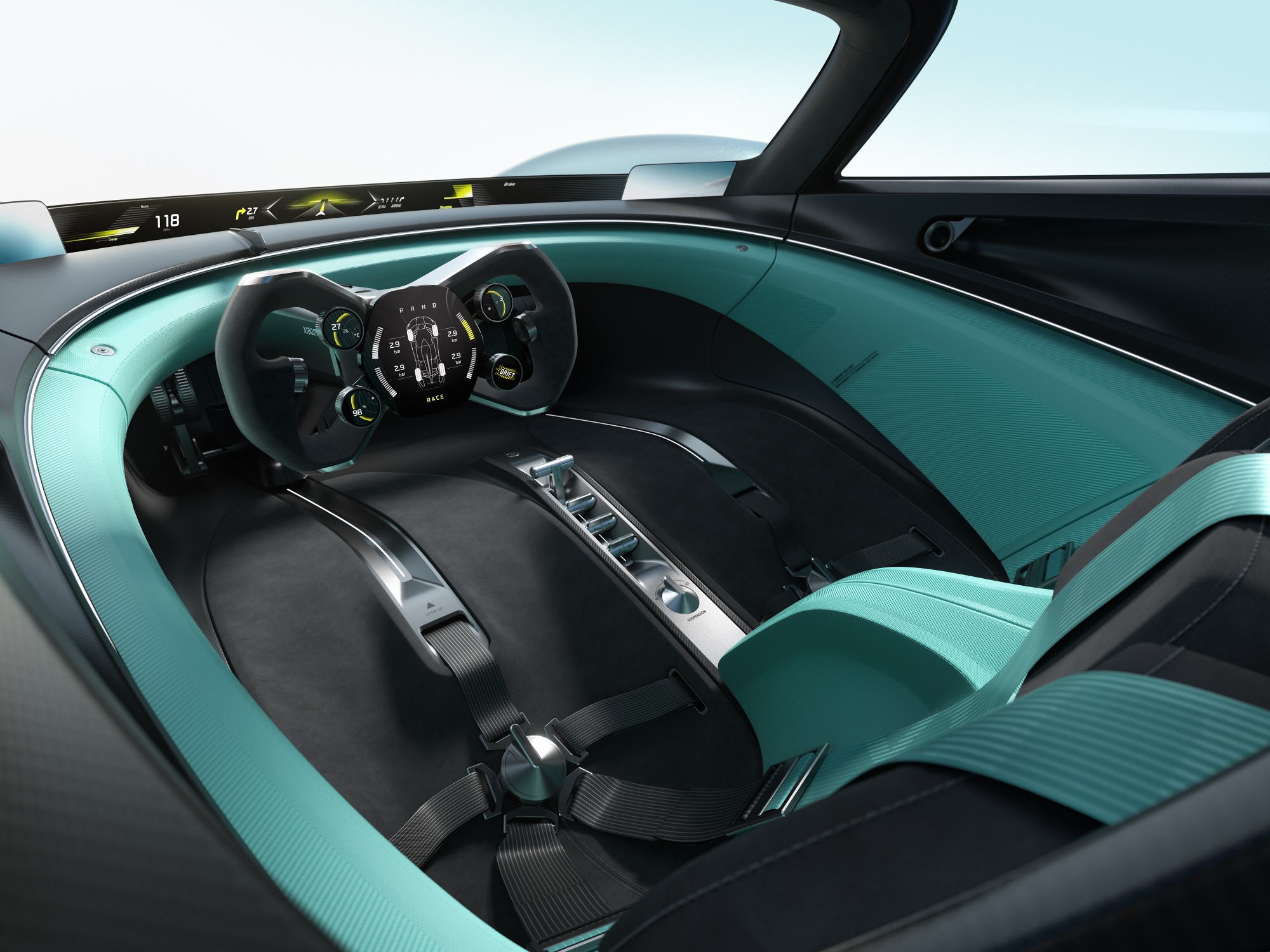
The cabin looks tight, but futuristic. Occupants sit in a pair of seats stuffed into the carbon fiber monocoque. There’s a panoramic head-up display similar to the new BMW iX3, as well as a steering wheel straight out of racing with five large circular screens, including a toggle for a drift mode.

There’s no word on when the car will be added to Gran Turismo, but it should be made available in the coming weeks. Will it influence a future road-going supercar from Xiaomi? Not likely, at least in that extreme form, but only time will tell.

\\\\\\\\

Four Years Later, Polestar’s 6 Is Starting To Look A Lot Like Tesla’s Roadster

  • Polestar 6 delayed to at least 2029 launch.
  • 500 LA Concept slots were pre-sold in 2022.
  • Buyers placed $25,000 deposits for launch.

It is not only Tesla that struggles to turn a halo roadster into reality. The production version of Polestar’s stunning, two-door 02 Concept, known as the 6, was supposed to hit the market later this year. That’s no longer happening, and those who have already placed an order will have to wait until at least 2029 to take delivery.

Polestar, like many other young car manufacturers, has ambitions for a massive family of models, but it remains a relatively small player in the burgeoning, ultra-competitive EV market. With this in mind, the firm has put the Polestar 6 on the back burner for now, allowing it to prioritize the updated 2 and its next all-new product, the Polestar 7 small SUV.

Read: Polestar Boss Says It’s Time To Outrun BMW M And Mercedes-AMG

While speaking with Auto Express at a recent company event in Gothenburg, Sweden, Polestar chief executive Michael Loscheller described the Polestar 6 as a “small volume” product, meaning customers will have to wait.

\\\\\\

“We are targeting the big-profit potential of segments and that’s what we should have done in the first place,” he revealed. “We are working on the 6 as a high-end product. The 6 is still in the plan, but plans can change.”

The Next Tesla Roadster?

Delays like this aren’t uncommon in the automotive industry, but Polestar seems to be following the unfortunate lead of Tesla in this case. It’s been over eight years since the second-generation Tesla Roadster was unveiled, and those who placed $50,000 deposits have yet to receive their cars.

Similarly, Polestar began accepting $25,000 deposits for the limited-run 6 LA Concept, capped at just 500 units, in 2022 with the promise of launching it in 2026. Those who have locked in an order will now be waiting at least seven years for their car, and that’s only if the 2029 timeline doesn’t blow out further.

Just like the Polestar 5, the new 6 will be based around an 800-volt electric architecture and a 112 kWh battery pack. The flagship Polestar 5 Performance pairs this with two electric motors delivering 872 hp and 749 lb-ft (1,015 Nm), the same figures expected for the 6.

\\\\\\\

Lamborghini Scraps EV Supercar After Admitting Interest Was ‘Close To Zero’

  • Lamborghini has canceled the electric Lanzador over low demand.
  • The brand will stick with plug-in hybrids across its range.
  • CEO Stephan Winkelmann says EVs risk becoming costly hobbies.

Lamborghini has officially shelved plans for its first production EV, deciding instead to lean harder into high-performance plug-in hybrids through 2030. In Sant’Agata’s world, electricity is welcome, just so long as it’s boosting a V8 or V12 rather than replacing one.

More: Audi Boss Says TT Successor Is Safe Even As Porsche Faces Doubts

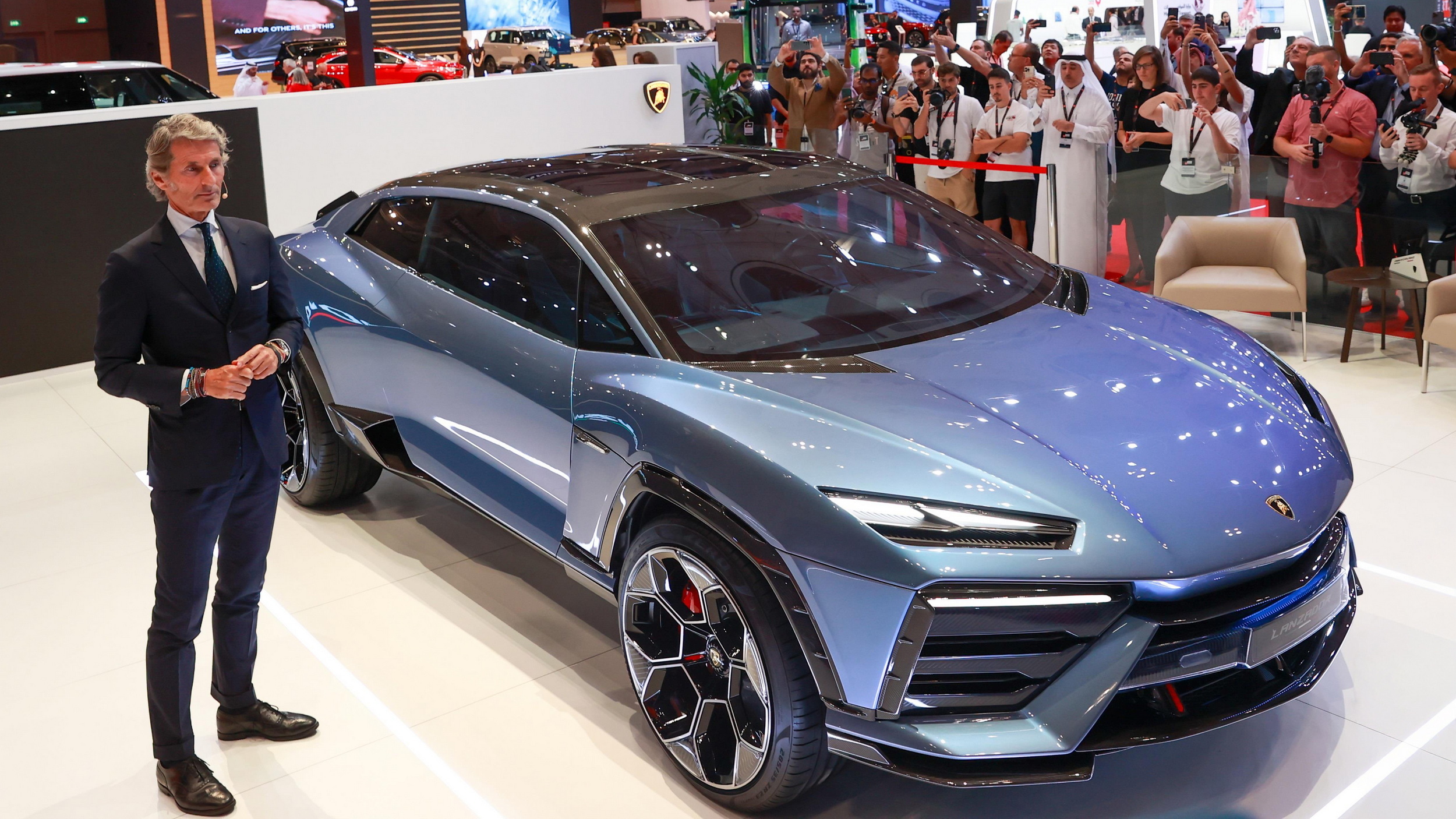
The model in question, previewed by the Lamborghini Lanzador concept in 2023, was supposed to arrive before the end of the decade as a fully electric 2+2 crossover. Instead, it is heading back to the drawing board, if not straight into the history books.

A Strategic Backflip On EVs

Speaking to the Sunday Times, Lamborghini CEO Stephan Winkelmann confirmed the EV won’t be joining the production lineup and will instead give way to another plug-in hybrid offering. He also cautioned that going all-in on electric could turn into an “expensive hobby,” noting that the “acceptance curve” for zero-emission tech among Lamborghini’s clientele is “close to zero.” Not exactly a ringing endorsement.

Winkelmann went on to say that Lamborghini buyers are still chasing the full “emotional experience,” meaning the styling, the performance, and, crucially, the noise. That, in his view, is something EVs cannot yet replicate in their current form. So for now, combustion engines remain very much on the menu, and will continue to be built “for as long as possible.”

Hybrids Take Priority

 Lamborghini Scraps EV Supercar After Admitting Interest Was ‘Close To Zero’
Stephan Winkelmann with the 2023 Lamborghini Lanzador Concept.

The call to axe the project was reportedly made behind closed doors late last year, after extensive talks with customers and dealers, along with a thorough market analysis. In other words, Lamborghini did the homework and did not like what it saw. As Winkelmann put it:

“Investing heavily in full-EV development when the market and customer base are not ready would be an expensive hobby, and financially irresponsible towards shareholders, customers [and] to our employees and their families. Plug-in hybrids offer the best of both worlds, combining the agility and low-rev boost of electric battery technology with the emotion and power output of an internal combustion engine.”

More: Ferrari’s First EV Exterior Is So Radical Even Its Designer Is Nervous About Your Reactions

Pressed by the Sunday Times on whether Lamborghini would ever build a full EV, Winkelmann left the door slightly ajar, albeit with a very firm hand on the handle.

“Never say never, but only when the time is right,” he said. “For the foreseeable future, only PHEVs. We will continue to develop electrification because we also need to be ready. The times we are living in are fast moving; if you don’t react fast, you risk going out of business or losing momentum. Therefore we need a solid financial base to reinvest in the future.”

 Lamborghini Scraps EV Supercar After Admitting Interest Was ‘Close To Zero’
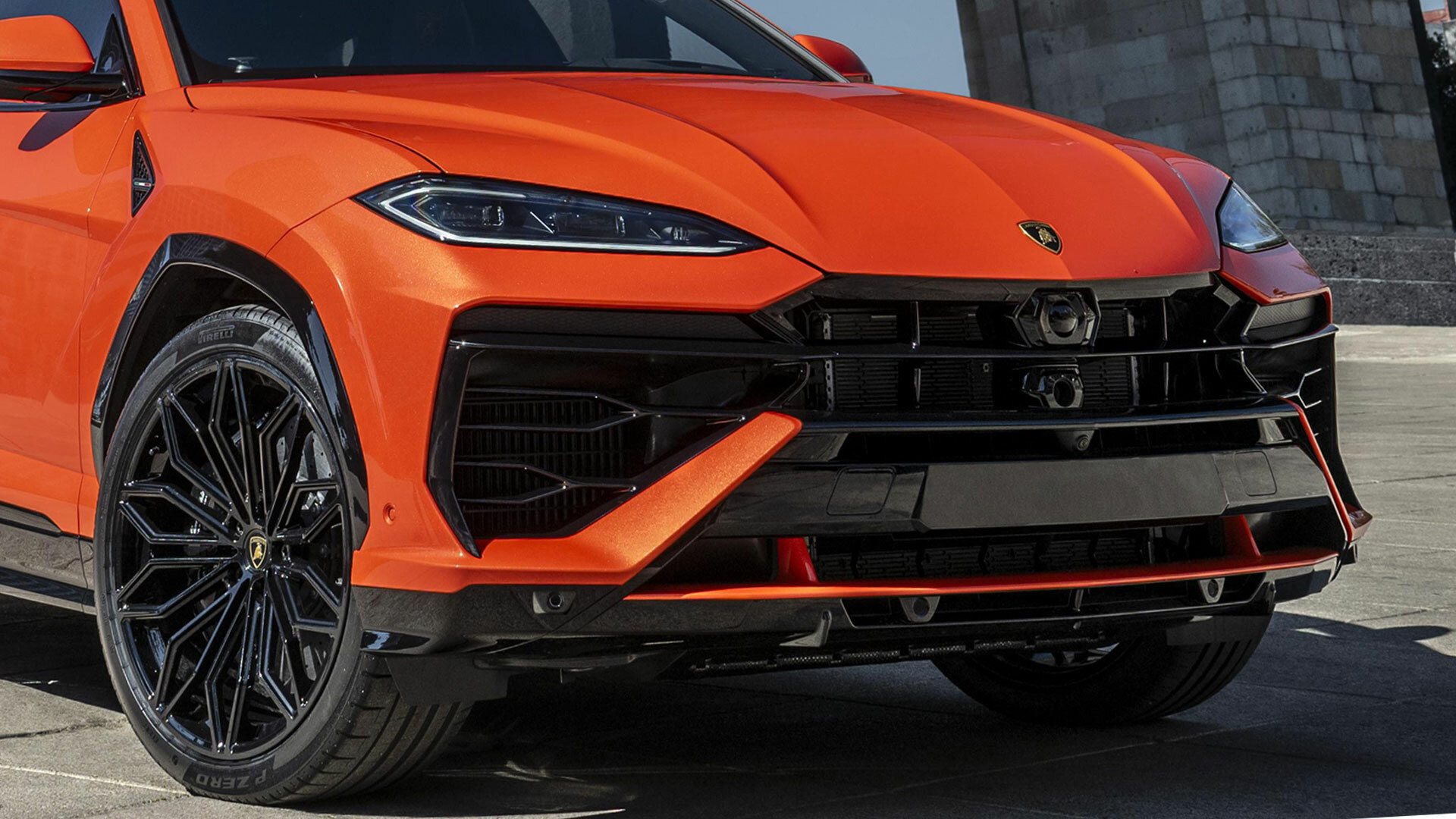
Lamborghini Urus

Lamborghini’s current lineup is now fully hybridised, from the Urus SUV to the Temerario and Revuelto supercars, each pairing combustion muscle with electric assistance. The formula seems to be working. Last year Sant’Agata shifted a record 10,747 cars, with the Urus comfortably leading the charge.

Protecting The Brand’s Best Seller

The performance-focused SUV was supposed to enter a new generation in 2029, transitioning to a fully electric powertrain, but that is no longer the case. After speaking with customer groups, Lamborghini concluded that a battery-powered Urus would not exactly set its order books alight.

More: Lamborghini’s Next Surprise Might Be A V12 Supercar You Can Take Camping

According to Winkelmann, they simply couldn’t risk it with their best seller. The Urus is the brand’s financial backbone. Supercars may command higher margins, but they occupy what he calls a “tiny segment” compared with the Urus market, which is “bigger and more stable.” In other words, you do not gamble with the model that pays the bills.

Winkelmann also pointed to the regulatory road ahead. “We have a big task as an automotive industry. Everybody’s speaking about 2035, but there’s a big date which is very dangerous at 2030, due to the emissions. And this is something which is not clear enough, in my opinion, today.”

 Lamborghini Scraps EV Supercar After Admitting Interest Was ‘Close To Zero’
The current Lamborghini lineup, including the Temerario, Urus, and Revuelto.

A Gullwing Door Hides The Coziest Room On Wheels

  • Isuzu Elf box truck was repurposed into a cozy room.
  • Inside are a wooden floor, shelves, a couch, and table.
  • Isuzu has also built camper and pickup versions of it.

Forget the cold, hard plastics and hose-down austerity usually associated with commercial vehicle interiors. Isuzu’s latest creation flips that script, turning its Multi Utility Vehicle into something that lets you park your living room almost anywhere, preferably somewhere with a view worth staring at.

The concept is based on the standard cab version of the Isuzu Elf, featuring a black exterior with gold accents and aerodynamic panels on the roof and sides. But the real talking point is what Isuzu has done with the cargo area out back.

More: You Can Buy Isuzu’s Wildest Concept, But You Better Have A Big Lawn

A gullwing door and a drop-down side panel swing open to reveal a snug space that looks more theatre set than box truck. There is a wooden floor, lashing rails, modular shelving and actual furniture. A drop-down table is set up for brewing your coffee of choice, best enjoyed from the comfort of a proper couch rather than a fold-out stool.

\\\\\\\\

It feels tailor-made for a pop-up coffee shop, though in reality it would probably serve primarily as a promotional showpiece. In the accompanying video, one occupant seems perfectly content sipping his drink while watching the sun dip below the horizon.

The Elf MUV was created in collaboration with bodywork specialists Nippon Fruehauf and was exhibited at the Tokyo Auto Salon 2026. It is not heading for showrooms any time soon, but it highlights how much imagination can be squeezed out of a humble commercial vehicle.

\\\\\\\\\\

What About The Other Rooms?

If you like the idea of escaping into nature but would rather bring more than a sofa, Isuzu has another answer. The Be-Cam GeoRoam sits somewhere between camper and motorhome and was developed with Nippon Tokushu Body.

\\\\\\\\\\\\\\\\\\\

This build rides on the wide-cab, long-wheelbase Elf, which frees up a far more generous rear section. It also throws in some proper adventure kit, including a bull bar, roof rack and extra LEDs, giving it a stance that says it is ready to head well past the campsite entrance.

More: Tiny Kei Truck Becomes A Real Tiny Home On Wheels

The interior looks like a mini apartment, with warm tones and plenty of wood surfaces. You get a dining area, a fully equipped kitchen, a sofa that converts into a bed and a separate rear bedroom, complete with a projector for late-night film sessions.

\\\\\\\\\

The Rugged Workhorse

Isuzu has also rolled out a more work-focused take on the Elf. The Elfmio Cross Style Concept is a dropside pickup that swaps lounge vibes for a tougher look, helped along by new wheels and optional add-ons such as the rear metal frame. It is based on the Space Cab bodystyle, which means it can be driven in Japan with a standard driver’s license.

More: Isuzu’s New Pickup Is Luxury In The Front, Business In The Back

Across all three concepts, the mechanical bits are lifted straight from the regular Elf. That means a 3.0-liter turbodiesel paired with a nine-speed dual-clutch automatic and the option of 4WD. Output stands at either 148 hp or 173 hp. Alternatively, there is a zero-emission Elf powered by a 161 hp electric motor, drawing from a modular battery pack offered in 60, 100 or 180 kWh capacities.

Below are the official videos showcasing the different use-case scenarios. Which one would you take home?

Photos Isuzu / Tokyo Auto Salon

The Next Lexus IS May Go In A Very Different Direction

  • Lexus plans to turn the next IS into a dedicated EV.
  • It may adopt styling cues from the 2023 LF-ZC concept.
  • Output could reach 500 hp with up to 620 miles of range.

Lexus has just given the aging IS another facelift, sharpening the nose, tidying up the cabin, and revising the chassis. It keeps the familiar formula alive a little longer. Behind the scenes, though, work on a full successor is underway, and reports from Japan suggest it will arrive in 2027 as an EV-only model.

Talk of a zero-emission IS dates back to late 2021, when Lexus unveiled the Electrified Sedan concept. The LF-ZC concept that followed in 2023 offered a clearer look at a future production EV, promising a slippery shape, gigacasting manufacturing, and prismatic battery shells said to double range.

More: Japan’s Refreshed Lexus IS Gets Something You Don’t

Even as enthusiasm for EV sedans has cooled in some markets, though not all, with buyers drifting back to hybrids and governments trimming, or in the case of the US scrapping, tax incentives, Toyota has stuck to its multi-path strategy. Combustion, hybrid, and electric powertrains are all set to coexist in future models such as the Corolla.

\\\\\\\\\\\\\

Lexus

Despite these issues, there are signs Lexus may stick with the original EV-only vision for the next IS, echoing the brand’s recent concept-heavy direction with projects like the new LFA Concept and the six-wheeled LS Concept revealed in late 2025.

Targeting The German EV Trio

According to a report from Japan’s Best Car, the next Lexus IS will abandon internal combustion entirely and become a dedicated EV. It is expected to compete directly with the upcoming BMW i3 Neue Klasse, Audi A4 e-tron, and Mercedes-Benz C-Class EQ. All three German rivals are expected around 2027, which conveniently matches the rumored debut timing for the Lexus.

More: BMW’s New i3 Is Becoming Easier To Picture

\\\\\\\

The report suggests the production IS will draw heavily from the LF-ZC concept, adopting a low-slung silhouette that favors aerodynamics over traditional three-box sedan proportions. It is rumored to measure around 4,790 mm (188.6 inches) long, positioning it below the new Lexus ES, which has stretched to 5,140 mm (202.4 inches).

Expect Tesla-like gigacasting to feature in the manufacturing process, along with a high-tech interior packed with advanced connectivity and safety systems.

\\\\

Theottle

Digital artist Theophilus Chin has previously produced speculative renderings of the next IS, blending cues from the larger ES with the proportions of the 2021 Electrified Sedan concept. The results look closer to production, while still reflecting Lexus’ current design language. That said, Toyota has signaled it will grant Lexus more creative freedom, so the final car could end up more adventurous than these illustrations suggest.

Advanced Tech Beneath The Surface

Regardless of how radical it looks, the next IS is expected to double down on EV hardware. The report points to a lineup starting with a single-motor, rear-wheel-drive version, topped by a dual-motor AWD flagship producing close to 500 horsepower. A steer-by-wire system and a carefully tuned chassis aligned with the “Lexus Driving Signature” philosophy are also likely.

More: Audi A4 Returns As EV With Concept TT Styling To Give BMW Something To Worry About

What is more interesting is the potential of solid-state battery technology, with range estimates exceeding 620 miles (1,000 km). If that figure proves realistic, it would make the case for a hybrid alternative harder to justify and give Lexus a meaningful edge in the premium compact EV segment.

With a rumored launch in late 2027, the new Lexus IS should already be in advanced stages of development. Do not be surprised if Lexus starts dropping more direct hints about its electric sedan plans in the near future.

\\\\\\\\\\\\\\

Lexus

Scout Concept Rethinks What Actually Belongs On The Back Of An SUV

  • Scout’s Traveler Pacific Mist concept hints at the future.
  • It could foreshadow new packages or even a special edition.
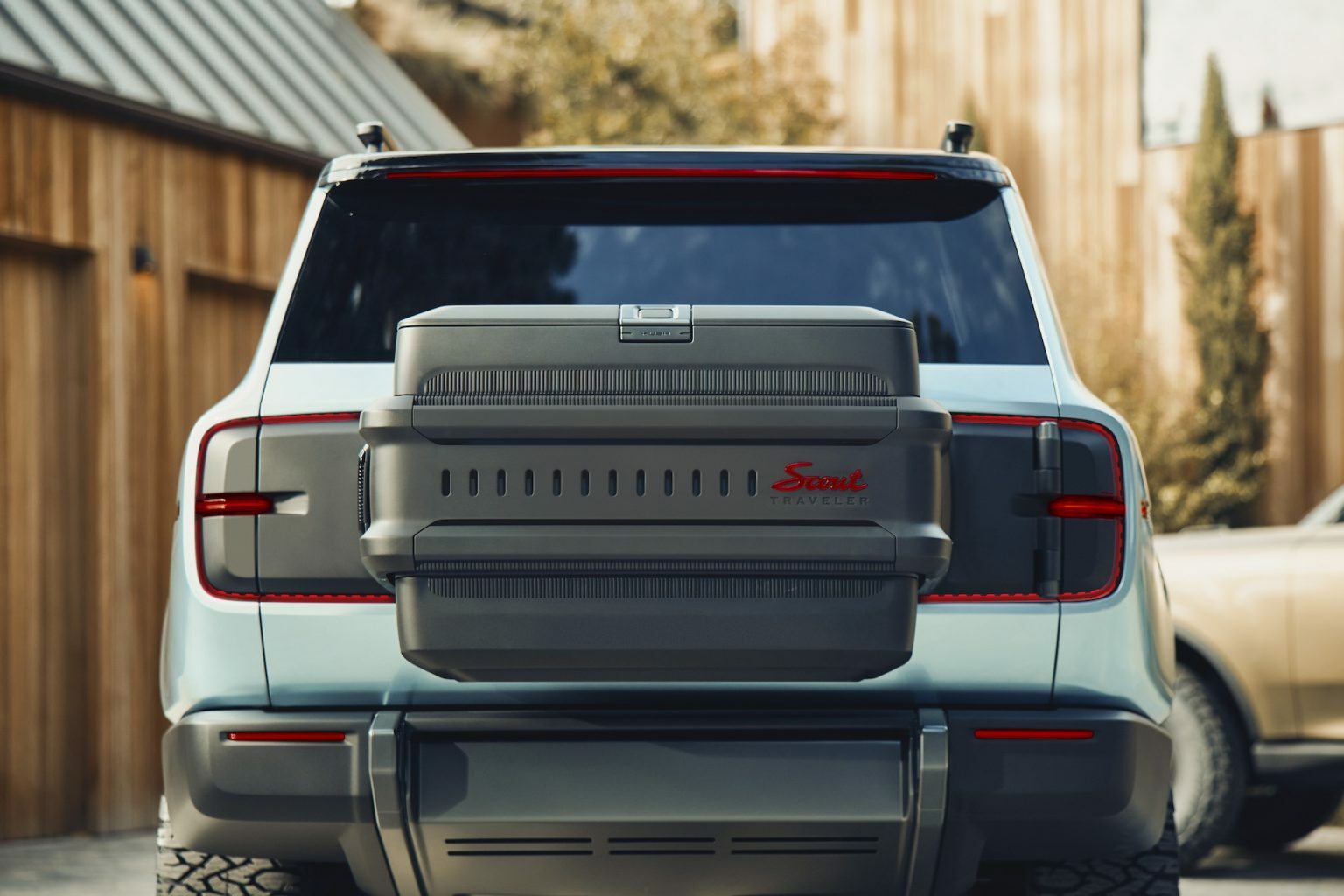
  • Model swaps spare tire for a new rear carrier “backpack.”

Scout has offered a closer look at the Traveler Pacific Mist concept, a subtly revised study that originally made its debut at last year’s Los Angeles Auto Show.

Billed as a “re-theme,” the concept features a unique Pacific Mist paint job that was created in-house. The multi-layer, three-stage finish appears to shift colors depending on lighting conditions. As Scout explained, the Traveler looks silver on overcast days but transitions to blue when the sun comes out.

More: Scout Finalizes SUV And Pickup Design With Only A Few Subtle Changes

The color draws inspiration from California’s coast and Scout’s Director of Color, Materials, and Finish Design, Aileen Barraza, said it echoes the “mist that rises when waves crash into the Pacific Coast cliffs.”

Elsewhere, the concept has unique 22-inch wheels with a black finish as well as 35-inch BFGoodrich T/A KO3 all-terrain tires. They’re joined by black door handles and a contrasting black roof.

 Scout Concept Rethinks What Actually Belongs On The Back Of An SUV

Designers also gave the concept a roof rack as well as a new rear carrier, which replaces the traditional spare tire. It’s billed as a “backpack” that features two compartments, which can be used for wet or dry storage. It’s an interesting accessory and Scout hinted it could be going into production as they said “All of these upgrades are a sneak peek at the road ahead.”

Moving inside, we can see a stylish interior with brown leather seats and denim-inspired accents. They’re joined by a two-tone steering wheel, metallic accents, and a retractable Cabana Top.

\\\\\

While the concept feels familiar, Scout said it “previews what future packages could look like – distinct palettes, trim sets, gear systems, and accessories built around specific use cases.” In effect, it hints at what a possible special edition could look like in the future.

Scout didn’t mention performance specifications, but we can see it features a Harvester range extended powertrain. This adds an engine into the mix, giving the SUV an overall range in excess of 500 miles (805 km).

\\\\\\\\\\\\

Audi May Reverse The Naming Change That Left Buyers Confused

  • Audi admits renaming A4 to A5 confused both customers and dealers.
  • Brand plans return to simpler naming based on car size not engine type.
  • Electric A4 e-tron sedan is due later this with Concept C styling cues.

A couple of years ago, Audi cooked up a grand plan where gas and diesel cars would wear odd numbers and EVs would get even ones. But the automaker now admits that wasn’t such a genius moment after all, and hints that the classic A4 badge could be heading back from exile to a combustion car soon.

The odd vs even number strategy sounds tidy on a whiteboard, but in real life, it meant the long-running A4 sedan and wagon suddenly became A5 models, a name previously used for coupes and Sportbacks. That shift confused care buyers and frustrated the salespeople who had to deal with them.

Related: Audi Ditches Odd-Even Naming Plan For ICE And EVs After Buyers Bamboozled

Audi CEO Gernot Döllner has now openly called the move, rubber-stamped by his predecessor, a mistake. Speaking to Australia’s Drive at the Munich motor show, he said the brand will return to its traditional system where “A is for flat-floor cars, Q is for SUVs, and then the number describes the size of the car or the segment of the car.”

A4 Facelift and Namelift

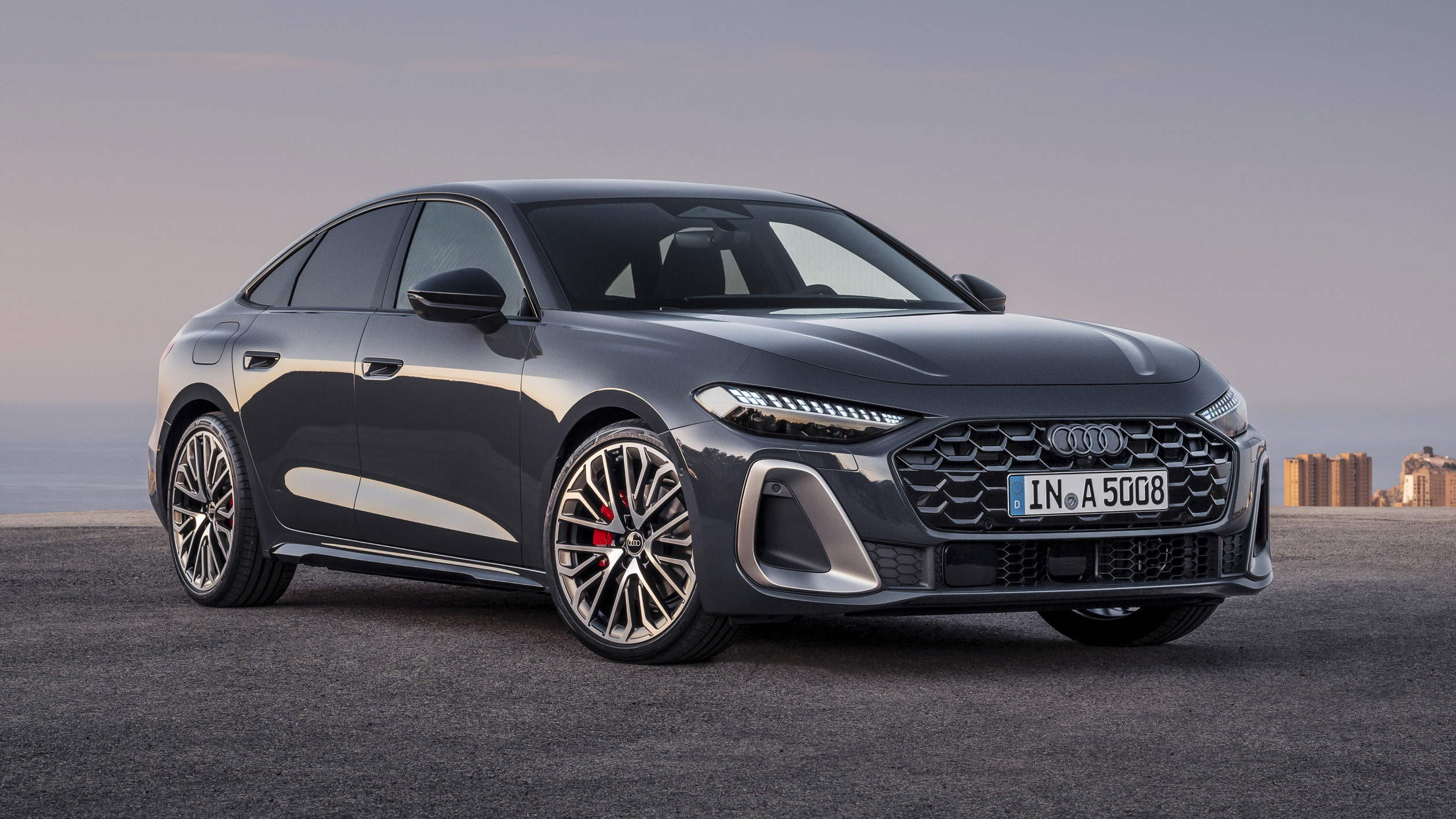
Audi U-turned after turning the A4 into an A5, but in time to prevent the A6 from making the same switch. And now Döllner says that rebranding the ICE A5 as an A4 is “thinkable.” That strongly hints the current combustion-powered A5 (seen below) could wear A4 badges when it gets its mid-life update, probably in the next couple of years.

 Audi May Reverse The Naming Change That Left Buyers Confused

Electric A4 On the Horizon

But while the gas-powered car may revert to A4, Audi is also planning a fully electric A4 e-tron for the 2028 model year, seen below in our artist’s impression. As we’ve reported before, that car is expected to ride on the new Scalable Systems Platform and take design cues from the dramatic Concept C show car.

So in a few years, you could have an A4 with a combustion engine and an A4 that plugs in, a strategy that will be mirrored at BMW and Mercedes with the 3-Series and C-Class. BMW has it slightly easier on the naming front, since it plans to use the i3 badge for the EV, though that comes with its own complications, given the name was already used for an electric hatchback not too long ago.

This isn’t the first time Audi has fessed to making a badging boo-boo. A few years back, it abandoned its traditional engine size-based model names for ones like ’35’ and ’55’ that buyers also found confusing, but it has now backtracked on that decision.

 Audi May Reverse The Naming Change That Left Buyers Confused
Thanos Pappas/Carscoops

New Toyota Corolla Is Done Playing The Boring Sedan Game

  • Toyota is expected to launch a new Corolla with major upgrades.
  • Unofficial renderings preview a sedan with softened concept cues.
  • Compact model will offer hybrid and fully electric powertrain choices.

The Toyota Corolla, the best-selling nameplate in automotive history, is gearing up for a major evolution for its 13th generation. This next iteration of the compact is expected to merge a more futuristic design with a broad range of powertrain options, including hybrid and, for the first time, fully electric. If all goes according to plan, this will be the most ambitious overhaul in the model’s six-decade run.

More: You Won’t Be Seeing These Stretched 2026 Corollas Over Here

Toyota offered a taste of that future with the radical concept unveiled at the 2025 Japan Mobility Show. While visually striking, the concept’s design leaned heavily into the avant-garde, raising doubts about how much of it would survive into production.

Is This What It’ll Really Look Like?

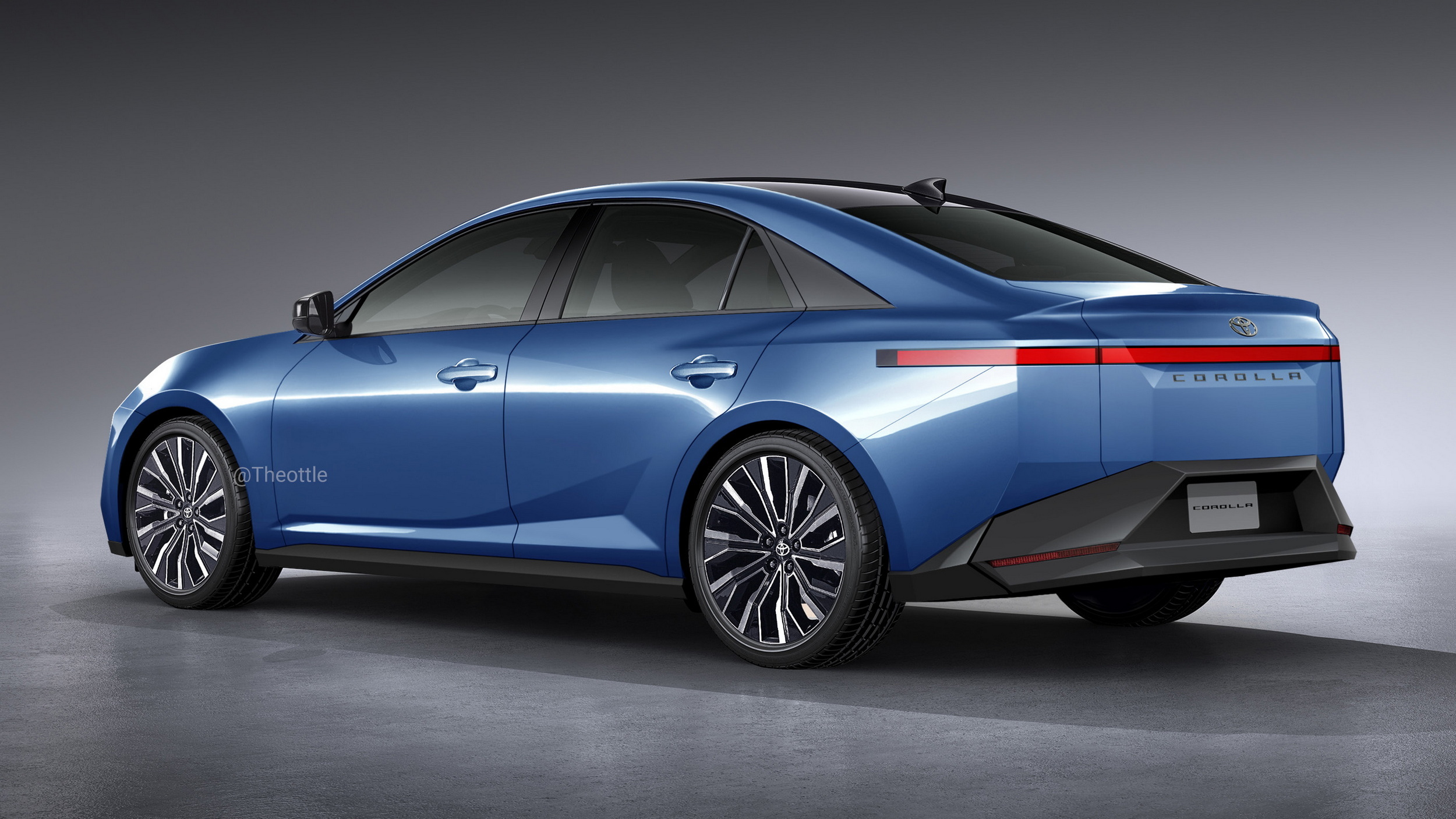
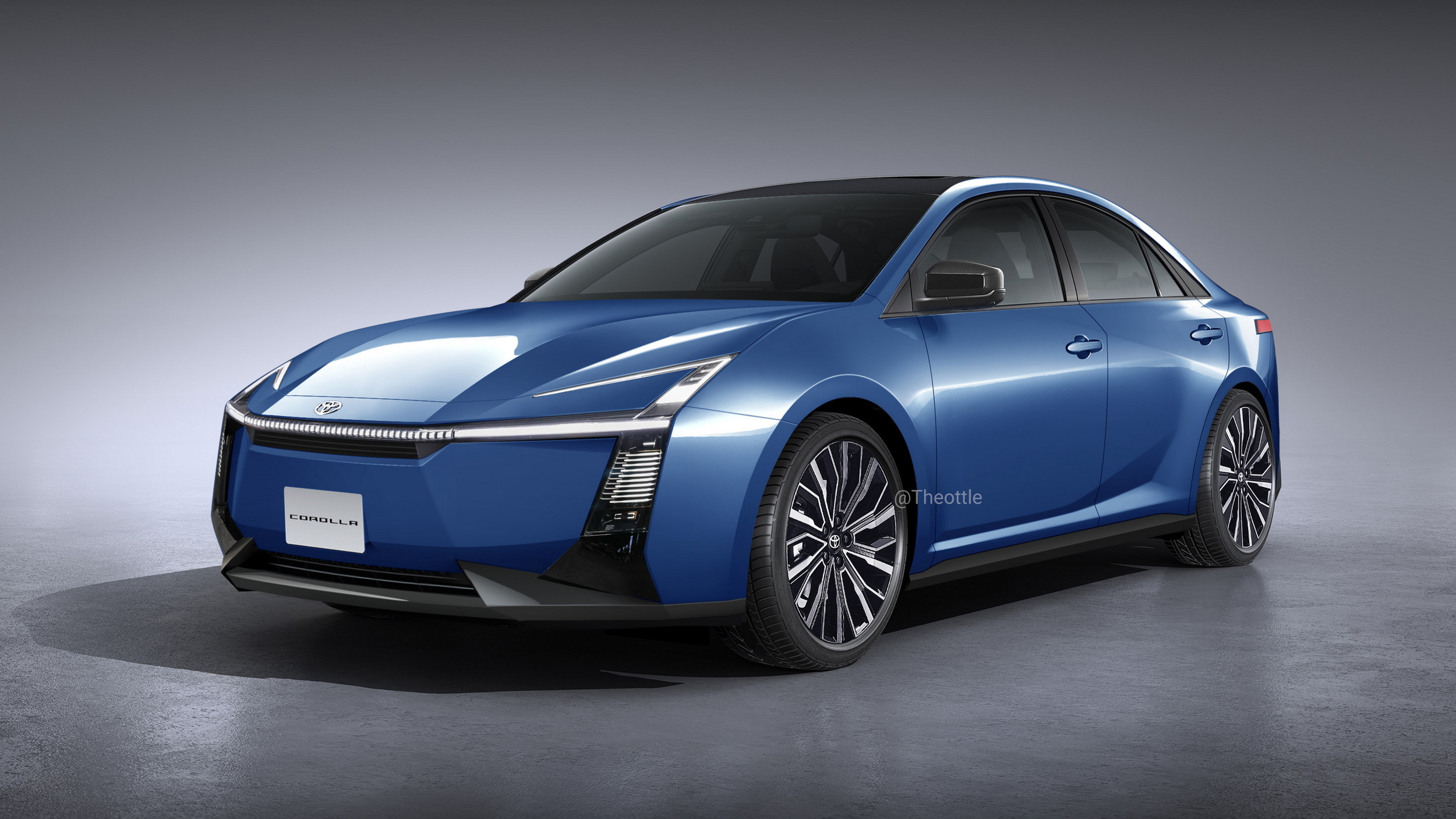
In response, digital artist Theophilus Chin stepped in with speculative renderings that balance the bold with the believable. His vision softens the extremes, wrapping forward-thinking design in a more grounded four-door sedan shape.

 New Toyota Corolla Is Done Playing The Boring Sedan Game

Theottle

The illustrations are actually based on the Lexus IS, implementing elements from the Toyota Crown Sedan before adding the signature styling features of the Corolla concept.

At the front, the design retains the hammerhead-style headlights introduced on the concept, now joined by additional daytime running lights integrated into the bumper. Below that sits a slim air intake, nestled under a full-width LED bar.

More: We Think We Know What Toyota Teased, And It Could Carry A Familiar Name

According to Toyota’s own designers, combustion-powered variants would require certain functional tweaks. This likely explains some of the more pragmatic adjustments in Chin’s version.

 New Toyota Corolla Is Done Playing The Boring Sedan Game

In line with that approach, several of the concept’s more dramatic features have been reined in. The low-slung hood and ultra-modern glasshouse have been scaled back to better suit a road-going car. Wheel sizes are more modest, and the flush door handles have given way to conventional ones. Even so, the side profile keeps its complexity, with angular character lines.

The biggest change is at the rear, where the concept’s futuristic tail has been swapped for a more conventional sedan layout, likely to align with mainstream Corolla tastes. Even so, the clean roofline, slim full-width LED taillights, subtle spoiler, and sharp surface work give it a more contemporary look than the current generation of the sedan

Did The Concept Take It Too Far?

\\\\\\\\\\\\\\\

Toyota Corolla Concept

The original concept was developed by Toyota’s European design center in France, signalling a radical shift for the popular nameplate. However, while the prospect of big changes sounds exciting, history suggests automakers tend to proceed cautiously with high-volume, globally popular models.

It wouldn’t be surprising if Toyota tempers the wildest aspects of the concept for the production version. Still, there’s always the chance they’ll take a bigger leap than expected.

What remains unknown is whether the new generation will follow the current model’s multi-body format. At present, the Corolla is sold globally as a sedan, hatchback, and estate, offering broad appeal across markets and use cases.

\\\\\\\

Toyota Corolla Concept

Besides the futuristic exterior, the concept came with a completely reimagined interior combining the latest technology with more premium materials and added space. Toyota’s messaging suggests they’re looking to elevate the segment, but production models are likely to tone things down for cost, practicality, and manufacturing scale.

Under The Skin

Toyota has not yet released technical specifications for the next-generation Corolla, but it did confirm the model will continue under its “multi-pathway” strategy, supporting multiple types of propulsion.

More: MR2 Is That You? GR Boss Confirms New Mid-Engine Sports Car

The lineup will offer both hybrid and fully electric powertrains to suit a wide range of global markets. Likely options for the hybrid system include new 1.5-liter and 2.0-liter four-cylinder gasoline engines currently in development, aimed at delivering more power with improved efficiency.

 New Toyota Corolla Is Done Playing The Boring Sedan Game

Designers have also stated that interior space will remain consistent across all variants, regardless of the drivetrain.

Given the driver-oriented nature of the current TNGA platform and Toyota’s steady evolution in chassis tuning, the next Corolla could offer a more rewarding experience behind the wheel. Comfort and usability remain priorities, but added sharpness wouldn’t come as a surprise.

A performance version from Gazoo Racing is also a strong possibility, serving as a spiritual successor to the rally-ready GR Corolla.

When Are We Going To See It?

The current 12th-generation Toyota Corolla debuted in 2018, with a mild mid-cycle update arriving in 2022. That timeline suggests the next generation could appear in 2026 or 2027, though Toyota has not yet confirmed a launch date.

Abandoned Chinese Prototype In California Is All That’s Left Of A $160M Bet

  • Abandoned prototype in California shows Chinese brand’s US plans.
  • Near-production SF7 crossover was built to meet US regulations.
  • SF Motors rebranded as Seres after halting US production plans.

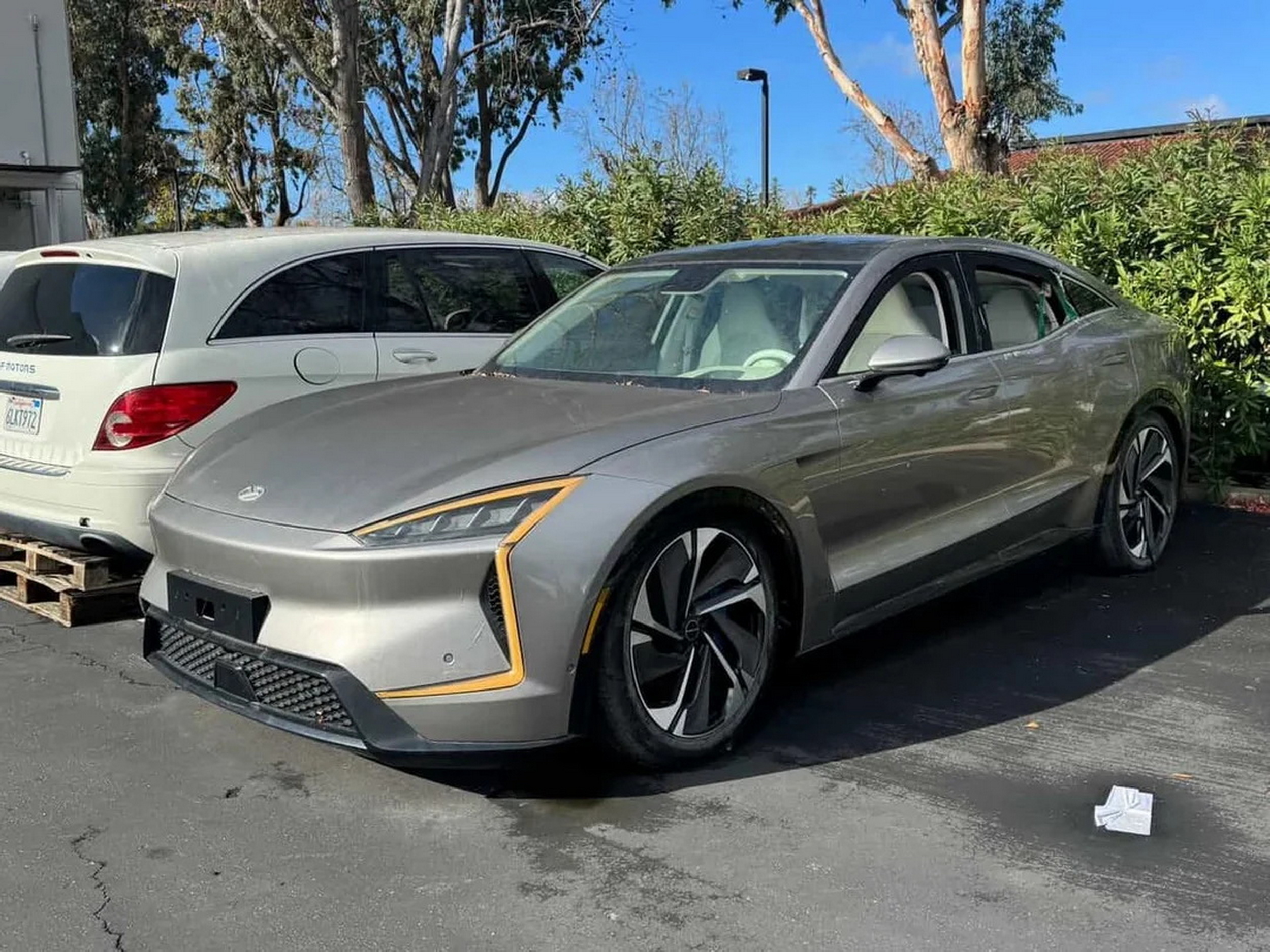
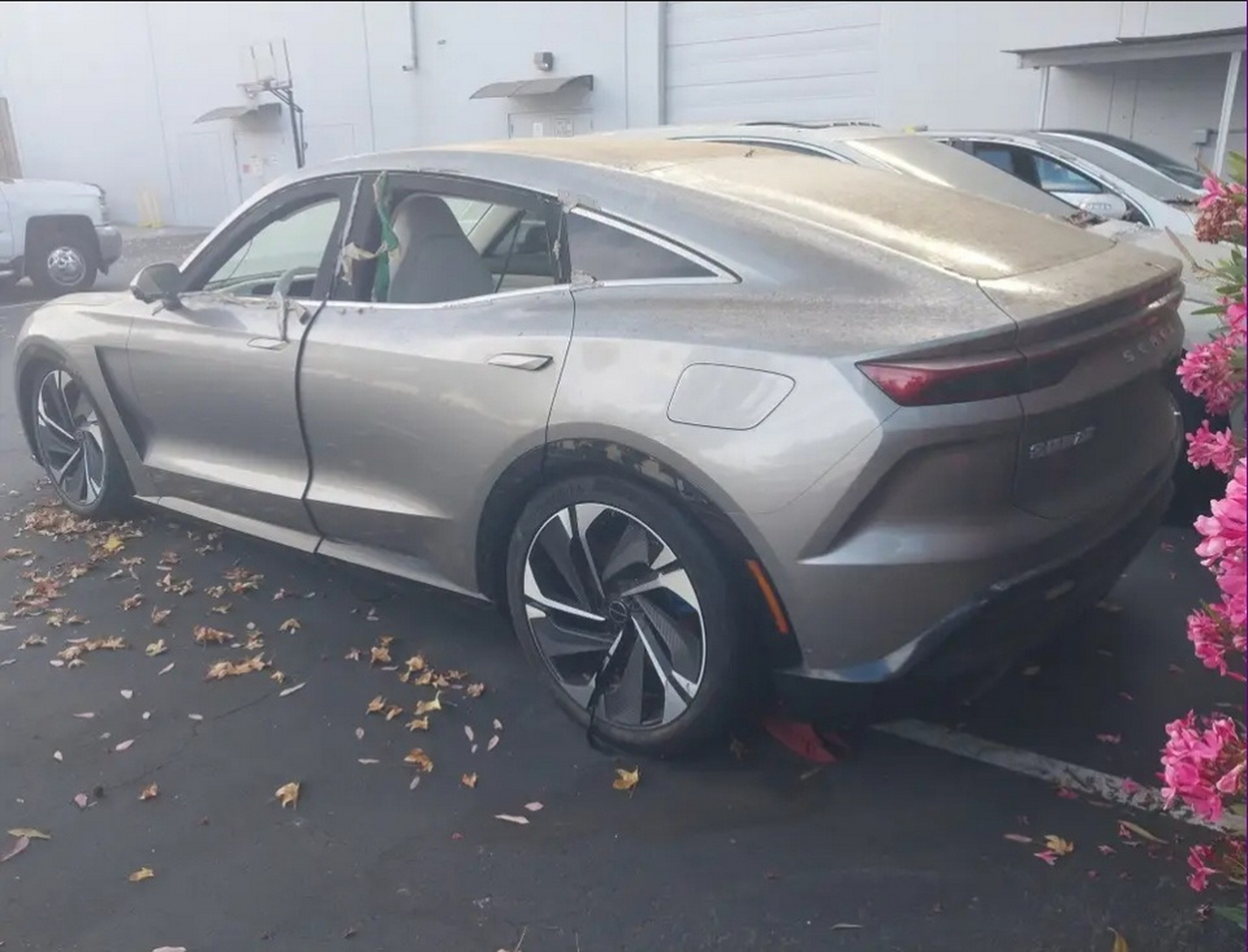
A dust-covered prototype spotted in a California parking lot has stirred plenty of curiosity across forums and social media. Weathered and left behind, it’s another eerie reminder of how unforgiving the EV game can be, especially for startups trying to find a foothold in a market that moves fast, burns money, and doesn’t wait for anyone to catch up.

More: Seres 5 Crushes Tesla Model Y In Comfort But Loses The Battle Where It Counts

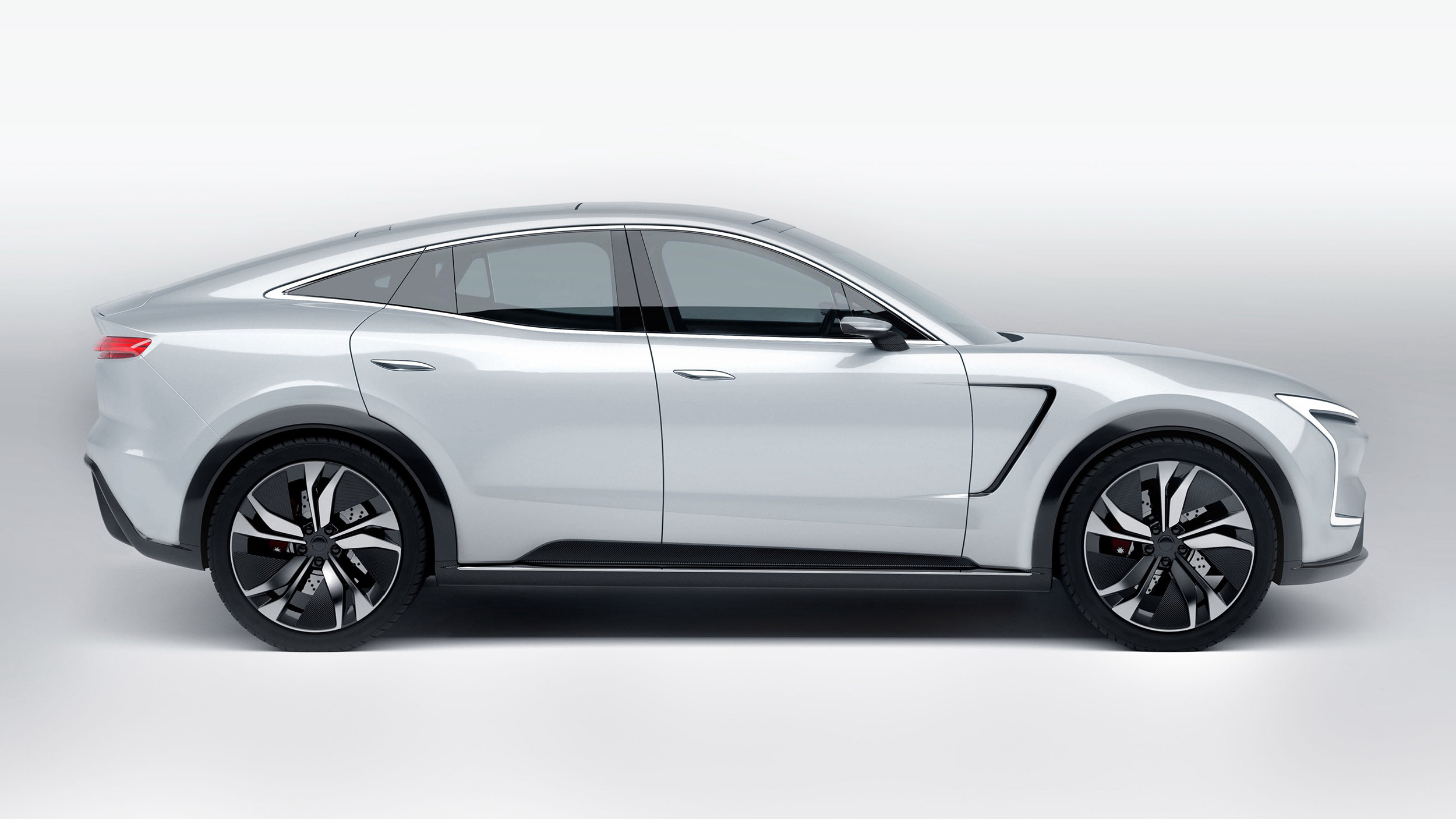
The vehicle in question appears to be a near-production evolution of the SF7 concept, which SF Motors first revealed back in 2018. That company would later be rebranded as Seres, eventually spinning off the Aito nameplate in partnership with Chinese tech giant Huawei. And yes, keeping track can be a bit of a challenge.

\\\\\\\\\\

Still, the Chinese automaker once had big plans for the North American market. In 2018, it purchased a factory in Mishawaka, Indiana, for $160 million, with the intention of building EVs on US soil and going straight after Tesla.

 Abandoned Chinese Prototype In California Is All That’s Left Of A $160M Bet

That same year, it also opened a 130,000-square-foot R&D and low-volume manufacturing facility at the McCarthy Creekside Industrial Center in Milpitas, California.

By the following year, however, those plans had been shelved. Officially, it was due to shifting market dynamics and the usual complications of US-China trade. Unofficially, the writing was already on the wall.

The Shape of What Could Have Been

 Abandoned Chinese Prototype In California Is All That’s Left Of A $160M Bet
The EV prototype (above) compared to the 2018 SF7 Concept (below)
 Abandoned Chinese Prototype In California Is All That’s Left Of A $160M Bet

The abandoned prototype, first noticed by forum users and Reddit sleuths, was spotted in the parking lot of the SF Motors facility in Milpitas, California. Compared to the original SF7 concept, this one looks much closer to production, with reworked bumpers, reshaped fenders, and more conventional lighting units.

Overall, it looks like a mix between a sedan and a fastback crossover, with discreet cladding around the wheel arches and a sleek roofline. It also features. US-market details like amber indicators suggest it was being prepped for local homologation.

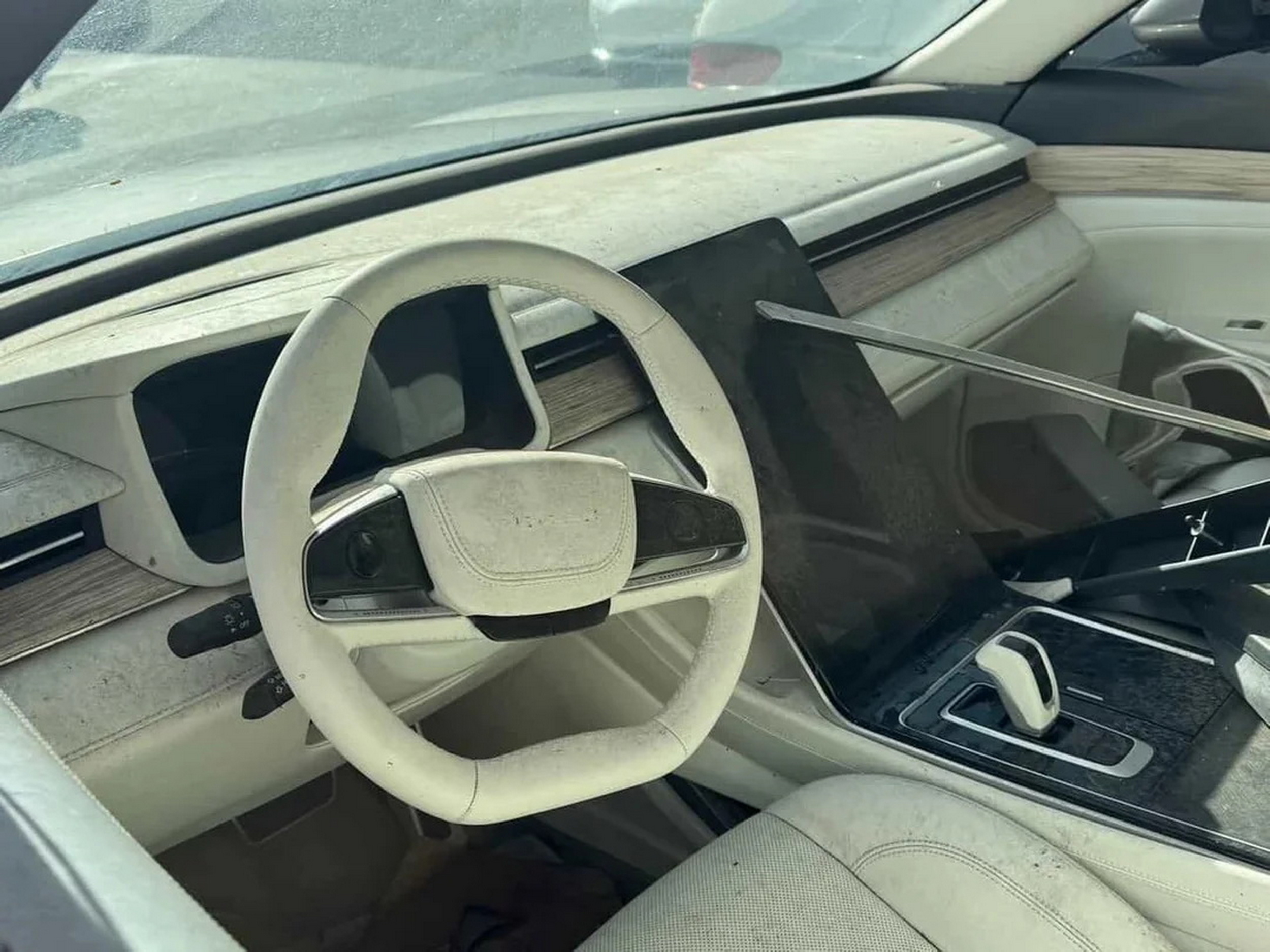
Inside, there’s a large portrait-oriented infotainment display paired with a digital instrument cluster. The cabin is trimmed in white leather with wood accents, but it’s clearly suffered from exposure, thanks to windows left partially open to the elements.

Specs That Never Saw the Road

 Abandoned Chinese Prototype In California Is All That’s Left Of A $160M Bet

Originally, the SF7 was meant to ride on a dedicated EV platform, boasting quad electric motors with a combined output of up to 1,000 horsepower. A liquid-cooled battery was estimated to provide around 300 miles (483 kilometers) of range, putting the SF7 in direct competition with premium electric SUVs at the time.

Although the SF7 never made it to showrooms, the slightly smaller SF5 managed to find a second life. That concept evolved into the Seres 5, which we reviewed, and the Aito M5, developed through the Seres-Huawei partnership.

A Failed Dream

Seeing this derelict development vehicle in California is reminder of how close SF Motors came to offer vehicles in the US. But in the end, those plans never crossed the finish line.

The Mishawaka facility, originally chosen as the production site for the SF5 and SF7, once built the Mercedes R-Class. That likely explains the presence of the white R-Class, sitting on pallets next to the abandoned SF7.

 Abandoned Chinese Prototype In California Is All That’s Left Of A $160M Bet

The old Mercedes crossover carries SF Motors emblems and was repurposed as a development mule for a “high-performance electric powertrain.”

From One Collapse to Another

After SF Motors scrapped its US production plans, the Indiana facility was picked up by Electric Last Mile Solutions (ELMS), a startup that later filed for bankruptcy. Mullen Automotive stepped in and took ownership in 2022, but by late 2025, the company handed the plant over to the GEM Group to resolve outstanding legal liabilities.

\\\\\\

Photos Reddit / Imgur / Google Maps

Genesis Designed This Pickup For America, Then Walked Away

  • Genesis shared a design study for a US-targeted electric pickup.
  • The concept used a ladder frame and fully electric drivetrain.
  • Design sketches showed production-like wheels and detailing.

Genesis’s designers have had their hands full lately, dreaming up all kinds of projects that could eventually lead to production cars. Some we’ve already seen up close, like the G90 Magma Performance Wagon and the Magma GT, their mid-engine Corvette rival, but others have stayed behind closed doors. Until now.

See: Genesis Has Some Crazy Ideas, Starting With This Space-Age Minivan

We’ve already told you about the minivan and the hydrogen SUV studies, but there’s one more you wouldn’t usually expect from a premium brand, a project simply known as “The Pickup.” It’s a design exercise for a fully electric model aimed at the North American market. The project has been shelved for now, but it’s not entirely off the table for the future.

Hyundai Motor Group’s Chief Creative Officer, Luc Donckerwolke, recently acknowledged that Genesis had been exploring the idea. Ultimately, though, the team felt “it was not the right time,” choosing instead to focus on performance-focused Magma models.

First Glimpse of a Truck That Might Have Been

 Genesis Designed This Pickup For America, Then Walked Away

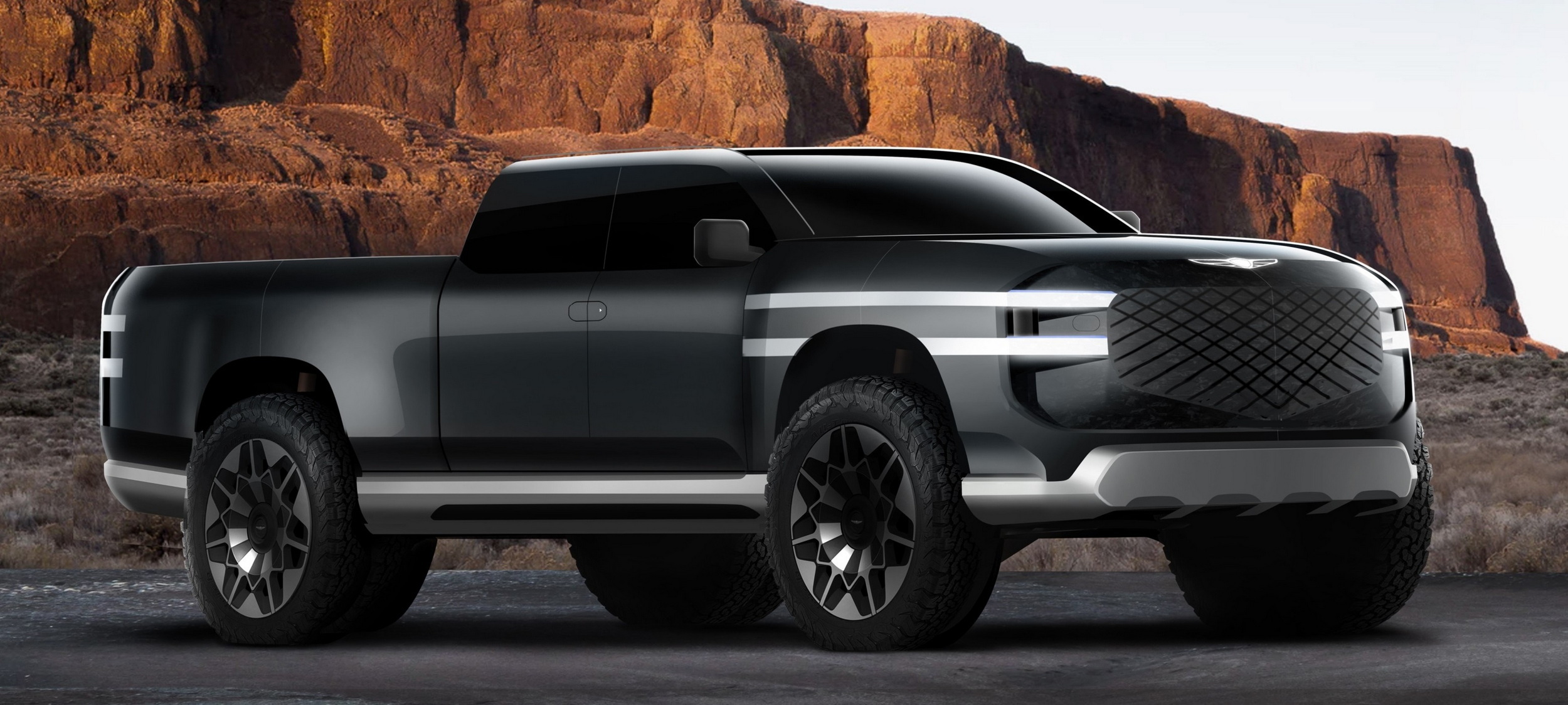
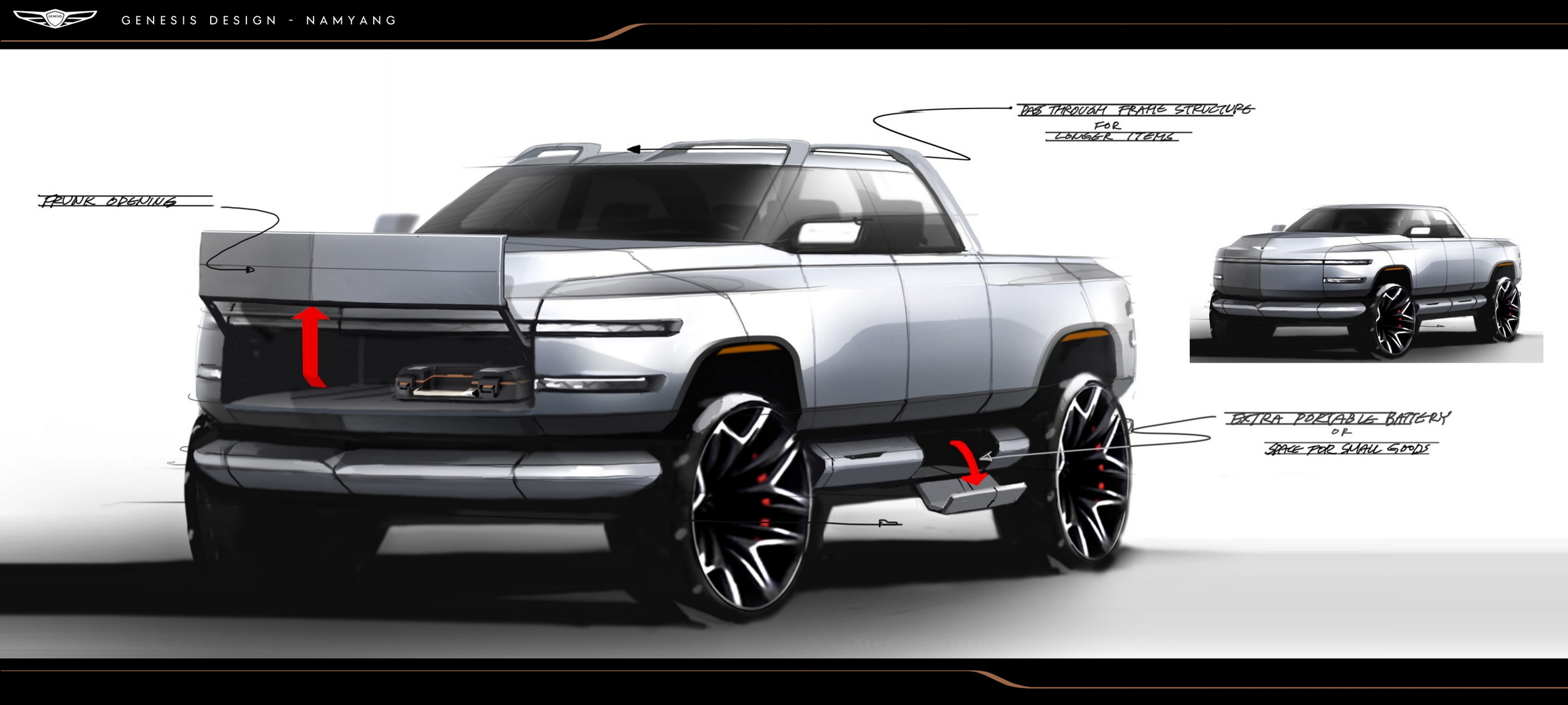
Most concepts like this stay buried inside design studios, rarely seeing the light of day. This time, however, Genesis opted to pull back the curtain slightly, sharing official sketches and renderings. The images originally appeared in the January/February issue of Auto&Design magazine, but Genesis has also released them directly to Carscoops.

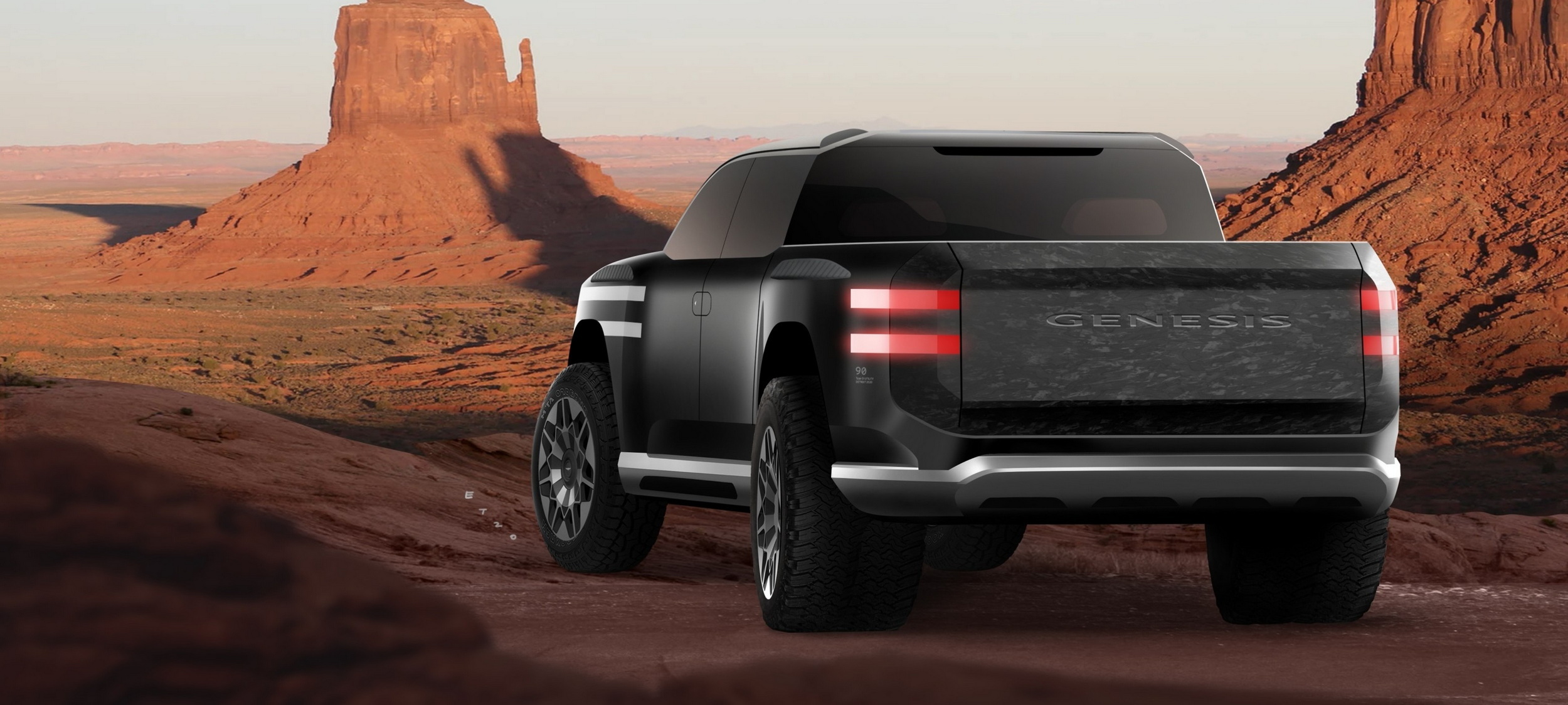
Visually, the design stays rooted in Genesis’s familiar language. Two-Line LED headlights sweep back into pronounced front fenders, mirrored by the taillight design at the rear. The large Crest grille remains a focal point, flanked by sleek side intakes and a sturdy aluminum skid plate anchoring the front bumper.

More: This Genesis Supercar Isn’t A Pipe Dream, It’s Coming In Multiple Flavors

The profile is defined by imposing proportions, with a tall hood, a sizable rear bed, and an aerodynamic greenhouse. The sketches also show oversized wheels fitted with futuristic alloy designs and chunky, high-grip tires.

 Genesis Designed This Pickup For America, Then Walked Away

Another variation of the concept study features a flip-up panel on the nose that reveals a storage compartment, along with added space in the side skirts for portable batteries or other small items. This version takes a more minimalist approach to the styling, paired with more pronounced fenders for a bolder stance.

Designed for Americans

Genesis confirms the concept was developed with the American market in mind, and had it gone further, it would have ridden on the same ladder-frame chassis as the X Gran Equator Concept. That would mean better off-road capability and hauling strength than you’d get from a unibody setup.

 Genesis Designed This Pickup For America, Then Walked Away

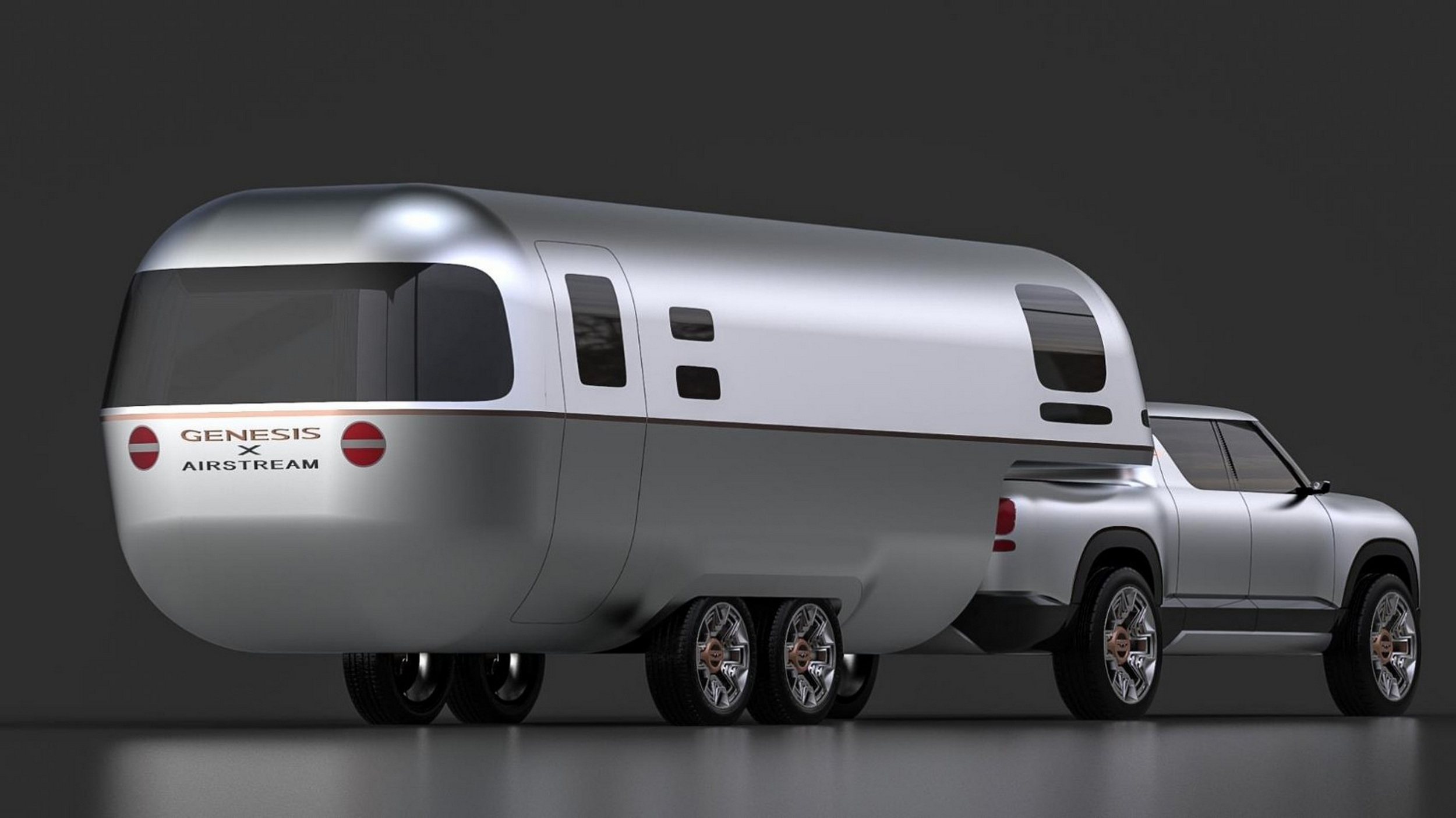
No specific power or range figures have been shared, though it’s safe to assume the EV platform would support all-wheel drive. In one rendering, the truck is shown towing a custom-designed Airstream camper, suggesting it was at least envisioned with serious towing capability in mind.

 Genesis Designed This Pickup For America, Then Walked Away

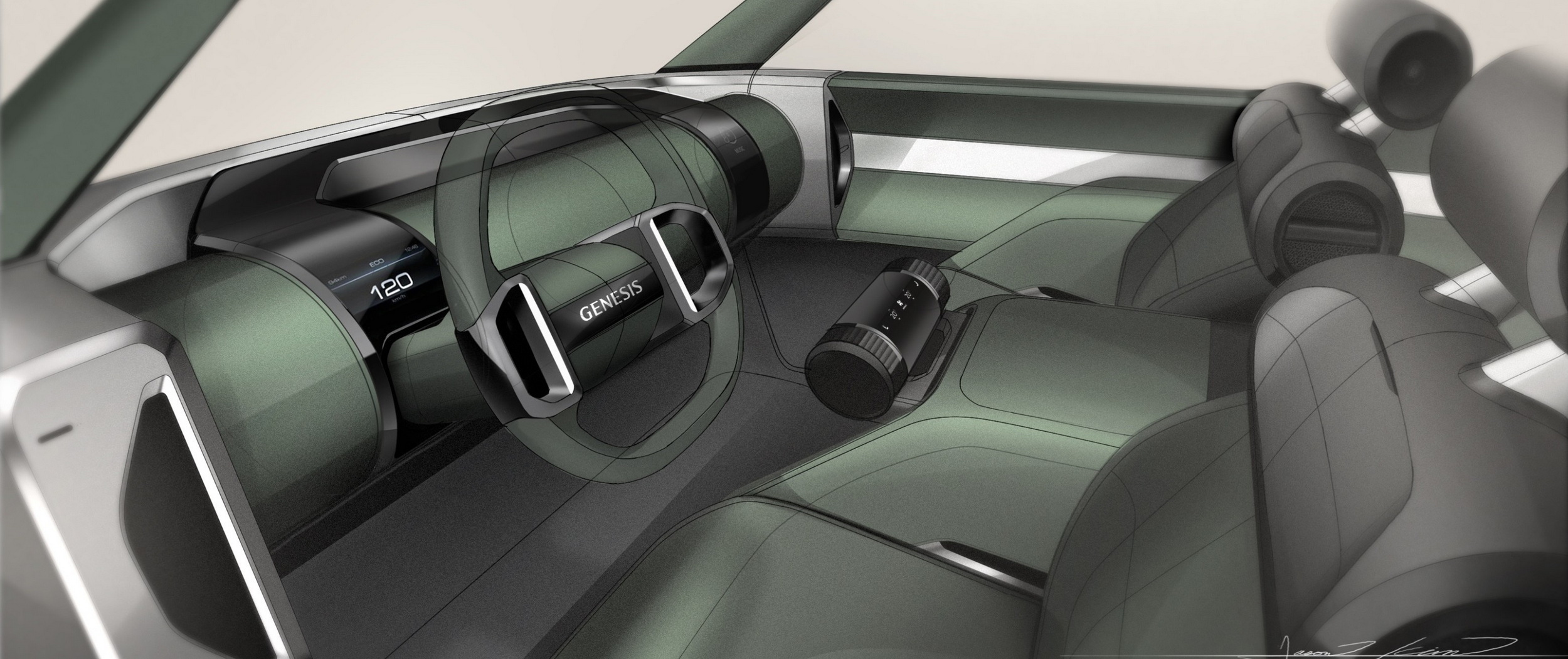
The cabin gets a brief preview as well. One sketch shows a five-seater layout with a mix of soft, cylindrical forms across the dash, console, and seats. A two-spoke steering wheel and slim digital instrument panel create a minimalistic front row, with a curved passenger display extending the width of the dashboard.

More: Hyundai Boss Says New Midsize Pickup Will Blow Your Mind

Just a few months ago, Donckerwolke talked to Australian media expressing concerns on whether a pickup would be a right fit for Genesis. He specifically suggested they should be careful of not diluting the brand with a utilitarian offering.

The Project Is Not Entirely Dead

 Genesis Designed This Pickup For America, Then Walked Away

However, Donckerwolke’s more recent comments to Auto&Design suggest the idea isn’t entirely off the table. “An electric pickup truck? Why not?” he said. “Then we discarded it because we had to focus on different projects. Maybe in the future, who knows.”

It wouldn’t be surprising if Genesis revisits the truck segment down the line, possibly sharing underpinnings with one of Hyundai’s upcoming pickups. The Korean automaker is already developing an electric truck that could slot into the Ioniq lineup, along with ladder-frame midsize pickups for the U.S. and Australian markets, some of which may use a range-extender powertrain.

In a comment to Carscoops, a Genesis spokesperson clarified how these internal projects often unfold. “Genesis often undertakes future design exercises to explore possibilities for our ever-expanding portfolio,” he told us. “While some of these concepts ultimately don’t move forward to production, this showcases the broad capabilities and strengths of the Genesis design team.”

\\\\\\\

Photos Genesis

Nissan’s Ariya Concept Can Add 14 Miles A Day, But Only If The Sun Plays Nice

  • Nissan has introduced a “solar‑powered” Ariya concept.
  • Its panels can provide up to 14.3 miles of range per day.
  • This could reduce charging frequency by up to 65 percent.

Cars spend a lot of time outside and that presents a big opportunity for electric vehicles equipped with solar panels. A number of automakers have explored the idea and Nissan is revisiting it with an Ariya concept.

Designed to celebrate Clean Energy Day, the crossover has photovoltaic panels on the hood, roof, and liftgate. These span a combined area of 40.9 square feet (3.8 square meters) and convert sunlight into DC power.

More: Nissan Turns Sunlight Into Free Miles With Its Smart EV Upgrade

This energy is fed into the Ariya’s battery pack and Nissan said real-world testing showed the panels can add up to 14.3 miles (23 km) of range on a sunny day. That might not sound like much, but the average American travels less than 40 miles (64 km) per day.

However, location matters a lot and the range can vary significantly. Nissan says year‑round averages could range from as little as 6.3 miles (10.2 km) per day in London to 13.2 miles (21.2 km) per day in Dubai. Even if you park in a garage, a two-hour drive on a sunny day could add up to 1.9 miles (3 km) of range.

While these aren’t life altering numbers, the automaker said the added range could enable drivers to reduce their charging frequency between 35 and 65 percent. The solar panels also help out in areas where charging infrastructure is limited.

The concept was created in partnership with Lightyear and Nissan’s Shunsuke Shigemoto said, “By exploring how vehicles can generate their own renewable energy, we are opening the door to new opportunities for customers – greater freedom, reduced charging dependency, and a cleaner future. This concept is not just a technical milestone; it’s a vision of how Nissan intends to lead the next phase of electric mobility.”

\\\\\\\\

Jaguar Denies Its New EV Just Sprouted Tailpipes, But Not Everyone’s Convinced

  • Jaguar reportedly studying range-extender hybrids with new EVs.
  • Small petrol generator could boost EV range to over 600 miles.
  • Brand insists EV-only plan stands, with first model due in 2026.

Jaguar hit the reset button hard in preparation for an all-electric luxury future, but a fresh report claims JLR is backtracking before it’s even launched the first of its new-generation cars. Sources close to the company allege engineers are trying to figure out how to sneak a petrol engine back into the picture to offer a hybrid model alongside the EV. Jaguar officials, for their part, deny any change in direction.

The Brit luxury brand is exploring range-extender electric tech that use a small combustion engine purely as a generator, according to UK newspaper The Times. In a range-extender hybrid the car’s wheels are still driven by electric motors, but a small combustion units acts as a backup power source for long trips when charging stops feel like a chore.

Related: Not Even Jaguar’s Dealers Are Buying Its $130K EV Plan

The potential payoff is big. Insiders who spoke to The Times suggest total range could jump from around 435 miles (700 km) in pure EV form to as much as 684 miles (1,100 km). That would go a long way toward calming buyers who like the idea of electric but still get nervous about road trips that involve more than one coffee stop.

Engineering Headache

Adapting JLR’s new JEA EV platform wouldn’t be easy because of the battery placement, Auto News reports. But companies like Renault-Geely collab Horse Powertrain have already spotted a niche for providing combustion engines to convert EVs into hybrids, and Porsche is ICE-converting its electric 718 sports cars mid-development, so we don’t doubt it could be done if Jag throws enough time and money at the problem.

 Jaguar Denies Its New EV Just Sprouted Tailpipes, But Not Everyone’s Convinced

This possible pivot comes after Jaguar’s dramatic rebrand and EV-only relaunch plan raised more than a few eyebrows. The new marketing campaign ditched traditional logos, embraced abstract visuals and promised a boutique lineup of high end electric models starting with $130k four-door production version of the Type 00 concept due to be revealed this year. Two more EVs, including at least one SUV come later.

Luxury EV sales slump

At the same time, real world demand for expensive Western EVs has cooled, especially in the United States and China. Porsche, for example, has already admitted it is leaning back toward hybrids and combustion models after EV sales failed to meet expectations. Jaguar’s global sales ambitions suddenly look much harder in that context and some dealers say they’re skeptical about the whole EV strategy.

 Jaguar Denies Its New EV Just Sprouted Tailpipes, But Not Everyone’s Convinced

Range extenders are already gaining traction in China, where buyers appreciate the electric drive feel but still want the safety net of petrol backup. In Europe, though, they’re less common, and under current rules, they don’t count as zero emissions cars, so could only be legally sold until 2035.

“Not happening”

Jaguar officially says nothing has changed and that its future remains electric only, but we don’t believe for a minute that Jag isn’t both concerned by current EV trends, and at least investigating how to answer to them.

Read: Jaguar Thinks Its $180K EV Gamble Could Finally Ditch Its BMW Complex

“Plans to reinvent Jaguar as an electric-only luxury automotive brand are unchanged,” a Jaguar spokesperson told The Times. “We are looking forward to unveiling the first new electric Jaguar later this year.”

Separately, a senior source told Autocar that the report was “rubbish,” and that Jaguar’s EV-only relaunch would proceed exactly as planned.

\\\\\\\\\\\\

Jaguar

You Can Sleep And Even Wash Your Dishes In This Hyundai Van, But You Can’t Buy It Yet

  • Hyundai has introduced the Staria Camper concept at the CMT Show.
  • It features a pop-up roof, refrigerator, solar panel, and smart glass.
  • The company is considering production and is looking for feedback.

Hyundai has used the Caravan, Motor und Touristik Show to introduce a camper concept based on the Staria Electric. It’s designed to explore how the van could “evolve into a premium recreational vehicle tailored to the European market.”

Designed for off-grid travel, the Staria Camper concept has been equipped with a retractable canopy as well as a power pop-up roof. The latter has been fully integrated to reduce wind noise and buffeting while driving.

More: Nissan’s Toughest Rogue Turned Into A Mattress With Wheels

The roof is also notable for being covered by a 520W solar panel, which can generate up to 2.6 kWh of electricity per day. This can be used to power onboard equipment or to extend the vehicle’s range.

\\\\\\\\\\

Another cool touch is the use of electronically adjustable smart glass for privacy. The rear windows are controlled by a dedicated touchscreen, which enables users to instantly adjust their transparency.

Besides keeping prying eyes at bay, the smart glass offers “significantly improved UV, thermal, and acoustic insulation compared with conventional glass.” Despite this, Hyundai also threw in traditional curtains.

The rest of the exterior largely carries over, but we can see water and electrical hookups located near one of the taillights.

Modular Comfort Inside

\\\\\\\\\

Moving inside, the second- and third-row seats fold flat to create an expansive sleeping area for two adults. The concept also sports a long counter that houses a sink, storage compartments, and a 1.3 cubic foot (36 liter) refrigerator. They’re joined by a folding interior table, a classy peg board, and special lights.

Rounding out the highlights are a swiveling front passenger seat and a climate control system that can keep you warm on chilly nights. Furthermore, the liftgate opens to reveal a deployable rear table as well as an outdoor shower setup.

Could It Actually Happen?

\\\\\\\\\\\\

While the van is a concept, Hyundai wasn’t shy about the possibility of a production model. In fact, they’re actively seeking feedback from a “cross-section of camping, caravan, and adventure enthusiasts from across Europe and beyond.” The company said this will help them gauge interest in bringing the concept to life.

Hyundai went on to say the production model would echo the regular Staria Electric, which has an 84 kWh battery pack as well as a front-mounted motor producing 215 hp (160 kW / 218 PS).

This enables the van to have a WLTP range of approximately 249 miles (400 km). When the battery is low, a DC fast charger can take it from 10-80 percent in around 20 minutes.

 You Can Sleep And Even Wash Your Dishes In This Hyundai Van, But You Can’t Buy It Yet

When Porsche’s New EV Concept Gets Dirty, It Needs A Deckhand, Not A Detailer

  • One-off Macan Turbo Concept Lago debuts at German boat show.
  • Cabin features wood floor mats and marine-style fabric seats.
  • New 790 Spectre uses a Macan EV powertrain and makes 536 hp.

Porsche and boats have been flirting for a while. The German sports car brand already helped create a rapid electric speedboat with Austrian builder Frauscher. Now the partnership is back with a smaller boat called the 790 Spectre and a one-off, marine-inspired Macan concept to keep it company.

No, the Macan Turbo Concept Lago can’t jump from the road to water like a Gibbs Aquada or Amphicar 770. But it borrows some neat nautical design and trim ideas in the same way that the Frauscher’s boats have cribbed the Macan’s motors and battery pack. And it has some of the most stylish floor mats we’ve ever seen.

Related: Alfa’s Yacht-Winged Giulia Quadrifoglio Special Is Fast, Wild, And Already Sold Out

Porsche raided its Exclusive Manufaktur personalisation catalog and roped in experts from its Sonderwunsch “special wish” department to give the concept a distinctly salty vibe.

Darkteal Metallic paint, which originates from Porsche’s Paint to Sample programme, covers the outside while neat graphics tie the car to the matching boat. Even the keys wear the same color.

Swab the Floor Mats, Matey

\\\\\\\\\\

Open the doors and the nautical theme gets stronger. Real wood inspired by boat decks lines the front and rear luggage compartments and the floor mats look ready for bare feet.

A compass replaces the usual dashboard stopwatch and the seat centers use marine grade fabric trimmed with Crayon leather. Green contrast stitching finishes the look and proves Porsche’s trim specialists can customise almost anything.

Frauscher 790 Spectre

\\\\\

The Concept Lago is just a one-off, unlike the new Frauscher 790 Spectre it’s designed to promote. Engineers built the 7,970 mm (313.8 inches) sports boat around the same 100 kWh battery and dual electric motor setup used in the Macan Turbo, though Porsche quotes 630 hp (639 PS / 470 kW) for the SUV and 536 hp (544 PS / 400 kW) for its sea-going counterpart.

The hull is new and lighter than before and the cockpit borrows plenty of Porsche style touches, including the steering wheel and elements of the seat design. Buyers can personalise the boat with special paint and materials to mirror their car.

Orders for the 790 Spectre are open now, but the price is going to make a $112,700 Macan Turbo Electric look downright affordable. While neither Porsche or Frauscher has indicated an exact sticker, the fact that the earlier 850 Fantom Air cost around $600k tells us this one is for wealthy Porsche and boat lovers only.

\\\\\\\\\

Porsche

❌
❌