Normal view

There are new articles available, click to refresh the page.
Before yesterdayMain stream

Rivian Beat Four Major Automakers In EV Sales, And Its Biggest Model Hasn’t Even Launched Yet

  • Rivian delivered more EVs than many of its mainstream rivals managed in Q1 2026.
  • Toyota came closest, trailing Rivian by fewer than 400 units despite a strong rebound.
  • BMW counted plug-in hybrids in its total and still came up short of Rivian’s number.

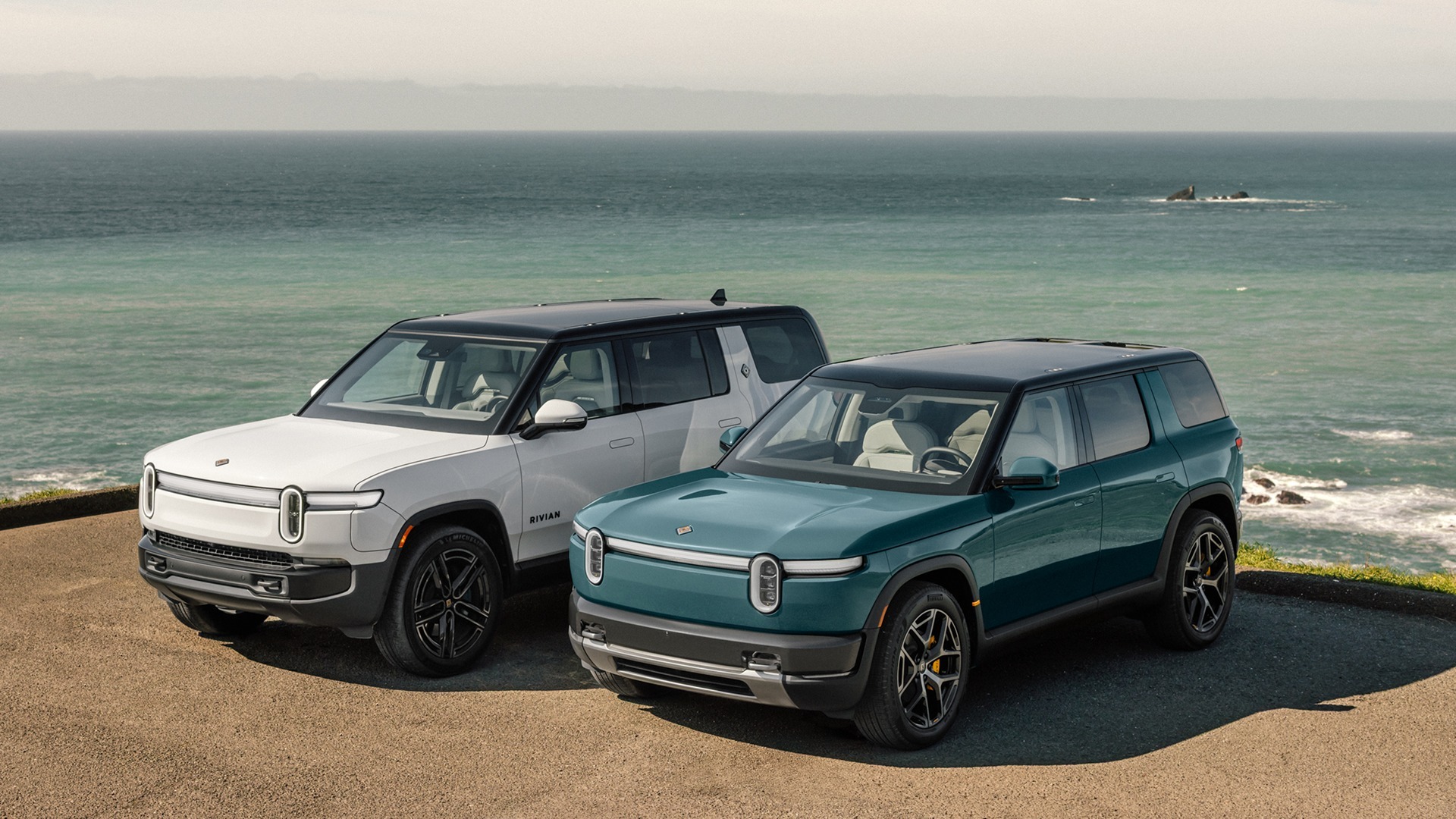
First-quarter sales are in, and they come with a few surprises. One of the more unexpected outcomes is Rivian edging past several established players in the U.S. EV market. During Q1 2026, Rivian managed to outsell Kia, Ford, Toyota, and BMW in electric-vehicle deliveries across the United States.

More specifically, the California-based automaker delivered 10,365 EVs between January and March. During the same period, Rivian produced 10,236 vehicles, 129 fewer than it sold, likely drawing from existing inventory to close the gap. This comes just ahead of the launch of the more affordable R2, which is set to begin deliveries later this spring as a Tesla Model Y rival.

More: Rivian Won Direct Sales In Washington With A Threat That’s Coming For Dealers Everywhere

Following these results, the company has raised its annual delivery guidance to 67,000 units for 2026, an increase of 5,000 units over its previous estimate. Rivian will report its full financial results for Q1 2026 on April 30.

Rivian Sales Momentum
 Rivian Beat Four Major Automakers In EV Sales, And Its Biggest Model Hasn’t Even Launched Yet
Rivian R2

While Rivian remains a relatively small player compared to legacy automakers, it still managed to outsell several of them in the EV race.

More: Rivian R2 And Jeep Recon Solve The Same Problem, But Which One Solves It For You?

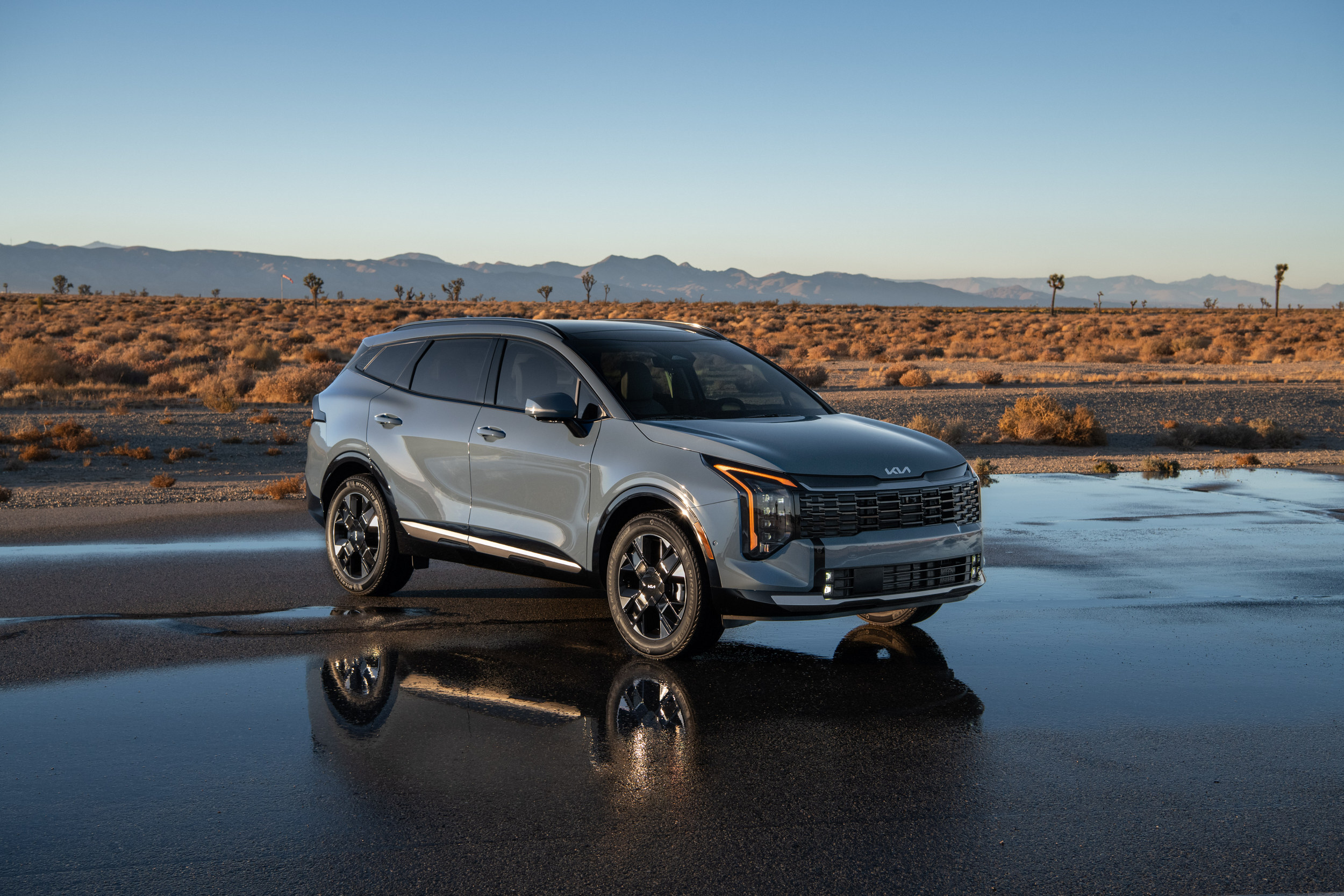
Kia America reported 2,023 sales for the EV6 and 2,740 for the EV9, totaling 4,763 units in Q1 2026. The brand also offers an electric version of the Niro in the US, though this likely accounts for only a small portion of the model’s 7,455 total sales, leaving Kia well short of the 10,000-unit mark.

Still, the upcoming Kia EV3, expected in late 2026, could change the narrative. It is also worth noting that Kia’s hybrid models set new Q1 sales records, marking a 73% increase over the same period last year.

Ford’s EV lineup saw an even steeper decline, with sales dropping 70% in Q1 2026 to 6,860 units in the US. The Mustang Mach-E made up 4,600 of those sales, while the F-150 Lightning and E-Transit contributed 2,060 and 200 units, respectively.
 Rivian Beat Four Major Automakers In EV Sales, And Its Biggest Model Hasn’t Even Launched Yet
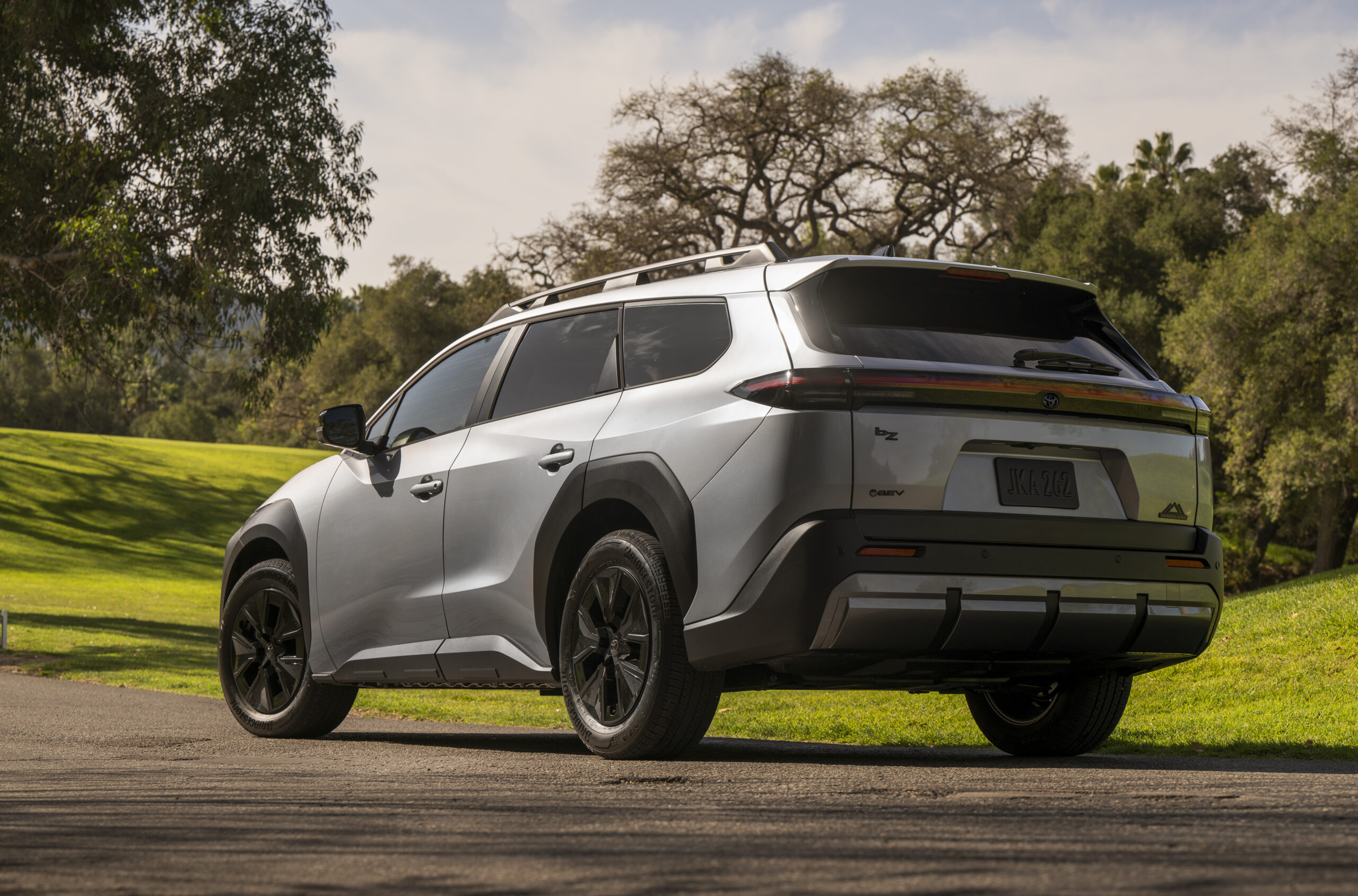
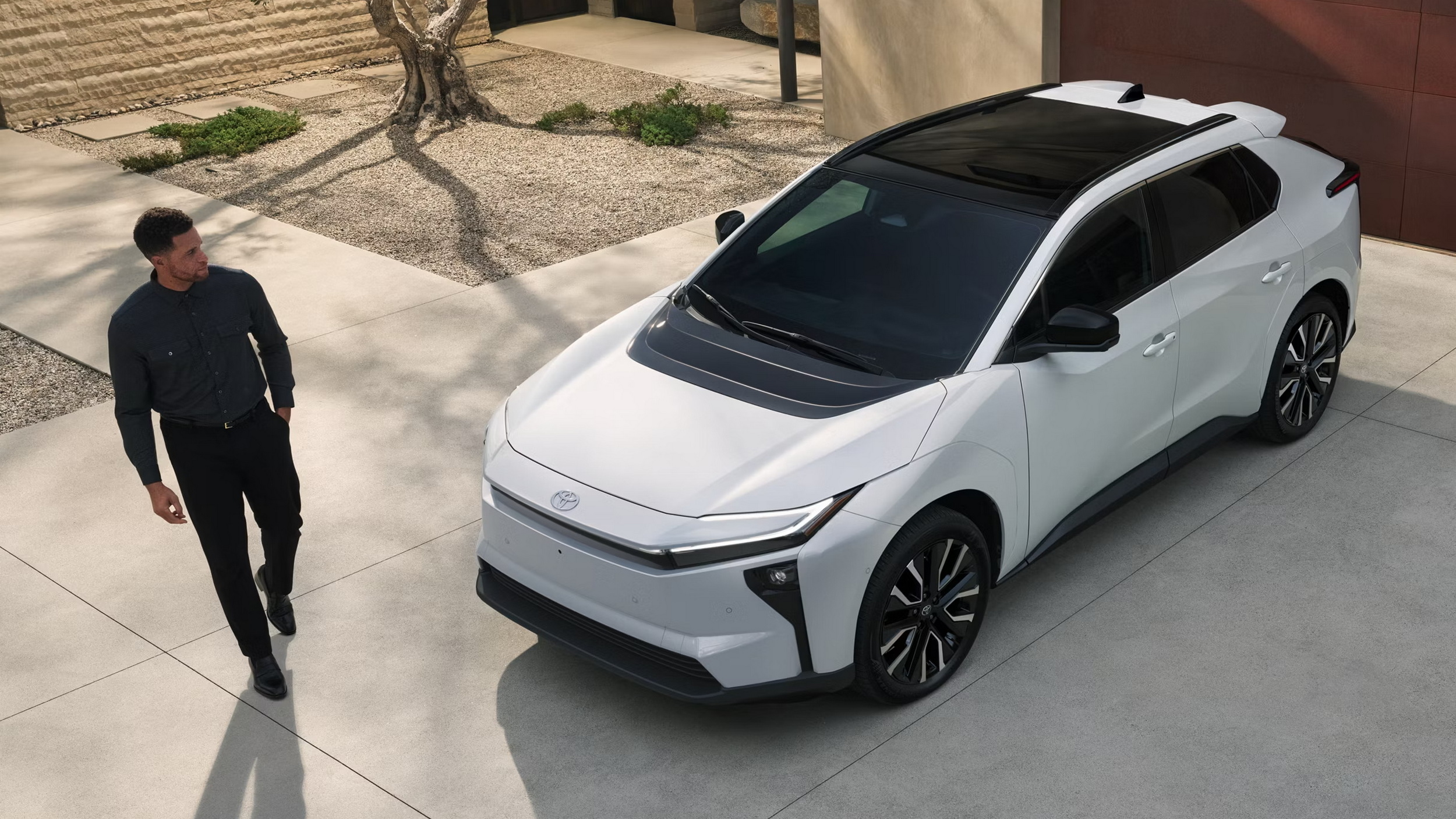
Toyota bZ

Toyota opened the year on a strong note, with the bZ, including the bZ Woodland, reaching 10,016 units in the first quarter, a 79% increase year over year. However, with only 13 units of the newly introduced C-HR arriving in March, Toyota’s total BEV sales reached 10,029 units, just behind Rivian’s 10,365. As the company expands its EV lineup in the US, that gap may not last long.

More: Toyota’s bZ Outsold The Prius, And Now A Second US-Made Electric SUV Is Coming

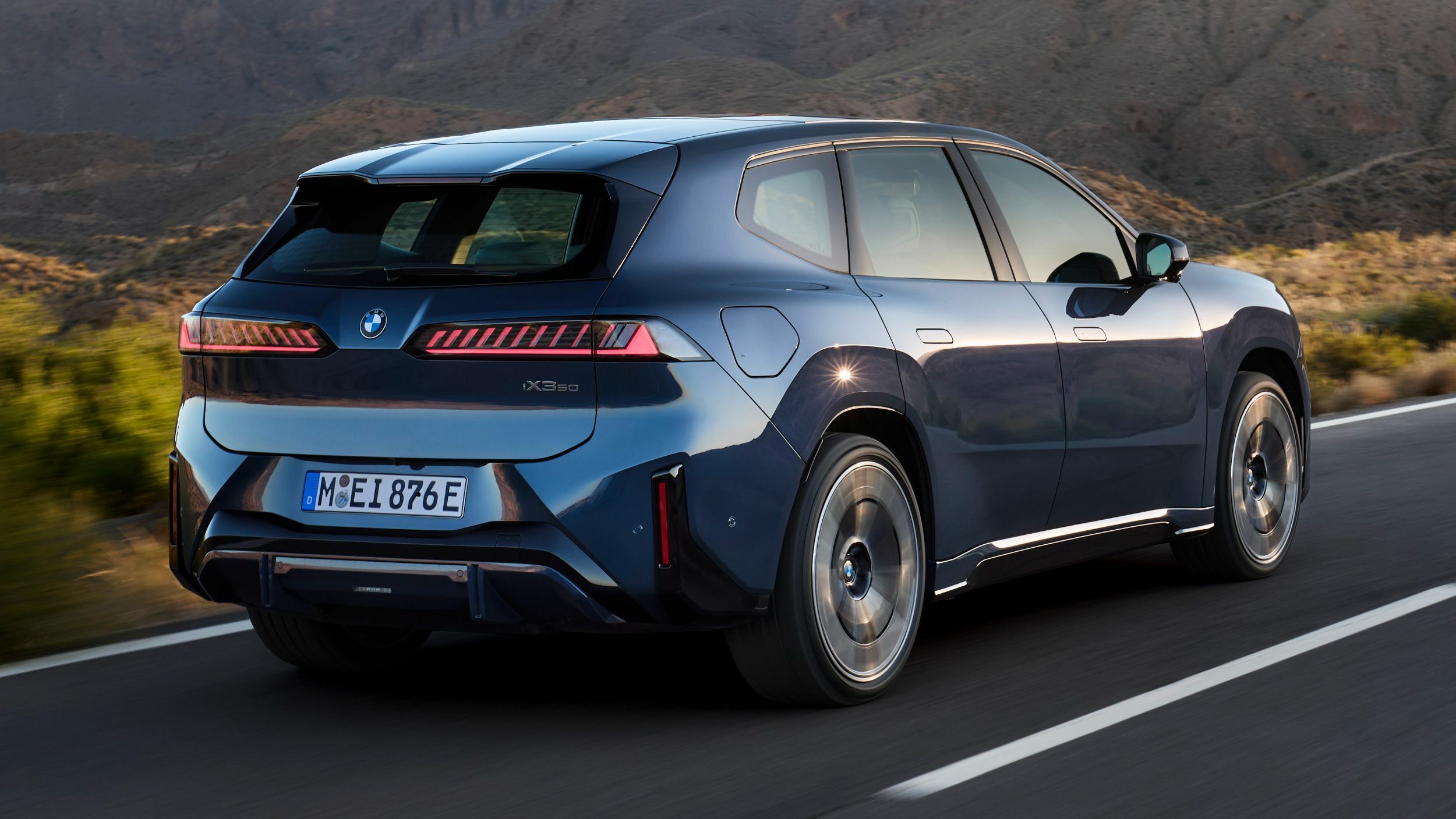
Finally, BMW recorded 9,856 combined BEV and PHEV sales in the US during Q1 2026, marking a 50% drop compared to last year. This slowdown may prove temporary, as the upcoming Neue Klasse BMW iX3 is expected to play a central role in the brand’s next phase of electrification when it arrives in late 2026.
 Rivian Beat Four Major Automakers In EV Sales, And Its Biggest Model Hasn’t Even Launched Yet
BMW iX3

GM’s Only Answer To Toyota’s Seventeen Hybrids Is A $109K Corvette

  • Some automakers ignored hybrids to bet big on EVs.
  • That bet went bad and could get worse as gas prices soar.
  • Toyota and Hyundai stand to benefit from diverse lineup.

A few years ago, automakers faced a tough choice. They could eschew hybrids and plug-in hybrids to go all-in on EVs, or adopt a more balanced, but expensive approach that saw them invest in multiple technologies.

A number of companies went the electric route and that ended up costing them greatly as adoption was slower than they anticipated. If that wasn’t bad enough, the United States eliminated the federal tax credit and governments rolled back overly ambitious green agendas.

More: Gas Was $2.98 A Month Ago. It Just Crossed $4 For The First Time Since 2022

This has pushed automakers to cancel EVs and abandon plans to go electric-only. Companies have posted huge losses and now they’re suddenly playing catch-up with rivals that took a more nuanced approach.

Expensive Gas Is Going To Make Things Even Worse

 GM’s Only Answer To Toyota’s Seventeen Hybrids Is A $109K Corvette

Since some companies were betting on a quick transition to EVs, a number of them don’t have many hybrids or plug-in hybrids to offer customers. That’s bad news in an era where the national average price of a gallon of gasoline is above $4 and climbs to nearly $6 in some states.

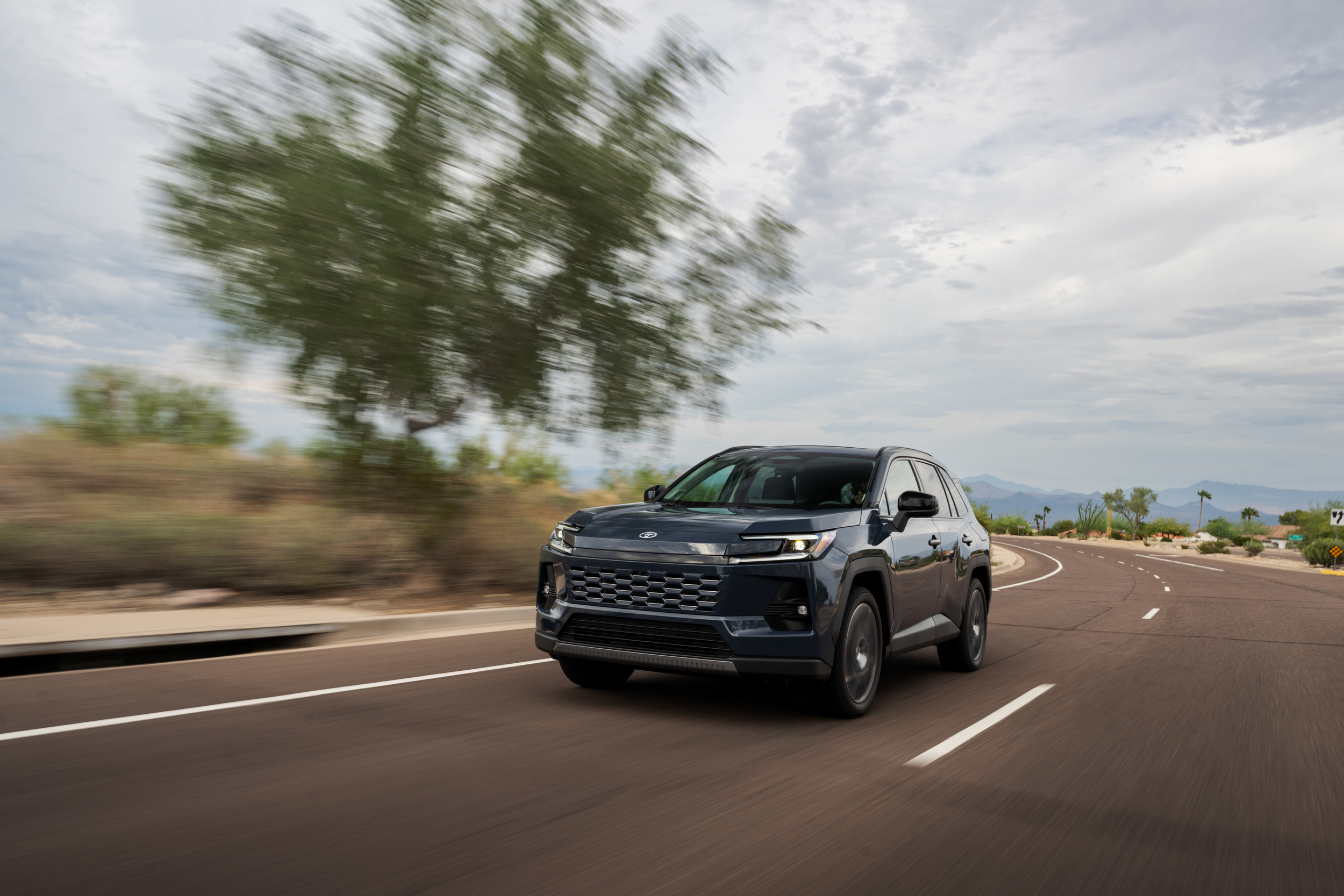
The only hybrid GM has in America is the $108,600 Corvette E-Ray and that’s a huge problem. Consumers in the market for a compact crossover might look at an Equinox, which returns up to 26 mpg city, 29 mpg highway, and 27 mpg combined. That’s not terrible, but the Toyota RAV4 gets 47 mpg city, 40 mpg highway, and 43 mpg combined. This is a huge difference, especially in an era of sky high gas prices.

 GM’s Only Answer To Toyota’s Seventeen Hybrids Is A $109K Corvette

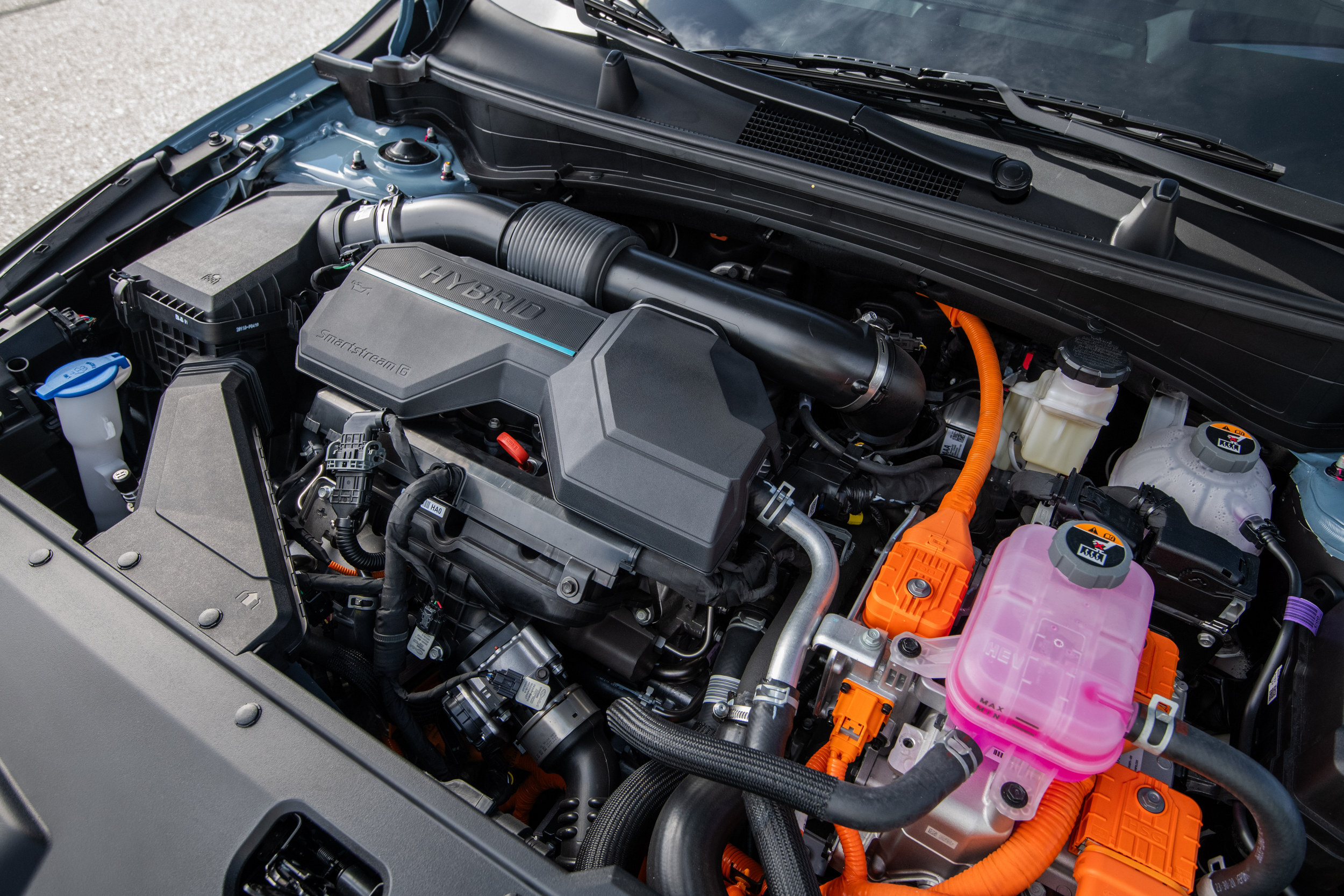
Hyundai and Kia also offer hybrid competitors in the form of the Tucson and Sportage. The former offers up to 38 mpg across the board, while the latter returns up to 41 mpg city, 44 mpg highway, and 42 mpg combined. It’s also worth noting all three competitors offer plug-in hybrid variants, while GM doesn’t offer a single one in the United States.

General Motors isn’t the only automaker that bet big on EVs and lived to regret it. Ford has a limited hybrid lineup that consists of the Maverick and F-150. The Escape, which offered hybrid and plug-in hybrid options, was recently killed off, while the Explorer Hybrid is limited to police and the Pope.

Hybrid Sales Are Skyrocketing

 GM’s Only Answer To Toyota’s Seventeen Hybrids Is A $109K Corvette

While the war in Iran is barely more than a month old, hybrid sales are booming. Kia recently revealed sales of hybrids soared 73% to set a new quarterly record.

Last month was also Hyundai’s best ever March for hybrid sales. The company noted hybrids saw a huge jump in the first quarter as the Elantra Hybrid was up 141%, while the Sonata Hybrid soared 107%. The Santa Fe Hybrid also got a 47% boost as consumers embraced efficiency.

 GM’s Only Answer To Toyota’s Seventeen Hybrids Is A $109K Corvette

While Toyota sales fell 6.9% in the first quarter, high gas prices could help to reverse that trend as the company offers a dizzying array of hybrids. Seventeen, to be exact, according to our last count. This includes the Camry, Corolla, Crown, Corolla Cross, and Prius, as well as the Crown Signia, Highlander, Grand Highlander, Land Cruiser, RAV4, 4Runner, Tacoma, Tundra, Sequoia, and Sienna. Two of those, the Prius and RAV4, are also offered as plug-in hybrids.

That’s a huge lineup, especially compared to Ford, GM, and Stellantis. The latter recently killed off plug-in hybrids and only offers the new Cherokee Hybrid in America. However, range-extended variants of the Ram 1500 and Grand Wagoneer are coming.

While EVs do offer some cover to these companies during periods of high gas prices, consumers have been clear: most want hybrids, not fully electric vehicles.

 GM’s Only Answer To Toyota’s Seventeen Hybrids Is A $109K Corvette

Toyota’s bZ Outsold The Prius, And Now A Second US-Made Electric SUV Is Coming

  • Toyota plans to offer seven electric models in the US lineup by 2027.
  • US-built Highlander EV will be joined by another electric SUV.
  • EV sales are climbing, with the bZ outselling the Prius in Q1 2026.

While much of the industry is quietly backing away from aggressive EV rollouts, Toyota is doing the opposite. The company is doubling down on its zero-emission push in North America, wagering that more Americans are ready to make the switch, even after the scrapped tax credits and incentives last year.

By 2027, Toyota plans to offer seven fully electric models in the country. Among them is a still-unnamed mystery SUV that will be built in the United States.

More: Toyota’s Electric Hilux Costs $20K More Than The Diesel, And That’s Not Even The Worst Part

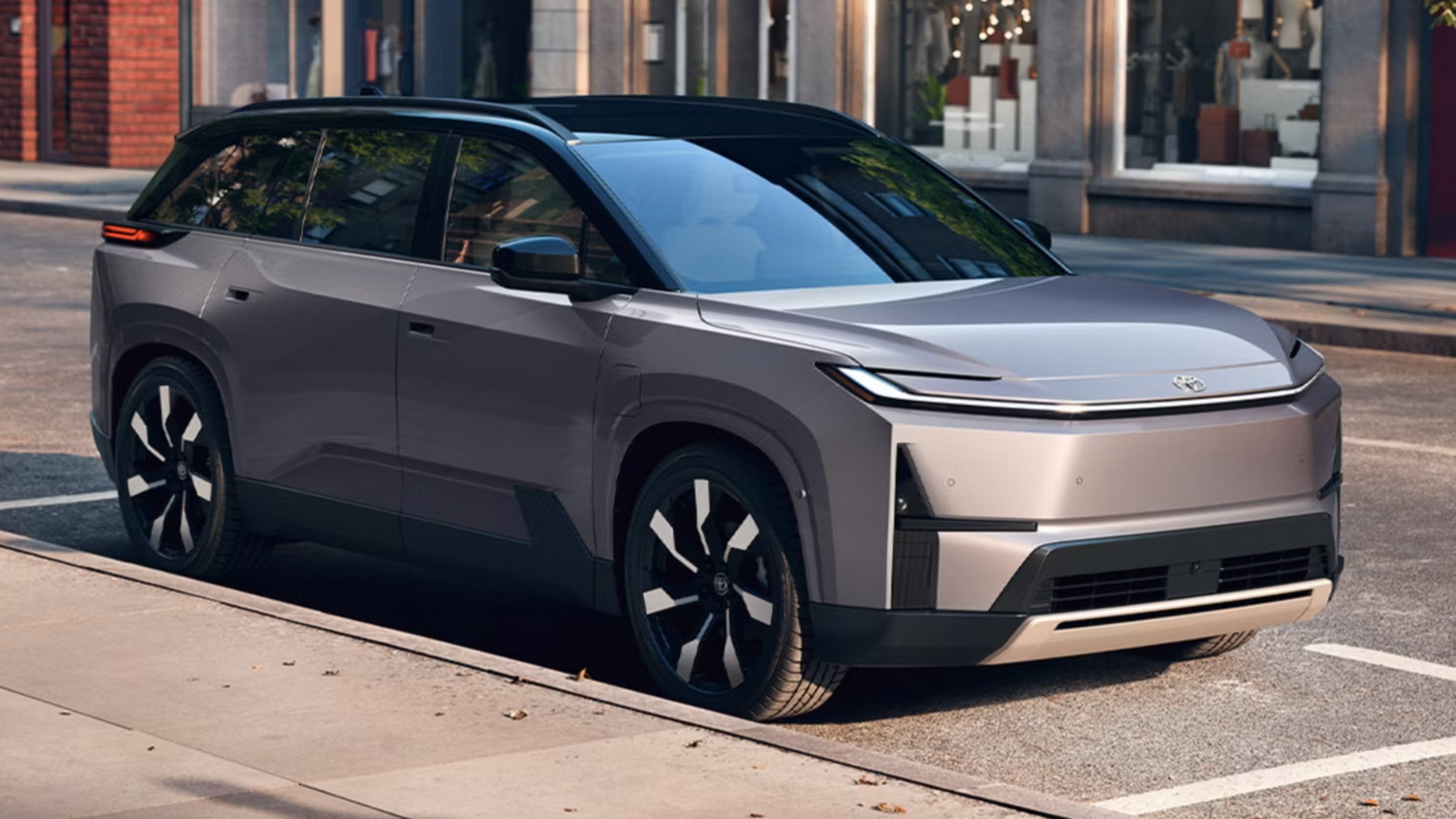
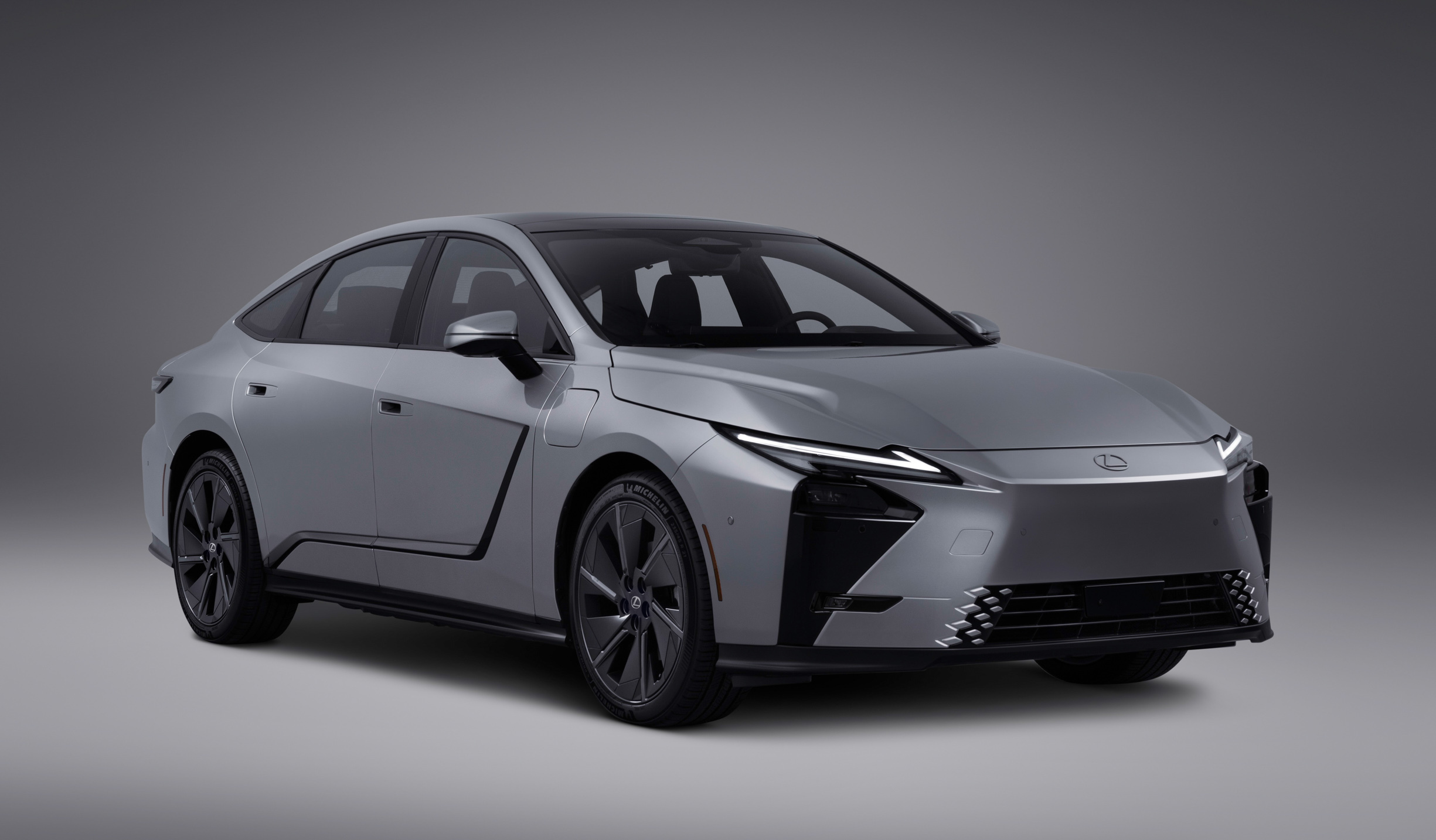
Right now, the Japanese automaker’s North American EV lineup sits at four models, and all of them are imported. That group includes the Toyota bZ, bZ Woodland, C-HR, and Lexus RZ. A fully electric Lexus ES sedan is set to arrive later this month, with the all-electric 2027 Toyota Highlander scheduled to follow in late 2026.

North America EV Expansion Plans

 Toyota’s bZ Outsold The Prius, And Now A Second US-Made Electric SUV Is Coming
2027 Toyota Highlander

The Highlander EV marks a turning point for the brand. It will be the first electric Toyota built in North America, assembled in Kentucky, with batteries sourced from North Carolina. But this is really just the first step in Toyota’s USA EV strategy.

According to a Bloomberg report, the second US-built EV is set to be an SUV already in development. Details remain scarce, including its size and where it will fit within the lineup, but production is also slated for Kentucky, with a planned start in 2027.

Mark Templin, executive vice president and chief operating officer at Toyota Motor North America, says the company plans to give buyers “multiple options.” The idea is fairly simple: if Toyota can secure 15% of the overall market in the US, it should be able to capture a similar share of the EV segment.

 Toyota’s bZ Outsold The Prius, And Now A Second US-Made Electric SUV Is Coming
Lexus ES

He also gave a better sense of who these upcoming EVs are meant to attract, referring to them as “Tesla killers.” The target, in his view, is a familiar group.

More: Toyota’s Flagship Electric Sedan Undercuts Tesla Model S By Nearly $96,000 In China

“We’ll probably see what I call boomerang customers, people who loved Prius for being the greenest car in the industry that maybe went to a Tesla – and then we get those people back. Two weeks ago in Japan, I drove three of our future battery electric cars. They’re fantastic. And I think they’re going to be Tesla killers.”

Recovering After A Rough Start

 Toyota’s bZ Outsold The Prius, And Now A Second US-Made Electric SUV Is Coming
2026 Toyota bZ

Toyota didn’t exactly nail its first swing at EVs. The bZ4X landed with a bit of a thud, but things are starting to look promising. The updated bZ and the related Lexus RZ are finally gaining traction, with deliveries more than doubling in March 2026.

The numbers are revealing, with the bZ reaching 10,029 sales in Q1 2026, up from 5,610 a year earlier, a jump of about 79%. Over the same period, Prius sales fell to 9,737 from 16,653, a drop of roughly 42%. That’s been enough for the bZ to move ahead of the Prius so far this year, which shows just how quickly things can flip.

Hybrids Remain The King

Even so, hybrids are still doing the heavy lifting. They made up 55% of Toyota’s North American sales in March 2026, up from 49% a year earlier. And that number probably doesn’t tell the whole story, since plenty of buyers are still stuck on waiting lists despite factories running flat out.

More: The Soon-To-Be-Axed Supra Has More Than Doubled Its Sales This Year

Toyota clearly knows where its strength lies. The company has committed $10 billion to its U.S. operations in the coming years, including $1 billion to expand plants in Kentucky and Indiana. EVs are part of the plan, but hybrids remain the safe bet that keeps the numbers moving.

 Toyota’s bZ Outsold The Prius, And Now A Second US-Made Electric SUV Is Coming
2026 Toyota bZ Woodland

Toyota’s Electric Hilux Costs $20K More Than The Diesel, And That’s Not Even The Worst Part

  • The Hilux BEV enters Australia as the most expensive variant in the local lineup.
  • Electric pricing carries a significant premium over both diesel and hybrid versions.
  • Dual motors provide AWD capability with modest output and limited driving range.

The latest generation of the Toyota Hilux has entered a new era. For the first time in its history, the nameplate offers a fully electric variant alongside existing gasoline, diesel, and mild-hybrid options. In Australia, the zero-emission truck is now available to order, sitting at the top of the local Hilux lineup as its most expensive model.

Jumping straight to the numbers, the entry-level Hilux BEV SR double-cab chassis starts at a hefty AU$74,990 (equal to US$51,400). That’s AU$20,000 (US$13,700) more than the equivalent diesel version with a manual gearbox. Move over to the electric SR double-cab pickup, and the price climbs to AU$76,490 (US$ 52,500), which still leaves it AU$ 17,000 (US$ 11,700) above its mild-hybrid diesel automatic counterpart.

More: Toyota’s $15,800 Pickup Went To Bangkok And Came Back Looking Like A Brabus

The SR5 sits at the top of the electric Hilux range, largely by default, as the Rogue and Rugged X trims skip electrification altogether. Priced at AU$82,990 (US$56,900), it now stands as the most expensive Hilux you can buy in Australia.

Put that into perspective, and the electric SR5 carries a AU$19,000 (US$13,000) premium over the diesel SR5, while also undercutting expectations by coming in AU$11,000 (US$7,500) above the former range-topping mild-hybrid diesel Rugged X. More tellingly, it lands right on top of the starting price of the new Ford Ranger Super Duty, which says plenty about where Toyota is positioning its first electric truck.

Technical Specifications

 Toyota’s Electric Hilux Costs $20K More Than The Diesel, And That’s Not Even The Worst Part
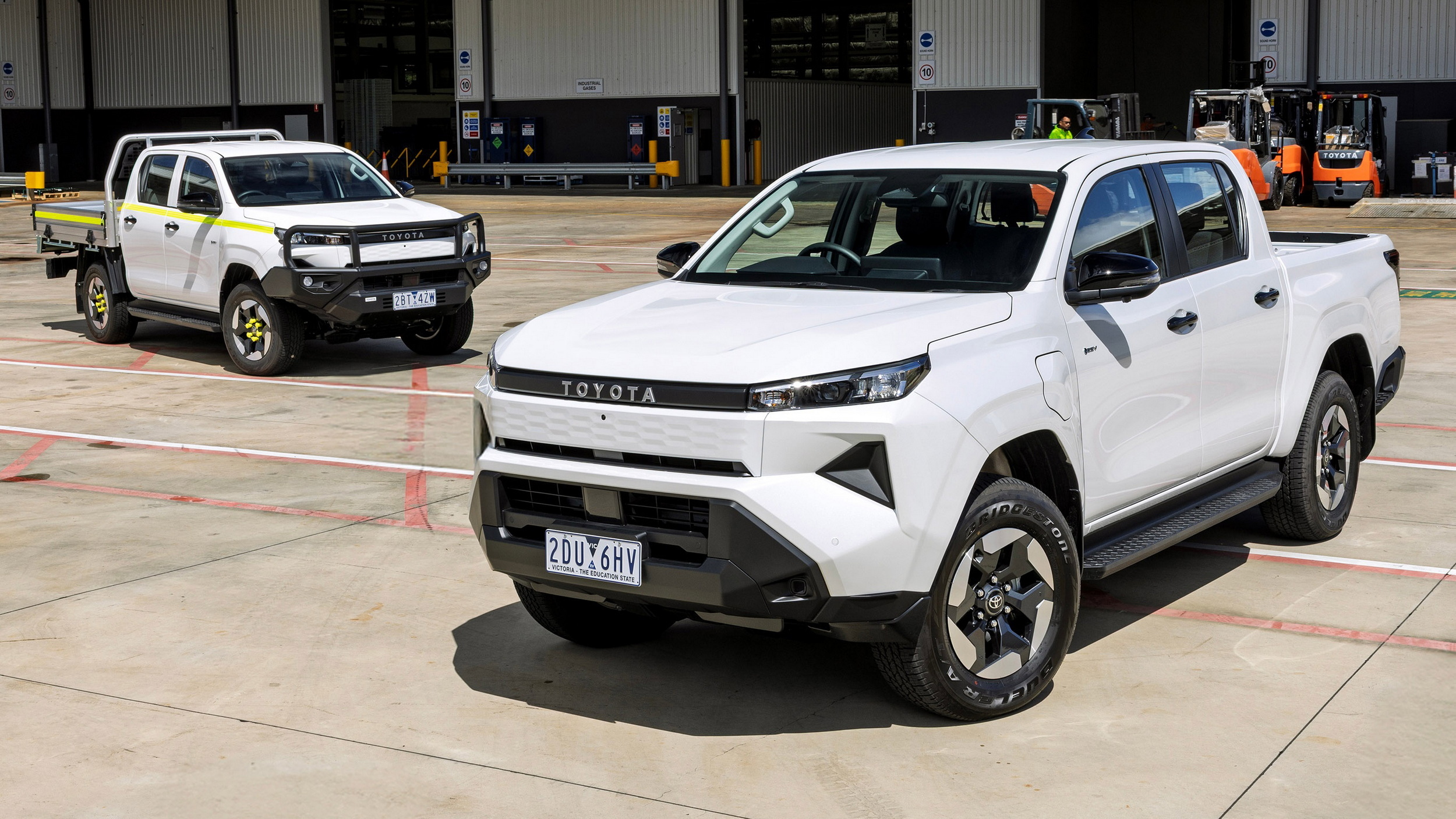
The Hilux BEV SR double-cab chassis (left) and the SR5 double-cab pickup (right).

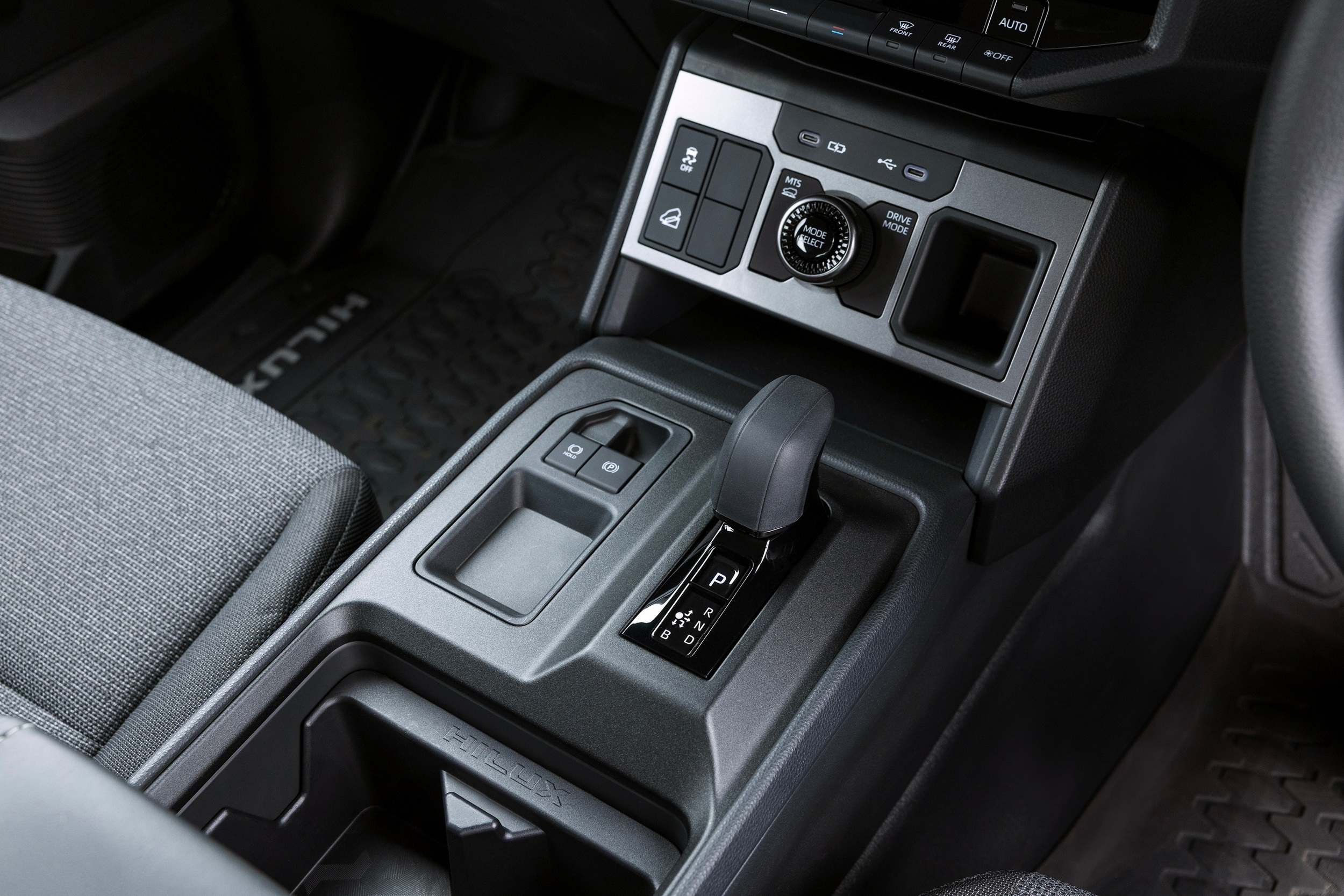
But what do you actually get for the money? The Hilux BEV runs a dual-motor setup delivering a combined 193 hp (144 kW / 196 PS) and 468 Nm (345 lb-ft) of torque. It comes with full-time AWD and six selectable drive modes via the Multi-Terrain Select system, so it’s not short on off-road intent.

More: Toyota Turns The New Hilux Into A Rugged Three-Row SUV

Power comes from a 59.2 kWh battery, good for a claimed 245–315 km (152–196 miles) of range on the NEDC cycle, depending on spec. That’s hardly ideal for long hauls across the vast Australian outback, though a 10–80% charge takes around 30 minutes. There’s also a practical touch, as a 1,500 W inverter in the center console lets it double as a mobile power source when needed.

Underneath, the ladder-frame chassis gets a bespoke De Dion rear suspension with leaf springs, plus additional reinforcements to cope with the battery weight. Towing is capped at 2,000 kg (4,409 lbs), well short of the diesel’s 3,500 kg (7,716 lbs) figure.

Design And Features

 Toyota’s Electric Hilux Costs $20K More Than The Diesel, And That’s Not Even The Worst Part

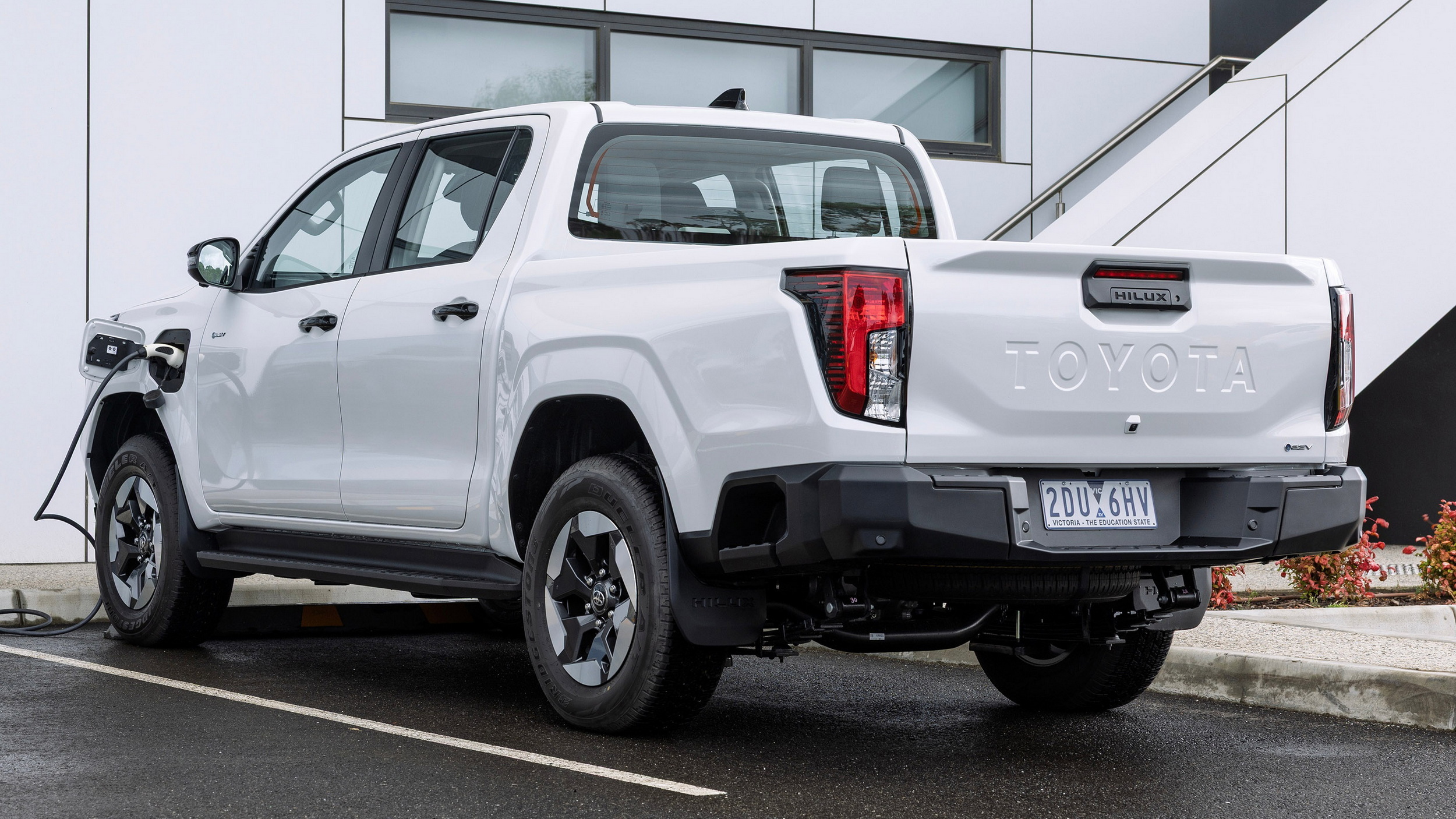
Visually, the Hilux BEV sets itself apart with a closed-off grille and a set of distinct 17-inch alloy wheels shaped for improved aerodynamics. Color choices are kept tight, as they’re limited to Glacier White, Frosted White, and Ash Slate, reinforcing its fleet-focused brief, even if private buyers are still free to place an order.

More: Toyota Says The New Hilux’s Design Is Just “Fine”

As for equipment, the SR trim comes well stocked. LED headlights, body-colored bumpers, side steps, fabric upholstery, and all-weather floor mats are all standard. So are dual-zone climate control, a pair of 12.3-inch displays with built-in navigation, eight airbags, and the full Toyota Safety Sense ADAS suite.

The SR5 adds auto-leveling headlights, LED tech for the footlights and taillights, retractable and heated mirrors, privacy glass, leather upholstery, heated seats and steering wheel, an eight-speaker audio system, a wireless charging pad and more. Thanks to the shared design, the BEV is compatible with most of the optional accessories already available for the diesel, including the pictured bull bar.

 Toyota’s Electric Hilux Costs $20K More Than The Diesel, And That’s Not Even The Worst Part

Modest Sales Target

Given its pricing and rather underwhelming driving range, Toyota keeping expectations in check with just 500 units for Australia’s first year doesn’t come as much of a shock. Most are likely headed straight for mining and construction fleets, where outright range matters less than predictable daily use. To help make that case, the company says the HiLux BEV has already been pushed through extensive testing in remote outback conditions, working closely with mining operators.

Australia won’t be the only market in play. The electric HiLux is also headed for Europe, Japan, South Africa, and several Southeast Asian countries.

For now, Thailand is the first place where buyers can actually place an order, fittingly as the truck’s production hub. There, the Hilux Travo-e starts at ฿1,491,000 ($45,300), undercutting expectations slightly but still landing ฿165,000 ($5,000) above a comparable diesel automatic Hilux Travo 4TREX.

\\\\\\\\\

Toyota Australia

Toyota Is Selling A New EV For Less Than A 15-Year-Old Used Corolla

  • GAC and FAW Toyota have slashed pricing for their bZ3X SUV and bZ3 sedan.
  • bZ3X was the top-selling joint-venture EV in China for five consecutive months.
  • Both EVs use batteries with enough capacity to cover between 321 and 383 miles.

Toyota has just made two of its cheap EVs in China even cheaper. They’re so affordable that, depending on where you live, you may consider selling your house, packing up your belongings, and immediately moving to China.

Just kidding, but when a brand new vehicle costs less than what you pay in the States for a 15-year-old used Corolla (around $14,000), then something has gone genuinely, wonderfully wrong with our understanding of what a car is supposed to cost.

Read: China Is Snapping Up This $15K EV Faster Than Toyota Can Build It

Perhaps the most interesting of the pair is the bZ3X SUV, launched in China in early 2025 through the GAC Toyota joint venture. It typically starts at 109,800 yuan, or about $15,800, which already feels like a steal. Now, to celebrate GAC Toyota shifting 80,000 vehicles in its first year, the entry price has dropped to just 99,800 yuan, roughly $14,400.

 Toyota Is Selling A New EV For Less Than A 15-Year-Old Used Corolla

You get a heck of a lot of features for the money. The base model is powered by a 50 kWh battery, and while that’s small, it’s good enough for 267 miles (430 km) of driving on the generous CLTC cycle. It powers a single electric motor producing 221 hp. Step up to the 58 kWh or 68 kWh battery options, and range stretches to as much as 379 miles (610 km).

Unsurprisingly, it’s been flying out of showrooms. The bZ3X topped joint venture EV sales for five consecutive months starting in September. Given the starting price, it’s hardly a surprise why.

The Sedan Is Even Cheaper

\\\\\\\\\\\\

Too expensive? Well, good news, as the price cuts don’t stop with the SUV. FAW Toyota has also trimmed the cost of the bZ3 sedan, another strong seller. The refreshed version arrived just a few months ago and, like the SUV, originally carried a 109,800 yuan ($15,800) starting price. Now, that entry point has dropped to 93,800 yuan, or about $13,500.

Underneath, the electric sedan uses BYD’s Blade battery tech and comes with either a 49.9 kWh or 65.3 kWh pack. Depending on configuration, that translates to between 321 miles (517 km) and 383 miles (616 km) of claimed range.

Of course, you’re not just paying for the powertrain, but a slew of other technologies. For example, there’s a new 15.6-inch infotainment display, a digital gauge cluster, panoramic sunroof, dual wireless smartphone charging pads, a roof-mounted LiDAR, and Level 2 semi-autonomous driving functionalities. Not bad for $13,500, right?

\\\\\\\\\\\\\\\\

EV Sales Plunge 41% In The US As Post-Incentive Reset Takes Hold

  • EV registrations fell sharply in January as market momentum faded.
  • Cadillac ranked as the No. 2 EV brand behind Tesla with modest growth.
  • Gas and hybrid vehicles gained market share as EV demand softened.

Newly-released sales figures from the United States is starting to reveal just how much electric vehicle demand leaned on the federal EV tax credit that was discarded on September 30 last year. With that incentive now gone, the early numbers suggest the market is already feeling the adjustment, and it has not been a subtle one.

Data from S&P Global Mobility shared by Auto News show that 59,802 new EVs were registered in January, a massive 41 percent drop from a year earlier. Out of nearly 1.2 million vehicles registered that month, that leaves fully electric models with just a 5.1 percent share of the market, down from 8.3 percent a year earlier.

Meanwhile, gasoline vehicles quietly expanded their hold, rising 2.3 percentage points to claim 76.6 percent of registrations. Hybrids also edged upward, gaining 1 point to reach a 14.7 percent share.

Read: Global EV Sales Just Fell 11%, But Carmakers Found A Surprising Backup Plan

Tesla still sits comfortably at the top of the US EV market, which will surprise absolutely no one. In January alone, 32,123 new Teslas were registered. Even so, Tesla is not immune to the slowdown, with registrations down 26 percent from a year earlier. Despite that drop, its share of the EV market jumped 11 percent to 53.7 percent.

Cadillac ranked a distant second with 3,189 registrations, more than ten times behind Tesla. However, the brand was one of the few to post growth, with registrations rising 8.1 percent year over year. Its share of the EV market also increased by 2.3 percent to 5.3 percent.

 EV Sales Plunge 41% In The US As Post-Incentive Reset Takes Hold

Many other carmakers have also seen their EV sales fall off a cliff. For example, there were 3,027 new Hyundai EVs registered in January, down 23 percent from the year prior. This decline was led by the Ioniq 5, which saw its deliveries slide 22 percent to 2,101 vehicles.

Ford’s EV registrations also dropped 67 percent to 2,772, while Chevrolet’s fell 55 percent to 2,658. Toyota, however, reported a 25 percent increase, although its EV registrations totaled just 2,529, meaning it still trails many competitors.

According to iSeeCars executive analyst Karl Brauer, “there’s going to be a shakeout to the new reality with no federal EV incentives, which was the carrot, and no greenhouse gas penalties, which was the stick.”

Auto News notes that EV registrations have declined year over year every month since the tax credit was scrapped on September 30. S&P Global Mobility analyst Tom Libby says the drop was “expected,” adding, “it’s a reset, and it’s going to be a very slow process moving forward.”

January 2026 EV Sales USA
BrandSalesDiff. vs Jan-25
Tesla32,123-26%
Cadillac3,189+8.1%
Hyundai3,027-23%
Ford2,772-67%
Chevrolet2,658-55%
Toyota2,529+25%
Rivian2,232-25%
Lucid1,633+97%
BMW1,501-60%
Kia1,462-58%
GMC1,156-31%
Lexus810+166%
Honda658-85%
Volvo599-32%
Subaru555-51%
Porsche495-60%
Volkswagen488-90%
Mercedes-Benz374-84%
Audi319-82%
Polestar299-34%
Nissan249-88%
Ram137
Jeep106-29%
Mini98-57%
Dodge80-65%
Genesis62-87%
Fisker41-70%
BrightDrop38-50%
VinFast37-76%
Rolls-Royce24-20%
Acura15-99%
Fiat15-91%
Maserati12+140%
Jaguar6-98%
Zeekr3
SWIPE

 S&P Global Mobility

Toyota’s Flagship Electric Sedan Undercuts Tesla Model S By Nearly $96,000 In China

  • Toyota adopts Huawei HarmonyOS Cockpit for connectivity.
  • The bZ7 also syncs with Xiaomi smart home devices easily.
  • Starting from $26,000, it’s about the same size as a Model S.

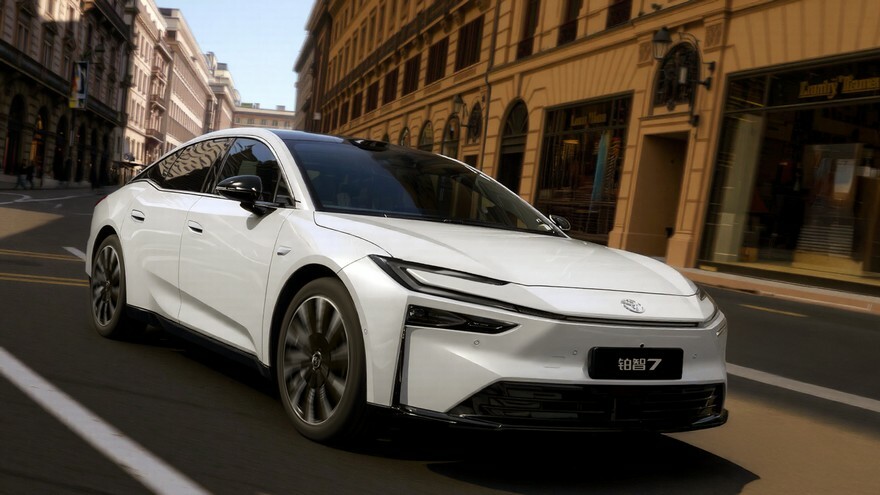
Toyota has officially opened pre-sales of its new all-electric bZ7 in China, priced between 179,800 and 239,800 yuan for the 600 Pro and 710 Ultra LiDAR trims respectively, or roughly $26,000 to nearly $34,800 depending on the version. That aggressive entry point immediately puts it in the thick of China’s hotly competitive EV market.

But this launch is not only about affordability. It represents a clear change in the way that Toyota is approaching electric vehicles in the region.

Read: Toyota’s New Flagship Electric Sedan Is Here But Not For Us

The bZ7 has a sleek fastback design, modern without being too dramatic. At just over 5.1 meters (200.8 inches) long, 1,965 mm (77.3 inches) wide, and 1,506 mm (59.2 inches) tall, with a 3,020 mm (118.9 inches) wheelbase, it carries the proportions of a proper executive sedan. Those dimensions place it squarely alongside rivals such as the Tesla Model S, BYD Han L, and BMW i5.

 Toyota’s Flagship Electric Sedan Undercuts Tesla Model S By Nearly $96,000 In China

Inside, the layout is clean and technology-focused. A huge 15.6-inch central display is located at the center of the dashboard, backed by the compact driver screen and head-up display. The system runs off Huawei’s HarmonyOS Cockpit 5.0, something that is important for Toyota.

Legacy automakers have long struggled to get on top of Chinese-centric ecosystems which buyers love. The adoption of HarmonyOS Cockpit not only offers sharp graphics, quick response times, and voice control features, but it will also be able to natively integrate with China’s own ecosystem of connected apps and services.

A Serious Push Into China’s Connected Car era

\\\\

Toyota’s integration with Xiaomi’s smart ecosystem means that the car itself is intended to integrate with compatible Xiaomi home devices. Drivers can control select functions of a smart home directly from the interface in the vehicle and also sync personal preferences across devices. It makes the car part of a wider digital lifestyle rather than being simply a transport tool.

Advanced driver assistance comes from Momenta’s R6 system, which uses a combination of sensors and roof-mounted lidar. Features include navigation-assisted driving support and automated parking features. Higher trims focus strongly on comfort too with zero gravity seats, massage and ventilation, a premium audio system, rear seat tray tables and even a built-in refrigerator focused on rear passengers.

Powering the bZ7 is Huawei’s DriveONE electric system in conjunction with lithium iron phosphate battery packs. Depending on the trim, Toyota is claiming a driving range of between about 600-710 km (373-441 miles) under CLTC standards (so take that with a grain of salt). Still, that puts it squarely in line with important domestic competitors. That’s paired with a 207 kW (277 hp) electric motor that provides motive power.

That headline range also nudges it into the territory of the dual-motor Model S AWD, at least on paper. The Tesla, of course, operates in a very different league when it comes to outright performance, with roughly 670 hp on tap. It also sits in a completely different price bracket, starting at 842,900 yuan, or around $122,000. That works out to roughly 4.6 times the base bZ7 and about 3.5 times the price of the top-spec version.

\\\\\\\\\\\\\\\\\\\

Consumers Adapting to ‘New Normal’. Vehicle Customization and Pre-Ordering

Smart Toyota Madison WI 
Happy New Car Day Digital Signage
Consumers ‘Bang the Gong’ to celebrate the arrival of their new Toyota at Smart Toyota Madison WI.

Since early 2020, American consumers have had to come to terms with a new kind of normal. Products and services are not as plentiful as we’ve grown accustomed to. Covid-19 and the occasional freak weather patterns have wreaked havoc on a number of industries in many ways, especially in terms of shortages. The restaurant industry is struggling to hire viable and reliable employees. Grocery stores are out of products, specifically goods originating from meat-packing plants. And we all know how paper products like toilet paper were hard to come by for many months. Nearly all industries are having some growing pains adapting to the unavoidable changes taking place, including automobile manufacturers.

Madisonians have noticed the dearth of new vehicles for the past several months when they pass by Smart Toyota on Odana Road. What has been a car lot brimming with options for decades has suddenly become a sort of ghost town with only a handful or so of vehicles on the lot.

“It’s a very noticeable difference,” says Smart Toyota’s sales director Justin Jackson. “We normally have 400 or more new vehicles on the lot, but since mid-April 2021 we’ve seen a steady decline in the number of New Toyotas we have on the lot. Now we only have maybe 5 to 10 new vehicles physically at the store.”

Justin Jackson
Sales Director
Smart Toyota – Madison, WI

Jackson says the pandemic is partially to blame for the shortage because modern vehicles rely on computer chips which became scarce due to manufacturers reallocating them to industries other than automotive. Then, early in 2021 the issue in new vehicle manufacturing were winter storms that crippled Texas-based businesses that are critical in the manufacturing of foam for seats.

“If it’s not one thing it’s another,” says Jackson. “We’ve got the chips, but because of the power issues Texas faced in the Spring of 2021, we didn’t have enough foam padding for the seats, and today, as production ramps up, it’s supply chain and logistical issues.”

It’s Not All Doom and Gloom

Those looking to purchase a new vehicle seem to understand the slow-down in global manufacturing, Jackson says. Instead of getting upset they can’t drive off the lot with a vehicle they think is “good enough,” consumers are now more apt to customize and pre-order a vehicle specifically made to their specifications.

“It’s kind of cool how people have adapted,” says Jackson. “They might not get that prior sense of immediate gratification of new car ownership, but they get to experience something else: personalization.”

Jackson explains the process of pre-ordering has been well-received for a few reasons, one of which is the compassion the consumer feels about simple logistics as they relate to inventory issues in this day and age.

Vehicle Customization increases satisfaction

“They also really like the fact we can get them exactly what they want; from safety features and amenities, to color preference,” says Jackson. “And when their customized vehicle comes in – usually in about 45 days – they are over the moon when they see the Happy New Car Day sign bearing their name saying the car was made specifically for them. It takes ‘ownership’ to a whole new level.”

Custom Pre-Orders on the Rise

Jackson says about five percent of Smart’s new vehicle sales used to be custom ordered. Today the percentage has skyrocketed to about 50 percent of the dealership’s monthly new car sales. And, Jackson notes, when a consumer has all the customizable options at his or her disposal, no one opts for a base model in order to save a buck or two.

“Often times, though, it’s not options that are the most appealing aspect of pre-ordering,” says Jackson. “Instead, currently, there has been a surge in hybrid vehicle sales. And now in winter, AWD (all-wheel drive) vehicles will see a spike in popularity.”

If you know you are going to order a customized vehicle, Jackson says it might be best to do a little homework prior to meeting with a sales consultant.

“People take a lot of amenities for granted, but if you’re customizing, you should consider some of the following options,” he says.

Custom Pre-Order Checklist

  1. Entertainment & Communications: think about your stereo system. Do you still need a CD player? How about satellite radio capability? Hands-free phone control? A video system? Navigation?
  2. Comfort & Convenience: this includes upholstery, heated/cooled seats, power door locks, keyless entry, dual climate control, etc.
  3. Safety: the simple rule of thumb is the more you can install, the more secure you’ll feel. If you can, opt for dual air bags, anti-lock brakes, traction control, cruise control, and parking assist systems.
  4. Appearance: the most enjoyable aspect of customizing is picking out your paint, trim, and wheels.
  5. Performance: what do you need to get from point A to point B in your daily life? A larger engine? Sport suspension? 4-wheel drive? Automatic transmission or stick?

Jackson says while customers are not complaining right now about having to customize and then wait for their new ride, he anticipates their patience won’t last forever. However, he also doesn’t see new vehicle inventory returning to “normal” in the immediate future, and with customer satisfaction currently at such a high level he’s not overly anxious about it.

“At this point, we do not see ‘ground stock’ (vehicles physically on the lot) back to our previously average levels before the end of the year,” he says. “That could change, but we really don’t see it happening until late 2022.”

The post Consumers Adapting to ‘New Normal’. Vehicle Customization and Pre-Ordering appeared first on Smart Toyota Blog.

❌
❌