Normal view

There are new articles available, click to refresh the page.
Before yesterdayMain stream

The Dodge Charger EV Now Has A Solid-State Battery, But You Can’t Buy It

  • Factorial’s solid-state batteries can charge from 15-90 percent in 18 minutes.
  • Stellantis is now starting a road-testing program for the innovative new battery.
  • Factorial counts Hyundai, Kia, Mercedes, and Stellantis among its investors.

Solid-state batteries could rewrite the rules for EVs, and nearly every major automaker has a team chasing them toward production. Stellantis belongs on that list, and it has just started testing advanced solid-state cells in what is arguably its least desirable EV.

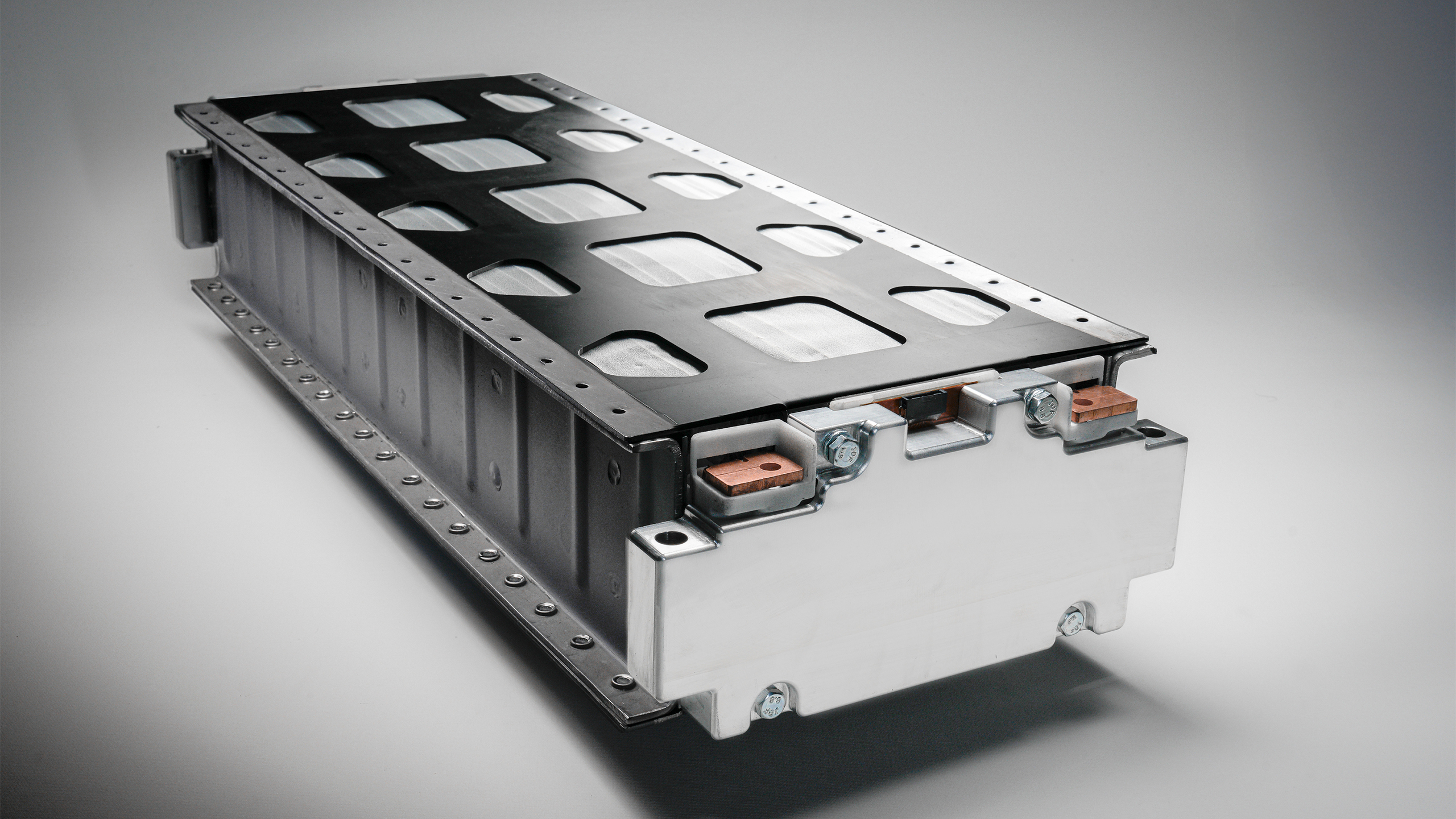
Working with American battery manufacturer Factorial, Stellantis has equipped a Dodge Charger Daytona with new solid-state cells. The company says the cells were incorporated into the battery pack through a “new mechanical architecture,” designed in-house.

Read: Mercedes Needed A Solid-State Battery To Match Lucid’s EV Range Record

We don’t know how large the battery pack on this Charger Daytona prototype is, nor what driving range it offers. With that being said, Factorial’s cells have an energy density of up to 375 Wh/kg and can charge from 15 percent to 90 percent in just 18 minutes, all while working seamlessly in temperatures ranging from -30°C through to 45°C (-22°F – 49°F).

Stellantis will now commence a road-testing program for the solid-state battery pack, ensuring it’s up to scratch and delivers the reliability, range, and charging performance needed for solid-state battery technology to be adopted at scale, potentially replacing LFP and NMC batteries.

Mercedes Using The Same Tech
 The Dodge Charger EV Now Has A Solid-State Battery, But You Can’t Buy It

While you may not be familiar with Factorial, the company has financial backing from Mercedes, Hyundai, Kia, and Stellantis. Last year, a Mercedes-Benz EQS prototype covered 748.8 miles (1,205 km) on a solid-state pack from Factorial. What makes that run more impressive is that the car finished with an estimated 85 miles (137 km) of range to spare, so it could have gone even farther.

“We are deeply honored to work alongside Stellantis, one of the world’s great mass-market automakers, on this STLA Large-based development car,” Factorial chief executive Siyu Huang said. “What we have built together, from cell chemistry to pack architecture to enable real-world road testing, is exactly the kind of deep, full-stack collaboration that solid-state has always required.”

Stellantis hasn’t said when it wants to start producing and selling cars with solid-state batteries, but it’s likely at least a few years off.
\\\\\\

Dodge Hikes 2027 Charger Daytona Prices By Five Figures, Basically Begs Buyers To Skip The EV

  • The 2027 Dodge Charger gets 25 new personalization options.
  • The Charger Daytona now comes with a native NACS port.
  • Model starts at $49,995, but the EV gets a $12,500 price hike.

Dodge announced a handful of changes to the 2027 Charger Daytona Scat Pack last winter and now the company has revealed more information about the larger Charger lineup. Highlights include 25 new customization options and a NACS port for the EV.

Starting outside, ICE-powered models can be equipped with a new Satin Black painted hood. Buyers will also find new dual stripes – in Satin White, Satin Black, and Gloss Red – as well as expanded graphic choices. The latter include “Charger” blade stripes and strobe stripes in the aforementioned colors.

More: The Charger EV Still Isn’t Selling, So Dodge Hiked Prices By Over $12,000

Rounding out the exterior highlights is a new Mopar accessory glass roof sunshade. Buyers will also find a Brembo braking system that now offers orange and black calipers.

One of the coolest updates resides inside Scat Pack models. For 2027, they can be equipped with new Petrol Blue leather sport seats that feature “Digital Slash” perforation and red contrast stitching. They’re a nice departure from the usual black or red.

Last but not least, all Chargers can be equipped with new Demonic Red seat belts. They help to add an extra splash of color to the cabin.

\\\\\\

Pricing for the 2027 Charger starts at $49,995, which is the same as last year’s model. However, the electric Charger Daytona Scat Pack soars to $72,495, which is an increase of $12,500. As we’ve previously noted, Dodge appears to be actively discouraging sales of the slow-selling EV with the massive price hike.

As a refresher, the Charger R/T has a twin-turbo 3.0-liter Hurricane inline-six developing 420 hp (313 kW / 426 PS) and 468 lb-ft (634 Nm) of torque. It enables the model to accelerate from 0-60 mph (0-96 km/h) in 4.6 seconds and run the quarter-mile in 12.9 seconds.

Upgrading to the Scat Pack rewards buyers with a high output engine developing 550 hp (410 kW / 558 PS) and 531 lb-ft (719 Nm). Thanks to the extra power, the dash to 60 mph (96 km/h) falls to 3.9 seconds while the quarter-mile comes in 12.2 seconds.

\\\\

The Charger Daytona Scat Pack is the performance champ as it sports a dual-motor all-wheel drive system with 670 hp (500 kW / 679 PS) and 627 lb-ft (849 Nm) of torque. 60 mph (96 km/h) comes in 3.3 seconds, while the quarter-mile blows past in 11.5 seconds. However, you’ll have to keep trips short as the model only has 267 miles (430 km) of range.

Dodge is currently accepting orders for the 2027 Charger and cars will begin arriving at dealerships in the third quarter.

2027 Dodge Charger Pricing
Trim2-Door Price4-Door Price
Charger R/T$49,995$51,995
Charger R/T Plus$54,990$56,990
Charger Scat Pack$54,995$56,995
Charger Scat Pack Plus$59,990$61,990
Charger Daytona Scat Pack$72,495$72,995
Charger Daytona Scat Pack Plus$77,490$77,990
SWIPE

Ferrari’s New Luce EV Looks So Un-Ferrari We Tried It With Five Other Badges

  • Ferrari’s first EV launch sparked a styling backlash bigger than its powertrain.
  • Jony Ive’s LoveFrom studio shaped the Luce, breaking from Ferrari design tradition.
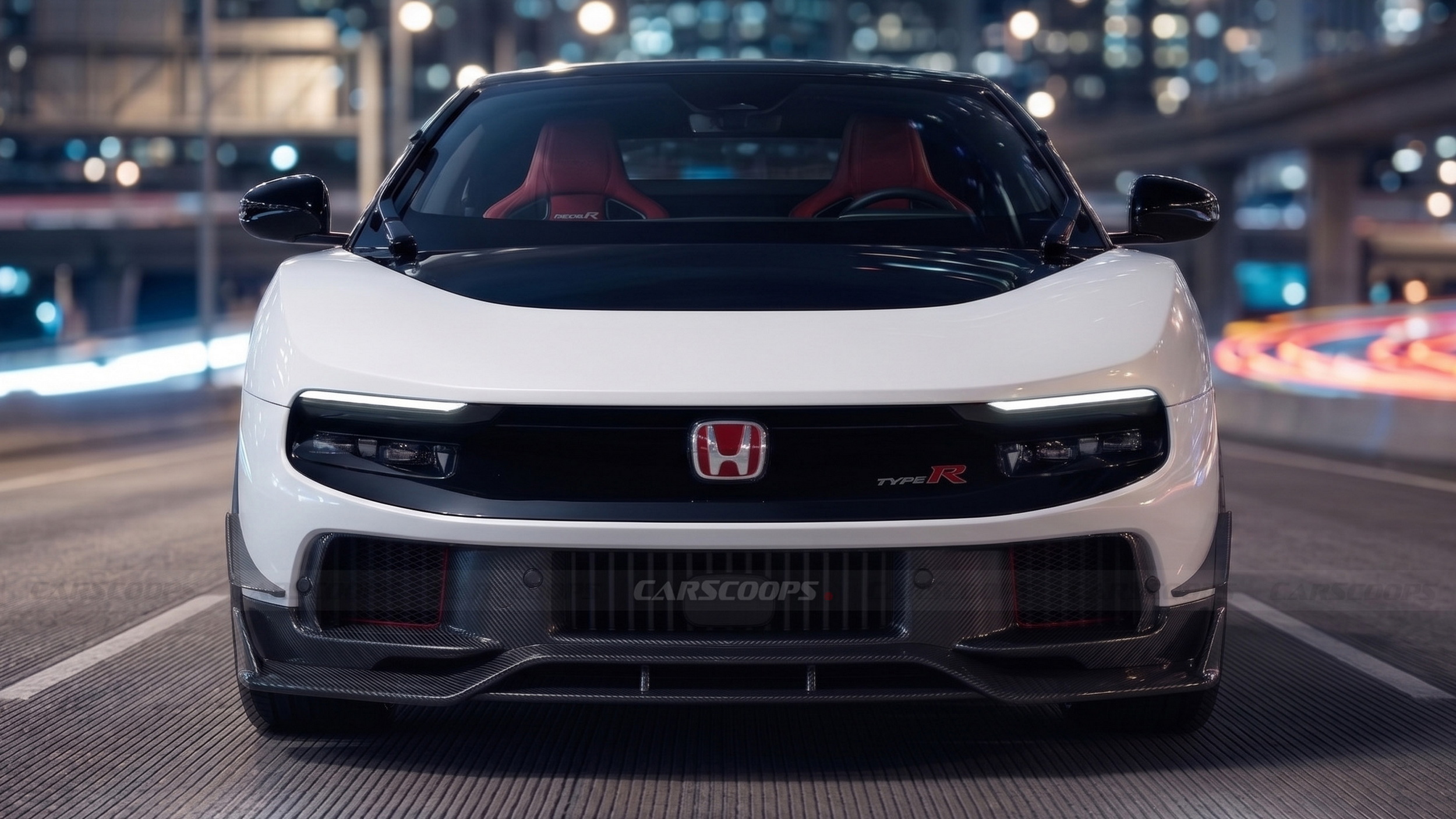
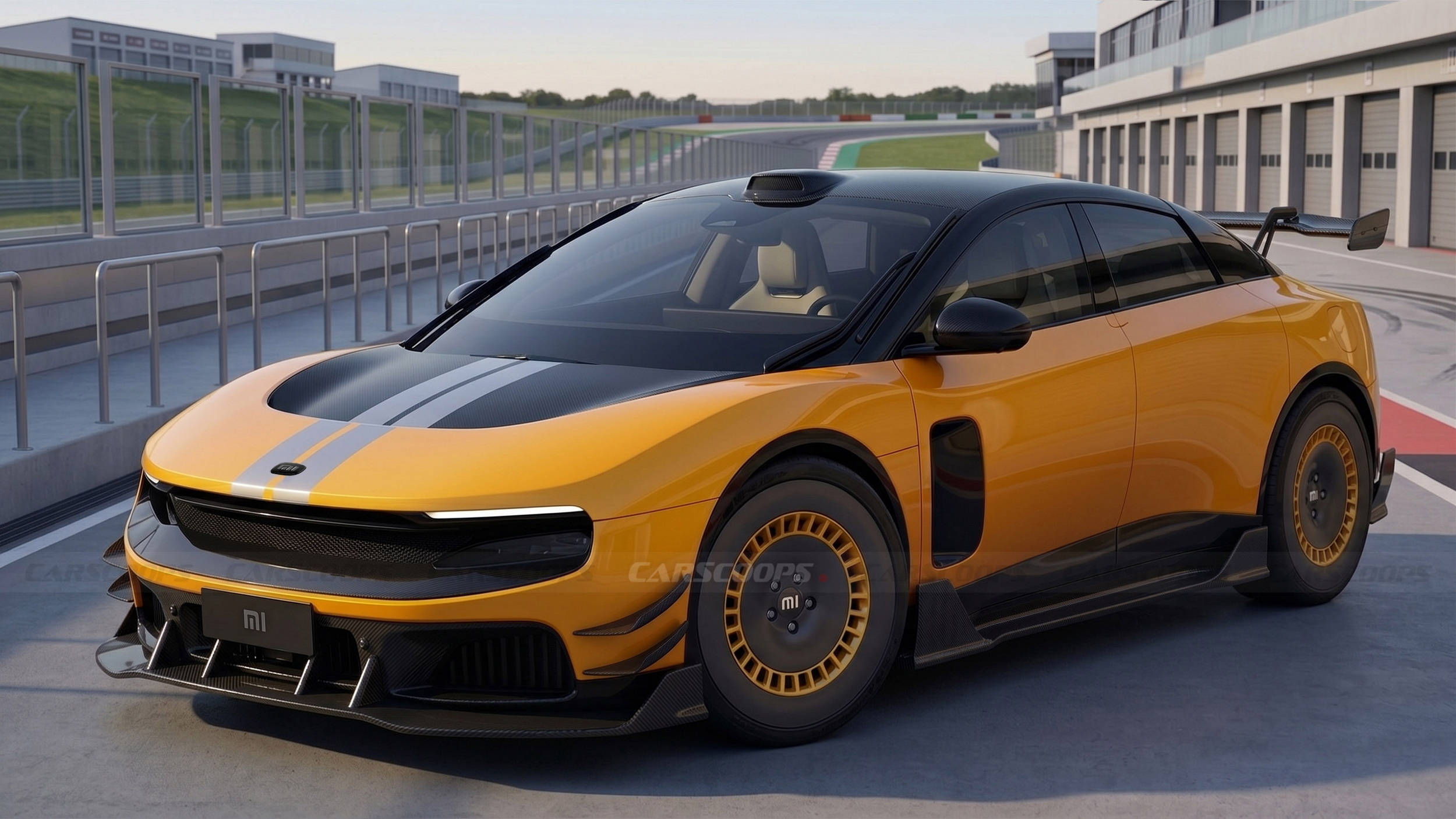
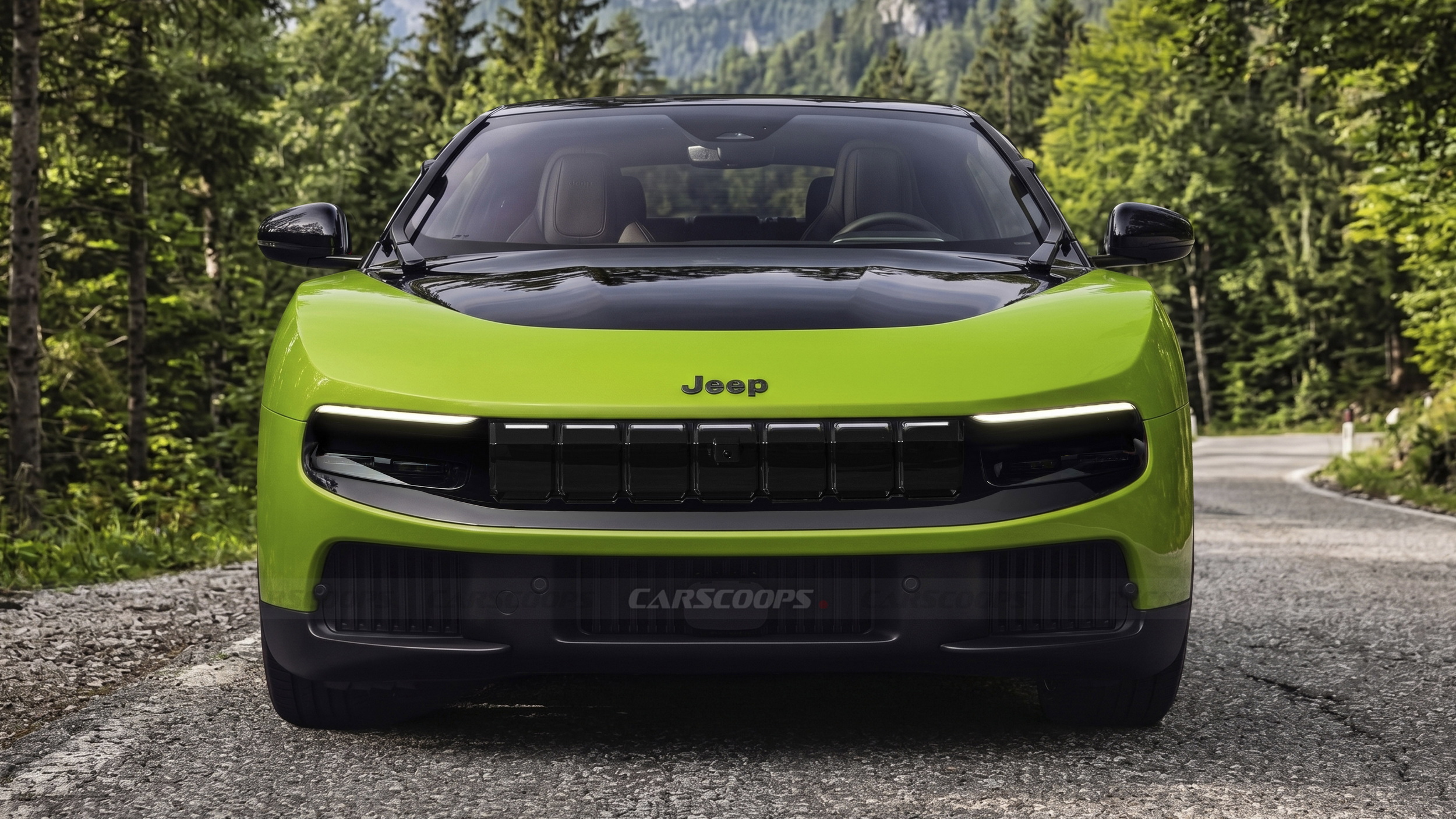
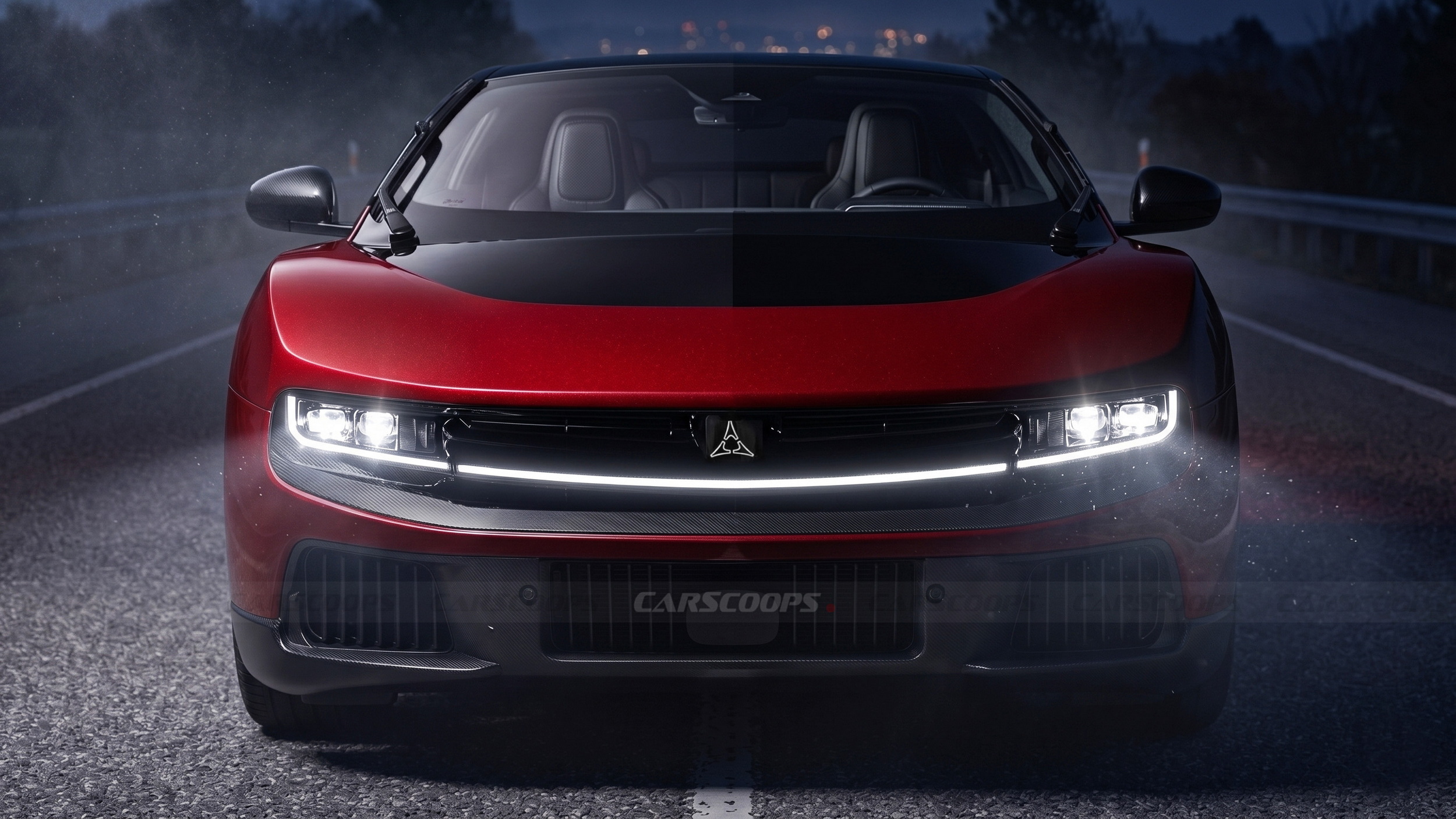
  • Our renders swap the Ferrari badge for Jeep, Dodge, Honda, and Xiaomi logos.

Few electric debuts arrive with this much aesthetic baggage. The debut of the Ferrari Luce turned out to be more controversial than expected, and surprisingly, the noise is louder about its styling than its all-electric powertrain. The car looks nothing like any Ferrari before it, which got us wondering how it would hold up wearing someone else’s emblem.

By now most of the world knows the Luce was shaped with help from LoveFrom, the studio led by former Apple designer Jony Ive. That explains the gulf between this car and anything Flavio Manzoni’s Ferrari Centro Stile team has produced before.

More: Ferrari Quietly Trademarked 10 New Model Names

Of course, this sudden break with tradition was completely intentional. After all, Ferrari doesn’t plan on becoming an EV-only brand anytime soon, meaning that the pioneer model had the privilege of carving its own path. With that out of the way, and since the internet is never short on critics, let’s get on with the face swapping.

 Ferrari’s New Luce EV Looks So Un-Ferrari We Tried It With Five Other Badges

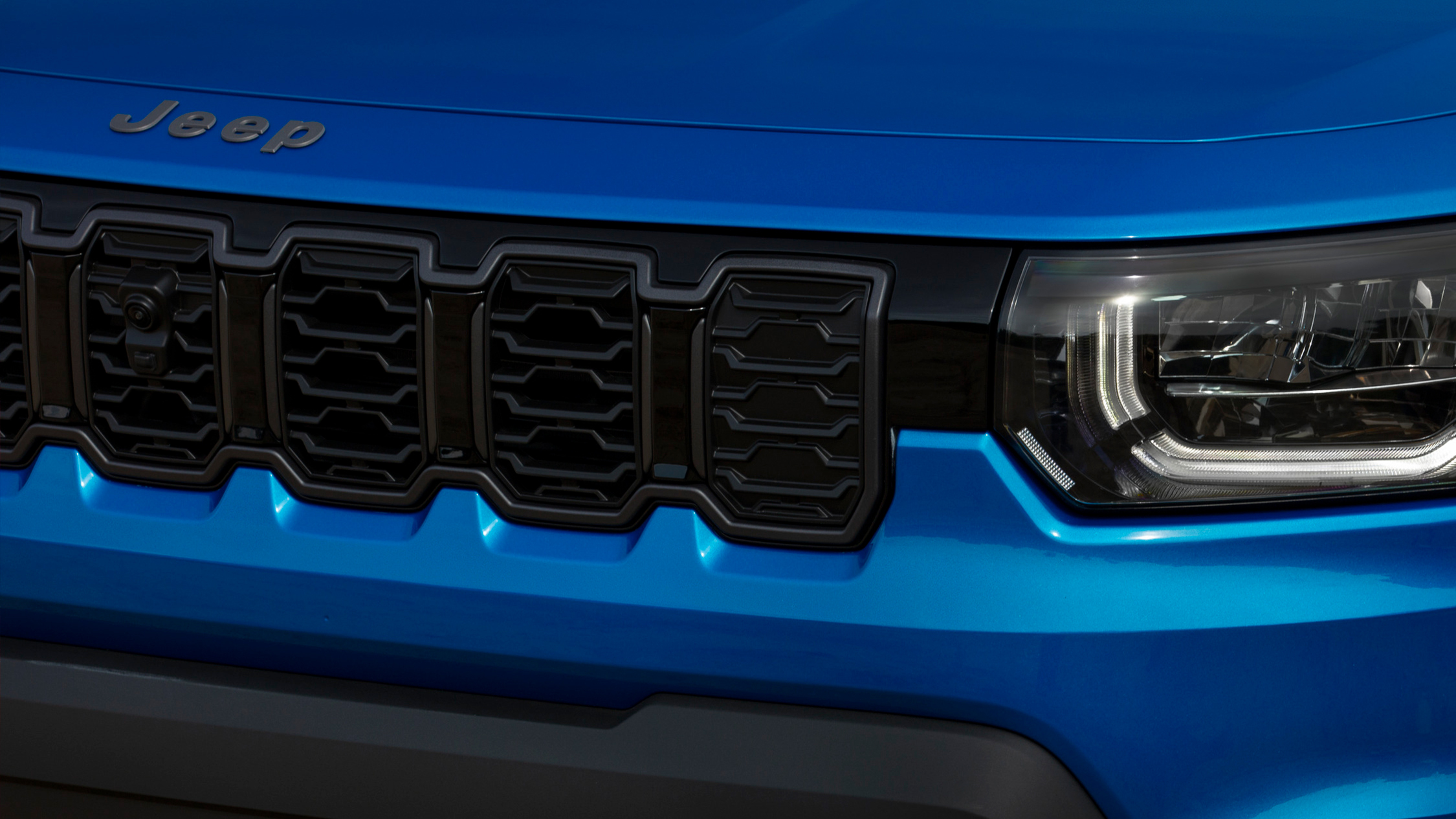
At first glance, the Luce’s face brought to mind the 2008 Pininfarina Sintesi concept, a shape that would have suited a four-door Ferrari rather well. A second look made the resemblance to the Jeep Avenger headlights impossible to unsee.

More: Jeep’s Refreshed Avenger Gets A Classier Cabin And New Turbo Engine

The uncanny resemblance inspired our rendering of the Jeep Luce. In reality, all we had to do was to add the illuminated seven-slot grille and paint the bodywork in the vibrant Hawaii color from the new Compass. A lift kit would have sealed the illusion, but we will leave that to the imagination.

 Ferrari’s New Luce EV Looks So Un-Ferrari We Tried It With Five Other Badges

The next brand that inevitably comes to mind was Dodge, as the see-through grille of the Ferrari is similar in theory to the nose of the electric Charger Daytona.

The Luce’s short nose is hardly muscle-car territory, but it sits surprisingly well with the Charger’s full-width headlights and illuminated emblem. The deep Redeye paint from Dodge’s palette also plays nicely off the glossy black panels of the electric Ferrari.

 Ferrari’s New Luce EV Looks So Un-Ferrari We Tried It With Five Other Badges

Next up, a Japanese brand known for the clean lines of its concept work. Honda has recently axed a long list of high-profile EV projects, but it was hard to resist picturing the Luce with the ‘H’ emblem pinned to its nose.

More: Honda Won’t Touch The CRX, So Two Designers Did It Themselves

However, since this is a performance model, we decided to give it the Type R treatment, with a sharper carbon fiber aero kit and red bucket seats. Ironically, the Ferrari Luce doesn’t look as exotic as the cancelled Honda 0 Sedan.

 Ferrari’s New Luce EV Looks So Un-Ferrari We Tried It With Five Other Badges

The next and final stop in our face swapping journey is the Far East. Chances are that one of the countless automakers in China will copy the styling features of the electric Ferrari and bring something similar into production before the first examples come out of the Maranello factory.

More: The Nurburgring’s SUV Record Used To Be German. It Isn’t Anymore

Given the loose Apple connection and the way the Luce reads more like a tech product than a supercar, Xiaomi was the natural pick. The Lighting Yellow paint and silver stripes from the Porsche-inspired Xiaomi SU7 Ultra came first, followed by a set of Mi emblems.

In order to make a more convincing case for a Chinese EV, we added a roof-mounted Lidar sensor and several carbon fiber aero add-ons. Still, we didn’t need to touch Ferrari’s own aerodynamic wheels inspired by turbines that already come with yellow accents.

 Ferrari’s New Luce EV Looks So Un-Ferrari We Tried It With Five Other Badges

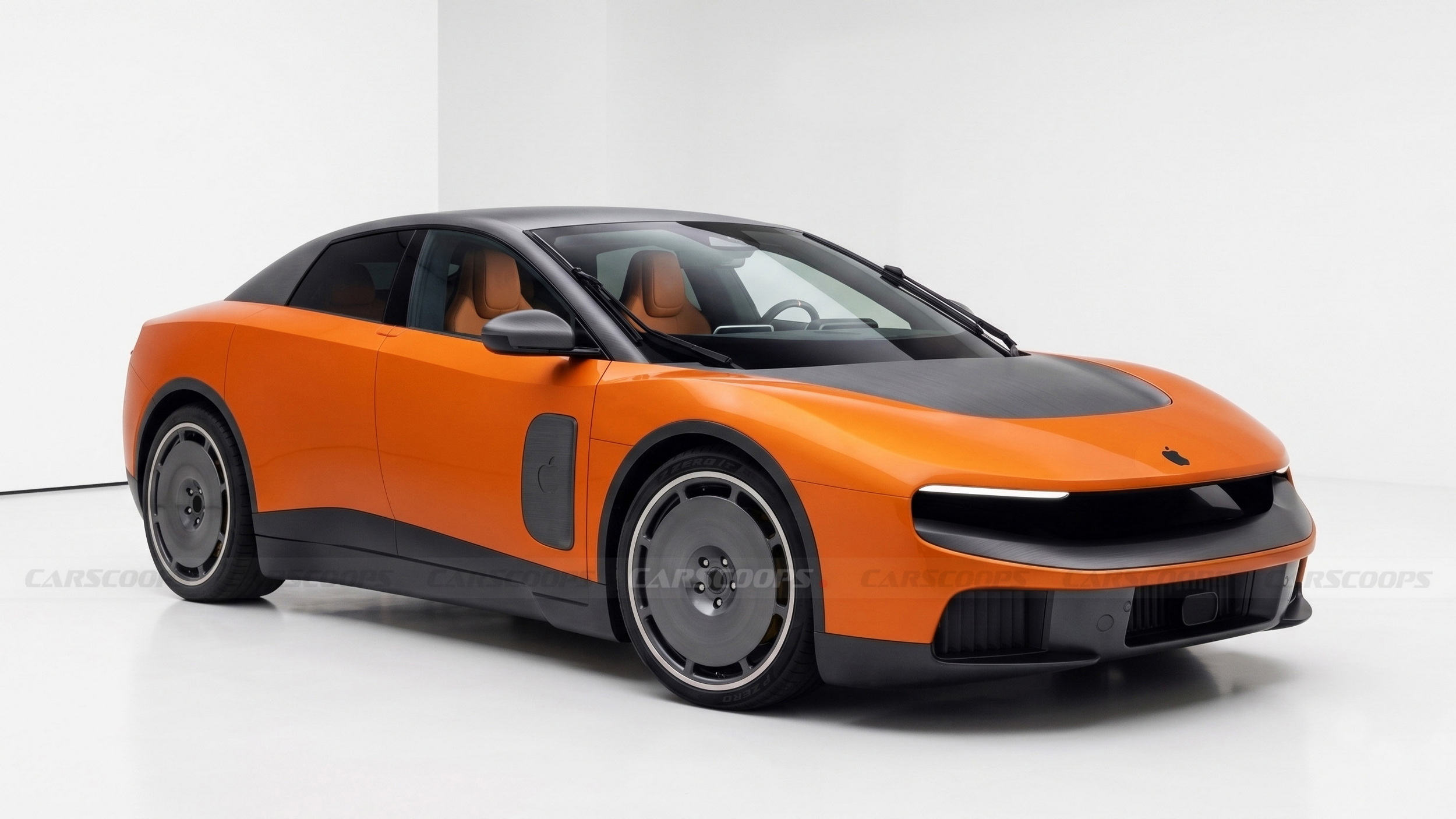
We will close out with a bonus, the rebadge a fair number of readers have already asked for. Turn the Luce into the Apple iCar that never made it to market. “Project Titan” was officially canceled in February 2024, having burned through billions in design and research chasing an autonomous, paradigm-shifting EV.

By outsourcing the Luce’s aesthetics to LoveFrom, Ferrari might have given former Apple design chief Jony Ive the platform to express at least a part of the spirit of the ambitious project by the tech giant. . For our imaginary take, the changes were minimal, an Apple logo on the nose and side gills, disc-style alloys, and a Cosmic Orange finish borrowed from the latest iPhone.

\\\\\\\

Illustrations: Thanos Pappas for CarScoops

Stellantis Puts Cheap Cars Under $30,000 Back On America’s Menu

  • Stellantis plans a wave of affordable new vehicles before the decade’s end.
  • New global STLA One platform supports hybrids, EVs, and gasoline models.
  • Jeep, Ram, Peugeot, and Fiat receive biggest investments in a $70 billion plan.

Stellantis just pulled the covers off a gigantic new global strategy, and buried beneath all the boring corporate jargon is something buyers will really care about. Affordable cars are back.

The company says it plans several new sensibly-priced vehicles for North America, including two models priced below $30,000, and seven coming in under $40,000, all before the decade ends.

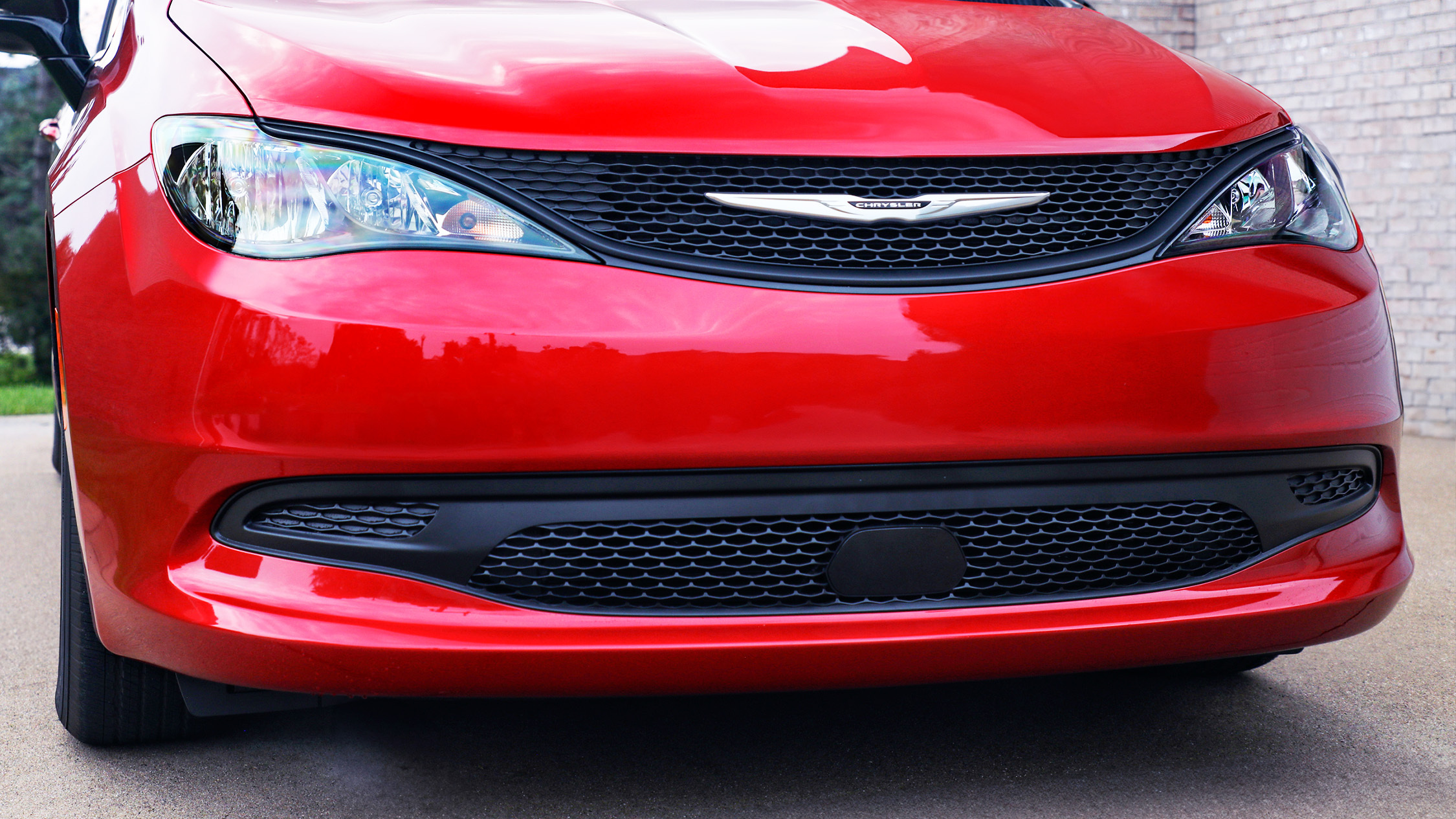
Also: Stellantis Quietly Showed Dealers A New Chrysler Starting In The $20,000s

North America will receive 11 all-new vehicles by 2030 as part of a wider global product offensive involving more than 60 launches and 50 major refreshes. And rather than trying to push EVs to audiences that don’t necessarily want an electric car, Stellantis is still betting on a broad mix of powertrains. The company confirmed future plans include 29 EVs, 15 plug-in hybrids or range-extenders, 24 hybrids, and nearly 40 combustion or mild-hybrid vehicles.

The backbone of this new strategy is a fresh modular architecture called STLA One that will underpin more than 30 models globally. Launching in 2027, it’s designed to replace multiple existing platforms with one scalable setup, supporting everything from compact hatchbacks to midsize SUVs.

 Stellantis Puts Cheap Cars Under $30,000 Back On America’s Menu

Stellantis says it’s engineered specifically for different propulsion systems and can feature steer-by-wire tech, STLA AutoDrive autonomy, and STLA Brain software architecture. It will also deliver something called STLA SmartCockpit to allow drivers more interaction with their cars, and EVs get cell-to-body battery integration to reduce cost and weight.

Related: Stellantis And JLR Want To Co-Develop And Build Cars In America

The automaker is also reshuffling its brand priorities. Jeep, Ram, Peugeot, and Fiat have now become the company’s four primary global brands and receive the lion’s share of future investment. Around 70 percent of development spending will go toward those names and the Pro One commercial vehicle business.

Other Brands Play Second Fiddle

 Stellantis Puts Cheap Cars Under $30,000 Back On America’s Menu

Other brands still survive, though they’ll get what they’re given when it comes to hardware, rather than get a say in what that hardware is. Alfa Romeo, Dodge, Chrysler, Citroen, and Opel are positioned as strong regional players using shared technology and platforms. Maserati also gets a time extension with two new flagship E-segment models promised, while Lancia and DS continue operating as niche specialty brands. 

Europe’s side of the plan includes a fresh wave of compact crossovers, hybrids, and city EVs designed to better compete against Chinese rivals rapidly expanding across the continent. Those cars could include the return of the iconic back-to-basics Citroen 2CV. Stellantis is also teaming up with its long-time partner in China, Dongfeng, to build and sell Voyah-brand cars in Europe.

And earlier this week it announced it was partnering with Jaguar Land Rover to develop cars for North America, a deal that could help JLR sidestep punishing import tariffs on the European-built cars it sells in the US.

 Stellantis Puts Cheap Cars Under $30,000 Back On America’s Menu

Stellantis

Edmunds Lost $47,000 On The Charger Daytona, And That Was The Good News

  • A year of ownership wiped nearly 60 percent off the Daytona’s value.
  • The electric Charger covered under 7,000 miles before its value collapsed.
  • Staff complaints ranged from fake exhaust sounds to glitchy software.

Buying a new car is almost always a terrible financial decision. But losing nearly $50,000 in a single year after just a few thousand miles takes things to an entirely different level of painful. Unfortunately for Edmunds, that’s exactly what happened with its 2024 Charger Daytona Scat Pack.

Unlike many magazines and websites, that simply borrow their long-term test cars from automakers, Edmunds buys them with real cash. True, it got a small discount from Dodge on the as-tested price of $85,965, but it still paid a hefty $82,000 to get behind the wheel of Detroit’s first electric muscle car.

Related: The Last Dodge Challengers Were Supposed To Age Into Money, Not Lose $14,000 With Delivery Mileage

But 12 months later when it came time to move the car on, Edmunds was shocked to find its Daytona was worth just $35,000. That’s almost a 60 percent hit, and not because the road test team had put a lifetime’s worth of miles on the EV. It had covered less than 7,000 miles (11,300 km), which is the kind of distance some drivers do in six months.

Even worse, the massive financial hit came after most of the Edmunds staff spent a year actively disliking the thing. Reading through their long-term test notes would be enough to send anyone wavering over which pony car to buy straight into the arms of a V8-powered Ford Mustang Dark Horse.

Digital Headaches

 Edmunds Lost $47,000 On The Charger Daytona, And That Was The Good News

Complaints ranged from glitchy infotainment and strange drivetrain clunks to awkward ergonomics and bizarre software behavior. One editor described the fake Fratzonic exhaust sound as “an insult to V8s everywhere,” while another said the car was simply “boring,” which is probably the most brutal criticism you can level at something wearing a Charger badge.

Others hated the turning circle, massive dimensions, inconsistent regen braking, and handling that apparently couldn’t back up the car’s straight-line punch. But the year didn’t pass without the Charger getting some praise. Several staffers liked the styling, roomy hatchback practicality and surprisingly good range. The 670 hp (679 PS /500 kW) Daytona managed 255 miles (410 km) in real world use, comfortably beating its pathetic official EPA estimate of 216 miles (348 km).

“The Charger was a big, expensive disappointment,” the outlet said, summing up the year-long experience. “We won’t miss having this thing in our fleet.”

\\\\\\

Dodge

❌
❌