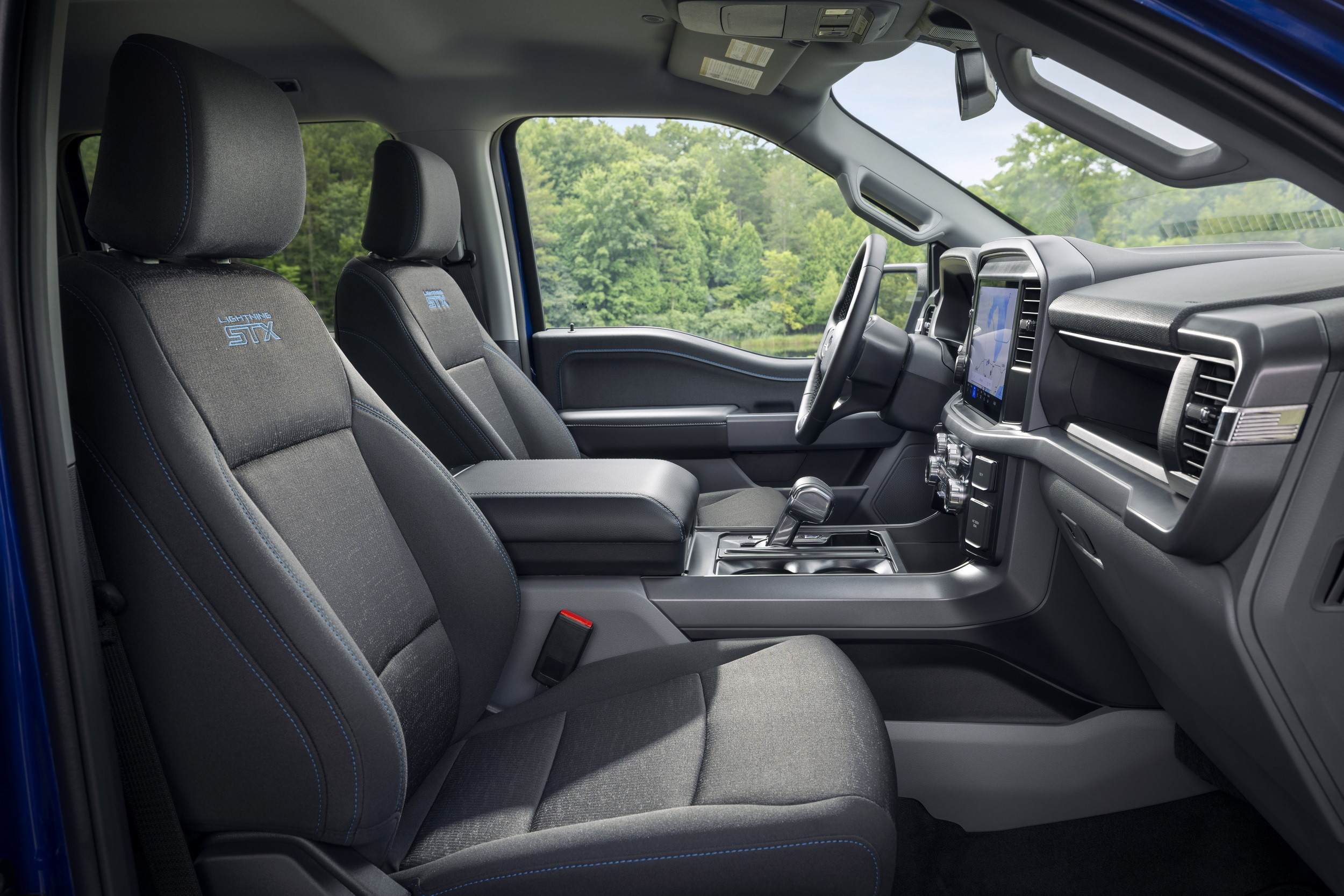
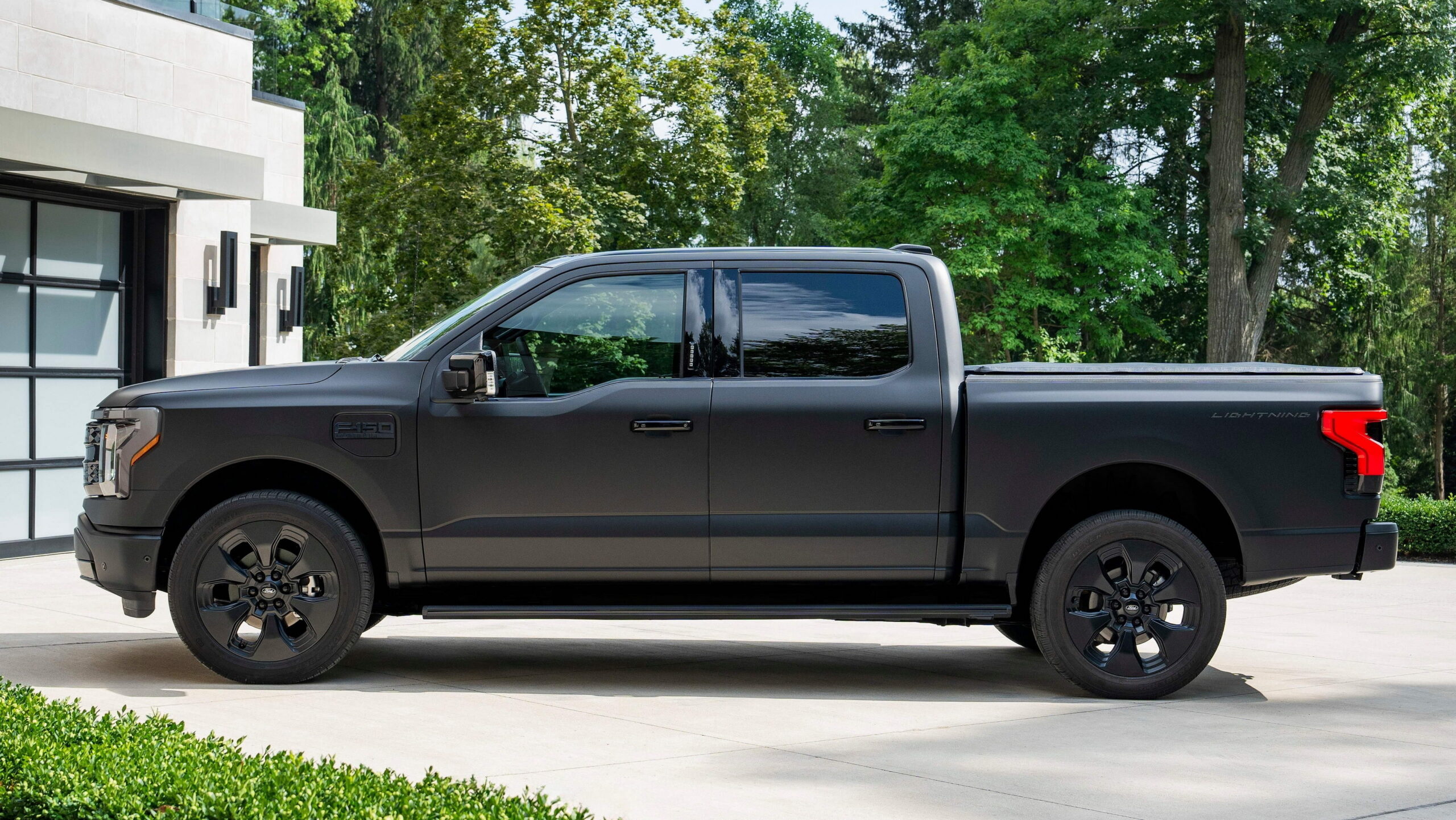
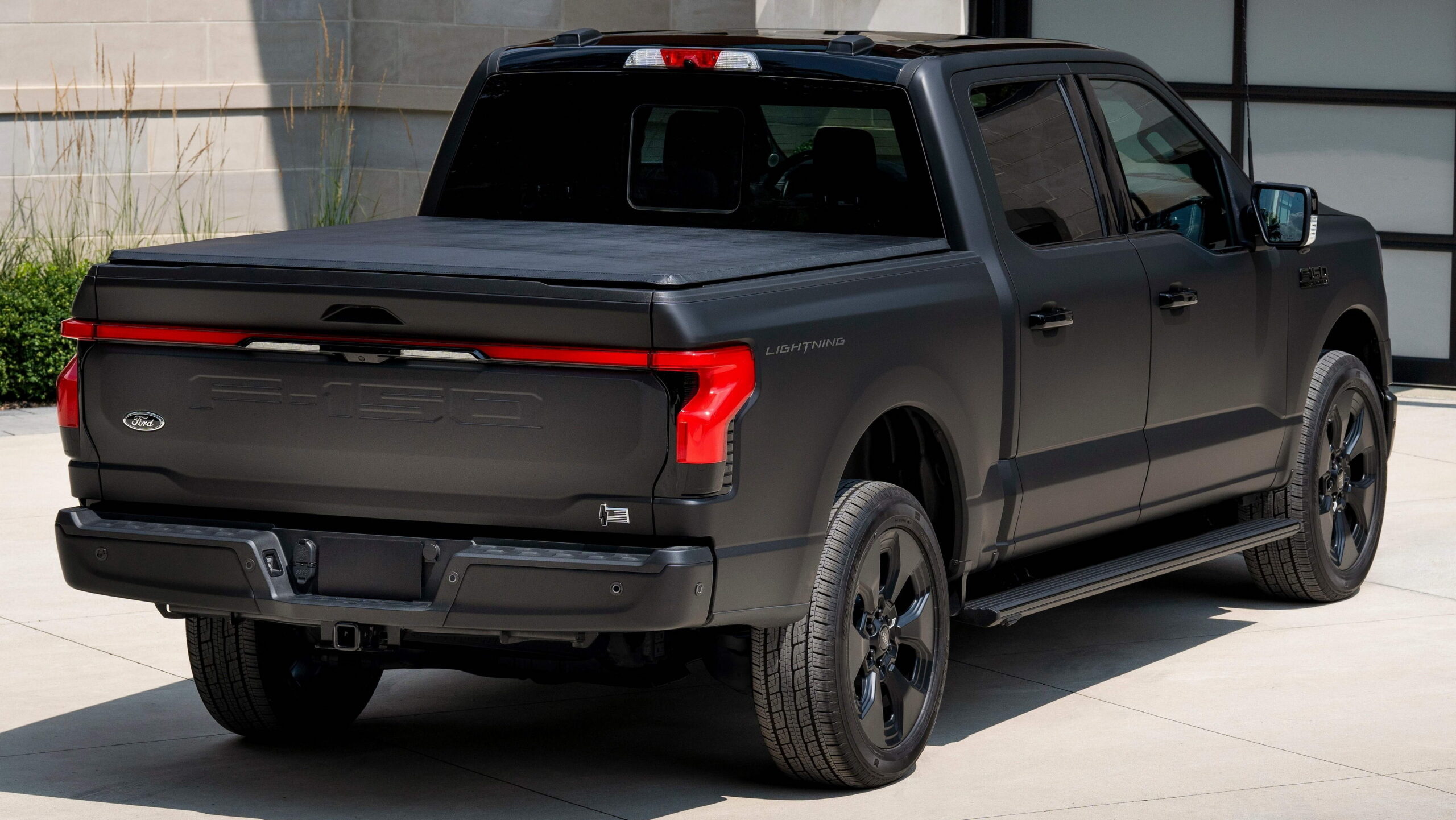
Normal view

There are new articles available, click to refresh the page.
Before yesterdayMain stream

Ford’s CEO Said His Own Cars Were Boring, But What He’s Teasing Next Isn’t

  • Jim Farley says Ford will ditch generic cars in favor of passion products.
  • New affordable electric pickup will redefine mainstream EV appeal in US.
  • Europe gets small EVs with attitude via Renault partnership and technology.

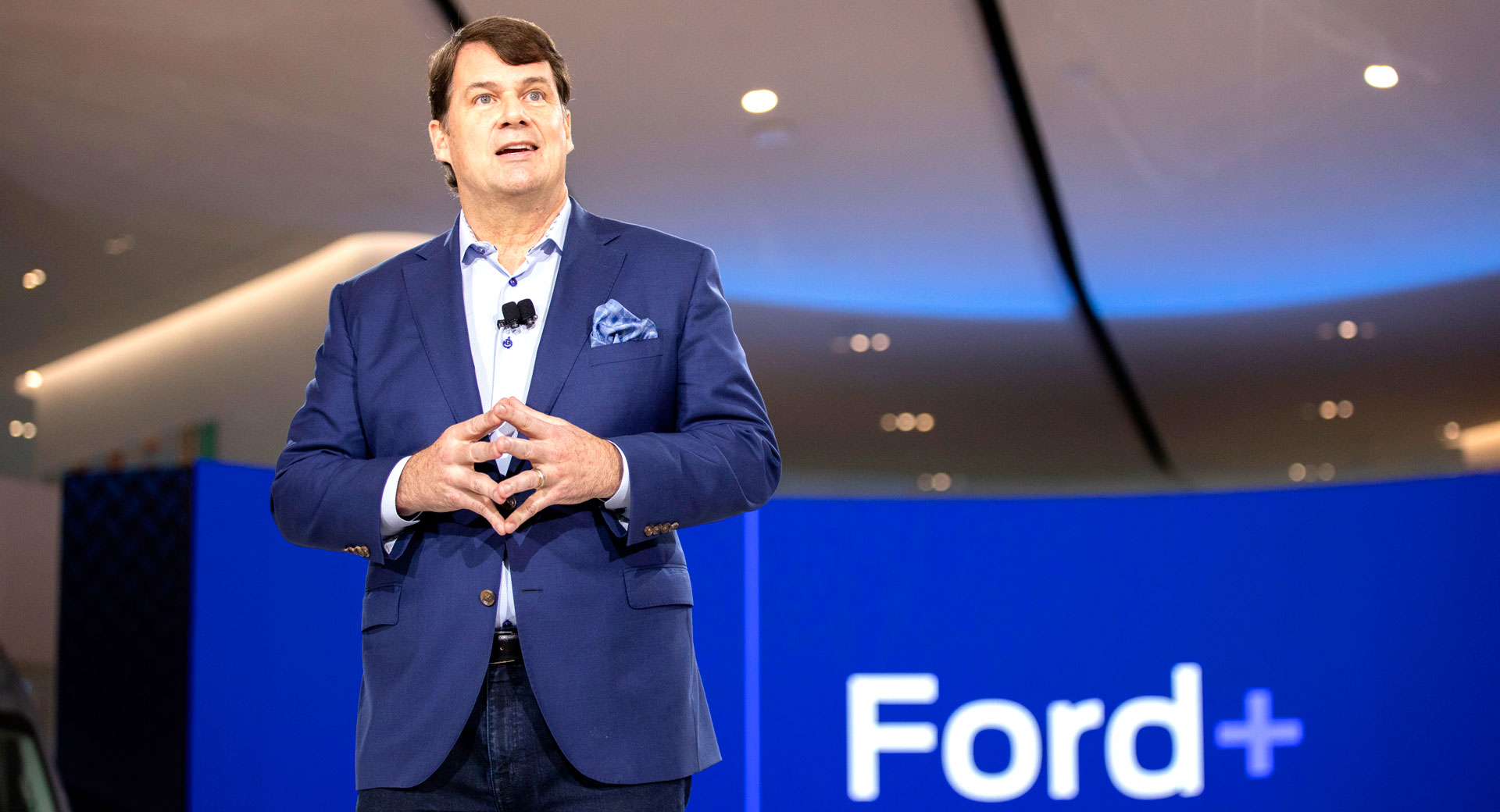
Jim Farley has been saying it for a while now, and he’s not backing off. Ford’s CEO doesn’t want to build boring cars, and now that promise stretches from American pickups to small European EVs, with even a supercar tease thrown in for good measure.

Farley first floated the idea back in 2024, but in a new chat with Top Gear, he reasserted his position, this time with Europe firmly in his sights.

Related: Ford Killed Fiesta For A Crossover, Now It Might Return Like This

“No more generic vehicles,” Farley told TG’s reporter at an interview in Detroit recently. “People loved Focus and Fiesta because they were affordable vehicles with great driving dynamics. They were not boring vehicles.”

But it sounds like their replacements, built around the same Renault AmpR platform that’s helped make the 5 a hit, will be much funkier, and also tangibly different from Renault’s own products.

Aspirational Appeal In Europe

 Ford’s CEO Said His Own Cars Were Boring, But What He’s Teasing Next Isn’t

“Our EV strategy is changing in Europe and we intend to compete differently,” Farley says. “The cars will have a specific feel that is not mid-market. Even in the EV world I think that’s possible, but we’re going to have to take some risks.”

He even reached for a big-name comparison to underline the point.

“We’re making passion products, this is not a marketing conversation. This is a Steve Jobs kind of conversation. I’m challenging the concept that the Fiesta ST is the best example of democratized performance at Ford. Whether they’re based on a VW or Renault platform, we’re going to execute those cars with a swagger that’s specific to Ford of Europe.”

Affordability For America
 Ford’s CEO Said His Own Cars Were Boring, But What He’s Teasing Next Isn’t

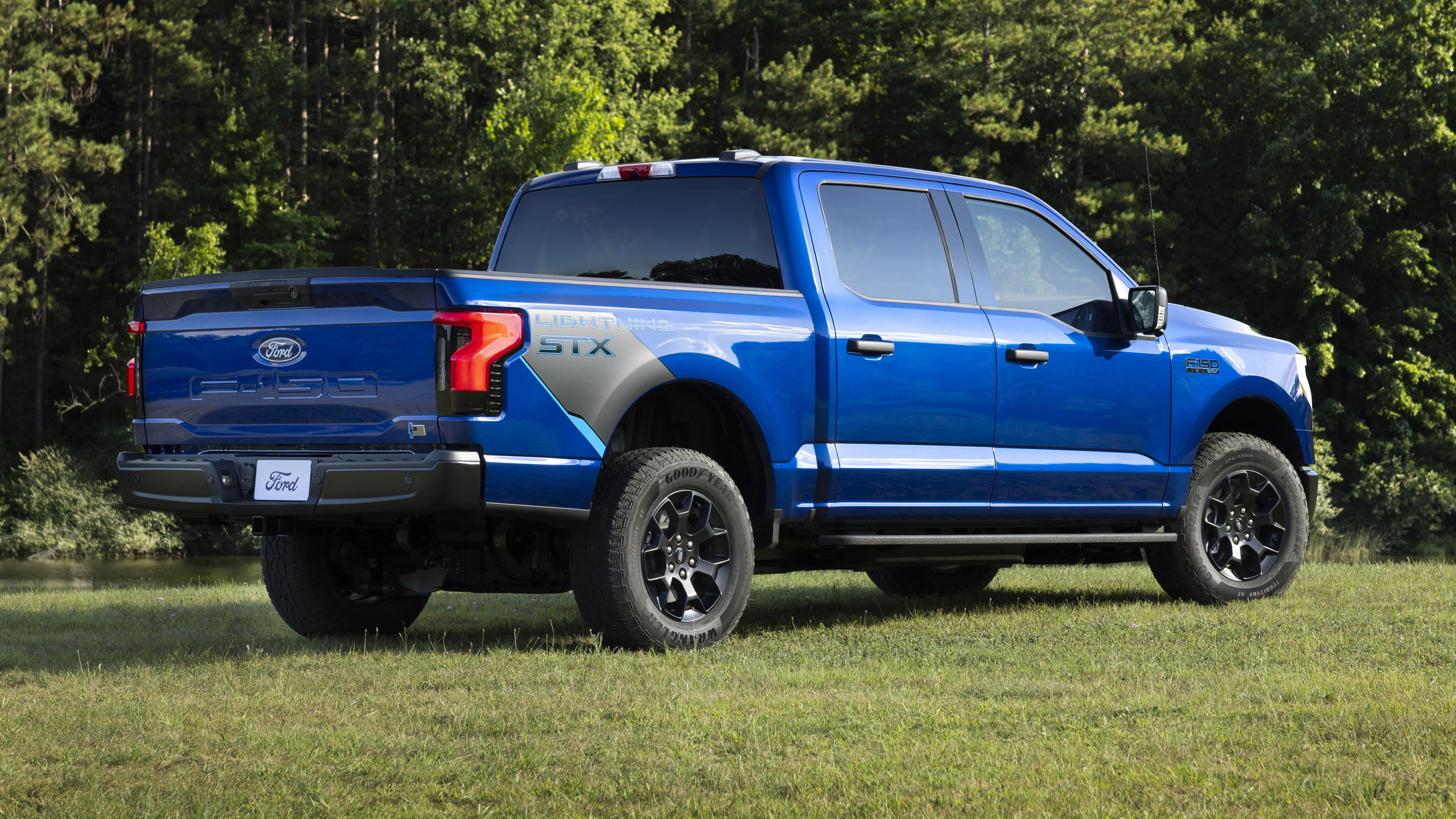
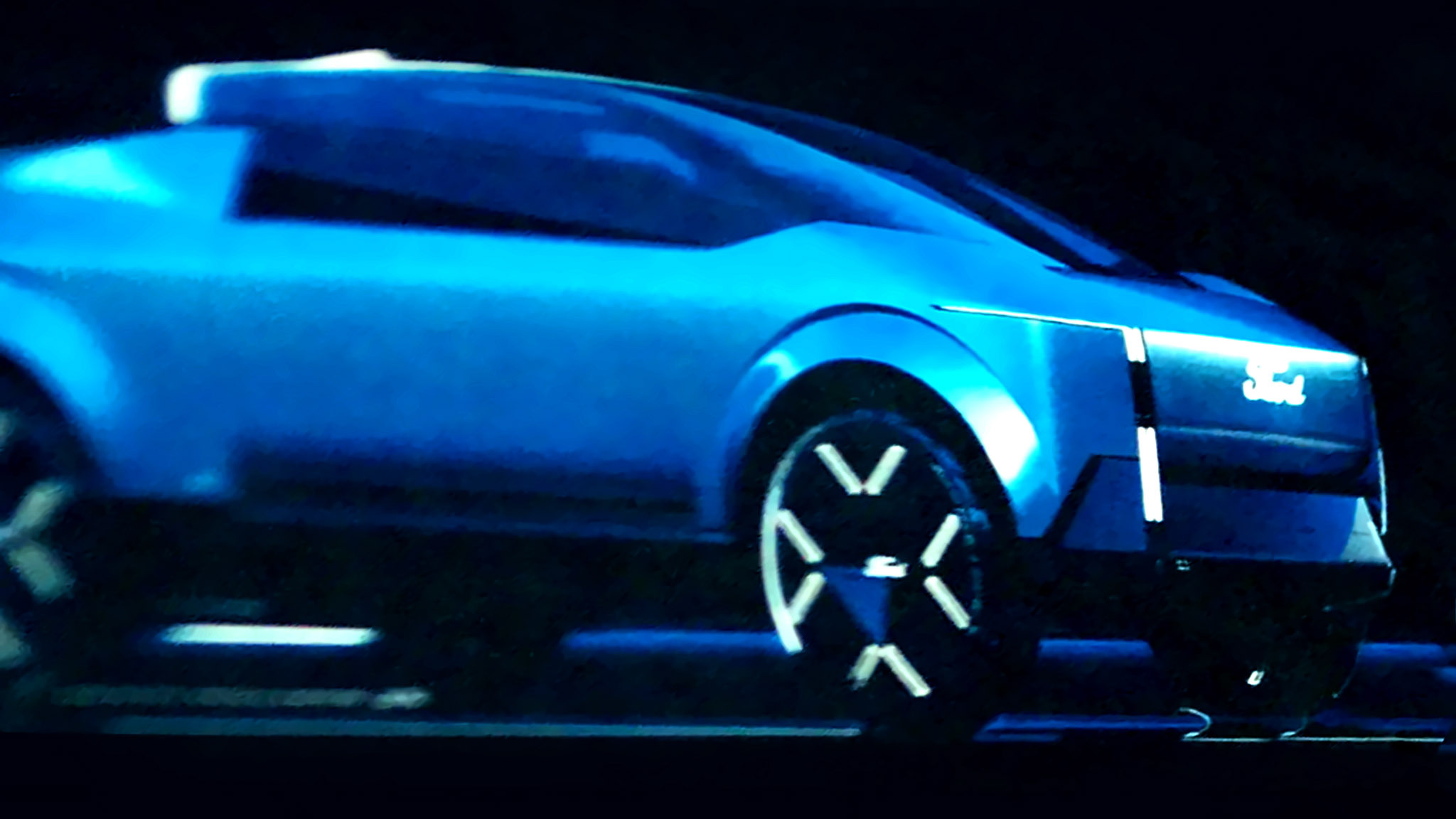
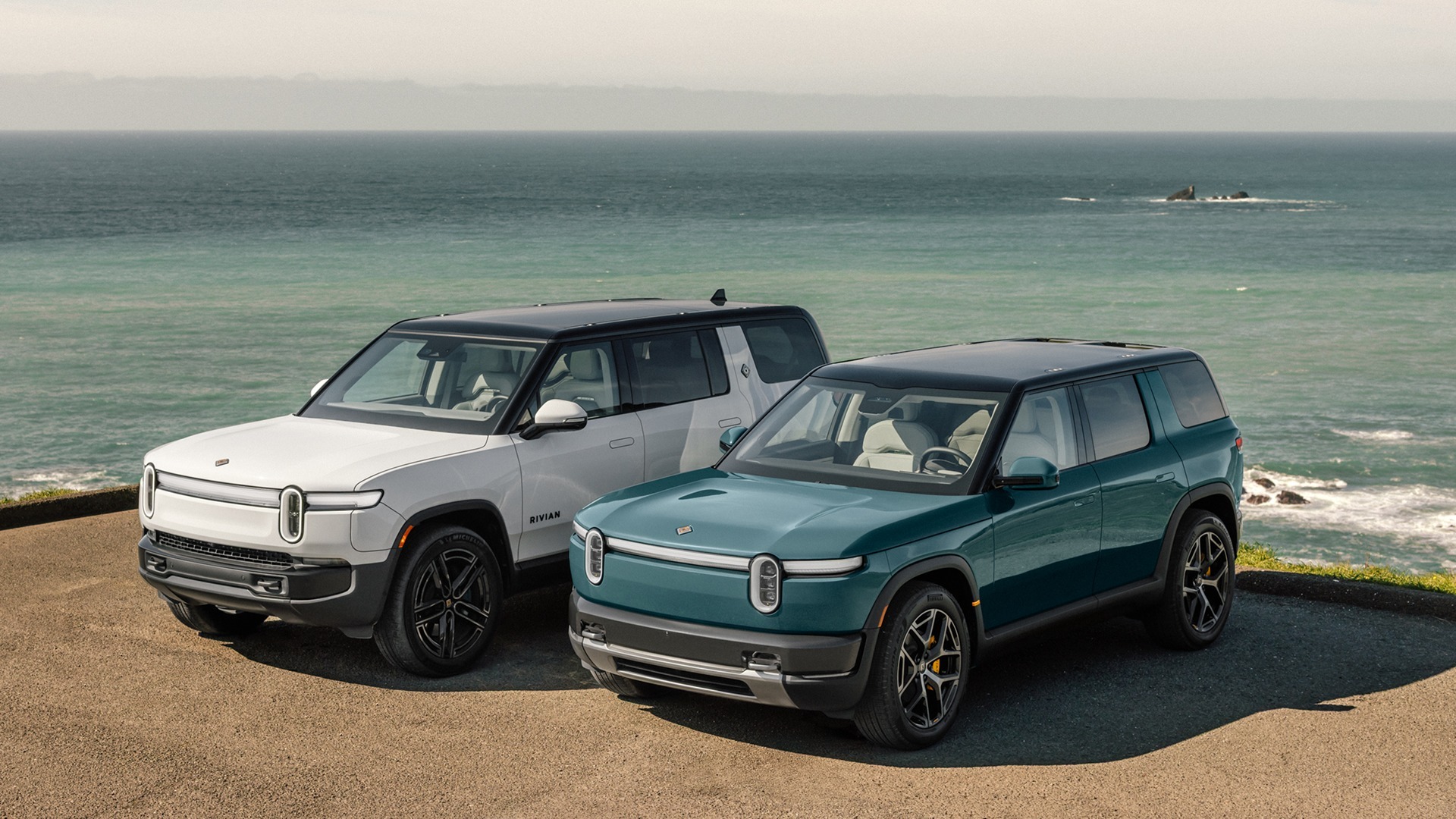
Meanwhile, in the US, Ford’s taking a different route to the same destination. Instead of chasing premium EVs, it’s working on a smaller, cheaper, $30k electric pickup (seen above) aimed squarely at the mainstream. The idea is simple: build something affordable that people actually want, not just something that ticks regulatory boxes.

Related: Ford’s $30K Pickup Wants To Beat Cybertruck At Its Own Game

It’s all part of a broader rethink that also pushes hybrids and new production methods designed to cut costs and complexity. If it works, Ford could finally crack the code on making electrified vehicles both desirable and profitable.

A New GT?

And then there’s the wildcard. Right at the end of the interview, Farley hinted that a new halo performance car has already been decided, and suggested his team was way past the question of what kind of car it should be.

“We’re not pondering, we’ve already answered it,” he teased. Farley didn’t spill details, but the message was clear. Ford wants excitement back at every level, from entry EVs to whatever sits at the very top.
 Ford’s CEO Said His Own Cars Were Boring, But What He’s Teasing Next Isn’t

Ford

Rivian Beat Four Major Automakers In EV Sales, And Its Biggest Model Hasn’t Even Launched Yet

  • Rivian delivered more EVs than many of its mainstream rivals managed in Q1 2026.
  • Toyota came closest, trailing Rivian by fewer than 400 units despite a strong rebound.
  • BMW counted plug-in hybrids in its total and still came up short of Rivian’s number.

First-quarter sales are in, and they come with a few surprises. One of the more unexpected outcomes is Rivian edging past several established players in the U.S. EV market. During Q1 2026, Rivian managed to outsell Kia, Ford, Toyota, and BMW in electric-vehicle deliveries across the United States.

More specifically, the California-based automaker delivered 10,365 EVs between January and March. During the same period, Rivian produced 10,236 vehicles, 129 fewer than it sold, likely drawing from existing inventory to close the gap. This comes just ahead of the launch of the more affordable R2, which is set to begin deliveries later this spring as a Tesla Model Y rival.

More: Rivian Won Direct Sales In Washington With A Threat That’s Coming For Dealers Everywhere

Following these results, the company has raised its annual delivery guidance to 67,000 units for 2026, an increase of 5,000 units over its previous estimate. Rivian will report its full financial results for Q1 2026 on April 30.

Rivian Sales Momentum

 Rivian Beat Four Major Automakers In EV Sales, And Its Biggest Model Hasn’t Even Launched Yet
Rivian R2

While Rivian remains a relatively small player compared to legacy automakers, it still managed to outsell several of them in the EV race.

More: Rivian R2 And Jeep Recon Solve The Same Problem, But Which One Solves It For You?

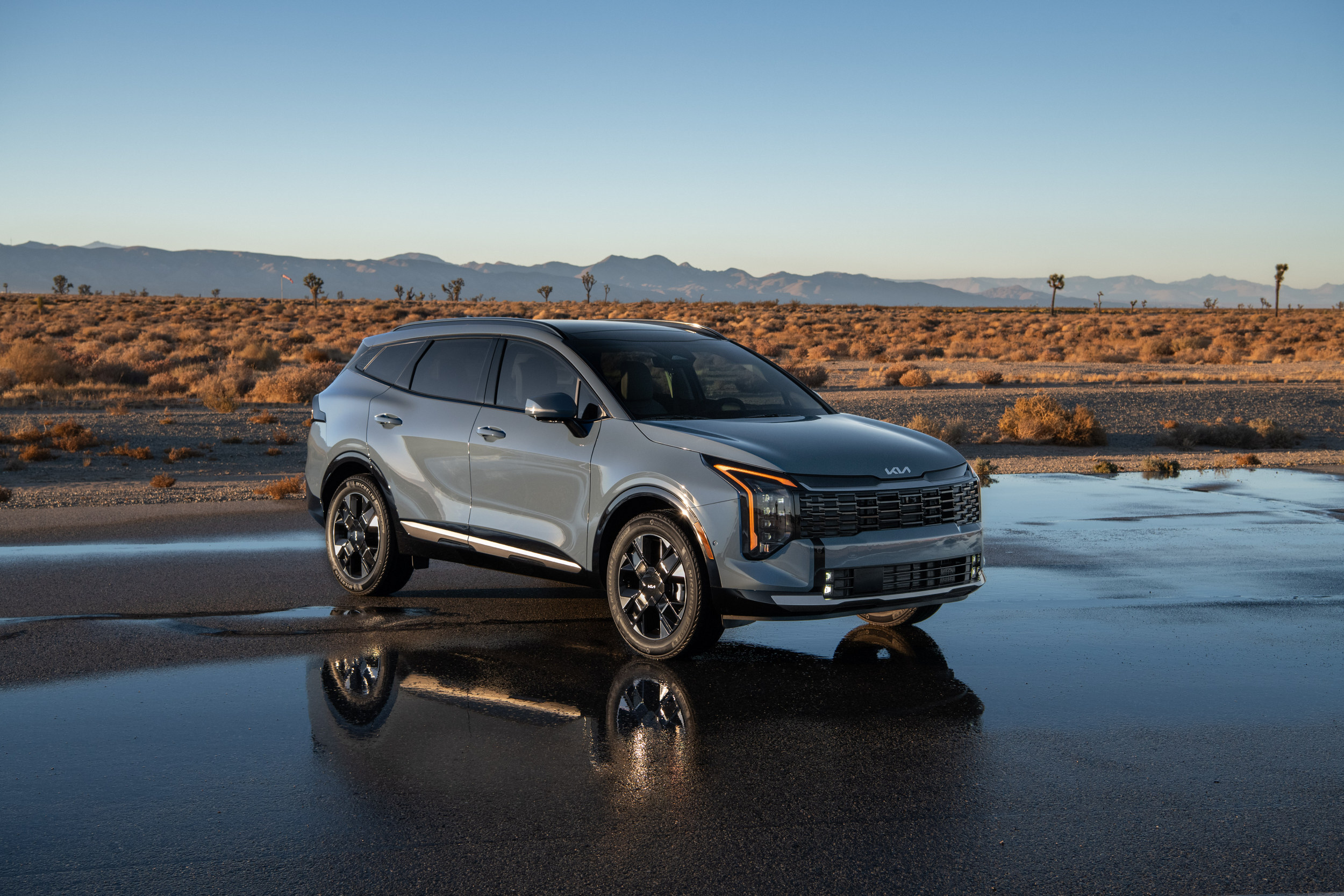
Kia America reported 2,023 sales for the EV6 and 2,740 for the EV9, totaling 4,763 units in Q1 2026. The brand also offers an electric version of the Niro in the US, though this likely accounts for only a small portion of the model’s 7,455 total sales, leaving Kia well short of the 10,000-unit mark.

Still, the upcoming Kia EV3, expected in late 2026, could change the narrative. It is also worth noting that Kia’s hybrid models set new Q1 sales records, marking a 73% increase over the same period last year.

Ford’s EV lineup saw an even steeper decline, with sales dropping 70% in Q1 2026 to 6,860 units in the US. The Mustang Mach-E made up 4,600 of those sales, while the F-150 Lightning and E-Transit contributed 2,060 and 200 units, respectively.

 Rivian Beat Four Major Automakers In EV Sales, And Its Biggest Model Hasn’t Even Launched Yet
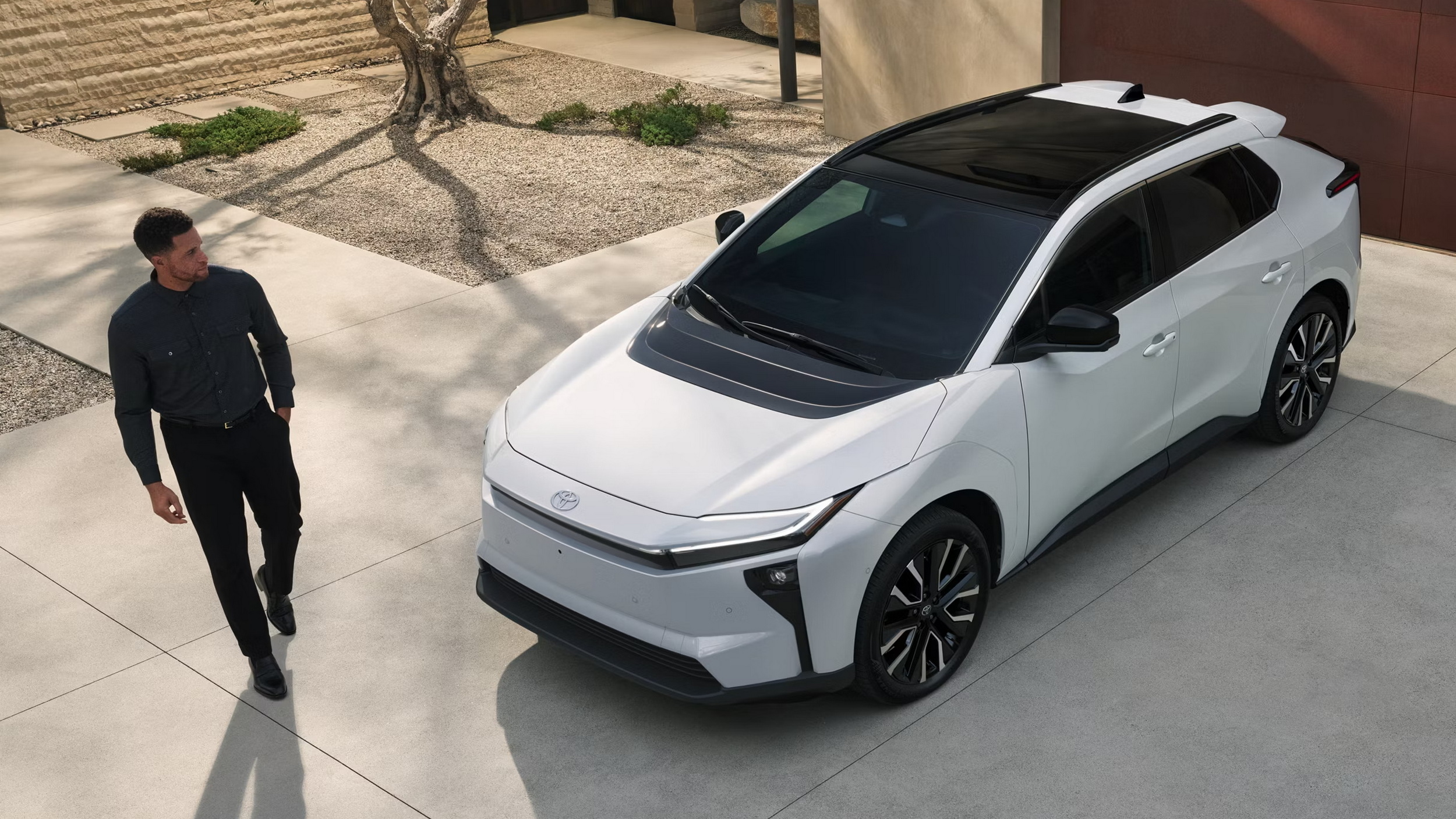
Toyota bZ

Toyota opened the year on a strong note, with the bZ, including the bZ Woodland, reaching 10,016 units in the first quarter, a 79% increase year over year. However, with only 13 units of the newly introduced C-HR arriving in March, Toyota’s total BEV sales reached 10,029 units, just behind Rivian’s 10,365. As the company expands its EV lineup in the US, that gap may not last long.

More: Toyota’s bZ Outsold The Prius, And Now A Second US-Made Electric SUV Is Coming

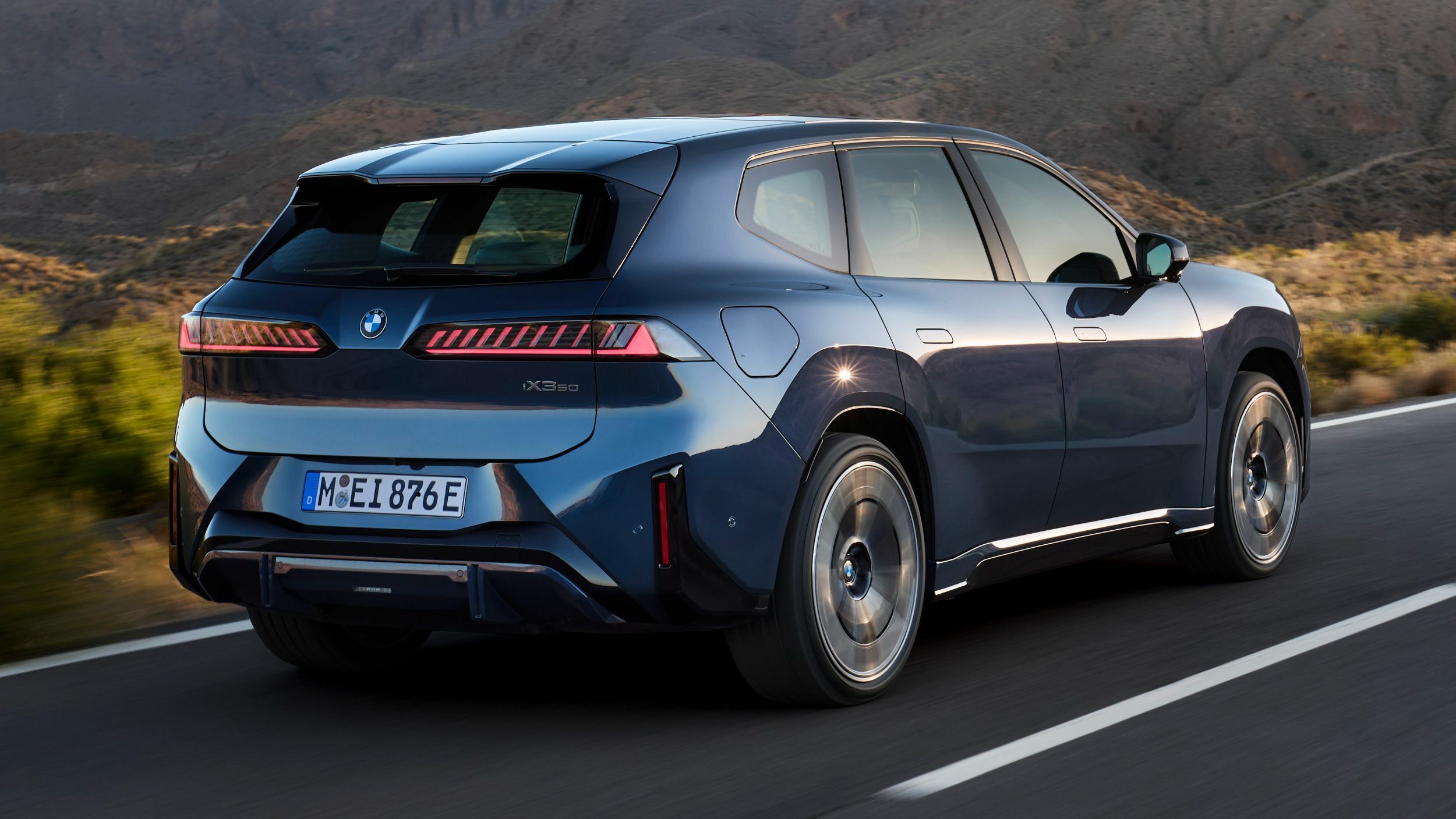
Finally, BMW recorded 9,856 combined BEV and PHEV sales in the US during Q1 2026, marking a 50% drop compared to last year. This slowdown may prove temporary, as the upcoming Neue Klasse BMW iX3 is expected to play a central role in the brand’s next phase of electrification when it arrives in late 2026.

 Rivian Beat Four Major Automakers In EV Sales, And Its Biggest Model Hasn’t Even Launched Yet
BMW iX3

GM’s Only Answer To Toyota’s Seventeen Hybrids Is A $109K Corvette

  • Some automakers ignored hybrids to bet big on EVs.
  • That bet went bad and could get worse as gas prices soar.
  • Toyota and Hyundai stand to benefit from diverse lineup.

A few years ago, automakers faced a tough choice. They could eschew hybrids and plug-in hybrids to go all-in on EVs, or adopt a more balanced, but expensive approach that saw them invest in multiple technologies.

A number of companies went the electric route and that ended up costing them greatly as adoption was slower than they anticipated. If that wasn’t bad enough, the United States eliminated the federal tax credit and governments rolled back overly ambitious green agendas.

More: Gas Was $2.98 A Month Ago. It Just Crossed $4 For The First Time Since 2022

This has pushed automakers to cancel EVs and abandon plans to go electric-only. Companies have posted huge losses and now they’re suddenly playing catch-up with rivals that took a more nuanced approach.

Expensive Gas Is Going To Make Things Even Worse

 GM’s Only Answer To Toyota’s Seventeen Hybrids Is A $109K Corvette

Since some companies were betting on a quick transition to EVs, a number of them don’t have many hybrids or plug-in hybrids to offer customers. That’s bad news in an era where the national average price of a gallon of gasoline is above $4 and climbs to nearly $6 in some states.

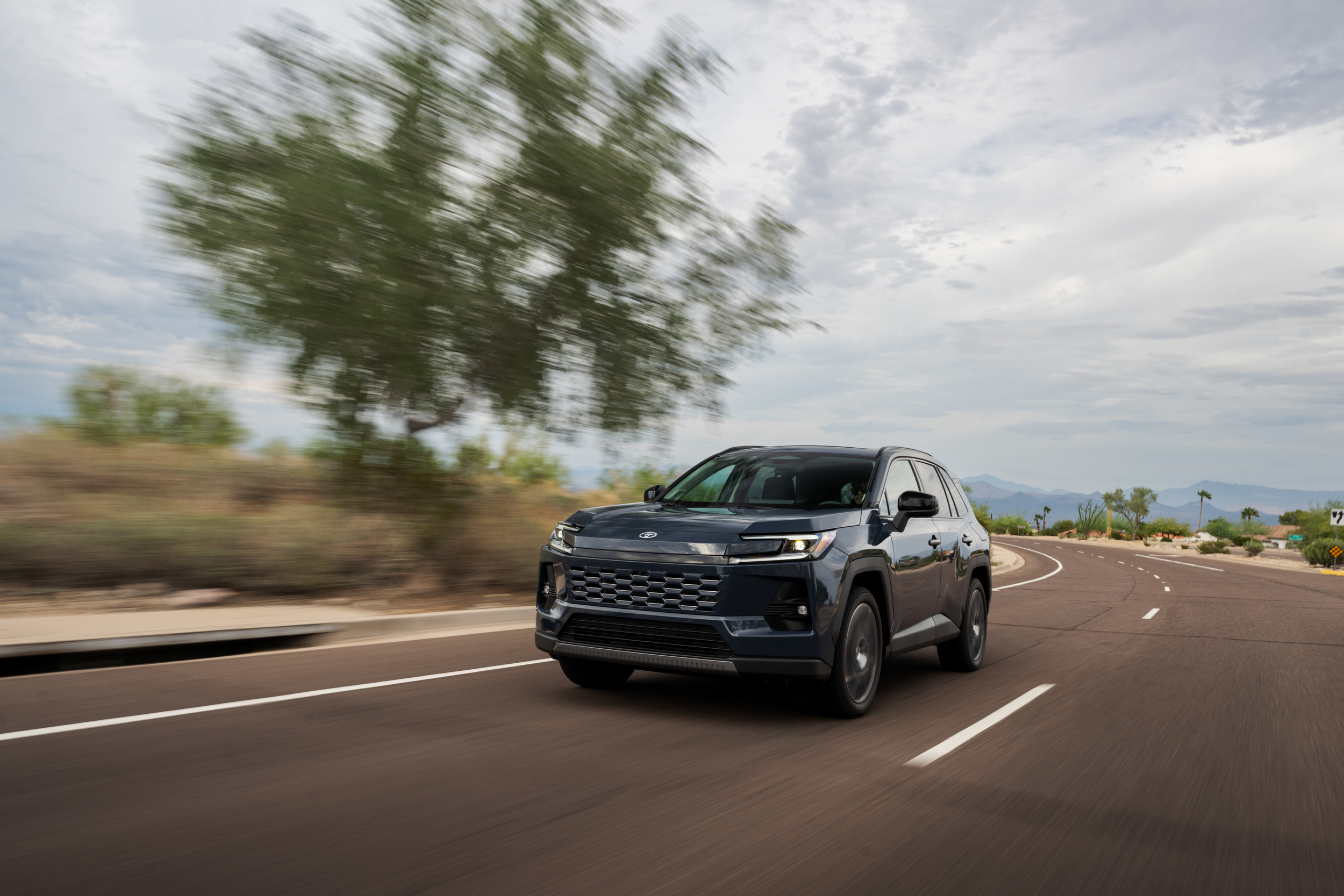
The only hybrid GM has in America is the $108,600 Corvette E-Ray and that’s a huge problem. Consumers in the market for a compact crossover might look at an Equinox, which returns up to 26 mpg city, 29 mpg highway, and 27 mpg combined. That’s not terrible, but the Toyota RAV4 gets 47 mpg city, 40 mpg highway, and 43 mpg combined. This is a huge difference, especially in an era of sky high gas prices.

 GM’s Only Answer To Toyota’s Seventeen Hybrids Is A $109K Corvette

Hyundai and Kia also offer hybrid competitors in the form of the Tucson and Sportage. The former offers up to 38 mpg across the board, while the latter returns up to 41 mpg city, 44 mpg highway, and 42 mpg combined. It’s also worth noting all three competitors offer plug-in hybrid variants, while GM doesn’t offer a single one in the United States.

General Motors isn’t the only automaker that bet big on EVs and lived to regret it. Ford has a limited hybrid lineup that consists of the Maverick and F-150. The Escape, which offered hybrid and plug-in hybrid options, was recently killed off, while the Explorer Hybrid is limited to police and the Pope.

Hybrid Sales Are Skyrocketing

 GM’s Only Answer To Toyota’s Seventeen Hybrids Is A $109K Corvette

While the war in Iran is barely more than a month old, hybrid sales are booming. Kia recently revealed sales of hybrids soared 73% to set a new quarterly record.

Last month was also Hyundai’s best ever March for hybrid sales. The company noted hybrids saw a huge jump in the first quarter as the Elantra Hybrid was up 141%, while the Sonata Hybrid soared 107%. The Santa Fe Hybrid also got a 47% boost as consumers embraced efficiency.

 GM’s Only Answer To Toyota’s Seventeen Hybrids Is A $109K Corvette

While Toyota sales fell 6.9% in the first quarter, high gas prices could help to reverse that trend as the company offers a dizzying array of hybrids. Seventeen, to be exact, according to our last count. This includes the Camry, Corolla, Crown, Corolla Cross, and Prius, as well as the Crown Signia, Highlander, Grand Highlander, Land Cruiser, RAV4, 4Runner, Tacoma, Tundra, Sequoia, and Sienna. Two of those, the Prius and RAV4, are also offered as plug-in hybrids.

That’s a huge lineup, especially compared to Ford, GM, and Stellantis. The latter recently killed off plug-in hybrids and only offers the new Cherokee Hybrid in America. However, range-extended variants of the Ram 1500 and Grand Wagoneer are coming.

While EVs do offer some cover to these companies during periods of high gas prices, consumers have been clear: most want hybrids, not fully electric vehicles.

 GM’s Only Answer To Toyota’s Seventeen Hybrids Is A $109K Corvette

Jim Farley Promises A New Affordable Ford EV To Take On Tesla’s Model 3 And Y

  • Ford developing an affordable EV aimed at the Model 3 and Model Y.
  • The new model is expected to ride on Ford’s flexible UEV architecture.
  • A $30K electric pickup on the same platform is expected to arrive ahead of it.

We’re in the third inning of a nine-inning game, says Ford’s CEO Jim Farley. What’s he talking about? Electric vehicle adoption. And the automaker has plenty coming down the pipeline before the game is over, he adds. Chief among those products is an affordable EV built to directly take on the Tesla Model 3 and Model Y.

Ford has spent the past few years insisting it still believes in EVs, even as it slashed programs, killed the F-150 Lightning, and pivoted hard toward hybrids. That shift is one that plenty of other automakers are also going through, but none seem to have the exact same game plan as the Blue Oval brand.

More: Farley Admits Ford Got The F-150 Lightning Wrong

“We really want to bet on all of it. We’re going to have an all-hybrid lineup. So Bronco… everything you can buy at Ford will have a hybrid. We’ll also have EREVs for towing. We’ll have an all-electric, affordable vehicle to compete with Model Y and Model 3,” Farley said during an appearance on the Spike’s Car Radio podcast.

That last part is the most notable. Ford already sells the Mustang Mach-E, a relatively affordable EV that offers similar benefits to the Model Y. At the same time, the Ford lags behind in several key metrics, including range, performance, charging speed, and more. Farley clearly wants to change that.

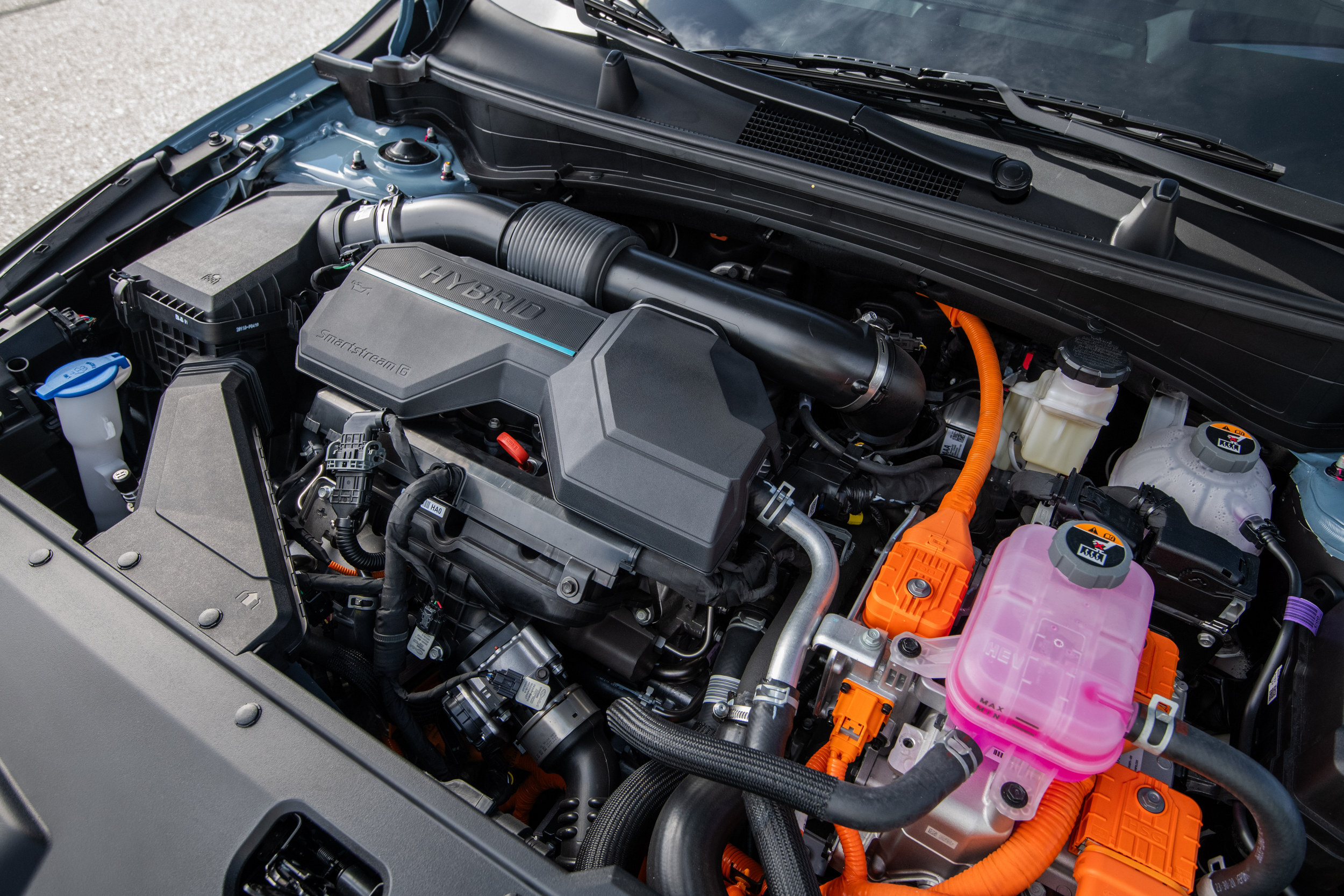
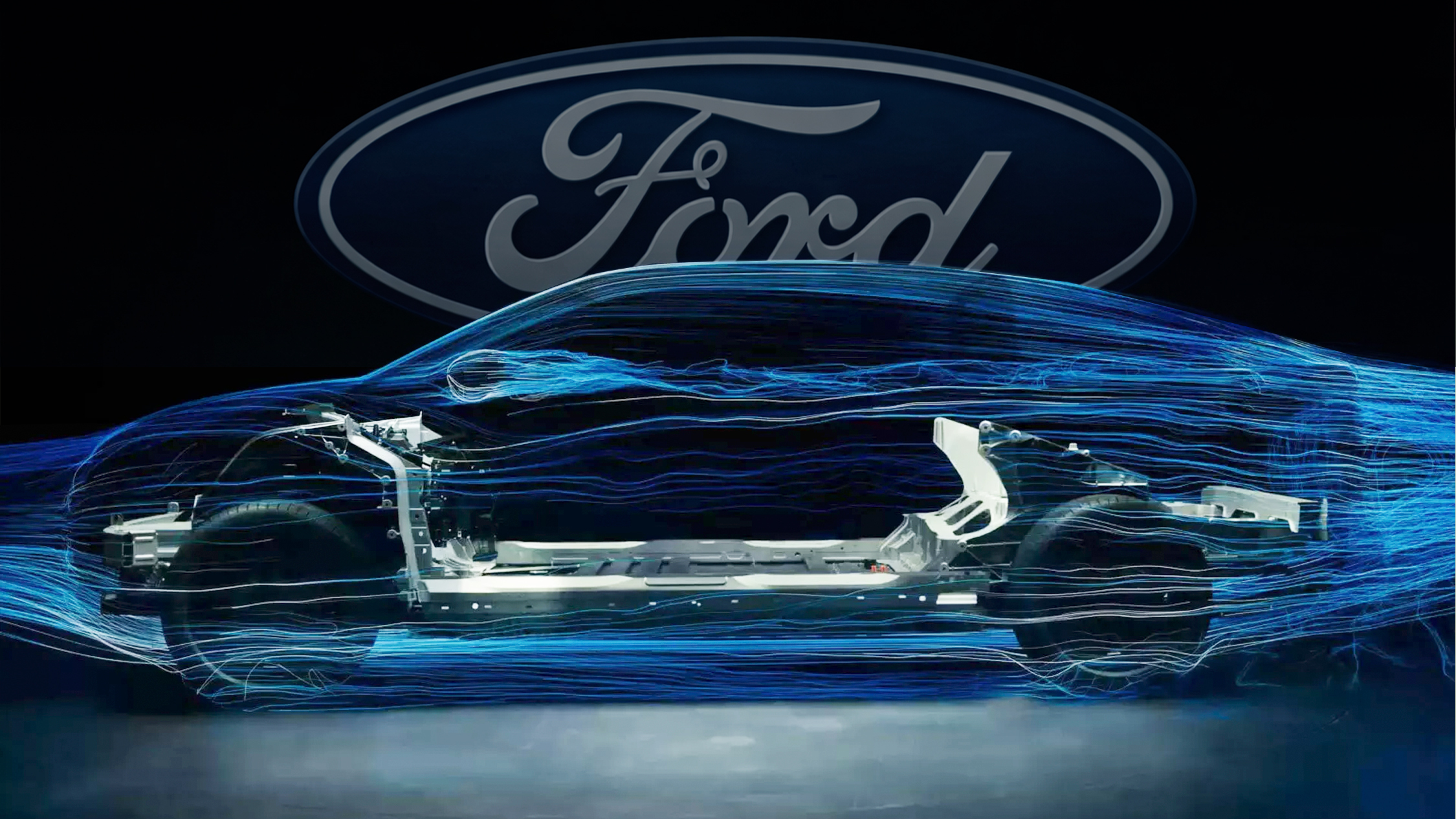
To that end, the brand is working on something new and unique. This future Model Y/Model 3 fighter will almost certainly ride on the company’s Universal EV Platform, or UEV, a new architecture developed by a secretive “skunkworks” team made up largely of former Tesla and Formula 1 engineers. According to Ford, the platform can support up to eight body styles, including compact crossovers, sedans, pickups, vans, and larger SUVs.

Ford’s first UEV-based model is expected to be a roughly $30,000 midsize electric pickup arriving in 2027. The Model 3 and Model Y rival would likely follow shortly after, potentially debuting later that year or in 2028.

 Jim Farley Promises A New Affordable Ford EV To Take On Tesla’s Model 3 And Y

Ford’s New Electric Van Has A Chinese Secret

  • Ford debuts the EV-only Transit City van in Europe for last-mile urban delivery.
  • Payload ranges from 2,392 lbs. to 3,373 lbs. across three body configurations.
  • It is based on a Chinese platform and will be manufactured in China too.

Ford Pro’s van lineup is already sprawling, with models like the fully electric E-Transit Custom and E-Transit covering a lot of ground. Still, that hasn’t stopped Ford Pro from adding another name to the roster with the all-new Transit City. Built on an EV-focused platform developed by Jiangling Motors Corporation (JMC) and assembled in China, it will be offered in mainland Europe and the UK.

To further slash costs, Ford has pursued an aggressively simplified strategy. There’s just one trim, no options list, and very little room for personalization. It’s as pared back as it gets. The design follows suit. You get a straightforward look with modern LED lighting linked by a closed-off grille, clean body surfaces, black wheels, and unpainted plastic bumpers that make no attempt to hide their budget-friendly intent.

More: Volvo’s First Commercial Van Looks Familiar Because It Is

The Transit City is available in three body styles, including a standard panel van, a long-wheelbase high-roof variant, and a chassis cab version. The latter is designed to serve as a blank canvas for conversions by aftermarket specialists.

\\\\\\\\\\\

Payload capacity ranges between 1,085 kg (2,392 lbs) and 1,530 kg (3,373 lbs), depending on the specification. As for the available space at the back, the largest van can hold up to 8.5 cubic meters (300 cubic feet) of cargo and has a loading space length of 3,070 mm (120.9 inches).

More: VW’s ID. Buzz Picks Up A Feature No Minivan Has Any Business Offering

Despite its budget character and lack of options, the standard equipment is quite generous for the segment. The dashboard features a 12.3-inch touchscreen running Ford’s SYNC 4 infotainment system, a digital instrument cluster, and plenty of storage compartments.

Furthermore, the van comes standard with adaptive cruise control, lane-keeping assist, front and rear parking sensors, a rearview camera, and even a heated driver’s seat.

\\\\\\\\\\

A Dedicated EV

Unlike other models in Ford Pro’s commercial vehicle lineup, the Transit City is a dedicated battery-electric vehicle with no internal combustion or hybrid variants on the horizon. The company claims the electric powertrain will help reduce maintenance costs by up to 40% compared to a diesel van.

More: These Chinese Trucks Look Like Ford Rejects

It rides on a ladder-frame chassis developed by the JMC joint venture and is fitted with a front-mounted electric motor producing 148 hp (110 kW / 150 PS). Energy is stored in a 56 kWh Lithium Iron Phosphate (LFP) battery pack, allowing a WLTP range of up to 254 km (158 miles). While that might sound modest to some, Ford notes that typical users in this segment average less than 110 km (68 miles) per day.

Charging is handled via an 87 kW peak DC fast-charging rate, enabling 50 km (31 miles) of range to be added in 10 minutes, or a 10-80% top-up in approximately 33 minutes. Using the standard 11 kW AC charger, a full charge takes about five hours.

Focused On Affordability

Ford hasn’t put a price tag on it yet, but it has made confirmed that the Transit City will slot between the smaller E-Transit Custom and the full-size E-Transit. Right now, those models start at £43,630 ($58,300) and £49,545 ($66,200), respectively, which gives a fairly tight window for where this new addition is likely to land.

EV Sales Plunge 41% In The US As Post-Incentive Reset Takes Hold

  • EV registrations fell sharply in January as market momentum faded.
  • Cadillac ranked as the No. 2 EV brand behind Tesla with modest growth.
  • Gas and hybrid vehicles gained market share as EV demand softened.

Newly-released sales figures from the United States is starting to reveal just how much electric vehicle demand leaned on the federal EV tax credit that was discarded on September 30 last year. With that incentive now gone, the early numbers suggest the market is already feeling the adjustment, and it has not been a subtle one.

Data from S&P Global Mobility shared by Auto News show that 59,802 new EVs were registered in January, a massive 41 percent drop from a year earlier. Out of nearly 1.2 million vehicles registered that month, that leaves fully electric models with just a 5.1 percent share of the market, down from 8.3 percent a year earlier.

Meanwhile, gasoline vehicles quietly expanded their hold, rising 2.3 percentage points to claim 76.6 percent of registrations. Hybrids also edged upward, gaining 1 point to reach a 14.7 percent share.

Read: Global EV Sales Just Fell 11%, But Carmakers Found A Surprising Backup Plan

Tesla still sits comfortably at the top of the US EV market, which will surprise absolutely no one. In January alone, 32,123 new Teslas were registered. Even so, Tesla is not immune to the slowdown, with registrations down 26 percent from a year earlier. Despite that drop, its share of the EV market jumped 11 percent to 53.7 percent.

Cadillac ranked a distant second with 3,189 registrations, more than ten times behind Tesla. However, the brand was one of the few to post growth, with registrations rising 8.1 percent year over year. Its share of the EV market also increased by 2.3 percent to 5.3 percent.

 EV Sales Plunge 41% In The US As Post-Incentive Reset Takes Hold

Many other carmakers have also seen their EV sales fall off a cliff. For example, there were 3,027 new Hyundai EVs registered in January, down 23 percent from the year prior. This decline was led by the Ioniq 5, which saw its deliveries slide 22 percent to 2,101 vehicles.

Ford’s EV registrations also dropped 67 percent to 2,772, while Chevrolet’s fell 55 percent to 2,658. Toyota, however, reported a 25 percent increase, although its EV registrations totaled just 2,529, meaning it still trails many competitors.

According to iSeeCars executive analyst Karl Brauer, “there’s going to be a shakeout to the new reality with no federal EV incentives, which was the carrot, and no greenhouse gas penalties, which was the stick.”

Auto News notes that EV registrations have declined year over year every month since the tax credit was scrapped on September 30. S&P Global Mobility analyst Tom Libby says the drop was “expected,” adding, “it’s a reset, and it’s going to be a very slow process moving forward.”

January 2026 EV Sales USA
BrandSalesDiff. vs Jan-25
Tesla32,123-26%
Cadillac3,189+8.1%
Hyundai3,027-23%
Ford2,772-67%
Chevrolet2,658-55%
Toyota2,529+25%
Rivian2,232-25%
Lucid1,633+97%
BMW1,501-60%
Kia1,462-58%
GMC1,156-31%
Lexus810+166%
Honda658-85%
Volvo599-32%
Subaru555-51%
Porsche495-60%
Volkswagen488-90%
Mercedes-Benz374-84%
Audi319-82%
Polestar299-34%
Nissan249-88%
Ram137
Jeep106-29%
Mini98-57%
Dodge80-65%
Genesis62-87%
Fisker41-70%
BrightDrop38-50%
VinFast37-76%
Rolls-Royce24-20%
Acura15-99%
Fiat15-91%
Maserati12+140%
Jaguar6-98%
Zeekr3
SWIPE

 S&P Global Mobility

EV Bets Already Cost Four Legacy Carmakers $70B, And The Tab Keeps Climbing

  • Honda recently posted $15.7 billion in expenses for its EV U-turn.
  • EV registrations in the US collapsed 48 percent in December.
  • Ditching the $7,500 federal EV tax credit has eroded EV demand.

The new year hasn’t been kind to traditional automakers, many of which now find themselves confronting an EV reality in the U.S. that looks very different from what they had been planning in boardrooms not long ago. A mix of policy changes and cooling demand is forcing several manufacturers to rethink electrification plans that, until recently, sat at the center of their long-term strategies.

Read: Honda Cancels 0 Sedan, 0 SUV, And Acura RSX EVs

Honda is the latest to change course. The company confirmed this week that it will scrap all three electric vehicles it had planned to build in America, citing weakening demand, especially in the US market. The move places it alongside Ford, GM, and Stellantis, all of which have recently scaled back their own EV programs.

Taken together, the retreat is proving expensive. Those four automakers alone have absorbed close to $70 billion in losses tied to their EV investments, reports Auto News. And that figure doesn’t even include other manufacturers, such as Porsche, which have also begun dialing back their electrification plans.

The drop in EV demand in the US can be largely traced to decisions made by the Trump administration. New government policies not only encourage manufacturers to prioritize combustion-powered models, but the removal of the $7,500 federal EV tax credit has also further weakened demand at a time when adoption was already slowing.

In fact, EV registrations fell 48 percent in December compared to last year, dropping to just 75,427 vehicles. As a result, EV market share slipped from 9.9 percent to 5.3 percent.

The EV Graveyard

 EV Bets Already Cost Four Legacy Carmakers $70B, And The Tab Keeps Climbing

Ford has already revealed that its retreat from EVs has cost roughly $21 billion. The company scrapped plans for a three-row electric SUV and ended production of the F-150 Lightning last year after it failed to meet sales expectations.

Stellantis recently said its EV pullback will cost about $26 billion, following the cancellation of several electric models. GM has also stepped back, halting production of the Chevrolet BrightDrop electric van in Canada and repurposing a Michigan plant for gas trucks after originally planning to build EVs there.

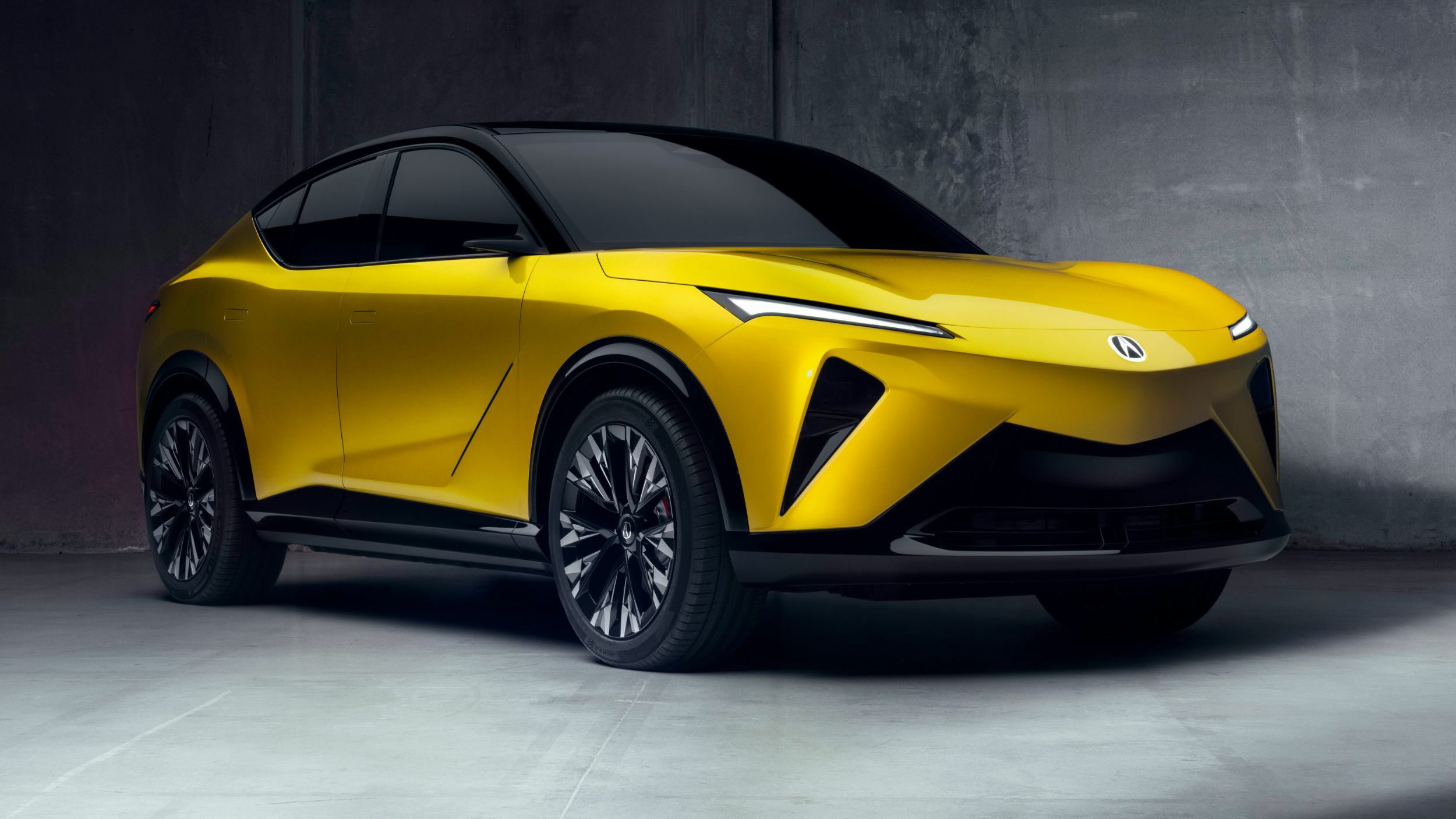
As noted by Auto News, Honda is booking 2.5 trillion yen or $15.7 billion in expenses and losses due to its EV U-turn. In addition to killing off the 0 Saloon and the 0 SUV, the car manufacturer has killed off the all-electric Acura RSX. That sleek coupe SUV was unveiled as a pre-production prototype last year and would have been the first to use Honda’s in-house global EV platform.

Honda is booking 2.5 trillion yen or $15.7 billion in expenses and losses tied to its EV U-turn. Alongside the cancellation of the 0 Saloon and the 0 SUV, the automaker has also killed the all-electric Acura RSX. The stylish coupe SUV debuted as a pre-production prototype last year and was set to become the first model built on Honda’s in-house global EV platform.

 EV Bets Already Cost Four Legacy Carmakers $70B, And The Tab Keeps Climbing
Acura RSX

Ford’s Electric Explorer Fixes Two Of Its Biggest Early Weaknesses

  • Ford has announced a series of updates for the Explorer EV.
  • Standard Range gets upgraded motor and new LFP battery.
  • SUV gains upgraded technology and new special edition.

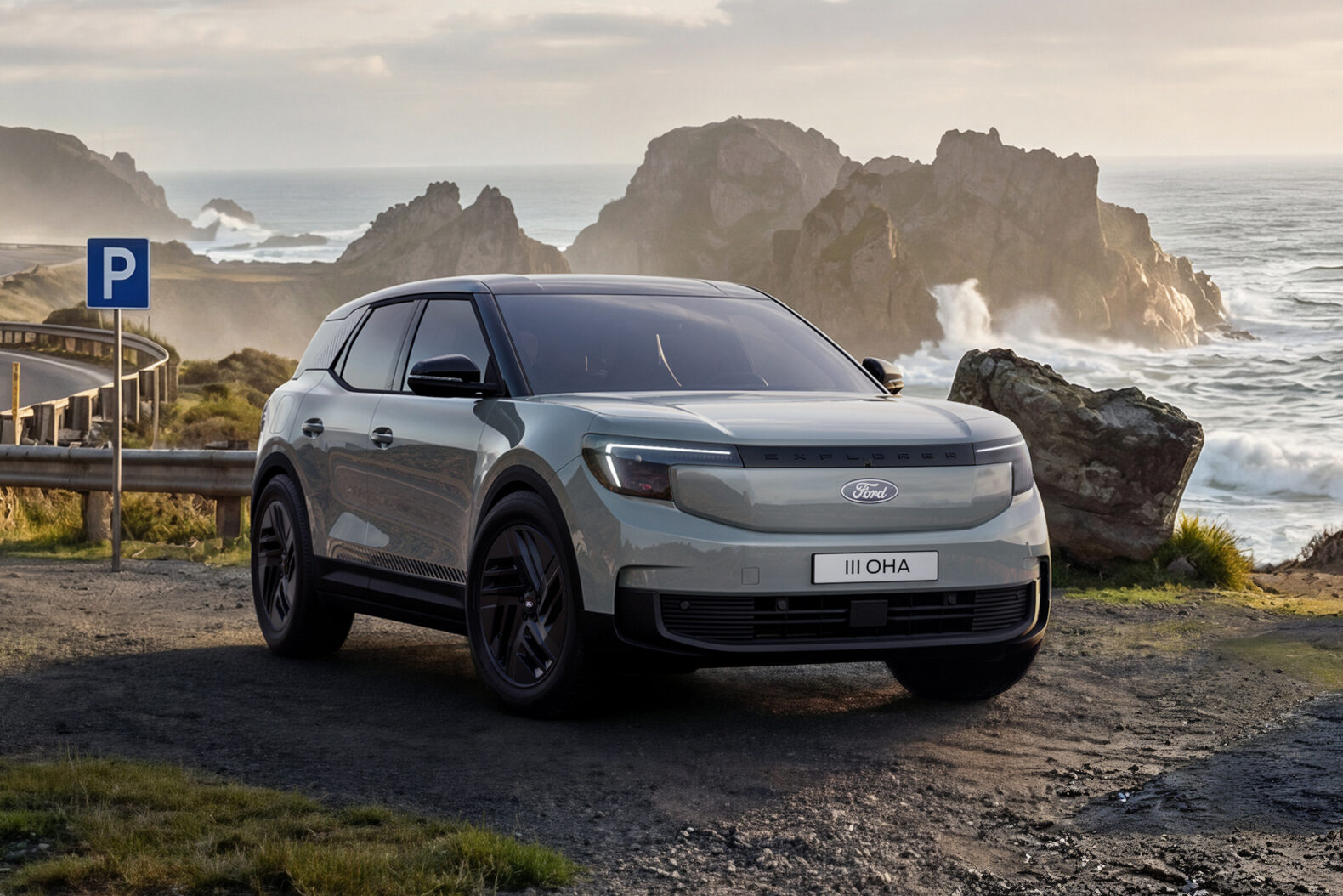
The European market Ford Explorer EV hasn’t lived up to expectations, but it’s getting better with age as the company has announced an updated powertrain and a new special edition. The automaker has also updated the infotainment system and added several new driver assistance systems.

Starting with performance, the Explorer Standard Range adopts a new lithium iron phosphate battery and an “enhanced” electric motor that produces 188 hp (140 kW / 190 PS) and 258 lb-ft (350 Nm) of torque. Thanks to these changes, the model offers a WLTP range of up to 276 miles (444 km), which is an increase of more than 37 miles (60 km).

As for the motor, the output appears to climb by 20 hp (15 kW / 20 PS) and 30 lb-ft (40 Nm). This lowers the 0-62 mph (0-100 km/h) time from 8.7 to 8.0 seconds.

New Driver Assistance Technology

\\\\\\\

Besides powertrain updates, the Explorer gains an improved Intelligent Adaptive Cruise Control system with Traffic Light Recognition. It can automatically slow or stop the crossover if it detects a red or amber light ahead.

The model also receives Reversing Assist, which automatically records the vehicle’s last 164 feet (50 meters) of travel and can replicate the steering in reverse. The system is designed for backing out of tight quarters, such as alleys, and drivers need to operate the accelerator and brakes.

More: Ford Turns VW ID.4 Into Explorer EV For Europe

It’s accompanied by Trained Park Assist, which enables owners to program a parking maneuver that is up to 164 feet (50 meters) long. Once learned, the vehicle can automatically park itself while taking care of acceleration, braking, and steering.

The EV also has a new one-pedal driving mode as well as a driver monitoring system known as Driver State Assist. If the driver becomes unresponsive, the Explorer can turn on the hazard lights, come to a controlled stop, unlock the doors, and call emergency services.

Pro Power And Updated Infotainment

 Ford’s Electric Explorer Fixes Two Of Its Biggest Early Weaknesses

Speaking of technology, the 14.6-inch infotainment system is now based on Android for “smoother operation.” The system has also been given a fresh design theme that promises greater clarity and ease of use.

Furthermore, Pro Power Onboard turns the Explorer EV into a big battery pack. An outlet is located in the cargo area and it can be accompanied by an optional adapter that plugs into the vehicle’s charging port. These outlets enable owners to export 2.3 kW of power to other devices such as laptops, lights, or power tools.

Explorer Collection

 Ford’s Electric Explorer Fixes Two Of Its Biggest Early Weaknesses

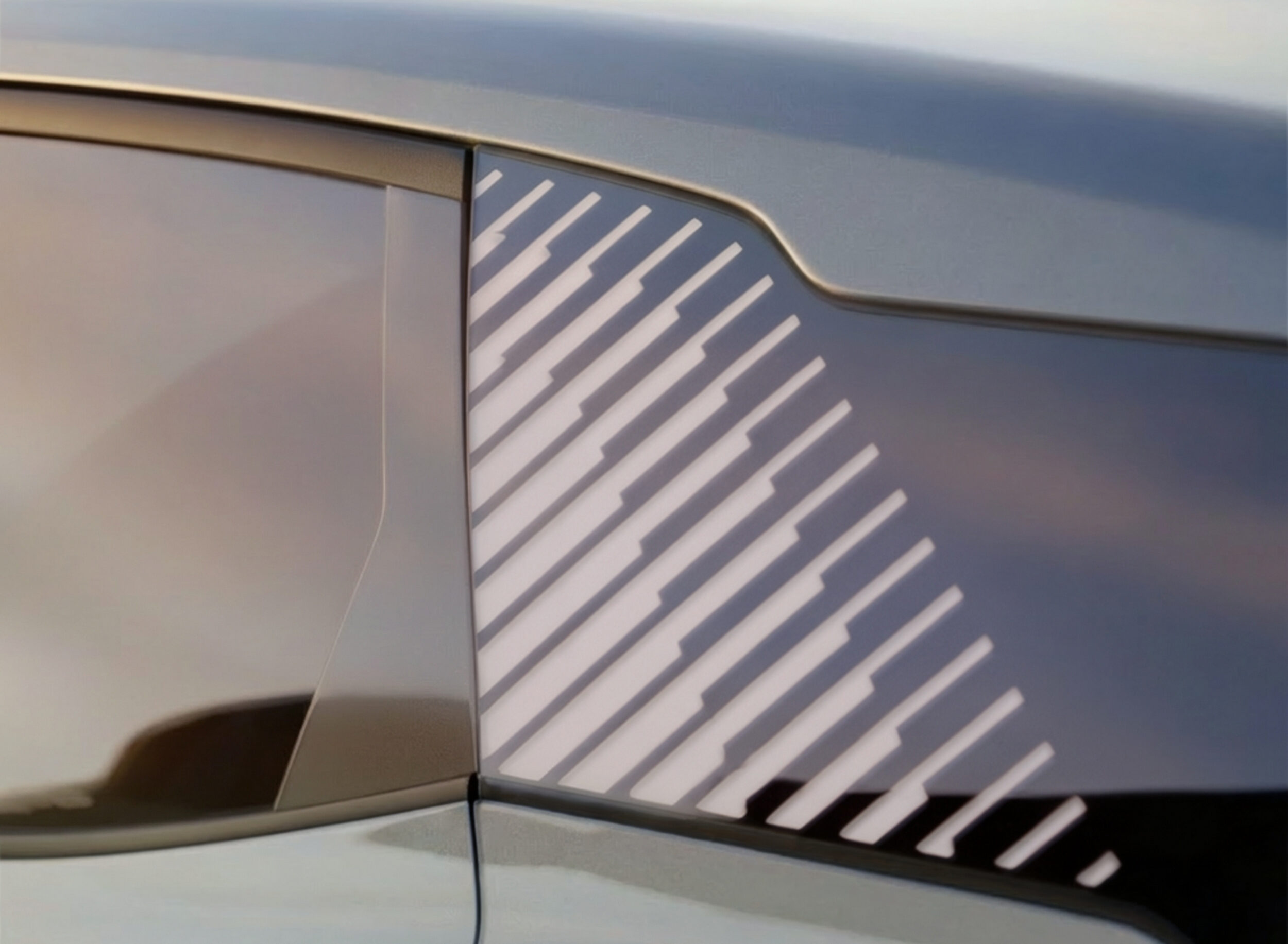
Buyers looking for something more unique can opt for the Explorer Collection. The special edition features a unique Cactus Grey exterior with 20-inch wheels sporting a Satin Black finish. The model is also notable for having a black roof, black skid plates, and black graphics.

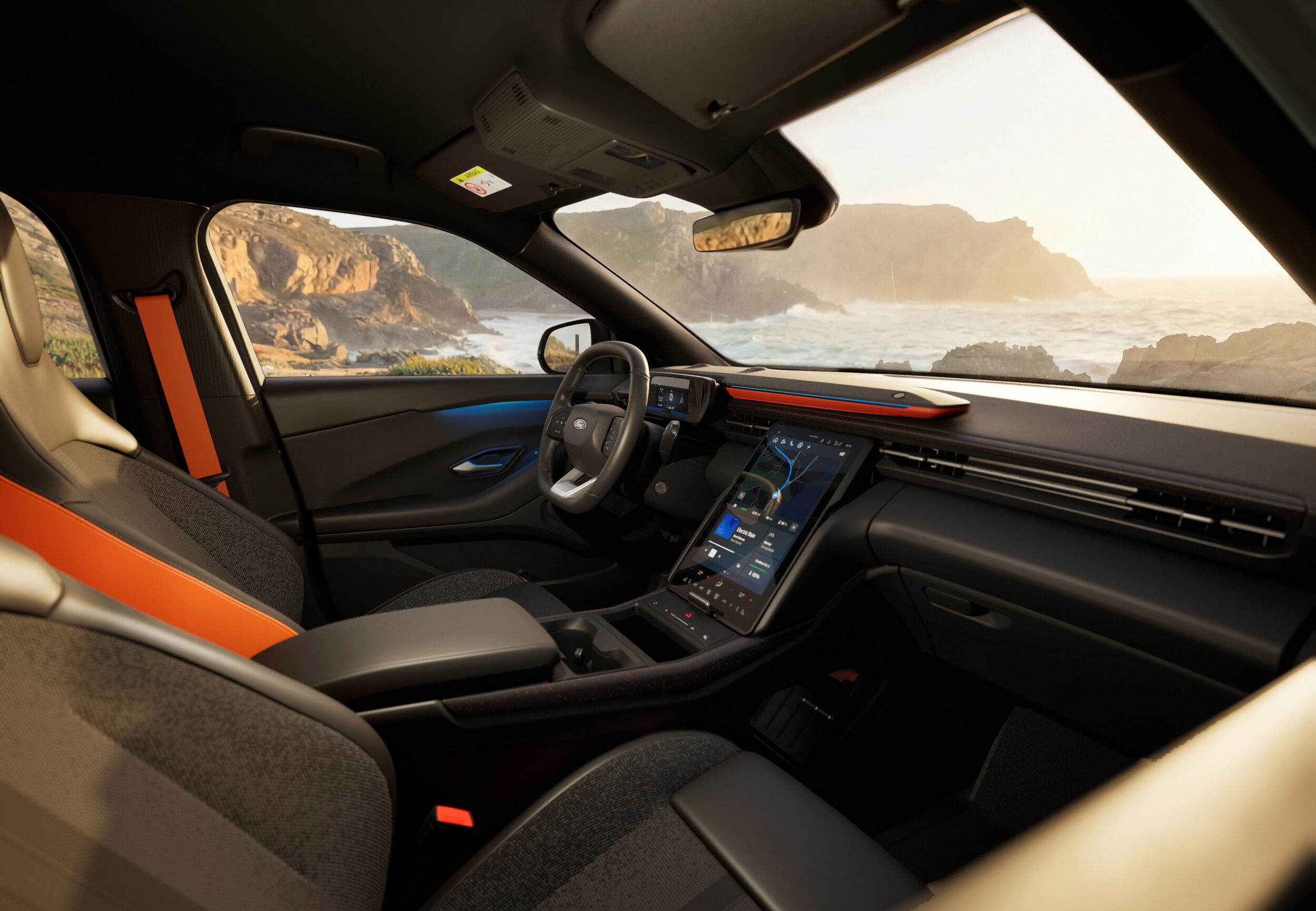
The Black Onyx interior has contrasting orange accents on the seats, seatbelts, and dashboard. Elsewhere, there is black and orange speckle effect trim as well as “2D knit” inserts on the seats. The latter is said to be inspired by the “texture and appearance of high-quality sport clothing.”

 Ford’s Electric Explorer Fixes Two Of Its Biggest Early Weaknesses

A Mustang Mach-E Crossed 316,000 Miles, But It’s Another Number That Stands Out

  • David Blenke runs a private car service in his 2022 Mach-E.
  • He can still squeeze nearly 300 miles (482 km) from it.
  • The SUV has needed six tire sets and seven cabin filters.

Many questioned Ford’s decision to launch the all-electric Mustang Mach-E in 2020, and the debate has not entirely faded. Despite early opposition, it has established itself as a solid option for buyers shopping for an electric SUV.

It has never managed to dethrone the Tesla Model Y, but for a stretch before federal tax credits expired last year, there were months when it actually outsold the gas Mustang. That has since flipped back the other way, though that is a different conversation altogether.

Read: This Mustang Mach-E Proves Electric Batteries Last Far Longer Than You Think

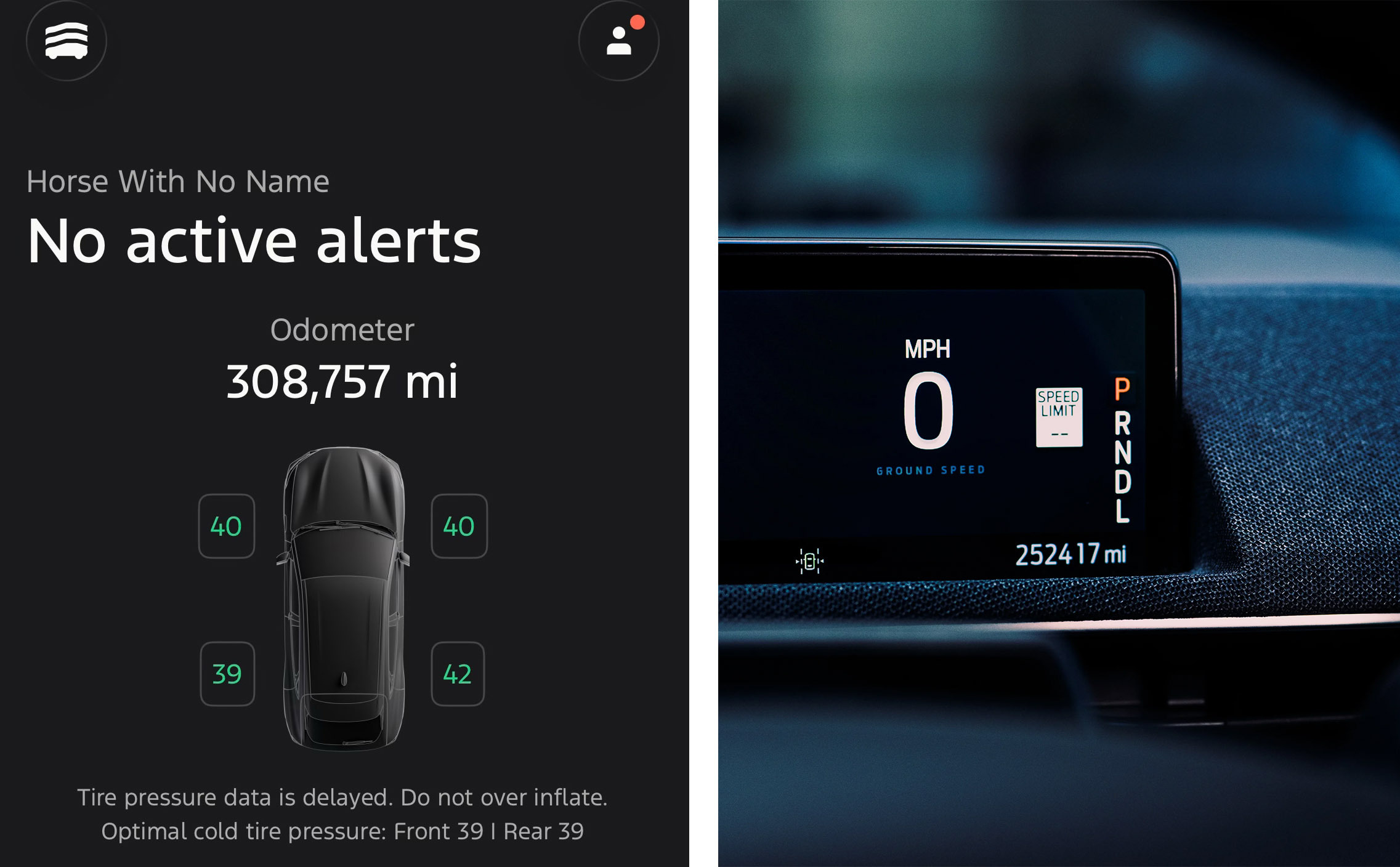
Of all the tens of thousands of Americans who own a Mustang Mach-E, few have put it to work like David Blenke. After purchasing a Premium model with the extended-range battery pack at the end of June 2022 and launching a private car service with it, he has driven more than 316,000 miles (508,500 km). Over the course of those miles, he has also carried more than 7,000 passengers.

He operates in the Santa Cruz, California area and bought the car at the height of the chip shortage. At one point, he faced a nine-month wait before locating an available example in Monterey.

How Much Battery Capacity Remains?

 A Mustang Mach-E Crossed 316,000 Miles, But It’s Another Number That Stands Out

Ford itself celebrated Blenke’s Mustang Mach-E soldiering past 250,000 miles (403,000 km) in July last year, and this week, he spoke with Forbes. Not only has he continued to rack up the miles in his Mach-E at a remarkable pace, but during the interview, he revealed the battery has only degraded 8 percent after all those miles.

According to Blenke, the Mach-E still delivers nearly 300 miles (482 km) of range. Battery degradation remains a common concern among EV buyers, but his experience with the Mustang Mach-E suggests outcomes can vary widely.

For a bit of perspective, data from EV analytics firm Recurrent suggests that most electric vehicles with more than 250,000 miles hang on to roughly 80 percent of their original battery capacity. If Blenke’s figure is accurate, that puts his reported 92 percent battery health notably higher than average.

 A Mustang Mach-E Crossed 316,000 Miles, But It’s Another Number That Stands Out

What About Maintenance?

Under his ownership, Blenke says he has gone through six sets of tires, seven cabin filters, and more than twenty routine 10,000-mile checkups. Incredibly, he says the car has not needed any repairs and still uses the original brakes. Most of the time, he drives the car in Whisper mode, which is the most efficient.

No doubt, Blenke’s charging habits help keep the battery pack in good health. He says he charges to 90 percent every night and tries to avoid letting the battery slip below 20 percent. Most charging is done with a Level 2 charger at home and Electrify America’s public network while working. He also carries an adapter that allows access to Tesla’s Supercharger network when necessary.

\\\\\\\\\

Farley Admits Ford Got The F-150 Lightning Wrong

  • Jim Farley says Ford misread post-pandemic EV demand signals.
  • The F-150 Lightning will return as a 700-mile extended-range truck.
  • Ford’s new strategy prioritizes cost control and mainstream practicality.

The last decade has seen the automotive industry tipped on its head, and it hasn’t completely righted itself even now. Ford’s CEO Jim Farley says that shift is part of what led the brand to take missteps as he now sees them around the F-150 Lightning.

Now that the brand is pivoting to an extended range version of the truck, he’s spilling details on how the first Lightning got off to a hot start and then burned out fast.

After losing billions on its first-generation electric vehicles, Ford has scrapped its next-gen electric truck, canceled multiple three-row EV crossovers, and pulled the plug on a next-generation van. All of those choices have come down to what Farley says was an initial mis-reading of the market.

More: Ford’s $30K Pickup Wants To Beat Cybertruck At Its Own Game

 Farley Admits Ford Got The F-150 Lightning Wrong

In a recent interview with CarAndDriver, he admits about the F-150 Lighting, “I totally would’ve done it differently. I mean, look, we didn’t know what we didn’t know… COVID totally was a false signal. Post-COVID, and during the chip crisis that was a result of it, there was such high demand for all vehicles. If you could build a vehicle, you were going to sell it basically at 30 or 40 percent higher prices than before COVID.”

Despite that big boom in profit, the reality was that production costs were too high to remain sustainable, says Farley. “I guess it didn’t take us long to learn that our internal-combustion-engine prejudice was so high that we hadn’t designed the [electric] cars right. We had a Mustang [Mach-E], we had an E-Transit, we had a Lightning, and people loved these products. The problem was they were never going to pay the cost we put into the vehicle.”

Tesla’s Big Assists

 Farley Admits Ford Got The F-150 Lightning Wrong

How did Farley come to this realization? As it turns out, Tesla had a hand in it.

“When we ripped apart a Tesla with Doug Field [Ford’s chief officer for EVs, digital, and design, formerly of Apple and Tesla], I was just absolutely flabbergasted,” Farley told the magazine.

“The Mach-E’s wiring harness was 70 pounds heavier and 1.6 kilometers longer. We didn’t know what was going on in [Tesla engineers’ ] minds. But now we understand. They had no prejudice. We had prejudice. We’d gone to our supply-chain person and said, ‘Buy another wiring harness.’ [Tesla] said, ‘Let’s design the vehicle for the lowest, smallest battery.’ Totally different approach.”

Read: Gas Mustang Sales Are Suddenly Surging While Its Electric Twin Is Collapsing

That shift might have played a role in Ford moving to a 48v architecture for its upcoming EV pickup. Tesla famously sent an instruction manual on building such a vehicle to Ford and other competitors. Not only does it help the brand save money on material costs, but it should also help the final product weigh less and have a longer range as a result.

While the first-gen Lightning might be something Ford wishes it could redo, it’s clear that the brand is going into the second generation with an all-new vision.

 Farley Admits Ford Got The F-150 Lightning Wrong

Wisconsin Supreme Court justices call arguments against minority college grants ‘shocking’

11 February 2026 at 21:15

The Wisconsin Supreme Court chambers. (Henry Redman/Wisconsin Examiner)

Liberal members of the Wisconsin Supreme Court said they were “shocked” at the ramifications of the right-wing Wisconsin Institute for Law & Liberty’s arguments against a grant program meant to help prevent minority students from dropping out of technical college. 

The Court on Wednesday held oral arguments in a case that began in a 2021 lawsuit in Jefferson County Circuit Court. The suit alleges that the state’s Minority Undergraduate Retention Grant program, administered by the Higher Education Aids Board, unlawfully discriminates based on race. 

The program, established in the 1980s, provides small-dollar grants to Black, Native American and Hispanic students, as well as Southeast Asians who came to the U.S. from Laos, Cambodia or Vietnam after 1975. On average, members of these groups drop out of school or fail to graduate at substantially higher rates than their peers, the state has argued. 

The program has been a frequent target of Wisconsin Republicans in recent years — especially after the U.S. Supreme Court’s 2023 decision in Students for Fair Admissions v. Harvard, which ended the legality of affirmative action in college admissions. 

The Wisconsin Examiner previously reported that money through the program has largely been used to assist Black students at Milwaukee Area Technical College. 

In a decision last year, the 2nd District Court of Appeals sided with WILL and the taxpayers it is representing, declaring the program unconstitutional. Wisconsin Attorney General Josh Kaul appealed the decision and in November the Supreme Court agreed to hear the case. 

WILL attorney Luke Berg argued Wednesday that any program that targets specific racial groups is unconstitutional — regardless of whether those groups face statistical disparities. 

“I think the worst form of discrimination is discrimination under the law, when the law treats individuals differently based on their race,” Berg said. “I’m not asking the Court to ignore that there are disparities in statistics, and I think we should all be concerned about that. But there are poor white students, there are poor Asian students, there are poor Afghani students, there are poor Palestinian students, there are poor Egyptian students.” 

“It cannot have explicit race discrimination under the law,” he continued later. “It can target racially neutral criteria like poverty, and it can solve those disparities indirectly. Give the scholarship to every student that needs it. If there are more poor Black students, more of them will get that scholarship.”

Several of the Court’s left-leaning justices pushed back on Berg’s comments, questioning how ignoring race-based statistical gaps achieves the 14th Amendment’s promise of equal protection. Justice Jill Karofsky told him, “your argument basically asks us to stick our heads in the sand.” 

Justice Rebecca Dallet noted that in Wisconsin, Black mothers and babies face much higher rates of health issues and under Berg’s legal construction, the state couldn’t do anything to specifically target that problem. 

“If the purpose is to help Black babies live who are not living at the same rate as white babies. How would they do that without mentioning the word Black?” Dallet said.

Berg responded that the state could pass a program that applies to “all babies” because “there are some white babies in the world who might need that program, too, and so you would make the program available to all.” 

“That is shocking, and if that’s what our U.S. Supreme Court wants to say, that is shocking, but I don’t think that that’s what they said in SFFA,” Dallet responded. 

Charlotte Gibson, the Department of Justice attorney arguing on behalf of the HEAB, called the appeals court’s decision “radical” saying that it went further than the U.S. Supreme Court’s ruling to end affirmative action. 

“The court of appeals decision was radical,” Gibson said. “I’m not aware of any court in the country that has come up with a ban this categorical that would impact things like medical research that’s targeted a particular racial group that’s suffering from specific health outcomes. But … that’s exactly what the rule of law they’re looking for would do.”

Berg opened his arguments to the Court saying he believed the justices should dismiss the case and accept the appeals court’s decision. He argued that if the Court sides with the state, an appeal will immediately be filed in federal court. 

“If this court reverses, either on standing or the merits, the next thing that will happen is someone will file this case in federal court, us or somebody else,” Berg said. “It may be a race to the courthouse, because this is, like I said, the lowest of low hanging fruit in terms of federal claims … So what will happen is the taxpayers will pay for this court’s time. The taxpayers will pay for their time to litigate the case again for three to four years. The taxpayers will pay the time [of] federal district court counsel.”

Justices Susan Crawford, Janet Protasiewicz and Dallet objected, saying they took his comments as a “threat.” 

“That is such an inappropriate argument. It is so inappropriate and disrespectful to the state and their program that they are here to argue in front of us, it’s basically a threat to us,” Dallet said.

GET THE MORNING HEADLINES.

❌
❌