Normal view

There are new articles available, click to refresh the page.
Before yesterdayMain stream

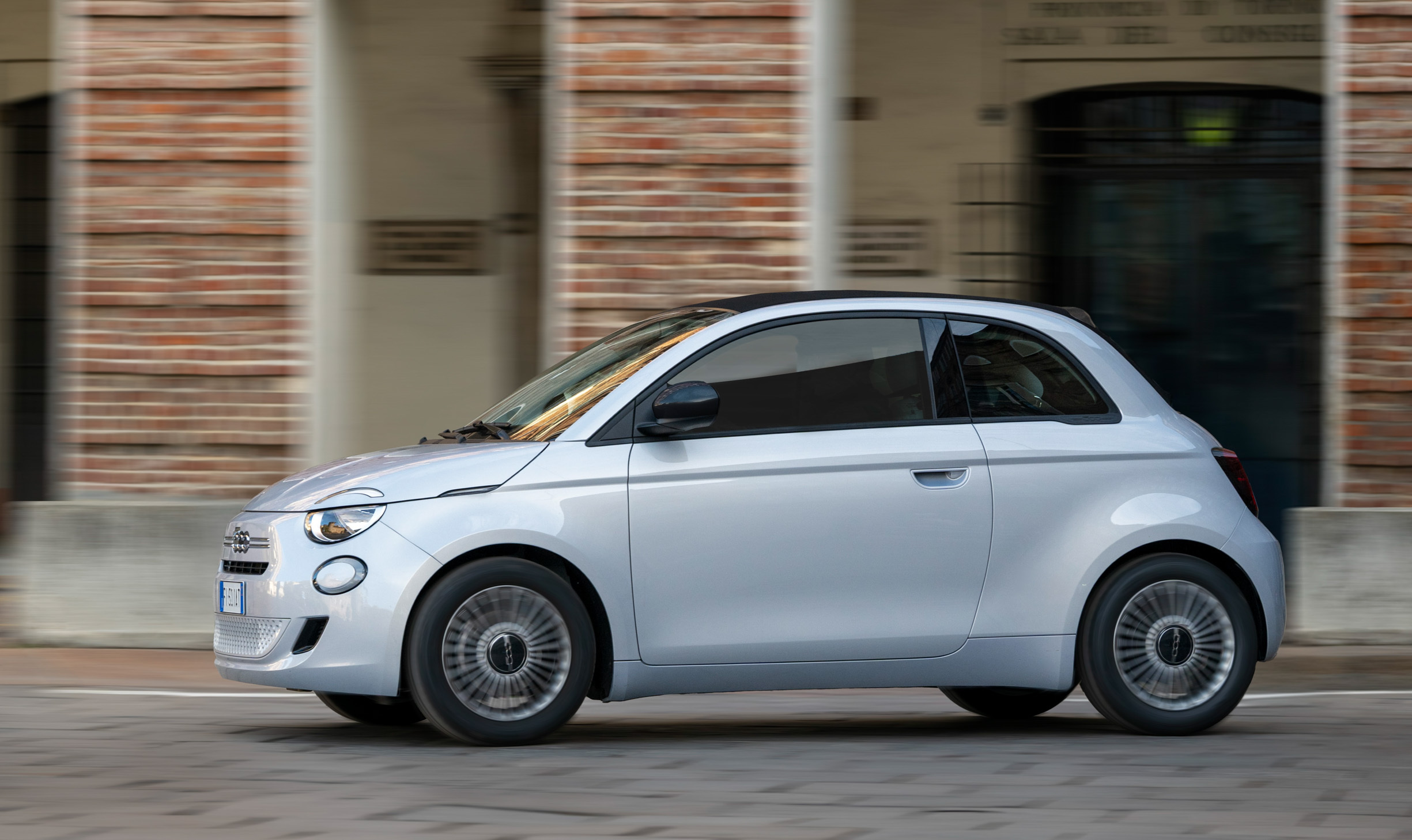
Fiat Sold Nearly 20 Times More 500e EVs in Canada Than In The US

  • Demand for the Fiat 500e has increased significantly over the last year.
  • Fiat’s electric 500 city car is much cheaper in Canada than in the US.
  • Total sales for Stellantis rose 15 percent in Canada in the first quarter.

Americans don’t seem particularly fond of new Fiat models, and the numbers make that pretty clear. The Italian brand sold just 155 vehicles in the US during the first quarter of 2025, down 70 percent from a year earlier, or roughly 1.75 cars per day. Across the border in Canada, however, the story takes a different turn.

While Fiat struggles with near nonexistent demand in the US, where 500e sales have plunged 85 percent to just 68 units and 500X deliveries slipped 4 percent to 71, the story looks very different north of the border. In Canada, sales of the tiny EV have surged.

Read: Stellantis Wants To Build Chinese Cars In Canada Instead Of The Jeeps It Promised

During the January–March period, Canadians buyers snapped up 1,287 examples of the electric 500e, the only model Fiat currently sells there. That’s 19 times more than it managed in the US, and a 72 percent jump from the 749 units sold in Q1 2025. It also works out to more than eight times Fiat’s total US sales over the same stretch.
 Fiat Sold Nearly 20 Times More 500e EVs in Canada Than In The US

No doubt contributing to the higher popularity of the 500e in Canada than in America is that it’s much cheaper. In the States, prices for the 500e start at $30,500, which is only about $5,000 less than a new Chevrolet Equinox EV that’s much larger, much more practical, and has more than double the driving range.

In Canada, the Fiat 500e starts at CA$30,290 (US$21,700 at current exchange rates), or effectively CA$25,290 (US$18,100), once a CA$5,000 (US$3,600) incentive from the country’s Electric Vehicle Affordability Program is applied. That makes it the cheapest EV on sale in Canada.

Some Stellantis Models Shine, Others Don’t
 Fiat Sold Nearly 20 Times More 500e EVs in Canada Than In The US

Fiat wasn’t the only brand from under the Stellantis umbrella to post gains in Q1 2026. Sales at Jeep rose 3 percent from 8,363 to 8,631, while Ram spiked 7 percent, hitting 12,463 units. Chrysler recorded the largest increase, with sales jumping 98 percent to 5,073, driven by a 256 percent surge in Pacifica demand.

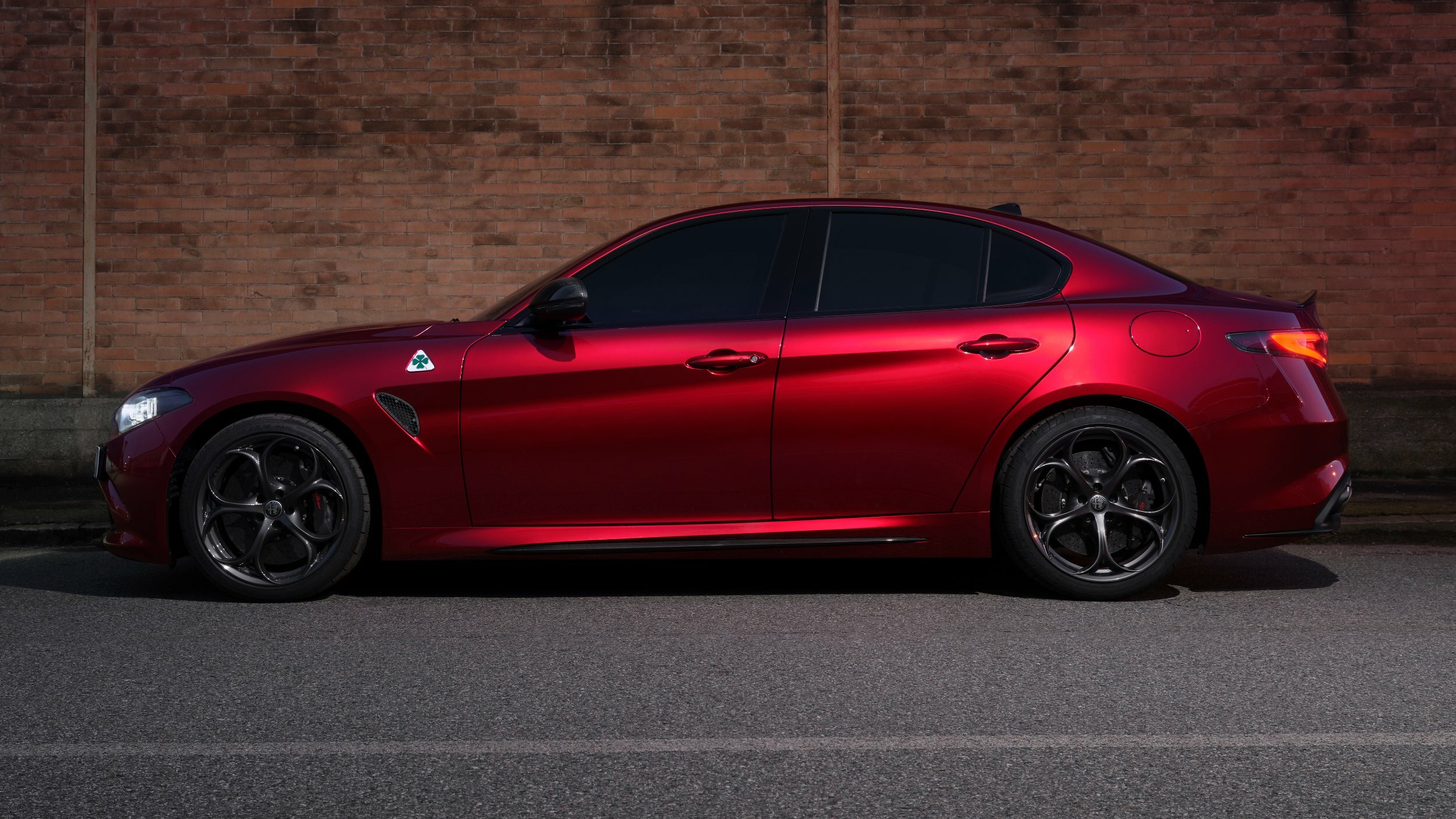
Things weren’t so pretty for Dodge as its sales fell 4 percent to 2,743 units. Additionally, Alfa Romeo plummeted by 51 percent to just 81 units, with a measly 15 Giulias, 46 Stelvios, and 20 Tonales finding new homes.

Stellantis Canada Sales

ModelQ1-26Q1-25Diff.
Compass2,0202,327-13%
Wrangler2,5182,821-11%
Gladiator53428389%
Cherokee126-96%
Cherokee (KM)9590NA
Grand Cherokee2,3342,3410%
Renegade03-100%
Wagoneer00NA
Wagoneer S29205-86%
Grand Wagoneer236357-34%
JEEP BRAND8,6318,3633%
Ram P/U11,5459,90317%
ProMaster Van9181,756-48%
ProMaster City00NA
RAM BRAND12,46311,6597%
300022-100%
Chrysler Grand Caravan1,0651,417-25%
Pacifica4,0081,126256%
CHRYSLER BRAND5,0732,56598%
Hornet37551-93%
Charger (LB)21416827%
Charger051-100%
Challenger123-96%
Caravan10NA
Durango2,4902,05121%
DODGE BRAND2,7432,844-4%
50000NA
500E1,28774972%
500X08-100%
FIAT BRAND1,28775770%
Giulia1521-29%
Stelvio4671-35%
Tonale2074-73%
ALFA BRAND81166-51%
TOTAL FCA CANADA30,27826,35415%
SWIPE

Two Of China’s Biggest Brands Are Looking To Build A Canadian Dealer Network With One City Leading The Way

  • BYD and Chery are actively looking to establish a Canadian dealership network.
  • It comes after Canada agreed to a quota of Chinese EVs allowed in with reduced tariffs.
  • The Chinese automakers’ plans start with Toronto, before expanding west and east.

A report has seemingly confirmed that two of China’s biggest electric car manufacturers are swiftly building the foundation for a Canadian push. The news comes from a consultant tasked with laying the groundwork. The companies are in talks to set up branded dealerships throughout the country, a serious move into a massive market that has so far eluded Chinese car makers.

Read: Three Chinese Carmakers Are Rushing To Enter Canada In 2026, And It’s Only The Start

It’s understood that both BYD and Chery have plans centered around establishing independent dealerships, but cautioned that the low volume of cars allowed by the quota may not be enough to sustain many Canadian dealerships.

 Two Of China’s Biggest Brands Are Looking To Build A Canadian Dealer Network With One City Leading The Way
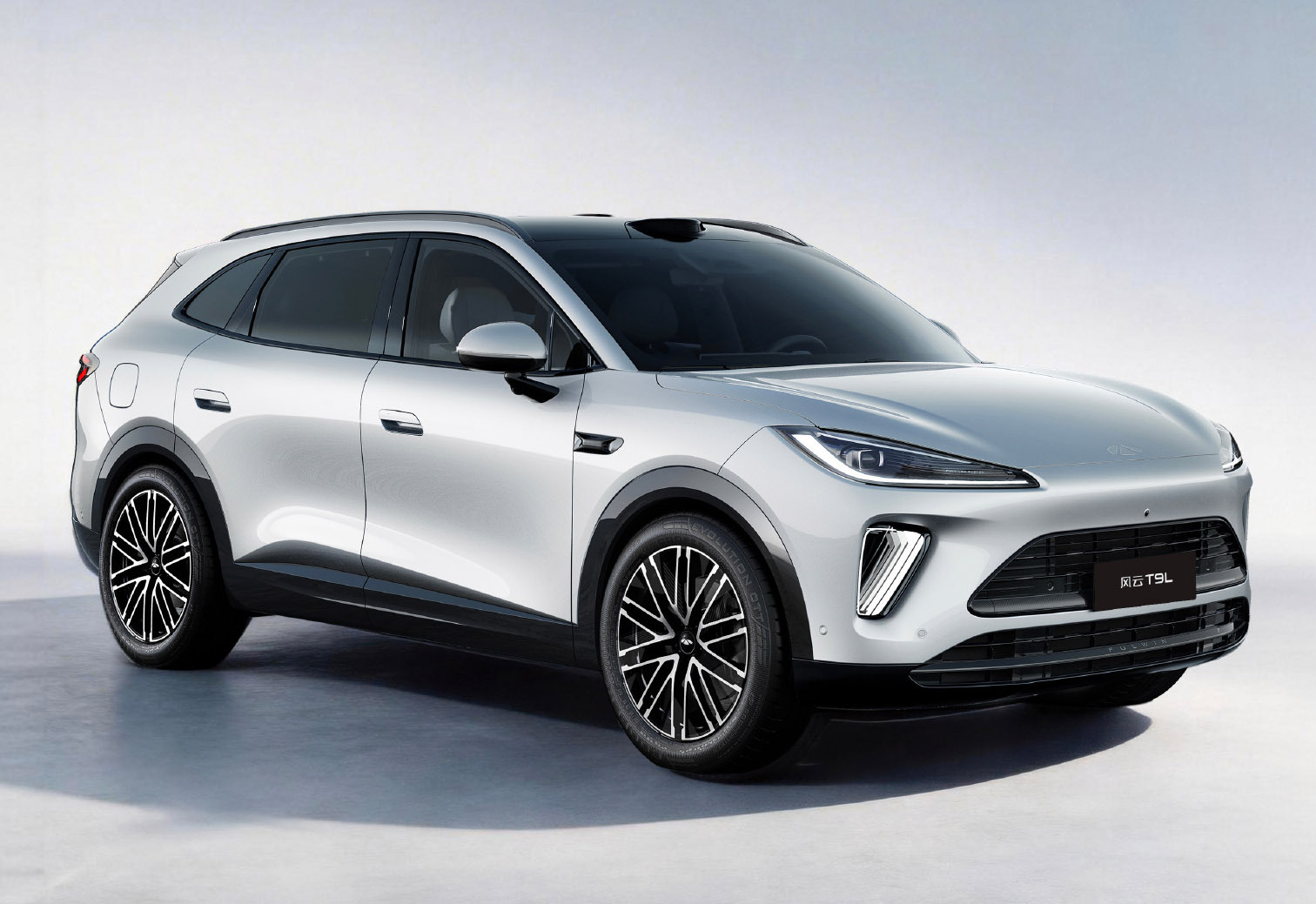
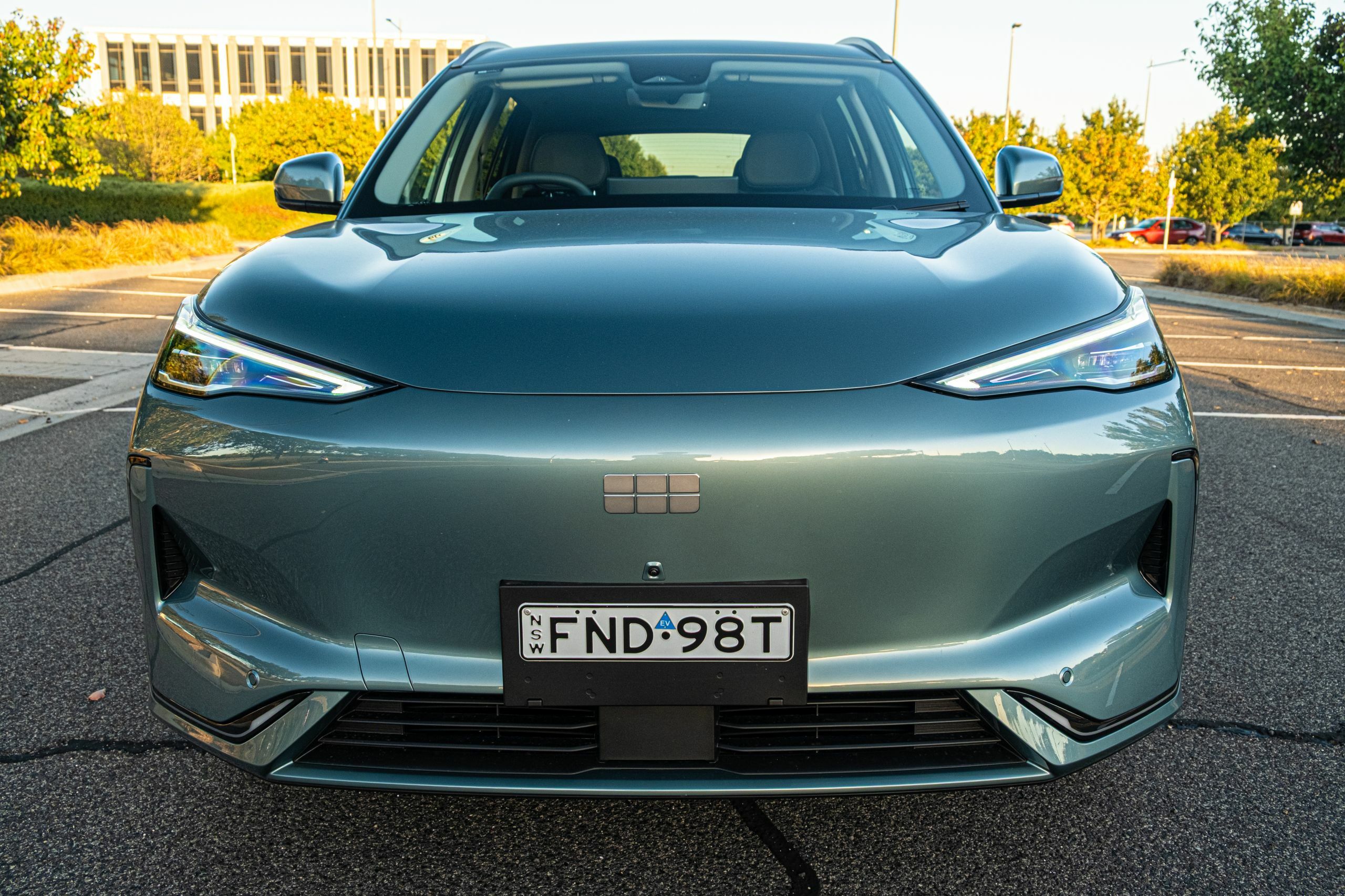
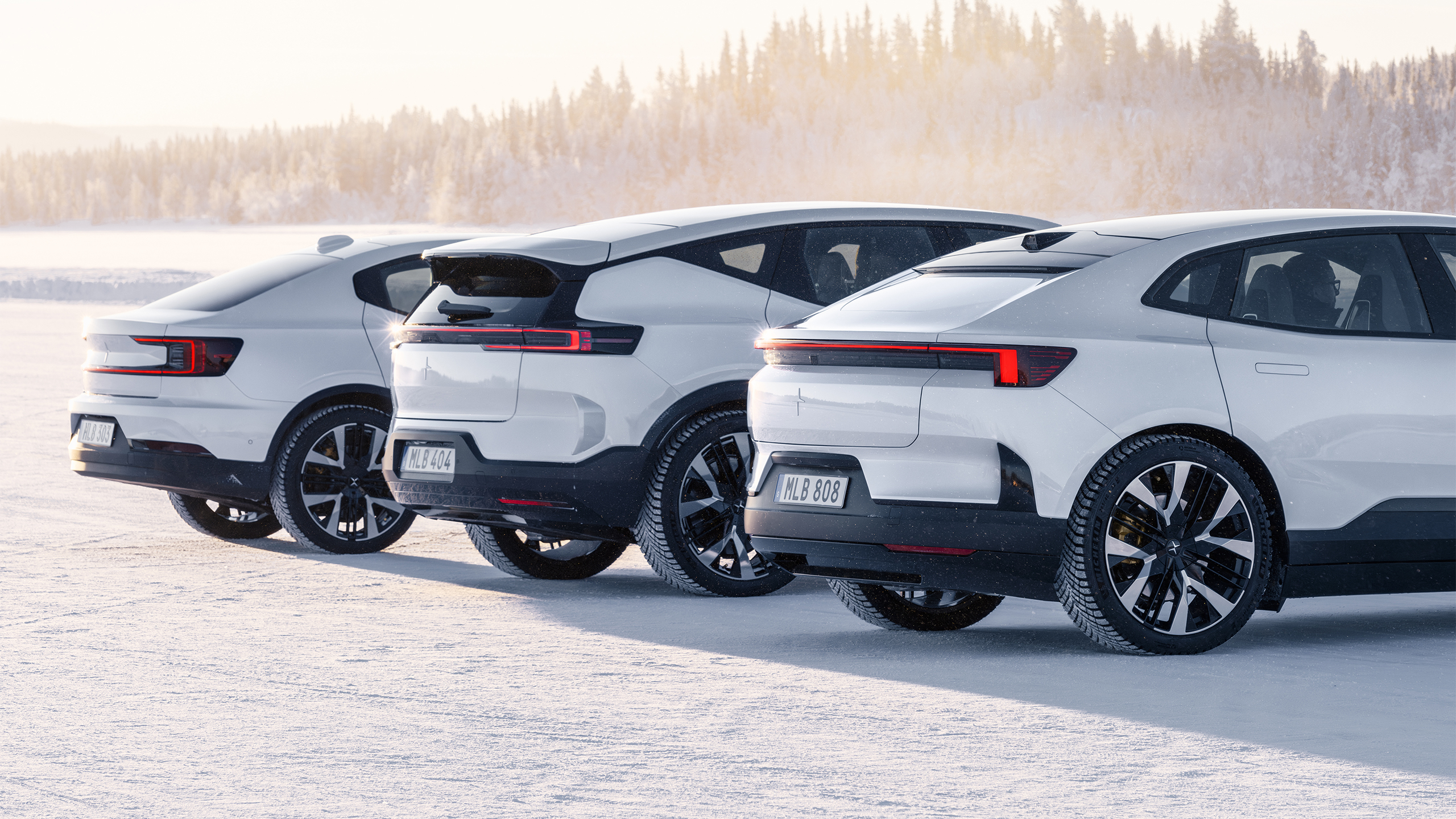
Chery Fulwin T9L

The initial strategy involves launching out of the Greater Toronto Area, then expanding west and east to cities such as Vancouver, Montreal, and Calgary. Those involved in the talks say that BYD’s goal is to build about 20 dealership locations in the first year of operation. That would give China’s biggest carmaker a visible presence in Canada’s biggest urban markets, where there is a continuing rise in the demand for electric vehicles as consumers look for cheaper alternatives.

The news comes from Farid Ahmad, the CEO of Dealer Solutions Mergers & Acquisitions, a consultancy which has already had discussions with three possible BYD locations. “They’ve asked us to help them find as many of the 20 that they possibly can, but they’re out there doing that themselves, as well,” said Ahmad speaking to The Globe And Mail. Ahmad went on to say that a number of Chinese manufacturers were interested in setting up shop in Canada, including Chery.

Canada Is Opening The Door To New Competition

 Two Of China’s Biggest Brands Are Looking To Build A Canadian Dealer Network With One City Leading The Way
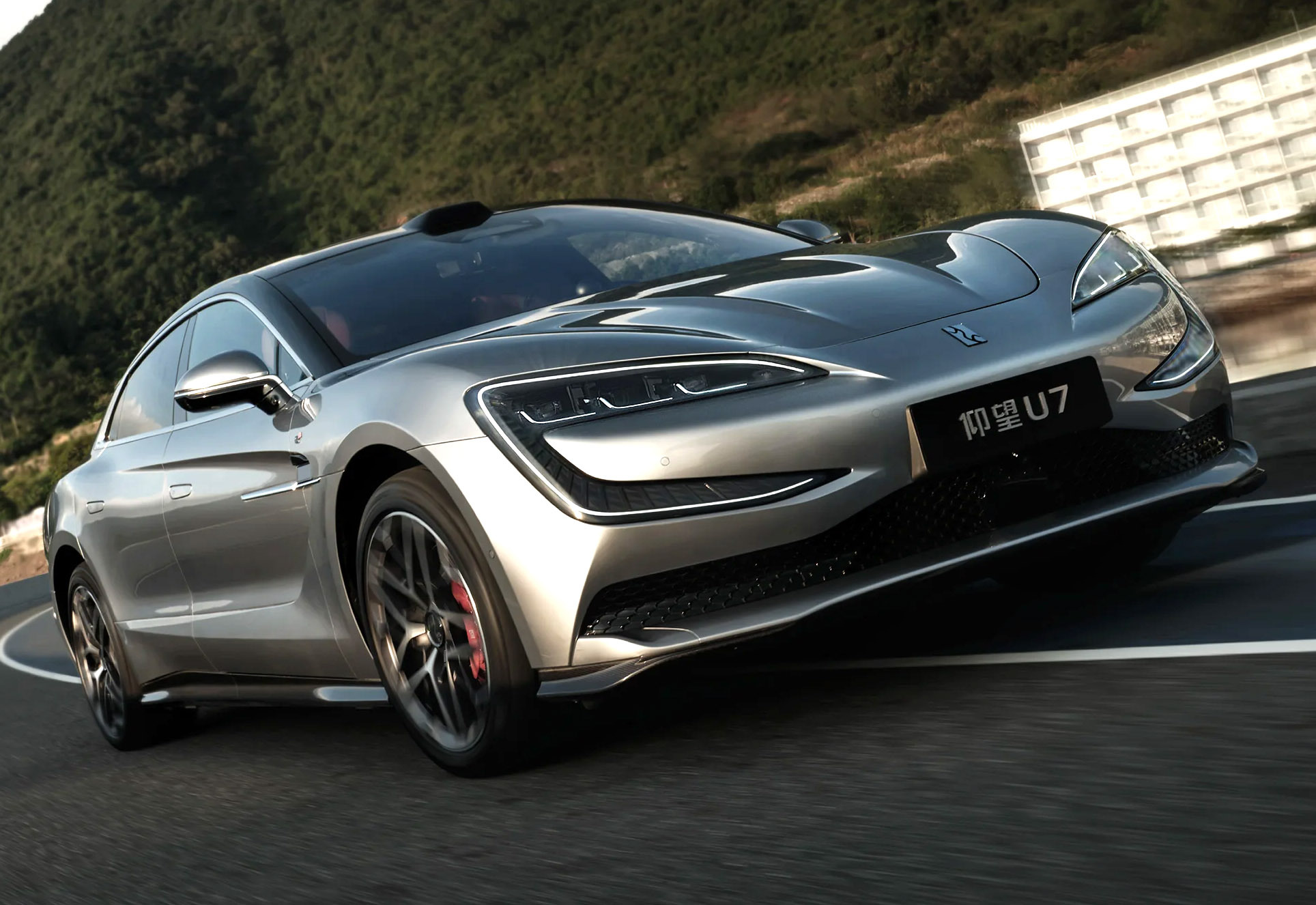
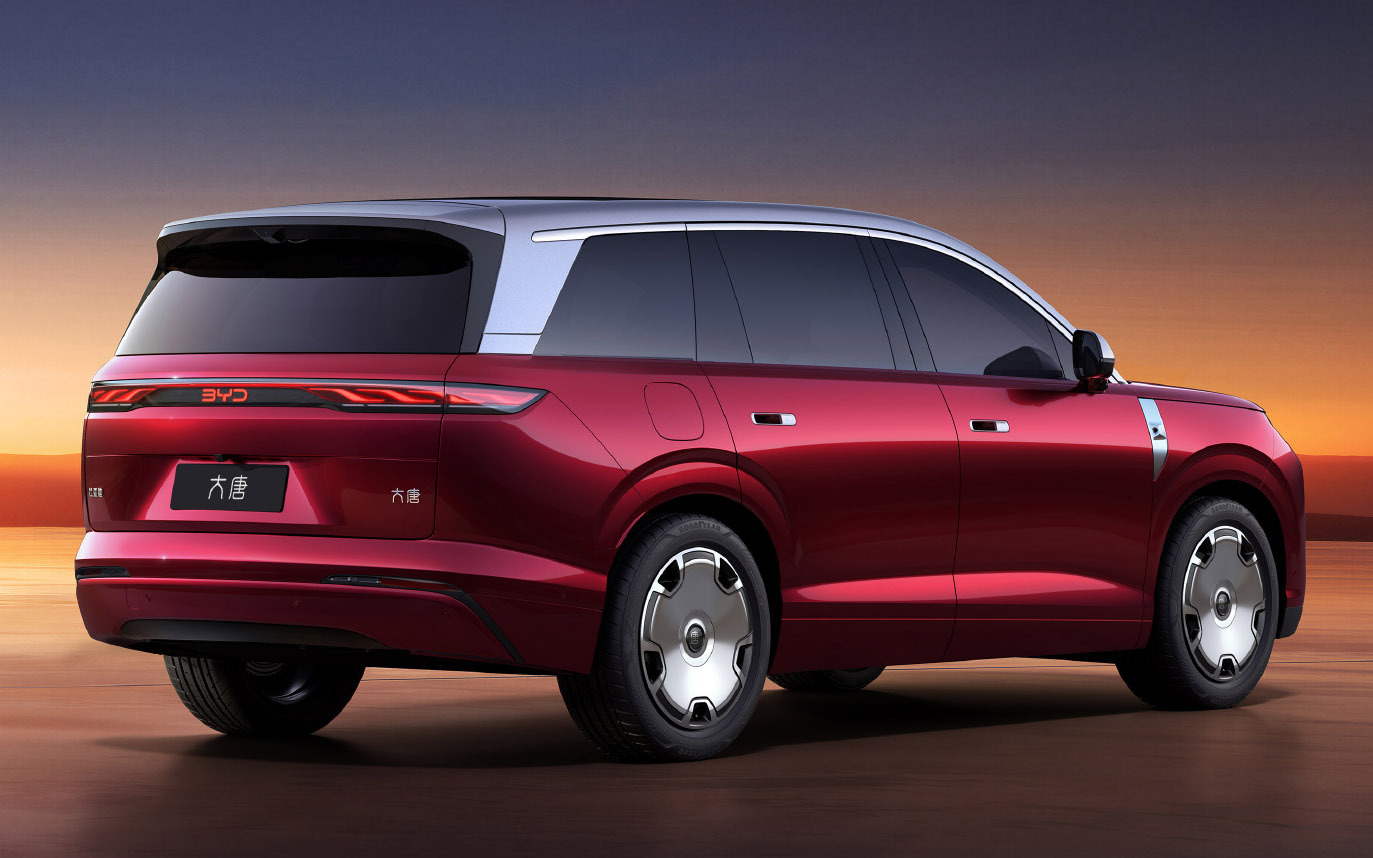
BYD YangWang U7

Canada recently restructured its tariff regime relating to Chinese-built electric vehicles by implementing a quota that permits 24,500 Chinese-made EV to come into Canada at a significantly reduced duty rate of just 6.1 percent. That change in policy means a change in math for companies such as BYD and Chery that previously have struggled with steep barriers that made it difficult for them to expand.

With the advent of lower import costs now possible under the quota, the move into the Canadian market is becoming more realistic. Still, there are a number of steps before any cars are in showrooms. Regulatory approvals, dealer agreements, financing structures, and service networks all have to be put in place.

Launch Timing Remains Unclear

Sources caution that although discussions are ongoing, there hasn’t been an official date initiated for the launch by BYD. The company has not publicly outlined its timeline, nor the specific models it prioritizes for Canada.

By coming into the Canadian EV market, Industry analysts believe BYD and Chery will transform pricing and competition in the industry. The market has been dominated by established North American, European, and Korean brands for an extended period. A new player that is well-known globally for high-volume electric vehicles production could expand consumer choice and put a squeeze on rivals.

 Two Of China’s Biggest Brands Are Looking To Build A Canadian Dealer Network With One City Leading The Way
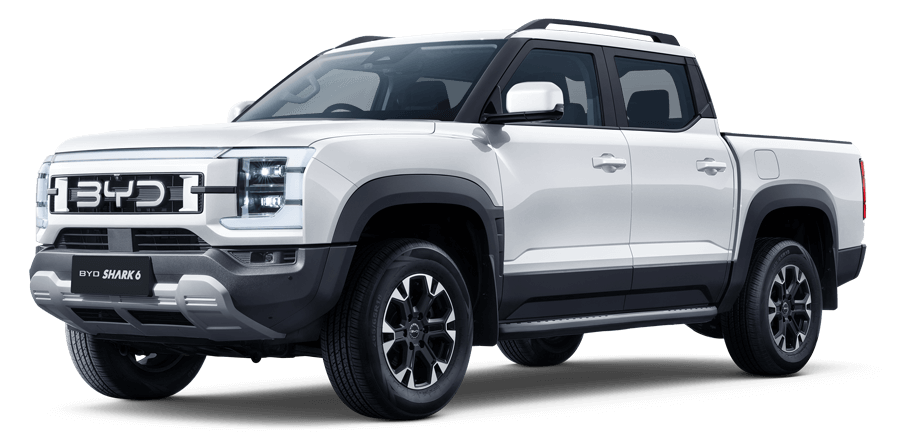
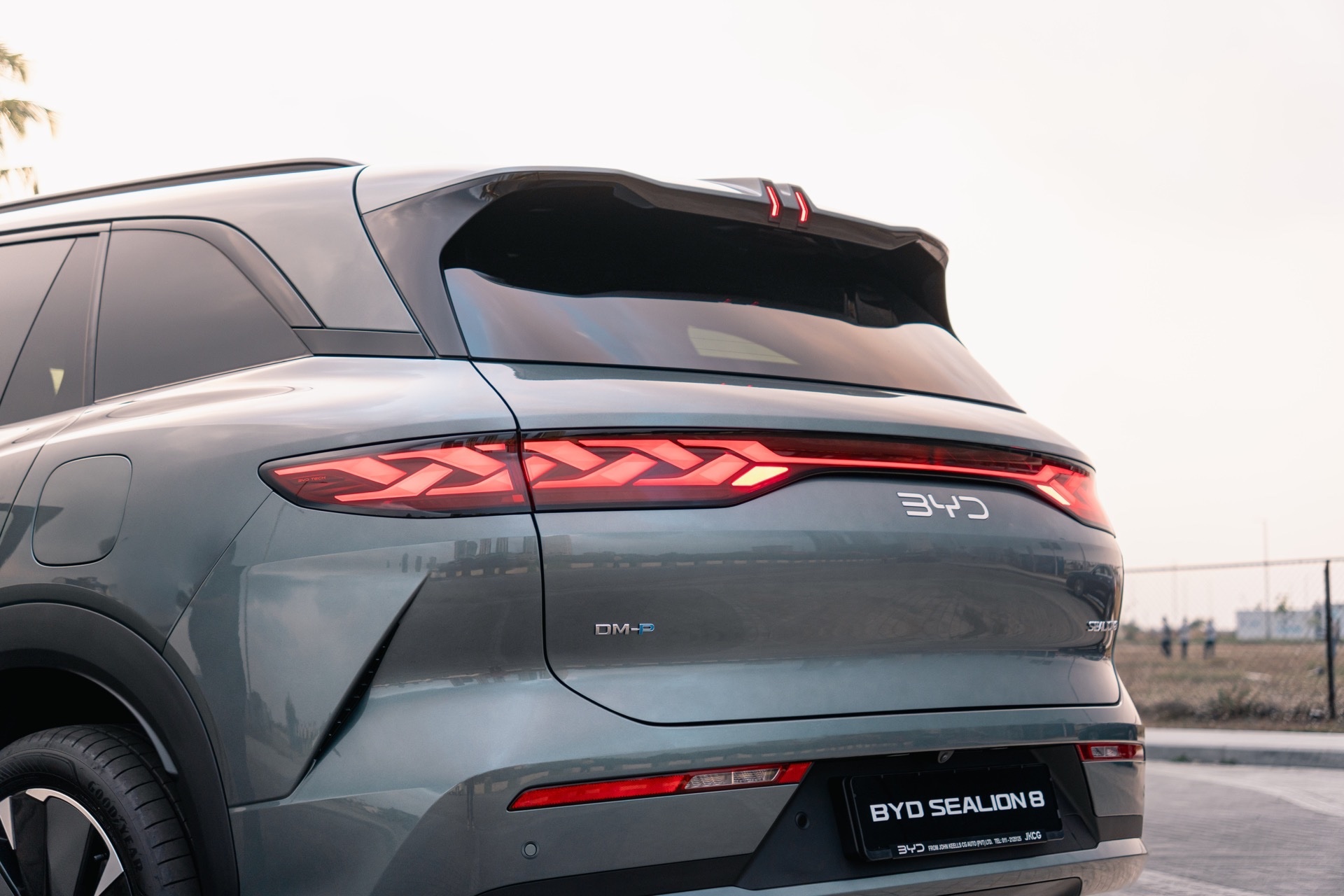
BYD Shark 6

China’s No. 2 Automaker Is Making A Play For Canada

  • Geely is preparing to launch its EV lineup in Canada soon.
  • The company is competing with BYD for early market entry.
  • Local production remains a possibility for market expansion.

Geely has begun taking the necessary steps to launch its vehicles in Canada and could start sales as early as this year. The move places it in direct competition with BYD, as both aim to become among the first Chinese EV-focused brands to enter the Canadian market following a recent trade deal between the two countries.

They are both locked in a race against Tesla, which appears positioned to secure, if not all, then most of the first batch of 24,500 Chinese-made EV permits available at a reduced tariff rate.

Geely Group chief executive Andy An says the company expects to secure the required certifications from Canadian officials soon, clearing the way for local sales. The automaker has been steadily climbing the ranks among the world’s largest car manufacturers and is now setting its sights on expansion across several key markets.

Read: Canada Could Give China’s Biggest Carmaker A Backdoor Into The US Market

“We’re not only considering the Canadian market, but also Brazil, South America, Eastern Europe, and Southeast Asia,” An told Bloomberg. “Geely’s globalization is mostly through exports right now, but we will look to localize production.”

 China’s No. 2 Automaker Is Making A Play For Canada

Geely ranks just behind BYD as China’s second-largest car manufacturer, and it already has a foothold in both Canada and the United States through Polestar and Volvo. Even so, steep 100 percent tariffs have long made exporting additional China-built models to Canada a tough business case.

Things are changing. Earlier this year, Canada and China agreed to a pivotal new trade deal, announcing that up to 49,000 Chinese-built EVs will be eligible for importation into the country at a reduced tariff rate of just 6.1 percent. That ceiling is expected to climb over time, reaching roughly 70,000 vehicles annually.

With those barriers easing, Geely, along with rivals like BYD and Chery, is lining up a Canadian market entry. The simplest route is to ship existing EVs from China, but local production, either through partnerships or independent operations, is very much on the table. Chery, for its part, is already recruiting in Canada as it prepares for its own arrival.

 China’s No. 2 Automaker Is Making A Play For Canada

Canada Could Give China’s Biggest Carmaker A Backdoor Into The US Market

  • BYD could enter Canada solo, avoiding joint venture deals entirely.
  • Canada may serve as a North American base for production and exports.
  • Tariff quota begins at 49,000 units and rises steadily over five years.

BYD is taking on the world, and thanks to a new trade deal between Canada and China, it could start building vehicles in the Great White North. The company’s executive vice president has even admitted an openness to acquire an existing car manufacturer as it looks to further broaden its reach.

Earlier this year, Canada announced it would slash tariffs on Chinese EVs from 100 percent to 6.1 percent, but only for the first 49,000 vehicles per year. This quota will grow to around 70,000 vehicles annually over five years, reopening the door for BYD to enter the Canadian market.

Read: Jim Farley Tests Chinese Pickups, And He Has Something To Say

The Chinese juggernaut was eager to enter Canada a couple of years ago, but shelved its plans in late 2024 when the 100 percent tariffs were announced by then-Prime Minister Justin Trudeau. Now, BYD executive vice president Stella Li said at an event in Brazil that a Canadian launch is back on the cards and that the firm is even considering a manufacturing facility there.

Exactly how BYD would establish itself locally remains undecided. Ottawa has been pushing Chinese automakers toward joint ventures with domestic partners, but Li was blunt on that point, saying she does not believe “a JV will work” for the company.

Can Anything Stop BYD’s Growth?

 Canada Could Give China’s Biggest Carmaker A Backdoor Into The US Market

Canada could provide BYD with a foothold in North America, meaning building models for the local market and having the option of exporting them. Fellow Chinese brands Geely and Chery are also reportedly making moves to enter Canada, although they’ve yet to commit to building cars in the country.

BYD’s growth strategy could involve acquiring an existing automaker. Speaking with Bloomberg, Li suggested the company is interested in taking over a legacy car brand, noting that “We’re open to every opportunity we have,” and that BYD is currently evaluating potential assets.

Acquiring an established automaker could also give BYD an indirect route into the United States. It is a well-worn strategy, and one that has worked before. Geely took control of Volvo and used it to expand its global footprint, while SAIC revived MG into a thriving EV-focused brand. BYD could be looking at a similar playbook.

\\\\\\\

This Dodge Charger Barely Left The Lot And Is Nearly 50% Off

  • Dealers are slashing prices of the electric Dodge Charger.
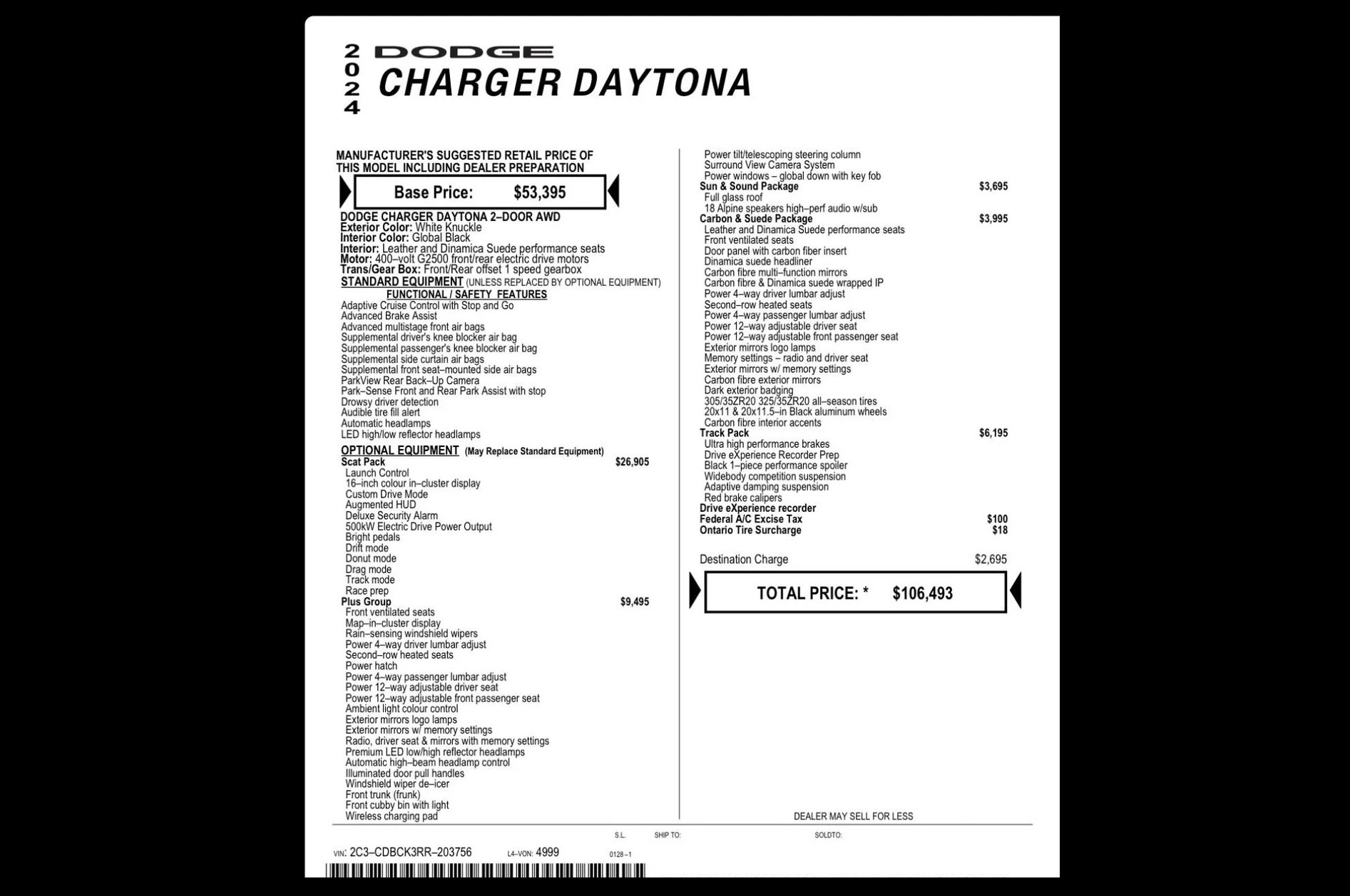
  • This 2024 example originally stickered at CA$106,493.
  • The Scat Pack version puts out 670 hp and 627 lb-ft.

The all-electric Dodge Charger Daytona is big and heavy, and according to some owners, reportedly riddled with issues. In Canada, it can also be configured with tens of thousands of dollars in options, yet much of that added cost appears to evaporate the moment the car hits the market.

This white 2024 Charger Daytona has been listed for sale by Oakville Chrysler Dodge Jeep Ram in Ontario for CA$58,400 (US$42,700). On paper, that does not sound outrageous. Then you glance at the original window sticker and pause. With options included, this car started life at CA$106,493 (US$77,900). Let that sink for a moment.

Sticker Shock And Rapid Depreciation

Ready? Good, let’s carry on. In Canada, the most basic Charger Daytona opens at CA$53,995 (US$39,500). This one is the Scat Pack, which adds CA$26,905 (US$19,700) and pushes the total to CA$80,300 (US$59,200). In return, you get twin motors delivering 670 hp and 627 lb-ft (850 Nm), plus launch control, a head-up display, dedicated drive modes, and a 16-inch digital cluster to keep tabs on it all.

 This Dodge Charger Barely Left The Lot And Is Nearly 50% Off

Next up, this Dodge was specified with the CA$9,495 (US$6,900) Plus Group. That buys you ventilated seats, power lumbar adjustment for both front occupants, ambient lighting, and a wireless smartphone charging pad. Comfort, in other words, does not come cheap.

Read: The Charger EV Still Isn’t Selling, So Dodge Hiked Prices By Over $12K

There is also the CA$3,696 (US$2,700) Sun & Sound package, pairing a fixed glass roof with an 18-speaker Alpine audio system. On top of that sits the CA$6,195 (US$4,500) Track Pack, which brings high-performance brakes, a one-piece black spoiler, revised adaptive suspension tuning, and red brake calipers.

Rounding out the list of options is the CA$3,995 (US$2,900) Carbon & Suede package. As the name suggests, it adds carbon and suede accents, but you also get 20-inch black wheels wrapped in 305/25 front and 325/35 rear all-season tires.

 This Dodge Charger Barely Left The Lot And Is Nearly 50% Off
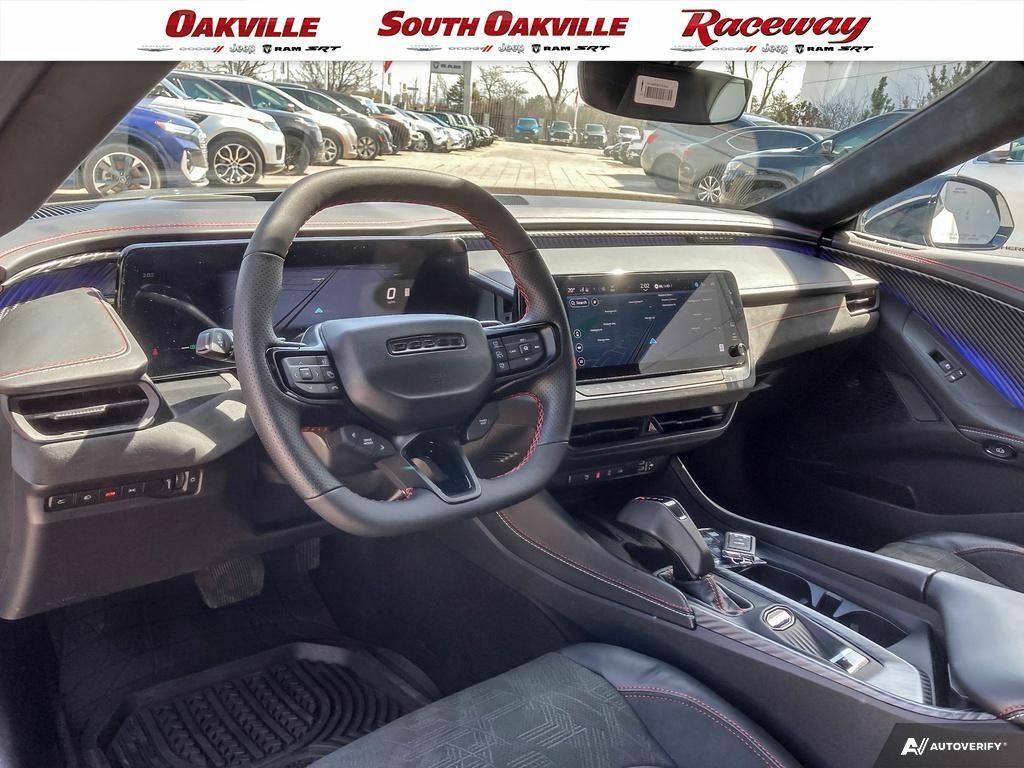
Oakville Chrysler Dodge Jeep Ram

It’s hard to see what Dodge was expecting here. Asking this sort of money for an electric Charger was always going to be a stretch. For similar cash, you could slide into a Lucid Air. Or, for CA$80,990 (US$59,200), you could drive away in a brand new Hyundai Ioniq 5 N and still have change left for the charging cable you will inevitably forget at home.

We hate to think about just how much more value this Charger could lose. It has already shed nearly CA$50,000 in under two years, despite covering just 275 km (171 miles). Even at CA$58,400 (US$42,700), you would not bet the house on it flying off the lot anytime soon.

Then again, something tells us that the dealer might be open to trimming that figure a little further just to move it along. You can check out the listing here.

\\\\\\\\\\\\\\\\

Oakville Chrysler Dodge Jeep Ram

Canada Hands Out First China EV Permits, But Not Everyone Is Getting A Turn

  • Permits will be granted on a first-come basis.
  • Tesla, Volvo, and Polestar should benefit first.
  • First 24,500 permits run from March to August.

Canada is preparing to reopen its doors, at least partially, to Chinese-built electric vehicles. In the coming months, it will begin issuing permits at a sharply reduced tariff rate. However, locals should not expect the market to be immediately flooded with new and innovative EVs, as has happened in parts of Europe and Australia.

Under Canada’s new trade agreement with China, up to 49,000 EVs built in China can be imported at the reduced 6.1 percent tariff, down from the 106.1 percent rate imposed in 2024.

Read: After Letting China In, Canada Hopes Korea Comes Too

Global Affairs Canada said in an import-control notice published on February 26 that, from March 1 through August 31, the first 24,500 permits will be handed out on a simple first-come, first-served basis.

Given that it has only been six weeks since the reduced tariff was announced, automakers looking to enter the Canadian market for the first time are unlikely to secure a significant share of these initial permits.

Which Companies Stand To Gain Most?

 Canada Hands Out First China EV Permits, But Not Everyone Is Getting A Turn

Instead, established firms are expected to benefit first. Volvo and Polestar, for example, had been exporting EVs from China to Canada prior to the 2024 tariff hike and likely retain the production flexibility to resume shipments for the Canadian market. Tesla also built China-made EVs for Canada before the tariffs took effect and is considered a frontrunner for the early permits.

Speaking to Auto News, Global Affairs spokesperson Samantha Lafleur said there is no predetermined limit on the number of permits each automaker may receive, although temporary limits could be introduced during the initial six months. Lafleur added that the department “will monitor the application and issuance of import permits for the purpose of providing equitable access to the quota to eligible applicants.”

Second Phase Of The Import Quota

 Canada Hands Out First China EV Permits, But Not Everyone Is Getting A Turn

The second quota of 24,500 permits will open on September 1, 2026, and run through February 28, 2027. Any permits unused during the first six months will be added to this second allocation period.

Canadians waiting for the most competitive offerings from China will be watching closely for the potential arrival of BYD and Geely, the country’s two largest automakers. As reported by Auto News, BYD has acknowledged it is evaluating sales in Canada. Geely, meanwhile, could expand its footprint beyond Volvo and Polestar by introducing additional brands such as its namesake marque and Zeekr, among others.

 Canada Hands Out First China EV Permits, But Not Everyone Is Getting A Turn

Updated: Blue Bird to Acquire Full Ownership of Micro Bird, Expand Market Share

By: Ryan Gray
18 February 2026 at 17:44

Blue Bird Corporation announced its pending acquisition of the remaining 50-percent equity interest in Micro Bird, a joint venture with Canadian bus manufacturer Girardin Minibus. ​The $198.2 million deal, which values Micro Bird at $429.6 million, is expected to close by the end of the second quarter, pending regulatory approval and customary closing conditions. ​

The OEM confirmed Micro Bird President Eric Boule and his current management team continue to oversee day-to-day operations.

The Micro Bird brand originated in the mid-1970s, when Blue Bird introduced its first Type A school bus built on a cutaway van chassis. Blue Bird entered a supply agreement with Girardin Minibus in 1992 to build the Micro Bird in Quebec. The most recent joint venture between Blue Bird and Girardin was signed in 2009, which created Micro Bird, Inc.

The transaction announced Tuesday is funded through a combination of 70-percent stock and 30-percent cash. It includes the $16.5 million purchase of Micro Bird’s new manufacturing facility in Plattsburgh, New York and the transfer of its OEM service parts inventory for $400,000, according to a company presentation on the deal strategy and structure. ​Blue Bird said it plans to issue 2.7 million shares to fund the stock portion and use $154.2 million in cash for the remainder. ​

Blue Bird said the acquisition is expected to enhance the company’s market share in the K-12 student transportation industry by expanding its product portfolio to include a comprehensive lineup of Type A, C and D buses powered by diesel, gas, propane, and electric powertrains. ​The deal will also double Micro Bird’s addressable market in the U.S., thanks to its compliance with Buy America requirements, and strengthen Blue Bird’s presence in Canada. ​

The transaction is projected to be immediately accretive to earnings, with an estimated 8.2 percent increase in earnings per share in fiscal year 2026. ​Blue Bird’s pro forma revenue is expected to grow from $1.5 billion to $1.9 billion, while adjusted EBITDA is forecasted to increase from $225 million to $250 million. The company said it anticipates long-term revenue growth to reach $2.5 billion by 2030, with an EBITDA margin exceeding 15 percent. ​

Micro Bird, known for its high-quality school, commercial and electric buses, is well-positioned for long-term growth. ​Blue Bird said the acquisition will enable it to leverage Micro Bird’s expertise in electric vehicle technology, streamline development and expand into adjacent markets such as commercial and specialty vehicles as well as drive engineering efficiencies, enhance market share, and deliver value to shareholders through profitable growth and stock buybacks. ​

This article is developing.


Related: NASDPTS Sunsets School Bus Manufacturers Technical Council, Announces Updates
Related: School Bus Manufacturers Stay the Course Despite Regulatory, Funding Uncertainty
Related: Engine, Truck Manufacturers Support EPA Easing Derate of SCR Diesel Emissions Controls

The post Updated: Blue Bird to Acquire Full Ownership of Micro Bird, Expand Market Share appeared first on School Transportation News.

GreenPower Regains Compliance with Nasdaq’s Equity Requirement

By: STN
16 February 2026 at 21:01

VANCOUVER, Canada,  – GreenPower Motor Company Inc. (Nasdaq: GP) (“GreenPower” and the “Company”), a leading manufacturer and distributor of all-electric, purpose-built, zero-emission medium and heavy-duty vehicles serving the cargo and delivery market, shuttle and transit space and school bus sector, today announced that the Company has received formal notice from The Nasdaq Stock Market LLC (“Nasdaq”) confirming that the Company has regained compliance with Nasdaq Listing Rule 5550(b)(1), the “Equity Rule,” and otherwise satisfies all applicable criteria for continued listing on The Nasdaq Capital Market.

“Over the past few months GreenPower has completed a series of transactions including raising new capital with an equity offering of Series A Convertible Preferred Shares for up to $18 million, term loans of $5 million and a new banking relationship with CIBC including a line of credit and term loan. In addition, the Company exchanged $7 million of related party loans for convertible debentures and $3 million of related party loans for Series B Convertible Preferred Shares,” said Fraser Atkinson, CEO of GreenPower. “These transactions have helped the Company regain full compliance with the Nasdaq listing criteria as well as with the execution of our strategic goals.”

Notwithstanding the Nasdaq compliance determination, the Company will remain subject to a Panel monitor for one year. If, within that one-year monitoring period, Staff finds the Company again out of compliance with the Equity Rule that was the subject of the hearing, the Company will be subject to a delisting determination and will not have the opportunity to present a compliance plan for the Staff’s consideration. However, the Company will be afforded the opportunity to request a hearing before the Hearings Panel, and the hearing request will automatically stay any suspension or delisting action pending the conclusion of the hearings process and the expiration of any additional extension period granted by the Panel following the hearing.

The Company’s common stock will continue to trade on Nasdaq under the ticker symbol “GP.”

About GreenPower Motor Company Inc.
GreenPower designs, builds and distributes a full suite of high-floor and low-floor all-electric medium and heavy-duty vehicles, including transit buses, school buses, shuttles, cargo van and a cab and chassis. GreenPower employs a clean-sheet design to manufacture all-electric vehicles that are purpose built to be battery powered with zero emissions while integrating global suppliers for key components. This OEM platform allows GreenPower to meet the specifications of various operators while providing standard parts for ease of maintenance and accessibility for warranty requirements. For further information go to www.greenpowermotor.com

The post GreenPower Regains Compliance with Nasdaq’s Equity Requirement appeared first on School Transportation News.

GreenPower Reports Revenue of $8.5 million and Net Income of $4.2 million for Third Quarter

By: STN
13 February 2026 at 21:03

VANCOUVER, Canada  – GreenPower Motor Company Inc. (Nasdaq: GP) (“GreenPower” and the “Company”), a leading manufacturer and distributor of all-electric, purpose-built, zero-emission medium and heavy-duty vehicles serving the cargo and delivery market, shuttle and transit space and school bus sector, today reported revenue of $8.5 million and net income of $4.2 million as a part of its financial results for the period ended December 31, 2025.

“Despite significant headwinds in the EV sector in general, GreenPower has made substantial strides with its transition from building EVs on spec., to a production strategy driven by building EVs to customer orders.” said Fraser Atkinson, GreenPower Chairman and CEO. “This transition has required recapitalization of the Company, retooling our manufacturing, managing inventory, and obtaining sources of production funding.”

“GreenPower is very excited about the excellent progress in the deployment of all-electric, purpose-built school buses during the last quarter in New Mexico; Continuing to perform on the state sponsored, two-year, zero emissions school bus pilot project.” said Brendan Riley, President of GreenPower. “This project uses the compelling West Virginia pilot project as its model but is focussed on the specific needs of New Mexico school districts where there will be challenges on deploying in both city and rural settings, challenges with charging infrastructure and operating the school buses in extreme cold weather at high elevations.”

Third Quarter 2026 Highlights
Generated revenues of $8.5 million in the third quarter of the 2026 fiscal year compared to $7.2 million for the third quarter in the previous year. Revenue was generated from the sale of vehicles, parts, leases and deferred income. Gross profit on the sale of vehicles was approximately 28%.

Total sales, general and administrative costs of $2.4 million in the third quarter compared to $5.2 million for the third quarter in the previous year representing a significant reduction in the Company’s recurring expenses. Excluding non-cash items, the sales, general and administrative costs in the current quarter were less than $2 million.

Working capital of more than $5 million and increased cash from the beginning of the fiscal year.

During the quarter the Company undertook the management of the New Mexico All-Electric, Purpose-Built, Zero-Emission School Bus Pilot Program. The contract with the state of New Mexico provides funding of more than $5 million for the deployment of GreenPower’s all-electric Type A Nano BEAST, Type A Nano BEAST Access, Type D BEAST and Type D Mega BEAST school buses, charging infrastructure and management of a pilot project in the state.

During the quarter the Company raised gross proceeds of $1,120,050 from the issuance of Series A convertible preferred shares (the “Series A shares”) with a stated value of $1,179,000. The initial tranche was comprised of 754 Series A shares issued pursuant to an effective shelf registration statement and 425 Series A Shares issued in a concurrent private placement. The Company and investor agreed that a follow-on tranche of 926 Series A Shares with a stated value of $926,000 and purchase price of $879,700 will be issued at a later date. The institutional investor has the right to acquire and the Company has the right to issue additional Series A Shares in tranches of up to $2 million, subject to certain terms and conditions, to a total of up to US$16 million

Subsequent to the end of the quarter GreenPower completed several transactions to recapitalize the Company. The Company closed on two term loans for a total of $5 million, closed on the new banking relationship with CIBC including a line of credit and Term Loan, paid out the existing bank line of credit, exchanged $7 million of related party loans for convertible debentures and exchanged $3 million of related party loans for Series B Convertible Preferred Shares.

For additional information on the results of operations for the period ended December 31, 2025 with the financial statements and related reports posted on GreenPower’s website as well as on SEDAR Plus or on EDGAR.

About GreenPower Motor Company Inc.
GreenPower designs, builds and distributes a full suite of high-floor and low-floor all-electric medium and heavy-duty vehicles, including transit buses, school buses, shuttles, cargo van and a cab and chassis. GreenPower employs a clean-sheet design to manufacture all-electric vehicles that are purpose built to be battery powered with zero emissions while integrating global suppliers for key components. This OEM platform allows GreenPower to meet the specifications of various operators while providing standard parts for ease of maintenance and accessibility for warranty requirements. For further information go to www.greenpowermotor.com

The post GreenPower Reports Revenue of $8.5 million and Net Income of $4.2 million for Third Quarter appeared first on School Transportation News.

GreenPower Announces US$10 Million Financing and US$2.95 Million in Standby Letter of Credit Facilities

By: STN
9 January 2026 at 21:32

VANCOUVER, Canada, – GreenPower Motor Company Inc. (Nasdaq: GP) (“GreenPower” or the “Company”), a leading manufacturer and distributor of all-electric, purpose-built, zero-emission medium and heavy-duty vehicles serving the cargo and delivery market, shuttle and transit space and school bus sector, today announced that it has received credit approval from CIBC for $5 million in financing facilities, comprised of a $3 million revolving line of credit and a $2 million term loan with a three year term. Additionally, the Company has received credit approval from CIBC to enter into a letter of credit of $450,000, secured by cash collateral, and a letter of credit facility of up to $2.5 million, which is subject to approval from another financial institution. GreenPower’s transaction with CIBC is subject to finalizing documentation, as well as satisfaction of all closing conditions, and all parties are actively working towards a timely completion. In addition, GreenPower has announced that it has closed $5 million in term loans from two family offices, which have provided personal joint and several guarantees in support of these credit facilities. A portion of the net proceeds from the financings will be used to repay and close the Company’s existing operating line of credit, with the remainder used for general corporate purposes. These transactions represent an important step in the recapitalization of the Company and will allow GreenPower to accelerate production of all-electric vehicles to fulfil existing customer orders.

The Company has agreed to issue 3,205,128 non-transferable share purchase warrants (each, a “Loan Bonus Warrant”) to one of the family offices. Each Loan Bonus Warrant entitles the holder to purchase one common share of the Company (each, a “Share”) at an exercise price of US$0.78 per Share for a period of thirty-six (36) months from the closing date of the Loan. In addition, the Company has agreed to issue to one of the family offices an aggregate of 641,025 Shares (each a “Loan Bonus Share”). The family offices are each considered to be a “related party” within the meaning of Multilateral Instrument 61-101 Protection of Minority Security Holders in Special Transactions (“MI 61-101”) and each of the loans with the family offices and issuance of Loan Bonus Warrants and Loan Bonus Shares, as applicable, is considered to be a “related party transaction” within the meaning of MI 61-101 but each is exempt from the formal valuation requirement and minority approval requirements of MI 61-101 by virtue of the exemptions contained in Sections 5.5(g) and 5.7(e) of MI 61-101.

All securities issued in connection with the loans with the family offices will be subject to a statutory hold period of four months plus a day from the closing of the loan in accordance with applicable securities legislation.

About GreenPower Motor Company Inc.
GreenPower designs, builds and distributes a full suite of high-floor and low-floor all-electric medium and heavy-duty vehicles, including transit buses, school buses, shuttles, cargo van and a cab and chassis. GreenPower employs a clean-sheet design to manufacture all-electric vehicles that are purpose built to be battery powered with zero emissions while integrating global suppliers for key components. This OEM platform allows GreenPower to meet the specifications of various operators while providing standard parts for ease of maintenance and accessibility for warranty requirements. For further information go to www.greenpowermotor.com

The post GreenPower Announces US$10 Million Financing and US$2.95 Million in Standby Letter of Credit Facilities appeared first on School Transportation News.

Support for Electric Vehicles

By: newenergy
31 March 2025 at 15:54

New Poll: American Voters Support Federal Investments in Electric Vehicles Broad, Bipartisan Support for EV Investments and Incentives that Lower Costs, Expand Access, and Help the U.S. Beat China in the Race for Auto Manufacturing WASHINGTON, D.C. – A new bipartisan national poll conducted by Meeting Street Insights and Hart Research finds broad public support …

The post Support for Electric Vehicles appeared first on Alternative Energy HQ.

❌
❌