Anthony Jackson of Bibb County School District in Georgia basks in the glory of reduced fuel costs by relying on propane. Cover design by Kimber Horne Photo by Blue Bird
Buying a new school bus fuel or energy type is no small decision for student transportation operators. Dive into this month’s issue to learn more about what factors are involved in clean fuel purchasing decisions, how to implement the kind of technology that school bus drivers actually want and need, understanding how to convert data into actionable insights and how to plan the perfect technology rollout.
Also find the latest conference news, including a recap of ACT Expo and a preview of the upcoming STN EXPO West conference, this July in Reno, Nevada.
How Clean is Clean Enough?
Experts say it’s important to all weigh all factors when purchasing a new school bus fuel or energy type.
Features
Full Potential
Implementing technology solutions that drivers want and know how to use could be the secret sauce to keeping them behind the wheel.
Tackling the Data Challenge
The promise of compiled data is most beneficial when transportation leaders understand what the information means to their operations.
Despite regional variability in climate, electricity sources, congestion, and the wide variation in individual driving patterns, electric vehicles generate less greenhouse gas emissions and do not cost more than comparable gas-powered vehicles for drivers and vehicle fleet owners in most parts of the United States, according to a new study by MIT researchers.
The team’s approach captures many key factors that contribute to regional and individual differences in the life-cycle emissions and ownership cost of electric vehicles, including meteorological data, the distance and duration of trips, and fuel prices.
To paint a fuller picture of emissions and costs than was previously available, the researchers sourced data from thousands of U.S. zip codes and drilled down to the level of individual drivers within those locations. Their study considers time-averaged fuel prices so as not to be overly influenced by fluctuations in prices at any one point in time. They finalized their analysis at the end of 2024 and early 2025.
Their results indicate that a person’s driving behaviors can matter as much as regional factors like the local electricity mix when it comes to the emissions savings of an electric vehicle, compared to a similar gas-powered vehicle. In most locations, a battery-electric vehicle reduces emissions between 40 and 60 percent, with larger impacts in urban areas.
They also found that colder climates do not reduce overall emission benefits as much as some media reports assume.
The researchers utilized this detailed analysis to update a public tool they previously developed, carboncounter.com, which enables individuals to compare the life-cycle emissions and total ownership costs of nearly any car on the market. A new version of carboncounter.com is also being released today.
“There are a lot of statements being thrown around, like that electric vehicles don’t reduce emissions very much in cool climates, and we wanted to analyze these factors systematically and evaluate these statements against one another simultaneously. Rather than simply asking, ‘Are EVs better?’, this paper helps answer ‘better for whom, and under what conditions?’” says Marco Miotti PhD ’20, a senior researcher at ETH Zurich who completed this research while a graduate student in the Institute for Data, Systems, and Society (IDSS) at MIT.
Many prior studies that compare emissions and costs of electric vehicles (EVs) to combustion-engine vehicles cover a few factors, like the amount of renewable energy in the grid and how gas prices impact affordability, Miotti says.
“To our knowledge, there have been few efforts so far that bring all these factors together. But if someone wants to buy a car and have a better understanding of the factors that affect emissions and costs, this holistic approach is important,” he adds.
The researchers focused on two types of EVs: battery-electric vehicles, which only operate on electricity, and plug-in hybrid electric vehicles, which also have a combustion engine that works in tandem with the battery to optimize fuel savings.
The team expanded and improved a set of previously developed vehicle cost and emissions models to incorporate a wider variety of factors and data types.
For instance, they refined an existing model that estimates energy use and gas mileage so it could capture more nuances of local climate variability.
“But the real effort was not just in extending these different models, but in bringing together all these different data and making them work with the models in a consistent manner,” Miotti says.
The team sourced data on a wide variety of factors for each U.S. zip code, such as typical drive cycles, the amount of traffic, local gas and electricity prices, makeup of the regional electricity mix, meteorological profiles, and more. They used statistical approaches to amalgamate different types of data.
For example, the team used a probabilistic matching technique to combine data on how often people drive, which was drawn from nationwide travel surveys, with more detailed GPS data that includes factors like drivers’ acceleration patterns and the distance they usually drive on each day of the week.
The researchers designed their analysis to focus on the spatial picture of emissions and costs, based on U.S. zip codes, while simultaneously considering the impact of the size and features of each specific vehicle model.
“At the end of the day, it’s the vehicle and fleet owners who make decisions about vehicle purchases. So, we wanted to make sure to consider their wide-ranging individual perspectives rather than simply performing a region-by-region comparison,” says Trancik.
Lower emissions, comparable costs
In the end, their modeling framework revealed that all factors they analyzed matter about equally in determining emissions-reduction potential of EVs compared to internal combustion vehicles.
EVs reduce emissions the most in areas with a cleaner electricity mix, denser traffic, higher annual travel distances, and a mild climate, in decreasing order of importance. In each area, emission reductions increase for drivers who drive more often, drive larger vehicles, and are more frequently stuck in traffic.
In a colder area like North Dakota, fuel economy of battery-electric vehicles might be reduced by as much as 50 percent on a particularly frigid night, but the effect on annual emission benefits is minimal.
“We even did a sensitivity study to see if the range is reduced in very cold climates, and we found that, even in the most unfavorable conditions, EVs still reduce emissions by a substantial amount,” Miotti says.
On the cost side, the models show that, in most places across the U.S., EVs are competitive with comparable combustion-engine vehicles in terms of lifetime ownership cost, even without clean vehicle tax credits. And in areas where electricity is relatively affordable, battery-electric vehicles tend to cost less than their plug-in hybrid or combustion-engine counterparts.
In the future, the researchers want to expand this analysis to include a temporal dimension, so the framework also considers how changes in vehicle, fuel, and electricity prices affect emissions and costs over time.
“While we found that the electricity mix is a big driver of the spatial variation in emissions savings of EVs, the electricity grid is decarbonizing everywhere. As that happens, emissions savings across space will become more homogenous for EVs, but the differences across one driver to another will remain,” Miotti says.
They could also use the framework to explore regions outside the United States or incorporate data on hybrid-electric vehicles that cannot be plugged in.
This work was funded, in part, by the MIT Martin Family Society of Fellows for Sustainability.
A new MIT study finds that despite regional differences in climate, electricity sources, traffic, and driving patterns, electric vehicles produce fewer greenhouse gas emissions — and cost no more to own — than comparable gas-powered cars for most U.S drivers.
REDWOOD CITY, Calif., – The Women Presidents Organization (WPO) has named Zūm to its list of the 2026 50 Fastest Growing Women-Owned/Led Companies, supported by J.P. Morgan Commercial Banking.
Zum ranks No. 4 on this year’s list, which highlights the impressive scale, growth, and impact of women-owned or led enterprises around the world. To be eligible, all companies must be privately held, women-owned or led, and must have reached annual revenues of at least $500,000 in each of the last five years.
“Zum is proud to be modernizing mobility systems in more than 4,500 schools nationwide through Zum CMX, a fully integrated system designed to eliminate the anxiety, uncertainty, and lack of visibility that have plagued student transportation for decades,” said Ritu Narayan, Founder and CEO of Zum. “We are honored to be recognized on this prestigious list of the 2026 50 Fastest Growing Women-Owned/Led Companies, and appreciate all of our team, customers, investors and partners who support our mission.”
“The women leading the 50 Fastest Growing Women-Owned/Led Companies are not only scaling successful businesses, they are navigating change, seizing opportunity, and setting the pace within their industries,” said Camille Burns, CEO of the Women Presidents Organization. “Their collective impact reflects the growing influence of women at the highest levels of business. These companies are redefining what scalable leadership looks like today.”Companies on the 2026 list represent a wide array of industries, including travel and hospitality, digital marketing, manufacturing, consumer packaged goods, human capital solutions, information technology and more. Combined, the 2026 50 Fastest generated $8.5 billion in revenue and employed more than 23,000 people in 2025 alone.
Zum’s technology-led and data-driven approach improves transparency, communication, and efficiency while delivering a safer, more reliable experience for students and families. The company recently announced a $100 million strategic investment from TPG, bringing its total funding to $430 million and valuing Zum at $1.7 billion.
Adopted in 17 states, Zum delivers its unified system across more than 4,500 schools, including Omaha Public Schools, Boston Public Schools, Kansas City Public Schools, Los Angeles Unified, and San Francisco Unified. Zum’s fully integrated Connected Mobility Experience (CMX) system connects people, vehicles, and operations in real time, reducing anxiety and creating reliable, safe and seamless transportation for families and schools.
The 2026 honorees will be formally recognized during the WPO Entrepreneurial Excellence Forum on May 7 in Hollywood, Florida. See the full list of the 2026 50 Fastest Growing Women-Owned/Led Companies at women-presidents.com/news-events/50-fastest.
To learn more about how Zum is leading the nation in safe and reliable student mobility, visit www.ridezum.com.
About Women Presidents Organization (WPO)
The Women Presidents Organization (WPO) is a non-profit membership organization where dynamic and diverse women business leaders around the world tap into collective insight with exclusive access to entrepreneurial equals, innovative ideas, and executive education. WPO members have guided their business to generate at least $2 million USD in gross annual sales (or $1 million USD for a service-based business). Each WPO chapter serves as a professionally-facilitated peer advisory group for members where they can harness the momentum of their successes and cultivate new strategies that will take them even farther. Learn more at women-presidents.com.
About J.P. Morgan Commercial Banking
J.P. Morgan Commercial Banking is a business of JPMorgan Chase & Co. (NYSE: JPM), a leading global financial services firm with assets of $4.4 trillion and operations worldwide. Commercial Banking serves emerging startups to mid-corporate businesses as well as government entities, not-for-profit organizations, and commercial real estate investors, developers and owners. Clients are supported through every stage of growth with specialized industry expertise and tailored financial solutions including digital banking and payments solutions, credit and financing, international banking, advisory services and more. Information about J.P. Morgan Commercial Banking is available at www.jpmorganchase.com/commercial.
About Zum
Zum is revolutionizing mass mobility with its Connected Mobility Experience (Zum CMX) system that connects and coordinates people, vehicles, and operations in real time. In the $50 billion student mobility market – the largest segment of the mass mobility industry – Zum CMX is transforming a daily source of anxiety and disruption into a reliable, transparent, and efficient mobility experience for students and families. Today, more than 4,500 schools rely on Zum CMX. Recognized globally for its innovative approach and operational execution, Zum has been named to Fast Company’s World’s Most Innovative Companies, CNBC Disruptor 50 and Changemakers, the World Economic Forum, and the Financial Times’ Fastest Growing Companies lists. Zum is backed by leading investors including Sequoia Capital, GIC, SoftBank, and TPG. Zum, Zum CMX, and associated logos are trademarks of Zum Services, Inc. All rights reserved. Learn more at www.ridezum.com.
DENVER, Colo. —EverDriven, the leading provider of alternative student transportation solutions, today released new caregiver survey data demonstrating high levels of satisfaction, trust, and reliability, reinforcing EverDriven’s role as a critical partner for school districts navigating ongoing transportation challenges.
As districts across the country face persistent school bus driver shortages, increasing demand for individualized transportation, and rising expectations around safety and reliability, caregiver trust has become a clear measure of whether a transportation solution is truly working. EverDriven’s latest data shows that its model doesn’t just meet student needs; it earns the confidence of the families it serves
Based on 2026 feedback from nearly 600 caregivers, over 80% of caregivers say they would recommend EverDriven to others, a strong indicator of trust in the company’s safety-first approach and consistent service delivery. Beyond satisfaction, these results underscore the essential role transportation plays in a student’s daily experience, including consistent attendance, stability and better overall student outcomes.
Real Caregiver Experiences
“As a single mother, I am big on my kid’s safety. I had been skeptical about putting my kids in a stranger’s vehicle without me. But EverDriven changed all of that,” said Angie Nelson of Iowa. “The staff are kind, helpful and very understanding. The EverDriven VIP App allows me to track my kids from the second they get into the vehicle to when they arrive at school. EverDriven provides safety and gives caregivers comfort their kids are safe every day.”
“My child has gone through EverDriven for the last two years, and as a parent, my experience with the company has been amazing,” said Caressa Palmer of South Carolina. “The drivers are trustworthy, honest, and understanding. EverDriven is reliable and always on time. I would definitely recommend it to a friend or family member.”
What Caregivers Value Most
The survey data points to four things caregivers say matter most: Safety and trust: Every driver undergoes rigorous background checks, identity verification, and ongoing monitoring, supported by a culture of accountability and care. Safety protocols are designed specifically for student transportation, not ride-share. Real-time visibility: The EverDriven VIP app enables caregivers to track their child’s ride in real time, providing end-to-end visibility from pickup through drop-off. Consistency and reliability: Dedicated drivers and optimized routing support dependable, on-time service and a more familiar experience for students. For students with disabilities, 83% of rides are completed by the same driver, helping build consistency, trust and comfort. Communication and support: Responsive support teams work closely with families and districts to proactively address concerns and adapt to student needs.
“When a caregiver trusts you with their child, there is nothing more important than getting that right every single day,” said Mitch Bowling, CEO of EverDriven. “These results reflect the trust families place in us and our unwavering commitment to safety. From the drivers we vet to the technology we provide, everything we do is designed to give caregivers confidence that their children are safe, supported, and cared for from pickup to drop-off.”
Meeting a Growing Need
With ongoing driver shortages, increasing numbers of students requiring specialized transportation, and rising expectations around safety and reliability, districts are under pressure to deliver transportation solutions that work for every student.
In this environment, caregiver trust serves as a critical validation point. When families feel confident in transportation, districts experience fewer disruptions, reduced administrative burden, and greater confidence that students can consistently access their education.
To learn more about how EverDriven helps districts reduce transportation challenges while ensuring safe, consistent access to education, visit everdriven.com.
About EverDriven
EverDriven delivers modern student-centered transportation that’s safe, consistent, and built for those who need it most. EverDriven specializes in routing and transporting students across all ranges of needs — from everyday support to the most complex circumstances — including students with disabilities, students experiencing housing instability, and other high-need populations. Serving more than 800 districts across 37 states, the company completed over 2 million successful trips last year. EverDriven’s deeply human, fully compliant, and AI-powered approach helps districts get students on the road in hours, not days, while maintaining consistent, high-trust rides that complement traditional yellow bus fleets. For more information, visit everdriven.com.
LOS ANGELES, Calif. -HopSkipDrive, a leading technology company partnering with school districts to get kids to school more quickly, safely, and easily than anyone else, today released new data highlighting the impact of its expert-developed CareDriver education and the deep experience of its driver network. Following the launch of the company’s industry-leading driver education program focused on supporting students with neurodivergence, internal data reveals that 94% of surveyed CareDrivers say they feel confident supporting neurodivergent riders, a result that translates directly into greater preparation for students and better experiences for students, families, and school staff. Additionally, 85% of surveyed CareDrivers found these proprietary resources, developed in partnership with nationally recognized child development leaders, essential in preparing for these specialized rides.
Defining the “Caregiver on Wheels”
Unlike traditional rideshare platforms or traditional unlicensed brokers, HopSkipDrive vets the human, not just the paperwork. CareDrivers are highly qualified individuals from the community—often parents, nurses, or educators—who provide a dignified and supportive experience for students.
Reflecting a deep well of expertise within the network, CareDrivers bring a median of 10 years of prior caregiving experience. Every CareDriver is vetted through a rigorous 15-point certification process, which includes fingerprint-based background checks and mandatory video screenings to evaluate empathy and situational judgment before their first trip.
“My son’s driver was patient and understanding with him since he’s a special needs child,” says Andrea O., a parent in Los Angeles. “She always watched him get inside the building before she took off to make sure he got in safely. She provided a safe and calm atmosphere.”
The Differentiator: Education That Empowers Care
School districts often spend 95% of their time solving transportation for the most vulnerable 5% of their students, such as those with IEPs or those experiencing homelessness. HopSkipDrive’s customized curriculum provides CareDrivers with practical skills in:
Trauma-informed care to support students during difficult transitions.
Supporting neurodivergent riders and understanding sensory sensitivities to ensure a calm ride environment.
De-escalation techniques for proactive ride management.
“The integration [of HopSkipDrive] has significantly streamlined our processes, allowing for a smoother and more responsive service for our students,” says Marcy P., Littleton Public Schools in Littleton, Colorado. “It allows me to fully focus as a ride organizer by saving me valuable time.”
The Power of Direct Accountability
This specialized preparation is a primary differentiator of HopSkipDrive, which prioritizes direct accountability and verified oversight for every trip. As a fully licensed and regulated Transportation Network Company (TNC), HopSkipDrive maintains a direct relationship with every CareDriver on the platform. This allows for rigorous, transparent reporting and a level of verified compliance that provides school districts with peace of mind and reduced liability.
“Safety and education are not add-ons; they are the foundation of our entire model,” says Jennifer Brandenburger, SVP of Safety at HopSkipDrive. “Because we maintain a direct relationship with every CareDriver, we can ensure our specialized education reaches every person behind the wheel without a ‘game of telephone.’ This direct accountability ensures drivers are not just vetted, but truly prepared for the students they serve, providing districts with a level of verified compliance and risk reduction that subcontracted models simply can’t guarantee.”
About HopSkipDrive:
HopSkipDrive is a leading technology company partnering with school districts to get kids to school more quickly, safely, and easily than anyone else. The company is modernizing the $30 billion school transportation industry through two core solutions: a care-centered transportation marketplace and an industry-leading transportation intelligence platform, RouteWise AI. HopSkipDrive’s marketplace supplements school buses and existing transportation options by connecting kids to highly-vetted caregivers on wheels, such as grandparents, babysitters, and nurses in local communities. RouteWise AI helps schools and districts address critical challenges, including budget cuts, bus driver shortages, and reaching climate goals. HopSkipDrive has supported over 13,500 schools across 21 states, with nearly 1,300 school districts, government agencies, and nonprofit partners. More than five million rides over 95 million miles have been completed through HopSkipDrive since the company was founded in 2014 by three working mothers.
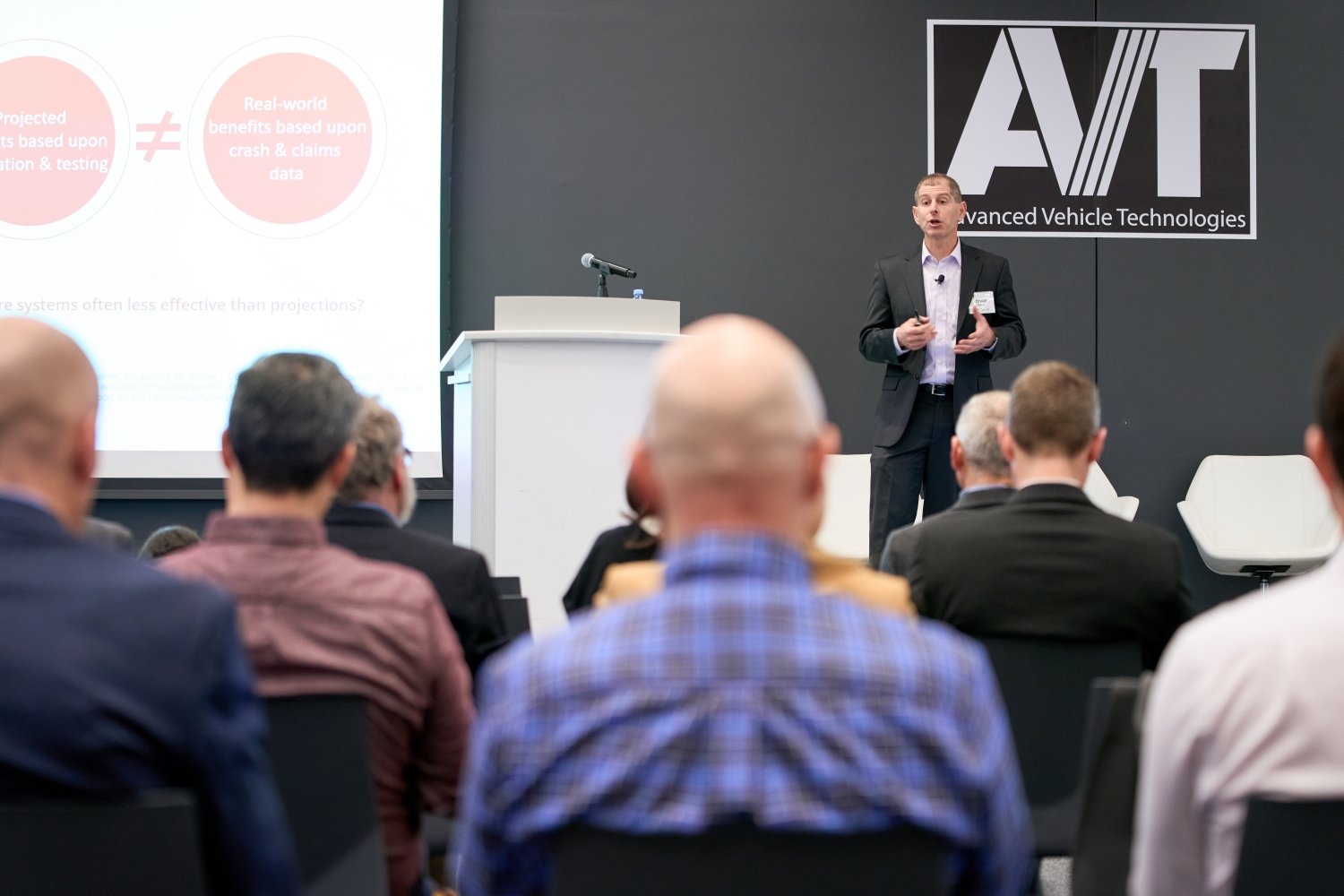
On May 6, MIT AgeLab’s Advanced Vehicle Technology (AVT) Consortium, part of the MIT Center for Transportation and Logistics, celebrated 10 years of its global academic-industry collaboration. AVT was founded with the aim of developing new data that contribute to automotive manufacturers, suppliers, and insurers’ real-world understanding of how drivers use and respond to increasingly sophisticated vehicle technologies, such as assistive and automated driving, while accelerating the applied insight needed to advance design and development. The celebration event brought together stakeholders from across the industry for a set of keynote addresses and panel discussions on critical topics significant to the industry and its future, including artificial intelligence, automotive technology, collision repair, consumer behavior, sustainability, vehicle safety policy, and global competitiveness.
Bryan Reimer, founder and co-director of the AVT Consortium, opened the event by remarking that over the decade AVT has collected hundreds of terabytes of data, presented and discussed research with its over 25 member organizations, supported members’ strategic and policy initiatives, published select outcomes, and built AVT into a global influencer with tremendous impact in the automotive industry. He noted that current opportunities and challenges for the industry include distracted driving, a lack of consumer trust and concerns around transparency in assistive and automated driving features, and high consumer expectations for vehicle technology, safety, and affordability. How will industry respond? Major players in attendance weighed in.
In a powerful exchange on vehicle safety regulation, John Bozzella, president and CEO of the Alliance for Automotive Innovation, and Mark Rosekind, former chief safety innovation officer of Zoox, former administrator of the National Highway Traffic Safety Administration, and former member of the National Transportation Safety Board, challenged industry and government to adopt a more strategic, data-driven, and collaborative approach to safety. They asserted that regulation must evolve alongside innovation, not lag behind it by decades. Appealing to the automakers in attendance, Bozzella cited the success of voluntary commitments on automatic emergency braking as a model for future progress. “That’s a way to do something important and impactful ahead of regulation.” They advocated for shared data platforms, anonymous reporting, and a common regulatory vision that sets safety baselines while allowing room for experimentation. The 40,000 annual road fatalities demand urgency — what’s needed is a move away from tactical fixes and toward a systemic safety strategy. “Safety delayed is safety denied,” Rosekind stated. “Tell me how you’re going to improve safety. Let’s be explicit.”
Drawing inspiration from aviation’s exemplary safety record, Kathy Abbott, chief scientific and technical advisor for the Federal Aviation Administration, pointed to a culture of rigorous regulation, continuous improvement, and cross-sectoral data sharing. Aviation’s model, built on highly trained personnel and strict predictability standards, contrasts sharply with the fragmented approach in the automotive industry. The keynote emphasized that a foundation of safety culture — one that recognizes that technological ability alone isn’t justification for deployment — must guide the auto industry forward. Just as aviation doesn’t equate absence of failure with success, vehicle safety must be measured holistically and proactively.
With assistive and automated driving top of mind in the industry, Pete Bigelow of Automotive News offered a pragmatic diagnosis. With companies like Ford and Volkswagen stepping back from full autonomy projects like Argo AI, the industry is now focused on Level 2 and 3 technologies, which refer to assisted and automated driving, respectively. Tesla, GM, and Mercedes are experimenting with subscription models for driver assistance systems, yet consumer confusion remains high. JD Power reports that many drivers do not grasp the differences between L2 and L2+, or whether these technologies offer safety or convenience features. Safety benefits have yet to manifest in reduced traffic deaths, which have risen by 20 percent since 2020. The recurring challenge: L3 systems demand that human drivers take over during technical difficulties, despite driver disengagement being their primary benefit, potentially worsening outcomes. Bigelow cited a quote from Bryan Reimer as one of the best he’s received in his career: “Level 3 systems are an engineer’s dream and a plaintiff attorney’s next yacht,” highlighting the legal and design complexity of systems that demand handoffs between machine and human.
In terms of the impact of AI on the automotive industry, Mauricio Muñoz, senior research engineer at AI Sweden, underscored that despite AI’s transformative potential, the automotive industry cannot rely on general AI megatrends to solve domain-specific challenges. While landmark achievements like AlphaFold demonstrate AI’s prowess, automotive applications require domain expertise, data sovereignty, and targeted collaboration. Energy constraints, data firewalls, and the high costs of AI infrastructure all pose limitations, making it critical that companies fund purpose-driven research that can reduce costs and improve implementation fidelity. Muñoz warned that while excitement abounds — with some predicting artificial superintelligence by 2028 — real progress demands organizational alignment and a deep understanding of the automotive context, not just computational power.
Turning the focus to consumers, a collision repair panel drawing Richard Billyeald from Thatcham Research, Hami Ebrahimi from Caliber Collision, and Mike Nelson from Nelson Law explored the unintended consequences of vehicle technology advances: spiraling repair costs, labor shortages, and a lack of repairability standards. Panelists warned that even minor repairs for advanced vehicles now require costly and complex sensor recalibrations — compounded by inconsistent manufacturer guidance and no clear consumer alerts when systems are out of calibration. The panel called for greater standardization, consumer education, and repair-friendly design. As insurance premiums climb and more people forgo insurance claims, the lack of coordination between automakers, regulators, and service providers threatens consumer safety and undermines trust. The group warned that until Level 2 systems function reliably and affordably, moving toward Level 3 autonomy is premature and risky.
While the repair panel emphasized today’s urgent challenges, other speakers looked to the future. Honda’s Ryan Harty, for example, highlighted the company’s aggressive push toward sustainability and safety. Honda aims for zero environmental impact and zero traffic fatalities, with plans to be 100 percent electric by 2040 and to lead in energy storage and clean power integration. The company has developed tools to coach young drivers and is investing in charging infrastructure, grid-aware battery usage, and green hydrogen storage. “What consumers buy in the market dictates what the manufacturers make,” Harty noted, underscoring the importance of aligning product strategy with user demand and environmental responsibility. He stressed that manufacturers can only decarbonize as fast as the industry allows, and emphasized the need to shift from cost-based to life-cycle-based product strategies.
Finally, a panel involving Laura Chace of ITS America, Jon Demerly of Qualcomm, Brad Stertz of Audi/VW Group, and Anant Thaker of Aptiv covered the near-, mid-, and long-term future of vehicle technology. Panelists emphasized that consumer expectations, infrastructure investment, and regulatory modernization must evolve together. Despite record bicycle fatality rates and persistent distracted driving, features like school bus detection and stop sign alerts remain underutilized due to skepticism and cost. Panelists stressed that we must design systems for proactive safety rather than reactive response. The slow integration of digital infrastructure — sensors, edge computing, data analytics — stems not only from technical hurdles, but procurement and policy challenges as well.
Reimer concluded the event by urging industry leaders to re-center the consumer in all conversations — from affordability to maintenance and repair. With the rising costs of ownership, growing gaps in trust in technology, and misalignment between innovation and consumer value, the future of mobility depends on rebuilding trust and reshaping industry economics. He called for global collaboration, greater standardization, and transparent innovation that consumers can understand and afford. He highlighted that global competitiveness and public safety both hang in the balance. As Reimer noted, “success will come through partnerships” — between industry, academia, and government — that work toward shared investment, cultural change, and a collective willingness to prioritize the public good.
Car design is an iterative and proprietary process. Carmakers can spend several years on the design phase for a car, tweaking 3D forms in simulations before building out the most promising designs for physical testing. The details and specs of these tests, including the aerodynamics of a given car design, are typically not made public. Significant advances in performance, such as in fuel efficiency or electric vehicle range, can therefore be slow and siloed from company to company.
MIT engineers say that the search for better car designs can speed up exponentially with the use of generative artificial intelligence tools that can plow through huge amounts of data in seconds and find connections to generate a novel design. While such AI tools exist, the data they would need to learn from have not been available, at least in any sort of accessible, centralized form.
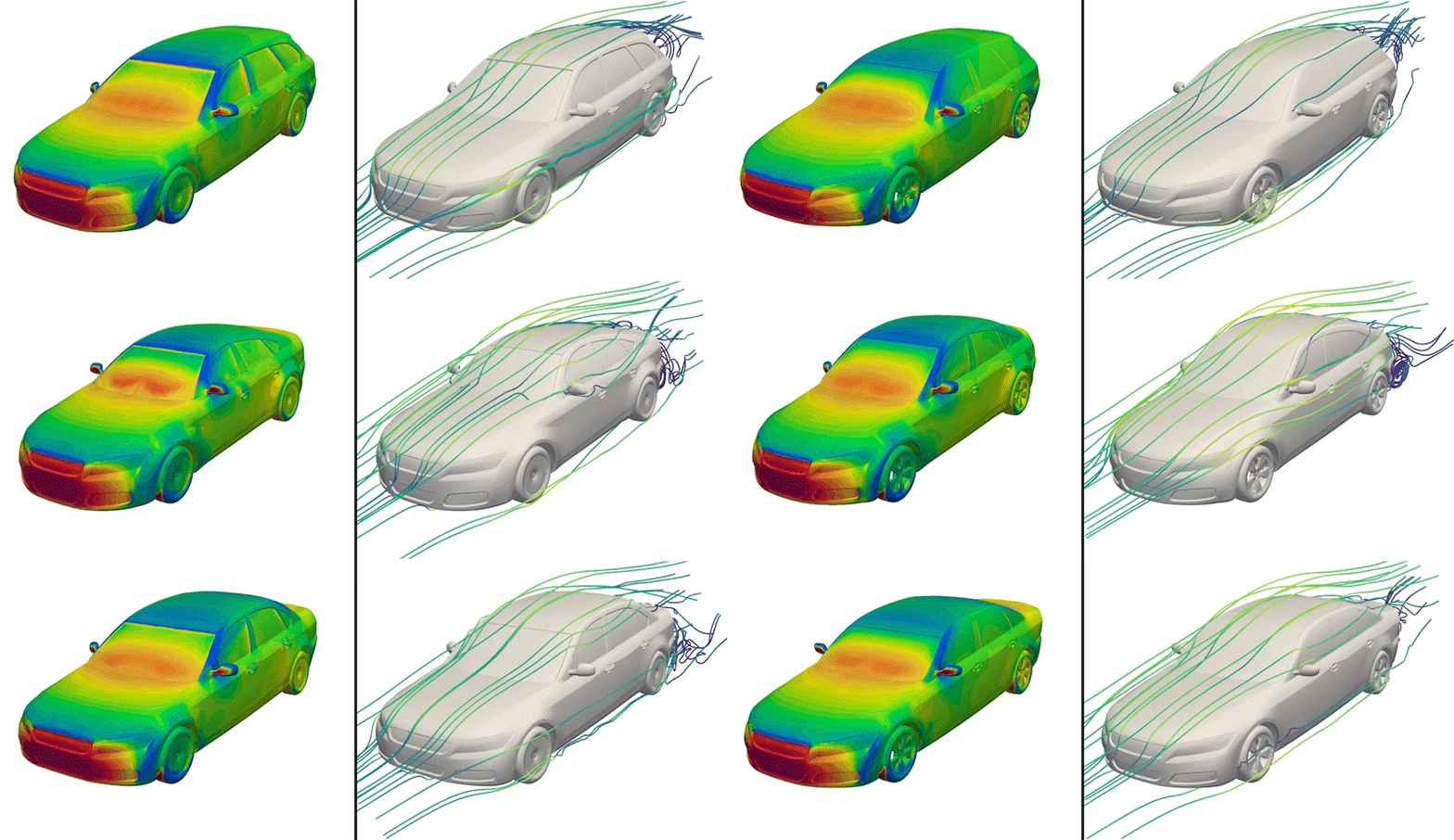
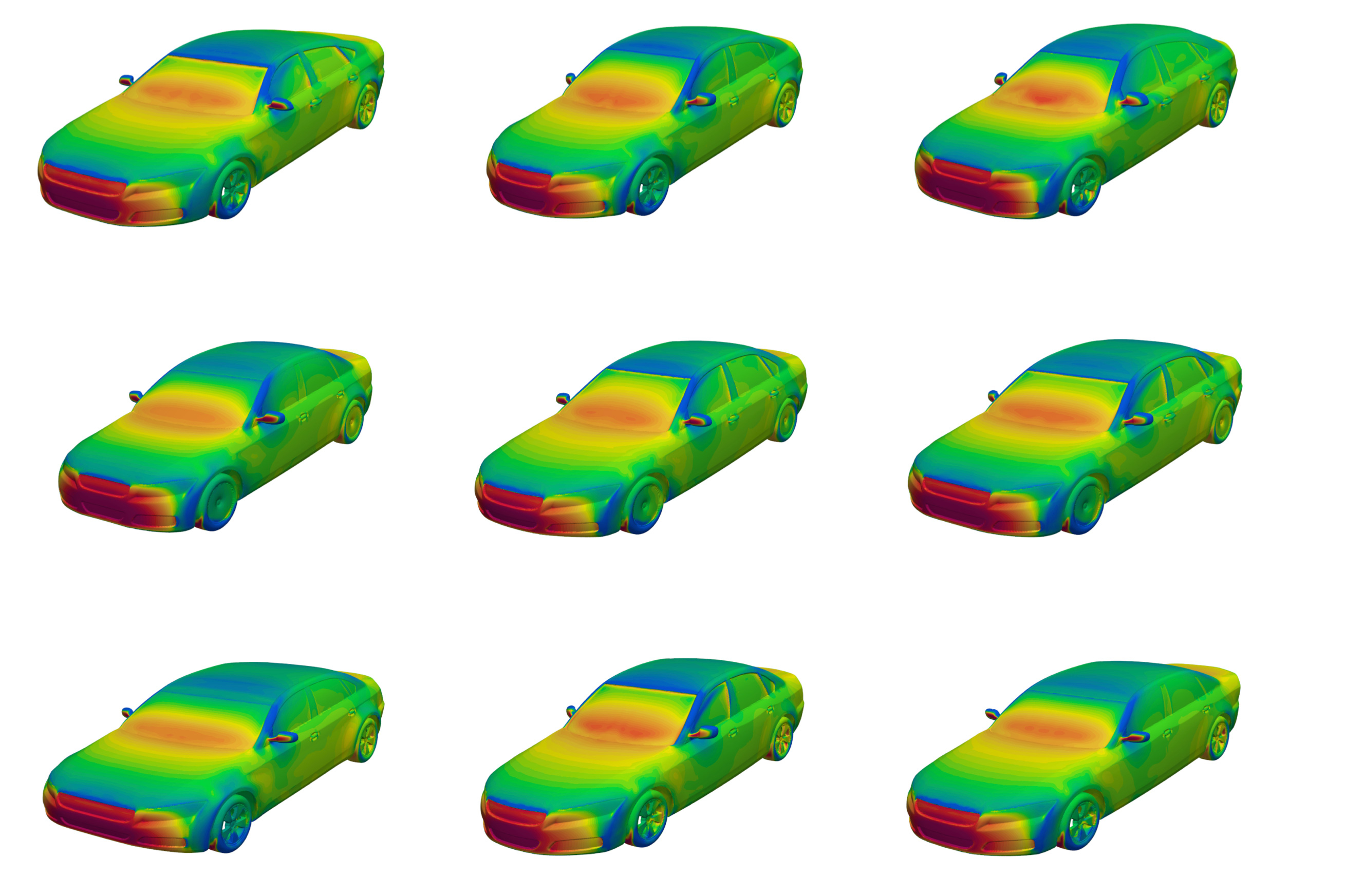
But now, the engineers have made just such a dataset available to the public for the first time. Dubbed DrivAerNet++, the dataset encompasses more than 8,000 car designs, which the engineers generated based on the most common types of cars in the world today. Each design is represented in 3D form and includes information on the car’s aerodynamics — the way air would flow around a given design, based on simulations of fluid dynamics that the group carried out for each design.
Each of the dataset’s 8,000 designs is available in several representations, such as mesh, point cloud, or a simple list of the design’s parameters and dimensions. As such, the dataset can be used by different AI models that are tuned to process data in a particular modality.
DrivAerNet++ is the largest open-source dataset for car aerodynamics that has been developed to date. The engineers envision it being used as an extensive library of realistic car designs, with detailed aerodynamics data that can be used to quickly train any AI model. These models can then just as quickly generate novel designs that could potentially lead to more fuel-efficient cars and electric vehicles with longer range, in a fraction of the time that it takes the automotive industry today.
“This dataset lays the foundation for the next generation of AI applications in engineering, promoting efficient design processes, cutting R&D costs, and driving advancements toward a more sustainable automotive future,” says Mohamed Elrefaie, a mechanical engineering graduate student at MIT.
Elrefaie and his colleagues will present a paper detailing the new dataset, and AI methods that could be applied to it, at the NeurIPS conference in December. His co-authors are Faez Ahmed, assistant professor of mechanical engineering at MIT, along with Angela Dai, associate professor of computer science at the Technical University of Munich, and Florin Marar of BETA CAE Systems.
Filling the data gap
Ahmed leads the Design Computation and Digital Engineering Lab (DeCoDE) at MIT, where his group explores ways in which AI and machine-learning tools can be used to enhance the design of complex engineering systems and products, including car technology.
“Often when designing a car, the forward process is so expensive that manufacturers can only tweak a car a little bit from one version to the next,” Ahmed says. “But if you have larger datasets where you know the performance of each design, now you can train machine-learning models to iterate fast so you are more likely to get a better design.”
And speed, particularly for advancing car technology, is particularly pressing now.
“This is the best time for accelerating car innovations, as automobiles are one of the largest polluters in the world, and the faster we can shave off that contribution, the more we can help the climate,” Elrefaie says.
In looking at the process of new car design, the researchers found that, while there are AI models that could crank through many car designs to generate optimal designs, the car data that is actually available is limited. Some researchers had previously assembled small datasets of simulated car designs, while car manufacturers rarely release the specs of the actual designs they explore, test, and ultimately manufacture.
The team sought to fill the data gap, particularly with respect to a car’s aerodynamics, which plays a key role in setting the range of an electric vehicle, and the fuel efficiency of an internal combustion engine. The challenge, they realized, was in assembling a dataset of thousands of car designs, each of which is physically accurate in their function and form, without the benefit of physically testing and measuring their performance.
To build a dataset of car designs with physically accurate representations of their aerodynamics, the researchers started with several baseline 3D models that were provided by Audi and BMW in 2014. These models represent three major categories of passenger cars: fastback (sedans with a sloped back end), notchback (sedans or coupes with a slight dip in their rear profile) and estateback (such as station wagons with more blunt, flat backs). The baseline models are thought to bridge the gap between simple designs and more complicated proprietary designs, and have been used by other groups as a starting point for exploring new car designs.
Library of cars
In their new study, the team applied a morphing operation to each of the baseline car models. This operation systematically made a slight change to each of 26 parameters in a given car design, such as its length, underbody features, windshield slope, and wheel tread, which it then labeled as a distinct car design, which was then added to the growing dataset. Meanwhile, the team ran an optimization algorithm to ensure that each new design was indeed distinct, and not a copy of an already-generated design. They then translated each 3D design into different modalities, such that a given design can be represented as a mesh, a point cloud, or a list of dimensions and specs.
The researchers also ran complex, computational fluid dynamics simulations to calculate how air would flow around each generated car design. In the end, this effort produced more than 8,000 distinct, physically accurate 3D car forms, encompassing the most common types of passenger cars on the road today.
To produce this comprehensive dataset, the researchers spent over 3 million CPU hours using the MIT SuperCloud, and generated 39 terabytes of data. (For comparison, it’s estimated that the entire printed collection of the Library of Congress would amount to about 10 terabytes of data.)
The engineers say that researchers can now use the dataset to train a particular AI model. For instance, an AI model could be trained on a part of the dataset to learn car configurations that have certain desirable aerodynamics. Within seconds, the model could then generate a new car design with optimized aerodynamics, based on what it has learned from the dataset’s thousands of physically accurate designs.
The researchers say the dataset could also be used for the inverse goal. For instance, after training an AI model on the dataset, designers could feed the model a specific car design and have it quickly estimate the design’s aerodynamics, which can then be used to compute the car’s potential fuel efficiency or electric range — all without carrying out expensive building and testing of a physical car.
“What this dataset allows you to do is train generative AI models to do things in seconds rather than hours,” Ahmed says. “These models can help lower fuel consumption for internal combustion vehicles and increase the range of electric cars — ultimately paving the way for more sustainable, environmentally friendly vehicles.”
“The dataset is very comprehensive and consists of a diverse set of modalities that are valuable to understand both styling and performance,” says Yanxia Zhang, a senior machine learning research scientist at Toyota Research Institute, who was not involved in the study.
This work was supported, in part, by the German Academic Exchange Service and the Department of Mechanical Engineering at MIT.
In a new dataset that includes more than 8,000 car designs, MIT engineers simulated the aerodynamics for a given car shape, which they represent in various modalities, including “surface fields.”

 Login
Login
 , supported by J.P. Morgan Commercial Banking.