Reading view

There are new articles available, click to refresh the page.

A Slate Designer Spent His Spare Time Redrawing Volvo’s Lost Wagon
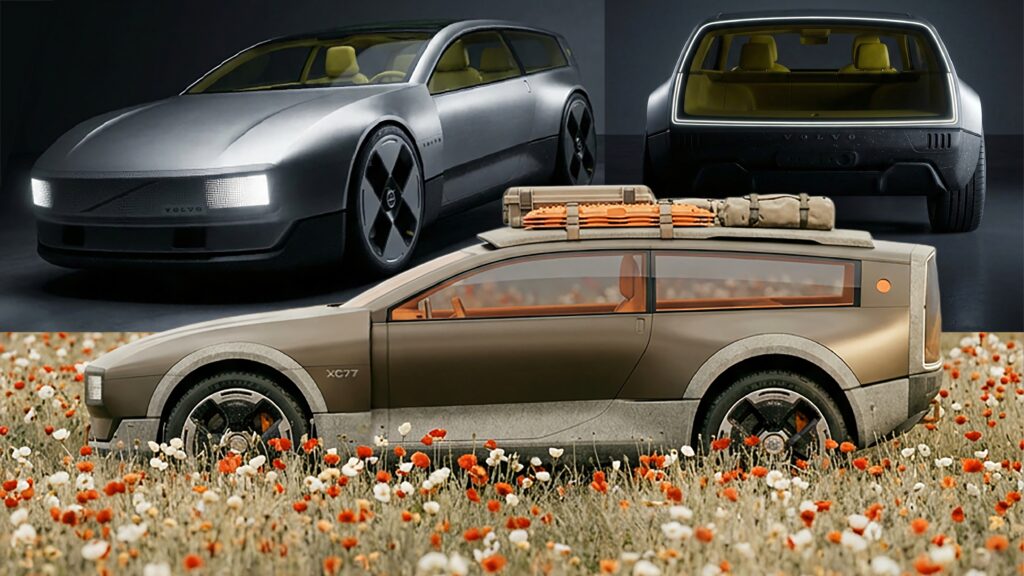
  • A former Volvo designer revived the brand’s lost wagon as a concept.
  • The V77 and XC77 wear a three-door aerodynamic shooting brake body.
  • Bauhaus thinking and Dieter Rams shape the studies’ clean surfacing.

Volvo’s current lineup leans hard on SUVs, but the brand built its reputation on wagons, and there’s reason to believe it hasn’t given up on them. Neither has at least one of the people who used to design its cars. A former Volvo designer set out to bring the old formula back with a pair of digital concepts, the V77 and XC77, each built around a mix of minimalism and sustainability.

The man behind them is Julien Fesquet, a Los Angeles-based professional designer currently working for Slate Auto. His resume reads like a grand tour of the industry, with stops at Volvo, Honda, Jaguar Land Rover, BMW, and Ferrari.

More: Volvo’s Prettiest Wagon Returns, But Only A Lucky Few Will Own One

The V77 and XC77 are a personal project, drawing on Bauhaus principles and the work of Dieter Rams, the industrial designer whose thinking eventually shaped the look of Apple products. Both wear a three-door shooting brake body with a low nose and an aerodynamic roofline. Staying true to Volvo’s playbook, the V77 is built for the road while the XC77 adds crossover cues and a lifted stance.

\\\\\\\\\\\\\\\

Illustrations: Julien Fesquet

Beyond the compact footprint and genuinely handsome proportions, the concepts trade in clean surfacing and restraint. The low-mounted headlights fade into a covered grille via a digital gradient, and the Volvo emblem has been pared down to a single horizontal line.

More: Volvo 240R EV Study Throws A Brick At Electric Performance

The profile is distinguished by large alloy wheels, supercar-style creases on the front fenders, a flat beltline, and a bi-tone livery with a darker finish for the lower bodywork. The rear section is even more striking, with a glass tailgate surrounded by ultra-slim LEDs. The designer also placed emphasis on the Color, Materials, and Finish (CMF) strategy, proposing the use of recycled materials and an unpainted body for the V77.

Inside, we find two rows of seats and a rather large boot. The V77 adopts a Cream Yellow interior theme inspired by the Volvo 850 T-5R, while the XC77 gets an Orange interior that complements its earthy brown exterior panels.

\\\\\\\\\\\\\\\\\

Illustrations: Julien Fesquet

Fesquet didn’t list any specs, but the absence of cooling vents and tailpipes suggests the digital concepts were envisioned with a fully electric powertrain.

More: The EX30 Is Dead, But Volvo’s Next Cheap EV Is Already On The Way To America

Fesquet told CarScoops: “Volvo is a brand with iconic station wagon, very minimal functional boxy designs in the past. It still has beautiful cars, but it tends to be oriented to more traditional automotive design. I thought it would be interesting to break the modern Volvo codes and imagine what it could look like if it was still a more minimal, functional, and industrial design. Something modern, sophisticated yet boxy, but without forgetting the need of aerodynamic performance. This led to this shooting brake silhouette with a low nose, sleek roof and low ground clearance.”

What About Real Volvo Wagons?

Volvo has recently wound down production of the aging V60 and V90, along with the adventurous XC60 and XC90. Even so, wagon fans aren’t completely out of luck.

Chief technology officer Anders Bell has said the new SPA3 architecture, which debuted underneath the EX60 SUV, can support a range of bodystyles, low-slung models included. Volvo hasn’t confirmed any wagon yet, so the question comes down to whether demand will be there to justify the spend. For now, we wait.
\\\\\\\\\\\\\

Illustrations: Julien Fesquet

Nissan Deletes Its Ferrari Luce Troll Post, Mazda Doubles Down

  • Many social media users compared the Luce to the Nissan Leaf.
  • Mazda fired back with a photo of its original 1960s Luce.
  • Ferrari’s former boss says the design is beyond even copying.

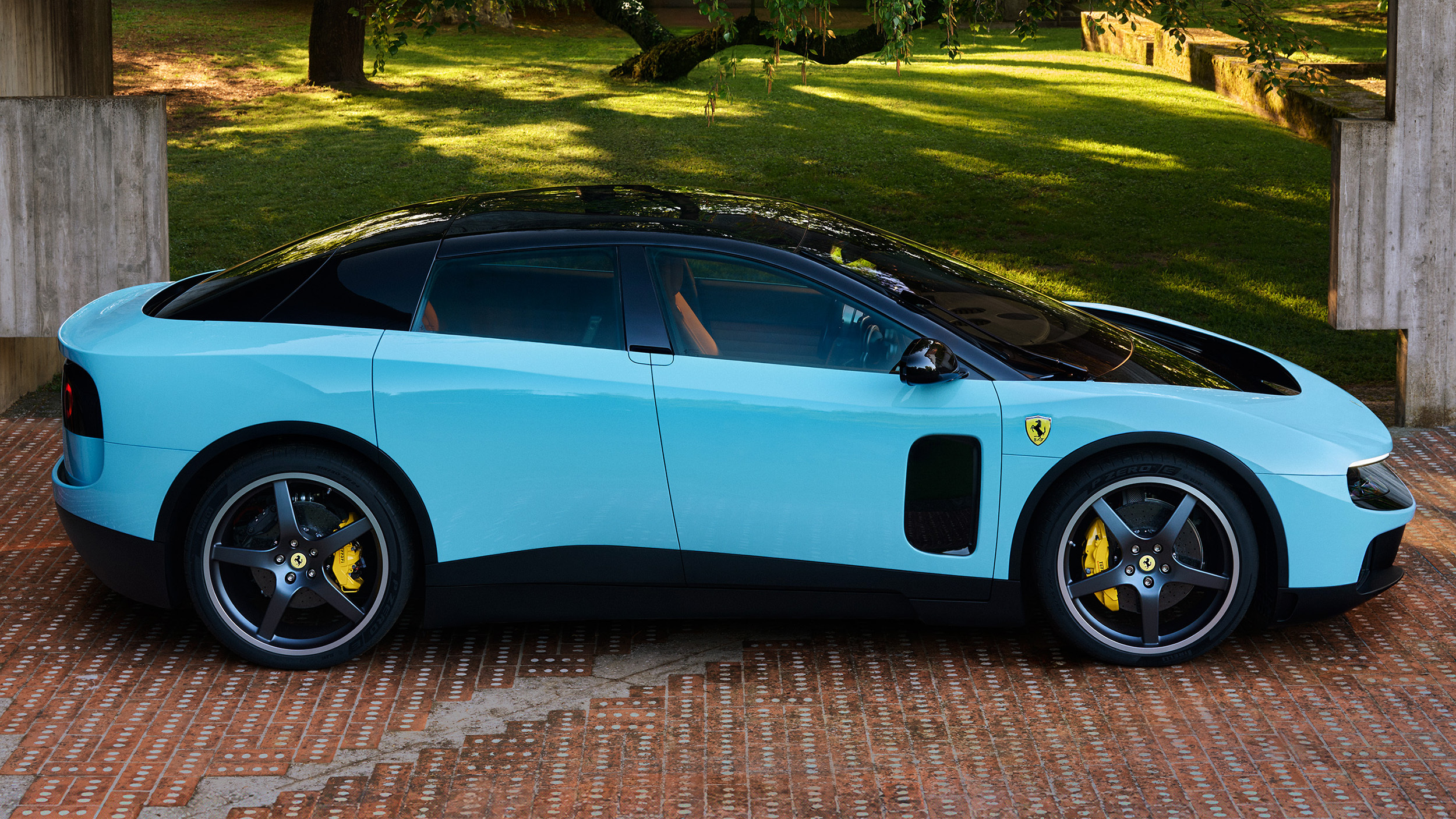
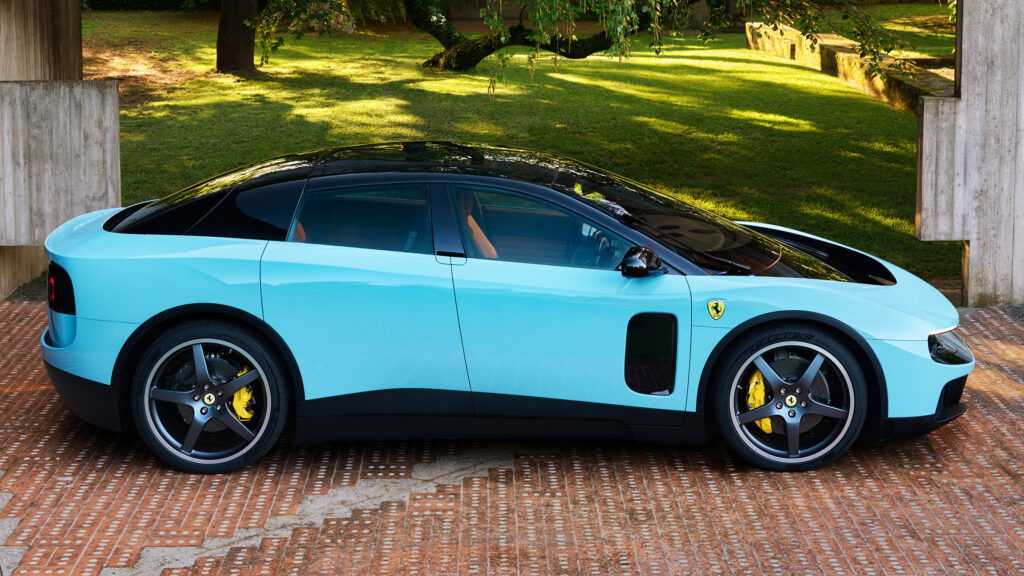
The new, all-electric Ferrari Luce has spent the past week since its launch as the internet’s favorite target. Keyboard critics have torn into the styling, AI renders have circulated to demonstrate how trivially the design could be fixed, and even the share price took a brief tumble.

Not even Toblerone could help itself in poking fun at Ferrari. Heck, even Ferrari’s legendary former boss, Luca di Montezemolo, suggested the Luce is so horrible that not even the Chinese would dare copy it. Both Mazda and Nissan have since jumped on the bandwagon, having their say on the controversial EV.

Read: The Swiss Are Supposed To Be Neutral, But Even Toblerone’s Trolling Ferrari

Mazda came first, simply posting a photo of the original Mazda Luce SS that it introduced back in the 1960s. It appears Ferrari quietly snagged the international trademark for Luce earlier this year after Mazda let it lapse. While the Japanese brand can no longer use the name, there’s no denying the original Luce looks much better than the new Ferrari. The top comment? “Mazda making fun of Ferrari before GTA6,” with more than 4,500 likes.

Ferrari Leaf?

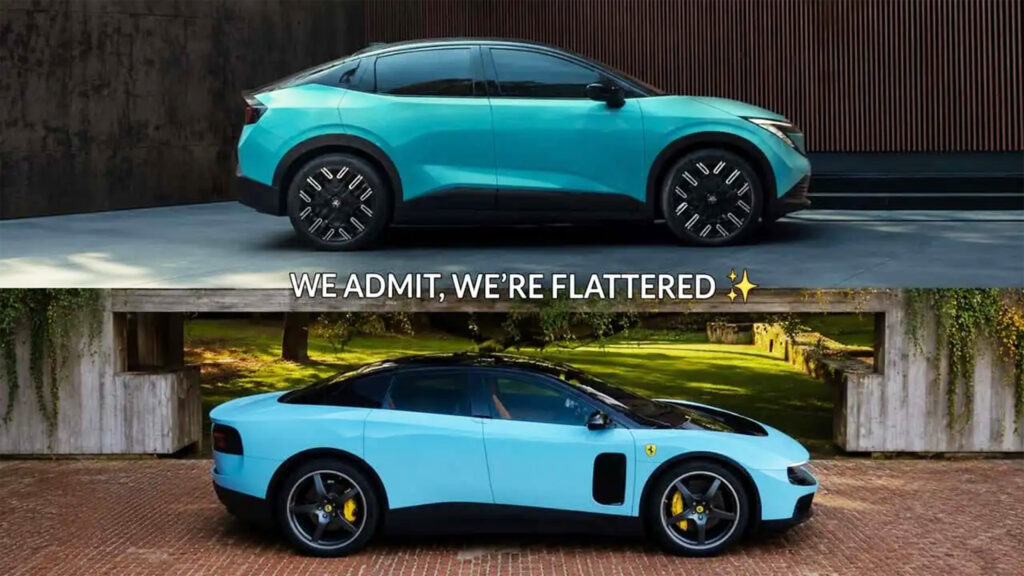
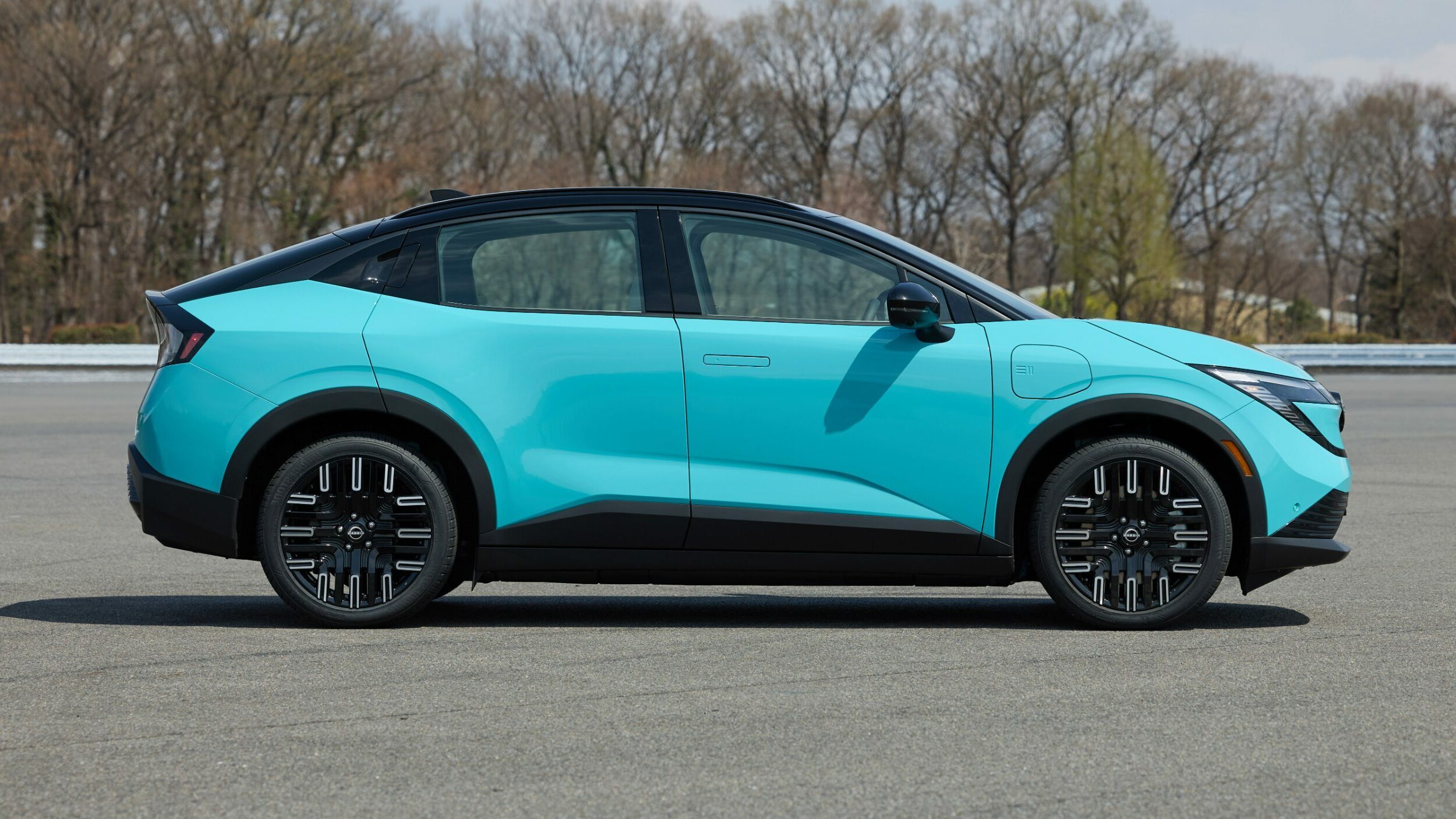
Soon after, Nissan Ireland jumped onto Instagram. Immediately after the Luce was unveiled, some online pundits began comparing it to the new Nissan Leaf, posting side-by-side photos of the two.

Nissan re-posted one of these images, showing the side profile of the Leaf compared to the Luce, writing “We admit, we’re flattered,” and adding “They say imitation is the sincerest form of flattery, so thank you Ferrari.”

 Nissan Deletes Its Ferrari Luce Troll Post, Mazda Doubles Down
 Nissan Deletes Its Ferrari Luce Troll Post, Mazda Doubles Down

The most obvious similarity between the duo is the two-tone black-and-blue paint schemes they were presented in. You could also argue that the rear hatch of the Luce is similar to the Leaf, as are the black rocker panels, but in general, we don’t think the Luce and Leaf look that much alike. Nevertheless, Nissan Ireland took down the post shortly after it was shared, perhaps because the social media intern received a call from their boss.

Perhaps the funniest meme we’ve seen of the Ferrari Luce is an AI rendering comparing it to an Apple computer mouse. But if the Luce somehow sells well, Ferrari could end up getting the last laugh.

POV: You’re charging your new Ferrari Luce pic.twitter.com/L86GfLVzSV

— Apple Design (@TheAppleDesign) May 25, 2026

The Tommykaira ZZ Lives Again With A Facelift, But Only One Exists

  • Ex-GLM employees gave the second-gen Tommykaira ZZ a facelift.
  • The street-legal model features a redesigned nose with slim LEDs.
  • It retains the stock underpinnings and 305 hp electric powertrain.

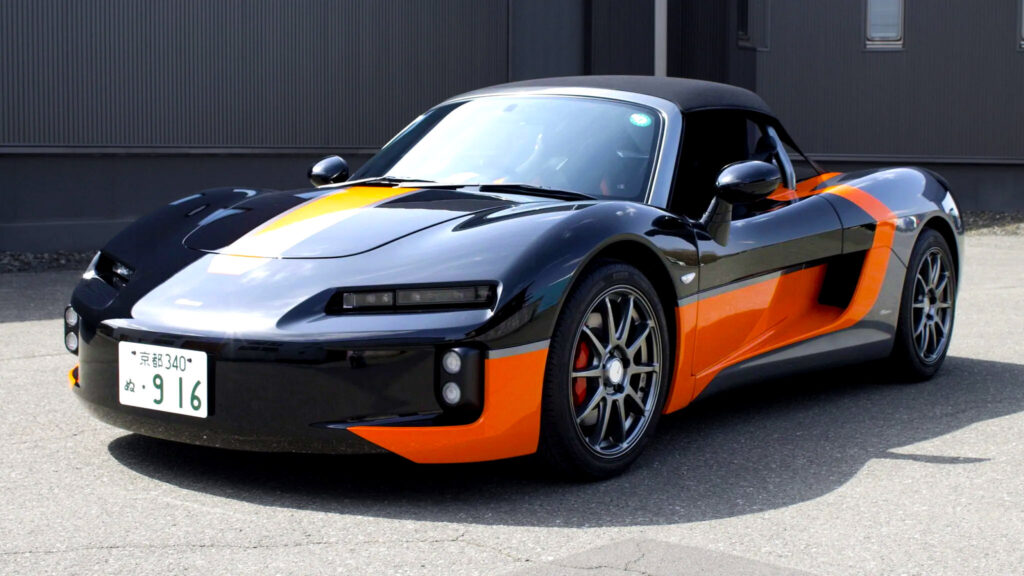
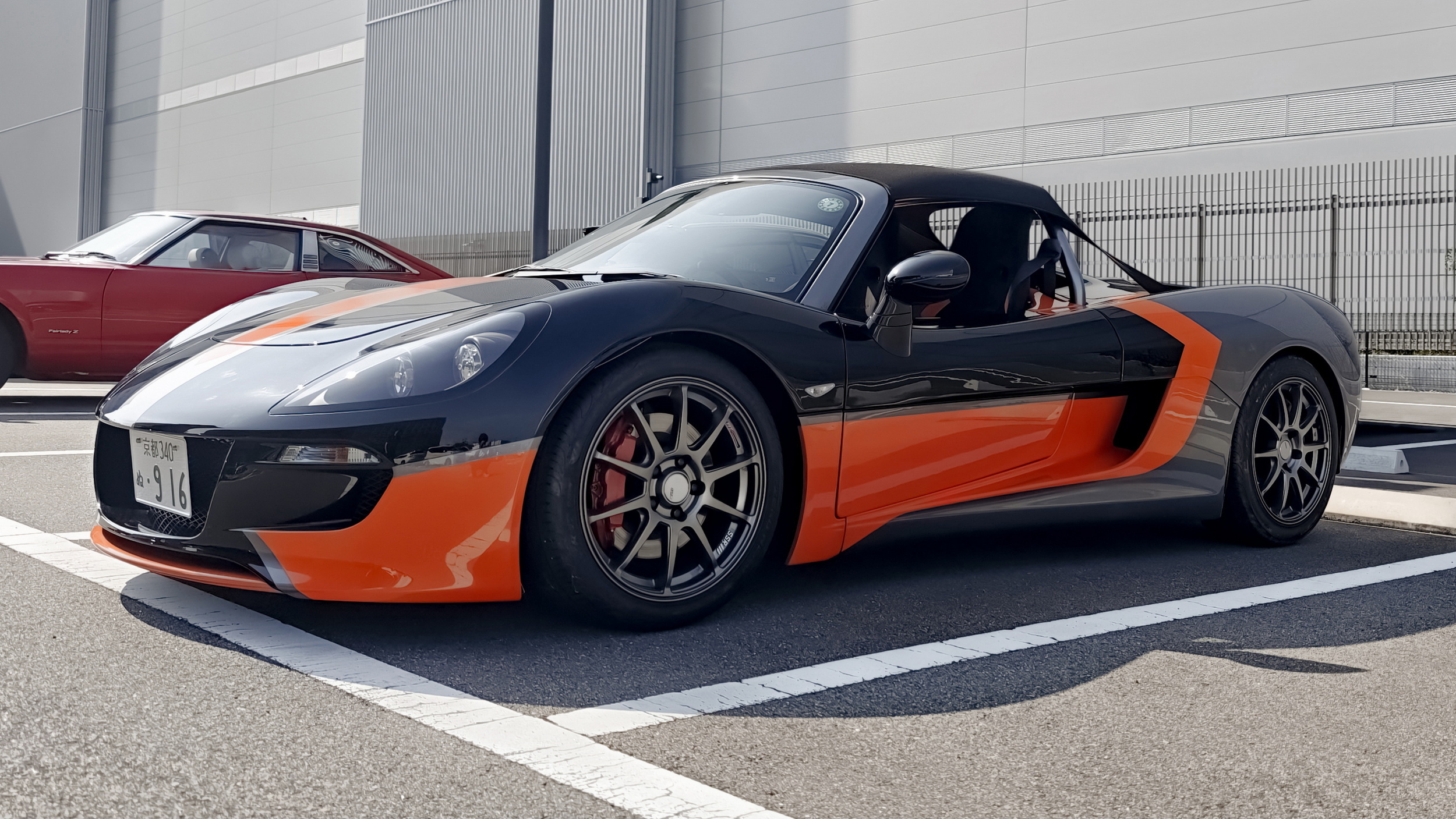
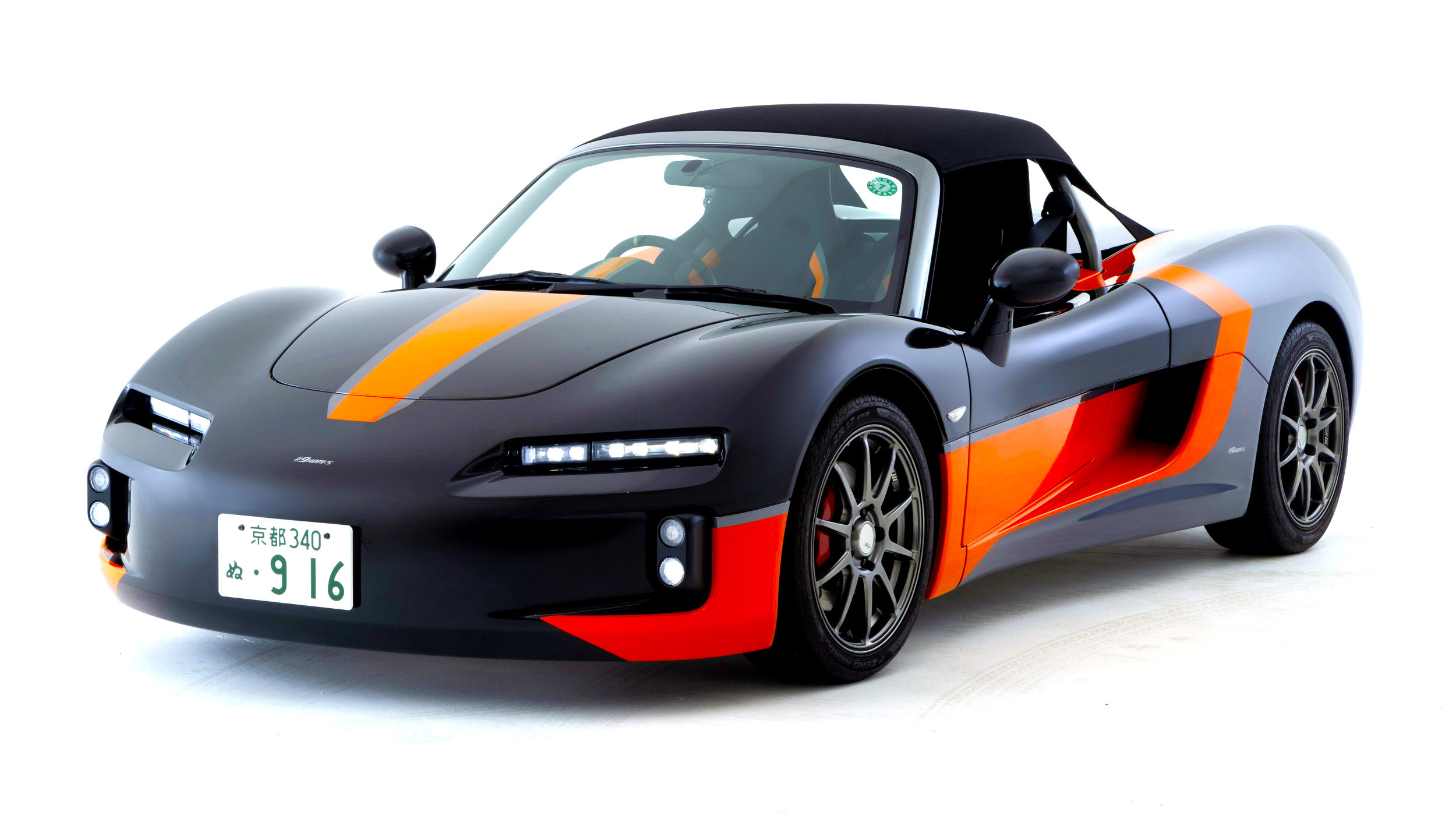
The Tommykaira ZZ is a rare Japanese sports car that has been discontinued since 2021, but that didn’t stop a designer and an engineer who used to work in its parent company from giving it a facelift. The result is the Number Nine Works Sweep 9, a street-legal one-off build with an interesting backstory.

The project is the fruit of collaboration between automotive designer Ryuhei Ishimaru and engineer Yuji Fujitsuka who was responsible for the development of the second-gen Tommykaira ZZ. Both used to work for GLM, which was the brand behind the second-gen Tommykaira. However, they have since moved on starting their own companies, the independent design studio Fortmarei and the engineering firm Number 9 Works.

More: Rare TommyKaira ZZ Sends Fans Into A Wild Bidding War And The Dealer Still Said No

The two men got together this year, bringing the discontinued Tommykaira ZZ into the present with a styling refresh. The goal was to redesign the front cowl with factory-grade quality, while preserving the rear section and the original livery. They also wanted the resulting vehicle to be fully compliant with Japanese safety regulations, adding another layer of complexity into the project.

 The Tommykaira ZZ Lives Again With A Facelift, But Only One Exists
The second-ten Tommykaira ZZ (above) and the Number Nine Works Sweep 9 (below).
 The Tommykaira ZZ Lives Again With A Facelift, But Only One Exists

The highlight of the Number Nine Works Sweep 9 is the ultra-slim LED headlights with an elongated shape that look much sleeker than the original units. These are combined with extra LEDs on the bumper that has received a cleaner design without any intakes.

More: This Retro Roadster Is Not What You Think It Is

The grille-less nose and the sculpted front fenders blend nicely with the carry-over bodywork on the profile. Still, it would be nice to see a similar redesign of the rear end that retains the Lotus-sourced quad round taillights.

The whole build was realised by the engineer, the designer, and a few skilled craftsmen. More importantly, it is a fully functional model with Japanese license plates that can be driven on public roads.

\\\\\\\\\\\

Predictably, the Number Nine Works Sweep 9 doesn’t have any performance or chassis upgrades over the donor vehicle.

Unlike the original Tommykaira ZZ from the ’90s that was powered by a 2.0-liter four-cylinder engine, the second generation that debuted in 2014 has a fully electric powertrain. The sports car is based on a tub-style chassis with a single electric motor producing 305 hp (227 kW / 309 PS) and 415 Nm (306 lb-ft) of torque.

More: A Corvette That Forgot It Was A Corvette Just Sold For Near-New C8 Money

The team doesn’t plan on applying the same treatment to more examples of the model, although we can easily see why owners of the second-gen Tommykaira ZZ would want to approach them. In any case, this project proves that focused styling tweaks can make a big difference in the aura of a vehicle.

Designer Ryuhei Ishimaru told CarScoops: “Number Nine Works Sweep 9 is a 2026 street-legal technology demonstrator built on the Tommykaira ZZ EV platform, balancing strict safety compliance with its original design language. It is a very personal “moment of truth” for me, as it’s a collaboration with the original engineer after 10 years.”

\\\\\\\\\

Ryuhei Ishimaru

The New Luce Is So Ugly Not Even The Chinese Will Copy It, Says Ferrari’s Ex-CEO

  • Luca di Montezemolo says the Luce shouldn’t have the Prancing Horse badge.
  • Ferrari’s former boss says the Luce risks destroying the fabled Italian brand.
  • Italy’s deputy Prime Minister has also fiercely criticized the all-electric Ferrari.

Some car launches court controversy by accident. The Luce did it on purpose, and the man who ran Ferrari for two decades is not amused. Back in February, iPhone designer Jony Ive warned us the all-electric Ferrari Luce would be controversial. Even he likely did not anticipate how sharply the market would turn on the exterior design.

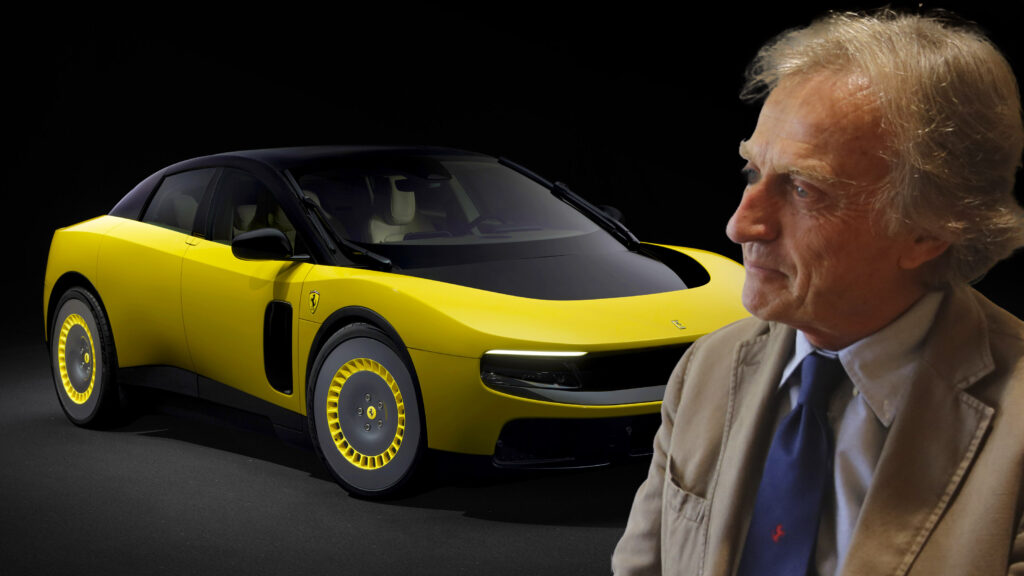
Just a few months ago, pundits were praising the interior of the Luce, which ditches the over-reliance on touch-sensitive controls found in other Ferraris in favor of physical buttons, switches, and toggles. But while LoveFrom, the design agency run by Ive that penned the Luce, nailed the cabin, the same cannot be said for the exterior. Even former Ferrari boss Luca di Montezemolo, who served as Chairman and CEO from 1991 to 2014, is not a fan.

Read: Ferrari’s Luce Is A Four-Door EV Designed By The iPhone Guy

Shortly after Ferrari pulled the wraps off the Luce, di Montezemolo gave Italian publication Askanews his unvarnished take. In his view, this is the rare Ferrari even the Chinese will not bother to copy.

“If I had to say what I really think, I would be hurting Ferrari,” he said. “We’re risking the destruction of a legend, and I’m very sorry about that. I hope they at least remove the Prancing Horse from that car. This is surely a car that at least the Chinese won’t copy from us.”

La #Ferrari Luce non è proprio piaciuta a #Montezemolo pic.twitter.com/yFBb76XOTP

— askanews (@askanews_ita) May 26, 2026

That last statement was perhaps a thinly-veiled swipe at Xiaomi, which launched its YU7 SUV last year, looking suspiciously like the Ferrari Purosangue.

It’s not just di Montezemolo who appears shocked by the new Luce. Even Italy’s deputy prime minister and transport minister, Matteo Salvini, expressed his feelings on X.

“It looks nothing like a (Ferrari),” he wrote. “Is this supposed to be ‘innovation’? Who knows what Enzo Ferrari would say.”

Elettrica, costosissima (550 mila euro!) e, dal punto di vista estetico, si commenta da sola… Sembra tutto fuorché un'auto del Cavallino. E questa sarebbe “innovazione”? Chissà Enzo Ferrari cosa direbbe… pic.twitter.com/zITSlz1a9j

— Matteo Salvini (@matteosalvinimi) May 26, 2026

Shortly after Ferrari lifted the covers on the Luce, shares in the brand dropped 8.4 percent in Italy and 5.1 percent in the US. Ferrari has been open about its ambitions for the Luce to attract a new generation of wealthy buyers, particularly those who are environmentally focused, but whether or not it’ll even appeal to them remains to be seen.

\\\\\\\\\\\\\

Ex-Ferrari Boss Says Not Even The Chinese Would Dare Copy The Luce

  • Luca di Montezemolo says the Luce shouldn’t have the Prancing Horse badge.
  • Ferrari’s former boss says the Luce risks destroying the fabled Italian brand.
  • Italy’s deputy Prime Minister has also fiercely criticized the all-electric Ferrari.

In February, iPhone designer Jony Ive warned us that the all-electric Ferrari Luce would be controversial, but not even he would have predicted the market’s initial response to the car and its exterior design.

Just a few months ago, pundits praised the interior of the Luce, which eschews the over-reliance on touch-sensitive controls of other Ferrari models in favor of physical buttons, switches, and toggles. But while LoveFrom, the design agency run by Ive that designed the Luce, nailed the car’s interior, the same can’t be said about the exterior. Not even former Ferrari boss Luca di Montezemolo likes the car.

Read: Ferrari’s Luce Is A Four-Door EV Designed By The iPhone Guy

Shortly after Ferrari lifted the veil on the Luce, di Montezemolo briefly spoke with Italian publication Askanews about it. According to him, it’s the type of vehicle that not even the Chinese will be willing to copy.

“If I had to say what I really think, I would be hurting Ferrari,” he said. “We’re risking the destruction of a legend, and I’m very sorry about that. I hope they at least remove the Prancing Horse from that car. This is surely a car that at least the Chinese won’t copy from us.”

La #Ferrari Luce non è proprio piaciuta a #Montezemolo pic.twitter.com/yFBb76XOTP

— askanews (@askanews_ita) May 26, 2026

That final statement was perhaps a thinly-veiled swipe at Xiaomi, which launched its YU7 SUV last year, looking suspiciously like the Ferrari Purosangue.

It’s not just di Montezemolo who appears shocked by the new Luce. Even Italy’s deputy prime minister and transport minister, Matteo Salvini, expressed his feelings on X.

“It looks nothing like a (Ferrari),” he wrote. “Is this supposed to be ‘innovation’? Who knows what Enzo Ferrari would say.”

Elettrica, costosissima (550 mila euro!) e, dal punto di vista estetico, si commenta da sola… Sembra tutto fuorché un'auto del Cavallino. E questa sarebbe “innovazione”? Chissà Enzo Ferrari cosa direbbe… pic.twitter.com/zITSlz1a9j

— Matteo Salvini (@matteosalvinimi) May 26, 2026

Shortly after Ferrari lifted the covers on the Luce, shares in the brand dropped 8.4 percent in Italy and 5.1 percent in the US. Ferrari has been open about its ambitions for the Luce to attract a new generation of wealthy buyers, particularly those who are environmentally focused, but whether or not it’ll even appeal to them remains to be seen.

\\\\\\\\\\\\\

Honda Won’t Touch The CRX, So Two Designers Did It Themselves

  • Independent designers revive the iconic Honda CRX.
  • Its retro stance echoes the second-generation model.
  • The study is envisioned as an electric hatch with 350 hp.

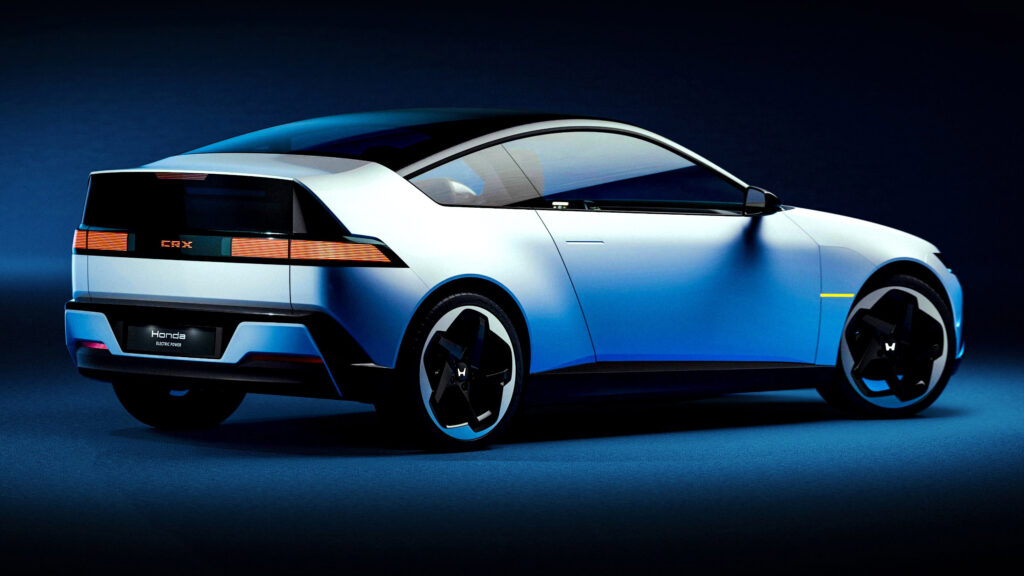
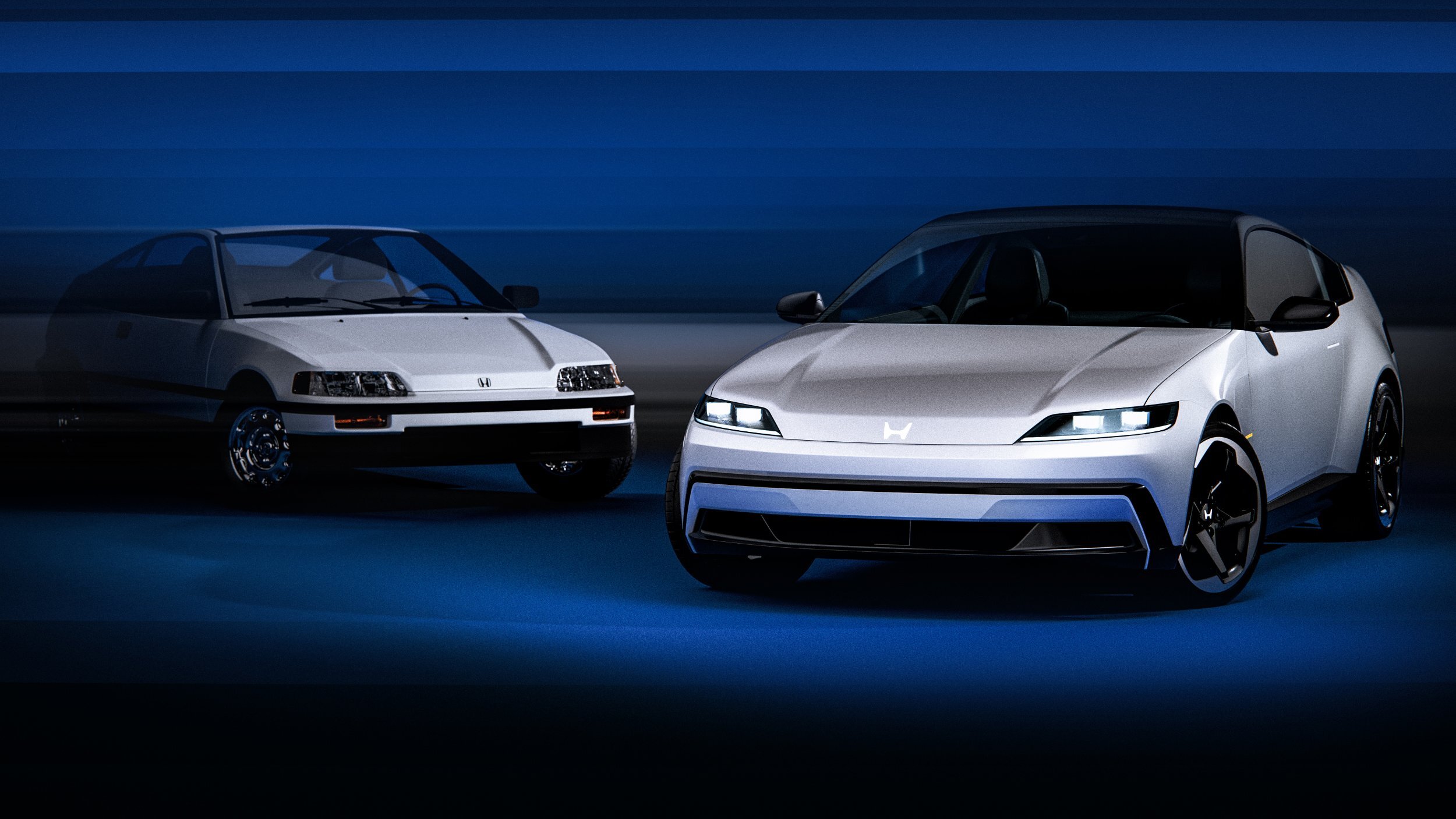
Honda’s product planners are deep in the weeds with the returning Prelude, but a sharper memory from the company’s back catalog has caught the internet’s attention. A digital concept drags the original CRX from the late 1980s into the present, and the result is the kind of car that makes you wonder why Honda isn’t building it.

More: Honda Previews New Fastback Sedan And Next Acura RDX, And Neither Is An EV

The modern CRX prototype comes from designer and modeler Vitaly Batalka, with CG artist Valentin Komkov handling the visualization. The reference point is the second-generation CRX sold between 1987 and 1991, built on a shortened Civic platform and remembered for being one of the more entertaining small Hondas of its era.

Original Silhouette Carries The Update

The proportions are all there: short wheelbase, low roofline, and the split rear window layout that gave the original its profile. Up front, the blocky sealed-beam headlights have been swapped for slimmer LED units that flank a grille-less nose with the new Honda emblem at the center.

\\\\\

Illustrations: Vitaly Batalka and Valentin Komkov

The sculpted hood and the black trim on the bumpers are clear references to the original, joined by horizontal taillights and an illuminated CRX emblem at the back. The profile features clean surfacing with toned rear fenders, flush door handles, black pillars, frameless doors, and futuristic bi-tone alloy wheels.

More: This Practically New 1990 Honda CRX Could Be The Lowest-Mileage Example In The World

The designers also put together a retro-styled “Turbo 2026” collector card with fictional specs to round out the exercise. The card pitches the reborn CRX as a fully electric machine rather than a hybrid, with 350 hp (261 kW / 355 PS) on tap. A claimed top speed of 285 km/h (177 mph) feels wildly optimistic for an EV of that output, and it would handily eclipse what the original 1.6-liter VTEC could manage.

\\\\\\\\

Illustrations: Vitaly Batalka and Valentin Komkov

The two creators emphasized that the project was completed using traditional digital modeling workflows rather than generative AI tools. Batalka was responsible for the initial design and the 3D Alias modeling, while Komkov executed the final visualization in Blender.

More: Designers Are Doing What Honda Won’t With The S2000

The nearest thing Honda built to a true CRX successor was the short-lived CR-Z. The somewhat sporty three-door hatchback launched in 2010 with a self-charging hybrid powertrain and was discontinued in 2016 without a replacement. Projects like this one keep the idea alive, but the math gets harder every year. The current market gives Honda very little reason to spend the R&D money required to put a small, sporty three-door back on a showroom floor, and that’s a shame.

 Honda Won’t Touch The CRX, So Two Designers Did It Themselves

Illustrations: Vitaly Batalka and Valentin Komkov

Suzuki’s Jimny Has Been Frozen Since 2018, A Designer Just Thawed It

  • A professional designer rethinks the Jimny as a modular EV concept.
  • Study morphs from a compact SUV into a pickup or camper setup.
  • The electric layout could help the tiny off-roader return to Europe.

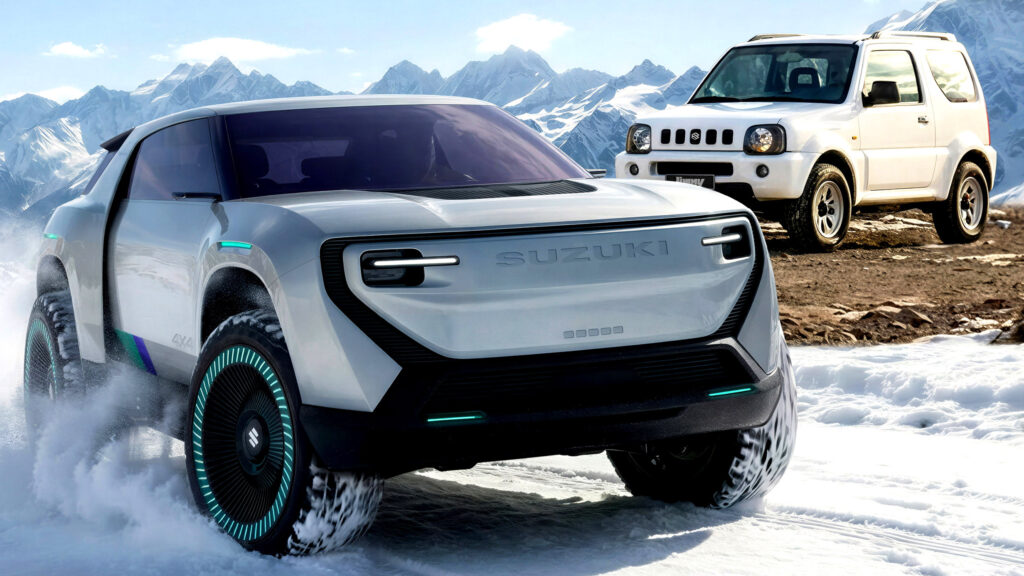
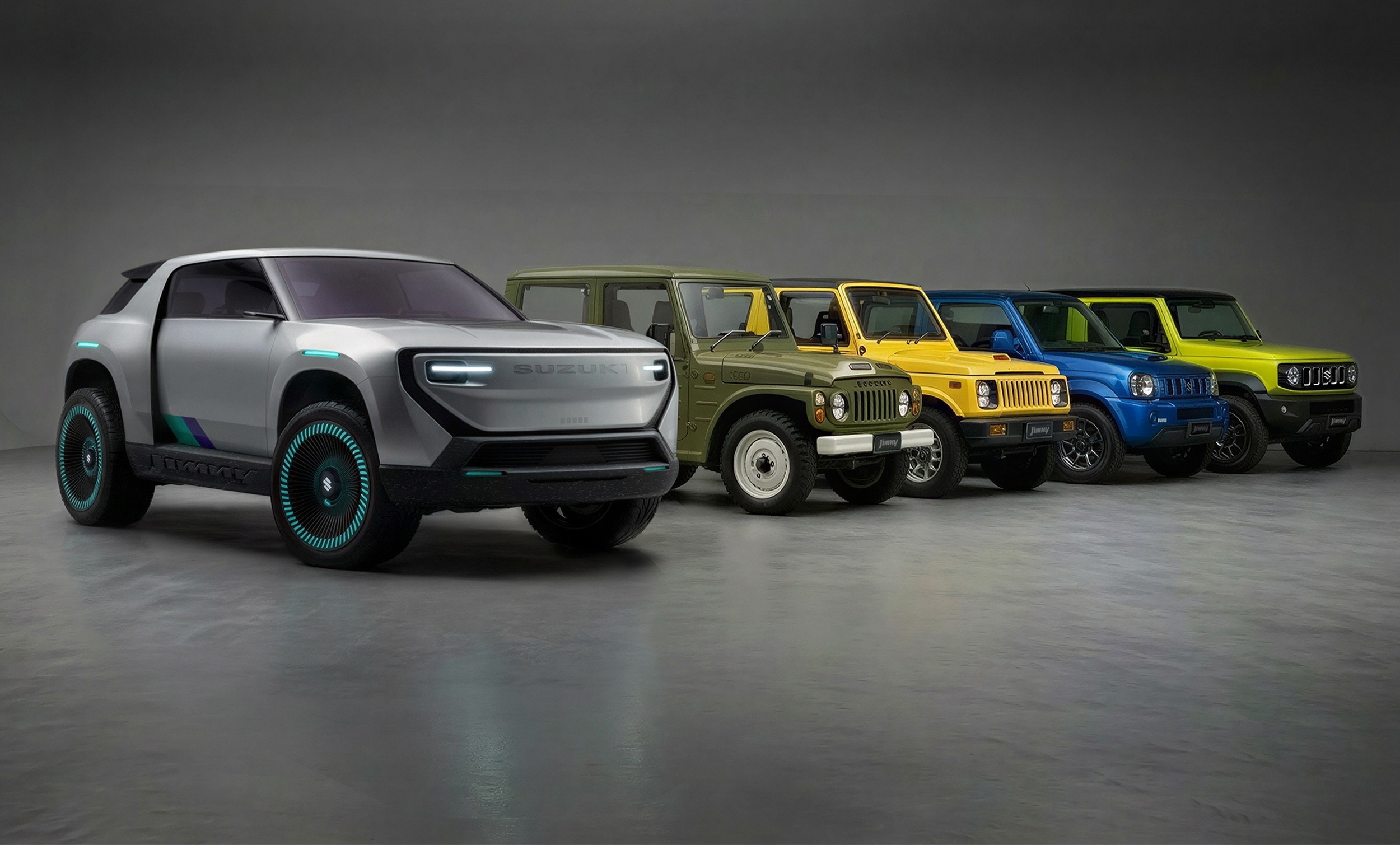
The popular Jimny in its current fourth-generation form has been on sale since 2018, which puts Suzuki well into the development cycle for whatever comes next. Until the factory shows its hand, Ford designer Christopher Giroux has put forward his own interpretation, with modularity as the organizing principle.

More: Lancia’s Past Just Came Roaring Back In A Gorgeous Modern Tribute

Giroux isn’t just another aspiring internet designer but a professional in the field. He spent the past six years designing cars at Ford Europe, and yet the Jimny is personal. His family owned two of the previous-generation cars, and that firsthand experience shaped this project. The result leans into sci-fi flourishes far more than the production car ever would.

Lunar Rover, Not Lunchbox

The boxy silhouette that defined every Jimny before it has been set aside. In its place is a muscular, sculpted body that looks built for a lunar expedition rather than a school run. The face wears minimalist LED headlights and a closed grille flanked by slim cooling intakes, and the rear treatment echoes the same theme to keep things cohesive.

\\\\\\\\\

Illustrations: Christopher Giroux

The profile is dominated by chunky multi-spoke wheels on grippy tires, with unusual intakes carved into the leading edge of the doors. Jimny lettering rides on the side skirts, blue LEDs sit on the fenders, and 4×4 decals confirm what the stance has already told you.

However, what is more interesting is the configurable bodystyle. The rear section of the roof can be removed together with the rear windows, creating a small pickup or a semi-convertible off-roader echoing the spirit of the original.

More: The Surprising Reason Why Suzuki Won’t Make A Jimny Pickup

The designer has also created a camper configuration, with a custom-fit tent turning the Jimny into a mobile basecamp. Another highlight is the functional illuminated compass on the hood, with part of it extending inside the cabin.

\\\\\\\\\\\

Illustrations: Christopher Giroux

Frustrated by the current model’s struggle to meet strict emission regulations, which led to its withdrawal from European markets in passenger form, Giroux decided to opt for a fully electric powertrain. Being a conceptual proposal, it carries no estimated output or range figures, but all-wheel drive is a given for anything wearing the Jimny badge.

More: Suzuki’s Most Practical Jimny Just Got Better, But You Still Need To Win A Lottery To Buy It

Suzuki had initially teased a fully electric version of the Jimny for Europe, but those plans appear to have been shelved. The current model received mild updates in 2025, proving that the company wants to extend its lifecycle without electrifying its tried-and-tested naturally-aspirated 1.5-liter engine.

 Suzuki’s Jimny Has Been Frozen Since 2018, A Designer Just Thawed It

Illustrations: Christopher Giroux

China Banned Them First, Now Hong Kong Wants To Shut The Door On Hidden EV Handles

  • Hong Kong is considering banning EVs with only electronic door handles.
  • China will require manual door releases on all new cars from 2027.
  • Officials say physical handles improve safety after crashes or power failures.

Electronic door handles have become one of the defining design trends of the EV era. They look futuristic, shave a bit of drag off the bodywork, and give cars like the Tesla Model S and Model Y their clean, button-free profiles. But now, Hong Kong is signaling it’s ready to follow China’s lead and shut the door on them.

Specifically, officials there say they’re preparing to ban new EVs equipped solely with electronic door handles. The move comes not long after mainland China’s decision to require physical mechanical releases on all new vehicles beginning in 2027. While Hong Kong is part of China, it maintains its own vehicle regulations and legal framework under the “one country, two systems” arrangement, meaning those rules don’t automatically apply there.

Read: China Is Banning Tesla-Style Door Handles

According to the South China Morning Post, Hong Kong Secretary for Transport and Logistics Mable Chan said the government is reviewing the mainland’s newly published GB 48001-2026 standard, which focuses specifically on automotive door-handle safety.

 China Banned Them First, Now Hong Kong Wants To Shut The Door On Hidden EV Handles
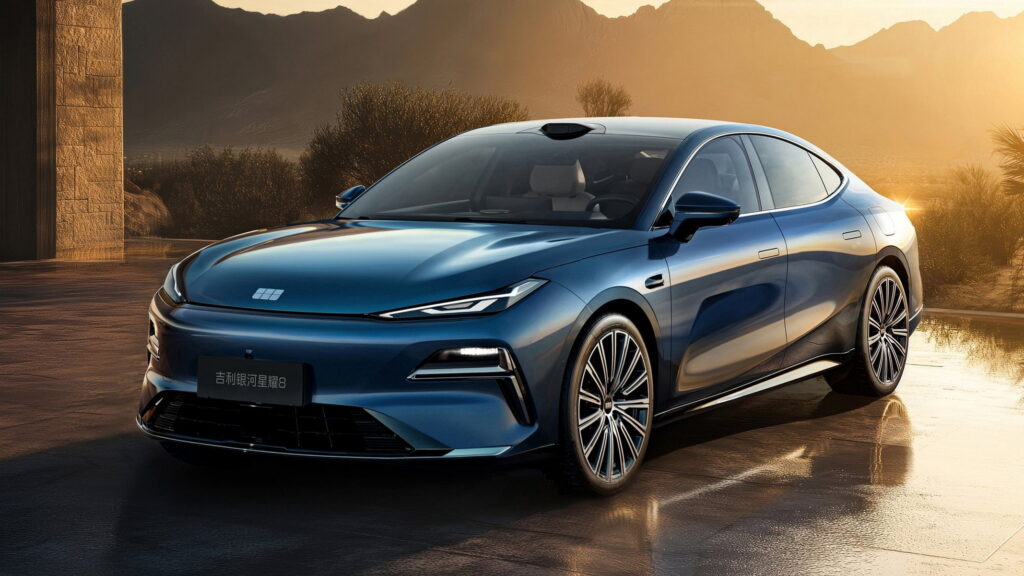
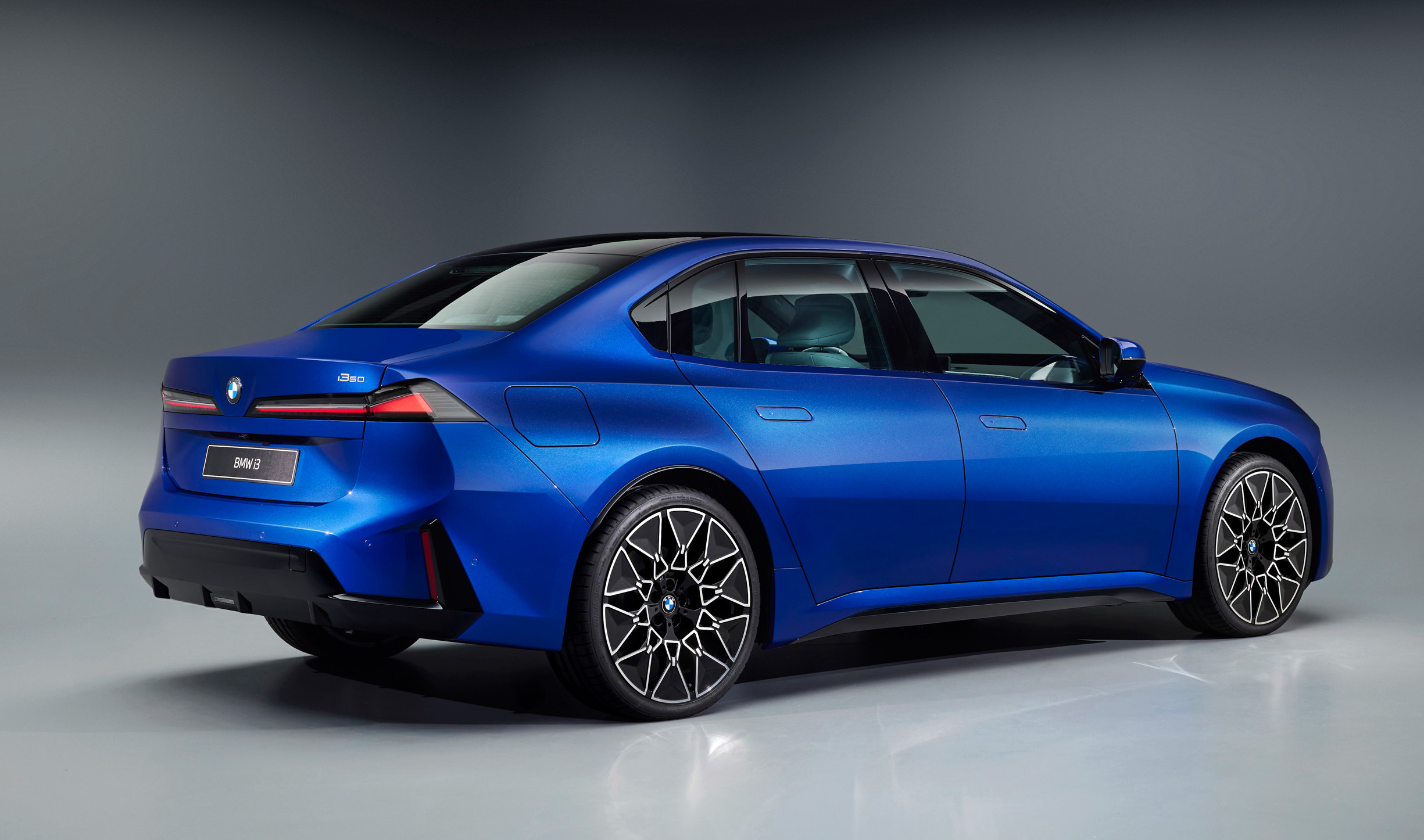
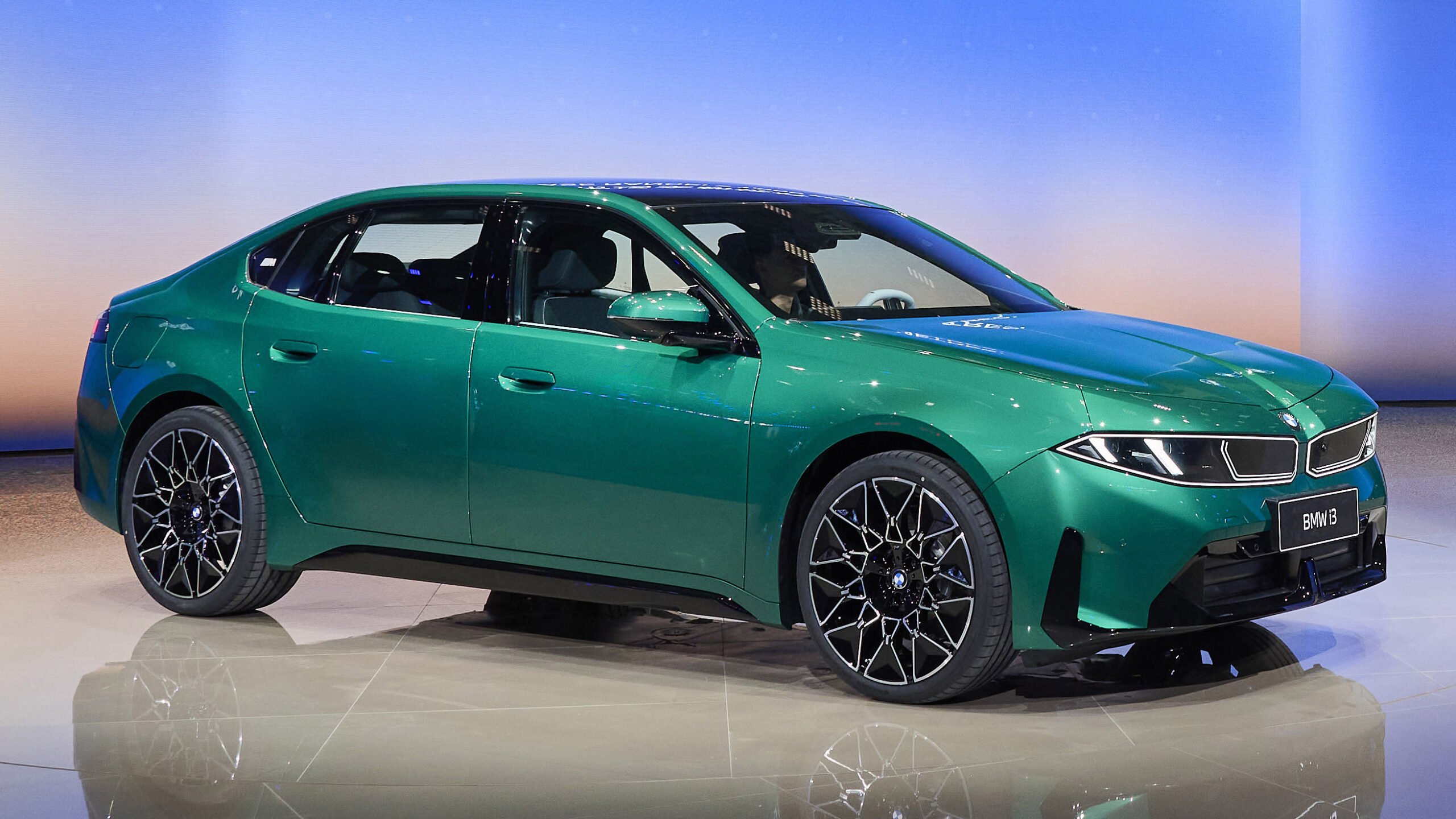
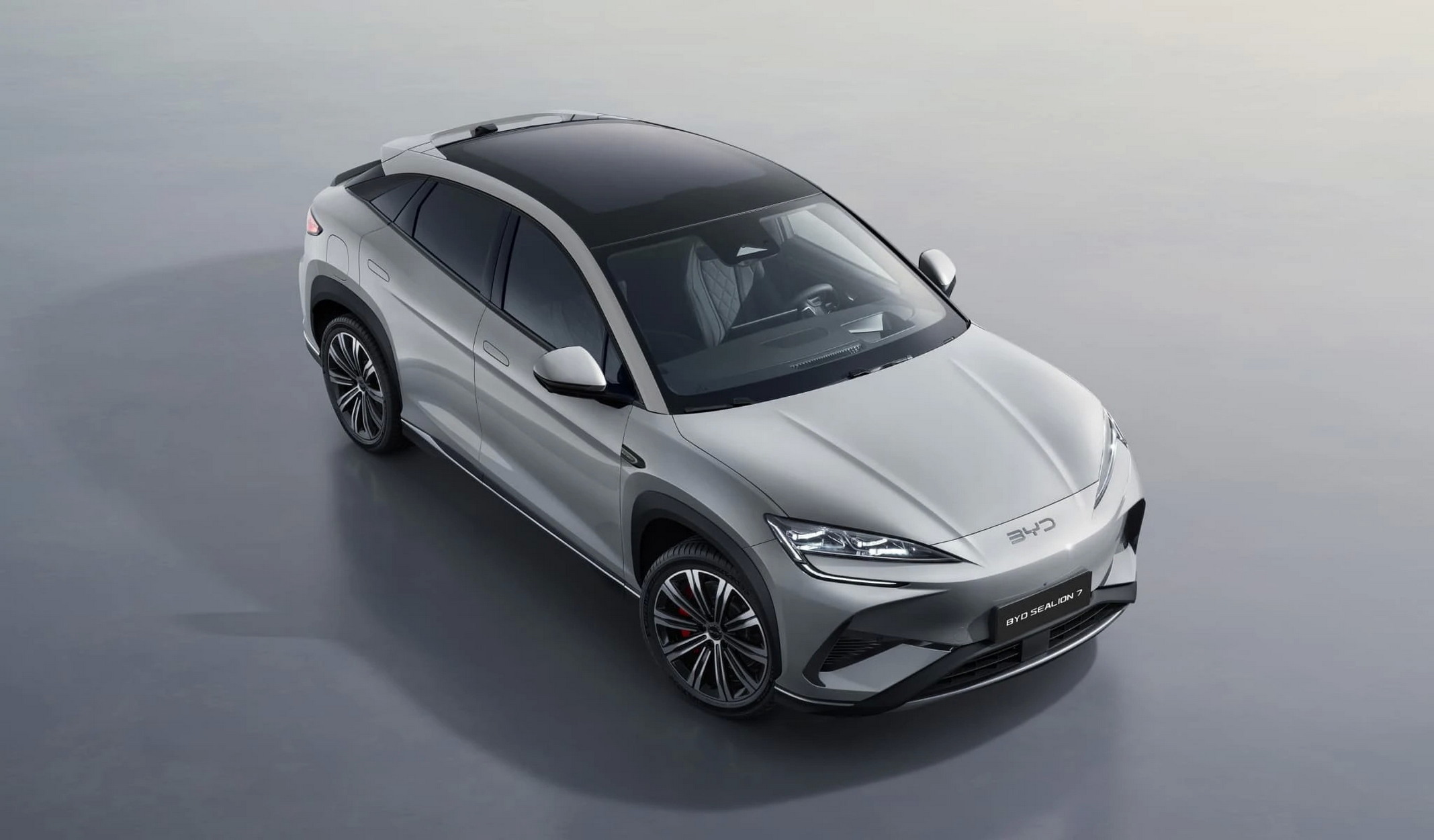
Unlike Western markets (above), BMW’s Chinese i3 (below) and iX3 ditch the pop-out handles for traditional ones.
 China Banned Them First, Now Hong Kong Wants To Shut The Door On Hidden EV Handles

Chan said the Transport Department has already consulted the industry about adopting similar local standards and reminded importers last year that all vehicles must include manual door releases. Somewhat perplexingly, it only applies to EVs, so combustion cars can continue on with hide-away or electric handles.

That said, the EV door handle rule would require both interior and exterior mechanical door handles on future vehicles. The reasoning is simple after you’ve seen videos of EVs catching on fire quickly. Electronic systems can fail after a crash, during a fire, or if a vehicle loses power, potentially trapping occupants inside or slowing emergency responders trying to get in.

Chan said the China’s standard specifically focuses on “addressing issues such as failure in operating door handles after accidents.”

 China Banned Them First, Now Hong Kong Wants To Shut The Door On Hidden EV Handles

In some vehicles, the emergency mechanical release is hidden, difficult to access, or works differently from what occupants expect in a panic situation. That’s become a bigger concern as automakers increasingly replace traditional hardware with powered systems. Some modern EVs don’t just use electronic exterior handles but also electronic interior door-open buttons, with backup releases tucked away in less intuitive locations.

Ringo Lee Yiu-pui of the Hong Kong, China Automobile Association added that first responders often still lack an exterior mechanical way to access the vehicle during emergencies. He also warned that sales staff frequently fail to explain how emergency releases actually work.

Interestingly, these regulations could very well have a worldwide ripple effect. Automakers rarely engineer market-specific door systems if they can avoid it, meaning these rules could eventually influence vehicles sold in Europe, North America, and elsewhere.

 China Banned Them First, Now Hong Kong Wants To Shut The Door On Hidden EV Handles

Credit: Geely/BYD

Jaguar’s Type 00 Was Wild, The Production GT Could Take A Step Back

  • Jaguar will reveal its new electric GT sedan this September.
  • A 120 kWh battery targets about 435 miles of driving range.
  • Three electric motors are expected to produce over 986 hp.

The Jaguar GT has been teased for what feels like an eternity, but the finish line is finally in sight. Jaguar shocked the world with the release of its wild Type 00 Concept, created to preview its upcoming flagship EV. Recent prototypes of this car have shown it will take key design inspiration from the study, but morph into a slightly more restrained four-door sedan.

With the September reveal drawing closer, a new set of renderings attempt to offer a glimpse at what the production version could look like. That said, the heavily camouflaged prototypes have kept key details well hidden, making it tricky to pin down exactly how far Jaguar will dial things back from the concept.

Read: Jaguar Benchmarked Its Electric GT Against One Classic Above All Others

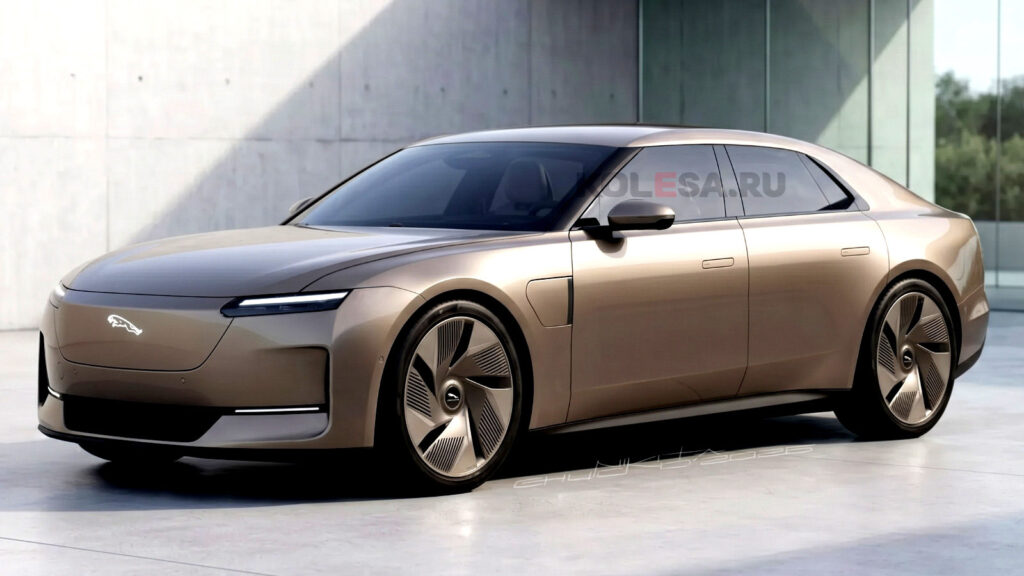
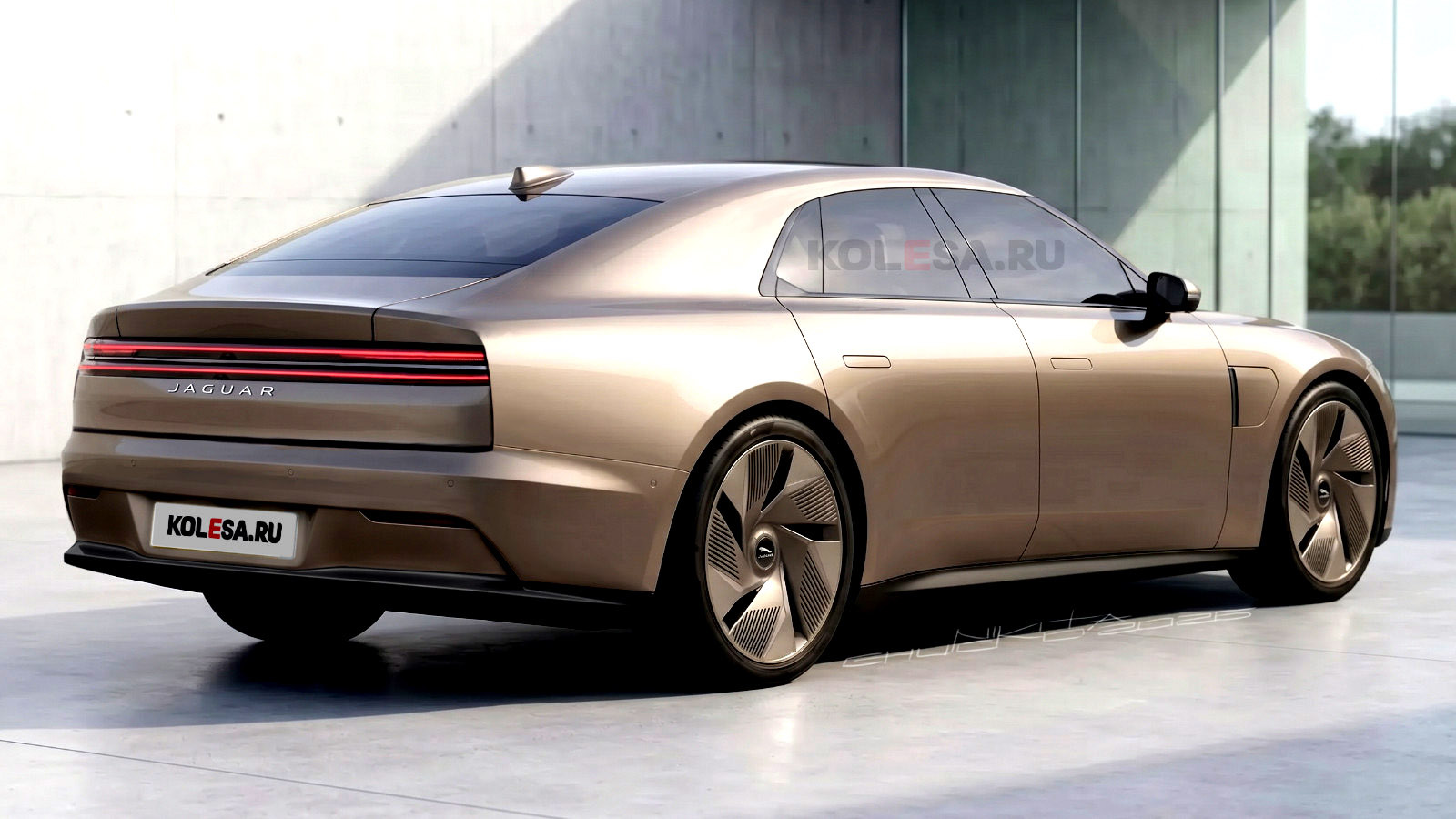
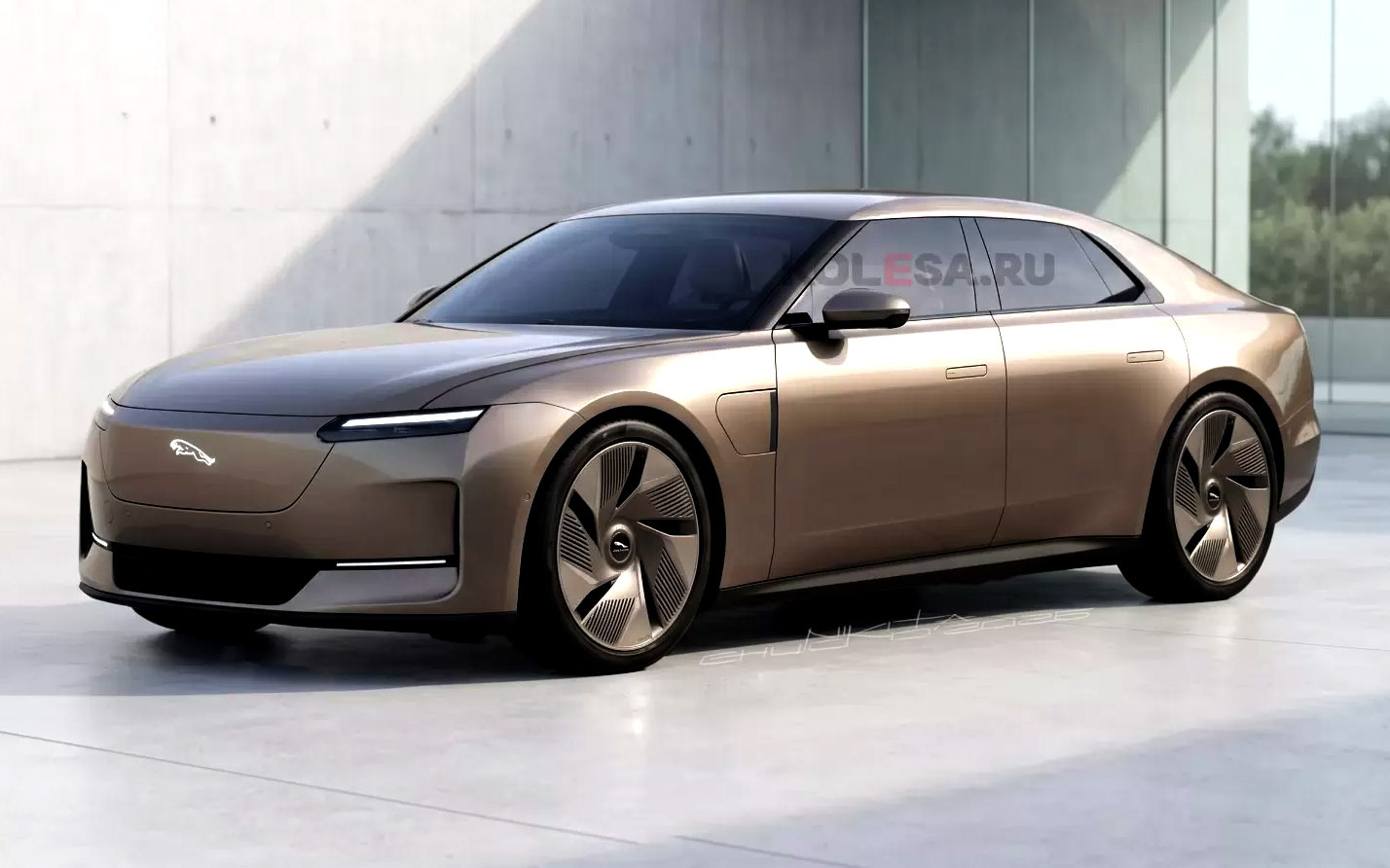
These new renderings, created by Nikita Chuyko for Kolesa, hint at a softened approach up front. The dramatic lighting signature gives way to more conventional LED headlights, paired with a cleaner, more familiar nose where a traditional grille would typically sit. There is still some flair, including an illuminated Jaguar badge, though the bumper trades concept-car aggression for smoother, more restrained curves.

 Jaguar’s Type 00 Was Wild, The Production GT Could Take A Step Back
Nikita Chuyko / Kolesa

The softer, more fluid treatment carries along the sides, where clean door skins replace the Type 00’s sharp shoulder line. Like a Porsche Taycan, charging flaps have been added to both front quarter panels, and there are also pop-out door handles. At the rear, a simple full-width LED lightbar stretches across the car, and while these renderings show a conventional rear window, from what we’ve heard, the production model may ultimately do without one.

Another detail worth noting, at least in prototype form, is that the GT appears to wear flared front and rear fenders that are absent from these illustrations, along with edgier detailing than seen here.

We also recently caught our first look at the interior, which places the driver in a cocooned position, framed by a tall center console and low-slung seats. The cabin leans into crisp lines and defined edges, anchored by an all-new steering wheel that looks lifted from a 1970s concept car. The dashboard is pared back, with a curved screen and digital gauge cluster taking over the role of traditional dials.

What Powers The Electric GT?

\\\\\\\\\\\\

Beyond the car’s design, we know it will sport a large 120 kWh battery pack that should give it about 435 miles (700 km) of range on the WLTP cycle. It’ll support ultra-fast charging, too, meaning 200 miles (322 km) of range will be added in as little as 15 minutes.

\\\\\\\

The Jaguar Type 00 Concept

Power comes from three electric motors drawing on that battery. Combined output is expected to be north of 986 hp and 959 lb-ft (1,300 Nm) of torque. None of which is exotic by current EV standards, but the Jaguar should still feel properly rapid, despite tipping the scales at as much as 5,952 lbs (2,700 kg).

Jaguar itself is targeting a 0-62mph (100km/h) time of around three seconds, a 155mph (250 km/h) top speed, and 350kW peak charging. Pricing is expected to start around $160,000, with sales beginning in 2027.

 Jaguar’s Type 00 Was Wild, The Production GT Could Take A Step Back
Nikita Chuyko / Kolesa

VW’s ID. Lineup Looked Like The Future, Turns Out People Wanted The Past

  • VW admits ID. models missed mark on design, usability and emotional appeal.
  • New leadership focuses on customers not egos to reshape future EV lineup.
  • Return of buttons, names and identity aims to reconnect brand with buyers

VW rebounded from the dieselgate scandal determined to do better, but the German brand’s boss has admitted that some of those early efforts landed wide of the mark. Now he’s on a mission to right some ID. wrongs and win back the crowd it drifted away from.

“It was clear to me that we were actually losing our core,” CEO Thomas Schäfer told journalists at the presentation of the heavily facelifted ID.3 Neo. The former Skoda chief, who bagged the top Wolfsburg job in 2022, says the brand had drifted from the VW people knew and loved.

Related: VW ID.4’s Death Could Lead To Birth Of An American Pickup

The problems were everywhere once you started looking. Styling that didn’t quite feel right, confusing touch controls, and a naming strategy that ditched familiar badges in favor of cold tech-speak. Turns out customers didn’t love slider controls for basic functions, and they definitely missed the clarity of names like Golf and Tiguan.

 VW’s ID. Lineup Looked Like The Future, Turns Out People Wanted The Past
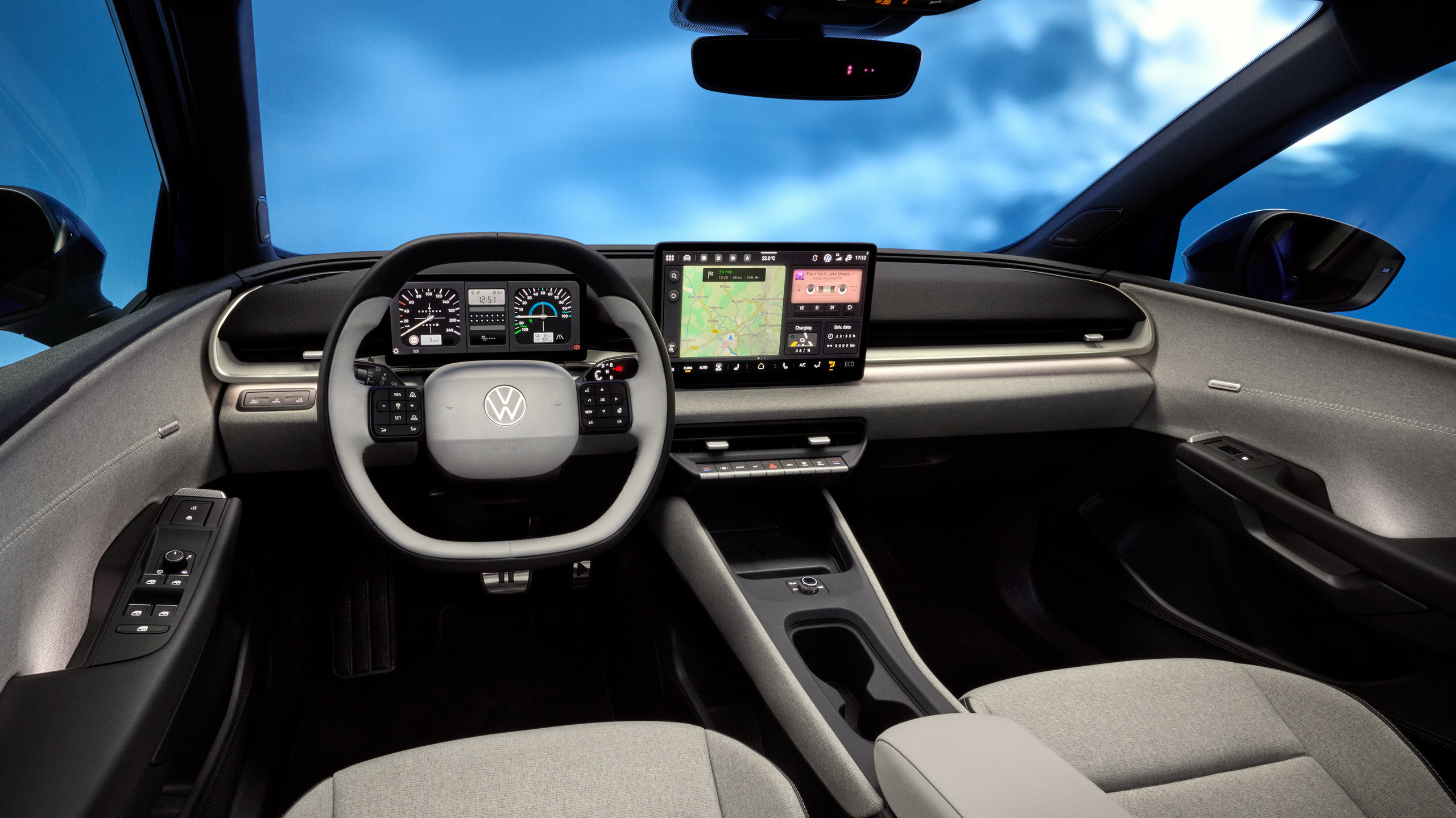
The new ID. Polo’s interior.

Schäfer didn’t just tweak things around the edges. He gathered hundreds of managers, threw every issue on the table, and asked for brutal honesty. “We had to change ourselves, we had to create a new mindset,” Auto Express reports the CEO saying. He recalled how his wider team reacted with relief rather than resistance when he laid out the new plan.

Ask The Customer

Engineering boss Kai Grünitz says the reset goes deeper than pretty design. “We are doing customer clinics a lot,” he explained, signalling a shift away from gut feeling toward actual feedback. That means features get tested by real people before making production, not just approved in boardrooms because the CEO has decided he likes something and engineers don’t feel able to push back.

\\\\\\

Exterior styling is getting a rethink, too, following the Schäfer-assisted exodus of Klaus Bischoff, architect of the mostly bland first-generation ID. cars. New creative boss Andy Mindt, who came from Bentley, has pushed for simpler, more timeless shapes, plus interiors that don’t require a tutorial. Physical buttons are coming back, and even door handles are being reconsidered so they actually work when your hands are full.

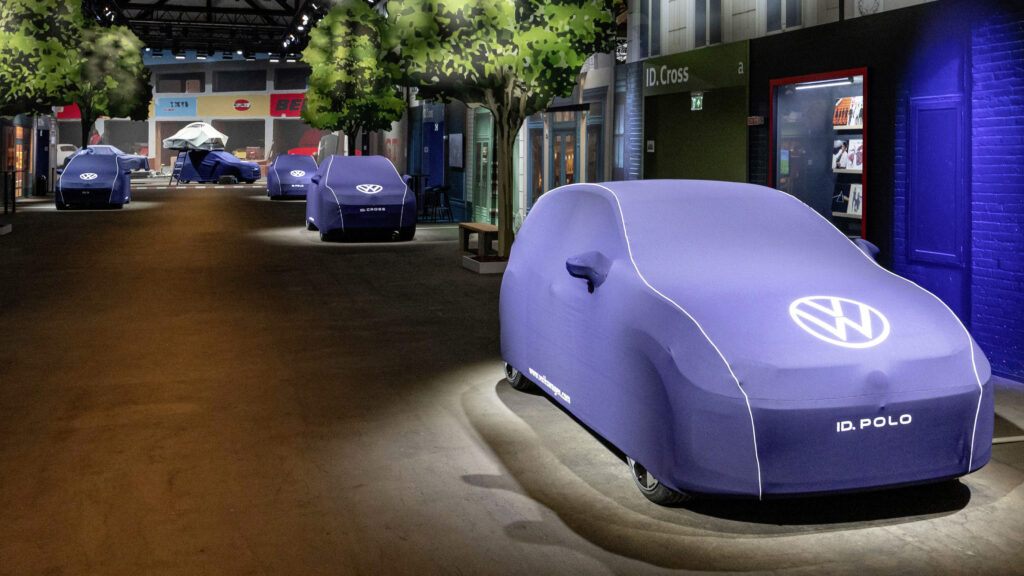
“We sell emotions, we sell memories,” Grünitz said, summing up the new direction, which is really just about getting back to the old direction. If VW can pull that off again with the help of cars like the new ID. Polo (below), maybe the people’s car maker really can find its groove.

\\\\\\\\
❌