Reading view

There are new articles available, click to refresh the page.

High-potency cannabis fuels state debates over psychosis and addiction risks

Cannabis flower rests on a rolling tray, surrounded by a pack of rolling papers, a grinder and a lighter. Lawmakers in a handful of states this year have introduced legislation to impose stricter THC limits on certain cannabis products. Photo by Amanda Watford/Stateline)

Cannabis flower rests on a rolling tray, surrounded by a pack of rolling papers, a grinder and a lighter. Lawmakers in a handful of states this year have introduced legislation to impose stricter THC limits on certain cannabis products. Photo by Amanda Watford/Stateline)

When her son was a teenager, Connecticut mom Amy Wadsworth said, he was the type of kid parents rarely worry about.

He played sports, cared about his health and stayed away from drugs. In 2018, when he left West Hartford to start his freshman year at American University in Washington, D.C., she expected his biggest challenge would be adjusting to college life.

Instead, she said, he began using cannabis to cope with social anxiety and as a sleep aid.

Within months, Wadsworth’s son was calling home in the middle of the night, terrified and disoriented.

Over the next several years, his behavior became increasingly erratic, he had psychotic episodes and he was eventually diagnosed with severe cannabis use disorder. That’s when a person’s marijuana use becomes difficult to control and begins interfering with daily life.

Now 25, Wadsworth’s son has spent much of the past several years cycling through hospitals and treatment programs across the country.

“It’s definitely changed the trajectory of his life,” Wadsworth said. “It did nothing but harm him, literally harm every facet of his life — every facet, physical, mental, everything.”

States have spent the past several decades debating whether to legalize cannabis. Now, they are debating how intoxicating legal products should be.

A growing body of research suggests that frequent use of high-THC cannabis increases the risk of cannabis use disorder, psychosis and other mental health problems for users, particularly adolescents and young adults. In response, lawmakers in some states this year have moved to impose stricter potency caps, while others have scaled back or rejected such measures amid industry opposition and uncertainty over research findings.

While cannabis flower once commonly contained THC levels in the single digits, many products sold legally today contain 15% to 20% THC or more. Concentrates — such as waxes, oils and shatter — can exceed 80%.

About 15% of Americans ages 12 and older reported using marijuana in the past month in 2024, according to the Substance Abuse and Mental Health Services Administration. And about 3 in 10 people who use cannabis have cannabis use disorder, according to the federal Centers for Disease Control and Prevention.

Some public health researchers and addiction specialists argue that public perceptions of marijuana have not kept pace with the growing availability of high potency products. They say broader legalization efforts — including the federal government’s recent move to reclassify medical marijuana as a less restrictive drug under the Controlled Substances Act — may reinforce the belief that cannabis is harmless.

“Moving cannabis from Schedule I to Schedule III doesn’t help me save lives by decreasing the perception of that risk,” said Dr. Alta DeRoo, the chief medical officer of the Hazelden Betty Ford Foundation, one of the largest nonprofit treatment providers for addiction and mental health. DeRoo also is a board-certified addiction medicine physician and OB-GYN.

Some state efforts to impose potency limits have been stalled by resistance from the cannabis industry and questions about how far governments should go in regulating a legal product.

In Connecticut, lawmakers this year reinstated a 35% THC cap on flower just weeks after voting to eliminate it. Lawmakers from both sides of the aisle said they were concerned about the potential public health effects of increasingly potent marijuana products.

At the same time, the legislation moved forward with other cannabis market expansions. Lawmakers removed a 70% THC cap on concentrates, increased the amount of THC allowed in certain cannabis-infused beverages and expanded the market to include products such as topicals, tablets and capsules.

Proposals to cap THC potency have surfaced in statehouses across the country for years. This year, lawmakers in California, Georgia, Mississippi, Oklahoma, Oregon and South Dakota introduced similar measures, though most did not advance.

Georgia Republican Gov. Brian Kemp signed a law in May that removes the state’s previous 5% THC potency cap starting July 1. The new law will also add a 12,000 mg possession limit for registered medical cannabis patients and allow patients over 21 to vaporize medical marijuana.

‘A perennial debate’

Lawmakers across the country have proposed a range of measures aimed at limiting the potency of cannabis products.

In Washington state, Democratic state Rep. Lauren Davis has spent years trying to place guardrails on high-potency cannabis products. Since 2020, she has introduced at least five bills that would have capped THC levels in concentrates or imposed safeguards, including age restrictions, warning labels and a higher tax rate on products with elevated THC levels.

Most of those measures were thwarted by opposition from the cannabis industry, Davis told Stateline.

Industry groups and cannabis businesses argued that Washington’s existing regulations already protected consumers and kept cannabis away from minors. Opponents also warned that limiting high-THC products would drive consumers to the illicit market, hurting legal businesses and exposing users to unregulated, possibly contaminated products.

“(The industry) then went on to basically rain down all fire and brimstone and crush every bill that I’ve ever attempted in this area,” Davis said.

The only proposal to become law was a 2024 measure that requires retailers to warn customers about the association between high-potency THC products and psychotic disorders.

Washington state does not currently impose THC caps on flower or concentrates, but it does set limits on edibles and beverages.

Nearly all states have some form of medical-only or hybrid medical and recreational cannabis program, but just eight states, Connecticut, Mississippi, Montana, Nevada, New Mexico, Oregon, Rhode Island and Vermont, have potency caps on some products, including flower, according to the National Conference of State Legislatures. Potency limits on edibles are far more common.

“This is a perennial debate that comes up in Vermont and elsewhere around higher potency products,” said James Pepper, who chairs the Vermont Cannabis Control Board, the agency that regulates the state’s market.

“I feel like the concerns are certainly real,” he added.

In Oklahoma, a recent incident in which a 4-year-old boy was hospitalized and remained unconscious for more than a day after his parents said he ingested a 1,000 mg edible found at a playground has added to growing debate over high-potency cannabis products in the state.

“We know that some of our medical patients truly do need higher potency products, but do we really need a 2,000 milligram gummy available for anyone with a patient license to purchase in an Oklahoma dispensary?” said Adria Berry, the executive director of the Oklahoma Medical Marijuana Authority, which oversees the state’s medical market.

Oklahoma Republican Gov. Kevin Stitt also signed a measure into law last month that will take effect in November, adding stricter packaging and labeling requirements, including restrictions intended to prevent products from resembling candy or appealing to children.

While some industry experts acknowledge the potential harms, they say the focus should be on consumer education and clear information about potency and effects, rather than new restrictions.

An official with Trulieve, a cannabis company that operates dispensaries in eight states, told Stateline that its products are independently tested and that potency information is available for customers to review and ask questions about, including a product’s effects.

“We believe that that piece of information is critical for a consumer to make an educated decision on what type and what potency of product they are looking to consume,” said Lauren Niehaus, Trulieve’s executive director of government relations.

Some advocacy and trade groups, such as the National Cannabis Industry Association and the National Organization for the Reform of Marijuana Laws (NORML), argue that policymakers should steer consumers into tightly regulated legal markets rather than imposing blanket THC caps that could push some users back to illicit sellers. They say that accurate labeling, child-resistant packaging and public education campaigns are the best strategies to protect public health and prevent youth access.

“It’s undoubtedly safer and better for public health outcomes to regulate these products,” said Adam Rosenberg, who chairs the board of the National Cannabis Industry Association.

Paul Armentano, NORML’s deputy director, said potency caps oversimplify the risks of cannabis products and fail to account for how consumers actually use them. Consumers view ultra-potent products as a novelty, he said, and ultimately gravitate toward lower-potency options.

“When you look at state-tracked sales in legal states, cannabis flower or botanical cannabis still outsells every other product, and I would dare say it’s because that is the most moderate to low potency product available on the shelf, and that’s what most people want,” Armentano said.

Armentano also argued that some of the strongest calls for THC limits come from opponents of legalization, who see potency restrictions as a way to gradually roll back access to legal cannabis.

What the research says

A study published earlier this year in JAMA Health Forum found that adolescents who use cannabis, including products with higher potencies, had a significantly increased risk of developing psychotic and bipolar disorders, along with higher risks of depression and anxiety. The research followed about 463,000 adolescents in Northern California between ages 13 and 17 and tracked outcomes into early adulthood. The study did not, however examine whether the use of higher-potency products is more likely to cause psychotic and bipolar disorders.

But other research has linked frequent use of high-potency cannabis to a greater risk of psychosis and psychotic disorders, particularly among heavy users. Several studies have found a dose-response relationship, meaning the risk tends to rise as THC concentration and frequency of use increase. Experts caution, however, that many studies cannot definitively prove that cannabis causes psychosis and that individual risk varies widely.

Other research suggests the risk of developing psychosis may be higher for adolescents and young adults, whose brains are still developing, as well as people with existing mental health conditions or a family history of psychotic disorders.

“I’ve seen patients come through our facilities where they haven’t done any other drugs other than just high-potency marijuana, and their psychosis is remarkable,” said DeRoo, of the Hazelden Betty Ford Foundation. “They don’t have a grasp of reality. They come in seeing things, they come in believing things, alternate realities.”

John Puls, a psychotherapist and addiction specialist in Florida, has seen similar patterns in his practice at Full Life Comprehensive Care, particularly among adolescents and young adults using high-potency products.

He said families often don’t believe cannabis alone could be driving such dramatic changes. Beyond psychosis, he added, cannabis can chip away at more ordinary parts of life: Motivation drops, executive functioning suffers, patients miss appointments or forget obligations, and short‑term memory and relationships start to fray.

Some medical and industry experts say that cannabis can provide meaningful relief for some people, including those undergoing cancer treatment or who have chronic pain. But there is very little consensus on appropriate medical uses, dosing and long-term effects, particularly as products vary widely in potency.

“If there’s no standardized testing of products, or if there’s no enforcement of potency limits, then we might be putting people at more risk,” said Dr. Smita Das, an adult addiction psychiatrist and a clinical professor at Stanford University School of Medicine.

Stateline reporter Amanda Watford can be reached at awatford@stateline.org.

This story was originally produced by Stateline, which is part of States Newsroom, a nonprofit news network which includes Wisconsin Examiner, and is supported by grants and a coalition of donors as a 501c(3) public charity.

Green and Gold: A New Way to Support Farm Family Wellness Alliance 

At Farm Foundation, we work every day to ensure a more resilient future for agriculture. One of the most pressing issues facing our farm families today is something often left unspoken: mental health. That’s why we’re thrilled to partner with Culver’s on a special initiative to bring awareness, resources, and support to farmers across the country.

Through this campaign, Culver’s will donate $1 for every early digital purchase and rental of the new movie Green and Gold (up to $100,000) to benefit the Farm Family Wellness Alliance, Farmer Angel Network, and FFA. These funds will go directly toward expanding access to vital services that help farm families manage stress, connect with one another, and navigate challenges with the support of a caring community. 

“From significant weather events to an uncertain economy, our farmers need our help,” said Tim Brennan, Vice President of Programs and Strategic Impact at Farm Foundation. “The funds raised through Culver’s Green and Gold campaign will help ensure that farm families know there are resources and a community available to support them during tough times.” 

About Farm Family Wellness Alliance 

Launched by Farm Foundation in 2020 in response to the devastating derecho storms in Iowa, the Farm Family Wellness Alliance was created to provide immediate and ongoing emotional and mental health support to those affected. In 2024, Farm Foundation expanded access nationwide to allow all members of farm families over the age of 16 to participate in the program. 

Among FFWA’s key offerings is TogetherAll—a secure, monitored, online peer support community where farmers can share their experiences, listen to others, and find encouragement in knowing they are not alone. 

About the Film: “Green and Gold” 

Created in partnership with Culver’s, Green and Gold tells a heartfelt story that reflects the real-life challenges and resilience of American farmers. The film aligns with Culver’s deep-rooted support of agriculture through its Thank You Farmers® Project and showcases the vital contributions of farmers to our food system and environment. 

Green and Gold is now available for early digital purchase on Amazon Prime Video, iTunes, Apple TV, Fandango at Home, and Google Play.

To learn more or to watch the film, visit: www.greenandgoldmovie.com 

The post Green and Gold: A New Way to Support Farm Family Wellness Alliance  appeared first on Farm Foundation.

The Gift of Hope: Dedication to Mental Health in Rural Communities

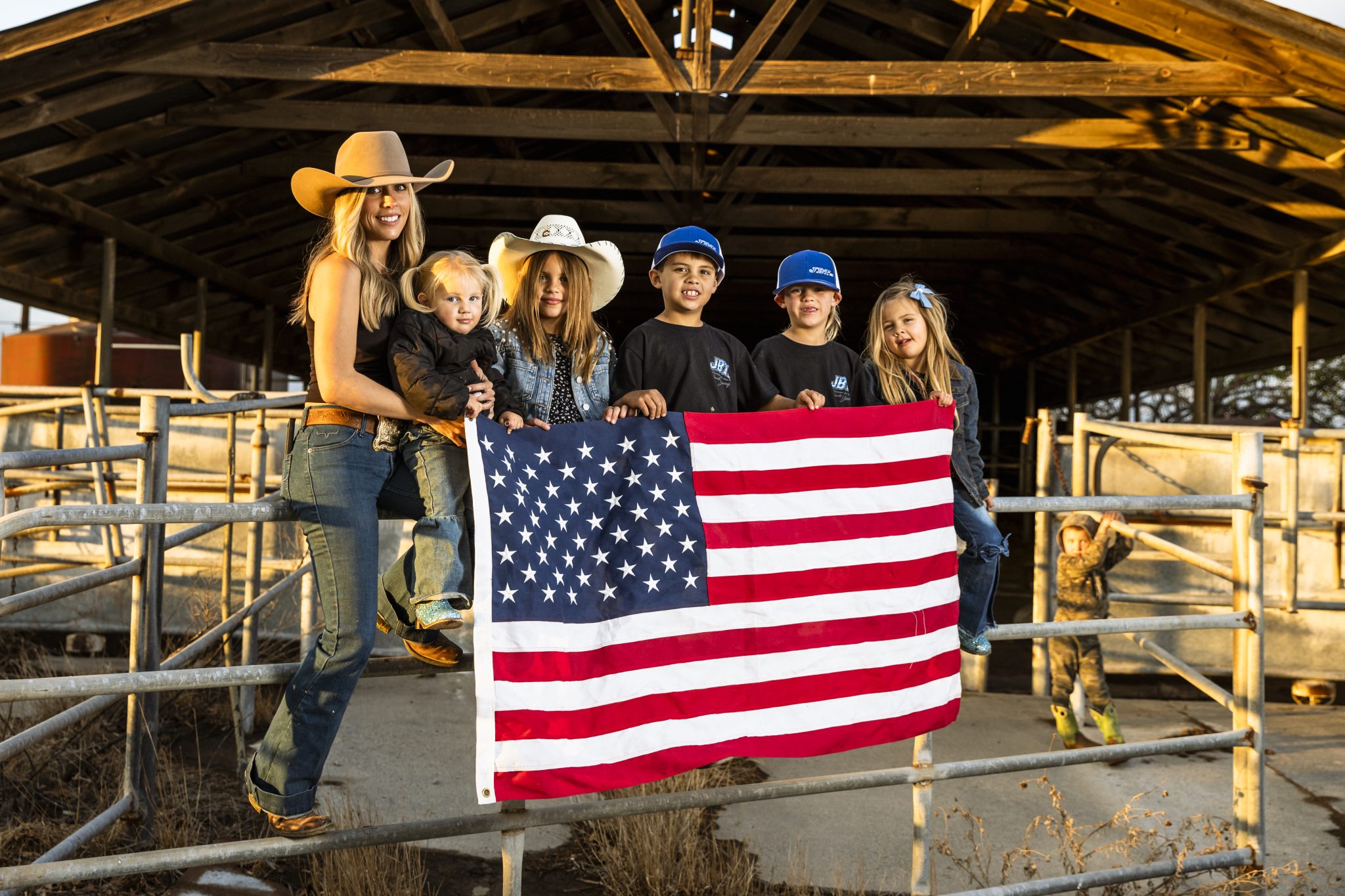
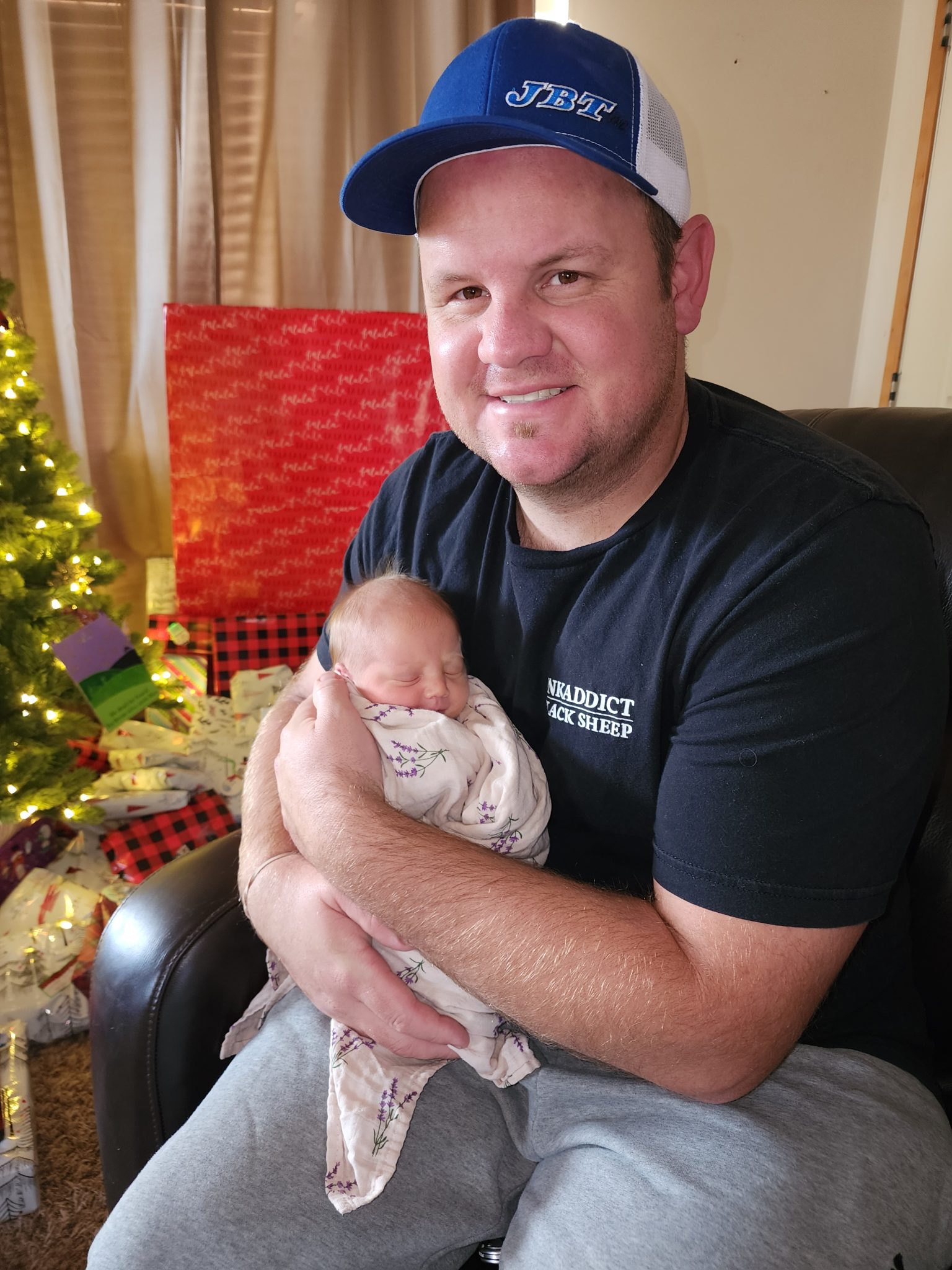
Farm Foundation is honored to announce a generous gift from Riley Boschma in support of the Farm Family Wellness Alliance, a national initiative dedicated to providing mental health resources to farmers and their families. This meaningful contribution honors the memory of Riley’s husband, Jimmy Boschma, a respected farmer whose life was tragically impacted by the challenges of mental health. 

Riley has been rooted in agriculture for generations, embodying the resilience and dedication that define the farming community. Yet, like so many in the industry, they have experienced firsthand the immense pressures that come with farming. In 2024, their beloved Jimmy lost his struggle to maintain mental health, leaving behind a grieving wife and five young children determined to turn their loss into hope for others. In response to their personal loss, Riley has committed to supporting mental health awareness and access to resources for farm families nationwide. 

“Our family understands the struggles that so many in agriculture face, and we want Jimmy’s story to raise awareness and be a beacon of hope, encouraging others to seek help when they need it. Asking for help is a sign of strength, not weakness—it does not define who you are, but rather shows your courage to keep going,” said Riley Boschma. “Through this gift, we hope to ensure that farm families have access to the mental health support they need and to reduce the stigma that prevents many from seeking help.” 

The Farm Family Wellness Alliance, an initiative of Farm Foundation in partnership with most major agricultural organizations in the US, including 4H, American Farmer Bureau Federation, FFA, Farmers Union, and others, provides farm families with free, confidential access to mental health support through an online peer-to-peer community, professional resources, and crisis intervention services. Since its national launch in 2024, the program has expanded to serve farmers and agricultural communities across 47 states, offering a safe space for connection and healing through TogetherAll, an online mental health support community exclusively for American farm family members aged 16 and above. 

“The generosity of Riley Boschma and her children will have a lasting impact on the lives of so many in agriculture,” said Shari Rogge-Fidler, CEO of Farm Foundation. “This gift not only honors Jimmy’s legacy but also strengthens our ability to reach more farm families with critical mental health resources. We are grateful for their commitment to creating meaningful change in the industry.” 

Farmers are the backbone of our nation, yet they often carry an invisible burden. As economic pressures, unpredictable weather, and the weight of legacy continue to challenge those in agriculture, access to mental health support is more vital than ever. Riley’s contribution underscores the urgent need for expanded resources in rural communities and serves as a call to action for others to invest in the well-being of those who feed the nation. Learn more about the Boschma farm at www.boschmafarms.org   

The post The Gift of Hope: Dedication to Mental Health in Rural Communities appeared first on Farm Foundation.

MIT students combat climate anxiety through extracurricular teams

Climate anxiety affects nearly half of young people aged 16-25. Students like second-year Rachel Mohammed find hope and inspiration through her involvement in innovative climate solutions, working alongside peers who share her determination. “I’ve met so many people at MIT who are dedicated to finding climate solutions in ways that I had never imagined, dreamed of, or heard of. That is what keeps me going, and I’m doing my part,” she says.

Hydrogen-fueled engines

Hydrogen offers the potential for zero or near-zero emissions, with the ability to reduce greenhouse gases and pollution by 29 percent. However, the hydrogen industry faces many challenges related to storage solutions and costs.

Mohammed leads the hydrogen team on MIT’s Electric Vehicle Team (EVT), which is dedicated to harnessing hydrogen power to build a cleaner, more sustainable future. EVT is one of several student-led build teams at the Edgerton Center focused on innovative climate solutions. Since its founding in 1992, the Edgerton Center has been a hub for MIT students to bring their ideas to life.

Hydrogen is mostly used in large vehicles like trucks and planes because it requires a lot of storage space. EVT is building their second iteration of a motorcycle based on what Mohammed calls a “goofy hypothesis” that you can use hydrogen to power a small vehicle. The team employs a hydrogen fuel cell system, which generates electricity by combining hydrogen with oxygen. However, the technology faces challenges, particularly in storage, which EVT is tackling with innovative designs for smaller vehicles.

Presenting at the 2024 World Hydrogen Summit reaffirmed Mohammed’s confidence in this project. “I often encounter skepticism, with people saying it’s not practical. Seeing others actively working on similar initiatives made me realize that we can do it too,” Mohammed says.

The team’s first successful track test last October allowed them to evaluate the real-world performance of their hydrogen-powered motorcycle, marking a crucial step in proving the feasibility and efficiency of their design.

MIT’s Sustainable Engine Team (SET), founded by junior Charles Yong, uses the combustion method to generate energy with hydrogen. This is a promising technology route for high-power-density applications, like aviation, but Yong believes it hasn’t received enough attention. Yong explains, “In the hydrogen power industry, startups choose fuel cell routes instead of combustion because gas turbine industry giants are 50 years ahead. However, these giants are moving very slowly toward hydrogen due to its not-yet-fully-developed infrastructure. Working under the Edgerton Center allows us to take risks and explore advanced tech directions to demonstrate that hydrogen combustion can be readily available.”

Both EVT and SET are publishing their research and providing detailed instructions for anyone interested in replicating their results.

Running on sunshine

The Solar Electric Vehicle Team powers a car built from scratch with 100 percent solar energy.

The team’s single-occupancy car Nimbus won the American Solar Challenge two years in a row. This year, the team pushed boundaries further with Gemini, a multiple-occupancy vehicle that challenges conventional perceptions of solar-powered cars.

Senior Andre Greene explains, “the challenge comes from minimizing how much energy you waste because you work with such little energy. It’s like the equivalent power of a toaster.”

Gemini looks more like a regular car and less like a “spaceship,” as NBC’s 1st Look affectionately called Nimbus. “It more resembles what a fully solar-powered car could look like versus the single-seaters. You don’t see a lot of single-seater cars on the market, so it’s opening people’s minds,” says rising junior Tessa Uviedo, team captain.

All-electric since 2013

The MIT Motorsports team switched to an all-electric powertrain in 2013. Captain Eric Zhou takes inspiration from China, the world’s largest market for electric vehicles. “In China, there is a large government push towards electric, but there are also five or six big companies almost as large as Tesla size, building out these electric vehicles. The competition drives the majority of vehicles in China to become electric.”

The team is also switching to four-wheel drive and regenerative braking next year, which reduces the amount of energy needed to run. “This is more efficient and better for power consumption because the torque from the motors is applied straight to the tires. It’s more efficient than having a rear motor that must transfer torque to both rear tires. Also, you’re taking advantage of all four tires in terms of producing grip, while you can only rely on the back tires in a rear-wheel-drive car,” Zhou says.

Zhou adds that Motorsports wants to help prepare students for the electric vehicle industry. “A large majority of upperclassmen on the team have worked, or are working, at Tesla or Rivian.”

Former Motorsports powertrain lead Levi Gershon ’23, SM ’24 recently founded CRABI Robotics — a fully autonomous marine robotic system designed to conduct in-transit cleaning of marine vessels by removing biofouling, increasing vessels’ fuel efficiency.

An Indigenous approach to sustainable rockets

First Nations Launch, the all-Indigenous student rocket team, recently won the Grand Prize in the 2024 NASA First Nations Launch High-Power Rocket Competition. Using Indigenous methodologies, this team considers the environment in the materials and methods they employ.

“The environmental impact is always something that we consider when we’re making design decisions and operational decisions. We’ve thought about things like biodegradable composites and parachutes,” says rising junior Hailey Polson, team captain. “Aerospace has been a very wasteful industry in the past. There are huge leaps and bounds being made with forward progress in regard to reusable rockets, which is definitely lowering the environmental impact.”

Collecting climate change data with autonomous boats

Arcturus, the recent first-place winner in design at the 16th Annual RoboBoat Competition, is developing autonomous surface vehicles that can greatly aid in marine research. “The ocean is one of our greatest resources to combat climate change; thus, the accessibility of data will help scientists understand climate patterns and predict future trends. This can help people learn how to prepare for potential disasters and how to reduce each of our carbon footprints,” says Arcturus captain and rising junior Amy Shi.

“We are hoping to expand our outreach efforts to incorporate more sustainability-related programs. This can include more interactions with local students to introduce them to how engineering can make a positive impact in the climate space or other similar programs,” Shi says.

Shi emphasizes that hope is a crucial force in the battle against climate change. “There are great steps being taken every day to combat this seemingly impending doom we call the climate crisis. It’s important to not give up hope, because this hope is what’s driving the leaps and bounds of innovation happening in the climate community. The mainstream media mostly reports on the negatives, but the truth is there is a lot of positive climate news every day. Being more intentional about where you seek your climate news can really help subside this feeling of doom about our planet.”

© Photo: Adam Glanzman

Electric Vehicle Team members (from left to right) Anand John, Rachel Mohammed, and Aditya Mehrotra '22, SM '24 monitor their bike’s performance, battery levels, and hydrogen tank levels to estimate the vehicle’s range.
❌