Normal view

There are new articles available, click to refresh the page.
Before yesterdayMain stream

More Than Half Of Porsche’s Macan Sales Went To The One They’re Killing

  • Porsche Q1 deliveries fell 15 % to 60,991 units as product gaps hit hard.
  • Macan EV can’t yet fully replace outgoing combustion model’s sales volume.
  • 911 bucks the trend with 22 % demand upswing and more variants on the way.

Porsche isn’t having the best time right now. Fresh from admitting that operating profit plummeted 93 percent in 2025, the automaker has revealed that sales in the first quarter of this year sank 15 percent to 60,991 cars, down from 71,470 a year ago.

The company says it saw this coming due to the end of 718 production and Macan Electric sales settling down after the flurry of interest at last year’s debut. But there’s a problem looming ahead that could make things worse before they get better.

Related: Porsche Built The GT3 For The Track, Now It May Take It Somewhere Else

The biggest red flag sits right in the middle of Porsche’s lineup. The Macan, previously the brand’s best selling model, managed 18,209 deliveries, down 23 percent, but here’s the kicker. More than half of those, 10,130 units, were still combustion versions, while the electric version accounted for only 8,079, down a massive 43 percent from last year. With the ICE Macan heading for the exit this summer, and no replacement due for a couple of years, Porsche is about to lose its volume backbone.

911 Is Growing, But Nothing Else Is

Elsewhere, the Cayenne kept things relatively steady with 19,183 deliveries, down just 4 percent, and with Macan sales falling, the bigger SUV is now the most bought. And the 911 is out here ignoring the downturn entirely. Sales of the iconic sports car jumped 22 percent to 13,889 units, proving once again that heritage still sells, even when the broader market gets shaky.

But most Porsche models ended Q1 battered and bruised. The Taycan dropped 19 percent to 3,420 units, while the Panamera plunged 42 percent to 4,498 – due to a model transition, Porsche claims – particularly in China. The 718 range, now effectively retired, collapsed 60 percent to just 1,792 cars.

Porsche Q1 Sales By Model
Model20252026Change
Cayenne20,05519,183-4%
Macan total23,55518,209-23%
(of which Electric)14,1858,079-43%
91111,39013,88922%
Taycan4,2033,420-19%
Panamera7,7694,498-42%
718 Boxster/Cayman4,4981,792-60%
SWIPE

The regional picture doesn’t help much either. North America remained Porsche’s biggest market with 18,344 deliveries, though that’s down 11 percent, likely not helped by changing incentives and tariff pressures. Europe excluding Germany fell 18 percent to 14,710, while overseas markets dropped 20 percent to 12,640.

China Woes Worsen

China has been a problem for a while, and deliveries in the country sank 21 percent to 7,519 units as domestic brands tighten their grip on the premium space. Porsche says it’s focusing on value over volume there, but that’s often what companies say when volume disappears.

Put it all together and Porsche’s explanation about product timing only tells part of the story. Between a cooling EV market, rising competition, and the imminent loss of the ICE Macan, the next few quarters could get even more uncomfortable.

Porsche Q1 Sales By Region
Region20252026Change
Worldwide71,47060,991-15%
Germany7,4957,7784%
North America20,69818,344-11%
China9,4717,519-21%
Europe (excluding Germany)18,01714,710-18%
Overseas and Emerging Markets15,78912,640-20%
SWIPE

Porsche

Rimac Went From Modifying An Old BMW To Supplying The New i7’s Most Expensive Part

  • The new i7 battery pack promises more range and faster charging.
  • BMW and Rimac spent five years developing the battery together.
  • Facelifted i7 and 7-Series will debut at Auto China 2026 in Beijing.

BMW has confirmed the next phase of its partnership with Rimac Technology that will see the Croatian firm supply high-voltage battery systems for the upcoming facelifted i7, which is expected to debut later this month.

For CEO Mate Rimac, the deal brings things full circle. His journey into the EV space started back in 2009 with a modified E30 BMW 3-Series. Now, the company he founded is delivering the most critical component for BMW’s flagship electric sedan. Rimac Group also holds a controlling stake in Bugatti Rimac, the hypercar joint venture with Bugatti.

More: There’s A Lot More To The 2027 BMW 7-Series Facelift Than A New Face

Rimac shared the news via his personal social media channels, noting that development work on the battery has been underway with BMW for the past five years.

\\\\\\

BMW / Rimac

The battery unit was developed in Jankomir, Croatia, and is now built locally at Rimac’s sprawling 90,000 square meter (968,751 square feet) campus in Zagreb. From there, completed battery packs are shipped to BMW’s Dingolfing plant in Germany, where final vehicle assembly takes place.

Production capacity stands at 300,000 modules per year, translating to around 50,000 full battery systems annually. Rimac says the scale of the operation likely makes it the largest industrial project in Croatia’s history, which puts into perspective just how ambitious this setup really is.

More: BMW’s iX7 Gets Every Neue Klasse Upgrade Except The One That Would Make It Look Different

According to the Bugatti Rimac CEO, the dedicated production line for the BMW i7 battery carries a €130 million ($150 million) price tag. That figure actually surpasses the €120 million ($139 million) cost to build the entire campus.

 Rimac Went From Modifying An Old BMW To Supplying The New i7’s Most Expensive Part
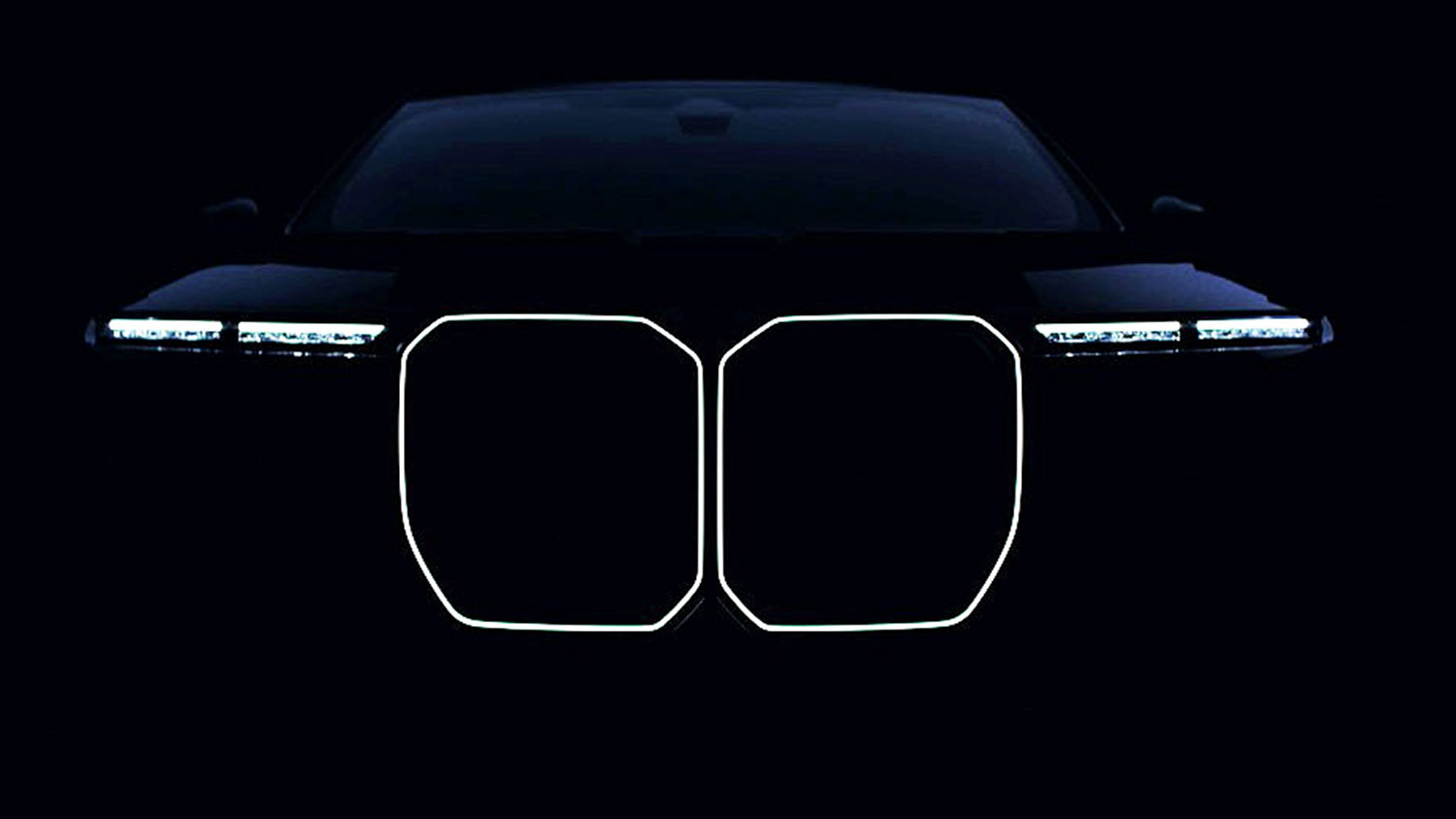
The official teaser for the updated BMW 7-Series / i7.


The high-voltage battery pack blends BMW’s Gen6 cell chemistry with its Gen5 module-based architecture. It uses 4695-format cylindrical lithium-ion cells, delivering a 20% boost in energy density compared to the prismatic cells used in current batteries.

BMW says the new setup will bring “significantly increased range” and “much faster” charging than the outgoing i7, effectively injecting some Neue Klasse thinking into the brand’s flagship EV sedan.

More: BMW Once Owned Range Rover, Now It Wants To Make One

Rimac added: “BMW has always been known for pushing engineering to the highest level, which made this collaboration especially exciting for us. Together, we developed a high-voltage battery system that unlocks the full potential of the new cylindrical cells in record time, delivering significant improvements in energy, range, and charging performance. We are proud to now see this system being produced at scale at our new Rimac Campus.”

The updated BMW i7 is set to make its global debut alongside the combustion 7-Series facelift at the Auto China 2026 in Beijing at the end of April. Teasers, leaks, and recent spy shots all point to a redesigned front end and a refreshed interior.

BYD Just Landed On Brazil’s Dirty List, And It Wasn’t For Its Cars

  • Brazil adds BYD to labor abuse registry over construction worker treatment.
  • Chinese workers faced passport confiscation, poor housing, and wage restrictions.
  • Carmaker denies knowledge, but authorities say it shoulders the responsibility.

BYD sells more EVs than any other carmaker on the planet, but Brazil’s government doesn’t like some of the methods it used to get there. Lawmakers in the country have just placed the Chinese automaker on a “dirty list” due to mistreatment of workers.

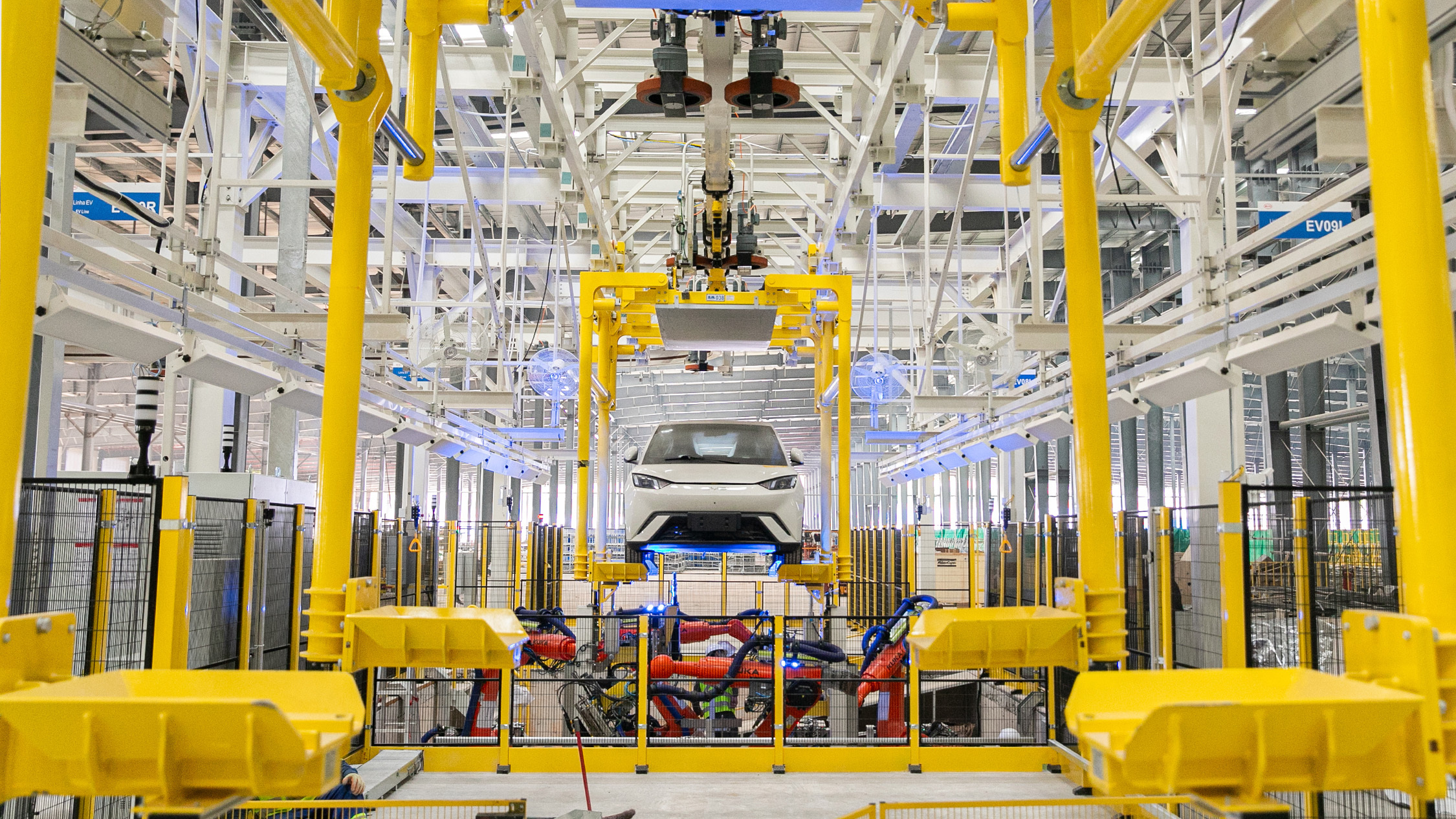
The issue doesn’t involve people building cars for BYD in Brazil, but those who built the plant at Camaçari. A group of 163 Chinese laborers brought in by contractor Jinjiang Group allegedly faced conditions that sound less like a modern construction job and more like something from the 1800s.

Related: BYD Sued Over One Toilet Per 31 Workers And Other Horrors

Investigators found workers living in overcrowded housing, with dozens sharing limited facilities and basic comforts noticeably absent, Reuters says. In one raid, 31 workers were found squashed into a single house with only one bathroom.

Reports also suggested the workers’ passports were taken away and a chunk of wages never made it into their hands, instead being routed to China. They even had to hand over a $900 deposit just to start the job, which was only returned after they had completed six months on the site.

BYD Blamed Contractor

 BYD Just Landed On Brazil’s Dirty List, And It Wasn’t For Its Cars

The 2024 scandal raised serious questions about how closely BYD was watching what was happening on its own project. The company has said it wasn’t aware of any wrongdoing until the situation became public, but Brazilian authorities aren’t buying the idea that responsibility stops with the contractor.

Officials argue that if your name is on the factory, then the buck stops with you, even if someone else handled the hiring. That stance has now resulted in BYD being formally added to a government registry reserved for companies linked to deeply unacceptable labor practices.

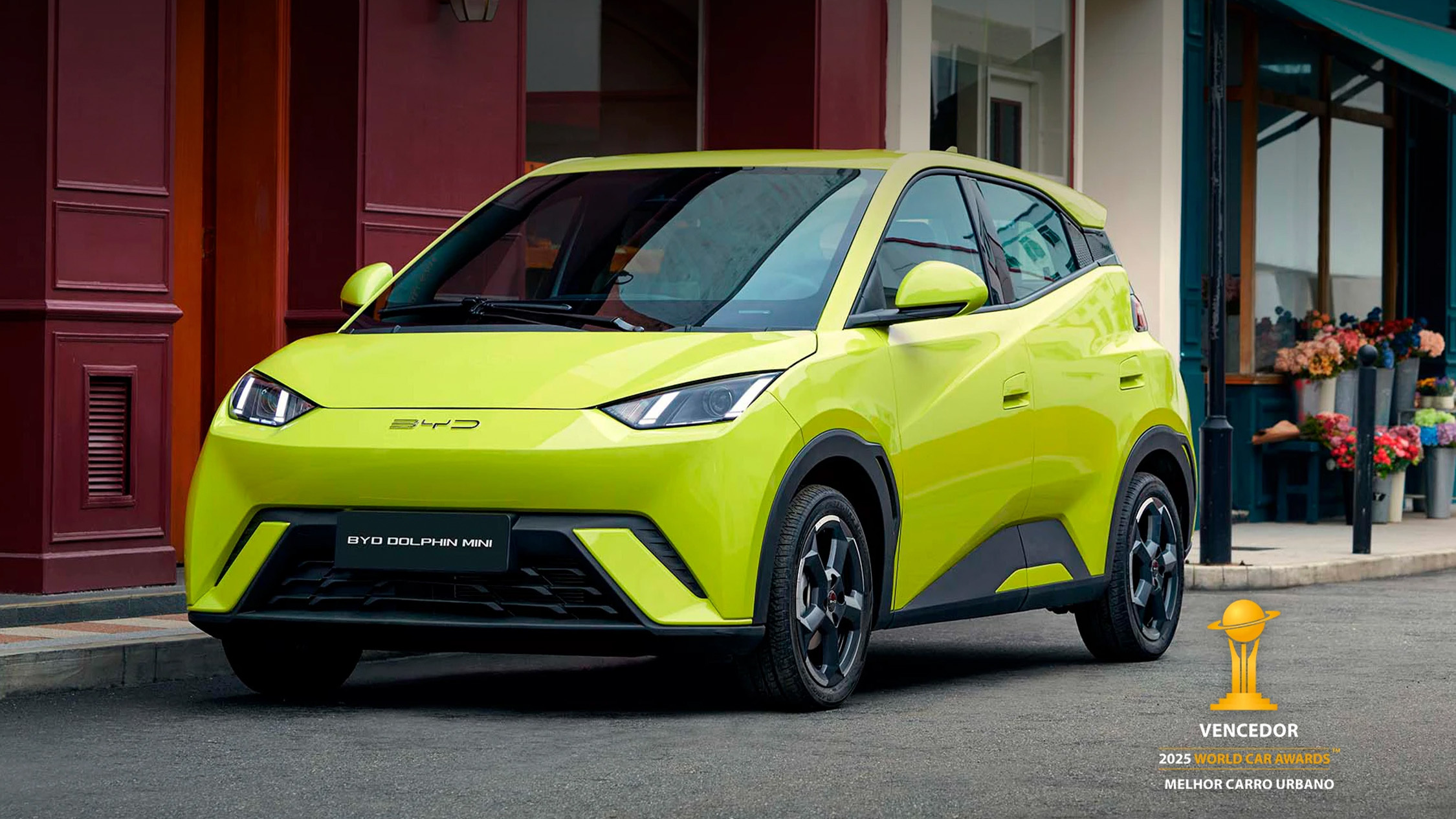
Being on that list isn’t just a bad look. It can also limit access to certain financial support from Brazilian institutions, which could complicate future expansion plans in BYD’s biggest market after its home country. But since its ability to produce and sell cars like the Camaçari-built Dolphin Mini (Seagull in China; Dolphin Surf in Europe) isn’t affected, BYD is going to remain a major thorn in the side of every other brand operating in the region.

 BYD Just Landed On Brazil’s Dirty List, And It Wasn’t For Its Cars

BYD

The Gap Between What Tesla Built And What It Sold Just Broke A Company Record

  • Tesla grew Q1 deliveries year over year, but missed analyst expectations.
  • Production outpaced sales, creating the largest inventory gap in years.
  • Shares dropped more than 4 percent after the company’s delivery report.

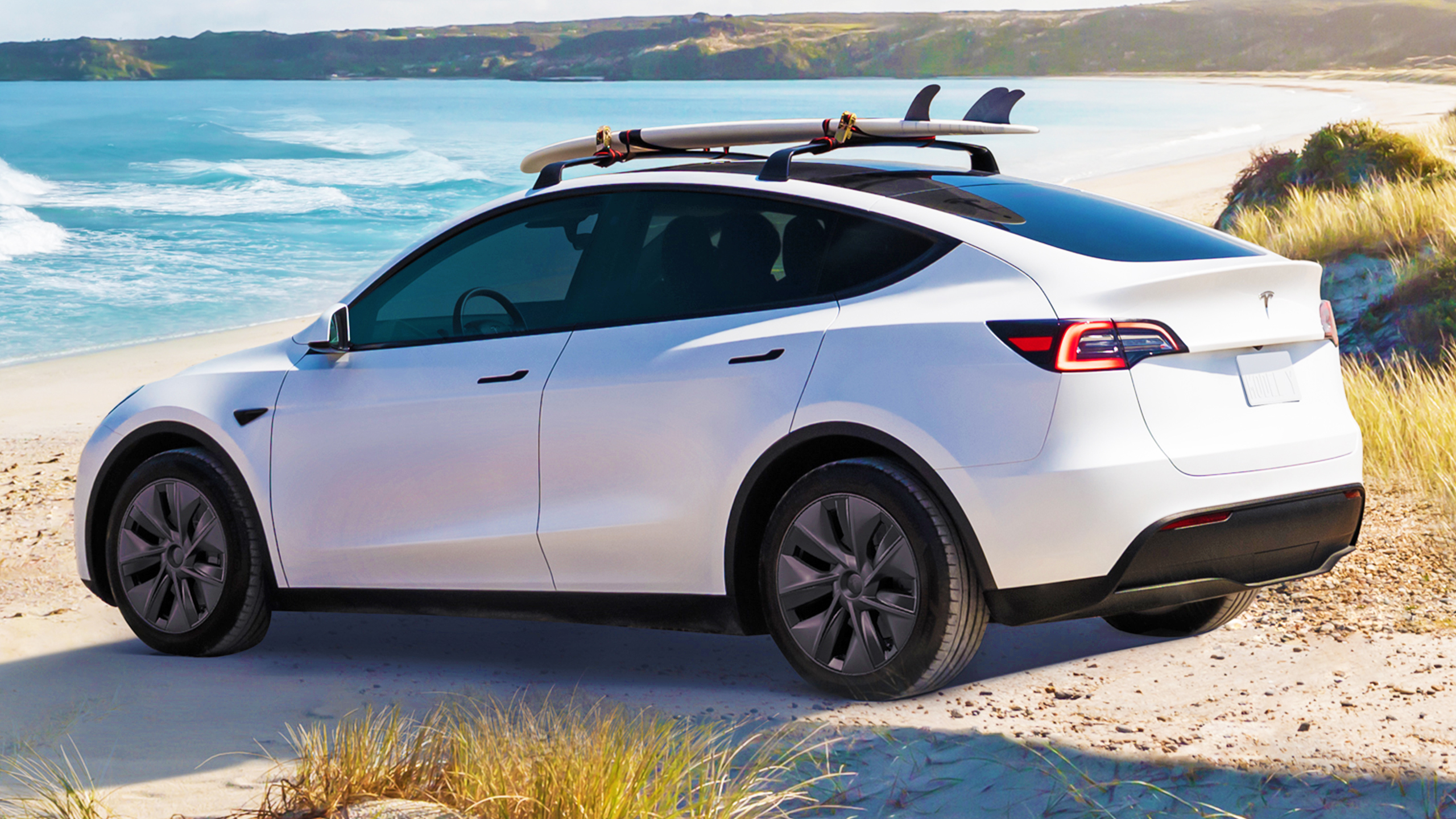
Tesla’s global sales edged up in the first quarter of 2026, but that did little to calm investors. Despite the increase, the company’s production and delivery figures sent shares down more than 5 percent on Thursday, marking their sharpest drop of the year. The stock is now down about 20 percent in 2026.

Read: Tesla’s Sales Collapsed By Nearly 90% In The Land Of EVs

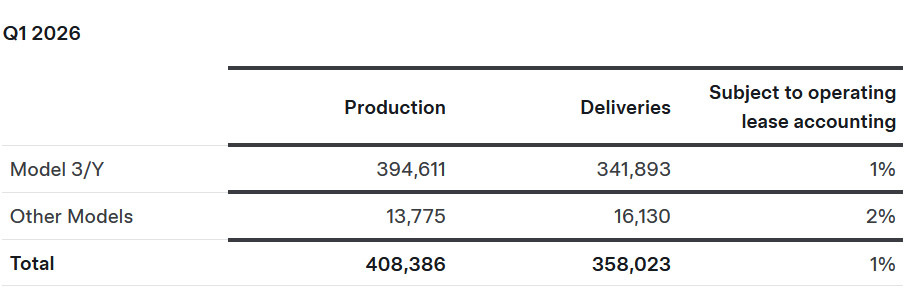
In total, Tesla sold 358,023 vehicles worldwide in Q1 2026. That marks a 6 percent increase over the same quarter last year, when it delivered 336,681 vehicles. The bigger contrast comes against the previous quarter. Deliveries are down 14.3 percent from the 418,227 vehicles handed over in Q4 2025.

US Sales Range Estimates

The company has not released a detailed breakdown for the US, but estimates from Autonews and Cox Automotive put first-quarter deliveries somewhere between 110,000 and 122,196 units. That range points to a decline of roughly 4.6 percent to 15 percent in its home market, depending on where the final number lands.

According to Morningstar analyst Seth Goldstein, there are two key reasons to explain why sales fell.

“Tesla’s first-quarter deliveries reflect the U.S. tax credit expiration as well as FSD ​not yet being approved in the EU,” he told Reuters. “These factors will likely continue to weigh on deliveries until Tesla gets EU approval and until we enter the fourth quarter in the U.S.”

 The Gap Between What Tesla Built And What It Sold Just Broke A Company Record

As deliveries softened compared to the previous quarter, the gap between vehicles produced and sold widened to its largest level in four years. Tesla ended the quarter with 408,386 vehicles built, leaving a surplus of 50,363 units in inventory.

Data cited by Business Insider shows this is the largest gap between production and deliveries the company has recorded. That stands out for a business that has typically kept supply and demand closely aligned. The closest comparison comes from the same period in 2024, when production exceeded deliveries by around 46,500 vehicles.

Lower Than Analyst Expectations

 The Gap Between What Tesla Built And What It Sold Just Broke A Company Record

The carmaker began to temper expectations for the first quarter last week, publishing a delivery consensus based on estimates from more than a dozen analysts. This suggests Tesla would end the quarter with 365,645 deliveries, but it fell short of that. Separate estimates from StreetAccount had projected around 370,000 deliveries.

The analysts also predicted Tesla would deploy 14.4 GWh worth of energy storage, but it actually delivered just 8.8 GWh of energy storage products. That figure is also down from 10.4 GWh in Q1 2025 and 14.2 GWh in Q4 2025.

As we’ve come to expect, the Model 3 and Model Y account for the bulk of the company’s sales, with 341,893 finding new homes. The remaining 16,130 vehicles delivered included a mix of the Cybertruck, Semi and the now-discontinued Model S and Model X.

\\\\\\

GM Pauses Production Of Two Hyped-Up EVs, Sending 1,300 Workers Home

  • GM’s Factory Zero will be idled from March 16 to April 13.
  • Shutdown affects 1,300 workers, who face temporary layoff.
  • Hummer EV sales dropped nearly 50 percent in Q4 2025.

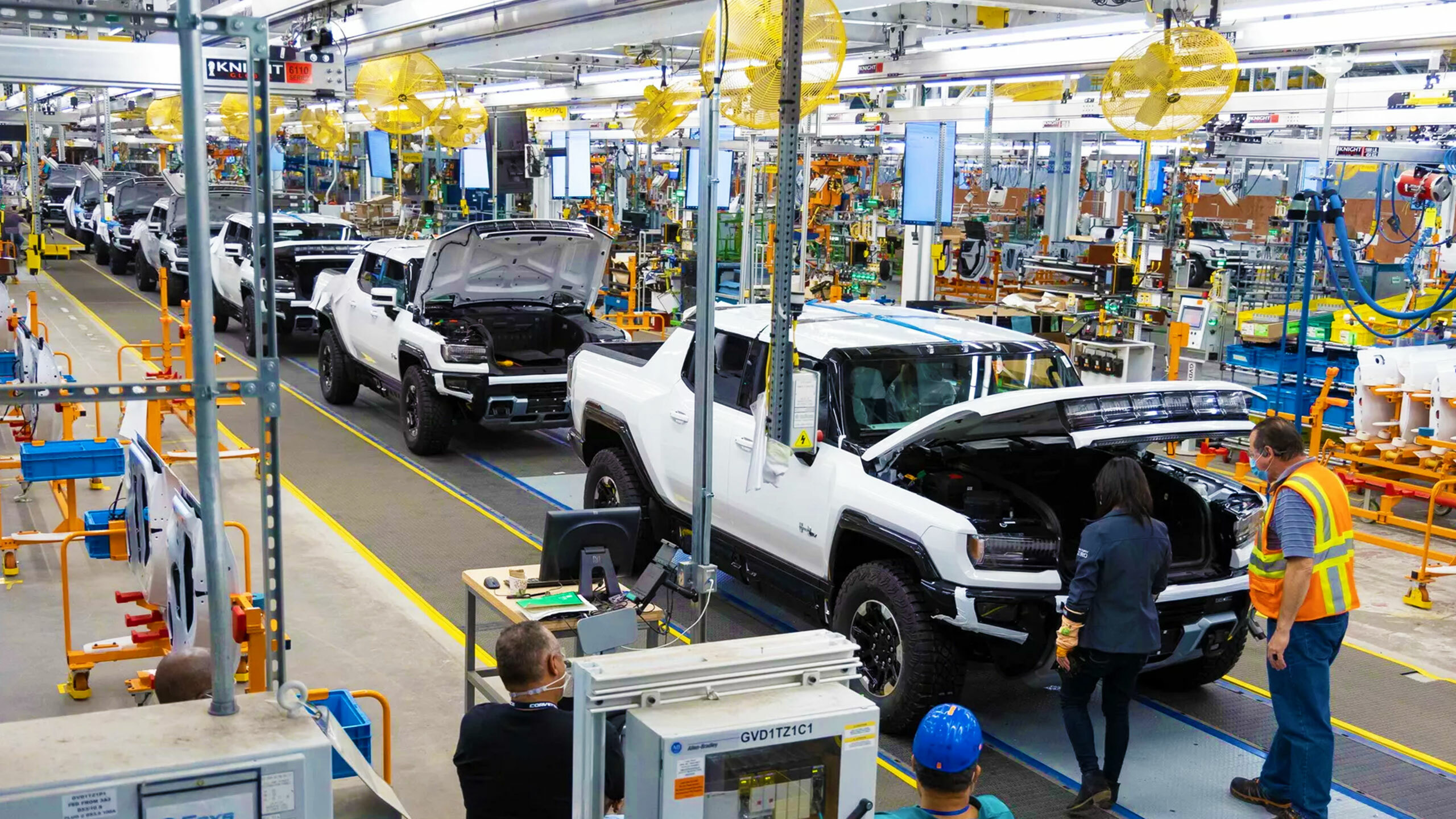
Demand for GM’s electric vehicles in the US is so poor that the carmaker has revealed Factory Zero in Detroit, its all-electric vehicle hub, will be idled until April 13. Production at the site has already been paused since March 16, so it’ll be offline for almost an entire month.

Due to the production pause, roughly 1,300 workers will be temporarily laid off by the car manufacturer. This news is just the latest blow for those who work at the site, as output at Factory Zero was already cut by almost 50 percent in January when it moved to a single-shift operation. This prompted GM to put 1,200 workers on indefinite layoff.

Read: GM Is Boosting Production Of Its Biggest Gas Guzzlers, Fuel Prices Be Damned

The plant handles production of models including the Chevrolet Silverado EV and Hummer EV, but sales have slowed since the US government axed the $7,500 federal EV tax credit.

In the last quarter of 2025, Chevy sold 1,896 Silverado EVs, down 12.9 percent from the 2,176 in 2024. Interestingly, total 2025 sales reached 11,275, which was 51.8 percent higher than 2024.

GMC Hummer EV Collapse

 GM Pauses Production Of Two Hyped-Up EVs, Sending 1,300 Workers Home

The GMC Hummer EV is starting to feel the effects of shifting government policy. Sales dropped 49.8 percent in the final quarter of 2025, falling from 5,091 units to 2,555. That slide carried straight into 2026, with just 1,653 units moved in Q1, down 52.5 percent from the 3,479 sold a year earlier.

The GMC Sierra EV, meanwhile, managed to buck the trend. It posted 1,288 deliveries in Q1 2026, narrowly beating the 1,249 units from the same period in 2025. In a tough stretch for Factory Zero, that modest gain stands out as one of the few positives.

Like some of the competition, GM is pulling back from its EV commitments, confirming it will take $7.6 billion in charges for scaling back its EV spending. While GM boss Mary Barra still refers to EVs as the company’s “end game,” The General is making changes in the meantime. This includes working on several plug-in hybrid models, details of which still remain thin on the ground.

GM also recently announced it’s boosting production of some of its biggest gas guzzlers, namely the Chevrolet Silverado 2500 and 3500, in addition to the GMC Sierra 2500 and 3500.

 GM Pauses Production Of Two Hyped-Up EVs, Sending 1,300 Workers Home

Three Million Teslas A Year By 2030 Is The Bet. Twenty-Three Firms Made It.

  • Analysts expect Tesla deliveries to more than double by 2030.
  • Q1 2026 delivery expectations sit around 420,000 vehicles.
  • Tesla’s early release hints at softer near-term expectations.

Analysts believe that Tesla is on track to double its global deliveries by the end of the decade. That’s a huge bet, and it relies on more factories, cheaper models, and a broader global footprint that can push annual volume into the millions. That said, there’s a bit of a disconnect. If that’s indeed what the future looks like, the same analysts’ Q1 2026 predictions aren’t exactly screaming momentum.

The automaker just compiled estimated reports from 23 big-time analyst firms, including UBS, Barclays, Wells Fargo, and more. Wall Street expects Tesla to deliver roughly 420,000 vehicles in Q1 2026. For a company evidently on the verge of explosive growth, that figure leaves some room for head-scratching because it’s nearly flat compared to 2025 levels.

More: This Might Be The Tesla Roadster’s Biggest Update Since 2017

That said, the professionals betting on the future clearly see a path ahead. Their consensus is that Tesla will deliver 1,689,691 cars this year. That’s actually just above the 1,636,129 figure it managed in 2025, with a a modest 3.3% increase year over year.

Starting in 2027, their estimates just go up, up, and away, though. Notably, 2027 is the latest year in which all 23 firms provided an estimate, in this case, of 1,880,496 deliveries.

Twenty of the firms predicted (on average) that Tesla will deliver 2,128,187 cars in 2028. Just 13 firms went as far as to provide a consensus for 2029 and 2030. Those figures hit 2,613,623 deliveries for 2029 and then 3,032,000 the following year.

Q4-2025Q1-202620262027202820292030
Model 3/Y deliveries406,585351,1791,623,6971,742,4981,867,2542,159,8742,426,452
All other models11,64213,94660,685131,509240,229423,599570,590
        
Total deliveries418,227365,6451,689,6911,880,4962,128,1872,613,6233,032,000
        
Median418,227363,3711,678,9001,866,2731,979,3482,384,6782,626,100
Standard deviation 25,94185,769203,762409,565656,881826,093
Number of estimates provided 232323201313
        
Energy Storage Deployments (GWh)14.214.465.288.1112.5139.1166.1
        
Median14.214.364.687.3114.1138.2169.1
Standard deviation 1.35.210.616.825.031.1
Number of estimates provided 181718161010
SWIPE

As is the case now, analysts believe the vast majority of the cars that Tesla does sell will be the Model 3 and Model Y by a factor of around eight to one overall. Notably, that mix diminishes to as low as four to one by 2030 in the consensus.

That’s important because it suggests that Tesla will need to continue to heavily invest in the growth and proliferation of both the Model Y and Model 3. Those two will largely bolster the car side of Tesla’s business if this consensus is correct.

What it doesn’t clarify is what falls under those “other models.” With the Tesla Model S and Tesla Model X out of the picture, the lineup narrows quickly. That leaves the Tesla Cybertruck as the only other vehicle currently in play, alongside plans for the Tesla Cybercab and, if Elon Musk is to be taken at his word, something he has teased as “way cooler than a minivan.

The decision to publish this consensus ahead of its Q1 report is also significant and Tesla has done this in the past. It could be that it’s hoping to anchor expectations if results end up lower than some hoped for.

 Three Million Teslas A Year By 2030 Is The Bet. Twenty-Three Firms Made It.

Tammy Baldwin leads bipartisan Senate push for investigation into farm equipment companies moving jobs to Mexico

26 March 2026 at 19:29
Sens. Tammy Baldwin, a Wisconsin Democrat, and Bernie Moreno, an Ohio Republican, asked the Commerce Department to investigate major agricultural machinery manufacturers. (Photo by Preston Keres/USDA)

Sens. Tammy Baldwin, a Wisconsin Democrat, and Bernie Moreno, an Ohio Republican, asked the Commerce Department to investigate major agricultural machinery manufacturers. (Photo by Preston Keres/USDA)

A bipartisan pair of U.S. senators from the Midwest on Thursday asked the Commerce Department to investigate major agricultural machinery manufacturers, saying they paid shareholders handsomely while offshoring jobs.

Sens. Tammy Baldwin, a Wisconsin Democrat, and Bernie Moreno, an Ohio Republican, asked Commerce Secretary Howard Lutnick to open an investigation under a law that allows tariffs to be used for national security purposes.

John Deere, Caterpillar and the Wisconsin-based Case New Holland had all laid off U.S. workers in recent years while moving manufacturing jobs to Mexico. The moves hollowed out Midwest industrial towns but made the companies enormous profits, Baldwin and Moreno wrote. 

“These companies should not be allowed to eliminate American jobs, pay Mexican workers poverty wages, and then ship products back to the U.S. for additional profit on the backs of our communities,” they wrote. “They argue that offshoring is necessary to remain competitive, but when it comes time to pay executives or shareholders, they are never short of money.”

The companies have all delivered generous payments to shareholders in recent years, the senators said. John Deere has paid $8.4 billion, CNH has paid $1.7 billion and Caterpillar has paid $18.2 billion through dividends and stock buybacks, they wrote.

But payouts for investors came at the expense of their blue-collar workforce, Baldwin and Moreno wrote.

CNH laid off 220 workers from its Racine, Wisconsin, facility in 2024 and moved production to Mexico. All of the roughly 200 CNH workers in a Burlington, Iowa, facility are set to lose their jobs after the company announced in January it would close the plant. And John Deere laid off more than 3,600 union employees after moving production from Iowa to Mexico, the senators said.

Representatives for the companies did not immediately return messages seeking comment Thursday. 

Section 232

The lawmakers asked Lutnick to open an investigation that could result in so-called Section 232 tariffs to deter the companies from moving production to Mexico. 

“These companies and their executives should not be rewarded for destroying American jobs or permitted to import their products without facing a penalty,” they wrote.

The tariffs, named for the section of the 1962 law that created them, permits the administration to levy tariffs for national security purposes. Though created in 1962, no administration used them until President Donald Trump’s first term, when he imposed tariffs on steel and aluminum.

The administration now “has a unique opportunity,” the senators said, to prevent heavy equipment manufacturers from moving more jobs out of the country.

However, they added that any Section 232 investigation would be limited by a free trade agreement with Canada and Mexico that Trump approved in his first term. They called for the administration to “address … issues” created by the agreement, known as the U.S.-Mexico-Canada trade agreement.

The agreement “has incentivized major heavy equipment manufacturers to locate production in Mexico,” they wrote. “Any efforts that the Administration takes solely on Section 232 will be weakened by the shortcomings that currently exist in USMCA.”

Spokespeople for the Commerce Department and White House did not immediately return messages seeking comment.

MAGA appeal

The senators’ letter appeals to key parts of Trump’s political coalition. 

Throughout his decade in politics, he has focused messaging on protecting farming and reviving domestic manufacturing industries. 

In both his victorious presidential elections, the Republican won unusually large slices of union workers in swing states with legacy manufacturing industries while running up a major advantage with rural voters.

Trump has aggressively — and controversially — employed tariffs to encourage domestic production.

He is scheduled to host nearly 1,000 farmers at the White House on Friday. 

Musk Said The U.S. Wouldn’t Get This Tesla. Texas Factory Footage Disagrees

  • Mystery vehicle at Tesla Texas plant looks longer than the Model Y.
  • Fans think it could be the stretched Model Y L already sold in China.
  • If true, Tesla may be readying a larger family SUV as Model X goes away.

Every time a drone buzzes over Tesla’s Texas Gigafactory, the internet immediately goes into detective mode. Usually, the result is a grainy shot of construction equipment and a few wild guesses. This time, though, the mystery object might actually be something real. Fans of the brand have torn these shots apart like they’ll reveal whether or not alien life exists.

Drone pilot Joe Tegtmeyer recently captured footage of a large vehicle shell sitting inside a wooden crate outside Tesla’s Gigafactory Texas. The structure was wrapped in blue plastic and surrounded by construction materials. That didn’t stop folks from trying to suss out exactly what we’re looking at. Most think it’s Tesla’s Model Y L.

Read: Tesla’s Budget Model Y Gets Grip And Grit For $2K More, But Don’t Call It Standard

That’s the long-wheelbase take on Tesla’s compact crossover, first rolled out in China last year. It matters more than it might seem at first glance. This is effectively Tesla’s only proper three-row crossover heading into the near future. Yes, you can spec tiny rear seats in the standard Model Y, though calling them usable depends on how much you like the people riding back there.

The Model X is about to go away with the death of its flagship stablemate, the Model S. That leaves Tesla with a big gap in the market. A lengthened Model Y would help plug that third-row-sized hole.

Well this is interesting at Giga Texas today … what do YOU think this is? 🤔😎 pic.twitter.com/U9pLvqbf7L

— Joe Tegtmeyer 🚀 🤠🛸😎 (@JoeTegtmeyer) March 23, 2026

The vehicle in the drone footage appears to be little more than a body shell. These unfinished body structures allow automakers to continue development or manufacturing testing without building a full car to do so. It’s a normal part of production and something we’d expect from Tesla if it were setting up to sell the Model Y L in the U.S. market.

As Teslarati pointed out, observers have done just about everything they can to sort this out. Some used AI to create renders. Others compared how the dimensions came together compared to the standard Model Y. Some went as far as to superimpose the Model Y L’s window shapes over the shell.

More: Tesla’s Model Y L Gets Bigger And Pricier With New Six-Seat Layout

\\\\\\\\\\\

The Chinese market Tesla Model Y L.

All signs, at least for now, point toward this being the Model Y L, or something very close to it. One user even shared a rare overhead shot of what appears to be the production SUV, and the resemblance lines up almost too neatly to ignore. The proportions, the silhouette, the overall footprint, it all matches.

That said, there’s no word on when or even if the vehicle could come to the U.S. market in any official capacity. Musk once seemed to indicate that it might not ever end up in the States. These images seem to indicate otherwise, though with Tesla, certainty has never really been part of the package.

It looks the same as my Model Y L. pic.twitter.com/uVf98xpvTE

— @BananaMemeClub (@BananaMemeClub) March 23, 2026

Lead image Joe Tegtmeyer @ X

Stellantis Hands Chinese EV Maker A Factory To Bypass EU Import Tariffs

  • The Chinese brand will start building the B10 in Spain, likely in Zaragoza.
  • Leapmotor’s global exports surged almost 400 percent last year.
  • Stellantis and Leapmotor are also eager to deepen the EV collaboration.

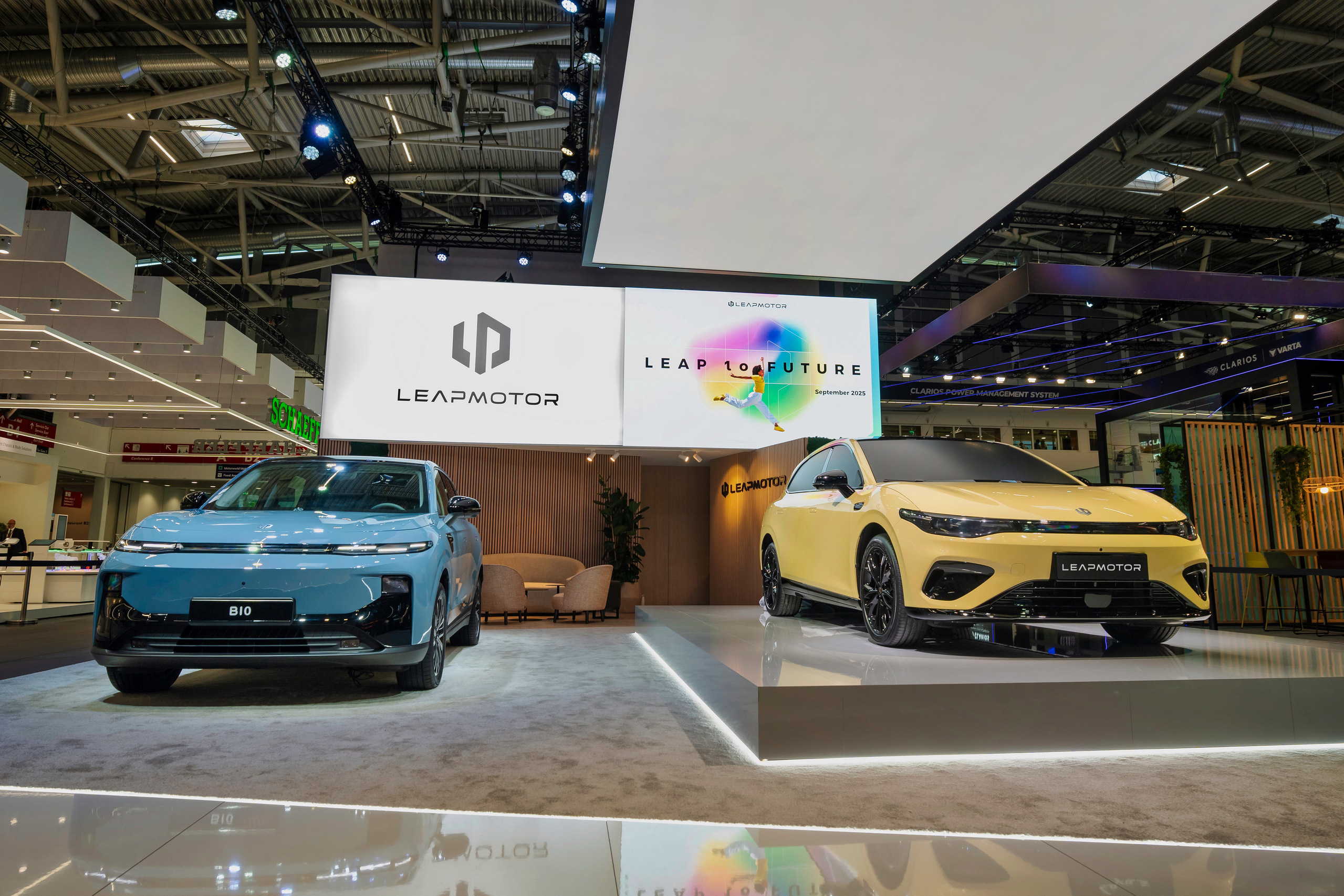
After a misstep last year in building its T03 electric city car in Poland, Leapmotor is on track to start building EVs elsewhere in Europe, this time in Spain. This will be a hugely important part of the company’s global expansion, particularly in Western markets, which has intensified since Stellantis took a major stake in it.

Leapmotor is expected to use the current Zaragoza plant operated by Stellantis, starting with the all-electric B10 from October according to the latest reports. This model is already available in Europe, but is currently being imported from China. The smaller B05 hatchback could also be built in Spain from as early as 2027.

Read: Stellantis Turns To A German Tuner For Its Chinese EV

Last year proved to be a pivotal one for the brand. Its global exports surged almost 400 percent, reaching 67,052 units, up from 13,726 in 2024. The Chinese brand’s expansion into Europe also saw local revenue jump 479 percent in 2025 compared to the year prior, hitting 5.6 billion yuan or $810 million.

Perhaps most impressive is the fact that Leapmotor posted a 538 million yuan ($78 million) net profit last year, making it just the second Chinese EV startup to post a full-year profit.

Closer Ties With Stellantis

 Stellantis Hands Chinese EV Maker A Factory To Bypass EU Import Tariffs
Leapmotor B05

With Leapmotor now stronger than ever, it has acknowledged it is “actively exploring” cooperation on cars and components with Stellantis, and is already having in-depth discussions on many important projects, Auto News reports.

Speaking on an earnings call, Leapmotor chief financial officer Li Tengfei said that a closer partnership with Stellantis will enable it to better navigate European regulations and tariff exemptions. As Bloomberg notes, establishing closer ties with Stellantis would also provide Leapmotor with more overseas opportunities, while enabling Stellantis to realize significant savings in developing new EVs by leveraging Leap’s existing EV technology.

Such a move would follow in the footsteps of VW, which is making EVs underpinned by Xpeng’s advanced EV platform. Similarly, Audi has partnered with SAIC.

\\\\\\

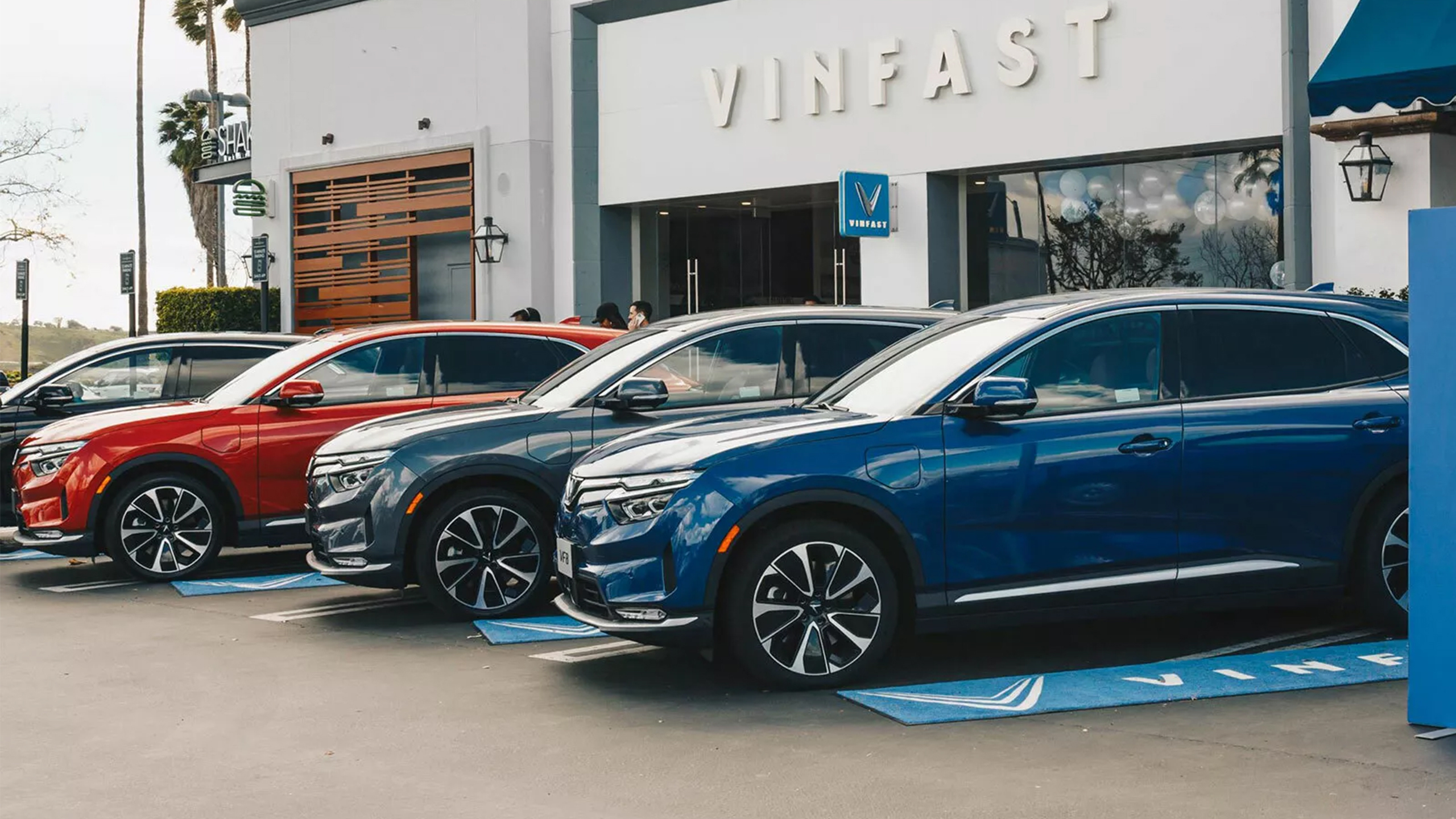
VinFast Sold Less Than 1,500 Cars In The US, So Naturally It’s Building A Factory

  • VinFast plans to recommence construction of its US plant later this year.
  • The North Carolina site could start producing electric SUVs as early as 2028.
  • VinFast more than doubled its global sales last year, delivering 196,919 cars.

The American EV market may be faltering, but that hasn’t quelled the ambitions of Vietnamese car manufacturer VinFast. In fact, it’s been revealed that work will resume at its planned North Carolina production facility later this year, after being suspended more than 18 months ago.

VinFast first announced its plans for a US production site in March 2022 and said it could start production as early as mid-2024. Before long, that date was pushed back to 2025, and then VinFast decided to pause work on the plant entirely. It seemed almost inevitable that the firm would pull out of the US entirely, having registered fewer than 1,500 cars locally last year.

Read: VinFast Hits Brakes On US Production, Now Slated To Begin In 2028

Evidently, VinFast isn’t giving up just yet. Its most recent financial earnings report reveals that construction at the North Carolina site will resume later this year and that it still plans to start production in 2028. VinFast is also planning to open factories in India and Indonesia.

Although the company’s presence in America is tiny, it has been growing elsewhere. In the fourth quarter of 2025, VinFast sold 86,557 cars, a 127 percent quarterly jump and a 63 percent increase year-over-year, Bloomberg reports. The company ended last year having sold 196,919 vehicles, more than double its 2024 figure.

Revenues Rise But Problems Remain

\\\\\\

Thanks to the surge in sales, revenue rose 138.9 percent year-on-year in the fourth quarter to 39.4 trillion dong ($1.5 billion), although it reported a Q4 net loss of 35.2 trillion dong ($1.3 billion), a 15 percent increase.

VinFast says it “continues to evaluate opportunities to expand into additional countries and regions across Europe, Asia, the Middle East and Africa,” adding its “expansion strategy is aligned with Vingroup’s broader global development approach, leveraging the Vingroup ecosystem, partnerships and capital resources to support VinFast’s international growth.”

If the company wants to be successful in the US, it’ll need to start building some more compelling cars. The VF 8 and VF 9, available locally, have been criticized since launching. Late last year, VF 8 owners sued VinFast, alleging that DC charging speeds top out at under 2 kW, despite them being promoted as supporting charge rates of 6.6 kW or higher, meaning it can take more than 24 hours for the battery to be fully charged.

 VinFast Sold Less Than 1,500 Cars In The US, So Naturally It’s Building A Factory

BMW Revises Production Plans For The iX3 Just Months After Launch

  • BMW has already secured more than 50,000 orders for the new iX3.
  • The all-electric SUV is currently being produced in Hungary.
  • Production is expected to expand to plants in China and Mexico.

It’s been just six months since BMW unveiled the second-generation iX3, and the electric SUV is already gathering significant momentum. The early response suggests the company’s new wave of EVs may be off to a strong start. Indeed, the German brand has already announced a second shift at the Debrecen plant where it’s manufactured.

During its most recent earnings report, BMW chief executive Oliver Zipse noted that production of the iX3 has been ramping up at the plant in Hungary and that European deliveries have just started. He revealed that “order books for the iX3 are full and reach well into this year,” noting it’s proving to be popular among private and fleet customers.

Read: BMW iX3 Starts Thousands Below Polestar And Audi Rivals Down Under

Zipse went on to reveal that more than 50,000 orders have been placed for the new iX3, a very impressive figure for what is the first in a new generation of EVs from BMW. At full capacity, the plant in Debrecen will be able to build up to 150,000 vehicles annually.

There’s More To Come

\\\\\\\\\

Making the demand for the iX3 particularly impressive is the fact that only a single version has been released at this stage. This model, badged the iX3 50 xDrive, has a sizeable 108 kWh battery and a pair of electric motors combining to produce 463 hp and 476 lb-ft (645 Nm) of torque. It has a class-leading driving range of up to 500 miles (805 km) and supports charging speeds of up to 400 kW.

By the time the new iX3 range has matured, the 50 xDrive is expected to be positioned in the middle of the family. Sitting below it will be 40 and 40 xDrive versions, both of which are expected to use a smaller battery pack, while also costing quite a bit less.

Sitting towards the top of the range should be an M60 model, potentially delivering upwards of 600 hp from its upgraded motors. As reported by BMW Blog, this model could then be joined by a fully-fledged M variant in late 2027, rated at more than 800 hp.

Production of the iX3 will also spread. BMW is also expected to produce it in China and in Mexico, which should give it enough capacity to meet global demand for the EV.

\\\\\\\

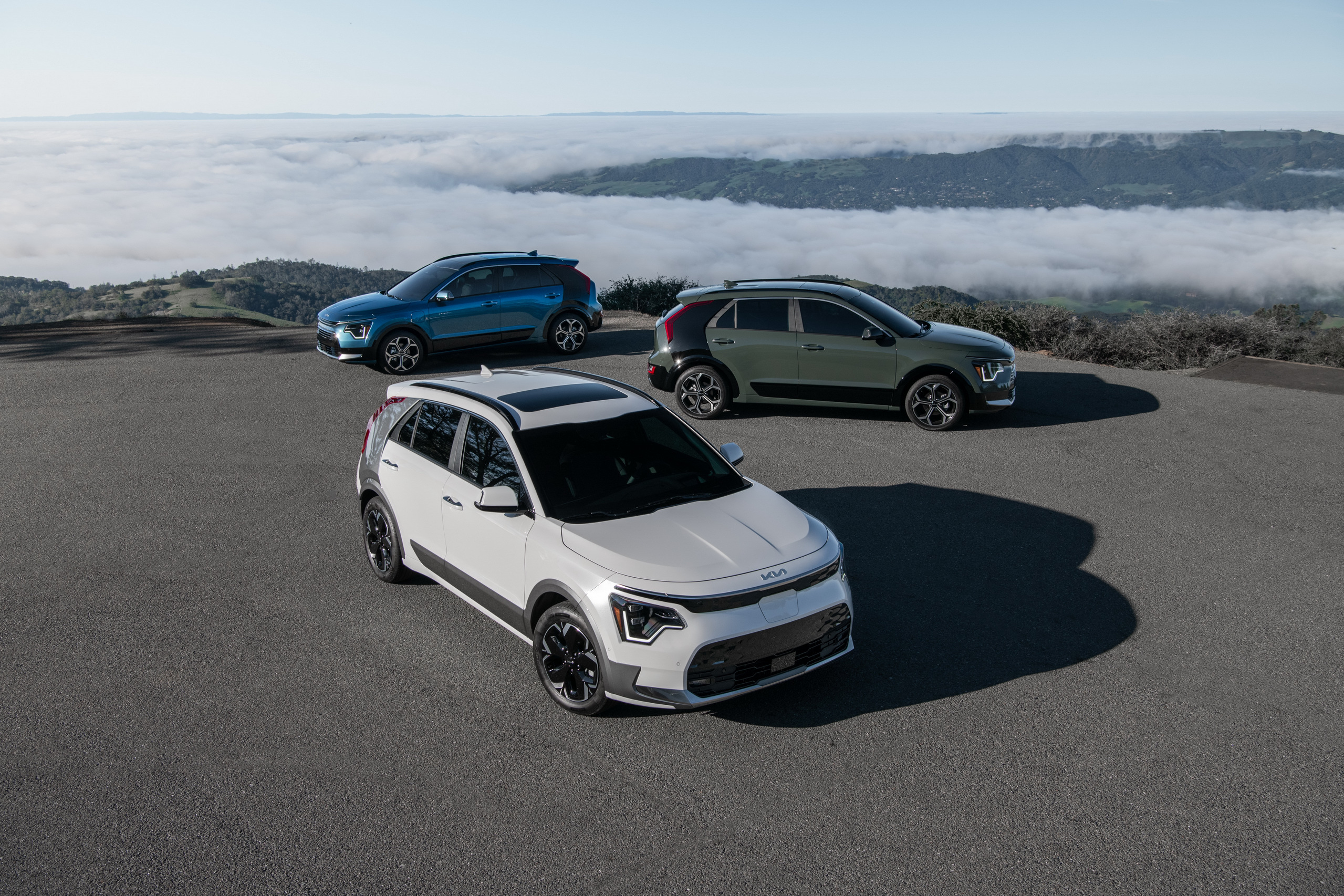
Kia Kills Niro EV In Korea, But Its Fate In America Looks Different

  • Kia has dropped the Niro EV as focus shifts to dedicated EVs.
  • The refreshed Niro will now be sold only as a hybrid in Korea.
  • Rising competition made the electric Niro harder to justify.

Update: Kia America has responded to our request for comment, telling Carscoops that “Kia America has made no formal announcement regarding the Niro EV and it remains as an important element in our lineup of ICE and electrified vehicles.” That statement suggests the discontinuation confirmed for South Korea may not apply to the U.S. market, at least for now.

Original Story Follows

The latest Kia Niro has been around for almost half of a decade. When it launched, it was unique in the segment. It had an unconventional slashed body panel at the rear and came in hybrid, PHEV, and EV versions. The plug-in died recently, and now, as a facelift nears release, the EV version is also going the way of the Dodo.

The automaker confirmed the change for the Korean market. “The Niro EV, which had been produced until the previous model, has been discontinued,” Jung Yoon-kyung, a senior marketing manager at Kia, told The Korea Herald. “We plan to sell the remaining inventory available.” Carscoops reached out to the automaker to confirm the change in the U.S. market as well.

More: Redesigned 2027 Kia Niro Desperately Wants To Be An EV3

If this is indeed the situation for the States, it won’t be all that surprising. The Niro EV has always been a bit of an oddball in the family. Unlike the other EVs in the lineup, it was designed around a gas-burning powertrain. The others, all built exclusively as EVs, feature faster charging, longer range, and better overall packaging. Some even offered all of this for less than the price of the Niro EV. That’s a key piece of the puzzle here.

 Kia Kills Niro EV In Korea, But Its Fate In America Looks Different

“Kia is strongly focusing on electrification. Starting with the EV3 and continuing through EV9, we have a range of vehicles with strong electrification capabilities and improved product competitiveness,” Yoon-kyung said. “In order to concentrate more on those models, we decided to discontinue the (Niro EV).” Those models are ones that are already set up for the U.S. market.

Now, Kia can better focus on those vehicles and streamline the Niro lineup at the same time. While we loved the Niro PHEV, EV, and Hybrid at launch, it was clear last year that they were beginning to show their age. This new shift in powertrains signals a tighter focus for the brand.

 Kia Kills Niro EV In Korea, But Its Fate In America Looks Different

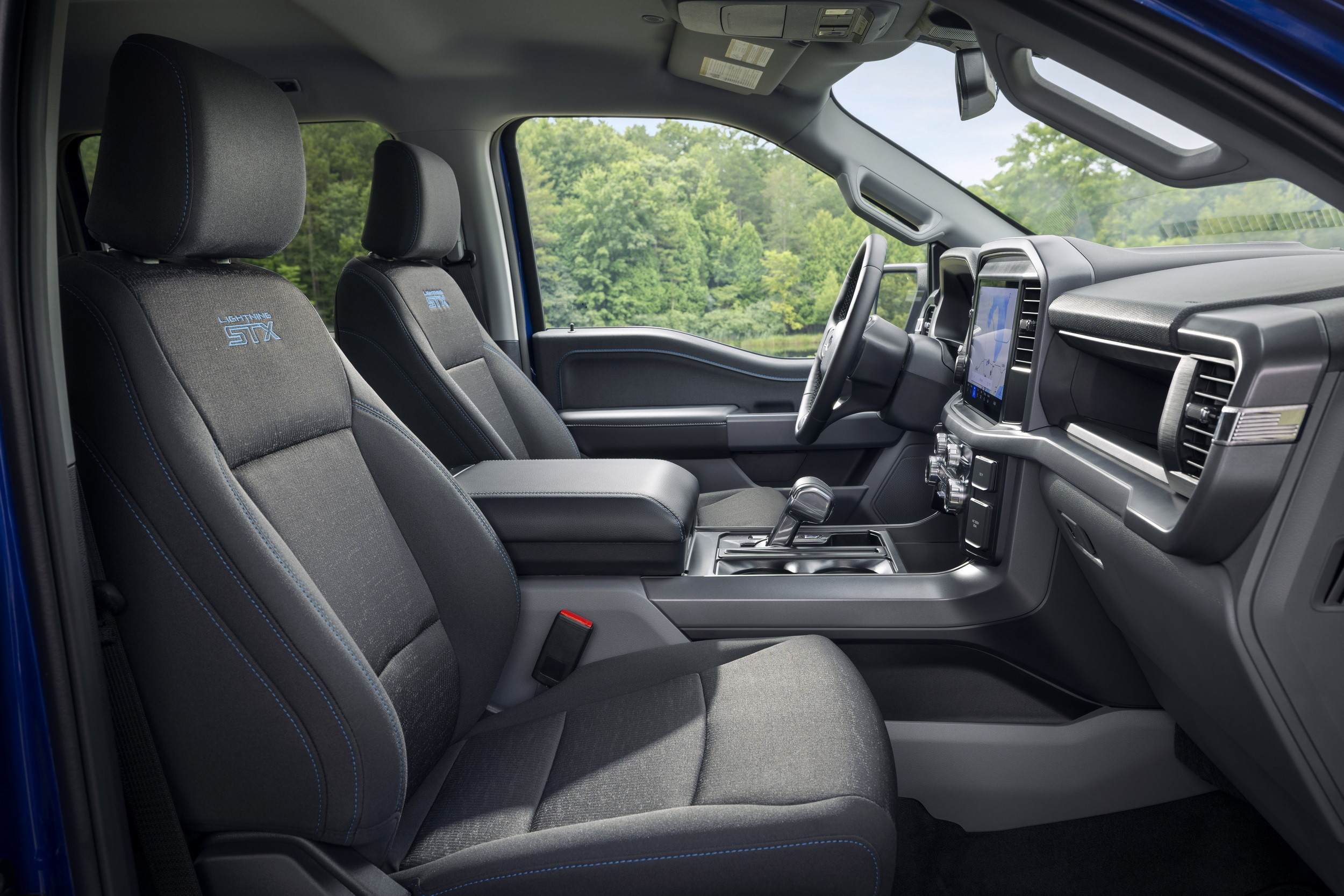
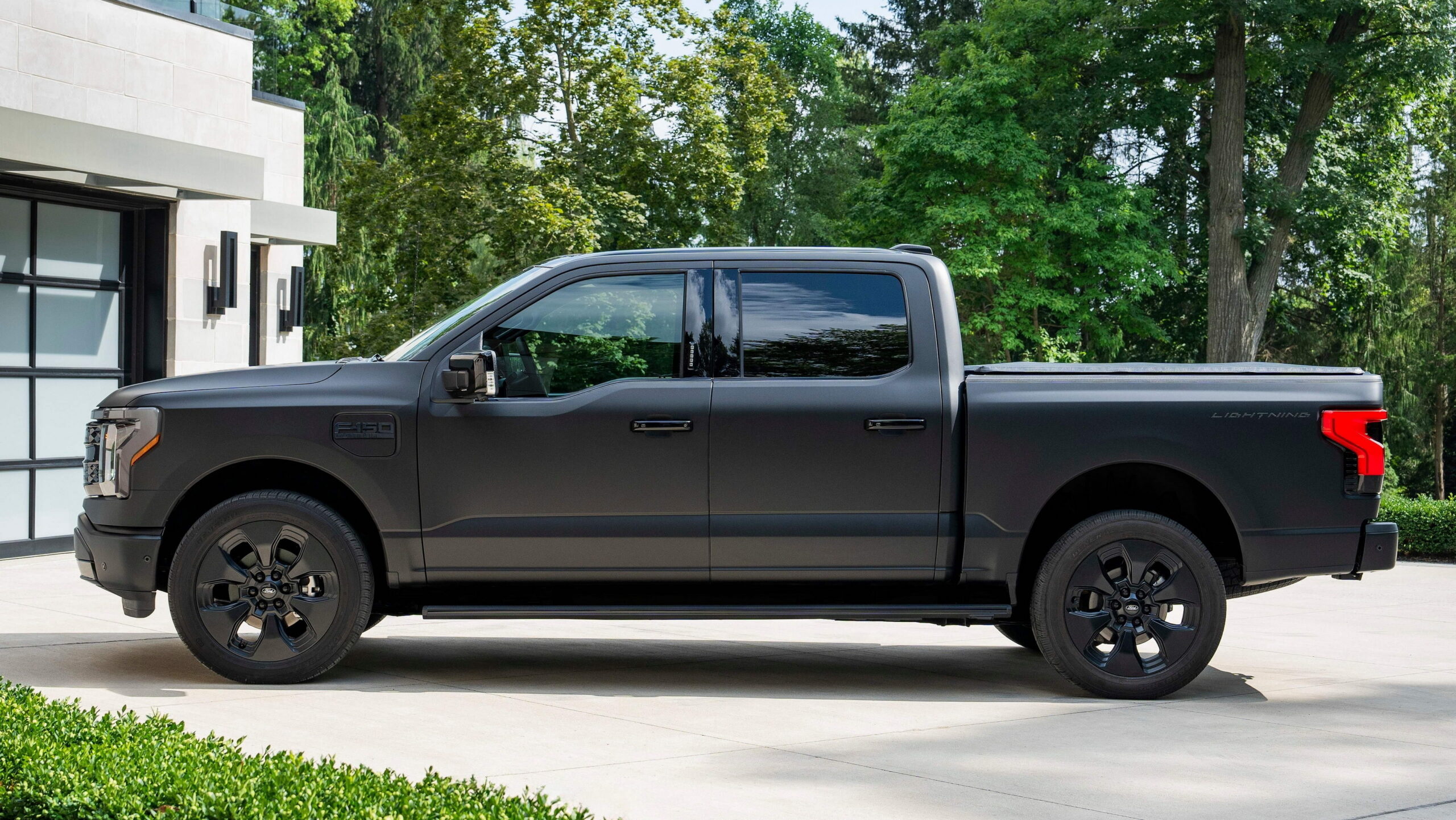
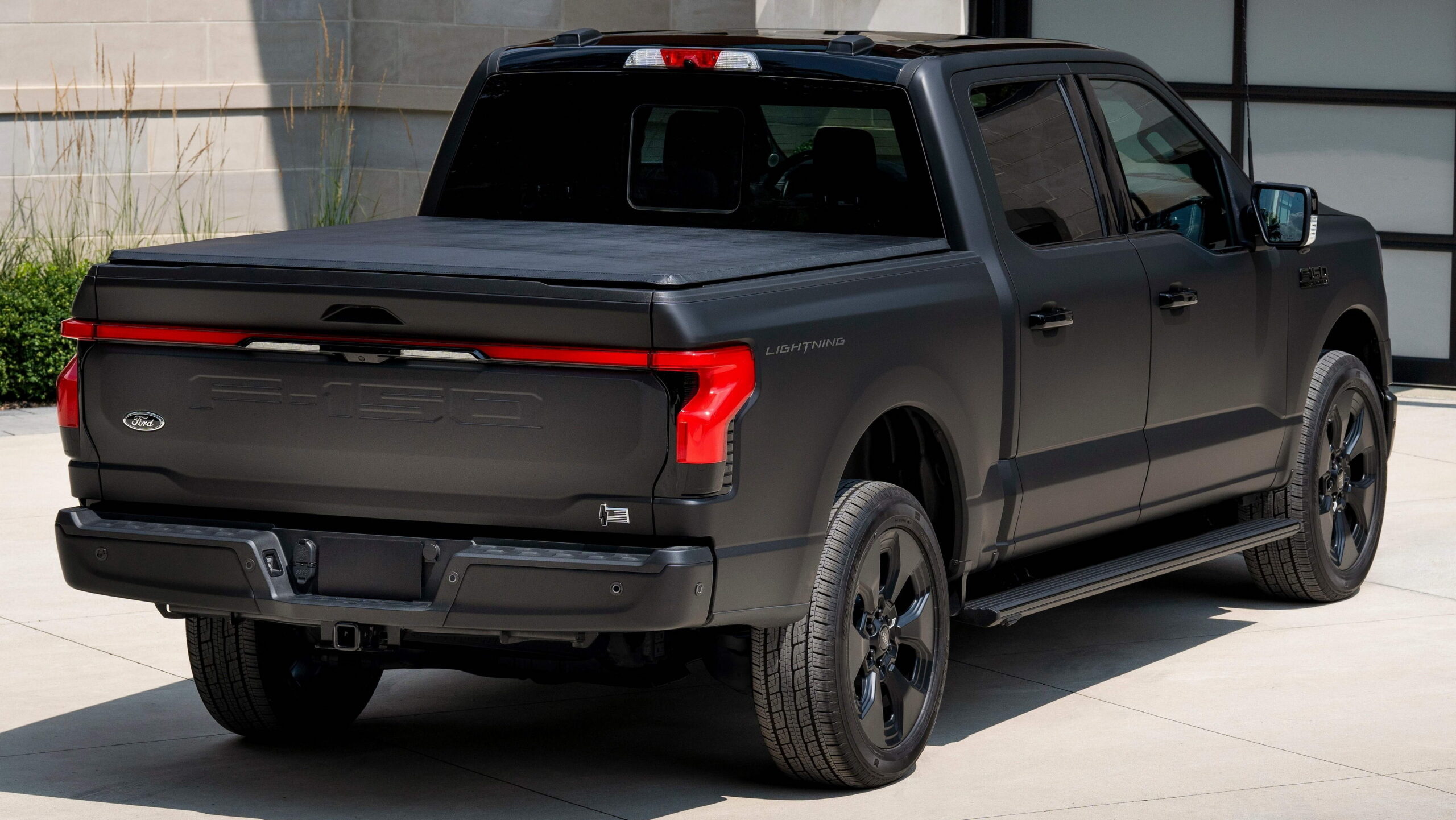
Farley Admits Ford Got The F-150 Lightning Wrong

  • Jim Farley says Ford misread post-pandemic EV demand signals.
  • The F-150 Lightning will return as a 700-mile extended-range truck.
  • Ford’s new strategy prioritizes cost control and mainstream practicality.

The last decade has seen the automotive industry tipped on its head, and it hasn’t completely righted itself even now. Ford’s CEO Jim Farley says that shift is part of what led the brand to take missteps as he now sees them around the F-150 Lightning.

Now that the brand is pivoting to an extended range version of the truck, he’s spilling details on how the first Lightning got off to a hot start and then burned out fast.

After losing billions on its first-generation electric vehicles, Ford has scrapped its next-gen electric truck, canceled multiple three-row EV crossovers, and pulled the plug on a next-generation van. All of those choices have come down to what Farley says was an initial mis-reading of the market.

More: Ford’s $30K Pickup Wants To Beat Cybertruck At Its Own Game

 Farley Admits Ford Got The F-150 Lightning Wrong

In a recent interview with CarAndDriver, he admits about the F-150 Lighting, “I totally would’ve done it differently. I mean, look, we didn’t know what we didn’t know… COVID totally was a false signal. Post-COVID, and during the chip crisis that was a result of it, there was such high demand for all vehicles. If you could build a vehicle, you were going to sell it basically at 30 or 40 percent higher prices than before COVID.”

Despite that big boom in profit, the reality was that production costs were too high to remain sustainable, says Farley. “I guess it didn’t take us long to learn that our internal-combustion-engine prejudice was so high that we hadn’t designed the [electric] cars right. We had a Mustang [Mach-E], we had an E-Transit, we had a Lightning, and people loved these products. The problem was they were never going to pay the cost we put into the vehicle.”

Tesla’s Big Assists

 Farley Admits Ford Got The F-150 Lightning Wrong

How did Farley come to this realization? As it turns out, Tesla had a hand in it.

“When we ripped apart a Tesla with Doug Field [Ford’s chief officer for EVs, digital, and design, formerly of Apple and Tesla], I was just absolutely flabbergasted,” Farley told the magazine.

“The Mach-E’s wiring harness was 70 pounds heavier and 1.6 kilometers longer. We didn’t know what was going on in [Tesla engineers’ ] minds. But now we understand. They had no prejudice. We had prejudice. We’d gone to our supply-chain person and said, ‘Buy another wiring harness.’ [Tesla] said, ‘Let’s design the vehicle for the lowest, smallest battery.’ Totally different approach.”

Read: Gas Mustang Sales Are Suddenly Surging While Its Electric Twin Is Collapsing

That shift might have played a role in Ford moving to a 48v architecture for its upcoming EV pickup. Tesla famously sent an instruction manual on building such a vehicle to Ford and other competitors. Not only does it help the brand save money on material costs, but it should also help the final product weigh less and have a longer range as a result.

While the first-gen Lightning might be something Ford wishes it could redo, it’s clear that the brand is going into the second generation with an all-new vision.

 Farley Admits Ford Got The F-150 Lightning Wrong
❌
❌