Normal view

There are new articles available, click to refresh the page.
Today — 14 April 2026Main stream

Nissan’s New Juke EV Looks More Concept Than Reality

  • The Juke EV shares its platform with the Nissan Ariya and Renault Megane E-Tech.
  • Nissan will continue selling the outgoing hybrid model alongside this new EV.
  • The new electric crossover will hit the market in the spring of 2027.

The Nissan Juke has always stood out from the crowd, sporting a unique shape that’s allowed it to remain a solid option despite competition in its segment always increasing. At its Vision event in Japan, Nissan has unveiled the third-generation Juke, and it’s even more striking than we could have predicted.

The new Juke will be sold exclusively as an EV and will be built at the brand’s British site in Sunderland, alongside the Leaf. It’s based on the CMF-EV or AmpR Medium platform used by the likes of the Renault Scenic E-Tech, Alpine A390, and Nissan Ariya, and is scheduled to launch globally in the spring of next year.

Read: Nissan’s New Rogue Wants To Take The RAV4’s Hybrid Crown

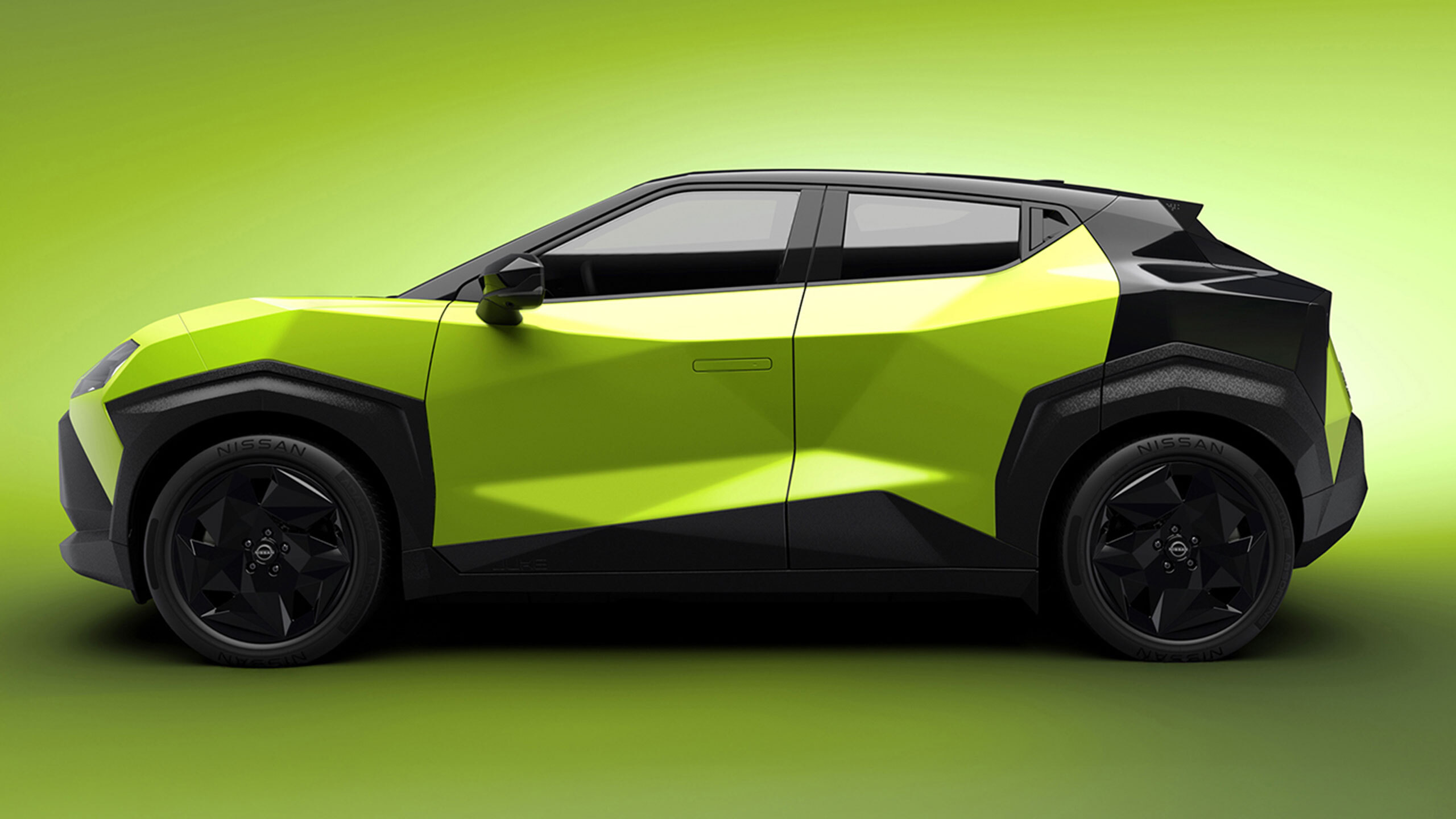
Nissan has yet to release final specifications for the Juke, nor has it released any photos of the crossover’s interior. However, it has unveiled the full exterior design, and it looks unlike any other model Nissan sells. In fact, the design is striking enough that it looks more like a concept car than one that’ll be sold to the public.

Concept Looks
 Nissan’s New Juke EV Looks More Concept Than Reality

The design is dominated by sharp and jagged lines, starting at the front with a large blacked-out grille and intriguing headlights. It’s also been showcased with angular black wheel arches, while much of the body is finished in a bright shade of green. This color really helps to highlight the profile of the Juke, particularly the wild door skins.

As with the outgoing Juke, the handles for the rear doors remain on the C-pillars. Like the front, the rear is bold with intricate LED taillights and a distinctive tailgate.

Like the current Leaf, the new Nissan Leaf EV will support vehicle-to-grid technology. The battery packs will likely mimic those of the Nissan Leaf, meaning it could be offered with 52 kWh and 75 kWh packs. Interestingly, the existing second-generation Juke isn’t going anywhere.

Despite originally planning to replace the old model with this new one, the second and third-gen versions will instead be sold alongside each other. It’s understood that Nissan will update the design of the old model to mimic the new EV.
\\\\\

Stellantis Turns A Tiny Chinese Hatch Into A Delivery Van That’s Light On The Van Part

  • The Leapmotor T03 urban EV transforms into a pint-sized van.
  • It offers a 657-liter cargo area and 220 kg payload capacity.
  • The model will hit dealers this summer, starting at €14,590.

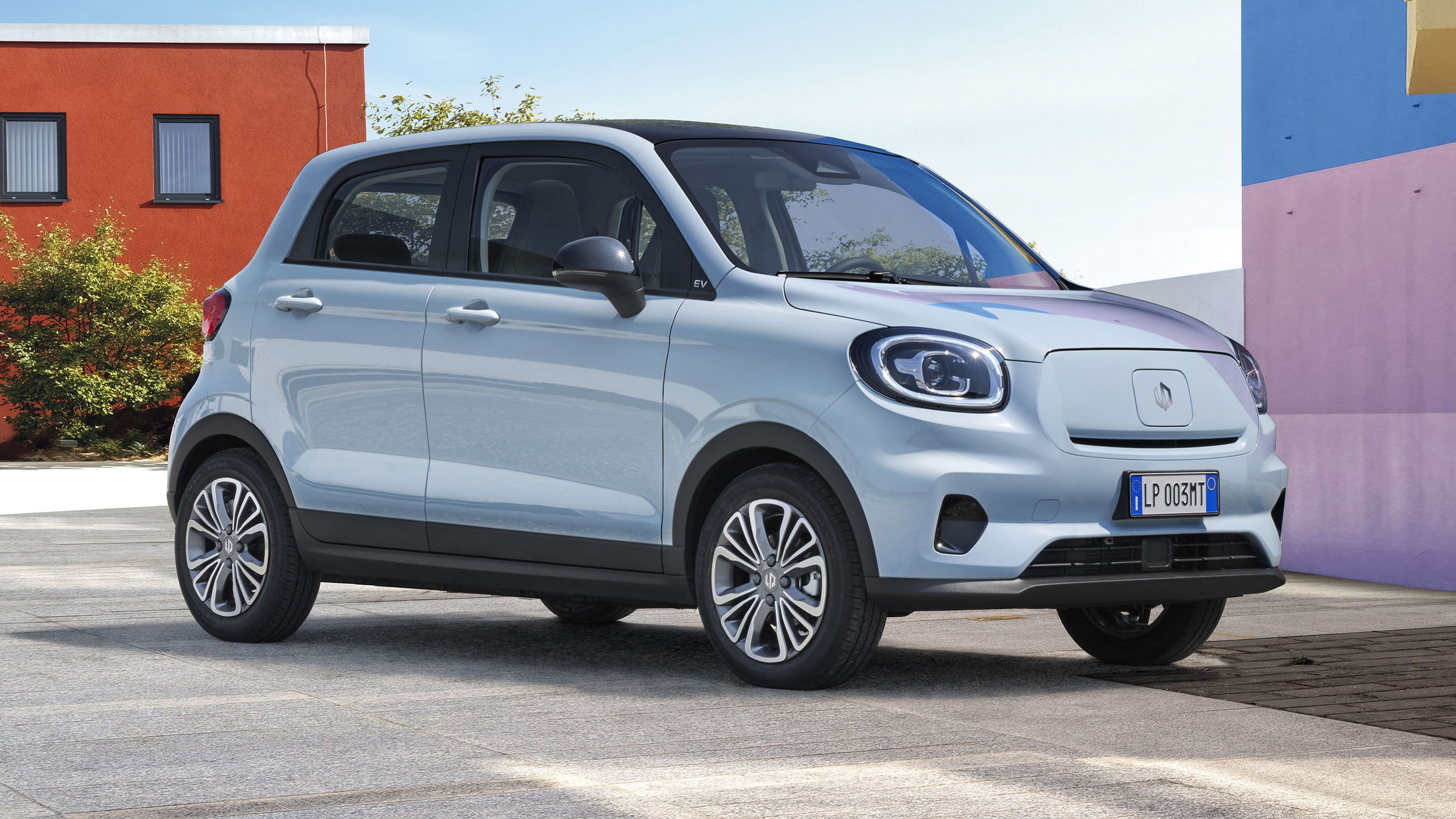
Stellantis is broadening its lineup with a slightly left-field addition, rolling out a last-mile delivery vehicle for Europe through its Leapmotor joint venture, based on the tiny T03. Its compact footprint makes it well suited to the cramped streets of Europe’s city centers, backed by a zero-emission powertrain and pricing pitched to keep fleet buyers interested.

As with most LCV conversions of existing models, the T03 has been reworked into a two-seat van. The rear bench is gone, replaced by a 657 lt (23.2 cubic feet) cargo area. Access comes via the tailgate and rear doors, though the openings are predictably tight.

More: This Leapmotor Packs Lamborghini Huracan Power Into A $38K Family SUV

Payload is less convincing. It is rated at just 220 kg (485 lbs), which limits what it can realistically carry. Then again, this is more about parcels and city drops than shifting bags of cement, so for its intended job, it may be enough.

\\\\\\\\\\\

Inside, it’s better equipped than you’d expect from something pitched at delivery duty. You get an 8-inch digital instrument cluster, a 10.1-inch infotainment touchscreen, and a full suite of ADAS features.

More: Opel And Alfa Romeo’s Next EVs May Be Built Around Chinese Tech, Not German Or Italian

On the outside, the five-door hatchback is unchanged from the standard Leapmotor T03, measuring 3,620 mm (142.5 inches) long. The LCV version sets itself apart with 15-inch steel wheels finished in black, while the color choices are limited to Caribbean Blue, Light White, and Canopy Grey.

Power comes from a single electric motor producing 95 hp (70 kW) and 158 Nm (116.5 lb-ft) of torque, identical to the passenger model. A 37.3 kWh battery delivers up to 256 km (159 miles) of WLTP range, with support for 45 kW DC fast charging.

\\\\\\

According to Stellantis, “production finalization” for European markets will take place at the Mirafiori plant in Turin. In reality, that likely means the LCV conversion is handled there, as the Leapmotor T03 itself continues to be built in Jinhua, China, after plans for production at the Tychy plant in Poland were quietly dropped.

More: Stellantis’ Plan For Canada Looks Less Like A Car Factory And More Like A Chinese IKEA, Says Official

Orders for the Leapmotor T03 LCV will open in select EU markets later this month, with the first deliveries expected to land this summer.

Pricing starts at €14,590 ($17,100) excluding VAT, putting it among the most affordable commercial vehicles on sale in Europe. Stellantis is not new to the small EV game either, already offering an LCV version of the even smaller Citroen Ami heavy quadricycle.

 Stellantis Turns A Tiny Chinese Hatch Into A Delivery Van That’s Light On The Van Part
The standard Leapmotor T03.

Tesla’s FSD Was Branded Controversial, But Dutch Safety Regulators Called It The Safest System In The Test

  • Owners in the Netherlands will soon be able to use Tesla’s FSD system.
  • The Dutch safety agency will now submit FSD for EU-wide approval.
  • Tesla’s FSD system was found to outperform other driver assistance systems.

Tesla’s controversial Full Self-Driving system has received the green light for use in the Netherlands, and this could just be the start of its expansion across Europe. The decision comes after more than 18 months of tests and analysis by the RDW, the Dutch vehicle authority.

The most recent version of Tesla’s supervised FSD system “makes a positive contribution to road safety,” the RDW said. Now that it has the agency’s approval, Tesla says it will soon start rolling out the technology across the Netherlands, allowing owners to experience hands-free driving in both urban and highway settings.

Read: Feds Expand Tesla FSD Investigation After Visibility Failures

Even more important than the system’s approval for use in the Netherlands is that the RDW’s approval means it can be introduced across all European Union member states at a later date.

Before this happens, however, RDW must submit the application for authentication across the entire region, and all member states must vote on it. A majority vote is needed for the system to be approved EU-wide, and even if a majority is not achieved, individual countries can still decide to approve the system, Reuters notes.

Tackling The Country’s Most Difficult Roads

Smooth https://t.co/zJdymUNkcm

— Elon Musk (@elonmusk) April 12, 2026

Since the approval, Tesla has flooded its X account with videos of the FSD Supervised system being tested in the Netherlands. Importantly, the RDW noted that “a vehicle with FSD Supervised is not self-driving,” pointing out that “the driver remains responsible and must always maintain control.”

“The Tesla driver assistance system supports the driver more than other systems because it takes over multiple driving tasks when it is switched on,” the agency said in a statement. It added that “due to the continuous strict monitoring of the driver in the vehicle, the system is safer than other driver assistance systems,” noting it was tested both on test tracks and on public roads.

If a driver is consistently found to be not fully alert while behind the wheel, the system will trigger various signals to catch their attention. In extreme cases, the system can shut down and temporarily be prevented from switching back on.

Passed the 🇳🇱 wife test @aelluswamy ! pic.twitter.com/zpZqTR1DkD

— Sander Smit (@Sandersmit83) April 12, 2026

Ford’s New Electric Van Looks Exactly Like An Undercover Cop Car

  • Ford has morphed the Explorer EV into a commercial vehicle in Europe.
  • A fixed bulkhead has been added behind the front seats to boost space.
  • The Explorer Van is equipped with black steelies sporting yellow lug nuts.

This may look just like a base-level Ford Explorer EV, but thanks to some modifications, the all-electric SUV is now considered a commercial vehicle in Europe and has been rebadged the Explorer Van. While it may look like an undercover police car in America, it’s designed to carry things around, just like a Transit, albeit on a much smaller scale.

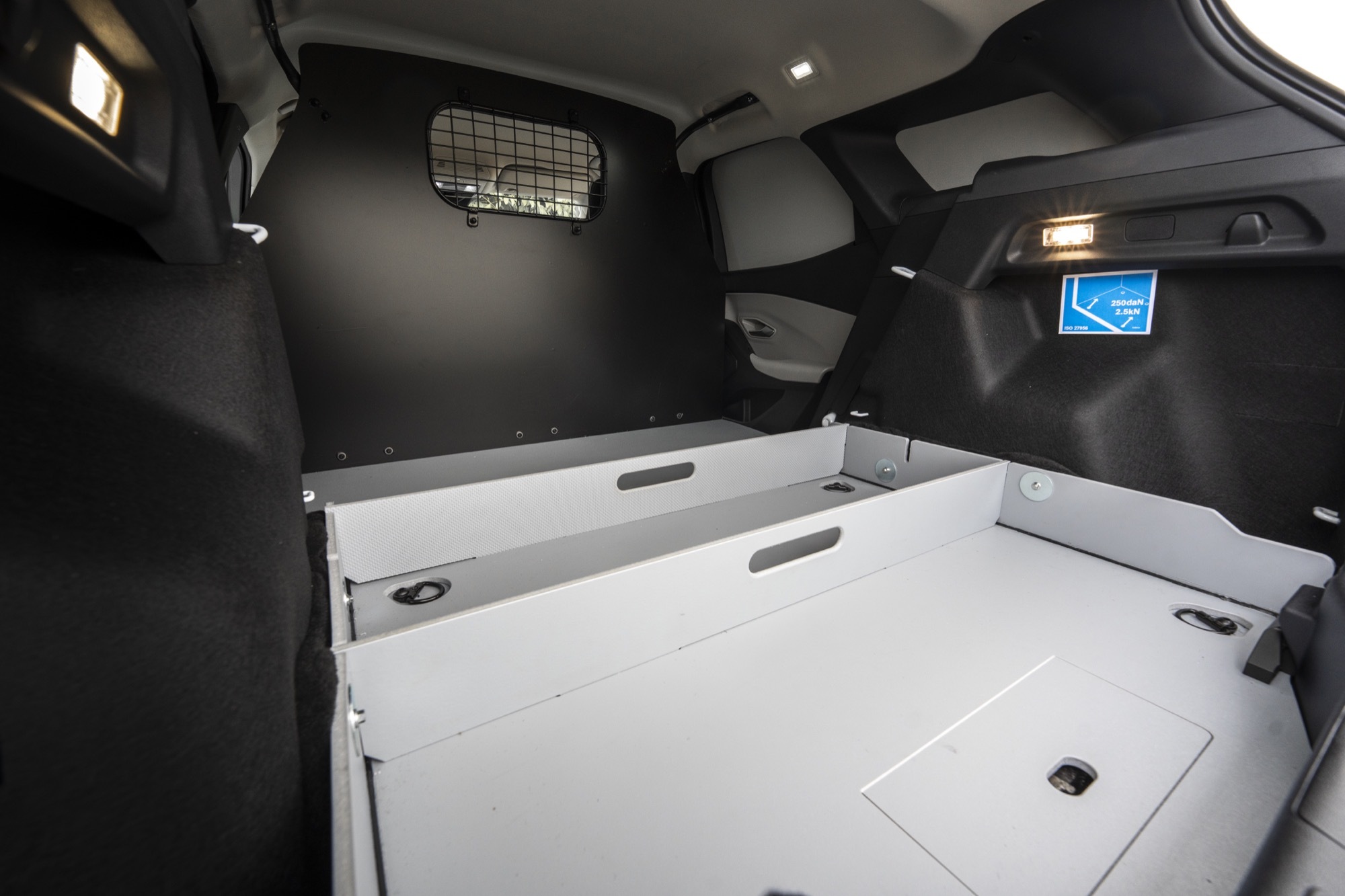
What starts out as a regular Explorer EV has been modified by Ford Pro’s Dagenham Conversion Centre in the UK and has been equipped with a permanent bulkhead behind the front seats, meaning it’s now considered a commercial vehicle rather than a passenger car. This offers purchasers important tax advantages and could prove popular among fleet buyers.

Read: Ford’s Electric Explorer Fixes Two Of Its Biggest Early Weaknesses

\\\\

Beyond the inclusion of a new bulkhead, the Ford Explorer Van features a flat floor to maximize storage capacity, with several hooks and adjustable dividers. Those seeking even more practicality can order the EV with a Utility Pack, adding frunk storage, a roof rack, seat covers, and rear window mesh.

Ford also offers the stripped-down Explorer Van with a Commercial Pack that includes an amber lightbar, a tailgate work camp, and tailgate beacons, as well as a Welfare Pack with a fire aid kit and an eye washing and hand sanitizer station.

\\\

Without a doubt, the most intriguing element of the EV is the simple, blacked-out steel wheels with bright yellow lug nuts. Add some blue and red lights and upgraded bumpers, and you’d have the perfect undercover SUV.

Two different powertrains are on offer. The base model is equipped with a rear-mounted electric motor delivering 282 hp and capable of towing up to 2,204 lbs (1,000 kg). An all-wheel drive version is also offered, complete with 335 hp and an improved 2,645 lbs (1,200 kg) towing rating. The rear-motor version can drive up to 374 miles (602 km) on a single charge, but no range figure has been announced for the dual-motor version just yet.

\\\\\\
Yesterday — 13 April 2026Main stream

Ford’s New Electric Van Looks Like An Undercover American Cop Car

  • Ford has morphed the Explorer EV into a commercial vehicle in Europe.
  • A fixed bulkhead has been added behind the front seats to boost space.
  • The Explorer Van is equipped with steel black wheels with yellow lug nuts.

This may look just like a base-level Ford Explorer EV, but thanks to some modifications, the all-electric SUV is now considered a commercial vehicle in Europe and has been rebadged the Explorer Van. While it may look like an undercover police car in America, it’s designed to carry things around, just like a Transit, albeit on a much smaller scale.

What starts out as a regular Explorer EV has been modified by Ford Pro’s Dagenham Conversion Centre in the UK and has been equipped with a permanent bulkhead behind the front seats, meaning it’s now considered a commercial vehicle rather than a passenger car. This offers purchasers important tax advantages and could prove popular among fleet buyers.

Read: Ford’s Electric Explorer Fixes Two Of Its Biggest Early Weaknesses

Beyond the inclusion of a new bulkhead, the Ford Explorer Van features a flat floor to maximize storage capacity, with several hooks and adjustable dividers. Those seeking even more practicality can order the EV with a Utility Pack, adding frunk storage, a roof rack, seat covers, and rear window mesh.

 Ford’s New Electric Van Looks Like An Undercover American Cop Car

Ford also offers the stripped-down Explorer Van with a Commercial Pack that includes an amber lightbar, a tailgate work camp, and tailgate beacons, as well as a Welfare Pack with a fire aid kit and an eye washing and hand sanitizer station. Without a doubt, the most intriguing element of the EV is the simple, blacked-out steel wheels with bright yellow lug nuts. Add some blue and red lights and upgraded bumpers, and you’d have the perfect undercover SUV.

Two different powertrains are on offer. The base model is equipped with a rear-mounted electric motor delivering 282 hp and capable of towing up to 2,204 lbs (1,000 kg). An all-wheel drive version is also offered, complete with 335 hp and an improved 2,645 lbs (1,200 kg) towing rating. The rear-motor version can drive up to 374 miles (602 km) on a single charge, but no range figure has been announced for the dual-motor version just yet.

\\\\\\\\\\\\\
Before yesterdayMain stream

Opel And Alfa Romeo’s Next EVs May Be Built Around Chinese Tech, Not German Or Italian

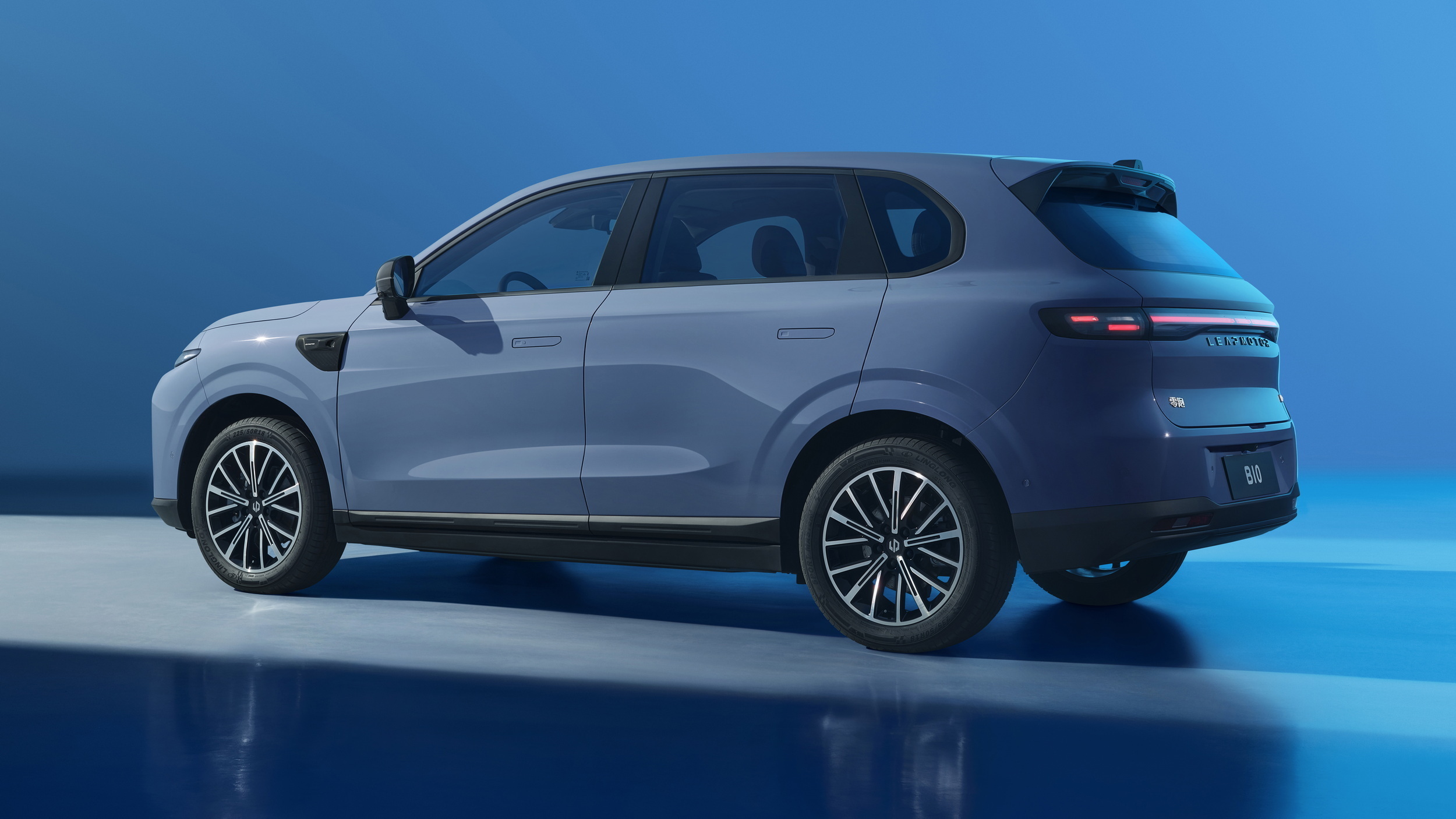
  • A new Opel EV may be built at a Spain plant alongside the Leapmotor B10 model.
  • Leapmotor is expected to supply key electrical and electronic parts to Stellantis.
  • Stellantis aims to deepen its ties after buying a 20 percent stake in the company.

Facing mounting pressure to cut costs and speed up timelines, Stellantis is looking beyond its own engineering bench. The automaker is reportedly exploring a plan to co-develop a new EV for Opel, and possibly Alfa Romeo too, with Leapmotor, leaning heavily on the Chinese firm’s underlying technologies.

Read: Stellantis’ Plan For Canada Looks Less Like A Car Factory And More Like A Chinese IKEA, Says Official

The move comes as Stellantis recalibrates its EV strategy following a $25 billion writedown tied to scaling back parts of its electric vehicle roadmap.

China-Based Development Plans

Unnamed sources claim that the new Opel could use the same architecture as the Leapmotor B10. Whether it will share the exact same powertrain remains unclear, but Leapmotor is expected to supply key systems, including electrical and electronic components, effectively doing much of the heavy lifting under the skin.

In addition, much of the development work would take place in China, with Opel focusing primarily on exterior design. Reuters reports that discussions between the two companies began late last year, and a deal could be finalized in the coming weeks.

Stellantis acquired a 20 percent stake in Leapmotor in 2023 and has since supported the brand’s international expansion through their joint venture, Leapmotor International. This entity oversees sales and production outside China. If approved, the new Opel SUV would be built at Stellantis’ Zaragoza plant in Spain, which is also set to assemble the Leapmotor B10 starting later this year.

An Alfa Romeo Next?

 Opel And Alfa Romeo’s Next EVs May Be Built Around Chinese Tech, Not German Or Italian

It is understood that the new Opel could enter production in 2028, with annual output targeted at around 50,000 units. Leapmotor has responded cautiously to the reports, noting that it continues discussions with partners, including Stellantis, but has no plans for full platform-level collaboration. Instead, it remains focused on supplying its own in-house components.

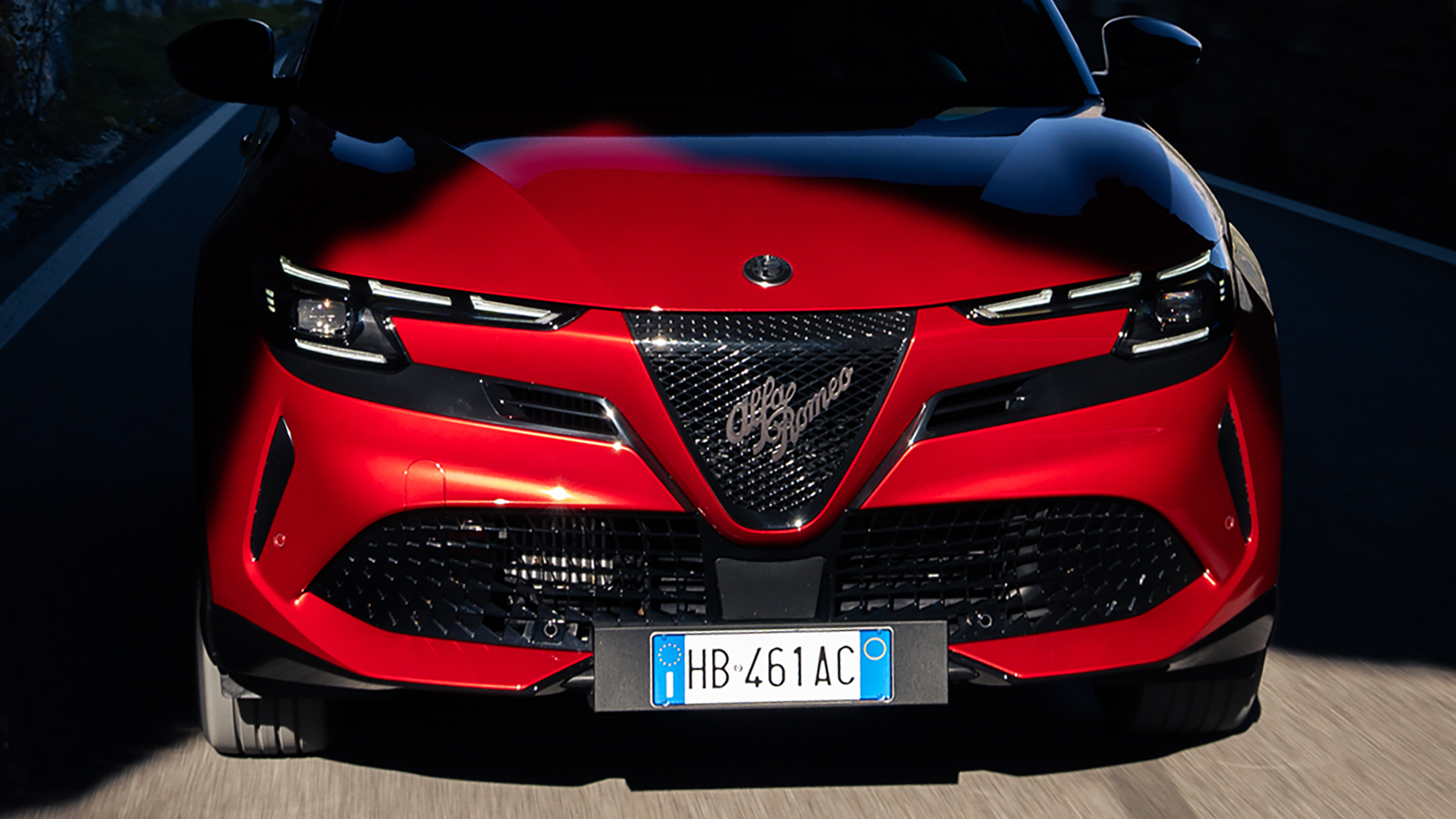
The close-knit partnership between Stellantis and Leapmotor may extend beyond a single Opel EV. Early discussions have considered applying Leapmotor’s technology to smaller A-segment models, which would likely require separate production lines. The same report also points to a possible Alfa Romeo model based on the B10 architecture, which could also be produced in Zaragoza.

 Opel And Alfa Romeo’s Next EVs May Be Built Around Chinese Tech, Not German Or Italian

The Chinese Luxury Brand Mercedes Helped Create Is Now Coming For Mercedes’ European Buyers

  • The Z9 GT Shooting Brake makes 1,139 hp in EV guise, hitting 62 mph in 2.7 seconds.
  • A PHEV variant offers 126 miles of electric range and a combined total of 500 miles.
  • BYD plans 3,000 European charging stations within 12 months alongside the launch.

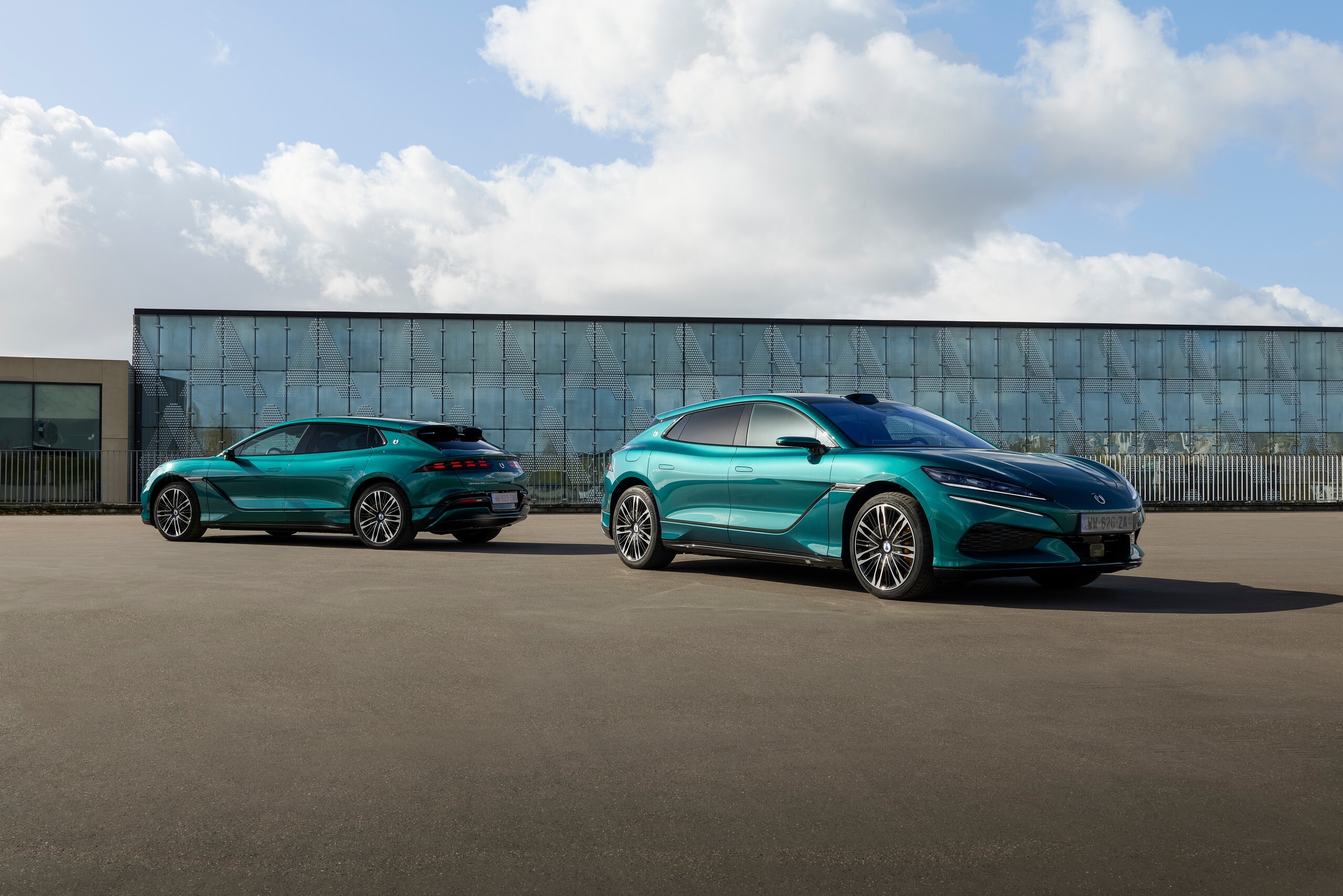
BYD isn’t content with its core brand competing against the world’s biggest carmakers. It has now launched its premium Denza brand in Europe. There’s a certain irony here, as Denza was originally created as a joint venture between BYD and Mercedes-Benz owner Daimler, blending Chinese EV expertise with German premium know-how. It was established in 2010 before Mercedes-Benz gradually stepped back and exited entirely in 2024.

The rollout begins in Germany, France, Italy, Spain, and the UK, with two key models leading the way. By the end of 2026, Denza is expected to be present in 30 countries across the continent.

Also: BYD Says Five-Minute Charging Adds 310 Miles, BMW Says Read The Fine Print

Those opening acts are the D9 DM-i minivan and the Z9GT Shooting Brake. The D9 leans on a plug-in hybrid setup, while the Z9GT gives buyers a choice between full electric and plug-in hybrid power. Their arrival also lines up with BYD’s wider push to roll out its Flash Charging system internationally. Over the next 12 months, the company aims to install 3,000 charging stations across Europe, with another 3,000 planned for markets beyond China.

 The Chinese Luxury Brand Mercedes Helped Create Is Now Coming For Mercedes’ European Buyers

Denza has already been selling the Z9GT Shooting Brake in China for quite some time, and it’s one of the country’s most intriguing family cars. Based on the firm’s e3 Platform, the all-electric model uses a sizeable 122.49 kWh battery pack, a front motor with 308 hp (230 kW) and 302 lb-ft (410 Nm) of torque, as well as two 416 hp (310 kW) and 295 lb-ft (400 Nm) motors at the rear axle, giving it a combined 1,139 hp (850 kW) and 892 lb-ft (1,210 Nm) of torque.

Read: BYD’s Premium Z Sports Car Is Gunning Straight For Porsche’s Pride

The sprint to 62 mph (100 km/h) is dealt with in just 2.7 seconds, and the top speed is 167 mph (269 km/h), more than enough for high-speed cruising on the German Autobahn. The EV has a quoted WLTP driving range of 372 miles (599 km), and thanks to BYD’s 1,500 kW Flash Charging system, it charges from 10-70 percent in five minutes and 10-97 percent in nine minutes.

A High-Powered Plug-In

\\\\\

The plug-in hybrid version uses a 2.0-liter turbocharged four-cylinder engine producing 170 hp (127 kW) and 236 lb-ft (320 Nm), along with a 268 hp (200 kW) front motor and two 248 hp (185 kW) rear motors producing 266 lb-ft (360 Nm) each, resulting in a combined output of 765 hp (570 kW) and 763 lb-ft (1,035 Nm).

More: BYD Boss Brags Z9 GT Is ‘Ten Times Better’ Than Premium Euro Rivals

It also features a sizeable 63.82 kWh battery and can travel 126 miles (203 km) on all-electric power, or 500 miles (805 km) when combined with the engine. It needs just 3.6 seconds to hit 62 mph (100 km/h) and tops out at 161 mph (259 km/h).

Both versions come standard with carbon ceramic brakes and include rear-wheel steering. They also included BYD’s advanced DiSUS-A dual-chamber air suspension system and can tow up to 2,000 kg (4,409 lbs). A rear-wheel-drive-only version of the electric Z9 GT will launch later this year, boasting greater driving range.

\\\

The D9 DM-i minivan features a plug-in hybrid, all-wheel-drive powertrain delivering up to 130 miles (209 km) of electric-only range and a combined range of 590 miles (950 km). It also supports BYD’s Flash Charging technology.

Market-specific pricing for the new Denza models has yet to be announced, though details are expected to follow shortly.

\\\\\\\\\\\\\

Denza Lands In Europe To Shake Up The EV Segment

  • The Z9GT Shooting Brake churns out a massive 1,139 hp in EV guise.
  • A plug-in hybrid version with a 63.82 kWh battery is also offered.
  • Joining the sleek Z9GT Shooting Brake is Denza’s D9 DM-i minivan.

Not satisfied with its namesake brand expanding worldwide and rivaling some of the world’s largest car manufacturers, BYD has officially launched its premium Denza brand in Europe. Bringing with it two compelling models, the firm is initially launching in Germany, France, Italy, Spain, and the UK, but by the end of 2026, it will be present in 30 countries across the continent.

The two models launched are the D9 DM-i minivan and the Z9GT Shooting Brake. The D9 is a plug-in hybrid, while the Z9GT is offered in all-electric and plug-in hybrid guises, and the launch of both models coincides with BYD’s planned international rollout of its new Flash Charging system. Within the next 12 months, it plans to establish 3,000 stations in Europe and 3,000 others in markets outside of China.

Read: BYD’s Premium Z Sports Car Is Gunning Straight For Porsche’s Pride

Denza has already been selling the Z9GT Shooting Brake in China for quite some time, and it’s one of the country’s most intriguing family cars. Based on the firm’s e3 Platform, the all-electric model uses a sizeable 122.49 kWh battery pack, a front motor with 308 hp (230 kW) and 302 lb-ft (410 Nm) of torque, as well as two 416 hp (310 kW) and 295 lb-ft (400 Nm) motors at the rear axle, giving it a combined 1,139 hp (850 kW) and 892 lb-ft (1,210 Nm) of torque.

The sprint to 62 mph (100 km/h) is dealt with in just 2.7 seconds, and the top speed is 167 mph (269 km/h), more than enough for high-speed cruising on the German Autobahn. The EV has a quoted WLTP driving range of 372 miles (599 km), and thanks to BYD’s 1,500 kW Flash Charging system, it charges from 10-70 percent in five minutes and 10-97 percent in nine minutes.

A High-Powered Plug-In

\\\\\

The plug-in hybrid version uses a 2.0-liter turbocharged four-cylinder engine producing 170 hp (127 kW) and 236 lb-ft (320 Nm), along with a 268 hp (200 kW) front motor and two 248 hp (185 kW) rear motors producing 266 lb-ft (360 Nm) each, resulting in a combined output of 765 hp (570 kW) and 763 lb-ft (1,035 Nm). It also features a sizeable 63.82 kWh battery and can travel 126 miles (203 km) on all-electric power, or 500 miles (805 km) when combined with the engine. It needs just 3.6 seconds to hit 62 mph (100 km/h) and tops out at 161 mph (259 km/h).

Both versions come standard with carbon ceramic brakes and include rear-wheel steering. They also included BYD’s advanced DiSUS-A dual-chamber air suspension system and can tow up to 2,000 kg (4,409 lbs). A rear-wheel-drive-only version of the electric Z9 GT will launch later this year, boasting greater driving range.

The D9 DM-i minivan is equipped with a plug-in hybrid, all-wheel drive powertrain offering 130 miles (209 km) of electric driving range, and a combined driving range of 590 miles (950 km). It also supports BYD’s Flash Charging technology.

Market-specific pricing details for the new Denza models have yet to be announced, but are expected to be confirmed soon.

Denza D9 DM-i
\\\
Denza Z9GT Shooting Brake
\\\\\\\\\\\\\

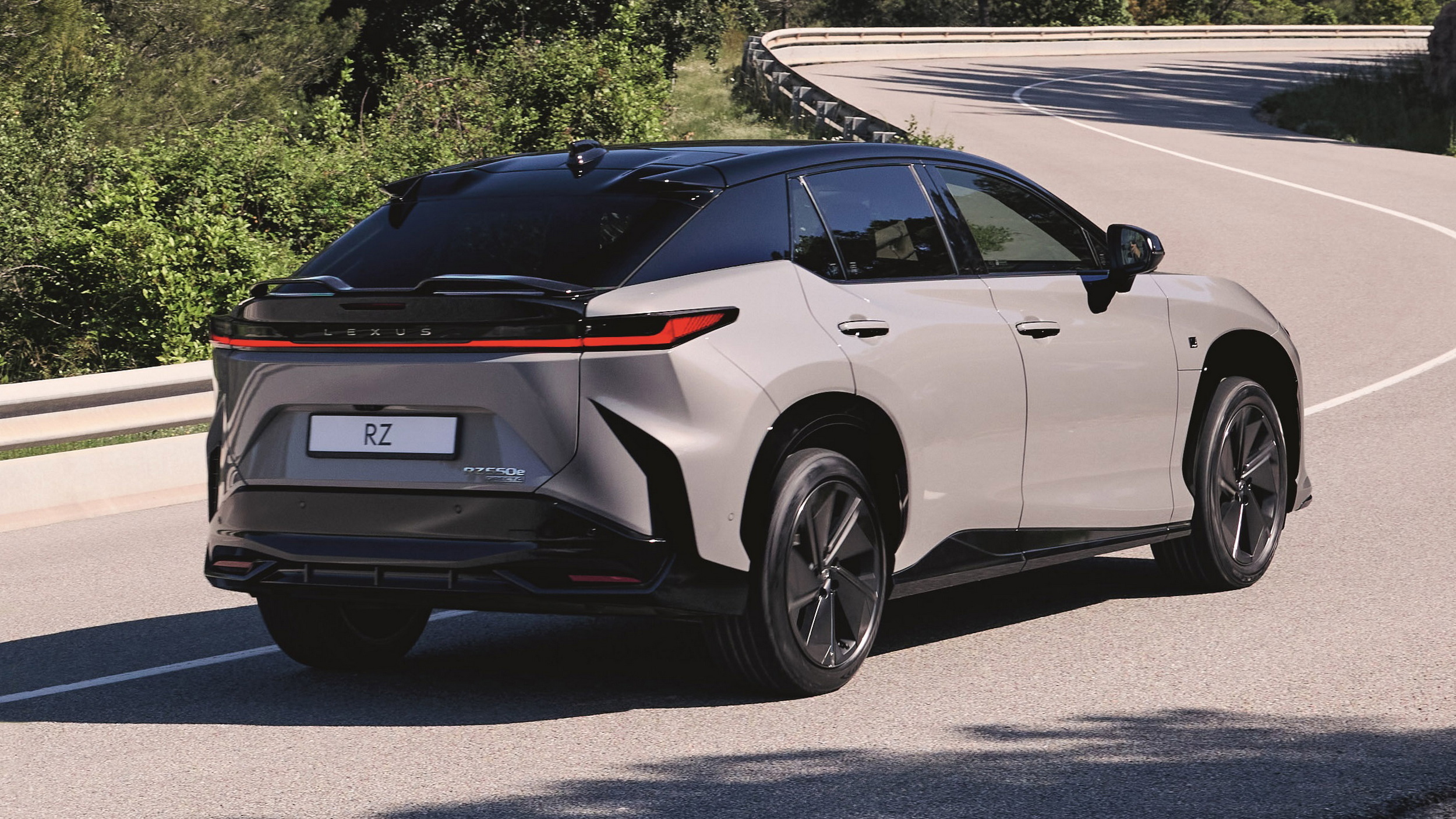
Lexus Cures Europe’s EV Engagement Problem With Fake Gears And Half A Steering Wheel

  • Lexus brings its Interactive Manual Drive system to European RZ models this spring.
  • The setup simulates eight gears via paddles, complete with torque interruptions.
  • F Sport trims also gain steer-by-wire using a yoke with a 200-degree lock-to-lock ratio.

Lexus is bringing its Interactive Manual Drive system to Europe, following its debut in Japan. The technology simulates a manual gearshift feel in an electrified powertrain, giving drivers a sense of mechanical engagement the brand says was lost in the transition away of combustion.

The system comes standard on F Sport trims of the updated Lexus RZ, which was detailed in Europe exactly one year ago, with first deliveries scheduled to begin this spring. Earlier prototypes previewed in 2022 featured a physical clutch and gear lever, but the production version leans heavily on software, making it closer in feel to a simulated automatic than a real manual.

More: Lexus Quietly Killed Its Smallest EV, And Hardly Anyone Noticed

Using steering-wheel-mounted paddle shifters, drivers can cycle through eight virtual gears, with a digital tachometer indicating optimal shift points. They can also choose between three levels of synthetic engine sound, each synced to the simulated gear changes.

Similar to the Honda Prelude’s S+ Shift gear system, it goes further than just noise. The setup calculates virtual torque based on throttle input and vehicle speed, then feeds that back through the drivetrain. The result is an illusion of real shifts, complete with torque interruptions, engine braking, and even a hint of G-force nudging you along. At least, that’s the theory Lexus is selling.

 Lexus Cures Europe’s EV Engagement Problem With Fake Gears And Half A Steering Wheel

Lexus is not alone in attempting to bring a more engaging gear-changing experience to electrified models. Similar systems are already offered by other automakers, including Hyundai with the fully electric Ioniq 5 N.

Steer-By-Wire

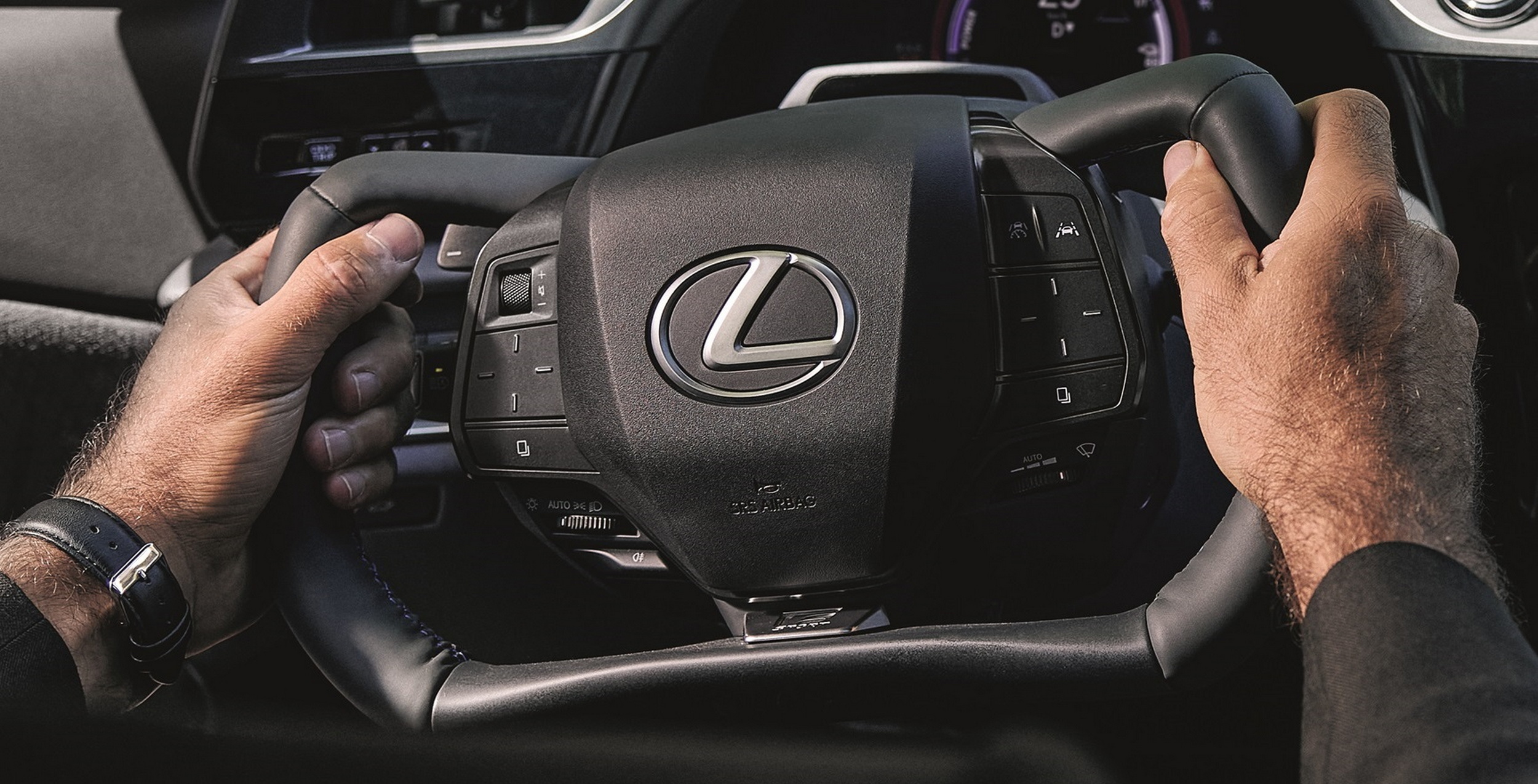
Lexus is also introducing its steer-by-wire system in Europe after years of delays. Standard on F Sport models and optional on the rest of the lineup, it replaces the mechanical steering column with a yoke-style controller and a fully digital connection.

More: Yoke’s Over, Say Chinese Lawmakers

The futuristic steering setup features a tight 200-degree lock-to-lock ratio. In practice, that means no hand-over-hand turning during a U-turn, something that would otherwise be awkward with a yoke.

 Lexus Cures Europe’s EV Engagement Problem With Fake Gears And Half A Steering Wheel

The most powerful version of Lexus’ electric crossover in Europe is the RZ 550e F Sport AWD, producing a combined 402 hp (300 kW / 408 PS). While this can’t match the 424 hp (313 kW / 426 PS) of the Japanes-spec RZ 600e Sport Performance, it is enough to offer a 0-100 km/h (0-62 mph) acceleration in a respectable 4.4 seconds.

More: The Next Lexus IS May Go In A Very Different Direction

The latest update to the RZ lineup introduced a larger 77 kWh battery pack, delivering a WLTP range of up to 568 km (353 miles) for the entry-level RZ 350e FWD. Additional updates include a battery preconditioning system and a standard 22 kW onboard AC charger.

What About The US?

The Interactive Manual Drive system is also included as standard equipment on the US-spec RZ 550e F Sport. However, the steer-by-wire setup with the yoke will not be offered in North America.

\\\\\\\\\\\\

Lexus RZ 550e F Sport AWD

Ford’s New Electric Van Has A Chinese Secret

  • Ford debuts the EV-only Transit City van in Europe for last-mile urban delivery.
  • Payload ranges from 2,392 lbs. to 3,373 lbs. across three body configurations.
  • It is based on a Chinese platform and will be manufactured in China too.

Ford Pro’s van lineup is already sprawling, with models like the fully electric E-Transit Custom and E-Transit covering a lot of ground. Still, that hasn’t stopped Ford Pro from adding another name to the roster with the all-new Transit City. Built on an EV-focused platform developed by Jiangling Motors Corporation (JMC) and assembled in China, it will be offered in mainland Europe and the UK.

To further slash costs, Ford has pursued an aggressively simplified strategy. There’s just one trim, no options list, and very little room for personalization. It’s as pared back as it gets. The design follows suit. You get a straightforward look with modern LED lighting linked by a closed-off grille, clean body surfaces, black wheels, and unpainted plastic bumpers that make no attempt to hide their budget-friendly intent.

More: Volvo’s First Commercial Van Looks Familiar Because It Is

The Transit City is available in three body styles, including a standard panel van, a long-wheelbase high-roof variant, and a chassis cab version. The latter is designed to serve as a blank canvas for conversions by aftermarket specialists.

\\\\\\\\\\\

Payload capacity ranges between 1,085 kg (2,392 lbs) and 1,530 kg (3,373 lbs), depending on the specification. As for the available space at the back, the largest van can hold up to 8.5 cubic meters (300 cubic feet) of cargo and has a loading space length of 3,070 mm (120.9 inches).

More: VW’s ID. Buzz Picks Up A Feature No Minivan Has Any Business Offering

Despite its budget character and lack of options, the standard equipment is quite generous for the segment. The dashboard features a 12.3-inch touchscreen running Ford’s SYNC 4 infotainment system, a digital instrument cluster, and plenty of storage compartments.

Furthermore, the van comes standard with adaptive cruise control, lane-keeping assist, front and rear parking sensors, a rearview camera, and even a heated driver’s seat.

\\\\\\\\\\

A Dedicated EV

Unlike other models in Ford Pro’s commercial vehicle lineup, the Transit City is a dedicated battery-electric vehicle with no internal combustion or hybrid variants on the horizon. The company claims the electric powertrain will help reduce maintenance costs by up to 40% compared to a diesel van.

More: These Chinese Trucks Look Like Ford Rejects

It rides on a ladder-frame chassis developed by the JMC joint venture and is fitted with a front-mounted electric motor producing 148 hp (110 kW / 150 PS). Energy is stored in a 56 kWh Lithium Iron Phosphate (LFP) battery pack, allowing a WLTP range of up to 254 km (158 miles). While that might sound modest to some, Ford notes that typical users in this segment average less than 110 km (68 miles) per day.

Charging is handled via an 87 kW peak DC fast-charging rate, enabling 50 km (31 miles) of range to be added in 10 minutes, or a 10-80% top-up in approximately 33 minutes. Using the standard 11 kW AC charger, a full charge takes about five hours.

Focused On Affordability

Ford hasn’t put a price tag on it yet, but it has made confirmed that the Transit City will slot between the smaller E-Transit Custom and the full-size E-Transit. Right now, those models start at £43,630 ($58,300) and £49,545 ($66,200), respectively, which gives a fairly tight window for where this new addition is likely to land.

Europe’s ICE Car Sales Collapsed 23% In A Single Month, As EVs Surge

  • EVs accounted for 18.8 percent of EU sales in the first two months of 2025.
  • Petrol car registrations collapsed 23.3 percent in February across the bloc.
  • BYD doubled its European sales while matching Tesla’s 1.8 percent market share.

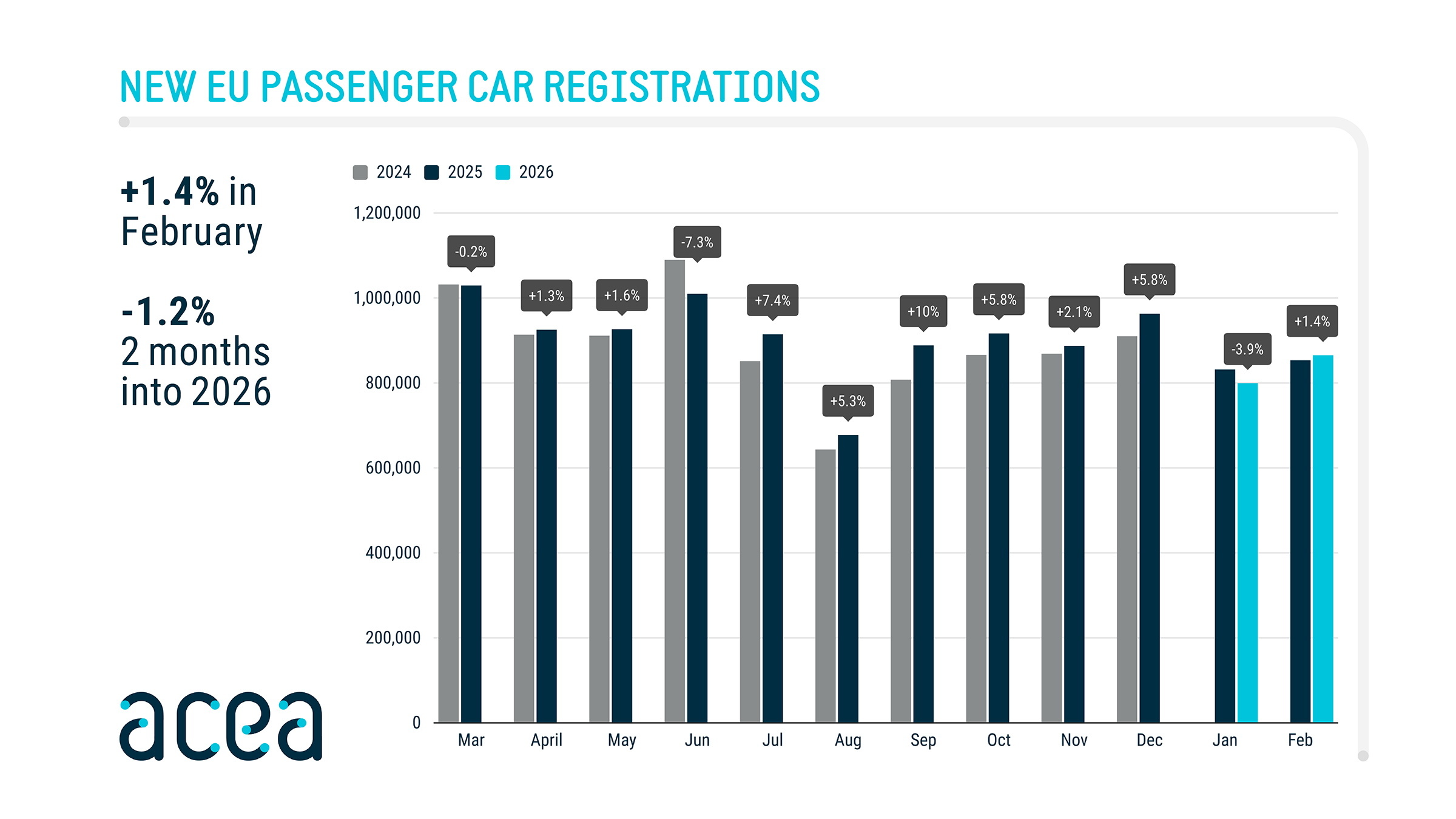
Sales of battery-electric vehicles across the European Union continue to rise and are now nipping at the heels of petrol-powered cars. Due to the ongoing war in Iran and spiking oil prices, EV demand could jump even further. However, market conditions remain mixed, with total car registrations across the EU, Britain, and EFTA rising just 1.7 percent in February to 979,321 units, signaling only modest overall growth.

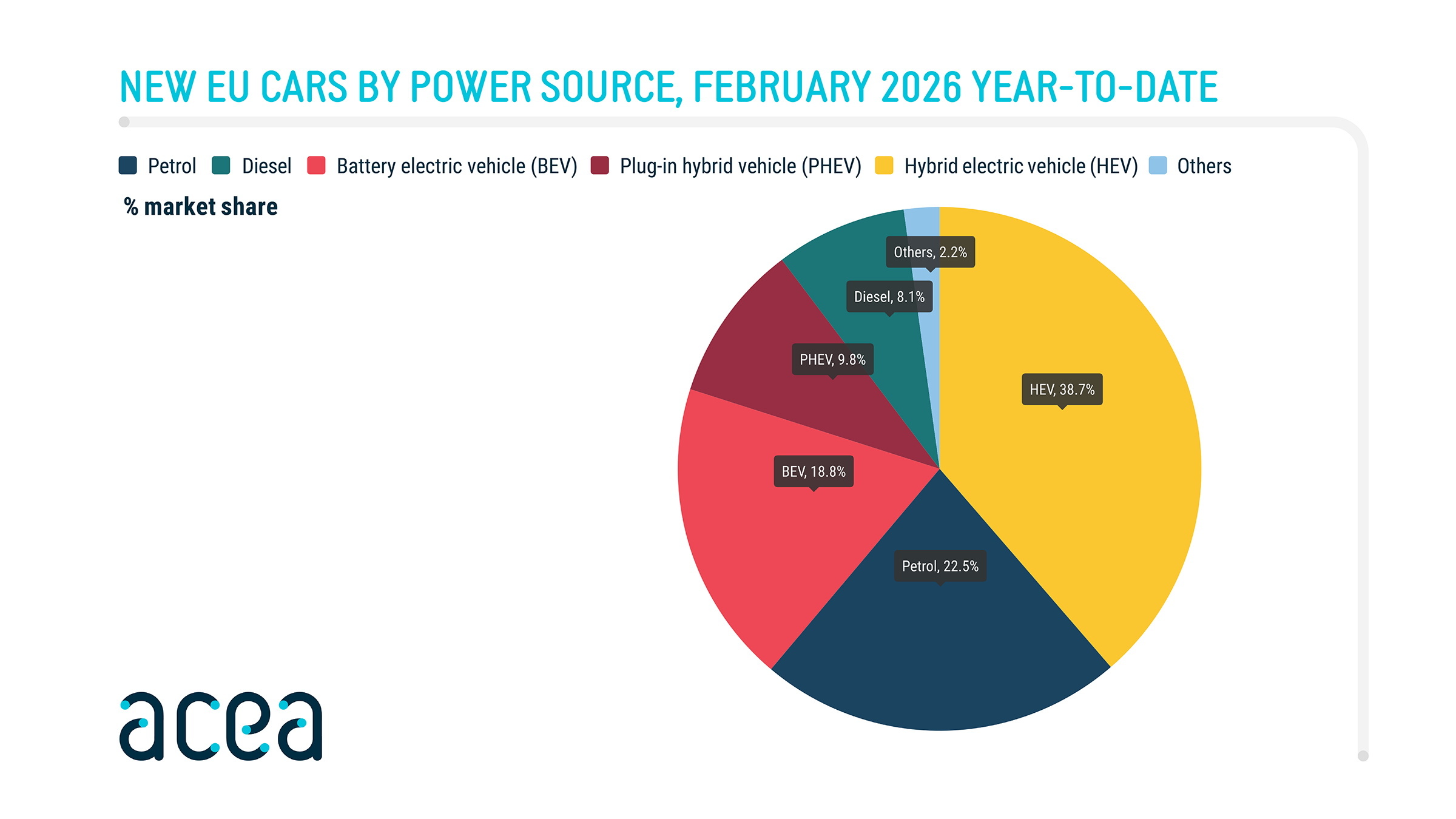
Registration data from Europe’s ACEA reveals that EVs accounted for 18.8 percent of the new car market across January and February, a notable increase from 15.2 percent over the same period last year. A total of 312,369 EVs were registered in the first two months of the year, thanks in part to France (38.5 percent increase) and Germany (26.3 percent increase).

Read: EV Buyers Didn’t Disappear, They Just Moved Somewhere Automakers Don’t Love

This growth has been supported by a surge of more affordable EV models and national incentive programs that continue to encourage adoption. However, not every European country bought more electric vehicles. In fact, EV sales declined by a significant 34.9 percent in the Netherlands and 11 percent in Belgium.

 Europe’s ICE Car Sales Collapsed 23% In A Single Month, As EVs Surge

Notably, Tesla’s registrations rose 11.8 percent year-on-year, snapping a prolonged decline, though it still trailed BYD by a slim margin. Both brands held a 1.8 percent market share, while BYD’s sales more than doubled over the same period, highlighting growing pressure at the top of the EV segment.

Hybrid Boost

Hybrid vehicles remain the most popular powertrain choice in Europe, accounting for 38.7 percent of the market. This placed HEVs well ahead of cars powered solely by petrol, which have accounted for 22.5 percent of new car registrations this year.

Across February alone, battery-electric, plug-in hybrid, and hybrid vehicles together represented 67 percent of registrations, up from 58.5 percent a year earlier.

 Europe’s ICE Car Sales Collapsed 23% In A Single Month, As EVs Surge
ACEA

Petrol car sales are also on a downward trajectory, dropping 23.3 percent in February, with France reporting a massive 48.5 percent decrease. Registrations also dropped 22.8 percent in Germany, 20.8 percent in Spain, and 18.6 percent in Italy. Last year, petrol cars had a 29 percent share of the market, and this time next year, EVs may have overtaken them if current trends continue.

Plug-in hybrids were behind HEVs, petrol cars, and EVs as the fourth most popular powertrain choice, securing a 9.8 percent share of the market, over 7.4 percent last year. Sales reached 162,751 in the first two months, thanks in part to Italy (116.1 percent increase), Spain (71.5 percent increase), and Germany (23.8 percent increase). Trailing behind PHEVs are diesel vehicles with an 8.1 percent share, down 17.7 percent, and ‘others’ with a 2.2 percent share.

 Europe’s ICE Car Sales Collapsed 23% In A Single Month, As EVs Surge

EV Searches Jump 20% In One Week Of Rising Gas Prices

  • Last year, EVs cut oil use by 2.3 million barrels a day.
  • US drivers spent $1.65 billion more on fuel in just one week.
  • EV search interest surged after news of the Iran conflict.

Due to the ongoing conflict in the Middle East, oil prices have surged to a four-year high and are fast approaching $100 per barrel. Regardless of where you live, this means that if you’re driving an ICE-powered car, you’ll be paying more to fill it up. It’s perhaps the perfect time to own an EV instead.

A recent study indicates that last year’s increased adoption rate of EVs reduced oil consumption by 2.3 million barrels per day, and these fuel savings will continue to grow as more EVs are sold. By 2030, EVs could help to reduce global oil consumption by 5.25 million barrels per day.

Read: The $8 Gallon Is Here, If You’re Dumb Enough To Pay For It

As noted by BloombergNEF, a key contributor to the reduced oil demand is two- and three-wheeled EVs, which have surged in popularity, particularly across Asia. A separate, more conservative study that factors in how often plug-in hybrid vehicles run on fossil fuels pegged last year’s daily oil savings at 1.7 million barrels.

At this rate, and with average prices of $80 per barrel, the analysis says that China would save more than $28 billion a year in oil imports thanks to its massive EV industry. Similarly, Europe would save $8 billion, and India could save $600 million per year.

Is This The Break EVs Need?

 EV Searches Jump 20% In One Week Of Rising Gas Prices

The war in Iran has made regular fill-ups for ICE drivers far more expensive. Just this week, Bloomberg expects US drivers to pay an additional $1.65 billion at the pump. With gas prices showing no signs of stopping, it should come as no surprise that interest in EVs has jumped this month.

CarEdge reports that search traffic for electric vehicles jumped 20 percent in the week following the attack on Iran. Search traffic also nearly doubled for many of the market’s most popular EVs, including the Chevrolet Equinox EV and Tesla Model Y.

Of course, surging oil prices will likely also lead to increased electricity costs, meaning charging an EV could become more expensive. However, electricity rates won’t rise by as much, as only roughly a quarter of a typical US power bill is directly tied to fuel costs.

 EV Searches Jump 20% In One Week Of Rising Gas Prices

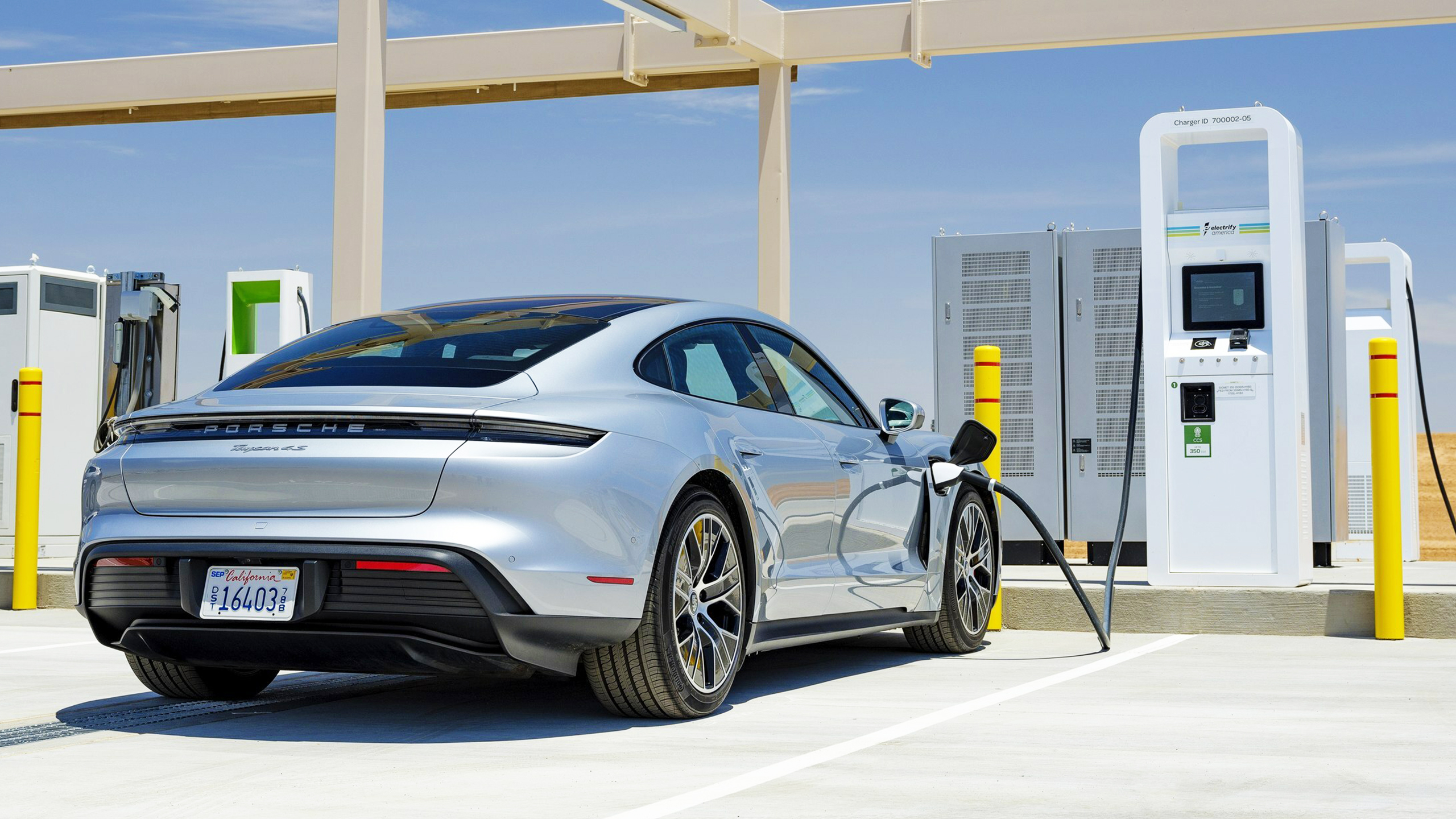
Nearly 1 In 3 EV Chargers Are Mischarging UK Drivers

  • About 31.5 percent of tested chargers fell outside limits.
  • Some units delivered far less energy than shown.
  • Public charging costs and taxes add to driver concerns.

Refueling is something most drivers don’t think about too much. They plug in or insert a fuel nozzle, press go, and wait to see how bad the bank account damage is in the end. Now, EV drivers in the UK might be thinking twice before they plug in at a public charging station. A new study found that almost one in three mis-calculated the energy provided during a session.

According to independent inspection provider EVCI Global, 31.5 percent of the chargers it reviewed either overestimated or underestimated the energy transferred to vehicles. In roughly 15 percent of cases, errors exceeded five percent, with a small number showing what the company described as “materially larger deviations.”

EVCI says this effectively leaves EV drivers carrying more financial risk than petrol car owners, who enjoy far tighter oversight every time they pull up to a pump.

More: BYD’s New EV Chargers Are So Fast They’re Arranged Like Gas Station Pumps

The study, first reported by The Telegraph, highlights how different standards are for EV chargers when compared to gas or diesel fuel pumps. Fuel dispensers are subject to strict statutory verification and typically must operate within a tolerance of -0.5 to +1 percent.

 Nearly 1 In 3 EV Chargers Are Mischarging UK Drivers

By contrast, most public EV charge point meters are allowed a margin of error of up to +2 percent. Even so, EVCI says nearly a third of the units it tested fell outside that permitted window.

The company argues that public chargers should be brought under a formal verification regime similar to fuel pumps. It has also raised the issue with relevant government departments, pushing for clearer oversight and enforcement.

Extreme Cases And Industry Response

In one extreme case cited by CEO Craig Marsden, a charger was found to be delivering 37 percent less electricity than the figure displayed on-screen. Importantly, there were also cases where the chargers actually under-valued the amount of juice they provided, so drivers paid less. The findings have been presented to the Transport Select Committee.

“People with EVs need to know that they’re getting what they’re paying for, the same way that they do at petrol pumps,” Marsden said.

 Nearly 1 In 3 EV Chargers Are Mischarging UK Drivers

EVCI argues that this situation creates a two-tiered situation where EV owners are at greater risk of losing money. That’s especially true for those who don’t have access to off-street parking and home charging networks. Such individuals rely heavily on public charging infrastructure and could end up paying more than their fair share. A long charging session can exceed £70, and annual costs may approach £2,000. That’s without the errors included.

Industry Response To Accuracy Claims

Industry body ChargeUK has pushed back on the report, saying that the inaccuracies are isolated cases. It also pointed out that measuring electricity transfer is more complex than measuring liquid fuel.

Also: PHEVs Promised Efficiency, Drivers Are Burning Three Times More Fuel

A spokesperson for the Department for Transport told the newspaper that public EV charge points are expected to measure and supply exactly the electricity they claim to deliver. They added that meters at most public chargers are regulated to ensure accuracy within 2 percent.

That said, EV drivers will no doubt want to see a dramatic improvement in the next EVCI report. Otherwise, adoption rates could take a hit.

 Nearly 1 In 3 EV Chargers Are Mischarging UK Drivers

After Burning $26 Billion On EVs, Stellantis Might Turn To China For EVs

  • Stronger Leapmotor ties could sharpen its VW, Renault fight.
  • A US ban on Chinese tech cars still poses a real hurdle.
  • Stellantis booked $26.1 billion in EV strategy write-downs.

Stellantis is deepening its ties with China’s fast-moving EV sector as it searches for a more efficient path through the electric transition. In 2023, the group inked a deal with Chinese EV startup Leapmotor, purchasing a 20 percent stake in the firm for $1.1 billion. The agreement made Stellantis the exclusive distributor of Leapmotor models in Western markets.

Now, it appears the relationship could extend beyond distribution, with Stellantis potentially tapping into its partner’s EV technology for brands such as Fiat, Opel, and Peugeot.

 After Burning $26 Billion On EVs, Stellantis Might Turn To China For EVs

According to Autonews, unnamed sources say Stellantis wants access to Leapmotor’s battery and EV powertrain technologies. It’s understood that discussions are in their early stages, but using Leapmotor’s systems would help Stellantis save billions of dollars in development costs, and allow it to more quickly roll out rivals to vehicles from Chinese competitors like BYD and MG, in addition to legacy brands including the VW Group and Renault.

Read: Stellantis’ Chinese Partner Built A Minivan That Makes The Pacifica Feel Ancient

However, actually using Leapmotor’s battery and EV technologies could prove challenging. For example, vehicles using connected systems linked to China will be banned from importation and sale in the US from 2027.

What’s Next for the Partnership?

 After Burning $26 Billion On EVs, Stellantis Might Turn To China For EVs

While speaking about the collaboration between the two companies, Stellantis chief executive Antonio Filosa said the “technical partnership… will help us in getting to higher level of competitiveness especially with electric cars and it is very important for Europe.”

He added the partnership will also “improve our collaboration also on new tech development,” noting that “2025 was a year of strategic implementation for the partnership, setting the stage for deeper integration”, according to Autonews.

EV Write-Downs And Reset

Earlier this month, Stellantis announced write-downs and charges of €22.2 billion ($26.1 billion) as it scaled down its EV strategy. However, it knows it can’t back away from EVs entirely, hence why it’s interested in deepening its ties with Leapmotor.

Through the Leapmotor International joint venture, Stellantis has helped the Chinese brand launch several of its models, like the C10 and B10, in markets including Europe and Australia. For a brief period, it was also building the small T03 in Poland, but this ended last year amid fluctuations in international trade policies. This year, Stellantis plans to start building Leapmotor vehicles at its Zaragoza plant in Spain.

 After Burning $26 Billion On EVs, Stellantis Might Turn To China For EVs

Support for Electric Vehicles

By: newenergy
31 March 2025 at 15:54

New Poll: American Voters Support Federal Investments in Electric Vehicles Broad, Bipartisan Support for EV Investments and Incentives that Lower Costs, Expand Access, and Help the U.S. Beat China in the Race for Auto Manufacturing WASHINGTON, D.C. – A new bipartisan national poll conducted by Meeting Street Insights and Hart Research finds broad public support …

The post Support for Electric Vehicles appeared first on Alternative Energy HQ.

❌
❌