Reading view

There are new articles available, click to refresh the page.

For most US drivers, EVs offer emissions benefits and cost savings

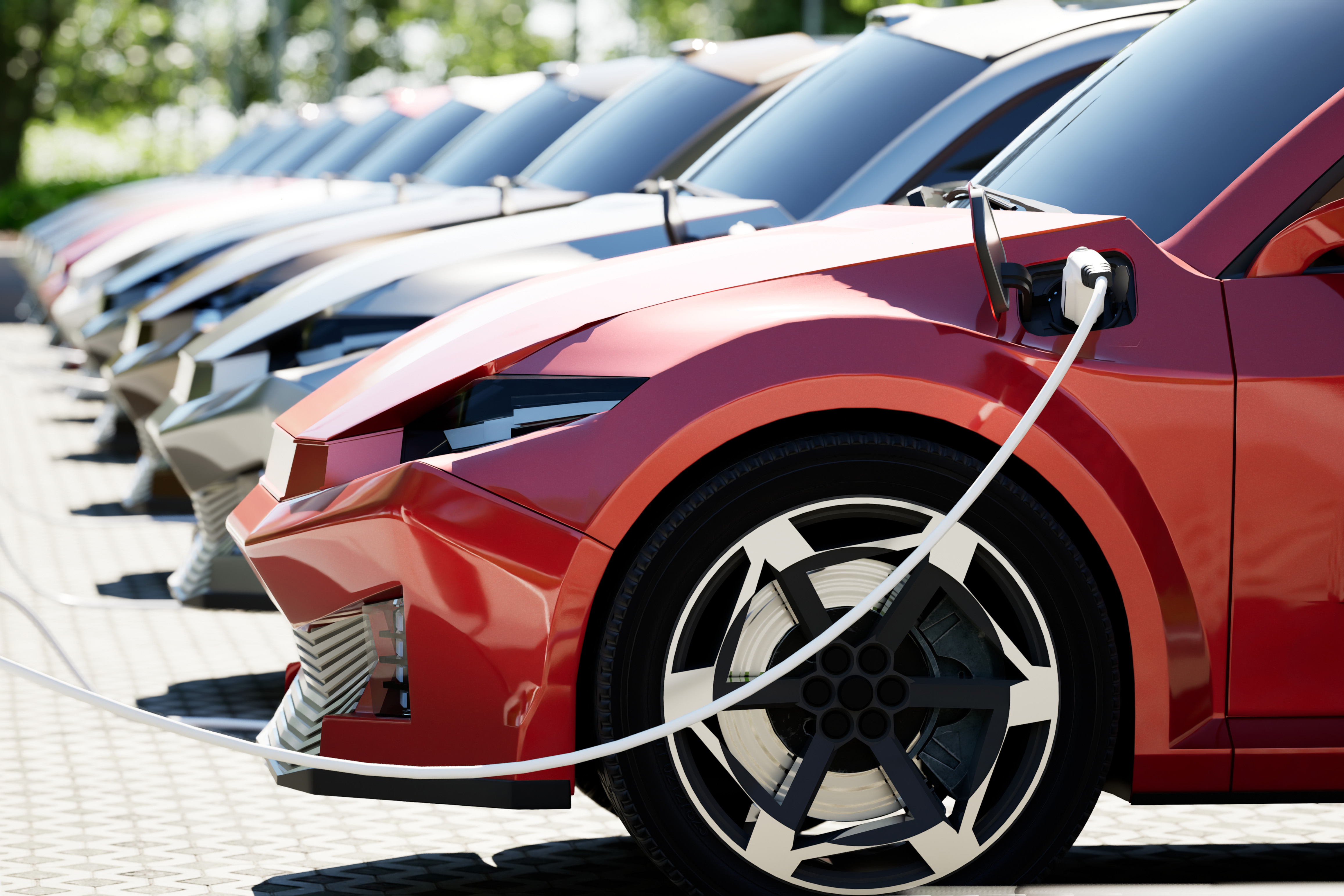
Despite regional variability in climate, electricity sources, congestion, and the wide variation in individual driving patterns, electric vehicles generate less greenhouse gas emissions and do not cost more than comparable gas-powered vehicles for drivers and vehicle fleet owners in most parts of the United States, according to a new study by MIT researchers.

The team’s approach captures many key factors that contribute to regional and individual differences in the life-cycle emissions and ownership cost of electric vehicles, including meteorological data, the distance and duration of trips, and fuel prices.

To paint a fuller picture of emissions and costs than was previously available, the researchers sourced data from thousands of U.S. zip codes and drilled down to the level of individual drivers within those locations. Their study considers time-averaged fuel prices so as not to be overly influenced by fluctuations in prices at any one point in time. They finalized their analysis at the end of 2024 and early 2025.

Their results indicate that a person’s driving behaviors can matter as much as regional factors like the local electricity mix when it comes to the emissions savings of an electric vehicle, compared to a similar gas-powered vehicle. In most locations, a battery-electric vehicle reduces emissions between 40 and 60 percent, with larger impacts in urban areas. 

They also found that colder climates do not reduce overall emission benefits as much as some media reports assume.

The researchers utilized this detailed analysis to update a public tool they previously developed, carboncounter.com, which enables individuals to compare the life-cycle emissions and total ownership costs of nearly any car on the market. A new version of carboncounter.com is also being released today.

“There are a lot of statements being thrown around, like that electric vehicles don’t reduce emissions very much in cool climates, and we wanted to analyze these factors systematically and evaluate these statements against one another simultaneously. Rather than simply asking, ‘Are EVs better?’, this paper helps answer ‘better for whom, and under what conditions?’” says Marco Miotti PhD ’20, a senior researcher at ETH Zurich who completed this research while a graduate student in the Institute for Data, Systems, and Society (IDSS) at MIT. 

He is joined on the paper by senior author Jessika Trancik, a professor in IDSS. The research appears today in Environmental Research Letters.

A holistic approach

Many prior studies that compare emissions and costs of electric vehicles (EVs) to combustion-engine vehicles cover a few factors, like the amount of renewable energy in the grid and how gas prices impact affordability, Miotti says.

“To our knowledge, there have been few efforts so far that bring all these factors together. But if someone wants to buy a car and have a better understanding of the factors that affect emissions and costs, this holistic approach is important,” he adds.

The researchers focused on two types of EVs: battery-electric vehicles, which only operate on electricity, and plug-in hybrid electric vehicles, which also have a combustion engine that works in tandem with the battery to optimize fuel savings.

The team expanded and improved a set of previously developed vehicle cost and emissions models to incorporate a wider variety of factors and data types.

For instance, they refined an existing model that estimates energy use and gas mileage so it could capture more nuances of local climate variability. 

“But the real effort was not just in extending these different models, but in bringing together all these different data and making them work with the models in a consistent manner,” Miotti says.

The team sourced data on a wide variety of factors for each U.S. zip code, such as typical drive cycles, the amount of traffic, local gas and electricity prices, makeup of the regional electricity mix, meteorological profiles, and more. They used statistical approaches to amalgamate different types of data. 

For example, the team used a probabilistic matching technique to combine data on how often people drive, which was drawn from nationwide travel surveys, with more detailed GPS data that includes factors like drivers’ acceleration patterns and the distance they usually drive on each day of the week.

The researchers designed their analysis to focus on the spatial picture of emissions and costs, based on U.S. zip codes, while simultaneously considering the impact of the size and features of each specific vehicle model.

“At the end of the day, it’s the vehicle and fleet owners who make decisions about vehicle purchases. So, we wanted to make sure to consider their wide-ranging individual perspectives rather than simply performing a region-by-region comparison,” says Trancik.

Lower emissions, comparable costs

In the end, their modeling framework revealed that all factors they analyzed matter about equally in determining emissions-reduction potential of EVs compared to internal combustion vehicles. 

EVs reduce emissions the most in areas with a cleaner electricity mix, denser traffic, higher annual travel distances, and a mild climate, in decreasing order of importance. In each area, emission reductions increase for drivers who drive more often, drive larger vehicles, and are more frequently stuck in traffic. 

In a colder area like North Dakota, fuel economy of battery-electric vehicles might be reduced by as much as 50 percent on a particularly frigid night, but the effect on annual emission benefits is minimal. 

“We even did a sensitivity study to see if the range is reduced in very cold climates, and we found that, even in the most unfavorable conditions, EVs still reduce emissions by a substantial amount,” Miotti says.

On the cost side, the models show that, in most places across the U.S., EVs are competitive with comparable combustion-engine vehicles in terms of lifetime ownership cost, even without clean vehicle tax credits. And in areas where electricity is relatively affordable, battery-electric vehicles tend to cost less than their plug-in hybrid or combustion-engine counterparts.

In the future, the researchers want to expand this analysis to include a temporal dimension, so the framework also considers how changes in vehicle, fuel, and electricity prices affect emissions and costs over time. 

“While we found that the electricity mix is a big driver of the spatial variation in emissions savings of EVs, the electricity grid is decarbonizing everywhere. As that happens, emissions savings across space will become more homogenous for EVs, but the differences across one driver to another will remain,” Miotti says.

They could also use the framework to explore regions outside the United States or incorporate data on hybrid-electric vehicles that cannot be plugged in.

This work was funded, in part, by the MIT Martin Family Society of Fellows for Sustainability.

© Credit: iStock

A new MIT study finds that despite regional differences in climate, electricity sources, traffic, and driving patterns, electric vehicles produce fewer greenhouse gas emissions — and cost no more to own — than comparable gas-powered cars for most U.S drivers.

Heliox, A Siemens Business, Highlights VersiCharge Blue 80A for Fleet and Commercial EV Charging

By: STN

Heliox, A Siemens Business, a leader in EV charging solutions, is proud to highlight its VersiCharge Blue 80A, engineered for the most demanding fleet and commercial vehicle charging environments. Designed to deliver up to 80A AC (19.2 kW) power output, the VersiCharge Blue 80A ensures that fleet operators can keep vehicles moving efficiently and reduce operational downtime. With Level 2 charging capability via a J1772 connector and a 24-foot cable, this solution is compatible with most standard EVs, E-Trucks and School Buses, and streamlines installation and daily operation for maximum flexibility and reach.

This charger exemplifies robust quality, featuring Buy America compliance to meet government procurement requirements and ENERGY STAR certification to support lower operational costs and high energy efficiency. Safety remains paramount, as the VersiCharge Blue 80A holds multiple UL listings and carries a NEMA 4 and IK10 rating to ensure exceptional resilience against extreme temperatures, humidity, and physical impact. Backed by a 3-year warranty, customers gain peace of mind knowing their investment is safeguarded for the long haul.

Connectivity is central to the VersiCharge Blue 80A’s design, with cellular and Wi-Fi networking providing easy remote monitoring and flexible network-sharing in commercial deployments. Site safety and aesthetics are prioritized thanks to retractable cable management, reducing trip hazards and maintaining a clean, professional appearance. State-of-the-art smart charging features, including ISO15118-2 hardware readiness and OCPP 1.6J support, enable advanced load management, authentication, security, and future compatibility, while Sifinity Setup mobile app configuration simplifies multi-charger installations.

Precise energy tracking is guaranteed by embedded metering, helping operators optimize usage and manage costs. Built for resilient operation, the unit withstands wide temperature swings from -40°C to 50°C (>50°C with derating) and functions reliably in up to 98% humidity, making it ideal for harsh climates and challenging locations. Wall or post mounting options offer flexible installation for any site layout, and over-the-air (OTA) software upgrades future-proof investments by delivering remote updates and new capabilities.

Engineered for versatility, VersiCharge Blue 80A features rated current settings from 12A to 80A to easily accommodate varying power needs across fleet and facility applications. Its recommended wire cross section of 3 AWG with a 90°C minimum ensures safe, high-capacity wiring and consistent performance even under heavy usage. Built-in ground fault and overvoltage protection shield both users and vehicles against electrical risks, while multicolor LED indicators provide instant feedback on charging status, connectivity, and fault diagnostics to streamline site management.

Advanced OCPP and ISO15118-2 user authentication deliver enterprise-grade security and fleet management capability. The charger operates at altitudes up to 6,562 feet, expanding site possibilities in high-elevation regions, and customizable mounting options ensure seamless integration in diverse venues.

​​With VersiCharge Blue 80A, Heliox, A Siemens Business, is bringing a powerful blend of reliability, safety, and intelligent connectivity to the heart of fleet and commercial EV operations, enabling customers to scale with confidence as electrification demands grow.

About Heliox, A Siemens Business
Heliox, A Siemens Business, delivers world class EV charging equipment, EV charger maintenance and support services, and robust solutions for a broad range of EV fleets. Our portfolio encompasses all aspects of smart and efficient AC and DC charging infrastructure, including IoT-connected hardware, software, and a comprehensive service offering. Heliox manufactures UL compliant products that meet Buy America Act (BAA) and Build America Buy America (BABA) standards. Heliox’s high-quality, field-proven charging products are now backed by Siemens’ financial strength, global reach, and long-term stability—delivering the best of both worlds.

The post Heliox, A Siemens Business, Highlights VersiCharge Blue 80A for Fleet and Commercial EV Charging appeared first on School Transportation News.

State of Sustainable Fleets: As Freight Economy Recession Enters Third Year, Powertrain and Energy Diversification Defines Fleet Resilience Strategy

By: STN

LAS VEGAS, Nev. — Now in its seventh year, the State of Sustainable Fleets 2026 Market Brief, released today, delivers a comprehensive, technology-neutral assessment of an industry building resilience through powertrain and fuel diversification amid an extended period of uncertainty. The Market Brief was unveiled at ACT Expo in Las Vegas, Nevada — North America’s largest fleet technology conference and expo, now in its 16th year. It was authored by TRC Companies, a WSP member company and leading construction, engineering, and consulting firm.

The Market Brief arrives as commercial fleets face a convergence of pressures that industry analysts are calling the most complex operating environment in modern trucking history. A prolonged freight recession now in its third consecutive year has been compounded by sweeping federal policy reversals, tariff-driven cost increases of up to $35,000 per new truck, and geopolitical volatility affecting global supply chains and energy markets. The rollback of federal greenhouse gas (GHG) vehicle standards, the expiration of zero-emission vehicle (ZEV) tax credits worth up to $40,000 per eligible medium- and heavy-duty (MD/HD) vehicle, the cancellation of federal clean transportation funding, and the nullification of California’s clean truck regulations have restructured the policy landscape from a federally driven system to a decentralized patchwork of state policies and market-driven factors.

Yet across all this disruption, the data reveals a picture of an industry in structural adaptation rather than retreat. TRC estimates that more than $5 billion in state, local, and utility program funding remains available annually through 2028 supporting clean fleet investment. Fleet technology markets are maturing across nearly every fuel and drivetrain type. Artificial intelligence has moved from pilot projects to mainstream fleet operations. And the central strategic finding of this year’s Market Brief is clear: fleets managing total cost of ownership (TCO) across a portfolio of powertrain technologies  rather than concentrating on a single solution or waiting out the uncertainty are demonstrating measurably greater resilience. In a freight economy where external shocks can rapidly change the economics of any single technology, including conventional diesel, powertrain diversification has become both a financial strategy and a risk management imperative.

Penske Transportation Solutions and Volvo Trucks North America serve as title sponsors of the 2026 State of Sustainable Fleets Market Brief. Exelon Companies and S&P Global Mobility serve as supporting sponsors. Each sponsor contributes expertise and data that enhances credibility of the findings.

The 2026 Market Brief identifies key findings shaping the sustainable fleets landscape:

Artificial Intelligence and Autonomous Trucking: From Pilot Projects to Commercial Operations

AI-powered fleet management has moved from experimentation to mainstream operations: approximately half of fleets in the annual survey report using AI for route optimization, dispatching, predictive maintenance, and maintenance diagnostics with users reporting measurable cost savings, greater vehicle uptime, and improved fleet utilization.

Fleet AI adoption is expected to accelerate rapidly: survey respondents project that 35% of their fleets will be AI-enabled by 2027, nearly doubling from an estimated 20% across the fleet in 2025. Among respondents, 49% reported that none of their fleet had been AI-enabled as of 2025, signaling a significant near-term adoption runway.

Autonomous freight is advancing from Sun Belt pilots to commercial-scale operations: driverless light-duty vehicles have logged millions of miles, and HD autonomous trucks entered commercial freight service in 2025. Broader heavy-duty rollouts across more routes and regions are expected by end of 2026.

Policy and Funding: Federal Cuts Reshape the Landscape; States, Markets, and New Biofuel Mandates Take the Lead

Federal clean transportation funding has been substantially reduced: zero-emission tax credits of up to $40,000 for eligible MD/HD vehicles expired; DOE’s Vehicle Technologies Office budget was cut approximately 90%; $2.2 billion in hydrogen R&D funding was rescinded, including so-called “Hydrogen Hubs”; and the DOT’s National Electric Vehicle Infrastructure (NEVI) program was suspended for six months.

Despite federal cuts, available funding for clean fleet projects remains well above pre-2022 levels: more than $5 billion in state, local, and utility programs is estimated annually through 2028. California maintained over $1 billion in active grant funding for on-road trucks and buses in 2025. Low-carbon fuel standards (LCFS) in California, Oregon, Washington, and New Mexico continue generating meaningful revenue streams supporting multiple clean technology pathways.

The EPA finalized record-high Renewable Fuel Standard (RFS) volume obligations for 2026 and 2027 in April 2026, requiring approximately a 60% increase in biodiesel and renewable diesel production and use compared to 2025 levels — a major structural tailwind for renewable fuel adoption. Regulatory responsibility for GHG and criteria pollutant standards is also increasingly shifting to the state level, though significant questions remain for fleets and their partners.

Diesel Vehicles: Efficiency Gains and Drop-In Renewable Fuels Displace Conventional Diesel at Scale

New Class 8 tractor registrations declined 16% in 2025 according to S&P Global Mobility data amid the prolonged freight recession, tariff-driven cost increases, and economic uncertainty. Fleets and OEMs have focused on diesel fuel efficiency: more than one-third of survey respondents reported using efficiency technologies, with leading heavy-duty adopters in the logistics sector achieving 8.5+ mpg and best-in-class operations demonstrating 11.5 mpg or higher.

Renewable diesel (RD) and biodiesel (BD) drop-in fuels that work in existing diesel engines and infrastructure are displacing conventional diesel at scale: the two fuels combined to replace 74% of conventional diesel used in California transportation in 2024 and 71% in the first three quarters of 2025. More than half of annual fleet survey respondents now report using RD or BD, with near-100% B99 biodiesel adoption expanding in 2025.

The EPA’s Clean Trucks Plan establishing MY 2027 NOx and particulate matter (PM) standards for MD/HD vehicles remains on track, with incremental per-vehicle costs expected to range from $8,000 to $18,000. Final warranty and useful-life provisions are still pending.

Natural Gas Vehicles: 15-Liter Engine Delivers Diesel-Equivalent Performance; RNG Enables Carbon-Negative Fleet Operations

The Cummins X15N 15-liter natural gas engine completed its first full year of commercial availability in 2025 and delivered diesel-equivalent performance, range, and payload capacity alongside compelling fuel cost savings. The U.S. leads the world in commercial use of compressed natural gas (CNG) and liquefied natural gas (LNG) for trucking — a competitive advantage built on years of fleet adoption and infrastructure investment that no other market has matched.

Total MD/HD natural gas vehicle (NGV) registrations fell 15% in 2025, driven in part by the freight recession and the fleet transition period as the market shifted to 15-liter platform deliveries. Straight trucks comprised 82% of 2025 NGV registrations, followed by transit buses (10%) and tractor trucks (7%) according to S&P Global Mobility data.

Renewable natural gas (RNG) sourced from organic waste enables carbon-negative fleet operations and continues to grow: RNG accounted for 97% of all natural gas fuel used in California transportation in 2025. Among NGV-using fleets in the survey, 65% report RNG use, which they estimate accounts for 78% of their total fueling volume.

Propane Vehicles: Cost Savings Drive Steady Growth; New Role as EV Charging Power Source Expands Market

The propane vehicle fleet grew 3.1% in 2025, with school bus and upfitter markets continuing as key adoption sectors. The fuel delivered operational cost savings for 39% of propane fleet operators compared to the vehicles they replaced, reinforcing propane’s role as a cost-effective, practical option in a diversified powertrain portfolio.

Renewable propane use surged: 32% of propane-using fleets reported using it in 2025, up from just 10% in 2023 — a nearly threefold increase that reflects fleet demand for low-carbon, drop-in fuel options requiring no vehicle modifications.

Propane is expanding into a new application as a power source for EV charging infrastructure, offering fleets an alternative to or temporary solution while awaiting utility grid connections with installation cost savings of up to 75% — a development that may accelerate BEV adoption in segments where grid access and utility timelines have been barriers to uptake at scale.

Battery-Electric Vehicles: MD Registrations Set Records as Cost Benefits Demonstrated; HD Vehicles Show Signs of 2026 Growth

MD/HD BEV registrations increased in 2025, led by pickup trucks and delivery vans that set a new record in the MD segment. Fleets operating MD BEVs and HD yard electric tractors reported total cost of ownership benefits compared to the vehicles they replaced, confirming that fleet electrification is delivering financial returns in duty cycles where range and infrastructure align.

Global market signals point to long-term BEV competitiveness in heavy-duty applications: BEVs now represent 22% of China’s HD truck market, and battery costs in that market have fallen to $90/kWh — a level widely cited as cost-competitive with conventional powertrains. Battery costs have fallen below $100/kWh in some markets, a leading indicator for future U.S. fleet economics.

Near-term U.S. growth faces headwinds from the expiration of EV tax credits and manufacturer production pivots. However, data from a California funding program and other signals show that Class 8 truck deployments should exceed the 1,000 annual deployments mark for the first time.

Hydrogen Vehicles: Funding Cuts Cloud Long-Term Outlook; Duty-Cycle Fit for Long-Haul and Heavy Payloads Remains Promising

The hydrogen vehicle sector faced its most challenging year in 2025: hydrogen fuel cell electric vehicle registrations dropped 12%, the cancellation of much of the Hydrogen Hub funding removed a critical development resource, and two prominent Class 8 FCEV manufacturers exited the market.

Despite these setbacks, Hyundai, Toyota, Honda, and Cummins continue advancing fuel cell modules and vehicle programs. Real-world fleet operations continue to confirm hydrogen’s operational fit for long-haul, heavy-payload duty cycles where truck weight and range constraints are most acute, with some deployments achieving 400+ miles per day with faster refueling times than EVs.

Long-term hydrogen sector viability for heavy-duty transportation is expected to depend on sustained federal investment in research, development, and fueling infrastructure that private capital alone will not provide at scale. Coordinated government investment remains the defining variable for hydrogen’s commercial future in freight.

“This year’s Market Brief accurately captures the continuing use of AI in fleet technology and how it allows for fleets to drive enhanced fleet and MPG performance and ultimately sustainability.”

— Paul Rosa, Senior Vice President Procurement and Fleet Planning, Penske Truck Leasing

“Volvo Trucks has been clear and consistent in our commitment towards zero emissions,” said Peter Voorhoeve, president, Volvo Trucks North America. “We continue to invest across a broad range of technologies because we believe meaningful progress requires more than a single solution. By investing in multiple solutions, we’re giving fleets the confidence that they can reduce emissions with the solution that makes the most sense for their business.”

— Peter Voorhoeve, president, Volvo Trucks North America

“In a very short time we’ve moved from ‘what’s the best AI-enabled drivetrain’ to ‘how do I utilize each where it works best’ to manage cost and uncertainty. Adoption of multiple advanced, clean technologies for medium- and heavy-duty fleets has emerged as the defining strategy instead of the retreat that many had predicted.”

— Nate Springer, Vice President, Market Development, TRC Companies

To access the full 2026 Market Brief and receive ongoing updates and analysis from State of Sustainable Fleets, visit www.StateofSustainableFleets.com.

About State of Sustainable Fleets
The State of Sustainable Fleets Market Brief is the foremost authority on sustainable technology adoption within America’s on-road fleets. This annual analysis compiles real-world data from early adopter fleets nationwide, offering sector-specific insights into the uptake of battery-electric vehicles, natural gas, propane, and hydrogen fuel cell electric vehicles, alongside renewable fuels, benchmarked against diesel and gasoline vehicles. The annual Market Brief provides essential data and analysis for year-round education on the rapidly developing market via regular webinars, Academy webinar series, fleet guides, and trend briefs. State of Sustainable Fleets is authored by the Clean Transportation Solutions group of TRC Companies.

About Penske Transportation Solutions
Penske Transportation Solutions is the universal brand for Penske Truck Leasing, Penske Logistics, Epes Transport Systems, Penske Vehicle Services, and related businesses. Our businesses provide innovative transportation, supply chain, and technology solutions to keep the world moving forward. Visit GoPenske.com to learn more.

About Volvo Trucks North America
Volvo Trucks North America, headquartered in Greensboro, North Carolina, is one of the leading heavy-duty truck manufacturers in North America. Its Uptime Services commitment is delivered by a network of nearly 400 authorized dealers across North America and the 24/7 Volvo Trucks Uptime Center. Every Volvo truck is assembled in the Volvo Trucks New River Valley manufacturing facility in Dublin, Virginia. Volvo Trucks North America provides complete transport solutions for its customers, offering a full range of diesel, alternative-fuel, and all-electric vehicles, and is part of the Volvo Trucks global organization.

About ACT Expo
ACT Expo is North America’s largest fleet technology conference and expo, bringing together more than 12,000 fleet operators, OEMs, shippers, technology providers, infrastructure developers, energy companies, and policymakers for four days of peer-to-peer education, real-world case studies, and direct

access to the solutions shaping the industry. Now in its 16th year, ACT Expo 2026 takes place May 4–7 at the Las Vegas Convention Center. The 2026 program expands on ACT Expo’s long-standing leadership in clean transportation with increased focus on the digital frontier, including AI, autonomy, connectivity, and software-defined vehicles. More than 500 exhibitors will showcase the advanced vehicles, charging and fueling solutions, equipment, software platforms, and digital tools redefining commercial transportation. For more information, visit www.actexpo.com.

The post State of Sustainable Fleets: As Freight Economy Recession Enters Third Year, Powertrain and Energy Diversification Defines Fleet Resilience Strategy appeared first on School Transportation News.

Heliox, A Siemens Business, Showcases Advanced Fleet and Commercial EV Charging Solutions at EV Charging Summit & Expo 2026

By: STN

Heliox, A Siemens Business (Heliox), a leader in EV charging solutions, will showcase its latest fleet and commercial EV charging innovations at the EV Charging Summit & Expo, taking place March 17–19, 2026, in Las Vegas, Nevada, at Booth 641. The company will feature its versatile Heliox 60 kW DC chargers, including the new dual-port pedestal and single-port mobile units. It will also showcase its next-generation Heliox 44 kW V2G bidirectional DC charger and the powerful VersiCharge Blue 80A AC Series. Together, these solutions underscore Heliox’s commitment to reliable, future-ready infrastructure for fleets, depots, and commercial sites.

Heliox will spotlight its 60 kW chargers, delivering compact, adaptable DC fast charging for cars, buses, and trucks, making it ideal for depots, maintenance yards, and temporary or evolving sites. The lineup now includes the new Heliox 60 kW Dual, which offers two outlets for parallel charging and dynamic power sharing (1×60 kW or 2×30 kW) to optimize CAPEX utilization and serve more vehicles from a single unit. Available in both hardwired and portable configurations, in networked or standalone operation, and in single- and dual-connect variants, the system can be deployed as a single unit or in multiples and mounted on a wall, pedestal, or mobile cart to match each fleet’s power availability and long-term growth plans.

Heliox will showcase its 44 kW V2G DC charger, a next generation bidirectional solution that enables vehicles to both charge quickly and discharge energy back to the grid or facility, helping fleets turn parked EVs like school buses, into flexible energy assets. Designed and manufactured in the United States, the system supports grid services and new revenue opportunities while offering a compact design and intuitive operation to support long term reliability in demanding fleet environments.

Building on this DC fast charging and V2G foundation, Heliox will also feature the VersiCharge Blue 80A AC Series, a powerful Level 2 AC charger engineered for fleets, school buses, and commercial EV applications. Delivering up to 80A and 19.2 kW of power with flexible installation options and connected smart charging features, the VersiCharge Blue 80A AC Series helps operators manage energy use, control costs, and seamlessly integrate AC charging into modern depots, yards, and workplaces.

As part of the event program, Job van Campen will join other industry leaders on a panel session titled “V2G: Harnessing EVs as a Grid Resource for Reliability and Resiliency” on March 19, 2026, at 11:00 a.m. PT. During the session, he will explore how vehicle-to-grid technology can transform EV fleets into dynamic grid assets, enabling operators and utilities to enhance reliability, support the integration of renewable energy, and create new economic value from existing fleet investments. Attendees can visit Booth 641 to continue the conversation with Heliox experts and see how solutions like the Heliox 44 kW V2G can support real-world use cases, from demand response and peak shaving to backup power during outages.

Across its 44 kW V2G, 60 kW DC chargers, and VersiCharge Blue 80A AC Series platforms, Heliox, A Siemens Business, continues to deliver smart, efficient, and reliable charging solutions backed by global expertise and robust local support. With UL compliant, Build America, Buy America ready products, advanced connectivity, and comprehensive service offerings showcased at Booth 641, the company is positioned to help fleets, operators, and commercial customers scale electrification with confidence as infrastructure demands grow.

About Heliox, A Siemens Business:
Heliox, A Siemens Business, delivers world class EV charging equipment, services, and robust solutions for a broad range of EV fleets. Our portfolio encompasses all aspects of smart and efficient AC and DC charging infrastructure, including IoT-connected hardware, software, and a comprehensive service offering. Designed and manufactured in North America, Heliox builds UL and CSA compliant products that also meet Build America, Buy America Act (BABA) standards. Heliox’s high-quality, field-proven charging products are now backed by Siemens’ financial strength, global reach, and long-term stability—delivering the best of both worlds. For more information, visit www.heliox-energy.com.

The post Heliox, A Siemens Business, Showcases Advanced Fleet and Commercial EV Charging Solutions at EV Charging Summit & Expo 2026 appeared first on School Transportation News.

Improving solar cell performance

By: newenergy

With the rise of power-hungry applications like AI and data centers, it’s critical that the performance of renewable energy sources keeps pace. Researchers in the University of Saskatchewan’s (USask) Department of Chemistry are exploring ways to improve the efficiency of a promising new type of solar cell made from perovskite crystals. Perovskites are a group …

The post Improving solar cell performance appeared first on Alternative Energy HQ.

Geotab Launches New GO Anywhere Asset Trackers Featuring Satellite Connectivity

By: STN

LAS VEGAS, Nev. – Geotab Inc. (“Geotab”), a global leader in connected transportation, video telematics and asset tracking solutions, today at Geotab Connect 2026 launched the GO Anywhere family of asset trackers. Purpose built for distinct customer needs and use cases, the new hardware line delivers unified visibility across trailers and equipment while addressing critical business challenges, including the significant financial drain caused by lost or underutilized assets. The launch comes as the industry faces staggering costs from equipment misplacement and downtime; for instance, construction equipment loss alone exceeds $1 billion yearly in the U.S., often leading to project delays that multiply the total financial impact.

Geotab is including Starlink Direct To Cell connectivity in its GO Anywhere Plus asset tracker*. This marks a significant milestone in the industry, merging mobile and satellite networks, in a commercial IoT device. This innovation provides seamless coverage for high-value assets even in the most remote “dead zones,” at a fraction of the cost of traditional, hardware-intensive satellite connectivity.

“Losing a critical piece of equipment is about more than the replacement cost, it’s about the worker who can’t finish their job and the customer whose project is now stalled,” said David Wooten, Senior Manager Product Management at Geotab. “By providing near real-time visibility and vital data insights, we are helping remove the uncertainty that comes with managing valuable assets across multiple sites. Whether it’s ensuring a generator is maintained based on engine hour readings or confirming a trailer is ready for the road, we want to ensure that when a crew shows up for work, the tools and assets they need are working well and are exactly where they should be.”

Three Tailored Solutions for Total Fleet Visibility

The GO Anywhere family includes three distinct solutions tailored for various operational needs:

GO Anywhere Plus: The ultimate all-in-one solution for high-value mixed fleets. This hybrid tracker combines wired power for near real-time location, engine hours, and inferred hubometer readings with a field-replaceable backup battery for uncompromised insights. GO Anywhere Plus utilizes Starlink Direct to Cell technology, ensuring total operational awareness even in the most remote locations.This eliminates the need for expensive, specialized satellite hardware while maintaining connectivity where traditional cellular networks fail.

GO Anywhere: The definitive “set and forget” solution for non-powered assets, combining long battery life with consistent, reliable tracking. Engineered to deliver up to 10 years of battery life, the device lowers total cost of ownership by eliminating the need for frequent battery maintenance. GO Anywhere provides hourly location updates as a standard, helping ensure assets are trackable over time. In the event of theft, High-Frequency Mode can be activated for rapid recovery.

Small Asset Tracking: Utilizing Bluetooth Low Energy (BLE) beacons, this solution allows businesses to track portable tools and equipment via nearby connected assets. This helps reduce the “invisible” costs of equipment loss through geofences that trigger alerts when assets move or are left behind.

By integrating these devices into the unified MyGeotab platform, businesses can eliminate blind spots in their operations, moving from reactive recovery to proactive asset management. Whether protecting construction equipment or monitoring sensitive logistics, the GO Anywhere family helps ensure every asset is accounted for in an increasingly complex global supply chain.

For more information on the GO Anywhere asset tracking solutions, please visit: https://www.geotab.com/fleet-management-solutions/asset-tracking/.

The GO Anywhere will be available in North America in Q2 2026, with a global rollout to follow.

*Starlink Direct To Cell will be available through select carrier partners.

About Geotab:
Geotab is a global leader in connected vehicle and asset management solutions, with headquarters in Oakville, Ontario and Atlanta, Georgia. Our mission is to make the world safer, more efficient, and sustainable. We leverage advanced data analytics and AI to transform fleet performance and operations, reducing cost and driving efficiency. Backed by top data scientists and engineers, we serve approximately 100,000 global customers, processing 100 billion data points daily from more than 5 million vehicle subscriptions. Geotab is trusted by Fortune 500 organizations, mid-sized fleets, and the largest public sector fleets in the world, including the US Federal government. Committed to data security and privacy, we hold FIPS 140-3 and FedRAMP authorizations. Our open platform, ecosystem of outstanding partners, and Geotab Marketplace deliver hundreds of fleet-ready third-party solutions. This year, we’re celebrating 25 years of innovation. Learn more at www.geotab.com and follow us on LinkedIn or visit Geotab News and Views.

The post Geotab Launches New GO Anywhere Asset Trackers Featuring Satellite Connectivity appeared first on School Transportation News.

Heliox, A Siemens Business, Highlights VersiCharge Blue 80A for Fleet and Commercial EV Charging

By: STN

Heliox, A Siemens Business, a leader in EV charging solutions, is proud to highlight its VersiCharge Blue 80A, engineered for the most demanding fleet and commercial vehicle charging environments. Designed to deliver up to 80A AC (19.2 kW) power output, the VersiCharge Blue 80A ensures that fleet operators can keep vehicles moving efficiently and reduce operational downtime. With Level 2 charging capability via a J1772 connector and a 24-foot cable, this solution is compatible with most standard EVs, E-Trucks and School Buses, and streamlines installation and daily operation for maximum flexibility and reach.

This charger exemplifies robust quality, featuring Buy America compliance to meet government procurement requirements and ENERGY STAR certification to support lower operational costs and high energy efficiency. Safety remains paramount, as the VersiCharge Blue 80A holds multiple UL listings and carries a NEMA 4 and IK10 rating to ensure exceptional resilience against extreme temperatures, humidity, and physical impact. Backed by a 3-year warranty, customers gain peace of mind knowing their investment is safeguarded for the long haul.

Connectivity is central to the VersiCharge Blue 80A’s design, with cellular and Wi-Fi networking providing easy remote monitoring and flexible network-sharing in commercial deployments. Site safety and aesthetics are prioritized thanks to retractable cable management, reducing trip hazards and maintaining a clean, professional appearance. State-of-the-art smart charging features, including ISO15118-2 hardware readiness and OCPP 1.6J support, enable advanced load management, authentication, security, and future compatibility, while Sifinity Setup mobile app configuration simplifies multi-charger installations.

Precise energy tracking is guaranteed by embedded metering, helping operators optimize usage and manage costs. Built for resilient operation, the unit withstands wide temperature swings from -40°C to 50°C (>50°C with derating) and functions reliably in up to 98% humidity, making it ideal for harsh climates and challenging locations. Wall or post mounting options offer flexible installation for any site layout, and over-the-air (OTA) software upgrades future-proof investments by delivering remote updates and new capabilities.

Engineered for versatility, VersiCharge Blue 80A features rated current settings from 12A to 80A to easily accommodate varying power needs across fleet and facility applications. Its recommended wire cross section of 3 AWG with a 90°C minimum ensures safe, high-capacity wiring and consistent performance even under heavy usage. Built-in ground fault and overvoltage protection shield both users and vehicles against electrical risks, while multicolor LED indicators provide instant feedback on charging status, connectivity, and fault diagnostics to streamline site management.

Advanced OCPP and ISO15118-2 user authentication deliver enterprise-grade security and fleet management capability. The charger operates at altitudes up to 6,562 feet, expanding site possibilities in high-elevation regions, and customizable mounting options ensure seamless integration in diverse venues.

With VersiCharge Blue 80A, Heliox, A Siemens Business, is bringing a powerful blend of reliability, safety, and intelligent connectivity to the heart of fleet and commercial EV operations, enabling customers to scale with confidence as electrification demands grow.

About Heliox, A Siemens Business
Heliox, A Siemens Business, delivers world class EV charging equipment, EV charger maintenance and support services, and robust solutions for a broad range of EV fleets. Our portfolio encompasses all aspects of smart and efficient AC and DC charging infrastructure, including IoT-connected hardware, software, and a comprehensive service offering. Heliox manufactures UL compliant products that meet Buy America Act (BAA) and Build America Buy America (BABA) standards. Heliox’s high-quality, field-proven charging products are now backed by Siemens’ financial strength, global reach, and long-term stability—delivering the best of both worlds.

The post Heliox, A Siemens Business, Highlights VersiCharge Blue 80A for Fleet and Commercial EV Charging appeared first on School Transportation News.

Offshore wind stop-work orders are costing consumers, delaying needed electricity

By: newenergy

January 28, 2025 – At a time when the administration claims the U.S. is facing a nationwide energy emergency and consumers are increasingly concerned about rising electricity costs, its efforts to stop five large offshore wind projects under construction along the Atlantic Coast could cost consumers billions of dollars and keep much-needed new electricity off …

The post Offshore wind stop-work orders are costing consumers, delaying needed electricity appeared first on Alternative Energy HQ.

Unlocking Brazil’s Untapped Biomass Potential

By: newenergy

Driving R&D Excellence in Refining Low Carbon Products: Unlocking Brazil’s Untapped Biomass Potential The global refining and petrochemicals landscape is undergoing a fundamental transformation. What was once a linear, fossil-centric value chain is rapidly shifting toward a diversified ecosystem built on low carbon products. This shift is no longer driven solely by compliance pressures—it is …

The post Unlocking Brazil’s Untapped Biomass Potential appeared first on Alternative Energy HQ.

The US Is Seeing Slower Coal Plant Retirements, But Don’t Mistake It for a Return to Coal

By: newenergy

By: Britt Burt, Senior VP of Research for the Power industry A new round of headlines has revived an old storyline about the United States “bringing coal back.” As an expert of nearly four decades, I can confidently say that this interpretation misses what is actually happening on the grid. Coal is not gaining ground …

The post The US Is Seeing Slower Coal Plant Retirements, But Don’t Mistake It for a Return to Coal appeared first on Alternative Energy HQ.

IRS Sued Over Anti-Solar and Wind Tax Rules

By: newenergy

Tribal utility, localities, and consumer and environmental groups argue tax guidance illegally hurts renewable energy. WASHINGTON, D.C. (Dec. 18, 2025) – A broad array of groups with strong interests in clean and affordable energy sued the IRS and Treasury Department over new rules for tax credits that unfairly and illegally discriminate against wind and solar …

The post IRS Sued Over Anti-Solar and Wind Tax Rules appeared first on Alternative Energy HQ.

Federal Judge Vacates Trump’s Unlawful Wind Energy Ban

By: newenergy

Boston, MA – Last night, the U.S. District Court for the District of Massachusetts ruled that Donald Trump’s executive order banning wind projects in the United States was unlawful and vacated the order. Donald Trump issued an executive order on the first day of his administration that paused all leasing, permitting and approvals for wind projects, killing tens of …

The post Federal Judge Vacates Trump’s Unlawful Wind Energy Ban appeared first on Alternative Energy HQ.

Driving American battery innovation forward

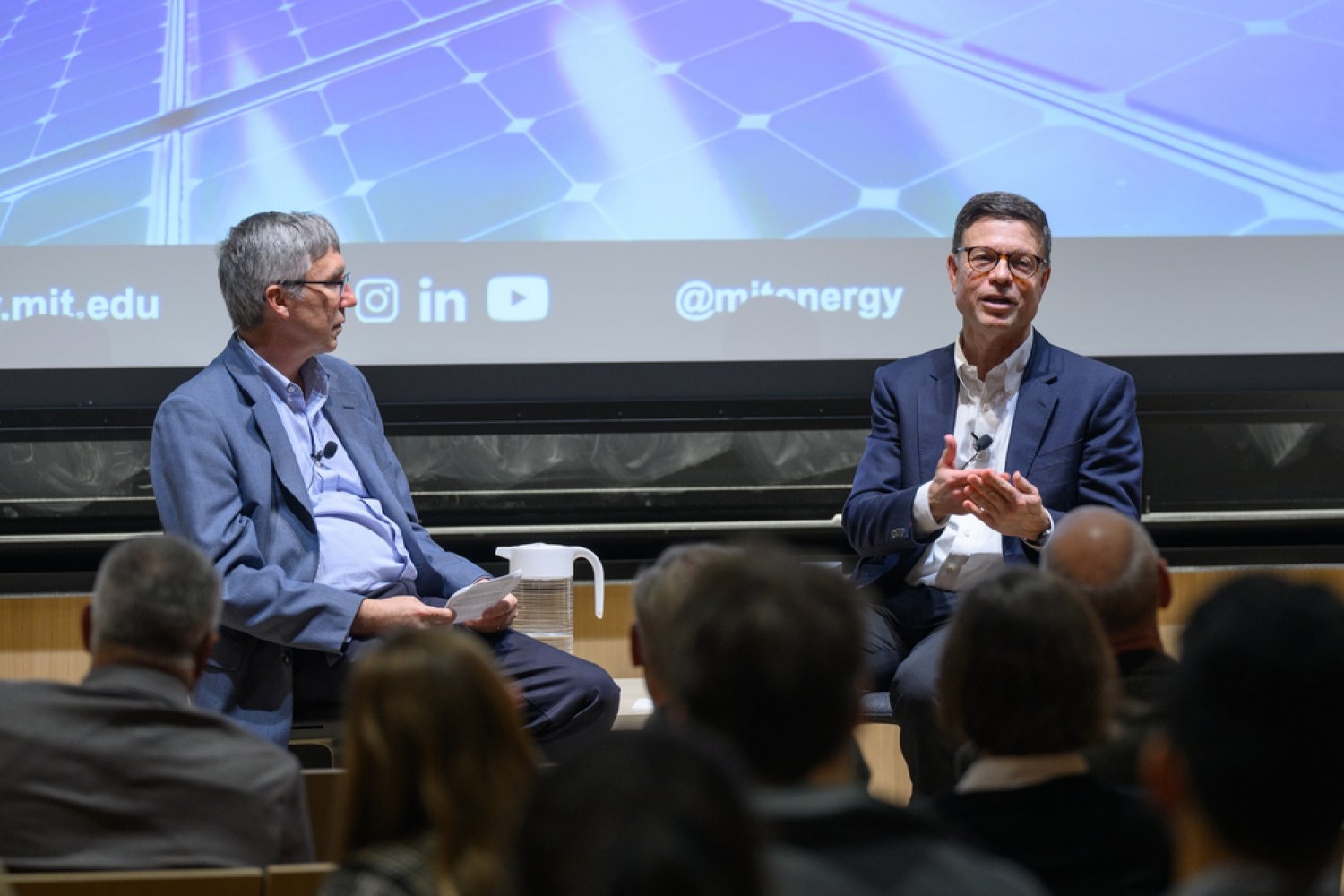
Advancements in battery innovation are transforming both mobility and energy systems alike, according to Kurt Kelty, vice president of battery, propulsion, and sustainability at General Motors (GM). At the MIT Energy Initiative (MITEI) Fall Colloquium, Kelty explored how GM is bringing next-generation battery technologies from lab to commercialization, driving American battery innovation forward. The colloquium is part of the ongoing MITEI Presents: Advancing the Energy Transition speaker series.

At GM, Kelty’s team is primarily focused on three things: first, improving affordability to get more electric vehicles (EVs) on the road. “How do you drive down the cost?” Kelty asked the audience. “It's the batteries. The batteries make up about 30 percent of the cost of the vehicle.” Second, his team strives to improve battery performance, including charging speed and energy density. Third, they are working on localizing the supply chain. “We've got to build up our resilience and our independence here in North America, so we're not relying on materials coming from China,” Kelty explained.

To aid their efforts, resources are being poured into the virtualization space, significantly cutting down on time dedicated to research and development. Now, Kelty’s team can do modeling up front using artificial intelligence, reducing what previously would have taken months to a couple of days.

“If you want to modify … the nickel content ever so slightly, we can very quickly model: ‘OK, how’s that going to affect the energy density? The safety? How’s that going to affect the charge capability?’” said Kelty. “We can look at that at the cell level, then the pack level, then the vehicle level.”

Kelty revealed that they have found a solution that addresses affordability, accessibility, and commercialization: lithium manganese-rich (LMR) batteries. Previously, the industry looked to reduce costs by lowering the amount of cobalt in batteries by adding greater amounts of nickel. These high-nickel batteries are in most cars on the road in the United States due to their high range. LMR batteries, though, take things a step further by reducing the amount of nickel and adding more manganese, which drives the cost of batteries down even further while maintaining range.

Lithium-iron-phosphate (LFP) batteries are the chemistry of choice in China, known for low cost, high cycle life, and high safety. With LMR batteries, the cost is comparable to LFP with a range that is closer to high-nickel. “That’s what’s really a breakthrough,” said Kelty.

LMR batteries are not new, but there have been challenges to adopting them, according to Kelty. “People knew about it, but they didn’t know how to commercialize it. They didn’t know how to make it work in an EV,” he explained. Now that GM has figured out commercialization, they will be the first to market these batteries in their EVs in 2028.

Kelty also expressed excitement over the use of vehicle-to-grid technologies in the future. Using a bidirectional charger with a two-way flow of energy, EVs could charge, but also send power from their batteries back to the electrical grid. This would allow customers to charge “their vehicles at night when the electricity prices are really low, and they can discharge it during the day when electricity rates are really high,” he said.

In addition to working in the transportation sector, GM is exploring ways to extend their battery expertise into applications in grid-scale energy storage. “It’s a big market right now, but it’s growing very quickly because of the data center growth,” said Kelty.

When looking to the future of battery manufacturing and EVs in the United States, Kelty remains optimistic: “we’ve got the technology here to make it happen. We’ve always had the innovation here. Now, we’re getting more and more of the manufacturing. We’re getting that all together. We’ve got just tremendous opportunity here that I’m hopeful we’re going to be able to take advantage of and really build a massive battery industry here.”

This speaker series highlights energy experts and leaders at the forefront of the scientific, technological, and policy solutions needed to transform our energy systems. Visit MITEI’s Events page for more information on this and additional events.

© Photo: Gretchen Ertl

Kurt Kelty (right), vice president of battery, propulsion, and sustainability at General Motors, joined MITEI's William Green at the 2025 MIT Energy Initiative Fall Colloquium. Kelty explained how GM is developing and commercializing next-generation battery technologies.

How artificial intelligence can help achieve a clean energy future

There is growing attention on the links between artificial intelligence and increased energy demands. But while the power-hungry data centers being built to support AI could potentially stress electricity grids, increase customer prices and service interruptions, and generally slow the transition to clean energy, the use of artificial intelligence can also help the energy transition.

For example, use of AI is reducing energy consumption and associated emissions in buildings, transportation, and industrial processes. In addition, AI is helping to optimize the design and siting of new wind and solar installations and energy storage facilities.

On electric power grids, using AI algorithms to control operations is helping to increase efficiency and reduce costs, integrate the growing share of renewables, and even predict when key equipment needs servicing to prevent failure and possible blackouts. AI can help grid planners schedule investments in generation, energy storage, and other infrastructure that will be needed in the future. AI is also helping researchers discover or design novel materials for nuclear reactors, batteries, and electrolyzers.

Researchers at MIT and elsewhere are actively investigating aspects of those and other opportunities for AI to support the clean energy transition. At its 2025 research conference, MITEI announced the Data Center Power Forum, a targeted research effort for MITEI member companies interested in addressing the challenges of data center power demand.

Controlling real-time operations

Customers generally rely on receiving a continuous supply of electricity, and grid operators get help from AI to make that happen — while optimizing the storage and distribution of energy from renewable sources at the same time.

But with more installation of solar and wind farms — both of which provide power in smaller amounts, and intermittently — and the growing threat of weather events and cyberattacks, ensuring reliability is getting more complicated. “That’s exactly where AI can come into the picture,” explains Anuradha Annaswamy, a senior research scientist in MIT’s Department of Mechanical Engineering and director of MIT’s Active-Adaptive Control Laboratory. “Essentially, you need to introduce a whole information infrastructure to supplement and complement the physical infrastructure.”

The electricity grid is a complex system that requires meticulous control on time scales ranging from decades all the way down to microseconds. The challenge can be traced to the basic laws of power physics: electricity supply must equal electricity demand at every instant, or generation can be interrupted. In past decades, grid operators generally assumed that generation was fixed — they could count on how much electricity each large power plant would produce — while demand varied over time in a fairly predictable way. As a result, operators could commission specific power plants to run as needed to meet demand the next day. If some outages occurred, specially designated units would start up as needed to make up the shortfall.

Today and in the future, that matching of supply and demand must still happen, even as the number of small, intermittent sources of generation grows and weather disturbances and other threats to the grid increase. AI algorithms provide a means of achieving the complex management of information needed to forecast within just a few hours which plants should run while also ensuring that the frequency, voltage, and other characteristics of the incoming power are as required for the grid to operate properly.

Moreover, AI can make possible new ways of increasing supply or decreasing demand at times when supplies on the grid run short. As Annaswamy points out, the battery in your electric vehicle (EV), as well as the one charged up by solar panels or wind turbines, can — when needed — serve as a source of extra power to be fed into the grid. And given real-time price signals, EV owners can choose to shift charging from a time when demand is peaking and prices are high to a time when demand and therefore prices are both lower. In addition, new smart thermostats can be set to allow the indoor temperature to drop or rise —  a range defined by the customer — when demand on the grid is peaking. And data centers themselves can be a source of demand flexibility: selected AI calculations could be delayed as needed to smooth out peaks in demand. Thus, AI can provide many opportunities to fine-tune both supply and demand as needed.

In addition, AI makes possible “predictive maintenance.” Any downtime is costly for the company and threatens shortages for the customers served. AI algorithms can collect key performance data during normal operation and, when readings veer off from that normal, the system can alert operators that something might be going wrong, giving them a chance to intervene. That capability prevents equipment failures, reduces the need for routine inspections, increases worker productivity, and extends the lifetime of key equipment.

Annaswamy stresses that “figuring out how to architect this new power grid with these AI components will require many different experts to come together.” She notes that electrical engineers, computer scientists, and energy economists “will have to rub shoulders with enlightened regulators and policymakers to make sure that this is not just an academic exercise, but will actually get implemented. All the different stakeholders have to learn from each other. And you need guarantees that nothing is going to fail. You can’t have blackouts.”

Using AI to help plan investments in infrastructure for the future

Grid companies constantly need to plan for expanding generation, transmission, storage, and more, and getting all the necessary infrastructure built and operating may take many years, in some cases more than a decade. So, they need to predict what infrastructure they’ll need to ensure reliability in the future. “It’s complicated because you have to forecast over a decade ahead of time what to build and where to build it,” says Deepjyoti Deka, a research scientist in MITEI.

One challenge with anticipating what will be needed is predicting how the future system will operate. “That’s becoming increasingly difficult,” says Deka, because more renewables are coming online and displacing traditional generators. In the past, operators could rely on “spinning reserves,” that is, generating capacity that’s not currently in use but could come online in a matter of minutes to meet any shortfall on the system. The presence of so many intermittent generators — wind and solar — means there’s now less stability and inertia built into the grid. Adding to the complication is that those intermittent generators can be built by various vendors, and grid planners may not have access to the physics-based equations that govern the operation of each piece of equipment at sufficiently fine time scales. “So, you probably don’t know exactly how it’s going to run,” says Deka.

And then there’s the weather. Determining the reliability of a proposed future energy system requires knowing what it’ll be up against in terms of weather. The future grid has to be reliable not only in everyday weather, but also during low-probability but high-risk events such as hurricanes, floods, and wildfires, all of which are becoming more and more frequent, notes Deka. AI can help by predicting such events and even tracking changes in weather patterns due to climate change.

Deka points out another, less-obvious benefit of the speed of AI analysis. Any infrastructure development plan must be reviewed and approved, often by several regulatory and other bodies. Traditionally, an applicant would develop a plan, analyze its impacts, and submit the plan to one set of reviewers. After making any requested changes and repeating the analysis, the applicant would resubmit a revised version to the reviewers to see if the new version was acceptable. AI tools can speed up the required analysis so the process moves along more quickly. Planners can even reduce the number of times a proposal is rejected by using large language models to search regulatory publications and summarize what’s important for a proposed infrastructure installation.

Harnessing AI to discover and exploit advanced materials needed for the energy transition

“Use of AI for materials development is booming right now,” says Ju Li, MIT’s Carl Richard Soderberg Professor of Power Engineering. He notes two main directions.

First, AI makes possible faster physics-based simulations at the atomic scale. The result is a better atomic-level understanding of how composition, processing, structure, and chemical reactivity relate to the performance of materials. That understanding provides design rules to help guide the development and discovery of novel materials for energy generation, storage, and conversion needed for a sustainable future energy system.

And second, AI can help guide experiments in real time as they take place in the lab. Li explains: “AI assists us in choosing the best experiment to do based on our previous experiments and — based on literature searches — makes hypotheses and suggests new experiments.”

He describes what happens in his own lab. Human scientists interact with a large language model, which then makes suggestions about what specific experiments to do next. The human researcher accepts or modifies the suggestion, and a robotic arm responds by setting up and performing the next step in the experimental sequence, synthesizing the material, testing the performance, and taking images of samples when appropriate. Based on a mix of literature knowledge, human intuition, and previous experimental results, AI thus coordinates active learning that balances the goals of reducing uncertainty with improving performance. And, as Li points out, “AI has read many more books and papers than any human can, and is thus naturally more interdisciplinary.”

The outcome, says Li, is both better design of experiments and speeding up the “work flow.” Traditionally, the process of developing new materials has required synthesizing the precursors, making the material, testing its performance and characterizing the structure, making adjustments, and repeating the same series of steps. AI guidance speeds up that process, “helping us to design critical, cheap experiments that can give us the maximum amount of information feedback,” says Li.

“Having this capability certainly will accelerate material discovery, and this may be the thing that can really help us in the clean energy transition,” he concludes. “AI [has the potential to] lubricate the material-discovery and optimization process, perhaps shortening it from decades, as in the past, to just a few years.” 

MITEI’s contributions

At MIT, researchers are working on various aspects of the opportunities described above. In projects supported by MITEI, teams are using AI to better model and predict disruptions in plasma flows inside fusion reactors — a necessity in achieving practical fusion power generation. Other MITEI-supported teams are using AI-powered tools to interpret regulations, climate data, and infrastructure maps in order to achieve faster, more adaptive electric grid planning. AI-guided development of advanced materials continues, with one MITEI project using AI to optimize solar cells and thermoelectric materials.

Other MITEI researchers are developing robots that can learn maintenance tasks based on human feedback, including physical intervention and verbal instructions. The goal is to reduce costs, improve safety, and accelerate the deployment of the renewable energy infrastructure. And MITEI-funded work continues on ways to reduce the energy demand of data centers, from designing more efficient computer chips and computing algorithms to rethinking the architectural design of the buildings, for example, to increase airflow so as to reduce the need for air conditioning.

In addition to providing leadership and funding for many research projects, MITEI acts as a convenor, bringing together interested parties to consider common problems and potential solutions. In May 2025, MITEI’s annual spring symposium — titled “AI and energy: Peril and promise” — brought together AI and energy experts from across academia, industry, government, and nonprofit organizations to explore AI as both a problem and a potential solution for the clean energy transition. At the close of the symposium, William H. Green, director of MITEI and Hoyt C. Hottel Professor in the MIT Department of Chemical Engineering, noted, “The challenge of meeting data center energy demand and of unlocking the potential benefits of AI to the energy transition is now a research priority for MITEI.”

© Image: Igor Borisenko/iStock

Researchers at MIT and elsewhere are investigating how AI can be harnessed to support the clean energy transition.

Solid-state sodium batteries could be safer, cheaper, more powerful option

By: newenergy

We rely on batteries now more than ever, from our phones and laptops to electric vehicles. But the ones powering today’s technologies aren’t without their shortcomings. They can be expensive, flammable, and they rely on increasingly in-demand materials that must be mined and processed. Researchers at Western University are working on a new type of …

The post Solid-state sodium batteries could be safer, cheaper, more powerful option appeared first on Alternative Energy HQ.

Atlas Renewable Energy inaugurated Shangri-La solar park in Colombia

By: newenergy

BOGOTÁ, NOV. 12, 2025 – Atlas Renewable Energy, a leading international provider of renewable energy solutions, officially inaugurated the Shangri-La solar project, located in Ibagué, Tolima. It marks the start of operations of its first project in the country. Shangri-La has an installed capacity of 201 MWp, representing a decisive step in the expansion of …

The post Atlas Renewable Energy inaugurated Shangri-La solar park in Colombia appeared first on Alternative Energy HQ.

US Offshore Wind Pipeline Halves as Policy Shifts and Costs Rise

By: newenergy

New tariffs and a federal leasing freeze compound cost pressures and regulatory challenges, limiting growth prospects. Houston, 12 Nov. 2025: The US offshore wind pipeline contracted sharply over the past year, falling to 23 projects from 45, as developers face a closing window for tax credits, a freeze on federal leasing and new trade frictions, …

The post US Offshore Wind Pipeline Halves as Policy Shifts and Costs Rise appeared first on Alternative Energy HQ.

Burning things to make things

Around 80 percent of global energy production today comes from the combustion of fossil fuels. Combustion, or the process of converting stored chemical energy into thermal energy through burning, is vital for a variety of common activities including electricity generation, transportation, and domestic uses like heating and cooking — but it also yields a host of environmental consequences, contributing to air pollution and greenhouse gas emissions.

Sili Deng, the Doherty Chair in Ocean Utilization and associate professor of mechanical engineering at MIT, is leading research to drive the transition from the heavy dependence on fossil fuels to renewable energy with storage.

“I was first introduced to flame synthesis in my junior year in college,” Deng says. “I realized you can actually burn things to make things, [and] that was really fascinating.”

Deng says she ultimately picked combustion as a focus of her work because she likes the intellectual challenge the concept offers. “In combustion you have chemistry, and you have fluid mechanics. Each subject is very rich in science. This also has very strong engineering implications and applications.”

Deng’s research group targets three areas: building up fundamental knowledge on combustion processes and emissions; developing alternative fuels and metal combustion to replace fossil fuels; and synthesizing flame-based materials for catalysis and energy storage, which can bring down the cost of manufacturing battery materials.

One focus of the team has been on low-cost, low-emission manufacturing of cathode materials for lithium-ion batteries. Lithium-ion batteries play an increasingly critical role in transportation electrification (e.g., batteries for electric vehicles) and grid energy storage for electricity that is generated from renewable energy sources like wind and solar. Deng’s team has developed a technology they call flame-assisted spray pyrolysis, or FASP, which can help reduce the high manufacturing costs associated with cathode materials.

FASP is based on flame synthesis, a technology that dates back nearly 3,000 years. In ancient China, this was the primary way black ink materials were made. “[People burned] vegetables or woods, such that afterwards they can collect the solidified smoke,” Deng explains. “For our battery applications, we can try to fit in the same formula, but of course with new tweaks.”

The team is also interested in developing alternative fuels, including looking at the use of metals like aluminum to power rockets. “We’re interested in utilizing aluminum as a fuel for civil applications,” Deng says, because aluminum is abundant in the earth, cheap, and it’s available globally. “What we are trying to do is to understand [aluminum combustion] and be able to tailor its ignition and propagation properties.”

Among other accolades, Deng is a 2025 recipient of the Hiroshi Tsuji Early Career Researcher Award from the Combustion Institute, an award that recognizes excellence in fundamental or applied combustion science research.

© Photo: John Freidah/MIT MechE

Associate Professor Sili Deng

How Heat Pumps Fit Into the Future Grid

By: newenergy

As more homes in the UK move away from gas heating systems, the need for a sustainable but effective method of heating and providing hot water for the home has become paramount. Heat pumps are rapidly emerging as a lead player in the game of decarbonised energy systems. But they are more than just efficient …

The post How Heat Pumps Fit Into the Future Grid appeared first on Alternative Energy HQ.

California Smashes ZEV Sales Record in Q3  

By: newenergy

WHAT YOU NEED TO KNOW: California’s demand for zero-emission vehicles (ZEVs) is surging despite federal attempts to derail the Golden State’s pursuit of a 100% clean energy future. A record 29.1% of all new cars purchased in Q3 of 2025 were ZEVs. SACRAMENTO — Today, Governor Gavin Newsom announced that Californians purchased 124,755 zero-emission vehicles (ZEVs) in the third …

The post California Smashes ZEV Sales Record in Q3   appeared first on Alternative Energy HQ.

❌