How Smart Energy Monitoring Cuts Business Carbon Footprints and Costs For operations managers, facility teams, and local business owners, energy use often feels like a fixed cost that only shows up as a monthly bill. The challenge is that everyday energy consumption challenges, equipment running longer than needed, schedules drifting, and spaces being conditioned when …
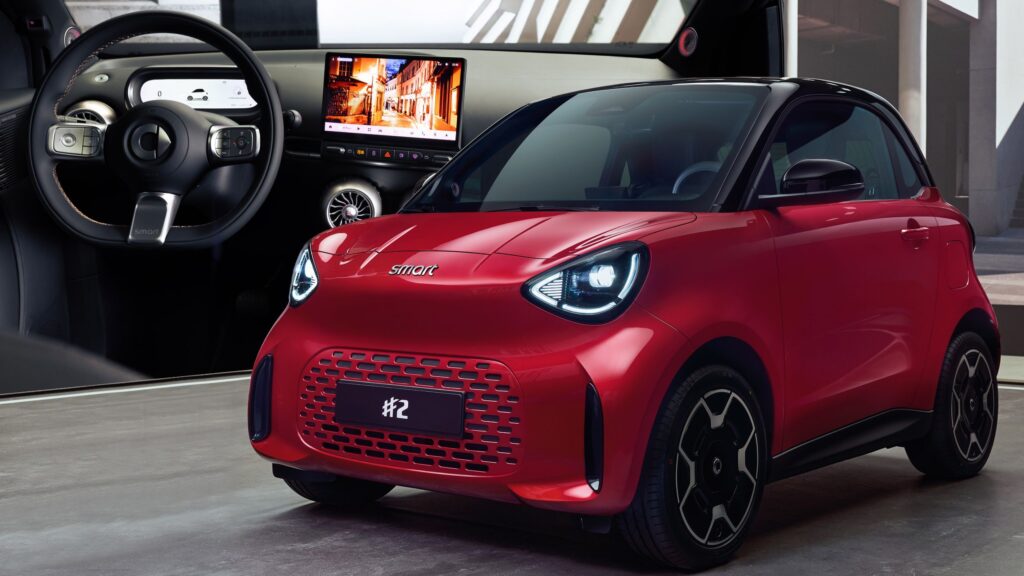
Smart revealed the all-new #2 at the Paris Motor Show.
The two-seater EV measures 2,746 mm (108.1 in) long.
It rides on a Geely architecture and has a 180-mile range.
Thirty years ago, Smart introduced its first model, later known as the Fortwo. The iconic two-seater city car was discontinued in 2024, but it finally got a direct successor with the all-new Smart #2.
The production version of the EV debuted at the Paris Motor Show, six months after the Smart Concept #2. Visually, it looks like an evolution of the Fortwo, with modern details that have been toned down compared to the concept car.
Changes include the redesigned graphics on the aggressive headlights and the round taillights, the smaller alloy wheels, the conventional door handles, and the simplified bumpers. The shut line of the hood has been moved higher on the nose, while the side intakes on the front bumper are doing without the fancy pixel screens. Other highlights include the body-colored mesh on the grille, the floating roof, the frameless windows, and the traditional split tailgate.
Smart #2 Couture Edition
The lineup includes the Pure, Pure+, and Premium trims. Smart has also unveiled the concept-inspired #2 Couture Edition which is limited to 999 units in Europe. This one is distinguished by the special grille cover that looks like a Luis Vuitton bag, and the aero extensions on the front and rear bumpers. The body is painted in Atelier White Matte with a Platinum Gold roof, and rides on 16-inch Lyra wheels with gold accents.
The Smart #2 is a pint-sized EV measuring 2,746 mm (108.1 in) long, with the Couture Edition adding an extra 18 mm (0.7 in) due to the bumper add-ons. Still, the new model is 51 mm (2 in) longer than the last Fortwo, and a full 246 mm (9.7 in) longer than the original Smart from the late ’90s. Despite the extra length, the company was able to retain the 6.95 m (22.8 foot) curb-to-curb turning radius of the original.
Well-Equipped Two-Seater Cabin
Smart #2 Premium
Inside, the dashboard has a simple layout with round climate vents, a standard 10.1-inch infotainment display, an 8.8-inch digital instrument cluster, a special mounting base for gadgets, and a three-spoke steering wheel with integrated buttons. Smart claims that the cabin is “spacious and practical”, with bench-style seats and a cargo capacity of 305 lt (10.8 cubic feet).
Equipment is generous, especially in the flagship Premium which comes standard with a glass roof, heated seats, faux leather upholstery, and a seven-speaker Sennheiser Sound System.
Advanced Underpinnings
The Smart #2 might have been designed by Mercedes, but it rides on the bespoke Electric Compact Architecture (ECA) engineered by Chinese automaker Geely.
The EV is powered by a rear-mounted electric motor producing 81 hp (60 kW / 82 PS) and 130 Nm (95.9 lb-ft) of torque. More importantly, the 35.8 kWh LFP battery pack offers a WLTP range of 290 km (180 miles), which is more than double the 135 km (84-mile) range of the EQ Fortwo. The battery is compatible with 65 kW DC fast charging, going from 10-80% in 20 minutes, and supports V2L.
Despite its urban focus, the company gave emphasis on driving dynamics, with wider tracks, a low-center of gravity, and a five-link rear suspension which is unique to the segment. Smart also went big on safety, with a new version of the signature Tridion Cell Evo structure, and loads of ADAS including Pilot Assist, Adaptive Cruise Control, Blind Spot Detection, Rear Collision Mitigation, and Rear Cross Traffic Alert.
Smart #2 Premium
Dr. Tilo Schweers, Vice President R&D Europe of smart Europe GmbH, said: “Getting the balance right in a car this compact meant tuning every detail, from chassis hard points and steering ratio to the right tyre compound for both city streets and open highways. We tested the smart #2 on proving grounds, in wind tunnels, and on public roads across different climates, because confidence behind the wheel must hold up in the real world, not just on paper.”
Smart has yet to reveal pricing, but Autocar reports the #2 will start at £17,900 ($23,700) in the UK. Since the Smart #2 is far more sophisticated compared to two-seater heavy quadricycles like the Citroen Ami and Fiat Topolino, rivals include four-seater urban EVs such as the Renault Twingo E-Tech, Nissan Pixo, Dacia Spring EV, and the upcoming VW ID. Up!.
The second-gen Polestar 2 will use a new platform, batteries, and motors.
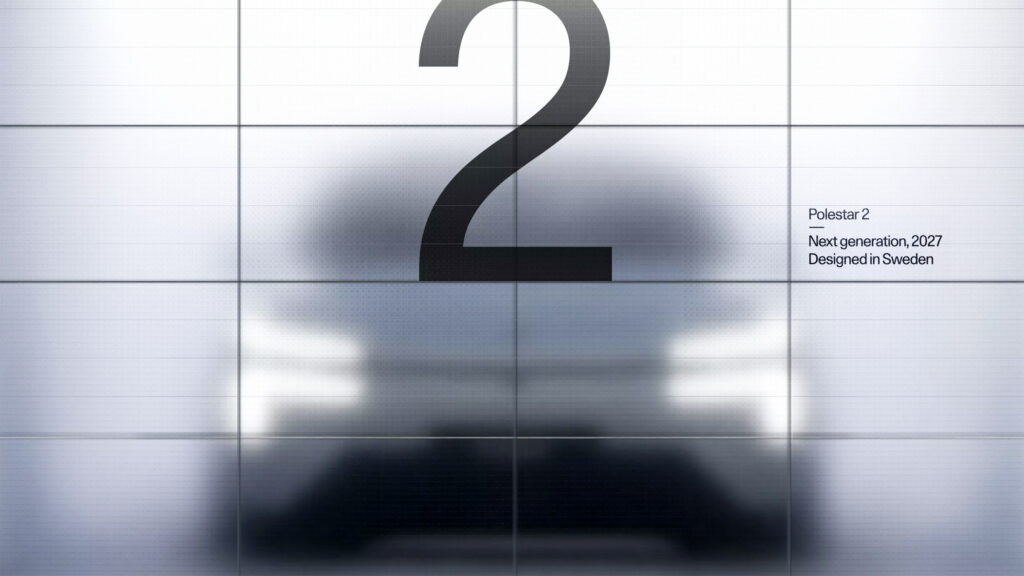
A teaser has revealed that the electric sedan will look more like the Polestar 5.
Polestar says lessons learned from the 5 will influence the new 2.
Polestar may have been kicked out of the United States, but the company still has grandiose ambitions to be a dominant player in Europe’s premium electric vehicle space. Next year, it will unveil the second-generation Polestar 2, an all-electric sedan aimed squarely at the BMW i3 and Mercedes-Benz C-Class Electric.
The current Polestar 2 dates back to 2016, one year before Polestar was established as a dedicated manufacturer of EVs. It began life as the Volvo Concept 40.2 and was then slightly updated for production, eventually premiering in road-going guise at the start of 2019. When it hit the market, many described it as a Tesla Model 3 killer, although sales have never come close to matching the Tesla.
The electric vehicle market has also developed rapidly since the 2’s launch, and what was once a class-leading sedan has started to feel outdated. The new car, teased earlier this year, won’t just look different, but it will also bring with it a host of new technologies.
A New Platform And A New Look
Underpinning the second-gen Polestar 2 will be a flexible new platform that can support several different vehicles, including the mid-size 7 SUV due to launch in 2028. Speaking with Auto Express, Polestar’s head of driving dynamics Joakin Rydholm revealed that lessons learned during the development of the new Polestar 5 will also influence the 2.
“We will beat [the new i3]; that we must,” he declared. “We have learned a lot of things during [the development of Polestar 5]; the active dampers, the steering – that’s something you bring with you, and we have in mind when we do the next projects.”
An 800-volt electrical architecture will enable quick charging, although it remains to be seen if it’ll support DC speeds of up to 400 kW like the BMW i3. There’s no word on what kind of power we can expect, or what kind of driving range Polestar is targeting, but the i3 can travel up to 559 miles (900 km) on a charge, so that gives Polestar something to target.
The design of the new 2 will also be quite different than the outgoing model. A teaser shows the sedan will sit lower and wider than its predecessor, while sporting daytime running lights similar in shape to other Polestar models, including the Polestar 4 and Polestar 5.
A fault with the company’s rear-view camera is behind the recall.
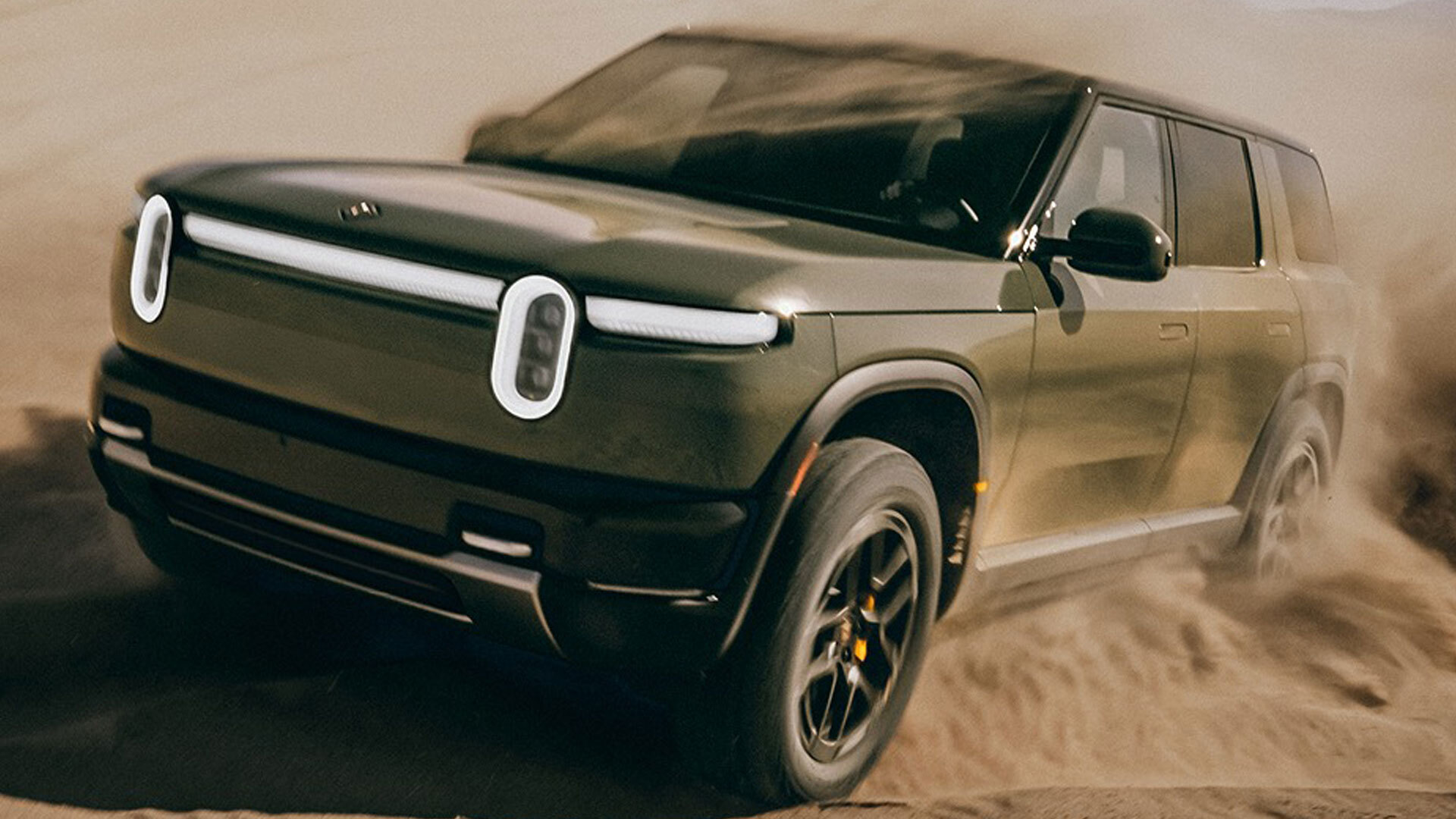
A total of 98,828 Rivian R1S, R1T, and R2 models are impacted.
Rivian says most models have already been fixed.
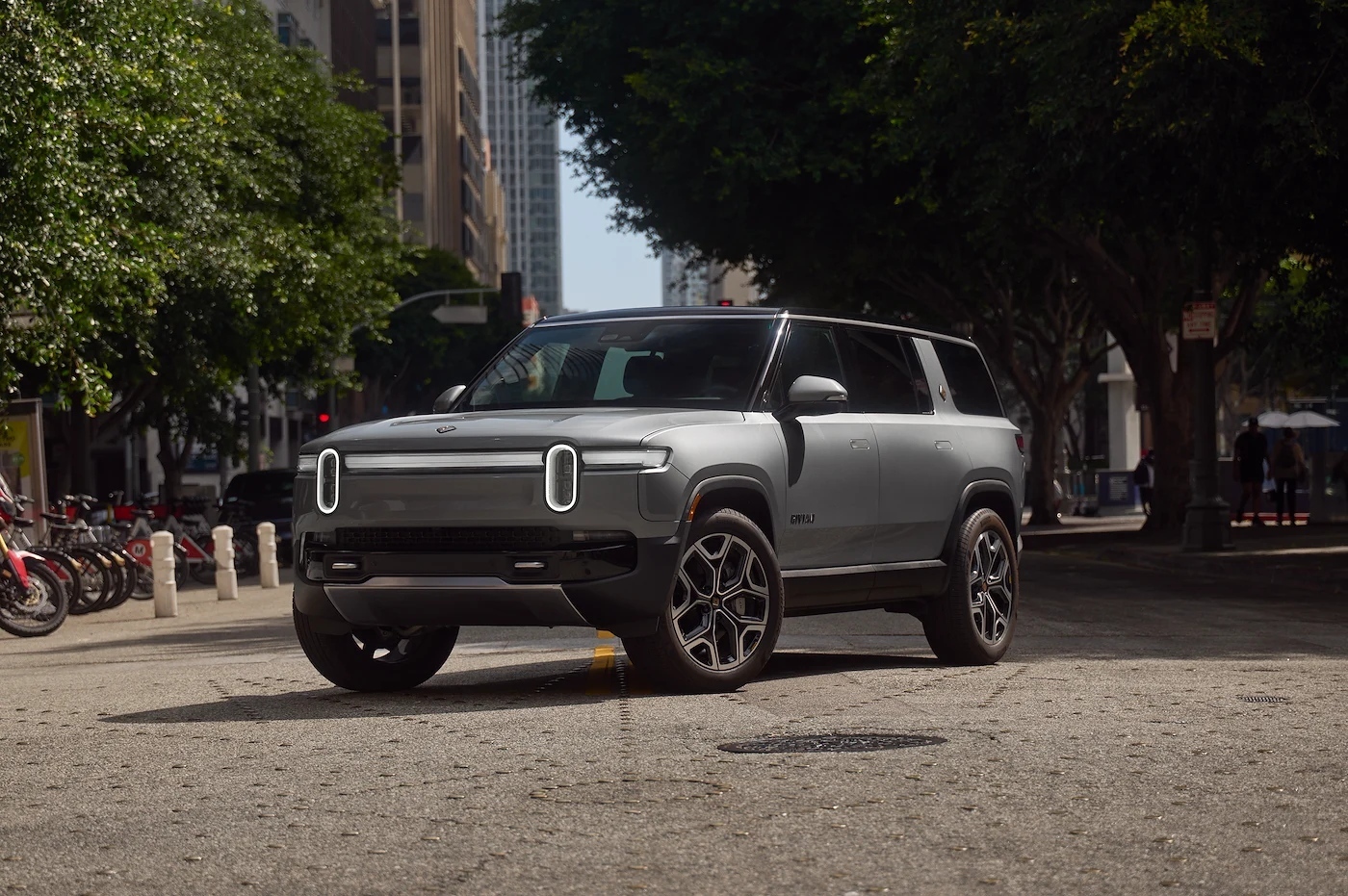
Customer deliveries of the Rivian R2 started only three months ago, and already, the electric SUV has been caught up in its first recall. It’s not the only Rivian model impacted either, as tens of thousands of R1S and R1T models are also being recalled over the same issue.
The recall notice says that a software issue in the R1S, R1T, and R2 models falls foul of Federal Motor Vehicle Safety Standards. On the face of it, that sounds quite troubling, but it isn’t overly significant and certainly isn’t something Rivian owners should be losing sleep over.
The company says that if the stability control system is disabled in one of the different drive modes, a safety alert will appear on the infotainment screen, asking whether the driver would like to return to a mode where the ESC is enabled. If a driver then puts the vehicle into reverse without making a selection, this notification will remain on screen, overlapping the rear-view camera image, which is a no-no according to safety standards.
A total of 98,828 Rivian models are impacted. These start with 2,481 examples of the 2027 R2, manufactured between April 23, 2026, and August 10, 2026. In addition, 62,259 Rivian R1S models built from March 30, 2022, to August 6, 2026, through the 2022-2027 model years are involved, as are 34,088 Rivian R1Ts built from August 23, 2021, to July 6, 2026.
Rivian says it discovered the issue during internal testing from July through September and adds that before the recall notice was even issued, an over-the-air software update had already rectified the fault in most models. In fact, it says the update has already been rolled out to 96 percent of the R2s involved, as well as 95 percent of R1S and R1T models. Chances are, if you own an impacted model, it was already updated and fixed before the recall.
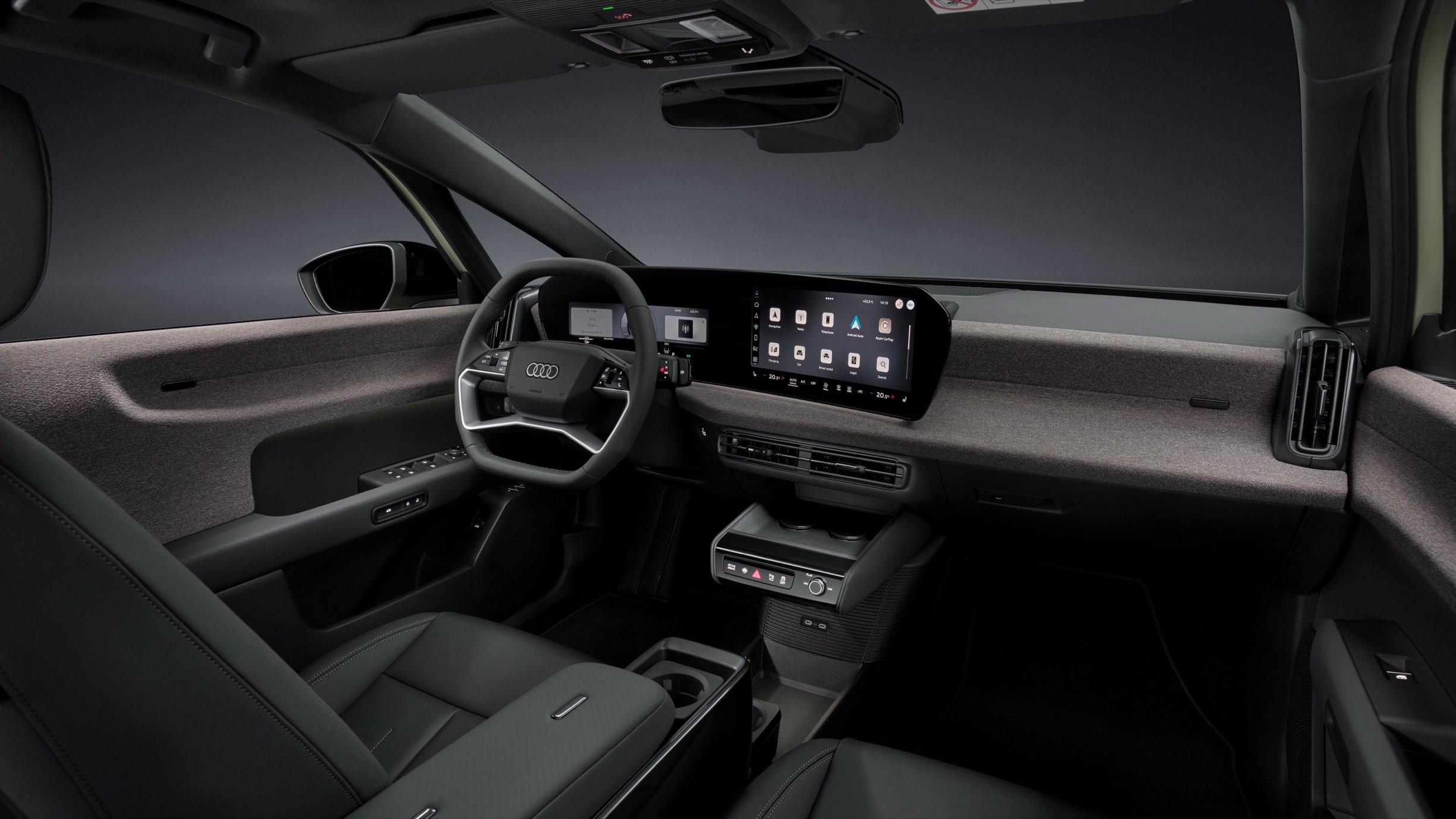
New A2 e-tron EV borrows design ideas from Audi’s innovative 1999 A2 hatch.
Biggest of three batteries delivers 401 range miles; smallest starts at £32,200.
Clever storage and one 167 hp motor comes standard; 322 hp hero tops lineup.
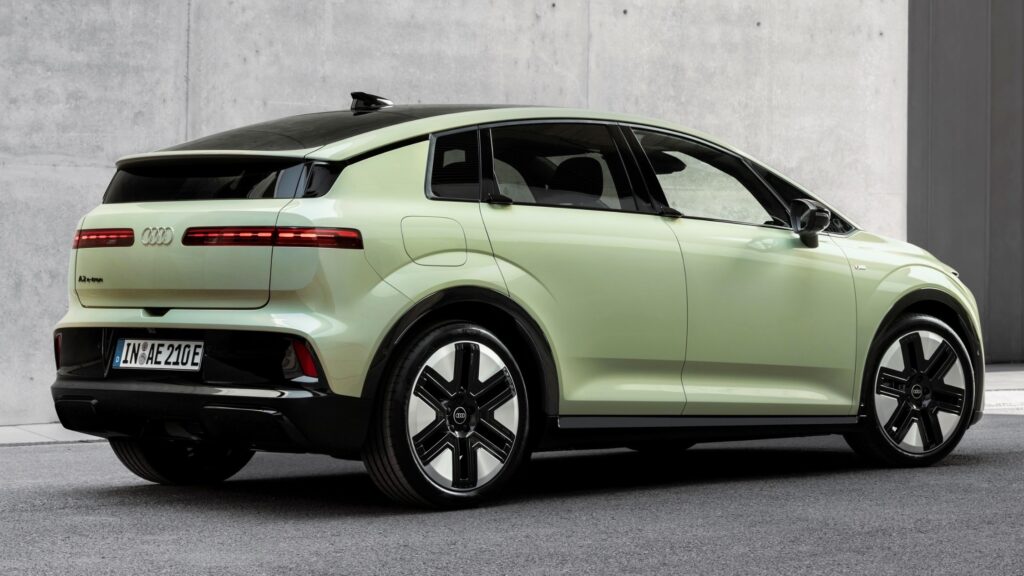
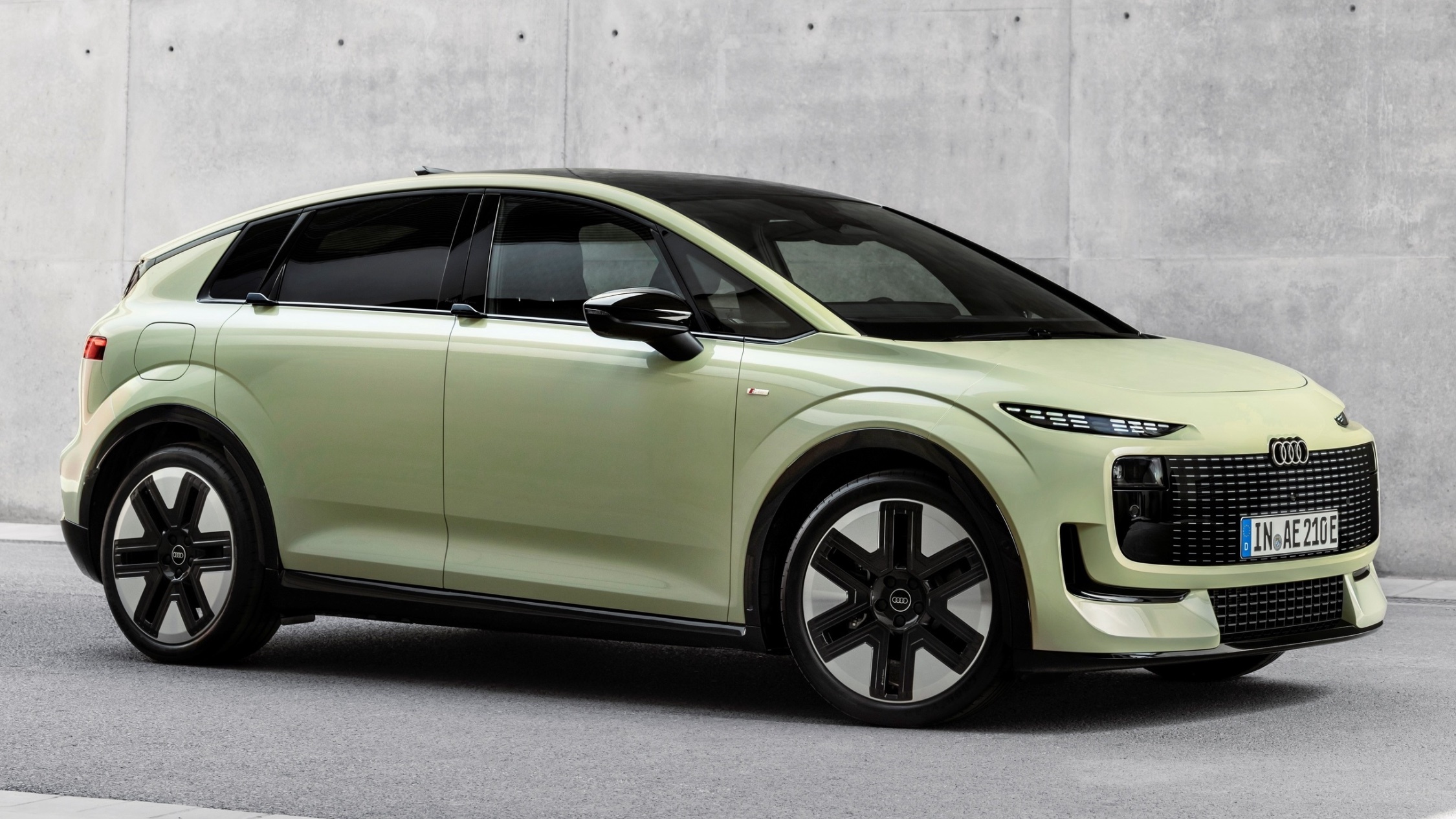
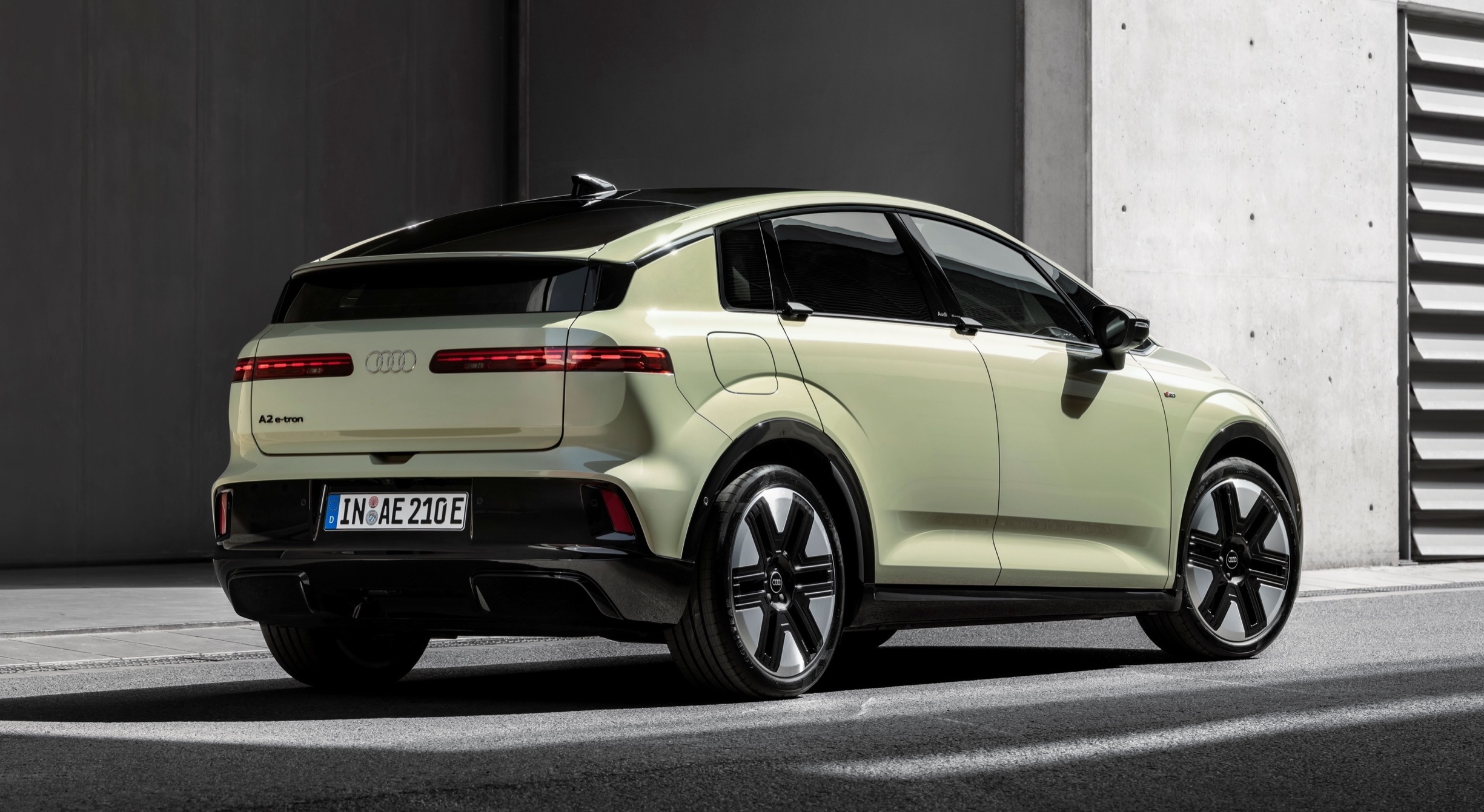
Being ahead of the curve sounds great unless nobody is ready for what you’re selling. Twenty-five years ago, Audi toyed with a radical vision of what a clever compact car could be: light, slippery, incredibly efficient and premium-feeling. Now that thinking and the A2 badge it wore is back, wrapped in a far more marketable electric crossover that might finally have arrived at exactly the right moment.
This is the new Audi A2 e-tron, and while another electric crossover might not sound like something worth cancelling dinner plans for, this one is worth your attention – even if you’re in the US, where the A2 was, and will continue to be, off limits. For a start, it takes some of the design cues of the original A2, the boxy, almost minivan-like body and split-glass rear window, and transplants them on a much wider car with a solid, four-square stance and the cheekiest grin we’ve seen an Audi wear.
The second reason to pay attention is Audi’s claim that the A2 e-tron is the most efficient production model in the brand’s history. Yes, even more efficient than the fuel-sipping, 78 US mpg A2 3L diesel, though we’re not sure how Audi calculated that. In the right configuration, the baby e-tron consumes just 12.8 kWh per 62 miles (100 km), while the real mile-muncher of the lineup manages up to 401 miles (645 km) on the European WLTP cycle.
And Ingolstadt’s engineers haven’t achieved that by simply throwing a battery the size of a studio apartment underneath their VW ID.3 and Volvo EX30 rival. Instead, Audi has gone hunting for wasted energy pretty much everywhere. The A2 has a drag coefficient of just 0.24, helped by an enclosed underbody, active cooling intake, aero wheels and clever little pieces around the wheel arches designed to calm turbulent air.
Even the door handles have joined the efficiency crusade. They’re wing-type handles at the base of the door pillars that use sensors rather than conventional mechanical hardware. Audi scrapped them in favor of conventional handles on the new Q9 luxury SUV but promised we’d see them on a future Euro product. Tug gently and the door opens electrically. There’s even backup energy storage in case the electrical system decides it’s having the day off.
There are three battery sizes, measuring 52, 61 and 84 kWh gross, so something to suit pretty much every kind of use-case scenario. Stick with the 52 kWh battery and you get a 168 hp (170 PS /125 kW) single motor that helps your A2 hit 62 mph (100 km/h) in 8.8 seconds and cover 262 miles (422 km) of range before needing to plug-in.
Quattro Notable By Its Absence
An optional 61 kWh pack comes with a 187 hp (190 PS / 140 kW) electric motor, dropping the stoplight sprint to 7.9 seconds and offering a handy range boost to 320 miles (515 km). Splash for the 228 hp (231 PS / 170 kW) A2 and you chop the 62 mph time to 7 seconds flat and unlock that 401-mile headline range figure we mentioned earlier, courtesy of an 84 kWh battery.
And if you’re prepped to swap some of that range for more zip, the 322 hp (326 PS / 240 kW) flagship delivers 5.7-second and 391-mile (629 km) stats. It’s also the only A2 capable of stretching its legs to 124 mph (200 km/h) instead of 99 mph.
In each case that power is settled to the rear wheels because the A2 is based on the MEB platform in use on cars like the Audi’s VW ID.3 rival and Audi Q4 e-tron SUV, not the newer front-drive MEB+ architecture found under the VW ID. Polo, Cupra Raval and Skoda Epiq. That means no Quattro tech or badges.
DC charging tops out at 183 kW on big battery cars, which require an unimpressive 29 minutes to fill from 10-80 percent. The two smaller batteries sound like they’re going to be even worse due to their feeble 100 kW charge rates, but they cut the fill time to 24 minutes by virtue of their tiny capacities. Like other VW MEB EVs, this one supports bi-directional charging.
Fidlock? What’s That?
Inside, an 11.9-inch digital instrument display sits alongside a 12.8-inch curved touchscreen, while the gear selector has migrated to the steering column. That leaves more room in the center console for a Qi 2.2 charging pad that can juice two smartphones simultaneously at up to 25 watts. Useful, but hardly revolutionary. The Fidlock system, though, promises to be both.
Fidlock is actually a magnetic mounting system with a mechanical lock, allowing owners to click things like cupholders and charging cable bags into dedicated points around the cabin and trunk. If you’re an avid cyclist you might be familiar with them already, but Audi claims the tech makes its production car debut on the A2.
Ordinary Trunk, But At Least There’s A Frunk
But what about real practicality? It’s okay, but not class leading. The A2 rides on the same 2,770 mm (109 inches) wheelbase as its Q4 e-tron brother, so legroom should be good, but where the Q4 offers 520 litres of trunk space, the A2 can only muster 396 liters (14 cu-ft). It also loses out to the Renault Megane E-tech (440 liters), but beats the VW ID.3 (385 liters) and cramped Volvo EX30 (318 liters).
One of the original A2’s most innovative features was its aluminum construction, but that also made it expensive, contributing to its poor sales. So this time the A2 e-tron is mostly steel with some aluminum content. But what does feel advanced is the development timeline. It took Audi 20 years to reboot the A2 after the last was discontinued, but only 21 months to get it from drawing board to debut.
The original A2 was ahead of its time, but with a slick design, some clever interior touches, impressive efficiency, a genuinely affordable £32,200 starting price and European EV sales on fire right now, maybe this is finally the right time for the A2.
RivianOS 2 is rolling out to every R1, including first-generation models.
Overhaul brings new interface, navigation alerts, and voice features.
Newer R1s get Unreal Engine 5 graphics, while older ones remain on Unreal Engine 4.
One of the better arguments for buying a software-defined vehicle is that, theoretically, the ride sitting in your driveway can get meaningfully better years after you bought it. Rivian is putting that promise to the test with what it calls the biggest software transformation the R1 has received yet. Importantly, even first-gen models will get this big new shiny update.
The automaker has begun rolling out software update 2026.31, which moves every R1T and R1S onto RivianOS 2. Again, Rivian isn’t leaving early adopters behind. Both first- and second-generation R1 vehicles get the new operating system, putting them onto the same underlying software stack as the newer R2. The most obvious changes come in the form of layout adjustments.
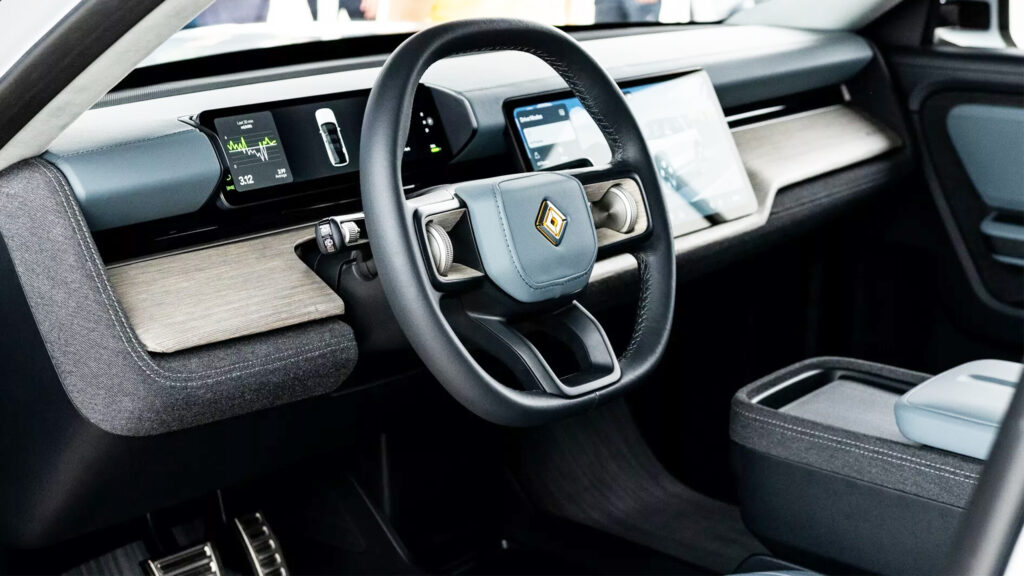
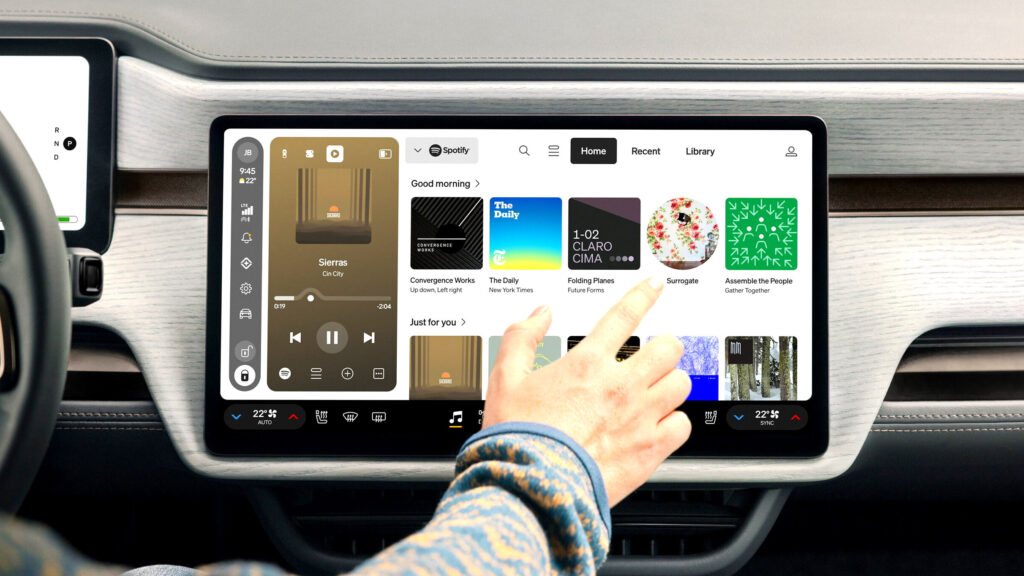
Rivian redesigned the interface with configurable quick controls and a media player that can be positioned on either side of the center display. There’s also a new vertical status bar and a substantially reworked settings menu with universal search and context-sensitive controls.
Graphics get an overhaul, too, although this is where hardware differences start to matter. Gen 2 R1s and the R2 use Unreal Engine 5 for real-time 3D vehicle and surroundings visualizations. First-generation R1s stick with Unreal Engine 4, which Rivian says allows it to maintain responsiveness on the older display hardware. That seems like a reasonable compromise. Early R1 owners can’t automatically gain the hardware compute that newer ones have, and yet, they still get many new benefits.
Google Maps And Waze Data Come Along For The Ride
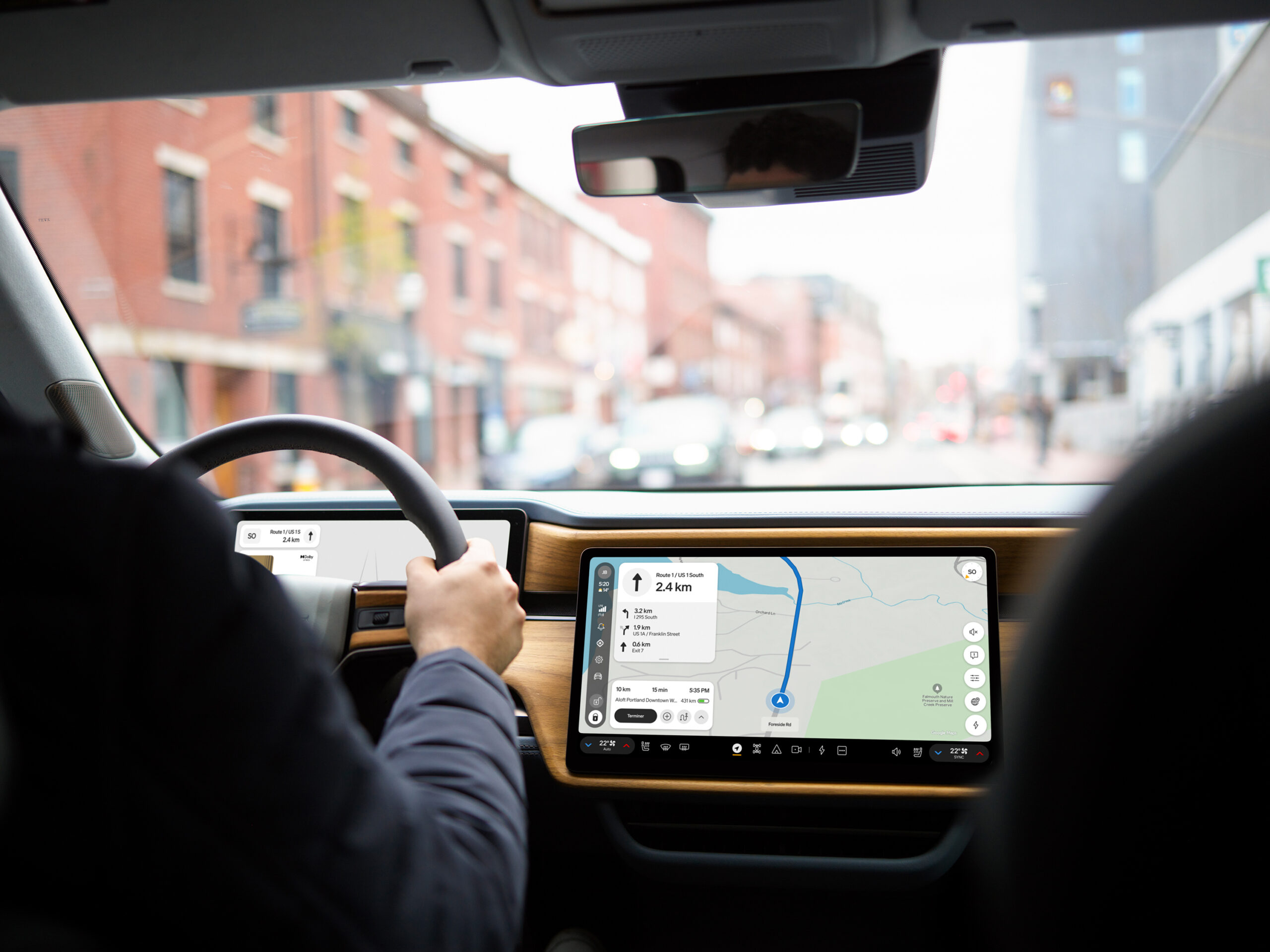
Perhaps more useful than prettier graphics are the new navigation alerts. Rivian is integrating Google Maps information about police presence and speed cameras directly into its navigation system. That information can come from local authorities and third-party sources, along with real-time reports submitted through Google Maps and Waze. On top of that, Connect+ subscribers get even more.
There’s now a dedicated weather app with current conditions, air-quality information, and a 10-day forecast. Subscribers can also create, view, and modify active vehicle trips through the Rivian mobile app. Underneath all of this is what Rivian calls its “Unified Intelligence” platform. Gen 2 R1s and R2s have enough onboard computing power for more local processing, while both generations of R1 receive expanded cloud-assisted voice functionality and refreshed driver-display layouts.
Privacy Settings Made The Cut
Privacy controls haven’t disappeared in the AI shuffle, either. Rivian says owners can disable hotword wake-word functionality, restrict location sharing, and change driver-profile data settings. Perhaps the most interesting part isn’t any individual feature, though. It’s that a first-generation R1 is getting essentially the same software design language as a brand-new R2.
That’s exactly what OTA updates were supposed to make possible, and it’s considerably more compelling than an update that merely moves a few icons around. The 2026.31 update is rolling out now to eligible R1 and R2 vehicles, though Rivian says availability can vary by vehicle.
WHAT YOU NEED TO KNOW: California’s demand for zero-emission vehicles (ZEVs) is surging despite federal attempts to derail the Golden State’s pursuit of a 100% clean energy future. A record 29.1% of all new cars purchased in Q3 of 2025 were ZEVs. SACRAMENTO — Today, Governor Gavin Newsom announced that Californians purchased 124,755 zero-emission vehicles (ZEVs) in the third …
The Carbon Storage Problem We’ve got all these great solutions capturing carbon, typically from air or industrial emitters. But capture is only half...

 Login