❌

Reading view

There are new articles available, click to refresh the page.

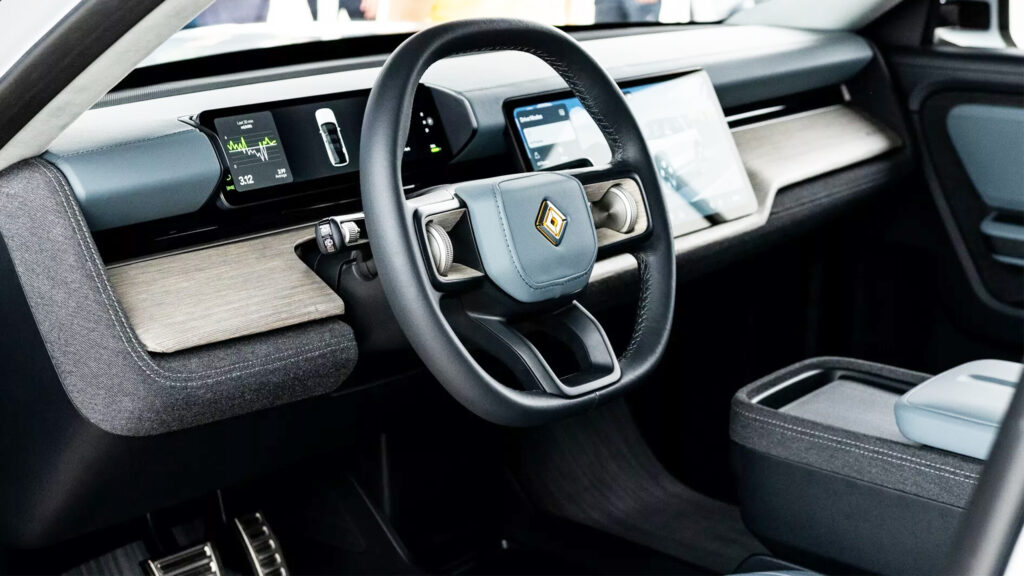
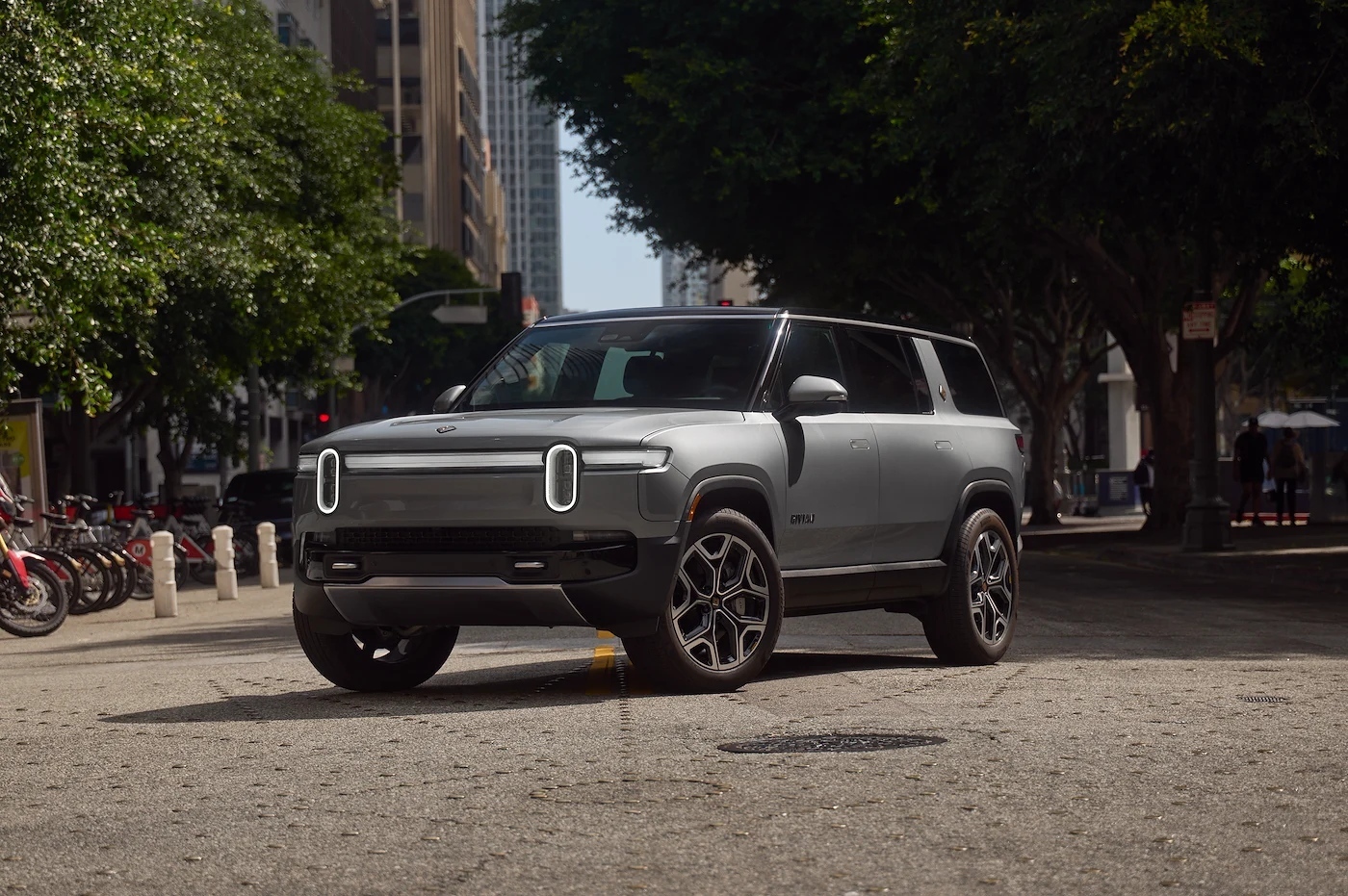
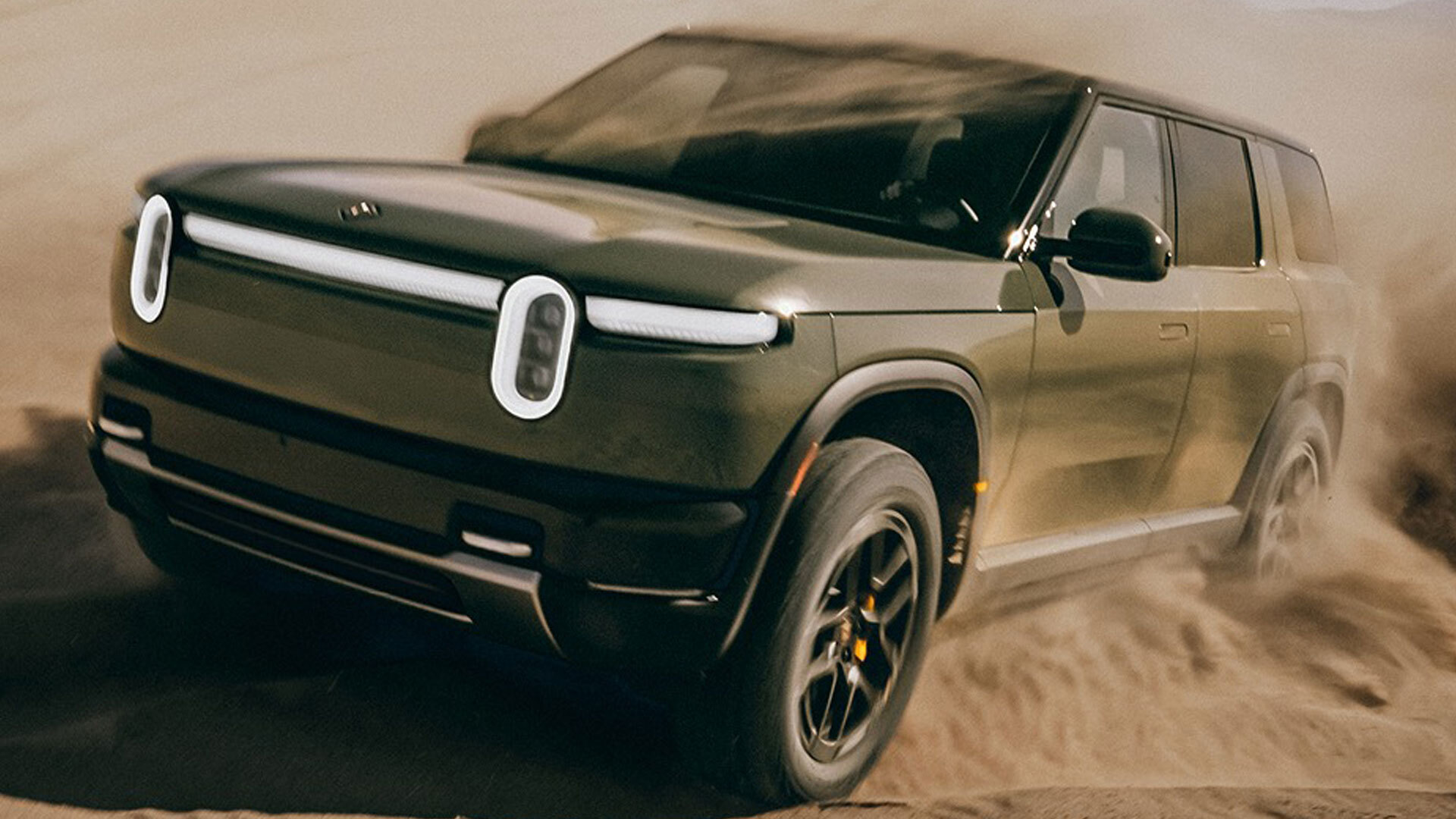
Rivian Has Already Issued The First Recall For The R2

  • A fault with the company’s rear-view camera is behind the recall.
  • A total of 98,828 Rivian R1S, R1T, and R2 models are impacted.
  • Rivian says most models have already been fixed.

Customer deliveries of the Rivian R2 started only three months ago, and already, the electric SUV has been caught up in its first recall. It’s not the only Rivian model impacted either, as tens of thousands of R1S and R1T models are also being recalled over the same issue.

The recall notice says that a software issue in the R1S, R1T, and R2 models falls foul of Federal Motor Vehicle Safety Standards. On the face of it, that sounds quite troubling, but it isn’t overly significant and certainly isn’t something Rivian owners should be losing sleep over.

Read: Rivian Service Followed The Wrong Instructions For Years, And One Owner Already Got Hurt

The company says that if the stability control system is disabled in one of the different drive modes, a safety alert will appear on the infotainment screen, asking whether the driver would like to return to a mode where the ESC is enabled. If a driver then puts the vehicle into reverse without making a selection, this notification will remain on screen, overlapping the rear-view camera image, which is a no-no according to safety standards.

 Rivian Has Already Issued The First Recall For The R2

A total of 98,828 Rivian models are impacted. These start with 2,481 examples of the 2027 R2, manufactured between April 23, 2026, and August 10, 2026. In addition, 62,259 Rivian R1S models built from March 30, 2022, to August 6, 2026, through the 2022-2027 model years are involved, as are 34,088 Rivian R1Ts built from August 23, 2021, to July 6, 2026.

 Rivian Has Already Issued The First Recall For The R2

Rivian says it discovered the issue during internal testing from July through September and adds that before the recall notice was even issued, an over-the-air software update had already rectified the fault in most models. In fact, it says the update has already been rolled out to 96 percent of the R2s involved, as well as 95 percent of R1S and R1T models. Chances are, if you own an impacted model, it was already updated and fixed before the recall.

 Rivian Has Already Issued The First Recall For The R2

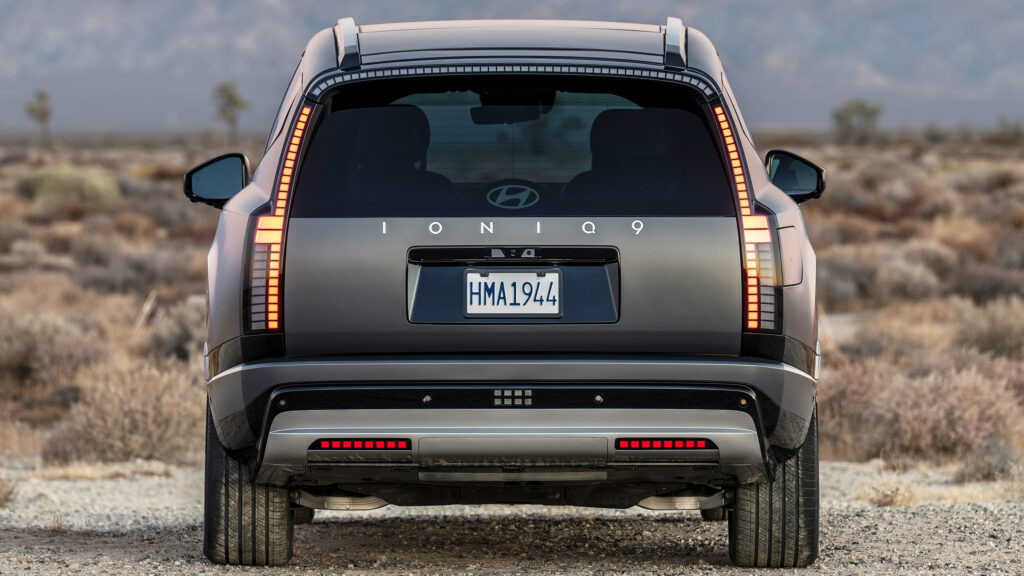
Hyundai Ioniq 9 Recalled Because The Seats Can Squish Kids

  • The Ioniq 9 is being recalled for a similar issue to the Palisade.
  • More than 5,300 Hyundai Ioniq 9s are being recalled in the United States.
  • Hyundai will start alerting impacted owners from November 9.

More than six months after tens of thousands of Hyundai Palisade models were recalled due to dangerous power-folding seats, the electric Ioniq 9 is being recalled for a similar issue. Hyundai says it’s aware of five consumer complaints about the defect and has been notified of two alleged injuries.

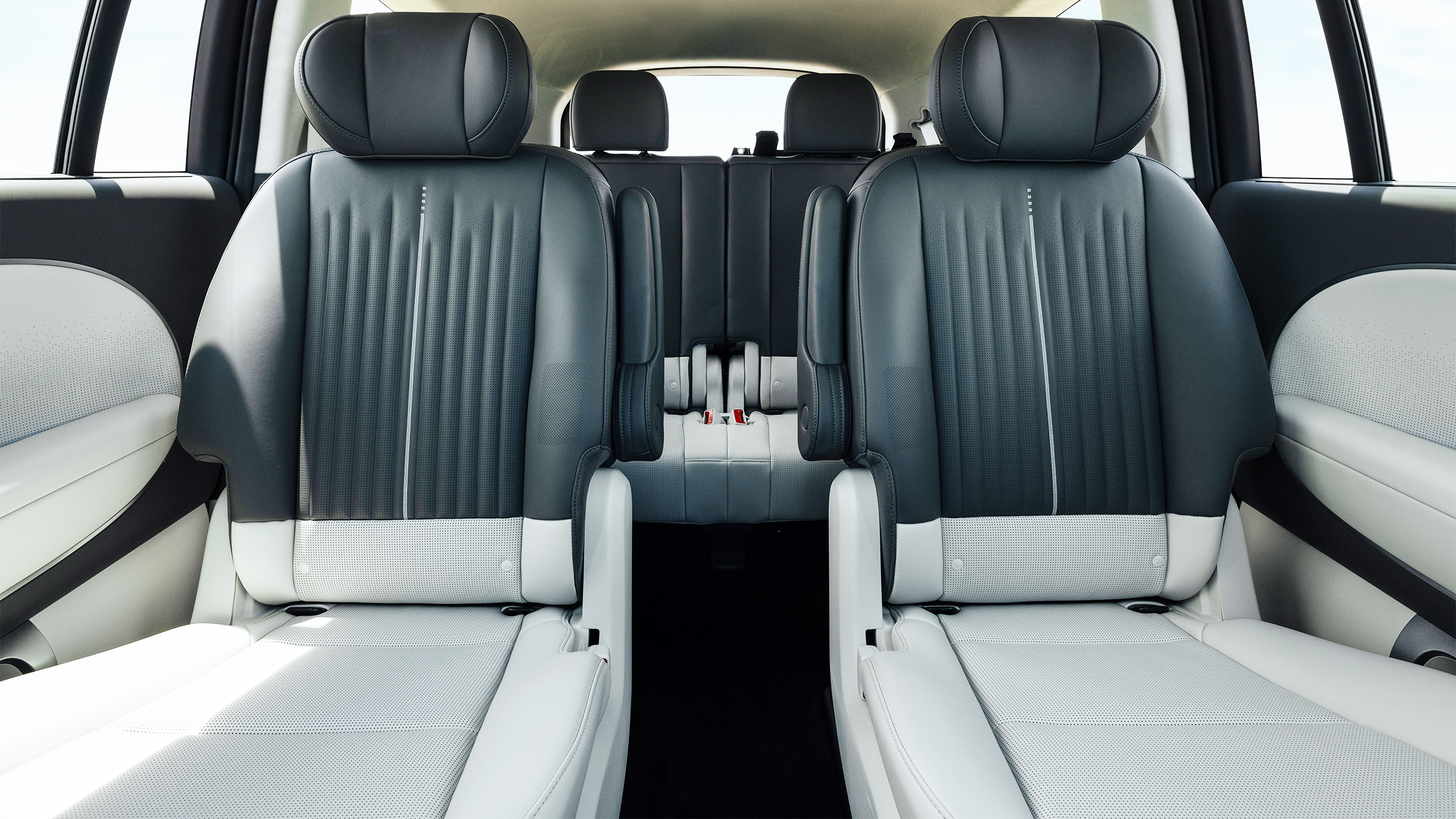
As was the case with the Palisade, Hyundai says the second-row power-seat assemblies of the 2026 Ioniq 9 may not respond if they come into contact with an occupant or object while folding away. This issue attracted global attention in March when it was revealed that a two-year-old girl was crushed by the folding seats of a 2026 Palisade.

Read: Child Death Leads To 2026 Hyundai Palisade Recall, But Still No Fix

This latest recall affected 5,360 Hyundai Ioniq 9 models manufactured between March 17, 2025, and May 4, 2026, with the Korean car manufacturer reporting that 100 percent of recalled vehicles have the fault.

While the issue is similar to the one which impacted the Palisade, it’s not identical. Hyundai notes the Ioniq 9 uses different seat architectures, software, motors, and supplier components to the Palisade and that it evaluated the Ioniq 9’s seats separately.

What’s The Fix?

\\\\\\\\\\

Hyundai says it began investigating the second-row folding seats of the Ioniq 9 in March and it determined the seats can fold at forces over the company’s established limits.

 Hyundai Ioniq 9 Recalled Because The Seats Can Squish Kids

Owners of affected models will be alerted from November 9. Prior to this date, Hyundai is urging owners to use caution while operating the power-folding seat functions. To resolve the potentially deadly fault, dealership technicians will inspect the seat controller software version and update the logic for the power seat functions. Owners who have opted in to receive over-the-air software updates will receive a fix this way.

It’s not just the Hyundai Palisade and Ioniq 9 that have been hit with a power folding seat issue. Earlier this year, Kia recalled hundreds of 2027 Telluride models, noting they also lacked sufficient anti-pinch protection for second-row occupants. In July, GM revealed the electric Vistiq could also have a similar fault, this time impacting its third-row seatbacks.

\\\\\\\\

Ford Recalls Mustang Mach-E Because A Battery Repair Can Make Things Worse

  • Recall affects just 86 Mustang Mach-Es.
  • Replacement controllers can falsely report battery health.
  • Ford warns of power loss and potential fire risk.

There are few things an EV driver needs to trust more than the little number telling them how much battery is left. Unfortunately, 86 Ford Mustang Mach-E owners may have discovered an unusually creative way for that number to lie. Ironically, the problem only exists because their cars were previously repaired.

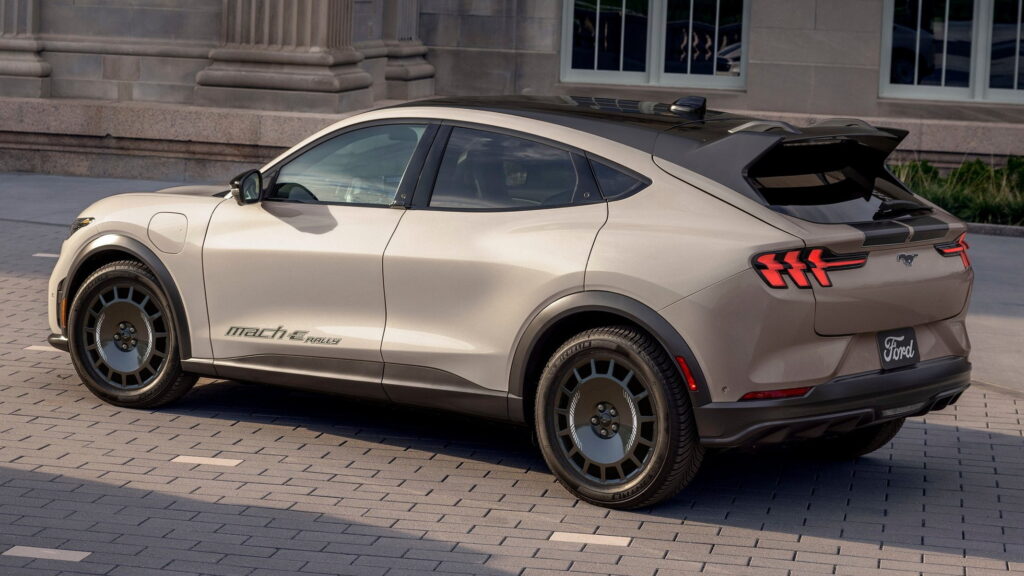
Ford is recalling certain 2023-2025 Mustang Mach-Es equipped with lithium iron phosphate (LFP) batteries after discovering an issue involving replacement Battery Energy Control Modules, or BECMs. According to the automaker, every one of the 86 vehicles included in the recall is estimated to have the defect.

Read: Ford Recalls 288,000 Explorers Because The Roof Trim Keeps Flying Off

The problem is almost comically simple. When a replacement BECM was installed, it initialized the battery’s State of Health at a fresh-from-the-factory 100 percent instead of inheriting the actual State of Health from the battery already in the vehicle. That’s considerably more consequential than simply being off by a percentage or two.

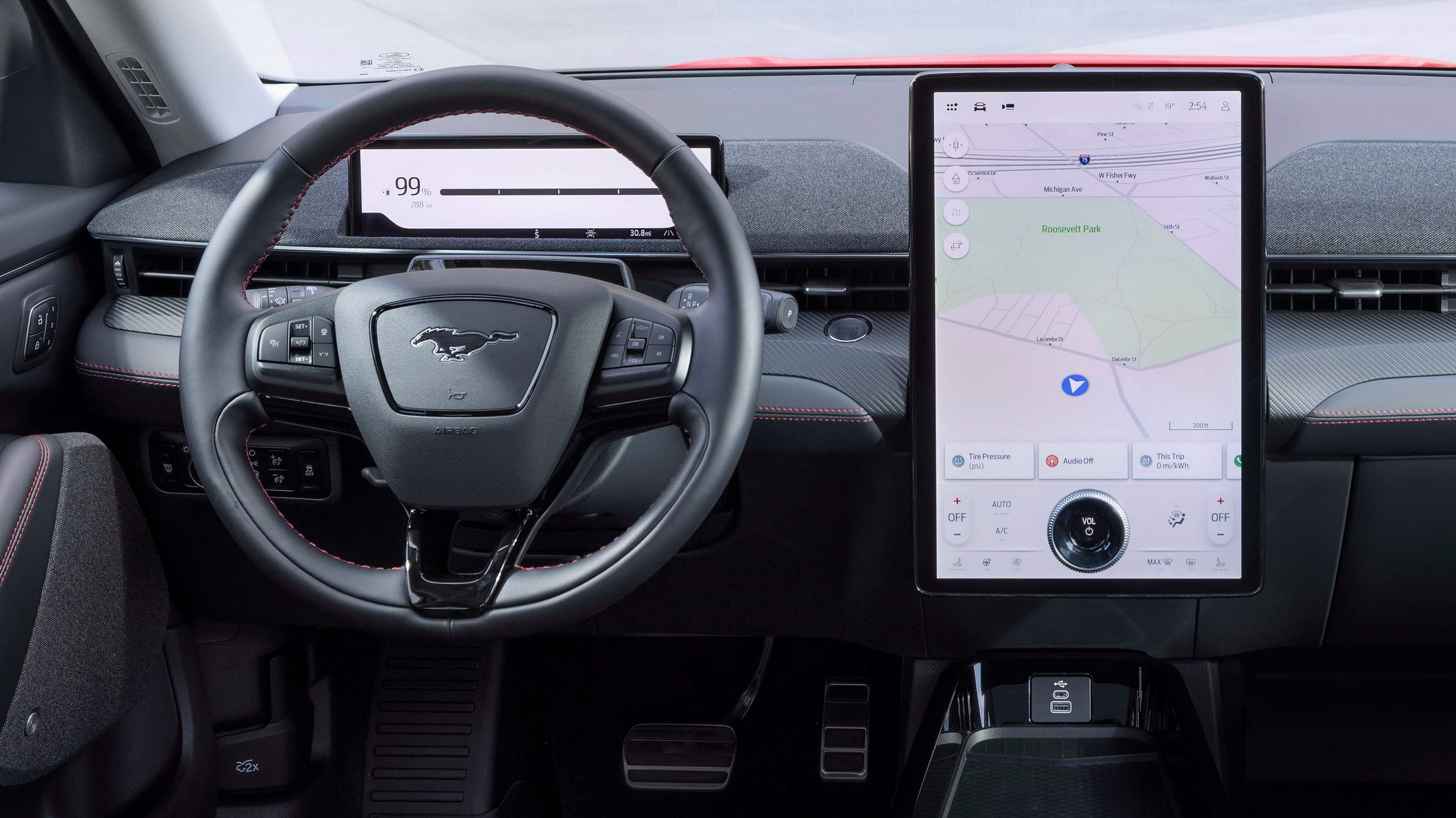
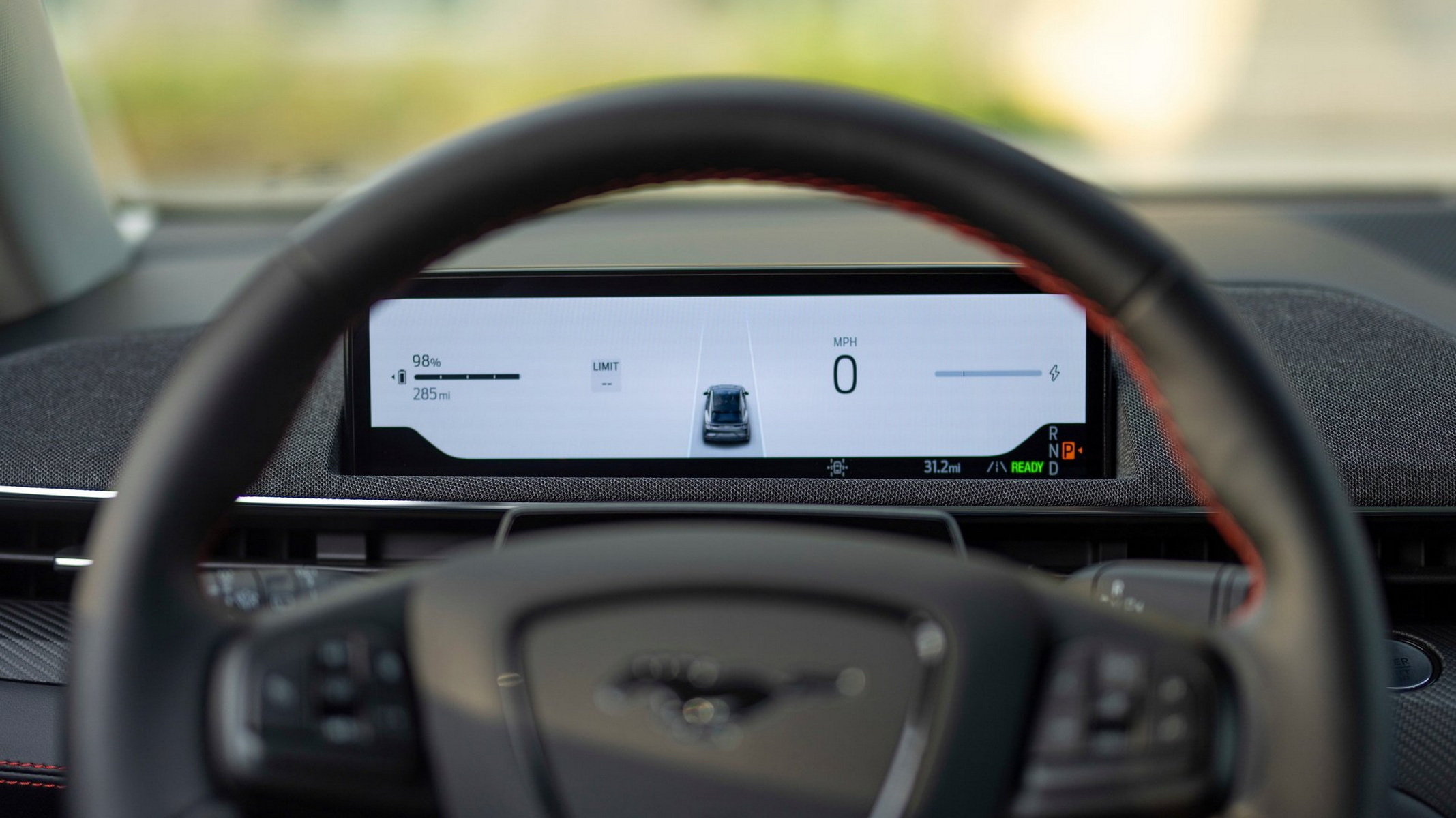
Since the car believes its battery is healthier than it really is, Ford says it can also display an artificially high State of Charge on the instrument cluster. In other words, the Mach-E can tell its driver that there’s more juice in the tank than there actually is. That discrepancy can eventually cause unexpected power limitation and ultimately a complete loss of motive power. Drivers may see a wrench or turtle warning light as the vehicle begins limiting power.

 Ford Recalls Mustang Mach-E Because A Battery Repair Can Make Things Worse

There is another, potentially more serious concern. Ford says the incorrect State of Health calculation may increase lithium plating within the battery cells as DC fast-charging cycles accumulate. Severe lithium plating can increase the risk of thermal venting and, potentially, a vehicle fire. Thankfully, there’s no indication that things have reached that point. As of its filing, Ford said it wasn’t aware of any crashes, injuries, or fires related to the issue. It also hadn’t identified any field reports specifically tied to the State of Health overestimation problem.

The solution is a simple software update that will allow the BCEM to recognize and then use the actual state of health that the corresponding battery has. It’s an extremely small recall, but also a fascinating reminder of just how much modern EVs rely on software knowing exactly what’s happening inside the battery.

 Ford Recalls Mustang Mach-E Because A Battery Repair Can Make Things Worse

Photos: Ford

Motorists Urged to Obey School Bus Stop Laws

By: Ryan Gray

The National School Transportation Association (NSTA) is calling on all motorists to obey traffic laws and exercise caution around school buses as students return to classrooms nationwide.

The warning follows the release of new data highlighting the ongoing problem of illegal passing of stopped school buses. According to results presented by the National Association of State Directors of Pupil Transportation Services at the 2026 NSTA Annual Meeting & Convention last month, 101,334 school bus drivers in 39 states and the District of Columbia (approximately 26 percent of the nation’s school bus drivers) voluntarily participated in a one-day count in the spring. They reported a total of 56,024 illegal passing motorists.

When projected nationally, the data suggests more than 213,800 illegal passings occur each school day, totaling over 38.4 million violations annually. This latest figure indicates a decrease from the 45.2 million violations estimated for the 2023–2024 school year. NASDPTS projected a total of 39.3 million violations for the 2024–2025 school year.

“School bus safety is a shared responsibility, and this data is a reminder that motorists play a critical role in protecting student,” said NSTA President Patrick Dean stated of the back-to-school reminder.

The school bus contractor association also continues its #KidsDeserveABrake social media campaign through September to raise awareness about the return of school buses to the roads. The association is advocating in Congress for H.R.2348 and S.2812, known as the Brake for Kids Act, which would direct the National Highway Traffic Safety Administration to conduct a nationwide public safety campaign about the dangers of illegal school bus passing.

“Every time a motorist illegally passes a stopped school bus, children’s safety is put at risk. As the school year begins, NSTA is calling on drivers, law enforcement and communities to treat these violations with the seriousness they deserve and to help ensure every student gets to and from school safely,” added NSTA Executive Director Curt Macysyn.


Related: Scientific Approach to Illegal Passing Issue Coming to STN EXPO West
Related: Detroit Lions Retired Offensive Lineman Joins Latest Michigan Illegal Passing Awareness Campaign
Related: NHTSA Kicks off Distracted Driving Awareness Month with Campaign
Related: Action Plan Puts National Spotlight on Hidden Toll of Illegal Passing

The post Motorists Urged to Obey School Bus Stop Laws appeared first on School Transportation News.

Helping First-Time Riders Approach the School Bus with Confidence

For many kindergarteners, the first day of school also marks their first time traveling to class without a parent. Whether they board a traditional yellow school bus or use another form of student transportation, the unfamiliar vehicle as well as new routine and separation from family can make the experience intimidating.

Preparing children before their first ride can help make the process more predictable. Families can visit the assigned pickup location, explain what will happen when the vehicle arrives and make sure children know their bus number, stop or other identifying transportation information.

The National Highway Traffic Safety Administration recommends that children riding school buses should arrive at their stop at least five minutes before the bus and wait at least 10 feet from the curb. Students should wait until the vehicle stops completely, and the school bus driver indicates it is safe before boarding or exiting.

NHTSA also advises children who cross in front of a school bus to make eye contact with the driver. Industry standards require school bus drivers train the students on a hand gesture made by the driver as an all-clear sign for the students to cross the street. If an item falls near or underneath the vehicle, students should notify the driver instead of attempting to retrieve it.

Although the school bus is one of the safest vehicles on the road, NHTSA states that children face greater risk while approaching or leaving it. Practicing those steps before school begins can turn unfamiliar instructions into a recognizable routine.

Student Transporters Take Safety Initiative

Some school districts have incorporated practice rides and additional assistance into kindergarten orientation. For instance, Monroe School District in Washington state invites incoming kindergarteners and their parents or guardians to meet school bus drivers and take a practice ride from the transportation facility to their future school. During the event, students also learned important school bus safety practices.

Fairfax County Public Schools in Virginia explained to families that drivers help provide kindergarteners with a safe and welcoming ride while teaching them school bus safety and appropriate behavior. At Forestville Elementary School within Fairfax, kindergarteners sit near the front of the bus, board and exit before older students, and receive yellow identifying markers on their backpacks, so drivers and substitutes know when they may need additional assistance.

Transportation professionals have also developed creative resources to help children understand what riding a school bus will be like. The use of children’s books to prepare young riders was discussed during the STN EXPO East conference in March.

Monique Jackson, an area transportation manager for Charlotte-Mecklenburg Schools’ Rocky River Transportation, and Valerie Higley, a substitute school bus driver and dispatcher for First Student in East Lyme, Connecticut, shared how the children books they wrote can introduce young readers to school bus safety and make the riding experience feel more familiar.

The books represent one resource families and transportation professionals can use alongside practice rides, safety lessons and conversations with drivers.

Head Start Guidance

Federal Head Start guidance also addressed how transportation teams can assist young children who become upset while riding. It advised drivers and monitors to learn about the interests and needs of the children they transport so they can recognize when a child may require additional attention.

Families and transportation staff are encouraged to communicate when a child may need extra support and develop ways to help the child manage their feelings during the ride. Transportation staff can respond by offering reassurance, redirecting the child’s attention, starting a conversation, or sitting nearby when additional encouragement is needed, according to the guidance.

Communication can be equally important for caregivers learning a new transportation routine, particularly when language barriers make ride information difficult to understand.

HopSkipDrive announced July 21 that the company’s caregiver app, ride notifications and live support are now available in Spanish. The app automatically displays information in Spanish when a caregiver’s phone is set to the language, according to the company.

Spanish-speaking caregivers can track rides, receive pickup and drop-off notifications and contact a Spanish-speaking support agent during an active ride. HopSkipDrive said its Caregiver Great Start program helps families learn how to use the app before a child’s first ride and is too available in Spanish.

The update applies to HopSkipDrive’s supplemental student transportation service via alternative vehicles rather than traditional school bus routes. However, it illustrates how providing families with clear information before and during a ride can help reduce confusion surrounding an unfamiliar transportation process.


Related: Safety in Sight
Related: Children’s Books by School Bus Drivers Double as Safety Education Tool
Related: Georgia Grandmother Writes School Bus Safety Book for Children
Related: Building Trust on the Bus: The Lasting Impact of Student-Driver Relationships

The post Helping First-Time Riders Approach the School Bus with Confidence appeared first on School Transportation News.

❌