Reading view

There are new articles available, click to refresh the page.

72% Of New EV Buyers Just Traded In A Gas Car, Even After Losing The $7,500 Credit

  • EV trade-in rates rose from 67.1% to 72.1% between January and April.
  • Used EV wholesale values jumped 11% this year and beat ICE prices for weeks.
  • Analysts urge caution, citing high rates and more expensive gasoline.

Data from Edmunds suggests the shift from gas to electric is gaining momentum at the dealership level. In January of this year, 67.1% of new EV purchasers at dealerships traded in a gas car. In April of this year, that figure had jumped to 72.1%. And it’s not just a first-time fad. Repeat EV purchase data also show an increase.

Numbers for January 2026 show that 26.2% of buyers traded in an old EV for a brand-new one. That figure leaped to 35.4% in April. Worth noting: this uptick comes despite the removal of the federal $7,500 EV tax credit and several state-level incentives. So, is this a definitive trend, then?

Read: America’s Used EV Market Is Heating Up For One Simple Reason

Speaking to CNBC, Ivan Drury, Senior Director of Insights at Edmunds, says it’s too early to draw a concrete conclusion, or to say whether it’s just the effect of the Middle East War and its resulting runaway fuel prices. “Oil and gas prices started rising after the U.S. and Israel attacked Iran on Feb. 28. About three more months of high gas prices and elevated EV trade-in numbers will give a better indication of whether customers feel pinched enough at the pump to consider a switch…” says Drury.

Car Prices Are Rising, But Especially EVs

With auto prices rising across the board, whether you buy a brand-new car or a used one, the chances are you’ll be paying more for it now than you would have six months ago, and much more than in 2020.

 72% Of New EV Buyers Just Traded In A Gas Car, Even After Losing The $7,500 Credit
Cox Automotive

According to Cox Automotive, their Manheim Used Vehicle Value Index is approximately 4% higher than at the same time last year. And they’ve seen EVs leading the charge, with price increases notably higher than regular gas-powered vehicles.

“Additionally, we continue to see EV prices rising faster and holding higher than non-EVs. Three-year-old EV prices have outpaced non-EVs for six weeks in a row and are 11% higher than they were at the start of the year. The longer gas prices remain elevated, the more we expect consumers to turn to fuel-efficient vehicles.

“As EV lease maturities continue to increase throughout the summer, it will be critical to follow EV price trends—especially if the Middle East conflict remains unresolved.” says Jeremy Robb, Chief Economist at Cox Automotive. So, it seems that buyers are willing to pay more upfront if it means lower running costs, which EVs have offered for quite some time now.

Unsurprisingly, ICE SUVs Have Appreciated Least

It’s no surprise to see that out of all the categories analyzed by Cox Automotive, used gas-powered SUVs and CUVs have appreciated by just 0.3% on average since last year. Given their gas-guzzling tendency and resultant tugging at pocket strings, it’s to be expected.

 72% Of New EV Buyers Just Traded In A Gas Car, Even After Losing The $7,500 Credit
Cox Automotive

Equally unsurprising is the fact that compact cars, a relatively fuel-efficient segment in the internal combustion engine class, saw the second-highest increase, at 7.6%. As Drury would likely agree, the data points in an interesting direction — but it’s still too early to call it a structural shift rather than a gas-price reaction.

 72% Of New EV Buyers Just Traded In A Gas Car, Even After Losing The $7,500 Credit
Chevrolet

Canada’s Electrified Vehicle Sales Surge 75% Before Chinese Cars Even Arrived

  • Canada logged 21,574 EV sales in March, up 74.7% year over year.
  • Federal rebates now cut as much as $5,000 off eligible EV purchases.
  • Sparse charging networks still slow broader electric vehicle adoption.

Canada may not be the first country you’d back to lead an electrified car revolution, but it seems that the tides are changing, with buyers snapping up 21,574 new ZEVs (Zero Emission Vehicles) in March 2026 alone, according to a Statistics Canada report. That’s a 74.7% increase over March 2025 figures.

ZEVs cover any vehicle that can produce zero tailpipe emissions, which includes PHEVs or Plug-in Hybrid Electric Vehicles, which can achieve this when operating in purely electric vehicle mode. In fact, new ZEVs accounted for 12.2% of all new vehicles sold in March 2026, compared to 6.6% the same month last year.

Read: Canada’s China Deal Promised Affordable EVs, But $100,000 SUVs Are First Off The Boat

Huw Williams, Canadian Automotive Dealers Association spokesperson, believes that this uptick in electrified demand is a sign of things to come. “We can see it on the ground (at dealerships) the surge in gas prices and the return of federal (EV) incentives is working to drive the sales. One of the other fundamentals working to drive sales is consumers see their neighbors with EV’s, they’re trusting them more each day,” he told CTV News.

This drive is also backed by the federal government, which introduced a new five-year EV incentives program. Rolled out in February 2026, the program offers rebates of up to $5,000 and covers hybrid vehicles, too.

Toyota & Honda Thrive, Chinese EVs Are Coming

 Canada’s Electrified Vehicle Sales Surge 75% Before Chinese Cars Even Arrived

Brendan Sweeney, President of the Pacific Manufacturing Association of Canada, points out that electrification is already being accepted at a great pace in Canada. “The majority of Honda and Toyota’s vehicles that are made in Canada are electrified; they reduce tailpipe emissions by 25 percent to 30 percent, and we know those are in high demand, so is there a future for electrified vehicles in Canada,” he said.

Plus, Canada is now preparing to welcome up to 49,000 Chinese EVs per year, rising to as high as 70,000 per year by 2030. Williams says, “We’re also hearing about interesting joint venture projects with Chinese companies coming to North America, we’re also hearing about exciting hybrids in the pipeline and a variety of consumer choice that’s going to be coming from all over the world.”

Charging Stations Need To Be More Prevalent

Of course, Canada’s road to electrification isn’t as smooth as you’d hope just yet. One major stumbling block is the proliferation of charging stations. While there’s a pretty decent number out there, they’ll need to become even more prevalent as more EVs take to the roads.

In short, you’ll need to have more EV charging bays in closer proximity to each other, given that cold weather can cause notable range reduction. Williams highlights this, saying, “We have to focus on reducing the charging anxiety, that means charging stations that work, charging stations that are reliable, and charging stations that are in the places that consumers need them most.”

 Canada’s Electrified Vehicle Sales Surge 75% Before Chinese Cars Even Arrived

This Is What Happens When You Don’t Tariff Chinese EVs

  • Latin America has seen a boom in EV adoption, particularly in Costa Rica.
  • Consumers, influenced by rising gas prices, are buying more EVs than ever.
  • Many Chinese brands are dominating, thanks to their affordable offerings.

The cost to fill up in the US has risen sharply in the first few months of 2026, including back-to-back 25-cent weekly jumps that pushed the national average to $4.51 at the time of publishing. The pain isn’t localized either. Gas prices in nearly every country have spiked, and they look set to stay elevated for the foreseeable future.

So, with 2026’s outlook for fuel costs not looking good, and 2027’s not looking much better, what’s a possible solution? Well, many around the world are embracing EVs. New car buyers in countries where consumers are more price-sensitive are lapping up the switch, helped in no small part by the many affordable options offered by Chinese automakers.

Read: Chinese EV Brands Are On A Hiring Spree In Canada As They Set Up Shop

Across Latin America, Africa, and much of Asia (markets that don’t get nearly as much attention as the US, Europe, or China), EV sales soared 79% in March compared to the same month a year prior, according to research firm Benchmark Mineral Intelligence. For all of 2025, that same grouping posted a 48% growth.

Chinese Brands Gain Ground

 This Is What Happens When You Don’t Tariff Chinese EVs
GAC

Costa Rica, where the average price of gasoline is $1.61 a liter or $6.09 a gallon versus a global average of $1.46 a liter or $5.53 a gallon, per Globalpetrolprices, is one such nation leading the charge. According to The New York Times, Costa Ricans buy more EVs per person than nearly any other Western Hemisphere country. Chinese brands such as Geely and BYD have rapidly taken over the market, and EVs accounted for 18% of all vehicle sales in the country in the first three months of 2026.

Kattia Cambronero, a member of the Costa Rican Legislative Assembly, said that “…it gives Costa Rica energy sovereignty.” What this means is that Costa Rica doesn’t have to rely too heavily on crude oil imports, reducing its dependency on a commodity whose price is seesawing rapidly these days. Last month, Cambronero pushed through legislation to fast-track construction of EV charging stations in the country, further bolstering their switch towards electric mobility.

Costa Rica As A Case Study

 This Is What Happens When You Don’t Tariff Chinese EVs
MG

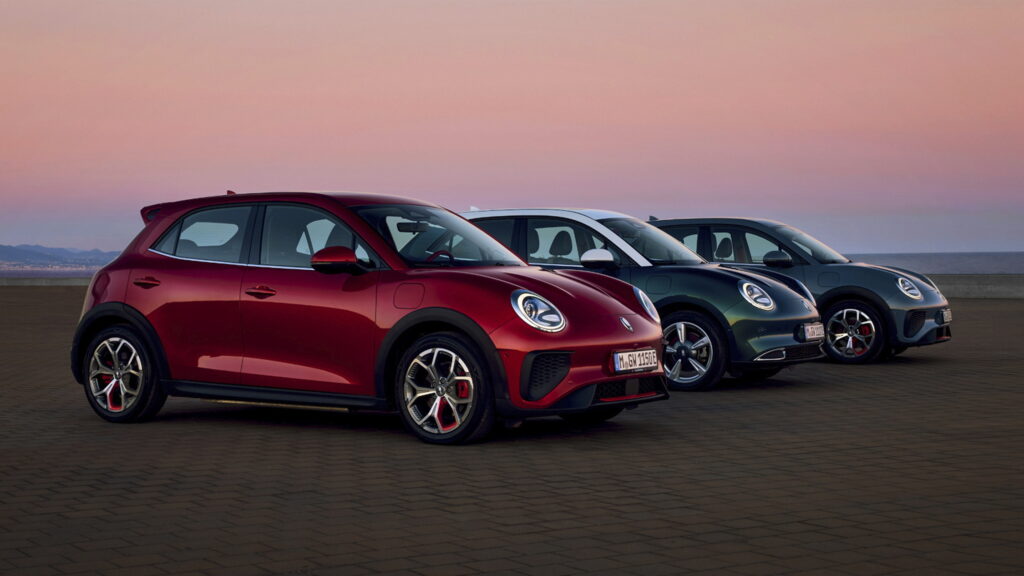
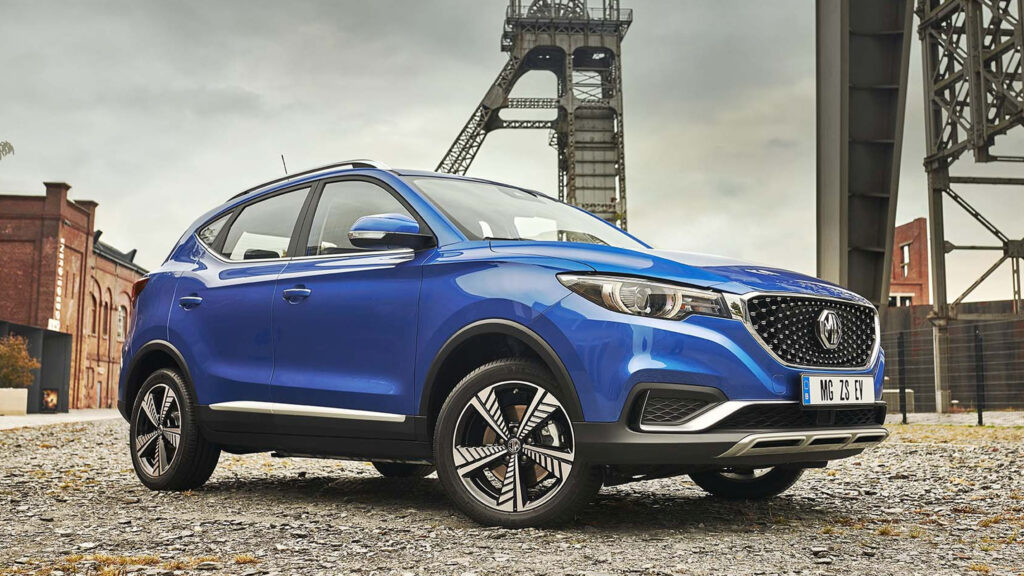
Costa Rica is an ideal case study into what happens when there are no restrictions on importing Chinese EVs. Buyers in the United States are denied access to these inexpensive but technologically advanced and well-built vehicles due to bipartisan opposition. It’s the same in other countries that don’t have the same tariffs, where you’ll find vehicles from BYD, MG, Geely, and many others, as well as sub-brands sold by these major Chinese automakers.

According to a member poll by Asomove, a Costa Rican electric vehicle association, 70% of respondents cited cost as the primary reason for their EV switch. They moved to electric mobility simply because it was cheaper to run an EV, resulting in cost savings. This is important, because while Costa Rica is rich by Central American standards, its per-capita income is around a quarter of that in the United States. That’s why you can find at least three Chinese EV models selling for less than the equivalent of $20,000 in the country.

 This Is What Happens When You Don’t Tariff Chinese EVs

Plus, Costa Ricans have short commutes, which is where EVs really shine. Short commutes in town traffic can really affect MPG figures in a gas or diesel car, but EVs tend to thrive in this environment thanks to factors such as regenerative braking. This allows some energy to be recuperated back into the battery pack under deceleration and braking and is present in most hybrids as well. But the government also helps with the transition, offering certain tax and fee exemptions since 2018 to woo more buyers onto the EV bandwagon.

However, it hasn’t been all plain sailing. The South American country’s EV infrastructure hasn’t kept pace with its adoption rate. At the Croc Skywalk tourist stop south of San José, two of the most powerful chargers sat unused, because the plugs didn’t fit the Chinese cars, which make up the bulk of the country’s EV fleet. There are also worries about the wider power grid, and whether it can support the added load that more and more EVs will bring.

But the consumers of Costa Rica aren’t alone. And billions of people in these markets are reaching the same conclusion: that an EV, particularly a cheap Chinese one, makes more financial sense than filling a tank every week at prices that show no sign of coming down.

 This Is What Happens When You Don’t Tariff Chinese EVs
BYD


Used EVs Look Like A Steal, Until You Pay Repairs And Insurance Premiums

  • Data suggests that the average used EV costs just ~$1,000 more than a used ICE car.
  • Analysts warn that there are some hidden costs of running an EV that need to be considered.
  • Components, accident repairs, and insurance cost more on average for EVs than for ICE vehicles.

In the past, used EVs may have been considered a bit of a gamble, especially if they were packing a few years under their belt. But things are changing. A report from Cox Automotive says that used EV sales in March were up 27.7% compared with the previous year.

Even more telling was that the March figures were a whopping 53.9% higher than February’s. There are several reasons driving the change, but according to CNBC, experts warn that while cheap EVs may look attractive, there are a few hidden considerations buyers should still be wary of.

An Influx Of Used EVs

 Used EVs Look Like A Steal, Until You Pay Repairs And Insurance Premiums

One reason is the simple fact that as more people buy new EVs, more used EVs end up at dealer lots as their leases end. According to Joseph Yoon, a Consumer Insights Analyst at Edmunds, “Where we had the highest concentration of leasing happen was between the tail end of 2022 and all the way through 2023, and since most leases are three years long, all those cars… are coming back to dealer lots in droves.”

Read: America’s Used EV Market Is Heating Up For One Simple Reason

This means that much of the depreciation has already occurred, translating into some attractive deals for those looking at the used market. In fact, 44% of those EVs sold in March of this year were priced below the $25,000 mark.

More Choices & Price Parity

 Used EVs Look Like A Steal, Until You Pay Repairs And Insurance Premiums

Whereas previously electric vehicles were offered by only a handful of manufacturers, nowadays there’s a veritable smorgasbord of options coming into the used market. And with more options comes lower prices as well. The average price of a used EV in March was $34,653, according to Cox Automotive. Contrast that with the average price of a used gas car being $33,641, and price parity isn’t far off.

With used EVs no longer bearing price premiums over their gas-powered equivalents, they are now more accessible to buyers who have long aspired to jump on the EV bandwagon but were unable to in the past. But it’s not just lower purchase prices that are seen as appealing. Promises of cheap running costs are just as enticing.

Costs To Consider

 Used EVs Look Like A Steal, Until You Pay Repairs And Insurance Premiums

Charging an EV, especially if you use a home charger, can be pretty cheap, according to a Kelley Blue Book report. Taking into account a 1,015-mile monthly average, home-charging an EV worked out to an average of $59.66. But not everyone has the ability to install one of those. If you’re forced to use public fast charging exclusively, then things are a little different. That cost rises to $169, which is higher (albeit not by much) than the $147.24 gas bill that an average gas-powered vehicle with a 30mpg fuel efficiency figure would cost you.

See Also: The Average New Car Costs $50K, So Americans Are Emptying Used Car Lots

Another of the biggest benefits that EV makers regularly promote is their relative lack of maintenance. It’s true that you don’t need to spend money on engine oil changes and filters because an EV doesn’t have a gasoline engine. Also, since EVs use regenerative braking to recover energy under deceleration, their brake pads also benefit from longer lifespans. However, there is one consumable component that EVs go through faster than gas cars, and that’s tires. According to Consumer Reports, this is primarily due to the higher curb weight of EVs contributing to accelerated tread wear.

Components’ Costs

 Used EVs Look Like A Steal, Until You Pay Repairs And Insurance Premiums

EVs also have some pretty expensive components that can run you a pretty sum if they go wrong outside of warranty. Chief among these is the traction battery, where replacement costs can range from $5,000 to $15,000. That’s why the advice from experts is to seek out a used EV that still has warranty coverage remaining. Generally, EV batteries come with an eight- or ten-year warranty, and in most cases these are transferable to a subsequent owner.

Collision repairs are another area where EVs tend to cost more. In 2025, fully battery-powered cars cost an average of $6,395 to repair after a collision, compared with $5,105 for gas-powered vehicles, according to Mitchell International, which specializes in claims and collision technology.

Insurance is similarly pricier. The average annual cost of insuring an EV runs to $4,058, versus $2,732 for a comparable gas car, according to a 2025 report from insurance website Insurify. That said, the actual figure varies considerably by model, insurer, and location, and a used EV will generally cost less to insure than a new one.

 Used EVs Look Like A Steal, Until You Pay Repairs And Insurance Premiums

EVs Might Hate The Cold, But Hybrids Hate The Heat

  • AAA tested electric vehicles and hybrids in controlled climate conditions.
  • Cold weather had a much larger impact on EV driving range than heat.
  • Hybrids also lost efficiency in extreme temperatures during testing.

Got your hands on a shiny new EV or hybrid, and wondering why its range isn’t quite as much as quoted? Well, some of that discrepancy can be down to the controlled nature of official range tests, plus a healthy bit of marketing fluff.

But there’s another reason as to why that 300-mile EV or 800-mile plug-in hybrid isn’t quite making those headline numbers. It simply doesn’t like to run when it’s too hot or too cold outside. So what are the specifics, then? You can thank AAA for expanding and updating this line of research, which they began in 2019.

A Climate-Controlled Treadmill Test For Cars

 EVs Might Hate The Cold, But Hybrids Hate The Heat
Photos AAA

How they did this kind of testing is no less cool. They took three hybrids and three EVs and placed them in a laboratory test cell that included a dyno. In other words, it was the equivalent of running on a treadmill in a temperature-controlled room. Then, they set the vehicle’s air conditioning and heating systems to a comfortable 72F. Meanwhile, the test cell’s temperature was varied. Engineers at AAA settled on three temperature values – namely 20F / -6.7C (a cold winter), 75F / 23.9C (your average day), and 95F / 35C (a hot summer’s day). And they drove.

Read: EV Range Claims Still Sound Great, Until Freezing Temps Hit

Taking 75F / 23.9C as the baseline, AAA found that at 95F / 35C, the electric vehicles lost an average of 8.5% in driving range, corresponding to a 10.4% efficiency reduction. Hybrids fared worse, with a 12% decrease in fuel efficiency (miles per gallon). These values are noticeable, but unlikely to create a noticeable impact unless you tend to push the range envelope before recharging or refueling. This also means that your wallet will take a mild hit in terms of cost per mile.

Cold weather tests were rather more concerning. At 20F, the EVs saw a whopping 35.6% efficiency drop, resulting in an average range reduction of 39%. Hybrids also took a noticeable hit, with a 22.8% drop in fuel efficiency.

The Bottom Line

 EVs Might Hate The Cold, But Hybrids Hate The Heat
Photos AAA

If you live in a part of the world where winters and summers are mild, and the temperature generally hovers around 75F or thereabouts, congratulations, you don’t need to worry too much. If you live in a place where summers are hot, you’ll need to account for some extra range when purchasing your EV if you plan (or if your commute dictates) to run it down to 20% before every charge.

But if you live in a place where the winters are harsh, you may want to evaluate your options. As Greg Brannon, Director of Automotive Engineering and Research at AAA, said, “EVs are efficient in moderate temperatures but lose significant range in the cold. We expected this from our previous research, but were surprised by the 23% reduction in fuel economy for the hybrids in cold temperatures. Drivers should consider climate, energy costs, and driving patterns when choosing a vehicle that best fits their lifestyle.”

 EVs Might Hate The Cold, But Hybrids Hate The Heat
 EVs Might Hate The Cold, But Hybrids Hate The Heat

One In Six New Cars Sold In Australia Is Now An EV As Gas Sales Fall Off A Cliff

  • Gas-powered vehicle sales fell 30 percent as electrified models rose.
  • In April, Toyota held first place, with BYD second and Kia third overall.
  • Other Chinese automakers gain ground, including Zeekr, Geely, and Chery.

Data from Australia’s Federal Chamber of Automotive Industries and the Electric Vehicle Council reveal that, of the 92,591 new cars, SUVs, pickups, vans, and trucks sold in April 2026 (up 2.2% over the same month in 2025), 16.4% were battery-electric. This works out to 15,185 vehicles. In contrast, April 2025 saw just 6,010 new EV sales.

See Also: For The First Time, Electrified Car Sales Surpassed Gas Vehicles In Australia

It’s not just EVs that saw strong numbers; hybrids were also in demand. In fact, 18,162 new hybrids found homes in April 2026, bolstered by the first full month of sales of the Toyota RAV4, which bagged best-selling car in Australia. Plug-in hybrids also saw 9,628 new units shifted in April 2026.

Petrol And Diesel Vehicle Sales Dwindle

While EVs, hybrids, and plug-in hybrids were enjoying the limelight, partly driven by tax incentives, traditional gasoline and diesel-powered vehicles took a hit in April 2026. Sales of new gasoline-powered vehicles saw a decline of 30.1% in comparison with April 2025 figures.

Diesel-powered new vehicle sales were down by 21.7%. These declines could also be attributed to the ongoing war in the Middle East, which has significantly affected crude oil deliveries to Australia. This has resulted in rising prices at the pump, as well as some scattered shortages.

For April 2026, BYD’s Sealion 7 SUV dominated the EV rankings, with 1,780 units sold. Meanwhile, the Tesla Model Y sold nearly 1,000 fewer units, although it was up 193.6% year-on-year, as last year’s model was due for replacement.

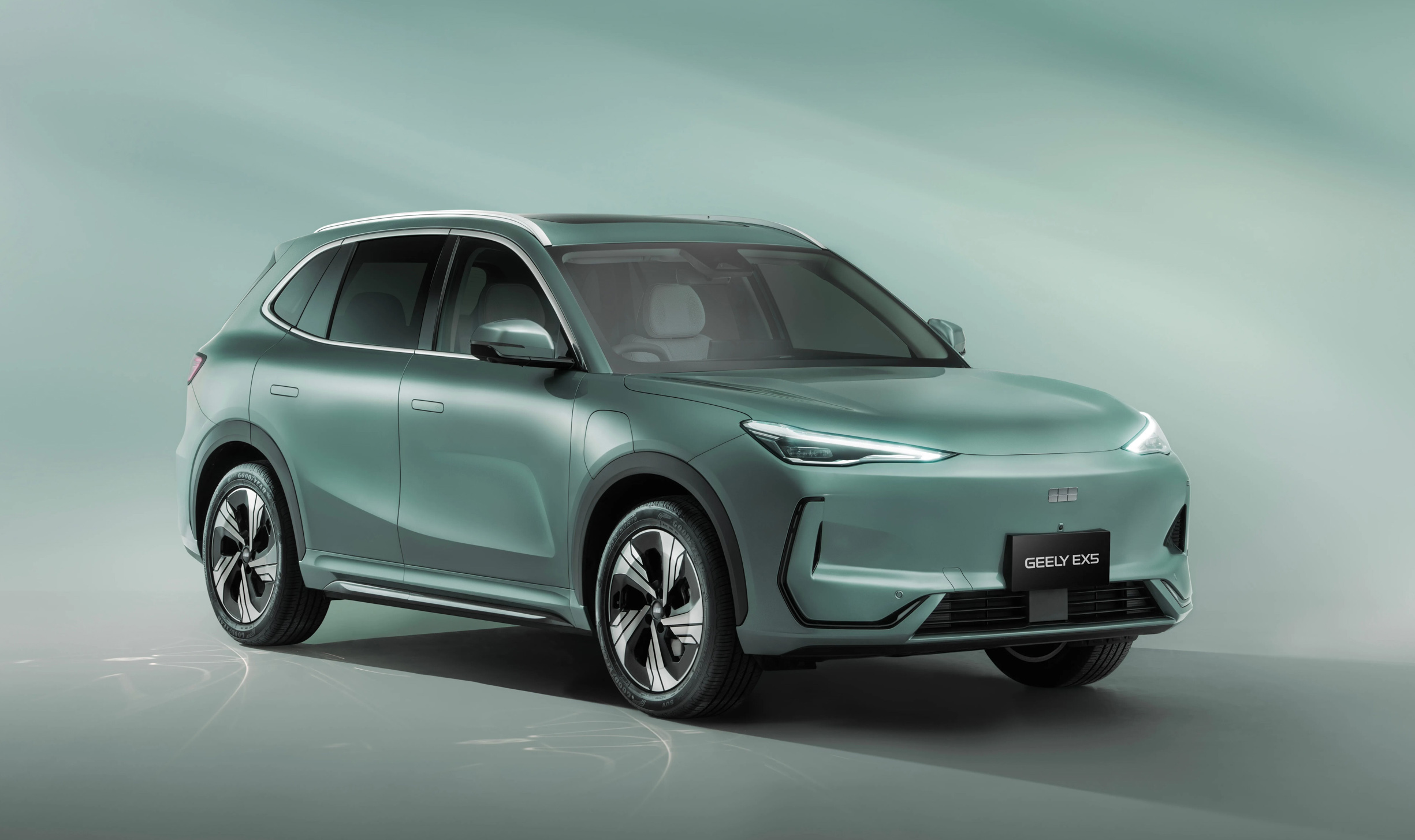
The BYD brand as a whole shifted 7,702 new units. Other strong sellers in the Chinese EV space include the Geely EX5 with 1,202 deliveries, and 1,006 units from Chinese brand Zeekr, of which 973 were its 7X SUV. Shifting our attention to the car segment, Tesla’s Model 3 narrowly beat BYD’s Seal, with 403 versus 370 deliveries.

Toyota Still Leads, Ford And Mazda Drop From Podium

 One In Six New Cars Sold In Australia Is Now An EV As Gas Sales Fall Off A Cliff

Despite a 21.6% reduction in year-on-year sales, Toyota remained top dog in Australian new vehicle sales through April 2026. They shifted 15,185 units, followed by BYD with a 7,702 new unit tally.

 One In Six New Cars Sold In Australia Is Now An EV As Gas Sales Fall Off A Cliff

BYD’s rise to second place means that Ford and Mazda, the historical second and third-place finishers, are now fifth and sixth, with 5,748 and 5,636 units respectively. However, the Ford Ranger held on to the silver medal as the second best-selling vehicle, sandwiched between the RAV4 and Hilux.

When looking at Australian new car sales as a whole, the new third- and fourth-place occupants for April are Kia and Hyundai, with 6,450 and 6,002 units sold respectively. Of course, these two automakers also have EVs and hybrids in their portfolio. The same is true for Chery in eighth place and MG in ninth, while Isuzu rounded off the Top 10 ahead of Mitsubishi.

 One In Six New Cars Sold In Australia Is Now An EV As Gas Sales Fall Off A Cliff

BYD Sold 700,000 Electrified Cars Last Quarter And Still Lost More Than Half Its Profit

  • BYD profits fell sharply in the first quarter of 2026 overall.
  • Revenue declined 12 percent year on year during the period.
  • Slower domestic sales in China drove much of the downturn.

BYD has recorded its steepest quarterly profit decline since 2020, underlining the mounting pressure facing the world’s largest electric vehicle seller in its home market despite success abroad. The company’s latest report showed that net profit in the first quarter of 2026 declined by 55.4 percent from the previous year, falling to 4.09 billion yuan, approximately $597 million.

Revenue dropped by nearly 12 percent to 150.2 billion yuan ($22 million), the third consecutive quarterly decline and the lowest quarterly revenue figure since Q2 2024. However, the result still bested analysts’ prediction that revenue would be around 132-140 billion yuan. BYD sold 700,463 “New Energy Vehicle” (EVs and PHEVS) units in the quarter, down 30% year-on-year and nearly 48% below the record volumes of Q4 2025.

Read: China Told Automakers To Stop Cutting Prices, BYD Just Made It Worse

The Chinese market for electric cars is fiercely competitive. BYD has taken over as the market leader because of its low-priced models, yet price wars in its home market are intense. Meanwhile, the government has scaled back subsidies. China exempted NEVs from purchase tax entirely in 2024–2025, but for 2026 and 2027, the relief has been halved to a maximum of 15,000 yuan per vehicle.

This policy shift pulled demand forward into Q4 2025, exacerbating the Q1 2026 slowdown. Sales in China have declined for several consecutive months, and profits are being squeezed even as exports grow strongly.

Global Push Becomes Critical As Domestic Sales Cool

 BYD Sold 700,000 Electrified Cars Last Quarter And Still Lost More Than Half Its Profit

BYD is looking to the overseas market as domestic sales decline. It plans to ship more than 1.5 million automobiles this year in an attempt to overcome sluggish domestic sales. Industry insiders expect massive export growth next year, but overall delivery growth will probably be less aggressive.

This strategic shift was on display at the Beijing Auto Show, where BYD launched new products targeting the premium segment, including the Datang (Great Tang), a full-size electric SUV priced from 250,000 yuan, which attracted more than 30,000 pre-orders on its first day. Moving beyond low-end models is intended to help the company sustain profitability amid the mass-market price war.

There’s a renewed focus on regaining technological superiority, too. The company is enhancing charging speed, among other features, to attract consumers who are not keen on switching from gas-powered cars.

But BYD is at a crossroads as it stands. Its expansion across borders may be the answer to whether it can bounce back. Analysts say the next few quarters will be critical, with domestic EV demand recovery and robust export growth seen as the keys to a profit rebound.

 BYD Sold 700,000 Electrified Cars Last Quarter And Still Lost More Than Half Its Profit

Honda’s 1.2 Million-Car China Peak Is Now A 720,000-Car Retreat

  • Honda and GAC will reportedly close one of the plants they operate together.
  • The report comes as Honda continues restructuring after betting big on EVs.
  • Honda’s Dongfeng joint venture may also see a plant closure due to low ICE sales.

Hot off the back of Honda’s $15.7 billion restructuring costs and a broader EV strategy overhaul announced last month, things aren’t looking good for Honda’s Chinese venture either. At least one of its automobile manufacturing plants in China will be closed by the end of June, according to a recent report.

The plant in question is part of their joint venture with Guangzhou Automobile Group (GAC), following Honda’s China sales fall by some 24% in 2025 to just under 647,000 vehicles, roughly half of the 1.2 million sold in 2023.

Read: Honda Went To China, Saw The Future, And Reached Back To The 1960s

According to Reuters, another plant from Honda’s other JV with Dongfeng Motor may be shut soon, as the Japanese automaker tries to keep pace with a rapidly changing market. Demand for traditional petrol vehicles has dropped significantly, and local electric vehicle brands are increasingly taking market share from foreign manufacturers, putting them under increasing strain.

A Turning Point For Honda In China’s Evolving Market 

 Honda’s 1.2 Million-Car China Peak Is Now A 720,000-Car Retreat

Honda has six plants as part of its alliances with GAC and Dongfeng, but sustaining ICE production looks increasingly difficult. Estimates indicate that closing a single ICE plant in each joint venture would halve Honda’s petrol car production capacity in China, dropping from 960,000 to approximately 480,000 cars per year. This would also reduce Honda’s total annual vehicle capacity in the country from 1.2 million to around 720,000.

This comes on the heels of a rough year for the automaker in China, where it posted a steep drop in sales. As yet, there have been no official announcements of closures by the company or its partners, but analysts expect some slowdown.

Honda’s ICE offerings have seen some impressive offers, indicative of their poor sales performance. For instance, GAC Honda was offering returning customers a hefty discount of $14,610 (100,000 yuan) off a new Accord e: PHEV earlier in the year.

The bigger picture is to shift investment toward electric vehicles, although Honda’s EV growth in China will likely remain slow, as competitors already outpace them in tech and consumers increasingly prefer cars better optimized for local integration and cutting-edge software.

 Honda’s 1.2 Million-Car China Peak Is Now A 720,000-Car Retreat

40,000 RAV4s Sell Every Month In The US, But An Electric Version Isn’t Coming

  • Toyota has ruled out an all-electric RAV4 in favor of purpose-built EV platforms.
  • The RAV4’s hybrid architecture can’t support a battery-electric conversion cleanly.
  • Instead, Toyota’s bZ lineup, led by the bZ, carries the company’s full EV ambitions.

As the world shifts to electric cars, Toyota has seemingly ruled out an all-electric variant of one of its best-selling SUVs. The move is an indication of a strong course by Toyota, which is opting to invest more in its broader electrification plan rather than turning one of its most successful cars into a battery-powered model.

Review: The 2026 Toyota RAV4 Finally Feels Like The SUV It Was Meant To Be

The report comes despite growing interest in EVs worldwide, particularly in Australia, where the bZ4X has seen a 300% increase in sales.

Toyota Shifts Focus Toward Dedicated EV Platforms

 40,000 RAV4s Sell Every Month In The US, But An Electric Version Isn’t Coming

It’s not just the bZ4X that has seen an uptick in numbers. With geopolitical tensions pushing more people towards EVs, Australia, one of many countries hit by rising fuel costs, recorded a record number of new EVs in March, accounting for 14.6 percent of new car sales and representing an 88.9 percent year-on-year increase.

On paper, an EV version of the hot-selling RAV4, which sees 40,000 units shifted in the US each month alone, would seem like a match made in heaven.

But speaking to CarSales, RAV4 chief engineer Yoshinori Futonagane confirmed that we won’t be seeing an all-electric version of his car. Rather, Toyota is concentrating on its purpose-specific electric range under the bZ brand. The models (e.g., the Toyota bZ) are being introduced as core EVs and are designed from the get-go to improve driving range and overall performance.

Designed Without An EV In Mind

 40,000 RAV4s Sell Every Month In The US, But An Electric Version Isn’t Coming

Futonagane went on to explain that simply converting the RAV4 to a full EV will not fit within the company’s existing product roadmap. The RAV4 is based on a hybrid and plug-in hybrid platform, and Toyota’s EVs are built on separate bespoke platforms.

Toyota has opted for multiple pathways in its electrification strategy. The car manufacturer has invested heavily in hybrids, plug-in hybrids, and hydrogen vehicles rather than fully converting to battery-electric cars.

Is Toyota’s strategy the right move, especially against Chinese offerings, such as Jaecoo? Time will tell, but for now, Toyota isn’t in any way rushing to change track.

 40,000 RAV4s Sell Every Month In The US, But An Electric Version Isn’t Coming
Illustration Thanos Pappas for Carscoops

Toyota Was Mocked For Going Slow On EVs, Honda And VW Are Now Paying For Going Fast

  • Automakers in the US are taking sharply different paths toward EV adoption.
  • Some, like Toyota and Mercedes, continue with a measured approach to new EVs.
  • Others, such as Honda and Stellantis, are cutting back on their planned EV launches.

The auto industry is at a crossroads with EVs, and this is becoming increasingly evident. Nearly every automobile manufacturer has been forced into some level of self-reflection as far as electric cars are concerned. Some are forging ahead in hope, while others are slowing down and reassessing their plans as market demand fluctuates and prices rise.

Also: These Are The Best-Selling EVs In America This Year So Far

The recent developments in the industry portray the picture of how fragmented everything has become. Some have already abandoned or delayed EV projects since it has emerged that the growth they were envisaging was not that imminent. Others are in the process of doubling down and are taking this as a chance to leapfrog, as competition takes a breather.

Slow And Steady Wins The Race?

Toyota is one of the companies that continues to go on the offensive. It will launch four electric models in the U.S. towards the end of the year, including the bZ, bZ Woodland, C-HR, and a three-row Highlander EV.

 Toyota Was Mocked For Going Slow On EVs, Honda And VW Are Now Paying For Going Fast

Speaking to Automotive News, analysts from iSeeCars and Edmunds expressed positivity on Toyota’s approach. Toyota had attracted criticism for its slow approach towards EVs, but its measured approach seems to have left it in good standing. The ratio of hybrids, gas cars, and EVs the company has had over the years is finally starting to pay off because it will be able to be flexible as the market readjusts.

Pull Backs And Uncertainty

One of the biggest shifts in EV planning has to have been from Honda. The Japanese company has scrapped a number of future electric models and is shifting to hybrids. This move comes with a financial hit, but the company believes that it is a more prudent short-term decision since EV demand has not yet evened out.

Read: Toyota’s bZ Outsold The Prius, And Now A Second US-Made Electric SUV Is Coming

Stellantis is taking the same route, scrapping its electric Ram pickup and delaying other EV plans in Europe. Ford and General Motors are not giving up on electric vehicles, but instead, they are streamlining their production to suit demand rather than overloading it too soon. It is not about quitting but timing things.

 Toyota Was Mocked For Going Slow On EVs, Honda And VW Are Now Paying For Going Fast

Meanwhile, Volkswagen has canceled its production of the US-made ID4 electric crossover. Besides the ID Buzz minivan, there are no plans to expand the VW EV lineup stateside for the next couple of years. On the other hand, Mercedes-Benz still plans to introduce more EVs to the US, but their approach will continue to incorporate gas and hybrid options too.

See Also: A 96% Sales Collapse Is Why VW Just Killed US ID.4 Production

These different avenues are reduced down to the situation of the firms, according to industry analysts. Some have the financial cushion to keep on investing, but others are choosing to save and avoid incurring more losses.

 Toyota Was Mocked For Going Slow On EVs, Honda And VW Are Now Paying For Going Fast

Mercedes’ EV Push In America Has Nothing To Do With What American Buyers Want

  • Mercedes will continue offering EVs across US for the foreseeable future.
  • The company expects pockets of demand despite lost federal tax incentives.
  • US supply remains tight as Europe and China continue to absorb inventory.

Mercedes-Benz is not stepping back from electric vehicles, despite competitors scaling back amid slower adoption rates. The news comes as US demand for EVs cools following the rollback of federal tax credits.

Instead, during the next three years, Mercedes will introduce a number of new electric models to the United States, including three AMG performance EVs and battery-powered versions of popular models such as the GLC crossover, E-Class and the C-Class sedan that was previewed today.

The Global Need To Go Electric

The update to Mercedes’ plans came from Adam Chamberlain, the CEO of Mercedes-Benz USA, speaking to AutoNews, who explained the company’s position. Mercedes is sticking to its EV plans due to the requirement from global markets, said Chamberlain. Strict international regulations, especially in China and Europe, mean that for a brand selling worldwide, it is impossible to turn its back on EVs.

Also: Mercedes Heard ‘Too Many Screens’ And Built A New C-Class EV That’s One Giant Screen

However, unlike other manufacturers, they won’t be pushing electrification on consumers, hoping they’ll switch. Instead, Mercedes has moved to flexible vehicle platforms. Rather than their initial approach of offering a separate line of EVs, Merc’s current plan is to design cars compatible with gasoline engines, hybrids, or full battery-electric power.

American Demand For EVs Remains

 Mercedes’ EV Push In America Has Nothing To Do With What American Buyers Want
The upcoming Mercedes-Benz C-Class with EQ Tech.

Mercedes predicts pockets of demand among US consumers for EVs in the foreseeable future, despite the loss of federal incentives. While the company predicts EVs to constitute approximately 5 percent of its retail sales in the U.S. this year, that’s partly down to limited production and strong demand from Europe and China.

On the national scale, approximately 14 percent of consumers indicate that they would give serious consideration to an EV next time. In California, it grows to 28 percent. So, there is demand, but it is unevenly distributed. In fact, according to the report, Mercedes US have only been able to allocate around 200 electric CLA’s for customers, all units of which have been spoken for.

Read: Mercedes’ Future EVs May Be More Chinese Than You Think

Chamberlain thinks the U.S. EV sales would rise to 10 to 15 percent in the year 2021, with the supply increasing and more mainstream electric models coming into the market, such as battery versions of the GLC and C-Class. Nevertheless, profitability is still its focus. He made sure it was evident that Mercedes is not going to produce tens of thousands of vehicles without confirmed demand in its bid to achieve market share.

 Mercedes’ EV Push In America Has Nothing To Do With What American Buyers Want

❌