Reading view

There are new articles available, click to refresh the page.

Volvo Pulls 40,000 EVs Back For Costly Battery Replacement
  • Volvo is recalling over 40,000 EX30 EVs due to a fire risk.
  • The crossovers need to have their battery packs replaced.
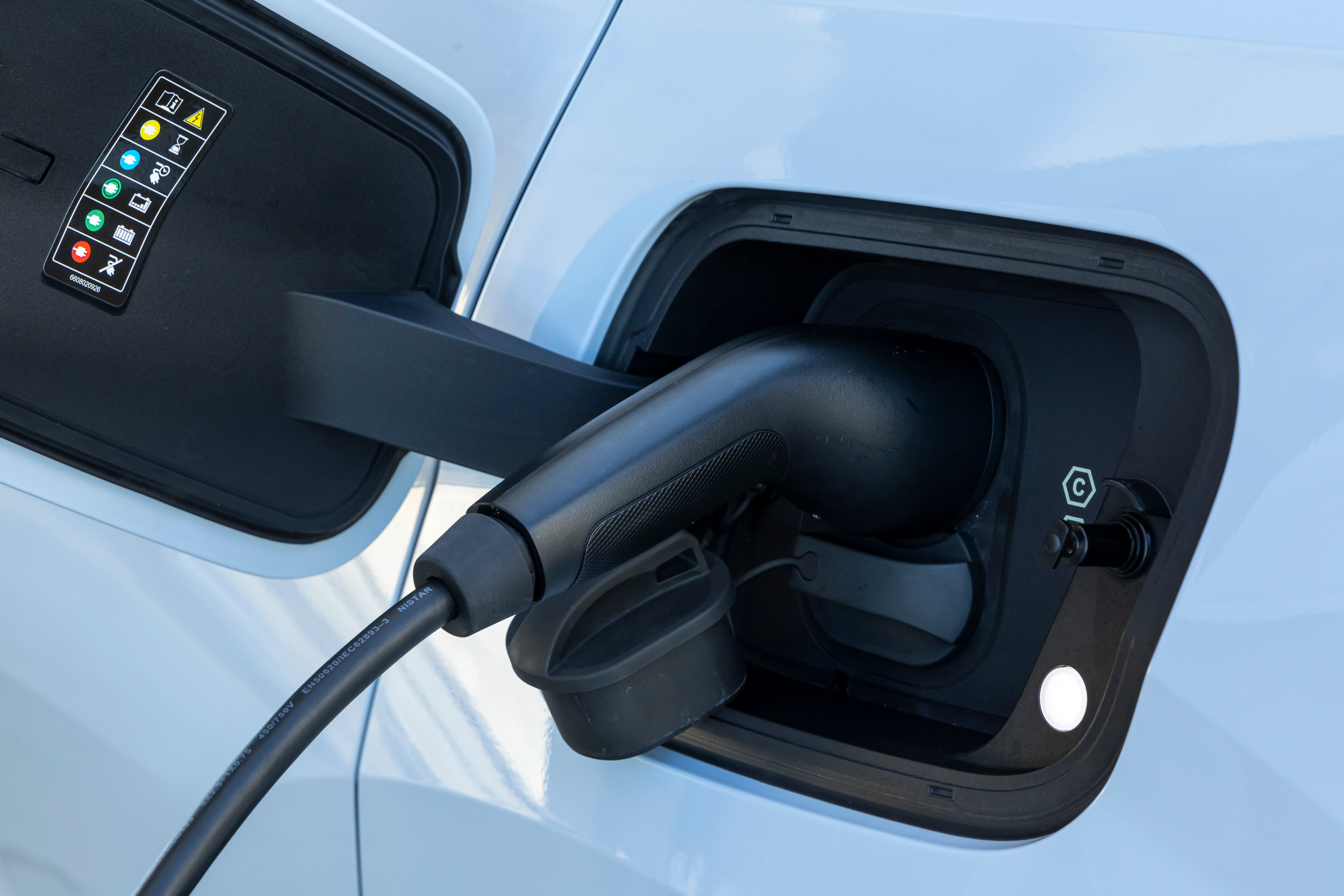
  • Owners should limit charging to 70% in the meantime.

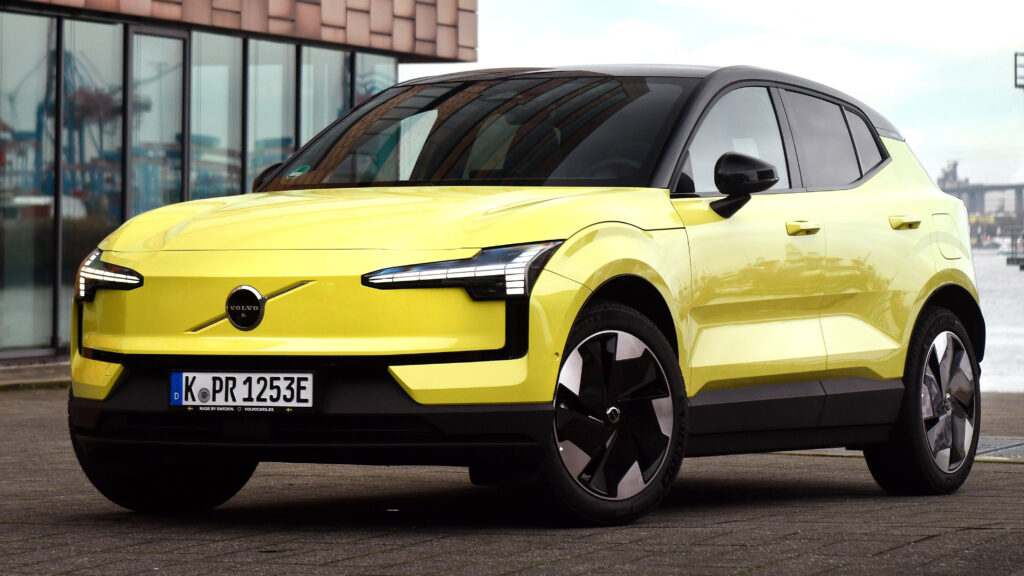
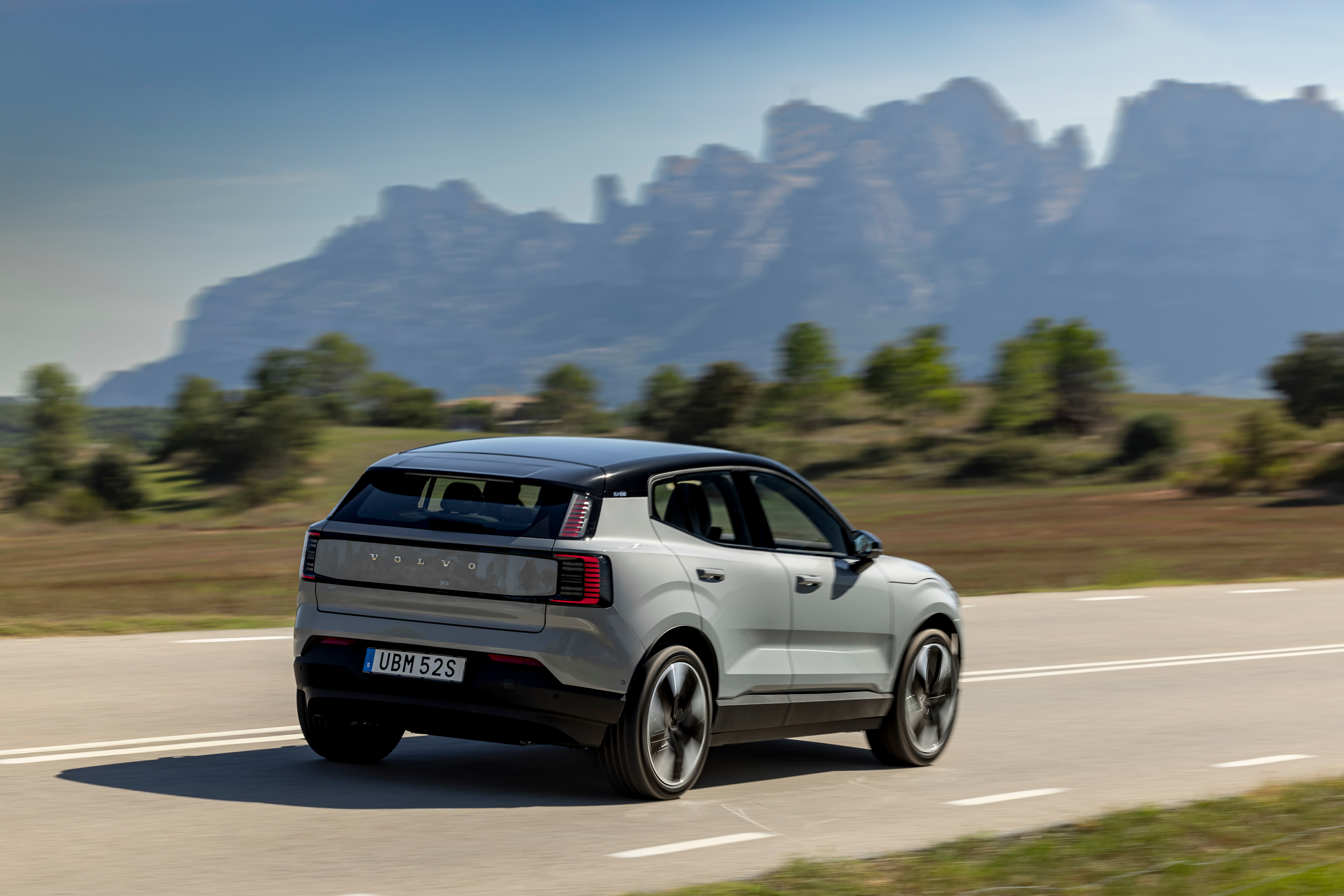
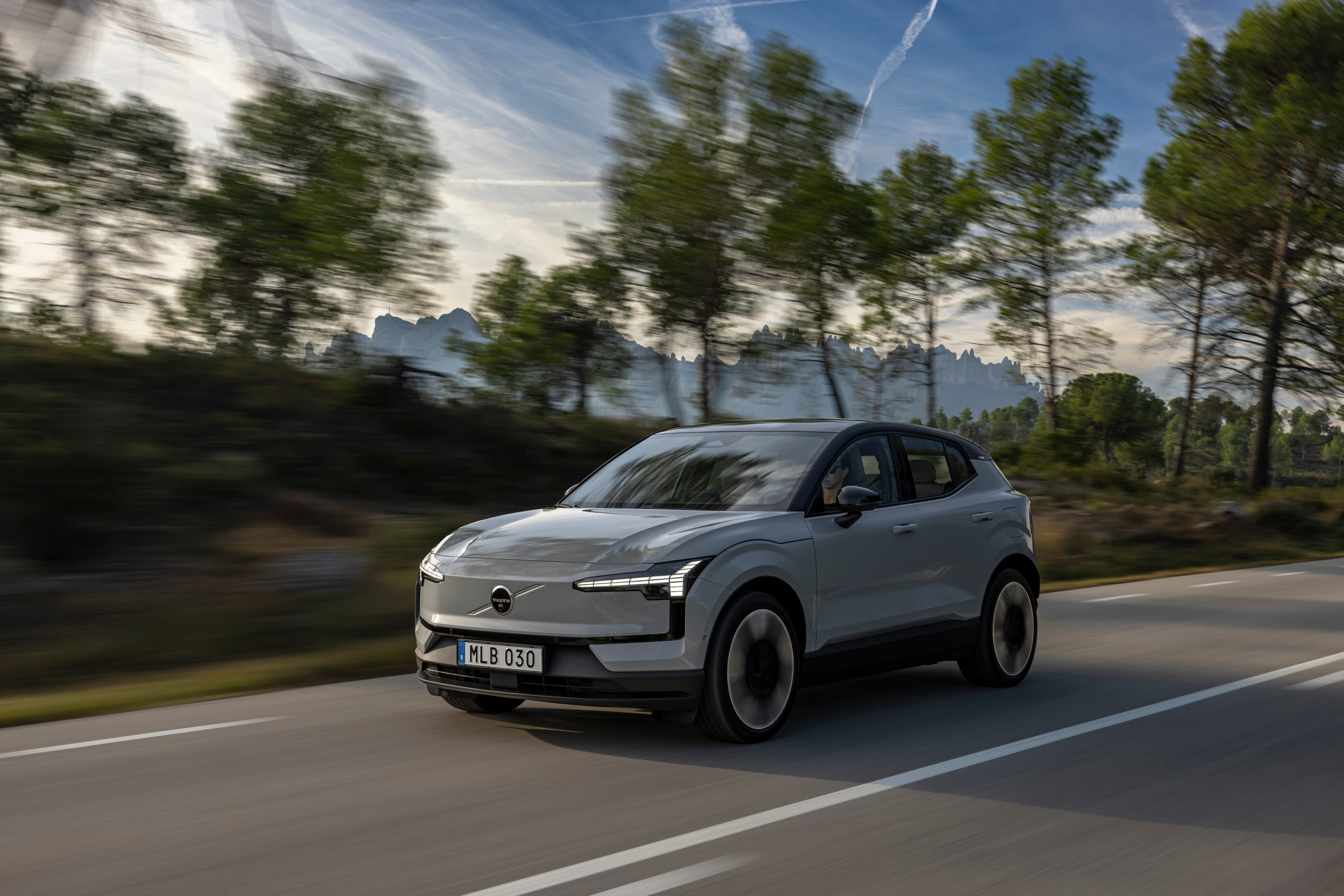
Another day, another EV recall, and this time it is Volvo’s smallest electric offering in the firing line. The EX30, positioned as the brand’s entry-level EV, is being recalled over a potential fire risk.

While the recall hasn’t been posted by the National Highway Traffic Safety Administration yet, Reuters reports it involves 40,323 vehicles worldwide, including an unspecified number sold in the United States, and will require “replacing modules in the high-voltage battery packs.”

More: Volvo Warns 40 EV Owners To Park Outside Now

Specifics are few and far between, but the recall is said to impact the EX30 Single-Motor Extended Range and Twin-Motor Performance. A spokesperson told the publication the company is reaching out to customers to “advise them of next steps.”

Little is known about the issue at this point, but the problematic batteries were reportedly made by Shandong Geely Sunwoda Power Battery Co. Volvo said the mysterious issue has been addressed and the Geely joint venture will supply them with new battery cells.
 Volvo Pulls 40,000 EVs Back For Costly Battery Replacement

It’s unclear what the problem was, but it appears to be related to a high-state of charge. As a result, Volvo is telling customers to limit the battery to a 70 percent charge. This reportedly eliminates the risk of a fire, but parking outside – away from buildings and other vehicles – is probably a good idea.

Volvo’s relative silence isn’t very reassuring, but the company previously recalled 40 EX30s over a fire risk in January. That recall involved 2025 models, which had a high-voltage battery that could short circuit and overheat. This was blamed on a “process deviation,” which could “result in the formation of lithium plating growth.” If this occurs, there could be an internal cell short.
 Volvo Pulls 40,000 EVs Back For Costly Battery Replacement

At the time that recall was announced, Volvo didn’t have a fix for the issue. However, it told owners to limit charging to 70% and to park outside, away from structures.

It remains unclear if the two recalls are related, but they’re shaping up to be a huge mess for a company that has heavily invested in EVs. In fact, Reuters estimates the latest recall alone could cost around $195 million.
 Volvo Pulls 40,000 EVs Back For Costly Battery Replacement

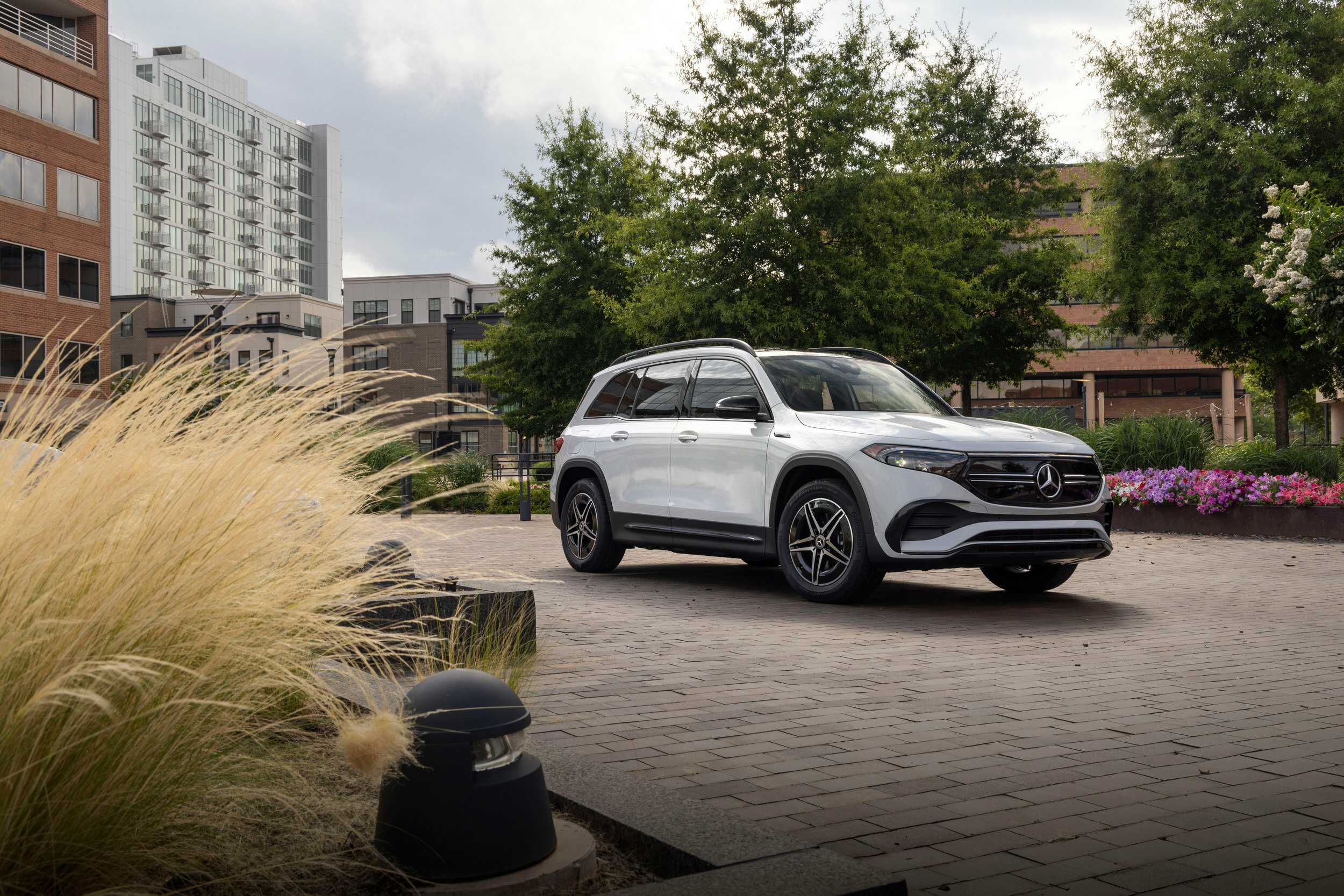
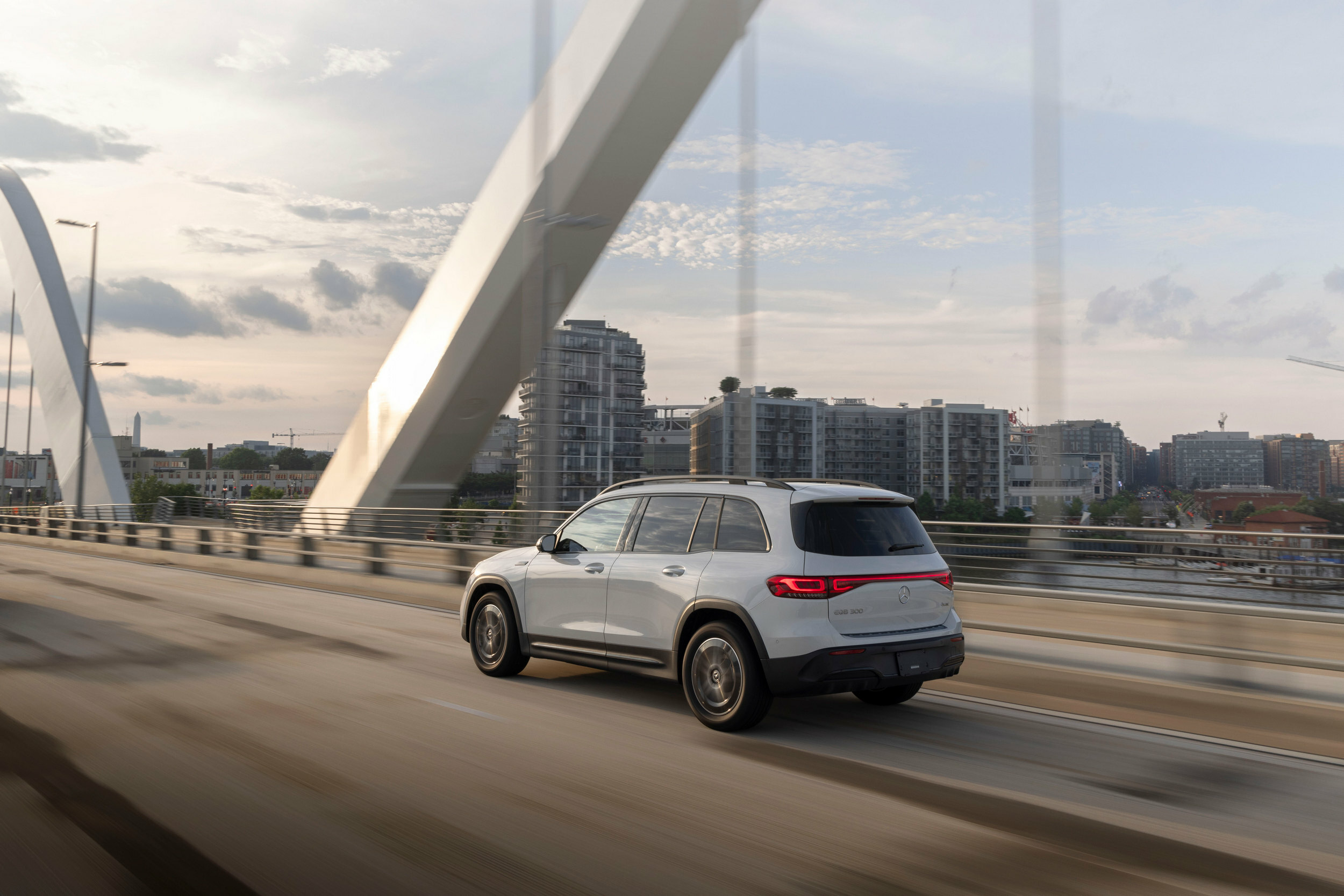
Mercedes Thought The Software Fixed Everything Until Two More EVs Burned

  • Mercedes is issuing a third fire-related recall for the EQB.
  • A previous software fix didn’t work and fires continued.
  • The automaker will replace batteries in thousands of EVs.

Another day, another fire-related recall involving an electric vehicle. This has become a common occurrence, but the déjà vu goes much deeper as Mercedes is recalling the EQB for a third time.

The latest campaign is known as 26V073 and it replaces two recalls from last year that involved 7,531 vehicles. Unfortunately for owners, crossovers that were previously ‘repaired’ under those recalls will need to get the new fix.

More: Mercedes EQB Recalled Over Fire Risk

According to the government, 11,895 EQBs from the 2022-2024 model years have a battery that may fail internally. If this happens, the vehicle could catch on fire while parked or being driven.

Software Fix Under Question

 Mercedes Thought The Software Fixed Everything Until Two More EVs Burned

While there’s a lot of back story, the initial recalls were sparked by a series of thermal events. The company tried to address the problem with a software update, but two crossovers that received the upgrade caught on fire late last year.

This kicked off an investigation, which eventually determined the effectiveness of the software update to reduce fire risks could not be “fully confirmed.” As a result, Mercedes decided to conduct a new recall that will see thousands of batteries replaced.

The batteries were supplied by China’s Farasis Energy and the National Highway Traffic Safety Administration said they could experience an internal short circuit of a battery cell. This is being blamed on deviations in the production process, which resulted in batteries that are “considered to be less robust against different stress factors potentially occurring during the life of the vehicle.”

What Should Owners Do Now?

 Mercedes Thought The Software Fixed Everything Until Two More EVs Burned

Since a high state-of-charge appears to be a factor, owners are being advised to limit battery charging to a maximum of 80 percent. They should also park outside and away from structures until the battery is replaced. Unfortunately, that’s easier said than done as a final remedy isn’t available at this point.

That’s bad news for owners, but notification letters will go out later this month. When replacement batteries are available, a second letter will be sent out. This impacts the 2022-2024 EQB 300 4MATIC, 2022-2024 EQB 350 4MATIC, and the 2023-2024 EQB 250+.

 Mercedes Thought The Software Fixed Everything Until Two More EVs Burned

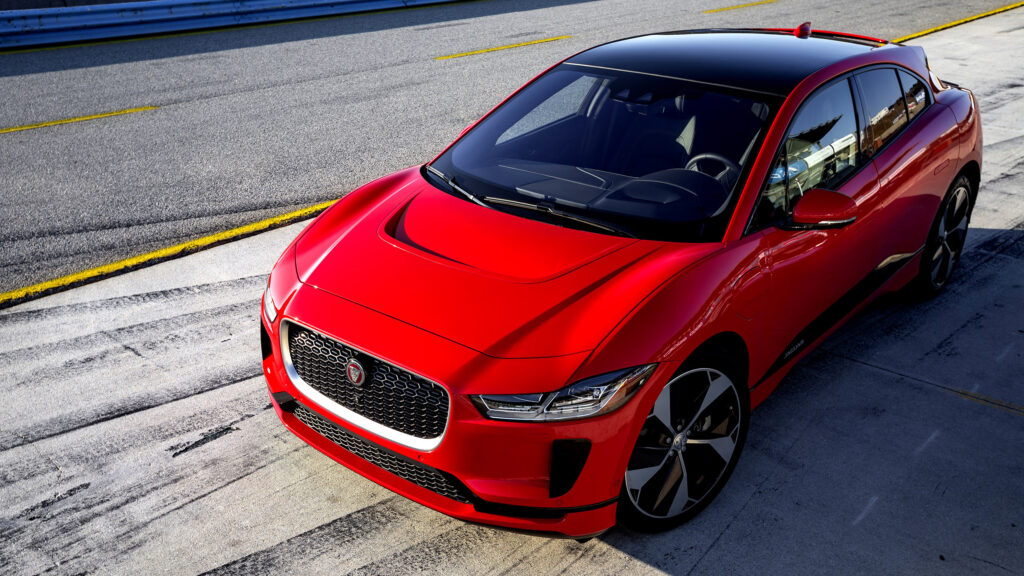
The Brand That’s Going All In On EVs Warns Thousands Of EV Owners To Park Outside Again

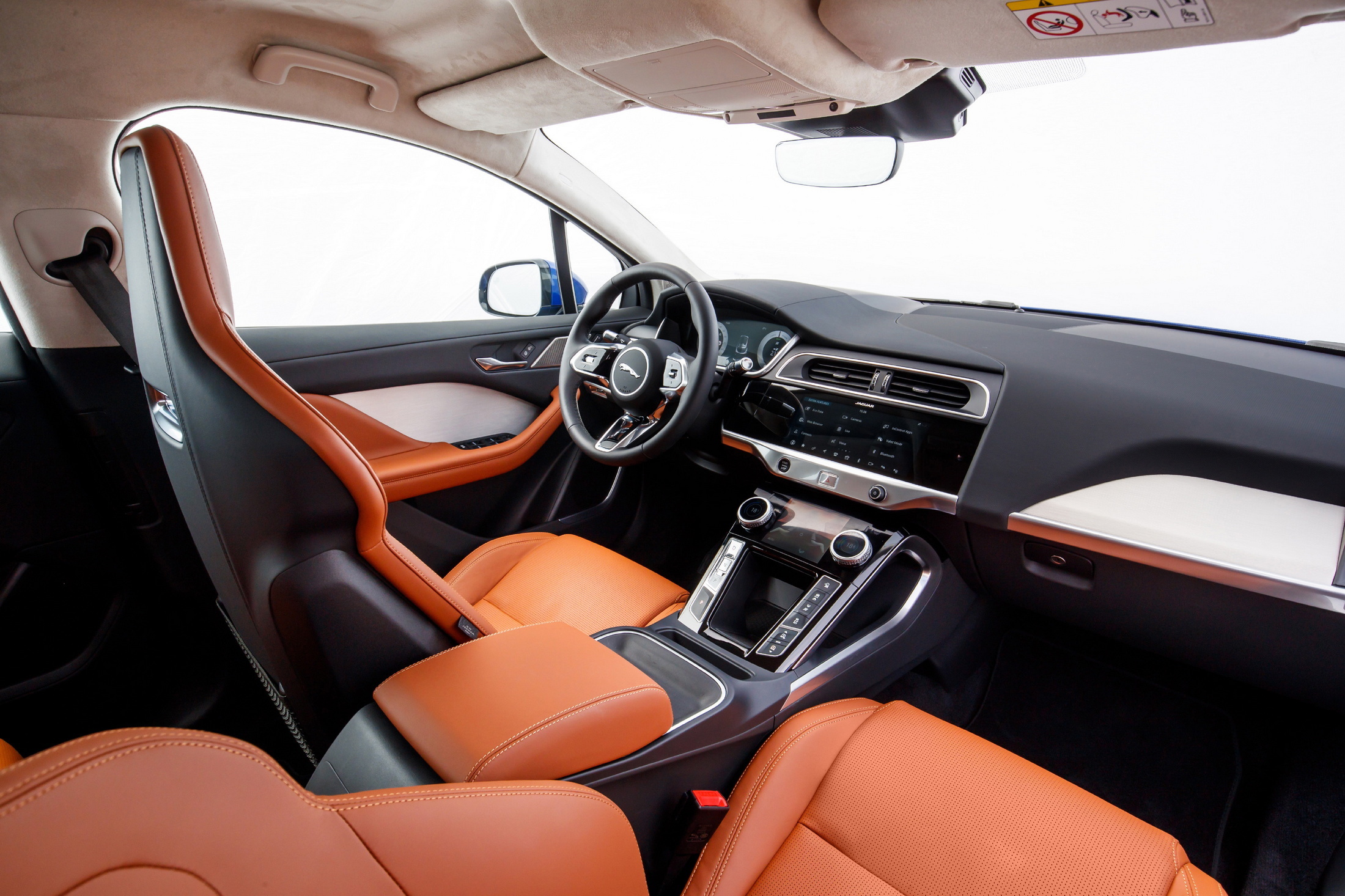
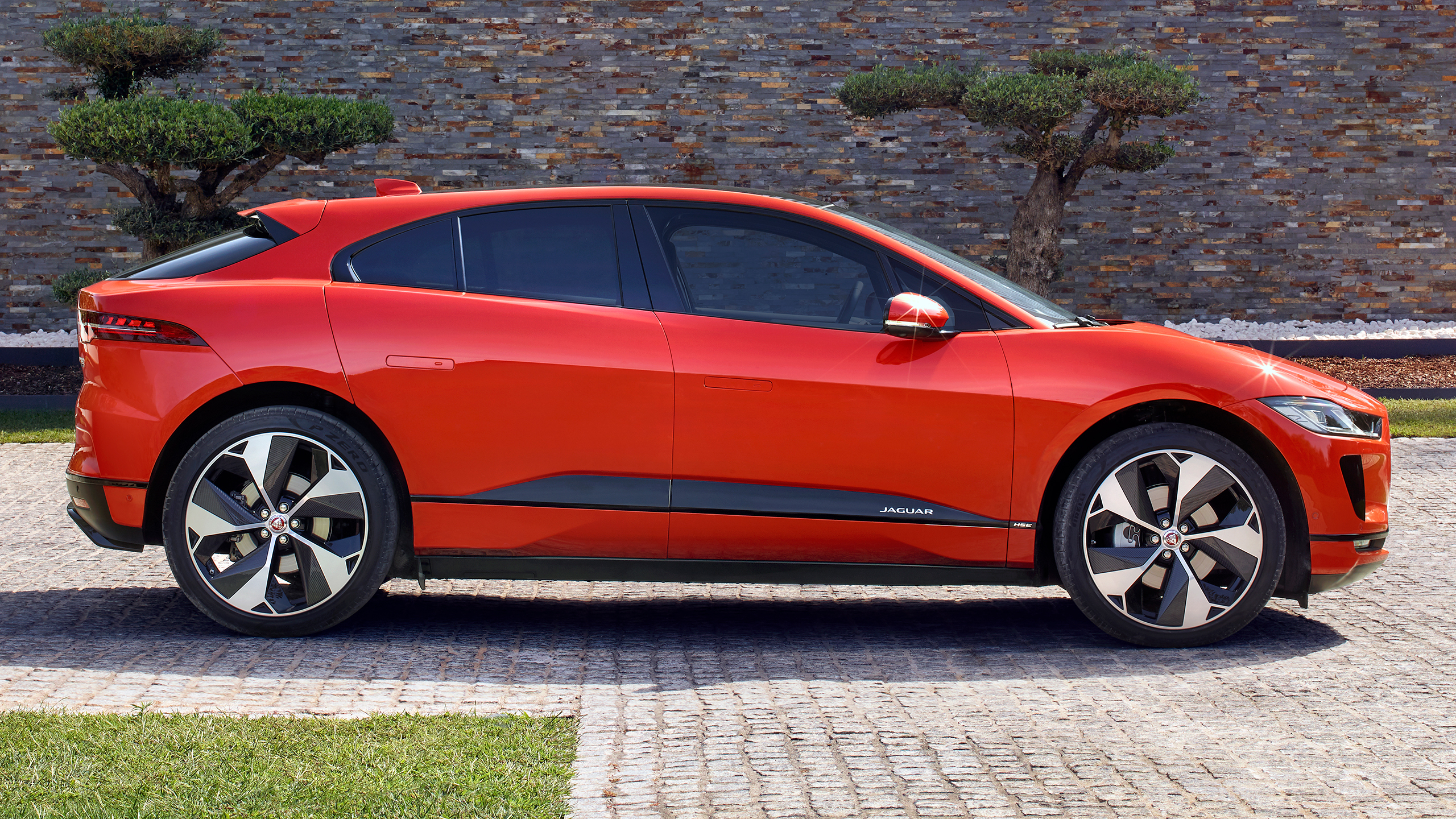
  • Jaguar is recalling 2,278 I-Paces in the United States.
  • Battery flaw may cause thermal overload and short circuits.
  • Affected I-Paces will get software limiting charging capacity.

The Jaguar I-Pace was praised upon its release in 2018, even being named both the World Car of the Year and European Car of the Year in 2019. But that early momentum hasn’t aged well. Over the years, the I-Pace’s reputation has unraveled under the weight of battery-related problems, repeated recalls, and even a US buyback program.

Read: This Car Loses 73% Of Its Value After Just Five Years

Now, the I-Pace is back in the spotlight for all the wrong reasons. Jaguar has issued yet another recall in the United States due to a serious battery defect, something that doesn’t bode well for its EV aspirations.

More Battery Trouble

 The Brand That’s Going All In On EVs Warns Thousands Of EV Owners To Park Outside Again

This time, the culprit is thermal overload linked to a folded anode tab, which could cause a short circuit. Battery supplier LG has acknowledged there may be additional problems, though investigations are still ongoing.

Also: Jaguar I-Pace Owners Told To Park Outside After 3 Fires Involving Previously Recalled EVs

This latest recall impacts 2,278 I-Paces. Of these, 1,824 are 2020 models built from April 8, 2019, to January 8, 2020, while 454 are 2021 models assembled from March 9, 2020, to June 10, 2021.

According to Jaguar, none of the vehicles involved in this latest recall were taken off the road under prior recall campaigns, nor have their battery packs been replaced, as other I-Paces have.

What Owners Are Being Told

 The Brand That’s Going All In On EVs Warns Thousands Of EV Owners To Park Outside Again

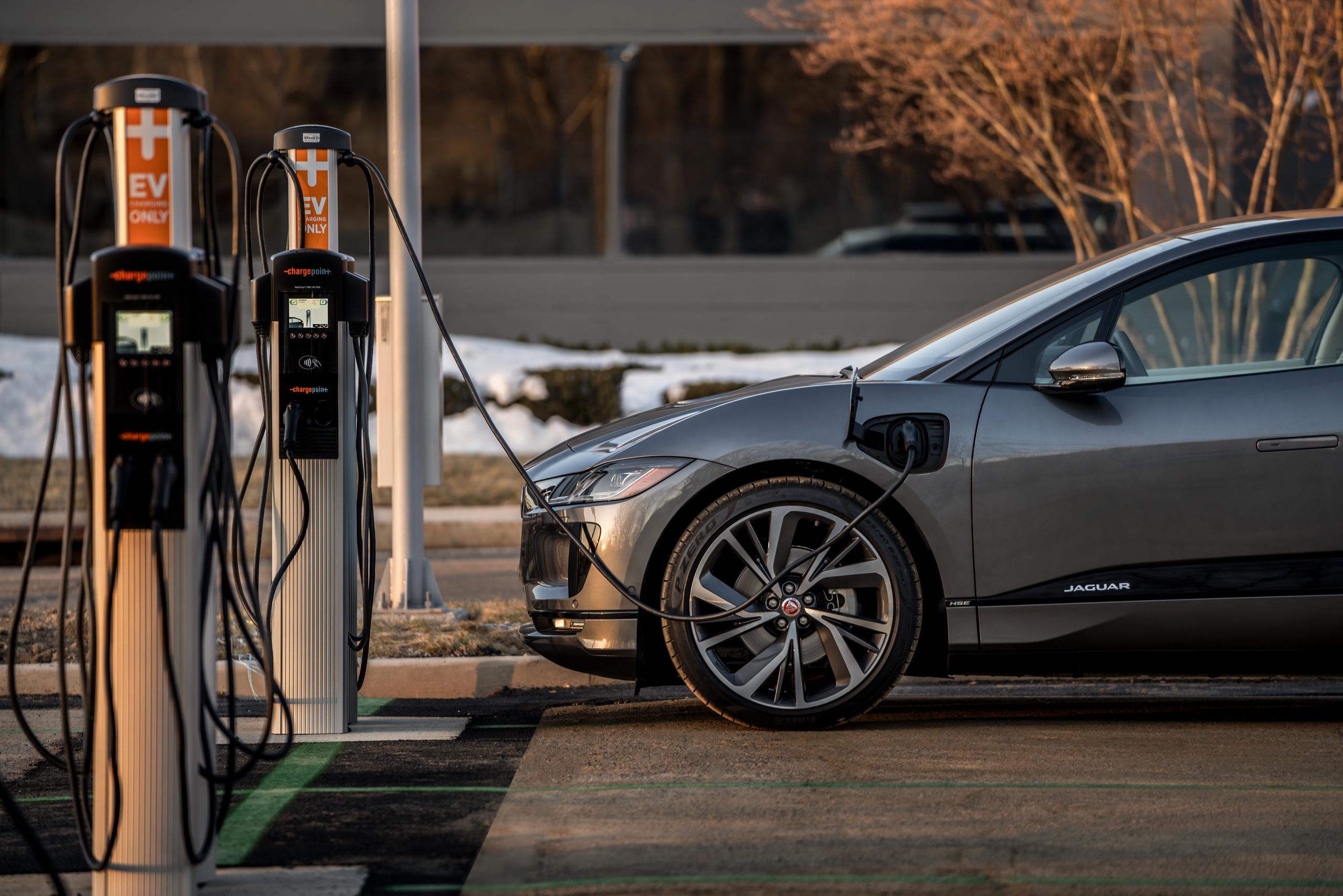
Jaguar is so concerned about the battery issue that it is urging owners to take immediate precautions. Vehicles should be parked outdoors and kept away from buildings. Additionally, owners are being told to charge their vehicles to no more than 90 percent and only when outside.

More: Jaguar I-Pace EV’s Tragic End, From World Car Of The Year To Scrapyard Junk

The issue appears to be persistent. Jaguar has revealed that several 2019 I-Pace models recalled in the past for fire risk were subjected to another recall in 2024. These cases prompted a deeper examination of the battery system, leading directly to the current action.

Impacted models will will receive updated software that limits the maximum state of charge to 90 percent while Jaguar continues work on a permanent fix. Dealers will be notified of the recall starting February 19, and owners should expect official communication from Jaguar no later than April 3.

 The Brand That’s Going All In On EVs Warns Thousands Of EV Owners To Park Outside Again

You Trust EV Batteries Until Someone Forgets To Tighten A Bolt

  • Hyundai recalled Ioniq 5 and 9 for a battery pack issue.
  • Some high-voltage busbars may not be torqued correctly.
  • Faulty bolts could lead to fire risk or fail-safe mode.

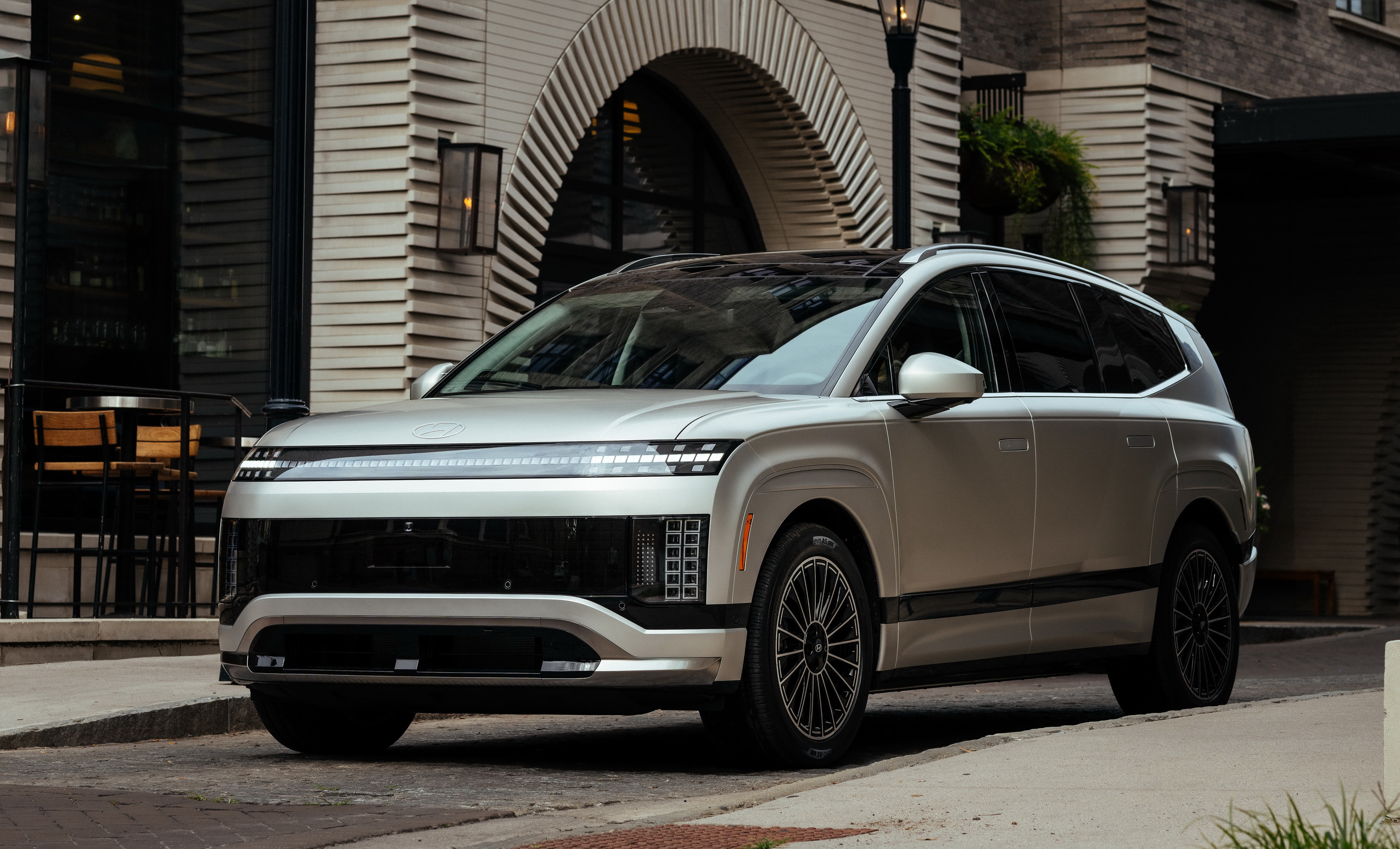
Hyundai is recalling two of its newest electric models, the Ioniq 5 and Ioniq 9, in the United States due to a potential fire risk stemming from a battery defect. Both models are currently produced at the company’s plant in Georgia.

According to Hyundai, the issue involves the battery pack’s internal components and could increase the risk of electrical fire if not addressed. Specifically, a recall notice points to improperly tightened high-voltage busbars during assembly.

Read: Stop Sale Issued For Hyundai Ioniq 5 As Sonata Gas Tanks Risk Melting

If the retention bolts work loose over time, this could lead to electrical arcing within the battery pack, which in turn may trigger a fire. Hyundai also notes that these loose connections could disrupt voltage readings, pushing the vehicle into a fail-safe operating mode.

How Many Vehicles Are Affected?

The recall affects a very limited number of vehicles. Hyundai has identified 21 units of the Ioniq 5 from the 2025 to 2026 model years, built between January 24 and September 8, 2025. Additionally, just six Ioniq 9s produced from April 8 to September 12, 2025, are impacted.

 You Trust EV Batteries Until Someone Forgets To Tighten A Bolt

The issue was first identified in November, when Mobis North America Electrified, Hyundai’s in-house battery supplier, discovered a battery system assembly unit that failed a quality test. The root cause was traced to under-torqued busbar bolts. By December, Hyundai had compiled a list of potentially affected VINs, and the recall decision followed in January.

Hyundai has confirmed that no related incidents have occurred in the field. So far, there have been no reports of crashes, fires, or injuries linked to the issue.

Starting April 6, Hyundai will notify both owners and dealers. The fix is straightforward. Dealers will inspect the busbar bolts in the battery system assembly and tighten them if necessary.

 You Trust EV Batteries Until Someone Forgets To Tighten A Bolt

Missing Washers Put A Ford EV At Risk Of Fire

  • Ford has issued two new recalls for the Transit and E-Transit.
  • Both involve missing washers, but are entirely separate.
  • Recalls address slipping engines and a busbar connection.

Ford is already dominating the recall chart and we can add two more campaigns to their early lead. Both of them involve the Transit and one is hot stuff.

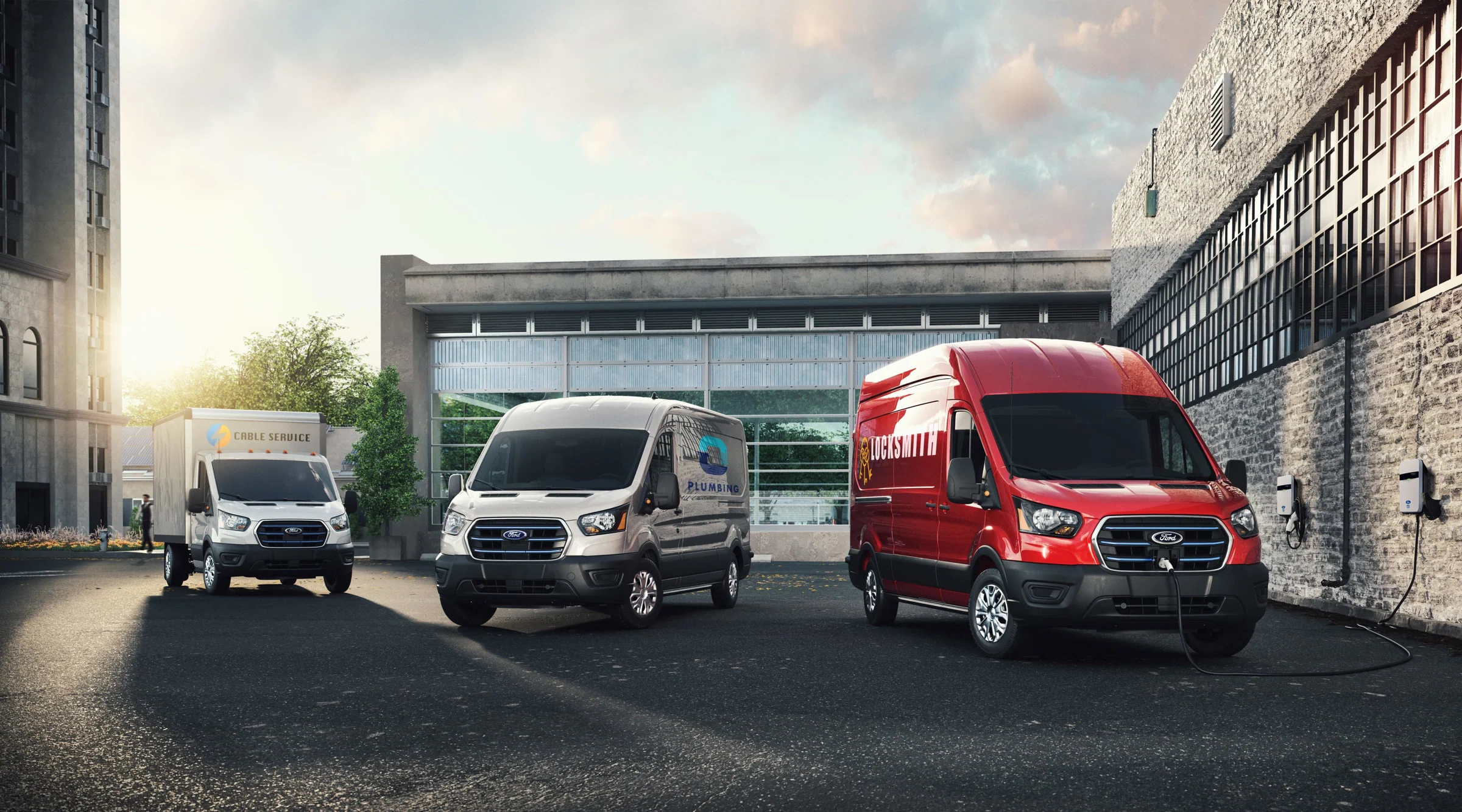
As you may have guessed, it involves a fire risk on the 2026 E-Transit. The van’s high-voltage battery pack could be missing washers, which can “cause high electrical resistance or electrical arcing.” This increases the risk of a fire as well as the potential for a loss of propulsion.

More: Ford’s Work Van Just Got A Lot Smarter, But You’ll Pay The Price For 2026

98 vehicles are impacted and the issue was traced back to missing washers on bolts used to secure busbar connections in the battery pack. Ford became aware of the issue last November, when a worker noticed two bolts were missing conical washers.

 Missing Washers Put A Ford EV At Risk Of Fire

This kicked off an investigation, which eventually blamed the problem on a supplier sorting error that failed to detect the absence of washers during production. Thankfully, this appears to have been a rare oversight as Ford isn’t aware of any field reports and believes just 1 percent of the recall population is impacted, which equates to one van.

However, it’s better to be safe than sorry, so dealers will inspect and replace the busbar fasteners as needed. If there’s a bigger issue, technicians will replace the entire busbar.

Loose Engine Crossmembers

 Missing Washers Put A Ford EV At Risk Of Fire

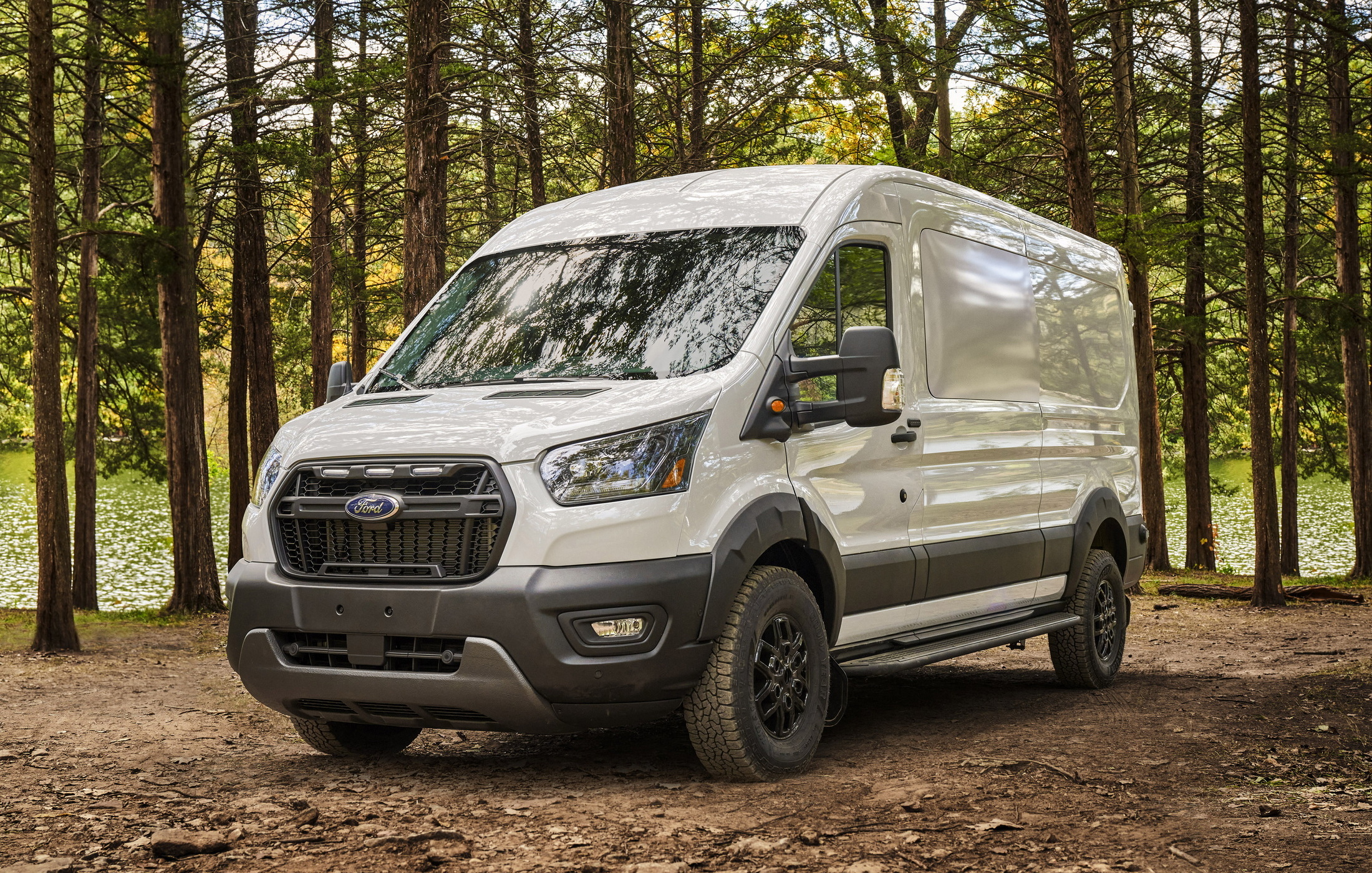
The second recall involves 1,403 Transit vans from the 2023 and 2024 model years. These vehicles have engine crossmembers that may not have been properly secured, which means the engine can shift and, potentially, result in brake failure or a loss of drive power.

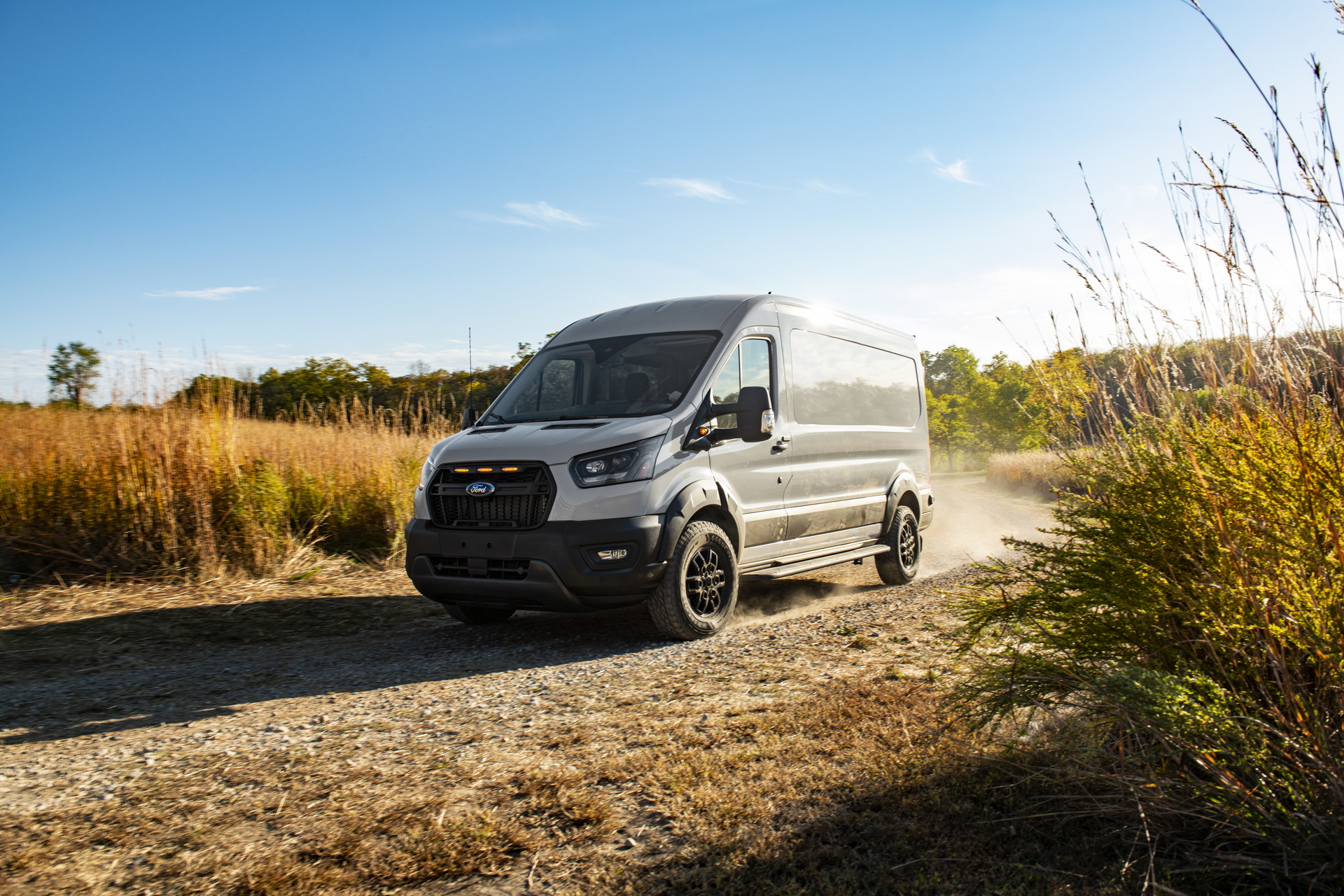
The models were equipped with the off-road focused Trail package and the government says fasteners used to secure the engine crossmember to the vehicle body may not have included a washer. This can result in joint failure over time, causing the engine to slip out of position.

 Missing Washers Put A Ford EV At Risk Of Fire

Last summer, Ford learned the Transit Trail modifier used substitute bolts that may not have included washers. This hadn’t been validated, so the automaker ran a series of tests to examine the possible implications. These “confirmed engine slip and loss of clamp load on assemblies with no washers.”

No problems have been reported and 1.1 percent of the vehicles are believed to be missing washers. Notification letters will go out later this month and dealers will replace the crossmember fasteners.

 Missing Washers Put A Ford EV At Risk Of Fire

Oops, Toyota Actually Used Reflectors Instead Of Real Lights In Some Cars

  • Toyota bZ4X recall stems from incorrect taillights being sold.
  • Korea-spec lights lack the side marker lamp required in US.
  • Catalog wrongly listed Korea lights as suitable for US vehicles.

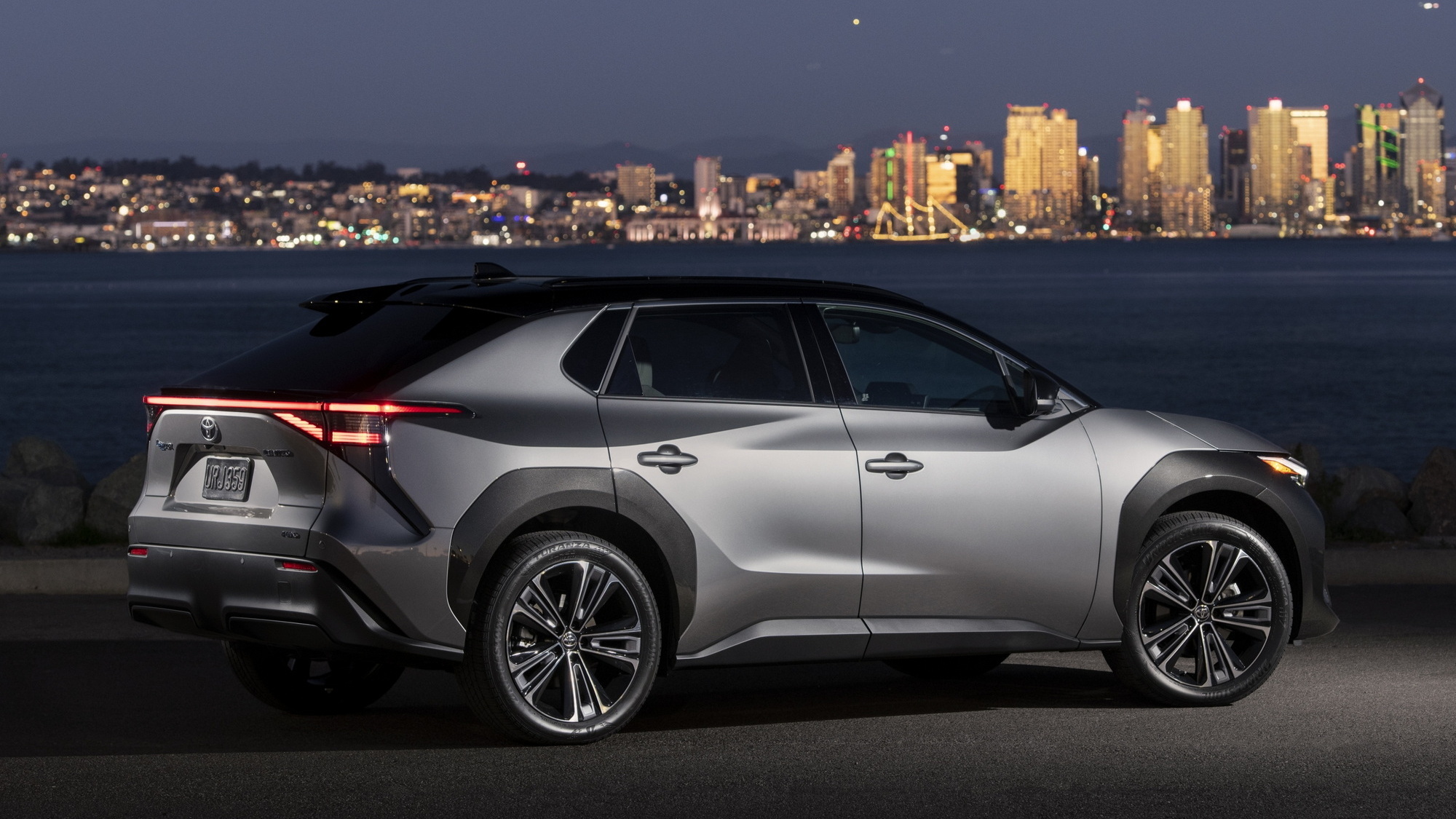
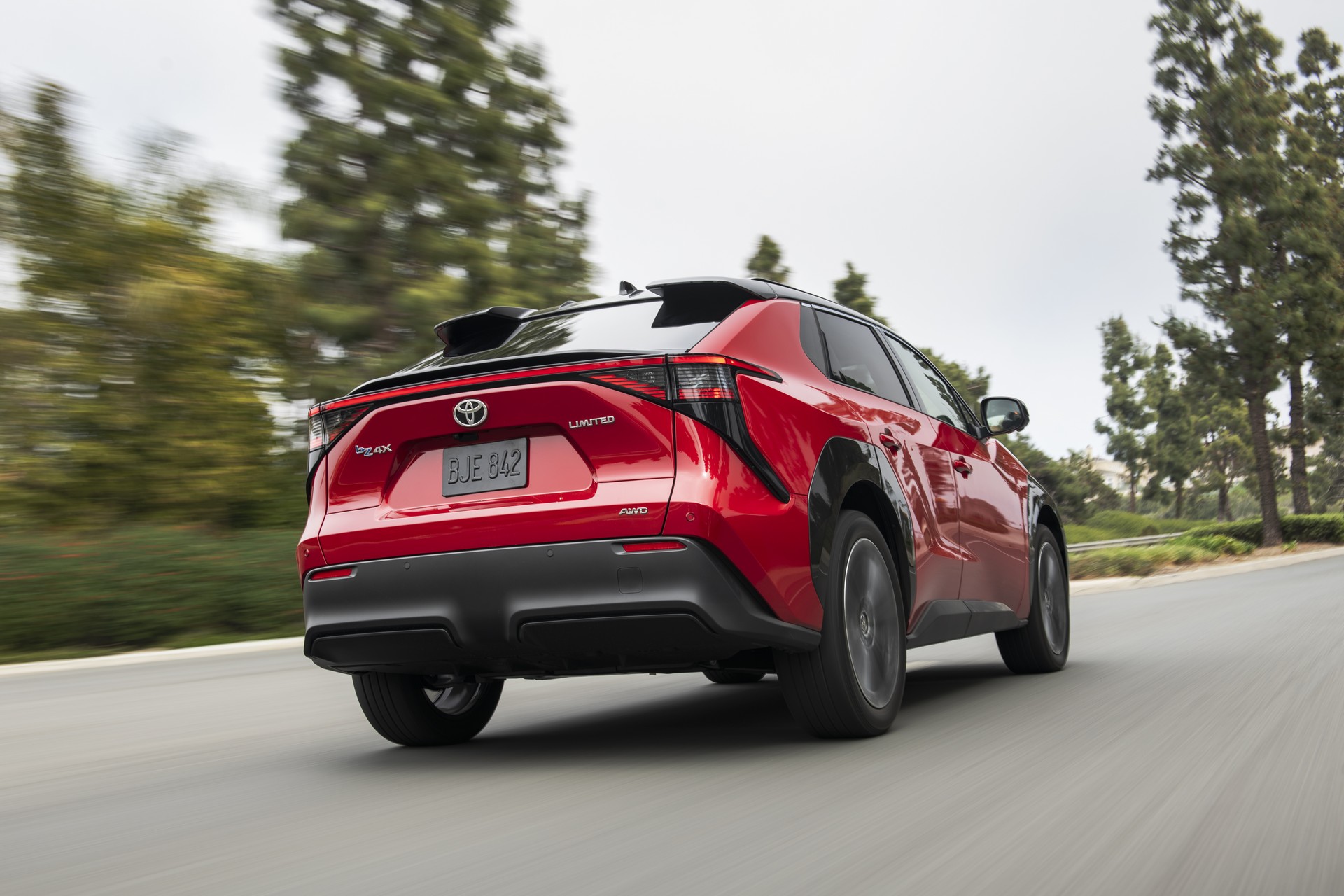
Even the most reliable brands can slip up now and then, and this time, it’s Toyota turn in the spotlight. While known for its solid track record in quality control, the automaker has nonetheless found itself navigating a rather awkward parts mishap involving the bZ4X.

Several units will now face a recall in the United States, all due to a mix-up with replacement taillights. So, what exactly went wrong?

Confused Parts Cross Borders

A recall notice issued by the National Highway Traffic Safety Administration (NHTSA) reveals that taillights originally intended for service replacements in South Korea were accidentally distributed in the U.S. Some of those may have ended up installed on American-market bZ4X models.

Read: One Tiny Bolt Just Sent 55,000 Hybrids Straight Back To Toyota

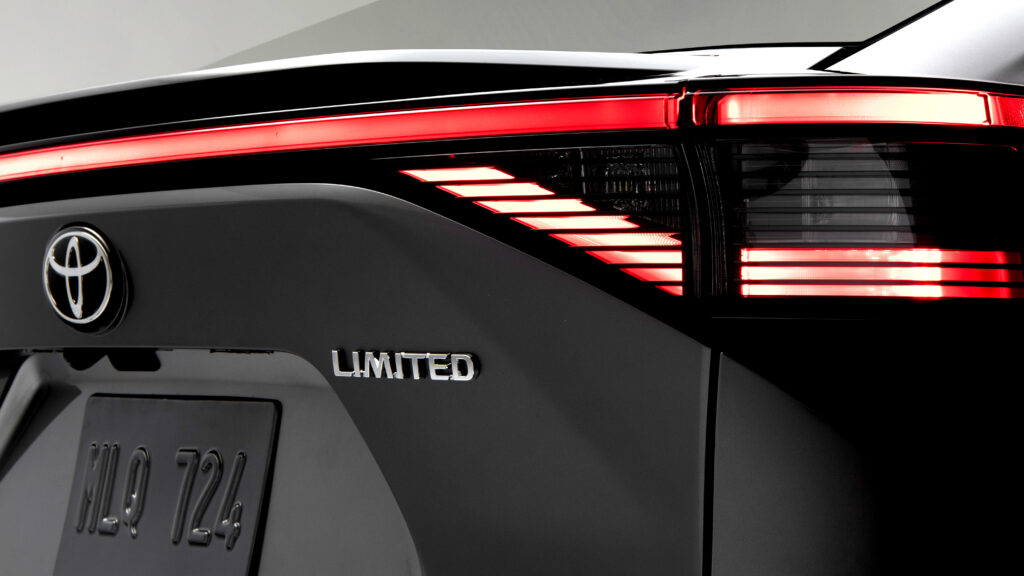
Due to differences in automotive lighting regulations between the two countries, the South Korean-spec taillights don’t meet American standards. The key issue lies in the side marker, as the Korean units include a side marker reflector, but U.S. regulations require a side marker lamp to comply with Federal Motor Vehicle Safety Standards.

 Oops, Toyota Actually Used Reflectors Instead Of Real Lights In Some Cars

Toyota first caught wind of the problem in October, when a parts order came through from Canada requesting a Korea-spec left-hand taillight assembly for the bZ4X. That raised a red flag, prompting the company to dig deeper.

The investigation revealed a potential cause of the mix-up. Both U.S. and Korean versions of the replacement parts had been listed in the catalog, but the Korean version also displayed the term “USA” in its description, likely confusing some who purchased a replacement light.

Toyota believes that a total of 79 right-hand and left-hand replacement taillight assemblies designed for South Korea could have ended up in the United States, although it hasn’t specified how many have been fitted to customer cars.

What Happens Now?

Owners who’ve had a taillight replaced on their bZ4X will be notified via mail. Toyota dealers will inspect the installed parts to determine whether the correct U.S.-spec lights were used. If any Korean-spec units are found, Toyota will replace them at no cost.

 Oops, Toyota Actually Used Reflectors Instead Of Real Lights In Some Cars

VW Warns Hundreds Of EV Owners To Park Outside Immediately After Charging

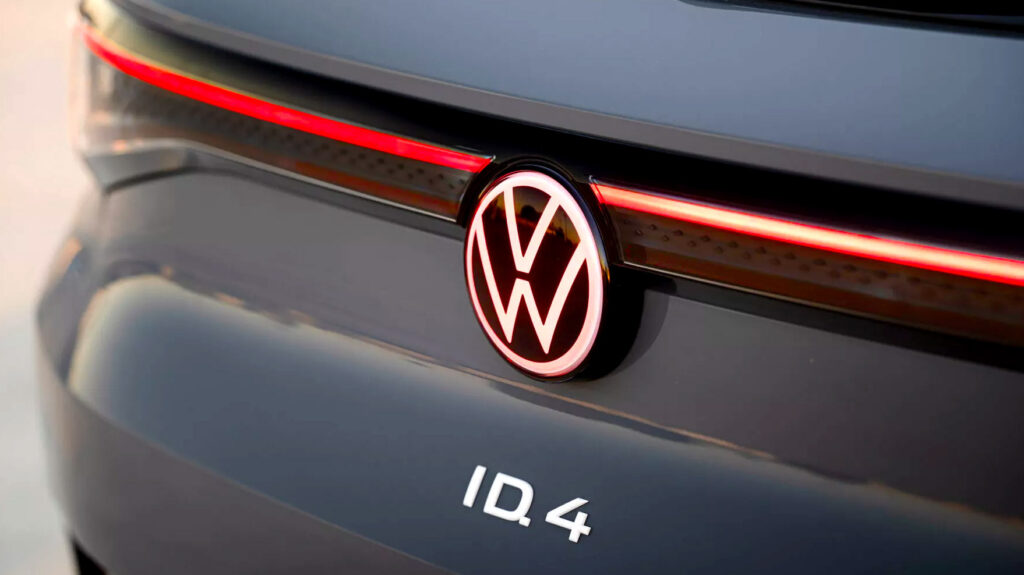
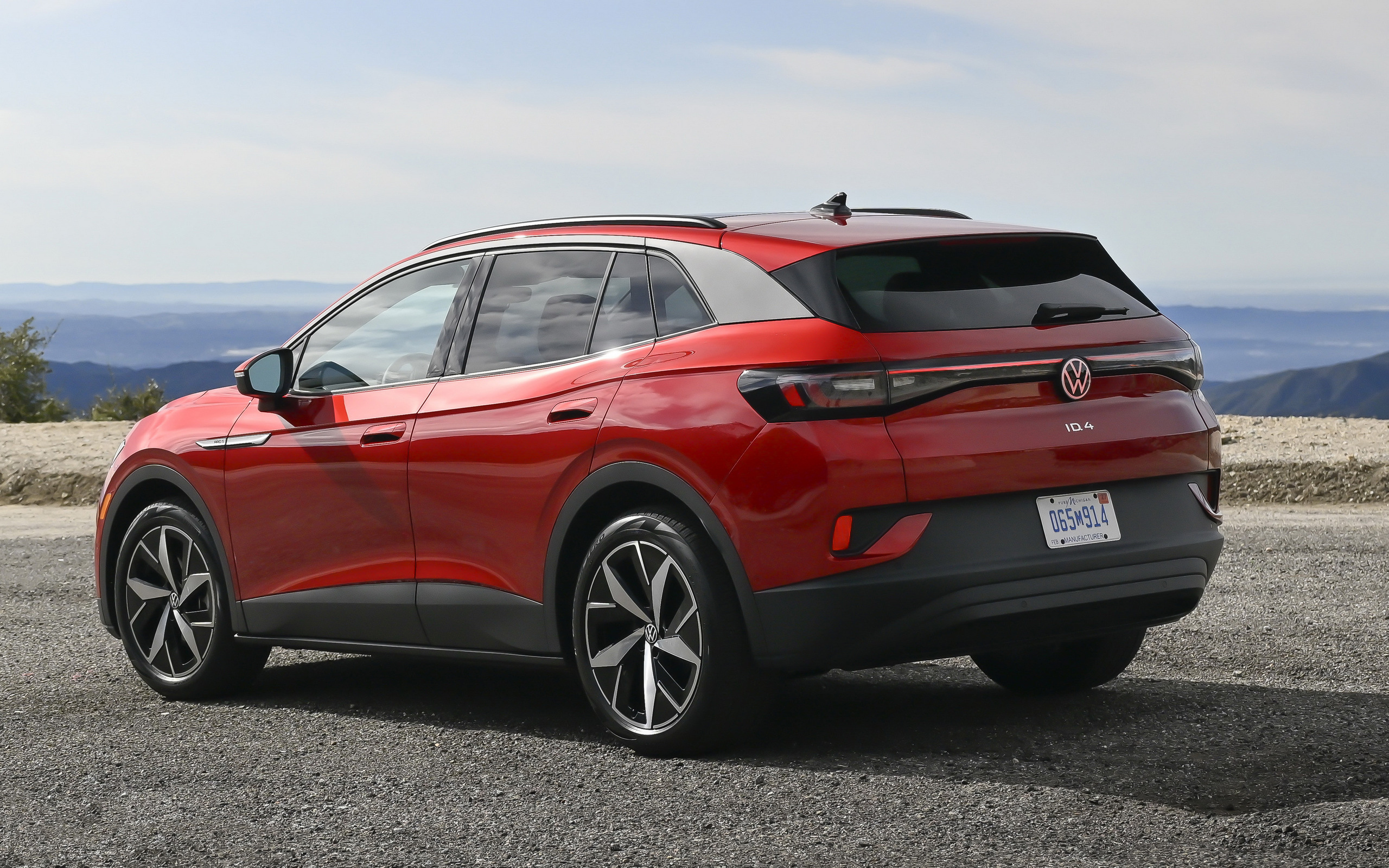
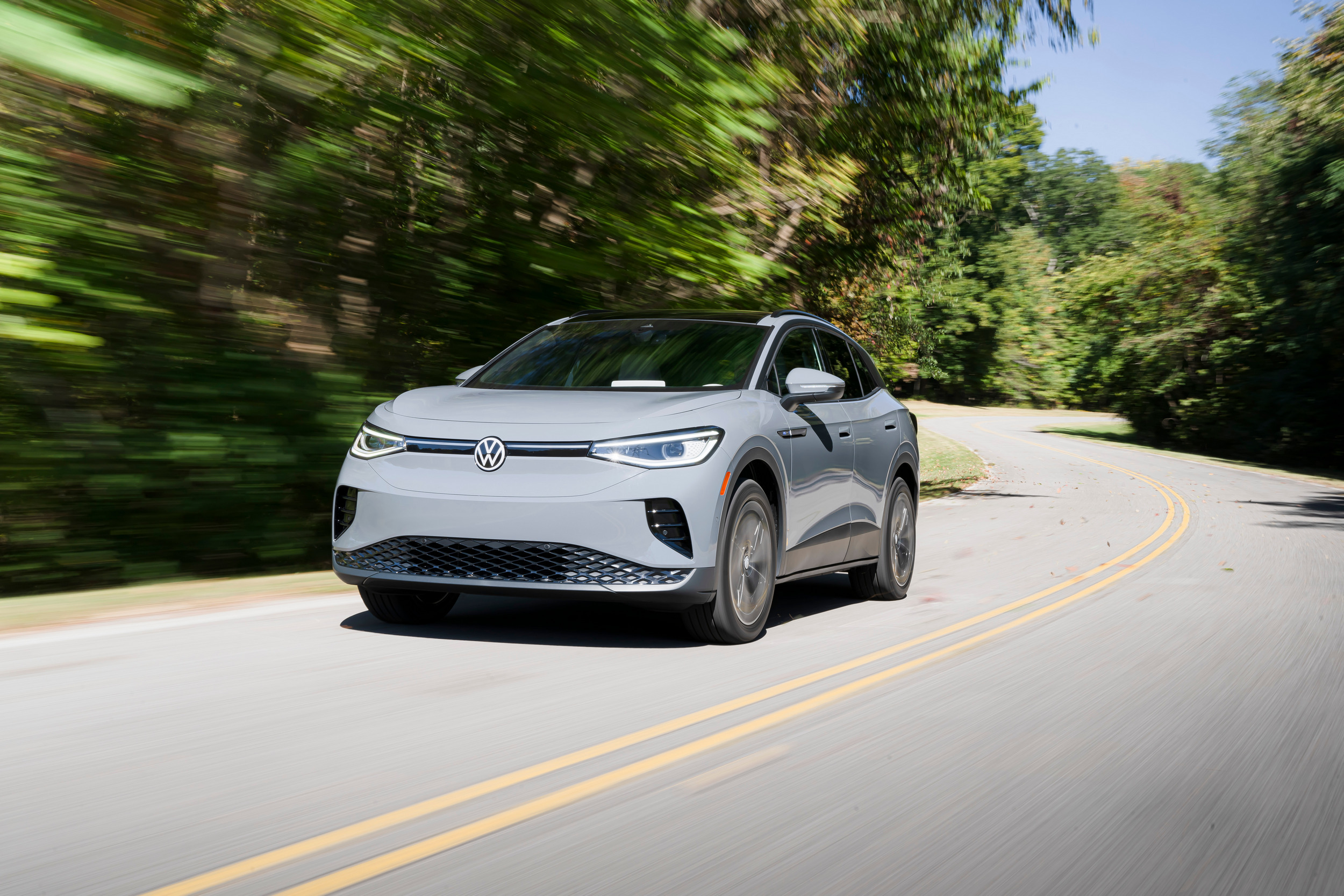
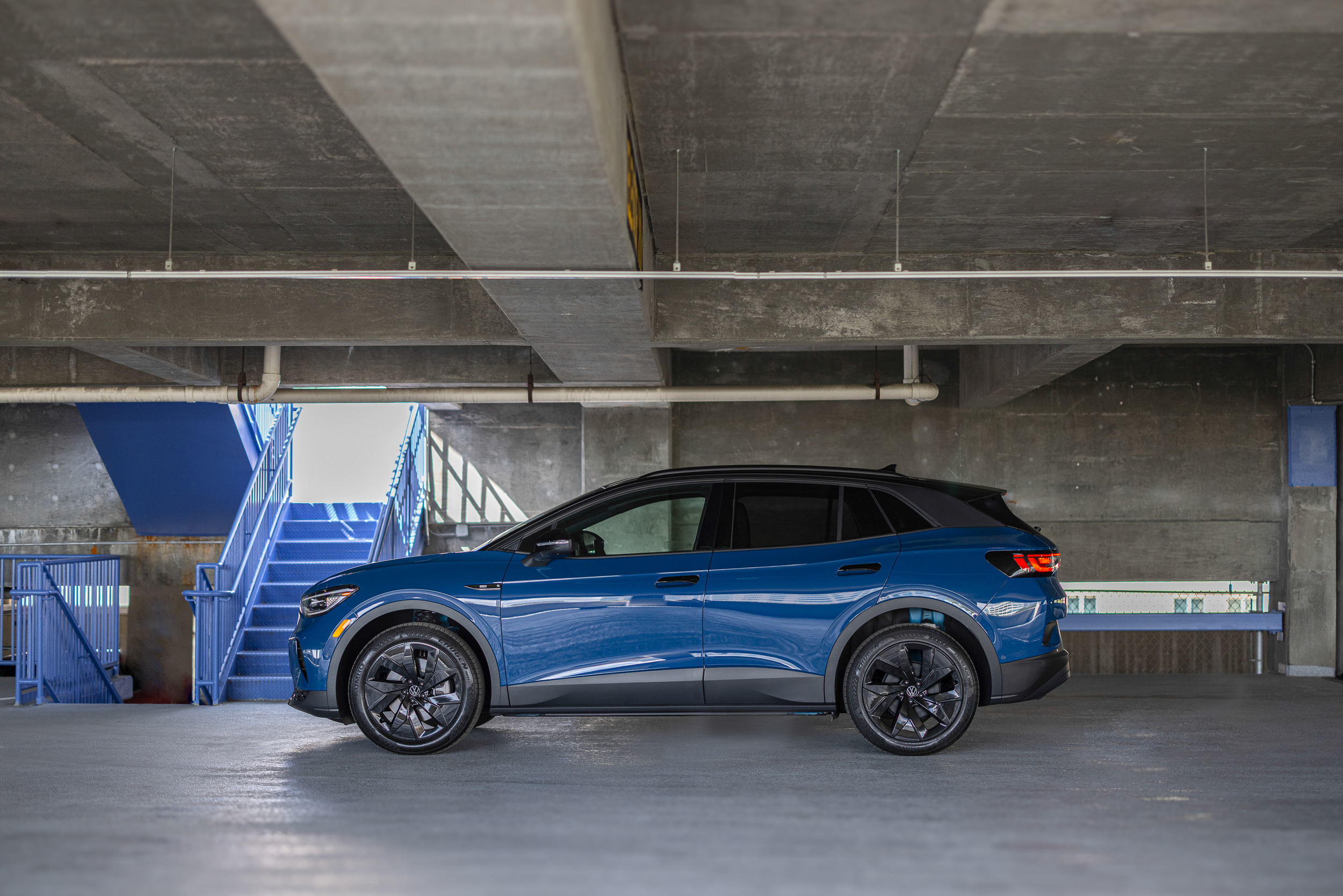
  • The ID.4 has been hit by two new recalls involving fires.
  • 670 vehicles have batteries with misaligned electrodes.
  • 43,881 others need new software and a battery health check.

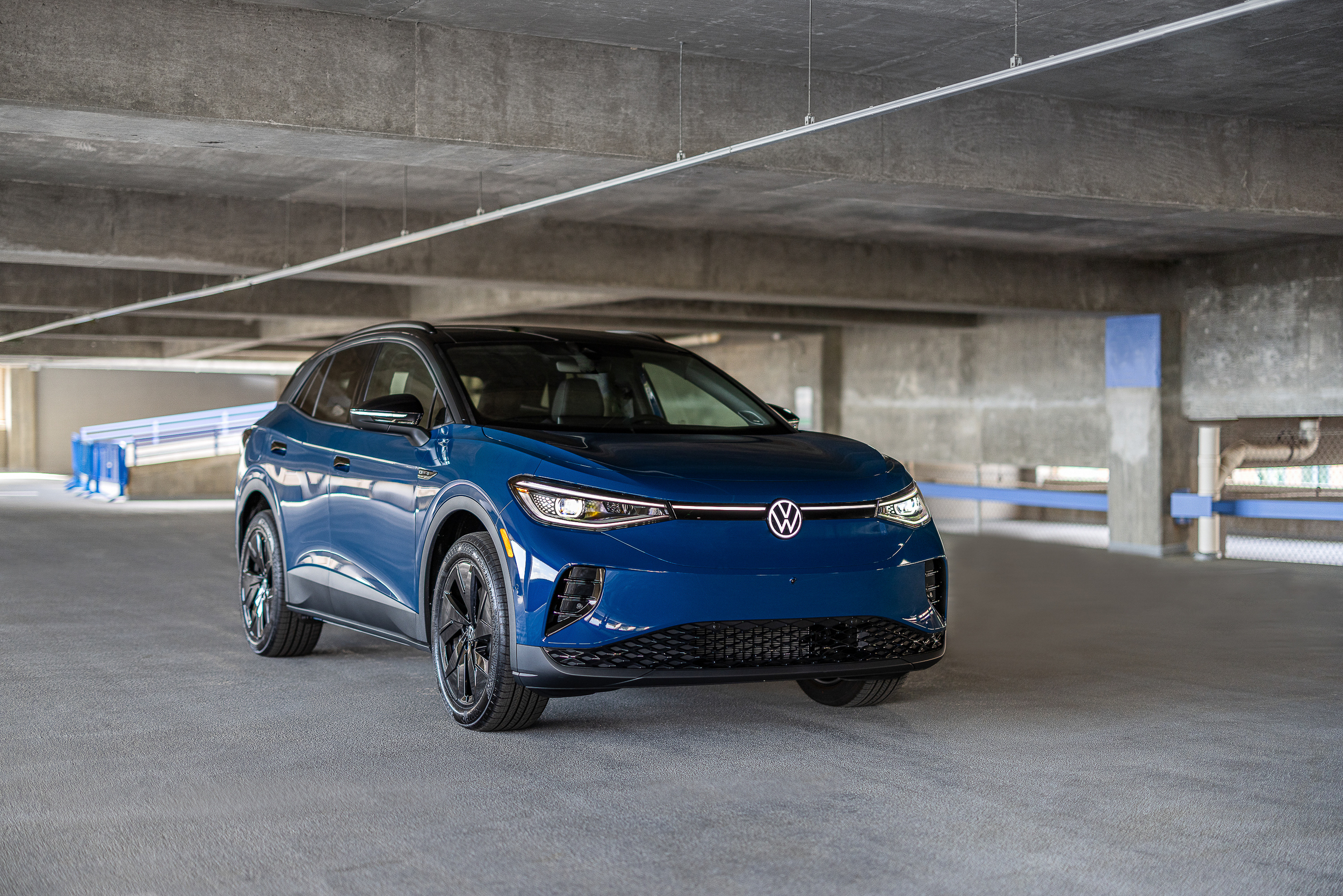
The recalls keep adding up for the Volkswagen ID.4 and the latest is a major safety issue impacting 670 crossovers. It involves 2023 and 2024 model year vehicles, which have misaligned electrodes that can result in a battery fire.

According to the National Highway Traffic Safety Administration, Volkswagen first became aware of a problem when an ID.4 caught on fire while using a DC fast charger in January of 2024. This kicked off an investigation, but a second fire in a parked vehicle was reported in July.

More: Multiple Fires Spark Urgent Warning For VW EV Owners

A third fire followed in October of 2024, while a fourth came in December. The latter was being driven at the time.

What Caused the Fires?

Due to the “differing nature of these events and the condition of the batteries,” Volkswagen and suppliers had a hard time determining a root cause. However, the company managed to trace the origin of the fires to the battery and found “shifted electrodes” in one of them.

A fifth fire was reported in August of 2025 while using a DC fast charger. Eventually, a tear-down analysis found shifted electrodes and these were confirmed in previous cases via CT images. This sparked a recall in December of 2025, which was amended less than two weeks later as additional faulty batteries where identified.

 VW Warns Hundreds Of EV Owners To Park Outside Immediately After Charging

The companies continued looking into the issue and SK Battery America discovered a second production problem that could result in shifted electrodes. The companies aren’t aware of any field reports related to this specific issue, but they’ve decided to conduct a new recall.

Serious Safety Warning

100 percent of the recalled vehicles are believed to be impacted and Volkswagen is warning owners to “park outside immediately after charging and not leave their vehicles charging indoors overnight until the recall repair is complete.”

On top of that, drivers are being advised not to use DC fast chargers and to limit the battery charge to a maximum of 80 percent.

That’s a big inconvenience, but it beats having your ID.4 burst into flames. To address the issue, Volkswagen will replace high voltage battery cell modules.

A Second ID.4 Recall

 VW Warns Hundreds Of EV Owners To Park Outside Immediately After Charging

Speaking of ID.4 recalls, there’s a second one involving 2023-2025 models. This one impacts 43,881 vehicles and is due to a battery that can overheat.

This is related to the aforementioned problem and is designed to cover “incidents outside of the ranges being recalled for the shifted electrode issues.” Unfortunately, details are hazy as Volkswagen hasn’t found a clear root cause.

That being said, the automaker warned the battery can experience “thermal propagation” in rare circumstances. This can eventually lead to a vehicle fire.

 VW Warns Hundreds Of EV Owners To Park Outside Immediately After Charging

While the root cause remains elusive, “current analysis results show that certain deviations at the supplier of the battery modules may result in self-discharge.” If this issue exists in your ID.4, you might notice reduced range and/or performance.

As part of the recall, Volkswagen technicians will perform a battery health check and install updated self-discharge detection software. The company may also replace some batteries, based on the results of the inspection and software readings.

Only 1% of the recalled vehicles are believed to have the defect, which would equate to around 439 crossovers.

 VW Warns Hundreds Of EV Owners To Park Outside Immediately After Charging

One Radio Setting Can Kill Your Genesis Dash Mid‑Drive

  • Nearly 84,000 Genesis vehicles have an instrument failure issue.
  • Affected screens may suddenly reboot or briefly stop working.
  • The update addressing the issue is expected by early March.

Genesis just issued a new recall covering nearly 84,000 vehicles, but there’s no need to worry about misbehaving driver aids, parking outside, or a luxury SUV that might roll away on its own. Instead, owners are being told to disable their high-definition radio.

No, not because it might advertise another car brand, but because it can shut off the entire screen altogether while the car is in motion.

More: Hyundai, Kia, Genesis Recall Nearly Every Single e-GMP EV In America

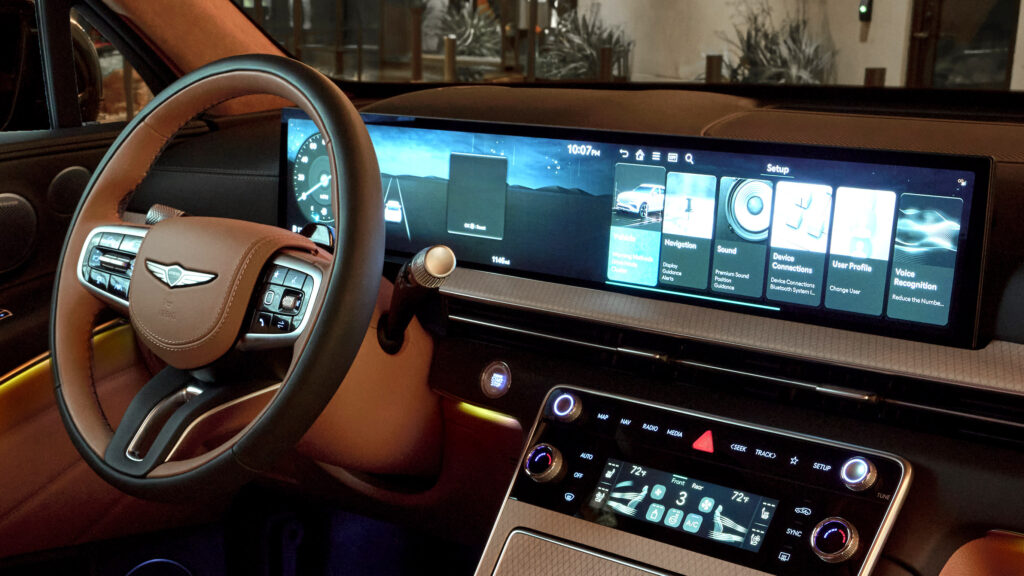
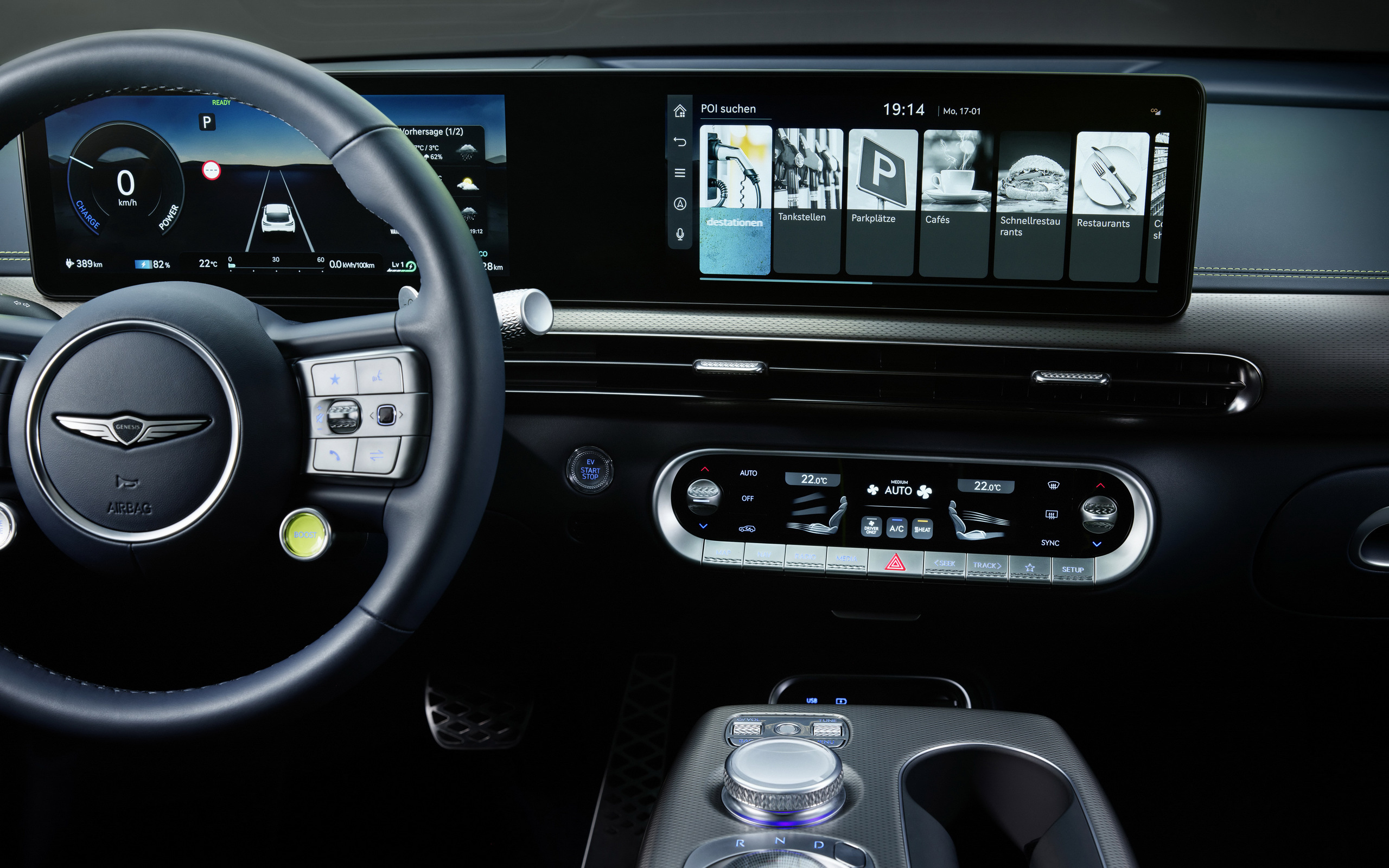
According to the National Highway Traffic Safety Administration (NHTSA), Genesis is recalling a wide range of 2025 and 2026 model-year sedans and SUVs after discovering that their digital instrument clusters can intermittently reboot and go blank.

When that happens, drivers may lose access to critical information such as vehicle speed, warning alerts, and fuel or battery levels for up to 10 seconds at a time.

Which Models Are Affected?

 One Radio Setting Can Kill Your Genesis Dash Mid‑Drive

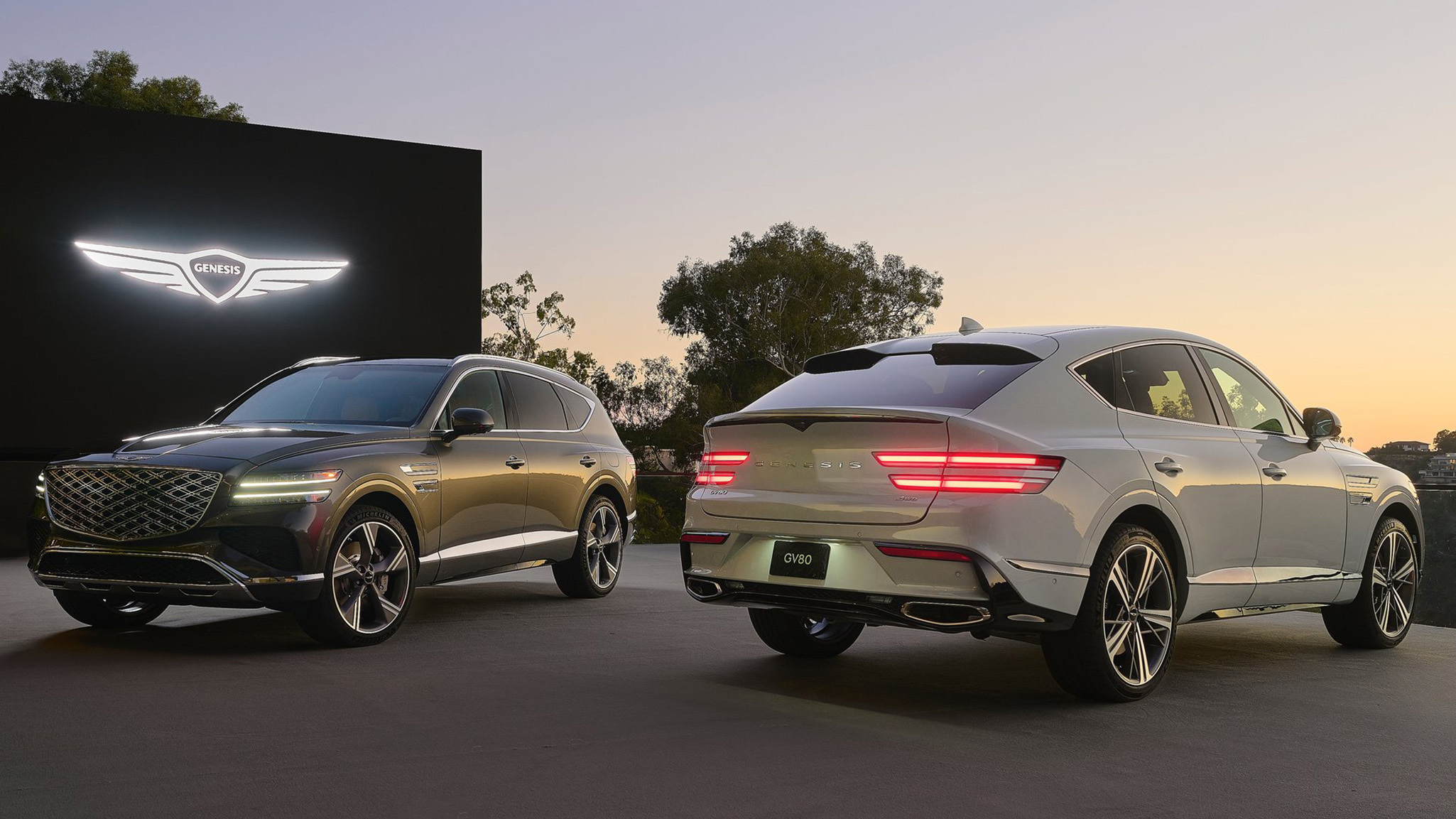
The recall covers six different Genesis models, totaling 83,877 vehicles in the U.S. These include the 2025–2026 G80, the 2026 G80 Electrified, the 2026 GV60, the 2026 GV70 and GV70 Electrified, and the 2025–2026 GV80. While recalls from Hyundai Motor Group often span multiple brands, this issue appears to be limited strictly to Genesis products.

The heart of the issue involves a software logic error in the vehicle’s head unit and integrated display system. Both HD and analog radio data are being written to the same memory location due to overlapping software routines.

Under certain conditions, that overlap can trigger a data overwrite error, causing the system to reboot and temporarily cut the display output to both the instrument cluster and infotainment screen.

 One Radio Setting Can Kill Your Genesis Dash Mid‑Drive

Hyundai says it has received 237 reports related to the issue between late September 2024 and early January 2026, but no crashes, injuries, or fatalities have been linked to the problem so far. 

Also: Ford Recalled More Cars Than The Next 9 Brands Combined In 2025

A permanent software fix is expected by mid-March. Owners will be able to visit a Genesis dealer for an update, or download it over the air if their vehicle supports OTA updates. In the meantime, Genesis recommends that affected drivers disable the HD radio feature while on the road. That’s right. Back to FM and AM folks, at least for now.

 One Radio Setting Can Kill Your Genesis Dash Mid‑Drive

That Rattle In Your Rivian Might Mean A Recall

  • Rivian issued a recall for 869 R1T and R1S vehicles in the US.
  • Second-row seatbelt retractor bolt may be loose or missing.
  • Rattling noise near the C-pillar could hint at the loose bolt.

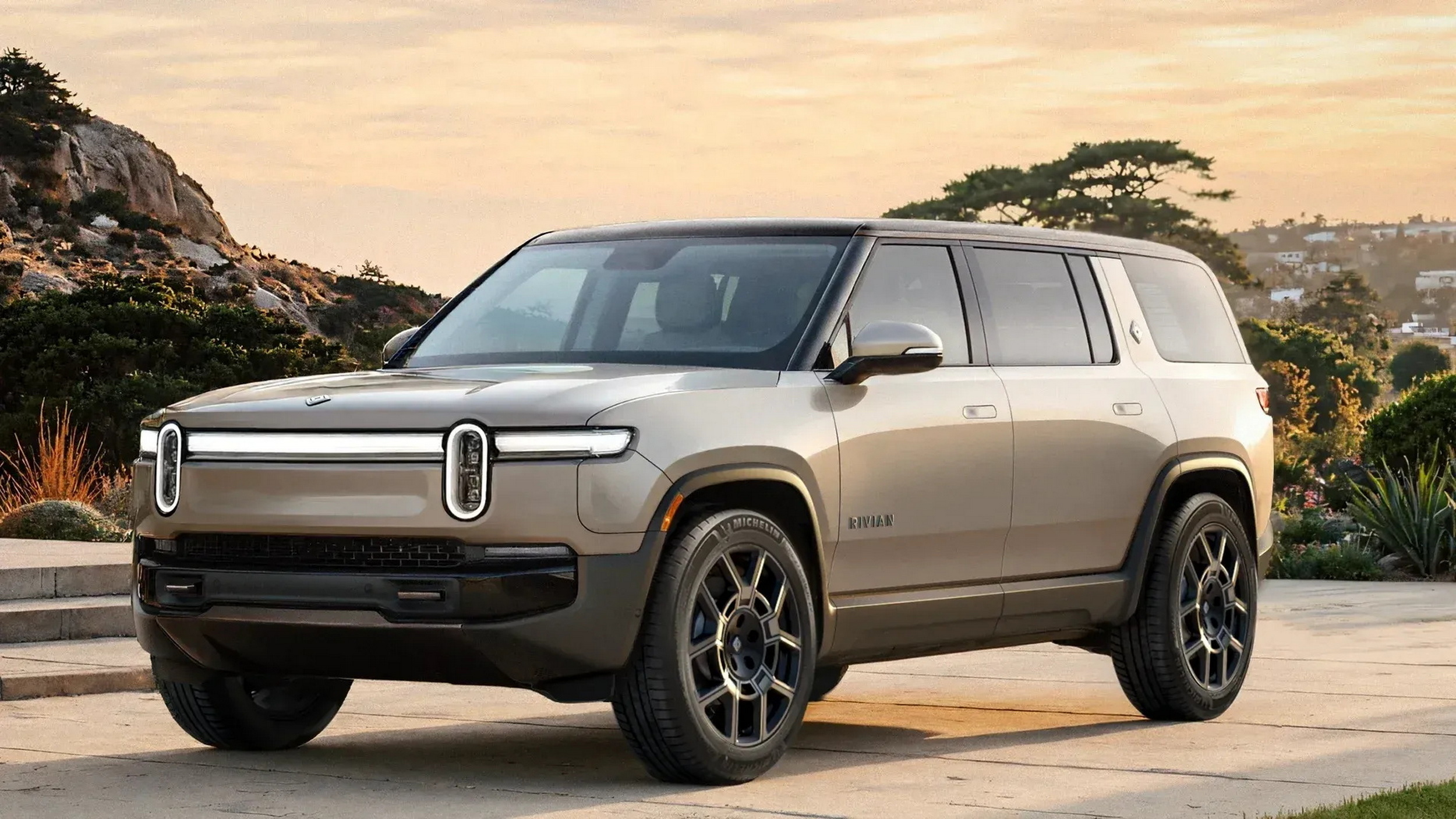
For the second time in as many months, Rivian has issued seatbelt-related recall in the States. While the last action involved nearly 35,000 units of its electric delivery van, this latest one affects a smaller number of consumer vehicles and specifically, the 2022–2025 Rivian R1T and the 2022–2026 Rivian R1S.

Read: Rivian Van Owners Are Learning A Small Habit Can Lead To A Big Problem

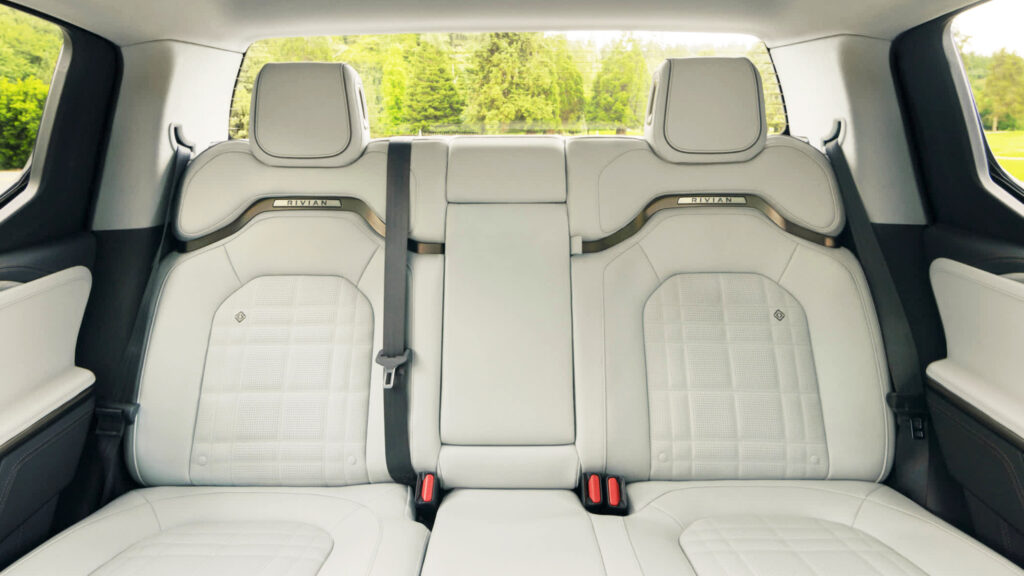
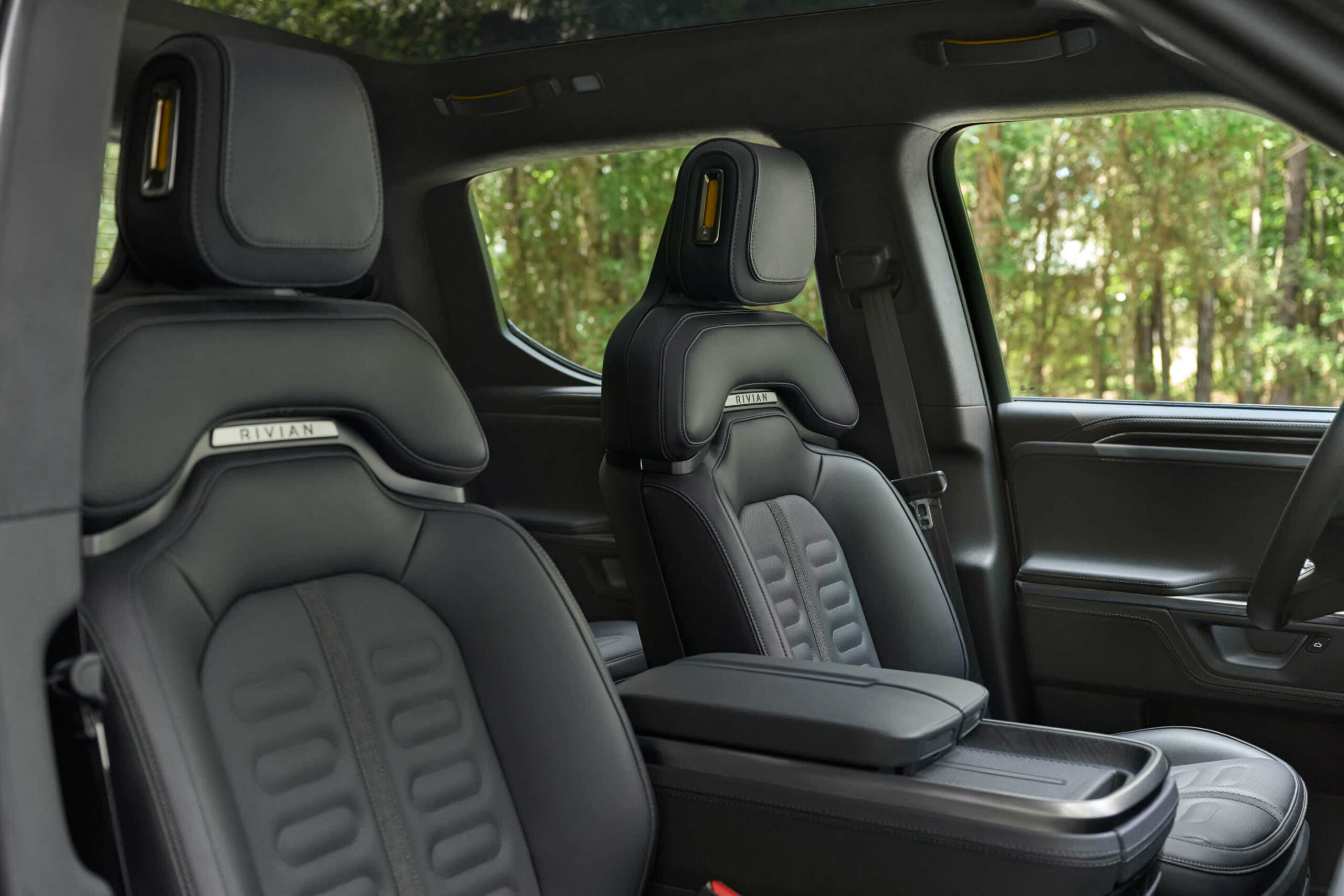
According to the company, the second-row seatbelt retractor bolt might not have been correctly installed during production. If improperly secured, the retractor could fail to restrain passengers in a crash, posing a higher risk of injury for those seated on the driver or passenger side.

Rattles May Hint at a Problem

In some cases, owners may notice a rattling sound coming from the area around the left or right C-pillar. Apparently, this can be an early sign that the seatbelt retractor wasn’t firmly fixed in place.

 That Rattle In Your Rivian Might Mean A Recall

The recall affects a total of 869 vehicles, evenly split between both models. That includes 434 R1T trucks built from September 15, 2021, through April 10, 2025, and 435 R1S SUVs manufactured between May 9, 2022, and May 15, 2025.

Rivian reports no known accidents or injuries linked to the issue. The company first took notice on September 16, 2025, when a technician discovered a loose retractor during a routine service on an R1T. After months of follow-up, Rivian says it hasn’t uncovered additional defective assemblies but has still opted to move forward with the recall as a precaution.

 That Rattle In Your Rivian Might Mean A Recall

Owners will be alerted to the recall from March 9. To resolve the problem, Rivian will properly secure the seatbelt retractor assembly in any affected vehicles free of charge.

This recall is unrelated to the earlier issue involving the company’s EDV vans. In that case, the problem stemmed from repeated misuse, where the seatbelt pretensioner could be damaged if the driver sat on the belt while it remained buckled beneath them.

 That Rattle In Your Rivian Might Mean A Recall

Chevy’s EV Is Too Quiet, So GM’s Recalling It Again

  • GM recalled over 80,000 Equinox EVs in the United States.
  • The pedestrian warning system isn’t loud enough to hear.
  • This marks the second recall for the same safety issue.

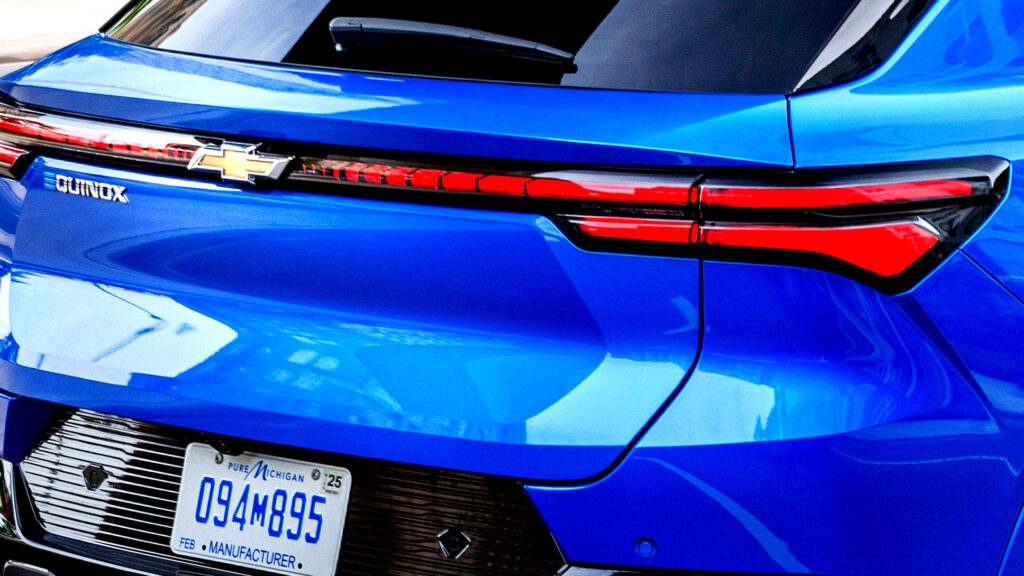
The Chevrolet Equinox EV is one of GM’s most important electric vehicles, serving as a homegrown competitor to the likes of the Tesla Model Y and Ford Mustang Mach-E. But more than 80,000 units are now being recalled across the United States for a rather unusual reason: they’re too quiet.

Under US regulations, all new electric vehicles must emit a pedestrian warning sound at speeds below 6.2 mph (10 km/h) to ensure they’re audible in areas like parking lots. While the Equinox EV is equipped with such a system, GM has admitted it isn’t doing its job properly. The system was miscalibrated during production and doesn’t produce sufficient sound to alert nearby pedestrians.

Read: Chevrolet Equinox EV’s Adaptive Cruise Control May Not Activate Brakes

Given the volume of vehicles rolling out of GM’s Ramos Arizpe Assembly plant in Mexico, this isn’t the sort of issue that should have slipped through unnoticed. According to the National Highway Traffic Safety Administration (NHTSA), an Equinox EV that can’t be heard poses a genuine risk to pedestrian safety.

The recall affects a total of 81,177 Chevrolet Equinox EVs. Of those, 59,537 are from the 2025 model year, built between July 22, 2024, and August 12, 2025. The remaining 21,640 units belong to the 2026 model year and were assembled between April 7 and December 16 of 2025.

 Chevy’s EV Is Too Quiet, So GM’s Recalling It Again

GM launched an internal investigation in November after one of its engineers filed a report through the company’s Speak Up For Safety program, flagging the issue during testing of a 2025 model.

Surprisingly, this isn’t GM’s first brush with a too-quiet Equinox EV. In September of the previous year, the automaker recalled 23,700 units from the 2024 model year for the exact same problem. Those earlier vehicles used a different calibration than the 2025 and 2026 models now being flagged.

The one bit of relief for owners is that the fix is straightforward. GM will deploy an over-the-air update to recalibrate the body control module. For those who prefer in-person service, a dealership visit remains an option. Notifications will begin reaching owners on February 2.

\\\\\\\
❌