Reading view

There are new articles available, click to refresh the page.

Renault’s Struggling Electric Crossover Is Getting A Second Chance
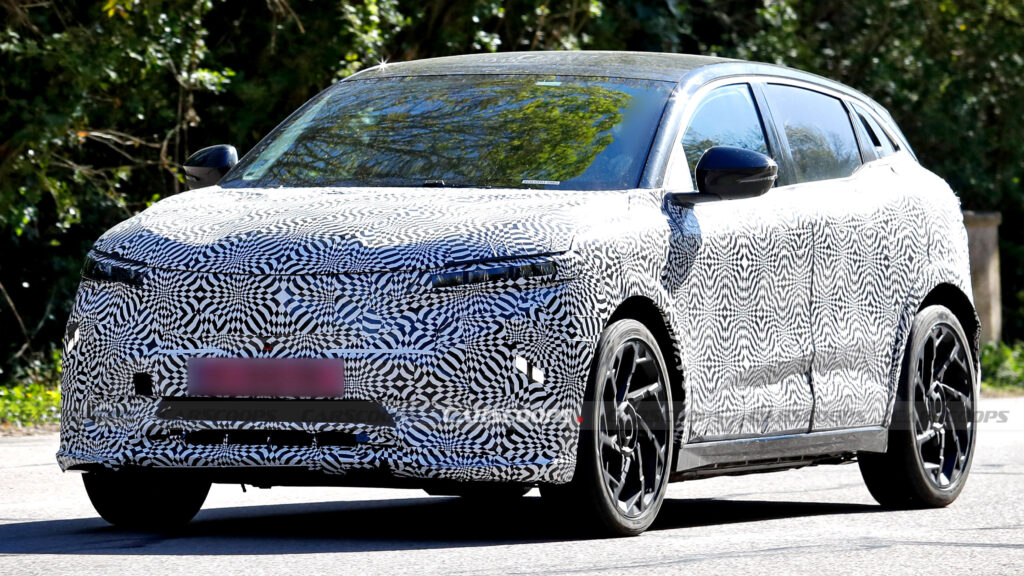
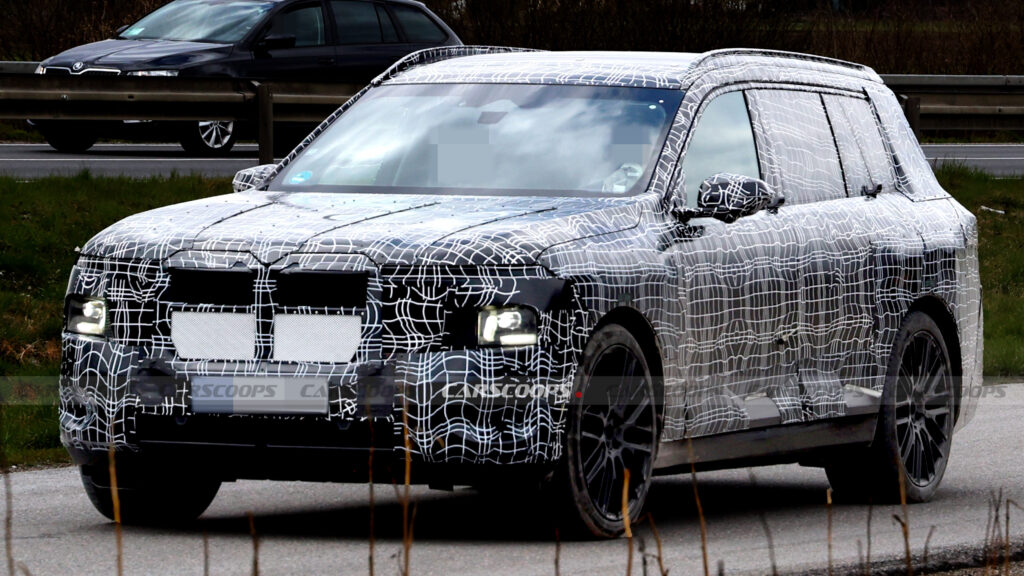
  • Renault has been caught testing a facelifted Megane E-Tech due next year.
  • New LED headlights and revised taillights are visible on the prototype.
  • The current model’s 60 kWh battery pack lags behind Renault’s own Scenic.

It’s been four years since Renault made the controversial decision to launch an electric SUV with the Megane nameplate. While the Megane E-Tech has failed to trouble the market’s most popular electric SUVs, Renault isn’t willing to throw in the towel just yet and is readying an update for it.

Pictured here for the first time is a facelifted version of the Megane E-Tech, expected to hit the market next year. Since the launch of the current model, Renault has introduced several other new SUVs, including the Symbioz and Scenic E-Tech, and tweaks to the Megane could make it look a little more like those models.

Read: Renault’s Compact EV Will Get A Refresh Following Its Nissan Cousin

This heavily camouflaged prototype retains the same overall shape as the existing model, and we can clearly see some changes have been made to the headlights. While the shape of the main headlamps looks familiar, the LED daytime running lights are clearly different, even though we can only see small parts of them.

Updates have also been made to the rear of the Megane E-Tech with new LED taillights visible and what appears to be a tweaked bumper.

New Batteries?

\\\\\\

Baldauf

It’s unclear what changes will be made under the skin of the updated Megane E-Tech. Currently, the SUV is offered with 40 kWh and 60 kWh battery packs, both of which are quite small for a vehicle of this size. By comparison, the admittedly-bigger Scenic E-Tech offers a much larger 87 kWh pack, which is more in line with what we’d expect from an SUV like the Megane.

Like the Scenic, the Megane E-Tech is based on the company’s AmpR Medium architecture, also used by vehicles like the Nissan Ariya and Nissan Leaf, which offer 90 kWh and 75 kWh battery packs, respectively.

Given the shared platform, Renault might have the scope to increase the size of the Megane’s battery pack. Recent reports have suggested it could source new batteries from AESC and produced in France. This should help to boost the EV’s driving range, which currently tops out at 454 km (282 miles).
\\\\\\

Baldauf

Maserati’s Facelifted Grecale Is Shooting For Porsche’s Open Goal

  • Maserati is testing facelifted prototypes of its Grecale SUV.
  • Both ICE and Folgore EV versions of the Macan rival spotted.
  • New bumpers seen in photos but rear, interior look unchanged.

Maserati is having a rough old time, its sales sinking from 51,500 cars in 2017 to a pitiful 7,900 last year across all of its model lines. Porsche was down too, in 2025, but to 279,449 vehicles, and the Macan alone accounted for over 84,000 of them.

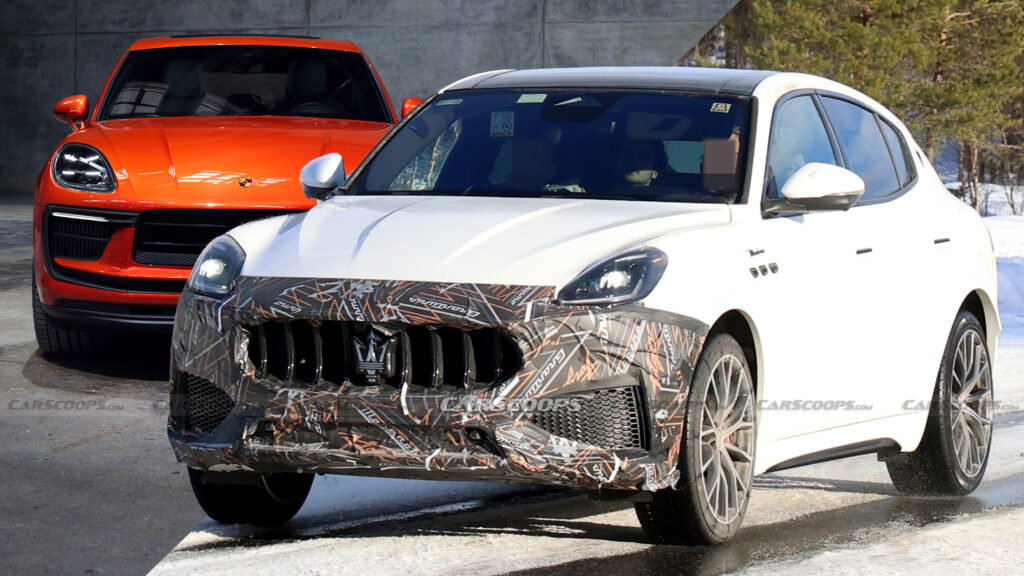
But now Porsche has goofed, giving Maserati a chance to boost its own performance with a refreshed version of its Grecale, the Italian firm’s Macan rival. Fresh spy shots show Maserati is working on updates for both the combustion and the Folgore electric variants of its smallest SUV that are likely to be MY27 cars.

Related: Porsche Sold More Cars In 11 Days Than Maserati Did The Entire Year

So what exactly is this open goal Porsche has gifted Maserati? It’s the end of combustion Macan production. The SUV is already off-sale in mainland Europe due to its failure to comply with European cybersecurity regulations, and though it’s still available in other markets for the time being, production ends this summer.

The Macan Electric EV, which Porsche conceived as taking over from the ICE version altogether, will still be available, but that’s not the one most buyers want. In the first quarter of this year Porsche sold 18,209 Macans of all powertrain types, but only 8,079 of them were EVs. The Stuttgart crew already knows it made a mistake killing off one of its most popular models, and has greenlit a new combustion Macan it never expected to make, but it’s going to be 2028 before its available.

Maserati Needs To Capitalize On Porsche’s Mistake

\\\\\\\\\

That presents Maserati – presuming parent company Stellantis doesn’t decide to cut its losses – with a small opportunity to pick up sales for the Grecale, which is still available in both ICE and EV form.

The camouflage on the nose of both the white combustion prototype and gray Folgore EV (above) suggests we can expect some very mild front-end changes, and it looks like the lower bumper shape has changed. We can’t see any tweaks to the headlights or anything at the undisguised rear, but we might see some mods on later prototypes as we closer to the launch.

 Maserati’s Facelifted Grecale Is Shooting For Porsche’s Open Goal

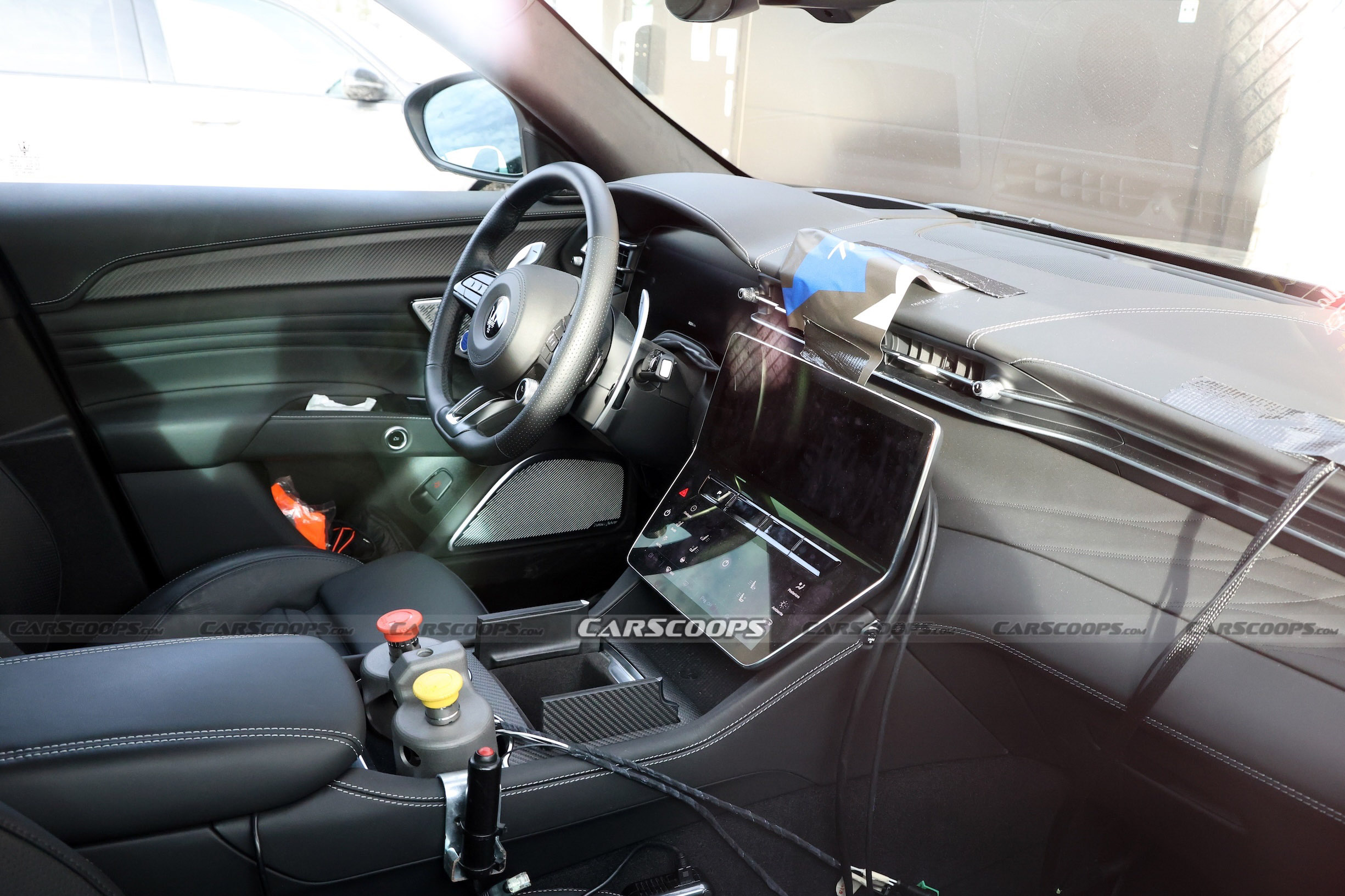
One shot showing the interior tells us Maserati hasn’t got any big updates planned for the dashboard, whose upper navigation screen and lower climate one are separated by a bank of transmission buttons. We’ve tried the current Grecale and came away impressed with the handling balance and quality, but less enamoured with the lack of physical switches, brake pedal feel and four-cylinder engine noise.

Grecale Already Updated For 2026

We don’t know yet what Maserati has planned under the hood of the facelifted cars, but we wouldn’t be surprised to see improvements to the Folgore’s 550 hp (558 PS / 410 kW) power output. The 275 mile (443 km) EPA range stats could also be bumped though they were already upped by 30 miles (48 km) for 2026 thanks to a new all-wheel drive disconnect function.

Also for 2026 Maserati junked the unloved 2.0-liter four-cylinder from entry-level and mid-spec US-market cars, replacing them with a version of the brand’s 3.0-liter twin-turbo Nettuno V6 making 385 hp (390 PS). The Trofeo halo model has a 523 hp (530 PS) take on the same powertrain.

The Macan’s absence isn’t going to dramatically change Maserati’s fortunes, but if the brand really is to survive it needs to leverage the hell out of the advantage Porsche has given it.

\\\\\\\\\

SH Proshots

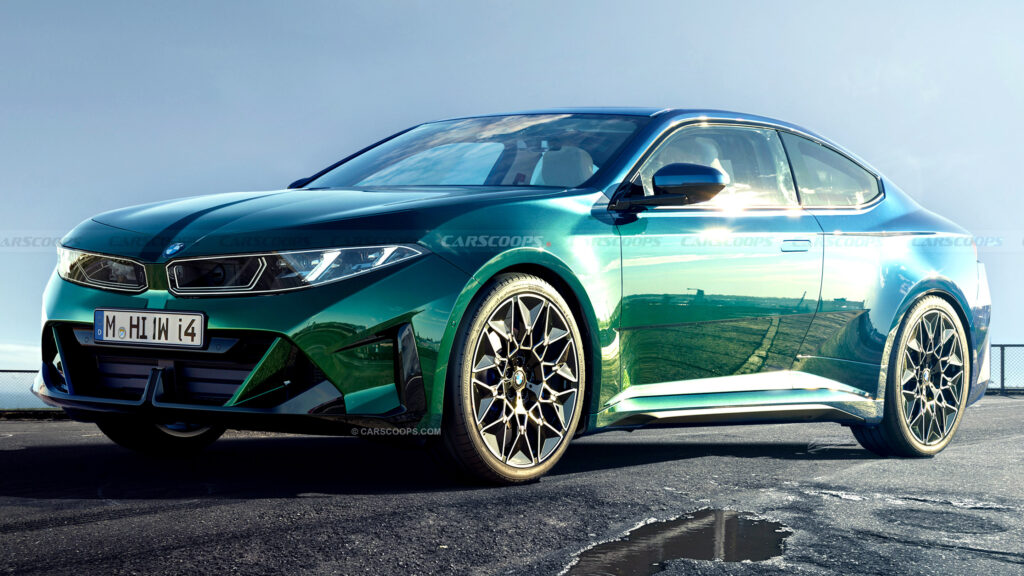
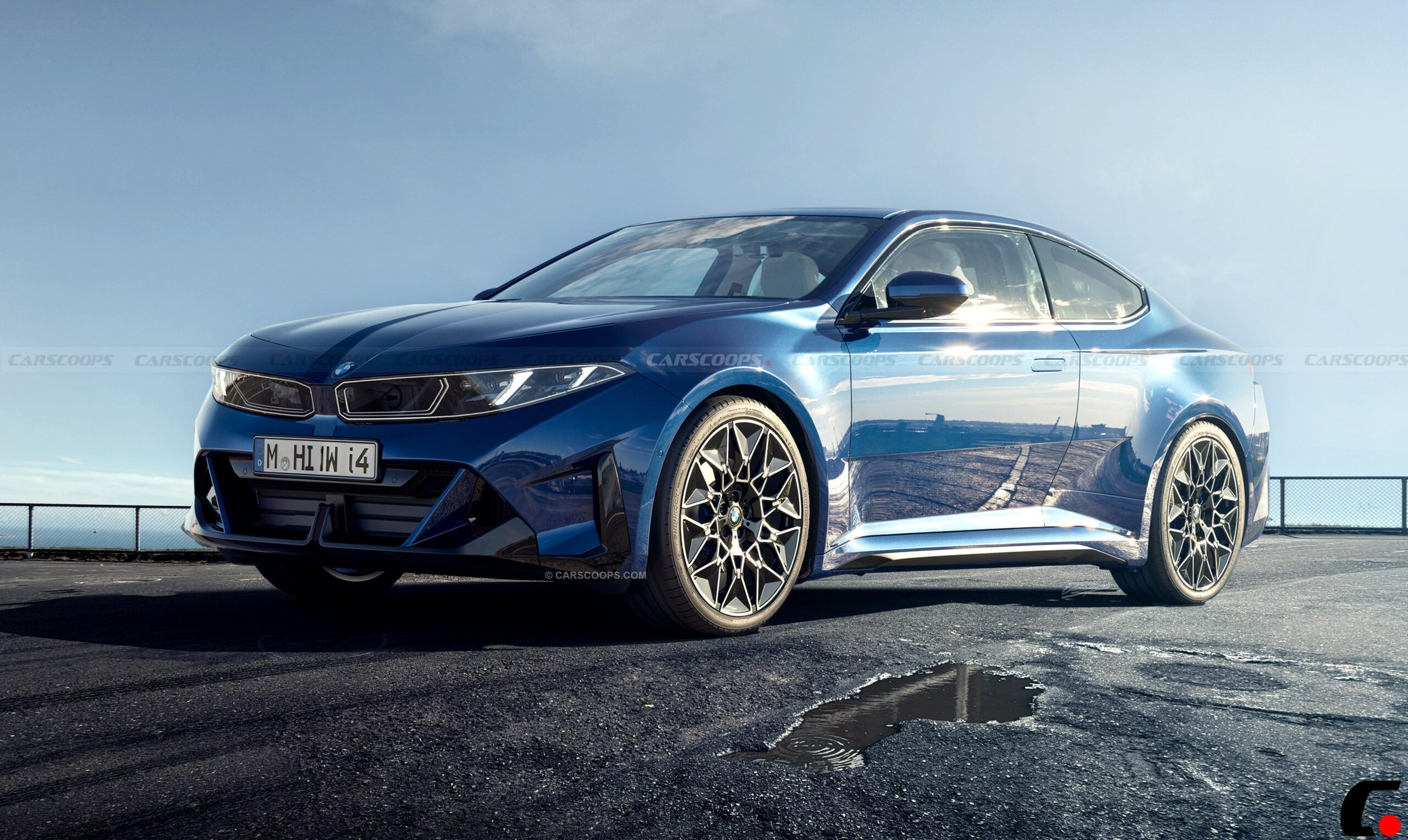
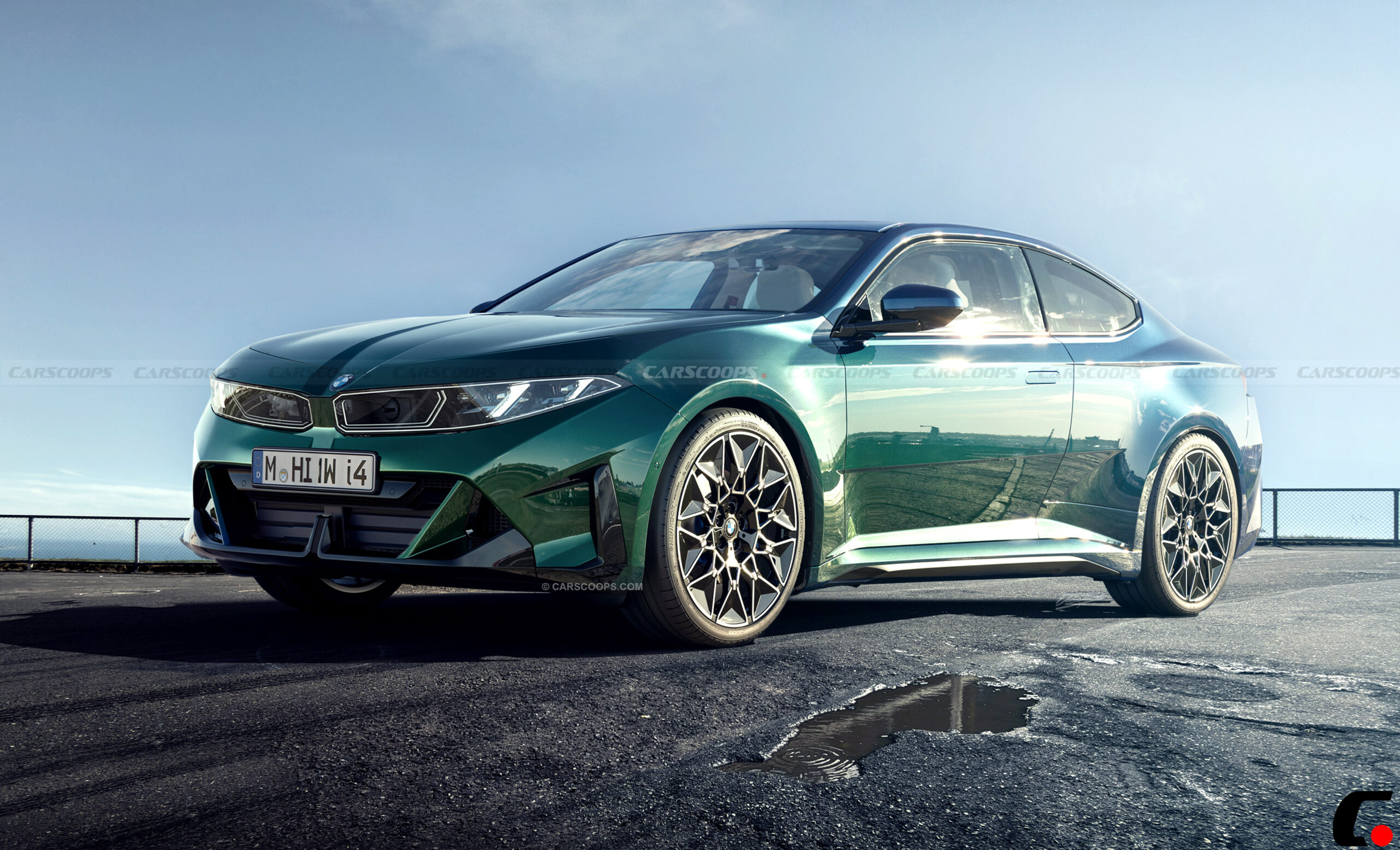
BMW’s i3 Sedan Divided The Internet, So We Drew The i4 Coupe Instead

  • We imagine a sleeker two-door i4 Coupe as an addition to the i3 Sedan.
  • Sportier chassis tuning and rear-drive bias would sharpen its dynamic character.
  • Neue Klasse architecture enables quad-motor setups with serious performance.

As electric platforms reshape proportions, design identity is facing a quiet but meaningful test across the industry. BMW has stirred up an online storm of controversy with its latest i3 electric Sedan. Set to complement the petrol-powered 3 Series, its Neue Klasse styling and stance have divided opinion far and wide.

See: BMW Showed Just Enough Of The i3 Touring For Someone Else To Finish The Job

The good news is BMW has confirmed the NA0-coded i3 will get a touring variant to dial back some of the sedan’s less flattering aspects, but a two-door coupe feels like a more natural extension of the range. Curious? Read on as we put pen to pixel and envisage what it might look like.

Keeping The Good Bits

 BMW’s i3 Sedan Divided The Internet, So We Drew The i4 Coupe Instead
Illustrations Josh Byrnes / Carscoops

Let’s address the elephant in the room – styling. BMW has a long history of iconic design, from strong axle-to-dash ratios to twin kidney grilles, the Hofmeister Kink, and balanced proportions. The i3 Sedan, however, rewrites that familiar playbook in ways that feel unfamiliar. Its front-drive proportions still read as athletic, yet the upright stance exudes nervousness.

See: Hyundai’s New Pickup Truck Will Be Everything The Santa Cruz Refused To Be

Our study keeps the better aspects of the i3, but translates it into a more svelte two-door form. We’ve lowered the roofline, elongated the doors, and given it a tighter glasshouse, with better proportions skewed toward visual dynamism rather than rear-seat usability.

The leading edge of the facia now leans forward in a shark-nosed fashion, and the grille’s lighting signature now has three-dimensional depth to avoid the perspective distortion that plagues the sedan’s nose. Out back, we envisage bolder haunches, a ducktail spoiler and slimmer, 3-dimensional OLED taillights.

Digital Drive

\\\\\\\

The interior of the new BMW i3 sedan.

Inside, the i4 coupe would ideally mirror the sedan’s radical shift in cabin philosophy, and its Panoramic IDrive display stretching across the dashboard. However, we’d ditch much of the touch-sensitive interfaces (including that steering wheel) for physical controls and swap the dash for one that’s more driver-oriented.

Also: Bentley Hasn’t Shown The Barnato SUV’s Face Yet, So We Did It For Them

Despite its coupe format, a practical 2+2 layout will be central to the deal, and largely retain the same 114.1 in (2,898 mm) wheelbase as its four-door donor car. Chassis tuning would likely skew sportier than the sedan, with adaptive dampers, rear-wheel-drive bias, and near 50:50 weight distribution forming the baseline.

Volts To Velocity

 BMW’s i3 Sedan Divided The Internet, So We Drew The i4 Coupe Instead

Like the sedan, the i4 coupe uses BMW’s sixth-generation eDrive system, which is built around cylindrical battery cells and an 800-volt electrical architecture. Battery capacity would sit around 75–90 kWh usable, delivering up to approximately 600 km (WLTP) or 440 miles (EPA) depending on configuration.

More: Ford’s $30K Pickup Wants To Beat Cybertruck At Its Own Game

Output for the dual-motor i4 50 xDrive model could exceed 463 hp (345 kW) and 476 lb-ft (645 Nm) of torque. A thumping i4M variant would amp the pace, with quad motors generating close to 1000 hp, and a rear-drive mode that decouples the front axle.

Future Outlook

 BMW’s i3 Sedan Divided The Internet, So We Drew The i4 Coupe Instead
Illustrations Josh Byrnes / Carscoops

BMW has not announced plans for an i4 coupe, so its arrival remains speculative. However, with Neue Klasse models forming the backbone of BMW’s next-generation EV strategy, additional bodystyles beyond the i3 sedan and wagon appear inevitable.

Would you love to see the i4 coupe come to life, or rather a straight-six-powered ICE version? Share your thoughts in the comments below.

\\\\\\\\\\\\\\\

Rolls-Royce’s Electric SUV Revives A Long-Forgotten Hood Design

  • Rolls-Royce’s new electric crossover will have a split-opening hood.
  • It features a central spine as well as two outer panels that lift up.
  • SUV will likely mix BMW Neue Klasse tech with Spectre developments.

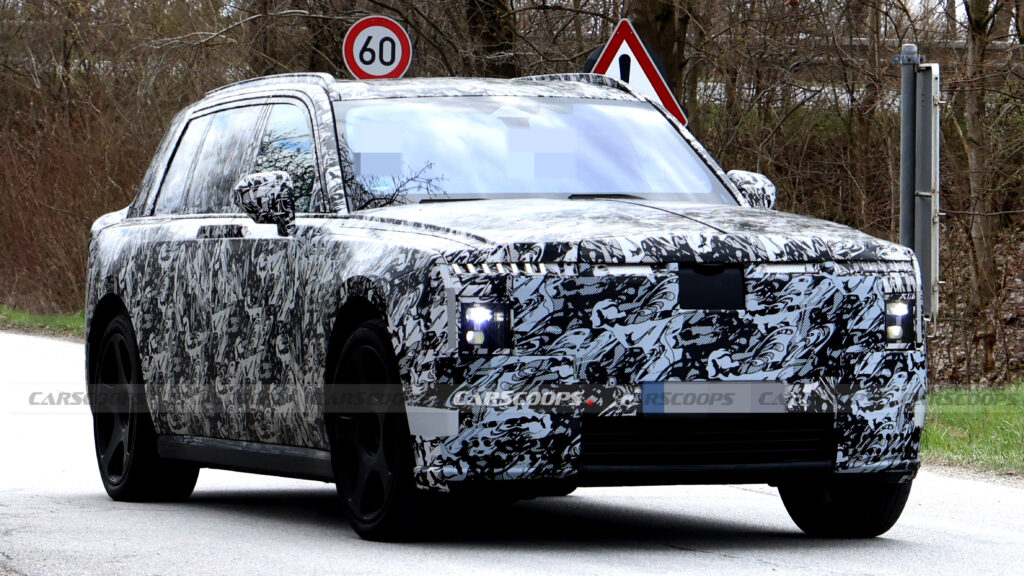
Rolls-Royce is working on an electric crossover to battle the Bentley Barnato and spy photographers recently snapped a prototype undergoing testing in Munich. While that’s notable by itself, the model appears to have an old school split hood.

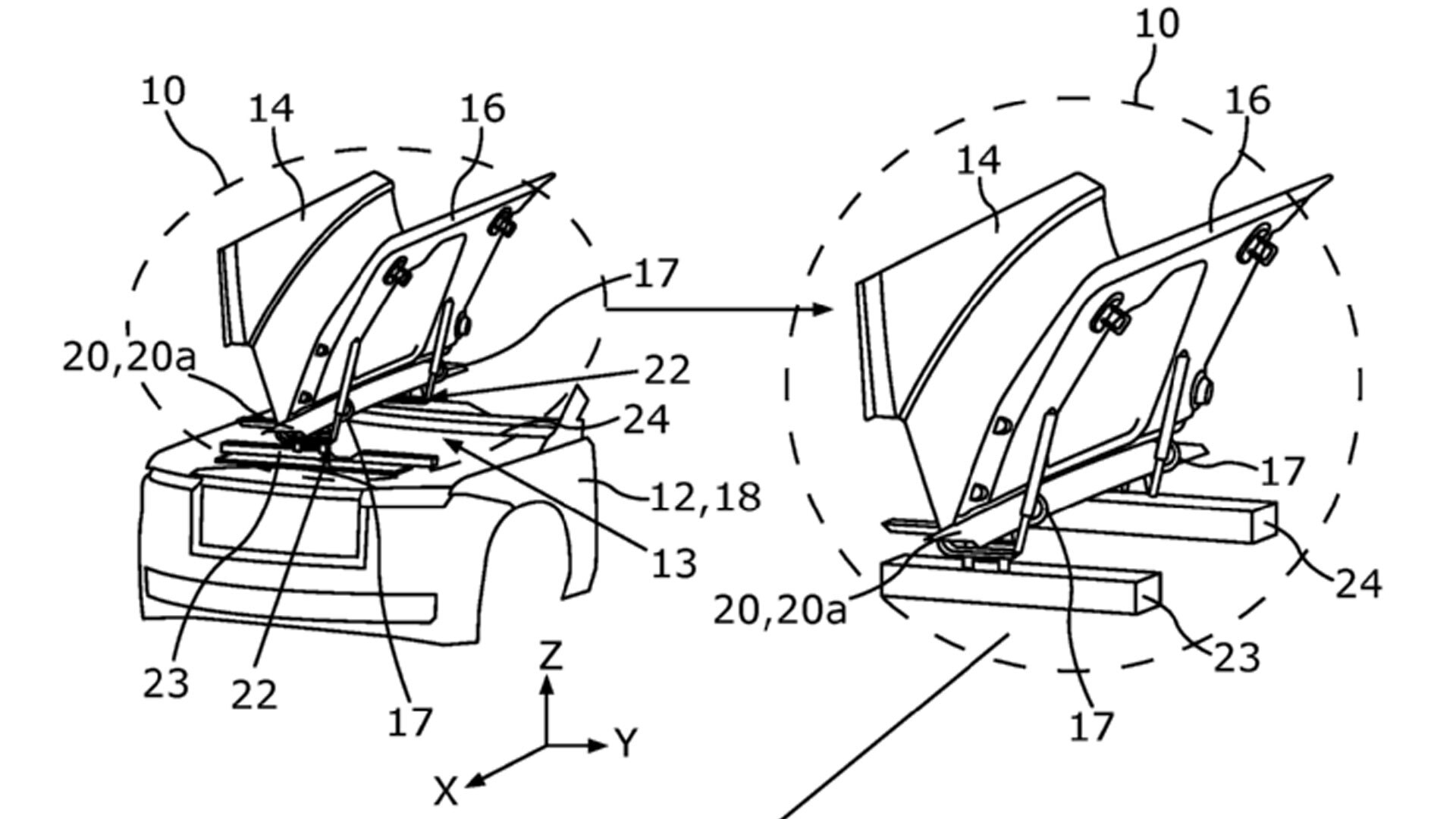
Thanks to a beefy camera lens, we can see the ‘hood’ will have a central spine with a retractable spirit of ecstasy hood ornament at the front. On either side are two movable panels, which apparently lift up similar to a trunk lid.

More: Next Rolls-Royce Cullinan Is Changing Way More Than You Think

Rolls-Royce filed a patent for the idea in 2024 and it gives you a pretty good idea of what to expect. We can also see what appears to be a hinge at the front of the hood, although it looks like a drill attachment with a Phillips bit when you zoom in closer.

\\\\\\\\\\\\\\

SHProshots

Forgotten tools aside, the crossover has a fully enclosed grille with a top-mounted camera. It’s flanked by split lighting units including lower headlights with “RR” badging. The model also sports a wide lower intake with horizontal bars.

The rest of the design is far more conventional and closely echoes the current Cullinan. As a result, there’s a strong shoulder line and slab-sided bodywork. They’re joined by a familiar greenhouse, a relatively flat roof, and a thick rear pillar.

 Rolls-Royce’s Electric SUV Revives A Long-Forgotten Hood Design

The déjà vu design continues out back, but the EV has a unique bumper that lacks exhaust cut outs. The bumper also houses the license plate recess, which is a change as it’s mounted to the liftgate on the Cullinan.

These similarities originally had us believing the model was the second-generation Cullinan. However, there’s been some speculation that the two crossovers could co-exist alongside each other – at least initially.

\\\\\\\\

SHProshots

While there are more questions than answers at this point, the model will undoubtedly follow in the footsteps of the Spectre. The coupe sports a 102 kWh battery pack as well as a dual-motor all-wheel drive system developing 577 hp (430kW / 584 PS) and 664 lb-ft (900Nm) of torque.

This enables the model to accelerate from 0-60 mph (0-96 km/h) in 4.4 seconds and have a WLTP range of 329 miles (530 km). There could also be a more powerful Black Badge variant with 650 hp (485 kW / 659 PS) and 793 lb-ft (1,075 Nm) of torque.

That being said, the crossover could benefit from newer technologies like the facelifted 7-Series. BMW recently announced the flagship sedan is getting their Gen6 eDrive technology and this will include a cylindrical cell lithium-ion battery with a 20% higher energy density. We can also expect the model to incorporate some other Neue Klasse advancements.

\\\\\

SHProshots

Mercedes’ Electric C-Class EQ Is Running Out Of Camouflage

  • The Mercedes C-Class with EQ Technology is losing its disguise.
  • New photos give us our best look at the EV’s streamlined bodywork.
  • Should offer a dual-motor all-wheel drive system developing 483 hp.

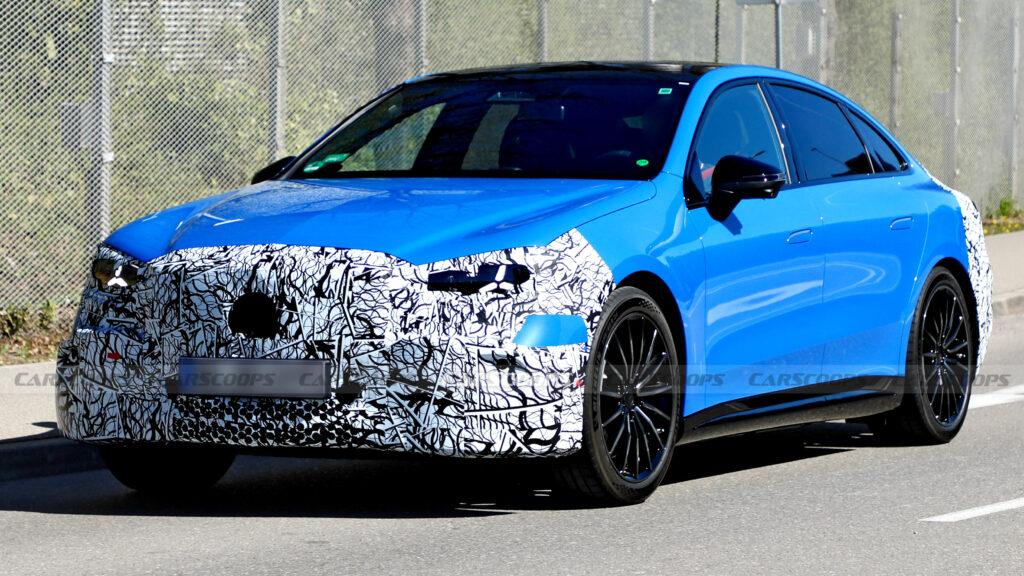
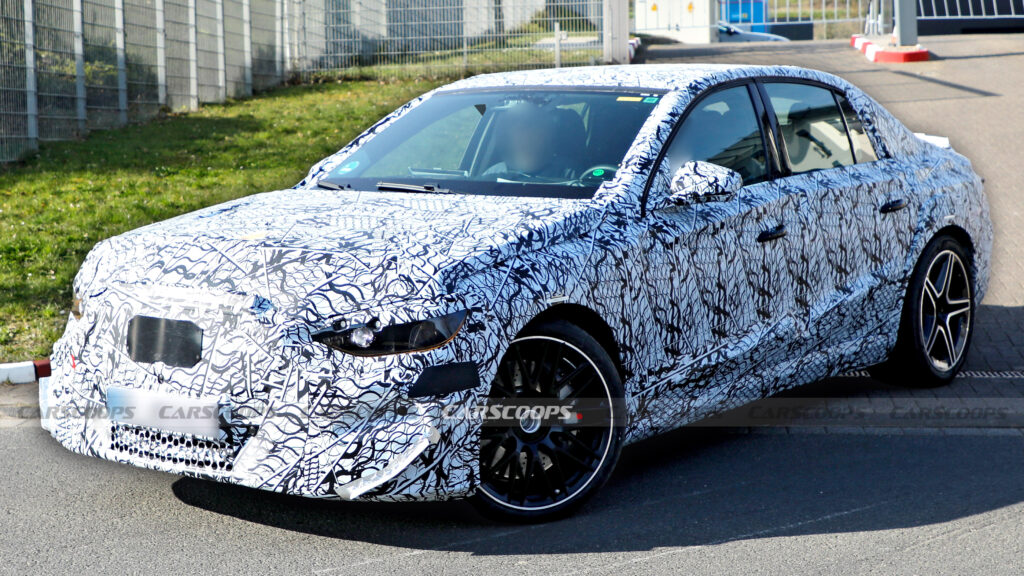
Spy photographers have snapped the Mercedes C-Class EQ on multiple occasions and the automaker officially previewed the model last fall. It now appears to be getting closer to its debut as lightly camouflaged prototypes have been spied undergoing testing in Germany.

While the front end is still heavily disguised, a previous teaser image has revealed the model will follow in the footsteps of the GLC EQ and adopt an illuminated, fully enclosed grille. It will also sport a light up surround as well as nearby star-infused headlights.

More: Mercedes-AMG Turns Electric C-Class Up To 11, Could Offer Up To 800 HP

More notably, we can see our first glimpse at the production hood. It features soft curves and a protruding middle section.

Moving further back, there’s streamlined bodywork and a rakish windscreen that flows into a sloping roof. The overall design recalls the EQE and EQS, but the C-Class EQ has a sportier and less exaggerated greenhouse. We can also see the model will be offered with both traditional and flush-mounted door handles as well as an assortment of different wheels.

\\\\\\\\\\\

Baldauf

Two of the prototypes appear to be equipped with an AMG or Night Package. They have an assortment of changes including sportier wheels, black window trim, black side skirts, and black mirror caps.

Out back, there are muscular rear haunches and a trunk with an integrated spoiler. They’re joined by a rounded bumper as well as taillights with circular accents featuring star graphics.

Spy photographers didn’t get a good look inside, but previous images have suggested the cabin will echo its crossover counterpart. This suggests the sedan could be offered with three different screen setups, including a relatively basic version with a 10.25-inch digital instrument cluster and a 14-inch infotainment system.

The middle option would be an MBUX Superscreen, which throws a 14-inch front passenger display into the mix. However, the real show stopper should be a 39.1-inch MBUX Hyperscreen that spans the width of the dashboard.

Powertrains And Range

\\\\\\\\\

Baldauf

Powertrain details are more mysterious, but the GLC EQ gives us a pretty good idea about what to expect. It has a 94 kWh battery pack, which feeds a dual-motor all-wheel drive system developing 483 hp (360 kW / 490 PS) and 590 lb-ft (800 Nm) of torque. This enables the crossover to accelerate from 0-62 mph (0-100 km/h) in 4.3 seconds, hit a top speed of 130 mph (210 km/h), and have a WLTP range of 418 miles (673 km).

However, we can expect additional variants including models with rear-wheel drive. The company has previously said one version will offer 497 miles (800 km) of range, which would fall well short of the BMW i3’s 559 miles (900 km).

There’s no word on when the C-Class EQ will be unveiled, but the photos suggest a debut could be right around the corner and the automaker has previously said 16 new models are coming this year – including six EVs.

\\\\\\\\\\\\

Baldauf

Honda Cancelled Its EV Future And Now Has Nothing New To Sell Until 2027

  • Honda faces product drought in North America after cancelling multiple EV programs.
  • No major redesigns expected until the new CR-V SUV arrives sometime around 2027.
  • Losses mount while rivals push ahead with fresher lineups and faster development.

Honda slammed the brakes on its EV push, and now it faces the prospect of being stuck at a development red light with not much new to show customers. After canceling several electric models, the company is staring down a product gap in North America that could stretch into 2027 and far beyond.

That’s a problem in a market where newness sells. Analysts say there may be no fully redesigned core models arriving next year, leaving Honda to rely on cars that are starting to feel a little long in the tooth.

More: Honda Went To China, Saw The Future, And Reached Back To The 1960s

The irony is that only a couple of months ago, Honda dealers were preparing for a massive influx of exciting new metal. Honda had gone all in on EVs, shifting engineers and resources away from traditional development. Then demand softened, policies shifted, and suddenly those future models didn’t make financial sense anymore.

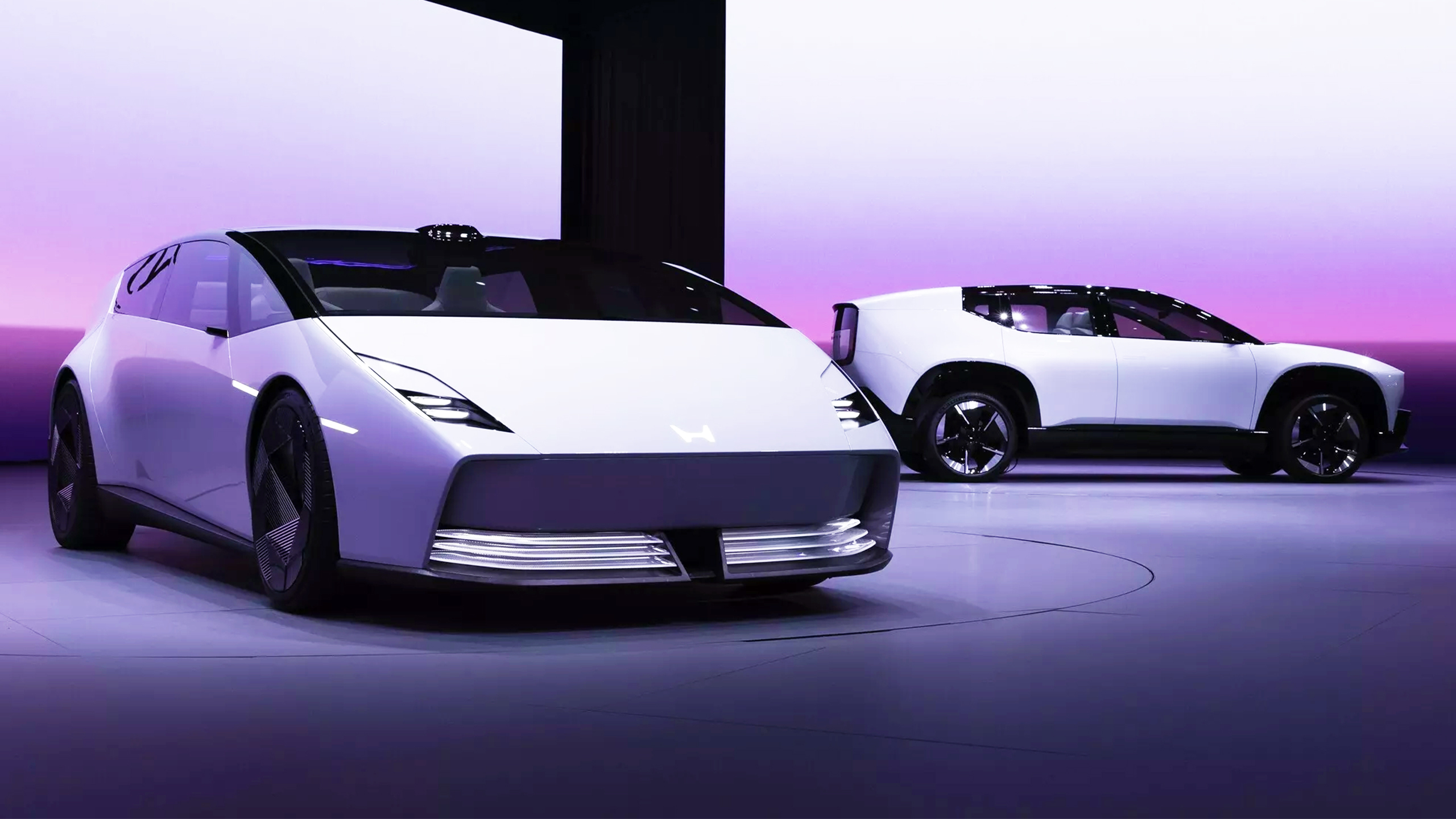
So the company pulled the plug. That included the wild looking 0 Saloon, the 0 SUV, and even Acura’s planned RSX revival. Cool ideas, all gone, along with billions in investment. What’s left is the hangover. Development pipelines for gas powered cars have slowed, and the company is left trying to rebuild momentum while competitors keep rolling out fresh vehicles. Its first fresh vehicle will be a redesigned CR-V due in 2027, Nikkei Asia reports.

Rivals More Efficient

 Honda Cancelled Its EV Future And Now Has Nothing New To Sell Until 2027

It’s not just about product timing either. Honda’s development efficiency has been under scrutiny for years, and the gap versus rivals like Toyota isn’t helping. Pricing pressure is another concern. In the US, Honda is already offering bigger incentives than some rivals to keep cars moving. If newer competitors arrive while Honda’s lineup stays largely unchanged, those discounts may have to climb even higher.

No New Cars But Plenty Of Bills

Financially, things don’t look much rosier. The EV retreat is expected to trigger massive losses, and not just in wasted development time and money. Nikkei Asia says the automaker could have to pay $10 billion to suppliers who were all geared up and ready to build parts for the cancelled electric cars. And there’s growing chatter that dividends could come under pressure if earnings don’t recover soon.

Honda insists it’s stabilizing things and focusing on hybrids while reorganizing development to speed things up again, and there’s even talk of potential collaboration with Nissan in North America. But nothing concrete has emerged yet, so don’t expect many new-model fireworks for a couple of years.

 Honda Cancelled Its EV Future And Now Has Nothing New To Sell Until 2027

Honda

VW Spent Decades Selling Germans What China Wanted. Now China’s Selling VW What It Needs

  • The new electric SUV uses VW and Xpeng’s advanced CEA architecture.
  • A high-tech driver assistance system will come standard on the new model.
  • VW is also working on Chinese EVs with its other local joint venture partners.

Volkswagen is working on yet another addition to its burgeoning range of electric cars sold in China. Whereas the brand’s range of EVs offered in Western markets is starting to feel a little old, some of its Chinese models appear to be up to the task of rivaling local brands.

Its latest model is being brought to life through the FAW-Volkswagen joint venture, rather than the Volkswagen Anhui partnership with JAC, which is responsible for the new ID. Unyx 08. Photos published online by VW show its next Chinese EV will be a large SUV sitting above the Unyx.

Read: VW’s New Compact Sedan Costs Less Than Half What Americans Pay For A Jetta

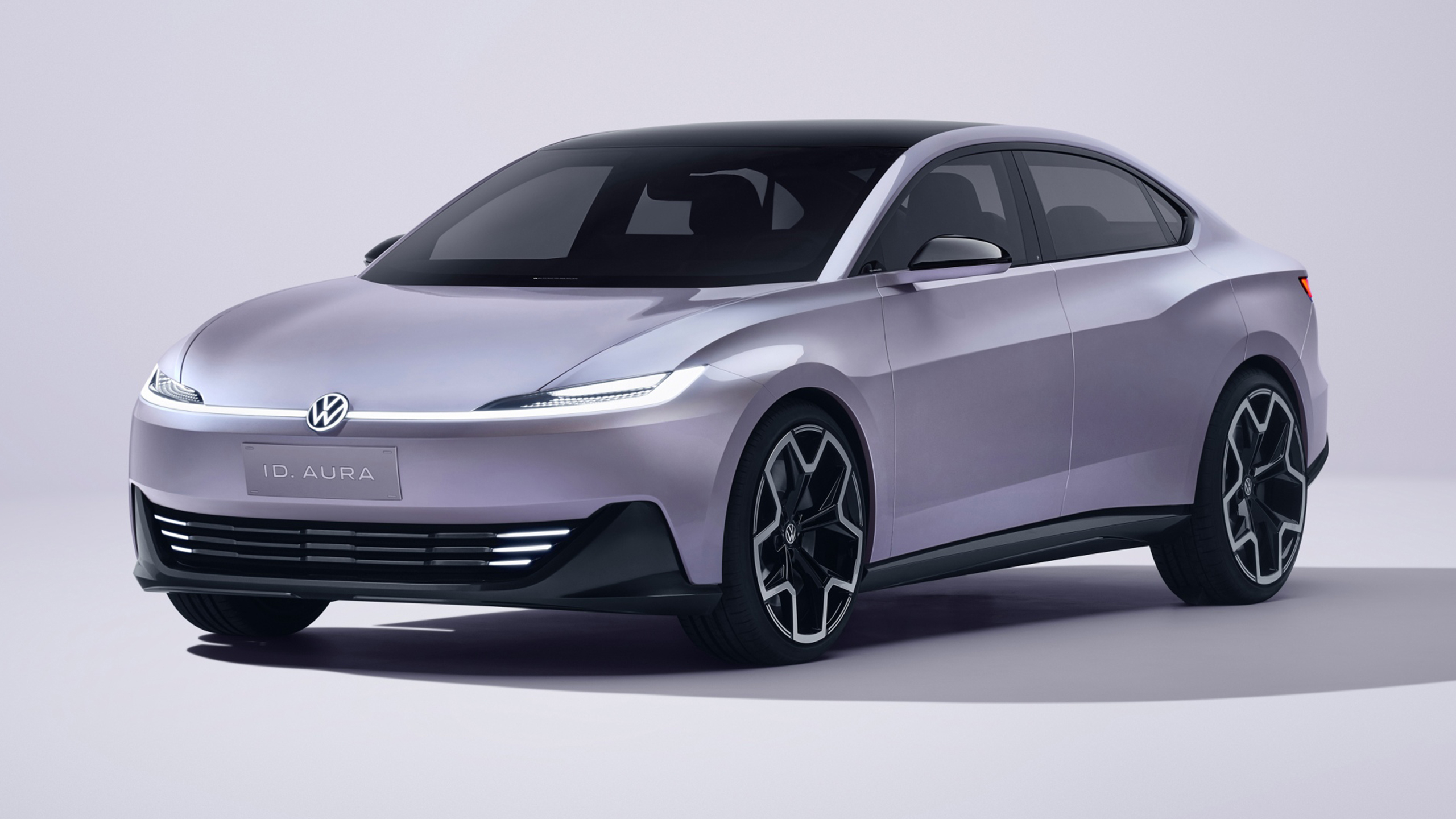
A final name for the model has yet to be confirmed, but we know this SUV will form part of VW’s ID.Aura family, previewed last year with a sleek, low-slung sedan. Like the ID. Unyx 08, it’s reported that this model is based on the CEA architecture that VW has co-developed with Xpeng, complete with 800-volt tech.

Advanced Driving Tech

\\\\

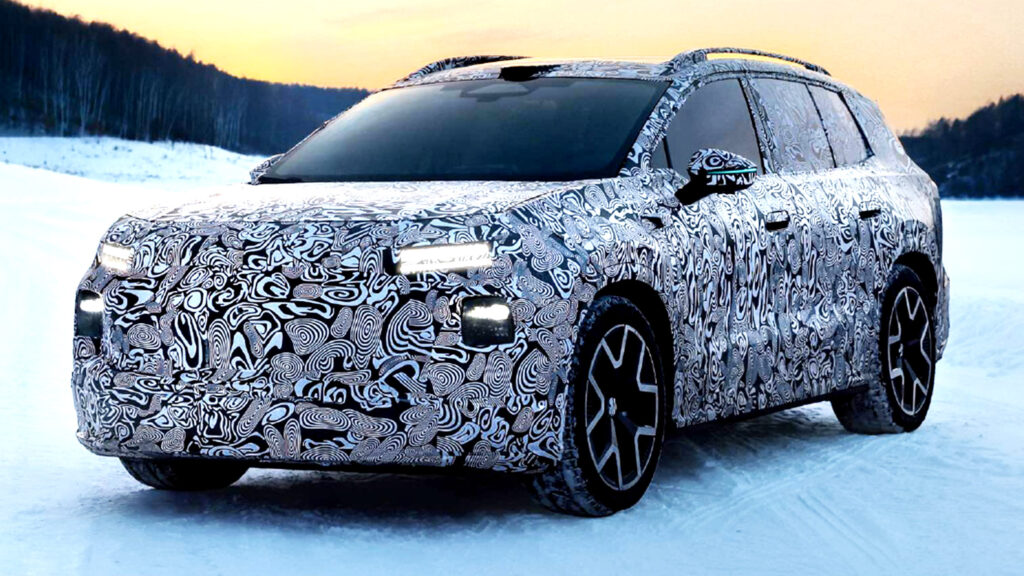
These images indicate the first ID.Aura model will be slightly more conventional in its shape than the Unyx. We can see it will have a split-headlight design and a front fascia that sits quite upright. Other notable elements of the design include bulging fenders and a LiDAR unit positioned above the windshield.

Elsewhere, this prototype can be seen sporting roof rails, a sunroof or panoramic glass roof, and a fairly traditional-looking tailgate. Small parts of the LED taillights are also visible.

It’s understood that the first model from the ID.Aura family will use an advanced driver assistant system developed by VW and Horizon Robotics, known as Carizon. Limited other details about it are known, including what powertrain it will have, what charging speeds it will support, and what kind of driving range will be on offer.

 VW Spent Decades Selling Germans What China Wanted. Now China’s Selling VW What It Needs
VW ID.Aura sedan concept

Jaguar Wants To Rival Bentley, But GT’s Cabin Goes In A Different Direction Entirely

  • The Jaguar GT has been fitted with a very unusual steering wheel.
  • A curved display has been perched on top of the car’s dashboard.
  • Jaguar has also added a pair of rather unusual steering wheel stalks.

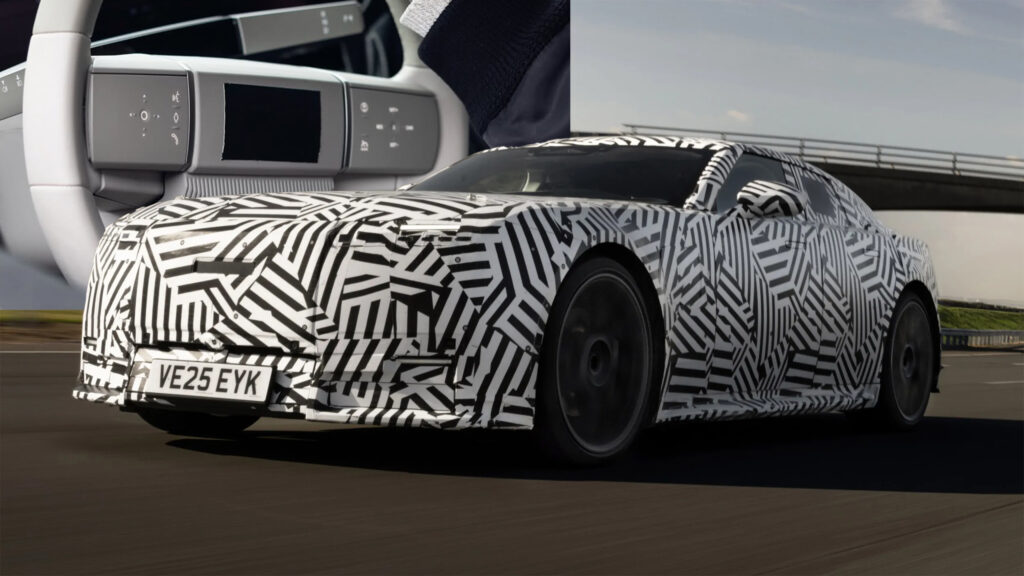
Jaguar’s controversial EV is edging closer to a September reveal, and while its exterior remains concealed under camouflage, the company has now offered a first look inside. It marks a clear departure from anything the brand has produced before. As expected, the cabin design doesn’t follow familiar Jaguar themes.

As development enters its final phase, Jaguar recently invited a small group of journalists and social creators to get behind the wheel of the EV, currently referred to as the GT, though the final name has yet to be confiremd. The exterior is expected to closely mirror the divisive Type 00 Concept, though the production car has evolved from a two-door coupe into a four-door sedan.

Read: Jaguar Benchmarked Its Electric GT Against One Classic Above All Others

With the exterior leaning heavily on straight lines and sharp edges, the interior was always going to follow suit. These photos confirm it, revealing an all-new steering wheel that looks like it could have rolled straight out of a 1970s or 1980s concept car. It features thick horizontal spokes, each packed with large touch-sensitive surfaces handling a wide range of functions.

Stalks, But Not Normal Stalks

It’s hard to say with certainty, but it appears these could be touch-sensitive or haptic-style buttons, rather than physical ones, which is a shame but a sign of the times. Positioned on the left are controls for making calls and the car’s voice function, while the cruise control settings appear on the right. The airbag module also sits lower than normal.

Positioned behind the steering wheel are two large stalks, also with a squared-off design. The one on the left appears to control the lights, turn signals, and windshield wipers, while the right stalk houses Reverse, Neutral, Drive, and Park. While Jaguar wants to rival Bentley, the dash appears quite minimal, with a large, curved infotainment screen and gauge cluster, free of any physical dials.

What About Performance?

Beyond the cabin, we know Jaguar’s new GT is based on the company’s Electric Architecture and tips the scales at about 2,700 kg (5,962 lbs). To help somewhat offset that weight, it’ll be fitted with three electric motors delivering more than 986 hp and 959 lb-ft (1,300 Nm) of torque.

As for driving impressions, Andrew Frankel from The Intercooler notes that it doesn’t offer the same kind of bonkers performance as a Tesla Model S Plaid and has been configured for smooth, progressive performance.

\\\\\\\\\\\\\

Photos Jaguar, Lead Image SidewalkHustle/Instagram

BMW’s iX7 Gets Every Neue Klasse Upgrade Except The One That Would Make It Look Different

  • BMW iX7 spotted testing again as brand prepares biggest EV yet.
  • Electric X7 will share design with combustion model but lose tailpipes.
  • Launch expected around 2027, probably ahead of combustion version.

BMW unveiled a radically redesigned and all-electric 3-Series last month, but the sports sedan isn’t the only machine with a blue and white propeller badge that’s getting its first EV makeover. So is the big X7, as these spy shots of the new iX7 prove.

We first saw this upcoming electric flagship a few months ago, but in the wake of the arrival of the smaller Neue Klasse cars we now have an even better idea of what to expect when it it comes to the onboard tech.

Related: BMW’s Largest SUV Is About To Get A Lot More Interesting

Visually, don’t expect a revolution. The iX7 and combustion X7 are heading into BMW’s Neue Klasse design era, but way less aggressively than the i3 and iX3, which are targeting a younger audience. That means a familiar shape, now with Neue Klasse surfacing and flush handles, but still with an older-style big grille and split headlights rather than the visor-style nose treatment seen on its iX3 little brother.

\\\\\

SH Proshots

Flush-type grille kidneys, iX7 badges and of course the absence of tailpipes will help other drivers distinguish it from the X7, but otherwise, like the 5-Series and i5, and 7-Series and i7, the two differently-powered SUVs will look almost identical.

And like the i7, both versions of the X7 will ride on an updated version of BMW’s existing large SUV platform, so the company can build petrol and electric models side by side. It’s a pragmatic move, even if it means the iX7 won’t go full futuristic like the smaller Neue Klasse EVs.

800-Volt Fast Charging And A Long Range

\\\\\

SH Proshots

But that doesn’t mean it’ll miss out on all the good NK tech. BMW’s latest battery know-how should make an appearance, with more energy-dense cells and faster charging thanks to 800 volt architecture. If the smaller iX3 can manage over 500 miles (805 km) of WLTP range, expect the iX7 to go equally far, helped by a much larger, probably 100+ kWh battery pack.

Dual motors and all-wheel drive will be standard, and as for power, don’t be surprised if a range-topping version pushes well beyond 800 hp (811 PS), because even those kind of numbers look pretty ordinary in the electric SUV world these days.

Grab a seat inside and you’ll be met with BMW’s latest tech-heavy cabin, including its Panoramic iDrive media setup and head-up display. But the price of admission to that cabin is going be hefty when sales start in 2027, so don’t think you’re going to take one home for less than six figures.

\\\\\\

SH Proshots

Xiaomi Brings Its 1,000HP YU7 GT To Porsche’s Backyard Naked And Unafraid

  • The flagship YU7 GT will have two electric motors, providing blistering performance.
  • New spy shots show that Xiaomi has upgraded parts of the electric SUV’s exterior.
  • With camouflage stripped away from this prototype, a reveal may be coming soon.

Not satisfied with only building an all-electric sedan with the performance to match multi-million-dollar hypercars, Chinese tech giant Xiaomi is finalizing development of a high-performance, GT-branded version of the YU7 SUV. It has the potential to lay the smackdown on Porsche.

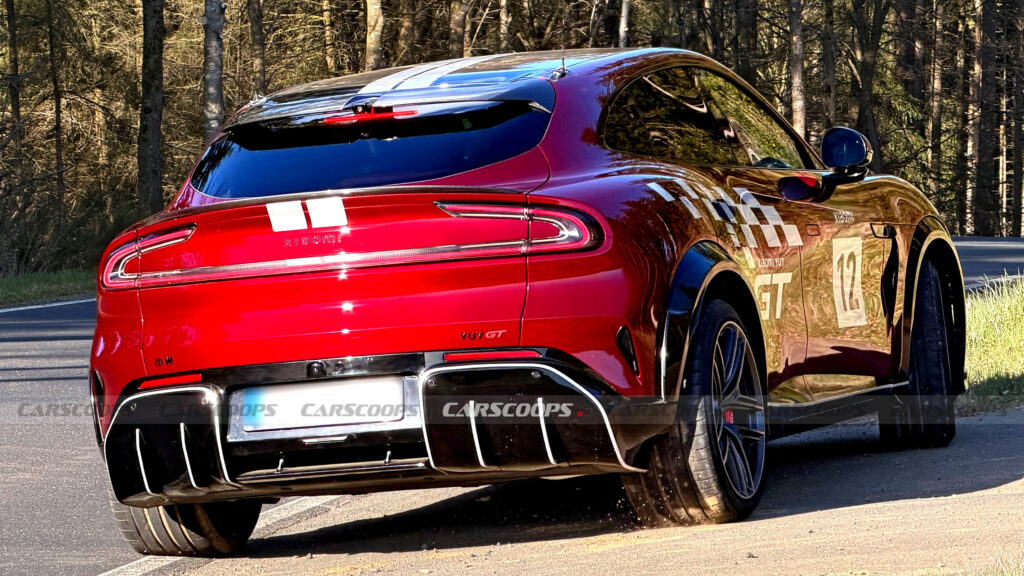
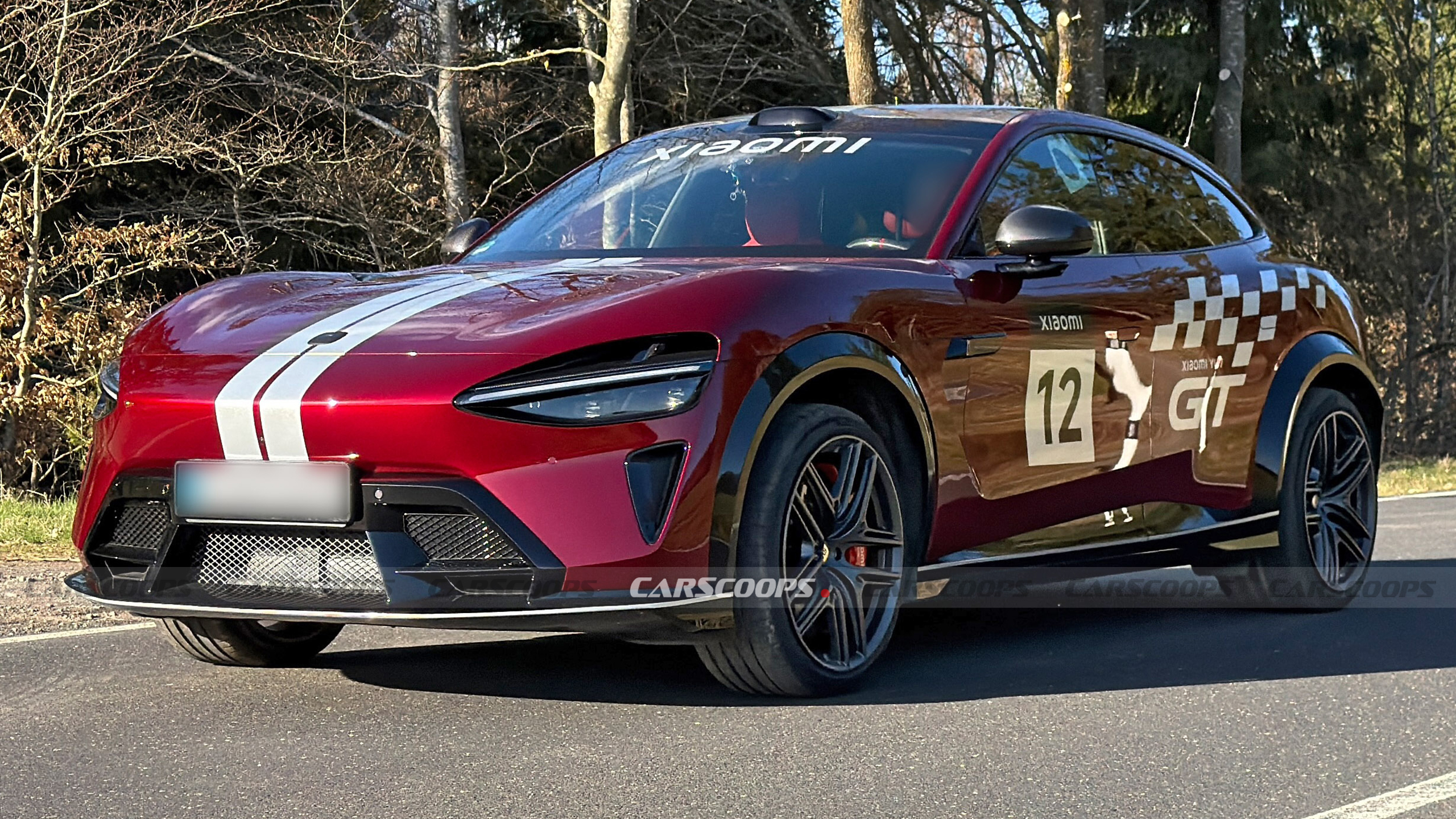
We’ve seen Xiaomi testing the YU7 GT in the past, but this is our first time seeing it without any camouflage. These photos were snapped as Xiaomi conducted an official photoshoot for the SUV near the Nurburgring. It looks just as extreme as the SU7 Ultra and appears ready to conquer race tracks and drag strips around the world.

Read: This Ferrari SUV Lookalike From China Makes More Power Than The Real One

A host of design changes have been made to the SUV, ensuring it stands out from the regular model. The alterations start at the front-end, where Xiaomi has redesigned the lower front grille of the SUV and added a new splitter to it.

Beefed Up And Aggressive

\\\\\

Baldauf

We can also see the company’s designers have crafted dramatic flared fenders for the YU7 GT, allowing for the fitment of wider wheels and tires. Hiding behind these new wheels are enlarged brakes, including absolutely gargantuan red calipers. Plenty of changes have also been made to the rear, including a more aggressive diffuser and a different bumper.

This particular prototype also features a silver, motorsport-style livery, complete with racing stripes that run the length of the body, adding to the track-ready impression.

Power To Match

 Xiaomi Brings Its 1,000HP YU7 GT To Porsche’s Backyard Naked And Unafraid
Baldauf

Recent Chinese filings have revealed how much performance the new EV will pack. Whereas the SU7 Ultra uses three high-powered electric motors to deliver 1,548 hp and 1,305 lb-ft (1,770 Nm) of torque, this model doesn’t use Ultra branding and isn’t quite as extreme. With that being said, it will still deliver around 1,000 hp from its twin-motor setup, enough to reach an 186 mph (300 km/h) top speed.

Testing at the Nürburgring suggests Xiaomi isn’t just chasing headlines, it’s putting real effort into serious on-track performance. Whether that translates into genuine driving excitement, though, is still an open question.

Prices have yet to be announced, but rumors point towards it costing between 450,000 yuan and 500,000 yuan, or between $65,000 and $73,000.

\\\\\

Baldauf

Cupra’s Baby EV Looks Like It Was Designed By People Who Actually Drive

  • Cupra teases Raval rear with dramatic reflection, confirming April 9 reveal date.
  • Triple triangle LED lights and glowing Cupra badge hint at bold, sporty styling.
  • VZ version promises hotter performance with 233 hp and sharper chassis setup.

Cupra has confirmed the Raval will debut on April 9, and with just weeks to go, it’s dropped a teaser that gives us our first real taste of its smallest electric car yet. It’s only one image, but it’s enough to get us excited about a baby EV that should be both fun to drive and affordable.

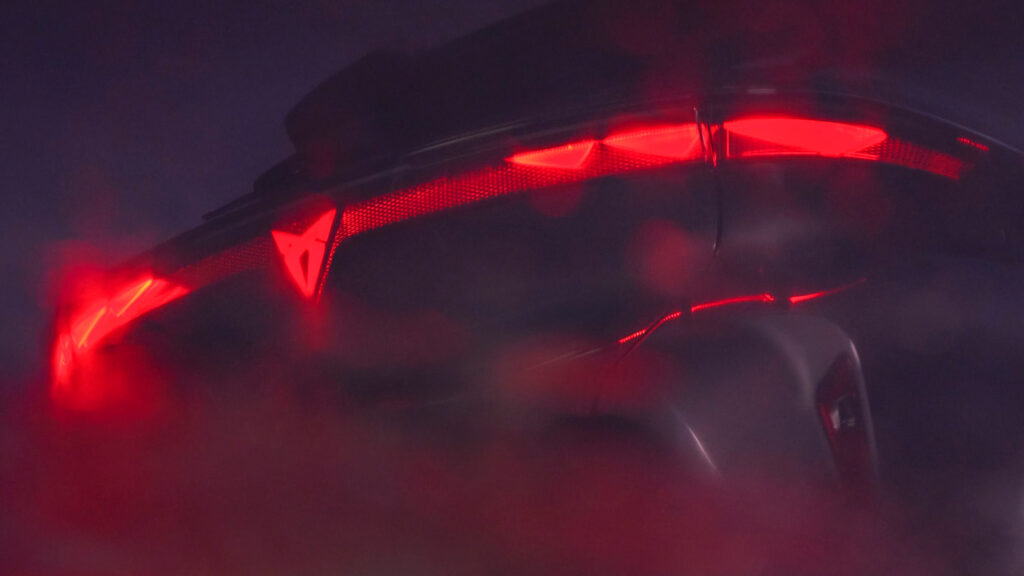
The shot as provided by Cupra shows the rear end reflected in water, though flipping it reveals the details more clearly. The lighting signature is the standout feature. Triple triangle LED elements sit at each corner, connected by a full-width light bar with a textured, mesh-like look that feels suitably dramatic. An illuminated Cupra badge takes center stage, a detail we last saw on the facelifted Born.

Related: Cupra’s Smallest EV Just Drove Around Naked Hoping Nobody Would Notice

We can also make out a roof spoiler at the top of the hatch door and a set of black and bronze alloy wheels wrapped in chunky Bridgestone tires, hinting at a sportier edge than your average small EV, and probably telling us that we’re looking at the VZ hot hatch version.

The Raval rides on VW Group’s new front-wheel drive MEB+ platform and measures just over 4,000 mm (157.5 inches) long, placing it firmly in the subcompact class. It shares its underpinnings with the upcoming VW ID. Polo and Skoda Epiq, though Cupra has reportedly led chassis development.

The Driver’s Choice

That influence shows in the setup. Engineers have lowered the suspension by around 15 mm versus the VW and Skoda equivalents, even on the base cars, stiffened things up, and added progressive steering to give it a more engaging feel. It’s meant to be the enthusiast’s option in this trio.

\\\\\\\\\\\\

Cupra

Power options though, cover a broad range. Entry-level versions are expected to offer 114 hp (116 PS / 85 kW) or an optional 133 hp (135 PS / 99 kW), both paired with a 38.5 kWh battery. Step up and you get a single, front-mounted electric motor producing around 208 hp (211 PS / 155 kW) with a 55 kWh pack.

That mid-tier setup should deliver a 0 to 62 mph time of around 7.2 seconds and a WLTP range of up to 278 miles or 450 km. It’s a solid balance of performance and efficiency for everyday use.

VZ Equals GTI

But we’re naturally drawn towards the VZ, Cupra’s take on the ID. Polo GTI, the first electric VW to wear that legendary hot hatch badge. With 233 hp (226 PS 166 kW), an electronic differential, and a wider track, it promises sharper responses and more punch, even if range dips to around 249 miles (400 km).

With prices expected to start around €26,000 (£23,000) and a funkier, more youthful design than its VW and Skoda cousins, the Raval looks set to bring some real personality to the affordable EV space.

\\\\\\\\\\

Baldauf

Stellantis Is Building Something The ID. Polo GTI Crowd Will Want To Know About

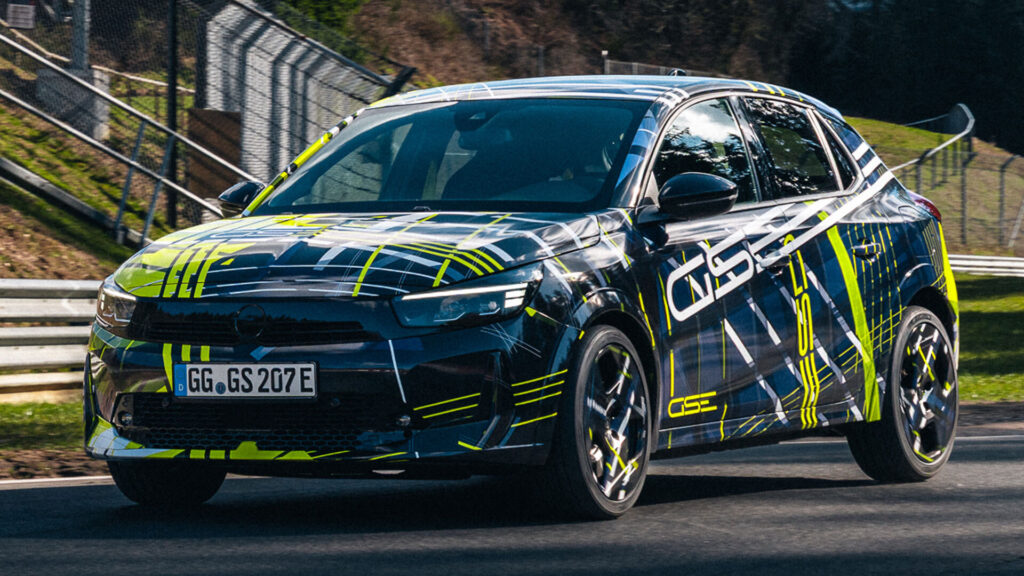
  • Opel confirmed the GSE will be its most powerful production Corsa to date.
  • Nürburgring testing focused on chassis tuning, steering, and ESC calibration.
  • Hatch is expected to borrow its 278-hp electric powertrain from the Mokka GSE.

Opel announced plans for a Corsa GSE earlier this year and the automaker recently took the hot hatch to the Nürburgring for testing. Unsurprisingly, the brand’s answer to the upcoming Volkswagen ID. Polo GTI was spotted not only by spy photographers, but also by the company’s own cameras.

We’ll get to the details in a moment, but Opel said testing was primarily focused on fine-tuning the chassis. They went on to say the upcoming model will “be the most powerful series Corsa ever built” and have “specific throttle, steering, and ESC tuning.”

More: New VW ID. Polo And ID. Polo GT Leaked Ahead Of Their Debut

While the company is keeping details under wraps, we can see a lightly revised front end with triangular air curtain accents. They’re joined by extended fender flares and aerodynamically optimized wheels, which are backed up by yellow brake calipers with GSE badging.

The changes largely fly under the radar, but the production model could be hiding a few tricks up its sleeve. That remains to be seen, but we can expect to learn more as we approach the car’s unveiling at the Paris Motor Show in October.

\\\\\\\

Opel

One thing that isn’t much of a mystery is the powertrain as the hatchback is expected to borrow heavily from the Mokka GSE. This means we can likely expect a 54 kWh battery that powers a front-mounted motor developing 278 hp (207 kW / 281 PS) and 254 lb-ft (345 Nm) of torque. It enables the crossover to accelerate from 0-62 mph (0-100 km/h) in 5.9 seconds, before hitting a top speed of 124 mph (200 km/h).

More: Stellantis Outguns Polo GTI With New Corsa GSE

The upgrades should extend beyond the powertrain as the Corsa GSE will likely be equipped with a limited-slip differential, unique axles, and a sport-tuned suspension with special shock absorbers.

\\\\\\\\\\\\\\\\\\\\\\\\\\\\\\\\\\\\\\\\\\\\\\\\\\\\\\\\

Baldauf

Bentley Hasn’t Shown The Barnato SUV’s Face Yet, So We Did It For Them

  • New Barnato will sit below the Bentayga as Bentley’s first fully-electric SUV.
  • Output could reach up to 1,140 hp, pointing to serious performance potential.
  • Its sleek styling draws from the EXP 15 concept with crisp, sharp, modern details.

Bentley is getting ready to widen its SUV lineup with a second high-riding model, one that will slot in below the Bentayga. This time, though, the formula changes. Instead of another combustion-powered offering, the new arrival is set to be fully electric.

Early reports pointed to the name ‘Mayon,’ which appeared in a trademark filing with the European Union Intellectual Property Office last year. However, more recent intel points to the ‘Barnato’ name being used; after all, it carries more heritage honoring Le Mans winner and Bentley owner Woolf Barnato. 

Future Cars: The Luxurious Hyundai Flagship We Never Got Is About To Change

Our sleuths behind the lens have already captured heavily camouflaged prototypes testing in winter conditions, yet we’ve gone one step further by digitally decoding its design and exploring everything else we know ahead of its expected debut.

Sleeker Than The Bentayga

 Bentley Hasn’t Shown The Barnato SUV’s Face Yet, So We Did It For Them
Illustrations Josh Byrnes / Carscoops

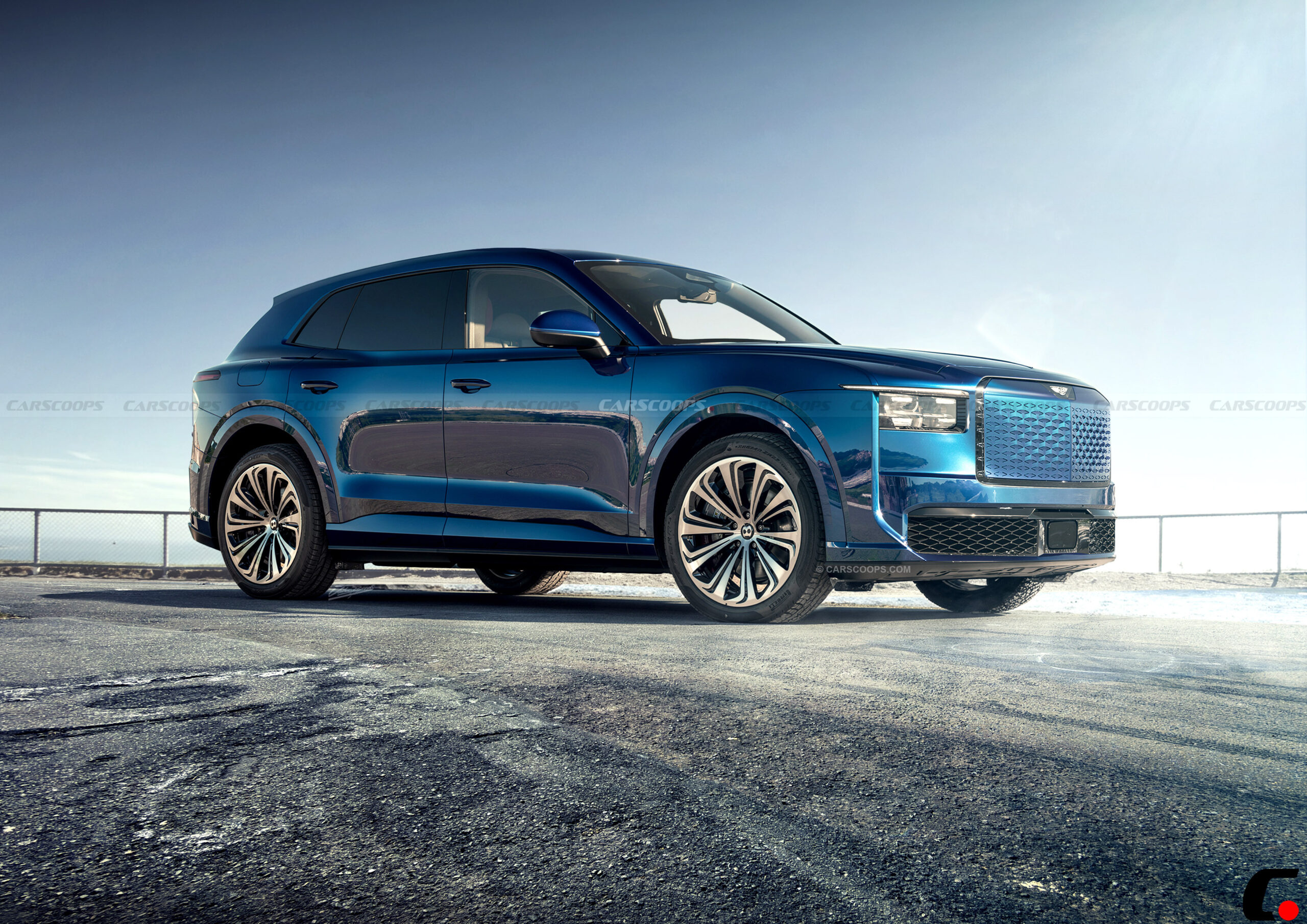
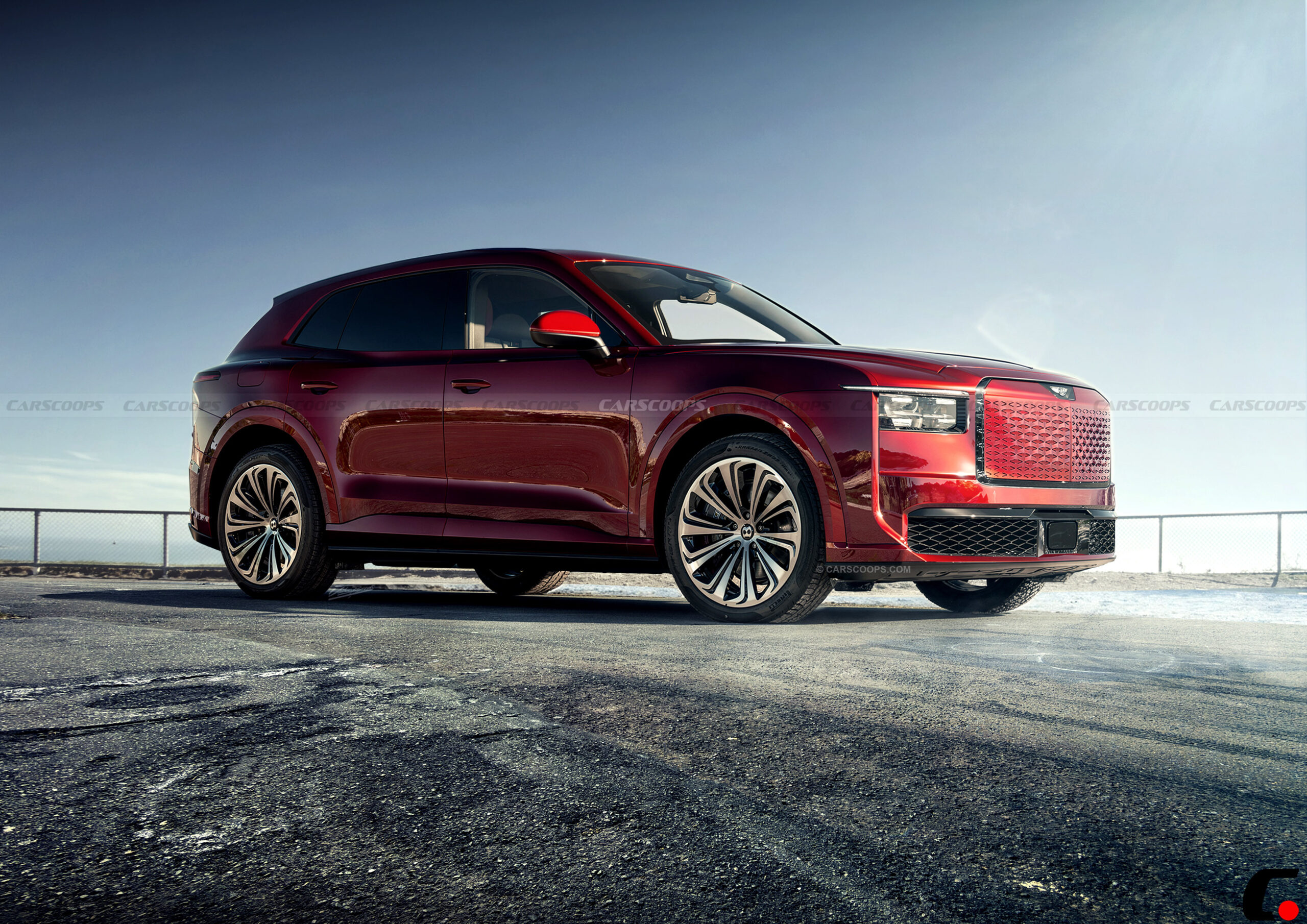
Unlike the much-criticised Bentayga, the Barnato is a sleeker affair that draws part inspiration from the brand’s futuristic EXP 15 concept.

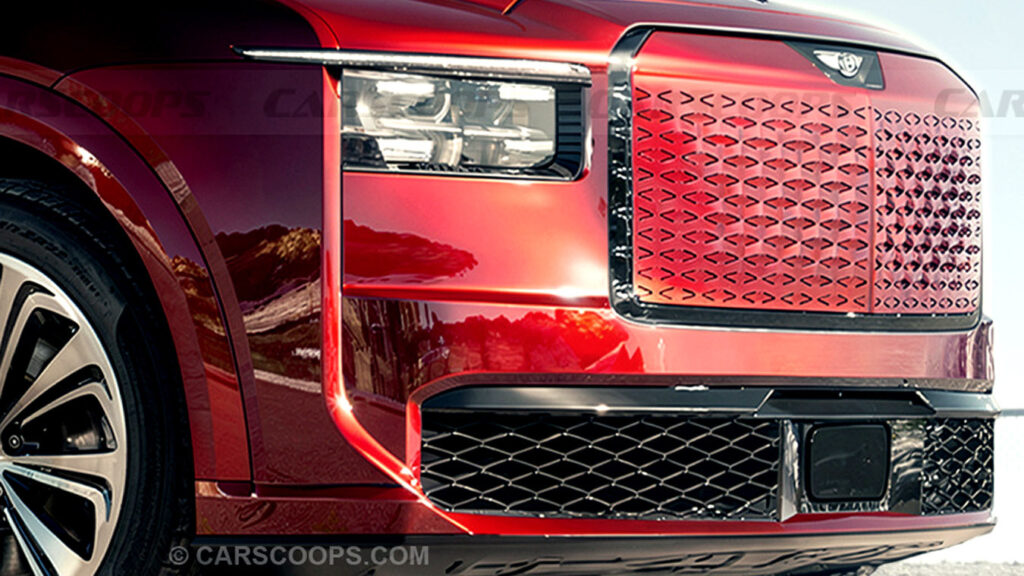
At the front, the fascia evolves Bentley’s familiar matrix grille theme into a closed-off interpretation that hints at its electrified powertrain. The headlights adopt four distinct lighting elements, accompanied by a horizontal DRL strip that spears into the front fenders, and lower down, a wide lattice-detailed intake aids cooling and aerodynamic efficiency.

From the side, it appears shorter and more athletic than the Bentayga, with pronounced muscular haunches and frameless windows adding a sportier character. A scalloped shoulder line emphasises stately dynamism, while at the rear, the SUV features slim, jewel-like LED taillights, and a  Taycan-style rear diffuser profile aids airflow.

Digital Cabin Experience

\\\\

SH Proshots

Inside, Bentley is mixing old-school craftsmanship with a very modern digital backbone. Front and center sits a sweeping curved OLED display that cascades into the center console, echoing the layout seen in the latest Porsche Cayenne Electric. It runs on Android Automotive OS, backed by quicker processors, sharper AI voice control, and access to downloadable apps. There’s even a 3D digital model of the Barnato embedded in the system, letting occupants manage various functions directly through the interface.

Also: Bentley Rewrites Its Future With A New Flying Spur Sedan That Breaks All The Rules

Other goodies will include an OLED instrument cluster with 3D overlays, an augmented-reality head-up display, and digital key functionality. A new three-spoke steering wheel features physical buttons and knurled scroll wheels, and we can expect seating configurations to include four- and five-seat layouts.

There’s also a curious bit of hardware carried over from the wider VW Group playbook. A multi-function left-hand column stalk, first seen on the Audi Q3, joins a right-hand stalk that doubles as the transmission selector, similar to the setup in the Volkswagen ID.4. Even so, the materials and finish leave no doubt about where this sits in the hierarchy. It still feels unmistakably Bentley.

Platform And Powertrain

\\\\\\\\\\\\

The Barnato rides on the VW Group’s Premium Platform Electric (PPE) architecture shared with the upcoming Cayenne Electric. Battery capacity is expected to reach 113 kWh, enabling high-performance and long-distance touring. Bentley claims 100 miles (160 km) of range can be recovered in less than seven minutes.

Using the electron-equipped Porsche as a reference point, power levels could range from 402 hp (300 kW/408 PS) to over 1140 hp (850 kW) in flagship variants. All models will likely feature dual-motor all-wheel drive as standard, with the rear motor featuring direct oil cooling to manage heat during sustained performance driving.

Rivals And Reveal

 Bentley Hasn’t Shown The Barnato SUV’s Face Yet, So We Did It For Them

The Barnato is being lined up for the top tier of performance SUVs, going head to head with heavy hitters like the Mercedes-Maybach EQS SUV, Rolls-Royce Cullinan, Lotus Eletre, Lamborghini Urus, Aston Martin DBXFerrari Purosangue and Luce, and the flagship Range Rover SV. Serious company, then.

Expect electrified offerings from Porsche to act as the technical yardstick here, setting the pace in areas like performance, software, and charging capability.

 Bentley Hasn’t Shown The Barnato SUV’s Face Yet, So We Did It For Them
Illustrations Josh Byrnes / Carscoops

Kia’s $30K EV3 Keeps Creeping Closer To America

  • Kia once targeted a late 2025 U.S. launch, but that window has now fully passed.
  • Built on E-GMP, it offers up to 372 miles of WLTP-rated range on a full charge.
  • Small crossover could become the brand’s most affordable EV in North America.

Kia is one of the fastest-moving brands in the business. Now, a keen-eyed reader believes they’ve spotted something new, a model we’ve already seen overseas showing up much closer to home. The Korean automaker has brought an EV3 prototype across the Atlantic for testing in Mexico.

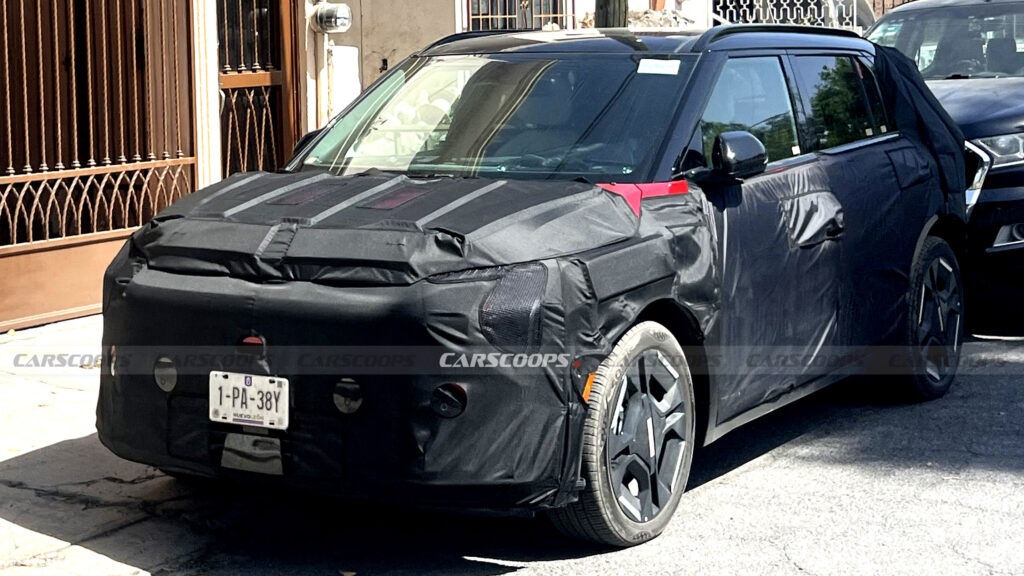
It’s unclear why Kia would still wrap it in camouflage given that it’s already made its global launch, but the move could point to plans for bringing the sub-compact electric crossover to North America.

Kia EV3 Review: Everything We Love About The EV9 Made More Affordable 

Despite the thick camouflage covering nearly every body panel, it’s easy to match the EV3 that’s already on sale elsewhere, including Europe. The short overhangs, upright stance, and boxy rear section are all visible, along with a high roofline that suggests Kia is prioritizing interior space over sleek styling.

\\\\\\\\\\\\\\\

Photos Silvia García / Carscoops

The test vehicle also appears to ride on aero-optimized wheels similar to those seen on other Hyundai Motor Group EVs, while the front end is completely hidden under padded covers designed to conceal the final lighting signature. The reader who snapped these photos, Silvia Garcia, told us that the same vehicle has been around town for at least a few days.

Read: Kia Unveils Four New GT Models With Speed, Minus The Drama

Testing there is especially interesting, as the country already builds several Kia and Hyundai models for global markets. Running prototypes in Mexico could simply be part of evaluating local road conditions. That said, it also lines up with the idea that Kia may be eyeing Canada for the EV3.

\\\\\\\\\\\\\\\

European specification Kia EV3

Kia initially focused the EV3 on overseas markets, including Europe. When it debuted in 2024, though, the company did confirm plans for a U.S. launch, targeting late 2025 or early 2026 with a starting price in the in the low-to-mid $30,000s. That, as you may have noticed, hasn’t happened, and nobody at Kia has said much since.

A lot has changed in the meantime: the $7,500 federal tax credit is gone, the American EV market has cooled considerably, and tariffs are making the whole equation messier by the day. The awkward part is that the appetite for affordable electric cars has never been stronger.

\\\\\\\\\\\\

The EV3 is built on Kia’s E-GMP platform and is currently offered with two battery options, a 58.3 kWh Standard Range and a larger 81.4 kWh Long Range pack, both driving a single front-mounted motor producing 201 hp (150 kW). Depending on the battery, WLTP range is rated at up to 372 miles (599 km), while fast charging allows a 10 to 80% top-up in roughly 30 minutes under ideal conditions.

Back in January, Kia also pulled the covers off a hotter EV3 GT, this time with a more serious edge. It uses the larger battery and bumps output to 282 hp (215 kW / 286 PS), enough to cut the 0–62 mph (100 km/h) sprint down to a claimed 5.7 seconds.

\\\\\\\\\\\\

Special thanks to Silvia García for the photos!

Someone At Mercedes Decided The GLC Needed Over 900 HP And A Trick Spoiler

  • A tri-motor system could give the Mercedes-AMG GLC over 900 hp.
  • Spy shots show the tester with an active roof-mounted spoiler.
  • New battery cells could allow the SUV to charge at up to 400 kW.

Thanks to a new platform, more advanced batteries, and better electric motors, the all-new Mercedes-Benz GLC EQ is shaping up to be the firm’s most capable EV yet, at least based on early impressions. With a credible rival to the BMW iX3, along with increasing competition from Chinese EVs, Mercedes is clearly intent on expanding its electric GLC lineup.

Just a single version of the SUV has been unveiled so far, officially known as the GLC 400 4Matic with EQ Technology, producing 483 hp thanks to a pair of electric motors. In times gone by, that figure would have been enough for an AMG badge, but things have changed, and EV buyers now expect supercar-levels of performance.

Read: Can AMG Add Some Excitement To The Underwhelming GLC EV?

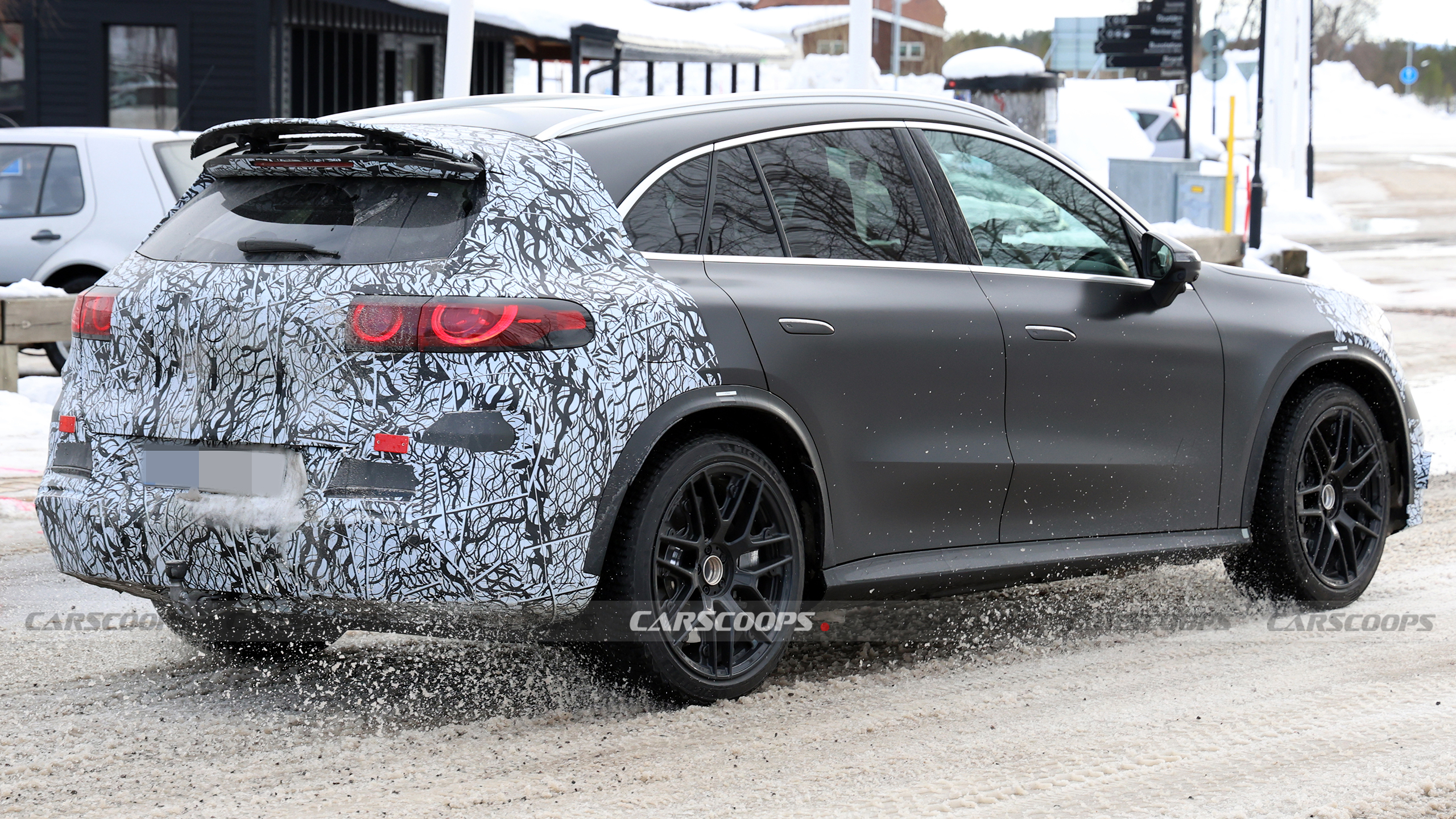
Mercedes’ solution will be a proper AMG version of the GLC EQ. Pictured in these spy shots, the SUV will combine more menacing looks with significant performance gains, pushing it into a whole new stratosphere.

Design Changes

\\\\\\\

SH Proshots

This prototype, pictured in a deep shade of matte black, has camouflage across its front and rear, hiding some of the changes being made. Chief among these will be a more aggressive front bumper, tweaked air intakes, and a new grille. You’ll also notice it is sitting on a set of new blacked-out wheels with upgraded cross-drilled brake rotors and beefed-up calipers.

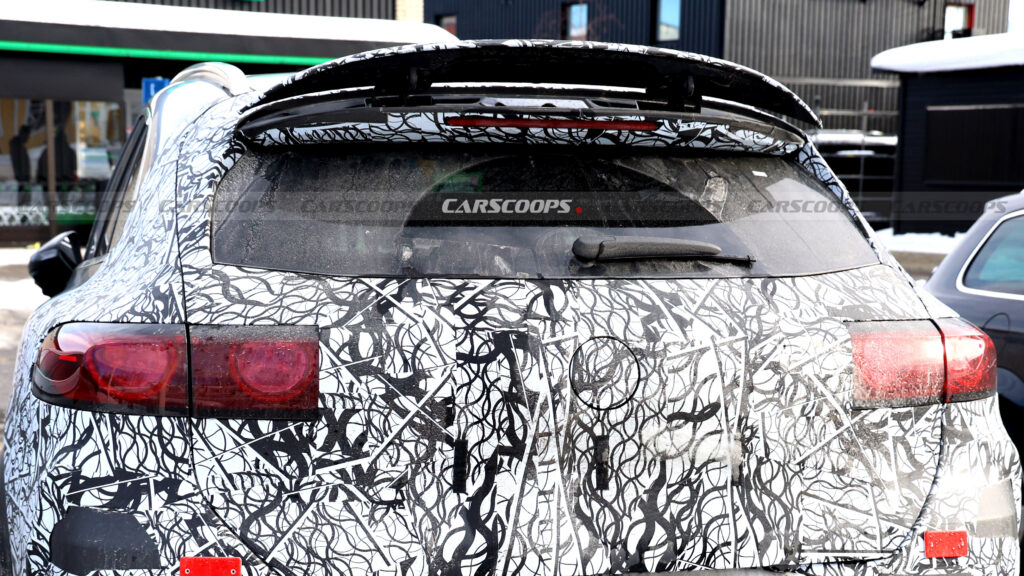
Perhaps the most intriguing detail is at the rear, where an active spoiler appears to be part of the package. Normally it would sit flush when parked, but this prototype was caught with it fully raised, giving a clear look at what’s to come. With the kind of power it promises to offer, there will be no shortage of airflow for it to work with.

Further down, the taillights should carry over from the standard electric GLC, but a new rear bumper will tie the look together with the revised front end.

Supercar Power

 Someone At Mercedes Decided The GLC Needed Over 900 HP And A Trick Spoiler
SH Proshots

According to sources, the AMG version of the GLC will follow the same path as the GT 4-Door EV and the brand’s dedicated electric SUV, pairing three of YASA’s advanced axial-flux motors. The target is over 900 hp, which should be enough to reach 60 mph (96 km/h) in under three seconds.

Elsewhere, the AMG model could use new prismatic battery cells, rather than the cylindrical ones of the standard GLC, improving power density and thermal performance. These cells may also enable DC fast-charging speeds of up to 400 kW, an improvement over the standard SUV’s 330 kW, and matching the iX3.

As for when it will debut, there’s a good chance it breaks cover this fall at the Paris Motor Show in October, with sales likely to follow not long after.

\\\\\\\\\

SH Proshots

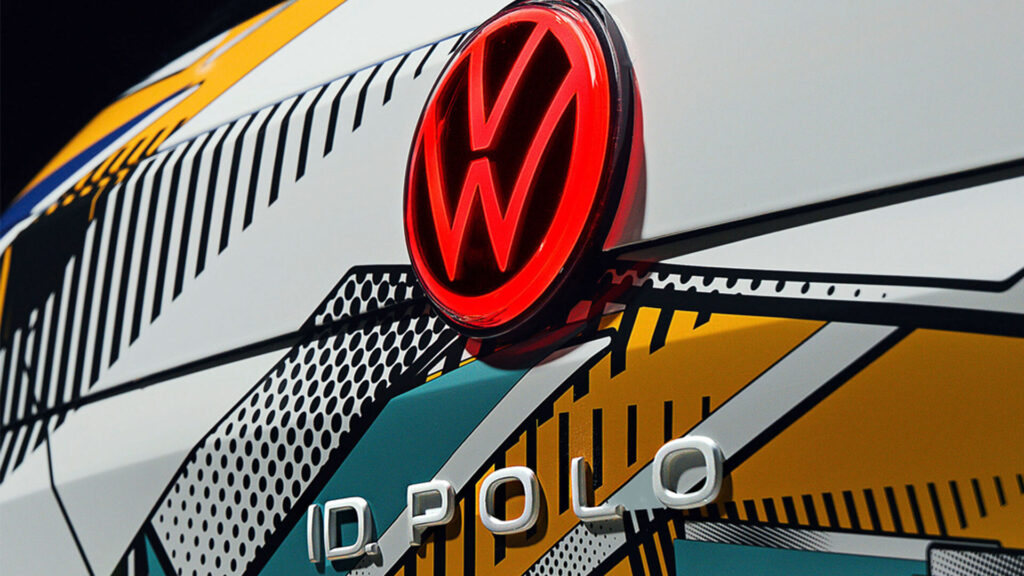
Here Are The New ID. Polo And Polo GTI Volkswagen Didn’t Want You To See Yet

  • Volkswagen ID. Polo has leaked ahead of its debut this spring.
  • Closely resembles a toned down version of the ID.2all concept.
  • New EV will offer outputs ranging from 114 hp to 223 hp.

Someone better check the plumbing as March has been full of leaks. The Rivian R2 snuck out shortly before its big debut, while images of the BMW 7-Series and X5 quickly followed.

Now, it’s Volkswagen turn as images of the ID. Polo and ID. Polo GTI have surfaced online. Their original source is unclear, but they were eventually posted to Instagram before being removed. However, the internet never forgets so they’re still floating around cyberspace.

More: VW’s New ID. Polo Hatchback Just Showed Up Nearly Undisguised

That being said, the images are hardly surprising as Volkswagen has been heavily promoting the models as part of an extensive teaser campaign. As you can see, the EV closely resembles the ID.2all concept, but features a more traditional grille and headlight treatment. They’re joined by larger door-mounted mirrors and less flamboyant bodywork.

The ID. Polo GTI closely echoes the regular model, but it’s distinguished by a unique front bumper with a sportier intake featuring a honeycomb mesh insert. The air curtains have also been replaced by vertical daytime running lights, while there’s a red stripe and “GTI” badging beneath the grille.

Volkswagen has already confirmed the model measures 59.6 inches (4,053 mm) long, 71.5 inches (1,816 mm) wide, and 60.2 inches (1,530 mm) tall with a wheelbase spanning 102.4 inches (2,600 mm). This is roughly the same size as the MQB-based Polo, but the interior is 0.7 inches (19 mm) longer and has additional headroom and rear seat legroom.

Buyers will also find a relatively spacious boot that holds 15.4 cubic feet (435 liters) of luggage, which can be expanded to 43.9 cubic feet (1,243 liters) by folding the rear seats down.

Speaking of the interior, Volkswagen has already revealed the cabin will have a 10.25-inch digital instrument cluster and a 13-inch infotainment system. The minimalist interior will also have a two-spoke steering wheel, physical switchgear, and a handful of metallic accents.

\\\\\\

The ID. Polo will ride on the MEB+ platform and be offered with front-mounted motors sporting outputs of 114 hp (85 kW / 116 PS), 133 hp (99 kW / 135 PS), and 208 hp (155 kW / 211 PS). The ID. Polo GTI will arrive one year later with 223 hp (166 kW / 226 PS).

The 114 hp (85 kW / 116 PS) and 133 hp (99 kW / 135 PS) variants will come equipped with a 37 kWh lithium iron phosphate battery and an underwhelming DC fast charging capacity of 90 kW. The other two variants embrace a larger 52 kWh nickel manganese cobalt battery, which promises to deliver up to 280 miles (450 km) of range. These versions also have a higher 130 kW DC fast charging capability.

The ID. Polo lineup will debut shortly and Volkswagen has previously said pricing will start around €25,000 ($28,810).

\\\\\\\\\\\\\\

Musk Said The U.S. Wouldn’t Get This Tesla. Texas Factory Footage Disagrees

  • Mystery vehicle at Tesla Texas plant looks longer than the Model Y.
  • Fans think it could be the stretched Model Y L already sold in China.
  • If true, Tesla may be readying a larger family SUV as Model X goes away.

Every time a drone buzzes over Tesla’s Texas Gigafactory, the internet immediately goes into detective mode. Usually, the result is a grainy shot of construction equipment and a few wild guesses. This time, though, the mystery object might actually be something real. Fans of the brand have torn these shots apart like they’ll reveal whether or not alien life exists.

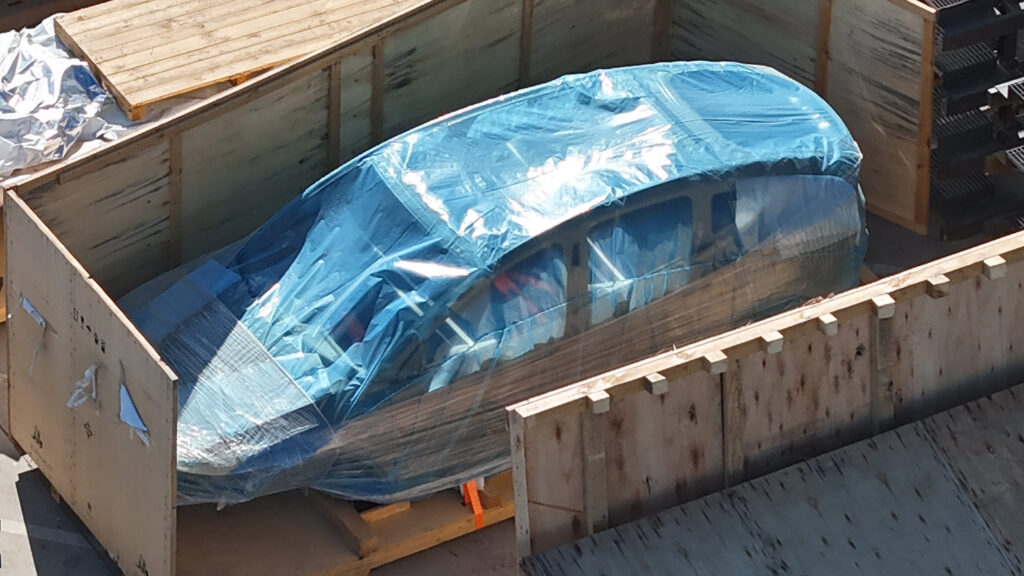
Drone pilot Joe Tegtmeyer recently captured footage of a large vehicle shell sitting inside a wooden crate outside Tesla’s Gigafactory Texas. The structure was wrapped in blue plastic and surrounded by construction materials. That didn’t stop folks from trying to suss out exactly what we’re looking at. Most think it’s Tesla’s Model Y L.

Read: Tesla’s Budget Model Y Gets Grip And Grit For $2K More, But Don’t Call It Standard

That’s the long-wheelbase take on Tesla’s compact crossover, first rolled out in China last year. It matters more than it might seem at first glance. This is effectively Tesla’s only proper three-row crossover heading into the near future. Yes, you can spec tiny rear seats in the standard Model Y, though calling them usable depends on how much you like the people riding back there.

The Model X is about to go away with the death of its flagship stablemate, the Model S. That leaves Tesla with a big gap in the market. A lengthened Model Y would help plug that third-row-sized hole.

Well this is interesting at Giga Texas today … what do YOU think this is? 🤔😎 pic.twitter.com/U9pLvqbf7L

— Joe Tegtmeyer 🚀 🤠🛸😎 (@JoeTegtmeyer) March 23, 2026

The vehicle in the drone footage appears to be little more than a body shell. These unfinished body structures allow automakers to continue development or manufacturing testing without building a full car to do so. It’s a normal part of production and something we’d expect from Tesla if it were setting up to sell the Model Y L in the U.S. market.

As Teslarati pointed out, observers have done just about everything they can to sort this out. Some used AI to create renders. Others compared how the dimensions came together compared to the standard Model Y. Some went as far as to superimpose the Model Y L’s window shapes over the shell.

More: Tesla’s Model Y L Gets Bigger And Pricier With New Six-Seat Layout

\\\\\\\\\\\

The Chinese market Tesla Model Y L.

All signs, at least for now, point toward this being the Model Y L, or something very close to it. One user even shared a rare overhead shot of what appears to be the production SUV, and the resemblance lines up almost too neatly to ignore. The proportions, the silhouette, the overall footprint, it all matches.

That said, there’s no word on when or even if the vehicle could come to the U.S. market in any official capacity. Musk once seemed to indicate that it might not ever end up in the States. These images seem to indicate otherwise, though with Tesla, certainty has never really been part of the package.

It looks the same as my Model Y L. pic.twitter.com/uVf98xpvTE

— @BananaMemeClub (@BananaMemeClub) March 23, 2026

Lead image Joe Tegtmeyer @ X

Our First Look At The Mercedes Built To Fix Everything Wrong With The AMG EQE

  • The Mercedes-AMG E-Class EQ has been spied for the first time.
  • It replaces the AMG EQE and sports a more traditional design.
  • Car could have a tri-motor powertrain with around 900 hp.

Spy photographers have snapped the Mercedes E-Class EQ on multiple occasions and now they’ve gotten the first glimpse of the AMG variant. It’ll replace the slow-selling AMG EQE and feature a more conventional, and arguably safer, design direction.

Speaking of which, we can see the car will have a fully enclosed grille that should echo the one found on the C-Class and GLC EQs. We can also expect a sporty front bumper as well as star-infused headlights on the production model.

More: Mercedes’ New E-Class EQ Is Coming To Right The EQE’s Wrongs

Moving further back, there are lightweight AMG wheels that are backed up by a high-performance braking system with cross drilled discs. Designers also gave the car streamlined bodywork and a more traditional sedan silhouette. A closer inspection reveals extended fender flares, which likely hint at a wider track.

Elsewhere, the early prototype has a makeshift rear spoiler and temporary taillights. We can also get a glimpse of a sportier rear diffuser.

\\\\\\\\\\\

Baldauf

Spy photographers haven’t gotten a good look inside the E-Class EQ, but the model could follow in the footsteps of the electric GLC. If that’s the case, we can expect a 10.25-inch digital instrument cluster and a 14-inch infotainment system. The crossover also offers an MBUX Superscreen, which adds a 14-inch front passenger display. If that isn’t enough digital real estate, the MBUX Hyperscreen boasts a 39.1-inch display that spans the width of the dashboard.

Performance specifications remain a mystery, but the model will ride on the MB.EA platform and have a lot in common with the GLC EV. The crossover’s AMG variant is rumored to have three Yasa axial flux motors developing as much as 939 hp (700 kW / 952 PS).

That sounds like overkill, but there’s little doubt the upcoming model will easily eclipse the AMG EQE. As a refresher, it has a 90.6 kWh battery pack as well as a dual-motor all-wheel drive system producing a combined output of up to 668 hp (498 kW / 677 PS) and 738 lb-ft (1,000 Nm) of torque. This enables the model to rocket from 0-60 mph (0-96 km/h) in 3.2 seconds, but the car has a dismal EPA range of 220 miles (354 km).

\\\\\\

Baldauf

Here’s The New Freelander Before You’re Supposed To See It

  • Freelander returns as a standalone electrified brand under JLR and Chery.
  • Teaser and spy shots reveal pixel-style LED headlights and a boxy SUV design.
  • A global rollout is planned following the first model’s initial launch in China.

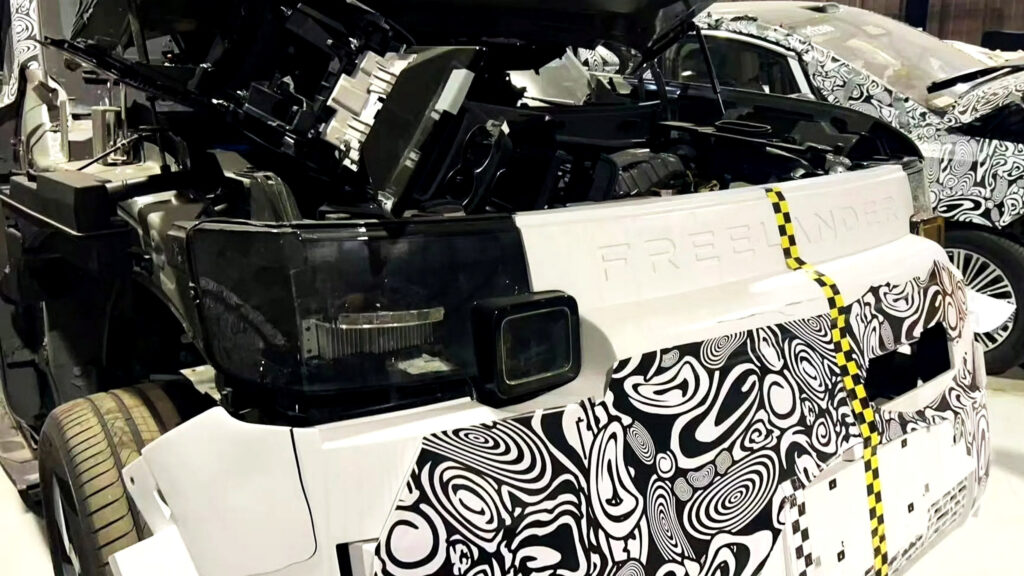
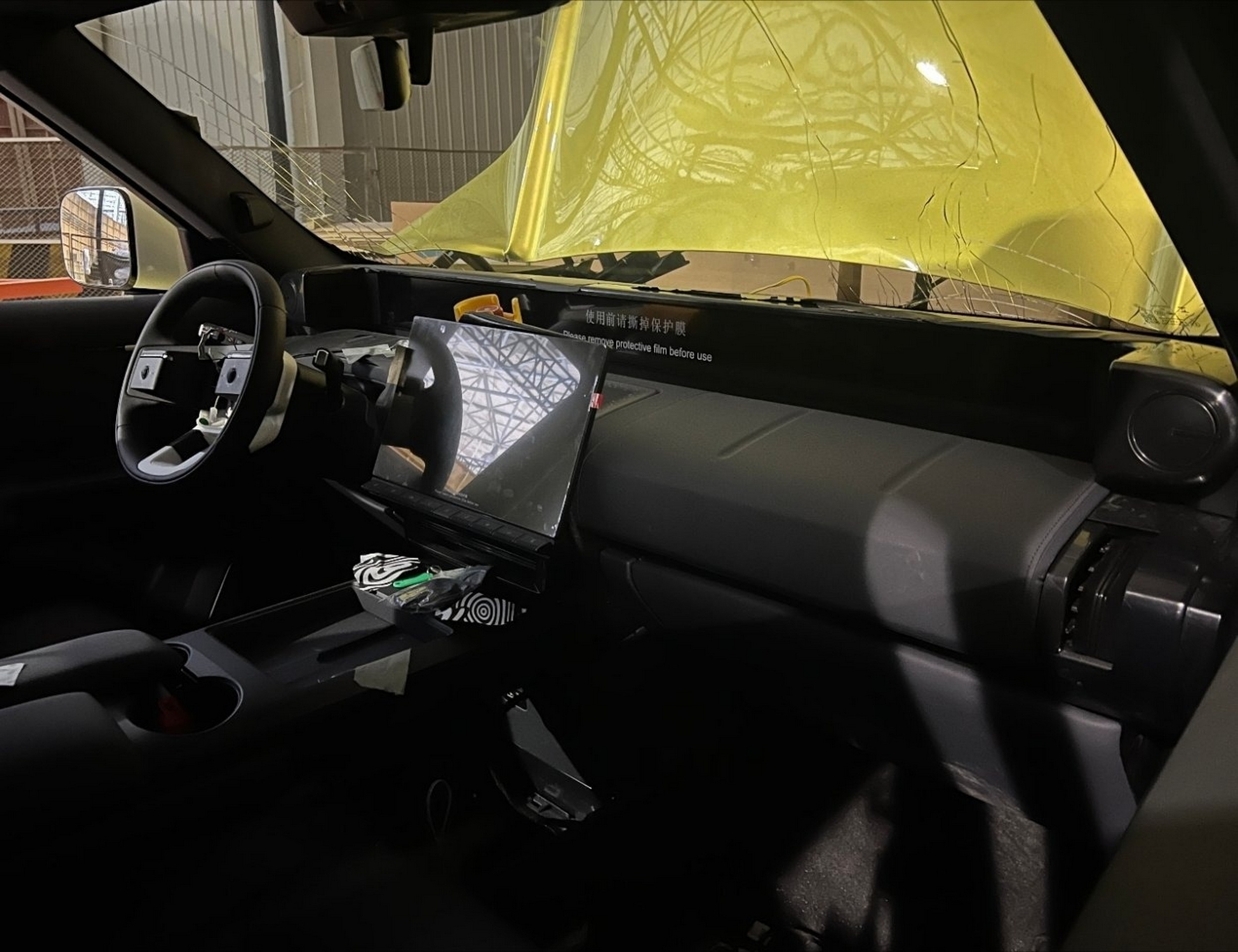
Update: So much for waiting on the official reveal. The first proper look at Land Rover’s newly spun-off Freelander brand has arrived early, thanks to a set of crash test images from China that show far more than intended just days before the March 31 debut.

The Freelander-badged SUV appears significantly larger than its Land Rover predecessor, adopting a more upright, squared-off stance. Visually, it sits somewhere between a Defender and a Discovery, with boxy headlights featuring modern LED graphics, a tall rear end, thick plastic cladding, and Freelander lettering pressed into the bodywork.

 Here’s The New Freelander Before You’re Supposed To See It

A look inside reveals a tech-heavy cabin, headlined by what appears to be a pillar-to-pillar display stretching across the base of the windscreen. It is paired with a large, freestanding infotainment screen. Beyond the tech, the electrified SUV seems to offer a three-row, six-seat configuration, trimmed in light blue leather upholstery.

The original story follows below.

\\\\\

Photos Weibo

The Freelander name is making an unexpected return, though not in the way many would have predicted just a few years ago. Jaguar Land Rover’s Chinese joint venture with Chery has confirmed that the new Freelander will debut on March 31. This time, the badge does not belong to Land Rover at all, instead re-emerging as a standalone electrified brand with no traditional ties to its former parent.

The first teaser focuses on the rectangular headlights, featuring pixel-style LED graphics. We can also spot an upright nose and hints of fender extensions, paired with gray plastic cladding on the front bumper.

More: Jaguar Land Rover’s Design Boss Is Out After Two Decades With No Successor Named

The upright lines across the front seem to nod to the original design. The Land Rover Freelander first arrived in 1997, followed by a second generation in 2006 that stayed on sale until 2015, when it was ultimately phased out in favor of the Discovery Sport.

Overall, the new model leans heavily on the Land Rover Defender’s design playbook, much like a growing number of SUVs coming out of China. Still, with JLR’s UK studio leading the design, this one at least has a legitimate claim to the look.

\\\\\\\\

Earlier spy shots have already given away much of the Freelander’s stance, revealing a boxy silhouette that leans heavily into SUV convention. It is expected to feature a three-row layout, with an overall length stretching beyond 5,100 mm (200.8 inches), placing it firmly in large family hauler territory.

Under the skin, the SUV is expected to ride on Chery’s modular architecture. The platform is designed to support both fully electric and range-extender powertrains, while also enabling ultra-fast charging,

More: Jaguar Built Its Last Gas Car, Now It Might Build China’s Next Best-Seller

Production of the new model will be centralized at the CJLR plant in Changshu, China. The facility is currently undergoing a ¥3 billion ($436 million) investment as it transitions away from the aging Land Rover Discovery Sport and Range Rover Evoque, preparing instead for the upcoming Freelander lineup.

The Chinese joint venture has also begun scaling up its workforce, recently sharing a recruitment poster on social media that lists more than 30 open positions across its Shanghai and Suzhou operations. The recruitment drive confirms that JLR and Chery are building an entirely new corporate infrastructure. While the new brand will initially launch in China, a wider global rollout is planned for the near future.

Spy Shots: Chery-JLR Freelander SUV for China

Freelander is a new brand under Chery-JLR. The Chinese name is 神行者 (Shén Xíngzhě). Freelander will manufacture various SUVs based on Chery platforms.

The spy shots show a boxy off-road-style SUV during winter tests in Northern… pic.twitter.com/IduwHRG5vw

— Tycho de Feijter (@TychodeFeijter) February 1, 2026

The Cheapest Mercedes In America Is Getting An Electrifying Redesign

  • The 2027 Mercedes GLA has been spied undergoing testing.
  • Sports an evolutionary, but more upscale and streamlined design.
  • Crossover will be offered with hybrid and electric powertrains.

Mercedes is in the process of revamping their entry-level lineup and this has already seen the company introduce the redesigned CLA and GLB. The brand’s most affordable model in America, the GLA, is next in line and spy photographers recently snapped a prototype undergoing cold weather testing.

Dressed in swirly black and white camouflage, the crossover sports a fully enclosed grille that resides above a wide intake. We can also get a glimpse at unique headlights, which will undoubtedly be infused with stars on the production model.

More: Mercedes Baby G Spied With Big Brother Looks

Moving down the sides, we can see streamlined bodywork and flush-mounted door handles. They’re joined by an upward sweeping beltline, a sloping roof, and aerodynamically optimized five-spoke wheels as we’re looking at the fully electric EQ variant.

The rear end sports an evolutionary design, but the license plate recess has been moved from the liftgate to the bumper. We can also see squared off outer taillights with a three-pointed star graphic.

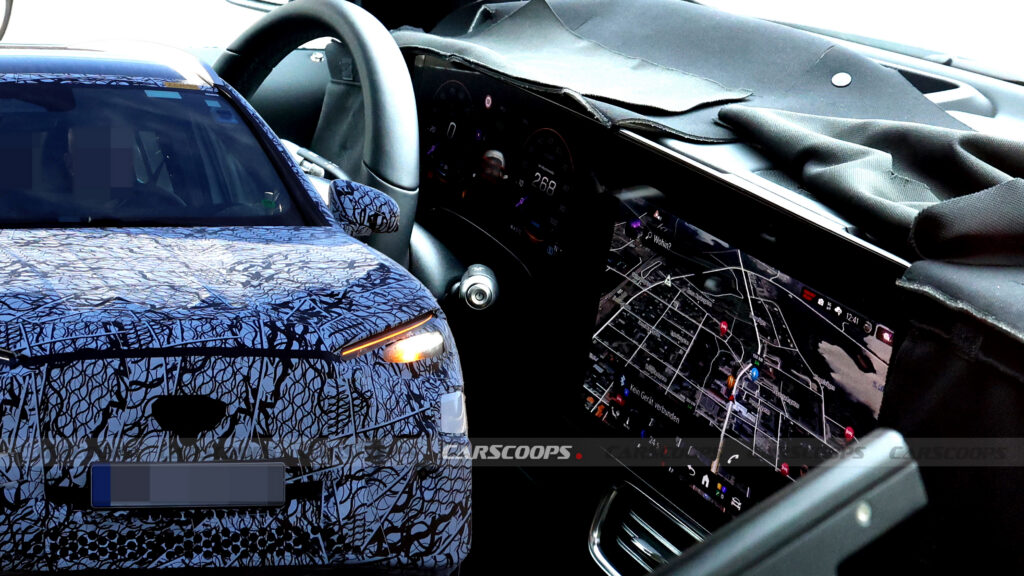
While the interior is heavily disguised, it carries over from the CLA and GLB. As a result, we can expect an optional MBUX Superscreen with a 10.25-inch digital instrument cluster, a 14-inch infotainment system, and a 14-inch front passenger display. They’ll be joined by an MBUX Virtual Assistant with a “living avatar” that takes the form of a Mercedes star.

\\\

SHProshots

Powertrain options will also carryover and this means we can expect a GLA 250+ with a rear-mounted motor developing 268 hp (200 kW / 272 PS) and 247 lb-ft (335 Nm) of torque. It should be joined by a GLA 350 4MATIC with a dual-motor all-wheel drive system producing a combined output of 349 hp (260 kW / 354 PS) and 380 lb-ft (515 Nm) of torque. Both versions should have a roughly 85 kWh battery pack and an 800-volt architecture that allows for a DC fast charging capability of up to 320 kW.

The instrument cluster shows the battery has 268 km (167 miles) of range remaining at 55%, but we shouldn’t read too much into that as it implies an overall range of around 487 km (303 miles). However, the CLA offers up to 793 km (493 miles) of range, while the GLB has up to 632 km (393 miles).
Later on, we can expect hybrid variants with a 1.5-liter four-cylinder engine, a 1.3 kWh battery, and an electric motor that is integrated into an eight-speed dual-clutch transmission. In the CLA, this allows for outputs of between 134 hp (100 kW / 136 PS) and 187 hp (140 kW / 190 PS), before accounting for the extra 30 hp (22 kW / 30 PS) contributed by the electric motor.

\\\\\\\\\\\\\\

SHProshots

❌