❌

Reading view

There are new articles available, click to refresh the page.

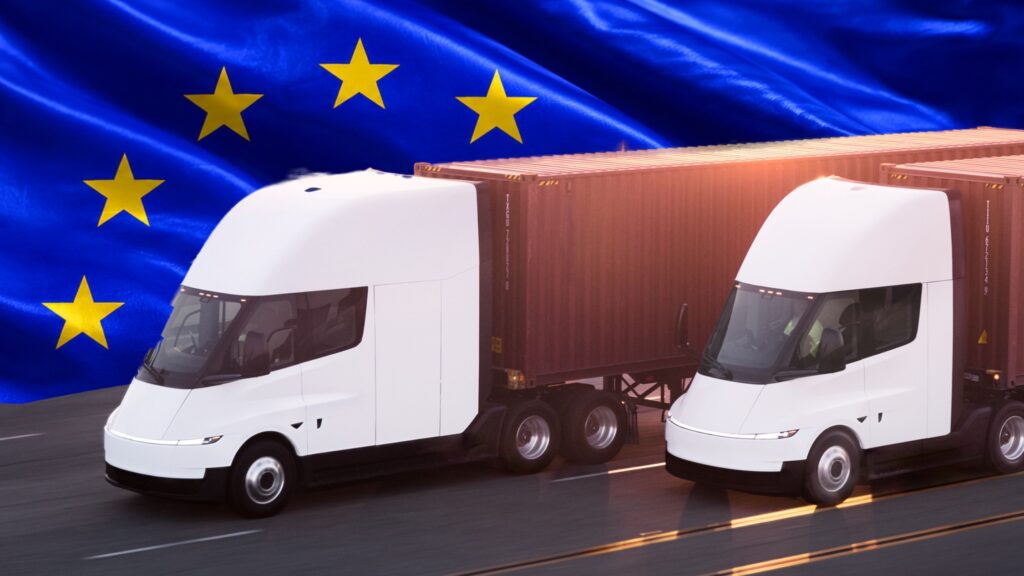
Tesla Drops ‘Full Self-Driving’ Name For ‘Assisted Driving’ In Europe
  • Tesla has finally dropped the “Full Self-Driving” name, but only in Europe.
  • The company is chasing EU-wide approval for its driver-assistance system.
  • Several European regulators have expressed concern about the FSD name.

For years, Tesla has been criticized for branding its advanced driver-assistance system as “Full Self-Driving.” While FSD is one of the most complex systems of its kind on the market, it doesn’t offer full self-driving in all scenarios, nor does it offer driver-assistance operations that allows the driver to switch off while behind the wheel. Finally, it appears the electric carmaker has recognized the dangers of the name, though not because of a newfound sense of altruism.

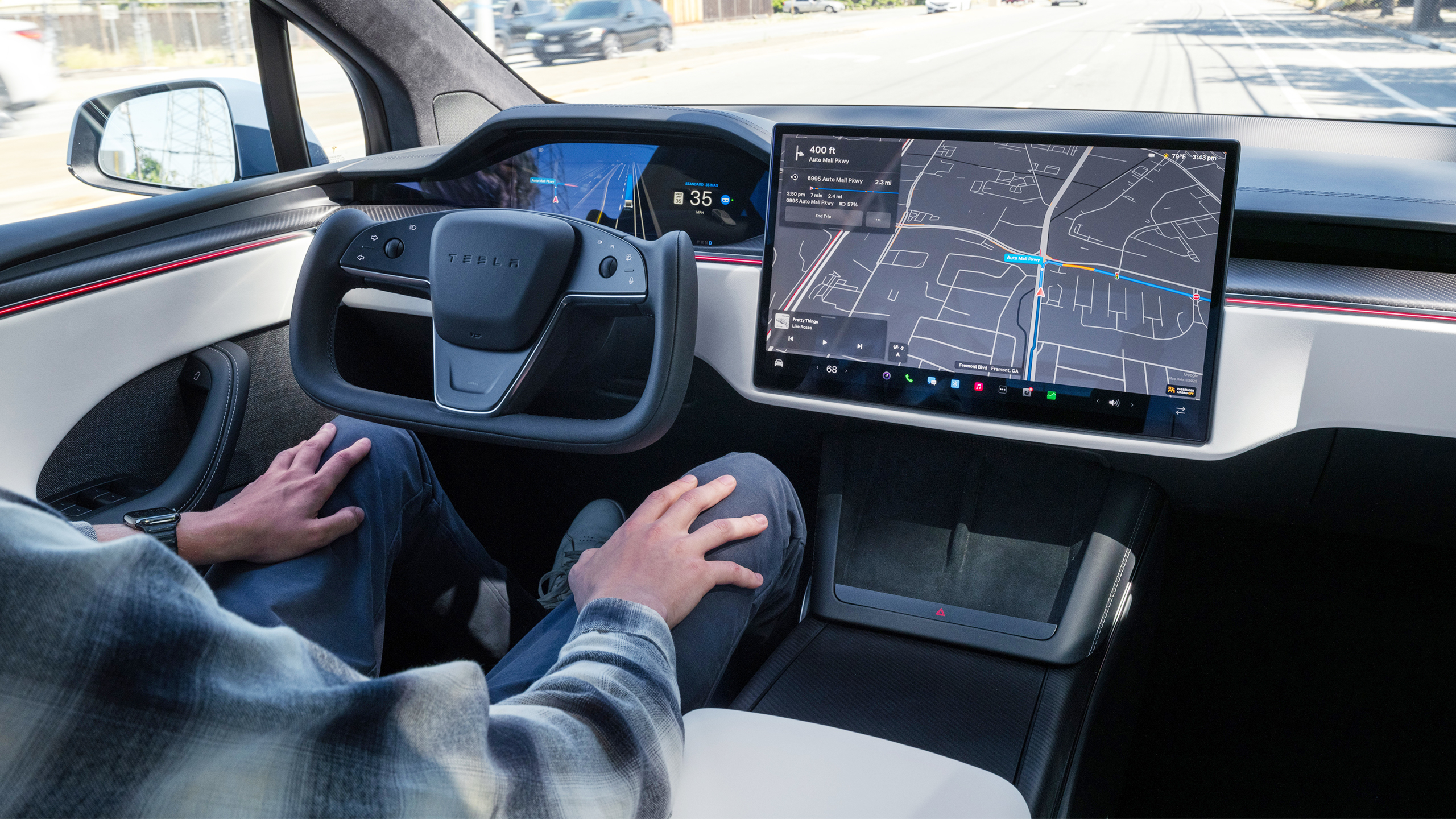
Over the last week, Tesla has rebranded Full Self-Driving as “Tesla Assisted Driving” across its European websites, including in Spain, Germany, Sweden, the Netherlands, and other markets. Tesla has also updated its online owner’s manuals in each market to reflect the change.

Read: Belgian Test Finds Tesla FSD Speeding And Trying To Pass Cyclists Illegally

The name change comes roughly six months after Dutch regulator RDW gave Tesla the green light to introduce the Full Self-Driving system following months of secretive testing. In the months after FSD was approved in the Netherlands, seven other countries in the European Union gave the go-ahead for the driver-assistance functions to be introduced across local fleets. These include Croatia, Slovenia, Czechia, Estonia, Lithuania, Denmark, and Belgium. Slovakia is expected to approve the system soon.

Concerns About The FSD Name
 Tesla Drops ‘Full Self-Driving’ Name For ‘Assisted Driving’ In Europe

However, as Reuters reports, safety regulators in several countries have said the Full Self-Driving name was misleading. They have a point. Like Autopilot, the naming of the system could give drivers false confidence that the vehicle can drive itself in all scenarios, and that they no longer need to focus on the road. This comes despite Tesla labeling the system as Full Self-Driving (Supervised) and repeatedly warned customers on its websites and social media accounts that the technology does not make vehicles fully autonomous or replace a human driver.

By changing the system’s name, Tesla has easily and quickly addressed one of the main concerns among regulators. Company boss Elon Musk has been feveriously pushing for EU-wide approval of the system, declaring it as a crucial part of the company’s future.

A vote on the technology was scheduled to take place this month but has since been delayed until December. For the system to be introduced across the entire bloc, a qualified majority of 15 of the EU’s 27 member states must vote in favor of it.
 Tesla Drops ‘Full Self-Driving’ Name For ‘Assisted Driving’ In Europe

Tesla Will Now Let You Rip A Supercharger Apart To Escape An Emergency

  • Emergency Drive Away lets Teslas move while still connected to a Supercharger.
  • Using it will damage the car and charger, potentially costing up to $25,000.
  • The feature arrives with update 2026.38.3 and is currently limited to the U.S.

We’ve all seen situations where folks at a gas pump forget that they’re fueling and drive away. In the process, they take the pump with them. Tesla has long prevented its cars from committing the same mistake even if the driver forgets that they’re plugged in. Now, that’s changing in the name of safety. That’s right. In an emergency, Tesla cars can now drive away while charging, but don’t expect the resulting damage to be inexpensive.

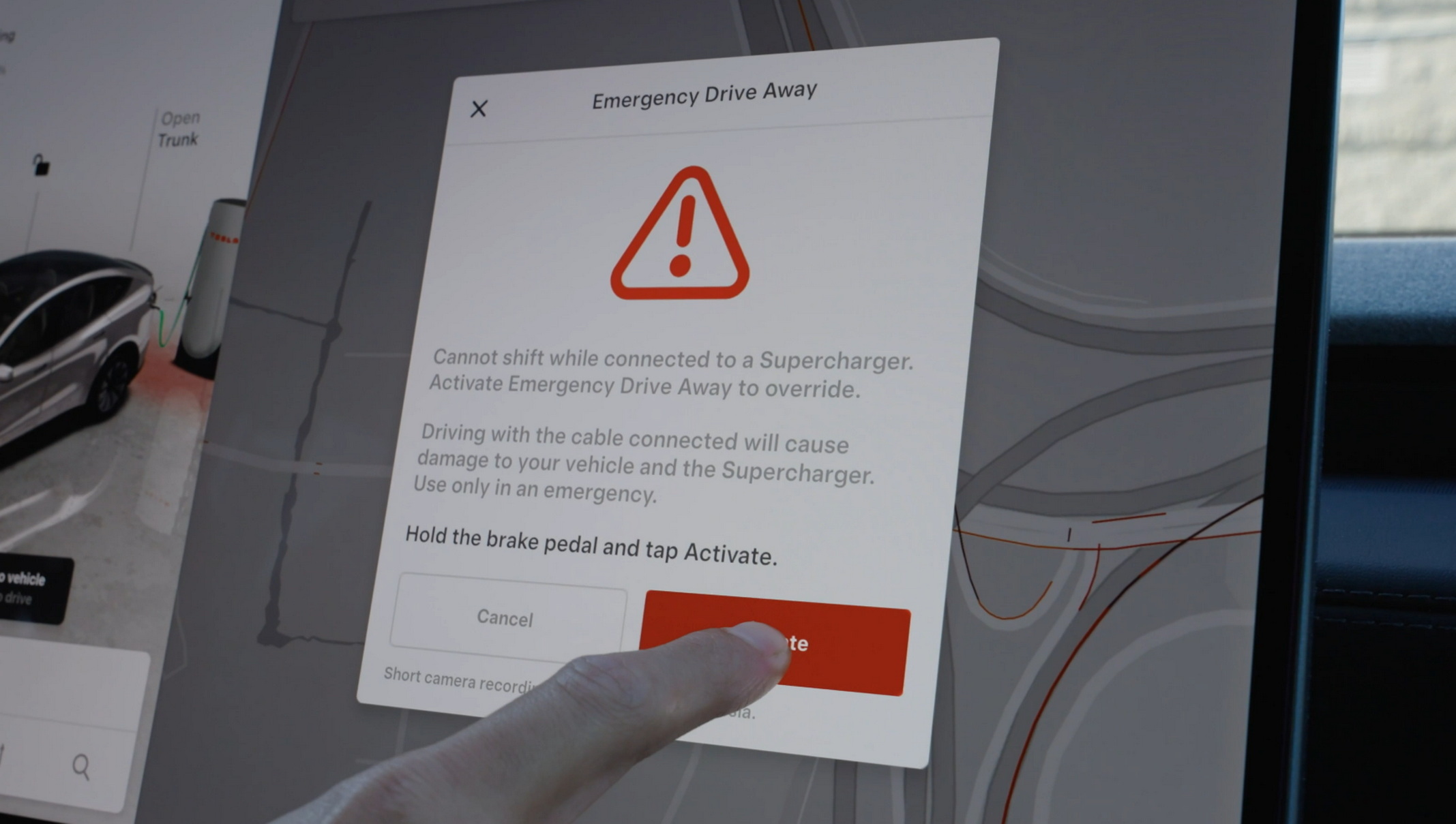
Dubbed Emergency Drive Away, the new feature allows owners to shift into Drive and leave a Supercharger while the cable is still attached. Tesla isn’t installing some clever new breakaway connector, either. The car simply lets you go, and whatever happens to the charging hardware afterward is very much a secondary concern. That’s notable because gas pumps often have specific breakaway elements.

More: NHTSA Wants Tesla To Explain What Made Cybercab Street Legal

Tesla demonstrated the feature this week and confirmed that it is arriving with software version 2026.38.3. When a driver attempts to shift into Drive while plugged in, the touchscreen displays an Emergency Drive Away warning. The driver must hold the brake pedal and tap “Activate,” at which point the usual charging interlock is overridden, and the car can move.

Unsurprisingly, Tesla is very clear that you shouldn’t try this simply because you’re running late for work. “Use of this feature will damage your vehicle and the Supercharger,” Tesla Charging warned, adding that deliberate misuse will result in additional penalties. The company hasn’t explained exactly what those penalties entail. And boy howdy can the damage add up quite quickly.

Emergency Drive Away lets you shift into Drive while still plugged into a Supercharger pic.twitter.com/40GSzyP4lG

— Tesla Charging (@TeslaCharging) October 1, 2026

When someone asked Tesla how much destruction owners should expect, the company said electrical and civil costs associated with repairing a Supercharger can reach $25,000, depending on the station. The vehicle’s charge port will also require a mandatory service visit afterward. Importantly, Tesla hasn’t said that someone escaping a legitimate emergency will necessarily be handed that massive repair bill.

Tesla’s demonstration gives you a pretty good idea why repairs aren’t cheap. As the car pulls away, the charging cable is ripped free, and coolant pours onto the ground. Tesla confirmed that the liquid is glycol and said cleanup will be handled as part of the mandatory Supercharger service visit. In other words, this isn’t really a breakaway system. It’s Tesla giving the car permission to break things.

There is, of course, a very serious reason for doing so. The feature arrives two months after a mass shooting in Twin Falls, Idaho, where a gunman killed three people and injured seven others. Police said the attacker fired at three people inside two Teslas at a nearby Supercharger, killing 66-year-old Dale Schultz.

Tesla hasn’t explicitly said that the shooting prompted Emergency Drive Away. In fact, Tesla charging executive Max de Zegher said the company had gone “back and forth on this for years” before deciding to offer it. He described it as “a feature we hope you never need.” The timing, however, is impossible to ignore. Additional options are never a bad thing. 
 Tesla Will Now Let You Rip A Supercharger Apart To Escape An Emergency

Images: Tesla

EVs Could Be Staging A Comeback Thanks To High Gas Prices

  • Rivian and Tesla both posted quarterly sales figures that beat out estimates.
  • Some analysts believe high gas prices are prompting a resurgence in EV sales.
  • Despite this, companies including GM and Hyundai continue to post a sales decline.

Demand for electric vehicles in the United States plummeted when the Trump administration axed the $7,500 federal EV tax credit in September last year. While demand is unlikely to recover to the levels experienced before this period, it appears the ongoing war in Iran and high gas prices have triggered a small increase in demand.

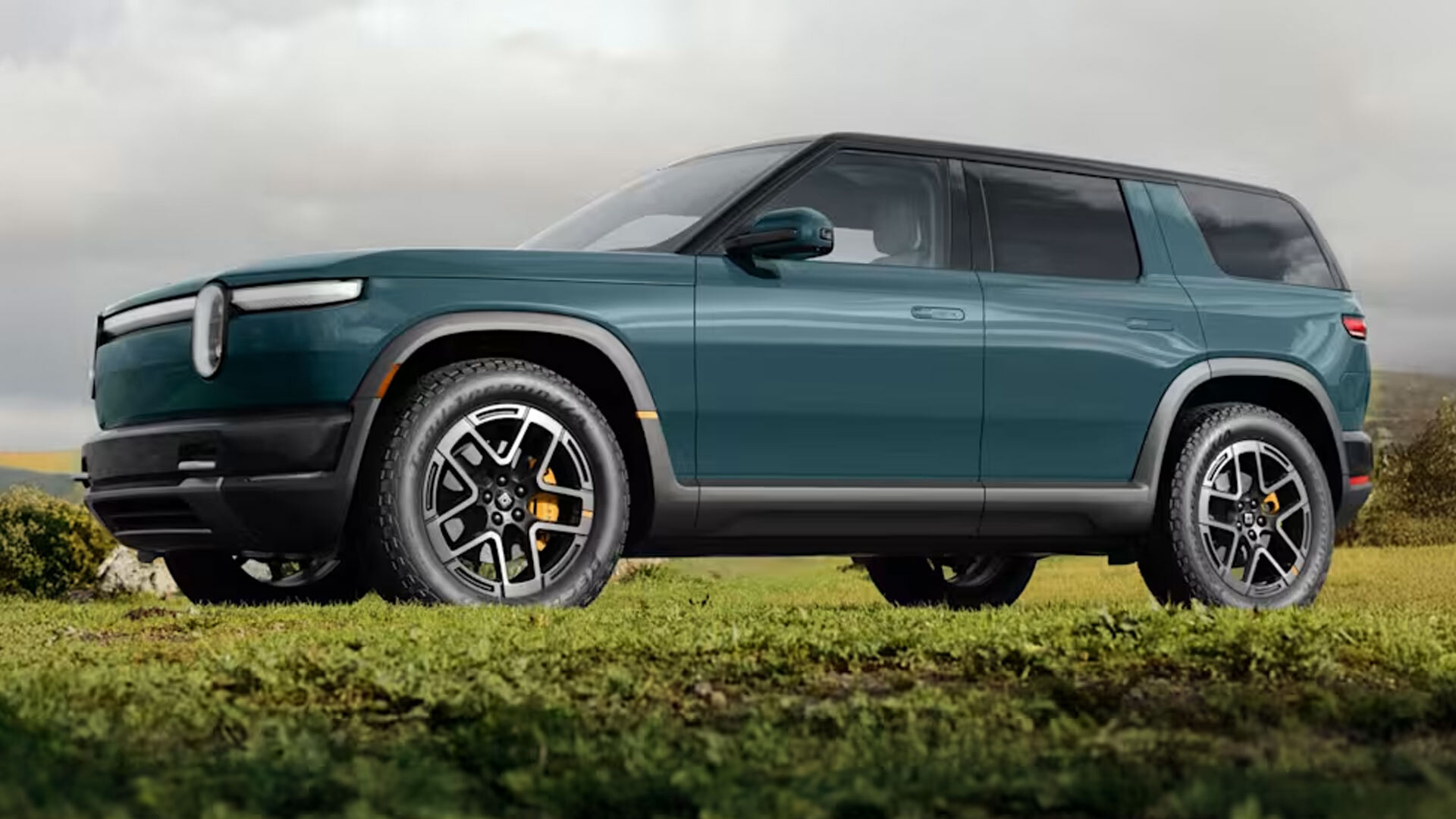
Strong quarter sales figures from both Rivian and Tesla provide insight into the changes. In Q3, Rivian delivered 19,248 vehicles. This was largely due to the arrival of the more affordable R2, but it’s entirely possible some R2 buyers were convinced into buying an EV over a similarly priced ICE in part due to high gas prices.

Read: GM’s Electric Vehicle Sales Fell Off A Cliff Last Quarter

Tesla also beat out expectations last year, delivering 486,532 vehicles compared to the 464,000 that had been predicted. Speaking with Bloomberg, TD Cowen analyst Itay Michaeli suggested EVs could be about to start mounting a comeback in the U.S.

Hyundai Dealers Want More EVs

 EVs Could Be Staging A Comeback Thanks To High Gas Prices

“We are still in the early stages of this looming EV comeback,” he said. “EV market coverage, by our estimation, will grow substantially in the next couple of years by existing players.” Michaeli also believes that demand for advanced new EVs will rise over the next couple of years, thanks to broader use of more advanced autonomous driving systems.

The boss of Hyundai’s North American arm, Randy Parker, also says a growing number of dealerships are asking for more EVs because of high gas prices. While that may be the case, demand for Hyundai’s electric models is still far below previous highs.

Sales Are Still Slow

 EVs Could Be Staging A Comeback Thanks To High Gas Prices

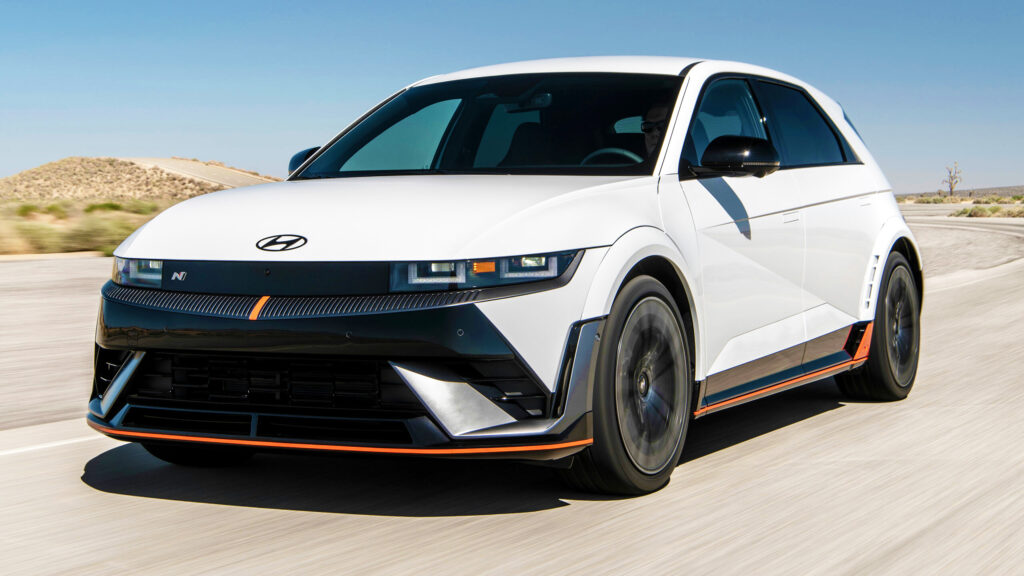
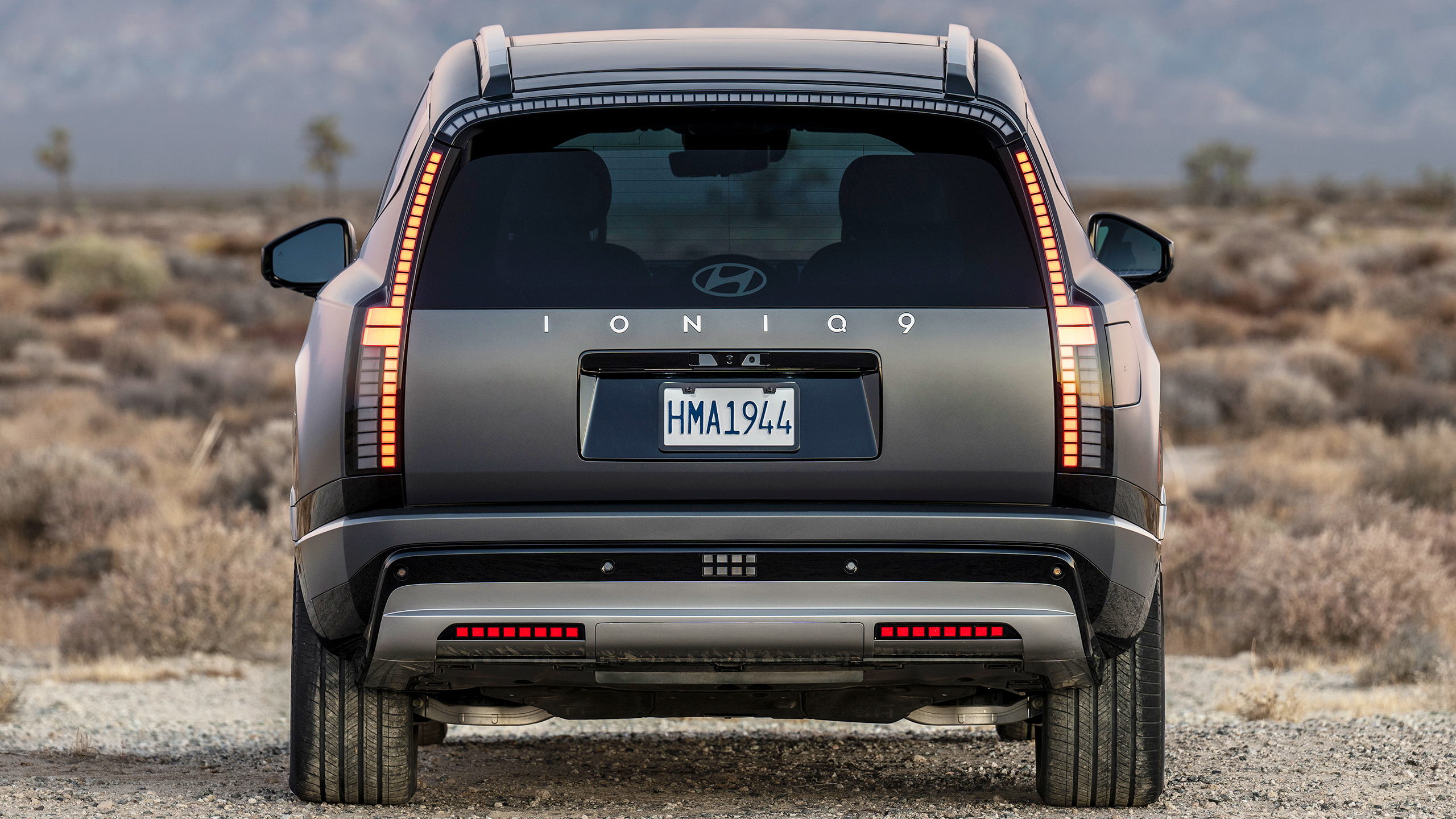
In September, the carmaker sold just 2,928 Ioniq 5s in the United States, down 65% from the 8,408 sold in September last year. Year-to-date sales are down 53% to 31,112. In addition, September sales of the Ioniq 9 were down 65% to 374 units.

Although a small comeback may be possible, other automotive giants like GM continue to feel the effects of declining EV sales. In the third quarter, every EV sold by Cadillac, Chevrolet, GMC, and Buick experienced a sales decline. It was particularly bad for the Cadillac Lyriq, which was down 50.2%, the Chevrolet Blazer EV, down 84.4%, and the Equinox EV, down 92.4% compared to the year prior.

 EVs Could Be Staging A Comeback Thanks To High Gas Prices

Tesla’s Model 3 Gets A Bigger Screen And V2L, But You Can’t Buy One

  • Model 3 sedans sold in China now come with a bigger 16-inch infotainment screen.
  • It’s the same media display already fitted to Tesla’s Model Y SUV around the world.
  • China’s 3 also brings 2.2 kW V2L charging, a feature not offered in US or Europe. 

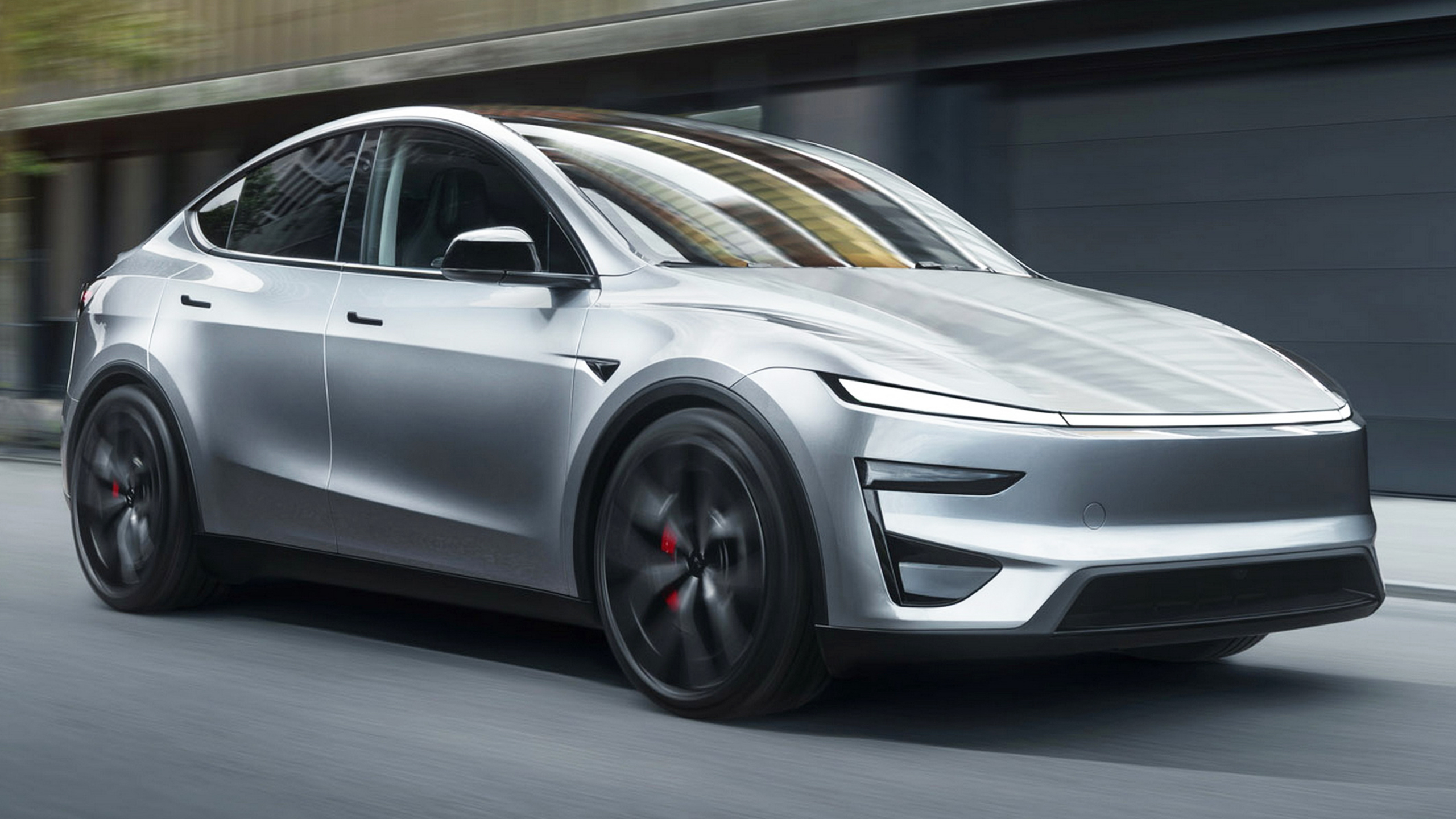
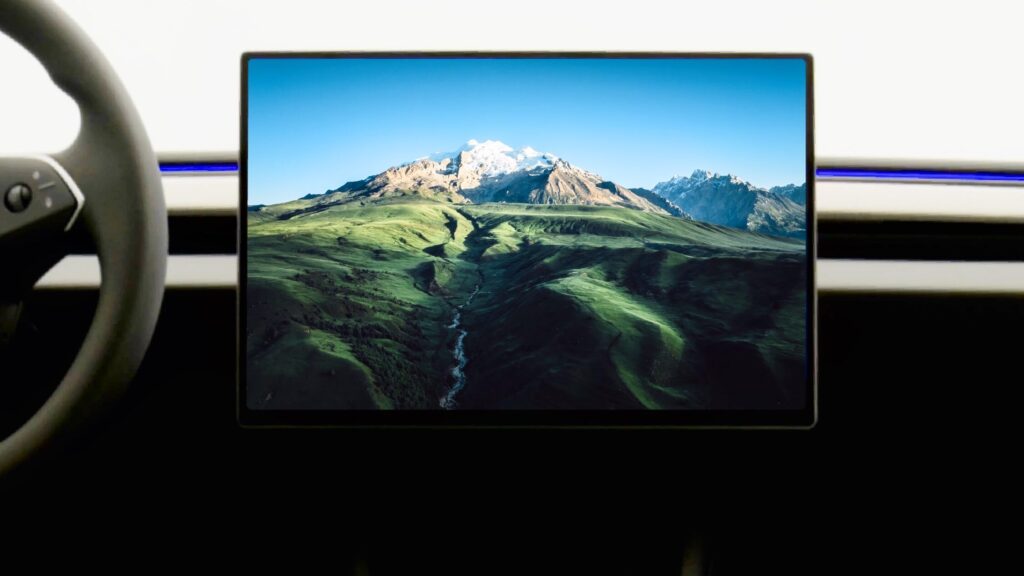
Tesla pioneered the use of the big infotainment screens that now dominate every car’s dashboard, and now the Model 3 is getting an even bigger one. The electric sedan is switching from a 15.4-inch display to a 16-inch unit, but there’s a catch. So far the upgrade, and several others, are restricted to Model 3s sold in China.

The automaker announced the spec enhancement on China’s social media platform Weibo, claiming the new screen offers more than just extra digital real estate. It also promises a higher resolution and improved refresh rate, which could be useful for owners who like to watch movies or play video games. This bigger screen is already fitted to Model Ys in China, the US and Europe.

Related: Tesla’s Long-Awaited Roadster Demo Won’t Happen This Week After All

We checked Tesla’s European and US sites and in each case the Model 3 is still listed as having a 15.4-inch screen, though it’s very likely China’s display will be rolled out across the globe later this year. Tesla has a habit of treating Chinese customers to the new stuff before giving it to the rest of us. The Model Y “Juniper” facelift and long wheelbase Model Y L both appeared first in Chia.

White Too Bright?

 Tesla’s Model 3 Gets A Bigger Screen And V2L, But You Can’t Buy One

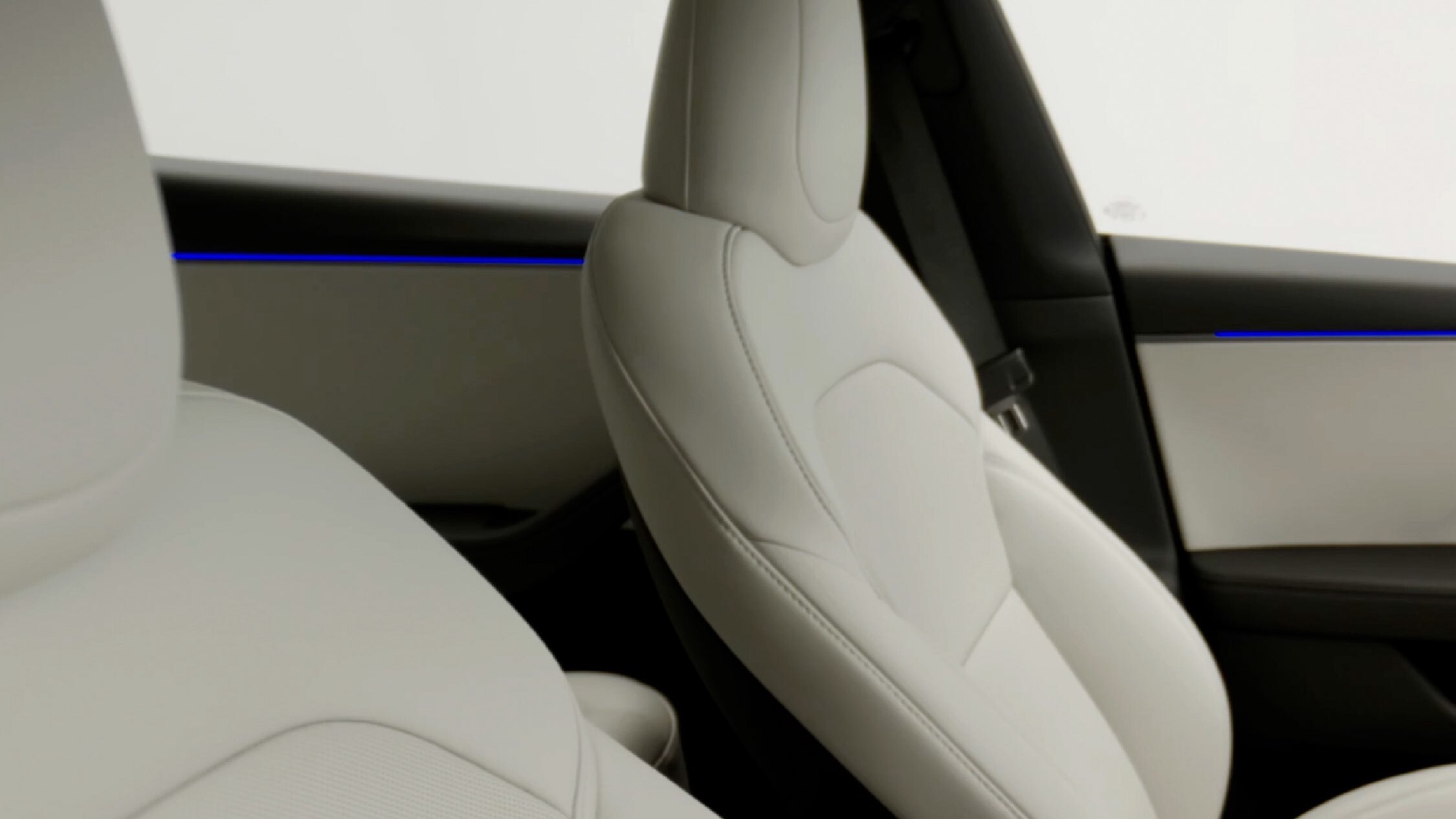
Another Model 3 change is the option of a light gray premium interior as an alternative to the default black. Both choices are paired with a black headliner. We’ve seen that combination before, again on the Model Y, so there’s a clear pattern here of new features appearing on the SUV before trickling down to the more affordable sedan.

Camping, Chinese-Style

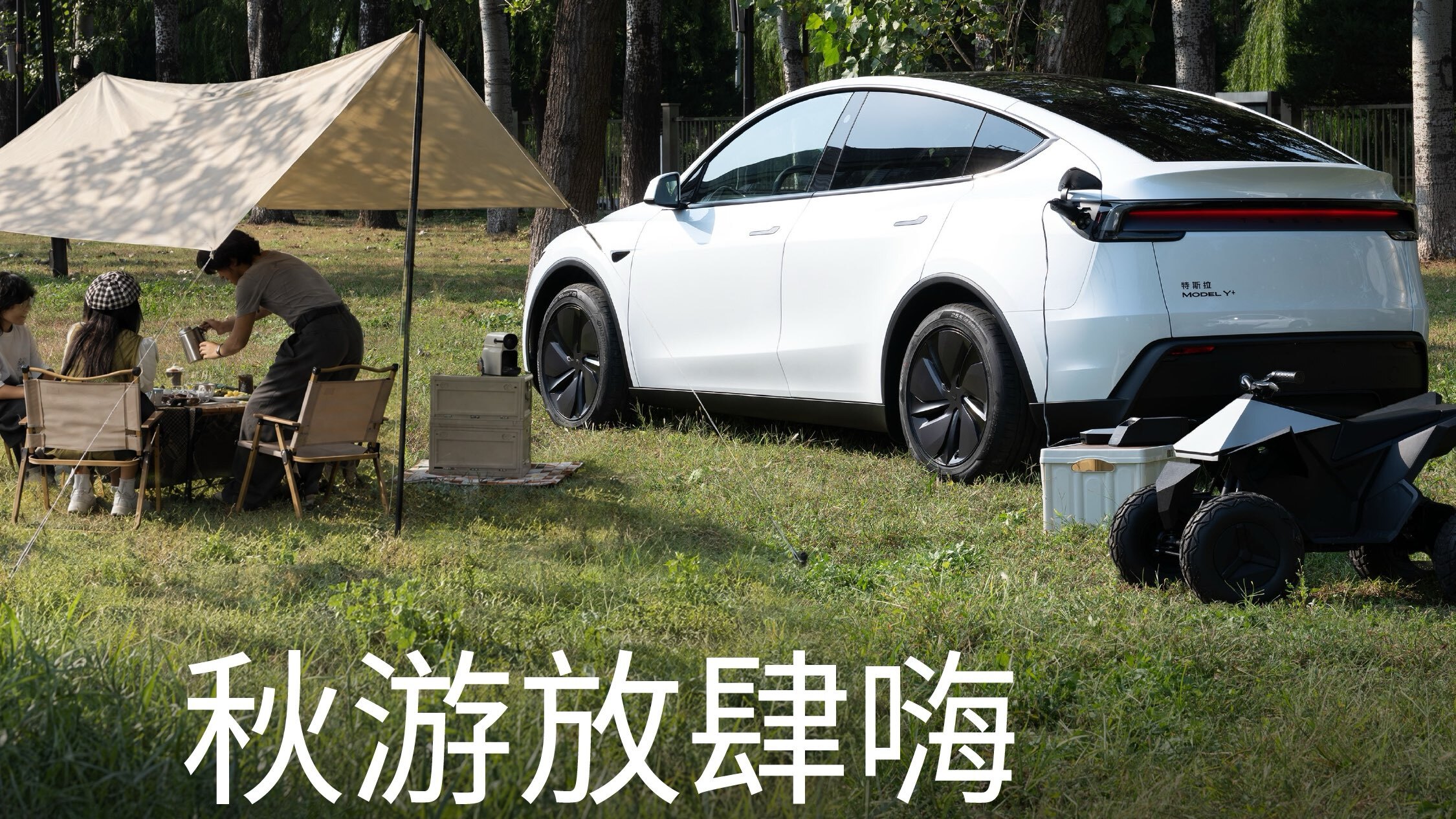
One new feature not available until now on the 3 in any Tesla market is V2L vehicle-to-load capability, though the Model Y and Cybertruck do offer it in the US. One of multiple promotional slides on Tesla’s Weibo account confirmed that all Model 3 and Model Y variants are now capable of delivering up to 2.2 kW of AC power.

 Tesla’s Model 3 Gets A Bigger Screen And V2L, But You Can’t Buy One

That output is enough to run a portable rice cooker, a kettle and another cooking device at the same time, Tesla claims, though the small print says you’ll need a special Tesla AC external power adapter for most cars, which is sold separately. The exception is the Model Y L. The three-row SUV is ready to juice up your camping accessories right out of the box, no adapter required.

And if some useful new tech isn’t enough to lure Chinese EV buyers into their local Tesla showroom, some big financial incentives might be. Stick an order in for a Model 3 by the end of October and you get 5000 yuan ($740) from the total bill. Other sweeteners include 5 years of zero percent financing and credits towards paint upgrades and charging costs.

\\\\

Tesla

Family Sues Tesla After Model X Allegedly Surged Through Red Light

  • A family says their Model X accelerated from a red light without driver input.
  • The lawsuit claims the driver could not stop or control the electric vehicle.
  • NHTSA previously linked Tesla acceleration complaints to pedal misapplication.

Imagine sitting at a red light when suddenly and without warning, your car accelerates on its own. In fact, it does so at such a pace that it “bursts” its own tires and then fights back when you attempt to take control. That’s what one family in Washington alleges happened with their Tesla Model X. The incident is at the heart of a new lawsuit, and only data from the car may be able to prove or disprove the claim.

As KING 5 reports, Linh Nguyen was stopped at the intersection of 144th Street Northeast and 124th Avenue Northeast in Kirkland on June 29, 2023. His then-14-year-old daughter was riding with him. The complaint alleges that their 2023 Model X suddenly accelerated into the intersection, then struck a curb. Thankfully, no other vehicle was hit.
Read: Another Tesla Crash, Another Owner Says It ‘Drove On Its Own’

According to Nguyen, he sustained injuries to his neck, back, shoulder, knees, and left side, while suffering from dizziness and confusion. The complaint says his daughter was injured too, and suffered severe emotional distress. The family is seeking damages from Tesla, including compensation for medical treatment and other losses.

The lawsuit points to Autopilot, alleging the system failed to keep the SUV stopped, accelerated without Nguyen’s input, and prevented him from regaining control by braking or steering.

 Family Sues Tesla After Model X Allegedly Surged Through Red Light

Nguyen also says he paid roughly $15,000 extra for the technology, which brings up another question. Tesla has never required that type of payment for Autopilot. On the other hand, it has indeed priced its Full Self-Driving (Supervised) tech suite at that figure. So to that end, we’re left wondering what system Nguyen alleges created the crash. That said, the allegations here aren’t without precedent.

More: Tesla’s Self-Driving Feature Just Became A Monthly Bill For Everyone

After investigating a fatal 2018 Model X crash in California, the NTSB concluded that Autopilot steered the SUV into a highway gore area. The board also cited the driver’s failure to respond. Obviously, swerving into a lane while moving is quite different from what sounds like a car attempting its own 0-60 test without warning. That’s where the vehicle logs and event data could prove either vindicating or damning.

The public account doesn’t include data like accelerator position, brake application, speed, steering input, and the status of its assistance systems. Each of those would say a lot about what went down.

In an earlier review of Tesla sudden-acceleration complaints, NHTSA analyzed crash data from 118 incidents. It found that the crashes for which event data was available were caused by pedal misapplication, with no evidence of a vehicle fault or ineffective brakes in those cases. Until the data comes out, plenty of folks could assume this is another similar case.

 Family Sues Tesla After Model X Allegedly Surged Through Red Light

Photos: Tesla

Tesla Starts New Semi Deliveries, But Won’t Say How Many

  • Tesla says new Semi deliveries are beginning this week.
  • The truck offers claimed ranges of 325 or 500 miles.
  • Tesla didn’t disclose pricing or current production rates.

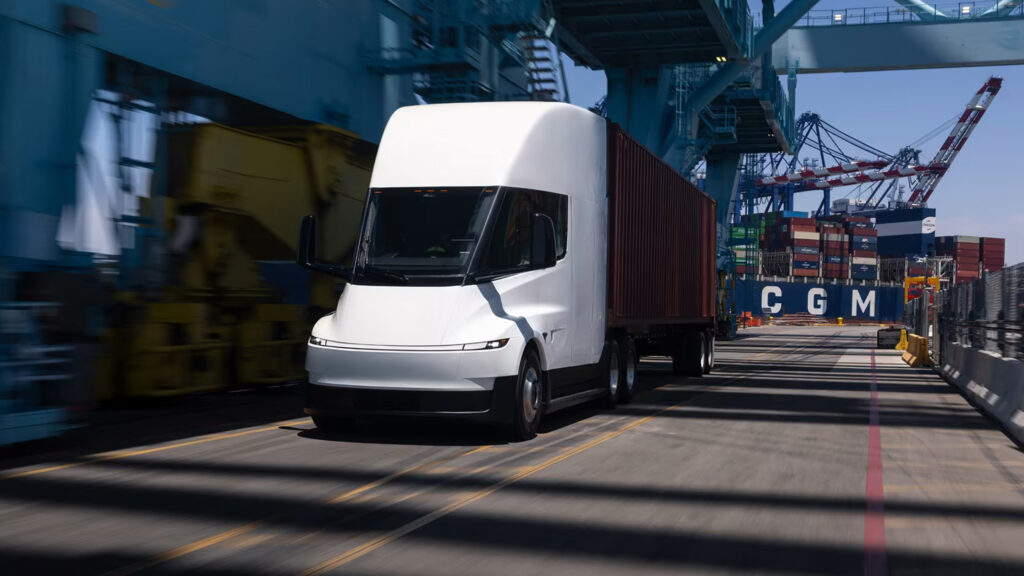
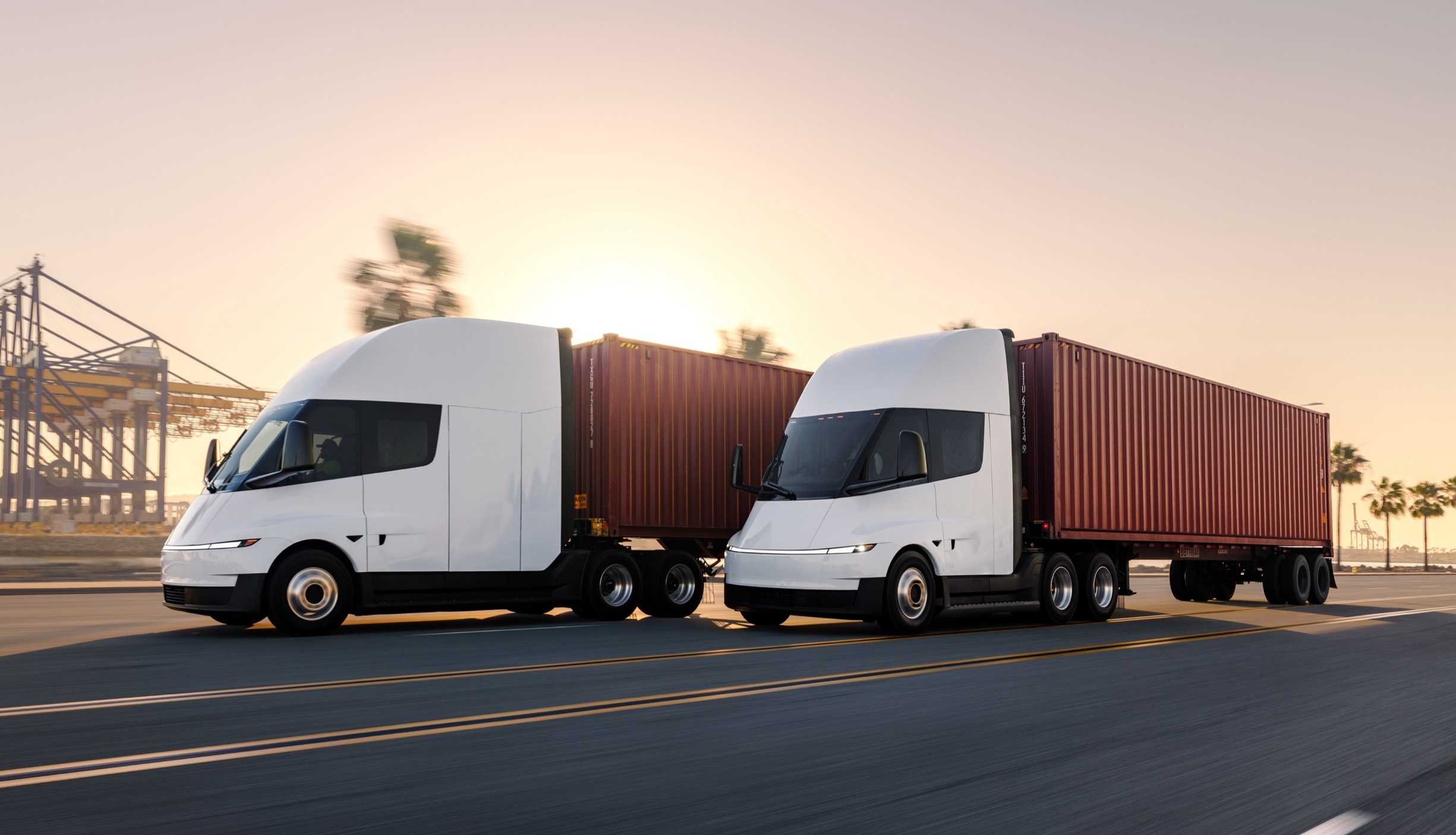
Almost a decade ago, Tesla unveiled the Semi as its answer to diesel-powered trucking. PepsiCo took delivery of the first trucks in 2022, but the rollout remained limited. The first Semi didn’t roll off Tesla’s new high-volume production line until this April. Now deliveries from its dedicated Nevada factory are beginning, and the question is how many trucks it can actually put on the road.

At an event Thursday night in Sparks, Nevada, Tesla presented trucks wearing the logos of PepsiCo, DHL, and US Foods. Executives said deliveries to an initial group of customers were beginning, Reuters reports. Tesla didn’t disclose a price, a current production rate, or a delivery target for the year. It reiterated that the plant is intended to build 50,000 Semis annually, but gave no date for reaching that level.

More: Tesla Just Set A Date For The Semi’s European Debut

It’s a real step forward, though hardly the Semi’s first delivery. PepsiCo began receiving trucks in late 2022, three years after Tesla originally expected production to start. The difference now is the dedicated factory, which is supposed to take the Semi beyond the limited rollout seen so far. Tesla said in April that the first truck had come off its high-volume line. Its July shareholder update, however, described Semi production as beginning in 2026 and dropped an earlier forecast for volume production this year.

Tesla claims the loaded long-range Semi can cover 500 miles (805 km) on a charge, while a standard-range version is rated for 325 miles (523 km). Dan Priestley, Tesla’s director of Semi truck engineering, said customers had validated the 500-mile figure in use. The company’s Semi page lists energy consumption of 1.7 kWh per mile. That’s an impressive figure considering the size and weight of the vehicle.

 Tesla Starts New Semi Deliveries, But Won’t Say How Many

The good news for Tesla is that despite apparent delays, there’s still demand. The same report says a shipper coalition placed an order for 2,500 Semis this week, while freight technology company Einride announced plans last month to add 500 Semis to its fleet. Orders and factory capacity sound great. Deliveries will be the one figure that shows whether Tesla can finally make good on the Semi’s long-delayed rollout.

 Tesla Starts New Semi Deliveries, But Won’t Say How Many

Photos: Tesla

Tesla Is Once Again Accepting $50,000 Reservations For The Roadster

  • The new Tesla Roadster will premiere with four rear-mounted cold thrusters.
  • Tesla will unveil the new Roadster at the SpaceX facility next month.
  • Tesla has yet to release final pricing details for the long-awaited Roadster.

After snatching hundreds of millions of dollars from those who placed reservations for the second-generation Roadster in the years after its late-2017 unveiling, Tesla is once again inviting interested parties to place theirs for the new EV, which is expected to be revealed in its final production form on October 1.

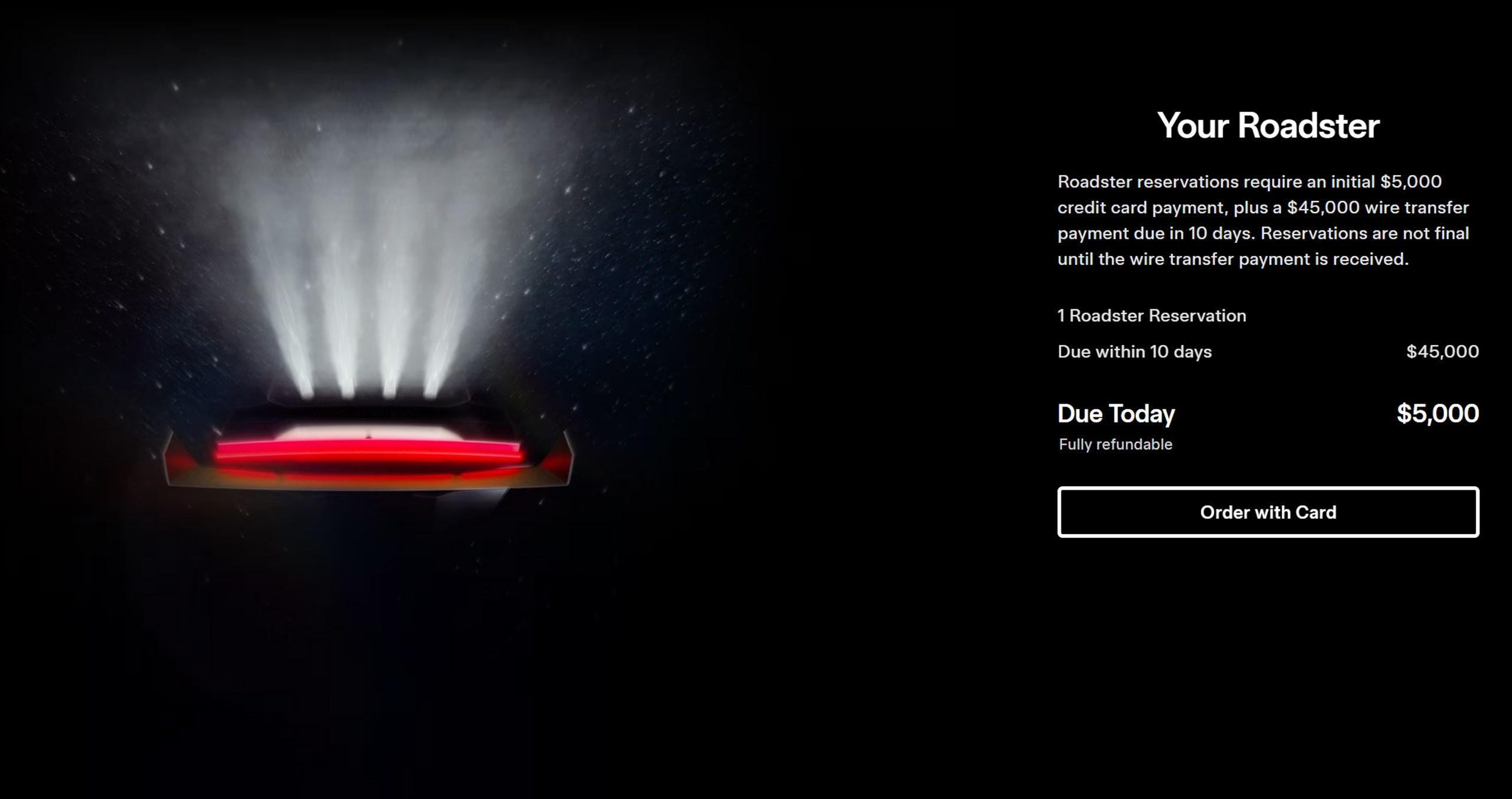
As it did all those years ago, Tesla is accepting $50,000 reservations for the Roadster. Initially, willing customers must pay $5,000 via credit card before wiring the remaining $45,000 to Tesla within 10 days. Doing so locks in an order for a car that has yet to be shown to the public, and its details remain a mystery.

Read: Tesla Says ‘Go For Launch’ As Roadster Gets Yet Another Reveal Date

The long-awaited launch of the Roadster has been a saga for the ages. When it was first presented in November 2017, Tesla said deliveries of the new Roadster would start in 2020. Back then, it promised a 0-60 mph (96 km/h) in 1.9 seconds, a 250 mph (402 km/h) top speed, and 620 miles (998 km) of range. For years, the car’s launch kept getting delayed to the point it seemed it may never actually hit the market.

But earlier this month, Tesla confirmed the car would finally debut on October 1 at a special event being held at the SpaceX facility in McGregor, Texas.

What Is In Store For The New Roadster?

 Tesla Is Once Again Accepting $50,000 Reservations For The Roadster

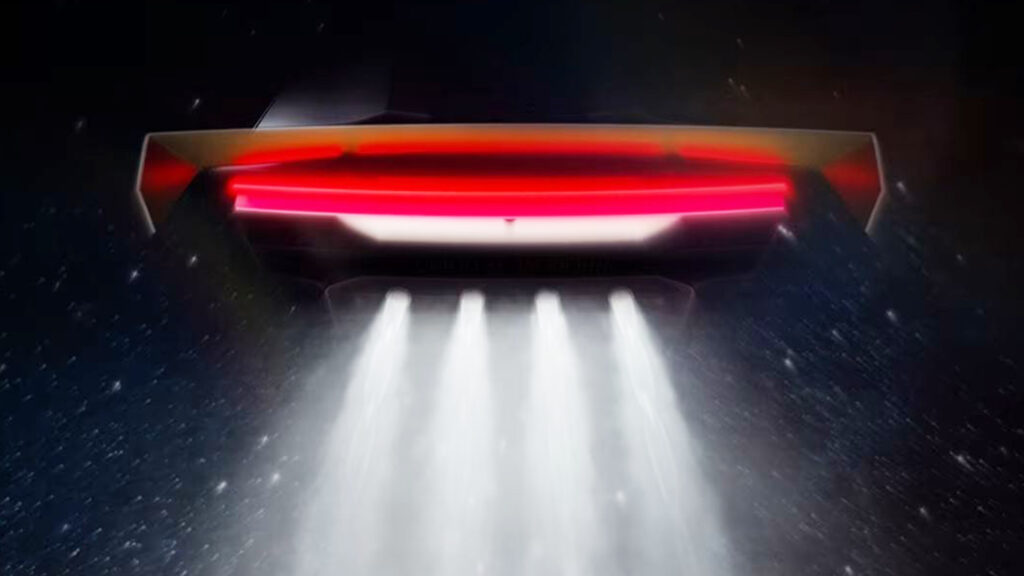
A new teaser released by Tesla indicates that the new Roadster has undergone significant design changes over the past decade. The photo appears to depict the rear end featuring dual LED light bars stretching across the width of the car, as well as a pronounced diffuser. It also appears to feature four cold air thrusters, as long-promised by Elon Musk, although it’s too early to know how they will be used.

Given how far the EV industry has come since the Roadster was first previewed, Tesla will have its work cut out for it. We’re now living in an era where electric sedans and SUVs from China offer more than 1,500 hp, so the new Roadster should pack world-beating power and performance figures or else it risks becoming a disappointment for Tesla’s fanbase.

\\\\\\

Trial Starts Over Claims Tesla Allowed Racial Discrimination At Californian Plant

  • A lawsuit claims Tesla turned a blind eye to complaints of racial discrimination.
  • It’s claimed that Black workers have had to deal with racial slurs and offensive graffiti.
  • Superior Court Judge Peter Borkon will determine if Tesla is liable for civil rights violations.

A trial involving Tesla has just started in California, some four years after the electric car manufacturer was sued by the California Civil Rights Department for allegedly allowing racial discrimination against black workers at its Fremont factory.

Rather than a typical jury trial, state Superior Court Judge Peter Borkon ordered a bench trial. This means that he alone will determine if Tesla violated local civil rights laws, rather than a jury made up of members of the public.

Read: Tesla Settles Potentially Costly Lawsuit Over Autopilot Death

The lawsuit, filed in February 2022, asserted that Black workers at the company’s site in Fremont, California, have been segregated to the lowest level of the workforce and “discriminated against in job assignments, discipline, pay, and promotion.” It has also been alleged that Tesla has turned a blind eye to years of complaints from Black workers who’ve had to endure racial slurs and seen racist writing and graffiti in common areas, including swastikas and other hate symbols.

 Trial Starts Over Claims Tesla Allowed Racial Discrimination At Californian Plant

The director of the California Civil Rights Department says the agency wants to hold Tesla accountable. Tesla has vehemently denied the accusations and, in late 2022, countersued the agency, alleging it had violated laws by filing the suit without seeking public comment or giving the car manufacturer time to settle.

 Trial Starts Over Claims Tesla Allowed Racial Discrimination At Californian Plant

California does not have a cap on the damages that a court can award to workers affected by workplace discrimination, so if Judge Borkon rules for the plaintiffs, Tesla may be forced to cough up a serious amount of money.

This isn’t the only lawsuit that Tesla is dealing with, related to the Fremont factory. In 2023, the US Equal Employment Opportunity Commission filed a lawsuit against Tesla in federal court, also alleging that starting in 2015, Black employees had been subjected to racial slurs. This separate lawsuit also claims Tesla has failed to investigate complaints of racial conduct and even fired or retaliated against those workers who reported being harassed.

 Trial Starts Over Claims Tesla Allowed Racial Discrimination At Californian Plant

Tesla Settles Potentially Costly Lawsuit Over Autopilot Death

  • The lawsuit alleged that Tesla and Elon Musk misrepresented the capabilities of Autopilot.
  • Genesis Giovanni Mendoza Martinez was killed when his Model S hit a firetruck.
  • Elon Musk previously said a car with Autopilot was “probably better” than a human driver.

Lawsuits that turn into jury trials can be costly, and likely to avoid a potentially astronomical payout, Tesla has settled a lawsuit filed in relation to the death of a 31-year-old killed while driving a Model S with Autopilot enabled. As you may expect, details about the settlement remain confidential.

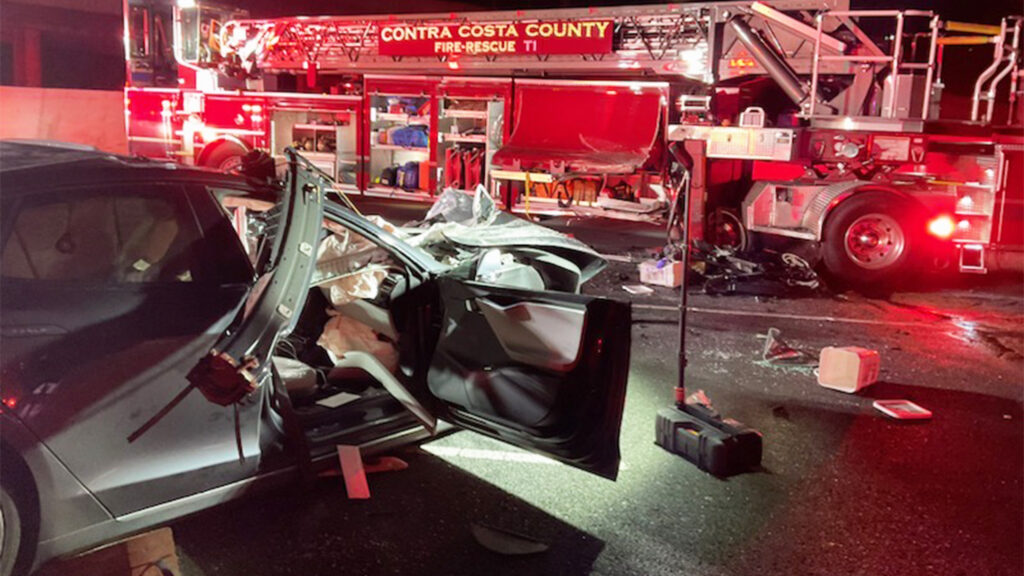
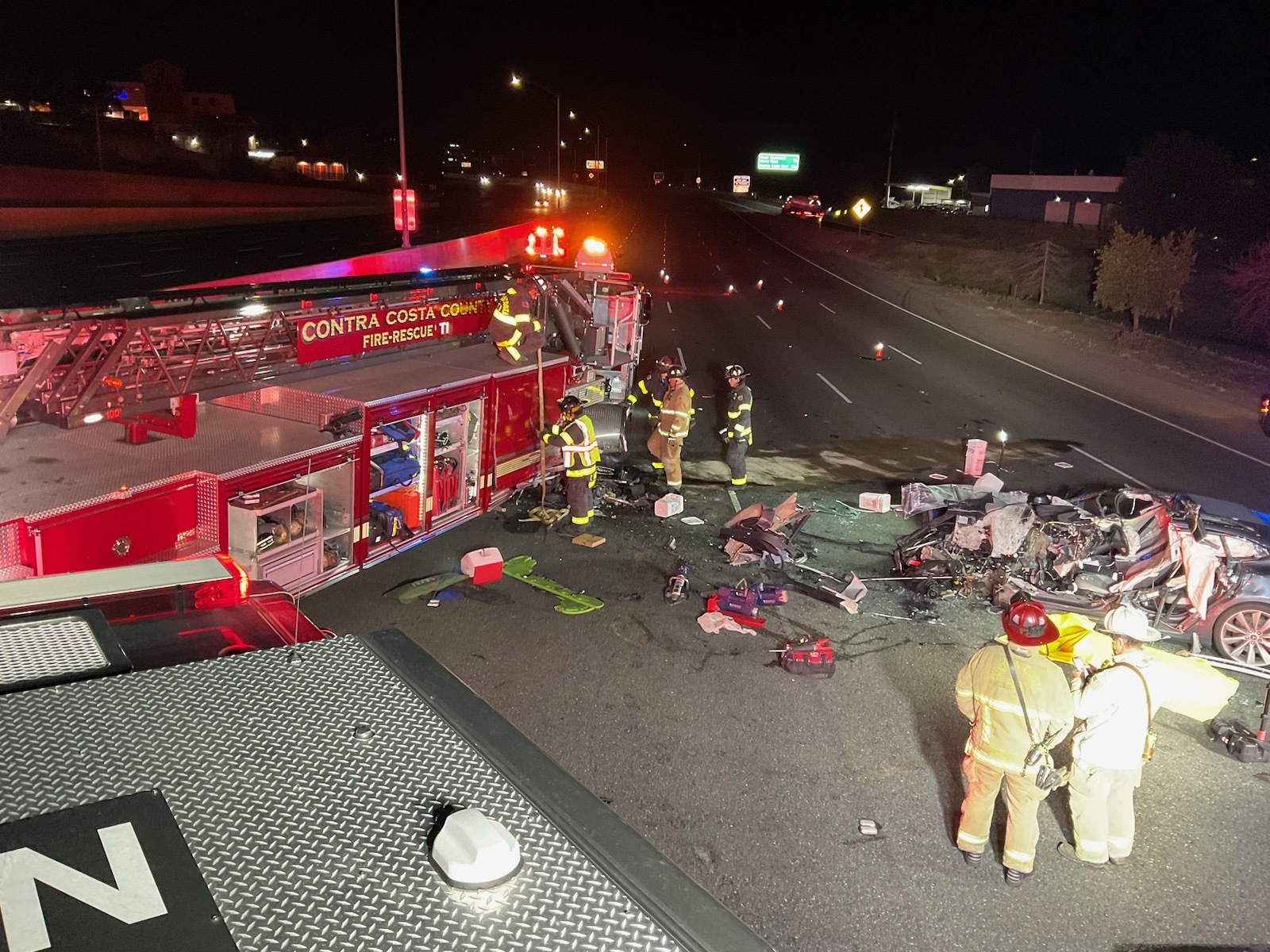
On February 18, 2023, Genesis Giovanni Mendoza Martinez was driving his 2014 Tesla Model S on Interstate 680 in Contra Costa County, California, when the EV slammed into a fire truck responding to an earlier accident. Martinez was killed in the 70-mph crash, while his brother in the passenger seat suffered serious injuries.

Read: NHTSA Suspects Tesla That Hit Firetruck In Fatal Crash Was Using Autopilot

The lawsuit took issue with how Tesla advertised its Autopilot system, and suggested that the 31-year-old would not have been killed had the system performed as advertised. The lawsuit alleged that both Tesla and company boss Elon Musk had misrepresented the capabilities of the Level 2 driver-assistance system, causing Martinez to place too much trust in it.

The case was being overseen by Judge Vince Chhabria, who determined last year that the ‘Autopilot’ name was “plausibly misleading.” He also ruled that Musk’s statements about Autopilot, including statements in which he said it was “probably better” than a human driver, were legally actionable.

Did Tesla Make False Promises?

\\\\

Contra Costa Fire Department/X

Data recovered from the wrecked Model S revealed that Autopilot had been engaged roughly 12 minutes before the crash. Because of advertising around the technology, the lawsuit said the driver thought the EV “would drive itself and he no longer needed to drive it.”

Tesla fiercely contested the claims, saying it wasn’t at fault given that Martinez had ignored warnings in the owner’s manual and active warnings while inside the vehicle. Despite this, the judge cleared the path for a jury trial where Musk’s statements on Autopilot would have inevitably been put under the microscope. To avoid this, Tesla has agreed to settle.

The automaker has settled numerous similar lawsuits in the past. In 2025, it opted against settling a case in Florida, and a jury returned a verdict that it must pay $243 million in damages in relation to the 2019 death of a man who was inside a Model S with Autopilot engaged, which hit a parked Chevrolet Tahoe.

 Tesla Settles Potentially Costly Lawsuit Over Autopilot Death
Contra Costa Fire Department/X

Tesla May Be About To Lose A Bet With YouTube’s Biggest Tech Creator

  • Tech Youtuber MKBHD cast doubt on Elon Musk’s Cybercab timeline.
  • With less than four months to go, it looks like the bet could be safe.
  • However, MKBHD concedes that Tesla is at the forefront of change.

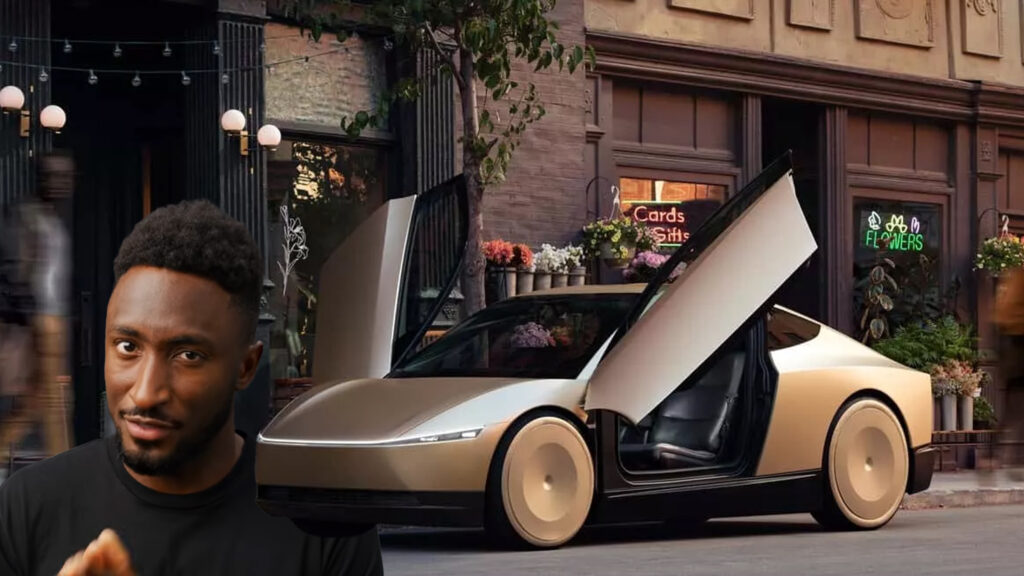
Back in October 2024, Tesla’s “We, Robot” event introduced the world to Optimus, the Robovan, and the Cybercab. Drawing design inspiration from the Cybertruck, the Cybercab offered yet another look at the proposed driverless car future, this time sans a steering wheel and pedals.

But the biggest shocker was the Tesla CEO’s claim that not only did he expect the Cybercab to be offered to customers at under $30,000, but that it would also enter high-volume production before 2027. Granted, by his own admission, Elon Musk said at the time that he tends to be “a little optimistic with timeframes,” but it got tech creator Marcus Brownlee, aka MKBHD, thinking.

More: Tesla Offers Rides In A Car With No Wheel Or Pedals, So Naturally The Feds Showed Up

So confident was MKBHD that Tesla wouldn’t meet such a timeline, he made a bit of a one-sided bet: he offered to shave his head live on camera if they made good. To be specific, Brownlee said that Tesla wouldn’t sell a Cybercab to a customer for $30,000 before 2027.

Semantics aside, that moment triggered a bunch of AI videos and memes, particularly from fans of Tesla, with Elon Musk even replying to one such post on X, saying, “Gonna happen. 😂”

A Long Time Coming

Since the Cybercab reveal, we’ve seen more information about the car trickle out, including it would likely deliver around 300 miles (482 km) of range, use large castings to save costs, and still projected to cost $30,000 or less. In February, the team even appeared to be ahead of schedule, with the first Cybercab rolling off Tesla’s Texan production line.

Brownlee himself admitted he was a little nervous when it came to light that a new Cybercab event had been scheduled for the 3rd of September. But luckily for him (and his hair), the event had nothing to do with customer sales. Instead, it announced that the Cybercab would be added to the Tesla Robotaxi network within their existing geofenced areas.

But while it looks like his hair is safe for now, the Tech Tuber went on to say that although he thinks Tesla may be ahead of its time with the Cybercab, he expects self-driving cars to become more mainstream in the next 10 years. Oh, and regardless of whether he wins the “bet” or not, he’ll be donating to Cancer Research in January.

\\\\\\\\\\\

Tesla Cybercab

Tesla’s Cybertruck Isn’t Selling, So Naturally It Now Costs $5,000 More

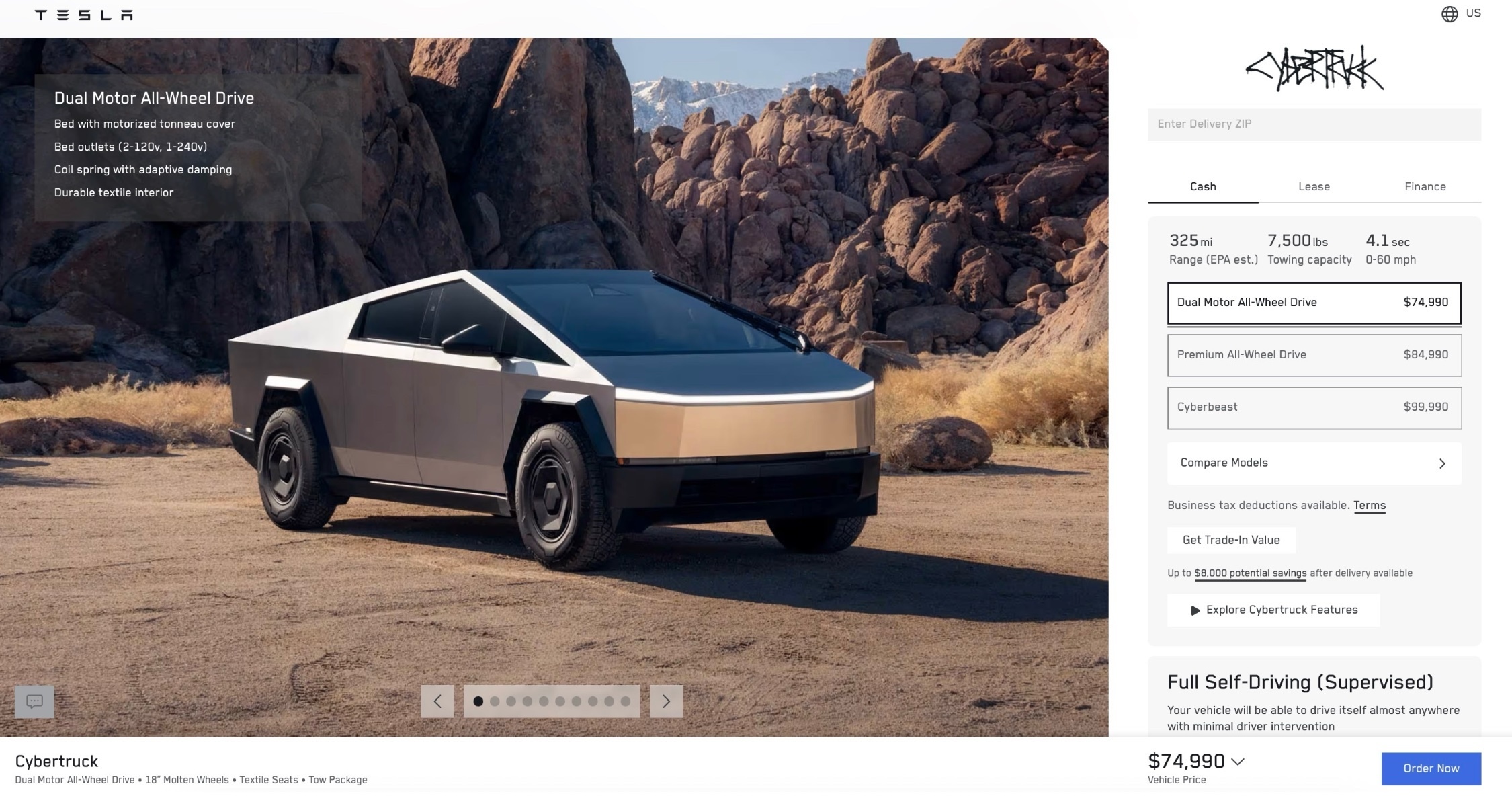
  • Tesla’s entry-level AWD Cybertruck now costs $74,990, up from $69,990.
  • Price of Premium AWD trim also increases by $5,000, taking it to $84,990.
  • The increase arrives as Cybertruck sales remain far below Tesla’s ambitions.

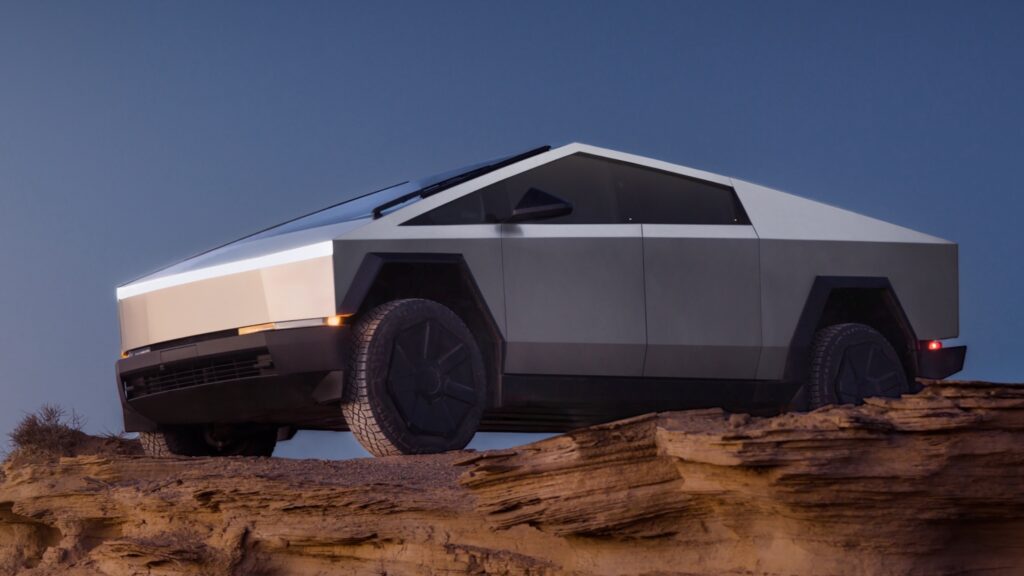
Usually when a product isn’t selling as well as hoped, companies make it more affordable to persuade drivers to give it consideration. Tesla seems to have found that approach too conventional. Despite the Cybertruck struggling to attract buyers so badly it makes Ford’s Edsel look like a smash hit, two versions have just become $5,000 more expensive.

The Dual Motor AWD now starts at $74,990, up from $69,990, while the Premium AWD climbs from $79,990 to $84,990. Nothing else about the models appears to have changed.

Related: This Is All That’s Left Of A Ford F-150 After A Cybertruck T-Boned It At 111 MPH

The Dual Motor Cybertruck still claims 325 miles (523 km) of range, can tow 7,500 lbs (3,400 kg), and reaches 60 mph (97 km/h) in 4.1 seconds. The Premium promises the same 593 hp (600 PS / 441 kW), electric range and performance, but is able to tow 11,000 lbs (4,990 kg).

Tesla doesn’t break out Cybertruck deliveries, but third-party estimates paint an uncomfortable picture. Cox Automotive reckons US sales fell 48 percent in 2025 to 20,237 units, while first-quarter 2026 sales dropped 45 percent year over year to 3,519, Investor’s Business Daily reports. Those numbers look tiny beside CEO Elon Musk’s earlier suggestion that annual demand might eventually support more than 250,000 Cybertrucks.

Cybertruck pricing has been a roller coaster from the start, the first production models debuting in late 2024 with MSRPs far higher than originally promised. Tesla introduced a cheaper Dual Motor for $59,990 in February 2026 as a short-lived promotion, but that later returned to $69,990 and has now reached $74,990. That’s a $15,000 journey in only a few months for fundamentally the same truck. Tesla briefly offered a single-motor Cybertruck during 2025, but it was quickly axed due to weak demand.

Cyberbeast Now Within Reach

 Tesla’s Cybertruck Isn’t Selling, So Naturally It Now Costs $5,000 More

The flagship Cyberbeast is the one Cybertruck trim to escape this latest increase. A tri-motor, 845 hp (857 PS / 630 kW) monster capable of reaching 60 mph in 2.6 seconds, it’s still listed on Tesla’s website at $99,990. That means the Premium AWD now sits only $15,000 below the range-topper, making the Beast look like a better deal than last week.

Tesla has already scrapped the Model S and Model X to clear the way for production of the company’s Optimus robots, and between that and the Cybercab robotaxi, it feels like Tesla is focused on a new path. The Cybertruck is just being left to fade away, a rather embarrassing failure that serves to remind us that not everything Elon Musk touches turns to gold.

Maybe slapping $5k on the price will really help make the Cybertruck more profitable because it covers rising production costs and Tesla figures it won’t really affect sales. Or maybe it’s just one of Musk’s impish experiments, you know, just to see how much worse things can get.

 Tesla’s Cybertruck Isn’t Selling, So Naturally It Now Costs $5,000 More

Tesla

A Tesla Robotaxi Got Boxed In By Bollards, So It Bulldozed Its Way Out

  • Tesla is still having issues with its robotaxis as it gears up to launch the Cybercab.
  • Footage shows a Model Y robotaxi making an illegal and dangerous right turn.
  • Later this month, the Cybercab will be added to Tesla’s robotaxi fleet in Texas.

Developing and building fully autonomous vehicles isn’t easy. Just ask Tesla, which has been working on the technology for more than a decade and has yet to perfect it. Based on a recent video of a Model Y currently being used by its robotaxi fleet in Austin, Texas, Tesla still has a long way to go.

This clip was recently shared on Reddit by a frequent user of Tesla’s Austin robotaxi service, and it may make you think twice before trying it yourself. For whatever reason, the Model Y in question attempted to make a right turn at a large intersection, but failed to realize that the inside corner of the road was blocked off by bollards for pedestrian safety.

Read: Tesla’s Cybercab Is About To Carry Real Passengers

A human driver would have seen these bollards and realized you have to turn around them. Instead, the Tesla Model Y drove directly into the blocked-off area and sat there for several seconds, presumably because it realized it was now stuck. Unable to reverse out and correct its mistake, the robotaxi instead tried to thread its way through two of the bollards, hitting them in the process.

It didn’t take long for Redditors to identify the exact intersection where the incident took place, and a Google Street View search revealed the bollards had been there since at least February 2024.

Video Reddit /bladerskb

Cybercabs Are Coming

Despite incidents like this, Tesla appears to be plowing ahead with plans to expand its robotaxi fleet in Austin. According to a recent report, it completed a local trial with the Cybercab and company employees on private roads and is now preparing to add the Cybercab to its fleet and make it available to the public.

It remains to be seen whether the Cybercab’s self-driving capabilities will be better than those of other Tesla models. We do know it’s equipped with more RAM and an upgraded AI4 Fully Self-Driving computer. Whether it actually performs any better than a Model Y like this remains to be seen, but as we’ve seen so often from Tesla in the past, members of the public will be used as test dummies.

\\\\\

Tesla’s Design Boss Sent Model S Plaid Signature #001 Straight To Unplugged Performance, But Not For Tuning

  • Franz von Holzhausen owns the Tesla Model S Plaid Signature #001.
  • The Tesla design chief took the special EV to Unplugged Performance.
  • The sedan received paint protection, ceramic coating, and window tints.

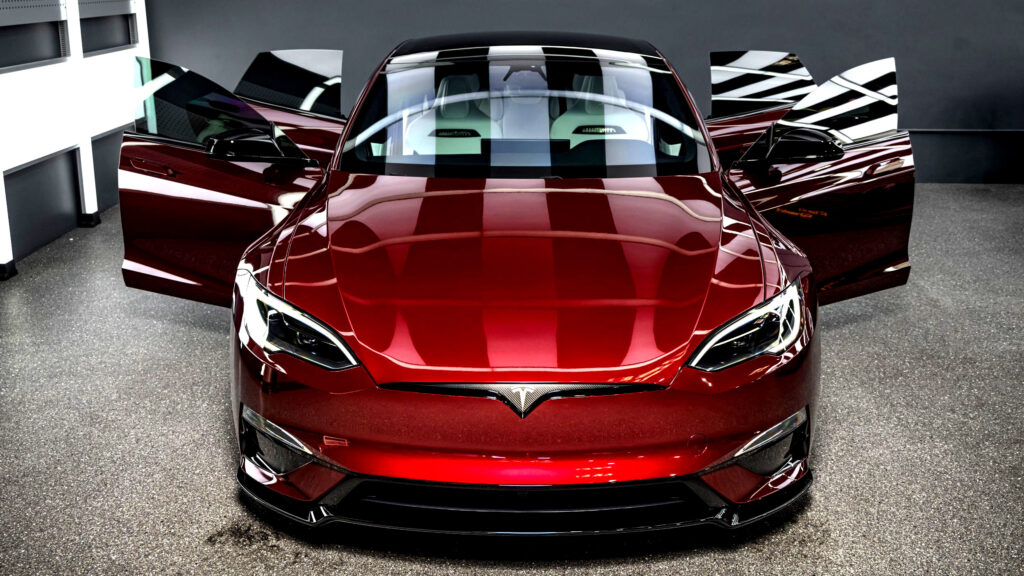
Franz von Holzhausen has run Tesla’s design studio since 2008, and most of what people picture when they see a Tesla came off his desk. The Model S is one of those cars, so it makes sense that he took delivery of the definitive version, the Plaid Signature Edition, chassis number #001, the one at the very front of the production line.

More: Tesla’s Hidden Door Handle Drama Could Change Every New Car In America

Before settling in with the car that closes out the Model S story, he drove it to Unplugged Performance in California. The tuner is better known for wheels, brakes, wraps and body kits, but detailing sits on the menu too, and that’s what he was there for. The bodywork he drew more than a decade ago stayed exactly as it left the factory. What he wanted was for it to stay that way.

Preserving His Own Handiwork

\\\

Unplugged Performance

While the car was brand-new, the first step was a thorough chemical decontamination wash to remove bonded fallout, iron particles, and transport residue picked up before delivery. Once prepared, the Auto Spa team disassembled parts of the exterior so the film could be applied without a visible seam anywhere.

According to Unplugged Performance, paint protection film acts as a physical barrier that absorbs stone chips, scratches, and minor wear, shielding the factory paint underneath. For Signature Edition #001, that was only the starting point.

\\\

Unplugged Performancean

Following careful inspection under dedicated lighting, technicians coated every panel and trim piece with a full ceramic treatment. The extra layer adds hydrophobic properties that repel dirt and make washing easier, while deepening the gloss of the paintwork.

More: The Cybertruck Finally Found Its Natural Habitat, A Fake Desert Planet

Finally, the team covered all glass surfaces with a window film that blocks 99% of ultraviolet radiation and 98% of infrared heat. That keeps the interior out of the worst of the Californian sun, so it should still look new years from now.

The Tesla Model S Plaid Signature Edition arrived earlier this year as a farewell special for the long-running nameplate. Production is capped at 250 units, offered by invitation to select customers at $159,420 apiece.

More: Tesla Tuner Dares You To Break Their New Wheels

As with the regular Plaid, the Signature Edition uses the tri-motor setup producing 1,020 hp (761 kW / 1,034 PS), with a handful of unique touches on top. Chief among them is the Garnet Red finish, paired with gold emblems, special badging, and 21-inch Velarium wheels with gold calipers over carbon-ceramic brakes. Inside there’s white Alcantara upholstery, a yoke steering wheel, and Signature branding.

This isn’t the first time von Holzhausen has handed a personal car to Unplugged Performance. Years earlier, he had his Model 3 fitted with coilover suspension, sway bars, adjustable suspension arms, and carbon-ceramic brakes, again leaving the bodywork alone.

\\\

Unplugged Performance

Tesla Just Set A Date For The Semi’s European Debut

  • Tesla to reveal European Semi specifications and launch plans in September.
  • American versions offer between 350 and 500 miles of range on a full charge.
  • Existing electric rivals for the Semi in Europe include Mercedes eActros 600. 

It’s taken the scenic route, but Tesla’s Semi is finally getting serious about Europe. The electric truck will appear at September’s IAA Transportation show in Hanover, Germany, where Tesla says it’ll reveal specifications and launch details for the European version, possibly setting up a 2027 arrival.

Tesla confirmed the news on X this week, writing, “Specs & launch details for Semi in Europe to be unveiled at IAA Transportation in Hannover, Germany”. The show runs from September 15 through 20 and is widely regarded as the world’s most important commercial vehicle expo.

Related: First Tesla Semi Fatal Crash Kills Two At A Nevada Red Light

\\\\\\\\\\

First revealed in 2017, the Semi began working in America in 2022. European availability, however, has remained a question mark until now. And what Europeans will actually get still remains unknown. In the US, the Semi comes in Standard Range and Long Range forms. The base version is good for 325 miles (523 km), while the latter stretches that to 500 miles (805 km). Both use three electric motors producing up to 1,073 hp (1,088 PS / 800 kW).

To achieve those range figures requires colossal batteries: 548 kWh in the Standard Range trucks and 822 kWh in the Long Range model. Trying to top them up with even a 250kW car charger would take forever, so the Semi can charge at up to 1.2 MW, potentially stuffing substantial energy back in during a simple coffee and bathroom stop.

Rivals Are Ready And Waiting

 Tesla Just Set A Date For The Semi’s European Debut

Europe hasn’t been standing by, helplessly waiting for Tesla to revolutionize trucking. Established manufacturers already sell battery-powered heavy trucks, including Mercedes’ eActros 600, which claims up to 348 miles (560 km) from a 621 kWh battery. Full comparisons will have to wait until the Euro Semi tech specs are revealed in September.

\\\\\\\\\\\\

Tesla switched from pilot builds to full-scale production of the facelifted Semi at its Nevada facility in April of this year, and hopes to crank out 50,000 units annually when it’s up to speed. The Standard Range costs $260,000 (equivalent to €222k) and the Long Range around $300,000 ($257k), but after taxes the prices could be higher in Europe, where the eActros 600 costs around €300-400,000 ($350-470k).

Specs & launch details for Semi in Europe to be unveiled at IAA Transportation in Hannover, Germany pic.twitter.com/eEXNUU2Y39

— Tesla Semi (@tesla_semi) August 20, 2026

Tesla

Tesla’s Cybercab Is About To Carry Real Passengers

  • Tesla is adding its Cybercab to the Austin robotaxi service this month.
  • Public roll-out of the Cybercab will come shortly after employee previews.
  • There are currently just 186 Model Y robotaxis in Tesla’s Austin fleet.

It’s been almost two full years since Tesla unveiled its autonomous Cybercab, and it now appears to be gearing up for a public launch of the vehicle, adding the EV to its existing robotaxi service in Austin, Texas.

Tesla has spent recent months testing its Cybercab on public roads but, up until this point, has not allowed any members of the public to experience the self-driving car. Last month, it started allowing employees to take the Cybercab on rides through private roads near its Austin headquarters.

Read: Tesla’s Cybercab Weighs 700 Pounds Less Than The Lightest Model 3

Unnamed sources have told The Information that, following the trial with employees, the public launch of the Cybercab is scheduled for later this month. Prior to receiving approval to roll out the new EV in its robotaxi service, Tesla recently completed emergency training with first responders across Austin, specifically on handling Cybercab-related issues.

Tesla this week teased the Cybercab’s impending introduction to its robotaxi fleet, announcing that those who use the current fleet before August 23 will go into the running to attend the launch event. It says the more rides someone completes, the better their chances are of securing an invite. Whether an invitation to the launch event will include a ride in a Cybercab remains to be seen.

Tesla Still Only Has A Small Robotaxi Fleet

\\\\\\

Although adding the Cybercab to its self-driving taxi service in Austin will be a big step for Tesla, it’s worth noting the service remains small and has failed to grow anywhere near the levels Tesla boss Elon Musk has promised. There are currently just 186 Model Ys registered in its Austin fleet. Production of the Cybercab started in Texas in July, although it’s not expected to reach volume production until next year, so it’s unlikely a large number will be added to the fleet in the coming months.

Recent prototypes of the Cybercab have been seen both with and without pedals and a steering wheel. There’s no word on whether the cars initially added to the fleet will have these traditional controls or forgo them. If this report about the impending launch is accurate, we won’t have to wait long to find out.

\\\

Rivian, Hyundai, Toyota, And Cadillac Are Fighting For Tesla’s Scraps

  • A surge in sales helped Tesla secure a 55 percent market share in July.
  • The Tesla Model Y alone accounts for 37 percent of all EVs sold in the US in July.
  • Through the second quarter, Chevy had a 6 percent share, followed by Hyundai.

Tesla remains far and away the biggest seller of electric cars in the United States, and despite rivals’ efforts, very little progress has been made in eroding the EV leader’s commanding market share.

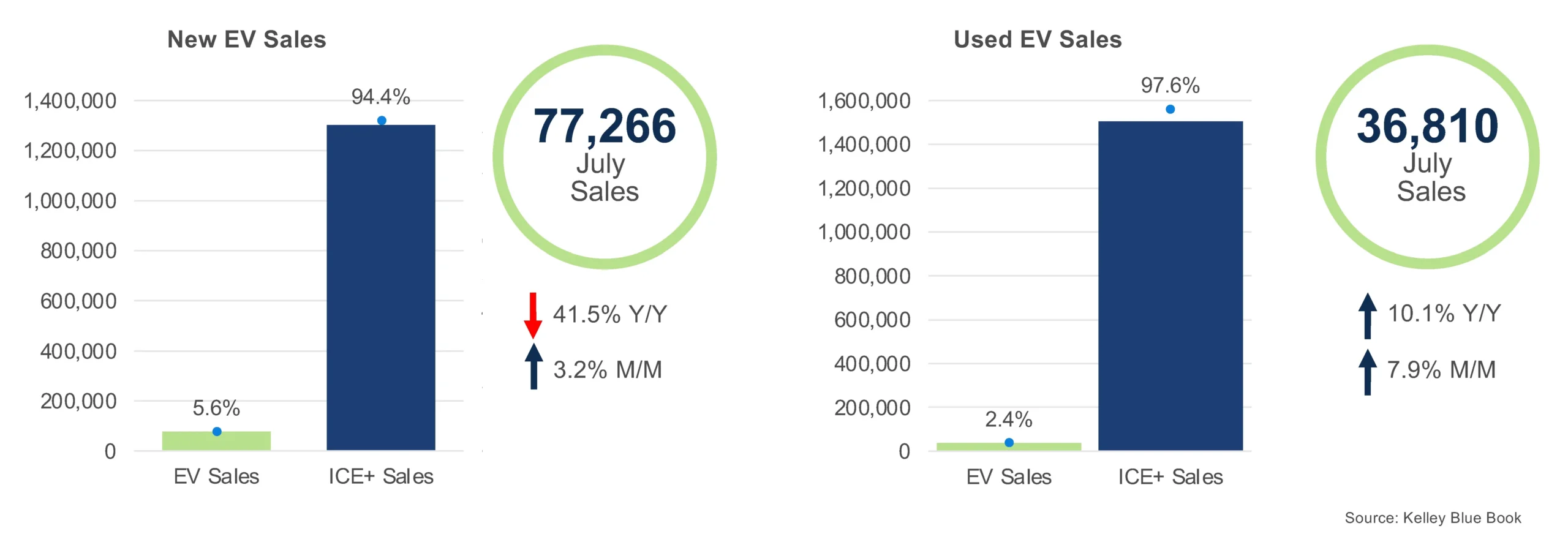
July brought 77,266 new EV sales, up 3.2 percent from June and down 41.5 percent from the same month last year. Electric models made up 5.6 percent of all new-vehicle sales. The year-over-year drop has a simple explanation. In July 2025, the federal EV tax credit was still alive, and buyers rushed to cash it in before the Trump administration killed the incentive in September.

Read: Tesla Delivered More Cars Than Any Q2 Ever, And Its Stock Had The Worst Day Ever

Of last month’s electric cars, 42,435 were Teslas, according to Cox Automotive, good for 55 percent of the market. Tesla’s volume climbed 4.9 percent from June. The Model Y did the heavy lifting, as it always does, accounting for 37 percent of every new EV sold in the country. Basically, the nameplate outsold every rival automaker’s entire electric portfolio.

 Rivian, Hyundai, Toyota, And Cadillac Are Fighting For Tesla’s Scraps

Tesla’s share throughout the entire second quarter was slightly lower at 50.5 percent, with the company selling a total of 124,800 EVs in the US during this period, down 13.1 percent from last year, when 143,535 were sold. In Q2, the brand with the next-largest slice of the EV pie was Chevrolet at 6 percent, followed by Hyundai at 5.8 percent, Cadillac at 4.9 percent, Toyota at 4.8 percent, and Rivian at 4.6 percent. Ford’s share remains a disappointing 3.9 percent, although its July sales were up 18.9 percent from June.

Hyundai posted the strongest month-over-month gain among the major brands in July, up 36 percent. Kia also moved higher, largely on the strength of the EV9.

 Rivian, Hyundai, Toyota, And Cadillac Are Fighting For Tesla’s Scraps

Sales Surge Pinches Supply

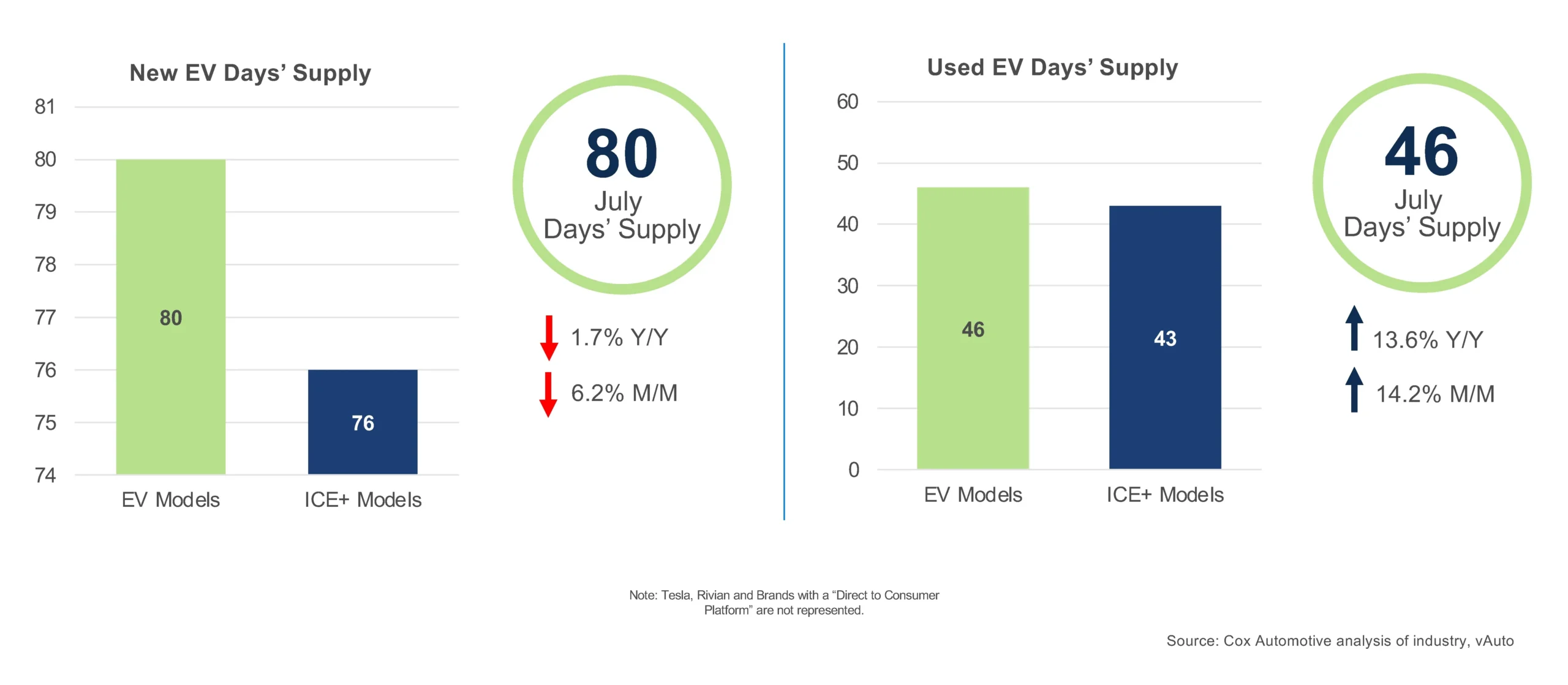
As EV sales climbed in July, the average days’ supply of new EVs fell 6.2 percent month over month to 80 days, and 1.7 percent below where it sat a year earlier. Electric inventory now runs four days above ICE models, down from a nine-day gap in June. Volkswagen carried the heaviest load at 147 days, with Porsche at 138 and Nissan at 133. Subaru ran leanest at 46 days, then Hyundai at 52, and Lexus at 58. Used EVs moved the other way, rising 14.2 percent from June to 46 days, above ICE models for the first time since February 2026.

Used EV sales rose 7.9 percent month over month to 36,810 in July, 10.1 percent better than a year ago. Secondhand electrics took 2.4 percent of the market.

The Price Gap Hasn’t Closed

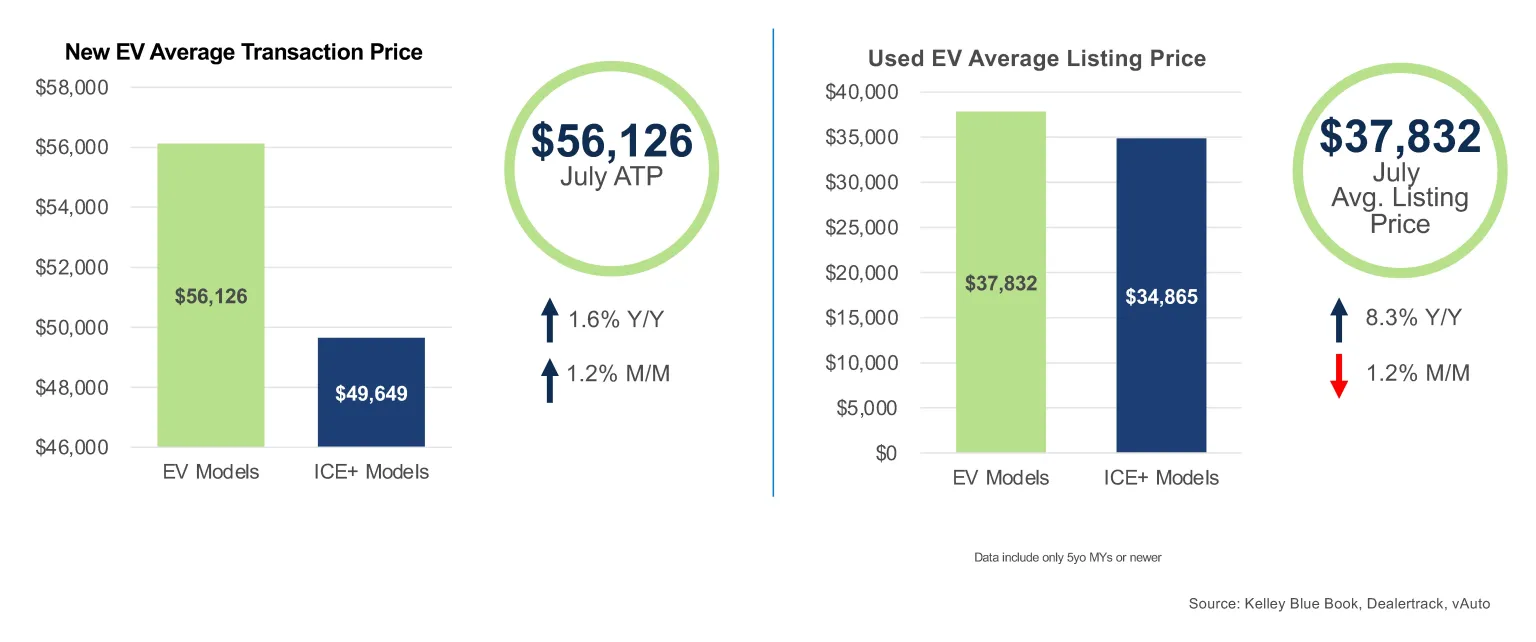
Electric cars remain the more expensive choice on both the new and used side. Average transaction prices for new EVs rose 1.2 percent in July to $56,126, against $49,649 for the average combustion model, and 1.6 percent higher than a year earlier. Incentives shrank over the same stretch, from 13.1 percent of ATP, or $7,290 per vehicle, in June to 11.8 percent, or roughly $6,626, in July. Used electrics average $37,832 against $34,865 for gas equivalents. Those prices slipped 1.2 percent from June but hold 8.3 percent above where they were a year ago.

 Rivian, Hyundai, Toyota, And Cadillac Are Fighting For Tesla’s Scraps

Support for Electric Vehicles

By: newenergy

New Poll: American Voters Support Federal Investments in Electric Vehicles Broad, Bipartisan Support for EV Investments and Incentives that Lower Costs, Expand Access, and Help the U.S. Beat China in the Race for Auto Manufacturing WASHINGTON, D.C. – A new bipartisan national poll conducted by Meeting Street Insights and Hart Research finds broad public support …

The post Support for Electric Vehicles appeared first on Alternative Energy HQ.

❌