Normal view

There are new articles available, click to refresh the page.
Yesterday — 16 March 2026Main stream

A $103K Chinese Luxury Sedan Outsold The BMW 7, Panamera, And Maybach S-Class Combined

  • Sales of the Maextro S800 now exceed key German luxury rivals.
  • Domestic EV brands are winning buyers once loyal to foreign cars.
  • Porsche deliveries in China dropped 26 percent last year.

Most people outside China have probably never heard of the Maextro S800. Yet this large Chinese luxobarge has quietly begun outselling some very familiar names. In recent months, it has moved more units than the Porsche Panamera, BMW 7-Series, and Mercedes-Maybach S-Class combined in China.

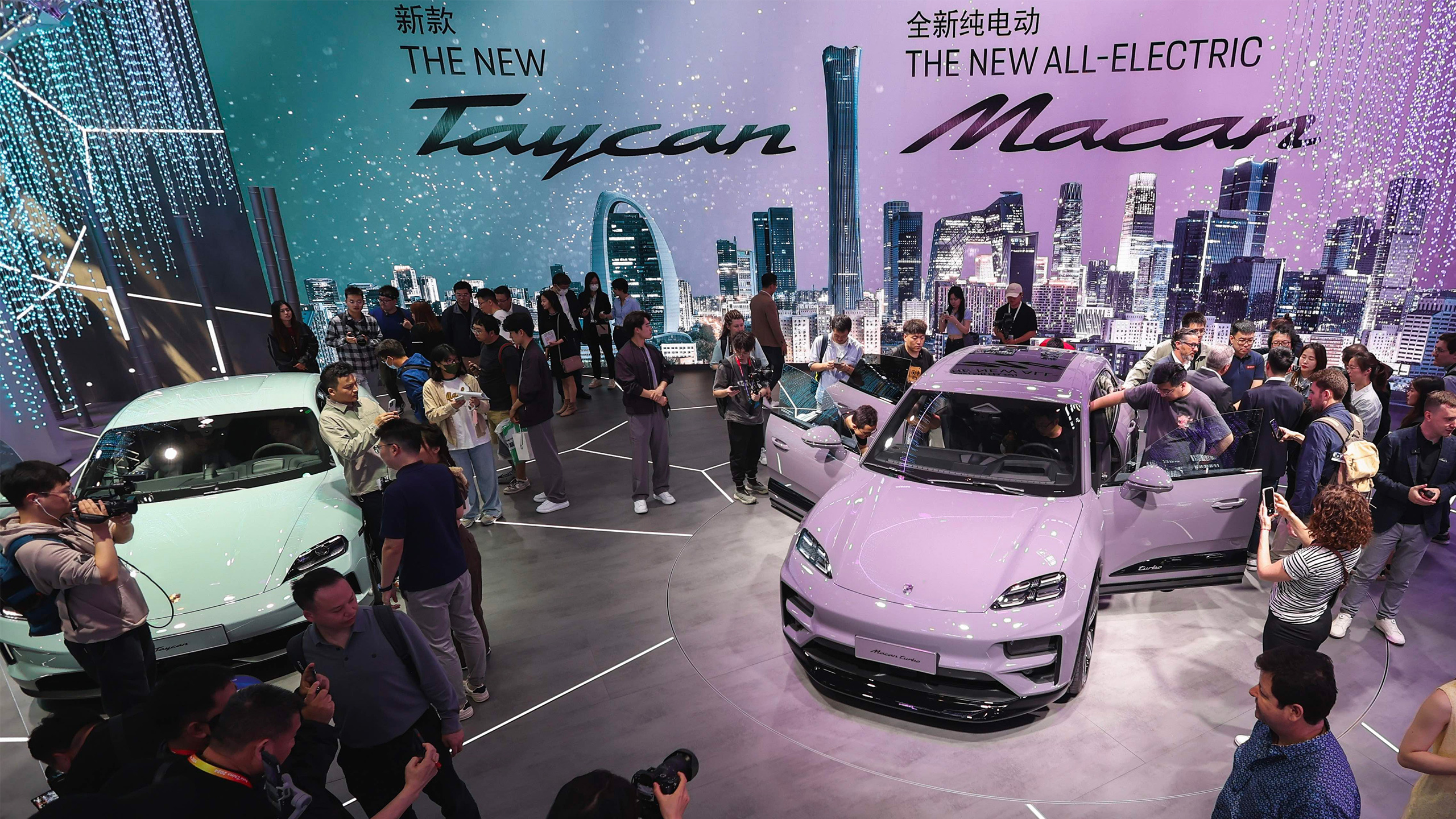
Foreign automakers are all struggling to compete with homegrown competition in the Chinese market, not least of all, Porsche. The German sports car brand is at a problematic stage, experiencing one of the biggest drops in sales, both in China, and globally.

Read: Porsche Is Shutting Down A Third Of Its Dealerships In China

The number of deliveries in China fell by approximately 26 percent last year, Bloomberg reports. And, for all its territories in 2025, Porsche had supplied approximately 279,449 cars to customers all around the world. That’s 10 percent below the year prior.

Chinese Demand Wanes

\\\\\\\\\\\\\\

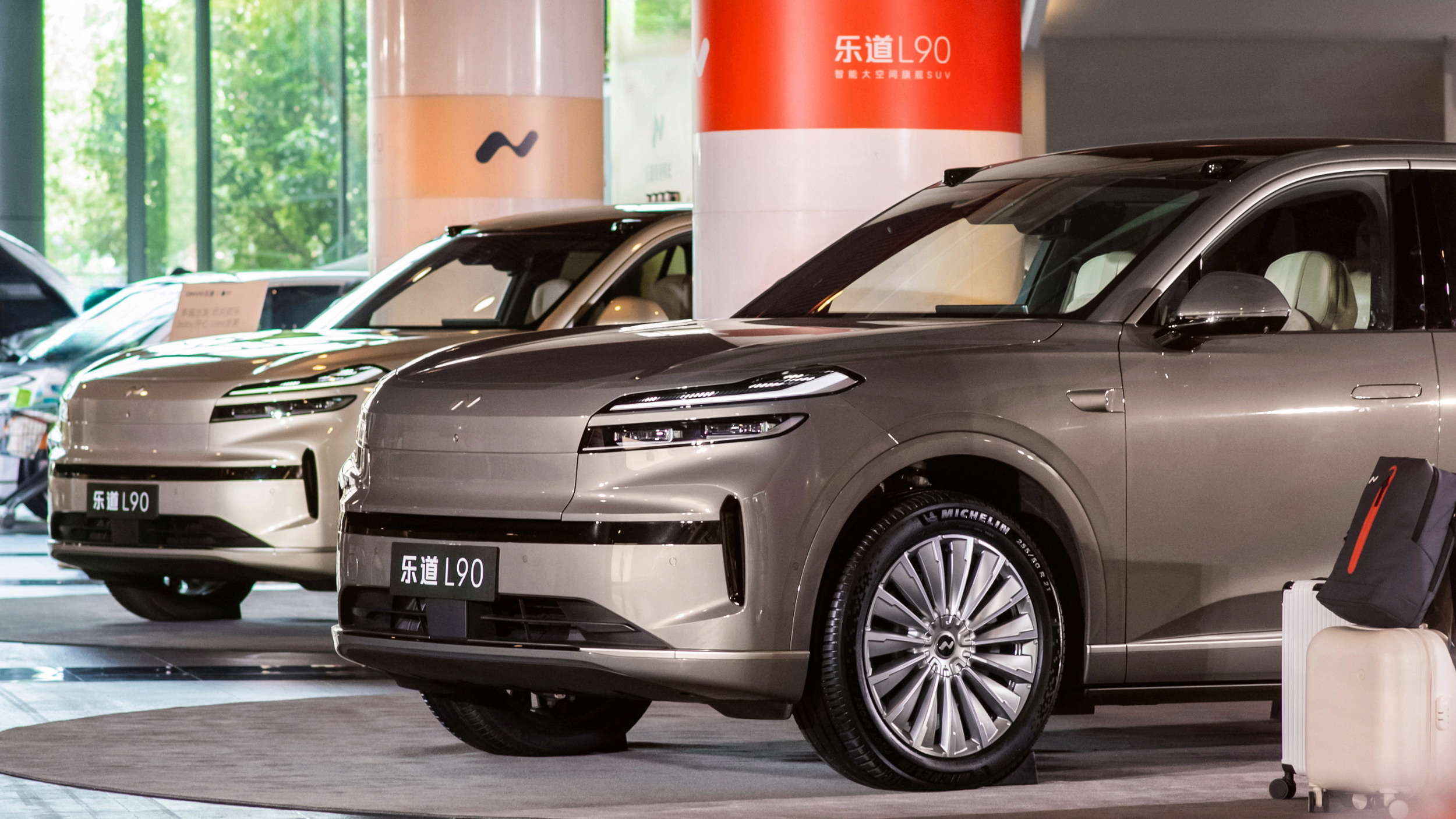
Maextro S800

For years, China had been Porsche’s single most important growth engine. Wealthy buyers were drawn in by the brand’s reputation for performance and status. That dynamic has shifted with the emergence of a new generation of consumers, who are more aware of the advantages of electric vehicles and the idea of electric propulsion.

Combine that with Chinese automaker’s unique grasp of how to cater to the wants and needs of the home market consumer, as well as the ability to consistently beat Western offerings on price and performance, and it’s little wonder why cars like the S800 are doing so well in a segment that was once rich with Germany’s finest.

Still, the rate at which Chinese automakers have been able to capitalize within the luxury automobile market is nothing short of alarming. Their model lines are competing head-on with long-established luxury brands throughout Europe and, in most instances, provide highly advanced digital and battery technology that buyers are seeking.

However, for consumers, local EV makers are viewed as a representation of innovation, rather than being compromised, especially when it comes to younger buyers.

Strong Local Offerings

\\\\\\\\\\\\\\\

Maextro S800

Brands like Huawei’s Maextro, Xiaomi, and BYD have gained market share in the luxury EV range. The S800, for instance, starts at the equivalent price of $103,000, which is around 40 percent cheaper than the Panamera.

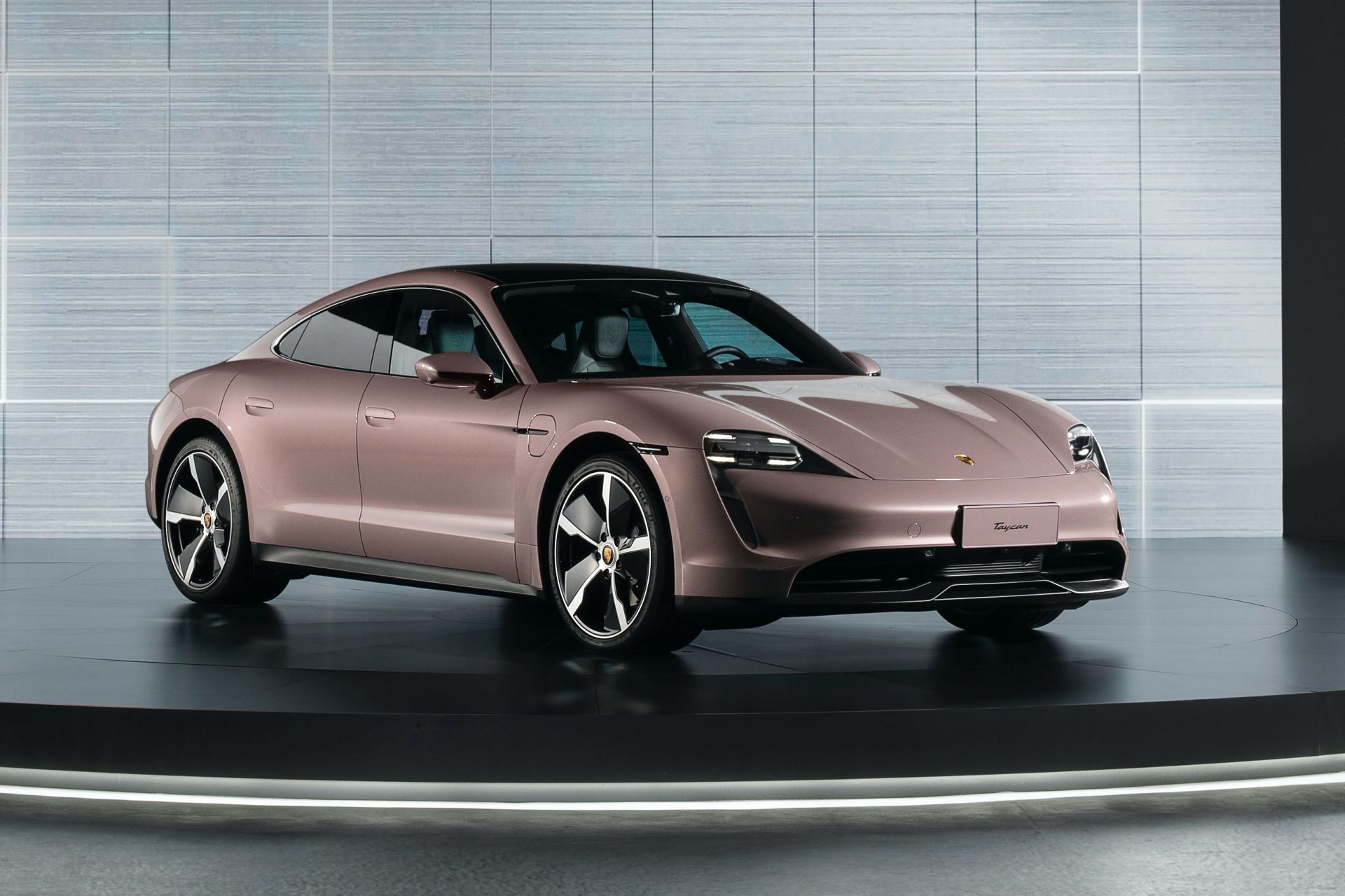
Xiaomi’s SU7 EV, meanwhile, is not only quicker than the all-electric Taycan to 100 km/h (2.1 seconds vs 2.7 seconds), it has a higher top speed (350 km/h vs 270 km/h) and offers nearly double the horsepower and torque (1,548 PS / 1,770 Nm vs 884 PS / 890 Nm). And it does all that, while costing a third of the price of the Porsche.

Having expansive product offerings and high levels of domestic loyalty, such firms have started attracting clients who, not too long ago, would have only considered a car with a foreign badge as worthy.

But, in the case of Porsche, this change is a challenging fact. Prestige alone is no longer sufficient to ensure success. So much so that Bloomberg reports that Porsche is not only downsizing its dealer structure, but is also in the process of winding down its EV charging network.

Righting The Ship

 A $103K Chinese Luxury Sedan Outsold The BMW 7, Panamera, And Maybach S-Class Combined

Under the leadership of its new CEO, Michael Leiters, Porsche has started to re-evaluate its strategy. The company is leaning on its traditional strengths, focusing on relatively high-margin sports cars and SUVs and pushing a bit heavier on the full complexity electrification. The idea is not to compete on price with the domestic manufacturers of EVs but to shore up what makes the brand unique.

Leiters has told investors the company is looking to see margins improve, though modestly this year. These difficult times have tightened Porsche’s operations’ profit margins, and the company hopes for better cost control and a well-defined product strategy to stabilize performance. The approach is cautious optimism as opposed to quick promises of a turnaround.

China Still Remains Part Of The Plan
 A $103K Chinese Luxury Sedan Outsold The BMW 7, Panamera, And Maybach S-Class Combined

Even though Porsche are scaling back their presence in China, they’re not ready to throw in the towel just yet. “The needs of Chinese customers have fundamentally changed,” Porsche China President Alexander Pollich said. “We are a niche brand, a small-scale manufacturer that can hardly change the economic environment, nor reverse the overall market trend. What we can do is to truly examine ourselves and strengthen the core capabilities.”

Porsche will be launching the all-electric Cayenne in the near future and will also introduce more gasoline-powered and plug-in hybrid SUVs, with China-only models high on the agenda. To support this effort, the company is establishing an all-new development hub in Shanghai that will operate independently from Germany.

First on the agenda is designing a new infotainment system that can better match the unique demands of Chinese buyers, likely with native integration for the local apps many owners use daily, rather than relying on the global software stack developed in Germany. In a market that is evolving as quickly as China’s, that kind of local focus may prove just as important as performance or prestige.
 A $103K Chinese Luxury Sedan Outsold The BMW 7, Panamera, And Maybach S-Class Combined
Before yesterdayMain stream

Avatr’s Electric Wagon Packs Supercar Power And A Backup Gas Engine

  • Avatr previews the 06T electric shooting brake for China market.
  • The wagon body looks better balanced than the sedan version.
  • Battery EV models offer up to 955 hp in the range topping trim.

Sleek estate cars have become somewhat of a rarity these days. Buyers keep drifting toward crossovers and SUVs, and manufacturers have largely followed the money. Traditional wagons, especially the low and sporty ones, now feel like a niche choice. China, however, still has a few brands willing to keep the format alive. Avatr is one of them.

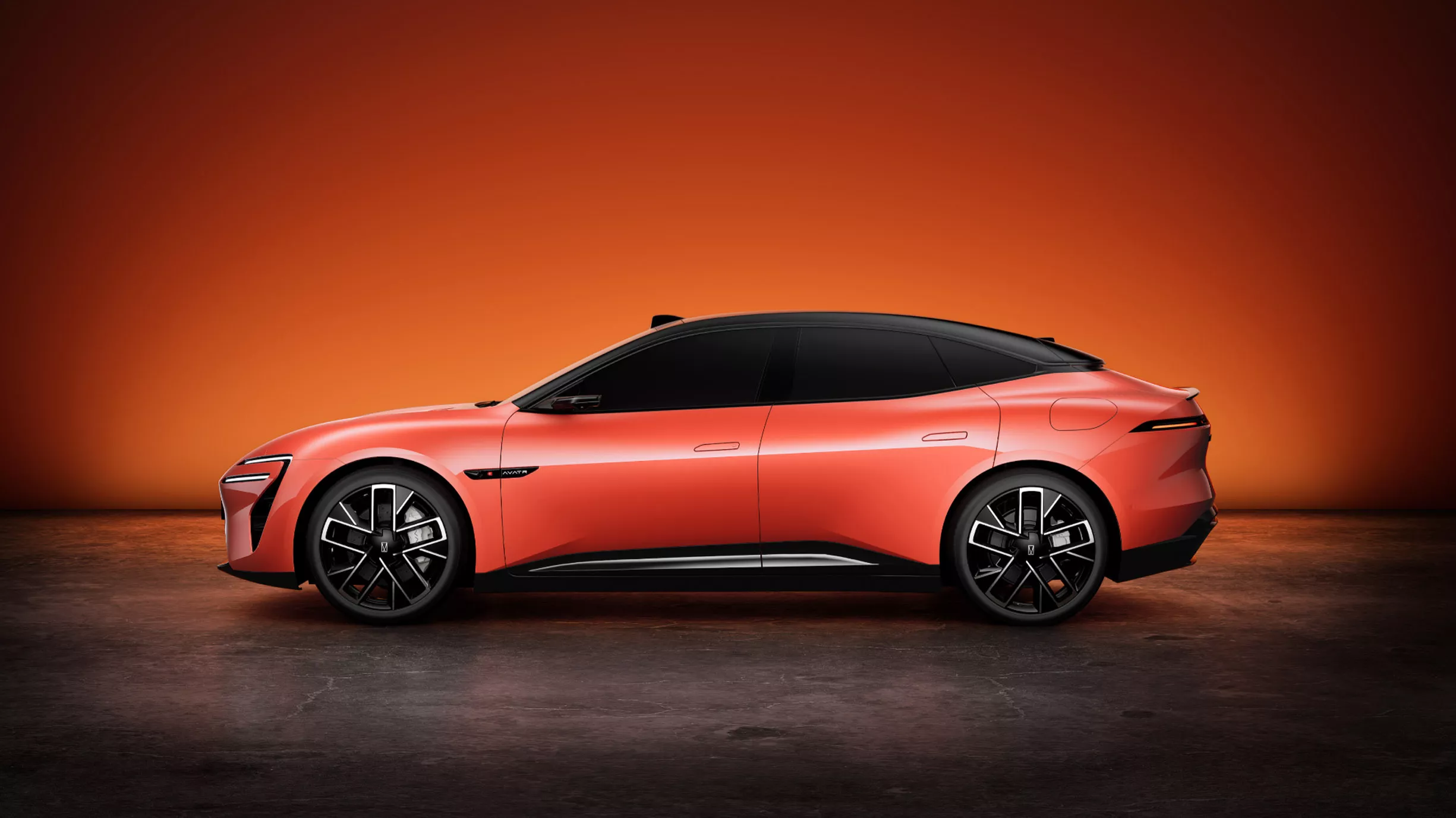
The company has now previewed its newest addition, a wagon called the 06T. Similar in size and profile to the Zeekr 007 GT, Avatr’s new model will be sold both as a range-extender and as a fully-electric wagon. It also has a seductive Shooting Brake shape that should get many car enthusiasts excited.

Read: Avatr Just Extended The 06 In More Ways Than One

Measuring 4,940 mm (194.4 inches) long, 1,960 mm (77.1 inches) wide, and 1,475 mm (58 inches) tall, the 06T rides on a 2,940 mm (115.7-inch) wheelbase and shares its underpinnings with the existing 06 sedan. The sedan’s rear design has always looked a bit awkward, but stretching the roof into a wagon shape helps smooth out the proportions and gives the overall profile a more natural look.

The Juicy Details

\\\\\

Pictured here in a new color known as Liujin Orange, the fully electric version uses an 89.33 kWh battery pack. Buyers will have two rear-wheel-drive EV options to choose from. The entry model uses a pair of 302 hp (225 kW) motors, while the more powerful version upgrades to two 337 hp (251 kW) units.

Sitting above these two variants in the range will be an all-wheel drive variant. In addition to having the two 337 hp motors at the rear, it also includes a 282 hp (210 kW) unit at the front, combining to produce 955 hp (712 kW). There’s no word on how quickly it’ll hit 60 mph (96 km/h), but we know all models will be capped at a 149 mph (240 km/h) top speed.

\\\\\

Avatr will offer the three EV variants alongside an extended-range version of the 06T. This model uses a 1.6-liter turbocharged engine producing 154 hp (115 kW), which functions solely as a generator for the battery pack. Propulsion comes from two 248 hp (185 kW) electric motors mounted at the rear axle. Battery capacity has not yet been disclosed, and there is still no information on either the combined driving range or the all-electric range.

\\\\\\\\\\\

China’s Dreame Built Its Own Purosangue, And It Packs 1,876 HP

  • Dreame revealed the Nebula Next 01X EV crossover concept.
  • It closely follows the design language of the earlier 01 coupe.
  • With 1,876 hp, the EV claims 0-60 mph in just 1.8 seconds.

Dreame, best known for robotic vacuums and home gadgets, is now chasing something far larger than dust. The Chinese tech company has revealed another addition to its planned automotive lineup, a crossover concept called the Nebula Next 01X. The tall, coupe-like EV made its public debut this week at the China Home Appliances and Consumer Electronics Expo.

The tech firm has not put a single production car into showrooms yet, but its automotive ambitions are already split across three separate brands: Nebula Next, Kosmera, and Star Motor. The 01X builds directly on the Nebula Next 01 coupe revealed back in January.

Read: Chinese Vacuum Brand Drops A 1,876 hp Taycan-Trampling Reality At CES

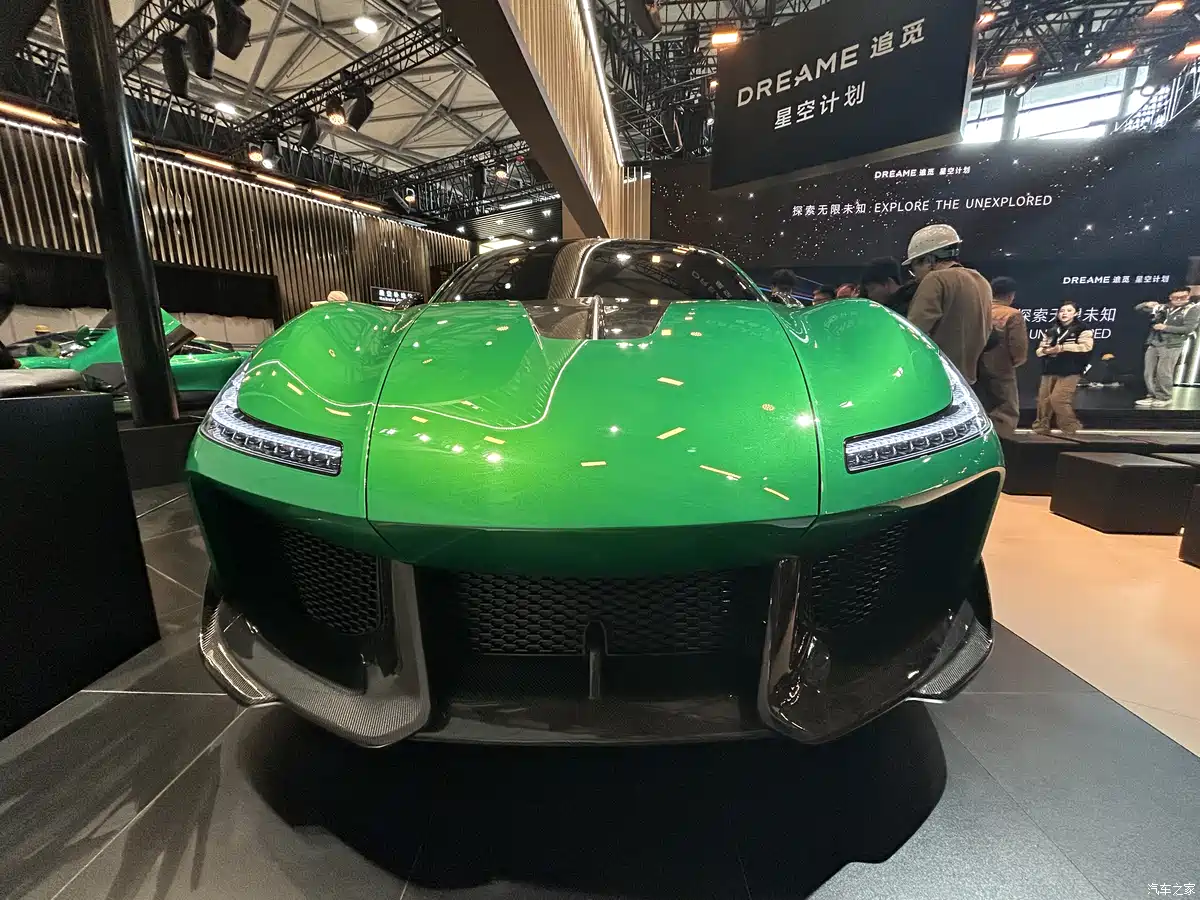
That car sat low and sleek, but much of its styling DNA has simply been lifted and stretched upward here, turning the concept into something that lands closer to the Ferrari Purosangue end of the crossover spectrum.

Tech To Match The Looks

 China’s Dreame Built Its Own Purosangue, And It Packs 1,876 HP
Autohome

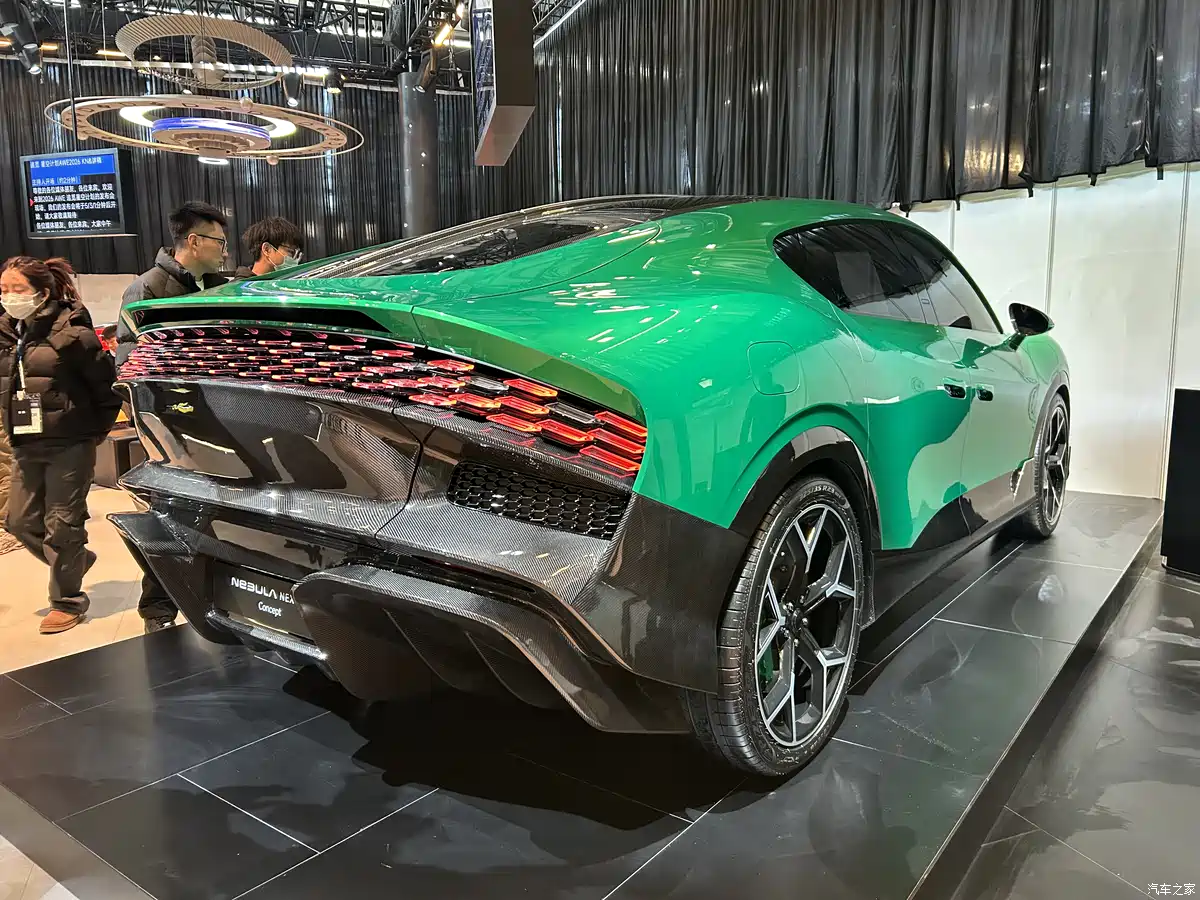
Dreame’s Star Motor brand has already shown a willingness to borrow heavily from existing cars. With the 01X, the company seems to be borrowing from itself instead. The crossover closely mirrors the earlier 01 Coupe. It wears the same vivid green paint, and the lower sections of the body are trimmed in carbon fiber. The Ferrari-inspired LED headlights appear unchanged, and the rear end follows almost exactly the same design theme.

For as wild as the shape of the SUV is, it’s perhaps what’s found under the skin that’s most interesting. Dreame claims to have developed the first volume-production-ready solid-state battery pack, aiming to start a small number of deliveries this year before ramping up production in 2027.

 China’s Dreame Built Its Own Purosangue, And It Packs 1,876 HP

According to Dreame, the 01X’s battery pack is a 60Ah unit with an energy density of 450 Wh/kg. Thanks to battery packs delivering a stupendous 1,876 hp, the vehicle can apparently hit 100 km/h (62 mph) in just 1.8 seconds.

Whether or not the 01X ever lands in the hands of buyers remains to be seen. While we’ve seen plenty of established companies venture in the world of EVs successfully, such as Xiaomi, as well as numerous startups like Nio do the same, we’ve seen even more companies try and fail to do so.

Dreame has big ambitions, but creating one-off concepts is much easier than building mass-market production models, so it still has a long way to come.

\\\\\\\

Photos Autohome

MG 4X Packs 317 Miles Into A Surprisingly Small Semi-Solid-State Battery

  • MG unveils the MG4X electric SUV with semi-solid-state tech.
  • New battery chemistry targets better range and heat stability.
  • Shares E3 electronic architecture with the MG4 hatchback.

The new MG 4 lineup is expanding with a slightly larger addition called the MG 4X. Positioned as a higher-riding SUV counterpart to the hatchback, the model brings one particularly notable feature with it. Like its smaller sibling, the MG4X uses an advanced semi-solid-state battery pack.

Sitting between the axles is a 53.95 kWh battery that contains only 5 percent liquid electrolyte, which is why MG classifies it as semi-solid-state. The chemistry is intended to improve thermal stability and cope better with both very cold and very hot conditions. Even with a battery that is not especially large by modern EV standards, MG says the setup is good for a driving range of 317 miles (510 km).

Read: New MG4 Electric Hatch Draws Inspiration From Cyberster

For now, MG is keeping the performance figures to itself. Power output remains undisclosed, and there is still no word on the electric motor or motors that will power the SUV. What has been confirmed is the underlying tech. The MG4X runs on the same E3 electronic architecture as the latest MG4 hatchback, and it is clearly aimed at competitors like the BYD Atto 2.

A BYD Rival

 MG 4X Packs 317 Miles Into A Surprisingly Small Semi-Solid-State Battery

It is 4,395 mm (173 inches) long, 1,842 mm (72.5 inches) wide, 1,551 mm (61 inches) tall, and sits on a 2,750 mm (108.2-inch) wheelbase. It also has a curb weight of just 1,485 kg (3,273 lbs). Visually, it resembles the hatchback but has its own unique style.

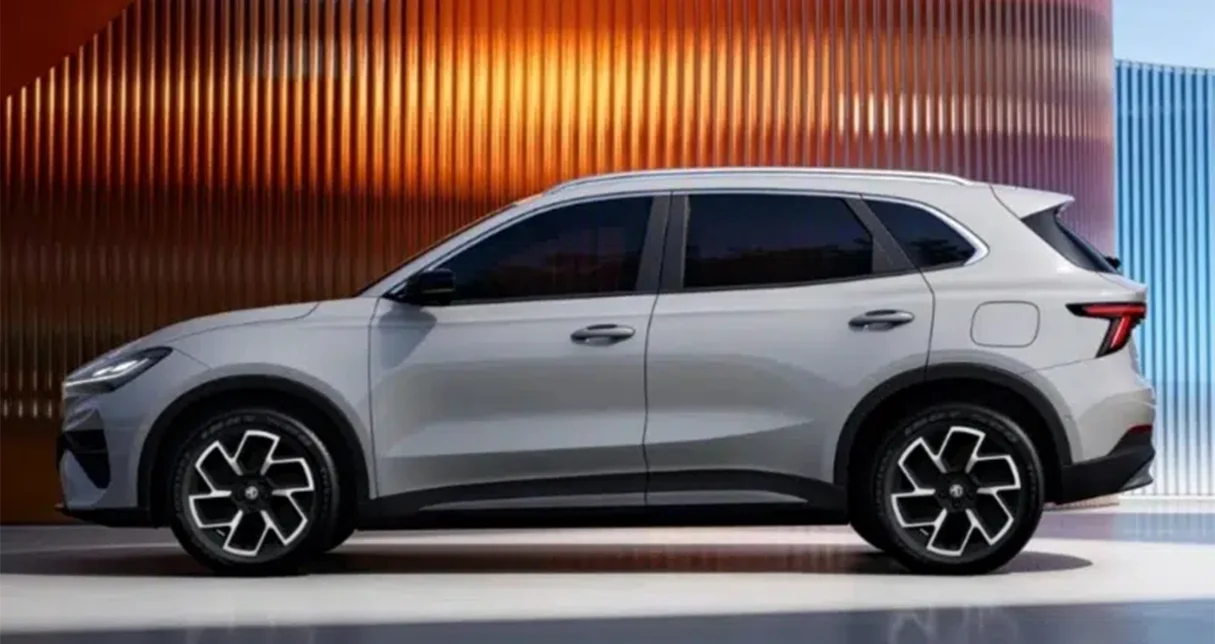
The front end is quite imposing, complete with large air intakes and a lower grille, as well as triangular headlights with a thin light bar. Early images of the SUV also show it rocking black wing mirrors, a large panoramic glass roof, and sharp taillights, appearing to be similar in shape to the current MG S5, which sits right above it in MG’s range.

We don’t yet know what the cabin of the MG 4X will be like, but it’s safe to assume it will share parts with the hatchback. This could include the same central infotainment display, co-developed with smartphone manufacturer Oppo. It may also feature a handful of proper physical buttons on the steering wheel and console, ensuring that it’s not too minimalist.

\\\\

SAIC Teases Another Porsche Lookalike, This Time With MG Badges

  • MG 07 teaser reveals styling clearly inspired by Porsche.
  • Fastback shape pairs Taycan style vents with Panamera tail.
  • SAIC’s Nebula platform will support EV and PHEV options.

The newly-released SAIC Z7 electric sedan and shooting brake already turned heads for looking suspiciously like Porsche’s Taycan models. Not “inspired by,” not “loosely referencing,” but very much in the same visual neighborhood. And it seems SAIC isn’t done visiting that neighborhood either.

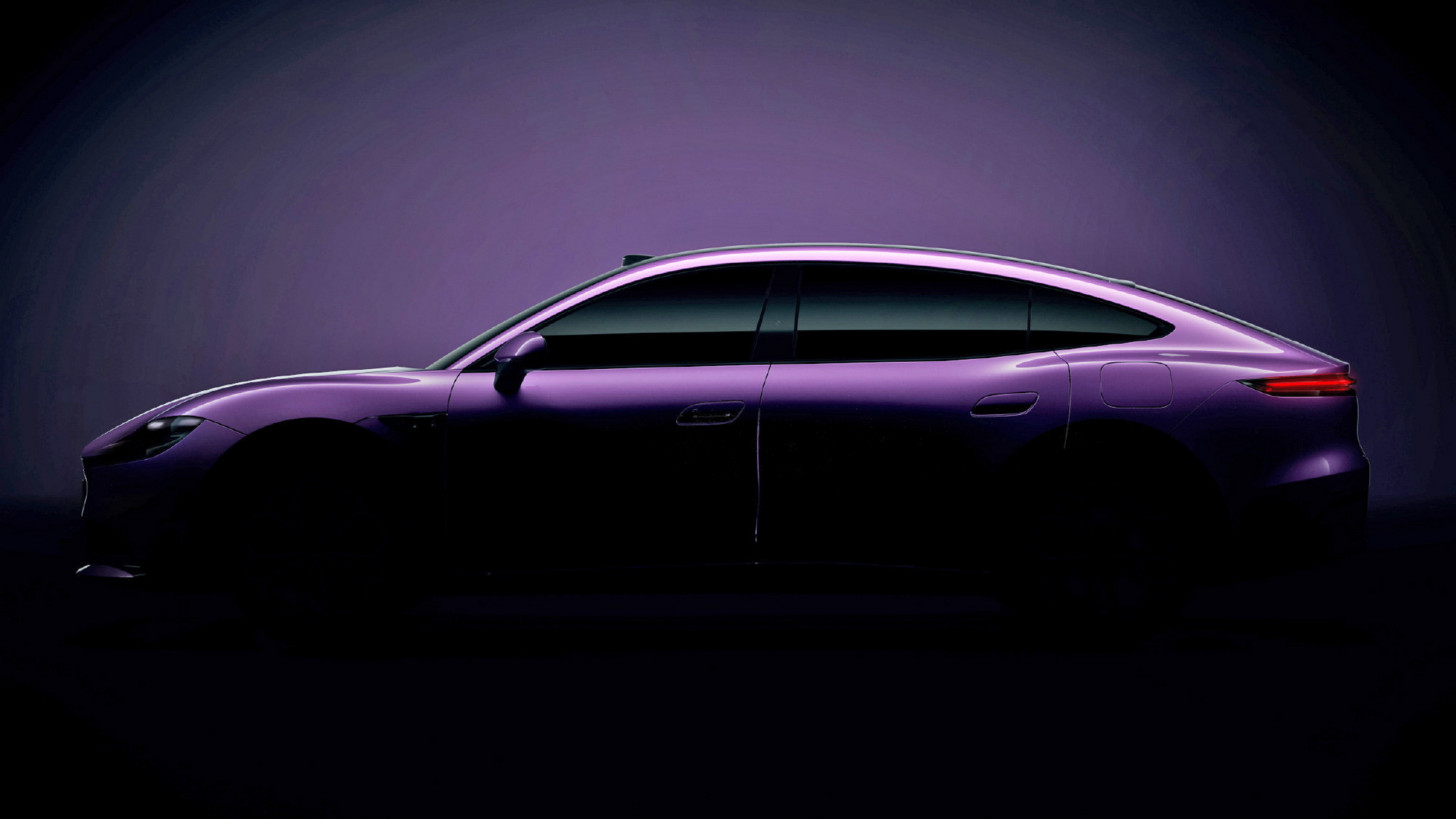
The upcoming MG 07 continues the theme, borrowing liberally from Porsche’s modern design language, with the rear in particular appearing to have spent quite a bit of time studying the view from Zuffenhausen.

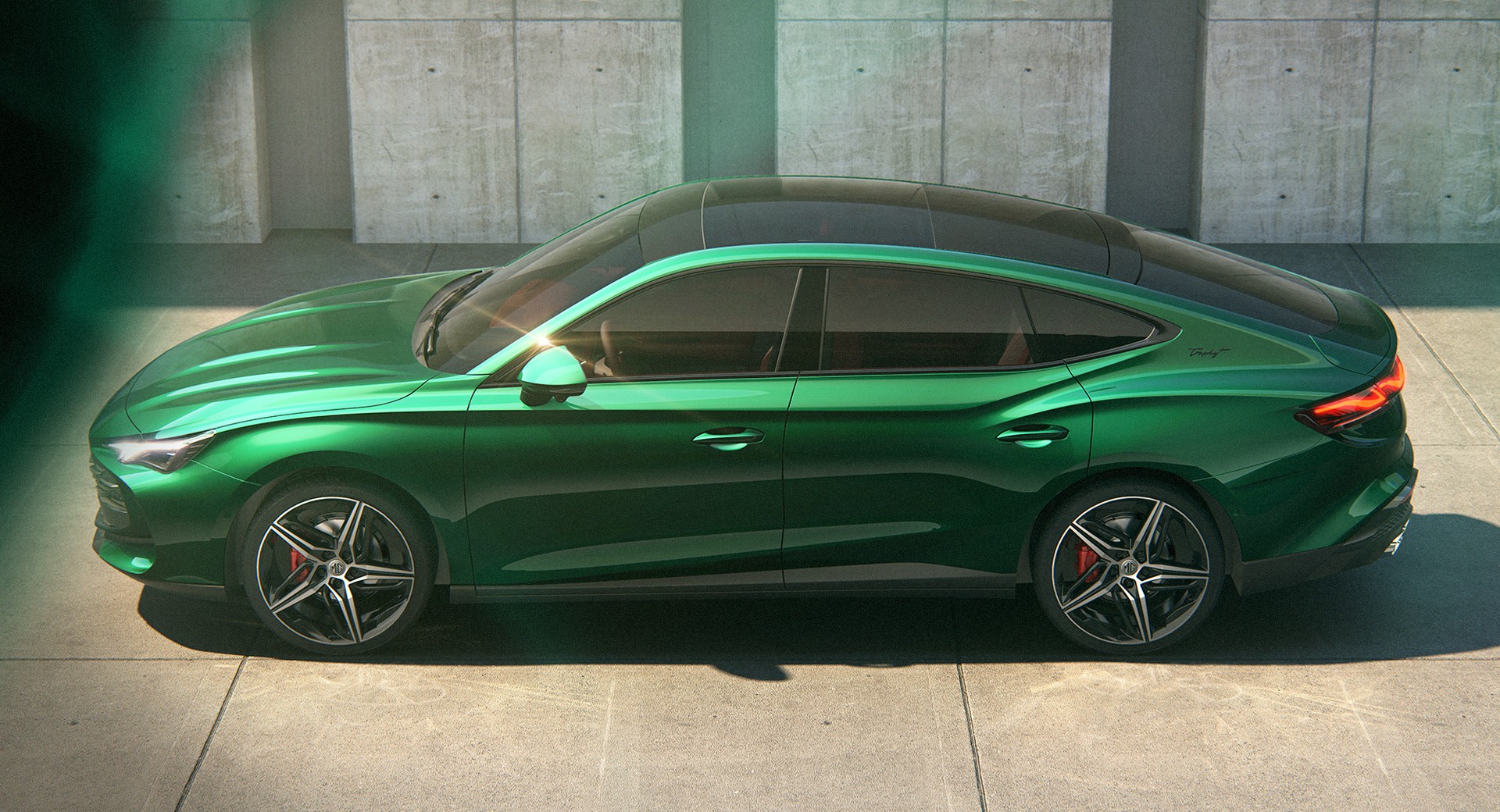
The teasers reveal a five-door fastback silhouette, reminiscent of the MG7 that was introduced in 2022. While the two models share a similar greenhouse, the MG 07 has cleaner surfacing, and semi-concealed door handles.

More: Chinese Brand Faces Backlash After SUV Ad Looks Suspiciously Familiar

MG’s designers have also borrowed a few cues from the Taycan, including the inlets behind the front fenders. They are paired with side gills reminiscent of the Avatr 06. The most Porsche-like element, though, is the rear, which looks like a blend of the Panamera and the Taycan. Pronounced shoulders flow into full-width LED taillights with clear lenses, positioned just above the MG emblem.

 SAIC Teases Another Porsche Lookalike, This Time With MG Badges
The upcoming MG 07 (above) compared to the existing MG7 (below).
 SAIC Teases Another Porsche Lookalike, This Time With MG Badges

From the profile view, the front end is only partly visible, but it hints at styling cues reminiscent of the Nissan Z and even a touch of Maserati. Expect it to follow the aggressive theme established by the MG7, likely toned down with a smaller grille. A roof-mounted LiDAR unit is also visible, suggesting the car will offer more advanced driver-assistance systems.

Despite the Porsche-inspired exterior, the cabin is expected to take a more localized approach. The MG 07 will likely feature a large central display running an infotainment system developed in collaboration with Oppo, rather than the Huawei-backed setup used in the SAIC Z7.

More: Spot The Differences, Then Save $150,000

Specifications remain under wraps for now, but Chinese media reports that the MG 07 will ride on SAIC’s Nebula platform. The architecture is expected to support both fully electric and plug-in hybrid powertrains. A slim battery pack may also incorporate semi-solid-state technology, which could help deliver a competitive driving range.

The MG 07 is expected to debut soon in China. Its competitors will likely include the Porsche-inspired Xiaomi SU7 and similarly sized sedans such as the BYD Seal, Zeekr 007, Luxeed S7, Deepal SL03, Leapmotor C01, and Tesla Model 3. The electrified fastback may also find its way into other markets later on, following the export path taken by the ICE-powered MG7.

\\\\\\\

SAIC MG / Weibo

Xiaomi Finally Fixed A Feature Owners Said Was Fake, For Real This Time

  • Xiaomi engineered working vanes to make its aero hood functional.
  • Last year, the company was sued over an aero hood that did nothing.
  • The upgrade installs at a dealer and takes about two to three hours.

Xiaomi looks ready to close the chapter on the ‘fake’ aerodynamic hood controversy that rattled the company last year. The Chinese carmaker has now turned its optional carbon fiber hood into a genuinely functional component, a response that many established carmakers might study with interest.

Back in early 2025, Xiaomi began offering a special carbon fiber hood for the SU7 Ultra. The design took inspiration from the record-setting SU7 Prototype and featured two prominent air ducts that were supposed to help cool the brakes and battery. On paper, it sounded convincing. In practice, it turned out to be something else.

Read: Xiaomi Will Have To Pay Owner For Faking It

Soon after customers started taking delivery of SU7s equipped with the 42,000 yuan ($6,100) hood, owners discovered the promised performance benefits simply were not there. The structure beneath the hood had not been changed at all, meaning the vents were purely decorative and did nothing for cooling or aerodynamics.

Unsurprisingly, the reaction was swift. Owners pushed back, some threatened to walk away from the brand, and the situation quickly spilled into the courts.

\\\\\\

Making The Carbon Hood Functional

Fast forward 12 months, and Xiaomi has announced it will start making these hoods functional to owners, free of charge. The company says that engineers have modified the internal structure of the front air ducts so they can work with the active grille and increase downforce over the front axle.

According to CarNewsChina, fitting the upgrade takes between 2 and 3 hours and includes the fitment of adjustable plastic vanes beneath the carbon fiber hood. It’s a big win for owners, and Xiaomi will be hoping the move helps repair some of the trust lost during the controversy.

The controversy had already reached the courts before this fix arrived. In October last year, a Chinese court sided with an SU7 Ultra owner who sued Xiaomi over the hood. The ruling required the company to refund the owner’s hood deposit, pay 126,000 yuan ($18,300) in compensation, and cover 10,000 yuan ($1,400) in legal fees. Xiaomi also promised 20,000 reward points to each customer who bought the hood, worth roughly 2,000 yuan ($290)

 Xiaomi Finally Fixed A Feature Owners Said Was Fake, For Real This Time

Toyota’s Flagship Electric Sedan Undercuts Tesla Model S By Nearly $96,000 In China

  • Toyota adopts Huawei HarmonyOS Cockpit for connectivity.
  • The bZ7 also syncs with Xiaomi smart home devices easily.
  • Starting from $26,000, it’s about the same size as a Model S.

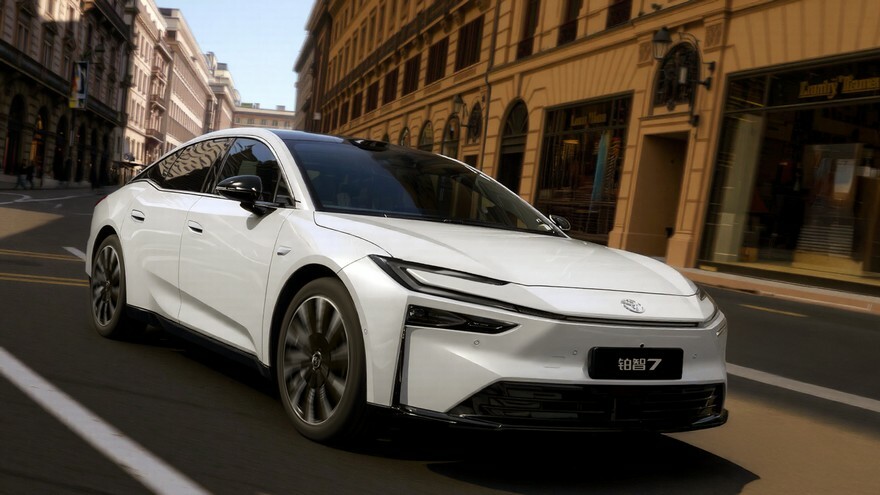
Toyota has officially opened pre-sales of its new all-electric bZ7 in China, priced between 179,800 and 239,800 yuan for the 600 Pro and 710 Ultra LiDAR trims respectively, or roughly $26,000 to nearly $34,800 depending on the version. That aggressive entry point immediately puts it in the thick of China’s hotly competitive EV market.

But this launch is not only about affordability. It represents a clear change in the way that Toyota is approaching electric vehicles in the region.

Read: Toyota’s New Flagship Electric Sedan Is Here But Not For Us

The bZ7 has a sleek fastback design, modern without being too dramatic. At just over 5.1 meters (200.8 inches) long, 1,965 mm (77.3 inches) wide, and 1,506 mm (59.2 inches) tall, with a 3,020 mm (118.9 inches) wheelbase, it carries the proportions of a proper executive sedan. Those dimensions place it squarely alongside rivals such as the Tesla Model S, BYD Han L, and BMW i5.

 Toyota’s Flagship Electric Sedan Undercuts Tesla Model S By Nearly $96,000 In China

Inside, the layout is clean and technology-focused. A huge 15.6-inch central display is located at the center of the dashboard, backed by the compact driver screen and head-up display. The system runs off Huawei’s HarmonyOS Cockpit 5.0, something that is important for Toyota.

Legacy automakers have long struggled to get on top of Chinese-centric ecosystems which buyers love. The adoption of HarmonyOS Cockpit not only offers sharp graphics, quick response times, and voice control features, but it will also be able to natively integrate with China’s own ecosystem of connected apps and services.

A Serious Push Into China’s Connected Car era

\\\\

Toyota’s integration with Xiaomi’s smart ecosystem means that the car itself is intended to integrate with compatible Xiaomi home devices. Drivers can control select functions of a smart home directly from the interface in the vehicle and also sync personal preferences across devices. It makes the car part of a wider digital lifestyle rather than being simply a transport tool.

Advanced driver assistance comes from Momenta’s R6 system, which uses a combination of sensors and roof-mounted lidar. Features include navigation-assisted driving support and automated parking features. Higher trims focus strongly on comfort too with zero gravity seats, massage and ventilation, a premium audio system, rear seat tray tables and even a built-in refrigerator focused on rear passengers.

Powering the bZ7 is Huawei’s DriveONE electric system in conjunction with lithium iron phosphate battery packs. Depending on the trim, Toyota is claiming a driving range of between about 600-710 km (373-441 miles) under CLTC standards (so take that with a grain of salt). Still, that puts it squarely in line with important domestic competitors. That’s paired with a 207 kW (277 hp) electric motor that provides motive power.

That headline range also nudges it into the territory of the dual-motor Model S AWD, at least on paper. The Tesla, of course, operates in a very different league when it comes to outright performance, with roughly 670 hp on tap. It also sits in a completely different price bracket, starting at 842,900 yuan, or around $122,000. That works out to roughly 4.6 times the base bZ7 and about 3.5 times the price of the top-spec version.

\\\\\\\\\\\\\\\\\\\

CEO Mocks VW After Adopting Range-Extender Tech It Once Dismissed

  • Two different powertrains will be offered for the VW ID. Era 9X.
  • The ID. Era 9X is similar in size to the BMW X7 and has up to 510 hp.
  • VW once criticized EREV tech as environmentally unfriendly in 2020.

The VW Group began selling its EA211 engine in 2011, offering it in both three- and four-cylinder forms across a wide range of models. Over the years, it has powered familiar names such as the VW Golf, Seat Ibiza, Skoda Fabia, VW T-Roc, Audi Q2, and Seat Leon.

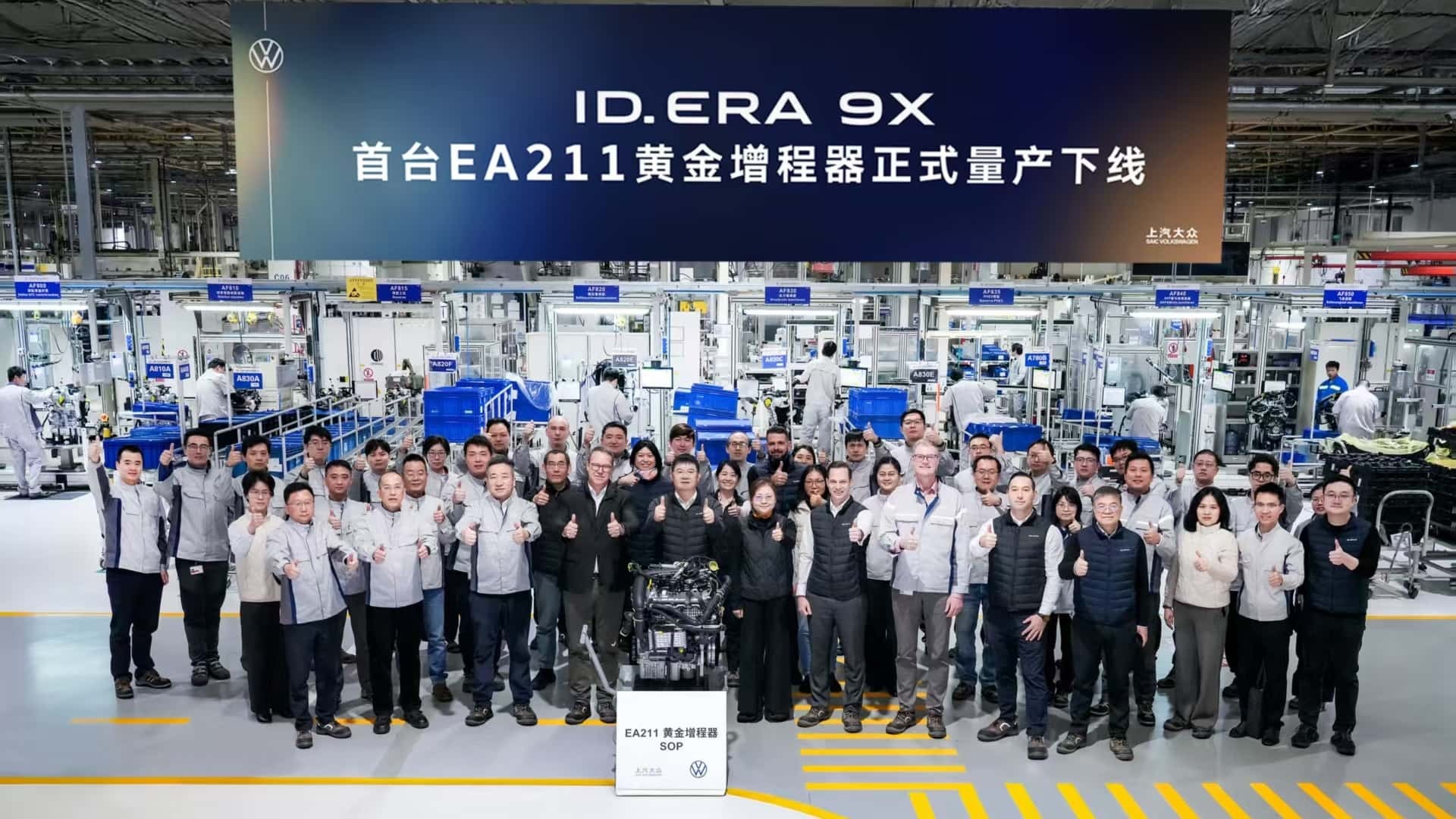
Now the company has updated and adapted this long-running engine for an entirely new role, serving as the range-extender in its first extended-range electric vehicle in China, the ID. Era 9X.

Read: VW Built A Bigger ID SUV Than The X7 And You Can’t Have It

VW presented its new flagship SUV, co-developed with SAIC, earlier this year. At the time, we knew it would use a range-extender powertrain, but few technical details were available. Earlier this month, VW confirmed that the ID. Era 9X uses a 1.5-liter turbocharged EA211 engine, although several notable revisions have been made to prepare it for this application.

What’s Different?

\\\\\\

For example, the updated engine now includes a new variable-geometry turbocharger to seamlessly adjust airflow, depending on the driving conditions. VW has also improved thermal efficiency and reduced emissions, while also installing a water-cooled intercooler for cooler intake temperatures. The upgraded engine is being built in China.

EREVs are enjoying something of a resurgence at the moment, though VW was not always enthusiastic about the concept. Six years ago, VW China executives described EREVs as “very environmentally unfriendly.”

 CEO Mocks VW After Adopting Range-Extender Tech It Once Dismissed

As reported by CarNewsChina, shortly after announcing production of the new EA211 range-extender, Li Auto’s social media director reminded VW of this statement, writing on social media, “Congratulations to Volkswagen for successfully mass-producing a technology that is ‘outdated, very environmentally unfriendly, and had little development potential’ in just 6 years!”

The tension dates to September 2020, when Volkswagen China CEO Stephan Wöllenstein criticized gasoline-powered range-extenders as environmentally unfriendly. Around the same time, the company’s China R&D chief, Wiedmann, described the technology as outdated with limited long-term potential.

The Juicy Details

\\\\

The VW ID. Era 9X is slightly longer, a touch narrower, and has a marginally shorter wheelbase than a BMW X7. It is one of several China-only Volkswagen models that could likely find an audience elsewhere if it were ever sold internationally.

In addition to the EA211 range-extender, the base model features a rear-mounted electric motor producing 295 hp and a 51.1 kWh LFP battery. This setup delivers an all-electric driving range of up to 166 miles (267 km). A version with a larger 65.2 kWh battery and up to 211 miles (340 km) of electric range will also be offered, along with a rear-wheel-drive twin-motor variant producing 510 hp.

\\\\\\\\\\

BYD’s New Flagship Great Tang Charges From 10 To 97% In 9 Minutes

  • This is the first BYD model with its second-gen Blade battery.
  • It rides on brand’s new Super e platform with 1000-volt tech.
  • Both rear-wheel drive and all-wheel drive versions are offered.

BYD has a new flagship SUV, and it’s called the Great Tang. The name may sound a little unusual, but underneath sits the Chinese giant’s latest electric platform, built to take on high-end rivals like the Zeekr 9X and IM LS9, along with more familiar names from Europe and Asia such as the Volvo EX90 and Hyundai Ioniq 9.

More: BYD Says Its New Battery Can Recharge As Fast As Filling Up Your Gas Tank

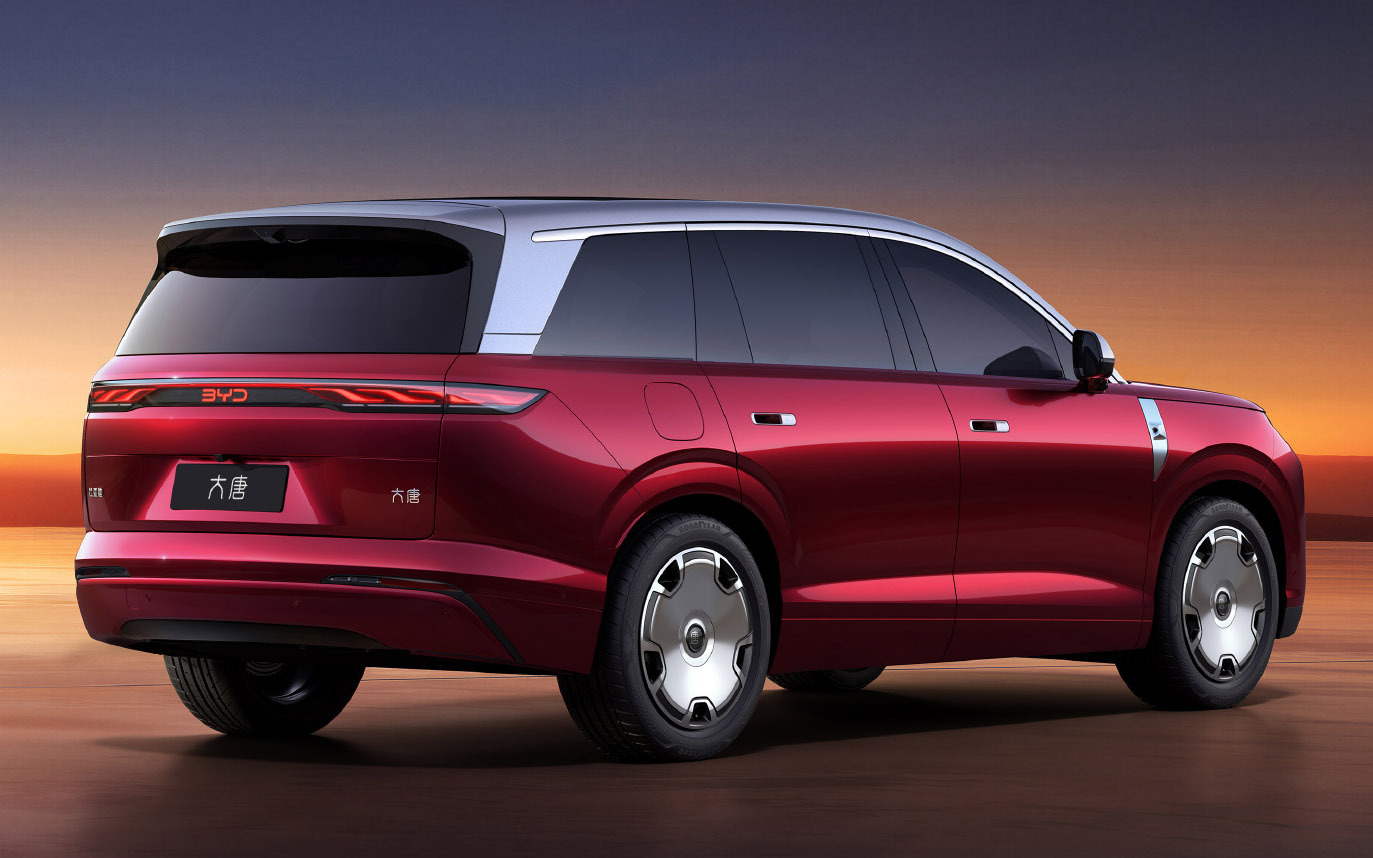
First previewed by the Chinese Ministry of Industry and Information Technology earlier this year and now revealed in full, the Great Tang is bigger than even the Denza B8. It stretches to 5,302 mm (208.7 inches) in length, measures 1,999 mm (78.7 inches) across, stands up to 1,800 mm (70.8 inches) tall, and rides on a generous 3,130 mm (123.2-inch) wheelbase. The SUV also forms part of BYD’s new premium Dynasty series of models.

Design-wise, it looks quite smart, particularly with the two-tone red-and-silver paint scheme it was presented with. The front end shares similarities with existing BYD models, complete with a flowing light bar, a black lower grille, and vertical headlamps neatly integrated into the fascia.

Class-Leading EV Tech

But the real story isn’t the styling. It’s the technology lurking underneath. The Great Tang rides on BYD’s new Super e platform and uses the company’s second-generation Blade battery. According to BYD, those cells can charge from 10 percent to 97 percent in just nine minutes, provided you plug into one of its new 1,500 kW charging stations. The SUV also runs a 1000-volt electrical architecture, which helps make those charging claims possible.

\\\\\\

There’s still no word on the size of the SUV’s battery pack, but BYD has confirmed a few key drivetrain details. A single-motor version will be offered with either 402 hp or 496 hp. If that sounds a bit restrained for something this large, there is also a dual-motor setup delivering 784 hp.

Even so, the numbers that matter most for a family-sized electric barge are the range figures. Despite weighing as much as 2,970 kg (6,547 lbs), BYD claims the rear-motor version can travel up to 590 miles (950 km) on the CLTC cycle. Opt for the punchier dual-motor model and the figure drops slightly to around 528 miles (850 km) on a charge. Still, for something this big, that is not exactly a short leash.

\\\\\\\\\

A glance inside reveals a 2+2+3 seating layout and pretty much every luxury extra you’d expect in a flagship family hauler. The dashboard is dominated by a large central infotainment display, joined by separate screens for the driver and front passenger. You also get wireless phone chargers, a built-in fridge, and a fold-down screen in the ceiling to keep rear passengers entertained on longer trips.

In China, prices are expected to start just above 400,000 yuan, which works out to roughly $58,000.

\\\\\\

Porsche Charges $133K For This Look, Now China Sells It For $36K

  • SAIC unveils the Z7 EV in sedan and Shooting Brake forms.
  • Its design shows clear similarities to Porsche’s Taycan.
  • Expected pricing ranges from $36,200 to about $50,700.

Thought the Xiaomi SU7 looked a little too much like a Porsche Taycan? Apparently that was just the warm-up act. Fellow Chinese carmaker SAIC has now pushed the idea of “imitation is the sincerest form of flattery” a step further, revealing an electric sedan and Shooting Brake that, from most angles, could easily have Porsche fans doing a double take.

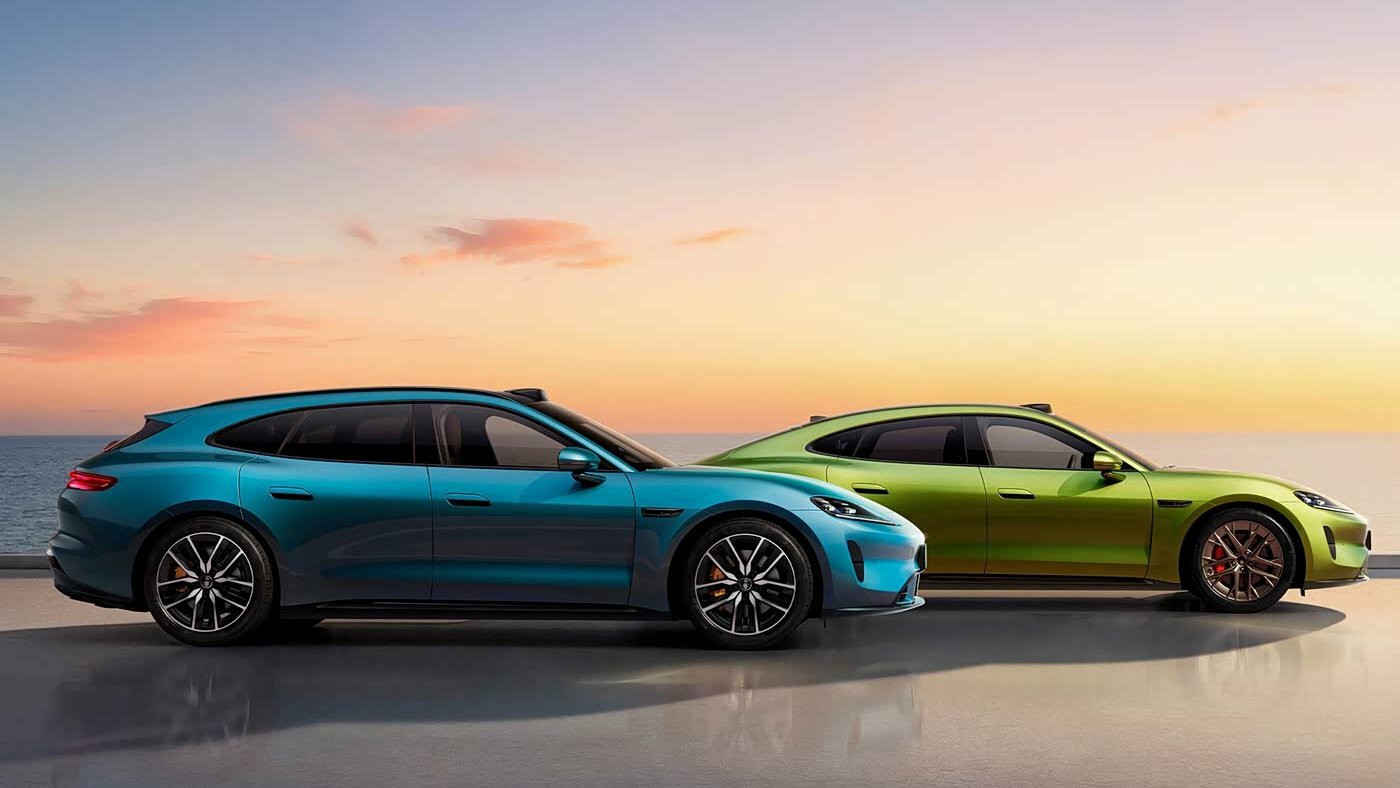
Developed under the Harmony Intelligent Mobility Alliance (HIMA) and led by Huawei, the SAIC Z7 was teased earlier this year and has finally been shown in full. Several key details remain under wraps, but pricing is expected to land between 250,000 and 350,000 yuan ($36,200 – $50,700).

That is slightly higher than some early estimates suggested, though still a long way from Taycan money. Porsche’s electric sedan currently starts at 918,000 yuan (equal to around $133,000 at current rates).

Read: China’s $28K Taycan Clone Is Coming Whether Porsche Likes It Or Not

Viewed from the front, both the sedan and Shooting Brake models look somewhat distinctive, with sharp LED headlights and a black lower grille. But cast your eyes beyond the front fenders, and the similarities to the Taycan are impossible to ignore. The shape of the doors, the roofline, the wing mirrors, and the door handles look like they’ve been ripped straight from a Porsche parts catalog.

 Porsche Charges $133K For This Look, Now China Sells It For $36K
 Porsche Charges $133K For This Look, Now China Sells It For $36K
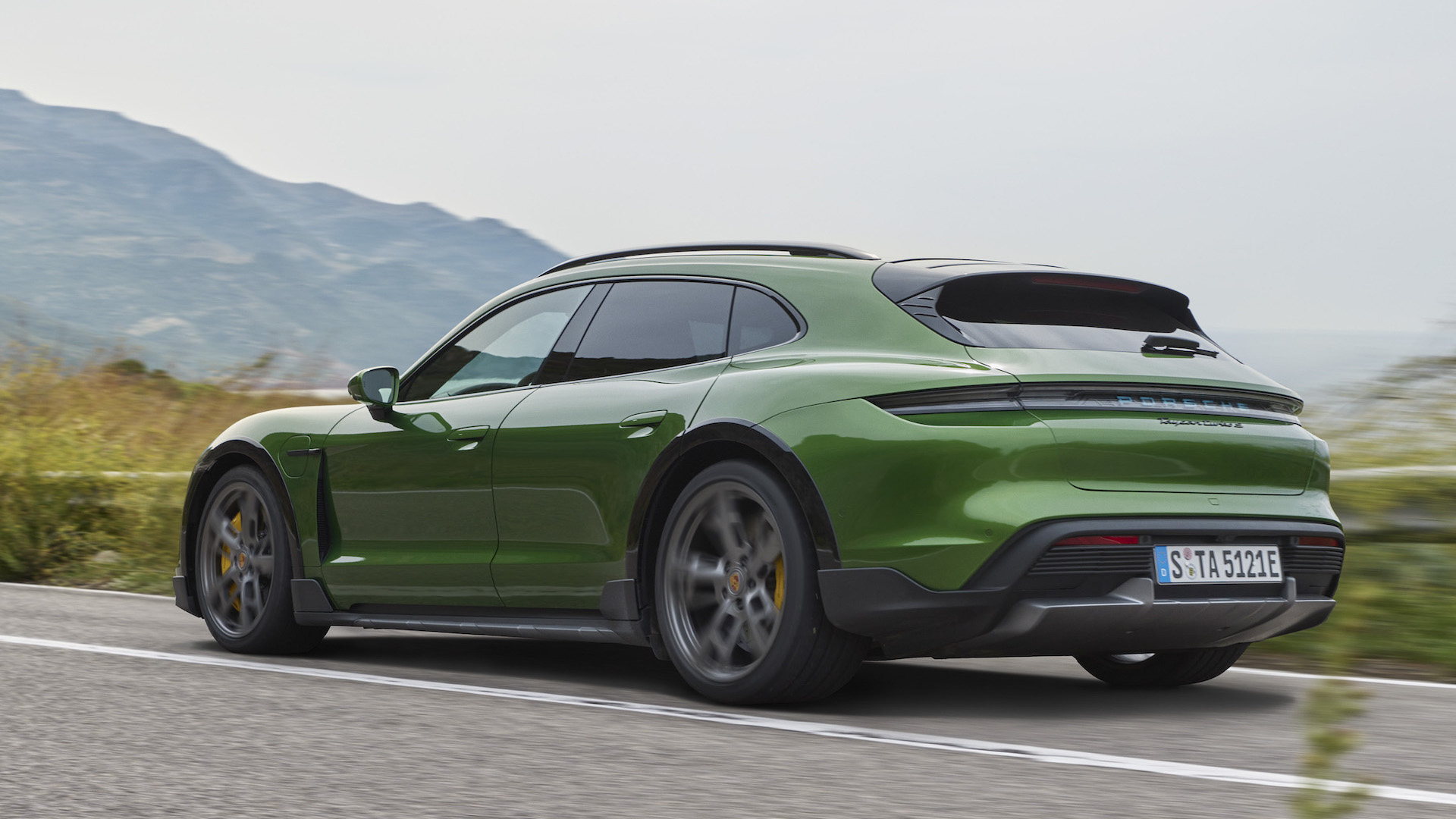
Porsche Taycan Cross Turismo

The resemblance becomes even more obvious when you walk around to the rear. Much like the Taycan, the Z7 features a full-width LED light bar with an intricate lighting signature. The tailgate design also looks remarkably similar to Porsche’s electric sedan.

And then there is the Shooting Brake. Its overall shape and side profile track very closely with the Taycan Sport Turismo, to the point where the silhouette alone could cause a moment of confusion.

Perhaps in a direct shot at the Xiaomi SU7, the Z7 has also been showcased in a bright shade of pink with black wheels and matching pink outer rims. As fate would have it, the Xiaomi SU7 15th Anniversary Edition presented in early 2025 had an identical finish.

 Porsche Charges $133K For This Look, Now China Sells It For $36K

Only a handful of interior images have been released so far. They reveal a thin digital instrument cluster, a large central infotainment display, and an additional screen for the passenger. In other words, the sort of setup that has become standard fare across many modern Chinese EVs.

There are also two wireless charging pads and a sporty flat-bottom steering wheel, rounding out a cabin that feels very much in line with current trends.

Technical specifications for the Z7 have not yet been confirmed. However, Chinese media reports suggest the EV could arrive with 80 kWh and 100 kWh battery packs, along with both rear-wheel-drive and all-wheel-drive configurations. More concrete details are expected to be released in the next few weeks.

\\\\\\\\\\\\\\\

Lotus Built A 939 HP Hybrid SUV For Me, Apparently

  • Lotus reveals a plug-in hybrid Eletre called For Me in China.
  • The SUV uses a 900-volt system and a large 70 kWh battery.
  • Total output reaches 939 hp, edging past the Eletre R.

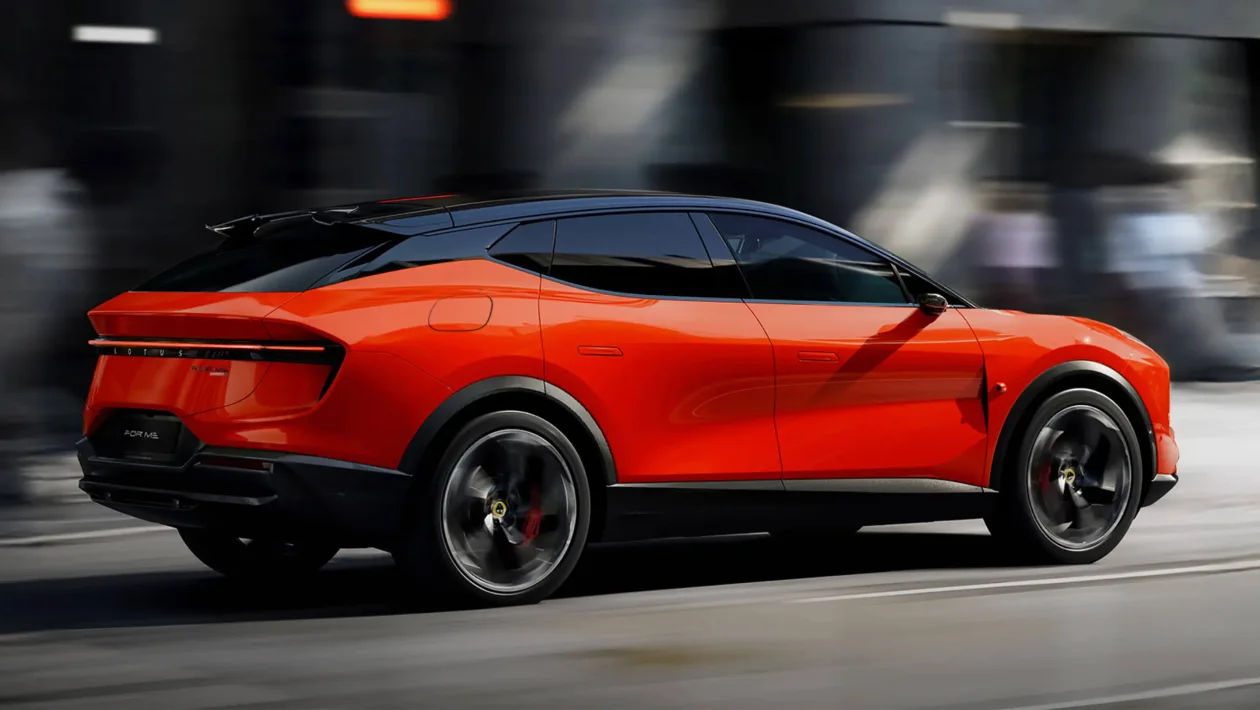
Lotus has been quite open about plans to introduce a plug-in hybrid version of the Eletre in China. What slipped under the radar until now is the name change. Meet the Lotus For Me. Yes, that really is the official name for the Chinese market. Thankfully, the rest of the world will not have to explain it at dinner parties.

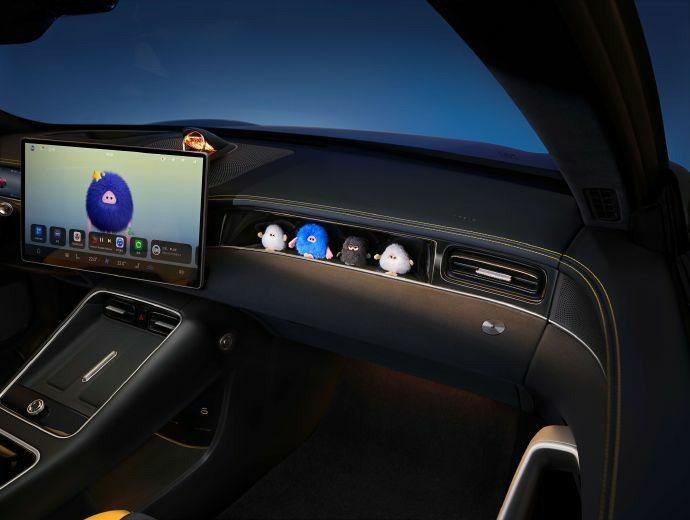
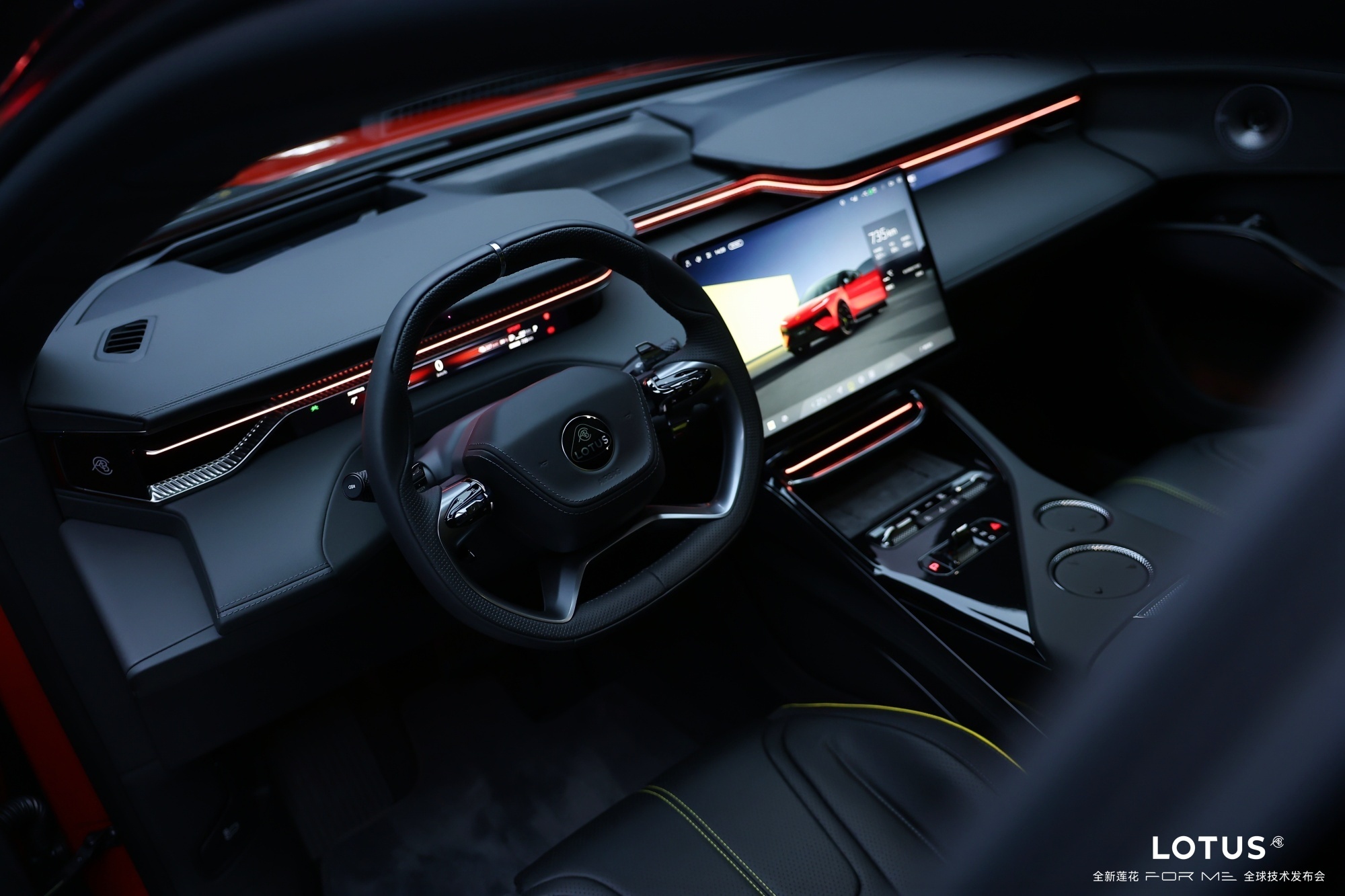
The automaker calls the PHEV a “hyper-SUV,” built around its new X-Hybrid architecture. The setup uses a 900-volt electrical system paired with a 70 kWh battery pack and two electric motors. Combined output lands at 939 hp, which is slightly more than the flagship all-electric Eletre R. A 2.0-liter turbocharged four-cylinder is also part of the powertrain, stepping in when the battery needs backup.

Read: Lotus Might Slash Eletre’s Price In Half In Canada

Off the line, the For Me reaches 100 km/h (62 mph) in just 3.3 seconds. It continues to 200 km/h (124 mph) in 10.5 seconds and clears the quarter-mile in 11.16 seconds.

Electric Range And Charging Capability

More surprising are the range claims. Lotus says the SUV can travel 260 miles (418 km) on electricity alone and more than 870 miles (1,400 km) when the hybrid system is working together. WLTP-rated fuel consumption is quoted at just 0.07 l/100 km under ideal test conditions, which is impressive on paper and, as usual, a bit harder to match outside a laboratory.

 Lotus Built A 939 HP Hybrid SUV For Me, Apparently

The battery pack supports 6C charging rates, which means it can jump from 30-80 percent in just eight minutes.

What Else Is New?

Visually, there is almost nothing separating the new For Me from the regular Eletre. Aside from fresh badges, functional exhaust pipes, and a few extra cooling vents up front, the design remains largely unchanged.

Under the skin, the same 48-volt active anti-roll bars as the Eletre have been retained, as has the trick dual-chamber air suspension and dual-valve adaptive dampers. Despite the fitment of a new plug-in hybrid system, the For Me weighs roughly the same as the Eletre, varying between 2,575 kg (5,676 lbs) and 2,626 kg (5,789 lbs), depending on the specification.

 Lotus Built A 939 HP Hybrid SUV For Me, Apparently

Lotus says the For Me will go on sale in China later this month. Europe is next in line in mid-2026, followed by North America, the Middle East, Asia Pacific, and other markets before the end of the year.

What Is Lotus Tuned Specification?

Its debut also coincides with Lotus introducing a new internal standard called Lotus Tuned Specification (LTS). According to the company, LTS is a proprietary engineering and dynamic tuning framework that brings several core systems under one coordinated development process. Lotus engineers worked alongside key suppliers to co-develop components such as the brakes, active stabilizer bars, and suspension hardware.

\\\\\\\\\\\\\\\\

Canada Hands Out First China EV Permits, But Not Everyone Is Getting A Turn

  • Permits will be granted on a first-come basis.
  • Tesla, Volvo, and Polestar should benefit first.
  • First 24,500 permits run from March to August.

Canada is preparing to reopen its doors, at least partially, to Chinese-built electric vehicles. In the coming months, it will begin issuing permits at a sharply reduced tariff rate. However, locals should not expect the market to be immediately flooded with new and innovative EVs, as has happened in parts of Europe and Australia.

Under Canada’s new trade agreement with China, up to 49,000 EVs built in China can be imported at the reduced 6.1 percent tariff, down from the 106.1 percent rate imposed in 2024.

Read: After Letting China In, Canada Hopes Korea Comes Too

Global Affairs Canada said in an import-control notice published on February 26 that, from March 1 through August 31, the first 24,500 permits will be handed out on a simple first-come, first-served basis.

Given that it has only been six weeks since the reduced tariff was announced, automakers looking to enter the Canadian market for the first time are unlikely to secure a significant share of these initial permits.

Which Companies Stand To Gain Most?

 Canada Hands Out First China EV Permits, But Not Everyone Is Getting A Turn

Instead, established firms are expected to benefit first. Volvo and Polestar, for example, had been exporting EVs from China to Canada prior to the 2024 tariff hike and likely retain the production flexibility to resume shipments for the Canadian market. Tesla also built China-made EVs for Canada before the tariffs took effect and is considered a frontrunner for the early permits.

Speaking to Auto News, Global Affairs spokesperson Samantha Lafleur said there is no predetermined limit on the number of permits each automaker may receive, although temporary limits could be introduced during the initial six months. Lafleur added that the department “will monitor the application and issuance of import permits for the purpose of providing equitable access to the quota to eligible applicants.”

Second Phase Of The Import Quota

 Canada Hands Out First China EV Permits, But Not Everyone Is Getting A Turn

The second quota of 24,500 permits will open on September 1, 2026, and run through February 28, 2027. Any permits unused during the first six months will be added to this second allocation period.

Canadians waiting for the most competitive offerings from China will be watching closely for the potential arrival of BYD and Geely, the country’s two largest automakers. As reported by Auto News, BYD has acknowledged it is evaluating sales in Canada. Geely, meanwhile, could expand its footprint beyond Volvo and Polestar by introducing additional brands such as its namesake marque and Zeekr, among others.

 Canada Hands Out First China EV Permits, But Not Everyone Is Getting A Turn

BYD’s New EV Chargers Are So Fast They’re Arranged Like Gas Station Pumps

  • BYD is testing its 1,500 kW megawatt flash charging network.
  • The demo site looks more like a gas forecourt than an EV hub.
  • Fast chargers could transform the appeal and usability of EVs.

BYD isn’t just building electric cars at a frightening pace, it’s now building chargers that make today’s versions look about as powerful as your car’s 12-volt accessory plug. The company has been spotted testing a 1,500 kW flash charging network in Shenzhen, China, and the layout looks suspiciously like a traditional gas station’s.

Instead of the usual lonely bank of DC chargers around a load of parking bays arranged like a regular parking lot, the demo site features liquid-cooled charging guns and T-shaped gantries lined up like fuel pumps so that drivers can pull up, fill up, and pull out without hanging about.

Related: Breakthrough EV Battery Patent Could Charge In Minutes And Cross A Continent

Leaked intel suggests peak outputs of up to 1,500 kW running on a 1,000 V architecture that could potentially add 249 miles (400 km) of range in just 5 minutes. For context, the quickest public chargers in the US and Europe top out around 350 kW, though most push out a lot less, and the majority of EVs can’t even sustain that anyway.

BYD-Use Only, For Now

Access during testing appears limited to select BYD models wearing a Flash Charge badge, including upcoming Tang, Song, Seal, and Denza variants, Car News China says. Charging reportedly starts within about 10 seconds of plugging in, no QR codes or smartphone gymnastics required.

 BYD’s New EV Chargers Are So Fast They’re Arranged Like Gas Station Pumps

Pricing at the demo site was shown at 1.3 yuan per kWh, roughly $0.18, which will come as a shock to Western EV drivers. Plug in to a 360 kW Gridserve charger in the UK, and you’ll be stung for up to £0.89 per kWh. That’s $1.20. Even a feeble 22 kW jolt costs £0.49 ($0.66) per kWh. Buyers of compatible cars are rumored to get 1,000 kWh of free electricity annually, according to the story out of China, though final policy details haven’t been confirmed.

Drive It Like A Gas Car

The real story isn’t just the headline charging speed. It’s what that speed could mean. If you can genuinely add hundreds of miles in minutes, you don’t need a massive 450-mile battery pack. Smaller batteries mean lighter, more affordable cars with better efficiency and sharper performance. And faster charging could make EV ownership feel less like planning a military operation and more relaxed, encouraging drivers to embark on spontaneous journeys.

BYD is said to be targeting more than 4,000 self-operated flash charging stations in China, with partner networks potentially pushing that number far higher. For now, it’s all still internal testing, but it offers a glimpse into how EV ownership might look only a few years from now, not just in China, but around the world.

\\\\\\

BYD Fans

America’s Gen Z Is Ready For Chinese Cars, Their Parents Are Not

  • U.S. consumers are sharply divided on Chinese vehicle brands.
  • Dealers show strong resistance despite notable shopper curiosity.
  • Price incentives could sway buyers, but trust remains critical.

If you spend any time in automotive comment sections, you’ve seen it. Someone inevitably points to a cutting-edge EV from China and declares it superior to whatever U.S.-market model is under discussion. There’s a huge catch, though: that vehicle doesn’t actually exist in the American marketplace.

More: BYD Got In America Through The Back Door, Now It Wants The Front One Too

It’s not federally certified, not sold through U.S. dealers, not supported by a domestic service network, and not priced with tariffs factored in. It’s a theoretical alternative, not a real one, and new research helps explain why this dynamic exists. Americans are forming opinions about Chinese automakers before most have ever seen one in person.

 America’s Gen Z Is Ready For Chinese Cars, Their Parents Are Not

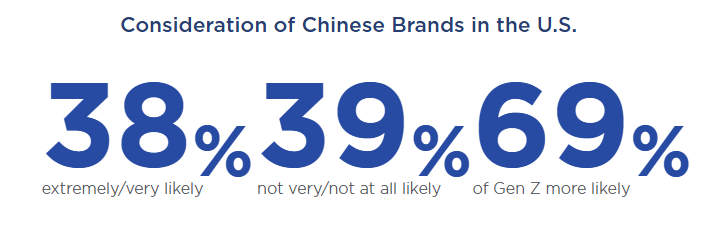
According to a study from Cox Automotive, consumers are heavily divided. Around 38 percent of shoppers say that they’re extremely or very likely to consider a Chinese brand. Another 39 percent says the opposite, that they’re extremely unlikely to do so. Among Gen Z buyers, the openness jumps to a whopping 69 percent, so if this ever does happen, expect the marketing to skew toward younger folks.

That split implies any early traction would likely be concentrated within specific demographics rather than spread across the broader market, creating both opportunity and risk for established players.

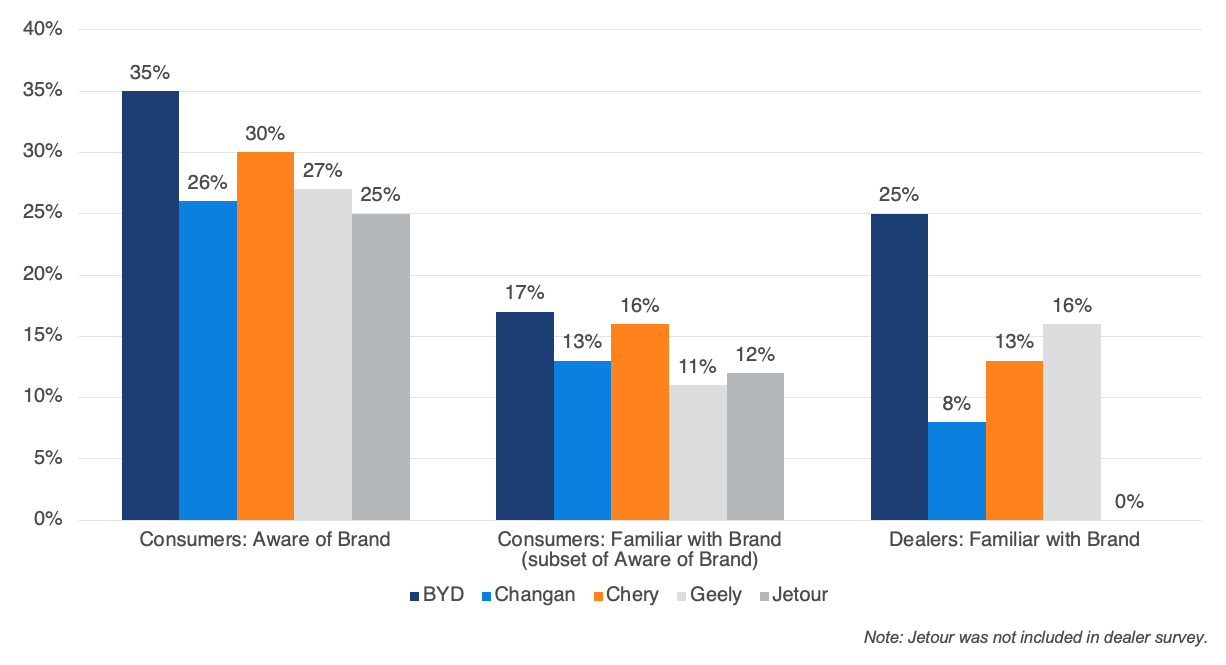
That said, actual awareness is thin. Nearly half of those surveyed said they were familiar with Chinese brands, but actual brand knowledge falls off a cliff quickly. BYD is the brand most are familiar with and that made up just over one-third of respondents. In total, only 17 percent said they had a deeper awareness of it. That’s a pretty big insight gap.

Dealer familiarity lags even further behind, with only about a quarter reporting any awareness of BYD, a reminder of how preliminary this conversation still is at the retail level.

Chinese Brand Awareness and Familiarity
 America’s Gen Z Is Ready For Chinese Cars, Their Parents Are Not
Cox Automotive

Shoppers Vs Sellers

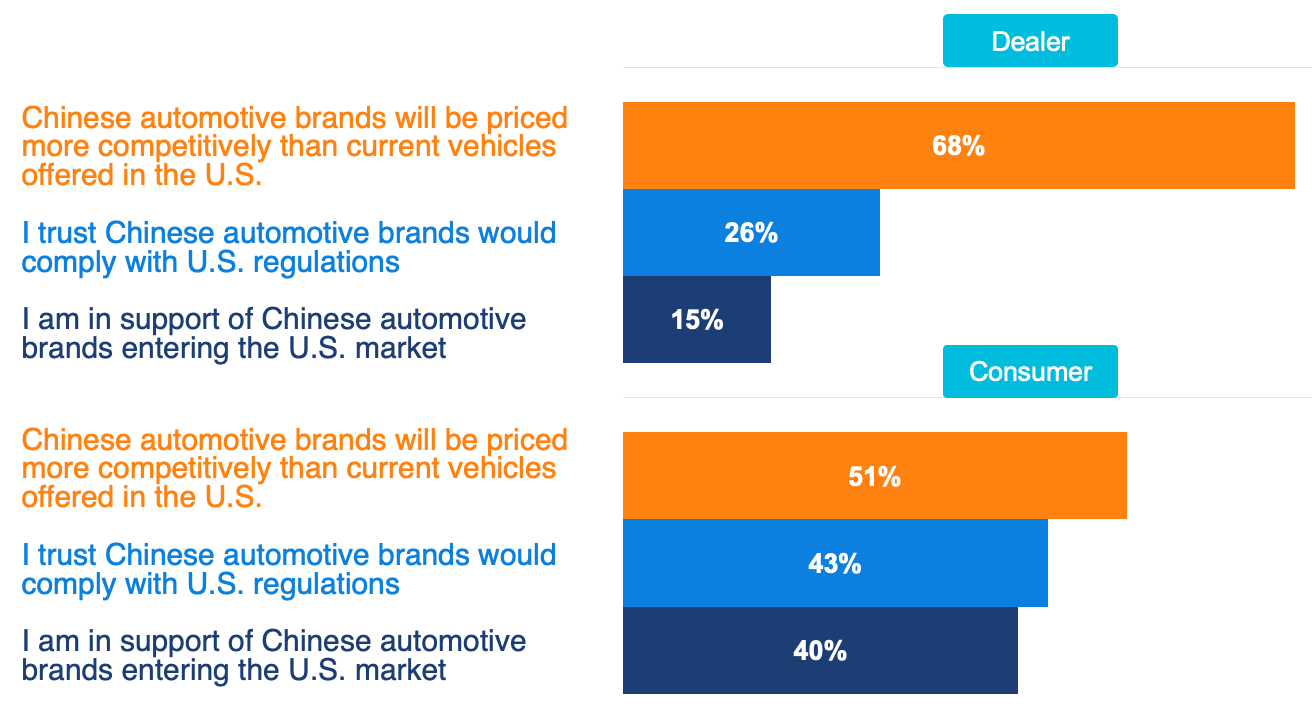
While around 40 percent of consumers say that they’re interested in Chinese brands coming to America, dealers, the ones with the real power, aren’t so hot on it. Only 15 percent said they’d like these brands in the USA. In fact, 92 percent of dealers reported concerns about selling Chinese vehicles. They cited everything from reliability to safety to long-term viability. That hesitation matters even more than the fact that some 60 percent of buyers aren’t interested.

The research also found that roughly 70 percent of dealers would adjust their business strategies if Chinese brands entered the market, suggesting preparation may follow skepticism.

Partnerships could shift the equation, though. When consumers were asked to consider a Chinese automaker aligned with an established U.S. brand, purchase consideration rose sharply to 76 percent, indicating that brand pairing may influence acceptance as much as pricing or product.

The Attraction

 America’s Gen Z Is Ready For Chinese Cars, Their Parents Are Not

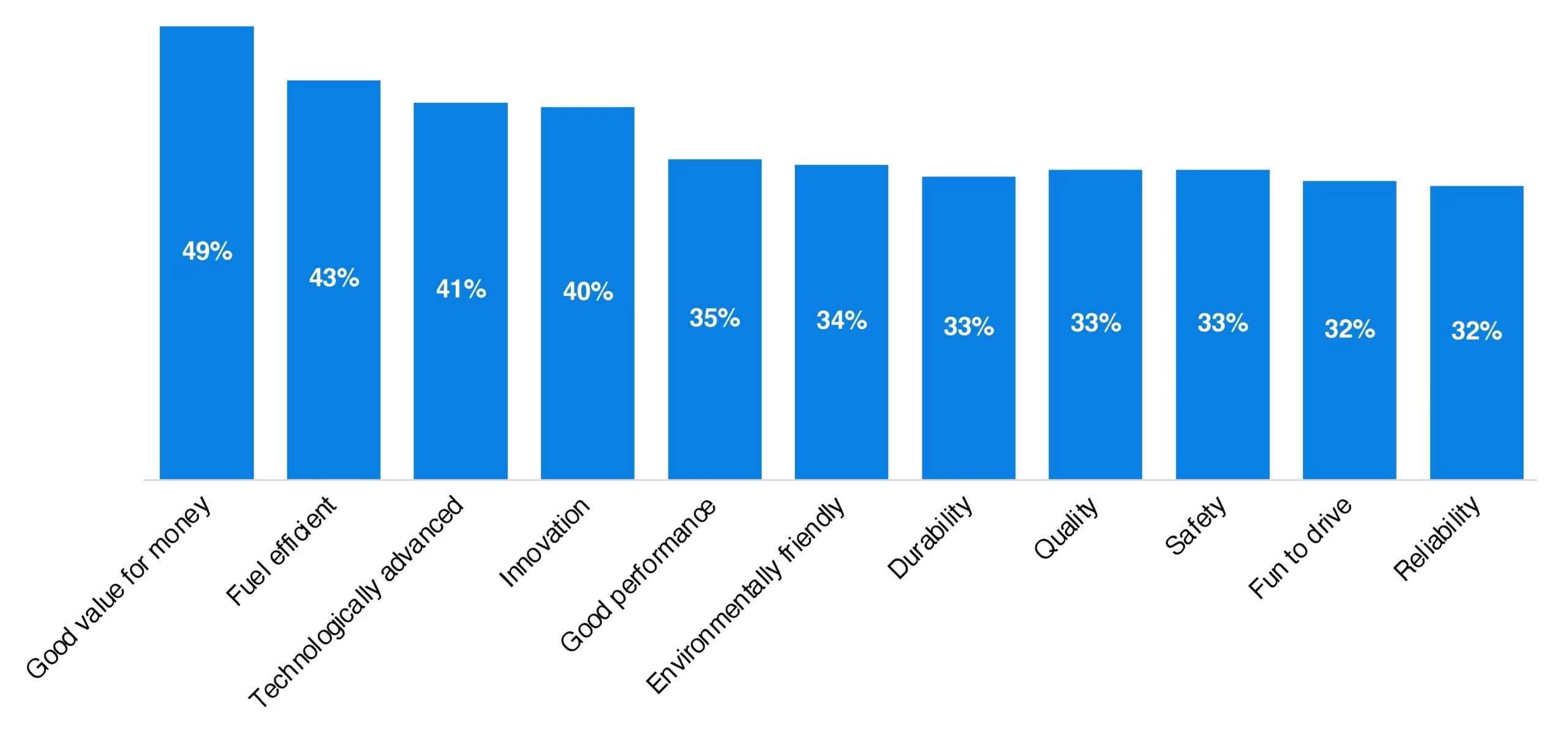
Interest does not appear to hinge on technology, styling, or practicality. It comes down to price. Nearly half of consumers rate them positively for affordability, and 35 percent give strong marks for performance. No doubt, we’ve seen pricing for Chinese automobiles undercut just about every other brand. But durability, safety, quality, and reliability fall short, and those are precisely the fundamentals that drive mainstream purchase decisions.

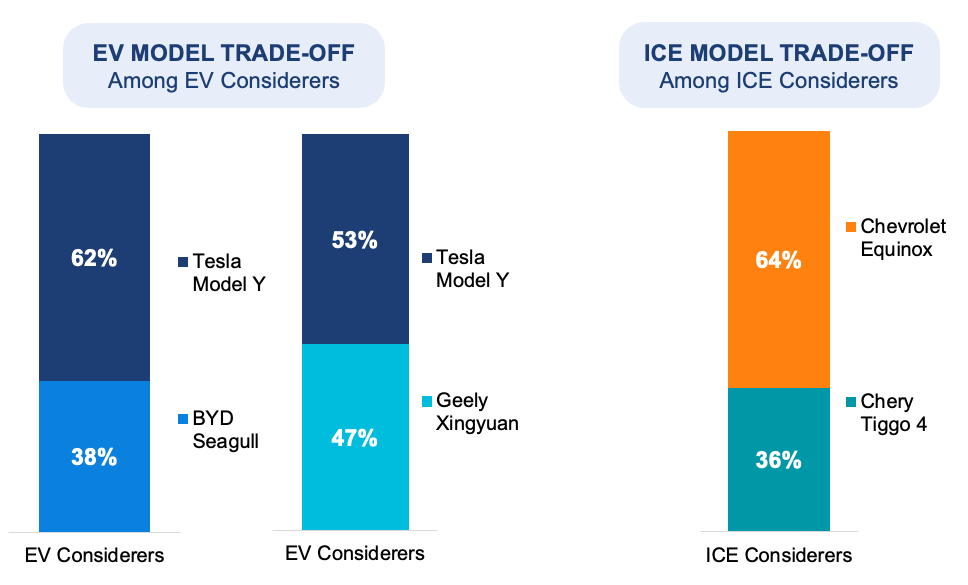
When consumers directly compared specific models, Tesla’s Model Y maintained a clear edge among EV shoppers, and the Chevrolet Equinox led among ICE vehicles, reinforcing the staying power of established nameplates.

However, when steep price discounts were introduced into side-by-side comparisons, a meaningful share of buyers indicated they would switch, particularly among lower-income and more price-sensitive groups.

Dealer and Consumer Comparisons (Strongly or Somewhat Agree)
 America’s Gen Z Is Ready For Chinese Cars, Their Parents Are Not
Cox Automotive

Established U.S. brands still hold the advantage, buoyed by trust and familiarity. Price can narrow that gap, especially among more cost-sensitive buyers, but it doesn’t erase it. And it’s why those folks in the comment section suggesting that readers get a BYD Dolphin instead of whatever is actually available might have to wait a while longer before that comment makes any sense.

Consumers Rate Chinese Brands Lower on Buying Criteria (Durability, Quality, Safety and Reliability)
 America’s Gen Z Is Ready For Chinese Cars, Their Parents Are Not
Cox Automotive
Choosing Between Brands: U.S. vs. China
 America’s Gen Z Is Ready For Chinese Cars, Their Parents Are Not
Cox Automotive

China’s Rolling Out Solid-State Batteries This Year And The Range Claim Is Wild

  • The new battery delivers 400 Wh/kg energy density.
  • Mass production is planned to begin next year.
  • BYD, SAIC, GAC, and CATL are developing similar packs.

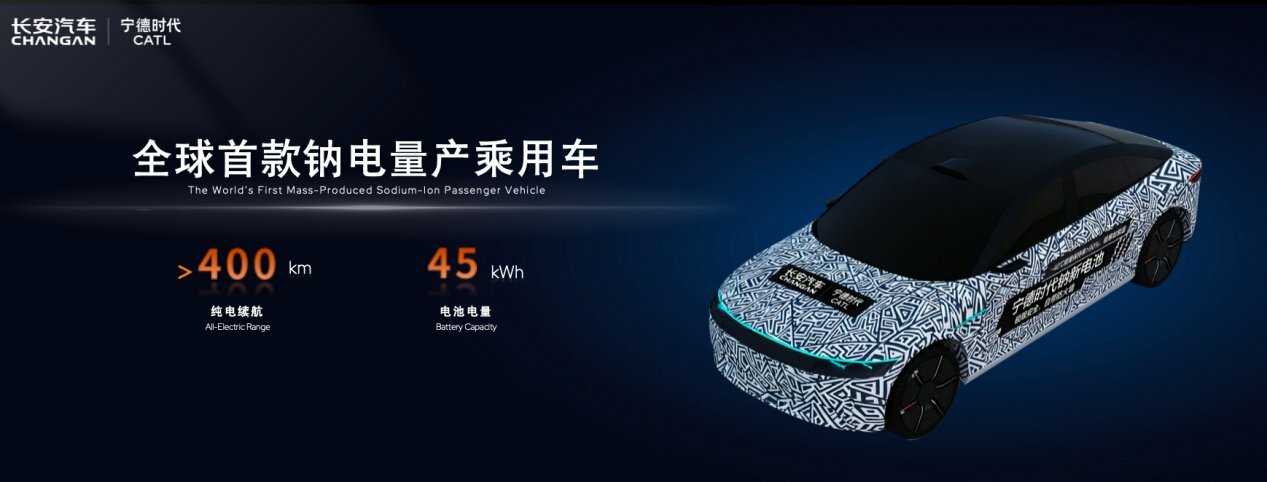
Solid-state batteries have been “just around the corner” for what feels like an entire EV generation. Now, they might actually be arriving. In the third quarter of this year, China’s Changan will begin fitting its new solid-state packs to robots and EVs, with full mass production slated for 2027.

According to Chinese media, Changan claims its new solid-state battery has an energy density of 400 Wh/kg, and EVs using it will be able to travel upwards of 932 miles (1,500 km) on a single charge. While you could argue that this much range borders on excessive, it would make future Changan models far better suited to long road trips through remote areas where charging infrastructure remains sparse.

Breakthrough Energy Density

 China’s Rolling Out Solid-State Batteries This Year And The Range Claim Is Wild

The pack is called the Golden Bell. Aside from being very energy-dense, it is said to be 70 percent safer than a conventional EV battery and, because this is 2026, it also uses artificial intelligence for remote diagnostics. Smarter batteries, apparently, are part of the plan.

Read: Avatr Just Extended The 06 In More Ways Than One

Changan will build these units under its new Jingzhongzhao solid-state battery brand. The company intends to manufacture fully solid-state packs while also producing liquid and semi-solid-state batteries that rely on a liquid electrolyte.

 China’s Rolling Out Solid-State Batteries This Year And The Range Claim Is Wild

China’s Solid-State Push

It is not alone. Other Chinese brands are also edging closer to making solid-state batteries mainstream. Earlier this year, Dongfeng Motor began testing its own solid-state battery in extreme cold weather. It has an energy density of 350 Wh/kg and a claimed range exceeding 620 miles (1,000 km). It also plans to roll them out in production cars this year, aiming for September.

BYD, Chery, SAIC, GAC, and CATL are all chasing similar breakthroughs. So are legacy names such as Mercedes-Benz, VW, BMW, Toyota, Nissan, Hyundai, and Honda. After years of promising headlines and laboratory milestones, solid-state batteries may finally be edging toward something tangible. If they deliver on even half of these promises, combustion engines will have one more reason to feel nervous.

 China’s Rolling Out Solid-State Batteries This Year And The Range Claim Is Wild

Sources: Changan, Carnewschina

Trapped Driver Died After Xiaomi’s Electronic Doors Reportedly Failed

  • Rescuers couldn’t open SU7’s electric door releases as it burned.
  • Eyewitnesses tried desperately to smash the driver’s side window.
  • China will ban electric door releases like the SU7’s from 2027.

An official investigation into the death of a man who crashed his Xiaomi SU7 in China last year has confirmed details previously reported by local media. The findings underscore how critical basic mechanical access can become in seconds. Authorities concluded that the 31-year-old died after being unable to open the electrically operated doors once the electric sedan caught fire.

While this case involves a Xiaomi, concerns about electronically actuated door systems have been debated across the industry and in global markets for years. This isn’t just a Tesla issue.

The crash occurred at approximately 3:15 a.m. on October 13, 2025, in Chengdu, reports Carnewschina. The Xiaomi driver, identified simply as Deng, was allegedly driving under the influence of alcohol at the time and slammed into another vehicle on Tianfu Avenue South before jumping over the central divider and bursting into flames.

Timeline Of The Crash

According to forensic findings cited by the Chinese magazine Caixin, the SU7 reached 203 km/h (126 mph) just three seconds before the crash. It then slowed to 167 km/h (104 mph) after striking the other car and was traveling 138 km/h (86 mph) when it hit the divider.

Read: Trapped Xiaomi Driver Dies After Doors Fail To Open In Fiery Crash

Harrowing footage captured in the immediate aftermath showed bystanders attempting to smash the driver’s side window and open the door in an effort to save him, but without success.

Why The Doors Wouldn’t Open

Investigators concluded that the doors could not be opened from the outside because the fire caused the low-voltage system to shut down, disabling the door handle release function. The report added that the SU7 has no mechanical latches accessible from the outside and relies solely on electric release buttons.

Xiaomi shares plunged nearly 9% after a fatal crash involving its SU7 electric car, Bloomberg reports

According to the outlet, a 31-year-old driver in China collided with another vehicle, crossed into the opposite lane, and the car caught fire. Witnesses tried to pull the man… pic.twitter.com/yPQ70FoKXN

— NEXTA (@nexta_tv) October 13, 2025

The Xiaomi also uses electric release buttons inside the cabin. Although it is equipped with mechanical emergency releases, locating and operating them while disoriented after a crash would not be straightforward.

Regulatory Response In China

This fatal crash, along with others, has prompted regulators in China to ban electronic door handles on EVs. The new rule will take effect on January 1, 2027. It will require exterior handles that provide a handhold of at least 60 mm by 20 mm (2.36 inches x 0.79 inches), ensuring they can be used by rescuers in an emergency. In addition, mechanical releases inside the vehicle must include clear signage explaining how to open them during an emergency.

 Trapped Driver Died After Xiaomi’s Electronic Doors Reportedly Failed
Opening image via Zhao Qing/The Paper

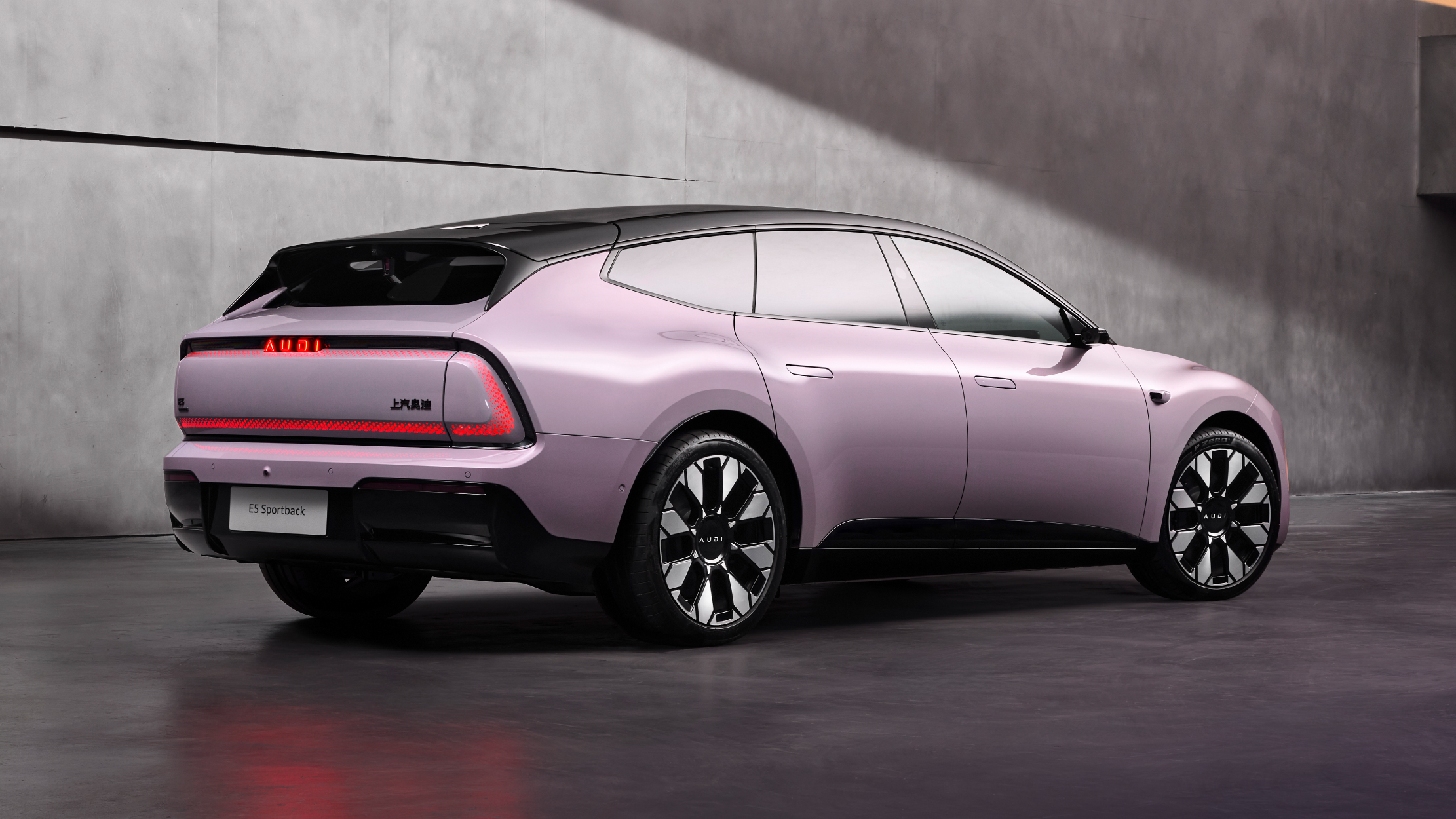
China’s Ringless AUDI EV Is Flopping Like Overcooked Noodles

  • AUDI E5 Sportback price cut by $4,370 to stir up demand.
  • Total wagon deliveries reached just 7,070 units since launch.
  • New brand abandons Audi’s iconic four rings in China.

When Audi decided to launch a new AUDI brand just for China, complete with no four-ring badge and a bold new design language, it looked like a confident reset. Fast forward a few months and there’s another reset, this time to the price, which has been slashed in the face of abysmal sales.

Deliveries of the E5 Sportback, AUDI’s first model under its SAIC joint venture, began in August 2025, with prices ranging from ¥235,900 to 319,900 yuan (equal to around $34,300-$46,600 at current rates). On paper, it ticked plenty of boxes and had the potential to snare Chinese buyers who are increasingly picking domestic brands over legacy Western luxury ones. But things haven’t gone according to plan.

Now Under $30,000

Total deliveries since launch have only reached 7,070 units, with just 420 cars sold in January. So AUDI has rolled out a limited-time discount, slicing ¥30,000 ($4,370) off the already low sticker, bringing the entry price down to ¥205,900, or just under $30,000, Car News China reports.

Related: Audi’s China-Only E5 EV Deserves An RS Treatment

Buyers get ¥10,000 ($1,460) in purchase tax compensation, ¥10,000 yuan in cash discount, and ¥10,000 in trade-in subsidy. Financing sweeteners include a five-year plan with zero interest, or a seven-year low-interest option if you only take the purchase tax handout.

Tough Competition

 China’s Ringless AUDI EV Is Flopping Like Overcooked Noodles

Price-wise, that puts the E5 Sportback right in the mix with the Zeekr 007 GT and slightly below the Xiaomi SU7, a car bought over 250,000 times last year. That’s strong competition in a market that does not lack for shiny new electric sedans and fastbacks.

Spec-wise, the E5 isn’t exactly junk. It has a long 2,950 mm (116.1 inches) wheelbase, up to 776 hp (787 PS / 579 kW) and 480 miles (773 km) of CLTC range, depending on the spec chosen. It also comes with LiDAR, three radars, 11 cameras, and 12 ultrasonic radars on every model, and the interior is dominated by a 59-inch, pillar-to-pillar screen.

Why Aren’t Buyers Responding?

\\\\\\\

But for some reason, the E5 Sportback just isn’t hooking Chinese drivers in. That’s despite Audi claiming last September that it had scored 10,000 pre-orders in only 30 minutes, and the model recently being named China Car of the Year. The price cut is only supposed to last until March 31, but we can imagine Audi extending it if sales don’t pick up.

Audi isn’t the only Western premium brand forced to cut prices to shore up sales in China. BMW and Mercedes have also been forced to reduce MSRPs by as much as 10 percent to compete in a market so aggressive that less than a third of dealers turned a profit last year, according to the same report.

\\\\\\\\

AUDI

Land Rover’s Freelander Revival Feels Familiar, Until You Check Its DNA

  • The new Freelander will be based on Chery’s T1X platform.
  • JLR is expected to sell the SUV in both EV and EREV guises.
  • Freelander becomes a sub-brand with multiple models.

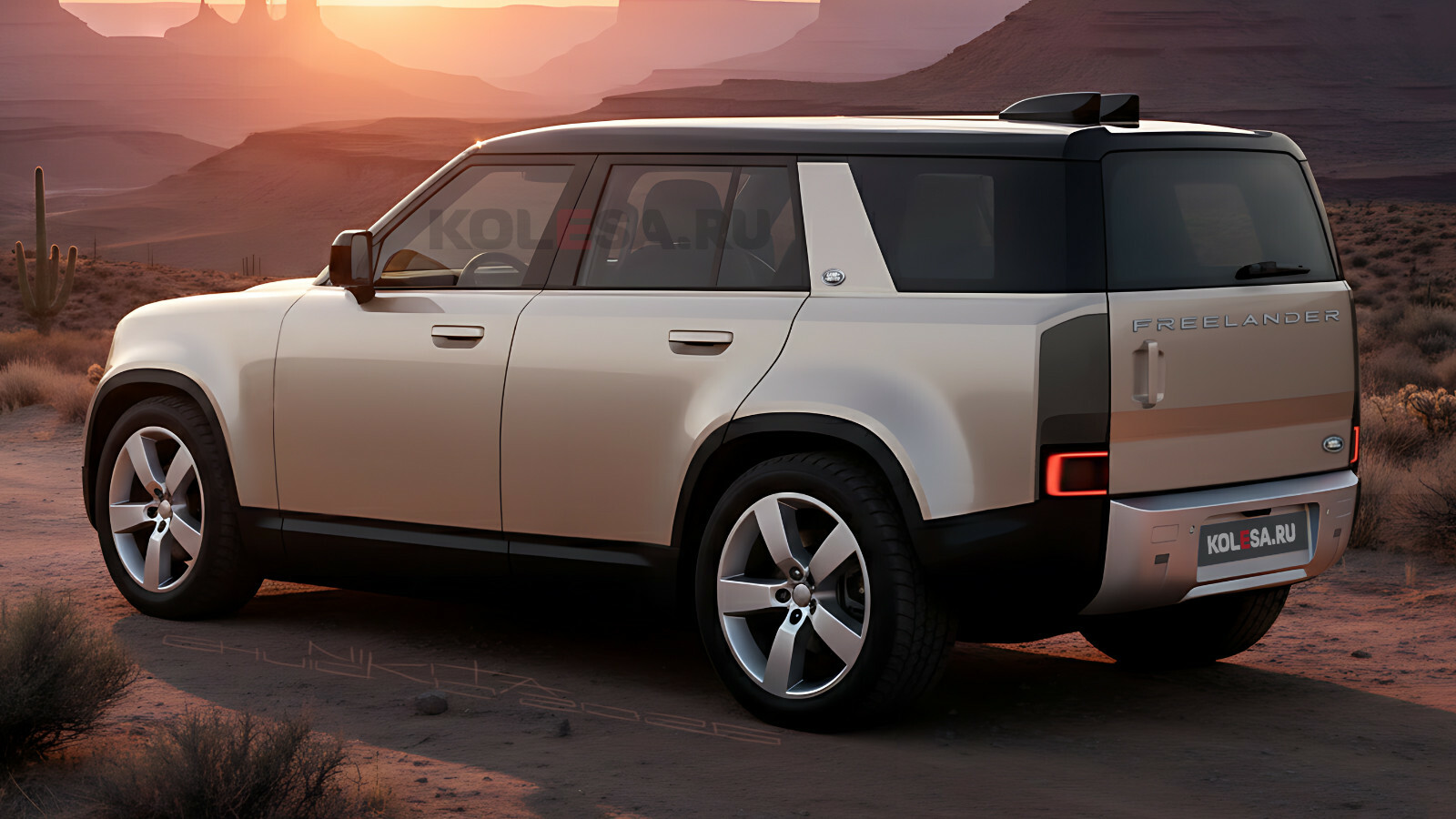
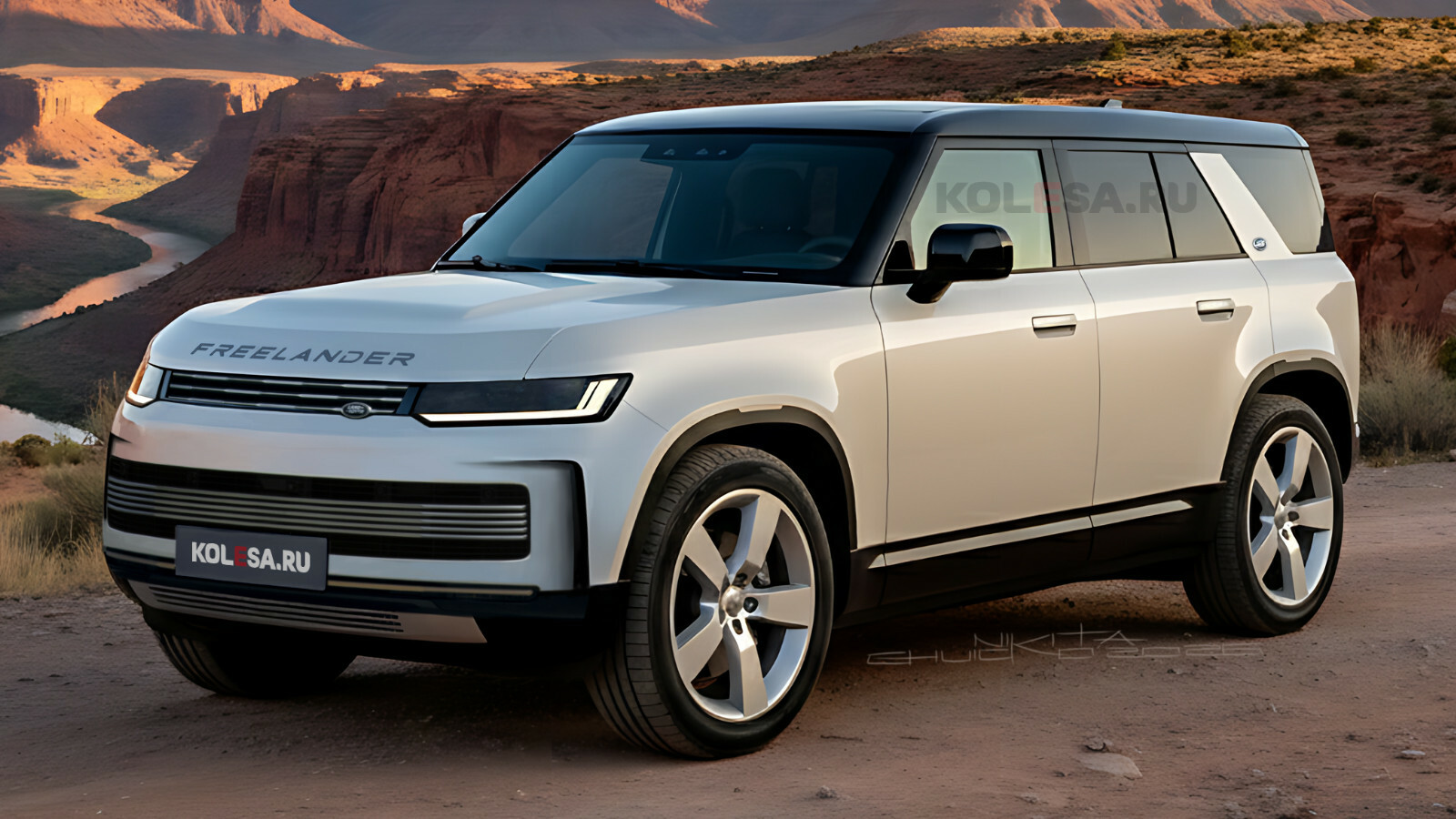
Land Rover is not only working on a smaller Defender, but it is also dusting off the Freelander badge for something altogether more targeted. This time, the name returns on an all-new, rugged SUV built specifically for China, and if these spy shot-based renderings are on the money, it will not be shy about looking the part.

The project is being handled by the Chery Jaguar Land Rover joint venture, better known as CJLR. Underneath, the new Freelander will sit on Chery’s existing T1X platform, which already underpins various Jaecoo, Omoda, and Chery SUVs. In plain terms, that means lower development costs and a much quicker route to market. Reinventing the wheel is expensive. Borrowing one from the parts bin is not.

Read: The Freelander’s Back As Its Own Brand And It’s Launching Soon

Interestingly, Land Rover won’t simply revive the Freelander name for a single model. Instead, it is spinning the name into its own sub-brand, with the potential to spawn several models over time. The first of these SUVs has been spied testing under heavy camouflage, leading to these detailed renderings from Nikita Chuyko for Kolesa.

Does It Pass The Land Rover Test?

 Land Rover’s Freelander Revival Feels Familiar, Until You Check Its DNA
Illustrations Nikita Chuyko / Kolesa

Based on recent spy shots, the first Freelander looks reassuringly boxy, exactly what you would expect from something wearing a Land Rover badge. Up front, it appears to feature slim headlights with simple DRLs, flanked by blacked-out split grilles and capped off with a hood that carries a noticeable bulge.

Similarities could also be shared with the larger Defender, particularly with the smooth profile of the side doors and the blacked-out roof and pillars. Like the previous Freelander, this new model features angled C-pillars painted in the same shade as the lower body.

 Land Rover’s Freelander Revival Feels Familiar, Until You Check Its DNA
Illustrations Nikita Chuyko / Kolesa

The rear styling may prove more divisive. The renderings show small taillights mounted just above the bumper, which gives the back end a slightly awkward stance. Here’s hoping the lights of the eventual production model are positioned a little higher on the fascia. If not, it risks drifting into the same visual territory that has drawn mixed reactions for the current Hyundai Santa Fe.

Technical details about the new Freelander have not been confirmed, but it’s expected to be offered in both battery-electric and EREV guises. Production will be handled by the CJLR plant in Changshu.

Spy Shots: Chery-JLR Freelander SUV for China

Freelander is a new brand under Chery-JLR. The Chinese name is 神行者 (Shén Xíngzhě). Freelander will manufacture various SUVs based on Chery platforms.

The spy shots show a boxy off-road-style SUV during winter tests in Northern… pic.twitter.com/IduwHRG5vw

— Tycho de Feijter (@TychodeFeijter) February 1, 2026
 Land Rover’s Freelander Revival Feels Familiar, Until You Check Its DNA

Tesla Once Tested 90-Second Battery Swaps, Nio Scaled It To 176,000 In A Day

  • Record came during Lunar New Year travel surge.
  • Nio runs over 8,600 swap and charging stations.
  • Fourth-gen sites handle up to 480 swaps daily.

Back in 2013, Tesla flirted with the idea of battery-swapping for its EVs, even demonstrating a system that could replace a Model S battery in as little as 90 seconds. It was an impressive showpiece, but the company ultimately chose not to commercialize the concept. Nio, meanwhile, saw potential where Tesla stepped back. The Chinese startup embraced battery swapping and went on to build the largest EV battery-swapping network in the world.

Just how popular has Nio’s battery-swap service become? On February 21, Nio owners carried out a staggering 175,976 battery swaps across China in a single day. That figure translates to roughly one Nio having its battery changed every half a second.

Read: This Full-Size Electric SUV Packs 456 HP And Costs Less Than A Honda Civic

This record was set on the second day of the Lunar New Year, typically the busiest travel day of the year in China.

How Wide Is Nio’s Network?

Nio currently operates more than 8,600 charging and battery-swapping stations across China. The network spans more than 550 cities and includes highway routes linking 16 of the country’s major urban centers. The company has also begun rolling out charging stations in Europe.

The Chinese electric car startup is currently on its fourth-generation swapping stations, with the latest version launched in mid-2024. The original stations could store just four to five batteries at a time. In contrast, the fourth-generation sites can hold 23 battery packs and handle up to 480 swaps per day. Each swap takes 2 minutes and 24 seconds, which is less time than refueling a combustion-powered car.

Soon, it will not just be Nio owners pulling into those swap bays. The company has struck agreements with Geely, Chery, FAW, GAC, and Changan to share its battery-swapping technology, opening the network to a much broader slice of China’s car market.

 Tesla Once Tested 90-Second Battery Swaps, Nio Scaled It To 176,000 In A Day

China Powers The Return Of One Of Russia’s Most Famous Car Brands

  • Volga’s new model may be based on a Changan SUV.
  • A teaser suggests a sleek but fairly traditional design.
  • Production could begin in China for the Russian market.

The Russian car industry looks very different from the one that existed before the invasion of Ukraine four years ago. As Western automakers made a swift exit after the war erupted, Chinese brands moved in just as quickly, expanding their presence and absorbing a sizable chunk of the market. A few domestic names are also resurfacing, including one of its most Volga.

Read: Tesla Never Made A Cybervan, So A Russian Startup Did It First

The Volga name rose to prominence in the 1950s as a series of executive cars built and sold in Russia by local firm GAZ until 2012, when production ended. Back in its heyday, the Volga wasn’t something you simply drove. It was what you were driven in if you held the right title in the Soviet hierarchy. That alone turned it into a cultural fixture.

Now, after more than a decade on ice, the name is finally set to return, having initially been slated for a revival in 2024.

Volga, now under the umbrella of China’s Changan, presented three different vehicles in May 2024, known as the K30, X5 Plus, and K40. The trio included two crossovers and a sedan, each based on existing Changan vehicles sold in China. The plan was to build them in China and ship them to Russia for final assembly, with market launch targeted for late 2024.

\\\

For whatever reason, that rollout never materialized. Now, however, the Chinese-owned Volga appears ready to try again, launching a new Russian-language website and releasing a pair of teasers previewing its first model.

The vehicle shown in the teaser resembles one of the crossovers presented in 2024, though with subtle visual changes. A side-profile sketch suggests a conventional SUV silhouette, complete with a large grille, squared wheel arches, and a rear design with taillights that faintly echo the Audi Q8. Reports indicate it will be joined by two additional models.

A separate teaser for the cabin was also released, showing a flat-bottomed steering wheel, a digital instrument cluster, and a large central infotainment screen. In general, it looks quite conventional, which in this context may be exactly the point.

\\\\

Volga models previewed in 2024

❌
❌