Normal view

There are new articles available, click to refresh the page.
Today — 25 April 2026Electric Vehicles - Latest News | Carscoops

Denza Z Loses Its Top, Makes Maserati Lose Its Head

  • Denza Z Convertible debuts in China with a focus in export markets.
  • The model will also be available in coupe and track-focused variants.
  • Expect over 1,000 hp, sophisticated technology, and a bargain price.

Denza, a BYD-owned brand with a focus in export markets, has unveiled a new production model that could haunt the dreams of the Maserati GranCabrio Folgore. The production version of the Denza Z will be offered in coupe, convertible, and track-focused variants combining sleek styling with a high-performance electric powertrain and sophisticated electronics.

The Z Convertible looks more elegant compared to its closed-roof sibling, despite the fact it shares most of its body panels. The exposed four-seater cabin and the redesigned rear deck help create sexier proportions, with the design of the bumpers being more refined than the track-hungry bodykit of the previous show car.

More: China’s New Porsche 911 Rival Goes By One Name. Z, Denza Z

The example that was showcased at the 2026 Beijing Auto Salon combines a bluish green shade with a satin finish and a tri-color interior, sending strong Maserati vibes. While we didn’t get to see the soft reclining roof in action, earlier spy shots confirm it is made of fabric.

\\\\\\\\\\

The model was designed under the guidance of former Audi design chief Wolfgang Egger, who is responsible for the styling of BYD brands Denza, Fang Cheng Bao, and YangWang.

More: The Chinese Luxury Brand Mercedes Helped Create Is Now Coming For Mercedes’ European Buyers

The Z series will be powered by three electric motors offering AWD capabilities and a combined output of around 1,000 hp (746 kW / 1,014 PS). It will also be equipped with BYD’s DiSus-M electromagnetic suspension system, the latest “Eye of the God” driver assistance, and a battery pack compatible with flash charging.

Global Aspirations

Interestingly, the Denza Z will launch in Europe and other global markets first, before landing in Chinese showrooms. Following its premiere at the Beijing Auto Show, the model will make its dynamic debut at the Goodwood Festival of Speed in the UK.

In China, local media estimate it will be priced in the region of ¥400,000-500,000 ($58,600-73,200), undercutting sportscars and supercars from Western brands.
\\\\\

Denza / Weibo

Mercedes’ Next EVs Are Ditching CATL For Samsung, Starting In 2028

  • Future Mercedes models based on its MMA platform will use Samsung’s batteries.
  • Several existing Mercedes-Benz EVs already use advanced NMC battery packs.
  • The current Mercedes CLA 250+ and CLA 350 source battery packs from CATL.

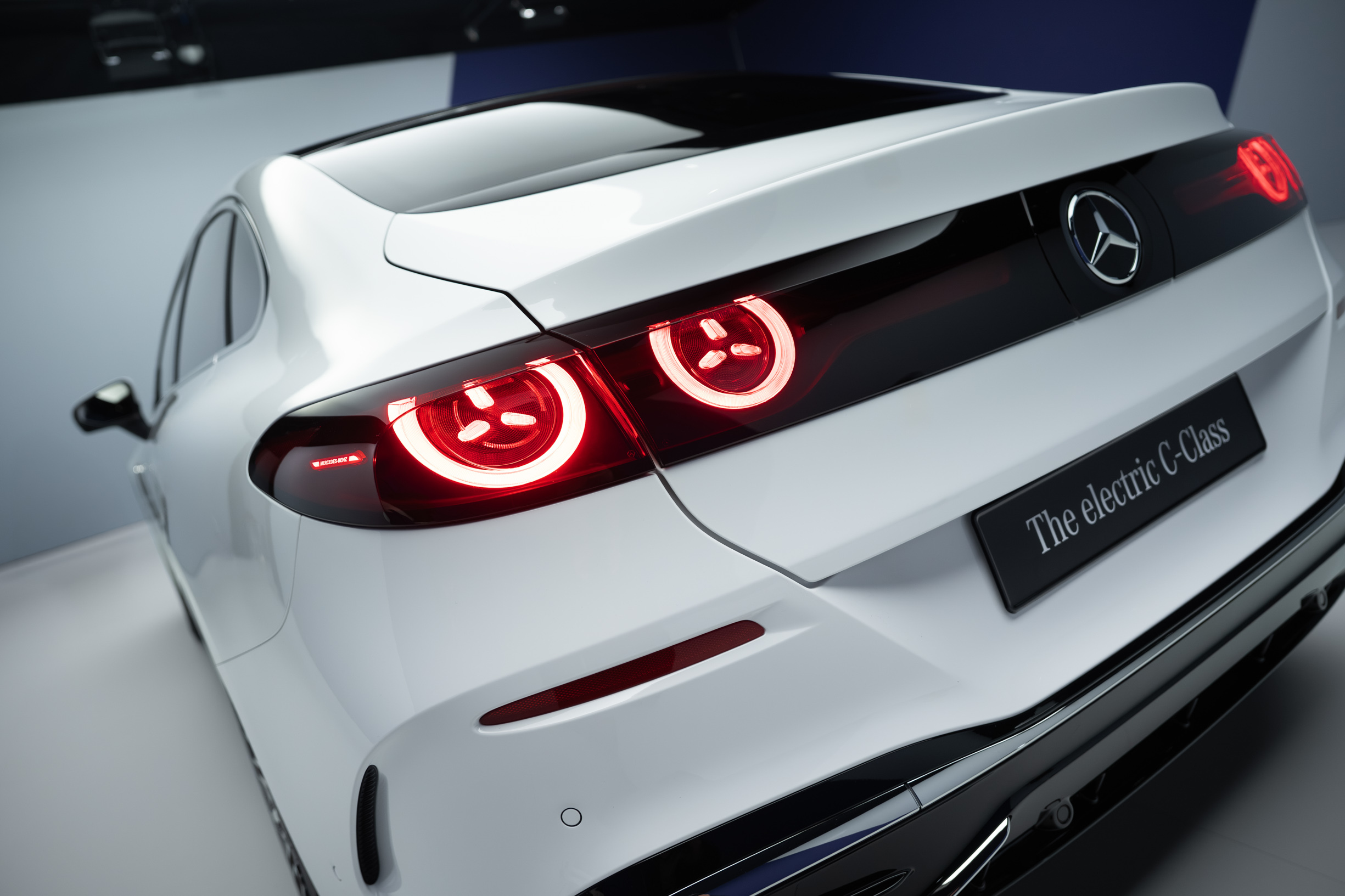
Just after unveiling its all-new electric C-Class, Mercedes-Benz confirmed a key piece of its future EV strategy. The next generation of its electric models will draw power from battery cells supplied by South Korea’s Samsung SDI.

The agreement, signed earlier this week, secures a steady flow of nickel, cobalt, and manganese (NMC) battery cells. Samsung claims these packs will deliver strong energy density, long service life, and the kind of sustained output and range figures premium EV buyers have come to expect, at least on paper.

Read: Mercedes’ Electric C-Class Is The BMW i3’s Neue Nightmare

Mercedes has yet to put a firm date on when these NMC batteries from Samsung will make their debut. Still, industry insiders point to models built on the upcoming Mercedes Modular Architecture (MMA) from 2028 onward. That would cover a wide spread of compact and mid-size SUVs, along with a handful of coupes that, for now, remain unnamed.

German Cars, Asian Batteries

 Mercedes’ Next EVs Are Ditching CATL For Samsung, Starting In 2028

The German brand already offers several of its EVs with NMC batteries, including the CLA 250+ and CLA 350 4Matic, sourced from China’s CATL. In addition, the all-electric Mercedes VLE uses a 115 kWh NMC battery pack, while the newly-revealed electric C-Class uses a 94.5 kWh NMC battery, promising a range of up to 472 miles (760 km).

“This partnership brings together the innovative DNA of both companies,” Samsung SDI said. “It is meaningful in that SAMSUNG SDI has secured a battery order aimed at strengthening its position in the global EV market.”

There are trade-offs between nickel, cobalt, and manganese (NMC) batteries and lithium iron phosphate (LFP) packs, the two chemistries currently dominating the EV space. NMC’s headline advantage is energy density, which means more range from a similarly sized battery, something premium brands tend to prioritize.

LFP, on the other hand, takes a more pragmatic approach. These packs are typically more durable over time and can be charged to 100 percent far more frequently without accelerating degradation. That makes them well suited to daily-use scenarios, even if they cannot quite match NMC’s outright range potential.

\\\\\\\\\\\\\\

BMW Puts A Kindle-Style Display On The Hood Of Its iX3

  • BMW has introduced the iX3 Flow Edition at Auto China.
  • It features a unique hood with integrated E Ink technology.
  • Users can select eight different animations to display.

Lighting used to be an afterthought, but now it plays a big role in automotive design. This is clear as automakers have embraced illuminated grilles, light bars, and glowing emblems.

BMW envisions taking things even further and they’re showcasing the possibilities with the iX3 Flow Edition concept. It features a hood infused with E Ink and “demonstrates the technology’s readiness for series production.”

More: BMW’s Color-Changing E Ink Could Hit Production By 2027

The automaker has been playing around with E Ink for years and introduced the iX Flow concept in 2022. It’s now inching closer to road-going models as the automaker has integrated a display into a “large-scale bodywork element for the first time.”

In this case, it’s the hood and users can select between eight different animations. This includes illuminating the outline of a Chinese skyline in a moving pattern and lighting up the buildings themselves. The latter can be done in a variety of different ways and in multiple levels of brightness.

The resulting design is like a piece of automotive art that can range from “subtle to expressive.” BMW added the technology “makes innovation visible and conveys the driver’s style and mood in a personalized and context-sensitive way.”

BMW declined to say when we might see something like this on road-going models, but automakers have been aiming for more personalization. Audi has been doing this for awhile and models like the Q4 e-tron offer customizable daytime running light signatures.

\\\\\

Audi’s $45K Electric Sedan Claims 506 Miles Of Range In China

  • Audi is stretching their Chinese lineup with the new A6L e-tron.
  • The electric sedan has a wheelbase that grows by 5.2 inches.
  • It sports a larger 107 kWh battery and 543 hp AWD system.

Audi introduced the A6L last month and now they’re following up with the A6L e-tron. The extended wheelbase sedan recently debuted at Auto China in Beijing and it packs a few tricks up its sleeve.

Built by Audi FAW, the EV’s wheelbase has been stretched by 5.2 inches (132 mm). This results in a spacious rear passenger compartment with flagship-worthy legroom.

More: Audi’s New A6L Feels Like An A8 For Half The Price

Audi didn’t stop there as they put the extra room to good use by installing a larger 107 kWh battery pack on most versions of the car. This enables the model to offer a CLTC range of up to 506 miles (815 km).

The A6L e-tron will be offered in Long and Extended Range variants. Some, if not all, will have a dual-motor all-wheel drive system producing 543 hp (405 kW / 551 PS) and 574 lb-ft (779 Nm) of torque. This enables the car to accelerate from 0-62 mph (0-100 km/h) in 4.3 seconds. When the battery is low, it can go from 10-80% in as little as 21 minutes thanks to the car’s 800V architecture.

\\\\\\\\\\\\\\\

There isn’t much to report on the styling front, but the A6L e-tron sports longer rear doors and a less dramatic roofline. Despite the changes, the model has an impressively low drag coefficient of 0.22.

The interior is also familiar as buyers will find an 11.9-inch digital instrument cluster, a 14.5-inch infotainment system, and a 10.9-inch front passenger display. They’re joined by two 7-inch screens for the digital side mirrors.

\\\\\\

Among other options, Audi mentioned sports seats with available heating, ventilation, and massage functions. Buyers can also get a dimming panoramic glass roof and a 20-speaker Bang & Olufsen premium audio system.

Pricing starts at ¥309,800 ($45,317), but climbs to ¥439,800 ($64,333) for the range-topping variant.

\\\\\\\

China Gets The AUDI EX7 With 671 HP And A 59-Inch Display, America Gets The Q7

  • AUDI has introduced the new E7X crossover at Auto China.
  • Launches later this year with two powertrains and 466 mile range.
  • Luxurious interior sports 59-inch display and premium materials.

Following last year’s preview, AUDI has now put the E7X on stage at Auto China in Beijing. It is the ringless brand’s second model after the E5 Sportback, and its first move into the crossover space.

Created in collaboration with SAIC, the E7X follows in the footsteps of the E5 Sportback and features a streamlined front fascia with a “black wraparound loop.” It’s joined by a fully enclosed grille with a Light Frame that remains “elegantly invisible when inactive.” When turned on, more than 1,000 triangular lights come to life.

More: Audi’s AUDI Just Greenlit More Models Despite Early Struggles

The model also sports slender daytime running lights and vertical Digital Matrix LED headlights. They’re joined by digital rearview mirrors, frameless doors, and a rakish windscreen that flows into a sloping roof. Other highlights include flush-mounted door handles, aerodynamically optimized wheels, and an oval-shaped rear light surround.

In terms of size, the E7X measures 198.8 inches (5,049 mm) long, 78.6 inches (1,997 mm) wide, and 67.3 inches (1,710 mm) tall with a wheelbase that spans 120.5 inches (3,060 mm). This means the crossover is slightly shorter than the Q7, but has an additional 2.6 inches (66 mm) between the wheels.

A Minimalist, But High-Tech Interior

\\\\\\\\\\\\\\\\\\\\

Moving inside, drivers are greeted by a flat-bottom steering wheel and a full-width 4K panoramic display. It spans 59 inches and features video feeds from the camera mirrors at the outside edges.

While technology is front and center, AUDI didn’t forget about luxury as the model has Nappa leather as well as premium wood trim. They’re joined by slatted door inlays, ambient lighting, and a Bose premium audio system with up to 26 speakers. Up top, there’s a panoramic sunroof that is split into two sections that have smart-dimming technology offering multiple levels of transparency.

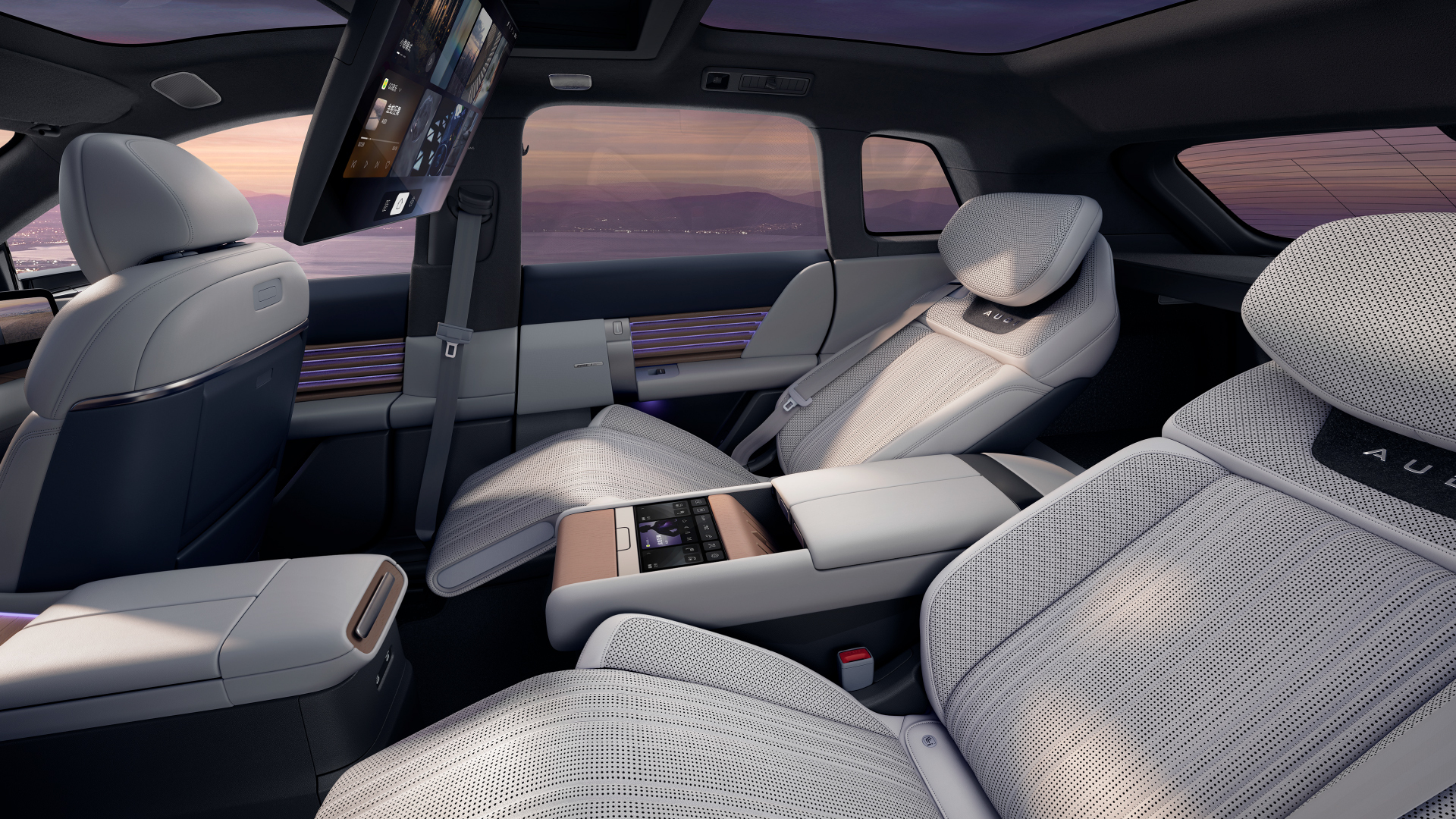
The E7X is offered in four- and five-seat configurations. The former is the star of the show as it has two individual zero-gravity rear seats that recline 120 degrees and offer a 16-point massage as well as a pneumatic adjustment system with 23 airbags. They’re accompanied by four-way adaptive headrests and an integrated electric footrest.

 China Gets The AUDI EX7 With 671 HP And A 59-Inch Display, America Gets The Q7

The seats are separated by an elegant console, which features an integrated display as well as storage compartments. There’s also a warming/cooling compartment at the rear of the front center console for drinks and other items.

Elsewhere, there’s a 21.4-inch rear-seat entertainment system that deploys from the headliner. It can be controlled by voice, remote, or touchscreen.

On the topic of technology, there’s AUDI Assistant 2.0. It’s an “AI-powered in-car companion that goes well beyond voice control.” Developed with ByteDance, the assistant “manages vehicle functions, answers navigation and range queries, plays music, and engages in open-ended conversation on virtually any topic.”

Two Powertrains And Fast Recharging

\\\\\\\\\\\\\\\\\\\\\\\\\\\

The E7X rides on the Advanced Digitized Platform and features a 900-volt electrical architecture that enables the battery to go from 10% to 80% in as little as 13 minutes. Buyers will also find 100 and 109 kWh battery packs offering a CLTC range in excess of 466 miles (750 km).

AUDI only released a handful of performance specifications, but confirmed there will be a rear-wheel drive variant with a motor producing 402 hp (300 kW / 408 PS) and 369 lb-ft (500 Nm) of torque.

Customers can also opt for an all-wheel drive crossover, which has 671 hp (500 kW / 680 PS) and 590 lb-ft (800 Nm) of torque. This version can accelerate from 0-62 mph (0-100 km/h) in just 3.9 seconds.

Rounding out the highlights are all-wheel steering and a lidar-based AUDI 360 Driving Assist system. The latter was co-developed with Momenta and has been “tailored specifically for China’s complex traffic conditions and unique driving scenarios.”

\\\\\\\\\\\

Volvo’s Chinese Parent Built A $14K Sedan Americans Can’t Touch

  • The cheapest Galaxy A7 variant opens today at just over $14,000 in China market.
  • A plug in hybrid pairs a 1.5 liter four cylinder with an electric motor system.
  • The electric version uses a 58 kWh battery and a 215 hp mounted motor up front.

Over in China, Volvo’s parent company Geely isn’t just selling a slew of innovative and affordable hybrid and electric SUVs, but it’s also helping to keep the three-box sedan alive. One of its most appealing and cheapest models is the Galaxy A7, which has just been updated and is available in plug-in hybrid and all-electric guises.

There’s nothing particularly remarkable about the design of the sedan, but it’s hard to argue with the fact that it looks quite nice. The PHEV and EV models have the same classy headlights and light bar, but are distinguished by different grilles and intakes. The EV features a small lower grille finished in black and a pair of black trim accents, whereas the hybrid version sports additional air intakes and silver accents.

Read: Geely Claims Its New AI-Driven Hybrid Tech Hits 106 MPG, Beating Toyota’s Best

Around the back, it borrows cues from other Geely models like the Starray EM-I and the global market EX5. There’s a familiar LED light signature stretching across the tail, paired with minor differences in the lower bumper sections depending on whether you pick the EV or the hybrid.

Cheap And Efficient

\\\\\\\\\\\\\\\\

Of course, it’s not the design of the Galaxy A7 that’s worthy of attention, but rather the price and the specs. The all-electric version opens at 112,800 yuan, roughly $16,500, for the A7 EV 550 Premium. It runs a 58 kWh battery and a front-mounted motor producing 215 hp. On paper, that modest battery still delivers up to 342 miles or 550 km of range, with energy consumption quoted at just 11.4 kWh per 100 km.

Shoppers wanting a few more luxuries can opt for the Galaxy A7 EM 550 Excellence. It has the same powertrain but is priced from 119,800 yuan ($17,500).

Hybrid Options

 Volvo’s Chinese Parent Built A $14K Sedan Americans Can’t Touch

Then comes the part that feels almost provocative. The plug-in hybrid starts even lower, from a measly 97,800 yuan, or about $14,300, for the A7 EM 150 Enjoy. From there, trims stretch up to 131,800 yuan, around $19,300, for the A7 EM 235 Starship.

At the entry point, a 1.5-liter naturally aspirated four-cylinder producing 110 hp works alongside an electric motor and single-speed transmission, delivering a combined 235 hp. An 18.4 kWh battery allows up to 93 miles or 150 km of electric-only driving. Opt for the larger 28.3 kWh pack and that figure rises to 146 miles or 235 km.

It is not the most glamorous sedan on sale, but when something this usable lands at this price, the usual arguments about why sedans are fading start to look a little thin.

Geely Galaxy A7 PHEV
\\\\\\\\\\\\\\\

Mercedes’ Six-Seat GLC EV Borrows S-Class Suspension, And Only China Gets It

  • The Mercedes GLC L EV is a China-focused take on the familiar SUV.
  • It stretches the wheelbase and adds length at the rear for more room.
  • Buyers can opt for six seats and suspension derived from the S-Class.

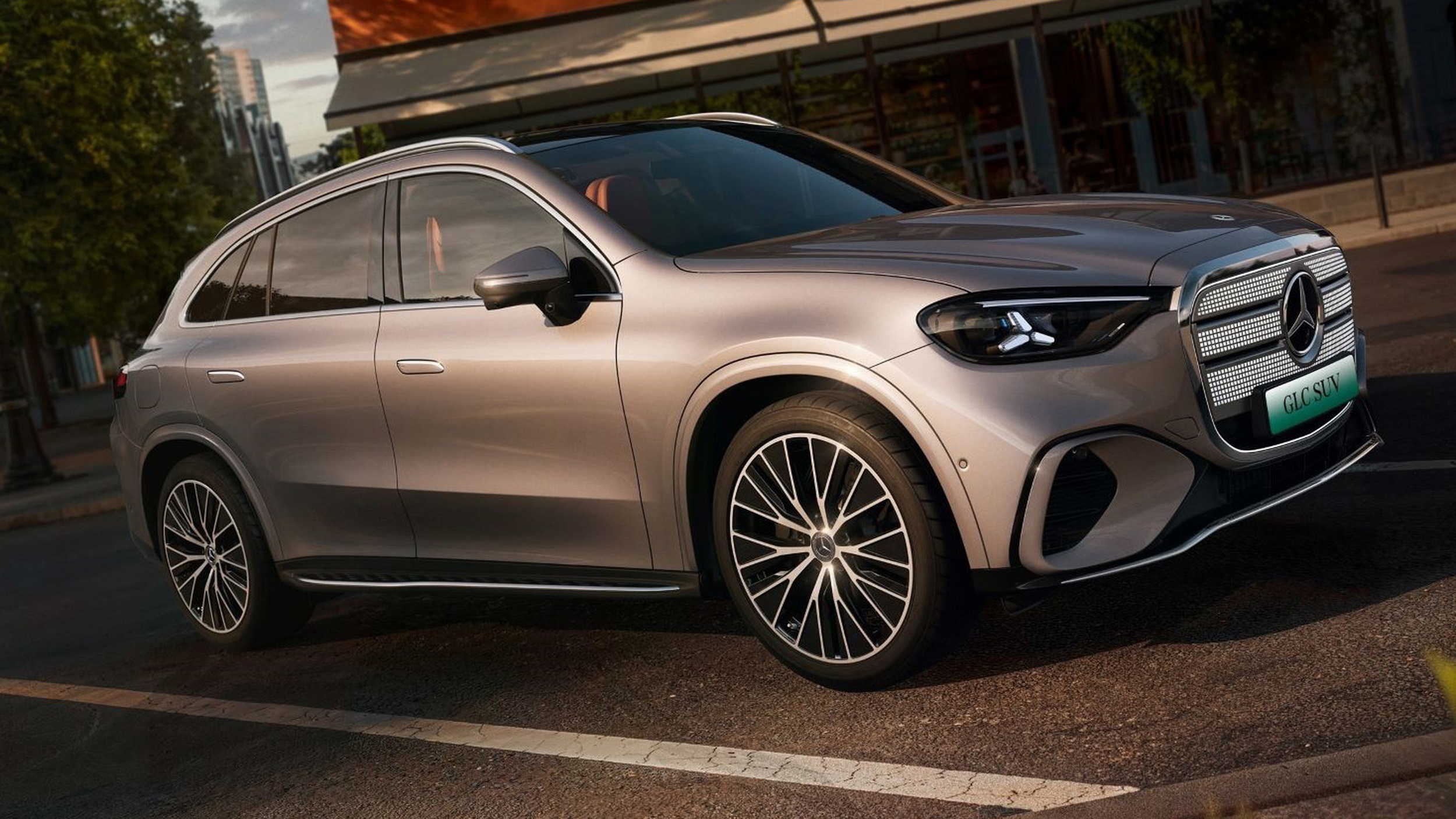
Mercedes is doing what every premium brand now does in China, stretching a familiar shape to suit a very specific brief. It has unveiled the long-wheelbase version of the new GLC EQ at the Beijing Auto Show, positioning it against the also new BMW iX3 LWB. The new electric SUV has a six-seater layout and borrows chassis tech from the brand’s flagship sedan.

Its overall length now sits at 4,950 mm (194.9 inches), paired with a 3,027 mm (119.2 inches) wheelbase. That makes it 105 mm (4.1 inches) longer than the standard global model, with 55 mm (2.1 inches of that added between the axles. It also edges past the EQE SUV by 87 mm (3.4 inches) and stretches 64 mm (2.5 inches) beyond the BMW iX3 LWB

More: BMW’s China-Only EVs Solve A Problem Tesla Owners Keep Running Into

The added length is easy to spot. Rear doors are longer, the quarter glass stretches further back, and the tail sits a touch more upright as a result. Otherwise, it keeps close to the standard GLC EQ, right down to the star-pattern LED lighting and the now-familiar illuminated grille.

 Mercedes’ Six-Seat GLC EV Borrows S-Class Suspension, And Only China Gets It

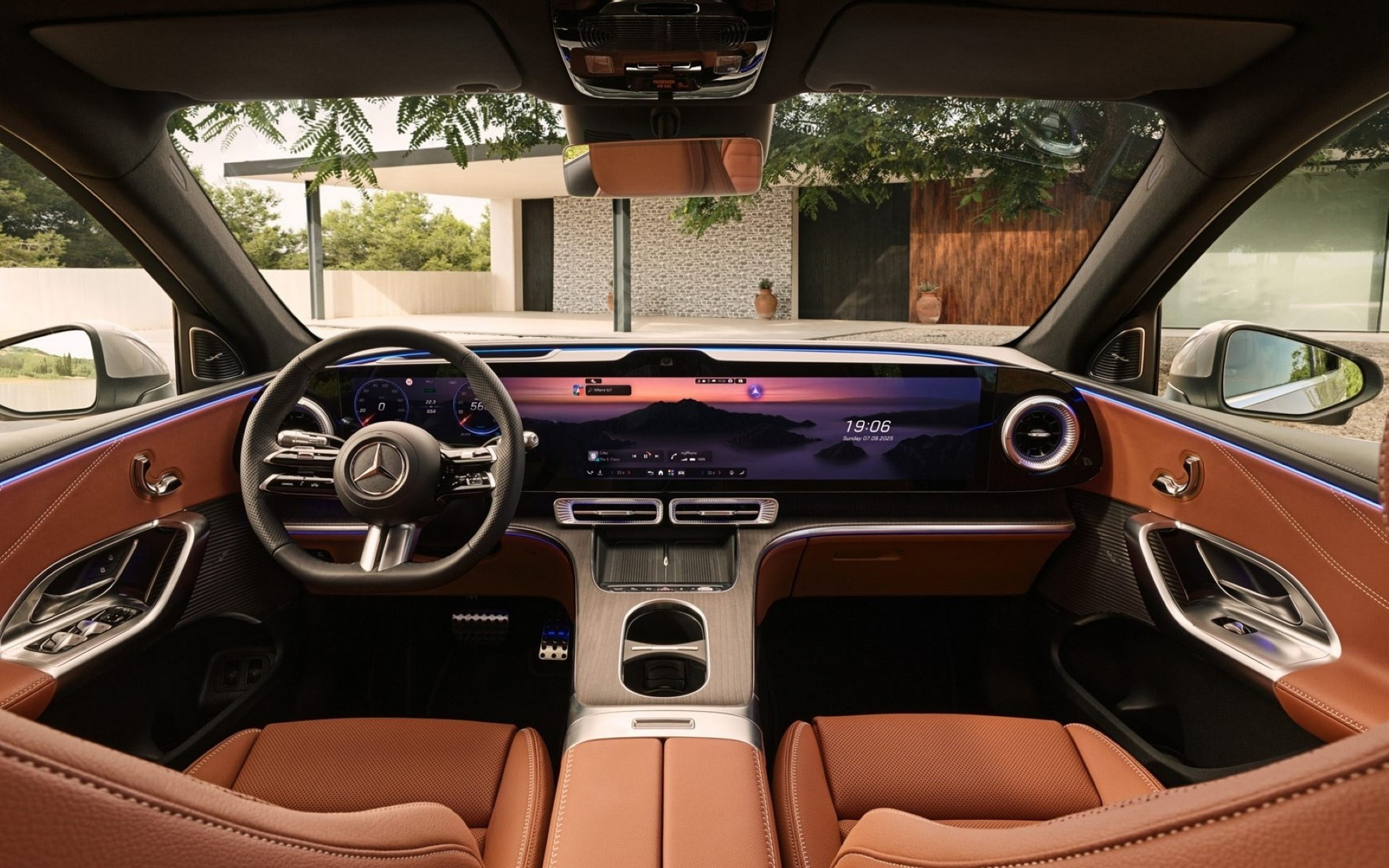
Inside, Mercedes has not held back on screen real estate. A 39.1-inch MBUX Hyperscreen spans the dashboard, as expected at this end of the market, but the more relevant change sits further back. The GLC L EV can be configured with three rows and six seats, giving it a practical edge over the BMW. Second-row passengers get individual captain’s chairs with heating, ventilation, and massage, which should make the middle row the place to be.

Different Specs

The GLC L EV will be initially available with dual electric motors generating 416 hp (310 kW / 421 PS) and 800 Nm (590 lb-ft) of torque. That is down on the global dual-motor GLC EV, which delivers 483 hp (360 kW / 489 PS), though few buyers in this segment are likely to notice the shortfall in daily use.

More: Mercedes’ Future EVs May Be More Chinese Than You Think

Interestingly, the Chinese-spec SUV has a smaller battery pack with a capacity of 85.5 kWh instead of 94 kW. Even so, Mercedes quotes a CLTC range of more than 700 km (435 miles). The reduced capacity likely comes down to a mix of weight targets, local sourcing, and the realities of packaging a third row into what began as a five-seat platform.

Chassis Technology From The S-Class

 Mercedes’ Six-Seat GLC EV Borrows S-Class Suspension, And Only China Gets It

The GLC L EV rides on a stretched version of Mercedes’ MB.EA platform, complete with an 800V architecture shared with the new electric C-Class. For China, it also borrows more than just space. Option the Agility & Comfort Package and you get S-Class hardware, including Airmatic air suspension and rear-axle steering, for greater comfort and maneuverability.

More: Mercedes’ EV Push In America Has Nothing To Do With What American Buyers Want

The GLC L EV is slated to arrive in Chinese showrooms in the fourth quarter of the year. Pricing will follow closer to launch.

\\\\\\\\\\\\

Call It The Temurario, Hyundai’s Production Ioniq V Mixes Lambo And Cybertruck For Less

  • Hyundai revealed the production Ioniq V at the Beijing Auto Show.
  • Electric sedan is designed specifically for the Chinese market.
  • Brand plans 20 new hybrids and EVs in China over next five years.

Hyundai barely let the paint dry on its wild Venus concept before rolling out the production version in Beijing. Meet the new Ioniq V, a China-focused EV that arrives just weeks after its show car preview, skipping the usual year-long tease-and-wait routine.

More: Hyundai’s N Rule Was Simple Until The Ioniq 3 Made It Inconvenient

And yes, it still looks like Hyundai raided several design studios at once. There’s a wedgy nose, razor-thin lighting, a tall crossover stance, and more than a hint of Italian supercar drama up front. We can see everything from the Toyota Prius to the Tesla Cybertruck and Lamborghini Temerario in the design without having to squint too hard.

\\\\\\\\

The V is the first dedicated production Ioniq model created specifically for China, and it launches a new styling direction Hyundai calls Origin. It also forms part of a much bigger plan. Hyundai says it will launch 20 new models in China over the next five years, covering battery EVs and range-extended EVs, while targeting annual sales of 500,000 vehicles.

One of those vehicles is an SUV coming next year, which is believed to be a production version of the Earth SUV concept Hyundai is showing alongside the V at Beijing.

\\\\\

Size matters in China, or to be more precise, the amount of rear legroom, and Hyundai says the V comes properly prepared. It measures 4,900 mm (192.9 inches) long, 1,890 mm (74.4 inches) wide, and rides on a 2,900 mm (114.2 inches) wheelbase, meaning it has a similar footprint to the Ioniq 6. That should give passengers plenty of space to stretch out, and make the driver thankful for a full set of parking sensors and cameras.

27-Inch Display

\\\

Inside, we get a new kind of screen treatment from Hyundai. The dashboard is dominated by a 27-inch ultra-thin 4K panoramic infotainment display, backed up by a head-up display that projects information directly into the driver’s line of sight. There’s also an eight-speaker audio system with Dolby Atmos and ambient lighting.

Average Range

No battery or powertrain specs were revealed, but 800-volt charging is confirmed, and Hyundai says the long-range version claims more than 600 km (373 miles) of driving range under China’s CLTC test cycle. Given that the CLTC test is notoriously optimistic, a likely real-world figure of less than 320 miles (483 km) doesn’t look very impressive in an era where BMW EVs can top 400 miles (644 km).

Whether the V eventually heads to Europe or America, perhaps as a replacement for the slow-selling Ioniq 6, remains unclear, but Hyundai is openly treating China as both laboratory and launchpad, so expect at least some of the ideas developed there to appear in your local showroom in the West soon.

Porsche’s Profits Fell 93%, So It’s Selling Bugatti And Rimac

  • Porsche has sold its 45 percent stake in Bugatti Rimac to a consortium.
  • Investors are also buying Porsche’s 20.6 percent stake in Rimac Group.
  • Porsche’s operating profits dropped 93 percent in 2025, hurting VW.

Porsche is cashing out of one of the automotive world’s most fascinating collaborations. The German sports car maker has agreed to sell all of its holdings in Bugatti Rimac and Rimac Group, clearing the way for founder Mate Rimac and a new investor group to steer the next chapter.

The deal sends Porsche’s 45 percent share of Bugatti Rimac and its 20.6 percent holding in Rimac Group to a consortium led by New York investment firm HOF Capital. BlueFive Capital joins as the largest investor, alongside other institutional backers from the US and Europe.

Financial details remain private, though we should eventually discover how much money changed hands when Porsche reveals its own year-end results down the road. 

More : Porsche’s New Cayenne Coupe EV Hits 60 As Fast As The 911 Turbo S And Can Still Tow Your Boat

Once approvals are complete, likely before the end of 2026, Rimac Group is set to take control of Bugatti Rimac while partnering with the new investors to support its expansion. HOF Capital will also become the largest shareholder in Rimac Group alongside founder Mate Rimac (pictured below). That’s a tidy result for someone who started by electrifying old BMWs in his garage, and hasn’t even turned 40 yet.

Focusing On The Core Business

Porsche says the sale lets it concentrate on its core business. That’s a diplomatic way of saying the company has other priorities right now, including improving profitability and focusing resources on its own lineup.

The German brand’s operating profits dropped by 93 percent in 2025, in part due to its u-turn on its EV-heavy strategy in favor of more combustion and hybrid models. Porsche’s underperformance also hurt its parent company VW Group, so it’s definitely under pressure to get back on track.

 Porsche’s Profits Fell 93%, So It’s Selling Bugatti And Rimac

Porsche exits then, but not without having played an important role in Rimac’s development, along with Hyundai, which still holds a small piece of the Rimac pie. Porsche’s early investment helped legitimize Rimac as a serious engineering force while the 2021 joint venture gave Bugatti a path beyond the Bugatti Chiron era. The joint-op also benefited Porsche’s own EVs.

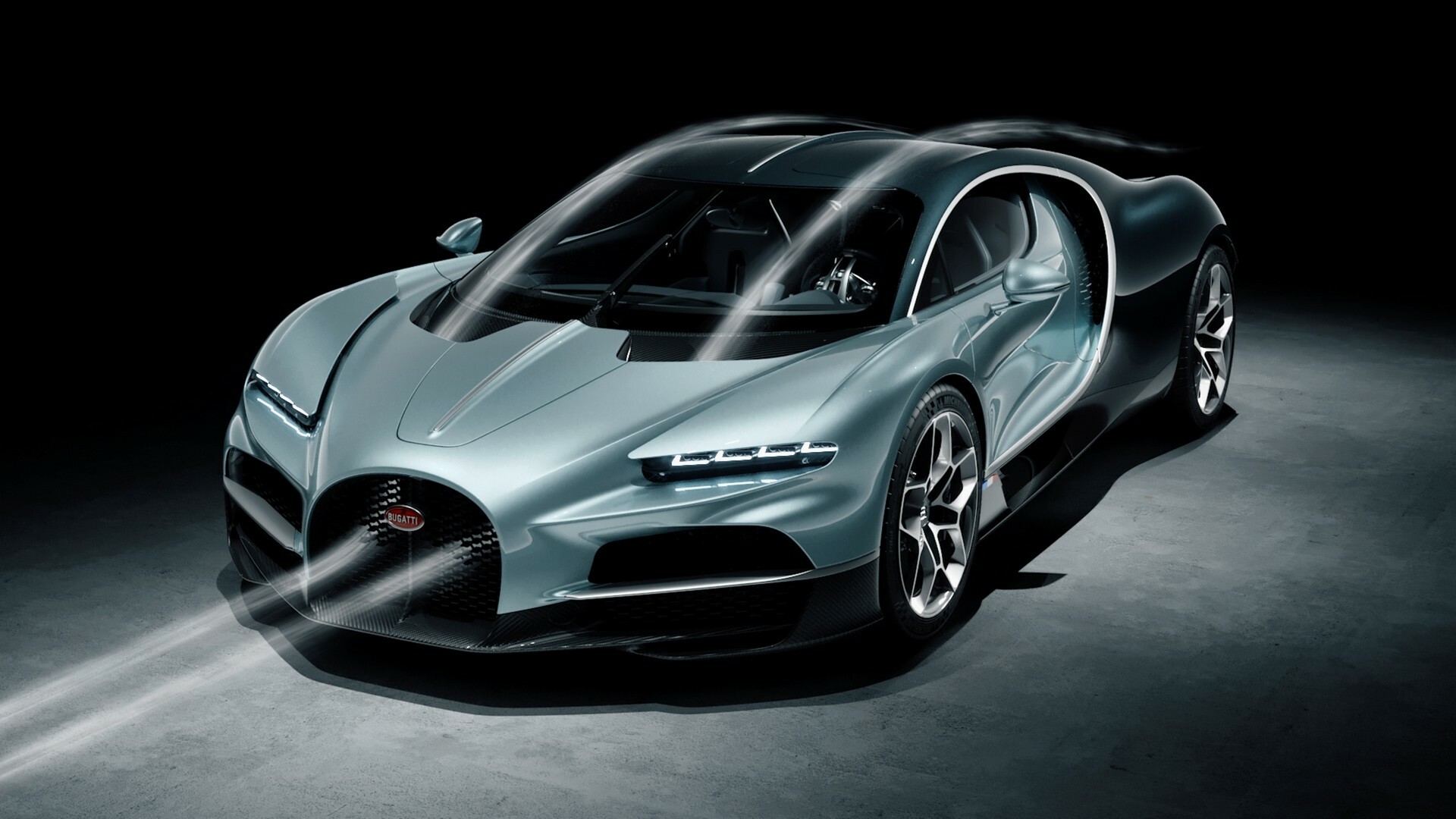
For Bugatti customers, it should pretty much be business as usual. The company already operates with substantial independence, and its upcoming Bugatti Tourbillon, the successor to the Chiron is already locked in with a naturally aspirated V16 and hybrid system developed under the current structure.

 Porsche’s Profits Fell 93%, So It’s Selling Bugatti And Rimac
Bugatti, Rimac, Porsche

BYD’s Boxy Off-Road Brand Just Unveiled A 1,000-HP Supercar And Three Low-Slung Performance Sedans

  • Fang Cheng Bao reinvents itself with a supercar and sleek sedans.
  • Formula X brings 1,000 horsepower and a full carbon-fiber build.
  • The S, SL, and GT take aim at Porsche’s Taycan from three angles.

In China’s fast-moving EV market, brand identities can flip in an instant. Fang Cheng Bao built its name on squared-off SUVs that look ready for a quarry. At the 2026 Beijing Auto Show, it arrived with something else entirely. The BYD-owned brand has pivoted hard, unveiling a supercar and a trio of low-slung EVs under a new Formula line.

The Formula X is the undisputed showstopper. This open-air supercar evolved from the Super 9 speedster concept from 2024 and features balanced proportions, aggressive LED headlights, upward-opening doors and no less than 19 functional air vents. The overall styling aligns closely with Denza, another BYD brand that already carries a handful of rebadged Fang Cheng Bao models.

More: China’s EV Juggernaut Wants To Race In Formula 1

The structure leans heavily on carbon fiber, from the body panels to a bespoke monocage chassis. The exposed two-seater cabin has a futuristic “battle cockpit” wrapped around the driver, and does without the structural bridge of the earlier concept.

\\\\\\\\\\\\

The supercar uses a tri-motor setup that produces a combined 1,000 hp (746 kW / 1,014 PS) and 1,000 Nm (738 lb-ft) of torque. A decade ago, figures like these would have been considered extreme. Today, they sit in the shadow of BYD’s record-breaking YangWang U9 Xtreme, which reaches a staggering 2,977 hp (2,220 kW / 3,018 PS).

More: BYD’s 200 Software Updates Last Year Made Toyota’s 8 Look Like A Rounding Error

Even so, the Fang Cheng Bao Formula X’s numbers still land where they need to. More to the point, this is not just a concept parked under bright lights. BYD has confirmed a 2027 market launch, suggesting this will make the jump from show stand to road. Whether it travels beyond China remains unclear.

A Hatchback and Two Sedans

Beyond the supercar, the Formula lineup moves into more familiar territory. The Formula S is positioned as a rival to the Porsche Taycan, the Formula S GT adopts a shooting brake shape, and the Formula SL sits at the top of the range as a more upscale take on the sedan.

\\\\\\\\\\\

The S and S GT are essentially two bodystyles of the same model, both of which could pass for something wearing a Denza badge. The SL sets itself apart with redesigned bumpers, a more sculpted profile, and gold-finished 21-inch alloy wheels.

All three sit on the same electric underpinnings, built around an 800V architecture with a tri-motor AWD setup producing up to 1,000 horsepower. They also feature BYD’s DiSus-M magnetic ride control. In terms of size, each rides on a 3,100 mm (122,1 inches) wheelbase and stretches beyond 5,000 mm (196.8 inches) in length.

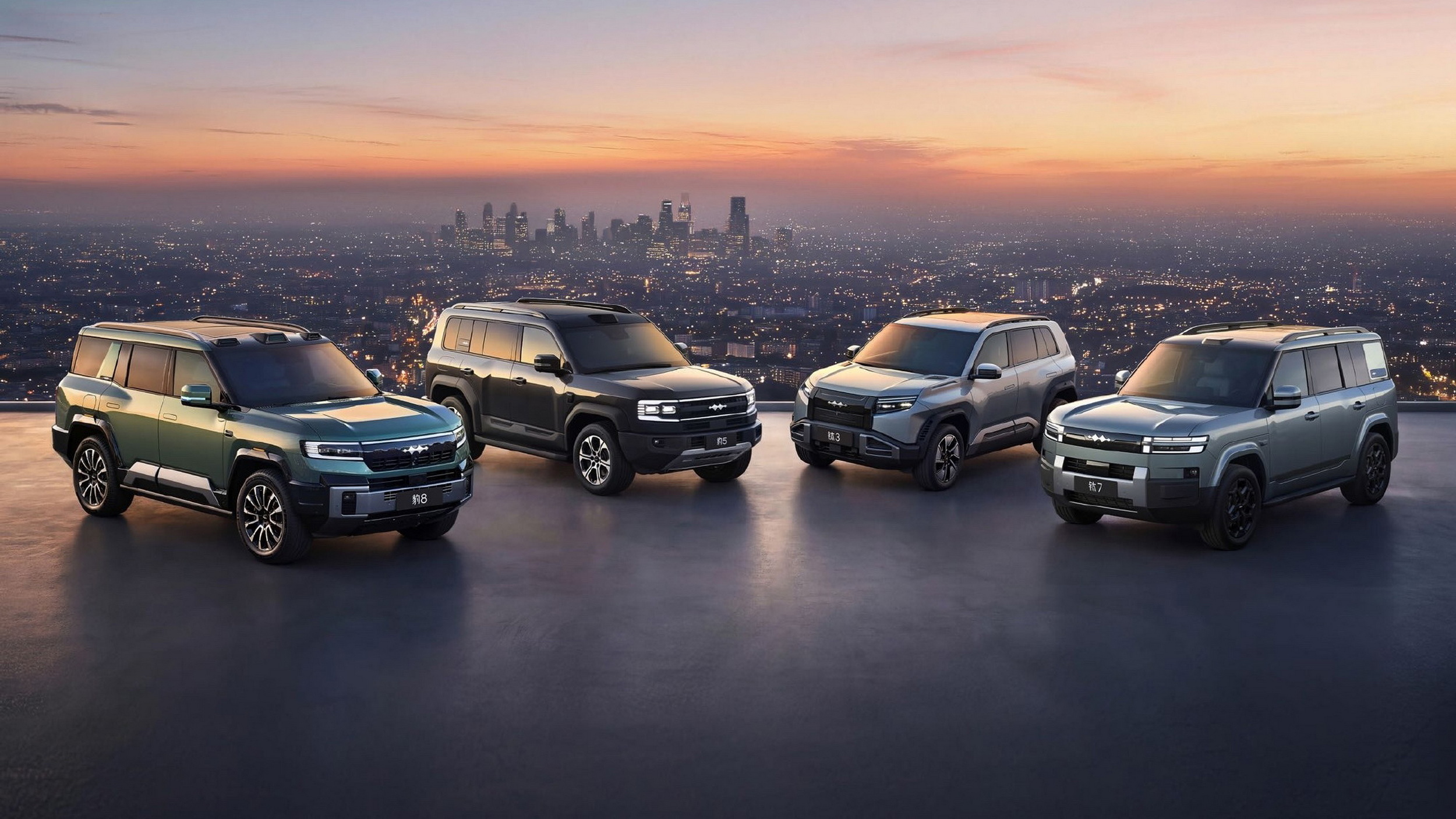
The high-performance EVs are due in Chinese dealerships in late 2026. These low-slung models will broaden the Fang Cheng Bao lineup alongside the existing Leopard SUVs. Given that some of those SUVs already appear overseas under the Denza brand, a similar export strategy would not be surprising here.

 BYD’s Boxy Off-Road Brand Just Unveiled A 1,000-HP Supercar And Three Low-Slung Performance Sedans
The previously SUV-only lineup of the Fang Cheng Bao brand.

Yesterday — 24 April 2026Electric Vehicles - Latest News | Carscoops

BYD’s Fang Cheng Bao Goes Wild With 1,000 HP Supercar And High-Performance EV Lineup

  • Fang Cheng Bao unveils a striking electric supercar dubbed Formula X.
  • It is joined by the Formula S and SL sedans, and the GT hatchback.
  • All four high-performance EVs will enter production by next year.

Fang Cheng Bao, the BYD-owned brand that built its reputation on boxy and rugged SUVs, has undergone a radical transformation at the 2026 Beijing Auto Show. The automaker has unveiled a striking supercar, along with three low-slung EVs under the Formula series.

The Formula X is the undisputed showstopper. This open-air supercar evolved from the Super 9 speedster concept from 2024 and features balanced proportions, aggressive LED headlights, upwards opening doors and no less than 19 functional air vents. Overall, the styling language is similar to Denza, a BYD brand with European aspirations.

More: China’s EV Juggernaut Wants To Race In Formula 1

The sculpted bodywork is made of carbon fiber, as is the custom “monocage” chassis. The exposed two-seater cabin has a futuristic “battle cockpit” wrapped around the driver, and does without the structural bridge of the earlier concept.

\\\\\\\\\\\\

The supercar is powered by three electric motors producing a combined 1,000 hp (746 kW / 1,014 PS) and 1,000 Nm (738 lb-ft) of torque. These numbers would be labeled extreme a decade ago, but we now live in a world where BYD’s record-breaking YangWang U9 Xtreme generates a staggering 2,977 hp (2,220 kW / 3,018 PS).

More: BYD’s 200 Software Updates Last Year Made Toyota’s 8 Look Like A Rounding Error

In any case, the specs of the Fang Cheng Bao Formula X still sound quite promising. More importantly, the model is not just a show piece, as BYD announced plans for a market launch in 2027. It will be interesting to see whether the high-performance EV will be offered outside China.

A Hatchback and Two Sedans

Besides the high-performance EV, the Formula series expands into the executive sector. The Formula S is a Taycan-rivaling sedan, the Formula S GT is a hatchback/wagon with a shooting brake stance, and the Formula SL is a high-end version of the aforementioned sedan.

\\\\\\\\\\\

The S and the S GT are effectively two different bodystyles of the same model that could easily wear the Denza emblem. The SL is distinguished by the redesigned bumpers, the more sculpted profile, and the gold-finished 21-inch alloy wheels.

All three models share the same electric foundation, riding on an 800V platform with a tri-motor AWD powertrain generating up to 1,000 horsepower. They also utilize BYD’s DiSus-M magnetic ride control. In terms of footprint, they have an identical wheelbase of 3,100 mm (122,1 inches), and measure over 5,000 mm (196.8 inches) long.

The high-performance EVs are scheduled to hit the roads in late 2026. The low-slung models will expand the Fang Cheng Bao lineup next to the existing Leopard series of SUVs.

 BYD’s Fang Cheng Bao Goes Wild With 1,000 HP Supercar And High-Performance EV Lineup

The previously SUV-only lineup of the Fang Cheng Bao brand.

Porsche’s New Cayenne Coupe EV Hits 60 As Fast As The 911 Turbo S And Can Still Tow Your Boat

  • The new Cayenne Coupe Electric arrives with three distinct power levels.
  • Turbo variant produces 1,139 horsepower and hit 60 mph in 2.4 seconds.
  • Buyers still get adaptive air suspension and up to 7,700 pounds of towing.

The Porsche Cayenne Coupe has never quite added up on paper. It’s a sportier, less practical version of an SUV meant to add a boatload of practicality to a sporty brand. Now, Porsche is adding another powertrain because buyers want options.

After some 40 percent of U.S. buyers chose the less practical Coupe body style of the Cayenne in 2025, they have an all-new, all-electric version available, and it just so happens to boast up to 1,139 horsepower (850 kW).

Also: Porsche’s New Wireless Charger Is Fast, But It’ll Cost You

We’ve known for a while that this was coming. Porsche already released the Cayenne Electric SUV. This is the Coupe version with its “911-inspired” roofline. It also features a unique roof structure and a coupe-specific windshield, giving it a more steeply raked profile than the SUV.

\\\\\\\\\\\\

Under the sheet metal and cramped back seat, you’ll find the same bones as the normal Cayenne Electric. That includes an 800-volt architecture, a 113 kWh battery, and the ability to leverage a 400 kW charger to go from 10-80 percent in under 16 minutes.

Read: Porsche Turns Cayenne EV Coupe Into A Hypercar Hunter

The base model starts at 435 hp (325 kW) and 615 lb-ft, which already feels like overkill for a daily SUV. Step up to the Cayenne S Coupe Electric, and you’re looking at 657 hp (490 kW). But the real headline grabber is the Turbo Coupe Electric: up to 1,139 hp (850 kW) and 1,106 lb-ft, with a claimed 0–60 mph (97 km/h) time of just 2.4 seconds. That matches the fastest 911 on sale today, the 911 Turbo S.

\\\\\\

Top speeds vary depending on the model, ranging from 143 mph (230 km/h) in the base version to 162 mph (261 km/h) in the Turbo.

That’s not just quick. It’s supercar territory in something that can tow 7,716 lbs (3,500 kg). Adaptive air suspension, optional rear-axle steering, torque vectoring, and Porsche’s trick Active Ride system all make appearances, too. Buyers can also opt for an Off-Road Package that improves approach angles

The Sport Chrono package and a panoramic glass roof are both standard on the Coupe. Charging hardware includes a NACS port on the driver-side rear fender and a J1772 AC port on the passenger side, with a CCS adapter included as standard.

\\\\\\\\\

Pricing starts at $113,800 and climbs to $168,000 for the Turbo, with deliveries expected by late summer 2026.

Importantly, Porsche isn’t replacing the gas Cayenne. Or even the plug-in hybrid. They’re all sticking around. That’s key because it makes the brand’s viewpoint clear. Customers can pick and choose whatever type of powertrain they want for the foreseeable future.

SPECS & PRICING
ModelPower Torque 0–60 mphTop SpeedMSRP*
Cayenne Coupe Electric435 hp
(325 kW)
615 lb-ft
(834 Nm)
4.5143 mph
(230 km/h)
$113,800
Cayenne S Coupe Electric657 hp
(490 kW)
796 lb-ft
(1,079 Nm)
3.6155 mph
(249 km/h)
$131,200
Cayenne Turbo Coupe Electric1,139 hp
(850 kW)
1,106 lb-ft
(1,500 Nm)
2.4162 mph
(261 km/h)
$168,000
SWIPE

*Prices exclude a $2,350 destination fee.

The Chinese Vacuum Brand That Built A 1,973-HP Sedan Just Showed Up At Berkeley With It

  • Dreame teased an apparent partnership with leading UC Berkeley researchers.
  • A recent meeting centered on autonomous tech and core modern AI systems.
  • The company may share further details at a public event later this month.

Dreame Nebula Next Auto is looking to make a splash in the United States and they’re hosting an event in San Francisco later this month. However, they’re not stopping there as the company has “deepened its engagement with leading academic institutions.”

The vacuum giant turned automaker pointed to a recent event at the University of California, Berkeley suggesting it could help accelerate the “development of AI-defined vehicles and next-generation autonomous systems.” As part of the “engagement,” engineers met with Berkeley researchers specializing in autonomous control systems, intelligent transportation, and artificial intelligence.

More: Chinese Vacuum Brand Drops A Taycan-Trampling Concept At CES

The group discussed “translating advanced research into real-world vehicle systems, with particular emphasis on safety, control and full-stack AI integration.” However, it remains unclear if this was a one-off event or part of a deeper collaboration.

The company implied it’s the latter as they said the “visit forms part of a broader strategy to anchor Nebula Next’s development in deep technical collaboration. By working closely with academic experts, the company is strengthening its approach to autonomous driving, vehicle intelligence and system-level engineering.”

 The Chinese Vacuum Brand That Built A 1,973-HP Sedan Just Showed Up At Berkeley With It

Dreame is best-known for vacuums and pool cleaners, but the company showcased the Nebula Next 01 concept at CES. Billed as a “four-door electric hyper-sedan,” the firm claimed the model had over 1,973 hp (1,471 kW / 2,000 PS) and could accelerate from 0-62 mph (0-100 km/h) in 1.8 seconds.

While the Chinese company botched the introduction in January, it appears they brought the concept to the Berkley campus as a few pictures surfaced online. That detail suggests the event might have been more show than anything else.

Audi Kills Its Two Cheapest Cars, Then Confirms Sports Car Production

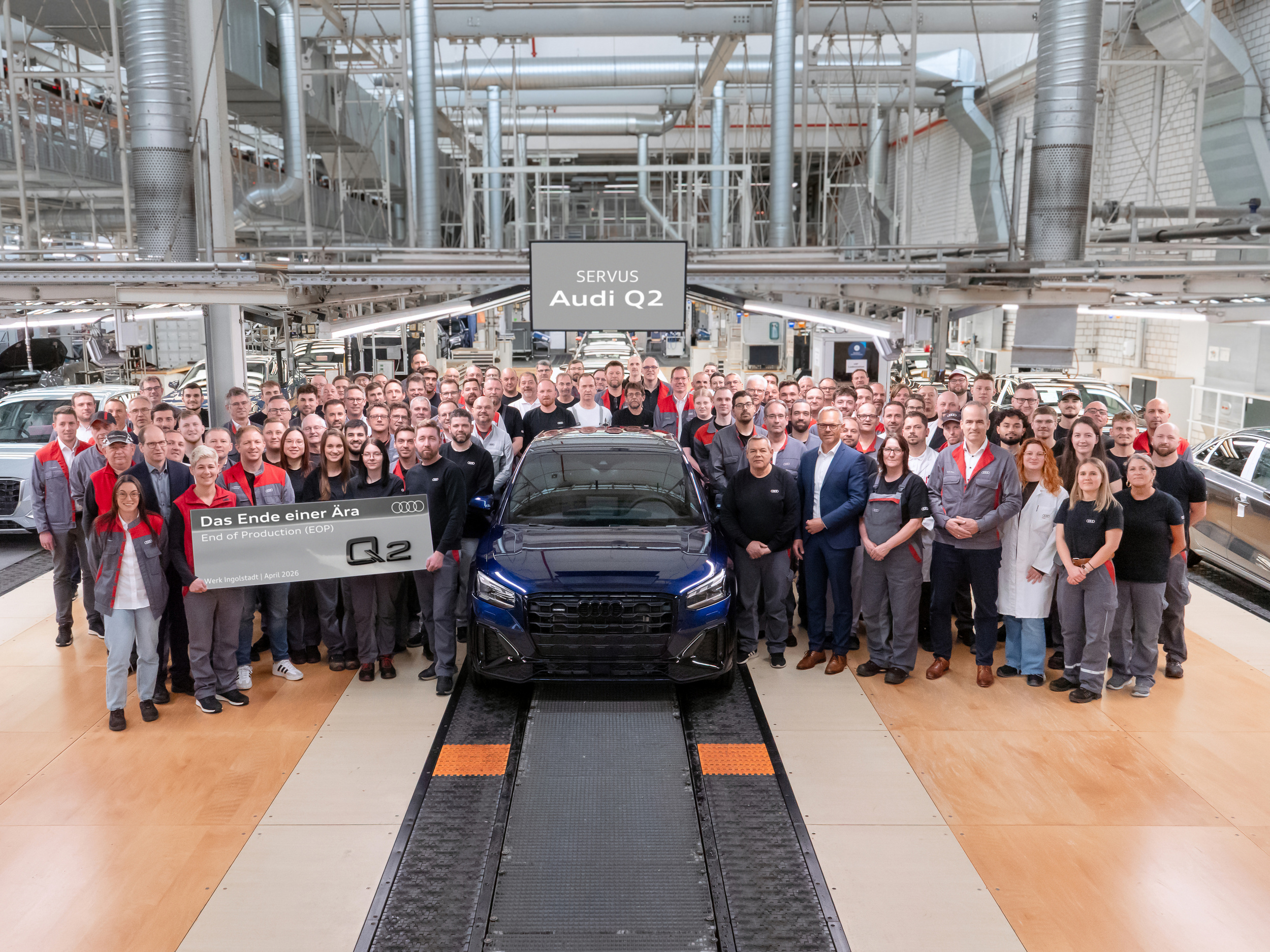
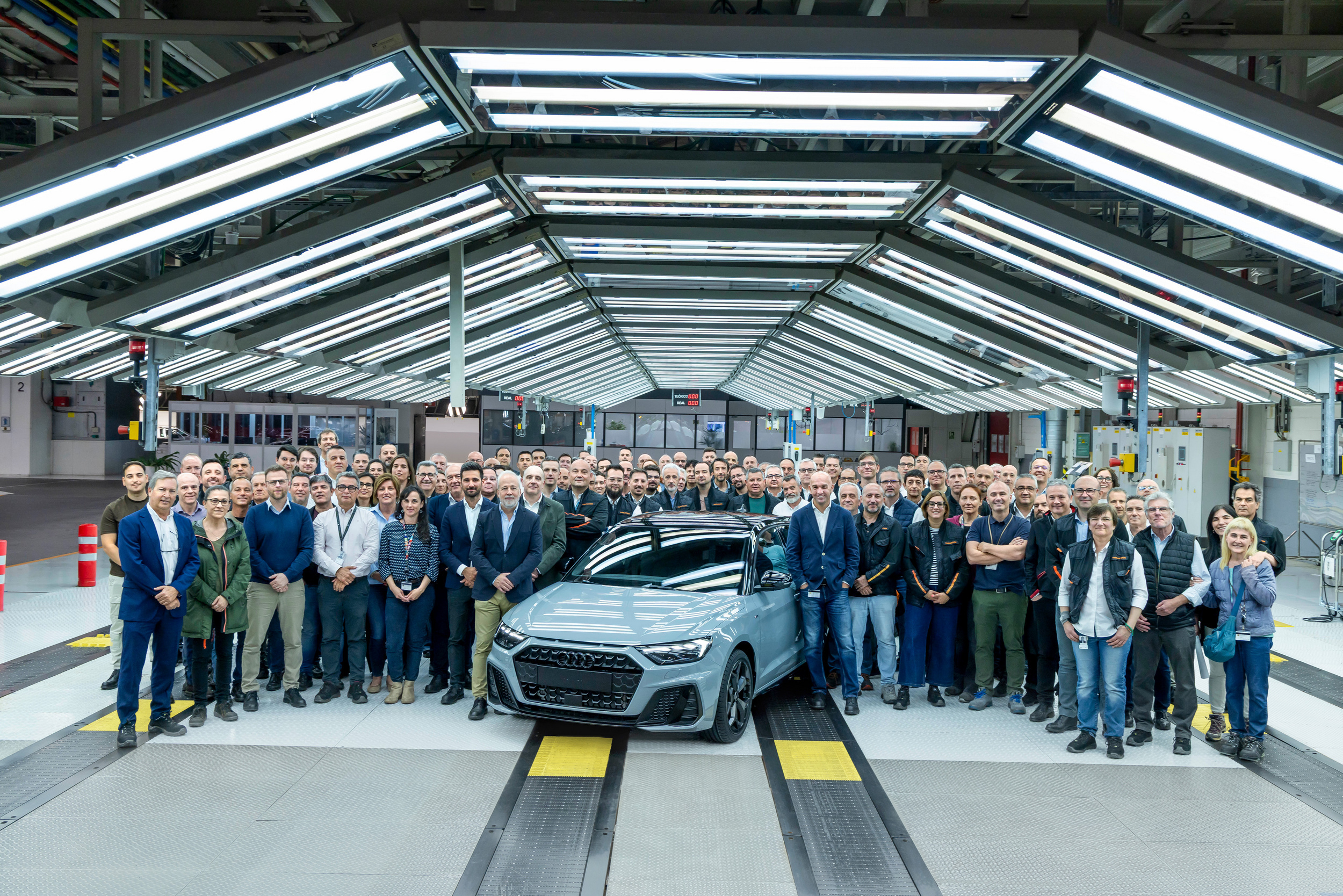
  • It’s the end of the road for the Audi A1 and Q2.
  • Both will be replaced by the upcoming A2 e-tron.
  • Electric sports car goes into production in 2027.

Affordability is in vogue these days, but apparently not at Audi. Quite the opposite as the brand is killing off the entry-level A1 and Q2.

Tucked in an announcement about their assembly network, Audi revealed production of the Q2 will end in Ingolstadt this April. Its death will apparently make room for the upcoming A2 e-tron.

More: Audi Confirms The A2 Is Back, Prays It’ll Sell This Time

While the Q2 was never offered in the United States, the compact crossover was introduced in 2016 and started at €29,000 ($33,862) in Germany, which made it significantly cheaper than the €44,600 ($52,066) Q3. It was relatively popular as consumers snapped up 887,231 units over the past decade. However, sales dropped off in recent years.

 Audi Kills Its Two Cheapest Cars, Then Confirms Sports Car Production

The Q2 isn’t the only model going away as A1 production is “winding down” in Martorell, Spain. The entry-level hatchback was introduced in 2010 and generated 1,389,658 sales over two generations.

The latest version started at €22,950 ($26,792) and was offered in Sportback and Allstreet guise. Like the Q2, the A1 proved successful at launch but sales tapered off in the past few years.

It’s not all bad news as the two models will effectively be replaced by the A2 e-tron. The compact EV debuts this fall and is expected to ride on the MEB+ platform that underpins the ID.3 Neo. The mainstream electric hatch recently debuted with 58 and 79 kWh battery packs as well as a WLTP range of up to 391 miles (630 km).

 Audi Kills Its Two Cheapest Cars, Then Confirms Sports Car Production

Electric Sports Car Arrives In 2027

Besides announcing the death of the A1 and Q2, Audi confirmed their electric sports car will go into production in 2027. It will be built at their Böllinger Höfe site, which specializes in small-series production.

The model was previewed by the Concept C and will essentially be Audi’s version of the Porsche 718 Boxster and Cayman. As you may recall, it was a two-seat sports car with a retractable hardtop, a minimalist interior, and an all-new design language.

\\\\\\\

Porsche Charges $134K For The Taycan, SAIC Charges $32K For This

  • SAIC’s new Z7 starts at just $32K, undercutting Porsche’s Taycan dramatically.
  • The dual-motor Z7 Ultra hits 62 mph (100km/h) in a Taycan-baiting 3.4 seconds.
  • A Touring-body Z7T variant mirrors the Cross Turismo version of the Taycan.

China continues to cement its position as the home of the cut-price EV, and the latest proof is SAIC’s bargain-bin Porsche Taycan lookalike. The company has confirmed that its Z7 will start at just 219,800 yuan ($32,200), which puts it in the realm of a mid-range Toyota Camry in the US. That is even less than expected, and a very, very long way below the Taycan’s 918,000 yuan ($134,500) starting point.

In fact, you could easily spend more with just a few options in Porsche’s configurator. There is a reason why Jim Farley has been warning about the pressure coming from China.

Unveiled earlier this year as a rival to the hugely popular Xiaomi SU7, the Z7 is making its public debut at this week’s Beijing Auto Show, where SAIC has also confirmed several variants. The standard sedan keeps things simple with the Z7 name, while the wagon version goes by Z7T. Put something like this in a showroom, and it does rather leave the Taycan looking like an expensive way to buy a badge.

\\\\\

The entry-level Z7 uses a rear-mounted electric motor with 359 hp and an 81 kWh battery pack. SAIC will also offer it with a 100 kWh pack and a dual-motor setup rated at 590 hp. In that form, it can reach 100 km/h (62 mph) in 3.44 seconds, which is not hanging about.

Read: Porsche Charges $133K For This Look, Now China Sells It For $36K

For comparison, the base Taycan at 918,000 yuan ($134,500) has 408 PS (402 hp) and covers 0 to 100 km/h in 4.8 seconds. The Taycan 4 costs 1,038,000 yuan ($152,100), has 517 PS (510 hp), and does the same run in 3.9 seconds. The Taycan GTS has 700 PS (690 hp), reaches 0 to 100 km/h in 3.3 seconds, and costs 1,298,000 yuan ($190,000). Meanwhile, the Taycan Turbo has 884 PS (872 hp), gets to 0 to 100 km/h in 2.7 seconds, and starts at 1,568,000 yuan ($230,000).

Cut-Price, But Promising Specs

\\\\\

The base model, known as the Z7 Max, is priced from 219,800 yuan ($32,200) and offers a solid 732 km (455 miles) range. Step up to the Z7 Max+, and you get the larger 100 kWh battery, stretching range to 905 km (562 miles) while nudging the price to 249,800 yuan ($36,600). Above that sits the dual-motor Z7 Ultra, also with the 100 kWh pack, delivering 791 km (491 miles) of range from 299,800 yuan ($43,900).

Three versions of the Z7T sports wagon are also offered, also badged the Z7T Max, Z7T Max+, and Z7T Ultra. The cheapest is priced at 229,800 yuan ($33,700) with the 81 kWh battery and 712 km (442 miles) of range, while the Z7T Max+ adds the 100 kWh pack, boosting the range to 873 km (542 miles). At 259,800 yuan ($38,000), it’s still very affordable. Then there’s the Z7T Ultra, rated at 776 km (482 miles) and priced from 309,800 yuan ($45,400).

All variants are built under SAIC’s Harmony Intelligent Mobility Alliance, led by Huawei, and come heavily loaded. Expect features like LiDAR and the brand’s latest intelligent driving system, which, on paper at least, puts it right up against far more expensive rivals.

\\\\\\\\\\\

Photos SAIC

Before yesterdayElectric Vehicles - Latest News | Carscoops

Fiat Dealers Slapping $15,000 Discounts On Slow-Selling 500e

  • Fiat dealers are offering huge discounts on the slow-selling 500e.
  • If you know where to look, you can score more than $15,000 in savings.
  • It’s almost May, but Fiat still hasn’t introduced a 2026 500e yet.

Fiat’s return to America was anything but triumphant, but things have only gotten worse since then. While the brand once offered an assortment of models including an underrated 124 Spider, they’re down to a single EV.

This was always going to be an uphill battle, but the situation has gotten significantly worse since the elimination of the federal tax credit. A quick look at the sales chart reveals a brutal first quarter where the 500e found a mere 68 buyers.

More: Fiat Sold Nearly 20 Times More 500e EVs in Canada Than In The US

That’s less than one per day and 23 per month. Things were so bad that the electric hatchback was outsold by the 500X, which was killed off in 2023.

A quick search online suggests dealers have over 100 units in stock and that’s roughly five months worth of supply. Given this, it’s not surprising there are huge discounts on 2024 and 2025 models.

 Fiat Dealers Slapping $15,000 Discounts On Slow-Selling 500e

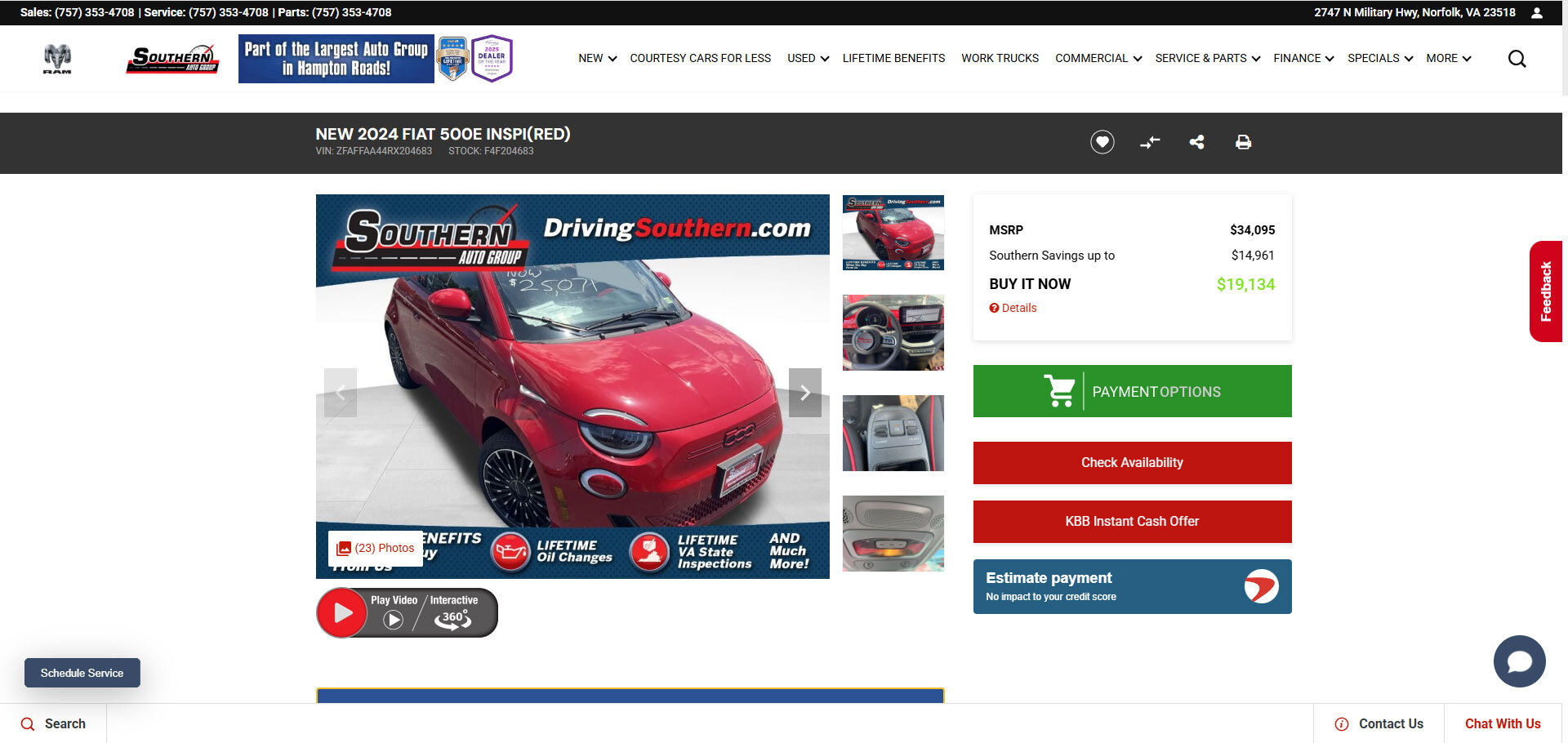
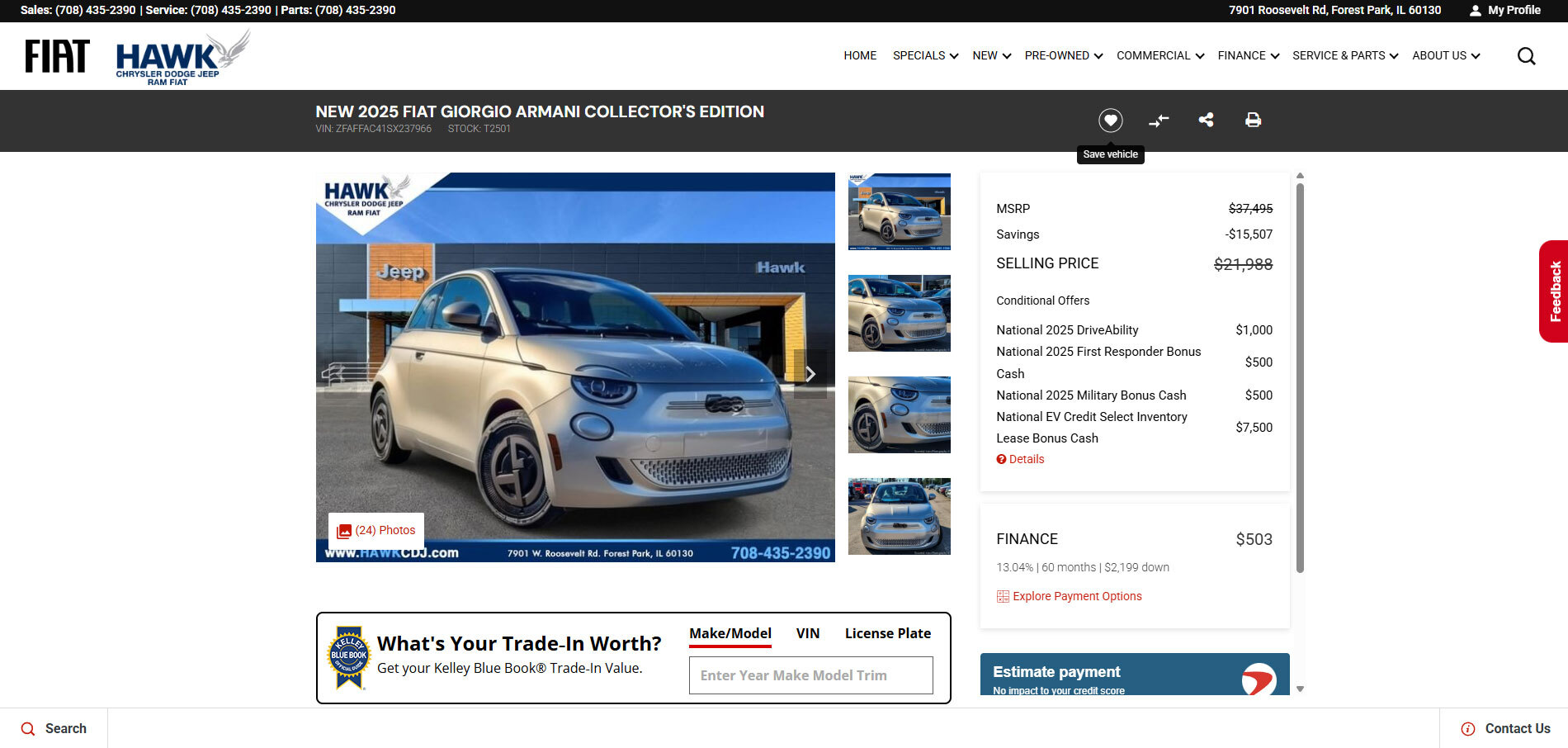
The cheapest car appears to be a 2024 500e INSPI(RED) at Southern Dodge Chrysler Jeep Ram Fiat of Norfolk, Virginia. The model originally stickered for $34,095, but the dealer has it listed for $19,134. That’s a discount of $14,961 and pictures reveal the dealer had previously tried to sell it for $25,071 but didn’t get any takers.

If you’re in the mood for something newer, Illinois’ Hawk Chrysler Dodge Jeep Ram Fiat has a 2025 500e Armani Edition listed for $21,988. That’s $15,507 below the original sticker price of $37,495.

Those are far from the only examples as Taverna Chrysler Dodge Jeep Ram Fiat in Florida has an Armani Edition with a $12,254 discount. It’s also worth noting Stellantis appears to be offering a $7,500 national incentive to help make up for the aforementioned tax credit.

 Fiat Dealers Slapping $15,000 Discounts On Slow-Selling 500e

Lexus Is About To Charge You Lexus Money For A Toyota Highlander EV

  • Lexus is preparing a three-row electric flagship to take on Volvo and Hyundai rivals.
  • The TZ shares its overall shape and proportions with the new Toyota Highlander EV.
  • Powertrain choices may follow Toyota’s setup, though upgrades are likely.

After plenty of speculation about its existence, Lexus’s long-expected electric three-row SUV has surfaced in the open at last. Spied testing for the first time, it is, at heart, a more polished take on the new Toyota Highlander EV, positioned to square up against the Hyundai Ioniq 9, Kia EV9, and Volvo EX90, with a ‘9’ set to feature in its name.

While this prototype is covered from head to toe in camouflage, we can see it retains the same overall shape and profile as the Highlander, though Lexus has worked over the details. Up front, for example, there are split headlights and a cleaner, less cluttered bumper design.

Read: Subaru’s Next SUV Is Big, Electric, And Very Toyota

Cast your eyes down the sides of the TZ, and you’ll notice the wheel arches are slightly more square than they are on the Highlander, and it sits on new wheels, too. The door handles and side windows also look the same as the Toyotas’, although the door skins look a little different.

The rear remains carefully disguised, offering little beyond hints. The taillights appear to mirror the Highlander’s general shape, possibly stretching further down the sides, though for now, most of the detail stays under wraps.

\\\\\\\\\\\\\\\\\\\\\\\\\\

Baldauf

With a few possible exceptions due to the different body panels, the Lexus TZ should have largely the same dimensions as the Highlander. That means it should be about 198.8 inches long, 78.3 inches wide, and stand 67.3 inches, complete with a 120.1-inch wheelbase.

With a few allowances for its unique bodywork, the Lexus TZ or TZ9 if the naming structure holds, is expected to mirror the Highlander’s footprint quite closely. That points to an overall length of roughly 198.8 inches, a width of 78.3 inches, and a height of 67.3 inches, riding on a 120.1-inch wheelbase.

What About The Powertrain?

As for what sits underneath, the safest assumption is that Lexus will lean heavily on Toyota’s existing hardware. In Highlander form, the base setup pairs a 77 kWh battery with a single motor producing 221 hp and 198 lb-ft (268 Nm). Step up to all-wheel drive and output rises to 338 hp and 323 lb-ft (438 Nm), alongside a larger 95.8 kWh battery and a claimed range of up to 320 miles (515 km).

\\\\\\\\\\\\\\\\\

SB-Medien

Although those figures would pass muster for a Lexus, the competition has already moved on. The Volvo EX90 carries a 111 kWh battery, while the Hyundai Ioniq 9 comes in at 110.3 kWh, both pushing for longer real-world range. Against that backdrop, a larger pack for the TZ would not go amiss.

A Familiar Lexus Cabin

We don’t yet have any photos of the TZ’s interior, though a couple of shots show the door panels. They’re clearly different from the doors of the Highlander and appear to have the same electric door release button as other Lexus models.

While some reports suggest it could be built alongside the Highlander EV at Toyota’s plant in Georgetown, Kentucky, others point to production in Japan with exports to global markets, including the US. Either way, it is expected to debut toward the end of the year or in early 2027.

\\\\\\\\\\\\\\\\\\\\\

Baldauf

A Tornado Hit Rivian’s Factory Friday, The R2 Entered Production Anyway

  • The Rivian R2 has gone into production in Normal, Illinois.
  • First customer deliveries are set to begin later this spring.
  • Crossover starts at $57,990, but cheaper variants are coming.

A little over two years after unveiling the R2 concept, the production model is now being built in Normal, Illinois. That’s particularly impressive considering a tornado hit and damaged the facility last Friday.

Rivian didn’t have much to say about the production process itself, but noted the first vehicles will undergo a series of final quality and validation checks. If everything pans out, the first customer deliveries will begin later this spring.

More: Rivian’s Most Affordable Model Arrives First In Its Most Expensive Form

The automaker called production a “milestone moment” for the R2 and said it means the “manufacturing process has been verified, every weld has been checked, every software string has been validated, and every interior material has been scrutinized to meet the high bar we set for ourselves and for you, our community.”

Rivian’s COO Javier Varela went further as he said the R2 “represents a major advance in engineering excellence and manufacturing efficiency, driving meaningful improvements in cost and quality.” Those sentiments were echoed by CEO RJ Scaringe, who called the vehicle “incredible.” The executive added he can’t wait until customers get their hands on the EV.

The R2 is being launched in $57,990 Performance guise, which features a dual-motor all-wheel drive system developing 656 hp (489 kW / 665 PS) and 609 lb-ft (825 Nm) of torque. It enables the model to accelerate from 0–60 mph (0-96 km/h) in as little as 3.6 seconds and have a range of up to 330 miles (531 km).

\\\\

The range-topping variant comes nicely equipped with a Black Crater Signature interior with Birch wood trim as well as 12-way power front seats with heating and ventilation. They’re joined by heated rear seats, a heated steering wheel, and a nine-speaker premium audio system.

Early models also come with a Launch Package, which includes a lifetime subscription to Autonomy+ as well as a towing package that enables the crossover to haul 4,400 lb (1,996 kg). Buyers will also find a green anodized key fob as well as an available Launch Green paint job.

\\\\\\\\\\\\\\\\\\\\\\\\

A more affordable R2 Premium is scheduled to follow later this year. It starts at $53,990 and has a dual-motor all-wheel drive system with 450 hp (356 kW / 456 PS) and 537 lb-ft (727 Nm) of torque.

The R2 Standard lineup is set to arrive in 2027 and offer Short and Long Range variants. The former will cost “around $45,000” and have a range in excess of 275 miles (443 km).

\\\\\\\\\\\\\\\\\

Brabus Wants BMW S 1000 RR Money For An Electric Bike With 31 HP

  • The motorcycle is powered by a 7.1 kWh lithium-ion battery with a rear motor.
  • Flagship versions of the two-wheeler produce up to 37 hp and 350 lb-ft.
  • While the bikes look appealing, they cost more than a loaded BMW S 1000 RR.

Brabus has taken a break from building V8-powered monsters with enough torque to twist the planet, and has partnered with a French motorcycle manufacturer to build three all-electric bikes. Dubbed the DAB 1a Brabus, Brabus Urban E, and Brabus Urban E First Edition, they appear well-suited for inner-city use.

All three are based on DAB’s existing 1a but offer different performance levels and unique designs. The DAB 1a Brabus is finished in black and features exposed carbon fiber on the belly pan, front fender, and engine cover inserts. It also rocks matte black wheel covers and an Alcantara seat with gray stitching, giving it a low-profile and stealthy look.

Read: You Can Buy The Ultimate Mercedes Clown Shoe In America

Power comes courtesy of a 7.1 kWh lithium-ion battery, driving a rear-mounted electric motor with 31 hp and 291 lb-ft (395 Nm) of torque. Brabus says the bike can travel up to 93 mph (150 km/h) on a charge and run through to 75 mph (120 km/h), while it can be charged from 20 to 100 percent through a standard household plug in about 3 hours.

Brabus DAB 1a
\\\\\\\\\\\\\\\\\\\\\\\\\

Then there’s the Brabus Urban E. It ups the ante with an upgraded motor delivering 37 hp and 350 lb-ft (475 Nm). The Urban E also introduces carbon-fiber air ducts on the left and around the motor to help keep the electric motor cool, while the battery pack is untouched.

Style And Power

Other upgrades include newly painted gloss-black parts with red accents and carbon-fiber pieces. The wheel covers are also made from carbon fiber, vertical DRLs have been added, and there’s a Supermoto-style handlebar with CNC-machined aluminum levers. Brabus has also added keyless start to this model and included several different riding modes: Eco, Street, Sport, Nitrous, and Reverse. What’s more, there’s also a fully adjustable suspension and upgraded Brembo brakes.

Brabus Urban E
\\\\\\\\

Rounding out the trio is the Urban E First Edition. It has all the same features as the regular Urban E, but is offered in four distinctive colors: Peetch, Desert Sand, Superviolet, and Fusion Red. Each color will be limited to just 10 units.

While the designs of the bikes are quite appealing, their prices aren’t so pretty. The base DAB 1a Brabus starts at €16,590 ($19,500), the Urban E is priced from €20,800 ($24,400), and the First Edition is €32,500 ($38,100). To put those figures into perspective, you can get a brand new BMW S 1000 RR, a top-notch superbike that comes with no less than 215 hp, loaded with features for around €25,000 ($29,000). Guess it’s another case of horses for courses…

Brabus Urban E First Edition
\\\\\\\\\\\\\\\\\\\\\\\\\\\\\\\\\\\\\\\\\\

Ford Already Backed Away From One EV Truck, Now GM Is Backing Away From Four

  • GM reportedly pauses next-gen full-size electric truck development.
  • Gas V8s, hybrids and range extenders are suddenly more important.
  • Current-generation EV trucks stay alive, but future refresh looks hazy.

General Motors spent years telling us electric pickups were the next great American migration. Now the convoy appears to have missed an exit because reports claim GM has indefinitely paused development of its next-generation full-size EV trucks.

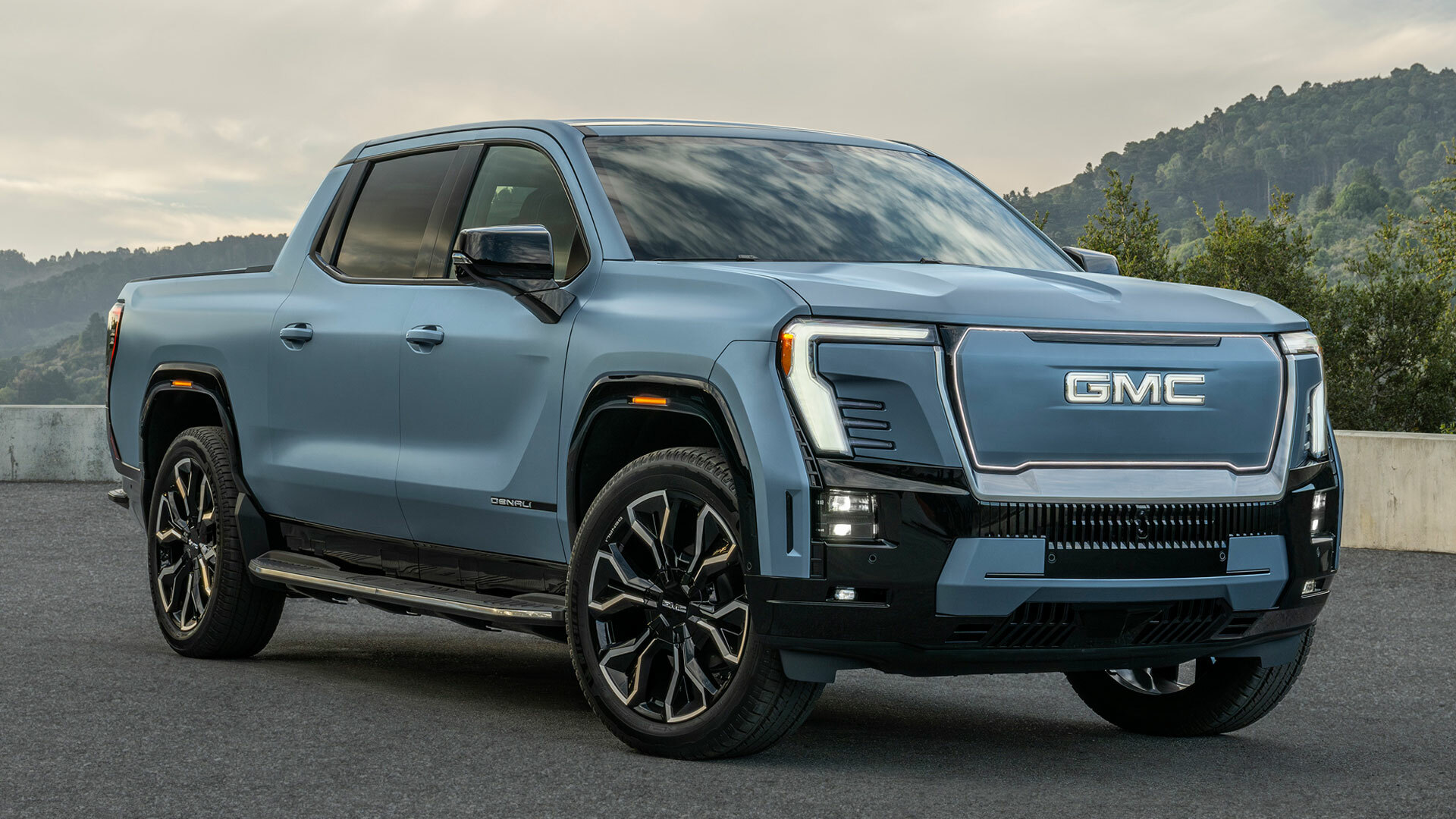
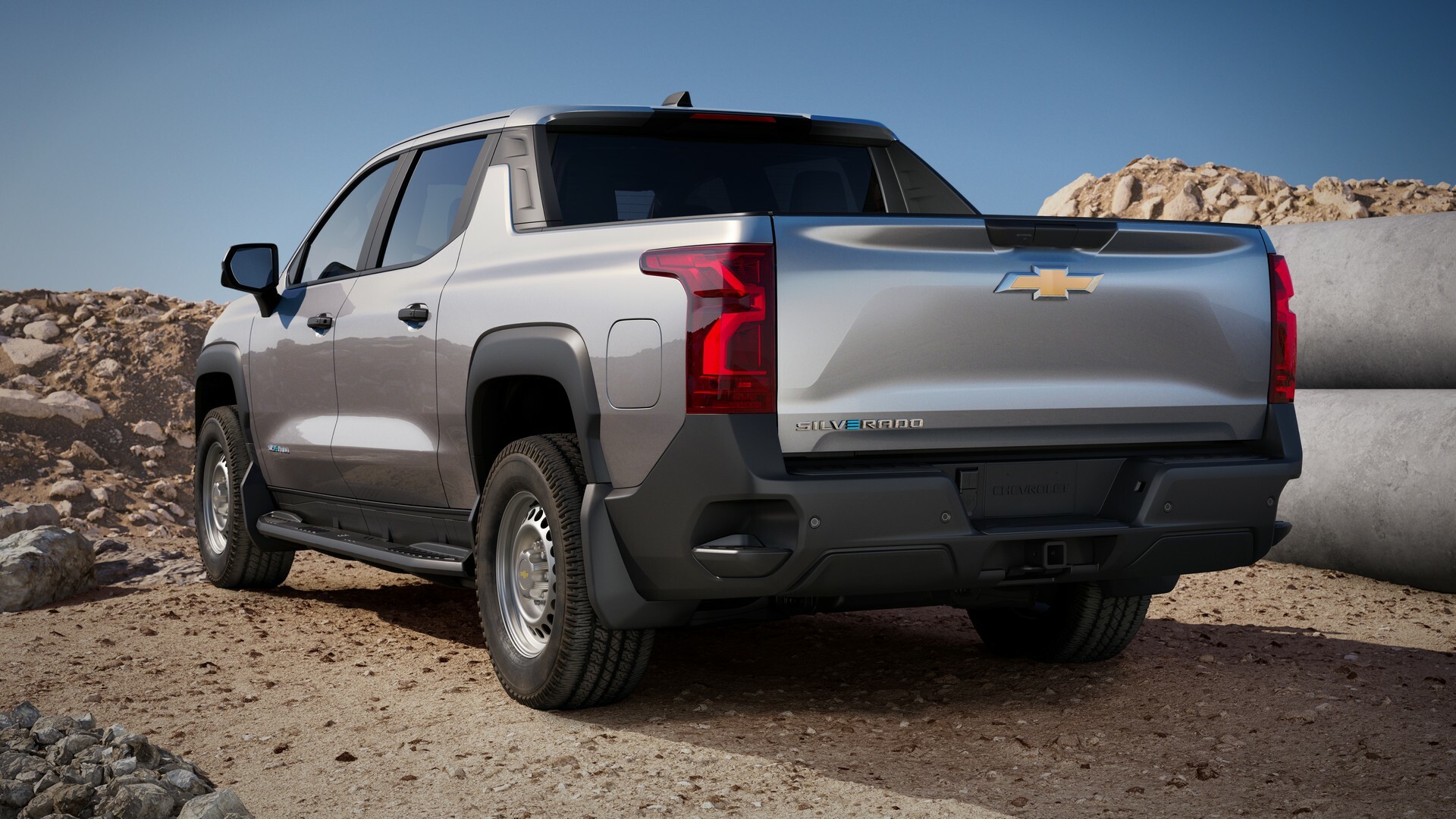
According to a piece by Crain’s Detroit, GM had been developing updated and lower-cost successors for the electric Chevrolet Silverado EV, GMC Sierra EV, Cadillac Escalade IQ, and GMC Hummer EV lineup, with production previously targeted for 2028.

Related: GM Pauses Production Of Two Hyped-Up EVs, Sending 1,300 Workers Home

But suppliers were reportedly told the program has been halted, with no replacement timeline offered. Industry watchers now don’t expect fresh full-size GM electric trucks before 2030, and they could end up arriving much later.

That doesn’t mean GM’s current EV trucks are dead. Existing models will continue rolling out of the under-utlilized Factory Zero in Detroit-Hamtramck, the story says, and experts think the Escalade IQ is important enough to Cadillac’s plans to keep in production. But it does suggest GM wants to spend more R&D time and money on products customers are actually buying in larger numbers right now. Ones that run on gasoline.

The company is said to be redirecting resources toward its upcoming T1-2 internal-combustion truck platform, which is expected to power future full-size pickups and SUVs. Orion Assembly, once earmarked for electric trucks, and now thriving after switching to ICE versions, is now reportedly preparing for future gas-powered models.

Hybrids And Range Extenders

 Ford Already Backed Away From One EV Truck, Now GM Is Backing Away From Four

Crain’s Detroit sources also claim plug-in hybrid versions of the Silverado and Sierra are in the mix, while GM has discussed range-extended EV tech with suppliers. It’s an idea rivals are already chasing. Ram is expected to launch a range-extended pickup first, while Ford has signaled similar plans after backing away from the idea of renewing the all-electric F-150 Lightning.

No More Federal Handouts, Or Directives

None of this is happening in a vacuum. EV tax credits have been rolled back, emissions rules have softened, and demand for expensive electric pickups hasn’t exactly set sales charts on fire. Big batteries and six-figure stickers remain a hard sell for many truck buyers, though GM refused to comment on the report that its EV plans have been axed.

“We have not disclosed any potential plans or timing for any next-generation battery electric trucks and we’re not going to engage in speculation,” a GM spokesperson told Crain’s Detroit.

GM still says the long-term destination is electric, and it probably is. But right now, Detroit’s most profitable vehicles are trucks, and trucks and their buyers can’t kick their gasoline habit.

 Ford Already Backed Away From One EV Truck, Now GM Is Backing Away From Four

GM

❌
❌