Reading view

There are new articles available, click to refresh the page.

US Senate panel approves Warsh as new Fed chair, as Americans struggle with soaring costs

Kevin Warsh, U.S. President Donald Trump's nominee for chair of the Federal Reserve, testifies during his Senate Committee on Banking, Housing, and Urban Affairs confirmation hearing in the Dirksen Senate Office Building on April 21, 2026 in Washington, D.C. (Photo by Andrew Harnik/Getty Images)

Kevin Warsh, U.S. President Donald Trump's nominee for chair of the Federal Reserve, testifies during his Senate Committee on Banking, Housing, and Urban Affairs confirmation hearing in the Dirksen Senate Office Building on April 21, 2026 in Washington, D.C. (Photo by Andrew Harnik/Getty Images)

WASHINGTON — President Donald Trump’s pick to lead the Federal Reserve was one step closer to the job Wednesday after North Carolina Republican U.S. Sen. Thom Tillis cast the deciding vote to advance Kevin Warsh’s nomination to the full Senate.

Lawmakers on the Senate Committee on Banking, Housing and Urban Affairs voted 13-11 along party lines to move Warsh to the next step.

The potential turnover at the top of the Fed, which sets monetary policy, comes as Americans see higher costs hit their pocketbooks, particularly soaring prices at the gas pump, as the U.S.-Iran conflict disrupts worldwide energy supplies.

Tillis had withheld his support until the Trump administration announced Friday it would drop what the senator described as a “bogus” investigation of current Fed Chair Jerome Powell.

“It’s no secret that the reason that Mr. Warsh’s nomination could have been held up is because of my concern with the investigation. I want to thank the Department of Justice for the assurances that they gave me,” Tillis, R-N.C., said following the panel’s brief morning session that lasted just under 15 minutes.

“The fact of the matter is, this was based on two minutes of testimony. It was not criminal,” Tillis said of the DOJ’s probe into Powell’s June 2025 testimony to Congress on a major $2.5 billion renovation of the Fed’s Washington, D.C., headquarters.

The committee vote comes after Trump’s sustained verbal attacks on Powell over several months, including numerous public threats to fire the Fed leader if he did not agree to lower interest rates. `

A federal judge last month blocked the administration’s subpoenas to probe the Fed and Powell, citing “a mountain of evidence” that Trump was using the investigation to force Powell’s hand.

The Fed was scheduled to meet Wednesday afternoon to deliver its latest decision on interest rates, possibly the last under Powell, whose term expires May 15.

Inflation, affordability

The committee’s top Democrat, Sen. Elizabeth Warren of Massachusetts, said the vote brings Trump “one step closer to completing his illegal attempt to seize control of the Fed and to artificially juice the economy.” 

Inflation and affordability are emerging as major issues ahead of the 2026 midterm elections that will determine control of Congress. 

Sen. Raphael Warnock, D-Ga., said his constituents in Georgia and beyond “deserve to know that the Fed is on their side, maximizing their chances to keep a good paying job and keeping their lives affordable, not on the side of the president’s poll numbers or his political concerns as we approach the midterm.”

“Fed independence is not theoretical. It matters to the everyday lives of working families,” Warnock said.

According to a Reuters/Ipsos poll taken between April 24-27, 61% of Americans think the U.S. economy is on the wrong track. 

When asked about the costs and benefits of the war in Iran, only a quarter of respondents said they agreed the U.S. military operation was worth it, according to the Ipsos poll.

Americans have watched fuel prices climb in March and April after Iran retaliated against the U.S.-Israeli attacks by choking off the Strait of Hormuz, a narrow maritime passageway where, prior to the war, one-fifth of the world’s petroleum passed.

Gas prices climb

The average price across the U.S. for a gallon of regular gas reached $4.23 Wednesday, not only the highest price point since the U.S. launched operations in Iran on Feb. 28, but also the highest since July 2022, according to GasBuddy.  

Prior to the war, a gallon of regular hadn’t topped $3 all year.

An Indianapolis gas pump shows prices over $4 a gallon on Tuesday, April 7, 2026. (Photo by Niki Kelly/Indiana Capital Chronicle)

A return to normal, free flow in the strait — which was about 140 vessels per day pre-war — appears out of reach at the moment, as Trump announced last weekend his negotiators pulled back again on attending talks in Islamabad.

Secretary of Defense Pete Hegseth sidestepped a question Wednesday regarding how much longer the war might last, asked by Rep. Chrissy Houlahan, D-Pa., before the House Armed Services Committee.

During the same hearing however, the Pentagon’s Jules Hurst III, acting undersecretary of war who oversees finances, did reveal the war had so far cost the U.S. $25 billion.

While the Fed’s inflation target is 2%, data released at the beginning of April showed prices for all items rose 3.3% over a year ago. The jump was largely driven by a 21% spike in fuel prices from February to March.

The Fed’s so-called “dual mandate” is to maximize employment and stabilize prices. The Fed primarily loosens or tightens the economy by adjusting interest rates — lowering them if the economy lags and inflation is too low, and raising them when inflation becomes too high.

Lisa Cook firing

Warren and Warnock also noted Trump’s ousting in August of Fed Governor Lisa Cook, appointed to the board by former President Joe Biden. The U.S. Supreme Court is reviewing whether Trump exceeded his authority in firing Cook.

Warnock said he was dissatisfied with Warsh’s written responses to additional questions sent after his April 21 nomination hearing before the committee.

“I asked, quote: ‘If President Trump, or any future president, attempts to unlawfully fire you without cause, would you leave the Federal Reserve?’ His response, quote: ‘I will not answer hypothetical questions of this nature,’” Warnock recounted.

“Well, this isn’t a hypothetical question. In fact, the president attempted to fire Governor Cook this in the past year, and the president has repeatedly mused about firing Chair Powell because he won’t bend to his interest rate demands — doing so as recently as two weeks ago,” Warnock said, referring to Trump’s comments during an April 15 Fox Business interview. 

Asked Wednesday afternoon if he thinks Warsh will persuade the Fed’s board of governors to lower interest rates, Trump told reporters, “They should because it’s a good time to lower them. We’re the most prime country anywhere in the world.”

Powell also faced questions Wednesday afternoon.

When asked whether he expects Warsh will remain independent of Trump, Powell said, “He testified very strongly to that effect in his hearing, and I’ll take him at his word.”

Jennifer Shutt contributed to this report.
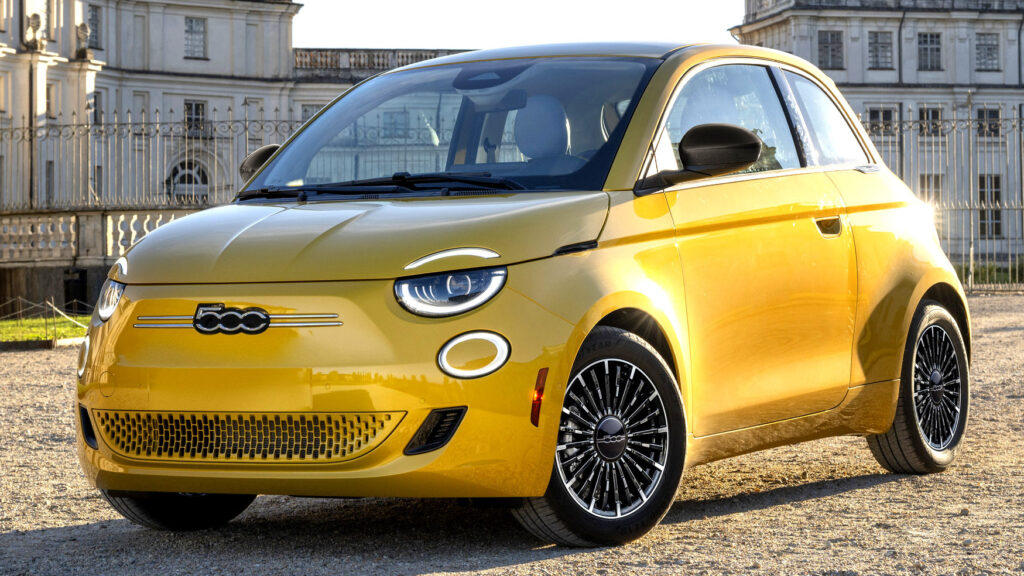
Dealers Can’t Move The 500e At $15,000 Off. Fiat’s Response Is A $5,200 Price Hike

  • Fiat has finally introduced the 2026MY 500e.
  • Despite slow sales, pricing shoots up $5,200.
  • There’s a new color and a revised lineup.

Automakers have been introducing 2027 models for months, but the 2026 Fiat 500e has been curiously absent. Given this, we reached out to the brand last week to see if the hatchback was going on hiatus like the Jeep Wagoneer S.

Fiat told us the 2026 model would be announced soon and they’ve finally followed through by introducing a vehicle that virtually no one wants. Given the low demand of less than one per day, the updates are unsurprisingly minor.

More: Fiat Dealers Slapping $15,000 Discounts On Slow-Selling 500e

When the 2026 500e arrives this summer, customers will find empty showrooms and a new Miami Sunset exterior. That isn’t the only change as the new Pop trim features a body-color dashboard, instead of the pearl one found on the Icona.

The only other major change appears to be access to Tesla’s Supercharger network. However, this requires using a NACS adaptor that costs $230.

Other than that, it’s your typical overpriced and underwhelming 500e. That being said, the lineup has been adjusted for 2026 as the 500e Giorgio Armani Edition is dead.

\\\\\\\\\\\

On top of that, the entry-level Pop begins at $35,700 which is a huge jump from the previous starting price of $30,500 for the INSPI(RED). That trim is apparently dead, although Fiat did mention a (RED) Edition, which appears to be a package.

The Icona trim returns for 2026, but it now starts at $37,700. That’s $5,200 more than the 2025 model and it’s a hilarious ask considering dealers are struggling to get rid of existing vehicles even with discounts of $15,000.

\\\

While no one in their right mind would buy a 500e, we’ll remind you the car has a 42 kWh battery pack that feeds an electric motor developing 117 hp (87 kW / 119 PS) and 162 lb-ft (219 Nm) of torque. It enables the model to accelerate from 0-60 mph (0-96 km/h) in 8.5 seconds and have a range of approximately 149 miles (240 km).

Needless to say, there are far better options including the $27,600 Chevrolet Bolt with 262 miles (422 km) of range. Shoppers should also check out the $29,990 Nissan Leaf, which can travel 303 miles (488 km) between charges

2026 Fiat 500e Pricing
TrimMSRP 
Pop$35,700
Icona$37,700
SWIPE

Prices exclude an undisclosed destination fee

Stellantis’ Cheapest New EV Is Chinese, Made In Europe, And $15K Under Its Own Peugeot

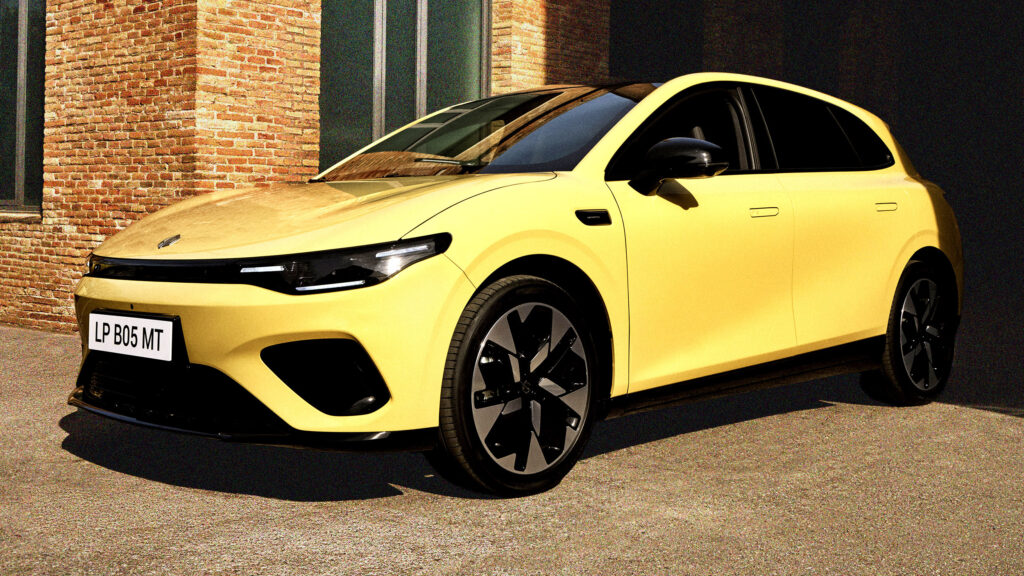
  • Leapmotor’s new B05 starts at €26,900 in Italy before any local incentives apply.
  • The Chinese-designed hatchback is built at a Stellantis plant in Zaragoza, Spain.
  • Local assembly lets the B05 sidestep the EU tariffs aimed at Chinese-made EVs.

As European EV buyers grow more price-sensitive, new entrants are finding sharper ways to undercut established players without giving up headline specs. Stellantis is putting its strategic partnership with Leapmotor to work, launching the new B05 across Europe as a fully electric hatch aimed squarely at the freshly updated VW ID.3 Neo. A hotter Ultra variant will follow, with the next GTI in its sights.

Aggressive Pricing

The Leapmotor B05, known as the Lafa 5 in China, first appeared in Europe last September at the Munich Auto Show, then a static prototype. It is now on sale in European markets, priced in Italy from €26,900 ($31,500) to €30,900 ($36,200) before local incentives.

More: Stellantis’ Secret Weapon Against Chinese EVs In Europe Turns Out To Be A Chinese EV

This places the entry-level version €9,600 ($11,200) below the pre-facelifted VW ID.3 in Italy. The Leapmotor B05 also comes in €11,450 ($13,400) under the Renault Megane E-Tech and €13,080 ($15,400) less than Stellantis’ own Peugeot E-308 in the same market.

\\\\\\\\\\

The EU-spec Leapmotor B05 is currently being assembled at Stellantis’ Figueruelas plant in Zaragoza, Spain. Producing the car locally allows the company to avoid steep EU tariffs on Chinese-built EVs, helping it land at a price point that undercuts even the now-discontinued MG4.

Competitive Specs

Measuring 4,430 mm (174.4-inch) long, the EV rides on Leapmotor’s “LEAP 3.0” architecture and uses Cell-to-Chassis (CTC) technology. This setup integrates the battery into the structure, improving rigidity. The company also claims a 50:50 weight distribution and notes that the suspension was co-tuned with Stellantis’ global engineering teams.

More: Opel And Alfa Romeo’s Next EVs May Be Built Around Chinese Tech, Not German Or Italian

European buyers can choose between two LFP battery packs: a 56.2 kWh Pro unit with a WLTP range of 401 km (249 miles), or a 67.1 kWh Pro Max pack offering up to 482 km (300 miles). DC fast charging peaks at 174 kW, allowing a 30-80% charge in as little as 17 minutes.

\\\\\\\\\

The Leapmotor B05 is fitted with a rear-mounted electric motor offering 215 hp (160 kW / 218 PS) and 240 Nm (177 lb-ft) of torque. For those seeking better performance, the upcoming B05 Ultra bumps the output figures to 241 hp (180 kW / 245 PS) and 255 Nm (188 lb-ft), combined with a lowered suspension, fatter anti-roll bars, beefier brakes, a more aggressive bodykit, and performance tires.

Generous Equipment

Despite its budget pricing, the Leapmotor B05 is packed with tech. The entry-level Life trim has a comprehensive list of standard equipment, including a 14.6-inch touchscreen, an 8.8-inch digital instrument cluster, an AI-powered voice assistant with facial recognition, dual-zone climate control, a 360-degree camera, a panoramic glass roof, and a full ADAS suite.

More: This Leapmotor Packs Lamborghini Huracan Power Into A $38K Family SUV

The flagship Design trim adds 19-inch alloy wheels instead of 18-inch units, along with a heated steering wheel and heated, ventilated seats trimmed in eco-leather. It also brings 256-color ambient lighting that reacts to music, plus a more advanced ADAS package.

\\\\\\\\\\\\\\\\

The B06 Ultra has not yet been detailed for Europe, though the Chinese version includes a front splitter, side skirts, a rear spoiler, and a rear diffuser, along with unique 19-inch wheels. Inside, it adds sport seats with a massaging function, suede-style upholstery, and LiDAR-based driver assistance systems.

More: Stellantis Turns A Tiny Chinese Hatch Into A Delivery Van That’s Light On The Van Part

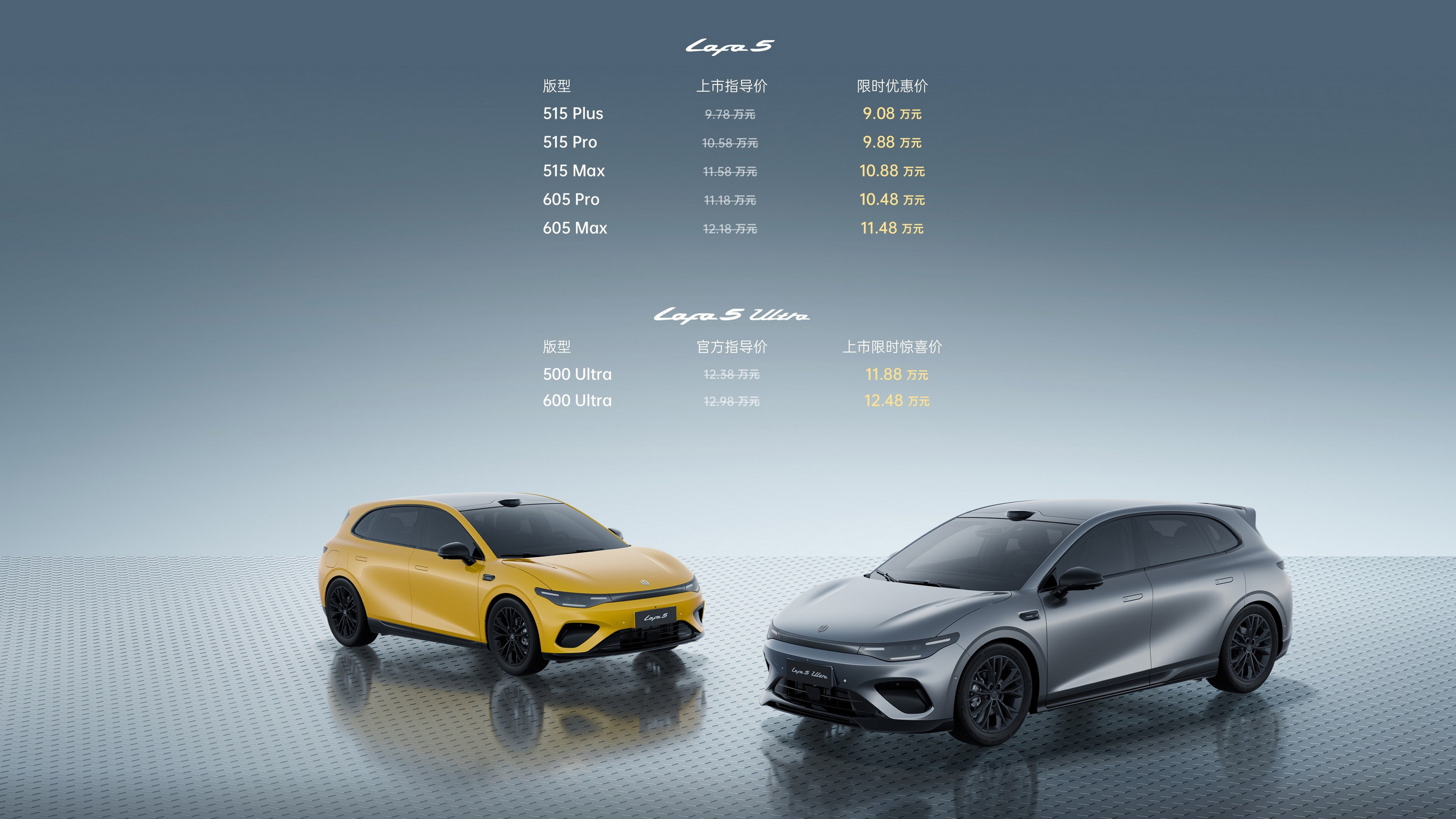
In China, the Leapmotor Lafa 5 is even cheaper compared to its EU-spec B05 twin, currently priced between ¥90,800-114,800 ($13,300-16,800). The Lafa 5 Ultra sits at the top of the lineup, priced between 118,800-124,800 ($17,400-18,300). However, it is worth noting that the entry-level variants of the Chinese-spec model have lower output and a smaller battery pack.

 Stellantis’ Cheapest New EV Is Chinese, Made In Europe, And $15K Under Its Own Peugeot

Volvo’s Chinese Parent Built A $14K Sedan Americans Can’t Touch

  • The cheapest Galaxy A7 variant opens today at just over $14,000 in China market.
  • A plug in hybrid pairs a 1.5 liter four cylinder with an electric motor system.
  • The electric version uses a 58 kWh battery and a 215 hp mounted motor up front.

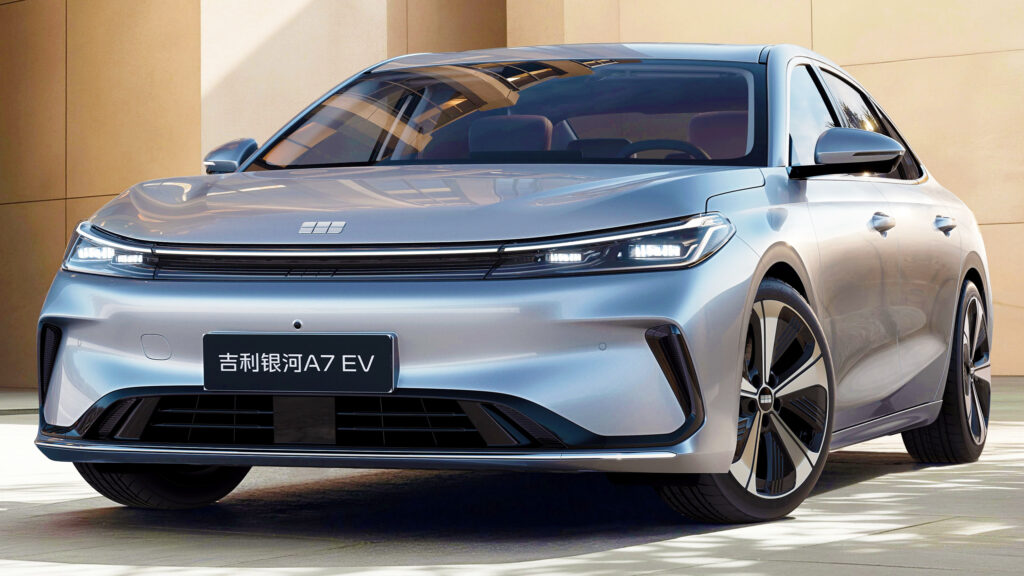
Over in China, Volvo’s parent company Geely isn’t just selling a slew of innovative and affordable hybrid and electric SUVs, but it’s also helping to keep the three-box sedan alive. One of its most appealing and cheapest models is the Galaxy A7, which has just been updated and is available in plug-in hybrid and all-electric guises.

There’s nothing particularly remarkable about the design of the sedan, but it’s hard to argue with the fact that it looks quite nice. The PHEV and EV models have the same classy headlights and light bar, but are distinguished by different grilles and intakes. The EV features a small lower grille finished in black and a pair of black trim accents, whereas the hybrid version sports additional air intakes and silver accents.

Read: Geely Claims Its New AI-Driven Hybrid Tech Hits 106 MPG, Beating Toyota’s Best

Around the back, it borrows cues from other Geely models like the Starray EM-I and the global market EX5. There’s a familiar LED light signature stretching across the tail, paired with minor differences in the lower bumper sections depending on whether you pick the EV or the hybrid.

Cheap And Efficient

\\\\\\\\\\\\\\\\

Of course, it’s not the design of the Galaxy A7 that’s worthy of attention, but rather the price and the specs. The all-electric version opens at 112,800 yuan, roughly $16,500, for the A7 EV 550 Premium. It runs a 58 kWh battery and a front-mounted motor producing 215 hp. On paper, that modest battery still delivers up to 342 miles or 550 km of range, with energy consumption quoted at just 11.4 kWh per 100 km.

Shoppers wanting a few more luxuries can opt for the Galaxy A7 EM 550 Excellence. It has the same powertrain but is priced from 119,800 yuan ($17,500).

Hybrid Options

 Volvo’s Chinese Parent Built A $14K Sedan Americans Can’t Touch

Then comes the part that feels almost provocative. The plug-in hybrid starts even lower, from a measly 97,800 yuan, or about $14,300, for the A7 EM 150 Enjoy. From there, trims stretch up to 131,800 yuan, around $19,300, for the A7 EM 235 Starship.

At the entry point, a 1.5-liter naturally aspirated four-cylinder producing 110 hp works alongside an electric motor and single-speed transmission, delivering a combined 235 hp. An 18.4 kWh battery allows up to 93 miles or 150 km of electric-only driving. Opt for the larger 28.3 kWh pack and that figure rises to 146 miles or 235 km.

It is not the most glamorous sedan on sale, but when something this usable lands at this price, the usual arguments about why sedans are fading start to look a little thin.

Geely Galaxy A7 PHEV
\\\\\\\\\\\\\\\

Porsche Charges $134K For The Taycan, SAIC Charges $32K For This

  • SAIC’s new Z7 starts at just $32K, undercutting Porsche’s Taycan dramatically.
  • The dual-motor Z7 Ultra hits 62 mph (100km/h) in a Taycan-baiting 3.4 seconds.
  • A Touring-body Z7T variant mirrors the Cross Turismo version of the Taycan.

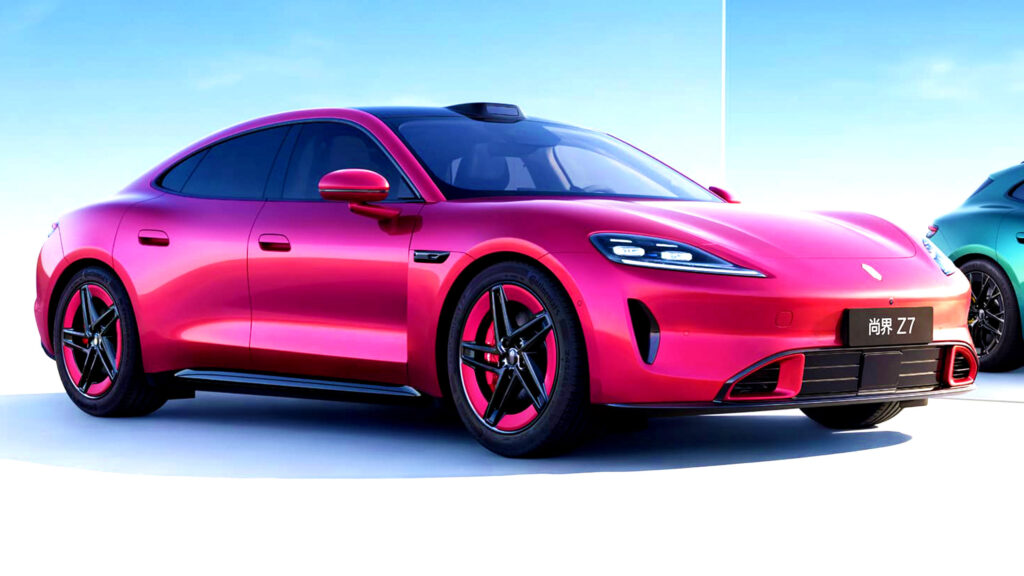
China continues to cement its position as the home of the cut-price EV, and the latest proof is SAIC’s bargain-bin Porsche Taycan lookalike. The company has confirmed that its Z7 will start at just 219,800 yuan ($32,200), which puts it in the realm of a mid-range Toyota Camry in the US. That is even less than expected, and a very, very long way below the Taycan’s 918,000 yuan ($134,500) starting point.

In fact, you could easily spend more with just a few options in Porsche’s configurator. There is a reason why Jim Farley has been warning about the pressure coming from China.

Unveiled earlier this year as a rival to the hugely popular Xiaomi SU7, the Z7 is making its public debut at this week’s Beijing Auto Show, where SAIC has also confirmed several variants. The standard sedan keeps things simple with the Z7 name, while the wagon version goes by Z7T. Put something like this in a showroom, and it does rather leave the Taycan looking like an expensive way to buy a badge.

\\\\\

The entry-level Z7 uses a rear-mounted electric motor with 359 hp and an 81 kWh battery pack. SAIC will also offer it with a 100 kWh pack and a dual-motor setup rated at 590 hp. In that form, it can reach 100 km/h (62 mph) in 3.44 seconds, which is not hanging about.

Read: Porsche Charges $133K For This Look, Now China Sells It For $36K

For comparison, the base Taycan at 918,000 yuan ($134,500) has 408 PS (402 hp) and covers 0 to 100 km/h in 4.8 seconds. The Taycan 4 costs 1,038,000 yuan ($152,100), has 517 PS (510 hp), and does the same run in 3.9 seconds. The Taycan GTS has 700 PS (690 hp), reaches 0 to 100 km/h in 3.3 seconds, and costs 1,298,000 yuan ($190,000). Meanwhile, the Taycan Turbo has 884 PS (872 hp), gets to 0 to 100 km/h in 2.7 seconds, and starts at 1,568,000 yuan ($230,000).

Cut-Price, But Promising Specs

\\\\\

The base model, known as the Z7 Max, is priced from 219,800 yuan ($32,200) and offers a solid 732 km (455 miles) range. Step up to the Z7 Max+, and you get the larger 100 kWh battery, stretching range to 905 km (562 miles) while nudging the price to 249,800 yuan ($36,600). Above that sits the dual-motor Z7 Ultra, also with the 100 kWh pack, delivering 791 km (491 miles) of range from 299,800 yuan ($43,900).

Three versions of the Z7T sports wagon are also offered, also badged the Z7T Max, Z7T Max+, and Z7T Ultra. The cheapest is priced at 229,800 yuan ($33,700) with the 81 kWh battery and 712 km (442 miles) of range, while the Z7T Max+ adds the 100 kWh pack, boosting the range to 873 km (542 miles). At 259,800 yuan ($38,000), it’s still very affordable. Then there’s the Z7T Ultra, rated at 776 km (482 miles) and priced from 309,800 yuan ($45,400).

All variants are built under SAIC’s Harmony Intelligent Mobility Alliance, led by Huawei, and come heavily loaded. Expect features like LiDAR and the brand’s latest intelligent driving system, which, on paper at least, puts it right up against far more expensive rivals.

\\\\\\\\\\\

Photos SAIC

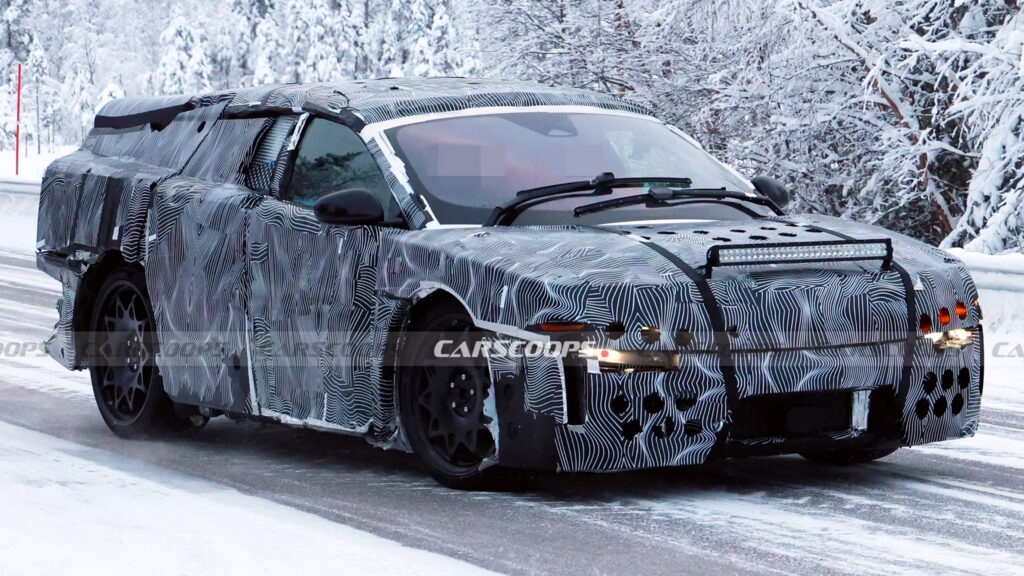
A $645K Ferrari EV Could Make The Rolls-Royce Spectre Look Affordable

  • The all-electric Luce could be more expensive than the 849 Testarossa.
  • Ferrari’s first EV may also be a lot more expensive than the Purosangue.
  • A 122 kWh battery pack and four electric motors will be fitted as standard.

Ferrari is taking a gamble with its all-electric Luce, launching it at a time when EV sales have contracted in the US, and competition from China is offering EV buyers supercar-levels of power at a fraction of the cost. If a new report about the Luce’s potential starting price is accurate, it could prove to be a hard sell for the brand.

Citing unnamed sources, it’s being reported that European prices for the Luce will start at approximately €550,000, or the equivalent of $645,000. To put that in perspective, the Ferrari Purosangue SUV starts at around €400,000 ($470,000) in Europe, although strong demand for that model means some used examples are going for over €600,000 ($704,000).

Read: Ferrari Teases The Luce’s Exterior In The Shadiest Way Possible

Bloomberg understands that the final price is yet to be locked in, and could be adjusted 10 percent in either direction from the €550,000 mark. If true, this could make the Luce more expensive than even the 849 Testarossa and 12Cilindri, and would be the firm’s second-most expensive series production model after the F80 hypercar.

\\\\\\\\\\\\\\\\

Such a sky-high price tag could limit the Luce’s appeal, particularly since Ferrari’s customers are used to buying models from the Italian marque with sizzling internal combustion engines, not heavy battery packs and electric motors. If it’s possible to buy a V12-powered, four-seat Purosangue for less, while boasting all the practicality as the Luce, some may be swayed by the allure of the combustion-powered Fezza.

Admittedly, loyal Ferrari customers aren’t exactly strapped for cash, so they may not really care about how much the Luce costs and could be fixated on buying one anyway. Not only could the Luce be one of Ferrari’s most expensive models, but it’d be one of the priciest EVs on the market, costing way more than anything sold by Porsche and even more than the Rolls-Royce Spectre that starts from under $400,000 in America.

Quad Motors

What will shoppers get for their money? While final specifications for the Luce won’t be announced until its unveiling next month, we know it will have four electric motors delivering over 986 hp. Feeding these motors with juice will be a 122 kWh battery pack supporting charging speeds of up to 350 kW, giving the model a driving range of over 329 miles (530 km).

\\\\\\\\\\\\\\\\\\\

SHProshots

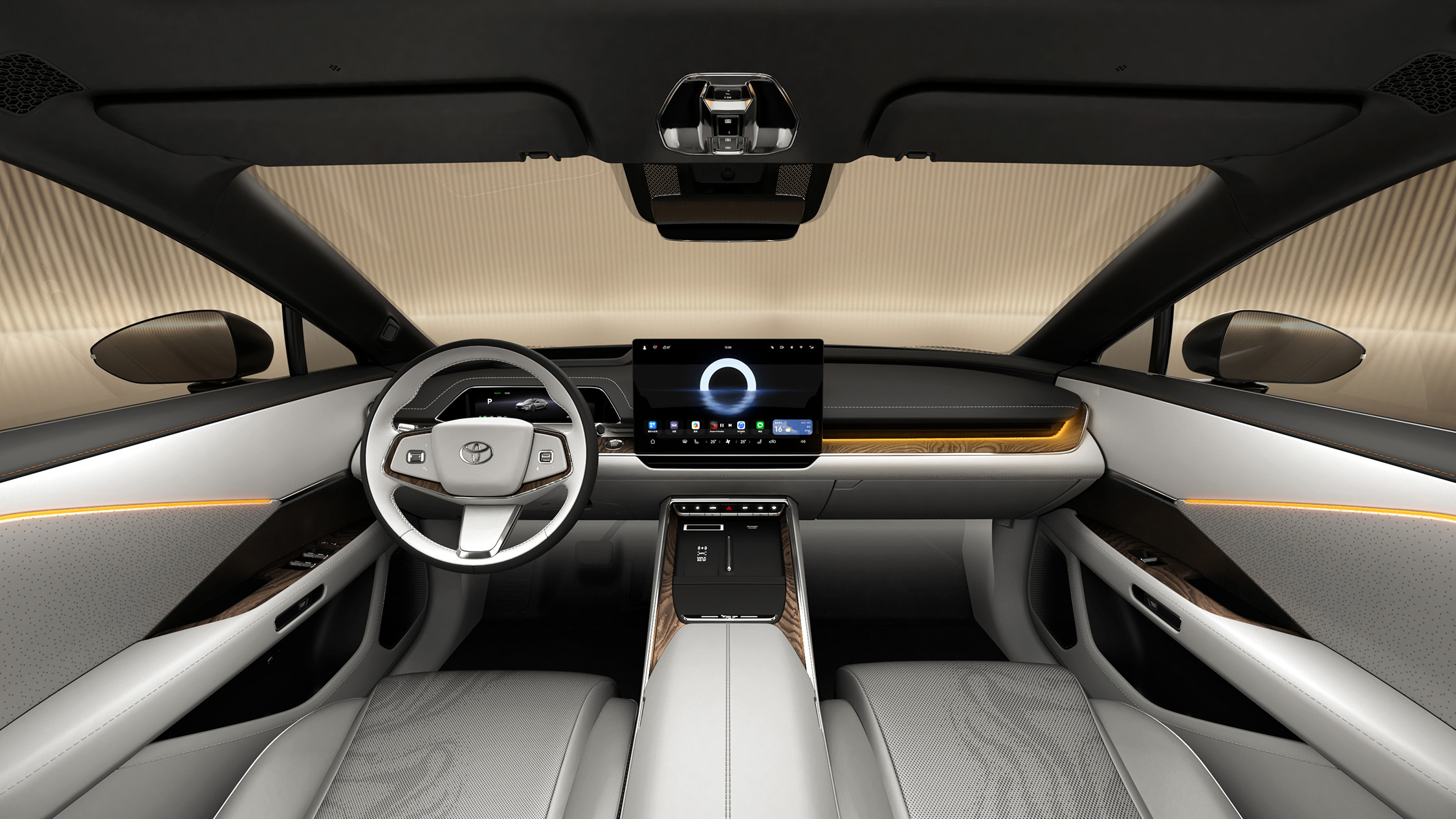
Toyota’s bZ7 Is Bigger Than A Model S And Cheaper Than A Model 3. China Ordered 3,100 In An Hour

  • Toyota grabbed 3,100 bZ7 orders during first launch hour.
  • China-only flagship EV priced below smaller Tesla Model 3.
  • Cabin features Huawei HarmonyOS and zero-gravity seats.

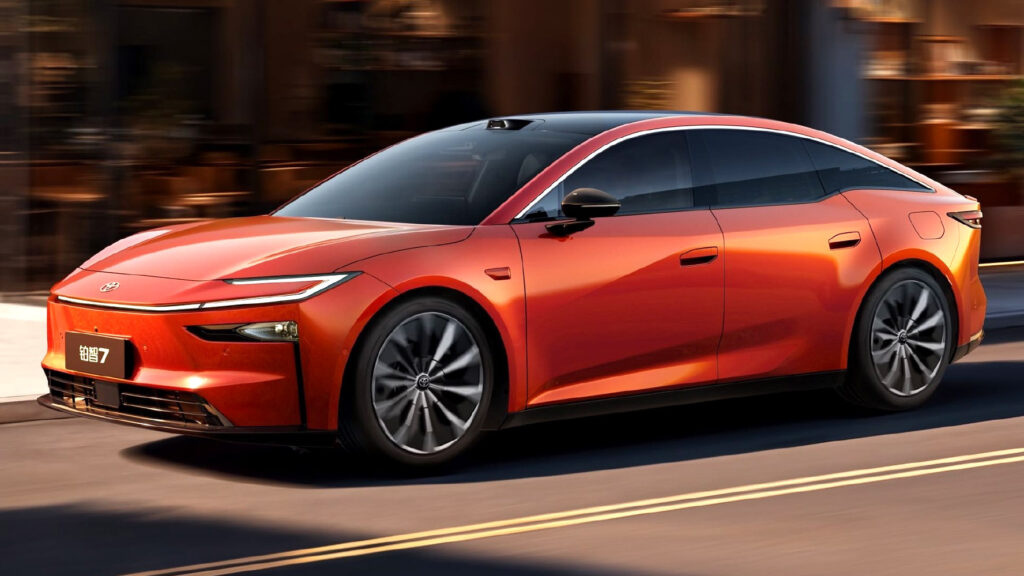
We’re seven months out from Black Friday, but Toyota could be forgiven for thinking it’s November already. The automaker was bombarded with 3,100 orders for its new electric sedan in just the first hour after it went on sale, which sounds nuts until you learn how much it costs.

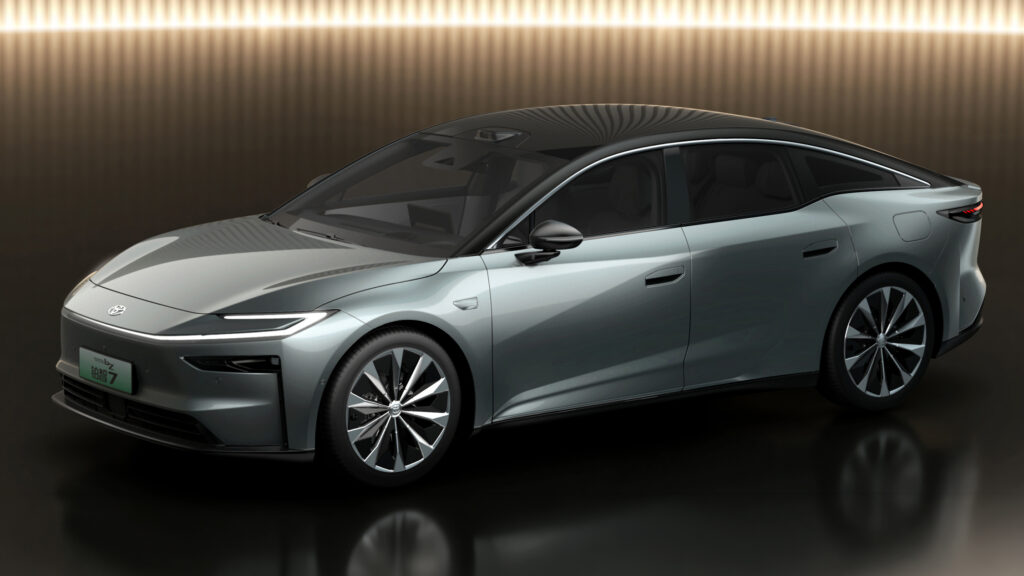
The bZ7 is Toyota’s new flagship EV for China, launched through its GAC-Toyota joint venture. It’s big and full of clever tech, but it’s also ridiculously cheap. Prices begin at ¥147,800, or about $21,500, and rise to ¥199,800, roughly $29,000.

Related: Toyota’s Flagship Electric Sedan Undercuts Tesla Model S By Nearly $96,000 In China

China’s domestic market is so competitive that buyers’s aren’t short of bargains, but even so, the bZ7 looks like incredible value for money. At 5,130 mm (202 inches) long and with a 3,020 mm (118.9 inches) wheelbase, it is bigger than a Tesla Model S, but it’s priced below even the Model 3, which starts at ¥236,500 ($34,500) in China.

More Tortoise Than Hare

The biggest bZ is no Model S Plaid, with a peak power output of 278 hp (282 PS / 207 kW), but battery choices include 71 kWh and 88 kWh LFP packs delivering claimed CLTC ranges of up to 440 miles (710 km) depending on trim. Toyota also says fast charging can add 186 miles (300 km) in 10 minutes.

\\\\\\\\\\\\\\\

And although it won’t win many drag races, it will impress plenty of drivers with its tech. Available zero-gravity front seats offer heating, ventilation, and massage functions. A floating 15.6-inch center display dominates the dash, backed by a smaller driver screen and head-up display.

Sensory Overload

The cabin runs Huawei’s HarmonyOS system on a floating 15.6-inch center display, and there’s integration with Xiaomi’s smart-home ecosystem, meaning drivers can interact with household devices from the car. You can also spec a cutting-edge driver assistance pack with roof-mounted lidar, five millimetre-wave radars, 11 high-definition cameras, and 10 ultrasonic radars.

That’s 27 sensors to keep you safe, or just 27 electrical headaches for a used owner a decade down the road, depending on your point of view.

\\\\\\\\\\\\\\\

Toyota GAC

Toyota Flooded With 3,100 Orders In 1 Hour For New EV, See The Price And You’ll Know Why

  • Toyota grabbed 3,100 bZ7 orders during first launch hour.
  • China-only flagship EV priced below smaller Tesla Model 3.
  • Cabin features Huawei HarmonyOS and zero-gravity seats.

We’re seven months out from Black Friday, but Toyota could be forgiven for thinking it’s November already. The automaker was bombarded with 3,100 orders for its new electric sedan in just the first hour after it went on sale, which sounds nuts until you learn how much it costs.

The bZ7 is Toyota’s new flagship EV for China, launched through its GAC-Toyota joint venture. It’s big and full of clever tech, but it’s also ridiculously cheap. Prices begin at ¥147,800, or about $21,500, and rise to ¥199,800, roughly $29,000.

Related: Toyota’s Flagship Electric Sedan Undercuts Tesla Model S By Nearly $96,000 In China

China’s domestic market is so competitive that buyers’s aren’t short of bargains, but even so, the bZ7 looks like incredible value for money. At 5,130 mm (202 inches) long and with a 3,020 mm (118.9 inches) wheelbase, it has a similar footprint to a Tesla Model S, but it’s priced below even the Model 3, which starts at ¥236,500 ($34,500) in China.

More Tortoise Than Hare

The biggest bZ is no Model S Plaid, with a peak power output of 278 hp (282 PS / 207 kW), but battery choices include 71 kWh and 88 kWh LFP packs delivering claimed CLTC ranges of up to 440 miles (710 km) depending on trim. Toyota also says fast charging can add 186 miles (300 km) in 10 minutes.

 Toyota Flooded With 3,100 Orders In 1 Hour For New EV, See The Price And You’ll Know Why

And although it won’t win many drag races, it will impress plenty of drivers with its tech. Available zero-gravity front seats offer heating, ventilation, and massage functions. A floating 15.6-inch center display dominates the dash, backed by a smaller driver screen and head-up display.

Sensory Overload

The cabin runs Huawei’s HarmonyOS system on a floating 15.6-inch center display, and there’s integration with Xiaomi’s smart-home ecosystem, meaning drivers can interact with household devices from the car. You can also spec a cutting-edge driver assistance pack with roof-mounted lidar, five millimetre-wave radars, 11 high-definition cameras, and 10 ultrasonic radars.

That’s 27 sensors to keep you safe, or just 27 electrical headaches for a used owner a decade down the road, depending on your point of view.

\\\\\

Toyota GAC

H/t to Car News China

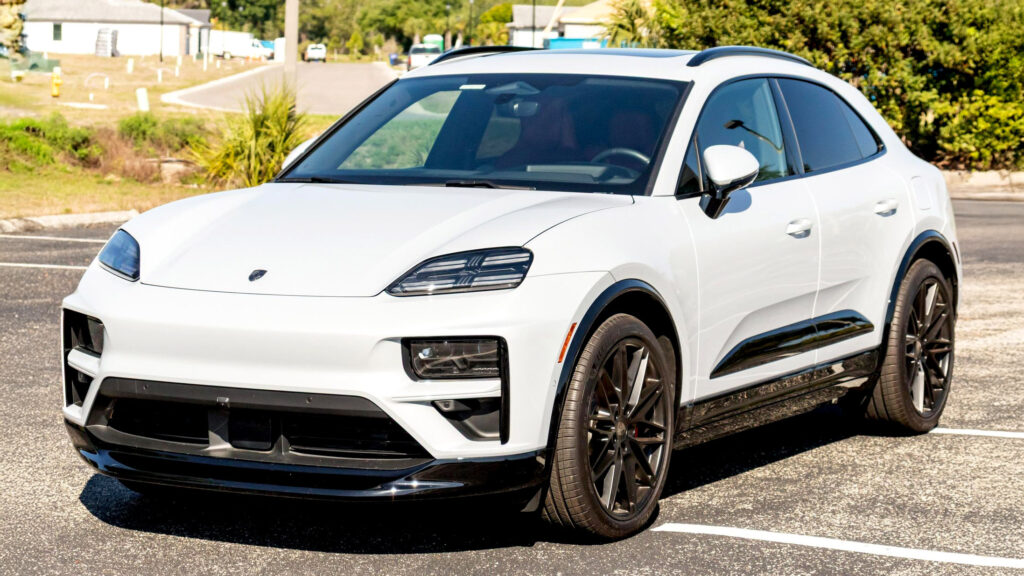
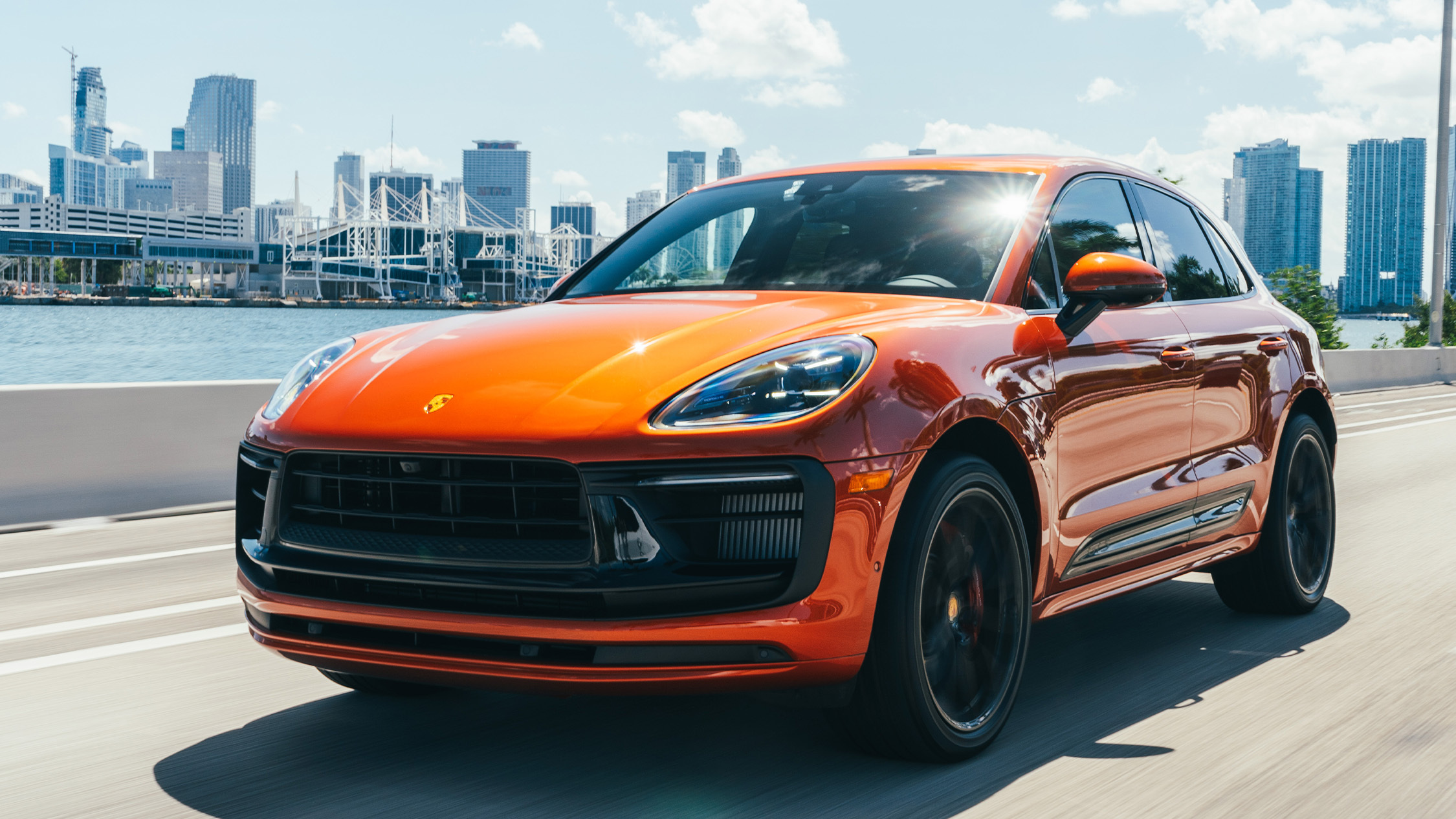
Porsche’s Macan Turbo Electric Lost Over $33,000 In Value After Just 1,500 Miles

  • Nearly-new Macan Turbo Electric struggled to excite auction bidders.
  • High-specification, 1,500-mile car failed to sell on the Cars&Bids site.
  • Porsche is also struggling with a fall in demand for new examples.

Hype and market reality are very different. Just check out the tale of this Porsche Macan Electric. A 2025 MY car in desirable Turbo trim bought for over $120,0000 when the Macan EV was still bathing in the glow of the model’s launch buzz, it stalled at just $88,500 in bids on an auction website this month.

This particular example, finished in Ice Grey Metallic and with just 1,500 miles (2,414 km) on the clock, originally stickered at $121,855 including destination when sold through Porsche Edison, NJ. That’s some serious money for a compact luxury SUV, even one wearing a Porsche badge.

More: Porsche’s Next Gas Macan Is Already Testing In An Audi Disguise

But then it also offers some serious go. The Macan Turbo Electric packs dual-motors pushing around 630 hp (639 PS / 470 kW) and a massive 833 lb ft (1,130 Nm) of torque through all four wheels. It’ll hit 60 mph (96 km/h) in just 3.1 seconds and still promises nearly 300 miles (483 km) of EPA range.

RS Wheels And Bottom Coolers

A bare-bones Turbo would have cost $105,300, but this car’s first owner splashed out another $15k on goodies like the 22-inch RS Spyder Design wheels ($3,900), head-up display ($2,630), Sport Chrono package ($980), and $600 of fake engine sounds. It also has a $1,310 Premium Package that included four-zone climate, ventilated front seats and heated rear seats.

\\\\\\\\\\\

It’s the kind of EV most of us would love to see on our driveways, but Cars&Bids visitors didn’t like it enough to put in on theirs. The C&B listing shows bidding stopped short of the unknown reserve at $88,500, which would have represented a $33,355 haircut, and that was obviously too much for the seller to handle. The seller, by the way, claims he bought the car 100 miles (160 km) ago, so we don’t know how much he would have lost had the final bid secured a sale.

New Macan Sales Struggling

Macan Electric owners looking to exit aren’t the only one struggling to find buyers for the EV. So are Porsche dealers. Global Macan sales are already sliding, down 23 percent overall, and the electric version is taking an even harder hit. Deliveries dropped 43 percent year over year in Q1, while the combustion version most buyers prefer goes out of production this summer and won’t be replaced until 2028.

\\\\\\\\\\

Cars&Bids

Tax Day 2026: Democrats and Republicans battle over impact of new Trump tax cuts

Maritza Montejo, a Liberty Tax Service office manager, helps Aurora Hernandez, left, with her taxes at a Liberty Tax Service office on the last day to file taxes on April 15, 2026, in Miami, Florida. (Photo by Joe Raedle/Getty Images)

Maritza Montejo, a Liberty Tax Service office manager, helps Aurora Hernandez, left, with her taxes at a Liberty Tax Service office on the last day to file taxes on April 15, 2026, in Miami, Florida. (Photo by Joe Raedle/Getty Images)

WASHINGTON — The 2026 tax filing season closed Wednesday with the Trump administration and Republicans on Capitol Hill hailing success under last year’s massive tax cuts law, while Democrats said any benefits have been wiped out by skyrocketing gas prices, inflation and more.

More than 53 million Americans claimed at least one new benefit, averaging a tax cut of $800, under the tax cuts and spending package passed by congressional Republicans and enacted by President Donald Trump on July 4, according to the Department of the Treasury.

Originally titled the One Big Beautiful Bill Act, but rebranded by Republicans as the Working Families Tax Cuts law, the measure made permanent Trump’s 2017 reduced tax brackets. 

It also quadrupled the state and local tax deduction cap and increased the child tax credit by $200.

Democrats marked Tax Day by criticizing the law and pointed to increasing inflation and tariff costs as wiping out the value of tax relief, as both sides try to gain the advantage in messaging ahead of crucial midterm elections that will determine control of Congress.

Tips, car loans, overtime

The new law cut taxes on tips until 2028 and on qualifying car loan interest until 2029. 

As for Trump’s campaign promise for no tax on overtime, the law applies the advantage on up to $12,500 in overtime earnings for individuals, and $25,000 for joint filers, through 2028. 

Additionally, eligible senior citizens can now deduct up to $6,000 for individuals, $12,000 for couples, until 2029.

Treasury Secretary Scott Bessent said in a Tax Day statement that Trump’s leadership upholds “the foundational principle that hardworking Americans should be rewarded, not punished with tax hikes, and the results of this tax season prove it.”

According to Internal Revenue Service statistics to date and made public Wednesday:

  • Six million filers claimed no tax on tips, with an average deduction of $7,100.
  • Twenty-five million filers claimed no tax on overtime, averaging a $3,100 deduction.
  • Thirty million seniors claimed the enhanced senior deduction, receiving an average break of $7,500.
  • One million Americans deducted car loan interest, getting a $1,800 break on average.

Bessent, acting IRS commissioner after a turnover of six IRS commissioners in 2025, said the agency has “worked tirelessly to ensure our tax system works for the people it is meant to serve.”

“From the shop floor to the kitchen table, taxpayers are feeling the difference of the largest tax cuts in our nation’s history, and millions of Americans are keeping more of what they earn and seeing their paychecks go further than ever before,” Bessent said.

The White House circulated a collection of statements from taxpayers Tuesday praising the new deductions. 

Trump also held a photo opportunity Monday, when he received a McDonald’s delivery from a self-proclaimed “DoorDash Grandma” who lauded tax relief on her tips in a planned event. Trump subsequently pulled cash from his pocket and handed it to the woman, Sharon Simmons of Arkansas, who represented the tech delivery service. 

Simmons, no newcomer to such GOP appearances, also testified before the U.S. House Ways and Means Committee in late July 2025, following the passage of the tax law, to praise the no tax on tips policy.

134 million income tax returns

Frank Bisignano, IRS chief executive officer, told Senate tax writers on Capitol Hill Wednesday that the 2026 filing season was the “most successful tax filing season in IRS history.”

Trump created the IRS CEO position last year. Bisignano also serves as the commissioner of the U.S. Social Security Administration.

Internal Revenue Service Chief Executive Officer Frank Bisignano testifies before the U.S. Senate Finance Committee on April 15, 2026 in Washington, D.C. (Screenshot from committee webcast)

“This landmark legislation forms the cornerstone of the administration’s growth agenda. The latest numbers tell the story,” Bisignano told the Senate Committee on Finance during the panel’s annual oversight hearing examining tax collection.

The agency to date has seen over 134 million income tax returns filed for 2025 earnings, with 98% of them done electronically, according to IRS data. Bisignano hailed the issuance of 80 million refunds that on average totaled $3,400, up by 11% compared to 2024. 

Senate Democrats on the panel panned the cost of the new tax regime and questioned whether a shrinking IRS staff will contribute to less enforcement. 

Sen. Michael Bennet, D-Colo., said “the lack of cops on the beat at the IRS is going to cost the Treasury in the United States $646 billion in unpaid taxes by the wealthiest people in America.”

According to reports, roughly 26,000 employees left the IRS last year as part of Trump’s civil service reduction incentives and firings.

“I remember you saying when you and I met before your confirmation that you are deeply concerned about the level of national debt in this country,” Bennet said to Bisignano. “It is $38 trillion and a lot of that is because of the completely unpaid-for tax bill that is the Trump tax bill.”

The cost of the tax bill will be realized in years to come, according to congressional scorekeepers.

The nonpartisan Congressional Budget Office and Joint Committee on Taxation estimated the law will cost $3.4 trillion over the next 10 years —  more than $4 trillion if accounting for interest that will accumulate on the nation’s debt.

An analysis by the Tax Foundation, which generally advocates for lower taxes, found tax revenue coming into U.S. coffers will drop by nearly $5.2 trillion over the next decade. Individual income taxes have been the government’s largest single source of revenue since 1944, according to data compiled by the Tax Policy Center, a partnership between the Urban Institute and Brookings Foundation.

How the tax cuts were offset

Lawmakers who wrote the massive tax law accounted for some of the lost revenue by overhauling eligibility and work requirements for government health and food assistance for low-income Americans. 

According to a recent report from the progressive Center on Budget and Policy Priorities, roughly 2.5 million Americans have lost Supplemental Nutrition Assistance Program, or SNAP, benefits since the tax law came into effect.

The CBO estimated the law’s changes to work requirements for Medicaid, the government’s low-income health care program, will result in millions of Americans losing health insurance. 

Senate Republicans defended the law, saying it helped Americans by avoiding “the largest tax increase in American history.”

“Had the 2017 tax cuts expired, taxpayers earning less than $400,000 would have faced a more than $2.6 trillion tax hike over the next decade,” said Senate Finance Committee Chair Mike Crapo, R-Idaho. 

Pilot program canned

The panel’s highest-ranking Democrat, Sen. Ron Wyden, D-Ore., slammed the new law for terminating a free alternative for tax filing, IRS Direct File, enacted under former President Joe Biden’s own budget reconciliation megabill.

The limited pilot program offered a free filing portal directly through the IRS and was available to 19 million taxpayers in 2024.

“Direct File in America died on Mr. Bisignano’s watch,” Wyden said, adding the program’s termination again puts taxpayers at the mercy of “tax software giants who overcharge for a service that ought to be free.”

Rather, the IRS offers Free File, an option available to taxpayers under a certain income level, now capped at $89,000, via a handful of tax preparation software companies that contract with the federal government.

A 2019 Treasury Inspector General for Tax Administration report described the program as “fraught with complexity and confusion.” Estimates show roughly 14 million free-file-eligible taxpayers were led to pages where they were prompted to pay for add-ons and extra services.

Taxpayers at any income level have the option to file for free via fillable PDF forms, but that option requires manual entry without guided prompts.

Wyden said the arrangement is a “multi-billion dollar rip-off.”

Bisignano called Direct File an “unnecessary and less popular duplicate of programs.”

Dems continue ‘affordability’ argument

The Democratic National Committee pounced on Tax Day to highlight Trump’s policies and use of taxpayer funds. Affordability is front and center in the upcoming midterm elections.

Though Trump campaigned on lowering prices and taxes, DNC Chair Ken Martin said in a statement the president has so far given Americans “a reckless trade war that has hiked prices, and a deadly and costly taxpayer-funded war with Iran.”

“This Tax Day, Americans are seeing lower-than-promised refunds hit their bank accounts that won’t even cover the higher costs Trump has forced them to shoulder. It couldn’t be clearer: Trump and the Republican Party are on the side of billionaires, big corporations, and wealthy special interests,” Martin said.

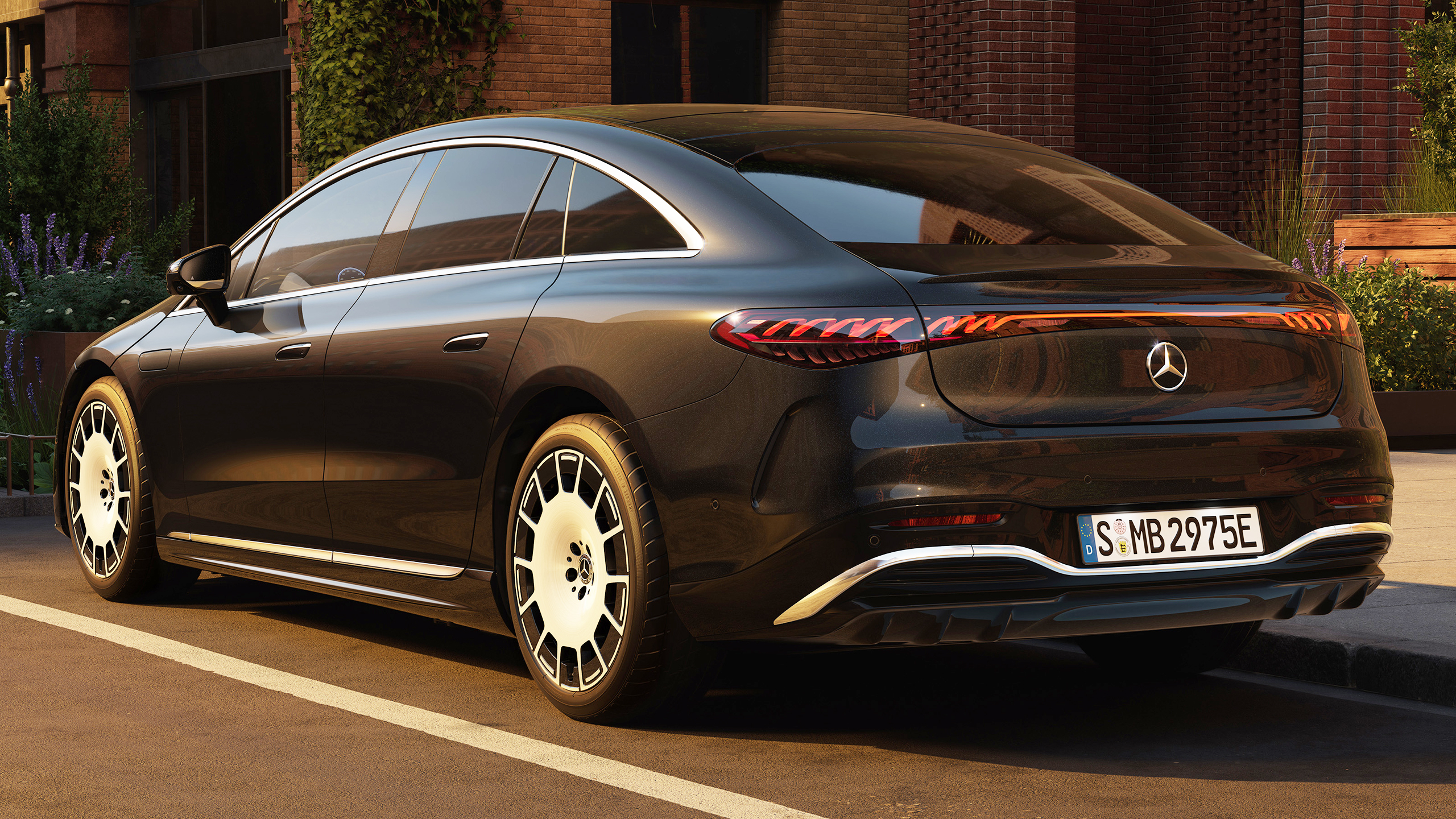
Mercedes Gave The 2027 EQS Up To 575 Miles Of Range, And The Yoke’s On You

  • Mercedes moves the EQS to 800V setup, lifting peak charging to 350kW.
  • A modest 3% battery increase results in a 13% real-world range gain.
  • Steer-by-wire replaces the steering with a yoke and a 270-degree lock.

Mercedes-Benz has already decided the EQS won’t get a second generation. Instead, the next S-Class will carry the load, offered in both combustion and all-electric forms. Even so, the EQS isn’t done just yet. The brand has rolled out a comprehensive second facelift, packing in a slew of new technologies that might finally persuade a few more buyers to give the polarizing blob a chance.

Four versions have been confirmed at this stage, known as the EQS 400, EQS 450+, EQS 500 4Matic, and EQS 580 4Matic, the latter three of which are all equipped with 800-volt electrical architectures and 122 kWh battery packs that promise improved energy density. The news EQS 400 has a smaller 112 kW pack.

Read: Mercedes Is Betting On A Yoke To Save The Disastrous EQS

Mercedes has also improved the charging abilities of the EV, as it now supports DC charging of up to 350 kW, meaning 199 miles (320 km) of range can be added in 10 minutes. This has been achieved by implementing software that virtually divides the battery pack into two parts, charging each with 400 volts at up to 175 kW.

 Mercedes Gave The 2027 EQS Up To 575 Miles Of Range, And The Yoke’s On You

In addition to the new battery, Mercedes has incorporated new electric motors for all versions. The base EQS 400 delivers 362 hp (270 kW), while the EQS 500 4Matic ups this to 469 hp (350 kW), and the EQS 580 4Matic delivers 577 hp (430 kW) and 590 lb-ft (800 Nm).

Range figures haven’t been announced for all models, but we know the EQS 450+ has a WLTP-rated range of 575 miles (926 km) with claimed energy consumption of between 15.4 kWh/100 km and 19.3 kWh/100 km. All models are also equipped with a two-speed transmission with the first gear focused on providing quick acceleration and the second kicking in at high speeds to boost efficiency.

Perhaps the most significant change made is the implementation of steer-by-wire technology, as pioneered by Lexus and Tesla. The steering ratio has been set at 4:1 at low speeds, allowing drivers to make low-speed maneuvers without needing to repeatedly cross their hands over the steering wheel.

Even More Tech-Focused Than Before

\\

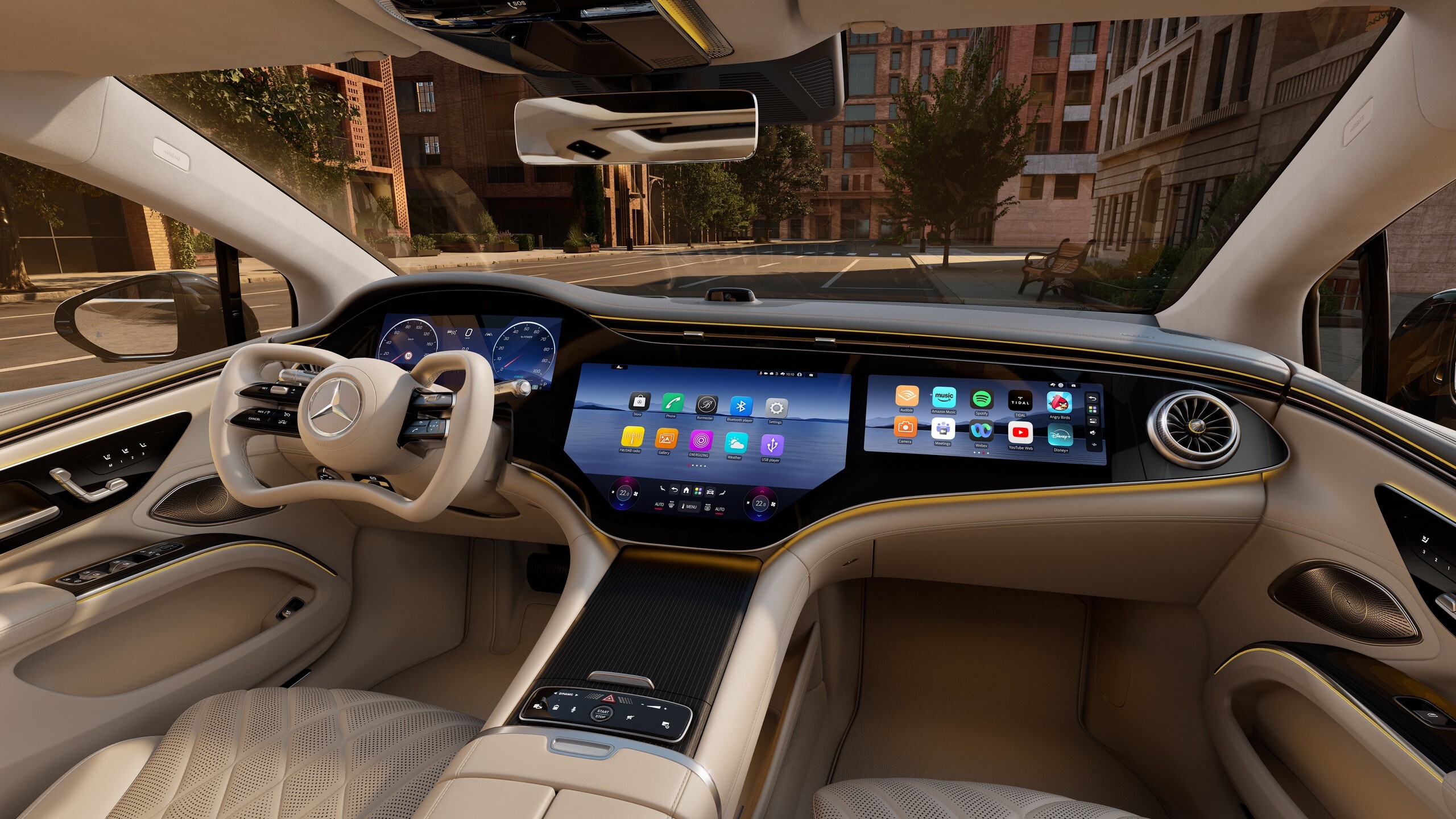
Speaking of the steering wheel, it has morphed into a Tesla-like yoke – which is bound to be controversial. Crucially, Mercedes will continue offering it with a more traditional wheel and electro-mechanical steering, rather than the fancy steer-by-wire system. In addition to the new system, Mercedes has further developed its air suspension system to improve comfort even further.

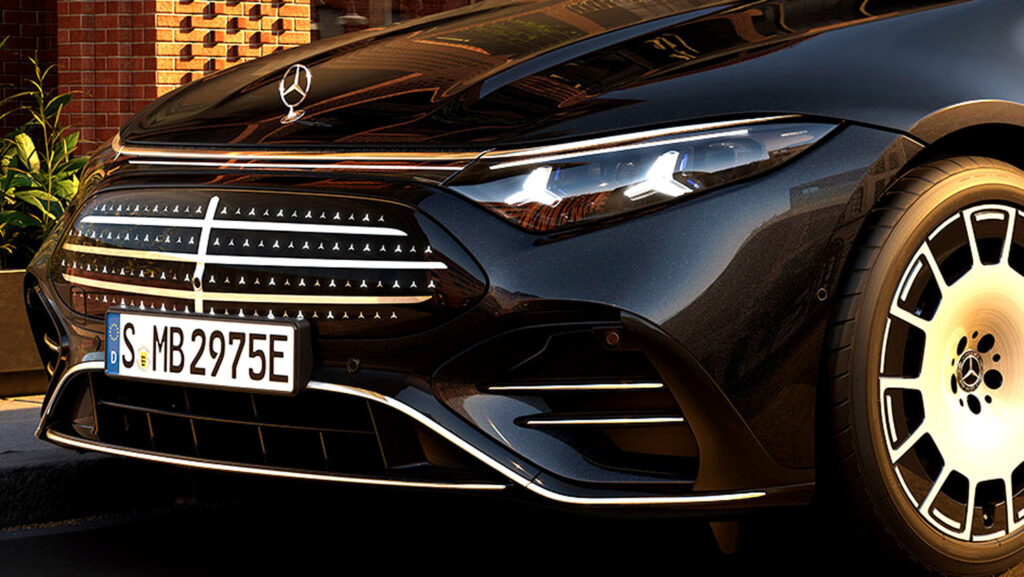
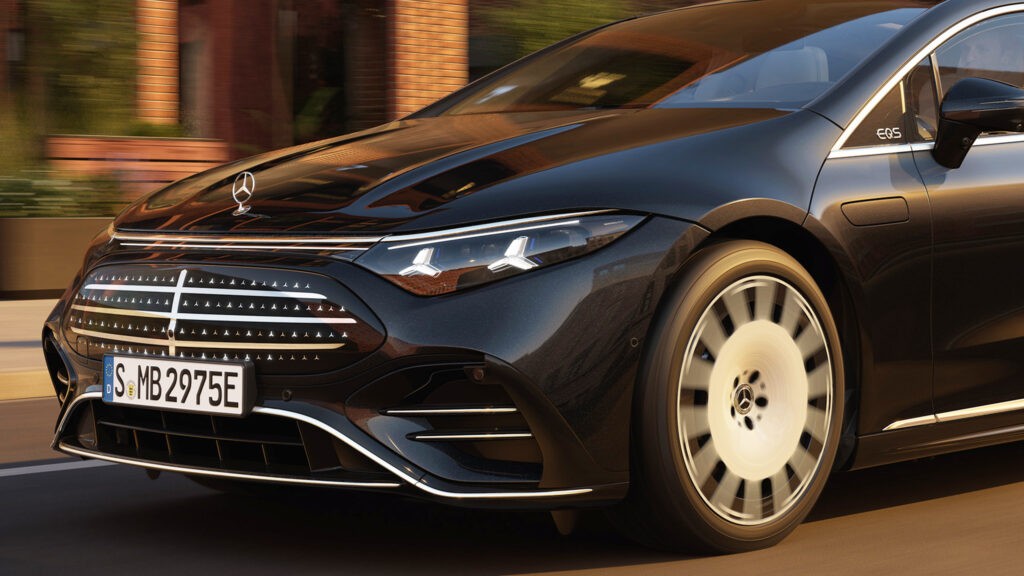
Visually, the updated EQS is distinguished from the old model thanks to a revised front fascia with a new blacked-out grille complete with dozens of three-pointed stars, and new headlights with star-shaped DRLs.

\\\\\\\\\

With the exception of the yoke wheel, the interior is mostly familiar. With that being said, there’s now Mercedes-Benz’s latest Operating System (MB.OS) and the new MBUX Virtual Assistant. The massive Hyperscreen remains, while found in the new 13.1-inch entertainment screens are found in the second row.

US pricing has yet to be announced, but in Europe, we know prices kick off from €94,403 ($111,000) for the EQS 400, €108,635 ($127,700) for the EQS 450+, €123,285 ($145,000) for the EQS 500 4Matic, and €134,732 ($158,500) for the EQS 580 4Matic.

\\\\

With A Yoke And More Range, The Failed Mercedes EQS Steps Into The Future

  • Mercedes has made some important technical upgrades to the EQS.
  • Most versions have a larger 122 kWh battery pack with up to 575 miles of range.
  • Just like Tesla and Lexus, the EQS has been updated with steer-by-wire tech.

Mercedes-Benz isn’t planning a second generation of the EQS, and instead, will sell the future S-Class in both combustion and all-electric guises. Despite this, the brand has just introduced a comprehensive second facelift for the EQS, bringing with it a host of new technologies that may finally convince a small number of shoppers to actually buy the blob.

Four versions have been confirmed at this stage, known as the EQS 400, EQS 450+, EQS 500 4Matic, and EQS 580 4Matic, the latter three of which are all equipped with 800-volt electrical architectures and 122 kWh battery packs that promise improved energy density. The news EQS 400 has a smaller 112 kW pack.

Read: Mercedes Is Betting On A Yoke To Save The Disastrous EQS

Mercedes has also improved the charging abilities of the EV, as it now supports DC charging of up to 350 kW, meaning 199 miles (320 km) of range can be added in 10 minutes. This has been achieved by implementing software that virtually divides the battery pack into two parts, charging each with 400 volts at up to 175 kW.

In addition to the new battery, Mercedes has incorporated new electric motors for all versions. The base EQS 400 delivers 362 hp (270 kW), while the EQS 500 4Matic ups this to 469 hp (350 kW), and the EQS 580 4Matic delivers 577 hp (430 kW) and 590 lb-ft (800 Nm).

 With A Yoke And More Range, The Failed Mercedes EQS Steps Into The Future

Range figures haven’t been announced for all models, but we know the EQS 450+ has a WLTP-rated range of 575 miles (926 km) with claimed energy consumption of between 15.4 kWh/100 km and 19.3 kWh/100 km. All models are also equipped with a two-speed transmission with the first gear focused on providing quick acceleration and the second kicking in at high speeds to boost efficiency.

Perhaps the most significant change made is the implementation of steer-by-wire technology, as pioneered by Lexus and Tesla. The steering ratio has been set at 4:1 at low speeds, allowing drivers to make low-speed maneuvers without needing to repeatedly cross their hands over the steering wheel.

Even More Tech-Focused Than Before

 With A Yoke And More Range, The Failed Mercedes EQS Steps Into The Future

Speaking of the steering wheel, it has morphed into a Tesla-like yoke – which is bound to be controversial. Crucially, Mercedes will continue offering it with a more traditional wheel and electro-mechanical steering, rather than the fancy steer-by-wire system. In addition to the new system, Mercedes has further developed its air suspension system to improve comfort even further.

Visually, the updated EQS is distinguished from the old model thanks to a revised front fascia with a new blacked-out grille complete with dozens of three-pointed stars, and new headlights with star-shaped DRLs.

With the exception of the yoke wheel, the interior is mostly familiar. With that being said, there’s now Mercedes-Benz’s latest Operating System (MB.OS) and the new MBUX Virtual Assistant. The massive Hyperscreen remains, while found in the new 13.1-inch entertainment screens are found in the second row.

US pricing has yet to be announced, but in Europe, we know prices kick off from €94,403 ($111,000) for the EQS 400, €108,635 ($127,700) for the EQS 450+, €123,285 ($145,000) for the EQS 500 4Matic, and €134,732 ($158,500) for the EQS 580 4Matic.

\\\\\\\\\\\\\\\

EV Prices Are Falling, But Automakers Are Eating Nearly $8,000 Per Sale To Pull It Off

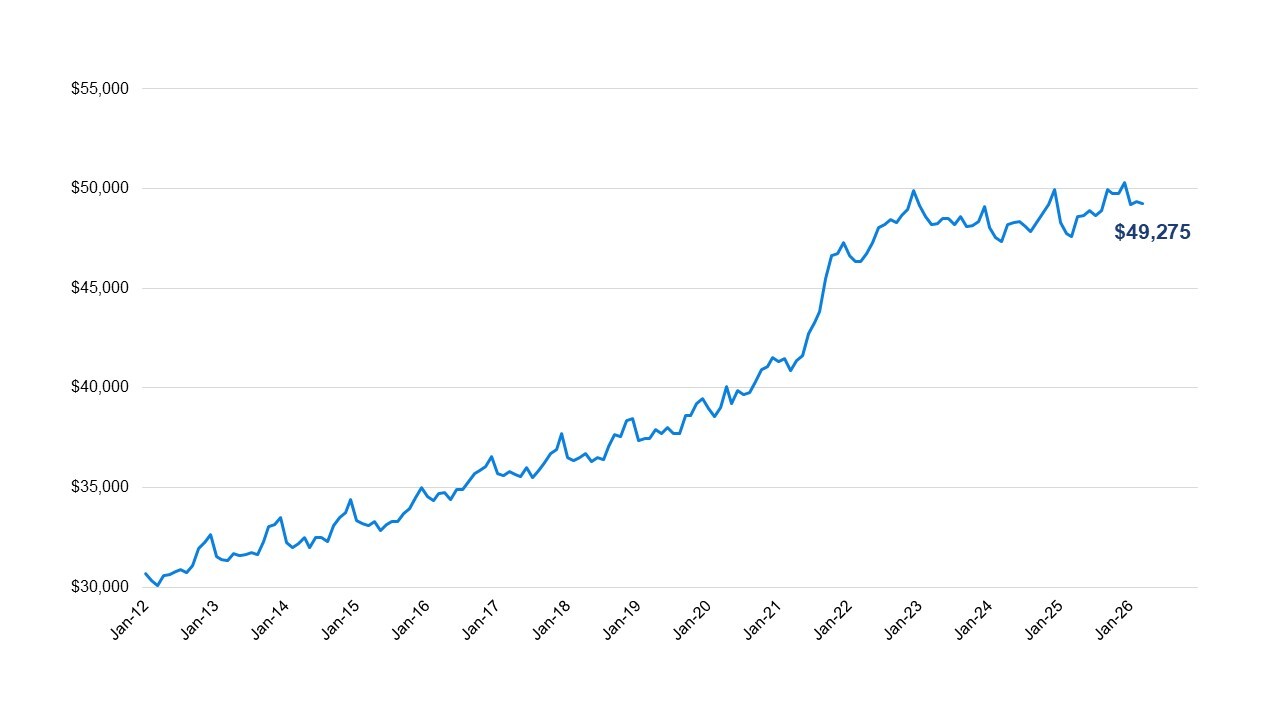
  • Average new car transaction price in US climbs to $49,275.
  • EV prices fall 2.8 % to $54,508 thanks to sales incentives.
  • Buyers are still choosing big vehicles such as full-size trucks.

Here’s some good news if you’ve been eyeing an EV as a way out of buying expensive gas, but also flinching at the price of making the switch. The gap between electric and gas cars just shrank to its smallest level ever. Okay, so $5,800 is not pocket change, but it’s a whole lot less scary than it used to be, and is the kind of difference you could even out with fuel cost savings if you’re a high mileage driver.

New EV prices dropped 2.8 percent year over year to $54,508, marking their third straight monthly decline, according to fresh data from Cox Automotive’s Kelley Blue Book. That’s not happening by accident, either. Automakers are throwing incentives at buyers like confetti, with EV discounts now averaging 14.6 percent of transaction price.

Related: Most Automakers Clear Inventory With Discounts, Tesla Raised Model S And X Prices Instead

Meanwhile, gas and hybrid vehicles are holding steady. The industry average transaction (ATP) price landed at $49,275 in March, up 3.5 percent from last year but basically flat compared with February. So while EVs are coming down, ICE models aren’t exactly rushing to meet them halfway.

The annual price gains have now accelerated for four consecutive months. The average MSRP reached $51,456, marking the 12th straight month above $50,000.

New-Vehicle Average Transaction Price
 EV Prices Are Falling, But Automakers Are Eating Nearly $8,000 Per Sale To Pull It Off

Bigger Is Better

What’s really driving the overall numbers, though, is what Americans are actually buying. Spoiler alert, it’s still big stuff, and its not electric. Full-size pickups are hovering near $66,000, while full-size SUVs are knocking on the door of $80,000. 

At the other end of the spectrum, compact cars are barely moving, up just 1.1 percent year over year and still sitting under $28,000. Even with rising prices, they’re losing relevance as buyers keep chasing space, power, and presence.

 EV Prices Are Falling, But Automakers Are Eating Nearly $8,000 Per Sale To Pull It Off

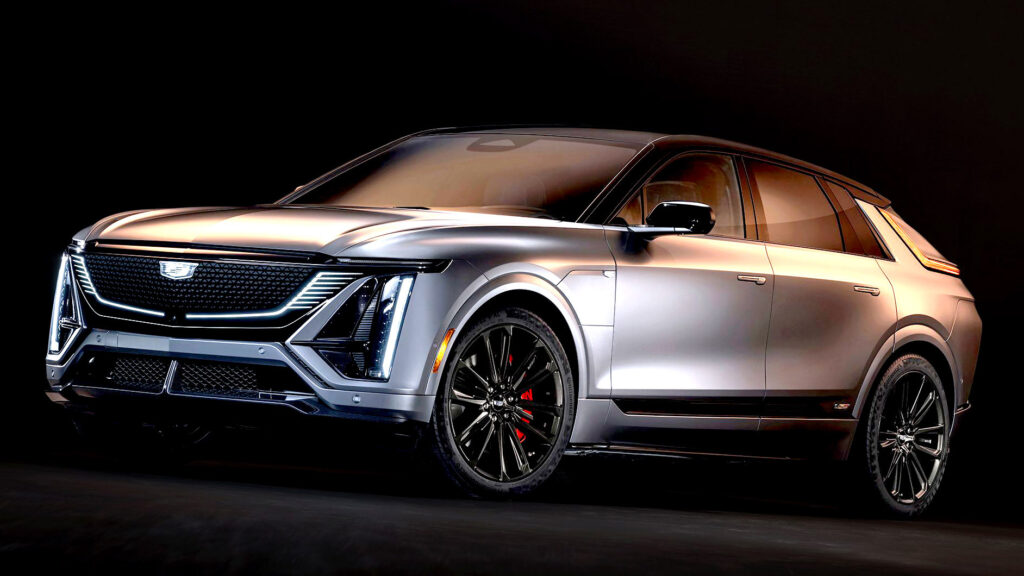
The brand data adds another layer of intrigue. Porsche buyers clearly didn’t get the memo about tightening American household budgets, with average prices jumping 12.4 percent year over year to $128,447. Cadillac is also riding high with an 11.6 percent increase to $84,139. 

Mercedes, Tesla Prices Down

But not everyone’s winning. Mercedes-Benz prices fell 3.4 percent to $75,886, while Tesla dropped 2.6 percent to $53,142, continuing its quiet price-cut campaign to stay competitive. 

And then there are incentives across the wider market. They climbed to 7.2 percent of ATP, up from 6.9 percent in February, showing that even as prices stay high, automakers are working harder behind the scenes to keep buyers interested.

Average Transaction Price By Automaker
AutomakerMar-26Feb-26Mar-25MoM
change
YoY
change
BMW$70,792$71,807$70,515-1.4%0.4%
Ford Motor Company$57,170$57,312$54,312-0.2%5.3%
Geely Auto Group$61,461$60,268$60,0942.0%2.3%
General Motors$53,474$53,325$51,5210.3%3.8%
Honda Motor Company$39,125$39,521$38,967-1.0%0.4%
Hyundai Motor Group$38,880$39,195$38,139-0.8%1.9%
Mazda Motor Corporation$36,229$36,068$36,1600.4%0.2%
Mercedes-Benz Group AG$75,886$76,904$78,592-1.3%-3.4%
Renault-Nissan-Mitsu Alliance$36,302$36,967$34,224-1.8%6.1%
Stellantis$56,366$56,391$53,2880.0%5.8%
Subaru Corporation$36,673$37,323$35,058-1.7%4.6%
Tata Motors$104,374$103,421$104,7910.9%-0.4%
Tesla Motors$53,142$53,798$54,573-1.2%-2.6%
Toyota Motor Corporation$46,293$46,651$45,060-0.8%2.7%
Volkswagen Group$58,314$58,346$55,244-0.1%5.6%
Industry Average$49,275$49,329$47,606-0.1%3.5%
SWIPE
Average Transaction Price By Brand
BrandMar-26Feb-26Mar-25MoM
change
YoY
change
Acura$49,505$49,968$52,525-0.9%-5.7%
Audi$62,942$64,334$63,067-2.2%-0.2%
BMW$73,226$73,635$72,750-0.6%0.7%
Buick$36,888$37,351$35,733-1.2%3.2%
Cadillac$84,139$81,667$75,3603.0%11.6%
Chevrolet$48,798$48,979$47,199-0.4%3.4%
Chrysler$47,484$48,215$48,539-1.5%-2.2%
Dodge$50,628$51,376$52,904-1.5%-4.3%
Ford$56,482$56,619$53,532-0.2%5.5%
Genesis$65,415$64,696$64,5361.1%1.4%
GMC$64,649$63,501$65,5061.8%-1.3%
Honda$38,033$38,346$37,686-0.8%0.9%
Hyundai$37,072$38,280$37,231-3.2%-0.4%
Infiniti$66,925$69,269$69,488-3.4%-3.7%
Jeep$52,502$51,885$49,2891.2%6.5%
Kia$38,295$37,891$36,7561.1%4.2%
Land Rover$106,837$104,602$107,2242.1%-0.4%
Lexus$62,717$64,189$61,256-2.3%2.4%
Lincoln$69,678$70,269$68,265-0.8%2.1%
Mazda$36,229$36,068$36,1600.4%0.2%
Mercedes-Benz$75,886$76,904$78,592-1.3%-3.4%
MINI$42,166$41,668$41,2531.2%2.2%
Mitsubishi$32,511$33,750$31,801-3.7%2.2%
Nissan$34,845$35,661$32,807-2.3%6.2%
Porsche$128,447$125,440$114,2562.4%12.4%
Ram$65,754$65,208$62,2880.8%5.6%
Subaru$36,673$37,323$35,058-1.7%4.6%
Tesla$53,142$53,798$54,573-1.2%-2.6%
Toyota$43,684$43,711$42,164-0.1%3.6%
Volkswagen$39,939$39,703$37,2250.6%7.3%
Volvo$61,376$60,018$59,6252.3%2.9%
SWIPE
Average Transaction Price By Segment
SegmentMar-26Feb-26Mar-25MoM
change
YoY
change
Compact Car$27,469$27,336$27,1680.5%1.1%
Compact SUV/Crossover$37,055$36,808$36,2960.7%2.1%
Entry-level Luxury Car$59,281$58,111$56,4042.0%5.1%
Full-size Pickup Truck$65,964$66,141$64,167-0.3%2.8%
Full-size SUV/Crossover$79,500$79,473$75,7570.0%4.9%
High Performance Car$129,076$134,010$113,379-3.7%13.8%
High-end Luxury Car$122,083$125,088$121,405-2.4%0.6%
Luxury Car$61,791$60,929$58,2521.4%6.1%
Luxury Compact SUV/Crossover$51,670$52,081$52,384-0.8%-1.4%
Luxury Full-size Pickup Truck$92,747$99,698$89,020-7.0%4.2%
Luxury Full-size SUV/Crossover$104,580$104,301$101,1210.3%3.4%
Luxury Mid-size SUV/Crossover$73,835$74,046$74,182-0.3%-0.5%
Lux. Subcompact SUV/Crossover$41,157$40,001$39,1262.9%5.2%
Mid-size Car$33,974$33,830$33,5910.4%1.1%
Mid-size SUV/Crossover$49,853$50,154$48,475-0.6%2.8%
Minivan$47,757$48,058$47,952-0.6%-0.4%
Small/Mid-size Pickup Truck$43,042$43,328$41,766-0.7%3.1%
Sports Car$47,244$47,295$48,445-0.1%-2.5%
Subcompact Car$26,479$24,948$23,3146.1%13.6%
Subcompact SUV/Crossover$30,612$30,832$29,957-0.7%2.2%
Van$60,485$60,754$59,075-0.4%2.4%
Industry Average$49,275$49,329$47,606-0.1%3.5%
SWIPE

Cox Automotive/KBB, Images Hyundai/Porsche

Gas prices soar by 21% as government inflation figures reflect Trump’s war on Iran

An Indianapolis gas pump shows prices over $4 a gallon on Tuesday, April 7, 2026. (Photo by Niki Kelly/Indiana Capital Chronicle)

An Indianapolis gas pump shows prices over $4 a gallon on Tuesday, April 7, 2026. (Photo by Niki Kelly/Indiana Capital Chronicle)

WASHINGTON — Spikes in energy prices caused by the U.S.-Israeli war in Iran drove up inflation for Americans in March, according to the latest consumer price index figures released Friday.

Costs jumped 0.9% in March compared to the previous month — that’s up from the 0.3% increase in February. 

Prices for all items together, including food, energy, shelter and other commodities like vehicles, rose by 3.3% from a year ago. That’s the highest annual jump since May 2024, according to Bureau of Labor Statistics historical data

Fuel costs drove the spike, with gasoline and fuel oil together rising 10.9% in March compared to the previous month. Singled out, gas prices jumped 21.2% in March. The cost for airfare, largely driven by jet fuel prices, rose 2.7% in March, up from the 1.4% jump in February.

President Donald Trump launched the joint war in Iran with Israel on Feb. 28. In response to the intense bombing campaign that killed the country’s supreme leader and numerous senior officials, the Iranian regime effectively closed the Strait of Hormuz, a narrow passage in and out of the Persian Gulf vital to the transport of one-fifth of the world’s petroleum.

As of Friday, Americans were paying $4.15 on average nationwide for a gallon of regular gas, according to AAA. The average for diesel across the U.S. is $5.68 per gallon.

Prior to the war, a gallon of regular hadn’t topped $3 all year.

Iran’s de facto takeover of the Strait of Hormuz by threatening to strike any tankers, other than a handful from friendly countries, has caused the largest supply disruption in the history of the global oil market, according to the International Energy Agency.

Despite a tenuous ceasefire agreed to Tuesday evening Eastern time, Iran is still controlling the strait. Ten oil tankers transited the waterway Tuesday, and only one on Wednesday, according to the latest figures available from the Joint Maritime Information Center, which tracks tankers and cargo ships worldwide that are transmitting location data.

Prior to the war, roughly 140 vessels daily flowed freely through the Strait of Hormuz.

Dems pounce on affordability issue

Democrats blamed Trump Friday for higher inflation, as affordability is emerging as perhaps the single-most important issue ahead of the 2026 midterm elections in November that will determine control of Congress.

Democratic National Committee Chair Ken Martin said the president is “pushing working families to the brink.” 

Unleaded gas is $3.99 per gallon at the Exxon at 129 Lee St. W in Charleston, West Virginia on April 8, 2026. (Photo by Leann Ray/West Virginia Watch)

“Trump promised to ‘lower prices on Day One,’ and instead he waged an unhinged trade war and started an unpopular war with Iran — and what have Americans gotten in return? Nothing except even higher prices. Americans are sick and tired of this president putting his own interests first and using their hard-earned dollars to fund his war instead of making health care more affordable or expanding access to child care,” Martin said in a statement Friday morning.

White House senior deputy press secretary Kush Desai responded to the inflation figures, saying the president “has always been clear about short-term disruptions as a result of Operation Epic Fury, disruptions that the Administration has been diligently working to mitigate.”

“Although gas and energy prices are seeing volatility, prices of eggs, beef, prescription drugs, dairy, and other household essentials are falling or remain stable thanks to President Trump’s policies. As the Administration ensures the free flow of energy through the Strait of Hormuz, the American economy remains on a solid trajectory thanks to the Administration’s robust supply-side agenda of tax cuts, deregulation, and energy abundance,” Desai wrote in a statement Friday morning posted on social media. 

Other costs

The price index for food consumed at home decreased 0.2% compared to the previous month, but increased 1.9% from a year ago. 

The costs of fruits and vegetables rose 1% in March compared to the previous month, but prices for meat, poultry, fish and eggs declined 0.6%, according to the latest BLS figures.

The price index for items minus food and energy rose 0.2% in March, matching the increase in February. The cost of all items, less food and energy, rose 2.6% over the past 12 months.

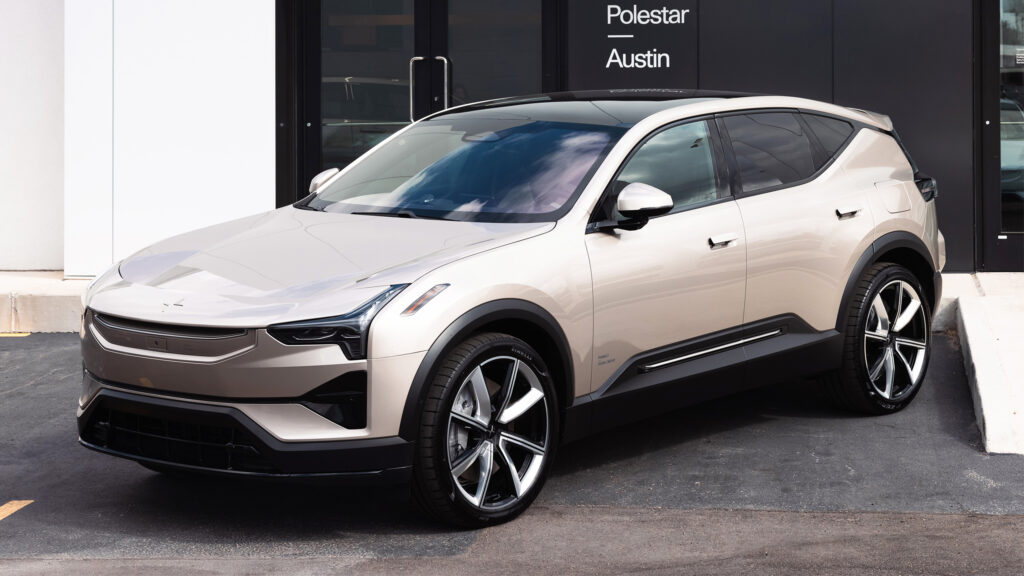
Polestar Is Dangling Up To $21,000 Off For Tesla Owners, More If You’re A Costco Member

  • After incentives, the base Polestar 3 is available for less than $50,000.
  • Existing Tesla owners are being offered a $3,000 conquest bonus.
  • Polestar is also offering a bonus for BMW, Audi, and Mercedes owners.

For most American buyers, Tesla remains the quintessential electric vehicle brand, accounting for roughly 46 percent of all EVs sold locally last year. Despite its stranglehold over the industry, competitors continue to announce incentives aimed at convincing current Tesla owners to jump ship, and Polestar is the latest.

Review: We Drove The Polestar 4 And It Wants To Change Your Mind On EVs

If you want to jump behind the wheel of a new Polestar 4 or Polestar 3, now could be the time to do it. Until April 30, the outgoing 2025 Polestar 3 includes an $18,000 ‘Polestar Clean Vehicle Incentive’ on purchases, slashing the SUV’s starting price. What’s more, it’s being sold with a $3,000 conquest bonus for any existing Tesla owner, regardless of whether someone wants to buy or at lease the 3.

 Polestar Is Dangling Up To $21,000 Off For Tesla Owners, More If You’re A Costco Member

It’s not just Tesla owners who can benefit. A $3,000 loyalty bonus is available to current Polestar owners, and a $1,000 conquest bonus is available to anyone who owns or leases an ICE or EV model from BMW, Audi, Mercedes-Benz, Porsche, or Cadillac. If you’re a Costco member, you may also be eligible to receive a discount of either $1,000 or $1,250. All up, we’re looking at potential savings of $21,000, or up to $22,250 for Costco members.

Importantly, these incentives are only for the 2025 Polestar 3, which has a 400-volt electrical architecture, whereas the 2026 model uses a more advanced 800-volt system. Nevertheless, it remains a good EV, and the base model can now be had for less than $50,000. The incentives also cut prices of the Long Range Dual Motor to under $55,000, while the Long Range Dual Motor with Performance Package can be purchased for less than $60,000.

Or Would You Prefer No Rear Window?

\\\\\\

Polestar is also offering several incentives for the 2026 Polestar 4. For starters, it’s available with a $10,000 clean vehicle incentive, which can be combined with a $4,000 conquest bonus for Tesla owners, a $3,000 loyalty bonus for existing Polestar owners, or a $1,000 conquest incentive for owners of BMW, Audi, Mercedes-Benz, Porsche, or Cadillac models.

Like the Polestar 3, the smaller 4 also offers up to $1,250 in incentives for Costco members. The main $10,000 incentive alone reduces prices of the Long Range Single Motor to $46,400, while the Long Range Dual Motor drops to $52,900.

\\\\\\\

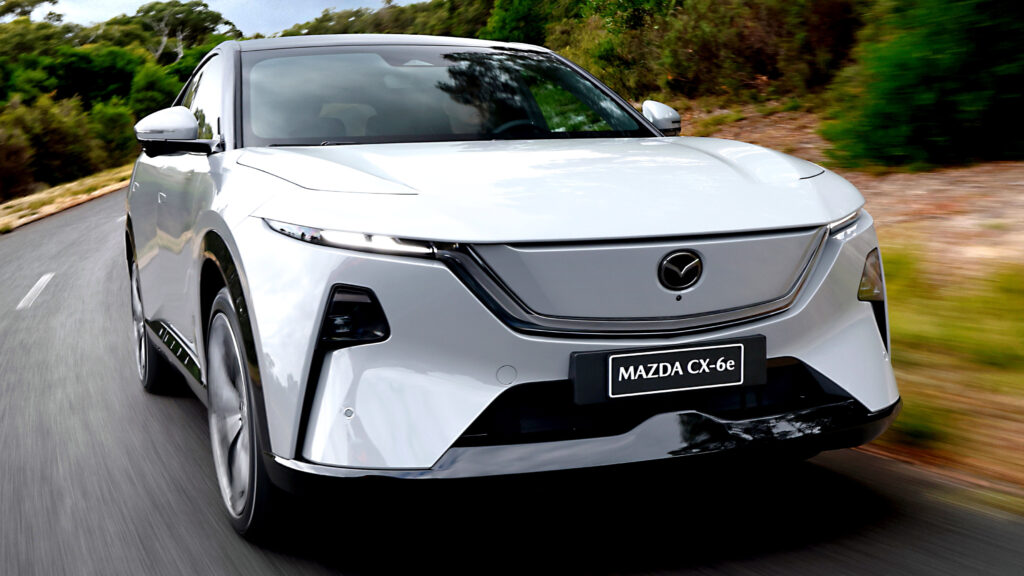
Mazda Priced Its New CX-6e At $20,500 In China And Nearly Double That In Australia

  • The CX-6e comes exclusively with a 78 kWh battery and a rear motor.
  • Mazda Australia will sell the CX-6e in GT and Azami configurations.
  • Customer deliveries of the all-electric SUV will start in September.

As more Chinese-built EVs make their way into global markets, legacy brands are starting to blur traditional pricing expectations. Just a few months after Hyundai began selling its China-made Elexio in Australia, Mazda has launched its only all-electric SUV in the country, also built in China. The new CX-6e is positioned as a direct rival to the Tesla Model Y and undercuts it on price, although there is no dual-motor version available.

Read: Mazda’s Global $16,800 Chinese SUV Makes America’s Cheapest Cars Look Overpriced

The CX-6e is produced in China through the Changan Mazda joint venture and is closely related to the Deepal S07, which is already sold in Australia. Pricing for the entry-level GT starts at AU$53,990 (equal to US$38,000 at current rates) before on-road costs.

While it’s cheaper than the base Tesla Model Y Premium RWD that starts at AU$58,900 (US$41,500), it’s also nearly twice as expensive as the same model in China. There, the entry-level CX-6e EV starts at 139,900 yuan (US$20,500 or AU$28,900).

\\\\\\\\\\\\\\\\\\\\\\\\\\\\\\\\\\

Chinese buyers also benefit from a lower entry point thanks to a range-extended version. It pairs a 1.5-liter four-cylinder engine with a smaller 31.7 kWh battery, effectively using the engine as a generator. That variant starts at 129,900 yuan (US$19,000 or AU$26,900), though it isn’t offered in Australia.

For their money, Australian buyers will get a sharp-looking SUV with a 78 kWh lithium iron phosphate (LFP) battery and a rear-mounted electric motor with 255 hp (190 kW) and 214 lb-ft (290 Nm). Key features of the CX-6e GT include a huge 26.45-inch central infotainment and passenger display, 19-inch alloy wheels, radar cruise control, heated and ventilated front seats, a heated steering wheel, and a 23-speaker audio system.

Tech-Filled, And Cheap

\\\\\\\\\\\\\\\\\\\\\\\\\\\\\\\\

Those with a little more money to spend can opt for the CX-6e Azami, priced from AU$56,990 (US$40,100). It includes the same powertrain but adds digital wing mirrors, a digital rearview mirror, and 21-inch alloy wheels.

Both models have a claimed driving range of 301 miles (484 km) over the combined cycle. Mazda Australia hasn’t published the CX-6e’s peak DC charging speed, but notes the battery can be charged from 30-80 percent in 15 minutes, which is decent yet far from class-leading.

No doubt in a bid to help boost early interest in the SUV, the first 1,000 Australian customers who pre-order the CX-6e GT will receive a complimentary upgrade to the Azami. There is only one optional package, a Warm Beige interior trim available on both variants for AU$1,000 ($700).

\\\\\\\\\\\\\\\\\\\\\\\\\\\\\\\\\\\\\\\\\\\\\

A day after Iran-US ceasefire declared, doubts linger amid continuing Gulf strikes

Armed police patrol as Iranians gather in Tehran's Revolution Square after the United States and Iran agreed to a two-week ceasefire, on April 8, 2026 in Tehran, Iran. (Photo by Majid Saeedi/Getty Images)

Armed police patrol as Iranians gather in Tehran's Revolution Square after the United States and Iran agreed to a two-week ceasefire, on April 8, 2026 in Tehran, Iran. (Photo by Majid Saeedi/Getty Images)

WASHINGTON — The United States and Iran both claimed victory Wednesday, a day after agreeing to a two-week conditional ceasefire, though doubts loomed following continued strikes across the Gulf nations and an indication by Iran that it will continue to control the Strait of Hormuz, a major passage for one-fifth of the world’s oil and gas. 

Secretary of Defense Pete Hegseth said during an early-morning briefing the U.S. achieved an “historic and overwhelming victory,” but also troops are “prepared to restart at a moment’s notice.”

“We’ll be hanging around. We’re not going anywhere. We’re going to make sure Iran complies with this ceasefire, and then ultimately comes to the table and makes a deal,” Hegseth said.

Oil prices dropped sharply after news of the ceasefire, with Brent crude, the international standard, sitting at $95 a barrel before noon Eastern Wednesday. That’s down from the previous day’s price of nearly $110 per barrel. 

U.S. stocks shot up Wednesday, with the Dow Jones Industrial Average, S&P 500 and Nasdaq Composite all on the rise.

U.S. and Iranian delegations were set to arrive in Islamabad Friday for negotiations, according to Pakistan’s Prime Minister Shehbaz Sharif, who in part brokered the pause in fighting.

White House press secretary Karoline Leavitt told reporters at an afternoon briefing that Vice President JD Vance, special envoy Steve Witkoff and the president’s son-in-law Jared Kushner will attend a first round of talks Saturday morning.

Nuclear material

President Donald Trump said early Wednesday morning that the U.S. “will work closely with Iran, which we have determined has gone through what will be a very productive Regime Change!”

“There will be no enrichment of Uranium, and the United States will, working with Iran, dig up and remove all of the deeply buried (B-2 Bombers) Nuclear ‘Dust,’” Trump wrote on his platform, Truth Social, referring to Iran’s buried enriched uranium following heavy U.S.-Israeli bombing in June.

When pressed at the briefing, Hegseth said of the nuclear material: “We’re watching it. We know what they have, and they will give it up, and we’ll get it, and we’ll take it if we have to. We can do it in any means necessary. So that’s something the president is going to solve for.”

Hegseth ended the press conference saying the Iranian public has been “oppressed by the previous regime, and they’ll have a new opportunity with this regime that remains to be seen,” adding that a civilian uprising was “not our objective.” 

“We wish them the best,” Hegseth said. 

Hegseth’s claim about a civilian uprising directly contradicted Trump’s message to the Iranian people on Feb. 28, when the U.S. and Israel began the bombing.

Iran’s new supreme leader, Mojtaba Khamenei, is the son of the slain Ayatollah Ali Khamenei, who led the Islamic Republic from 1989 until U.S. and Israeli strikes assassinated him hours into the conflict. Experts point to Mojtaba Khamenei as being a conservative hardliner with close ties to the Iranian Revolutionary Guard Corps.

Reports across Iranian state media and Middle East regional news outlets Wednesday quoted the regime’s Supreme National Security Council as declaring an “historic and crushing defeat” over the U.S. and Israel.

Calls for invocation of 25th Amendment

Hegseth’s victory declaration came after Trump on Tuesday threatened Iran’s “whole civilization will die tonight” if the regime did not meet his self-imposed 8 p.m. Eastern deadline to open the Strait of Hormuz. 

The comments drew intense criticism, with some — from progressive Democrats to former Trump loyalists — calling for the president’s removal under the Constitution’s 25th Amendment.

Two Senate Republicans, John Curtis of Utah and Ron Johnson of Wisconsin, denounced Trump’s rhetoric and actions in recent days. One House GOP member, Nathaniel Moore of Texas, also joined them Tuesday. 

The offices of Senate Majority Leader John Thune, R-S.D., and House Speaker Mike Johnson, R-La., did not respond to States Newsroom Tuesday for comment on Trump’s remark that he would wipe out Iran’s “whole civilization.” Neither have posted anything regarding Trump’s comments on their X social media feeds, where they regularly communicate to the public.

Others continued to support Trump. Sen. Mike Rounds, R-S.D., told local media Tuesday “I take it with a grain of salt,” when asked about Trump’s vow to wipe out Iran’s civilization.

Leavitt told reporters at the White House briefing Wednesday, “The world should take his word very seriously.”

“He said that they would face very grave consequences … by the 8 p.m. deadline if they did not agree to reopening the Strait of Hormuz. And what did they do last night? They agreed to reopen the Strait of Hormuz,” she said.

Roughly 90 minutes before his deadline to order strikes on Iran’s power plants and bridges, the president agreed to stop the bombardment for two weeks, after receiving a 10-point plan from Iran that “is a workable basis on which to negotiate,” he wrote on his social media platform, Truth Social.

In a statement released early Wednesday morning Tehran time, Iran appeared to retain control of the narrow passage in and out of the Persian Gulf.

“For a period of two weeks, safe passage through the Strait of Hormuz will be possible via coordination with Iran’s Armed Forces and with due consideration of technical limitations,” the country’s foreign minister, Seyed Abbas Araghchi, said in a written statement posted on social media. 

Iranian drones and missiles

Strikes continued across the Gulf region, with Kuwait’s defense ministry reporting “an intense wave” of Iranian drones and missiles that damaged oil infrastructure, power stations and water desalination plants.

“Violations of ceasefire have been reported at (a) few places across the conflict zone which undermine the spirit of peace process. I earnestly and sincerely urge all parties to exercise restraint and respect the ceasefire for two weeks, as agreed upon, so that diplomacy can take a lead role towards peaceful settlement of the conflict,” Sharif warned on X just after 10 a.m. Eastern. 

The Pakistani prime minister tagged in the post Trump and numerous administration officials, as well as Iranian leaders.

Israel continued bombardment on southern Lebanon, launching widespread strikes across the region and in the capital city of Beirut Wednesday. By noon Eastern, which is evening in Lebanon, health authorities said 89 people were killed in the strikes and over 700 had been injured. An official with Doctors Without Borders reporting from a large public hospital in Beirut cited a higher death toll.

Israeli Prime Minister Benjamin Netanyahu claimed on social media early Wednesday that “The two-weeks ceasefire does not include Lebanon.”

When asked during the White House press briefing Wednesday, Leavitt echoed Netanyahu.

“Lebanon is not part of the ceasefire that has been related to all parties involved in the ceasefire,” she said.

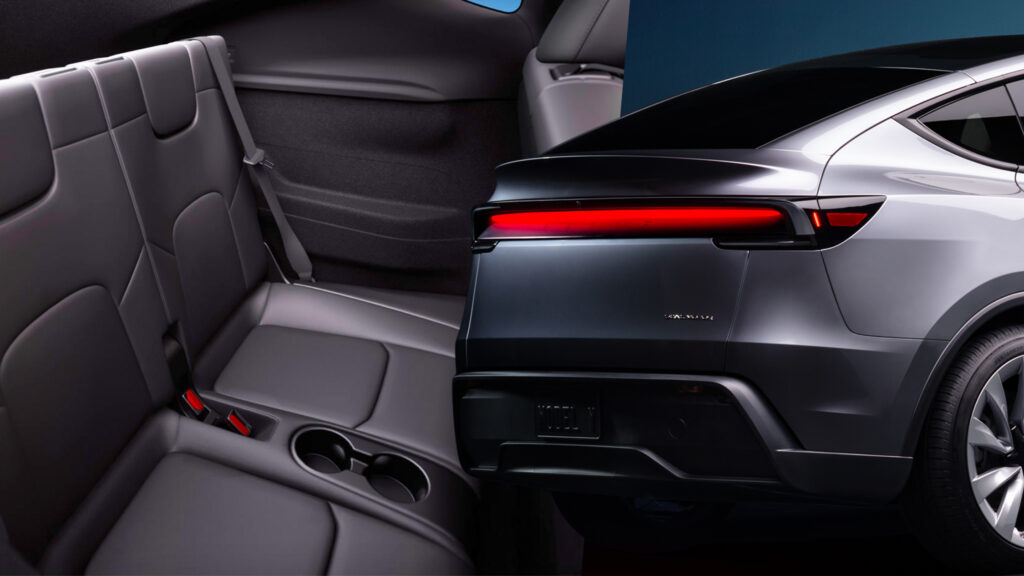
Tesla’s Third Row Is Back, And It’ll Cost UK Families £12,500 To Get There

  • Brits can now order a seven-seat Tesla Model Y for £54,490.
  • Option is only available on the pricey Long Range AWD trim.
  • Seven-seats are already available in America and in Europe.

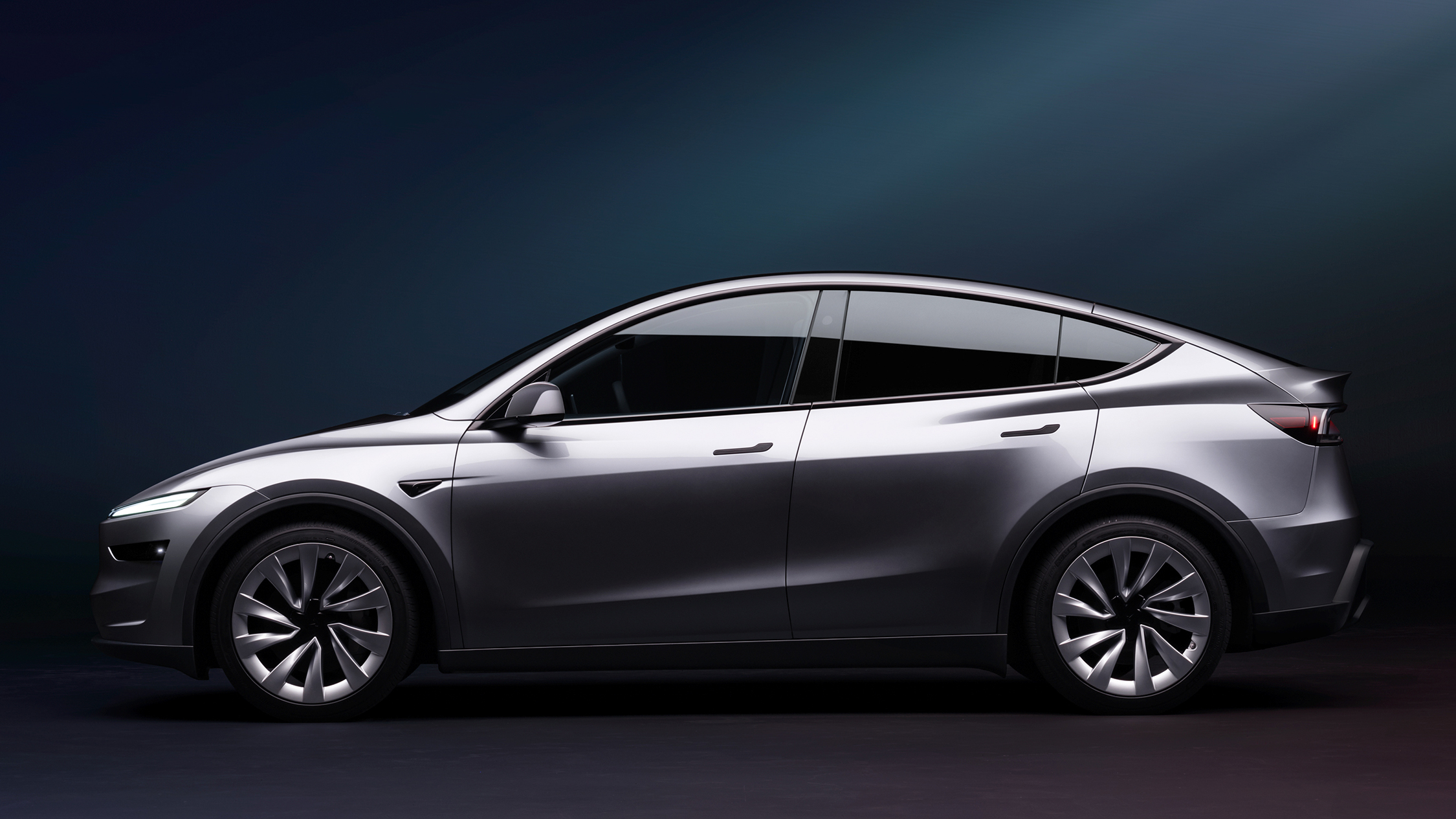
The Tesla Model Y is trying to win back big families and maybe a few lost sales rankings too. Tesla has quietly slipped a seven-seat option back into the UK lineup, and it might be just the nudge the crossover needs.

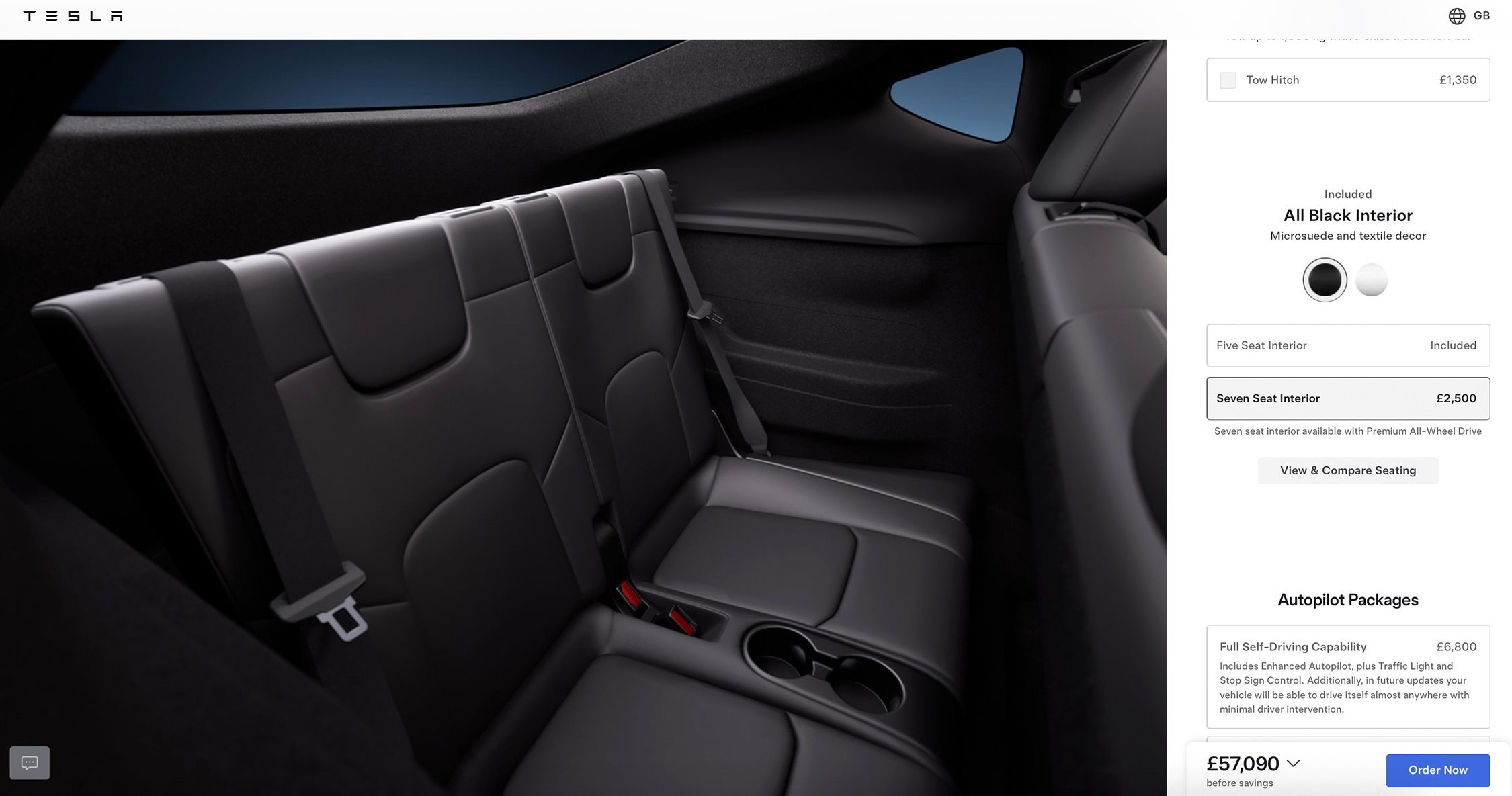
For £54,490 (equal to $68,500 at current rates), buyers get a pair of extra seats tucked neatly into the boot, an option already available in the US and the EU. That is £2,500 ($3,100) more than the regular version, versus $2,500 in the US, but that’s not the real catch. The bummer here is you can only have those extra chairs if you also choose the Long Range All-Wheel Drive model which costs £10k ($12,500) more than the entry-level single-motor SUV.

Related: Jim Farley Promises A New Affordable Ford EV To Take On Tesla’s Model 3 And Y

At least it means you still get plenty of punch to move seven bodies around. Twin motors deliver brisk acceleration, hitting 60 mph (97 kmh) in about 4.6 seconds, which is quicker than most people need when ferrying kids to school.

Tesla’s online configurator shows an identical sprint time for the five-seat version, and also suggests both are rated at 391 miles (630 km) WLTP. But UK websites like Auto Express claim the extra chairs cut the electric range to 372 miles (599 km). Even if that lower number is true, the Model Y would still be among the longest-legged seven-seat electric SUVs.

 Tesla’s Third Row Is Back, And It’ll Cost UK Families £12,500 To Get There

With all seven seats up, there is still room for a couple of carry-on suitcases, plus extra storage in the frunk. Fold the rearmost row flat and the Model Y turns back into a load-lugging champ. But the third row itself is best described as optimistic. Tesla admits it is more suited to children, and the lack of Isofix points limits its usefulness for younger passengers. Still, there are USB-C ports and cupholders, so at least those in the back will not feel entirely forgotten.

Not The Only Seven-Seat EV

This move also drops the Model Y back into the ring with rivals like the Peugeot E-5008 and Mercedes EQB, both of which have been courting family buyers looking for electric practicality with three rows of seats.

The bigger question is whether this is enough to boost Tesla’s fortunes in the UK. The Model Y used to dominate sales charts but slipped out of the top ten in 2025 despite a facelift. Adding two extra seats might not sound revolutionary, but for growing families it could be exactly what was missing.

 Tesla’s Third Row Is Back, And It’ll Cost UK Families £12,500 To Get There

Tesla

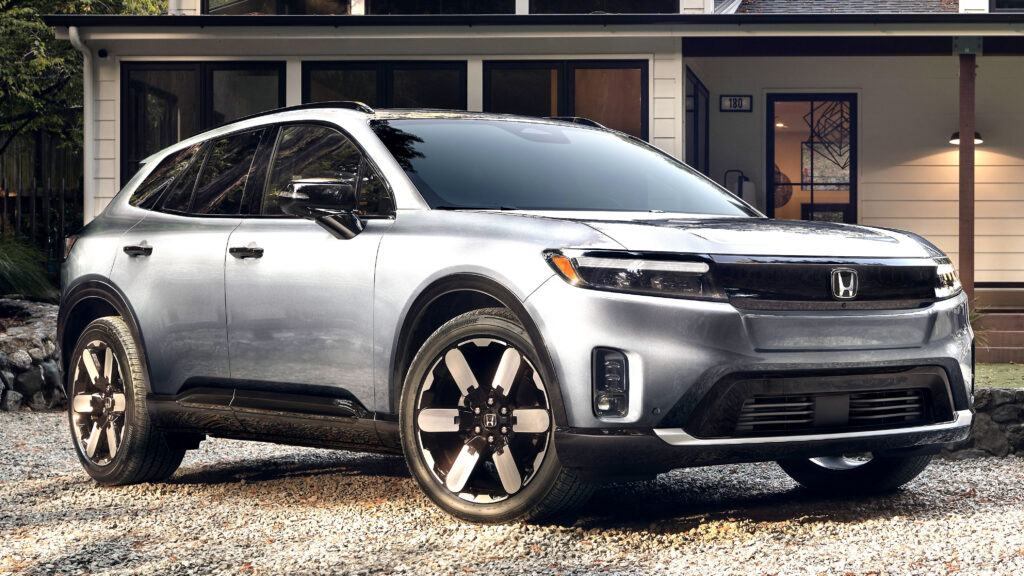
Honda Cuts $7,500 Off Every Prologue, Including Cars Already On Dealer Lots

  • The discount offsets the lost federal EV tax credit, dollar for dollar.
  • Price reductions apply to existing dealer inventory, not just new builds.
  • The base single-motor EX now starts at $41,395 including destination.

The Prologue hasn’t been the success that Honda would have liked, and pricing has been a big part of the problem. It was already on the expensive side, and the loss of the $7,500 federal EV tax credit under the Trump administration only made things harder to justify. Honda appears to have taken the hint.

For 2026, it’s cutting $7,500 across the entire Prologue lineup, effectively replacing the missing incentive and bringing the model within reach of a much wider pool of buyers.

The 2026 Prologue range goes unchanged, meaning it continues to be offered in single-motor and dual-motor EX, Touring, and Elite configurations. Importantly, the price cuts won’t just apply to newly-built models from April 1, but also 2026 models already in Honda’s inventory.

Read: That Strange Clicking Noise In Honda’s Prologue Is Now A Lawsuit

Sitting at the base of the range is the single-motor EX, now priced at $41,395, including a $1,495 destination charge, down from $48,895 for the 2025 model. Positioned above this model is the EX dual motor, now starting at $43,495. The 2026 Prologue continues to be sold in Touring guises, starting at $46,695 for the single-motor and $48,495 for the dual-motor.

2026 Honda Prologue
TrimDriveMSRPMSRP w/Dest.EPA Range
EXSingle Motor, 2WD$39,900$41,395308 miles
EXDual Motor, AWD$42,000$43,495294 miles
TouringSingle Motor, 2WD$44,200$46,695308 miles
TouringDual Motor, AWD$47,000$48,495294 miles
EliteDual Motor, AWD$50,400$51,895283 miles
SWIPE

Whereas the front-wheel drive models have 220 hp, 243 lb-ft (329 Nm) of torque, and an EPA range of 308 miles (496 km), the dual-motor versions deliver 300 hp and 355 lb-ft (481 Nm) of torque. The added power comes at the cost of range, which is reduced to 294 miles (473 km) in the dual-motor EX and Touring.

Continue to sit at the top of the range is the dual-motor Elite with a reduced range of 283 miles (455 km). For 2026, it starts at $51,895, including destination, down from $59,395.

The long-term future of the Honda Prologue remains unclear. Following the removal of the federal EV tax credit, sales have plunged through the early part of this year, prompting Honda to cut production in half. This also prompted recent speculation that the Prologue will be killed after production ends in December, with no successor on the agenda. However, Honda has denied these reports.

\\\\\\\\

As gas spikes to an average $4 a gallon, Hegseth says Iran ground war still an option

Gas prices are displayed on a billboard in North Salt Lake, Utah, on Tuesday, March 31, 2026. (Photo by McKenzie Romero/Utah News Dispatch)

Gas prices are displayed on a billboard in North Salt Lake, Utah, on Tuesday, March 31, 2026. (Photo by McKenzie Romero/Utah News Dispatch)

WASHINGTON — The White House defended skyrocketing gas prices Tuesday as a “short-term disruption” during the ongoing war in Iran, as Secretary of Defense Pete Hegseth said the administration will not “foreclose any option” in the conflict, including boots on the ground.

Briefing publicly for the first time since March 19, Hegseth said it will be “the president’s determination alone” when the war objectives are complete and the “upcoming days will be decisive.” Hegseth also said the administration’s negotiations with Iran are “ongoing, they’re active, and, I think, gaining strength.”

Five weeks in, the war continues to rock economies across the globe and at home, where the national average for gasoline hit $4 a gallon for the first time in four years, according to data from AAA.

A gas station on Point Street in Providence, Rhode Island, shows a $3.89 a gallon price for regular on Tuesday, March 31, 2026. (Photo by Janine Weisman/Rhode Island Current)

White House press secretary Karoline Leavitt released a statement saying that “When Operation Epic Fury is complete, gas prices will plummet back to the multi-year lows American drivers enjoyed before these short-term disruptions.” 

President Donald Trump, she said, “remains committed to fully unleashing American energy dominance, lowering costs, and putting more money back in the pockets of hardworking American families.”

Shortly after the White House issued its statement, Iran’s parliament speaker, Mohammad-Bagher Ghalibaf, posted a link on X to a CNN article about soaring U.S. gas prices, writing “Sad, but this is what happens when your leaders put others ahead of hard-working and ordinary Americans.”

Blockade drives up global prices

Iran’s blockade on U.S. and allied ships at the Strait of Hormuz, a major passage for petroleum and liquid natural gas, has wreaked havoc on global energy markets. As of Tuesday at 12:45 p.m. Eastern, Brent crude oil, the international standard, was trading just over $119 a barrel.

Between 2,000 and 3,000 cargo vessels and oil tankers, along with roughly 20,000 crew, remain stuck in the Persian Gulf, according to the United Nations and open source data, including MarineTraffic

Trump claimed during a Cabinet meeting Thursday that Iran has agreed to allow eight to 10 Pakistani oil tankers through. On Sunday, the president said 20. 

According to the Joint Maritime Information Center, only four large tankers transmitting location data had crossed the Hormuz Strait on Friday and Saturday. 

US troops

Hegseth said the White House will not rule out any options, including ground operations, but declined to provide detail at the Pentagon briefing.

“You can’t fight and win a war if you tell your adversary what you are willing to do, or what you are not willing to do — to include boots on the ground. Our adversary right now thinks there are 15 different ways we could come at them with boots on the ground. And guess what? There are. So if we needed to, we could execute those options on behalf of the president of the United States and this department, or maybe we don’t have to use them at all. Maybe negotiations work,” Hegseth said. 

Trump told reporters Sunday on Air Force One that negotiations with Iran are happening “directly and indirectly” and are “very good.”

“We’re doing extremely well,” the president said. “But you never know with Iran because we negotiate with them, and then we always have to blow ‘em up.”

Trump has repeatedly threatened to bomb Iran’s energy infrastructure, and has set a self-imposed deadline of April 6 to do so if Iran doesn’t meet his demands.

On Monday night, the president posted on his social media platform, Truth Social, a video of a U.S. strike on an ammunition depot in Iran’s central province of Isfahan. 

Spokesperson for the Iranian Foreign Ministry Esmaeil Baqaei denied any talks with the United States, according to Iranian state media Tasmin New Agency.

Up to 3,500 U.S. Marines and sailors arrived in the region Saturday, according to U.S. Central Command. The U.S. now reportedly has roughly 50,000 troops in the region — that’s 10,000 up from the usually 40,000 or so peacetime members of the armed forces stationed there. 

Ghalibaf said Sunday an American ground offensive would result in “severe punishment,” according to state media.  

More than 300,000 American troops were in the region during the U.S. ground invasion of Iraq, according to historical data archived by the Council on Foreign Relations.

❌