Lexus, Subaru, and Toyota top Consumer Reports’ latest reliability rankings.
Tesla climbs sharply, while Mazda tumbles thanks to trouble with new SUVs.
Hybrids keep impressing, but EVs and PHEVs still cause trouble for owners.
If you want a new car that spends more time on your driveway than at the dealer, Consumer Reports has some familiar advice. Stick with the usual suspects, be suspicious of shiny new tech, and maybe don’t volunteer to beta test an automaker’s latest big idea.
At the top of the pile, Toyota grabbed first place with Subaru second and Lexus third. Honda and BMW rounded out the top five. Consumer Reports based the study on survey data covering about 380,000 vehicles, so this is the kind of league table that has credibility, and isn’t just the result of an angry guy yelling into a forum thread about his rogue SUV.
If you’re wondering who had the best transformation, that would be Tesla. It jumped eight places from last year’s study to ninth overall, helped largely by stronger showings from the Model 3 and, in particular, the Model Y. That doesn’t mean everything in Tesla land is suddenly flawless, because the Cybertruck still landed below average, but it does suggest the company is finally getting a better grip on some of the fit, finish, and hardware gremlins that used to follow it around.
Mazda’s PHEV Nightmare
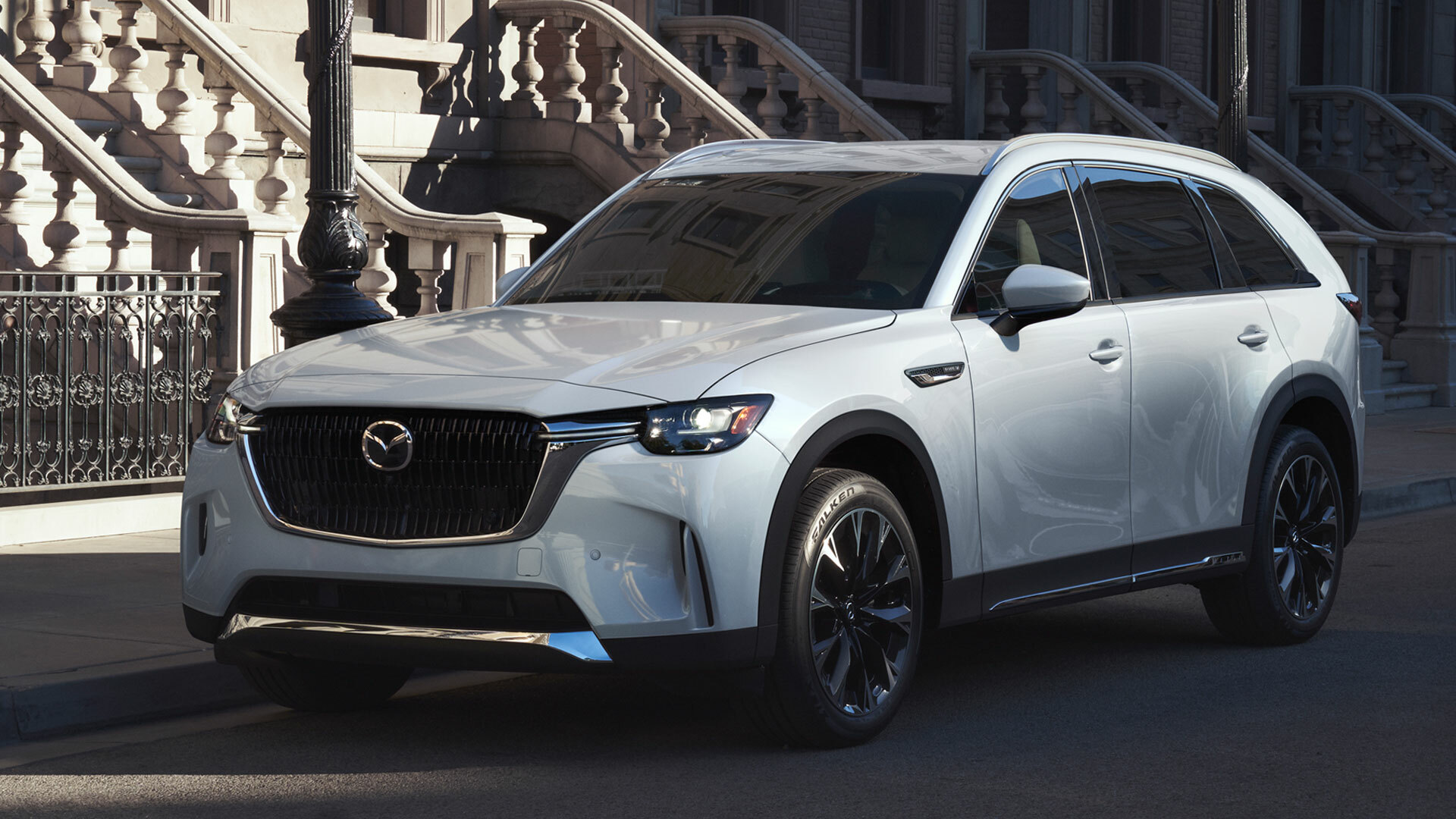
The brand that took the awkward tumble was Mazda, which dropped eight spots to 14th. Older Mazda models still did reasonably well, but the newer, more complicated CX-70 and CX-90, especially in plug-in hybrid form, apparently kept causing trouble.
That’s a classic case of what happens when an automaker gets ambitious with new platforms, new drivetrains, and new tech all at once. Sometimes the engineering team nails it. Sometimes the owners become unwitting, unpaid members of the R&D squad.
Consumer Reports also says hybrids continue to be a safe option for ICE fans looking for better economy. EVs and PHEVs, meanwhile, remain overrepresented among the least reliable models in the survey, especially when they’re brand new or heavily redesigned.
Buick Leads Detroit Brands
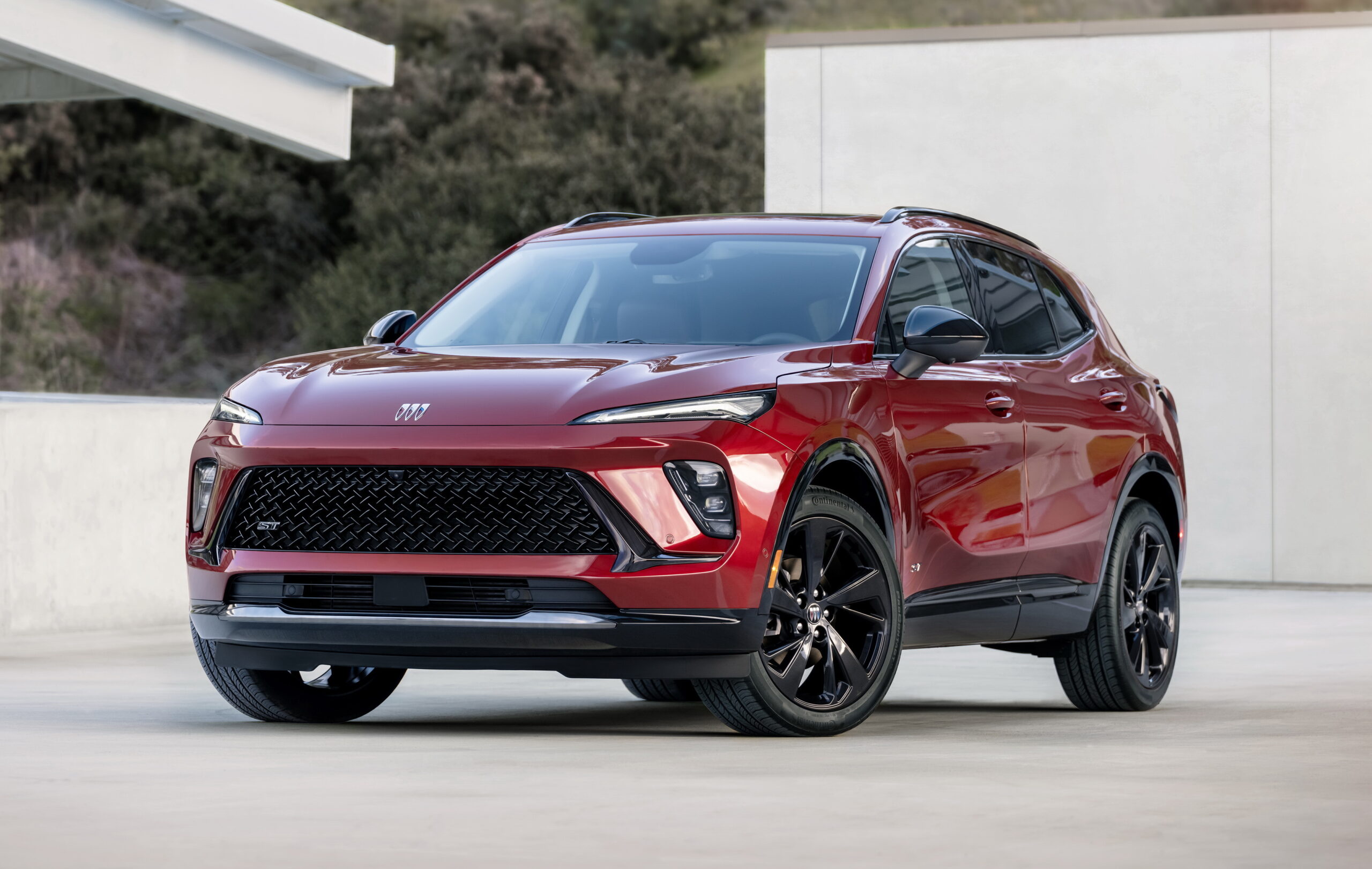
There were a few other eyebrow raisers in the rankings. Buick was the highest placed traditional Big Three Detroit brand at eighth, Ford landed 11th, and relative newcomer Rivian brought up the rear, though it’s worth pointing out that Jaguar, Land Rover, Fiat, Alfa Romeo and more were excluded from the study due to a lack of data.
Consumer Reports also found Asian brands still dominate on reliability, Europeans sit in the middle, and domestic brands trail overall, even if Tesla’s jump gave Team America something to celebrate.
And reliability is worth celebrating. No, it’s never going to be sexy, but unless your idea of excitement includes hanging around in waiting rooms and constantly swapping into loaner crossovers, Consumer Reports has a pretty clear message: maybe let somebody else test the cutting edge first.
PROS ›› Great power, extremely spacious, refined CONS ›› Ioniq 9 is more luxurious, expensive, inefficient
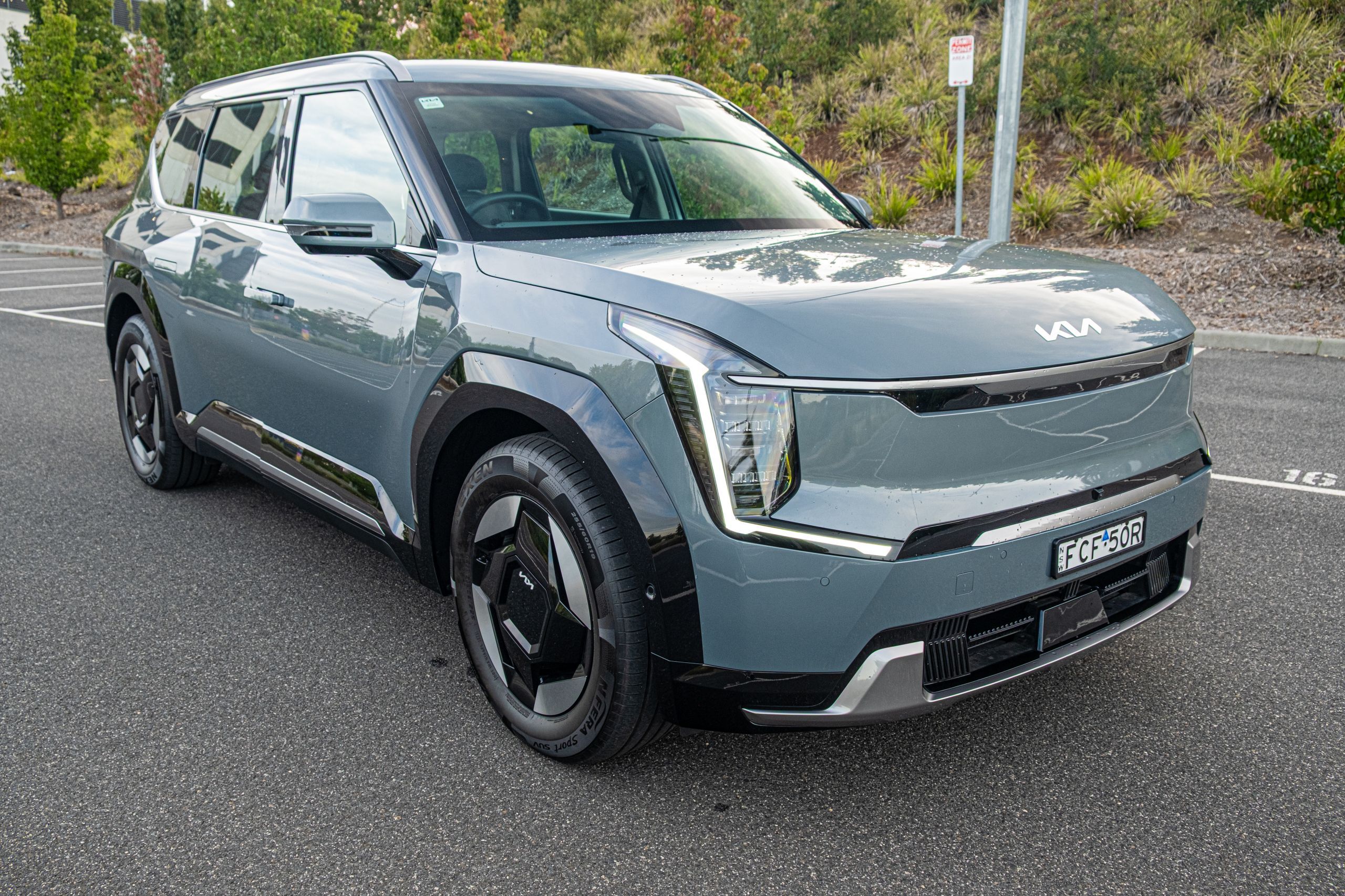
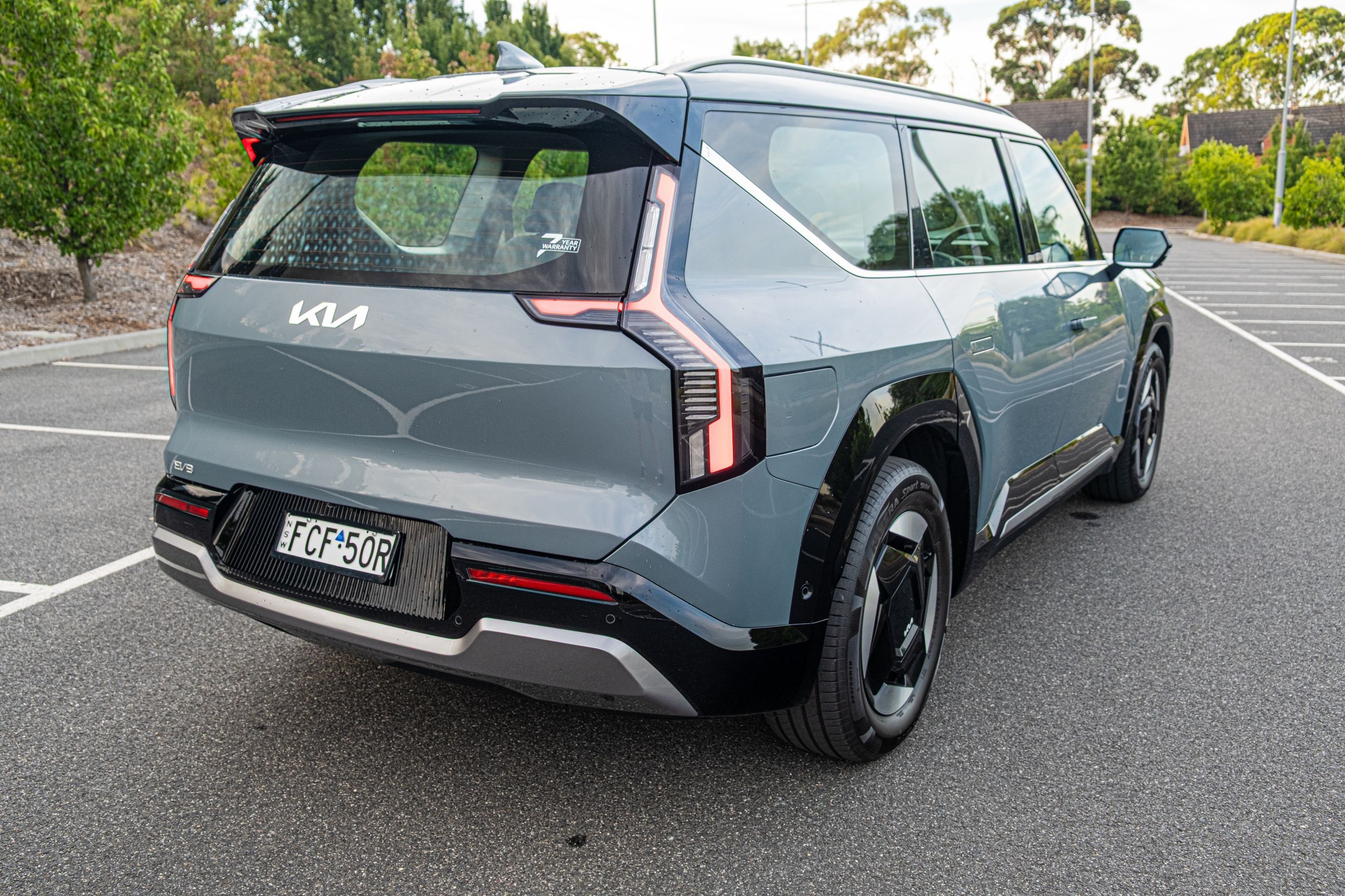
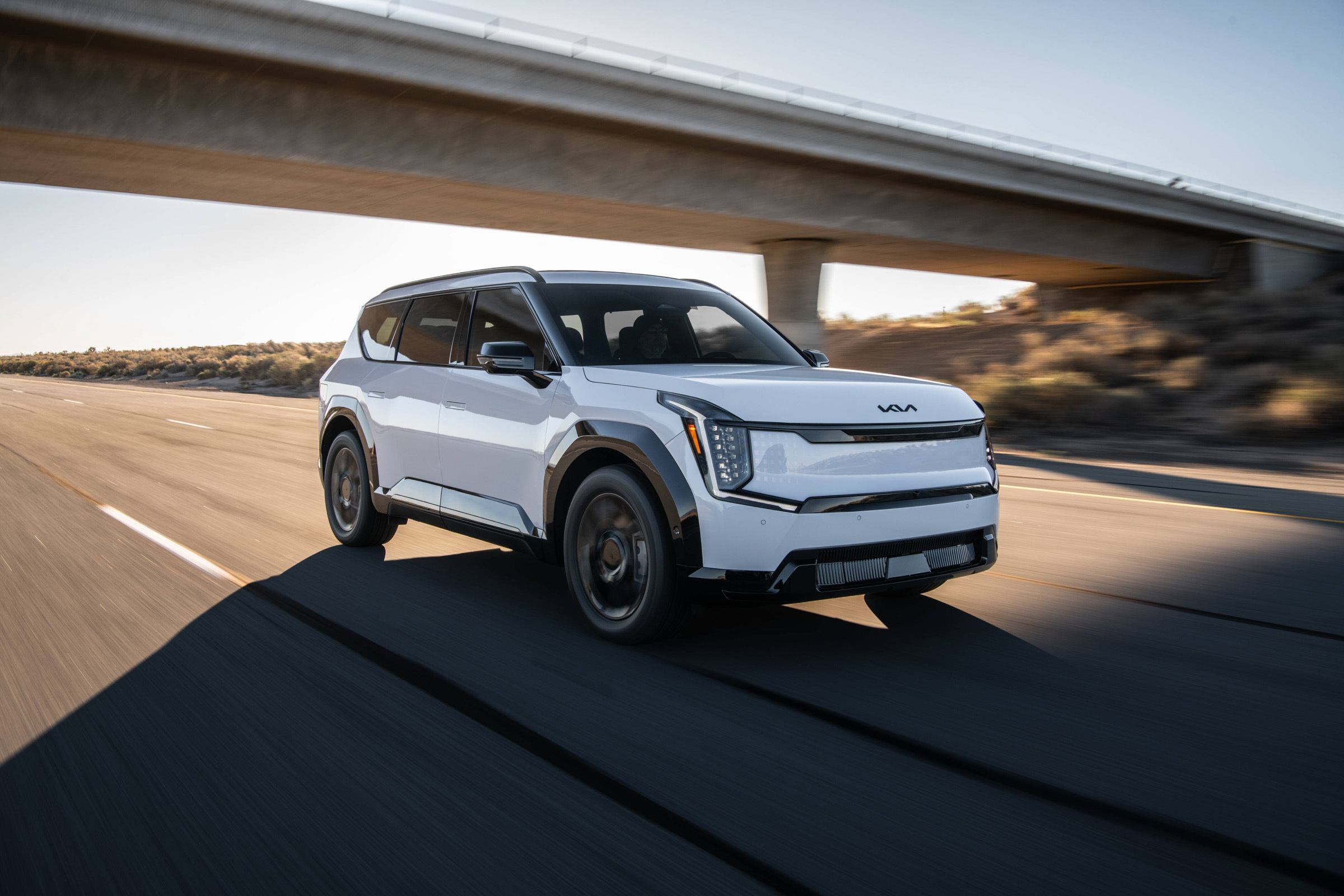
Kia’s EV9 arrived in Australia two years ago as the first fully electric SUV with three rows, and it didn’t try to blend in. The styling leaned hard into concept car territory, all sharp edges and presence, and it marked a turning point for the Korean brand as it pushed further upmarket. Locally, it wasn’t just another launch. It felt like a statement piece, and arguably the most important model Kia had put its name on in years.
In the two years since its launch, the segment hasn’t exactly exploded into life. Australia’s three-row EV space is still oddly thin, with only the Volvo EX90 and the sorted Hyundai Ioniq 9 joining the conversation so far. There’s also the looming arrival of the seven-seat Tesla Model Y L, which technically has three rows, in the same way a folding chair technically counts as living room furniture.
The question is, two years on, does the EV9 still hold the same appeal it had when it first launched, or has it been overshadowed by some of the newer competition? We spent a week with the mid-range Kia EV9 Earth to see where it now stands.
QUICK FACTS
› Model:
2026 Kia EV9 Earth
› Starting Price:
AU$119,273 ($84,231)
› Dimensions:
197.2 L x 78 W x 69.1 in H (5,010 x 1,980 x 1,755 mm)
› Wheelbase:
122 in wheelbase (3,100 mm)
› Curb Weight:
2,552 kg (5,626 lbs)
› Powertrain:
Dual electric motors / 99.8 kWh battery
› Output:
380 hp (283 kW) / 516 lb-ft (700 Nm)
› 0-62 mph
6.0 seconds
› Transmission:
Single speed
› Efficiency:
23 kWh/100 km as tested
› On Sale:
Now
SWIPE
Local prices for the EV9 have remained steady since the model’s introduction. While this is a good thing, it still remains pricey. The range starts with the Air, priced from AU$106,404 ($75,100) when factoring in all the on-road costs and fees, while the Earth we lived with kicks off from AU$119,273 ($84,231).
Then there’s the performance-focused GT, set to arrive shortly and expected to start just shy of AU$150,000 ($106,000). At that point, you’re not just shopping for a big electric SUV. You’re making a fairly serious financial statement.
Photos Brad Anderson/Carscoops
There’s a lot to like about the mid-range EV9 Earth on paper. It uses the same powertrain as the GT-Line, meaning there’s a 99.8 kWh battery pack and a pair of electric motors boasting 283 kW (380 hp) and 700 Nm (516 lb-ft) of torque. By comparison, the base model has a smaller 76.1 kWh pack and just a single, rear-mounted electric motor.
Kia quotes a solid driving range of 512 km (318 miles) in the EV9 Earth, the most of any model, as well as a 0-100 km/h (0-62 mph) time of 6.0 seconds. This is down from the GT-Line’s 5.3-second time and likely has to do with some electronic trickery, given it has the same powertrain.
Spacious, Functional, But A Bit Drab Interior
Photos Brad Anderson/Carscoops
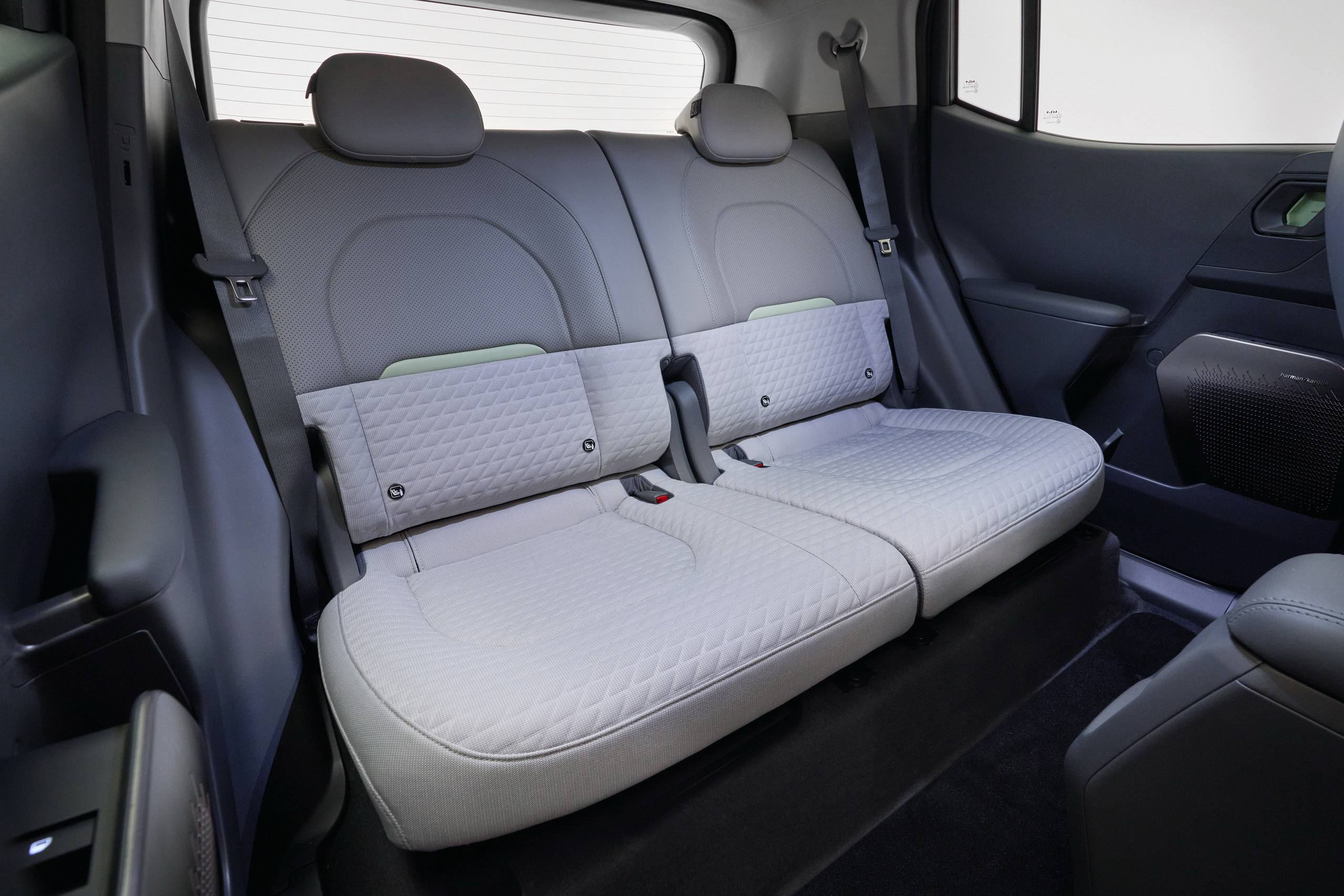
Given the large footprint of the EV9, it should come as no surprise that the interior is absolutely vast. It’s a proper seven-seater – or six-seater when configured with the captain’s chairs – yet you quickly get used to the size of it.
Like other EV9 variants, as well as many other Kia EVs, the dashboard is dominated by a 12.3-inch infotainment display, a 5-inch climate control panel, and a 12.3-inch digital gauge cluster.
The implementation of the climate control screen leaves a little to be desired. It’s sandwiched between the two larger displays and is completely blocked by the rim of the steering wheel. Fortunately, Kia has included physical switches for the temperature and fan speed further down on the dash, so I very rarely had to use the screen to make adjustments. Even still, we’d prefer a narrow, horizontal display below the air vents for the climate settings.
Photos Brad Anderson/Carscoops
Just a few months ago, we drove the Hyundai Ioniq 9, a vehicle that shares its underpinnings with the EV9. Australia only gets that model in flagship Calligraphy guise, priced from AU$128,413 ($90,700), and while it’s more expensive than the EV9 Earth, the interior feels far plusher.
This isn’t to say the cabin of the EV9 is a disappointment. In fact, it’s very nice. But, whereas Hyundai has used a host of different colors, materials, and shapes in the Ioniq 9, the cabin of the EV9 is rather drab, offered exclusively with black artificial leather. There are no metal accents, or even faux metal parts, and instead just a bunch of leather (which isn’t particularly soft), small pieces of fabric on the dashboard and door panels, and plenty of black plastic. We’d expect more at this price point.
Functionally, the interior is great. Wireless Apple CarPlay and Android Auto come standard, although the Earth misses out on the head-up display of the GT-Line. It also does without Parking Collision Avoidance Assist – Forward, Kia’s relaxation seats, dual sunroof, rear privacy glass, small cube LED headlights, alloy sport pedals, premium door scuff panels, second-row sun blinds, and a 14-speaker Meridian sound system. Instead, it makes do with an 8-speaker system that’s adequate, but not particularly inspiring.
Photos Brad Anderson/Carscoops
There’s no knocking the space or comfort on offer, however. The front seats are great, as are the ultra-soft headrests. There are also plenty of charging ports, as well as heated and ventilated functions for the front seats.
Similarly, the second-row is incredibly spacious with ample legroom and headroom, even in the middle seat. Thanks to the upright roofline, there’s even plenty of headroom at the rear and slightly more than in the Ioniq 9. Cargo space is also good, with 828 liters (29.2 cubic feet) if the third row is folded down, and 2,318 liters (81.8 cubic feet) if the second- and third-row seats are folded away.
A GT Badge Isn’t Needed For Performance
While the Kia EV9 Earth isn’t marketed as a sporty SUV, unlike the GT-Line and GT models, it certainly has a sporty edge to it.
Unlike the Ioniq 9 Calligraphy, which has more power than all EV9 models bar the flagship GT, the EV9 doesn’t waft down the road quite the same. Instead, it rides noticeably firmer and has a more dynamic edge to it. This isn’t to say it feels like an out-and-out performance car, because it doesn’t, but it’s clear Kia’s engineers were eager to create something that driving enthusiasts like ourselves would appreciate.
It’s very common for big EVs to ride quite firmly – hardly a surprise given how heavy they can be. While the EV9 does lean towards firmness rather than suppleness, even in Earth configuration, it still remains comfortable and soaks up bumps nicely, almost as well as a high-priced European rival.
Photos Brad Anderson/Carscoops
Thanks to the suspension setup, the EV9 handles surprisingly well and offers a tremendous amount of grip given its size. The Nexen tires aren’t the most premium option, given the SUV’s hefty price tag. By comparison, the GT-Line rocks Continental rubber. Kia has done a commendable job of keeping the cabin quiet, eliminating any excessive tire or wind noise, even though the EV9 has a front area like a semi-truck.
The steering has a nice weight, even though it’s largely devoid of feel. Similarly, the brakes have been well-tuned, and there’s no noticeable crossover between the regenerative braking and the mechanical units. Like other Hyundai and Kia EVs, the regen can be adjusted on the fly with the paddle shifters.
Annoyances with the EV9 are few and far between, although the driver monitoring system is a little overactive, beeping and flashing even if you just take your gaze away from the road for a moment, even if that’s just to look in the mirrors. In addition, the multimedia shortcut buttons, incorporated into the dash with haptic buttons similar to what’s found in the Nissan Ariya, are very hard to use on the move.
The EV9’s 800-volt electrical architecture means the battery pack can be charged from 10-80 percent in just 24 minutes, which is impressive given the 99.8 kWh pack is quite sizeable. Yes, there are some Chinese brands that have pushed charging speeds to new levels in recent years, but the EV9 is more than adequate in this department.
In news that won’t surprise you, efficiency leaves a little to be desired. Kia quotes 22.3 kWh/100 km, but we ended up averaging 23 kWh/100 km, and that was driving almost exclusively in the Eco mode, always in one-pedal driving on a mix of urban roads and highways.
Verdict
Photos Brad Anderson/Carscoops
The Kia EV9 has been a relatively strong performer for the brand ever since it was launched. In Australia, 269 examples were sold last year, and while that was down 50 percent from the year prior, it did outsell the Volvo EX90, which shifted 209 units. In the US, sales have been in freefall since the $7,500 federal EV tax credit was scrapped, and in 2025, 15,051 were sold, down from 22,017 the year prior.
Should Kia be panicking? Probably not. The market for all-electric, three-row SUVs will never be huge, and a drop in demand doesn’t mean the EV9 has somehow become less appealing since its introduction. Indeed, it is just as good now as it ever was.
However, not only does it have to deal with competition from within the Kia stable, such as from the Sorento and the Telluride, but shoppers also need to be convinced to buy it over the Hyundai Ioniq 9 which is better, even if it costs a little more. Like so many other EVs, it will likely remain most appealing to those only interested in owning an electric vehicle, not necessarily a spacious seven-seat SUV that provides the best value for money. If you’re still after that, Kia’s hybrid alternatives might be a better option.
Kia confirms midsize pickup with hybrid and range extender powertrain options.
Truck targets US buyers with towing skills, off road ability and a roomy cabin.
Wider Kia strategy includes more hybrids, EV growth and big US sales targets.
Kia’s nearly ready to saddle up and ride into America’s most fiercely loyal segment, and it’ll be doing it with the help of two totally different electrified powertrains.
We’ve known for a while that Kia, along with its Hyundai sister brand, are working on a pair of midsize pickups for the US. They’ll be proper body-on-frame trucks designed to deprive Toyota and Ford salesmen of truck hunters that might otherwise have snapped up a Tacoma or Ranger.
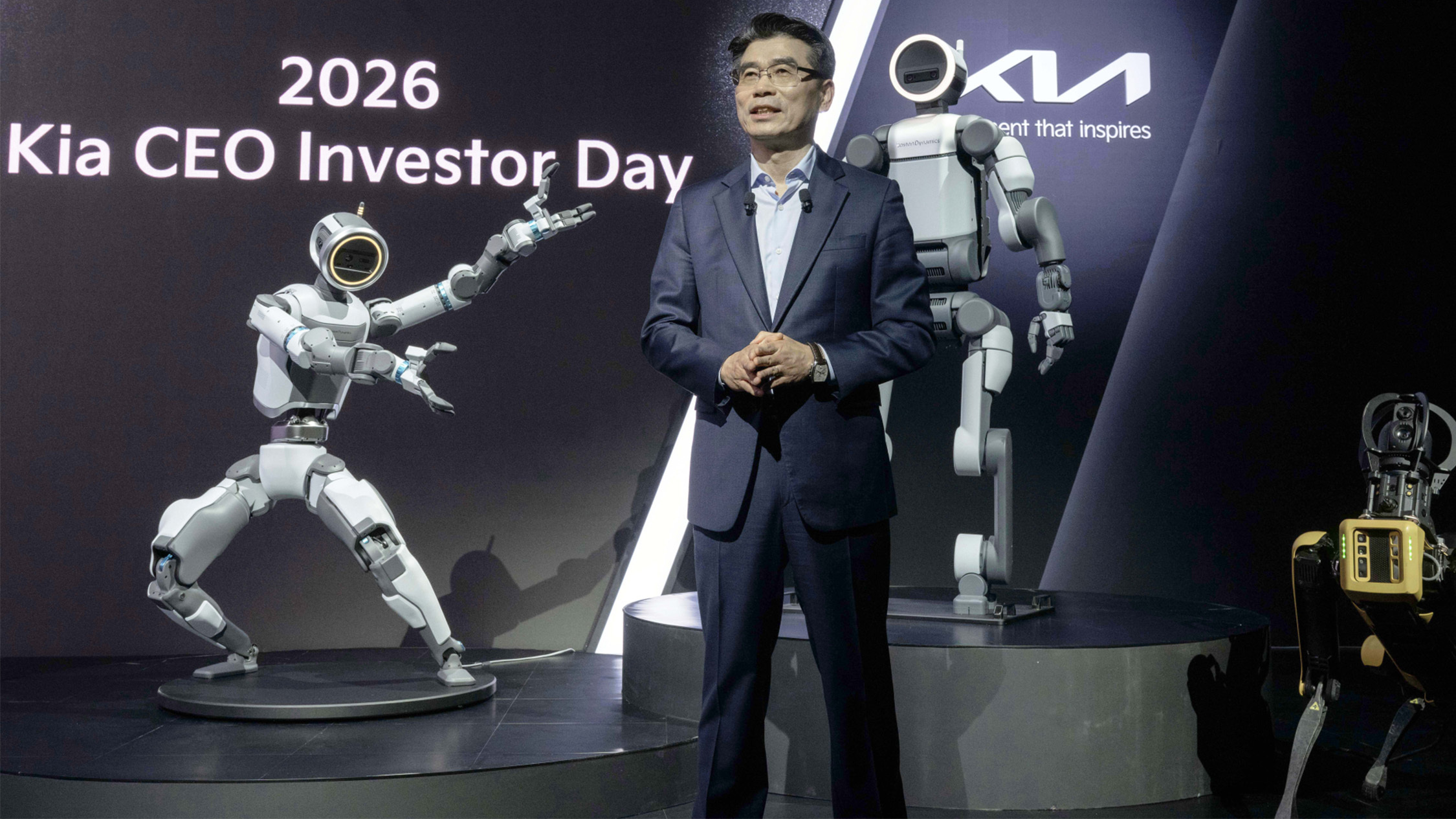
What wasn’t confirmed until today at Kia’s investor briefing, is what will be under the hood of those trucks. A hybrid option seemed likely, but Kia CEO Ho Sung Song says the pickup will offer buyers the choice of both hybrid and range-extender electric powertrains. That means it won’t just be chasing the usual suspects like the Tacoma and Ranger, but could potentially steal sales from more bigger, high-tech machinery like the Rivian R1T and Tesla Cybertruck.
Details are still thin, but Kia says the truck will offer proper capability where it matters. Expect solid towing, genuine off road chops and a roomy double-cab layout designed for real world use.
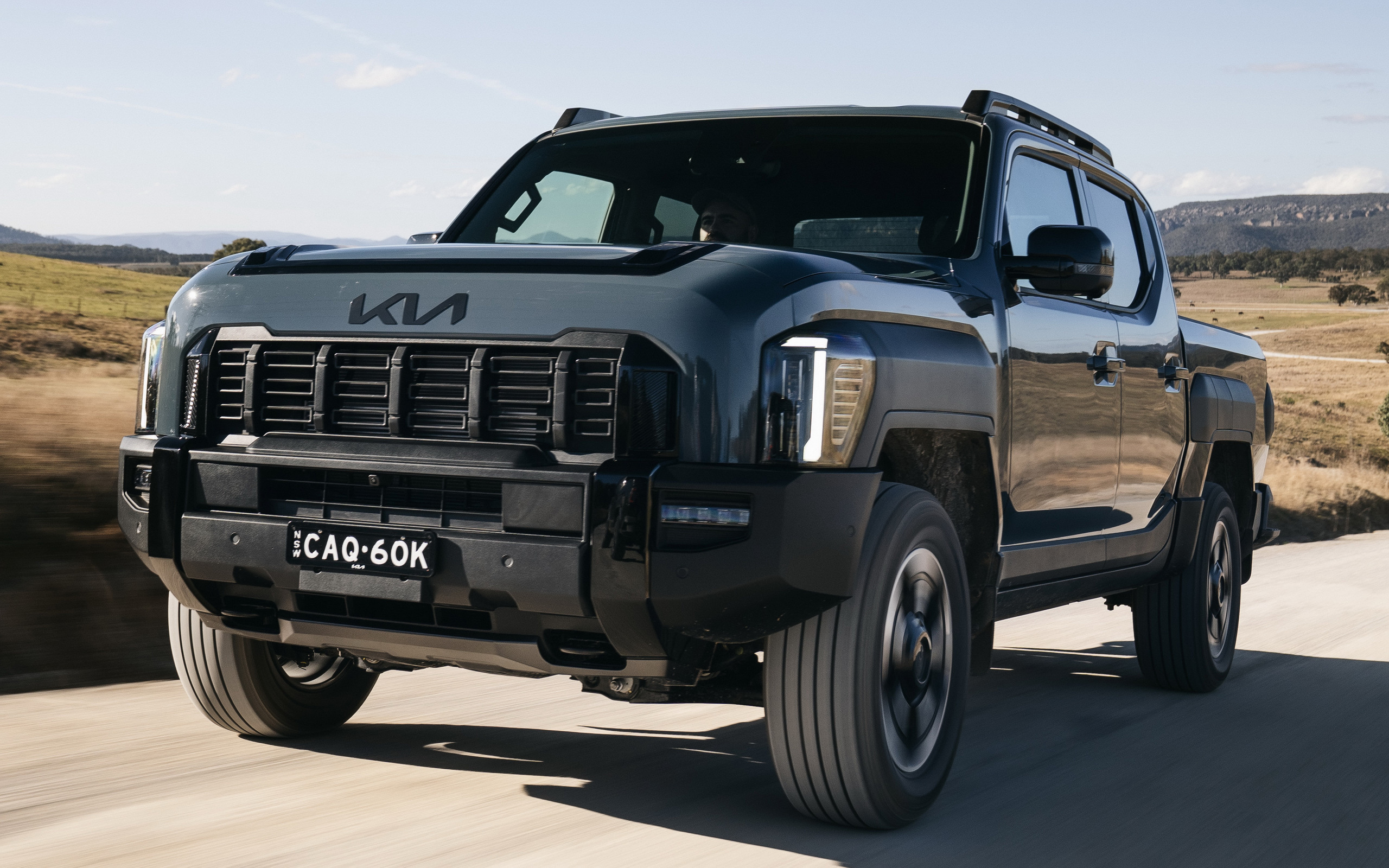
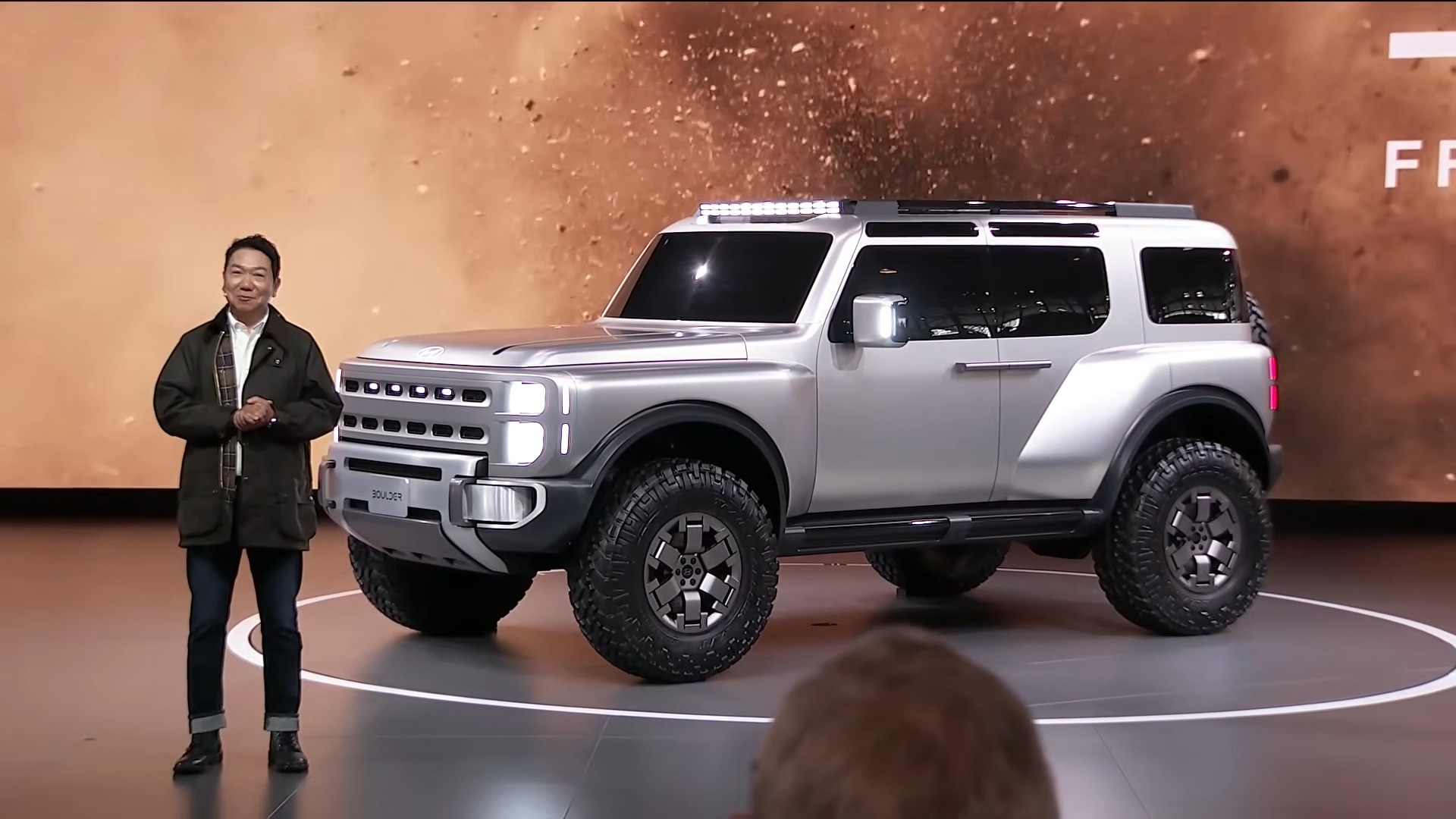
Underneath, it will share its rugged bones with a future Hyundai truck previewed by the Boulder SUV concept unveiled at the New York Auto Show earlier this month. Given the Boulder’s butch aesthetic, we can expect both trucks to have plenty of attitude, but hopefully it’ll be less ugly than the Kia Tasman truck (shown above and in the lead image) that’s sold in Australia and other markets.
This new pickup won’t just be a niche addition either. Kia reckons it can shift around 90,000 units annually in North America, Auto News reports, and carve out a meaningful slice of the segment. That’s ambitious for a brand that’s never sold a truck in the US before, but then Kia isn’t exactly lacking in confidence these days.
Hybrids For US, EVs For Europe
The truck also fits neatly into Kia’s broader US push. The company is targeting more than one million annual sales stateside by 2030, with a 6.2 percent market share. To get there, it’s doubling down on hybrids, expanding from four to eight nameplates and adding electrified options to core models.
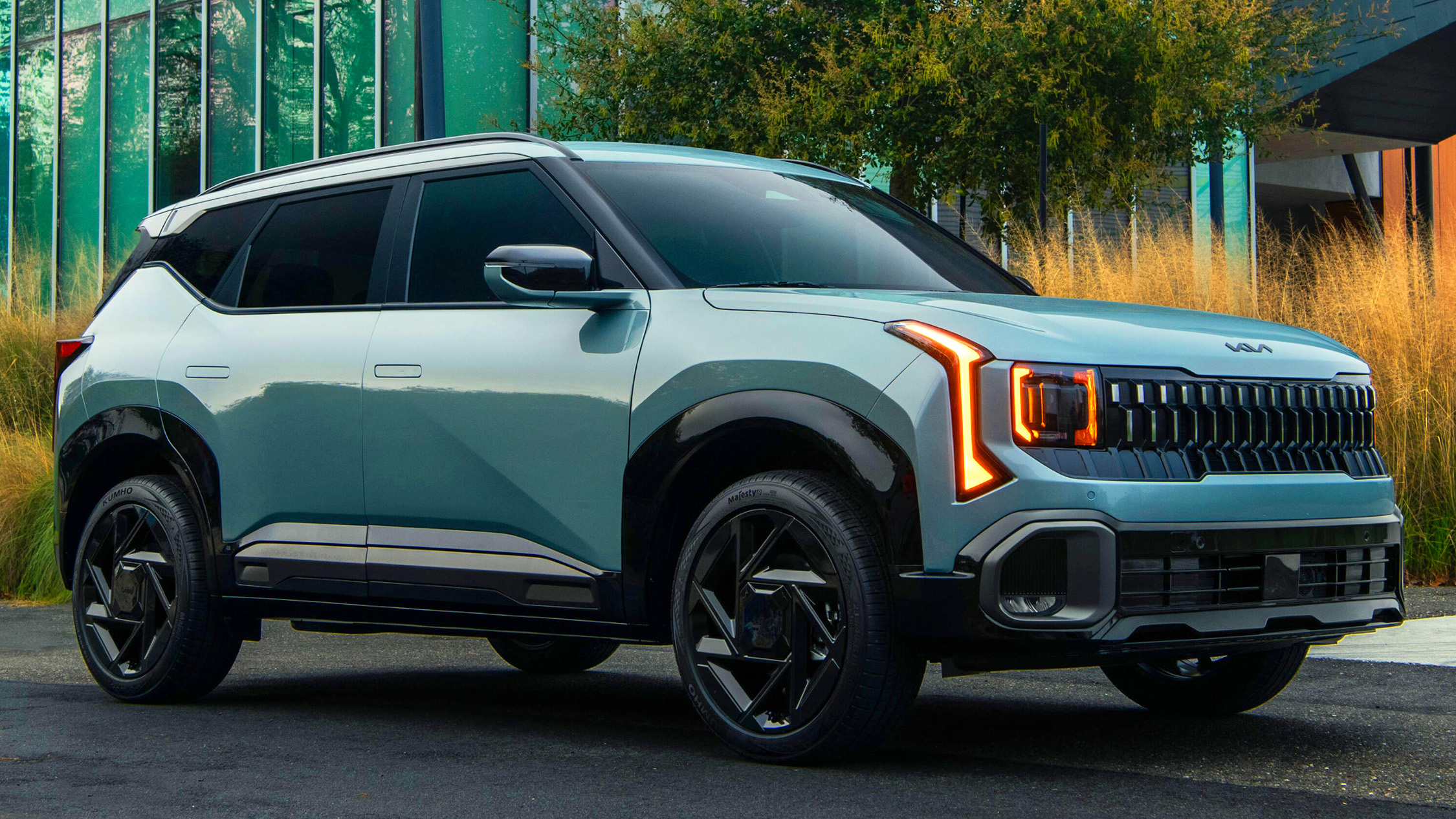
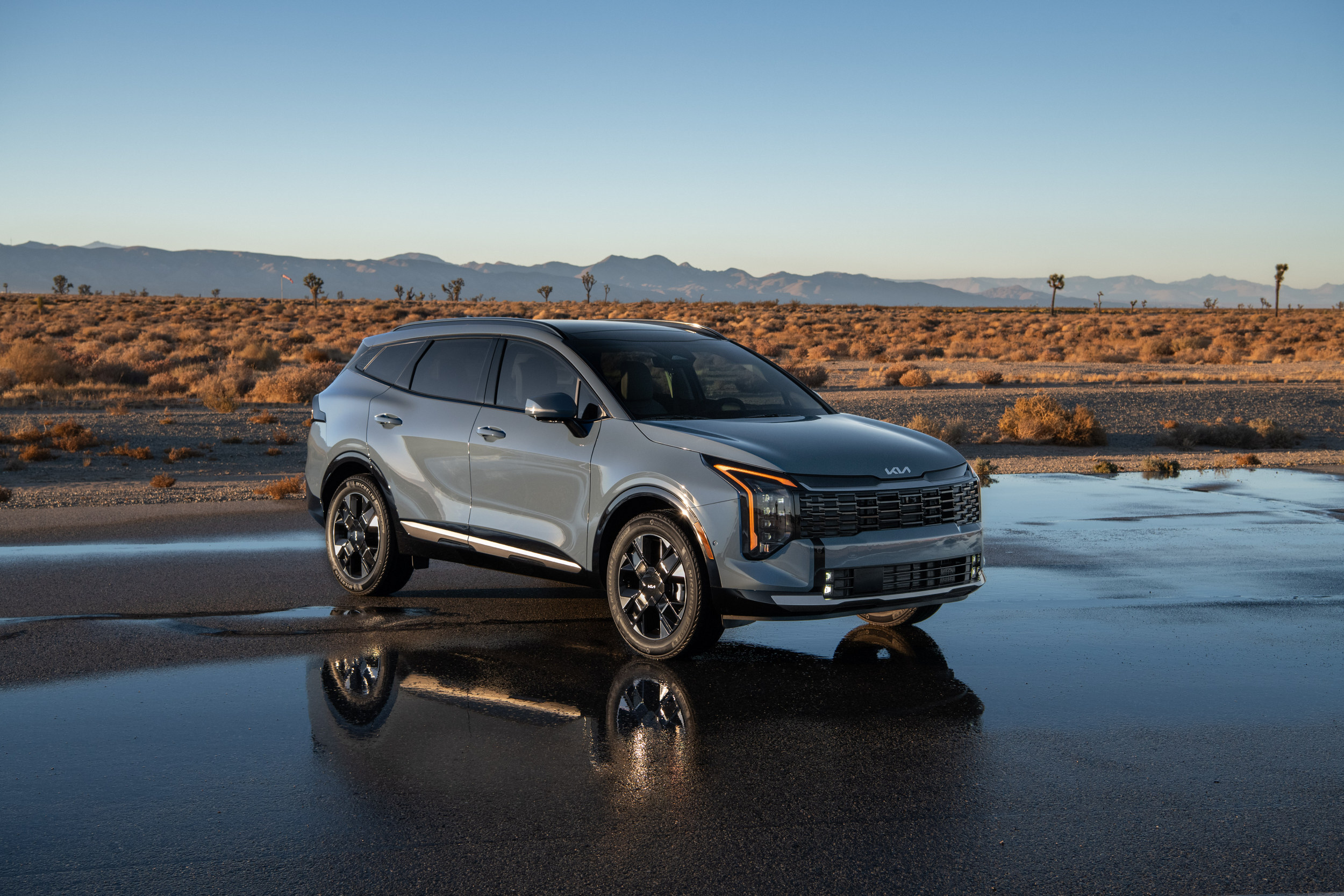
That includes big hitters like the Telluride, which is set to gain hybrid and range extender variants, plus the Sportage, which Kia wants to push past 200,000 annual sales. Even the smaller Seltos is getting in on the action with a new look (seen above) and a hybrid version aimed at cracking six-figure sales.
And while America gets a tough new truck, Europe is getting something much smaller but just as important. A new EV1 hatch is on the way to take on cars like the Renault 5, proving Kia’s strategy really does cover everything from city streets to dusty trails.
Kia readies subcompact EV1 hatch based on new EV2 SUV hardware.
Brand targets one million EV sales globally while boosting hybrid lineup.
New platform coming later with 40% bigger batteries, 9% more power.
Kia just pulled the covers off its future plans, and while there’s plenty to digest, the real headline act for Europe is a tiny newcomer with big expectations. Enter the upcoming EV1, a compact electric hatch that’s shaping up to be Kia’s most affordable EV yet when it debuts next year.
Think of it as the lower, sleeker sibling to the EV2. It’s aimed squarely at Europe’s hotly contested supermini class, going up against the Renault 5, Peugeot e208 and Vauxhall Corsa Electric.
Under the skin, the EV1 is expected to share its hardware with the EV2, meaning a 400-volt E GMP platform and two battery options. Entry models should get a 42.2 kWh pack with roughly 200 miles (322 km) of range, while higher trims could use a 61 kWh battery pushing closer to 300 miles (483 km). Power outputs will likely mirror the EV2’s, so expect something in the region of 145 hp (147 PS / 108 kW) on base or mid-spec cars.
Kia also says this will be its first car in the segment to be a software-defined vehicle, one where everything from infotainment to vehicle systems is deeply integrated and updateable. Despite the clever tech, prices are likely to start at a little over £20,000 (€23,000), making it a genuine mass market EV.
New EV Platform In The Works
But the EV1 is just one piece of a much bigger puzzle. Kia wants 14 EVs globally by 2030 and annual electric sales of one million units. That’s part of a broader push to hit 4.13 million total sales and a 4.5 percent global market share.
Beyond the EV1, Kia will launch a new electric platform that it says will deliver up to 40 percent bigger batteries with 15 percent greater energy density powering motors that are 9 percent gruntier. An electric SUV to bridge the gap between the EV5 and EV9 is also on the way.
Big Hybrid Push
But Kia isn’t going all in on EVs just yet, especially not in the US, CEO Ho Sung Song admitting that the rate of global electric adoption had slowed. So hybrids are getting a major boost, with 13 HEV models planned and annual hybrid sales targeted at 1.1 million units. New hybrid versions of key models like the Telluride, Seltos and K4 are coming, as are hybrid and range-extender versions of the midsize body-on-frame truck Kia will debut before 2030.
Furthermore, the Korean brand is doubling down on commercial vehicles like the PV5, adding a bigger PV7 in 2027 and PV9 two years later. It’s also pushing robotics, with factory bots and delivery solutions in development. So yes, the EV1 might be small, but it’s leading a very big plan.
Rivian delivered more EVs than many of its mainstream rivals managed in Q1 2026.
Toyota came closest, trailing Rivian by fewer than 400 units despite a strong rebound.
BMW counted plug-in hybrids in its total and still came up short of Rivian’s number.
First-quarter sales are in, and they come with a few surprises. One of the more unexpected outcomes is Rivian edging past several established players in the U.S. EV market. During Q1 2026, Rivian managed to outsell Kia, Ford, Toyota, and BMW in electric-vehicle deliveries across the United States.
More specifically, the California-based automaker delivered 10,365 EVs between January and March. During the same period, Rivian produced 10,236 vehicles, 129 fewer than it sold, likely drawing from existing inventory to close the gap. This comes just ahead of the launch of the more affordable R2, which is set to begin deliveries later this spring as a Tesla Model Y rival.
Following these results, the company has raised its annual delivery guidance to 67,000 units for 2026, an increase of 5,000 units over its previous estimate. Rivian will report its full financial results for Q1 2026 on April 30.
Kia America reported 2,023 sales for the EV6 and 2,740 for the EV9, totaling 4,763 units in Q1 2026. The brand also offers an electric version of the Niro in the US, though this likely accounts for only a small portion of the model’s 7,455 total sales, leaving Kia well short of the 10,000-unit mark.
Still, the upcoming Kia EV3, expected in late 2026, could change the narrative. It is also worth noting that Kia’s hybrid models set new Q1 sales records, marking a 73% increase over the same period last year.
Ford’s EV lineup saw an even steeper decline, with sales dropping 70% in Q1 2026 to 6,860 units in the US. The Mustang Mach-E made up 4,600 of those sales, while the F-150 Lightning and E-Transit contributed 2,060 and 200 units, respectively.
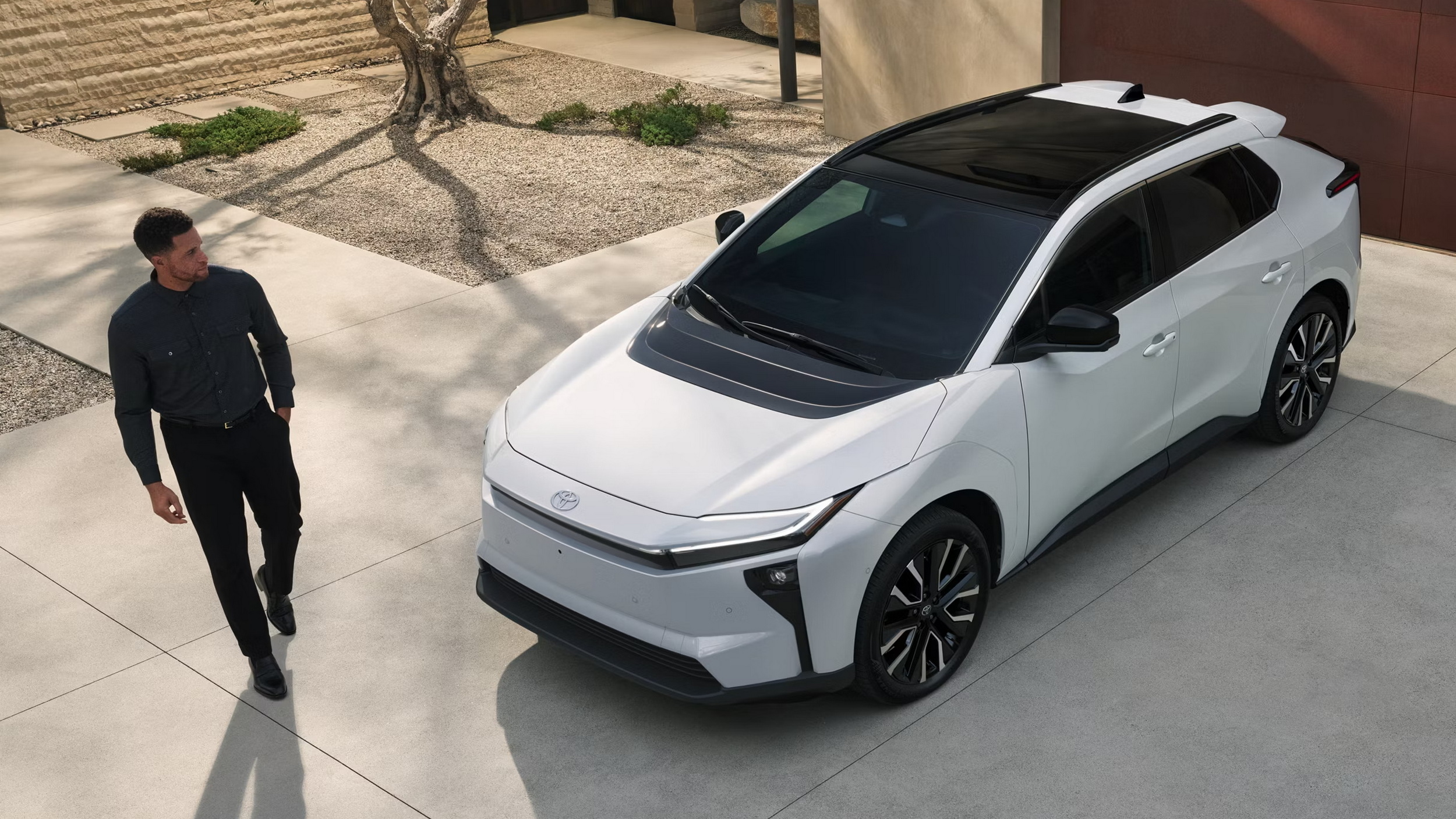
Toyota opened the year on a strong note, with the bZ, including the bZ Woodland, reaching 10,016 units in the first quarter, a 79% increase year over year. However, with only 13 units of the newly introduced C-HR arriving in March, Toyota’s total BEV sales reached 10,029 units, just behind Rivian’s 10,365. As the company expands its EV lineup in the US, that gap may not last long.
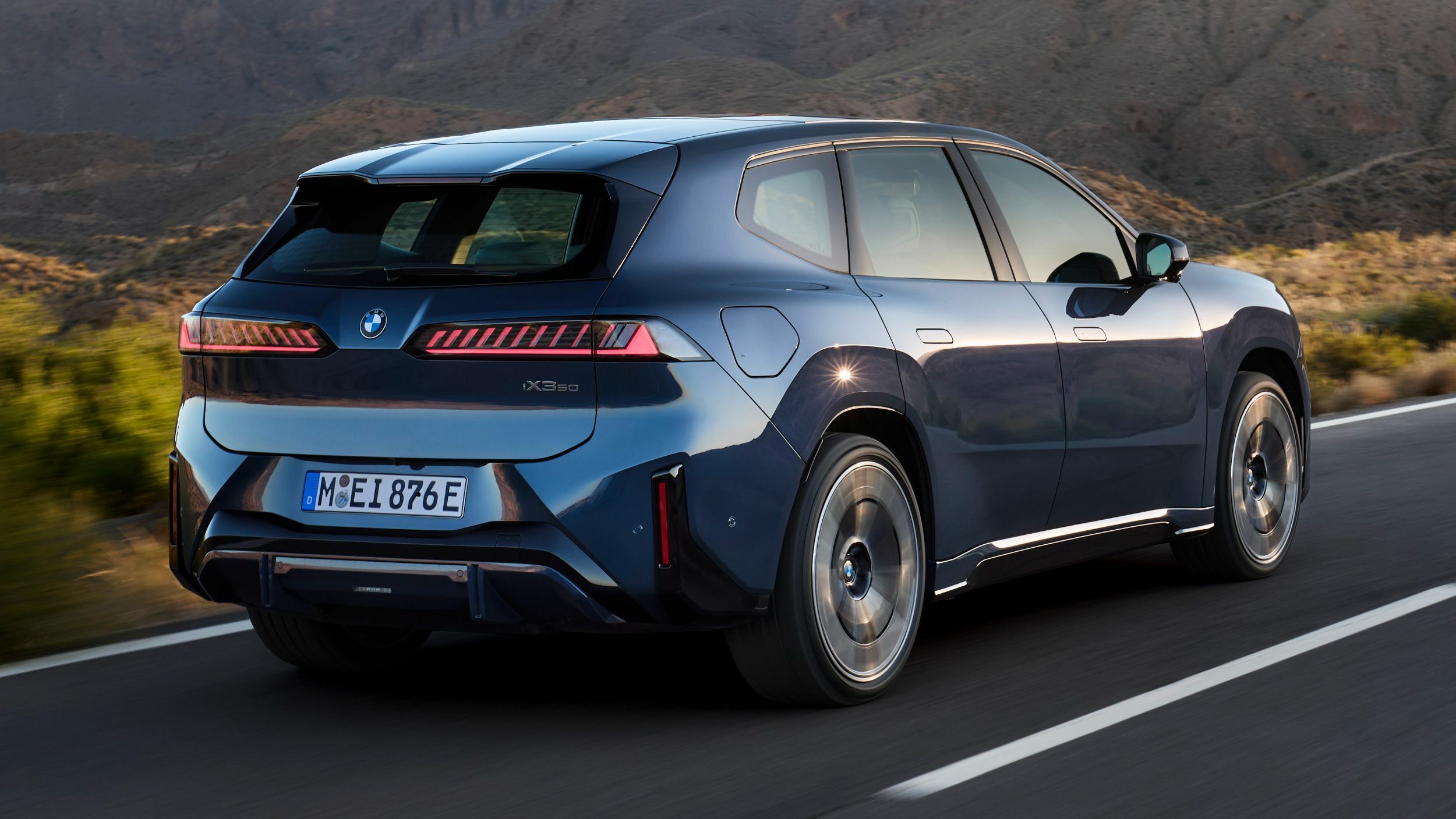
Finally, BMW recorded 9,856 combined BEV and PHEV sales in the US during Q1 2026, marking a 50% drop compared to last year. This slowdown may prove temporary, as the upcoming Neue Klasse BMW iX3 is expected to play a central role in the brand’s next phase of electrification when it arrives in late 2026.
Some automakers ignored hybrids to bet big on EVs.
That bet went bad and could get worse as gas prices soar.
Toyota and Hyundai stand to benefit from diverse lineup.
A few years ago, automakers faced a tough choice. They could eschew hybrids and plug-in hybrids to go all-in on EVs, or adopt a more balanced, but expensive approach that saw them invest in multiple technologies.
A number of companies went the electric route and that ended up costing them greatly as adoption was slower than they anticipated. If that wasn’t bad enough, the United States eliminated the federal tax credit and governments rolled back overly ambitious green agendas.
This has pushed automakers to cancel EVs and abandon plans to go electric-only. Companies have posted huge losses and now they’re suddenly playing catch-up with rivals that took a more nuanced approach.
Expensive Gas Is Going To Make Things Even Worse
Since some companies were betting on a quick transition to EVs, a number of them don’t have many hybrids or plug-in hybrids to offer customers. That’s bad news in an era where the national average price of a gallon of gasoline is above $4 and climbs to nearly $6 in some states.
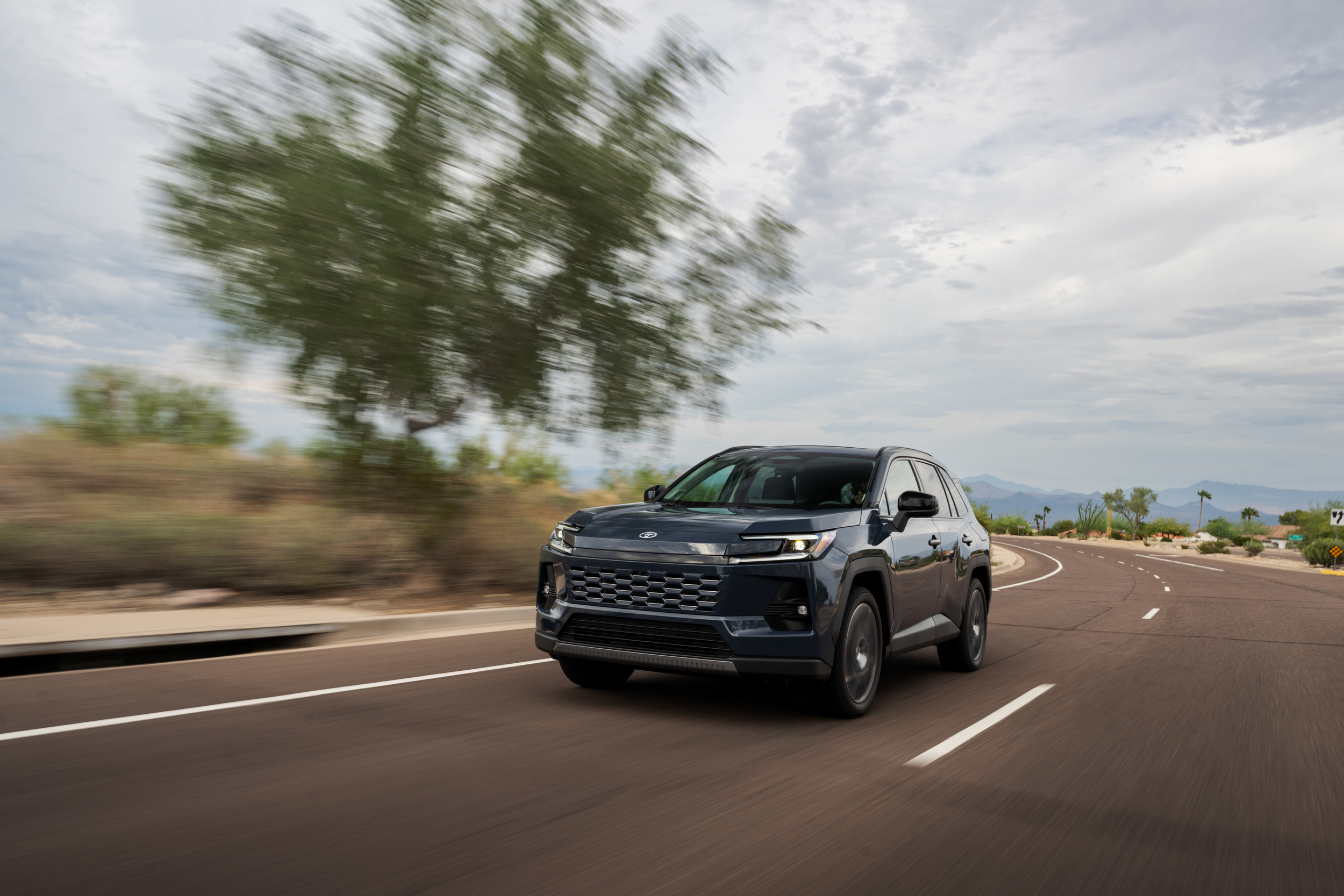
The only hybrid GM has in America is the $108,600 Corvette E-Ray and that’s a huge problem. Consumers in the market for a compact crossover might look at an Equinox, which returns up to 26 mpg city, 29 mpg highway, and 27 mpg combined. That’s not terrible, but the Toyota RAV4 gets 47 mpg city, 40 mpg highway, and 43 mpg combined. This is a huge difference, especially in an era of sky high gas prices.
Hyundai and Kia also offer hybrid competitors in the form of the Tucson and Sportage. The former offers up to 38 mpg across the board, while the latter returns up to 41 mpg city, 44 mpg highway, and 42 mpg combined. It’s also worth noting all three competitors offer plug-in hybrid variants, while GM doesn’t offer a single one in the United States.
General Motors isn’t the only automaker that bet big on EVs and lived to regret it. Ford has a limited hybrid lineup that consists of the Maverick and F-150. The Escape, which offered hybrid and plug-in hybrid options, was recently killed off, while the Explorer Hybrid is limited to police and the Pope.
Hybrid Sales Are Skyrocketing
While the war in Iran is barely more than a month old, hybrid sales are booming. Kia recently revealed sales of hybrids soared 73% to set a new quarterly record.
Last month was also Hyundai’s best ever March for hybrid sales. The company noted hybrids saw a huge jump in the first quarter as the Elantra Hybrid was up 141%, while the Sonata Hybrid soared 107%. The Santa Fe Hybrid also got a 47% boost as consumers embraced efficiency.
While Toyota sales fell 6.9% in the first quarter, high gas prices could help to reverse that trend as the company offers a dizzying array of hybrids. Seventeen, to be exact, according to our last count. This includes the Camry, Corolla, Crown, Corolla Cross, and Prius, as well as the Crown Signia, Highlander, Grand Highlander, Land Cruiser, RAV4, 4Runner, Tacoma, Tundra, Sequoia, and Sienna. Two of those, the Prius and RAV4, are also offered as plug-in hybrids.
That’s a huge lineup, especially compared to Ford, GM, and Stellantis. The latter recently killed off plug-in hybrids and only offers the new Cherokee Hybrid in America. However, range-extended variants of the Ram 1500 and Grand Wagoneer are coming.
While EVs do offer some cover to these companies during periods of high gas prices, consumers have been clear: most want hybrids, not fully electric vehicles.
Kia posted its best-ever first quarter sales in America.
Customers snapped up 207,015 vehicles for a 4.1% increase.
Result is due to strong sales of Sportage, Telluride and K4.
General Motors had a terrible first quarter, but Kia was triumphant as sales climbed 4.1% to reach a new record of 207,015 vehicles. The company said the result underscores their “steady growth despite uncertain market conditions.”
The redesigned Telluride is proving to be a key asset as it helped Q1 sales climb 16.9% to 35,928 units. The company went on to note that’s the “highest quarterly result in the vehicle’s history.”
Other big gainers were the K5 and Seltos, which were up 19.4% and 29.2%, respectively. The Sportage climbed 8.2%, while the Carnival bucked minivan stereotypes to post a 27.8% increase in the first quarter. It’s also worth noting the K4 was the brand’s second best-selling vehicle and sales were up 0.6%.
EVs Struggle, While Hybrids Soar
It wasn’t all good news as EVs continue to struggle following the elimination of the federal tax credit. EV6 sales fell 45.8% in the first quarter, while the EV9 was down 27.1%. On the bright side, sales of the three-row crossover did climb 7.1% in March. However, that only equates to an additional 83 vehicles.
While consumers turned their backs on EVs, they embraced hybrids. Sales skyrocketed 73% to achieve a new quarterly record. Kia can also expect a boost from the 2027 Seltos, which recently debuted with a new hybridized 1.6-liter engine.
Putting electrification aside, the Sorento is having a difficult time as the model was off 14.4% in the quarter. Sales also took a hit from the discontinuation of the Soul, although some dealers still have inventory in stock.
Kia has introduced the PV5 WAV New York Taxi concept.
The electric van features a rear-mounted wheelchair ramp.
It appears to be a revised version of Korea’s PV5 WAV Taxi.
Hyundai didn’t have the only surprise at the New York Auto Show as Kia used the event to unveil the PV5 WAV New York Taxi and Rideshare concept. It was introduced alongside the redesigned Seltos as well as the new EV3.
Created in collaboration with BraunAbility, the concept is a wheelchair accessible vehicle that is fully compliant with the Americans with Disability Act. It’s designed to demonstrate the electric van’s potential as a wheelchair-accessible taxi and rideshare vehicle.
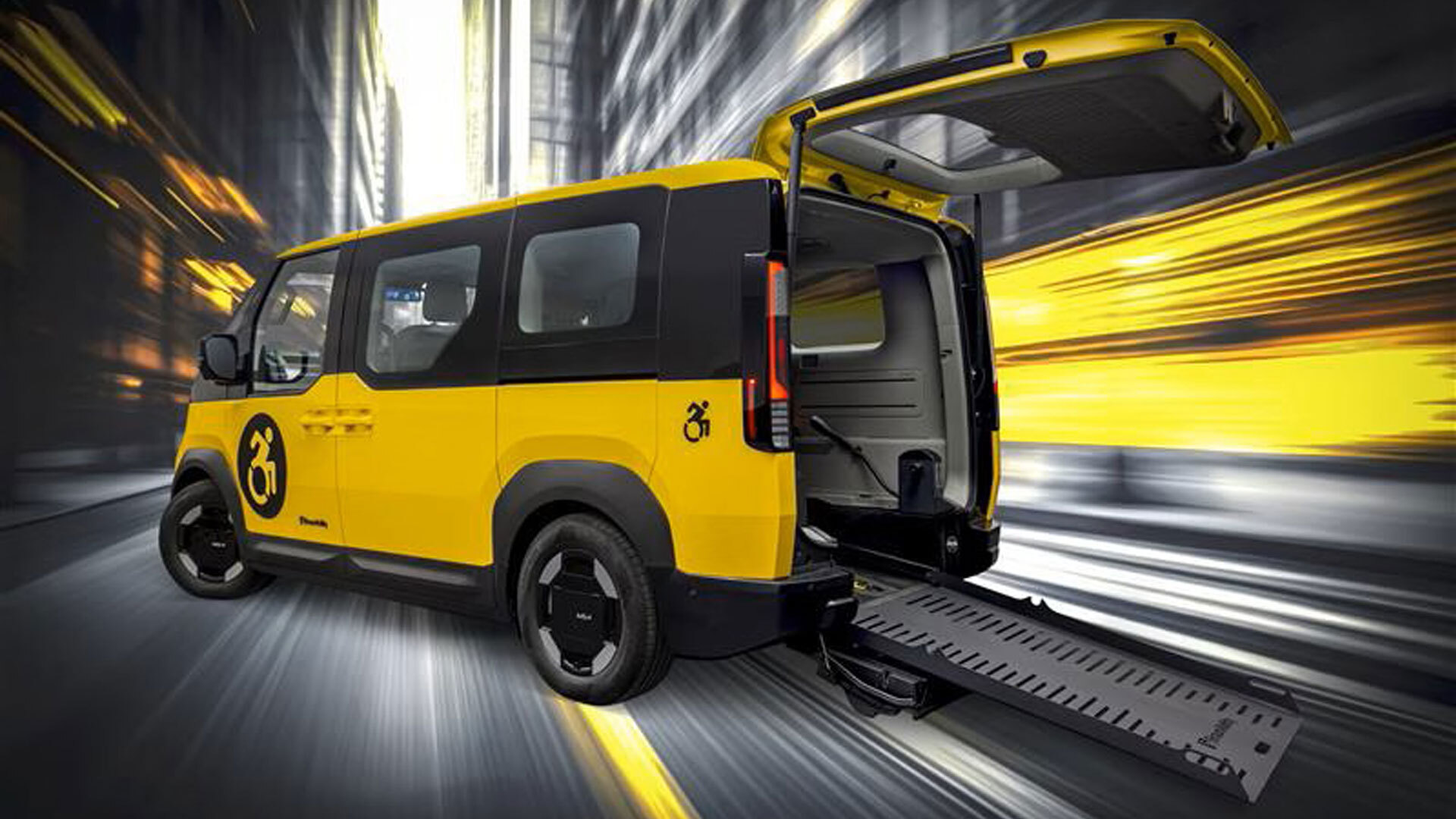
The companies said little about the “production-ready” concept and have only released one low-resolution image as of this writing. That doesn’t exactly scream commitment, but we can see the concept features a classic yellow and black livery with numerous wheelchair graphics.
More importantly, the PV5’s liftgate opens to reveal a wheelchair ramp that deploys from the back of the vehicle. Kia also mentioned the model has “integrated tiedowns and occupant restraints” as well as a low step height that is “well-suited to everyday taxi operations and entry for wheelchair users.”
The companies said the concept was “created with real-world production feasibility in mind” and will be evaluated in New York, which is one of the largest taxi and rideshare markets in the world. As part of this process, they’ll “engage government agencies, fleet operators, disability advocacy organizations, and other stakeholders to gather additional input and refine the vehicle based on their feedback.”
While little is known about the concept, the PV5 offers Passenger, Cargo, and Chassis Cab configurations as well as 43.3, 51.5, and 71.2 kWh battery packs. The model rides on the fleet-focused E-GMP.S platform and sports a front-mounted motor developing 161 hp (120 kW / 163 PS) and 184 lb-ft (250 Nm) of torque.
Despite the lack of details, Kia offers a PV5 WAV Taxi in Korea. It starts at $33,768 (₩ 51,100,000) and offers a range of up to 214 miles (345 km). However, that model has a side-mounted wheelchair ramp.
EV3 finally arrives in North America after success in overseas markets.
Up to 320 miles of range from the biggest of two available battery packs.
GT version delivers 288 hp, all-wheel drive, and sportier suspension tune.
The all-new 2027 Kia EV3 has officially debuted in the US at the New York Auto Show, and it’s about time. This compact electric SUV, positioned above the smaller EV2 in Kia’s global lineup, has already built momentum in overseas markets. Now it’s finally set to take on American buyers, with an estimated starting price in the low-to-mid $30,000 range.
Positioned as the most attainable EV in the brand’s North American lineup, the EV3 opens the possibility of electric Kia ownership to a very different audience. A 105.5-inch (2,680 mm) wheelbase means it’s smaller than the EV5 Kia offered in Canada, though not the US, and tiny compared to the three-row EV9. But it doesn’t look or feel like a stripped-down option, or a copycat one.
Under the skin, it rides on the same dedicated E-GMP EV architecture as its bigger relatives like the EV9, but with 400- rather than 800-volt electrics. Buyers get a choice of two battery packs, starting with a 58.3 kWh unit available only on the entry-grade Light trim, delivering up to 220 miles (354 km) of EPA range. Step up to the 81.4 kWh battery on Wind and Land trims, and that climbs to an estimated 320 miles (515 km) in front-wheel drive form.
All-wheel drive is available with the larger battery as an option on Wind and Land, and comes standard on the GT-Line and GT, giving the EV3 a bit more scope for distance work. Charging is quick enough to keep things convenient, with a 10 to 80 percent top-up taking around 29 minutes on the smaller pack, which is only available on single-motor models, and just over 30 minutes on the larger one that gets you the choice of front- or all-wheel drive
Performance depends on trim, and though Kia in the US doesn’t quote an output for the single-motor powertrain, it rates it at 201 hp (204 PS / 150 kW) in Europe. If it’s the same setup, expect mid-seven-second zero to 60 mph (97 km/h) times and enough kick to handle most city sorties.
GT Should Eat GTIs
Dual-motor all-wheel drive models are confirmed to offer 261 hp (265 PS / 195 kW), and the range-topping GT gets a further lift to 288 hp (292 PS / 215 kW). That ought to be enough to drop the 60 mph time to 5.5 seconds, judging by the Euro numbers for the same model. No match for Volvo’s EX30, which goes a second quicker, true, but since Volvo’s just axed it in the US, Kia can breathe easy.
Besides, you get more than an extra 17 hp when you step up to the GT. Kia also throws in sport-tuned suspension and steering, plus the option to equip your EV3 with the same kind of Virtual Gear Shift (VGS) and Active Sound Design (ASD) noise generator that’s already won heaps of praise on other Hyundai Group cars like the Ioniq 5 N.
Netflix or Disney?
The EV3 is similar in size to the second-generation Seltos, which Kia is debuting alongside it at New York, and there are more parallels inside the cabin. You get a variation on the same conjoined display setup used on most new Kias, which means dual 12.3-inch screens and a 5-inch climate display sandwiched between them.
The Navigation Cockpit (ccNC), which we first met on the EV9, lets you stream Netflix and YouTube as well as view content from the likes of Disney, Marvel and National Geographic. Want to make the most of those movie jump scares? Select the available Harman Kardon audio system, one of several tasty options you’ll find on the configurator alongside a panoramic roof, a Digital Key for your smartphone, a power liftgate, and a 360-degree camera.
Arrives Late 2026
Full trim details will be announced along with prices closer to the end-of-year on-sale date, but we know GT-Line cars get a three-spoke steering wheel, metal pedals, and off-white dual-tone seats. Splash for the true GT and you bag 19-inch wheels with green brake calipers, plus matching flashes of green on the seatbelts, steering wheel, and other interior trim.
The EV3 was meant to be one of an army of smaller, affordable electric Kias heading stateside, but the brand decided not to bring the EV4 hatch and sedan, or EV5 SUV, after all. That means a lot is riding on this little utility, which we know from our UK drive is a great EV, but one that arrives in the US when EV sales are falling. How do you rate its chances?
Kia once targeted a late 2025 U.S. launch, but that window has now fully passed.
Built on E-GMP, it offers up to 372 miles of WLTP-rated range on a full charge.
Small crossover could become the brand’s most affordable EV in North America.
Kia is one of the fastest-moving brands in the business. Now, a keen-eyed reader believes they’ve spotted something new, a model we’ve already seen overseas showing up much closer to home. The Korean automaker has brought an EV3 prototype across the Atlantic for testing in Mexico.
It’s unclear why Kia would still wrap it in camouflage given that it’s already made its global launch, but the move could point to plans for bringing the sub-compact electric crossover to North America.
Despite the thick camouflage covering nearly every body panel, it’s easy to match the EV3 that’s already on sale elsewhere, including Europe. The short overhangs, upright stance, and boxy rear section are all visible, along with a high roofline that suggests Kia is prioritizing interior space over sleek styling.
Photos Silvia García / Carscoops
The test vehicle also appears to ride on aero-optimized wheels similar to those seen on other Hyundai Motor Group EVs, while the front end is completely hidden under padded covers designed to conceal the final lighting signature. The reader who snapped these photos, Silvia Garcia, told us that the same vehicle has been around town for at least a few days.
Testing there is especially interesting, as the country already builds several Kia and Hyundai models for global markets. Running prototypes in Mexico could simply be part of evaluating local road conditions. That said, it also lines up with the idea that Kia may be eyeing Canada for the EV3.
European specification Kia EV3
Kia initially focused the EV3 on overseas markets, including Europe. When it debuted in 2024, though, the company did confirm plans for a U.S. launch, targeting late 2025 or early 2026 with a starting price in the in the low-to-mid $30,000s. That, as you may have noticed, hasn’t happened, and nobody at Kia has said much since.
A lot has changed in the meantime: the $7,500 federal tax credit is gone, the American EV market has cooled considerably, and tariffs are making the whole equation messier by the day. The awkward part is that the appetite for affordable electric cars has never been stronger.
The EV3 is built on Kia’s E-GMP platform and is currently offered with two battery options, a 58.3 kWh Standard Range and a larger 81.4 kWh Long Range pack, both driving a single front-mounted motor producing 201 hp (150 kW). Depending on the battery, WLTP range is rated at up to 372 miles (599 km), while fast charging allows a 10 to 80% top-up in roughly 30 minutes under ideal conditions.
Back in January, Kia also pulled the covers off a hotter EV3 GT, this time with a more serious edge. It uses the larger battery and bumps output to 282 hp (215 kW / 286 PS), enough to cut the 0–62 mph (100 km/h) sprint down to a claimed 5.7 seconds.
The EV2 starts at €26,600, positioning it as an accessible entry EV.
Multiple trims and seating layouts give buyers flexibility across the lineup.
Kia has confirmed the EV2 will not be sold in the United States.
Fresh off the Kia EV2’s global premiere in Brussels earlier this year, the brand has opened order books for its latest all-electric SUV in Germany and other European markets, revealing a starting price of just €26,600 ($30,800 at current exchange rates). At that level, it feels like a missed opportunity that the EV2 isn’t headed to the United States, though tariffs would likely erode much of its affordability if it ever made the trip across the Atlantic.
For European shoppers who’d rather not pay upfront for the EV2, the new car can be leased for as little as €239 ($275) per month. There are also plenty of versions on offer, ensuring there’s an EV2 to suit everyone.
The base version is known as the Light and comes equipped with a 42.2 kWh battery pack and a single electric motor rated at 146 hp. This model has a relatively limited range of 197 miles (317 km), but that should be enough for most Europeans, particularly those living in large urban centers. Helping to further lower the cost of this version is the fact that it’s sold exclusively as a four-seater.
What Else Is On Offer?
Sitting above the EV2 Light is the Air, which is a five-seater. It retains the same battery and motor as the Light in standard guise, but starts at €28,990 ($33,600). Kia also sells it with a larger 61 kWh battery pack and a 135 hp motor, boosting the range to 281 miles (453 km). This version starts at €33,490 ($38,800).
Kia will also sell the EV2 in Earth and GT-Line configurations. The Earth is available as either a four-seater or five-seater with the 42.2 kWh pack and 146 hp motor, priced from €31,290 ($36,200), topping out at €31,590 ($36,600), and both with a 191-mile (308 km) driving range.
The GT-Line then starts at €36,890 ($42,700) for the five-seater with the 61 kWh pack and 135 hp motor, and tops out at €37,190 ($43,100) for the four-seater with the same powertrain. Both versions have a claimed driving range of 256 miles (413 km).
It’s not just the EV2 that the US misses out on. Kia originally intended to sell the EV4 in the United States but axed those plans late last year, likely due to concerns that it wouldn’t sell well.
Kia has dropped the Niro EV as focus shifts to dedicated EVs.
The refreshed Niro will now be sold only as a hybrid in Korea.
Rising competition made the electric Niro harder to justify.
Update: Kia America has responded to our request for comment, telling Carscoops that “Kia America has made no formal announcement regarding the Niro EV and it remains as an important element in our lineup of ICE and electrified vehicles.” That statement suggests the discontinuation confirmed for South Korea may not apply to the U.S. market, at least for now.
Original Story Follows
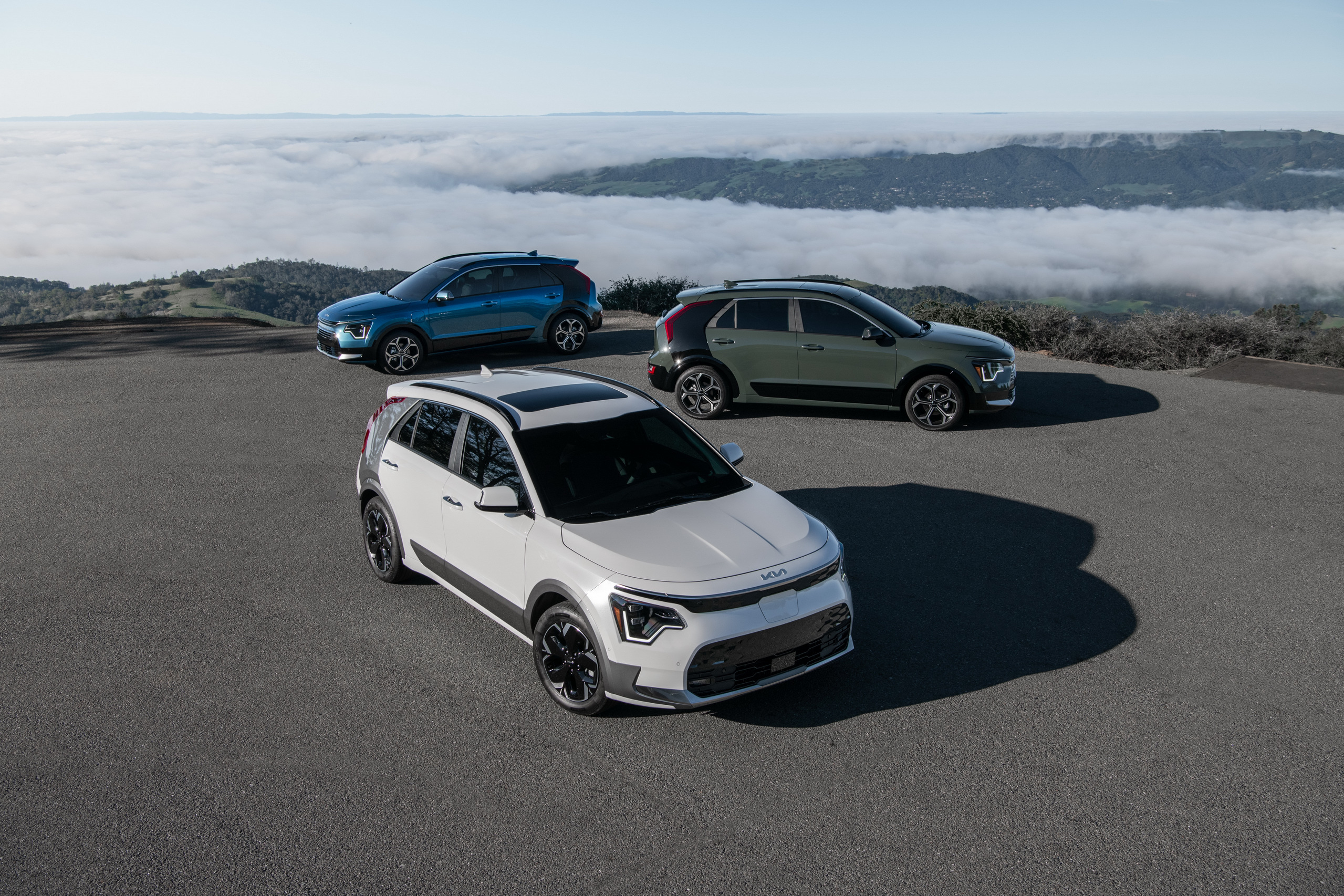
The latest Kia Niro has been around for almost half of a decade. When it launched, it was unique in the segment. It had an unconventional slashed body panel at the rear and came in hybrid, PHEV, and EV versions. The plug-in died recently, and now, as a facelift nears release, the EV version is also going the way of the Dodo.
The automaker confirmed the change for the Korean market. “The Niro EV, which had been produced until the previous model, has been discontinued,” Jung Yoon-kyung, a senior marketing manager at Kia, told The Korea Herald. “We plan to sell the remaining inventory available.” Carscoops reached out to the automaker to confirm the change in the U.S. market as well.
If this is indeed the situation for the States, it won’t be all that surprising. The Niro EV has always been a bit of an oddball in the family. Unlike the other EVs in the lineup, it was designed around a gas-burning powertrain. The others, all built exclusively as EVs, feature faster charging, longer range, and better overall packaging. Some even offered all of this for less than the price of the Niro EV. That’s a key piece of the puzzle here.
“Kia is strongly focusing on electrification. Starting with the EV3 and continuing through EV9, we have a range of vehicles with strong electrification capabilities and improved product competitiveness,” Yoon-kyung said. “In order to concentrate more on those models, we decided to discontinue the (Niro EV).” Those models are ones that are already set up for the U.S. market.
Now, Kia can better focus on those vehicles and streamline the Niro lineup at the same time. While we loved the Niro PHEV, EV, and Hybrid at launch, it was clear last year that they were beginning to show their age. This new shift in powertrains signals a tighter focus for the brand.
Kia has paused imports of the high-performance EV6 GT.
Tariffs made the pricey electric hot hatch harder to sell.
Other EV6 trims are still built in Georgia and sold here.
If you want the wildest version of Kia’s EV6, you’d better be fine with someone else having already enjoyed its Porsche-eating performance before you take the keys. The high-performance EV6 GT has quietly disappeared from the American market, at least for now, leaving the rest of the lineup to carry the electric torch, and GT fans looking to the used market.
“Due to changing market conditions, the 2026 EV6 GT will be delayed until further notice,” Kia told Road & Track. “This delay does not impact the availability of other trims in the EV6 lineup, which are proudly assembled in our world-class facility in West Point, Georgia.”
Origin Matters
Unlike the regular EV6 models that are assembled in Georgia, the GT is built in Korea. That means it gets hit with the full tariff impact before it reaches a showroom, making it hard for Kia to trim down a price that looked salty at over $65,000 for the MY25 GT.
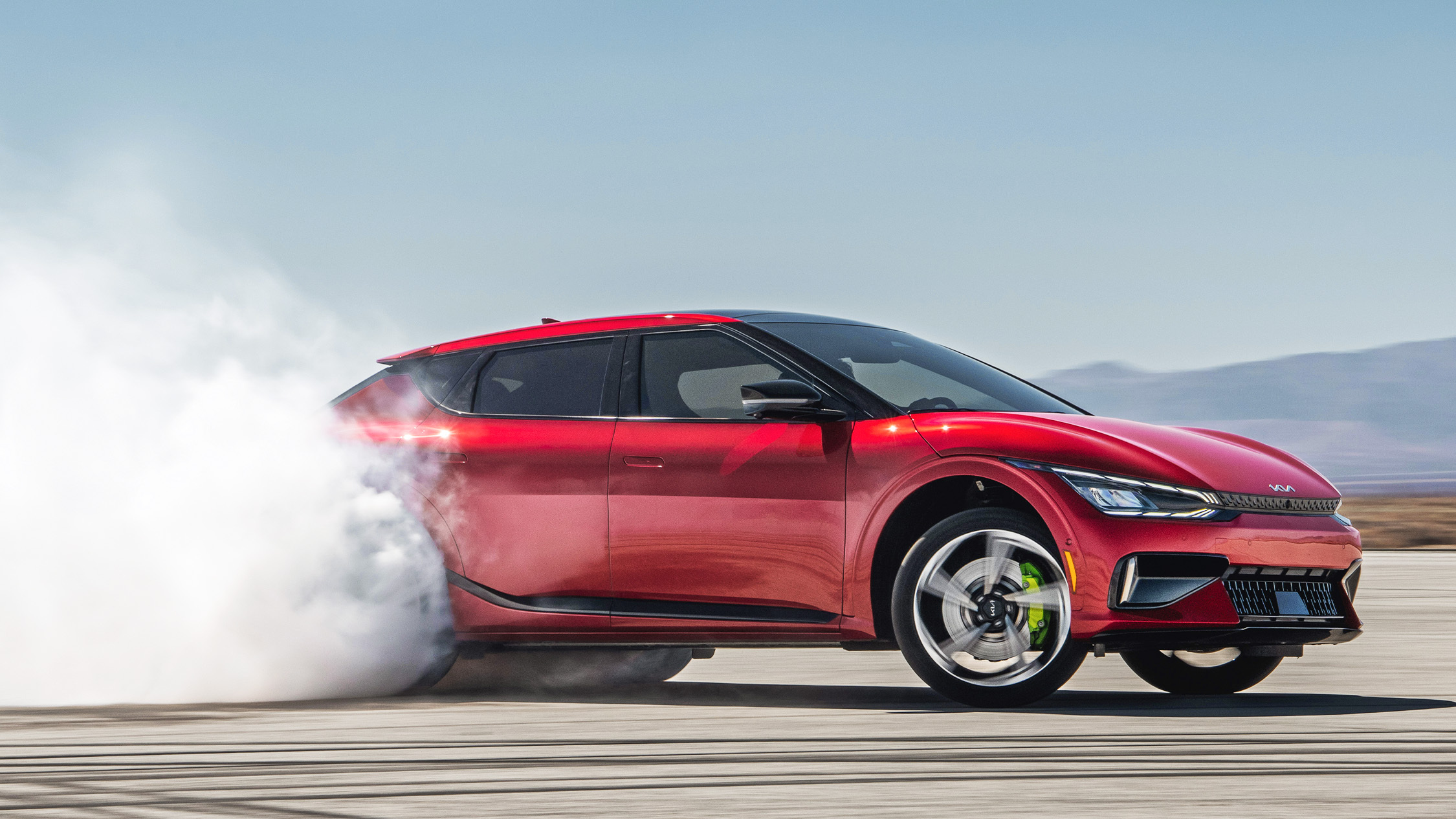
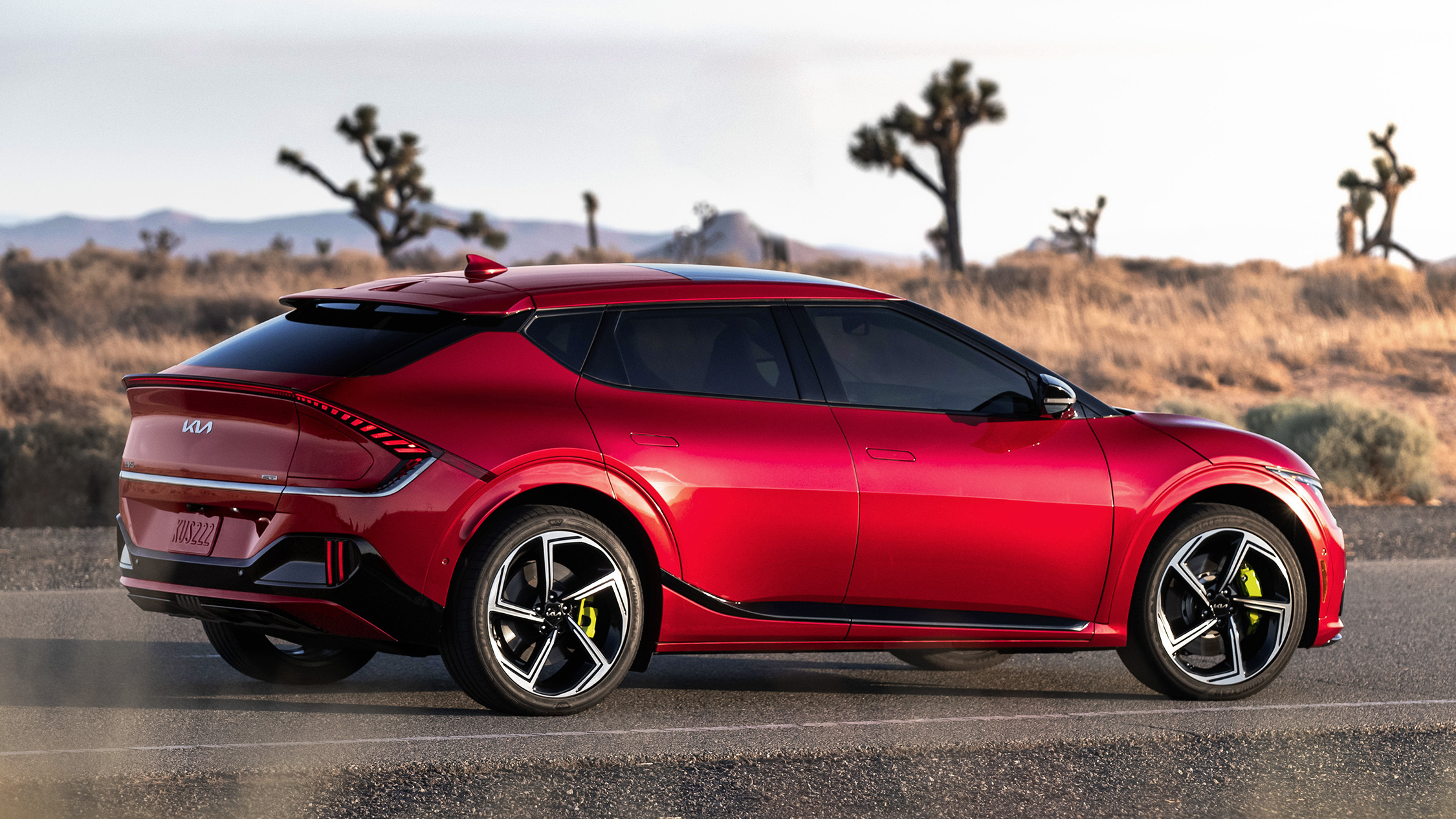
It’s a shame because the EV6 GT isn’t just another electric crossover with a sporty badge slapped on it. With up to 641 hp (650 PS / 478 kW), neck-snapping acceleration and a torque-vectoring all-wheel drive system, it’s one of the most entertaining EVs currently on sale.
But 2026 is no time for Kia to make heart-led decisions, not when its recent EV sales have been such a car crash. Demand for the EV6 plummeted 53 percent in February, versus the same month last year, and the EV9 slid 40 percent. That downturn, and the ongoing tariff problems, explain why Kia has also put a hold on US launches for the EV4 hatchback and sedan, and the EV3 SUV.
Role Reversal
Strangely, over at Kia’s sister brand Hyundai, the exact opposite is happening. The regular Ioniq 6 sedan, which shares its 800-volt E-GMP platform and electric hardware with Kia’s EV, is being dropped for MY26, but the high-performance Ioniq 6N is still available. Sales of the plain Ioniq 6 fell 61 percent in January, while its chunkier Ioniq 5 brother only experienced a 6 percent decline.

 Login
Login