Reading view

There are new articles available, click to refresh the page.

One Of Renault’s Hottest Badges May Be Coming Back Sooner Than You Think
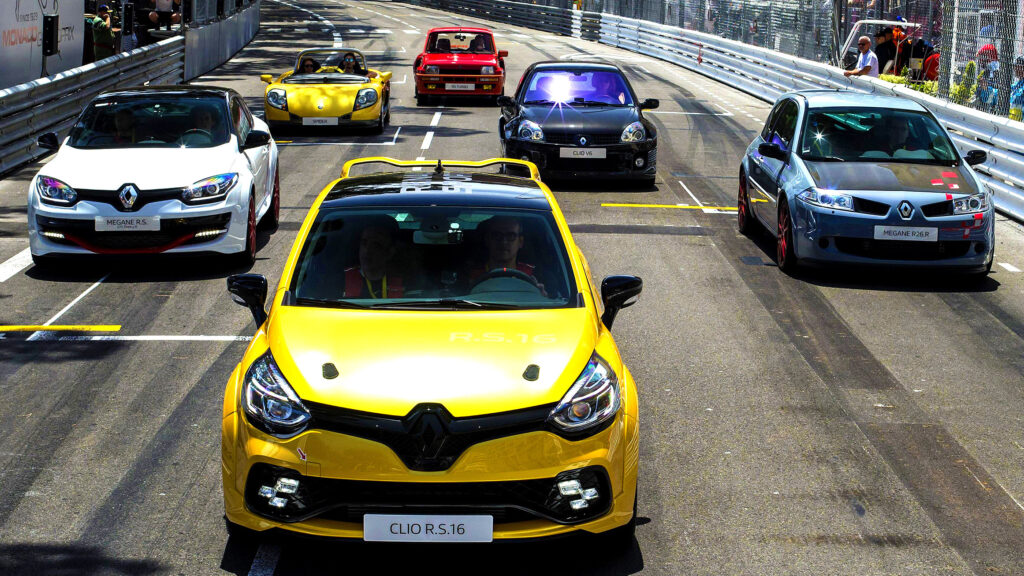
  • Renault admits it could build a hybrid-powered RS model again.
  • The new Clio is seen as a prime candidate for RS revival.
  • RS brand was officially axed in favor of Alpine performance.

Renault may have wound down its RenaultSport division a little too soon. The decision to pull the plug on sporty models like the Megane RS and Clio RS wasn’t exactly met with cheers, and now there’s a hint it might not be permanent.

According to Renault’s global sales and operations director, Bruno Vanel, if there’s enough public appetite for a return, the RS badge could make a comeback.

Read: The World’s Favorite Renault Got Longer, Wider And Weirder

While recently speaking with Auto Express, Vanel confirmed that Renault has the technical resources on hand to resurrect a performance model, most likely in the shape of a new Clio RS. The brand’s existing portfolio of electric and high-power hybrid powertrains, he explained, includes hardware well-suited to a modern hot hatch.

Even though we’re sure many Renault enthusiasts would also love to see the Megane RS stage a comeback, that seems far more unlikely now that the Megane has morphed into an all-electric crossover.

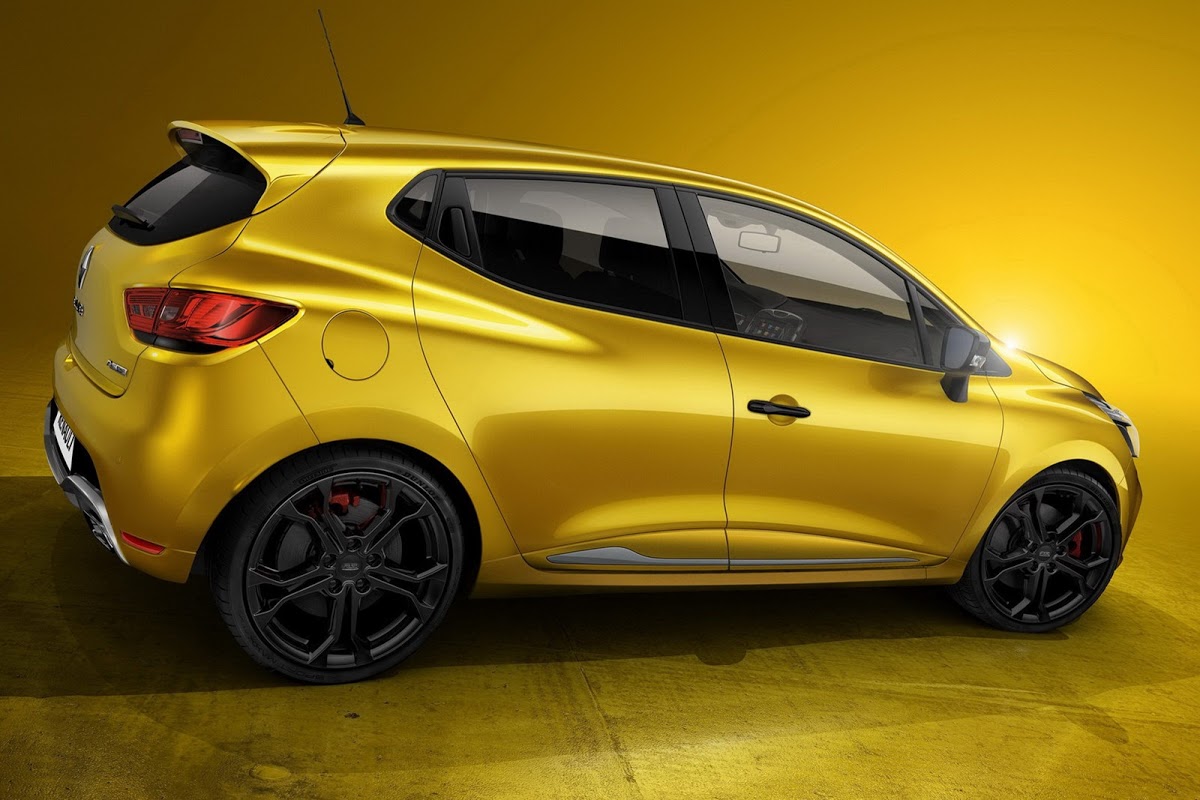
In contrast, the new-generation Clio, unveiled just a few months ago, offers a more fitting foundation. The sixth-gen model arrived with a more aggressive design and enough visual punch to imagine it in RS trim. And crucially, it remains a hatchback.
 One Of Renault’s Hottest Badges May Be Coming Back Sooner Than You Think

“The good news is that we have the know-how internally to make such a car [a Clio RS],” Vanel told the magazine. “We also have hybrid powertrains; solutions to get high power with low CO2 emissions. This is really important now that we are more and more challenged on CO2.”

Vanel added that while there is no immediate plan to bring back the RenaultSport brand “for now,” he said that with enough interest, “maybe [Renault] can reconsider. We’ll wait a couple of months, and then we’ll think about it,” he added.

If Renault were to greenlight an RS version of the new Clio, it would most likely build on the current car’s hybrid system. In its range-topping E-Tech form, the Clio combines a 1.8-liter engine with an electric motor to produce 158 hp.

With some tuning, if that figure was lifted closer to 220 hp, it would position the Clio RS firmly into small hot hatch territory, largely matching the previous-generation on performance.


\\\\\\\\\\\\\\\\\

Source: Autoexpress

This Innocent Bug Hits 60 Faster Than A Porsche 911 GT3

  • Classic VW Beetle hides Tesla motor and Porsche battery power.
  • Built by Knepper Bugs & More after rescuing it from a junkyard.
  • Over 600 hp and 2.9s 0–62 mph make it supercar-shaming fast.

Electric power has opened up a new world of possibilities for tuners, letting them stuff serious performance into cars that were never designed for big engines in the first place.

Take this unassuming classic VW Beetle, for example. While it still looks like something you’d see puttering through a sleepy village, it’s packing the kind of firepower that will put a modern supercar on edge.

Read: This Puny Bug Pulled Nearly $100K After Triggering A Bidding Frenzy

Built by Knepper Bugs & More in Germany, this VW Beetle was originally discovered rotting in a California salvage yard. Knepper bought the car and shipped it home, then began the long process of rebuilding it, ripping out the original powertrain in favor of something much more powerful, and more fitting of the times.

A Classic with a Modern Heart

\\\\\\\\\\

Knepper Bugs & More

The motor now driving the Beetle is the same unit found on the rear axle of a Tesla Model S. However, it’s been modified to run at a higher voltage, which boosts output to more than 600 horsepower and 516 lb-ft (700 Nm) of torque. That’s not a misprint. This thing has nearly triple the power of some modern hot hatches.

Power delivery is handled by a set of Porsche 930 drive shafts, while energy comes from 17 battery modules sourced from a Porsche Taycan. It’s a Frankenstein’s monster of high-end EV tech, all crammed into a car originally designed to max out around 50 horsepower.

There’s no word on how much weight the electric conversion has added, but it has turned this Beetle into an absolute weapon.

 This Innocent Bug Hits 60 Faster Than A Porsche 911 GT3

According to Knepper, it takes just 2.9 seconds for the Beetle to hit 100 km/h (62 mph). That’s deep into supercar territory, for those keeping score. The new Lamborghini Temerario, armed with a twin-turbo V8 hybrid setup, does the same sprint in 2.7 seconds. The latest Porsche 911 GT3? It needs 3.4 seconds, which means it’ll be shrinking fast in the Beetle’s rearview mirror.

On a full charge, it can travel about 250 kilometers (155 miles). Drive it like it was built to be driven, and range drops to closer to 100 kilometers (62 miles). Not that anyone will be counting.

Also: Toyota Revives Classic Land Cruiser With A Modern Twin Turbo Surprise

To help it cope with the massive performance bump, much of the suspension and braking hardware has been lifted from Porsche 944s. There are also several parts from KW and Bilstein to ensure the VW is capable of handling all of its extra grunt.

It’s Not Just the Powertrain

\\\\\\\\\

Knepper Bugs & More

Extensive work has been done to the exterior of the Beetle, and it’s now finished in a lovely shade of Marathon Blue. It also sits on classic Porsche wheels and the ride height has been lowered, giving it a more aggressive stance on the road.

There’s also a small carbon fiber spoiler, but nothing else to suggest that this Bug is packing nearly as much power as a Lamborghini Huracan.

More: The Weirdest Mustang You’ll Ever See Is Actually A Porsche 911 In Disguise

The cabin remains impressively simple. It retains the original gauge cluster and dashboard, now refinished but still true to the car’s roots, and has been fitted with a pair of Recaro seats sourced from a BMW 2002. The old shifter has also been replaced with a small digital touchscreen to select the appropriate gear.

Eager to show how well-built the car is, Knepper’s found took it on an 8,000 km (~5,000 km) journey earlier this year through Belgium, France, Spain, Portugal, Luxembourg, and even across the Strait of Gibraltar to North Africa.

\\\\\\\\\\\\\\\\

Knepper Bugs & More

VW Has A Plan To Save EVs And It Involves Gas Engines

  • Volkswagen is exploring new range-extended EVs for future models.
  • The setup could power upcoming sedans and crossover offerings.
  • Range-extenders may debut within Volkswagen’s next EV architecture.

Volkswagen had high hopes for EVs as the company pivoted in the wake of the Dieselgate scandal. The ID.4 marked a solid start, but things quickly went wrong from there.

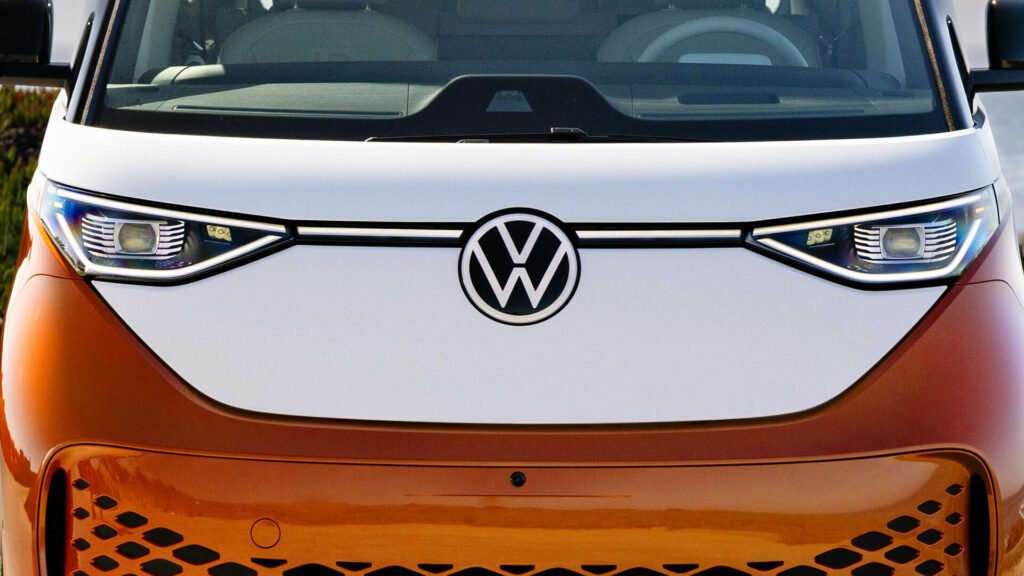
Plans to sell the ID.7 in America were abandoned, while the ID. Buzz failed to live up to expectations. As a result, huge markups have now given way to discounts of nearly $20,000.

More: VW Scraps ID.7 For North America Due To Frosty EV Climate

The company is now said to be considering offering range-extended powertrains in sedans and crossovers for Europe and the United States. The discussions are reportedly part of a larger conversation as the automaker is preparing a new five-year investment plan.

Bloomberg reports the details of these investments will be announced in March of next year. That’s a ways off, but a spokesperson told the publication they’re “monitoring market developments and has reserved the range extender concept for its future EV platform.”

They added that consumer demand will ultimately determine when and where range-extended vehicles are offered.

 VW Has A Plan To Save EVs And It Involves Gas Engines

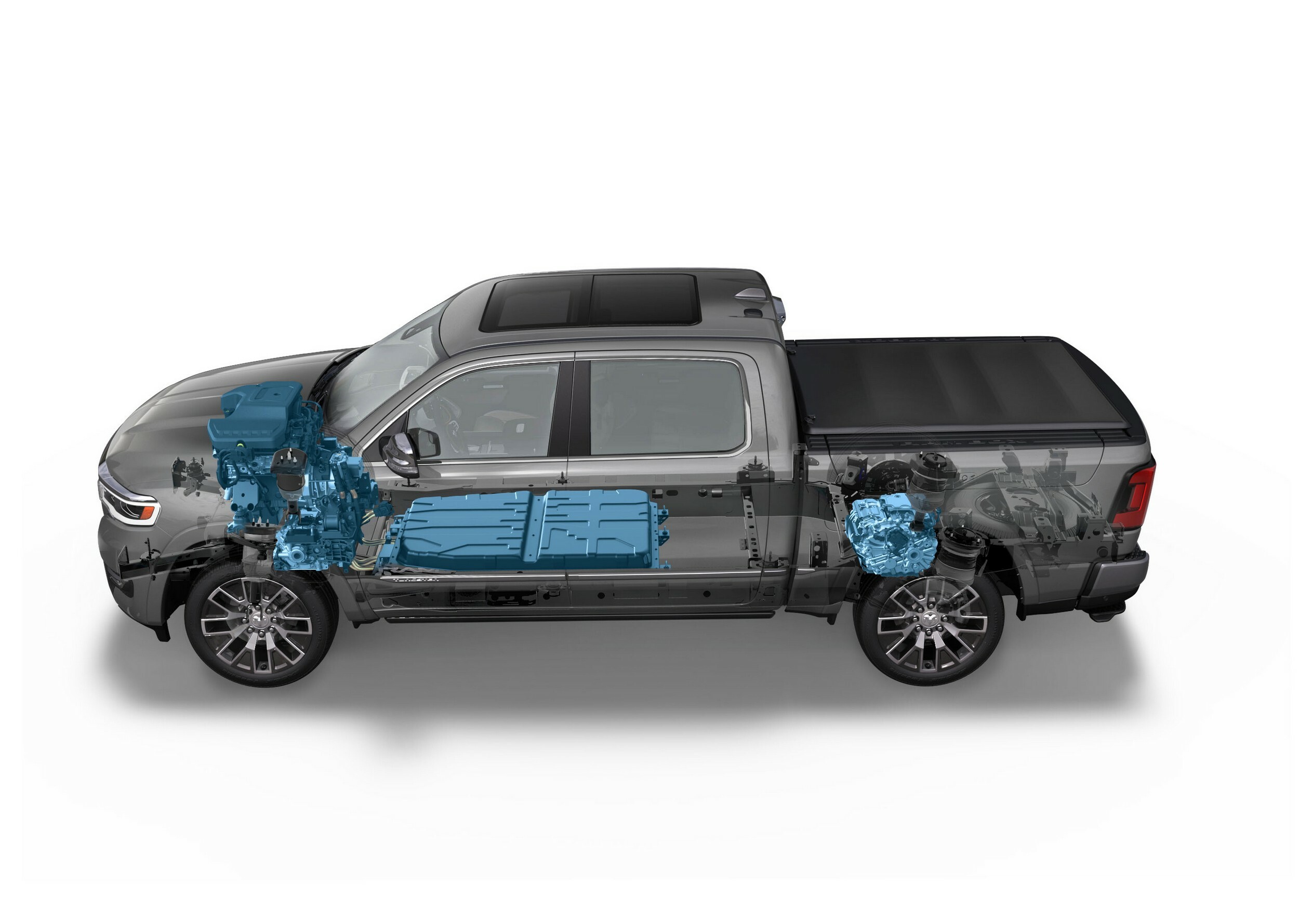
While we’ve seen a few range-extended vehicles in the United States, a number of new models are on the horizon. Besides the Scout Terra and Traveler, Stellantis is gearing up to launch range-extended versions of the Jeep Grand Wagoneer and Ram 1500.

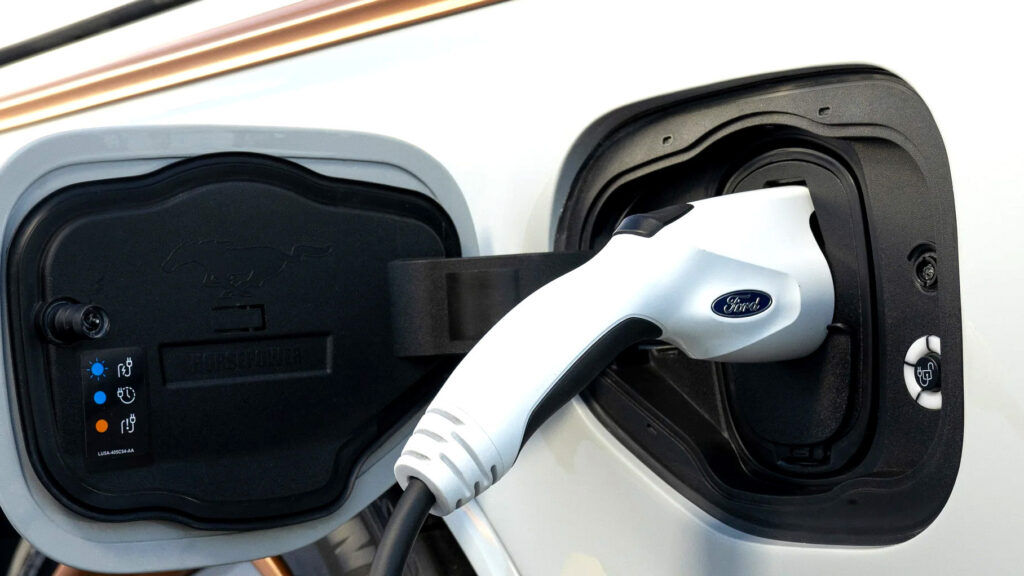
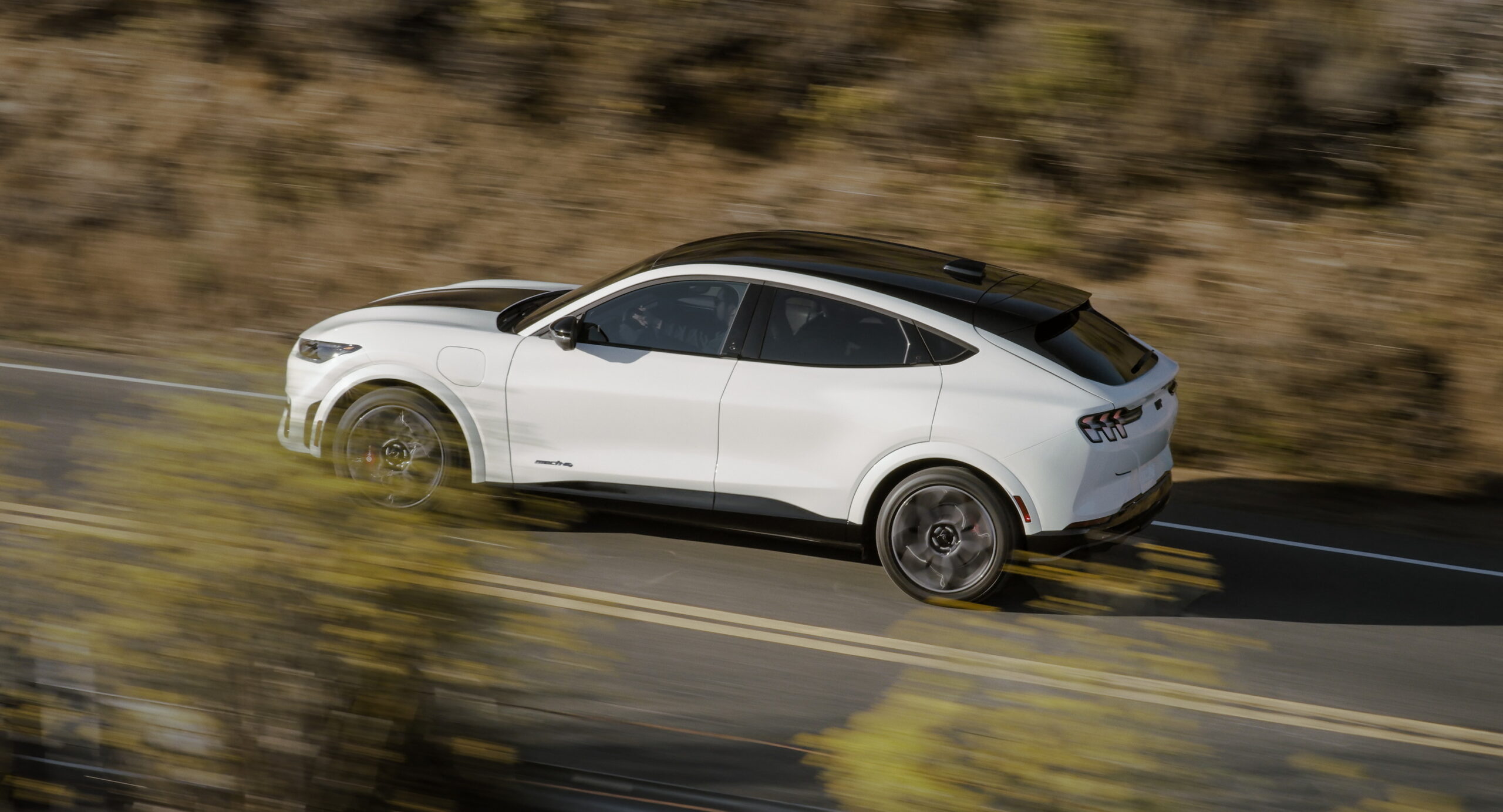
Ford CEO Jim Farley has also praised them as he said they give customers an electric experience without range anxiety. More importantly, they enable companies to offer an “electric vehicle that’s fully comparable to an ICE vehicle in terms of cost.”

This is largely due to the fact that range-extended EVs can use a significantly smaller and cheaper battery pack. This is made possible by an engine, which acts as a generator.

 VW Has A Plan To Save EVs And It Involves Gas Engines

These Dealers Say Ford Paid $600 For EV Repairs Worth Nearly 40 Times

  • Dealers say Ford only paid $600 per EV battery replacement.
  • They claim the real cost should be $22,600 per battery.
  • More lawsuits are reportedly being prepared in other states.

As more legacy automakers navigate the shift to electric vehicles, the complexity of servicing and supporting them is beginning to reveal fault lines, especially when it comes to who pays for what.

Ford is now facing allegations that it underpaid two New York dealerships for comprehensive EV battery replacements, according to a lawsuit filed in US District Court.

Read: Ford Accused Of Advertising A Missing Feature On New Trucks

And the trouble may not stop there, as attorneys say similar legal actions are in motion and could eventually be consolidated into a class action, raising the stakes for the company.

Jericho Turnpike Auto Sales and Patchogue 112 Motors allege that Ford has sidestepped state warranty reimbursement laws by issuing low flat-rate payments for full battery pack replacements, rather than covering the actual costs of the repairs.

The dealer says it has completed 15 EV battery replacements on Ford models since early 2024. Of those, Ford allegedly reimbursed the dealer just $600 per battery for 13 jobs that should have cost $22,600 each, leaving a gap of $286,200. In the remaining two cases, the dealer received $13,000 per battery. Even so, the lawsuit claims Ford still failed to pay the full amount.

Patchogue 112 Motors reports a similar pattern, stating it was paid only $600 per battery instead of the expected $22,600.

What Are Ford’s Responsibilities?

 These Dealers Say Ford Paid $600 For EV Repairs Worth Nearly 40 Times

At the heart of the lawsuit is the question of how franchised dealerships are compensated for warranty and service contract repairs.

The filling alleges that Ford ignored legal requirements despite a state statute requiring manufacturers to reasonably cover repairs and manufacturer service contracts not “less than the price and rate charged by the franchised motor vehicle dealer for like services to non-warranty and/or non-service contract customers.”

That includes the cost of parts plus a 40 percent markup. Dealers are also allowed, under the law, to apply their typical non-warranty retail markup on labor, which can range from 70 to 200 percent depending on the service. The lawsuit claims Ford has not followed these provisions.

Leonard Bellavia, one of the attorneys representing the dealerships, told Auto News that Ford isn’t alone. His firm is pursuing similar claims against other automakers in multiple states, all centered on what he describes as a pattern of failing to meet warranty payment obligations

\\\\\\\

Caterham Won’t Let Go Of Its EV Dream Even If The World Already Has

  • Caterham still plans to launch its first fully electric coupe.
  • A Project V prototype debuts at the Tokyo Auto Salon.
  • The model was due in 2025, but that timeline has slipped.

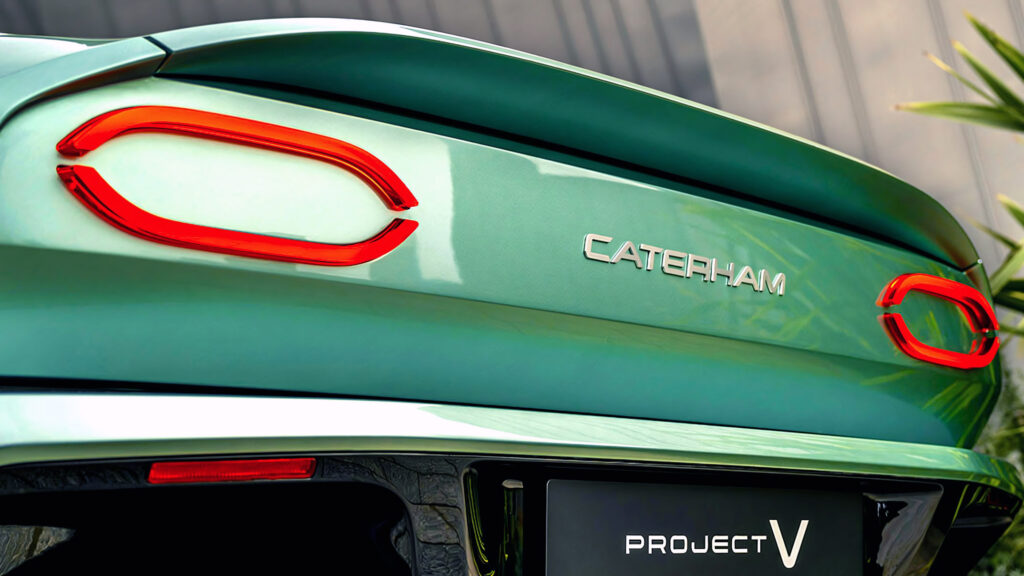
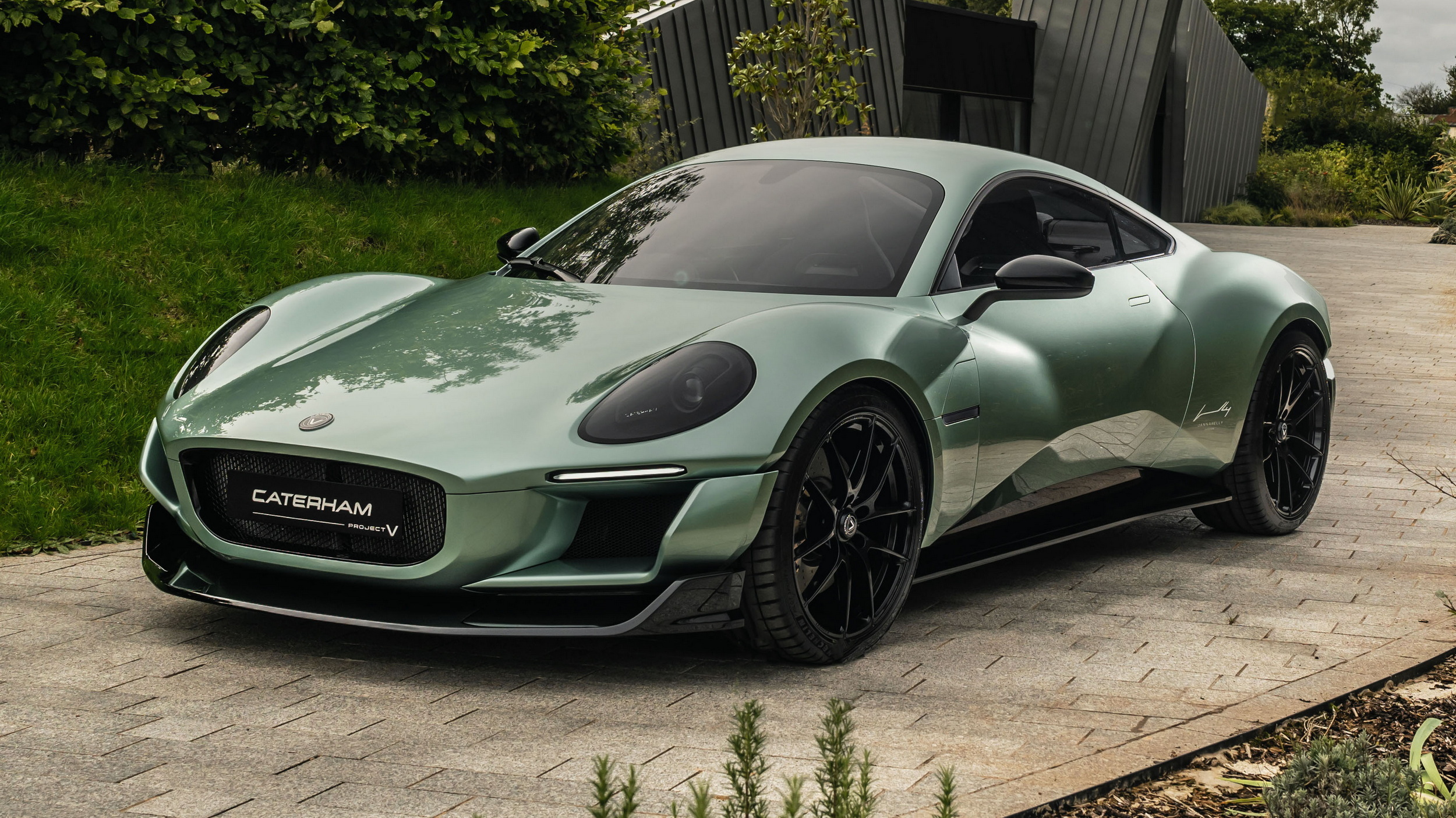
A lot has changed since Caterham introduced its fully electric Project V concept all the way back in July 2023. Zero-emission sports cars don’t sound as appealing as they did, with many automakers now rethinking and delaying their electrification plans. But not Caterham.

The British company is preparing to unveil the first working prototype of its EV coupe at the Tokyo Auto Salon next month, a move that signals continued investment in a project it believes has long-term potential.

More: Caterham’s CSR Twenty Is The Priciest, Most Premium Seven Ever

According to the latest update, this initial prototype is being used for “testing and evaluation” as Caterham moves toward full-scale production. The company hasn’t pinned down a new launch window, but it’s understood that the previously suggested timeline of late 2025 or early 2026 is no longer on the table.

The last major update came in October 2024, when Caterham confirmed the Project V would use a Yamaha-supplied e-axle. The concept had originally promised 268 hp (200 kW / 272 PS) from a single electric motor, the same configuration Yamaha previously used on the 2022 Subaru STI E-RA concept. That figure still appears to stand.

 Caterham Won’t Let Go Of Its EV Dream Even If The World Already Has
The 2023 Caterham Project V concept.

A few months later, in December 2024, Caterham shared another technical development: the car will use immersion-cooled battery packs supplied by Xing Mobility. These cells, which use CTP (cell-to-pack) architecture, are said to provide 200 Wh/kg of energy density, outperforming traditional liquid-cooled alternatives. In practice, that likely means more range and less weight to carry around.

What’s Next for Project V?

The company’s next steps include continued evaluation of the electric powertrain, additional testing of the Xing battery system, and a round of chassis durability assessments. All of this will help shape the final production model, which still appears to share much with the original design study.

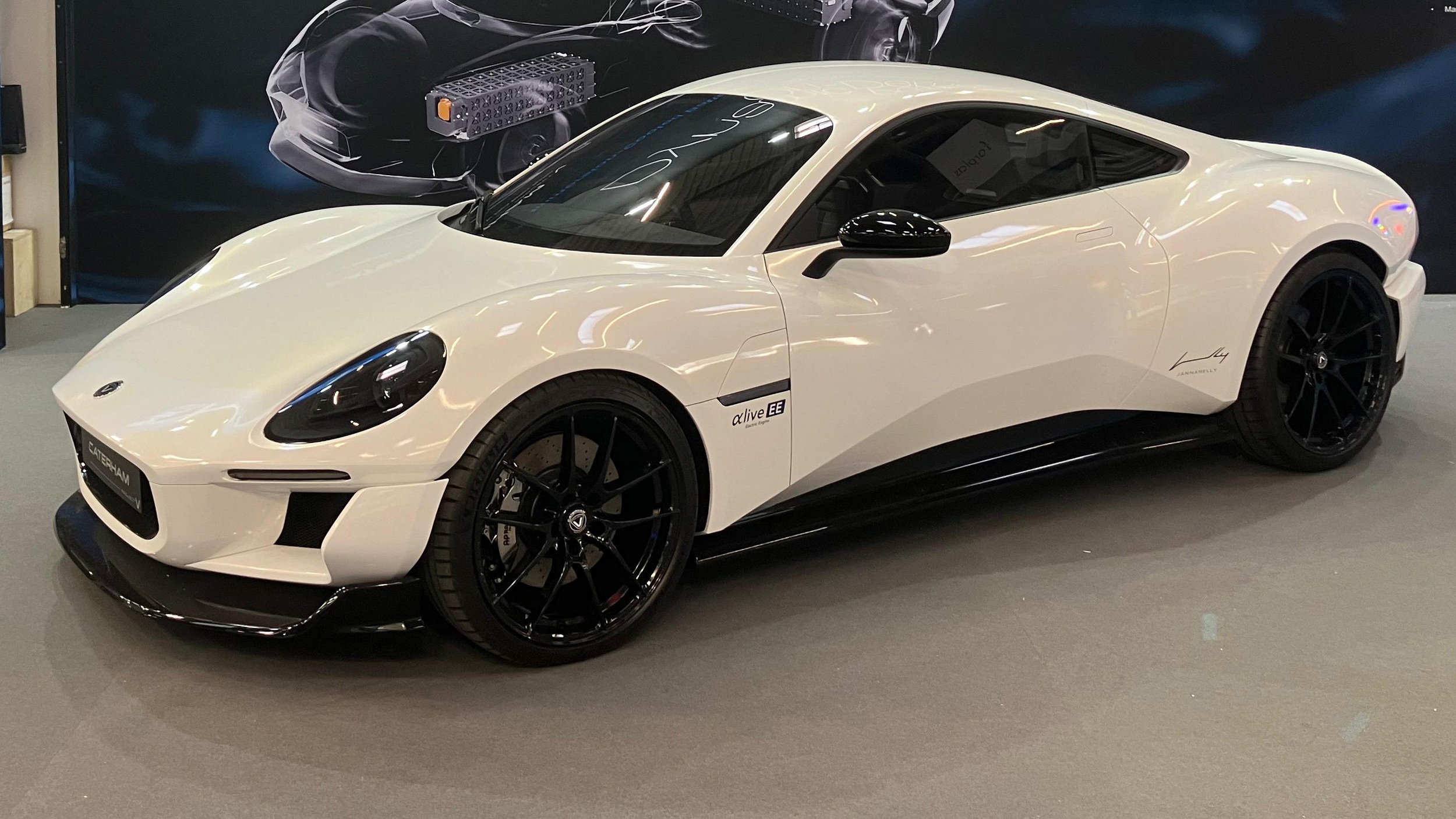
Besides the rolling prototype set to debut on January 9, Caterham also confirmed that the show car will make its US debut at the 2026 CES in Las Vegas on January 6. It’s likely this will be the same white vehicle displayed at the IAA Mobility Show in Munich last September

More: Another Gas Sports Car Dies So An Electric One Can Live

Having both cars on the circuit at once suggests that the Project V’s exterior and interior designs will carry over largely intact into the next stage of development.

A New Hand on the Wheel

 Caterham Won’t Let Go Of Its EV Dream Even If The World Already Has
The Project V at the IAA Mobility Show 2025 in Munich.

In other news, Caterham announced last month that Bob Laishley had stepped down as CEO after four years at the helm. Laishley, a former Nissan executive, has been succeeded by Kazuho Takahasi, who is also the President and Founder of parent company VT Holdings.

Commenting on the prototype’s debut, Takahasi said:

“This is a significant milestone in the development of Project V, with our prototype making its public debut at the Tokyo Auto Salon. This next step enables us to begin a comprehensive vehicle testing program in collaboration with our technical partners. Our objective remains unchanged: to realise our vision of a pure electric sports car that embodies the unmistakable DNA of a Caterham.”

\\\\\\\\\\

Caterham

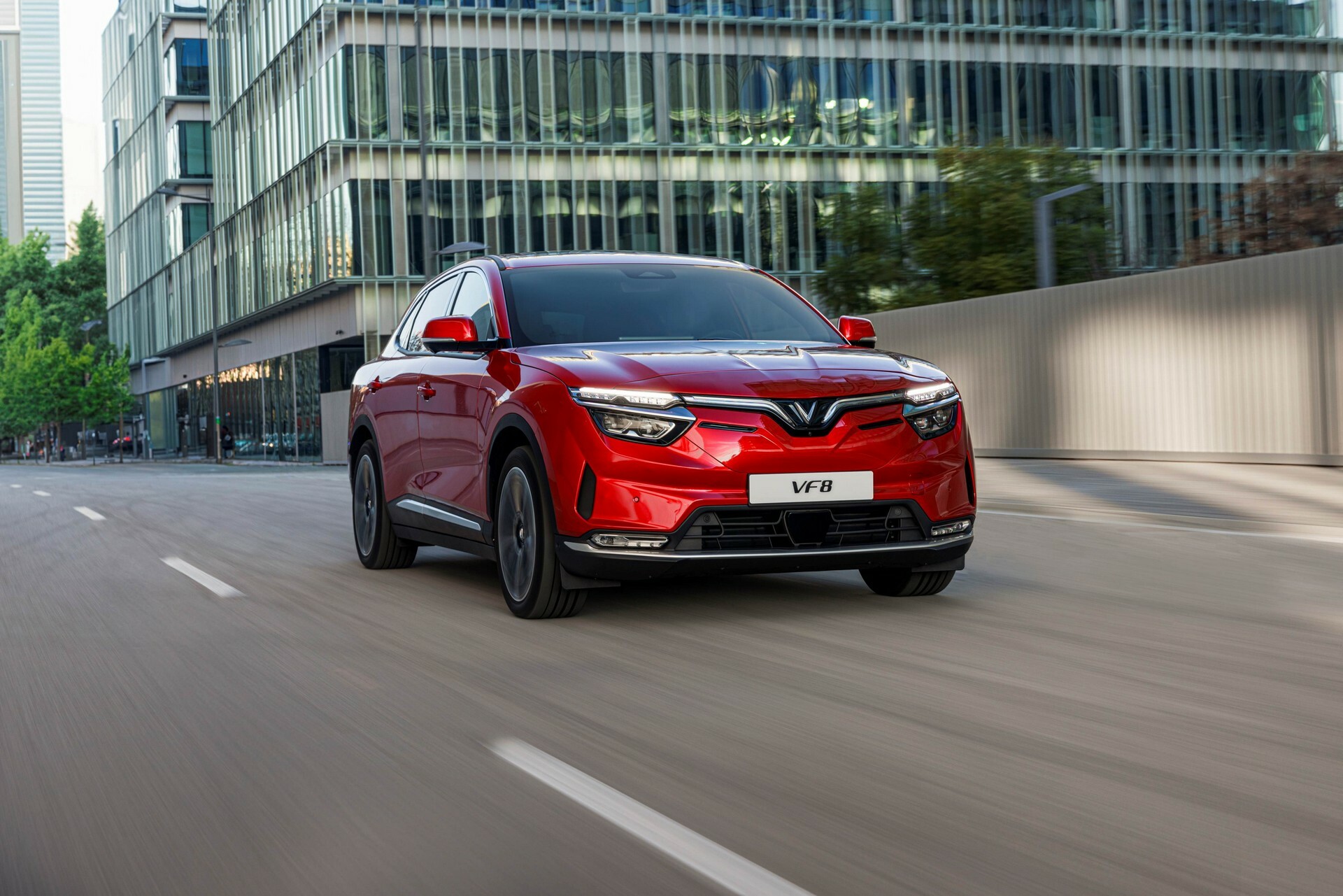
VinFast’s American Dream Is Cracking From The Inside Out

  • Fewer than 1,500 VinFast cars registered in the US this year.
  • VinFast had promised hundreds of US dealers by late 2024.
  • Only 17 VinFast dealers have VF 8 or VF 9 models in stock.

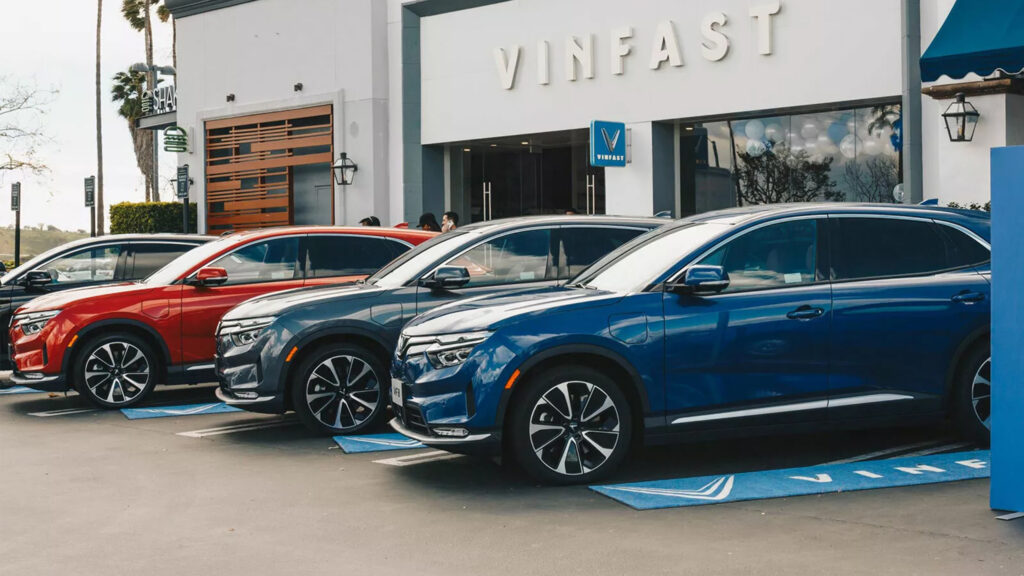
VinFast’s bid to break into the American market has struggled to gain traction. The Vietnamese automaker’s US adventure has been marked by sluggish sales, dwindling dealership support, and a strategy that appears to be unraveling faster than it came together.

As more partners step back from the brand, questions are beginning to surface about the future of VinFast’s presence in the States.

Read: Owners Sue VinFast After VF 8 Takes Almost 24 Hours To Charge

VinFast currently offers the VF 8 crossover and the three-row VF 9 locally, and at one point, it floated plans to bring a compact VF 3 and even a pickup truck to American buyers. Those ambitions now seem increasingly out of reach.

Stalled Expansion Plans

Adding to that, the company ceremoniously broke ground on a North Carolina factory in 2023, aiming to begin production just a year later. That timeline quickly fell apart. Construction was halted, and the plant’s opening has now been postponed until 2028.

The signs aren’t encouraging. According to a report from AutoNews, VinFast now has fewer than two dozen stores operating across the US. That figure continues to shrink, as one location shut down in July, another closed in November, and a third in North Carolina is scheduled to close before the year ends.

Even among the remaining dealers, many are operating in name only. Several locations have no vehicles on site, and some are down to just a handful of units.

Indeed, of the 22 active dealers that VinFast says it has, just 17 of them have EVs in stock. Most of them have 15 or fewer vehicles available. In the case of one dealer in Florida, it has just a single 2024 VF 8 in stock, priced at $52,910.

Sales Collapse

 VinFast’s American Dream Is Cracking From The Inside Out

VinFast sales have taken a big hit this year. Through the first ten months of this year, just 1,413 of its vehicles were registered in the United States, representing a 57 percent decline from the year prior. This comes despite the fact that total EV sales across the US have jump 11 percent this year.

The company’s expansion has clearly not gone as it would have liked. It originally expected to quickly sign 125 dealers, and then planned to have hundreds of outlets across the country by the end of 2024. As of August, it claimed to have “nearly 30 authorized dealerships.”

According to VinFast chairwoman Thuy Thu Le, the company has paused its aggressive push into the US and won’t open any more dealerships for the time being.

“Given the tariff situation and the instability in the EV market, we just need to see how that settles before we kind of push hard in the U.S.,” Thuy told Autonews. “Until we see some growth and stability in the U.S. market, we don’t intend to open more dealerships. Instead, we cultivate the relationship with the existing dealers and make sure they can get to profitability faster.”

\\\\\\\\\

Fiat’s New SUV Concept Just Got Real And The Fastback Roofline Isn’t Even The Best Part

  • Fiat’s Fastback concept is nearly ready for its global debut.
  • New spy shots reveal exterior styling and the cabin layout.
  • Powertrains will include gas, hybrid, and electric options.

Fiat is stepping into the spotlight once again, this time with a crossover that will expand the growing Panda lineup. The new model carries forward the Panda’s character, scaled up with a larger footprint and shaped by a fastback silhouette.

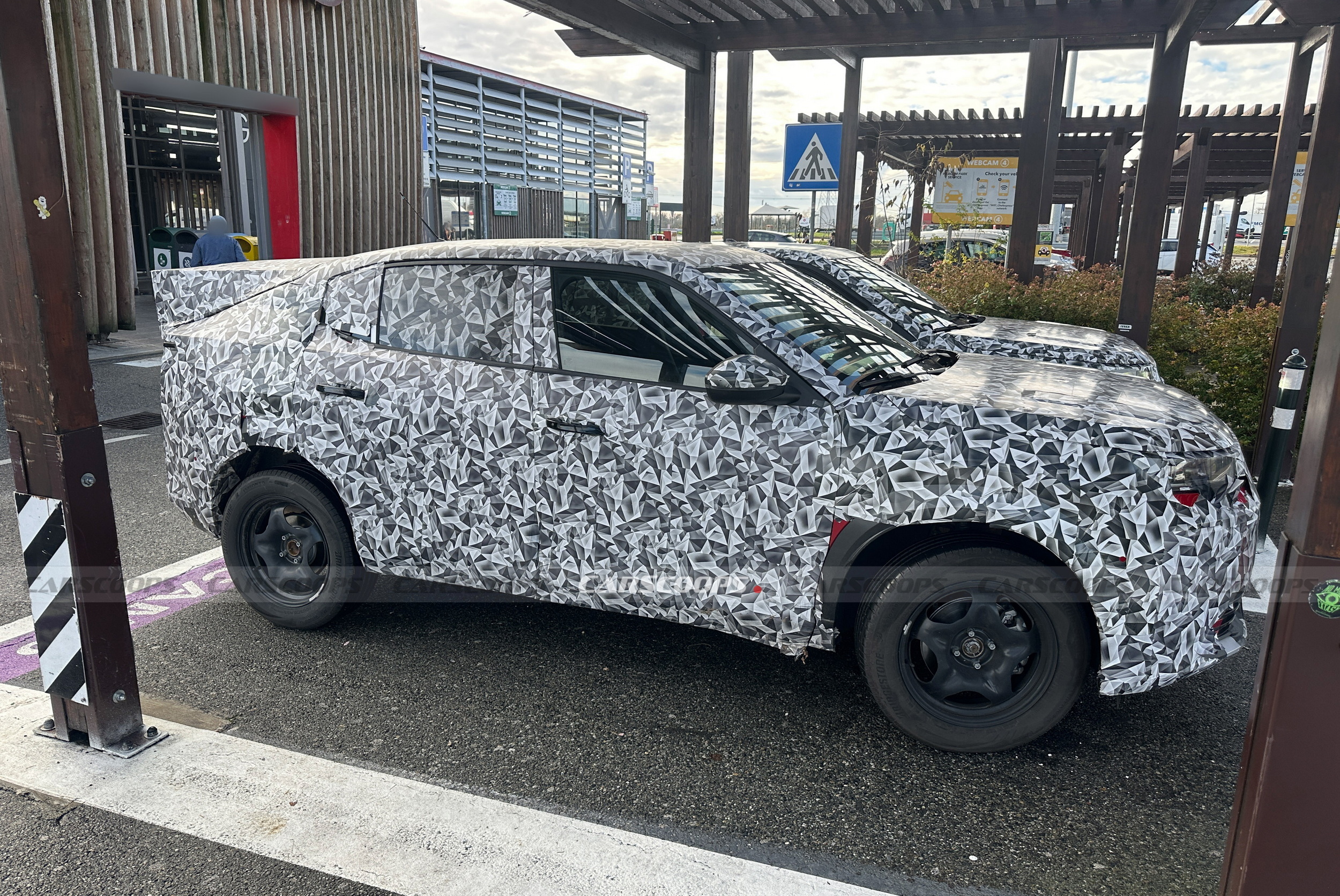
Two camouflaged prototypes of the production version of the 2024 Fastback concept were recently spotted in a parking lot, offering a clearer look at the exterior and, for the first time, a glimpse inside the cabin. The latest test cars have ditched some of their camouflage, revealing more of what’s in store.

Review: New Fiat Grande Panda Hybrid Makes Budget Look Cool Again

The LED headlights look similar to the Grande Panda, but they are slimmer and have tear-style extensions for a more modern look. These flank a concealed front grille that’s expected to carry over the pixel-like graphics and retro Fiat emblem found on the smaller sibling.

We can also see the lower bumper intake and a discreet skid plate with a metal-style finish. One of the prototypes has a red bodywork and rides on black steel wheels, which if intended for a base trim, are likely to be paired with hubcaps on the final production version.

 Fiat’s New SUV Concept Just Got Real And The Fastback Roofline Isn’t Even The Best Part

Baldauf

The side view reveals standard door handles and sculpted fenders that add some definition to the bodywork. More notably, both the greenhouse and metal panels appear distinct from those on the Citroen Basalt, a related model currently on sale in markets like South America and India.

More: Fiat’s Panda Camper Is Back Pretending It’s An Overlander

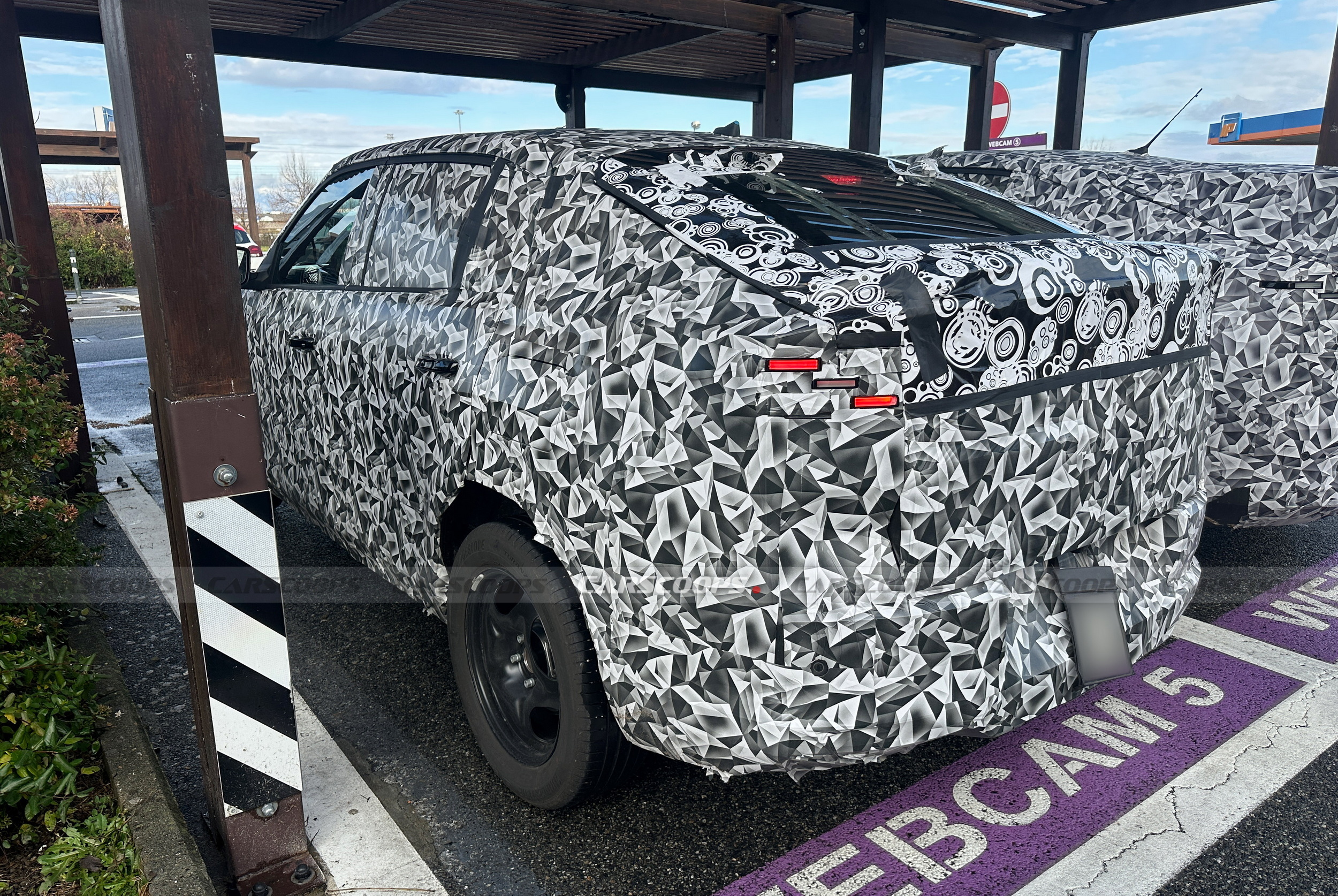
Naturally, the standout feature of the Fastback is its rear section, where a sloping roofline meets slim LED taillights for a clean, tapering finish. One of the prototypes has shed its heavy camouflage, exposing the rear glass and an integrated ducktail spoiler. The rest of the tail keeps things more upright, with boxy surfacing, a wide tailgate, and the license plate positioned on the rear bumper.

The model, overall, feels like a natural evolution of the original concept, though its design has been moderated in typical fashion for production. If the Grande Panda is any indication, expect the exterior to include a handful of playful Easter Eggs, likely paying homage to the classic four-stripe Fiat emblem.

How Does It Look Inside?

 Fiat’s New SUV Concept Just Got Real And The Fastback Roofline Isn’t Even The Best Part

Baldauf

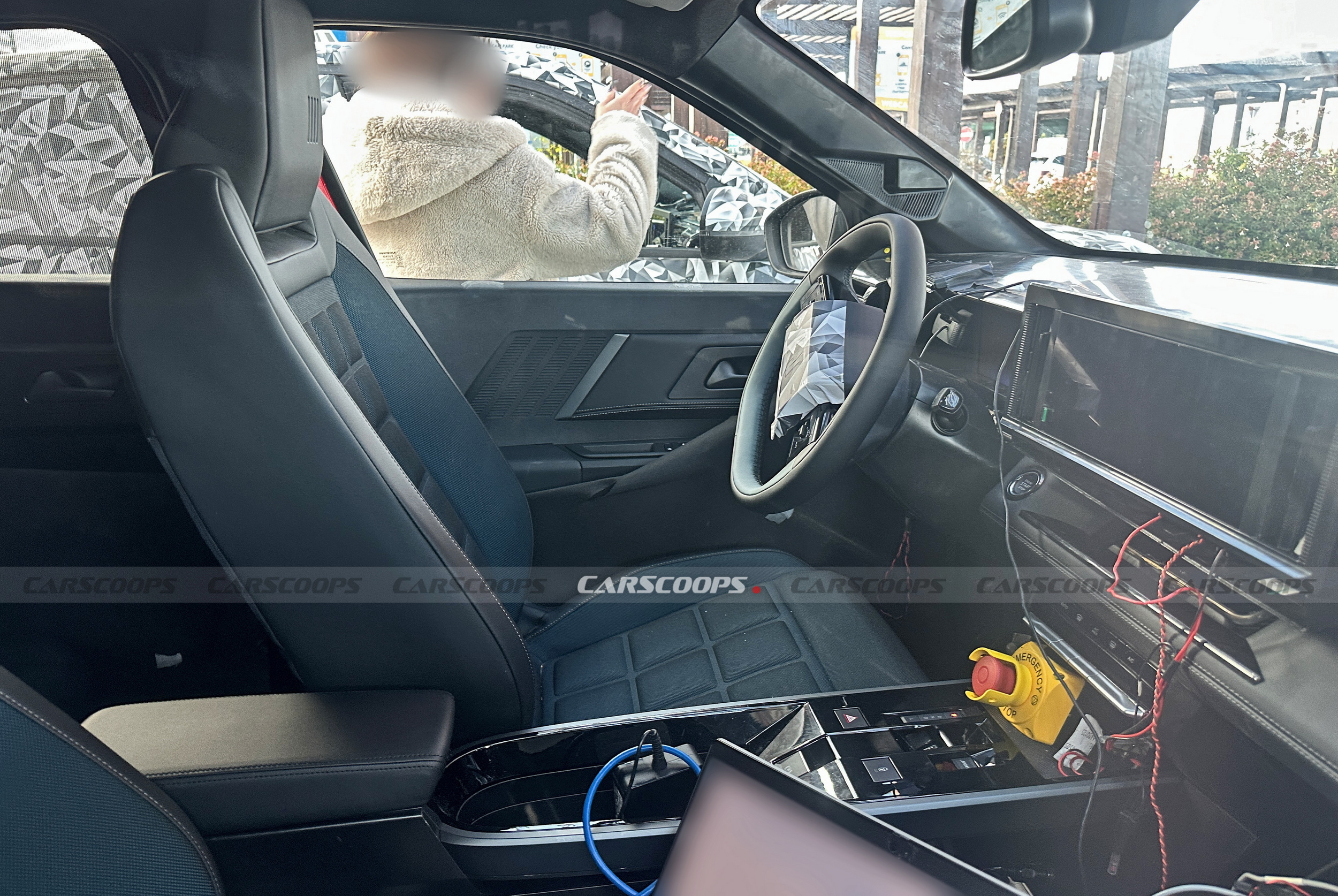
Surprisingly, one of the prototypes had an uncovered interior. The interior layout diverges from that of the Grande Panda and even from its mechanical relatives, the Opel Frontera and Citroen C3 Aircross.

The dashboard pairs a compact digital gauge cluster with a larger central infotainment screen. Below that, leather-effect trim lines the dash, while glossy black plastic surrounds the oval-shaped center console for a bit of contrast.

A row of physical buttons sits along the lower part of the console, and the automatic gear selector appears to be the same unit used in several Stellantis models.

Other highlights include the two-spoke steering wheel that has the same shape with the Opel Frontera, and the new seats with a square pattern and semi-integrated headrests.

Multiple Powertrain Options

 Fiat’s New SUV Concept Just Got Real And The Fastback Roofline Isn’t Even The Best Part
Baldauf

As with the rest of the future Panda family, the fastback will ride on the budget-oriented Smart Car architecture. It is expected to be offered with gasoline, mild-hybrid, and fully electric powertrain options, most likely shared with the aforementioned Citroen and Opel SUVs.

Fiat plans to offer the model in both European and South American markets, with an official reveal expected in early 2026. A year after that, it may be joined by a more traditionally shaped sibling, an SUV with a boxier rear end and added cargo space.

That model is rumored to revive the Multipla name and could square off against the likes of the Dacia Duster and Bigster.

\\\\\\\\\

Baldauf

Former Arizona School Bus Driver Arrested on Child Molestation Charges

A former school bus driver has been arrested and is facing multiple felony charges after investigators alleged he molested at least one child, reported Arizona Family.

Authorities say Charles Ellington, who worked for a school district northwest of the Valley, was taken into custody on Dec. 1 and booked into jail the following day. District leaders reported they were first notified of an active investigation on Sept. 3, at which time Ellington was immediately placed on administrative leave while the district cooperated fully with law enforcement.

Ellington received a notice of intent to terminate on Sept. 11, and his employment officially ended on Oct. 8. He had worked for the district since Aug. 26, 2021.

According to the news report, district officials said all identified victims are currently assisting investigators. They emphasized that Ellington had passed all required pre-employment and ongoing background checks, including maintaining a valid commercial driver’s license, a clean drug and alcohol testing history, and an active fingerprint clearance card through the Arizona Department of Public Safety.

“These processes involve rigorous, ongoing checks,” said the district via the news report. “The district receives daily notifications from DPS if any employee’s card is suspended or revoked, allowing us to act immediately.”

The specific details of the allegations have not been released. According to authorities, Ellington was booked on charges including molestation of a child, sexual conduct with a minor and failure to comply with a court order. The investigation remains ongoing.


Related: Former School Bus Monitor Indicted on Child Molestation Charges
Related: Florida School Bus Driver Faces Child Abuse Charges
Related: Florida Paraprofessional Facing Child Abuse Charges
Related: Idaho Bus Driver Arrested for Child Endangerment, Animal Neglect

The post Former Arizona School Bus Driver Arrested on Child Molestation Charges appeared first on School Transportation News.

These Future Supercars From Toyota And Lexus Share DNA But Not A Soul

  • Toyota’s GR GT packs 641 hp and a V8 with driver-focused tuning.
  • Lexus’ electric LFA successor shares its core structure with GR GT.
  • GT3 race version previews Toyota’s return to top-tier competition.

After plenty of waiting, the new Toyota GR GT is here, and so is the return of the Lexus LFA. These two new Japanese supercars might not have shown up in all the ways we expected but one thing is clear: while they’re linked, they’ll have very different personalities from behind the wheel.

Now, a new in-depth video shows us just how Toyota and Lexus made each of their respective cars stand out from the other.

More: Toyota GR GT Looks Like A Batmobile And Hits Like A Supercar

Many might consider the GR GT to be a more faithful successor to the LFA. That’s due heavily to its hybrid V8 engine that makes some 641 horsepower (477 kW). That said, it’s clear that Toyota wasn’t trying to steal the LFA’s thunder when you take a quick look at the finer details.

That’s exactly what Top Gear just offered, with a detailed breakdown of both cars from nose to tail. The GR GT, in particular, leans hard into its driver-first philosophy. Its design is dominated by functional aero, from oversized intercooler openings to a rally-style hood vent that channels air up and over the windshield.

\\\\\\\\\\

Much like the AMG GT or if we go further back in time, the Dodge Viper SRT and its derivatives, the GR GT has a lengthy hood, a small but highly functional cabin, and a squat, wide stance.

Presenter Tom Ford highlights how the driving position communicates intention. The seat height, digital gauge cluster, and steering wheel are all set up for optimal visibility. That’s key because the car has shift lights and vital information there.

The car only has four drive modes, custom, normal, sport, and track. The center control stack features physical buttons and switches. The cupholders are behind the occupants and in the middle because they’re not the focus here.

\\\\\\

Of course, the track-only FIA-compliant GT3 race car version is even more extreme. It gets every bit of roll cage one might expect and then some. The cabin features almost zero creature comforts but what it lacks there it makes up for in naked carbon and switchgear. The spoiler at the rear is as wide as the car itself.

Then, there’s the LFA, and when we say it’s different, it’s not just because the V10 is gone in favor of all-electric propulsion. Ford points out that Lexus took full advantage of the EV powerplant, going as far as to design the exterior with it in mind. As such, the LFA gets almost none of the same venting and aero from the GR GT. It simply doesn’t need it.

\\\\\\\\\\

The lines are more elegant. Take, for example, the hood where long strakes run from the top of the lights to the windshield. Instead of hard edges everywhere, the design is smoother with more compound curves.

That approach carries into the interior, which leans heavily on refinement. The split-cabin layout gives the driver their own space, while the controls are smaller and more delicate, matching the car’s calmer energy.

In short, these two sport models might have a lot of shared DNA, but there’s no doubt that they’ll drive quite differently. In fact, there’s little question that they’ll feel different for occupants even when they’re powered down.

California Has A New Way To Make EV Owners Pay

  • California may charge EV drivers up to 4 cents per mile driven.
  • Gas tax funds 80 percent of state road maintenance costs today.
  • Officials are testing new ways to fund roads as EV use grows.

California has set an ambitious goal of reaching carbon neutrality by 2045. That path runs straight through mass electric vehicle adoption, which means saying goodbye to traditional gas-powered cars, and with them, a major chunk of how the state pays for its roads.

With gas tax revenue poised to shrink, officials are now exploring a new alternative: a per-mile road tax for EV drivers.

Also: Plug-In Hybrid And EV Drivers Face Pay-Per-Mile Tax In The UK

As it stands, approximately 80 percent of California’s road maintenance budget is funded through a gas tax. For every gallon pumped at the station, around 61 cents goes toward keeping the state’s vast network of highways, freeways, and local roads in working order.

How Will EVs Pay Their Share?

Obviously, as more and more people shift to EVs, this revenue stream will slowly dry up. This is where the road tax could come into play. California recently completed a pilot program for a road tax earlier this year, charging EV owners between 2 and 4 cents for every mile that they drive.

In theory, it’s a straightforward way to recover the funds needed for upkeep without relying on fossil fuels. But implementation may be anything but simple.

For one, it could end up costing quite a bit to set up and run. For another, drivers who rack up serious mileage, often those in rural areas or with long commutes, might bear the brunt of the expense.

 California Has A New Way To Make EV Owners Pay

As noted by Fox 26 News, a commuter traveling daily between Hanford and Fresno could face around $11 a week under the proposed system. Multiply that over a month or a year, and it becomes a noticeable new cost for people who may not have easy alternatives.

Then there’s the question of how the state would monitor each vehicle’s mileage. One proposed method involves installing a tracking device that plugs into the car and logs the miles traveled.

That could get expensive fast, especially if it needs to be rolled out across every EV on California’s roads. And even if the technology is viable, it brings up a different kind of cost, one to driver privacy.

Read: California EV Drivers Now Risk A $490 Fine Under New Rules

Many Californians would likely have reasonable concerns about being monitored so directly, especially if the data is handled by third parties or used beyond just tax purposes. Balancing effective tracking with individual privacy rights could prove to be a sticking point.

According to David Kline from the California Taxpayers Association, the logic behind the tax is simple: “Someone’s got to pay for the roads,” he said. “It should be the people who use the roads.”

However, he is concerned that the road tax could end up “switching the burden to different people,” questioning whether some of those who have to drive long distances can afford the new tax. That tension between fairness and practicality remains unresolved as the state weighs its next move.

 California Has A New Way To Make EV Owners Pay

China’s First-Time Buyers Just Flipped The Script On What Cars They Want

  • Nearly half of new buyers are leaning toward a single drivetrain.
  • Overall demand shows a striking shift compared to early 2024.
  • Traditional engines still draw attention despite market changes.

China’s electric vehicle market isn’t just growing, it’s evolving faster than most can process. With new models rolling out at breakneck speed, the country’s automakers aren’t simply keeping pace with global trends, they’re driving them.

And they’re not building EVs in a vacuum either. Domestic demand, especially among younger and first-time buyers, is pushing the shift forward.

Read: Forget EVs, China’s Dumping Millions Of Gas Cars On The Rest Of The World

It turns out, more of these buyers are now leaning electric than ever before. A recent study conducted by Bloomberg Intelligence has revealed that 47 percent of prospective first-car buyers in the country plan to buy an EV within the next 12 months. This represents a massive spike from the 25 percent in February.

Widen the scope to include all prospective car buyers in the country, and the trend holds. A full 52 percent now say they intend to make their next vehicle an EV, compared to 34 percent back in both February and March 2024.

 China’s First-Time Buyers Just Flipped The Script On What Cars They Want

Interest in extended-range EVs, those that offer additional miles from an onboard generator or similar tech, is also gaining ground. As of the latest figures, 8 percent of surveyed buyers said they’d consider one for their next purchase.

Interestingly, the Bloomberg survey also found that plug-in hybrids are losing ground fast. Just 12 percent of respondents now say they’re considering one for their next car, a steep drop from 23 percent in February.

Conventional hybrids have slipped even further. Once viewed as a sensible middle option, their share has fallen from 15 percent in February to just 9 percent by November.

Demand for traditional combustion-engine cars hasn’t disappeared though, which comes as somewhat of a surprise. 19 percent said they’d opt for an ICE model for their next car. Admittedly, just 1,000 people participated in the survey, so it’s hard to make definitive conclusions based on this small sample size.

What’s Behind the Surge?

 China’s First-Time Buyers Just Flipped The Script On What Cars They Want
GWM Ora

According to Bloomberg Intelligence analyst Joanna Chen, the competitive prices of EVs in China have contributed to the exceptionally strong demand for them.

“The country beats Europe and the US with battery electric vehicles already reaching price parity versus gasoline cars, while consumers’ strong interests in advanced tech features give local startups and tech giants Huawei Technologies Co. and Xiaomi Corp. stronger edge in the fierce market competition,” she said.

 China’s First-Time Buyers Just Flipped The Script On What Cars They Want

You’ve Got 300 Gas Car Options But Maybe Only One EV Worth Buying, Says Rivian Boss

  • RJ Scaringe says EV demand is hurt by high prices and low choice.
  • Rivian plans to close the gap with its upcoming $45,000 R2 SUV.
  • CEO argues U.S. buyers deserve far more sub-$50k EV choices.

It’s no secret that electric vehicles still carry a steeper price tag than their gas-powered counterparts, and a recent report from COX Automotive puts that gap into sharper focus. In November, the average new car cost $49,814, while the average electric vehicle rang in at $58,638.

Now, Rivian CEO RJ Scaringe is calling out this price discrepancy, along with the lack of variety in the USA, as one of the two main reasons behind the lackluster demand for all-electric vehicles.

More: Ford CEO Hints At Affordable RWD Performance Sedan

Speaking at Fortune’s Brainstorm AI conference, Scaringe argued that America doesn’t offer anywhere near the variety that buyers in Europe and China enjoy. He especially hit on price point as the reason that EV adoption in the U.S. sits at just 8 percent.

He went as far as to call it a “shocking lack of choice,” while claiming that American buyers have “well under five great choices” near the average new-car price.

 You’ve Got 300 Gas Car Options But Maybe Only One EV Worth Buying, Says Rivian Boss

Somewhat surprisingly, he cited Tesla as the automaker with the only truly compelling EVs under $50,000. The Model Y is available for under $50,000, and the Model 3 starts below $40,000.

“And that’s not a reflection of a healthy market with lots of choice,” Scaringe said. “If you think of it as a consumer, you have 300 different internal combustion engine choices at that price or lower, and you have maybe one highly compelling EV choice.”

Of course, the CEO didn’t miss the opportunity to tout his brand’s upcoming R2, an SUV with a target starting price of $45,000.

While American EV buyers wait for more options, rivals overseas are battling in crowded markets. Europe offers a flood of choices from Volkswagen, BMW, Mercedes, and a growing list of Chinese imports.

China itself remains the most competitive EV battleground in the world, where BYD, Nio, Xpeng, Leapmotor, and even newcomer Xiaomi are fighting tooth-and-nail for market share.

To that end, Scaringe aligned himself with the Trump administration in pushing to bring more manufacturing back to the U.S. He believes it’ll help domestic brands to scale EV supply and ultimately lower costs. Now, we wait to see if he’s right.

 You’ve Got 300 Gas Car Options But Maybe Only One EV Worth Buying, Says Rivian Boss

Stephen Rivers for Carscoops

Bugatti’s Mystery Model May Rely On A Solid State Battery You’ve Never Heard Of

  • The solid-state cell offers 20 to 30 percent more density.
  • Bugatti’s next model may debut with the new battery tech.
  • Rimac also supplies batteries and e-axles to other brands.

Compared to some of the battery juggernauts in China and South Korea, Rimac Technology is still a relatively small player. But that hasn’t stopped it from pursuing next-generation EV tech and among its most ambitious efforts is a solid-state battery project that could power a future Bugatti model due within the next five years.

Read: Rimac Wants To Buy Porsche Out Of Bugatti

Rimac Technology became a standalone engineering firm in 2022, spun off from the Croatian carmaker to focus on supplying electric components to third-party manufacturers.

Behind the Battery Development

 Bugatti’s Mystery Model May Rely On A Solid State Battery You’ve Never Heard Of

According to chief operating officer Nurdin Pitarevic, the company is now working with composite material specialists from Mitsubishi and solid-state cell developer ProLogium to bring its new battery to life.

The prototype battery in question is a 100 kWh pack that weighs 30 kg (66 lbs) less than a typical equivalent. Rimac says it delivers 20 to 30 percent more energy density than traditional batteries, with the long-term goal of reaching price parity with conventional NMC cells by 2035.

Speaking with Autocar, Pitarevic revealed that testing of the new batteries will start soon and hinted at them being used in a mid-volume production model from Bugatti in 2030.

Details about the new Bugatti model are few and far between, but it would likely be the company’s long-awaited car to sit alongside the Tourbillon, rather than a special version of that V16-powered monster.

Rimac’s e-Axles

 Bugatti’s Mystery Model May Rely On A Solid State Battery You’ve Never Heard Of

It’s not just advanced batteries that Rimac Technology is developing. New e-axles that combine electric motors, gearboxes, and electronics into a single package are also in the works, being flexible enough to be used for front-, rear-, and all-wheel-drive models.

They can also be specced to deliver between 200 hp and 470 hp, making them suitable for a broad range of performance models. Porsche and BMW are among the automakers currently sourcing e-axles from Rimac.

A Saudi startup called Ceer, developed in partnership with Foxconn Technology Group, is also on board. Ceer’s upcoming SUV will feature a Rimac rear e-axle with output comparable to the 1,288 horsepower rear motor in the Rimac Nevera, yet the unit weighs only 132 kg (291 lbs), a full 66 kg (145 lbs) lighter than the Nevera’s setup.

Rimac is also working on a smaller e-axle, weighing just 48 kg (106 lbs), with a projected output of 500 horsepower.

 Bugatti’s Mystery Model May Rely On A Solid State Battery You’ve Never Heard Of

Source: Autocar

Three Waymos Got Stuck So Bad It Took A Human For A Happy Ending

  • Three Waymo I-Paces froze in a San Francisco dead-end standoff.
  • Two autonomous Jags made contact as a third robotaxi waited.
  • A human Waymo employee arrived to manually clear the scene.

Self-driving cars are supposed to eliminate traffic jams, human error, and awkward you-turn-or-mine eye contact at four-way stops. But last weekend, three Waymo robotaxis in San Francisco proved that even artificial intelligence can panic when faced with a bad decision and no escape route.

The scene unfolded on a hilly residential street in North Beach, where a TikTok video captured what can only be described as a low-speed robot showdown. Two Waymo Jaguar I-Pace SUVs ended up nose-to-side at an intersection that also happened to be a dead end.

A third Waymo arrived moments later, assessed the situation like a confused NPC, and came to a complete stop, effectively sealing the street shut.

Related: Waymo Robotaxi Rolls Through LAPD Crime Scene As Suspect Is Held At Gunpoint

Bystanders watched from the sidewalks as the cars sat motionless, their sensors apparently locked in an eternal debate about who should move first.

One resident trying to leave the area summed it up best by asking whether the cars were “just going to stay there forever.” For a few long minutes, that seemed like a real possibility.

Autonomous paralysis

According to an ABC7News report, the two robotaxis may have lightly contacted each other while one attempted a turn on the tight street. The third vehicle, doing what it was programmed to do, detected an obstruction and politely waited.

Unfortunately, polite waiting does not help much when everyone involved is a robot and no one will make a move.

Eventually, a Waymo employee arrived to manually intervene and restore order, proving once again that the most reliable fail-safe in autonomous driving is still a human with the ability to hook reverse and take a look over his shoulder.

Waymo expansion

To be fair to Waymo, the company remains the poster child for functional robotaxis. Its vehicles log millions of miles in San Francisco, Los Angeles, and Phoenix, mostly without fault, and are now venturing onto freeways. The company recently launched in Miami and plans to add services in Dallas, Houston, San Antonia, and Orlando.

Those cities can expect to experience their own Waymo glitches in time because moments like this are a reminder that self-driving cars excel at following rules, but struggle with edge cases that humans solve instinctively.

Lead image chii_rinna

Porsche Vibes Are Strong In This Chinese SUV Coming To Europe

  • GWM’s Ora 5 has been spotted testing in Europe.
  • The crossover is slightly larger in size than an EV3.
  • Single, front-mounted electric motor makes 201 hp.

The new Ora 5 has been spotted out in the wild and covered in disguise, but it wasn’t cruising around China at the time. The electric crossover was caught testing on European roads, confirming that Great Wall Motor is preparing to launch the its first SUV outside its home market.

And yes, that’s the same Ora that got under Volkswagen’s skin a few years ago with the Punk Cat, a car that looked like a mashup of the classic and modern Beetle. This time, the design direction is different, but you’ll still find yourself thinking about certain Porsche models, particularly the Macan and 911.

Review: Great Wall’s Haval H6 Promises Refinement But Trips Over Its Own Power

If the shape under the camouflage looks vaguely familiar that is because the Ora 5 shares plenty of design ideas with the little Ora 3, which was previously known as the Funky Cat in Europe, and goes by Good Cat in China and GWM Ora in Oz.

Imagine an Ora 3 fed a diet of protein shakes and roof rails and you’ve got a solid handle on the 5’s look.

The rounded lighting signatures are still there, as is the smooth surfacing that has become something of an Ora trademark. Even wrapped up, the car looks friendlier than most compact SUVs, which is very much the point. Ora wants cute but practical, not angry and aggressive.

Already Unveiled in China

 Porsche Vibes Are Strong In This Chinese SUV Coming To Europe

Don’t bother straining too hard to make out the final design, though. Ora has already revealed the 5 in full in Asia and we’ve included pictures of that at the bottom of the post so you can get a fuller idea of what to expect when European sales start in 2026.

Tough competition

\\\\\\\\\\\

SH Proshots

We also know from the earlier static launch that the 5 measures just under 4,500 mm (177 inches) long and has a 2,720 mm (107.1 inches) wheelbase, putting it squarely in the heart of Europe’s most competitive EV segment.

That means it will be lining up against everything from the BYD Atto 3 and Peugeot e-2008 to the Kia EV3 when it finally lands.

Under the skin the Ora 5 uses a single electric motor producing 201 hp (204 PS / 150 kW) paired with an LFP battery. Capacity has not been officially confirmed, but Car News China suggests 63.87 kWh and 83.49 kWh options are likely since that’s what’s offered in the mechanically similar Lightning Cat sedan.

Screen-Heavy Interior

\\\\\\\\

Inside it borrows heavily from the facelifted Good Cat/Ora 3, including a big, floating infotainment screen running GWM’s Coffee OS and featuring some climate functions built into the display.

But you still get a few physical toggles further down the console for key controls, while a two-spoke steering wheel, 10-inch digital cluster, wireless phone charging and ambient lighting round out the cabin upgrades.

For Europe, the timing makes sense. Ora has already dipped its toe into several markets with mixed success and the brand badly needs a volume product that fits current tastes. A small electric crossover like this could really help Ora make its mark.

\\\\\\\\\\\\\\\\\\\\

Auto Home

BMW’s Next Boss Already Has 40 New Models On His Plate

  • BMW names Milan Nedeljkovic as its next CEO replacing Oliver Zipse.
  • Nedeljkovic joined BMW in 1993 and leads production operations.
  • Zipse will remain CEO until the 2026 Annual General Meeting.

BMW has named its next chief executive officer, confirming that Milan Nedeljkovic, the brand’s current head of production, will take the reins next year. His appointment comes at a pivotal moment for the company, as it pushes deeper into electrification and prepares to usher in its Neue Klasse generation of vehicles.

Nedeljkovic won’t be stepping into the role immediately, though. Incumbent CEO Oliver Zipse will continue leading the company until BMW’s Annual General Meeting on May 13, 2026. After that, Nedeljkovic is set to begin his term, with a contract that runs through 2031.

Read: New i3 And 3-Series Reveal BMW’s Most Striking Split Yet

Zipse has been at the helm for seven years, steering BMW through an unusually turbulent stretch. His time in charge included the COVID-19 pandemic, widespread supply chain disruption, and a bevy of product rollouts that ranks among the most intensive in the company’s history.

“Oliver Zipse has always prioritized BMW’s success,” chairman of the supervisory board of BMW AG, Dr. Nicholas Peter described. “He consistently took a clear stance—even in the face of great external headwinds—and thus kept the company on track during turbulent times.”

 BMW’s Next Boss Already Has 40 New Models On His Plate

Nedeljkovic, meanwhile, is a BMW veteran. He joined the company in 1993 as a trainee and has since held senior roles at its Oxford, Leipzig, and Munich facilities. According to Dr. Martin Kimmich, deputy chairman of the supervisory board and chair of the Global Works Council, he’s built strong relationships inside the company.

“He is held in high regard by and enjoys the trust of BMW’s workforce,” Kimmich said. “Together with him, we look forward to continuing the long tradition of cooperative collaboration between the Works Council and corporate management as a foundation for our BMW success story.”

The Future of BMW

The next five years will be hugely important for the BMW brand. It plans to launch more than 40 new or updated models by the end of 2027, all of which will use the same computing systems as the new iX3.

That includes a full facelift of the company’s vehicle range, unified under the design direction set by the second-generation iX3. Many of those models will also adopt the iX3’s new Panoramic iDrive system, marking a significant update to both interface and in-cabin tech.

\\\\\\\\\

Federal Judge Vacates Trump’s Unlawful Wind Energy Ban

By: newenergy

Boston, MA – Last night, the U.S. District Court for the District of Massachusetts ruled that Donald Trump’s executive order banning wind projects in the United States was unlawful and vacated the order. Donald Trump issued an executive order on the first day of his administration that paused all leasing, permitting and approvals for wind projects, killing tens of …

The post Federal Judge Vacates Trump’s Unlawful Wind Energy Ban appeared first on Alternative Energy HQ.

Tennessee School Bus Bursts Into Flames Moments After Children Evacuated

A terrifying incident unfolded when a Dickson County School District bus burst into flames along Highway 49 East, forcing a quick evacuation of the children on board, reported WKRN.

The Dickson County Sheriff’s Office said the school bus driver noticed smoke coming from his dashboard Dec. 3 and immediately pulled into the lot of a gas station. Within moments of the evacuation, the bus became fully engulfed in flames.

The school bus driver is in his first year on the job and is being called a hero for saving the lives of the 38 students on board a the time.

“I was the first one to get off the bus because I was scared it was going to blow up,” said Asher Winters, a second-grade student at Charlotte Elementary School who was riding the bus, to local news reporters.

His younger sister, Penelope Winters, a first-grader at the same school, proudly told the reporters she “saved everyone because I told the bus driver it was happening.”

According to the news report, fire crews from the Harpeth Ridge Volunteer Fire Department responded swiftly and extinguished the blaze. Officials confirmed that no injuries were reported. Images taken after the fire reveal the charred shell of the vehicle, which authorities say is a total loss.

The cause of the fire remains under investigation. The school bus was a spare as the driver’s normal bus was in the shop that day. A spokesman for the Tennessee Highway Patrol said the bus that caught fire had been inspected in August.

“Wednesday’s bus fire could have ended tragically, but it didn’t because of the bus driver,” added Maj. Travis Plotzer. “He saw danger, he acted fast, and he got every student off the bus before anyone got hurt. His quick thinking and being calm under pressure saved lives, without a doubt. What he did was brave and professional, and he did exactly what we’d hope for in a moment like that.”


Related: California Student Honored for Quick Thinking During School Bus Fire
Related: Missouri Students Learn School Bus, Fire Safety During Back-to-School Bash
Related: North Texas School Bus Engine Catches Fire, Students Evacuated Safely
Related: California Farmworkers Hailed as Heroes After Rescuing 20 Children from Burning School Bus

The post Tennessee School Bus Bursts Into Flames Moments After Children Evacuated appeared first on School Transportation News.

❌