Reading view

There are new articles available, click to refresh the page.

Funding Among Potential Impacts of U.S. Education Department Dismantling on School Transportation

Confusion reigns in the wake of a late November announcing how the U.S. Department of Education (ED) could be dismantled, including the impact of the decision on school transportation.

Tim Ammon, owner of Ammon Consulting Group, noted two initial impacts focus on longer decision times and less clarity regarding resolving special needs services concerns.

Staffing reductions and the reorientation of the organization would make it more difficult to obtain guidance on what services are required, having the potential to create longer term uncertainty related to the stability of decisions and policy that can potentially create future exposure for services not provided, he said.

The third item Ammon suggested is uppermost in many minds: The reduction and likely elimination of some funding streams to transportation departments.

“While some perhaps most of these will be felt at the district level, they will filter their way down to transportation as districts begin to make very difficult choices about how to pare back services across all programs due to budget deficits,” he said.

During a Nov. 20 press conference, White House Press Secretary Karoline Leavitt noted President Donald Trump “took a significant step toward delivering on a core campaign promise to finally close the Department of Education to shrink the bloated federal bureaucracy.”

A coalition of educators, school districts, unions and The Arc of the U.S. — an advocacy group for people with intellectual and developmental disabilities — sued the Trump administration in federal court, arguing the government’s latest attempt to dismantle the ED is unlawful, according to The New York Times.

The ED has entered into new interagency agreements with the Departments of Health and Human Services, Interior, Labor, Interior and State.

The agreements do not address school transportation impacts.

The ED announcement noted “these agreements follow a workforce development partnership signed with the Department of Labor earlier this year which created an integrated federal education and workforce system and reduced the need for states to consult multiple federal agencies to effectively manage their program.”

The interagency agreements are “a key step in our efforts to shift educational authority from Washington D.C. to your state education agency, local superintendent, local school board, entities that are accountable to you,” Secretary of Education Linda McMahon said at the press conference.

“As we partner with these agencies to improve federal programs, we will continue to gather best practices in each state through our 50-state tour, empower local leaders in K-12 education, restore excellence to higher education, and work with Congress to codify these reforms.”

Leavitt added the agencies will “now ensure the delivery of legally required programs while also refocusing them to better serve students.”

She claimed the 43-day federal government shutdown had “no impacted whatsoever” on the U.S. education system despite ED furloughing 90 percent of its staff. She noted schools nationwide stayed fully open, students attended class and received normal in-person instruction, and teachers received their paychecks uninterrupted.

“Since its creation in 1979 during the Carter administration, the Department of Education has spent over $3 trillion taxpayer dollars without improving student achievement, despite per-pupil spending having increased by more than 245 percent,” said Leavitt, adding math and reading scores are down.

The ED is a pass-through entity, McMahon said, adding “it doesn’t educate a single student. The money it sends to states for education can be sent directly without waste. Education is local. It should be overseen locally by those who best know local needs.”

Jeanne Allen, Center for Education Reform CEO and founder, ED hasn’t worked for students in decades but dismantling it remains complicated.

“It won’t be seamless, and it won’t succeed unless the new agencies clearly communicate with states, communities and parents about their new flexibility, how funds can be better spent, and how to avoid getting snared in fresh compliance traps,” she continued. “But shifting power closer to communities is the right direction.”

In contrast, Denise Forte, president and CEO of left-leaning educational think tank and racial and economic equity advocate EdTrust, released a statement indicating “the Trump administration began the process of selling off the Department of Education for parts. The administration has let down teachers, families and students, those currently in classrooms and the generations to come.

“Further diminishing these offices that protect student rights and stop discrimination and sending them off to be run by agencies that work on public health and short-term training, which lack the skills, expertise, or capacity in education, isn’t about improving student outcomes. It’s about implementing a business model that transforms students into widgets instead of human beings who need support.”

Forte has called on Congress to “stand up for the rights of America’s students and ensure education programs stay where they belong, with the Department of Education. The law is clear. Only Congress can dismantle the Department of Education.”

She also noted students and schools were indeed hurt by the federal government shutdown, noting calls and emails from families desperate to learn about their cases with the Office for Civil Rights (OCR) went unanswered. Information requests from schools and districts were left unresolved.

These new directives only serve to further distance students — particularly students of color, those from low-income backgrounds, students with disabilities, and multilingual learners — from educational opportunities, Forte said, adding the other agencies now charged with protecting students’ educational civil rights do not have the relationships, expertise, or staff capacity to do so.

Multiple media reports, such as one from K12Dive that featured a timeline of the legal and political back-and-forth on shutting down the ED, indicates the ED has asked some OCR employees placed on administrative leave since March 21 to return to work by the end of December to address the current caseload of discrimination complaints.


Related: Education Leader Challenges Transportation Professionals to Reimagine Compliance and Student Access
Related: Idaho Department of Education Names School Bus Technician of the Year
Related: Office of State Superintendent of Education Launches New Parent Portal for Student Transportation Services in D.C.


Transportation Focus Amid Uncertainty

Ammon said the most important factor transportation officials should be preparing for “is a lack of certainty about anything we thought was certain. As programs get dispersed across the bureaucracy and funds get commingled into block grants, there will be a shift in the available expertise, guidance and support, meaning departments are more likely to have to go on their own without formal or informal guidance previously provided by ED.

“Until we have a bit more certainty about whether this recent inter-agency transfer of responsibilities and funding levels will hold, districts are better off not making too many changes that would need to be undone if the winds and whims of policy and guidance change again,” he added.

While school transportation is primarily funded at the local and state level, it is indirectly supported by Title 1, the Individuals with Disabilities Education Act, and the McKinney-Vento Homeless Assistance Act.

Ammon noted confusion will reign for a period of time, with inevitable funding shifts.

“The shifts may not necessarily be direct cuts, but the bundling of programs into something like broader block grants that make funding more fungible and more likely to be reallocated within a district is inevitable,” he added.

Ammon reiterated that guidance on required services is likely to be even more chaotic.

“Worse still is if you think about how long these things take to play out, it is possible that by the time there is some clarity on requirements the administration could change and we are back to uncertainty,” he said.

While the IDEA law would remain intact, it is unclear in the short term which federal agency would enforce it and while states would likely comply, consistency and oversight could weaken with families facing uneven support depending on state laws or budgets, Ammon said.

As the ED collaborates with the National Highway Traffic Safety Administration on school bus safety recommendations, the EPA on clean fleet initiatives, and Homeland Security on emergency preparedness, its dismantling could slow coordination of national safety policies and potential inconsistencies in federal guidance for bus manufacturing standards, driver qualifications, student safety training, and emergency planning.

“Because much of this is in statute, it would theoretically require Congress to do something which it has seemed incapable of recently so those things feel like they won’t change much,” said Ammon.

“The regulatory issues are likely to be more impacted because of the scope of authority over them,” he continued. “My sense is that theme of uncertainty will be the thing most felt. I suspect that the key agencies transportation operations work with will still want and maybe be even more desirous of providing guidance in order to push the revised thinking down, but the reductions in staffing will make this more difficult because there will be so many fewer people to do the work. As a result, the changes may not be as fast or significant as expected.”

With the OCR and the National Center for Education Statistics playing a key role in tracking transportation access, identifying inequities, monitoring discipline and restraint/seclusion policies on buses, and conducting research on school travel behavior, national visibility regarding data collection and research could be fragmented under the states.

The ED’s data systems track everything from student ride times to transportation spending. With no single entity responsible for collecting nationwide data, the gap would make it more difficult for policymakers and researchers to identify trends or create informed solutions.

“This is one of the areas I am most troubled by,” Ammon said. “As an industry, we already have challenges on gathering and reporting data from at least 50 different state systems and thousands of operations.

“Losing the one source where even if the data isn’t perfect – it was pretty consistent – is a real degradation of the ability to do the trend analysis and comparisons vital to identifying best, emerging, and worst practices out there,” he added.

Ammon noted while he has no idea of the impact, it’s “interesting” to contemplate that without the ED, states may develop different rules affecting interstate collaboration, emergency evacuations, rural and tribal transportation funding, and charter, magnet, and school choice program compliance.

While the ED sets guidance on whether transportation is required or optional, transportation for choice programs becomes a state decision, with a potential increase in inequities.

“With the increased push for school choice at the federal and state level, this may become a bigger issue sooner than a lot of other issues,” Ammon said.

With respect to school bus fleets, drivers and operations, the ED dismantling would interfere with how fleets qualify for federal grants; access to low-emission/green fleet initiatives, and transportation tied to federal programs such as IDEA and Title I with rural districts – which are highly dependent on federal dollars – hit the hardest.

Ammon said this will be a massive and disproportionate influence.

“While federal funding is only about 10 percent of overall funding, for certain districts it is a much higher percentage,” he said, adding that it often affects poorer and more diverse districts.

While the funding reduction will be felt as more of a top-line, district-level resource reduction, it won’t take long to trickle down to transportation, Ammon noted.

“We will see notable reductions in services and the elimination of services in many districts,” Ammon said. “We will also see program reductions because service providers who may offer services for special needs, OT/PT or homeless end up closing due to lack of funding.”

That places the burden of service provision back on districts that are neither staffed nor equipped to provide it, he added.

“It doesn’t take long to get into a doom loop here where it becomes impossible to figure out how to maintain any semblance of what has seemed like normal for a generation,” Ammon said.


Related: (STN Podcast E286) End of Year Review: Safety & Technology Trends of 2025
Related: NASDPTS Sunsets School Bus Manufacturers Technical Council, Announces Updates
Related: Deploying Electric School Buses in Rural and Suburban Districts


While buses would still meet safety standards through NHTSA, the ED coordinates student evacuation, emergency planning, bullying, restraint and seclusion, and disability access, with such guidance slated to become patchwork on a state-by-state basis.

Ammon said statutory concerns won’t change as much as the regulatory piece, which will likely change due to changes in regulatory scope and a lack of regulators.

“Anything that appears like ‘soft side’ enforcement of things like bullying will be completely gone as that will be perceived to be an enforcement and definition function that should be made at the local level,” he added.

While the move to dismantle the ED is major, “We have to recognize it will be experienced by different populations very differently,” said Ammon. “The groups that have had to rely on federal legislation or support — especially special needs, homeless and socio-economically challenged — will feel this right away.

“It also is important to recognize that concerns such as school desegregation required federal intervention,” he added. “It is difficult to know with a great degree of certainty how this will ultimately be resolved or predict the next area that would require broad federal input in education.”

Whether that is good or bad will be for policy makers and the public to decide.

“We can be reasonably certain that in the current moment, it is going to require a very high bar or severe crisis to get that support,” Ammon added.

The post Funding Among Potential Impacts of U.S. Education Department Dismantling on School Transportation appeared first on School Transportation News.
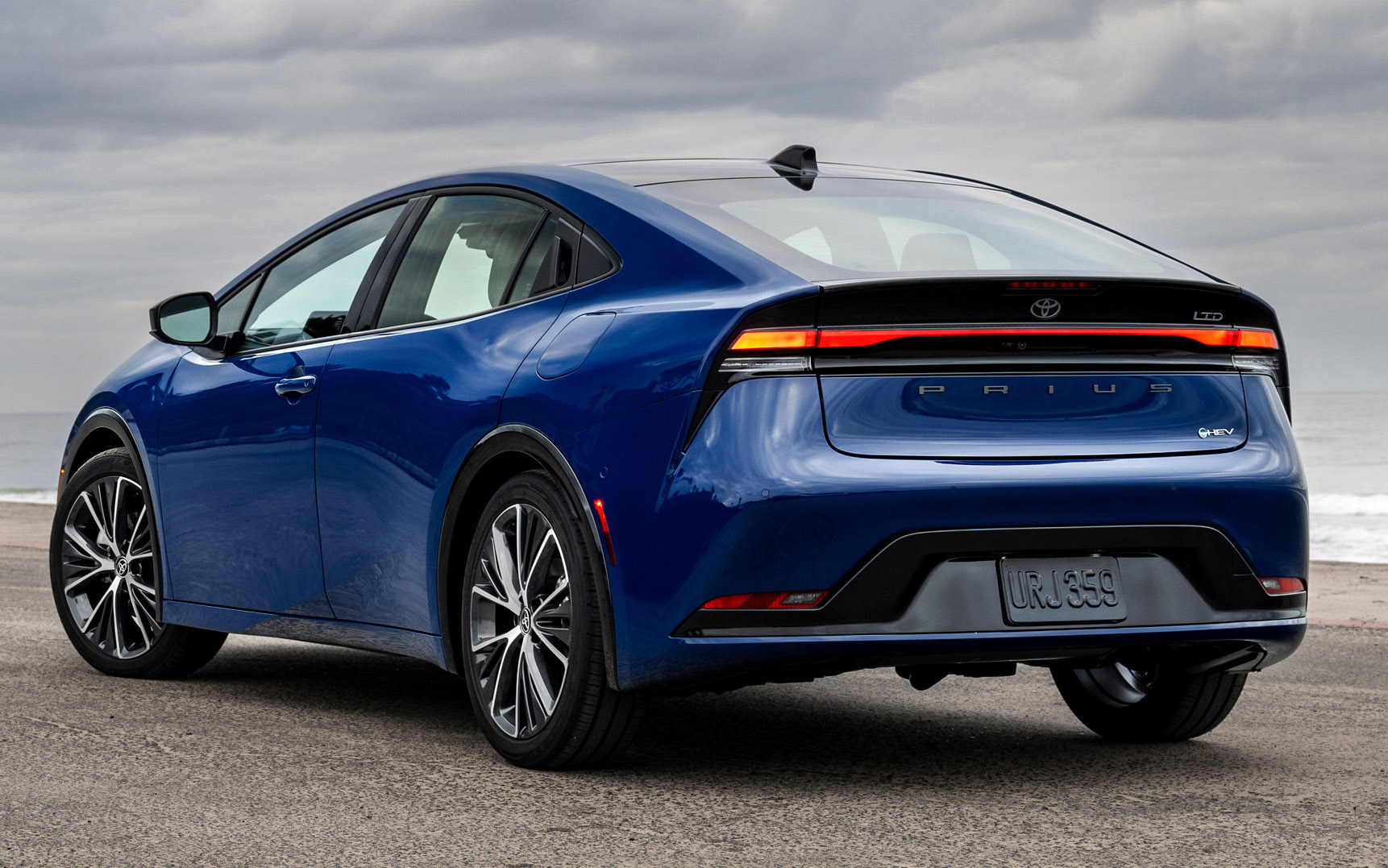
More Buyers Are Ditching EVs And Choosing Gas Again

  • New study shows rising demand for combustion-powered vehicles.
  • Fewer shoppers are considering battery-electric options today.
  • Interest in hybrid models is slipping alongside EV enthusiasm.

The auto industry’s pivot to electric vehicles was never expected to be seamless, but a recent shift in buyer sentiment suggests the transition may be hitting more resistance than anticipated. According to a new study, a growing number of car shoppers are once again leaning toward combustion engines, reversing some of the momentum EVs had built in recent years.

A report from professional services firm EY indicates that EV adoption is slowing worldwide, in part due to shifting policies like those recently enacted in the United States.

Read: Ford’s CEO Applauds Trump’s CAFE Rollback, Says They Were Forced Into EVs

Among consumers planning to buy a new or used vehicle within the next 24 months, about half now say they intend to purchase one powered by a combustion engine. That marks a 13 percent jump from the previous year, a sharp turn in consumer preference.

Declining Appetite for Electrics and Hybrids

 More Buyers Are Ditching EVs And Choosing Gas Again

That’s not the only surprising conclusion from this study. EY’s report also notes that the preference among new and used car buyers to buy a battery-electric vehicle has dropped by 10 percent, landing at just 14 percent overall.

The picture for hybrid models isn’t much brighter. Interest in those models has dipped by 5 percent, now sitting at 16 percent. And among those still considering an EV, more than a third, or 36 percent, say they’re either rethinking their decision entirely or planning to delay their purchase, citing geopolitical developments as a major factor.

It’s possible that this trend could continue. Less than a year into President Trump’s second term, several policy changes have already been implemented that are more favorable to internal combustion engine vehicles. These measures are expected to influence both consumer behavior and manufacturer output in the coming years.

Policy Reversals Take Hold

 More Buyers Are Ditching EVs And Choosing Gas Again

Earlier this month, he officially rolled back CAFE standards, opening the door for car manufacturers to build more combustion models. Automakers argue this aligns with actual consumer demand, claiming Americans still largely prefer these vehicles over their electric counterparts.

Europe is seeing a similar recalibration. Two years ago, the European Union announced plans to effectively ban the sale of new combustion vehicles by 2035.

However, this ban appears increasingly likely to be relaxed, opening the door for hybrid models, and combustion-engine cars using e-fuels to be sold beyond 2035. This will no doubt have a significant impact on EV sales throughout the region.

 More Buyers Are Ditching EVs And Choosing Gas Again

Sources: EY, Reuters

VW Has A Plan To Save EVs And It Involves Gas Engines

  • Volkswagen is exploring new range-extended EVs for future models.
  • The setup could power upcoming sedans and crossover offerings.
  • Range-extenders may debut within Volkswagen’s next EV architecture.

Volkswagen had high hopes for EVs as the company pivoted in the wake of the Dieselgate scandal. The ID.4 marked a solid start, but things quickly went wrong from there.

Plans to sell the ID.7 in America were abandoned, while the ID. Buzz failed to live up to expectations. As a result, huge markups have now given way to discounts of nearly $20,000.

More: VW Scraps ID.7 For North America Due To Frosty EV Climate

The company is now said to be considering offering range-extended powertrains in sedans and crossovers for Europe and the United States. The discussions are reportedly part of a larger conversation as the automaker is preparing a new five-year investment plan.

Bloomberg reports the details of these investments will be announced in March of next year. That’s a ways off, but a spokesperson told the publication they’re “monitoring market developments and has reserved the range extender concept for its future EV platform.”

They added that consumer demand will ultimately determine when and where range-extended vehicles are offered.

 VW Has A Plan To Save EVs And It Involves Gas Engines

While we’ve seen a few range-extended vehicles in the United States, a number of new models are on the horizon. Besides the Scout Terra and Traveler, Stellantis is gearing up to launch range-extended versions of the Jeep Grand Wagoneer and Ram 1500.

Ford CEO Jim Farley has also praised them as he said they give customers an electric experience without range anxiety. More importantly, they enable companies to offer an “electric vehicle that’s fully comparable to an ICE vehicle in terms of cost.”

This is largely due to the fact that range-extended EVs can use a significantly smaller and cheaper battery pack. This is made possible by an engine, which acts as a generator.

 VW Has A Plan To Save EVs And It Involves Gas Engines

Former Arizona School Bus Driver Arrested on Child Molestation Charges

A former school bus driver has been arrested and is facing multiple felony charges after investigators alleged he molested at least one child, reported Arizona Family.

Authorities say Charles Ellington, who worked for a school district northwest of the Valley, was taken into custody on Dec. 1 and booked into jail the following day. District leaders reported they were first notified of an active investigation on Sept. 3, at which time Ellington was immediately placed on administrative leave while the district cooperated fully with law enforcement.

Ellington received a notice of intent to terminate on Sept. 11, and his employment officially ended on Oct. 8. He had worked for the district since Aug. 26, 2021.

According to the news report, district officials said all identified victims are currently assisting investigators. They emphasized that Ellington had passed all required pre-employment and ongoing background checks, including maintaining a valid commercial driver’s license, a clean drug and alcohol testing history, and an active fingerprint clearance card through the Arizona Department of Public Safety.

“These processes involve rigorous, ongoing checks,” said the district via the news report. “The district receives daily notifications from DPS if any employee’s card is suspended or revoked, allowing us to act immediately.”

The specific details of the allegations have not been released. According to authorities, Ellington was booked on charges including molestation of a child, sexual conduct with a minor and failure to comply with a court order. The investigation remains ongoing.


Related: Former School Bus Monitor Indicted on Child Molestation Charges
Related: Florida School Bus Driver Faces Child Abuse Charges
Related: Florida Paraprofessional Facing Child Abuse Charges
Related: Idaho Bus Driver Arrested for Child Endangerment, Animal Neglect

The post Former Arizona School Bus Driver Arrested on Child Molestation Charges appeared first on School Transportation News.
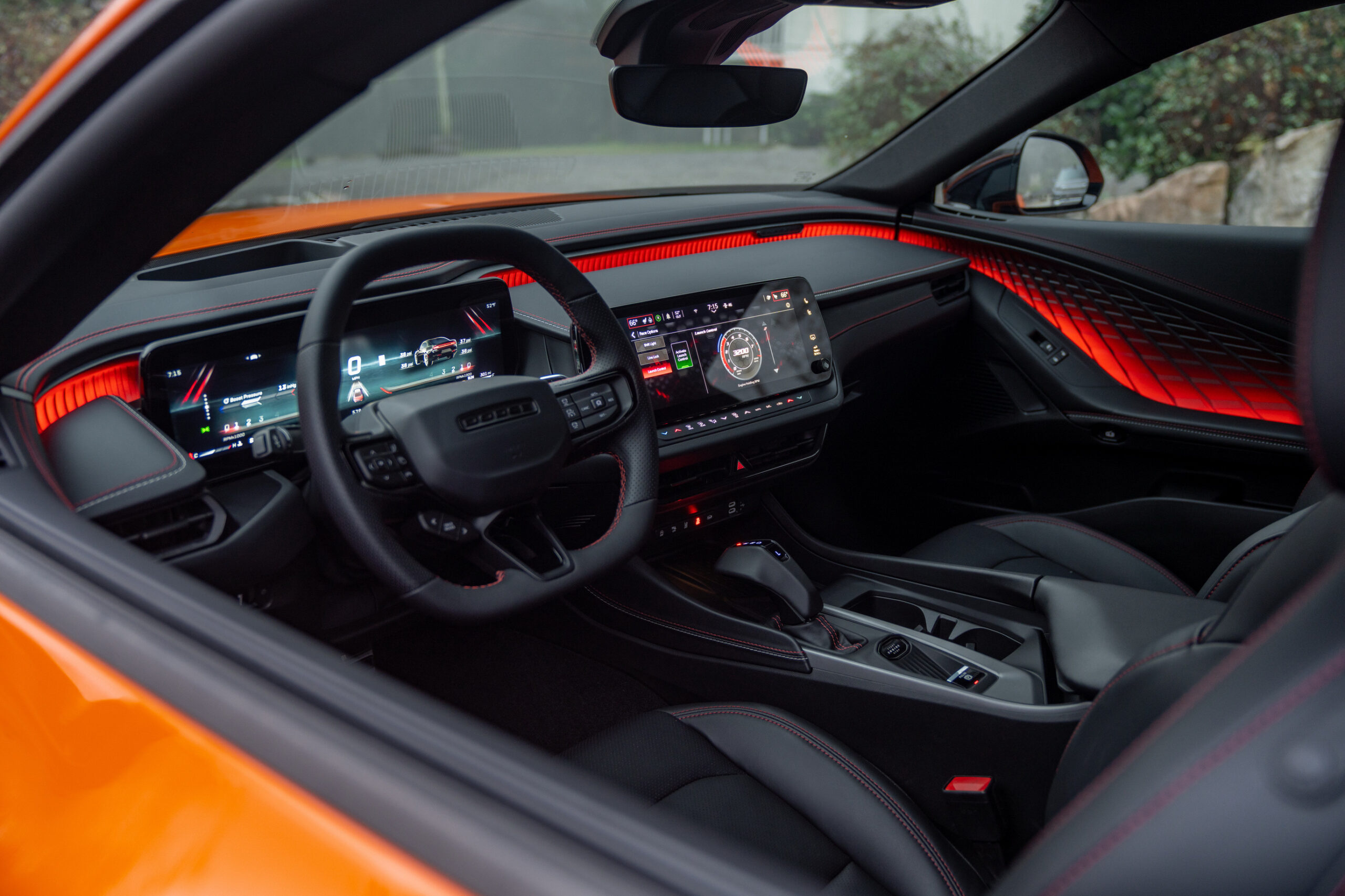
These Future Supercars From Toyota And Lexus Share DNA But Not A Soul

  • Toyota’s GR GT packs 641 hp and a V8 with driver-focused tuning.
  • Lexus’ electric LFA successor shares its core structure with GR GT.
  • GT3 race version previews Toyota’s return to top-tier competition.

After plenty of waiting, the new Toyota GR GT is here, and so is the return of the Lexus LFA. These two new Japanese supercars might not have shown up in all the ways we expected but one thing is clear: while they’re linked, they’ll have very different personalities from behind the wheel.

Now, a new in-depth video shows us just how Toyota and Lexus made each of their respective cars stand out from the other.

More: Toyota GR GT Looks Like A Batmobile And Hits Like A Supercar

Many might consider the GR GT to be a more faithful successor to the LFA. That’s due heavily to its hybrid V8 engine that makes some 641 horsepower (477 kW). That said, it’s clear that Toyota wasn’t trying to steal the LFA’s thunder when you take a quick look at the finer details.

That’s exactly what Top Gear just offered, with a detailed breakdown of both cars from nose to tail. The GR GT, in particular, leans hard into its driver-first philosophy. Its design is dominated by functional aero, from oversized intercooler openings to a rally-style hood vent that channels air up and over the windshield.

\\\\\\\\\\

Much like the AMG GT or if we go further back in time, the Dodge Viper SRT and its derivatives, the GR GT has a lengthy hood, a small but highly functional cabin, and a squat, wide stance.

Presenter Tom Ford highlights how the driving position communicates intention. The seat height, digital gauge cluster, and steering wheel are all set up for optimal visibility. That’s key because the car has shift lights and vital information there.

The car only has four drive modes, custom, normal, sport, and track. The center control stack features physical buttons and switches. The cupholders are behind the occupants and in the middle because they’re not the focus here.

\\\\\\

Of course, the track-only FIA-compliant GT3 race car version is even more extreme. It gets every bit of roll cage one might expect and then some. The cabin features almost zero creature comforts but what it lacks there it makes up for in naked carbon and switchgear. The spoiler at the rear is as wide as the car itself.

Then, there’s the LFA, and when we say it’s different, it’s not just because the V10 is gone in favor of all-electric propulsion. Ford points out that Lexus took full advantage of the EV powerplant, going as far as to design the exterior with it in mind. As such, the LFA gets almost none of the same venting and aero from the GR GT. It simply doesn’t need it.

\\\\\\\\\\

The lines are more elegant. Take, for example, the hood where long strakes run from the top of the lights to the windshield. Instead of hard edges everywhere, the design is smoother with more compound curves.

That approach carries into the interior, which leans heavily on refinement. The split-cabin layout gives the driver their own space, while the controls are smaller and more delicate, matching the car’s calmer energy.

In short, these two sport models might have a lot of shared DNA, but there’s no doubt that they’ll drive quite differently. In fact, there’s little question that they’ll feel different for occupants even when they’re powered down.

China’s First-Time Buyers Just Flipped The Script On What Cars They Want

  • Nearly half of new buyers are leaning toward a single drivetrain.
  • Overall demand shows a striking shift compared to early 2024.
  • Traditional engines still draw attention despite market changes.

China’s electric vehicle market isn’t just growing, it’s evolving faster than most can process. With new models rolling out at breakneck speed, the country’s automakers aren’t simply keeping pace with global trends, they’re driving them.

And they’re not building EVs in a vacuum either. Domestic demand, especially among younger and first-time buyers, is pushing the shift forward.

Read: Forget EVs, China’s Dumping Millions Of Gas Cars On The Rest Of The World

It turns out, more of these buyers are now leaning electric than ever before. A recent study conducted by Bloomberg Intelligence has revealed that 47 percent of prospective first-car buyers in the country plan to buy an EV within the next 12 months. This represents a massive spike from the 25 percent in February.

Widen the scope to include all prospective car buyers in the country, and the trend holds. A full 52 percent now say they intend to make their next vehicle an EV, compared to 34 percent back in both February and March 2024.

 China’s First-Time Buyers Just Flipped The Script On What Cars They Want

Interest in extended-range EVs, those that offer additional miles from an onboard generator or similar tech, is also gaining ground. As of the latest figures, 8 percent of surveyed buyers said they’d consider one for their next purchase.

Interestingly, the Bloomberg survey also found that plug-in hybrids are losing ground fast. Just 12 percent of respondents now say they’re considering one for their next car, a steep drop from 23 percent in February.

Conventional hybrids have slipped even further. Once viewed as a sensible middle option, their share has fallen from 15 percent in February to just 9 percent by November.

Demand for traditional combustion-engine cars hasn’t disappeared though, which comes as somewhat of a surprise. 19 percent said they’d opt for an ICE model for their next car. Admittedly, just 1,000 people participated in the survey, so it’s hard to make definitive conclusions based on this small sample size.

What’s Behind the Surge?

 China’s First-Time Buyers Just Flipped The Script On What Cars They Want
GWM Ora

According to Bloomberg Intelligence analyst Joanna Chen, the competitive prices of EVs in China have contributed to the exceptionally strong demand for them.

“The country beats Europe and the US with battery electric vehicles already reaching price parity versus gasoline cars, while consumers’ strong interests in advanced tech features give local startups and tech giants Huawei Technologies Co. and Xiaomi Corp. stronger edge in the fierce market competition,” she said.

 China’s First-Time Buyers Just Flipped The Script On What Cars They Want

You’ve Got 300 Gas Car Options But Maybe Only One EV Worth Buying, Says Rivian Boss

  • RJ Scaringe says EV demand is hurt by high prices and low choice.
  • Rivian plans to close the gap with its upcoming $45,000 R2 SUV.
  • CEO argues U.S. buyers deserve far more sub-$50k EV choices.

It’s no secret that electric vehicles still carry a steeper price tag than their gas-powered counterparts, and a recent report from COX Automotive puts that gap into sharper focus. In November, the average new car cost $49,814, while the average electric vehicle rang in at $58,638.

Now, Rivian CEO RJ Scaringe is calling out this price discrepancy, along with the lack of variety in the USA, as one of the two main reasons behind the lackluster demand for all-electric vehicles.

More: Ford CEO Hints At Affordable RWD Performance Sedan

Speaking at Fortune’s Brainstorm AI conference, Scaringe argued that America doesn’t offer anywhere near the variety that buyers in Europe and China enjoy. He especially hit on price point as the reason that EV adoption in the U.S. sits at just 8 percent.

He went as far as to call it a “shocking lack of choice,” while claiming that American buyers have “well under five great choices” near the average new-car price.

 You’ve Got 300 Gas Car Options But Maybe Only One EV Worth Buying, Says Rivian Boss

Somewhat surprisingly, he cited Tesla as the automaker with the only truly compelling EVs under $50,000. The Model Y is available for under $50,000, and the Model 3 starts below $40,000.

“And that’s not a reflection of a healthy market with lots of choice,” Scaringe said. “If you think of it as a consumer, you have 300 different internal combustion engine choices at that price or lower, and you have maybe one highly compelling EV choice.”

Of course, the CEO didn’t miss the opportunity to tout his brand’s upcoming R2, an SUV with a target starting price of $45,000.

While American EV buyers wait for more options, rivals overseas are battling in crowded markets. Europe offers a flood of choices from Volkswagen, BMW, Mercedes, and a growing list of Chinese imports.

China itself remains the most competitive EV battleground in the world, where BYD, Nio, Xpeng, Leapmotor, and even newcomer Xiaomi are fighting tooth-and-nail for market share.

To that end, Scaringe aligned himself with the Trump administration in pushing to bring more manufacturing back to the U.S. He believes it’ll help domestic brands to scale EV supply and ultimately lower costs. Now, we wait to see if he’s right.

 You’ve Got 300 Gas Car Options But Maybe Only One EV Worth Buying, Says Rivian Boss

Stephen Rivers for Carscoops

Bugatti’s Mystery Model May Rely On A Solid State Battery You’ve Never Heard Of

  • The solid-state cell offers 20 to 30 percent more density.
  • Bugatti’s next model may debut with the new battery tech.
  • Rimac also supplies batteries and e-axles to other brands.

Compared to some of the battery juggernauts in China and South Korea, Rimac Technology is still a relatively small player. But that hasn’t stopped it from pursuing next-generation EV tech and among its most ambitious efforts is a solid-state battery project that could power a future Bugatti model due within the next five years.

Read: Rimac Wants To Buy Porsche Out Of Bugatti

Rimac Technology became a standalone engineering firm in 2022, spun off from the Croatian carmaker to focus on supplying electric components to third-party manufacturers.

Behind the Battery Development

 Bugatti’s Mystery Model May Rely On A Solid State Battery You’ve Never Heard Of

According to chief operating officer Nurdin Pitarevic, the company is now working with composite material specialists from Mitsubishi and solid-state cell developer ProLogium to bring its new battery to life.

The prototype battery in question is a 100 kWh pack that weighs 30 kg (66 lbs) less than a typical equivalent. Rimac says it delivers 20 to 30 percent more energy density than traditional batteries, with the long-term goal of reaching price parity with conventional NMC cells by 2035.

Speaking with Autocar, Pitarevic revealed that testing of the new batteries will start soon and hinted at them being used in a mid-volume production model from Bugatti in 2030.

Details about the new Bugatti model are few and far between, but it would likely be the company’s long-awaited car to sit alongside the Tourbillon, rather than a special version of that V16-powered monster.

Rimac’s e-Axles

 Bugatti’s Mystery Model May Rely On A Solid State Battery You’ve Never Heard Of

It’s not just advanced batteries that Rimac Technology is developing. New e-axles that combine electric motors, gearboxes, and electronics into a single package are also in the works, being flexible enough to be used for front-, rear-, and all-wheel-drive models.

They can also be specced to deliver between 200 hp and 470 hp, making them suitable for a broad range of performance models. Porsche and BMW are among the automakers currently sourcing e-axles from Rimac.

A Saudi startup called Ceer, developed in partnership with Foxconn Technology Group, is also on board. Ceer’s upcoming SUV will feature a Rimac rear e-axle with output comparable to the 1,288 horsepower rear motor in the Rimac Nevera, yet the unit weighs only 132 kg (291 lbs), a full 66 kg (145 lbs) lighter than the Nevera’s setup.

Rimac is also working on a smaller e-axle, weighing just 48 kg (106 lbs), with a projected output of 500 horsepower.

 Bugatti’s Mystery Model May Rely On A Solid State Battery You’ve Never Heard Of

Source: Autocar

Tennessee School Bus Bursts Into Flames Moments After Children Evacuated

A terrifying incident unfolded when a Dickson County School District bus burst into flames along Highway 49 East, forcing a quick evacuation of the children on board, reported WKRN.

The Dickson County Sheriff’s Office said the school bus driver noticed smoke coming from his dashboard Dec. 3 and immediately pulled into the lot of a gas station. Within moments of the evacuation, the bus became fully engulfed in flames.

The school bus driver is in his first year on the job and is being called a hero for saving the lives of the 38 students on board a the time.

“I was the first one to get off the bus because I was scared it was going to blow up,” said Asher Winters, a second-grade student at Charlotte Elementary School who was riding the bus, to local news reporters.

His younger sister, Penelope Winters, a first-grader at the same school, proudly told the reporters she “saved everyone because I told the bus driver it was happening.”

According to the news report, fire crews from the Harpeth Ridge Volunteer Fire Department responded swiftly and extinguished the blaze. Officials confirmed that no injuries were reported. Images taken after the fire reveal the charred shell of the vehicle, which authorities say is a total loss.

The cause of the fire remains under investigation. The school bus was a spare as the driver’s normal bus was in the shop that day. A spokesman for the Tennessee Highway Patrol said the bus that caught fire had been inspected in August.

“Wednesday’s bus fire could have ended tragically, but it didn’t because of the bus driver,” added Maj. Travis Plotzer. “He saw danger, he acted fast, and he got every student off the bus before anyone got hurt. His quick thinking and being calm under pressure saved lives, without a doubt. What he did was brave and professional, and he did exactly what we’d hope for in a moment like that.”


Related: California Student Honored for Quick Thinking During School Bus Fire
Related: Missouri Students Learn School Bus, Fire Safety During Back-to-School Bash
Related: North Texas School Bus Engine Catches Fire, Students Evacuated Safely
Related: California Farmworkers Hailed as Heroes After Rescuing 20 Children from Burning School Bus

The post Tennessee School Bus Bursts Into Flames Moments After Children Evacuated appeared first on School Transportation News.

EU Quietly Plans New Car Class That Could See Prices Drop To €15,000

  • EU is reportedly considering stripped down E cars to compete with China.
  • These would reportedly be small, cheap EVs that eschew some safety features.
  • These relatively basic vehicles could cost €15,000 to €20,000, if approved.

According to multiple reports, the European Union is working on a new proposal that would create an “E car” category. These would be small electric vehicles that are less advanced than traditional models.

The details are still in flux, but a draft proposal is expected to be released soon and Nikkei says the “relaxed technical requirements” could help to lower costs for European automakers. This would enable them to better compete with the onslaught of Chinese companies that have invaded Europe.

More: China’s Car Brands Are Quietly Eating Europe’s Lunch

The report suggests a number of currently mandated safety systems could be removed from E vehicles. This could include things like drowsiness detection systems that are designed for use on long distance trips.

If everything pans out, prices of small electric vehicles could drop by 10 percent to 20 percent. This could result in a number of new European EVs priced from €15,000 to €20,000 (equal to around $17,500 to $23,300 at current exchange rates).

 EU Quietly Plans New Car Class That Could See Prices Drop To €15,000

While the size and weight of E cars is still to be determined, the publication suggested that some Japanese kei cars could meet the criteria “without any specification adjustments.” This would be a boon to automakers as they could easily export existing models to Europe.

Automotive World reports Stellantis, Renault, and Volkswagen could be the biggest beneficiaries of the move. The companies already offer small electric vehicles and even more are in the works. However, it remains unclear if these upcoming models would qualify for the category.

It’s also important to note that any changes would likely be a ways off. Following the introduction of the draft proposal, we can expect bureaucracy to take hold and slowly advance the idea. At current estimates, it could be a “few years” before E cars are launched, assuming they get approved in the first place.

 EU Quietly Plans New Car Class That Could See Prices Drop To €15,000

Sources: Automotive World, Nikkei

Chief Engineer Says He Reported A ‘Nazi’ Slur At Lucid, Then Got Fired

  • Eric Bach sues Lucid alleging wrongful firing and discrimination.
  • He says an HR executive called him a “German Nazi” internally.
  • Lucid rejects his claims as absurd amid ongoing executive exits.

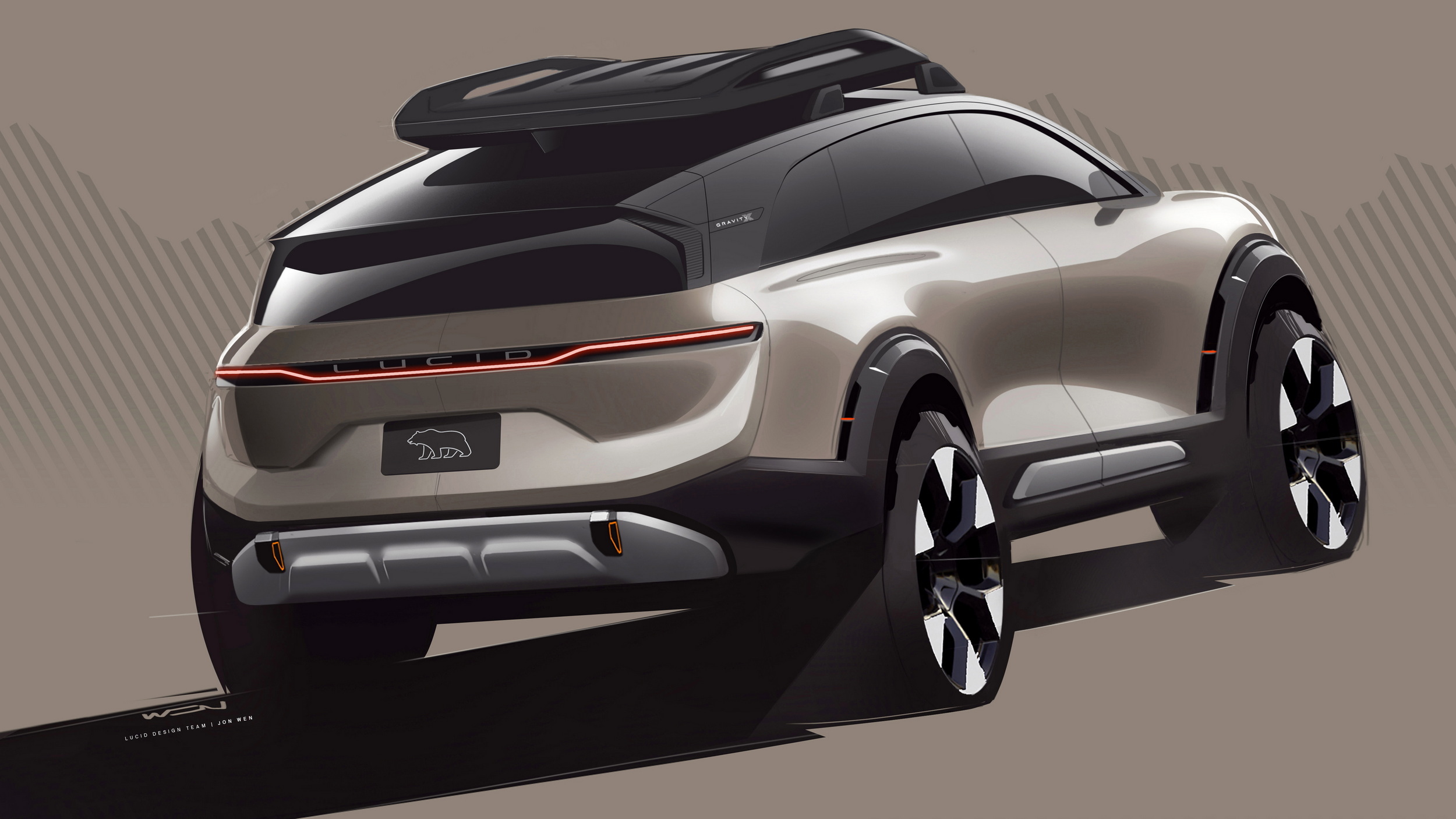
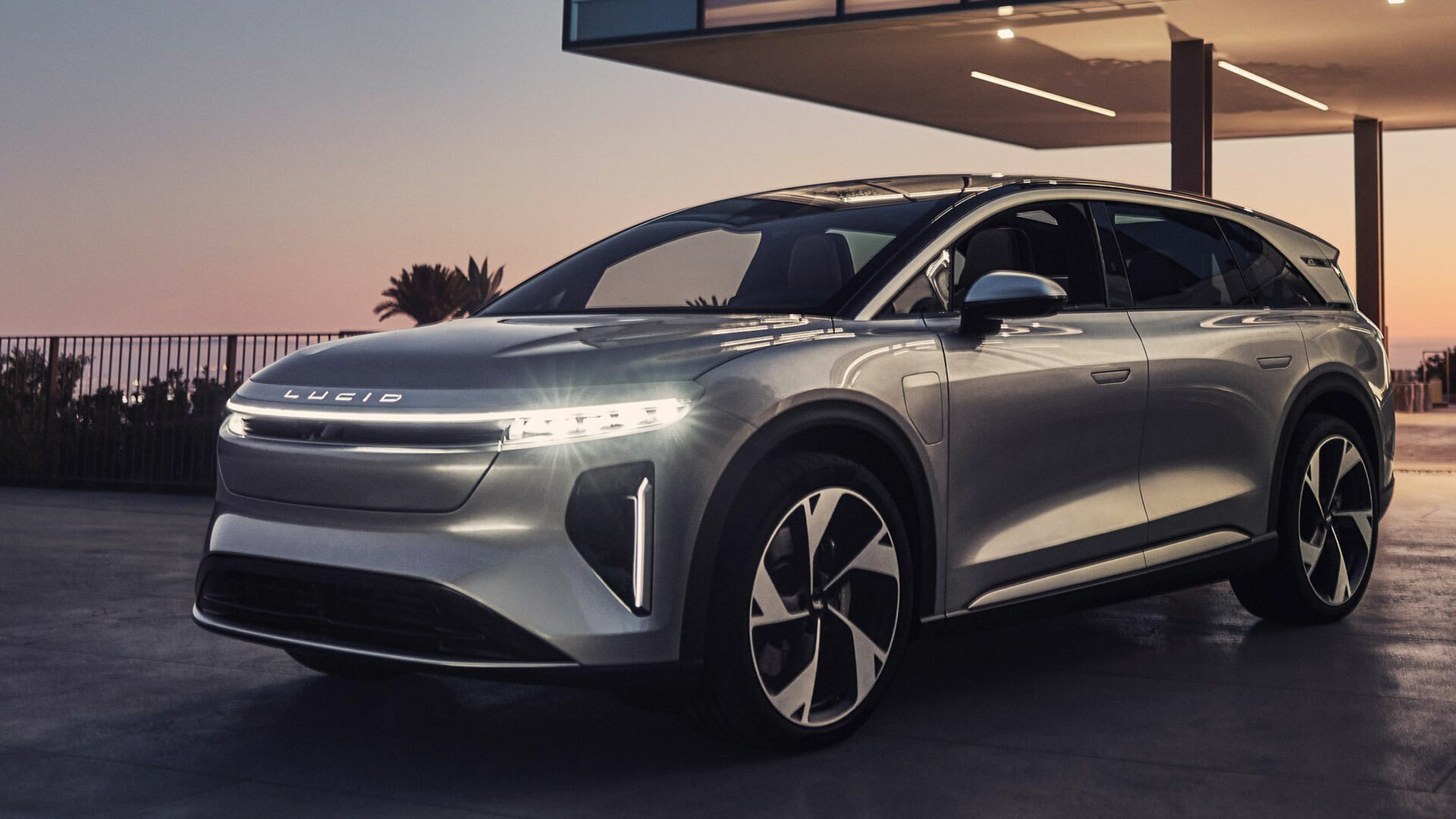
Lucid Motors has plenty on its plate already. Cash burn, slow production ramps, a delayed Gravity SUV launch, and media stories about drivers being shafted with huge repair costs. Now it can add one more thing to the list: a high-profile lawsuit from its former chief engineer that claims a serious lack of harmony at the Newark, CA, HQ.

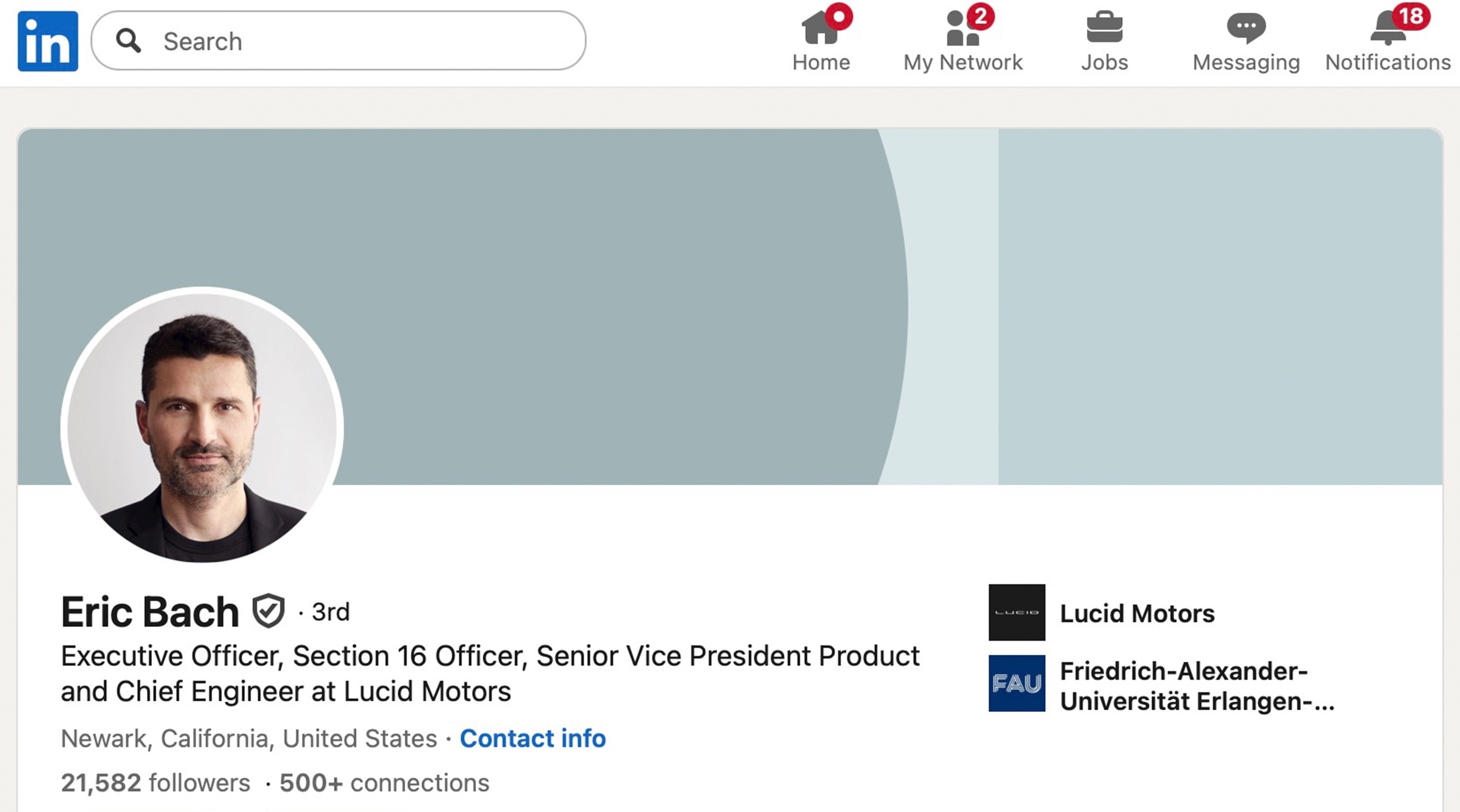
Eric Bach, who spent a decade at Lucid and rose to become Senior Vice President of Product and Chief Engineer, has filed a federal lawsuit alleging wrongful termination, discrimination, and retaliation.

What Sparked the Fallout?

At the center of the complaint is a claim that a senior HR executive referred to him as a “German Nazi” during an internal investigation into workplace culture. Bach was born and raised in Germany and says the remark was deeply offensive and discriminatory.

Also: Spilled Water Bricks Lucid, Repair Costs As Much As A Used Corolla

According to the lawsuit, Bach learned about the comment in mid-2025, months after the start of an HR-led culture probe Bach claims was already “tainted by racist beliefs.”

During that investigation, he says he was stripped of key responsibilities, including oversight of Lucid’s electric powertrain division, and excluded from board meetings.

After encouraging a colleague to report the remark through internal channels, Bach claims Lucid confirmed the comment was made, yet failed to act meaningfully.

Pushed Out

Things escalated from there. Bach says the company began pressuring him to resign in October 2025 before firing him outright on November 5. Lucid’s public statement at the time merely said he had “departed,” offering no hint of the brewing conflict behind the scenes.

 Chief Engineer Says He Reported A ‘Nazi’ Slur At Lucid, Then Got Fired
Linkedin

Lucid, for its part, is having none of it. The automaker issued a blunt response calling Bach’s legal claims “absurd” and says it is confident the facts will show legitimate reasons for his termination.

Company sources have pointed to long-running product delays, quality issues, and execution problems, arguing that leadership restructuring was overdue.

Bach’s responsibilities were partially handed to Emad Dlala, who was promoted to Senior Vice President of Engineering and Digital after Bach’s exit.

Tricky Timing

 Chief Engineer Says He Reported A ‘Nazi’ Slur At Lucid, Then Got Fired

The lawsuit lands at an awkward moment for Lucid. The company is still trying to ramp production of the Gravity SUV while developing a more affordable midsize EV due in late 2026.

Executive turnover has been relentless, with former CEO Peter Rawlinson resigning earlier this year and multiple vice presidents exiting across different strands of the business.

Also: Lucid Teases $50K Mid-Size SUV As It Readies L4 Autonomous Driving

Bach’s complaint paints a very different picture of his standing, citing praise from board members and repeated salary increases, and even suggestions that he was being groomed for a future CTO role.

He’s now requesting damages and a very public jury trial. For a company built on calm luxury, Lucid’s latest saga is anything but serene.

 Chief Engineer Says He Reported A ‘Nazi’ Slur At Lucid, Then Got Fired

Sources: Wigdor, Tech Crunch

Jim Farley Warns Europe It’s Selling Its Future To Chinese Carmakers

  • Jim Farley wants EV rules aligned with real customer demand.
  • Ford’s CEO says Europe’s EV share has stalled at 16 percent.
  • Farley warns Chinese brands could soon dominate the market.

Not long after carmakers caught a break from former US President Donald Trump, who relaxed stringent fuel economy standards, Ford chief executive Jim Farley has written an op-ed urging the European Union to adopt more pragmatic EV targets. Without them, he warns, the region could be swallowed up by fast-moving Chinese entrants.

Read: Ford’s Jim Farley Was “Shocked” After Tearing Down Chinese And Tesla EVs

In a Financial Times op-ed, Farley accuses European policymakers of crafting unrealistic regulations, only to revise them late in the year, creating what he calls a “recipe for turmoil.”

Ford’s CEO argues this approach costs automakers billions in investment by interrupting the “complex cycle of product design, engineering, and supply chains.”

A New Approach is Needed

While speaking in the White House last week, Farley noted that Biden-era policies were unreasonable and not in line with consumer demand. He’s drawn a direct comparison to the situation in Europe, pointing out that EV market share across the EU has stalled at around 16 percent, well short of Brussels’ 25 percent goal for 2025.

“The approach to regulation – mandate it and they will buy it – has failed,” he writes. “We must align carbon targets with actual market adoption and provide automakers with a realistic and reliable 10-year horizon. This includes giving consumers the option to drive hybrid vehicles for longer, bridging the gap rather than forcing a leap to EVs they aren’t ready to take.”

 Jim Farley Warns Europe It’s Selling Its Future To Chinese Carmakers

Farley also notes that Europe’s automakers have already poured hundreds of billions into electrification. In return, he believes governments need to step up with serious purchase incentives and support for charging infrastructure that goes well beyond affluent urban neighborhoods.

China Looms Large

The Blue Oval’s boss isn’t just concerned with government policy. He’s also keeping a close eye on the momentum of Chinese automakers. With massive overcapacity and a strong foothold in battery tech, China is now in a position to flood the European market. Over the past year alone, Chinese EV brands have doubled their market share in the region.

“EU vehicle production is now 3mn units below pre-Covid levels,” Farley notes. “Plants are going dark. In 2024 alone, 90,000 jobs in the automotive industry evaporated. These are the kinds of jobs that sustain European social stability”.

This isn’t a hypothetical threat. Farley argues that a combination of subsidized Chinese EVs and rigid carbon mandates could upend the local industry faster than policymakers anticipate.

“To be clear, the industry is not asking for a bailout,” he adds. “We are not asking for protectionism to shield inefficiency. At Ford, we will continue to do the hard work of restructuring. We have closed legacy facilities, reduced our workforce and slimmed down costs to become more agile….But if Europe wants to avoid becoming a museum of 20th-century manufacturing, we need an urgent reset and a long-term plan.”

“This is not a transition,” he warns. “It’s more like a wind-down of Europe’s automotive industry.”
Without immediate course correction, Farley argues, Europe’s industrial backbone could slip into long-term decline.

 Jim Farley Warns Europe It’s Selling Its Future To Chinese Carmakers

Source: Financial Times

6-Year-Old Fatally Injured by Oklahoma City School Bus

A 6-year-old boy was killed after being struck by an Oklahoma City Public Schools bus near his elementary campus, reported The Oklahoman News.

Authorities reportedly identified the child as Adrian Salgado, a first-grade student at Fillmore Elementary School. He died Dec. 4 at OU Health after being transported from the scene of the crash.

According to the news report, the incident occurred the previous day at 3:15 p.m., as Salgado and two friends were walking home from school. The children were heading east on the south side of SW 51st Street, when they approached Douglas Avenue. Investigators report that an OKCPS bus traveling in the same direction had stopped at a stop sign before attempting to turn south onto Douglas.

As the bus began its turn, two of the children stopped at the corner, but Salgado attempted to run across the street. The side of the bus struck him, knocking him to the ground, where he was run over by the rear wheels. Salgado was reportedly rushed to the Oklahoma University Medical Center, where he was pronounced dead.

“Our thoughts are with the student’s family, loved ones, the first responders and our entire Fillmore community as we grieve this tremendous loss,” the district said via the report. OKCPS added that counselors and support staff will be available on campus to assist students and staff beginning Thursday.

The district also thanked first responders for their rapid actions and said it would work closely with law enforcement as the investigation continues.


Related: 4-Year-Old Girl Killed After Being Struck by School Bus in New York
Related: Louisiana Boy Waiting for School Bus Allegedly Killed by Impaired Grandmother
Related: Louisiana Student Struck and Killed by School Bus
Related: Massachusetts Student Struck, Killed by School Bus

The post 6-Year-Old Fatally Injured by Oklahoma City School Bus appeared first on School Transportation News.
EV Buyers Just Got A Huge Break In Germany That Lasts Ten Years

  • New EVs in Germany now qualify for long-term tax exemptions.
  • All but one political party voted in favor of the new program.
  • Purchase incentives will also return starting January 1, 2026.

About two years ago, Germany scrapped a key set of electric vehicle subsidies, only to find out just how dependent its EV market had become on them. The drop-off in sales was sharp enough to prompt a policy reversal.

Now, not only are purchase incentives making a comeback from January 1, 2026, but a generous tax break is being extended for another five years.

Read: Germany Brings Back EV Incentives To Save Its Auto Industry

It’s been confirmed that any new electric vehicle registered in Germany will be exempt from motor vehicle tax through December 31, 2035. Lawmakers have agreed to keep the registration window open until the end of 2030, meaning any EV signed off before that deadline will enjoy the full exemption through to the end of 2035.

According to Manager Magazin, the original tax exemption had been set to expire at the close of this year. The extension received broad support across parliament, with every party backing it, except for the right-wing AfD.

According to Stefan Korbach, a member of the federal parliament, the tax break is intended to encourage more people to enter the EV market while also supporting Germany’s automotive sector at large.

Purchase Incentives Return

 EV Buyers Just Got A Huge Break In Germany That Lasts Ten Years

The return of the tax exemption isn’t the only policy lever being pulled to revive electric vehicle demand. As noted, the federal government plans to reintroduce purchase incentives starting in 2026, with a focus on helping lower- and middle-income households afford new EVs.

The program will provide incentives of up to €4,000 ($4,660) toward the purchase of a new EV priced under €45,000 ($52,400), a significant reduction from the previous scheme, which allowed for vehicles up to €65,000 ($75,700).

Eligibility is expected to be limited to individuals earning less than €45,000 ($52,400) annually, which naturally narrows the pool of potential recipients. It’s worth noting that buyers earning under that threshold may find more breathing room in the used EV market rather than in showrooms.

Between 2016 and 2023, Germany’s earlier EV subsidy initiative disbursed around €10 billion ($11.6 billion) in payments to buyers.

 EV Buyers Just Got A Huge Break In Germany That Lasts Ten Years

Source: Manager Magazin

Pasco County Schools Rolls Out New Cash Incentives to Tackle School Bus Driver Shortage

Facing an ongoing shortage of school bus drivers, Pasco County Schools in Florida is launching a new incentive program aimed at keeping routes covered and getting students to school on time, reported Bay News.

According to the news report, district officials say 49 of the county’s 297 school bus routes currently lack permanent drivers, resulting in some students arriving late to class. To help solve the issue, the district has approved quarterly bonuses designed to boost recruitment and retain current staff.

Beginning this quarter, drivers with strong attendance will receive a $500 bonus. Those who volunteer for designated high-need routes, often in more remote areas, will earn an additional $250 per quarter.

“Our goal is to ensure that every student gets to school on time so that learning can occur,” said Superintendent John Legg.

For veteran driver Lynn Zion-Weick, who came out of retirement four years ago after seeing an ad for the job, said the work is both meaningful and manageable.

“I’m pretty good with kids and I decided to give it a shot,” she said, adding that today’s buses drive “just like a nice car,” helping ease concerns from new recruits.

While she admits learning the engine components was the toughest part of training, she said the role has only grown more rewarding, especially since she now drives children whose grandparents she once attended school with.

With the driver shortage still pressing, the district is ramping up its hiring efforts. Pasco County Schools will host a school bus driver recruitment event on Dec. 11 and is hopeful  the new bonuses will bring more applicants behind the wheel.


Related: New Incentives in Place to Keep Illinois School Bus Drivers Working During Holidays
Related: Dauphin County School District Considers Paying Parents Amid Bus Driver Shortage
Related: Turning School Bus Driver Shortages Into Opportunities
Related: Arizona School District Increases Bus Driver Pay to Help with Shortage

The post Pasco County Schools Rolls Out New Cash Incentives to Tackle School Bus Driver Shortage appeared first on School Transportation News.

GM’s Barra Says Biden’s Fuel Rules Nearly Parked Its Plants For Good

  • GM says strict fuel rules nearly forced it to cut gasoline models.
  • CEO claims compliance pressure could have closed GM plants.
  • Trump rollback eases targets automakers struggled to meet fully.

General Motors CEO Mary Barra recently acknowledged that federal fuel efficiency standards were set so aggressively under the Biden administration that her company would have been forced to scale back production of internal combustion engine vehicles just to stay compliant.

More: GM’s CEO Defended Tesla And Musk To Biden, But The Snub Happened Anyway

Barra shared this during a conversation at a high-profile industry conference hosted by The New York Times, where she discussed the internal pressures major automakers face under the current regulatory environment.

Timing matters, of course, as her comments came shortly after President Donald Trump confirmed that fuel efficiency standards are being rolled back, reducing the pressure on automakers to build EVs and providing them with more flexibility to manufacture and sell more combustion-powered models.

“Had to Start Shutting Down Plants”

 GM’s Barra Says Biden’s Fuel Rules Nearly Parked Its Plants For Good

Under the Biden-era rules, automakers would have been required to reach a fleet-wide fuel economy average of 50 miles per gallon by 2031. According to Bloomberg, achieving that would have meant electric vehicles making up more than half of all sales by that point.

Read: GM CEO Says EV Shift To Happen “Over Decades”

If GM couldn’t meet those benchmarks, and if the administration didn’t revise the rules to reflect market realities, Barra claims that the company would have had little choice but to curtail sales of its gasoline-powered lineup.

She added that internal forecasts indicated the company would have “had to start shutting down plants” if its EV sales didn’t grow quickly enough.

Barra also touched on several other topics with Andrew Ross Sorkin, the interviewer and the founder and editor at large of DealBook. At one point, he asked her about GM flip-flopping in supporting policies during the first Trump administration, again when Joe Biden was elected, and once more after Trump returned to the White House in January.

Bending The Knee Or Business As Usual?

Barra responded by framing GM’s approach as pragmatic, not political. The company, she said, wants to build vehicles people want to buy, and it simply has to work within the regulatory frameworks set by whoever is in office.

Also: Ford’s CEO Applauds Trump’s CAFE Rollback, Says They Were Forced Into EVs

Now, thanks to the rollback of CAFE standards, it will have the freedom to better manufacturer vehicles based on what their customers want, rather than simply what they must build to meet regulatory requirements.

How this will impact the American car industry remains to be seen, but if those rules remain in place in the future, we don’t expect to see EVs accounting for a significant share of the market any time soon.

 GM’s Barra Says Biden’s Fuel Rules Nearly Parked Its Plants For Good

Trump Just Made It Clear Who’s Paying For Detroit’s EV Investments

  • Trump refuses to repay automakers for EV-related spending.
  • Rollback removes key EV incentives from future planning.
  • Ford and GM support looser fuel economy requirements.

The Trump administration is rolling back fuel-economy standards in the United States, encouraging car manufacturers to build more combustion-powered vehicles and reducing their impetus to build EVs. It’s a move that’s been a long time coming.

While companies like Ford, Stellantis, and GM have thrown their support behind the new “common sense” rules, they shouldn’t expect any handouts from the government to offset the billions they invested in EVs under Biden-era regulations.

Read: Trump Admin Pushes Fuel Economy Shakeup And The Impact Could Be Huge

During the recent CAFE standards announcement at the White House, a reporter from the Detroit Free Press asked President Trump whether automakers deserved compensation for those investments, given that they were made under policies assuming continued federal support for EV sales.

“No, I’m not doing it,” President Trump quickly replied, triggering laughter among those standing behind the Resolute Desk. “Nope, no, I’m not letting them recoup, they’re going to do just fine. You know how they recoup? From this point forward they’ll do very well.”

During the same presentation, the President suggested that thanks to his controversial tariffs, Stellantis, Ford, and GM are all coming back to the United States.

“The people that are up here from Stellantis and Ford and General Motors, great companies … they wouldn’t be here today if we didn’t have tariffs,” Trump claimed.

“They’d be building their plants in Mexico and other places. They’re leaving Mexico and they’re leaving Canada. They’re leaving because they ripped off our country, they took our businesses away from us. And now because of tariffs they’re all coming back, so it’s a great thing,” the president added.

Ford CEO Thrilled With Changes

According to Ford chief executive Jim Farley, previous CAFE standards “was totally out of touch with market reality,” claiming that “we were forced to sell EVs and other vehicles.”

More: Ford’s CEO Applauds Trump’s CAFE Rollback, Says They Were Forced Into EVs

He noted that Ford wants to give customers the freedom to choose, noting “we have a lot of EVs and a lot of hybrids at Ford, but now customers get a chance to choose what they want, not by what we force on them.”

Farley added that the rollback will allow it to “offer more affordability on our popular models, and we’ll be able to launch new vehicles built in America that are more affordable because of this rule change.”

 Trump Just Made It Clear Who’s Paying For Detroit’s EV Investments

Source: Detroit Free Press

South Carolina School Bus Driver Arrested, Charged with Solicitation of a Minor

A Moncks Corner school bus driver is behind bars after being arrested in connection with an Internet Crimes Against Children (ICAC) investigation, reported Live 5 News.

Allan Bladorn, 39, was reportedly taken into custody Nov. 20, after Berkeley County investigators identified him as a suspect during an undercover online operation. The Berkeley County Sheriff’s Office arrested Bladorn and placed a hold on him until he was transferred to Chesterfield County the following day.

According to the news report, authorities confirmed that Bladorn was employed as a public-school bus driver with the Berkeley County School District at the time of his arrest. Investigators seized his cellphone, which will undergo forensic analysis as part of the ongoing case.

Bladorn is currently being held at the Chesterfield County Detention Center, where he awaits a bond hearing. The sheriff’s office stated that the investigation remains active, and that additional charges may be filed as evidence continues to be reviewed.


Related: Missouri Parent Boards School Bus, Tells Child to Assault Another Student
Related: North Carolina School Bus Driver Charged with Sex Crimes Against Students
Related: Maryland School Bus Aid Charged with Sexual Assault
Related:South Carolina School Bus Driver Charged with DUI While Transporting Students

The post South Carolina School Bus Driver Arrested, Charged with Solicitation of a Minor appeared first on School Transportation News.
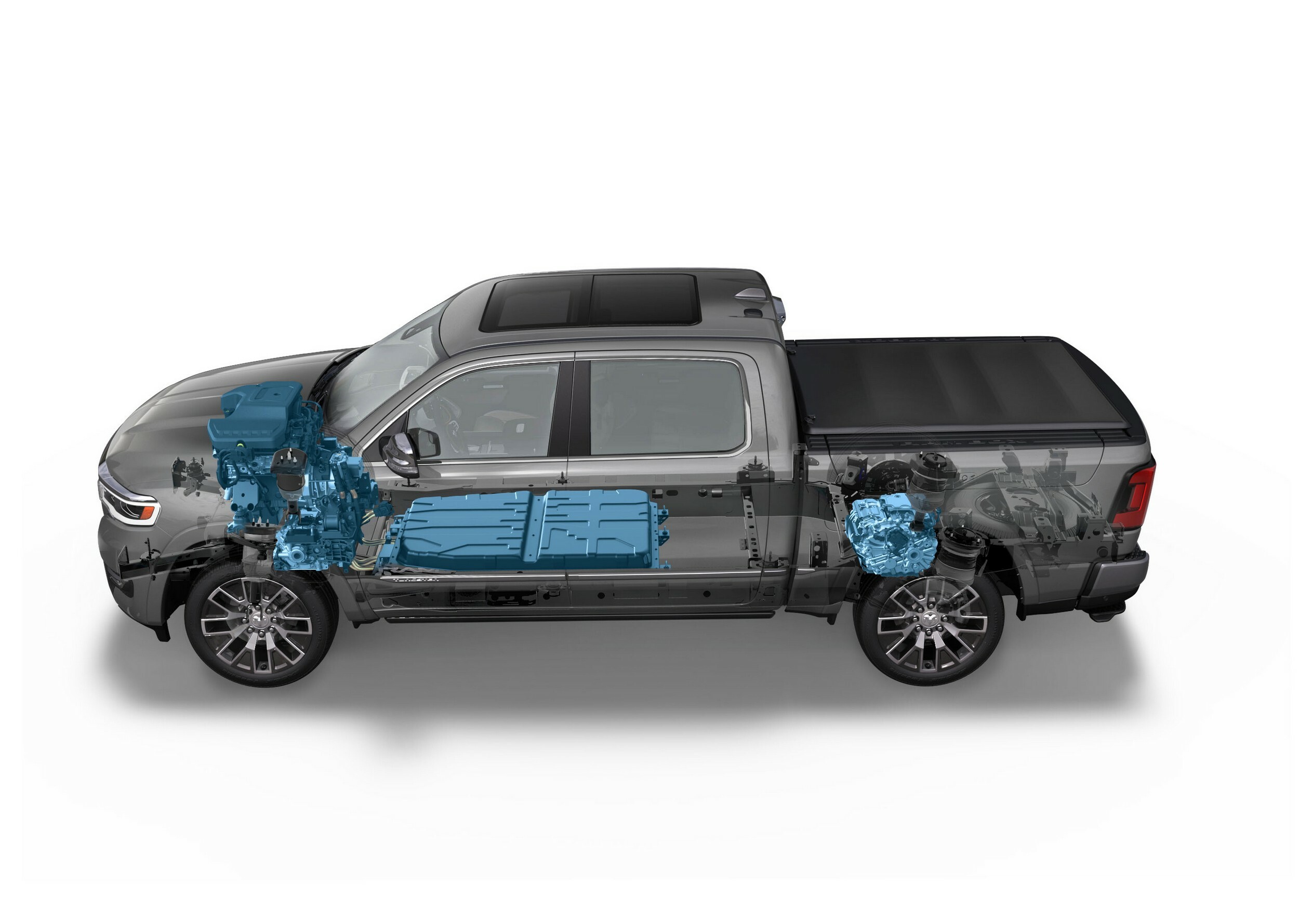
Ford’s CEO Applauds Trump’s CAFE Rollback, Says They Were Forced Into EVs

  • Farley says tougher fuel rules made low cost cars harder to build.
  • Ford expects lower prices as new standards cut compliance costs.
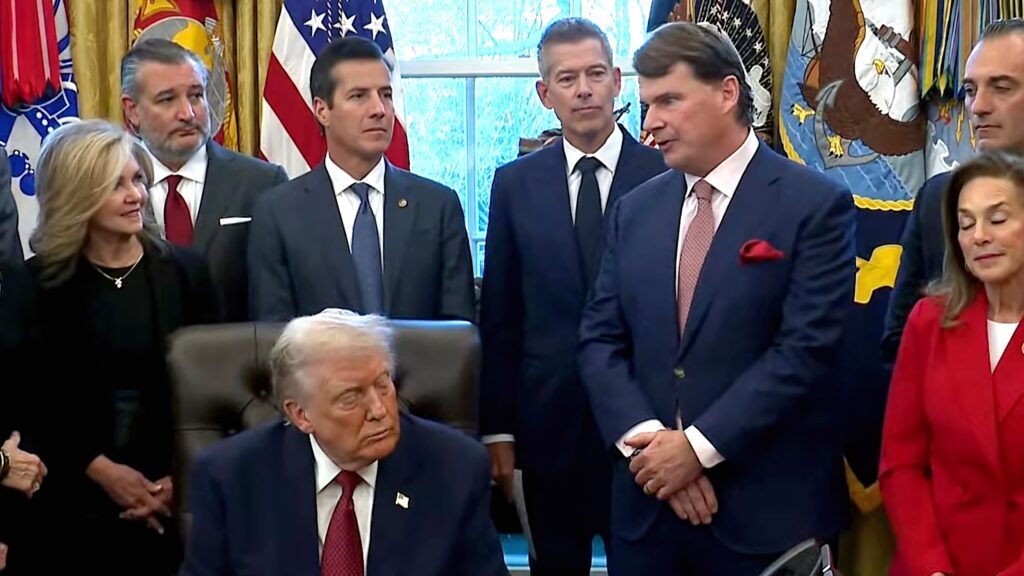
  • The CEO says the reset lets customers choose their preferred models.

Ford CEO Jim Farley has joined several of his American counterparts in supporting the Trump administration’s decision to reset federal fuel-economy standards.

The move, Farley says, gives automakers the breathing room to produce more affordable vehicles in the United States without walking away from electric innovation or efficiency goals.

Farley’s core argument seems to be that regulations were so strict that they effectively squeezed automakers out of the low-cost segments so many buyers still rely on.

Read: Trump Admin Pushes Fuel Economy Shakeup And The Impact Could Be Huge

Speaking at a press conference with President Donald J. Trump on Thursday, Farley called the update “a victory for affordability and common sense,” adding that Ford will now be able to offer cheaper versions of its most popular models and launch new price-focused products.

“We believe that people should be able to make a choice, as you said, Mr. President,” Farley said. “And we will invest more in affordable vehicles. This allows us to invest in affordable vehicles made in the U.S., which we will take the lead on and will allow us to make vehicles more affordable.”

Trump, sitting beside him, said, “People were brainwashed. This is a ‘green new scam.’ And people were paying too much for a car that didn’t work as well. And now they’re gonna have a great car that’s gonna be environmentally friendly, but it’s gonna cost you a lot less and it’s gonna work great. All of the nonsense is being taken out of the cars.”

Political Theater or Market Reality?

Farley stopped short of framing the move as an ideological shift, instead focusing on the economics. He argued that the tightened CAFE standards under the previous administration imposed costs that made entry-level vehicles much harder to justify.

That pressure, he said, pushed automakers toward higher-margin EVs and hybrids simply to meet fleet targets.

“What you should know is that this is a victory for affordability and common sense. As the president said, we will be able to offer more affordability on our popular models, and we’ll be able to launch new vehicles built in America that are more affordable because of this rule change,” Farley said later in an interview on “Fox & Friends” Thursday.

Farley added that the earlier fuel-economy system “was totally out of touch with market reality.” Automakers, he said, were forced to sell EVs and other vehicles to stay compliant, even when customer demand wasn’t there.

“We were forced to sell EVs and other vehicles. We’re not going back to gas-guzzlers,” he continued. “We have a lot of EVs and a lot of hybrids at Ford, but now customers get a chance to choose what they want, not by what we force on them.”

Balancing Choice and Compliance

 Ford’s CEO Applauds Trump’s CAFE Rollback, Says They Were Forced Into EVs

Ford’s CEO also clarified that the company isn’t returning to inefficient gas models, noting it already sells a wide range of EVs and hybrids. GM’s CEO Mary Barra recently made similar comments.

Also: GM’s Mary Barra Promises Cleaner Engines, But Looser Rules Fuel More Gas Guzzlers

The reset rolls back the steep increases introduced under the Biden administration, which raised fuel-economy requirements by 8% for 2024 and 2025 and 10% for 2026. Federal officials previously estimated those rules would add nearly $1,000 to the average new-car price.

By contrast, the new standard lowers compliance costs and, according to the White House, will save American families a combined $109 billion. Now, the market waits to see if automakers really do deliver on their promises of rolling out more affordable models.

Photo Whitehouse/YouTube

GM’s Mary Barra Promises Cleaner Engines, But Looser Rules Fuel More Gas Guzzlers

  • GM vows to keep improving engine efficiency as federal standards weaken.
  • Looser rules may push automakers toward more profitable trucks and SUVs.
  • Barra says GM’s EV commitment stands despite lower sales after credits ended.

This year has been a strange one for automakers, but many of them just caught a break. The EPA effectively wiped out penalties for missing fuel-economy targets, a move that could easily trigger another surge in high-margin full-size trucks and SUVs.

More: Trump Admin Pushes Fuel Economy Shakeup And The Impact Could Be Huge

With less regulatory pressure, engines don’t have to get cleaner or more efficient, yet GM CEO Mary Barra insists the company will keep pushing them in that direction anyway.

She maintains that GM will improve every combustion engine it invests in, no matter what the rulebook says. Whether that commitment holds once the market leans even harder toward big, profitable gas-guzzlers is another matter entirely.

How Long Will Progress Last?

Innovation is no doubt key for all automakers, so the promise of continued development is promising on paper. That’s what Barra provided at the New York Time’s DealBook Summit on Wednesday, saying, “Every engine we invest in, we work to have a significant improvement.”

It seems clear that tougher fuel economy standards have led to huge costs for automakers. A recent report indicates that many of the larger recalls from the past two years can be linked to those standards.

Whether or not GM and other automakers will continue to push fuel economy as hard as they have is a worthy consideration.

What’s the Incentive Now?

For decades, automakers have intentionally steered consumers toward larger SUVs and trucks because they offer the largest profits and require the least stringent fuel economy standards.

Read: GM’s Cheapest American EV Starts With A Chinese Shortcut

It’s unclear why that strategy would change now that the penalties are gone altogether. Still, something positive could come from new regulations in Barra’s eyes.

 GM’s Mary Barra Promises Cleaner Engines, But Looser Rules Fuel More Gas Guzzlers

Barra also supported Trump’s move to strip California of tougher clean-air authority, pushing instead for one national standard that doesn’t “get in front of the consumer.” However, automakers helped create today’s SUV-heavy demand, so that argument only goes so far.

Looser rules also ease pressure on EVs, a convenient shift for GM as sales dip after tax credits expired and its electric lineup remains unprofitable. Barra insists the company is still committed.

She was more positive on tariffs, calling recent policies “a more level playing field” after years of uneven barriers. GM may keep refining engines, but with weaker rules and a market built around giant SUVs, it’s hard to imagine Detroit walking away from its biggest profit margins.

 GM’s Mary Barra Promises Cleaner Engines, But Looser Rules Fuel More Gas Guzzlers

❌