❌

Normal view

There are new articles available, click to refresh the page.
Before yesterdayVehicles

Avatr Is Finally Launching In Europe, Starting With A Sexy Estate

  • Avatr is launching eight models in Europe over the next three years.
  • Three of the first Avatr models will include the 06T, 07L, and T09.
  • Avatr previewed its European line-up with the eye-catching T09 Concept.

Avatr, the Chinese car company that counts Changan and CATL among its major shareholders, has announced it will launch in Europe next year. The company has been planning its European launch for more than three years and says it will first enter Norway and Spain.

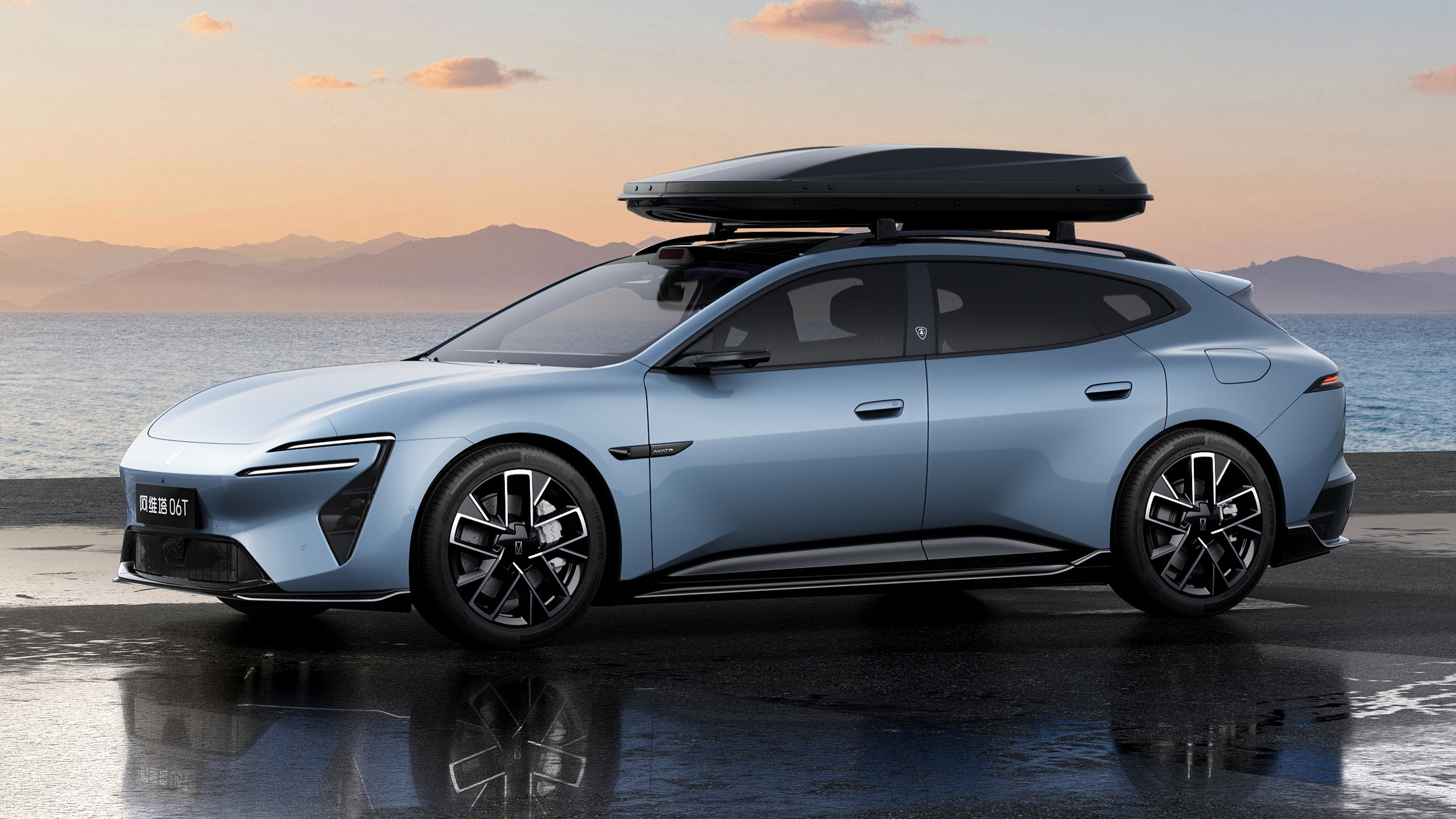
The brand’s impending launch was announced at the Paris Motor Show. It’s working to establish sales, service and partner networks across Norway and Spain, and has confirmed the 06T and 07L will be among the first models it launches. The 06T takes the form of a sleek estate while the 07L is a luxurious SUV, and they will ultimately be joined by six other models over the coming three years.

Read: Avatr’s Electric Wagon Packs Supercar Power And A Backup Gas Engine

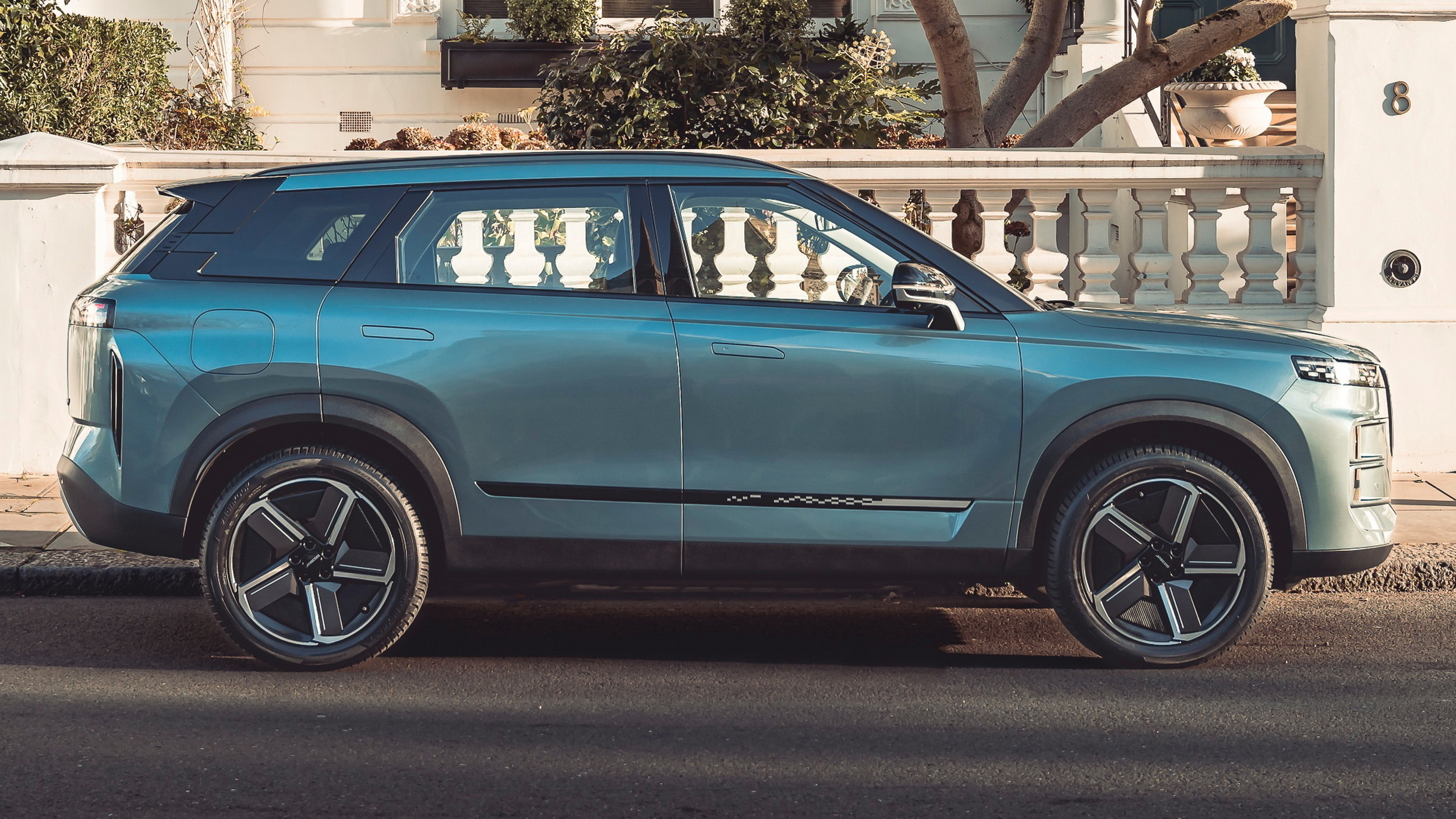
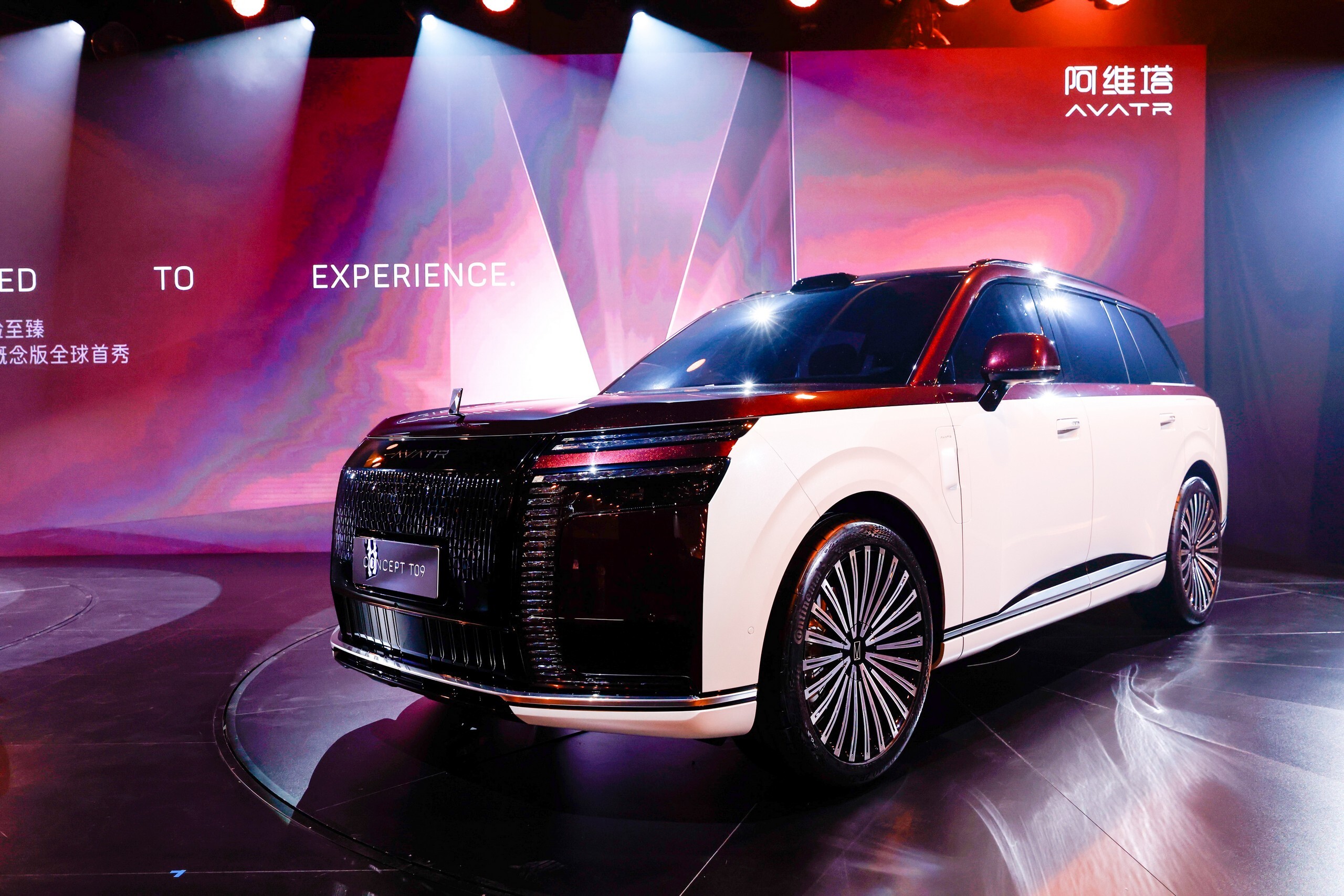
One of these new models will be the Avatr T09. Previewed in Paris with the T09 Concept. It will be a flagship, full-sized SUV designed to rival vehicles like the Li Auto L9, Aito M9, Zeekr 9X, and even models like the Mercedes-Maybach GLS and Rolls-Royce Cullinan.

Big On Luxury
 Avatr Is Finally Launching In Europe, Starting With A Sexy Estate
Avatr T09 Concept

Recent filings made in China have already revealed many key details about the production model. It will be sold as a range-extender EV with options for either a turbocharged 1.5-liter inline-four with 141 horsepower (105 kW), a front motor with 241 hp (180 kW), and electric motors at the rear with 415 hp (310 kW). A turbo 2.0-liter four-cylinder with 201 hp (150 kW), a 241 hp (180 kW) front motor, and a pair of 302 hp (225 kW) rear motors will also be offered. Both versions will launch in China with a 71.24 kWh battery. It’s unclear if the European model will have the same specifications.

While Avatr is only now expanding into Europe, it already has a presence in more than 70 countries and regions and plans to expand to 110 countries by 2030. So far, the Chinese brand has sold more than 280,000 vehicles. Interestingly, Avatr’s global design center is based in Munich, Germany, and designers there work with those at its Shanghai design center to craft models that should appeal to global buyers.
 Avatr Is Finally Launching In Europe, Starting With A Sexy Estate
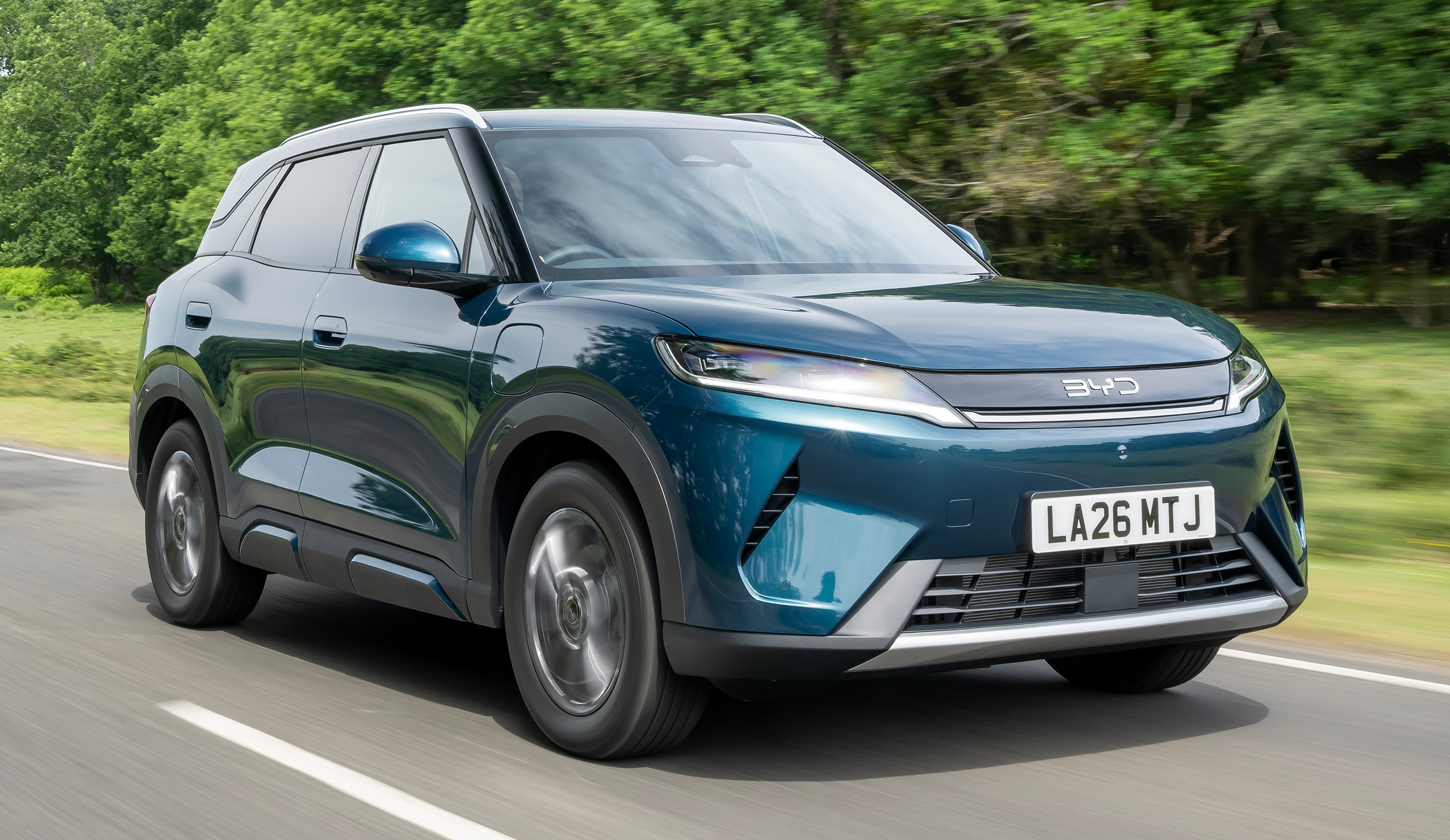
Avatr 06T

Avatr Overseas Business head Justin Li spoke at an event in Paris, and he said: “Avatr has been a global brand from the very beginning. Over the next three years, six models will be launched in Europe spanning mid‑size SUVs, large SUVs and shooting‑brake body styles. In 2027, Norway and Spain will serve as AVATR’s European launch markets, where the AVATR 06T and 07L will make their European debut, officially embarking on a new journey for AVATR in Europe.”

Avatr will work with local dealers and service partners across Europe and provide full-lifecycle support to local buyers thanks to a European spare-parts logistics system and roadside assistance.
\\\\\\\\\\\\\\\\

Tesla Drops ‘Full Self-Driving’ Name For ‘Assisted Driving’ In Europe

  • Tesla has finally dropped the “Full Self-Driving” name, but only in Europe.
  • The company is chasing EU-wide approval for its driver-assistance system.
  • Several European regulators have expressed concern about the FSD name.

For years, Tesla has been criticized for branding its advanced driver-assistance system as “Full Self-Driving.” While FSD is one of the most complex systems of its kind on the market, it doesn’t offer full self-driving in all scenarios, nor does it offer driver-assistance operations that allows the driver to switch off while behind the wheel. Finally, it appears the electric carmaker has recognized the dangers of the name, though not because of a newfound sense of altruism.

Over the last week, Tesla has rebranded Full Self-Driving as “Tesla Assisted Driving” across its European websites, including in Spain, Germany, Sweden, the Netherlands, and other markets. Tesla has also updated its online owner’s manuals in each market to reflect the change.

Read: Belgian Test Finds Tesla FSD Speeding And Trying To Pass Cyclists Illegally

The name change comes roughly six months after Dutch regulator RDW gave Tesla the green light to introduce the Full Self-Driving system following months of secretive testing. In the months after FSD was approved in the Netherlands, seven other countries in the European Union gave the go-ahead for the driver-assistance functions to be introduced across local fleets. These include Croatia, Slovenia, Czechia, Estonia, Lithuania, Denmark, and Belgium. Slovakia is expected to approve the system soon.

Concerns About The FSD Name

 Tesla Drops ‘Full Self-Driving’ Name For ‘Assisted Driving’ In Europe

However, as Reuters reports, safety regulators in several countries have said the Full Self-Driving name was misleading. They have a point. Like Autopilot, the naming of the system could give drivers false confidence that the vehicle can drive itself in all scenarios, and that they no longer need to focus on the road. This comes despite Tesla labeling the system as Full Self-Driving (Supervised) and repeatedly warned customers on its websites and social media accounts that the technology does not make vehicles fully autonomous or replace a human driver.

By changing the system’s name, Tesla has easily and quickly addressed one of the main concerns among regulators. Company boss Elon Musk has been feveriously pushing for EU-wide approval of the system, declaring it as a crucial part of the company’s future.

A vote on the technology was scheduled to take place this month but has since been delayed until December. For the system to be introduced across the entire bloc, a qualified majority of 15 of the EU’s 27 member states must vote in favor of it.

 Tesla Drops ‘Full Self-Driving’ Name For ‘Assisted Driving’ In Europe

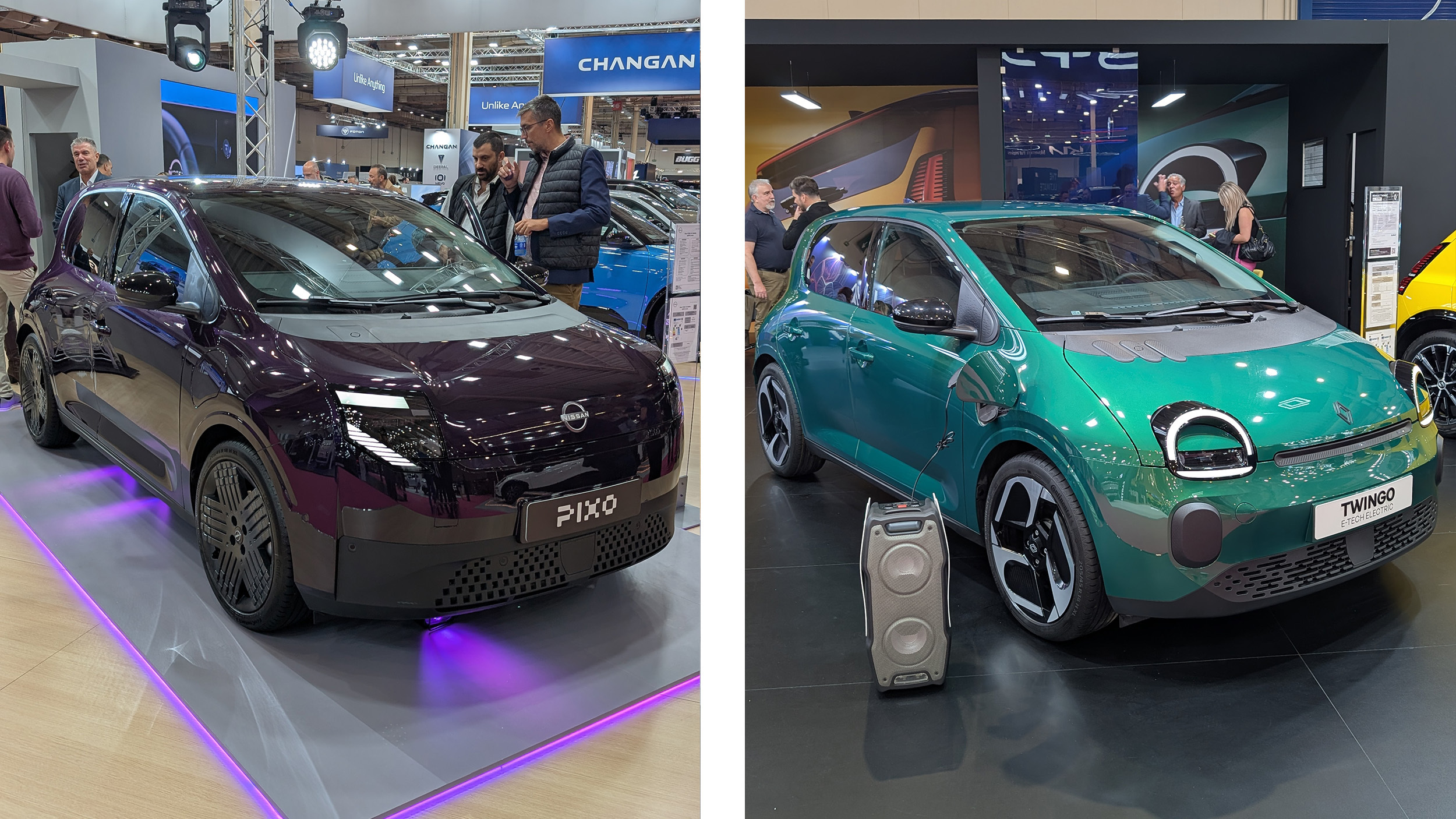
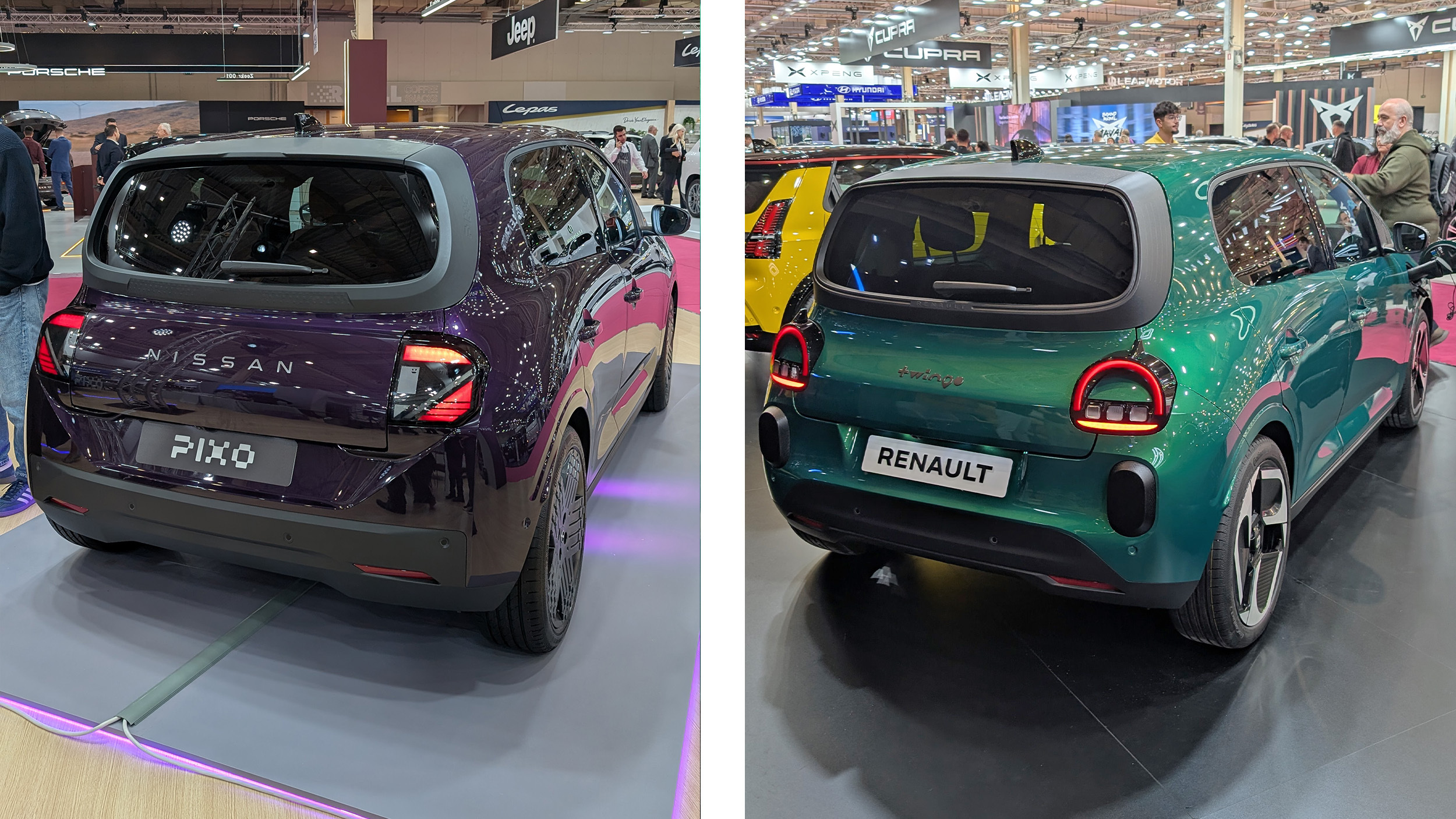
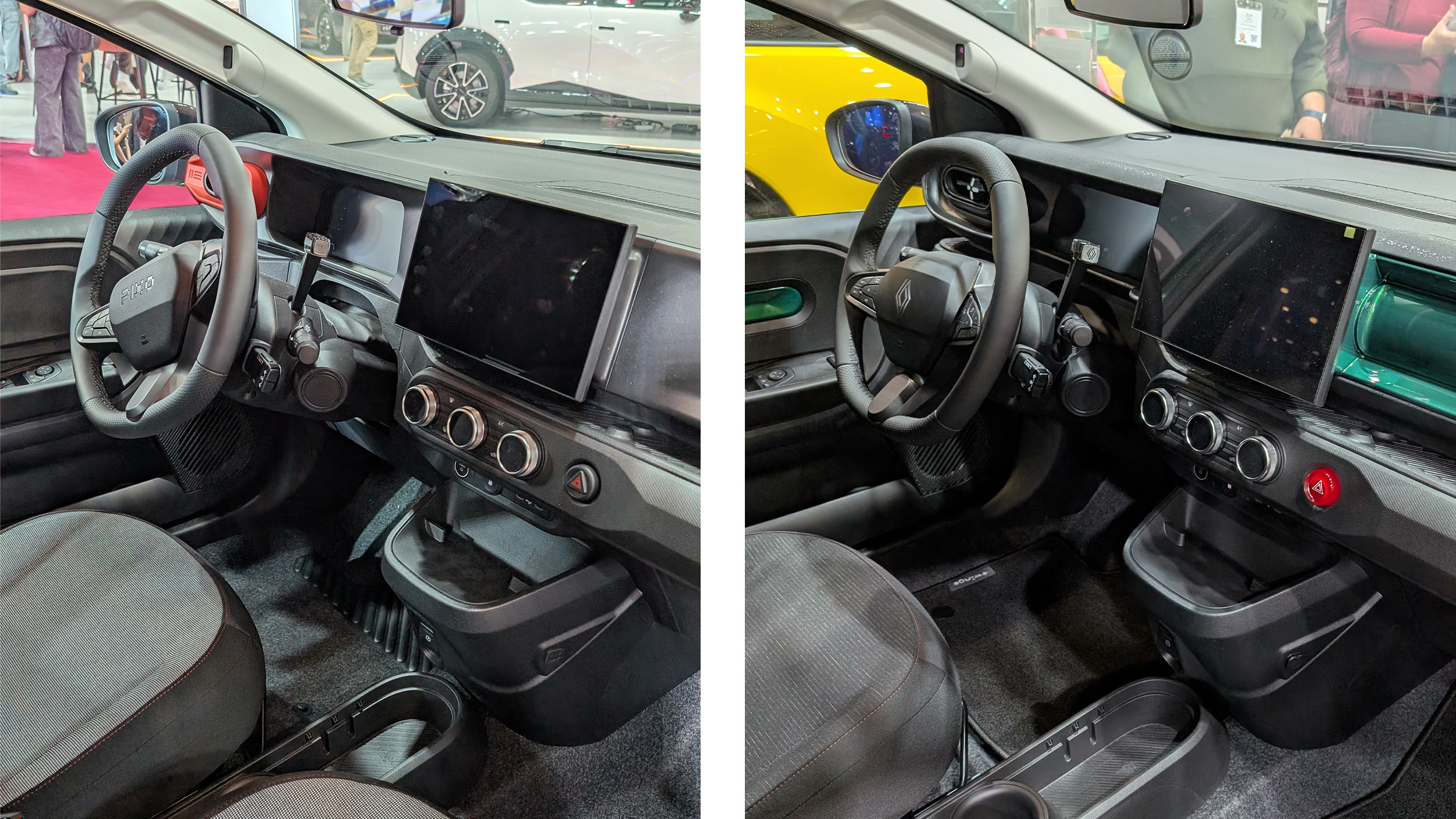
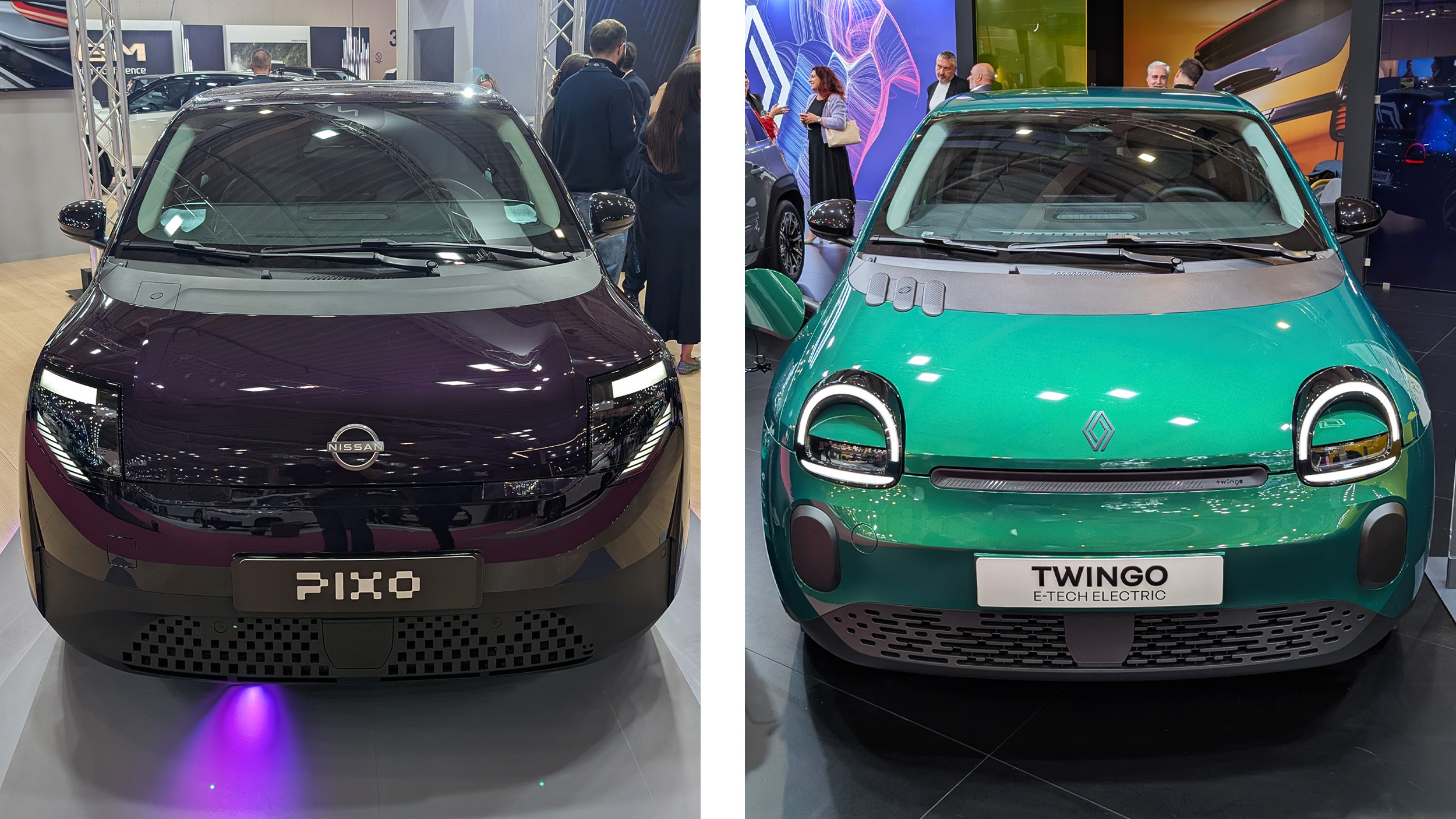
Can Pixels Beat Nostalgia? We Compared Nissan’s New Sub-€20k EV To Its Renault Twin Up Close

  • We checked the Nissan Pixo and Renault Twingo twins up close.
  • Pixelated Japanese styling can’t match Renault’s retro charm.
  • Both share an 81 hp electric motor and a 27.5 kWh battery pack.

The race for affordable urban EVs in Europe has entered high gear, with local automakers trying their best to compete with Chinese imports. Renault revisited the Twingo’s winning formula with its latest A-Segment hatchback, which spawned the closely-related Nissan Pixo and the new Dacia Spring EV.

In addition to the common chassis, battery, and powertrain, the Renault and the Nissan share most of their exterior and interior components. The Dacia is more clearly differentiated. During a recent visit to the Athens Motor Show in Greece, I got the chance to check out the French and Japanese twins up close, examining the efforts of the respective design teams to set them apart.

More: Nissan’s New Entry-Level EV Pixelates The Renault Twingo

Before we dive deep into the differences, it is important to acknowledge that the iconic styling of the Renault Twingo E-Tech effectively made a potential rebadging kind of pointless. For this reason, the Nissan Pixo introduces a bunch of redesigned body panels, trying to mask the inevitable similarities.

Pixelated VS Frog-eyed Face

 Can Pixels Beat Nostalgia? We Compared Nissan’s New Sub-€20k EV To Its Renault Twin Up Close

The first thing Nissan did was to swap the frog-eyed happy-to-meet-you face of the Twingo for a more upright nose. This required new moldings for the bumper, hood, and front fenders. Still, the most notable feature is the squared-off headlights with pixelated LED graphics flanking the grille-less nose. It also has rectangular plastic cladding around the lower bumper intake and a simple access cover on the hood instead of the Twingo’s triple-slot design.

Review: Stellantis Gave Citroen C3 And Fiat Grande Panda The Same Bones, But Not The Same Soul

The profile is shared between the two models, with the exception of the alloy wheels, which measure up to 18 inches in the flagship trims. Nissan has also promised to offer special colors, including the pictured Wonder Purple shade. The restyled bumpers account for the slight size difference, with the Nissan measuring 3,796 mm (149.4 in) or 7 mm (0.3 in) longer than the Renault.

 Can Pixels Beat Nostalgia? We Compared Nissan’s New Sub-€20k EV To Its Renault Twin Up Close

At the back, the rebadging is more obvious despite Nissan’s best efforts and clever references to the K12 generation of the Nissan Micra from 2002. The Twingo’s unique rear glass is hard to ignore, though the plastic garnish around it is different, with textured details and Pixo lettering printed on the side.

More: Are We Entering A New Era Of Badge Engineering?

The squared-off taillights mirror the styling language of the headlights, while integrating a smiley face into their clusters. Those are joined by a Nissan-specific tailgate and rear bumper. The latter lacks the bumper guards of the Twingo, sporting a sculpted license plate holder and simpler cladding.

Identical And Spacious Interior

 Can Pixels Beat Nostalgia? We Compared Nissan’s New Sub-€20k EV To Its Renault Twin Up Close

The interior is largely the same, with differences being limited to certain trim pieces and Easter Eggs. Both EVs have a 7-inch digital instrument cluster and a 10-inch infotainment display with Google built-in. They also share all of the physical controls, switches, stalks, and storage solutions. Still, the Twingo has more colorful accents on the door cards and the dashboard, with the Pixo focusing on the garnish around the climate vents.

More: New Dacia Spring EV Flees From China And Pays The Price

Despite their compact footprint, the models have spacious interiors thanks to their 2,492 mm (98.1 in) wheelbase and the packaging of the EV-dedicated AmpR Small architecture. I was impressed by the ample legroom aided by the rear seats that slide by 170 mm (6.7 in), while being able to recline and fold.

The official cargo capacity rating is up to 360 lt (12.7 cubic feet) in the Renault and up to 356 lt (12.6 cubic feet) in the Nissan. Furthermore, the models have 19 lt (0.7 cubic feet) and 18 lt (0.6 cubic feet) of in-cabin storage, respectively.

Specs, Price, And Rivals

 Can Pixels Beat Nostalgia? We Compared Nissan’s New Sub-€20k EV To Its Renault Twin Up Close

Both models share the same 81 hp (60 kW / 82 PS) front-mounted electric motor and a 27.5 kWh Lithium Iron Phosphate (LFP) battery pack offering 161 miles (259 km) of WLTP range and 50 kW DC charging capability.

More: Nissan’s Smallest Hatch Is Back And It’s Unrecognizable

While Nissan has yet to announce pricing for the Pixo, we can only assume it will be pretty close to its French twin following the example of the larger Renault 5 E-Tech and Nissan Micra siblings. The Renault Twingo E-Tech currently starts from €19,490 ($21,900) in Greece, but the entry figure can drop to €14,990 ($16,800) when you account for the €3,000 ($3,400) state subsidy and the €1,500 ($1,700) scrappage bonus.

The Nissan Pixo and the Renault Twingo E-Tech are manufactured at the Novo Mesto plant in Slovenia, alongside the new Dacia Spring EV. The urban hatchbacks were designed for European and UK markets, targeting budget-friendly rivals such as the Leapmotor T03, the BYD Dolphin Surf, as well as the upcoming VW ID. Up! and Kia EV1. Another threat for the EV siblings is the future Citroen 2CV revival, which is expected to be even cheaper thanks to complying with Europe’s upcoming e-car regulations.

\\\\\\\\

Photos: Thanos Pappas for CarScoops

Chinese Cars Have Taken Over The UK, But They Could Be Hit With Tariffs

  • The UK could tariff cars from China to avoid EU retaliation.
  • Chinese car sales have surged in the UK, in particular for the Jaecoo 7.
  • Last month, Jaecoo’s ‘Temu Range Rover’ was the nation’s best-seller.

Demand for Chinese electric vehicles continues to surge across the UK, but this near-unrelenting growth could soon slow to a crawl. According to a new report, the UK may follow in the footsteps of the European Union and impose tariffs on EVs from China.

The push for tariffs is being led by the EU. Officials have reportedly told British ministers that unless the country hits Chinese vehicles with tariffs, then the UK could be cut out from the ‘Made in Europe’ scheme. If this were to happen, it would make it much more expensive for British car manufacturers to sell vehicles into the EU.

Read: Half Of British Drivers Would Now Buy A Chinese Brand They Couldn’t Name 3 Years Ago

The Sunday Times reports that UK business secretary Jonathan Reynolds has started drafting a package for tariffs in the lead-up to a summit being held between the UK and EU next month. Up until this point, the country has been reluctant to impose tariffs, but as sales of Chinese vehicles have surged, it appears they are now getting ready to act.

Jaecoo Tops Sales Charts

 Chinese Cars Have Taken Over The UK, But They Could Be Hit With Tariffs
Jaecoo 7

A look at recent sales data shows just how much demand there is for Chinese cars in the UK. In September, almost a quarter of all new cars sold in the UK came from China. The nation’s best-seller was the Jaecoo 7 with an extraordinary 10,812 sold last month, allowing it to even outsell the Tesla Model 3.

The Jaecoo 7, often referred to as a ‘Temu Range Rover,’ is sold in the UK with a 1.6-liter turbocharged petrol engine and a 1.5-liter plug-in hybrid. September was the second month this year that it has been a best-seller in the UK. It’s unclear if the UK is weighing up tariffs against combustion-powered models from China, but it’d be wise to do so if it really wants to stop brands like Chery, BYD, and others from taking over local roads.

 Chinese Cars Have Taken Over The UK, But They Could Be Hit With Tariffs

In the EU, EVs from China face tariffs of as much as 45 percent. Chinese brands quickly shifted their focus from EVs to plug-in hybrids after these tariffs were instated. Lawmakers in the bloc are now said to be weighing up the possibility of extending the tariffs to also include hybrids.

It appears British lawmakers are taking threats from the EU seriously. Last week, the Society of Motor Manufacturers and Traders indicated the Made in Europe rules threaten British car production. If this latest report is true, it seems the UK is about to choose sides, and in siding with Europe, it may turn its back on China.

 Chinese Cars Have Taken Over The UK, But They Could Be Hit With Tariffs

BMW Wants To Launch An SUV Above The X7 In The US

  • The German brand wants to capitalize on demand for its SUVs in the US.
  • An X8 could serve as the perfect flagship SUV for the BMW brand.
  • BMW has also confirmed a high-volume EV will launch in Europe in 2028.

BMW sold a record 388,897 vehicles in the United States last year, a solid 4.7 percent increase from the previous year and the third consecutive record year. Not willing to rest on its laurels and bathe in the glory of its sales success, BMW has confirmed it’s considering launching a new flagship model.

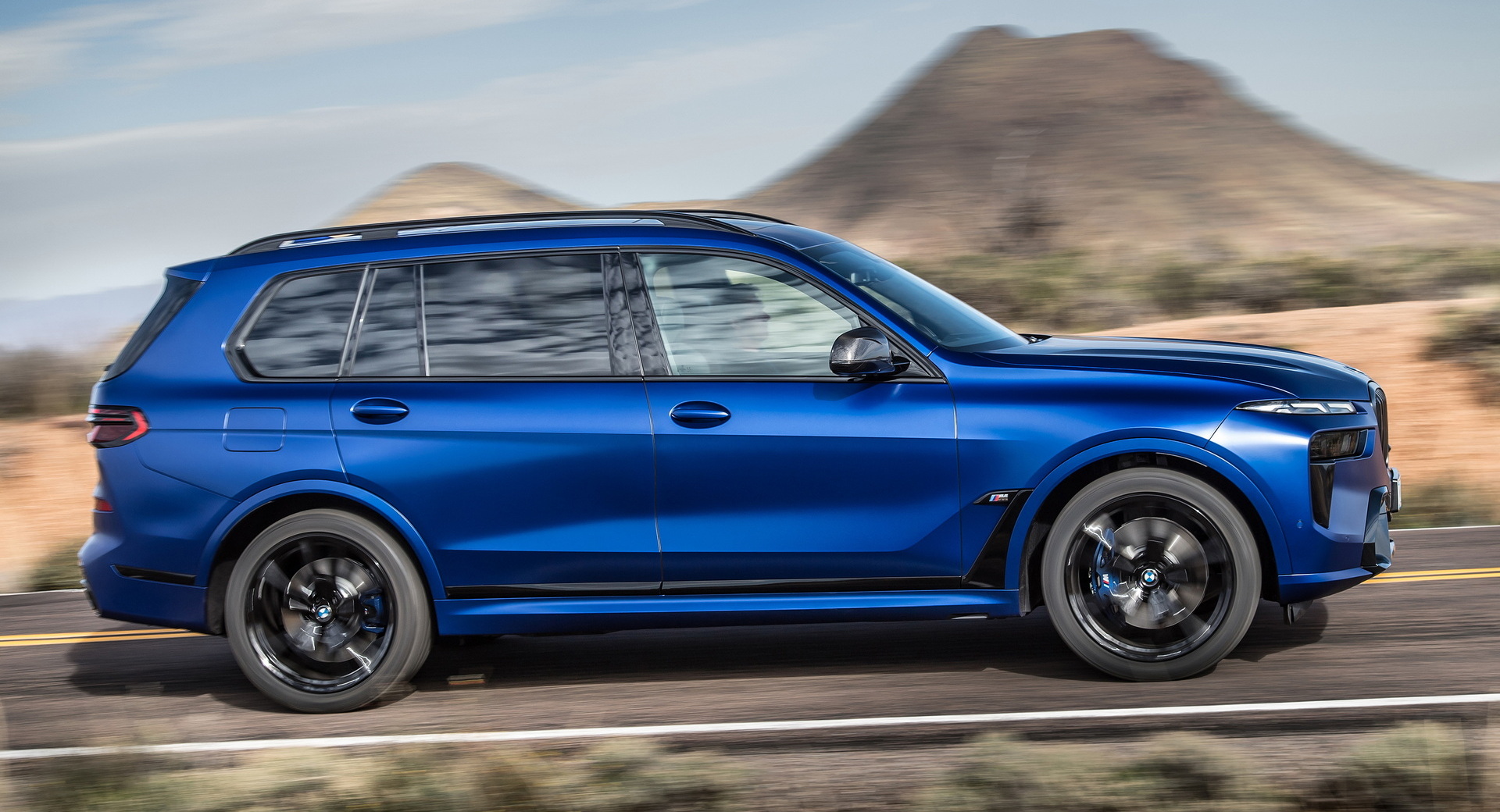
As part of a company-wide update issued this week, BMW announced it is “considering” a new model to sit above the X7 in its line-up of SUVs, or as BMW calls them, Sports Activity Vehicles (SAV).

Read: Two Months Was All BMW’s iX3 Needed To Crack 10,000 Sales In Europe

BMW provided precious few details about this model, other than stating it will “be closely tailored to the needs of the US market.” Presumably that means an X8, a vehicle which has been talked about for almost a decade, but has so far yet to see the light of day.

 BMW Wants To Launch An SUV Above The X7 In The US

Earlier this year, Audi finally launched the Q9, its long-awaited rival to the BMW X7 and Mercedes-Benz GLS. While it now seems possible BMW may release a model even larger than its X7 and punching beyond the Q9, the press release doesn’t specifically state this will be the case, simply noting the new model could sit “above the current top-end model, the BMW X7,” without expressly stating it will be larger. That leaves a lot open to interpretation, including the possibility of perhaps a BMW X7 Coupe, or simply a more luxurious and exclusive variant, perhaps akin to the Mercedes-Maybach GLS.

BMW says it’s considering the new model because of strong demand for its existing SUVs. It says Plant Spartanburg in North Carolina is already operating at full capacity, and the brand is looking for ways to grow global production.

A New Alpina And A New EV For Europe

 BMW Wants To Launch An SUV Above The X7 In The US

A new flagship SUV isn’t the only thing that BMW is working on. In the same announcement, it revealed a new streamlined portfolio plan for China with features that local customers are calling for. By 2030, BMW says it wants 95 percent of the vehicles it sells in China to be built locally.

The first all-new model from the Alpina brand since the BMW takeover is set to launch in the coming year. Few details have been confirmed, other than the fact that it will be based on the 7-Series and designed to slot between regular BMW models and those from Rolls-Royce.

Europe is also going to receive an all-new EV. This model, set to arrive in 2028 and competing in the high-volume entry segment, will serve as the latest model in BMW’s Neue Klasse family, using many of the same technologies as the others. BMW also says that the 2-Series Active Tourer will be phased out and will not be replaced.

 BMW Wants To Launch An SUV Above The X7 In The US

Dacia Is Going To Start Building Its Cute Hipster In China

  • The Dacia Hipster will comply with L7e quadricycle regulations in Europe.
  • Patent images suggest the production model will look just like the concept.
  • The same Chinese plant that built the old Dacia Spring will handle production.

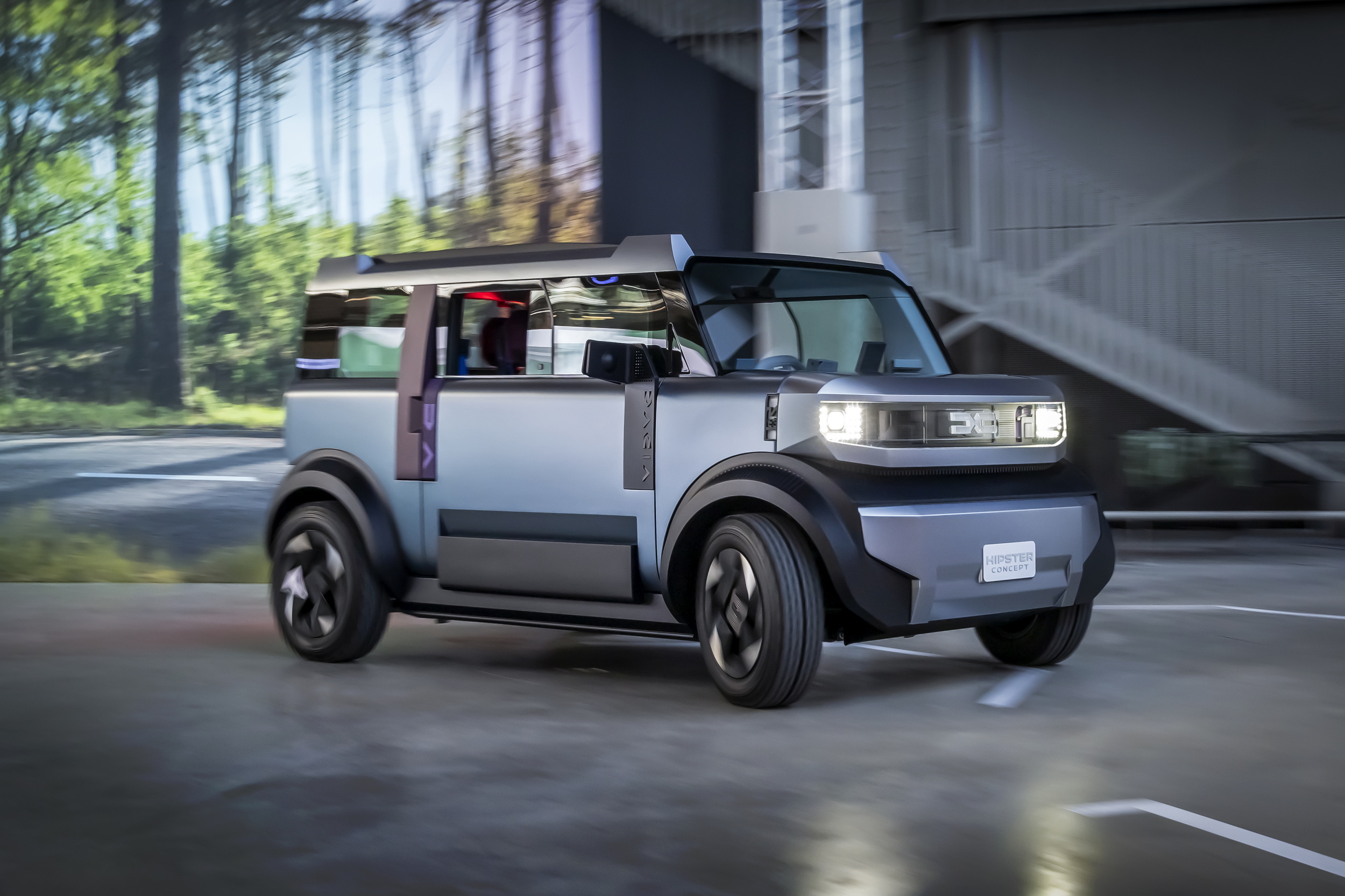
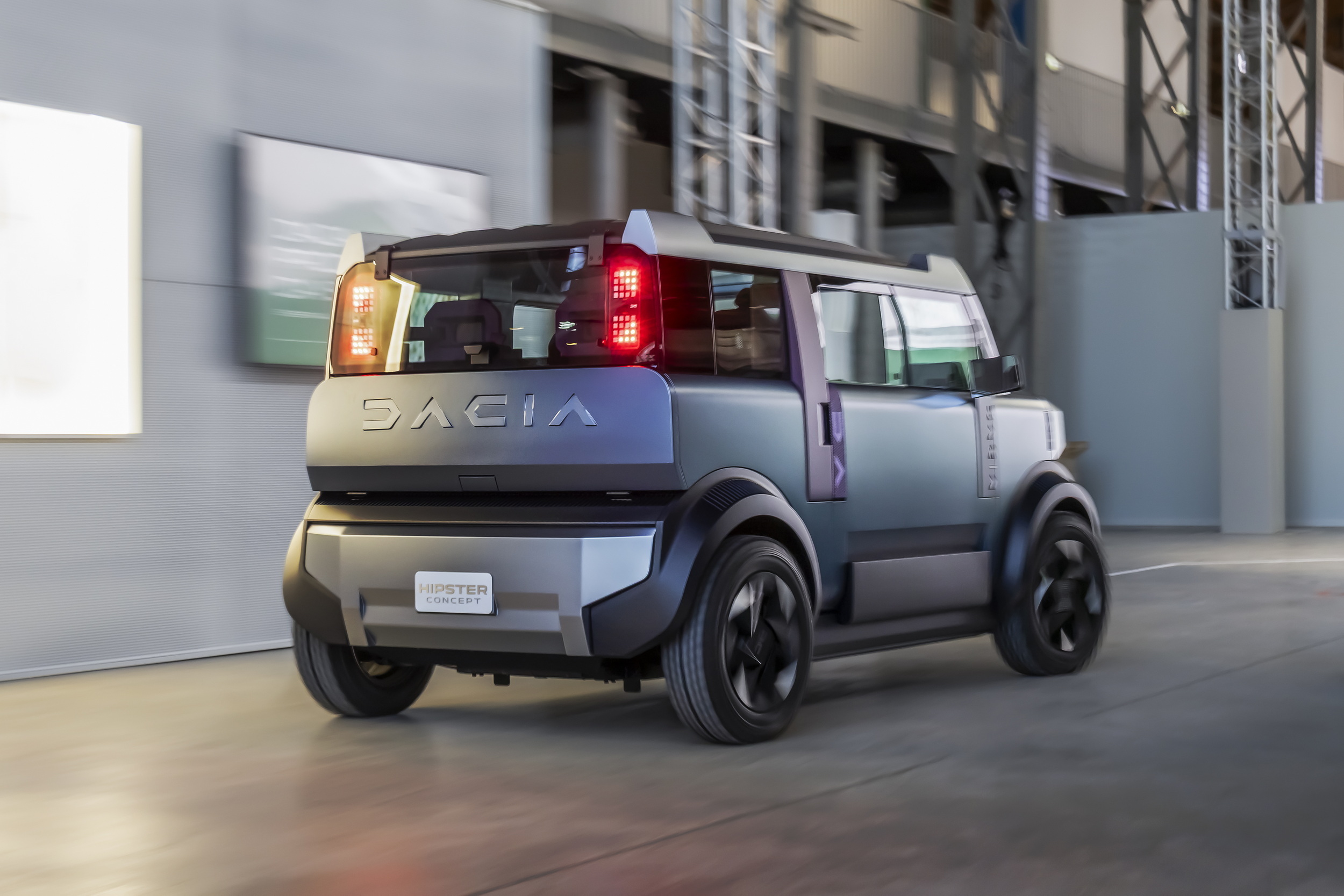
Dacia already sells an eclectic mix of vehicles, and soon, it will add perhaps its most striking and intriguing vehicle to date. Starting next year, Dacia is expected to start manufacturing a production version of its wild Hipster concept in China.

This new model, which could be priced in Europe at less than €11,500, or under $13,000 at current exchange rates, will slot below the all-new Spring in Dacia’s line-up. The same Chinese facility that built the previous-generation Spring will handle production of the Hipster. As for the new Spring, it will be built in Slovenia.

Read: Dacia’s Tiny EV Declares War On Europe’s Overpriced Cars

Dacia unveiled the dramatic Hipster concept 12 months ago. It is incredibly basic and extremely compact, measuring just 118.1 inches (3 meters) long, standing 60.6 inches (1.54 meters) tall, and just 61 inches (1.55 meters) wide. It’s not just the concept’s compact footprint that turns heads, but also its blocky exterior design and the small areas of color, contrasting with the matte grey paint found across most of the Hipster’s body.

Small And Light

 Dacia Is Going To Start Building Its Cute Hipster In China

The Hipster has been designed to comply with L7e quadricycle regulations in Europe and, as such, it cannot weigh more than 992 lbs (450 kg), excluding the battery, putting into perspective just how compact it is. A final decision on the Hipster’s battery and its chemistry is still pending, but it will reportedly be around 15 kWh.

 Dacia Is Going To Start Building Its Cute Hipster In China

Autocar understands the Shiyan, China, plant that built the old Spring has been sitting idle since July. Beyond the Hipster’s production being penciled in for this site, engineers at the plant will also aid in the development of the new EV.

Patent images Autoweek uncovered earlier this year show the production version will look almost identical to the concept. Changes include a slightly simpler front bumper and grille, as well as a tiny windshield wiper not featured on the concept. The doors are also slightly different, and there’s a small horizontal bar running across the side windows. Tweaks have also been made to the shape of the rear window, tailgate, and bumper.

\\\\\\\\\\\\\\\\\\\\\\\\\\\\\\\\\\\

Cheap Thrills: Stellantis Adds Extra Plastic And Mobile Office To Base Vans

  • Citroen Berlingo and Opel Combo gain cheaper trims in Europe.
  • The vans feature unpainted bumpers and a redesigned dashboard.
  • The Opel Combo Start is priced from €22,400 ($26,000) in Germany.

Stellantis has introduced two new entry-level trims for the Citroen Berlingo and Opel Combo twins in Europe, making them more accessible and more practical. The base models benefit from a redesigned interior which transforms into a mobile office, and will be available with gasoline, diesel, mild-hybrid, and fully electric powertrains.

From the outside, the Citroen Berlingo Van First and the Opel Combo Start have slightly different faces compared to the rest of the lineup. The lower bumper appears to be carried over but the upper portion sheds the body-colored finish for unpainted plastic and gains a simplified design for the grille. The rest of the bodywork remains unchanged.

More: Opel’s Cheapest New Car Is Now A Family SUV With Three Pedals And Steelies

Note that the Berlingo Van has different headlights compared to the Berlingo which is better aligned with Citroen’s passenger car and SUV lineup.

More Practicality Inside The Cabin

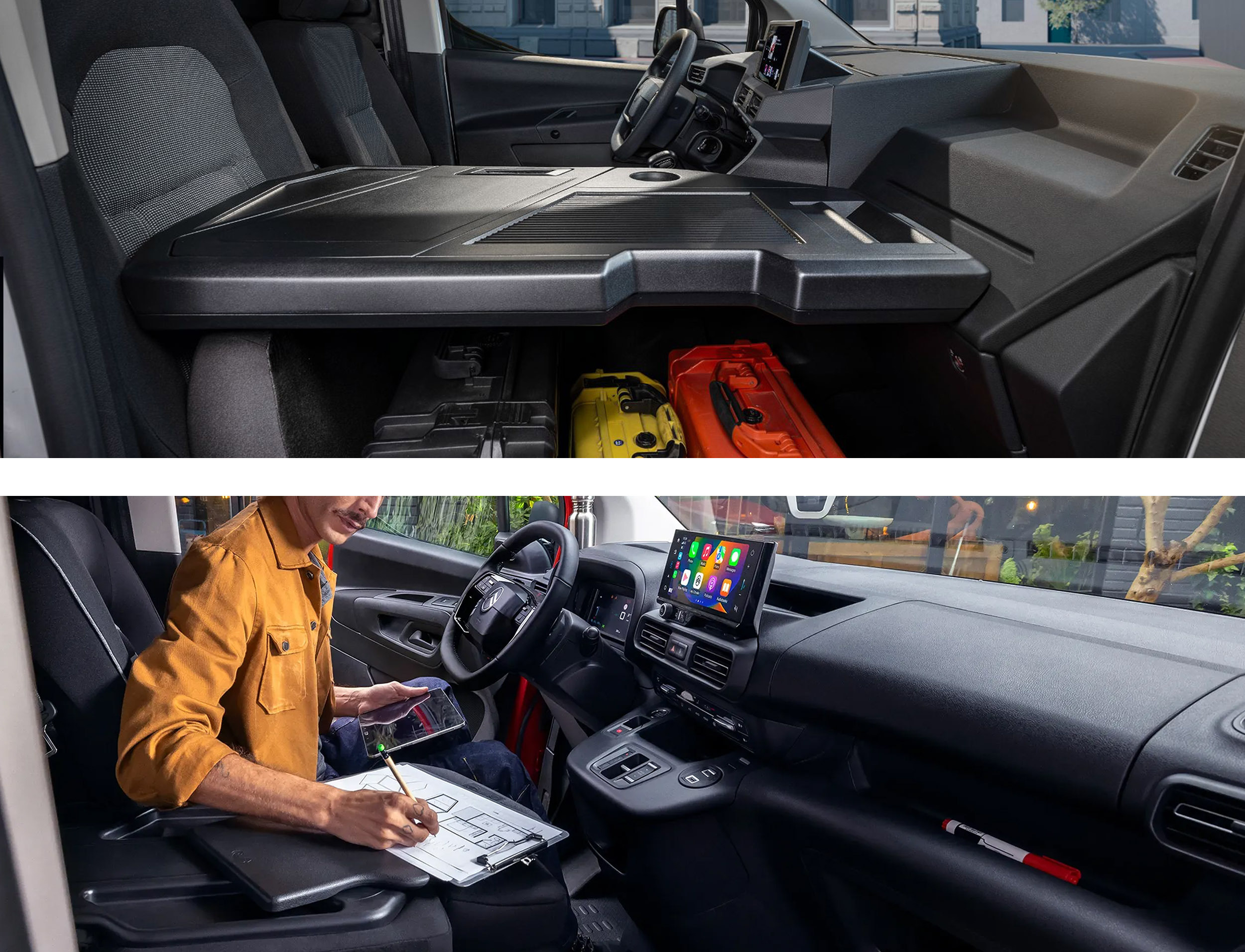
More substantial changes take place inside the cabin, making us wonder why Opel and Citroen didn’t apply this treatment to the entire lineup of the Combo and Berlingo vans. The dashboard and door panels have been redesigned with the goal of improving “robustness” and “ergonomic handling” for business owners and fleet operators using the LCVs for delivery services and on construction sites.

 Cheap Thrills: Stellantis Adds Extra Plastic And Mobile Office To Base Vans

Highlights include the extra shelfs on the dash, the new drawer under the driver’s seat, and the standard FlexiSeat for the front passenger. The latter can be folded upwards, creating extra space for packages, tool boxes or other equipment and increasing the van’s total load volume by 0.5 cubic meters (17.7 cubic feet).

More: This Smart Kit Turns Your Stellantis Van Into A Camper On The Go

More importantly, the FlexiSeat can be optionally combined with the ModuTable. This costs €300 ($350) and offers a surface that can be used as an extra shelf with cupholders or as a mobile desk for your laptop. When not in use, the ModuTable can be stored behind the cabin wall in the cargo area. Still, Citroen said that professionals drive alone for about 80% of the time so it will likely be used quite often.

Finally, the FlexCargo/Moduwork configuration adds a third seat at the front which turns into a load-through when transporting longer items.

\\\\\\\\\

Citroen Berlingo Van First

The compact vans remain available in two body lengths, delivering a load volume between 3.3-4.4 cubic meters (116.5-155.4 cubic feet). The maximum payload capacity is unchanged at 1,000 kg (2,205 lbs).

Multiple Powertrain Options

As with the rest of the lineup, the entry-level vans offer the option between gasoline, diesel and fully electric powertrains, with a mild-hybrid variant set to join the lineup in 2027.

More: Stellantis Turns ICE FWD Vans Into 4x4s With Rear Electric Motor Conversion

The turbo 1.2-liter engine is good for 109 hp (81 kW / 110 PS), while the 1.5-liter turbodiesel produces 101 hp (75 kW / 102 PS) or 129 hp (96 kW / 131 PS). All ICE variants are exclusively offered with a six-speed manual gearbox, although the upcoming mild hybrid will get a dual-clutch automatic. Finally, the EV has a single electric motor generating 134 hp (100 kW / 136 PS), and a 42 kWh battery offering up to 270 km (168 miles) of WLTP range.

Pricing

\\\\

The base Opel Combo Start with the gasoline engine is priced from €22,400 ($26,000) before VAT in Germany, lowering the entry point in the compact van’s lineup by €1,000 ($1,200). The diesel starts from €23,200 ($26,900) and the electric from €28,500 ($33,100).

More: This New Fiat Might Be Stellantis’ Most Halfhearted Reboot Yet

Citroen has yet to announce pricing for the Berlingo Van First, but we expect similar figures with its Opel twin. It will be interesting to see whether the same treatment will be applied to the nearly identical Peugeot Partner, Fiat Doblo, and Toyota ProAce City.

\\\\\\\\\\\

Opel Combo Start

Alfa Romeo’s Entire Lineup Gains A Racing Boat-Inspired Treatment

  • Alfa Romeo launches new Edizione Luna Rossa special editions.
  • They include the Junior, Tonale, Giulia, and Stelvio in Europe.
  • The models gain yacht-inspired colors and special touches inside.

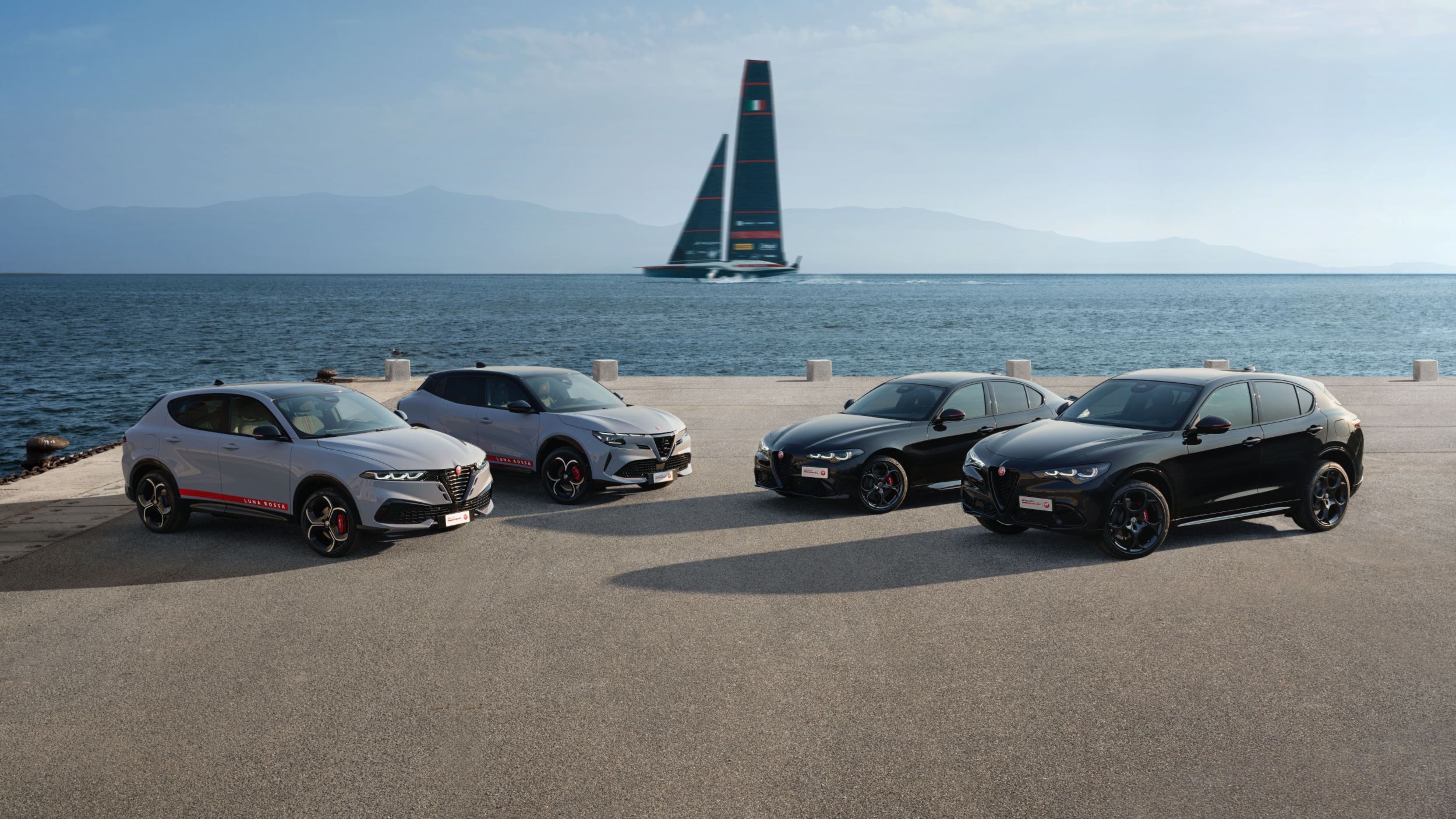
Alfa Romeo is gearing up for the debut of a mysterious concept at the Paris Motor Show next month, but before that happens they have a new special series in store. The Biscione brand has introduced Edizione Luna Rossa editions for its entire lineup, including the Junior, Tonale, Giulia and Stelvio.

Luna Rossa is an Italian yacht-racing team competing at the America’s Cup. Its collaboration with Alfa Romeo was inaugurated in June 2025, followed by the debut of the ultra-exclusive Giulia Quadrifoglio Luna Rossa in January 2026. While the first model was only produced in 10 units with custom colors and a unique aero package, the Edizione Luna Rossa models are available for everyone, serving as the flagships of their respective lineups.

More: Take A Ride With Me To Alfa’s Homeland In Its Smallest SUV, Sins And All

The special editions feature boat-inspired colors, custom touches inside-out, and a dedicated Alfa Romeo emblem. However, not every model is the same, with the Junior and the Tonale getting a different treatment than the stealthier and more exclusive Giulia and Stelvio.

\\\\\\\\\\\\\\\\\\\

Alfa Romeo Junior Edizione Luna Rossa

Starting with the subcompact and compact SUVs, the Junior and the Tonale Edizione Luna Rossa feature a gray shade with Gloss Black accents and red stripes on the profile, although buyers can also choose black or white for the main color of the body.

Review: The Junior Is Everything Alfa Romeo Needed And Nothing Alfisti Wanted

The wheels measure 18 inches on the Junior and 20 inches on the Tonale, both featuring a gloss black diamond cut finish and three-spoke designs. Besides the larger wheels, the Tonale also gets Brembo brakes with red brake calipers.

\\\\\\\\\\\\\\\\\\\

Alfa Romeo Tonale Edizione Luna Rossa

Inside, we find black and gray upholstery, with 3D knit technology on the premium fabric, red stripes featuring Luna Rossa lettering, and red Alfa Romeo emblems. The SUVs also feature aluminum sports pedals and kick plate, new graphics for their digital cockpits, and ambient lighting.

More: Alfa Teases The Tonale’s Successor, And Maybe A Dodge Called Goes Like Hell

Equipment is pretty generous, with the Edizione Luna Rossa being the highest-spec trims. In terms of powertrains, the Junior offers the option between hybrid and fully electric setups, while the Tonale is available with hybrid and PHEV options.

\\\\\\\\\\\\\\\\\\\\\\\

Alfa Romeo Stelvio Edizione Luna Rossa

Moving on to the midsize offerings, the aging Giulia and Stelvio take a different route, focusing more on exclusivity and sportiness. The mechanically-related models are pictured with a blacked-out configuration, but the color palette of the Edizione Luna Rossa editions also include white and Etna Red shades.

More: Alfa Romeo Swears The Next Giulia And Stelvio Aren’t Dead, They’re Just ‘Under Study’

Independently of the color, the aging duo benefits from extensive use of carbon fiber on the exterior and the interior, red Alfa Romeo emblems, and the Luna Rossa logo on the mirror caps. The Giulia features Quadrifoglio-inspired side skirts and rear spoiler combined with Gloss Black 19-inch alloy wheels, with the Stelvio riding on 21-inch wheels.

\\\\\\\\\\\\\\\\\\\\

Alfa Romeo Giulia Edizione Luna Rossa

The monochrome interior features a generous amount of carbon fiber on the dashboard, center console, and door cards, alongside leather and recycled Econyl fabric upholstery. Red stripes on the steering wheel and seatbacks break the monotony of black, alongside the matching Alfa Romeo emblems.

Review: Alfa’s 2026 Giulia Quadrifoglio Is Over A Decade Old And Still Out-Handles A New M3

The Edizione Luna Rossa Giulia and Stelvio come standard with a Harman Kardon Hi-Fi system and the electronically controlled suspension. Finally, the electric sunroof is standard on the sedan and optional on the SUV.

As with the regular Giorgio-based models, the special editions are available with the 2.2-liter turbodiesel in two power outputs, while UK buyers also have access to the 2.0-liter gasoline engine that has been phased out in Europe. In other words, only the V6-powered Quadrifoglios escape the Luna Rossa treatment.

The Junior, Tonale, Giulia, and Stelvio Edizione Luna Rossa will gradually go on sale on European markets, positioned at the top of the lineup of each non-Quadrifoglio model. Pricing will be announced closer to the market launch.

More: Alfa Romeo Charged $22,000 Extra For Gold Trim, And Dubai Said Yes

According to Stellantis, the partnership between the two Italian brands goes deeper than colors, materials, and special emblems. More specifically, Alfa Romeo “has provided its expertise in simulation, dynamics and virtual analysis to Luna Rossa, while also collaborating on the development and fine-tuning of the control software for the systems that manage sail movement.”

 Alfa Romeo’s Entire Lineup Gains A Racing Boat-Inspired Treatment

Alfa Romeo

Stellantis Is Working On A New Wagon, But It’s Not Coming To America

  • A new Opel STX Concept will debut at the Paris Motor Show.
  • It shows the brand’s vision for a future aero-efficient estate.
  • It might evolve into the next Opel Astra, arriving before 2030.

Stellantis has shared the first teaser of the Opel Sports Tourer eXperimental (STX) Concept ahead of its unveiling at the Paris Motor Show on October 12. The concept is believed to preview a future production wagon, that could replace the Opel Astra before the end of the decade.

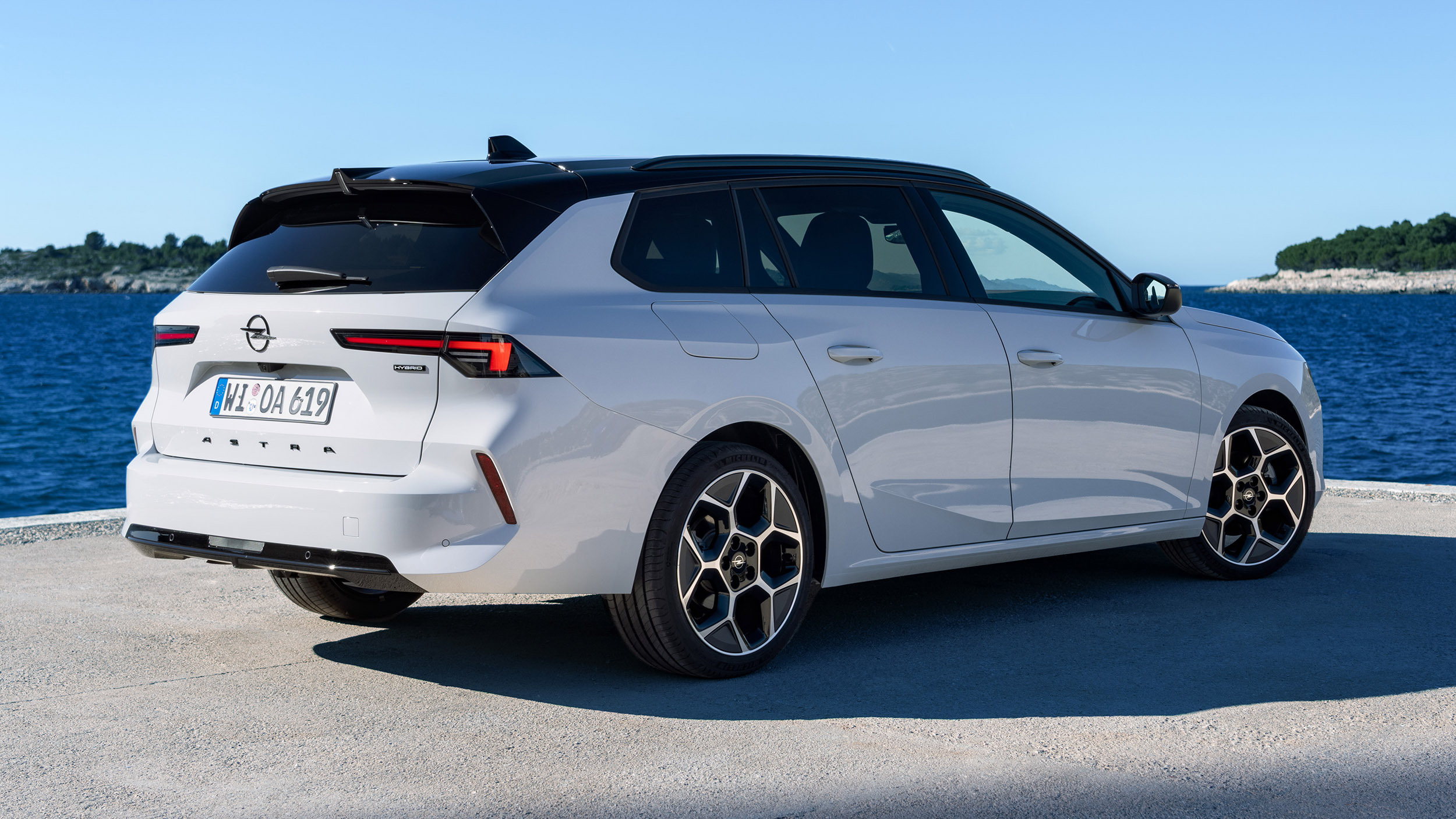
According to the automaker, the Opel STX Concept represents “its vision for the future of estate cars”. Opel has been offering family-friendly wagons since the Olympia Rekord Caravan from 1953, while the Sports Tourer moniker is used for the estate variant of the current Astra.

More: Opel Astra GSE Line Brings OPC-Like Power, But Don’t Call It A Hot Hatch

Florian Huettl, Opel CEO, said: “As the name indicates, the Opel STX Concept will give our vision of the future of an aero-efficient estate – a body style that Opel played a pioneering role in establishing in Europe. It shows our next generation design language and feature elements that you will see in future production models.”

The announcement is accompanied by a single teaser that doesn’t reveal much about the design. What we can see is STX concept lettering on what appears to be a portion of the front bumper, featuring a carbon-style finish against a blue or silver bodywork. The company didn’t mention anything about the concept’s powertrain type, but chances are it will feature some sort of electrification.

 Stellantis Is Working On A New Wagon, But It’s Not Coming To America
The current Opel Astra Sports Tourer.

Stellantis has confirmed that the next generation of the Astra will arrive before 2030. The model will ride on the new STLA One architecture, offering the option between fully electric and hybrid powertrains.

More: This Stellantis Brand Thinks A Wagon Might Make More Sense Than A Hatchback

Furthermore, the Opel CEO has revealed that an estate variant of the next Astra has been locked in, while hinting that the hatchback’s shape may evolve into a non-traditional bodystyle. Reading between the lines, the Astra could evolve into a sporty compact wagon and the upcoming concept might give us a good idea of what to expect.

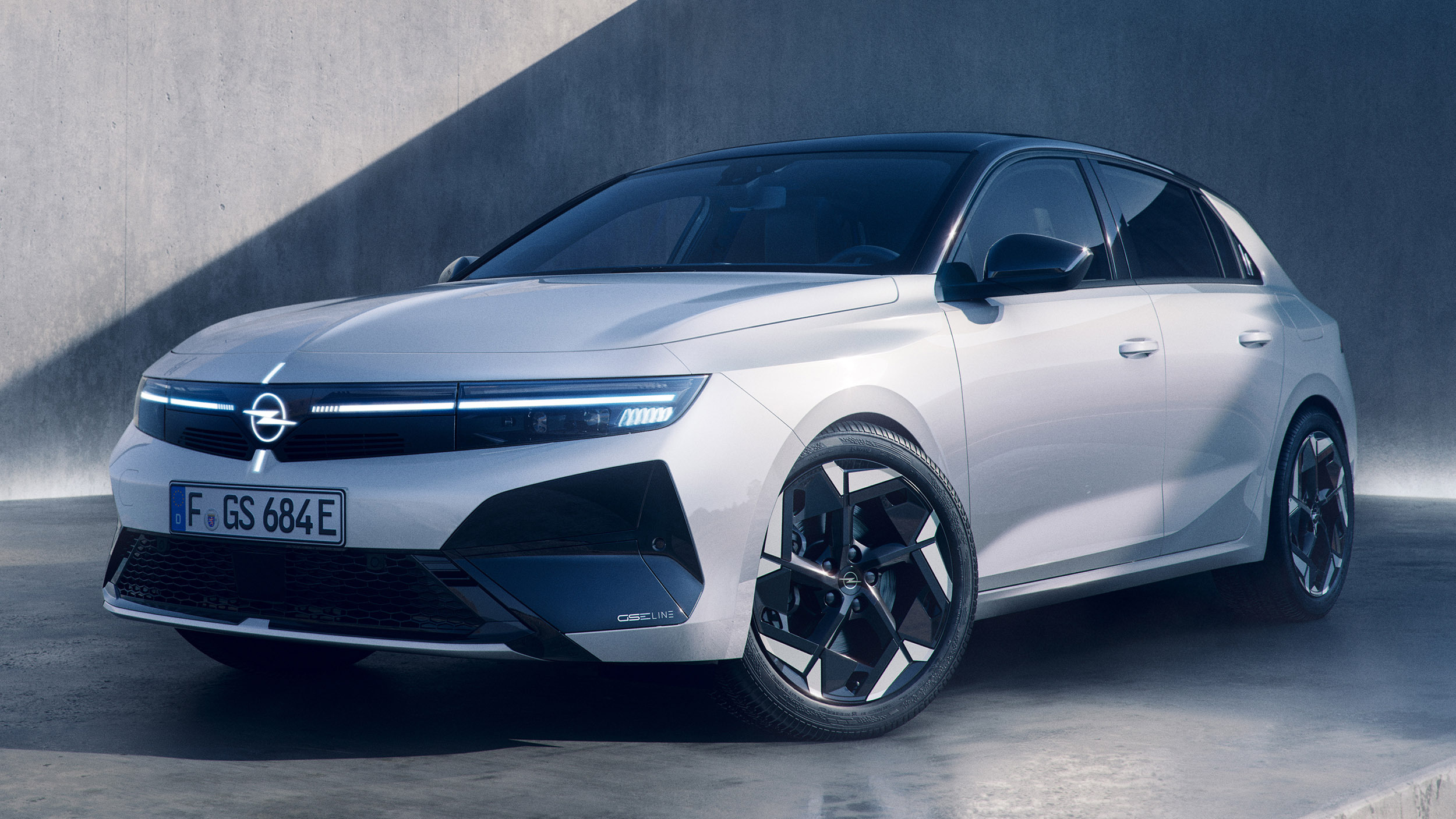
The official debut of the Opel STX Concept is scheduled for October 12 at the Mondial de l’Automobile in Paris, although the automaker might share more teasers and additional information as we move closer to that date. The wagon will be joined by the GSE 27FE single seater for the upcoming Formula E championship, the fully electric Corsa GSE hot hatch, and the new Astra GSE Line trim.

 Stellantis Is Working On A New Wagon, But It’s Not Coming To America
Opel Astra GSE Line

Nissan’s New Entry-Level EV Pixelates The Renault Twingo

  • Nissan revives the Pixo badge for an affordable urban EV.
  • It is a twin to the Renault Twingo with Nissan styling cues.
  • It makes 81 hp and offers a 161-mile (259 km) WLTP range.

Nissan is dusting off an old nameplate for a new urban EV. The Nissan Pixo is a twin to the Renault Twingo E-Tech and a sibling to the Dacia Spring EV, featuring pixelated styling and modern technology. The model will be sold in Europe and the UK, serving as an entry point in the lineup positioned under the R5-based Nissan Micra.

Measuring 3,796 mm (149.4 in) long, the Nissan Pixo is only 7 mm (0.3 in) longer than the Renault Twingo, while sharing the 2,492 mm (98.1 in) wheelbase. The greenhouse, roof structure, and most of the profile are identical to the Renault, with Nissan designers focusing their efforts on the front and rear ends.

More: Renault Shipped 100 Frog-Eyed Twingos To The UK Purely So You Can Stare At Them

The Pixo swaps the curves and frog-style headlights of the Twingo for a boxier grille-less nose. The squared-off headlights with diagonal LED graphics are inspired by pixels, while the front bumper adopts clean surfacing with plastic cladding around the central intake.

\\\\\\\\\\\\\\\\\\\\\\\\\\\\\\\\\\\\\\\\\

Setting aside the front fenders and the futuristic alloy wheels, the profile doesn’t hide its Renault roots. However the rear end gains redesigned taillights and a simpler tailgate, which are slightly reminiscent of the Nissan Micra K12 from the ’00s. These are joined by Nissan-specific cladding on the rear bumper and Pixo lettering on the plastic trim around the rear windshield. Finally, the color palette gains the fresh Wonder Purple and Gear Blue shades.

More: New Dacia Spring EV Flees From China And Pays The Price

Inside, the dashboard, the steering wheel, and the digital cockpit with Gemini integration are derived from the Renault twin. The same applies to the reclining and foldable rear seats adding practicality points to the urban EV. Nissan brags about the 356 lt (12.6 cubic feet) cargo capacity including the 50 lt (1.8 cubic feet) compartment for charging cables, and the extra 18 lt (0.6 cubic feet) of in-cabin storage. Furthermore there are 23 Easter eggs for owners to discover.

\\\\\\\\\\\\\\\\\\\\\\\\\\\\\\\\\\\\\\\\\\\\\\\

Under the skin, the Pixo is identical to the Renault Twingo and the Dacia Spring. A front-mounted electric motor is good for 81 hp (60 kW / 82 PS), while a 27.5 kWh Lithium Iron Phosphate (LFP) battery delivers a WLTP range of 161 miles (259 km). The EV is compatible with 50 kW DC charging, replenishing the battery from 15-80% in 28 minutes.

More: The Nissan Micra is Back And It’s Unrecognizable

The Nissan Pixo will go on sale in Europe and the UK, with production taking place at the Novo Mesto factory in Slovenia alongside the closely-related Renault Twingo and Dacia Spring. Pricing and pre-order information will be announced from December 2026 onwards. However, judging from the Renault, the entry-level EV from Nissan will most likely start from under €20,000 ($22,800).

Hardcore Nissan fans might remember that the original Pixo which was sold in Europe between 2009 and 2013, was also a rebadged urban hatchback. However, this one was based on the Suzuki Alto and came fitted with a 1.0-liter gasoline engine.

\\\\\\\\\\\

Nissan

China’s GAC Wants To Increase European Manufacturing As It Expands Into France

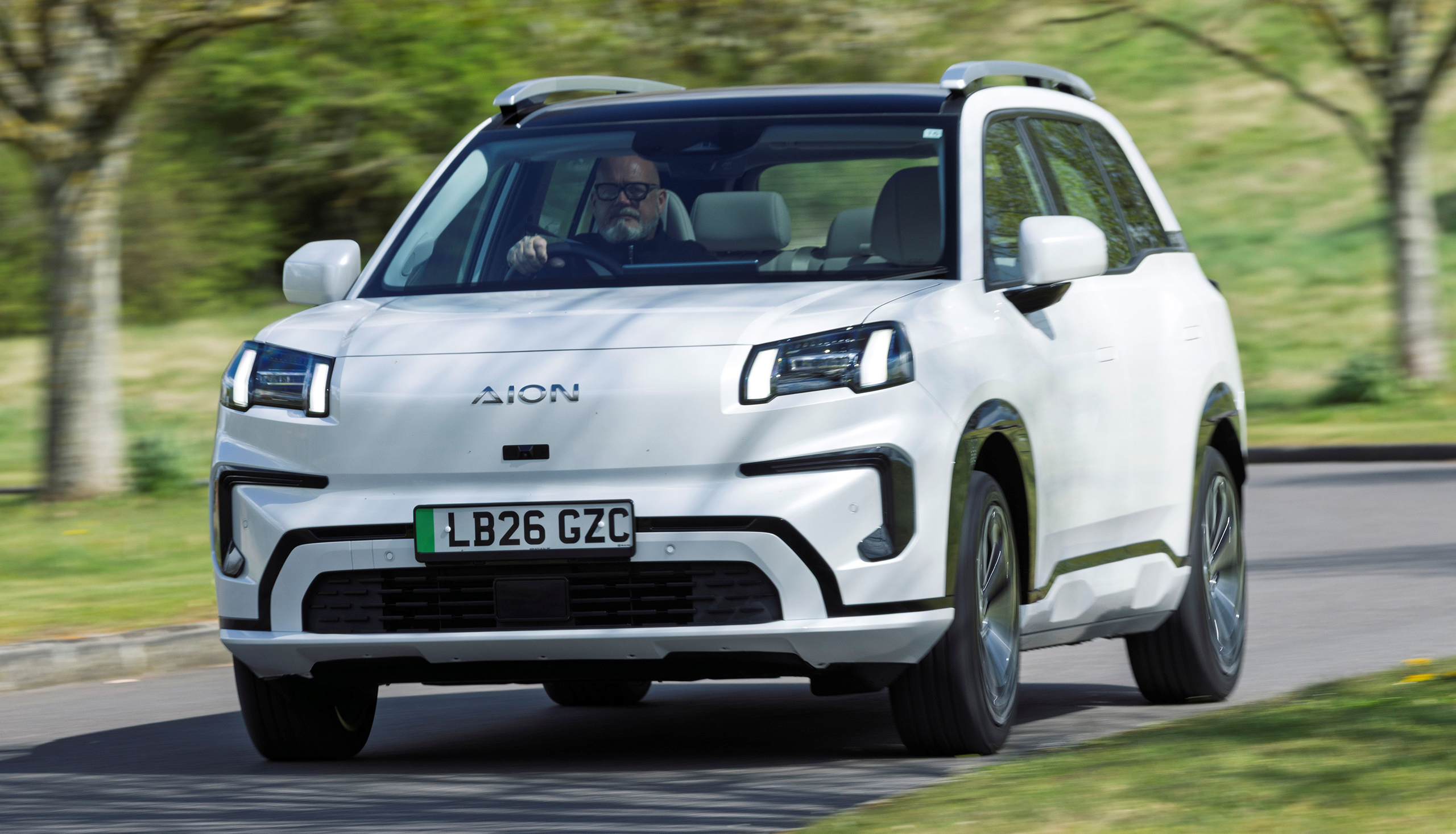
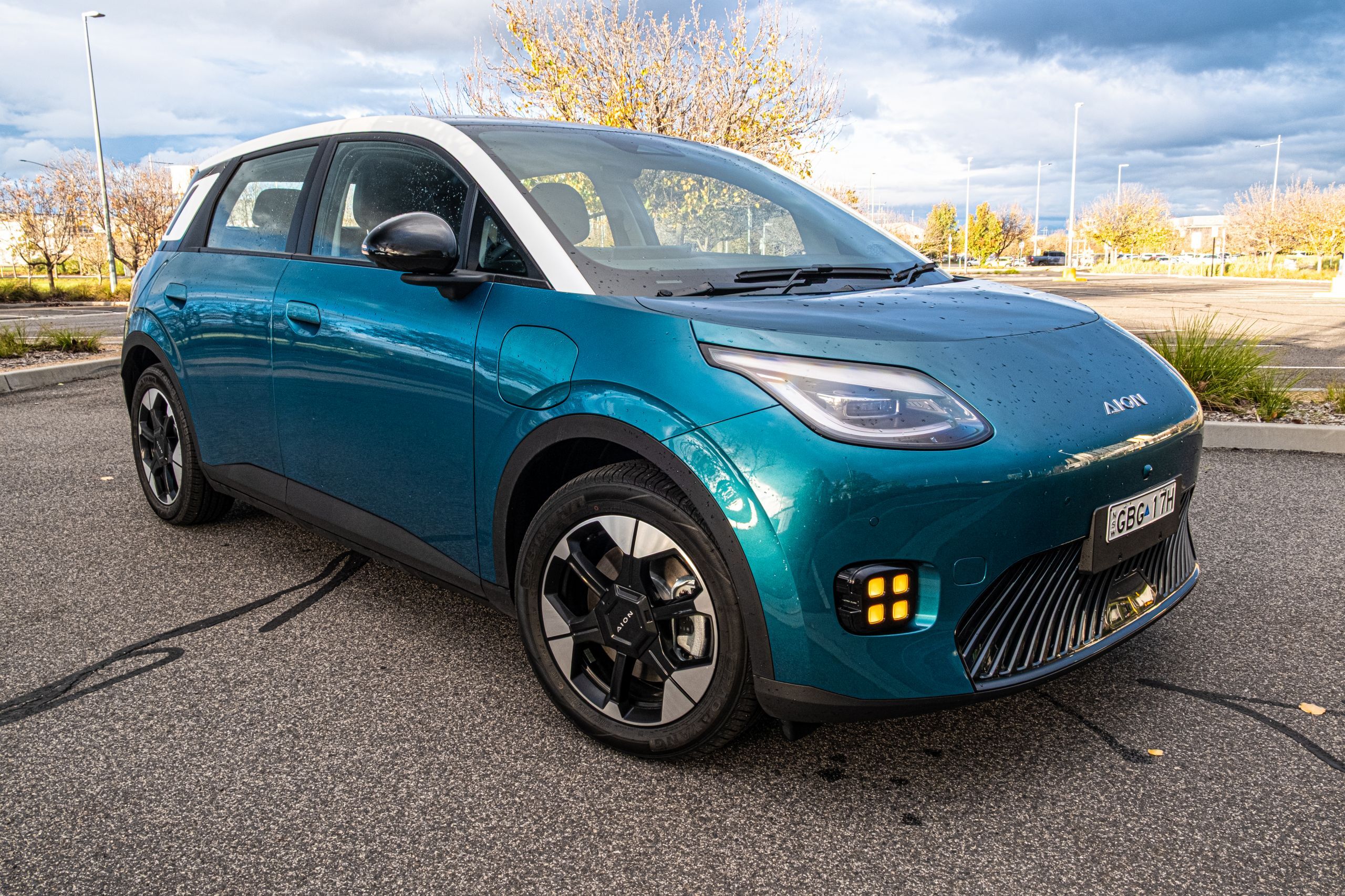
  • GAC has just introduced its Aion V and Aion UT to France.
  • The company will expand its lineup, offering French comsumers 12 new cars by 2030.
  • To support this, GAC is actively looking at expanding their European production capacity.

China’s state-owned GAC (Guangzhou Automobile Group) has announced ambitious plans to expand its presence in Europe, which includes offering 12 new models in France before the decade is out. To do so, Cedric Lacour, GAC France Deputy CEO, revealed that the company is looking at ramping up European production capacity.

GAC is already present in Europe, with the company’s cars being available in the UK, Finland, Greece, Poland, Spain and Portugal. Currently GAC produces the Aion V and Aion UT in knock-down form at the Magna Steyr plant in Graz, Austria.

Read: GAC Aion’s New Sedan Borrows Level 4 Robotaxi Tech It Can’t Fully Use

Knock-down assembly means that, although manufacturing of the car’s components continues in China, the parts and assemblies are shipped before final assembly in Europe. The decision to move assembly of the V crossover-SUV and UT hatchback was seen as a way of side-stepping existing EU tariffs on Chinese vehicles, with Xpeng, another Chinese manufacturer, also employing the expertise of Magna for its G6 and G9 models.

Now, GAC is looking at adding to its European capacity. According to Lacour, those plans may include Magna Steyr or other investors completely. “We really want to establish a long-term presence here (in Europe), ​which automatically means we need production capacity,” said Lacour, speaking to Reuters.

12 New Models By 2030

 China’s GAC Wants To Increase European Manufacturing As It Expands Into France

Brad Anderson/Carscoops

GAC’s ambitions go beyond just ramping up European manufacturing. At the French launch of the all-electric Aion UT and Aion V, Lacour revealed that the two new introductions are just the tip of the iceberg. By 2030, the brand intends to have 12 electric and hybrid offerings for the French market.

Read: GAC Is Ready To Storm Europe With Its EV Army And Big Ambitions

In addition to manufacturing, GAC also has a dedicated European research and development center, situated in Milan. In the first half of this year, GAC reported that export sales recorded a 35.69 percent increase, year-on-year, with 346,000 units sold. While the growth was mainly fueled by strong performances the Americas and Southeast Asia, the brand also ranked second amongst Chinese EV brands in Greece.

French Ambitions

In a bid to ramp up its French presence, the automaker also plans to have 200 dealerships across France in the next four years, with 50 planned for this year alone. However, GAC trails some of its competitors. For context, BYD, established their French footprint back in 2024, and, according to Automobile Magazine, aims to have 250 outlets by the end of next year,

But when asked whether GAC was late to the party, Lacour disputed that. “Our ​goal is to ​take a ⁠brand from launch to scaling up in just four years.” He went on to say that the brand was entering the market “at just the right time.”

 China’s GAC Wants To Increase European Manufacturing As It Expands Into France

GAC Aion / Weibo

Citroen Makes Budget Models More Expensive With Stylish New Outdoor Edition

  • Citroen launches Outdoor variants for the C3, C3 Aircross, and Ami.
  • The flagship trims gain rugged looks and improved equipment.
  • Dutch pricing starts at €30,950 ($35,500) for the C3 Outdoor.

Citroen is one of Stellantis’ most affordable brands alongside Fiat and Opel. However, as proven by Dacia, there is plenty of demand for flagship trims of budget models in Europe. The French automaker is now introducing a new Outdoor edition for the C3, C3 Aircross, and Ami, featuring more rugged styling and a longer list of standard equipment.

Before you get excited about the off-road capability of the hatchback and SUV models, bear in mind that the Outdoor treatment is more of a styling package. Right off the bat, Citroen explains that their understanding of adventure is “not about extreme conditions or long journeys, but about the ability to make every drive more pleasant, more fun, and extra inspiring.”

Review: Stellantis Gave Citroen C3 And Fiat Grande Panda The Same Bones, But Not The Same Soul

The Outdoor editions of the C3 and C3 Aircross are positioned above the Max trim in the lineup and stand out thanks to several styling updates. The highlight is the redesigned bumpers, inspired by the earlier Citroen C3 Aircross Marine Nationale Concept.

\\\\\\\\\\\\\\\\\\\\\\\\\\\\\\\\\\\\\\\\\\\\\\\\\

Citroen C3 Aircross Outdoor

The front bumper adopts boxier intakes, Infra Red accents, and a pronounced skid plate finished in gray. The profile gains gray decals on the doors with an Outdoor logo featuring the Migoo comic book mascot. More importantly, the models ride on a new set of 17-inch alloy wheels with boxy spokes and an Infra Red Citroen logo in the middle. Specifically for the C3 Aircross, Citroen added a set of chunkier roof rails.

More: Opel’s Cheapest New Car Is Now A Family SUV With Three Pedals And Steelies

The Sequoia Green shade is new, but buyers can also order the Outdoor specials in Perla Nera Black, Mercury Gray, Polar White, or Bright Blue. At the back, changes are limited to the reshaped silver garnish on the lower section of the rear bumper.

Inside, we find an exclusive graphic pattern on the Advanced Comfort seats with the Migoo mascot laser-etched on the backrests and an Outdoor badge on the dashboard. Furthermore, Infra Red was chosen for the stitching, the seatbelts, and the Citroen emblem on the steering wheel. Naturally, the Outdoor models come standard with a generous equipment list.

\\\\\\\\\\\\\\\\\\\\\\\\\\\\\\\\\\\\\\\\\\\\\\

Citroen C3 Outdoor

As with the rest of the Citroen C3 and C3 Aircross lineup, the new variants are available with gasoline, mild-hybrid, and fully electric powertrain options and front-wheel drive. Note that the French models share their Smart Car chassis and engines with the Opel Frontera, Fiat Grande Panda, the Fiat Grizzly and an upcoming model from Chrysler.

More: Fiat’s New Grizzly SUV Is Hunting The Dacia Bigster, And It Didn’t Come Alone

The new Outdoor treatment has also been applied to Citroen’s heavy quadricycle. The highlight of the Ami Outdoor is the roll-down fabric sunroof, previously limited to the Ami Buggy. The exterior is finished in Khaki Green with special decals and Infra Red accents. Furthermore, the EV gains a rally-inspired roof spoiler and a set of white steelies.

\\\\\\\\\\\\\\\\\\\\\\\\\\\\\\\\\\\

Citroen Ami Outdoor

Inside, the two-seater cabin has a unique upholstery, the mascot on the backrests, Infra Red seatbelts, and a bunch of optional accessories fitted as standard. Interior amenities include a dashboard storage compartment, bag hook, door storage pockets, floor mats, a central storage net, and a smartphone holder.

The Outdoor special editions will be available to order in the Netherlands starting on October 1, ahead of a wider rollout across European markets. Dutch pricing starts at €30,950 ($35,500) for the C3 Outdoor and at €35,250 ($40,400) for the C3 Aircross Outdoor, positioning them at the very top of their respective lineups.

\\\\\\\\\

Citroen Outdoor Lineup

BYD Could Soon Be Building EVs And Batteries In Europe

  • BYD will start large-scale production in Hungary before the end of the year.
  • Existing and underutilized factories in Spain, France, and Italy are under consideration.
  • BYD is also looking to establish a battery plant in Europe in the future.

Having established itself as the largest car manufacturer in China, BYD is looking to conquer overseas markets. This includes Europe, where it believes it will need four factories as part of a significant local expansion that threatens to shake up the industry and will no doubt leave legacy rivals trembling with fear.

Current advisor for BYD’s European operations, and former Fiat Chrysler executive Alfredo Altavilla, revealed earlier this week that BYD wants to establish three vehicle assembly plants in Europe, in addition to a site dedicated to assembling batteries for EVs.

Read: BYD’s New Electric Semi For Europe Beats Tesla In Almost Every Metric

BYD has just finished building a factory in Szeged, Hungary, and has kicked off trial production. Altavilla says the brand has already started speaking with car manufacturers and governments in Spain, France, and Italy for other sites, as it’s looking to potentially acquire underutilized factories instead of building all-new ones.

 BYD Could Soon Be Building EVs And Batteries In Europe

“Over the longer term, we will need three ​assembly plants ​and one ⁠battery plant,” Altavilla revealed to Reuters. “Obviously, this is not something that will ​happen overnight. However, it is ​clear ⁠that, to achieve the volume targets we have in mind, while at the ⁠same ​time complying with European ​regulations, that is what we will need.”

Altavilla said BYD wants to decide on the location of a second manufacturing site by the end of the year. It will then need to decide whether it prioritizes a third manufacturing plant or a local battery plant.

Surging Overseas Demand

 BYD Could Soon Be Building EVs And Batteries In Europe

BYD’s site in Hungary will have the capacity to produce up to 200,000 vehicles annually, with current plans calling for large-scale production to commence in either November or December. In 2024, BYD announced plans for a plant capable of building 150,000 vehicles annually in Manisa, Turkey, originally hoping to start production in late 2026. However, work at this site has been put on indefinite hold.

The automaker is focusing on overseas markets as sales in China decline. This year, BYD sales in its home market have fallen 32.7 percent to 1.505 million. By comparison, overseas deliveries have soared, and the brand expects to end 2026 having sold between 1.9 million and 2.0 million vehicles internationally.

\\\\\\\\

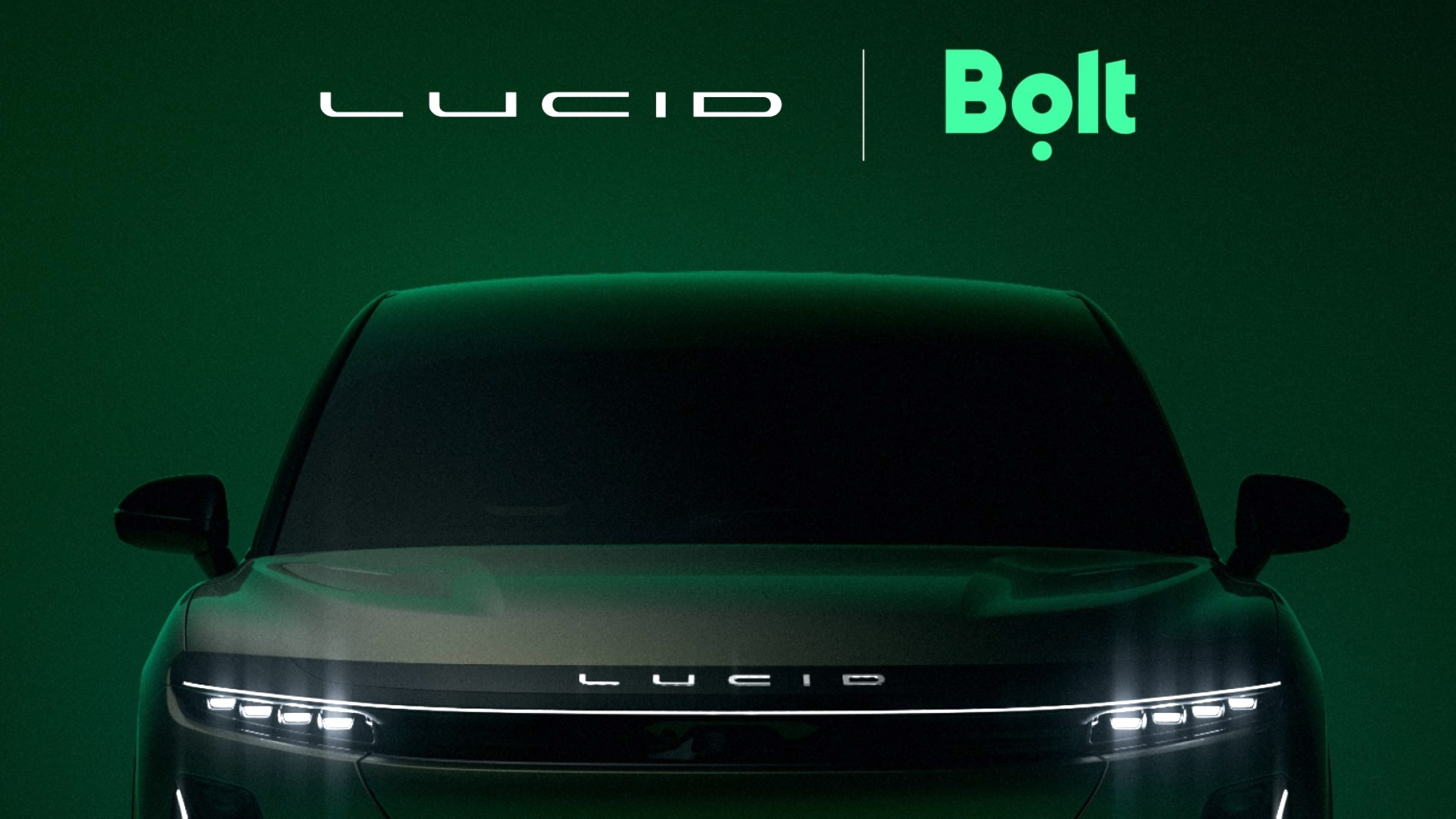
Lucid Wants To Put 25,000 Robotaxis On European Roads

  • Lucid’s upcoming midsize platform will spawn a robotaxi for European cities.
  • The cabs will operate under the Bolt banner and use Nvidia Hyperion L4 tech.
  • Lucid already has a US deal with Uber and Nuro to deploy 35,000 robotaxis.

The name might not be familiar in America, but the Bolt ride-hailing company is a Goliath in other parts of the globe, operating in more than 850 cities across 50 countries. And proving that anything its more famous rival Uber can do, Bolt can do too, the Euro operation is teaming up with Lucid to develop tens of thousands of robotaxis.

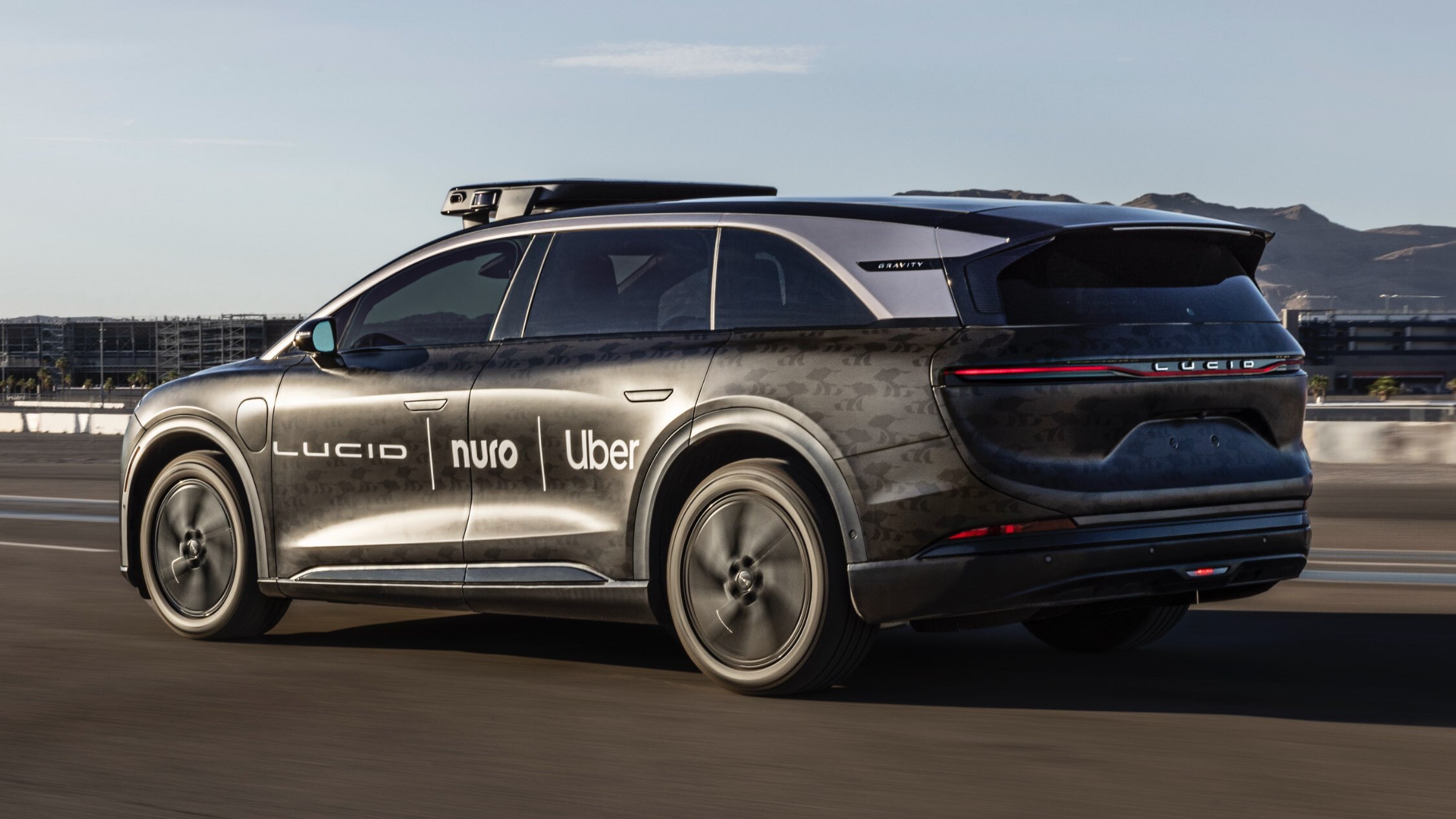
Lucid and Bolt today announced they are joining forces to put 25,000 autonomous cabs on Europe’s streets. It’s part of Bolt’s commitment to provide riders access to 100,000 driverless cars on its platform by 2035. The American EV brand already has a deal in place with Uber to roll out 35,000 robotaxis across North America starting this year.

Related: Don’t Play Chicken With A Tesla Cybercab By Jumping In Front Of It

But there are a couple of important differences between the two deals. Bolt’s Lucids will be based on the carmaker’s upcoming midsize platform, which is probably a better fit for Europe’s generally smaller roads. Lucid and Uber in the US, meanwhile, will use the Gravity SUV, as well as the midsize car when it arrives.

And that’s not the only point of differentiation. Both ride-hail operators’ robotaxis will feature Level 4 autonomous tech enabling them to function without a human driver. But while the US cabs rely on hardware and software from Nuro (image below), Bolt’s robotaxis get their driverless brains from Nvidia Hyperion. Bolt says it will own the entire 25,000-car fleet.

Strong Competition

 Lucid Wants To Put 25,000 Robotaxis On European Roads

The robocab market is really heating up in Europe right now. Uber, Verne (co-founded by Mate Rimac) and Pony.ai have already started offering rides in Zagreb, Croatia, and Waymo is currently testing in Europe and plans to launch in Germany before the end of 2027.

Uber has also joined forces with Wayve to put 15 autonomous Mustang Mach-E robotaxis on London’s streets, though each of the EVs is currently required to have a human driver, while Wayve waits for final regulatory approval. And Elon Musk has promised to bring Tesla’s Cybercab to Europe, without offering any kind of timeline.

 Lucid Wants To Put 25,000 Robotaxis On European Roads

Lucid, Tesla

Volvo Will Launch 13 New Models By 2030, And Not All Of Them Will Be SUVs

  • Volvo’s new product offensive includes 13 new model launches in 4 years.
  • Seven models will reach Western markets, and six will be reserved for China.
  • Lineup to include hybrid and EV powertrains across different bodystyles.

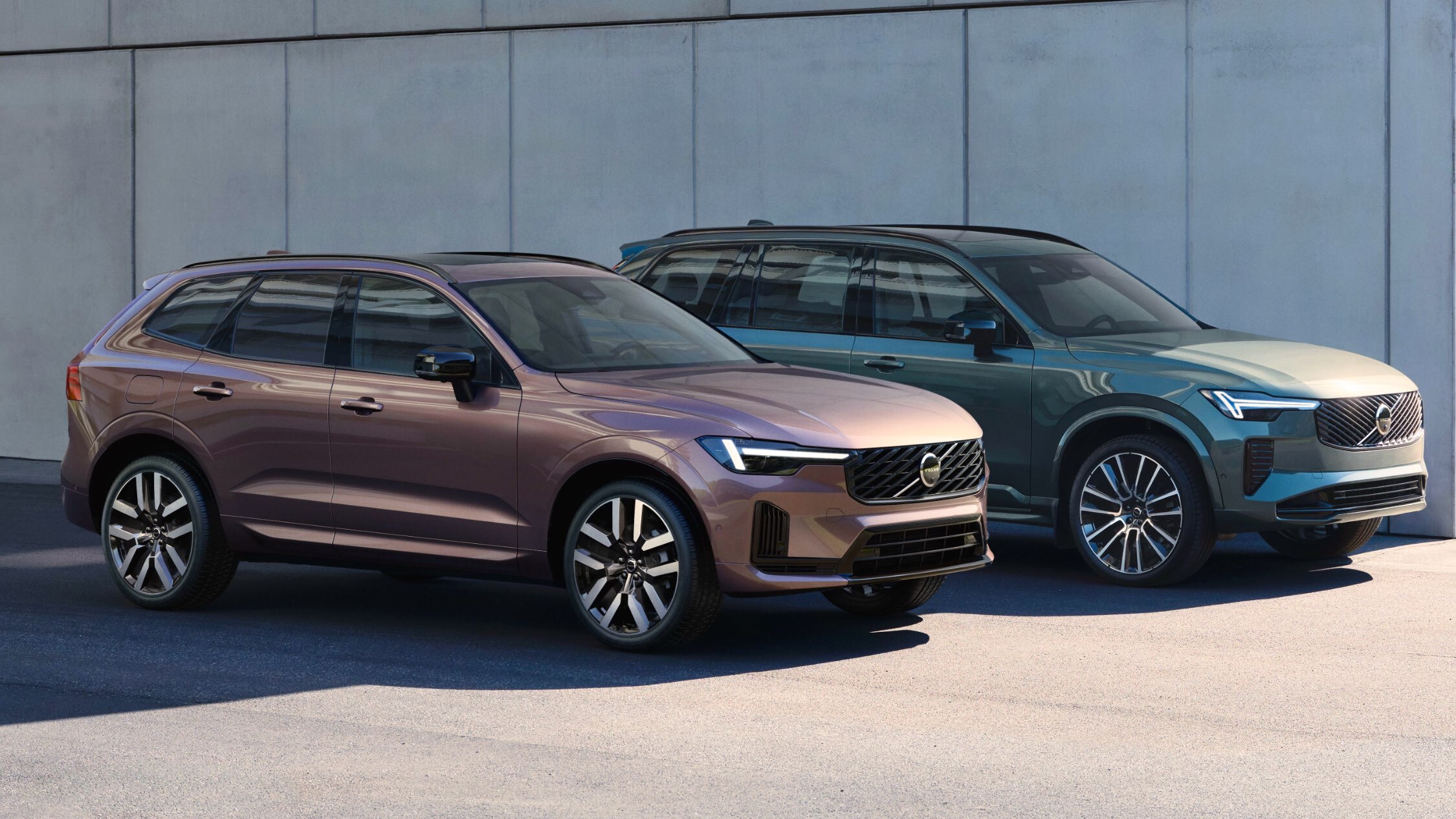
Volvo has presented what it calls “the largest and most ambitious global product push in its 99-year history”, in an effort to improve profitability and double its market share. The automaker will launch 13 new models by the end of 2030, including hybrids and EVs.

The announcement comes shortly after Volvo introduced updated versions of the XC40, EX40, EC40, and XC60, alongside a new plug-in hybrid powertrain for the XC60 and XC90 with up to 124 miles (200 km) of EV-only range.

More: Volvo’s New PHEVs Drive So Far On Electric You Might Not Use The Gas Engine For Months

Unlike the aforementioned extensive facelifts, the 13 announced models will be all-new. Seven are destined for Western markets including Europe and North America, while the other six will be heading to China.

 Volvo Will Launch 13 New Models By 2030, And Not All Of Them Will Be SUVs
The facelifted Volvo XC60 and XC90 have just received a new PHEV powertrain.

More importantly, Volvo has confirmed that its future lineup will include cars in new segments, so expect a few surprises, and a potential return to wagons.

More: Volvo May Bring Sedans And Wagons Back To America

The company will preview an evolution of its styling language with a new concept car in 2027. This will be penned under the direction of Thomas Ingenlath, who returns as Volvo’s Chief Design Officer after a seven-year stint as the Polestar CEO.

The new models destined for Western markets will ride on the SPA2 (EX90, ES90) and SPA3 (EX60) architectures, using the HuginCore computing platform. The Chinese models will use shared platforms and a market-specific tech stack developed in collaboration with parent brand Geely. The goal is to increase component commonality across Geely Group vehicles from the current 10 percent to as much as 30 percent by 2030.

 Volvo Will Launch 13 New Models By 2030, And Not All Of Them Will Be SUVs
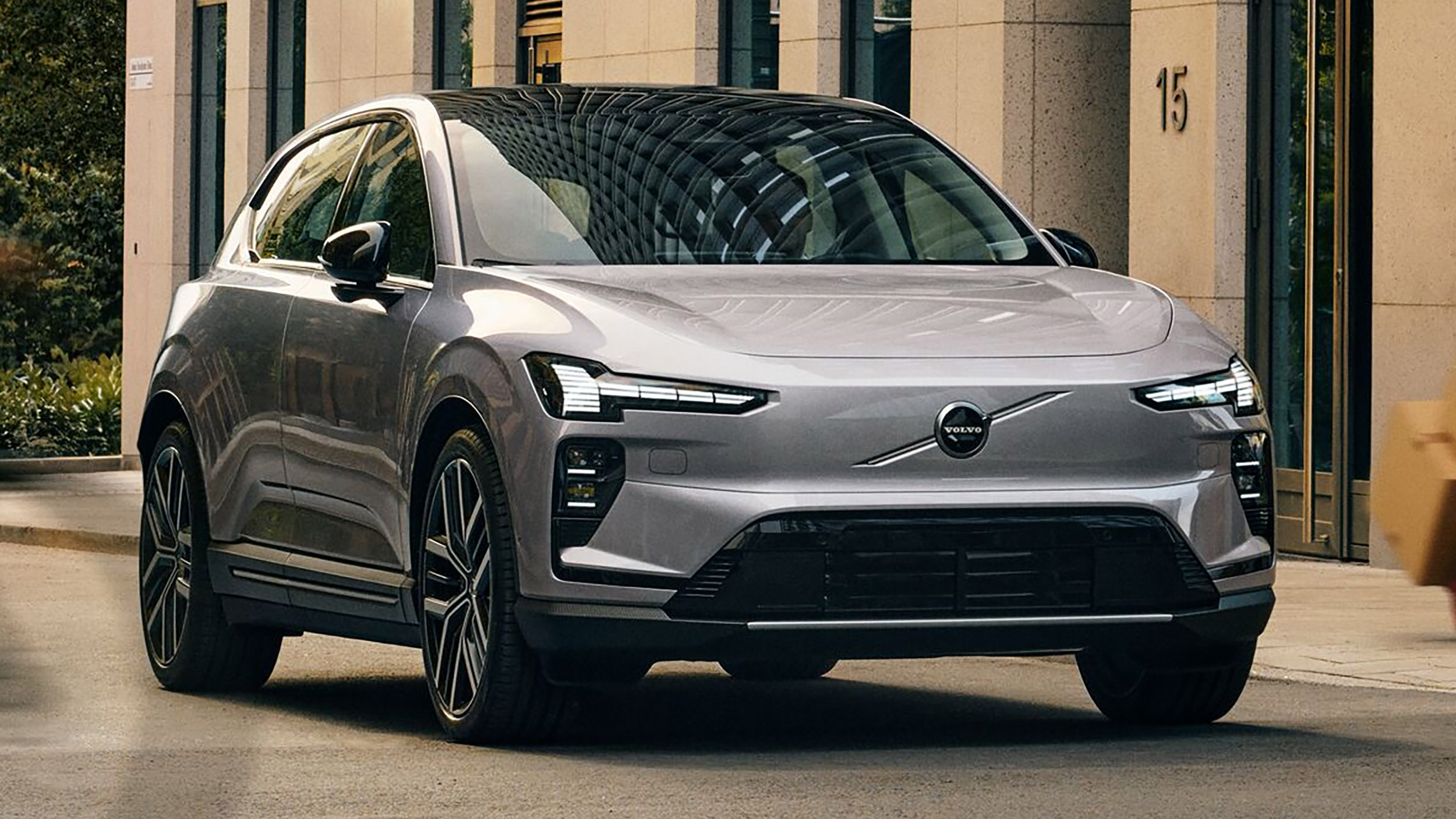
The fully electric Volvo EX60 rides on the SPA3 platform.

Hakan Samuelsson, Volvo president and CEO, said: “Our showrooms will look very different in 2030”, adding that they want to become “the leading premium car brand”. The CEO outlined the four pillars behind the new product offensive as “regionalized product offerings, leadership in electrification, unique synergies with Geely, and complete customer offers that goes beyond the car alone”.

More: Volvo Could Turn Its Belgian Plant Into A Tariff Back Door For China

Overall, Volvo wants to double its market share by introducing more EVs alongside third-generation hybrids for those not ready to make the switch. The company promised to treat its customers with regular over-the-air software updates, and make buying a new Volvo easier and more transparent with special offers and fast-delivery model variants.

 Volvo Will Launch 13 New Models By 2030, And Not All Of Them Will Be SUVs
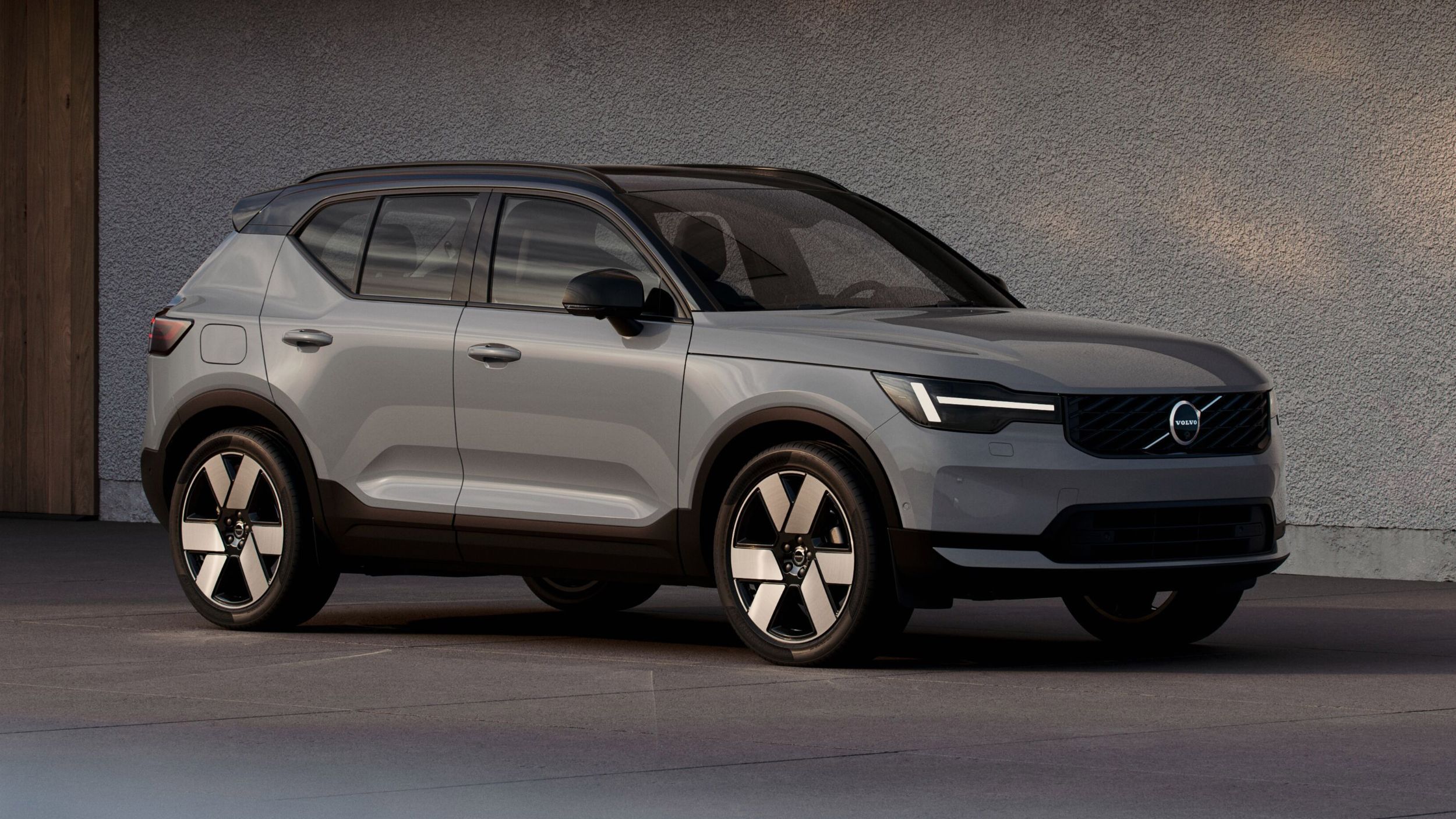
The recently facelifted Volvo XC40.

Nissan Kicks Heads To Europe With Hybrid Power Alongside Two New EVs

  • The Nissan Kicks e-Power will be sold in Europe, the UK, and Turkey.
  • Production will take place at Nissan’s Sunderland plant in the UK.
  • It will be joined by the new Pixo EV and the next-gen Juke EV.

Nissan has announced that the Kicks e-Power will become available in Europe, the UK, and Turkey, with production taking place at the Sunderland Plant in England. The automaker has also confirmed two new EVs for European markets – the Pixo urban hatchback and the next-generation Juke.

The current Nissan Kicks was introduced in 2024 in North America, with the Kicks e-Power arriving in 2026 in Japan. Naturally, European customers will gain access to the electrified version, in line with the region’s strict emission regulations and strong hybrid demand.

Review: The 2026 Nissan Kicks Isn’t Bad, It’s Just Surrounded By Good Choices

Measuring 4,365 mm (171.85 in) long, the Kicks will be one of Europe’s biggest B-SUVs, being longer even than its cousin, the Juke that stretches to 4,210 mm (165.8 in) long. Direct rivals include the Toyota C-HR, the Hyundai Kona, and the VW T-Roc, which are also available with self-charging hybrid powertrains.

\\\\\\\\\\\\\\

Nissan Kicks (Japan)

Nissan didn’t share the detailed specifications of the EU-spec Kicks, but we expect it to be similar – if not identical – to the Japanese version. The subcompact crossover features Nissan’s third-gen e-Power hybrid technology, with an electric motor moving the wheels and a combustion engine acting as a generator.

More: Nissan’s Old Kicks Returns, And It Drives Like An EV Without Ever Plugging In

In Japan, the Kicks e-Power is fitted with a 1.4-liter three-cylinder gasoline engine with 97 hp (72 kW / 98 PS), a front-mounted electric motor generating 141 hp (105 kW / 143 PS), an optional rear-mounted electric motor contributing another 67 hp (50 kW / 68 PS), and a lithium-ion battery. It remains to be seen whether Europe will get both the FWD and AWD (e-4ORCE) powertrain options, as well as the adventurous Rock Creek trim.

Production In The UK

\\\\

Nissan Sunderland facilities

The EU-spec Kicks e-Power will be manufactured in Sunderland alongside the Juke, Qashqai, and Leaf, following a £170 million ($229 million) investment. The plant celebrates its 40th anniversary this year, and has built a total of 12 million vehicles since the first Nissan Bluebird rolled off the assembly line back in 1986.

More: This Is How Nissan Copied China To Slash Development Times In Half

The UK factory will be the fourth production location for the second-gen Kicks, which is currently made in Japan, Mexico, and Brazil. A facelifted version of the first-gen Kicks with hybrid power still survives in some regions, like Thailand. Since the debut of the original in 2016, Nissan has sold over 1.8 million units in more than 70 countries.

Two New EVs

\\\\\\\\\\\\\

A camouflaged prototype of the new Nissan Pixo | Photos: SH Proshots

Besides the European arrival of the Kicks, Nissan has also confirmed that a new electric city car will be unveiled next week. The model will adopt the Pixo nameplate and will serve as a twin to the Renault Twingo and the Dacia Spring, albeit with Nissan-specific styling.

More: Nissan’s Strangest-Looking SUV Just Got Stranger, And It’s Going Electric To Prove It

Last but not least, Nissan said that the all-new third generation of the Juke will also be manufactured in Sunderland starting in 2027, migrating to a fully electric powertrain. This explains why the automaker brought the Kicks e-Power to Europe, offering a hybrid alternative to the upcoming zero-emission Juke.

Massimiliano Messina, Chairperson of Nissan AMIEO Region, said: “Electrification with choice is what European customers want, and the introduction of Kicks will further demonstrate how Nissan has options for all.”

\\\\

Nissan Juke EV

BYD’s New Electric Semi For Europe Beats Tesla In Almost Every Metric

  • BYD debuts the ETT44 electric heavy-duty tractor in Hannover.
  • It packs up to 1,006 hp and a massive 651 kWh Blade battery.
  • 1.5 Megawatt charging adds 248 miles of range in 20 minutes.

Chinese automotive giant BYD has made headlines at the IAA Transportation 2026 in Hannover with the premiere of its new commercial flagship vehicle. The ETT 44 is a fully electric heavy-duty tractor designed for Europe’s long-haul transport sector bringing loads of power, a massive battery pack and ultra-fast charging.

Visually, the ETT 44 shares the upright cab-over design with the existing ETH 20, ETH 28, and ETH 8 heavy-duty rigs, and comes standard with a high-roof sleeper cab layout. The launch edition is distinguished by aero add-ons on the front bumper, side skirts, above the windshield, and on the roof, alongside a custom grille and a special livery.

More: Chinese Brands Are Building 90,000 Cars In Europe. In Ten Years, Make That 1.5 Million

The interior boasts a digital instrument cluster, a 12.8-inch infotainment display, and large screens for the mirror-replacing cameras. We can also see an array of physical controls, a car-like gear knob, multiple cup holders, storage compartments, and a radio. Behind the seats is a bed for the driver. The ETT 44 rides on air suspension and comes equipped with an extensive ADAS suite.

\\\\\

BYD

Under the skin, the specs beat the European-market Tesla Semi, which was also introduced at the same event. BYD’s 4×2 electric tractor is powered by a single electric motor generating up to 1,006 hp (750 kW / 1,020 PS). It is available with two LFP BYD Blade battery options with capacities of 434 kWh and 651 kWh, with advertised range figures of 400 km (249 miles) and 600 km (373 miles) respectively.

More: BYD Flash-Charged Its Luxury EV Over 350 Times In A Week Covering Nearly 19,000 Miles, Then Checked The Battery

The base version has a maximum charging rate of 950 kW, which increases to an impressive 1,500 kW in the long-range variant. This means that both models can charge from 20-80% in as little as 20 minutes when connected to a compatible MCS charger. For comparison, the EU-market Tesla Semi has a 550 km (342-mile) range and supports charging speeds of up to 800 kW.

Weight Figures

\\\\\\

BYD

The BYD ETT 44 measures 6,400 mm (252.0 in) long, 2,530 mm (99.6 in) wide, and 3,820 mm (150.4 in), tall with a 3,800 mm (149.6 in) wheelbase. This footprint is similar to other European heavy-duty tractors such as the Mercedes-Benz eActros 600, Man eTGX, Scania 45 R Electric, and DAF XF Electric.

More: Half Of British Drivers Would Now Buy A Chinese Brand They Couldn’t Name 3 Years Ago

Its curb weight ranges between 10,950-11,140 kg (24,141-24,560 lbs) with a gross weight rating of 20 tons (44,092 lbs) and a gross combination weight of 44 tons (97,003 lbs) as dictated by European regulations. BYD says that the model would be capable of a gross combination weight of 65 tons (143,300 lbs).

Notably, even the capped gross figure is higher than the Tesla Semi, which maxes out at 40 tons (80,000 lbs), although it has a lighter curb weight of 9,100 kg (20,062 lbs).

BYD has yet to announce pricing for the ETT 44, which is expected to hit European roads in the coming months. However, the company has already confirmed a standard 10-year or 1.2 million km (750,000-mile) warranty for the battery pack, offering peace of mind to future owners.

 BYD’s New Electric Semi For Europe Beats Tesla In Almost Every Metric

BYD

The Mitsubishi Eclipse Cross You Can’t Have Just Got Way Cheaper

  • The Mitsubishi Eclipse Cross EV receives updates one year after its debut.
  • The EV gains a new 67 kWh battery option and an upgraded 89 kWh unit.
  • The electric crossover with Renault bones has a much lower entry price.

Americans might be stuck with the aging Mitsubishi Eclipse Cross for now, but Europeans have access to a new generation with electric power. Exactly one year after its debut, the Mitsubishi Eclipse Cross EV gains new battery options, mirroring the technical updates introduced by its French twin – the Renault Scenic E-Tech.

The highlight is the addition of a smaller 67 kWh battery option with Lithium Iron Phosphate (LFP) chemistry, offering a WLTP range of 472 km (293 miles). The same unit is already used in the facelifted Renault Megane E-Tech.

More: Renault Gave The Updated Megane EV A Meaner Face And A Slower 0-62

The larger battery option retains the Nickel Manganese Cobalt (NMC) chemistry but its capacity has grown from the original 87 kWh to 89 kWh. As a result, the maximum WLTP range has been increased by 15 km (9 miles) to a more generous 650 km (404 miles).

Both batteries are compatible with DC charging, replenishing 15-80% of their charge in 24 and 28 minutes respectively. Independently of the battery pack, power comes from a single front-mounted electric motor generating 220 hp (164 kW / 223 PS), which is 5 hp (4 kW) more than before.

\\\\\\

Mitsubishi

Predictably, Mitsubishi didn’t bother changing anything on the exterior design of the EV after a year on sale. The interior has also been carried over with dual 12.3-inch displays running Renault’s Google-based infotainment software.

More: Mitsubishi Is Turning The Pajero Into A Family Of SUVs, And One’s Coming For The RAV4

The updated Mitsubishi Eclipse Cross EV will be available to order in European markets from November 2026. In the Netherlands, the cheapest Mid-Range option with the 67 kWh battery starts at a discounted €32,990 ($38,300) including an electric benefit of €3,000 ($3,500).

The Long-Range variant with the upgraded 89 kWh battery will arrive later on, but the outgoing model is still available starting from €40,490 ($46,900). Note that the Eclipse Cross EV had an introductory price of €45,690 ($53,000) in the Dutch market when it arrived last year, meaning that the entry point in the lineup has dropped by €12,700 ($14,700).

\\\\\\\\\\\\\\\\\

Mitsubishi

New Dacia Spring EV Flees From China And Pays The Price

  • New Dacia Spring is a Euro-made budget-friendly urban EV.
  • It has a Renault platform, 80 hp and a 155-mile WLTP range.
  • The entire lineup will be priced under €20k before subsidies.

Dacia has unveiled a new generation of the Spring, marking a complete overhaul for one of Europe’s most affordable urban EVs. The small hatchback is built on Renault bones, promising a 155-mile range, clever design features and a sub-€20k ($23k) price tag. Unlike its Chinese-built predecessor, the new Spring will be manufactured in Slovenia, avoiding import tariffs in Europe.

The new model swaps the aging CMFA-EV platform of its predecessor for the new RG-EV architecture. This is another name for the AmpR Small platform, already underpinning the Renault Twingo E-Tech, Renault 5 E-Tech and Nissan Micra hatchbacks.

More: Dacia’s Sub-$28K Striker Claims To Be Three Cars At Once

\\\\\\\\\\\\\\

Power comes from a Twingo-sourced electric motor producing 80 hp (60 kW / 82 PS) and 175 Nm (129 lb-ft) of torque, sending power to the front wheels. The 0-100 km/h (0-62 mph) sprint is completed in 12.1 seconds and top speed is limited at 130 km/h (81 mph). Energy is stored in a small 27.5 kWh Lithium Iron Phosphate (LFP) battery pack, offering up to 250 km (155 miles) of WLTP range.

The battery needs 28 minutes to charge from 15-80% when connected to a 50 kW DC fast charger, or 2 hours and 55 minutes from a 7 kW wallbox using the standard AC charger.

\\\\\\\\\\\\\\\\\

The shift to the new platform gives the urban EV different proportions and a larger footprint while keeping weight low at 1,212 kg (2,672 lbs). The new Spring is 150 mm (5.9 in) longer and 180 mm (7.1 in) wider compared to its predecessor, stretching to 3,850 mm (151.6 in) long. It is also 61 mm (2.4 in) longer than the Renault Twingo E-Tech twin, while adopting a different styling language.

More: Renault Shipped 100 Frog-Eyed Twingos To The UK Purely So You Can Stare At Them

Unlike the Renault which is known for its frog-style headlights and soft curves, the Dacia looks less playful and more utilitarian. Designers gave it boxy LEDs, a generous amount of plastic cladding on the bumpers, conventional door handles and steel wheels measuring 15 or 16 inches in diameter.

\\\\\\\\\\\\\\\\\\\\\\\\\\\\\\\\\\\

Inside, the larger body translates to a more spacious cabin although the model retains the four-seater layout. The cargo space has a capacity of 337 liters (11.9 cubic feet) and grows to 1,283 liters (45.3 cu ft) when folding the 50/50 split rear bench. Dacia has also added a optional 18-liter (0.6 cubic feet) frunk, plenty of storage solutions around the cabin, and the modular YouClip accessory mounting system.

More: Renault’s New Duster Looks Like An Expensive Dacia, Until You See The Price

\\\\\\\\\\\\\\\\\\\\\\\\\\\\\\\\\\\\\\\\

The dashboard appears to be covered in hard plastics with a large piece of colorful trim above the practical tray breaking the monotony of black. The standard 7-inch digital instrument cluster is joined by a 10.1-inch infotainment display on the flagship Journey trim, although the entry level Expression will be limited to a smartphone mount.

Occupants are treated with fabric seats and scratchy plastics on the door cards, designed to keep the costs low. Finally, the model has a familiar “My Safety” button allowing the driver to quickly disable or enable ADAS.

\\\\\\\\\\\\\\\\\\\\\\\\\\\\\\\\\\\\\\\\\

Production of the new Dacia Spring takes place at the Novo Mesto plant in Slovenia alongside the Renault Twingo E-Tech. The market launch is expected in late 2026, with the first deliveries scheduled for early 2027. Dacia has yet to announce detailed pricing but confirmed that all variants will cost under €20,000 ($23,000) before local EV subsidies.

More: Opel’s Cheapest New Car Is Now A Family SUV With Three Pedals And Steelies

This suggests that the new model will be more expensive compared to the outgoing Chinese-built Spring, which started from a heavily discounted €11,900 ($13,800) in Germany earlier this year. The latter will remain on sale alongside the new generation for a transitional period, serving as a cheaper alternative.

The new Spring is one of four new Dacia EVs set to debut by 2030 according to the official roadmap, including the upcoming Sandero EV with a slightly larger footprint.

\\\\\\

Dacia

Xiaomi Conquered China In Two Years, Now It’s Coming For Europe

  • Xiaomi brings its EVs to Europe next year, starting in Germany.
  • Sales will run through dealers, not Xiaomi’s own direct model.
  • A China EV tariff of up to 45.3 percent could bite hard.

After conquering its home market of China with several exciting EVs, Xiaomi will soon start selling its cars internationally. Things will kick off in Europe next year, including in Germany, with the signing of several memorandums of understanding with dealership groups to make it happen.

Read: Xiaomi’s New $38,400 SUV Runs 314 Electric Miles Before Burning A Drop Of Gas

Xiaomi already operates a large research and development center in Munich, Germany, and will work alongside groups including LUEG Mobility GmbH, a Mercedes-Benz dealer, and Emil Frey Germany, one of the nation’s largest automotive dealership groups. Working with experienced partners will allow Xiaomi to hit the ground running with dealers that have already established trust with customers across Germany and have extensive experience in new-car sales.

\\\\\

In addition, working with dealerships rather than selling vehicles directly to consumers will give prospective buyers the chance to touch and feel Xiaomi products in the flesh before handing over any of their hard-earned cash.

Xiaomi’s models in Europe will be more expensive than the ones it sells in China. The EU imposes hefty tariffs on EVs imported from China, significantly increasing their prices. Xiaomi had yet to launch its first EV, the SU7 sedan, when the European Commission launched its investigation into Chinese EVs in 2023, and as a result, the technology company didn’t participate in the probe. As noted by the South China Morning Post, this means it could be hit with the highest possible duty of 45.3 percent.

\\\\\\\

Xiaomi’s Skynomad

Since it started selling vehicles, Xiaomi has delivered more than 700,000 units in China, a remarkable achievement given how new it is to this ultra-competitive industry. However, in China, Xiaomi is a well-established consumer product brand, often viewed as the ‘Apple of China.’ This gave it a huge competitive advantage over other new-vehicle brands as it’s already a trusted name.

Although Xiaomi products are also available in several overseas markets, they remain a relatively small player in regions like Europe and won’t be able to rely on familiarity to win over customers. Instead, it will need to convince shoppers with great features and competitive pricing, which is a tall task indeed, especially in the hotly contested markets of the Old Continent.

\\\\
❌
❌