❌

Normal view

There are new articles available, click to refresh the page.
Before yesterdayElectric Vehicles - Latest News | Carscoops

Jeep Could Go Back To Basics With A Modern Willys

  • Jeep is exploring a modern Willys revival for European markets.
  • It could take the form of a low-cost EV targeting Chinese rivals.
  • Jeep will expand its European lineup to six models by 2030.

Jeep might not be part of the massive Stellantis stand at the Paris Motor Show, but it still managed to steal our attention with an unexpected announcement. The European chief of the American brand hinted at a new project inspired by the spirit of the iconic Willys Jeep.

Xavier Peugeot, Head of Jeep Brand Enlarged Europe, revealed bits of information about the future project during a press briefing in Paris. As reported by Autocar, he said that the Willys is a key topic of interest for the brand, and one of several new ideas for future products.

More: 2027 Jeep Cherokee Trailhawk Debuts With A Lift And Real Off-Road Capability

The high-ranking official clarified that Jeep is “not confirming any concrete launch”. Still, he implied that the Willys project could follow after the confirmed launches from Jeep’s current “Road to 2030” strategic roadmap.
 Jeep Could Go Back To Basics With A Modern Willys

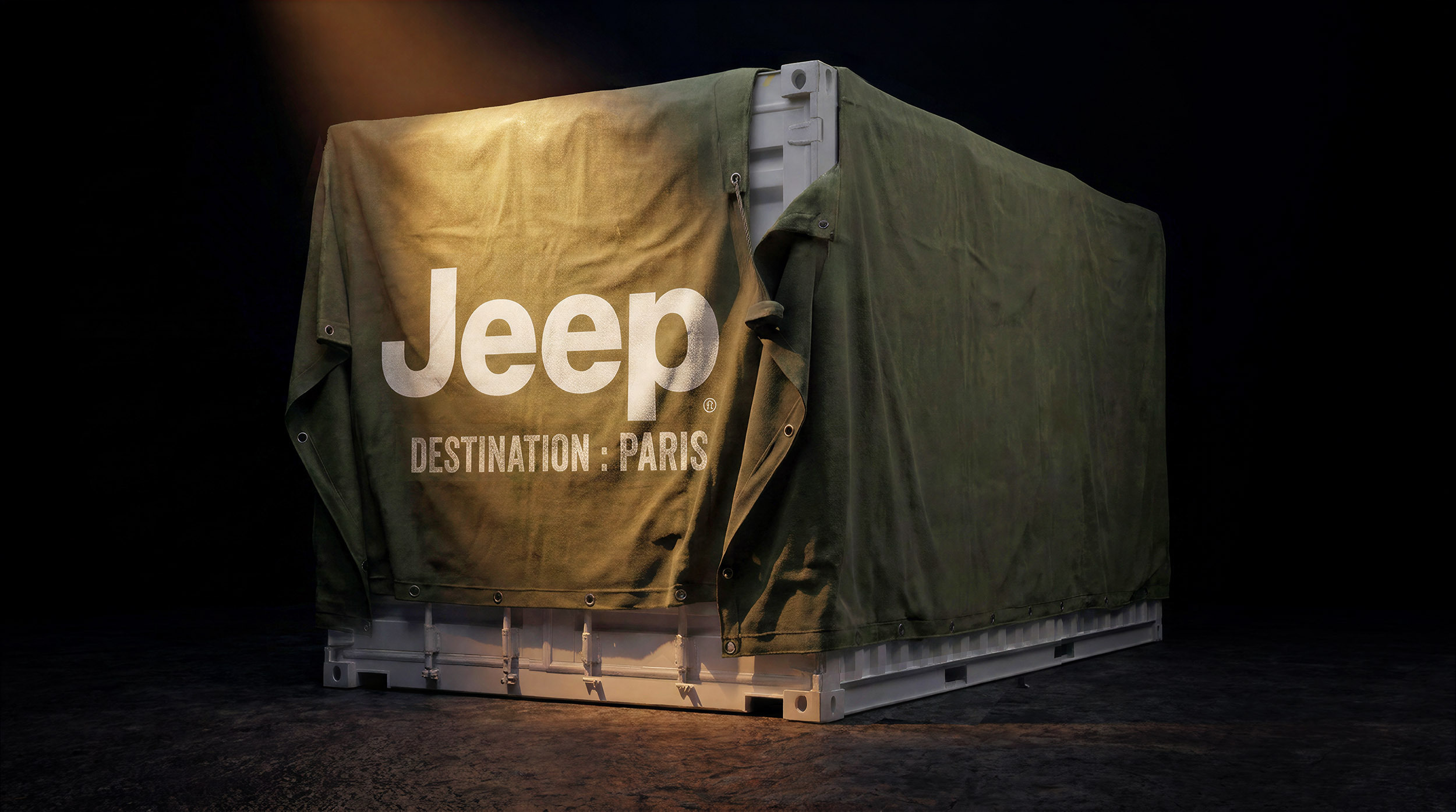
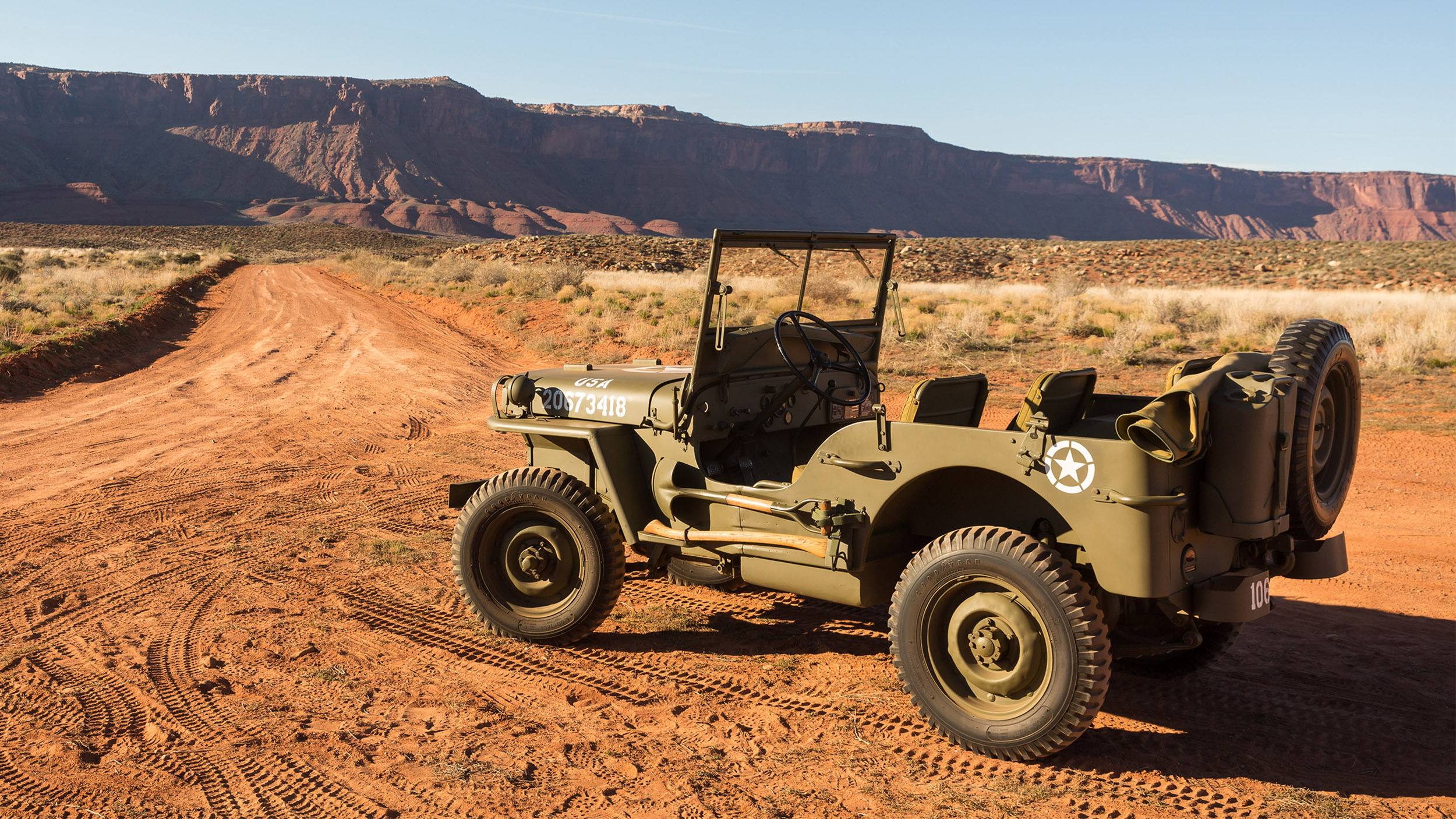
During the presentation, Peugeot showed an image of the Willy’s Jeep next to a wooden crate, featuring a “Not Fragile” stamp. This explains the mysterious teaser of a shipping container shared by Jeep last week.

Review: The New 2027 Jeep Compass e-Hybrid’s Rugged Looks Write A Check It Can’t Cash

Italian media Quattroruote reports that Jeep is currently evaluating ideas combining a compact footprint, off-road capability, electrification, and iconic styling. This suggests that the Willys revival could be positioned in the small segment, potentially below the Avenger and the future Renegade.

Peugeot admitted that Jeep’s values are important to fight the Chinese models in Europe, with the Willys described as “a key card to play.” Still, the project is at an early ideation stage, with the European chief adding: “Give us some time and we’ll come back to tell you more.” 
 Jeep Could Go Back To Basics With A Modern Willys

Jeep

Reading between the lines, a new Willys-inspired Jeep is not expected to hit European markets before 2030. While details are scarce, we picture a small boxy SUV with a no-frills character, an electrified powertrain, and an affordable price tag. However, before the project gets the green light for production, Jeep has several new models in store.

More SUVs For Europe

The company plans to expand its European lineup from two to six models by 2030. The recently facelifted Avenger and the new Compass will be joined by a new generation of the Renegade, the fully electric Recon, a yet-unnamed B-SUV (subcompact) and and a flagship D-SUV (midsize) developed in collaboration with Dongfeng.

More: Jeep’s Next Flagship SUV For Europe Comes From China, Not America

Xavier Peugeot confirmed the upcoming arrival of the Renegade, adding that Jeep “would be mad not to consider it” based on the sales of the original. He also said that the Recon will arrive in Europe in 2027 serving as a fully electric replacement for the five-door Wrangler.

 Jeep Could Go Back To Basics With A Modern Willys

Jeep

Tesla Drops ‘Full Self-Driving’ Name For ‘Assisted Driving’ In Europe

  • Tesla has finally dropped the “Full Self-Driving” name, but only in Europe.
  • The company is chasing EU-wide approval for its driver-assistance system.
  • Several European regulators have expressed concern about the FSD name.

For years, Tesla has been criticized for branding its advanced driver-assistance system as “Full Self-Driving.” While FSD is one of the most complex systems of its kind on the market, it doesn’t offer full self-driving in all scenarios, nor does it offer driver-assistance operations that allows the driver to switch off while behind the wheel. Finally, it appears the electric carmaker has recognized the dangers of the name, though not because of a newfound sense of altruism.

Over the last week, Tesla has rebranded Full Self-Driving as “Tesla Assisted Driving” across its European websites, including in Spain, Germany, Sweden, the Netherlands, and other markets. Tesla has also updated its online owner’s manuals in each market to reflect the change.

Read: Belgian Test Finds Tesla FSD Speeding And Trying To Pass Cyclists Illegally

The name change comes roughly six months after Dutch regulator RDW gave Tesla the green light to introduce the Full Self-Driving system following months of secretive testing. In the months after FSD was approved in the Netherlands, seven other countries in the European Union gave the go-ahead for the driver-assistance functions to be introduced across local fleets. These include Croatia, Slovenia, Czechia, Estonia, Lithuania, Denmark, and Belgium. Slovakia is expected to approve the system soon.

Concerns About The FSD Name

 Tesla Drops ‘Full Self-Driving’ Name For ‘Assisted Driving’ In Europe

However, as Reuters reports, safety regulators in several countries have said the Full Self-Driving name was misleading. They have a point. Like Autopilot, the naming of the system could give drivers false confidence that the vehicle can drive itself in all scenarios, and that they no longer need to focus on the road. This comes despite Tesla labeling the system as Full Self-Driving (Supervised) and repeatedly warned customers on its websites and social media accounts that the technology does not make vehicles fully autonomous or replace a human driver.

By changing the system’s name, Tesla has easily and quickly addressed one of the main concerns among regulators. Company boss Elon Musk has been feveriously pushing for EU-wide approval of the system, declaring it as a crucial part of the company’s future.

A vote on the technology was scheduled to take place this month but has since been delayed until December. For the system to be introduced across the entire bloc, a qualified majority of 15 of the EU’s 27 member states must vote in favor of it.

 Tesla Drops ‘Full Self-Driving’ Name For ‘Assisted Driving’ In Europe

Audi Could Make Its EVs Better By Making Them “Worse”

  • The German brand could add sounds, vibrations, and smells to future EVs.
  • A patent also describes windshield graphics and synthetic turbo lag.
  • Like Hyundai and Ferrari, Audi wants to make its EVs more entertaining to drive.

One of the best things about electric cars is how remarkably smooth and quiet they are. A sense of calm washes over you as you drive a good EV, as you no longer have to worry about jerky gear shifts or an unpleasant engine rattling away. These attributes make EVs great for regular consumers who use cars as nothing more than a means of transport. But for driving enthusiasts like us, electric cars don’t usually get us excited. Audi might have the answer.

A patent filed by the company with the German Patent and Trade Mark Office describes several different systems that could boost the engagement of driving an EV. Loads of other car manufacturers have already done this, most notably Hyundai N with its fake dual-clutch transmission and ICE-inspired audio systems. More recently, Porsche, Mercedes-AMG, and Ferrari have all launched EVs with a similar focus on driving thrills.

Read: AUDI’s E7X Is Bigger Than A Q7 And Cheaper Than A Q3

The first piece of tech that Audi has patented relates to sounds and vibrations. It could add a physical connection from the powertrain directly to the cabin, transmitting vibrations to the driver and passengers. Additionally, less sound deadening could be used to amplify those mechanical noises we all love, and Audi may even let EV owners rev their cars by decoupling the electric motor, Car and Driver reports. Pump in some artificial sounds and it might be possible to develop and build an EV that traditional gearheads would actually want to drive.

\\\\\\

Audi’s ideas don’t stop here. By tweaking a car’s software, it could add in synthetic turbo lag, giving EVs a more traditional driving feel without the instant power we’ve all come to expect. Engineers from the German brand have even started dreaming up ways to create scents that’ll get drivers excited. If you want to cruise, a scent could be pumped into the cabin to calm you, or a more evocative smell could fill the car when you stamp down the throttle.

An advanced projection system has also been envisioned, allowing exciting displays to be projected onto the windshield. While we could see something like this appealing to the younger, gaming generation, we suspect it may be a little too distracting for some motorists. As always, there’s no guarantee that any of the technologies that Audi is looking to patent will become a reality, but we’re hopeful at least some will.

 Audi Could Make Its EVs Better By Making Them “Worse”

Hyundai Is Working On Both An Ioniq 4 And An Ioniq 7

  • Hyundai’s range of EVs will soon be expanded with two new SUVs.
  • A new Ioniq 7 will be positioned between the Ioniq 5 and Ioniq 9.
  • An Ioniq 4 is coming as a more traditional SUV alternative to the Ioniq 3.

No one could accuse Hyundai of dragging its heels on electric vehicles. While some of its legacy rivals have been a little slow to embrace EVs, the South Korean brand continues to grow its fleet of battery-powered cars at an impressive rate, and it’s already working on at least two more.

One of these all-new EVs will be the Hyundai Ioniq 7. For quite some time, the brand’s flagship electric SUV and compatriot to the Kia EV9 was referred to as the Ioniq 7, but it ended up launching as the Ioniq 9. Wearing the Ioniq 7 name will be a new SUV positioned between the Ioniq 5 and the Ioniq 9.

Read: Hyundai Strips The New Ioniq 3 Down To Its Cleaner, Cheaper Self

Like most other EVs from Hyundai, the Ioniq 7 should launch with an 800-volt electrical architecture and be sold in both single- and dual-electric motor configurations. Although prototypes have yet to be seen testing out in the wild, AutoExpress understands this model will be closer in size to the Ioniq 5 than the Ioniq 9.

An Elexio Alternative

 Hyundai Is Working On Both An Ioniq 4 And An Ioniq 7
Hyundai Ioniq 9

If so, then it may end up being similar in size to the Chinese-built Elexio, which we drove earlier this year. If that’s the case, the Ioniq 7 may inevitably snatch some sales from the Elexio in markets where both are sold. Crucially, Hyundai’s ‘Ioniq’ branded models are positioned as slightly more premium offerings, helping to differentiate the two. In addition, the Elexio uses a 400-volt system and front-wheel drive, so the Ioniq 7 will have it beat on the powertrain front, too.

A Kia EV3-Sized SUV Is Also Coming

 Hyundai Is Working On Both An Ioniq 4 And An Ioniq 7
Hyundai Ioniq 5

Hyundai isn’t just working on the long-awaited Ioniq 7. The company is also developing a smaller EV that may be badged the Ioniq 4. It’s expected to be similar in size to the new Ioniq 3 hatchback, but unlike that model, it will be a slightly more conventional SUV and similar to the Kia EV3.

In morphing the Ioniq 3 into an SUV, Hyundai’s designers are believed to have given it a boxier, more upright design, so it may hold slightly broader appeal than the somewhat odd Ioniq 3. In addition, it’ll offer more interior space than the Ioniq 3, so it should be better for young families.

Hyundai will probably use the same battery packs and electric motors as the Ioniq 3 in the new Ioniq 4, meaning 42 kWh and 61 kWh batteries will be available.

 Hyundai Is Working On Both An Ioniq 4 And An Ioniq 7

Hate Ferrari’s Electric Luce? Blame Jeff Bezos

  • Ferrari chairman John Elkann credits Amazon’s Jeff Bezos with inspiring the Luce EV.
  • “You need to really think hard about building an electric vehicle,” Bezos told him in 2016.
  • Ferrari’s first electric car has proved controversial for both its powertrain and design.

The world doesn’t need more reasons to dislike Jeff Bezos or the Ferrari Luce. But Ferrari’s chairman just gave us one anyway, explaining that a conversation with the Amazon founder helped push Maranello to develop its first electric car.

John Elkann told a conference that a conversation with Bezos in 2016 convinced him that Ferrari needed to take the idea of an EV seriously, Reuters reports.

Related: The Aftermarket Already Has Plans For Ferrari’s $639K Luce EV

“I don’t know anything about cars, but I know about innovation,” Elkann recalls Bezos telling him 10 years before Ferrari unveiled the production Luce. “And I think that you really need to think hard about electric vehicles.”

Ferrari has produced some controversial cars in the past, including the 1974 Dino 308GT4, whose fashionably wedgy Bertone styling was a radical break from the swoopy Pininfarina lines of the brand’s earlier cars. And the 2012 FF shooting brake also got some flack for its awkward styling.

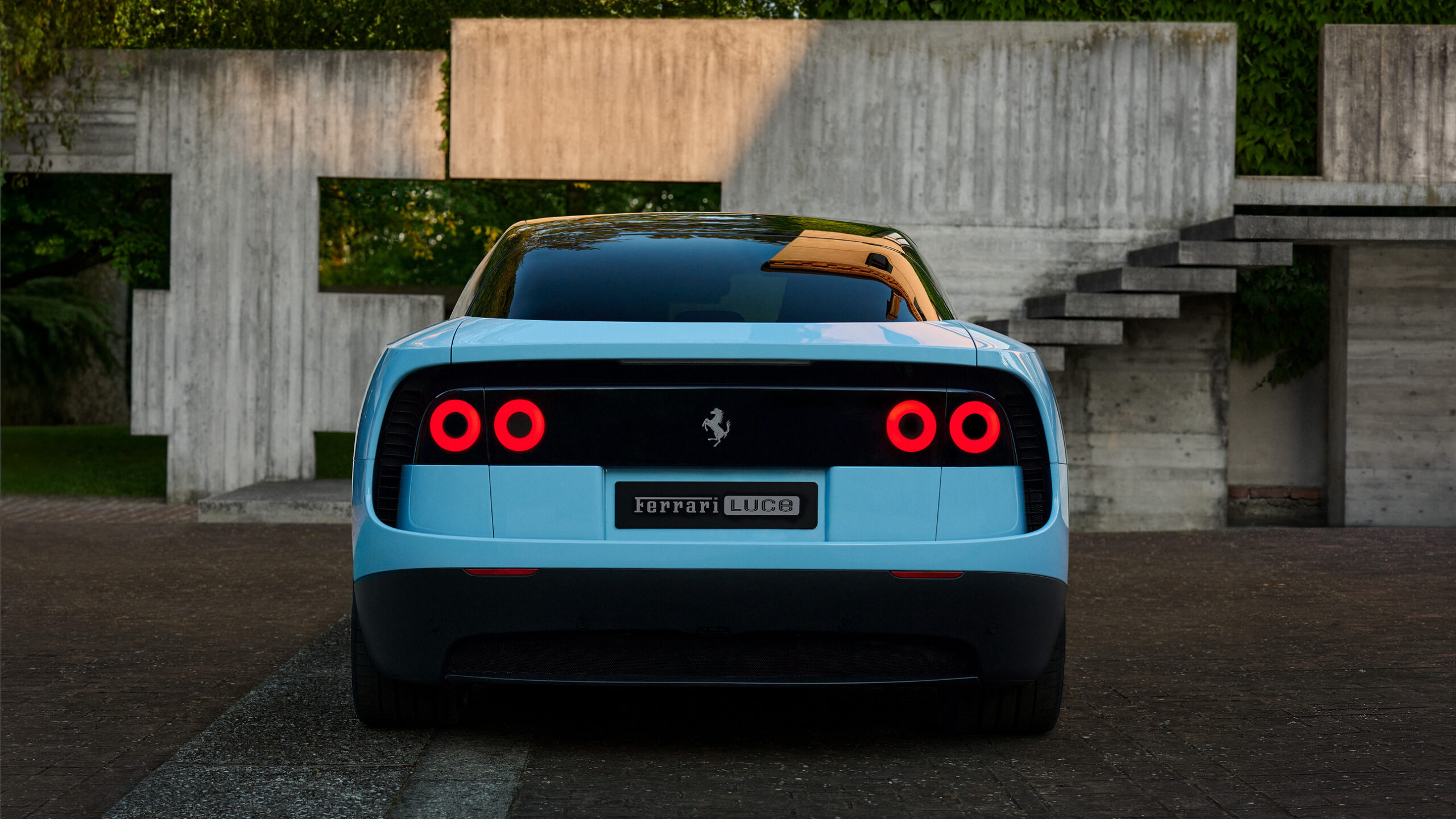
But no Ferrari has ever got fans worked up for the wrong reason like the Luce. Going electric was always going to be a much more controversial move for a brand like Ferrari than for a company like Kia, or even Porsche. But maybe Ferrari could have escaped much of the criticism if the Luce didn’t look like it does.

Apple Influences

 Hate Ferrari’s Electric Luce? Blame Jeff Bezos

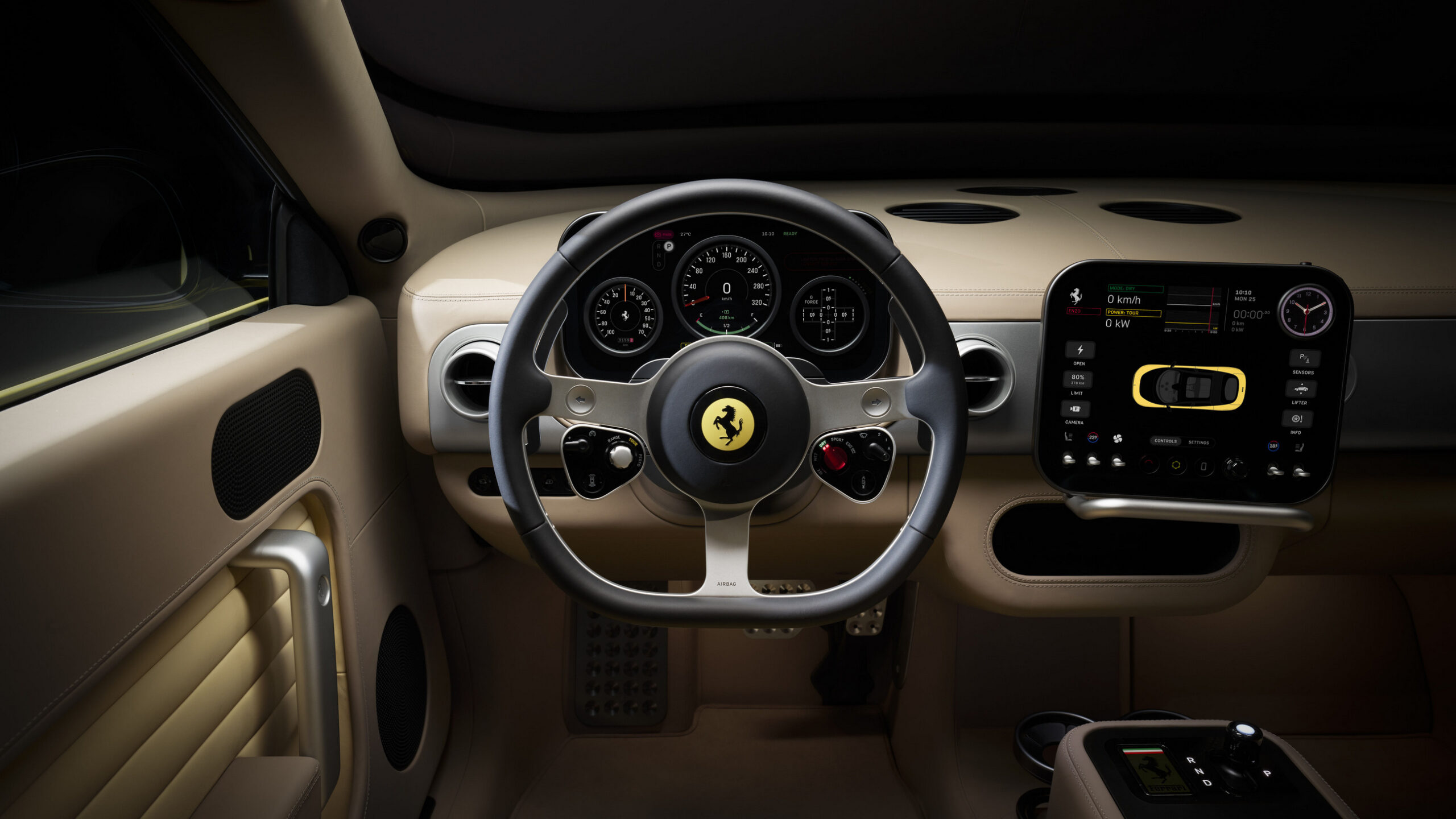
Both the exterior and interior design of the Luce were handled by LoveFrom, whose team includes former Apple designer Jony Ive. And while the interior has drawn praise for its Apple-like high quality materials and tactile switchgear, the body itself looks kind of dumpy.

“We weren’t in any way intending to do a controversial Ferrari,” Elkann told conference guests. “What is important is how much that touches your conviction. What it did is that it made our conviction very strong.”

Goes Like A Ferrari

 Hate Ferrari’s Electric Luce? Blame Jeff Bezos

Ferrari always intended the Luce to appeal to a very different audience than the one buying its other cars. But even if it looks nothing like most gearheads’ idea of a Ferrari, the Luce at least goes like one. It has four motors that collectively make 1,035 hp (772 kW / 1,050 PS), and can hit 62 mph (100 kmh) in just 2.5 seconds. A massive 122 kWh battery gives an unimpressive 329 mile (530 km) range.

It’s also priced like a true Ferrari. The Luce costs €550,000 in Europe, and while US prices have yet to be revealed, they’re likely to be in the $640,000 range.

 Hate Ferrari’s Electric Luce? Blame Jeff Bezos

Ferrari, Prime Minister’s Office (GODL-India), GODL-India

Aston Martin Admits It’s An EV Delayer, Sticking With V8 And V12 Power

  • Aston Martin will keep its V8 and V12 engines until at least 2033.
  • The British brand can source EV components from Lucid and Mercedes.
  • Boss Adrian Hallmark isn’t interested in turning Aston’s ICE models into PHEVs.

Aston Martin has labeled itself as a “BEV delayer,” confirming that it won’t launch an all-electric model until next decade and that it remains firmly committed to its V8 and V12 engines. Evidently, Aston Martin’s largest shareholder, billionaire Lawrence Stroll, has absolutely no interest in launching an EV in the vein of the controversial Ferrari Luce.

The British brand had been aiming to launch an EV in 2030, but shifting consumer sentiment has allowed it to push that date back. Now, the company only needs to think about building an EV before 2035 to meet regulations in select markets, and isn’t even worried about setting a firm date at this stage.

Read: The Aston Martin Valhalla Is About To Become Even More Exotic

“We only need BEVs to be compliant for legislative reasons [in certain markets] just before 2035,” Aston Martin chief executive Adrian Hallmark confirmed to Autocar. “I’m not going to give an absolute date, because it’s imprecise. It could be 2035, it might be 2033, but it’s in that three-year window. It’s not 2031.”

Aston Martin Has EV Deals With Lucid And Mercedes

 Aston Martin Admits It’s An EV Delayer, Sticking With V8 And V12 Power

When Aston Martin does release an EV, it will have the latest technologies at its disposal. The company has a deal with Lucid that’ll give it access to the American brand’s latest systems, and also plans to strengthen its relationship with Mercedes-Benz for future electric powertrains and electronics.

Aston Martin’s apparent reluctance to rush into the EV era is something that should be appreciated by the company’s customers. In the same interview, Hallmark confirmed Aston Martin has a “roadmap” to keep its current V8 and V12 engines alive through to the end of 2035, meaning we almost have a decade left to enjoy these fabulous powertrains.

More Hybrids Are Coming

 Aston Martin Admits It’s An EV Delayer, Sticking With V8 And V12 Power

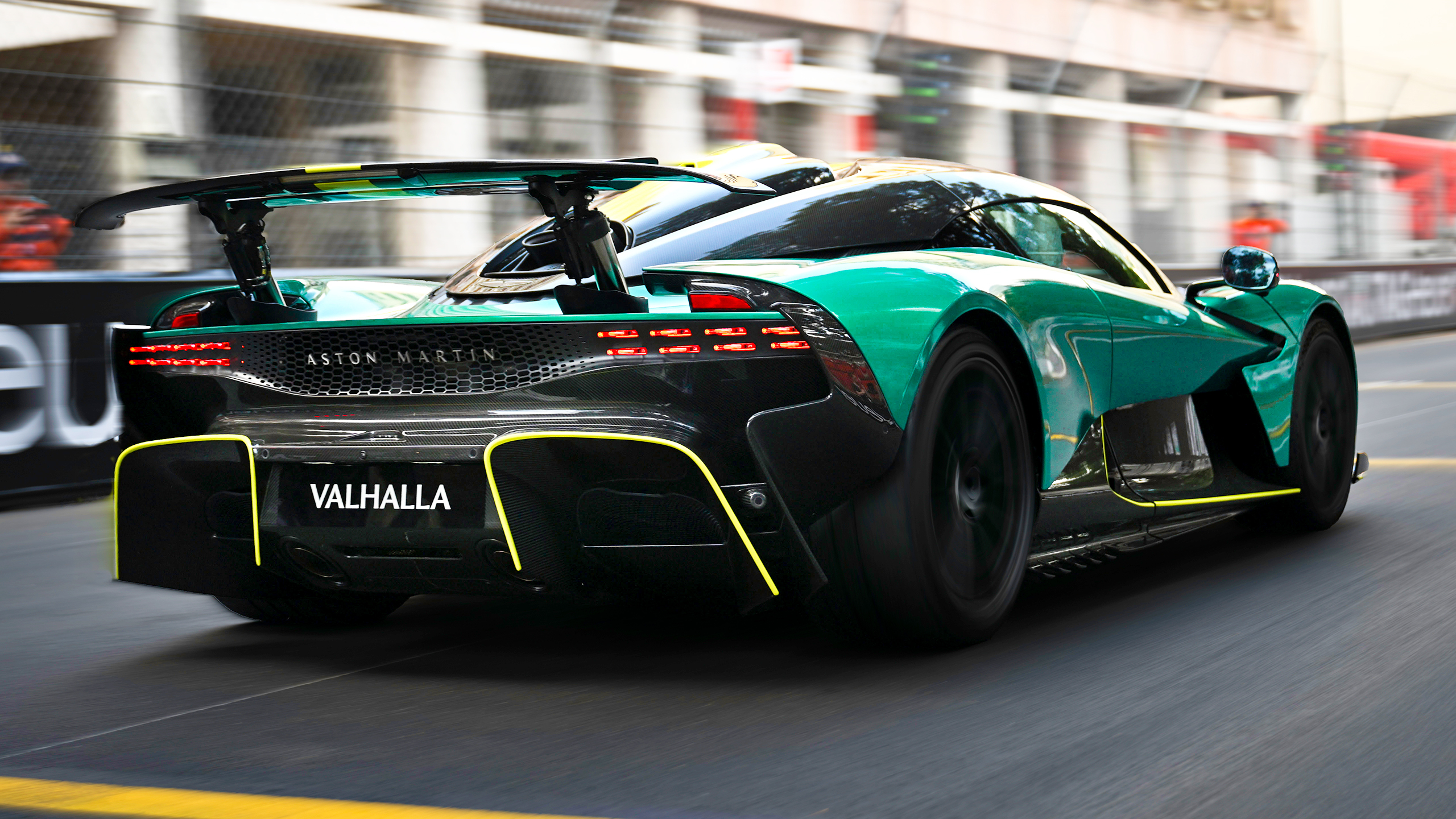
Helping to keep these engines feeling fresh will be some form of hybridization, although Hallmark confirmed that they won’t use plug-in hybrids, declaring that he doesn’t like the added weight of these more complex systems. Curiously, the Aston Martin Valhalla uses a 4.0-liter twin-turbo V8 with a plug-in hybrid that includes three electric motors and a 6.1 kWh battery pack. Evidently, it will remain the only PHEV in Aston Martin’s range.

As for the battery-electric vehicles that Aston Martin will eventually need to launch, Hallmark says the firm has the time to decide what technologies it would like to introduce.

“Looking at BEVs in the future, even if [we launch our first in] 2033, we’ve got three years where we can keep looking, keep thinking and keep evaluating different technologies and how they’re changing, and the markets and the legislation,” he said. “And it’s only then that we would need to kick off investment. So today we’ve got very low-level investment, but it’s research and study, not even single-digit millions of investment.”

 Aston Martin Admits It’s An EV Delayer, Sticking With V8 And V12 Power

Mazda Is Working On A New Midsize Pickup

  • Mazda confirms a next-gen BT-50 pickup is under development.
  • It could feature sharper styling based on shared underpinnings.
  • The new midsize truck is expected to hit the road around 2028.

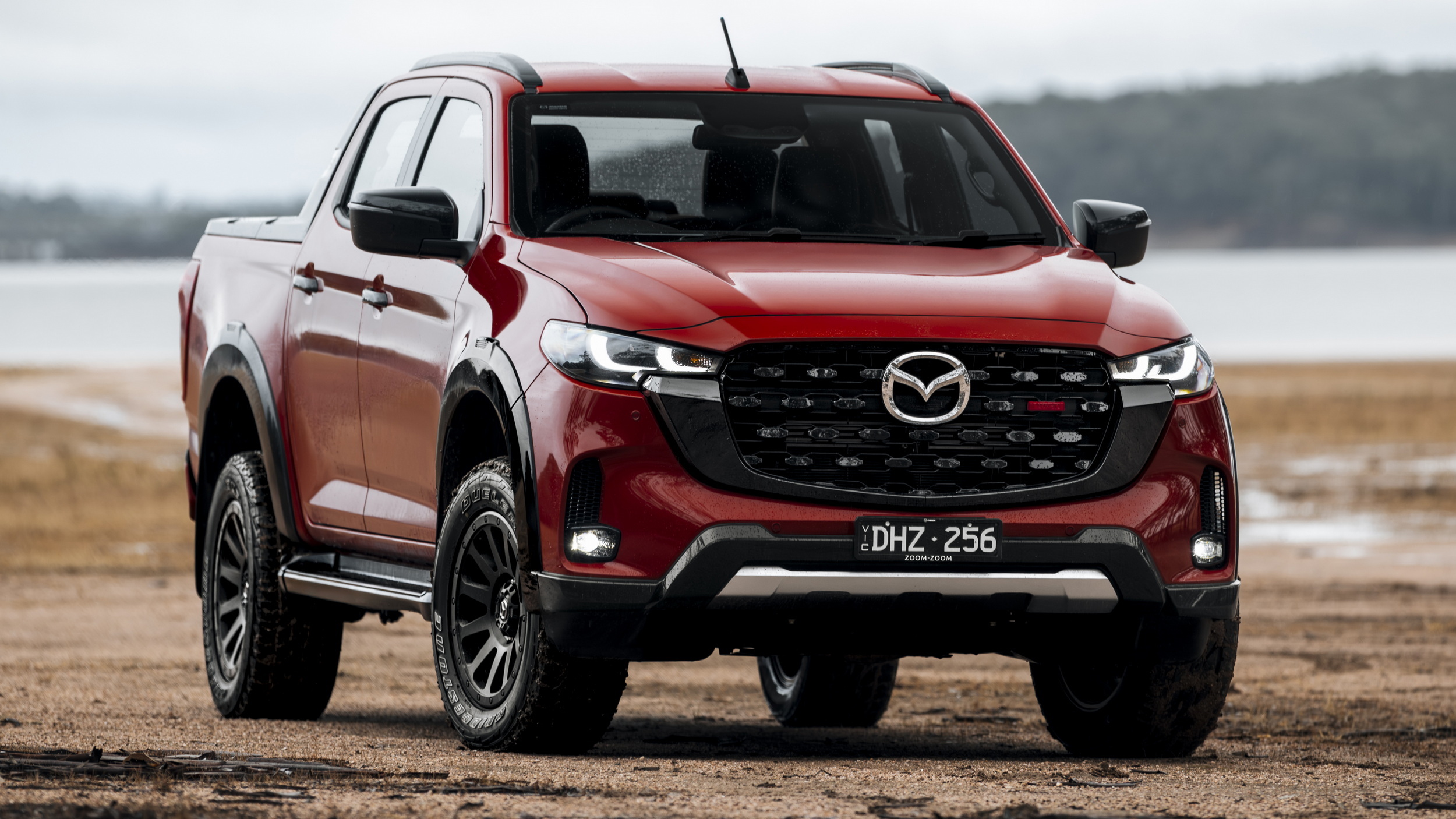
The Mazda BT-50 might not be as popular as its Toyota Hilux and Ford Ranger rivals, but it remains an important model for the Japanese automaker. The increased competition in the midsize pickup segment has prompted Mazda to consider a new generation, set to arrive over the next couple of years.

The third generation of the Mazda BT-50 was introduced in 2020, with a mid-lifecycle update following in late 2024. The model is based on the ladder-frame underpinnings of the Isuzu D-Max, with Mazda-specific styling inside-out and is currently offered with non-electrified turbodiesel powertrain options.

More: Mazda Pickup Gets Its Thunder Back, As A New Boss Steps In

Our colleagues at CarsGuide spoke to Vinesh Bhindi, Mazda Australia’s managing director, who confirmed that a new generation of the BT-50 is under development. The high-ranking official didn’t get into details about the specifications, but confirmed it will likely hit the road around 2028.

 Mazda Is Working On A New Midsize Pickup
The current Mazda BT-50 is based on the Isuzu D-Max.

The same publication spoke to Eiji Kimoto, Mazda’s chief designer, who was responsible for the styling of the current BT-50. When asked about the upcoming pickup, Kimoto said: “I am not allowed to speak much about the future product, but I can tell you, please look forward to it”.

More: Bare-Bones Mazda BT-50 Grows Stronger And More Capable

Since Mazda doesn’t have enough R&D resources to develop a pickup on its own, the next BT-50 will likely be the result of a partnership. After all, the first two generations were paired with the Ford Ranger, while the third one migrated to the Isuzu platform.

Collaborative Effort

 Mazda Is Working On A New Midsize Pickup

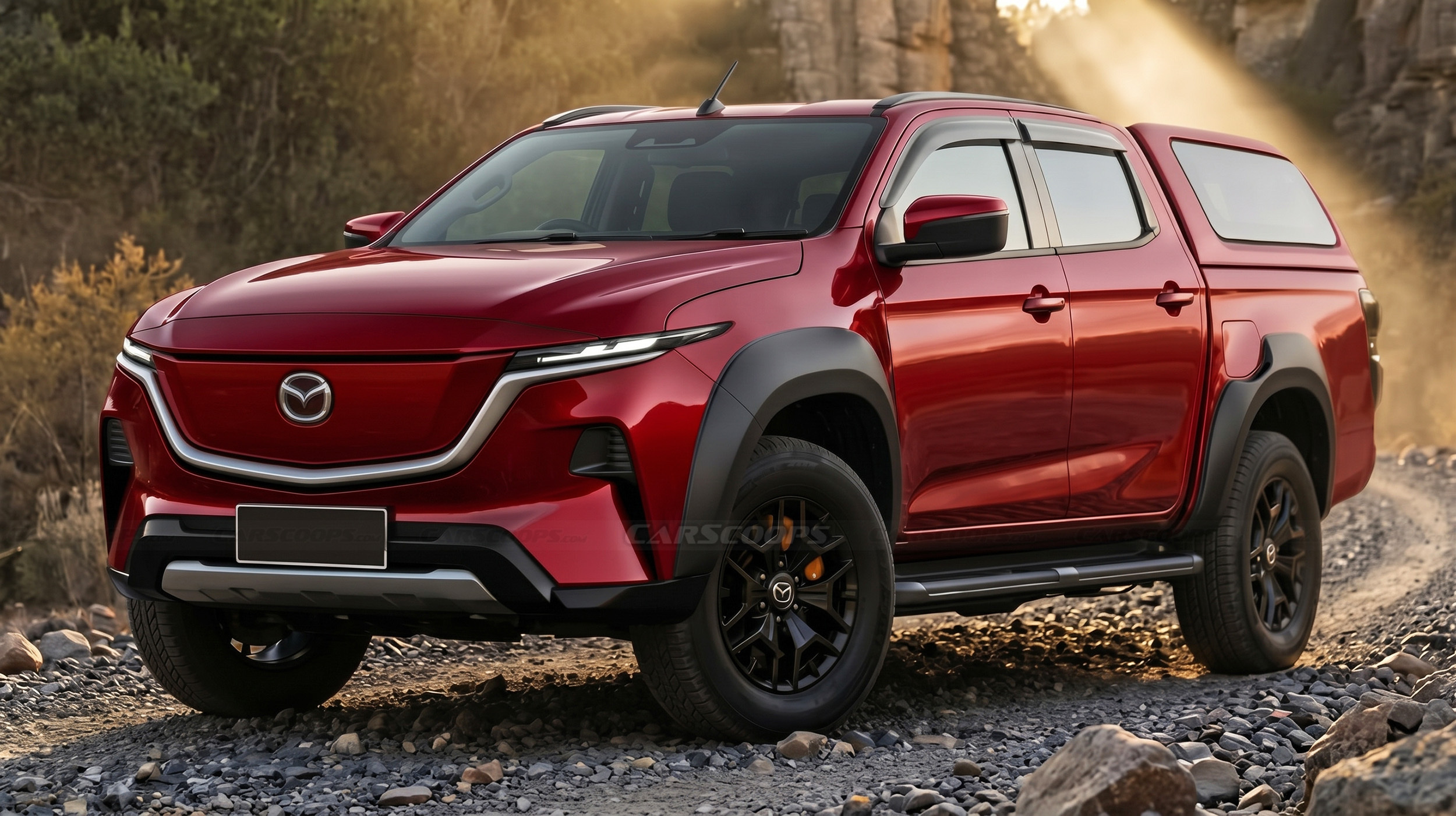
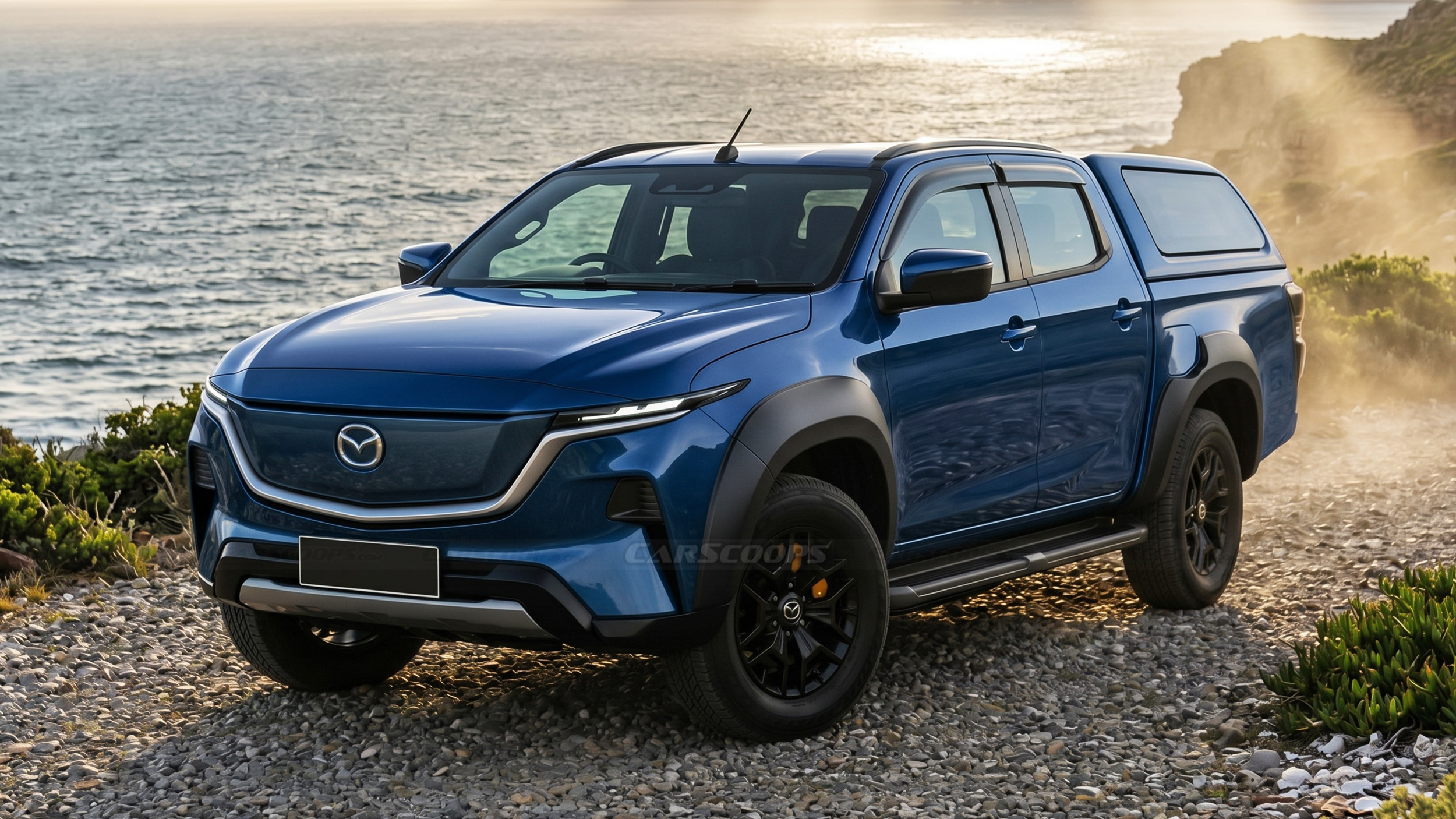
Illustrations: Thanos Pappas / CarScoops

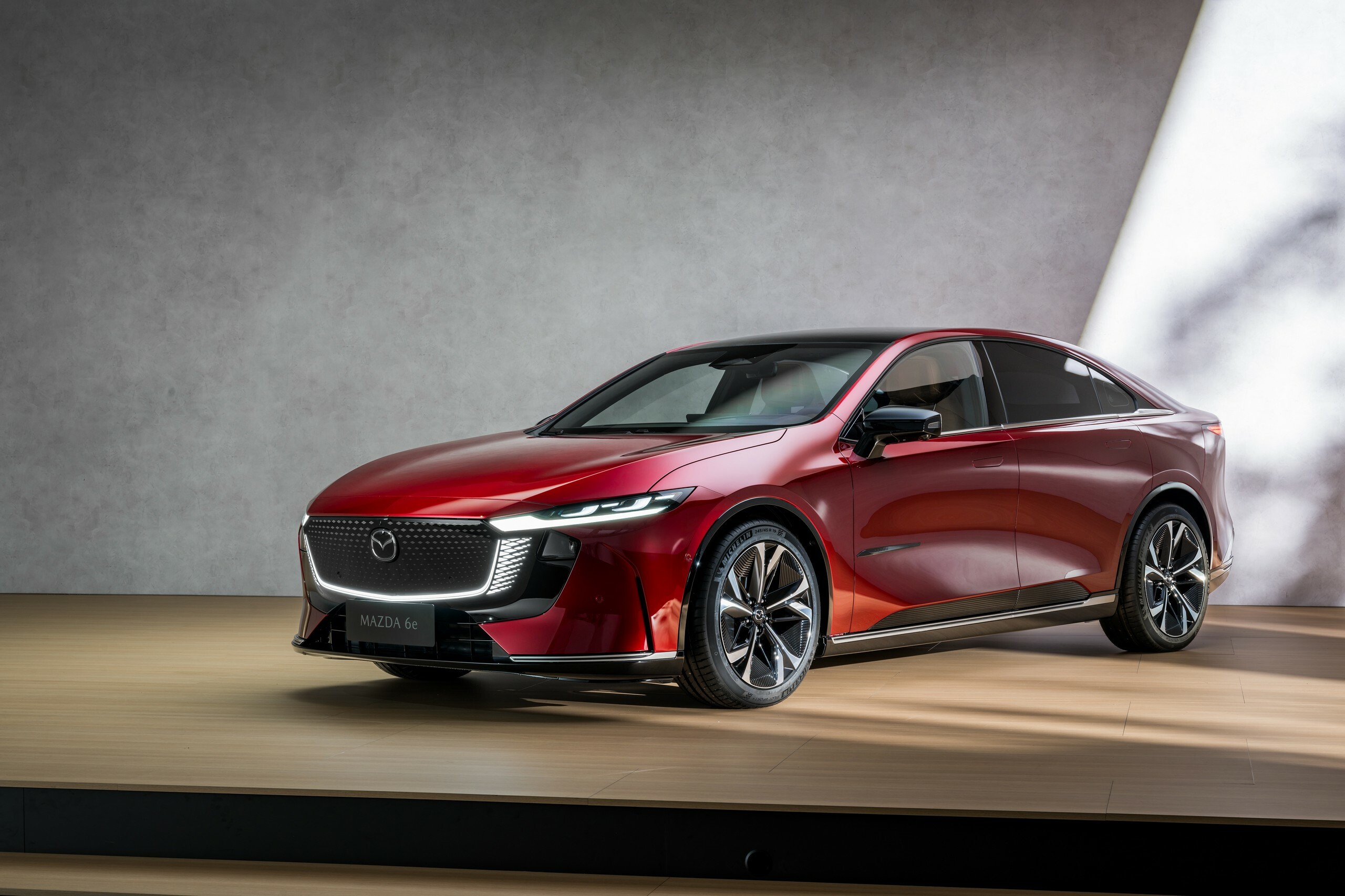
Mazda could continue the partnership with Isuzu, developing the new model alongside the new generation of the D-Max. Another option would be to broaden its collaboration with Chinese automaker Changan, following the 6e sedan and CX-6e SUV projects.

More: Mazda Poised To Build More Chinese-Based EVs

Changan already offers a pickup in the form of the Hunter K50 with a revolutionary range-extender powertrain. However, this one is based on the ladder-frame chassis of the diesel-powered Changan Hunter which has already spawned several siblings from Stellantis brands in South America including the Peugeot Landtrek, the Fiat Titano, the Ram 1200, and Ram Dakota.

Sharp Looks And Upmarket Interior

 Mazda Is Working On A New Midsize Pickup

Illustrations: Thanos Pappas / CarScoops

In any case, the next Mazda BT-50 is expected to adopt the brand’s updated styling language with sharp LEDs and sculpted details. In our speculative rendering we used the proportions of the Isuzu D-Max as a base, infusing elements from the Mazda CX-6e alongside wide fender extensions and a rear canopy.

We also expect Mazda to give its truck a more premium interior, in line with the upmarket move of its entire lineup. This could help the next BT-50 stand out in a crowded segment, targeting a specific kind of buyer. As with most midsize pickups in Australia, the model could continue offering rugged trims like the Thunder alongside a selection of optional accessories for off-road enthusiasts.

What About The Powertrain?

Back in 2025, the Mazda Australia boss said there won’t be a fully electric variant of the BT-50 in the foreseeable future, despite the availability of the closely-related Isuzu D-Max EV. He also didn’t perceive PHEV pickups as a threat, adding that diesel powertrains will probably stick around. Still, the local Managing Director admitted they will let the market pinpoint if there’s demand for electrified trucks and consider the options.

Reading between the lines, Mazda could offer some sort of electrified powertrain options for the next BT-50. If it sticks to the partnership with Isuzu they will likely use a mild-hybrid diesel, while the Changan route would probably result in a range-extender option. That would allow the pickup to fulfil market demand while complying with tightening emission regulations and potentially expanding its scope to markets outside Australia.

 Mazda Is Working On A New Midsize Pickup
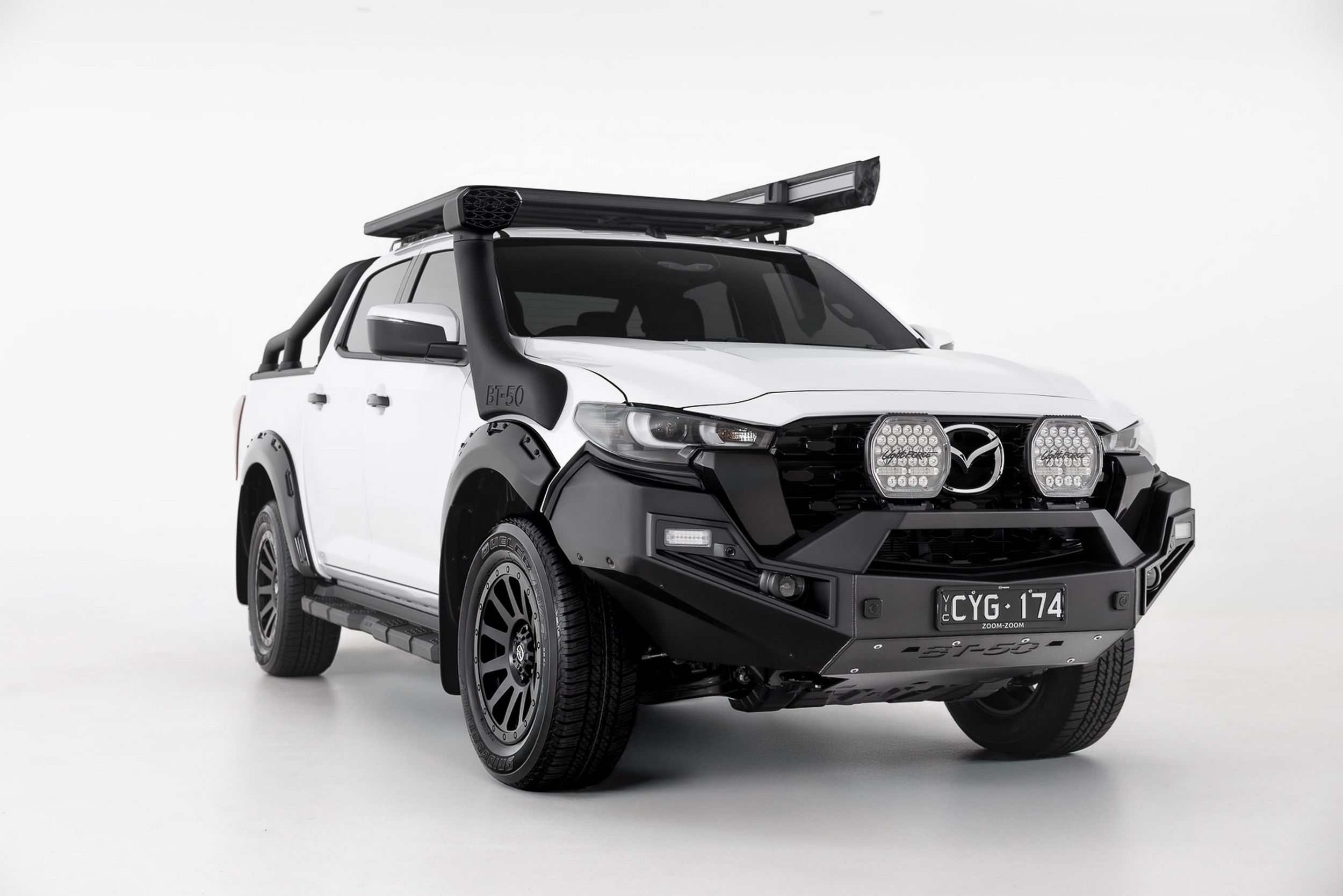
A heavily accessorized example of the Mazda BT-50 in Australia.

Mercedes Kills EQE In America Because Nobody Wanted It

  • Mercedes is streamlining their US lineup by axing some models and trims.
  • The EQE and AMG EQE are toast, although an E-Class Electric is on the horizon.
  • Mercedes-Maybach EQS 680 SUV and S63 E Performance are also gone for 2027.

Mercedes’ electric vehicle push has been a disaster in the United States as Americans never warmed up to the EQE, EQS, or their crossover counterparts. The company appears ready to admit defeat as several models are reportedly going away for 2027.

Citing a company spokesperson, Car & Driver is reporting the EQE and AMG EQE are dead. The EQE 320+ started at $64,950 and offered 315 hp (235 kW / 319 PS) as well as an electric-only range of up to 308 miles (496 km).

More: Mercedes’ New E-Class Electric Is Washing Bad Memories Of The Soap-Bar EQE Clean Away

Likewise, the $96,600 AMG EQE had a dual-motor all-wheel drive system developing up to 677 hp (505 kW / 686 PS) when the boost function was activated. This enabled the model to hit 60 mph (96 km/h) in 3.2 seconds, but it dropped the range to a disappointing 230 miles (370 km).

While the EQE is going away, the company is working on an all-new E-Class Electric. It features a more conventional design that follows in the footsteps of the fully electric C-Class.

\\\\\\\\\\

Speaking of dead EVs, the Mercedes-Maybach EQS 680 SUV is toast. The model started at $180,000 and featured a dual-motor all-wheel drive system developing 649 hp(484 kW / 658 PS) and 700 lb-ft (948 Nm) of torque. They were fed by a 118 kWh battery pack, which provided 300 miles (483 km) of range.

Last but not least, the Mercedes-AMG S63 E Performance is gone for 2027. The pricey plug-in hybrid produced 791 hp (590 kW / 802 PS) and 1,055 lb-ft (1,430 Nm) of torque, but the company recently introduced a facelifted S-Class.

This means we can expect a new AMG variant in the near future. Car & Driver suggests the model will arrive in around a year and ditch the plug-in hybrid technology for pure V8 power.

\\\\\\\\\\\

VinFast Isn’t Ready To Give Up On The US, Despite Its Woeful Sales

  • VinFast sold a measly 389 vehicles in the US through the first seven months of the year.
  • Despite the poor sales, VinFast remains committed to building a plant in the US.
  • VinFast has secured three new franchised agreements with dealers in California and Philadelphia.

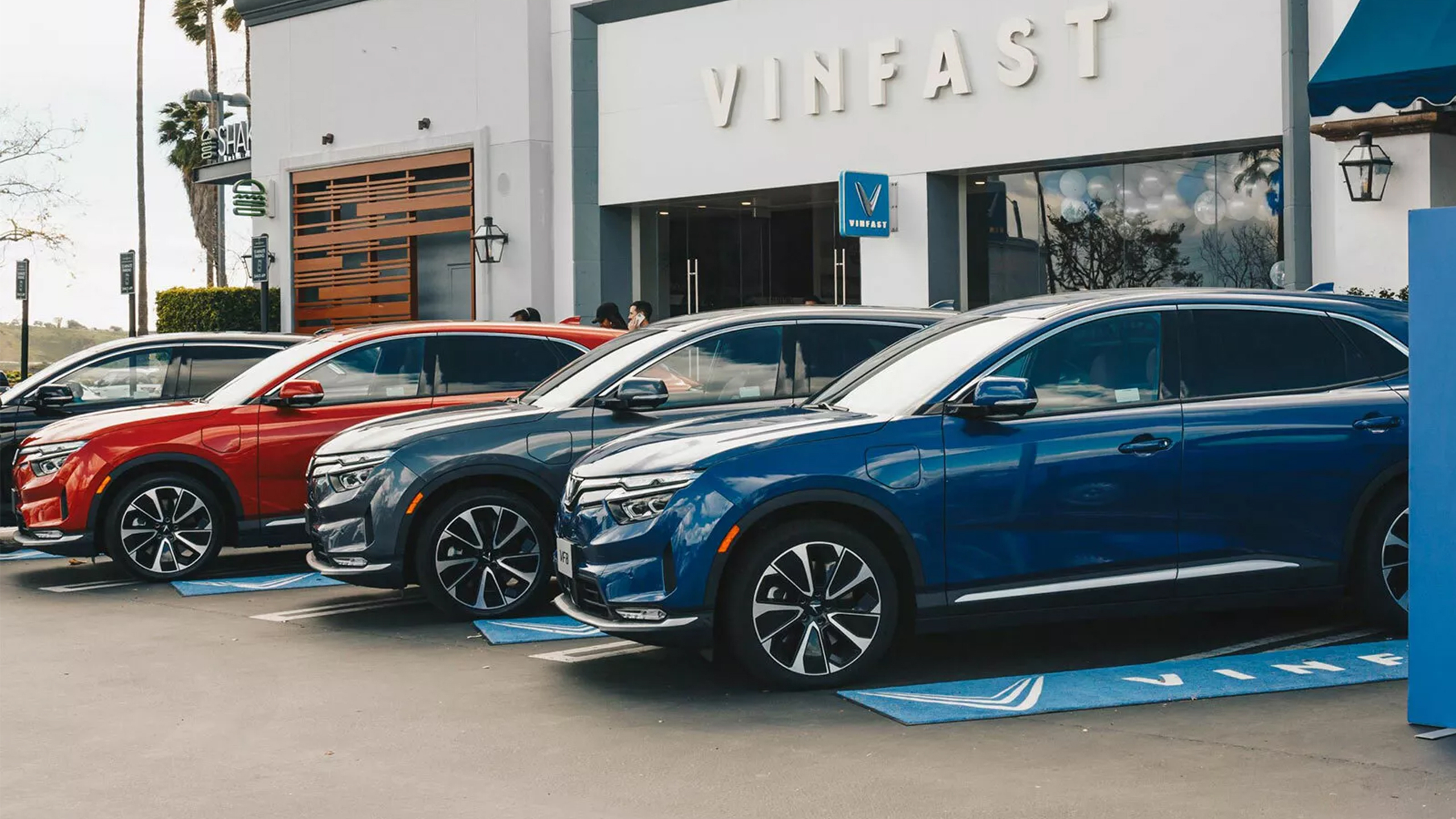
The American car market is a difficult one to crack; just ask VinFast. In the three years since it started selling EVs locally, it’s delivered a few thousand of them, and it’s also had to slash the number of dealerships it operates across the country. Despite this, VinFast isn’t ready to give up on the US.

The Vietnamese company initially launched in California, before expanding into other states throughout 2024 and 2025. At one point, it said it had secured agreements with 38 dealers across the country, but as of the end of 2025, it was operating fewer than two dozen dealerships. Things aren’t looking good.

Read: VinFast Sold Less Than 1,500 Cars In The US, So Naturally It’s Building A Factory

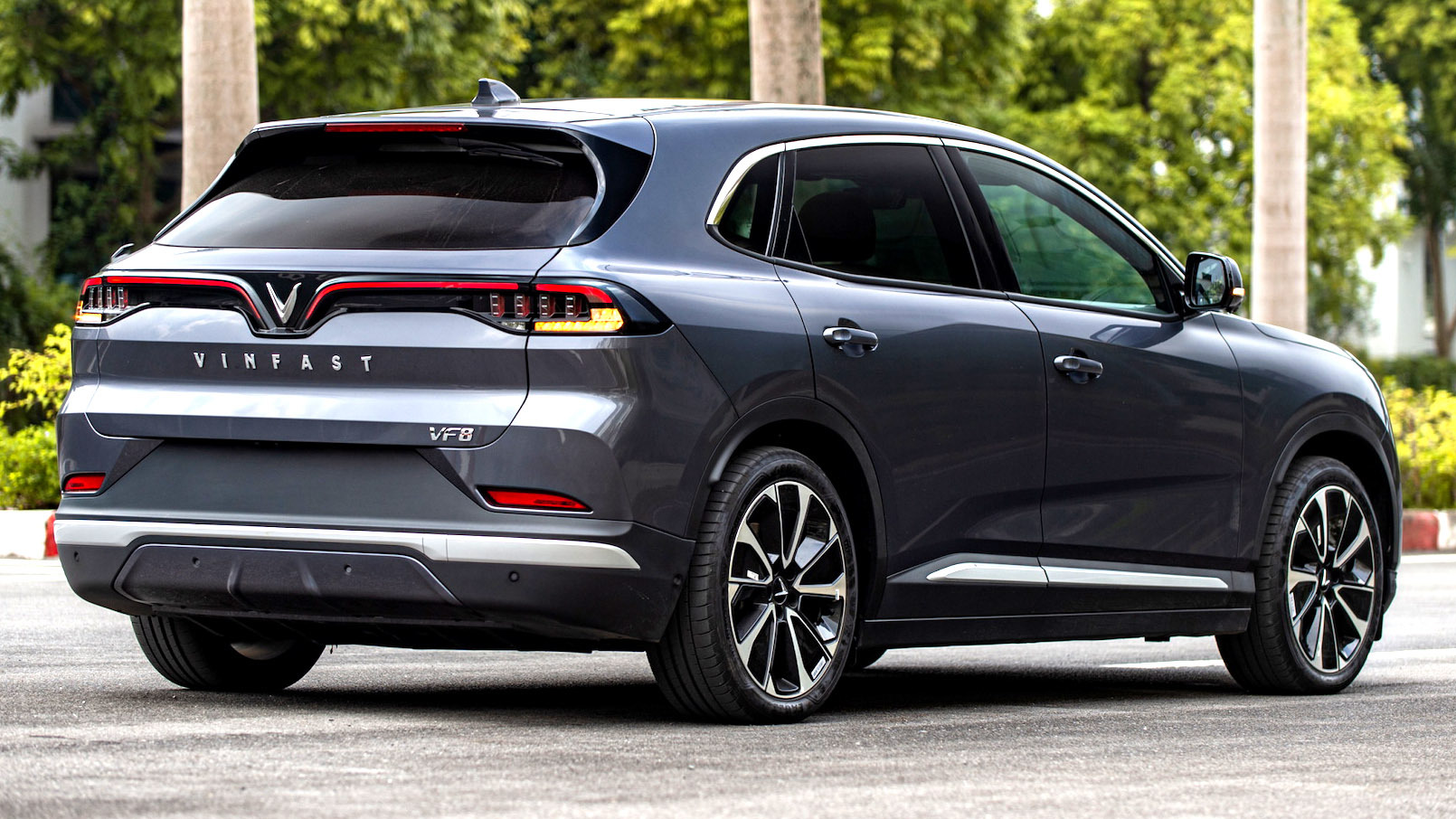
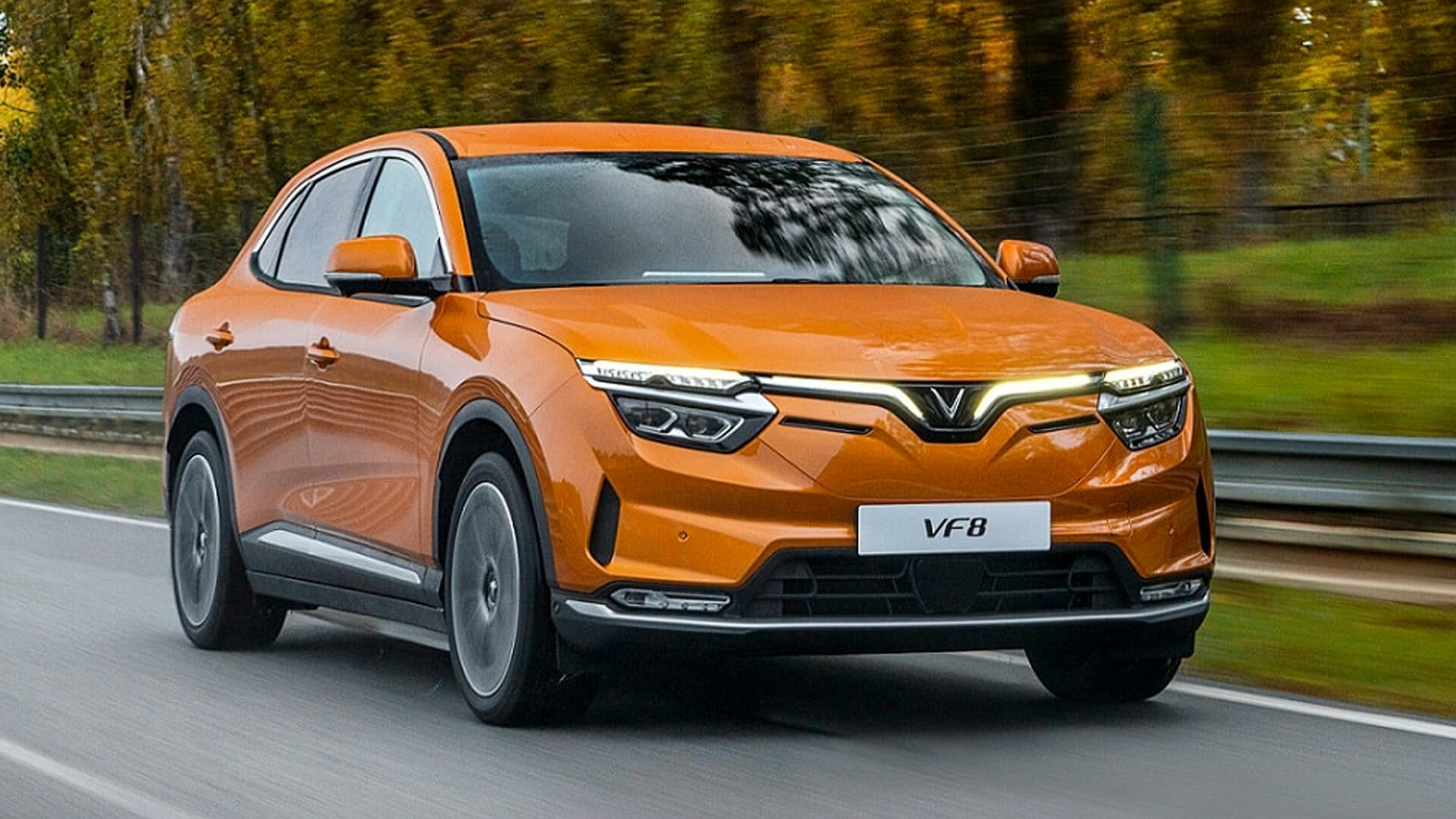
Then there’s the sales. Through the first seven months of this year, VinFast sold just 389 vehicles, a 63 percent decline from the previous year. To put that into perspective, Rivian sold 12,613 vehicles in the second quarter alone, and its vehicles are much pricier than VinFast’s. Things are so bad for VinFast that average incentives on the VF 8 sit at $19,000 per vehicle, while average incentives on the larger VF 9 are almost $20,000. It would seem the writing is on the wall for the brand.

VinFast Isn’t Going Anywhere

 VinFast Isn’t Ready To Give Up On The US, Despite Its Woeful Sales

However, VinFast insists it isn’t going anywhere. It has secured franchise agreements for dealerships in Tustin, California, Redondo Beach, California, and one in Philadelphia. VinFast North America chief executive Brian Finnerty says the brand has a long-term commitment to the US.

“Our vision is clear: VinFast is continuing to build for the next phase of growth by investing in the customer experience, strengthening our team, continuously enhancing our products, policies, and sales and service network,” he said. “These new dealerships will ensure customers can access comprehensive sales, maintenance, and warranty support right in their local communities. This is more than an expansion of our network. It is a long-term commitment by VinFast to the U.S. market as we enter our next chapter of growth.”

 VinFast Isn’t Ready To Give Up On The US, Despite Its Woeful Sales

This all sounds very good, but VinFast dealerships are still selling 2024 VF 9 and 2025 VF 8 models, underscoring how hard it’s proving to be for dealerships to sell these EVs.

Ambitious plans to establish a factory in the US have also been delayed multiple times. Initially, this plant in North Carolina was scheduled to start building vehicles in mid-2024, but earlier this year, VinFast pushed that date back to 2028.

 VinFast Isn’t Ready To Give Up On The US, Despite Its Woeful Sales

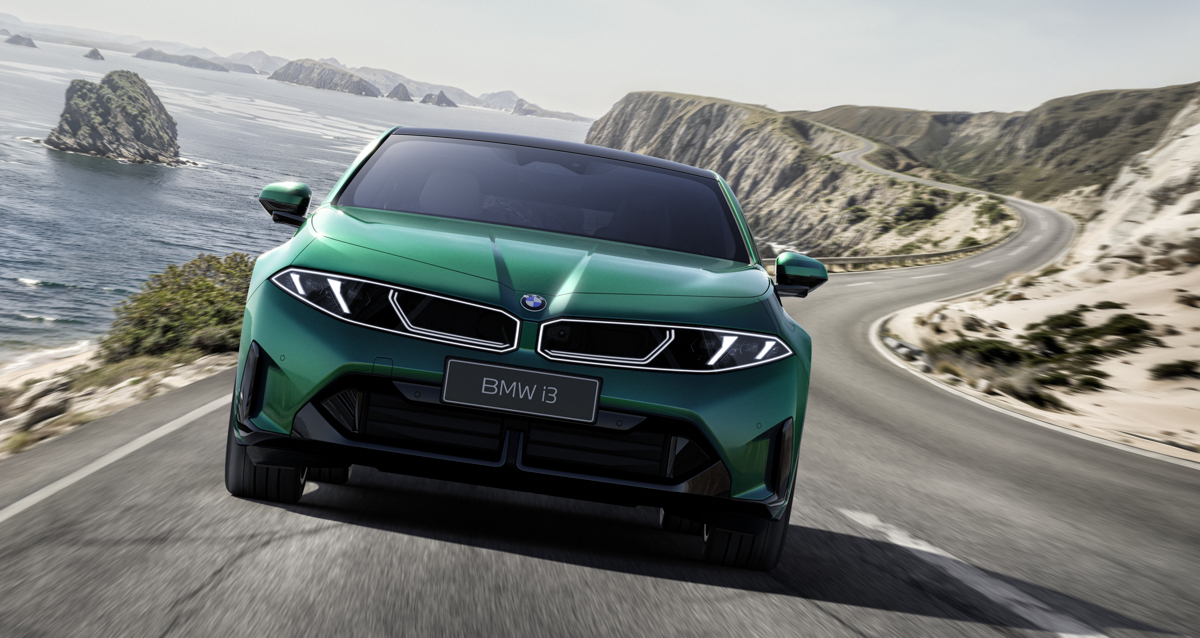
The Next-Gen Polestar 2 Is Aiming Straight For The BMW i3

  • The second-gen Polestar 2 will use a new platform, batteries, and motors.
  • A teaser has revealed that the electric sedan will look more like the Polestar 5.
  • Polestar says lessons learned from the 5 will influence the new 2.

Polestar may have been kicked out of the United States, but the company still has grandiose ambitions to be a dominant player in Europe’s premium electric vehicle space. Next year, it will unveil the second-generation Polestar 2, an all-electric sedan aimed squarely at the BMW i3 and Mercedes-Benz C-Class Electric.

The current Polestar 2 dates back to 2016, one year before Polestar was established as a dedicated manufacturer of EVs. It began life as the Volvo Concept 40.2 and was then slightly updated for production, eventually premiering in road-going guise at the start of 2019. When it hit the market, many described it as a Tesla Model 3 killer, although sales have never come close to matching the Tesla.

Read: Polestar Is Reworking Its Interiors Before The Screen Backlash Grows

The electric vehicle market has also developed rapidly since the 2’s launch, and what was once a class-leading sedan has started to feel outdated. The new car, teased earlier this year, won’t just look different, but it will also bring with it a host of new technologies.

A New Platform And A New Look

 The Next-Gen Polestar 2 Is Aiming Straight For The BMW i3

Underpinning the second-gen Polestar 2 will be a flexible new platform that can support several different vehicles, including the mid-size 7 SUV due to launch in 2028. Speaking with Auto Express, Polestar’s head of driving dynamics Joakin Rydholm revealed that lessons learned during the development of the new Polestar 5 will also influence the 2.

“We will beat [the new i3]; that we must,” he declared. “We have learned a lot of things during [the development of Polestar 5]; the active dampers, the steering – that’s something you bring with you, and we have in mind when we do the next projects.”

 The Next-Gen Polestar 2 Is Aiming Straight For The BMW i3

An 800-volt electrical architecture will enable quick charging, although it remains to be seen if it’ll support DC speeds of up to 400 kW like the BMW i3. There’s no word on what kind of power we can expect, or what kind of driving range Polestar is targeting, but the i3 can travel up to 559 miles (900 km) on a charge, so that gives Polestar something to target.

The design of the new 2 will also be quite different than the outgoing model. A teaser shows the sedan will sit lower and wider than its predecessor, while sporting daytime running lights similar in shape to other Polestar models, including the Polestar 4 and Polestar 5.

\\\\\\

New BMW 3-Series Touring Is Coming Soon, And It Won’t Be Alone

  • Independent renderings preview the next 3-Series Touring.
  • The M350 xDrive version is like a baby M3, producing 437 hp.
  • The automaker has also confirmed a fully electric i3 Touring.

BMW has just launched the G50 generation of the 3-Series, serving as the ICE-powered equivalent of the NA0 i3. While the lineup is currently limited to sedans, the automaker has confirmed that Touring variants are under development, inspiring digital artist Theophilus Chin to create realistic illustrations.

The fresh renderings depict the upcoming wagon in the sporty M350 xDrive trim. This is the flagship version of the G50 3-Series until a new M3 arrives closer to the end of the decade. Naturally, the front end is shared with the sedan, as with the sheet metal up to the B-pillars. The Touring gets a longer roof, redesigned greenhouse and quarter panels, and a proper tailgate providing access to a larger boot.

More: The BMW M3 Is Going Electric, But Not Every M3

Despite the big changes at the back, the wagon could retain the slim LED taillights and rear bumper of the sedan. The M350 features quad tailpipes and sportier black trim, looking like an M3 minus the wide fenders. Theottle has also added a black spoiler and matching roof rails, to complete the wagon transformation.

\\\\\\\\\\

BMW 3-Series Touring Renderings by Theottle

Despite adopting the latest Neue Klasse design and technology, the G50 generation of the 3-Series rides on an upgraded version of the CLAR underpinnings, also used by its G20 predecessor.

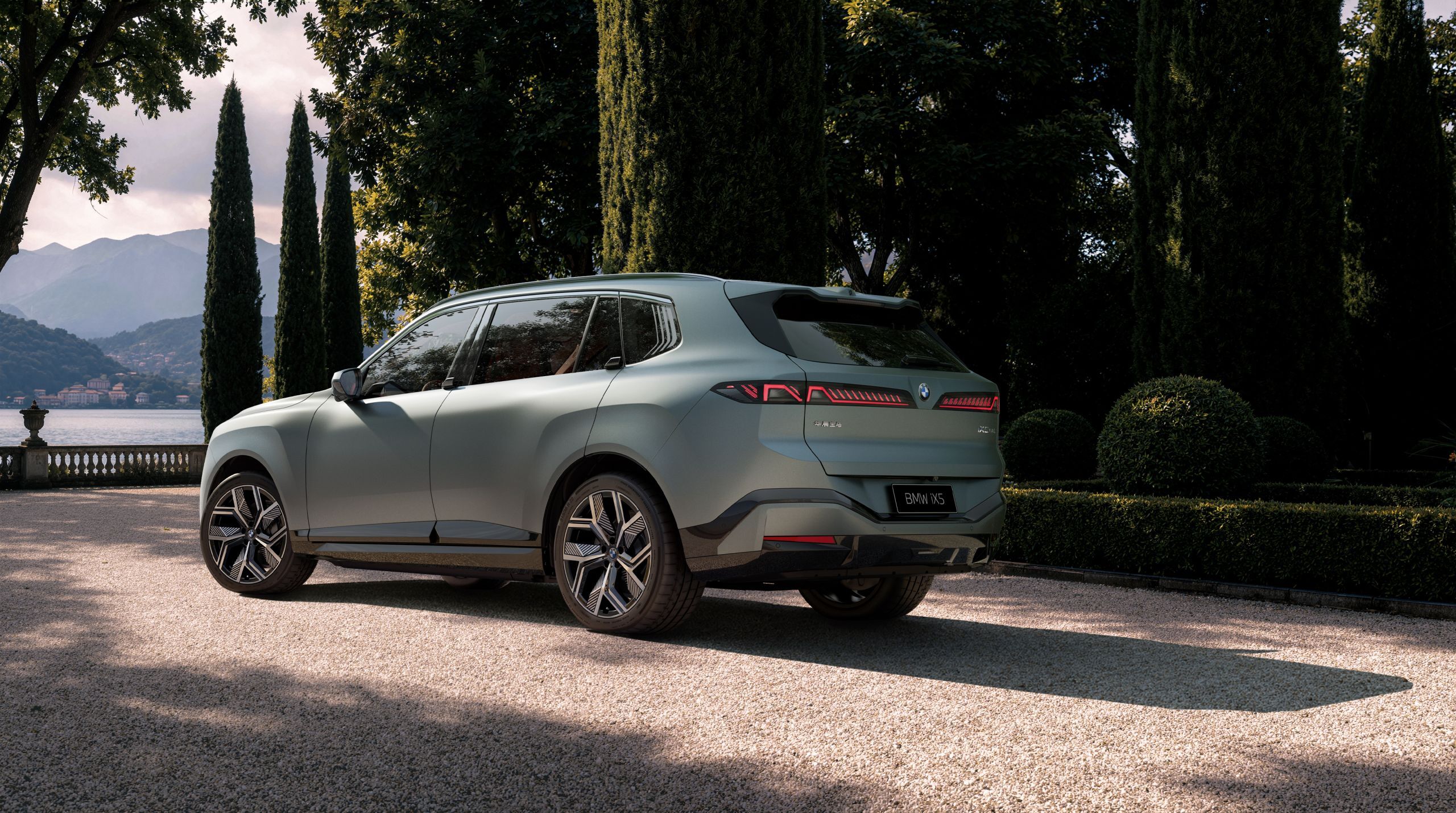
More: 2027 BMW X5 Drops Door Handles For Wings, Adds A 435-Mile Electric iX5

The pictured M350 is fitted with a mild-hybrid turbo 3.0-liter six-cylinder engine producing 437 hp (326 kW / 443 PS). This allows the AWD-capable M350 xDrive sedan to accelerate from 0-100 km/h (0-62 mph) in 4.1 seconds, meaning that the slightly heavier wagon would probably need 4.2 seconds.

Interestingly, the long-roof variant won’t be getting a diesel powertrain option, as BMW discontinued those from the 3-Series lineup.

The big question is whether BMW will bring the 3-Series Touring in North America, or if we’ll be stuck with the sedan. Hopefully, the growing interest for wagons among BMW fans might convince them to import both – at least in select trims.

What About The i3 Touring?

\\\\

BMW i3 Touring Renderings by Theottle

The 3-Series Touring won’t be the only compact wagon in the Bavarian lineup. The automaker is also working on a fully electric i3 Touring that will be sold in parallel with the combustion model. Camouflaged prototypes have been spotted at the Nurburging, while Theottle has created speculative renderings based on the sedan.

Despite adopting the same design language, the i3 has different proportions from the 3-Series, due to the packaging of the EV-dedicated Neue Klasse architecture.

More: BMW’s New Wagon Is The Cure For Everyone Bored By Electric SUVs

In terms of performance, the i3 50 xDrive has dual electric motors producing 463 hp (345 kW / 469 PS) which is 25 hp (19 kW / 26 PS) more than the ICE-powered M350i xDrive. Furthermore, the larger108.7 kWh battery pack allows up to 912 km (567 miles) of WLTP range for the sedan which should be similar for the upcoming wagon.

Another difference between the two models is the production location. The i3 is manufactured in Munich, while the 3-Series is built in Dingolfing. This currently stands for the sedans, but the wagons will also come out of the same facilities.

 New BMW 3-Series Touring Is Coming Soon, And It Won’t Be Alone

BMW

Mazda Poised To Build More Chinese-Based EVs

  • The Mazda 6e and CX-6e are both based on Deepal-branded Changan models.
  • A more affordable electric SUV based on the Deepal S05 is possible.
  • Surging fuel prices have prompted an increase in demand for Mazda’s EVs.

While many of its closest competitors rushed to develop attractive EVs, Mazda dragged its feet for several years, at one stage only selling a single EV in the form of the disappointing and short-lived MX-30. Now, it’s selling attractive 6e/EZ-6 and CX-6e/EZ-60 in certain markets, and more EVs are on the way.

In a bid to quickly bring two new EVs to the market, as well as slash development costs, Mazda leaned on its partnership with Changan in China, basing the 6e on the Deepal L07 and building the CX-6e around the Deepal S07. Although they may not have dedicated Mazda routes, the updates go beyond a simple rebadge.

Read: Mazda’s Electric SUV Gains LiDAR Self-Driving Tech For Under $22k

According to Mazda Australia managing director Vinesh Bhindi, the 6e and CX-6e launched just as fuel prices soared due to the conflict in the Middle East, prompting a surge in the demand for EVs. With this in mind, the company has already started speaking with Changan about what other models it could use to build its own EVs.

 Mazda Poised To Build More Chinese-Based EVs
Mazda CX-6e

“Consumers have started to accept EV as a viable option in their lifestyle. It’s unfortunate it probably took fuel supply and fuel price [increases], because there is a bigger impact on the economy,” Bhindi told Go Auto.

“Our 20-year partnership with Changan Automotive in Nanjing is a strong partnership. We have started talking about what other opportunities could be there,” he added.

A Smaller Electric SUV?

 Mazda Poised To Build More Chinese-Based EVs
Mazda 6e

Bhindi did not say what form future EVs from Mazda could take. One possibility is an electric SUV smaller than the CX-6e. Such a model could be based on the Deepal S05. Changan has been selling this model in China for the past two years. It shares the same EPA1 platform as the larger S07 and could easily be adapted by Mazda for a smaller and more affordable model.

While the 6e and CX-6e use the bones of two Changan models, Mazda builds them in a different factory, and its engineering teams from Japan and Europe were used extensively to develop them. If Mazda is serious about growing its EV sales, once again tapping Changan seems like the easy way to go about it.

\\\\\\\\\\\

Deepal S07

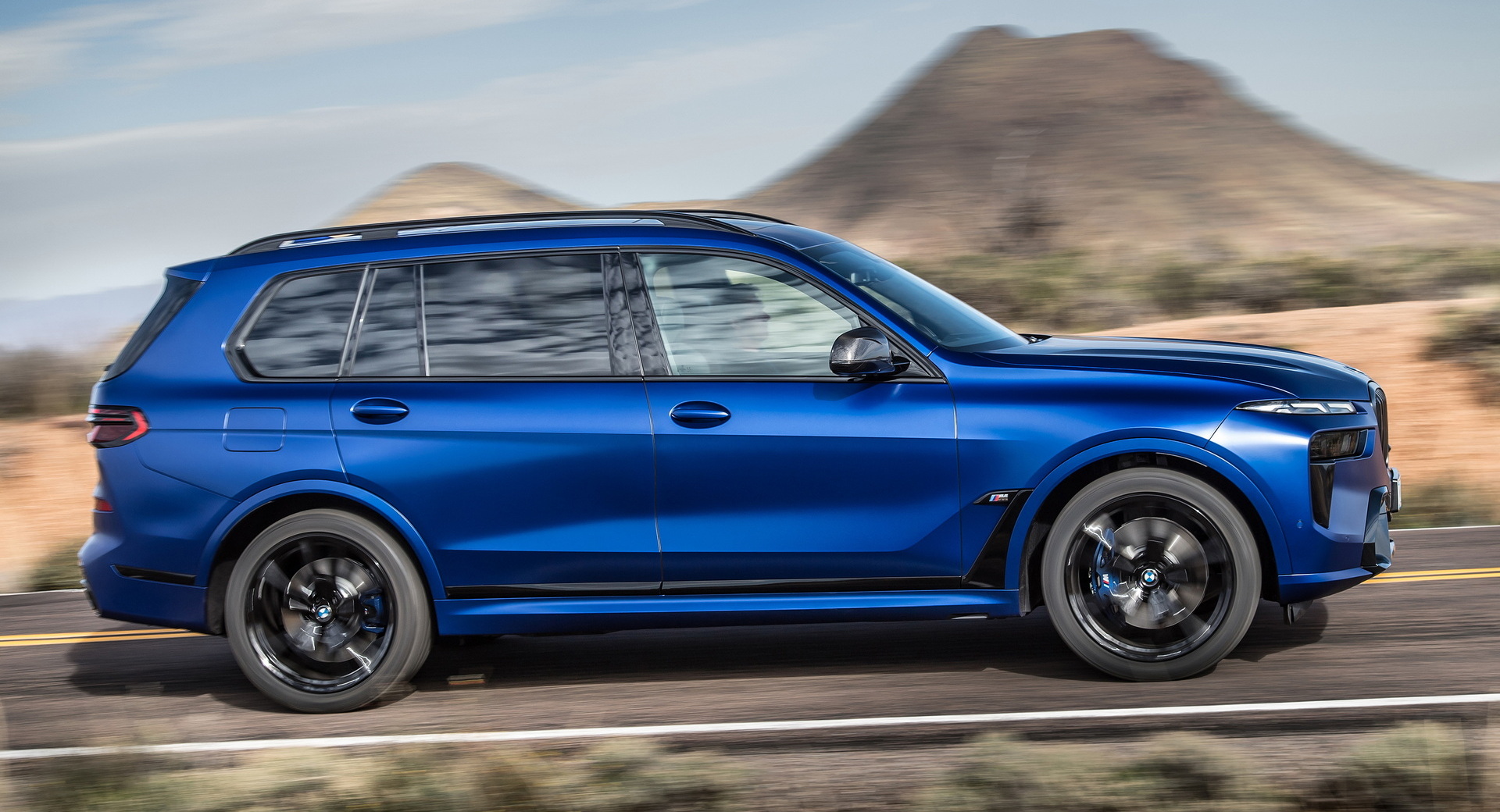
BMW Wants To Launch An SUV Above The X7 In The US

  • The German brand wants to capitalize on demand for its SUVs in the US.
  • An X8 could serve as the perfect flagship SUV for the BMW brand.
  • BMW has also confirmed a high-volume EV will launch in Europe in 2028.

BMW sold a record 388,897 vehicles in the United States last year, a solid 4.7 percent increase from the previous year and the third consecutive record year. Not willing to rest on its laurels and bathe in the glory of its sales success, BMW has confirmed it’s considering launching a new flagship model.

As part of a company-wide update issued this week, BMW announced it is “considering” a new model to sit above the X7 in its line-up of SUVs, or as BMW calls them, Sports Activity Vehicles (SAV).

Read: Two Months Was All BMW’s iX3 Needed To Crack 10,000 Sales In Europe

BMW provided precious few details about this model, other than stating it will “be closely tailored to the needs of the US market.” Presumably that means an X8, a vehicle which has been talked about for almost a decade, but has so far yet to see the light of day.

 BMW Wants To Launch An SUV Above The X7 In The US

Earlier this year, Audi finally launched the Q9, its long-awaited rival to the BMW X7 and Mercedes-Benz GLS. While it now seems possible BMW may release a model even larger than its X7 and punching beyond the Q9, the press release doesn’t specifically state this will be the case, simply noting the new model could sit “above the current top-end model, the BMW X7,” without expressly stating it will be larger. That leaves a lot open to interpretation, including the possibility of perhaps a BMW X7 Coupe, or simply a more luxurious and exclusive variant, perhaps akin to the Mercedes-Maybach GLS.

BMW says it’s considering the new model because of strong demand for its existing SUVs. It says Plant Spartanburg in North Carolina is already operating at full capacity, and the brand is looking for ways to grow global production.

A New Alpina And A New EV For Europe

 BMW Wants To Launch An SUV Above The X7 In The US

A new flagship SUV isn’t the only thing that BMW is working on. In the same announcement, it revealed a new streamlined portfolio plan for China with features that local customers are calling for. By 2030, BMW says it wants 95 percent of the vehicles it sells in China to be built locally.

The first all-new model from the Alpina brand since the BMW takeover is set to launch in the coming year. Few details have been confirmed, other than the fact that it will be based on the 7-Series and designed to slot between regular BMW models and those from Rolls-Royce.

Europe is also going to receive an all-new EV. This model, set to arrive in 2028 and competing in the high-volume entry segment, will serve as the latest model in BMW’s Neue Klasse family, using many of the same technologies as the others. BMW also says that the 2-Series Active Tourer will be phased out and will not be replaced.

 BMW Wants To Launch An SUV Above The X7 In The US

Chevrolet Bolt Dies Next Year After A Disappointing Return

  • The Chevrolet Bolt will reportedly go out of production early next year.
  • GM had envisioned building 150,000 units, but actual number could be 35,000.
  • Bolt has been a slow-seller since its return, despite starting at $27,600.

The story of the Chevrolet Bolt is perplexing as the model was one of the most popular electric vehicles in America. Despite this, GM killed the Bolt and Bolt EUV to build full-size electric trucks at Orion Assembly.

This plan quickly fizzled as the Chevrolet Silverado EV and GMC Sierra EV were met with the same enthusiasm as a wet hug. As a result, after multiple delays, GM decided to retool Orion Assembly for production of ICE-powered trucks and SUVs.

More: GM Quietly Plots A Family Of Low-Cost EVs After New Bolt

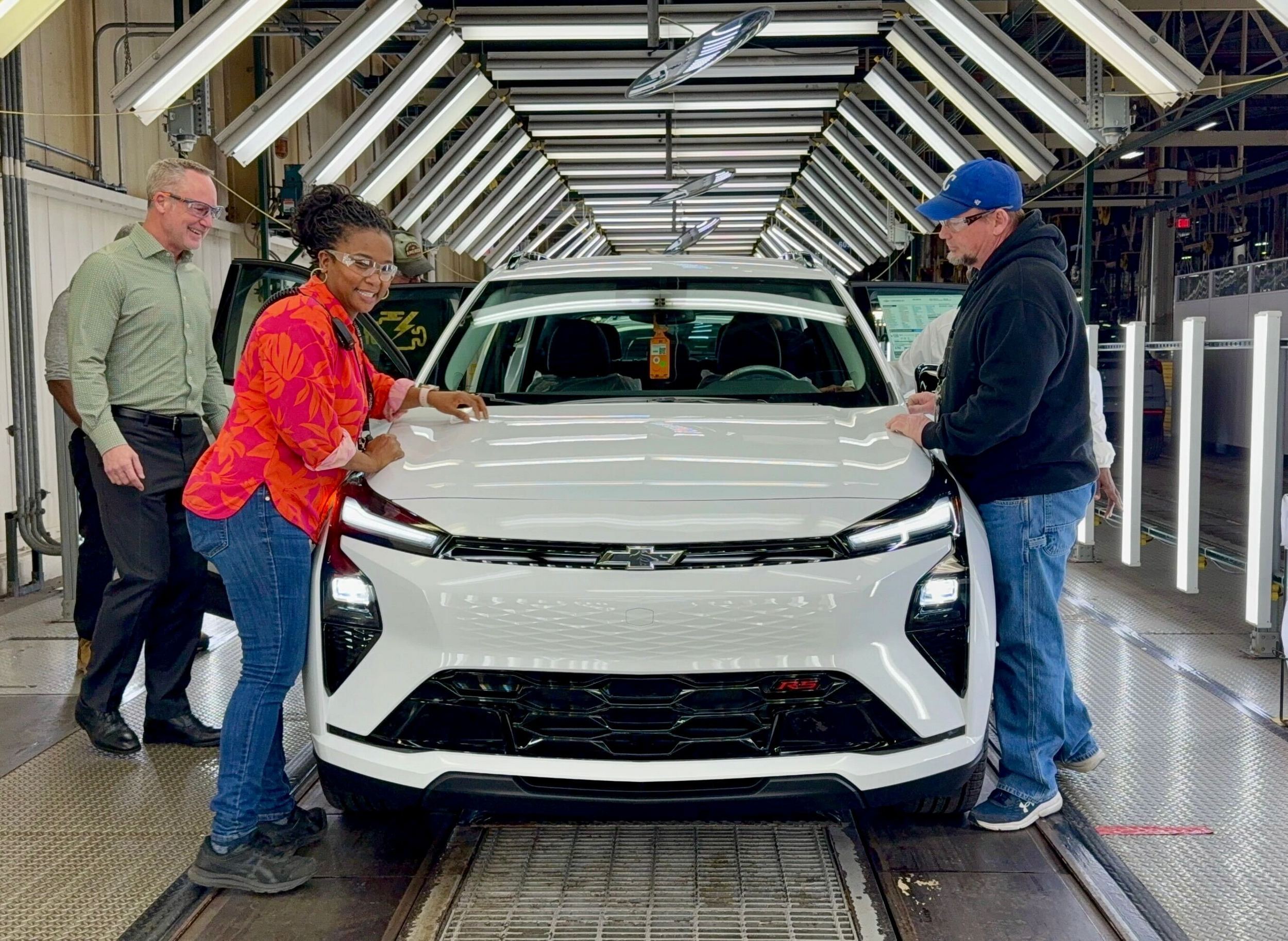
Amid this chaos, the Bolt went on a short hiatus before returning with some notable improvements and a new home in Kansas. Despite a significant amount of work, Chevrolet confirmed it would be a “limited run model.”

It appears it will be even more limited than expected as Reuters is reporting production has been slashed by approximately 75%. This means that by the time the model goes out of production in the first quarter of 2027, only around 35,000 units will have been made.

 Chevrolet Bolt Dies Next Year After A Disappointing Return

The company was reportedly planning to build 150,000 units, so it appears bringing the Bolt back was a huge mistake and a giant waste of resources.

While GM declined to comment on the numbers, the company told the publication “We continuously evaluate market dynamics and customer demand.” That being said, sales have been dreadful. In the first half of the year, Chevrolet only managed to sell 4,224 units. That puts them on track to sell less than 9,500 Bolts for the entire year.

\\\\\

As a refresher, the Bolt starts at $27,600 before a $1,395 destination fee. It features a 65 kWh LFP battery pack, which feeds an electric motor developing 210 hp (157 kW / 213 PS) and 169 lb-ft (229 Nm) of torque. This enables the model to travel up to 262 miles (422 km) on a single charge.

It’s not entirely clear why the ‘reborn’ Bolt hasn’t been able to live up to the success of the original, but the elimination of the federal tax credit undoubtedly played an important role. It also doesn’t help that the ‘new’ model looks so similar to the old one, and the car hasn’t really been promoted.

That being said, consumers have embraced the Equinox EV. The crossover starts at $34,995 – before a $1,800 destination fee – and offers 319 miles (513 km) of range.

\\\\\\

Dacia Is Going To Start Building Its Cute Hipster In China

  • The Dacia Hipster will comply with L7e quadricycle regulations in Europe.
  • Patent images suggest the production model will look just like the concept.
  • The same Chinese plant that built the old Dacia Spring will handle production.

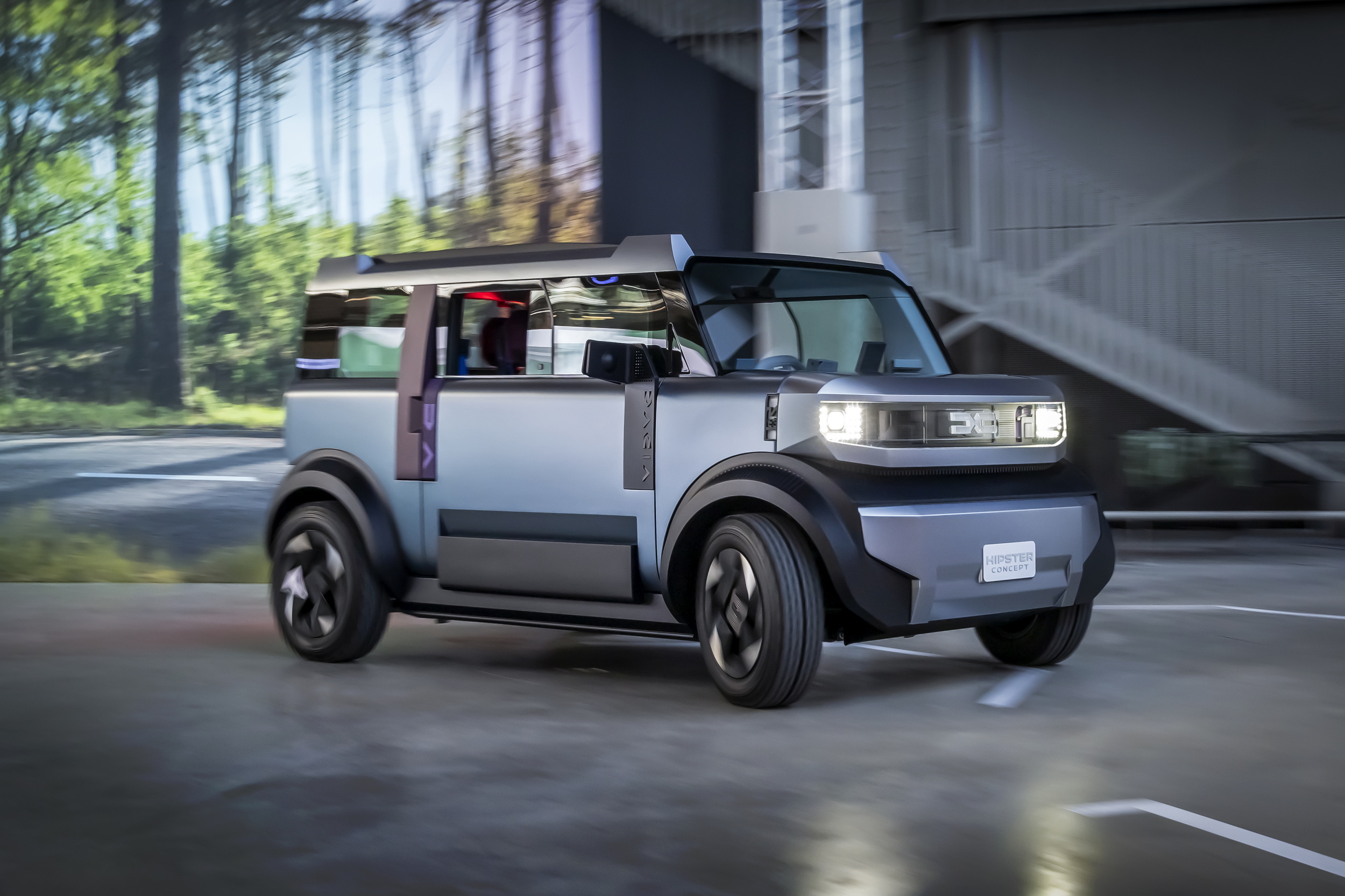
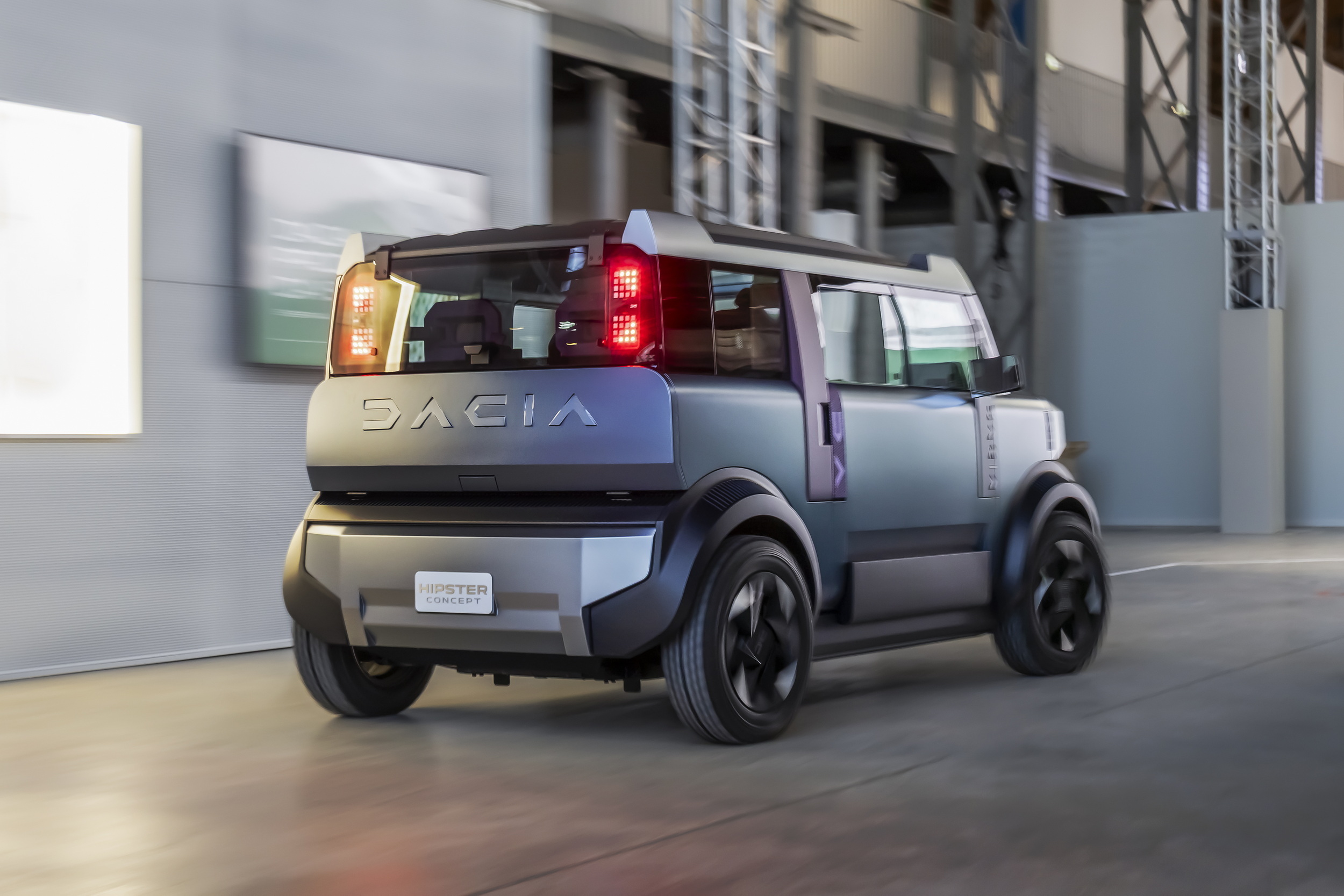
Dacia already sells an eclectic mix of vehicles, and soon, it will add perhaps its most striking and intriguing vehicle to date. Starting next year, Dacia is expected to start manufacturing a production version of its wild Hipster concept in China.

This new model, which could be priced in Europe at less than €11,500, or under $13,000 at current exchange rates, will slot below the all-new Spring in Dacia’s line-up. The same Chinese facility that built the previous-generation Spring will handle production of the Hipster. As for the new Spring, it will be built in Slovenia.

Read: Dacia’s Tiny EV Declares War On Europe’s Overpriced Cars

Dacia unveiled the dramatic Hipster concept 12 months ago. It is incredibly basic and extremely compact, measuring just 118.1 inches (3 meters) long, standing 60.6 inches (1.54 meters) tall, and just 61 inches (1.55 meters) wide. It’s not just the concept’s compact footprint that turns heads, but also its blocky exterior design and the small areas of color, contrasting with the matte grey paint found across most of the Hipster’s body.

Small And Light

 Dacia Is Going To Start Building Its Cute Hipster In China

The Hipster has been designed to comply with L7e quadricycle regulations in Europe and, as such, it cannot weigh more than 992 lbs (450 kg), excluding the battery, putting into perspective just how compact it is. A final decision on the Hipster’s battery and its chemistry is still pending, but it will reportedly be around 15 kWh.

 Dacia Is Going To Start Building Its Cute Hipster In China

Autocar understands the Shiyan, China, plant that built the old Spring has been sitting idle since July. Beyond the Hipster’s production being penciled in for this site, engineers at the plant will also aid in the development of the new EV.

Patent images Autoweek uncovered earlier this year show the production version will look almost identical to the concept. Changes include a slightly simpler front bumper and grille, as well as a tiny windshield wiper not featured on the concept. The doors are also slightly different, and there’s a small horizontal bar running across the side windows. Tweaks have also been made to the shape of the rear window, tailgate, and bumper.

\\\\\\\\\\\\\\\\\\\\\\\\\\\\\\\\\\\

UK Study Shows High-Mileage EVs Are More Reliable Than Combustion Cars, With One Big Caveat

  • The annual MOT tests inspect vehicles for safety, roadworthiness, and emissions.
  • The inspections look at items such as brakes and suspension, but not battery health.
  • EVs were more likely to have tire and brake defects compared to ICE cars.

In news that is sure to either surprise or delight you, depending on where you sit on the EV vs ICE divide, a recent study from the U.K. has found that high-mileage electric cars are more reliable than their combustion counterparts. On the face of it, the evidence flies in the face of those put off by higher-mileage EVs, due to concerns over wear and tear.

However, there’s an important catch: the study was carried out using the UK’s MOT test data. While the sample size is impressive, with 47.4 million MOT tests analyzed, you do need to remember what the inspection looks out for and, importantly, what it doesn’t.

Read: The Priciest Repair On A Used EV Isn’t The Battery

An MOT is a legally required annual test for cars over three years of age registered in the U.K. It ensures a car meets minimum standards of safety and emissions. What an MOT doesn’t do is test things like an EV’s remaining battery capacity or recharging health. Similarly, for an ICE car, it doesn’t factor in engine performance or the condition of a vehicle’s transmission.

What The Data Says

 UK Study Shows High-Mileage EVs Are More Reliable Than Combustion Cars, With One Big Caveat
British Vehicle Rental and Leasing Association (BVRLA)

While it may not paint the whole picture, there is some merit to the study, suggesting that high-mileage EVs shouldn’t necessarily be skipped over when browsing the classifieds. The research, which was carried out by transport consultancy New AutoMotive and commissioned by the British Vehicle Rental and Leasing Association (BVRLA), was carried out on cars aged between three and eight years old.

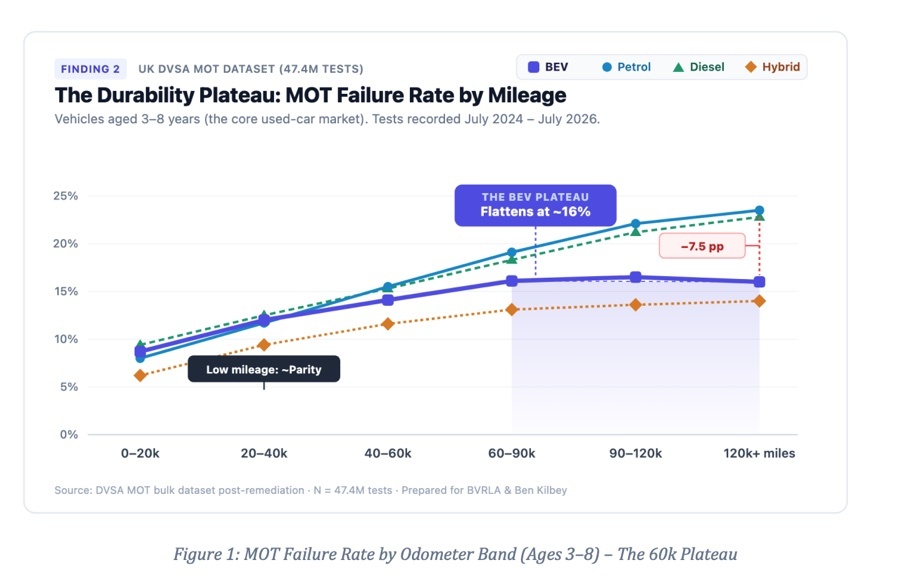
For EVs with between 90,000-120,000 miles (145,000-193,000 km), only 16.5 percent failed. Compare that with 22.1 percent of combustion-powered cars, and that’s a 25 percent lower relative rate. The gap between the two drivetrain types increases the more miles are added. For EVs that had more than 120,000 miles on the odometer, the MOT test failure rate stayed roughly constant, with 16 percent failing, while ICE vehicles had a higher failure rate of 23.5 percent.

The study also found that, at lower mileages, the difference between electric and combustion was negligible. Between 20,000-40,000 miles / 32,180-64,370 km the EV failure rate was 12 percent, with ICE cars at 11.7 percent.

The Full Picture

On the failure rate alone, it would appear that high-mileage EVs aren’t as unreliable as their gas-powered alternatives. However, as an MOT test doesn’t factor in battery health, one of the largest components of high-mileage EVs wasn’t accounted for. An MOT test still checks safety and wear items, including tires, steering, suspension, brakes, lights, and the condition of a vehicle’s structure.

However, wear items are still a big concern. The research found that EVs recorded nearly twice as many tire defects as ICE vehicles. In lower-mileage EVs, brakes were also flagged. This was likely due to the fact that EVs mainly rely on regenerative braking, meaning that the friction brake components were less likely to be used as much, and therefore more susceptible to corrosion-related wear.

See Also: After 62,000 Miles, The Healthiest EV Battery Belonged To A Kia, Not A Tesla

While the research was carried out by the independent transport consultancy New AutoMotive, it’s also perhaps prudent to note who commissioned the study. The British Vehicle Rental and Leasing Association (BVRLA) represents over 1,000 companies operating within the UK’s vehicle rental, leasing, and fleet management sectors. Many of those companies likely have fleets of high-mileage EVs ready to enter the used car market.

“The important thing about this study is that we can separate age from mileage,” said Ben Nelmes, chief executive at New AutoMotive, speaking to Fleet News. “Looking simply at the headline MOT numbers gives a misleading picture because Britain’s electric cars are much younger than its petrol and diesel fleet, while comparing cars by age alone misses the fact that EVs have typically covered considerably more miles.”

“Once we compare cars of the same age and mileage, something striking happens. At lower mileages, there is very little between petrol and electric cars, but beyond around 60,000 miles (96,560 km) the failure rate for EVs flattens while the petrol failure rate continues to rise. High mileage isn’t a proxy for poor condition in the way buyers have traditionally assumed. The data suggests the mechanical simplicity of an electric drivetrain starts to become increasingly valuable as cars accumulate miles.”

 UK Study Shows High-Mileage EVs Are More Reliable Than Combustion Cars, With One Big Caveat

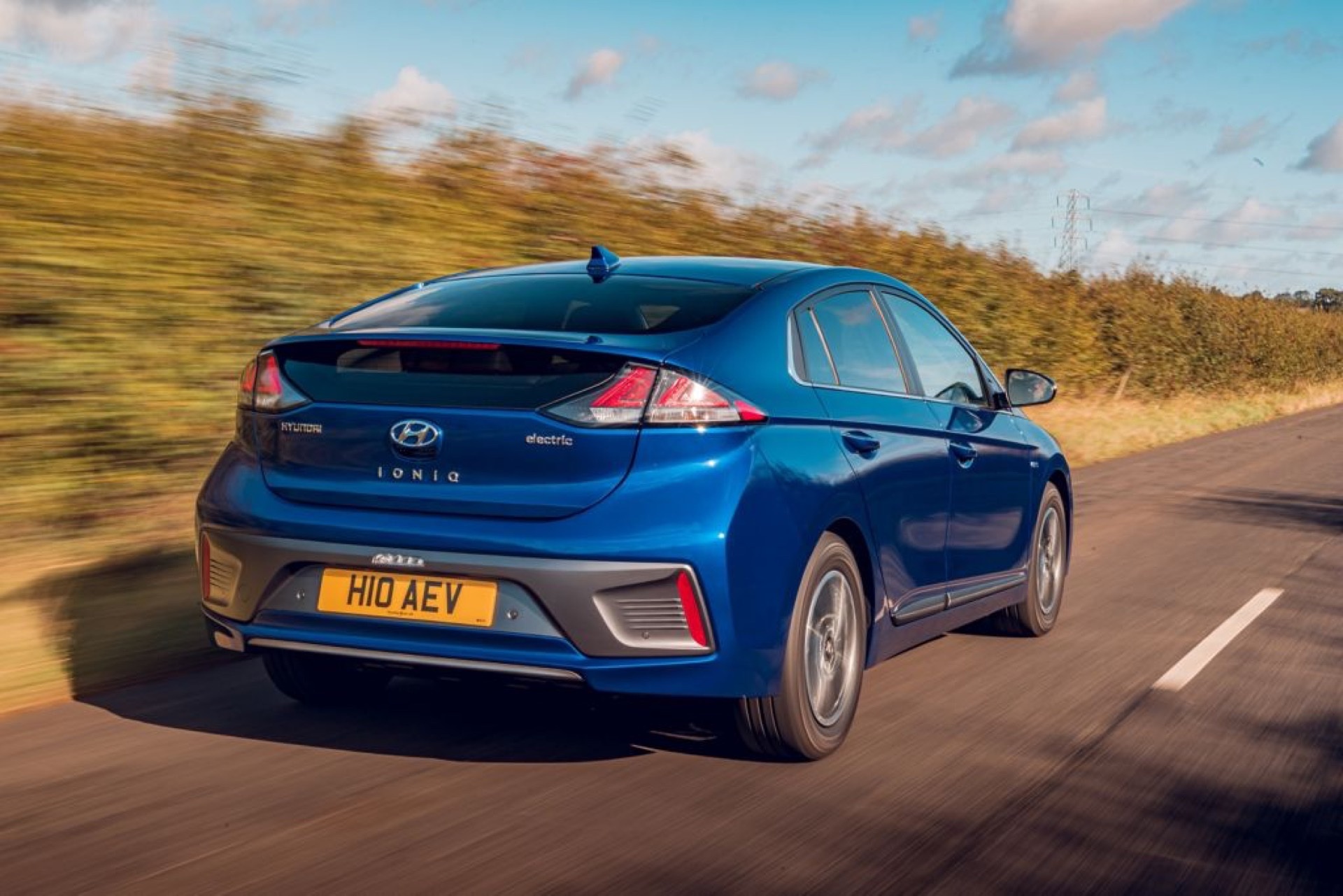
Images: MG / Hyundai

Chinese Will Build Cars In North America In 2-3 Years, Nissan Boss Warns

  • China automakers will set up Mexico factories within three years, Nissan America’s Chairman predicts.
  • Christian Meunier says Nissan is cutting costs, plans to send China-built cars to Mexico to meet the push.
  • China brands will sell in US eventually, but not for at least five years, Meunier suggested to Auto News.

America rolled out the red carpet for China president Xi Jinping last week, though Chinese cars on US roads remains a firm red line. But a senior Nissan executive is warning that Chinese automakers will start building cars on the continent in as little as two years despite US senators’ determination to keep them at bay.

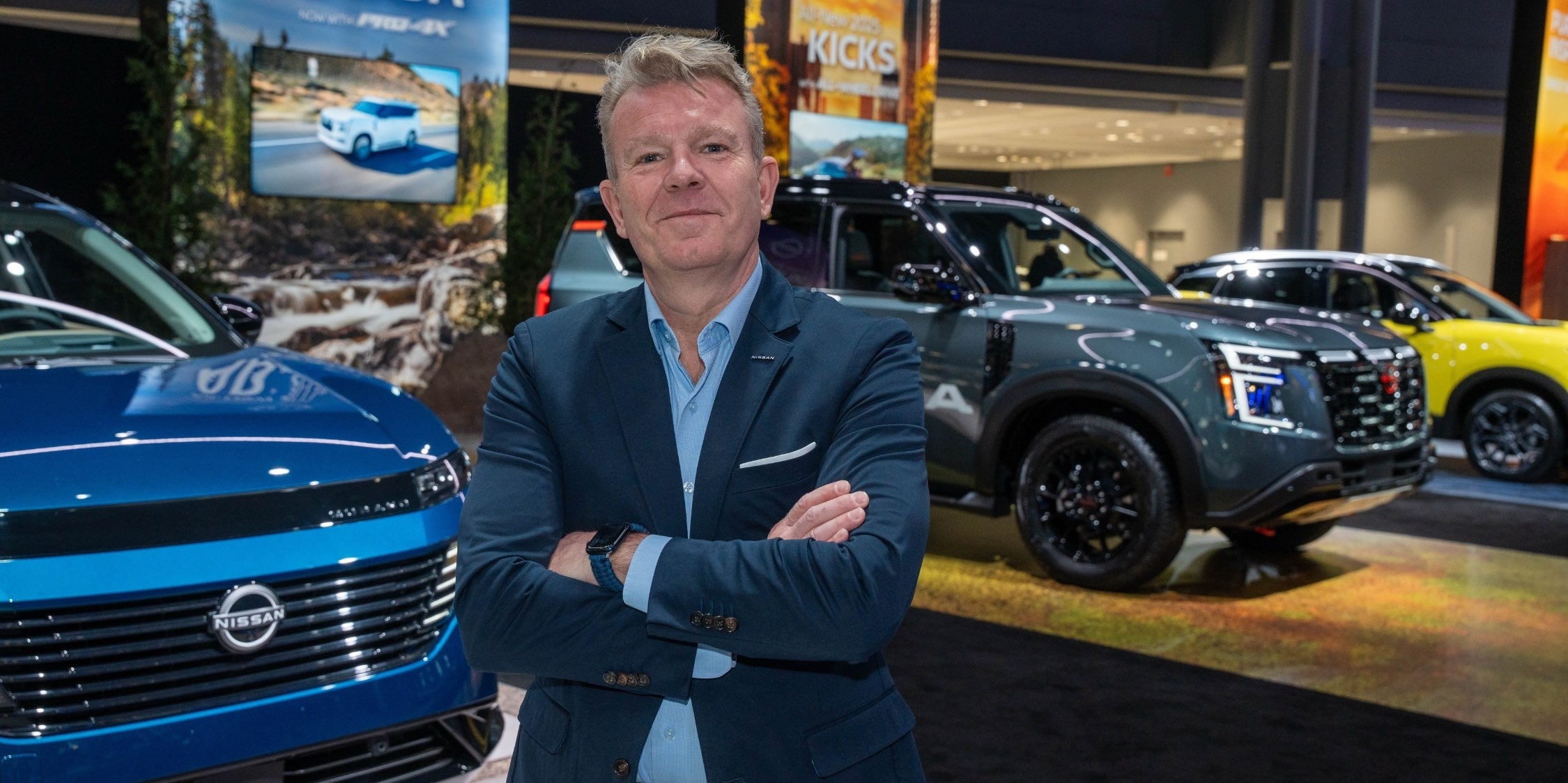
Nissan America’s Chairman Christian Meunier predicts that Chinese automakers will be building cars in Mexico, just hours from the US border, within three years.

Related: US Lawmakers Push For A Permanent Ban On Chinese Cars

“We have a very aggressive plan in Mexico, especially to get the cost down for us to be able to compete with the Chinese when they get localized,” Meunier told guests at Nissan’s HQ in Yokohama, Japan. “It will happen probably in the next two to three years, so we need to be ready,” Auto News reports him saying.

Like Bill Ford and Ford’s CEO, Jim Farley, Meunier is convinced that Chinese brands will eventually find their way onto US streets. He thinks that won’t happen for at least five years though, which gives existing US brands a little time to prepare for a battle on home turf.

Build Local To Escape Tariffs

 Chinese Will Build Cars In North America In 2-3 Years, Nissan Boss Warns

But most of those brands also operate south of the border, where Chinese cars are already sold, albeit hampered by a 50 percent tariff. The Mexican market is going to be even tougher once cars are built locally, and prices are pushed even lower without tariffs in place. Legacy brands are going to have to push theirs down to compete.

“Cost competitiveness is going to be the rule of the game in the next five years,” Meunier said, claiming that Western and Japanese brands haven’t worked hard enough in recent years to reduce costs. He described Nissan’s current supply and cost setup as being “not good enough to compete head to head with the BYDs of this world.”

Fight Fire With Fire

 Chinese Will Build Cars In North America In 2-3 Years, Nissan Boss Warns

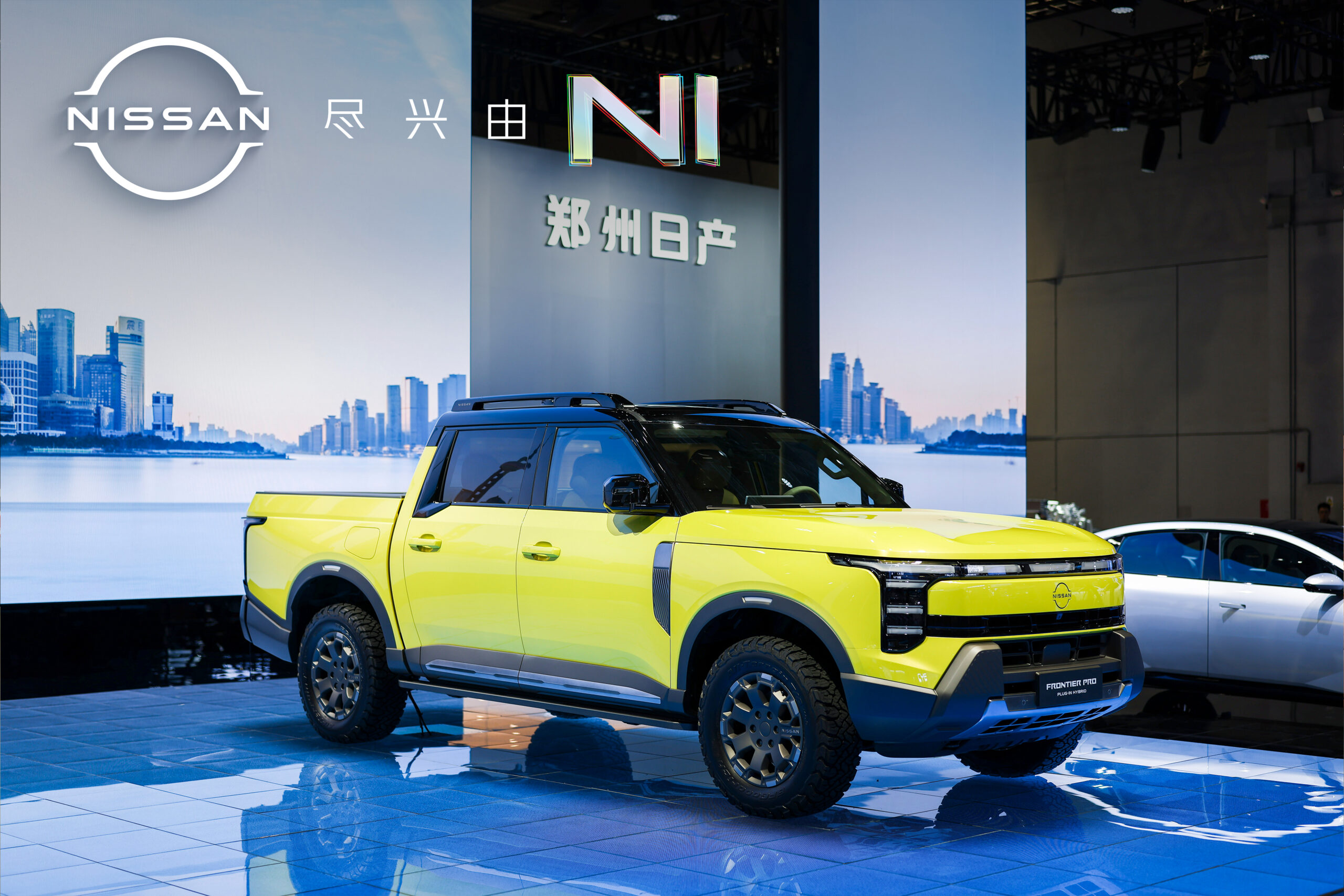
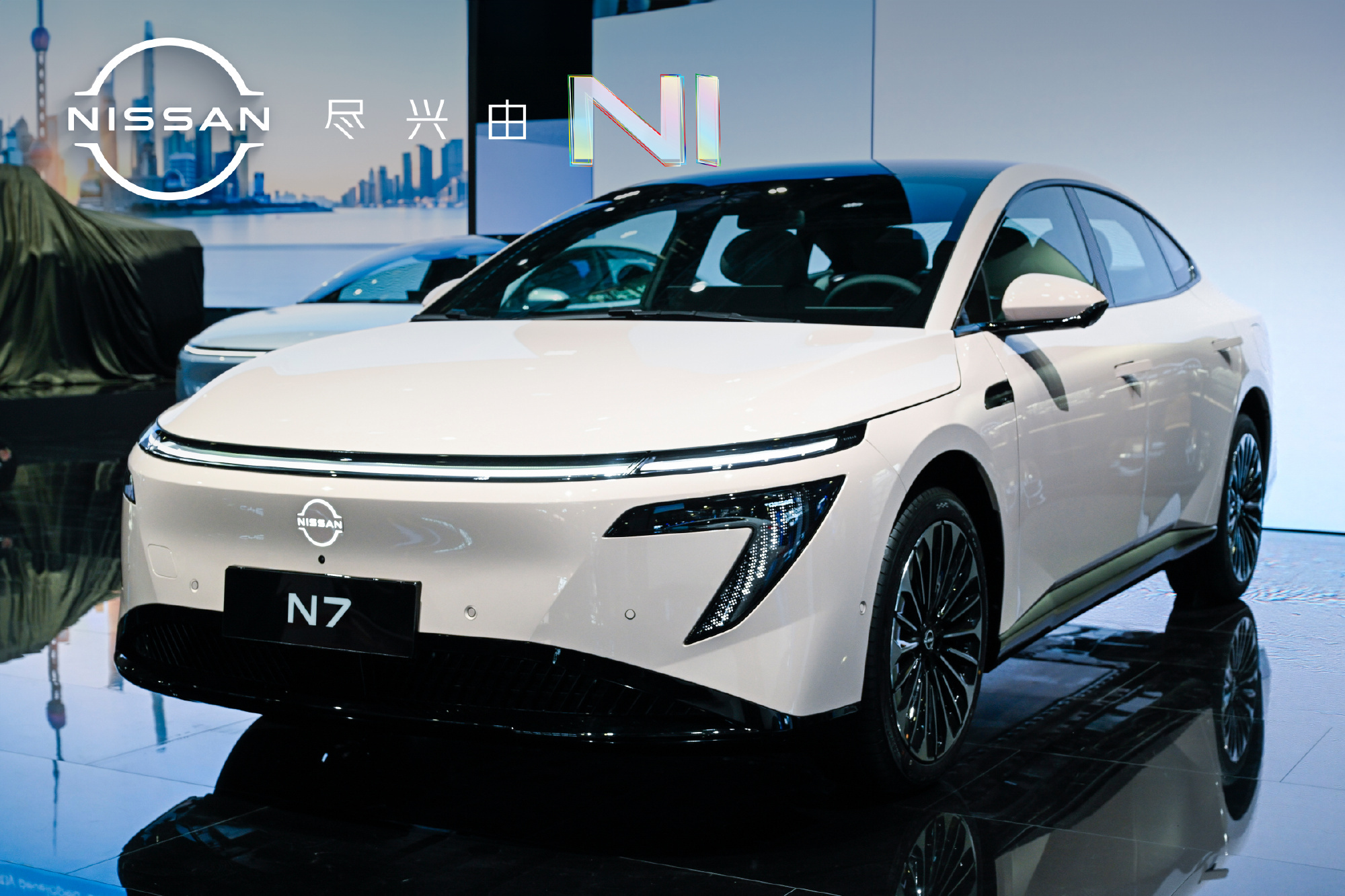
But Meunier says Nissan has another weapon in its arsenal besides simply trimming fat, one that will help it keep pace with the Chinese. It plans to give China’s automakers a taste of their own medicine by selling China-built models in Mexico. The Frontier Pro pickup (above) is now being launched in the country, and availability will expand to Latin America this year, Auto News reports. The N7 electric sedan (bottom pic) will also soon land in the region from China to tap into a boom in EV sales.

“We’re taking advantage of the opportunity to have a Chinese developed product compete with Chinese manufacturers in Latin America, because it’s clearly a big, fast invasion that is happening,” Meunier said.

Europe Shows What Could Happen

Meunier’s warning comes less than two weeks after Hyundai CEO Jose Munoz raised the alarm over the prospect of Chinese cars disrupting the US market. Munoz said that without safeguards in place, the US could end up like the UK or Europe, where one in every 10 cars sold is Chinese, a share that is only growing.

Big tariffs on Chinese cars currently keep them out of the US, but senators are currently trying to introduce legislation to permanently ban them. At the same time, President Trump has said he is open to the idea of Chinese brands opening car plants inside US borders.

 Chinese Will Build Cars In North America In 2-3 Years, Nissan Boss Warns

Nissan

Family Sues Tesla After Model X Allegedly Surged Through Red Light

  • A family says their Model X accelerated from a red light without driver input.
  • The lawsuit claims the driver could not stop or control the electric vehicle.
  • NHTSA previously linked Tesla acceleration complaints to pedal misapplication.

Imagine sitting at a red light when suddenly and without warning, your car accelerates on its own. In fact, it does so at such a pace that it “bursts” its own tires and then fights back when you attempt to take control. That’s what one family in Washington alleges happened with their Tesla Model X. The incident is at the heart of a new lawsuit, and only data from the car may be able to prove or disprove the claim.

As KING 5 reports, Linh Nguyen was stopped at the intersection of 144th Street Northeast and 124th Avenue Northeast in Kirkland on June 29, 2023. His then-14-year-old daughter was riding with him. The complaint alleges that their 2023 Model X suddenly accelerated into the intersection, then struck a curb. Thankfully, no other vehicle was hit.

Read: Another Tesla Crash, Another Owner Says It ‘Drove On Its Own’

According to Nguyen, he sustained injuries to his neck, back, shoulder, knees, and left side, while suffering from dizziness and confusion. The complaint says his daughter was injured too, and suffered severe emotional distress. The family is seeking damages from Tesla, including compensation for medical treatment and other losses.

The lawsuit points to Autopilot, alleging the system failed to keep the SUV stopped, accelerated without Nguyen’s input, and prevented him from regaining control by braking or steering.

 Family Sues Tesla After Model X Allegedly Surged Through Red Light

Nguyen also says he paid roughly $15,000 extra for the technology, which brings up another question. Tesla has never required that type of payment for Autopilot. On the other hand, it has indeed priced its Full Self-Driving (Supervised) tech suite at that figure. So to that end, we’re left wondering what system Nguyen alleges created the crash. That said, the allegations here aren’t without precedent.

More: Tesla’s Self-Driving Feature Just Became A Monthly Bill For Everyone

After investigating a fatal 2018 Model X crash in California, the NTSB concluded that Autopilot steered the SUV into a highway gore area. The board also cited the driver’s failure to respond. Obviously, swerving into a lane while moving is quite different from what sounds like a car attempting its own 0-60 test without warning. That’s where the vehicle logs and event data could prove either vindicating or damning.

The public account doesn’t include data like accelerator position, brake application, speed, steering input, and the status of its assistance systems. Each of those would say a lot about what went down.

In an earlier review of Tesla sudden-acceleration complaints, NHTSA analyzed crash data from 118 incidents. It found that the crashes for which event data was available were caused by pedal misapplication, with no evidence of a vehicle fault or ineffective brakes in those cases. Until the data comes out, plenty of folks could assume this is another similar case.

 Family Sues Tesla After Model X Allegedly Surged Through Red Light

Photos: Tesla

Rivian Says R3 Will Be Priced “Materially Lower” Than R2

  • The Rivian R3 will be followed by an even cheaper model known as the R4.
  • Rivian’s boss believes tariffs are needed to protect the US industry from China.
  • The R3 will be sold with two battery options and three motor configurations.

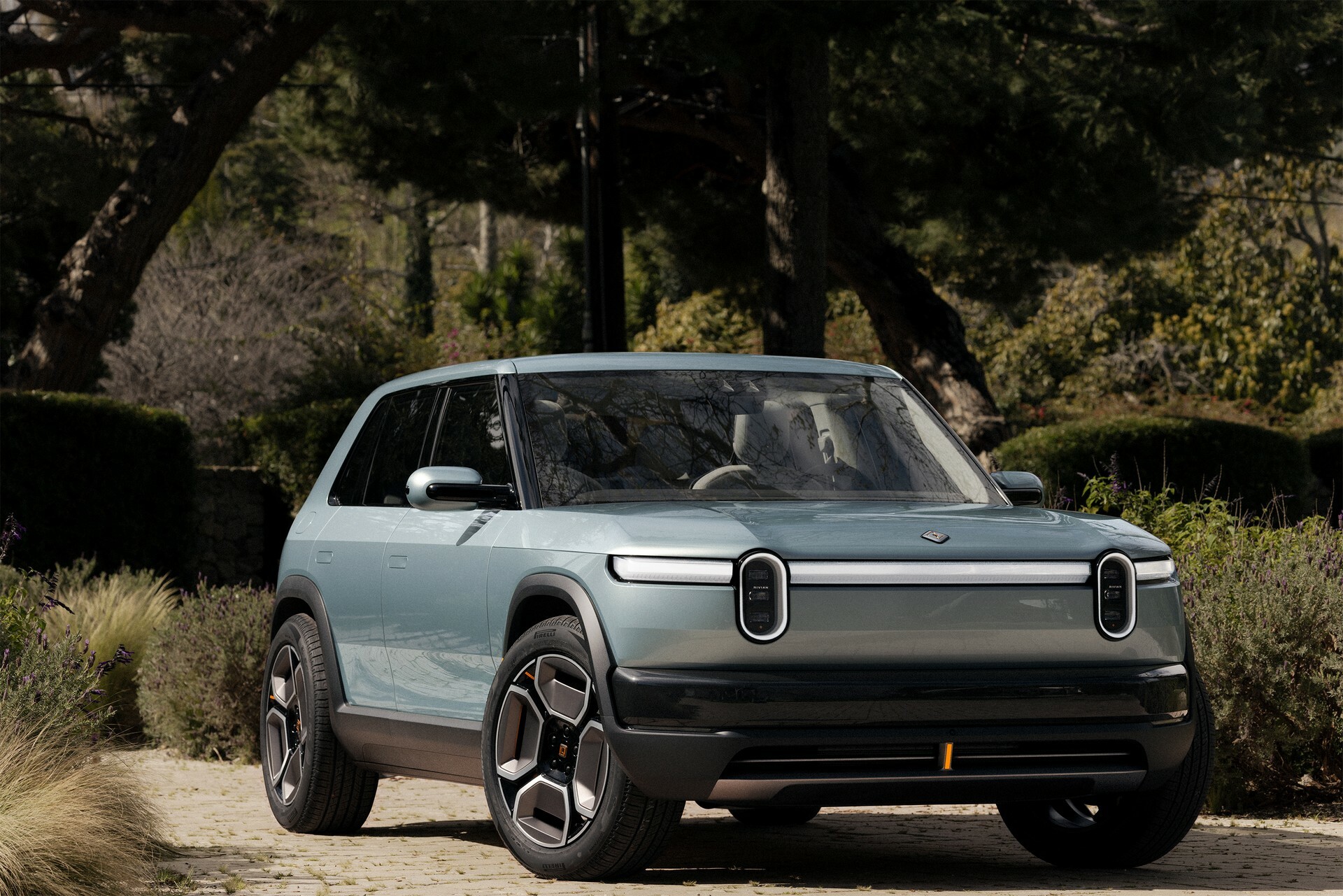
It’s been two and a half years since Rivian shocked the world when it unveiled not only its mid-size R2, but also the smaller R3 and R3X. While production and customer deliveries of the R2 have started, the R3 is still a little ways off, but when it does finally launch, it has the potential to be the brand’s highest-volume seller.
With prices starting at $45,000 and going up to $57,990, Rivian now has a legitimate rival to the best-selling Tesla Model Y in its line-up. Given how difficult it is for new car manufacturers to crack into the affordable, mass-market, no one could blame the brand for calling it a day with the R1 and R2 models, satisfied with selling a few hundred thousand vehicles a year.

Read: Rivian’s Secret Plans Might Include A Lot More Than Just The R2 And R3

That’s not how Rivian chief executive RJ Scaringe thinks. During a recent interview with The New York Times, the brand’s founder spoke about the R3 and how the US can remain competitive against new electric vehicles emerging out of China.

 Rivian Says R3 Will Be Priced “Materially Lower” Than R2

According to Scaringe, the R3 will be priced “materially lower” than the R2, although the company is not yet ready to announce pricing for it. It’s unlikely the compact SUV will be able to rival something like the $29,990 Nissan Leaf on price, but Rivian could have a winner on its hands if it prices it between $35,000 and $40,000.

More: Rivian Has Already Issued The First Recall For The R2

Things won’t even stop with the R3, as Scaringe added there are also plans for an R4, “which again moves” the price point down lower.

When the R3 was first previewed, Rivian said it will be offered with two different battery packs and be sold in single-, dual-, and tri-motor configurations. The most range-focused model should be able to travel more than 300 miles (483 km) on a single charge, while the quickest should hit 60 mph (96 km/h) in less than 3 seconds.

Scaringe Says He Supports Tariffs On Chinese Cars

 Rivian Says R3 Will Be Priced “Materially Lower” Than R2

Moving forward, Scaringe added that America needs make proactive efforts to ensure local car manufacturers can remain competitive despite the threat from Chinese firms. He told the NYT that “we should assume that in the fullness of time, China will likely be able to sell here.” If that happens, more needs to be done to balance the different in input costs between the two countries.

More: US Lawmakers Push For A Permanent Ban On Chinese Cars

In China, labor costs are much lower, as are capital costs. Important input costs like electricity and utilities also cost significantly less, enabling Chinese automakers to sell EVs at price points that Western brands have failed to match. To help level the playing field, Scaringe says tariffs are an important tool. Without them, “we have to be honest that a lot of manufacturing capacity is going to move to China.”

\\\\\\\\\\\\\\\\

Tesla Starts New Semi Deliveries, But Won’t Say How Many

  • Tesla says new Semi deliveries are beginning this week.
  • The truck offers claimed ranges of 325 or 500 miles.
  • Tesla didn’t disclose pricing or current production rates.

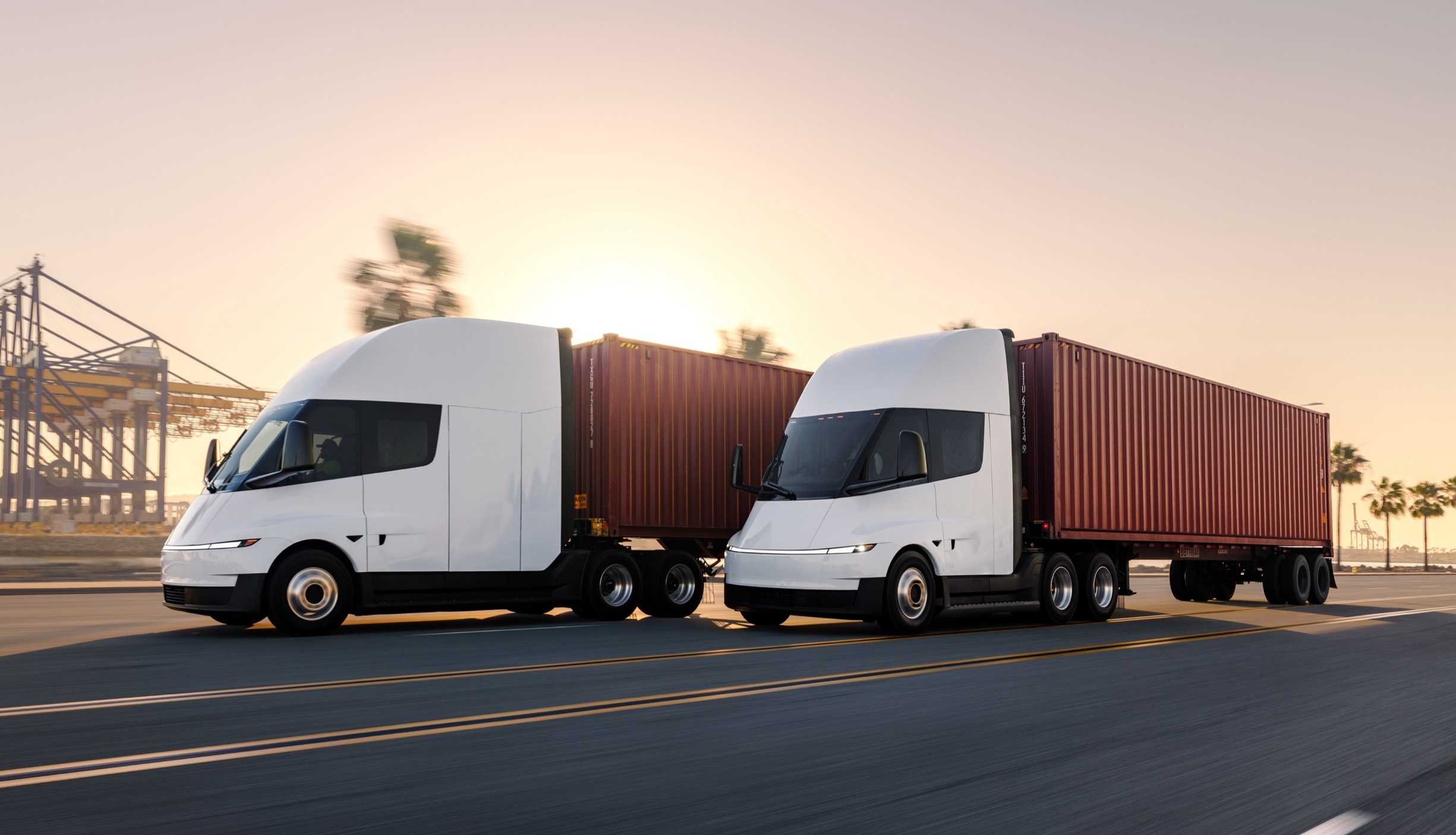
Almost a decade ago, Tesla unveiled the Semi as its answer to diesel-powered trucking. PepsiCo took delivery of the first trucks in 2022, but the rollout remained limited. The first Semi didn’t roll off Tesla’s new high-volume production line until this April. Now deliveries from its dedicated Nevada factory are beginning, and the question is how many trucks it can actually put on the road.

At an event Thursday night in Sparks, Nevada, Tesla presented trucks wearing the logos of PepsiCo, DHL, and US Foods. Executives said deliveries to an initial group of customers were beginning, Reuters reports. Tesla didn’t disclose a price, a current production rate, or a delivery target for the year. It reiterated that the plant is intended to build 50,000 Semis annually, but gave no date for reaching that level.
More: Tesla Just Set A Date For The Semi’s European Debut

It’s a real step forward, though hardly the Semi’s first delivery. PepsiCo began receiving trucks in late 2022, three years after Tesla originally expected production to start. The difference now is the dedicated factory, which is supposed to take the Semi beyond the limited rollout seen so far. Tesla said in April that the first truck had come off its high-volume line. Its July shareholder update, however, described Semi production as beginning in 2026 and dropped an earlier forecast for volume production this year.

Tesla claims the loaded long-range Semi can cover 500 miles (805 km) on a charge, while a standard-range version is rated for 325 miles (523 km). Dan Priestley, Tesla’s director of Semi truck engineering, said customers had validated the 500-mile figure in use. The company’s Semi page lists energy consumption of 1.7 kWh per mile. That’s an impressive figure considering the size and weight of the vehicle.

 Tesla Starts New Semi Deliveries, But Won’t Say How Many

The good news for Tesla is that despite apparent delays, there’s still demand. The same report says a shipper coalition placed an order for 2,500 Semis this week, while freight technology company Einride announced plans last month to add 500 Semis to its fleet. Orders and factory capacity sound great. Deliveries will be the one figure that shows whether Tesla can finally make good on the Semi’s long-delayed rollout.

 Tesla Starts New Semi Deliveries, But Won’t Say How Many

Photos: Tesla

❌
❌