Normal view

There are new articles available, click to refresh the page.
Today — 9 June 2026Main stream

Massachusetts Got $64M In EV Station Funding, But There’s Not A Charger In Sight

  • The state has been moving at a snail’s pace to establish new charging sites.
  • Two vendors have been selected to construct charging locations in the state.
  • Several other US states have received funds but haven’t built new charging stations.

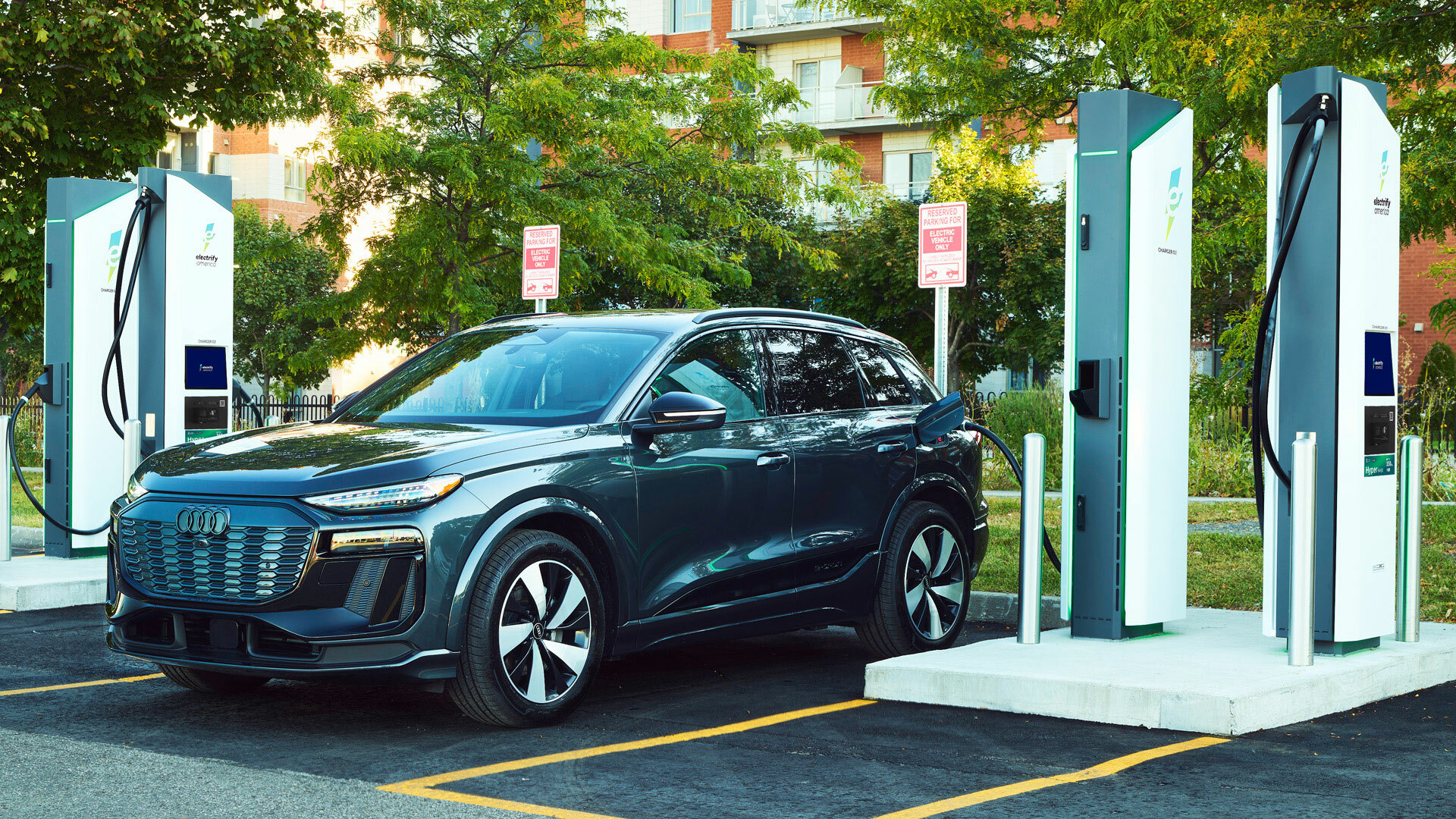
Nearly four years ago, Massachusetts landed $64 million from the Biden administration’s National Electric Vehicle Infrastructure Program, the massive $5 billion national push to seed thousands of new charging stations across the country. It is now mid-2026, and the state has yet to turn any of that money into a single working charger.

Two years ago, the state selected three vendors to identify possible locations for the new charging stations. Only two of them, Applegreen and Global Partners, have signed contracts, and both companies, along with the state Department of Transportation, have stayed conspicuously tight-lipped about what’s actually happened since.

Read: Sixteen States Say Trump’s Admin Is Illegally Holding EV Money Hostage

The Commonwealth Beacon reports that Applegreen and Global Partners have spent roughly $4 million between them on engineering, permitting, and procurement. There are finally signs of progress, but MassDOT isn’t saying why things have crawled along this slowly.

According to MassDOT spokesperson Marshall Hook, Applegreen recently placed an order for EV charging equipment for sites in Greenfield and Newburyport, with construction expected to begin in July. Global Partners, meanwhile, has ordered the equipment needed to set up stations in Lancaster, Raynham, and Wrentham.

Too Slow For The EV Transition

\\\\

“The slowness of adoption here is mystifying,” former state transportation secretary Jim Aloisi said. “If your approach to transportation sector decarbonization is largely about the transition to EVs, then you should be spending a fair amount of effort accelerating the process of getting people to adopt EVs, and one way to do that is obviously to roll out the NEVI initiative. That’s the disconnect.”

Massachusetts is hardly the only state dragging its feet on getting these federally funded chargers running. A website tracking the NEVI program shows that plenty of states have received tens of millions of dollars without building a single station, including Florida, Iowa, Louisiana, North Dakota, Oregon, Alabama, Arizona, and, surprisingly, even California.

On the flip side, some states have put the money to work. Texas, for one, already has several NEVI-funded charging stations in operation, with many more at various stages of construction.
 Massachusetts Got $64M In EV Station Funding, But There’s Not A Charger In Sight
Before yesterdayMain stream

DC Turns Streetlights Into EV Chargers, And Dirty Diesel Foots The Bill

  • Washington, D.C. is funding new curbside EV charging projects across the city.
  • Voltpost will retrofit existing streetlights and utility poles into Level 2 chargers.
  • Officials hope easier charging access will encourage more residents to switch to EVs.

There’s no doubt that the biggest issue facing electric vehicle adoption relates to range. Specifically, how fast and how easy it is to go from a low battery to a full one. While it’s easy to own an EV if you can charge at home overnight, it’s a totally different story for everyone else who doesn’t have that cheap daily access to power. Now, a company is trying to provide a solution, and it’s using existing street-side infrastructure to do it.

Rather than digging up sidewalks and installing entirely new charging stations, Washington, D.C., is helping fund a project that converts existing streetlights and utility poles into EV chargers. According to WJLA, the District’s Department of Energy and Environment (DOEE) recently awarded $609,500 in grants to three EV charging companies. One of the biggest winners is Voltpost, a startup that specializes in retrofitting existing poles with Level 2 charging equipment.

Read: Charging An EV Cost $11 More This Year, Filling A Sequoia Cost $1,623 More

According to the company, its chargers can be installed in just a few hours by leveraging existing electrical infrastructure. That means no major construction work, no trenching, and potentially tens of thousands of dollars in savings compared to traditional charging installations. The company says it plans to deploy up to 16 chargers around the city, though exact locations are still being determined in coordination with local agencies and utility provider Pepco.

Funded By Dieselgate, Not Taxpayers

 DC Turns Streetlights Into EV Chargers, And Dirty Diesel Foots The Bill
Photos Voltpost

Voltpost wasn’t the only recipient. PowerUp America received funding to expand its charging footprint, while curbside charging specialist ‘It’s Electric’ also secured grant money. Together, the three companies are expected to significantly increase public charging access across the District. Importantly, none of the funding comes from local taxpayers. The cash actually comes from the money allocated to D.C. from Volkswagen’s emissions-cheating settlement with the EPA.

If this approach proves successful, it could help build a guideline for how urban areas nationwide could add relatively inexpensive public charging without major infrastructural changes. That alone could make EV adoption that much easier for those who can’t charge where they live otherwise.

 DC Turns Streetlights Into EV Chargers, And Dirty Diesel Foots The Bill

Photos Voltpost

Canada’s Electrified Vehicle Sales Surge 75% Before Chinese Cars Even Arrived

  • Canada logged 21,574 EV sales in March, up 74.7% year over year.
  • Federal rebates now cut as much as $5,000 off eligible EV purchases.
  • Sparse charging networks still slow broader electric vehicle adoption.

Canada may not be the first country you’d back to lead an electrified car revolution, but it seems that the tides are changing, with buyers snapping up 21,574 new ZEVs (Zero Emission Vehicles) in March 2026 alone, according to a Statistics Canada report. That’s a 74.7% increase over March 2025 figures.

ZEVs cover any vehicle that can produce zero tailpipe emissions, which includes PHEVs or Plug-in Hybrid Electric Vehicles, which can achieve this when operating in purely electric vehicle mode. In fact, new ZEVs accounted for 12.2% of all new vehicles sold in March 2026, compared to 6.6% the same month last year.

Read: Canada’s China Deal Promised Affordable EVs, But $100,000 SUVs Are First Off The Boat

Huw Williams, Canadian Automotive Dealers Association spokesperson, believes that this uptick in electrified demand is a sign of things to come. “We can see it on the ground (at dealerships) the surge in gas prices and the return of federal (EV) incentives is working to drive the sales. One of the other fundamentals working to drive sales is consumers see their neighbors with EV’s, they’re trusting them more each day,” he told CTV News.

This drive is also backed by the federal government, which introduced a new five-year EV incentives program. Rolled out in February 2026, the program offers rebates of up to $5,000 and covers hybrid vehicles, too.

Toyota & Honda Thrive, Chinese EVs Are Coming

 Canada’s Electrified Vehicle Sales Surge 75% Before Chinese Cars Even Arrived

Brendan Sweeney, President of the Pacific Manufacturing Association of Canada, points out that electrification is already being accepted at a great pace in Canada. “The majority of Honda and Toyota’s vehicles that are made in Canada are electrified; they reduce tailpipe emissions by 25 percent to 30 percent, and we know those are in high demand, so is there a future for electrified vehicles in Canada,” he said.

Plus, Canada is now preparing to welcome up to 49,000 Chinese EVs per year, rising to as high as 70,000 per year by 2030. Williams says, “We’re also hearing about interesting joint venture projects with Chinese companies coming to North America, we’re also hearing about exciting hybrids in the pipeline and a variety of consumer choice that’s going to be coming from all over the world.”

Charging Stations Need To Be More Prevalent

Of course, Canada’s road to electrification isn’t as smooth as you’d hope just yet. One major stumbling block is the proliferation of charging stations. While there’s a pretty decent number out there, they’ll need to become even more prevalent as more EVs take to the roads.

In short, you’ll need to have more EV charging bays in closer proximity to each other, given that cold weather can cause notable range reduction. Williams highlights this, saying, “We have to focus on reducing the charging anxiety, that means charging stations that work, charging stations that are reliable, and charging stations that are in the places that consumers need them most.”

 Canada’s Electrified Vehicle Sales Surge 75% Before Chinese Cars Even Arrived

This Is What Happens When You Don’t Tariff Chinese EVs

  • Latin America has seen a boom in EV adoption, particularly in Costa Rica.
  • Consumers, influenced by rising gas prices, are buying more EVs than ever.
  • Many Chinese brands are dominating, thanks to their affordable offerings.

The cost to fill up in the US has risen sharply in the first few months of 2026, including back-to-back 25-cent weekly jumps that pushed the national average to $4.51 at the time of publishing. The pain isn’t localized either. Gas prices in nearly every country have spiked, and they look set to stay elevated for the foreseeable future.

So, with 2026’s outlook for fuel costs not looking good, and 2027’s not looking much better, what’s a possible solution? Well, many around the world are embracing EVs. New car buyers in countries where consumers are more price-sensitive are lapping up the switch, helped in no small part by the many affordable options offered by Chinese automakers.

Read: Chinese EV Brands Are On A Hiring Spree In Canada As They Set Up Shop

Across Latin America, Africa, and much of Asia (markets that don’t get nearly as much attention as the US, Europe, or China), EV sales soared 79% in March compared to the same month a year prior, according to research firm Benchmark Mineral Intelligence. For all of 2025, that same grouping posted a 48% growth.

Chinese Brands Gain Ground

 This Is What Happens When You Don’t Tariff Chinese EVs
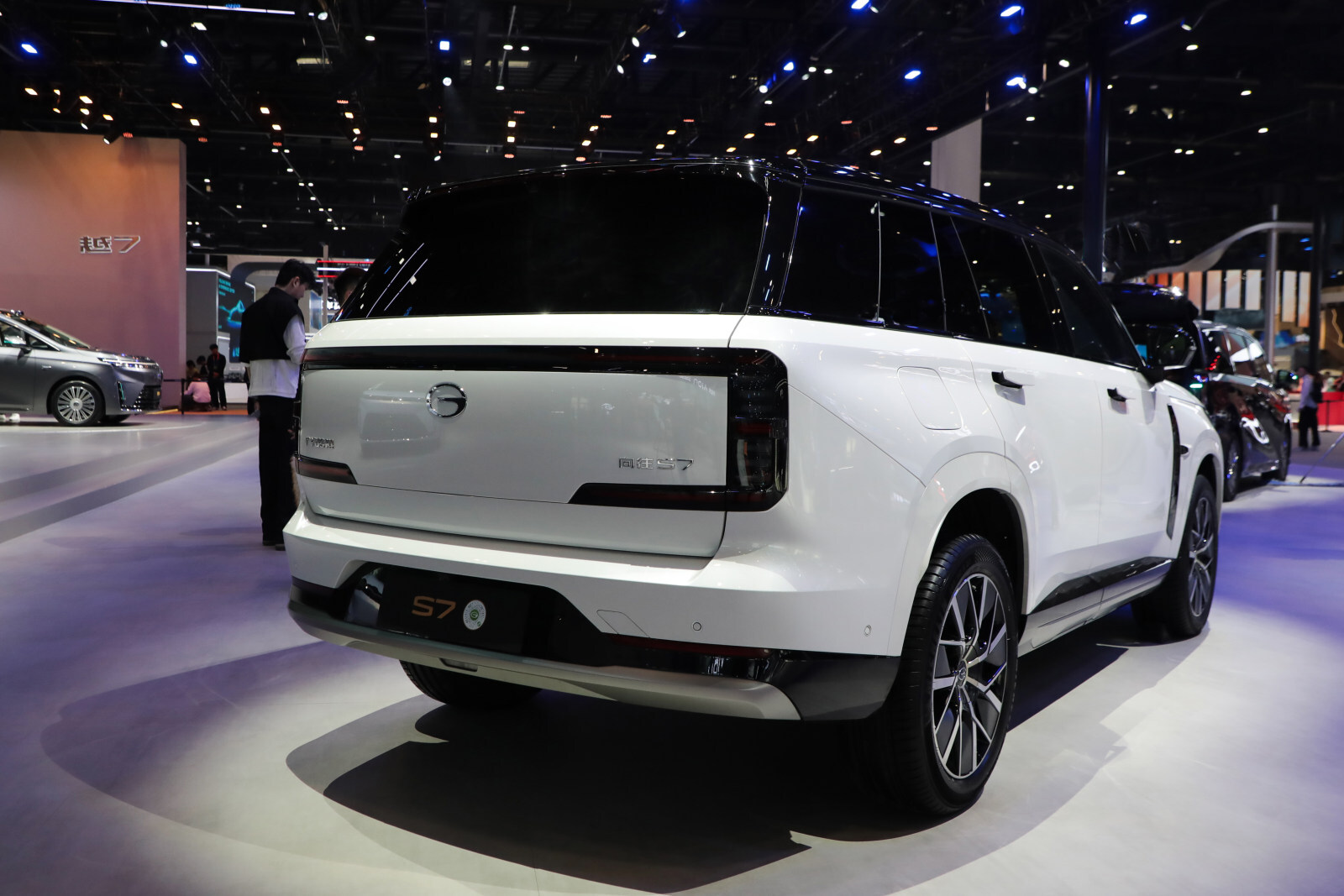
GAC

Costa Rica, where the average price of gasoline is $1.61 a liter or $6.09 a gallon versus a global average of $1.46 a liter or $5.53 a gallon, per Globalpetrolprices, is one such nation leading the charge. According to The New York Times, Costa Ricans buy more EVs per person than nearly any other Western Hemisphere country. Chinese brands such as Geely and BYD have rapidly taken over the market, and EVs accounted for 18% of all vehicle sales in the country in the first three months of 2026.

Kattia Cambronero, a member of the Costa Rican Legislative Assembly, said that “…it gives Costa Rica energy sovereignty.” What this means is that Costa Rica doesn’t have to rely too heavily on crude oil imports, reducing its dependency on a commodity whose price is seesawing rapidly these days. Last month, Cambronero pushed through legislation to fast-track construction of EV charging stations in the country, further bolstering their switch towards electric mobility.

Costa Rica As A Case Study

 This Is What Happens When You Don’t Tariff Chinese EVs
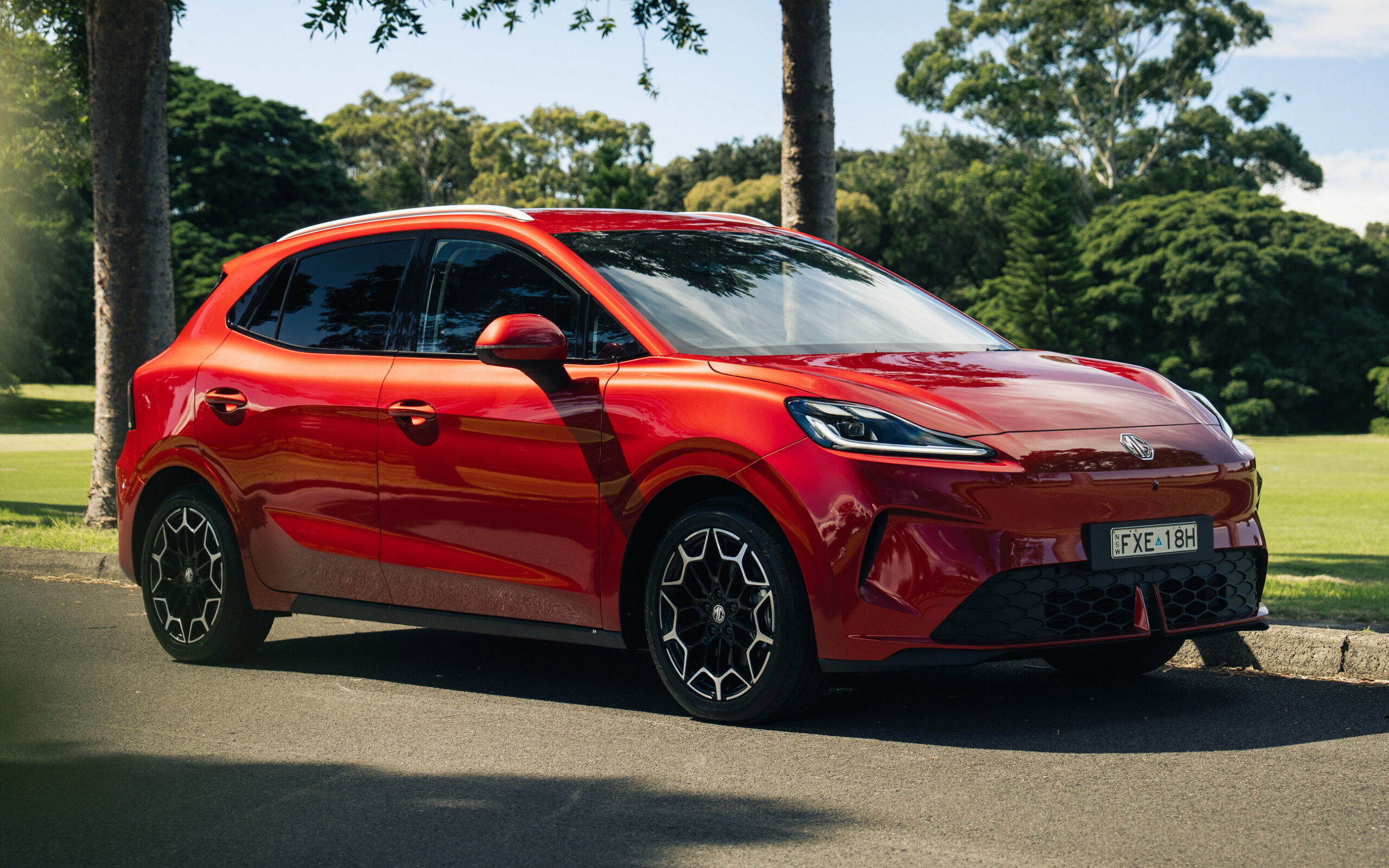
MG

Costa Rica is an ideal case study into what happens when there are no restrictions on importing Chinese EVs. Buyers in the United States are denied access to these inexpensive but technologically advanced and well-built vehicles due to bipartisan opposition. It’s the same in other countries that don’t have the same tariffs, where you’ll find vehicles from BYD, MG, Geely, and many others, as well as sub-brands sold by these major Chinese automakers.

According to a member poll by Asomove, a Costa Rican electric vehicle association, 70% of respondents cited cost as the primary reason for their EV switch. They moved to electric mobility simply because it was cheaper to run an EV, resulting in cost savings. This is important, because while Costa Rica is rich by Central American standards, its per-capita income is around a quarter of that in the United States. That’s why you can find at least three Chinese EV models selling for less than the equivalent of $20,000 in the country.

 This Is What Happens When You Don’t Tariff Chinese EVs

Plus, Costa Ricans have short commutes, which is where EVs really shine. Short commutes in town traffic can really affect MPG figures in a gas or diesel car, but EVs tend to thrive in this environment thanks to factors such as regenerative braking. This allows some energy to be recuperated back into the battery pack under deceleration and braking and is present in most hybrids as well. But the government also helps with the transition, offering certain tax and fee exemptions since 2018 to woo more buyers onto the EV bandwagon.

However, it hasn’t been all plain sailing. The South American country’s EV infrastructure hasn’t kept pace with its adoption rate. At the Croc Skywalk tourist stop south of San José, two of the most powerful chargers sat unused, because the plugs didn’t fit the Chinese cars, which make up the bulk of the country’s EV fleet. There are also worries about the wider power grid, and whether it can support the added load that more and more EVs will bring.

But the consumers of Costa Rica aren’t alone. And billions of people in these markets are reaching the same conclusion: that an EV, particularly a cheap Chinese one, makes more financial sense than filling a tank every week at prices that show no sign of coming down.

 This Is What Happens When You Don’t Tariff Chinese EVs
BYD


Used EVs Look Like A Steal, Until You Pay Repairs And Insurance Premiums

  • Data suggests that the average used EV costs just ~$1,000 more than a used ICE car.
  • Analysts warn that there are some hidden costs of running an EV that need to be considered.
  • Components, accident repairs, and insurance cost more on average for EVs than for ICE vehicles.

In the past, used EVs may have been considered a bit of a gamble, especially if they were packing a few years under their belt. But things are changing. A report from Cox Automotive says that used EV sales in March were up 27.7% compared with the previous year.

Even more telling was that the March figures were a whopping 53.9% higher than February’s. There are several reasons driving the change, but according to CNBC, experts warn that while cheap EVs may look attractive, there are a few hidden considerations buyers should still be wary of.

An Influx Of Used EVs

 Used EVs Look Like A Steal, Until You Pay Repairs And Insurance Premiums

One reason is the simple fact that as more people buy new EVs, more used EVs end up at dealer lots as their leases end. According to Joseph Yoon, a Consumer Insights Analyst at Edmunds, “Where we had the highest concentration of leasing happen was between the tail end of 2022 and all the way through 2023, and since most leases are three years long, all those cars… are coming back to dealer lots in droves.”

Read: America’s Used EV Market Is Heating Up For One Simple Reason

This means that much of the depreciation has already occurred, translating into some attractive deals for those looking at the used market. In fact, 44% of those EVs sold in March of this year were priced below the $25,000 mark.

More Choices & Price Parity

 Used EVs Look Like A Steal, Until You Pay Repairs And Insurance Premiums

Whereas previously electric vehicles were offered by only a handful of manufacturers, nowadays there’s a veritable smorgasbord of options coming into the used market. And with more options comes lower prices as well. The average price of a used EV in March was $34,653, according to Cox Automotive. Contrast that with the average price of a used gas car being $33,641, and price parity isn’t far off.

With used EVs no longer bearing price premiums over their gas-powered equivalents, they are now more accessible to buyers who have long aspired to jump on the EV bandwagon but were unable to in the past. But it’s not just lower purchase prices that are seen as appealing. Promises of cheap running costs are just as enticing.

Costs To Consider

 Used EVs Look Like A Steal, Until You Pay Repairs And Insurance Premiums

Charging an EV, especially if you use a home charger, can be pretty cheap, according to a Kelley Blue Book report. Taking into account a 1,015-mile monthly average, home-charging an EV worked out to an average of $59.66. But not everyone has the ability to install one of those. If you’re forced to use public fast charging exclusively, then things are a little different. That cost rises to $169, which is higher (albeit not by much) than the $147.24 gas bill that an average gas-powered vehicle with a 30mpg fuel efficiency figure would cost you.

See Also: The Average New Car Costs $50K, So Americans Are Emptying Used Car Lots

Another of the biggest benefits that EV makers regularly promote is their relative lack of maintenance. It’s true that you don’t need to spend money on engine oil changes and filters because an EV doesn’t have a gasoline engine. Also, since EVs use regenerative braking to recover energy under deceleration, their brake pads also benefit from longer lifespans. However, there is one consumable component that EVs go through faster than gas cars, and that’s tires. According to Consumer Reports, this is primarily due to the higher curb weight of EVs contributing to accelerated tread wear.

Components’ Costs

 Used EVs Look Like A Steal, Until You Pay Repairs And Insurance Premiums

EVs also have some pretty expensive components that can run you a pretty sum if they go wrong outside of warranty. Chief among these is the traction battery, where replacement costs can range from $5,000 to $15,000. That’s why the advice from experts is to seek out a used EV that still has warranty coverage remaining. Generally, EV batteries come with an eight- or ten-year warranty, and in most cases these are transferable to a subsequent owner.

Collision repairs are another area where EVs tend to cost more. In 2025, fully battery-powered cars cost an average of $6,395 to repair after a collision, compared with $5,105 for gas-powered vehicles, according to Mitchell International, which specializes in claims and collision technology.

Insurance is similarly pricier. The average annual cost of insuring an EV runs to $4,058, versus $2,732 for a comparable gas car, according to a 2025 report from insurance website Insurify. That said, the actual figure varies considerably by model, insurer, and location, and a used EV will generally cost less to insure than a new one.

 Used EVs Look Like A Steal, Until You Pay Repairs And Insurance Premiums

With Gas Prices Over $4.50, Even The Cozy Coupe Is Getting An EV Charger

  • Little Tikes offers an EV charger as an optional accessory.
  • It works with the Cozy Coupe and has lights and sounds.
  • Priced at $32.99, it is more expensive than the gas pump.

The Little Tikes Cozy Coupe is one of the most widely recognized vehicles on the planet, with an estimated 25 million sold since 1979. The toy car is actually leg powered, but it spent decades pretending to run on gasoline, which, with pump prices now north of $4.50 a gallon, is starting to feel like a uniquely cruel bit of make-believe. Now, Kids who’d rather go green can grab the charging station accessory and do their part for the EV transition.

More: World’s Skinniest Jeep Wrangler Is A Real-Life Little Tikes Cozy Coupe For Grown-Ups

The Cozy E-Charging Station is designed to bring zero-emission infrastructure to backyards and playrooms, mirroring the real-world shift toward electric cars. The accessory first appeared in late 2022 as part of a UK campaign before graduating to a permanent fixture in the brand’s global lineup, now with a cleaner, more modern look.

 With Gas Prices Over $4.50, Even The Cozy Coupe Is Getting An EV Charger
Those who find the Cozy Pumper (left) outdated can switch to the Cozy E-Charging Station (right).

The unit functions as an interactive charger, featuring a cable and a plug designed to slot into the fuel ports of all the existing Cozy Coupe models. Pressing the power button activates a sequence of light-up effects and electronic charging sounds, simulating a high-voltage top-up. The charger is powered by batteries making it suitable for outdoor play.

More: It’s Cute, It’s Short, And It Could Absolutely Kill You

The Cozy E-Charging Station is about the same size with the old Cozy Pumper, measuring 17.50 inches (44.45 cm) tall and weighing about 3 lbs (1.36 kg). It is fitting for toddlers and kids aged from 18 months to 5 years, allowing them to “plug in and charge their car just like mom and dad“.

It retails for $32.99, a small premium over the $29.99 Cozy Pumper. Unlike their parents, however, toddlers do not need to buy a new vehicle to make the switch, since the charger is compatible with the existing fleet. They are also spared range anxiety, because the Flintstones-spec drivetrain of the Cozy Coupe will keep going as long as the driver is well rested and well fed.

\\\\\\

Heliox, A Siemens Business, Highlights VersiCharge Blue 80A for Fleet and Commercial EV Charging

By: STN
6 May 2026 at 18:34

Heliox, A Siemens Business, a leader in EV charging solutions, is proud to highlight its VersiCharge Blue 80A, engineered for the most demanding fleet and commercial vehicle charging environments. Designed to deliver up to 80A AC (19.2 kW) power output, the VersiCharge Blue 80A ensures that fleet operators can keep vehicles moving efficiently and reduce operational downtime. With Level 2 charging capability via a J1772 connector and a 24-foot cable, this solution is compatible with most standard EVs, E-Trucks and School Buses, and streamlines installation and daily operation for maximum flexibility and reach.

This charger exemplifies robust quality, featuring Buy America compliance to meet government procurement requirements and ENERGY STAR certification to support lower operational costs and high energy efficiency. Safety remains paramount, as the VersiCharge Blue 80A holds multiple UL listings and carries a NEMA 4 and IK10 rating to ensure exceptional resilience against extreme temperatures, humidity, and physical impact. Backed by a 3-year warranty, customers gain peace of mind knowing their investment is safeguarded for the long haul.

Connectivity is central to the VersiCharge Blue 80A’s design, with cellular and Wi-Fi networking providing easy remote monitoring and flexible network-sharing in commercial deployments. Site safety and aesthetics are prioritized thanks to retractable cable management, reducing trip hazards and maintaining a clean, professional appearance. State-of-the-art smart charging features, including ISO15118-2 hardware readiness and OCPP 1.6J support, enable advanced load management, authentication, security, and future compatibility, while Sifinity Setup mobile app configuration simplifies multi-charger installations.

Precise energy tracking is guaranteed by embedded metering, helping operators optimize usage and manage costs. Built for resilient operation, the unit withstands wide temperature swings from -40°C to 50°C (>50°C with derating) and functions reliably in up to 98% humidity, making it ideal for harsh climates and challenging locations. Wall or post mounting options offer flexible installation for any site layout, and over-the-air (OTA) software upgrades future-proof investments by delivering remote updates and new capabilities.

Engineered for versatility, VersiCharge Blue 80A features rated current settings from 12A to 80A to easily accommodate varying power needs across fleet and facility applications. Its recommended wire cross section of 3 AWG with a 90°C minimum ensures safe, high-capacity wiring and consistent performance even under heavy usage. Built-in ground fault and overvoltage protection shield both users and vehicles against electrical risks, while multicolor LED indicators provide instant feedback on charging status, connectivity, and fault diagnostics to streamline site management.

Advanced OCPP and ISO15118-2 user authentication deliver enterprise-grade security and fleet management capability. The charger operates at altitudes up to 6,562 feet, expanding site possibilities in high-elevation regions, and customizable mounting options ensure seamless integration in diverse venues.

​​With VersiCharge Blue 80A, Heliox, A Siemens Business, is bringing a powerful blend of reliability, safety, and intelligent connectivity to the heart of fleet and commercial EV operations, enabling customers to scale with confidence as electrification demands grow.

About Heliox, A Siemens Business
Heliox, A Siemens Business, delivers world class EV charging equipment, EV charger maintenance and support services, and robust solutions for a broad range of EV fleets. Our portfolio encompasses all aspects of smart and efficient AC and DC charging infrastructure, including IoT-connected hardware, software, and a comprehensive service offering. Heliox manufactures UL compliant products that meet Buy America Act (BAA) and Build America Buy America (BABA) standards. Heliox’s high-quality, field-proven charging products are now backed by Siemens’ financial strength, global reach, and long-term stability—delivering the best of both worlds.

The post Heliox, A Siemens Business, Highlights VersiCharge Blue 80A for Fleet and Commercial EV Charging appeared first on School Transportation News.

BYD’s Nine-Minute Charge Was Industry Leading For About Four Weeks

  • CATL says its new Shenxing 3 charges from 10 to 98 percent in 6.5 minutes.
  • The Qilin 3 promises 621 miles of range while weighing only 1,378 pounds.
  • Company is betting fast charging and battery swapping will drive EV adoption.

Electric vehicles are quick, quiet, and typically offer awesome packaging and an easier maintenance schedule than combustion-powered cars. Where they struggle to keep up with their gas-powered competition is on the refueling side of things.

Charging infrastructure is nowhere near what it is for gas-powered cars, and when one does find a charger, it can take a long time to get a battery that’s flat back to full. Now, CATL says it’s found a solution, and it’ll charge a battery from 10 to 98 percent in just 6.5 minutes.

More: This New Battery Could Outlive You, Never Mind Your Car

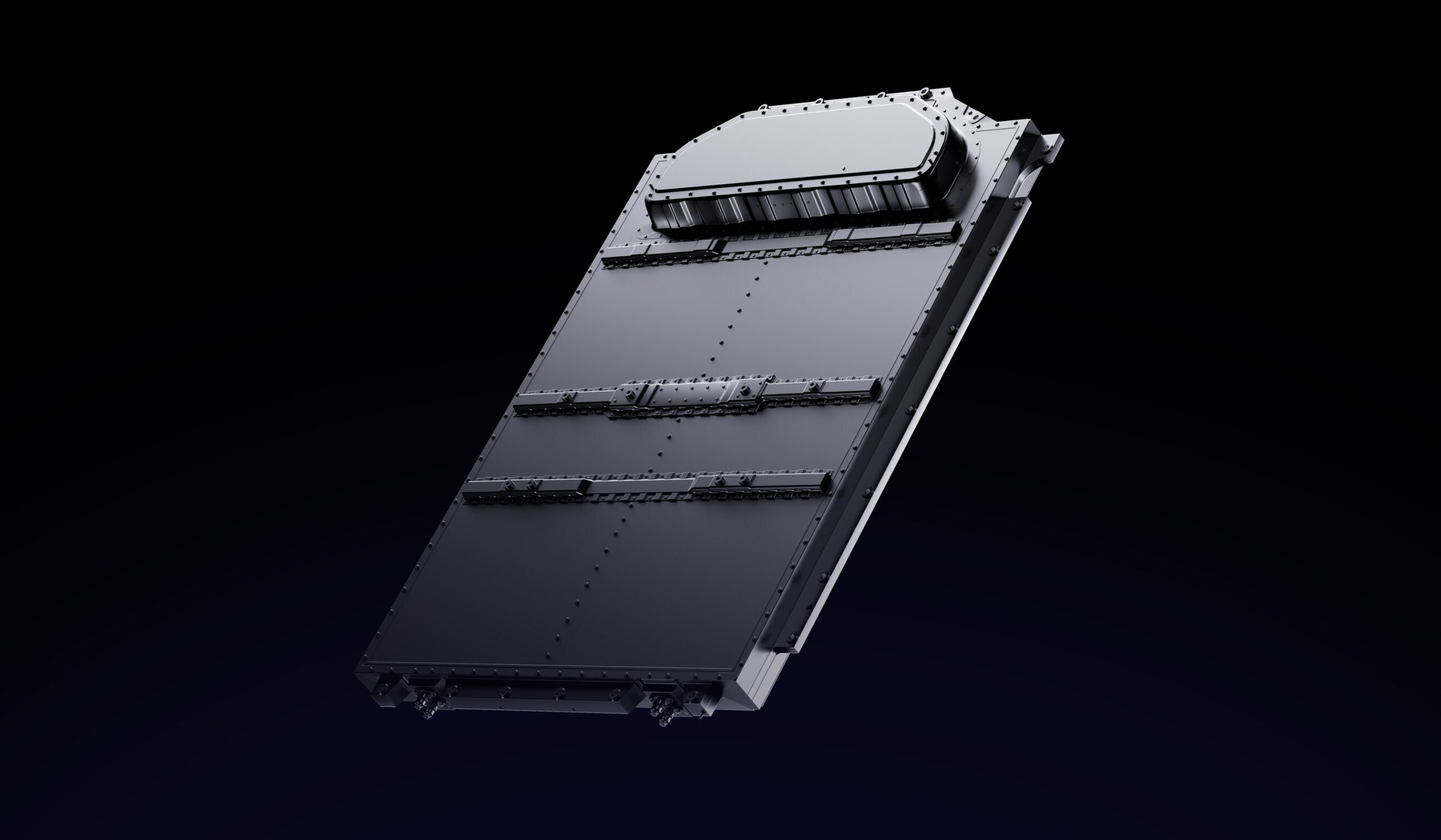
According to The Wall Street Journal, the new Shenxing 3 battery hits that mark in roughly 6.5 minutes, beating the charging capability BYD revealed just last month, which took nine minutes to go from 10 to 97 percent, or seven minutes from 10 to 70. Bernstein analysts told the publication the new battery “effectively closes the gap with ICE vehicles.”

 BYD’s Nine-Minute Charge Was Industry Leading For About Four Weeks

CATL says the new pack is capable of a 10C charging rate and can go from 10 to 80 percent in just 3 minutes and 44 seconds. Even more impressive, the company claims the battery can still charge from 20 to 98 percent in around nine minutes even when temperatures plunge to -22 degrees Fahrenheit (-30 Celsius).

Perhaps most impressive is that CATL says these charging speeds don’t destroy long-term battery life. Evidently, the Shenxing 3 still retains over 90 percent of its capacity after 1,000 full charging cycles.

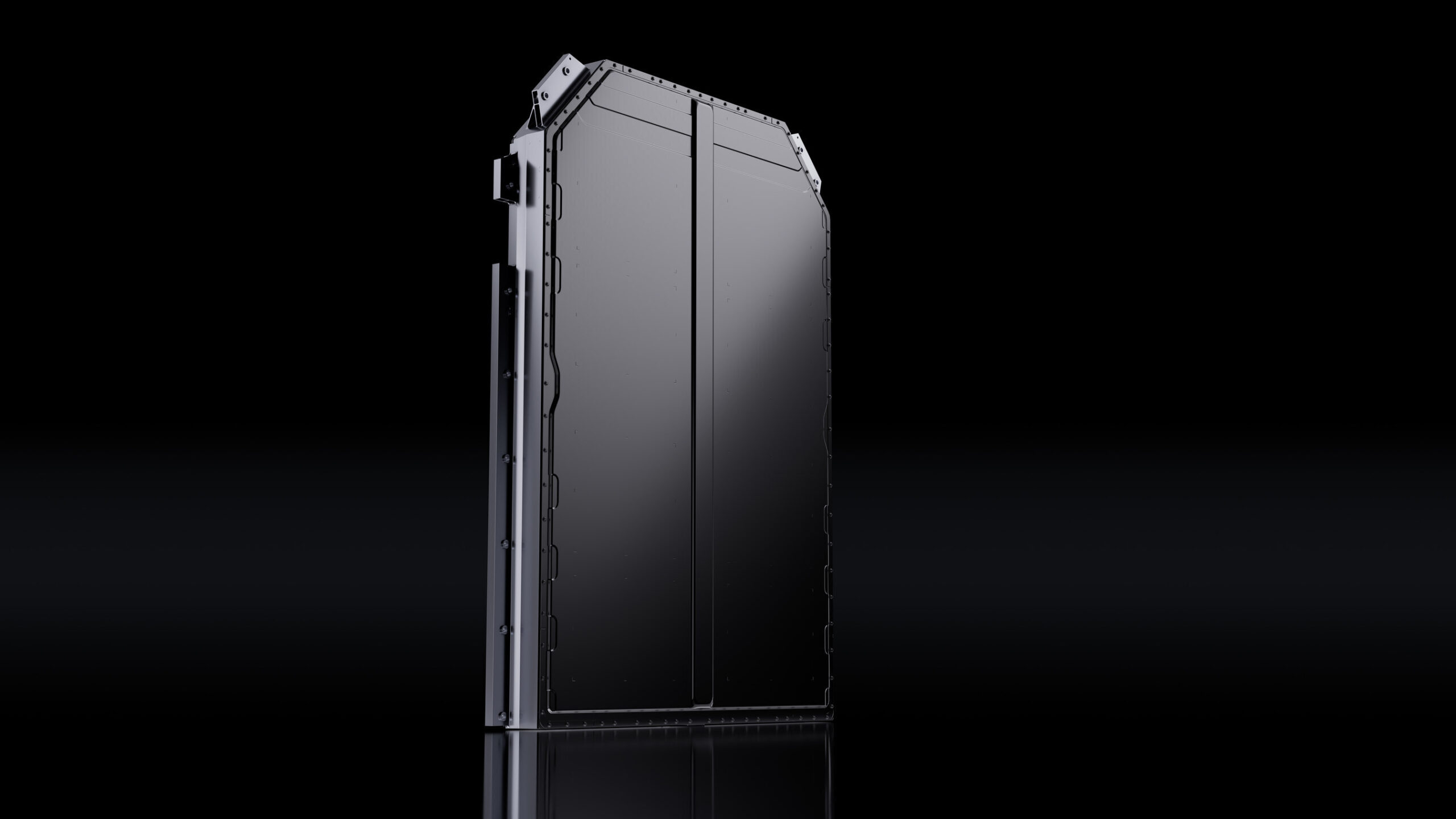
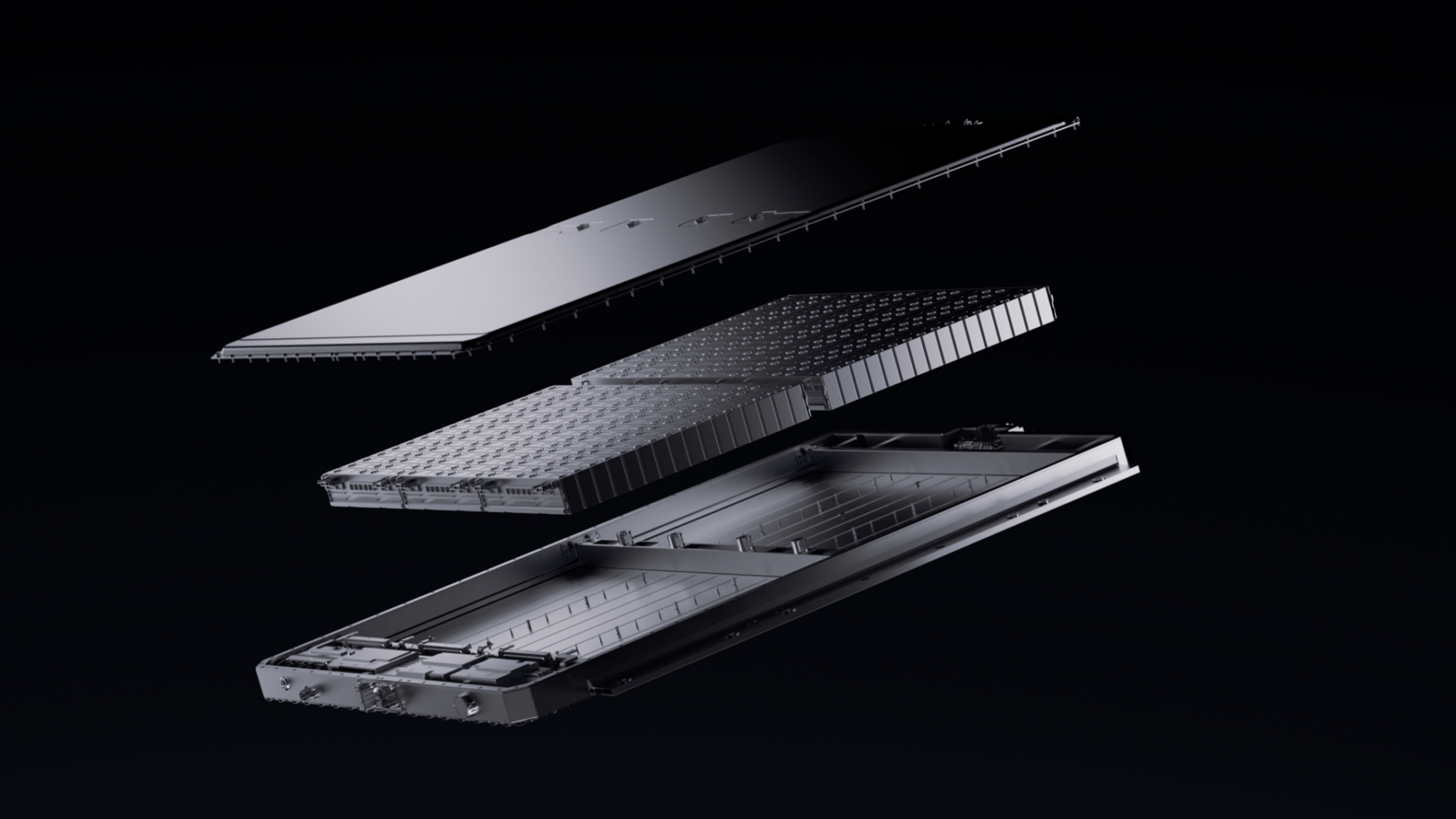
CATL also introduced the new Qilin 3 battery, which it says can deliver up to 621 miles (1,000 km) of range while weighing just 1,378 pounds (625 kg). That makes it significantly lighter than comparable packs and, according to the company, improves efficiency, acceleration, braking, and handling. Oh, and wait, there’s more.

 BYD’s Nine-Minute Charge Was Industry Leading For About Four Weeks

A new Qilin Condensed battery can deliver up to 932 miles (1,500 km) of range in a sedan or over 621 miles (1,000 km) in a full-size SUV. Obviously, that kind of range would be a giant benefit for the EV industry as it would reduce range anxiety and the need for additional charging infrastructure.

CATL says the Shenxing 3 and Qilin 3 batteries are intended for production vehicles rather than distant concepts, with the first applications likely arriving within the next year or so. The more ambitious Qilin Condensed battery appears further off, while CATL says its sodium-ion battery will enter mass production by the end of 2026.

 BYD’s Nine-Minute Charge Was Industry Leading For About Four Weeks

CATL Says Its New EV Battery Can Charge From 10 To 98 Percent In Just 6.5 Minutes

  • CATL says its new Shenxing 3 battery charges in just 6.5 minutes.
  • The company also unveiled lighter batteries with up to 1,500 km range.
  • CATL is betting fast charging and battery swapping will drive EV adoption.

Electric vehicles are quick, quiet, and typically offer awesome packaging and an easier maintenance schedule than combustion-powered cars. Where they struggle to keep up with their gas-powered competition is on the refueling side of things. Charging infrastructure is nowhere near what it is for gas-powered cars, and when one does find a charger, it can take a long time to get a battery that’s flat back to full. Now, CATL says it’s found a solution, and it’ll charge a battery from 10 to 98 percent in just 6.5 minutes.

According to The Wall Street Journal, the new Shenxing 3 battery can hit that mark in roughly 6.5 minutes, beating the approximately nine-minute charging capability BYD revealed just last month. Bernstein analysts told the publication the new battery “effectively closes the gap with ICE vehicles.”

More: This New Battery Could Outlive You, Never Mind Your Car

CATL says the new pack is capable of a 10C charging rate and can go from 10 to 80 percent in just 3 minutes and 44 seconds. Even more impressive, the company claims the battery can still charge from 20 to 98 percent in around nine minutes even when temperatures plunge to -22 degrees Fahrenheit (-30 Celsius). Perhaps most impressive is that CATL says these charging speeds don’t destroy long-term battery life. Evidently, the Shenxing 3 still retains over 90 percent of its capacity after 1,000 full charging cycles.

 CATL Says Its New EV Battery Can Charge From 10 To 98 Percent In Just 6.5 Minutes

CATL also introduced the new Qilin 3 battery, which it says can deliver up to 621 miles (1,000 km) of range while weighing just 1,378 pounds (625 kg). That makes it significantly lighter than comparable packs and, according to the company, improves efficiency, acceleration, braking, and handling. Oh, and wait, there’s more.

 CATL Says Its New EV Battery Can Charge From 10 To 98 Percent In Just 6.5 Minutes

A new Qilin Condensed battery can deliver up to 932 miles (1,500 km) of range in a sedan or over 621 miles (1,000 km) in a full-size SUV. Obviously, that kind of range would be a giant benefit for the EV industry as it would reduce range anxiety and the need for additional charging infrastructure.

CATL says the Shenxing 3 and Qilin 3 batteries are intended for production vehicles rather than distant concepts, with the first applications likely arriving within the next year or so. The more ambitious Qilin Condensed battery appears further off, while CATL says its sodium-ion battery will enter mass production by the end of 2026.

 CATL Says Its New EV Battery Can Charge From 10 To 98 Percent In Just 6.5 Minutes

Tesla’s V4 Set The Bar At 500 kW, ChargePoint Just Made It Look Slow

  • ChargePoint has introduced a new 600 kW DC fast charger.
  • Known as the Express Solo, it can charge up to four EVs at a time.
  • Incorporates Omni Port technology to support CCS and NACS.

One of the biggest complaints about electric vehicles is a long recharging time. That could be about to change as ChargePoint has introduced their new Express Solo.

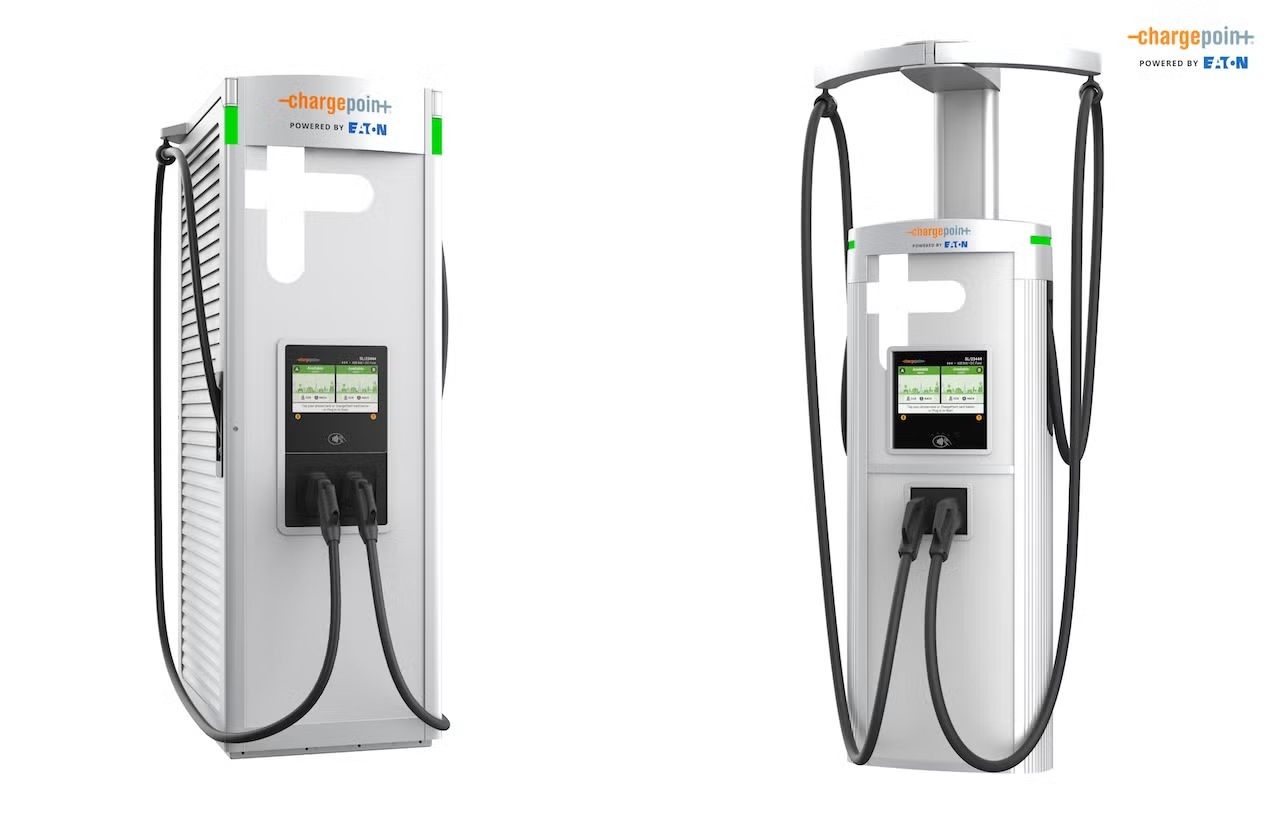
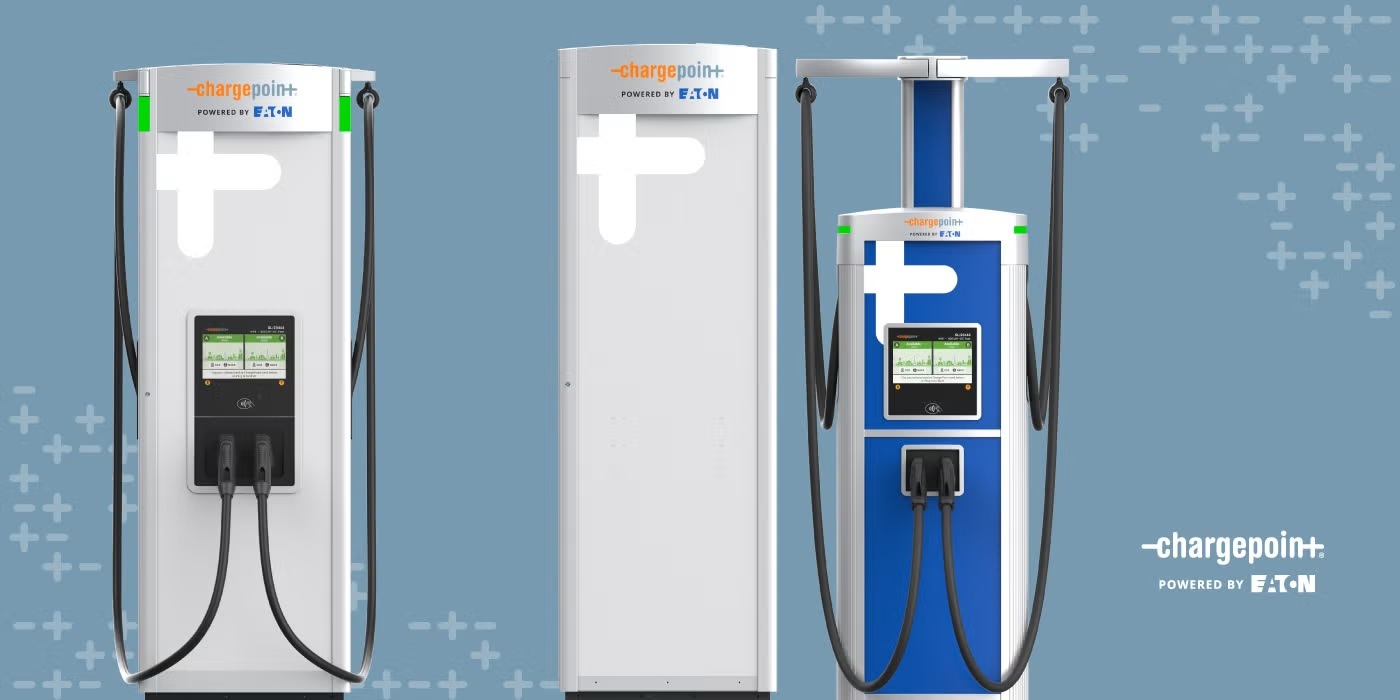
Billed as the “world’s fastest standalone EV charger,” the Express Solo is capable of delivering 600 kW to a single EV. That’s significantly more than typical DC fast chargers and it could pave the way for far shorter recharging times. By comparison, Tesla’s V4 Supercharger, the current US benchmark for fast charging, peaks at 500 kW.

More: BYD’s New EV Chargers Are So Fast They’re Arranged Like Gas Station Pumps

ChargePoint says the Express Solo “delivers approximately 40% higher power density than other DC charging solutions in the industry’s smallest footprint.” This makes it well-suited for use in tight quarters such as gas stations and convenience stores.

The Express Solo can simultaneously charge two EVs, while an “additional dispenser” can be added into the mix to increase that number to four. When multiple vehicles are charging, the system can “deliver any combination of power levels up to 600 kW per port.”

The charger also has an Omni Port system, which provides access to both CCS and NACS ports at each connection. Other highlights include a built-in cable theft alarm, support for contactless payments, and a 15-inch display.

 Tesla’s V4 Set The Bar At 500 kW, ChargePoint Just Made It Look Slow

ChargePoint also mentioned built-in energy storage, which can apparently charge when electricity rates are low. There’s also a DC input for use with solar panels.

The Express Solo is built on ChargePoint’s next-generation architecture, which has been designed to address the “four main challenges to scaling DC fast charging: grid constraints, faster charging speeds, reliability, and cost.” The Express Solo will also be the company’s first DC charger to be sold across Europe.

ChargePoint CEO Rick Wilmer said: “Express Solo combines unmatched power density, direct DC power input capabilities for solar integration and battery storage, and a modular architecture that scales with minimal cost and complexity. Collectively this redefines DC fast charging from a fixed asset into a future-ready energy platform.”

 Tesla’s V4 Set The Bar At 500 kW, ChargePoint Just Made It Look Slow

CATL’s New EV Battery Charges Faster Than Ford’s Mustang GTD Laps The ‘Ring

  • Battery maker CATL has just leaped ahead of BYD and Geely in charge speeds.
  • Its latest Shenxing LFP battery can charge from 10-35 % in only one minute.
  • A 10-80% charge takes 3 min 44 seconds, cold weather has minimal impact.

Some records stand for decades. Bob Beamon’s 8.9 m 1968 long jump, still unbroken 58 years later, is one. Others, like the 5 minutes it takes BYD’s Blade 2.0 battery to go from 10-70 percent, seem spectacular at the time, but here we are only weeks later and it’s already been smashed not once, but twice.

First it was Geely, whose Golden Brick battery can charge from 10-70 percent in 4 minutes 22 seconds. And now battery giant CATL has made even that look like it was hooked up to a household AC socket.

Related: Geely’s Golden Brick Battery Charges Faster Than BYD, But Good Luck Finding A Plug For It

CATL’s 3rd-gen Shenxing LFP battery stops the clock at 3 minutes 44 seconds. And that’s not even charging to 70 percent, but to 80 percent. Geely’s battery needs almost two minutes longer to reach the same point.

And that’s not the only crushing stat. If you’ve ever charged an EV, you’ll know that charge rates aren’t linear. It takes a while to reach peak charge speed and then the rate falls away again as the battery gets closer to full. But the CATL pack comes out all guns blazing, charging from 10-35 percent in just 1 minute.

And from 10-98 percent takes only 6 minutes and 27 seconds. That compares with 8 minutes 42 seconds for a 10-97 percent fill with Geely’s Golden Brick and 9 minutes for BYD’s Blade 2.0. Or to put it another way, the CATL goes from flat to full 13 seconds faster than it takes a Ford Mustang GTD to lap the Nurburgring.

Cold Weather? No Problem

These numbers are all achieved in optimal temperatures, of course, but CATL threw out another one to show that even in less than ideal condition charging is still really rapid. Drop the temperature to -30˚ C (-22˚F) and the 10-98 percent top-up still only takes 9 minutes.

Unveiling the new battery at its Tech Day Event, CATL claimed the pack’s 0.25 milliohms internal resistance is 50 percent lower than the industry average. It also features multi-point temperature monitoring for each cell and Self-Heating tech that involves using pulses of heat to improve low-temperature charging speeds.

Long Lifespan

Just as importantly, CATL claims that the battery health remains above 90 percent even after 1,000 ultra-fast charge cycles, countering skepticism from BMW engineers about the viability of the new generation of insanely fast-filling Chinese batteries.

BYD has already begun to expand its Flash Charging network to Europe, and CATL also claims it’s looking into bringing its own tech behind China’s borders together with SAIC-GM-Wuling. But don’t bank on it arriving in the US any time soon.

 CATL’s New EV Battery Charges Faster Than Ford’s Mustang GTD Laps The ‘Ring

CATL, Ford

Porsche’s New Wireless Charger Is Fast, But It’ll Cost You

  • Real-world efficiency ranges from 89 to 92 percent in daily use.
  • The wireless charger is said to cost about $6,500 before taxes.
  • Upfront cost remains the main barrier despite a minimal long-term gap.

In the push to make home charging feel as seamless as refueling, automakers are starting to rethink the ritual itself. Before lifting the veil on the all-electric Cayenne, Porsche confirmed it had developed complex inductive charging technology. Now that the Cayenne Electric has reached the road, the brand is preparing to launch an optional wireless charging system for those who would rather skip plugging in at home.

At the heart of the charging system is the hefty base plate. Weighing in at 110 lbs (50 kg), it’s been designed to plug into a wall socket and houses a large transmitter coil. The base plate converts AC voltage from the electrical grid into DC voltage, and as the Cayenne Electric is positioned above it, a secondary coil beneath the SUV begins to receive power.

Read: Forget Cables, The Electric Cayenne Can Charge Hands-Free

Impressively, Porsche says its inductive charging technology supports up to 11 kW. Jason Fenske of Engineering Explained notes that Porsche’s own US mobile connector caps at 9.6 kW, making wireless the faster home-charging option for American owners.

The wireless charger comes with special software in the Cayenne Electric’s Surround View parking function, which displays the receiver’s position near the front axle, while a green circle indicates the base plate’s position. Simply pull the Porsche so the green dot is inside the circle, and it’s in the correct position to start charging.

Before the energy flow starts, the system automatically exchanges data, including a password, to prevent potential electricity theft. Wireless charging systems are generally regarded as inefficient, but Porsche’s engineers told Engineering Explained the system delivers between 89 and 92 percent efficiency in real-world use, comfortably clearing the 85 percent minimum the applicable charging standard requires.

Porsche also confirmed that Level 1 wired charging on the Cayenne Electric runs at just 60 percent efficiency, meaning the wireless pad is a significant step up over a standard household outlet.

Not Having A Cable Is Costly

\\\\

Tempted buyers shouldn’t worry about the system’s safety, with Porsche noting that the base plate is fully waterproof and includes sensors to detect foreign bodies, immediately stopping charging if something is detected.

“Ease of use, suitability for everyday use, and charging infrastructure are still the decisive factors when it comes to the acceptance of electric mobility,” Porsche R&D boss Michael Steiner said. “We are proud that inductive charging will soon be available in series production at Porsche. Charging an electric car at home has never been so easy and convenient.”

While the system is certainly convenient, it is expensive. In the UK, the entire setup is expected to cost around £6,750 ($9,125), with £4,750 ($6,421) of that being for the base plate itself.

In the US, the ground pad is said to be priced at about $6,500 before taxes, while the Cayenne EV’s onboard hardware adds another $1,650. A lifetime cost analysis by Fenske suggests the real expense is not in the electricity at all. He says that over 200,000 miles, the difference between wireless charging and a conventional wired Level 2 setup comes to roughly $1,000. Based on average U.S. driving of about 13,000 miles per year, reaching that gap would take roughly 15 years, leaving the upfront hardware premium as the main financial hurdle.

Heliox Introduces Heliox 60 Dual DC Fast Charger

By: STN
10 March 2026 at 21:09

ATLANTA — Heliox, A Siemens Business, a leader in EV charging solutions, introduces the H60D fast charger, a compact, high-utilization solution designed for a wide range of vehicles including cars, buses, and trucks. The system combines a dynamic power allocation between its two CCS1 outlets, broad EV and backend compatibility, and flexible mounting options to support higher charger usage across a wide variety of sites.

The H60D enables two parallel charging sessions from a single unit, cutting both hardware spend and footprint while increasing the number of vehicles that can be served at each location. Both outlets can operate simultaneously and share power dynamically, allowing operators to either deliver the full 60 kW to one vehicle or distribute power between two vehicles as demand shifts throughout the day. With 60 kW rated output and up to 150 A maximum DC current, the charger delivers efficient DC charging for a variety of cars, buses, and trucks, helping reduce overall charging time and keep assets in service.

EV compatibility is supported by US-based in-house testing and development capabilities, ensuring seamless integration. The charger’s flexible design allows deployment as wall- or pedestal-mounted and in either networked or standalone configurations, so operators can scale and customize installations to match site constraints and operational priorities. A new RFID capability expands driver access management, enabling Heliox products to deliver flexible authentication across fleet operations. Peak efficiency above 96% minimizes power losses and energy use while maximizing energy delivered to vehicles. A NEMA 3R-rated enclosure enables safe, reliable operation indoors or outdoors and is engineered to stand up to daily wear and tear, expanding siting options from depots and yards to parking lot environments. A compact, low-profile enclosure helps operators fit chargers into new or existing facilities with minimal disruption, further decreasing benchmark installation time through design improvements.

Built for interoperability and future-readiness, the H60D supports the SAE J1772 (CCS Type-1) standard, providing compatibility with the dominant North American DC fast-charging connector. A broad 200–1,000 V DC output range enables support for today’s and next-generation commercial EV battery platforms, protecting infrastructure investments as vehicle technology evolves. Communication based on open standards, incl. OCPP 1.6J and OCPP 2.0.1, enables robust vehicle-to-charger connectivity and supports advanced smart-charging capabilities.

Engineered and manufactured in the United States, the H60D leverages domestic engineering and production quality standards, with system-wide durability and thermal upgrades that support consistent performance over the product’s lifecycle. Rated to operate from -22°F to +131°F, the charger delivers reliable performance across diverse climates and seasonal conditions, enabling nationwide deployment strategies without extensive customization.

To support long-term reliability and predictable lifecycle performance, the H60D includes a standard 24‑month warranty and optional preventative maintenance programs that help operators maintain high uptime and optimize asset performance over the charger’s service life. This comprehensive support model gives fleets and site hosts confidence that their charging infrastructure will perform reliably and remain a strong, future-ready asset in their operations.

About Heliox, A Siemens Business

Heliox, A Siemens Business, delivers world class EV charging equipment, services, and robust solutions for a broad range of EV fleets. Our portfolio encompasses all aspects of smart and efficient AC and DC charging infrastructure, including IoT-connected hardware, software, and a comprehensive service offering. Designed and manufactured in North America, Heliox builds UL and CSA compliant products that also meet Build America, Buy America Act (BABA) standards. Heliox’s high-quality, field-proven charging products are now backed by Siemens’ financial strength, global reach, and long-term stability—delivering the best of both worlds.

For more information, visit www.heliox-energy.com.

The post Heliox Introduces Heliox 60 Dual DC Fast Charger appeared first on School Transportation News.

Heliox, A Siemens Business, Showcases Advanced Fleet and Commercial EV Charging Solutions at EV Charging Summit & Expo 2026

By: STN
9 March 2026 at 18:08

Heliox, A Siemens Business (Heliox), a leader in EV charging solutions, will showcase its latest fleet and commercial EV charging innovations at the EV Charging Summit & Expo, taking place March 17–19, 2026, in Las Vegas, Nevada, at Booth 641. The company will feature its versatile Heliox 60 kW DC chargers, including the new dual-port pedestal and single-port mobile units. It will also showcase its next-generation Heliox 44 kW V2G bidirectional DC charger and the powerful VersiCharge Blue 80A AC Series. Together, these solutions underscore Heliox’s commitment to reliable, future-ready infrastructure for fleets, depots, and commercial sites.

Heliox will spotlight its 60 kW chargers, delivering compact, adaptable DC fast charging for cars, buses, and trucks, making it ideal for depots, maintenance yards, and temporary or evolving sites. The lineup now includes the new Heliox 60 kW Dual, which offers two outlets for parallel charging and dynamic power sharing (1×60 kW or 2×30 kW) to optimize CAPEX utilization and serve more vehicles from a single unit. Available in both hardwired and portable configurations, in networked or standalone operation, and in single- and dual-connect variants, the system can be deployed as a single unit or in multiples and mounted on a wall, pedestal, or mobile cart to match each fleet’s power availability and long-term growth plans.

Heliox will showcase its 44 kW V2G DC charger, a next generation bidirectional solution that enables vehicles to both charge quickly and discharge energy back to the grid or facility, helping fleets turn parked EVs like school buses, into flexible energy assets. Designed and manufactured in the United States, the system supports grid services and new revenue opportunities while offering a compact design and intuitive operation to support long term reliability in demanding fleet environments.

Building on this DC fast charging and V2G foundation, Heliox will also feature the VersiCharge Blue 80A AC Series, a powerful Level 2 AC charger engineered for fleets, school buses, and commercial EV applications. Delivering up to 80A and 19.2 kW of power with flexible installation options and connected smart charging features, the VersiCharge Blue 80A AC Series helps operators manage energy use, control costs, and seamlessly integrate AC charging into modern depots, yards, and workplaces.

As part of the event program, Job van Campen will join other industry leaders on a panel session titled “V2G: Harnessing EVs as a Grid Resource for Reliability and Resiliency” on March 19, 2026, at 11:00 a.m. PT. During the session, he will explore how vehicle-to-grid technology can transform EV fleets into dynamic grid assets, enabling operators and utilities to enhance reliability, support the integration of renewable energy, and create new economic value from existing fleet investments. Attendees can visit Booth 641 to continue the conversation with Heliox experts and see how solutions like the Heliox 44 kW V2G can support real-world use cases, from demand response and peak shaving to backup power during outages.

Across its 44 kW V2G, 60 kW DC chargers, and VersiCharge Blue 80A AC Series platforms, Heliox, A Siemens Business, continues to deliver smart, efficient, and reliable charging solutions backed by global expertise and robust local support. With UL compliant, Build America, Buy America ready products, advanced connectivity, and comprehensive service offerings showcased at Booth 641, the company is positioned to help fleets, operators, and commercial customers scale electrification with confidence as infrastructure demands grow.

About Heliox, A Siemens Business:
Heliox, A Siemens Business, delivers world class EV charging equipment, services, and robust solutions for a broad range of EV fleets. Our portfolio encompasses all aspects of smart and efficient AC and DC charging infrastructure, including IoT-connected hardware, software, and a comprehensive service offering. Designed and manufactured in North America, Heliox builds UL and CSA compliant products that also meet Build America, Buy America Act (BABA) standards. Heliox’s high-quality, field-proven charging products are now backed by Siemens’ financial strength, global reach, and long-term stability—delivering the best of both worlds. For more information, visit www.heliox-energy.com.

The post Heliox, A Siemens Business, Showcases Advanced Fleet and Commercial EV Charging Solutions at EV Charging Summit & Expo 2026 appeared first on School Transportation News.

100% Buy America Requirement Proposed for EV Chargers

By: Ryan Gray
13 February 2026 at 01:00

The Federal Highway Administration (FHWA) seeks public input on a proposed modification to its waiver of Buy America requirements for electric vehicle (EV) chargers, which could impact K-12 student transportation professionals looking to use federal funds to purchase the equipment for electric school buses.

The proposal, announced Tuesday by FHWA Administrator Sean McMaster, aims to increase the domestic content requirement for EV chargers used in federally funded projects.

Currently, the waiver issued two years ago allows EV chargers manufactured in the U.S. to meet a 55-percent domestic component cost threshold. FHWA is considering raising this requirement to as much as 100 percent, meaning all components of EV chargers would need to be sourced domestically.

This change could have significant implications for school districts planning to use federal funds for EV charger acquisition or installation, when or if the EPA’s Clean School Bus Program or other funding projects return. FHWA said the proposal is part of a broader effort to support domestic manufacturing and align with federal priorities to maximize the use of American-made products in infrastructure projects.

If finalized, the new requirements would apply to projects obligated after the publication of the final notice.

Public comments on Docket No. FHWA-2025-007030 will be available through March 16 at 11:59 p.m. Eastern. FHWA said transportation professionals are encouraged to share their perspectives on the potential impact of the increased domestic content requirement, including any challenges or benefits it may present for school bus electrification projects.


Related: EPA ‘Revamping’ Clean School Bus Program
Related: Report: Inequities in Canadian Electric School Bus Transition Threaten At-risk Populations
Related: Deploying Electric School Buses in Rural and Suburban Districts

The post 100% Buy America Requirement Proposed for EV Chargers appeared first on School Transportation News.

Heliox, A Siemens Business, Highlights VersiCharge Blue 80A for Fleet and Commercial EV Charging

By: STN
3 February 2026 at 21:32

Heliox, A Siemens Business, a leader in EV charging solutions, is proud to highlight its VersiCharge Blue 80A, engineered for the most demanding fleet and commercial vehicle charging environments. Designed to deliver up to 80A AC (19.2 kW) power output, the VersiCharge Blue 80A ensures that fleet operators can keep vehicles moving efficiently and reduce operational downtime. With Level 2 charging capability via a J1772 connector and a 24-foot cable, this solution is compatible with most standard EVs, E-Trucks and School Buses, and streamlines installation and daily operation for maximum flexibility and reach.

This charger exemplifies robust quality, featuring Buy America compliance to meet government procurement requirements and ENERGY STAR certification to support lower operational costs and high energy efficiency. Safety remains paramount, as the VersiCharge Blue 80A holds multiple UL listings and carries a NEMA 4 and IK10 rating to ensure exceptional resilience against extreme temperatures, humidity, and physical impact. Backed by a 3-year warranty, customers gain peace of mind knowing their investment is safeguarded for the long haul.

Connectivity is central to the VersiCharge Blue 80A’s design, with cellular and Wi-Fi networking providing easy remote monitoring and flexible network-sharing in commercial deployments. Site safety and aesthetics are prioritized thanks to retractable cable management, reducing trip hazards and maintaining a clean, professional appearance. State-of-the-art smart charging features, including ISO15118-2 hardware readiness and OCPP 1.6J support, enable advanced load management, authentication, security, and future compatibility, while Sifinity Setup mobile app configuration simplifies multi-charger installations.

Precise energy tracking is guaranteed by embedded metering, helping operators optimize usage and manage costs. Built for resilient operation, the unit withstands wide temperature swings from -40°C to 50°C (>50°C with derating) and functions reliably in up to 98% humidity, making it ideal for harsh climates and challenging locations. Wall or post mounting options offer flexible installation for any site layout, and over-the-air (OTA) software upgrades future-proof investments by delivering remote updates and new capabilities.

Engineered for versatility, VersiCharge Blue 80A features rated current settings from 12A to 80A to easily accommodate varying power needs across fleet and facility applications. Its recommended wire cross section of 3 AWG with a 90°C minimum ensures safe, high-capacity wiring and consistent performance even under heavy usage. Built-in ground fault and overvoltage protection shield both users and vehicles against electrical risks, while multicolor LED indicators provide instant feedback on charging status, connectivity, and fault diagnostics to streamline site management.

Advanced OCPP and ISO15118-2 user authentication deliver enterprise-grade security and fleet management capability. The charger operates at altitudes up to 6,562 feet, expanding site possibilities in high-elevation regions, and customizable mounting options ensure seamless integration in diverse venues.

With VersiCharge Blue 80A, Heliox, A Siemens Business, is bringing a powerful blend of reliability, safety, and intelligent connectivity to the heart of fleet and commercial EV operations, enabling customers to scale with confidence as electrification demands grow.

About Heliox, A Siemens Business
Heliox, A Siemens Business, delivers world class EV charging equipment, EV charger maintenance and support services, and robust solutions for a broad range of EV fleets. Our portfolio encompasses all aspects of smart and efficient AC and DC charging infrastructure, including IoT-connected hardware, software, and a comprehensive service offering. Heliox manufactures UL compliant products that meet Buy America Act (BAA) and Build America Buy America (BABA) standards. Heliox’s high-quality, field-proven charging products are now backed by Siemens’ financial strength, global reach, and long-term stability—delivering the best of both worlds.

The post Heliox, A Siemens Business, Highlights VersiCharge Blue 80A for Fleet and Commercial EV Charging appeared first on School Transportation News.

Support for Electric Vehicles

By: newenergy
31 March 2025 at 15:54

New Poll: American Voters Support Federal Investments in Electric Vehicles Broad, Bipartisan Support for EV Investments and Incentives that Lower Costs, Expand Access, and Help the U.S. Beat China in the Race for Auto Manufacturing WASHINGTON, D.C. – A new bipartisan national poll conducted by Meeting Street Insights and Hart Research finds broad public support …

The post Support for Electric Vehicles appeared first on Alternative Energy HQ.

GM-Pilot EV charging network now spans over 25 states

Pilot, GM, and EVgo build out EV fast-charging networkGM-Pilot stations with EVgo now cover more than 130 locations The automaker also has GM Energy projects with ChargePoint and EVgo GM is also part of Ionna, seeking 30,000 fast-chargers by 2030 Automakers beyond just Tesla have been committing to the EV infrastructure buildout; and among them, General Motors remains one of the most diversified in...

California has nearly 50% more public EV chargers than gas nozzles

2025 Audi Q6 E-TronIn 2024, public charging in California expanded at record levels The state has double the publicly accessible chargers versus 2022 Nearly 30% of U.S. EV sales go to California customers In California, drivers are now much more likely to encounter an electric vehicle charging connector than a gas pump nozzle. The state reached 178,549 public...
❌
❌