VW once considered a range-extender version of the ID. Buzz.
Tight overhangs and EV-dedicated platform made it impossible.
A new multi-energy Space platform will underpin future vans.
The fully electric VW ID. Buzz hasn’t found the audience VW hoped for in North America, and that has the company weighing some drastic options. One was a range-extender powertrain, an idea that died on packaging grounds. Meanwhile, VW is developing a new multi-energy architecture for its future LCV lineup, meant to reduce complexity and cut costs.
The ID. Buzz news comes from Stefan Mecha, CEO of VW Commercial Vehicles. Speaking to Australian outlet Go Auto, he conceded that a combustion-engined variant had been on the table: “I would not be telling the truth if I said we have not looked at this. Is this a feasible exercise? Probably not… I think from this end, the ID. Buzz is an electric vehicle and it will stay an electric vehicle.”
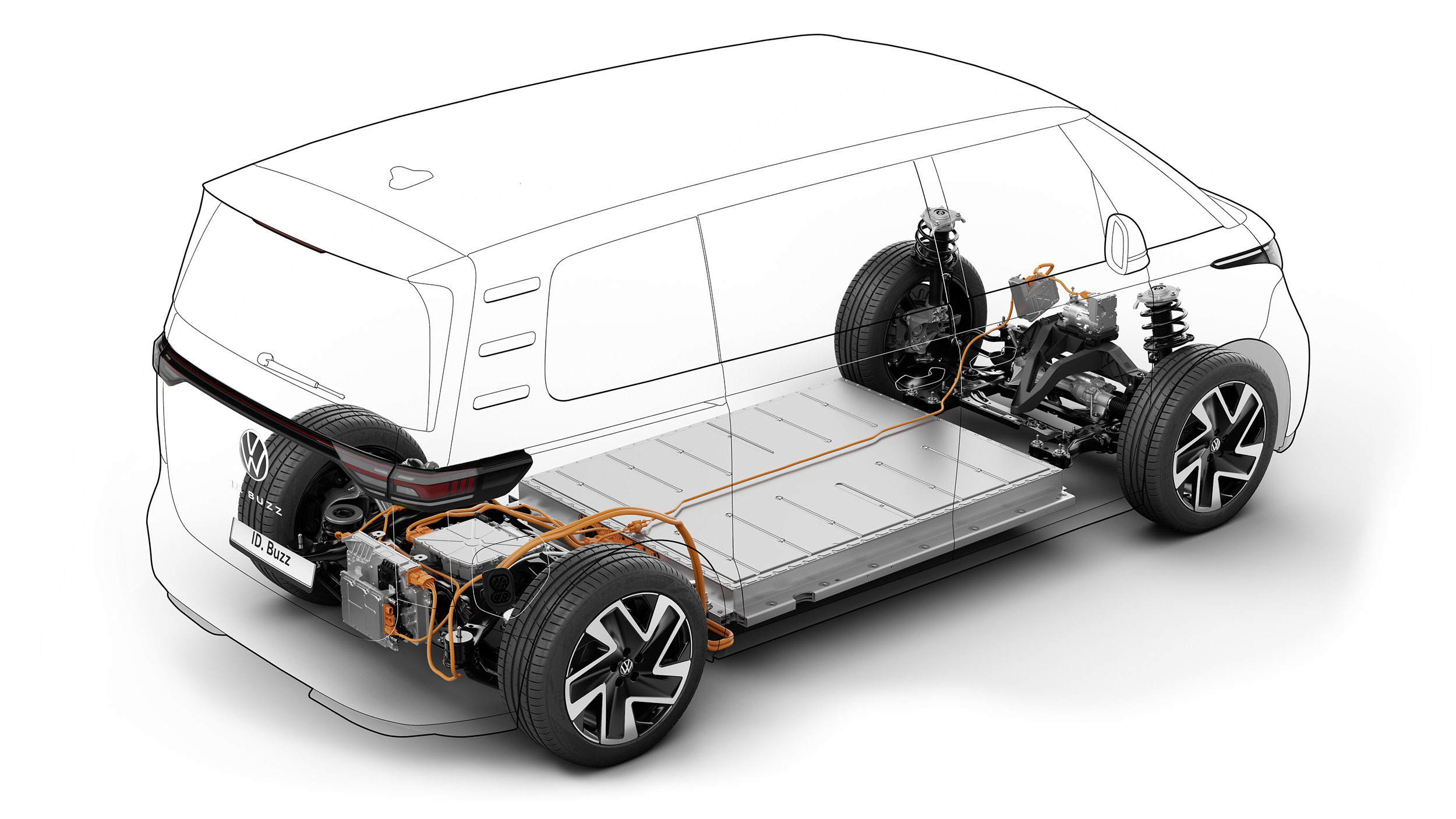
The van’s short overhangs and EV-only bones left nowhere to put a range extender. The MEB architecture was built for battery electric vehicles and nothing else, so shoehorning in a combustion engine would have meant an expensive redesign.
VW moved 60,700 ID. Buzz vans in 2025, double its 2024 tally. North America accounted for just 6,140 of them, which is why the brand skipped the 2026 model year entirely to clear leftover stock. The EV returns to the US for 2027 with minor updates and a camping-friendly trim joining the lineup.
One Platform To Rule Them All
In the same interview, Mecha laid out a structural overhaul aimed at what he calls “costly platform fragmentation” across the LCV portfolio.
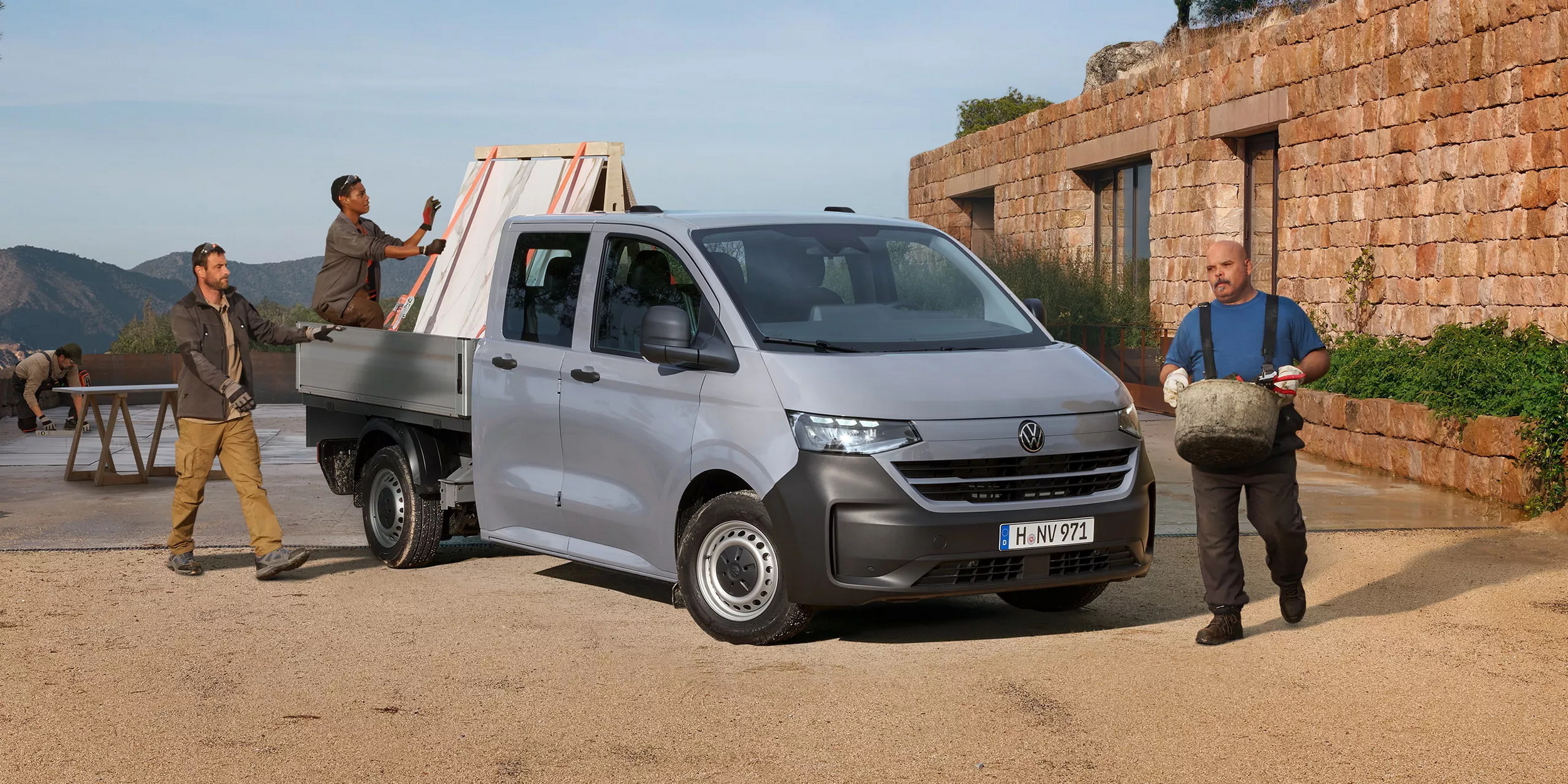
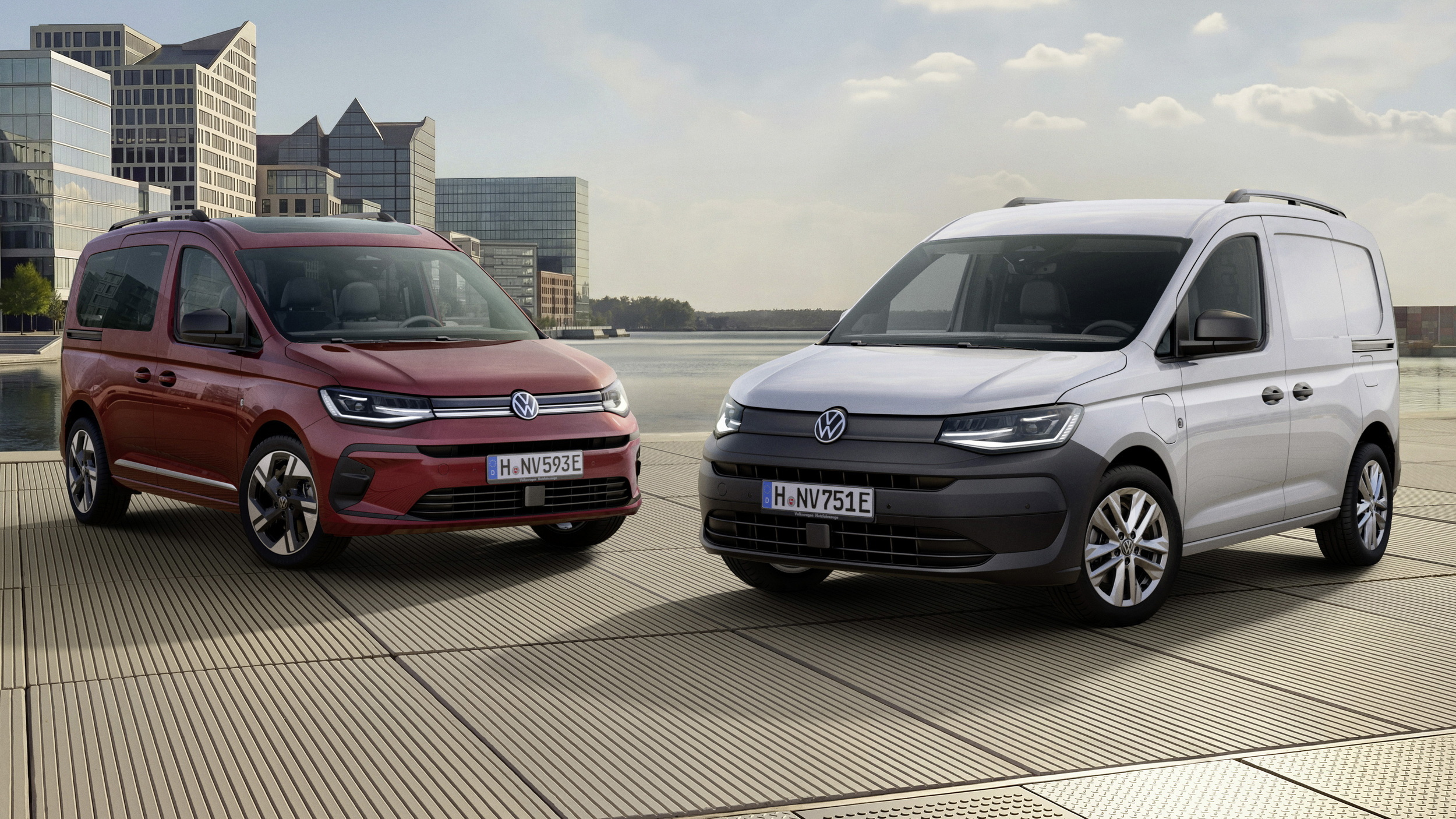
The company currently relies on four separate platforms right now. The Caddy and Multivan T7 sit on MQB, the ID. Buzz uses MEB, the Transporter T7 shares its underpinnings with the Ford Transit Custom, and the Crafter has a larger bespoke chassis of its own.
To streamline manufacturing and R&D, Volkswagen will retool its Hanover plant and develop a new common architecture for the next decade dubbed the Space platform. This is expected to underpin the next-generation Caddy, Multivan, and Transporter lineups, and supply components for the next Crafter.
Drawing conclusions this early would be premature, but the ID. Buzz faces an uncertain future given the scale of the cuts announced across the VW Group range.
Mecha said commercial buyers are moving to fully electric vans more slowly than expected, leaving VWCV on the hook for hefty carbon emissions penalties under European fleet rules. The Space platform was conceived as an EV architecture, but it’s being adapted to take hybrid powertrains as well.
Before the new platform arrives, VW is working on expanding its electric LCV lineup next to the ID. Buzz and the e-Transporter. One is a successor to the e-Crafter that was sold between 2018 and 2022. The updated model will likely offer a significantly longer range, improving the usability of the large van to rival the Ford e-Transit and Renault Master E-Tech.
The automaker is also considering a zero-emission variant of the Caddy. The current generation of the compact van debuted in 2020 and received a facelift in mid-2026, offering diesel and PHEV powertrain options.
It remains to be seen whether the e-Caddy will utilize an electrified version of the MQB architecture, as seen in the discontinued e-Golf, or jump into the MEB platform.
Chinese brands captured 34% of Europe’s plug-in hybrid market in June.
PHEV sales climbed as tariffs made battery-electric imports less appealing.
Chinese EV sales across Europe have remained largely steady.
Europe’s tariffs on Chinese EVs were supposed to slow the advance across the region. Chinese brands responded by pivoting to plug-in hybrids instead, and the results speak for themselves. PHEVs from China now make up more than a third of the region’s plug-in hybrid sales. The tariff wall stands where it was, but the traffic routed around it, because the barrier went up around one powertrain and not the other.
Local sales data shows Chinese firms taking a 34 percent share of PHEV deliveries last month, with BYD, Chery, and Geely leading the charge, alongside brands with European ownership ties such as Polestar and Leapmotor.
Dataforce puts Chinese manufacturers at 11 percent of all new car sales in June and 15 percent of the EV market. That second figure sounds healthy, but EV sales haven’t kept pace with plug-in hybrids, hovering between 10 and 15 percent for the past 18 months.
Looking at the hybrid market as a whole, which includes hybrids and plug-ins, Chinese automakers had a market share close to 25 percent.
What Will Europe Do?
Europe’s answer likely won’t be economic measures aimed specifically to assist local car manufacturers, but rather to punish Chinese firms. The European Commission is moving closer to imposing tariffs against plug-in hybrids imported from China into the region. Handelsblatt reported that as soon as a majority of EU members give their approval to these new tariffs, they can be implemented.
It’s understood that tariffs against PHEVs could follow a similar formula to those implemented against EVs in 2024. As such, they could vary between car manufacturers, depending on how they cooperate with European authorities. In the case of the EV tariffs, they vary between 7.8 and 35.3 percent.
The Chinese Are Now Building Locally
Importantly, Chinese brands may already have the answer to these new tariffs. Many have already committed to building vehicles in Europe, including BYD, which now operates a plant in Hungary, as well as SAIC, which will build a site in northern Spain. In addition, Auto News notes that Dongfeng, Chery, Geely, and Leapmotor will or could use existing plants in Europe to build their own vehicles, skirting around any potential new tariffs.
Battery EVs outsold every other powertrain in Germany during June.
Hybrids finished second by fewer than a thousand registrations.
Petrol cars slipped to a fifth of the market in a combustion stronghold.
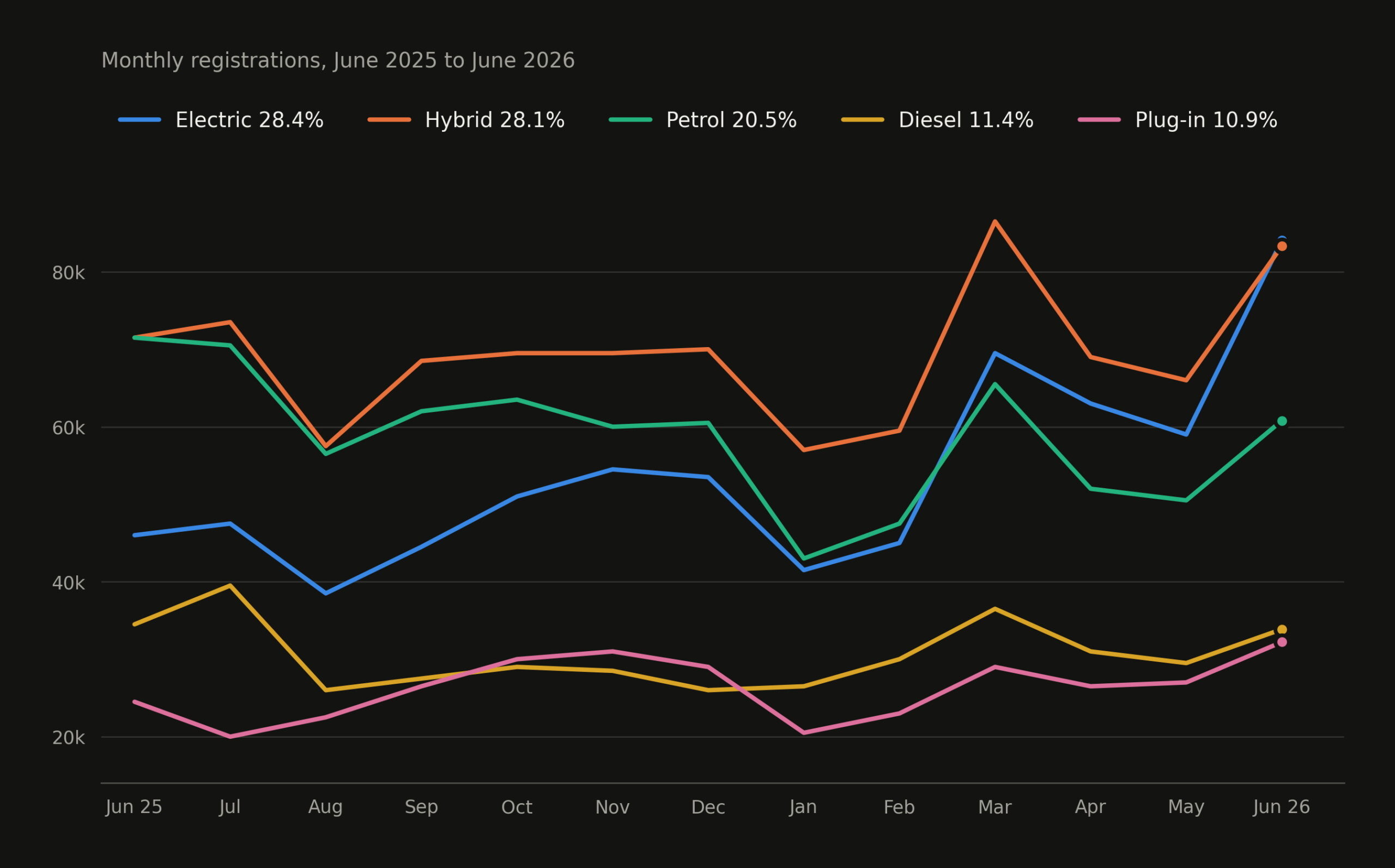
Germany’s turn to electric cars stopped being theoretical last month. Battery-electric models outsold every other powertrain in June, taking 28.4 percent of the country’s market and finishing ahead of hybrids for the first time. That figure would have looked absurd two years ago in a country whose industrial identity is welded to the internal combustion engine.
Figures from the Federal Motor Transport Authority (KBA) reveal that 84,057 new EVs were sold last month, a 78.2 percent rise from June last year. This allowed EVs to narrowly edge out hybrids, which had been the most popular powertrain option the month prior. Hybrid registrations came to 83,315, a hair behind the EV total but still good for a 28.1 percent share.
Crucially, both EVs and hybrids are now comfortably outselling traditional petrol-powered vehicles, which held a 20.5 percent share of the market with 60,796 registrations in June. Trailing petrol-powered cars were diesels with 33,862 sales, or an 11.4 percent market share, slightly ahead of plug-in hybrids with 32,212 sold, enough for a 10.9 percent share.
Which EVs Are Most Popular?
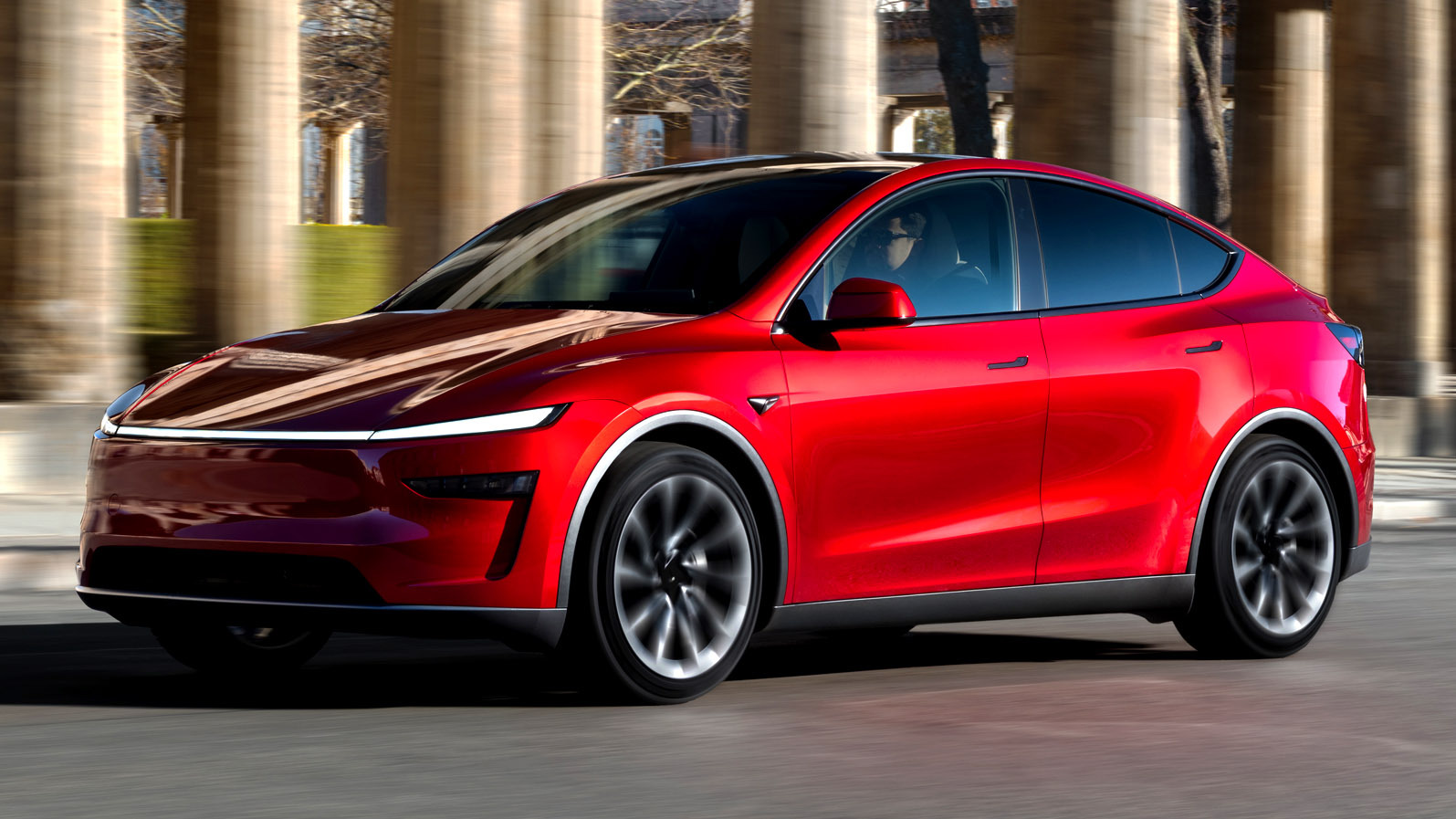
The most popular EV in Germany last month was the Tesla Model Y with an impressive 6,023 sales recorded. This placed it well ahead of the VW ID.3 in second with 3,514 registrations, followed by the Skoda Enyaq with 3,383, and the Skoda Elroq with 3,315. Other cars among the top 10 best-selling EVs included the BMW X1, Mini (it’s unclear which specific model), Audi A6 e-tron, VW ID.7, Cupra Tavascan, and Mercedes-Benz CLA Electric.
The Model Y proved to be so popular that it was actually the third best-selling new car overall in June. It only trailed the VW Golf, which recorded 8,117 sales, and the VW T-Roc, with 6,808 units sold.
Although EV and hybrid sales are surging in Germany, the vast majority of the nation’s total vehicle fleet still relies solely on fossil fuels. In fact, there are currently 61.3 million registered vehicles on German roads, of which 59.3 percent are powered by petrol and 27 percent by diesel engines. Hybrids account for 6.5 percent while BEVs have a 4.1 percent share.
The all-new Range Rover GT is based on the company’s flexible EMA platform.
It will initially be sold as an EV, but a hybrid will be offered later during its lifecycle.
JLR has ripped up the rule book in designing the Range Rover GT’s dramatic interior.
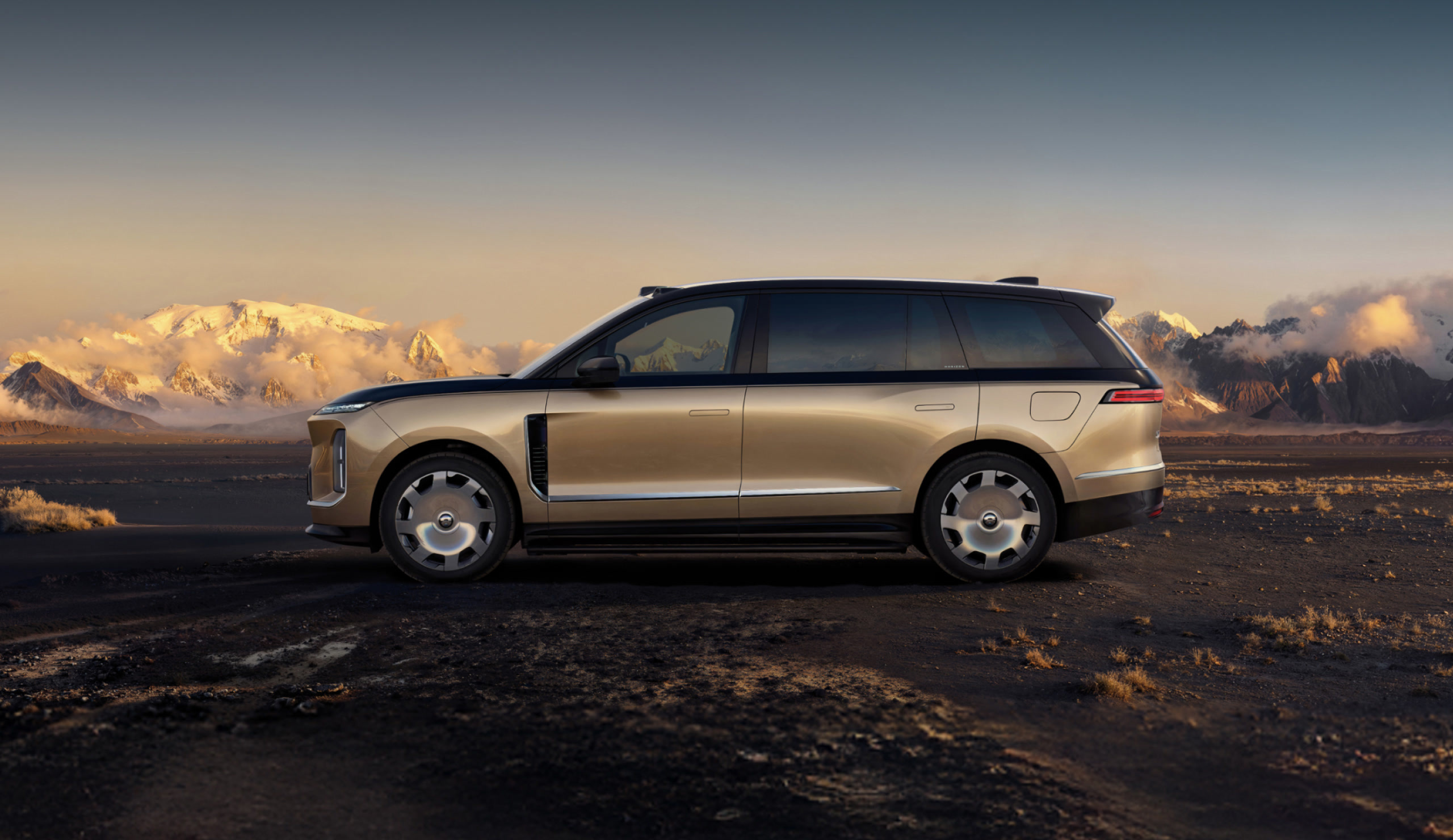
For several months, Jaguar Land Rover has been spied testing a low-slung, crossover with a sleek, tapered body that rides low and reads more sedan than your typical crossover, not unlike the Polestar 4. This model had been expected to launch as the next-generation Range Rover Velar. As it turns out, the prototypes belonged to something else, an all-new, fifth member of the Range Rover family called the GT, previewed here for the very first time.
The existing Range Rover Velar will continue to be sold as is for the foreseeable future, and the Range Rover GT will be sold as a separate model, offered exclusively with an all-electric powertrain at launch but later being offered with a hybrid setup. It’s underpinned by the company’s flexible EMA platform and clearly takes inspiration from the upcoming Jaguar 01.
Visually, the GT shares a few cues with the existing Range Rover Sport, including a low front end and sharp headlights. It sits lower than the Sport, though, with a far more coupe-like profile. From the side it brings the Cadillac Celestiq and Jaguar’s Type 01 to mind, if only in broad outline, since the GT is noticeably shorter and stumpier than either one.
No Ordinary Range Rover Cabin
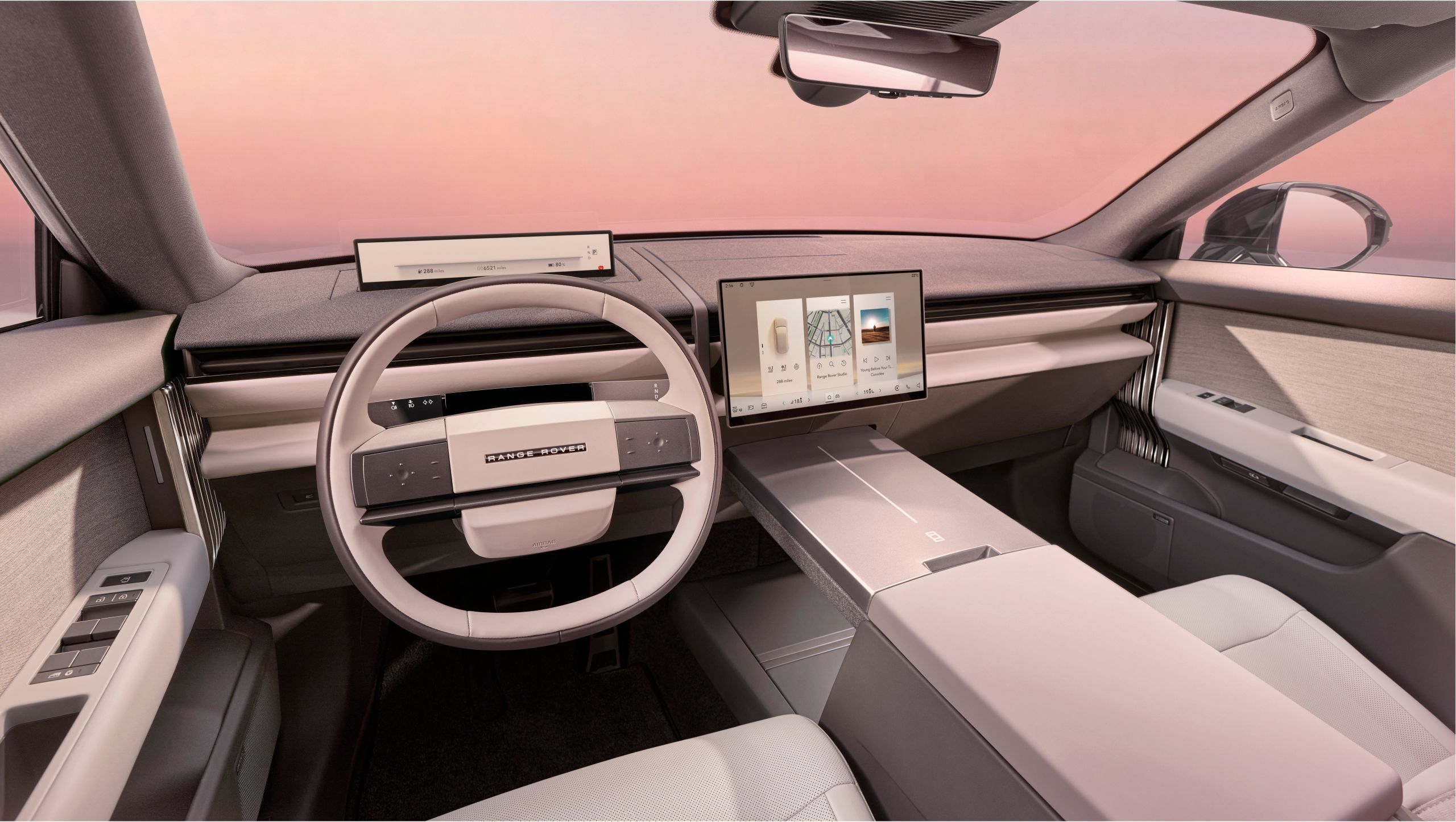
The cabin of the GT is reminiscent of the highly controversial Jaguar Type 01, a sedan that has yet to be revealed in full but has been extensively previewed by the British marque. Just like that vehicle, the GT has a head-turning steering wheel with thick horizontal spokes that appear to house touch-sensitive capacitive buttons. The airbag unit has then been positioned below the center line of the steering wheel.
Elsewhere, the stalks appear identical to those of the Jaguar, while there is also a slim display serving as the instrument cluster, and a large central infotainment display, suspended above a floating center console. The cabin is truly unlike anything else to wear the Range Rover badge and will no doubt be a big talking point of this vehicle. JLR says the GT will be sold as a four-seater to start with, but a second-row bench seat boosting capacity to five will be offered at a later date.
According to Range Rover managing director Martin Limpert, “The Range Rover GT will redefine the grand-touring segment with the ability to deliver beautiful and engaging GT poise, proportions and long-distance refinement while offering capabilities no conventional GT can match.”
More details about the Range Rover GT will be announced later this year, although the marque is not yet ready to say when sales and deliveries will begin.
Next Cadillac Optiq SUV could adopt platform developed primarily in China.
New architecture is already used by the fast-selling Chinese-market Buick Electra E7.
GM’s Chinese cars are now developed without Detroit oversight, Reuters report says.
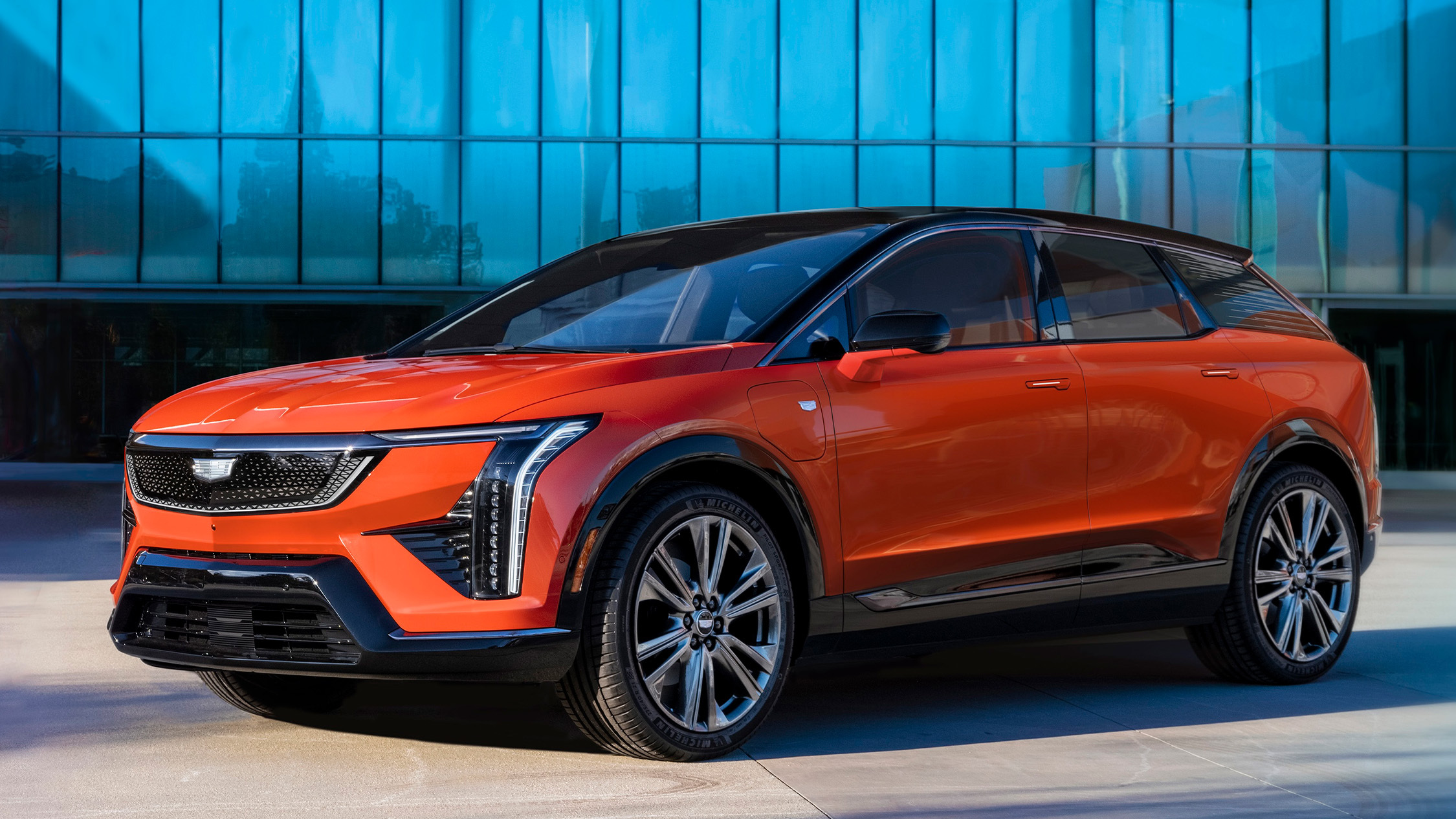
The next Cadillac Optiq could owe far more to Shanghai than Detroit if new intel out of Asia proves accurate. According to Reuters, General Motors is considering using a platform developed in China for the next generation of its entry-level electrified luxury crossover.
The platform in question is called Xiao Yao and was created by engineers at GM’s Pan Asia Technical Automotive Centre in Shanghai, a joint operation with long-time Chinese partner SAIC. It’s already in use on the Buick Electra E7 plug-in hybrid and has proved a much bigger hit with local buyers than Buick’s previous cars built around GM’s US-developed Ultium technology. The same platform is also found in the L7 sedan that comes as either a hybrid or EV.
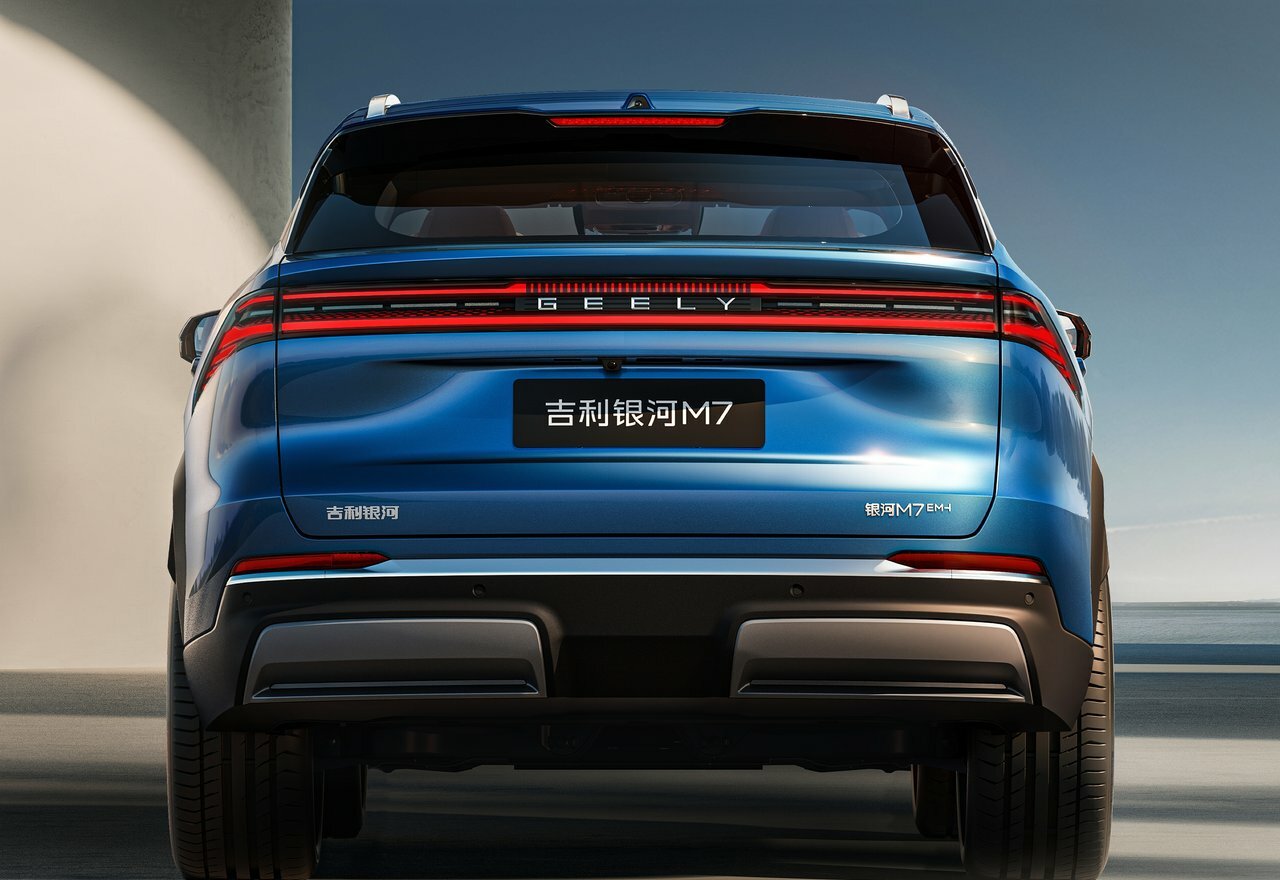
Although there’s no suggestion that Buick will bring the E7 (pictured above) to the US, Reuters says its component set could underpin a future Optiq that is bound for America, replacing the Ultium-based foundation used by the current model. At this point we should say that when asked about this by InsideEVs, GM in North America first told the website that the Xiao Yao platform definitely wouldn’t be coming to the US, before later calling the Reuters report “speculative.”
The current Optiq is based on GM’s Ultium tech and launched in China in 2023 before arriving in the US two years later. America only gets a dual-motor, all-wheel drive version, but Chinese buyers can also choose Optiqs with front wheel drive, just one motor and a smaller battery. The most US-compatible Electra E7 powertrain combines a 154 hp (156 PS) 1.5-liter, turbocharged combustion engine and 221 hp (224 PS / 166 kW) electric motor, and delivers almost 100 miles of real electric range.
China Is Leading Car Development
For decades, China largely served as a manufacturing base for products conceived elsewhere. Increasingly, however, major automakers are turning to Chinese engineering teams to create vehicles and technologies that can be exported around the world. The Xiao Yao architecture supports technology that isn’t currently available on GM’s American-developed electric platforms, including a 900-volt electrical system and ultra-fast charging capability.
The alleged Optiq plans are part of a broader industry trend, picked up in Reuters’ story. Volkswagen, Renault, Hyundai and others are giving Chinese engineering centers more autonomy as they chase faster development cycles and stronger EV technology. It’s thanks to Chinese know-how, for instance, that Renault managed to develop the new Twingo in less than two years – half the time it normally takes a European brand. But it’s European drivers who are reaping the benefits, since the Twingo isn’t even sold in China.
A potters field, or mass grave from a decommissioned mental health hospital, completely flooded in Wauwatosa. (Photo courtesy of Baiba Rozite)
Communities that ask for federal assistance when climate disasters hit can’t count on that help to arrive. That increasingly common reality was reviewed in a recent report by Wisconsin Policy Forum, which focused on the historic floods in the state last August, finding that federal aid to help rebuild public infrastructure damaged by the record-breaking storms fell short of what was needed.
The report took a close look at the Milwaukee area, where 14.6 inches of rain set Wisconsin’s all-time record for the largest rainfall in a 24-hour period. “As a result, the Menomonee, Milwaukee, and Kinnickinnic rivers all overflowed, and rainwater flooded homes, streets, businesses, and schools in low-lying areas. Recovery efforts continue today and have been expanded to address the impacts of another massive storm that hit the area in April 2026.” Those storms earlier this year also dropped record-breaking amounts of rain in Green Bay and Wausau, and caused historic flooding along the Wolf River basin in Shiocton, New London, and Porterfield. Researchers have long warned that increased risks of flooding and more severe storms would increase in Wisconsin due to climate change, which the administration of President Donald Trump has downplayed and dismissed as a hoax.
Photos of flooded streets in Milwaukee during the August 2025 storm. (Photo courtesy of Anne Tuchelski)
Not only did the August storms fill up basements and damage homes, but there was also extensive damage to roads, parks, bridges and other public infrastructure. In and around Milwaukee, damage to public property owned by the county property, public schools, the city of Milwaukee and 18 other localities came to at least $34.7 million. That included $10 million each for Milwaukee’s public school and sewage district, as well as $1.4 million in damage calculated by county officials, half of which was road-related damage. City officials estimated $1.7 million in damage, plus $5 million in additional costs related to cleaning up debris. Wauwatosa, one of Milwaukee County’s surrounding suburban communities, estimated $6.8 million in damage to city parks, roads and buildings.
All in all, about $240 million in damage to private and public property was left behind by the August storms in the Milwaukee-area. After deploying the Federal Emergency Management Agency (FEMA), the Trump administration approved $210 million in aid to help individuals rebuild, but would not provide funding to support local governments, despite multiple requests from state and local leaders.
Wisconsin’s Democratic Gov. Tony Evers immediately declared a state of emergency after the August storms, requesting a federal major disaster declaration for Milwaukee, Waukesha, Washington, Door, Grant, and Ozaukee counties. Evers made the request both for individual and public assistance, the Wisconsin Policy Forum report notes. Over 26,000 individual damage reports were received throughout the state as the damage was being assessed. FEMA concluded that the 2025 flooding was “sufficient in severity to warrant a disaster declaration in Milwaukee, Waukesha, and Ozaukee counties but only authorized assistance to individuals and said that aid to public entities was not warranted based on the severity of the disaster,” the report states. “This meant that only individuals in these counties would be eligible for assistance and that governments have not received aid.”
Flooding in Wauwatosa after the August 2025 storm. (Photo courtesy of Erol Reyal)
It is rare for the federal government to approve one form of disaster aid while denying another, according to the report, with only 2.7% of named disasters since the year 2000 resulting in individual assistance being approved but public assistance being denied. In 2008, when severe storms and flooding hit the Milwaukee area, the federal government approved $4.5 million in assistance to local governments, as well as another $10.3 million when severe storms hit in 2010. “Milwaukee County has also received $6.1 million to help with costs associated with snowstorm cleanup since 2000,” the Wisconsin Policy Forum noted.
Earlier this month, $22.6 million in assistance was provided to several counties. President Trump used the allocation to promote Republican U.S. Rep. Tom Tiffany as a candidate for governor of Wisconsin.
Local governments have tried to pick up the slack, but at a high cost. Normally the state distributes $1 million to $3 million to local governments to cover disaster costs, but in 2025 the damage was so extensive that $16.9 million was needed to cover damage claims, the highest annual amount in records going back to the year 2000. “This was due both to the extent of the flooding in August 2025 and the denial of federal funding that potentially could have covered at least some of these costs,” the report states. Nearly 46,000 residents in Waukesha, Washington and Milwaukee counties applied for the individual assistance following the August storms, and as of June aid has been distributed to 36,800 of eligible applicants.
Protecting against the effects of climate change
Some local governments including Milwaukee County have undertaken policies to help adapt to the effects of climate change. “The sewage district has invested hundreds of millions of dollars into flood control systems in the area, including concrete infrastructure like the Deep Tunnel system as well as green infrastructure efforts such as wetland preservation, the reduction of hard surfaces such as concrete that create runoff, and other methods to limit the speed and volume of flood waters,” the Wisconsin Policy Forum reports. Without those measures, the August floods could have been “much worse,” according to the Policy Forum. “However, it’s clear from the two storms in the last 10 months that there are still thousands of structures in the area that are vulnerable to flooding.”
Recovering from disasters causes hardship. And more frequent severe weather is likely to bring on more disasters, even as, the Policy Forum found, “the availability of federal disaster relief has become more difficult to predict.” When the federal government decides to reject local communities’ calls for help, “state residents have limited recourse beyond petitioning FEMA and Congress to provide assistance.”
A Milwaukee street flooded by the storms that swept the city Aug. 9 to Aug. 11, 2025. (Photo courtesy of Anne Tuchelski)
The report recommends that state leaders authorize additional funding to pay for disaster relief using state tax revenue. Attempts to do this by Evers and other lawmakers have previously been rejected by the Republican-controlled Legislature. State and local leaders could also make investments in flood control and mitigation efforts and expand green infrastructure. Developing community-based insurance policies to address “these unpredictable and increasingly likely disasters” is another solution the Policy Forum suggests.
“State and local leaders have limited control over when and where floods strike, but they can be prepared to respond when they occur,” the report concludes. “They can also reduce flood risk by investing in infrastructure that slows, stores, and redirects water.” Even these efforts may still be overwhelmed by the scale of disasters. And with the federal government demonstrating that, for whatever reason, aid isn’t guaranteed to come, Wisconsin may need to become “more self-sufficient” in responding to future disasters.
Stellantis lists its next D-segment model as still under study.
Spokesperson confirmed work on “future evolutions of Giulia and Stelvio”.
Development of the next midsize offering could be further delayed or halted.
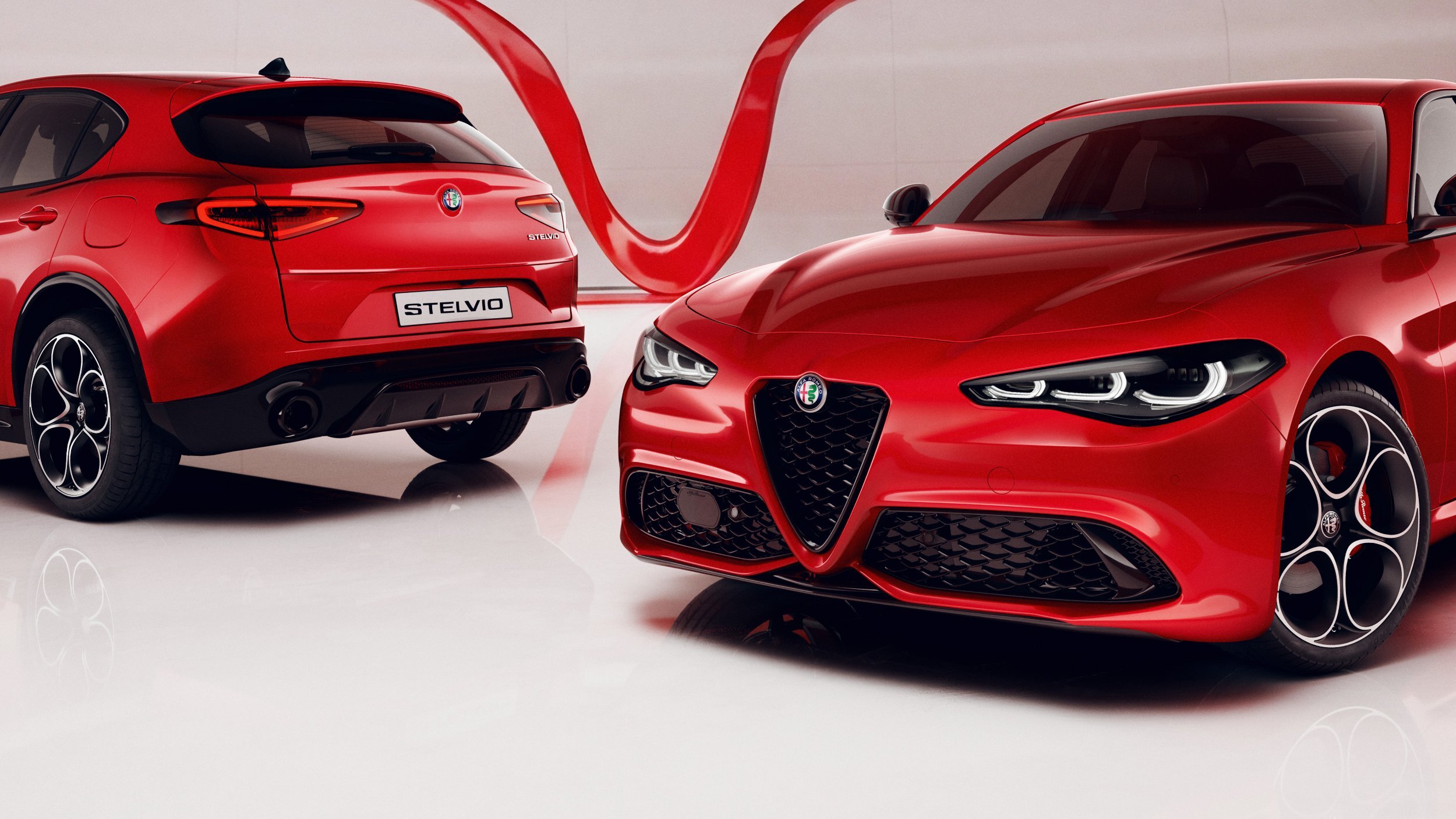
Alfa Romeo fans holding out for fresh takes on the Giulia and Stelvio have heard just about everything over the past few years. The midsize pair were first slated to go fully electric, then the Stelvio slipped back on the calendar to make room for a hybrid setup, and this week both names went missing entirely from Alfa’s 2030 product plans. Standing in for them was a single vaguely worded entry, a “New D-Segment (Under Study),” which was enough to set off alarm bells.
The disappearance quickly bred cancellation rumors, which held until Stellantis circled back to us following our inquiry with word of the mysterious “D-Segment” offering still under consideration. That single line kept the door open, even if it explained almost nothing about what walks through it.
The saga started at the Stellantis Investor Day in May. The only D-Segment offerings on the Alfa Romeo slides were the current Giulia and Stelvio, which have been around since 2015 and 2016, respectively. The combustion sedan and SUV recently got a new lease of life through 2028, with the V6-powered Quadrifoglio returning to production. But what about their long-awaited successors?
During this week’s event, a slide laying out the 2030 Stellantis roadmap named five upcoming Alfa Romeo models. The group covers a facelifted Junior, a compact SUV lined up to replace the Tonale, a premium compact hatchback, more Bottega Fuoriserie projects, and the unnamed D-Segment model wearing that “under study” tag
Prodded by the conspicuous absence of the Giulia and Stelvio nameplates, we reached out to a Stellantis spokesperson in North America to find out whether Alfa Romeo had a change of heart. The spokesperson replied with the following statement:
“All future products are being evaluated market by market, including North America, to ensure the right balance between brand positioning, customer expectations, and long-term sustainability. Alfa Romeo remains strongly committed to the North American market, with a clear focus on premium segments, product excellence, and sustainable growth.”
“As communicated during the Stellantis Investor Day on May 21, Alfa Romeo has a robust global product pipeline under development. This includes a refreshed Junior, a new-generation C-SUV on the STLA Medium platform, a new C-segment hatchback inspired by iconic Alfa Romeo nameplates, future evolutions of Giulia and Stelvio in the D segment, and new exclusive “few-off” projects developed by Bottega Fuoriserie following the success of the 33 Stradale.“
The line that jumps out is “future evolutions of Giulia and Stelvio in the D segment,” which raises the question of whether Alfa Romeo plans two separate successors or intends to fold both cars into one model to trim its R&D bill. Merging a sedan and an SUV into a single body would be an odd move, though it would explain why one entry now sits where two nameplates used to.
Earlier reports suggested the Giulia successor would ditch its sedan roots for a fastback crossover stance. The only development prototype spotted so far, though, was an SUV that surfaced in 2025 looking like the next Stelvio. A few months on, patent drawings sharpened our picture of its exterior design, right before Alfa Romeo delayed the project.
Whether Alfa Romeo hauled that prototype back to the drawing board or started fresh on something new, nobody can say yet. What’s certain is that the company is reworking its plans, doing what it can to survive in a cutthroat market.
Stellantis’ roadmap completely omits the promised Lancia Delta.
Lancia’s new restructuring under Fiat puts niche models at risk.
Meanwhile, Alfa Romeo is developing a new compact hatchback.
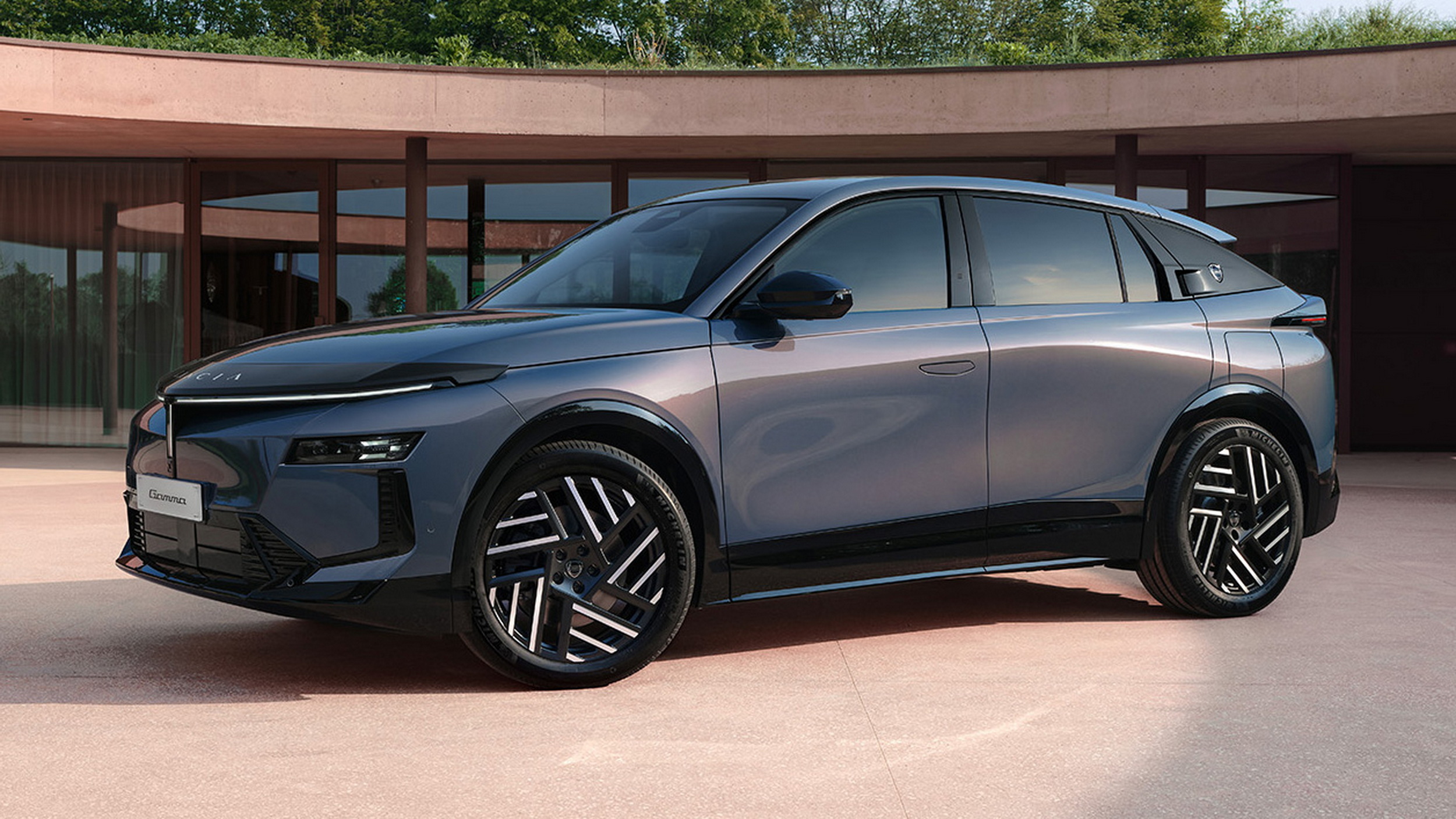
Lancia recently shared the first official photos of the new Gamma, a premium fastback crossover offered with a choice of fully electric and hybrid powertrains. The flagship reaches the road later this year and joins the subcompact Ypsilon in the range, but the Delta’s return, once treated as a done deal, now looks far from certain.
Back in 2021, former Lancia CEO Luca Napolitano promised the Delta would come back as a fully electric car, calling it a manifesto of progress and technology. The official roadmap penciled it in for 2028, arriving after the Ypsilon and the Gamma. However, a recent presentation in Europe suggests a different story.
Alfa Romeo Giulia ve Stelvio'nun beklenen yeni kasaları da iptal. Yerlerine muhtemelen 2030 gibi STLA Large üstünde başka araçlar gelecek. Milyar dolar harcanan Giorgio platformuna ne olacağı belirsiz. https://t.co/zagLvVdyo9pic.twitter.com/YHZUthWlek
A Stellantis slide mapping out future models across its brands carried a glaring omission under the Lancia banner. The Gamma stood as the only fresh or updated Lancia debut before 2030, which leaves the Delta unaccounted for. Roberta Zerbi, who took over as Lancia CEO in November 2025, has said nothing about the Delta project either, pointing the brand’s near-term energy toward the Ypsilon and the Gamma instead. Two absences that line up this neatly rarely happen by accident.
The sudden disappearance of the iconic nameplate from future plans could be related to the structural changes within Stellantis. The automotive giant is reorganizing its vast brand portfolio in a quest to maximize capital efficiency and streamline resources.
As part of that reshuffle, Lancia now answers to Fiat, while sister brand DS Automobiles has been tucked under Citroen, a move that recasts both as Specialty Brands rather than fully independent operations. The likely cost of that demotion is thinner access to R&D money for future products, with the freed-up capital heading toward other Stellantis brands that management would rather feed.
Just as Lancia appears to have shelved or delayed the Delta’s comeback, a Stellantis stablemate has confirmed work on a premium compact hatchback aimed at almost exactly the same buyer.
Alfa Romeo is building a spiritual successor to the 147 and the Giulietta. The hatchback will sit on the new STLA One architecture and come with a choice of fully electric and hybrid powertrains. To our ears, it sounds like Stellantis lifted a limb from Lancia and stitched it onto Alfa Romeo.
If the Delta really is being pushed aside, it closes another chapter for a nameplate whose history runs hot and cold in equal measure. Lancia built three generations of the car and then walked away without lining up a successor, which says a lot about how the brand has treated its own crown jewels over the years.
The journey started in 1979 with the iconic, Giugiaro-designed original that stuck around until 1994. Across that run, the Delta reached motorsport immortality, taking six straight WRC constructors’ titles for Lancia between 1987 and 1992. The road-going HF Integrale versions set the standard for hot hatches and have since climbed into collector’s-jewel territory, with prices to match.
The second generation, styled by the I.DE.A Institute on a Fiat Tipo platform, had a much shorter run from 1993 to 1999. After a lengthy hiatus, the Delta returned in 2008, sharing its DNA with the Fiat Bravo and Alfa Romeo Giulietta while trading its aggressive racing pedigree for premium comfort. The last example rolled off the line in 2014, leaving Lancia with a single model. Hopes for a fourth-generation Delta flared up in 2021, but the latest announcement leaves fans in the dark.
The new Alfa Romeo C-SUV will debut in the fourth quarter of 2027.
It will be produced in Melfi, Italy, using the STLA Medium platform.
Multi-energy options will include hybrid and fully electric setups.
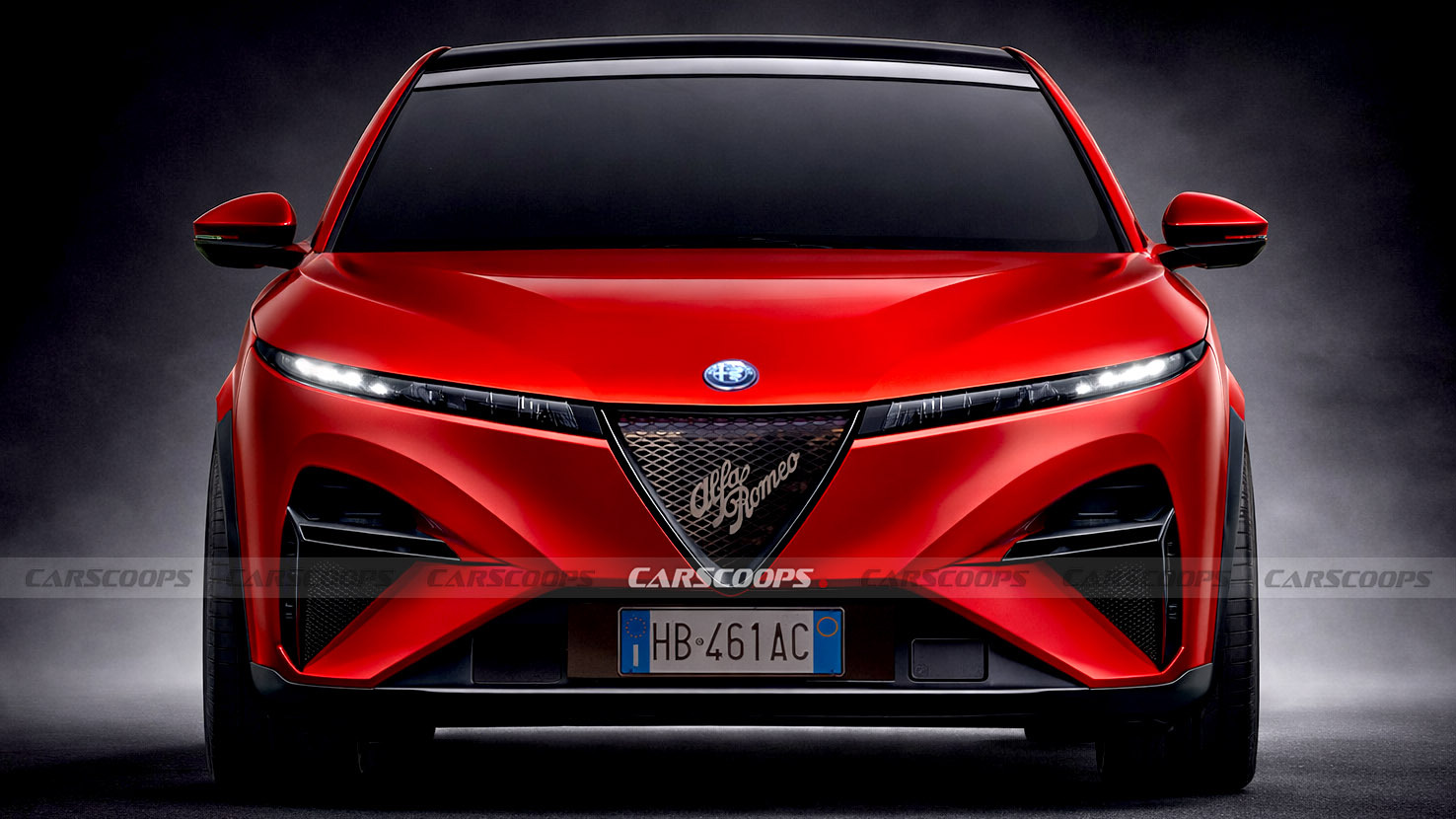
Alfa Romeo has released a fresh teaser of the upcoming compact SUV that will eventually take over from the Tonale, the model we also got as the rebadged Dodge Hornet in North America before Stellantis pulled the plug this past January after a four-year run.
The Italian company has confirmed that the still-unnamed model arrives in the fourth quarter of 2027, though nobody has said whether Stellantis will try to sell it in America. Worth remembering that Dodge’s recent product plan included a model called GLH, short for Goes Like Hell, which teased a crossover-like hatch. That vehicle could be related to the Alfa shown here, giving the design a second life on this side of the Atlantic.
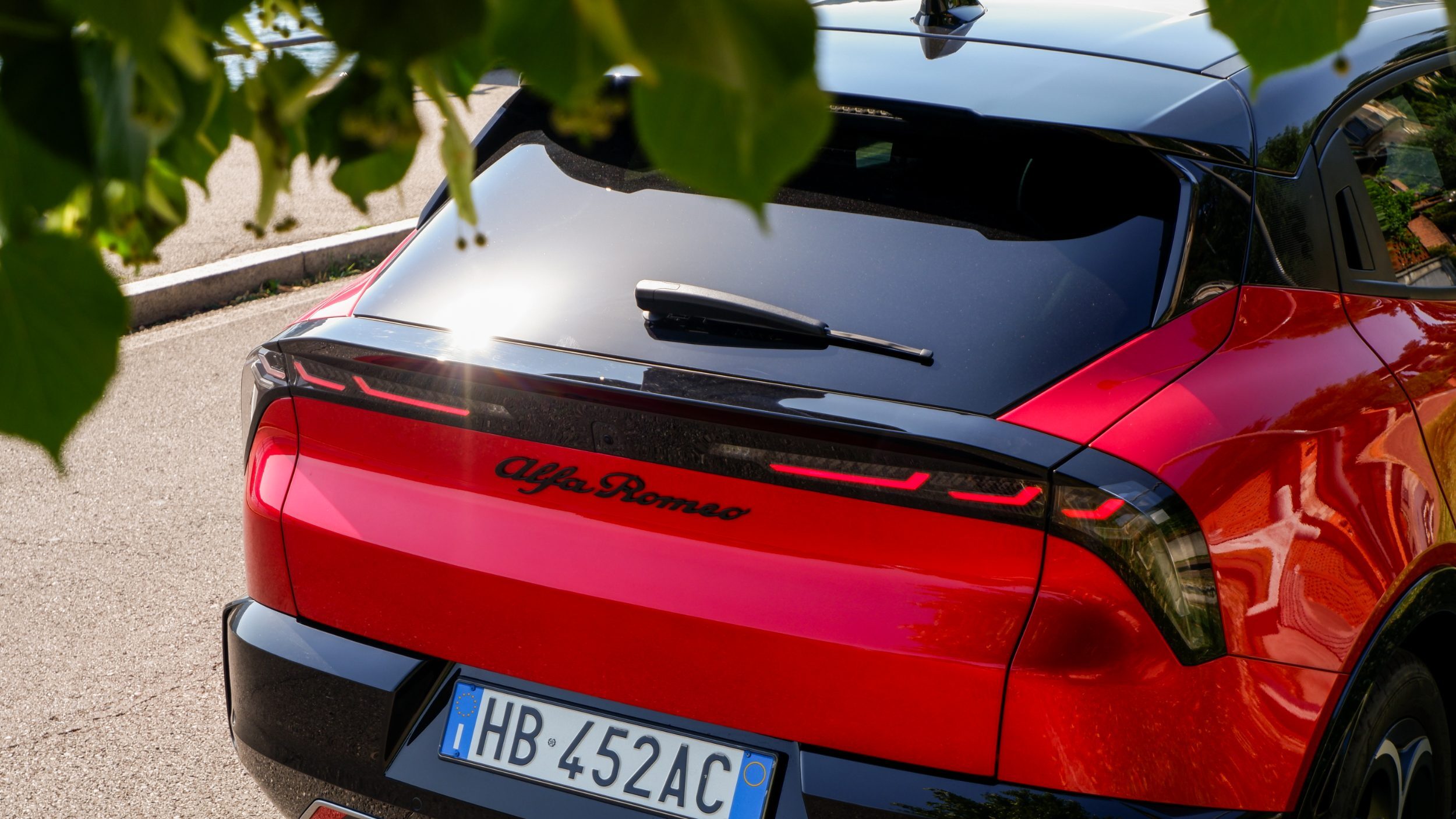
The new Alfa broke cover during Stellantis Investor Day 2026 back in May, when a 3D mockup revealed a low, athletic silhouette and sharp styling cues. This latest teaser swings around to the back, where you can pick out the broad shoulders, the steeply raked rear glass, and the horizontal LED taillights running clear across the tail.
Where It Fits In The Lineup
That aggressive stance suggests the compact SUV is squaring off against the Cupra Formentor, Audi Q3 Sportback, and BMW X2. Within Alfa’s own range, it slots directly above the Junior, currently the best-seller of the Biscione brand.
The company says the C-SUV was penned by their Centro Stile in Turin and will be built at the Melfi plant in Italy. Its launch timing lines up with earlier reports that Tonale production will end at the Pomigliano d’Arco facility in November 2027.
Alfa Romeo
Emanuele Cappellano, Chief Operating Officer of Stellantis Enlarged Europe, spoke about the new Alfa Romeo during the National Automotive Industry Roundtable organized by the Italian Ministry of Enterprises and Made in Italy. According to Quattroruote, he said the C-SUV “embodies a true Alfa Romeo in character and style, and that it’s truly beautiful!”
Platform, Power, And What Follows
The new model will ride on the STLA Medium architecture and comes with “multi-energy powertrains,” which points to the hybrid, plug-in hybrid, and fully electric setups already offered in Stellantis siblings such as the Peugeot 3008, Citroen C5 Aircross, Opel Grandland, Jeep Compass, and DS No7.
Alfa Romeo is also developing a premium compact hatchback alongside the C-SUV. That one should arrive later as a spiritual successor to the 147 and Giulietta, riding on the new STLA One architecture.
Wisconsin is celebrating an overdose decline it didn’t pay for.
Wisconsin just recorded one of the steepest drops in overdose deaths in its history. Opioid overdose deaths fell 42.5% from 2023 to 2024, from 1,422 to 817, according to the state Department of Health Services. State officials greeted the news warmly. Attorney General Josh Kaul said the work being done with opioid settlement funds is having a real impact. DHS Secretary Kirsten Johnson said the funding has saved lives.
The decline is real and worth celebrating. But the explanation deserves more caution because most of the settlement money has not been spent. As of September 2025, the state had received about $90 million of its share and reported spending roughly $35 million. Local governments, which receive the larger share, had taken in more than $160 million by the end of 2025, and most of it was still sitting in the bank: Just eight of the 87 local governments had spent more than half of their funds, and 16 had spent nothing at all. Much of the money arrived only recently, and grants take time to become services. A pot of money that remains mostly in public accounts cannot fully explain a decline that had already happened.
The deeper problem with crediting Wisconsin’s spending is that the same decline is appearing almost everywhere. Nationally, overdose deaths fell nearly 14% in 2025, the third straight annual drop, with decreases in almost every state, according to the U.S. Centers for Disease Control. The year before, Wisconsin was among the states with the largest declines. Deaths are falling even in places that have barely touched their settlement dollars. Menominee County, which has long recorded the state’s highest overdose death rate, received about 0.08% of local settlement funds. Yet overdose deaths in the Menominee Indian Tribe of Wisconsin community within the county fell from nine in 2023 to one in 2024.
None of this means the money is useless or that naloxone and treatment do not help. They plainly do, and some settlement dollars have paid for them. But naloxone, the overdose reversal drug most often credited, became available over the counter in 2023 and reaches people through pharmacies and many state and federal programs, not chiefly these local accounts. The timing and the geography do not fit a story in which Wisconsin’s settlement spending drove the drop. The dollars are mostly unspent, and the same downward trend appears across the country, including where little was spent. A single state’s fund cannot claim a nationwide decline as its own.
This is good news. And precisely because it is good news, it should not become a reason to relax oversight. Right now, the state’s reporting tells us how much money has gone out the door, not what it bought or whether it reached the communities hit hardest. Wisconsin can do better. It can build a single, searchable statewide dashboard of settlement spending, similar to what Minnesota and Indiana already offer. That work is being done instead by a nonprofit newsroom: Wisconsin Watch built a searchable database of local spending reports because the state left them as PDFs on a legislative committee’s website. It can require recipients to report what the money actually funded and whom it served, not just dollar totals, instead of relying on local governments to voluntarily disclose that information in inconsistent ways. And it can measure progress by a simple test: Do these dollars reach high-burden places like Menominee and turn into services people can use?
The accountability gap runs in both directions. The executive branch should not claim a victory it cannot yet prove. The Legislature’s finance committee should not let local spending reports sit in formats few residents can search.
Wisconsin has cashed out a public health windfall before. In 2002 the state sold the rights to decades of its tobacco settlement payments for about $1.3 billion up front, then spent the entire amount within a single budget cycle. About $681 million went straight into the general fund, and most of the rest covered routine payments to counties and cities. Little was set aside for the tobacco prevention programs the settlement was meant to support. By the state’s own later accounting, the deal returned only about 60 cents for every dollar of tobacco money it gave up. The temptation has returned. In Arizona, the Legislature moved $115 million in opioid settlement money to the state prison system, and the state attorney general went to court to stop it and lost.
The lesson is not that settlement money fails. It is that good headlines are exactly when the public tends to stop watching. A real decline in overdose deaths should be the moment Wisconsin holds this money to a higher standard, not a reason to look away.
Jiyue Wang lives in New Brunswick, New Jersey. He completed this research as part of his master’s degree in economics at the University of Wisconsin-Milwaukee. He will begin a Ph.D. in political science at Rutgers University in September 2026.
Guest commentaries reflect the views of their authors and are independent of the nonpartisan, in-depth reporting produced by Wisconsin Watch’s newsroom staff. Want to join the Wisconversion? See our guidelines for submissions.
Reading Time: 3minutesClick here to read highlights from the story
Just eight local governments had spent more than half of their opioid settlement funds by the end of 2025, while 16 hadn’t spent any.
Even with millions still available and more payments on the way, local officials are already worried about what happens when the money runs out.
At least 17 local governments used some settlement dollars to support law enforcement.
About a dozen counties are using funds for foster care or services aimed at preventing family separations.
A dozen local governments identified transportation as a major barrier to accessing opioid-related services.
Local governments reported spending more than $2 million on treatment for incarcerated people.
Local Wisconsin governments have received more than $160 million in settlement payments from drug makers, distributors and pharmacies that were sued for their role in the country’s opioid epidemic.
Wisconsin and 87 local governments are expected to receive more than $874 million by 2038, up from projections Wisconsin Watch reported in 2025.
The Wisconsin Department of Health Services gets 30% of the state’s settlement payments and documents its spending online while updating the Legislature quarterly.
The rest flows to 71 Wisconsin counties (all but Polk, whose board declined to join Wisconsin’s lawsuit) and 16 municipalities, which started receiving it in 2022. Each tracks and spends the funds a little differently.
As Wisconsin Watch previously reported, it’s not always easy to follow the money. But all local governments must provide the Legislature and the Wisconsin Department of Justice annual reports that include basic accounting. Many also answer optional questions from the Wisconsin Counties Association.
Wisconsin Watch created a database with the most recently reported local government settlement spending information. Here are some trends and notable findings:
Money stayed in the bank. Just eight local governments had spent more than half of their opioid settlement funds by the end of 2025, while 16 hadn’t spent any.
Officials wonder: What happens after the money runs out? Even with millions still available and more payments on the way, local officials are already worried about what happens when the money runs out. Several local governments said the eventual end of disbursements could put staff positions and programs in jeopardy.
At least 17 local governments used some settlement dollars to support law enforcement. Multiple counties and municipalities hired specially trained co-responders who accompany officers on calls involving mental health or substance use issues. Other governments bought surveillance cameras, drug-checking equipment or vehicles or hired drug task force investigators.
Funds flowed to foster care. Counties oversee foster care and have long cited parental substance use as a driver of family separation. About a dozen counties are using funds for foster care or services aimed at preventing family separations.
Transportation barriers. A dozen local governments identified transportation as a major barrier to accessing opioid-related services. Several counties used settlement dollars last year to help residents travel to treatment and other services.
Prevention prevails. The Wisconsin Counties Association asked local governments to break their settlement spending into 10 categories. Counties reported spending the most, nearly $6 million, on prevention — defined as efforts to prevent opioid use disorder and to screen for the condition. More than a dozen local governments funded school-based prevention programs, including youth peer support and DARE.
Counties spend on jail treatment. People leaving jails and prisons face a high risk of overdose. Local governments reported spending more than $2 million on treatment for incarcerated people. The number of county jails providing medications for opioid use disorder doubled between 2021 and 2024, according to the Wisconsin Policy Forum. More than 20 governments described spending settlement dollars for jail-based programming, including several that provided medications for opioid use disorder.
Early signs of progress. Many local governments cited plunging overdose rates as success. Statewide overdoses fell by more than 42% between 2023 and 2024. More work is needed, multiple officials acknowledged, considering that opioid overdoses remain far higher than a decade ago. Still, they see expanded access to opioid reversal medications and treatment services as something to celebrate.
What stands out to you? Explore the database and tell us what you notice or want us to investigate — or if you have any questions. Submit a tip or email editor@wisconsinwatch.org.
Wisconsin Watch is a nonprofit, nonpartisan newsroom. Subscribe to our newsletters for original stories and our Friday news roundup.
A Texas special education school bus driver, whose career has centered on supporting students, was recognized with a new national award that celebrates excellence in school transportation.
School bus routing software provider BusRight announced June 12 that Lawson Crook, a special education bus driver for Sulphur Springs Independent School District in Texas, was selected as the recipient of its inaugural Behind the Wheel Award. The company said Crook was chosen from 322 nominations submitted by transportation leaders nationwide. Crook was selected from among 13 finalists.
The award, launched on National School Bus Driver Appreciation Day in April, recognizes school bus drivers who make a lasting impact on the students and communities they serve while advancing BusRight’s mission of supporting safe, reliable and efficient student transportation.
“I was shocked to learn that I had been selected as the winner,” Crook told School Transportation News. “I was just as shocked to find out that I was even selected as a candidate.”
BusRight co-founder and CEO Keith Corso said the nominations highlighted the critical role drivers play in students’ daily lives.
“School bus drivers play a deeply meaningful role in the lives of every student they serve, helping ensure safe, consistent, daily transportation and acting as trusted members of the school community,” Corso said in a statement. “… Lawson stood out this year for exemplifying the award and demonstrating the devotion and care BusRight is immensely proud to recognize.”
Crook spent 26 years as an educator and coach before retiring, later working in behavior intervention with students who had learning and behavioral challenges. When he transitioned into student transportation, he specifically requested a special education route.
“These students require a calm and caring approach,” Crook said. “After retirement, I knew I would continue to drive for the district, and I requested the special needs bus because these students continued to hold a spot in my heart.”
Although he no longer works inside the classroom, Crook said he still sees himself as playing an important role in students’ school days. “I may not be in the building with them, but I would continue to be the first point of contact to help ensure their day was off to a good start,” he said.
His route includes picking up students at their front doors, allowing him to build relationships with both children and their families.
“One of the things I enjoy most is building relationships with the students and their families,” Crook said. “I love starting the day with a smile or a fist bump from the kids, and those small moments make a big difference. At the end of the day, it’s all about the students and helping them have a positive start to their day.”
Crook said trust, consistency, and respect have remained guiding principles throughout his career. “I believe that if you build a relationship with a child and earn their trust, the behavior and respect will follow,” he said. “Consistency is important because students need to know that you’re someone they can count on every day.”
Among the many moments that have stayed with him, Crook recalled a nonverbal student who pats him on the shoulder and smiles while exiting the bus each afternoon. “I learned that is his way of saying ‘thank you and goodbye,’” Crook said. “Those things mean and say more to me than anything.”
Dan Froneberger, transportation director for Sulphur Springs ISD, said Crook’s decades as an educator continue to shape his approach behind the wheel.
“He approaches every route with the same patience, care and sense of responsibility that characterized his many years as an educator, always prioritizing student safety and treating every child and staff member with respect, consideration and kindness,” Froneberger said in a statement.
As part of the award, Sulphur Springs ISD will receive a donation of up to 300 Samsung Galaxy Tab Active 3 tablets to support its special education and connection programs, which help graduates continue developing life and vocational skills through hands-on learning experiences at home and on the farm. Crook also will receive a $500 gift package.
Crook said he hopes other school bus drivers remember the influence they have on students every day.
“We’re often the first people students see from a school standpoint each morning, and we have an opportunity to start their day in a positive way,” he said. “You have to love what you do and remember that it’s about the kids, not about yourself.”
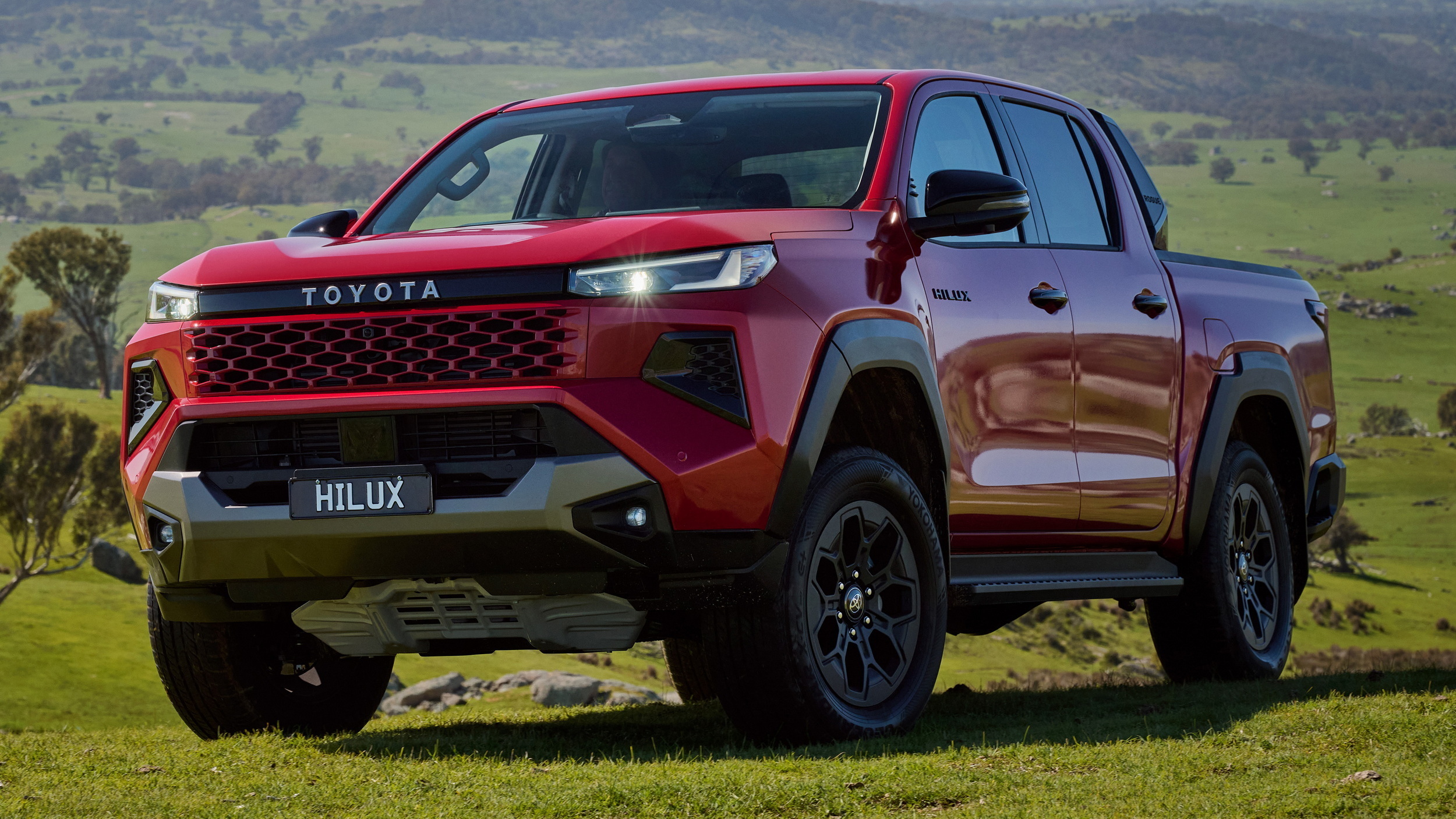
Toyota is not planning to roll out a Hilux PHEV anytime soon.
The PHEV powertrain would compromise towing and payload.
The Ford Ranger and Chinese rivals already offer PHEV options.
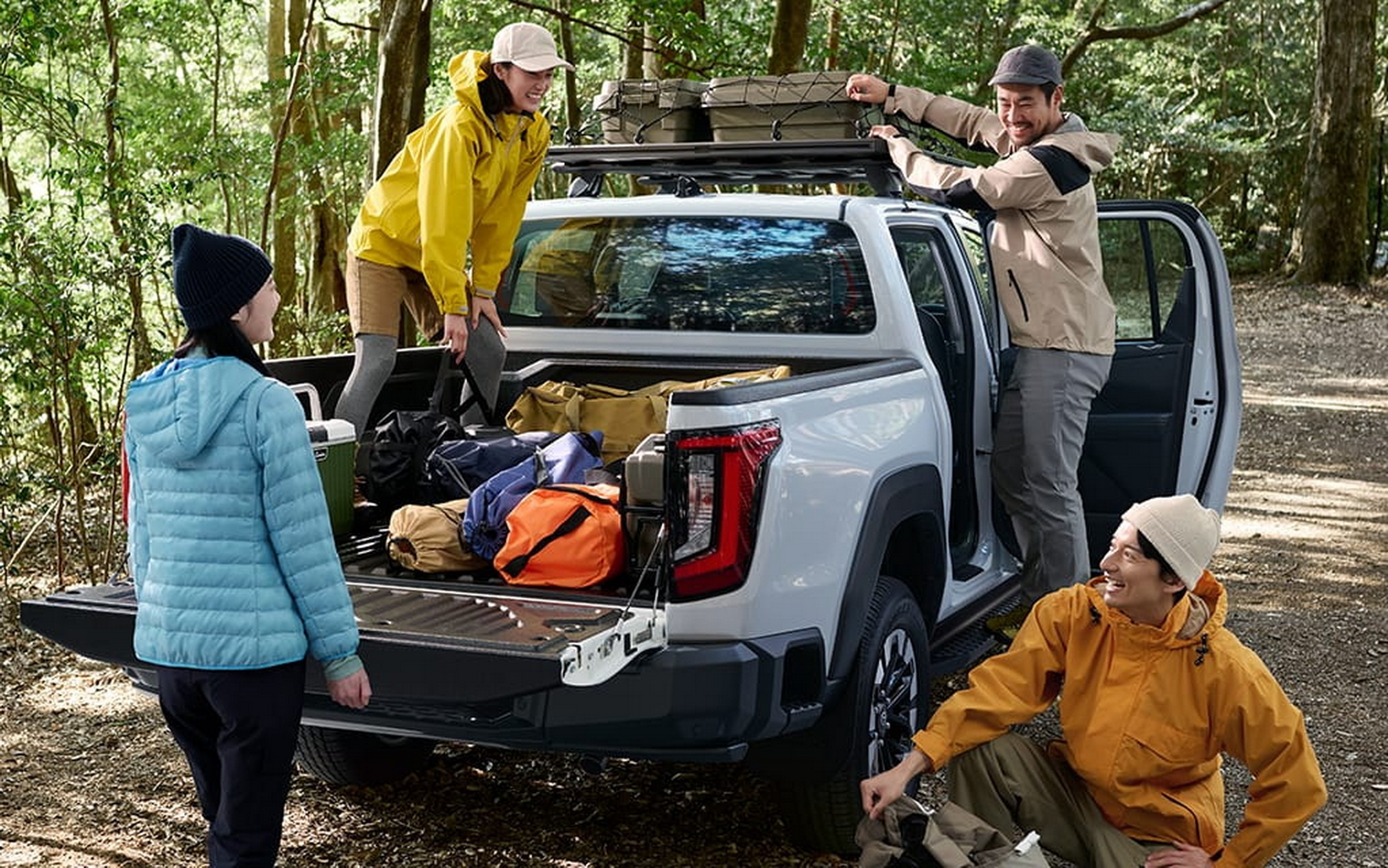
While Chinese automakers reel in buyers with their plug-in hybrid trucks, Toyota is charting a different course. The automotive giant reckons plug-in powertrain technology is not ready for the heavy-duty grind of the pickup segment, so it is sticking with more traditional solutions for now.
The Toyota Hilux entered a new generation last year with diesel, mild-hybrid, and fully electric variants, and an FCEV is due to join the range in 2028. That sets it apart from the rival Ford Ranger, which already comes with a PHEV powertrain in markets outside North America, alongside its non-electrified diesel and gasoline options.
Other plug-in hybrid midsize pickups include the BYD Shark 6, the GWM Cannon Alpha, the Nissan Frontier Pro, as well as the upcoming Chery Stockman from China. Toyota has deep expertise in hybrids and PHEVs, yet it has no interest in bringing the technology to its best-selling truck, at least in its current state.
Ray Munday, Toyota Australia senior manager of product planning and pricing, spoke to local media CarExpert about the potential of a Hilux PHEV.
“We definitely recognize that there’s some strong competition in that area, and we are looking into it, but until the technology is ready, we’re not going to release something that’s rushed. At the moment, typically the challenge with PHEV or any electrification is added mass, which reduces payload and then also the ability to tow. The systems aren’t necessarily developed at the moment to be able to meet our standards of what heavy towing means for a HiLux customer.”
“The expectation of the Toyota and HiLux brand is very high, probably higher than it is on other products,” he added.” We really respect that, and that adds a challenge.”
In other words, Toyota is worried that a Hilux PHEV could not match the 3,500 kg (7,716 lbs) towing capacity and 1-tonne (2,205 lbs) payload of its diesel counterpart, at least in real-world use. Consider that the dual-motor Hilux BEV carries a towing rating of just 2,000 kg (4,409 lbs), which all but confirms the automaker’s fears.
As a result, Toyota’s future PHEV plans will remain focused on its passenger cars and SUVs, at least until the technology matures enough for heavy-duty applications. In a similar context, John Pappas, vice president of sales, marketing, and franchise operations at Toyota Australia, said:
“We’re always looking at these types of powertrain solutions, we’re not just sitting back, but they need to be able to meet the needs of the customer. We’ve got those lifestyle ute options available now in other HiLux grades, but we want to be able to make sure that if we’re going to bring these types of powertrains to market through our very large investment in research and development, that they’re right for our market.”
The new Velar will be similar in profile to the controversial Polestar 4.
An electric variant will rival the BMW iX3, Mercedes GLC EQ, and Volvo EX60.
The new Velar will be underpinned by Jaguar Land Rover’s EMA platform.
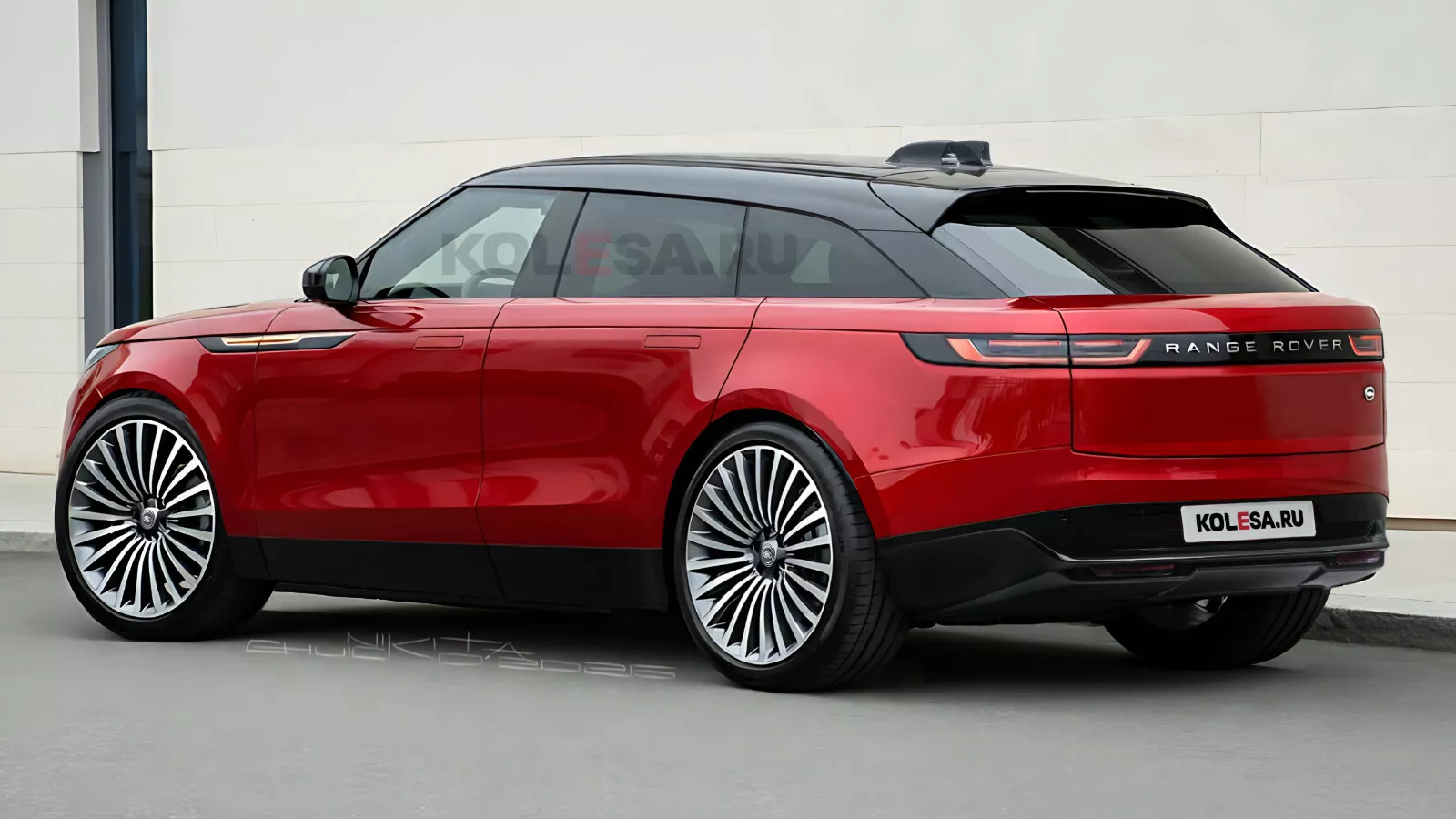
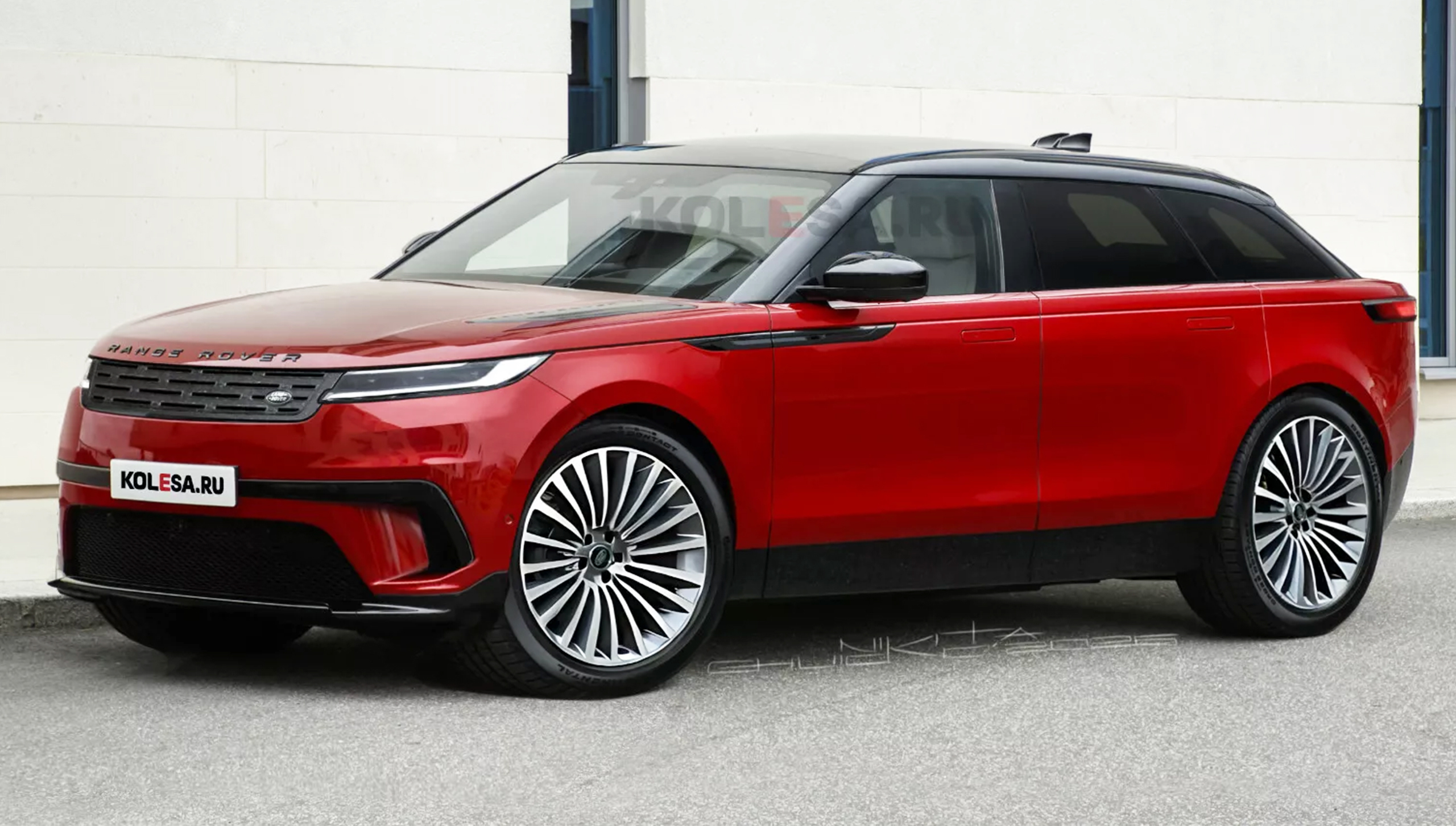
A new Range Rover Velar is in the works, and it will look nothing like the model it replaces. Recent spy shots show the Velar morphing into a high-riding sedan, and it is expected to arrive in all-electric and hybrid forms. It is already deep into testing and could break cover within the next six months. So what does the new Velar have going for it?
The new model will be the first Jaguar Land Rover product built on the EMA platform. That architecture was originally drawn up to handle electric powertrains alone, which explains a few recent reports pegging the Velar as EV-only. Last week, JLR waved those off, confirming the platform will accommodate hybrid powertrains as well.
Specifics about these powertrains are not yet known, but Autocar reports that the platform will include an 800-volt electrical architecture. The EV will be positioned as a competitor to the BMW iX3, Mercedes-Benz GLC EQ, and Volvo EX60, albeit more closely aligned in profile with the low-slung Polestar 4. There’s no word on how big the battery pack could be, but to adequately rival those vehicles, it could offer up to 100 kWh of capacity, if not slightly more.
Sleeker Than Ever Before
Baldauf
Whether the electric Velar comes with single- or dual-motor setups is also unclear. If Land Rover wants to widen the model’s reach, offering both would be the smart play. JLR has fielded two-wheel-drive models since 2010, though only in entry-level Freelander and Evoque variants, which leaves plenty of room to expand the mix.
The design of the new Velar was penned by Gerry McGovern before he left Jaguar Land Rover. It’s unclear why the company has decided to ditch the current Velar’s more traditional SUV shape for something different, but it will also allow it to compete with electric sedans like the BMW i3 and electric Mercedes-Benz C-Class, as well as their SUV equivalents.
The report adds that the new model may not wear the Velar name at all, as JLR works to carve Discovery, Range Rover, Defender, and Jaguar into distinct brand families.
There is speculation that, like the Polestar 4 and the new Jaguar Type 01, the Velar may go without a rear window and lean entirely on a rear-view camera. That would let the automaker free up rear headroom, and ditching the conventional rear screen also does away with the bulky header rail a glass pane usually demands.
JLR needs the new Velar to work. It will be the first all-new model since PB Balaji took the lead of the company, who also serves as the chief financial officer of Tata Motors. It should sell in higher volumes than the full-size Range Rover and the Land Rover Defender, in part owing to its more approachable price tag.
Chinese government is axing tax breaks for some EVs from January 2027.
Just three EV makers in China are profitable: BYD, Xiaomi, and Leapmotor.
As local sales fall, Chinese brands will have increase vehicle exports this year.
While China is still the world’s largest market for new EVs, sales remain stuck below the previous high. That slump is pushing local car manufacturers to double down on exporting their newly built models overseas.
Early data from the China Passenger Car Association show that 1.04 million battery-electric and plug-in hybrid cars sold nationwide in June. That figure looks healthy until you line it up against last year, when June sales came in 7 percent higher. First-half numbers are even worse, sliding 13 percent to 4.73 million units through 2026.
Several forces are dragging on demand. The Chinese economy remains shaky, plenty of shoppers are waiting on the sidelines for price cuts, and government support for NEVs keeps shrinking. As reported by the South China Morning Post, Beijing adjusted its subsidy policy earlier this year and started phasing out a sales tax break for EV makers.
Earlier this month, it was also confirmed that annual vehicle tax breaks available for battery-electric, plug-in and range-extender hybrids, as well as fuel-cell commercial vehicles, will be cut from January 1, 2027. Admittedly, these tax breaks are only small, typically saving buyers between 360 yuan ($53) and 660 yuan ($97) per year.
Chasing Profits Overseas
As it stands, BYD, Xiaomi, and Leapmotor are the only three Chinese EV manufacturers that are currently profitable. According to AlixPartners, as few as four others may reach a break-even point by 2030, with many weaker firms tipped to collapse or be acquired by bigger brands.
With profitability increasingly difficult to achieve, car companies are focusing more on overseas markets. Analysts believe Chinese brands could end 2026 having exported roughly 10 million vehicles, a significant 41 percent jump from the previous year.
While the federal government has released aid in response to April's weather disasters in Wisconsin, aid has been denied for previous storms including the one that caused this flooding at Hart Park in Wauwatosa in August 2025. (Photo by Isiah Holmes/Wisconsin Examiner)
After denying requests for disaster relief to Wisconsin over recent months, President Donald Trump has approved $22.6 million in assistance to several counties that experienced extreme weather in April. Wisconsin Emergency Management determined that over $27 million in damage occurred as a result of the historic April storms that hit communities, bringing tornados, heavy rain and flash flooding.
The storms broke records as rivers overflowed and skies darkened under heavy cloud cover, high winds and torrential rain. According to the National Weather Service, a record-breaking 8.56 inches of precipitation accumulated in Green Bay during the month of April, breaking the prior record set in 1929 by more than 2 inches. Wausau also broke the record for precipitation with 8.74 inches accumulating in April, compared to the 6.06 inch record set in 1954. Historic flooding flowed out along the Wolf River basin in Shiocton and New London, as well as near the Embarrass and Peshtigo rivers near Porterfield. The Menominee River at McAllister reached its second highest level on record, and multiple dams overflowed in Waupaca and Shawano counties.
Residents living in the counties of Bayfield, Brown, Jackson, Jefferson, Juneau, Kenosha, Manitowoc, Marathon, Milwaukee, Outagamie, Racine, Rock, Sauk, Vernon, Washington, Waukesha, Waupaca and Winnebago, along with the Oneida Nation, will have access to the assistance. The funding will cover temporary housing and home repairs, low-cost loans to cover uninsured property losses and other programs. Federal funding is also available to state, tribal, and local governments which are eligible for assistance, as well as certain private nonprofit organizations to help replace damaged facilities.
Trump posted on Truth Social that he’d contacted U.S. Rep. Tom Tiffany — the Republican candidate he endorsed for Wisconsin governor — about greenlighting the Federal Emergency Management Agency (FEMA) assistance. Trump said that “the wonderful people of Wisconsin are in good hands with Tom,” alongside other Republican politicians which have been endorsed by the president. Meanwhile, Tiffany posted on X saying he called the White House after the storms and thanking the Trump administration “for their partnership.” Tiffany said in his post, “We’ll keep working to ensure every Wisconsin community has the resources needed to recover.”
Trump’s effort to spotlight Tiffany in connection with the announcement of emergency assistance comes ahead of the gubernatorial primary in August. Tiffany is the leading Republican contender, while six Democrats with a range of experiences and political leanings are competing for their party’s nomination.
When Trump first announced the emergency relief for Wisconsin, saying he had contacted Tiffany to inform him, neglecting to mention the current Gov. Tony Evers, Evers said in a statement posted to X, “Wisconsinites and I will believe it when we see it.”
“President Trump and the Trump Administration have declined tens of millions of dollars in Wisconsin disaster relief requests,” Evers wrote, “and have been playing politics by withholding emergency FEMA assistance from states across our country that’s supposed to go to helping families and communities rebuild and recover after a disaster—and all while he uses taxpayer dollars to build himself a golden ballroom.”
In February, the Trump administration denied disaster relief — for a second time — which would have helped Wisconsin communities recover from historic, record-breaking flooding and storms that hit in August. Over 1,800 homes in the Milwaukee area alone were left either damaged or destroyed, and multiple parks were left virtually underwater. The state fair shut down early as people fled the fairgrounds through waist-high water, and some were left stranded on roadways after their vehicles were flooded. Collectively, the August floods caused about $76 million in damage to private homes and public infrastructure, the Milwaukee Journal Sentinel reported.
A letter sent to Evers by FEMA in February said that assistance was “not warranted” but didn’t explain the rationale the agency had used to make that decision. Flood assistance was also denied for Milwaukee in November and October. A month after the FEMA denial, Wisconsinites endured a historic blizzard so bad that it shut down plowing services in a state used to snowfall. This summer, residents have been contending with a dangerous heatwave.
These are just the latest bouts of extreme and dangerous weather which have challenged the ability of residents to adapt and of local and state governments to respond. Researchers have long warned that extreme weather including more intense flooding, heatwaves and blizzards would become more common due to climate change. Trump has called climate change a hoax and his administration has cut back the federal programs to improve climate resilience.
Independent digital artist envisions the next BMW X6.
It is the coupe-SUV version of the newly revealed X5.
The render adopts a redesigned tail inspired by the X2.
BMW just pulled the covers off the fifth-generation X5, which gives everyone a rough idea of what a next-generation X6 could look like. Independent digital artist Theophilus Chin moved quickly on that opening, working up a pair of renderings that imagine the Neue Klasse take on the coupe-SUV that started the whole segment.
While the X5 has been around since 1999, the X6 didn’t show up until 2008. The current version arrived in 2019 and went through a facelift in early 2023, which puts it near the end of its run. BMW isn’t saying much, though if approved, a Neue Klasse X6 could reach the road by 2027.
Same Sheet Metal, Different Roofline
Illustrations Theophilus Chin
Naturally, the model borrows the front end design from its X5 sibling, albeit with a sportier stance. In fact, the two nameplates traditionally share the same sheet metal up until the B-pillars. Behind that point the X6 goes its own way, taking the coupe-SUV path with a sloping roofline that ends in what looks like a slightly longer rear overhang.
For the tail, Theottle took the sharp lines of the X2 as a starting point, an odd choice given how much flak the X2 has caught for its rear, though he did rework the taillights with more modern LED graphics to soften the reference. Even so, we’d bet a production car ends up with more elongated lighting units back there, closer to what you see on the i3, iX3, and X5.
Illustrations Theophilus Chin
The cabin and the mechanical bits underneath should carry over from the X5, which means the coupe-SUV would likely come with mild-hybrid, plug-in hybrid, and fully electric powertrains, plus a twin-turbo V8 held in reserve for a performance variant. There’s also the chance of a Toyota-sourced hydrogen setup somewhere down the line, though BMW might keep that one exclusive to the X5.
The automaker has confirmed that the smaller BMW X4 won’t be returning for another generation due to changing market realities, with the X2 serving as an indirect replacement. The X6’s future is harder to read, since no camouflaged prototypes have turned up in testing yet. Until one does, Theottle’s rendering stands as our best preview of what Munich could plan for its next high-riding coupe.
USDA Forest Service Chief Tom Schultz meets with employees of the Kisatchie National Forest in Louisiana on April 2, 2025. (Photo by Preston Keres/courtesy of USDA)
PARK CITY, UTAH — The U.S. Forest Service received roughly 300 applications for the 15 new state director jobs created during a major agency reorganization that’s dissolving regional offices the agency’s first chief, Gifford Pinchot, created nearly 120 years ago.
That’s 20 applications per job, on average, for well-paying “senior executive service” positions at a federal agency that employs roughly 30,000 staff.
It’s a figure that, to many, suggests stunningly little interest in the jobs and a reminder that it remains a tough time to be a Forest Service employee tasked with managing 193 million acres of the United States.
But U.S. Forest Service Chief Tom Schultz on Tuesday sounded upbeat about the 300 applications, a datapoint he offered without prompting. Applicants are a mix of Forest Service veterans and outside candidates, and there are more than he needs to fill the state director jobs and restructure. Schultz’s team has already narrowed the pool of candidates and is starting to arrange for interviews, he told WyoFile from a boardroom at Park City’s Deer Valley Resort.
“I expect [interviews] to begin within the next couple weeks,” Schultz said.
The Trump administration’s pick to lead the Forest Service took a break from the Western Governors’ Association conference and sat down with WyoFile to discuss the status of the agency’s workforce and looming structural changes that were signaled in summer 2025 and formally set in motion this spring. The University of Wyoming graduate spoke just over the Wasatch Range from Salt Lake City, where he’s planning to live and work after relocating the agency’s headquarters from Washington, D.C.
Nearly five dozen research and development stations may also be shuttered, and their staff will be clustered at more centralized operations instead.
U.S. Forest Service map that highlights state offices and regions. (Map courtesy of the U.S. Forest Service)
All these changes are coming quickly.
Schultz says he will wait until after the already deadly, active wildfire season dies down before reassigning regional personnel and opening the doors on state offices.
“Sometimes toward the end of October, early November is when we’d be looking at getting those offices operational,” the Forest Service chief said.
Wyoming’s office is coming to Cheyenne, though the building has not been selected. The state offices in the Equality State and elsewhere will house an estimated “six to eight” staff, and will include positions specializing in communications, legislative affairs, tribal affairs and other “liaison-type” roles, Schultz said.
“The intent is not to replicate the regional model,” he said. “It’s to have those positions supervise the forest supervisors, and also to be a liaison with states, with counties, with tribes.”
A former Idaho Department of Lands director, Schultz moved to the private sector and was an executive with an Idaho logging company before U.S. Department of Agriculture Secretary Brooke Rollins hired him away in February 2025. Restructuring the Forest Service will concentrate resources and decision-making in the states and communities where national forestland is part of the landscape, he said.
“What we’re trying to do is basically bring the Forest Service closer to the people that we serve,” Schultz said. “The change from regional offices to a state director role is to really empower folks closest to the ground — district rangers and others who make decisions.”
It won’t be immediate, but eventually national forests like Wyoming’s Bridger-Teton, Shoshone, Bighorn, Medicine Bow-Routt and Black Hills should experience an increase in staffing and money as resources are diverted away from regional offices in places like Denver and Ogden, Utah, Schultz said.
“That is the intent,” he said.
Yet, the reorganization is also immensely controversial. Partly that’s a product of the administration spearheading the changes.
President Donald Trump’s second term started by bringing a wrecking ball to the federal government. The face of the aggressive, abrupt job cuts, now-trillionaire Elon Musk even wielded a chainsaw on stage to signify the actions of his now-defunct “Department of Government Efficiency,” which trimmed the Forest Service’s workforce by about 18%.
Forest Service employees express skepticism
Many Forest Service employees are unsettled by the structural changes afoot. Retired White River National Forest supervisor Scott Fitzwilliams, who took a buyout during the DOGE era, criticized how hastily the reorganization was decided and implemented.
“This is turning over 100 years of organization,” Fitzwilliams said. “This is not thought out. And it’s chaotic.”
The Forest Service rolled out its plans in the absence of public review, Fitzwilliams pointed out. Except for stakeholders like the timber and fossil fuels industries, he said the reorganization wasn’t vetted and caught almost everyone off guard.
“I know for a fact, ranking members of resources committees on the Senate side and the House side, they learned about it when you and I learned about,” Fitzwilliams said.
But Schultz argues the concept of restructuring has been kicked around for nearly two decades. There’s been talk of redesigning the Forest Service to a state-focused system since 2008, and the effort became more formal in August 2024, he said.
Retirees who are formally organized have also voiced concerns.
Bill Avey, who chairs the National Association of Forest Service Retirees, told WyoFile that he feels the reorganization is “not in the best interest of the public or the national forests or the Forest Service itself.” He worried that the new structure will lead to the Forest Service becoming beholden to state politics.
“These are national forests; they aren’t state forests,” said Avey, who supervised the Helena-Lewis and Clark National Forest. “The forests are going to be much more influenced by the politics of the state, when they should be managed for the people of the nation.”
The Forest Service state directors will be hired into career positions, and are not political appointees, according to Schultz.
But those assurances didn’t allay the concerns of Avey, who pointed to how state offices and directors function at the Bureau of Land Management.
“State directors are very political positions,” Avey said. “We’re worried about increased politicization of the Forest Service.”
Steve Ellis preceded Avey in chairing the National Association of Forest Service Retirees. His career started at the Forest Service but crossed over to the BLM, where he became the Idaho state director and then deputy director for the whole agency.
“So I know both the structures,” Ellis said. “Democratic and Republican governors in the West, my observation is they always liked the BLM model better.”
Two weeks ago, the bipartisan Western Governors’ Association pledged its support for the Forest Service restructuring in a letter.
“This state-based model will ensure strong communication between the agency and states and territories, and promote coordination on forest and rangeland management, recreational use, and wildfire mitigation and response,” Utah Republican Gov. Spencer Cox and Hawaii Democrat Gov. Josh Green wrote.
Salt Lake City HQ
Delivering the keynote address at the Western Governors Association conference this week, Schultz told the crowd that he’s “thinking about” giving the states more national forest management control. And he argued that there will be benefits to the coming headquarters move to Salt Lake City and the broader Forest Service restructuring.
“I currently have 26 direct reports,” Schultz said. “Under this new model, I’m going to have six reports. We’re going to align much like a normal corporate structure.”
Moving Forest Service headquarters to Salt Lake City has been criticized partly because of the first Trump administration’s 2019 reorganization of the BLM, which included moving its headquarters to Grand Junction, Colorado, a mid-sized city about the size of Casper. That effort failed spectacularly. Less than 13% of the 328 employees whose jobs were moved chose to relocate and only three employees ended up moving to Grand Junction, according to High Country News. In fall 2021, the Biden Administration Interior Secretary Deb Haaland moved the office back to Washington.
Schultz is hopeful the Forest Service’s 2026 headquarters relocation will go differently. Salt Lake and Grand Junction are “two fundamentally different communities,” he said.
“Salt Lake is a large metropolitan area — 1.6 million people,” Schultz said. “We’ve already gotten commitments from folks that are willing to go there.”
Asked if the Forest Service has goals for retention during the transitions, Schultz didn’t specify. He pointed out instead that only about 1% of the workforce will be asked to move throughout the entire reorganization.
“There could be fewer than 300 people that have to physically relocate,” the chief said.
Although the headquarters is officially changing locations, most of its employees will actually remain in Washington. Although the Forest Service’s fact sheet about the reorganization indicated that two-thirds of the National Capital Region positions would be relocated, the numbers shared by Schultz looked much different.
Out of the 750 people who are assigned to the Washington office, more than half are already remote, he said. That leaves roughly 350 employees who show up to the brick-and-mortar office on Independence Avenue.
“We’re expecting probably less than 50, at this point, may have to relocate out of the DC area,’ Schultz said. “Some of [the headquarters employees] are going to go to Maryland.”
Forest Service whistleblowers who wrote a letter to Congress have argued that leadership is underestimating the disruption and that mandatory relocations could impact as many as 1,900 employees.
Some 6,500 Forest Service employees were informed in a letter that their job would be affected by the reorganization in some capacity.
“It basically said in that letter that you may have a different supervisor, you may have a different structure, you may have a different job,” Schultz said.
As of Tuesday, those 6,500 employees haven’t been told what’s specifically changing.
“It’s still being worked on,” Schultz said.
U.S. Forest Service Chief Tom Schultz meets with Wyoming State Forester Kelly Norris and partners from the Black Hills National Forest on March 18, 2026, to discuss timber harvesting, thinning, and prescribed burning on the Bearlodge Ranger District. (Photo by Preston Keres/courtesy of U.S. Forest Service)
Unions for Forest Service employees have called leadership’s communication style “engineered vagueness.” In early June, six congressional Democrats from Colorado wrote Agriculture Secretary Rollins a letter urging the Trump administration to disclose more information about the plans.
State of staffing
At the moment, the Forest Service has roughly 30,000 employees, Schultz said. The agency lost nearly 7,000 staff last year, according to Office of Personnel Management data. The great majority, 6,500 of them, accepted one of the “deferred resignation program” offers, he said.
“So it’s been largely voluntary,” Schultz said.
Current staffing at the Forest Service is at about the same level as it was in 2018, according to the chief. The workforce swelled in 2020 and 2021 due to funding from the Inflation Reduction Act and Infrastructure Investment and Jobs Act, but the Forest Service’s base appropriation didn’t grow enough to support the larger workforce, and in 2024 under the Biden administration the “ball had already started rolling” of how to right the books.
“Decisions had to be made on how to get the budget straight,” Schultz said. “We can’t overspend what Congress has authorized.”
In 2025, the Forest Service went without non-fire seasonal staff because of the budget crunch. That’s changed, however, and the Forest Service so far in 2026 has added more than 1,600 employees, OPM data shows. Most new staffers are seasonals doing recreation work, Schultz said.
While that fits with Schultz’s goal of bringing more resources to forests and ranger districts, the Trump administration’s proposed Forest Service budget for fiscal year 2027 goes in the opposite direction. Proposed funding levels for the National Forest System would fall by $438 million, or 24%, and research, operations and maintenance line items are cut even deeper. Some $620 million for the “forest and rangeland research” and “state private and tribal forestry” would be zeroed out completely.
Fitzwilliams, the retired White River National Forest supervisor, struggled to see how Trump’s Forest Service budget fits Schultz’s vision of beefing up resources at forests and ranger districts.
“More resources on the ground, I think we’d all agree that’s really important,” Fitzwilliams said. “You can’t say that and then stand behind the president’s budget proposal, which he does.”
Turmoil in the federal government over the last 18 months has caused the workforce’s job satisfaction to outright plummet, according to a survey of 10,000 workers. At the Forest Service, the depleted staff and the agency’s reorganization has been cause for plenty of bad vibes.
“They’re stressed,” Fitzwilliams said, “and morale is horrendous.”
This story was originally produced by Washington State Standard, which is part of States Newsroom, a nonprofit news network which includes Wisconsin Examiner, and is supported by grants and a coalition of donors as a 501c(3) public charity.
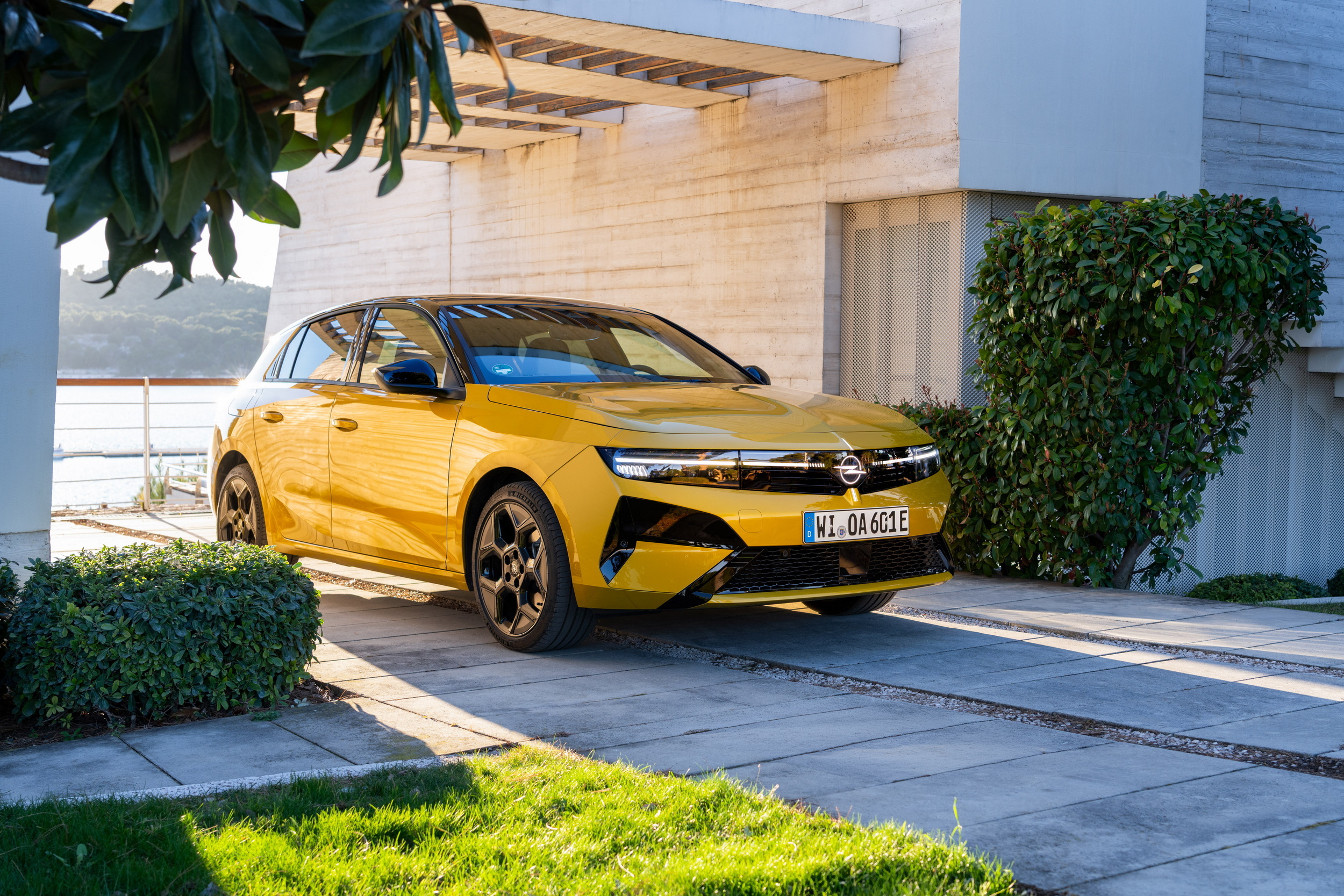
The next Opel Astra may move away from the traditional hatchback shape.
Opel CEO Florian Huettl says an estate version is already locked in.
The new compact model will ride on Stellantis’ new STLA One platform.
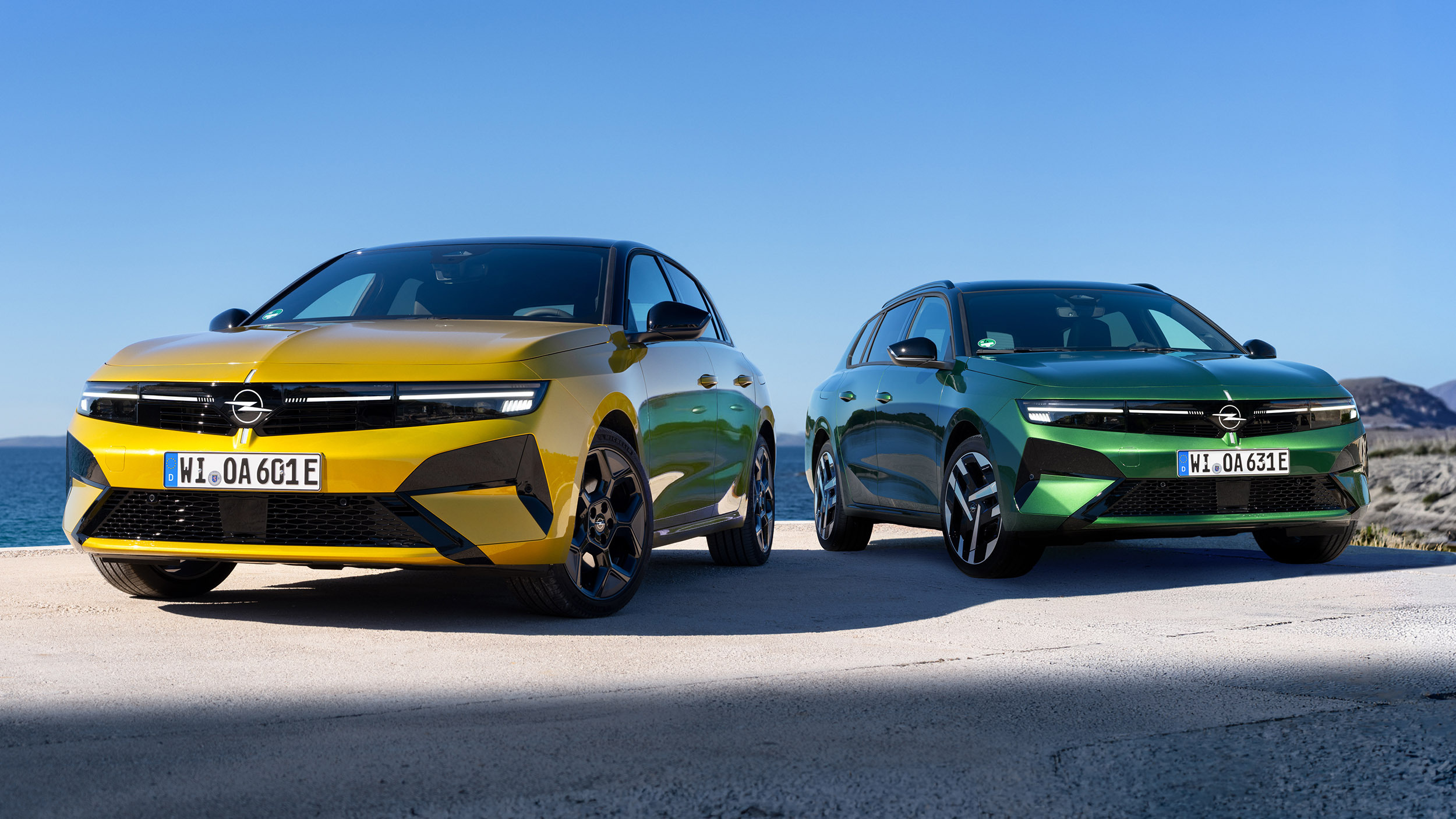
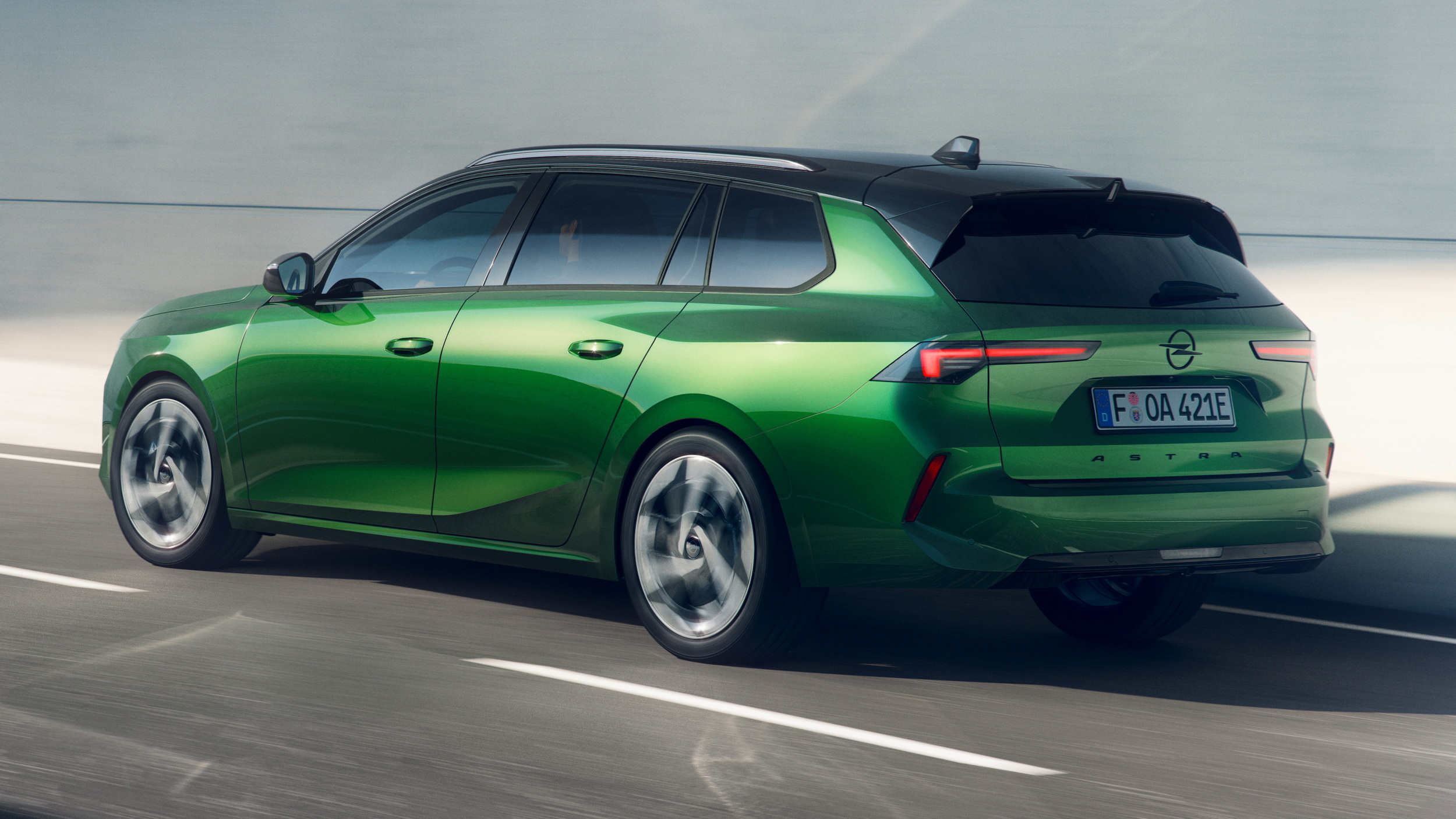
Wagons are quietly leaving the European market, but a few automakers see them as a way to stand apart from the endless run of hatchbacks and SUVs. Opel looks to be one of them. The Stellantis brand is reworking the recipe for the next-generation Astra, walking away from the familiar hatchback shape while making clear the estate isn’t going anywhere.
The current Astra landed in 2021 as a close relative of the Peugeot 308, and both cars picked up mid-lifecycle updates in late 2025 to keep pace with the VW Golf and Toyota Corolla. A successor is already locked in, though, with Opel confirming it will arrive before the decade is out.
The Astra has carried hatchback and estate bodies since the original showed up 35 years ago, long after sedans, coupes, and convertibles fell off the roster. The next one could be the car that finally breaks that pattern, and it starts with the shape buyers have always taken for granted.
Our colleagues from Auto Express spoke with Opel CEO, Florian Huettl, asking him whether the compact hatchback needs to evolve. His answer left the door open. “It doesn’t mean necessarily that the new Astra is a traditional hatchback,” he said.
Surprisingly, the CEO added: “I can tell you that there will be a station wagon, because that’s what our home market in Germany requires, and this is what we will serve” revealing that interior space will be one of the focus points for the next generation.
The move cuts against the grain of what some mainstream rivals are doing right now. Just last week, the President and CEO of Hyundai Europe came close to confirming the death of the i30 Wagon, with the company steering its R&D money toward higher-margin SUVs instead.
The next Astra will ride on the new STLA One architecture. Huettl said the car will “certainly be a BEV,” though the platform handles more than electric power, which is why Opel is “currently looking at the right calibration of the powertrain offer.”
The CEO revealed that while Opel sells plug-in hybrid variants of the Astra and the Grandland, their sales are “by no means at the same level of importance as the fully electric or the hybrid variants.”
He added that range extender setups are “quite interesting,” although early examples of the technology “may struggle to digest” driving on German highways at 130-140 kmh (81-87 mph). That could change down the line, potentially with help from Stellantis’ Chinese partner Leapmotor.
Despite the recent layoffs from its R&D facilities at the Russelsheim headquarters, the new Astra will be manufactured at the same plant, backed by fresh investment.
A major Astra makeover isn’t the next thing on the calendar, though. Opel has more new models coming first, starting with a new generation of the smaller Corsa expected in 2027, followed by a Leapmotor-based compact SUV and a fresh Mokka. And unlike Stellantis stablemates Citroen and Fiat, both busy with the 2CV and the next Pandina as budget EVs, Opel isn’t chasing that segment.

 Login
Login