❌

Normal view

There are new articles available, click to refresh the page.
Today — 1 October 2026Main stream

Chevrolet Bolt Dies Next Year After A Disappointing Return

  • The Chevrolet Bolt will reportedly go out of production early next year.
  • GM had envisioned building 150,000 units, but actual number could be 35,000.
  • Bolt has been a slow-seller since its return, despite starting at $27,600.

The story of the Chevrolet Bolt is perplexing as the model was one of the most popular electric vehicles in America. Despite this, GM killed the Bolt and Bolt EUV to build full-size electric trucks at Orion Assembly.

This plan quickly fizzled as the Chevrolet Silverado EV and GMC Sierra EV were met with the same enthusiasm as a wet hug. As a result, after multiple delays, GM decided to retool Orion Assembly for production of ICE-powered trucks and SUVs.

More: GM Quietly Plots A Family Of Low-Cost EVs After New Bolt

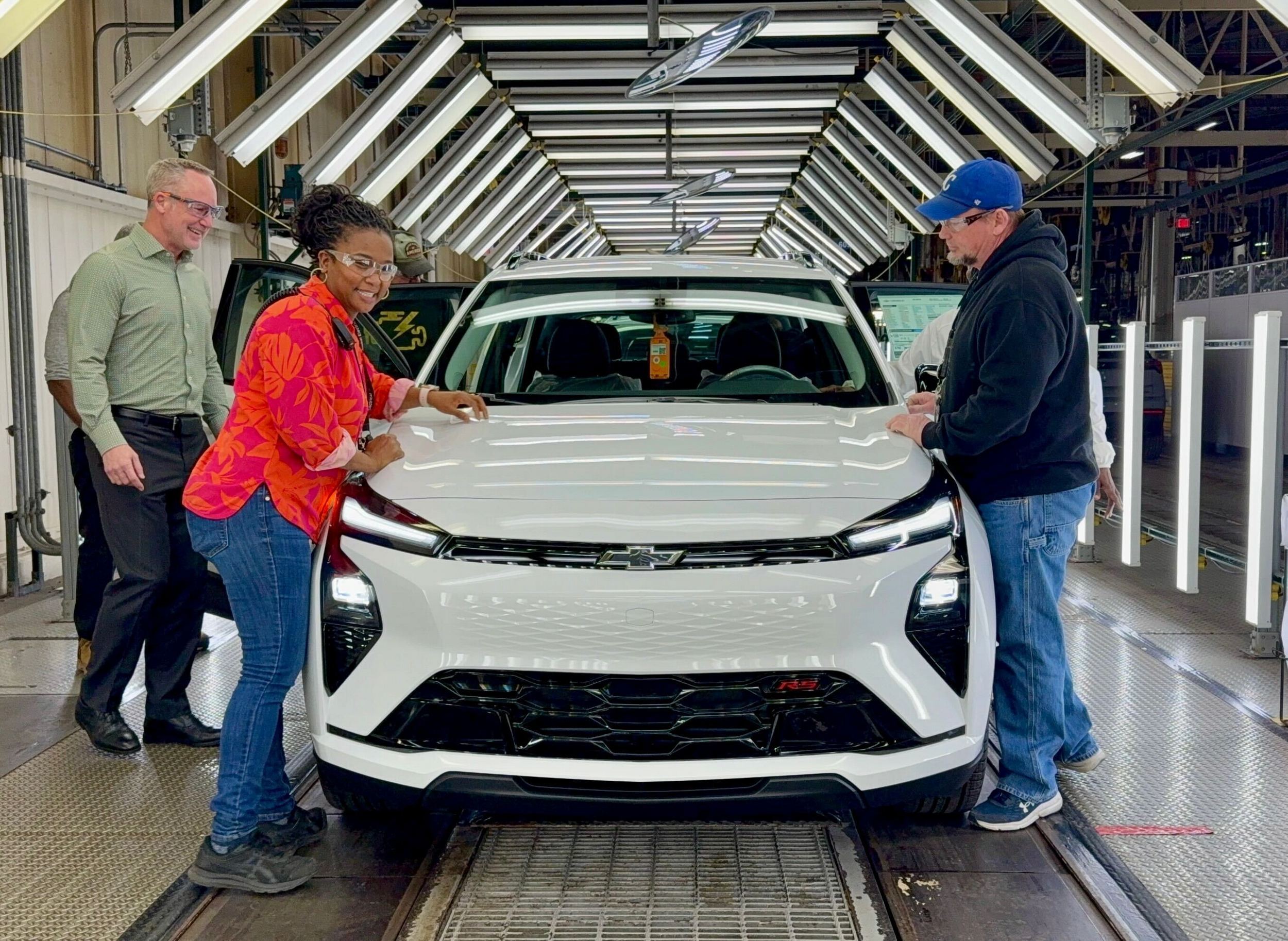
Amid this chaos, the Bolt went on a short hiatus before returning with some notable improvements and a new home in Kansas. Despite a significant amount of work, Chevrolet confirmed it would be a “limited run model.”

It appears it will be even more limited than expected as Reuters is reporting production has been slashed by approximately 75%. This means that by the time the model goes out of production in the first quarter of 2027, only around 35,000 units will have been made.
 Chevrolet Bolt Dies Next Year After A Disappointing Return

The company was reportedly planning to build 150,000 units, so it appears bringing the Bolt back was a huge mistake and a giant waste of resources.

While GM declined to comment on the numbers, the company told the publication “We continuously evaluate market dynamics and customer demand.” That being said, sales have been dreadful. In the first half of the year, Chevrolet only managed to sell 4,224 units. That puts them on track to sell less than 9,500 Bolts for the entire year.

\\\\\

As a refresher, the Bolt starts at $27,600 before a $1,395 destination fee. It features a 65 kWh LFP battery pack, which feeds an electric motor developing 210 hp (157 kW / 213 PS) and 169 lb-ft (229 Nm) of torque. This enables the model to travel up to 262 miles (422 km) on a single charge.

It’s not entirely clear why the ‘reborn’ Bolt hasn’t been able to live up to the success of the original, but the elimination of the federal tax credit undoubtedly played an important role. It also doesn’t help that the ‘new’ model looks so similar to the old one, and the car hasn’t really been promoted.

That being said, consumers have embraced the Equinox EV. The crossover starts at $34,995 – before a $1,800 destination fee – and offers 319 miles (513 km) of range.
\\\\\\

EVgo Set To Introduce Fastest Charger In America

  • EVgo has announced their next-generation charging system.
  • It will be capable of providing up to 750 kW of power to EVs.
  • This could reduce recharging times to around ten minutes.

One of the biggest downsides of electric vehicles is slow recharging times. While traditional vehicles can be refilled in less than five minutes, EV owners might need to wait 20 minutes just to get an 80% charge.

That’s less than ideal, but a number of companies have introduced rapid chargers. Unfortunately, many of them won’t be offered in the United States.

More: The Best Fast Charging Experience In America Isn’t From Tesla

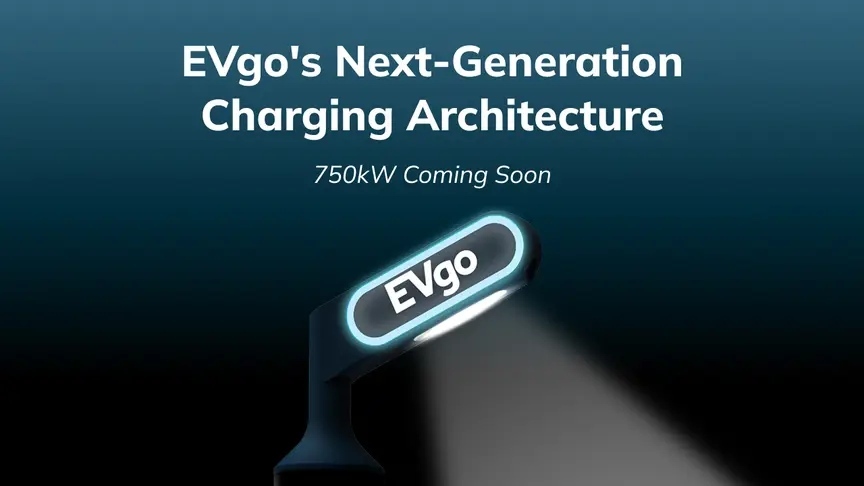
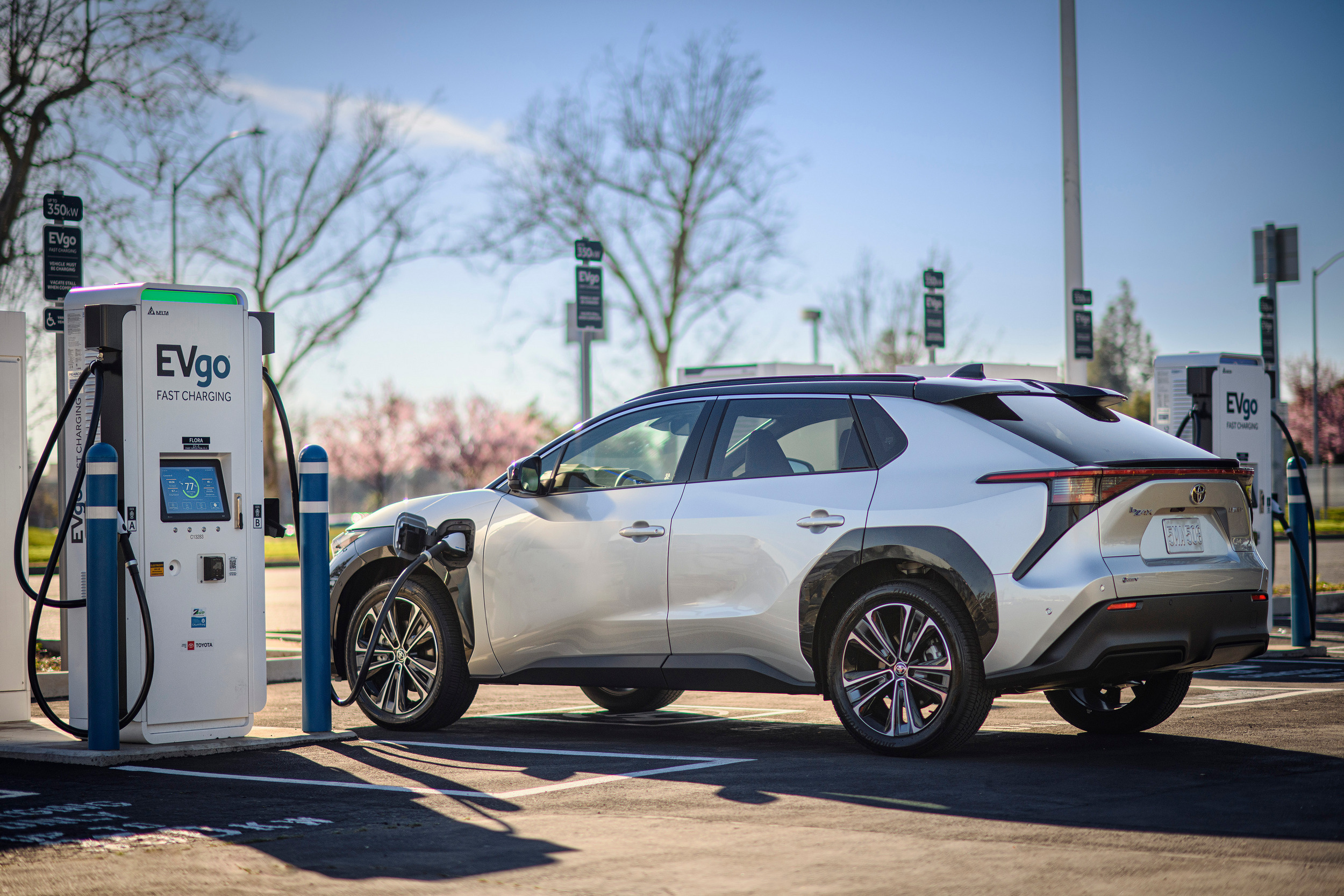
Thankfully, EVgo is filling the void as they’ve announced their next-generation charging system will be capable of delivering up to 750 kW of juice. That’s a huge improvement over typical DC fast chargers, which are rated between 150 kW and 250 kW. It’s also more than twice as powerful as 350 kW chargers, which are pretty much the best thing you’ll find stateside.

So what does all this mean? EVgo says the system is expected to deliver the fastest charging experience in America. Electric vehicles could be recharged in around ten minutes, which isn’t much longer than a traditional fill up.

 EVgo Set To Introduce Fastest Charger In America

The charger is expected to be unveiled in 2027, but EVgo said it will feature a NACS connector, a touchless payment interface, and better cable maneuverability. They added it will have “advanced hardware and firmware to bolster reliability and streamline the charging experience.”

Furthermore, the next-generation charger will embrace dynamic power sharing technology. EVgo said this is “increasingly important as battery technology advances and charge rate variability widens across available vehicle models for consumers.”

Without getting too technical, dynamic power sharing enables the charger to respond in real-time to deliver the “exact output each vehicle needs throughout a charging session.” It adjusts the output automatically and EVgo said “drivers won’t have to worry about finding a certain power-level stall, because every stall is the right one for their vehicle.”

 EVgo Set To Introduce Fastest Charger In America
Before yesterdayMain stream

2027 Lexus TZ Starts At $64k And Offers Up To 315 Miles Of Range

  • The 2027 Lexus TZ will be priced from $64,050.
  • Entry-level variant has 308 hp and 253 miles of range.
  • Higher-end versions can travel up to 315 miles per charge.

When Lexus introduced the 2027 TZ in May, the company was coy on specifications. However, the automaker has quietly updated their press kit with pricing and powertrain information.

Kicking things off is the TZ 450e Premium, which begins at $64,050 including a $1,550 destination fee. That’s cheaper than some versions of the Kia EV9 and it’s only $3,960 more than the gas-powered TX 350 AWD.

First Look: Lexus’ New TZ Trades Fake Ruggedness For Quiet Luxury

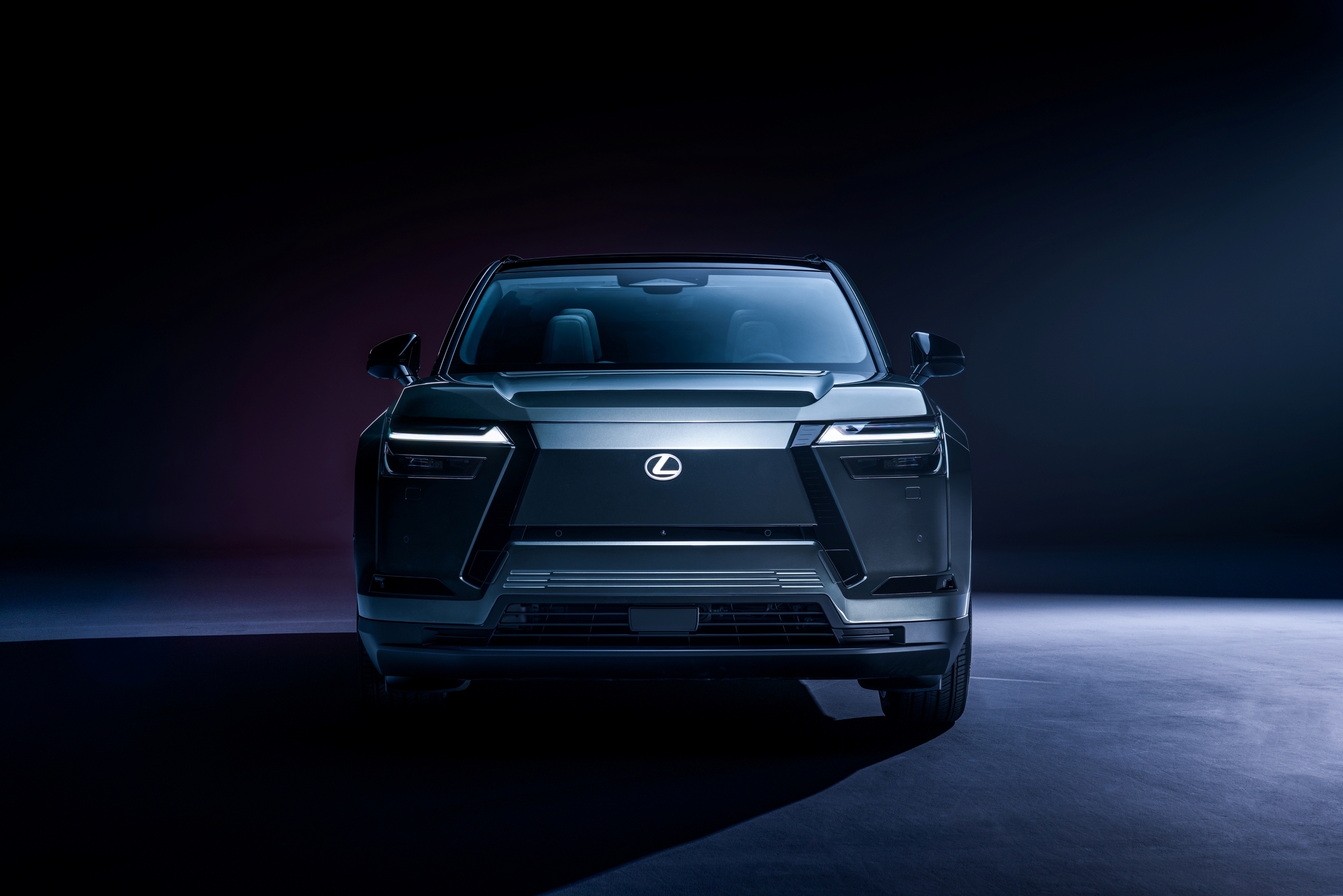
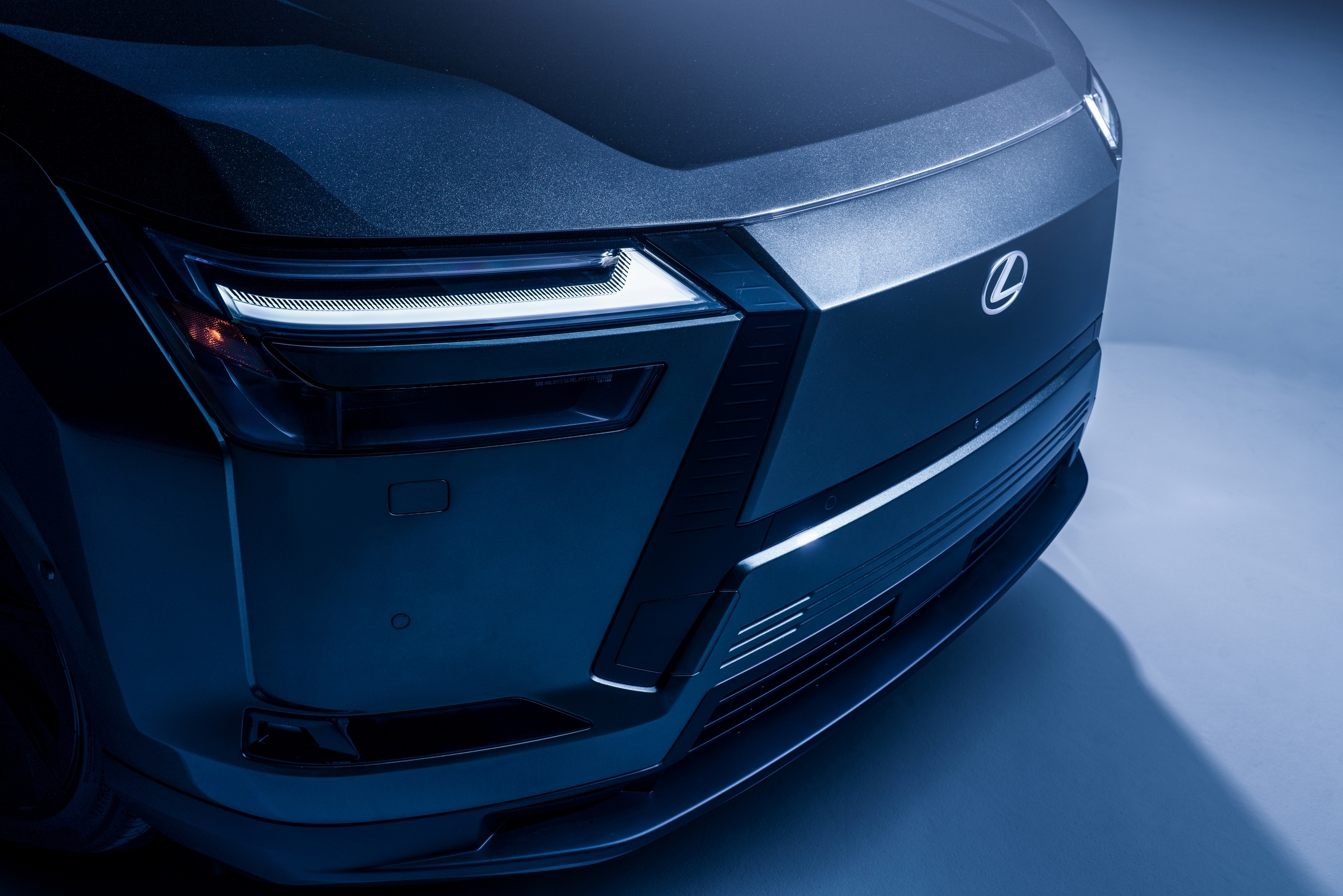
Since we’ve already seen the crossover before, we’ll briefly mention the entry-level variant comes equipped with an acoustic windshield and flush-mounted door handles. They’re joined by 20-inch wheels and an illuminated logo on the grille .

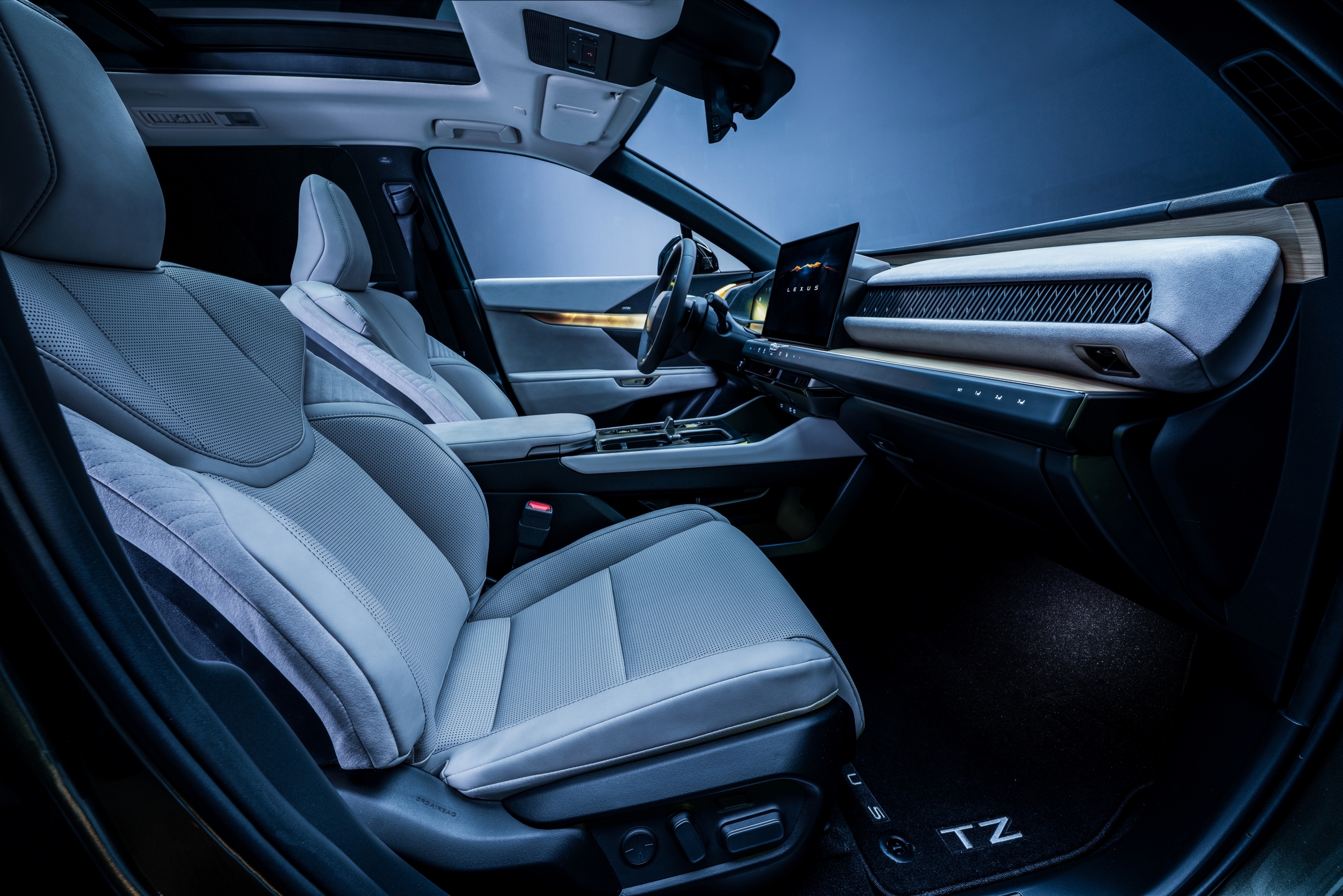
Stepping inside reveals a minimalist interior with a 12.3-inch digital instrument cluster, a 14-inch infotainment system, and a dual wireless smartphone charger. They’re joined by a panoramic glass roof, thematic ambient lighting, and a 12-speaker audio system.

The crossover has heated and ventilated front seats, second-row captain’s chairs with power recline, and a power-folding third-row. When the latter two rows are folded down, there’s 91.5 cubic feet (2,591 liters) of cargo space.

\\\\\\\

Motivation is provided by a dual-motor all-wheel drive system that produces a combined output of 308 hp (230 kW / 312 PS) and 323 lb-ft (437 Nm) of torque. It’s fed by a 77 kWh battery pack, which provides an EPA-estimated range of 253 miles (407 km).

The crossover can accelerate from 0-60 mph (0-96 km/h) in 6.2 seconds, before hitting a top speed of 112 mph (180 km/h). The Premium also has a NACS port, a bi-directional charging capability, and a towing capacity of 2,400 lbs (1,089 kg).

The TZ comes equipped with the Lexus Safety System+ 4.0 suite of driver assistance systems, which includes Full-Speed Dynamic Radar Cruise Control, Lane Tracing Assist, and a Pre-Collision System with Pedestrian Detection. There’s also Emergency Steer Assist, Intersection Turn Assist, and Lane Departure Alert with Steering Assist. Other functions include Road Sign Assist, Proactive Driving Assist, and Traffic Jam Assist.

TZ Premium Touring

\\\\\\\\\\\\\\\\\\\

The $72,050 Premium Touring ups the ante with a larger 96 kWh battery, which increases the range to 315 miles (507 km). However, the extra weight increases the 0-60 mph (0-96 km/h) time to 6.5 seconds. While that’s a bummer, the top speed remains unchanged and the towing capacity increases to 3,500 lbs (1,588 kg).

Lexus didn’t say much else about the mid-level variant, but it does come with additional features including rear steering and a “rear comfort drive mode.”

TZ Luxury

\\\\\\\

Lastly, there’s the $80,550 Luxury variant. It has the same powertrain as the Premium Touring, but the range drops to 279 miles (449 km).

This can largely be blamed on the use of 22-inch wheels. They’re backed up by a beefier braking system, which features six-piston front calipers that grab onto discs measuring 15.8 inches (401 mm). This stands in contrast to lesser variants, which have two-piston calipers and 13.4 inch (340 mm) discs.

 2027 Lexus TZ Starts At $64k And Offers Up To 315 Miles Of Range

Besides the larger wheels, the Luxury variant should have a quieter cabin thanks to acoustic glass on the windshield as well as the front and rear doors. Other highlights include a 21-speaker Mark Levinson premium audio system, a front radiant heater, and a unique “shimmering effect” for the ambient lighting system.

The upgrades don’t end there as the range-topping variant comes equipped with heated and ventilated second-row seats as well as a heated third-row. Lexus also mentioned an ottoman for the front passenger as well as the second-row captain’s chairs. People residing in the latter will also find manual sunshades.

If everything goes according to plan, the 2027 Lexus TZ should be launched late this year.

2027 Lexus TZ Pricing
ModelMSRP
TZ Premium AWD$64,050
TZ Premium Touring AWD$72,050
TZ Luxury AWD$80,550
SWIPE

H/T to Car & Driver

Toyota’s Boring Corolla Is About To Get A Radical Rethink

  • The redesigned Toyota Corolla could arrive as early as next year.
  • Model could be a liftback that blurs line between sedan and hatchback.
  • There could be gas, hybrid, plug-in hybrid, and electric powertrains.

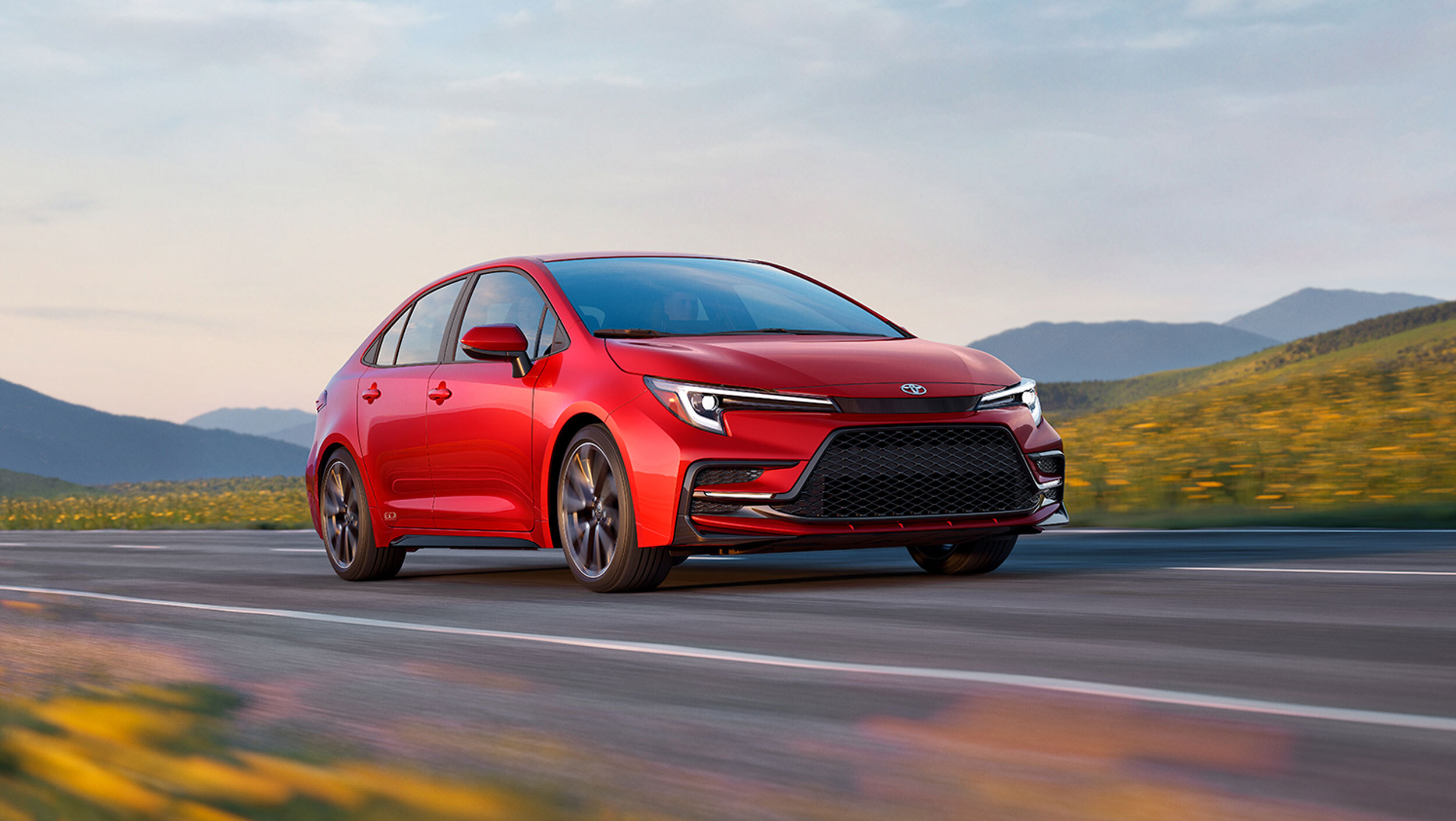
The Corolla is one of Toyota’s best-selling vehicles, as US dealers moved 131,403 units in the first six months of the year. That was a 9.5% increase, which is a tad surprising as the current model is nearly a decade old.

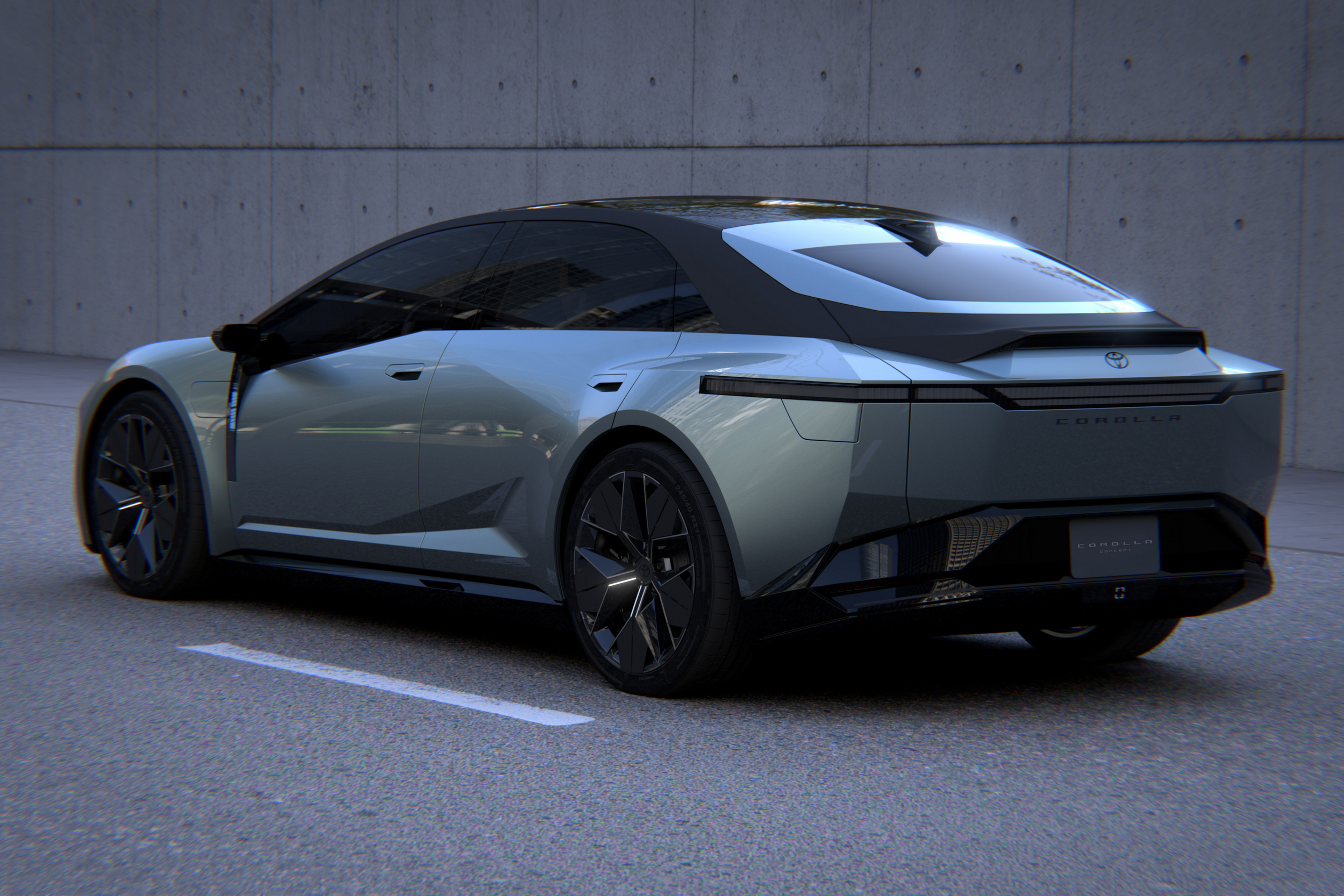
However, a redesigned car is on the horizon, and it was apparently teased over the summer. The single image suggested the upcoming model will echo the Corolla concept, introduced at the 2025 Japan Mobility Show.

More: Next Corolla May Have Slipped Out In A Toyota Doc, And It Mirrors The Concept

Fast forward to today, and Car & Driver is reporting the traditional sedan could give way to a new liftback body style. This could effectively combine today’s sedan and hatchback into one vehicle.

While that remains to be seen, Toyota’s CEO has made it his mission to reduce the number of variants the company offers as part of an effort to increase profitability. This begs the question of whether the automaker really needs both Corolla variants, especially when they offer a Corolla Cross.

Additional details are murky, but the publication expects the car to ride on an updated version of the current TNGA-C platform. They also suggest the model could be offered with up to four different powertrains.

\\\\\

Starting with the hybrid, it’s expected to use a new 1.5-liter four-cylinder engine. The powertrain will reportedly have a combined output of around 134 hp (100 kW / 136 PS), which is roughly the same as today’s model.

While that’s a bit of a bummer, fuel efficiency could climb by 10 to 20%. Furthermore, like today’s Corolla Hybrid, there could be an optional all-wheel-drive system.

Buyers looking for more efficiency will reportedly be able to opt for a plug-in hybrid variant. It will presumably have a larger battery pack as well as a beefier electric motor.

 Toyota’s Boring Corolla Is About To Get A Radical Rethink

A fully electric variant is also expected, and it could offer an optional dual-motor all-wheel drive system. Details are hazy, but the magazine expects the EV will offer at least 250 miles (402 km) of range.

That brings us to the gas-powered variants. The ‘regular’ model could have a turbocharged 1.5- or 2.0-liter engine, while the GR Corolla is expected to get a 2.0-liter turbo packing up to 395 hp (295 kW / 400 PS).

 Toyota’s Boring Corolla Is About To Get A Radical Rethink

VW’s Electric Cargo Van Adds Extra Space With New Extended Wheelbase Variant

  • Volkswagen has introduced a long-wheelbase ID. Buzz Cargo.
  • It has larger doors and an additional 17.7 cubic feet of space.
  • Van will be offered with a choice of rear- or all-wheel drive.

Volkswagen Commercial Vehicles is expanding the ID. Buzz Cargo lineup with the addition of a new long-wheelbase variant. It features a more spacious interior, an increased towing capacity, and several new features.

Starting with size, the load area is 9.8 inches (250 mm) longer than the normal ID. Buzz Cargo. This allows for an additional 17.7 cubic feet (500 liters) of cargo space. The model also comes equipped with a wooden floor and a maximum payload capacity of up to 1,543 lbs (700 kg).

More: New VW ID. Buzz Unveiled As A Delicious Microbus EV In Both Passenger And Cargo Van Flavors

On the styling front, there isn’t much to report, but the LWB variant comes standard with dual sliding doors. They’re 7.5 inches (190 mm) longer than the single door on the short-wheelbase version, and this means they can accommodate a Euro pallet. The model also offers a choice between a traditional liftgate or optional rear wing doors.

The interior has two- and three-seat configurations as well as a new Innovision infotainment system with an improved app store. Other highlights include a revamped steering wheel and Travel Assist with a traffic light recognition function, which automatically brings the van to a halt at red lights. The model also has a new one-pedal driving mode and a Vehicle-to-Load function, which enables the vehicle to act as a massive battery bank.

\\\

Power comes from an 86 kWh battery pack, which can be paired with either rear- or all-wheel drive. The former has 282 hp (210 kW / 286 PS), while the latter develops 335 hp (250 kW / 340 PS). Regardless of the setup, the model has a maximum towing capacity of 3,968 lbs (1,800 kg).

German pricing starts at €48,490 ($55,225) and climbs to €50,630 ($57,662) for the all-wheel-drive variant. This means the extended variant costs around €2,340 ($2,665) more than the regular model before VAT.

\\\

After Bailing On EV-Only Plan, Bentley Embraces Flexibility In An Uncertain World

  • After their electrification plans fizzled, Bentley is becoming more flexible.
  • CEO said “predictable planning” is no longer possible and may never come back.
  • Automaker is speeding development and wants new models created in three years.

Bentley once had grand plans for electrification, revealing at their Beyond 100 event in 2020 plans to become a “leader of sustainable luxury mobility.”

Under the initiative, the automaker was supposed to drop conventionally-powered vehicles by 2026, and only offer plug-in hybrids or EVs. The brand was then slated to go EV-only by 2030.

More: Bentley Torcal Arrives With 876 HP And 375 Miles Of Range

Needless to say, things didn’t work out, as Bentley just got around to introducing their first electric vehicle. The Bentley Torcal arrived nearly a year behind schedule and offers a range of up to 375 miles (604 km).

While reaction to the Torcal has been mixed, it will reportedly be Bentley’s only electric vehicle for years to come. According to Autocar, the firm’s next EV won’t arrive until sometime after 2030.

\\\\\\\\\

That stands in sharp contrast to Rolls-Royce, which introduced the Spectre in 2023 and is preparing to launch an electric crossover. The latter has been spied on multiple occasions and follows in the footsteps of the Cullinan.

However, Bentley CEO Frank-Steffan Walliser believes they were right to tap the brakes on electrification. As he told the publication, they’re simply becoming more flexible, as consumers aren’t ready to go fully electric and regulators have backed down from ambitious adoption timelines.

“In the past, you made a plan for 10 years and then you just went with it. We delivered the cars in a relatively stable environment. It’s not the case anymore.”

\\\\\\

Walliser added the company is working on building plug-in hybrids and EVs on the same production line, so they can more easily adapt to changes in demand and requirements. He went on to say the automaker is shortening cycles and development times. Speaking of the latter, it now takes Bentley four years to create an all-new model, and the automaker eventually wants to lower that number to three years.

Getting back to the Torcal, Walliser ruled out the possibility of a plug-in hybrid variant. As he explained, the crossover rides on the EV-only PPE platform and adding an engine would only create “overlap” with the Bentayga.

\\\\\\\\

There’s A New EV Range Champion And It’s Not Tesla Or Lucid

  • Audi has set a new record for longest electric trip on a single charge.
  • Miko Marczyk traveled 831.4 miles during a lengthy drive in Poland.
  • Car has 362 hp and is officially rated at up to 482 miles of range.

Range anxiety is becoming a thing of the past largely, as charging infrastructure improves and modern electric vehicles can travel farther than their predecessors. While some models still come up short, there’s no shortage of long-distance options with beefy battery packs.

Notably, the Lucid Air Grand Touring set a Guinness World Record for the longest journey by an electric car on a single charge in 2025. It traveled 748.8 miles (1,205 km), but that record has now been beaten by an Audi.

More: Lucid Shatters World Record With A Drive So Long It Seems Impossible

European Rally Champion Miko Marczyk recently set the new record in an A6 Sportback e-tron performance. The attempt started in Zakopane, Poland, where the Tatra Mountains provided plenty of opportunities to use regenerative braking.

The route eventually took him to Kraków, then along the Vistula Valley to Sandomierz. Marczyk eventually traveled through “Puławy, Warsaw, Płock, Włocławek, Toruń, Grudziądz and the Tri-City area before reaching Hel.” At that point, he turned around and started retracing his steps. When the car finally ran out of juice, between Toruń and Ciechocinek, it had gone 831.4 miles (1,338 km) on a single charge.

That’s an insane figure considering the car has a combined range of between 423 and 482 miles (681 – 776 km). It’s also impressive as the A6 Sportback e-tron performance has a rear-mounted motor with 362 hp (270 kW / 367 PS) and 417 lb-ft (565 Nm) of torque. This means it’s no slouch, as 0-62 mph (100 km/h) comes in 5.4 seconds, before topping out at 131 mph (210 km/h).

\\\\\\\\\\\\\

Marczyk noted the record was set on public roads, open to traffic, and “many sections” were “covered during rush hour.” Despite this, the A6 achieved an average energy consumption of 7.09 kWh/62 miles (7.09 kWh/100 km).

The racer went on to say, “I believe … the electric vehicle technology developed over many years by the Volkswagen Group ranks among the best in the world. For decades, the Group’s combustion engines led their respective segments. Today, its electric-drive technology is also at the forefront of the industry, and I am delighted that we have been able to demonstrate its potential.”

Interestingly, Marczyk now has Guinness World Records titles for both ICE and electric vehicles. In 2025, he set the record for the “greatest distance driven on a single tank of fuel” in a Skoda Superb. The racer traveled 1,759 miles (2,831 km), achieving an average fuel consumption of just 2.6 L/100 km (90.4 mpg US).

\\\\\\\\\\\\\\\

GM’s Latest Partnership Streamlines EV Ownership And Saves You Money To Boot

  • GM Energy and Pacific Gas and Electric have joined forces to improve EV ownership.
  • New incentive offers a free charger as well as monthly savings on electricity.
  • Partnership aims to streamline buying and charging experience for first-time EV owners.

Buying your first electric vehicle can be intimidating and a little overwhelming. Besides the purchase itself, you need to think about recharging and possibly getting an electrician to come out to your home and install a charger.

Given that, it’s easy to see why a number of consumers forget to inquire about programs from their utility provider. GM is now streamlining things by announcing a new partnership with Pacific Gas and Electric [PG&E].

More: GM Wants Your Parked EV To Sell Power Back To The Grid, But There’s A $20,000 Catch

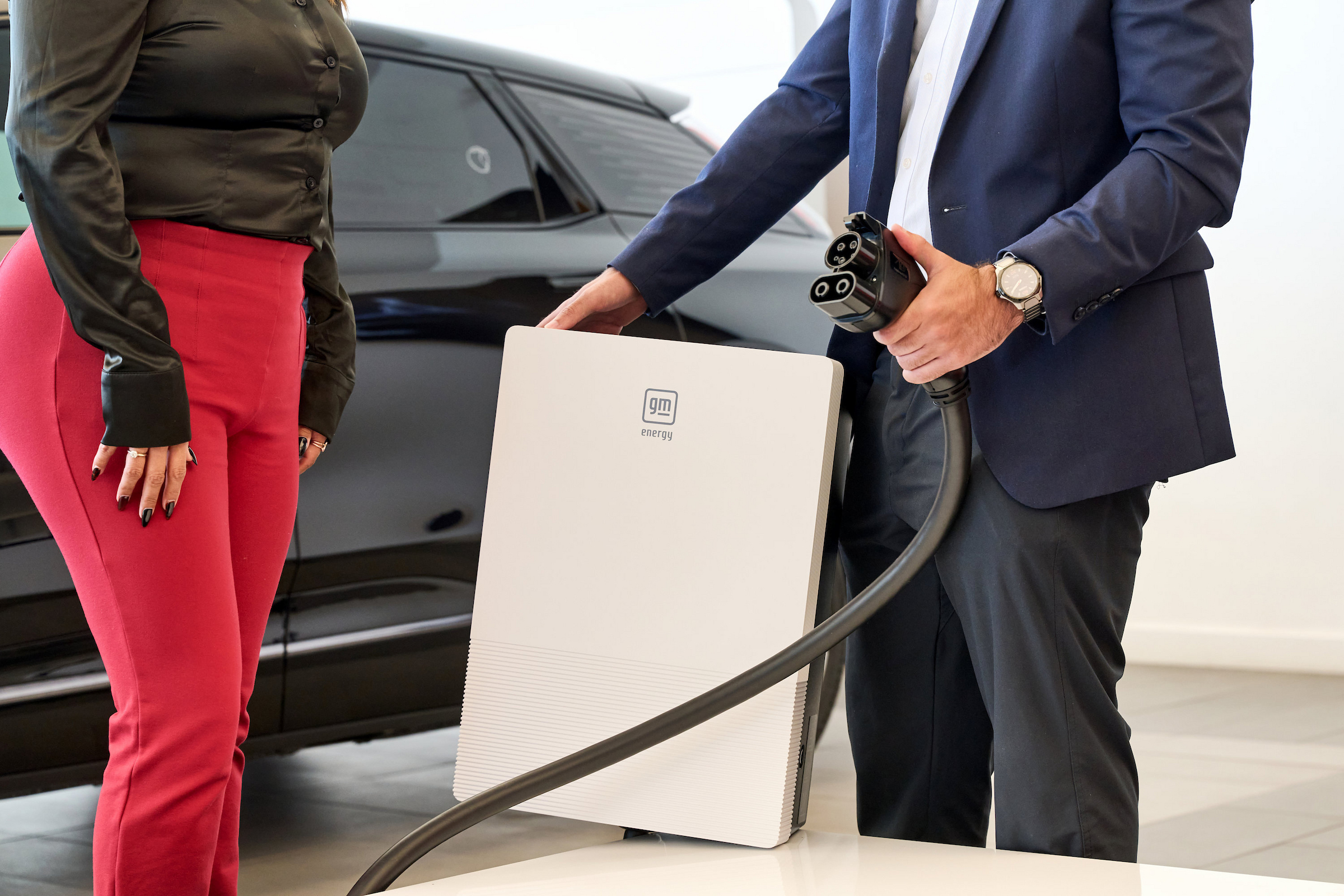
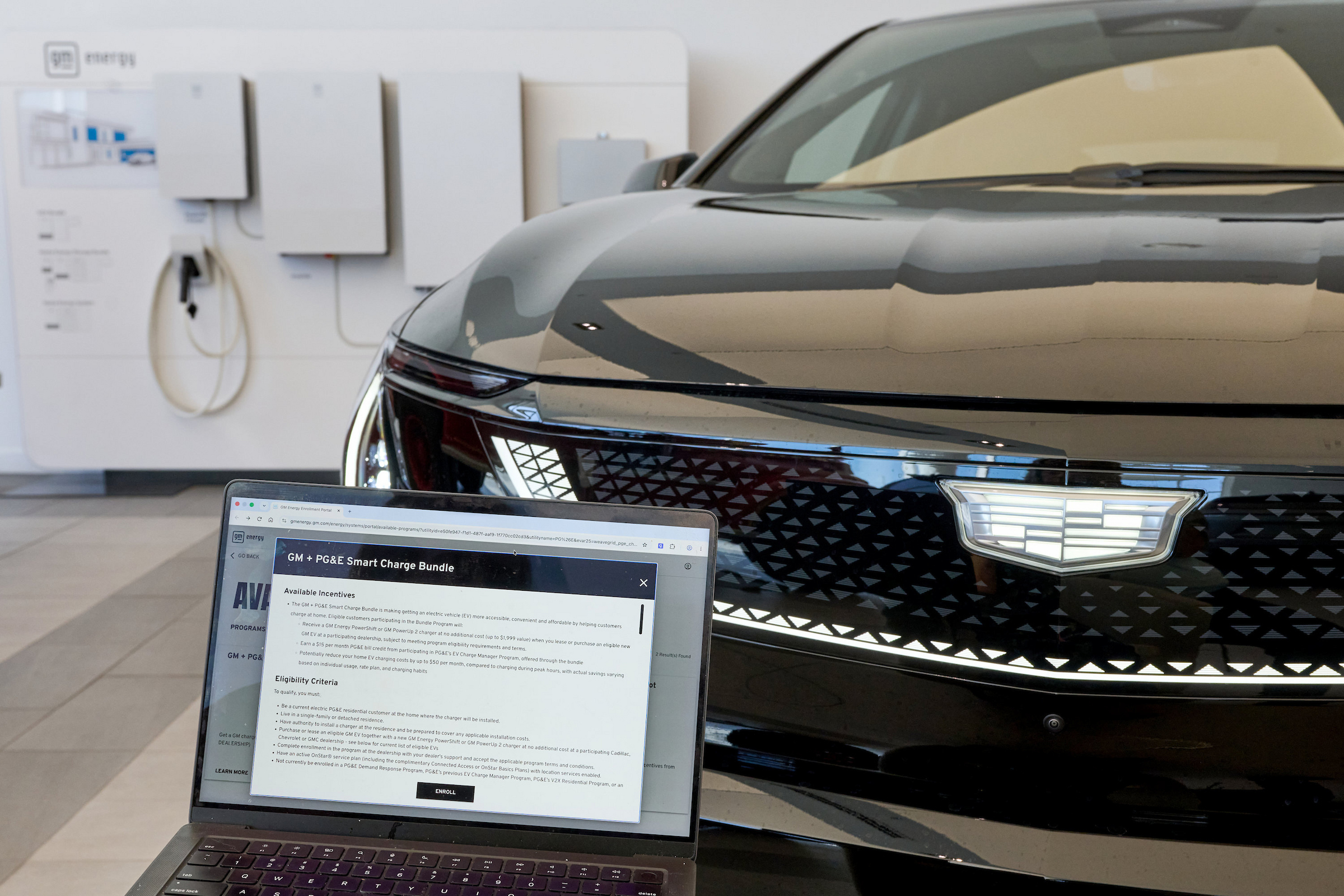
Dubbed the Smart Charge Bundle, the first-of-its-kind program “makes home charging part of the EV buying conversation from the start.” When at participating Cadillac, Chevrolet, or GMC dealerships, eligible customers can discuss their charging needs, explore charger options from GM Energy, and sign up for a program from PG&E.

While there’s a lot to take in, customers can get an Energy PowerShift or PowerUp 2 home charger at no cost. That’s a savings of up to $1,999, although installation, permitting, and any necessary electrical upgrades are the responsibility of the customer.

 GM’s Latest Partnership Streamlines EV Ownership And Saves You Money To Boot

The PowerUp 2 charger typically costs $899 and is rated at 11.5 kW. However, the star of the show is the 19.2 kW PowerShift charger, which offers a bidirectional charging capability when paired with a V2H Enablement Kit. This allows your EV to act as a massive battery bank to power your home during outages.

While the free charger is certainly a bonus, the incentives don’t end there. Quite the opposite, as dealers can sign people up for PG&E’s EV Charge Manager program. According to the utility, it “schedules electric vehicle charging when electricity prices and demand are at their lowest.” You simply plug in your vehicle when you get home, and it will automatically begin charging at the proper time. It’s also worth noting you can override a “managed-charging session” whenever needed.

 GM’s Latest Partnership Streamlines EV Ownership And Saves You Money To Boot

That’s oversimplifying things a bit, but customers could receive a $15 monthly bill credit. On top of that, owners could save up to $50 per month by charging when the electricity rate is low.

The incentive is available to eligible PG&E residential customers in Northern and Central California through February 2027, or until capacity in the program is reached. There are a few caveats – such as having to use GM Energy’s preferred installer network – but the Smart Charge Bundle sounds like a win-win.

GM Energy Vice President Wade Sheffer remarked, “GM Energy’s reason for being is to make EV ownership a leap forward in value and ease, from choosing the right vehicle to charging it at home. Our work with PG&E is the result of listening to owners, reducing steps, and doing the hard work in the background to make the customer experience really simple, with clear benefits.”

 GM’s Latest Partnership Streamlines EV Ownership And Saves You Money To Boot

Kia’s EV9 Fire Sale Could Save You $16,000 Off MSRP

  • Some dealers are offering the Kia EV9 for $16,000 under sticker.
  • One of the cheapest new models in America costs just $40,694.
  • Higher-end variants and Long Range models also have big discounts.

Kia had high hopes for the EV9, and this wasn’t surprising as Americans love three-row crossovers. However, sales dropped 33% last month to a disappointing 1,789 units. That pales in comparison to the 12,693 Tellurides sold in August and even the smaller Niro.

While that’s bad news for the automaker, dealers are slapping huge discounts on the EV. If you’re willing to do a little research and some travel, you can score more than $16,000 off a brand-new EV9.

More: Gas Prices Send Buyers To RAV4 Hybrids, Toyota Dealers Hit Them With $15,000 Markups

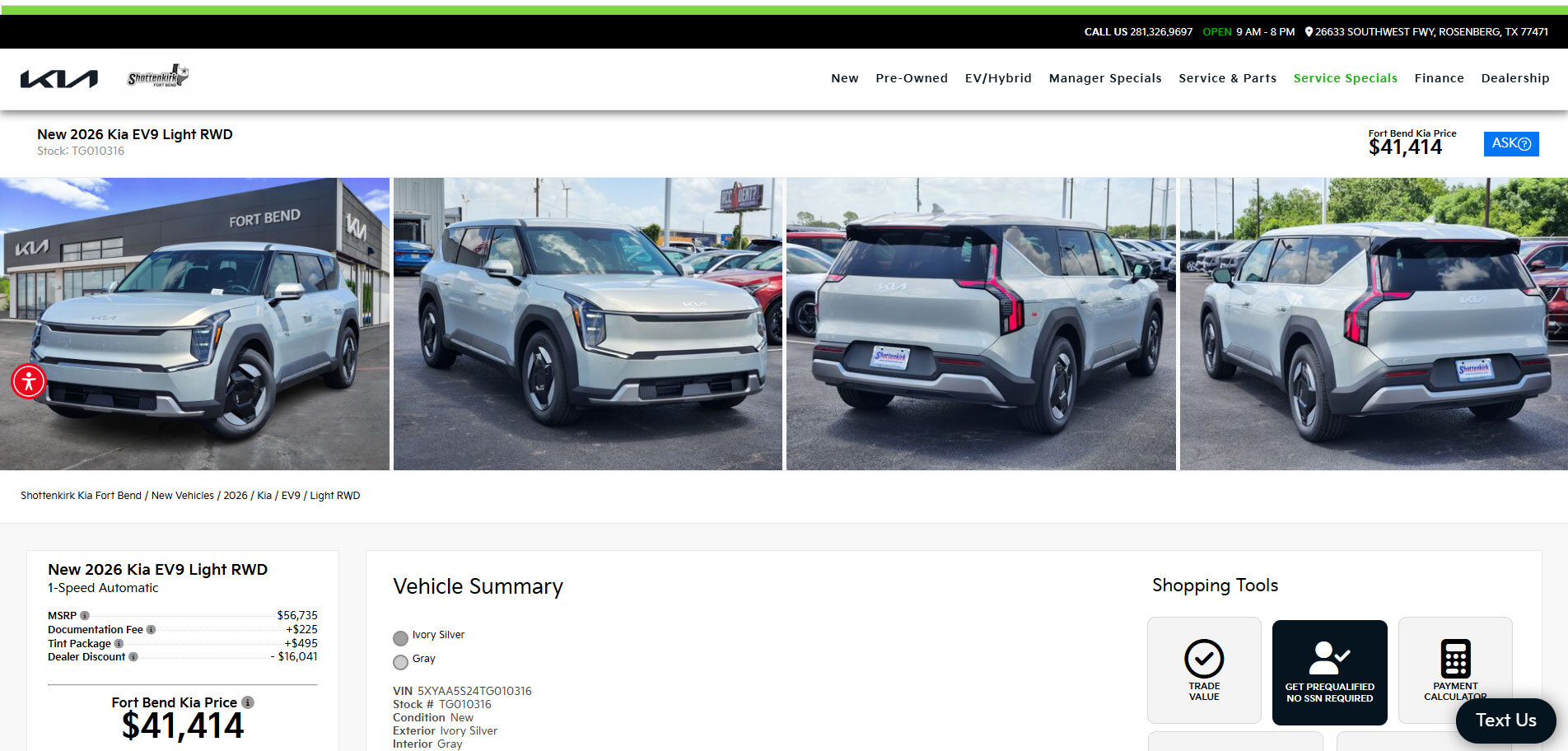
Shottenkirk Kia of Fort Bend has one of the cheapest EV9s in America as their Light RWD model has been marked down by $16,041. This lowers the sticker price from $56,735 to $40,694. That sounds like a bargain considering the Telluride Hybrid begins at $46,490 before a $1,545 destination fee.

 Kia’s EV9 Fire Sale Could Save You $16,000 Off MSRP

Liberty Auto Plaza in Libertyville, Illinois also has steep discounts on their EV9s. An EV9 Light Short Range has been slashed from $57,480 to $42,480 thanks to a $15,000 discount.

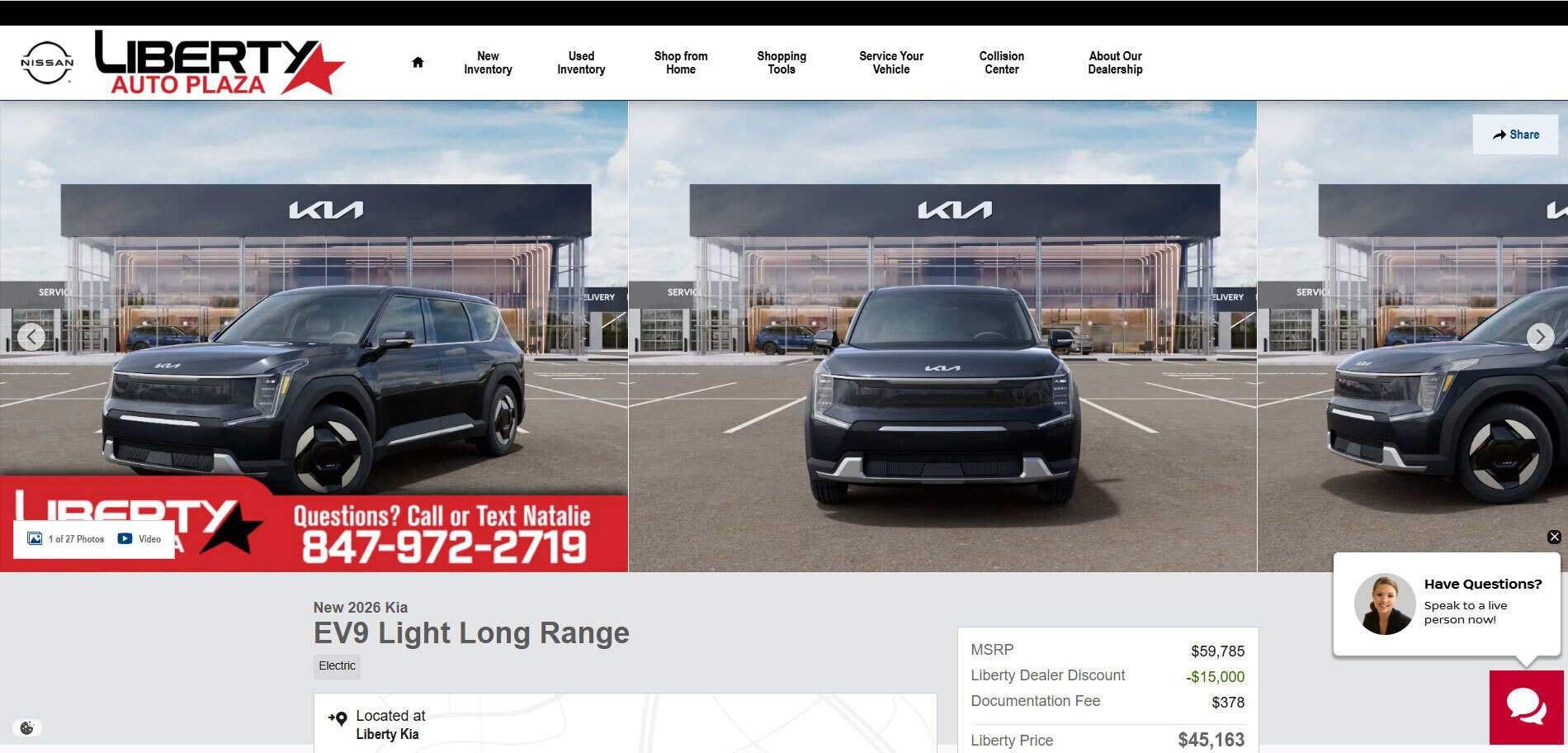
If 230 miles (370 km) of range isn’t enough, the dealer also has an EV9 Light Long Range with a similar $15,000 markdown. This means the 304-mile (489 km) crossover can be yours for $44,785 instead of $59,785.

 Kia’s EV9 Fire Sale Could Save You $16,000 Off MSRP

If you’re in the market for a classier variant, Crain Kia of Bentonville has a $66,820 EV9 Wind for $52,370. This is due to $10,000 in customer cash from Kia and a $4,450 dealer discount.

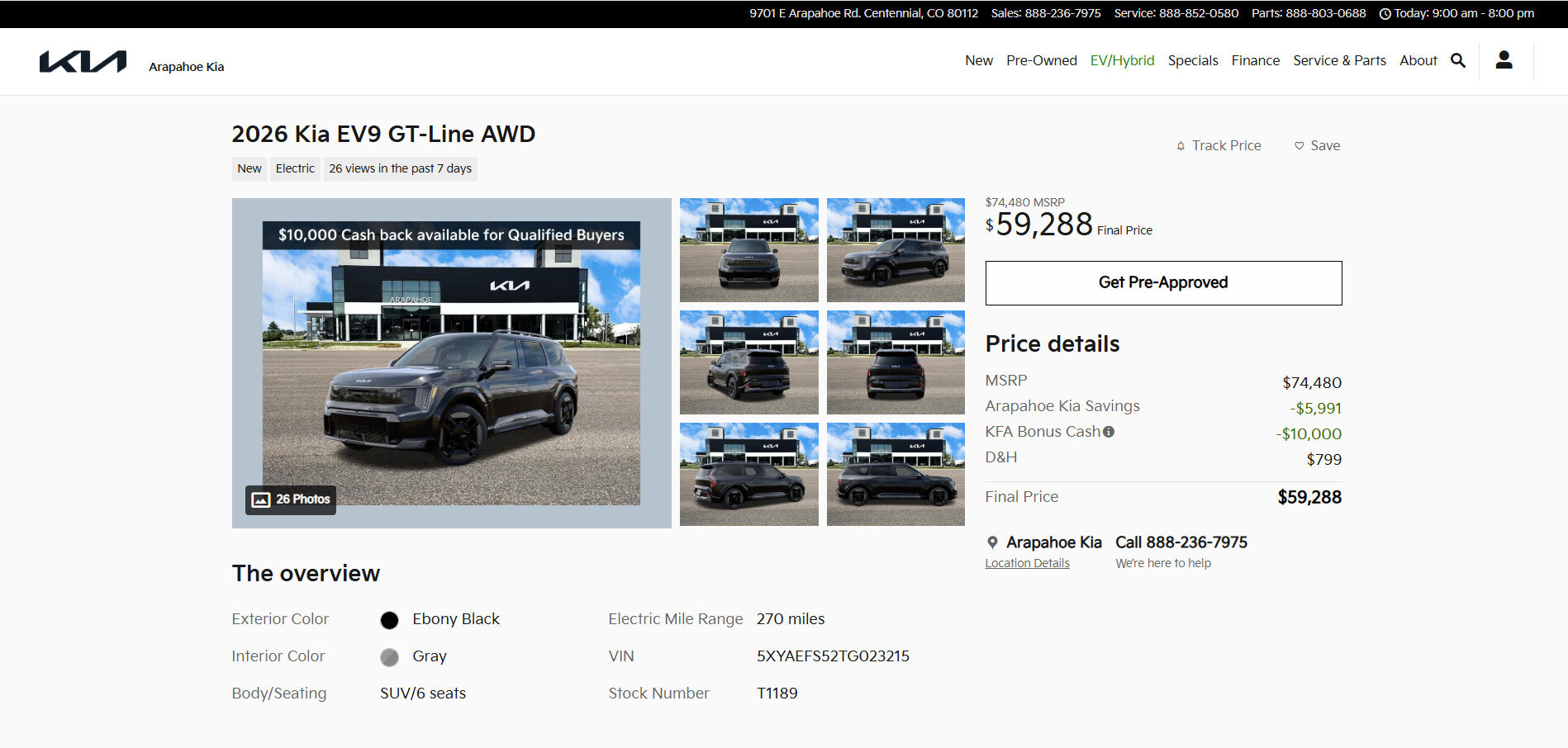
It’s a similar situation at Arapahoe Kia, where an EV9 GT-Line AWD is nearly $16,000 off. Thanks to a combination of Kia customer cash and a $5,991 discount, the model is priced from $58,489 before fees.

 Kia’s EV9 Fire Sale Could Save You $16,000 Off MSRP

Testing Of A Mysterious Future Toyota EV Sparked A Recall Of The New C-HR

  • Toyota is conducting two new recalls that impact an assortment of models.
  • The 2026 C-HR can lose drive power due to a software programming issue.
  • A handful of trucks and SUVs have incorrect load carrying capacity labels.

The Toyota CH-R returned for 2026 as an electric crossover, but it’s already getting recalled. As the government explained, the battery can become “overcharged” and shut down the powertrain while driving.

The issue impacts 8,521 vehicles and is being blamed on a software programming error. Toyota first discovered the issue in April during testing of an undisclosed “future BEV model.” This sparked a review of electronic control units in other EVs and this eventually identified the 2026 C-HR as being impacted.

More: Toyota Delays New Electric Highlander Before It Even Launches

The issue involves a faulty battery protection logic, which is intended to limit the charging of the battery. Due to a programming error, the battery can become overcharged in certain conditions.

This mainly appears to be a problem in low temperatures, when the battery is at a high state of charge, and when the vehicle is in regenerative mode for a long time. In effect, if you live up in the mountains, fully charged your C-HR overnight, and are driving down into the city while relying heavily on the regenerative braking system, it could be an issue.

 Testing Of A Mysterious Future Toyota EV Sparked A Recall Of The New C-HR

While that’s just an example, it highlights how rare the problem appears to be. Speaking of which, Toyota isn’t aware of any warranty claims or field reports related to the issue. If a problem were to occur, warning lights and a buzzer would activate to alert drivers to the loss of motive power.

Since this is a simple software issue, the fix is straightforward as dealers will update the electronic control unit. Notifications are scheduled to go out on October 18.

Label Mistake

 Testing Of A Mysterious Future Toyota EV Sparked A Recall Of The New C-HR

In other Toyota recall news, 135 vehicles have an incorrect load carrying capacity modification label. The problem impacts a handful of different models including the 2024 Tacoma and 2025 Tundra as well as the 2026 4Runner and RAV4.

The recall is the result of data entry errors as accessory weight values were wrong in one of Toyota’s systems. This threw off calculations and resulted in labels that could cause people to overload their vehicles.

Toyota discovered the problem during an internal audit that found eight accessory parts with weight discrepancies. To address the problem, dealers will replace the label with a correct one.

 Testing Of A Mysterious Future Toyota EV Sparked A Recall Of The New C-HR

Bronco Basecamp Breaks Out Of China And Heads Down Under

  • The Ford Bronco Basecamp is coming to Australia and New Zealand.
  • Model arrives next year with a range-extended powertrain and pop-up roof.
  • Crossover could have a combined output of 416 hp and 442 lb-ft of torque.

Nearly a decade after wrapping up production in Australia, Ford has announced big plans for the land down under. As part of an event, the company announced plans to “double coverage of the Australian vehicle market to over 60% within three years.” The automaker is also aiming for “over 90% of its volume sold to be all-new or significantly refreshed by the end of 2030.”

The centerpiece of this plan is to bring the Bronco Basecamp to Australia and New Zealand in the second half of 2027. The model launched in China last year and targets a “new breed of outdoor enthusiasts.”

More: Ford’s Electrified Bronco Arrives In China With A Pop Up Roof Surprise

Ford didn’t say much about the local variant, but confirmed it will have a “super hybrid extended-range electrified powertrain.” It consists of two electric motors, a 49 kWh battery pack, and a turbocharged 1.5-liter engine that acts exclusively as a generator.

The company said this will deliver the smooth and responsive driving dynamics of an electric vehicle, but with a range of 497 – 559 miles (800 – 900 km). It also goes without saying, you can simply fill up with gas and be back on your way.

\\\\\\\\\\\\\\

Ford didn’t talk numbers, but the Bronco Basecamp starts at ¥229,800 ($34,245 USD / $47,565 AUD) in China and features a combined output of 416 hp (310 kW / 421 PS) and 442 lb-ft (600 Nm) of torque. The model also has a CLTC electric-only range of 137 miles (220 km).

While Ford didn’t say much about the vehicle, they noted it’s built for adventure and would make the perfect camping companion. When it’s time to go to sleep, all the seats fold down and an inflatable mattress can be placed on top of them to create a bed.

When morning comes, the rear swing gate has a “Wild Kitchen” with a fold-down table. The model even has Pro Power Onboard, which enables owners to access up to 6.6 kW of juice to power equipment such as coffee makers, cooktops, and lights.

The upscale Bronco Basecamp Outer Banks goes even further as it has an electric pop top that rises at the touch of a button to increase headroom, such as when camping. The Outer Banks also has a 7.5-liter center console compartment that can be warmed or chilled.

Besides the Bronco Basecamp, Ford announced the electric Transit City will arrive in November for $50,000 AUD ($36,100 USD). Around the same time, the Mustang Dark Horse T8-Spec will land at dealers. The automaker also announced the local launch of Ford Pro, which will be supported by a new seven-year, unlimited kilometer warranty for commercial customers who exclusively rely on Ford dealerships for servicing.

\\\\\\\\\\\\\\

Tiny, Slow, And Super Cheap: The VinFast VF 2 Could Come To America And Europe

  • VinFast has suggested the tiny VF 2 could eventually be sold outside Vietnam.
  • The two-door microcar has 40 hp, a top speed of 50 mph, and 130 miles of range.
  • Company implied it could be positioned as a golf cart alternative like the Topolino.

VinFast had grand ambitions, but things didn’t go according to plan. However, the company isn’t giving up and recently hinted their new microcar could eventually come to Europe and the United States.

In a meandering press release, VinFast Canada said the “microcar is quietly making a comeback.” They went on to note the success of the Citroën Ami and Fiat Topolino, the latter of which is now available in America.

More: Stellantis’ Cheapest New Vehicle In America Is A $14K Fiat You Can’t Take On The Highway

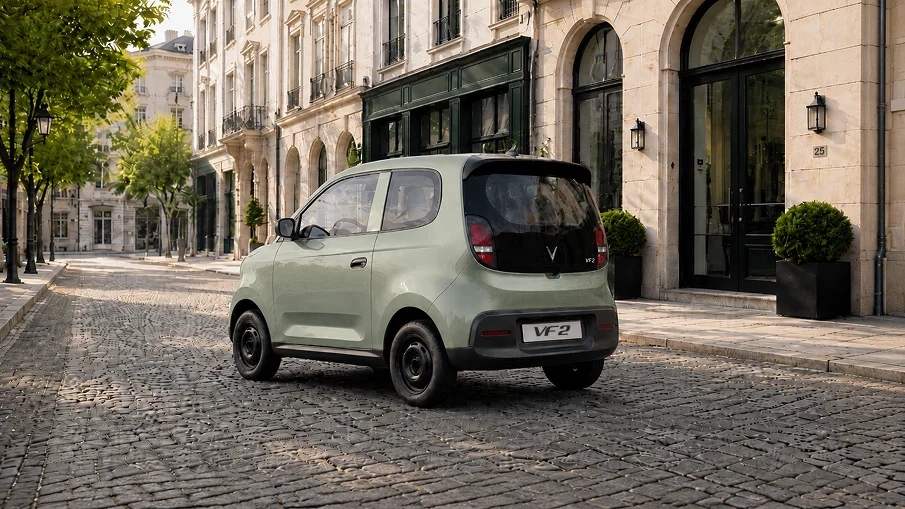
The company then pivoted to the VF 2, which is their smallest model. The two-door, four-seater measures 121.7 inches (3,090 mm) long, 58.9 inches (1,496 mm) wide, and 65.5 inches (1,663 mm) tall with a wheelbase that spans 81.3 inches (2,065 mm). To put those numbers into perspective, the Fiat 500e is over 21.3 inches (540 mm) longer.

While the VF 2 is tiny, it only costs $7,214 (đ188 million) in Vietnam, which is “roughly as much as a premium motorcycle.” Despite the bargain basement pricing, the company noted the model has LED headlights, air conditioning, a 7-inch display, and 13-inch alloy wheels. They’re joined by a handful of safety features including a driver’s airbag, anti-lock brakes, and a traction control system.

\\\\

Power comes from an 18.3 kWh battery pack, which feeds a rear-mounted motor developing 40 hp (30 kW / 41 PS) and 48 lb-ft (65 Nm) of torque. This enables the car to have an NEDC range of up to 130 miles (210 km). When the battery is low, a 24 kW DC fast charger can take it from 10% to 70% in approximately 34 minutes.

Those numbers aren’t very impressive, but VinFast noted they’d be perfect for the “urban commuter who drives alone.” That’s a relatively niche market, but a super cheap car certainly has some appeal, even if the top speed is limited to 50 mph (80 km/h).

\\\

While the automaker acknowledged they haven’t announced plans to bring the VF 2 to North America or Europe, they added such a decision “would not be entirely out of place.” The company went on to say that, “In many developed markets, even entry-level vehicles have become increasingly expensive, with the average new vehicle selling for more than $50,000 by the end of last year.” This suggests they see a place for something far cheaper.

The company went on to imply the VF 2 could follow in the footsteps of the Topolino and be positioned as an alternative to golf carts for neighborhood transportation. As they noted, “Walk through many newly developed residential communities in the world today, and it is no longer unusual to see golf carts being driven well beyond the golf course. Their popularity suggests there is demand for small, simple vehicles designed primarily for short urban trips.”

 Tiny, Slow, And Super Cheap: The VinFast VF 2 Could Come To America And Europe

Kia’s Next Electric Van Is A 17-Foot Box On Wheels And It’s Coming For VW

  • Spy photographers have snapped Kia’s upcoming PV7.
  • Electric van slots above the PV5 and is aimed at businesses.
  • Could share some powertrains with its smaller counterpart.

Kia is gearing up to introduce the new PV7 at the IAA Transportation show on September 14 and they recently released a handful of teaser images. Spy photographers are now filling in the blanks as they’ve spotted the commercial vehicle undergoing testing in Europe.

Set to become the second member of the Platform Beyond Vehicle lineup, the PV7 follows in the footsteps of the PV5 that was introduced last year. As a result, it features a stepped front end and an expansive windshield. They’re joined by black upper accents and lower black plastic body cladding.

More: Electric Kia PV7 Is Coming For The Ford Transit

\\\\

SHProshots

The model has a “one-box profile” and that’s putting it lightly as the van is essentially a box on wheels. The prototype seen by spy shooters features dual sliding doors with an odd window arrangement in the middle. They’re accompanied by a relatively flat roof that helps to maximize cargo capacity.

Around the back, there’s a vertical liftgate and a small rear bumper. They’re accompanied by vertical taillights as well as a recessed license plate area. The van also has thick rear pillars with black accents to create the illusion of a wraparound greenhouse.

\\\\\

SHProshots

The PV7 was previewed by a concept in 2024 and will reportedly measure around 208.6 inches (5,300 mm) long. To put that into perspective, the PV5 Cargo Long is 184.8 inches (4,695 mm) long and has a 117.9-inch (2,995 mm) wheelbase.

The model will ride on the Electric-Global Modular Platform for Service (E-GMP.S), which is a fleet-focused version of the E-GMP architecture that underpins the Hyundai Ioniq 5, Kia EV6, and Genesis GV60, among others.

Powertrain details remain a mystery, but the PV5 offers a 43.3 kWh LFP battery pack as well as 51.5 and 71.2 kWh NCM batteries. They power electric motors with outputs of 120 hp (89.4  kW / 122 PS) and 184 lb-ft (250 Nm) of torque as well as 161 hp (120 kW / 163 PS) and 184 lb-ft (250 Nm).

Given the PV7’s size, we wouldn’t be surprised to find the 51.5 and 71.2 kWh batteries, and they could potentially be joined by an even larger pack. The 161 hp (120 kW / 163 PS) electric motor also seems like a safe bet and it could be joined by an even more powerful one as well. That being said, we’ll find out for sure later this month.

\\\\\

SHProshots

New Ford Fathom Prototype Breaks Cover Ahead Of Its 2027 Debut

  • Ford’s CEO has released new teaser images of the Fathom.
  • Midsized electric truck follows in the footsteps of the Maverick.
  • Debuts next year and will start at $29,945 including destination.

Getting a good look at the Fathom has been about as easy as capturing a real phantom on camera. However, Ford CEO Jim Farley recently took to social media to release high quality teaser images.

They show the midsized electric truck traveling past the iconic Las Vegas sign. Of course, we’re more interested in the pickup than the tourist trap.

More: Ford Spent $2 Billion On A Factory To Build Its $28K Fathom Pickup In Three Pieces

Dressed in colorful camouflage, the Fathom follows in the footsteps of the Maverick as it has an upright front end with a wide lower intake. Bulky cladding hides the grille, but it’s flanked by mid-mounted headlights that have an angular accent toward the inside.

\\

Photos Ford / Jim Farley

Further back, we can see streamlined bodywork and aerodynamically optimized wheels, which are also wrapped in disguise. They’re joined by traditional door handles as well as tiny mirrors. The latter don’t look particularly good, but Ford has previously said their 20% smaller size results in an extra 1.5 miles (2.4 km) of range.

Other notable highlights include rounded wheel arches and what appears to be an angular lip around the upper bed. Elsewhere, there are vertical taillights and a relatively plain rear bumper with an offset license plate.

A closer inspection reveals the cab is slightly smaller than it appears as the prototype has been equipped with a sizeable rear spoiler. This pushes out the black camouflage and undoubtedly contributes to the truck’s efficiency.

\\

Photos Ford / Jim Farley

Despite being smaller than it appears, Ford has previously confirmed the Fathom has more passenger volume than the Toyota RAV4. This means we can expect more than 98.9 cubic feet (2,801 km) of space for occupants.

Additional details are limited, but Ford has said the truck will have a large touchscreen display with an easy-to-use navigation system powered by Apple Maps. It will also have Apple CarPlay and Android Auto compatibility, digital key technology, a bidirectional charging capability, and next-generation BlueCruise hands-free driving.

#FordFathom in the wild. https://t.co/SwmOUzeJv1 pic.twitter.com/CNERthHQEV

— Jim Farley (@jimfarley98) September 1, 2026

Specifications remain a mystery, but Ford has hinted at multiple battery packs. The base model comes with the “standard-range battery,” so that suggests there will also be a long-range variant.

Unfortunately, we still have a wait ahead of us as Ford won’t introduce the model until 2027. When pre-orders begin early next year, pricing will start at $28,350 before a $1,595 destination fee.

\\\\\\\\\\\\\\\\\

Baldauf

Subaru EV Sales Jumped 21%, Despite Huge Solterra Decline

  • Subaru sales climbed 1.3% last month to 62,028 units.
  • Ascent saw a 37.2% increase, while WRX soared 191%.
  • New EVs helped to grow sales, but Solterra plummeted.

It’s a new month and that means sales data is slowly trickling in. Some of the latest is from Subaru and it reveals August sales climbed 1.3% to 62,028 units.

While the brand didn’t break any records like Kia, they noted the Ascent, Crosstrek, Outback, and WRX had their best month of the year. The Crosstrek was the top performer with 19,541 sales, which was a 4.4% decline from a year ago.

More: Subaru Is Spending $9,650 Per Solterra Just To Get Them Off Lots

The Forester was up 17.8% to 16,760 units, while the Outback slid 3.4% to 15,233. It’s also worth noting dealers sold five Legacy sedans, despite the fact that production ended nearly a year ago.

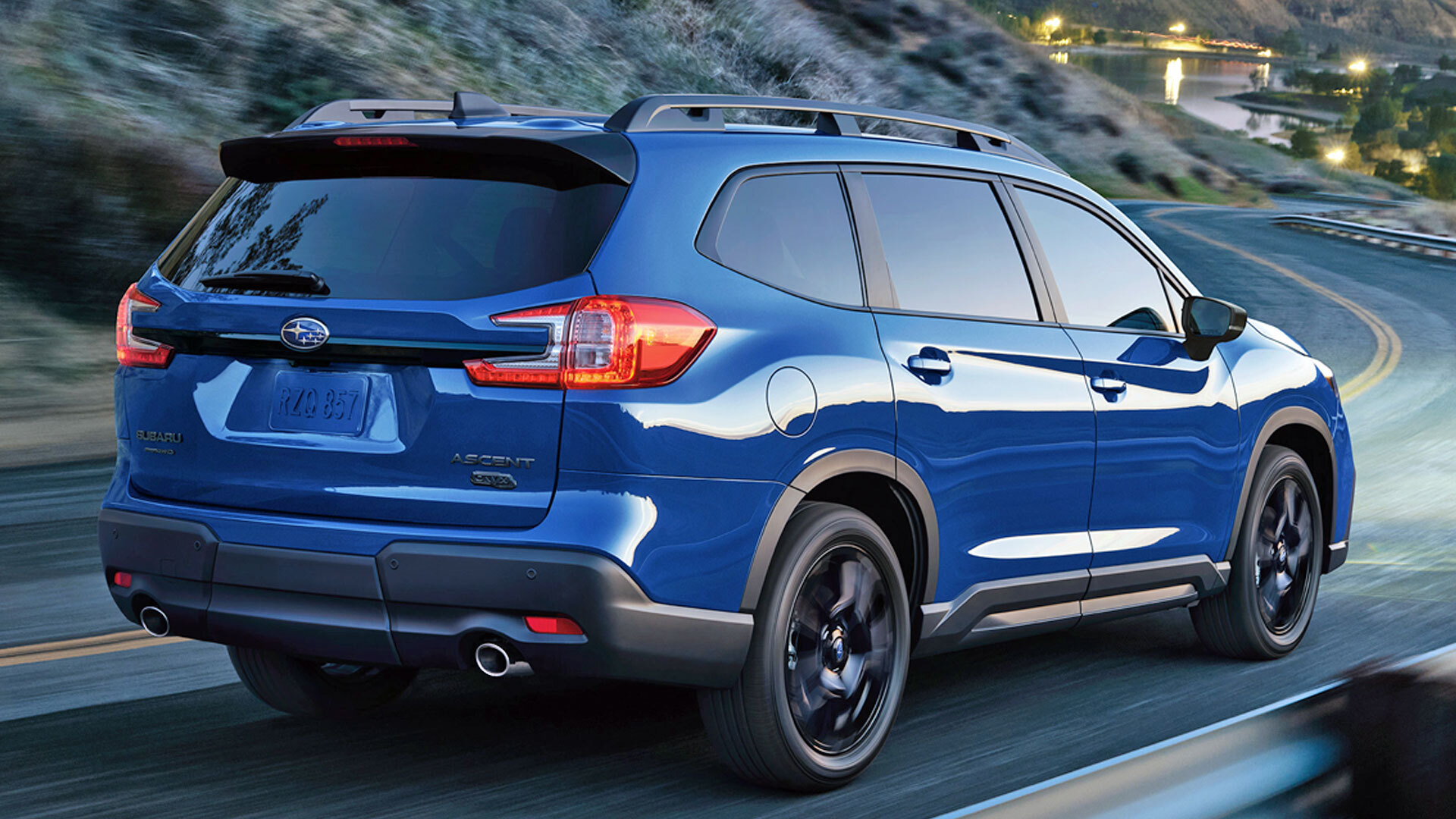
The biggest surprise for August was the Ascent, which saw sales climb 37.2% to 5,155 units. The 2027 model was announced in June and only received minor changes such as a new Deepwater Blue Pearl paint job and USB Type-C charging ports. Those are hardly the kind of things that would drive sales in a crossover that was introduced in 2017.

 Subaru EV Sales Jumped 21%, Despite Huge Solterra Decline

While the Ascent’s sudden sales jump is a mystery, the WRX’s 191% increase is a no-brainer. The brand slashed pricing earlier this year and focused on affordability.

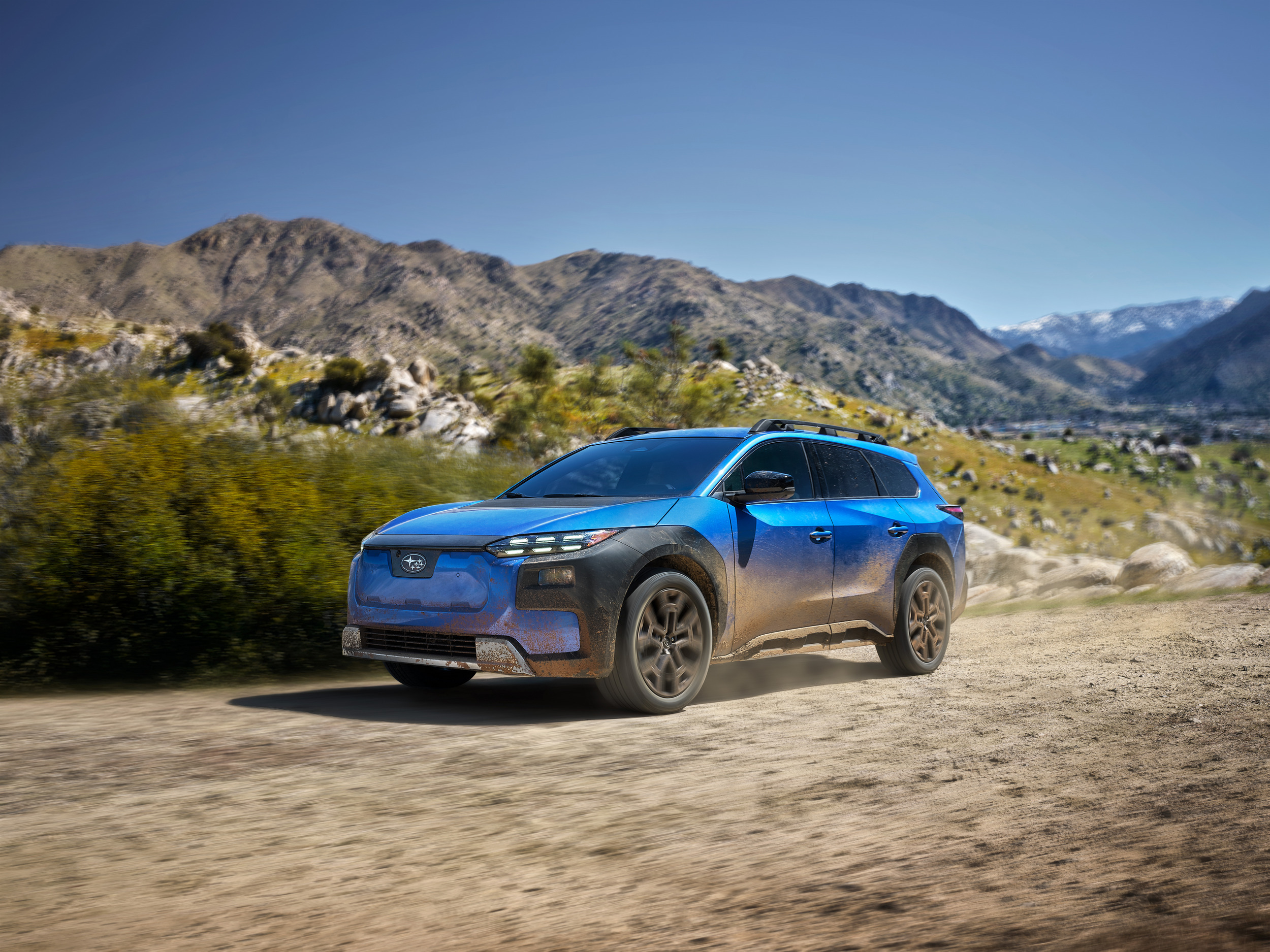
That brings us to EVs, which paint a mixed picture. Solterra sales fell 86.6% to a dismal 197 last month. At the same time, Subaru sold 1,248 Trailseekers and 320 Uncharted EVs.

 Subaru EV Sales Jumped 21%, Despite Huge Solterra Decline

This implies the new Trailseeker and Uncharted could be cannibalizing sales from the older Solterra. However, it may not be that simple as a quick search suggests dealers only have 70 new Solterras in stock. That’s less than two weeks of supply, so the lack of product appears to be hampering sales.

That being said, overall sales of EVs were up slightly as Subaru sold 1,765 in August. That’s a 21.3% increase compared to the 1,466 sold a year ago.

Subaru US Sales August 2026
Aug 26Aug 25% ChgYTD 26YTD 25% Chg
Ascent5,1553,75737.2%28,92528,2432.4%
BRZ2352206.8%2,0202,107-4.1%
Crosstrek19,54120,442-4.4%122,953128,404-4.3%
Forester16,76014,22517.8%140,487122,08315.1%
Impreza1,5562,644-41.2%11,39619,995-43%
Legacy52,087-99.8%2,20615,163-85.5%
Outback15,23315,768-3.4%92,108104,007-11.4%
Solterra1971,466-86.6%5,4729,529-42.6%
Trailseeker1,24800%4,76100%
Uncharted32000%3,17000%
WRX1,778611191%10,3247,49937.7%
TOTAL62,02861,2201.3%423,822437,030-3%
SWIPE

Kia Sets All-Time August Sales Record As Hybrids Soar

  • Kia had a record-breaking August as Americans bought 83,793 vehicles.
  • Six different models set a new monthly sales record including the Telluride.
  • Hybrid sales were up 99%, thanks to gas prices above $4 per gallon nationally.

Kia’s stellar year continues as the brand has set a new August sales record in the United States. Dealers moved 83,793 vehicles last month, which was 786 more than a year ago.

The brand didn’t just break one record either as the K4, K5, Carnival, Seltos, Sportage, and Telluride all posted their best August in history. Kia also noted hybrid sales were up 99%, which can largely be credited to high gas prices caused by the war in Iran.

More: Kia’s New EV3 Starts Under $30,000 And Undercuts Nissan Leaf

While consumers embraced hybrids to save at the pump, gas prices weren’t high enough to get them to switch to EVs. Sales of the EV6 tumbled 60% to 712 units, while the larger EV9 fell 33% to 1,789.

The big winner last month was the Sportage as Americans snapped up 18,723 of them. This was a slight increase from a year ago, but sales are up nearly 8.5% year-to-date.

 Kia Sets All-Time August Sales Record As Hybrids Soar

The Sportage was followed by the affordable K4 (12,881) and Telluride (12,693). The latter was recently redesigned and consumers appear to be digging it as sales are up 16.7% year-to-date. This was undoubtedly aided by the introduction of a hybrid variant with its recent redesign.

Speaking of redesigned models, the 2027 Seltos appears to be off to a strong start as August sales surged 65.3% to 9,214 units. The classier crossover starts at $24,990 and will be followed by a hybrid variant later this year.

 Kia Sets All-Time August Sales Record As Hybrids Soar

It’s also worth noting Kia was able to set a new monthly sales record despite the elimination of the Soul. That model found 5,548 buyers in August of 2025, while last month’s sales fell to zero.

Kia also has a few things to look forward to including the facelifted Niro and all-new EV3. The latter found six early adopters last month and should generate some interest thanks to a starting price of $29,890.

Kia August 2026 US Sales
ModelAug 26Aug 25YTD 26YTD 2025
EV91,7892,67910,4749,354
EV67121,7965,4298,961
EV36060
K4/Forte12,88112,09198,55498,814
K57,5236,84752,61147,291
Soul05,5483,48036,339
Niro2,9833,12418,47217,663
Seltos9,2145,57450,52535,430
Sportage18,72318,023129,713119,587
Sorento9,8808,62668,26667,510
Telluride12,69312,17798,11184,090
Carnival7,3896,52254,73645,602
Total83,79383,007590,377570,641
SWIPE

Nissan Waves To The Renault Twingo With New Entry-Level EV

  • The Nissan Wave has been spied ahead of a launch next year.
  • Hatchback is a lightly revised version of the Renault Twingo.
  • Model sports a more traditional design and should be affordable.

Nissan launched the redesigned Micra last year and a report, in January, suggested it could be followed by an even smaller EV known as the Wave. Spy photographers have now snapped the model and it’s a lightly revised version of the Renault Twingo.

Dressed in heavy camouflage, the Wave has a revised front end that trades circular lighting units for squared off ones with an angular lower accent. The latter appear to be part of a C-shaped daytime running light signature.

More: New Nissan Wave Could Bring Back A Cult Era Of Retro JDM Cars

Elsewhere, we can see a wider central bar as well as a revamped intake with a cube-like design. They’re accompanied by a more traditional hood and a lower sensor pod that is covered by camo.

The profile appears to carryover virtually untouched, but we can expect restyled wheels that are unique to Nissan. They’ll likely have an aerodynamically optimized design to maximize range.

\\\\\

SHProshots

Continuing around back, there’s a no-nonsense rear end that adopts more traditional taillights. The bumperettes have also been ditched, resulting in a cleaner, more modern design.

Spy photographers didn’t get much of a look inside, but we can see a curved upper dashboard as well as a freestanding infotainment system. This suggests the cabin will follow in the footsteps of the Twingo, which has a 7-inch digital instrument cluster and a 10-inch infotainment system.

 Nissan Waves To The Renault Twingo With New Entry-Level EV

SHProshots

Motivation will likely be provided by a familiar 27.5 kWh battery pack, which feeds an electric motor developing 80 hp (60 kW / 82 PS) and 129 lb-ft (175 Nm) of torque. This enables the Twingo to accelerate from 0-62 mph (0-100 km/h) in 12.1 seconds, before hitting a top speed of 81 mph (130 km/h).

While the electric city car won’t be winning any races, it should have a WLTP range of up to 163 miles (263 km). The model should also cost around €19,500 ($22,595) like its Renault counterpart.

\\\\\\\\

SHProshots

Jeep Recon EV Has More Power Than Originally Announced

  • Jeep has quietly updated the performance specs for the Recon.
  • It produces an extra 20 hp, but the range remains pretty bad.
  • Model starts at $65,000, but some dealers already list discounts.

The Jeep Wagoneer S was an overpriced flop and dealers are still struggling to get rid of 2025 models. A quick search online reveals a number of massive discounts including one model that stickered for $67,590 being listed for $40,855. That’s a savings of $26,735 and it even includes an $855 documentation fee.

Unfortunately for Jeep, the Wagoneer S is closely related to the upcoming Recon. It starts at $65,000 before a $1,995 destination fee.

More: Jeep’s $65,000 Recon Is Surprisingly Fast, But Can It Outrun The EV Slowdown?

The hefty price tag puts the model in an awkward spot as it will arrive shortly after the smaller Rivian R2. It costs $57,990 in Performance guise and will be followed by a more affordable Premium – which begins at $53,990 – later this year.

While we’ve already compared the two models, it appears some Jeep dealers are worried about history repeating itself. As a result, they’re already slapping discounts on the Recon ahead of launch.

 Jeep Recon EV Has More Power Than Originally Announced

These aren’t anything to write home about and they’re nowhere close to the massive markdowns we’ve seen on the Wagoneer S. However, Jeff Wyler Chrysler Dodge Jeep Ram of Columbus shows a $720 discount on their Recon Moab.

Over in California, Van Nuys Chrysler Dodge Jeep Ram has a $500 discount on their Moab. This means the $67,590 MSRP has been knocked down to $67,090 before a $122 document and electric filing fee.

 Jeep Recon EV Has More Power Than Originally Announced

Bomnin Chrysler Dodge Jeep Ram Doral also has a $500 discount on their incoming Recon, but the savings is more than offset by massive fees. This includes a $999 dealer fee as well as a $499 electronic fee.

As for the handful of other vehicles listed online, they’re largely priced at MSRP. That being said, it’s too early to read into anything as the crossover hasn’t even launched yet.

Recon Has More Power Than Originally Announced

\\\\\\\\\\

Digging a little deeper, we discovered that Jeep quietly updated specifications for the Recon. When the model was introduced in 2025, it was rated at 650 hp (485 kW / 659 PS) and 620 lb-ft (840 Nm) of torque.

The company has now bumped the output up to 670 hp (500 kW / 679 PS). This will enable the crossover to accelerate from 0-60 mph (0-96 km/h) in as little as 3.6 seconds, before hitting a top speed of 112 mph (180 km/h).

Besides having an additional 20 hp (15 kW / 20 PS), Jeep has tweaked the range estimate. It originally stood at 250 miles (402 km), before being lowered to a maximum of 230 miles (370 km).

Jeep now lists the range as 222 miles (357 km) for the Recon Moab and 240 miles (386 km) for the Overland trim. The latter will arrive sometime after launch and details remain to be seen.

\\\\\\\\

Next-Gen Lexus EV Arrives Soon With Gigacasting Tech

  • Lexus is gearing up to launch a next-gen EV in China.
  • Will use gigacasting to save weight and increase range.
  • Crossover could play a big role in growing Chinese sales.

After a slow start, Toyota and Lexus have significantly expanded their electric lineups. However, one of their most important models will reportedly go into production in the fall of 2027.

According to Nikkei Asia, Lexus will build a next-generation electric vehicle at a new plant in Shanghai. Little is known about the model at this point, but it’s reportedly a crossover that will be “made with leading-edge technology, including gigacasting to mold multiple aluminum body parts together as a single large piece.”

More: Lexus Killed Its Next Electric Sedan, Then Approved Its Replacement The Same Day

The use of gigacasting was pioneered by Tesla and has been slowly spreading across the auto industry. It will be used on the upcoming Ford Fathom and it promises significant weight savings. In the case of the Lexus EV, this could increase the crossover’s range by “several percent.”

While Toyota usually reserves its most advanced production techniques for Japan or the United States, the Lexus is being billed as the “rare exception.” Electric vehicles dominate in China and the company has struggled there as they only sold 182,458 vehicles in 2025. For comparison, the luxury brand moved 370,260 units in the United States that same year.

 Next-Gen Lexus EV Arrives Soon With Gigacasting Tech

Lexus is reportedly planning to build around 1,000 units per month in the model’s first year. However, production is slated to ramp up to “tens of thousands” of units annually.

The model appears to be a Chinese-exclusive, which would be a bit of a change for the automaker. A quick look at the company’s current lineup reveals an assortment of familiar models including the NX, RX, GX, and LX. They’re joined by the ES, LS, LM, and RZ. The latter is the brand’s sole electric vehicle in a market that practically demands them.

 Next-Gen Lexus EV Arrives Soon With Gigacasting Tech

Lexus TZ pictured

VW’s First Electric California Is An ID. Buzz With A Bed

  • Volkswagen has introduced the new ID. California Cruise campervan.
  • It’s based on the ID. Buzz and offered with short or long wheelbases.
  • Model features a folding mattress, window blinds, and camping gear.

Volkswagen Commercial Vehicles has used the Düsseldorf Caravan Salon to introduce the new ID. California Cruise. It’s based on the ID. Buzz Pro and is the first fully electric California variant.

Available with either a short or long wheelbase, the van is instantly recognizable as the only exterior changes are California lettering on the liftgate and “California Cruise” decals on the sides. However, once you get to your destination, you can install front window vents or blackout curtains.

More: VW’s Fix For Heavy Campervans Is An Inflatable Kitchen

Speaking of preparing for sleep, the van features a rear platform that houses a tri-fold mattress. It’s 3.5 inches (9 cm) thick and measures 80 inches (2,030 mm) long by 47.2 inches (1,200 mm) wide. Volkswagen says two people can sleep comfortably on the mattress, although the interior setup looks a little awkward.

To ensure you’re comfortable at night, the van has a retained power function that enables the battery to continue operating interior lights, USB charging ports, and the climate control system. Volkswagen said it can work up to 48 hours, but the exact time largely depends on the battery’s starting charge and the outside temperature.

Since camping isn’t much fun if you’re cooped up inside, the ID. California Cruise comes with two camping chairs and a table. They’re stored beneath the rear platform and appear to be housed in a zippered bag.

\\\\\\\\

Rounding out the highlights are “exclusive seat covers in the ‘Miwo’ design with an integrated California wordmark.” Volkswagen also noted the van has a vehicle-to-load function, which makes camping far more enjoyable as it turns the van into a giant power station that provides up to 2,000 watts of juice. This means it can power everything from coffee makers to coolers and electric cooktops.

The ID. California Cruise arrives early next year and German pricing starts at €60,761 ($70,813). Volkswagen also teased additional California EVs are coming by 2028.

While the ID. California Cruise isn’t coming stateside, Americans will get a similar ID. Buzz Tourer 4Motion. It features a fold-out mattress, front ventilation panels, and window blinds as well as an exterior table and chairs.

\\\\\\\

❌
❌