Login
LoginFord Pulled The Plug On More EVs Than You Realize
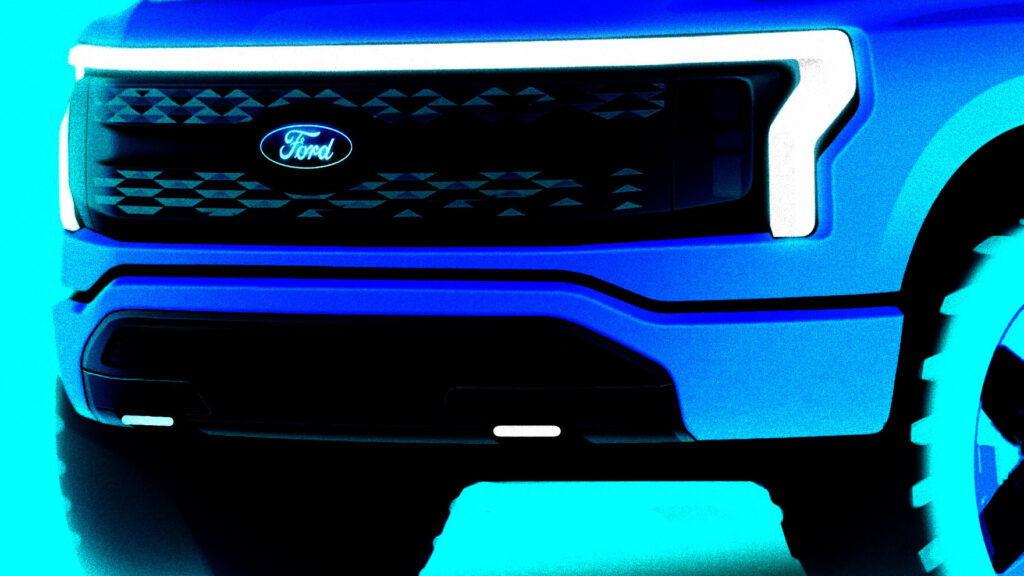
- Ford cancels Lightning EV and planned electric vans worldwide.
- Automaker shifts focus to hybrids and range-extended EV trucks.
- It will also build a new van in Ohio with gas and hybrid engines.
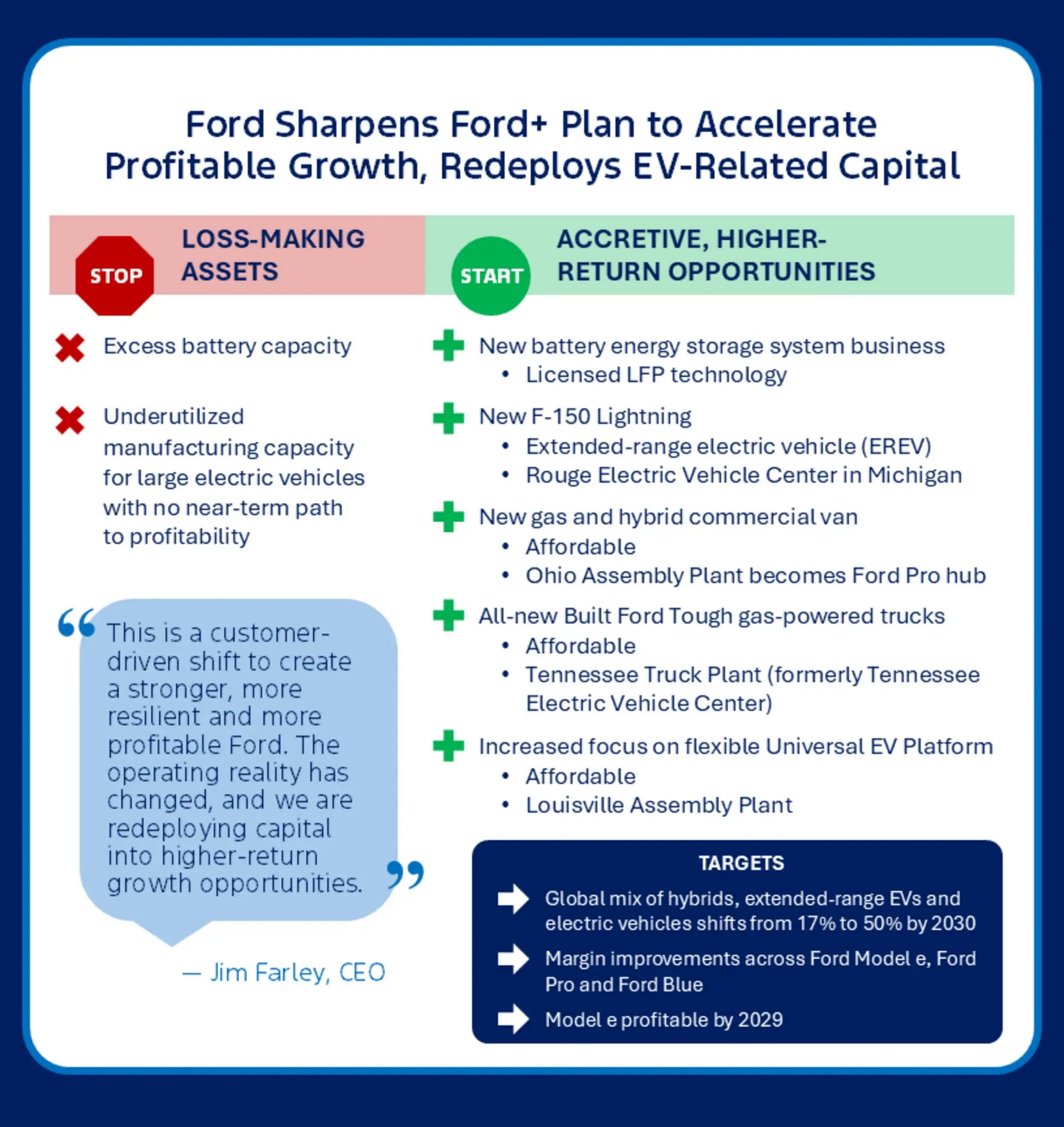
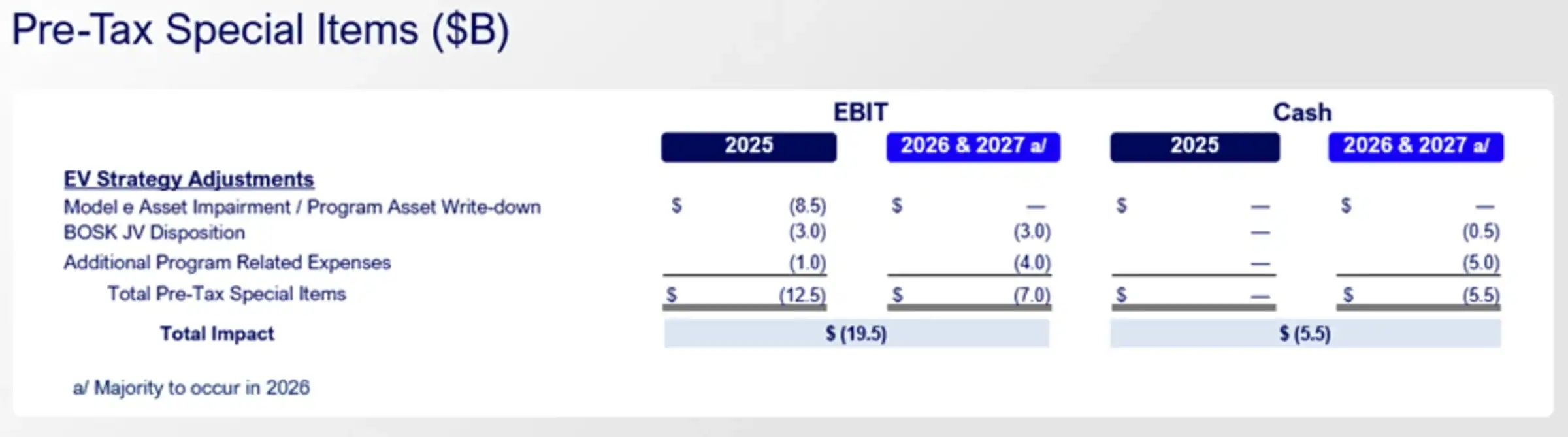
Ford’s bad bet on electric vehicles continues to have brutal repercussions, so they announced plans to rationalize their “U.S. EV-related assets and product roadmap.” This will come with a steep price tag as the automaker announced plans to record about $19.5 billion in special items on their financial results.
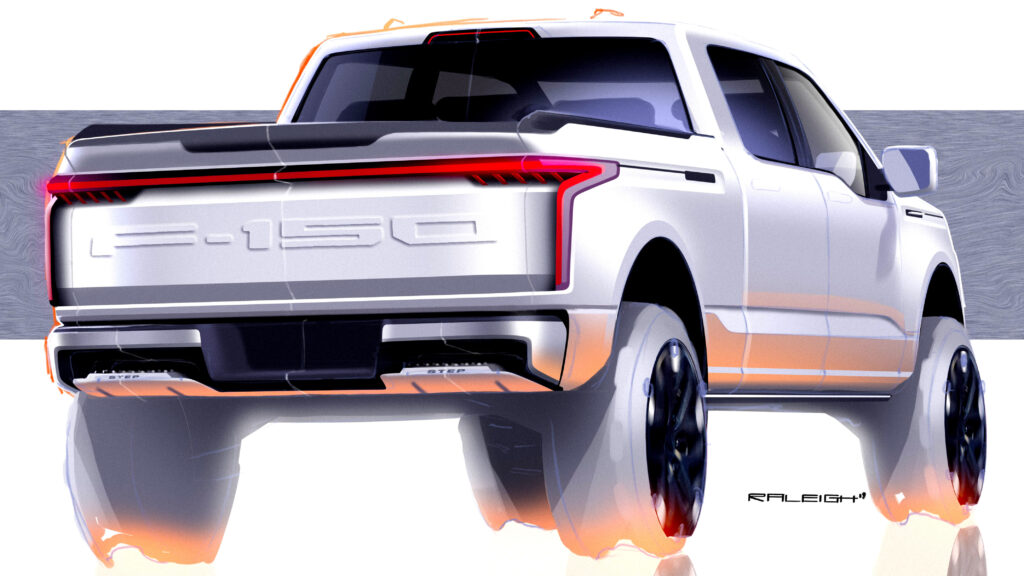
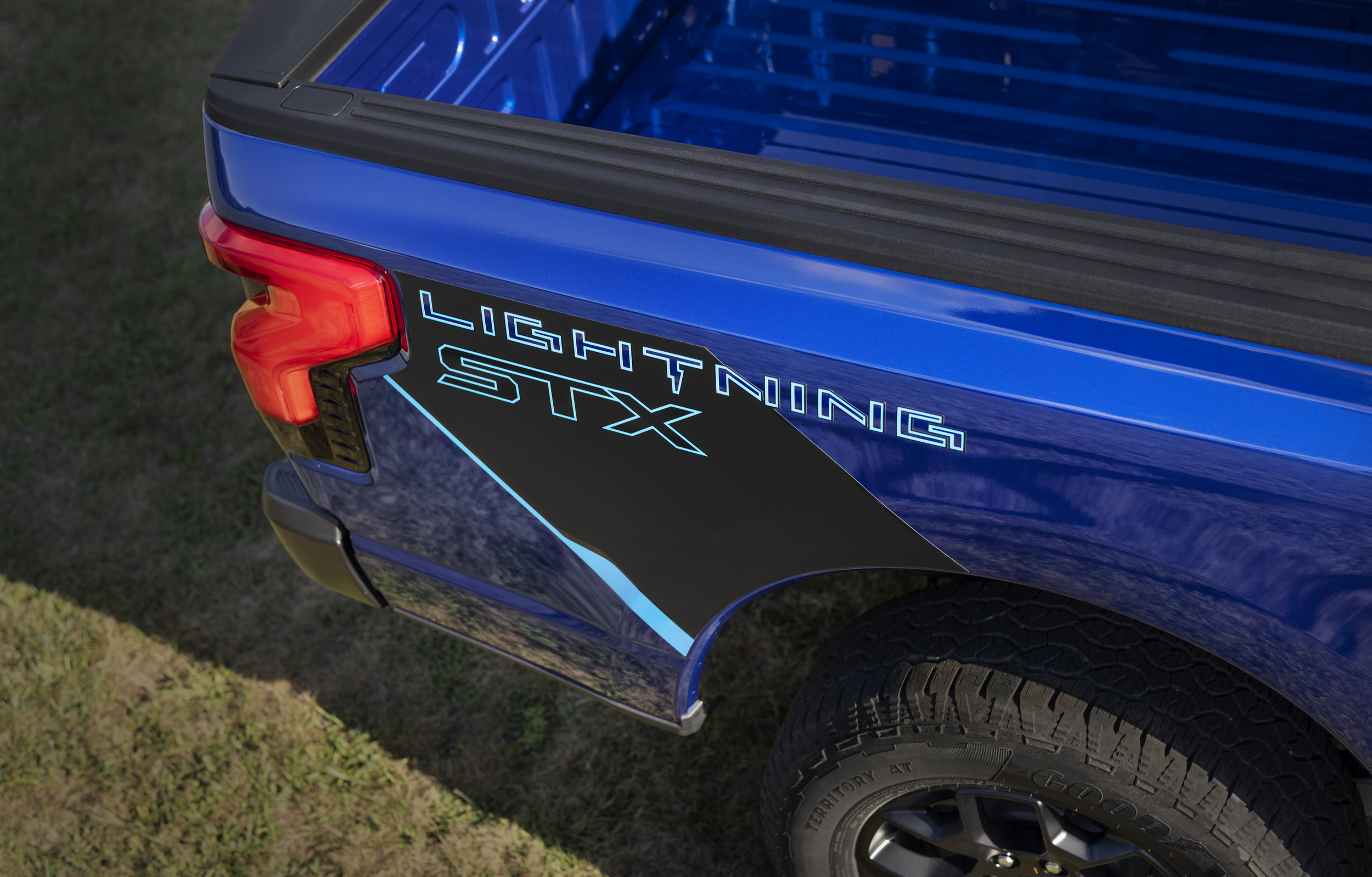
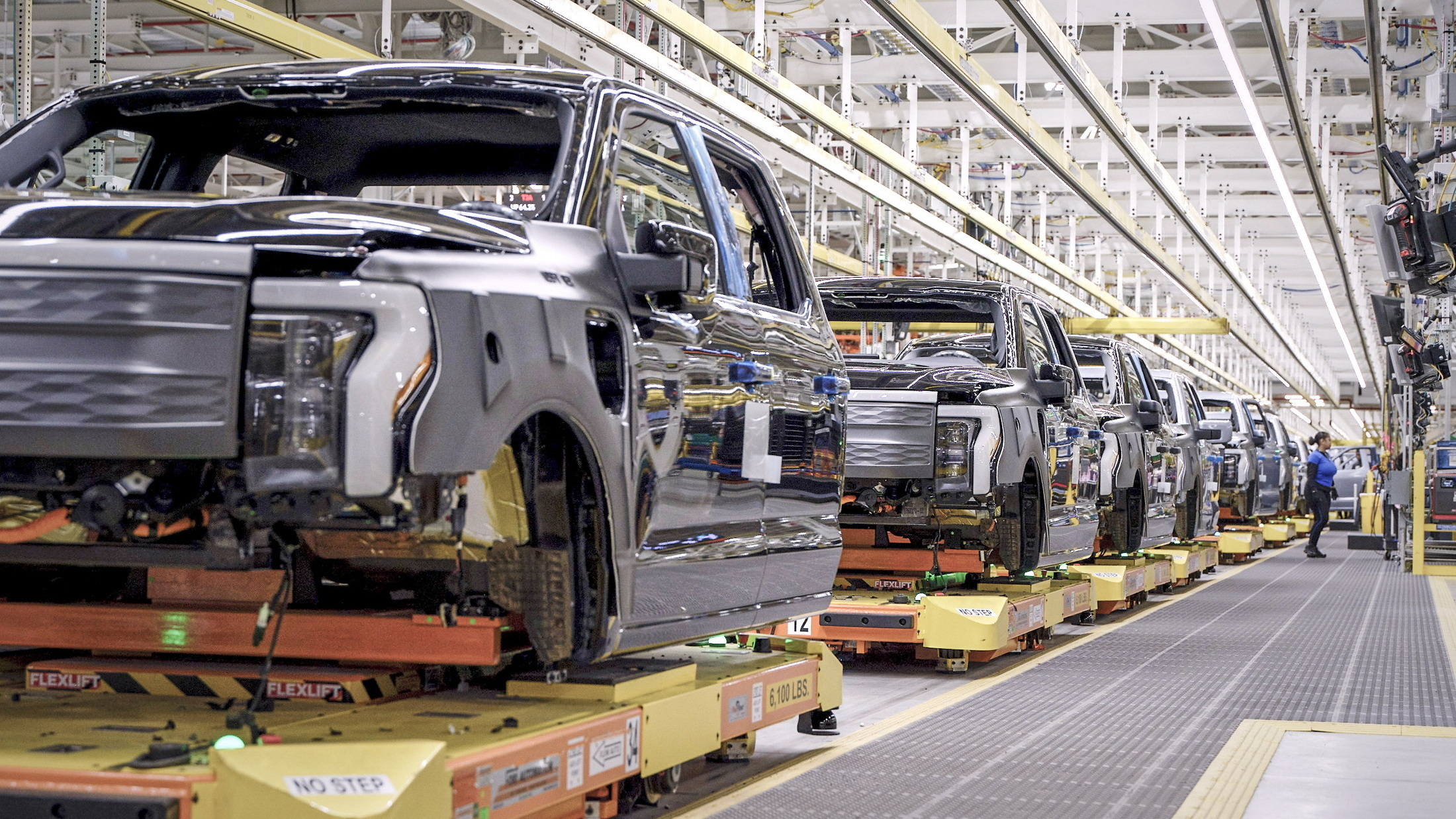
Aside from wasting a ton of money, Ford revealed they no longer plan to “produce select larger electric vehicles where the business case has eroded due to lower-than-expected demand, high costs and regulatory changes.” This likely references today’s decision to axe the F-150 Lightning EV and eventually revive it as a range-extended pickup truck.
More: The F-150 Lightning Is Dead, But It’s Coming Back As A Range-Extended EV
The company also announced they will no longer build a previously planned electric commercial van for Europe. Plans for an electric van in North America have also been dropped, but they’re being replaced by an affordable commercial van that will offer gas and hybrid engines. This model will be built at Ford’s Ohio Assembly Plant in Avon Lake starting in 2029.
Ford previously abandoned three-row EVs, but they’re still committed to new electric vehicles based on the Universal EV Platform. These will be small and affordable, with the first variant arriving in 2027 for around $30,000.
Besides hitting the brakes on most BEVs, Ford confirmed they’ll “expand powertrain choice” by offering more hybrids and range-extended electric vehicles. The company expects the mix of these three powertrains will be approximately 50% of its global volume by 2030, which would be up from 17% this year.
To help fuel this projected jump in demand, Ford is planning a range of different hybrids. Some will focus on fuel economy, while others chase performance. We can also expect hybrids with exportable power, which has become popular with customers.
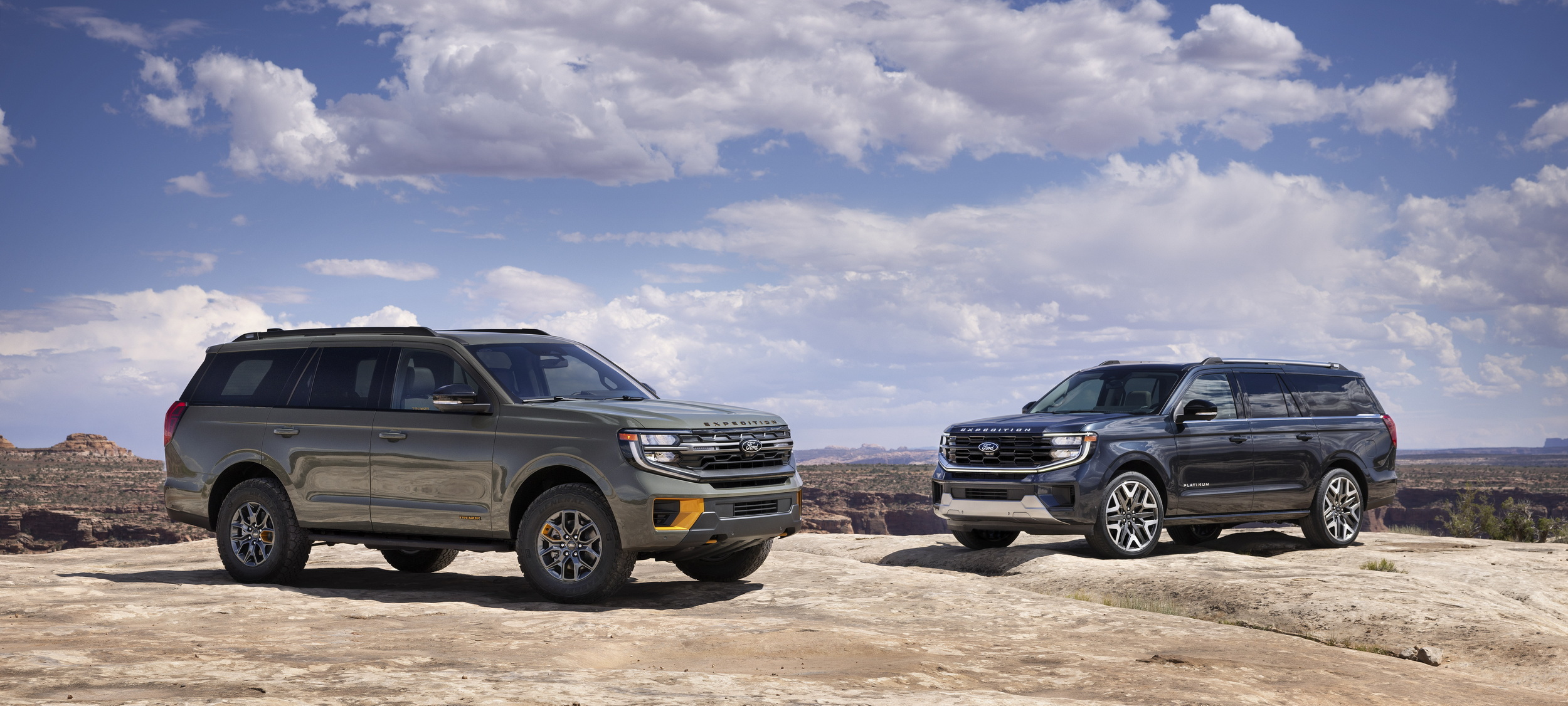
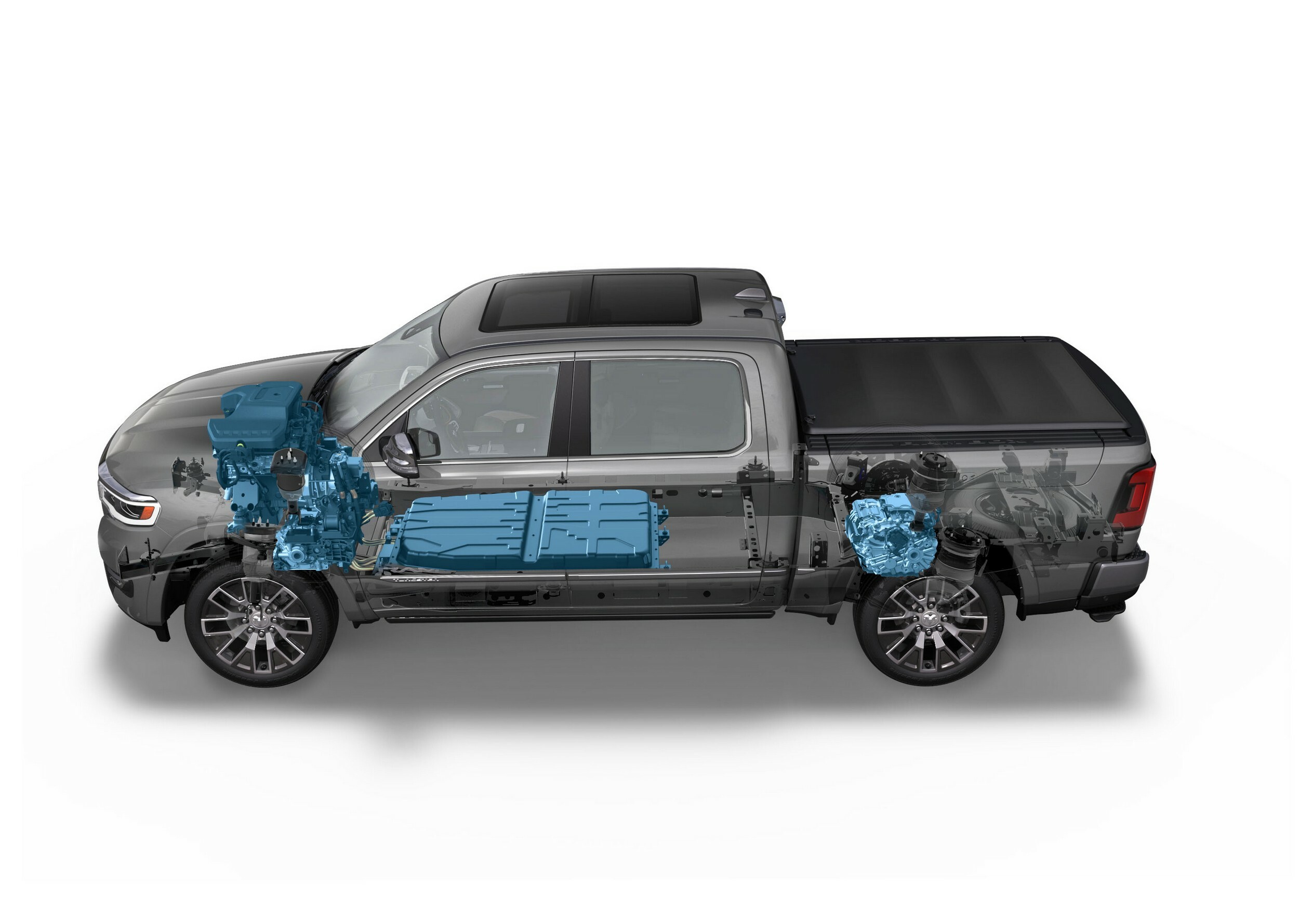
On the range-extended side of things, Ford implied the second-generation F-150 Lightning will be joined by range-extended versions of their larger SUVs. This likely means we can expect to see electrified versions of the Expedition and Navigator.
Ford went on to say that by the end of the decade, nearly every vehicle will offer a hybrid or “multi-energy powertrain choice.”
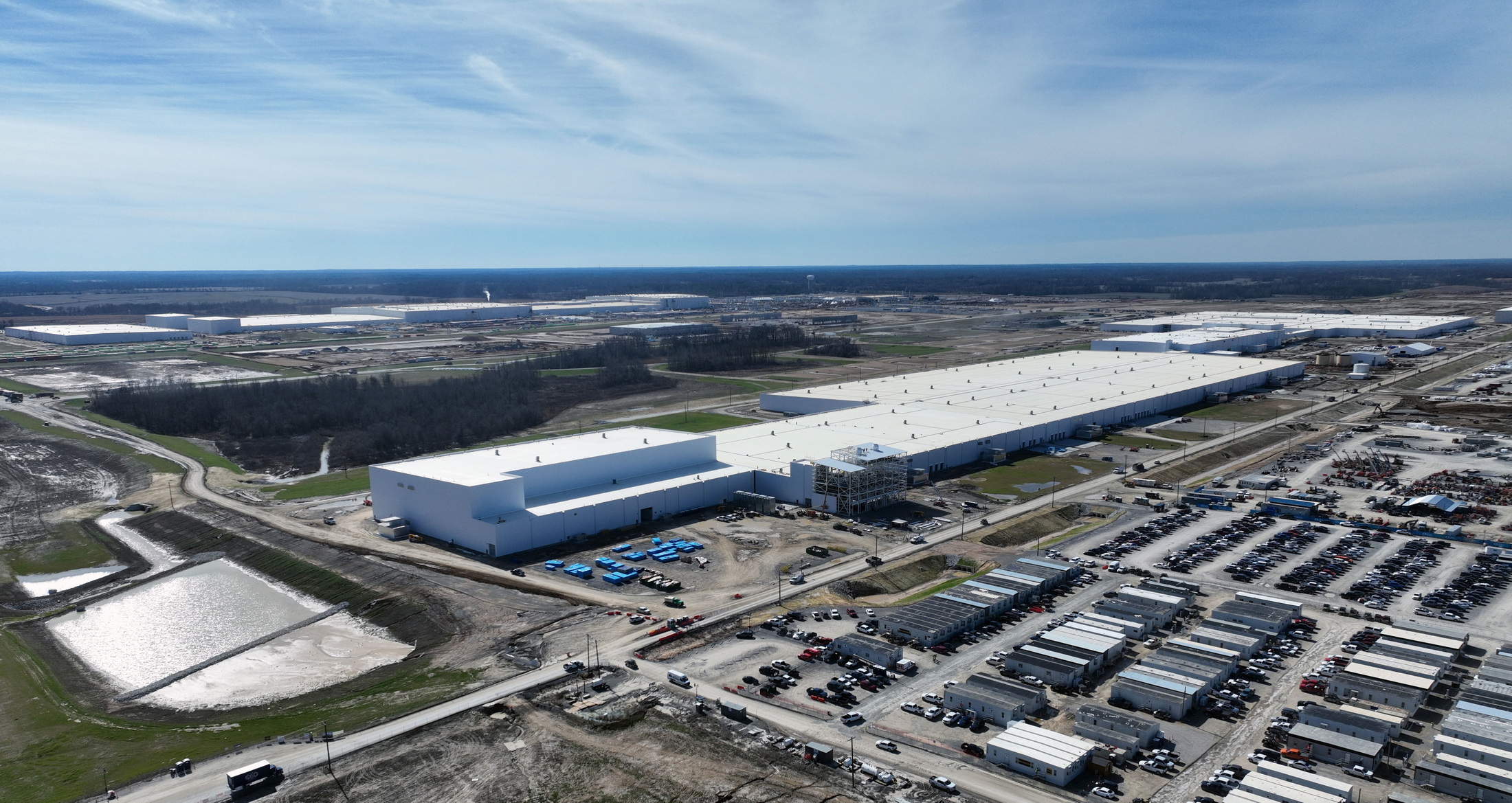
Given the shift away from EVs, Ford is renaming the Tennessee Electric Vehicle Center as the Tennessee Truck Plant. It will build new, affordable gas-powered trucks starting in 2029. This is a departure as the plant was originally supposed to build the next-generation F-150 Lightning.
Ford Battery Business

Despite throwing in the towel on most EVs, Ford announced plans to launch a battery energy storage system business. It will provides sales and service to support the electric grid and growing demand from data centers.
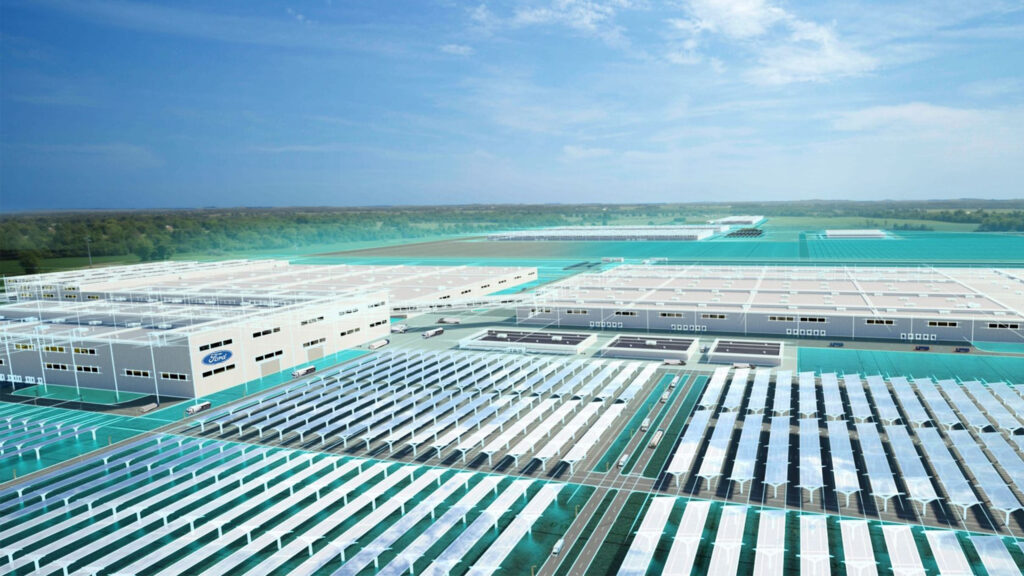
The pivot can partially be explained by the transition away from EVs as Ford has a lot of excess battery manufacturing capacity. As a result, they’re repurposing their Glendale, Kentucky plant to manufacture 5 MWh+ advanced battery energy storage systems. As part of the change, the facility will build “LFP prismatic cells, battery energy storage system modules, and 20-foot DC container systems.”
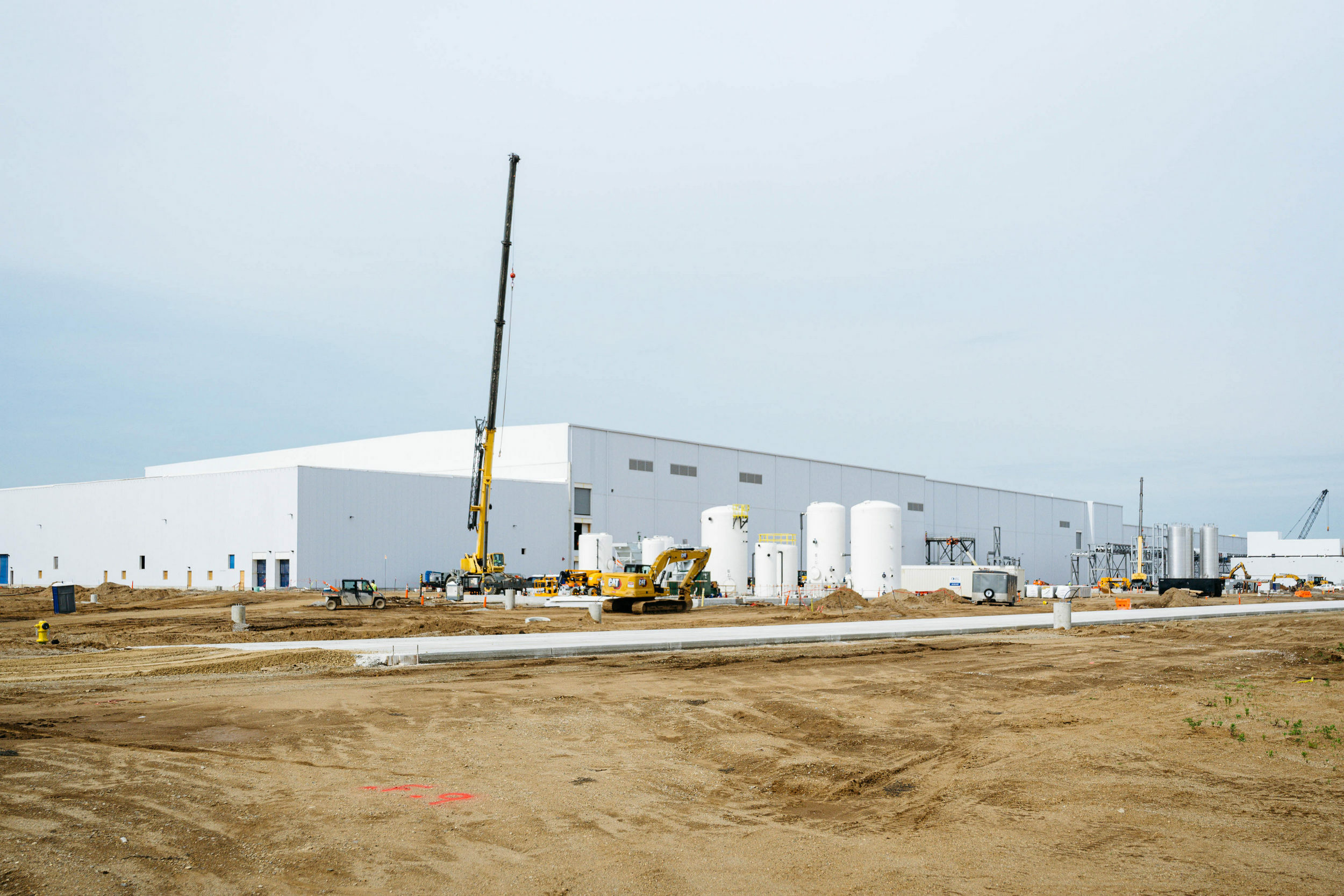
Ford also announced their BlueOval Battery Park in Marshall, Michigan will make residential energy storage solutions. They’ll be built alongside LFP prismatic battery cells for models based on the Universal EV Platform.
In a statement, Ford CEO Jim Farley said “This is a customer-driven shift to create a stronger, more resilient and more profitable Ford.” He added, “The operating reality has changed, and we are redeploying capital into higher-return growth opportunities: Ford Pro, our market-leading trucks and vans, hybrids and high-margin opportunities like our new battery energy storage business.”