Login
LoginCops Couldn’t Catch The Sur-Ron Riders, So Colorado Is Asking Residents To Help
- Residents can anonymously report unsafe riding activity to Parker Police.
- Police say electric motorcycles follow the same laws as regular motorcycles.
- The system is meant to target illegal riding on streets, trails, and parks.
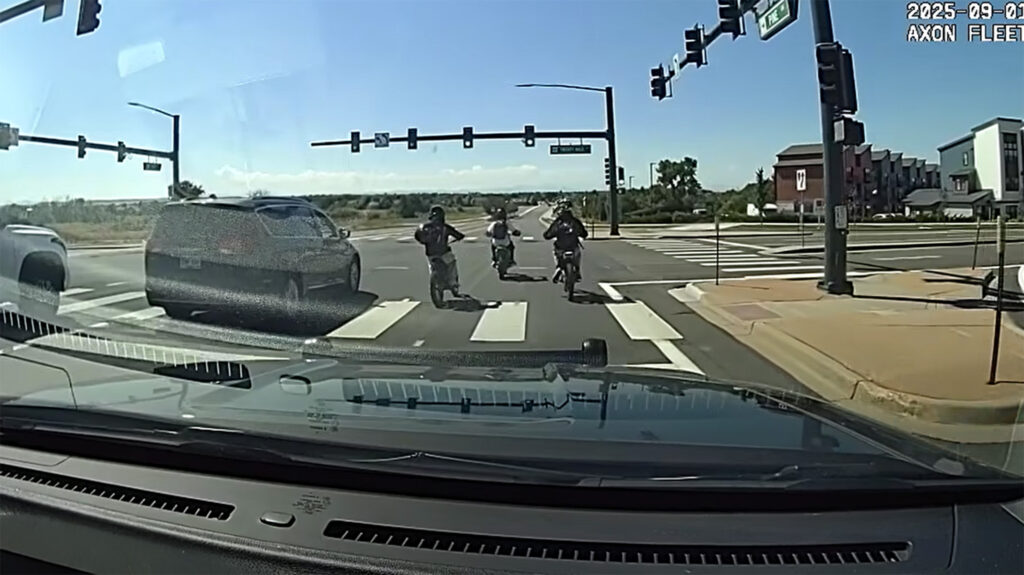
Police departments across the U.S. are struggling to figure out what to do with the explosion of electric motorcycles, Sur-Rons, dirt bikes, and high-powered e-bikes flooding suburban streets and trails. Now, one Colorado town is taking a new approach. It’s asking residents to report riders directly to police through an anonymous online portal.
The Parker Police Department in south Denver recently launched its “E-Bike, Dirt Bike, & E-Motorcycle Safety Reporting” tool, allowing residents to submit locations, rider descriptions, and details about allegedly unsafe behavior. The form includes options like “stunt riding,” “unsafe lane changes,” “running stop signs,” and even “no dangerous actions/just riding.”
More: Colorado Police Lost Most Of The Dirt Bike Pack And Still Managed To Start A Bigger Fight
Importantly, police are making the important distinction between genuine e-bikes, the ones made for commuting, trail use, and recreation, and electric motorcycles that are often nearly inoperable with the pedals alone. According to the department, many riders are allegedly operating without licenses, insurance, or registration while also damaging parks, trails, and private property. States nationwide have seen an uptick in illegal electric motorcycle use and abuse.
Parker Police also pointed to a recent California case where a mother was charged with involuntary manslaughter after her 14-year-old son allegedly struck and killed an 81-year-old man while riding an electric motorcycle. Officials say the incident highlights the potential dangers associated with improperly used high-powered electric bikes.
That all said, the new system effectively creates a crowdsourced enforcement network where residents can anonymously report riders without any direct interaction with law enforcement. While supporters will likely argue it improves public safety, critics may see it as another example of expanding surveillance culture creeping into everyday transportation.
One local tells Carscoops, “This isn’t an e-bike or e-motorcycle issue. It’s a person issue. If kids are running from the police, it’s a parenting issue. Either way, it’s about the person riding and not the mode of transportation.”
Whether Parker’s new reporting system becomes a model for other cities or a flashpoint in the growing debate over surveillance and micromobility remains to be seen. What’s clear is that towns and police departments are rapidly losing patience with high-powered electric motorcycles operating in legally gray areas, especially as crashes, complaints, and viral social media videos continue piling up.
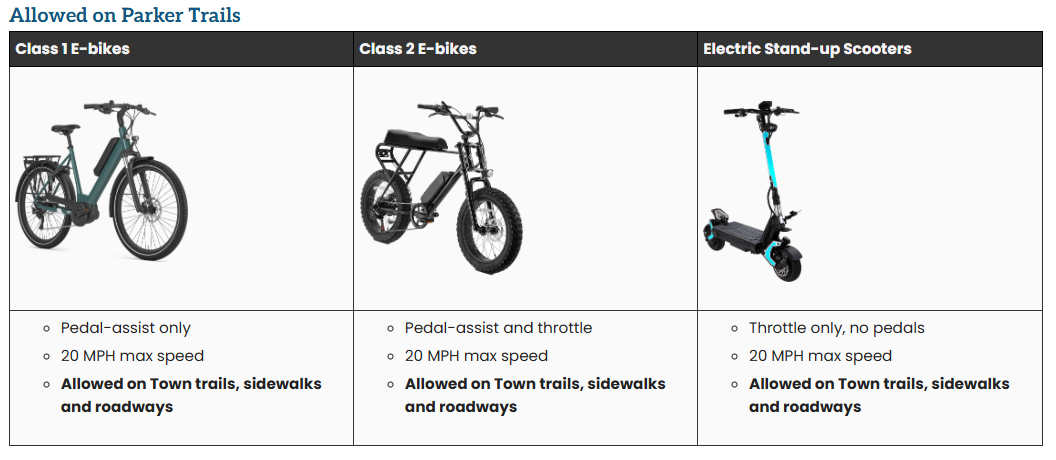
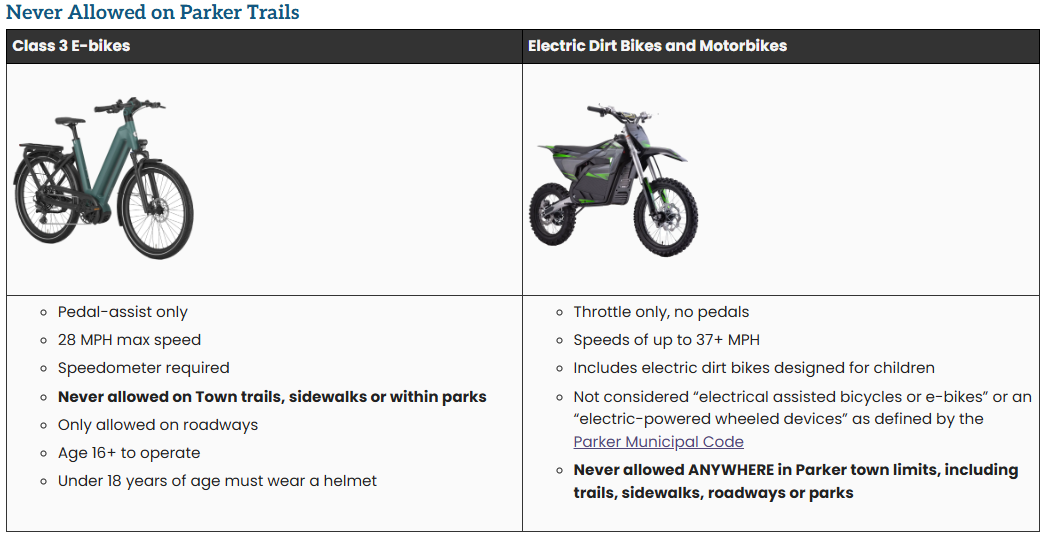
Credit: Parker Police Department