Reading view

There are new articles available, click to refresh the page.

Hyundai’s Chinese 2026 Elexio Gets So Much Right, And That’s The Frustrating Part | Review
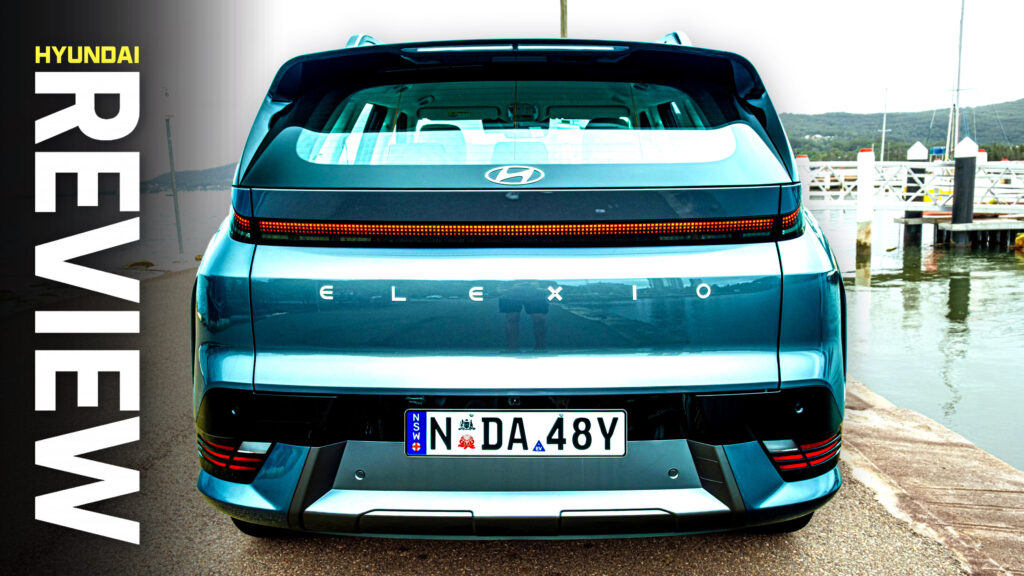
PROS ›› Good tech, comfortable ride, better than EV5 CONS ›› Poor ADAS, pricey, inefficient, slow-charging

Electric vehicles make up just over 8 percent of new car sales in Australia, so they are hardly dominant. Yet the competitive noise has increased dramatically in recent years, thanks largely to a surge of new Chinese brands. Hyundai’s counterpunch is the Elexio, its latest EV and one aimed squarely at that fast-growing crowd.

The Elexio is unlike any other electric Hyundai so far. Crucially, it was not developed entirely in-house, but rather brought to life through its joint venture partnership with BAIC Motors.

Review: The 2026 Ioniq 9 Calligraphy’s Biggest Threat Is Hyundai Itself

This means it is built in China, tapping into the country’s vast manufacturing scale and efficiency, paired with the engineering experience and brand weight of a legacy player like Hyundai. When it was revealed last year, it looked set to remain a China-only model. Instead, it has now landed in Australia, and we were among the first to get behind the wheel earlier this month.

QUICK FACTS
› Model:2026 Hyundai Elexio Elite
› Starting Price:AU$61,990 ($44,000) as tested
› Dimensions:181.6 L x 73.8 W x 65.8 in H (4,615 x 1,875 x 1,673 mm)
› Wheelbase:108.2 in (2,750 mm)
› Curb Weight:2,105 kg (4,640 lbs)
› Powertrain:Single electric motor / 88.1 kWh battery
› Output:215 hp (160 kW) / 236 lb-ft (320 Nm)
› 0-62 mph~8.0 seconds
› Transmission:Single-speed
› Efficiency:19.5 kWh/100 km as tested
› On Sale:Now
SWIPE

According to Hyundai, the Elexio has been designed to neatly slot between the Kona EV and Ioniq 5 in its line-up, serving as an all-electric alternative to the Hyundai Tucson. It’s Hyundai’s answer to popular competitors like the Tesla Model Y, Kia EV5, BYD Sealion 7, and Xpeng G6, and this is reflected in the price.

Can It Compete On Price?

\\\\\\\\\\\\\\\\\\\\\\\\\\\\\\\\\\\\\\\\\\\\\\\\\\\\\\\\\\\\\\\\\\\

Hyundai Australia

Two versions will be offered: the base Elexio and the flagship Elexio Elite. Prices for the base version will start at AU$58,990 (US$41,900) before on-road costs, while the Elite will be priced from AU$61,990 (US$44,000). However, the Elite will be available for AU$59,990 (US$42,600), including all on-road costs, in a limited-time deal running until the end of March.

Hyundai is predicting big things for the Elexio and expects it to be its best-selling EV in Australia. Achieving this won’t be easy. The Kia EV6 undercuts the Elexio at AU$56,770 (US$40,300), the Tesla Model Y Premium is available from AU$58,900 (US$41,800), and the BYD Sealion 7 Premium is available from AU$54,990 (US$39,000). The superb Zeekr 7X also undercuts it at AU$57,900 (US$41,100).

Big Battery, Modest Charging Speeds

 Hyundai’s Chinese 2026 Elexio Gets So Much Right, And That’s The Frustrating Part | Review

So, what do you get for your money in the world of the Elexio? Like Hyundai’s Ioniq models, and unlike the Kia EV5, the Chinese-built Elexio uses the familiar E-GMP platform. However, it doesn’t have an 800-volt architecture like the Ioniqs, instead using a 400-volt system.

With this in mind, charging the battery pack 10-80 percent on a 150 kW charger, with peak speeds in the mid-120s, will take 38 minutes. This is slightly slower than the Kia EV5, which takes 36 minutes, but whereas it has a compact 64.2 kWh battery, the Hyundai has a much larger and more practical 88.1 kWh unit.

This battery powers a front-mounted electric motor with 160 kW (215 hp) and 310 Nm (236 lb-ft). Hyundai quotes a combined efficiency of 18.2 kWh/100 km, which is okay, but certainly not class-leading.

A Digital-First Cabin

\\\\\\\\\\\\\\\\\\\

Photos Brad Anderson/Carscoops

We only sampled the Elexio in flagship Elite trim, so first impressions came fully loaded. Stepping into the cabin for the first time, it is immediately clear this is not your typical Hyundai interior.

Dominating the interior is a massive widescreen 27-inch display, encompassing both the central infotainment display and a display for the passenger. This screen houses Hyundai’s new Connect-C infotainment system and runs on Android Automotive with a powerful Snapdragon 8295 processor and Unreal 3D graphics engine.

While there are several cars on sale in China with a similar passenger and infotainment screen, this is one of the first implementations of a display like this in a Western market. It looks great, providing excellent colors, clarity, and response. However, it’s not particularly practical to use, especially when you’re driving.

\\\\\\\\\\\\\\\\\\\\\

Photos Brad Anderson/Carscoops

I am quite tall with long arms, yet adjusting the climate controls or digging into vehicle settings on the move meant leaning forward and stretching almost to the limit. It should not feel like a light workout just to change the temperature. The more traditional screens in other current Hyundai models are much easier to reach, as are the tablet-like displays found in many of the Elexio’s rivals.

Read: Hyundai’s New EV Costs Over Twice As Much In Australia As In China

On the plus side, the new Connect-C system is good and is far more modern than Hyundai’s outgoing software. It has a much smartphone-like layout with convenient shortcuts on the driver’s side.

In a Hyundai first, a traditional gauge cluster has been replaced by a head-up display. In photos, it doesn’t look like a HUD at all, but rather a physical cluster positioned at the base of the windshield. In reality, it is a true head-up display, albeit it projects onto a small black area of the windshield, providing better contrast than HUDs that project onto normal glass.

The obvious downside of this is that if you chip or crack the windshield, you probably won’t be able to buy a generic HUD-compatible replacement, but rather need one from Hyundai with this black element.

Quality And Space

 Hyundai’s Chinese 2026 Elexio Gets So Much Right, And That’s The Frustrating Part | Review

The rest of the cabin is quite minimal, as many EVs are today. In terms of fit and finish, it feels on par with some Chinese rivals, like the BYD Sealion 7, and is certainly more premium than the Kia EV5. There’s soft-touch suede on the dashboard and door panels, as well as heated and ventilated front seats, and plenty of leather. Dual wireless chargers are also standard on the Elite.

Overall, space and comfort are good, whether that be in the front row or the second-row. While the Elexio only has a wheelbase of 2,750 mm (108.2 inches), 5 mm (0.1 inches) less than the Tucson and 250 mm (9.8 inches) less than the Ioniq 5, there’s still plenty of legroom for rear passengers, and that includes adults. Cargo space is decent, rated at 506 liters (17.8 cubic-feet) or 1,540 liters (54.3 cubic-feet) with the rear seats folded 60/40 flat.

Disappointingly, neither Elexio model has a panoramic glass roof, which is common in electric SUVs at this price point, nor a frunk, even though there’s plenty of space for one.

How Does It Drive?

\\\\\\\\\

Photos Brad Anderson/Carscoops

Driving the Elexio revealed that it is a solid performer, and it does some things well. However, it fails to stand out from the competition and could benefit from some tweaks to lift it to a new level.

As any EV should, the Elexio’s powertrain is smooth and quiet, providing more than enough grunt for everyday driving duties, whether that be in urban settings or on the highway.

Review: Why Kia’s New EV5 SUV Makes More Sense Than A Model Y

With 160 kW (215 hp) and 310 Nm (236 lb-ft), the Elexio has exactly the same power as the front-wheel drive Kia EV5. Crucially, it doesn’t suffer from the same horrible torque steer that the EV5 does. In fact, there’s no torque steer whatsoever, which is a great thing. However, like the EV5, the Elexio does love to spin up its inside front wheel should you get greedy with the throttle and play around with the traction control.

 Hyundai’s Chinese 2026 Elexio Gets So Much Right, And That’s The Frustrating Part | Review

Efficiency is not so good. After several stints behind the wheel of the Elexio, we averaged 19.5 kWh/100 km, which is quite poor, particularly given that we averaged 20.5 kWh/100 km in the Sealion 7 Performance, and it has an extra 230 kW (308 hp) and 380 Nm (280 lb-ft) of torque.

Like other Hyundai and Kia EVs, the Elexio has paddle shifters behind the steering wheel to adjust the level of brake regeneration, which is something every EV should have. I spent most of my time in the one pedal i-Pedal mode, with it bringing the SUV to a smooth and predictable stop every time. The transition between the mechanical brakes and the regen is also imperceptible, so kudos to Hyundai for that.

The brand says that, like most of the cars it sells in Australia, the Elexio has been specifically tuned for local roads by teams of engineers from South Korea. I was pleasantly surprised with the Elexio’s ride, finding it to be comfortable and softer than many other EVs, which can be too firm and harsh over bumps.

Software Still Finding Its Feet

\\\\\\\\\\\\\\

Photos Brad Anderson/Carscoops

In addition to tweaking the suspension for Australia, Hyundai insinuated during a press briefing that the Elexio’s advanced driver assistance system have also been set up for local conditions. Despite this, further refinements are needed.

During long highway jaunts, there were several instances when the lane-keeping assist and lane-centering functions failed to recognize clearly-marked lines, causing it to slowly drift into adjacent lanes. In addition, I experienced some slow ping-ponging between lane markings. This is odd as the dozens of other Hyundai and Kia models I’ve tested in recent years all have great lane-keeping systems, keeping you locked in the center of the lane on well-marked highways.

Review: 2026 Zeekr 7X Performance Is Proof That Tesla Isn’t The Benchmark Anymore

In addition, there was an instance where I had the adaptive cruise control enabled on a 100 km/h (62 mph) country road when suddenly, the Elexio suddenly braked to 75 km/h (47 mph) despite there being no object or car in front of me. I suspect the large semi-truck traveling in the opposite direction in the lane next to me fooled the system.

Like so many other new cars built in China, the Hyundai Elexio’s driver monitoring system is overactive, ringing the moment you yawn or take your eyes off the road. Additionally, turning it offer requires multiple steps through the menu, which is frustrating.

Verdict

\\\\\\\\\\\\\\\\

Photos Brad Anderson/Carscoops

The Hyundai Elexio is definitely better than the Kia EV5, which has quickly gained popularity in Australia and is the best-selling EV from a legacy brand in the local market. With this in mind, there’s a good chance that the Elexio should also sell well for Hyundai, and it’ll likely attract many shoppers who were previously interested in the Kona EV or Ioniq 5.

However, it may be prudent for buyers to exercise some patience before getting an Elexio. Earlier this year, Hyundai slashed prices of the Inster by AU$7,288 ($5,200), and reduced the Kona Electric by more than AU$13,000 ($9,200). If internal sales targets are missed, similar price adjustments for the Elexio would hardly be surprising.

Just as importantly, Hyundai’s latest EV still needs a few software refinements, particularly to its ADAS, before it feels like the clear choice in an increasingly crowded segment.
\\\\\\\\\\\\\\\\\\\\\\\\\\\\\\\\\\\\\\\\\\\\\\\\\\\\\\\\\\\\\\\\\\\\\\\\\\\\\\\\\

Photos Brad Anderson/Carscoops

Tesla Still Rules EV Satisfaction, Though One Rival Just Caught Up

  • EV owner satisfaction has reached an all-time high.
  • Best models come from Tesla, BMW, and Cadillac.
  • Most EV owners would consider getting another one.

Electric vehicles have come a long way in the past few years, and the progress is finally showing up where it matters most: in owner satisfaction. According to the latest data, these steady gains in technology and infrastructure are translating into record-high approval from drivers.

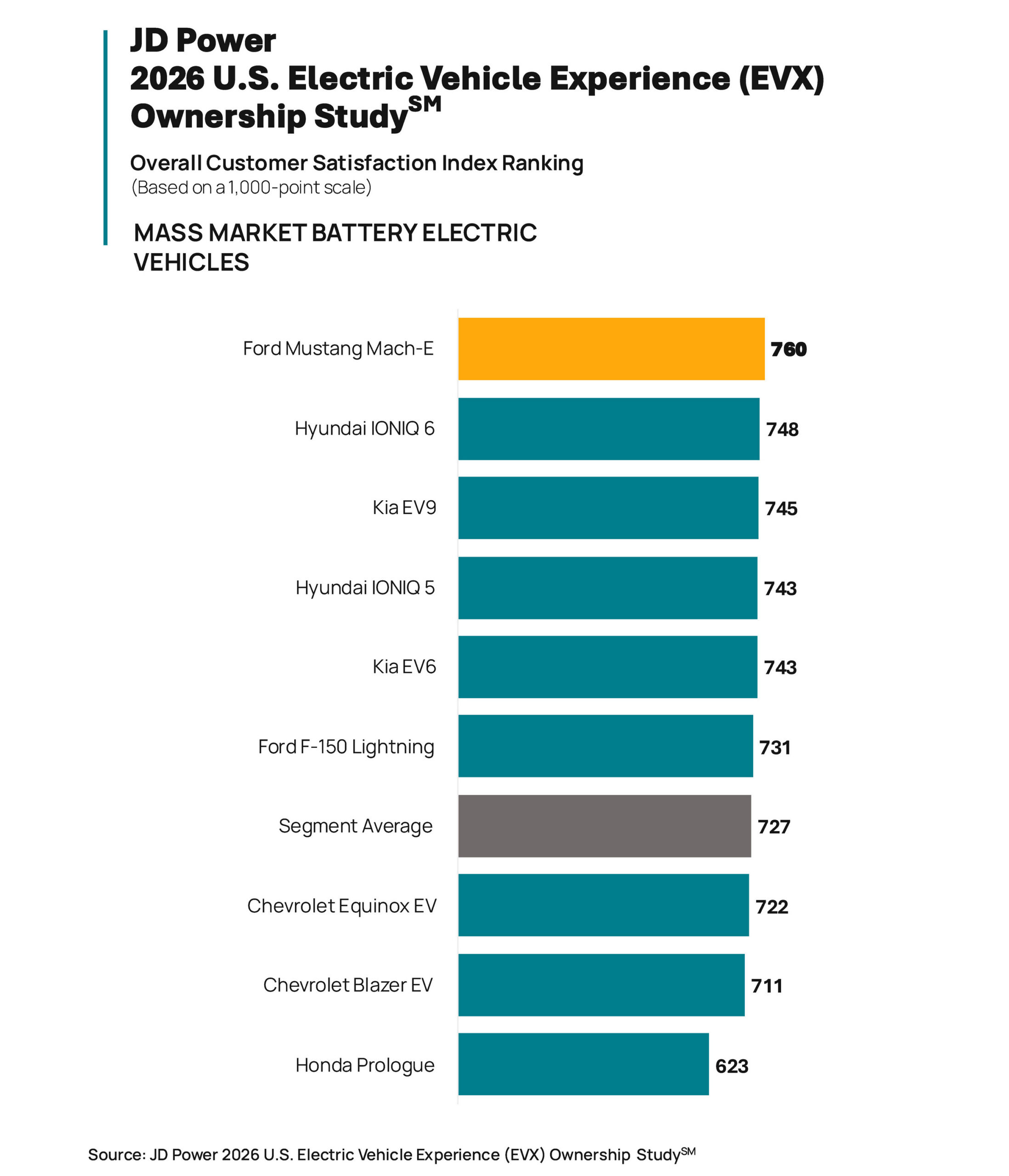
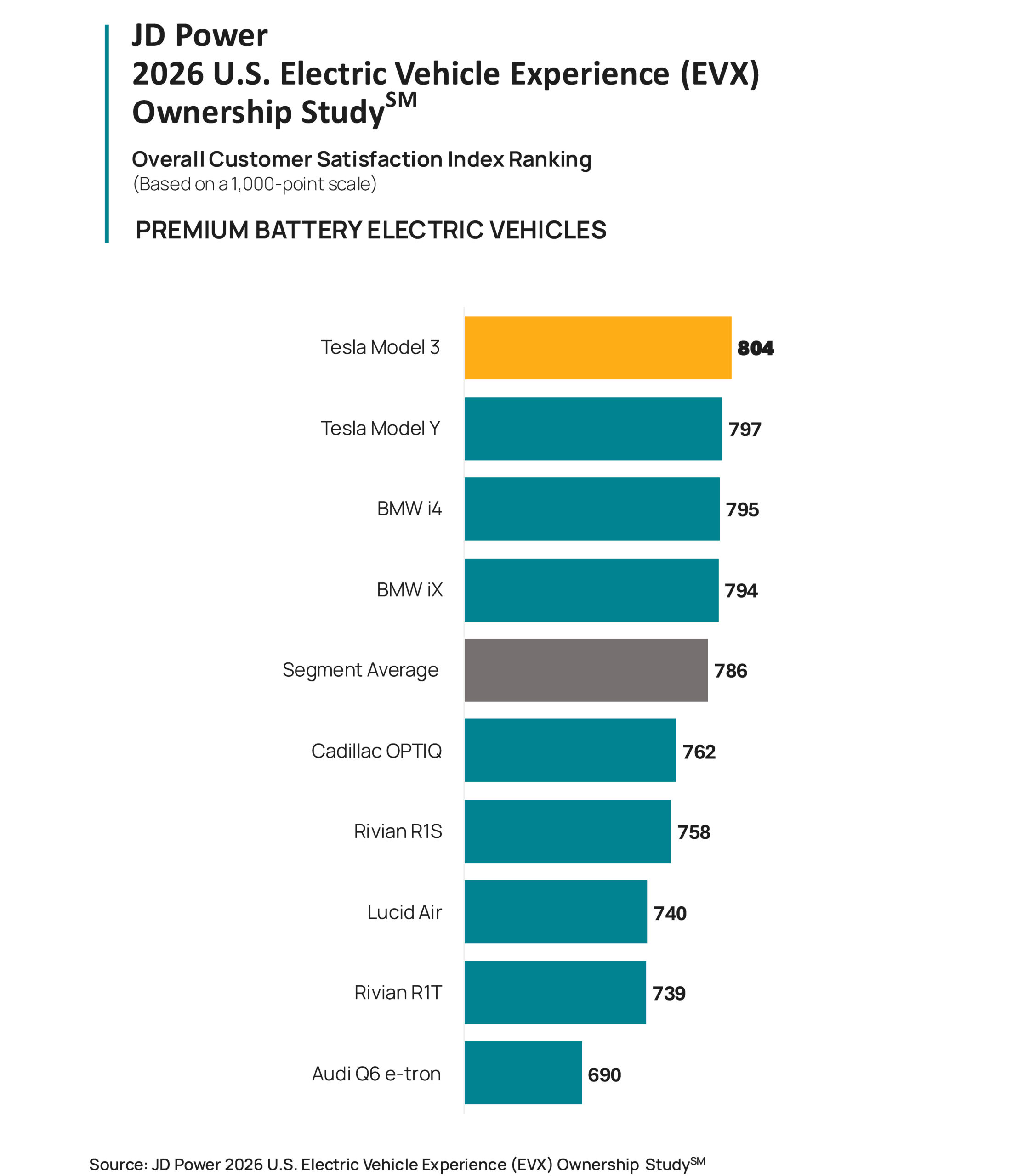
That’s the verdict from JD Power’s 2026 U.S. Electric Vehicle Experience Ownership Study, which found premium EV satisfaction climbed from 756 points last year to 789 in 2026. Mainstream EVs also improved two points to hit 727 out of 1,000.

More: A Third of Americans Are Priced Out Of New Cars, And It’s Getting Worse

The highest rated premium EVs were the Tesla Model 3 (804), Tesla Model Y (797), and BMW i4 (795). On the flip side, the new Audi Q6 e-tron came in dead last at 690. It placed well below the Lucid Air (740) and Rivian R1T (739).

 Tesla Still Rules EV Satisfaction, Though One Rival Just Caught Up

Segment Standouts And Stragglers

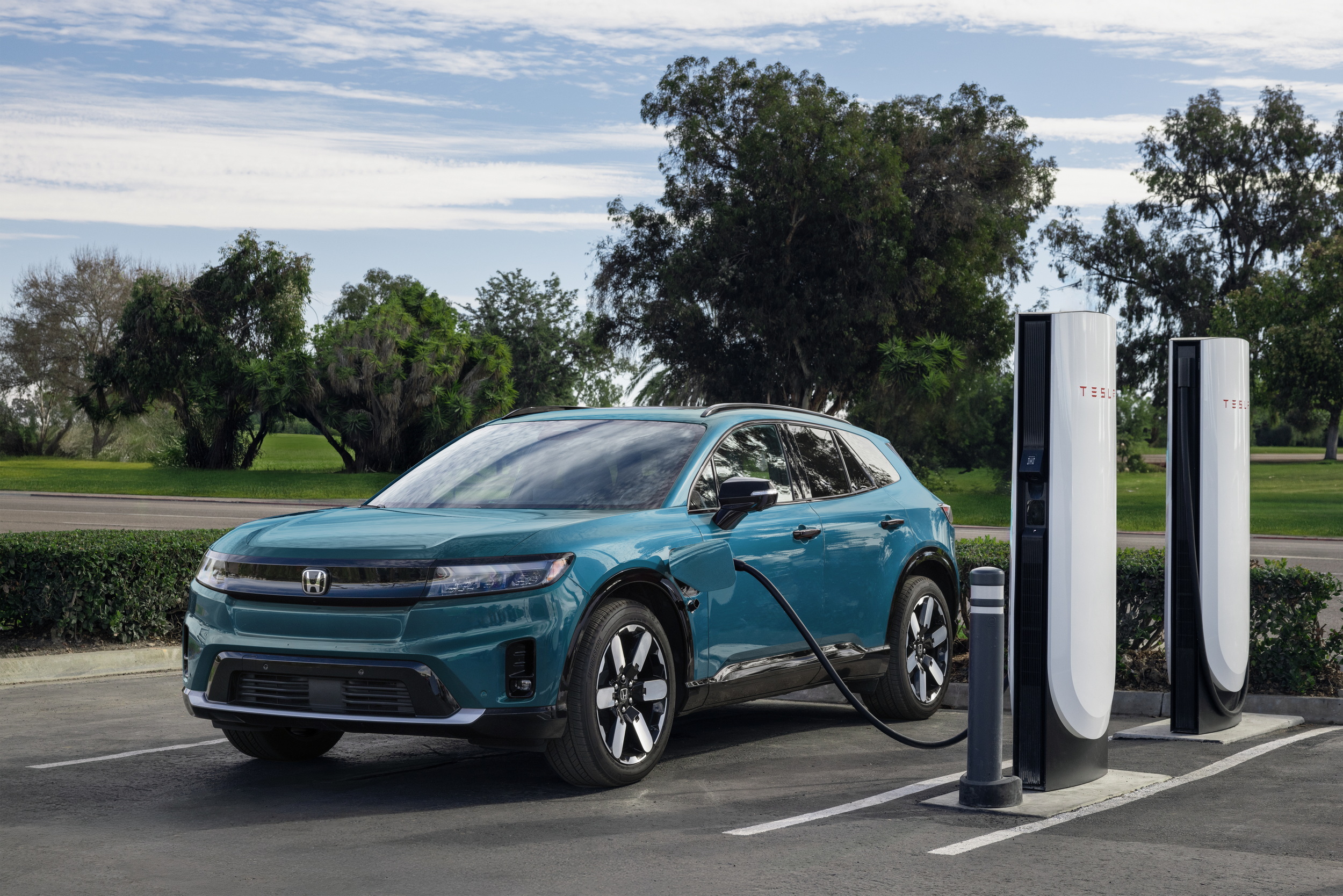
On the mass market side of the equation, the Ford Mustang Mach-E took top honors with a score of 760. The electric pony car was followed by the Hyundai Ioniq 6 (748) and Kia EV9 (745). Interestingly, the two lowest rated EVs were the Chevrolet Blazer EV (711) and Honda Prologue (623). That’s a huge point spread considering both models are built by GM and have a lot in common.

Of course, things aren’t completely straightforward as the study examined ten different factors. This includes the “accuracy of stated battery range, availability of public charging stations, battery range, cost of ownership, driving enjoyment, ease of charging at home, interior and exterior styling, safety and technology features, service experience, and vehicle quality and reliability.”

Encouragingly, 96 percent of EV owners said they would consider buying or leasing another one and the study also found quality has improved. That’s especially true of premium EVs, which had 15.9 fewer problems per 100 vehicles compared to last year. This brought the total down to 75 and JD Power said this was driven by noise improvements as well as fewer problems with driver assistance technology.

 Tesla Still Rules EV Satisfaction, Though One Rival Just Caught Up

Is Charging Still A Concern?

The study also found that EV drivers are becoming more satisfied with public charging. Scores climbed by over 100 points and this is being attributed to growing charging infrastructure as well as the opening of Tesla’s Supercharger network to other automakers.

Last but not least, EV drivers are more satisfied than those with plug-in hybrids. Premium EVs scored 114 points higher than their PHEV rivals, while mainstream electric vehicles had a 117 point advantage. Part of this can be chalked up to the cost of ownership as plug-in hybrid drivers have to deal with a more complex powertrain that involves gas and electricity.

In a statement, JD Power’s Brent Gruber said “Improvements in battery technology, charging infrastructure and overall vehicle performance have driven customer satisfaction to its highest level ever. What’s more, the vast majority of current EV owners say they will consider purchasing another EV for their next vehicle, regardless of whether they benefited from the now-expired federal tax credit.”

 Tesla Still Rules EV Satisfaction, Though One Rival Just Caught Up

You Trust EV Batteries Until Someone Forgets To Tighten A Bolt

  • Hyundai recalled Ioniq 5 and 9 for a battery pack issue.
  • Some high-voltage busbars may not be torqued correctly.
  • Faulty bolts could lead to fire risk or fail-safe mode.

Hyundai is recalling two of its newest electric models, the Ioniq 5 and Ioniq 9, in the United States due to a potential fire risk stemming from a battery defect. Both models are currently produced at the company’s plant in Georgia.

According to Hyundai, the issue involves the battery pack’s internal components and could increase the risk of electrical fire if not addressed. Specifically, a recall notice points to improperly tightened high-voltage busbars during assembly.

Read: Stop Sale Issued For Hyundai Ioniq 5 As Sonata Gas Tanks Risk Melting

If the retention bolts work loose over time, this could lead to electrical arcing within the battery pack, which in turn may trigger a fire. Hyundai also notes that these loose connections could disrupt voltage readings, pushing the vehicle into a fail-safe operating mode.

How Many Vehicles Are Affected?

The recall affects a very limited number of vehicles. Hyundai has identified 21 units of the Ioniq 5 from the 2025 to 2026 model years, built between January 24 and September 8, 2025. Additionally, just six Ioniq 9s produced from April 8 to September 12, 2025, are impacted.

 You Trust EV Batteries Until Someone Forgets To Tighten A Bolt

The issue was first identified in November, when Mobis North America Electrified, Hyundai’s in-house battery supplier, discovered a battery system assembly unit that failed a quality test. The root cause was traced to under-torqued busbar bolts. By December, Hyundai had compiled a list of potentially affected VINs, and the recall decision followed in January.

Hyundai has confirmed that no related incidents have occurred in the field. So far, there have been no reports of crashes, fires, or injuries linked to the issue.

Starting April 6, Hyundai will notify both owners and dealers. The fix is straightforward. Dealers will inspect the busbar bolts in the battery system assembly and tighten them if necessary.

 You Trust EV Batteries Until Someone Forgets To Tighten A Bolt

One Hyundai EV Is Falling Off A Cliff, The Other Just Shrugged It Off

  • Ioniq 6 sales collapse 61% in January, while Ioniq 5 only dipped slightly.
  • Hyundai SUVs and hybrids deliver strong gains, carry sales performance.
  • Overall, Hyundai sales rise 2% despite sharp drop for electric sedan.

Hyundai just posted its best January ever in the US, but if you zoom in on the EV corner of the showroom, you’ll probably find salesmen consoling one particular electric model. Because while one Ioniq barely flinched in the face of EV market turmoil, the other faceplanted. Hard, really hard.

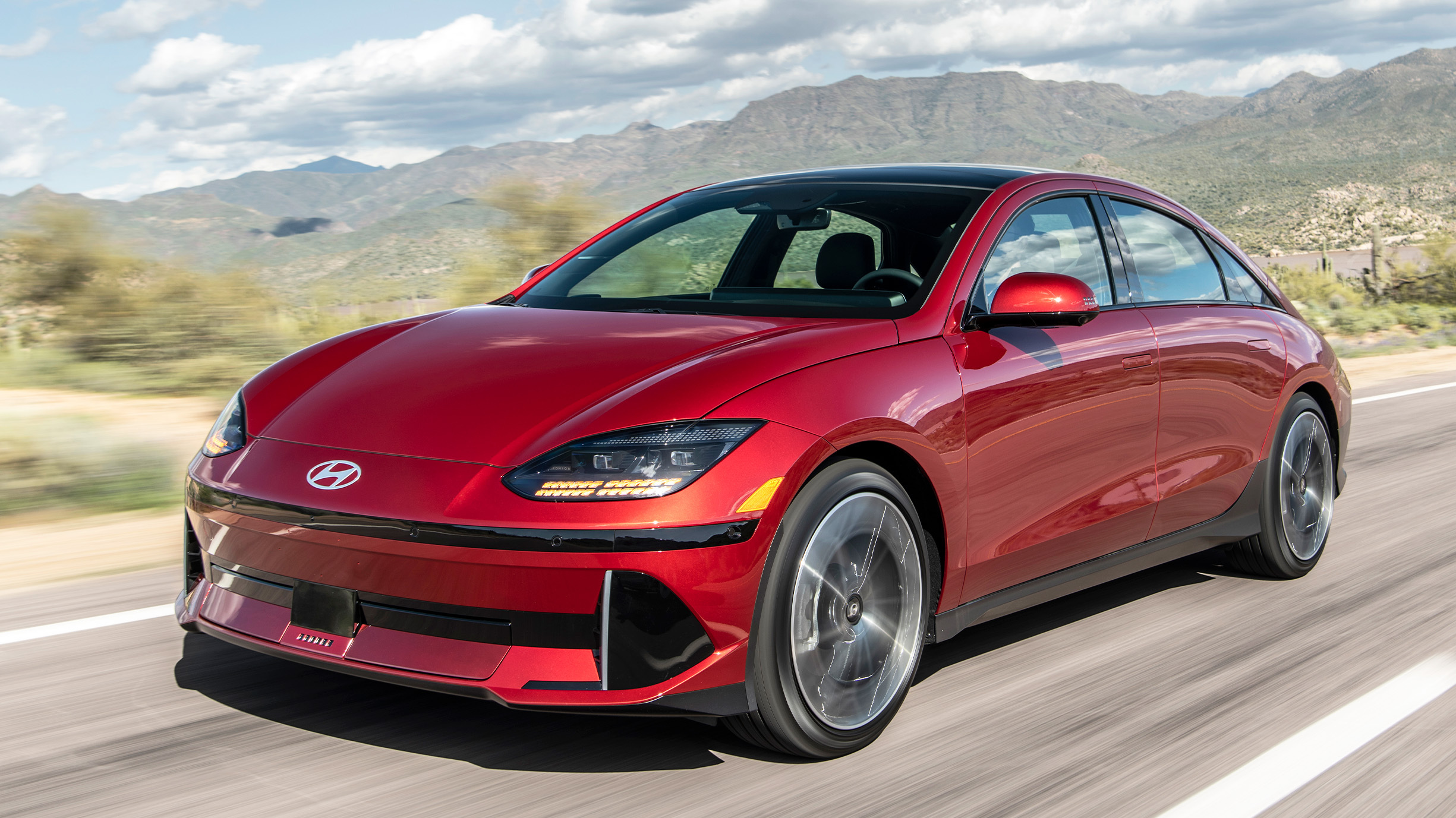
Let’s start with the good-ish news. The Hyundai Ioniq 5 slipped just 6 percent year over year in January, which in today’s EV market basically counts as holding steady while everyone else is struggling to keep the fire alive. Hyundai moved 2,126 of them, proving the retro-futuristic crossover still has plenty of fans.

Related: Gas Or EV? Hyundai N Embraces Both With Two New Models For America

Now for the ouch. The Ioniq 6 didn’t just dip, it fell off a statistical cliff, plunging 61 percent to just 344 units. That’s the kind of number that makes accountants quietly close the spreadsheet and go for a walk. Stylish and slippery though it is, the sedan is clearly having a much tougher time finding buyers.

 One Hyundai EV Is Falling Off A Cliff, The Other Just Shrugged It Off

SUVs Equals Sales Success

If Hyundai needs a reminder of what Americans really want, it only has to glance at the SUV side of the ledger. The combustion Palisade surged 29 percent off the back of a refresh, while the Santa Fe climbed 9 percent.

Even the smaller Kona jumped 22 percent. Big, practical, and family-friendly continues to beat low and sleek in the real world.

Hybrids are the real heroes here, though. Hyundai says petrol-electric sales shot up 60 percent, showing buyers still love the idea of electrification, just maybe not one that doesn’t come with a plan B. Models like the Santa Fe Hybrid are clearly hitting the sweet spot between fuel savings and banishing charging anxiety.

 One Hyundai EV Is Falling Off A Cliff, The Other Just Shrugged It Off

Combustion Losers

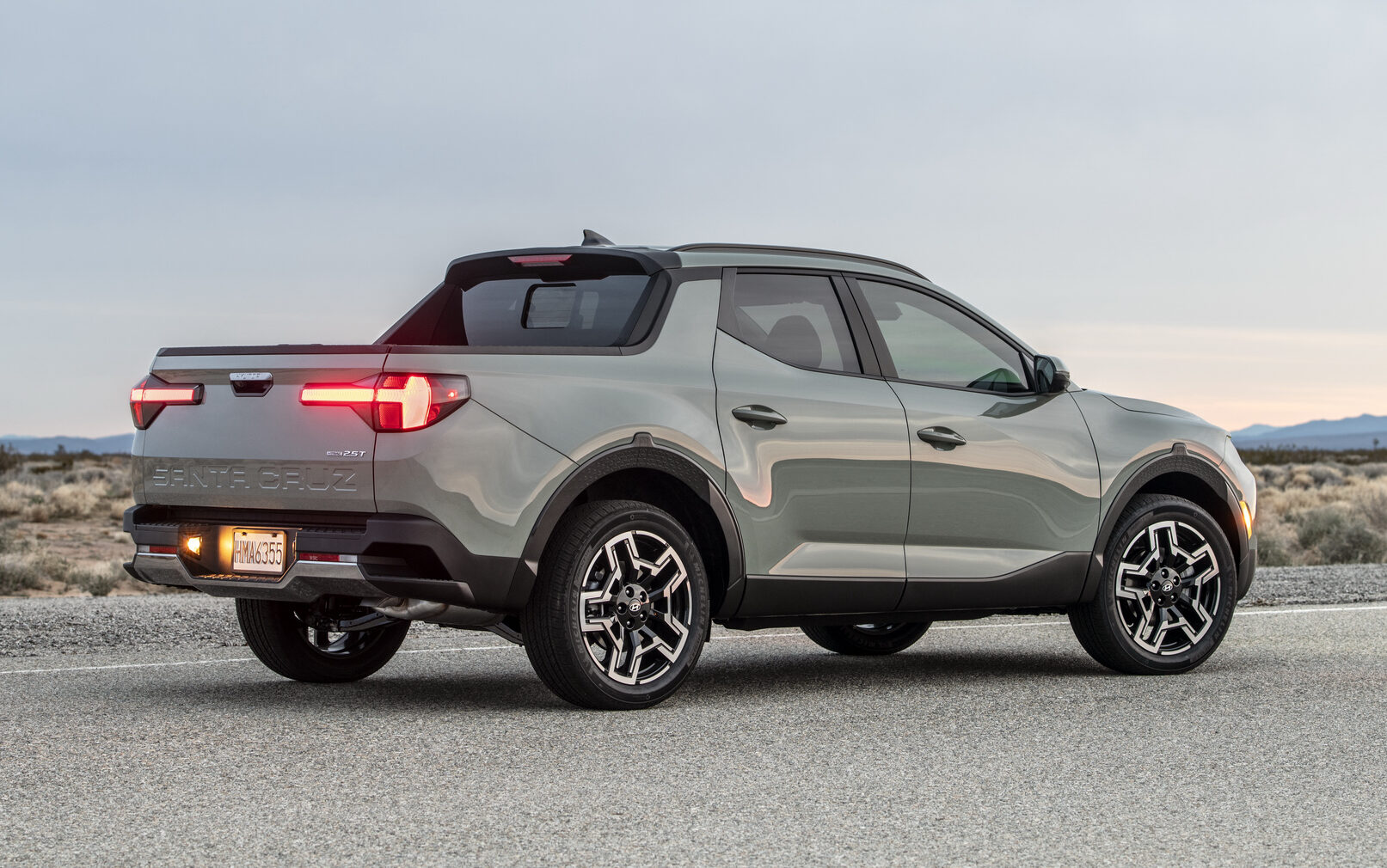
Not everything else was sunshine, though. The Sonata slid 34 percent, the dies-soon Santa Cruz dropped 32 percent, and Tucson eased back 4 percent. Still, with total Hyundai sales up 2 percent and SUVs making up the bulk of the action, the brand has a solid cushion.

We’ll be following the action closely to see if Hyundai can keep the good news flowing through 2026 – and what action it takes to turn the Ioniq 6’s dismal performance around.

Hyundai USA sales
ModelJan ’26Jan ’25Diff.
Elantra9,0918,866+3%
loniq 52,1262,250-6%
loniq 6344871-61%
loniq 95800
Kona5,3214,365+22%
Palisade8,6046,687+29%
Santa Cruz1,2121,786-32%
Santa Fe9,0118,296+9%
Sonata3,1404,757-34%
Tucson14,42815,025-4%
Venue1,7671,600+10%
TOTAL55,62454,5032%
SWIPE

I Crashed Hyundai’s Massive N Festival In My French Hot Hatch, And It Was Glorious

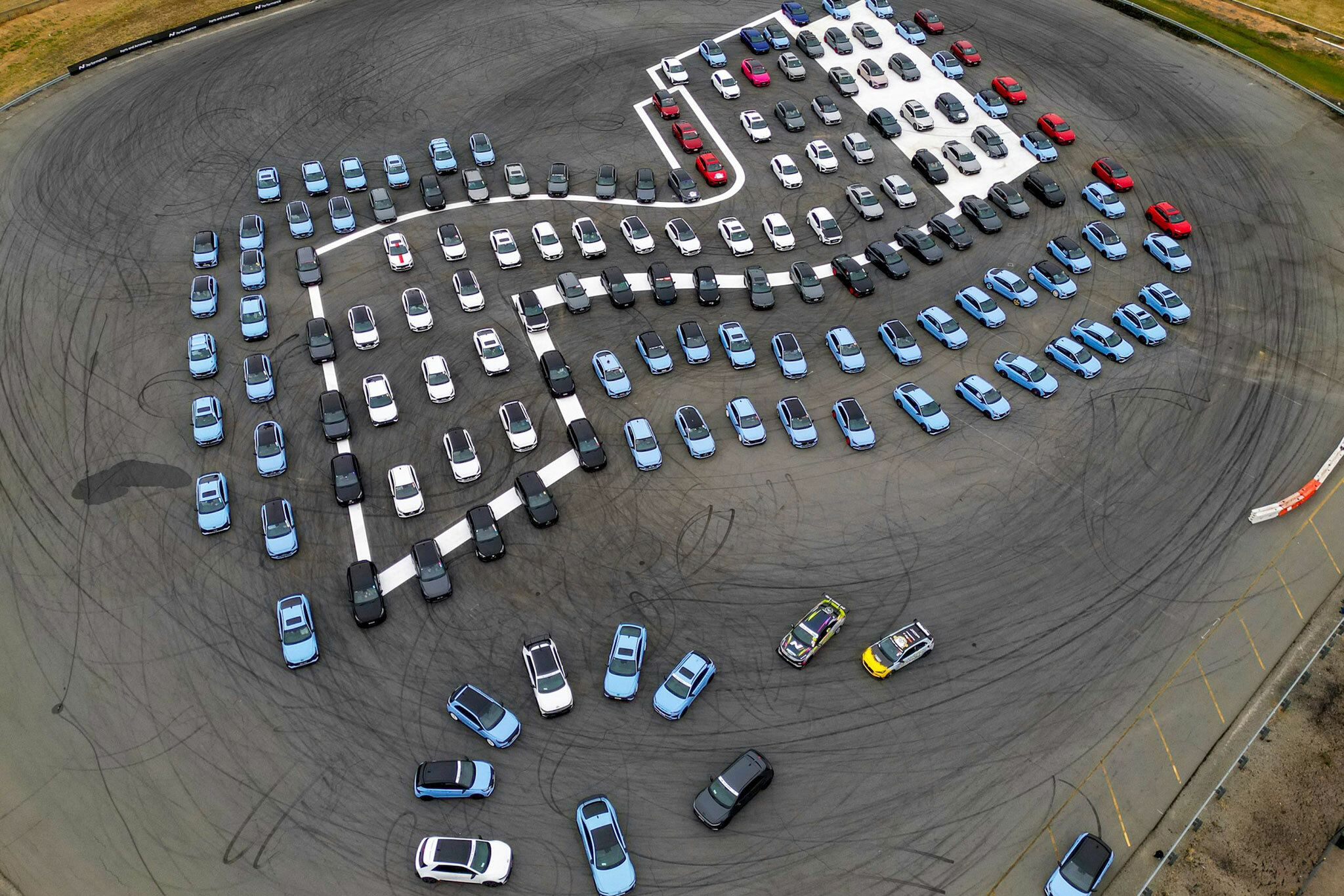
  • Hyundai’s N Festival in Australia drew more than 350 cars.
  • Entry was AU$60, including track time and instructor support.
  • Non-N owners can attend through the new Nvy Track Sessions.

Building a loyal enthusiast following from the ground up isn’t something carmakers typically pull off overnight. For Hyundai, a brand that wasn’t exactly on anyone’s radar for fun, driver-focused cars to begin with, establishing its N performance sub-brand was not just about creating engaging machines. It was about cultivating a culture, and that’s a far more elusive achievement.

Review: What’s It Like Living With The Hyundai Ioniq 5 N?

However, thanks to a host of owner-focused events, Hyundai Australia has done just that. There are now thousands of tightly-knit N owners across the country, helping the company’s creations become among the nation’s best-selling hot hatches. Not only that, but cars like the i20 N and i30 N have become genuine benchmarks in their respective segments.

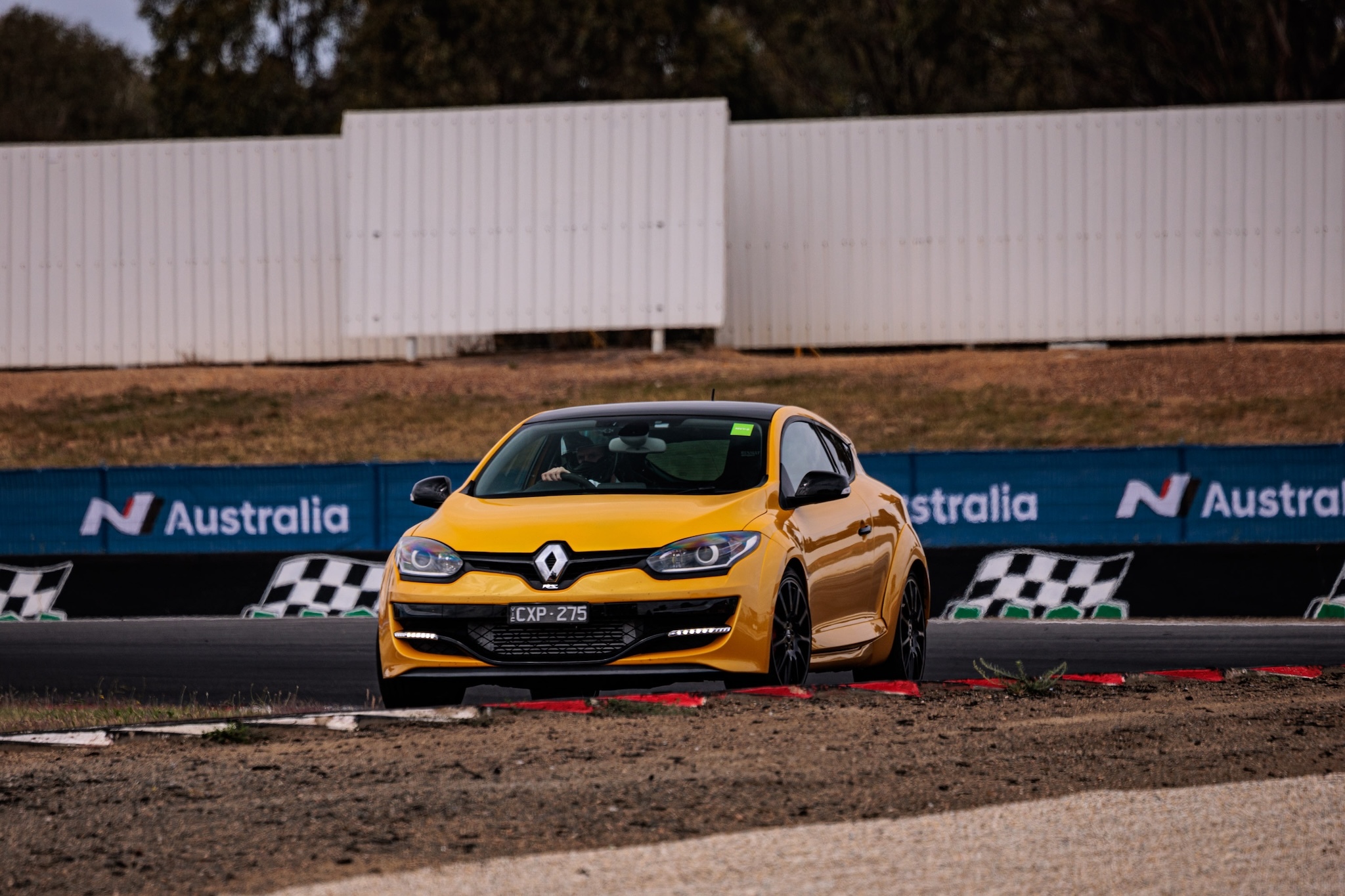
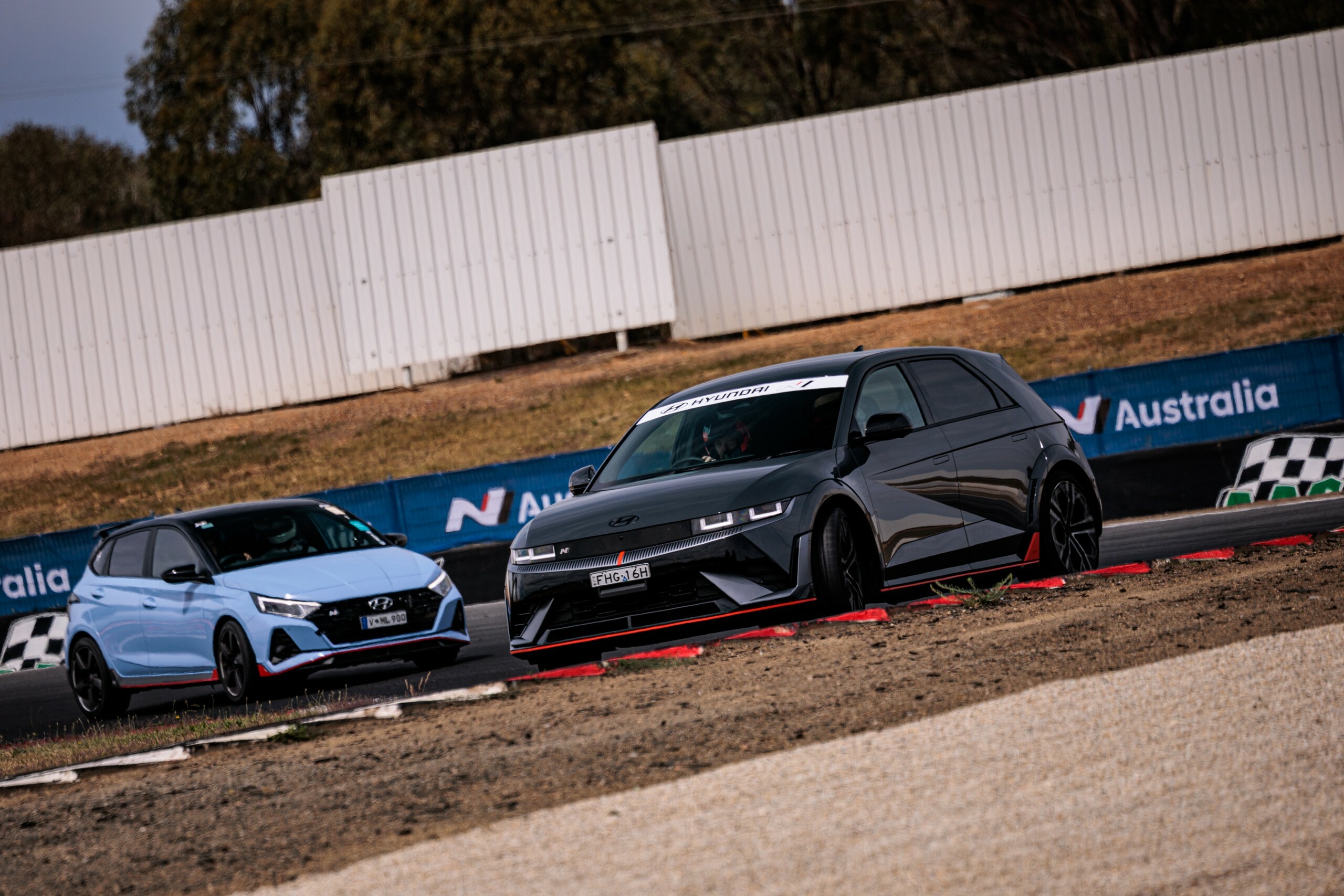
In late November, the annual N Festival returned for its seventh iteration, but with a twist. Not only was the event open to N owners, but also to a select number of owners from other brands, so we decided to join in with a bright yellow Renault.

Nvy

\\\\\\\\\\\\\\\\\\\\\\\\\\\\\\\\\\\

Hyundai N Australia

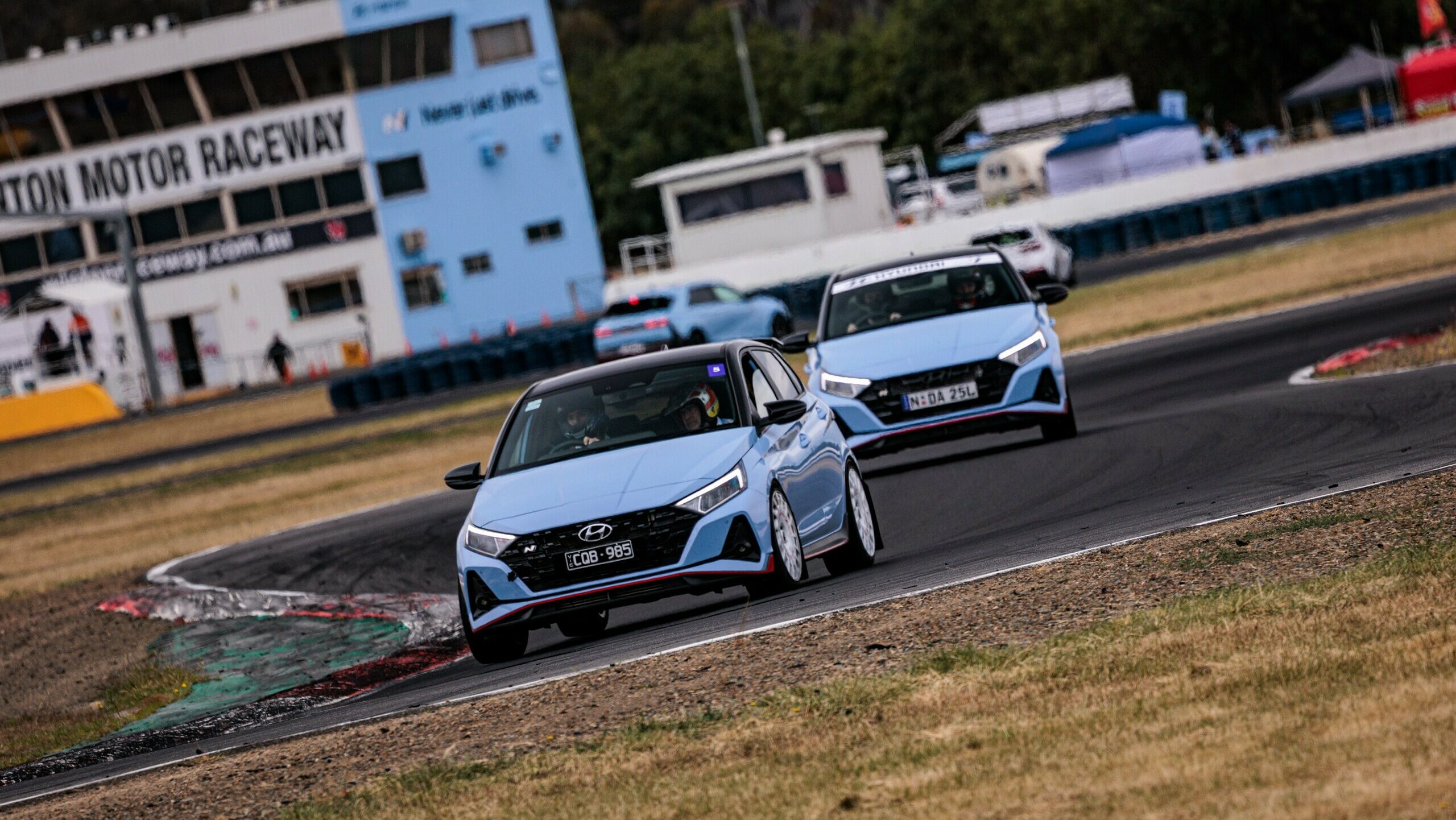
The 2025 event was held at Winton Raceway, roughly two hours north of Melbourne. As interest in the N Festival has increased in recent years, it’s no longer just an event run over Saturday and Sunday, but for the first time, it was extended to a three-day event. For eager owners wanting to get onto the track, there’s no better event.

Read: I Flew To Germany To Conquer The Nurburgring; It Conquered Me Instead

More than 350 cars attended in December. To join in, all that was required was a AU$60 ($40) entrance fee. In return, owners get ample time on the track, a gift bag of N merchandise, and tutelage from experienced driving instructors. This makes it an absolute bargain, particularly since regular track days usually start at upwards of AU$300 ($200).

Newcomers Join the Action

 I Crashed Hyundai’s Massive N Festival In My French Hot Hatch, And It Was Glorious
My fiesty baguette

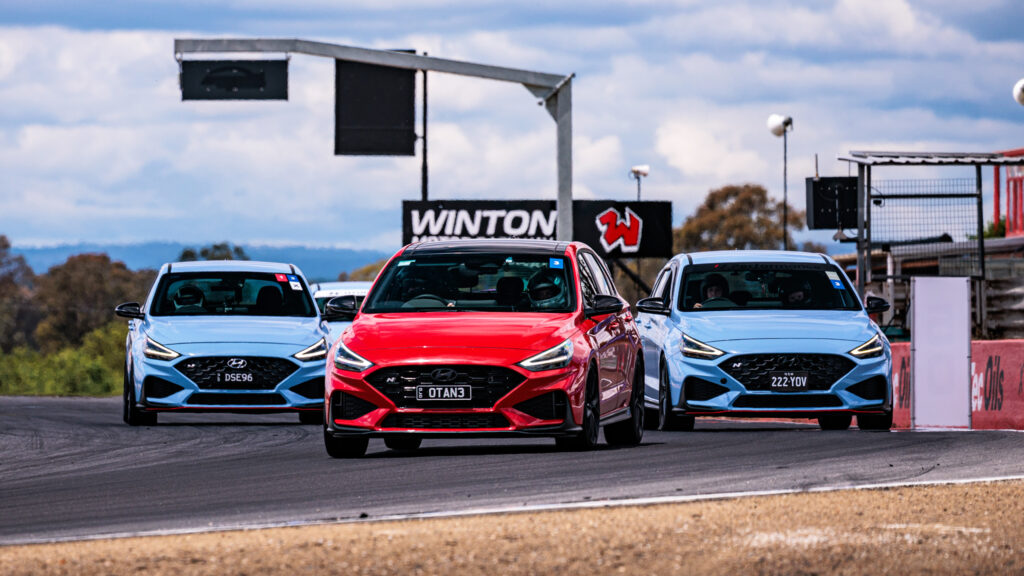
New to the 2025 N Festival were the ‘Nvy Track Sessions.’ These sessions were open to 20 non-N car owners each of the three days. To participate, you needed to receive an invitation from an N owner and to pay the same fee. I managed to secure a spot for my Renault Megane RS275.

On Friday, Saturday, and Sunday, participants were split into six groups of 20 cars, with one group for the non-N cars. Each group had five 15-minute sessions on the track, totaling 75 minutes across the day. For pretty much anyone not named Max Verstappen, that’s more than enough track time.

Read: Riding In The Ioniq 5 N At Hyundai Australia’s N Festival

While I’ve done plenty of track days in the past, this was the first one in my Renault. The chassis and brakes are standard (for now…), although I have had it fitted with sticky Continental SportContact7 road tires, and the engine modified with a new intake, blow-off valve, intercooler, downpipe, and tune. It’s good for 219 kW (294 hp) and 445 Nm (328 lb-ft) of torque at the wheels, a healthy amount for the 2.0-liter turbo.

\\\\\\\\\\\\\\

Hyundai N Australia

The temperatures were hot, pushing over 30° C (86° F) throughout my sessions, but my little French hot hatch performed flawlessly. There were some impressive cars in my sessions, like a new G80 BMW M3, an Audi RS5, a Porsche Cayman GT4, modified Toyota Supras, and a tuned Toyota GR Yaris, but I had no issue reeling each of them in and overtaking.

Review: The 2026 LBX Morizo RR Is A GR Corolla Disguised As A Lexus SUV

Just like the i30 N is considered among the best hot hatches on the market, the third-generation Megane RS275 was held in similarly high regard when it was launched. Honed on the Nurburgring, it felt right at home on the circuit, providing immense levels of grip, combined with superb stability under braking and great straight-line pace. Admittedly, my tires now look a little worse for wear.

Ns On The Track

 I Crashed Hyundai’s Massive N Festival In My French Hot Hatch, And It Was Glorious

Of course, it was the Hyundais that were the real stars of the day. Hyundai Australia brought along a slew of press cars for journalists to test out. I managed to snag some seat time in each of the company’s current models, including the i20 N, i30 N hatch, i30 N Sedan, and the potent Ioniq 5 N.

Winton Raceway is quite a tight, short track, perfect for hot hatches like those from Hyundai rather than high-horsepower monsters. The pint-sized i20 N proved to be the perfect companion for the circuit.

While the i20 N only has a 1.6-liter turbocharged four-cylinder and is down more than 50 kW (67 hp) over the i30 N, it had no issue sticking with its bigger brothers on the circuit. It feels incredibly nimble and responsive, particularly around the circuit’s sweeping bends and tighter corners, often lifting one of its rear wheels as the front tires stick mercilessly to the track.

First Drive: 2026 Dodge Charger Sixpack Sounds Off, But Drives Better Than You Think

As standard, the i20 N comes with Pirelli P Zero NH tires, and they perform brilliantly on the track. As the day progressed, they did start to lose some grip, but importantly, they remained predictable despite the wear. The only issue I encountered was difficulties downshifting from 3rd to 2nd with the auto-rev match function enabled, something I also experienced at the N Festival back in 2022.

Extra Power, Extra Thrills

 I Crashed Hyundai’s Massive N Festival In My French Hot Hatch, And It Was Glorious

For those seeking superb on-track handling, combined with on-road comfort, and great straight-line speed, the i30 N hatch and i30 N Sedan remain among the best options on the market. While they may share a name, the i30 N Sedan has a longer wheelbase than the hatch and is based on a different chassis. In most of the world, it’s known as the Elantra.

Review: I Flew To Germany To Conquer The Nurburgring And It Conquered Me Instead

In a straight line, the i30 N hatch is a little sprightlier. While both cars have the same 2.0-liter turbocharged four-cylinder and are advertised with the same 206 kW (276 hp) and 392 Nm (289 lb-ft), the hatch’s boost pressure peaks at 17 psi, whereas it usually sits around 14 psi in the Sedan. This is because the sedan has Hyundai’s controversial ‘Octane Learning Mode’.

 I Crashed Hyundai’s Massive N Festival In My French Hot Hatch, And It Was Glorious

To enable the full 17 psi, you’ll have to either drive in 8th gear between 109-159 km/h (68 -99 mph) for 5 minutes or more, or drive for 5 minutes or more in 44th or 5th gear at 40-70% throttle between 40-120 km/h (25 -75 mph). Obviously, this isn’t achievable on a track. Many owners I spoke to have had their cars tuned to unlock full boost without having to do this procedure.

The duo also feels quite different through the turns. Both stick extraordinarily well, providing enough grip to warp your face. However, the hatch is noticeably stiffer and feels a little lighter. By comparison, the i30 N Sedan feels more stable, owing to the longer wheelbase, and is easier to find the limits in. On the track, we prefer the hatch, but on the road, it’s the Sedan that stands out.

What the Ioniq 5 N Does Best

We also had the opportunity to do a few hot laps in Hyundai’s potent Ioniq 5 N. This is the performance car that has redefined what we thought was possible for an EV. Not only is it extraordinarily quick, but it’s also loads of fun to drive. It’s no surprise that Porsche and Lamborghini have benchmarked their EVs against it.

 I Crashed Hyundai’s Massive N Festival In My French Hot Hatch, And It Was Glorious

Obviously, the dual-motor powertrain makes the Ioniq 5 very quick in a straight line. However, because Winton’s straights are quite short, it doesn’t get much room to stretch its legs. Thankfully, it shines in other ways, particularly in its handling dynamics.

Review: The Hyundai Ioniq 5 N Is A Ballistic Missile That Redefines EVs

Thanks to some engineering trickery, it’s possible to shift the amount of power sent to the front and rear wheels. As such, the Ioniq 5 N can be driven effectively as a front-wheel-drive or rear-wheel-drive car. This means it is inherently more configurable and playful than Hyundai’s other N products. The downside? It’s electric, meaning it’s not so practical for track use unless a circuit has a DC fast charger.

Track Day Antics

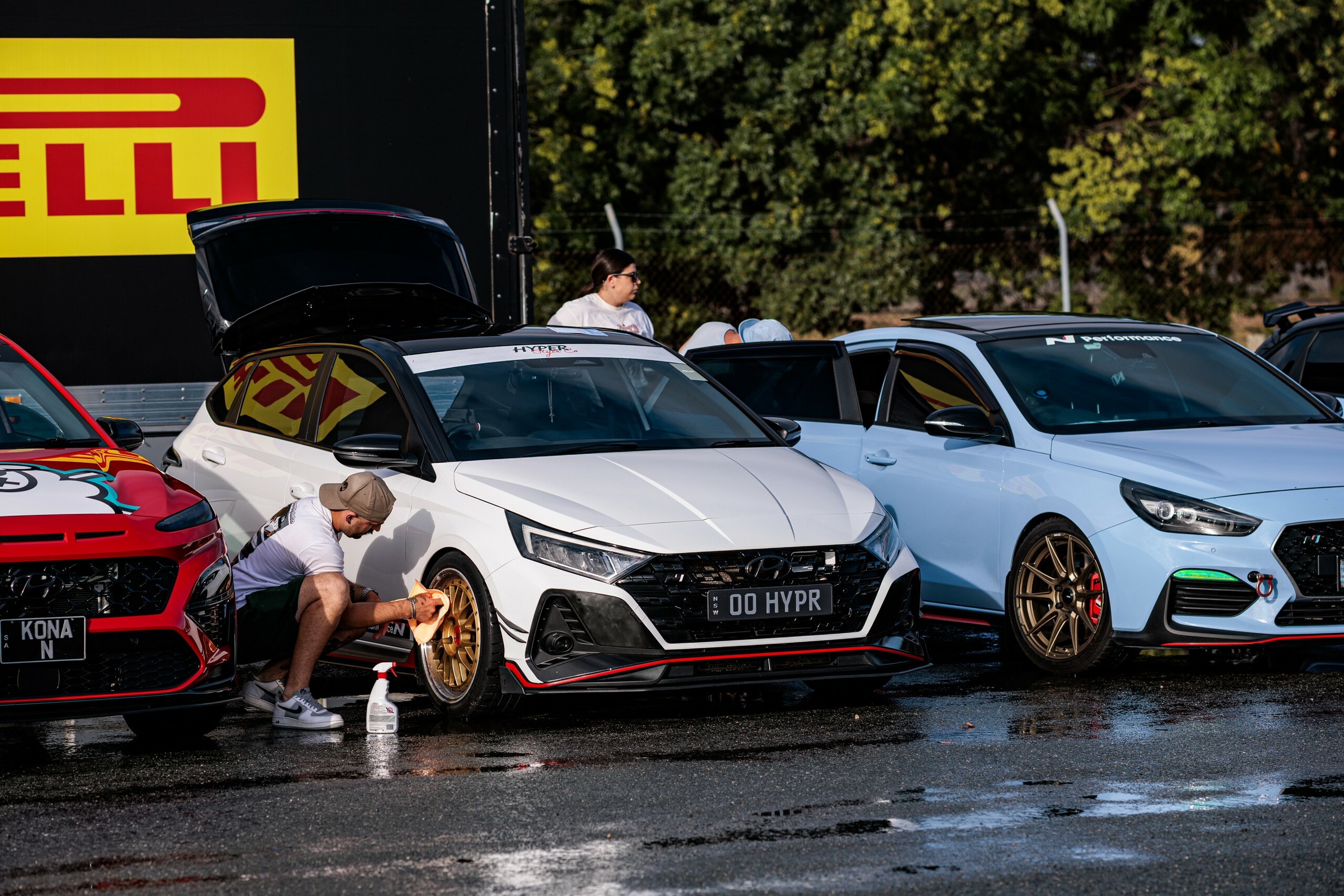
The 2025 N Festival didn’t just include dozens of track sessions. This year, owners were also able to participate in a series of head-to-head rolling races to see who owns the quicker car in a straight line. There was also a Show’N Shine and an organized drive through some of the circuit’s neighboring country roads.

Australia’s N Festival has established itself as one of the best events on Australia’s track day calendar, and it’s easy to see why. It’s affordable, well organized, and welcoming. I’m sure it convinced some non-N owners to call up their local Hyundai dealership and place an order. As for me, used Ns remain out of my price range, so I’ll be keeping my French hot hatch.

\\\\\\\\\\\\\\\\\\\\\\\\\\\\\\\\\\\\\\\\\\\\\\\\\\\\\\\\\\\\\\\\\\\\\\\\\\\\\\\\\\\\\\\\\\\\\\\\\\\\\\\\\\\\\\\\\\\\\\\\\\\\\\\\\\\\\\\\\\\\\\\\\\\\\\\\\\\\\\\\\\\\\\\\\\\\\\\\\\\\\\\\\\\\\\\\\\

Hyundai N Australia

You Can Sleep And Even Wash Your Dishes In This Hyundai Van, But You Can’t Buy It Yet

  • Hyundai has introduced the Staria Camper concept at the CMT Show.
  • It features a pop-up roof, refrigerator, solar panel, and smart glass.
  • The company is considering production and is looking for feedback.

Hyundai has used the Caravan, Motor und Touristik Show to introduce a camper concept based on the Staria Electric. It’s designed to explore how the van could “evolve into a premium recreational vehicle tailored to the European market.”

Designed for off-grid travel, the Staria Camper concept has been equipped with a retractable canopy as well as a power pop-up roof. The latter has been fully integrated to reduce wind noise and buffeting while driving.

More: Nissan’s Toughest Rogue Turned Into A Mattress With Wheels

The roof is also notable for being covered by a 520W solar panel, which can generate up to 2.6 kWh of electricity per day. This can be used to power onboard equipment or to extend the vehicle’s range.

\\\\\\\\\\

Another cool touch is the use of electronically adjustable smart glass for privacy. The rear windows are controlled by a dedicated touchscreen, which enables users to instantly adjust their transparency.

Besides keeping prying eyes at bay, the smart glass offers “significantly improved UV, thermal, and acoustic insulation compared with conventional glass.” Despite this, Hyundai also threw in traditional curtains.

The rest of the exterior largely carries over, but we can see water and electrical hookups located near one of the taillights.

Modular Comfort Inside

\\\\\\\\\

Moving inside, the second- and third-row seats fold flat to create an expansive sleeping area for two adults. The concept also sports a long counter that houses a sink, storage compartments, and a 1.3 cubic foot (36 liter) refrigerator. They’re joined by a folding interior table, a classy peg board, and special lights.

Rounding out the highlights are a swiveling front passenger seat and a climate control system that can keep you warm on chilly nights. Furthermore, the liftgate opens to reveal a deployable rear table as well as an outdoor shower setup.

Could It Actually Happen?

\\\\\\\\\\\\

While the van is a concept, Hyundai wasn’t shy about the possibility of a production model. In fact, they’re actively seeking feedback from a “cross-section of camping, caravan, and adventure enthusiasts from across Europe and beyond.” The company said this will help them gauge interest in bringing the concept to life.

Hyundai went on to say the production model would echo the regular Staria Electric, which has an 84 kWh battery pack as well as a front-mounted motor producing 215 hp (160 kW / 218 PS).

This enables the van to have a WLTP range of approximately 249 miles (400 km). When the battery is low, a DC fast charger can take it from 10-80 percent in around 20 minutes.

 You Can Sleep And Even Wash Your Dishes In This Hyundai Van, But You Can’t Buy It Yet
❌