The Juke EV shares its platform with the Nissan Ariya and Renault Megane E-Tech.
Nissan will continue selling the outgoing hybrid model alongside this new EV.
The new electric crossover will hit the market in the spring of 2027.
The Nissan Juke has always stood out from the crowd, sporting a unique shape that’s allowed it to remain a solid option despite competition in its segment always increasing. At its Vision event in Japan, Nissan has unveiled the third-generation Juke, and it’s even more striking than we could have predicted.
The new Juke will be sold exclusively as an EV and will be built at the brand’s British site in Sunderland, alongside the Leaf. It’s based on the CMF-EV or AmpR Medium platform used by the likes of the Renault Scenic E-Tech, Alpine A390, and Nissan Ariya, and is scheduled to launch globally in the spring of next year.
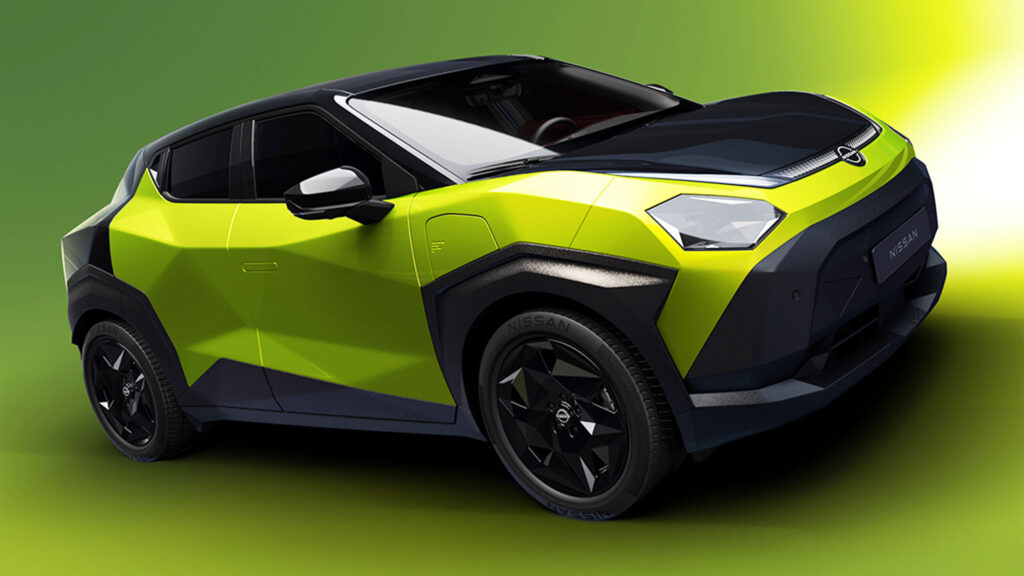
Nissan has yet to release final specifications for the Juke, nor has it released any photos of the crossover’s interior. However, it has unveiled the full exterior design, and it looks unlike any other model Nissan sells. In fact, the design is striking enough that it looks more like a concept car than one that’ll be sold to the public.
Concept Looks
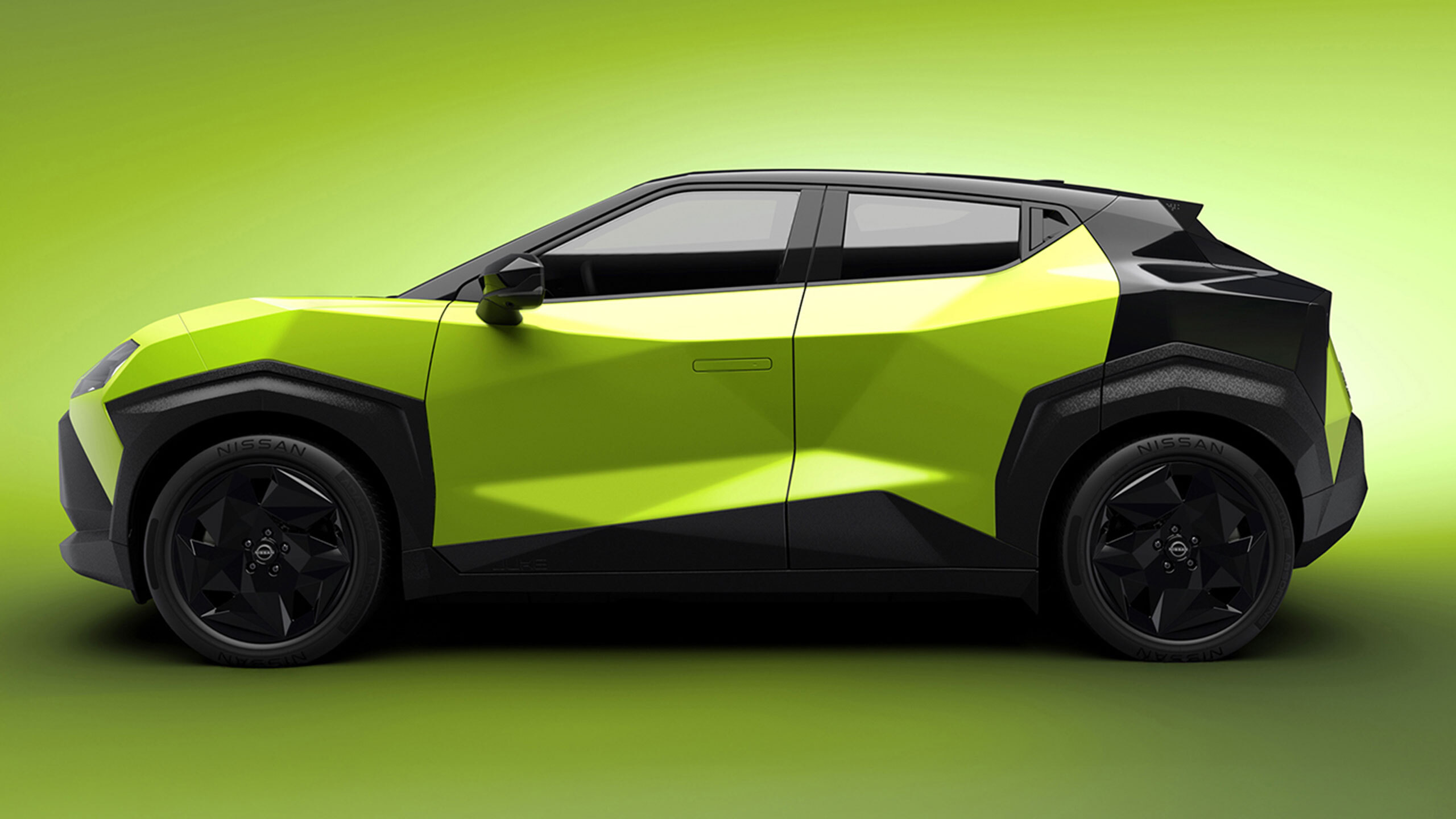
The design is dominated by sharp and jagged lines, starting at the front with a large blacked-out grille and intriguing headlights. It’s also been showcased with angular black wheel arches, while much of the body is finished in a bright shade of green. This color really helps to highlight the profile of the Juke, particularly the wild door skins.
As with the outgoing Juke, the handles for the rear doors remain on the C-pillars. Like the front, the rear is bold with intricate LED taillights and a distinctive tailgate.
Like the current Leaf, the new Nissan Leaf EV will support vehicle-to-grid technology. The battery packs will likely mimic those of the Nissan Leaf, meaning it could be offered with 52 kWh and 75 kWh packs. Interestingly, the existing second-generation Juke isn’t going anywhere.
Despite originally planning to replace the old model with this new one, the second and third-gen versions will instead be sold alongside each other. It’s understood that Nissan will update the design of the old model to mimic the new EV.
Mercedes has made some important technical upgrades to the EQS.
Most versions have a larger 122 kWh battery pack with up to 575 miles of range.
Just like Tesla and Lexus, the EQS has been updated with steer-by-wire tech.
Mercedes-Benz isn’t planning a second generation of the EQS, and instead, will sell the future S-Class in both combustion and all-electric guises. Despite this, the brand has just introduced a comprehensive second facelift for the EQS, bringing with it a host of new technologies that may finally convince a small number of shoppers to actually buy the blob.
Four versions have been confirmed at this stage, known as the EQS 400, EQS 450+, EQS 500 4Matic, and EQS 580 4Matic, the latter three of which are all equipped with 800-volt electrical architectures and 122 kWh battery packs that promise improved energy density. The news EQS 400 has a smaller 112 kW pack.
Mercedes has also improved the charging abilities of the EV, as it now supports DC charging of up to 350 kW, meaning 199 miles (320 km) of range can be added in 10 minutes. This has been achieved by implementing software that virtually divides the battery pack into two parts, charging each with 400 volts at up to 175 kW.
In addition to the new battery, Mercedes has incorporated new electric motors for all versions. The base EQS 400 delivers 362 hp (270 kW), while the EQS 500 4Matic ups this to 469 hp (350 kW), and the EQS 580 4Matic delivers 577 hp (430 kW) and 590 lb-ft (800 Nm).
Range figures haven’t been announced for all models, but we know the EQS 450+ has a WLTP-rated range of 575 miles (926 km) with claimed energy consumption of between 15.4 kWh/100 km and 19.3 kWh/100 km. All models are also equipped with a two-speed transmission with the first gear focused on providing quick acceleration and the second kicking in at high speeds to boost efficiency.
Perhaps the most significant change made is the implementation of steer-by-wire technology, as pioneered by Lexus and Tesla. The steering ratio has been set at 4:1 at low speeds, allowing drivers to make low-speed maneuvers without needing to repeatedly cross their hands over the steering wheel.
Even More Tech-Focused Than Before
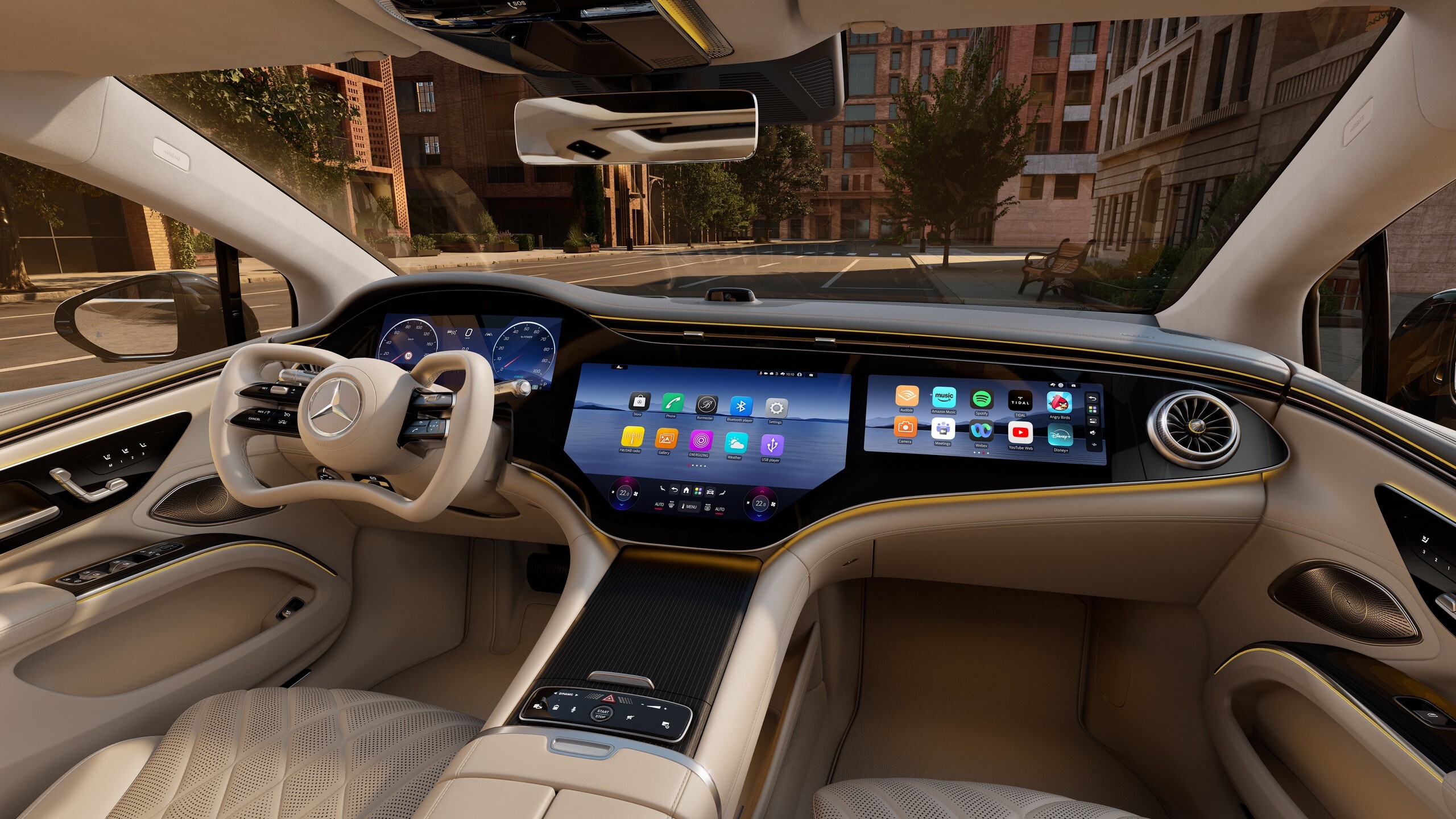
Speaking of the steering wheel, it has morphed into a Tesla-like yoke – which is bound to be controversial. Crucially, Mercedes will continue offering it with a more traditional wheel and electro-mechanical steering, rather than the fancy steer-by-wire system. In addition to the new system, Mercedes has further developed its air suspension system to improve comfort even further.
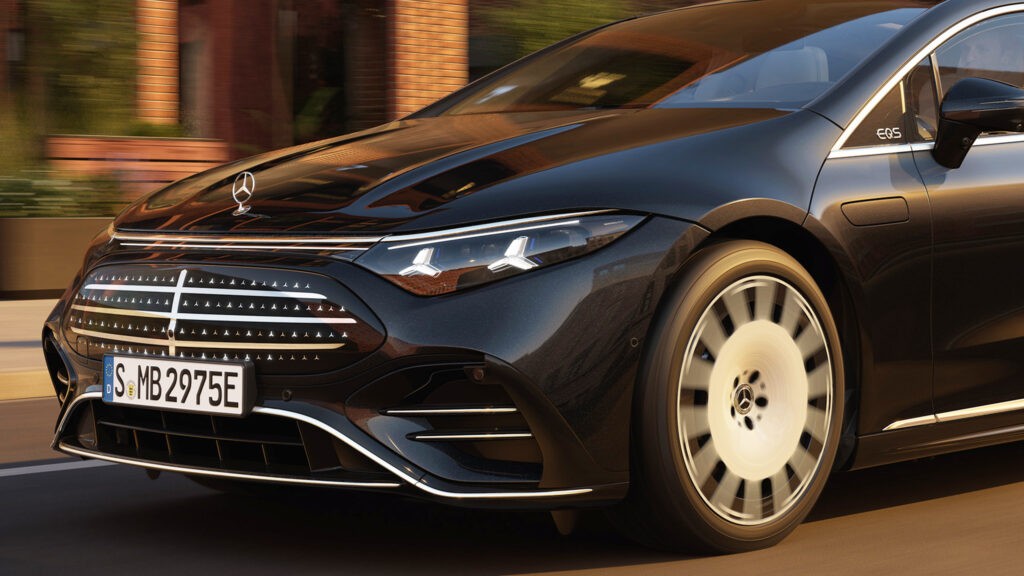
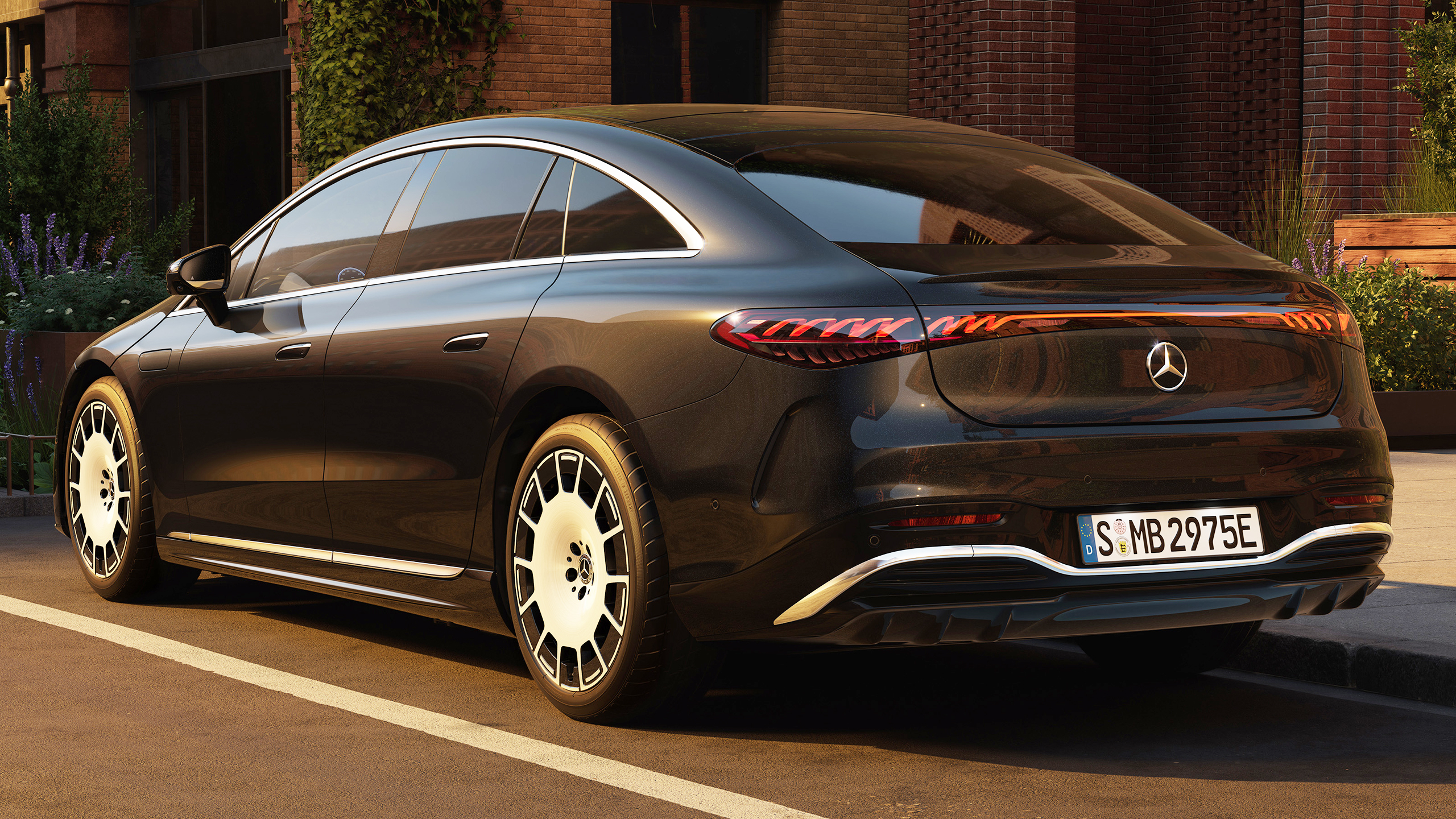
Visually, the updated EQS is distinguished from the old model thanks to a revised front fascia with a new blacked-out grille complete with dozens of three-pointed stars, and new headlights with star-shaped DRLs.
With the exception of the yoke wheel, the interior is mostly familiar. With that being said, there’s now Mercedes-Benz’s latest Operating System (MB.OS) and the new MBUX Virtual Assistant. The massive Hyperscreen remains, while found in the new 13.1-inch entertainment screens are found in the second row.
US pricing has yet to be announced, but in Europe, we know prices kick off from €94,403 ($111,000) for the EQS 400, €108,635 ($127,700) for the EQS 450+, €123,285 ($145,000) for the EQS 500 4Matic, and €134,732 ($158,500) for the EQS 580 4Matic.
Renault has been caught testing a facelifted Megane E-Tech due next year.
New LED headlights and revised taillights are visible on the prototype.
The current model’s 60 kWh battery pack lags behind Renault’s own Scenic.
It’s been four years since Renault made the controversial decision to launch an electric SUV with the Megane nameplate. While the Megane E-Tech has failed to trouble the market’s most popular electric SUVs, Renault isn’t willing to throw in the towel just yet and is readying an update for it.
Pictured here for the first time is a facelifted version of the Megane E-Tech, expected to hit the market next year. Since the launch of the current model, Renault has introduced several other new SUVs, including the Symbioz and Scenic E-Tech, and tweaks to the Megane could make it look a little more like those models.
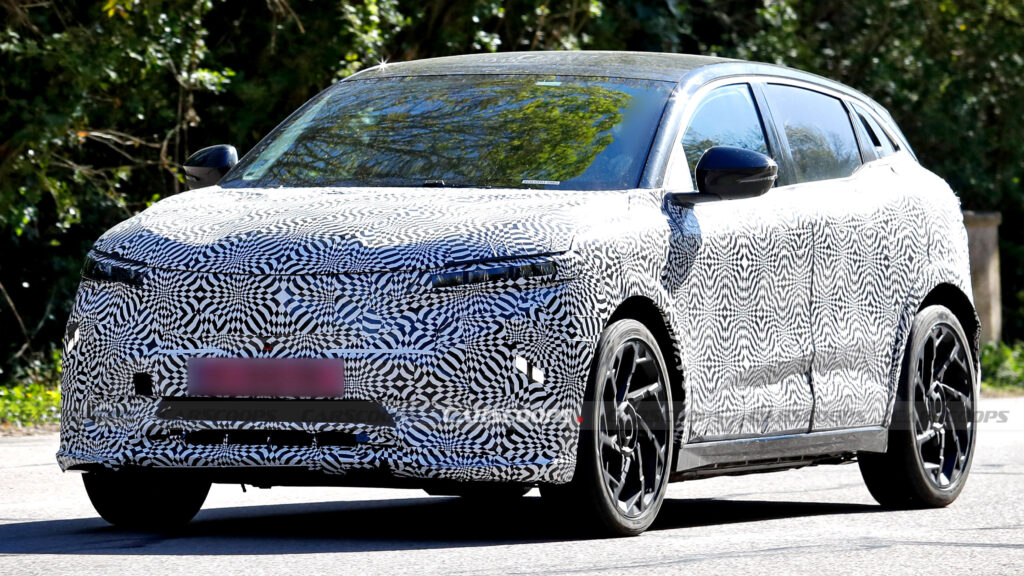
This heavily camouflaged prototype retains the same overall shape as the existing model, and we can clearly see some changes have been made to the headlights. While the shape of the main headlamps looks familiar, the LED daytime running lights are clearly different, even though we can only see small parts of them.
Updates have also been made to the rear of the Megane E-Tech with new LED taillights visible and what appears to be a tweaked bumper.
New Batteries?
Baldauf
It’s unclear what changes will be made under the skin of the updated Megane E-Tech. Currently, the SUV is offered with 40 kWh and 60 kWh battery packs, both of which are quite small for a vehicle of this size. By comparison, the admittedly-bigger Scenic E-Tech offers a much larger 87 kWh pack, which is more in line with what we’d expect from an SUV like the Megane.
Like the Scenic, the Megane E-Tech is based on the company’s AmpR Medium architecture, also used by vehicles like the Nissan Ariya and Nissan Leaf, which offer 90 kWh and 75 kWh battery packs, respectively.
Given the shared platform, Renault might have the scope to increase the size of the Megane’s battery pack. Recent reports have suggested it could source new batteries from AESC and produced in France. This should help to boost the EV’s driving range, which currently tops out at 454 km (282 miles).
The Nevo Q06 will be sold as an EV and as a range extender.
Changan’s EREV version will use a 1.5-liter four-cylinder with 97 hp.
Sleek headlights and taillights help the new SUV catch the eye.
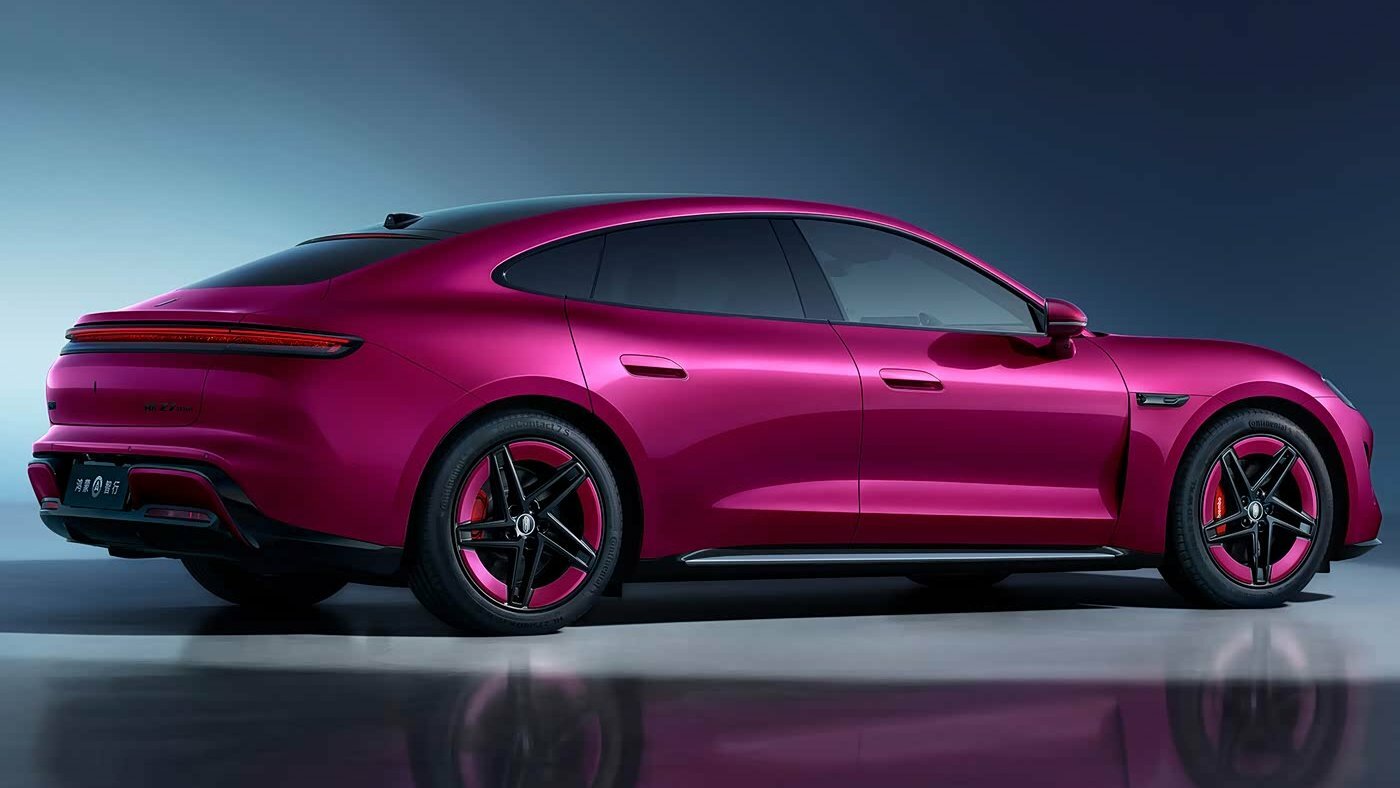
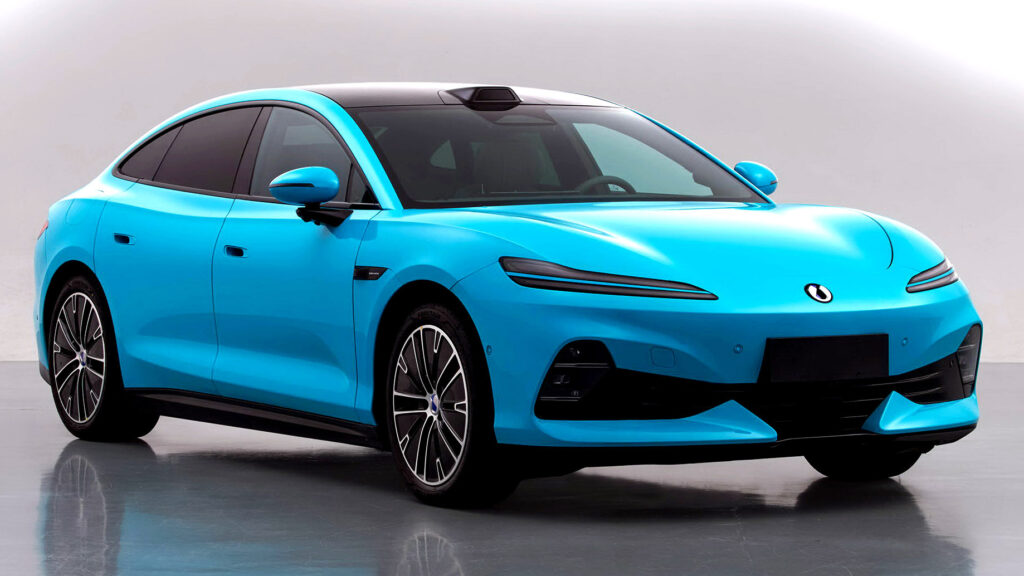
China’s EV scene isn’t short on low, sleek SUVs, and here’s another one sliding into the mix. Called the Changan Nevo Q06, it lands in roughly the same size and shape territory as the Xiaomi SU7, though this one looks set to come in at a lower price point, with less emphasis on outright performance.
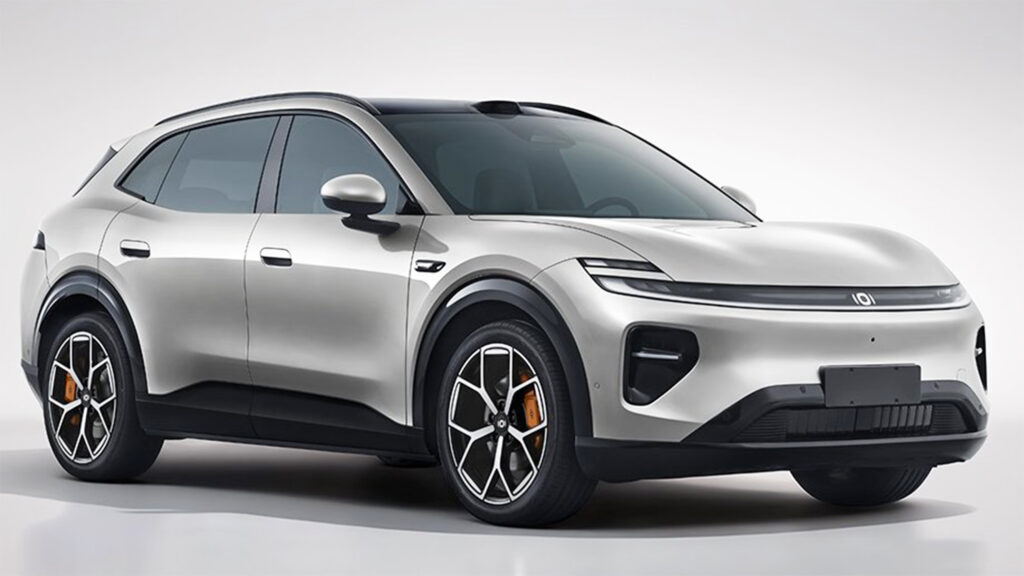
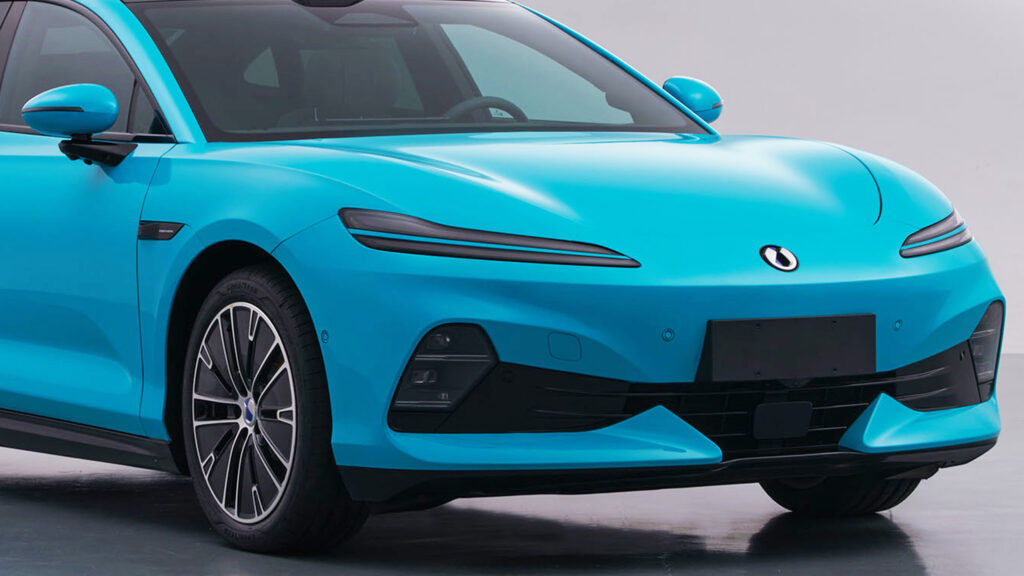
Images published by China’s Ministry of Industry and Information Technology (MIIT) show the SUV shares obvious design similarities to the Nevo A06 sedan. With that in mind, it has a pair of split headlights with a full-width light bar, in addition to a black lower grille section and black air intakes.
Changan has also equipped it with gloss black wheel arches, a roof-mounted LiDAR, and door handles sitting flush with the bodywork. The side profile looks particularly sleek, especially thanks to the flowing shoulder line and bulging rear quarter panels. Found at the rear is a light bar and a color-matched diffuser.
Early details also reveal the Nevo Q06 will come with 14 different wheel designs, a two-tone rear spoiler, optional privacy glass, and a panoramic glass door. The SUV is 4,837 mm (190.4 inches) long, 1,970 mm (77.5 inches) wide, and stands 1,670 mm (65.7 inches) tall with a 2,940 mm (115.7-inch) wheelbase.
A Powertrain For Everyone
Unlike the YU7, which is sold exclusively as an EV, the Nevo Q06 will offer all-electric and range-extender powertrains. Two rear-driven electric models will be available, delivering 282 hp and 302 hp, respectively. Those seeking additional power can opt for a 444 hp dual-motor model that raises the top speed from 200 km/h (124 mph) to 230 km/h (143 mph).
There’s no word on the capacity of the available battery packs, but we know they will be LFP batteries sourced through Changan’s partnership with CATL.
Changan will also sell the Nevo Q06 as a range extender. This model will use a 1.5-liter naturally aspirated four-cylinder engine producing 97 hp, already used by several Deepal models, alongside a pair of electric motors at the rear axle. Details of the battery aren’t known, but it may get an innovative sodium-ion pack like the A06 sedan.
Owners in the Netherlands will soon be able to use Tesla’s FSD system.
The Dutch safety agency will now submit FSD for EU-wide approval.
Tesla’s FSD system was found to outperform other driver assistance systems.
Tesla’s controversial Full Self-Driving system has received the green light for use in the Netherlands, and this could just be the start of its expansion across Europe. The decision comes after more than 18 months of tests and analysis by the RDW, the Dutch vehicle authority.
The most recent version of Tesla’s supervised FSD system “makes a positive contribution to road safety,” the RDW said. Now that it has the agency’s approval, Tesla says it will soon start rolling out the technology across the Netherlands, allowing owners to experience hands-free driving in both urban and highway settings.
Even more important than the system’s approval for use in the Netherlands is that the RDW’s approval means it can be introduced across all European Union member states at a later date.
Before this happens, however, RDW must submit the application for authentication across the entire region, and all member states must vote on it. A majority vote is needed for the system to be approved EU-wide, and even if a majority is not achieved, individual countries can still decide to approve the system, Reuters notes.
Since the approval, Tesla has flooded its X account with videos of the FSD Supervised system being tested in the Netherlands. Importantly, the RDW noted that “a vehicle with FSD Supervised is not self-driving,” pointing out that “the driver remains responsible and must always maintain control.”
“The Tesla driver assistance system supports the driver more than other systems because it takes over multiple driving tasks when it is switched on,” the agency said in a statement. It added that “due to the continuous strict monitoring of the driver in the vehicle, the system is safer than other driver assistance systems,” noting it was tested both on test tracks and on public roads.
If a driver is consistently found to be not fully alert while behind the wheel, the system will trigger various signals to catch their attention. In extreme cases, the system can shut down and temporarily be prevented from switching back on.
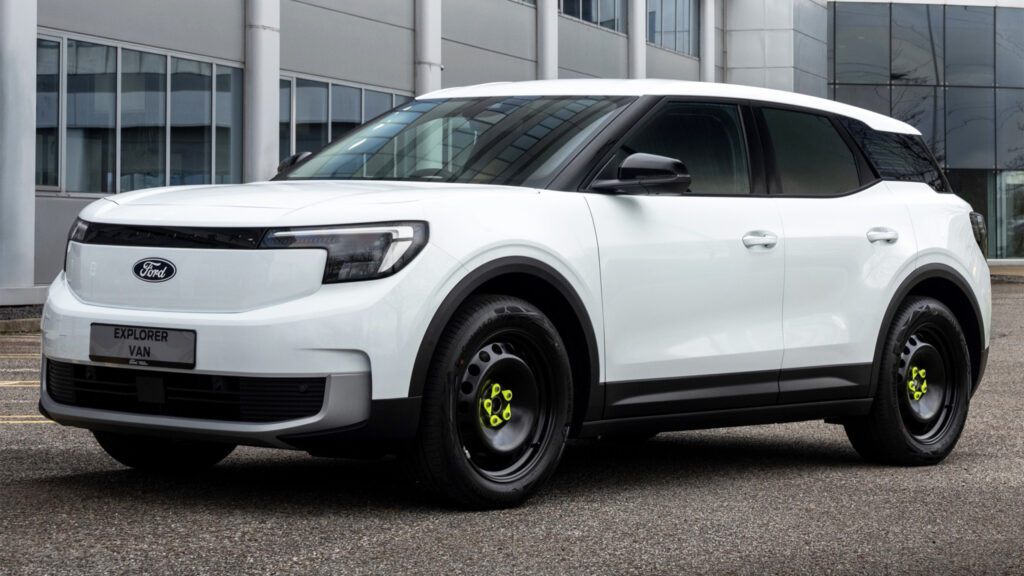
Ford has morphed the Explorer EV into a commercial vehicle in Europe.
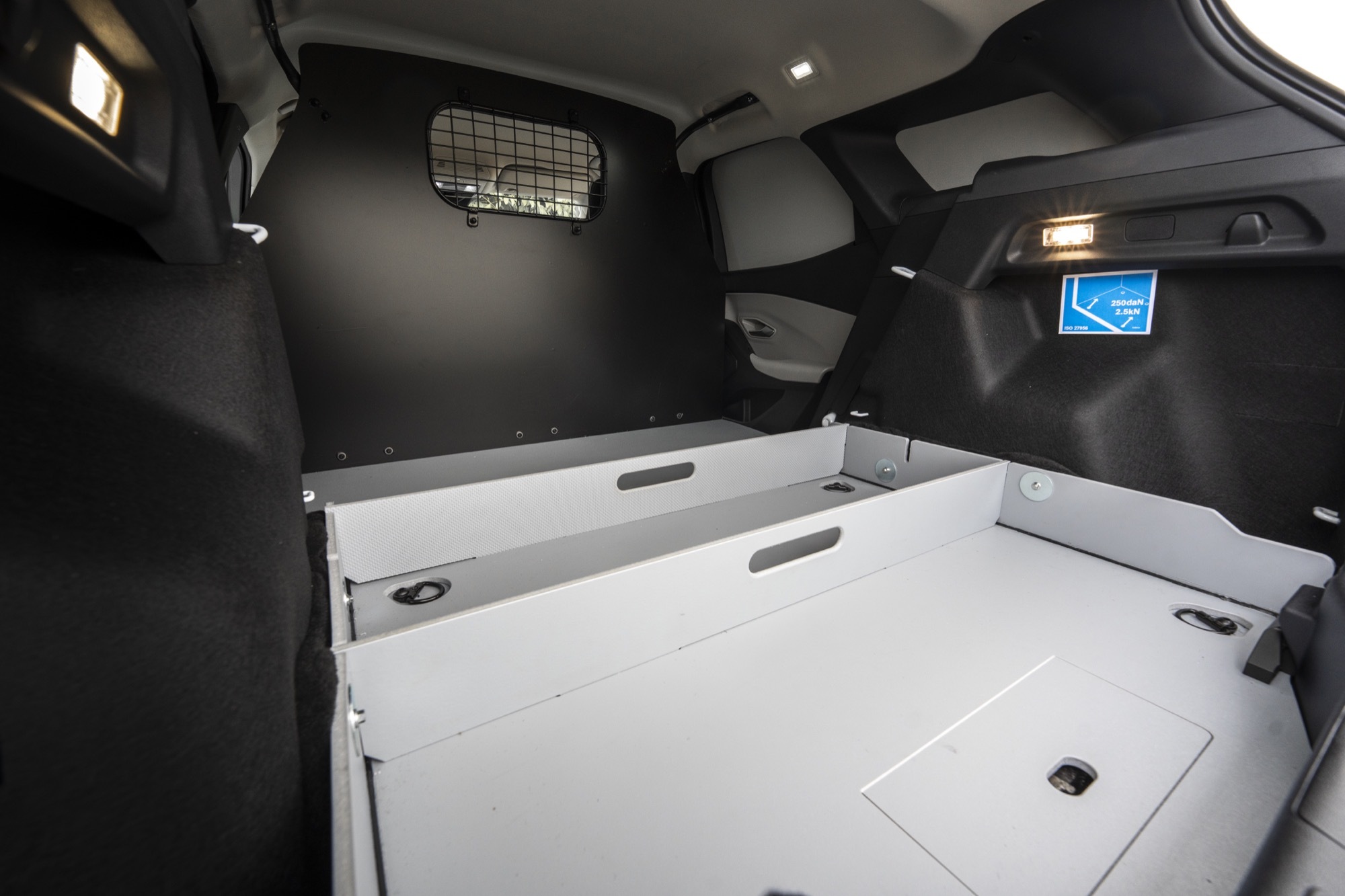
A fixed bulkhead has been added behind the front seats to boost space.
The Explorer Van is equipped with black steelies sporting yellow lug nuts.
This may look just like a base-level Ford Explorer EV, but thanks to some modifications, the all-electric SUV is now considered a commercial vehicle in Europe and has been rebadged the Explorer Van. While it may look like an undercover police car in America, it’s designed to carry things around, just like a Transit, albeit on a much smaller scale.
What starts out as a regular Explorer EV has been modified by Ford Pro’s Dagenham Conversion Centre in the UK and has been equipped with a permanent bulkhead behind the front seats, meaning it’s now considered a commercial vehicle rather than a passenger car. This offers purchasers important tax advantages and could prove popular among fleet buyers.
Beyond the inclusion of a new bulkhead, the Ford Explorer Van features a flat floor to maximize storage capacity, with several hooks and adjustable dividers. Those seeking even more practicality can order the EV with a Utility Pack, adding frunk storage, a roof rack, seat covers, and rear window mesh.
Ford also offers the stripped-down Explorer Van with a Commercial Pack that includes an amber lightbar, a tailgate work camp, and tailgate beacons, as well as a Welfare Pack with a fire aid kit and an eye washing and hand sanitizer station.
Without a doubt, the most intriguing element of the EV is the simple, blacked-out steel wheels with bright yellow lug nuts. Add some blue and red lights and upgraded bumpers, and you’d have the perfect undercover SUV.
Two different powertrains are on offer. The base model is equipped with a rear-mounted electric motor delivering 282 hp and capable of towing up to 2,204 lbs (1,000 kg). An all-wheel drive version is also offered, complete with 335 hp and an improved 2,645 lbs (1,200 kg) towing rating. The rear-motor version can drive up to 374 miles (602 km) on a single charge, but no range figure has been announced for the dual-motor version just yet.
Ford has morphed the Explorer EV into a commercial vehicle in Europe.
A fixed bulkhead has been added behind the front seats to boost space.
The Explorer Van is equipped with steel black wheels with yellow lug nuts.
This may look just like a base-level Ford Explorer EV, but thanks to some modifications, the all-electric SUV is now considered a commercial vehicle in Europe and has been rebadged the Explorer Van. While it may look like an undercover police car in America, it’s designed to carry things around, just like a Transit, albeit on a much smaller scale.
What starts out as a regular Explorer EV has been modified by Ford Pro’s Dagenham Conversion Centre in the UK and has been equipped with a permanent bulkhead behind the front seats, meaning it’s now considered a commercial vehicle rather than a passenger car. This offers purchasers important tax advantages and could prove popular among fleet buyers.
Beyond the inclusion of a new bulkhead, the Ford Explorer Van features a flat floor to maximize storage capacity, with several hooks and adjustable dividers. Those seeking even more practicality can order the EV with a Utility Pack, adding frunk storage, a roof rack, seat covers, and rear window mesh.
Ford also offers the stripped-down Explorer Van with a Commercial Pack that includes an amber lightbar, a tailgate work camp, and tailgate beacons, as well as a Welfare Pack with a fire aid kit and an eye washing and hand sanitizer station. Without a doubt, the most intriguing element of the EV is the simple, blacked-out steel wheels with bright yellow lug nuts. Add some blue and red lights and upgraded bumpers, and you’d have the perfect undercover SUV.
Two different powertrains are on offer. The base model is equipped with a rear-mounted electric motor delivering 282 hp and capable of towing up to 2,204 lbs (1,000 kg). An all-wheel drive version is also offered, complete with 335 hp and an improved 2,645 lbs (1,200 kg) towing rating. The rear-motor version can drive up to 374 miles (602 km) on a single charge, but no range figure has been announced for the dual-motor version just yet.
PROS ›› Great power, extremely spacious, refined CONS ›› Ioniq 9 is more luxurious, expensive, inefficient
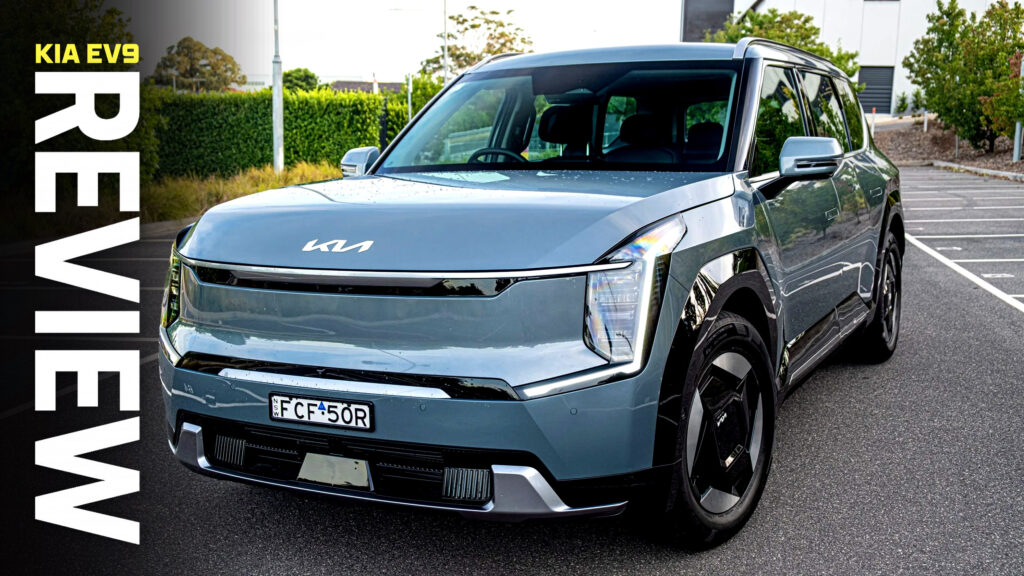
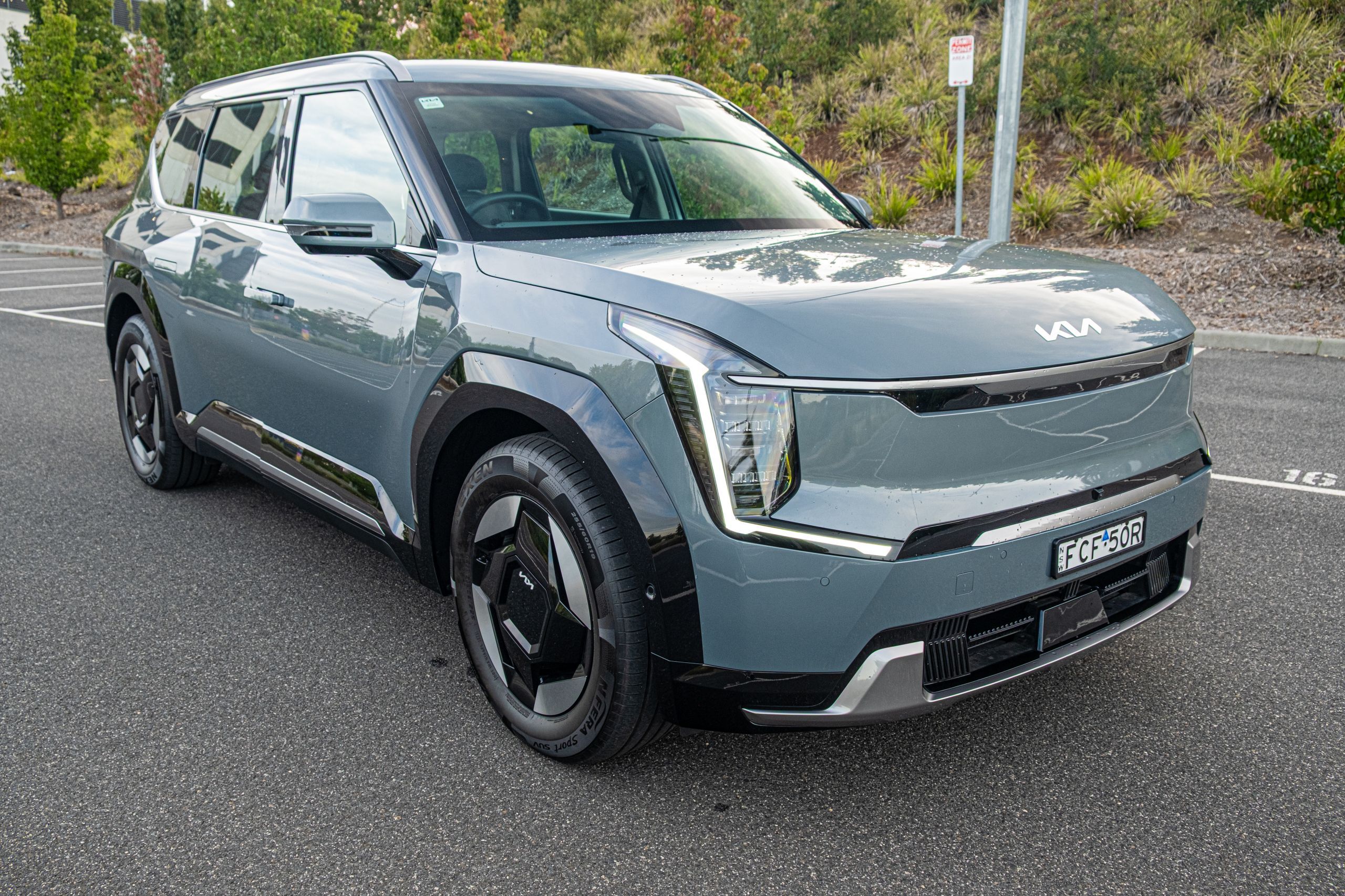
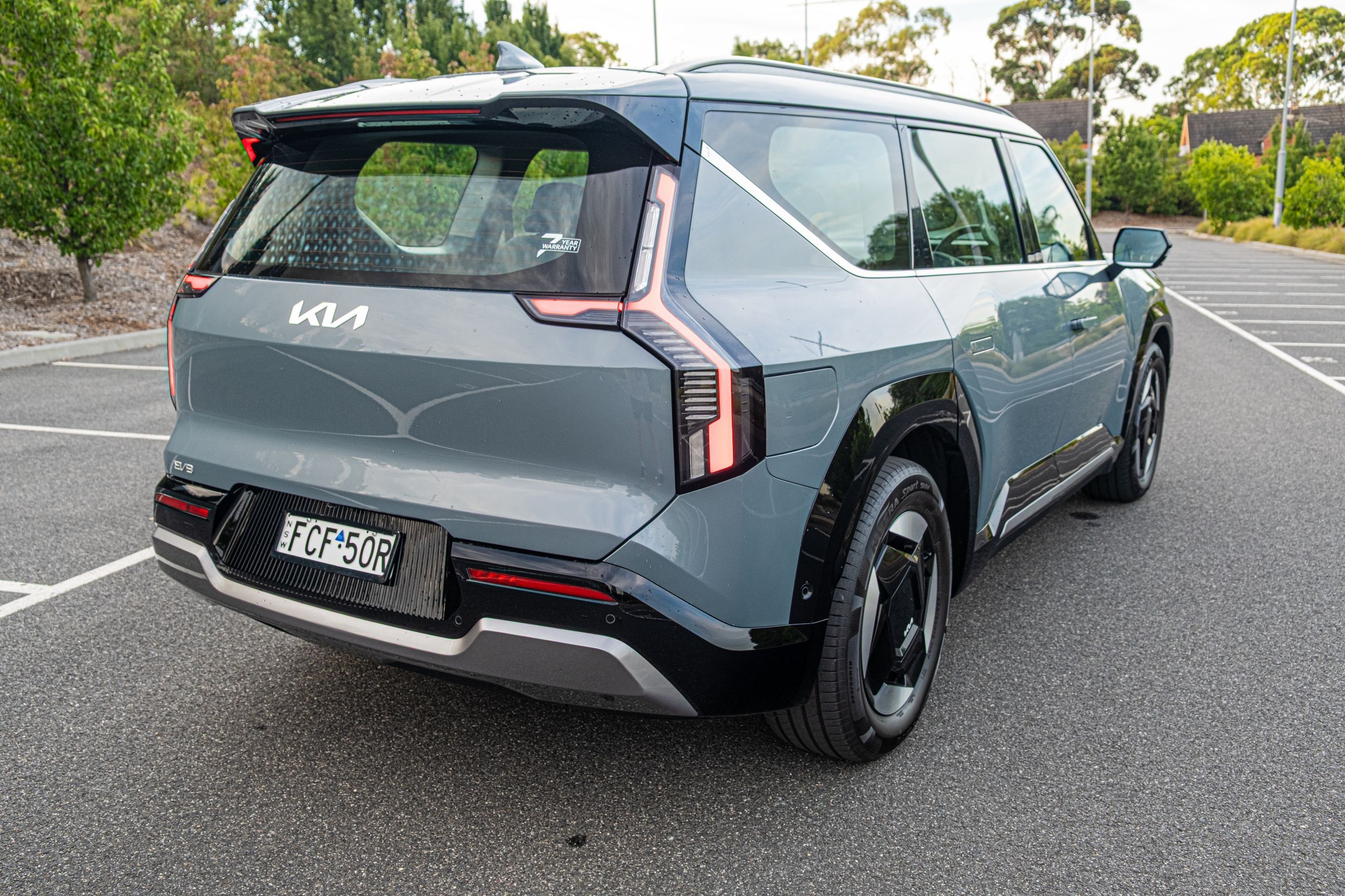
Kia’s EV9 arrived in Australia two years ago as the first fully electric SUV with three rows, and it didn’t try to blend in. The styling leaned hard into concept car territory, all sharp edges and presence, and it marked a turning point for the Korean brand as it pushed further upmarket. Locally, it wasn’t just another launch. It felt like a statement piece, and arguably the most important model Kia had put its name on in years.
In the two years since its launch, the segment hasn’t exactly exploded into life. Australia’s three-row EV space is still oddly thin, with only the Volvo EX90 and the sorted Hyundai Ioniq 9 joining the conversation so far. There’s also the looming arrival of the seven-seat Tesla Model Y L, which technically has three rows, in the same way a folding chair technically counts as living room furniture.
The question is, two years on, does the EV9 still hold the same appeal it had when it first launched, or has it been overshadowed by some of the newer competition? We spent a week with the mid-range Kia EV9 Earth to see where it now stands.
QUICK FACTS
› Model:
2026 Kia EV9 Earth
› Starting Price:
AU$119,273 ($84,231)
› Dimensions:
197.2 L x 78 W x 69.1 in H (5,010 x 1,980 x 1,755 mm)
› Wheelbase:
122 in wheelbase (3,100 mm)
› Curb Weight:
2,552 kg (5,626 lbs)
› Powertrain:
Dual electric motors / 99.8 kWh battery
› Output:
380 hp (283 kW) / 516 lb-ft (700 Nm)
› 0-62 mph
6.0 seconds
› Transmission:
Single speed
› Efficiency:
23 kWh/100 km as tested
› On Sale:
Now
SWIPE
Local prices for the EV9 have remained steady since the model’s introduction. While this is a good thing, it still remains pricey. The range starts with the Air, priced from AU$106,404 ($75,100) when factoring in all the on-road costs and fees, while the Earth we lived with kicks off from AU$119,273 ($84,231).
Then there’s the performance-focused GT, set to arrive shortly and expected to start just shy of AU$150,000 ($106,000). At that point, you’re not just shopping for a big electric SUV. You’re making a fairly serious financial statement.
Photos Brad Anderson/Carscoops
There’s a lot to like about the mid-range EV9 Earth on paper. It uses the same powertrain as the GT-Line, meaning there’s a 99.8 kWh battery pack and a pair of electric motors boasting 283 kW (380 hp) and 700 Nm (516 lb-ft) of torque. By comparison, the base model has a smaller 76.1 kWh pack and just a single, rear-mounted electric motor.
Kia quotes a solid driving range of 512 km (318 miles) in the EV9 Earth, the most of any model, as well as a 0-100 km/h (0-62 mph) time of 6.0 seconds. This is down from the GT-Line’s 5.3-second time and likely has to do with some electronic trickery, given it has the same powertrain.
Spacious, Functional, But A Bit Drab Interior
Photos Brad Anderson/Carscoops
Given the large footprint of the EV9, it should come as no surprise that the interior is absolutely vast. It’s a proper seven-seater – or six-seater when configured with the captain’s chairs – yet you quickly get used to the size of it.
Like other EV9 variants, as well as many other Kia EVs, the dashboard is dominated by a 12.3-inch infotainment display, a 5-inch climate control panel, and a 12.3-inch digital gauge cluster.
The implementation of the climate control screen leaves a little to be desired. It’s sandwiched between the two larger displays and is completely blocked by the rim of the steering wheel. Fortunately, Kia has included physical switches for the temperature and fan speed further down on the dash, so I very rarely had to use the screen to make adjustments. Even still, we’d prefer a narrow, horizontal display below the air vents for the climate settings.
Photos Brad Anderson/Carscoops
Just a few months ago, we drove the Hyundai Ioniq 9, a vehicle that shares its underpinnings with the EV9. Australia only gets that model in flagship Calligraphy guise, priced from AU$128,413 ($90,700), and while it’s more expensive than the EV9 Earth, the interior feels far plusher.
This isn’t to say the cabin of the EV9 is a disappointment. In fact, it’s very nice. But, whereas Hyundai has used a host of different colors, materials, and shapes in the Ioniq 9, the cabin of the EV9 is rather drab, offered exclusively with black artificial leather. There are no metal accents, or even faux metal parts, and instead just a bunch of leather (which isn’t particularly soft), small pieces of fabric on the dashboard and door panels, and plenty of black plastic. We’d expect more at this price point.
Functionally, the interior is great. Wireless Apple CarPlay and Android Auto come standard, although the Earth misses out on the head-up display of the GT-Line. It also does without Parking Collision Avoidance Assist – Forward, Kia’s relaxation seats, dual sunroof, rear privacy glass, small cube LED headlights, alloy sport pedals, premium door scuff panels, second-row sun blinds, and a 14-speaker Meridian sound system. Instead, it makes do with an 8-speaker system that’s adequate, but not particularly inspiring.
Photos Brad Anderson/Carscoops
There’s no knocking the space or comfort on offer, however. The front seats are great, as are the ultra-soft headrests. There are also plenty of charging ports, as well as heated and ventilated functions for the front seats.
Similarly, the second-row is incredibly spacious with ample legroom and headroom, even in the middle seat. Thanks to the upright roofline, there’s even plenty of headroom at the rear and slightly more than in the Ioniq 9. Cargo space is also good, with 828 liters (29.2 cubic feet) if the third row is folded down, and 2,318 liters (81.8 cubic feet) if the second- and third-row seats are folded away.
A GT Badge Isn’t Needed For Performance
While the Kia EV9 Earth isn’t marketed as a sporty SUV, unlike the GT-Line and GT models, it certainly has a sporty edge to it.
Unlike the Ioniq 9 Calligraphy, which has more power than all EV9 models bar the flagship GT, the EV9 doesn’t waft down the road quite the same. Instead, it rides noticeably firmer and has a more dynamic edge to it. This isn’t to say it feels like an out-and-out performance car, because it doesn’t, but it’s clear Kia’s engineers were eager to create something that driving enthusiasts like ourselves would appreciate.
It’s very common for big EVs to ride quite firmly – hardly a surprise given how heavy they can be. While the EV9 does lean towards firmness rather than suppleness, even in Earth configuration, it still remains comfortable and soaks up bumps nicely, almost as well as a high-priced European rival.
Photos Brad Anderson/Carscoops
Thanks to the suspension setup, the EV9 handles surprisingly well and offers a tremendous amount of grip given its size. The Nexen tires aren’t the most premium option, given the SUV’s hefty price tag. By comparison, the GT-Line rocks Continental rubber. Kia has done a commendable job of keeping the cabin quiet, eliminating any excessive tire or wind noise, even though the EV9 has a front area like a semi-truck.
The steering has a nice weight, even though it’s largely devoid of feel. Similarly, the brakes have been well-tuned, and there’s no noticeable crossover between the regenerative braking and the mechanical units. Like other Hyundai and Kia EVs, the regen can be adjusted on the fly with the paddle shifters.
Annoyances with the EV9 are few and far between, although the driver monitoring system is a little overactive, beeping and flashing even if you just take your gaze away from the road for a moment, even if that’s just to look in the mirrors. In addition, the multimedia shortcut buttons, incorporated into the dash with haptic buttons similar to what’s found in the Nissan Ariya, are very hard to use on the move.
The EV9’s 800-volt electrical architecture means the battery pack can be charged from 10-80 percent in just 24 minutes, which is impressive given the 99.8 kWh pack is quite sizeable. Yes, there are some Chinese brands that have pushed charging speeds to new levels in recent years, but the EV9 is more than adequate in this department.
In news that won’t surprise you, efficiency leaves a little to be desired. Kia quotes 22.3 kWh/100 km, but we ended up averaging 23 kWh/100 km, and that was driving almost exclusively in the Eco mode, always in one-pedal driving on a mix of urban roads and highways.
Verdict
Photos Brad Anderson/Carscoops
The Kia EV9 has been a relatively strong performer for the brand ever since it was launched. In Australia, 269 examples were sold last year, and while that was down 50 percent from the year prior, it did outsell the Volvo EX90, which shifted 209 units. In the US, sales have been in freefall since the $7,500 federal EV tax credit was scrapped, and in 2025, 15,051 were sold, down from 22,017 the year prior.
Should Kia be panicking? Probably not. The market for all-electric, three-row SUVs will never be huge, and a drop in demand doesn’t mean the EV9 has somehow become less appealing since its introduction. Indeed, it is just as good now as it ever was.
However, not only does it have to deal with competition from within the Kia stable, such as from the Sorento and the Telluride, but shoppers also need to be convinced to buy it over the Hyundai Ioniq 9 which is better, even if it costs a little more. Like so many other EVs, it will likely remain most appealing to those only interested in owning an electric vehicle, not necessarily a spacious seven-seat SUV that provides the best value for money. If you’re still after that, Kia’s hybrid alternatives might be a better option.
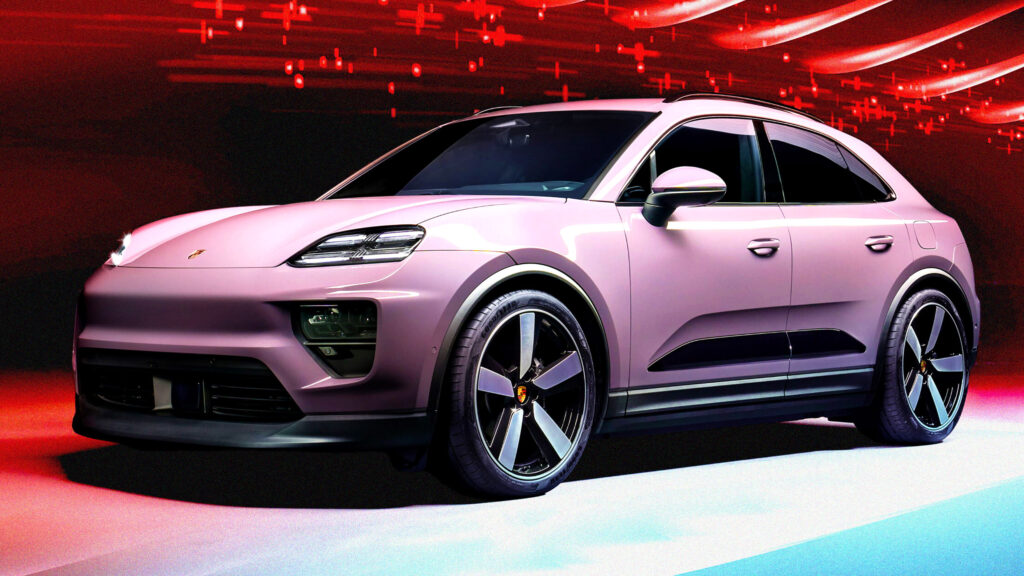
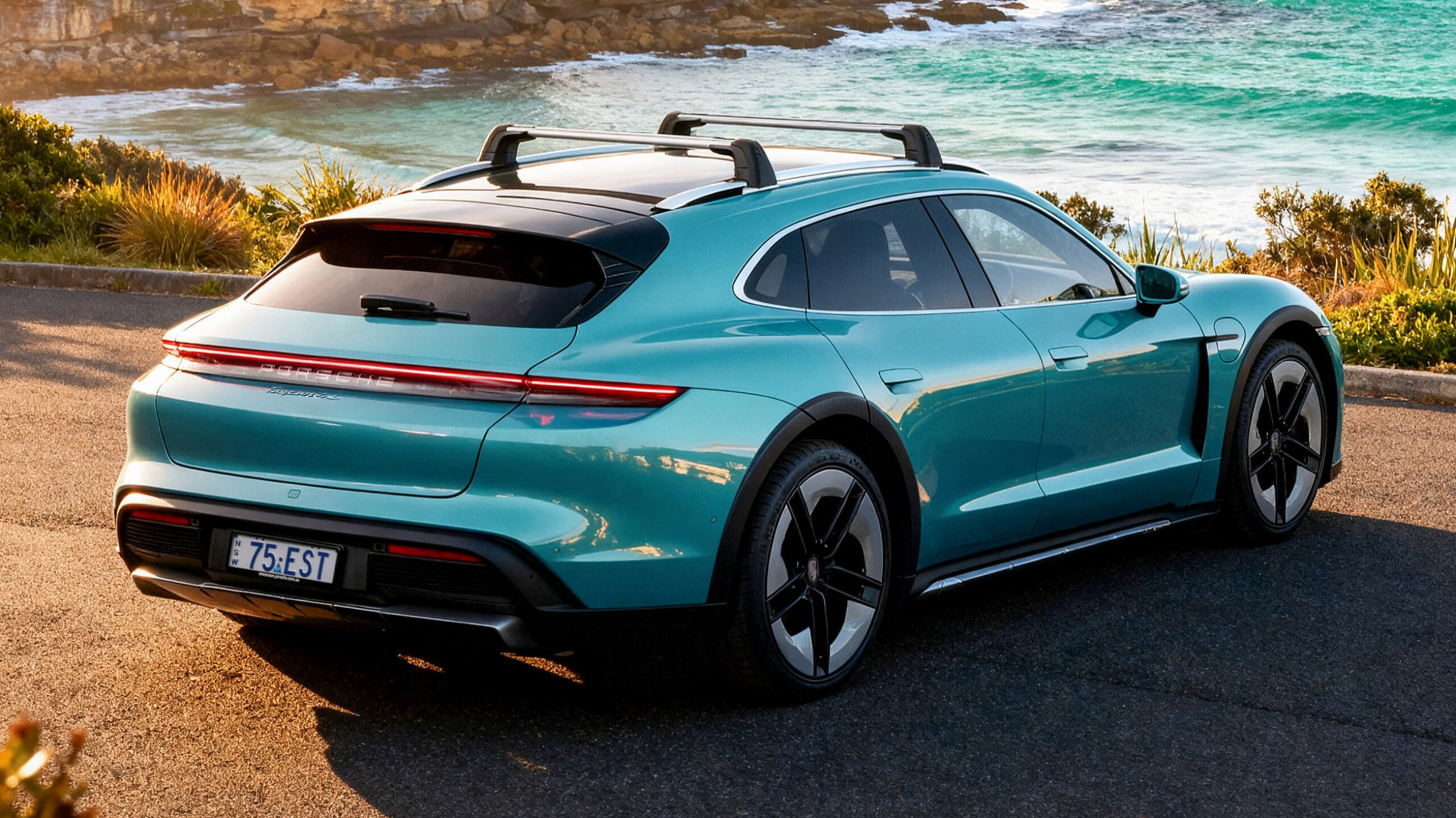
Porsche says Chinese brands present an intriguing opportunity for it.
Executives see Chinese EV brands as a pathway to future premium buyers.
Many current buyers are likely focused on value rather than brand prestige.
Surging demand for domestic brands in China has dealt a heavy blow to Porsche, pushing the company to shutter roughly 30 percent of its dealerships as sales have plunged 50 percent since 2022. The slide shows little sign of easing. In the most recent quarter alone, Porsche lost another 21 percent of its market share.
Yet despite the growing pressure from Chinese automakers, the brand insists the trend could work in its favor, at least in select Western markets such as Australia.
While the number of vehicles from China available in Australia continues to increase by the month, the German sports car maker doesn’t face the same level of competition as it does elsewhere. According to Porsche Cars Australia chief executive Daniel Schmollinger, many buyers entering the market through more affordable Chinese models may eventually set their sights higher.
“I wouldn’t call it concern; I wouldn’t call it worried; I look at it as an opportunity,” he told Australia’s Drive. “They’re obviously in a different price range from where we are. I’m actually happy to see these brands being successful here because at one point in time we will see, like after three years, first-time electric in a Chinese brand, people will want what’s next. And what is the next step? Then we are here for them.”
From Chinese To German?
While this certainly seems possible, there’s absolutely no guarantee that those buying an EV from a Chinese company now will be interested in upgrading to a Porsche in the future. Indeed, if they’re after a new EV from China, they’re likely quite budget-conscious and are looking for something that presents good value for money.
If, for example, someone were to buy a 700 hp EV from China for a third of the price of a Porsche, would they really have any interest in upgrading in a few years just for the German badge? Porsche is likely betting that these individuals’ incomes will grow, and as they do, it’s certainly possible they will start looking at more traditionally premium brands.
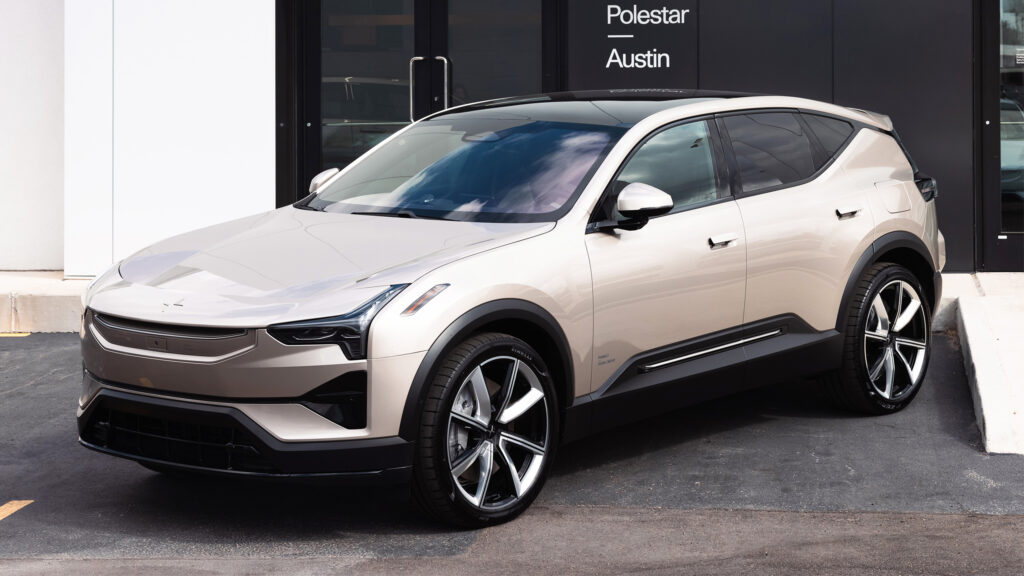
After incentives, the base Polestar 3 is available for less than $50,000.
Existing Tesla owners are being offered a $3,000 conquest bonus.
Polestar is also offering a bonus for BMW, Audi, and Mercedes owners.
For most American buyers, Tesla remains the quintessential electric vehicle brand, accounting for roughly 46 percent of all EVs sold locally last year. Despite its stranglehold over the industry, competitors continue to announce incentives aimed at convincing current Tesla owners to jump ship, and Polestar is the latest.
If you want to jump behind the wheel of a new Polestar 4 or Polestar 3, now could be the time to do it. Until April 30, the outgoing 2025 Polestar 3 includes an $18,000 ‘Polestar Clean Vehicle Incentive’ on purchases, slashing the SUV’s starting price. What’s more, it’s being sold with a $3,000 conquest bonus for any existing Tesla owner, regardless of whether someone wants to buy or at lease the 3.
It’s not just Tesla owners who can benefit. A $3,000 loyalty bonus is available to current Polestar owners, and a $1,000 conquest bonus is available to anyone who owns or leases an ICE or EV model from BMW, Audi, Mercedes-Benz, Porsche, or Cadillac. If you’re a Costco member, you may also be eligible to receive a discount of either $1,000 or $1,250. All up, we’re looking at potential savings of $21,000, or up to $22,250 for Costco members.
Importantly, these incentives are only for the 2025 Polestar 3, which has a 400-volt electrical architecture, whereas the 2026 model uses a more advanced 800-volt system. Nevertheless, it remains a good EV, and the base model can now be had for less than $50,000. The incentives also cut prices of the Long Range Dual Motor to under $55,000, while the Long Range Dual Motor with Performance Package can be purchased for less than $60,000.
Or Would You Prefer No Rear Window?
Polestar is also offering several incentives for the 2026 Polestar 4. For starters, it’s available with a $10,000 clean vehicle incentive, which can be combined with a $4,000 conquest bonus for Tesla owners, a $3,000 loyalty bonus for existing Polestar owners, or a $1,000 conquest incentive for owners of BMW, Audi, Mercedes-Benz, Porsche, or Cadillac models.
Like the Polestar 3, the smaller 4 also offers up to $1,250 in incentives for Costco members. The main $10,000 incentive alone reduces prices of the Long Range Single Motor to $46,400, while the Long Range Dual Motor drops to $52,900.
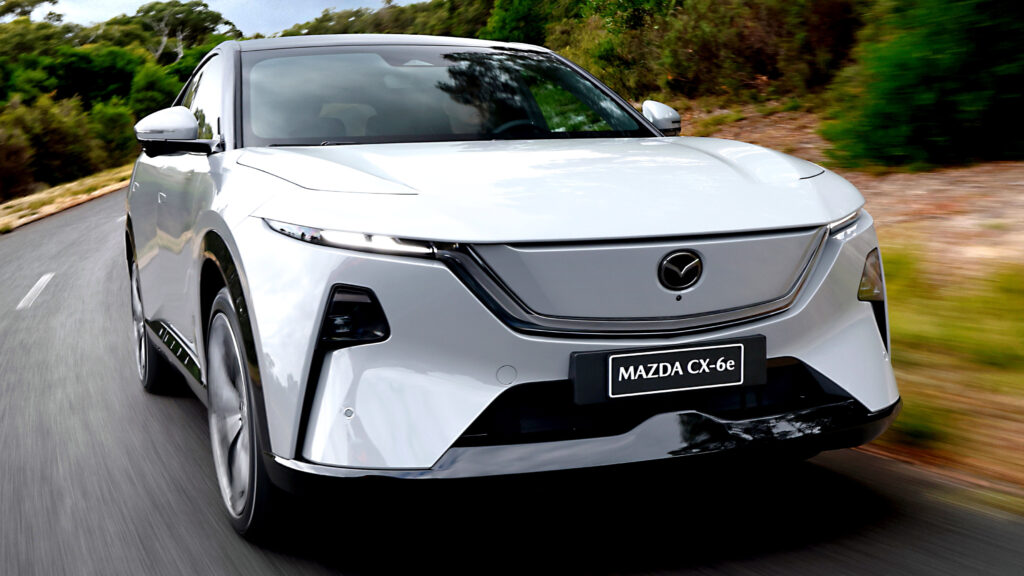
The CX-6e comes exclusively with a 78 kWh battery and a rear motor.
Mazda Australia will sell the CX-6e in GT and Azami configurations.
Customer deliveries of the all-electric SUV will start in September.
As more Chinese-built EVs make their way into global markets, legacy brands are starting to blur traditional pricing expectations. Just a few months after Hyundai began selling its China-made Elexio in Australia, Mazda has launched its only all-electric SUV in the country, also built in China. The new CX-6e is positioned as a direct rival to the Tesla Model Y and undercuts it on price, although there is no dual-motor version available.
The CX-6e is produced in China through the Changan Mazda joint venture and is closely related to the Deepal S07, which is already sold in Australia. Pricing for the entry-level GT starts at AU$53,990 (equal to US$38,000 at current rates) before on-road costs.
While it’s cheaper than the base Tesla Model Y Premium RWD that starts at AU$58,900 (US$41,500), it’s also nearly twice as expensive as the same model in China. There, the entry-level CX-6e EV starts at 139,900 yuan (US$20,500 or AU$28,900).
Chinese buyers also benefit from a lower entry point thanks to a range-extended version. It pairs a 1.5-liter four-cylinder engine with a smaller 31.7 kWh battery, effectively using the engine as a generator. That variant starts at 129,900 yuan (US$19,000 or AU$26,900), though it isn’t offered in Australia.
For their money, Australian buyers will get a sharp-looking SUV with a 78 kWh lithium iron phosphate (LFP) battery and a rear-mounted electric motor with 255 hp (190 kW) and 214 lb-ft (290 Nm). Key features of the CX-6e GT include a huge 26.45-inch central infotainment and passenger display, 19-inch alloy wheels, radar cruise control, heated and ventilated front seats, a heated steering wheel, and a 23-speaker audio system.
Tech-Filled, And Cheap
Those with a little more money to spend can opt for the CX-6e Azami, priced from AU$56,990 (US$40,100). It includes the same powertrain but adds digital wing mirrors, a digital rearview mirror, and 21-inch alloy wheels.
Both models have a claimed driving range of 301 miles (484 km) over the combined cycle. Mazda Australia hasn’t published the CX-6e’s peak DC charging speed, but notes the battery can be charged from 30-80 percent in 15 minutes, which is decent yet far from class-leading.
No doubt in a bid to help boost early interest in the SUV, the first 1,000 Australian customers who pre-order the CX-6e GT will receive a complimentary upgrade to the Azami. There is only one optional package, a Warm Beige interior trim available on both variants for AU$1,000 ($700).
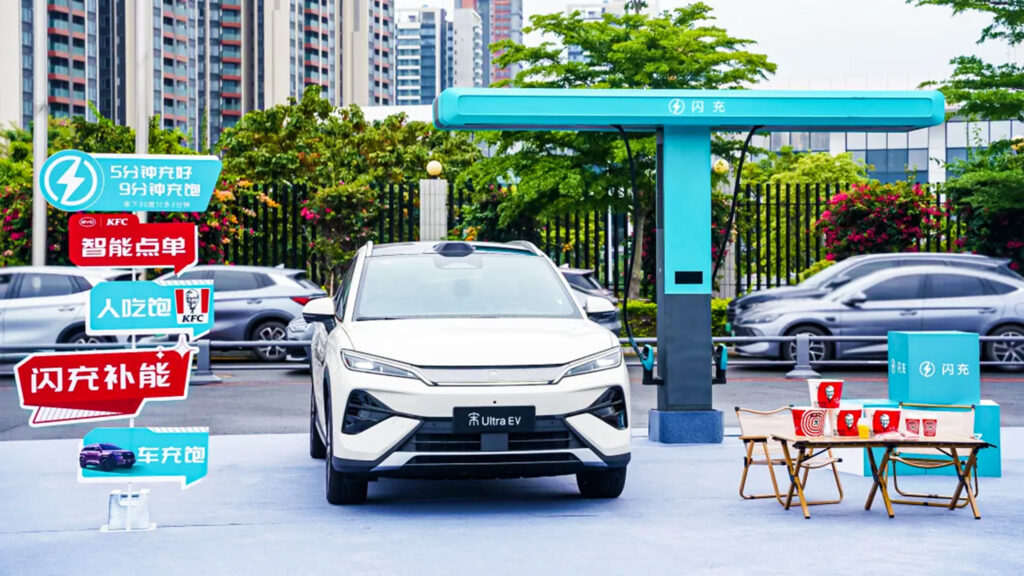
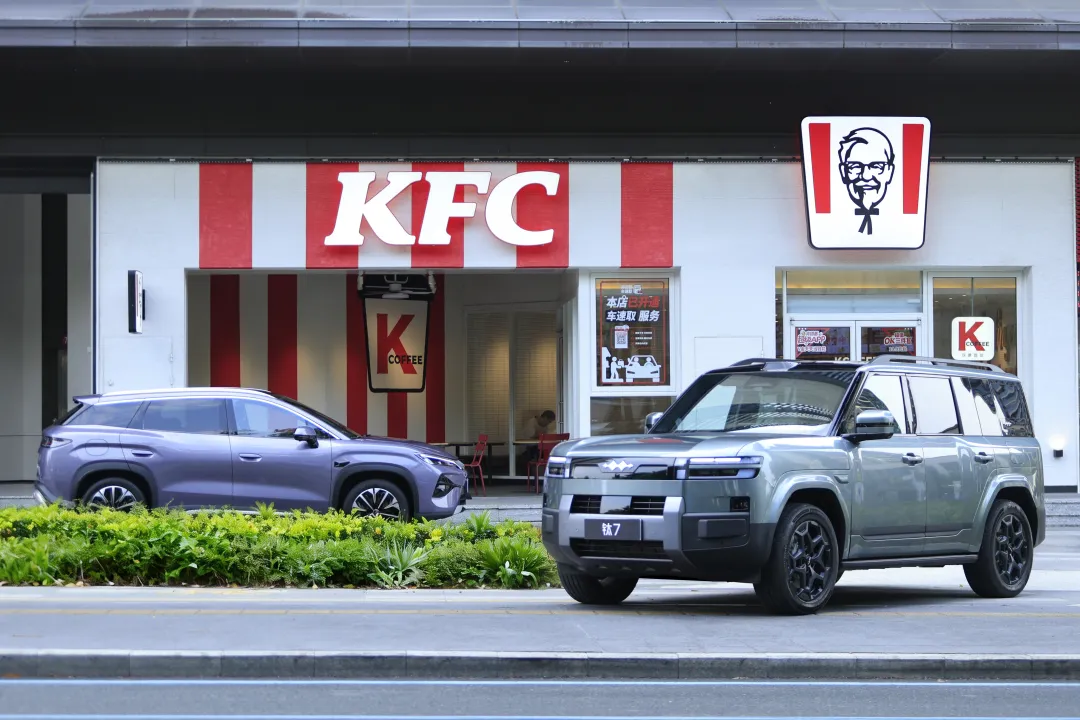
BYD opens its 5,000th fast charging station across China.
A new KFC tie-up links meals with rapid charging stops.
Expansion plans include thousands of sites across Europe.
In China’s growing EV market, convenience is starting to matter just as much as range or charging speed. BYD isn’t the type of company that does things in halves. Only a month after announcing its new 1,500 kW charging technology, it has opened its 5,000th Flash Charging station in China and partnered with KFC to broaden its footprint.
Through a collaboration with the fast-food giant, BYD will establish so-called ‘9-minute drive-thru’ areas at KFC locations across the country, referencing the Flash Chargers’ ability to take one of the firm’s EVs from 10-97 percent in just nine minutes. The partnership is being developed with Yum China, the operator behind KFC’s extensive local network.
For owners who enjoy grabbing a burger or fried chicken on the go, the deal makes practical sense. It also mirrors similar partnerships in the US involving Volvo, Mercedes, and Starbucks, where charging points have been added to many of the coffee chain’s stores.
To simplify ordering, the KFC app will be integrated into BYD infotainment systems. When an order is placed through the screen, the vehicle’s location is tracked as it approaches the nearest KFC, ensuring the food is ready and hot on arrival.
Flash Charging Goes Global
BYD has not said how many KFC locations will receive Flash Chargers, but it aims to install 20,000 stations across China by the end of the year. The company also plans to roll out 6,000 Flash Charging stations outside China throughout 2026, including 3,000 across Europe.
The Flash Charging stations can be configured similarly to traditional gas stations. According to BYD, vehicles equipped with its second-generation blade battery can charge from 10-70 percent in just 5 minutes and from 10-97 percent in nine minutes. The company also highlights performance in cold conditions, stating that vehicles can charge from 20-97 percent in 12 minutes even at -22° F (-30° C).
Denza’s entry-level Z9 sedan uses a single rear motor producing 496 hp.
The existing Z9 GT Shooting Brake is heading to Europe and Australia soon.
Design changes include revised lighting, door handles, and new mirror options.
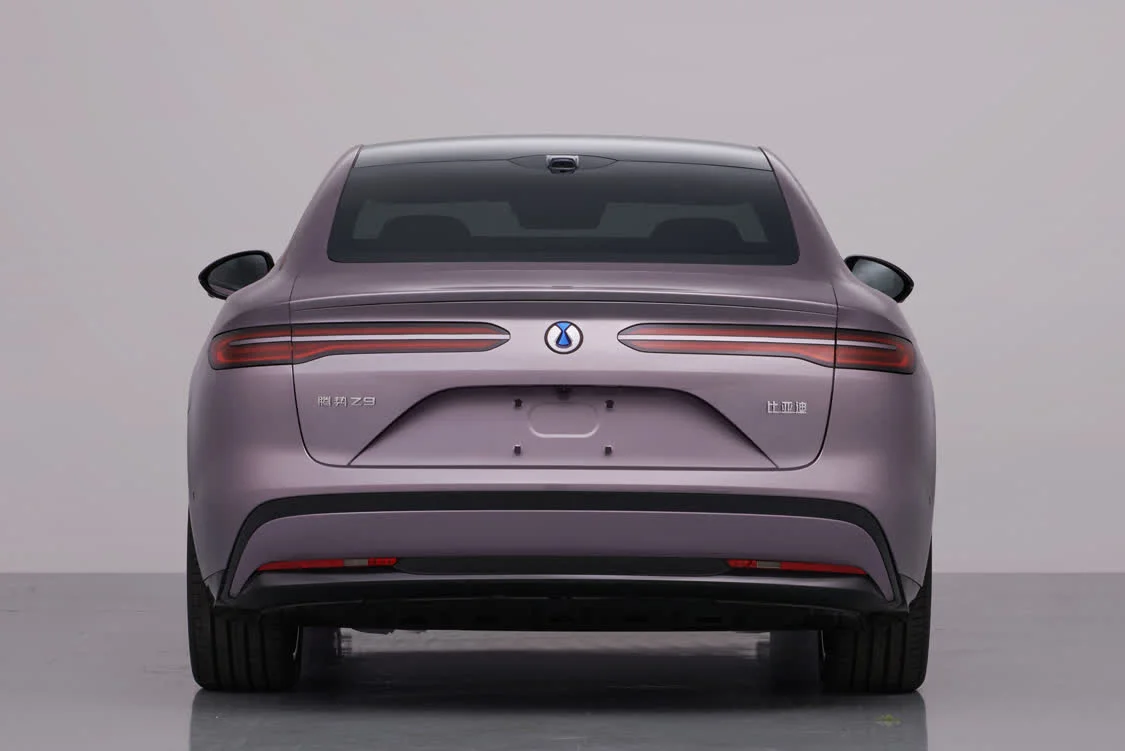
In a market where rapid model updates have become the norm, even relatively new EVs are already due for mid-cycle reinvention. Just 18 months after BYD’s Denza brand unveiled its all-electric Z9 sedan as a counterpart to the Z9 GT Shooting Brake, the first images and details of a revised version have surfaced. It has a thoroughly updated design and, fittingly, is now even more powerful.
These images from China’s Ministry of Industry and Information Technology (MIIT) show the updated Z9 sports all-new bodywork. Visible at the front are revised split LED daytime running lights, while the headlights have been positioned alongside the black lower grille section.
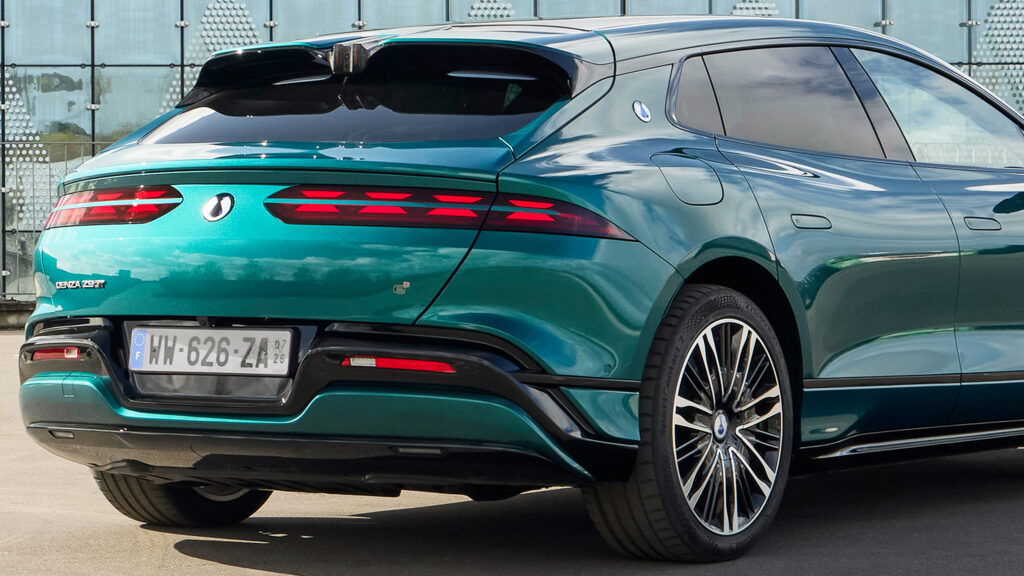
The sides remain sleek, although there are now new optional wing mirrors similar to those used by Volvo and Polestar models. The door handles have also been redesigned, while new slim LED taillights are found at the rear. The car is 5,090 mm (200.3 inches) long, 1,980 mm (77.9 inches) wide, stands just 1,490 mm (58.6 inches) tall, and has a generous 3,025 mm (119-inch) wheelbase.
Power For All
Two distinct, all-electric versions are mentioned in the MIIT filings. The first is a single-motor version with a rear-mounted electric motor delivering 496 hp. There’s no word on how large the car’s battery pack will be, but the weight of this model will vary between 2,397 kg (5,284 lbs) and 2,438 kg (5,374 lbs), depending on the specification. The top speed is listed at 155 mph (250 km/h).
As we’ve learned from Denza, simply having almost 500 hp isn’t enough. Sitting at the top of the Z9 sedan family will be a tri-motor version with a pair of 416 hp motors and a single 362 hp motor, delivering 1,328 hp. That gives it a power advantage over the existing Z9 GT Shooting Brake that tops out at 1,274 hp. The top speed of this model will be 168 mph (270 km/h), and it’ll be a little heavier, weighing in at 2,588 kg (5,705 lbs).
Details of this new model emerged shortly after Denza announced it was taking the current Z9 GT Shooting Brake global and will start selling it in Europe and Australia. Given that an updated sedan is in the works, it seems likely a new version of the Shooting Brake is also on the cards, mimicking some of the design changes made to the sedan.
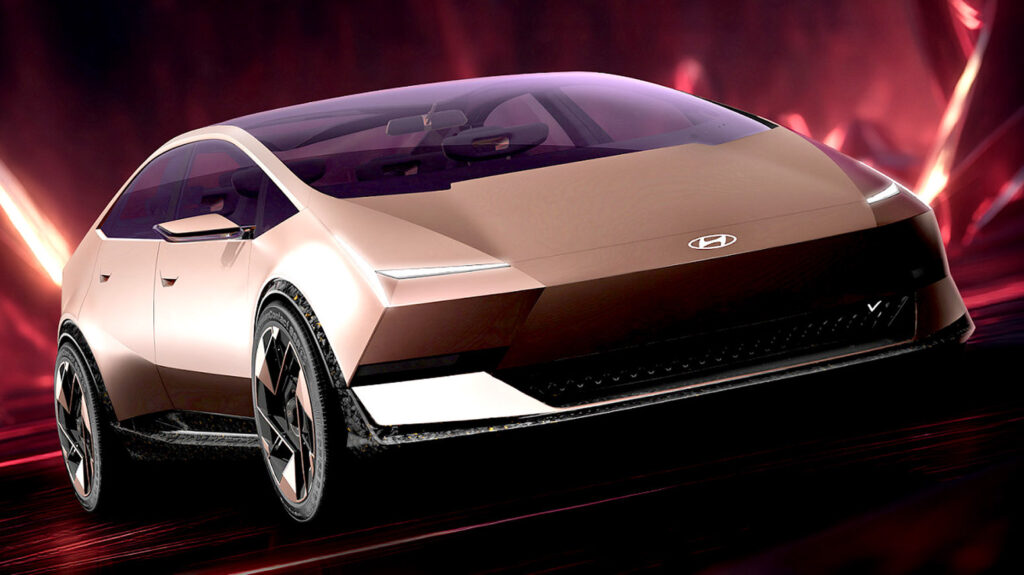
Hyundai has unveiled two Ioniq concepts, badged the Venus and Earth.
The Venus is a high-riding sedan that looks nothing like the Ioniq 5.
Both concept cars feature radical interiors to inspire production models.
China’s EV market has become a proving ground where global brands often rethink their playbook from the ground up. The Ioniq brand has served as Hyundai’s premium series of EVs in Western markets for several years. Now Hyundai is bringing Ioniq to China, but not with any existing models. Instead, it has revealed two concepts ahead of the Auto China show in Beijing.
All future Ioniq models bound for China will follow a new naming convention, one that swaps numbers for planets as Hyundai reshapes its electric lineup for the market. With this in mind, its first two concepts are dubbed the Venus and the Earth, the former a sharp looking sedan that strongly recalls a Lamborghini four-door, while the latter takes the form of an SUV.
According to Hyundai, the Ioniq series will “evolve beyond a product lineup into a broader mobility ecosystem tailored to local customers” as it develops.
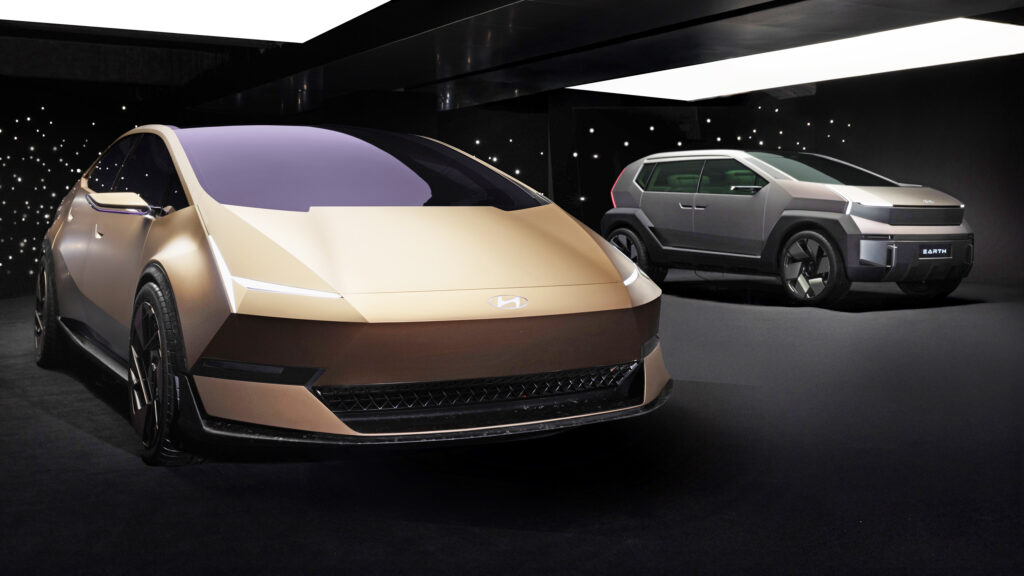
Hyundai says the Venus and Earth serve as design ‘barometers’ for future production models. The Venus has been presented in a shade of Radiant Gold and looks unlike any other Ioniq model we’ve seen. Like an Ioniq 5, it sits quite high and has an aggressive front end with slim LEDs and a gaping grille.
The cabin is also quite intriguing, featuring a slew of gold accents and a panoramic screen for the infotainment system and the front passenger, similar to the current Hyundai Elexio built in China. Just how much of this concept’s interior will influence future production models remains to be seen, but it certainly makes a statement.
No Ordinary Hyundai
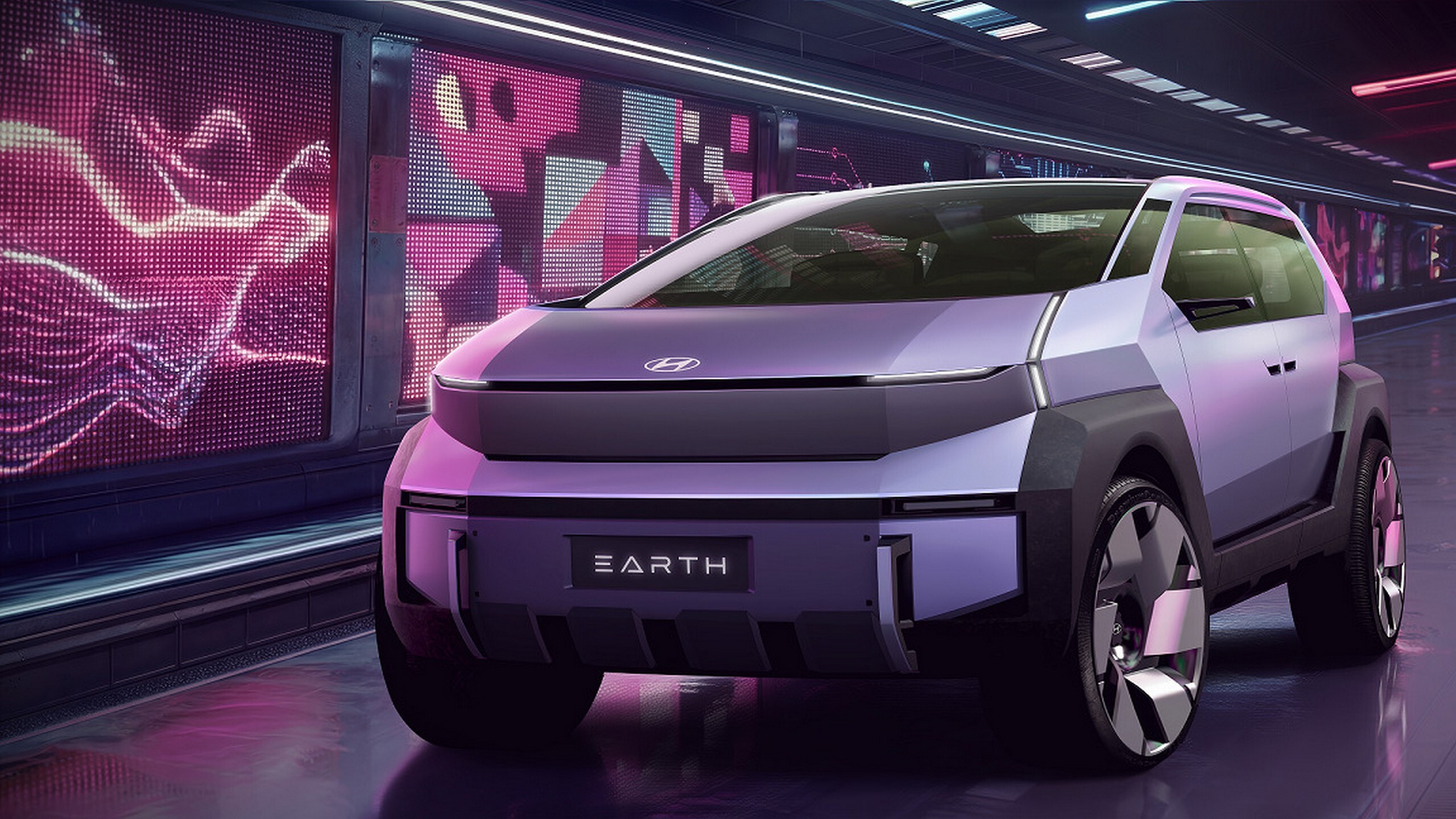
Hyundai’s Earth SUV is even more dramatic. Sharing some similarities to recent Kia concepts, it has a bold front fascia and a rugged design, painted in a shade Hyundai calls Aurora Shield. A peek inside the cabin reveals suicide rear doors, a tablet-like central touchscreen, and special seats with air-filled modules.
“Starting with the two concept cars unveiled today, we will continue to present products that reflect deep insight into Chinese customers and our genuine commitment to this market,” Beijing Hyundai Motor Company president Li Fenggang said.
“Built on IONIQ’s uncompromising principles of world-class safety and quality, we will soon introduce production models that seamlessly combine the smart driving and smart cabin experiences that Chinese consumers demand.”
Hyundai has yet to announce when the first of its China-only Ioniq models will be launched, but they shouldn’t be too far off.
The flagship Z9 will churn out an extraordinary 1,328 hp from three motors.
Denza is also readying a single-motor Z9 sedan with 496 hp at the rear wheels.
A slew of design changes have been made to the sleek Chinese sedan.
Just 18 months after BYD’s Denza brand unveiled its all-electric Z9 sedan as a counterpart to the Z9 GT Shooting Brake, the first images and details of a revised version have surfaced. It has a thoroughly updated design and, fittingly, is now even more powerful.
These images from China’s Ministry of Industry and Information Technology (MIIT) show the updated Z9 sports all-new bodywork. Visible at the front are revised split LED daytime running lights, while the headlights have been positioned alongside the black lower grille section.
The sides remain sleek, although there are now new optional wing mirrors similar to those used by Volvo and Polestar models. The door handles have also been redesigned, while new slim LED taillights are found at the rear. The car is 5,090 mm (200.3 inches) long, 1,980 mm (77.9 inches) wide, stands just 1,490 mm (58.6 inches) tall, and has a generous 3,025 mm (119-inch) wheelbase.
Power For All
Two distinct, all-electric versions are mentioned in the MIIT filings. The first is a single-motor version with a rear-mounted electric motor delivering 496 hp. There’s no word on how large the car’s battery pack will be, but the weight of this model will vary between 2,397 kg (5,284 lbs) and 2,438 kg (5,374 lbs), depending on the specification. The top speed is listed at 155 mph (250 km/h).
As we’ve learned from Denza, simply having almost 500 hp isn’t enough. Sitting at the top of the Z9 sedan family will be a tri-motor version with a pair of 416 hp motors and a single 362 hp motor, delivering 1,328 hp. That gives it a power advantage over the existing Z9 GT Shooting Brake that tops out at 1,274 hp. The top speed of this model will be 168 mph (270 km/h), and it’ll be a little heavier, weighing in at 2,588 kg (5,705 lbs).
Details of this new model emerged shortly after Denza announced it was taking the current Z9 GT Shooting Brake global and will start selling it in Europe and Australia. Given that an updated sedan is in the works, it seems likely a new version of the Shooting Brake is also on the cards, mimicking some of the design changes made to the sedan.
Hyundai has unveiled two Ioniq concepts, badged the Venus and Earth.
The Venus is a high-riding sedan that looks nothing like the Ioniq 5.
Both concept cars feature radical interiors to inspire production models.
The Ioniq brand has served as Hyundai’s premium series of EVs in Western markets for several years. Now, Hyundai is launching Ioniq in China, but it’s not doing so with any existing models. Instead, it has presented two concepts ahead of the Auto China show in Beijing.
All future Ioniq models sold by Hyundai in China will be named after planets. With this in mind, its first two concepts are dubbed the Venus and the Earth, the first of which is a sleek sedan while the latter is an SUV. Hyundai has declared that its Ioniq series will “evolve beyond a product lineup into a broader mobility ecosystem tailored to local customers” as it develops.
Hyundai says the Venus and Earth serve as design ‘barometers’ for future production models. The Venus has been presented in a shade of Radiant Gold and looks unlike any other Ioniq model we’ve seen. Like an Ioniq 5, it sits quite high and has an aggressive front end with slim LEDs and a gaping grille.
The cabin is also quite intriguing, featuring a slew of gold accents and a panoramic screen for the infotainment system and the front passenger, similar to the current Hyundai Elexio built in China. Just how much of this concept’s interior will influence future production models remains to be seen, but it certainly makes a statement.
No Ordinary Hyundai
Hyundai’s Earth SUV is even more dramatic. Sharing some similarities to recent Kia concepts, it has a bold front fascia and a rugged design, painted in a shade Hyundai calls Aurora Shield. A peek inside the cabin reveals suicide rear doors, a tablet-like central touchscreen, and special seats with air-filled modules.
“Starting with the two concept cars unveiled today, we will continue to present products that reflect deep insight into Chinese customers and our genuine commitment to this market,” Beijing Hyundai Motor Company president Li Fenggang said. “Built on IONIQ’s uncompromising principles of world-class safety and quality, we will soon introduce production models that seamlessly combine the smart driving and smart cabin experiences that Chinese consumers demand.”
Hyundai has yet to announce when the first of its China-only Ioniq models will be launched, but they shouldn’t be too far off.
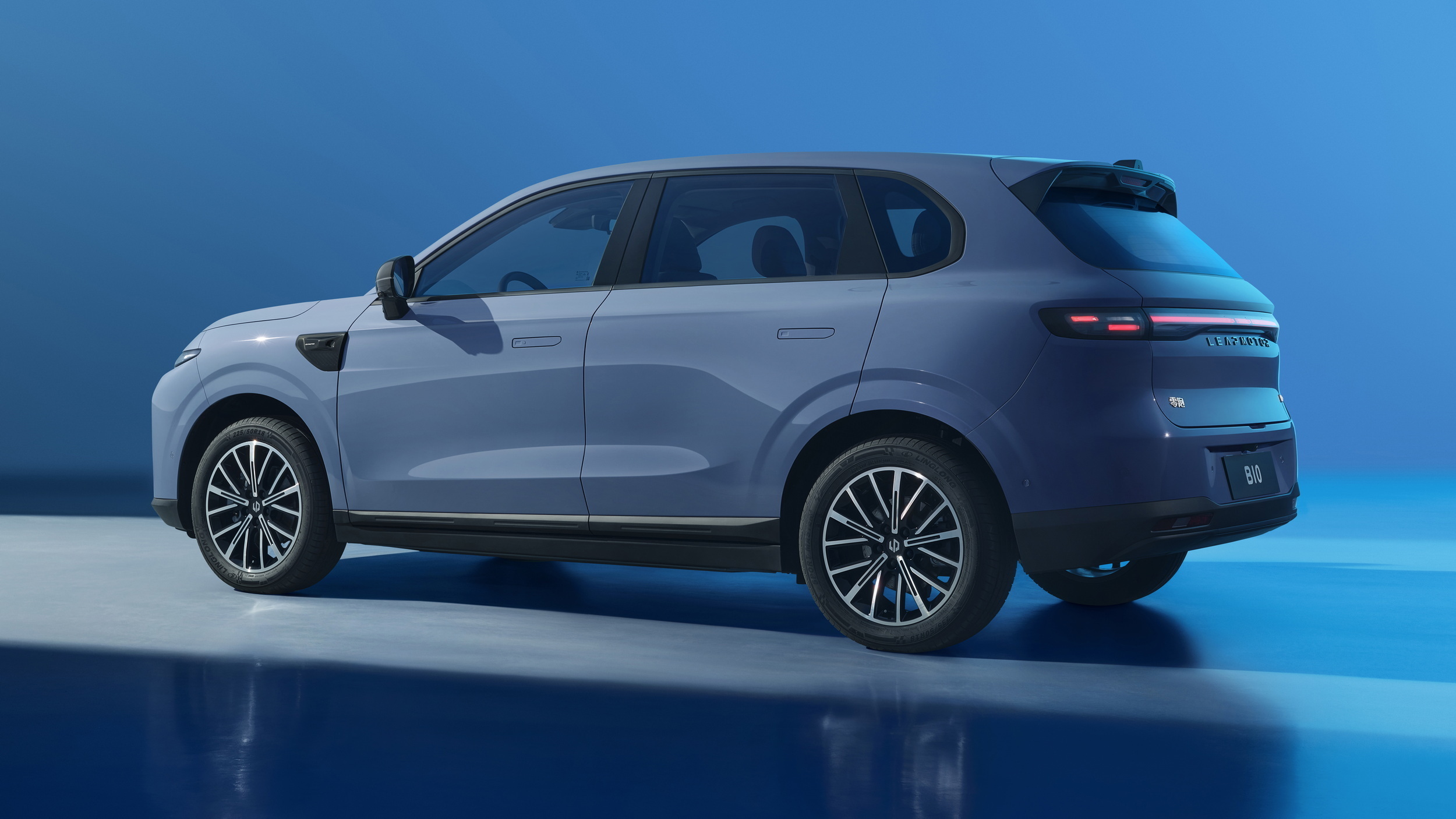
A new Opel EV may be built at a Spain plant alongside the Leapmotor B10 model.
Leapmotor is expected to supply key electrical and electronic parts to Stellantis.
Stellantis aims to deepen its ties after buying a 20 percent stake in the company.
Facing mounting pressure to cut costs and speed up timelines, Stellantis is looking beyond its own engineering bench. The automaker is reportedly exploring a plan to co-develop a new EV for Opel, and possibly Alfa Romeo too, with Leapmotor, leaning heavily on the Chinese firm’s underlying technologies.
The move comes as Stellantis recalibrates its EV strategy following a $25 billion writedown tied to scaling back parts of its electric vehicle roadmap.
China-Based Development Plans
Unnamed sources claim that the new Opel could use the same architecture as the Leapmotor B10. Whether it will share the exact same powertrain remains unclear, but Leapmotor is expected to supply key systems, including electrical and electronic components, effectively doing much of the heavy lifting under the skin.
In addition, much of the development work would take place in China, with Opel focusing primarily on exterior design. Reuters reports that discussions between the two companies began late last year, and a deal could be finalized in the coming weeks.
Stellantis acquired a 20 percent stake in Leapmotor in 2023 and has since supported the brand’s international expansion through their joint venture, Leapmotor International. This entity oversees sales and production outside China. If approved, the new Opel SUV would be built at Stellantis’ Zaragoza plant in Spain, which is also set to assemble the Leapmotor B10 starting later this year.
An Alfa Romeo Next?
It is understood that the new Opel could enter production in 2028, with annual output targeted at around 50,000 units. Leapmotor has responded cautiously to the reports, noting that it continues discussions with partners, including Stellantis, but has no plans for full platform-level collaboration. Instead, it remains focused on supplying its own in-house components.
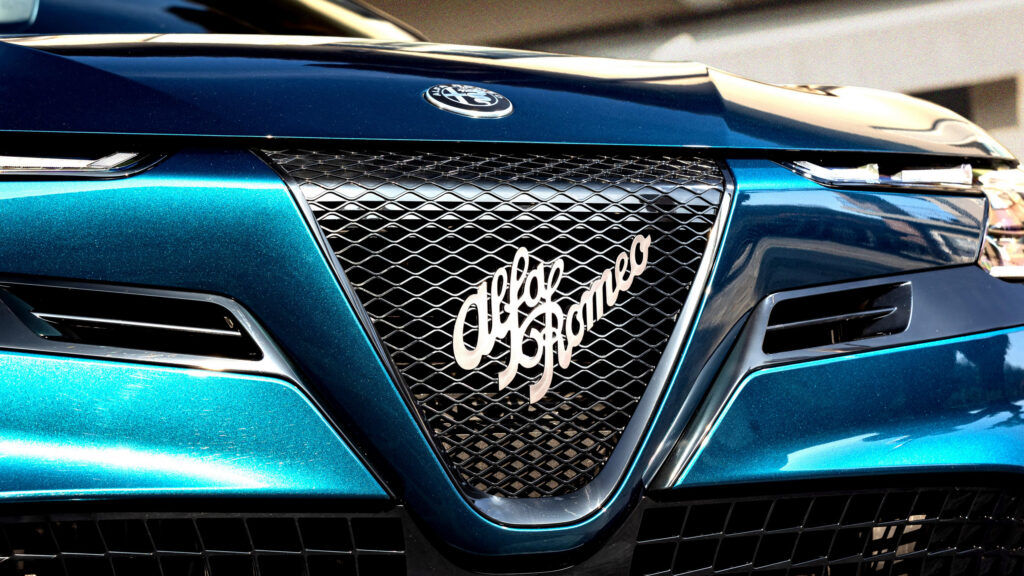
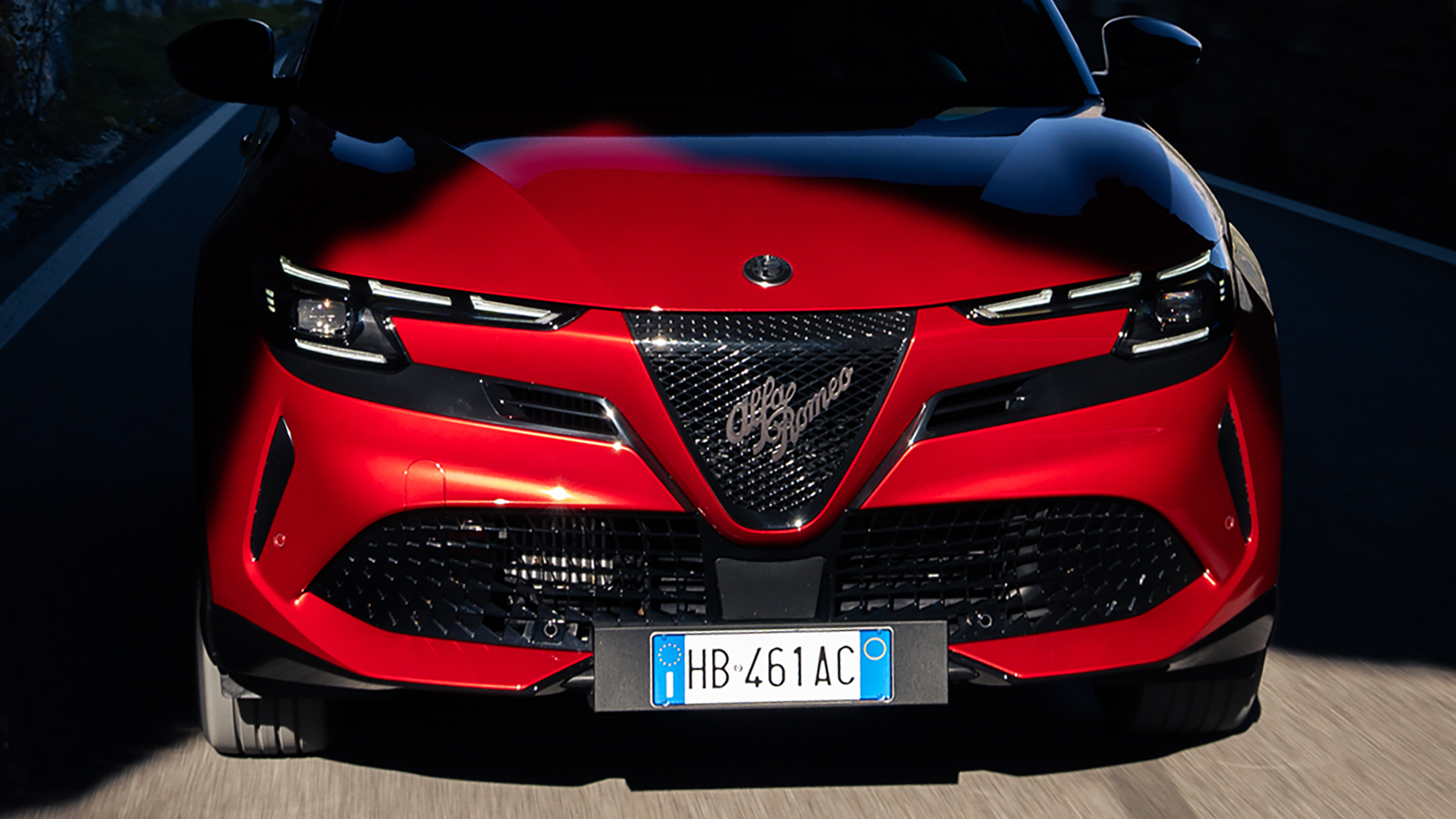
The close-knit partnership between Stellantis and Leapmotor may extend beyond a single Opel EV. Early discussions have considered applying Leapmotor’s technology to smaller A-segment models, which would likely require separate production lines. The same report also points to a possible Alfa Romeo model based on the B10 architecture, which could also be produced in Zaragoza.
The Z9 GT Shooting Brake makes 1,139 hp in EV guise, hitting 62 mph in 2.7 seconds.
A PHEV variant offers 126 miles of electric range and a combined total of 500 miles.
BYD plans 3,000 European charging stations within 12 months alongside the launch.
BYD isn’t content with its core brand competing against the world’s biggest carmakers. It has now launched its premium Denza brand in Europe. There’s a certain irony here, as Denza was originally created as a joint venture between BYD and Mercedes-Benz owner Daimler, blending Chinese EV expertise with German premium know-how. It was established in 2010 before Mercedes-Benz gradually stepped back and exited entirely in 2024.
The rollout begins in Germany, France, Italy, Spain, and the UK, with two key models leading the way. By the end of 2026, Denza is expected to be present in 30 countries across the continent.
Those opening acts are the D9 DM-i minivan and the Z9GT Shooting Brake. The D9 leans on a plug-in hybrid setup, while the Z9GT gives buyers a choice between full electric and plug-in hybrid power. Their arrival also lines up with BYD’s wider push to roll out its Flash Charging system internationally. Over the next 12 months, the company aims to install 3,000 charging stations across Europe, with another 3,000 planned for markets beyond China.
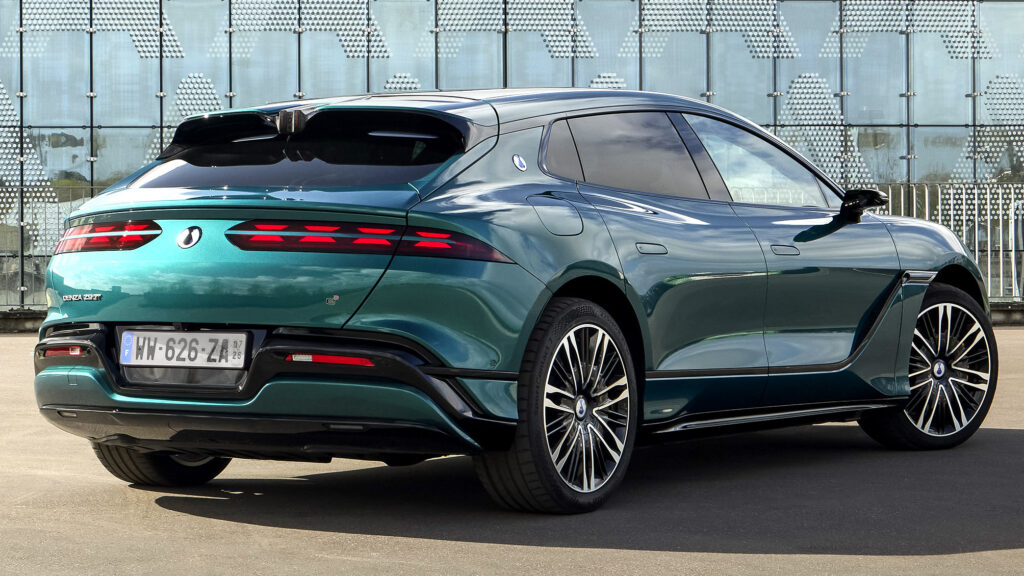
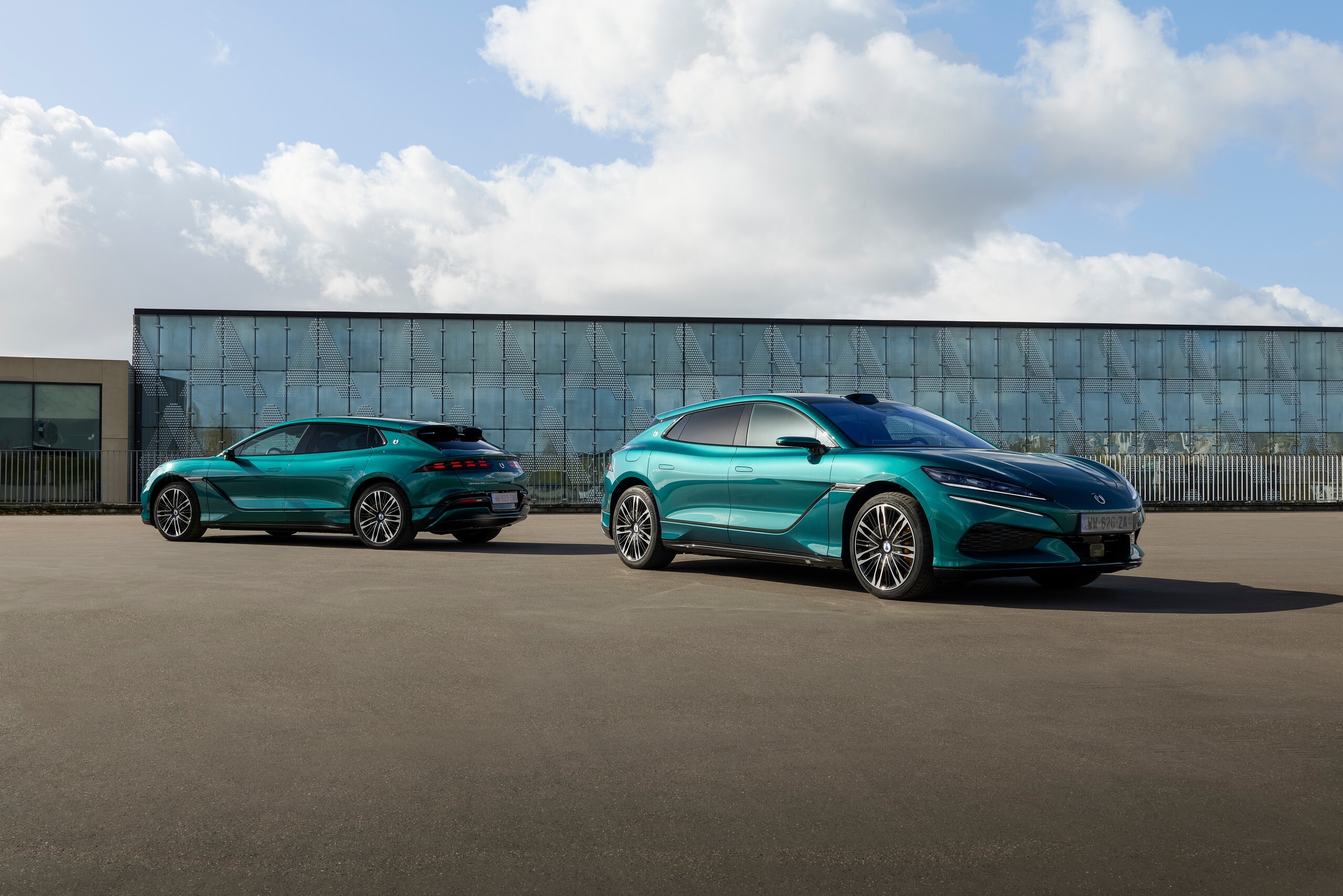
Denza has already been selling the Z9GT Shooting Brake in China for quite some time, and it’s one of the country’s most intriguing family cars. Based on the firm’s e3 Platform, the all-electric model uses a sizeable 122.49 kWh battery pack, a front motor with 308 hp (230 kW) and 302 lb-ft (410 Nm) of torque, as well as two 416 hp (310 kW) and 295 lb-ft (400 Nm) motors at the rear axle, giving it a combined 1,139 hp (850 kW) and 892 lb-ft (1,210 Nm) of torque.
The sprint to 62 mph (100 km/h) is dealt with in just 2.7 seconds, and the top speed is 167 mph (269 km/h), more than enough for high-speed cruising on the German Autobahn. The EV has a quoted WLTP driving range of 372 miles (599 km), and thanks to BYD’s 1,500 kW Flash Charging system, it charges from 10-70 percent in five minutes and 10-97 percent in nine minutes.
A High-Powered Plug-In
The plug-in hybrid version uses a 2.0-liter turbocharged four-cylinder engine producing 170 hp (127 kW) and 236 lb-ft (320 Nm), along with a 268 hp (200 kW) front motor and two 248 hp (185 kW) rear motors producing 266 lb-ft (360 Nm) each, resulting in a combined output of 765 hp (570 kW) and 763 lb-ft (1,035 Nm).
It also features a sizeable 63.82 kWh battery and can travel 126 miles (203 km) on all-electric power, or 500 miles (805 km) when combined with the engine. It needs just 3.6 seconds to hit 62 mph (100 km/h) and tops out at 161 mph (259 km/h).
Both versions come standard with carbon ceramic brakes and include rear-wheel steering. They also included BYD’s advanced DiSUS-A dual-chamber air suspension system and can tow up to 2,000 kg (4,409 lbs). A rear-wheel-drive-only version of the electric Z9 GT will launch later this year, boasting greater driving range.
The D9 DM-i minivan features a plug-in hybrid, all-wheel-drive powertrain delivering up to 130 miles (209 km) of electric-only range and a combined range of 590 miles (950 km). It also supports BYD’s Flash Charging technology.
Market-specific pricing for the new Denza models has yet to be announced, though details are expected to follow shortly.
The Z9GT Shooting Brake churns out a massive 1,139 hp in EV guise.
A plug-in hybrid version with a 63.82 kWh battery is also offered.
Joining the sleek Z9GT Shooting Brake is Denza’s D9 DM-i minivan.
Not satisfied with its namesake brand expanding worldwide and rivaling some of the world’s largest car manufacturers, BYD has officially launched its premium Denza brand in Europe. Bringing with it two compelling models, the firm is initially launching in Germany, France, Italy, Spain, and the UK, but by the end of 2026, it will be present in 30 countries across the continent.
The two models launched are the D9 DM-i minivan and the Z9GT Shooting Brake. The D9 is a plug-in hybrid, while the Z9GT is offered in all-electric and plug-in hybrid guises, and the launch of both models coincides with BYD’s planned international rollout of its new Flash Charging system. Within the next 12 months, it plans to establish 3,000 stations in Europe and 3,000 others in markets outside of China.
Denza has already been selling the Z9GT Shooting Brake in China for quite some time, and it’s one of the country’s most intriguing family cars. Based on the firm’s e3 Platform, the all-electric model uses a sizeable 122.49 kWh battery pack, a front motor with 308 hp (230 kW) and 302 lb-ft (410 Nm) of torque, as well as two 416 hp (310 kW) and 295 lb-ft (400 Nm) motors at the rear axle, giving it a combined 1,139 hp (850 kW) and 892 lb-ft (1,210 Nm) of torque.
The sprint to 62 mph (100 km/h) is dealt with in just 2.7 seconds, and the top speed is 167 mph (269 km/h), more than enough for high-speed cruising on the German Autobahn. The EV has a quoted WLTP driving range of 372 miles (599 km), and thanks to BYD’s 1,500 kW Flash Charging system, it charges from 10-70 percent in five minutes and 10-97 percent in nine minutes.
A High-Powered Plug-In
The plug-in hybrid version uses a 2.0-liter turbocharged four-cylinder engine producing 170 hp (127 kW) and 236 lb-ft (320 Nm), along with a 268 hp (200 kW) front motor and two 248 hp (185 kW) rear motors producing 266 lb-ft (360 Nm) each, resulting in a combined output of 765 hp (570 kW) and 763 lb-ft (1,035 Nm). It also features a sizeable 63.82 kWh battery and can travel 126 miles (203 km) on all-electric power, or 500 miles (805 km) when combined with the engine. It needs just 3.6 seconds to hit 62 mph (100 km/h) and tops out at 161 mph (259 km/h).
Both versions come standard with carbon ceramic brakes and include rear-wheel steering. They also included BYD’s advanced DiSUS-A dual-chamber air suspension system and can tow up to 2,000 kg (4,409 lbs). A rear-wheel-drive-only version of the electric Z9 GT will launch later this year, boasting greater driving range.
The D9 DM-i minivan is equipped with a plug-in hybrid, all-wheel drive powertrain offering 130 miles (209 km) of electric driving range, and a combined driving range of 590 miles (950 km). It also supports BYD’s Flash Charging technology.
Market-specific pricing details for the new Denza models have yet to be announced, but are expected to be confirmed soon.
New EVs are now out-selling petrol-powered cars in the country.
On January 1, Germany reintroduced subsidies for electric cars.
Sales of hybrid and plug-in hybrid models are also on the rise.
It hasn’t taken long for the EV pendulum to swing back in Germany. Less than a year after Europe’s biggest car market pulled the plug on EV subsidies and watched demand stumble, fresh incentives have stepped in and buyers are piling back in like the discount aisle just reopened.
Despite economic jitters tied to trade tensions and the war in Iran, Germany’s car market picked up pace in March, with registrations rising 16 percent compared to the previous month. A total of 294,161 vehicles were registered, and a striking 24 percent of them were battery-electric. That translates to 70,663 EVs sold during the month.
This surge has pushed EVs ahead of both petrol and diesel models, which now account for 22.8 percent and 12.8 percent of the market, respectively.
This represents a significant 66.2 percent increase over the 42,521 sold in March of last year. Year-to-date, a total of 159,630 BEVs have been sold, up 41.3 percent from the 112,968 sold across the January-March period in 2025.
Hybrids Join The Party
It’s not just EVs that have surged in popularity this year. Sales of hybrid models, including plug-in hybrids, climbed 16.2 percent in March to 117,845 units. First-quarter figures are up as well, rising 10.4 percent to 282,600 units. Hybrids now account for 40.1 percent of all new car registrations in the country.
Several brands contributed to the surge in electrified vehicle sales. For example, BYD sold 3,438 vehicles in March, up 327.1 percent from the year prior. Sales from Leapmotor also rose 318.1 percent to 1,388, and Tesla sales climbed 315.1 percent to 9,252 units. This year, 12,829 new Tesla models have been sold in Germany, up 160 percent from the same period last year.
Among established brands, Opel (+43.0%), Audi (+25.0%), and BMW (+16.5%) posted strong gains in March, while Skoda reached an 8.4 percent market share, making it the top import brand.
As of January 1, new electric vehicles registered in Germany are exempt from motor vehicle tax until December 31, 2035. Additionally, EVs are eligible for a base subsidy of €3,000 ($3,500) and up to €6,000 ($7,000) for lower-income households. Similarities, plug-in hybrids, and extended-range EVs can receive subsidies of up to €4,500 ($5,200).
Overall registrations for the first quarter of the year rose by 5.2 percent compared to the same period last year.

 Login
Login