Reading view

There are new articles available, click to refresh the page.

More Than Half Of Porsche’s Macan Sales Went To The One They’re Killing
  • Porsche Q1 deliveries fell 15 % to 60,991 units as product gaps hit hard.
  • Macan EV can’t yet fully replace outgoing combustion model’s sales volume.
  • 911 bucks the trend with 22 % demand upswing and more variants on the way.

Porsche isn’t having the best time right now. Fresh from admitting that operating profit plummeted 93 percent in 2025, the automaker has revealed that sales in the first quarter of this year sank 15 percent to 60,991 cars, down from 71,470 a year ago.

The company says it saw this coming due to the end of 718 production and Macan Electric sales settling down after the flurry of interest at last year’s debut. But there’s a problem looming ahead that could make things worse before they get better.

Related: Porsche Built The GT3 For The Track, Now It May Take It Somewhere Else

The biggest red flag sits right in the middle of Porsche’s lineup. The Macan, previously the brand’s best selling model, managed 18,209 deliveries, down 23 percent, but here’s the kicker. More than half of those, 10,130 units, were still combustion versions, while the electric version accounted for only 8,079, down a massive 43 percent from last year. With the ICE Macan heading for the exit this summer, and no replacement due for a couple of years, Porsche is about to lose its volume backbone.

911 Is Growing, But Nothing Else Is

Elsewhere, the Cayenne kept things relatively steady with 19,183 deliveries, down just 4 percent, and with Macan sales falling, the bigger SUV is now the most bought. And the 911 is out here ignoring the downturn entirely. Sales of the iconic sports car jumped 22 percent to 13,889 units, proving once again that heritage still sells, even when the broader market gets shaky.

But most Porsche models ended Q1 battered and bruised. The Taycan dropped 19 percent to 3,420 units, while the Panamera plunged 42 percent to 4,498 – due to a model transition, Porsche claims – particularly in China. The 718 range, now effectively retired, collapsed 60 percent to just 1,792 cars.

Porsche Q1 Sales By Model
Model20252026Change
Cayenne20,05519,183-4%
Macan total23,55518,209-23%
(of which Electric)14,1858,079-43%
91111,39013,88922%
Taycan4,2033,420-19%
Panamera7,7694,498-42%
718 Boxster/Cayman4,4981,792-60%
SWIPE

The regional picture doesn’t help much either. North America remained Porsche’s biggest market with 18,344 deliveries, though that’s down 11 percent, likely not helped by changing incentives and tariff pressures. Europe excluding Germany fell 18 percent to 14,710, while overseas markets dropped 20 percent to 12,640.

China Woes Worsen

China has been a problem for a while, and deliveries in the country sank 21 percent to 7,519 units as domestic brands tighten their grip on the premium space. Porsche says it’s focusing on value over volume there, but that’s often what companies say when volume disappears.

Put it all together and Porsche’s explanation about product timing only tells part of the story. Between a cooling EV market, rising competition, and the imminent loss of the ICE Macan, the next few quarters could get even more uncomfortable.

Porsche Q1 Sales By Region
Region20252026Change
Worldwide71,47060,991-15%
Germany7,4957,7784%
North America20,69818,344-11%
China9,4717,519-21%
Europe (excluding Germany)18,01714,710-18%
Overseas and Emerging Markets15,78912,640-20%
SWIPE

Porsche

Mercedes Sales Are Out And The Most Interesting Thing Is What They Won’t Tell Us

  • Mercedes continues to struggle as global sales fell 6% in Q1.
  • The company was hammered by a 27% decline in China.
  • Automaker boasts about EVs, but wants you to forget some.

We’re nearly a third of the way through April, but first quarter sales data continues to trickle out. Some of the latest numbers are from Mercedes and they’re painting a mixed picture.

Starting in the United States, Q1 passenger car retail sales fell approximately 3% to around 70,000 units. Unfortunately, it’s hard to get an accurate picture of things as the automaker no longer breaks sales down by model. Instead, the company now lumps vehicles together and cherry picks numbers that it likes.

More: Germany’s EV Market Was In Freefall A Year Ago, Now EVs Are Outselling Gas Cars

With that massive and annoying caveat aside, Mercedes said they had a “strong performance despite significant market headwinds.” Maybach sales jumped 22%, while the G-Class saw a 16% increase. The SL received a 47% boost, while the GLC and GLE were up 17% and 19%, respectively.

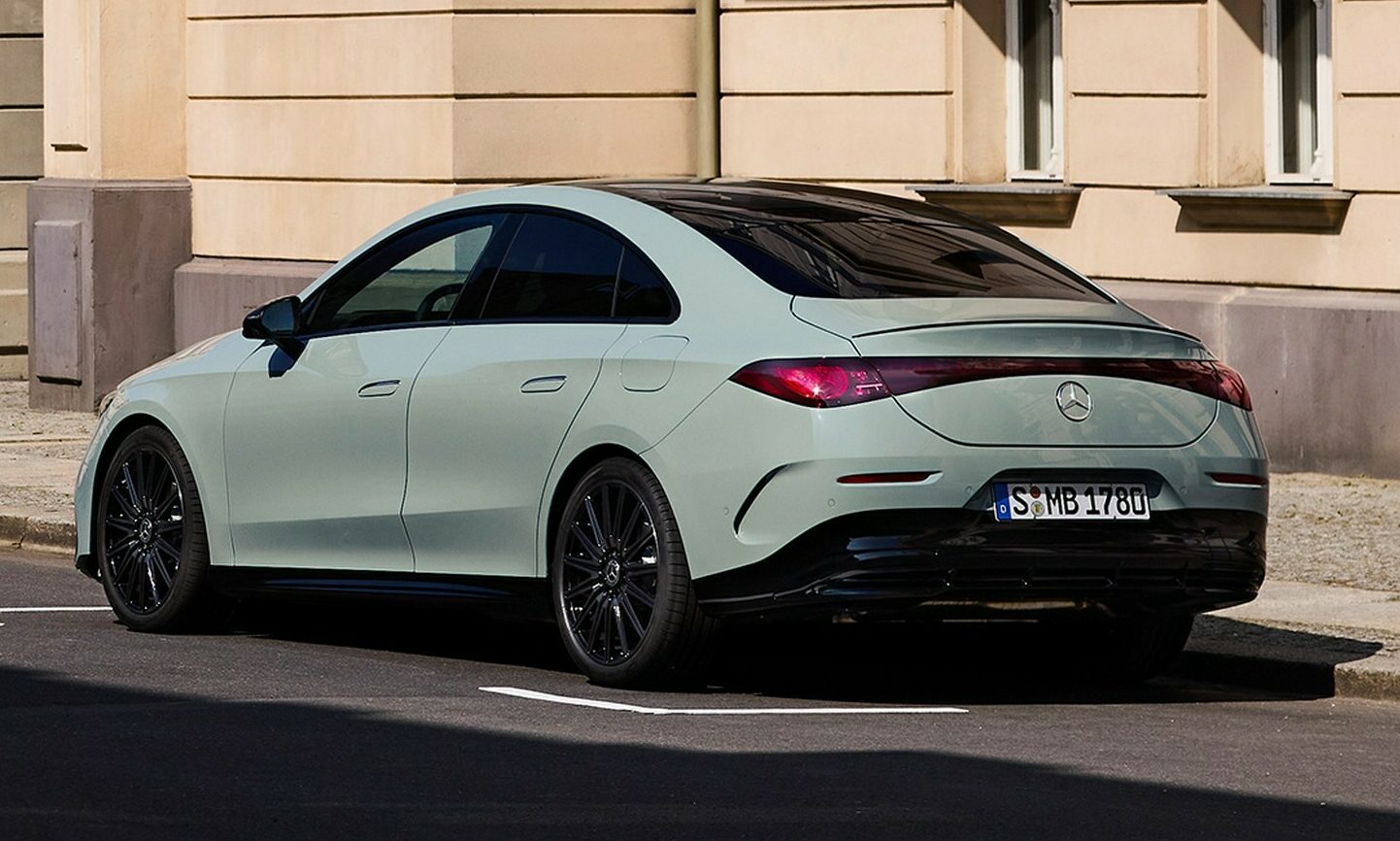
Mercedes also claimed that “customer interest and excitement surrounding the CLA continues to build across the U.S. market.” However, the company declined to provide numbers, so they were presumably pretty bad. The automaker stopped short of confirming this, but implied the situation will improve as “wider availability” is expected in the second quarter as they originally prioritized European sales.

Mercedes US Retail Sales Q1
 Q1 2026Diff.
Mercedes USA Passenger Cars70,000-3%
Mercedes Vans USA8,500-6%
Total Sales78,500-3%
SWIPE
 Mercedes Sales Are Out And The Most Interesting Thing Is What They Won’t Tell Us

The firm didn’t even bother mentioning the EQE, EQE SUV, EQS, or EQS SUV. This implies sales were as hot as an Anchorage dumpster fire in January, but surely a yoke will turn things around.

On the van side of the equation, sales fell 6% to roughly 8,500 units. The automaker could barely feign interest, but said they remain “focused on delivering versatile, premium van solutions that support evolving business needs.”

That’s meaningless nonsense, but at least we can look forward to the new VLE and VLS. The latter is getting an ultra-luxurious Maybach variant that promises private jet levels of comfort.

Sales Down Globally As Well

 Mercedes Sales Are Out And The Most Interesting Thing Is What They Won’t Tell Us

Zooming out, global passenger car sales fell 6% in the first quarter to around 419,400 units. This came despite a 9% increase in EVs, which found around 44,300 takers.

Speaking of which, the automaker said the “new electric GLC has generated more orders in the first three months than any other electric vehicle in our history.” They added order books for the CLA, GLB, and GLC EVs are “filled well into the second half of the year.”

EVs weren’t the only bright spot as European orders for the facelifted S-Class were “above expectations.” The automaker is also expecting to receive a boost from the updated GLE and GLS.

 Mercedes Sales Are Out And The Most Interesting Thing Is What They Won’t Tell Us

Confusingly, the global release said American car sales climbed 20% to 81,100 units. The company noted these are rounded “preliminary figures,” but that’s significantly more than the 70,000 mentioned earlier. However, this appears to be a case of retail sales vs overall numbers.

[Update: Despite being labeled as “Mercedes-Benz Cars sales” in the international release, the US figure of 81,100 units is said to be total group sales. This implies it includes the 70,000 car and 8,500 van retail sales as well as an additional 2,600 fleet sales.]

This, combined with a lack of model level details, results in a confusing maze of piecemeal information that – at times – seems contradictory. Regardless, the brand is tanking hard in China as sales were down 27% to around 111,600 units.

When it comes to vans, global sales fell 3% to approximately 80,300 units. Sales of EVs spiked 29%, but Mercedes only sold 6,100.

Mercedes Global Sales Q1
 Q1 2026Diff.
Mercedes-Benz Group499,700-6%
–    thereof BEVs50,400+11%
   
Mercedes-Benz Cars419,400-6%
–    thereof BEVs44,300+9%
   
Mercedes-Benz Cars sales by segment*  
–    Top-End61,500-5%
–    Core248,000-6%
–    Entry109,800-7%
   
Mercedes-Benz Cars sales by regions and markets  
Europe**158,400+7%
–    thereof Germany49,300+9%
Asia153,500-23%
–    thereof China111,600-27%
North America***89,600+16%
–    thereof U.S.81,100+20%
Rest of World17,900-14%
SWIPE

Germany’s EV Market Was In Freefall A Year Ago, Now EVs Are Outselling Gas Cars

  • New EVs are now out-selling petrol-powered cars in the country.
  • On January 1, Germany reintroduced subsidies for electric cars.
  • Sales of hybrid and plug-in hybrid models are also on the rise.

It hasn’t taken long for the EV pendulum to swing back in Germany. Less than a year after Europe’s biggest car market pulled the plug on EV subsidies and watched demand stumble, fresh incentives have stepped in and buyers are piling back in like the discount aisle just reopened.

Despite economic jitters tied to trade tensions and the war in Iran, Germany’s car market picked up pace in March, with registrations rising 16 percent compared to the previous month. A total of 294,161 vehicles were registered, and a striking 24 percent of them were battery-electric. That translates to 70,663 EVs sold during the month.

Read: EV Buyers Just Got A Huge Break In Germany That Lasts Ten Years

This surge has pushed EVs ahead of both petrol and diesel models, which now account for 22.8 percent and 12.8 percent of the market, respectively.

This represents a significant 66.2 percent increase over the 42,521 sold in March of last year. Year-to-date, a total of 159,630 BEVs have been sold, up 41.3 percent from the 112,968 sold across the January-March period in 2025.

Hybrids Join The Party

 Germany’s EV Market Was In Freefall A Year Ago, Now EVs Are Outselling Gas Cars

It’s not just EVs that have surged in popularity this year. Sales of hybrid models, including plug-in hybrids, climbed 16.2 percent in March to 117,845 units. First-quarter figures are up as well, rising 10.4 percent to 282,600 units. Hybrids now account for 40.1 percent of all new car registrations in the country.

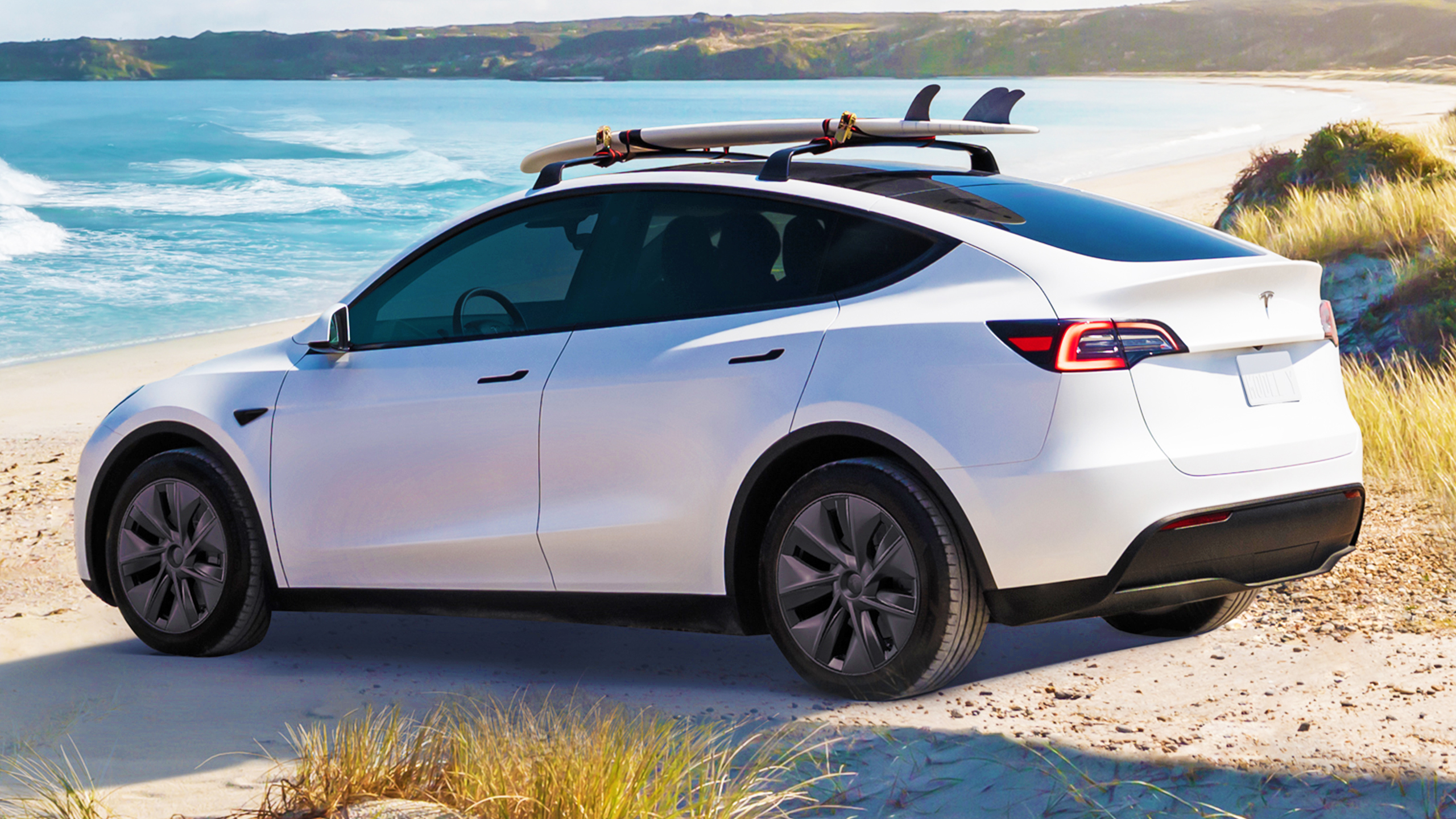
Several brands contributed to the surge in electrified vehicle sales. For example, BYD sold 3,438 vehicles in March, up 327.1 percent from the year prior. Sales from Leapmotor also rose 318.1 percent to 1,388, and Tesla sales climbed 315.1 percent to 9,252 units. This year, 12,829 new Tesla models have been sold in Germany, up 160 percent from the same period last year.

Among established brands, Opel (+43.0%), Audi (+25.0%), and BMW (+16.5%) posted strong gains in March, while Skoda reached an 8.4 percent market share, making it the top import brand.

As of January 1, new electric vehicles registered in Germany are exempt from motor vehicle tax until December 31, 2035. Additionally, EVs are eligible for a base subsidy of €3,000 ($3,500) and up to €6,000 ($7,000) for lower-income households. Similarities, plug-in hybrids, and extended-range EVs can receive subsidies of up to €4,500 ($5,200).

Overall registrations for the first quarter of the year rose by 5.2 percent compared to the same period last year.

Germany Car Sales March 2026
BrandMar-26Market
Share
Mar-26
Diff. vs
Mar-25
Jan-Mar
26
Market
Share
YTD-26
Diff. vs
YTD-25
ALFA ROMEO5270.2-26.11,3520.2-30.1
ALPINE1240138.53660.1145.6
ASTON MARTIN6801420
AUDI22,0137.52551,5867.47.1
BENTLEY520131240-24.4
BMW24,3088.316.558,5478.48.1
BYD3,4381,2327.19,1201.3644.5
CADILLAC9050180-35.7
CITROEN4,9631.712.113,0551.912
DACIA6,5522.2-5.213,7702-21.1
DAF TRUCKS1020
DEEPAL80210
DS1930.1-45.34550.1-60.3
FERRARI1890.10.54210.1-8.3
FIAT6,5482.22917,0312.465.6
FORD9,5113.28.723,9053.4-7.4
GWM1830.136.63300-42.5
HONDA1,2700.4262,1920.310.3
HYUNDAI10,2733.529.523,7063.416.5
INEOS240-38.58601.2
IVECO127033.7271015.8
JAC1010
JAECOO80100
JEEP1,3110.48.52,8430.4-14.3
KGM3010.122.96400.1-20.7
KIA6,1722.133.314,3762.13.5
LADA20
LAMBORGHINI1350-17.23380-8.6
LAND ROVER1,6780.635.13,8010.514
LEAPMOTOR1,3880.5318.13,1680.5370.7
LEXUS3020.1-227940.1-26.5
LOTUS38018.8780-20.4
LUCID170142.9350
LYNK & CO13602640633.3
MAN880-47.63120-14.3
MASERATI450-44.41070-28.2
MAXUS10-92.330-86.4
MAZDA6,7522.327.612,8301.820.8
MERCEDES23,7108.17.559,0958.4-2.4
MG ROEWE2,5590.921.96,1770.912.3
MINI3,5401,242.39,1341.336.3
MITSUBISHI1,3770.5-233,0570.4-40.3
MORGAN16045.522015.8
NIO20-90.580-87.5
NISSAN4,2061.4-149,0781.3-3.2
OMODA1010
OPEL13,6974.74333,5644.838.9
PEUGEOT6,2192.13.515,4282.2-0.9
POLESTAR4560.227.71,2840.250.2
PORSCHE2,8351-12.18,3601,25
RENAULT6,1952.1413,3921.9-3.7
ROLLS ROYCE270-15.6750-25.7
SEAT16,3605.6-4.937,4435.4-14.6
SKODA24,8548.43462,4388.924.6
SMART6950.2189.61,5170.250
SUBARU3310.1-27.97950.1-26.5
SUZUKI2,7620.93.96,1900.91.5
TESLA9,2523.1315.112,8291.8160
TOGG330X950X
TOYOTA7,2832.5-1.415,7062.2-14.9
VINFAST17088.961010.9
VOLVO4,6521.6-10.412,6011.8-22.4
VW52,55617.93.2131,01218.7-5.3
XPENG5490.2211.91,2070.2179.4
ZEEKR80300
OTHER1,2150.47.92,7030.4
TOTAL294,161100%16%699,404100%5%
SWIPE
 Germany’s EV Market Was In Freefall A Year Ago, Now EVs Are Outselling Gas Cars

A Chinese Car Has Never Topped UK Sales Before. One Just Did

  • Jaecoo 7 leads UK sales charts after a strong March debut run.
  • Plug-in hybrid demand drove most of the SUV’s early momentum.
  • Electrified vehicles reached record highs across the UK market.

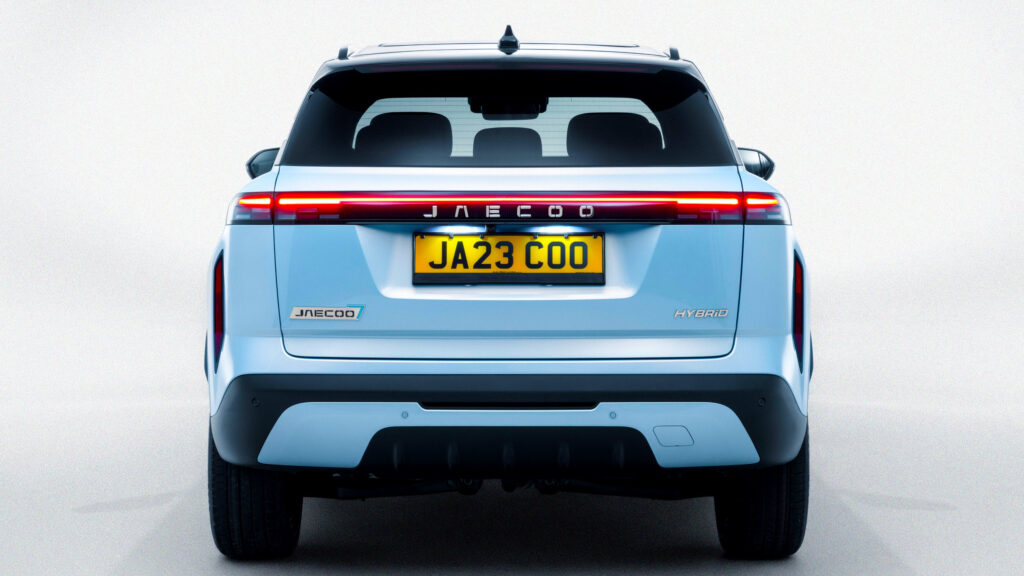
The UK’s sales charts don’t usually throw up surprises, yet March 2026 did exactly that. A relatively new Chinese SUV, the Jaecoo 7, jumped straight to the top spot, becoming the best-selling new car in the country. It’s the first time a Chinese model has led the UK market, landing right in the middle of the industry’s busiest sales month, which also saw electrified vehicles and BEVs hit record numbers.

More: UK Buyers Now Love This ‘Temu Range Rover’ More Than The Real Thing

Not everything is rosy, though, as some analysts are already questioning how long that pace can last.

Chinese Intruder Steals The Crown

 A Chinese Car Has Never Topped UK Sales Before. One Just Did
SMMT

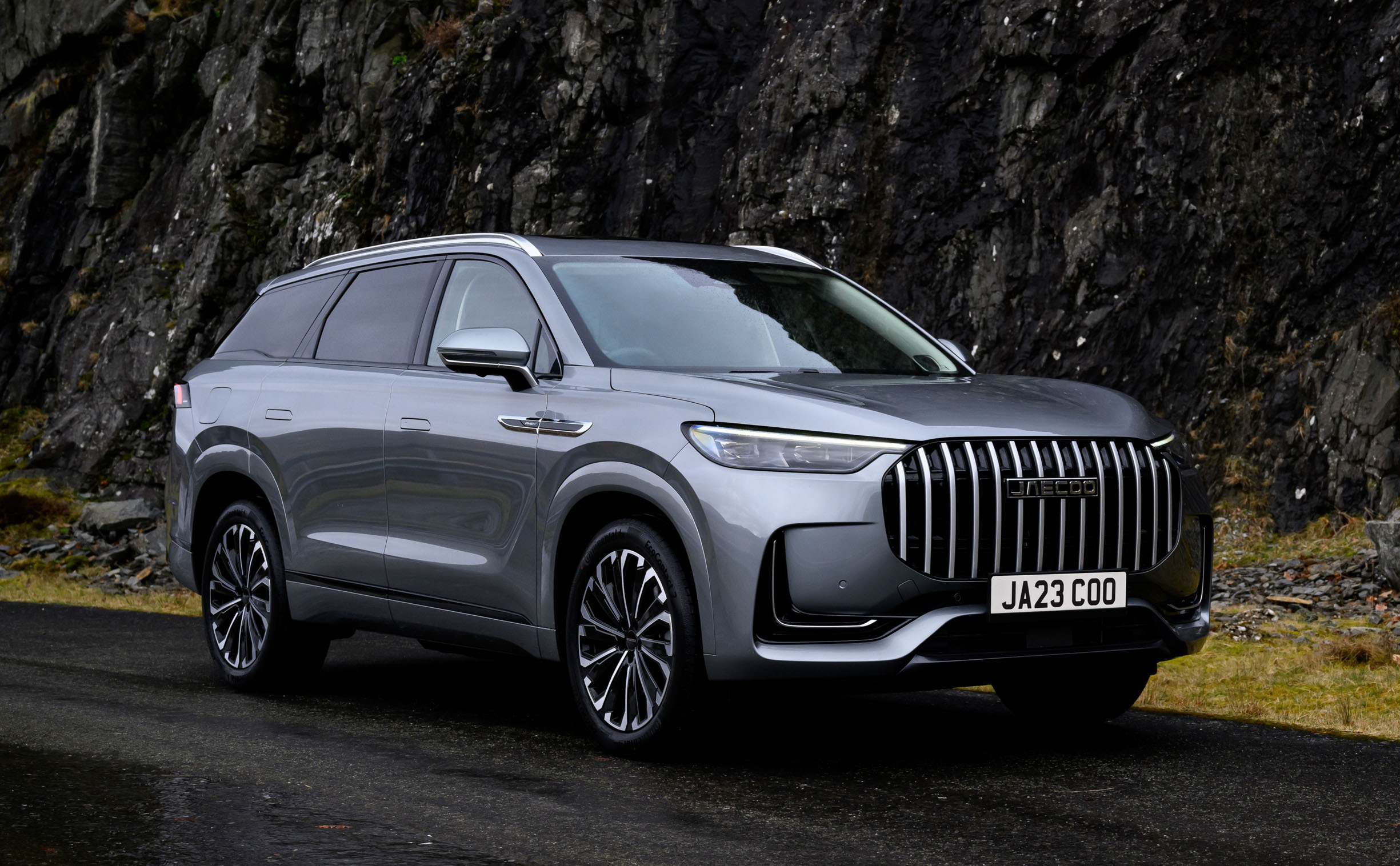
The compact SUV from Chery, carrying styling that leans heavily on Range Rover cues, has even picked up a nickname online, with some calling it the “Temu Range Rover” in a tongue-in-cheek dig to its bargain-luxury vibe and resemblance to the real thing.

It racked up 10,064 registrations in March, enough to push past familiar heavyweights like the Ford Puma, which logged 9,193 units, and the Nissan Qashqai with 8,718. The rest of the top five followed a predictable script, with the Kia Sportage at 7,310 units and the Vauxhall Corsa close behind at 6,315.

More: Ford Fixes Puma Gen-E’s Biggest Weakness And Adds A Clever Upgrade

Since arriving in the UK in September 2025, the Jaecoo 7 has steadily hovered around the top ten, but this latest jump changes the tone. It now sits second in the year-to-date rankings with 15,569 registrations, closing in on the Ford Puma, which still holds the overall lead for the first quarter of 2026 with 16,128 sales. The gap is small enough to make the next few months worth watching closely.

\\\\\\\\\\\\\\\

According to Jaecoo, the plug-in hybrid version equipped with its Super Hybrid System (SHS-P) has quickly become the star of the lineup, accounting for 85% of the SUV’s sales in March.

More: The Brand Behind The ‘Temu Range Rover’ Just Made A Temu Mercedes GLS

In the UK, the Jaecoo 7 starts at £29,105 ($38,600) for the gasoline model, climbing to £35,175 ($46,600) for the range-topping PHEV. Even at the top end, it undercuts plug-in hybrid rivals of similar size, which gives it a clear pricing edge. It also manages up to 56 miles (90 km) of electric-only driving, enough to land in a lower tax bracket and make it appealing to fleet buyers.

The Chery-owned brand leans on a 7-year warranty to ease the usual doubts that come with a new badge. Its UK presence is growing quickly too, with a retail network now up to 124 locations. Together, sister brands Omoda and Jaecoo have moved more than 80,000 vehicles in the UK in just 19 months. March alone accounted for 17,861 registrations.

The Biggest Month On Record For Electrified Vehicles

\\\\\\\\\\\\

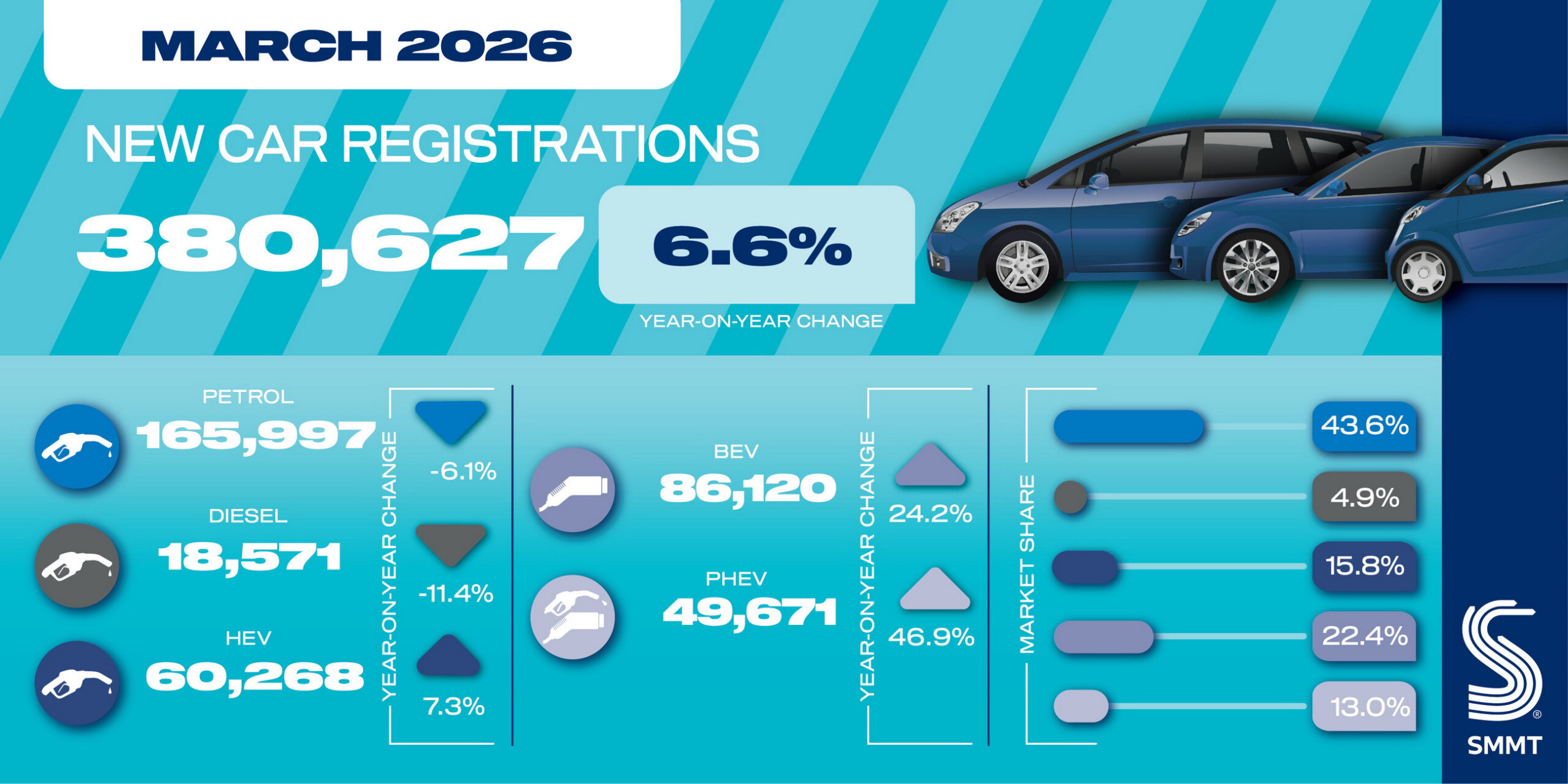
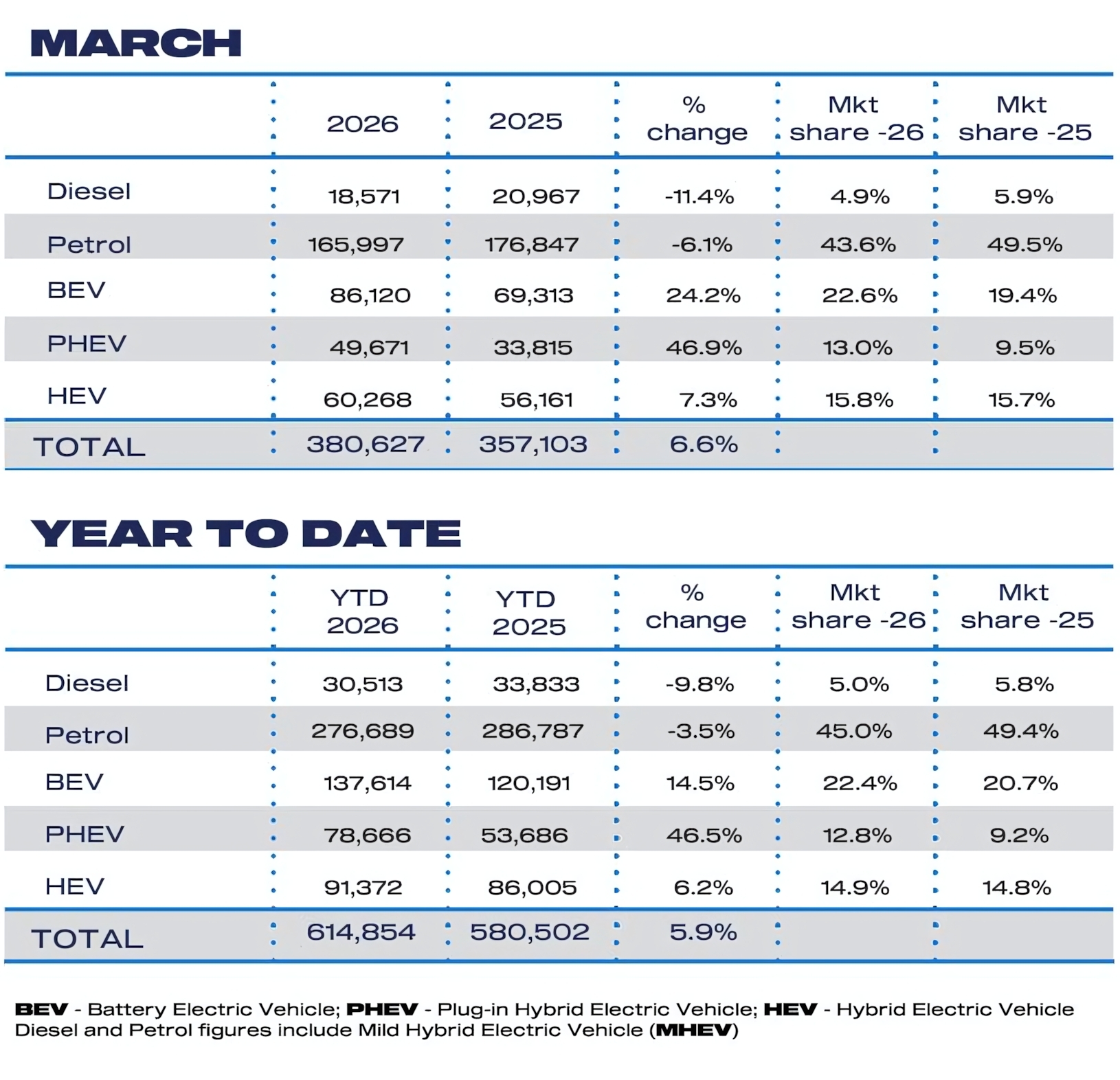
The UK’s new car market picked up pace in March, with the Society of Motor Manufacturers and Traders reporting a 6.6% increase to 380,627 registrations, making it the strongest month since 2019. Private buyers led the charge with a 10.1% jump, while fleet sales rose 3.5% and business registrations climbed 18.8%.

More: Rivian Beat Four Major Automakers In EV Sales, And Its Biggest Model Hasn’t Even Launched Yet

Electrified vehicles delivered a record-setting month, led by a 46.9% surge in plug-in hybrids. Self-charging hybrids followed with a 7.3% increase, while battery electric vehicles climbed 24.2%. It also marked the strongest month on record for fully electric cars in the UK

In market share terms, plug-in hybrids took 13%, self-charging hybrids reached 15.8%, and battery electric vehicles claimed 22.6% of UK sales in March. That last figure looks strong, but it still sits well short of the government’s 33% Zero Emission Vehicle target for 2026.

UK New Car Registrations 2026
ModelMarch 2026ModelYear To Date 2026
1. Jaecoo 710,0641. Ford Puma16,128
2. Ford Puma9,1932. Jaecoo 715,569
3. Nissan Qashqai8,7183. Kia Sportage14,190
4. Kia Sportage7,3104. Nissan Qashqai12,853
5. Vauxhall Corsa6,3155. Vauxhall Corsa10,552
6. Volvo XC406,3116. Volvo XC409,288
7. MG HS6,1357. VW Golf9,176
8. VW Golf5,8908. MG HS9,147
9. Tesla Model Y5,1779. Nissan Juke8,512
10. BMW 1-Series4,93610. Mini Cooper8,109
SWIPE

Source SMMT

Clouds On The Horizon

Even with record numbers on paper, the mood behind the scenes is far less celebratory. SMMT says automakers are leaning heavily on discounts just to keep momentum going. At the same time, battery costs are running about 30% higher than expected, while public charging prices have climbed 140% over the past five years. That combination leaves margins looking increasingly fragile.

More: The Iran War Could End Tomorrow. The Auto Industry Could Still Lose Over A Million Sales

The situation is further complicated by the ongoing Iran crisis. While the conflict has pushed fuel prices sharply higher and nudged more drivers to consider EVs, it also risks eroding consumer confidence as everyday costs rise across the board.

 A Chinese Car Has Never Topped UK Sales Before. One Just Did

Mike Hawes, SMMT Chief Executive, said:

“The strongest new car market since 2019, with the highest ever volume of EV registrations, is a boost to the industry and the economy. However, the headlines belie the costs incurred and the challenges involved. Much of March’s performance will be from orders placed before the start of the Iran conflict, which threatens to raise the cost of living, undermining consumer confidence. Against this backdrop, and with the EV market falling further away from mandated levels despite record levels of incentives, an urgent review of the transition is required to secure a sustainable market, economic growth and the UK’s net zero ambitions.”

 A Chinese Car Has Never Topped UK Sales Before. One Just Did
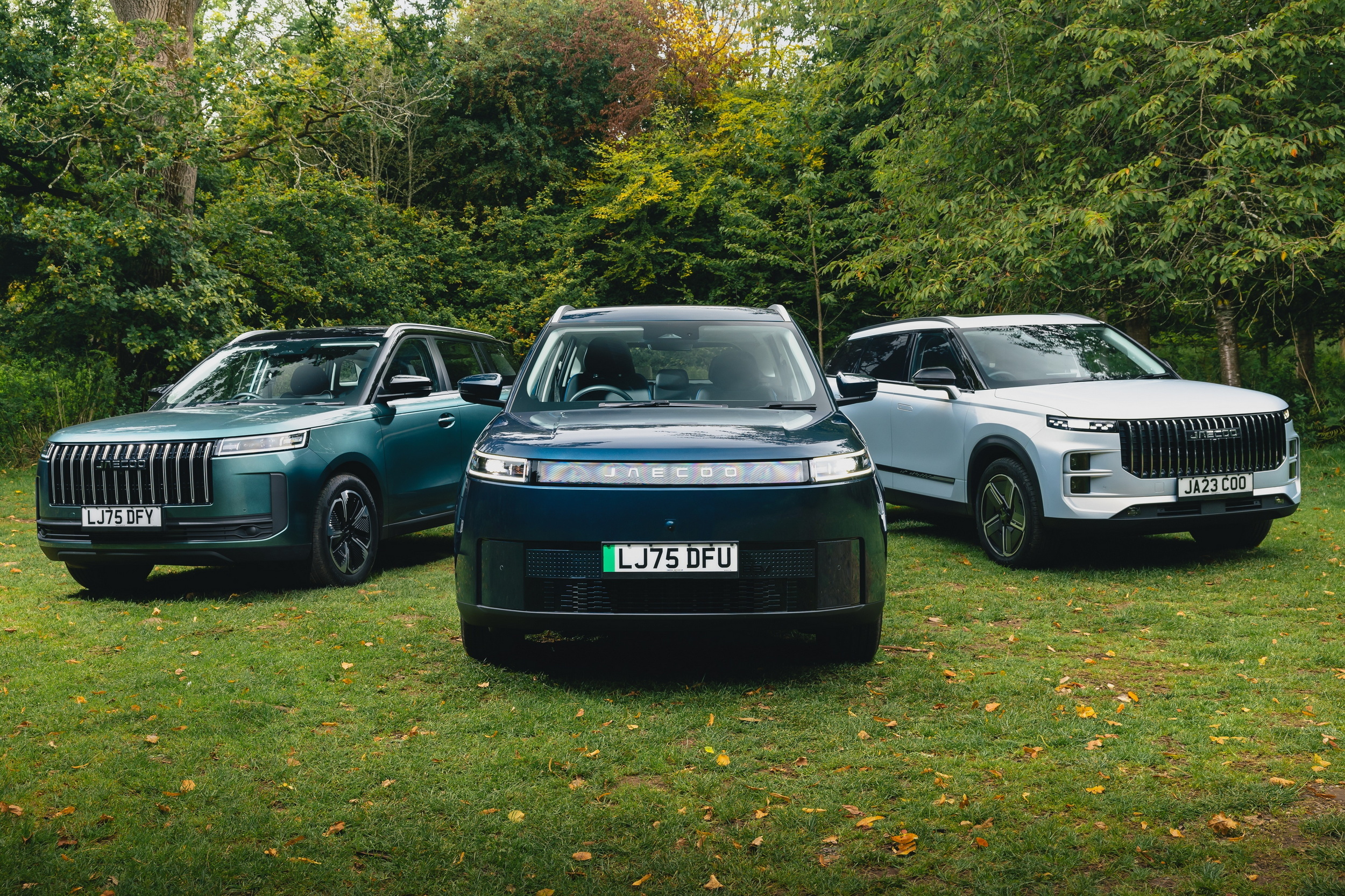
The Jaecoo 5 (left), the E5 (middle) and the 7 (right) will soon be joined by the Jaecoo 8 flagship (below).
 A Chinese Car Has Never Topped UK Sales Before. One Just Did

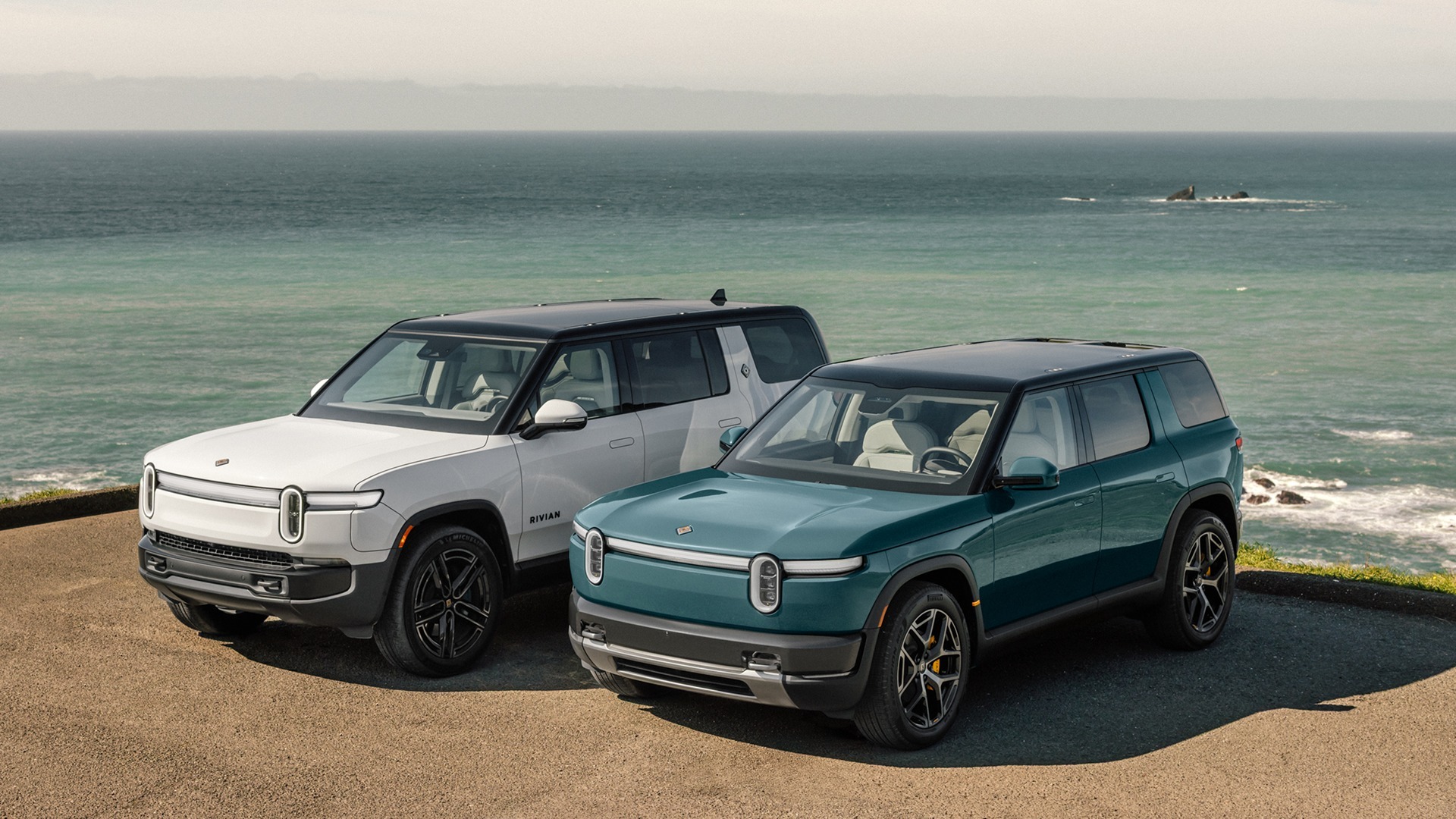
Rivian Beat Four Major Automakers In EV Sales, And Its Biggest Model Hasn’t Even Launched Yet

  • Rivian delivered more EVs than many of its mainstream rivals managed in Q1 2026.
  • Toyota came closest, trailing Rivian by fewer than 400 units despite a strong rebound.
  • BMW counted plug-in hybrids in its total and still came up short of Rivian’s number.

First-quarter sales are in, and they come with a few surprises. One of the more unexpected outcomes is Rivian edging past several established players in the U.S. EV market. During Q1 2026, Rivian managed to outsell Kia, Ford, Toyota, and BMW in electric-vehicle deliveries across the United States.

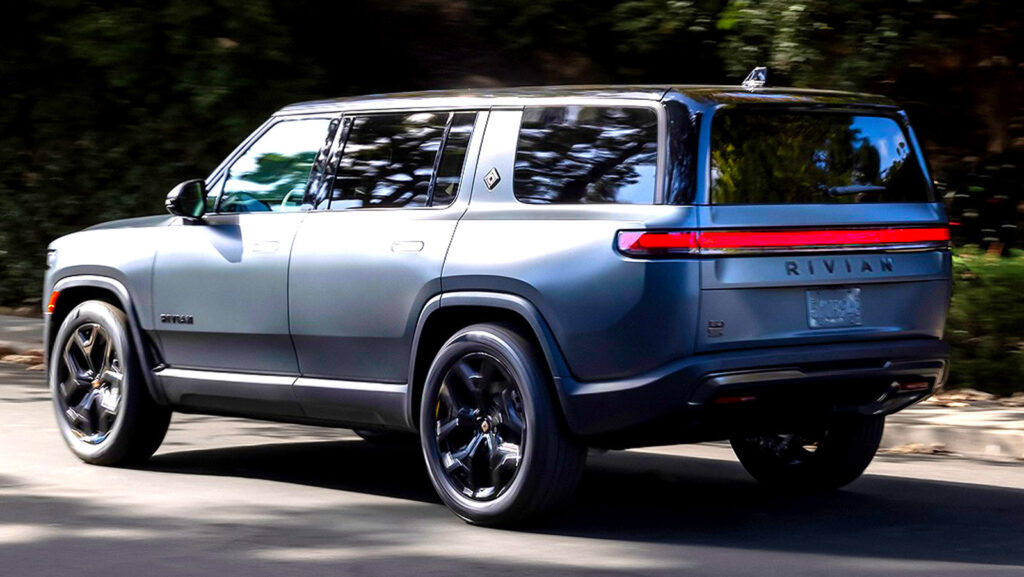
More specifically, the California-based automaker delivered 10,365 EVs between January and March. During the same period, Rivian produced 10,236 vehicles, 129 fewer than it sold, likely drawing from existing inventory to close the gap. This comes just ahead of the launch of the more affordable R2, which is set to begin deliveries later this spring as a Tesla Model Y rival.

More: Rivian Won Direct Sales In Washington With A Threat That’s Coming For Dealers Everywhere

Following these results, the company has raised its annual delivery guidance to 67,000 units for 2026, an increase of 5,000 units over its previous estimate. Rivian will report its full financial results for Q1 2026 on April 30.

Rivian Sales Momentum

 Rivian Beat Four Major Automakers In EV Sales, And Its Biggest Model Hasn’t Even Launched Yet
Rivian R2

While Rivian remains a relatively small player compared to legacy automakers, it still managed to outsell several of them in the EV race.

More: Rivian R2 And Jeep Recon Solve The Same Problem, But Which One Solves It For You?

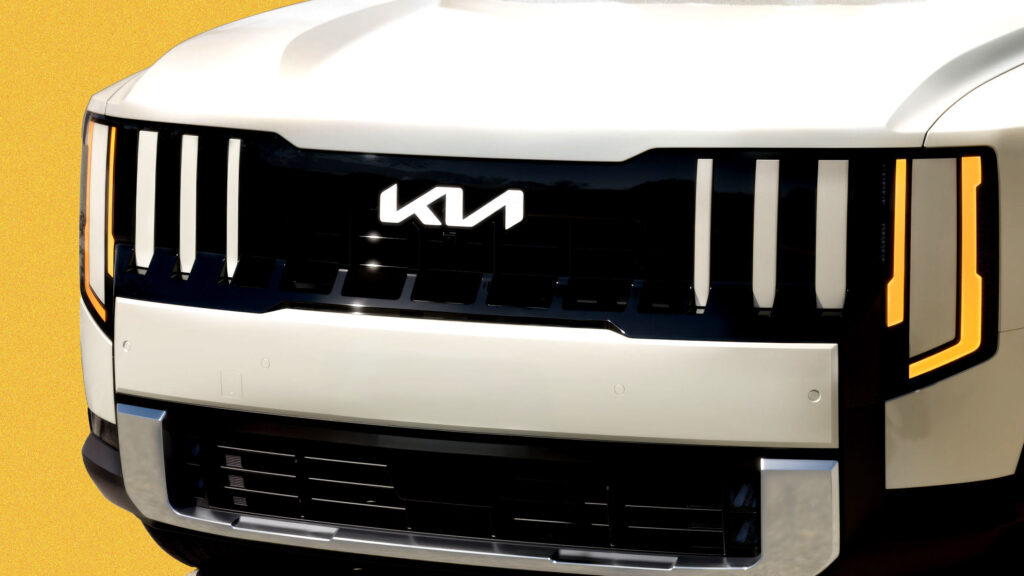
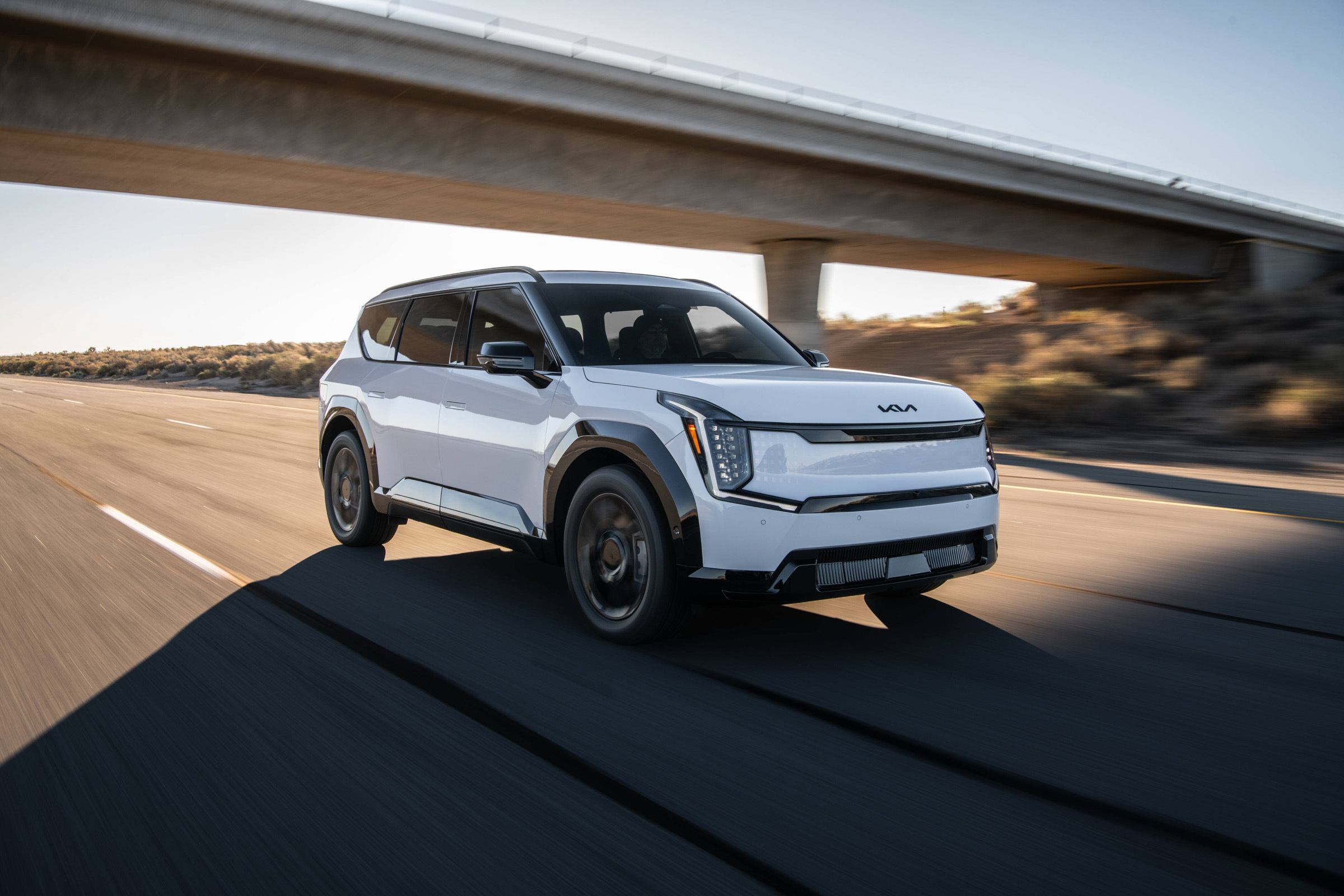
Kia America reported 2,023 sales for the EV6 and 2,740 for the EV9, totaling 4,763 units in Q1 2026. The brand also offers an electric version of the Niro in the US, though this likely accounts for only a small portion of the model’s 7,455 total sales, leaving Kia well short of the 10,000-unit mark.

Still, the upcoming Kia EV3, expected in late 2026, could change the narrative. It is also worth noting that Kia’s hybrid models set new Q1 sales records, marking a 73% increase over the same period last year.

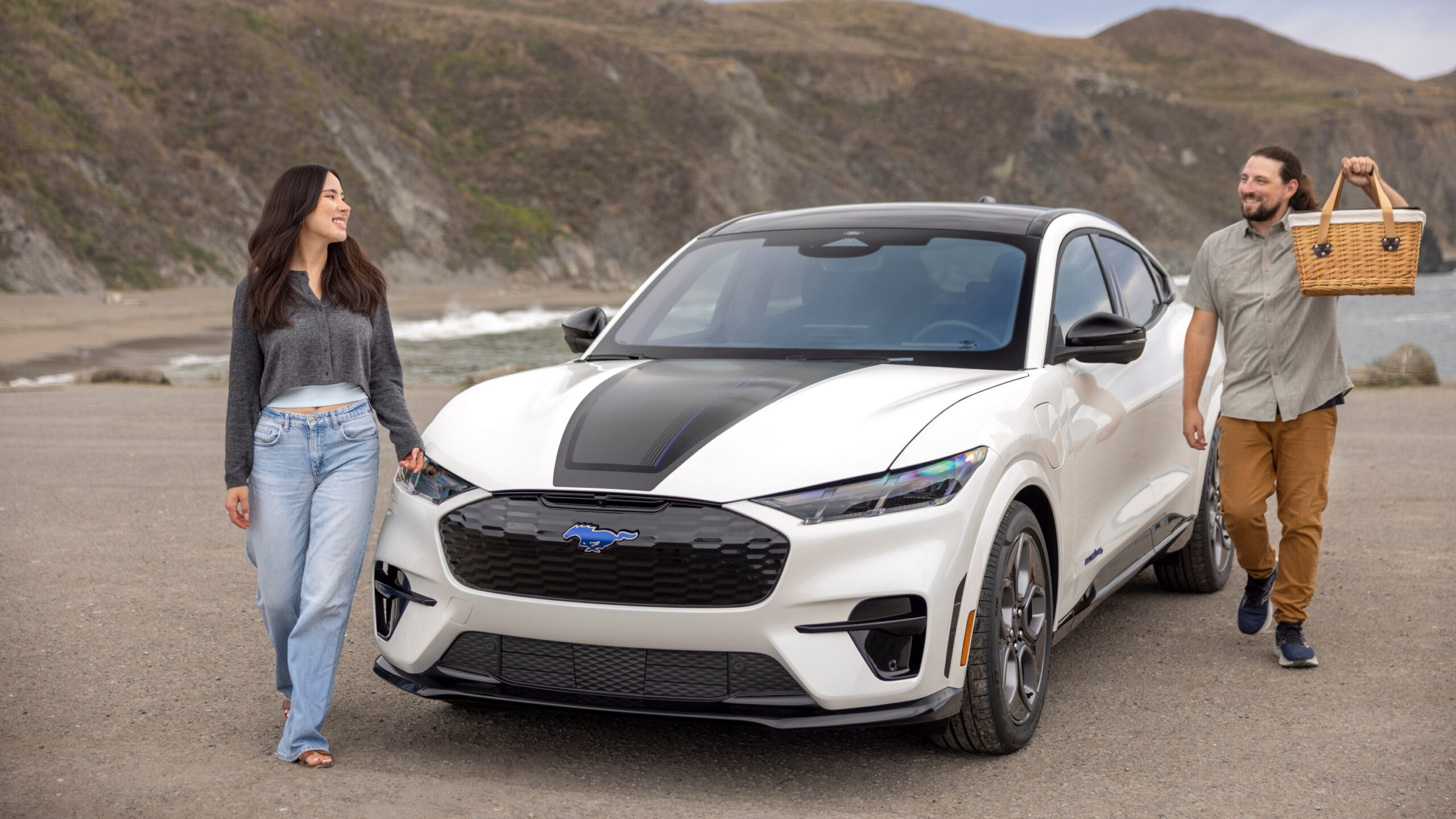
Ford’s EV lineup saw an even steeper decline, with sales dropping 70% in Q1 2026 to 6,860 units in the US. The Mustang Mach-E made up 4,600 of those sales, while the F-150 Lightning and E-Transit contributed 2,060 and 200 units, respectively.

 Rivian Beat Four Major Automakers In EV Sales, And Its Biggest Model Hasn’t Even Launched Yet
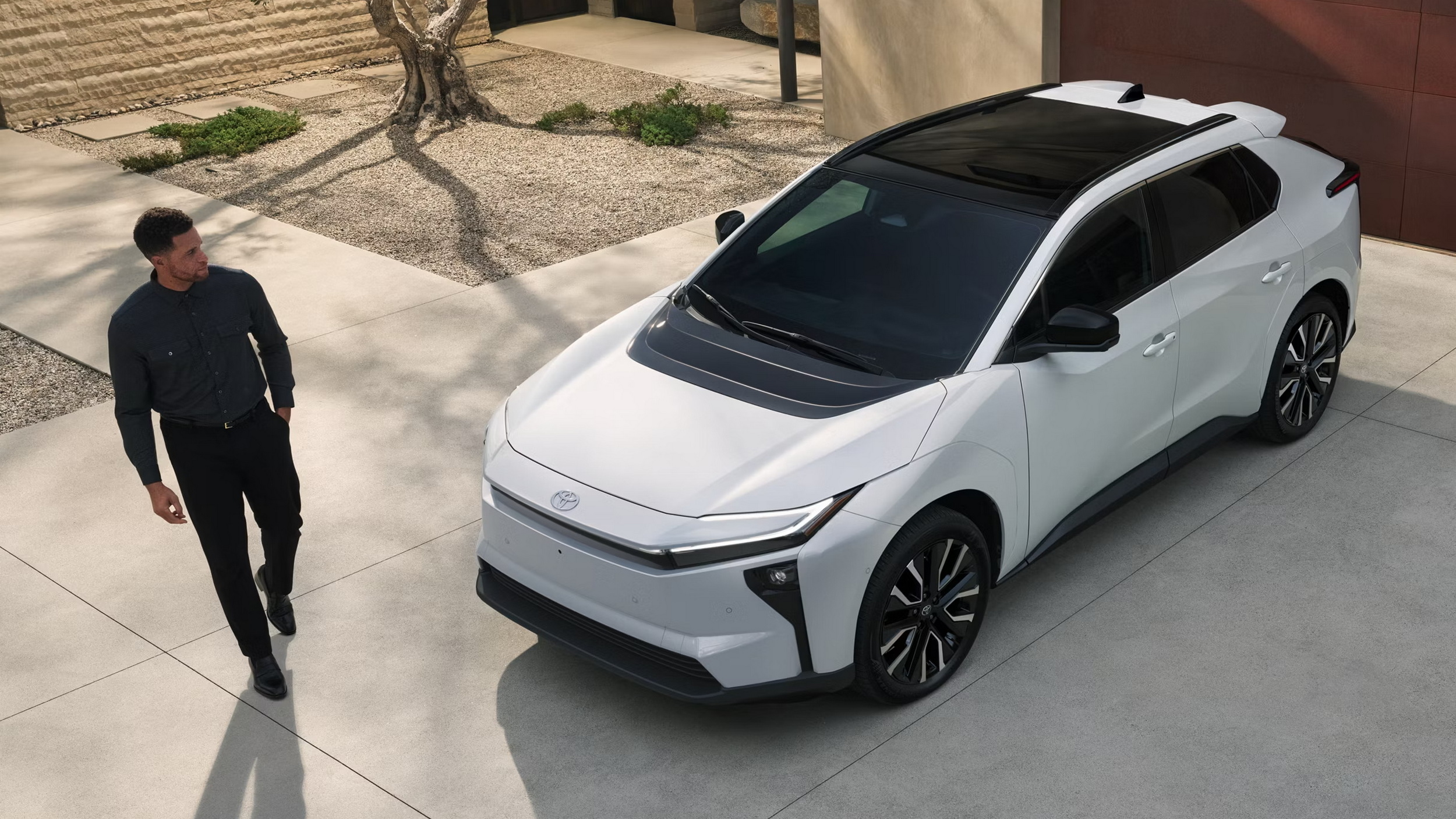
Toyota bZ

Toyota opened the year on a strong note, with the bZ, including the bZ Woodland, reaching 10,016 units in the first quarter, a 79% increase year over year. However, with only 13 units of the newly introduced C-HR arriving in March, Toyota’s total BEV sales reached 10,029 units, just behind Rivian’s 10,365. As the company expands its EV lineup in the US, that gap may not last long.

More: Toyota’s bZ Outsold The Prius, And Now A Second US-Made Electric SUV Is Coming

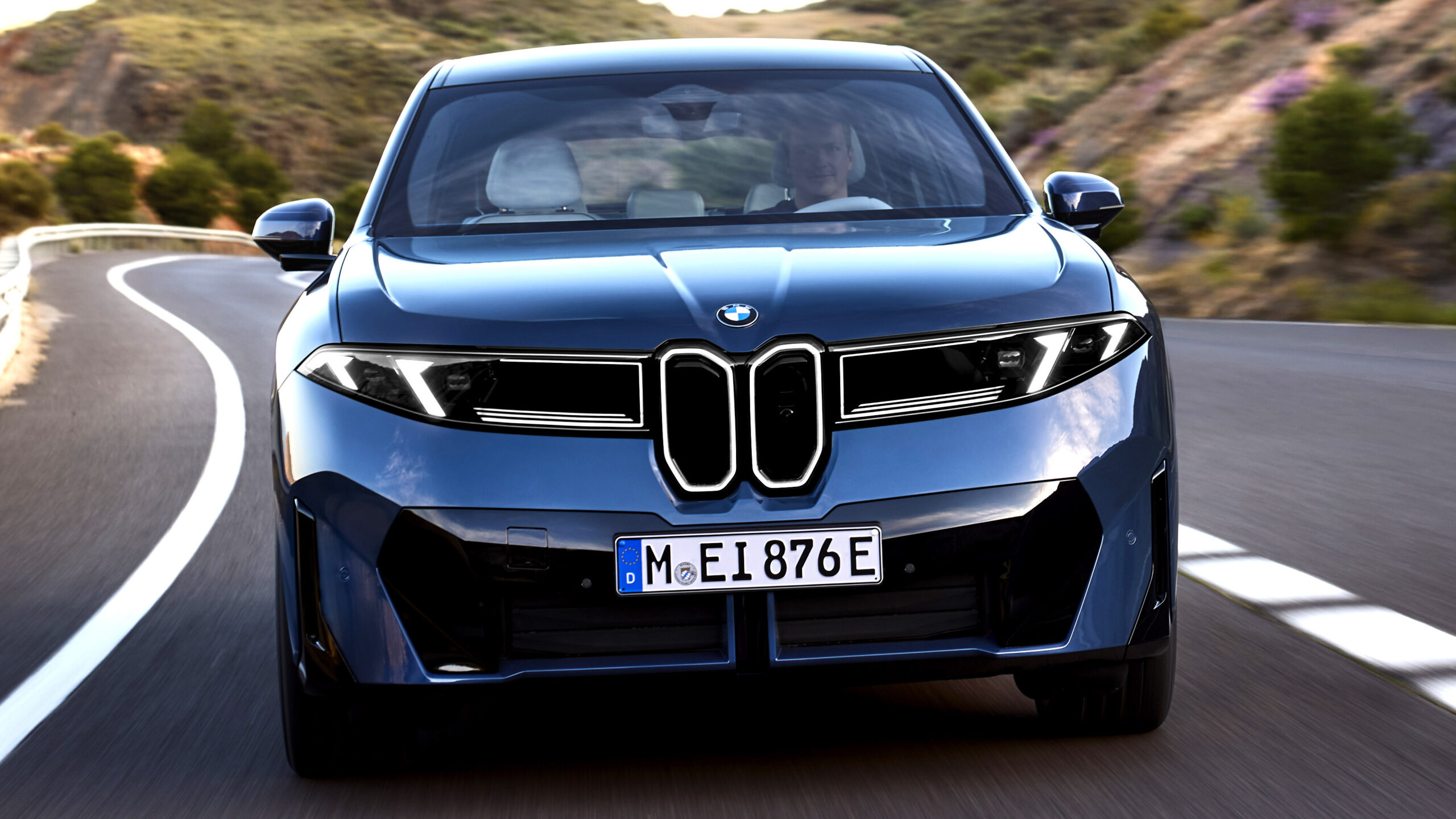
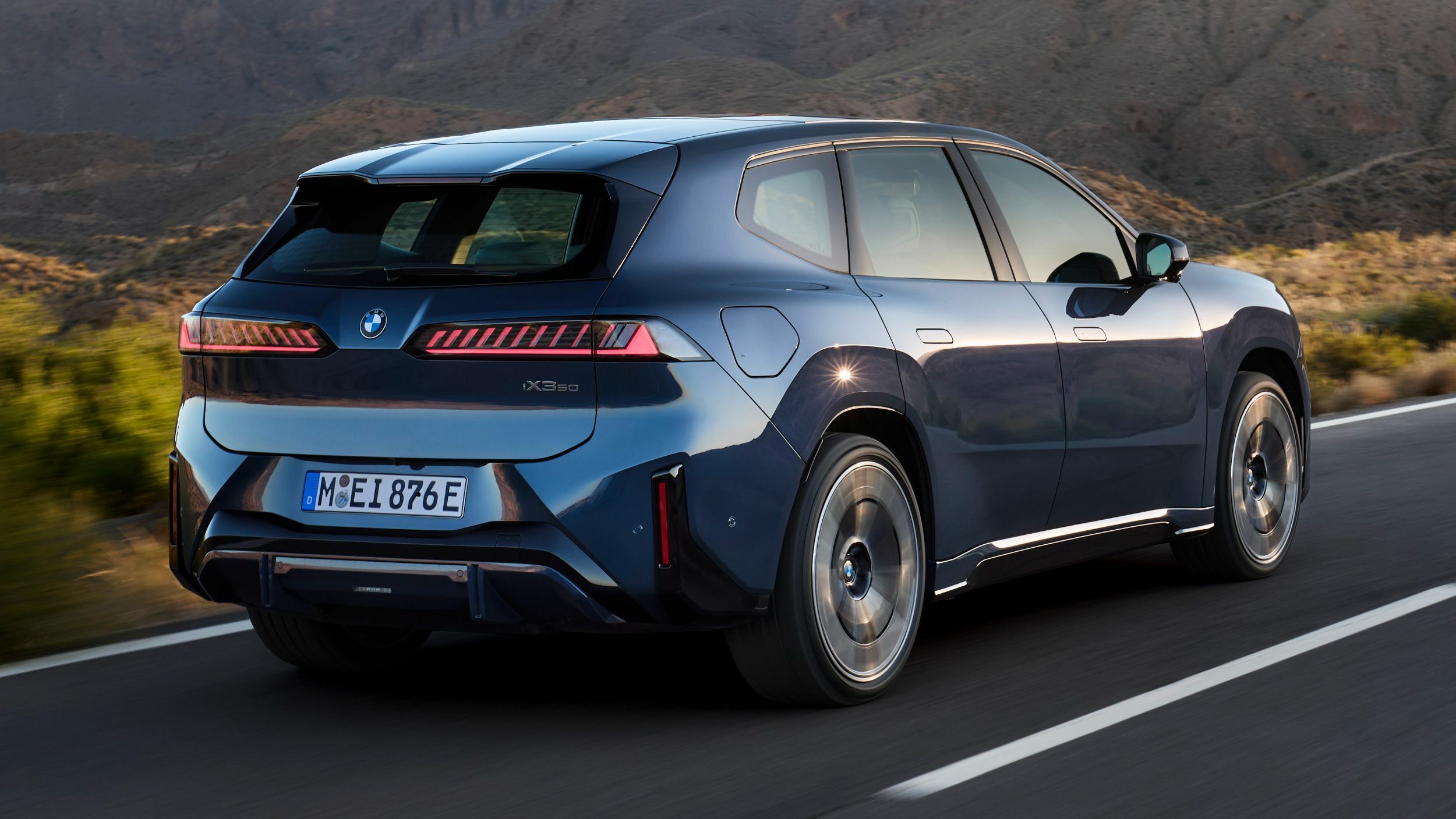
Finally, BMW recorded 9,856 combined BEV and PHEV sales in the US during Q1 2026, marking a 50% drop compared to last year. This slowdown may prove temporary, as the upcoming Neue Klasse BMW iX3 is expected to play a central role in the brand’s next phase of electrification when it arrives in late 2026.

 Rivian Beat Four Major Automakers In EV Sales, And Its Biggest Model Hasn’t Even Launched Yet
BMW iX3

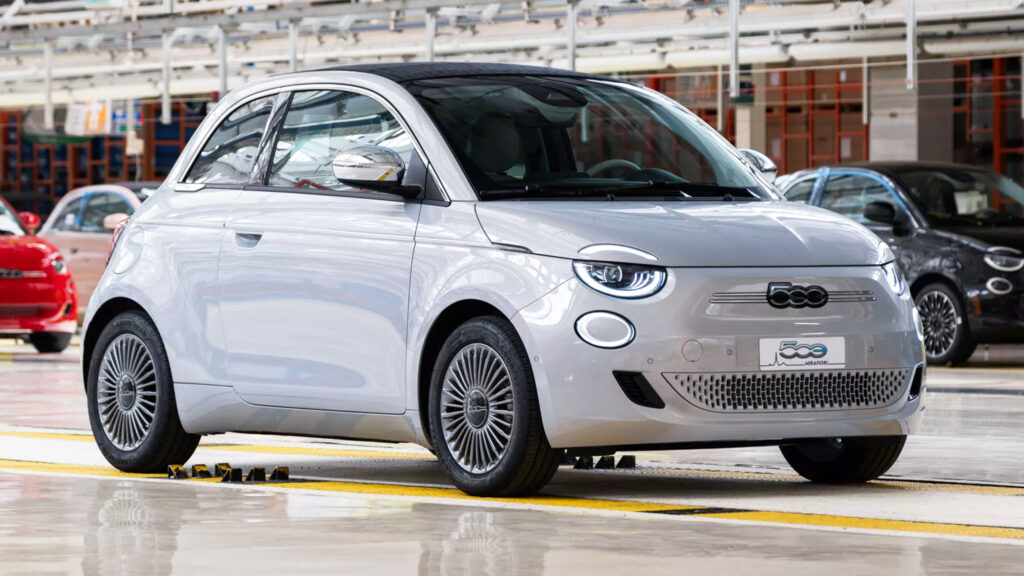
Fiat Sold Nearly 20 Times More 500e EVs in Canada Than In The US

  • Demand for the Fiat 500e has increased significantly over the last year.
  • Fiat’s electric 500 city car is much cheaper in Canada than in the US.
  • Total sales for Stellantis rose 15 percent in Canada in the first quarter.

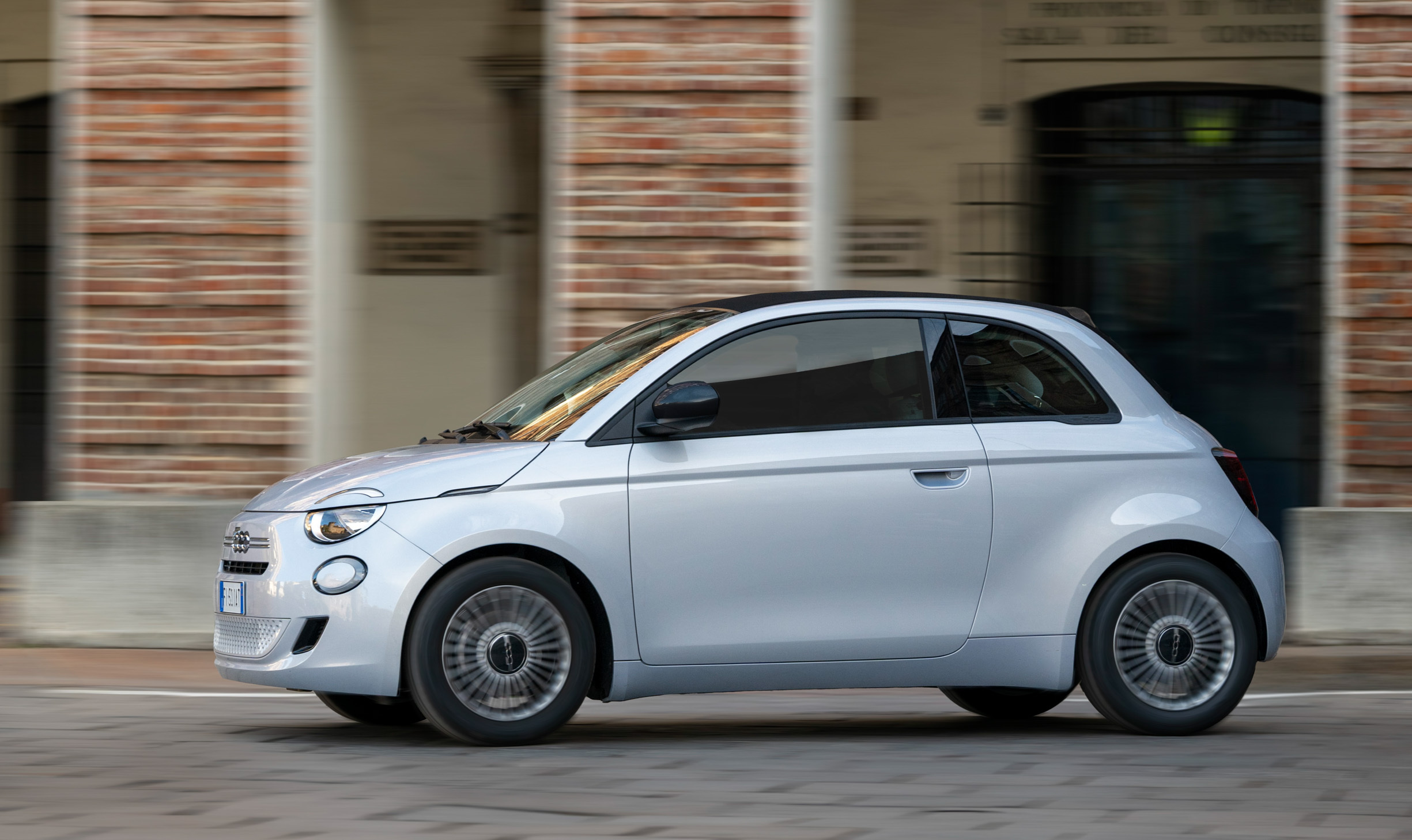
Americans don’t seem particularly fond of new Fiat models, and the numbers make that pretty clear. The Italian brand sold just 155 vehicles in the US during the first quarter of 2025, down 70 percent from a year earlier, or roughly 1.75 cars per day. Across the border in Canada, however, the story takes a different turn.

While Fiat struggles with near nonexistent demand in the US, where 500e sales have plunged 85 percent to just 68 units and 500X deliveries slipped 4 percent to 71, the story looks very different north of the border. In Canada, sales of the tiny EV have surged.

Read: Stellantis Wants To Build Chinese Cars In Canada Instead Of The Jeeps It Promised

During the January–March period, Canadians buyers snapped up 1,287 examples of the electric 500e, the only model Fiat currently sells there. That’s 19 times more than it managed in the US, and a 72 percent jump from the 749 units sold in Q1 2025. It also works out to more than eight times Fiat’s total US sales over the same stretch.

 Fiat Sold Nearly 20 Times More 500e EVs in Canada Than In The US

No doubt contributing to the higher popularity of the 500e in Canada than in America is that it’s much cheaper. In the States, prices for the 500e start at $30,500, which is only about $5,000 less than a new Chevrolet Equinox EV that’s much larger, much more practical, and has more than double the driving range.

In Canada, the Fiat 500e starts at CA$30,290 (US$21,700 at current exchange rates), or effectively CA$25,290 (US$18,100), once a CA$5,000 (US$3,600) incentive from the country’s Electric Vehicle Affordability Program is applied. That makes it the cheapest EV on sale in Canada.

Some Stellantis Models Shine, Others Don’t

 Fiat Sold Nearly 20 Times More 500e EVs in Canada Than In The US

Fiat wasn’t the only brand from under the Stellantis umbrella to post gains in Q1 2026. Sales at Jeep rose 3 percent from 8,363 to 8,631, while Ram spiked 7 percent, hitting 12,463 units. Chrysler recorded the largest increase, with sales jumping 98 percent to 5,073, driven by a 256 percent surge in Pacifica demand.

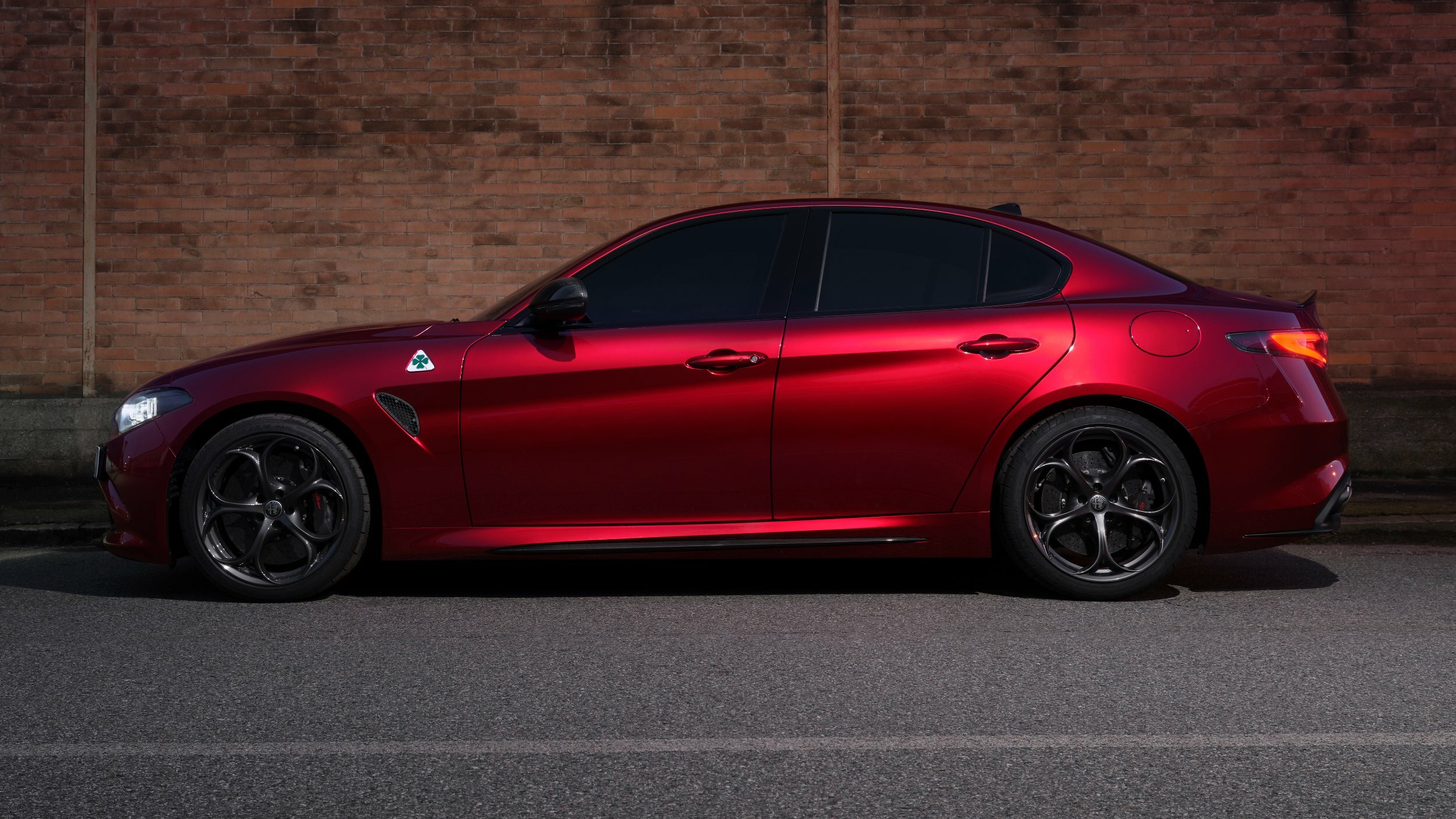
Things weren’t so pretty for Dodge as its sales fell 4 percent to 2,743 units. Additionally, Alfa Romeo plummeted by 51 percent to just 81 units, with a measly 15 Giulias, 46 Stelvios, and 20 Tonales finding new homes.

Stellantis Canada Sales

ModelQ1-26Q1-25Diff.
Compass2,0202,327-13%
Wrangler2,5182,821-11%
Gladiator53428389%
Cherokee126-96%
Cherokee (KM)9590NA
Grand Cherokee2,3342,3410%
Renegade03-100%
Wagoneer00NA
Wagoneer S29205-86%
Grand Wagoneer236357-34%
JEEP BRAND8,6318,3633%
Ram P/U11,5459,90317%
ProMaster Van9181,756-48%
ProMaster City00NA
RAM BRAND12,46311,6597%
300022-100%
Chrysler Grand Caravan1,0651,417-25%
Pacifica4,0081,126256%
CHRYSLER BRAND5,0732,56598%
Hornet37551-93%
Charger (LB)21416827%
Charger051-100%
Challenger123-96%
Caravan10NA
Durango2,4902,05121%
DODGE BRAND2,7432,844-4%
50000NA
500E1,28774972%
500X08-100%
FIAT BRAND1,28775770%
Giulia1521-29%
Stelvio4671-35%
Tonale2074-73%
ALFA BRAND81166-51%
TOTAL FCA CANADA30,27826,35415%
SWIPE

The Gap Between What Tesla Built And What It Sold Just Broke A Company Record

  • Tesla grew Q1 deliveries year over year, but missed analyst expectations.
  • Production outpaced sales, creating the largest inventory gap in years.
  • Shares dropped more than 4 percent after the company’s delivery report.

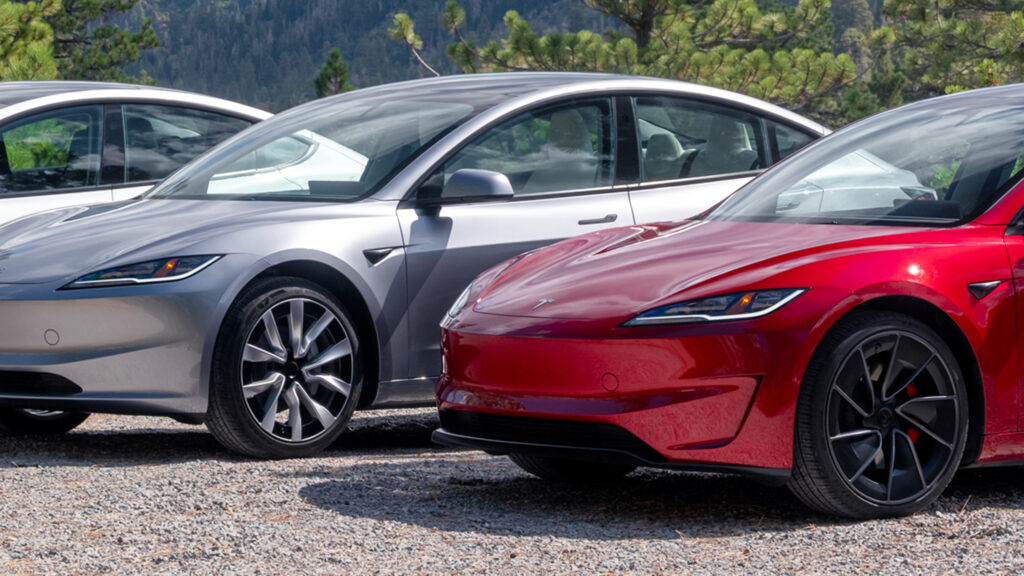
Tesla’s global sales edged up in the first quarter of 2026, but that did little to calm investors. Despite the increase, the company’s production and delivery figures sent shares down more than 5 percent on Thursday, marking their sharpest drop of the year. The stock is now down about 20 percent in 2026.

Read: Tesla’s Sales Collapsed By Nearly 90% In The Land Of EVs

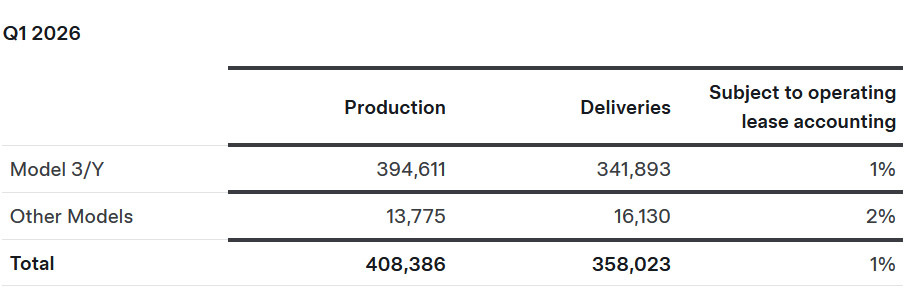
In total, Tesla sold 358,023 vehicles worldwide in Q1 2026. That marks a 6 percent increase over the same quarter last year, when it delivered 336,681 vehicles. The bigger contrast comes against the previous quarter. Deliveries are down 14.3 percent from the 418,227 vehicles handed over in Q4 2025.

US Sales Range Estimates

The company has not released a detailed breakdown for the US, but estimates from Autonews and Cox Automotive put first-quarter deliveries somewhere between 110,000 and 122,196 units. That range points to a decline of roughly 4.6 percent to 15 percent in its home market, depending on where the final number lands.

According to Morningstar analyst Seth Goldstein, there are two key reasons to explain why sales fell.

“Tesla’s first-quarter deliveries reflect the U.S. tax credit expiration as well as FSD ​not yet being approved in the EU,” he told Reuters. “These factors will likely continue to weigh on deliveries until Tesla gets EU approval and until we enter the fourth quarter in the U.S.”

 The Gap Between What Tesla Built And What It Sold Just Broke A Company Record

As deliveries softened compared to the previous quarter, the gap between vehicles produced and sold widened to its largest level in four years. Tesla ended the quarter with 408,386 vehicles built, leaving a surplus of 50,363 units in inventory.

Data cited by Business Insider shows this is the largest gap between production and deliveries the company has recorded. That stands out for a business that has typically kept supply and demand closely aligned. The closest comparison comes from the same period in 2024, when production exceeded deliveries by around 46,500 vehicles.

Lower Than Analyst Expectations

 The Gap Between What Tesla Built And What It Sold Just Broke A Company Record

The carmaker began to temper expectations for the first quarter last week, publishing a delivery consensus based on estimates from more than a dozen analysts. This suggests Tesla would end the quarter with 365,645 deliveries, but it fell short of that. Separate estimates from StreetAccount had projected around 370,000 deliveries.

The analysts also predicted Tesla would deploy 14.4 GWh worth of energy storage, but it actually delivered just 8.8 GWh of energy storage products. That figure is also down from 10.4 GWh in Q1 2025 and 14.2 GWh in Q4 2025.

As we’ve come to expect, the Model 3 and Model Y account for the bulk of the company’s sales, with 341,893 finding new homes. The remaining 16,130 vehicles delivered included a mix of the Cybertruck, Semi and the now-discontinued Model S and Model X.

\\\\\\

Kia’s EVs Bleed Out While Hybrids Carry The Brand To Its Highest-Ever First-Quarter Sales

  • Kia posted its best-ever first quarter sales in America.
  • Customers snapped up 207,015 vehicles for a 4.1% increase.
  • Result is due to strong sales of Sportage, Telluride and K4.

General Motors had a terrible first quarter, but Kia was triumphant as sales climbed 4.1% to reach a new record of 207,015 vehicles. The company said the result underscores their “steady growth despite uncertain market conditions.”

The redesigned Telluride is proving to be a key asset as it helped Q1 sales climb 16.9% to 35,928 units. The company went on to note that’s the “highest quarterly result in the vehicle’s history.”

More: Kia Is Finally Brings An Affordable EV To America With New EV3

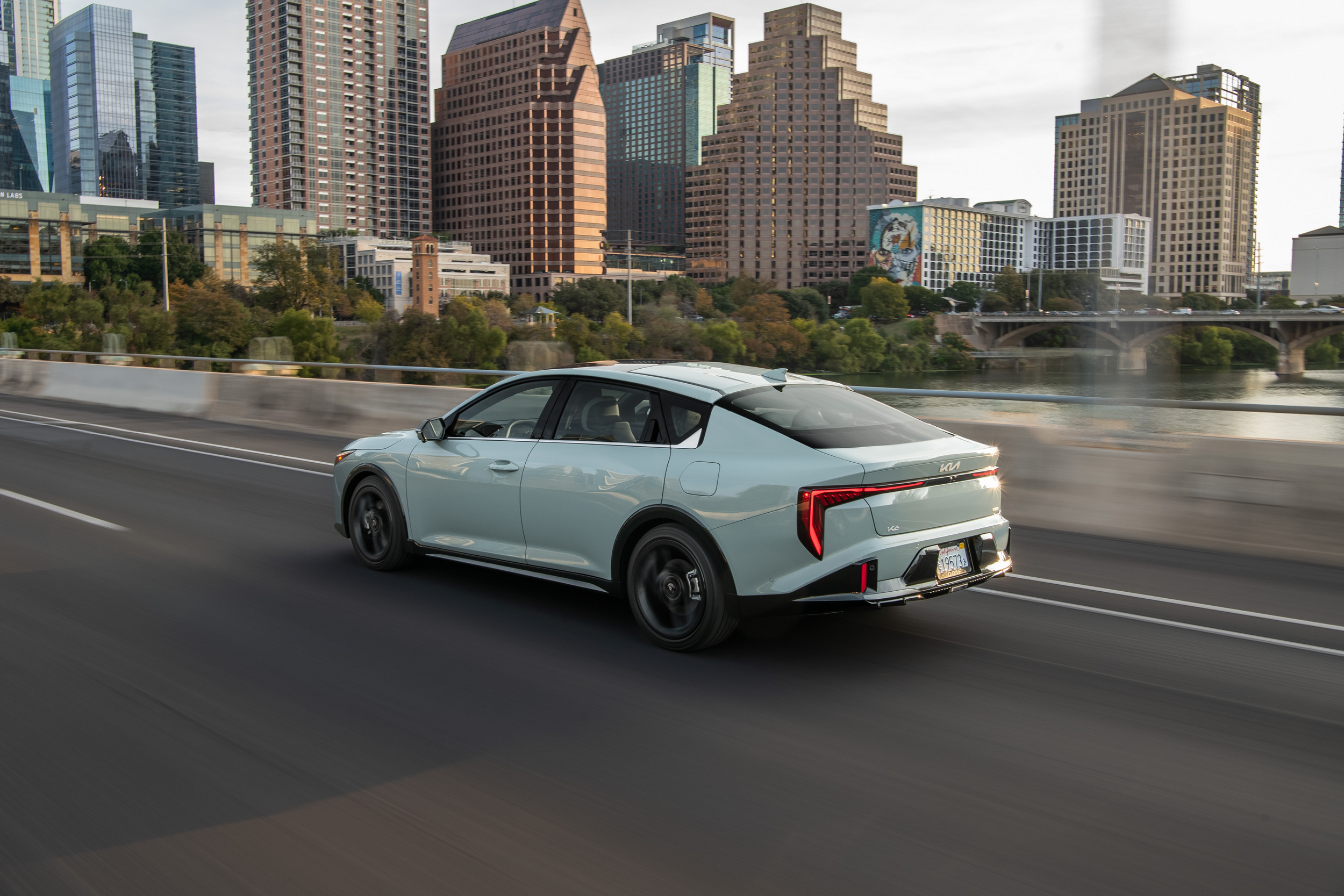
Other big gainers were the K5 and Seltos, which were up 19.4% and 29.2%, respectively. The Sportage climbed 8.2%, while the Carnival bucked minivan stereotypes to post a 27.8% increase in the first quarter. It’s also worth noting the K4 was the brand’s second best-selling vehicle and sales were up 0.6%.

EVs Struggle, While Hybrids Soar

 Kia’s EVs Bleed Out While Hybrids Carry The Brand To Its Highest-Ever First-Quarter Sales

It wasn’t all good news as EVs continue to struggle following the elimination of the federal tax credit. EV6 sales fell 45.8% in the first quarter, while the EV9 was down 27.1%. On the bright side, sales of the three-row crossover did climb 7.1% in March. However, that only equates to an additional 83 vehicles.

While consumers turned their backs on EVs, they embraced hybrids. Sales skyrocketed 73% to achieve a new quarterly record. Kia can also expect a boost from the 2027 Seltos, which recently debuted with a new hybridized 1.6-liter engine.

 Kia’s EVs Bleed Out While Hybrids Carry The Brand To Its Highest-Ever First-Quarter Sales

Putting electrification aside, the Sorento is having a difficult time as the model was off 14.4% in the quarter. Sales also took a hit from the discontinuation of the Soul, although some dealers still have inventory in stock.

2026 Kia US March And Q1 Sales
ModelMar-26Mar-25Diff.26-YTD25-YTDDiff.
EV91,2471,1647.1%2,7403,756-27.1%
EV6883921-4.1%2,0233,738-45.9%
K4/Forte13,71413,7190.0%37,22037,0040.6%
K56,4776,3991.2%18,80615,74719.4%
Soul5433,717-85.4%3,29911,277-70.7%
Niro2,5022,4312.9%7,4555,11845.7%
Seltos5,2124,8288.0%14,69911,37529.2%
Sportage16,81916,872-0.3%44,70441,3018.2%
Sorento8,85810,547-16.0%21,51025,117-14.4%
Telluride13,30611,47316.0%35,92829,84320.4%
Carnival6,9476,4697.4%18,63114,57427.8%
Total76,50878,540-2.6%207,015198,8504.1%
SWIPE

Buick Rolled Over And Played Dead, So Did Sales

  • All four GM brands posted declines, with Buick falling the hardest.
  • Chevy’s EV lineup had a brutal quarter, with one model dropping 83%.
  • GMC was the only brand that came through largely unscathed.

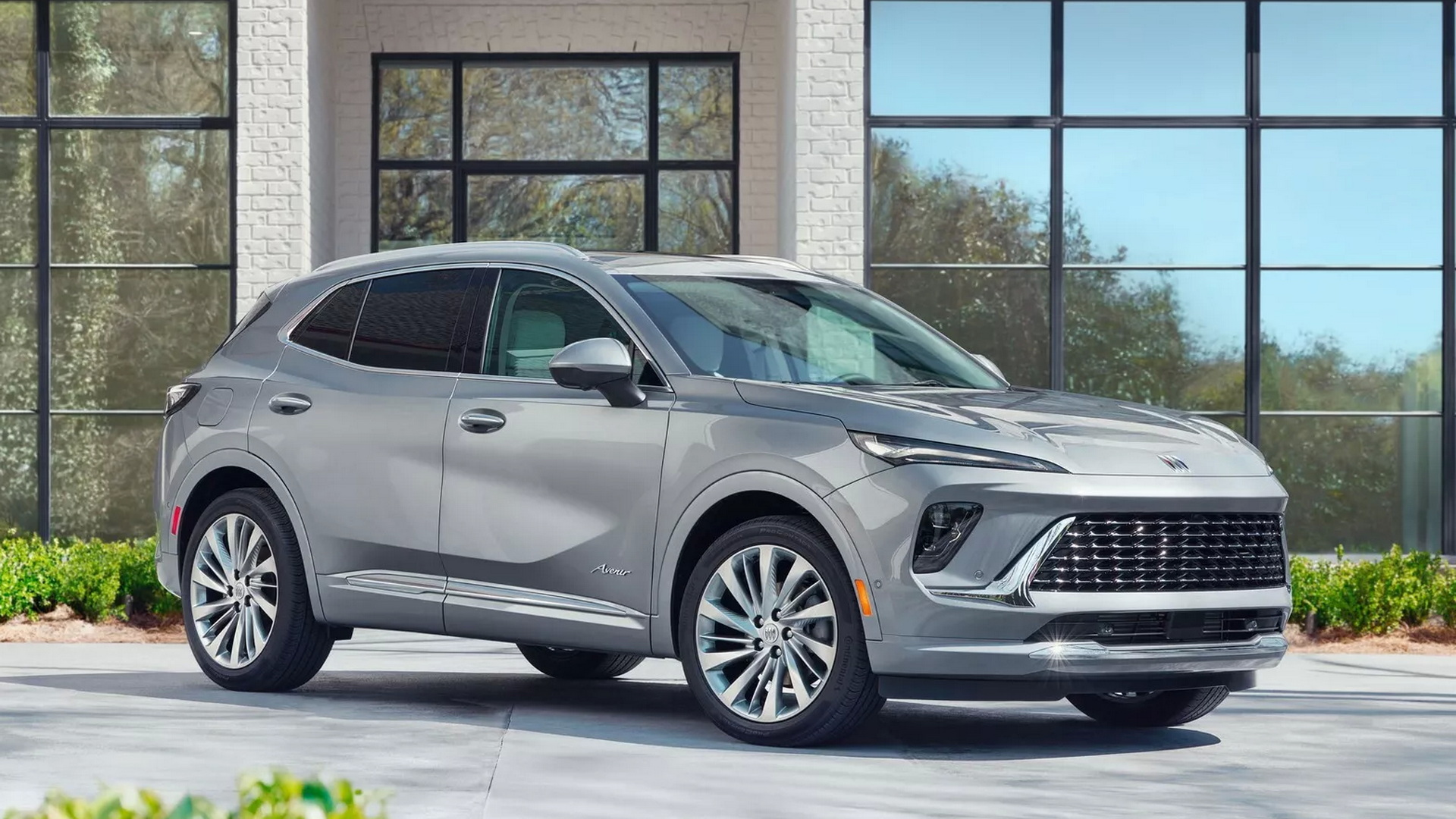
Buick was on a roll as the affordable Envista was bringing new customers into showrooms, while the redesigned Enclave proved popular. Then, seemingly overnight, the brand decided to roll over and play dead.

The automaker hasn’t issued a proper press release in nearly two years and many people associated with their marketing efforts fled for greener pastures at Stellantis. If that wasn’t bad enough, GM basically abandoned Buick’s electrification plans in the United States.

More: Buick Delays Plan To Launch First EV In America

Thanks to these and other issues, sales are tanking – hard. In the first quarter, deliveries plunged 32.6% to a mere 41,654 units. The big loser was the Chinese-built Envision, which received a $3,000 price hike for 2026 as the model is getting hammered by tariffs.

 Buick Rolled Over And Played Dead, So Did Sales

The decline doesn’t appear to be an availability issue as dealers have more than 9,000 Envisions in stock. That’s roughly six months of supply, suggesting demand is lacking.

If losers love company, Buick had a lot to celebrate as the Encore GX was off by 36%, while the Envista was down 9.7%. Even the Enclave struggled as sales dropped 3.3%.

Cadillac’s Big Bet On EVs Is Having Mixed Results

 Buick Rolled Over And Played Dead, So Did Sales

When the electric vehicle tax credit was eliminated last year, sales plummeted. That continues and has put Cadillac in a tough spot as they have an EV-laden lineup.

Lyriq sales fell 21.6%, while the Escalade IQ dropped 26.8%. However, the Optiq soared 65.9% thanks to significant powertrain updates as well as the addition of the Optiq-V. The three-row Vistiq also seems to be doing okay as the company moved 1,902 units in the first quarter.

\\\\\\

On the gas side of the equation, the outgoing CT4 saw sales surge 27.4%, but that only equates to an additional 333 vehicles. Elsewhere in the lineup, the CT5 was down 13.3% while the Escalade was off 28.5%. The XT4, XT5, and XT6 are all dead or almost dead, so we’ll skip them like buyers did.

Given all of this, it’s hardly surprising that overall Cadillac sales dropped 25.5%.

Chevrolet Had A Rough Quarter

 Buick Rolled Over And Played Dead, So Did Sales

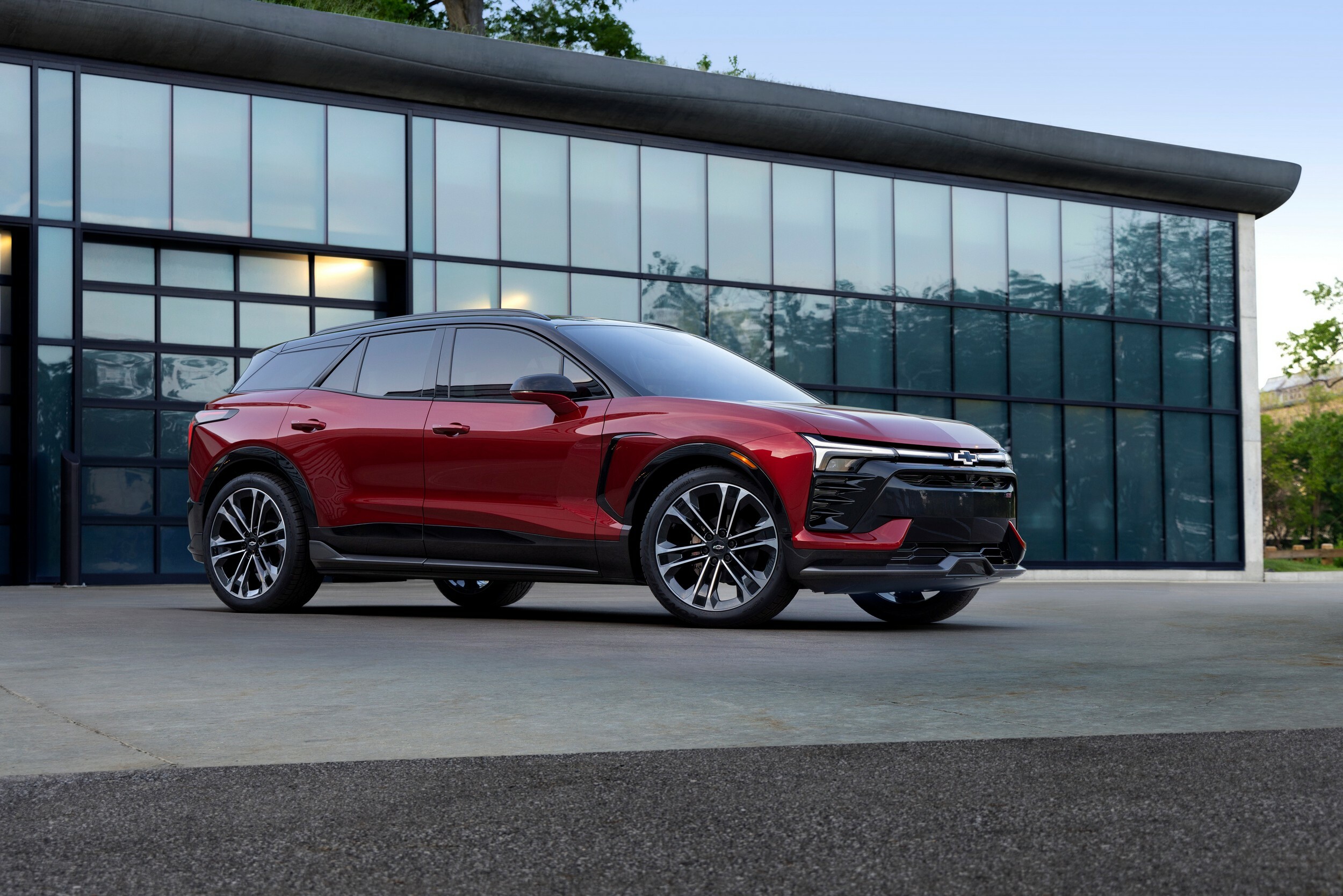
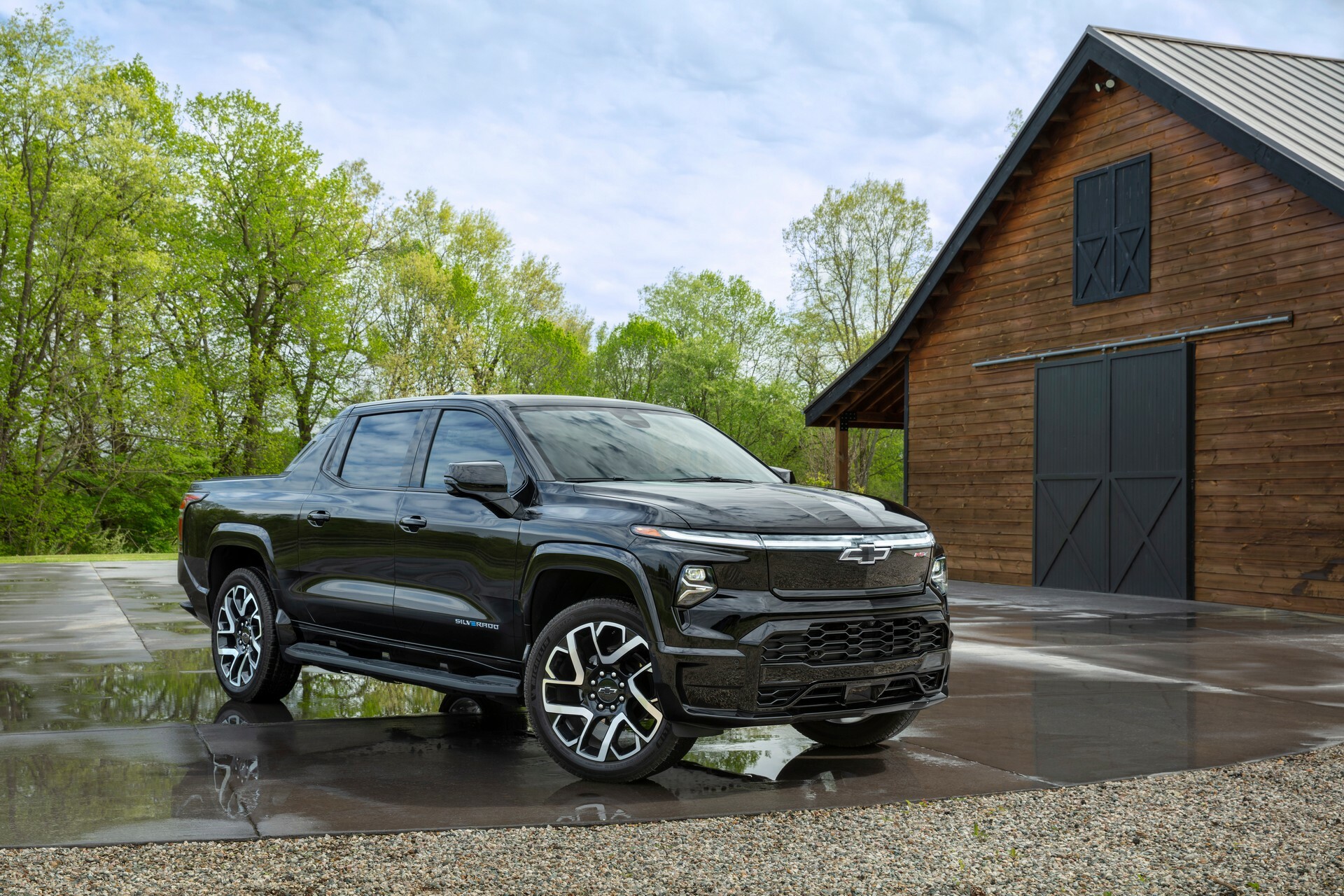
Over in bowtie land, it’s an EV bloodbath. The Blazer EV plummeted 82.6% to a mere 1,077 units. The Equinox EV was off 7.2%, while the Silverado EV fell 41%.

Even the resurrected Bolt seems like a failure as the company only moved 791 units. That’s less than 270 per month and it seems like the model’s death and rebirth was a giant waste of time, effort, and resources.

 Buick Rolled Over And Played Dead, So Did Sales

The only bright spot was the deceased Brightdrop vans, which saw sales soar 81%. However, this was likely driven by a fire sale with six figure discounts.

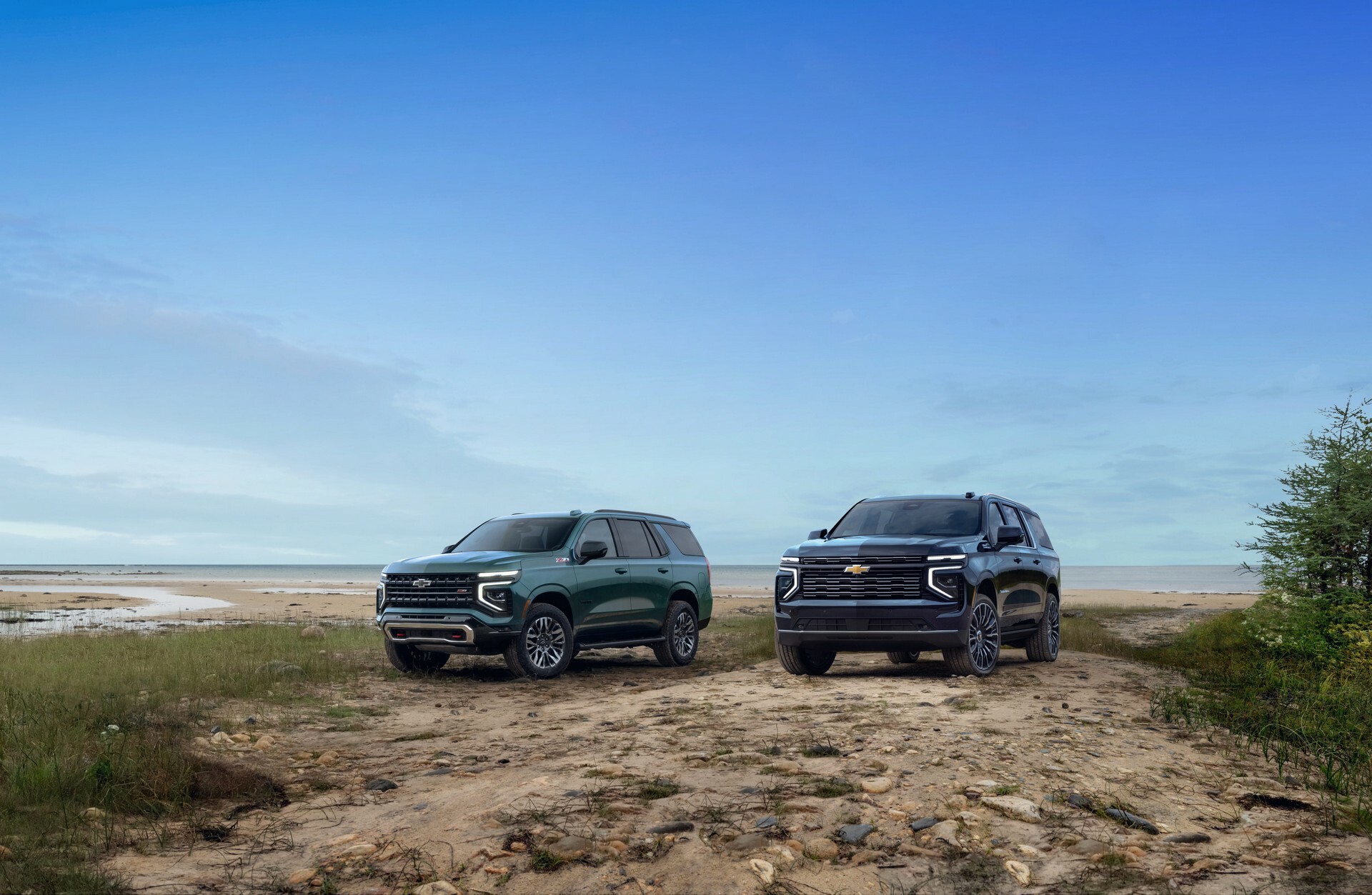
Putting EVs aside, overall sales fell 8.1% as numerous models struggled including the Blazer (-26.3%), Colorado (-16.5%), Corvette (-8.2%), Equinox (-13.5%), Trailblazer (-6.3%), Tahoe (-10.0%), and Suburban (-14.0%). Traverse sales climbed 33.6% and the Silverado 1500 was up 7.9%, but they couldn’t offset the overall decline.

GMC Did Okay

 Buick Rolled Over And Played Dead, So Did Sales

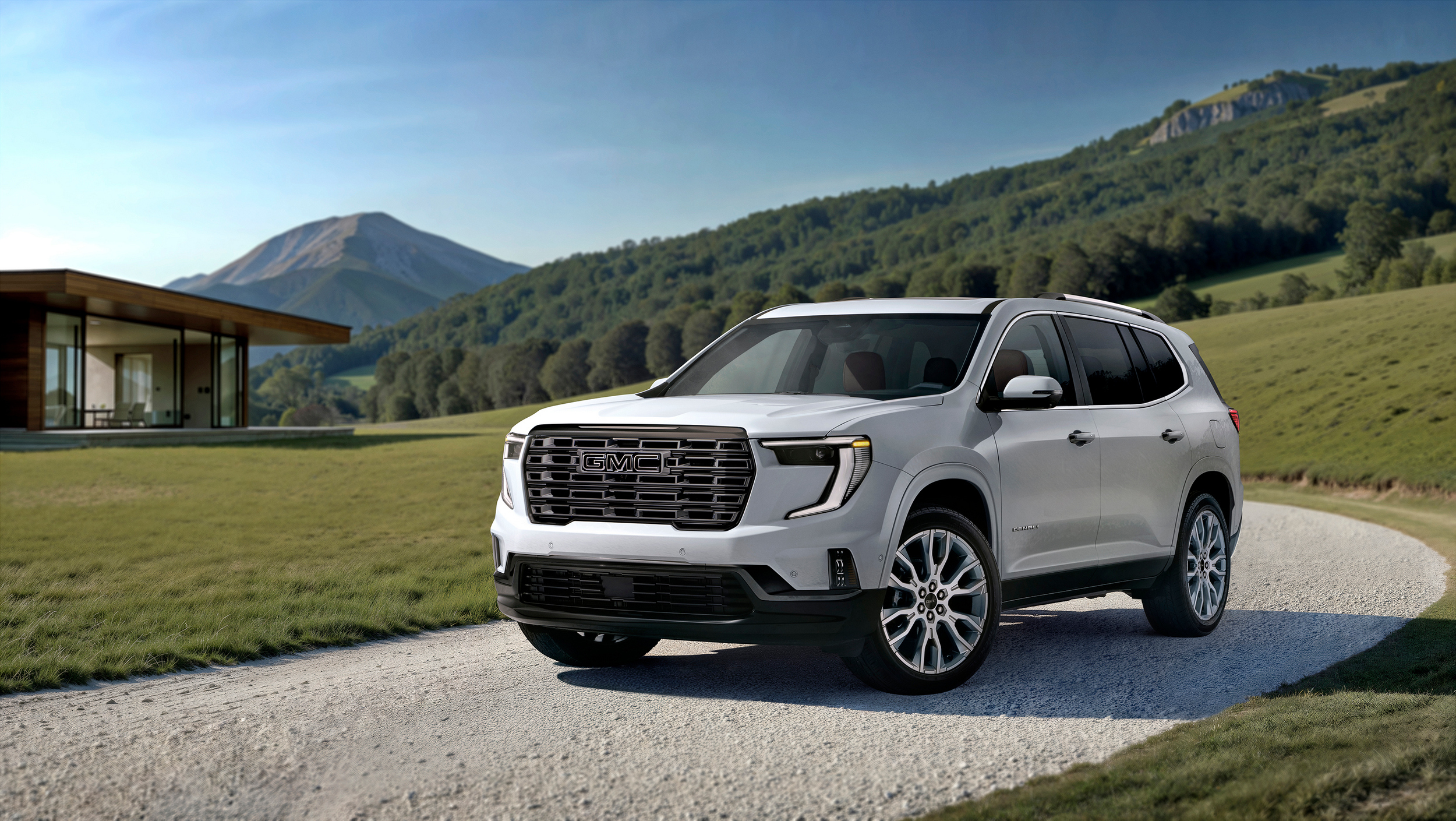
GMC had the best performance as sales were only down 0.2%. The Acadia tied last year’s result as the company once again sold 13,257 crossovers. The Colorado was up 21.2%, while the Terrain soared 35.2%. Even the Sierra EV saw a slight 3.1% improvement, but that only equates to an additional 39 pickups as sales were terrible to begin with.

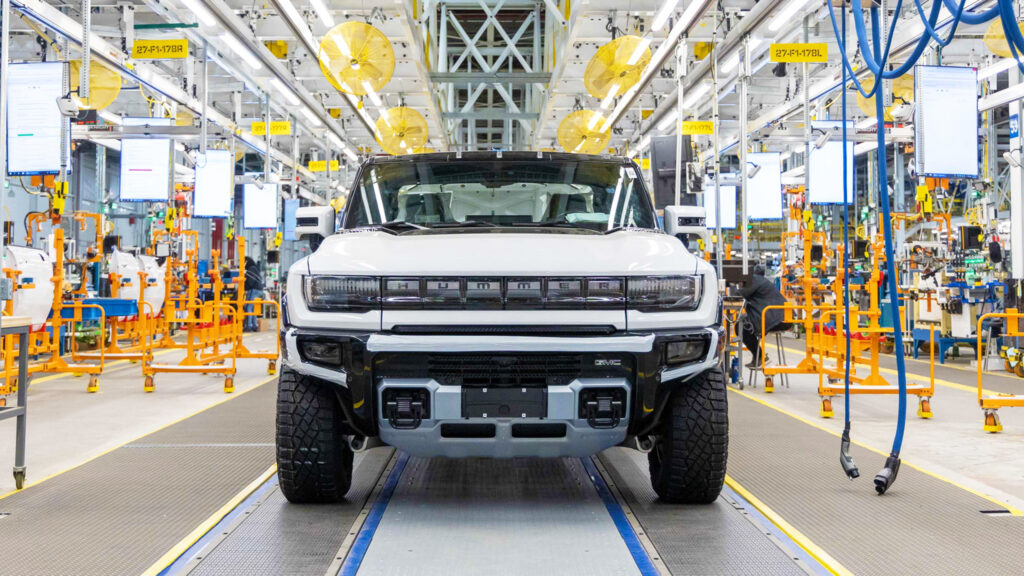
Speaking of EVs, the Hummer lineup plunged 52.5% despite a handful of updates for the 2026 model year. Sierra 1500, 2500, and 3500 sales also fell as did those for the Yukon.

A Bad Quarter Overall

 Buick Rolled Over And Played Dead, So Did Sales

Zooming out even further, GM’s total sales fell 9.7% to 626,429 units. The automaker tried to put a positive spin on things as they said “momentum in March helped results partially recover from a slower January and February, when winter storms impacted the market.” GM added they’re leading in U.S. sales and gained an additional 50,000 Super Cruise subscribers.

2026 GM Q1 Sales
ModelQ1 26Q1 25% Chg
Enclave10,69911,067-3.3
Encore GX13,05220,408-36.0
Envision4,48515,485-71.0
Envista13,41814,862-9.7
Buick Total41,65461,822-32.6
CT41,5471,21427.4
CTS3,4513,981-13.3
Escalade9,06312,683-28.5
ESCALADE IQ1,4321,956-26.8
LYRIQ3,3704,300-21.6
OPTIQ2,8471,71665.9
VISTIQ1,9021190100.0
XT41274,775-97.3
XT55,3436,353-15.9
XT62,0164,778-57.8
Cadillac Total31,09841,757-25.5
Blazer10,70014,510-26.3
Blazer EV1,0776,187-82.6
Bolt791135984.6
BrightDrop 400 / 600 49627481.0
Colorado21,59625,856-16.5
Corvette6,2356,794-8.2
Equinox61,39871,002-13.5
Equinox EV9,58910,329-7.2
Express12,48812,3710.9
LCF857991-13.5
Malibu1375,369-97.4
Silverado HD41,73847,099-11.4
Silverado LD84,40178,1997.9
Silverado MD1,2732,033-37.4
Silverado EV1,4062,383-41.0
TOTAL Silverado128,818129,714-0.7
Suburban11,69613,594-14.0
Tahoe26,83629,827-10.0
Trailblazer27,47529,323-6.3
Traverse37,84928,33133.6
Trax49,70659,021-15.8
Chevrolet Total407,747443,564-8.1
Acadia13,25713,2570.0
Canyon11,0279,09621.2
HUMMER EV (Pickup and SUV)1,6533,479-52.5
Savana2,2332,575-13.3
Sierra HD22,46224,401-7.9
Sierra LD51,85752,891-2.0
Sierra EV1,2881,2493.1
TOTAL Sierra75,60778,541-3.7
Terrain21,56715,94835.2
Yukon20,58623,324-11.7
GMC Total145,930146,220-0.2
GM Total626,429693,363-9.7
SWIPE

GM Pauses Production Of Two Hyped-Up EVs, Sending 1,300 Workers Home

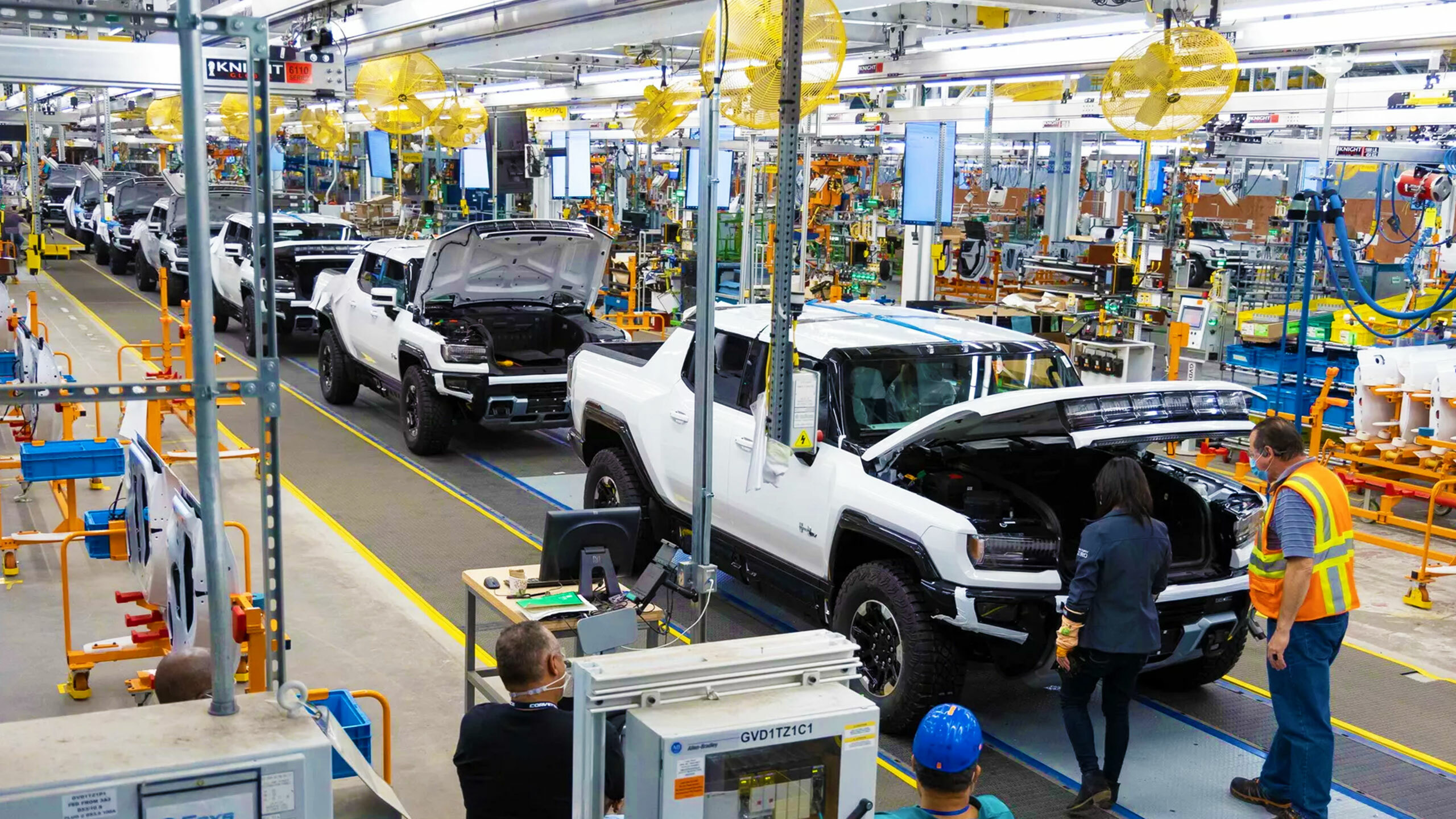
  • GM’s Factory Zero will be idled from March 16 to April 13.
  • Shutdown affects 1,300 workers, who face temporary layoff.
  • Hummer EV sales dropped nearly 50 percent in Q4 2025.

Demand for GM’s electric vehicles in the US is so poor that the carmaker has revealed Factory Zero in Detroit, its all-electric vehicle hub, will be idled until April 13. Production at the site has already been paused since March 16, so it’ll be offline for almost an entire month.

Due to the production pause, roughly 1,300 workers will be temporarily laid off by the car manufacturer. This news is just the latest blow for those who work at the site, as output at Factory Zero was already cut by almost 50 percent in January when it moved to a single-shift operation. This prompted GM to put 1,200 workers on indefinite layoff.

Read: GM Is Boosting Production Of Its Biggest Gas Guzzlers, Fuel Prices Be Damned

The plant handles production of models including the Chevrolet Silverado EV and Hummer EV, but sales have slowed since the US government axed the $7,500 federal EV tax credit.

In the last quarter of 2025, Chevy sold 1,896 Silverado EVs, down 12.9 percent from the 2,176 in 2024. Interestingly, total 2025 sales reached 11,275, which was 51.8 percent higher than 2024.

GMC Hummer EV Collapse

 GM Pauses Production Of Two Hyped-Up EVs, Sending 1,300 Workers Home

The GMC Hummer EV is starting to feel the effects of shifting government policy. Sales dropped 49.8 percent in the final quarter of 2025, falling from 5,091 units to 2,555. That slide carried straight into 2026, with just 1,653 units moved in Q1, down 52.5 percent from the 3,479 sold a year earlier.

The GMC Sierra EV, meanwhile, managed to buck the trend. It posted 1,288 deliveries in Q1 2026, narrowly beating the 1,249 units from the same period in 2025. In a tough stretch for Factory Zero, that modest gain stands out as one of the few positives.

Like some of the competition, GM is pulling back from its EV commitments, confirming it will take $7.6 billion in charges for scaling back its EV spending. While GM boss Mary Barra still refers to EVs as the company’s “end game,” The General is making changes in the meantime. This includes working on several plug-in hybrid models, details of which still remain thin on the ground.

GM also recently announced it’s boosting production of some of its biggest gas guzzlers, namely the Chevrolet Silverado 2500 and 3500, in addition to the GMC Sierra 2500 and 3500.

 GM Pauses Production Of Two Hyped-Up EVs, Sending 1,300 Workers Home

Rivian Won Direct Sales In Washington With A Threat That’s Coming For Dealers Everywhere

  • Rivian wins direct sales rights in Washington after dealer resistance collapses.
  • Nearly 70 percent of buyers support skipping dealerships and buying directly.
  • Other states may follow as pressure builds against traditional franchise laws.

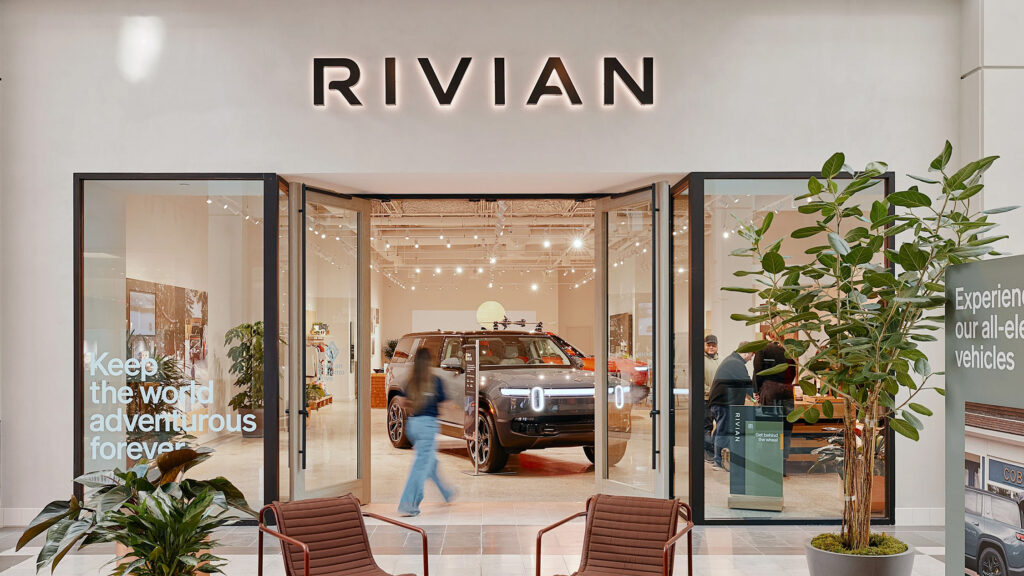
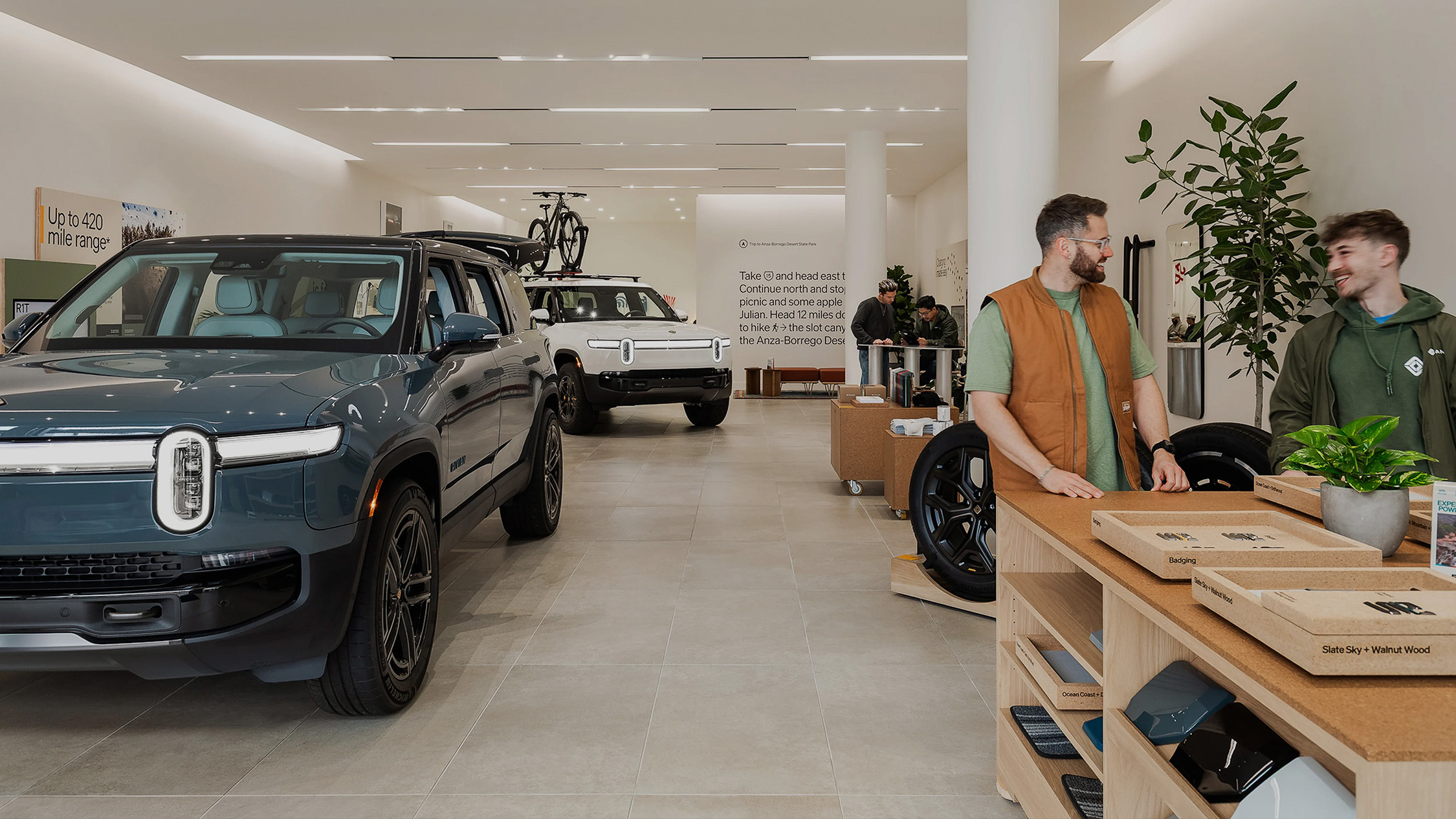
Rivian didn’t just win a fight in Washington this week when it was granted the right to sell cars directly to consumers. It might have started a war that will leave dealer groups across America far less powerful and profitable 10 or 15 years from now.

After years of getting blocked by dealer laws in Washington state, the EV startup pushed hard enough that the opposition simply stepped aside. The turning point came when Rivian threatened to take the issue to voters, a gamble that could have cost it up to $30 million. Faced with an expensive ballot battle, dealer groups backed off and supported a narrow law letting Rivian and Lucid – but no other brands – sell directly.

Related: More VW Dealers Sue, Say Scout Is A Shell Company Built To Cut Them Out

“The writing was on the wall,” said lawmaker Andrew Barkis to The Wall Street Journal. Once the resistance faded, the bill sailed through.

It’s a big moment in a long-running tug of war over how Americans buy cars. For decades, laws in most states have forced automakers to sell through independent dealers. That system isn’t going quietly, but Rivian just proved it can be bent, something Tesla already does, and VW is also trying to do with its new Scout brand.

Buyers Backed The Move

And the reason is simple. Buyers don’t love dealerships as much as the system assumes. Rivian’s own polling showed nearly 70 percent of people support direct sales in the same way that they like to get their sneakers from the Nike store or their new iPhone from an Apple outlet.

 Rivian Won Direct Sales In Washington With A Threat That’s Coming For Dealers Everywhere

Rivian CEO RJ Scaringe says selling direct means more control, better margins, and a cleaner customer experience. But not everyone’s thrilled. Traditional automakers and dealer groups argue this creates an uneven playing field. They say franchise networks keep prices competitive and provide essential services like repairs and financing.

Limited Freedom

“The franchise model continues to be the ideal system,” Vicki Giles Fabré of the Washington State Auto Dealers Association told the WSJ in a statement. Still, even dealers seem to recognize the tide is turning. The Washington compromise is tightly limited, applying only to Rivian and Lucid, but it cracks the door open.

Now Rivian is eyeing other states where voters can be brought into the fight. Places like Ohio and Oklahoma could be next, and if this strategy keeps working, the patchwork of sales laws might start to unravel.

 Rivian Won Direct Sales In Washington With A Threat That’s Coming For Dealers Everywhere

Rivian

Europe’s ICE Car Sales Collapsed 23% In A Single Month, As EVs Surge

  • EVs accounted for 18.8 percent of EU sales in the first two months of 2025.
  • Petrol car registrations collapsed 23.3 percent in February across the bloc.
  • BYD doubled its European sales while matching Tesla’s 1.8 percent market share.

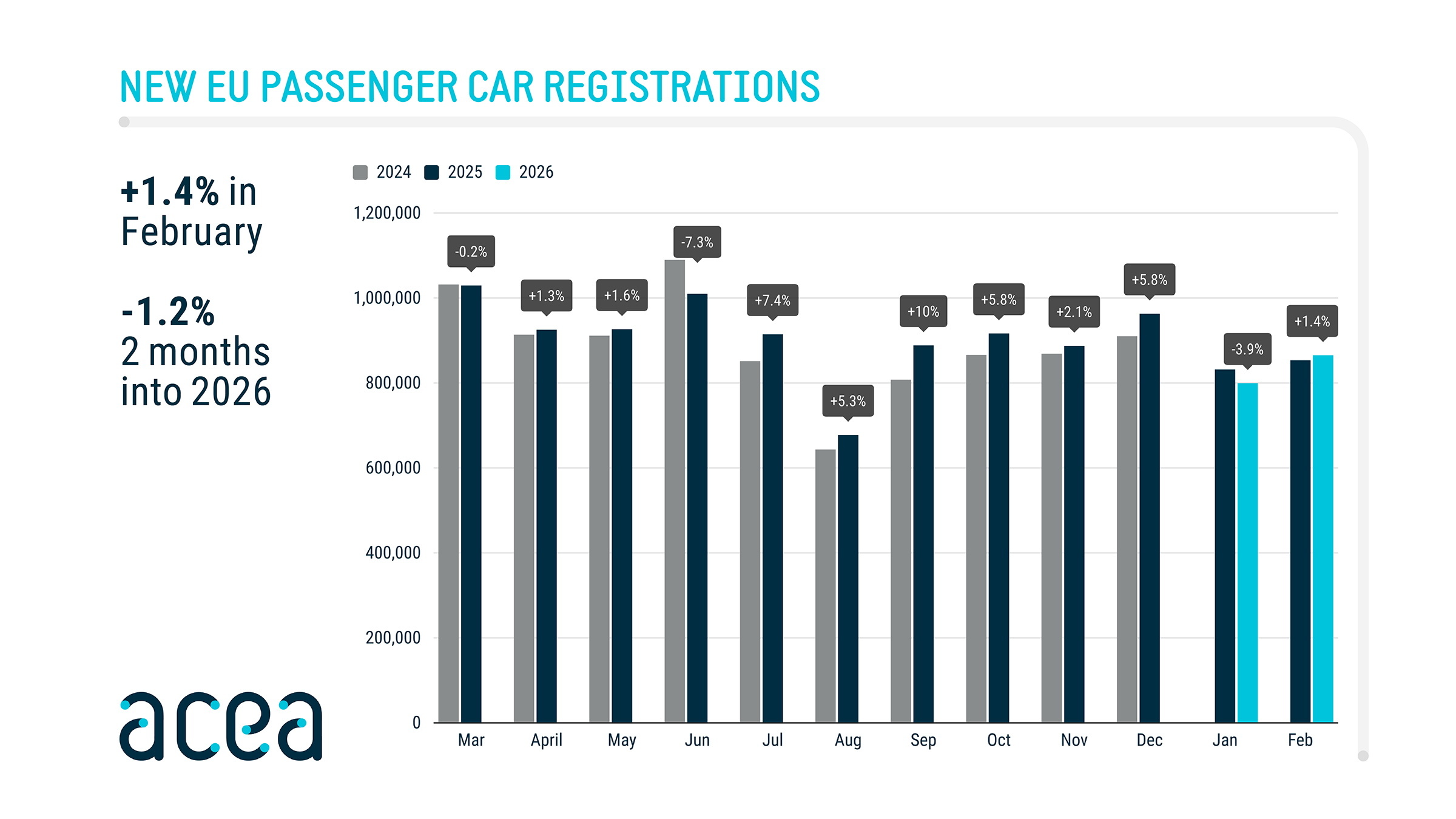
Sales of battery-electric vehicles across the European Union continue to rise and are now nipping at the heels of petrol-powered cars. Due to the ongoing war in Iran and spiking oil prices, EV demand could jump even further. However, market conditions remain mixed, with total car registrations across the EU, Britain, and EFTA rising just 1.7 percent in February to 979,321 units, signaling only modest overall growth.

Registration data from Europe’s ACEA reveals that EVs accounted for 18.8 percent of the new car market across January and February, a notable increase from 15.2 percent over the same period last year. A total of 312,369 EVs were registered in the first two months of the year, thanks in part to France (38.5 percent increase) and Germany (26.3 percent increase).

Read: EV Buyers Didn’t Disappear, They Just Moved Somewhere Automakers Don’t Love

This growth has been supported by a surge of more affordable EV models and national incentive programs that continue to encourage adoption. However, not every European country bought more electric vehicles. In fact, EV sales declined by a significant 34.9 percent in the Netherlands and 11 percent in Belgium.

 Europe’s ICE Car Sales Collapsed 23% In A Single Month, As EVs Surge

Notably, Tesla’s registrations rose 11.8 percent year-on-year, snapping a prolonged decline, though it still trailed BYD by a slim margin. Both brands held a 1.8 percent market share, while BYD’s sales more than doubled over the same period, highlighting growing pressure at the top of the EV segment.

Hybrid Boost

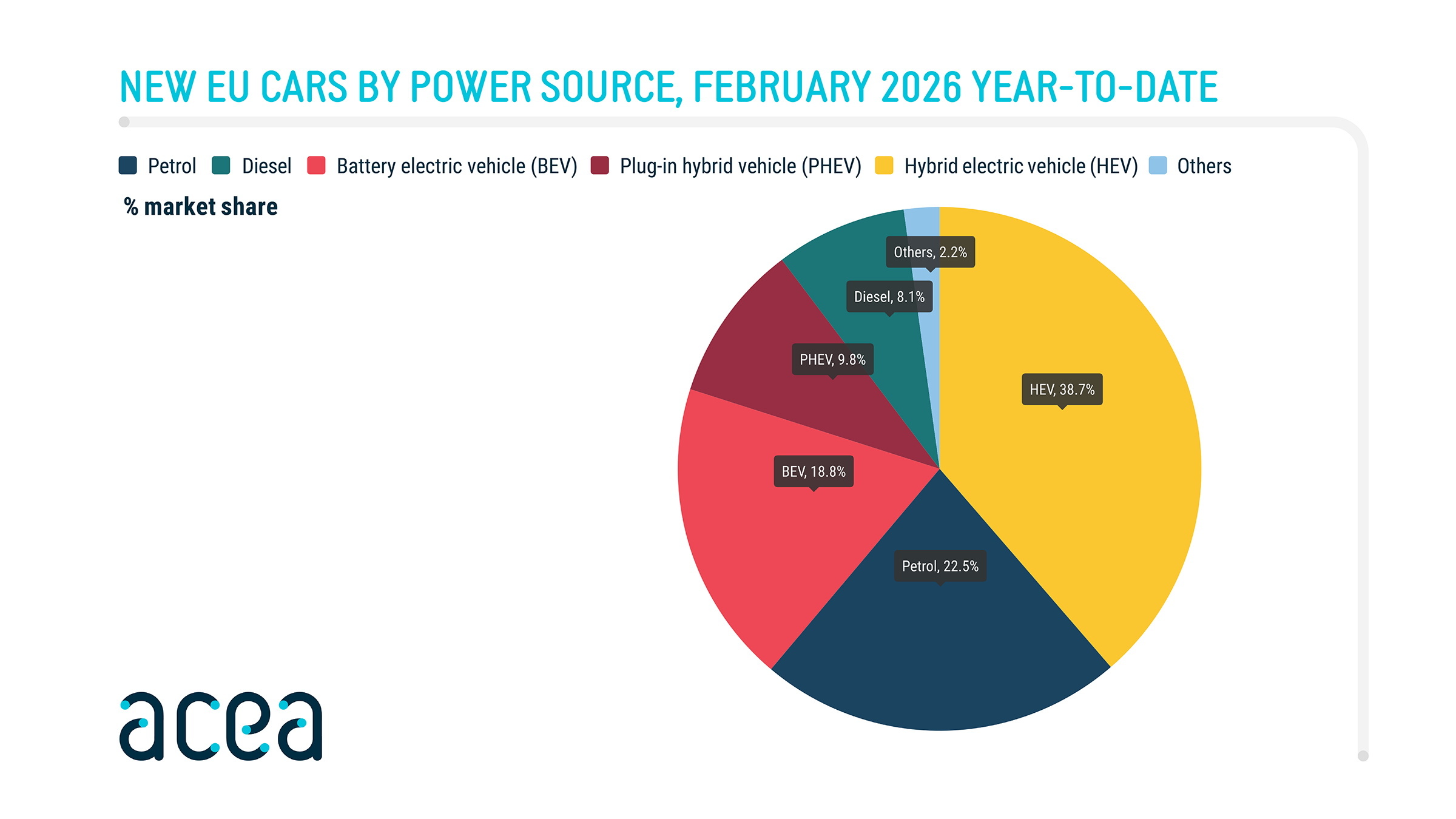
Hybrid vehicles remain the most popular powertrain choice in Europe, accounting for 38.7 percent of the market. This placed HEVs well ahead of cars powered solely by petrol, which have accounted for 22.5 percent of new car registrations this year.

Across February alone, battery-electric, plug-in hybrid, and hybrid vehicles together represented 67 percent of registrations, up from 58.5 percent a year earlier.

 Europe’s ICE Car Sales Collapsed 23% In A Single Month, As EVs Surge
ACEA

Petrol car sales are also on a downward trajectory, dropping 23.3 percent in February, with France reporting a massive 48.5 percent decrease. Registrations also dropped 22.8 percent in Germany, 20.8 percent in Spain, and 18.6 percent in Italy. Last year, petrol cars had a 29 percent share of the market, and this time next year, EVs may have overtaken them if current trends continue.

Plug-in hybrids were behind HEVs, petrol cars, and EVs as the fourth most popular powertrain choice, securing a 9.8 percent share of the market, over 7.4 percent last year. Sales reached 162,751 in the first two months, thanks in part to Italy (116.1 percent increase), Spain (71.5 percent increase), and Germany (23.8 percent increase). Trailing behind PHEVs are diesel vehicles with an 8.1 percent share, down 17.7 percent, and ‘others’ with a 2.2 percent share.

 Europe’s ICE Car Sales Collapsed 23% In A Single Month, As EVs Surge

EV Buyers Didn’t Disappear, They Just Moved Somewhere Automakers Don’t Love

  • New EV sales dropped sharply year over year in Feb, but rose slightly versus Jan.
  • Used EV demand surged as prices fell and inventory tightened across the market.
  • Tesla still dominates, though rivals gained ground with strong February showing.

The war in Iran and resulting gas price spike might be making American drivers suddenly more interested in new EVs, but that’s obviously not reflected in February’s sales figures.

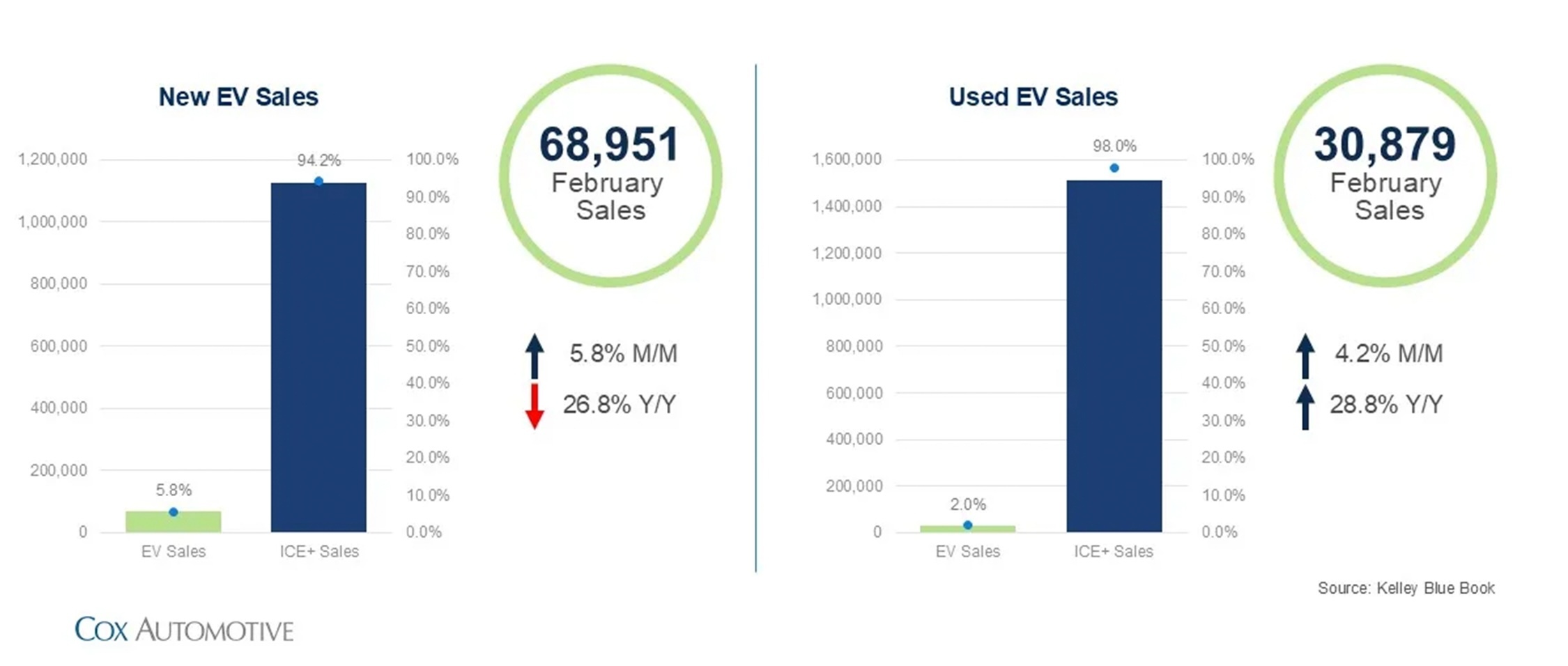
Data shows new EV sales came in just under 69,000 units last month, which sounds healthy until you notice that’s down a hefty 27 percent compared to last year. That total still marked a 5.8 percent increase compared to January and represented about 5.8 percent of all new vehicle sales.

There is a silver lining though, and it’s that those people who did buy an EV paid less for it as prices were pushed down across the board, Cox Automotive says.

More: Global EV Sales Just Fell 11%, But Carmakers Found A Surprising Backup Plan

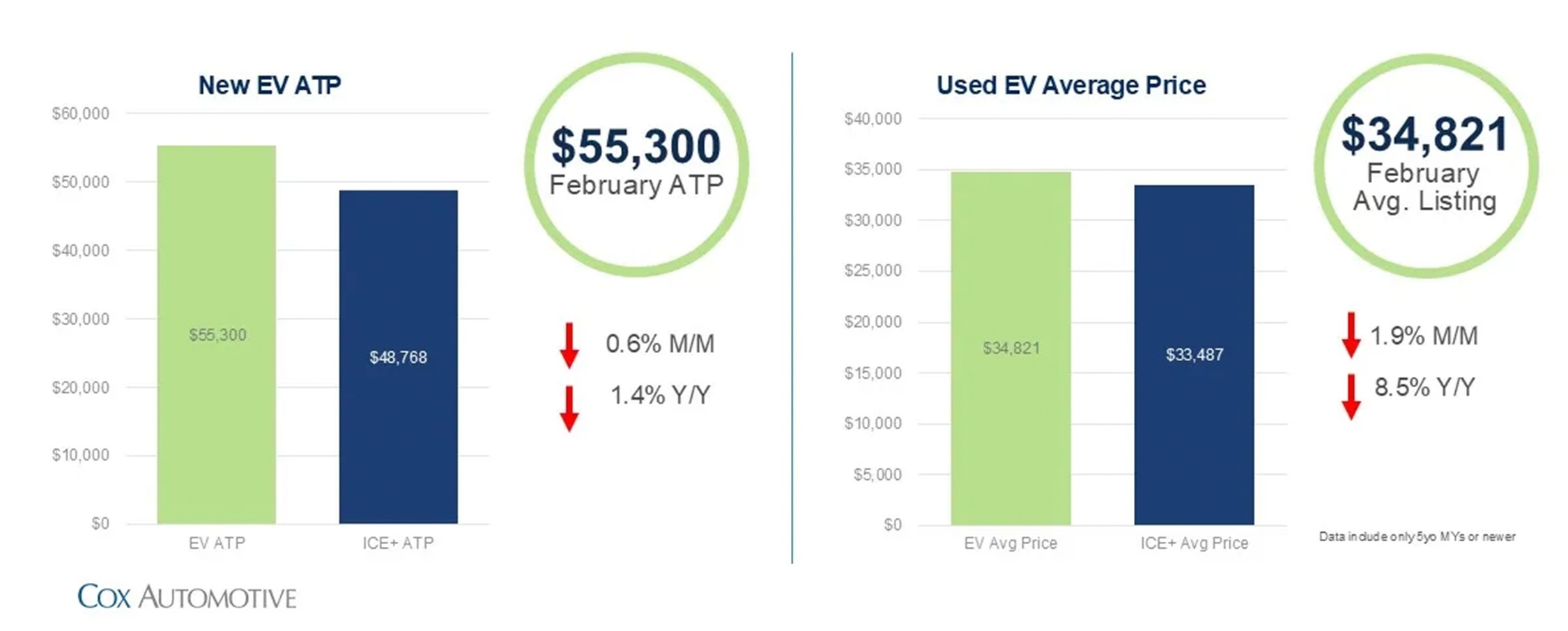
New EVs averaged around $55,300, dipping slightly from last year and narrowing the price gap with gas cars to its lowest ever. Incentives are doing a lot of work here, now making up more than 14 percent of the average transaction price.

 EV Buyers Didn’t Disappear, They Just Moved Somewhere Automakers Don’t Love

On average, incentives climbed to about $7,870 per vehicle, a clear sign automakers are relying heavily on discounts to keep buyers interested.

Tesla still leads the pack by a mile, shifting around 38,500 units, but even the world’s most famous EV company isn’t immune to gravity. Its share slipped 4 percent month over month as rivals started clawing back some ground.

Chevrolet had a particularly strong month, demand jumping 70 percent versus January, and Hyundai and Toyota also nudged forward, while Ford and Nissan’s performances suffered, as did EV sales overall.

Used Sales Head In The Opposite Direction

Meanwhile, the used EV market is quietly having a moment. Sales jumped nearly 29 percent year over year, with almost 31,000 units finding new homes. That’s not explosive growth, but it does show buyers are warming to second-hand electric cars, especially as prices keep sliding.

That figure also reflects a modest 4.2 percent increase from January, pointing to steady month-over-month momentum.

 EV Buyers Didn’t Disappear, They Just Moved Somewhere Automakers Don’t Love

We’ve already touched on the falling prices of new EVs, but prices for used ones are dropping even faster, and now average just under $35,000. That’s down more than 8 percent year over year, making them far more tempting for budget-minded buyers. In fact, many used EVs now cost less than their gas powered equivalents, which would’ve sounded wild not long ago.

The report also explains that inventory is tightening, especially for used EVs, suggesting demand is finally starting to match supply as the market  shifts from the oversupply headaches of recent months. But while Cox Automotive experts didn’t explicitly say that could lead to prices rising, simple supply and demand laws suggest to us they might.

In fact, used EV supply dropped to about 42 days, now slightly exceeding comparable gas vehicle levels for the first time in nearly a year.

 EV Buyers Didn’t Disappear, They Just Moved Somewhere Automakers Don’t Love

Cox Automotive

EV Plans Wait As Lamborghini Expands V8 And V12 Lineup

  • Lamborghini’s CEO hinted that an EV is still coming, but not any time soon.
  • Two new 2026 debuts likely, Revuelto Roadster and Urus Performante PHEV.
  • Record revenue and deliveries show brand thriving with V12 and hybrids.

The Lanzador crossover, the fourth Lamborghini model, and the one that was supposed to be its first EV, will now be a hybrid arriving before the end of the decade. That much we knew. But the brand’s CEO made clear this week that he hasn’t completely shut the door on a fully electric car. He’s just going to make sure he gives us plenty of V8s and V12s first.

“The recent announcement of a fourth hybrid model reinforces a long-term industrial vision focused on sustainable value creation, without compromising the future development of a fully electric model,” the company said this week as it announced its latest financial figures.

Related: Lamborghini Scraps EV Supercar After Admitting Interest Was ‘Close To Zero’

So it sounds like an EV is still on the cards, but don’t bank on seeing it any time soon.

\\\\\\\\\\\\\\\\\\

The Lamborghini Lanzador EV Concept.

“Resistance to EVs has increased significantly worldwide in our segment”, Lambo’s boss Stephen Winkelmann told Reuters. “Many customers have tried EVs, but let’s say their experience didn’t quite live up to their expectations”.

The brand is still putting time and money into EV tech in readiness for the luxury and supercar market reaching a point where it’s ready to buy electric cars in large numbers. But Winkelmann, who recently described EVs as “an expensive hobby,” is in no rush.

“I can’t see the trend today, and I don’t see it for tomorrow either,” he added.

Revuelto Variants Incoming

 EV Plans Wait As Lamborghini Expands V8 And V12 Lineup

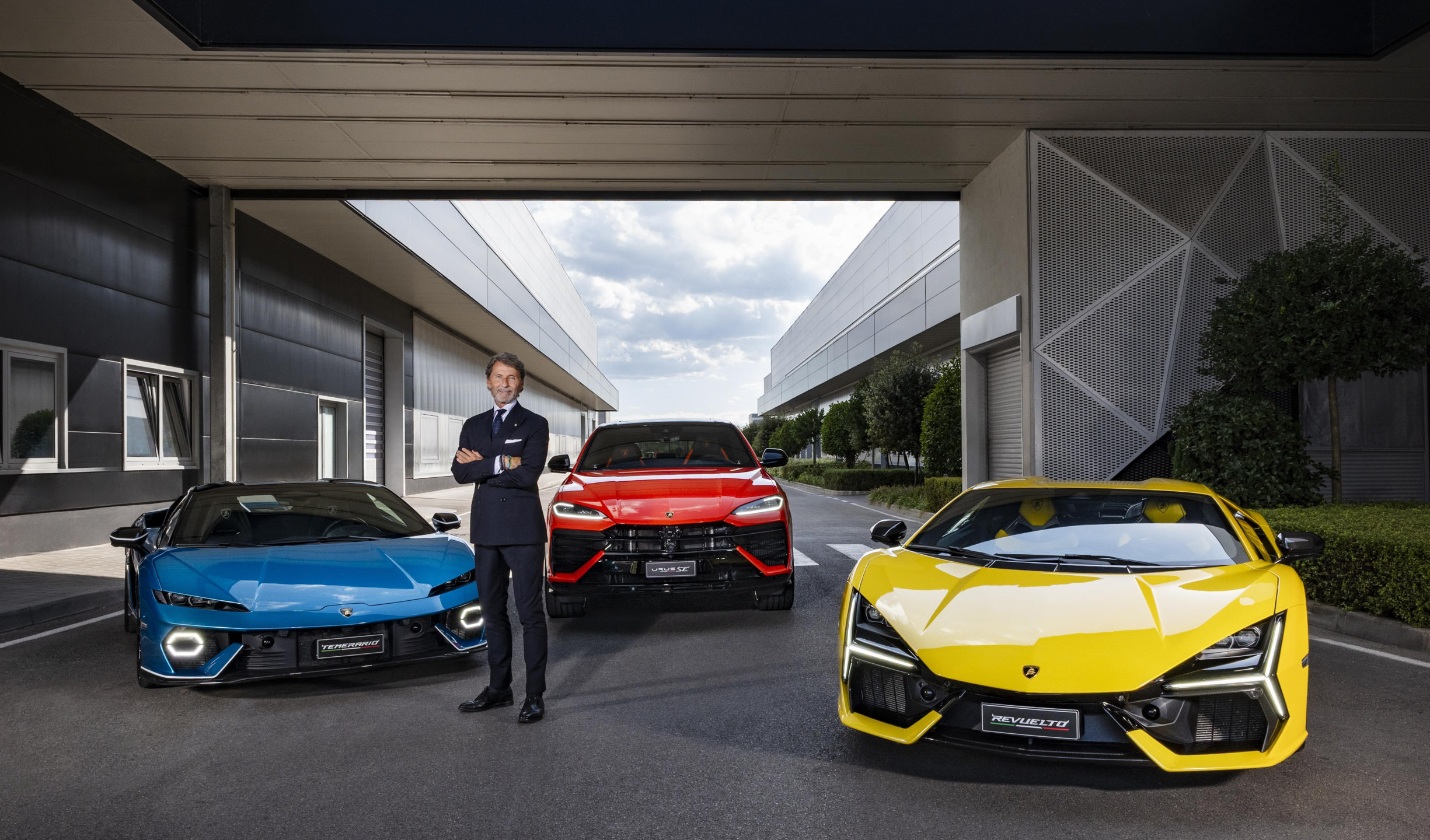
What’s happening right now is much more exciting anyway, if you like noise and mechanical drama. Lamborghini has already confirmed new, unnamed debuts for 2026 that will appear at events like Goodwood and Monterey Car Week, and everything points to a growing family of Revuelto- and Urus-based models leading the charge.

A Revuelto Roadster definitely feels like a solid bet at this point. The V12 hybrid flagship has been around long enough that a roofless version is overdue, and it’s hard to imagine Lamborghini resisting that opportunity. But don’t expect it to stop there.

A hotter, more driver-focused Revuelto variant is almost inevitable, though perhaps not this year, and you can bet a Roadster version of that won’t be far behind. Lamborghini knows exactly what its core audience wants, and it isn’t silence.

Performante Goes PHEV

 EV Plans Wait As Lamborghini Expands V8 And V12 Lineup

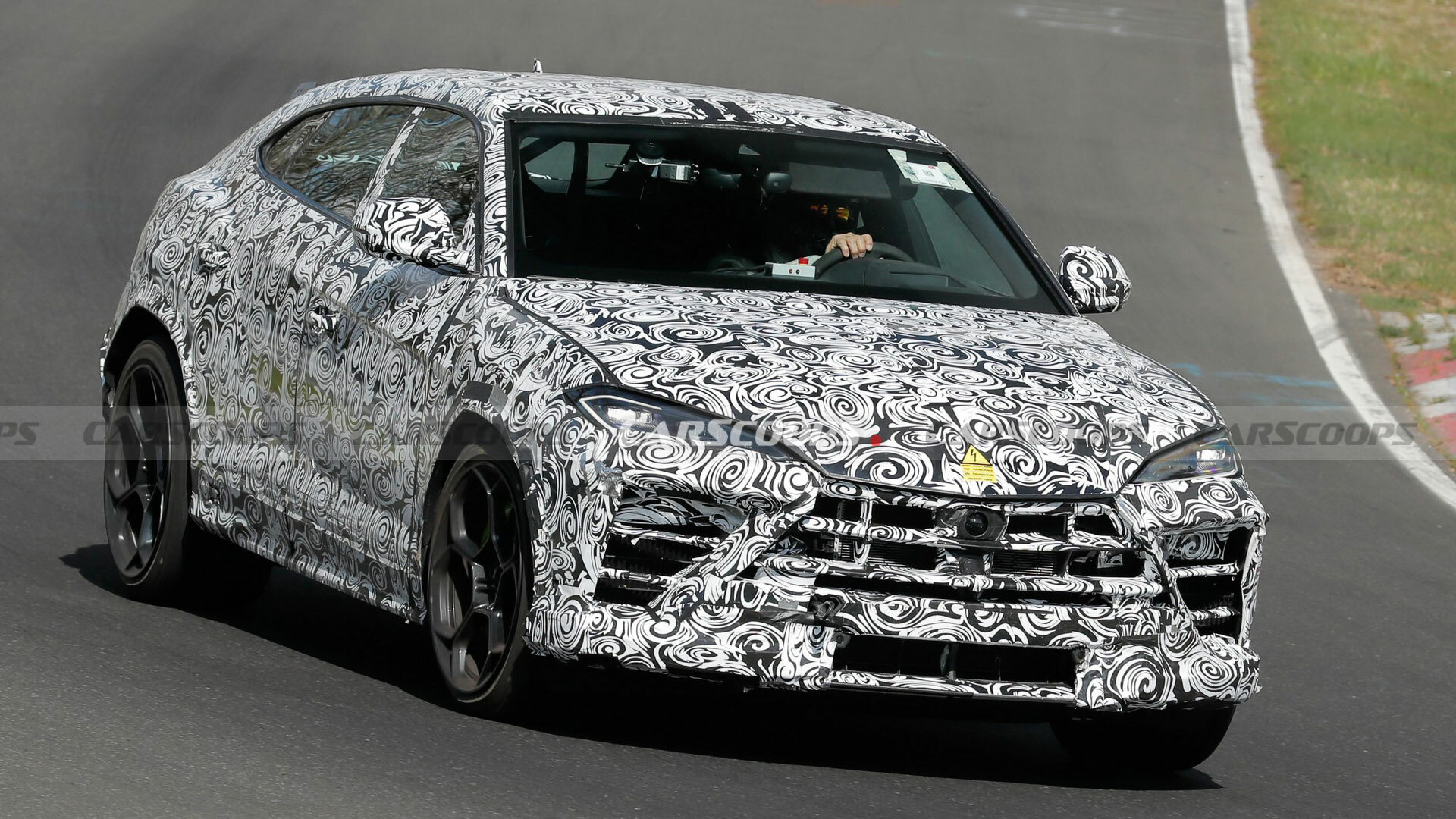
Alongside the V12 fireworks, the V8-powered Urus and Temerario aren’t being left alone either. A more aggressive Performante-flavored plug-in hybrid version of the US is expected to arrive soon, building on the potent Urus SE with even more power and sharper dynamics. We’ve already seen the new Performante PHEV testing, so a launch can’t be far off. And roofless and angrier Temerario variants are surely in the pipes.

Making Bank

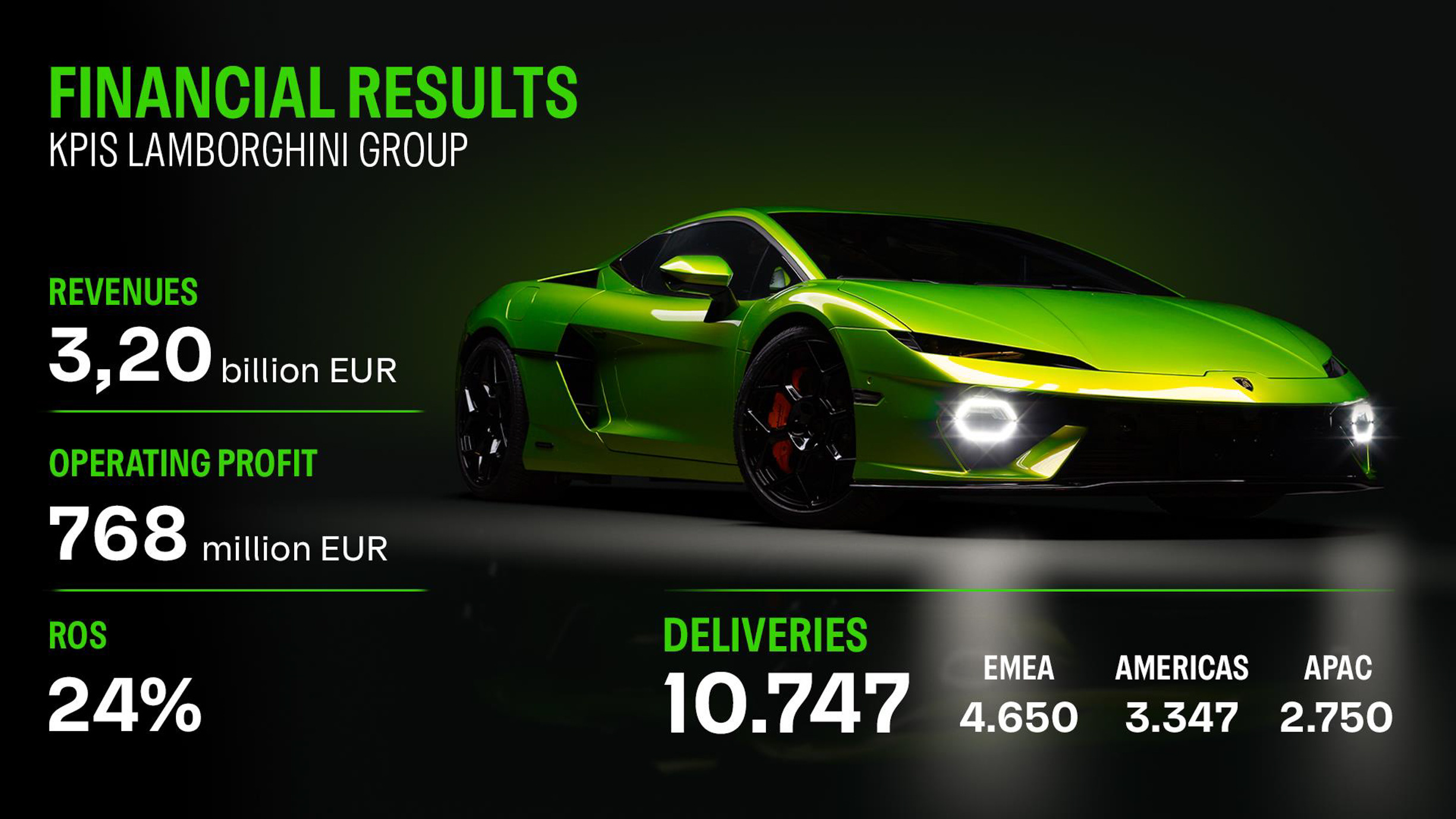
And here’s why Lamborghini can afford to double down on this formula. Business is good. The company delivered 10,747 cars in 2025, its best year ever and the third straight year above 10,000 units. And revenue climbed to €3.20 billion ($3.67 bn), up 3.3 percent on the previous year.

Operating income came in at €768 million ($881 m) with a 24 percent margin, only slightly down despite external pressures like exchange rates, tariffs and the costs of changing up its Direzione Cor Tauri (towards electrification) strategy to switch the Lanzador from an EV to a hybrid.

So yes, an electric Lamborghini is coming. Just don’t expect it to steal the spotlight from the V12 anytime soon.

 EV Plans Wait As Lamborghini Expands V8 And V12 Lineup

Lamborghini

Audi Is Finally Building The SUV US Dealers Wanted, With A Rivian Surprise Coming Next

  • Audi will launch the Q9 flagship SUV and A2 e-tron EV this year.
  • The first Audi with a Rivian-sourced architecture will arrive in 2028.
  • The brand sold 1,623,551 vehicles in 2025, including 223,032 EVs.

Audi is finally stepping into a part of the market it has long circled but never fully committed to. In 2026, that changes with the arrival of the Q9, a proper flagship SUV aimed squarely at the heavyweight class. At the other end of the lineup, the brand is also revisiting a familiar idea, confirming a new entry-level EV that brings back the A2 name.

Speaking at the 2026 Annual Media Conference, CEO Gernot Dollner pointed to both arrivals as key pieces of Audi’s next move. “The new Audi Q9 strengthens our position in the US and defines the top of our portfolio. And with the A2 e-tron, we are bringing a highly efficient entry point into electric mobility to market in fall 2026, a clear statement on efficiency.”

More: This Is The SUV Audi Dealers Think America’s Soccer Moms Actually Want

For years, Audi’s North American dealers have been asking for something bigger and more imposing than the Q7. It sells well enough, but it does not quite deliver the size, presence, or third-row space that full-size SUV buyers in the US expect. The Q9 is intended to close that gap, arriving alongside a next-generation Q7, with both models confirmed for a 2026 debut.

 Audi Is Finally Building The SUV US Dealers Wanted, With A Rivian Surprise Coming Next

Audi Q9 | Photo: Baldauf

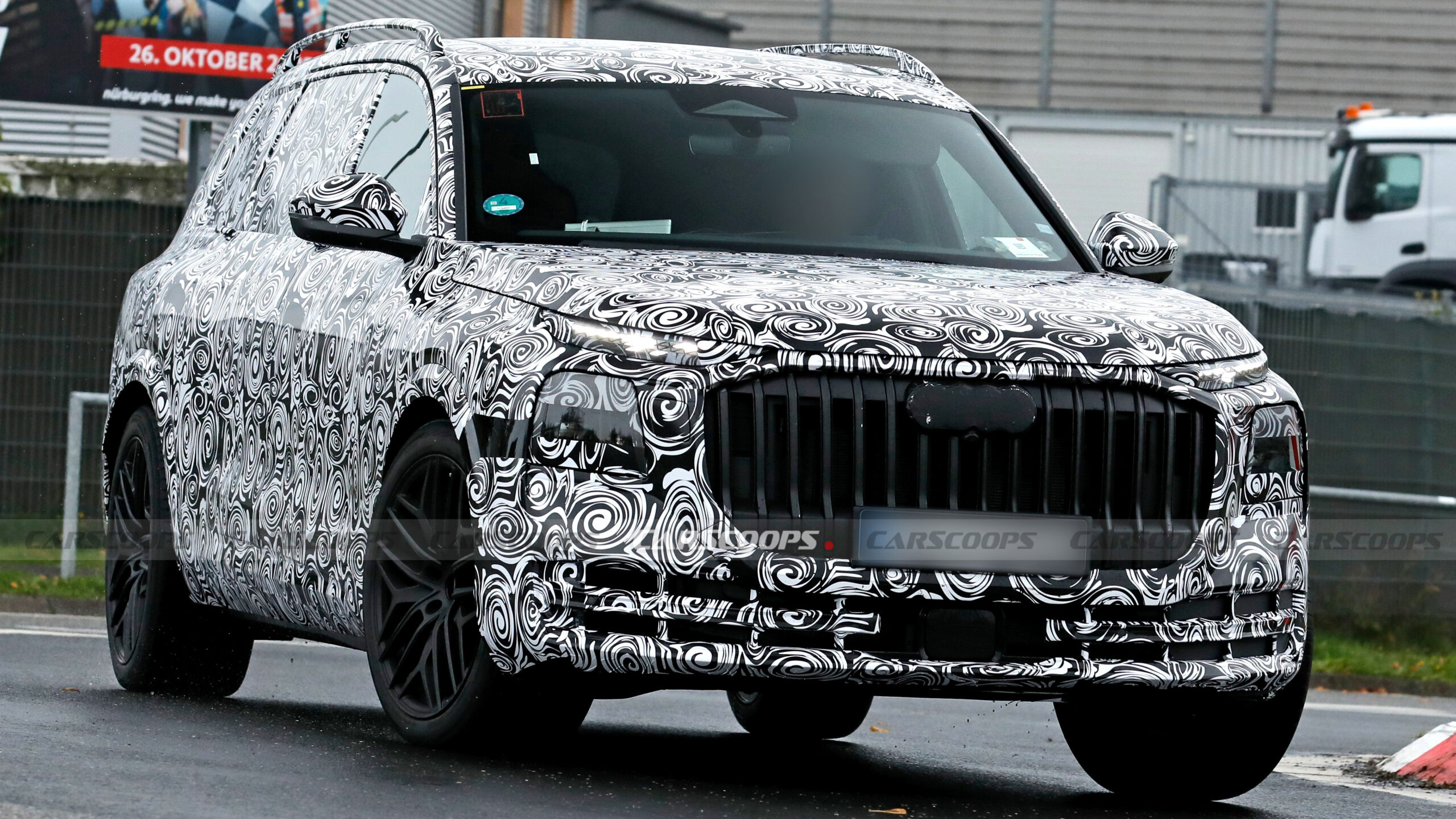
Audi has yet to show the Q9 in any official form, but spy shots have already done most of the talking. What they reveal is a big, upright SUV with split LED headlights, a wide grille, pronounced shoulders, and the expected three-row layout. It’s aimed directly at the BMW X7 and Mercedes GLS, and it looks ready for that fight.

The large SUV will ride on a stretched version of the Premium Platform Combustion (PPC) architecture, which supports both traditional engines and hybrid setups. The range is expected to go beyond the usual trims, with an SQ9 packing V8 power and a range-topping Horch version rivaling Maybach’s offering.

Entry-Level EV And Rivian Partnership

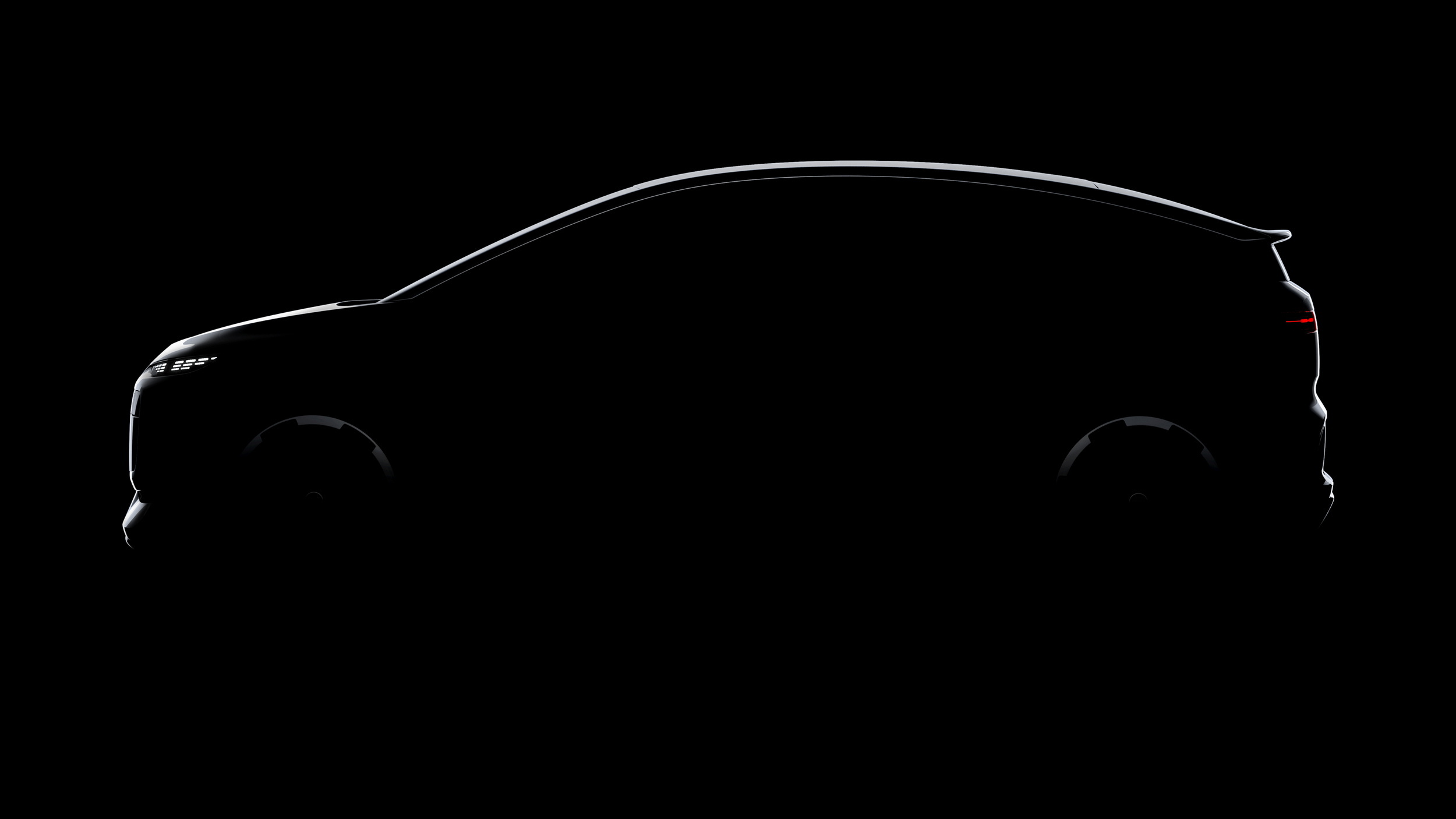
While the Q9 will grab most of the attention in the US, Audi has something very different lined up for Europe. The A2 e-tron, previewed in an official teaser, returns as a compact entry-level EV. It is scheduled to debut in fall 2026 and will ride on VW Group’s familiar MEB architecture.

More: Audi Confirms The A2 Is Back, Prays It’ll Sell This Time

Audi is also casting an eye further ahead with its Rivian partnership. The first model to use the new E/E architecture from the RV Tech joint venture is due in 2028, and it is widely expected to take the shape of a high-end off-roader, targeting the Mercedes-Benz G-Class and Land Rover Defender.

 Audi Is Finally Building The SUV US Dealers Wanted, With A Rivian Surprise Coming Next

Audi A2 E-Tron

Zoom out to the bigger picture, and Audi knows where the pressure is coming from. China, in particular, is forcing a rethink, and not just for Audi but for Germany’s auto industry as a whole.

“The industry, and Germany as a whole, needs to reinvent itself,” said Dollner. “Today, the US and China are driving the major technology trends, while Germany and Europe have fallen behind. Innovation for customers must therefore become the top priority again.”

Still, the CEO believes that Audi’s ambitious targets for the future are achievable: “Our growth targets through 2030 are both realistic and ambitious – and we are squarely aligning our position in our core regions of Europe, the US, and China to achieve them.”

A Challenging Year

 Audi Is Finally Building The SUV US Dealers Wanted, With A Rivian Surprise Coming Next

Audi delivered 1,623,551 vehicles in 2025, a modest 2.9 percent decline compared to 2024. Even so, its EV push is gaining traction, with battery-electric deliveries jumping 36% to 223,032 units. Much of that growth came from the Q6 e-tron (84,000 units) and the A6 e-tron (37,000 units).

More: Volkswagen To Slash 50,000 Jobs After Profits Fell Off A Cliff

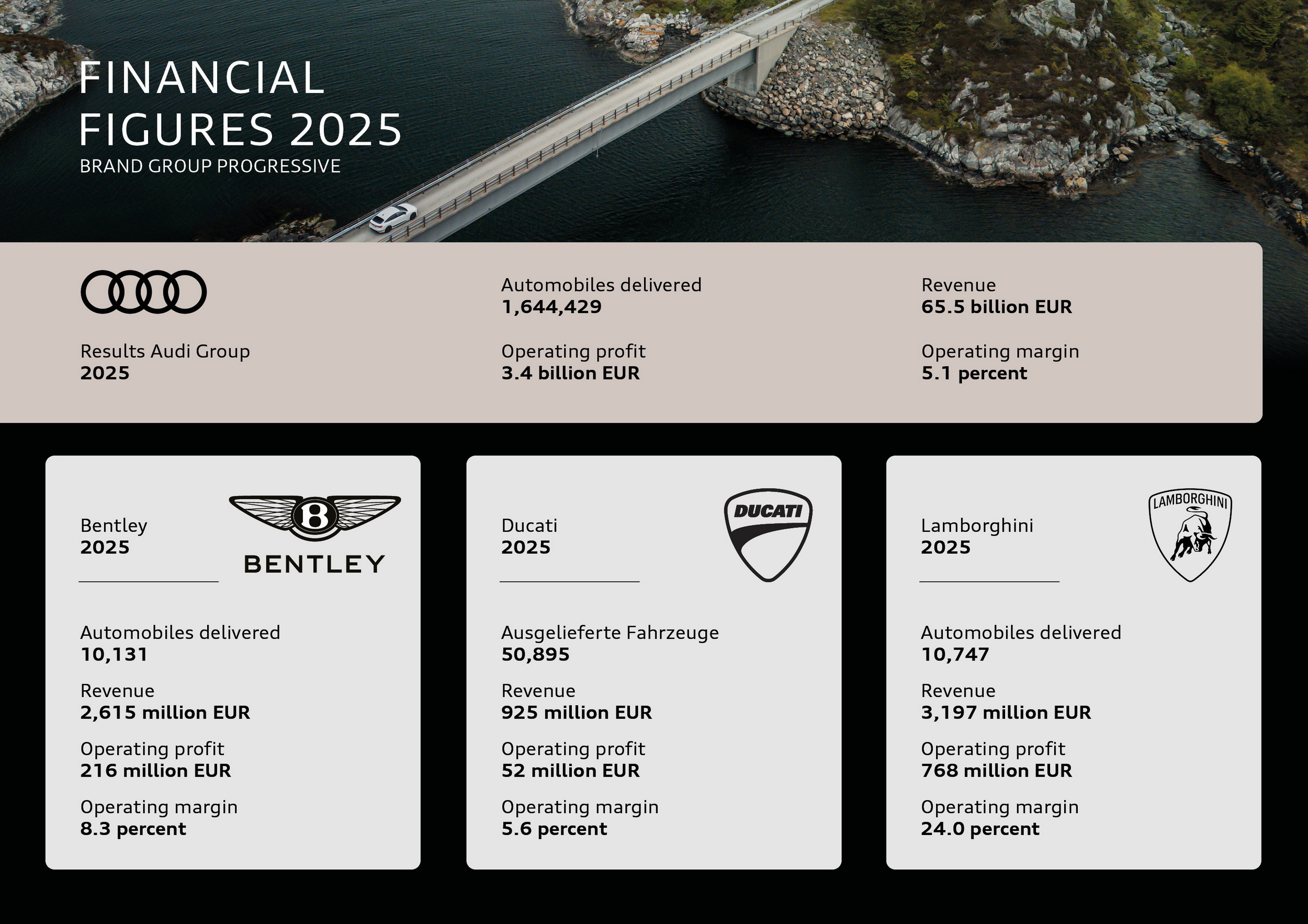
The Audi Group, which includes the Audi, Bentley, Ducati, and Lamborghini brands, brought in €65.5 billion ($75.5 billion) in revenue for 2025, up 1.5% year over year. Profit, however, moved in the opposite direction. Operating profit fell 13.6% to €3.37 billion ($3.88 billion), and margins slipped to 5.1% from 6%. So, more money coming in, but less of it sticking.

A large part of that pressure came from US tariffs, which carved €1.2 billion ($1.38 billion) out of the bottom line. Even so, net cash flow improved by 11.4% to €3.422 million ($3.95 million).

“We ended a challenging year with robust finances,” said Audi CFO Jürgen Rittersberger. ” The key now is to seize all operational and financial opportunities to make Audi more efficient, competitive, and profitable.”

For 2026, Audi predicts a revenue between €63-68 billion ($72.7-78.4 billion) and an improved operating margin of 6-8%.

 Audi Is Finally Building The SUV US Dealers Wanted, With A Rivian Surprise Coming Next
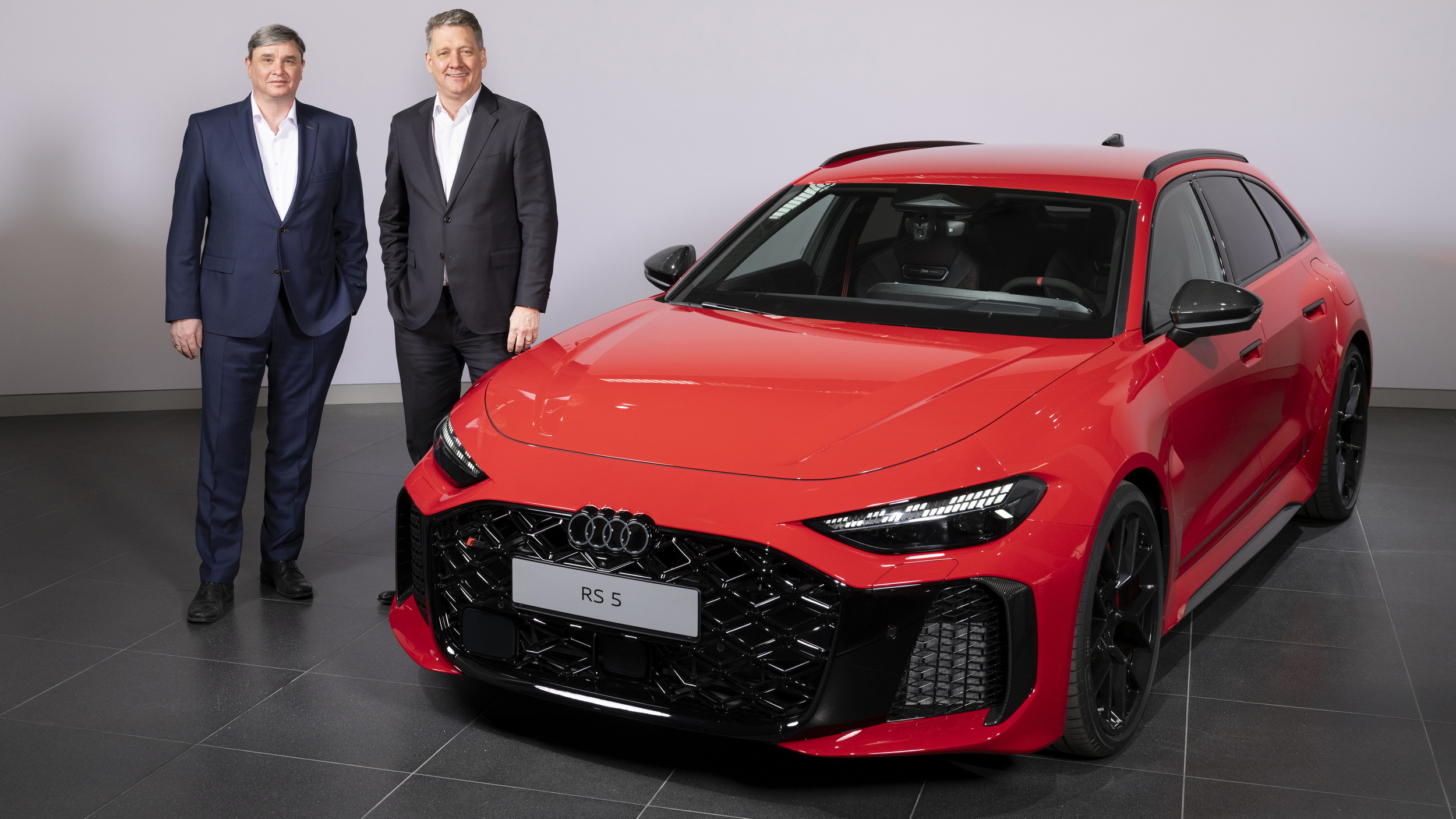
CFO Jurgen Rittersberger and CEO Gernot Döllner with the new Audi RS 5 Avant.

EV Sales Plunge 41% In The US As Post-Incentive Reset Takes Hold

  • EV registrations fell sharply in January as market momentum faded.
  • Cadillac ranked as the No. 2 EV brand behind Tesla with modest growth.
  • Gas and hybrid vehicles gained market share as EV demand softened.

Newly-released sales figures from the United States is starting to reveal just how much electric vehicle demand leaned on the federal EV tax credit that was discarded on September 30 last year. With that incentive now gone, the early numbers suggest the market is already feeling the adjustment, and it has not been a subtle one.

Data from S&P Global Mobility shared by Auto News show that 59,802 new EVs were registered in January, a massive 41 percent drop from a year earlier. Out of nearly 1.2 million vehicles registered that month, that leaves fully electric models with just a 5.1 percent share of the market, down from 8.3 percent a year earlier.

Meanwhile, gasoline vehicles quietly expanded their hold, rising 2.3 percentage points to claim 76.6 percent of registrations. Hybrids also edged upward, gaining 1 point to reach a 14.7 percent share.

Read: Global EV Sales Just Fell 11%, But Carmakers Found A Surprising Backup Plan

Tesla still sits comfortably at the top of the US EV market, which will surprise absolutely no one. In January alone, 32,123 new Teslas were registered. Even so, Tesla is not immune to the slowdown, with registrations down 26 percent from a year earlier. Despite that drop, its share of the EV market jumped 11 percent to 53.7 percent.

Cadillac ranked a distant second with 3,189 registrations, more than ten times behind Tesla. However, the brand was one of the few to post growth, with registrations rising 8.1 percent year over year. Its share of the EV market also increased by 2.3 percent to 5.3 percent.

 EV Sales Plunge 41% In The US As Post-Incentive Reset Takes Hold

Many other carmakers have also seen their EV sales fall off a cliff. For example, there were 3,027 new Hyundai EVs registered in January, down 23 percent from the year prior. This decline was led by the Ioniq 5, which saw its deliveries slide 22 percent to 2,101 vehicles.

Ford’s EV registrations also dropped 67 percent to 2,772, while Chevrolet’s fell 55 percent to 2,658. Toyota, however, reported a 25 percent increase, although its EV registrations totaled just 2,529, meaning it still trails many competitors.

According to iSeeCars executive analyst Karl Brauer, “there’s going to be a shakeout to the new reality with no federal EV incentives, which was the carrot, and no greenhouse gas penalties, which was the stick.”

Auto News notes that EV registrations have declined year over year every month since the tax credit was scrapped on September 30. S&P Global Mobility analyst Tom Libby says the drop was “expected,” adding, “it’s a reset, and it’s going to be a very slow process moving forward.”

January 2026 EV Sales USA
BrandSalesDiff. vs Jan-25
Tesla32,123-26%
Cadillac3,189+8.1%
Hyundai3,027-23%
Ford2,772-67%
Chevrolet2,658-55%
Toyota2,529+25%
Rivian2,232-25%
Lucid1,633+97%
BMW1,501-60%
Kia1,462-58%
GMC1,156-31%
Lexus810+166%
Honda658-85%
Volvo599-32%
Subaru555-51%
Porsche495-60%
Volkswagen488-90%
Mercedes-Benz374-84%
Audi319-82%
Polestar299-34%
Nissan249-88%
Ram137
Jeep106-29%
Mini98-57%
Dodge80-65%
Genesis62-87%
Fisker41-70%
BrightDrop38-50%
VinFast37-76%
Rolls-Royce24-20%
Acura15-99%
Fiat15-91%
Maserati12+140%
Jaguar6-98%
Zeekr3
SWIPE

 S&P Global Mobility

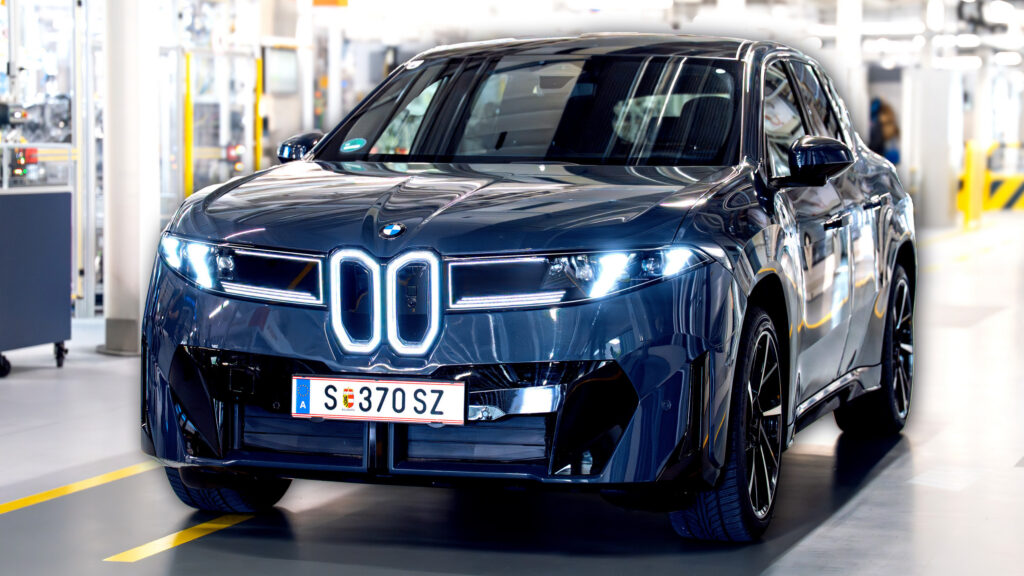
BMW Revises Production Plans For The iX3 Just Months After Launch

  • BMW has already secured more than 50,000 orders for the new iX3.
  • The all-electric SUV is currently being produced in Hungary.
  • Production is expected to expand to plants in China and Mexico.

It’s been just six months since BMW unveiled the second-generation iX3, and the electric SUV is already gathering significant momentum. The early response suggests the company’s new wave of EVs may be off to a strong start. Indeed, the German brand has already announced a second shift at the Debrecen plant where it’s manufactured.

During its most recent earnings report, BMW chief executive Oliver Zipse noted that production of the iX3 has been ramping up at the plant in Hungary and that European deliveries have just started. He revealed that “order books for the iX3 are full and reach well into this year,” noting it’s proving to be popular among private and fleet customers.

Read: BMW iX3 Starts Thousands Below Polestar And Audi Rivals Down Under

Zipse went on to reveal that more than 50,000 orders have been placed for the new iX3, a very impressive figure for what is the first in a new generation of EVs from BMW. At full capacity, the plant in Debrecen will be able to build up to 150,000 vehicles annually.

There’s More To Come

\\\\\\\\\

Making the demand for the iX3 particularly impressive is the fact that only a single version has been released at this stage. This model, badged the iX3 50 xDrive, has a sizeable 108 kWh battery and a pair of electric motors combining to produce 463 hp and 476 lb-ft (645 Nm) of torque. It has a class-leading driving range of up to 500 miles (805 km) and supports charging speeds of up to 400 kW.

By the time the new iX3 range has matured, the 50 xDrive is expected to be positioned in the middle of the family. Sitting below it will be 40 and 40 xDrive versions, both of which are expected to use a smaller battery pack, while also costing quite a bit less.

Sitting towards the top of the range should be an M60 model, potentially delivering upwards of 600 hp from its upgraded motors. As reported by BMW Blog, this model could then be joined by a fully-fledged M variant in late 2027, rated at more than 800 hp.

Production of the iX3 will also spread. BMW is also expected to produce it in China and in Mexico, which should give it enough capacity to meet global demand for the EV.

\\\\\\\

Global EV Sales Just Fell 11%, But Carmakers Found A Surprising Backup Plan

  • Global EV sales fell by 11% in Feb, and are down 8% year-to-date.
  • Europe surged 21%, but the biggest region, China, suffered a 26% drop.
  • Carmakers and suppliers are now moving into energy storage systems.

Electric cars were supposed to take over the world in a neat upward line. Instead the global EV market and new-vehicle buyers threw in a curveball and carmakers are scrambling to adapt.

Approximately 1.1 million electric vehicles were sold worldwide in February, according to new data from Benchmark Mineral Intelligence, which sounds impressive until you look closer. Sales were down 11 percent compared with the same month last year and also down 11 percent compared with January.

Related: These Used EVs Are Selling Faster Than Gas Cars In Today’s Market

So yes, EV demand is still big. But it’s not as big as it was, and it differs wildly from region to region. Europe, for instance, is still booming. EV sales there are up 21 percent so far this year, helped heavily by subsidies and government incentives. Germany (up 26 percent) and France (+30 percent) are leading the charge, and Italy’s market has nearly doubled thanks to generous EU backed incentives.

Ford’s Tough Time

 Global EV Sales Just Fell 11%, But Carmakers Found A Surprising Backup Plan

Meanwhile, North America is heading the opposite direction. True, February sales climbed 8 percent, but year-to-date they’re down a staggering 36 percent as demand weakens. Some automakers are feeling the pain more than others. Ford’s EV sales have reportedly dropped 70 percent so far this year.

China, still the biggest EV market, is somewhere in between. Domestic EV sales are down 26 percent since the start of the year after the country reintroduced purchase taxes and tweaked its trade in incentives. But Chinese brands are making up for that by exporting more EVs than ever. In the first two months of 2026 alone, Chinese EV exports more than doubled and topped half a million units.

EV Sales Jan-Feb 2026
YTD ’26Change vs ’25
Global2.2 million-8%
China1.1 million-26%
Europe0.6 million21%
North America0.17 million-36%
Rest of World0.37 million84%
SWIPE

Benchmark Minerals

For automakers the slowdown creates a practical problem. Billions have been invested in battery factories designed to feed a huge wave of EV demand. And when that demand softens, those batteries still need a job.

That’s why more automaker and suppliers are turning toward energy storage. Large grid scale battery systems are suddenly becoming a convenient way to soak up spare production while also helping stabilize electricity networks.

VW Hooks Up

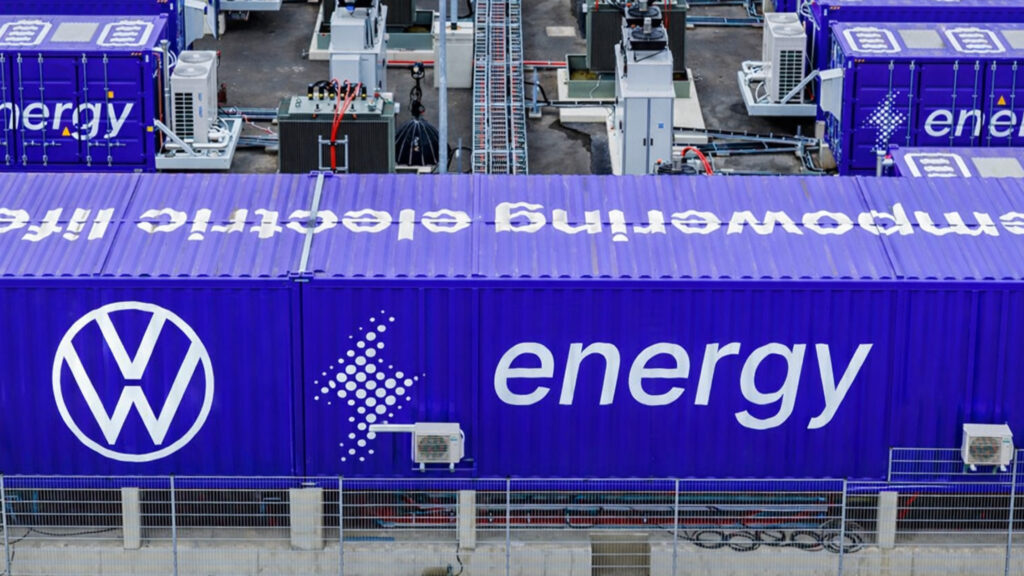
Volkswagen, for example, recently switched on its first large scale battery storage facility in Germany. In Salzgitter, the VW Group’s energy subsidiary Elli has connected a storage system to the grid with an output of approximately 20 megawatts (MW) and a storage capacity of 40 megawatt-hours (MWh).

Instead of powering cars, the batteries help store renewable electricity and release it when the grid needs extra juice. Other automakers including Tesla, BYD, GM, Ford, Renault, Mercedes and Hyundai are also either already selling energy storage systems or working on them.

\\\

VW

America’s Used EV Market Is Heating Up For One Simple Reason

  • Used EV sales rose 21 percent year over year in January.
  • Resale values fell sharply as lease returns expanded supply.
  • Battery durability data helps ease buyer reliability fears.

While the world continues to grapple with virtually universal rises in pump prices, could we be in for an EV renaissance? As automakers wrestle with long-term electrification strategies, another trend is gaining attention, the growing acceptance of used electric vehicles in the USA.

Yes, EVs are no longer just for first adopters. In the States, the falling resale value and a rising number of used cars in inventory are introducing normal consumers to the used EV marketplace much faster than expected. What may previously have felt like an experiment now looks like a practical solution to stubbornly high new car prices.

Read: These Used EVs Are Selling Faster Than Gas Cars In Today’s Market

Used EV demand is climbing at a noticeable pace. In January alone, sales were 21 percent higher than a year earlier. Figures cited by Reuters show the trend stretching across the entire year, with used EV sales in 2025 ending up 35 percent higher than in 2024.

EV Depreciation Is Real

 America’s Used EV Market Is Heating Up For One Simple Reason

Price movement is a major reason. Data from Cox Automotive, gathered across major automotive marketplaces, indicates that the decline in prices for used EVs has been much sharper in the past year, narrowing the gap between them and comparable gas-powered vehicles.

The premium for used EVs over comparable gasoline vehicles narrowed to $1,376 in January from $2,591 in December. Analysts attribute that change to a glut of lease returns, deep discounts on new electric models, and federal tax credits that are evolving how shoppers crunch the numbers.

Best-Selling Used EVs In The U.S. In 2025
VehicleUnits Sold
Tesla Model 372,673
Tesla Model Y53,847
Tesla Model S18,257
Ford Mach-E16,355
Chevy Bolt14,103
SWIPE

Source: Cox Automotive (Tesla totals exclude vehicles the company sold directly)

It was not only Tesla showrooms that were impacted when Tesla reduced the prices of three new models in 2023 and 2024. These reductions lowered resale in the entire electric market. When the new cars had gone cheaper, used cars were forced to be drop their prices too.

Add to that ‌car rental firm Hertz’s large-scale sale of Teslas, and you suddenly have many more second-hand options in the used EV market.

Confidence in EV Ownership Is Improving

Affordability helps, but confidence is just as important. Data on battery performance still continues to show that modern packs are built to last well past 100,000 miles. Most manufacturers offer long battery warranties, which gives peace of mind to shoppers who fear costly repairs.

Charging access has also improved. Public fast charging stations are being added along highways and in urban areas with the help of both private companies and federal funding. With increased visibility and reliability of infrastructure, the fear of being stranded with a low battery for many drivers is a thing of the past.

 America’s Used EV Market Is Heating Up For One Simple Reason

These Used EVs Are Selling Faster Than Gas Cars In Today’s Market

  • New study shows used EVs are selling quicker than used ICE models.
  • In February, the average used car took 53 days to sell in the US.
  • The Tesla Model X was the quickest-selling used car last month.

We all know that new car prices have surged over the past six years, but they’re not alone. The used market has followed the same trajectory. Prices have risen sharply, and vehicles are now lingering on dealer lots longer than before, partly because many owners are not shopping for cars and are holding on to their current ones. Even so, one automaker seems largely unaffected by the slowdown

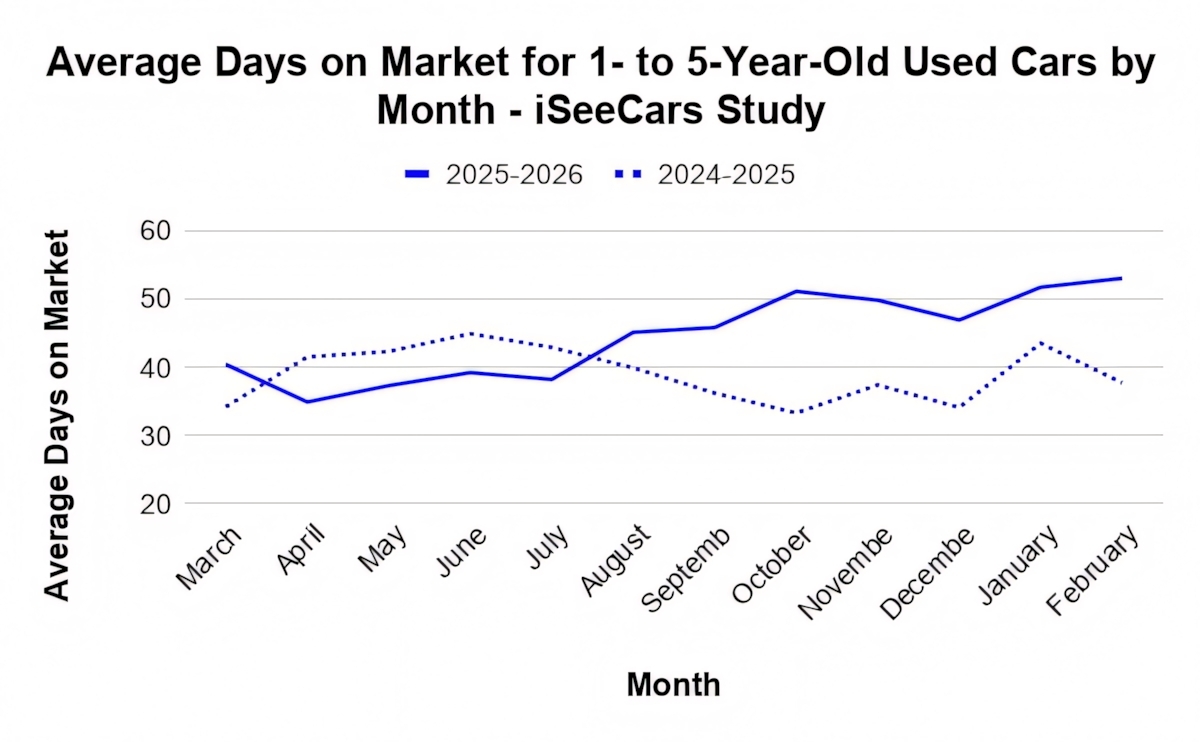
Fresh data from iSeeCars sheds some light on the trend. It examined more than 960,000 transactions involving used vehicles between one and five years old during February. Across that sample, the typical used car sat on the market for 53 days before finding a buyer. A year earlier the average was just 37.7 days in the US, which means selling times have stretched by roughly 40 percent in only twelve months.

Read: Tesla’s Sales Collapsed By Nearly 90% In The Land Of EVs

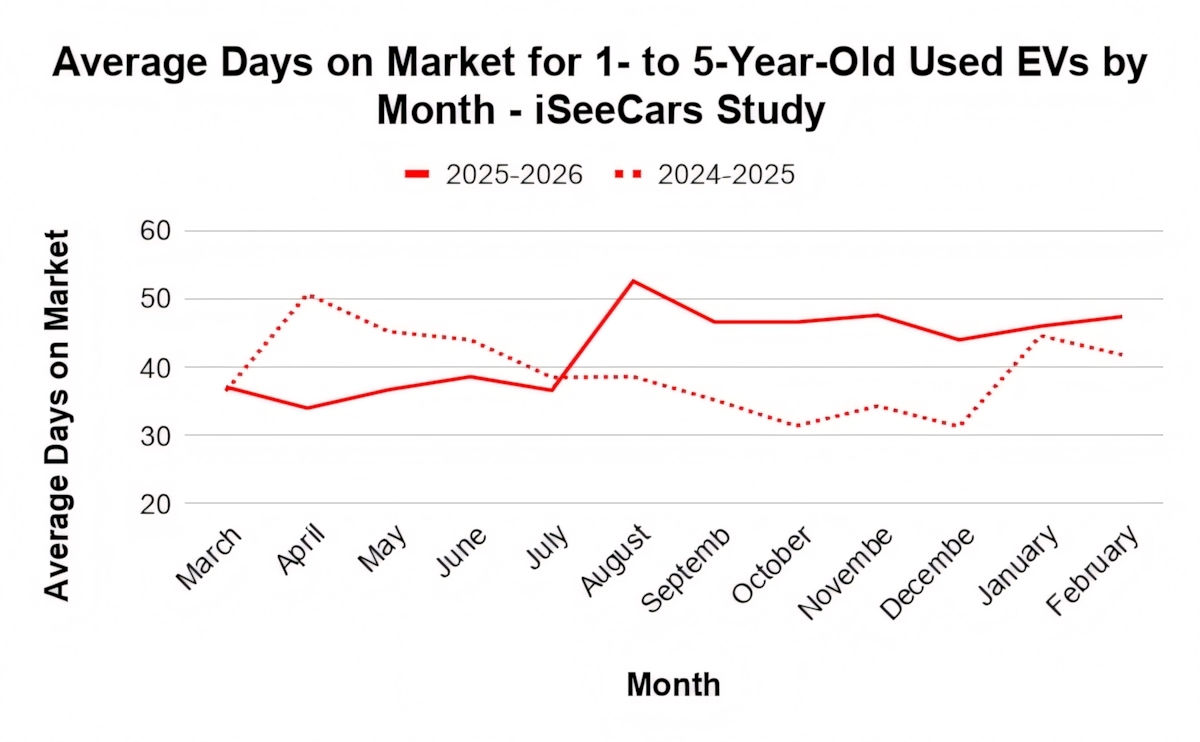
Used electric models, interestingly, are moving a bit faster than their gasoline counterparts. In February, the typical used EV took 47.4 days to sell. That figure has increased from last year’s 41.8-day average, but the 13.4 percent rise is modest compared with the broader used market.

 These Used EVs Are Selling Faster Than Gas Cars In Today’s Market
iSeeCars
 These Used EVs Are Selling Faster Than Gas Cars In Today’s Market

Tesla Bucks The Trend

However, there’s a little more to these figures than may first meet the eye. Because Teslas still account for the vast majority of EV sales, their typically quick resale times drag down the overall market average. Remove Tesla from the equation and the picture changes. Without those models included, the typical used EV took 57.3 days to sell in February, a 15.1 percent increase from the 49.8-day average recorded at the same time last year.

So which models disappear from listings the fastest? Comfortably leading the pack is the Tesla Model X, needing an average of just 22.6 days to sell. Surprisingly, it was followed by the Mercedes-Benz EQS SUV, at an average of 26.9 days, and then the Tesla Cybertruck, at 27.4 days.

Fastest-Selling Used Cars In February 2026
RankModelDays on MarketCompared to Average
1Tesla Model X22.60.43x
2Mercedes-Benz EQS (SUV)26.90.51x
3Tesla Cybertruck27.40.52x
4Mazda MX-5 Miata RF29.30.55x
5Toyota GR Supra30.00.57x
6Genesis G9030.40.57x
7Rivian R1S30.80.58x
8Toyota GR Corolla31.10.59x
9Hyundai Kona Electric31.40.59x
10Volkswagen Golf R31.80.60x
11Lexus GX 55032.40.61x
12Lexus RX 500h33.00.62x
13Tesla Model 333.10.62x
14Nissan LEAF33.80.64x
15Honda Civic Hybrid34.80.66x
16Tesla Model Y34.90.66x
17Toyota GR8635.10.66x
18BMW M235.40.67x
19BMW X5 M35.50.67x
20Cadillac Escalade-V35.60.67x
Overall Average53.0
SWIPE

Other strong performers uncovered by the iSeeCars study included the Mazda MX-5 Miata RF at 29.3 days, the Toyota GR Supra at 30 days, the Genesis G90 at 30.4 days, the Rivian R1S at 30.8 days, and the Toyota GR Corolla at 31.1 days. Several of these cars lean toward the enthusiast end of the spectrum, which likely helps keep demand strong.

Tesla’s higher-volume models appear a little further down the rankings. The Model 3 lands in 13th place with an average of 33.1 days on the market, while the Model Y sits in 16th at 34.9 days. However, it’s worth noting that far more Model 3s and Model Ys are sold monthly than the likes of the GR Supra, G90, R1S, and MX-5 Miata, so they help to sway the overall market.

The opposite end of the list looks very different. Some vehicles sit for months before finding a buyer. The Volvo XC60 is the slowest mover in the study, lingering for an average of 170.2 days. The BMW i5 is not far behind at 153 days, followed by the Dodge Hornet at 123.7 days and the Lincoln Nautilus Hybrid at 118 days.

Slowest-Selling Used Cars In February 2026
RankModelDays on MarketCompared to Average
1Volvo XC60 (hybrid)170.23.21x
2BMW i5 (electric)153.02.89x
3Dodge Hornet (hybrid)123.72.33x
4Lincoln Nautilus Hybrid118.02.23x
5GMC Sierra EV116.12.19x
6Ford Escape Plug-In Hybrid112.32.12x
7Volvo XC90 (hybrid)108.72.05x
8Nissan Z107.92.04x
9Genesis GV60101.61.92x
10Land Rover Discovery101.51.92x
11Dodge Charger (electric)96.71.82x
12Chevrolet Blazer EV96.31.82x
13Cadillac Escalade IQ93.81.77x
14Cadillac XT691.61.73x
15BMW 8 Series91.41.72x
16Lincoln Corsair (hybrid)90.61.71x
17Chevrolet Silverado EV87.71.65x
18Cadillac LYRIQ87.41.65x
19GMC HUMMER EV (SUV)87.21.65x
20Dodge Hornet87.21.65x
Overall Average53.0
SWIPE
❌