Normal view

There are new articles available, click to refresh the page.
Before yesterdayMain stream

VW And Toyota Dominated For Decades. Now It’s China’s Time

  • Localization will help Chinese carmakers boost global vehicle sales.
  • VW and Toyota’s market share could fall sharply in key segments.
  • Analysts expect Tesla’s share to rise from 2 to 8 percent globally.

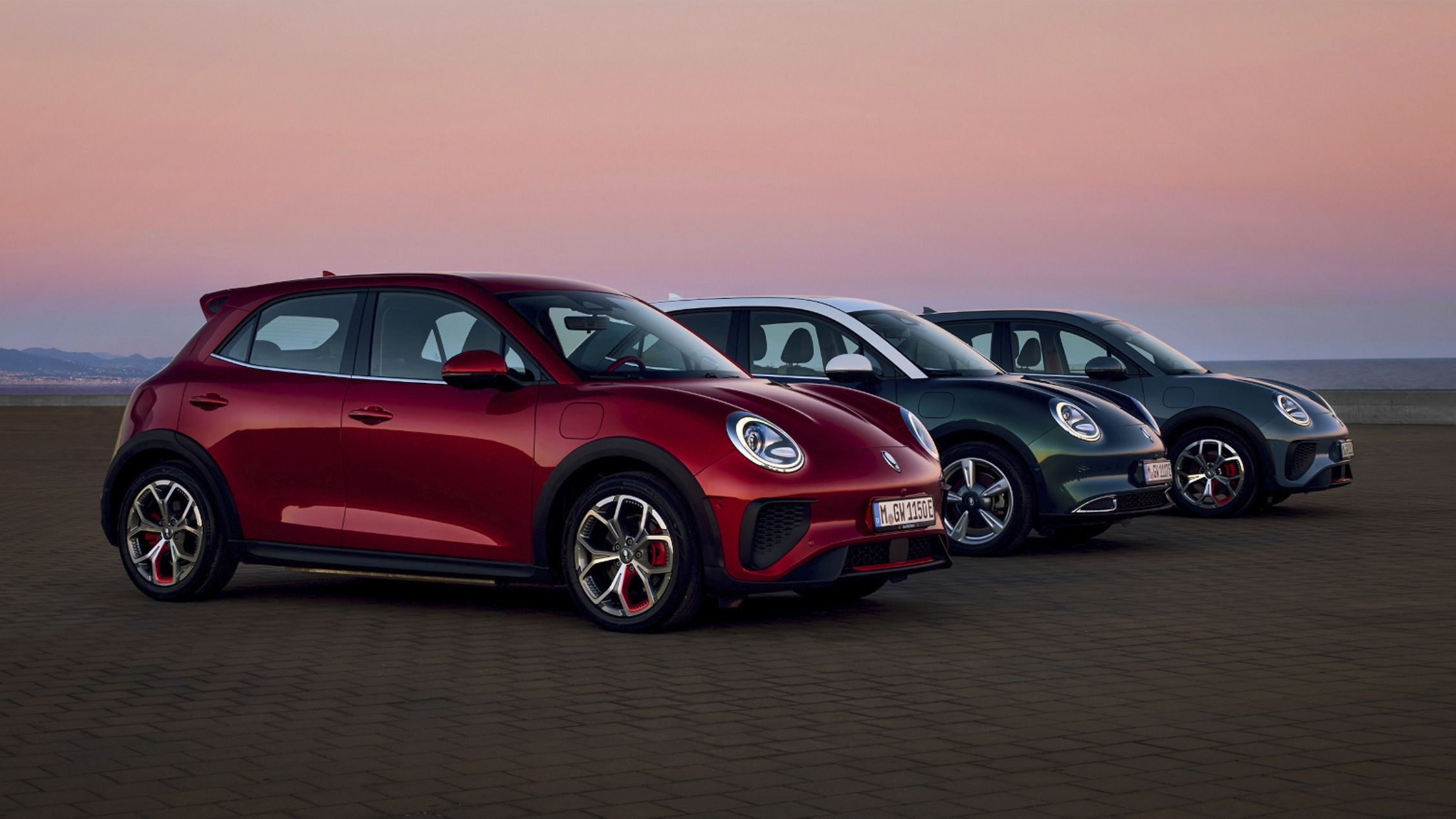
In just a few years, Chinese automakers may do more than disrupt the global car industry. As they scale up overseas and lean into their strengths in electrification and cost control, the shift looks less like a disruption and more like a permanent redrawing of the map. If the current pace holds, they could control a third of the global market within five years.

Read: One In Ten Cars Sold In The UK Now Comes From China

Analysts at UBS, the Swiss investment bank and financial services company, point out that while China’s domestic car market continues to grow, it’s the overseas expansion that’s becoming increasingly important for them. According to their latest estimates, foreign markets now represent about 20 percent of industry sales for Chinese carmakers, and in some cases, up to 50 percent of their profits.

The Global Impact of Expansion

UBS says its forecast remains unchanged from two years ago, even as Chinese manufacturers scale up production in Europe and some legacy automakers begin stepping back from their EV plans, citing uncertain returns and cooling demand.

“The main drag was due to Europe’s slowdown of EV adoption, and tariffs and protectionism against Chinese EVs,” said Paul Gong, UBS’s lead analyst for Chinese EVs. “I think 2024 progress was slower than expected, but recent signs have shown some catch-up.”

The South China Morning Post (SCMP) reports that China’s long-term bets on electric vehicles, vertical integration, and aggressive supply chain development appear to be paying off. These moves haven’t just given Chinese brands a cost advantage, they’ve made it easier to scale production and respond quickly to market shifts.

Chinese Carmakers Gain Speed as Global Rivals Lose Ground
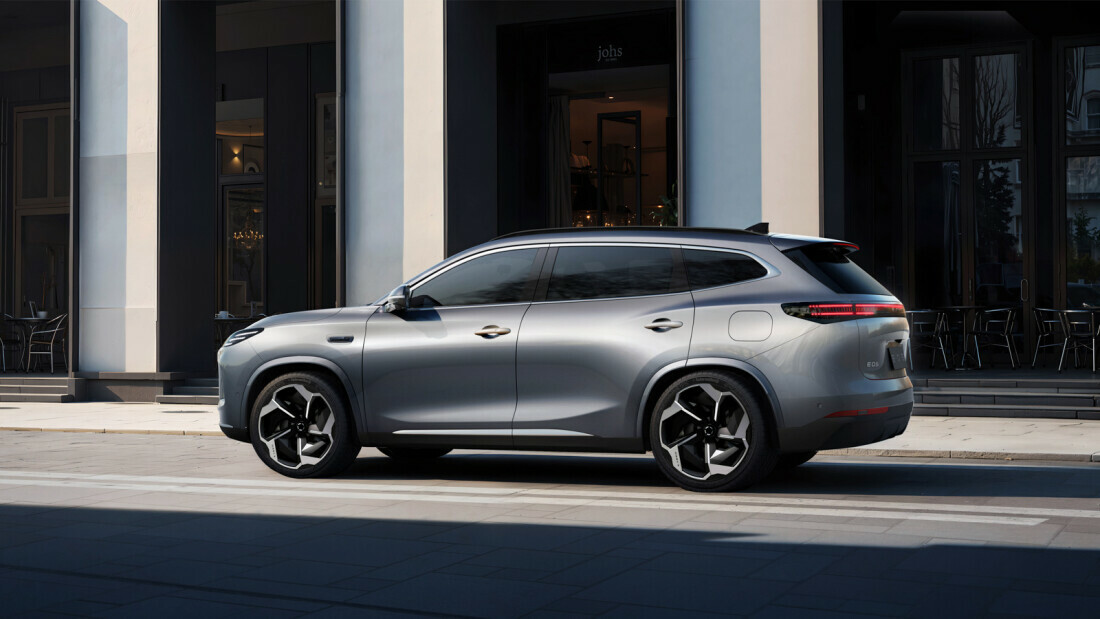
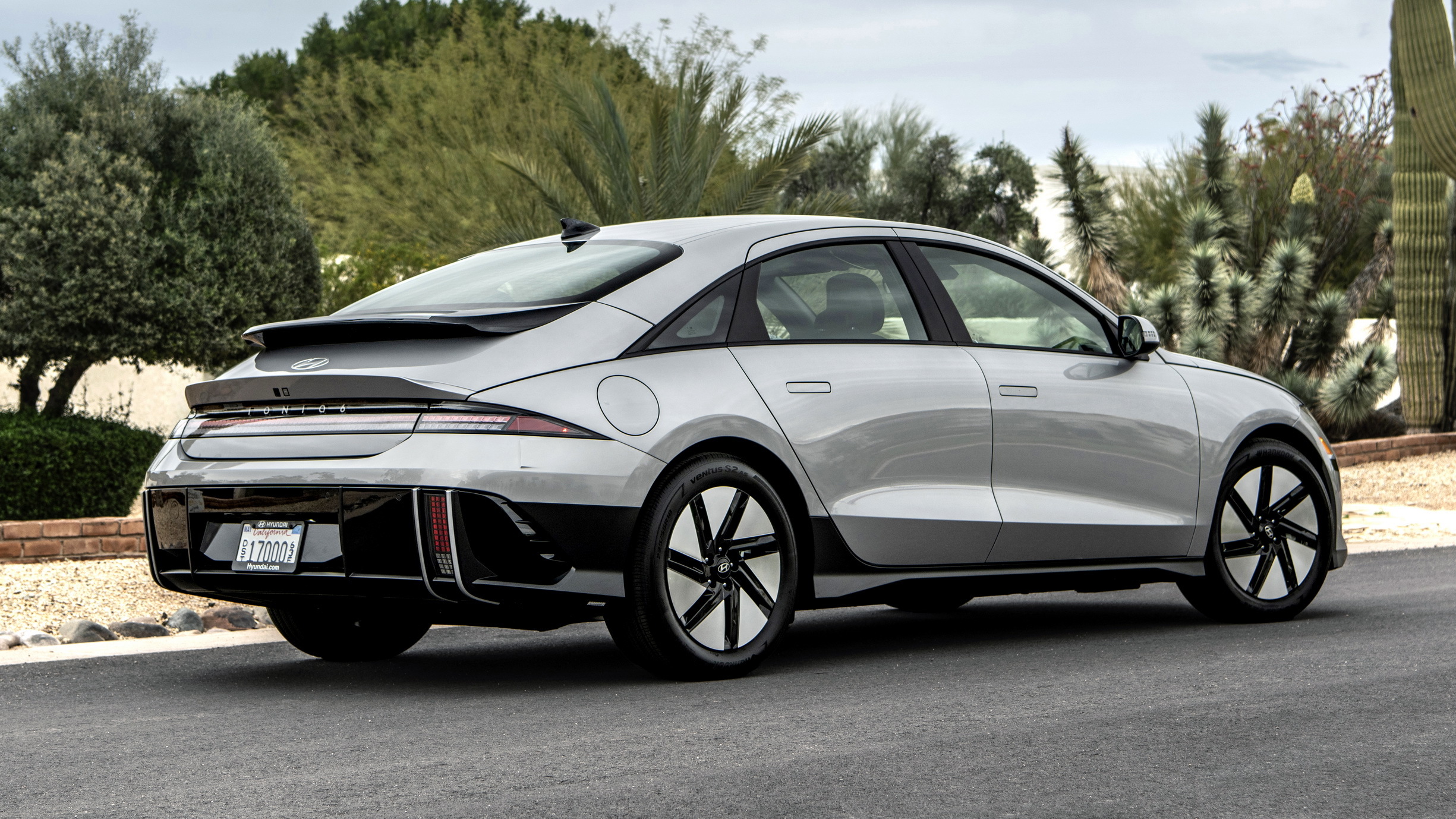
 VW And Toyota Dominated For Decades. Now It’s China’s Time

Frank Diana, a managing partner at Tata Consultancy Services, says China’s edge is not just about scale but about speed. “The fact that [China] has been learning aggressively means that they’re going to have a dominant position and market share,” he explained. “But they’re not alone … you will see the rise of other players in the space.”

UBS forecasts that the rise of Chinese brands will cut deep into the dominance of current global leaders. Combined, Volkswagen and Toyota now hold 81 percent of the market share in key segments. By 2030, that number could drop to just 58 percent. Meanwhile, Tesla’s global share, currently sitting at around 2 percent, could grow to as much as 8 percent by the same year.

Also helping Chinese brands expand internationally is a move to localized production. In Thailand, automakers such as SAIC Motor, Great Wall, BYD, GAC, Changan Automobile, and Chery already operate assembly plants. Great Wall and BYD have also established manufacturing in Brazil, with BYD developing a large-scale facility in Hungary to support its growing footprint in Europe.

India Eyes a Bigger Role
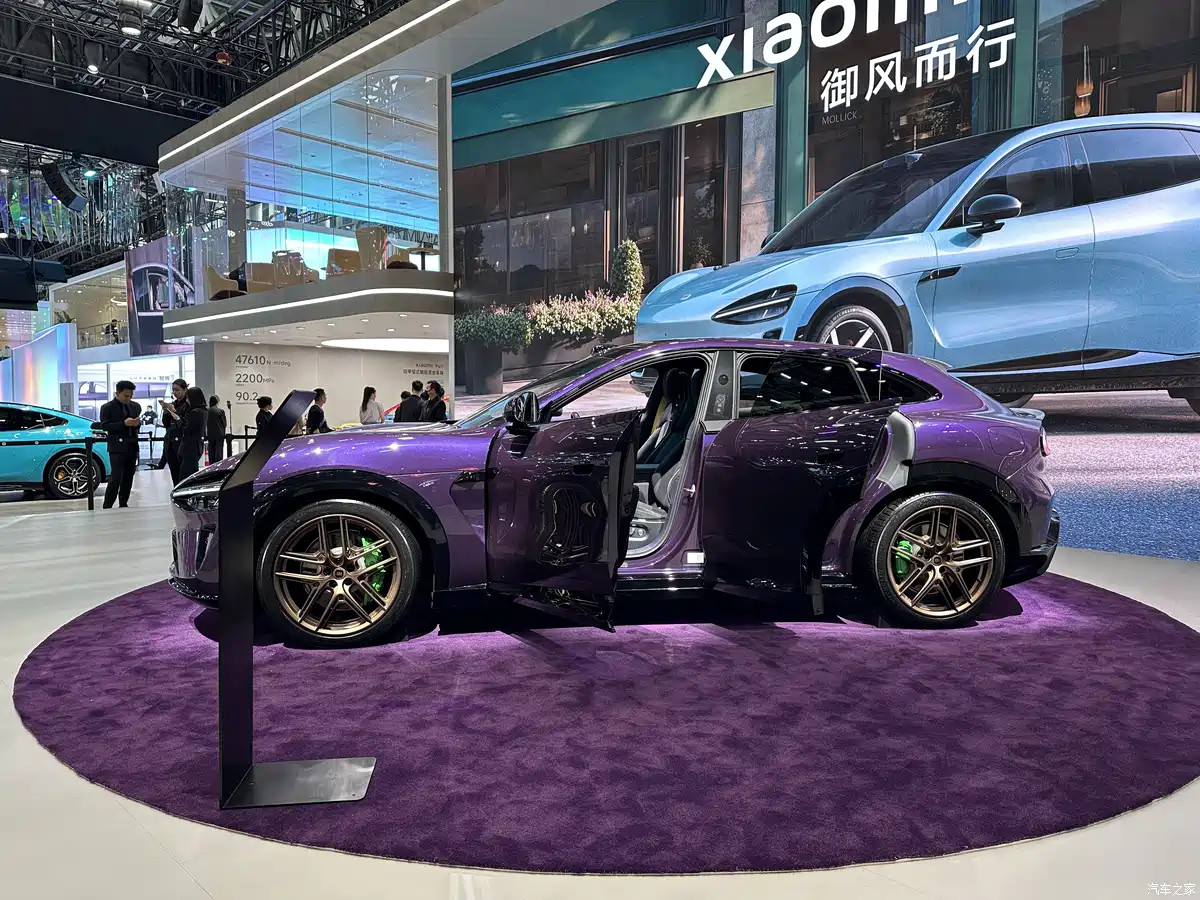
 VW And Toyota Dominated For Decades. Now It’s China’s Time

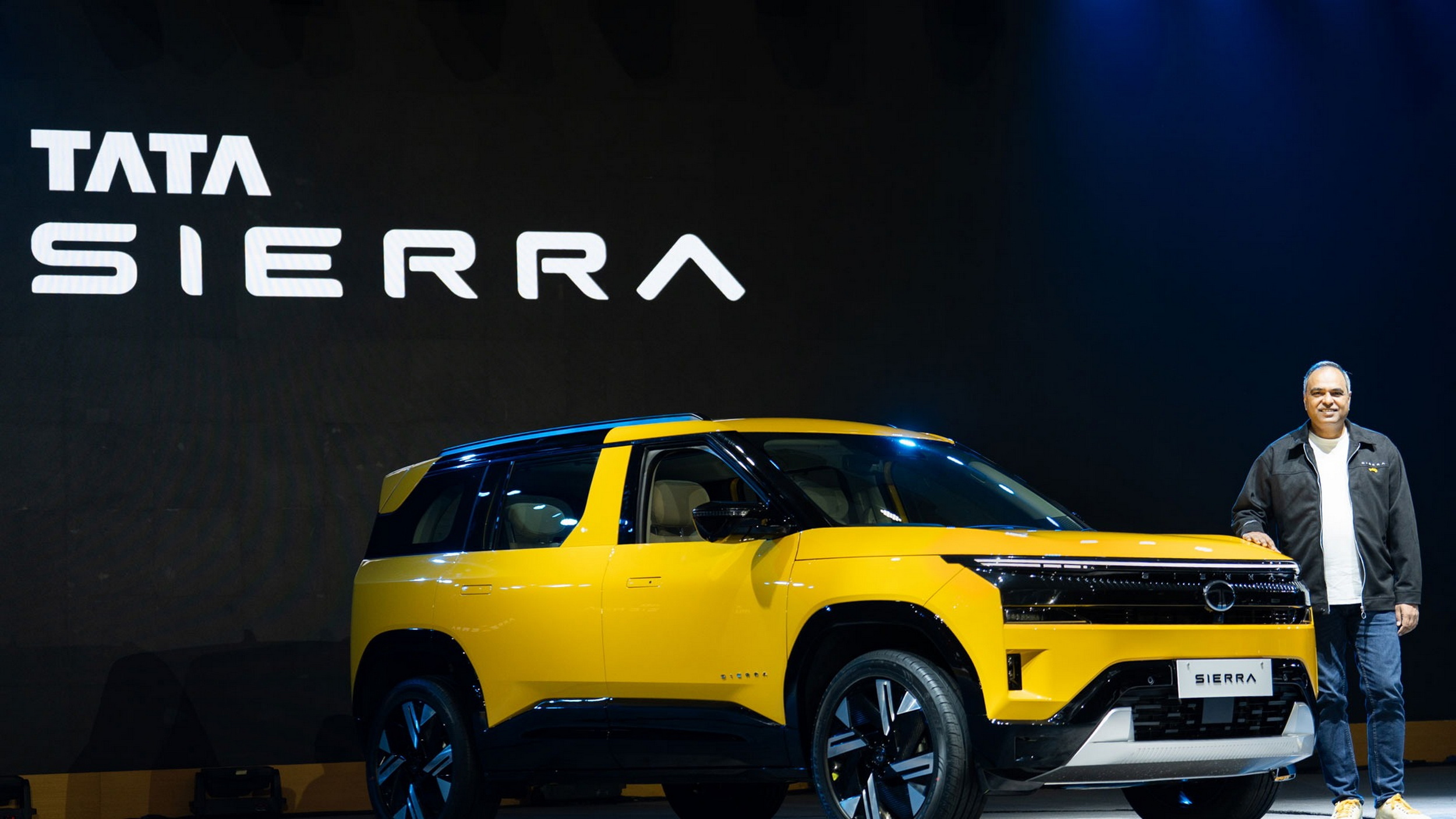
China isn’t the only nation that could see its car industry expand rapidly by 2030. India, too, is positioning itself for growth. Domestic automakers like Tata and Mahindra are increasing their share in the local market and looking outward.

However, they face stiff competition, not only from dominant player Maruti Suzuki, but also from Chinese-owned MG Motor, which has introduced several new models to Indian buyers. BYD has also begun to establish a presence, and both Chery and Great Wall have plans to enter the market, reports SCMP.

Still, analysts suggest that China’s early investments gave it a lasting edge. The ability to learn quickly, build tightly controlled supply chains, and manage costs efficiently has kept its companies ahead.

“The EV supply chain is dominated by Chinese companies,” said analyst Ramakrishnan. “The India EV supply chain, including electronics, is imported from China.”

Fewer Players, Bigger Stakes in the Next Phase of EVs

In Diana’s view, the current market is heading toward consolidation. China’s early lead puts it in a strong position as the EV space matures into a more concentrated field of major players.

“So there will be consolidation even at the EV market level, and you end up with 10 to 15 platform orchestrators made up of [original equipment manufacturers and] big technology companies,” he said.
 VW And Toyota Dominated For Decades. Now It’s China’s Time

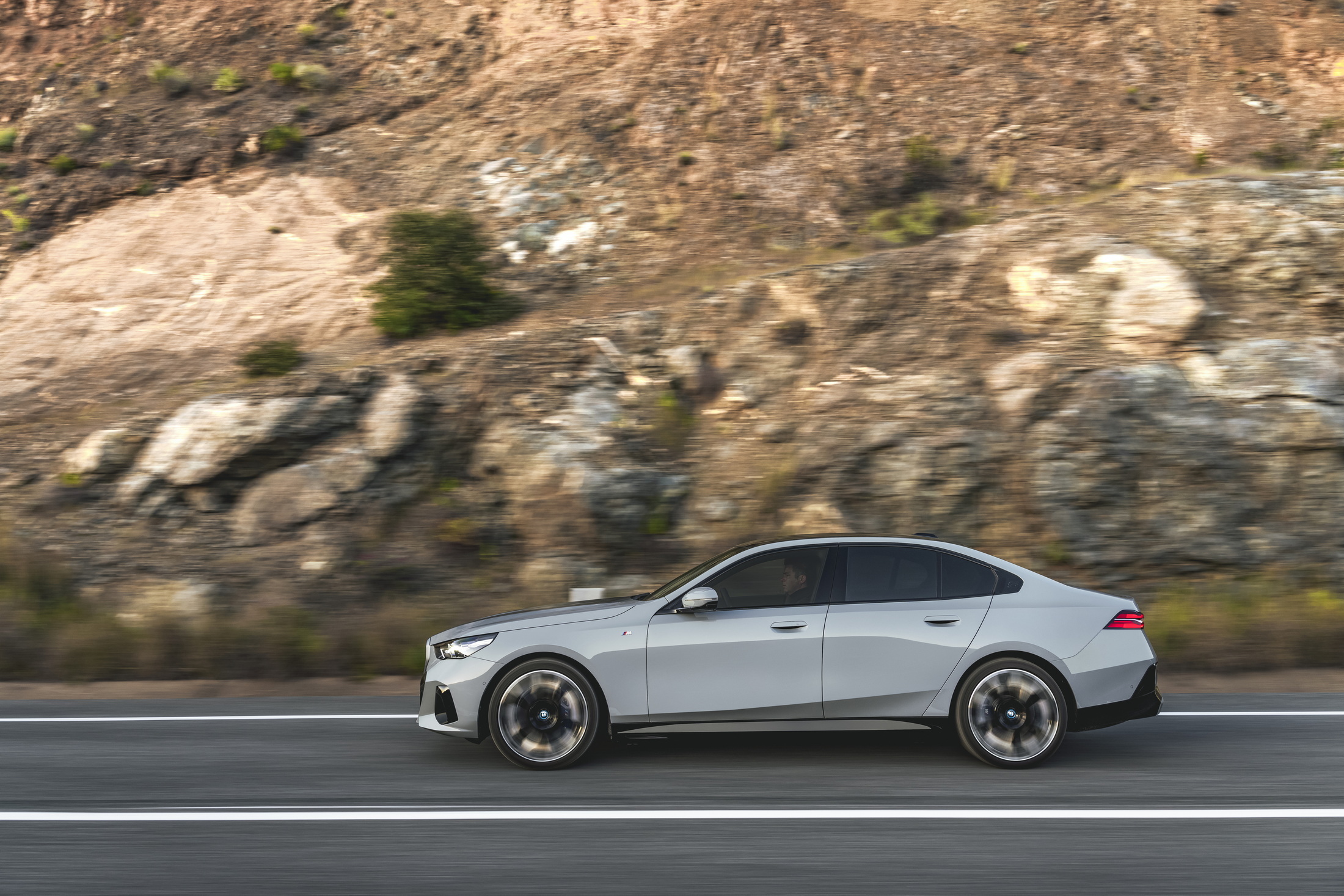
BMW Sold More Cars Than Ever In America, But EV Buyers Checked Out

  • BMW hit a new sales record in the United States last year.
  • Every pure EV model experienced a decline in US demand.
  • Gas-powered SUVs remained the brand’s strongest sellers.

BMW just wrapped up its most successful year ever in the US, with more cars leaving dealership lots than in any other year in the company’s American history. But beneath the record-breaking headline, a more complicated picture is starting to emerge for EVs, as sales momentum falters following the White House’s decision to eliminate the generous federal tax credit that had helped keep demand afloat.

Read: The Sales Battle Between Mercedes And BMW Just Got Embarrassing

In 2025, BMW sold 388,897 vehicles across the country, a 4.7 percent increase from the 371,346 units it delivered in 2024. The gain came even though fourth-quarter sales slipped 3.4 percent, dropping from 117,506 to 113,512 units. MINI also posted growth, with a 9.3 percent year-on-year rise and a total of 28,749 cars sold.

EV Sales Crater

 BMW Sold More Cars Than Ever In America, But EV Buyers Checked Out

Then there’s the EV situation, which looked considerably less upbeat. BMW sold 42,484 fully electric vehicles in the US last year, down 16.7 percent from the 50,981 it managed in 2024. The decline was particularly sharp in Q4. After the federal government pulled the $7,500 EV tax credit, sales in the final three months collapsed by 45.5 percent to just 7,557 units.

BMW USA Sales 2025
ModelQ4 ’25Q4 ’24% Change20252024% Change
i3000.0%110.0%
i80000
2 Series6,2135,01124.0%20,97515,38436.3%
3 Series11,1859,55217.1%33,03131,3305.4%
4 Series7,50211,254-33.3%39,37942,608-7.6%
5 Series6,0978,147-25.2%27,10725,3157.1%
6 Series1121
7 Series2,8623,806-24.8%11,39310,7146.3%
8 Series1,1671,287-9.3%4,0295,345-24.6%
Z4510658-22.5%2,1132,129-0.8%
X16,90610,092-31.6%27,38627,3060.3%
X21,8471,45526.9%6,7393,61986.2%
BMW cars44,29051,263-13.6%172,155163,7525.1%
X326,53718,89040.5%76,54668,79811.3%
X49982,487-59.9%5,9109,978-40.8%
X524,37626,323-7.4%76,24672,3485.4%
X64,1393,7879.3%12,0009,48126.6%
X79,8069,953-1.5%31,57529,6326.6%
XM65758911.5%1,8781,974-4.9%
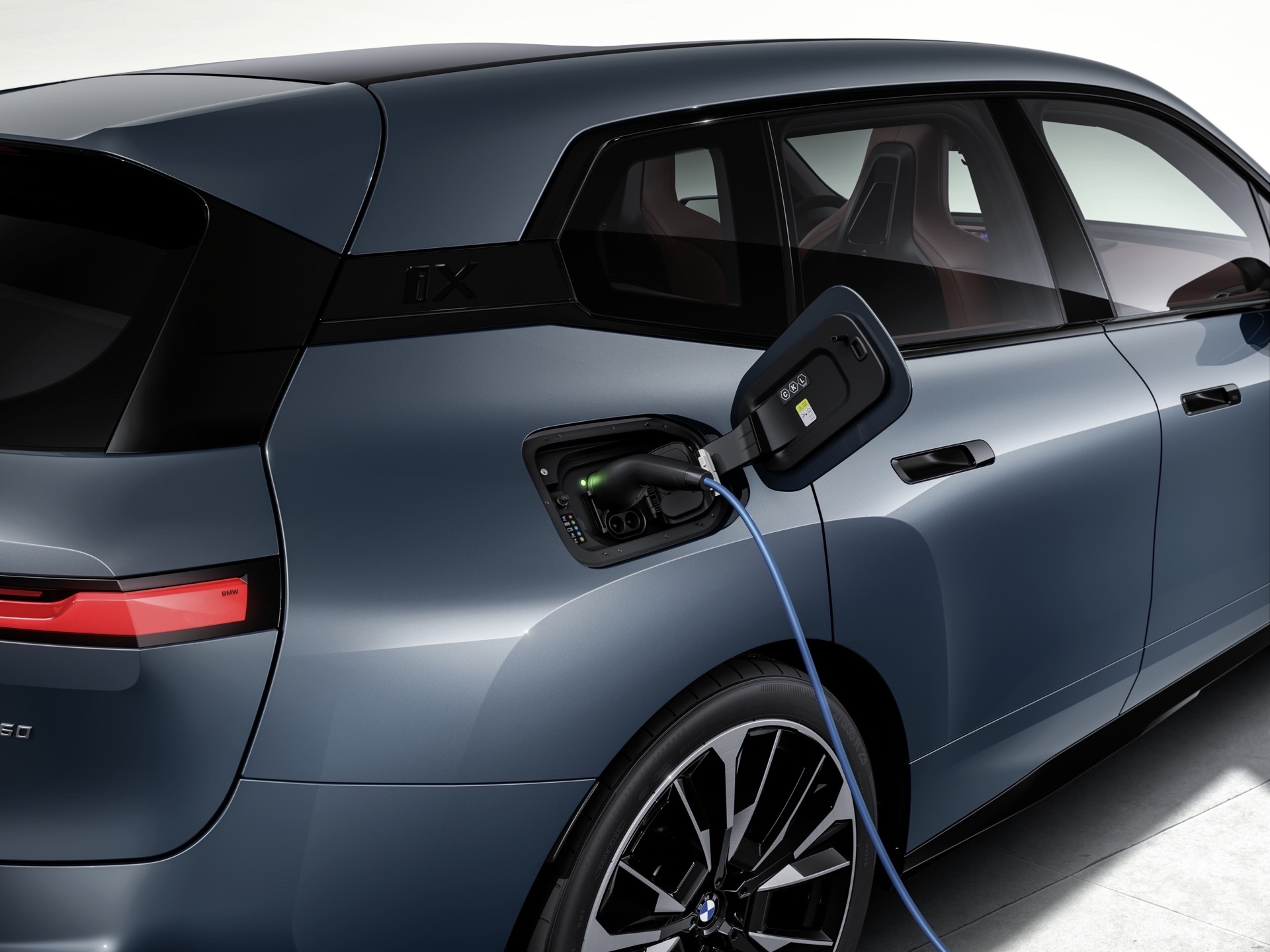
iX2,7094,214-35.7%12,58715,383-18.2%
BMW trucks69,22266,2434.5%216,742207,5944.4%
BMW brand113,512117,506-3.4%388,897371,3464.7%
Cooper S Hardtop 2 Door1,3802,268-39.2%6,6708,445-21.0%
Cooper S Hardtop 4 Door1,2731,677-24.1%5,4053,21668.1%
Cooper S Convertible973204765.0%3,7292,20868.9%
Cooper S Clubman112-91.7%14783-98.2%
Countryman3,2604,771-31.7%12,93111,64711.0%
MINI brand6,8878,748-21.3%28,74926,2999.3%
BMW GROUP120,399126,254-4.6%417,646397,6455.0%
SWIPE

Every one of BMW’s battery-electric models in the US saw a meaningful drop in sales. The i4, which remained the top-selling EV in the lineup, slipped 14.1 percent from 23,403 to 20,114 units. The i5 fell even more sharply, dropping 21.5 percent to 6,877. The i7 was down 15.3 percent to 2,905 units. The iX also struggled, with an 18.2 percent decline that left it at 12,587 sales for the year.

On a more encouraging note for the brand, BMW’s plug-in hybrids gained traction. Sales rose by 30.7 percent, climbing from 19,398 in 2024 to 25,351 in 2025. It wasn’t enough to offset the EV downturn, but it’s a sign that US buyers haven’t turned their backs entirely on electrification.

X Marks the Spot

The X3 led the lineup once again as BMW’s top-selling model, rising 11.3 percent to 76,546 units. That was just enough to slightly edge out the larger and more expensive X5, which posted 76,246 sales, a 5.4 percent increase over 2024.

Several other models also recorded solid gains. The 2 Series, which groups together the mechanically unrelated Gran Coupe and two-door variants, jumped 36.3 percent to 20,975 units. The 3 Series climbed 5.4 percent to 33,031, while the X6 posted a 26.6 percent increase, reaching 12,000 sales. As for the controversial XM, it recorded a 4.9 percent drop in sales compared to 2024.

 BMW Sold More Cars Than Ever In America, But EV Buyers Checked Out

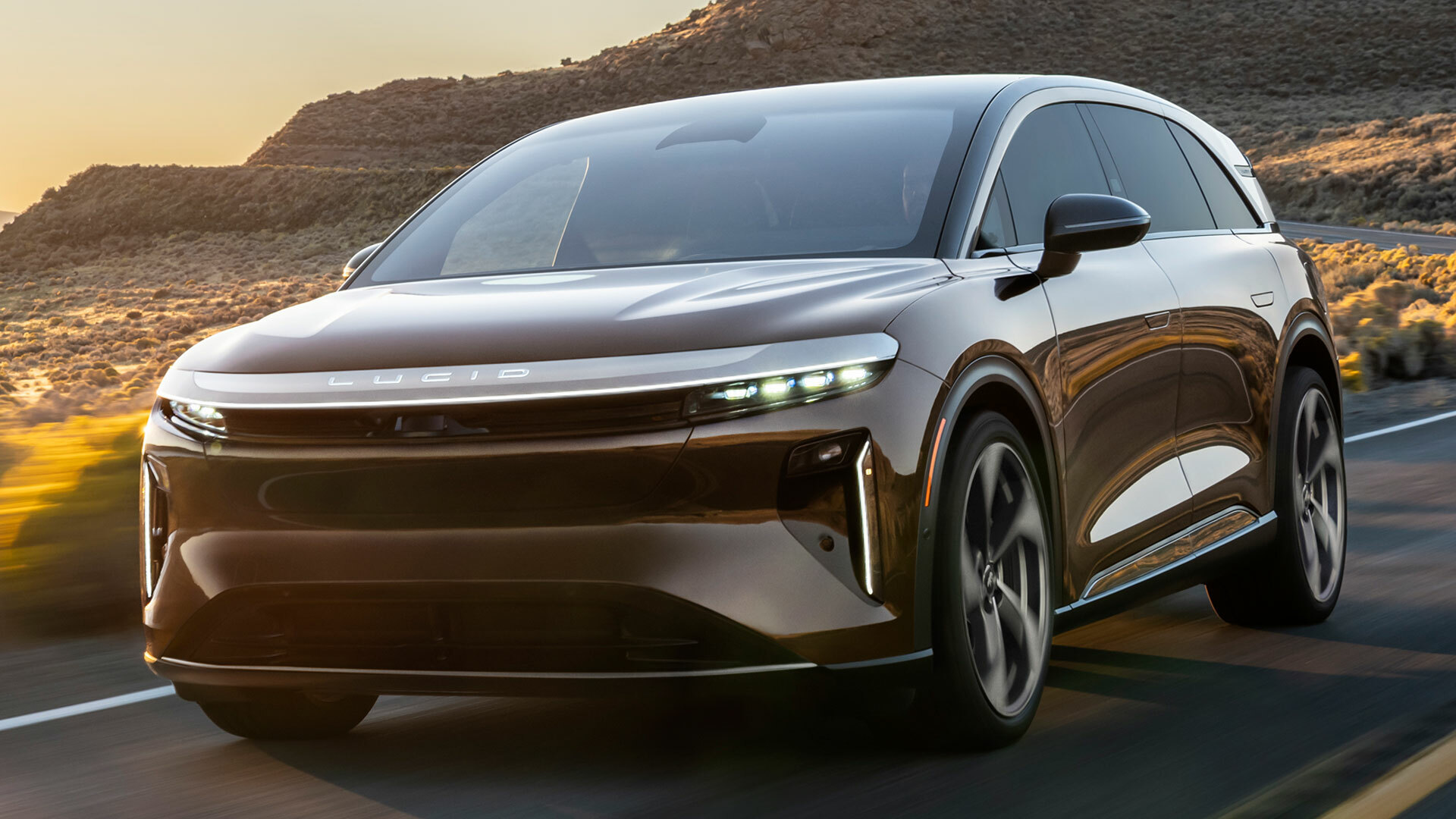
Lucid Pulled Off What Most EV Brands Couldn’t After The Tax Credit Was Cut

  • Lucid’s 2025 sales rose 104 percent compared to 2024 totals.
  • Gravity SUV launch helped drive strong Q4 performance gains.
  • Q4 deliveries rose 31 percent, capping Lucid’s best quarter yet.

Despite a sharp drop in EV demand across much of the U.S. market, Lucid managed to chart its strongest quarter yet. Following the Trump administration’s decision to eliminate the $7,500 federal EV tax credit at the end of September, most automakers saw EV sales falter during the final stretch of 2025. Lucid, however, went in the opposite direction and closed the year with a notable uptick.

The company reported that it built 8,412 vehicles in Q4 2025, marking a 116 percent jump over the previous quarter. Deliveries also climbed to 5,345, up 31 percent. For Lucid, it wasn’t just an improvement, it was the best-performing quarter of the entire year.

Read: No Tax Credit? No Worries, Lucid Has A $7,500 Gravity Discount

The start of 2025 looked far less promising. In the first quarter, Lucid produced only 2,121 vehicles and delivered 3,109. The second quarter showed progress, with 3,863 vehicles built and 3,309 delivered. By Q3, production edged slightly to 3,891, and deliveries rose to 4,078.

Lucid’s full-year production and sales figures were also strong. It produced 18,378 vehicles in 2025, a 104 percent increase over the year before. Deliveries reached 15,841, representing a 55 percent year-over-year gain.

 Lucid Pulled Off What Most EV Brands Couldn’t After The Tax Credit Was Cut

Helping Lucid boost its production and sales throughout the latter part of 2025 was the arrival of the all-electric Gravity SUV .While the company has yet to disclose how many units of the Gravity were produced, sold, or delivered, its presence clearly contributed to the quarter’s growth. Just how much is still unclear.

Lucid’s Own Credit

One likely reason Lucid avoided the sales slump seen elsewhere is its Advantage Credit program. Designed to soften the blow of the lost federal incentive, Lucid introduced a $7,500 credit of its own, applicable to new Gravity orders.

It was first set to expire at the end of December but has now been extended through January 18. While not a permanent fix, it offers a near-term solution for buyers left in the lurch after the tax credit rollback.

 Lucid Pulled Off What Most EV Brands Couldn’t After The Tax Credit Was Cut

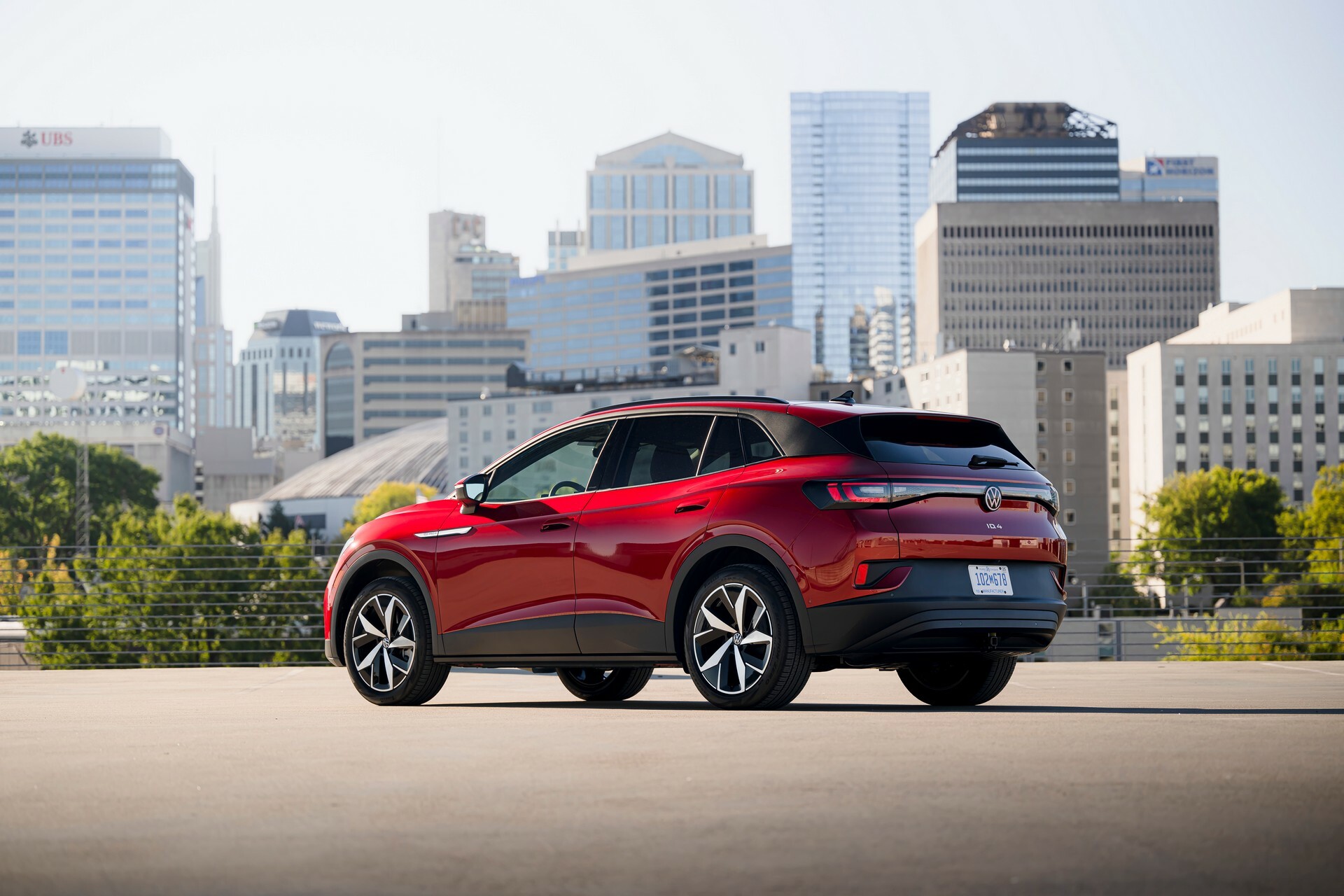
Every VW Model Dropped In Sales, Except The Two You’d Never Expect

  • Audi and Volkswagen both saw US sales drop last year.
  • EVs were one of the few bright spots as ID.4 sales soared.
  • However, sales plummeted since the tax credit expired.

Volkswagen has a fresh lineup with a facelifted Golf, Jetta, and Taos. If that wasn’t enough new blood, the company launched a redesigned Tiguan not long ago.

While you’d expect these models to help boost sales, this couldn’t be further from the truth. Quite the opposite as the only vehicles that posted gains last year were fully electric.

More: VW ID.4 Gets A Stealthy Blackout Package But Something Bigger Waits In The Shadows

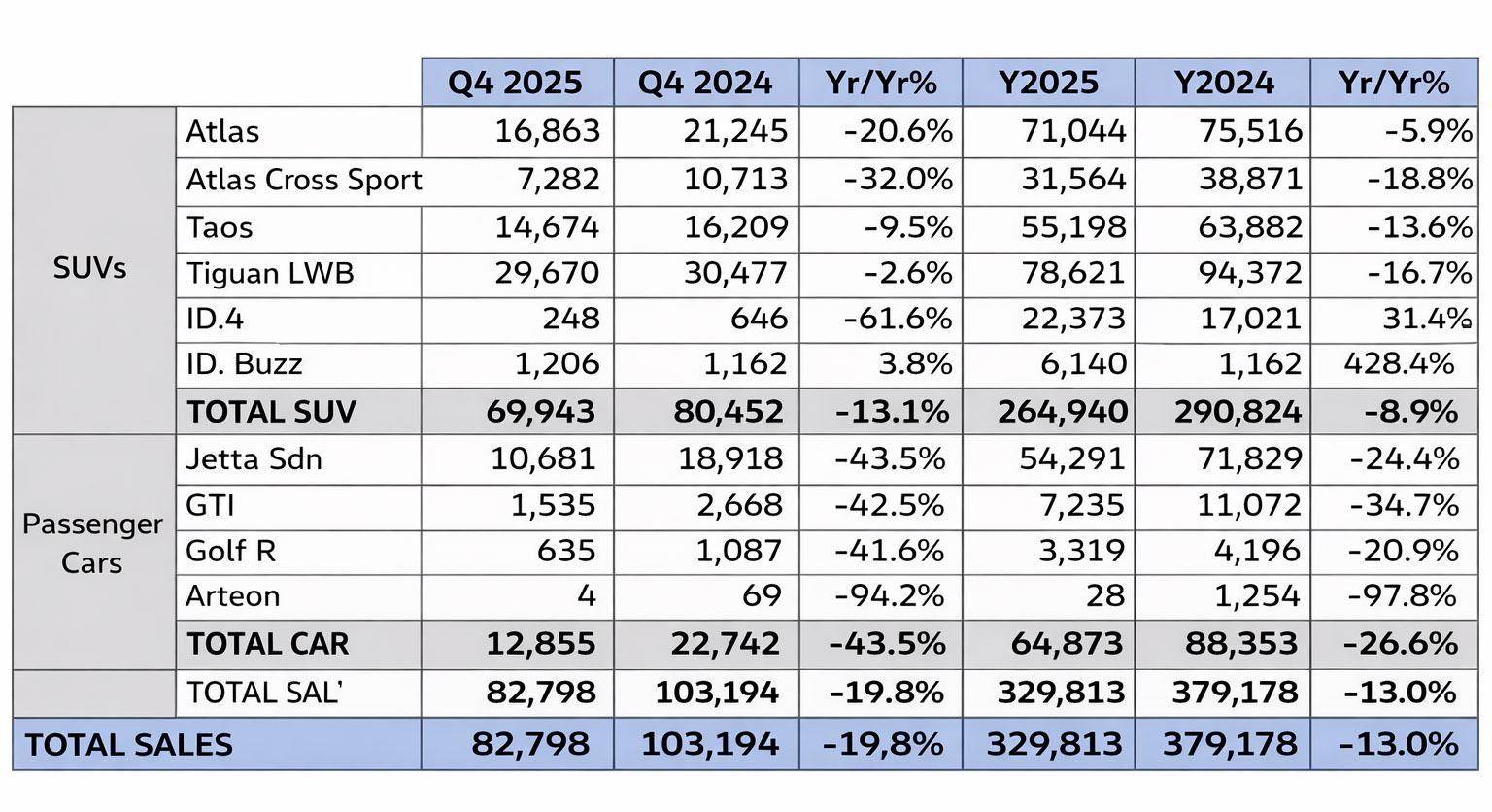
This is a tad surprising, but consumers rushed to take advantage of the expiring tax credit. This resulted in a significant boost in the third quarter as ID.4 sales skyrocketed 176% to 12,470 units.

Now, with the tax credit gone, sales of the electric crossover plunged 61.6% to a mere 248 vehicles. That’s a massive swing of 12,222 units in just six months.

 Every VW Model Dropped In Sales, Except The Two You’d Never Expect

While sales have fallen off a cliff, the ID.4 finished the year up 31.4%. However, that pales in comparison to the ID. Buzz, which jumped 428.4%. That being said, Volkswagen only moved 6,140 electric vans and has already announced the EV is skipping the 2026 model year.

The picture gets pretty bleak from there as every other vehicles saw sales decline last year. The Jetta was off by 24.4%, while the Golf GTI and R dropped by up to 34.7%.

VW US SALES 2025
 Every VW Model Dropped In Sales, Except The Two You’d Never Expect

Even the brand’s crossovers struggled as the Atlas and Atlas Coupe only generated a combined 102,608 sales. The Taos was down 13.6%, while the Tiguan dropped 16.7% as some buyers likely held off for the redesigned model.

For the year, Volkswagen sold 329,813 vehicles in the United States. That’s down 13% and it means the brand was outsold by Mazda (410,346).

Audi Had Another Dismal Year

 Every VW Model Dropped In Sales, Except The Two You’d Never Expect

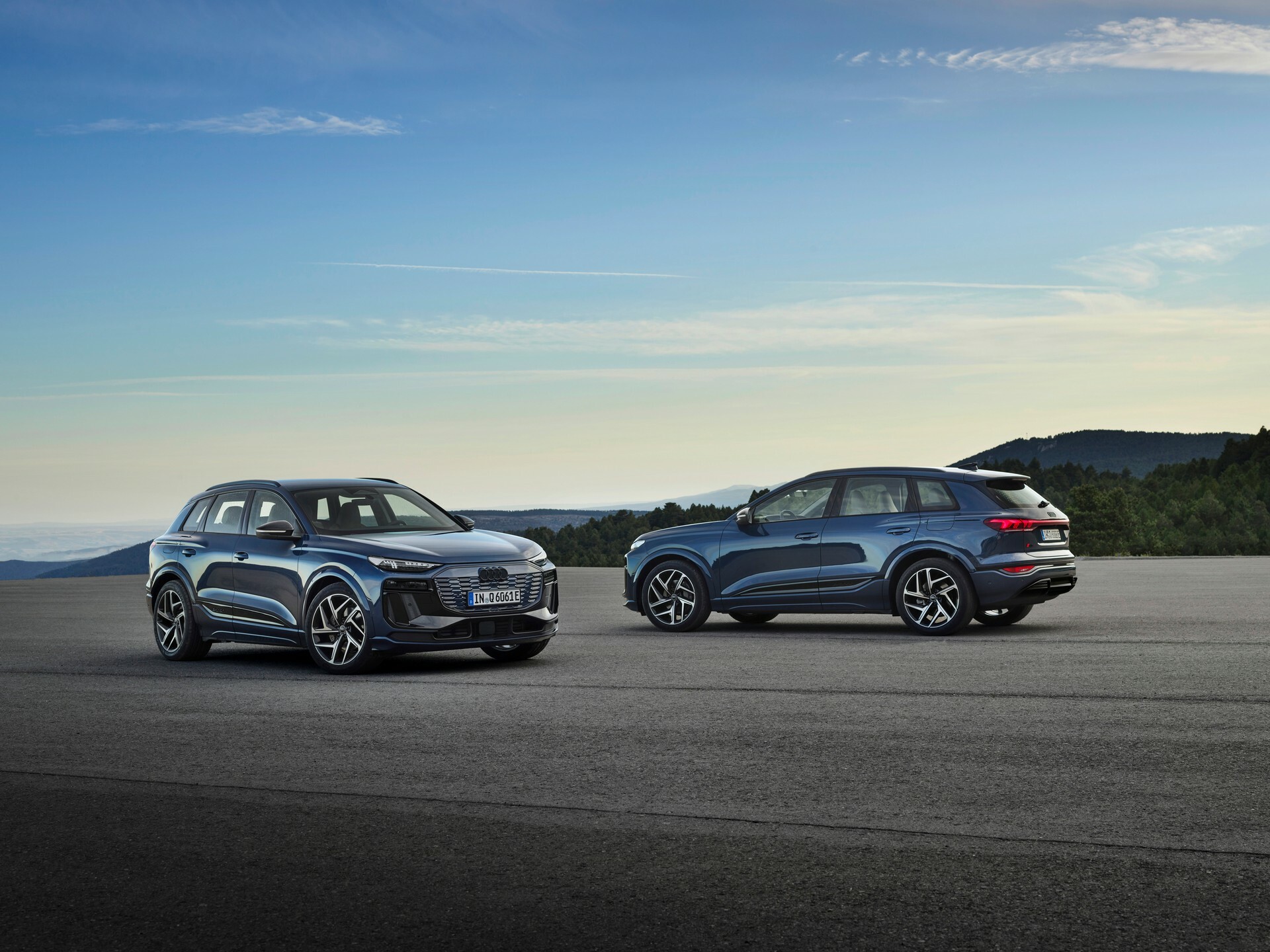
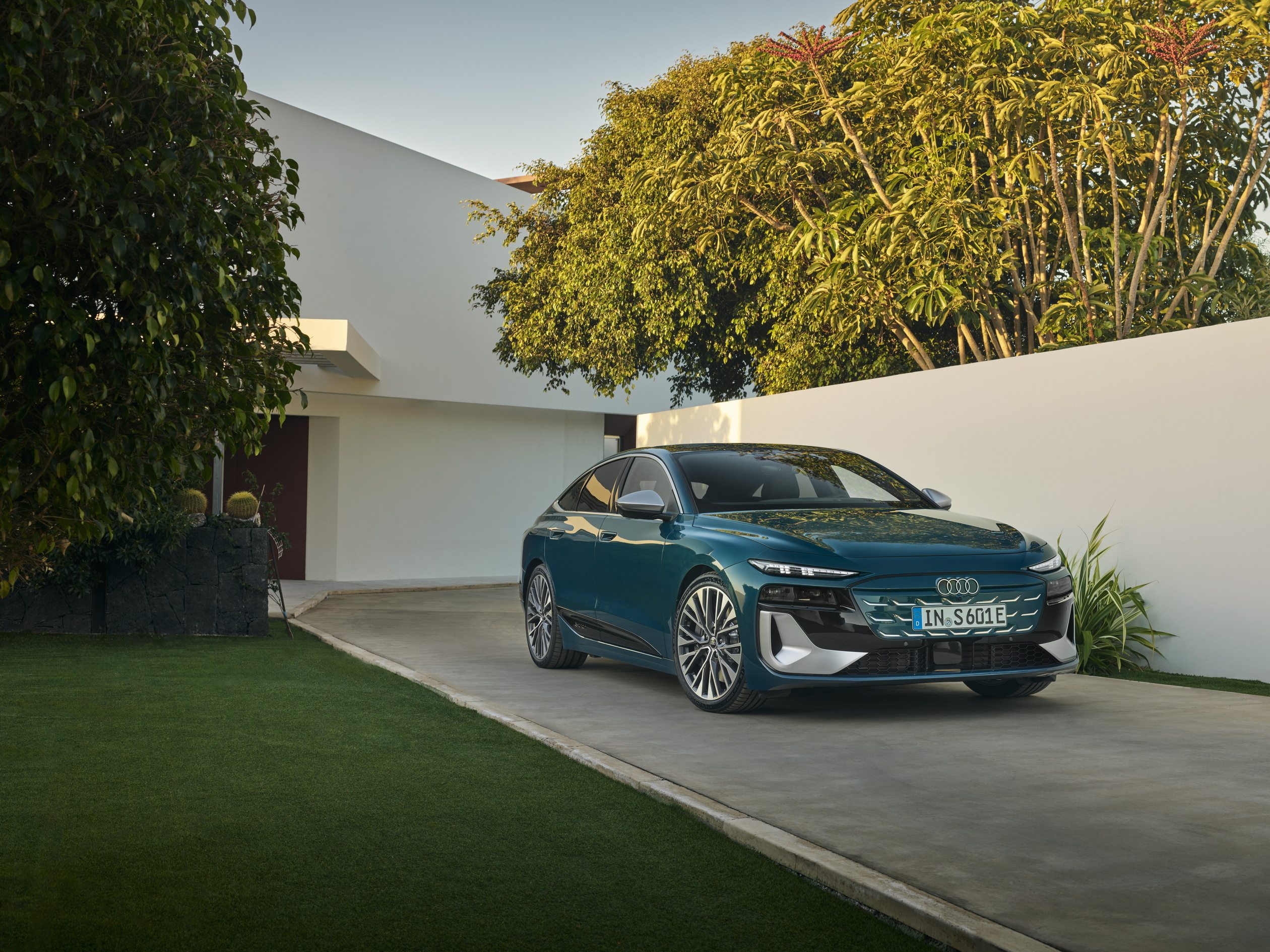
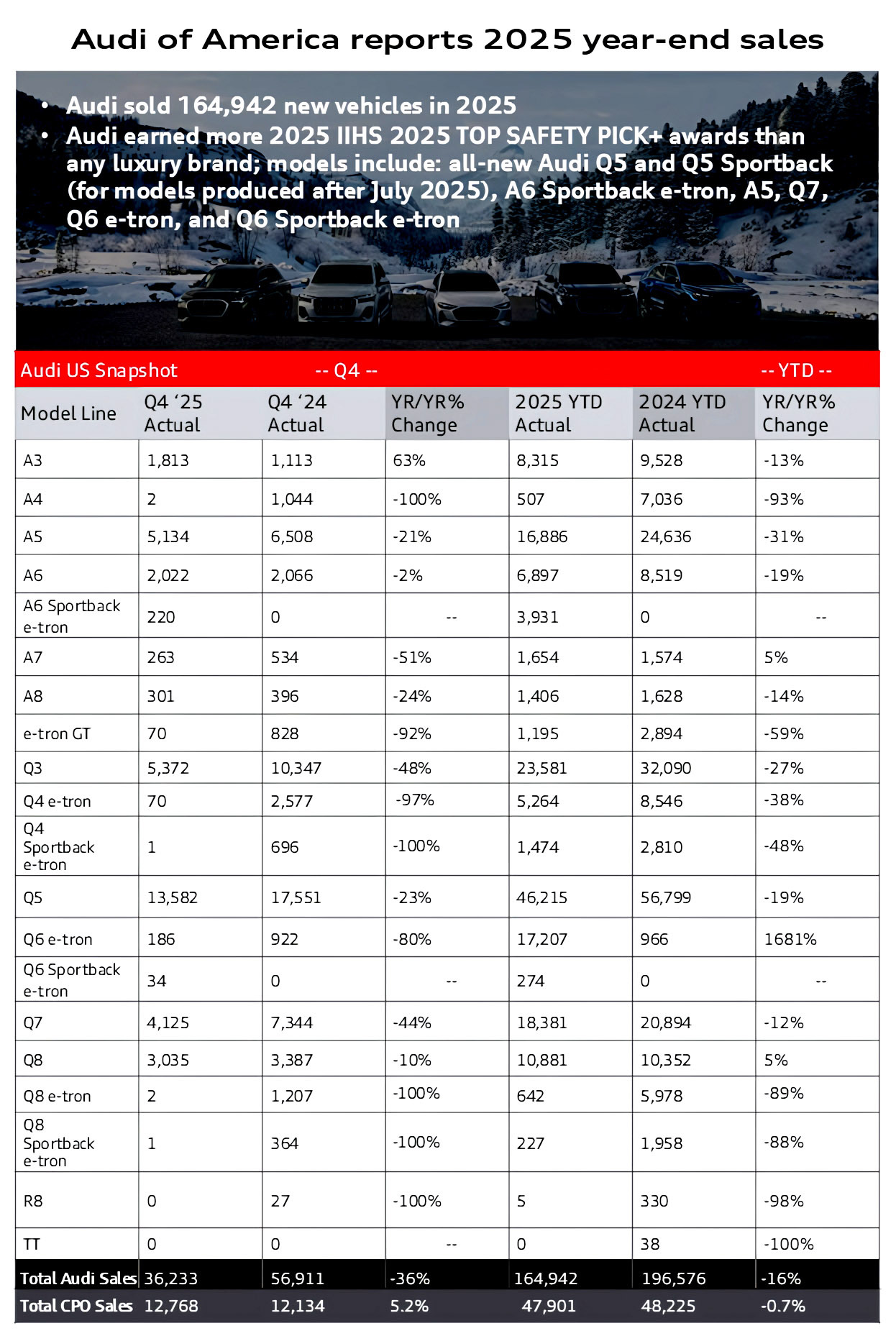
Things were even worse at Audi, which saw sales fall 16% to 164,942 units. That means they were beaten by Cadillac (173,515), Lexus (370,260), and BMW (388,897).

The numbers are terrible as the only models that saw gains were the aging A7 (5%) and Q8 (5%). The Q6 e-tron shot up 1,681%, although that’s mostly due to a late launch and limited supply last year.

That being said, the model appears to be a hit as consumers snapped up 17,207 units. This is more than three times the number of Q4 e-trons sold as sales were down 38% to a modest 5,264.

 Every VW Model Dropped In Sales, Except The Two You’d Never Expect

Speaking of EVs, the e-tron GT tumbled 59%, while the new A6 e-tron Sportback found 3,931 buyers. The discontinued Q8 e-tron lineup is also getting pretty rare and this explains why sales have fallen off the map.

The rest of the numbers should be given some context as Audi is in the midst of a major product revamp. As a result, there’s a new A5, A6, Q3, and Q5. Most of these models are already on sale in the United States, but the Q3 arrives shortly.

That being said, there are still a number of outdated models weighing sales down. One of the worst offenders is the Q7, which saw sales drop 12% last year to a disappointing 18,381 units. To put that into perspective, Lexus sold 57,346 TX crossovers.

 Every VW Model Dropped In Sales, Except The Two You’d Never Expect

Hyundai’s EV Sales Fell Off A Cliff In Q4, But That Didn’t Stop It From Setting Records

  • Hyundai ended 2025 with record US sales for a third year straight.
  • Hybrids and SUVs, drove strong growth as EV demand faded late 2025.
  • Total sales rose 8 percent year over year but fell 1 percent in Q4.

If you only look at Hyundai’s headline numbers, 2025 was a triumph. The brand posted its best December ever in the US car market, its third straight year of record total sales, and its fifth consecutive year of record retail volume. Total sales reached 901,686 vehicles, and December alone delivered 78,930 sales.

Fist bumps all around, right? Sounds like everything is going wonderfully. But scratch beneath the surface and the picture becomes more complicated and less joyful, especially if you care about electric cars.

Related: Hyundai Sold Its Russian Factory For $97, Now It Might Never Get It Back

Because Hyundai’s EVs stumbled badly at the end of the year. Ioniq 5 sales fell 50 percent in December compared to the same month last year. Ioniq 6 dropped even harder, down 62 percent. In the fourth quarter, both models were also down sharply, by almost 60 percent.

Ioniq 9 Jumps In

Over the full year, the story is slightly kinder but still uneven. Ioniq 5 finished 2025 up nearly 6 percent year over year, but Ioniq 6 was down 15 percent. The newly launched three row Ioniq 9 added EV volume during 2025, ensuring Hyundai’s total electric sales in the last 12 months beat out those for 2024, when the Ioniq 9 was still waiting to be launched.

But in Q4 and December, the EV total was down dramatically, despite the 9 having joined to lend a hand.

Hyundai US Sales December 2025
ModelDec 25Dec 24% Chg
Elantra11,37511,585-1.8%
loniq 52,2794,595-50.4%
loniq 64591,209-62.0%
loniq 93800
Kona6,7845,84616.0%
Nexo01-100.0%
Palisade11,69210,29813.5%
Santa Cruz1,6102,042-21.2%
Santa Fe14,44013,3098.5%
Sonata5,8567,642-23.4%
Tucson22,19320,17210.0%
Venue1,8621,7993.5%
Total78,93078,4980.6%
SWIPE

And EVs weren’t the only models struggling. The Sonata was down 13 percent in 2025 (and 32 percent in Q4), and the Santa Cruz light truck dropped 20 percent during 2025 (and 21 percent in Q4). The Kona didn’t fare too well either. Its sales slid 9 percent between January and December.

Hybrid Help

So how did Hyundai still manage record numbers? The answer is hybrids and SUVs. Hybrid sales jumped 71 percent in December and were up 36 percent across the year, driven by demand for electrified versions of the Elantra, Sonata, Tucson, Santa Fe and Palisade.

Hyundai US Sales Q4 2025
ModelQ4 25Q4 24% Chg
Elantra31,98835,080-8.8%
loniq 55,94814,082-57.8%
loniq 61,3463,167-57.5%
loniq 91,0120
Kona17,53617,664-0.7%
Nexo25-60.0%
Palisade31,14728,26310.2%
Santa Cruz4,8666,862-29.1%
Santa Fe40,24435,32913.9%
Sonata14,18020,913-32.2%
Tucson68,99160,17914.6%
Venue6,0774,76427.6%
Total223,337226,308-1.3%
SWIPE

Meanwhile, Hyundai’s core SUVs surged, with Santa Fe up 20 percent for the year, Palisade up 13 percent and Tucson up 14 percent.

In other words, Hyundai’s record year was not built on electric, but electrified momentum. Buyers did not stop shopping, they simply changed how they shopped, preferring to spend their money on more traditional vehicles with more traditional powertrains.

Hyundai US sales 2025

Model20252024% Chg
Elantra148,200136,6988.4%
loniq 547,03944,4005.9%
loniq 610,47812,264-14.6%
loniq 95,1890
Kona74,81482,172-9.0%
Nexo594-94.7%
Palisade123,929110,05512.6%
Santa Cruz25,49932,033-20.4%
Santa Fe142,404119,01019.7%
Sonata60,09469,343-13.3%
Tucson234,230206,12613.6%
Venue29,80524,60721.1%
Total901,686836,8027.8%
SWIPE

Hyundai

Tesla Got Outsold In EVs By A Company Most Americans Still Can’t Name

  • Tesla’s sales dropped 8.6 percent compared to 2024 totals.
  • Cybertruck and other models fell 50.8 percent year-over-year.
  • BYD outsold Tesla and claimed the global EV sales lead.

Sales data continues rolling in and the latest numbers are from Tesla. They leave a lot to be desired as deliveries slumped in the fourth quarter and fell for the year.

Jumping right into the numbers, Tesla delivered 418,227 vehicles in the fourth quarter of 2025. That compares to 495,570 units a year ago and this represents a 15.6 percent drop.

More: Tesla Shares Forecast Saying The Models Nobody Buys Will Double In Sales In Q4

Interestingly, sales of “Other Models” – including the Model S, X, and Cybertruck – plummeted from 23,640 to 11,642. That’s a decline of 50.8 percent and it shows the company’s wedge-shaped pickup continues to be a flop.

For the full year, Tesla delivered 1,636,129 vehicles. That’s down from 1,789,226 in 2024, marking an 8.6 percent decrease overall.

Tesla Q4 2025 Sales
 ProductionDeliveries
Model 3/Y422,652406,585
Other Models11,70611,642
Total434,358418,227
SWIPE

Tesla didn’t have much to say about the disappointing numbers, but the company will reveal their full financial results on January 28. However, the Q4 numbers were worse than the original estimate of 422,850 vehicles. This also meant the full year sales total fell below projections.

While the numbers weren’t too far off, projections for Other Models was laughably wrong as they indicated the company would sell 34,848 units in the fourth quarter. However, they only managed to move 11,642, which means those estimates were off by nearly 300 percent.

Tesla 2025 Sales
 ProductionDeliveries
Model 3/Y1,600,7671,585,279
Other Models53,90050,850
Total1,654,6671,636,129
SWIPE

On the bright side, the automaker did reveal one positive development and that was a record deployment of 14.2 GWh worth of energy storage products in the fourth quarter. That brought their full year number to 46.7 GWh, which is a substantial increase from the 31.4 GWh deployed in 2024.

While Tesla didn’t delve into specifics, the company’s problems are well-known. Outspoken CEO Elon Musk alienated a number of his customers by joining the Trump Administration and slashing the federal workforce in a sometimes haphazard fashion. The company also had to deal with increased competition and the elimination of federal tax credits, which caused sales to slump at Rivian.

BYD Outsells Tesla

 Tesla Got Outsold In EVs By A Company Most Americans Still Can’t Name

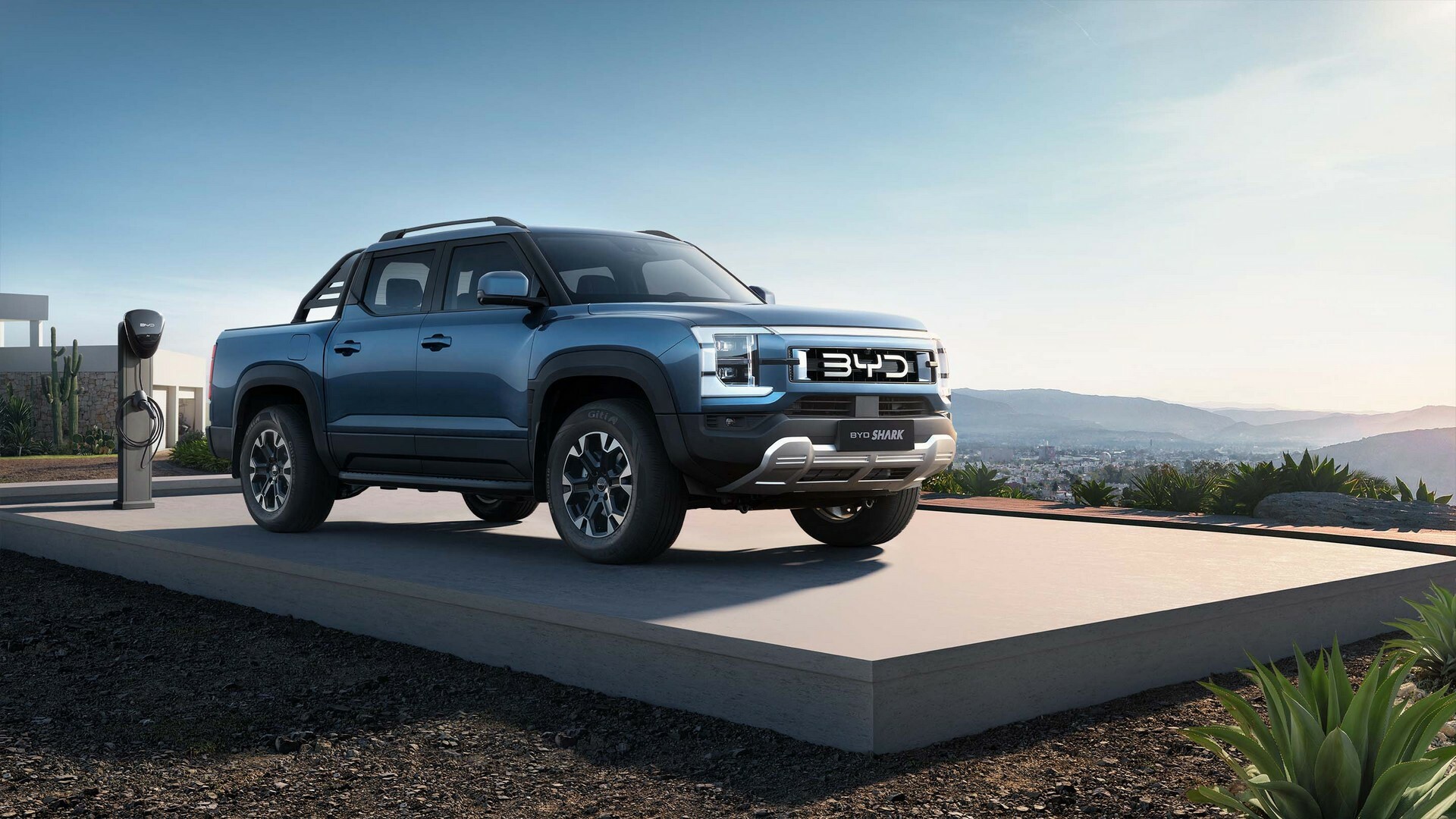
Tesla’s disappointing showing means they’re no longer the best-selling electric vehicle brand in the world. As BBC News reported, BYD sold 2,256,714 EVs last year, which put them 620,585 units ahead of Tesla.

However, this shouldn’t come as much of a surprise as Tesla was barely hanging onto the title. The company’s 1,789,226 sales in 2024 was just ahead of BYD’s total of 1,777,965.

It’s also worth noting BYD had combines sales of 4,537,356 units in 2025, which includes sales of things like plug-in hybrids and buses.

 Tesla Got Outsold In EVs By A Company Most Americans Still Can’t Name

Rivian Lost Thousands Of Buyers Almost Overnight

  • Rivian sales dropped following the expiration of federal tax credits.
  • Fourth quarter sales fell 31.3%, pushing full year sales down 18.1%.
  • The company said both declines were in line with their expectations.

2025 is firmly in the rearview mirror and that means sales data is starting to trickle out. Rivian is among the first out the door as they’ve revealed some disappointing results following the elimination of the electric vehicle tax credit in September.

Without further ado, the company delivered 9,745 vehicles in the fourth quarter of 2025 and that compares to 14,183 last year. This is a steep 31.3% decline, but there was little doubt sales would slow down following the elimination of the federal incentive.

Review: The 2025 Rivian R1S Is An Imperfect, But Promising Look At The Future

For the entire year, Rivian delivered 42,247 vehicles in 2025. That’s down from 51,579 trucks and SUVs in 2024, which represents a decline of 18.1%.

In terms of production, the company made 10,974 vehicles in the fourth quarter and 42,284 units for the year. That’s keeping pace with demand, but those numbers are down from 12,727 and 49,476 last year.

 Rivian Lost Thousands Of Buyers Almost Overnight

While the numbers aren’t good, the automaker said they’re in line with expectations. The company didn’t have much else to say, but noted their fourth quarter and full year 2025 financial results will be released on February 12th.

Investors seem to be taking the news in stride as Rivian stock is down 1.95% to $19.32 per share as of this writing. Furthermore, it’s worth noting the stock has climbed significantly over the past year as it was $13.25 on January 2, 2025.

A Busy Year Ahead

\\\\\\\\\\\\

While 2025 wasn’t a great year for Rivian, the company has a lot planned for 2026. The highly anticipated R2 is scheduled to launch in the first half of the year and it’s slated to start at $45,000.

Rivian hasn’t released full details, but has previously said the model rides on an all-new platform and will be offered with two different battery packs, including one that provides more than 300 miles (483 km) of range. We can also expect single-, dual-, and tri-motor powertrains with the latter allowing for a 0-60 mph (0-96 km/h) time of less than three seconds.

Furthermore, the company recently announced a slew of new updates including Universal Hands-Free Driving. It’s coming to the R1 lineup soon and will allow for hands-free driving on more than 3.5 million miles (5,632,704 km) of roads in the United States and Canada. It will be part of a new Autonomy+ subscription that costs $49.99 per month or $2,500 as part of a one-time purchase.

 Rivian Lost Thousands Of Buyers Almost Overnight

One In Ten Cars Sold In The UK Now Comes From China

  • Chinese brands sold over 200,000 new cars in the UK in 2025.
  • MG led UK sales among Chinese carmakers, followed by BYD.
  • Japanese automakers lost market share across the same period.

Once treated as curiosities or written off entirely, Chinese cars have quietly secured a firm foothold in the UK’s market. By the end of 2025, vehicles imported from the Far East are expected to make up around 10 percent of all new car sales in the country. The days when Chinese models were casually dismissed by Western buyers now seem increasingly out of step with reality.

Read: Europe Tried To Block Chinese Cars But Ended Up Helping Them Instead

A new report from The Guardian, citing European EV analyst Matthias Schmidt, estimates that once the final sales numbers for 2025 are in, Chinese brands will have sold more than 200,000 new vehicles in the UK.

MG and BYD Drive the Surge

 One In Ten Cars Sold In The UK Now Comes From China

The lion’s share of that success comes from three names in particular: MG, BYD, and Chery. Meanwhile, as Chinese manufacturers have gained ground, demand for Japanese cars has noticeably slipped.

MG continues to lead the pack by a wide margin. It sold over 70,000 cars in 2025, keeping pace with its strong performance from the previous year. BYD has also stepped up in a significant way, increasing its UK sales from fewer than 9,000 in 2024 to more than 40,000 this year. Their presence on British roads is no longer novel.

Several other Chinese brands posted significant gains during the year as well. Jaecoo sold over 20,000 vehicles, while Omoda came close to that same figure. Chery, Polestar, and Leapmotor have also continued to find traction with UK buyers, though on a somewhat smaller scale.

At the same time, Japanese brands have seen their market share in the UK slip by nearly a full percentage point over the past twelve months. The decline isn’t dramatic, but it is measurable, and it mirrors trends playing out across the continent.

Why Tariffs Didn’t Slow Things Down

 One In Ten Cars Sold In The UK Now Comes From China

As The Guardian reported, Chinese car sales have risen across the European continent despite the imposition of steep tariffs. In an effort to protect domestic manufacturers, European lawmakers introduced these measures late last year, targeting EVs produced in China. However, the tariffs do not apply to hybrid or internal combustion models, and sales of those have surged accordingly.

The UK, now outside the EU, has proven especially receptive to these brands. With no major domestic carmakers remaining, the market is wide open.

“With no genuine domestic volume brands for UK consumers to choose from, UK consumers crucially can no longer participate in what is known as patriotic purchasing,” said analyst Matthias Schmidt. “In Germany and France, half of each country’s new-car market is effectively in the control of domestic brands. While in China, we now also see that two-thirds of the market is accounted for by domestic brands.”

 One In Ten Cars Sold In The UK Now Comes From China

Chinese EV Exports Are Exploding, And The West Has No Way To Stop Them

  • Chinese EV exports are booming and were up 87% last month.
  • Mexico was the top export market in November with 19,344 units.
  • Over 600,000 Chinese EVs have been exported to Europe in 2025.

Chinese cars were once the butt of jokes, but they’ve become a major threat to Western automakers. That’s clear today as data from China’s General Administration of Customs has revealed exports of electric vehicles soared 87 percent in November.

More: Europe Tried To Block Chinese Cars But Ended Up Helping Them Instead

That’s a huge increase compared to last year and the most popular destination in November was Mexico. Chinese EV exports to the country soared 2,367 percent to total 19,344 units. While the numbers don’t reveal which vehicles were responsible for the boost, the BYD Dolphin Mini has been a hit south of the border.

The small EV measures just 148.8 inches (3,780 mm) long and features a front-mounted motor developing 74 hp (55 kW / 75 PS) and 100 lb-ft (135 Nm) of torque. Customers can also get 30.1 and 38.8 kWh battery packs, which provide a NEDC range of up to 236 miles (380 km).

Mexico was followed by Indonesia and Thailand as the top markets for Chinese exports last month. The former country imported 17,503 vehicles, while the latter took in 13,517.

\\\\\\\

Focusing on Europe, exports to the UK soared 113 percent last month to 9,096. This means 121,555 Chinese EVs have arrived since the beginning of the year and this is an increase of 24 percent .

That pales in comparison to Belgium, where 195,309 Chinese EVs have been imported in the first 11 months of the year. However, it’s worth noting this is a 15 percent drop compared to 2024.

Where Most Chinese EVs Are Going

Asia remained the biggest market for Chinese EVs as exports climbed 71 percent to 110,061 units in November. They were followed by Europe and Latin America (including the Caribbean).

While Asian countries have imported nearly 1 million Chinese EVs through November, the big story is Europe’s 604,105. That’s 12 percent more than 2024 and the number shows why European automakers and politicians are so worried.

 Chinese EV Exports Are Exploding, And The West Has No Way To Stop Them

BMW And Porsche Just Lost China’s Luxury Market To A $100,000 Newcomer

  • Maextro S800 is China’s best-selling car over $100,000.
  • Undercuts Mercedes while offering Maybach-level luxury.
  • Signals rising demand for Chinese high-end car brands.

When Huawei partnered with JAC to launch the Maextro S800, few took the brand’s aim of challenging Maybach and Rolls-Royce at face value. For a new Chinese marque to set its sights on the pinnacle of automotive luxury seemed like a stretch.

One year on, it’s Maextro that has the last word. Their flagship sedan has become China’s best-selling vehicle priced above $100,000.

More: New Ultra-Luxury Sedan For The People Gives Rolls-Royce A Run For Its Money

Until recently, foreign automakers had a firm grip on China’s high-end car market. That grip has loosened. Local buyers are increasingly turning to domestic brands, even when shopping in the upper echelons, something that would’ve seemed far-fetched just a few years ago.

European Brands No Longer Lead the Pack

\\\\\\\\

As Bloomberg reports, the Maextro S800 outsold both the Porsche Panamera and BMW 7-Series combined in November. It had already taken the top spot in September.

The S800 also surpassed the Mercedes S-Class and, somewhat ironically, the Maybach variant, despite (or perhaps because of) its resemblance to a mash-up of Maybach and Rolls-Royce.

More: The Chinese Brand That Fell On Stairs Now Aims For Le Mans Glory

Weibo user Chu Xiaomin notes that Maextro received 18,000 orders for the S800 within just 175 days of launch. The company says it’s currently selling more than 2,000 units a month and intends to ramp up production to reach 4,000 per month.

How Did Maextro Pull It Off?

\\\\\\\

A major part of the S800’s appeal is price. At 215.7 inches (5,480 mm) long, this is a proper full-size luxury sedan, yet it’s priced between ¥708,000 and ¥1,020,000 (equal to $100,600 to $144,900 at current exchange rates).

For reference, the BMW 7-Series starts at ¥919,000 ($130,000), the Porsche Panamera at ¥1.1 million ($156,200), and the Mercedes S-Class at ¥1.47 million ($208,800). A Rolls-Royce Phantom? That’ll be ¥8.47 million ($1.2 million).

But competitive pricing alone doesn’t explain its traction. The Maextro S800 is heavy on features. There’s a triple-screen dashboard, a 40-inch rear projector that turns the back seat into a private cinema, automatic doors, crystal-effect buttons, and a starlit ceiling reminiscent of Rolls-Royce.

The cabin is finished with wood and leather, and the ADAS system comes courtesy of Huawei’s tech suite.

\\\\\\\

Speaking with CCTV, Richard Yu, Chairman of Huawei’s Consumer Business Group, said: “Maextro S800 is the first time that a Chinese brand has managed to get a foothold in the 1 million yuan ultra-luxury segment. We’re in the intelligence and electrification era and we’re leading through smarter technologies and innovation.”

German Giants Lose Their Footing

Bloomberg reports that BMW, Mercedes, and Audi continue to lose market share in China, struggling to keep up with the local competition in terms of pricing and tech features. Huawei’s challenge now is to maintain this momentum, not just spark early interest.

Meanwhile, rival brand YangWang, owned by Chinese-powerhouse BYD, is also pushing into six-figure territory with models like the U8 SUV, which starts at around $150,000. It also offers the YangWang U7 sedan, positioned slightly lower between ¥628,000 and ¥708,000 ($89,200 to $100,600).

\\\\\\\\\\\\\\\\\

Sources: Huawei, Bloomberg

If You Think EV Sales Are Dead, You’re Probably Staring At The Wrong Map

  • EV and PHEV sales climbed significantly in China and Europe.
  • Roughly 18.5 million electrified vehicles were sold this year.
  • North America’s EV market declined despite global momentum.

While the headlines might suggest an EV apocalypse is underway, with manufacturers pulling back and investments drying up, the reality is a bit more complicated. Sure, some markets are cooling and certain automakers are reconsidering their timelines, but the global picture paints a different story.

At least for now. The coming months could easily tip the scale again, especially in regions where policy and consumer behavior tend to swing fast.

Read: More Buyers Are Ditching EVs And Choosing Gas Again

New data shows that worldwide sales of battery-electric and plug-in hybrid vehicles have actually grown this year, bolstered by steady demand in China and across Europe.

According to figures from Rho Motion, approximately 18.5 million EVs and PHEVs have been sold globally between January and November 2025, representing a 21 percent increase from last year.

Where the Growth Is

Unsurprisingly, China leads the way with reported sales of 11.6 million, a 19 percent rise from the same period in 2024. While Europe remains a far smaller market, with 3.8 million EVs and PHEVs finding new homes, it experienced a higher growth rate with sales jumping 33 percent.

A closer look at Europe reveals that 35 percent more BEVs have been sold this year, and 39 percent extra PHEVs have been delivered. Contributing to this growth was France, where for the first time this year, year-to-date sales rose in November, although only by 1 percent.

EV Sales Jan-Nov 2025
Region YTD 2025YoY Change
Global18.5 million+21%
China11.6 million+19%
Europe3.8 million+33%
North America1.7 million-1%
Rest of World1.5 million+48%
SWIPE

Rho Motion

Italy also experienced a strong November with EV and PHEV sales jump to 25,000 units after an incentive program was launched, encouraging locals to sell their old ICE models.

Still, the trajectory in Europe could change direction quickly. On Tuesday, the European Commission revealed plans to drop the proposed 2035 ban on new combustion-engine vehicle sales, a reversal largely driven by industry lobbying.

What About America?

 If You Think EV Sales Are Dead, You’re Probably Staring At The Wrong Map

Things couldn’t be anymore different in North America, in particular in the US. While EV sales increased in November compared to October, the first month without the federal EV tax credit, they are still far below what they were when the $7,500 credit was still available.

Data from Rho Motion notes that sales in North America have fallen 1 percent this year, meaning it’s quickly turned into a global laggard when it comes to global EV adoption.

Following President Trump’s decision to rollback CAFE fuel economy standards, sales of EVs and PHEVs are unlike to grow at a significant rate, and may ultimately decline.

In contrast, the rest of the world, grouped together in the dataset, logged 1.5 million EV and PHEV sales this year, up 48 percent compared to 2024. While the volumes are smaller, the growth suggests that in many regions, electrification is still gaining ground, just not always where the spotlight is aimed.

 If You Think EV Sales Are Dead, You’re Probably Staring At The Wrong Map

More Buyers Are Ditching EVs And Choosing Gas Again

  • New study shows rising demand for combustion-powered vehicles.
  • Fewer shoppers are considering battery-electric options today.
  • Interest in hybrid models is slipping alongside EV enthusiasm.

The auto industry’s pivot to electric vehicles was never expected to be seamless, but a recent shift in buyer sentiment suggests the transition may be hitting more resistance than anticipated. According to a new study, a growing number of car shoppers are once again leaning toward combustion engines, reversing some of the momentum EVs had built in recent years.

A report from professional services firm EY indicates that EV adoption is slowing worldwide, in part due to shifting policies like those recently enacted in the United States.

Read: Ford’s CEO Applauds Trump’s CAFE Rollback, Says They Were Forced Into EVs

Among consumers planning to buy a new or used vehicle within the next 24 months, about half now say they intend to purchase one powered by a combustion engine. That marks a 13 percent jump from the previous year, a sharp turn in consumer preference.

Declining Appetite for Electrics and Hybrids

 More Buyers Are Ditching EVs And Choosing Gas Again

That’s not the only surprising conclusion from this study. EY’s report also notes that the preference among new and used car buyers to buy a battery-electric vehicle has dropped by 10 percent, landing at just 14 percent overall.

The picture for hybrid models isn’t much brighter. Interest in those models has dipped by 5 percent, now sitting at 16 percent. And among those still considering an EV, more than a third, or 36 percent, say they’re either rethinking their decision entirely or planning to delay their purchase, citing geopolitical developments as a major factor.

It’s possible that this trend could continue. Less than a year into President Trump’s second term, several policy changes have already been implemented that are more favorable to internal combustion engine vehicles. These measures are expected to influence both consumer behavior and manufacturer output in the coming years.

Policy Reversals Take Hold

 More Buyers Are Ditching EVs And Choosing Gas Again

Earlier this month, he officially rolled back CAFE standards, opening the door for car manufacturers to build more combustion models. Automakers argue this aligns with actual consumer demand, claiming Americans still largely prefer these vehicles over their electric counterparts.

Europe is seeing a similar recalibration. Two years ago, the European Union announced plans to effectively ban the sale of new combustion vehicles by 2035.

However, this ban appears increasingly likely to be relaxed, opening the door for hybrid models, and combustion-engine cars using e-fuels to be sold beyond 2035. This will no doubt have a significant impact on EV sales throughout the region.

 More Buyers Are Ditching EVs And Choosing Gas Again

Sources: EY, Reuters

VinFast’s American Dream Is Cracking From The Inside Out

  • Fewer than 1,500 VinFast cars registered in the US this year.
  • VinFast had promised hundreds of US dealers by late 2024.
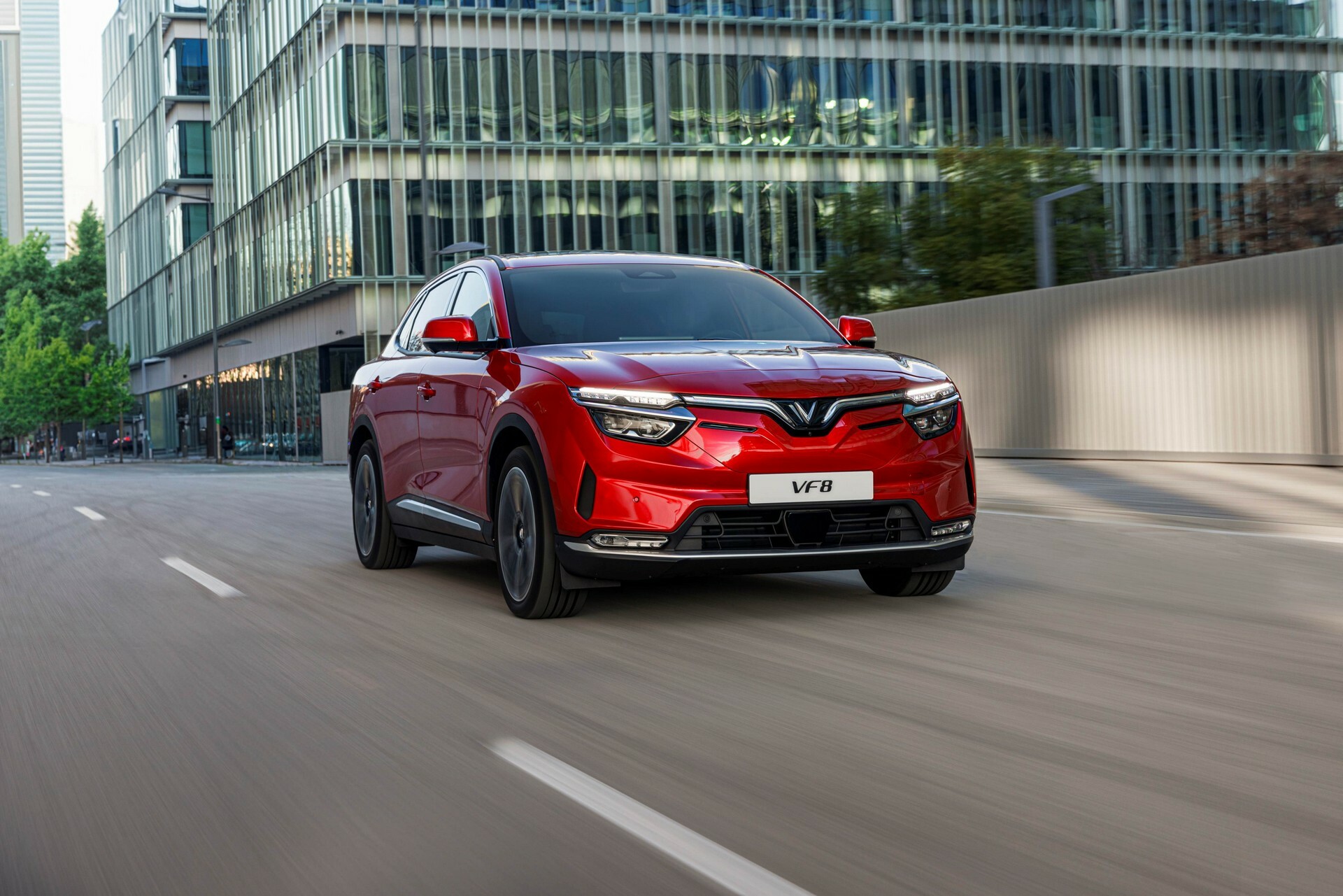
  • Only 17 VinFast dealers have VF 8 or VF 9 models in stock.

VinFast’s bid to break into the American market has struggled to gain traction. The Vietnamese automaker’s US adventure has been marked by sluggish sales, dwindling dealership support, and a strategy that appears to be unraveling faster than it came together.

As more partners step back from the brand, questions are beginning to surface about the future of VinFast’s presence in the States.

Read: Owners Sue VinFast After VF 8 Takes Almost 24 Hours To Charge

VinFast currently offers the VF 8 crossover and the three-row VF 9 locally, and at one point, it floated plans to bring a compact VF 3 and even a pickup truck to American buyers. Those ambitions now seem increasingly out of reach.

Stalled Expansion Plans

Adding to that, the company ceremoniously broke ground on a North Carolina factory in 2023, aiming to begin production just a year later. That timeline quickly fell apart. Construction was halted, and the plant’s opening has now been postponed until 2028.

The signs aren’t encouraging. According to a report from AutoNews, VinFast now has fewer than two dozen stores operating across the US. That figure continues to shrink, as one location shut down in July, another closed in November, and a third in North Carolina is scheduled to close before the year ends.

Even among the remaining dealers, many are operating in name only. Several locations have no vehicles on site, and some are down to just a handful of units.

Indeed, of the 22 active dealers that VinFast says it has, just 17 of them have EVs in stock. Most of them have 15 or fewer vehicles available. In the case of one dealer in Florida, it has just a single 2024 VF 8 in stock, priced at $52,910.

Sales Collapse

 VinFast’s American Dream Is Cracking From The Inside Out

VinFast sales have taken a big hit this year. Through the first ten months of this year, just 1,413 of its vehicles were registered in the United States, representing a 57 percent decline from the year prior. This comes despite the fact that total EV sales across the US have jump 11 percent this year.

The company’s expansion has clearly not gone as it would have liked. It originally expected to quickly sign 125 dealers, and then planned to have hundreds of outlets across the country by the end of 2024. As of August, it claimed to have “nearly 30 authorized dealerships.”

According to VinFast chairwoman Thuy Thu Le, the company has paused its aggressive push into the US and won’t open any more dealerships for the time being.

“Given the tariff situation and the instability in the EV market, we just need to see how that settles before we kind of push hard in the U.S.,” Thuy told Autonews. “Until we see some growth and stability in the U.S. market, we don’t intend to open more dealerships. Instead, we cultivate the relationship with the existing dealers and make sure they can get to profitability faster.”

\\\\\\\\\

Kia Slashed $10,000 Off Its EVs. Buyers Still Walked Away

  • Kia is on track to set another all-time sales record this year.
  • EV6 sales fell sharply from 1,887 last Nov to only 603 units.
  • Key model gains like the K5 and Sportage helped lift sales.

Car manufacturers across the US are scrambling to rekindle interest in their electric vehicles as the federal tax credit of up to $7,500 fades into the rearview mirror. The loss of that incentive has left many brands looking for new ways to attract buyers, and Kia’s approach is simple enough: slash prices.

Read: Who Needs $7,500 Tax Credit When Kia Slashes EV Prices By $10,000

The company is offering discounts worth as much as $10,000 across several models, though the numbers suggest it’s not quite having the desired effect. At least not yet.

Kia announced last month that the 2025 Niro EV, 2025 EV6, and 2026 EV9 would all be available with $10,000 in customer cash. For the Niro EV, that amounts to roughly a 24 percent markdown on the base model. Yet despite the aggressive pricing, sales remain far below the levels seen when the tax credit was still in play.

Discounts Without Traction

Last month, Kia shifted 918 examples of the three-row EV9, almost triple the number of Hyundai Ioniq 9s sold over the same period, but down significantly from the 2,155 sold in November 2024. Year-to-date deliveries are also down 30 percent from 20,066 to just 14,032.

It’s a comparable story with the EV6. Despite receiving a comprehensive facelift, sales have dropped sharply from 1,887 in November 2024 to only 603 this year. Total sales for 2025 now stand at 12,188, down 38 percent from 19,604 over the same stretch in 2024.

Kia US Sales November 2025
ModelNov 25Nov 24Diff.YTD-25YTD-24Diff.
EV99182,155-57%14,03220,066-30%
EV66031,887-68%12,18819,604-38%
K4/Forte9,32111,005-15%126,919127,867-1%
K56,4306,3781%66,64240,67264%
Soul3,2804,031-19%47,67948,747-2%
Niro5,2301,624222%28,03728,302-1%
Seltos6,2863,77866%51,97356,221-8%
Sportage15,79514,05112%165,954146,49013%
Sorento6,7238,705-23%87,43385,7222%
Telluride10,05411,568-13%111,123103,0168%
Carnival7,3624,92549%65,17244,56146%
Total72,00270,1073%777,152723,1857%
SWIPE

Kia does not break down powertrain sales of the Niro, which is sold in ICE, hybrid, and EV guises in the US. What we do know is that overall Niro sales increased dramatically from 1,624 in November 2024 to 5,230 last month.

On Track For a Sales Record

Despite the underwhelming performance of its electric lineup, Kia’s overall sales tell a different story. November saw 72,002 vehicles delivered, up three percent from 70,107 a year earlier.

The brand has now sold 777,152 vehicles in 2025 and is on course to notch its third consecutive all-time annual sales record. The gains have been driven in part by a 64 percent jump in K5 sales, a 13 percent rise in Sportage deliveries, and an 8 percent boost for the Telluride.

\\\\\\

As EV Sales Crash Badly, Hyundai Gets Its Lifeline From Elsewhere

  • Hyundai Ioniq 5 sales fell sharply after federal tax credits ended.
  • Ioniq 6 demand also dropped significantly with sales hitting new lows.
  • Hybrids surged strongly marking their best monthly performance yet.

Hyundai is selling more hybrids in the United States than ever, a result that surely has executives reaching for the champagne. The mood, however, is muted by a sharp downturn in the company’s electric vehicle fortunes. Since the federal EV tax credit expired on September 30, demand has plunged, leaving Hyundai’s battery-powered lineup scrambling to regain its footing

How Low Can It Go?

The Ioniq 5 remains Hyundai’s best-selling EV in the US, though November brought little reason to celebrate. Only 2,027 units found buyers across the country, a steep 59 percent drop from the 4,989 sold in November last year.

 As EV Sales Crash Badly, Hyundai Gets Its Lifeline From Elsewhere

There was some consolation in the fact that this figure edged up slightly from October’s 1,642 sales, but the wider picture is still uneven. Year-to-date results show a modest 12 percent improvement over 2024, totaling 44,760 cars sold.

Read: Hyundai And Kia EV Sales Collapse After Tax Credits Vanish Overnight

Things have been equally as bad for the Ioniq 6, with just 489 being sold this November, a decline of 56 percent. Cumulative sales have also slipped, from 11,055 cars in 2024 to 10,019 so far this year, marking a 9 percent decline.

The seven-seat, three-row Ioniq 9 wasn’t available last year, but it remains a relatively slow seller. A total of 315 found new homes last month, down slightly from the 317 sold in October. Year-to-date, 4,809 have been sold.

Hyundai Sales November 2025
VehicleNov-25Nov-24% Chg2025 YTD2024 YTD% Chg
Elantra10,38911,344-8%136,825125,113+9%
Ioniq 52,0274,989-59%44,76039,805+12%
Ioniq 64891,121-56%10,01911,055-9%
Ioniq 931504,8090
Kona5,7836,133-6%68,03076,326-11%
Nexo000%593-95%
Palisade9,9068,982+10%112,23799,757+13%
Santa Cruz1,5372,393-36%23,88929,991-20%
Santa Fe14,00412,376+13%127,964105,701+21%
Sonata4,0186,971-42%54,23861,701-12%
Tucson23,76220,178+18%212,037185,954+14%
Venue2,0591,521+35%27,94322,808+23%
Total Sales74,28976,008-2%822,756758,304+8%
SWIPE

Hyundai’s total November sales have fallen 2 percent from November last year to 74,289 units. So for this year, it still remains in the green, shifting 822,756 vehicles, an 8 percent rise from the 758,304 sold during the first 11 months of 2024.

Hybrids to the Rescue

The big story, though, is hybrids. Sales of electrified models jumped 42 percent, making November Hyundai’s strongest hybrid month on record. That surge has been critical in offsetting the EV slump and maintaining overall growth through the final quarter.

Among individual models, several performed particularly well. In November, The Palisade rose 10 percent to 9,906 units, Santa Fe gained 13 percent to 14,004, and Tucson continued its strong run with an 18 percent increase to 23,762. Even the pint-sized Venue grew 35 percent to 2,059 units.

The Sonata, meanwhile, took a noticeable hit in November, dropping 42 percent year-over-year to 4,018 sales, bringing its year-to-date total to 54,238, down 12 percent from the same period in 2024.

For now, Hyundai’s U.S. lineup shows a clear divide between hybrid gains and weakening EV demand. The next few months will show whether that hybrid momentum can do enough to steady the company’s position in a softening electric market.

 As EV Sales Crash Badly, Hyundai Gets Its Lifeline From Elsewhere

Honda Sold 30 Preludes In Its Launch Month As Prologue EV Sales Collapsed

  • Honda’s sales dropped sharply compared to the same month last year.
  • The end of federal EV tax credits took a significant toll on the Prologue.
  • The Passport SUV was the brand’s only major sales success last month.

Honda has released its sales figures for November, and the picture isn’t pretty. The company recorded US sales of 91,582 units, a notable decline of 16.8 percent compared to the same month last year, when it delivered 110,020 vehicles.

Despite the monthly slowdown, the company’s year-to-date total of 1,190,328 vehicles still reflects a modest 1.8 percent increase over the same period in 2024.

Also: Sales Of Honda’s Only American EV Soar 963%

Among Honda’s key nameplates, most saw declines in November, with only slight variation between them. The Accord recorded 10,613 sales in November, down 9.1 percent from 2024, while the Civic moved 17,353 units, a 5.5 percent decline. The Odyssey minivan had a rougher month, slipping 17.3 percent to 5,492 units.

 Honda Sold 30 Preludes In Its Launch Month As Prologue EV Sales Collapsed

SUVs and crossovers continued to shoulder most of the brand’s sales volume, led by the CR-V at 29,421 units and the HR-V at 10,821. Both posted notable drops of 14.5 percent and 14.1 percent respectively. The Pilot followed with a 27 percent decline to 9,234 units, and the Ridgeline pickup slid 15.4 percent to 3,352.

Unsurprisingly, the steepest fall came from Honda’s electric Prologue, which was caught in the aftermath of the federal EV tax credit shake-up at the end of September. Sales cratered by 86.8 percent, plunging from 6,823 units last November to just 903 this time around.

There was a glimmer of good news as the Passport surged (again) 50 percent to 4,363 units, standing out as the lone bright spot in an otherwise gloomy report.

A Quiet Start for a Comeback Coupe

 Honda Sold 30 Preludes In Its Launch Month As Prologue EV Sales Collapsed

That brings us to Honda’s newcomer, the Prelude, which officially entered the U.S. market last month. According to manufacturer data, 30 new buyers took delivery of the hybrid coupe after it went on sale around the third week of November.

No doubt, that figure will grow as production ramps up and imports arrive, so there’s little reason to draw conclusions just yet. Still, a heritage model like this tends to move quickly once stock builds up, though Honda’s pricing might slow that momentum.

The Prelude has made big waves since Honda admitted that it was returning. For the most part, that press has been good. In Japan, it was so popular among folks in their 50s and 60s that dealers had to pause taking orders for it. Of course, not all coverage of the car is so rosy. A starting MSRP of $43,195 (including destination) put it within $1,000 of a Nissan Z, which has the same number of seats and double the horsepower.

More: Delusional Honda Dealers Marking Up New Prelude To Over $60,000

Notably, Honda only offers the Prelude in a single trim with just about every desirable option already included. Prospective buyers can add around $10,000 worth of additional accessories, special wheels, and more. That said, the big draw for the Prelude, other than its name and styling, is performance in the fuel economy department. It can achieve up to 46 mpg in the city, 41 on the highway, and 44 combined.

Honda US Sales November 2025
 Honda Sold 30 Preludes In Its Launch Month As Prologue EV Sales Collapsed

$43,195 already seems like a lot of cash for such a niche car, but get this: dealer markups are only making things worse. Late last month, we told you about some dealers asking $60,000 or more for this car. One justified it with a “Protection Package & Market Adjustment” tag for $14,995. That type of pricing is almost certainly going to keep the rollout slow for the time being.

Of course, not every dealer will price the car that way. Plenty will sell it at MSRP or near there. The real question is how many buyers in the U.S. will be willing to buy it and join the first 30 owners.

John Halas contributed to this story.

 Honda Sold 30 Preludes In Its Launch Month As Prologue EV Sales Collapsed

Ford’s Gas Mustang Nearly Outsold Its Entire EV Lineup, Which Pretty Much Says It All

  • Combustion Mustang sales almost doubled to 4,207 units in November.
  • Ford only sold 4,247 F-150 Lightnings, Mustang Mach-Es, and E-Transits.
  • EVs look healthier YTD, but they’ve dropped harder than the pony car.

Is the now 61-year-old gas-powered Mustang still relevant in 2025? American drivers clearly think so, judging by fresh sales figures. The pony car Ford has been building since the Beatles were still together is now going toe to toe with the company’s entire electric lineup in a race that’s closer than a Z28 vs Boss 302 quarter-mile grudge match.

Related: Someone Paid New Porsche 911 Money For A 1992 Mustang Still Wrapped In Plastic

According to Ford’s newly released November sales report, the gas-powered Mustang racked up 4,207 sales while Ford’s three EVs combined only reached 4,247. That is a margin of only forty cars.

Mustang sales exploded by 78.6 percent compared with the previous November’s stats, while the EVs lost almost as much ground.

What Happened to the EVs?

Mach-E plunged almost 50 percent to 3,014 units, the F 150 Lightning cratered 72 percent to just 1,006, and the poor E Transit dropped more than 80 percent to 227, figures no doubt deeply affected by the loss of federal tax credits, which expired at the end of September.

 Ford’s Gas Mustang Nearly Outsold Its Entire EV Lineup, Which Pretty Much Says It All

To be fair to the EVs, the comparison is more embarrassing in the short term than across the whole year. Year to date, Ford EVs have achieved 78,556 sales while the Mustang trails at 40,870.

Even so, the electric lineup is down 7.3 percent compared with the same period last year, while the Mustang held relatively steady, falling by a less worrying 1.6 percent.

But US drivers didn’t snub their noses at electrification entirely. Hybrid sales climbed 13.6 percent to 16,301 units in November and are up 19.4 percent to 206,497. That means Ford has sold three times as many hybrids so far during 2025 as it has EVs.

Any Bright Spots Beyond the Mustang?

 Ford’s Gas Mustang Nearly Outsold Its Entire EV Lineup, Which Pretty Much Says It All

Looking beyond the gas versus electrons drama, there were a few standout performers. Explorer lit up the SUV side with a huge 41.5 percent November gain and nearly 20,226 sales despite celebrating its sixth birthday this year.

The Ranger also punched well above its weight with a 35.8 percent jump as the midsize truck continues its comeback.

The Maverick is another star performer. Its sales are up 43.3 percent for the month and nearly 12 percent for the year. On the Lincoln side, things were less happy, with November brand sales dropping 12.3 percent, although the Navigator is up 42.9 percent in the first 11 months of 2025.

Ford and Lincoln sales 2025
Nov ’25Nov ’24% DiffYTD ’25YTD ’24% Diff
Energy type
Total Electrified Vehicles20,54825,172-18.4285,053257,69310.6
Electric Vehicles4,24710,821-60.878,55684,774-7.3
Hybrid Vehicles16,30114,35113.6206,497172,91919.4
ICE144,377141,2012.21,714,3641,629,6085.2
Total vehicles164,925166,373-0.91,999,4171,887,3015.9
Vehicle Type
SUVs64,02267,294-4.9809,278794,7871.8
Trucks96,69696,7240.01,149,2691,050,9869.4
Cars4,2072,35578.640,87041,528-1.6
Total vehicles164,925166,373-0.91,999,4171,887,3015.9
FORD BRAND
Bronco Sport9,2129,601-4.1122,380113,3408.0
Escape7,05410,344-31.8132,471133,604-0.8
Bronco11,04510,3207.0132,21697,10536.2
Mustang Mach-E3,0145,938-49.247,88244,8776.7
Edge01,661-100.03,04065,217-95.3
Explorer20,22614,29941.5198,819178,24311.5
Expedition5,3375,852-8.877,41369,24311.8
Ford SUVs55,88858,015-3.7714,221701,6291.8
F-Series60,96167,459-9.6749,471685,7779.3
Memo: F-150 Lightning (electric)1,0063,643-72.425,58328,313-9.6
Ranger6,8455,03935.862,86440,94953.5
Maverick9,8836,89943.3141,873126,76011.9
E-Series2,9743,292-9.737,76036,4943.5
Transit15,33913,08017.3147,045139,7905.2
Memo: E-Transit2271,240-81.75,09111,584-56.1
Transit Connect00N/A08,781-100.0
Heavy Trucks694955-27.310,25612,435-17.5
Ford Trucks96,69696,7240.01,149,2691,050,9869.4
Mustang4,2072,35578.640,87041,528-1.6
Ford Cars4,2072,35578.640,87041,528-1.6
Ford Brand156,791157,094-0.21,904,3601,794,1436.1
LINCOLN BRAND
Corsair1,8932,147-11.823,89624,571-2.7
Nautilus2,3053,292-30.030,58032,447-5.8
Aviator2,5372,4792.321,18822,565-6.1
Navigator1,3991,3612.819,39313,57542.9
Lincoln SUVs8,1349,279-12.395,05793,1582.0
Lincoln Brand8,1349,279-12.395,05793,1582.01
SWIPE

Ford

Tesla Just Did Something No Automaker Has Ever Pulled Off In Norway

  • Tesla shatters Norway’s all-time yearly sales record, with a month still left.
  • Model Y leads a 34.6% YTD surge as buyers sprint to beat a new tax hike.
  • Tesla’s global sales are expected to drop 7 percent by the end of this year.

Tesla may be battling slumping sales across the US, Europe, and China this year, but there’s one corner of the world where Elon Musk can still hang the “Mission Accomplished” banner without irony.

Also: BYD Sold Nearly Three Times As Many Cars As Tesla In Europe

In Norway, the EV-obsessed Nordic nation, Tesla has secured its most impressive bragging right of 2025 with a near 35 percent sales lift year-to-date.

Tesla Broke a Long-Standing Record

The US electric vehicle brand is pulling in buyers so hard that it has sold more cars in the first 11 months of this year than any automaker has ever managed in an entire 12-month period in Norwegian history.

According to fresh registration data from OFV, the country’s official vehicle registry, Tesla moved 28,606 cars from January through November, blowing past Volkswagen’s long-standing record of 26,575 set back in 2016.

November alone saw a stunning 6,215 new Teslas hit the road, nearly triple last year’s tally, as Norwegians rushed to dealerships ahead of a scheduled EV tax hike landing on January 1.

Norway at one time exempted all EVs from tax in an effort to boost take-up, and even after a circa-$50k cap was introduced, most low- and mid-ranking Model 3s and Ys were below the threshold and still avoided the duty. But that limit is set to be lowered again next year and will scoop up Tesla’s most popular EVs.

The most popular of those in Norway right now is the Model Y, which remains the country’s favorite crossover even after a brief sales dip early in the year. Once the long-awaited refresh arrived in Q2, the Y rebounded strongly.

Norway’s Relentless EV March

 Tesla Just Did Something No Automaker Has Ever Pulled Off In Norway
Tesla

But even drivers who are turned off by CEO Elon Musk and the Tesla brand are still loving electric power. An incredible 98.3 percent of all new cars sold last month were fully electric, Reuters reports, keeping Norway on track for its goal of ending new combustion-engine sales entirely in 2025.

VW grew its sales by almost 50 percent YTD and Kia by an incredible 153 percent, but neither gets close to Tesla’s market share.

And yet, Norway’s Tesla boom stands in stark contrast to the company’s global reputation for 2025. Worldwide deliveries are expected to fall 7 percent, consultancy Visible Alpha says, and US sales dropped 24 percent in October, having enjoyed a brief 18 percent rise in September as buyers tried to get into an EV before the federal tax credit program ended.

Norway EV Sales 2025
BrandNOV-25YTD-25Diff. YTD
1 Tesla6,21528,60634.6%
2 Volkswagen2,19818,69049.8%
3 Volvo1,86711,41118.1%
4 BMW1,1048,60442.7%
5 Toyota3098,171-34.6%
6 Skoda9587,28223.0%
7 Audi6285,63613.6%
8 Ford8465,57573.4%
9 Mercedes-Benz5885,17659.9%
10 Hyundai6625,027-5.6%
11 Nissan3824,412-13.5%
12 MG4874,278-3.8%
13 BYD1724,19676.1%
14 XPeng5293,36795.5%
15 Kia5513,262153.1%
16 Polestar3513,22370.4%
17 Peugeot2622,35528.3%
18 Lexus1271,66221.2%
19 Porsche1721,43333.7%
20 Mazda3181,404-10.3%
SWIPE

OFV

Xiaomi’s YU7 Outsold Tesla’s Model Y And Now It’s Getting Personal

  • Xiaomi launched its Customization Service with 100 paint options.
  • Buyers can select special alloy wheels and colored Brembo calipers.
  • 24-karat gold and gold carbon fiber badges add unique touches.

Xiaomi’s YU7 has quickly found its stride in China. Only a few months into its launch, the electric SUV has seen a sharp rise in sales and, in October, even edged past the Tesla Model Y. For now, though, buyers outside China are still waiting for Xiaomi to take its EVs beyond the domestic market.

Last month, Xiaomi sold an impressive 48,654 vehicles across China. Of these, 33,662 were YU7s, meaning it is now comfortably outselling the SU7 sedan. By comparison, Tesla shipped approximately 61,500 Model Ys in October, but 35,400 of these were sent to overseas markets, meaning Chinese buyers snapped up roughly 26,100 units.

Read: A 60-Week Waitlist Just Made Xiaomi’s SUV A Flippers Goldmine

Since customer deliveries of the YU7 began in July, Xiaomi is believed to have shipped around 70,000 units in total. That’s a rapid rise for a newcomer, suggesting the SUV has struck a chord with Chinese buyers.

New Customization Options

 Xiaomi’s YU7 Outsold Tesla’s Model Y And Now It’s Getting Personal

On the back of continued SUV sales success, Xiaomi announced its new Customization Service at the Guangzhou Auto Show, presenting a YU7 Max painted in Crystal Purple to mark the occasion.

The new service is effectively Xiaomi’s take on Porsche’s Paint to Sample program, with plans to roll out more than 100 new paint colors over the next three years. It’s a striking contrast to Tesla’s strategy, which restricts buyers to just a few standard colors and trims in the name of production efficiency and fatter profit margins.

The full list of paint colors has yet to be announced, but Xiaomi did say that the special finishes will be priced from 11,000 yuan ($1,500). Through the Customization Service, shoppers will also be able to choose from a selection of alloy wheels and colored Brembo brake calipers.

 Xiaomi’s YU7 Outsold Tesla’s Model Y And Now It’s Getting Personal

For buyers with a taste for extravagance, Xiaomi will also offer 24-karat gold badges or black-and-white emblems, along with gold carbon fiber versions.

Powering single motor versions of the YU7 is a rear-mounted unit delivering 315 hp (235 kW) and 389 lb-ft (528 Nm) of torque, fed by a 96.3 kWh battery pack. Xiaomi also offers dual-motor versions with 489 hp (365 kW) and 681 hp (508 kW), respectively.

An even more potent version of the YU7 is on the cards, but it’s too early to say if it will reach the same heights as the SU7 Ultra.

\\\\

BYD Sold Nearly Three Times As Many Cars As Tesla In Europe

  • Chinese automakers now hold 6.8% of total European new car sales.
  • BYD’s European sales jumped 206.8% in October compared to 2024.
  • Tesla’s sales plunged 48.5% in October to just 6,964 vehicles.

Chinese carmakers continue to accelerate their presence across Europe, steadily carving out a larger slice of the market. Once regarded as niche entrants, they now account for a 6.8 percent share of total European sales in October, with powerhouses like SAIC and BYD leading the charge while Tesla’s momentum falters.

Chinese Brands Gain Ground

In that month alone, around 75,000 vehicles from Chinese brands were sold across the European Union, the UK, and EFTA nations, which include Iceland, Liechtenstein, Norway, and Switzerland.

SAIC enjoyed a particularly strong month, with sales soaring from 17,552 in October last year to 23,860 this October. Across the January-October period, its sales have also risen 26.6 percent from 197,686 to 250,250 units.

Read: BYD’s European Expansion Is About to Explode

BYD is also enjoying a surge in demand and has almost triple Tesla’s sales. In October, the company sold a total of 17,470 vehicles across the region, a 206.8 percent rise from 5,695 last October. Year-to-date, its sales have increased by a monumental 285 percent, from 35,949 to 138,390 units.

Tesla’s Bloodbath

 BYD Sold Nearly Three Times As Many Cars As Tesla In Europe

Things are not looking so pretty for Tesla. In October, its European sales slipped 48.5 percent from 13,519 units in the same month last year to just 6,964 in 2025. That means it fell even behind Porsche, which itself recorded a 26 percent sales decline but still usurped Tesla with 7,653 sales. Through the first ten months of the year, the American brand’s local sales have fallen 29.6 percent to 180,688.

Of the new cars sold by Chinese brands across the region in October, 36 percent were battery-electric vehicles. Of these, the small BYD Dolphin was the best-seller.

EU + EFTA + UK New Car Sales
 BYD Sold Nearly Three Times As Many Cars As Tesla In Europe

Europe Sales Rise

Across Europe, new car registrations have edged up 1.4 percent, with battery-electric vehicles now holding a 16.4 percent share.

In the first ten months of 2025, 1,473,447 new battery-electric cars were registered across the EU. This growth owes much to the four largest markets, including Germany (+39.4%), Belgium (+10.6%), the Netherlands (+6.6%), and France (+5.3%), which together make up 62 percent of the total. In October alone, year-on-year battery-electric registrations rose by 38.6 percent.

Hybrid-electric cars continue to dominate as the most popular powertrain, holding a 34.6 percent share of the market. Between January and October 2025, registrations reached 3,109,362 units, led by Spain (+27.1%), France (+26.3%), Germany (+10.3%), and Italy (+8.9%).

 BYD Sold Nearly Three Times As Many Cars As Tesla In Europe

Plug-in hybrids are also on the upswing, totaling 819,201 registrations, a 43.2 percent increase over last year. Demand has been especially strong in Spain (+109.6%), Italy (+76.5%), and Germany (+63.4%). Plug-in hybrids now represent 9.1 percent of all EU registrations, up from 7 percent a year ago.

Petrol-powered cars still hold 27.4 percent of the market, though their share has dropped from 34 percent last year as combustion sales continue to contract. Through October, petrol registrations fell 18.3 percent across major markets, with France down 32.3 percent, Germany 22.5 percent, Italy 16.9 percent, and Spain 13.7 percent.

Diesel continues its downward trend too, shrinking by 24.5 percent to a 9.2 percent market share.

 BYD Sold Nearly Three Times As Many Cars As Tesla In Europe

❌
❌