Renault Group is winding down the short-lived Mobilize brand and the Duo heavy quadricycle.
The decision to kill an EV that debuted in 2024 was taken due to limited profitability prospects.
The charging and energy services will live on, integrated into Renault’s commercial division.
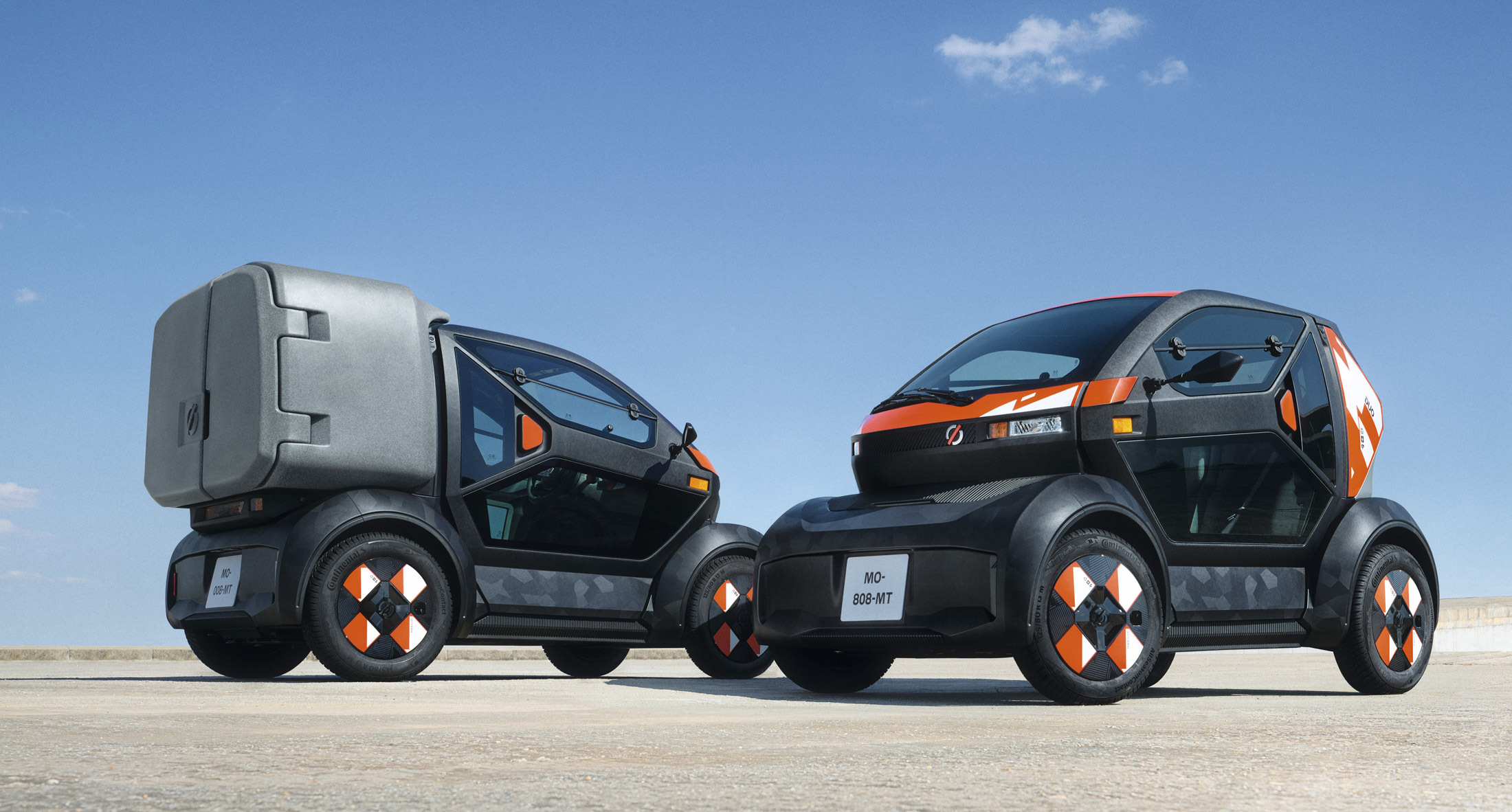
Renault’s chapter in electric micro-mobility might have started with big dreams, but it is ending rather quietly. The French automaker has pulled the plug on the Mobilize Beyond Automotive sub-brand, effectively killing off the Duo and Bento urban EVs before they ever got a chance to succeed in the market.
Mobilize was inaugurated in 2021 to address “opportunities beyond automotive manufacturing”. The company revealed the EZ-1 concept in 2021, which evolved into the Duo and Bento concepts in 2022, and led to the production-spec EVs in 2024.
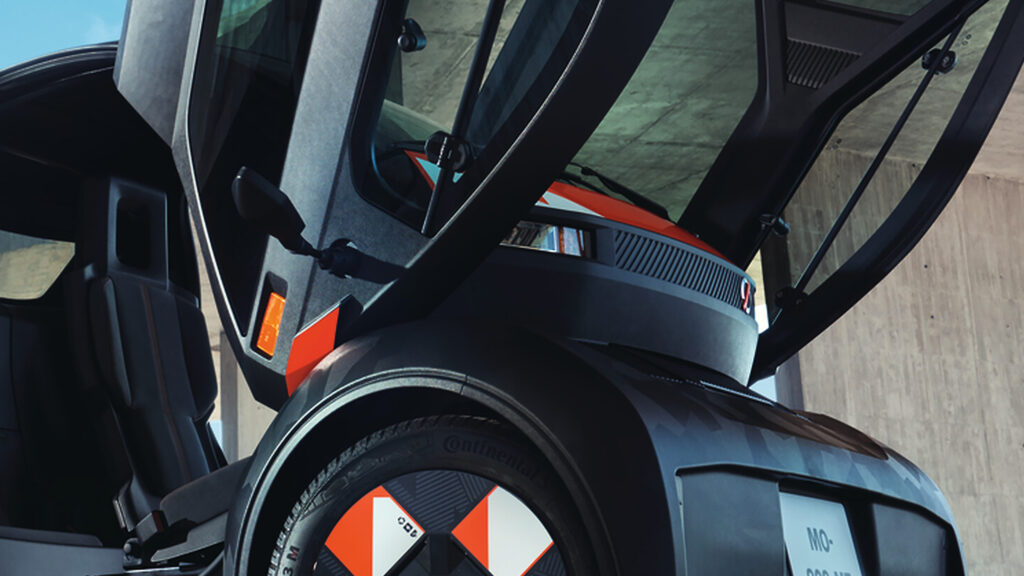
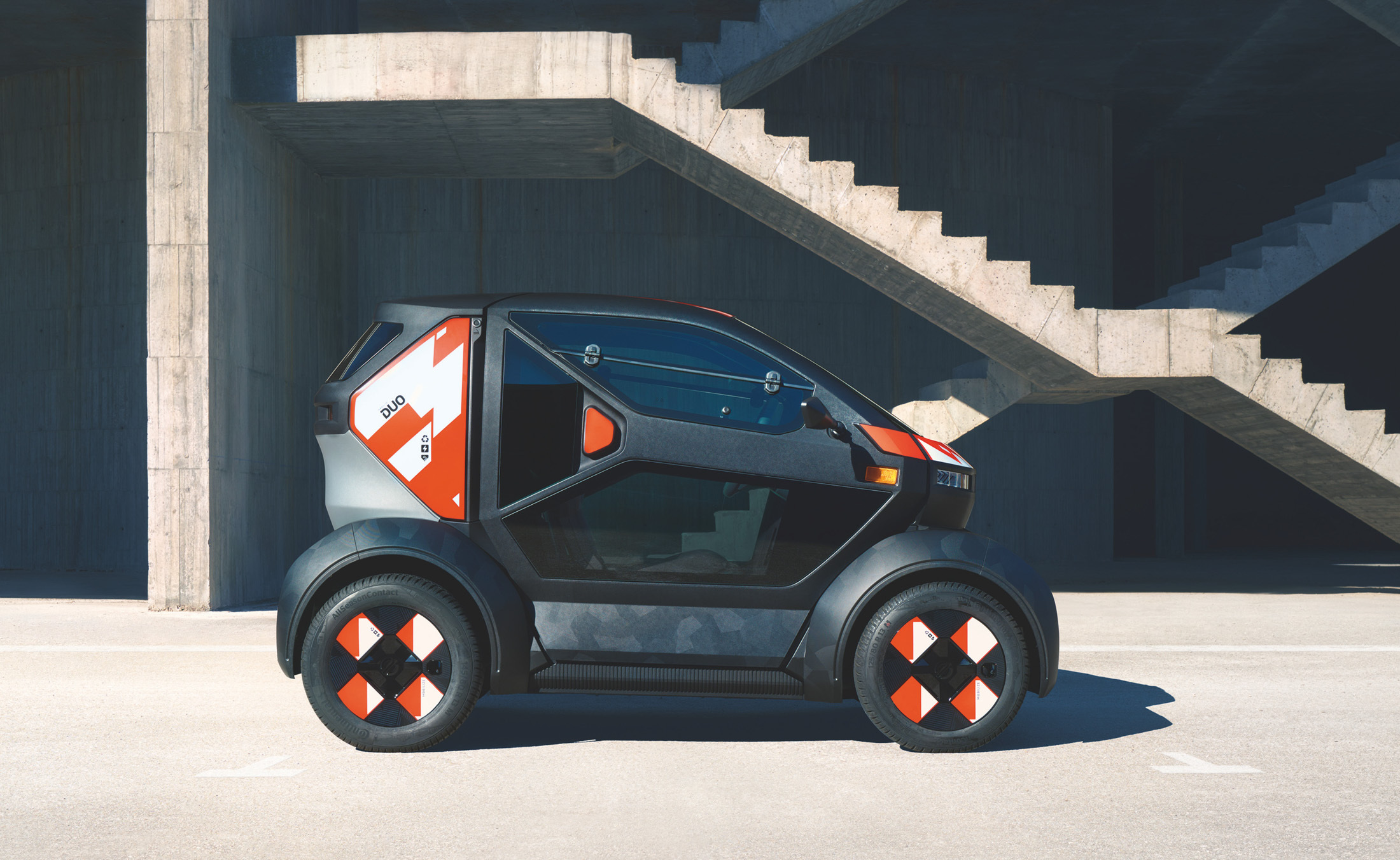
The fully electric heavy quadricycle and its commercial variant featured similar design, character and proportions with the discontinued Renault Twizy that preceded the Citroen Ami, Opel Rocks Electric, and Fiat Topolino rivals. However, the Mobilize-branded models would be offered as part of subscription-based programs instead of traditional ownership.
Just one year after the debut of the production versions and before they even reached the UK market, Renault has formally axed the EVs alongside the entire Mobilize sub-brand which is “no longer a standalone entity”.
This signals the end of the car sharing services in Milan, Italy, with Madrid, Spain set to follow the same course in 2026. According to Renault, the activities that are being discontinued either have “limited profitability prospects” or they “do not directly serve the Group’s strategic priorities”.
Still, not everything is bad news. The electric charging solutions (on site or on the road) remain a priority for the company, as they “help improve customer satisfaction and loyalty” and “support electric vehicle sales”. For this reason, this part of Mobilize will live on integrated within Renault Group’s commercial operations, under the watchful eye of Chief Growth Officer Fabrice Cambolive.
Results of Mobilize’s work until today include over one million charging points accessible to Renault Group drivers across Europe, 100 ultra-fast charging stations in France by the end of 2026, another 100 in Italy, around 90,000 users of the Charge Pass service, and a commercial bi-directional charging (V2G) offer.
Despite the ugly turn, Renault believes that Mobilize “fulfilled its role as an incubator and innovation driver by strengthening the Group’s expertise in new areas, identifying and developing high-potential opportunities, and discontinuing less relevant paths.”
A Ford designer created a Lexus EV concept using AI tools.
Two sketches and prompts led to full photorealistic renderings.
Futuristic design combines supercar lines with hatchback form.
Artificial intelligence is quickly reshaping the way cars are designed, cutting down development time and simplifying once-complex workflows.
Curious to see how far the tech can stretch, one professional designer set himself a challenge: create an entire concept car in a single day, starting with a handful of loose hand-drawn sketches and ending with high-res, photorealistic renderings generated entirely by AI.
The man behind this experiment is Antonin Cohen (@space_sketch on Instagram), a French automotive designer currently working for Ford Europe in Cologne, Germany. Before that role, he was employed by Kia, where he contributed to the design of the pre-facelifted fifth-generation Sportage.
We spoke to Antonin, who admitted to Carscoops that he wasn’t initially a fan of AI, but his perspective shifted after spending some time exploring what the tools could actually do.
The technology allows him to generate strikingly realistic renderings from multiple angles and quickly explore different colors, materials, and environments. It’s a faster way to communicate and assess early concepts without getting dragged into the time-intensive process of building them out manually.
Shaping a Digital Lexus
Antonin Cohen
Cohen put the new technology through its paces on a personal project developed in his own free time, a futuristic, Lexus-badged EV. He started with a pair of quarter-view sketches showing the front and rear of a sleek, low-slung three-door hatchback. From there, AI took over, generating a complete set of visuals based on his creative prompts.
The car takes the form of a compact three-door hatchback with a streamlined, aerodynamic stance. A short nose, paired with a steeply raked supercar-style windshield and low-mounted LED headlights, gives the front end a planted, athletic look.
The side profile sharpens that impression, with prominent fender flares and sculpted intakes that suggest a degree of performance. At the back, there is a glass canopy, slim LED taillights and an aggressive diffuser made of carbon fiber.
Cohen told us he always tries to give his designs an “impactful face”, describing the look of the concept as “a little robotic”. He imagined the C-pillars like arms that hold the volume together, and the rear end as “practical, upright, and solid”.
Details That Sell the Illusion
Antonin Cohen
Even for trained eyes, it is hard to distinguish the AI-made renderings from actual photos. The reflections and the texture of the materials is top notch, while the setup is close to what you’d expect from a professional photographer.
Cohen also generated “behind-the-scenes” images showing AI humans prepping the car for an imaginary press shoot. The concept looks particularly striking in a deep orange shade paired with contrasting black roof, pillars, accents, and wheels.
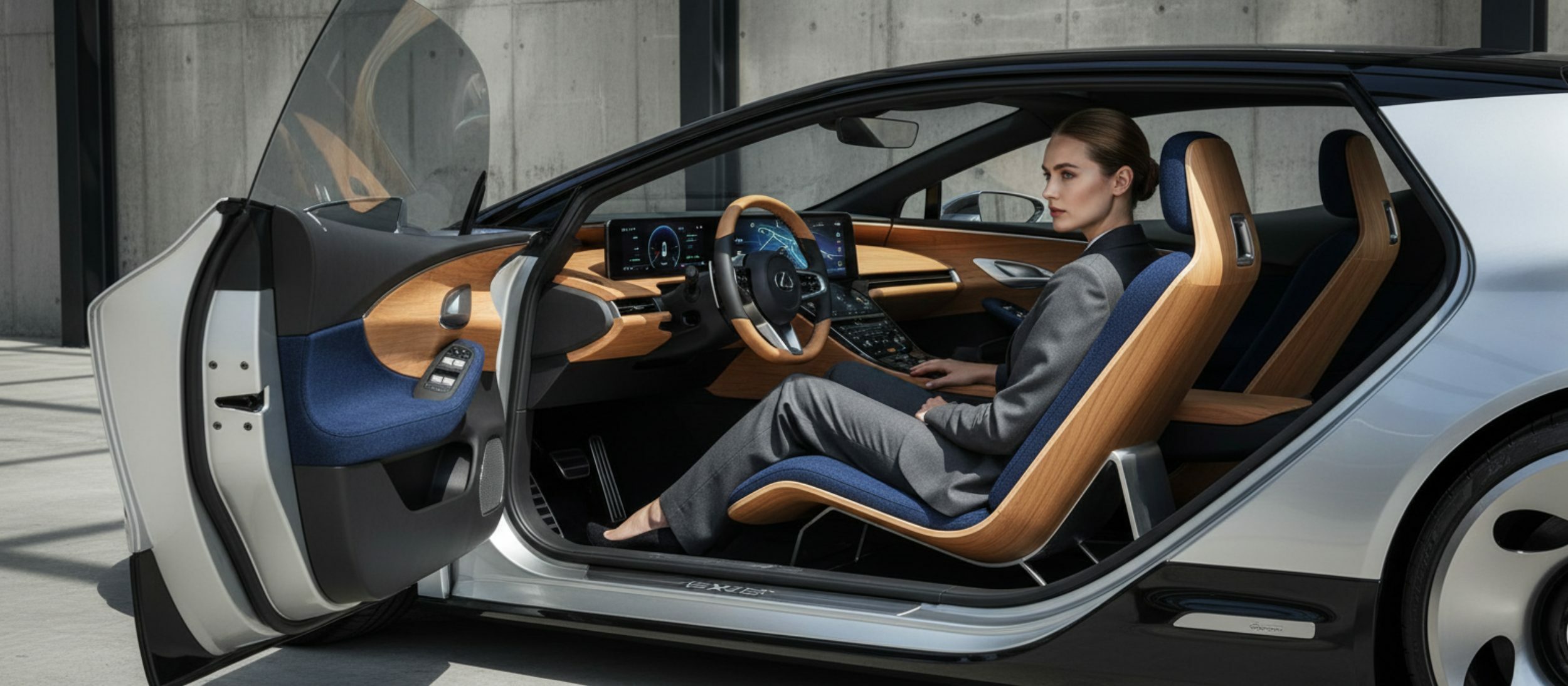
Some images even reveal the interior, featuring a sweeping digital cockpit and angled center console. One version pairs white leather-style materials with minimal trim, while another opts for a more textured feel, combining blue upholstery with wood accents.
The Real Benefit for Designers
The prototype Lexus might be purely digital, but the process behind it highlights how AI tools can support, rather than replace, a designer’s vision. When used thoughtfully, they allow ideas to take shape faster and in greater detail, making it easier to pitch or refine early concepts.
Cohen put it this way: “AI allows us to focus purely on the creative side instead of spending time on rendering. I love illustration work – I’ve done sketches that took me three days – but sometimes you just don’t have that kind of time.”
He also offered a piece of advice to young designers: “No sketch is ever chosen for the quality of its reflections or how many hours you spent drawing the wheels. What really matters are the first few lines, regardless of the technique you use.”
We’d like to thank Antonin Cohen for sharing his project with us.
Average transaction price hovers near $50K with no slowdown.
Affordable cars fade as luxury trucks and SUVs dominate sales.
EV prices soften slightly but rely heavily on rising incentives.
If you were hoping falling interest rates, bigger incentives, or sheer consumer exhaustion might finally drag new-car prices back to Earth, number-crunching industry experts have some bad news.
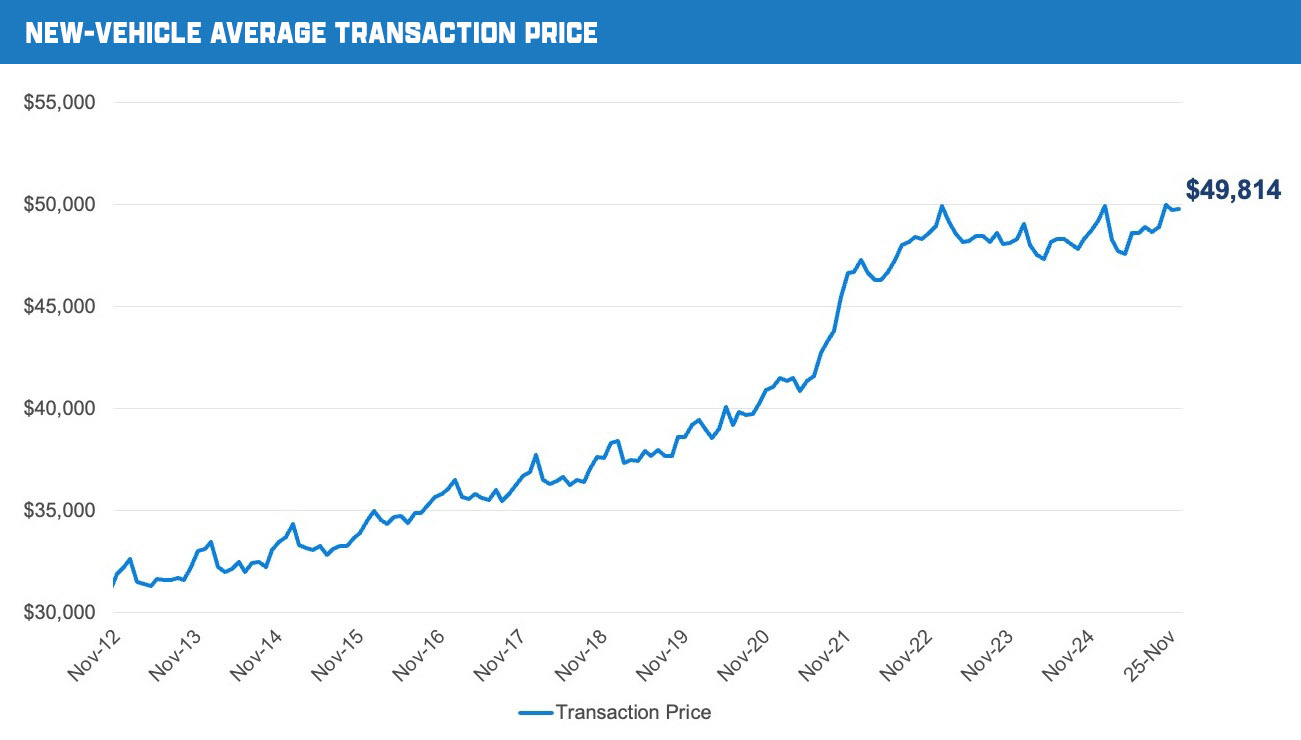
According to the latest Kelley Blue Book data, the average transaction price of a new vehicle in the US hit $49,814 in November, and it’s showing no real sign of dropping.
That figure is up 1.3 percent year over year and effectively unchanged from October, suggesting the industry has settled into a comfortable rhythm where fifty grand is the new normal.
Cox Automotive says prices usually peak in December, meaning the holiday season could push things even higher as buyers gravitate toward well-optioned trucks, luxury SUVs, and vehicles that require six figures of income and very little financial anxiety.
Fewer Incentives
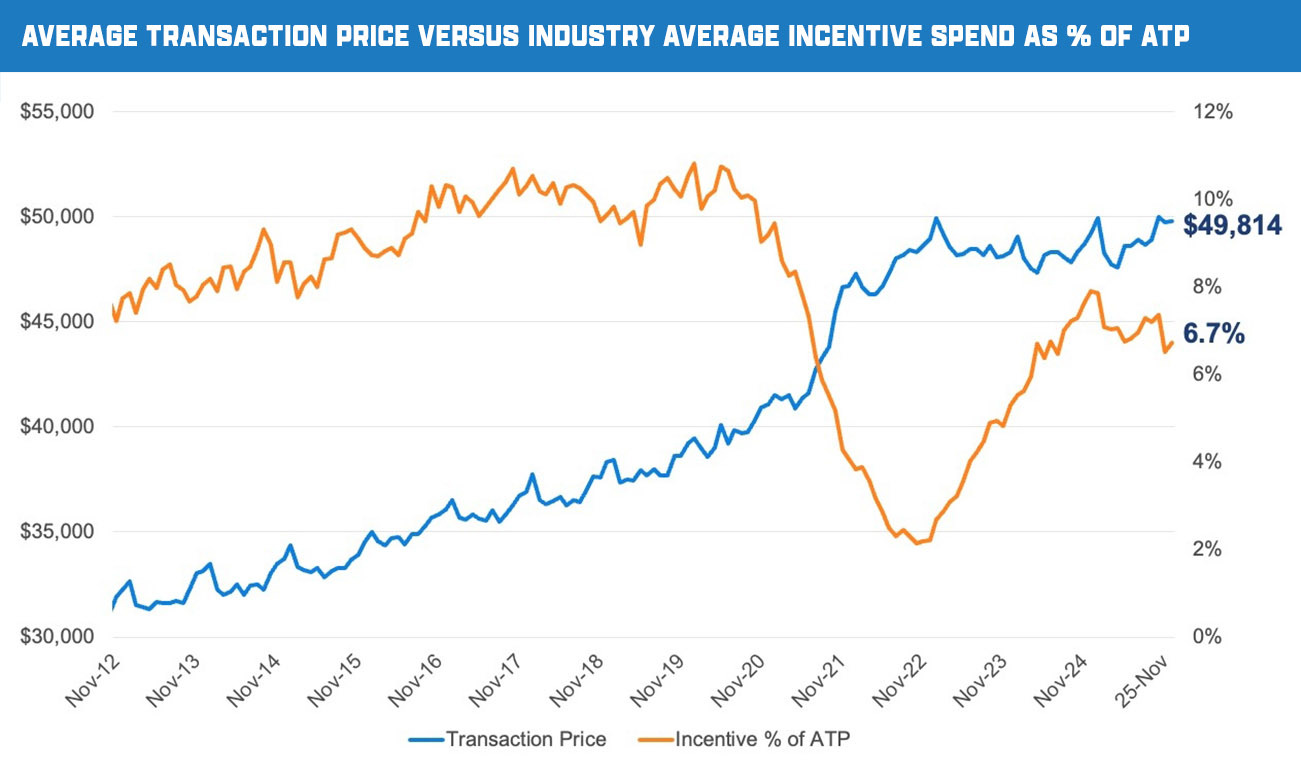
Incentives are still around, but they are not doing the heavy lifting they once did. In November, incentives averaged 6.7 percent of average transaction prices, down from nearly 8 percent a year ago.
Automakers simply do not need to discount aggressively when buyers keep selecting expensive trims with panoramic roofs, giant screens, and fancy wheels.
The data makes one thing clear. Cheap cars are disappearing from the sales mix. Vehicles with MSRPs under $30,000 accounted for just 7.5 percent of November sales, down sharply from 10.3 percent a year earlier.
Meanwhile, more than one in 10 vehicles sold cost over $75,000. The most popular sub-$30K survivors remain familiar names like the Toyota Corolla, Chevrolet Trax, and Hyundai Elantra, clinging on like endangered species.
While transaction prices may have leveled off for now, average MSRPs, commonly known as the asking price, are still inching upward, reaching $51,986 in November. That marks a 1.7 percent increase over last year.
Blame Pricey Trucks
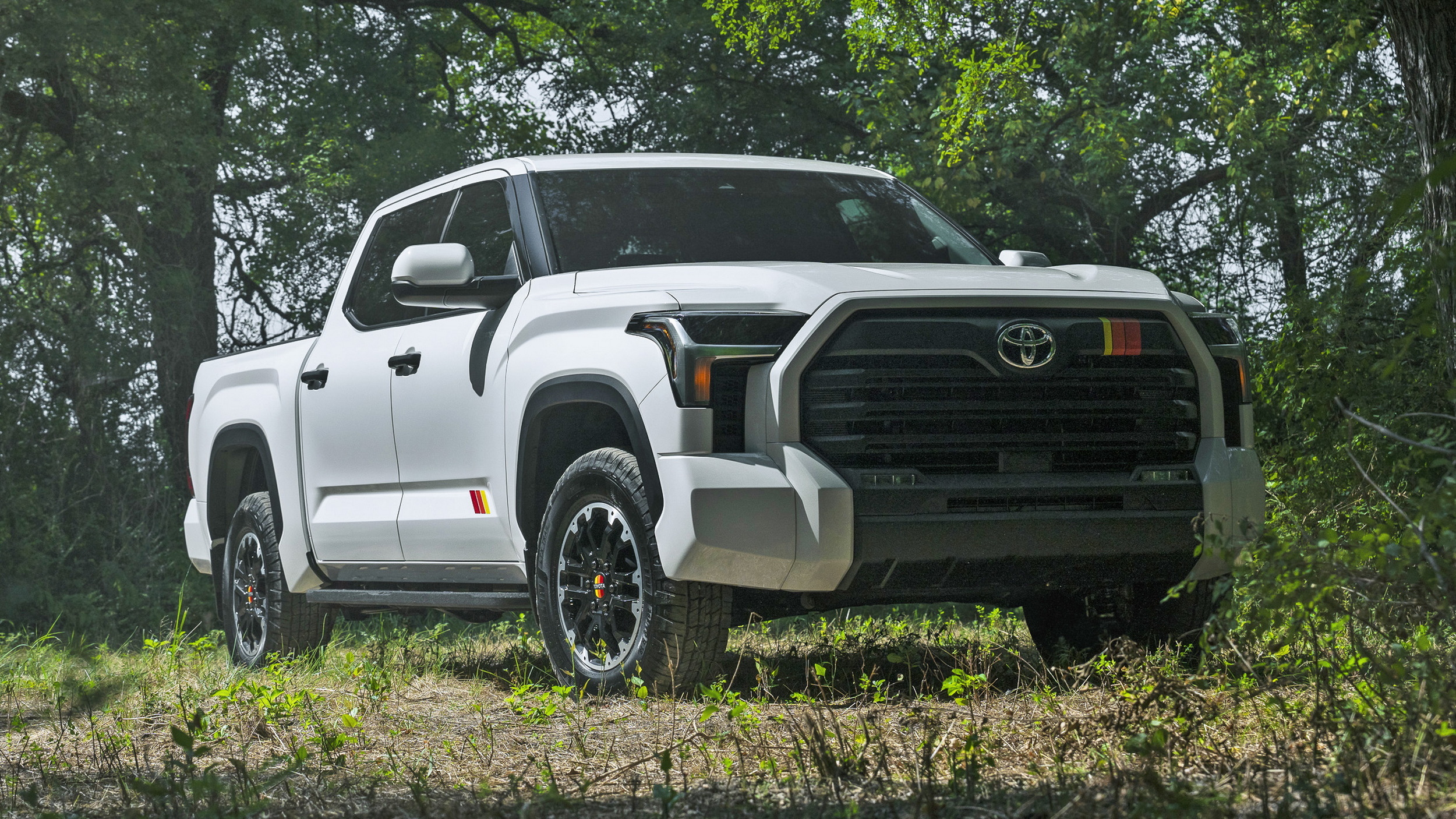
Trucks continue to be a major contributor to price inflation. Full-size pickups now average more than $70,000 for the third month in a row and accounted for over 14 percent of all sales in November, with nearly 183,000 units delivered. That helps explain why the industry average keeps floating upward even when compact and midsize segments remain relatively stable.
Electric vehicles add another twist. The average EV transaction price fell slightly month over month to $58,638, but remains up 3.7 percent year over year. Incentives jumped to over 13 percent of prices as sales softened again, dropping more than 40 percent compared with last year.
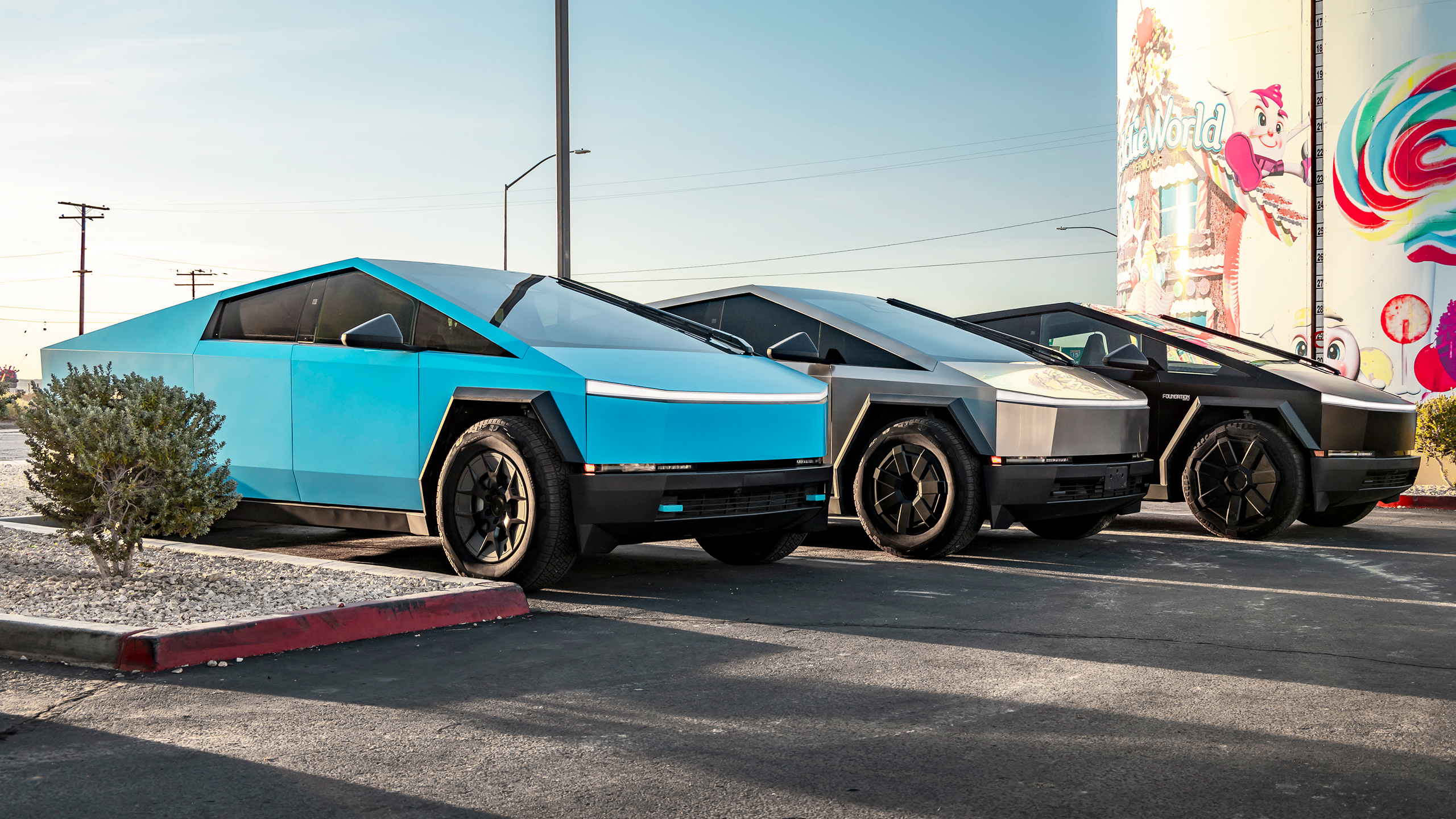
Tesla’s average transaction price rose to $54,310 in November, even as sales fell 22.7% year over year, largely due to sharp declines in Model 3 demand. Prices for the Model Y, the best-selling EV in the U.S., edged up slightly. Cybertruck sales fell to 1,194 units, their lowest monthly total of 2025, though its average price rose to $94,254.
Who’s Really to Blame?
According to Cox Automotive Executive Analyst Erin Keating, today’s prices aren’t just the result of inflation or supply hangovers, but they reflect what consumers are choosing to buy.
“It’s important to remember that the KBB ATP reflects what consumers choose to buy, not what’s available,” she explained.
“Many new-car buyers today are in their peak earning years and are less price-sensitive, opting for vehicles at the higher end of the market to get the features and experiences they value most. In November, sales of vehicles priced above $75,000 outpaced those below $30,000, underscoring this preference for premium products” Keating added.
The takeaway is simple. Prices are high because buyers keep buying high. Until that changes, the average US driveway will continue to look alarmingly expensive.
We just have to hope the trend doesn’t discourage automakers from developing and building the more affordable models that less affluent Americans still need.
Next generation BMW X7 appears in new spy shots ahead of 2027.
Split headlights stay but the large SUV gets redesigned bodywork.
Gas hybrid and electric powertrains will all be offered globally.
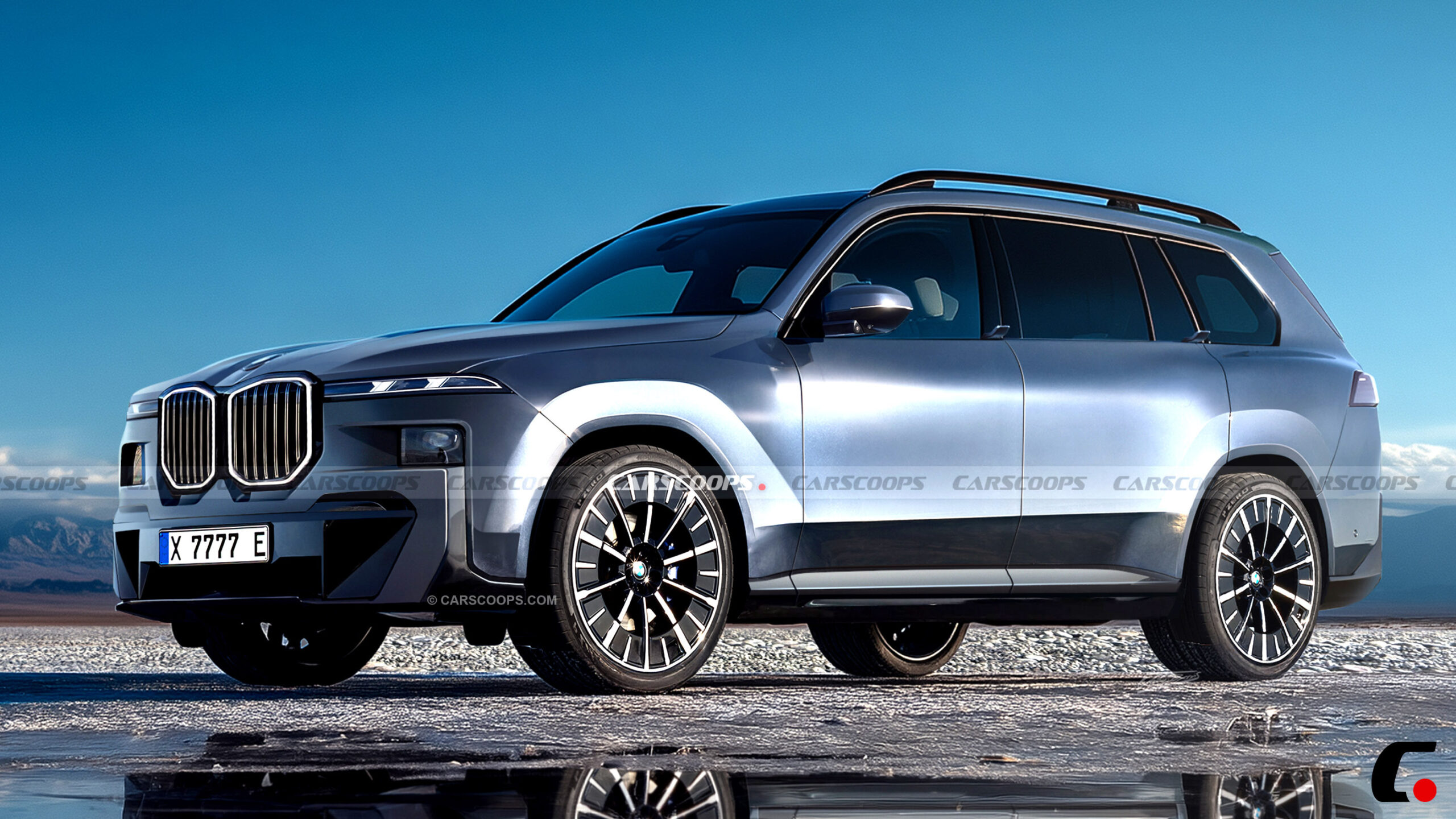
BMW engineers are burning the midnight oil to prepare a wave of 40 new or refreshed “Neue Klasse” models by the close of 2027. Among them is the next-generation X7, recently caught in fresh spy shots out of Germany.
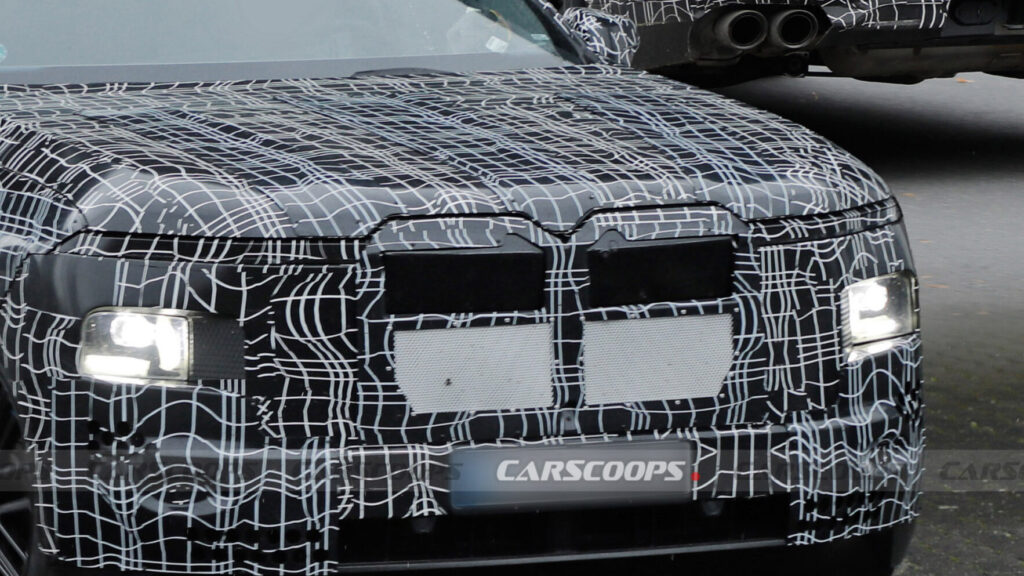
At first glance, the camouflaged prototype might pass for a routine facelift, but the changes run far deeper, pointing clearly to a full generational shift. The current X7, launched in 2018, already underwent a mid-cycle refresh in 2022, so this next step arrives on schedule.
Unlike other Neue Klasse entries, the X7 will keep its distinctive split LED headlight setup, now framing what appears to be an even larger kidney grille. The headlights themselves are smaller and sit lower on a redesigned bumper that features more squared-off intakes.
In profile, the new X7 adopts cleaner surfacing along its pronounced fenders, and the conventional door handles give way to slim fins that likely improve aero. The glasshouse remains largely familiar, although the D-pillar looks set to adopt a more pronounced take on the Hofmeister kink.
Baldauf
At the rear, heavy camouflage hides the design, and the prototype still wears placeholder taillights. These will almost certainly be swapped for full-width units in production, borrowing cues from the smaller iX3 Neue Klasse and what’s coming for the next X5 and iX5.
Tech Upgrades and Interior Overhaul
Inside, BMW is expected to introduce the Panoramic Vision display, running across the base of the windshield. It will be joined by a larger central touchscreen, an upgraded AI assistant, and a new-look steering wheel with a more concept-like aesthetic.
Processing capabilities will get a serious upgrade courtesy of BMW’s new “Superbrains,” the central computing architecture that acts as the vehicle’s digital backbone.
The X7 will continue offering a seven-seat, three-row layout, one of the key factors setting it apart from other BMW SUVs and placing it in direct competition with the Mercedes-Benz GLS and Volvo’s EX90 and XC90.
Electric and Gasoline Together
Baldauf
The latest prototype spotted on the road features quad round tailpipes and sits on sizable alloy wheels, pointing to a mild-hybrid V8 powertrain, likely in an M-badged variant. That said, earlier prototypes confirmed that the new generation will also include a fully electric iX7 model for the first time.
In contrast to BMW’s smaller models, where combustion and electric variants ride on separate platforms, the X7 and iX7 will share the same architecture. This will reportedly be a development of the current CLAR platform, adjusted to support both traditional and EV setups.
BMW hasn’t locked in a release date for the next X7 and iX7, but the roadmap suggests a 2027 launch. Both models will be built in BMW’s Spartanburg plant in South Carolina, alongside the X3, X5, X6, XM, and a brand-new rugged SUV aimed squarely at the Mercedes G-Class.
Below, you’ll find a speculative rendering of the next-generation X7, created by our own Josh Byrnes.
New study shows rising demand for combustion-powered vehicles.
Fewer shoppers are considering battery-electric options today.
Interest in hybrid models is slipping alongside EV enthusiasm.
The auto industry’s pivot to electric vehicles was never expected to be seamless, but a recent shift in buyer sentiment suggests the transition may be hitting more resistance than anticipated. According to a new study, a growing number of car shoppers are once again leaning toward combustion engines, reversing some of the momentum EVs had built in recent years.
A report from professional services firm EY indicates that EV adoption is slowing worldwide, in part due to shifting policies like those recently enacted in the United States.
Among consumers planning to buy a new or used vehicle within the next 24 months, about half now say they intend to purchase one powered by a combustion engine. That marks a 13 percent jump from the previous year, a sharp turn in consumer preference.
Declining Appetite for Electrics and Hybrids
That’s not the only surprising conclusion from this study. EY’s report also notes that the preference among new and used car buyers to buy a battery-electric vehicle has dropped by 10 percent, landing at just 14 percent overall.
The picture for hybrid models isn’t much brighter. Interest in those models has dipped by 5 percent, now sitting at 16 percent. And among those still considering an EV, more than a third, or 36 percent, say they’re either rethinking their decision entirely or planning to delay their purchase, citing geopolitical developments as a major factor.
It’s possible that this trend could continue. Less than a year into President Trump’s second term, several policy changes have already been implemented that are more favorable to internal combustion engine vehicles. These measures are expected to influence both consumer behavior and manufacturer output in the coming years.
Policy Reversals Take Hold
Earlier this month, he officially rolled back CAFE standards, opening the door for car manufacturers to build more combustion models. Automakers argue this aligns with actual consumer demand, claiming Americans still largely prefer these vehicles over their electric counterparts.
Europe is seeing a similar recalibration. Two years ago, the European Union announced plans to effectively ban the sale of new combustion vehicles by 2035.
However, this ban appears increasingly likely to be relaxed, opening the door for hybrid models, and combustion-engine cars using e-fuels to be sold beyond 2035. This will no doubt have a significant impact on EV sales throughout the region.
Each forged wheel has a 3,196 lbs load capacity rating.
A curb-protecting aluminum ring can be replaced easily.
The wheel matches Tesla’s Core wheel in aerodynamics.
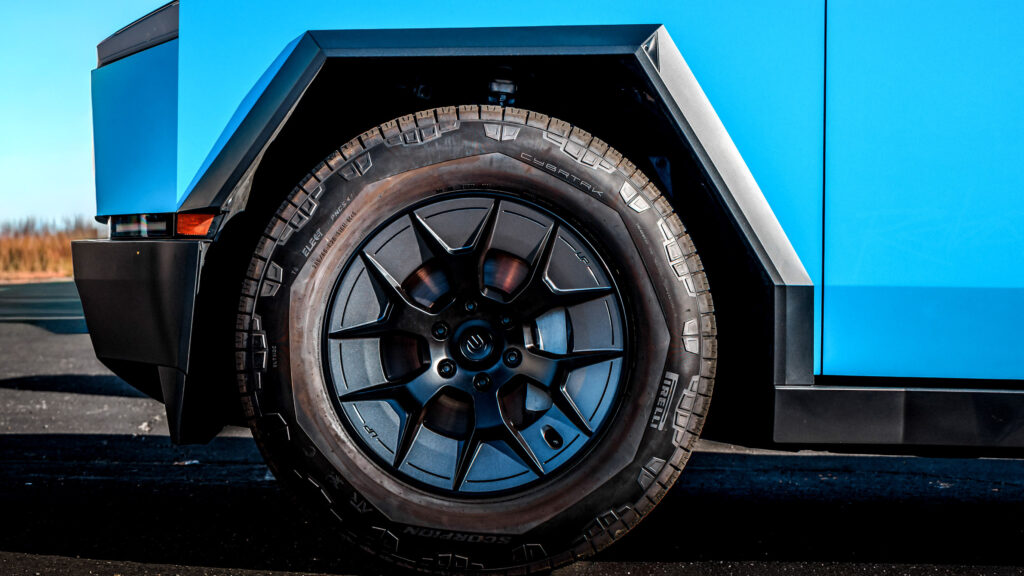
Unplugged Performance has never been shy about making bold claims, but this one caught attention even by their standards: earlier this year, the company declared its Road Warrior wheels for the Tesla Model 3 and Model Y to be the “world’s first indestructible wheel.”
Now, it’s aiming even higher with an even stronger version of the same concept, this time developed specifically for the Tesla Cybertruck.
While the original Road Warrior was already beefy, the updated Cybertruck-ready Forged UP-RW wheel steps things up with a significantly higher load rating. The Model 3 and Y variant of the wheel is rated at 950 kg (2,094 lbs), but this Cybertruck version is engineered to handle up to 1,450 kg (3,196 lbs)
According to Unplugged Performance, this wheel offers better resistance to “bending, cracking, and fatigue” than the current wheel, although it doesn’t make the same “indestructible” claim as it did earlier this year.
The design of the wheel may not be to everyone’s liking, but it does have a feature that we’re sure many will appreciate. Each wheel features a replaceable aluminum curb-guard ring designed to take any damage from parking mishaps.
Even better, that guard can be swapped out without removing the tire. So if you do scrape it, there’s no need to pay for a full wheel repair or replacement. For anyone who’s wrestled a low-profile tire off a rim, that convenience alone might be reason enough to consider the upgrade.
The California-based tuner also says its Road Warrior wheel for the Cybertruck is on par with Tesla’s available Core wheel when it comes to aerodynamics, performs better than the standard Cyberwheel, and is designed to fit the standard 20-inch Cybertruck tires.
For any Cybertruck owners out there who take their electric pickup off-roading, or simply those looking for something to help their Tesla stand out, these wheels may suit.
That said, the options list is short. The Road Warrior is currently only available in one finish: black spokes with a gray curb guard. Whether that works for you will depend on taste, but some buyers will surely wish for more variety.
As for the price, it’s not exactly a budget choice. A full set of 20-inch wheels will cost $3,195. Still, in the context of forged wheels, particularly those rated for a 1,450-kg load, it falls within expected territory. For some, the mix of utility, design, and spec could be worth it.
SK On takes over Tennessee plant as Ford gets two in Kentucky.
Trump administration will cut a loan up to $9.6 billion total.
Ford CEO says U.S. EV sales could fall by as much as 50 percent.
In 2021, Ford and South Korean battery manufacturer SK On committed to a massive $11.4 billion investment aimed at building several joint-venture electric vehicle battery plants across the United States. It was a huge business decision that showed Ford’s commitment to the EV market.
That was then. As 2025 winds down, the two companies are pulling the plug on the battery partnership altogether, a sharp turn that underscores how turbulent the EV landscape has become.
The move follows two key developments. First, the rollback of the federal EV tax credit, which has hit sales across the board. Second, the U.S. administration’s recent decision to revise fuel economy standards, a move expected to favor gasoline-powered vehicles over electric ones.
Disruption in the Battery Game
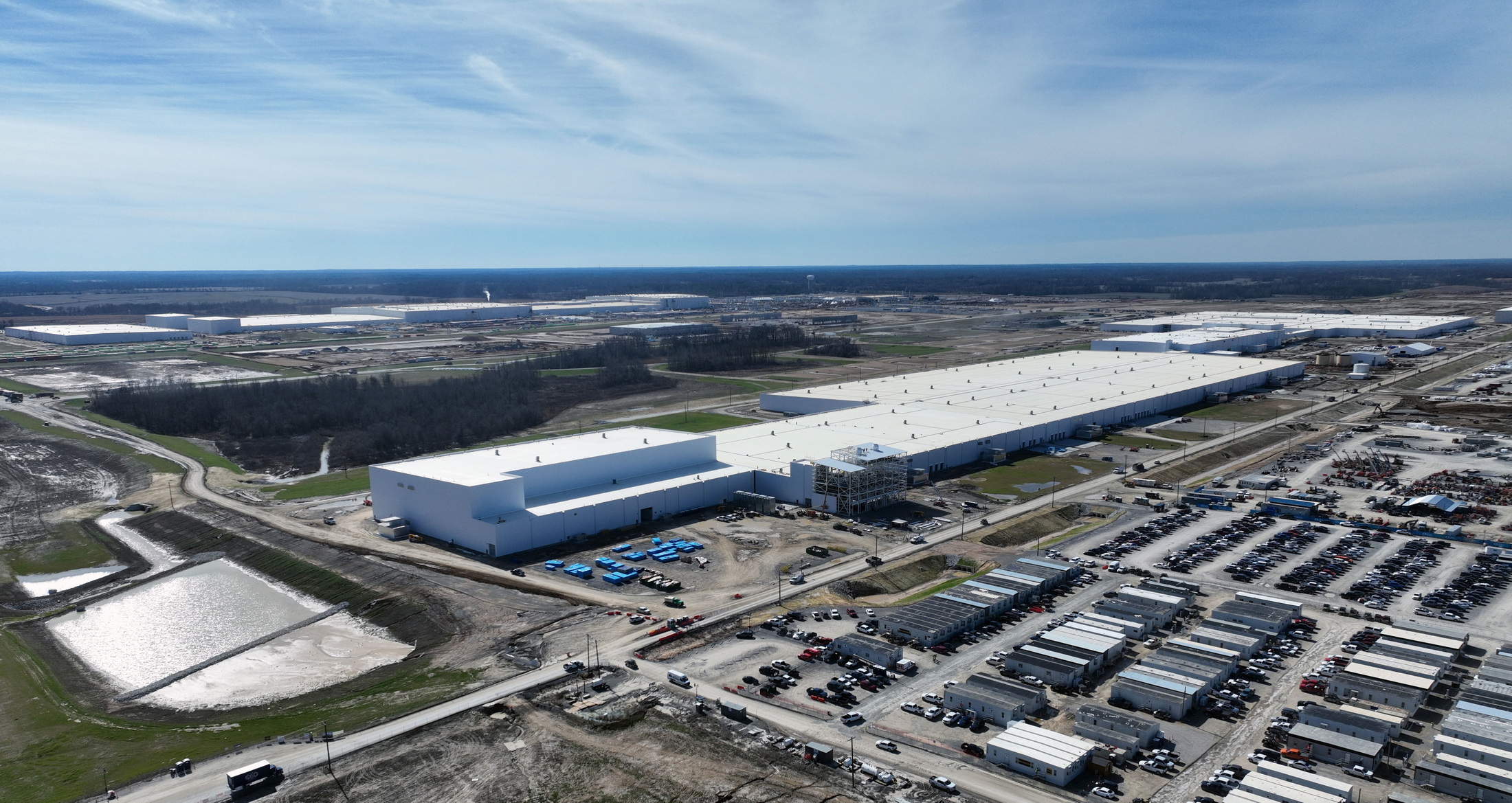
Through the high-profile breakup, SK On will take over the joint venture factory that’s already been established in Tennessee, known as the BlueOval plant. Ford will then take control of two factories in Kentucky located next to each other.
SK On was the one to formally dissolve the partnership, although the company maintains that it intends to continue working with Ford around the Tennessee facility.
It believes that ending the joint venture will allow it to enhance productivity and improve operational flexibility. Additionally, it notes the split will allow it to accelerate its North American energy storage system business.
One of the more immediate consequences of the split is a reassessment of a government loan approved near the end of the Biden administration. Originally pegged at up to $9.6 billion for the joint venture, the loan will now be reduced under the Trump administration’s oversight.
Exactly how much it will be cut remains to be seen. According to Bloomberg, the loan will be restructured to “reduce exposure to taxpayers and ensure its prompt repayment.”
It’s understood that Ford is working voluntarily with the Energy Department to repay the loan more quickly than originally planned.
Bleak Outlook for EV Sales
In the background, Ford’s local EV sales are falling, and chief executive Jim Farley expects further carnage. He recently said that because of the Trump administration, EV sales could fall by as much as 50 percent in the US.
Ford also lost $5.1 billion before interest and taxes on its EV business in 2024 and expects to lose even more this year.
“We believe the writing was on the wall this partnership was not going to work moving forward,” WedBush securities managing director Dan Ives told the Detroit Free Press.
“Ford has to make some difficult moves and this was a smart strategic one to rip the band-aid off. The EV market is dramatically scaled down for Ford now and they have to adjust accordingly.”
BMW M’s next generation will lean heavily into electrification.
Dirk Hacker retires after 37 years as BMW M’s development boss.
The brand’s future lineup includes an all-electric version of the M3.
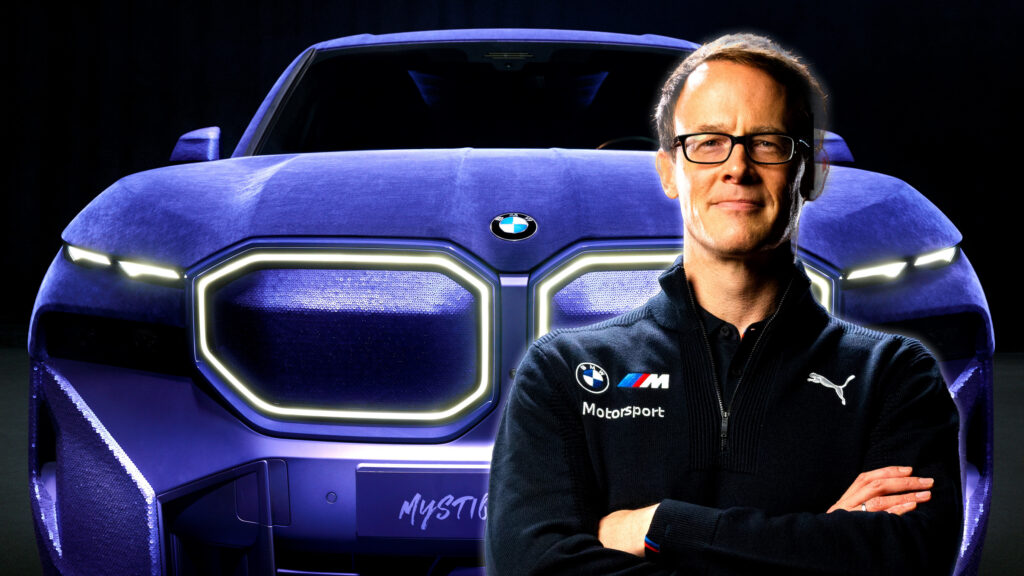
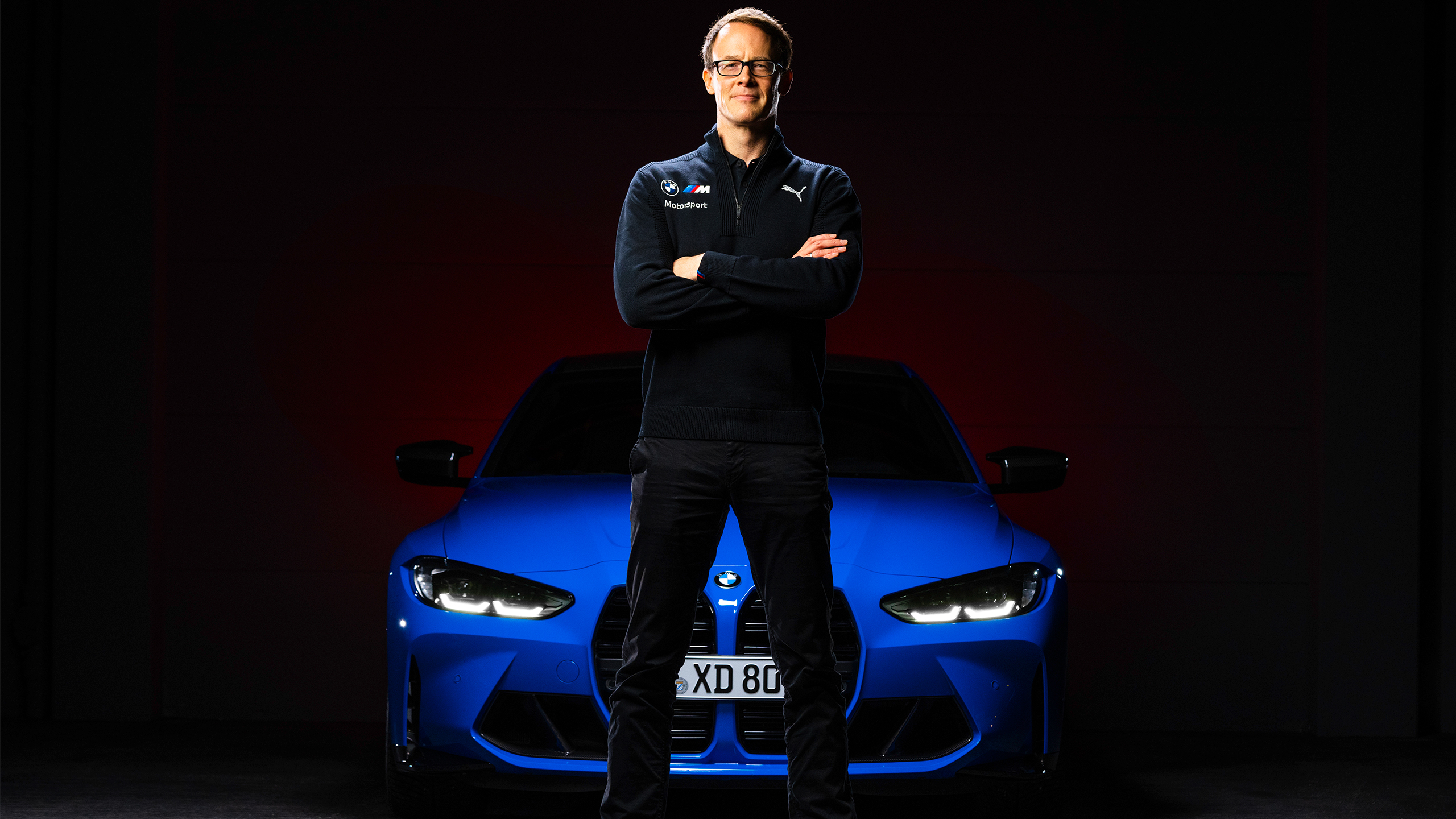
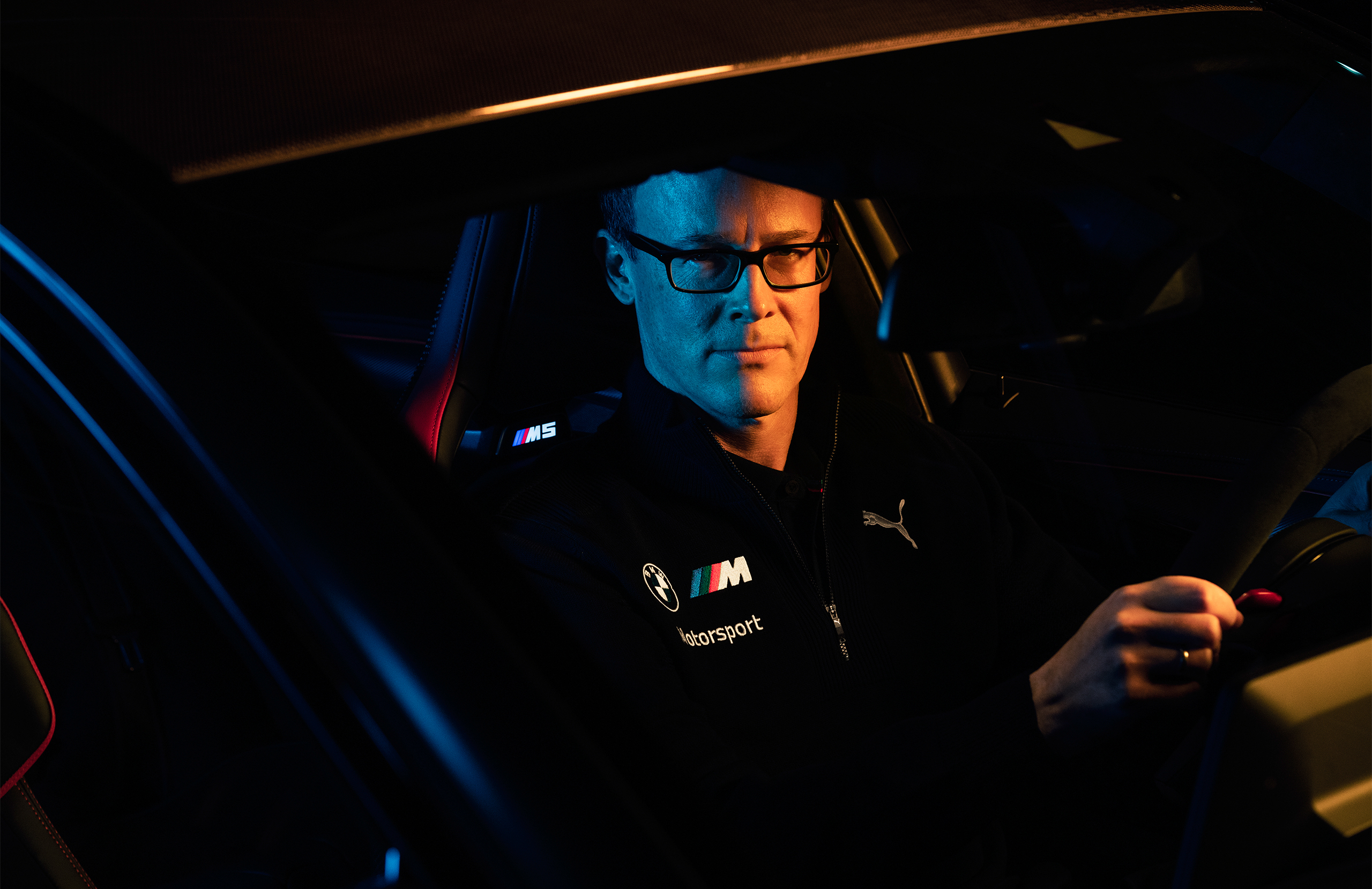
As BMW prepares for a significant leadership change at the very top of the pyramid, a key shift is also happening within its high-performance division. Just days after the company confirmed that Milan Nedeljkovic will succeed Oliver Zipse as CEO next year, BMW M has named a new head of development.
Stepping into the role is Alexander Karajlovic, best known for overseeing one of M’s most polarizing recent projects, the BMW XM SUV.
Karajlovic’s track record within BMW includes a range of roles that place him squarely in the performance and SUV space. Between November 2017 and 2020, he led development for BMW’s X derivatives and served as project manager for the XM, the M division’s first standalone model since the M1 in 1978, and arguably one of its most divisive to date.
He also served as vice president for the BMW M Product Line for two years, before heading back to the broader BMW group and worked in the areas of Requirements, Concepts, and Driving Experience Integration.
He now steps in for Dirk Hacker, a veteran who’s been with the BMW Group for 37 years and spent the last 11 of those at BMW M. Hacker has led development since 2015, a tenure that included not only technical oversight but hands-on involvement as a driving instructor with BMW’s Driving Experience program. The last model launched under his direction was the new M5 Touring.
“Dirk Hacker’s departure sees the long-term Head of Development at BMW M GmbH bow out to start his well-earned retirement,” BMW M chief executive Franciscus van Meel said. “His name is inextricably linked with an unprecedented product offensive, superior product quality and yearly sales records at BMW M.”
BMW M’s Future Plans
Karajlovic takes over at a time of transition, as the M brand begins laying groundwork for its next-generation lineup. Among the most closely watched projects is the upcoming M3, which is being developed in both all-electric and twin-turbo six-cylinder versions.
The fully electric model, a major technical shift for the badge, is expected to feature four electric motors and deliver upwards of 700 hp, a configuration that will likely spark no shortage of conversation among fans and skeptics alike.
Renault admits it could build a hybrid-powered RS model again.
The new Clio is seen as a prime candidate for RS revival.
RS brand was officially axed in favor of Alpine performance.
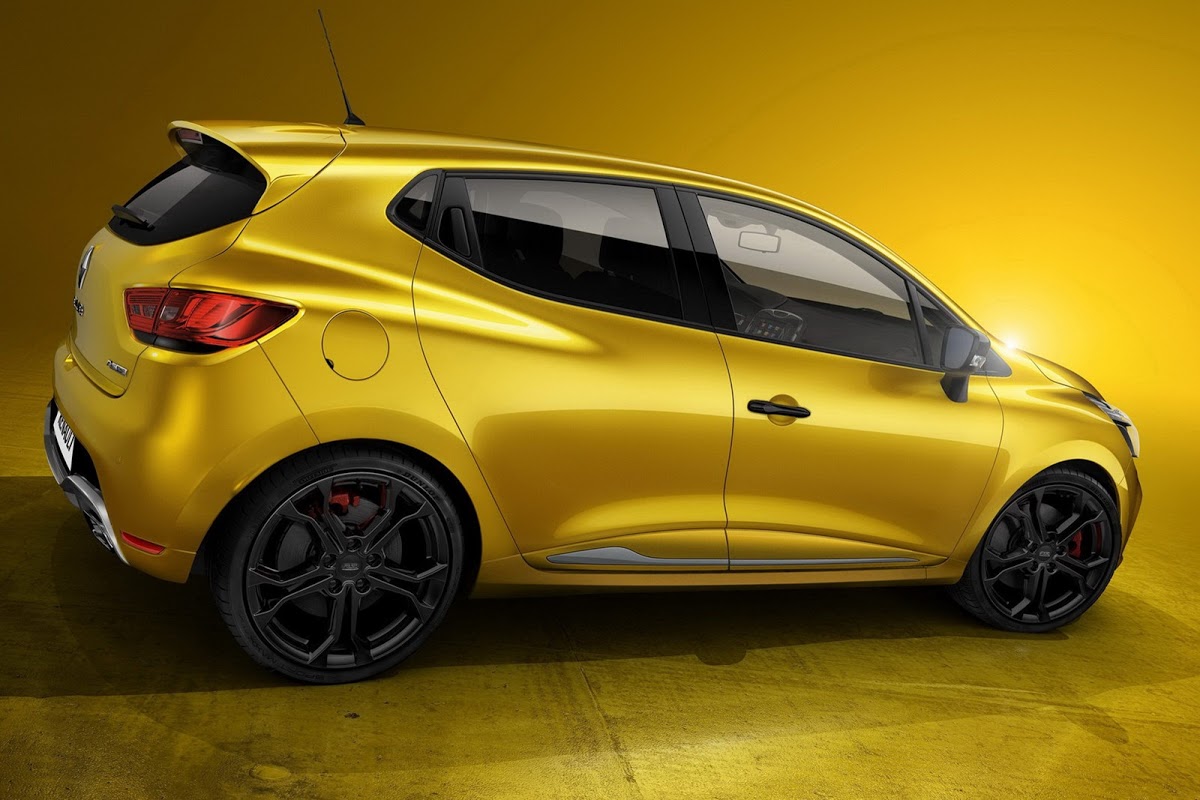
Renault may have wound down its RenaultSport division a little too soon. The decision to pull the plug on sporty models like the Megane RS and Clio RS wasn’t exactly met with cheers, and now there’s a hint it might not be permanent.
According to Renault’s global sales and operations director, Bruno Vanel, if there’s enough public appetite for a return, the RS badge could make a comeback.
While recently speaking with Auto Express, Vanel confirmed that Renault has the technical resources on hand to resurrect a performance model, most likely in the shape of a new Clio RS. The brand’s existing portfolio of electric and high-power hybrid powertrains, he explained, includes hardware well-suited to a modern hot hatch.
Even though we’re sure many Renault enthusiasts would also love to see the Megane RS stage a comeback, that seems far more unlikely now that the Megane has morphed into an all-electric crossover.
In contrast, the new-generation Clio, unveiled just a few months ago, offers a more fitting foundation. The sixth-gen model arrived with a more aggressive design and enough visual punch to imagine it in RS trim. And crucially, it remains a hatchback.
“The good news is that we have the know-how internally to make such a car [a Clio RS],” Vanel told the magazine. “We also have hybrid powertrains; solutions to get high power with low CO2 emissions. This is really important now that we are more and more challenged on CO2.”
Vanel added that while there is no immediate plan to bring back the RenaultSport brand “for now,” he said that with enough interest, “maybe [Renault] can reconsider. We’ll wait a couple of months, and then we’ll think about it,” he added.
If Renault were to greenlight an RS version of the new Clio, it would most likely build on the current car’s hybrid system. In its range-topping E-Tech form, the Clio combines a 1.8-liter engine with an electric motor to produce 158 hp.
With some tuning, if that figure was lifted closer to 220 hp, it would position the Clio RS firmly into small hot hatch territory, largely matching the previous-generation on performance.
Classic VW Beetle hides Tesla motor and Porsche battery power.
Built by Knepper Bugs & More after rescuing it from a junkyard.
Over 600 hp and 2.9s 0–62 mph make it supercar-shaming fast.
Electric power has opened up a new world of possibilities for tuners, letting them stuff serious performance into cars that were never designed for big engines in the first place.
Take this unassuming classic VW Beetle, for example. While it still looks like something you’d see puttering through a sleepy village, it’s packing the kind of firepower that will put a modern supercar on edge.
Built by Knepper Bugs & More in Germany, this VW Beetle was originally discovered rotting in a California salvage yard. Knepper bought the car and shipped it home, then began the long process of rebuilding it, ripping out the original powertrain in favor of something much more powerful, and more fitting of the times.
A Classic with a Modern Heart
Knepper Bugs & More
The motor now driving the Beetle is the same unit found on the rear axle of a Tesla Model S. However, it’s been modified to run at a higher voltage, which boosts output to more than 600 horsepower and 516 lb-ft (700 Nm) of torque. That’s not a misprint. This thing has nearly triple the power of some modern hot hatches.
Power delivery is handled by a set of Porsche 930 drive shafts, while energy comes from 17 battery modules sourced from a Porsche Taycan. It’s a Frankenstein’s monster of high-end EV tech, all crammed into a car originally designed to max out around 50 horsepower.
There’s no word on how much weight the electric conversion has added, but it has turned this Beetle into an absolute weapon.
According to Knepper, it takes just 2.9 seconds for the Beetle to hit 100 km/h (62 mph). That’s deep into supercar territory, for those keeping score. The new Lamborghini Temerario, armed with a twin-turbo V8 hybrid setup, does the same sprint in 2.7 seconds. The latest Porsche 911 GT3? It needs 3.4 seconds, which means it’ll be shrinking fast in the Beetle’s rearview mirror.
On a full charge, it can travel about 250 kilometers (155 miles). Drive it like it was built to be driven, and range drops to closer to 100 kilometers (62 miles). Not that anyone will be counting.
To help it cope with the massive performance bump, much of the suspension and braking hardware has been lifted from Porsche 944s. There are also several parts from KW and Bilstein to ensure the VW is capable of handling all of its extra grunt.
It’s Not Just the Powertrain
Knepper Bugs & More
Extensive work has been done to the exterior of the Beetle, and it’s now finished in a lovely shade of Marathon Blue. It also sits on classic Porsche wheels and the ride height has been lowered, giving it a more aggressive stance on the road.
There’s also a small carbon fiber spoiler, but nothing else to suggest that this Bug is packing nearly as much power as a Lamborghini Huracan.
The cabin remains impressively simple. It retains the original gauge cluster and dashboard, now refinished but still true to the car’s roots, and has been fitted with a pair of Recaro seats sourced from a BMW 2002. The old shifter has also been replaced with a small digital touchscreen to select the appropriate gear.
Eager to show how well-built the car is, Knepper’s found took it on an 8,000 km (~5,000 km) journey earlier this year through Belgium, France, Spain, Portugal, Luxembourg, and even across the Strait of Gibraltar to North Africa.
Volkswagen is exploring new range-extended EVs for future models.
The setup could power upcoming sedans and crossover offerings.
Range-extenders may debut within Volkswagen’s next EV architecture.
Volkswagen had high hopes for EVs as the company pivoted in the wake of the Dieselgate scandal. The ID.4 marked a solid start, but things quickly went wrong from there.
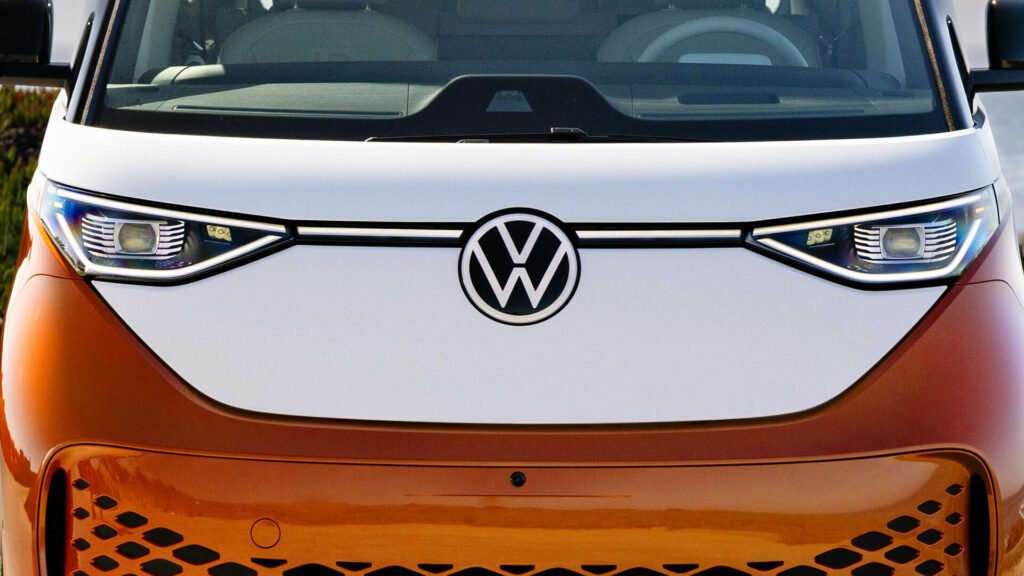
Plans to sell the ID.7 in America were abandoned, while the ID. Buzz failed to live up to expectations. As a result, huge markups have now given way to discounts of nearly $20,000.
The company is now said to be considering offering range-extended powertrains in sedans and crossovers for Europe and the United States. The discussions are reportedly part of a larger conversation as the automaker is preparing a new five-year investment plan.
Bloomberg reports the details of these investments will be announced in March of next year. That’s a ways off, but a spokesperson told the publication they’re “monitoring market developments and has reserved the range extender concept for its future EV platform.”
They added that consumer demand will ultimately determine when and where range-extended vehicles are offered.
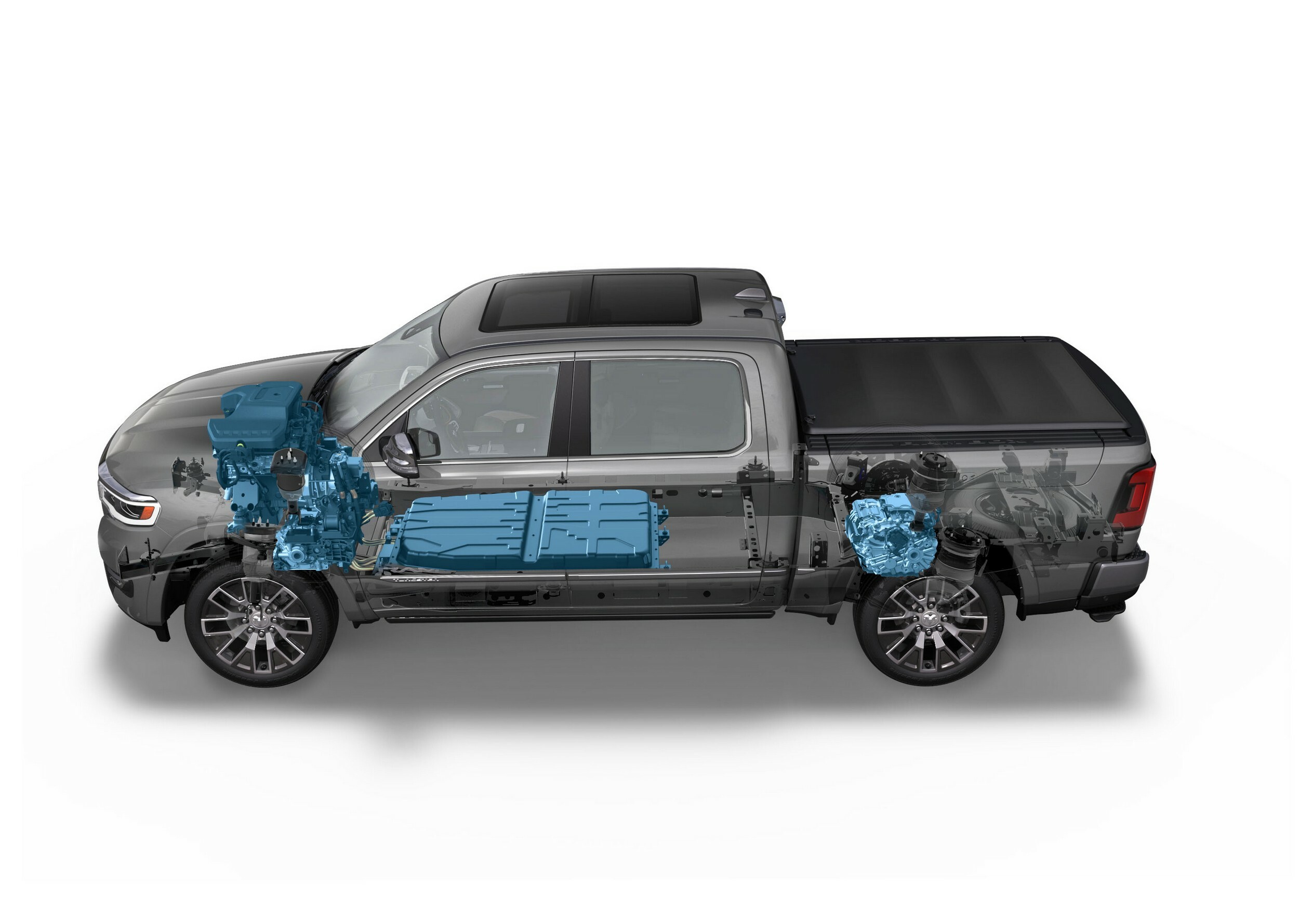
While we’ve seen a few range-extended vehicles in the United States, a number of new models are on the horizon. Besides the Scout Terra and Traveler, Stellantis is gearing up to launch range-extended versions of the Jeep Grand Wagoneer and Ram 1500.
Ford CEO Jim Farley has also praised them as he said they give customers an electric experience without range anxiety. More importantly, they enable companies to offer an “electric vehicle that’s fully comparable to an ICE vehicle in terms of cost.”
This is largely due to the fact that range-extended EVs can use a significantly smaller and cheaper battery pack. This is made possible by an engine, which acts as a generator.
Dealers say Ford only paid $600 per EV battery replacement.
They claim the real cost should be $22,600 per battery.
More lawsuits are reportedly being prepared in other states.
As more legacy automakers navigate the shift to electric vehicles, the complexity of servicing and supporting them is beginning to reveal fault lines, especially when it comes to who pays for what.
Ford is now facing allegations that it underpaid two New York dealerships for comprehensive EV battery replacements, according to a lawsuit filed in US District Court.
And the trouble may not stop there, as attorneys say similar legal actions are in motion and could eventually be consolidated into a class action, raising the stakes for the company.
Jericho Turnpike Auto Sales and Patchogue 112 Motors allege that Ford has sidestepped state warranty reimbursement laws by issuing low flat-rate payments for full battery pack replacements, rather than covering the actual costs of the repairs.
The dealer says it has completed 15 EV battery replacements on Ford models since early 2024. Of those, Ford allegedly reimbursed the dealer just $600 per battery for 13 jobs that should have cost $22,600 each, leaving a gap of $286,200. In the remaining two cases, the dealer received $13,000 per battery. Even so, the lawsuit claims Ford still failed to pay the full amount.
Patchogue 112 Motors reports a similar pattern, stating it was paid only $600 per battery instead of the expected $22,600.
What Are Ford’s Responsibilities?
At the heart of the lawsuit is the question of how franchised dealerships are compensated for warranty and service contract repairs.
The filling alleges that Ford ignored legal requirements despite a state statute requiring manufacturers to reasonably cover repairs and manufacturer service contracts not “less than the price and rate charged by the franchised motor vehicle dealer for like services to non-warranty and/or non-service contract customers.”
That includes the cost of parts plus a 40 percent markup. Dealers are also allowed, under the law, to apply their typical non-warranty retail markup on labor, which can range from 70 to 200 percent depending on the service. The lawsuit claims Ford has not followed these provisions.
Leonard Bellavia, one of the attorneys representing the dealerships, told Auto News that Ford isn’t alone. His firm is pursuing similar claims against other automakers in multiple states, all centered on what he describes as a pattern of failing to meet warranty payment obligations
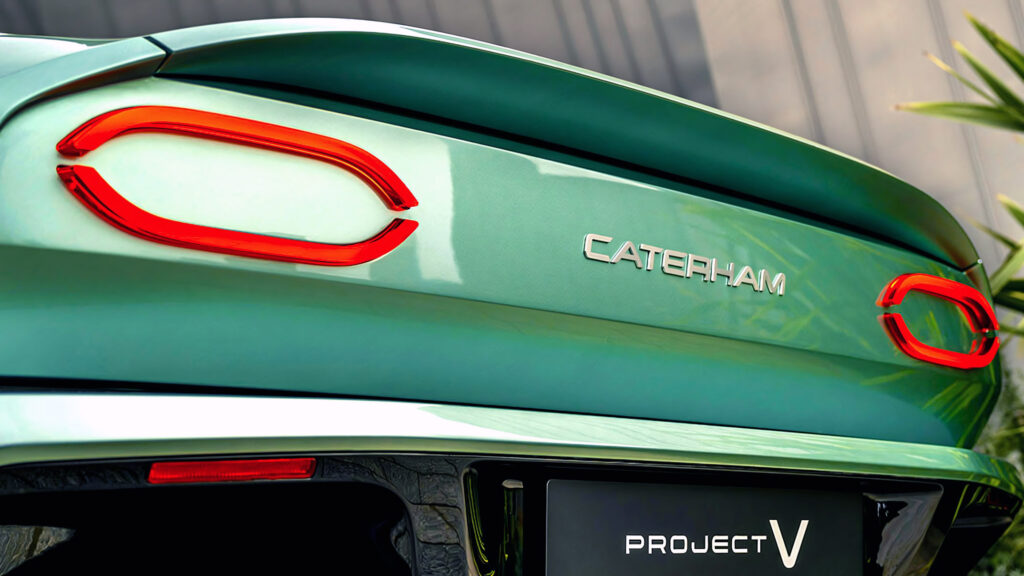
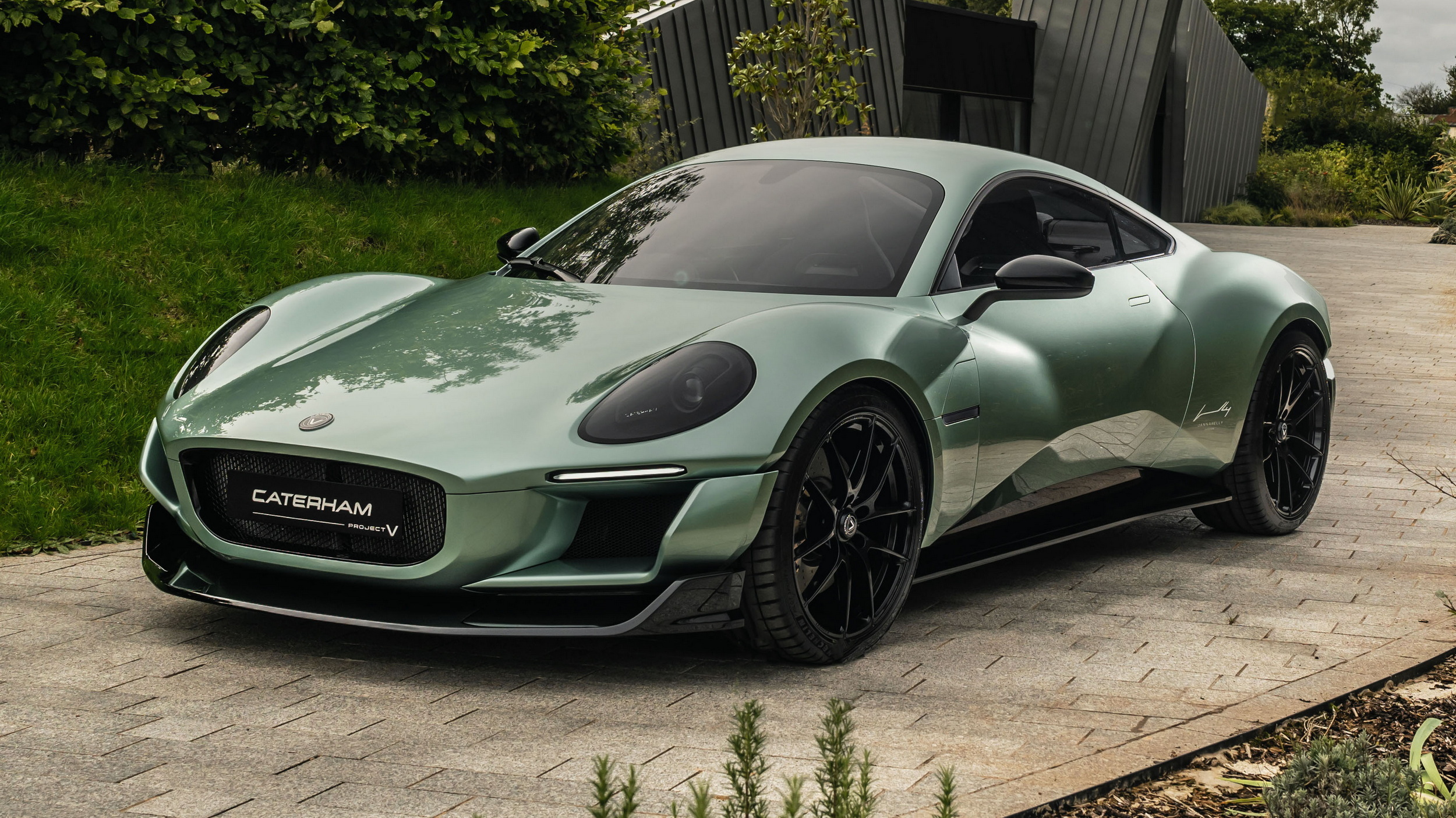
Caterham still plans to launch its first fully electric coupe.
A Project V prototype debuts at the Tokyo Auto Salon.
The model was due in 2025, but that timeline has slipped.
A lot has changed since Caterham introduced its fully electric Project V concept all the way back in July 2023. Zero-emission sports cars don’t sound as appealing as they did, with many automakers now rethinking and delaying their electrification plans. But not Caterham.
The British company is preparing to unveil the first working prototype of its EV coupe at the Tokyo Auto Salon next month, a move that signals continued investment in a project it believes has long-term potential.
According to the latest update, this initial prototype is being used for “testing and evaluation” as Caterham moves toward full-scale production. The company hasn’t pinned down a new launch window, but it’s understood that the previously suggested timeline of late 2025 or early 2026 is no longer on the table.
The last major update came in October 2024, when Caterham confirmed the Project V would use a Yamaha-supplied e-axle. The concept had originally promised 268 hp (200 kW / 272 PS) from a single electric motor, the same configuration Yamaha previously used on the 2022 Subaru STI E-RA concept. That figure still appears to stand.
A few months later, in December 2024, Caterham shared another technical development: the car will use immersion-cooled battery packs supplied by Xing Mobility. These cells, which use CTP (cell-to-pack) architecture, are said to provide 200 Wh/kg of energy density, outperforming traditional liquid-cooled alternatives. In practice, that likely means more range and less weight to carry around.
What’s Next for Project V?
The company’s next steps include continued evaluation of the electric powertrain, additional testing of the Xing battery system, and a round of chassis durability assessments. All of this will help shape the final production model, which still appears to share much with the original design study.
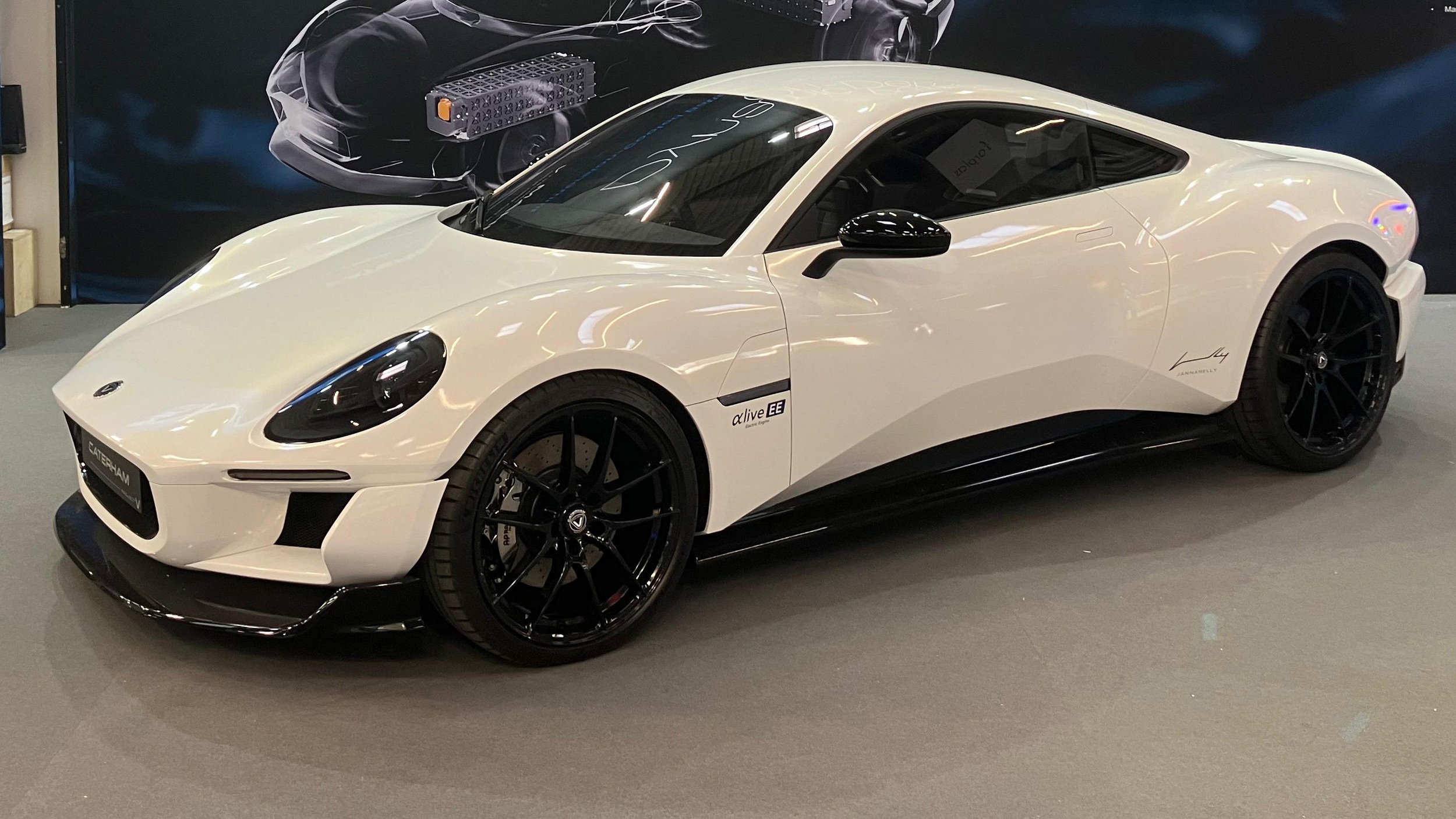
Besides the rolling prototype set to debut on January 9, Caterham also confirmed that the show car will make its US debut at the 2026 CES in Las Vegas on January 6. It’s likely this will be the same white vehicle displayed at the IAA Mobility Show in Munich last September
Having both cars on the circuit at once suggests that the Project V’s exterior and interior designs will carry over largely intact into the next stage of development.
In other news, Caterham announced last month that Bob Laishley had stepped down as CEO after four years at the helm. Laishley, a former Nissan executive, has been succeeded by Kazuho Takahasi, who is also the President and Founder of parent company VT Holdings.
Commenting on the prototype’s debut, Takahasi said:
“This is a significant milestone in the development of Project V, with our prototype making its public debut at the Tokyo Auto Salon. This next step enables us to begin a comprehensive vehicle testing program in collaboration with our technical partners. Our objective remains unchanged: to realise our vision of a pure electric sports car that embodies the unmistakable DNA of a Caterham.”
Fewer than 1,500 VinFast cars registered in the US this year.
VinFast had promised hundreds of US dealers by late 2024.
Only 17 VinFast dealers have VF 8 or VF 9 models in stock.
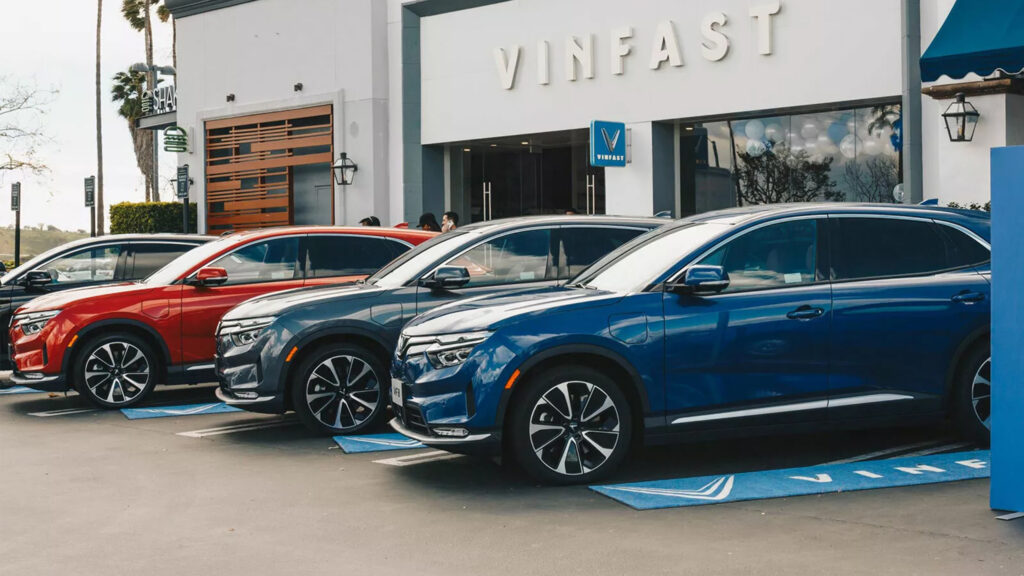
VinFast’s bid to break into the American market has struggled to gain traction. The Vietnamese automaker’s US adventure has been marked by sluggish sales, dwindling dealership support, and a strategy that appears to be unraveling faster than it came together.
As more partners step back from the brand, questions are beginning to surface about the future of VinFast’s presence in the States.
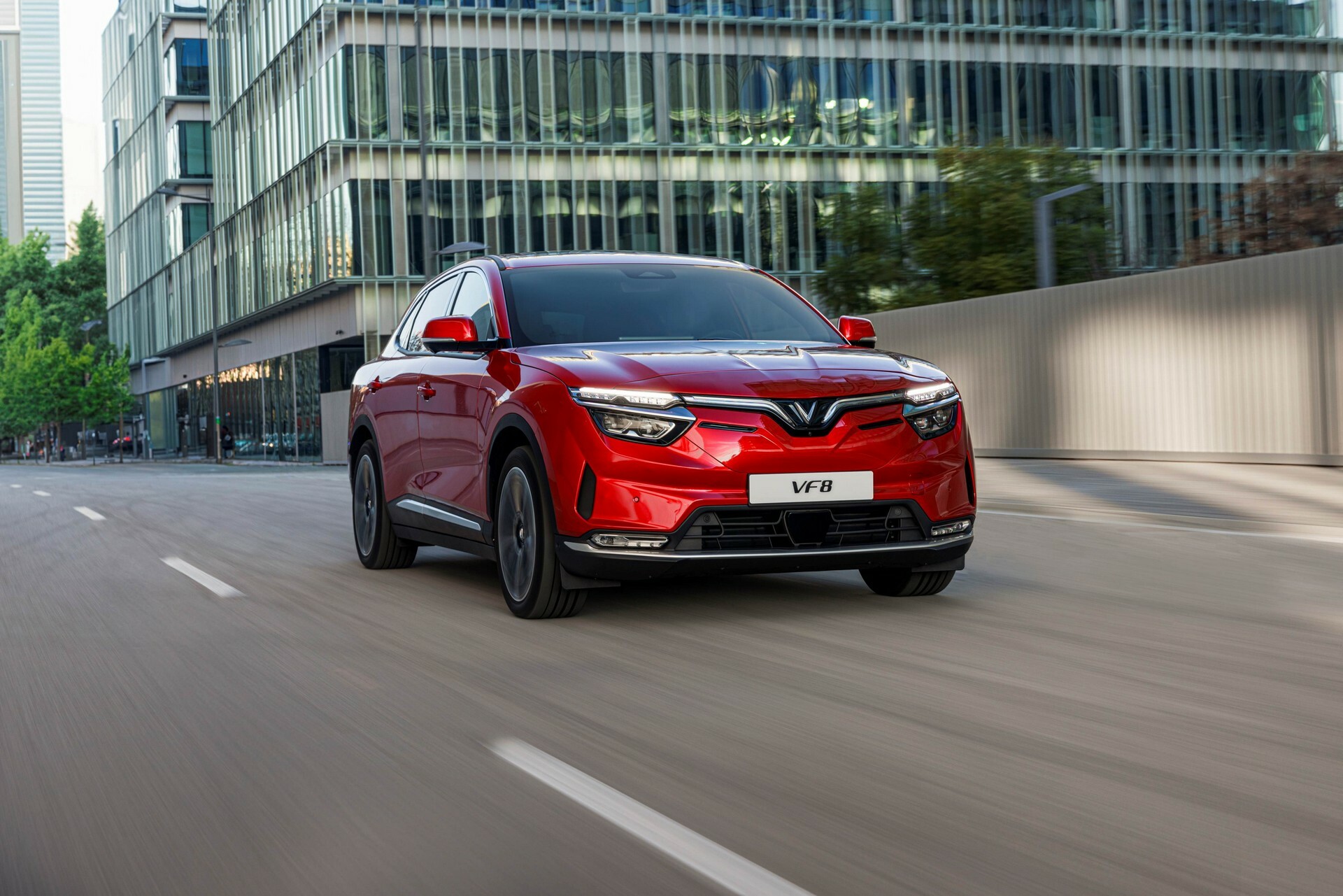
VinFast currently offers the VF 8 crossover and the three-row VF 9 locally, and at one point, it floated plans to bring a compact VF 3 and even a pickup truck to American buyers. Those ambitions now seem increasingly out of reach.
Stalled Expansion Plans
Adding to that, the company ceremoniously broke ground on a North Carolina factory in 2023, aiming to begin production just a year later. That timeline quickly fell apart. Construction was halted, and the plant’s opening has now been postponed until 2028.
The signs aren’t encouraging. According to a report from AutoNews, VinFast now has fewer than two dozen stores operating across the US. That figure continues to shrink, as one location shut down in July, another closed in November, and a third in North Carolina is scheduled to close before the year ends.
Even among the remaining dealers, many are operating in name only. Several locations have no vehicles on site, and some are down to just a handful of units.
Indeed, of the 22 active dealers that VinFast says it has, just 17 of them have EVs in stock. Most of them have 15 or fewer vehicles available. In the case of one dealer in Florida, it has just a single 2024 VF 8 in stock, priced at $52,910.
Sales Collapse
VinFast sales have taken a big hit this year. Through the first ten months of this year, just 1,413 of its vehicles were registered in the United States, representing a 57 percent decline from the year prior. This comes despite the fact that total EV sales across the US have jump 11 percent this year.
The company’s expansion has clearly not gone as it would have liked. It originally expected to quickly sign 125 dealers, and then planned to have hundreds of outlets across the country by the end of 2024. As of August, it claimed to have “nearly 30 authorized dealerships.”
According to VinFast chairwoman Thuy Thu Le, the company has paused its aggressive push into the US and won’t open any more dealerships for the time being.
“Given the tariff situation and the instability in the EV market, we just need to see how that settles before we kind of push hard in the U.S.,” Thuy told Autonews. “Until we see some growth and stability in the U.S. market, we don’t intend to open more dealerships. Instead, we cultivate the relationship with the existing dealers and make sure they can get to profitability faster.”
Fiat’s Fastback concept is nearly ready for its global debut.
New spy shots reveal exterior styling and the cabin layout.
Powertrains will include gas, hybrid, and electric options.
Fiat is stepping into the spotlight once again, this time with a crossover that will expand the growing Panda lineup. The new model carries forward the Panda’s character, scaled up with a larger footprint and shaped by a fastback silhouette.
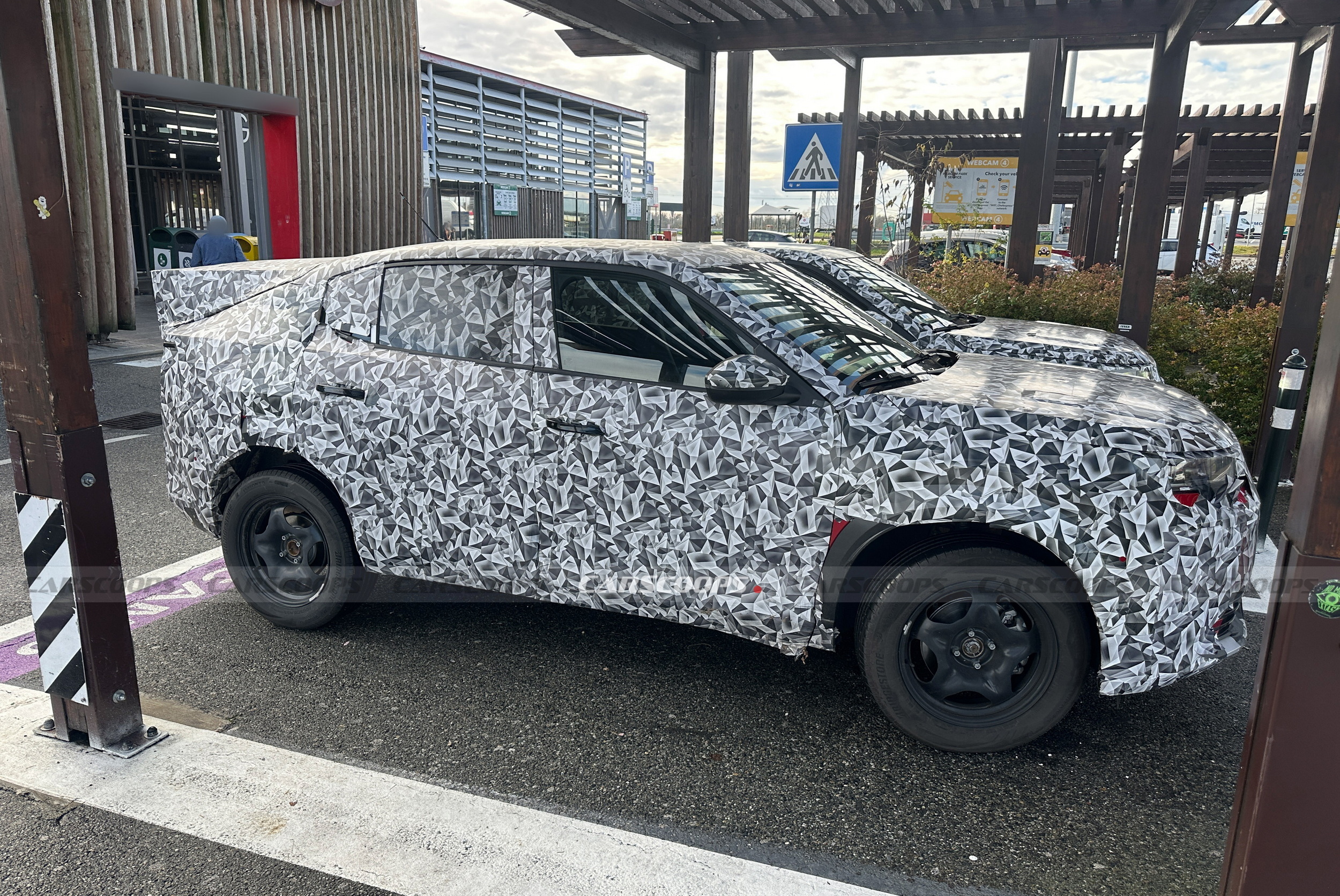
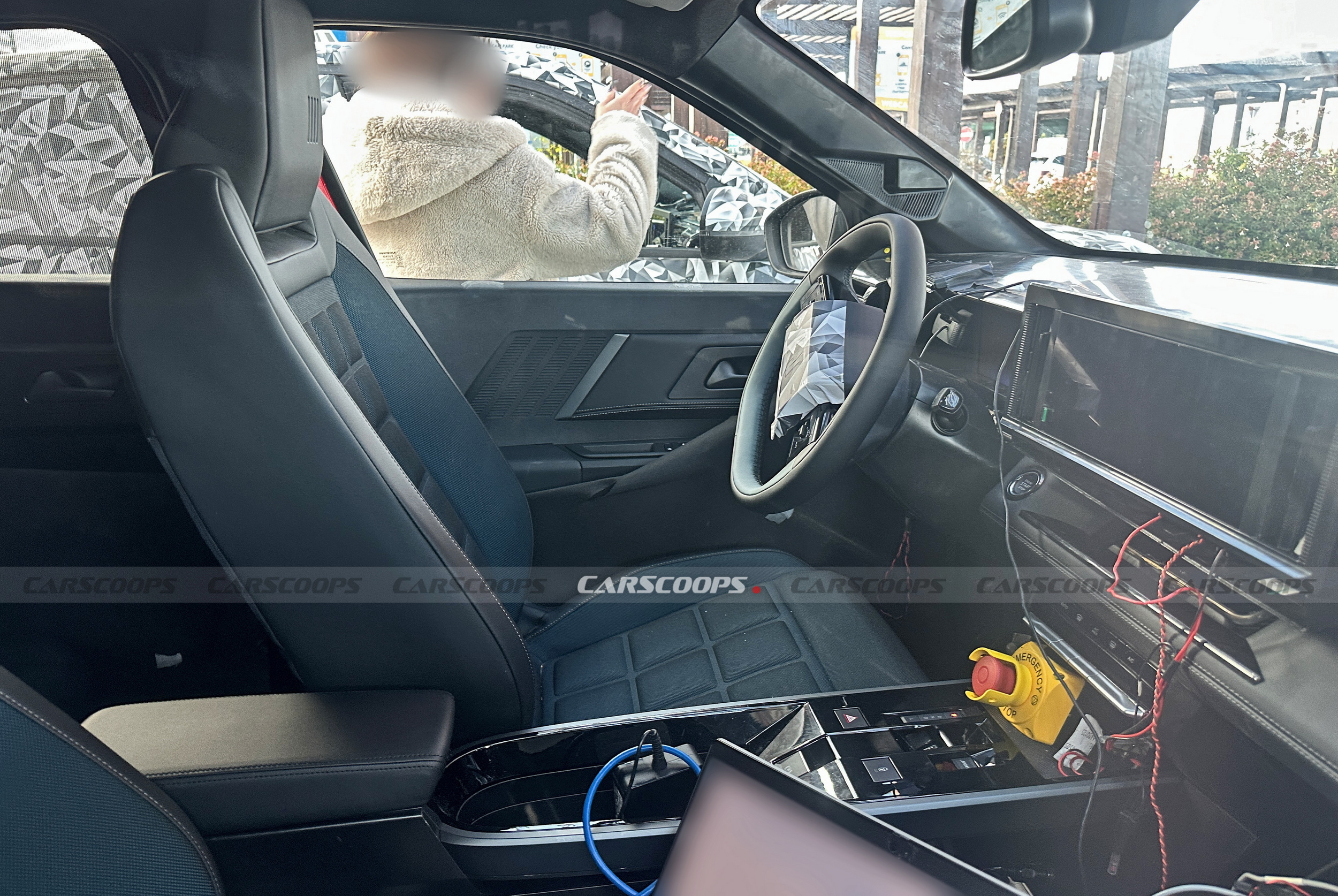
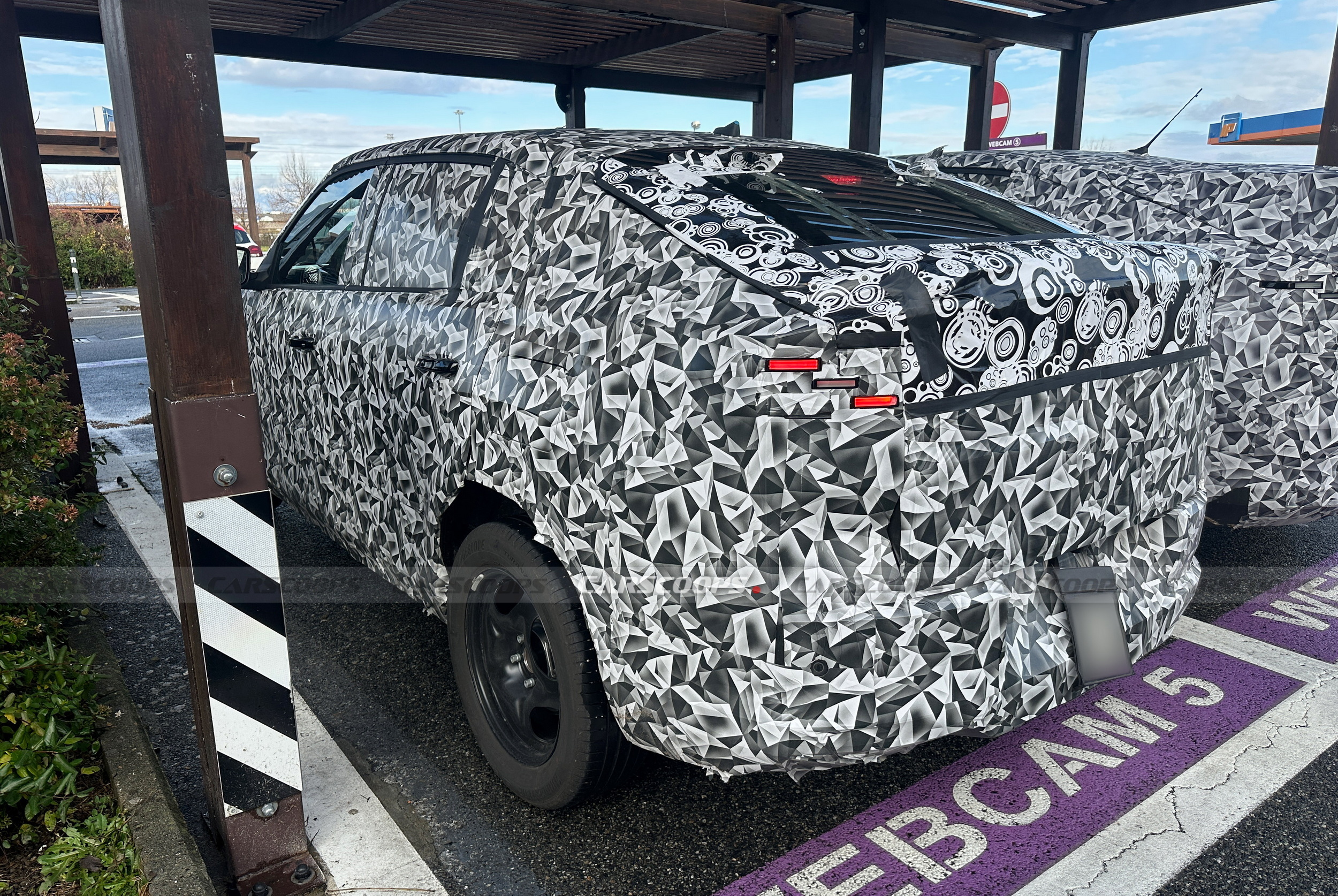
Two camouflaged prototypes of the production version of the 2024 Fastback concept were recently spotted in a parking lot, offering a clearer look at the exterior and, for the first time, a glimpse inside the cabin. The latest test cars have ditched some of their camouflage, revealing more of what’s in store.
The LED headlights look similar to the Grande Panda, but they are slimmer and have tear-style extensions for a more modern look. These flank a concealed front grille that’s expected to carry over the pixel-like graphics and retro Fiat emblem found on the smaller sibling.
We can also see the lower bumper intake and a discreet skid plate with a metal-style finish. One of the prototypes has a red bodywork and rides on black steel wheels, which if intended for a base trim, are likely to be paired with hubcaps on the final production version.
Baldauf
The side view reveals standard door handles and sculpted fenders that add some definition to the bodywork. More notably, both the greenhouse and metal panels appear distinct from those on the Citroen Basalt, a related model currently on sale in markets like South America and India.
Naturally, the standout feature of the Fastback is its rear section, where a sloping roofline meets slim LED taillights for a clean, tapering finish. One of the prototypes has shed its heavy camouflage, exposing the rear glass and an integrated ducktail spoiler. The rest of the tail keeps things more upright, with boxy surfacing, a wide tailgate, and the license plate positioned on the rear bumper.
The model, overall, feels like a natural evolution of the original concept, though its design has been moderated in typical fashion for production. If the Grande Panda is any indication, expect the exterior to include a handful of playful Easter Eggs, likely paying homage to the classic four-stripe Fiat emblem.
How Does It Look Inside?
Baldauf
Surprisingly, one of the prototypes had an uncovered interior. The interior layout diverges from that of the Grande Panda and even from its mechanical relatives, the Opel Frontera and Citroen C3 Aircross.
The dashboard pairs a compact digital gauge cluster with a larger central infotainment screen. Below that, leather-effect trim lines the dash, while glossy black plastic surrounds the oval-shaped center console for a bit of contrast.
A row of physical buttons sits along the lower part of the console, and the automatic gear selector appears to be the same unit used in several Stellantis models.
Other highlights include the two-spoke steering wheel that has the same shape with the Opel Frontera, and the new seats with a square pattern and semi-integrated headrests.
As with the rest of the future Panda family, the fastback will ride on the budget-oriented Smart Car architecture. It is expected to be offered with gasoline, mild-hybrid, and fully electric powertrain options, most likely shared with the aforementioned Citroen and Opel SUVs.
Fiat plans to offer the model in both European and South American markets, with an official reveal expected in early 2026. A year after that, it may be joined by a more traditionally shaped sibling, an SUV with a boxier rear end and added cargo space.
That model is rumored to revive the Multipla name and could square off against the likes of the Dacia Duster and Bigster.
Toyota’s GR GT packs 641 hp and a V8 with driver-focused tuning.
Lexus’ electric LFA successor shares its core structure with GR GT.
GT3 race version previews Toyota’s return to top-tier competition.
After plenty of waiting, the new Toyota GR GT is here, and so is the return of the Lexus LFA. These two new Japanese supercars might not have shown up in all the ways we expected but one thing is clear: while they’re linked, they’ll have very different personalities from behind the wheel.
Now, a new in-depth video shows us just how Toyota and Lexus made each of their respective cars stand out from the other.
Many might consider the GR GT to be a more faithful successor to the LFA. That’s due heavily to its hybrid V8 engine that makes some 641 horsepower (477 kW). That said, it’s clear that Toyota wasn’t trying to steal the LFA’s thunder when you take a quick look at the finer details.
That’s exactly what Top Gear just offered, with a detailed breakdown of both cars from nose to tail. The GR GT, in particular, leans hard into its driver-first philosophy. Its design is dominated by functional aero, from oversized intercooler openings to a rally-style hood vent that channels air up and over the windshield.
Much like the AMG GT or if we go further back in time, the Dodge Viper SRT and its derivatives, the GR GT has a lengthy hood, a small but highly functional cabin, and a squat, wide stance.
Presenter Tom Ford highlights how the driving position communicates intention. The seat height, digital gauge cluster, and steering wheel are all set up for optimal visibility. That’s key because the car has shift lights and vital information there.
The car only has four drive modes, custom, normal, sport, and track. The center control stack features physical buttons and switches. The cupholders are behind the occupants and in the middle because they’re not the focus here.
Of course, the track-only FIA-compliant GT3 race car version is even more extreme. It gets every bit of roll cage one might expect and then some. The cabin features almost zero creature comforts but what it lacks there it makes up for in naked carbon and switchgear. The spoiler at the rear is as wide as the car itself.
Then, there’s the LFA, and when we say it’s different, it’s not just because the V10 is gone in favor of all-electric propulsion. Ford points out that Lexus took full advantage of the EV powerplant, going as far as to design the exterior with it in mind. As such, the LFA gets almost none of the same venting and aero from the GR GT. It simply doesn’t need it.
The lines are more elegant. Take, for example, the hood where long strakes run from the top of the lights to the windshield. Instead of hard edges everywhere, the design is smoother with more compound curves.
That approach carries into the interior, which leans heavily on refinement. The split-cabin layout gives the driver their own space, while the controls are smaller and more delicate, matching the car’s calmer energy.
In short, these two sport models might have a lot of shared DNA, but there’s no doubt that they’ll drive quite differently. In fact, there’s little question that they’ll feel different for occupants even when they’re powered down.
California may charge EV drivers up to 4 cents per mile driven.
Gas tax funds 80 percent of state road maintenance costs today.
Officials are testing new ways to fund roads as EV use grows.
California has set an ambitious goal of reaching carbon neutrality by 2045. That path runs straight through mass electric vehicle adoption, which means saying goodbye to traditional gas-powered cars, and with them, a major chunk of how the state pays for its roads.
With gas tax revenue poised to shrink, officials are now exploring a new alternative: a per-mile road tax for EV drivers.
As it stands, approximately 80 percent of California’s road maintenance budget is funded through a gas tax. For every gallon pumped at the station, around 61 cents goes toward keeping the state’s vast network of highways, freeways, and local roads in working order.
How Will EVs Pay Their Share?
Obviously, as more and more people shift to EVs, this revenue stream will slowly dry up. This is where the road tax could come into play. California recently completed a pilot program for a road tax earlier this year, charging EV owners between 2 and 4 cents for every mile that they drive.
In theory, it’s a straightforward way to recover the funds needed for upkeep without relying on fossil fuels. But implementation may be anything but simple.
For one, it could end up costing quite a bit to set up and run. For another, drivers who rack up serious mileage, often those in rural areas or with long commutes, might bear the brunt of the expense.
As noted by Fox 26 News, a commuter traveling daily between Hanford and Fresno could face around $11 a week under the proposed system. Multiply that over a month or a year, and it becomes a noticeable new cost for people who may not have easy alternatives.
Then there’s the question of how the state would monitor each vehicle’s mileage. One proposed method involves installing a tracking device that plugs into the car and logs the miles traveled.
That could get expensive fast, especially if it needs to be rolled out across every EV on California’s roads. And even if the technology is viable, it brings up a different kind of cost, one to driver privacy.
Many Californians would likely have reasonable concerns about being monitored so directly, especially if the data is handled by third parties or used beyond just tax purposes. Balancing effective tracking with individual privacy rights could prove to be a sticking point.
According to David Kline from the California Taxpayers Association, the logic behind the tax is simple: “Someone’s got to pay for the roads,” he said. “It should be the people who use the roads.”
However, he is concerned that the road tax could end up “switching the burden to different people,” questioning whether some of those who have to drive long distances can afford the new tax. That tension between fairness and practicality remains unresolved as the state weighs its next move.
Nearly half of new buyers are leaning toward a single drivetrain.
Overall demand shows a striking shift compared to early 2024.
Traditional engines still draw attention despite market changes.
China’s electric vehicle market isn’t just growing, it’s evolving faster than most can process. With new models rolling out at breakneck speed, the country’s automakers aren’t simply keeping pace with global trends, they’re driving them.
And they’re not building EVs in a vacuum either. Domestic demand, especially among younger and first-time buyers, is pushing the shift forward.
It turns out, more of these buyers are now leaning electric than ever before. A recent study conducted by Bloomberg Intelligence has revealed that 47 percent of prospective first-car buyers in the country plan to buy an EV within the next 12 months. This represents a massive spike from the 25 percent in February.
Widen the scope to include all prospective car buyers in the country, and the trend holds. A full 52 percent now say they intend to make their next vehicle an EV, compared to 34 percent back in both February and March 2024.
Interest in extended-range EVs, those that offer additional miles from an onboard generator or similar tech, is also gaining ground. As of the latest figures, 8 percent of surveyed buyers said they’d consider one for their next purchase.
Interestingly, the Bloomberg survey also found that plug-in hybrids are losing ground fast. Just 12 percent of respondents now say they’re considering one for their next car, a steep drop from 23 percent in February.
Conventional hybrids have slipped even further. Once viewed as a sensible middle option, their share has fallen from 15 percent in February to just 9 percent by November.
Demand for traditional combustion-engine cars hasn’t disappeared though, which comes as somewhat of a surprise. 19 percent said they’d opt for an ICE model for their next car. Admittedly, just 1,000 people participated in the survey, so it’s hard to make definitive conclusions based on this small sample size.
According to Bloomberg Intelligence analyst Joanna Chen, the competitive prices of EVs in China have contributed to the exceptionally strong demand for them.
“The country beats Europe and the US with battery electric vehicles already reaching price parity versus gasoline cars, while consumers’ strong interests in advanced tech features give local startups and tech giants Huawei Technologies Co. and Xiaomi Corp. stronger edge in the fierce market competition,” she said.
RJ Scaringe says EV demand is hurt by high prices and low choice.
Rivian plans to close the gap with its upcoming $45,000 R2 SUV.
CEO argues U.S. buyers deserve far more sub-$50k EV choices.
It’s no secret that electric vehicles still carry a steeper price tag than their gas-powered counterparts, and a recent report from COX Automotive puts that gap into sharper focus. In November, the average new car cost $49,814, while the average electric vehicle rang in at $58,638.
Now, Rivian CEO RJ Scaringe is calling out this price discrepancy, along with the lack of variety in the USA, as one of the two main reasons behind the lackluster demand for all-electric vehicles.
Speaking at Fortune’s Brainstorm AI conference, Scaringe argued that America doesn’t offer anywhere near the variety that buyers in Europe and China enjoy. He especially hit on price point as the reason that EV adoption in the U.S. sits at just 8 percent.
He went as far as to call it a “shocking lack of choice,” while claiming that American buyers have “well under five great choices” near the average new-car price.
Somewhat surprisingly, he cited Tesla as the automaker with the only truly compelling EVs under $50,000. The Model Y is available for under $50,000, and the Model 3 starts below $40,000.
“And that’s not a reflection of a healthy market with lots of choice,” Scaringe said. “If you think of it as a consumer, you have 300 different internal combustion engine choices at that price or lower, and you have maybe one highly compelling EV choice.”
Of course, the CEO didn’t miss the opportunity to tout his brand’s upcoming R2, an SUV with a target starting price of $45,000.
While American EV buyers wait for more options, rivals overseas are battling in crowded markets. Europe offers a flood of choices from Volkswagen, BMW, Mercedes, and a growing list of Chinese imports.
China itself remains the most competitive EV battleground in the world, where BYD, Nio, Xpeng, Leapmotor, and even newcomer Xiaomi are fighting tooth-and-nail for market share.
To that end, Scaringe aligned himself with the Trump administration in pushing to bring more manufacturing back to the U.S. He believes it’ll help domestic brands to scale EV supply and ultimately lower costs. Now, we wait to see if he’s right.
The solid-state cell offers 20 to 30 percent more density.
Bugatti’s next model may debut with the new battery tech.
Rimac also supplies batteries and e-axles to other brands.
Compared to some of the battery juggernauts in China and South Korea, Rimac Technology is still a relatively small player. But that hasn’t stopped it from pursuing next-generation EV tech and among its most ambitious efforts is a solid-state battery project that could power a future Bugatti model due within the next five years.
Rimac Technology became a standalone engineering firm in 2022, spun off from the Croatian carmaker to focus on supplying electric components to third-party manufacturers.
Behind the Battery Development
According to chief operating officer Nurdin Pitarevic, the company is now working with composite material specialists from Mitsubishi and solid-state cell developer ProLogium to bring its new battery to life.
The prototype battery in question is a 100 kWh pack that weighs 30 kg (66 lbs) less than a typical equivalent. Rimac says it delivers 20 to 30 percent more energy density than traditional batteries, with the long-term goal of reaching price parity with conventional NMC cells by 2035.
Speaking with Autocar, Pitarevic revealed that testing of the new batteries will start soon and hinted at them being used in a mid-volume production model from Bugatti in 2030.
Details about the new Bugatti model are few and far between, but it would likely be the company’s long-awaited car to sit alongside the Tourbillon, rather than a special version of that V16-powered monster.
Rimac’s e-Axles
It’s not just advanced batteries that Rimac Technology is developing. New e-axles that combine electric motors, gearboxes, and electronics into a single package are also in the works, being flexible enough to be used for front-, rear-, and all-wheel-drive models.
They can also be specced to deliver between 200 hp and 470 hp, making them suitable for a broad range of performance models. Porsche and BMW are among the automakers currently sourcing e-axles from Rimac.
A Saudi startup called Ceer, developed in partnership with Foxconn Technology Group, is also on board. Ceer’s upcoming SUV will feature a Rimac rear e-axle with output comparable to the 1,288 horsepower rear motor in the Rimac Nevera, yet the unit weighs only 132 kg (291 lbs), a full 66 kg (145 lbs) lighter than the Nevera’s setup.
Rimac is also working on a smaller e-axle, weighing just 48 kg (106 lbs), with a projected output of 500 horsepower.

 Login
Login