New study shows rising demand for combustion-powered vehicles.
Fewer shoppers are considering battery-electric options today.
Interest in hybrid models is slipping alongside EV enthusiasm.
The auto industry’s pivot to electric vehicles was never expected to be seamless, but a recent shift in buyer sentiment suggests the transition may be hitting more resistance than anticipated. According to a new study, a growing number of car shoppers are once again leaning toward combustion engines, reversing some of the momentum EVs had built in recent years.
A report from professional services firm EY indicates that EV adoption is slowing worldwide, in part due to shifting policies like those recently enacted in the United States.
Among consumers planning to buy a new or used vehicle within the next 24 months, about half now say they intend to purchase one powered by a combustion engine. That marks a 13 percent jump from the previous year, a sharp turn in consumer preference.
Declining Appetite for Electrics and Hybrids
That’s not the only surprising conclusion from this study. EY’s report also notes that the preference among new and used car buyers to buy a battery-electric vehicle has dropped by 10 percent, landing at just 14 percent overall.
The picture for hybrid models isn’t much brighter. Interest in those models has dipped by 5 percent, now sitting at 16 percent. And among those still considering an EV, more than a third, or 36 percent, say they’re either rethinking their decision entirely or planning to delay their purchase, citing geopolitical developments as a major factor.
It’s possible that this trend could continue. Less than a year into President Trump’s second term, several policy changes have already been implemented that are more favorable to internal combustion engine vehicles. These measures are expected to influence both consumer behavior and manufacturer output in the coming years.
Policy Reversals Take Hold
Earlier this month, he officially rolled back CAFE standards, opening the door for car manufacturers to build more combustion models. Automakers argue this aligns with actual consumer demand, claiming Americans still largely prefer these vehicles over their electric counterparts.
Europe is seeing a similar recalibration. Two years ago, the European Union announced plans to effectively ban the sale of new combustion vehicles by 2035.
However, this ban appears increasingly likely to be relaxed, opening the door for hybrid models, and combustion-engine cars using e-fuels to be sold beyond 2035. This will no doubt have a significant impact on EV sales throughout the region.
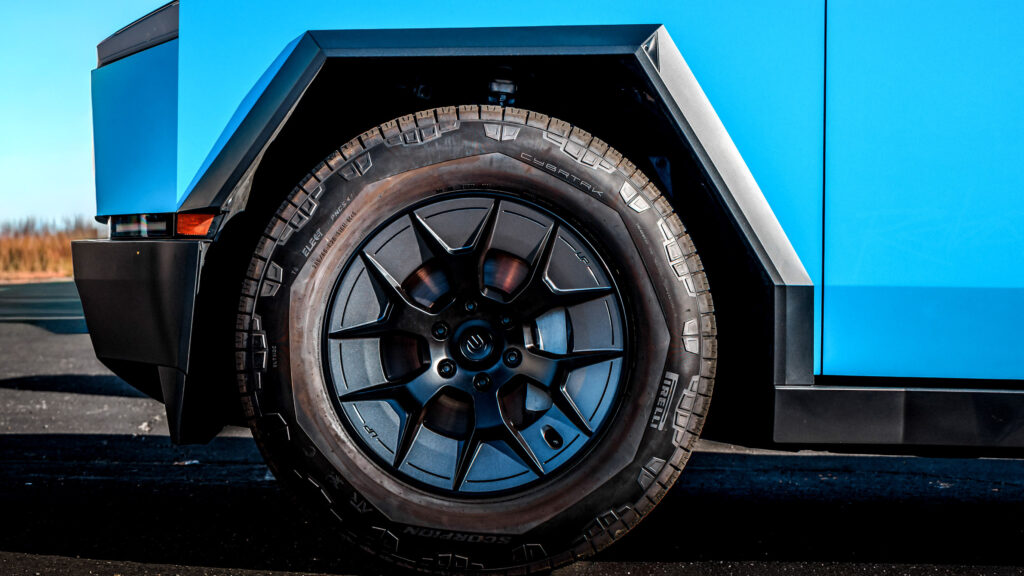
Each forged wheel has a 3,196 lbs load capacity rating.
A curb-protecting aluminum ring can be replaced easily.
The wheel matches Tesla’s Core wheel in aerodynamics.
Unplugged Performance has never been shy about making bold claims, but this one caught attention even by their standards: earlier this year, the company declared its Road Warrior wheels for the Tesla Model 3 and Model Y to be the “world’s first indestructible wheel.”
Now, it’s aiming even higher with an even stronger version of the same concept, this time developed specifically for the Tesla Cybertruck.
While the original Road Warrior was already beefy, the updated Cybertruck-ready Forged UP-RW wheel steps things up with a significantly higher load rating. The Model 3 and Y variant of the wheel is rated at 950 kg (2,094 lbs), but this Cybertruck version is engineered to handle up to 1,450 kg (3,196 lbs)
According to Unplugged Performance, this wheel offers better resistance to “bending, cracking, and fatigue” than the current wheel, although it doesn’t make the same “indestructible” claim as it did earlier this year.
The design of the wheel may not be to everyone’s liking, but it does have a feature that we’re sure many will appreciate. Each wheel features a replaceable aluminum curb-guard ring designed to take any damage from parking mishaps.
Even better, that guard can be swapped out without removing the tire. So if you do scrape it, there’s no need to pay for a full wheel repair or replacement. For anyone who’s wrestled a low-profile tire off a rim, that convenience alone might be reason enough to consider the upgrade.
The California-based tuner also says its Road Warrior wheel for the Cybertruck is on par with Tesla’s available Core wheel when it comes to aerodynamics, performs better than the standard Cyberwheel, and is designed to fit the standard 20-inch Cybertruck tires.
For any Cybertruck owners out there who take their electric pickup off-roading, or simply those looking for something to help their Tesla stand out, these wheels may suit.
That said, the options list is short. The Road Warrior is currently only available in one finish: black spokes with a gray curb guard. Whether that works for you will depend on taste, but some buyers will surely wish for more variety.
As for the price, it’s not exactly a budget choice. A full set of 20-inch wheels will cost $3,195. Still, in the context of forged wheels, particularly those rated for a 1,450-kg load, it falls within expected territory. For some, the mix of utility, design, and spec could be worth it.
SK On takes over Tennessee plant as Ford gets two in Kentucky.
Trump administration will cut a loan up to $9.6 billion total.
Ford CEO says U.S. EV sales could fall by as much as 50 percent.
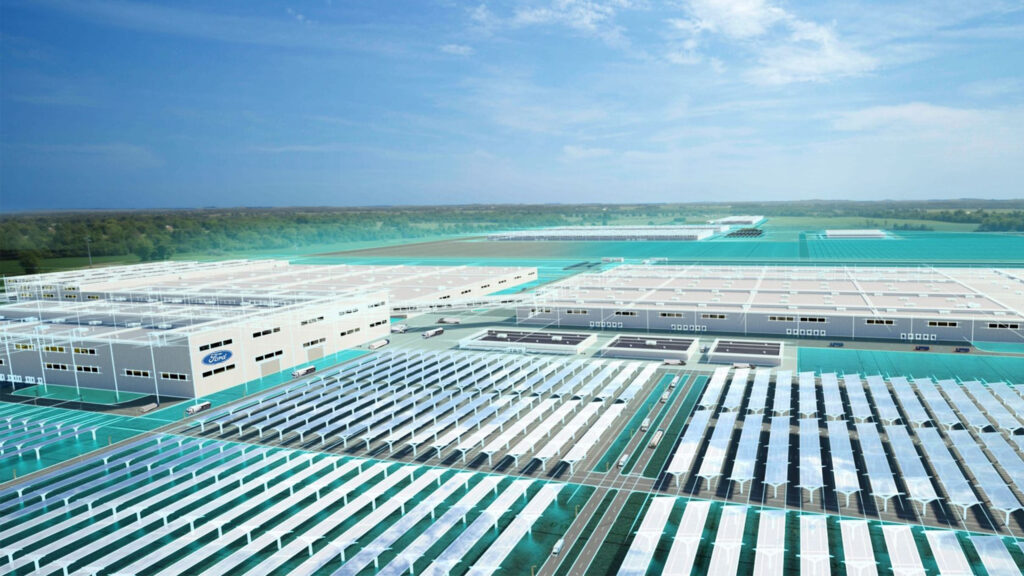
In 2021, Ford and South Korean battery manufacturer SK On committed to a massive $11.4 billion investment aimed at building several joint-venture electric vehicle battery plants across the United States. It was a huge business decision that showed Ford’s commitment to the EV market.
That was then. As 2025 winds down, the two companies are pulling the plug on the battery partnership altogether, a sharp turn that underscores how turbulent the EV landscape has become.
The move follows two key developments. First, the rollback of the federal EV tax credit, which has hit sales across the board. Second, the U.S. administration’s recent decision to revise fuel economy standards, a move expected to favor gasoline-powered vehicles over electric ones.
Disruption in the Battery Game
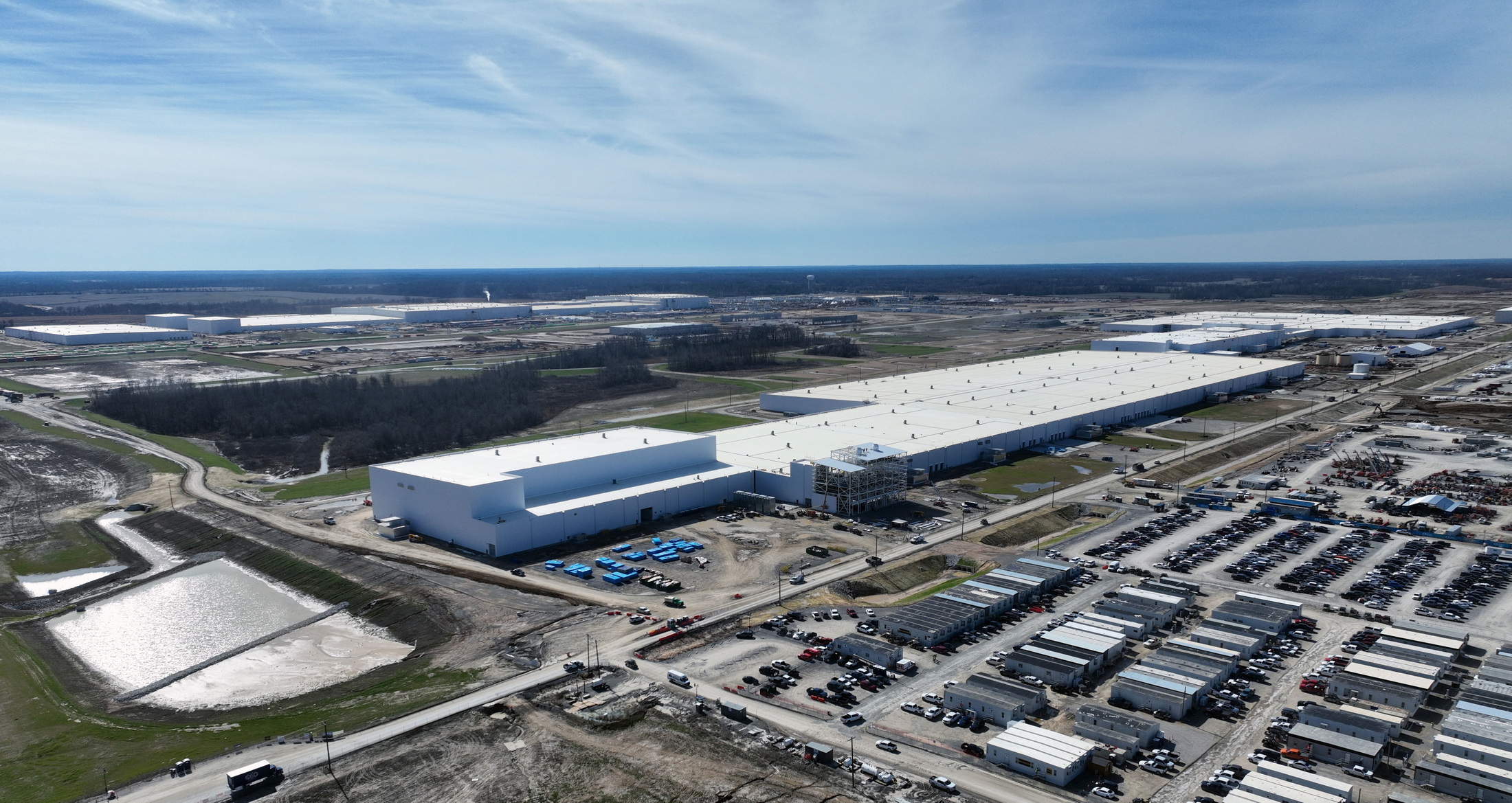
Through the high-profile breakup, SK On will take over the joint venture factory that’s already been established in Tennessee, known as the BlueOval plant. Ford will then take control of two factories in Kentucky located next to each other.
SK On was the one to formally dissolve the partnership, although the company maintains that it intends to continue working with Ford around the Tennessee facility.
It believes that ending the joint venture will allow it to enhance productivity and improve operational flexibility. Additionally, it notes the split will allow it to accelerate its North American energy storage system business.
One of the more immediate consequences of the split is a reassessment of a government loan approved near the end of the Biden administration. Originally pegged at up to $9.6 billion for the joint venture, the loan will now be reduced under the Trump administration’s oversight.
Exactly how much it will be cut remains to be seen. According to Bloomberg, the loan will be restructured to “reduce exposure to taxpayers and ensure its prompt repayment.”
It’s understood that Ford is working voluntarily with the Energy Department to repay the loan more quickly than originally planned.
Bleak Outlook for EV Sales
In the background, Ford’s local EV sales are falling, and chief executive Jim Farley expects further carnage. He recently said that because of the Trump administration, EV sales could fall by as much as 50 percent in the US.
Ford also lost $5.1 billion before interest and taxes on its EV business in 2024 and expects to lose even more this year.
“We believe the writing was on the wall this partnership was not going to work moving forward,” WedBush securities managing director Dan Ives told the Detroit Free Press.
“Ford has to make some difficult moves and this was a smart strategic one to rip the band-aid off. The EV market is dramatically scaled down for Ford now and they have to adjust accordingly.”
BMW M’s next generation will lean heavily into electrification.
Dirk Hacker retires after 37 years as BMW M’s development boss.
The brand’s future lineup includes an all-electric version of the M3.
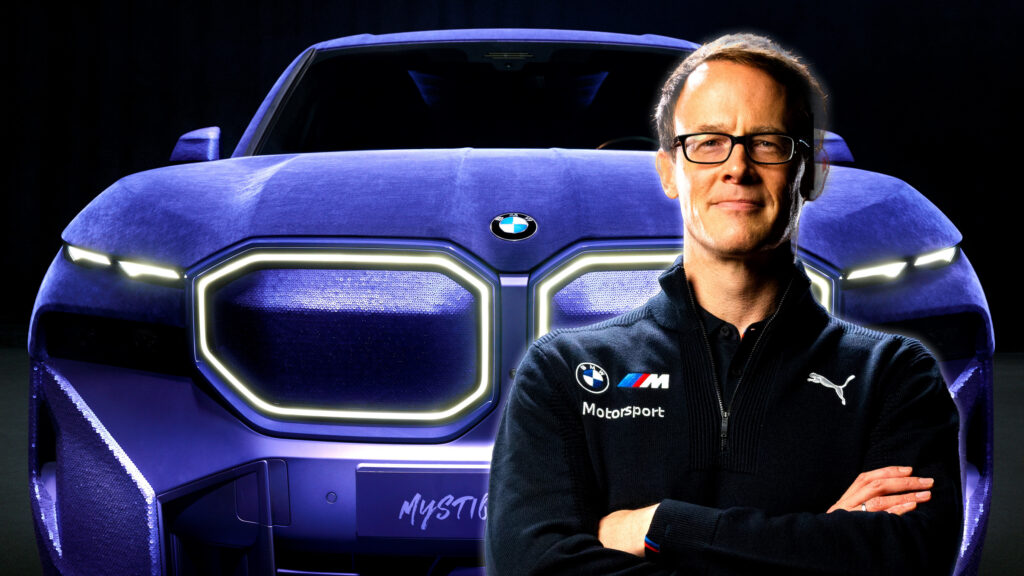
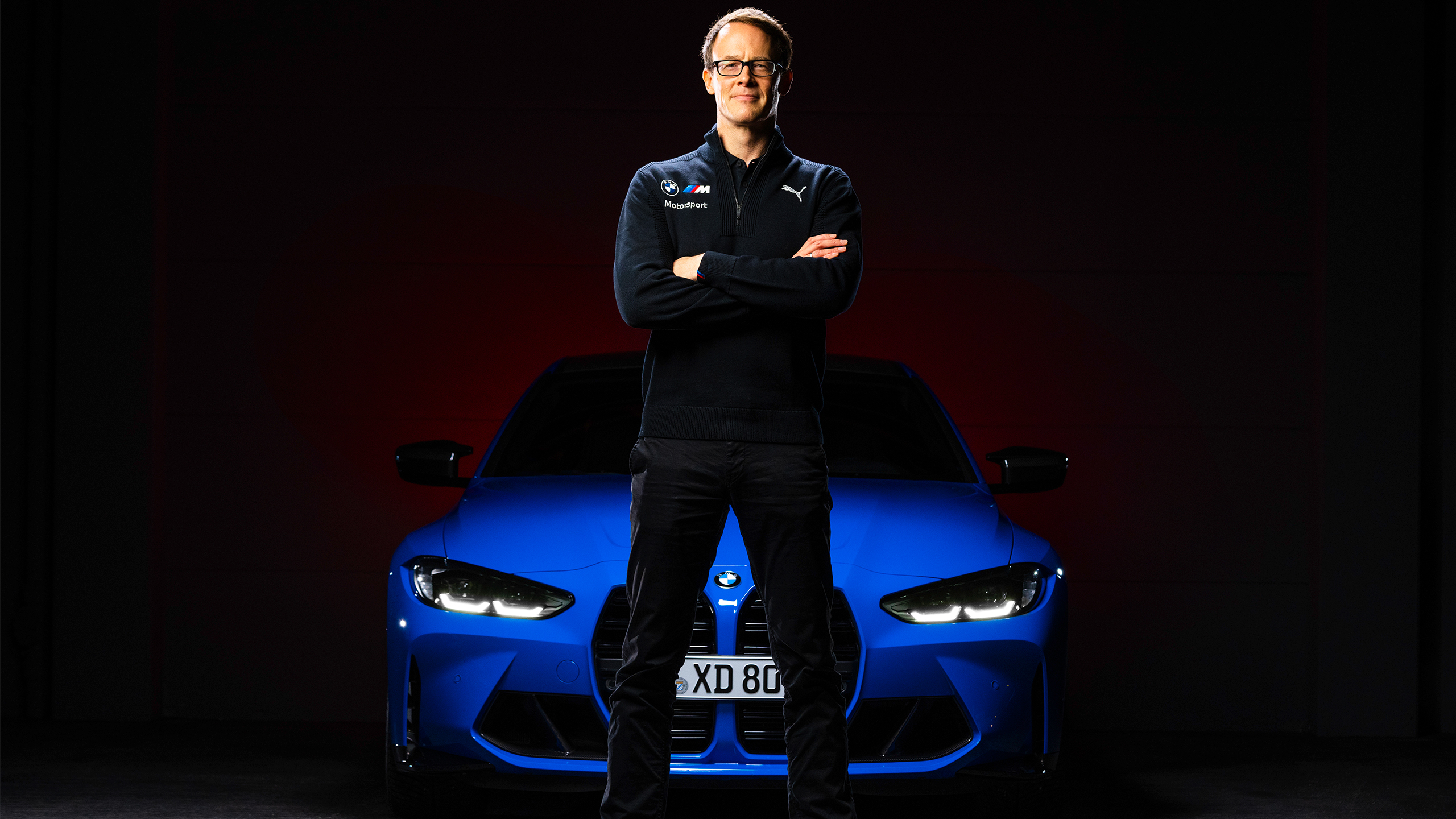
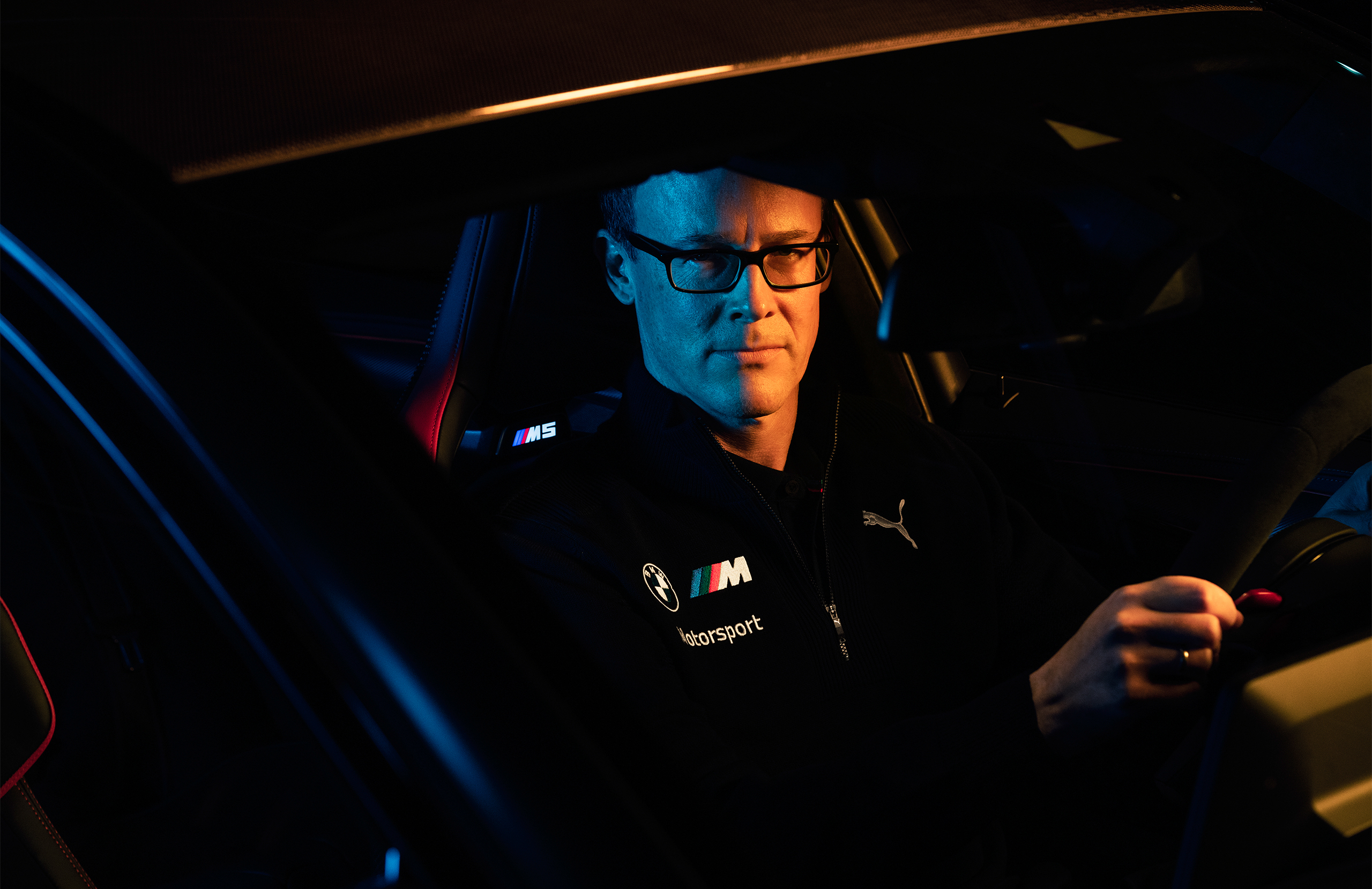
As BMW prepares for a significant leadership change at the very top of the pyramid, a key shift is also happening within its high-performance division. Just days after the company confirmed that Milan Nedeljkovic will succeed Oliver Zipse as CEO next year, BMW M has named a new head of development.
Stepping into the role is Alexander Karajlovic, best known for overseeing one of M’s most polarizing recent projects, the BMW XM SUV.
Karajlovic’s track record within BMW includes a range of roles that place him squarely in the performance and SUV space. Between November 2017 and 2020, he led development for BMW’s X derivatives and served as project manager for the XM, the M division’s first standalone model since the M1 in 1978, and arguably one of its most divisive to date.
He also served as vice president for the BMW M Product Line for two years, before heading back to the broader BMW group and worked in the areas of Requirements, Concepts, and Driving Experience Integration.
He now steps in for Dirk Hacker, a veteran who’s been with the BMW Group for 37 years and spent the last 11 of those at BMW M. Hacker has led development since 2015, a tenure that included not only technical oversight but hands-on involvement as a driving instructor with BMW’s Driving Experience program. The last model launched under his direction was the new M5 Touring.
“Dirk Hacker’s departure sees the long-term Head of Development at BMW M GmbH bow out to start his well-earned retirement,” BMW M chief executive Franciscus van Meel said. “His name is inextricably linked with an unprecedented product offensive, superior product quality and yearly sales records at BMW M.”
BMW M’s Future Plans
Karajlovic takes over at a time of transition, as the M brand begins laying groundwork for its next-generation lineup. Among the most closely watched projects is the upcoming M3, which is being developed in both all-electric and twin-turbo six-cylinder versions.
The fully electric model, a major technical shift for the badge, is expected to feature four electric motors and deliver upwards of 700 hp, a configuration that will likely spark no shortage of conversation among fans and skeptics alike.
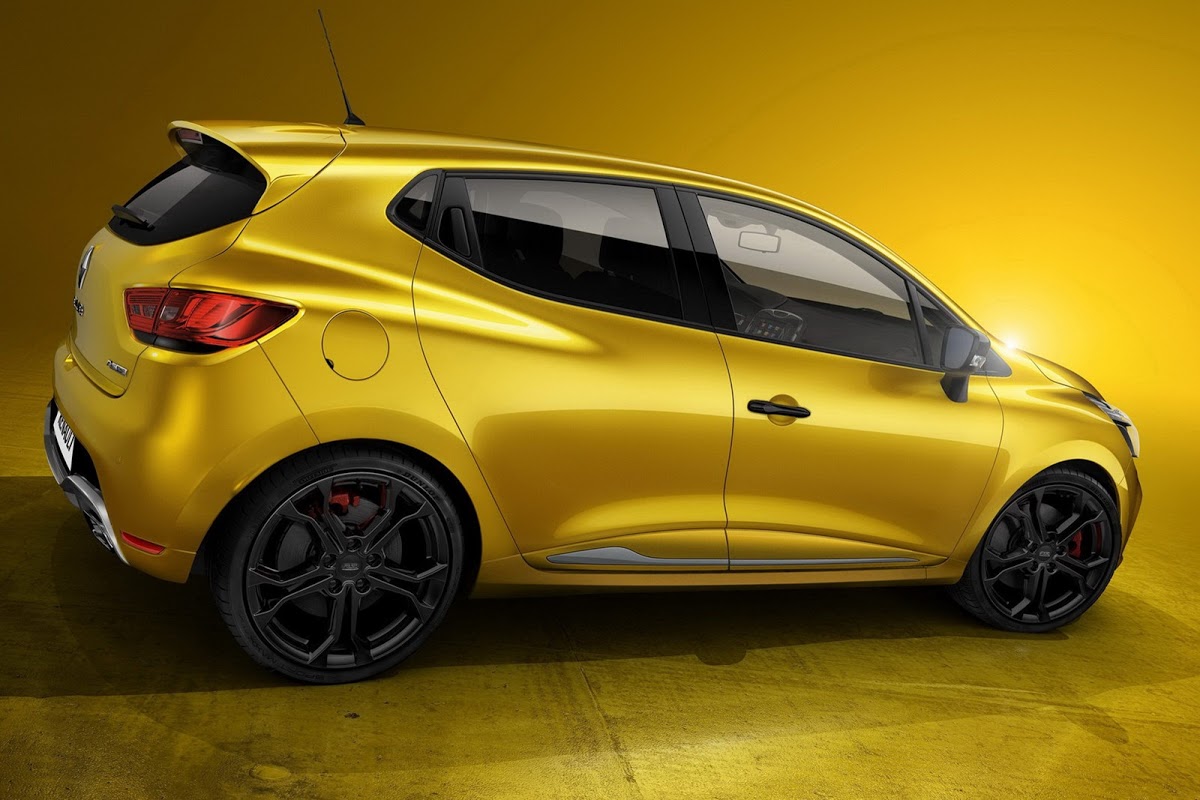
Renault admits it could build a hybrid-powered RS model again.
The new Clio is seen as a prime candidate for RS revival.
RS brand was officially axed in favor of Alpine performance.
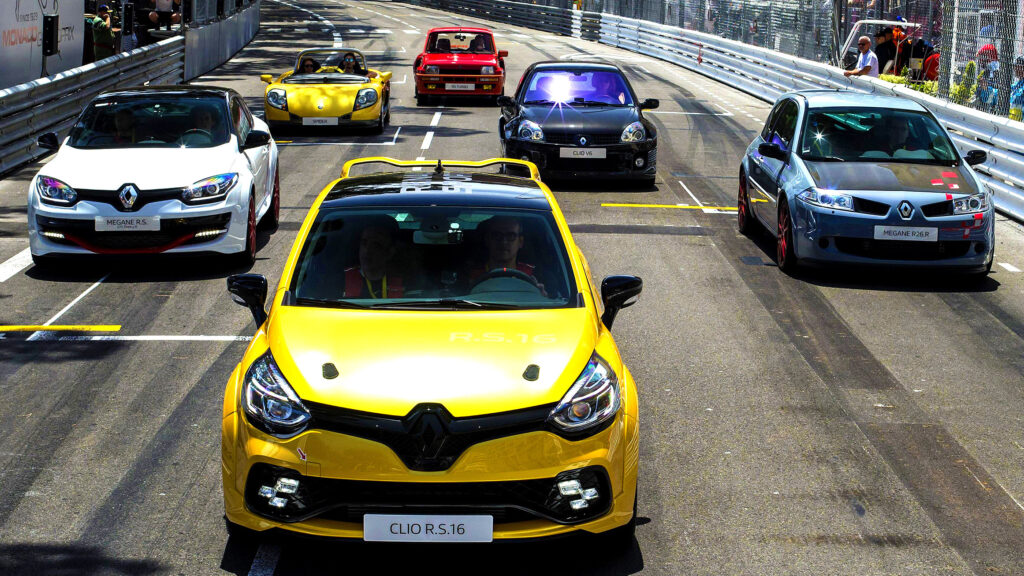
Renault may have wound down its RenaultSport division a little too soon. The decision to pull the plug on sporty models like the Megane RS and Clio RS wasn’t exactly met with cheers, and now there’s a hint it might not be permanent.
According to Renault’s global sales and operations director, Bruno Vanel, if there’s enough public appetite for a return, the RS badge could make a comeback.
While recently speaking with Auto Express, Vanel confirmed that Renault has the technical resources on hand to resurrect a performance model, most likely in the shape of a new Clio RS. The brand’s existing portfolio of electric and high-power hybrid powertrains, he explained, includes hardware well-suited to a modern hot hatch.
Even though we’re sure many Renault enthusiasts would also love to see the Megane RS stage a comeback, that seems far more unlikely now that the Megane has morphed into an all-electric crossover.
In contrast, the new-generation Clio, unveiled just a few months ago, offers a more fitting foundation. The sixth-gen model arrived with a more aggressive design and enough visual punch to imagine it in RS trim. And crucially, it remains a hatchback.
“The good news is that we have the know-how internally to make such a car [a Clio RS],” Vanel told the magazine. “We also have hybrid powertrains; solutions to get high power with low CO2 emissions. This is really important now that we are more and more challenged on CO2.”
Vanel added that while there is no immediate plan to bring back the RenaultSport brand “for now,” he said that with enough interest, “maybe [Renault] can reconsider. We’ll wait a couple of months, and then we’ll think about it,” he added.
If Renault were to greenlight an RS version of the new Clio, it would most likely build on the current car’s hybrid system. In its range-topping E-Tech form, the Clio combines a 1.8-liter engine with an electric motor to produce 158 hp.
With some tuning, if that figure was lifted closer to 220 hp, it would position the Clio RS firmly into small hot hatch territory, largely matching the previous-generation on performance.
Classic VW Beetle hides Tesla motor and Porsche battery power.
Built by Knepper Bugs & More after rescuing it from a junkyard.
Over 600 hp and 2.9s 0–62 mph make it supercar-shaming fast.
Electric power has opened up a new world of possibilities for tuners, letting them stuff serious performance into cars that were never designed for big engines in the first place.
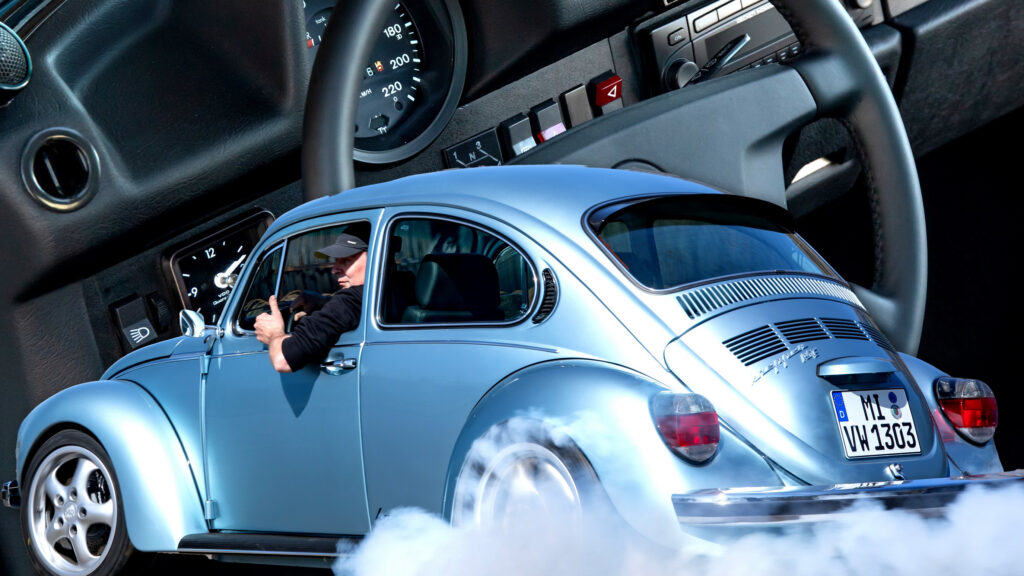
Take this unassuming classic VW Beetle, for example. While it still looks like something you’d see puttering through a sleepy village, it’s packing the kind of firepower that will put a modern supercar on edge.
Built by Knepper Bugs & More in Germany, this VW Beetle was originally discovered rotting in a California salvage yard. Knepper bought the car and shipped it home, then began the long process of rebuilding it, ripping out the original powertrain in favor of something much more powerful, and more fitting of the times.
A Classic with a Modern Heart
Knepper Bugs & More
The motor now driving the Beetle is the same unit found on the rear axle of a Tesla Model S. However, it’s been modified to run at a higher voltage, which boosts output to more than 600 horsepower and 516 lb-ft (700 Nm) of torque. That’s not a misprint. This thing has nearly triple the power of some modern hot hatches.
Power delivery is handled by a set of Porsche 930 drive shafts, while energy comes from 17 battery modules sourced from a Porsche Taycan. It’s a Frankenstein’s monster of high-end EV tech, all crammed into a car originally designed to max out around 50 horsepower.
There’s no word on how much weight the electric conversion has added, but it has turned this Beetle into an absolute weapon.
According to Knepper, it takes just 2.9 seconds for the Beetle to hit 100 km/h (62 mph). That’s deep into supercar territory, for those keeping score. The new Lamborghini Temerario, armed with a twin-turbo V8 hybrid setup, does the same sprint in 2.7 seconds. The latest Porsche 911 GT3? It needs 3.4 seconds, which means it’ll be shrinking fast in the Beetle’s rearview mirror.
On a full charge, it can travel about 250 kilometers (155 miles). Drive it like it was built to be driven, and range drops to closer to 100 kilometers (62 miles). Not that anyone will be counting.
To help it cope with the massive performance bump, much of the suspension and braking hardware has been lifted from Porsche 944s. There are also several parts from KW and Bilstein to ensure the VW is capable of handling all of its extra grunt.
It’s Not Just the Powertrain
Knepper Bugs & More
Extensive work has been done to the exterior of the Beetle, and it’s now finished in a lovely shade of Marathon Blue. It also sits on classic Porsche wheels and the ride height has been lowered, giving it a more aggressive stance on the road.
There’s also a small carbon fiber spoiler, but nothing else to suggest that this Bug is packing nearly as much power as a Lamborghini Huracan.
The cabin remains impressively simple. It retains the original gauge cluster and dashboard, now refinished but still true to the car’s roots, and has been fitted with a pair of Recaro seats sourced from a BMW 2002. The old shifter has also been replaced with a small digital touchscreen to select the appropriate gear.
Eager to show how well-built the car is, Knepper’s found took it on an 8,000 km (~5,000 km) journey earlier this year through Belgium, France, Spain, Portugal, Luxembourg, and even across the Strait of Gibraltar to North Africa.
Dealers say Ford only paid $600 per EV battery replacement.
They claim the real cost should be $22,600 per battery.
More lawsuits are reportedly being prepared in other states.
As more legacy automakers navigate the shift to electric vehicles, the complexity of servicing and supporting them is beginning to reveal fault lines, especially when it comes to who pays for what.
Ford is now facing allegations that it underpaid two New York dealerships for comprehensive EV battery replacements, according to a lawsuit filed in US District Court.
And the trouble may not stop there, as attorneys say similar legal actions are in motion and could eventually be consolidated into a class action, raising the stakes for the company.
Jericho Turnpike Auto Sales and Patchogue 112 Motors allege that Ford has sidestepped state warranty reimbursement laws by issuing low flat-rate payments for full battery pack replacements, rather than covering the actual costs of the repairs.
The dealer says it has completed 15 EV battery replacements on Ford models since early 2024. Of those, Ford allegedly reimbursed the dealer just $600 per battery for 13 jobs that should have cost $22,600 each, leaving a gap of $286,200. In the remaining two cases, the dealer received $13,000 per battery. Even so, the lawsuit claims Ford still failed to pay the full amount.
Patchogue 112 Motors reports a similar pattern, stating it was paid only $600 per battery instead of the expected $22,600.
What Are Ford’s Responsibilities?
At the heart of the lawsuit is the question of how franchised dealerships are compensated for warranty and service contract repairs.
The filling alleges that Ford ignored legal requirements despite a state statute requiring manufacturers to reasonably cover repairs and manufacturer service contracts not “less than the price and rate charged by the franchised motor vehicle dealer for like services to non-warranty and/or non-service contract customers.”
That includes the cost of parts plus a 40 percent markup. Dealers are also allowed, under the law, to apply their typical non-warranty retail markup on labor, which can range from 70 to 200 percent depending on the service. The lawsuit claims Ford has not followed these provisions.
Leonard Bellavia, one of the attorneys representing the dealerships, told Auto News that Ford isn’t alone. His firm is pursuing similar claims against other automakers in multiple states, all centered on what he describes as a pattern of failing to meet warranty payment obligations
Fewer than 1,500 VinFast cars registered in the US this year.
VinFast had promised hundreds of US dealers by late 2024.
Only 17 VinFast dealers have VF 8 or VF 9 models in stock.
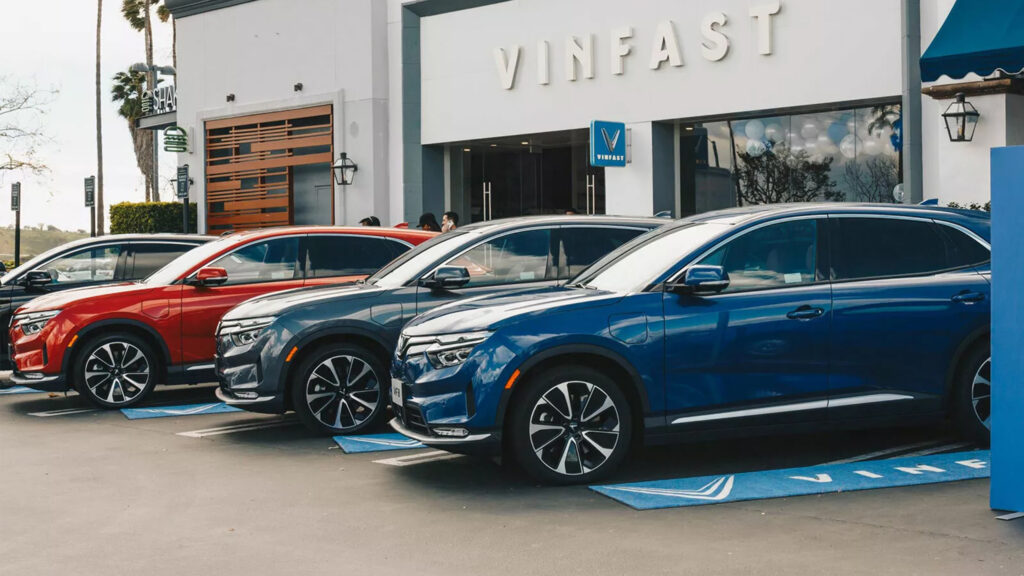
VinFast’s bid to break into the American market has struggled to gain traction. The Vietnamese automaker’s US adventure has been marked by sluggish sales, dwindling dealership support, and a strategy that appears to be unraveling faster than it came together.
As more partners step back from the brand, questions are beginning to surface about the future of VinFast’s presence in the States.
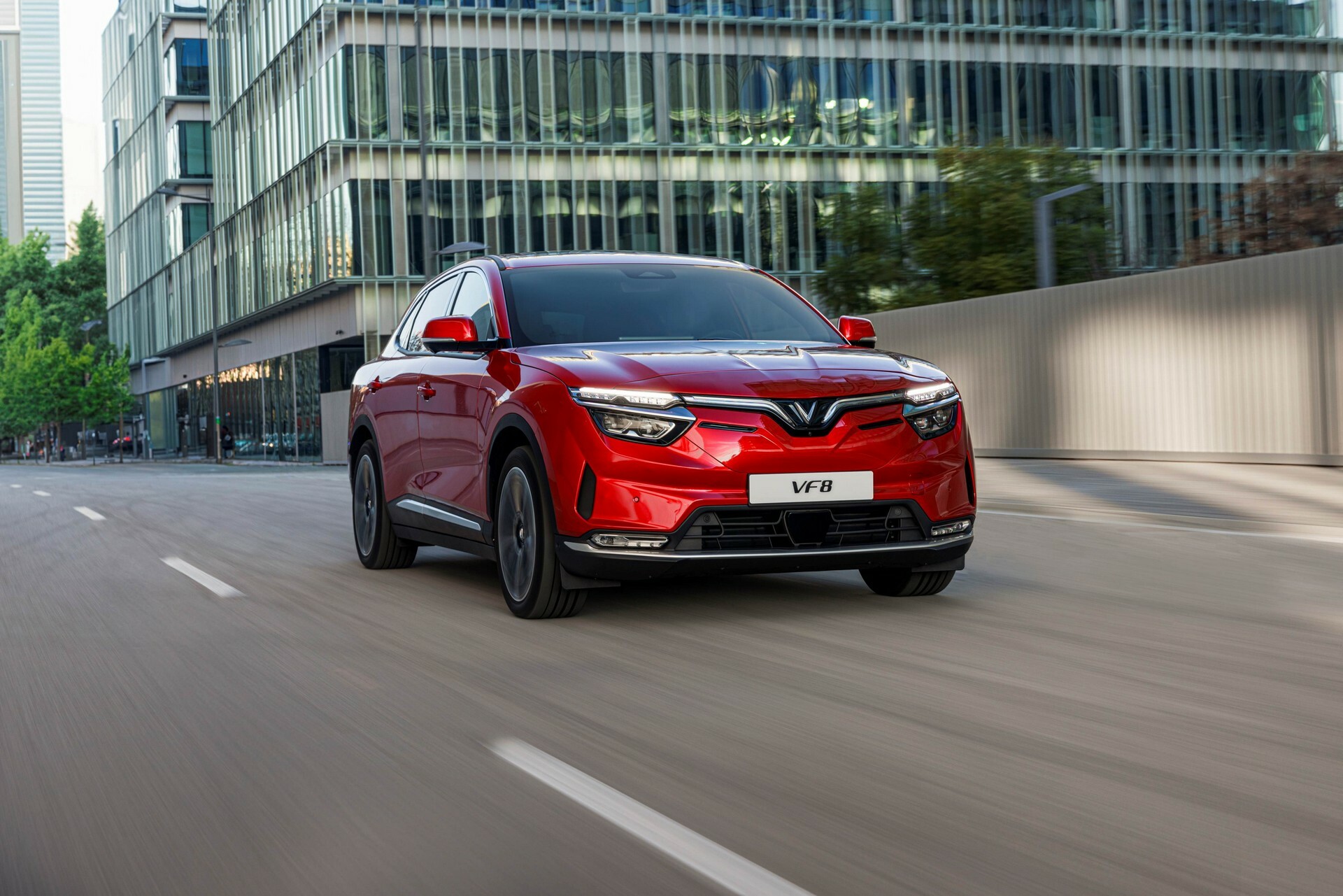
VinFast currently offers the VF 8 crossover and the three-row VF 9 locally, and at one point, it floated plans to bring a compact VF 3 and even a pickup truck to American buyers. Those ambitions now seem increasingly out of reach.
Stalled Expansion Plans
Adding to that, the company ceremoniously broke ground on a North Carolina factory in 2023, aiming to begin production just a year later. That timeline quickly fell apart. Construction was halted, and the plant’s opening has now been postponed until 2028.
The signs aren’t encouraging. According to a report from AutoNews, VinFast now has fewer than two dozen stores operating across the US. That figure continues to shrink, as one location shut down in July, another closed in November, and a third in North Carolina is scheduled to close before the year ends.
Even among the remaining dealers, many are operating in name only. Several locations have no vehicles on site, and some are down to just a handful of units.
Indeed, of the 22 active dealers that VinFast says it has, just 17 of them have EVs in stock. Most of them have 15 or fewer vehicles available. In the case of one dealer in Florida, it has just a single 2024 VF 8 in stock, priced at $52,910.
Sales Collapse
VinFast sales have taken a big hit this year. Through the first ten months of this year, just 1,413 of its vehicles were registered in the United States, representing a 57 percent decline from the year prior. This comes despite the fact that total EV sales across the US have jump 11 percent this year.
The company’s expansion has clearly not gone as it would have liked. It originally expected to quickly sign 125 dealers, and then planned to have hundreds of outlets across the country by the end of 2024. As of August, it claimed to have “nearly 30 authorized dealerships.”
According to VinFast chairwoman Thuy Thu Le, the company has paused its aggressive push into the US and won’t open any more dealerships for the time being.
“Given the tariff situation and the instability in the EV market, we just need to see how that settles before we kind of push hard in the U.S.,” Thuy told Autonews. “Until we see some growth and stability in the U.S. market, we don’t intend to open more dealerships. Instead, we cultivate the relationship with the existing dealers and make sure they can get to profitability faster.”
California may charge EV drivers up to 4 cents per mile driven.
Gas tax funds 80 percent of state road maintenance costs today.
Officials are testing new ways to fund roads as EV use grows.
California has set an ambitious goal of reaching carbon neutrality by 2045. That path runs straight through mass electric vehicle adoption, which means saying goodbye to traditional gas-powered cars, and with them, a major chunk of how the state pays for its roads.
With gas tax revenue poised to shrink, officials are now exploring a new alternative: a per-mile road tax for EV drivers.
As it stands, approximately 80 percent of California’s road maintenance budget is funded through a gas tax. For every gallon pumped at the station, around 61 cents goes toward keeping the state’s vast network of highways, freeways, and local roads in working order.
How Will EVs Pay Their Share?
Obviously, as more and more people shift to EVs, this revenue stream will slowly dry up. This is where the road tax could come into play. California recently completed a pilot program for a road tax earlier this year, charging EV owners between 2 and 4 cents for every mile that they drive.
In theory, it’s a straightforward way to recover the funds needed for upkeep without relying on fossil fuels. But implementation may be anything but simple.
For one, it could end up costing quite a bit to set up and run. For another, drivers who rack up serious mileage, often those in rural areas or with long commutes, might bear the brunt of the expense.
As noted by Fox 26 News, a commuter traveling daily between Hanford and Fresno could face around $11 a week under the proposed system. Multiply that over a month or a year, and it becomes a noticeable new cost for people who may not have easy alternatives.
Then there’s the question of how the state would monitor each vehicle’s mileage. One proposed method involves installing a tracking device that plugs into the car and logs the miles traveled.
That could get expensive fast, especially if it needs to be rolled out across every EV on California’s roads. And even if the technology is viable, it brings up a different kind of cost, one to driver privacy.
Many Californians would likely have reasonable concerns about being monitored so directly, especially if the data is handled by third parties or used beyond just tax purposes. Balancing effective tracking with individual privacy rights could prove to be a sticking point.
According to David Kline from the California Taxpayers Association, the logic behind the tax is simple: “Someone’s got to pay for the roads,” he said. “It should be the people who use the roads.”
However, he is concerned that the road tax could end up “switching the burden to different people,” questioning whether some of those who have to drive long distances can afford the new tax. That tension between fairness and practicality remains unresolved as the state weighs its next move.
Nearly half of new buyers are leaning toward a single drivetrain.
Overall demand shows a striking shift compared to early 2024.
Traditional engines still draw attention despite market changes.
China’s electric vehicle market isn’t just growing, it’s evolving faster than most can process. With new models rolling out at breakneck speed, the country’s automakers aren’t simply keeping pace with global trends, they’re driving them.
And they’re not building EVs in a vacuum either. Domestic demand, especially among younger and first-time buyers, is pushing the shift forward.
It turns out, more of these buyers are now leaning electric than ever before. A recent study conducted by Bloomberg Intelligence has revealed that 47 percent of prospective first-car buyers in the country plan to buy an EV within the next 12 months. This represents a massive spike from the 25 percent in February.
Widen the scope to include all prospective car buyers in the country, and the trend holds. A full 52 percent now say they intend to make their next vehicle an EV, compared to 34 percent back in both February and March 2024.
Interest in extended-range EVs, those that offer additional miles from an onboard generator or similar tech, is also gaining ground. As of the latest figures, 8 percent of surveyed buyers said they’d consider one for their next purchase.
Interestingly, the Bloomberg survey also found that plug-in hybrids are losing ground fast. Just 12 percent of respondents now say they’re considering one for their next car, a steep drop from 23 percent in February.
Conventional hybrids have slipped even further. Once viewed as a sensible middle option, their share has fallen from 15 percent in February to just 9 percent by November.
Demand for traditional combustion-engine cars hasn’t disappeared though, which comes as somewhat of a surprise. 19 percent said they’d opt for an ICE model for their next car. Admittedly, just 1,000 people participated in the survey, so it’s hard to make definitive conclusions based on this small sample size.
According to Bloomberg Intelligence analyst Joanna Chen, the competitive prices of EVs in China have contributed to the exceptionally strong demand for them.
“The country beats Europe and the US with battery electric vehicles already reaching price parity versus gasoline cars, while consumers’ strong interests in advanced tech features give local startups and tech giants Huawei Technologies Co. and Xiaomi Corp. stronger edge in the fierce market competition,” she said.
The solid-state cell offers 20 to 30 percent more density.
Bugatti’s next model may debut with the new battery tech.
Rimac also supplies batteries and e-axles to other brands.
Compared to some of the battery juggernauts in China and South Korea, Rimac Technology is still a relatively small player. But that hasn’t stopped it from pursuing next-generation EV tech and among its most ambitious efforts is a solid-state battery project that could power a future Bugatti model due within the next five years.
Rimac Technology became a standalone engineering firm in 2022, spun off from the Croatian carmaker to focus on supplying electric components to third-party manufacturers.
Behind the Battery Development
According to chief operating officer Nurdin Pitarevic, the company is now working with composite material specialists from Mitsubishi and solid-state cell developer ProLogium to bring its new battery to life.
The prototype battery in question is a 100 kWh pack that weighs 30 kg (66 lbs) less than a typical equivalent. Rimac says it delivers 20 to 30 percent more energy density than traditional batteries, with the long-term goal of reaching price parity with conventional NMC cells by 2035.
Speaking with Autocar, Pitarevic revealed that testing of the new batteries will start soon and hinted at them being used in a mid-volume production model from Bugatti in 2030.
Details about the new Bugatti model are few and far between, but it would likely be the company’s long-awaited car to sit alongside the Tourbillon, rather than a special version of that V16-powered monster.
Rimac’s e-Axles
It’s not just advanced batteries that Rimac Technology is developing. New e-axles that combine electric motors, gearboxes, and electronics into a single package are also in the works, being flexible enough to be used for front-, rear-, and all-wheel-drive models.
They can also be specced to deliver between 200 hp and 470 hp, making them suitable for a broad range of performance models. Porsche and BMW are among the automakers currently sourcing e-axles from Rimac.
A Saudi startup called Ceer, developed in partnership with Foxconn Technology Group, is also on board. Ceer’s upcoming SUV will feature a Rimac rear e-axle with output comparable to the 1,288 horsepower rear motor in the Rimac Nevera, yet the unit weighs only 132 kg (291 lbs), a full 66 kg (145 lbs) lighter than the Nevera’s setup.
Rimac is also working on a smaller e-axle, weighing just 48 kg (106 lbs), with a projected output of 500 horsepower.
BMW names Milan Nedeljkovic as its next CEO replacing Oliver Zipse.
Nedeljkovic joined BMW in 1993 and leads production operations.
Zipse will remain CEO until the 2026 Annual General Meeting.
BMW has named its next chief executive officer, confirming that Milan Nedeljkovic, the brand’s current head of production, will take the reins next year. His appointment comes at a pivotal moment for the company, as it pushes deeper into electrification and prepares to usher in its Neue Klasse generation of vehicles.
Nedeljkovic won’t be stepping into the role immediately, though. Incumbent CEO Oliver Zipse will continue leading the company until BMW’s Annual General Meeting on May 13, 2026. After that, Nedeljkovic is set to begin his term, with a contract that runs through 2031.
Zipse has been at the helm for seven years, steering BMW through an unusually turbulent stretch. His time in charge included the COVID-19 pandemic, widespread supply chain disruption, and a bevy of product rollouts that ranks among the most intensive in the company’s history.
“Oliver Zipse has always prioritized BMW’s success,” chairman of the supervisory board of BMW AG, Dr. Nicholas Peter described. “He consistently took a clear stance—even in the face of great external headwinds—and thus kept the company on track during turbulent times.”
Nedeljkovic, meanwhile, is a BMW veteran. He joined the company in 1993 as a trainee and has since held senior roles at its Oxford, Leipzig, and Munich facilities. According to Dr. Martin Kimmich, deputy chairman of the supervisory board and chair of the Global Works Council, he’s built strong relationships inside the company.
“He is held in high regard by and enjoys the trust of BMW’s workforce,” Kimmich said. “Together with him, we look forward to continuing the long tradition of cooperative collaboration between the Works Council and corporate management as a foundation for our BMW success story.”
The Future of BMW
The next five years will be hugely important for the BMW brand. It plans to launch more than 40 new or updated models by the end of 2027, all of which will use the same computing systems as the new iX3.
That includes a full facelift of the company’s vehicle range, unified under the design direction set by the second-generation iX3. Many of those models will also adopt the iX3’s new Panoramic iDrive system, marking a significant update to both interface and in-cabin tech.
Tesla is offering special financing on the Model Y Standard.
Buyers need a 720+ credit score to qualify for the top deal.
The stripped-down Model Y starts at a base price of $39,990.
As the end of the year draws closer, Tesla has rolled out a set of last-minute offers designed to nudge buyers off the fence, something we’ve come to expect from the automaker in the final stretch of the calendar.
Arguably the most notable of these is a new financing deal for the entry-level Model Y Standard, now available with 0 percent APR on a 72-month term. That’s six years of interest-free payments, for anyone keeping count.
The back-to-basics Model Y Standard was introduced a couple of months ago and prices start at $39,990 before destination and taxes. It’s based on the regular Model Y, but lacks many of its key selling points, including the panoramic glass roof and the front light bar. It also has a simpler interior.
Evidently, Tesla was eager to save as much money as possible when designing the car.
Zero Percent, But Not for All
When first launched, the Model Y Standard wasn’t included in Tesla’s promotional financing, but things have changed. It’s now available at 0 percent APR. However, this financing deal is only available if you’re willing to put down at least $2,069 at signing.
Additionally, you’ll need an excellent credit rating of 720 or above to get the deal. If your credit rating is between 680 and 720, the APR rises to 0.99 percent, or 1.99 percent with a 640-679 credit rating, and 2.99 percent with a sub-640 credit rating.
Tesla is offering the 0 percent financing deal for its 36-, 48-, 60-, and 72-month terms, but not its longest 84-month term.
Extras On the House
But wait, there’s more. Tesla is also tossing in a few extra incentives for EV buyers choosing from existing inventory. Depending on the car, some models are now being offered with one complimentary upgrade. A quick scroll through Tesla’s site shows examples with larger wheels, premium paint finishes, or the optional white interior included at no additional cost.
Whether this last-minute round of offers will give Tesla the year-end bump it’s chasing remains to be seen.
Jim Farley wants EV rules aligned with real customer demand.
Ford’s CEO says Europe’s EV share has stalled at 16 percent.
Farley warns Chinese brands could soon dominate the market.
Not long after carmakers caught a break from former US President Donald Trump, who relaxed stringent fuel economy standards, Ford chief executive Jim Farley has written an op-ed urging the European Union to adopt more pragmatic EV targets. Without them, he warns, the region could be swallowed up by fast-moving Chinese entrants.
In a Financial Times op-ed, Farley accuses European policymakers of crafting unrealistic regulations, only to revise them late in the year, creating what he calls a “recipe for turmoil.”
Ford’s CEO argues this approach costs automakers billions in investment by interrupting the “complex cycle of product design, engineering, and supply chains.”
A New Approach is Needed
While speaking in the White House last week, Farley noted that Biden-era policies were unreasonable and not in line with consumer demand. He’s drawn a direct comparison to the situation in Europe, pointing out that EV market share across the EU has stalled at around 16 percent, well short of Brussels’ 25 percent goal for 2025.
“The approach to regulation – mandate it and they will buy it – has failed,” he writes. “We must align carbon targets with actual market adoption and provide automakers with a realistic and reliable 10-year horizon. This includes giving consumers the option to drive hybrid vehicles for longer, bridging the gap rather than forcing a leap to EVs they aren’t ready to take.”
Farley also notes that Europe’s automakers have already poured hundreds of billions into electrification. In return, he believes governments need to step up with serious purchase incentives and support for charging infrastructure that goes well beyond affluent urban neighborhoods.
China Looms Large
The Blue Oval’s boss isn’t just concerned with government policy. He’s also keeping a close eye on the momentum of Chinese automakers. With massive overcapacity and a strong foothold in battery tech, China is now in a position to flood the European market. Over the past year alone, Chinese EV brands have doubled their market share in the region.
“EU vehicle production is now 3mn units below pre-Covid levels,” Farley notes. “Plants are going dark. In 2024 alone, 90,000 jobs in the automotive industry evaporated. These are the kinds of jobs that sustain European social stability”.
This isn’t a hypothetical threat. Farley argues that a combination of subsidized Chinese EVs and rigid carbon mandates could upend the local industry faster than policymakers anticipate.
“To be clear, the industry is not asking for a bailout,” he adds. “We are not asking for protectionism to shield inefficiency. At Ford, we will continue to do the hard work of restructuring. We have closed legacy facilities, reduced our workforce and slimmed down costs to become more agile….But if Europe wants to avoid becoming a museum of 20th-century manufacturing, we need an urgent reset and a long-term plan.”
“This is not a transition,” he warns. “It’s more like a wind-down of Europe’s automotive industry.” Without immediate course correction, Farley argues, Europe’s industrial backbone could slip into long-term decline.
VW increased ID Buzz incentives, offering up to $10,000 off.
Many dealers list new ID Buzz Pro S models well below MSRP.
Some Colorado stores advertise ID Buzz units in the $30,000s.
2,469 cars. That’s the number of ID. Buzz EVs Volkswagen moved in the first nine months of the year, a figure that makes it the weakest seller in its American lineup, unless you separate out the Golf R and Golf GTI, which, realistically, you shouldn’t.
Given that, it’s no real surprise that VW dealers continue to sweeten the pot on the electric van as the year winds down and they look to clear inventory ahead of the new model year.
What’s VW Offering Now?
If you’ve had your eye on the ID.Buzz, now might be the time to move. Just before the end of November, VW bumped up its Retail Customer Bonus on the ID. Buzz from $2,500 to a way more generous $7,500. While the promotion was introduced as part of Black Friday, it’s sticking around well into January. And that’s not the only offer on the table either.
The ID. Buzz is also eligible for a separate $2,500 Dealer Bonus. That brings potential savings to $10,000, at least in theory. As noted by Cars Direct, the dealer incentive isn’t guaranteed to make it into the buyer’s column. Dealers are within their rights to retain the $2,500 themselves.
So if you’re serious about landing a deal, expect to negotiate. Whether or not that bonus is passed along may come down to how convincingly you make your case.
Both bonuses appear to apply across all trims. The ID. Buzz starts at $59,995 for the Pro S variant, not including the $1,550 destination and delivery fee. Subtract the incentives, and the starting figure can dip to $51,545.
It’s Worth Shopping Around
That’s a solid cut, but as we discovered on Autotrader ourselves, shop around and you’ll find even more aggressive pricing. Several VW dealerships across the country are listing base ID. Buzz Pro S models well under MSRP.
For example, Tynan’s Volkswagen in Aurora, Colorado, has three 2025 Pro S models in its inventory, all with asking prices of just $36,695, a massive $25,500 off the $62,195 stickler. All three have 15 miles or fewer on their odometers.
These aren’t the only cheap ID.Buzz Pro S models available. Karen Radley Volkswagen in Woodbridge, Virginia, has two listed for sale through Autotrader, both available for $45,195 and with a total of zero miles on the clock, for a substantial $17,000 discount from the original $62,195 MSRP.
There are dozens of other Pro S models available across the US for less than $48,000, so if you’re hunting for a deal, there are plenty of good options.
New EVs in Germany now qualify for long-term tax exemptions.
All but one political party voted in favor of the new program.
Purchase incentives will also return starting January 1, 2026.
About two years ago, Germany scrapped a key set of electric vehicle subsidies, only to find out just how dependent its EV market had become on them. The drop-off in sales was sharp enough to prompt a policy reversal.
Now, not only are purchase incentives making a comeback from January 1, 2026, but a generous tax break is being extended for another five years.
It’s been confirmed that any new electric vehicle registered in Germany will be exempt from motor vehicle tax through December 31, 2035. Lawmakers have agreed to keep the registration window open until the end of 2030, meaning any EV signed off before that deadline will enjoy the full exemption through to the end of 2035.
According to Manager Magazin, the original tax exemption had been set to expire at the close of this year. The extension received broad support across parliament, with every party backing it, except for the right-wing AfD.
According to Stefan Korbach, a member of the federal parliament, the tax break is intended to encourage more people to enter the EV market while also supporting Germany’s automotive sector at large.
Purchase Incentives Return
The return of the tax exemption isn’t the only policy lever being pulled to revive electric vehicle demand. As noted, the federal government plans to reintroduce purchase incentives starting in 2026, with a focus on helping lower- and middle-income households afford new EVs.
The program will provide incentives of up to €4,000 ($4,660) toward the purchase of a new EV priced under €45,000 ($52,400), a significant reduction from the previous scheme, which allowed for vehicles up to €65,000 ($75,700).
Eligibility is expected to be limited to individuals earning less than €45,000 ($52,400) annually, which naturally narrows the pool of potential recipients. It’s worth noting that buyers earning under that threshold may find more breathing room in the used EV market rather than in showrooms.
Between 2016 and 2023, Germany’s earlier EV subsidy initiative disbursed around €10 billion ($11.6 billion) in payments to buyers.
Lotus built its first hybrid SUV, based on the electric Eletre.
The hybrid’s 2.0L turbo engine is paired with electric motors.
Combined output could hit 952 hp, topping the Eletre R EV.
Not too long ago, Lotus committed to an all-electric future. The plan was ambitious, but in hindsight, maybe a touch premature. Like several other automakers, it’s now reevaluating that timeline. Enter a new chapter: hybrids. The first model stepping into this transitional role is a familiar face, spun from the current Eletre SUV.
Images released by the Chinese Ministry of Industry and Information Technology (MIIT) confirm what earlier reports suggested. Lotus’s first hybrid offering isn’t a ground-up redesign. It’s a lightly revised version of the existing Eletre, tweaked just enough to accommodate a new powertrain.
Visually, there’s little to give it away. The bodywork remains unchanged apart from a discreet new ‘For-Me’ badge on the decklid. That small emblem is the only outward hint that this Eletre swaps batteries alone for something a little more combustible.
What’s Changed Underneath?
Many technical specifics are still being kept under wraps. What is confirmed is the presence of a 2.0-liter turbocharged four-cylinder engine producing 279 horsepower. That unit will work in tandem with an unspecified electric drive system.
We don’t yet know the size of the battery pack or how many electric motors are onboard, but reports claim that the hybrid setup will deliver a combined 952 hp. That would put it slightly ahead of the fully electric Eletre R, which tops out at 905 hp.
Electric range in the Lotus For-Me depends on the trim, with figures falling between 345 and 355 kilometers (214 to 221 miles) under the optimistic CLTC cycle.
In plug-in hybrid mode, fuel consumption is exceptionally low at just 0.06 to 0.07 liters per 100 km (approximately 392 to 336 mpg), according to WLTC standards.
Once the battery is depleted and the crossover runs on its combustion engine alone, consumption rises significantly to between 6.0 and 6.10 liters per 100 km (around 39 to 38.6 mpg).
The dimensions of the hybrid are identical to the EV. As such, the sleek SUV is 5,103 mm (201 inches) long, 2,019 mm (79.4 inches) wide, and stands 1,636 mm (64.4 inches) tall with a 3,019 mm (118-inch) wheelbase. Weight will vary between 2,575 kg (5,676 lbs) and 2,625 kg (5,787 lbs), depending on the specification.
It’s Coming to Europe
The hybrid version, called the Eletre For-Me, will make its debut in China. But this isn’t a market-exclusive product. Lotus has confirmed that its new plug-in hybrid lineup is headed for Europe as well.
Next in line after the hybrid Eletre is likely a plug-in version of the sleek Emeya sedan. Built on the same platform and sharing many core components with the SUV, the Emeya is an obvious candidate for hybridization. A third model, a smaller SUV, has also been confirmed and is due to arrive in 2027.
Each of these new plug-in hybrids will make use of Lotus’s 900-volt electrical architecture. Among other benefits, that setup supports ultra-fast charging. According to Lotus, charging from 10 to 80 percent will take just ten minutes.
Mercedes GLB replaces EQB and launches with electric-only options.
85 kWh battery enables 392 miles in single-motor, 382 in dual-motor.
Next year, an entry-level EV will be introduced, as will several hybrids.
A new generation of the Mercedes-Benz GLB has arrived, and while the silhouette remains true to the blocky, upright form of the original, there’s quite a bit going on beneath the surface.
Offered in both 5- and 7-seat configurations, the 2026 GLB debuts as an all-electric model and, for now, serves as a replacement for the EQB in everything but name. Hybrid versions will follow later, but the first wave is electric-only.
Two versions of the new generation GLB are launching out of the gate. The first, labeled GLB 250+ with EQ Technology, features an 85 kWh lithium-ion battery and adopts an 800-volt electric architecture.
It powers a single rear-mounted motor rated at 268 hp and 247 lb-ft of continuous torque, with a short-term boost up to 335 lb-ft. Acceleration from 0–62 mph (100 km/h) takes 7.4 seconds, and range is quoted at 392 miles (630 km) on a full charge, olid figures for a compact SUV in this category.
Sitting above the 250+ is the 350 4Matic with EQ Technology. The name might not stick in your memory, but the numbers probably will. This dual-motor variant adds a front axle motor for all-wheel drive, producing a combined 349 hp and 380 lb-ft of torque.
Range takes a slight dip to 382 miles (615 km), but the extra grunt cuts the 0–62 mph time down to 5.5 seconds.
Mercedes has also confirmed a more affordable electric entry-level version will join the lineup next year, followed by a hybrid variant using 48-volt architecture. Three power levels will be available across front- and all-wheel drive formats.
Starry Eyed
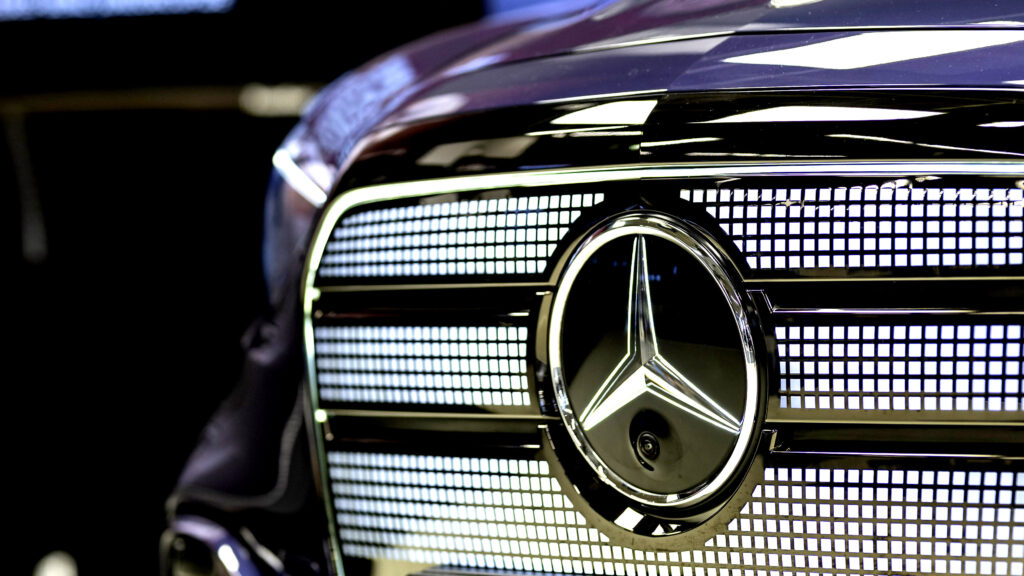
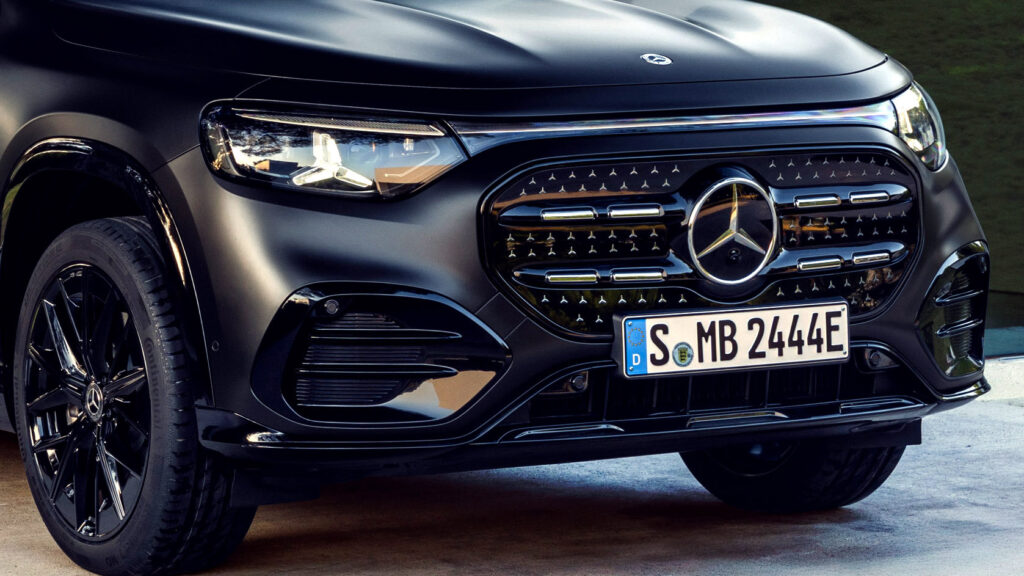
Like other new-generation Mercedes models (think CLA and GLC EQ), the GLB adopts a more expressive front end. A large grille dominates the nose, flanked by redesigned headlights with intricate star-shaped DRLs and a full-width light bar. It’s not a particularly handsome looking SUV, but neither is the outgoing model.
The rear-end is perhaps the most controversial angle of the 2026 GLB. The taillight treatment leans into the styling language seen on the brand’s EQXX Concept from a few years back, with vertically oriented clusters connected by a slim light bar. The signature star pattern makes another appearance here.
How Much Bigger Is It?
The new electric GLB has grown in nearly every direction compared to both the previous EQB and the combustion-powered GLB it effectively replaces in this segment. At 4,732 mm (186.3 inches) in length, it’s 48 mm (1.9 inches) longer than the EQB and a full 98 mm (3.9 inches) longer than the earlier GLB. Width is up as well, now measuring 1,861 mm (73.3 inches), 27 mm (1.1 inches) wider than both predecessors.
Interestingly, height has gone the other way, dropping slightly to 1,687 mm (66.4 inches), which makes it 14 mm (0.6 inches) lower than the previous models.
The wheelbase sees the most notable stretch, now sitting at 2,889 mm (113.7 inches), a 60 mm (2.4 inches) increase over earlier versions. That extra length between the axles should improve interior space, particularly in the second row.
One small trade-off comes in maneuverability: the turning circle has grown marginally, from 11.7 m (38.4 feet) in the old GLB to 11.9 m (39.0 feet) in the new electric version. Boot capacity is also up, with 667 liters (23.6 cubic feet) available in the rear and 127 liters at the front (frunk).
An All-New Cabin
A big step into the future has also been made with the GLB’s interior. Like the CLA, it can be optioned with the Mercedes Superscreen, consisting of a 10.25-inch driver display, a 14-inch infotainment screen, and a 14-inch display for the passenger.
As with other new Mercedes-Benz interiors, the dash of the GLB is almost completely flat, largely free of any interesting design details.
It runs on the fourth-generation MBUX system that includes Microsoft and Google artificial intelligence. The screen runs on the Unity Game Engine and includes the MBUX Virtual Assistant, based on ChatGPT4o. Clearly, Mercedes was eager to make the GLB as tech-focused as possible.
At this point, pricing is confirmed only for Germany. The GLB 250+ with EQ Technology starts at €59,048 ($68,700), while the 350 4Matic comes in at €62,178 ($72,400). US pricing hasn’t been announced yet, but expect a similar spread when it arrives in other markets next year.
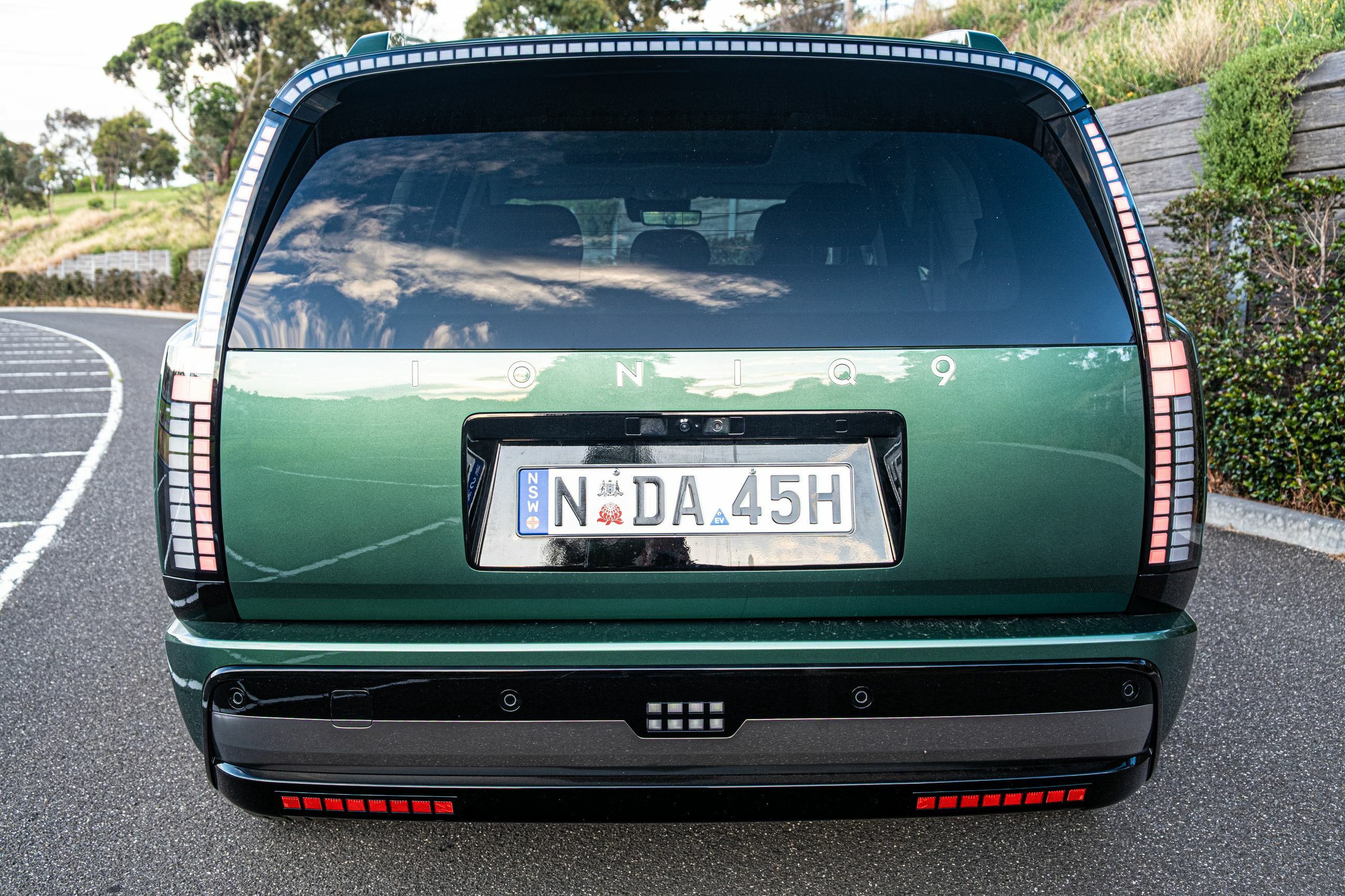
Electric SUVs have come a long way in a short time, but in the three-row space, progress has been surprisingly slow. Hyundai made a big impression on the EV market when it unveiled the striking Ioniq 5 in early 2021. A month later, Kia unveiled its related EV6.
However, following the debut of the Ioniq 5 and the later arrival of the Ioniq 6, Hyundai’s rollout of next-generation EVs has slowed, especially compared to Kia. In the same span, Kia has steadily grown its lineup, recently adding the EV3, EV4, EV5, and EV9 to its expanding electric stable.
This makes the launch of the new Hyundai Ioniq 9 all the more important. You see, it’s related to the three-row Kia EV9, but that model was launched more than 18 months before it, meaning Hyundai has to catch up ground.
QUICK FACTS
› Model:
2026 Hyundai Ioniq 9 Calligraphy
› Starting Price:
AU$128,413 (US$84,000)
› Dimensions:
5,060 mm (199.2 in.) Length
1,980 mm (77.9 in.) Width
1,790 mm (70.4 in.) Height
3,130 mm (123.2 in) Wheelbase
› Curb Weight:
2,721 kg (5,998 lbs)
› Powertrain:
Dual electric motors | 110.3 kWh battery
› Output:
421 hp (314 kW) / 516 lb-ft (700 Nm)
› 0-62 mph
5.2 seconds (0-100 km/h)
› Transmission:
Single-speed
› Efficiency:
22 kWh/100 km as tested
› On Sale:
Now
SWIPE
Working in Hyundai’s favor is the fact that not much has changed in the three-row electric SUV segment since the EV9 launched. Few contenders have emerged in this particular bracket, especially at the price point where both the EV9 and Ioniq 9 are playing.
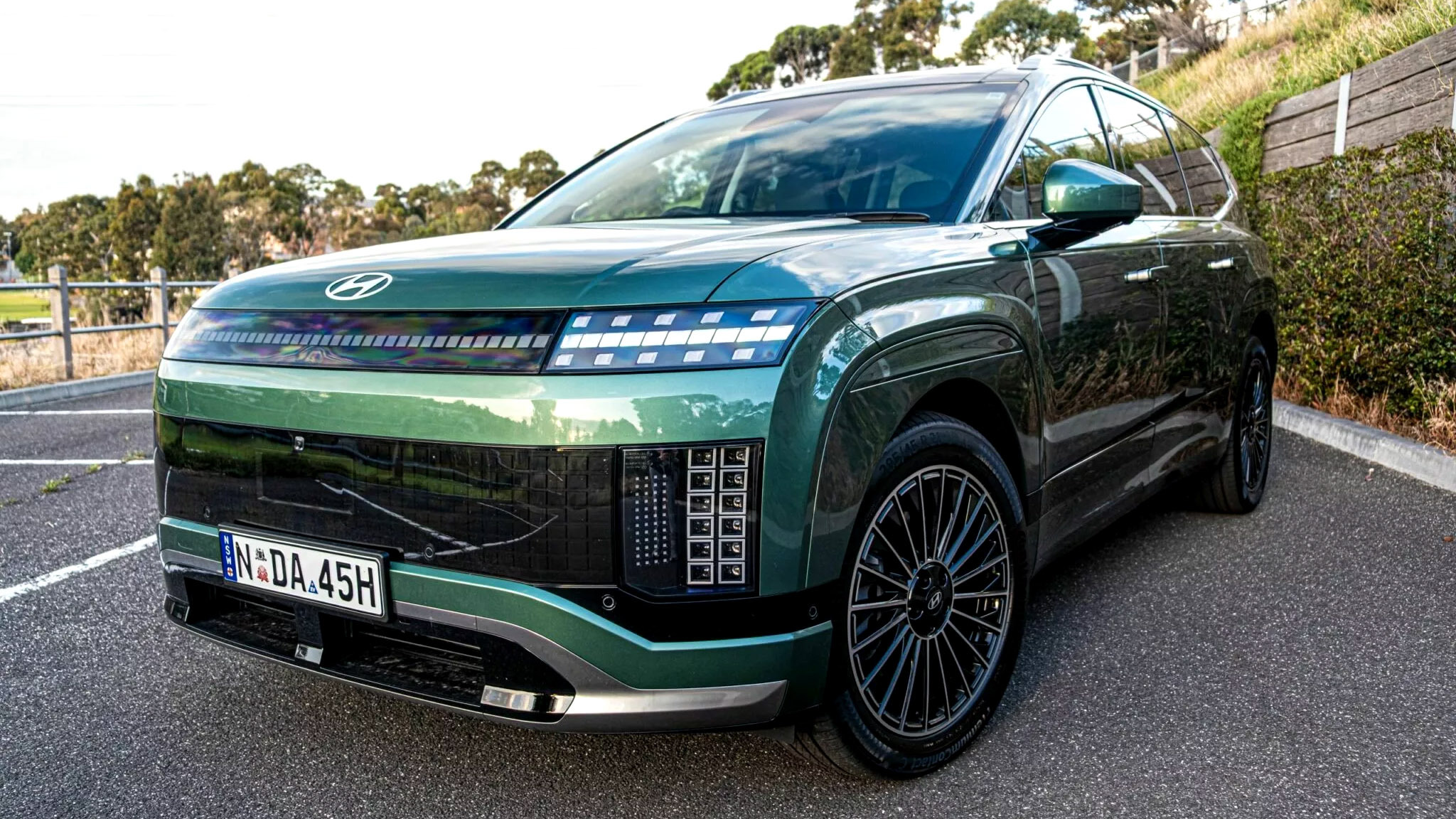
We recently had the opportunity to spend a full week living with the Hyundai Ioniq 9 in Calligraphy trim, putting it through its paces not just to see how it stacks up against the EV9, but also to ask a tougher question: can it justify its position as the most expensive Hyundai ever sold?
What Does it Cost?
Photos Brad Anderson/Carscoops
While Kia offers several versions of the EV9 in Australia, Hyundai has only launched a single trim variant of the Ioniq 9, known as the Calligraphy. Buyers can choose between six or seven seats, and pricing starts at AU$128,413 (equal to US$84,000 at current exchange rates) including on-road costs.
There’s no denying that’s a lot of cash for a Hyundai. However, it’s surprisingly good value compared to the Kia EV9 GT-Line, the nearest equivalent to the Calligraphy, which is priced from AU$138,915 ($90,700).
Shoppers in the US looking to pick up the keys to the new Ioniq 9 can purchase it for as little as US$58,955. The flagship Performance Calligraphy Design tops out at the range, starting at US$76,490. Although Australia’s Calligraphy model lacks the word ‘Performance’ in its name, it has the same powertrain as the American model.
Beneath the concept-car-like looks of the Ioniq 9 is a huge 110.3 kWh battery, larger than the flagship 99.8 kWh pack in the EV9. This battery feeds a pair of electric motors, each rated at 157 kW (210 hp), or a combined 314 kW (421 hp) and 700 Nm (516 lb-ft) of torque. That gives it a healthy edge over the EV9 GT-Line’s 283 kW (380 hp), although torque remains identical.
A High-Class Cabin
Photo Credits: Brad Anderson/Carscoops
As you’d expect for a vehicle at this price point, the Ioniq 9 Calligraphy’s cabin is exceptionally plush and feels more premium than the EV9, which has too much plastic for our liking.
Like other Hyundai models, there are two 12.3-inch screens in front of the driver, housed within a single curved display that supports wireless Apple CarPlay and Android Auto. Whereas Kia insists on continuing to employ an inconveniently located third screen on the dash for the climate controls, the Ioniq 9 uses a dedicated display under the dash with a touch panel and physical temperature dials.
Our Ioniq 9 was equipped with the eye-catching Dark Wine and Dove Grey two-tone Nappa leather, one of three available two-tone options for those not interested in the standard Obsidian Black trim. The Ioniq 9 is available with digital wing mirrors, but fortunately, our car didn’t have them. By comparison, the EV9 GT-Line is sold exclusively with cameras instead of mirrors.
There are plenty of luxuries found within the cabin, making the Ioniq 9 perfectly suited to any kind of journey. This includes a heated steering wheel, heated, ventilated, and massaging front seats and a wireless phone charger.
Photos Brad Anderson/Carscoops
There’s also a panoramic sunroof, tri-zone climate control, configurable ambient lighting, and a head-up display. Tech enthusiasts will be pleased to know that in addition to having two high-powered 100-watt USB-C ports in the dash, there are also 100-watt USB-C ports on the backs of the front seats for rear passengers.
Those seeking the ultimate in comfort would be wise to opt for the six-seat version, as it replaces the second-row bench seat with a pair of captain’s chairs, which are very similar to the front seats.
However, even in 7-seat guise, the Ioniq 9’s second row is more than large enough to carry three adults in comfort. Even the third row is surprisingly practical. I’m 6’2” (189 cm) and my hair only brushed the headliner, but I did have to slide the second-row seats forward to get any leg room.
There’s no question this ranks among the most premium interiors Hyundai has ever put together. Even so, it doesn’t feel dramatically more upscale than the far more affordable Santa Fe. It shares quite a few components too, including the dual screens, steering wheel, and HVAC controls. Cabin space is only slightly more generous as well. The latest Palisade, for that matter, feels every bit as polished as the Ioniq 9.
Performance and Comfort
Despite not being marketed as a performance vehicle in Australia, that’s exactly what the Ioniq 9 feels like, at least in a straight line. It can hit 100 km/h (62 mph) in 5.2 seconds, an impressive figure considering the seven-seater weighs a portly 2,721 kg (5,998 lbs). Pin the throttle and it lurches forward, squatting at the rear and leaving hot hatches for dead.
However, show the Ioniq 9 a set of corners, and it doesn’t match the surprising agility of the EV9 GT-Line. That isn’t to say it can’t be hustled through corners at impressive speeds, as it can, thanks in part to the Continental PremiumContact tires. But the Ioniq 9 clearly prefers a calmer approach, and with the massaging seats doing their thing, it feels most at ease settling into a smooth cruise.
Hyundai has done a good job of calibrating the steering of its new flagship SUV and it is beautifully light, perfect for a vehicle of this size, ensuring it’s easy to park. While driving the Ioniq 9, I quickly forgot about its weight, although it was a little harder to forget about the sheer size of the thing.
Measuring it at 5,060 mm (199.2 inches) long, it’s 50 mm (1.9 inches) longer than the EV9, and matches the Kia’s 1,980 mm (77.9-inch) width. It’s even 8mm (0.3 inches) longer than a full-size Range Rover.
Range to Match The Speed
Photos Brad Anderson/Carscoops
Thanks to the big battery pack and respectable efficiency, the Ioniq 9 has good, real-world driving range. Hyundai claims it can travel up to 600 km (373 miles) between stops and quotes average efficiency of 20.6 kWh/100 km. During my week with the Ioniq 9, I averaged 22 kWh/100 km, traveled 210 km (130 miles), and had 298 km of remaining range (185 miles).
As with other EVs from Hyundai, Kia, and Genesis, charging is a strong suit of the Ioniq 9. It supports charging speeds of up to 233 kW, meaning the battery can be topped up from 10-80 percent in 24 minutes through a 350 kW charger. AC charging is capped at 10.5 kWh, which is enough for an overnight charge at home.
Given the Ioniq 9’s considerable weight, I expected the ride to be on the firmer side, as is often the case with electric vehicles. Instead, it turned out to be surprisingly comfortable and noticeably softer than the EV9 GT-Line. That said, the lighter and more compact Santa Fe still manages to deliver an even smoother ride.
Brake regeneration is handled by paddle shifters behind the steering wheel, allowing you to cycle between four different levels, including a one-pedal driving mode which works superbly.
Hyundai has also equipped the Ioniq 9 Calligraphy with its Highway Driving Assist 2 system, which includes radar cruise control and an automatic lane-change function. It can even shift the EV to the edge of the lane when passing a truck for added safety. As we’ve come to expect from the South Koreans, the HDA2 system works flawlessly on the highway.
Verdict
As a standalone EV, especially when stacked against pricier rivals like the troubled Volvo EX90, the Hyundai Ioniq 9 makes a compelling case for itself. Yes, it carries a price more commonly tied to Hyundai’s luxury arm, Genesis, but large electric SUVs come at a premium, particularly those that blend comfort, refinement, and capability as well as this one.
However, as we saw with the Kia EV9, it is the competition from within Hyundai’s own lineup that will likely limit the Ioniq 9’s appeal.
For roughly AU$50,000 (US$32,600) less, you can get a seven-seat Santa Fe Hybrid Calligraphy. And if you’re looking for something larger, the all-new Palisade is available as a seven-seater or even an eight-seater, and costs around AU$30,000 (US$19,500) less. Still, if you’re dead set on an electric SUV for the family, the Ioniq 9 is an easy one to recommend.
GM says strict fuel rules nearly forced it to cut gasoline models.
CEO claims compliance pressure could have closed GM plants.
Trump rollback eases targets automakers struggled to meet fully.
General Motors CEO Mary Barra recently acknowledged that federal fuel efficiency standards were set so aggressively under the Biden administration that her company would have been forced to scale back production of internal combustion engine vehicles just to stay compliant.
Barra shared this during a conversation at a high-profile industry conference hosted by The New York Times, where she discussed the internal pressures major automakers face under the current regulatory environment.
Timing matters, of course, as her comments came shortly after President Donald Trump confirmed that fuel efficiency standards are being rolled back, reducing the pressure on automakers to build EVs and providing them with more flexibility to manufacture and sell more combustion-powered models.
“Had to Start Shutting Down Plants”
Under the Biden-era rules, automakers would have been required to reach a fleet-wide fuel economy average of 50 miles per gallon by 2031. According to Bloomberg, achieving that would have meant electric vehicles making up more than half of all sales by that point.
If GM couldn’t meet those benchmarks, and if the administration didn’t revise the rules to reflect market realities, Barra claims that the company would have had little choice but to curtail sales of its gasoline-powered lineup.
She added that internal forecasts indicated the company would have “had to start shutting down plants” if its EV sales didn’t grow quickly enough.
Barra also touched on several other topics with Andrew Ross Sorkin, the interviewer and the founder and editor at large of DealBook. At one point, he asked her about GM flip-flopping in supporting policies during the first Trump administration, again when Joe Biden was elected, and once more after Trump returned to the White House in January.
Bending The Knee Or Business As Usual?
Barra responded by framing GM’s approach as pragmatic, not political. The company, she said, wants to build vehicles people want to buy, and it simply has to work within the regulatory frameworks set by whoever is in office.
Now, thanks to the rollback of CAFE standards, it will have the freedom to better manufacturer vehicles based on what their customers want, rather than simply what they must build to meet regulatory requirements.
How this will impact the American car industry remains to be seen, but if those rules remain in place in the future, we don’t expect to see EVs accounting for a significant share of the market any time soon.

 Login
Login