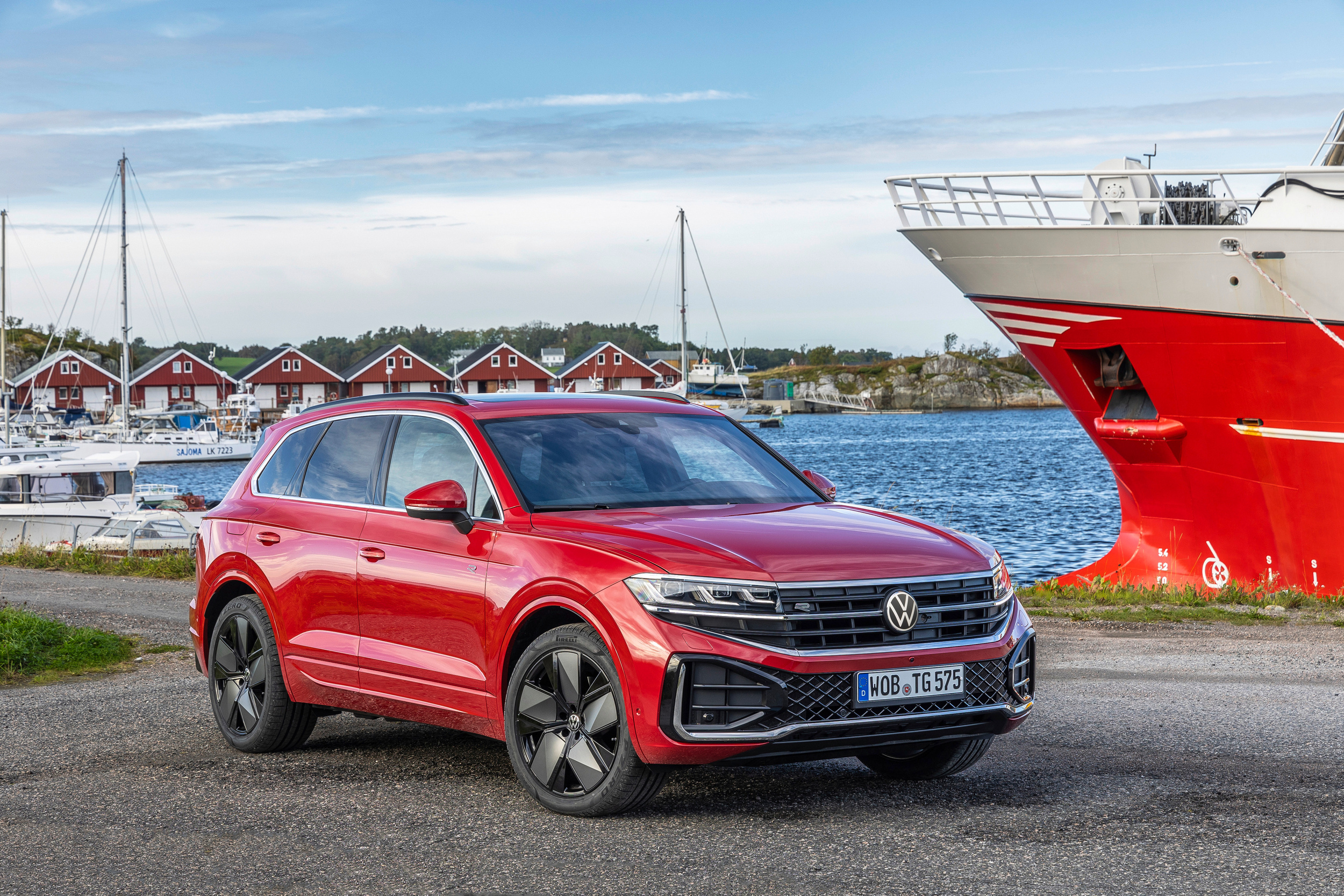
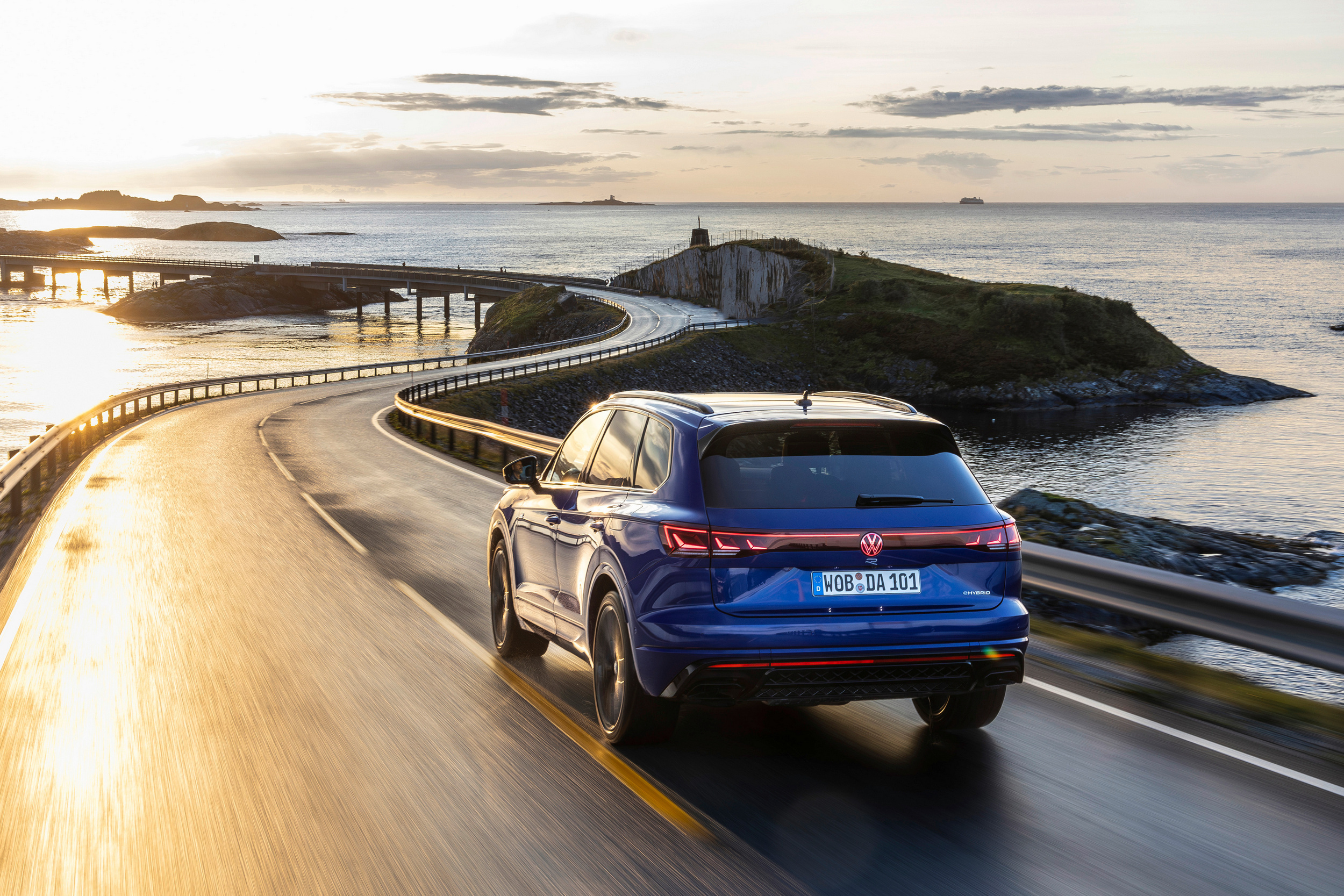
Volkswagen is considering a next-generation Touareg.
If approved, the redesigned SUV would be fully electric.
Porsche Cayenne Electric could offer hints at what to expect.
Volkswagen recently stopped accepting orders for the Touareg as the company prepares to sunset the model. However, the automaker is reportedly considering an electric successor that would enable them to hold onto well-heeled customers.
In an interview with Autocar, Volkswagen’s sales and marketing boss said ,”We are the brand for the people,” but the Touareg has “its place and this is why we are looking into opportunities for a next-generation. ”
Martin Sander went on to acknowledge low sales, but noted there’s a certain type of customer that wants “great design and space, and a very high level of quality and sophistication but, for whatever reason, do not want to be associated with a premium brand.”
In essence, it’s for people that want the luxury and style of an Audi, but with a Volkswagen badge. Sander went on to describe Touareg customers as “very down-to-earth people who are affluent,” but “low-key” and don’t want to show off. He went on to note many are business owners and it might send the wrong signal if they show up to a customer’s home in a vehicle like a Porsche Macan.
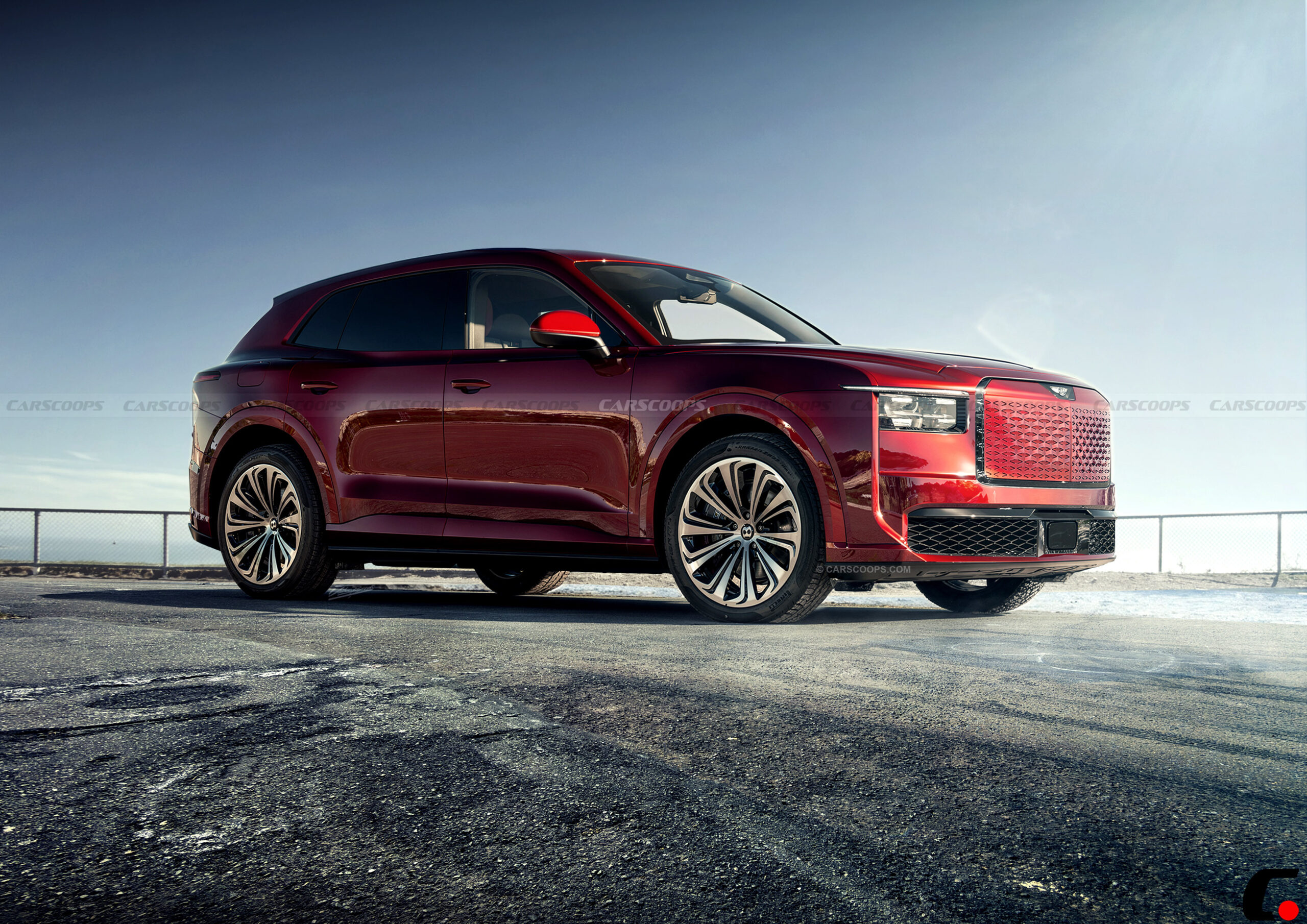
Little is known about the next-generation Touareg but, if approved, Sander said it would be fully electric and a large SUV. This suggests the model could be based on either the PPE or SSP platform. The former underpins the electric version of the Porsche Cayenne and that model has typically been closely related to the Touareg.
If history repeats itself, the ID. Touareg could follow in the footsteps of the entry-level Cayenne Electric and have a roughly 113 kWh battery pack, a 390 kW DC fast charging capability, and a dual-motor all-wheel drive system producing a combined output of around 435 hp (324 kW / 441 PS). Of course, the Volkswagen could be less advanced to help keep prices down.
Lexus must be feeling artistic as the company has introduced two separate one-off vehicles in the past week. One embraces style, while the other is focused on music.
Without further ado, the automaker teamed up with Alex Alpert to unveil a unique IS 350 at EXPO Chicago. It embraces the artist’s “signature line-art style” and features black lines that largely accent the shapes of Lexus’ entry-level sedan, giving it the look of something sketched before it was built.
The F Sport variant has black wheels, matching mirror caps, and dark window trim. It should also have a familiar 3.5-liter V6 developing 311 hp (232 kW / 315 PS) and 280 lb-ft (379 Nm) of torque. This enables the sedan to accelerate from 0-60 mph (0-96 km/h) in 5.9 seconds before hitting a top speed of 143 mph (230 km/h).
Besides the art car, Alpert will paint custom IS 350 hoods at NYCxDesign and Art Basel. They’ll feature a “series of symbolic illustrations that connect to Lexus brand values and Japanese heritage, including motifs representing Lexus’ elite and precise craftsmanship, hospitality, engineering precision, performance, and smooth driving.”
RZ Blue In Green
The second model is an RZ that celebrates what would have been the 100th birthday of musician Miles Davis. It was created in collaboration with Laufey and was inspired by her “reimagined interpretation of Davis’ iconic composition Blue In Green.”
As part of the makeover, the electric crossover features a unique paint job that “shifts from deep blue to green as light moves across its surface.” The model also sports a custom illuminated “L” badge as well as brass-colored brake calipers that are a nod to Davis’ trumpet.
The brass theme continues inside, where it’s joined by red and black upholstery. Other highlights include written lyrics in the cargo area as well as a unique startup sequence that plays the first notes of Davis’ Blue In Green.
Geely claims its latest batteries charge faster than BYD’s mk2 Blades.
Energee Golden Brick charges from 10-70 % in just 4 minutes 22 secs.
BMW warns extreme charging speeds could bring durability trade-offs.
Forget zero to 60 mph (97 kmh) times, the EV world has a new kind of electric performance battleground and China’s Geely just claimed top honors. It says its new batteries can charge even faster than the BYD batteries that sent us into a spin last month with their crazy top-up times.
Geely’s Lynk and Co brand says its latest 95 kWh battery – the hopefully not prophetically named 900V Energee Golden Brick – can charge from 10 to 70 percent in just 4 minutes 22 seconds. That compares with BYD’s megawatt flash charging results of 5 minutes for the same race, an achievement that itself is way ahead of anything European or American automakers can deliver.
Stretch the experiment from 10-80 percent and the Geely EV does the job in 5 minutes 32 seconds, and even going from 10-97 percent, which takes account of batteries charging more slowly as they get close to full, the clock only registers 8 minutes 42 seconds. BYD’s second-generation blade battery needs 9 minutes to get to 97 percent when hooked up to one of the company’s new megawatt flash chargers.
Destroys Western EVs
The secret sauce is a high voltage setup paired with seriously beefy charging hardware. We’re talking peak power of around 1,100 kW with strong input of more than 500 kW at 75 percent charged, and 350 kW at 97 percent. That 350 kW figure is higher than the peak charge rate achieved by all but the fastest-charging Western EVs.
There is a catch though, or more likely several. These charge speeds rely on next level charging stations that aren’t exactly everywhere yet. Geely’s network is growing, but it’s way behind BYD in terms of super-fast rollout, being about one quarter the size, Car News China reports. So while Geely may have bragging rights today, the real winner could still be whoever builds the infrastructure fastest.
BMW Not Convinced
Not everyone’s convinced this race is worth winning anyway. BMW has been openly skeptical about the obsession with ever faster charging.
“You always have to be careful with those kinds of announcements,” BMW’s battery production boss, Markus Fallböhmer told Carsales last month. “It is possible to optimize one single performance indicator, but you have to make compromises on other sides.”
That’s BMW’s polite way of saying there’s no free lunch. Push charging speeds high enough and something else may give, whether that’s longevity, cost, or overall performance.
Lawmakers oppose Chinese automakers building factories in the US.
Trump has expressed support for foreign firms investing locally.
China accuses the US of blocking fair access to its auto market.
While President Donald Trump has shown an unexpected openness to Chinese automakers building cars in the United States, three senators from the other side of the political spectrum have now joined Republican voices pushing to ensure that never happens.
Late last week, Democratic Senators Tammy Baldwin, Elissa Slotkin, and Chuck Schumer urged the administration not to allow Chinese car companies to manufacture vehicles locally, noting this could severely harm American companies. China is none too pleased and has accused the US of engaging in “trade protectionism.”
“We must be clear-eyed that inviting China’s automakers to set up shop in the United States would confer an insurmountable economic advantage impossible for American automakers to overcome, and it would trigger a national security crisis that could never be reversed,” the senators wrote in a letter to Trump, first reported by Reuters.
They sent the letter to President Donald Trump following comments he made in January. Speaking at the Detroit Economic Club, Trump said that “if they [Chinese companies] want to come in and build a plant and hire you and hire your friends and your neighbors, that’s great, I love that.”
Responding to Reuters about the letter from Baldwin, Slotkin, and Schumer, the White House said that “while the administration is always working to secure more investment into America’s industrial resurgence, any notion that we would ever compromise our national security to do so is baseless and false.”
China’s Not Happy
Chinese car companies have effectively been banned from selling vehicles in the United States due to policies enacted by the Biden administration in early 2025. However, it appears the Trump administration is more open to Chinese companies coming to the US than ex-President Joe Biden was, particularly if it can help to reverse the trend of ongoing job losses in the manufacturing sector.
According to the Chinese Embassy in Washington, the US has “engaged in trade protectionism and set up obstacles, including discriminatory subsidy policies to obstruct access to the U.S. market by Chinese-made cars.”
Jim Farley says Ford will ditch generic cars in favor of passion products.
New affordable electric pickup will redefine mainstream EV appeal in US.
Europe gets small EVs with attitude via Renault partnership and technology.
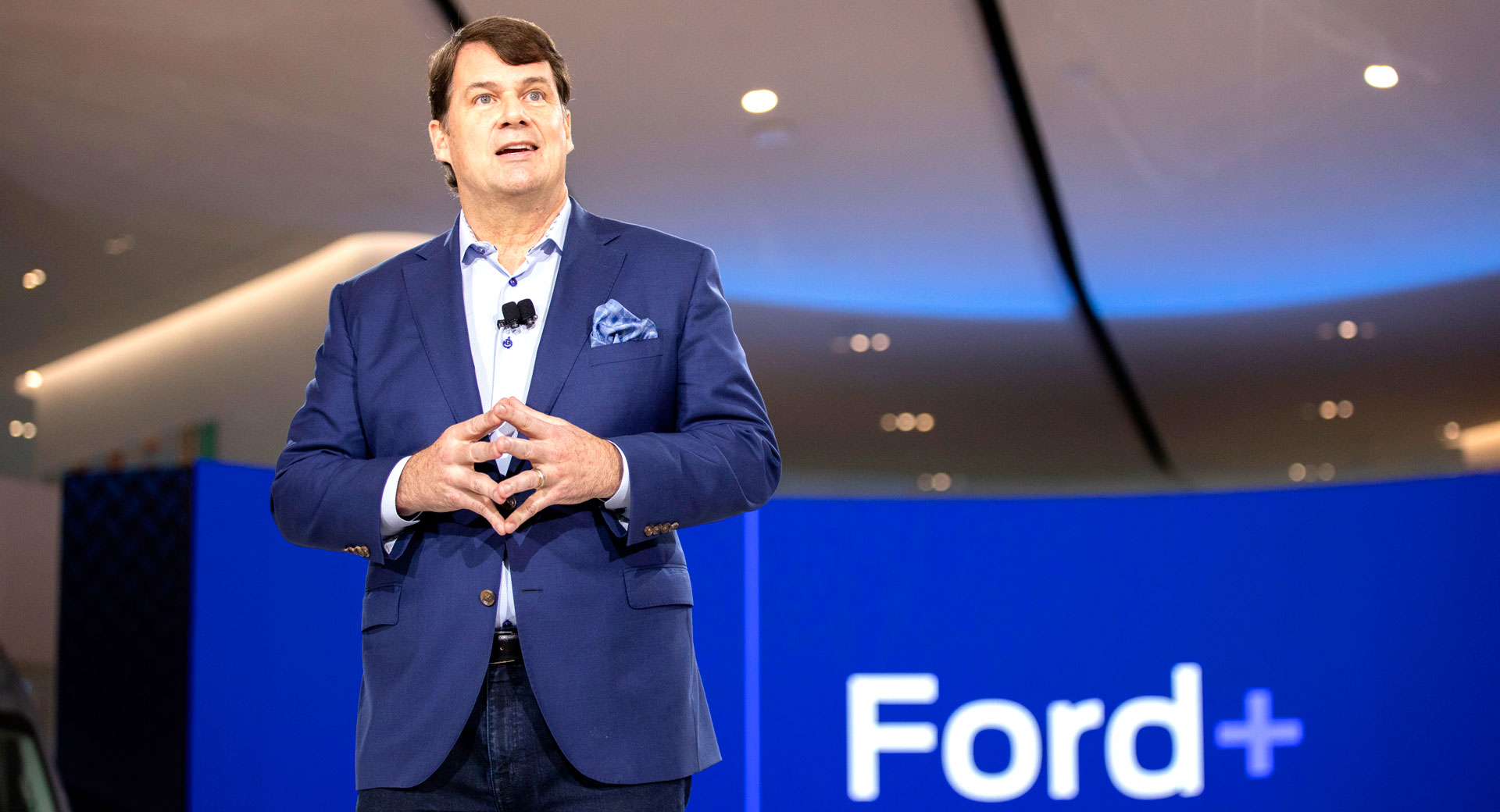
Jim Farley has been saying it for a while now, and he’s not backing off. Ford’s CEO doesn’t want to build boring cars, and now that promise stretches from American pickups to small European EVs, with even a supercar tease thrown in for good measure.
Farley first floated the idea back in 2024, but in a new chat with Top Gear, he reasserted his position, this time with Europe firmly in his sights.
“No more generic vehicles,” Farley told TG’s reporter at an interview in Detroit recently. “People loved Focus and Fiesta because they were affordable vehicles with great driving dynamics. They were not boring vehicles.”
But it sounds like their replacements, built around the same Renault AmpR platform that’s helped make the 5 a hit, will be much funkier, and also tangibly different from Renault’s own products.
Aspirational Appeal In Europe
“Our EV strategy is changing in Europe and we intend to compete differently,” Farley says. “The cars will have a specific feel that is not mid-market. Even in the EV world I think that’s possible, but we’re going to have to take some risks.”
He even reached for a big-name comparison to underline the point.
“We’re making passion products, this is not a marketing conversation. This is a Steve Jobs kind of conversation. I’m challenging the concept that the Fiesta ST is the best example of democratized performance at Ford. Whether they’re based on a VW or Renault platform, we’re going to execute those cars with a swagger that’s specific to Ford of Europe.”
Affordability For America
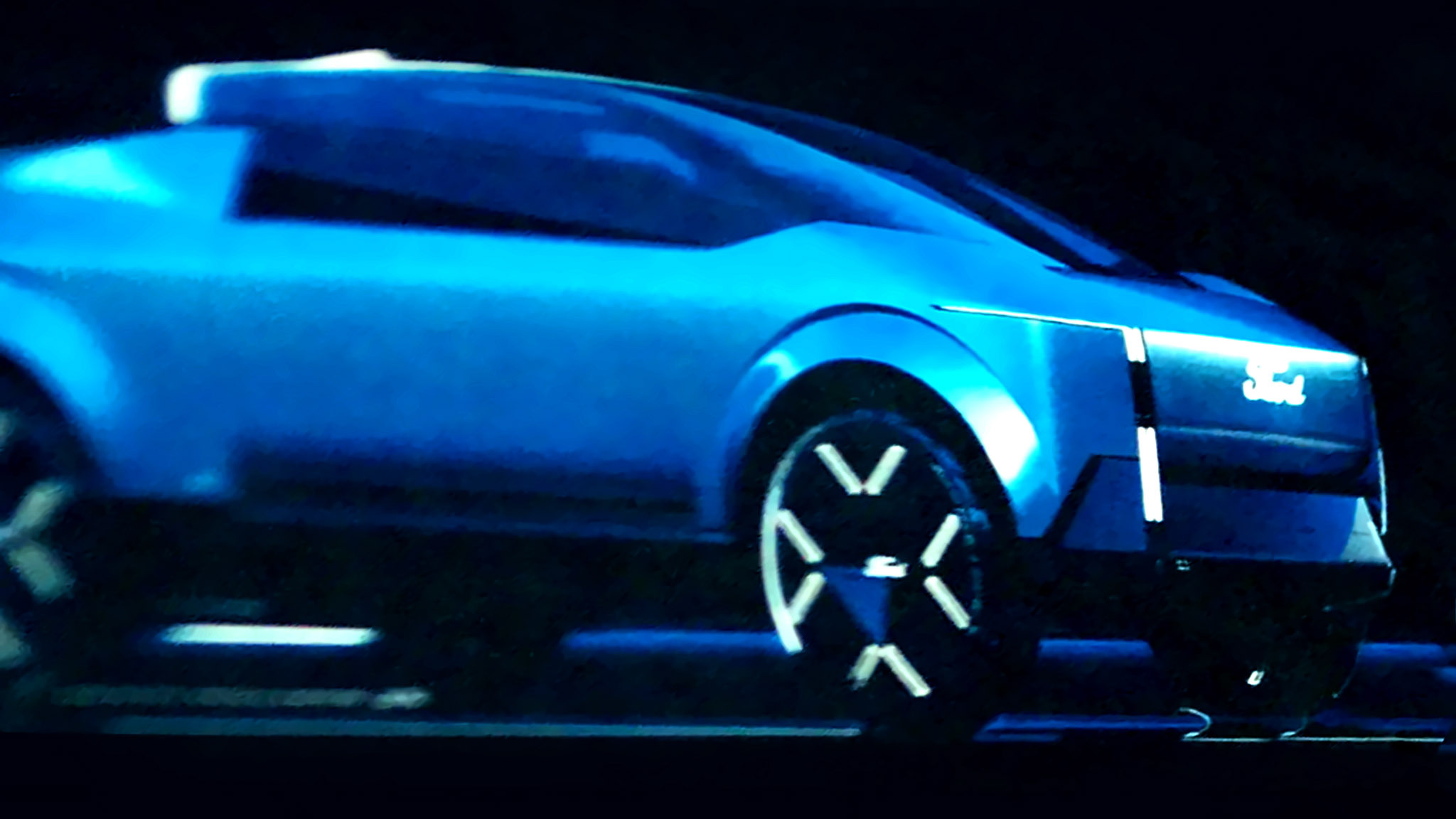
Meanwhile, in the US, Ford’s taking a different route to the same destination. Instead of chasing premium EVs, it’s working on a smaller, cheaper, $30k electric pickup (seen above) aimed squarely at the mainstream. The idea is simple: build something affordable that people actually want, not just something that ticks regulatory boxes.
It’s all part of a broader rethink that also pushes hybrids and new production methods designed to cut costs and complexity. If it works, Ford could finally crack the code on making electrified vehicles both desirable and profitable.
A New GT?
And then there’s the wildcard. Right at the end of the interview, Farley hinted that a new halo performance car has already been decided, and suggested his team was way past the question of what kind of car it should be.
“We’re not pondering, we’ve already answered it,” he teased. Farley didn’t spill details, but the message was clear. Ford wants excitement back at every level, from entry EVs to whatever sits at the very top.
Jaecoo 7 leads UK sales charts after a strong March debut run.
Plug-in hybrid demand drove most of the SUV’s early momentum.
Electrified vehicles reached record highs across the UK market.
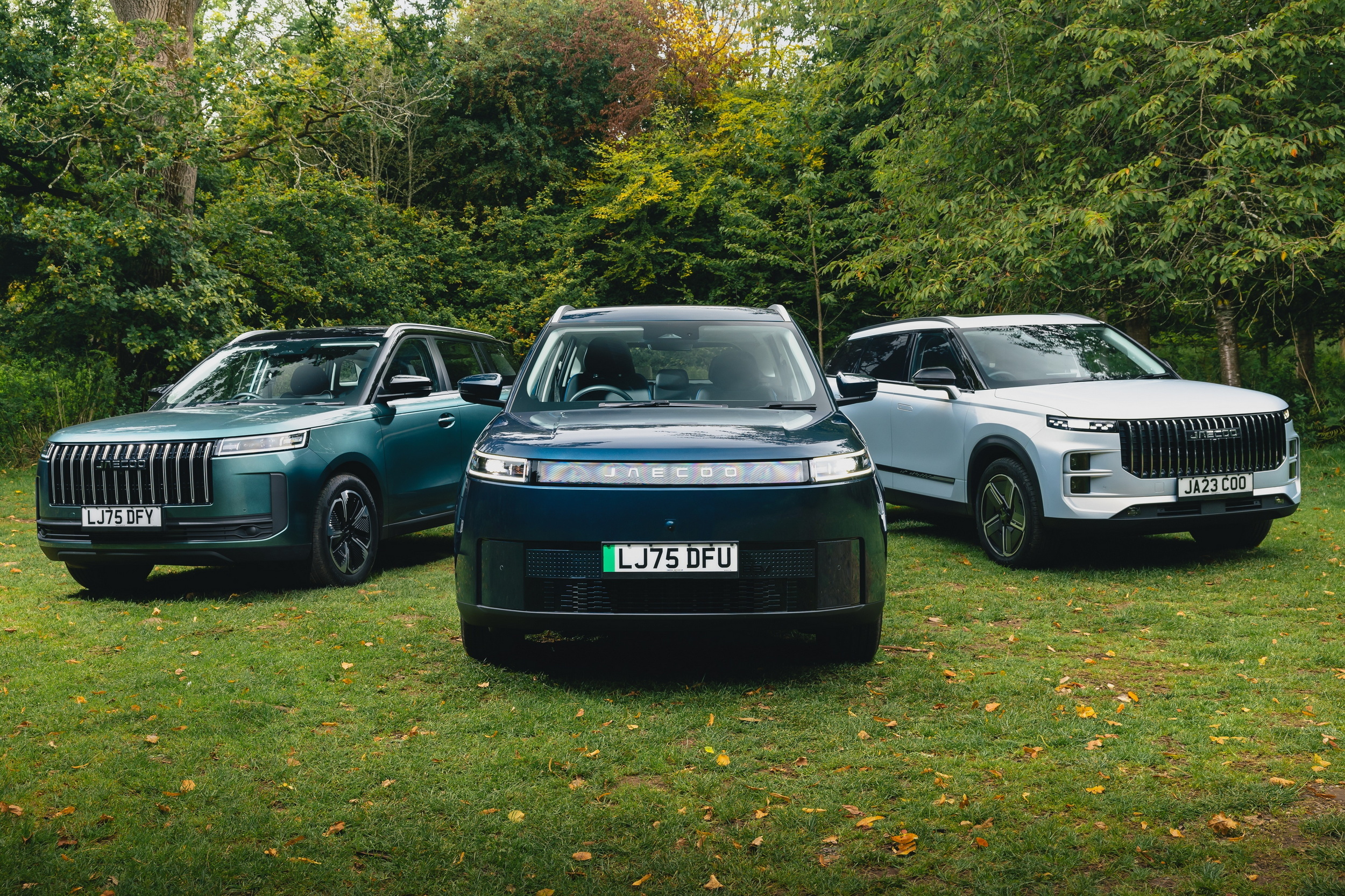
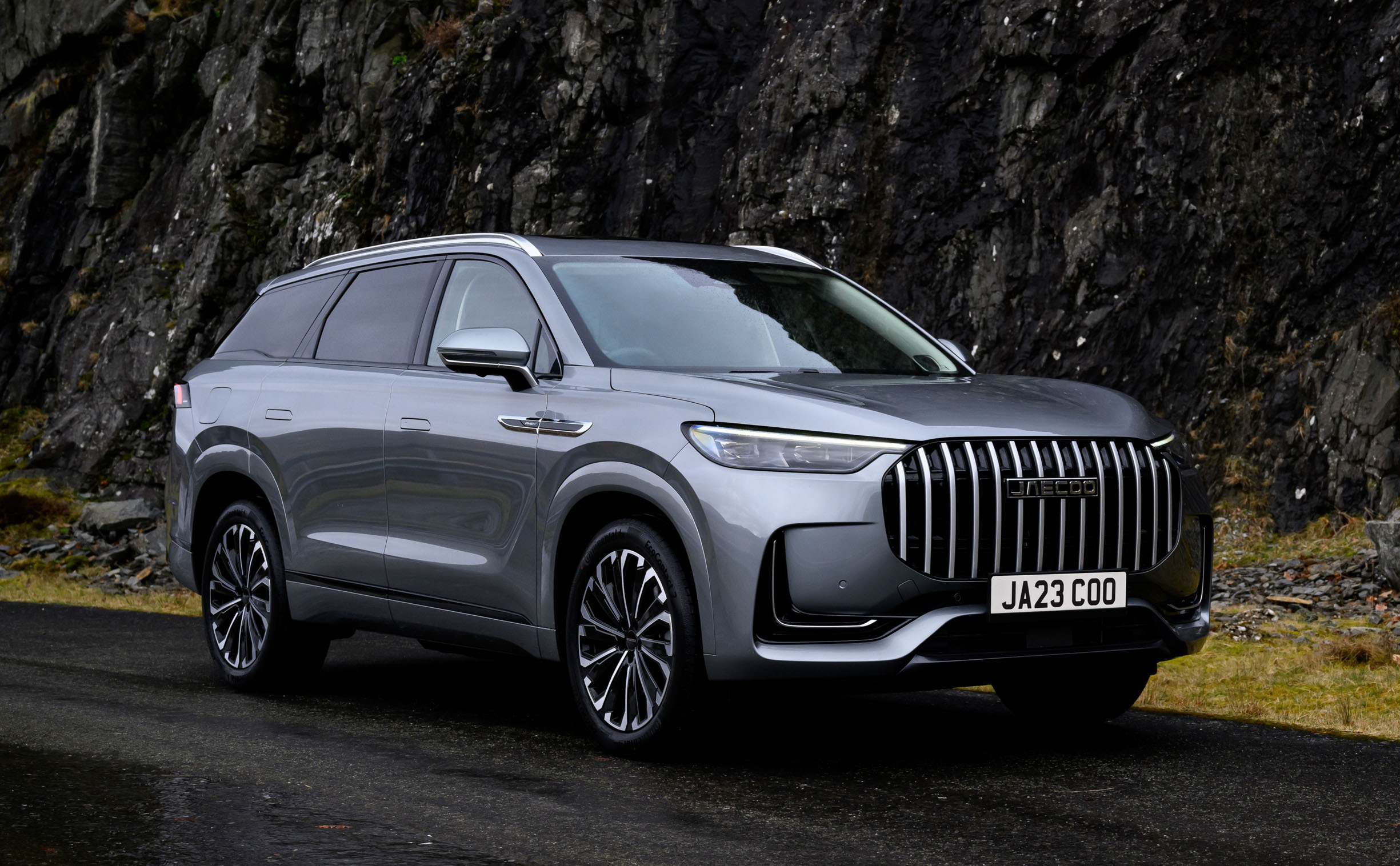
The UK’s sales charts don’t usually throw up surprises, yet March 2026 did exactly that. A relatively new Chinese SUV, the Jaecoo 7, jumped straight to the top spot, becoming the best-selling new car in the country. It’s the first time a Chinese model has led the UK market, landing right in the middle of the industry’s busiest sales month, which also saw electrified vehicles and BEVs hit record numbers.
The compact SUV from Chery, carrying styling that leans heavily on Range Rover cues, has even picked up a nickname online, with some calling it the “Temu Range Rover” in a tongue-in-cheek dig to its bargain-luxury vibe and resemblance to the real thing.
It racked up 10,064 registrations in March, enough to push past familiar heavyweights like the Ford Puma, which logged 9,193 units, and the Nissan Qashqai with 8,718. The rest of the top five followed a predictable script, with the Kia Sportage at 7,310 units and the Vauxhall Corsa close behind at 6,315.
Since arriving in the UK in September 2025, the Jaecoo 7 has steadily hovered around the top ten, but this latest jump changes the tone. It now sits second in the year-to-date rankings with 15,569 registrations, closing in on the Ford Puma, which still holds the overall lead for the first quarter of 2026 with 16,128 sales. The gap is small enough to make the next few months worth watching closely.
According to Jaecoo, the plug-in hybrid version equipped with its Super Hybrid System (SHS-P) has quickly become the star of the lineup, accounting for 85% of the SUV’s sales in March.
In the UK, the Jaecoo 7 starts at £29,105 ($38,600) for the gasoline model, climbing to £35,175 ($46,600) for the range-topping PHEV. Even at the top end, it undercuts plug-in hybrid rivals of similar size, which gives it a clear pricing edge. It also manages up to 56 miles (90 km) of electric-only driving, enough to land in a lower tax bracket and make it appealing to fleet buyers.
The Chery-owned brand leans on a 7-year warranty to ease the usual doubts that come with a new badge. Its UK presence is growing quickly too, with a retail network now up to 124 locations. Together, sister brands Omoda and Jaecoo have moved more than 80,000 vehicles in the UK in just 19 months. March alone accounted for 17,861 registrations.
The Biggest Month On Record For Electrified Vehicles
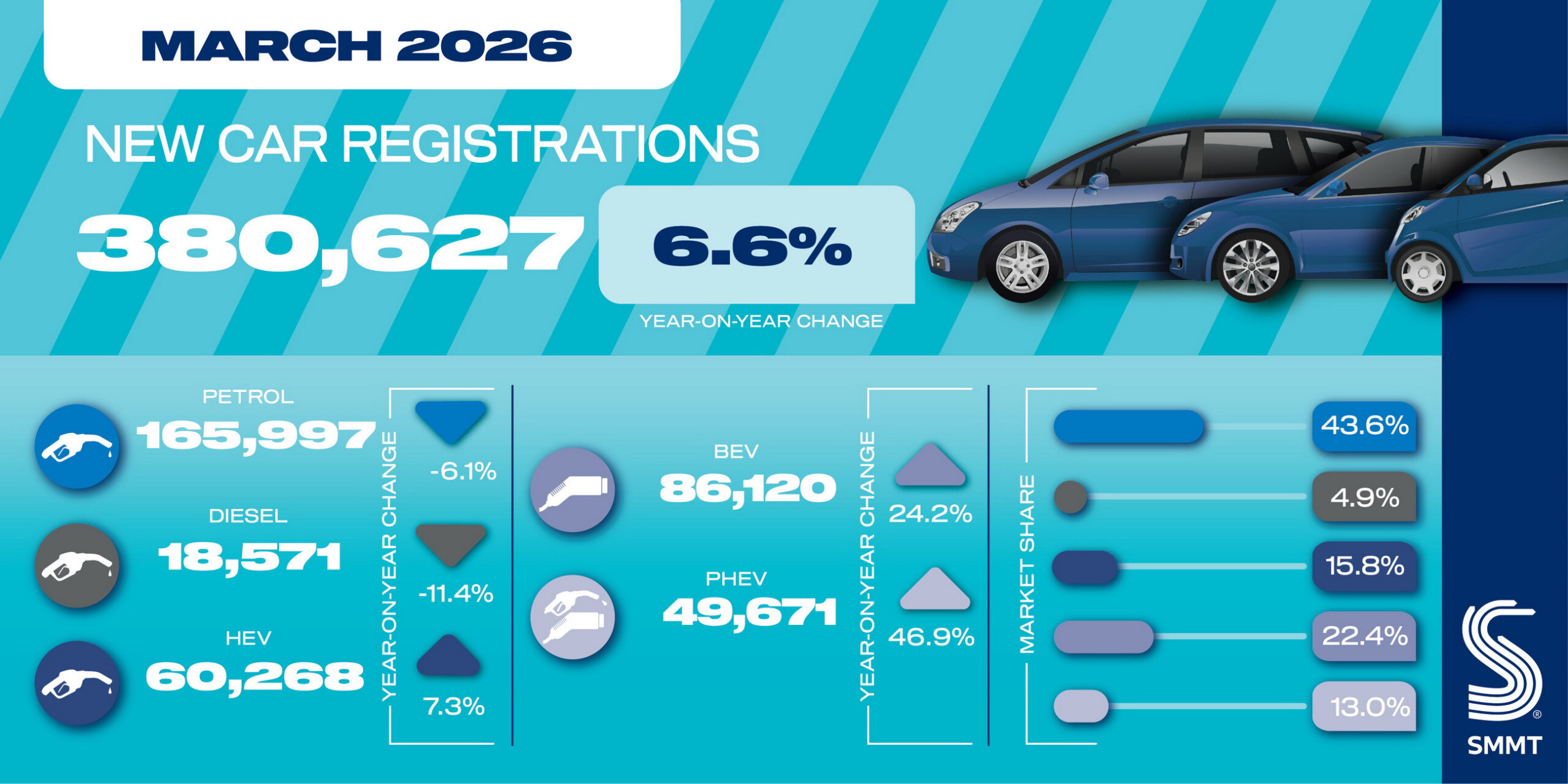
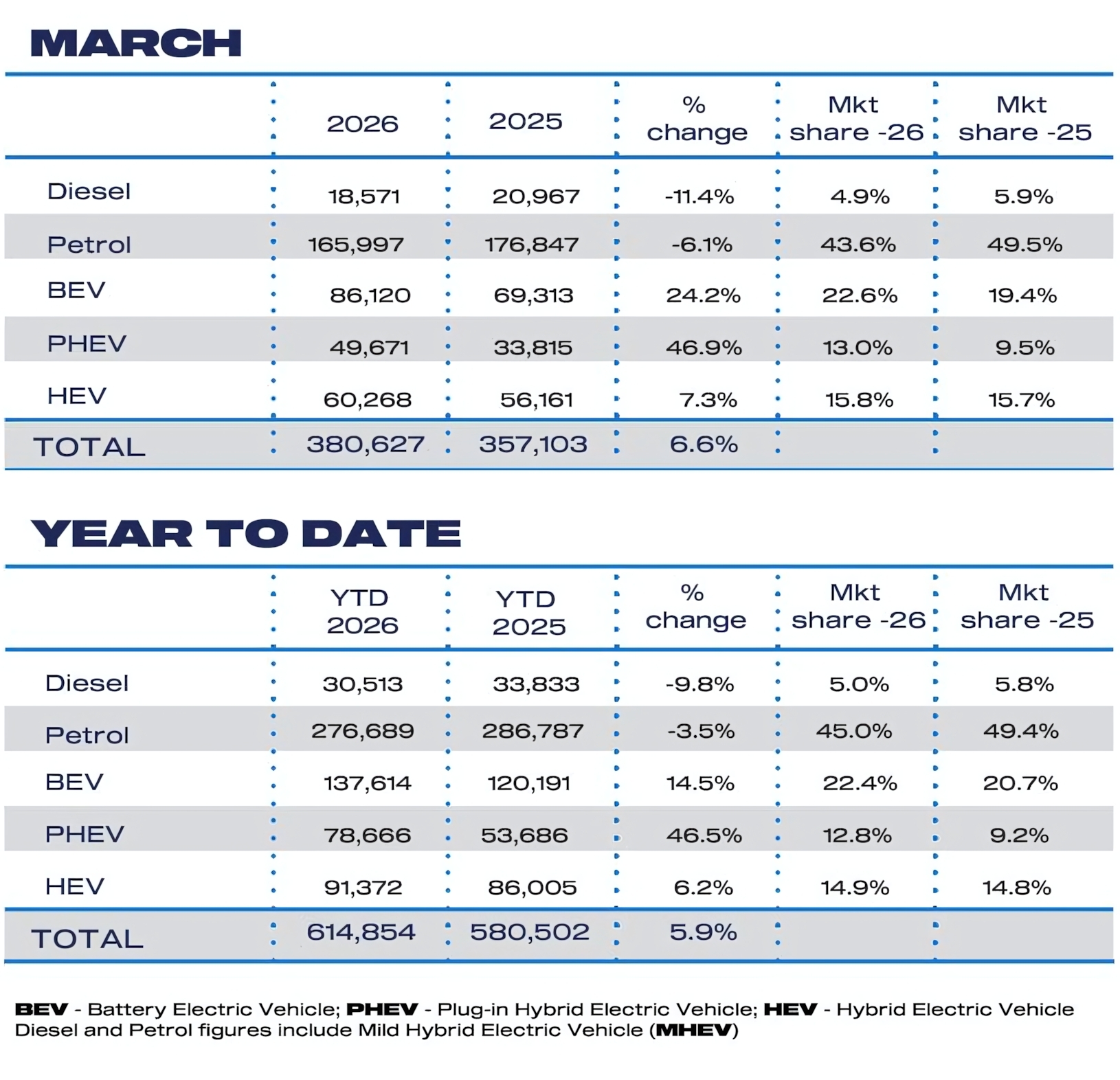
The UK’s new car market picked up pace in March, with the Society of Motor Manufacturers and Traders reporting a 6.6% increase to 380,627 registrations, making it the strongest month since 2019. Private buyers led the charge with a 10.1% jump, while fleet sales rose 3.5% and business registrations climbed 18.8%.
Electrified vehicles delivered a record-setting month, led by a 46.9% surge in plug-in hybrids. Self-charging hybrids followed with a 7.3% increase, while battery electric vehicles climbed 24.2%. It also marked the strongest month on record for fully electric cars in the UK
In market share terms, plug-in hybrids took 13%, self-charging hybrids reached 15.8%, and battery electric vehicles claimed 22.6% of UK sales in March. That last figure looks strong, but it still sits well short of the government’s 33% Zero Emission Vehicle target for 2026.
UK New Car Registrations 2026
Model
March 2026
Model
Year To Date 2026
1. Jaecoo 7
10,064
1. Ford Puma
16,128
2. Ford Puma
9,193
2. Jaecoo 7
15,569
3. Nissan Qashqai
8,718
3. Kia Sportage
14,190
4. Kia Sportage
7,310
4. Nissan Qashqai
12,853
5. Vauxhall Corsa
6,315
5. Vauxhall Corsa
10,552
6. Volvo XC40
6,311
6. Volvo XC40
9,288
7. MG HS
6,135
7. VW Golf
9,176
8. VW Golf
5,890
8. MG HS
9,147
9. Tesla Model Y
5,177
9. Nissan Juke
8,512
10. BMW 1-Series
4,936
10. Mini Cooper
8,109
SWIPE
Source SMMT
Clouds On The Horizon
Even with record numbers on paper, the mood behind the scenes is far less celebratory. SMMT says automakers are leaning heavily on discounts just to keep momentum going. At the same time, battery costs are running about 30% higher than expected, while public charging prices have climbed 140% over the past five years. That combination leaves margins looking increasingly fragile.
The situation is further complicated by the ongoing Iran crisis. While the conflict has pushed fuel prices sharply higher and nudged more drivers to consider EVs, it also risks eroding consumer confidence as everyday costs rise across the board.
Mike Hawes, SMMT Chief Executive, said:
“The strongest new car market since 2019, with the highest ever volume of EV registrations, is a boost to the industry and the economy. However, the headlines belie the costs incurred and the challenges involved. Much of March’s performance will be from orders placed before the start of the Iran conflict, which threatens to raise the cost of living, undermining consumer confidence. Against this backdrop, and with the EV market falling further away from mandated levels despite record levels of incentives, an urgent review of the transition is required to secure a sustainable market, economic growth and the UK’s net zero ambitions.”
The R2 Performance will have an EPA range of up to 335 miles.
By comparison, the Tesla Model Y Performance has a 306-mile range.
The R2’s dual electric motors offer a combined 656 hp and 609 lb-ft.
We already had a solid picture of the new Rivian R2, but fresh EPA testing data fills in a few remaining gaps. Positioned below the R1S in price yet still focused on performance and practicality, the all-electric R2 is shaping up to be a crucial model for the brand.
According to internal reports shared on the Rivian Forums, the range-topping Performance variant will use an 86.8 kWh usable battery pack and come with a choice of 20-inch or 21-inch wheels. Wheel and tire setup makes a noticeable difference. Models fitted with 20-inch wheels and all-terrain rubber are rated at up to 314 miles (505 km), while versions on 21-inch, road-focused tires stretch that to 335 miles (539 km).
While the R2 looks quite boxy, it has a better range than the Tesla Model Y Performance, which comes with an EPA-estimated range of 306 miles (492 km). The Tesla, however, is significantly lighter, weighing 4,466 lbs (2,025 kg), making it 784 lbs (356 kg) lighter than the R2 Performance at 5,250 lbs (2,381 kg) when equipped with 21-inch wheels.
The published documents also reveal that Rivian has developed a proprietary heat pump for the R2, aimed at improving cabin cooling in hot weather while reducing NVH levels. It should also perform better in cold climates, thanks to a high-voltage coolant heater. The R2 will also feature an integrated battery health monitoring system.
There’s More To Come
The only R2 variant referenced in the EPA tests is the $57,990 Performance, which will be the first to launch. Later this year, Rivian plans to introduce the more affordable R2 Premium, starting at $53,990. It’s expected to produce 450 hp and 537 lb-ft (727 Nm), compared to the Performance model’s 656 hp and 609 lb-ft (825 Nm). There’s no official range estimate yet, though it should exceed that of the R2 Performance.
A more accessible R2 Standard is also scheduled for 2027. It will deliver 350 hp and 355 lb-ft (481 Nm), with early estimates pointing to a 345-mile (555 km) range. The lineup is expected to be completed in late 2027 with an entry-level R2 featuring a smaller battery, believed to offer around 275 miles (443 km) of range.
The new i7 battery pack promises more range and faster charging.
BMW and Rimac spent five years developing the battery together.
Facelifted i7 and 7-Series will debut at Auto China 2026 in Beijing.
BMW has confirmed the next phase of its partnership with Rimac Technology that will see the Croatian firm supply high-voltage battery systems for the upcoming facelifted i7, which is expected to debut later this month.
For CEO Mate Rimac, the deal brings things full circle. His journey into the EV space started back in 2009 with a modified E30 BMW 3-Series. Now, the company he founded is delivering the most critical component for BMW’s flagship electric sedan. Rimac Group also holds a controlling stake in Bugatti Rimac, the hypercar joint venture with Bugatti.
Rimac shared the news via his personal social media channels, noting that development work on the battery has been underway with BMW for the past five years.
BMW / Rimac
The battery unit was developed in Jankomir, Croatia, and is now built locally at Rimac’s sprawling 90,000 square meter (968,751 square feet) campus in Zagreb. From there, completed battery packs are shipped to BMW’s Dingolfing plant in Germany, where final vehicle assembly takes place.
Production capacity stands at 300,000 modules per year, translating to around 50,000 full battery systems annually. Rimac says the scale of the operation likely makes it the largest industrial project in Croatia’s history, which puts into perspective just how ambitious this setup really is.
According to the Bugatti Rimac CEO, the dedicated production line for the BMW i7 battery carries a €130 million ($150 million) price tag. That figure actually surpasses the €120 million ($139 million) cost to build the entire campus.
The high-voltage battery pack blends BMW’s Gen6 cell chemistry with its Gen5 module-based architecture. It uses 4695-format cylindrical lithium-ion cells, delivering a 20% boost in energy density compared to the prismatic cells used in current batteries.
BMW says the new setup will bring “significantly increased range” and “much faster” charging than the outgoing i7, effectively injecting some Neue Klasse thinking into the brand’s flagship EV sedan.
Rimac added: “BMW has always been known for pushing engineering to the highest level, which made this collaboration especially exciting for us. Together, we developed a high-voltage battery system that unlocks the full potential of the new cylindrical cells in record time, delivering significant improvements in energy, range, and charging performance. We are proud to now see this system being produced at scale at our new Rimac Campus.”
The updated BMW i7 is set to make its global debut alongside the combustion 7-Series facelift at the Auto China 2026 in Beijing at the end of April. Teasers, leaks, and recent spy shots all point to a redesigned front end and a refreshed interior.
Brazil adds BYD to labor abuse registry over construction worker treatment.
Chinese workers faced passport confiscation, poor housing, and wage restrictions.
Carmaker denies knowledge, but authorities say it shoulders the responsibility.
BYD sells more EVs than any other carmaker on the planet, but Brazil’s government doesn’t like some of the methods it used to get there. Lawmakers in the country have just placed the Chinese automaker on a “dirty list” due to mistreatment of workers.
The issue doesn’t involve people building cars for BYD in Brazil, but those who built the plant at Camaçari. A group of 163 Chinese laborers brought in by contractor Jinjiang Group allegedly faced conditions that sound less like a modern construction job and more like something from the 1800s.
Investigators found workers living in overcrowded housing, with dozens sharing limited facilities and basic comforts noticeably absent, Reuters says. In one raid, 31 workers were found squashed into a single house with only one bathroom.
Reports also suggested the workers’ passports were taken away and a chunk of wages never made it into their hands, instead being routed to China. They even had to hand over a $900 deposit just to start the job, which was only returned after they had completed six months on the site.
BYD Blamed Contractor
The 2024 scandal raised serious questions about how closely BYD was watching what was happening on its own project. The company has said it wasn’t aware of any wrongdoing until the situation became public, but Brazilian authorities aren’t buying the idea that responsibility stops with the contractor.
Officials argue that if your name is on the factory, then the buck stops with you, even if someone else handled the hiring. That stance has now resulted in BYD being formally added to a government registry reserved for companies linked to deeply unacceptable labor practices.
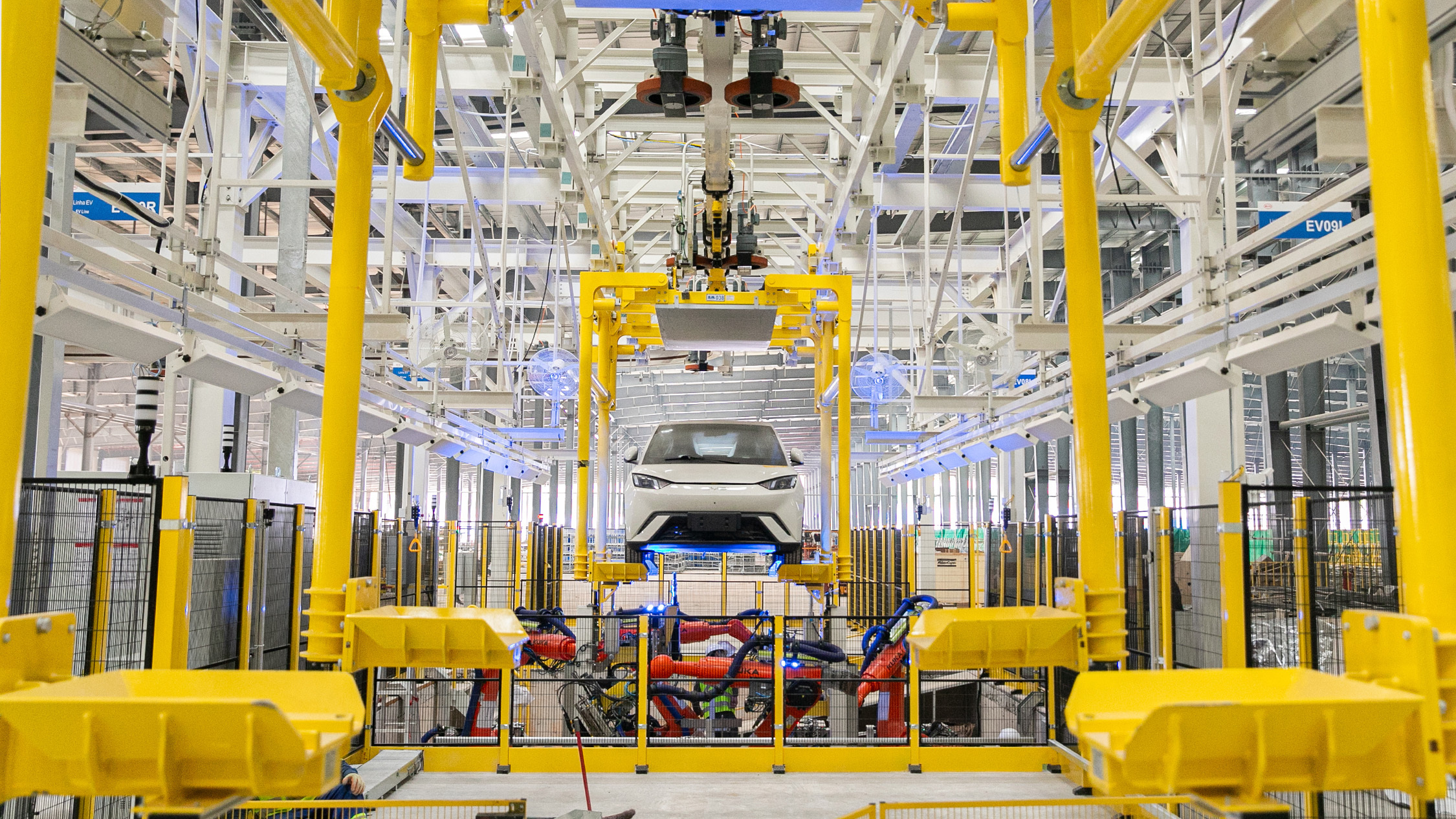
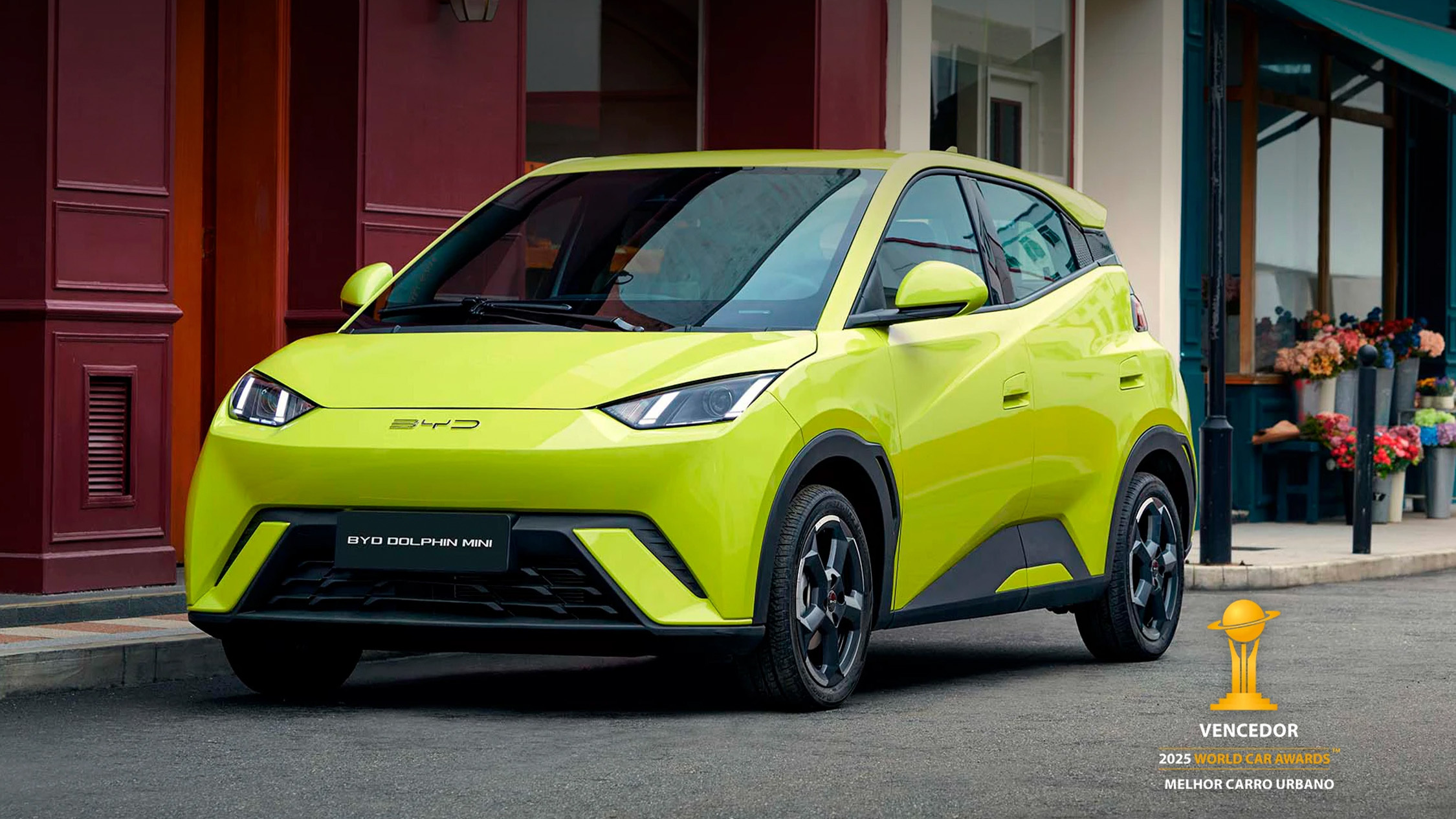
Being on that list isn’t just a bad look. It can also limit access to certain financial support from Brazilian institutions, which could complicate future expansion plans in BYD’s biggest market after its home country. But since its ability to produce and sell cars like the Camaçari-built Dolphin Mini (Seagull in China; Dolphin Surf in Europe) isn’t affected, BYD is going to remain a major thorn in the side of every other brand operating in the region.
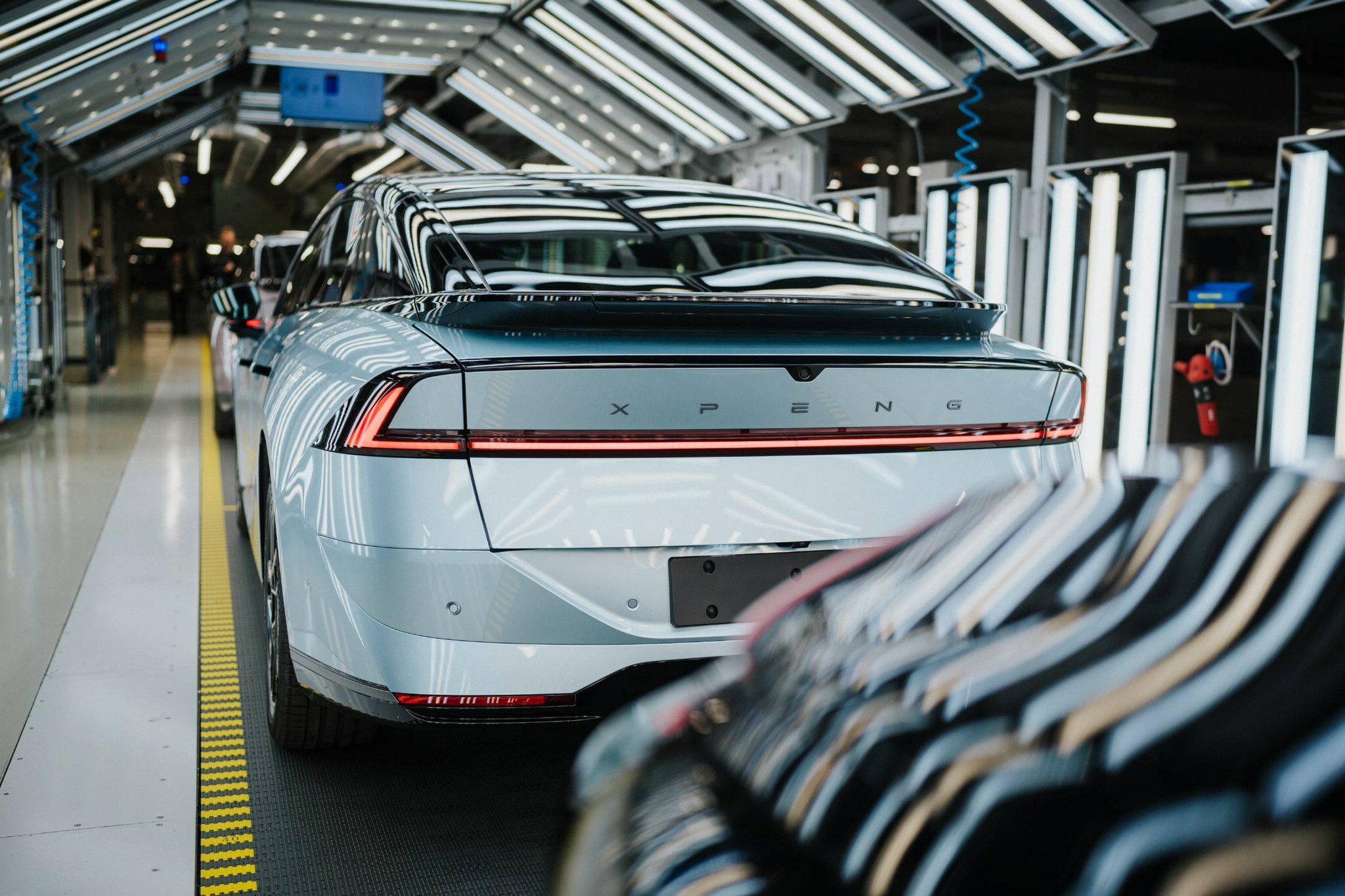
The new electric SUV uses VW and Xpeng’s advanced CEA architecture.
A high-tech driver assistance system will come standard on the new model.
VW is also working on Chinese EVs with its other local joint venture partners.
Volkswagen is working on yet another addition to its burgeoning range of electric cars sold in China. Whereas the brand’s range of EVs offered in Western markets is starting to feel a little old, some of its Chinese models appear to be up to the task of rivaling local brands.
Its latest model is being brought to life through the FAW-Volkswagen joint venture, rather than the Volkswagen Anhui partnership with JAC, which is responsible for the new ID. Unyx 08. Photos published online by VW show its next Chinese EV will be a large SUV sitting above the Unyx.
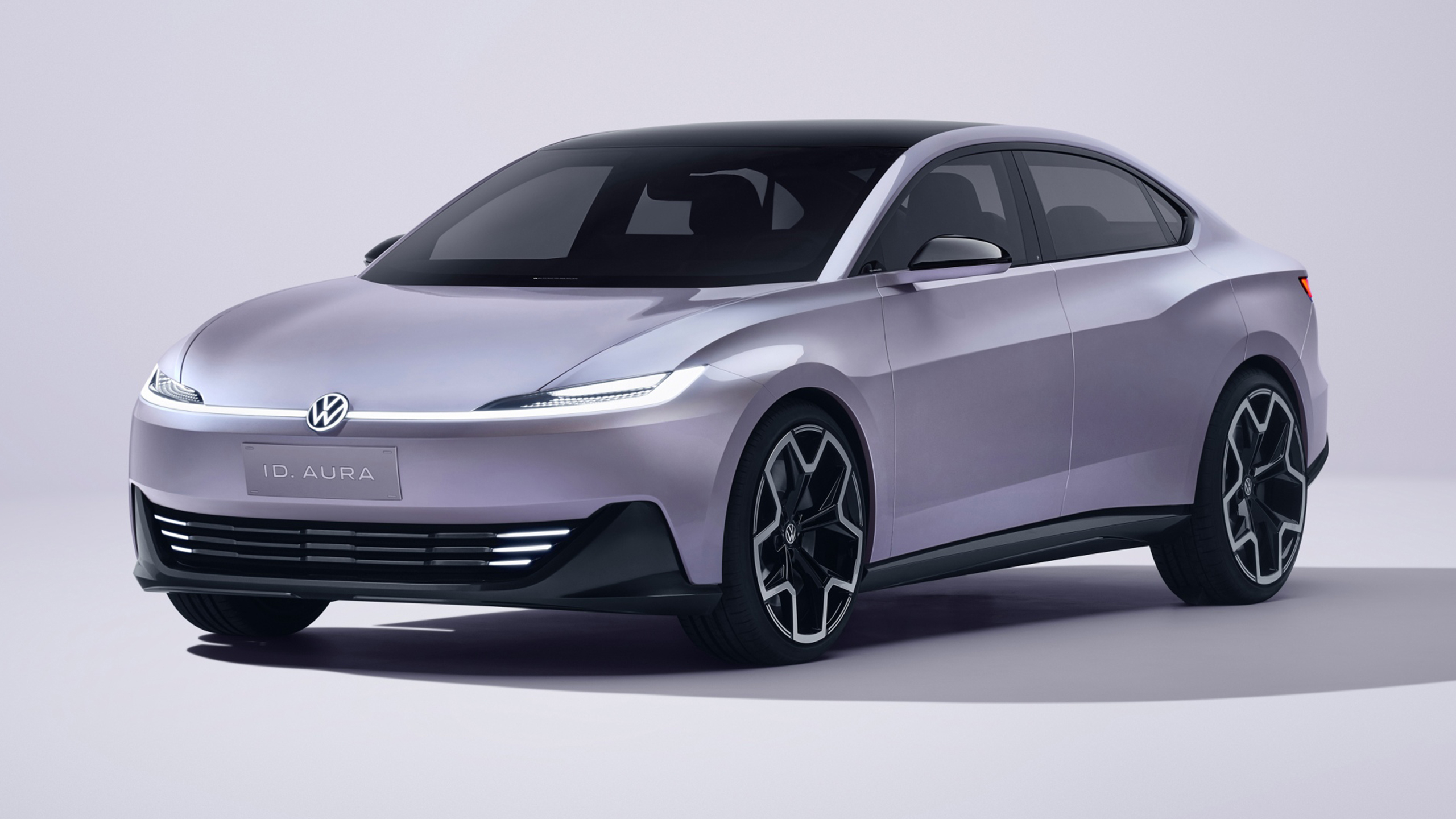
A final name for the model has yet to be confirmed, but we know this SUV will form part of VW’s ID.Aura family, previewed last year with a sleek, low-slung sedan. Like the ID. Unyx 08, it’s reported that this model is based on the CEA architecture that VW has co-developed with Xpeng, complete with 800-volt tech.
Advanced Driving Tech
These images indicate the first ID.Aura model will be slightly more conventional in its shape than the Unyx. We can see it will have a split-headlight design and a front fascia that sits quite upright. Other notable elements of the design include bulging fenders and a LiDAR unit positioned above the windshield.
Elsewhere, this prototype can be seen sporting roof rails, a sunroof or panoramic glass roof, and a fairly traditional-looking tailgate. Small parts of the LED taillights are also visible.
It’s understood that the first model from the ID.Aura family will use an advanced driver assistant system developed by VW and Horizon Robotics, known as Carizon. Limited other details about it are known, including what powertrain it will have, what charging speeds it will support, and what kind of driving range will be on offer.
The Jaguar GT has been fitted with a very unusual steering wheel.
A curved display has been perched on top of the car’s dashboard.
Jaguar has also added a pair of rather unusual steering wheel stalks.
Jaguar’s controversial EV is edging closer to a September reveal, and while its exterior remains concealed under camouflage, the company has now offered a first look inside. It marks a clear departure from anything the brand has produced before. As expected, the cabin design doesn’t follow familiar Jaguar themes.
As development enters its final phase, Jaguar recently invited a small group of journalists and social creators to get behind the wheel of the EV, currently referred to as the GT, though the final name has yet to be confiremd. The exterior is expected to closely mirror the divisive Type 00 Concept, though the production car has evolved from a two-door coupe into a four-door sedan.
With the exterior leaning heavily on straight lines and sharp edges, the interior was always going to follow suit. These photos confirm it, revealing an all-new steering wheel that looks like it could have rolled straight out of a 1970s or 1980s concept car. It features thick horizontal spokes, each packed with large touch-sensitive surfaces handling a wide range of functions.
Stalks, But Not Normal Stalks
It’s hard to say with certainty, but it appears these could be touch-sensitive or haptic-style buttons, rather than physical ones, which is a shame but a sign of the times. Positioned on the left are controls for making calls and the car’s voice function, while the cruise control settings appear on the right. The airbag module also sits lower than normal.
Positioned behind the steering wheel are two large stalks, also with a squared-off design. The one on the left appears to control the lights, turn signals, and windshield wipers, while the right stalk houses Reverse, Neutral, Drive, and Park. While Jaguar wants to rival Bentley, the dash appears quite minimal, with a large, curved infotainment screen and gauge cluster, free of any physical dials.
What About Performance?
Beyond the cabin, we know Jaguar’s new GT is based on the company’s Electric Architecture and tips the scales at about 2,700 kg (5,962 lbs). To help somewhat offset that weight, it’ll be fitted with three electric motors delivering more than 986 hp and 959 lb-ft (1,300 Nm) of torque.
As for driving impressions, Andrew Frankel from The Intercooler notes that it doesn’t offer the same kind of bonkers performance as a Tesla Model S Plaid and has been configured for smooth, progressive performance.
Photos Jaguar, Lead Image SidewalkHustle/Instagram
Bentley’s smaller SUV, likely called Barnato, is set for a 2027 launch.
Pricing is expected to start at the lower end of Bentley’s range.
The new model rides on Porsche and Audi’s shared PPE EV platform.
Bentley’s “urban SUV” has been spied on multiple occasions, but the automaker hasn’t said much about it. That’s slowly starting to change as the company gears up for a debut later this year.
In an interview with Road & Track, Bentley Americas CEO Mike Rocco revealed a teaser campaign is in the works and the crossover will eventually arrive in the United States in the third quarter of 2027. That’s a ways off and the automaker is still fine-tuning pricing.
While nothing is set in stone, Rocco implied the model, which is expected to be called the Barnato, will likely be priced on the “lower end” of its lineup. Bentley doesn’t exactly advertise pricing, but the Bentayga starts around $210,000 and the new model will likely play in the same neighborhood.
SH Proshots
Regardless of the final number, Bentley seems pretty confident in the crossover despite lackluster EV sales. As Rocco explained, “A lot of work, a lot of research has gone into this vehicle.” This includes consumer clinics, where 80% of people who saw the model said they would buy it.
The executive also suggested the crossover won’t necessarily be defined by its powertrain. Instead, people will embrace the fact that it’s a new Bentley SUV, which is street-focused.
We’ll learn more about the vehicle later this year, but the Barnato will ride on the PPE platform that underpins the Audi A6 and Q6 e-trons as well as the Porsche Macan and Cayenne Electric. The latter features a 113 kWh battery pack, a 390 kW DC fast charging capability, and outputs of 435 hp (324 kW / 441 PS), 657 hp (490 kW / 666 PS), and 1,139 hp (849 kW / 1,155 PS).
Speaking of the Cayenne Electric, pricing starts at $109,000 and climbs to $163,000 for the Turbo variant. This means that roughly $50,000 could separate it from the Barnato.
An independent artist blends the 4- and 8-Series into one sleek coupe.
The concept follows Neue Klasse design cues with a more exotic edge.
BMW has yet to confirm any plans to bring back the 6-Series name.
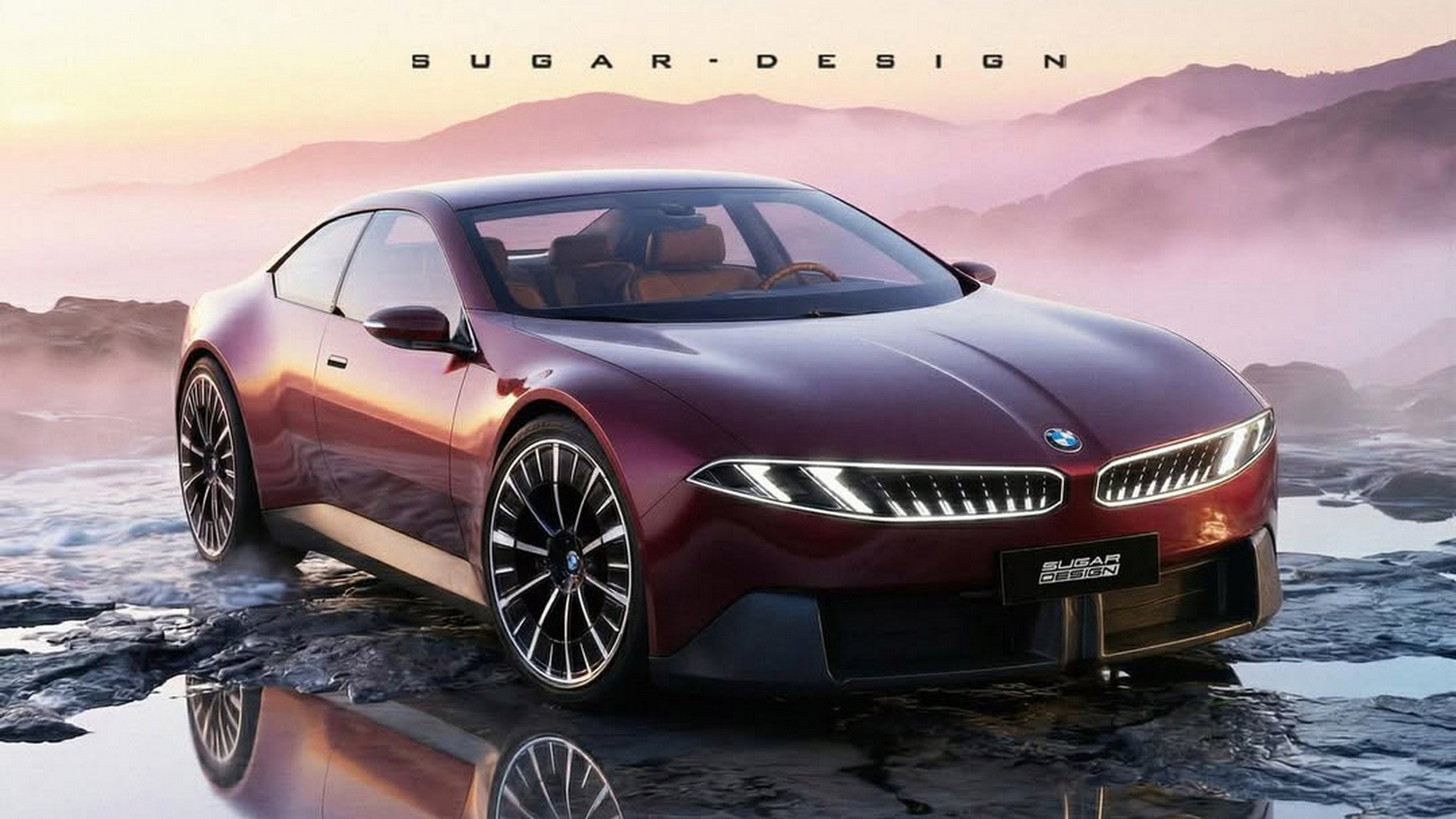
The BMW 6-Series Coupe may have been retired in favor of the soon-to-be discontinued 8-Series Coupe, but interest in the nameplate hasn’t disappeared. For some enthusiasts, the idea of a modern revival still holds real appeal. One of them is digital artist Sugar Design, who has imagined a return of the 6 as a midsize two-door coupe for the Neue Klasse era.
The front end of the digital concept leans heavily on the BMW i3, borrowing its slim LEDs integrated into an illuminated grille. This time, though, the 6-Series sits wider and lower than its sibling. It adds sharper bumper intakes, a more pronounced shark-nose profile, and larger alloy wheels to dial up the attitude.
The profile keeps things clean, taking clear cues from the Vision Neue Klasse concept. It may not match the classic dash-to-axle proportions of earlier models, yet the overall stance still lands as striking and suitably exotic.
Illustrations Sugardesign
The rear end clearly borrows from the limited-run Skytop convertible, itself built on the 8-Series Coupe platform, just like the Speedtop shooting brake. You can see it in the wide, sculpted rear haunches, the razor-thin taillights, and the crisp tailgate edge. Even the diffuser looks like it means business, tying the whole thing together with a properly athletic finish.
Sugar Design didn’t go into detail on the powertrain, but everything about this points to a fully electric setup. The proportions and surfacing suggest it rides on BMW’s Neue Klasse platform, likely sharing its underpinnings with the smaller i3 and iX3.
A Long Bloodline Of Coupes
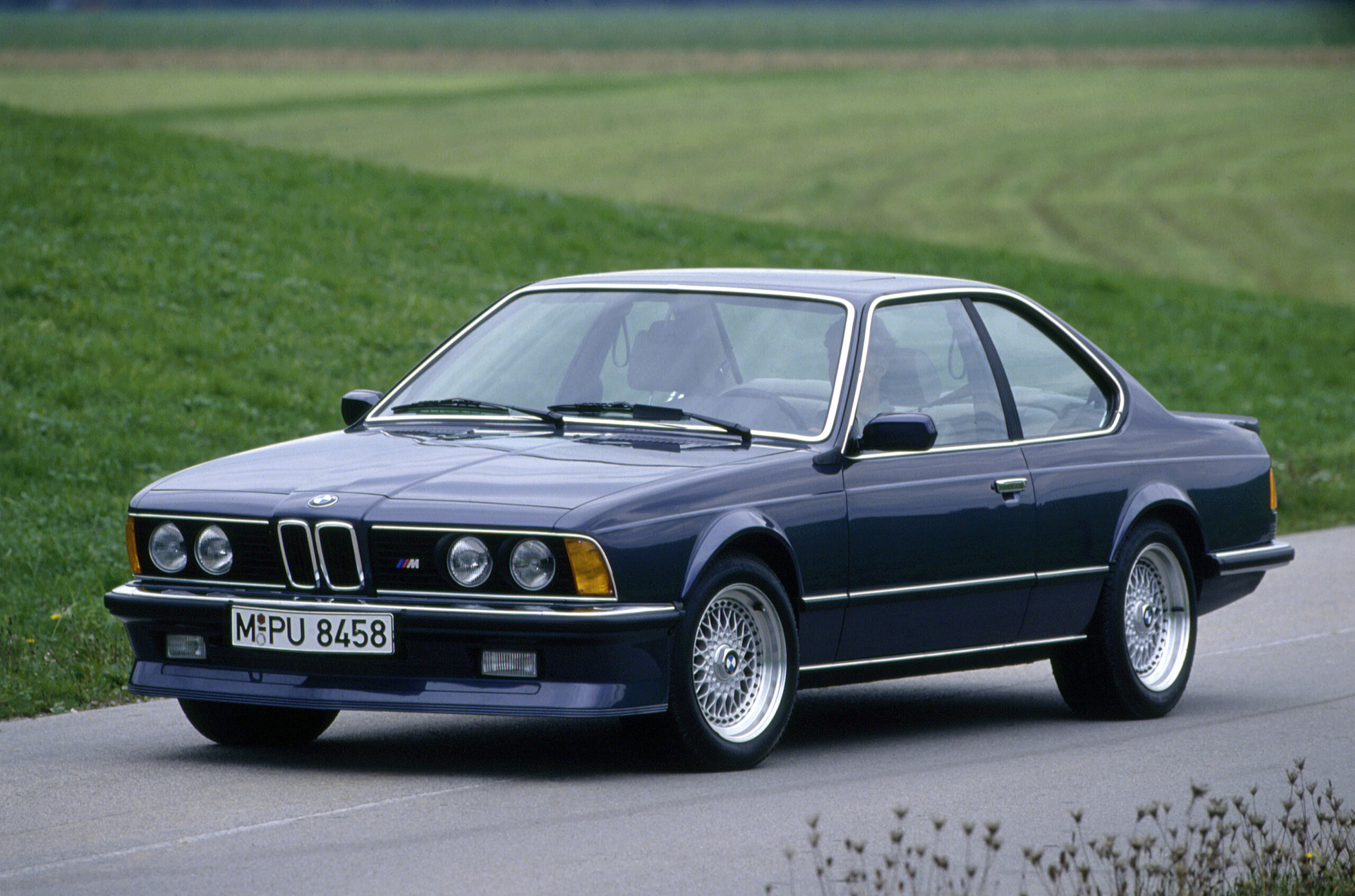
The digital concept nods to the 50th anniversary of the original E24 generation (1976–1989), still widely regarded as the most attractive 6-Series ever made, though that may not be an especially high bar given its modern successors.
The nameplate returned with the Bangle-era E63 (2003-2010), followed by the F13 (2011-2018), which was also offered in Convertible (F12) and Gran Coupé (F06) variants. BMW also introduced the unrelated G32 6-Series GT (2017-2023) five-door liftback, though it had a relatively short run.
A New Role
The independent designer suggests that a Neue Klasse 6-Series could take on the role of both the 4-Series Coupe (G22) and 8-Series Coupe (G15), much like how the Mercedes-Benz CLE replaced the C-Class and E-Class Coupe/Convertible models.
Such an approach could simplify BMW’s lineup and help reduce development costs, while keeping a larger, more premium coupe in the range.
Even so, it’s hard to say whether putting resources into such a niche segment really adds up, especially when an electric successor to the 4-Series Coupe would likely cover what most buyers actually want.
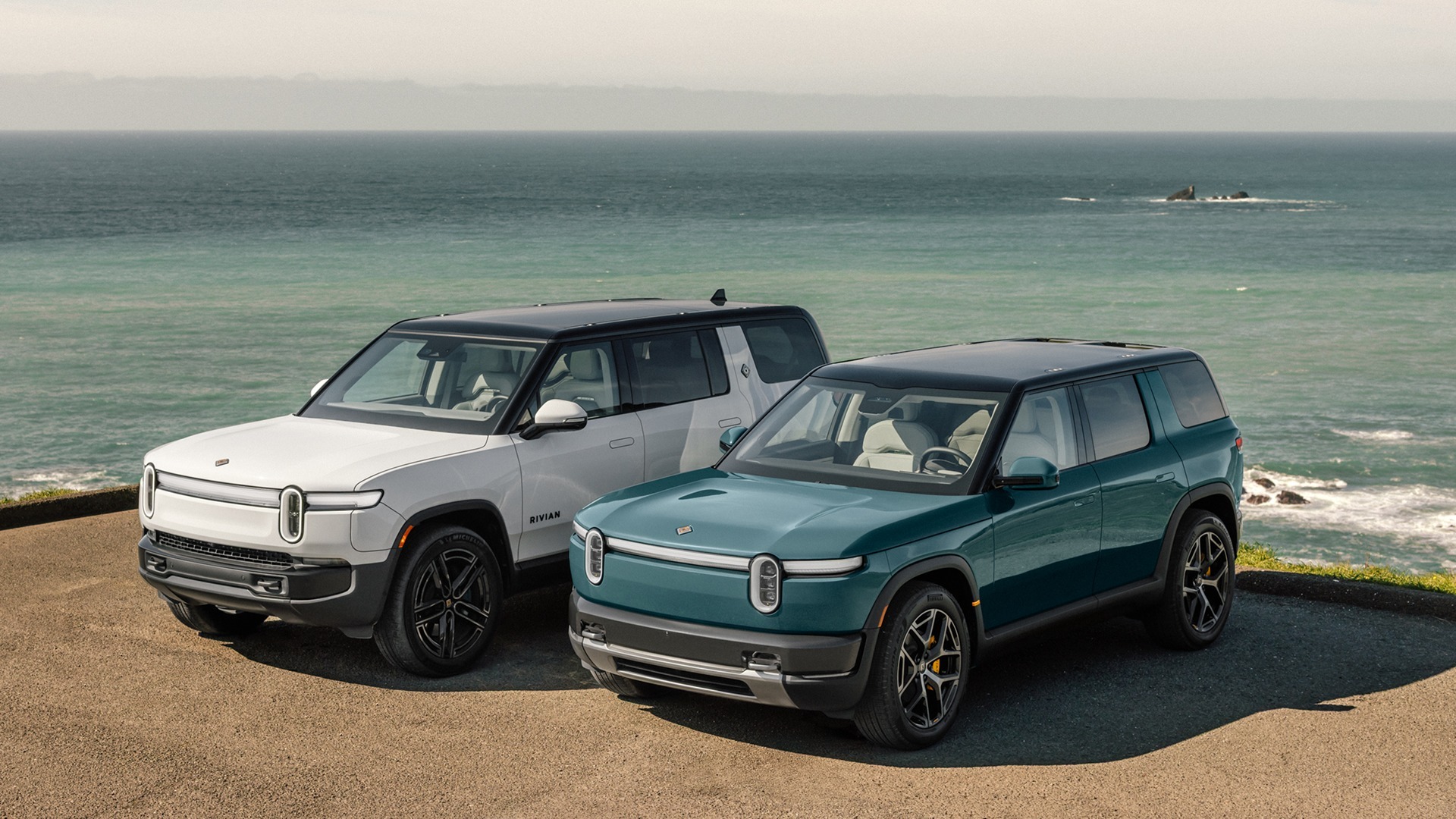
Rivian delivered more EVs than many of its mainstream rivals managed in Q1 2026.
Toyota came closest, trailing Rivian by fewer than 400 units despite a strong rebound.
BMW counted plug-in hybrids in its total and still came up short of Rivian’s number.
First-quarter sales are in, and they come with a few surprises. One of the more unexpected outcomes is Rivian edging past several established players in the U.S. EV market. During Q1 2026, Rivian managed to outsell Kia, Ford, Toyota, and BMW in electric-vehicle deliveries across the United States.
More specifically, the California-based automaker delivered 10,365 EVs between January and March. During the same period, Rivian produced 10,236 vehicles, 129 fewer than it sold, likely drawing from existing inventory to close the gap. This comes just ahead of the launch of the more affordable R2, which is set to begin deliveries later this spring as a Tesla Model Y rival.
Following these results, the company has raised its annual delivery guidance to 67,000 units for 2026, an increase of 5,000 units over its previous estimate. Rivian will report its full financial results for Q1 2026 on April 30.
Kia America reported 2,023 sales for the EV6 and 2,740 for the EV9, totaling 4,763 units in Q1 2026. The brand also offers an electric version of the Niro in the US, though this likely accounts for only a small portion of the model’s 7,455 total sales, leaving Kia well short of the 10,000-unit mark.
Still, the upcoming Kia EV3, expected in late 2026, could change the narrative. It is also worth noting that Kia’s hybrid models set new Q1 sales records, marking a 73% increase over the same period last year.
Ford’s EV lineup saw an even steeper decline, with sales dropping 70% in Q1 2026 to 6,860 units in the US. The Mustang Mach-E made up 4,600 of those sales, while the F-150 Lightning and E-Transit contributed 2,060 and 200 units, respectively.
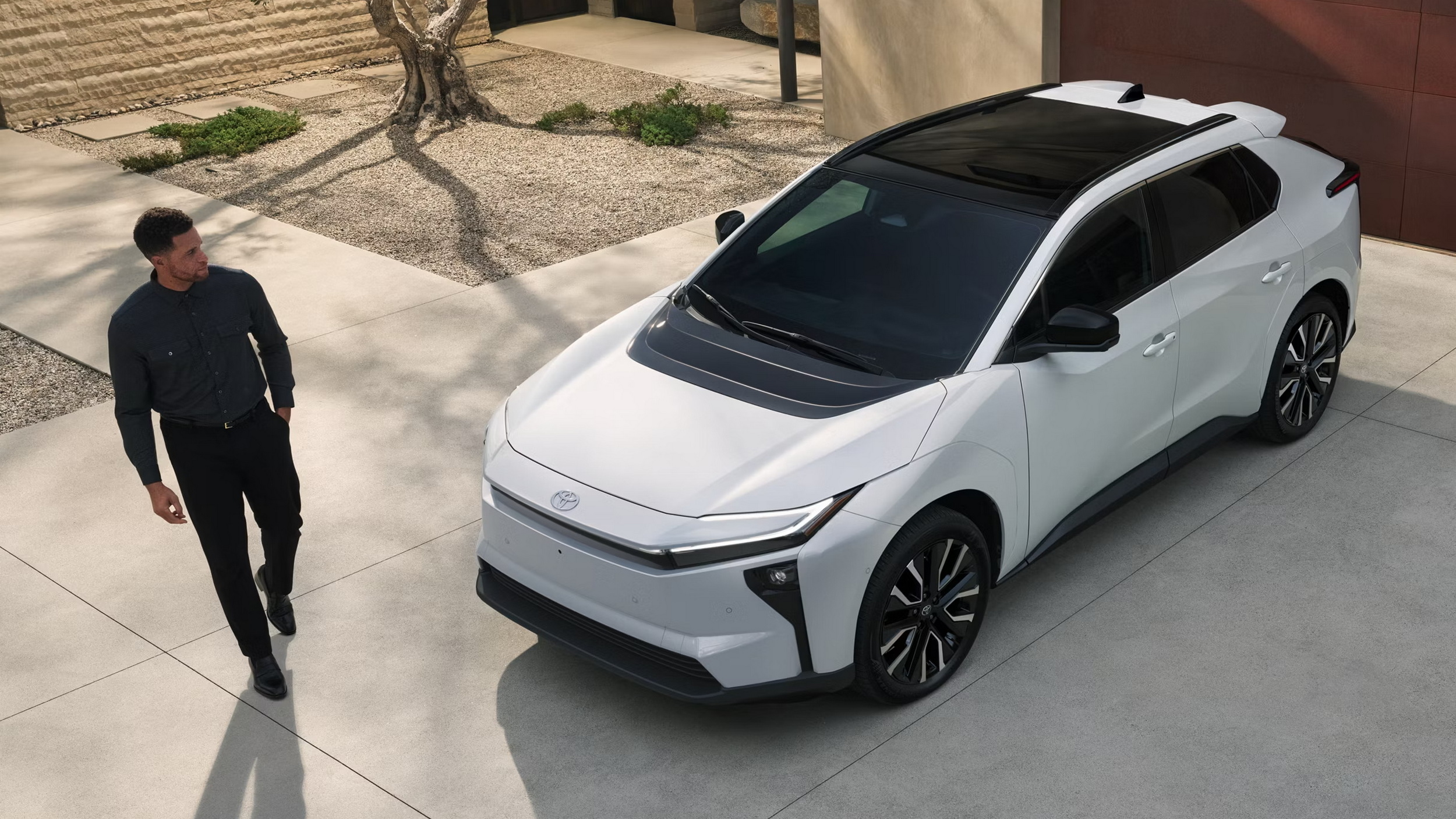
Toyota opened the year on a strong note, with the bZ, including the bZ Woodland, reaching 10,016 units in the first quarter, a 79% increase year over year. However, with only 13 units of the newly introduced C-HR arriving in March, Toyota’s total BEV sales reached 10,029 units, just behind Rivian’s 10,365. As the company expands its EV lineup in the US, that gap may not last long.
Finally, BMW recorded 9,856 combined BEV and PHEV sales in the US during Q1 2026, marking a 50% drop compared to last year. This slowdown may prove temporary, as the upcoming Neue Klasse BMW iX3 is expected to play a central role in the brand’s next phase of electrification when it arrives in late 2026.
Mercedes-AMG has revealed the V8 soundtrack of its latest EV
We’re talking about the fully electric AMG GT 4-Door Coupe.
The upcoming model offers highly configurable drive modes.
Mercedes-AMG is gearing up to unveil its new GT 4-Door Coupe, and this time it’s chasing a different target. What once took aim at the Porsche Panamera now pivots toward the Porsche Taycan, trading combustion muscle for electric intent without losing its sense of theater.
Even without a drop of fuel involved, AMG says it will still deliver a proper performance experience. The new model mimics the character of a V8, leaning on a mix of synthetic sound, feedback, and clever engineering to deliver something that still feels alive from behind the wheel.
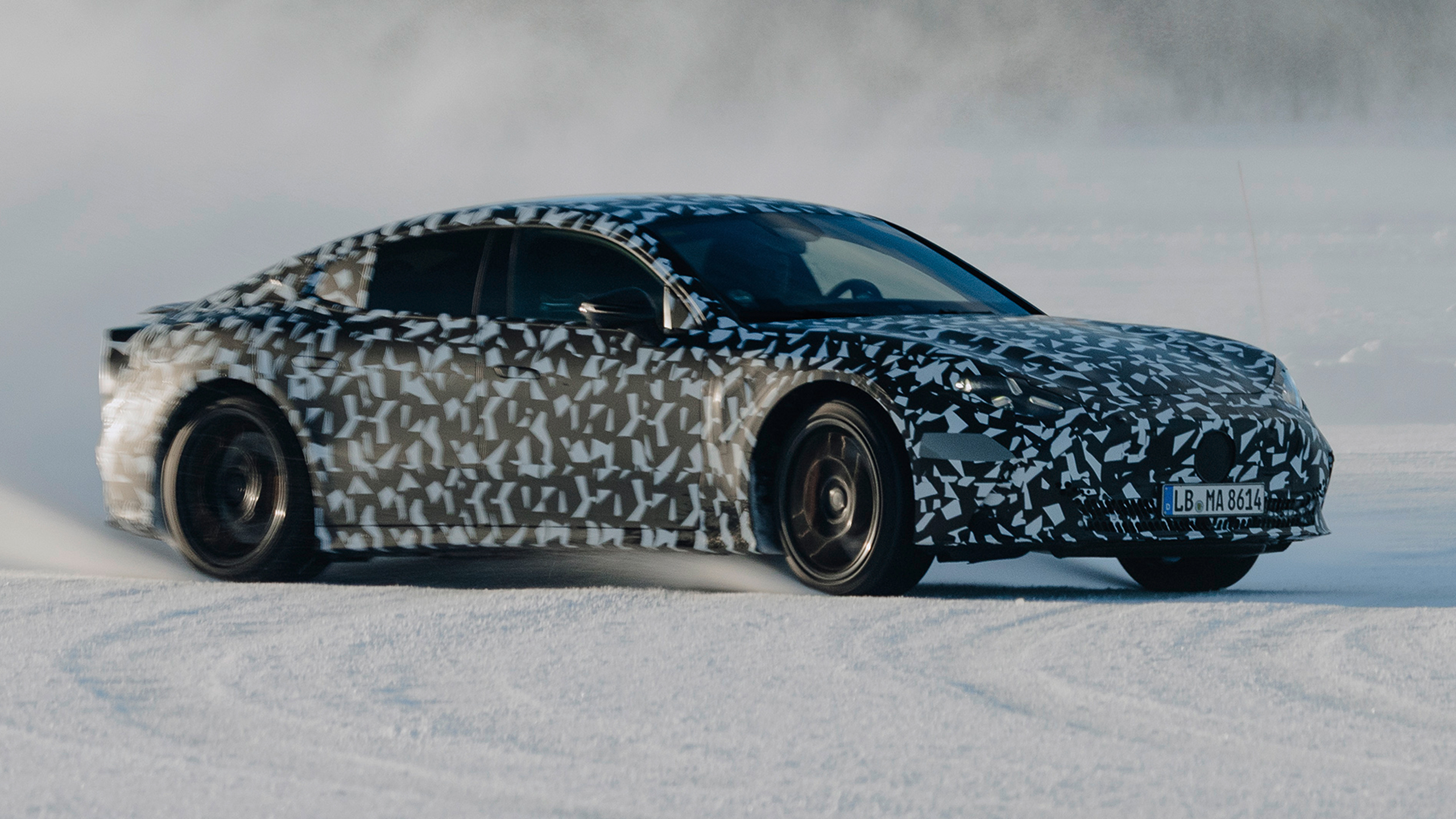
The latest video teaser shows a camouflaged prototype of the Mercedes-AMG GT 4-Door Coupe undergoing winter testing in Lapland. American actor Gabriel Macht, AMG’s brand ambassador since mid-2025, gets an early drive of the upcoming EV before its official arrival.
The highlight of the clip is the startup sequence when the driver selects Sport+ mode via the rotating steering wheel dial. That setting brings a digital V8 to life, complete with a simulated rev counter and paddle shifters that echo the feel of a combustion-powered car.
The Concept GT XX featured eight external speakers pumping synthesized engine sounds to alert pedestrians of the vehicle’s presence. Based on the exterior shots in the video, the production version appears to follow a similar approach.
Macht also gets to play around with the three rotating dials on the center tunnel. These provide access to different levels of Throttle Response, Agility, and Traction, transforming the driving experience of the new AMG GT 4-Door Coupe. The Traction is probably the most impressive of the three, allowing everything from crazy wheel spin to insane traction and everything in between.
Mercedes-AMG / YouTube
Predictably, the video includes plenty of drifting, with the driver exploiting the advanced torque vectoring system. Since Mercedes has already revealed the interior, the prototype’s screen-heavy cabin remains fully visible throughout the drive.
The new-generation AMG GT 4-Door Coupe will be the first production model built on the AMG.EA platform. The concept points to outputs as high as 1,341 hp (1,000 kW / 1,360 PS), delivered by three axial-flux electric motors. On the chassis side, AMG has confirmed adjustable air suspension, semi-active roll stabilization, configurable dampers, and a mix of carbon-ceramic and steel brake discs.
It remains to be seen whether the V8 soundtrack and the highly configurable driving experience will make the zero-emission era of AMG more appealing to its target audience.
Mercedes-AMG
Before yesterdayElectric Vehicles - Latest News | Carscoops
BMW iX7 spotted testing again as brand prepares biggest EV yet.
Electric X7 will share design with combustion model but lose tailpipes.
Launch expected around 2027, probably ahead of combustion version.
BMW unveiled a radically redesigned and all-electric 3-Series last month, but the sports sedan isn’t the only machine with a blue and white propeller badge that’s getting its first EV makeover. So is the big X7, as these spy shots of the new iX7 prove.
We first saw this upcoming electric flagship a few months ago, but in the wake of the arrival of the smaller Neue Klasse cars we now have an even better idea of what to expect when it it comes to the onboard tech.
Visually, don’t expect a revolution. The iX7 and combustion X7 are heading into BMW’s Neue Klasse design era, but way less aggressively than the i3 and iX3, which are targeting a younger audience. That means a familiar shape, now with Neue Klasse surfacing and flush handles, but still with an older-style big grille and split headlights rather than the visor-style nose treatment seen on its iX3 little brother.
SH Proshots
Flush-type grille kidneys, iX7 badges and of course the absence of tailpipes will help other drivers distinguish it from the X7, but otherwise, like the 5-Series and i5, and 7-Series and i7, the two differently-powered SUVs will look almost identical.
And like the i7, both versions of the X7 will ride on an updated version of BMW’s existing large SUV platform, so the company can build petrol and electric models side by side. It’s a pragmatic move, even if it means the iX7 won’t go full futuristic like the smaller Neue Klasse EVs.
800-Volt Fast Charging And A Long Range
SH Proshots
But that doesn’t mean it’ll miss out on all the good NK tech. BMW’s latest battery know-how should make an appearance, with more energy-dense cells and faster charging thanks to 800 volt architecture. If the smaller iX3 can manage over 500 miles (805 km) of WLTP range, expect the iX7 to go equally far, helped by a much larger, probably 100+ kWh battery pack.
Dual motors and all-wheel drive will be standard, and as for power, don’t be surprised if a range-topping version pushes well beyond 800 hp (811 PS), because even those kind of numbers look pretty ordinary in the electric SUV world these days.
Grab a seat inside and you’ll be met with BMW’s latest tech-heavy cabin, including its Panoramic iDrive media setup and head-up display. But the price of admission to that cabin is going be hefty when sales start in 2027, so don’t think you’re going to take one home for less than six figures.
Some automakers ignored hybrids to bet big on EVs.
That bet went bad and could get worse as gas prices soar.
Toyota and Hyundai stand to benefit from diverse lineup.
A few years ago, automakers faced a tough choice. They could eschew hybrids and plug-in hybrids to go all-in on EVs, or adopt a more balanced, but expensive approach that saw them invest in multiple technologies.
A number of companies went the electric route and that ended up costing them greatly as adoption was slower than they anticipated. If that wasn’t bad enough, the United States eliminated the federal tax credit and governments rolled back overly ambitious green agendas.
This has pushed automakers to cancel EVs and abandon plans to go electric-only. Companies have posted huge losses and now they’re suddenly playing catch-up with rivals that took a more nuanced approach.
Expensive Gas Is Going To Make Things Even Worse
Since some companies were betting on a quick transition to EVs, a number of them don’t have many hybrids or plug-in hybrids to offer customers. That’s bad news in an era where the national average price of a gallon of gasoline is above $4 and climbs to nearly $6 in some states.
The only hybrid GM has in America is the $108,600 Corvette E-Ray and that’s a huge problem. Consumers in the market for a compact crossover might look at an Equinox, which returns up to 26 mpg city, 29 mpg highway, and 27 mpg combined. That’s not terrible, but the Toyota RAV4 gets 47 mpg city, 40 mpg highway, and 43 mpg combined. This is a huge difference, especially in an era of sky high gas prices.
Hyundai and Kia also offer hybrid competitors in the form of the Tucson and Sportage. The former offers up to 38 mpg across the board, while the latter returns up to 41 mpg city, 44 mpg highway, and 42 mpg combined. It’s also worth noting all three competitors offer plug-in hybrid variants, while GM doesn’t offer a single one in the United States.
General Motors isn’t the only automaker that bet big on EVs and lived to regret it. Ford has a limited hybrid lineup that consists of the Maverick and F-150. The Escape, which offered hybrid and plug-in hybrid options, was recently killed off, while the Explorer Hybrid is limited to police and the Pope.
Hybrid Sales Are Skyrocketing
While the war in Iran is barely more than a month old, hybrid sales are booming. Kia recently revealed sales of hybrids soared 73% to set a new quarterly record.
Last month was also Hyundai’s best ever March for hybrid sales. The company noted hybrids saw a huge jump in the first quarter as the Elantra Hybrid was up 141%, while the Sonata Hybrid soared 107%. The Santa Fe Hybrid also got a 47% boost as consumers embraced efficiency.
While Toyota sales fell 6.9% in the first quarter, high gas prices could help to reverse that trend as the company offers a dizzying array of hybrids. Seventeen, to be exact, according to our last count. This includes the Camry, Corolla, Crown, Corolla Cross, and Prius, as well as the Crown Signia, Highlander, Grand Highlander, Land Cruiser, RAV4, 4Runner, Tacoma, Tundra, Sequoia, and Sienna. Two of those, the Prius and RAV4, are also offered as plug-in hybrids.
That’s a huge lineup, especially compared to Ford, GM, and Stellantis. The latter recently killed off plug-in hybrids and only offers the new Cherokee Hybrid in America. However, range-extended variants of the Ram 1500 and Grand Wagoneer are coming.
While EVs do offer some cover to these companies during periods of high gas prices, consumers have been clear: most want hybrids, not fully electric vehicles.
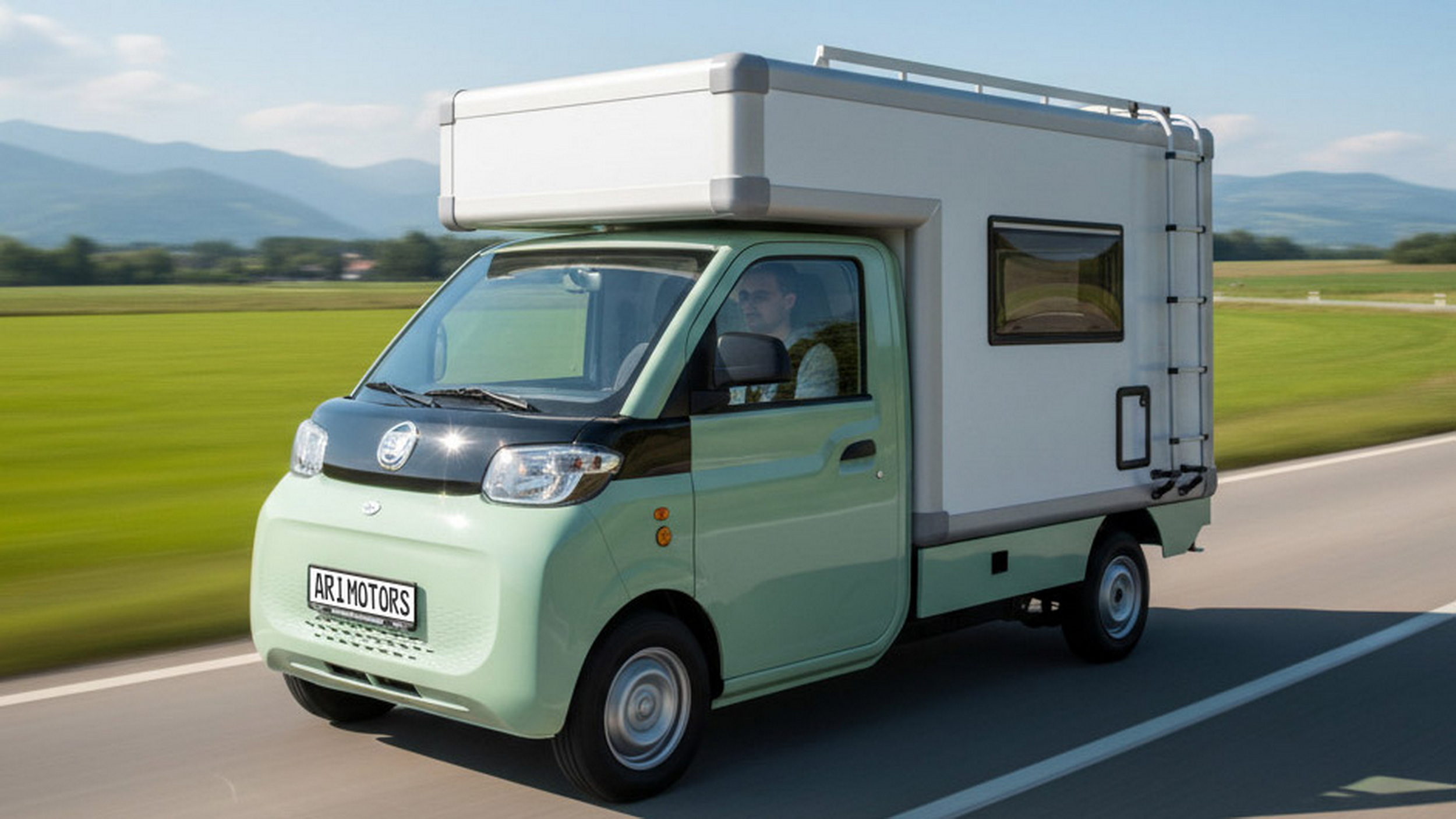
German firm Ari Motors has turned its compact LCV into a very small camper.
It sits in the L7e class and uses a modest electric motor with about 20 hp.
Rear module forms a configurable living area measuring about 30 square feet.
Campers have built a loyal following across Europe, with midsize LCVs emerging as the go-to base for conversion specialists. Not everyone needs that much space, though, and that gap has led German firm Ari Motors to create what may be the smallest camper currently on sale in the country, and possibly, the entire continent.
It’s based on the Ari 458 Pro, which the company describes as the largest van in the L7e category, a niche segment to begin with. At just 3,820 mm (150.4 inches) long, this tiny camper is barely longer than a current Fiat 500e at 3,632 mm (143.0 inches). It’s also still shorter than a Mini Cooper hatch at 3,858 mm (151.9 inches) and even undercuts a Mazda MX-5 ND at 3,915 mm (154.1 inches).
Up front, it keeps the same cheerful face, undersized wheels, and two-seat cabin as the LCV. Like several other Ari Motors products, it’s likely sourced from a Chinese partner.
Tiny Living Space Layout
The real talking point sits at the back. The rear module resembles a compact suitcase with small windows cut into it, forming a tiny living space. Ari says it offers 2.8 square meters (30 square feet) of usable area, with a maximum interior height of 1.85 m (72.8 inches).
In order to keep the entry price as low as possible, the camper is offered without any furniture. It is, in effect, an empty box on wheels. What you do get is the “necessary utility infrastructure,” which covers a water system with fresh and wastewater tanks, plus 230-volt sockets.
Photos Ari
Those who want a complete camper experience have to source a bed, rear seating, a table, a kitchenette, and a portable toilet from other companies. Ari Motors does offer a “minimalist” interior conversion built at its Borna facility near Leipzig, though it has yet to show what that actually looks like.
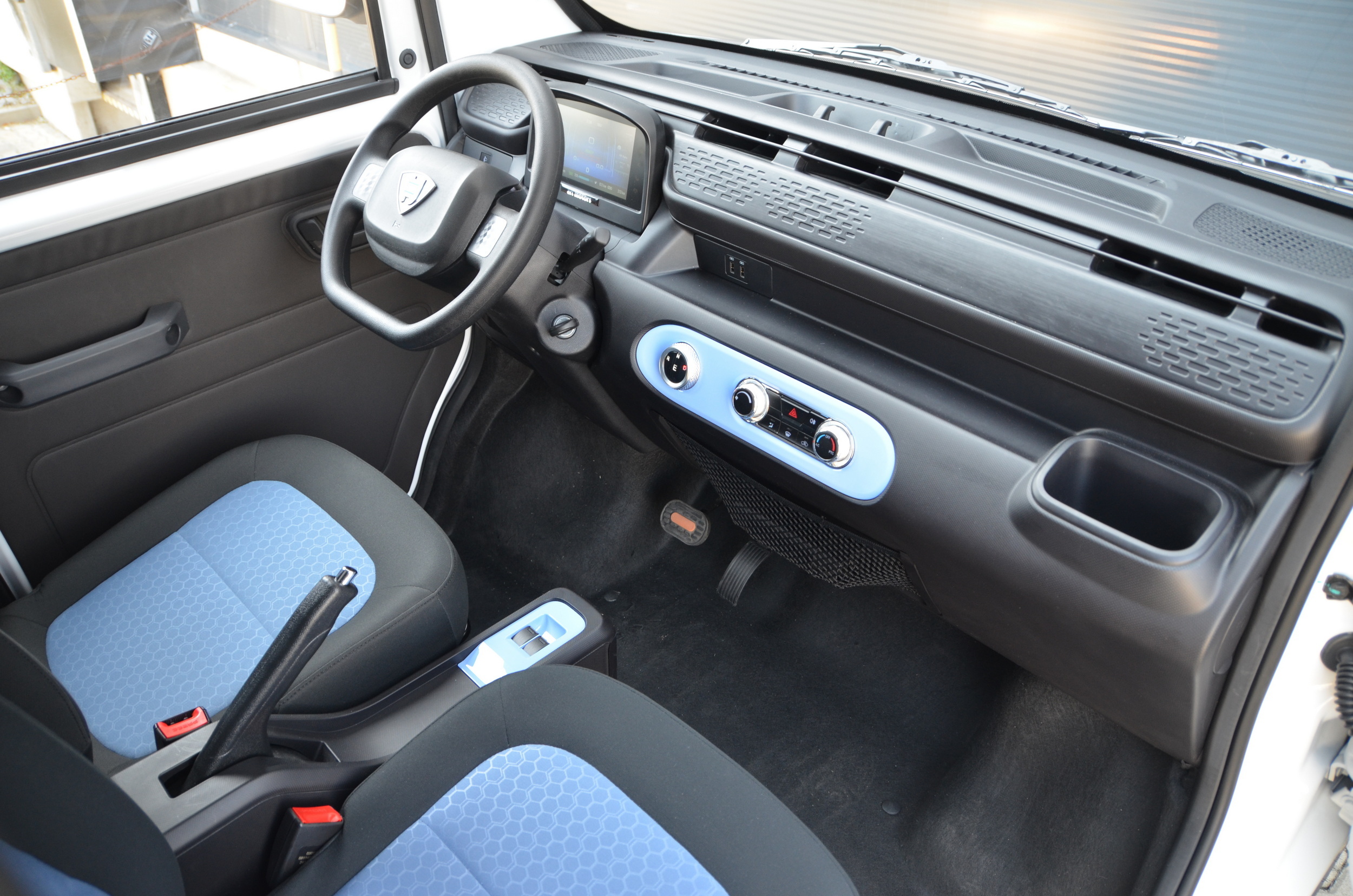
Up front, equipment is predictably sparse. There are electric windows, central locking, Bluetooth, a digital instrument cluster, a reversing camera, and a single cup holder. Air conditioning is optional, as are solar charging and a trailer coupling.
Electric Powertrain Specs
The Ari 458 Pro uses a single electric motor producing 20 hp (15 kW), which sits right in line with L7e regulations. Opt for the largest battery, and it delivers up to 230 km (143 miles) of range, while top speed is capped at 70 km/h (44 mph).
There is nothing particularly sophisticated happening underneath. Like most heavy quadricycles, it operates outside the stricter standards applied to conventional passenger cars.
How Much Does It Cost?
Beyond the camper variant, the Ari 458 Pro comes in more than 30 configurations. Buyers can choose from a box van, food truck, flatbed, tipper, or even a compact garbage truck. Pricing starts at €15,790 ($18,200) before taxes for the base LCV, while the camper version opens at €30,381 ($35,100) in Germany.
The new GT 4-Door will be equipped with three axial-flux electric motors.
Mercedes-AMG has developed an advanced air suspension for the sedan.
An Agility Control system can significantly alter the car’s handling balance.
The build-up to the release of the all-electric Mercedes-AMG GT 4-Door has been painfully slow, but it’s inching closer to the market, recently finishing up winter testing in Northern Europe. Along the way, a handful of fresh details have surfaced, offering a better sense of how far Mercedes is willing to go to make this feel like a proper AMG, or at least convince you it is.
While Mercedes-AMG has yet to confirm the final power output for the production sedan ahead of its spring launch, the concept has already shown it can deliver up to 1,341 hp. AMG has confirmed the car will use three advanced axial-flux electric motors, enabling configurable rear-wheel-drive and all-wheel-drive setups. At the center of it all is a complex driving-dynamics control system, managed through three settings: Response, Agility, and Traction.
The Response Control system tweaks the behavior of the electric motors depending on different accelerator pedal commands and individual driving modes. The Agility Control system focuses specifically on tweaking the cornering behavior of the car, adjusting the power distribution on the fly to give the car the feeling of having a shorter or a longer wheelbase and varying from slight understeer to controlled oversteer. So while the car will be electric, you’ll still be able to drift it.
Can It Be A Fun EV?
Traction control goes unusually deep, offering nine selectable levels, similar to setups used in the previous-generation AMG GT R and AMG GT Black Series.
Mercedes-AMG has also confirmed a somewhat unconventional braking setup, pairing carbon-ceramic discs at the front with steel units at the rear. Then there’s the suspension system, which appears particularly advanced, and it better be with all that power at hand. After all, the suspension systems in the Porsche Taycan and Audi e-tron GT are already highly sophisticated, so AMG needs something that can genuinely keep pace.
The setup includes adjustable air springs paired with semi-active roll bars and configurable dampers. In theory, it should deliver a broad range of ability, smoothing out rough roads while still tightening everything up when the pace increases. AMG claims it will balance comfort and cornering precision, whether you’re commuting or pushing harder on track.
Advanced Battery Cooling System
Of course, no EV would be complete without some trick technology on the battery side of things. The cells of the AMG GT 4-Door are directly cooled and include a non-conductive oil that flows around each individual cell to maintain an optimal temperature regardless of the conditions. This should mean it’ll perform for lap after lap on a track, or while plowing through snow, and crossing deserts.
That’s all Mercedes is prepared to share for now, but more details should arrive in the coming weeks. Expect a clearer look at the final design, along with confirmed powertrain options. As for pricing, don’t expect any surprises in your favor. The current gas-powered model spans from $102,000 to $200,500, and this next chapter will almost certainly push beyond that range.
The i3 Touring will shares its design with the sedan up to the B-pillars.
A longer roof and revised rear will give the wagon added practicality.
Production starts in 2027 following the sedan’s launch in late 2026.
The new BMW i3 sedan has finally filled in enough blanks to picture what its more practical wagon sibling might look like. With BMW confirming an i3 Touring, independent artists have stepped in to interpret the brand’s vague teasers and turn them into something more tangible.
Nikita Chuyko from Kolesa and Theophilus Chin have each offered their own interpretation of the fully electric wagon, and while both follow the same basic blueprint, the details diverge. In each case, the sheet metal mirrors the i3 sedan up to the B-pillars. What distinguishes the i3 Touring is the extended roof and the redesigned tail.
BMW’s own teaser hints at a rising beltline behind the C-pillars, a small tweak meant to inject some visual tension into the longer body. Theottle leans heavily into that idea, exaggerating the upward sweep, while Chuyko opts for a more restrained interpretation. The production version could land somewhere in the middle, keeping things sporty without overdoing it.
Illustrations Kolesa / Nikita Chuyko
At the rear, both designers carry over the slim LED taillights and rear bumper from the i3 sedan, focusing their changes on the tailgate and the sloping rear glass. Theottle retains the sculpted lines beside the BMW emblem and adds a more contemporary roof spoiler, similar to the one seen on the iX3 SUV.
We suspect that the production i3 Touring will likely keep the sedan’s 114.1-inch (2,898 mm) wheelbase, meaning any increase in overall size will likely come from a longer rear overhang.
The interior will also be carried over, including the pillar-to-pillar display on the base of the windshield and the 17.9-inch infotainment touchscreen. Rear passengers should benefit from slightly improved headroom, along with a more generous cargo area.
Underneath, the i3 Touring will share its 800-volt Neue Klasse architecture with the i3 sedan and the iX3 SUV. A potential 50 xDrive variant is expected to produce 463 hp (345 kW / 469 PS) and 645 Nm (476 lb-ft) of torque, offering more than enough performance for a family-oriented model.
The i3 sedan targets an EPA range of 708 km (440 miles) between charges, though the wagon’s less aerodynamic shape will likely reduce that figure slightly. Even so, it should be capable of adding 249 miles (400 km) of range in just 10 minutes when connected to a 400 kW charger.
BMW has confirmed that production of the i3 sedan will begin in August 2026, with first deliveries scheduled for the fall. The i3 Touring is expected to follow in 2027, as part of the 40 new and updated models the company plans to introduce by the end of that year.
The Bavarian automaker is also preparing an ICE-powered 3-Series Touring, which will mirror the design and technology of the Neue Klasse-based i3 Touring while riding on an updated version of the current CLAR platform.

 Login
Login