Fiat dealers are offering huge discounts on the slow-selling 500e.
If you know where to look, you can score more than $15,000 in savings.
It’s almost May, but Fiat still hasn’t introduced a 2026 500e yet.
Fiat’s return to America was anything but triumphant, but things have only gotten worse since then. While the brand once offered an assortment of models including an underrated 124 Spider, they’re down to a single EV.
This was always going to be an uphill battle, but the situation has gotten significantly worse since the elimination of the federal tax credit. A quick look at the sales chart reveals a brutal first quarter where the 500e found a mere 68 buyers.
That’s less than one per day and 23 per month. Things were so bad that the electric hatchback was outsold by the 500X, which was killed off in 2023.
A quick search online suggests dealers have over 100 units in stock and that’s roughly five months worth of supply. Given this, it’s not surprising there are huge discounts on 2024 and 2025 models.
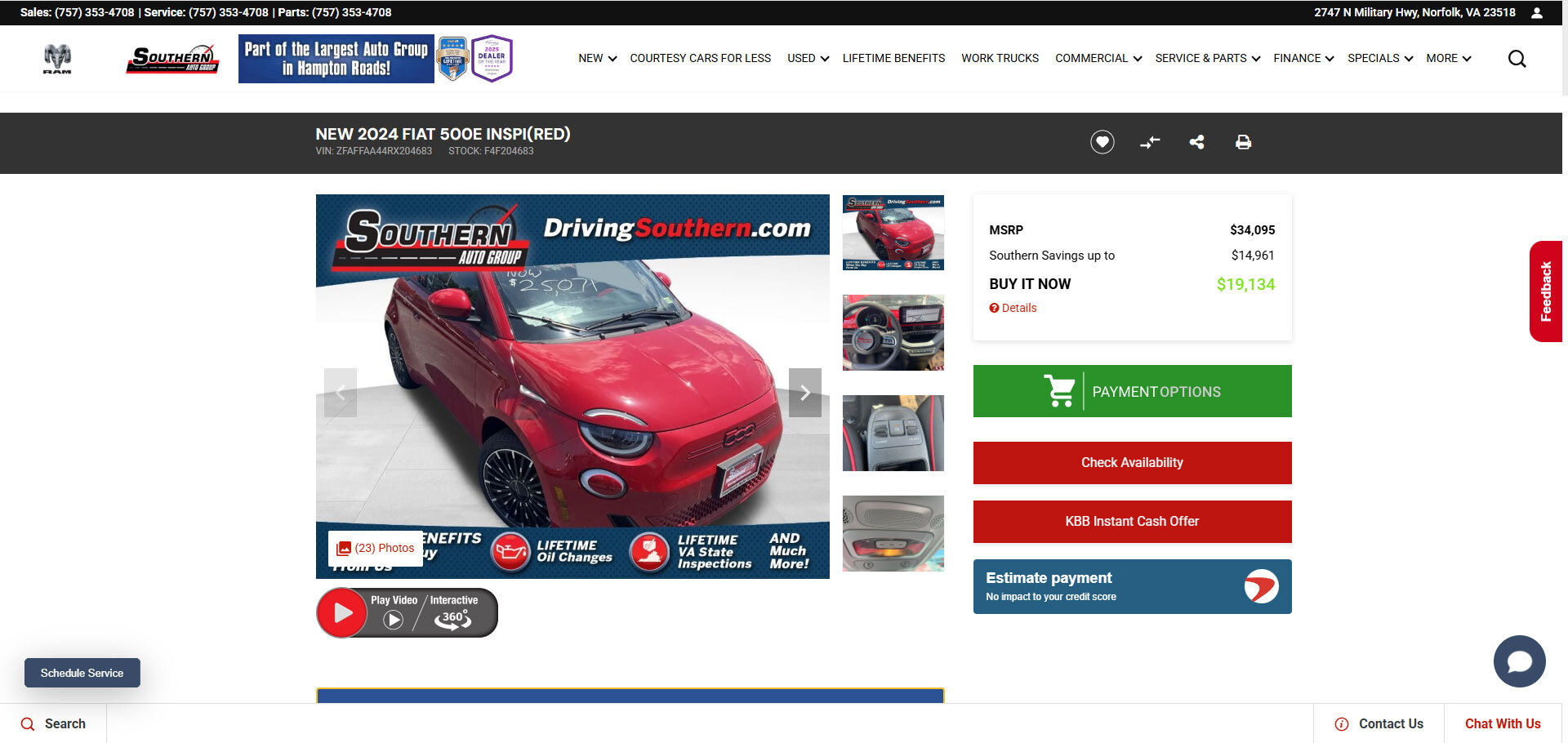
The cheapest car appears to be a 2024 500e INSPI(RED) at Southern Dodge Chrysler Jeep Ram Fiat of Norfolk, Virginia. The model originally stickered for $34,095, but the dealer has it listed for $19,134. That’s a discount of $14,961 and pictures reveal the dealer had previously tried to sell it for $25,071 but didn’t get any takers.
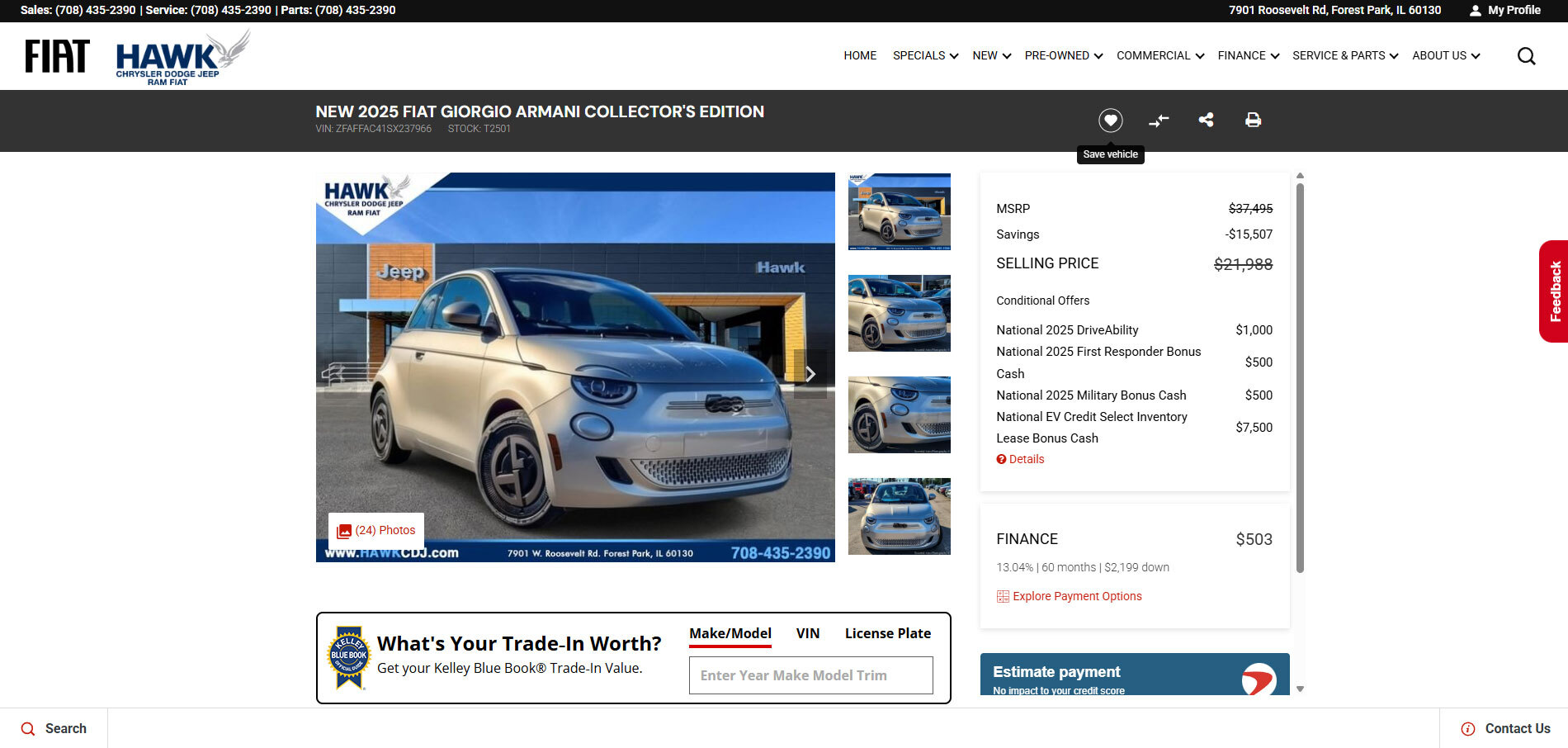
If you’re in the mood for something newer, Illinois’ Hawk Chrysler Dodge Jeep Ram Fiat has a 2025 500e Armani Edition listed for $21,988. That’s $15,507 below the original sticker price of $37,495.
Those are far from the only examples as Taverna Chrysler Dodge Jeep Ram Fiat in Florida has an Armani Edition with a $12,254 discount. It’s also worth noting Stellantis appears to be offering a $7,500 national incentive to help make up for the aforementioned tax credit.
The Rivian R2 has gone into production in Normal, Illinois.
First customer deliveries are set to begin later this spring.
Crossover starts at $57,990, but cheaper variants are coming.
A little over two years after unveiling the R2 concept, the production model is now being built in Normal, Illinois. That’s particularly impressive considering a tornado hit and damaged the facility last Friday.
Rivian didn’t have much to say about the production process itself, but noted the first vehicles will undergo a series of final quality and validation checks. If everything pans out, the first customer deliveries will begin later this spring.
The automaker called production a “milestone moment” for the R2 and said it means the “manufacturing process has been verified, every weld has been checked, every software string has been validated, and every interior material has been scrutinized to meet the high bar we set for ourselves and for you, our community.”
Rivian’s COO Javier Varela went further as he said the R2 “represents a major advance in engineering excellence and manufacturing efficiency, driving meaningful improvements in cost and quality.” Those sentiments were echoed by CEO RJ Scaringe, who called the vehicle “incredible.” The executive added he can’t wait until customers get their hands on the EV.
The R2 is being launched in $57,990 Performance guise, which features a dual-motor all-wheel drive system developing 656 hp (489 kW / 665 PS) and 609 lb-ft (825 Nm) of torque. It enables the model to accelerate from 0–60 mph (0-96 km/h) in as little as 3.6 seconds and have a range of up to 330 miles (531 km).
The range-topping variant comes nicely equipped with a Black Crater Signature interior with Birch wood trim as well as 12-way power front seats with heating and ventilation. They’re joined by heated rear seats, a heated steering wheel, and a nine-speaker premium audio system.
Early models also come with a Launch Package, which includes a lifetime subscription to Autonomy+ as well as a towing package that enables the crossover to haul 4,400 lb (1,996 kg). Buyers will also find a green anodized key fob as well as an available Launch Green paint job.
A more affordable R2 Premium is scheduled to follow later this year. It starts at $53,990 and has a dual-motor all-wheel drive system with 450 hp (356 kW / 456 PS) and 537 lb-ft (727 Nm) of torque.
The R2 Standard lineup is set to arrive in 2027 and offer Short and Long Range variants. The former will cost “around $45,000” and have a range in excess of 275 miles (443 km).
The electric Jeep Wagoneer S is skipping the 2026 model year.
It will return for 2027 with a NACS port and several updates.
Sales plummeted to a mere 175 units during the first quarter.
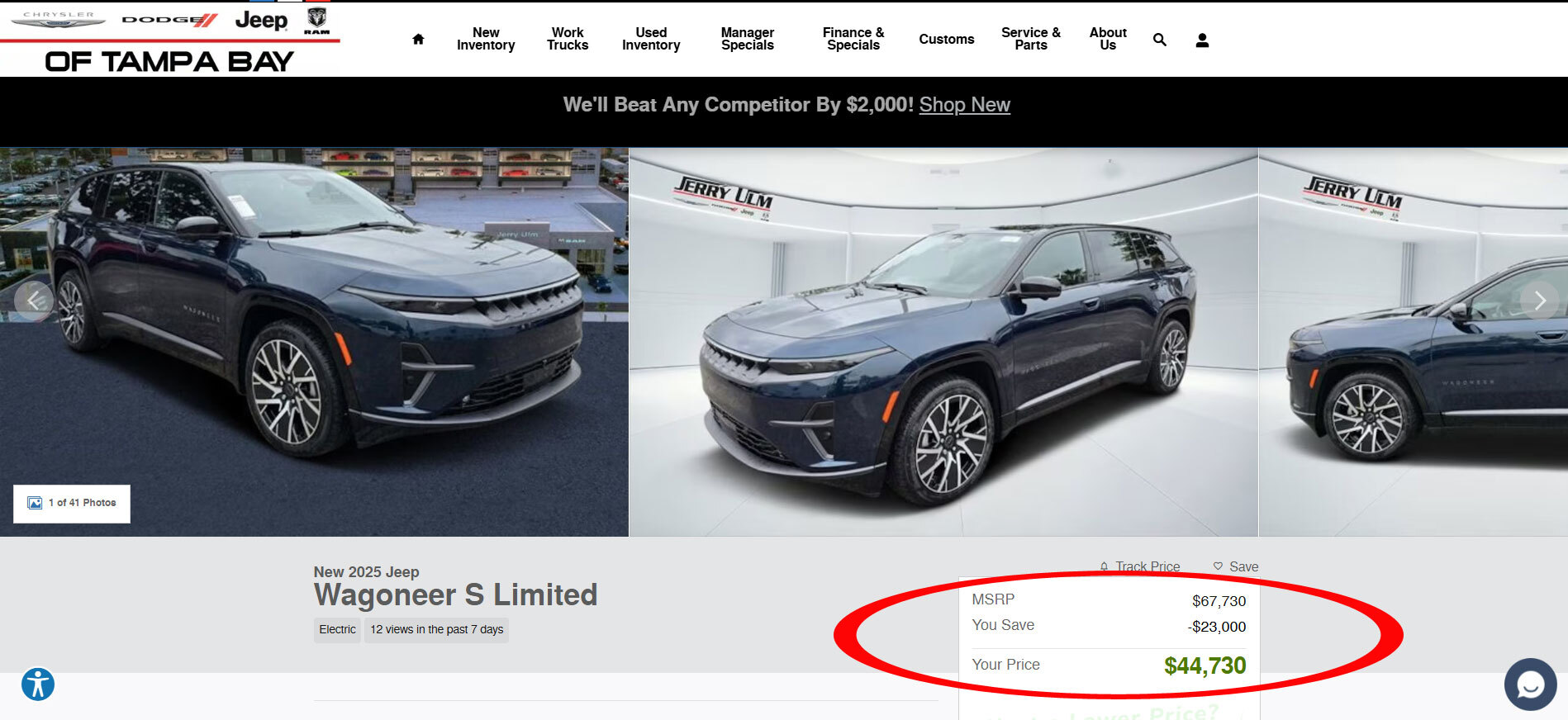
The Jeep Wagoneer S has been a perpetual disappointment and some dealers are offering discounts of nearly $25,000 to help move inventory. The fire sale enabled Stellantis to move 10,864 units in the United States last year, but sales have plummeted following the elimination of the federal tax credit.
In the fourth quarter of 2025, dealers only moved 438 crossovers. That fell to a mere 175 units in the first quarter of 2026 and that puts the company on track to sell a pathetic 700 for the entire year.
However, even that sad figure now seems optimistic as the Wagoneer S is going away for 2026. The story was broken by Automotive News and confirmed to Car & Driver.
While the slow-selling crossover is going on hiatus like the Volkswagen ID. Buzz, it’s coming back for 2027. It also promises to be a tad more compelling when it returns as a spokesperson said they’re “pacing production of the all-electric Jeep Wagoneer S to support future improvements in battery performance, software, and capability.”
Those will be welcome improvements, but the biggest change appears to be the introduction of a NACS port. This will enable owners to access Tesla Superchargers without the need for an adaptor.
These sound like good developments, but the biggest hurdle appears to be price. The Wagoneer S starts at $65,200 and climbs to $70,200 for the Launch Edition, which features an increased output of 600 hp (447 kW / 608 PS).
That’s pretty steep considering the Mustang Mach-E GT begins at $53,395 and can be equipped with the GT Performance Upgrade for an additional $1,295. While the Ford has a significantly lower output of 480 hp (358 kW / 487 PS), it’s slightly quicker than the Wagoneer S as it accelerates from 0-60 mph (0-96 km/h) in 3.3 seconds, compared to the Jeep’s 3.4 seconds.
FIA and Formula E have unveiled the new Gen4 race car.
Features a new powertrain that produces up to 805 hp.
Said to be world’s first race car that is 100% recyclable.
If you think Formula E might as well be called Formula Zzz, the latest update could be right up your alley as they’ve introduced the new Gen4 race car for the 2026/2027 season. It features an all-new powertrain with significantly improved performance.
Showcased at the Paul Ricard Circuit earlier today, the model will be able to produce up to 805 hp (600 kW / 816 PS) in Attack Mode. That’s a huge increase from the previous limit of 469 hp (350 kW / 476 PS).
Even in ho-hum race mode, Gen4 cars will have 50% more power. This suggests they’ll produce 603 hp (450 kW / 612 PS), which is roughly on par with the Kia EV6 GT.
The impressive numbers don’t end there as the Gen4 racer accelerates from 0-62 mph (0-100 km/h) in 1.8 seconds and 0-124 mph (0-200 km/h) in 4.4 seconds, which is a full 1.5 seconds faster than its predecessor. Given enough room, the single seater will eventually hit a top speed of 208 mph (335 km/h).
Given the gains, it’s little surprise that Formula E says Gen4 cars will deliver the “fastest-ever” lap times seen in the series. In particular, they suggested lap times on street circuits should fall by at least five seconds per lap compared to Gen3 Evo cars.
The powerful stats behind the all-new GEN4 ⚡️
Reaching speeds of over 335kph and 0-200kph in 4.4 seconds, with a 71%…
Other highlights include a 600 kW charging capability and a focus on sustainability. In regards to the latter, the Gen4 is said to be the “world’s first racing car that is 100% recyclable.” It also includes at least 20% recycled materials as well as batteries that lack rare earth minerals.
Formula E CEO Jeff Dodds said, “Gen4 isn’t just a car, it’s a bold declaration of our ambition. Seeing what it can do on track for the first time is a real milestone for Formula E – we are now delivering performance levels that were thought impossible for electric vehicles just five years ago.” He went on to say, “This is just the beginning, as its refinement is now in the hands of our manufacturers – Porsche, Jaguar, Stellantis, Nissan, Lola Cars and Mahindra – to push development to even higher limits of performance ahead of its racing debut later this year.”
Rivian’s factory in Normal, Illinois, was struck by a tornado.
The EF1 twister traveled 10.3 miles and had 110 mph winds.
No employees were injured, but the plant was damaged.
Rivian has high hopes for the R2, and they have reason to be excited as the model easily beats the Jeep Recon on paper. However, it appears Mother Nature isn’t a fan.
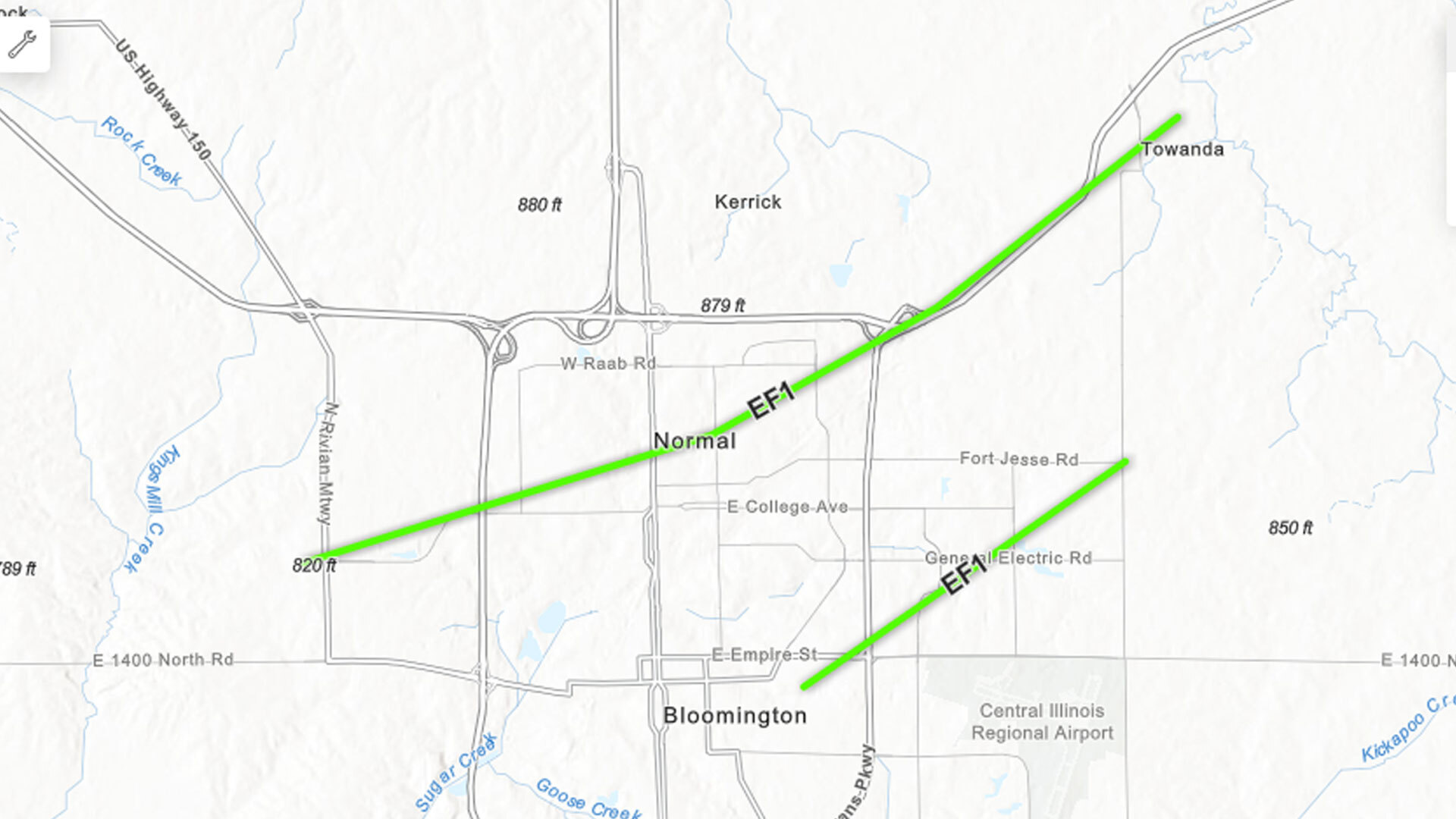
According to a company e-mail, Rivian’s factory in Normal, Illinois, was hit by a tornado on April 17. The national weather service reports a supercell traveled across the state on Friday night and spawned 25 tornados.
The tornado that struck the plant started at 9:57 pm and was an EF1 twister that produced winds up to 110 mph (177 km/h). It traveled 10.3 miles (16.6 km) and was 800 yards (2,400 feet) wide. The government said it “damaged several metal buildings,” caused significant tree damage, and flipped over a semi on I-55.
Pictures posted on the Rivian Forums show a section of the exterior wall collapsed and the ceiling partially caved in. There’s also debris in the surrounding area, as well as a flipped-over semi-trailer, and damage to another building.
In a message seen by CNBC, Rivian CEO RJ Scaringe said “Building 2 has sustained damage and is closed for the time being as we complete our assessments.” He added, “I am incredibly relieved to share that there were no injuries at our plant.”
Damage reportedly occurred in areas related to “parts storage and logistics” for the R2. While the pictures look pretty bad, Scaringe suggested operations in these sections could resume as early as this week.
The R2 will be launched in $57,990 Performance guise, featuring an 87.9 kWh battery pack and a dual-motor powertrain with 656 hp (489 kW / 665 PS) and 609 lb-ft (825 Nm) of torque. This enables it to accelerate from 0–60 mph (0-96 km/h) in as little as 3.6 seconds and have a range of up to 330 miles (531 km).
Additional variants will follow, including an R2 Standard Short Range in late 2027. It’s slated to cost around $45,000 and have a range in excess of 275 miles (443 km).
Dacia’s upcoming electric city car has been spied undergoing testing.
The small hatchback is due later this year with pricing under €18,000.
EV is based on the Renault Twingo E-Tech, but features unique styling.
Last month, Dacia unveiled their 2030 roadmap, which called for a “confident and decisive entry into electric mobility.” This will see them launch four new EVs by the end of the decade.
The first arrives later this year and will be an A‑segment electric hatchback based on Renault’s RGEV Small / AmpR Small platform. The model has been developed in less than 16 months and will cost less than €18,000 (about $21,200 / £15,700 at current exchange rates).
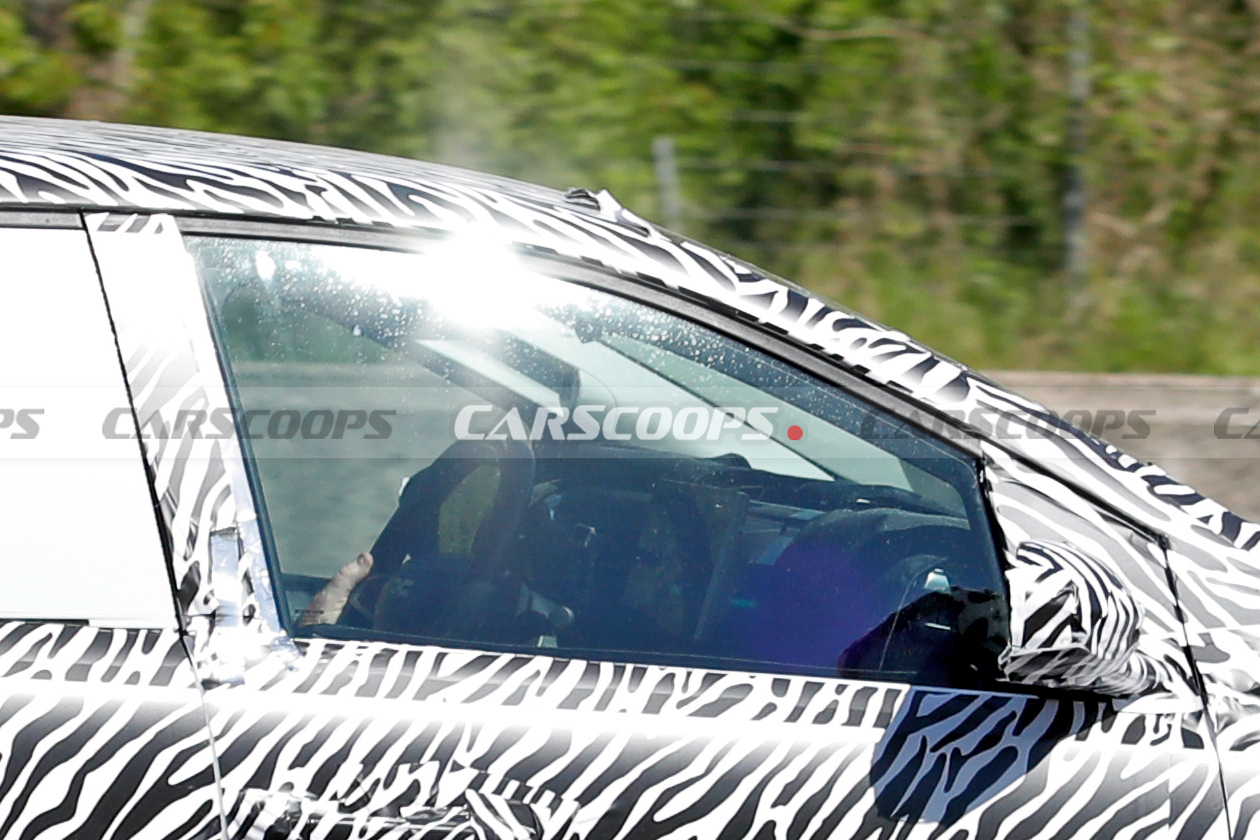
That’s impressively cheap and spy photographers recently caught a prototype undergoing testing in Europe. Camouflage hides a number of details, but it’s pretty clear this is a reworked version of the Renault Twingo E-Tech.
Despite this, the Dacia has a unique front end with far more traditional headlights. We can also see a different front bumper that appears to have a wide lower intake as well as rugged body cladding.
Baldauf
The profile appears to carryover largely untouched, while the rear end features new taillights that are mounted higher up than on the Twingo E-Tech. We can also see a unique bumper as well as what appears to be a more conventional liftgate.
The single interior image doesn’t reveal much, but we can get a glimpse of a floating infotainment system as well as a Dacia-branded steering wheel. However, the model could echo the Twingo and adopt a 7-inch digital instrument cluster as well as a 10-inch central display.
Baldauf
We can also expect sliding rear seats that adjust up to 6.7 inches (170 mm). This enables owners to balance passenger space and cargo capacity. When luggage is what matters, there’s up to 12.7 cubic feet (360 liters) at your disposal. If that’s not enough room, the rear seats can be folded down to provide over 35.3 cubic feet (1,000 liters) of space.
The powertrain will likely carryover as well and this means we can expect an electric motor developing 80 hp (60 kW / 82 PS) and 129 lb-ft (175 Nm) of torque. This enables the Twingo to accelerate from 0-62 mph (0-100 km/h) in a leisurely 12.1 seconds, before topping out at a mere 81 mph (130 km/h).
To help keep costs down, the Twingo uses a small 27.5 kWh lithium iron phosphate battery pack. It provides a WLTP range of up to 163 miles (263 km), which isn’t much but likely fine for a city car.
Audi’s AUDI brand is preparing to launch several new models.
E7X debuts at Auto China and will be followed by new car in 2027.
Three to four more are planned thanks to expanded SAIC partnership.
Audi’s AUDI brand has been struggling as of late, but the company still has faith in the Chinese offshoot. That’s clear today as the automaker is deepening their collaboration with SAIC and preparing to launch an assortment of new models.
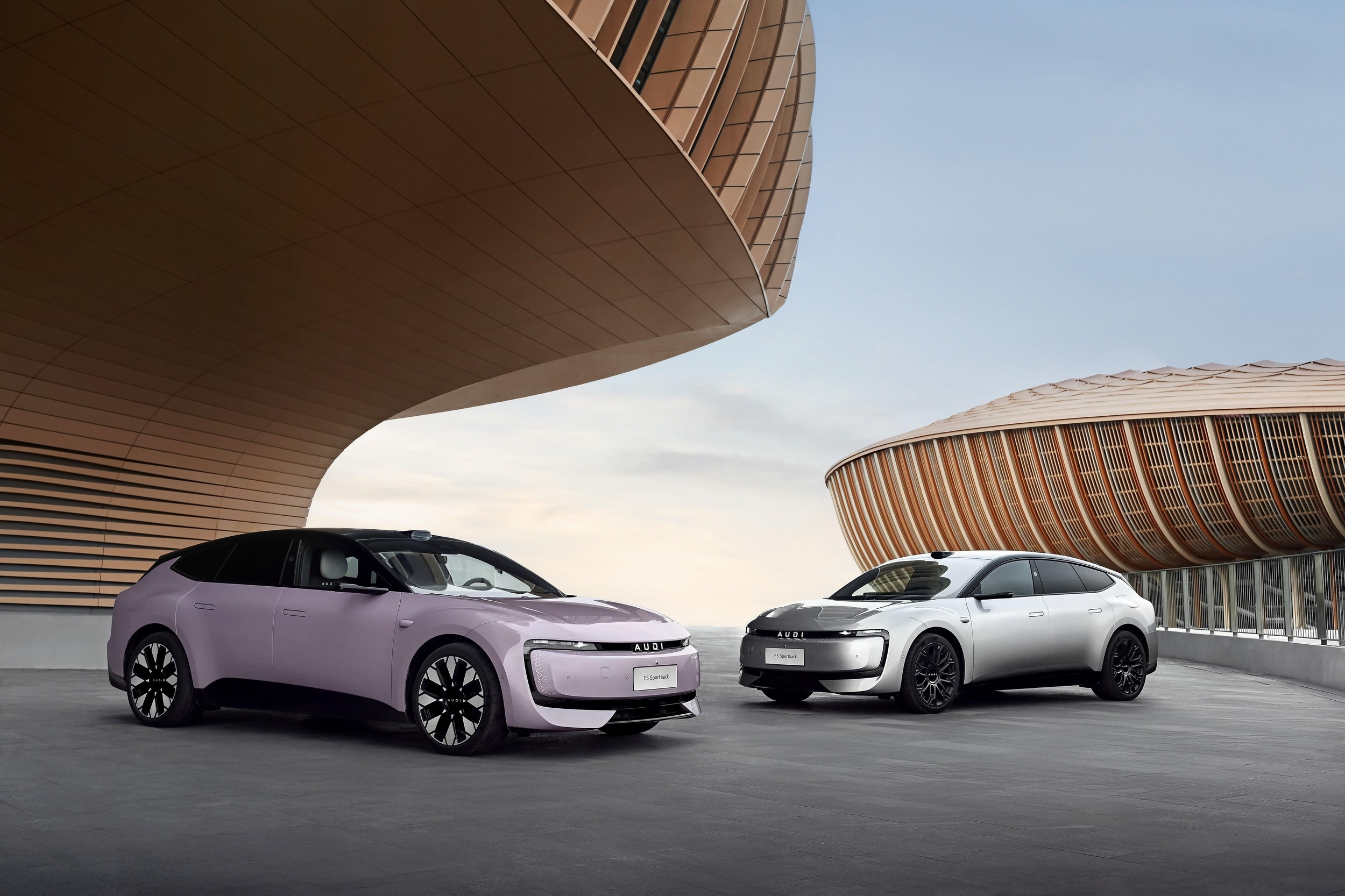
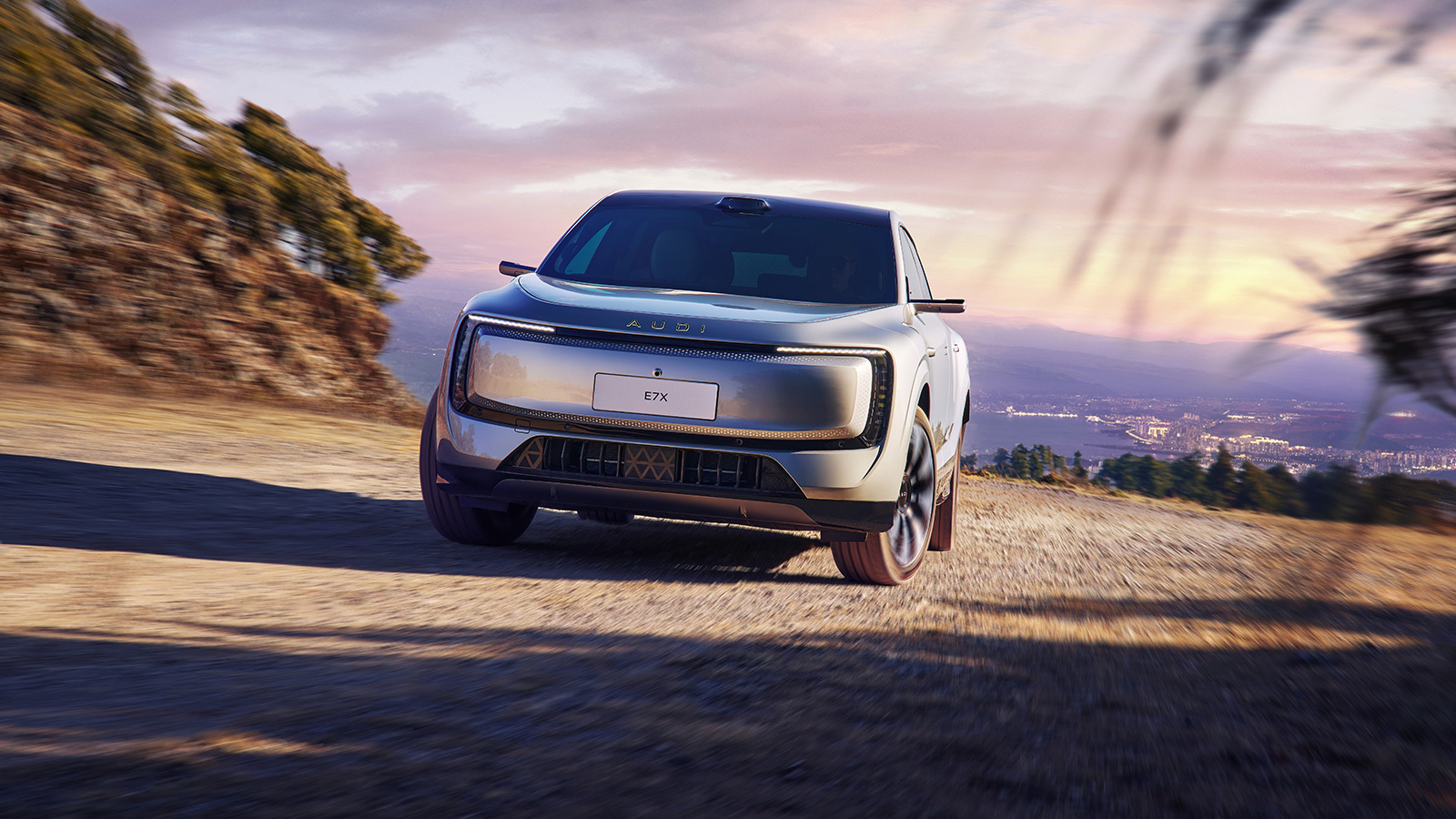
The brand, as you may recall, was launched with the E5 Sportback in 2025. The E7X crossover will debut at Auto China later this month, while a third model is scheduled to arrive in 2027. Little is known about the latter, but officials have previously suggested it could be a sporty limousine.
More vehicles will follow as the latest agreement between Audi and SAIC “focuses on the full value chain for AUDI’s future models, encompassing R&D, with a dedicated AUDI Innovation & Technology Center to be established in Shanghai.” The latter will be led by Audi and tasked with the “development of China-specific, intelligent electrification technologies and whole-vehicle development across the entire value chain of intelligent connected vehicles.”
The companies did not share many specifics, but said customers can look forward to “AI-powered, immersive smart cabins” as well as advanced driver assistance systems designed specifically for Chinese consumers.
That still leaves plenty of open questions, but the partnership will spawn four new AUDI models in the coming years. However, it’s not clear if that number includes the car coming in 2027. Regardless, upcoming models will be based on the next-generation Advanced Digitized Platform. The luxury brand added the vehicles will “extend and complement Audi’s existing portfolio.”
Audi Chairman Gernot Döllner said, “Audi’s ambition is to remain a strong player in China through the ICV era. Our partnership with SAIC and our NEV brand AUDI has been instrumental, allowing us to connect with new customer groups and expand our product offerings to meet their evolving needs. Following the successful launch of AUDI and its first model, we are ready to take the next step: establishing a dedicated Innovation and Technology Center in cooperation with our long-trusted partner SAIC to drive Vorsprung in China.”
The aerodynamic crossover would have offered over 350 miles of electric range.
A range-extended version was planned with a potential range of 550 miles.
Ford confirmed the prototype is now used to “inform” its next-generation EVs.
When automakers kill a project, it rarely sees the light of day. However, there have been a few exceptions as Volkswagen showed a near-production prototype of the second-generation Phaeton in 2022. A handful of ill-fated Saabs also appeared after their demise including a 9-3 prototype and a Subaru Tribeca-based 9-6X.
We can add one more to that list as Ford’s Doug Field has quietly been showing the company’s axed three-row EV on LinkedIn. The surprising discovery was first noticed by Ford Authority and a Blue Oval spokesperson told The Drive it’s the “3-row SUV we cancelled in 2024.” They added the model is “now a research vehicle that is informing our next generation of electric vehicles” and we’ll see “its significant influence” on future EVs.
The model is apparently a “development prototype” and it looks like nothing else in the Ford lineup. As you can see, the crossover has an extremely aerodynamic design with a rounded front end and a rakish windscreen that flows into a long, sloping roof.
Designers also gave the crossover streamlined bodywork and minimalist door handles that appear to echo those found on the Mustang Mach-E. They’re joined by aerodynamically optimized wheels and a nearly vertical rear end.
The model vaguely recalls the Honda 0 SUV, which was axed last month. However, Ford billed it as a seven-passenger “bullet train” that would have a range in excess of 350 miles (563 km). When the battery was low, a DC fast charger could provide up to 100 miles of range in as little as six minutes. There were also apparently plans for a range-extended variant that would have been able to travel 550 miles (885 km) without stopping.
Of course, none of that came to pass and the automaker has significantly dialed back its EV plans. However, Ford is still working on a range of affordable electric vehicles including a $30,000 pickup.
Lucid Motors has named Silvio Napoli as their new CEO.
Company also announced $750 million worth of investments.
Uber is increasing their Lucid order by at least 15,000 units.
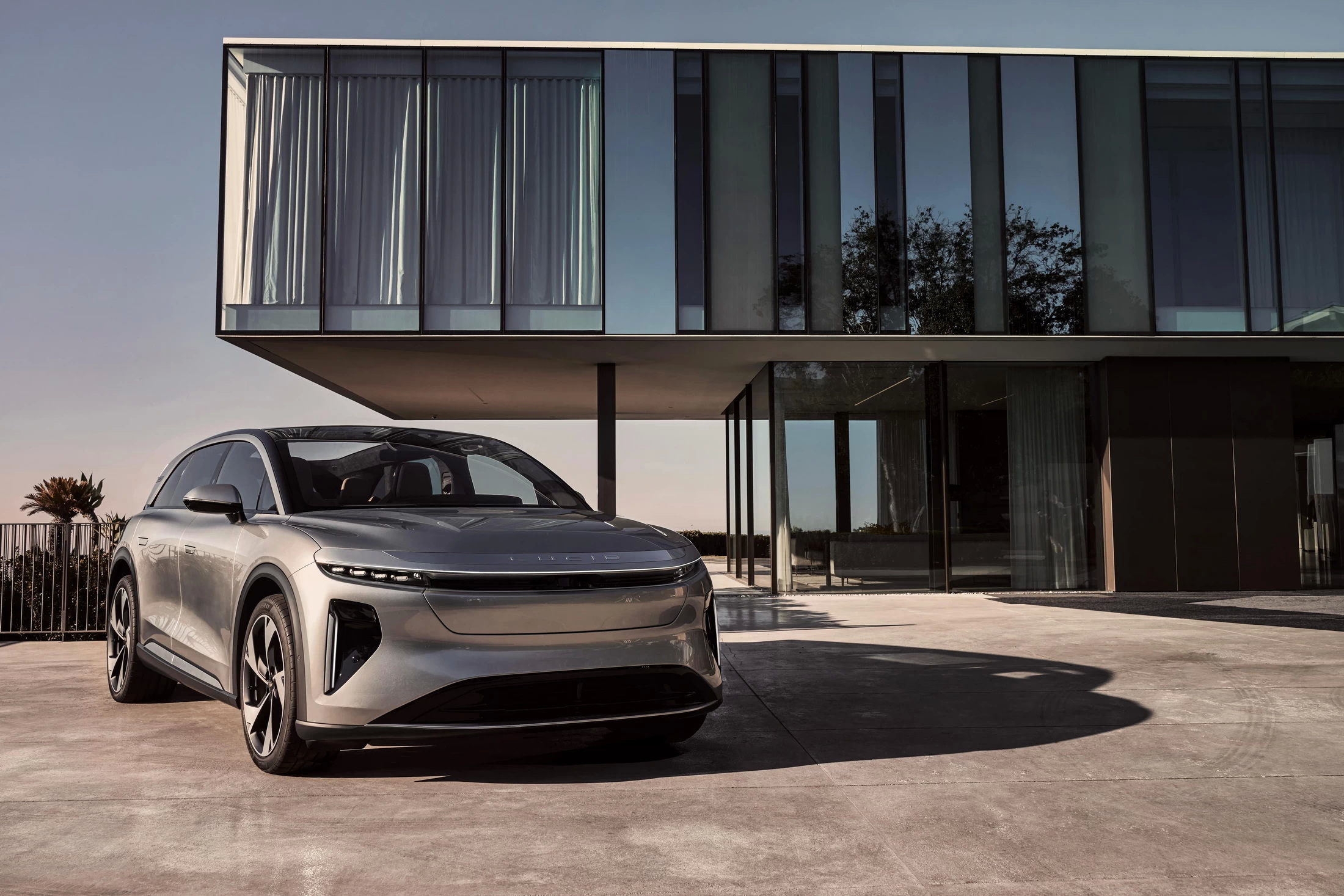
Lucid Motors should be doing great as they finally added a much-needed crossover to their lineup in the form of the Gravity. The model was recently named World Luxury Car, but it hasn’t reversed the company’s fortunes.
Given this, the automaker has announced a series of developments including the appointment of a new CEO. Silvio Napoli has been tapped for the top spot and he’ll replace interim CEO Marc Winterhoff, who will be transitioning to COO.
While Napoli isn’t a household name, he was previously CEO of Switzerland’s Schindler Group, which makes elevators, escalators, and moving walks. That’s not exactly automotive experience, but Lucid praised his “deep operational expertise, financial discipline, and track record of leadership in innovation.”
In a Form 8-K filing, Lucid revealed Napoli will have a base salary of $1,500,000 and the potential to make $4,500,000 if certain performance targets are hit. He’s also getting up to $25,000 per month in temporary housing expenses for half a year as well as a “lump sum payment of $1,000,000 to cover any expenses in connection with moving to the US.”
Napoli will also get two company cars, security, as well as tax and financial planning support. If that wasn’t enough, the company also mentioned a “long-term incentive grant” with a target value of $9,500,000.
Bigger Uber Order And New Investments
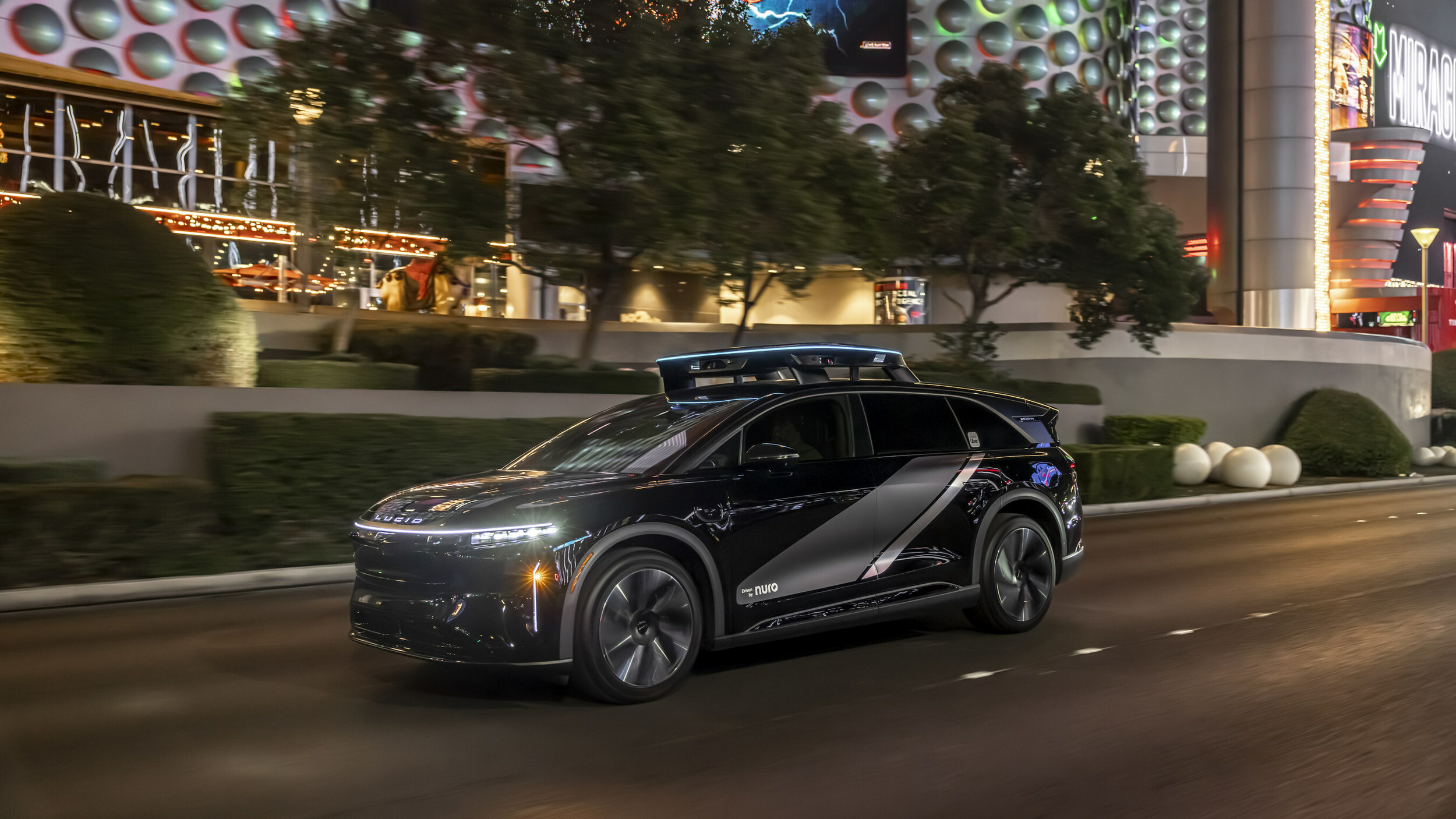
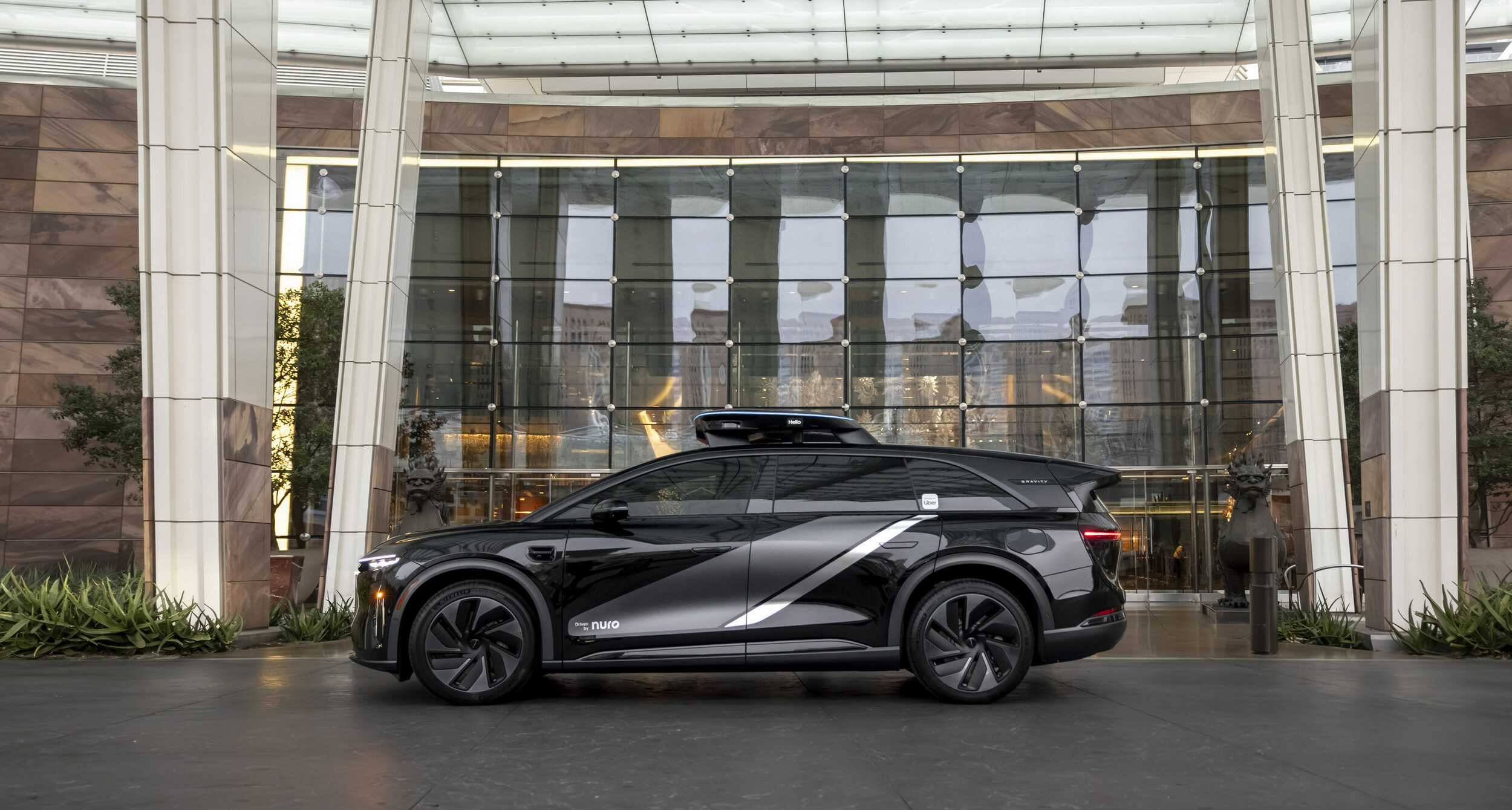
Besides announcing a new CEO, Lucid revealed Uber is increasing their previously announced order of at least 20,000 Gravity SUVs to be used as robotaxis as part of a three-way tie up with Nuro. The service is scheduled to launch this year in the San Francisco Bay area and eventually spread to dozens of markets around the world.
The order has now been expanded to at least 35,000 vehicles and the ride-hailing giant has also promised to invest an additional $200 million into Lucid. This will raise their total investment into the firm to $500 million.
Uber isn’t the only one forking over the dough as the Ayar Third Investment Company is pumping $550 million into Lucid. They’re an affiliate of Saudi Arabia’s Public Investment Fund, which is a major backer of the automaker.
Winterhoff said “Today’s announcement demonstrates the growing strength of our relationship with Uber, our continued partnership with the PIF, and the benefits our software-defined EV platforms bring to next-generation mobility networks.” He added, “This is yet another milestone in our partnership with Uber and Nuro, and we look forward to building on our momentum together in the years to come.”
BMW is discontinuing sales of the iX in the United States.
The company is instead turning its attention to the new iX3.
iX will continue to be sold in other global markets for now.
BMW iX sales fell 50.7% in the United States during the first quarter as dealers only managed to move 1,788 units. It appears this was the last straw as the electric crossover is being dropped in America.
In a statement to BMW Blog, a spokesperson said “Our success in the U.S. is driven by a broad and flexible powertrain portfolio that allows us to navigate a dynamic environment, while continuing to evolve our lineup. As part of this progression, we are concluding U.S. allocation of the BMW iX as we prepare for the next-generation of our fully electric vehicles.”
The spokesperson went on to say, “We are proud of what we have accomplished with the BMW iX” as it was a “technological showcase” that pushed the “boundaries of design, manufacturing, sustainability, and circularity.” Despite the iX’s demise, the company said they’re fully committed to electrification in America and they’re turning their attention to Neue Klasse models.
The effort will begin with the iX3, which was introduced last fall. The crossover will come stateside during the middle of the year and the company has previously said the iX3 50 xDrive will start around $60,000.
It features a 112.2 kWh battery pack as well as a dual-motor all-wheel drive system developing 463 hp (345 kW / 469 PS) and 476 lb-ft (645 Nm) of torque. This enables the model to accelerate from 0-60 mph (0-96 km/h) in approximately 4.7 seconds and have an EPA-estimated range of 400 miles (644 km). When the battery is low, a 400 kW DC fast charger will be able to provide 175 miles (282 km) of range in as little as ten minutes.
Those numbers easily beat the iX, which was launched in 2021. As a refresher, the entry-level variant starts at $75,150 and has a 94.8 kWh battery pack as well as a combined output of 402 hp (300 kW / 408 PS) and 516 lb-ft (699 Nm).
This enables the iX xDrive45 to hit 60 mph (96 km/h) in 4.9 seconds, before topping out at 124 mph (200 km/h). The model also has a range of up to 312 miles (502 km) as well as a 175 kW DC fast charging capability that delivers a mere 78 miles (126 km) of range in ten minutes.
The Audi RS Q6 Sportback e-tron was spied testing at the Nürburgring.
The electric coupe gets a sharper face, fender vents, and a new diffuser.
It will likely use dual motors and all-wheel drive with around 600 hp.
It’s been nearly two years since spy photographers last spotted the Audi RS Q6 Sportback e-tron, but it’s back on the Nürburgring and gearing up for a possible debut later this year.
Designed to slot above the SQ6 Sportback, the high-performance variant features a unique front fascia with a more aggressive lower intake. It features angular accents, honeycomb mesh inserts, and triangular elements with horizontal bars. We can also see a special surround, which recalls the look of AUDI models in China and features vertical air curtains at the outside edges.
A number of the vents likely channel air to the beefier front braking system, which appears to have significantly larger calipers. On the topic of air flow, the model has subtle front fender vents that are tall and skinny. We can also expect the crossover to ride on model-specific lightweight wheels.
The rear end largely carries over, but the RS Q6 has been equipped with a new bumper and sportier diffuser. The latter features a prominent central channel as well as protruding elements where a four-tailpipe exhaust system would typically reside. We can also see a familiar spoiler and rear light bar.
Baldauf
There isn’t much to see inside, but the model should have an 11.9-inch digital instrument cluster, a 14.5-inch infotainment system, and a 10.9-inch front passenger display. They should be joined by sport seats, carbon fiber trim, and plenty of RS badging.
Powertrain details are more mysterious, but the model should echo the SQ6 which has a 100 kWh battery pack and a dual-motor all-wheel drive system developing up to 510 hp (380 kW / 517 PS) with launch control. However, the RS variant will be significantly more powerful and likely take a page from the Porsche Macan Turbo Electric.
The Audi’s PPE platform mate has a combined output of up to 630 hp (470 kW / 639 PS) and 833 lb-ft (1,129 Nm) of torque. This enables the Macan to rocket from 0-60 mph (0-96 km/h) in 3.1 seconds, run the quarter mile in 11.4 seconds, and eventually top out at 162 mph (261 km/h).
Mercedes continues to struggle as global sales fell 6% in Q1.
The company was hammered by a 27% decline in China.
Automaker boasts about EVs, but wants you to forget some.
We’re nearly a third of the way through April, but first quarter sales data continues to trickle out. Some of the latest numbers are from Mercedes and they’re painting a mixed picture.
Starting in the United States, Q1 passenger car retail sales fell approximately 3% to around 70,000 units. Unfortunately, it’s hard to get an accurate picture of things as the automaker no longer breaks sales down by model. Instead, the company now lumps vehicles together and cherry picks numbers that it likes.
With that massive and annoying caveat aside, Mercedes said they had a “strong performance despite significant market headwinds.” Maybach sales jumped 22%, while the G-Class saw a 16% increase. The SL received a 47% boost, while the GLC and GLE were up 17% and 19%, respectively.
Mercedes also claimed that “customer interest and excitement surrounding the CLA continues to build across the U.S. market.” However, the company declined to provide numbers, so they were presumably pretty bad. The automaker stopped short of confirming this, but implied the situation will improve as “wider availability” is expected in the second quarter as they originally prioritized European sales.
Mercedes US Retail Sales Q1
Q1 2026
Diff.
Mercedes USA Passenger Cars
70,000
-3%
Mercedes Vans USA
8,500
-6%
Total Sales
78,500
-3%
SWIPE
The firm didn’t even bother mentioning the EQE, EQE SUV, EQS, or EQS SUV. This implies sales were as hot as an Anchorage dumpster fire in January, but surely a yoke will turn things around.
On the van side of the equation, sales fell 6% to roughly 8,500 units. The automaker could barely feign interest, but said they remain “focused on delivering versatile, premium van solutions that support evolving business needs.”
That’s meaningless nonsense, but at least we can look forward to the new VLE and VLS. The latter is getting an ultra-luxurious Maybach variant that promises private jet levels of comfort.
Sales Down Globally As Well
Zooming out, global passenger car sales fell 6% in the first quarter to around 419,400 units. This came despite a 9% increase in EVs, which found around 44,300 takers.
Speaking of which, the automaker said the “new electric GLC has generated more orders in the first three months than any other electric vehicle in our history.” They added order books for the CLA, GLB, and GLC EVs are “filled well into the second half of the year.”
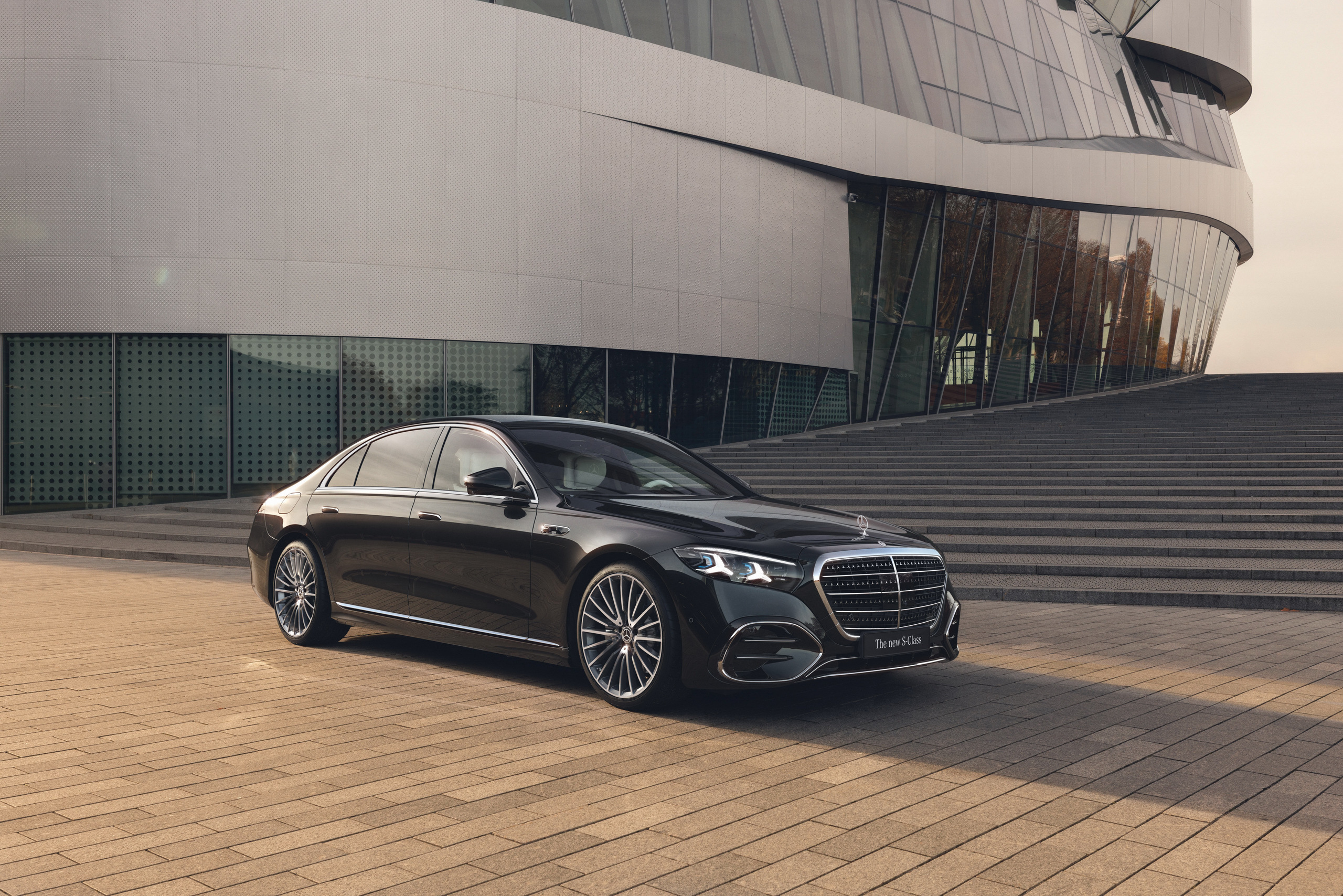
EVs weren’t the only bright spot as European orders for the facelifted S-Class were “above expectations.” The automaker is also expecting to receive a boost from the updated GLE and GLS.
Confusingly, the global release said American car sales climbed 20% to 81,100 units. The company noted these are rounded “preliminary figures,” but that’s significantly more than the 70,000 mentioned earlier. However, this appears to be a case of retail sales vs overall numbers.
[Update: Despite being labeled as “Mercedes-Benz Cars sales” in the international release, the US figure of 81,100 units is said to be total group sales. This implies it includes the 70,000 car and 8,500 van retail sales as well as an additional 2,600 fleet sales.]
This, combined with a lack of model level details, results in a confusing maze of piecemeal information that – at times – seems contradictory. Regardless, the brand is tanking hard in China as sales were down 27% to around 111,600 units.
When it comes to vans, global sales fell 3% to approximately 80,300 units. Sales of EVs spiked 29%, but Mercedes only sold 6,100.
Rolls-Royce’s new electric crossover will have a split-opening hood.
It features a central spine as well as two outer panels that lift up.
SUV will likely mix BMW Neue Klasse tech with Spectre developments.
Rolls-Royce is working on an electric crossover to battle the Bentley Barnato and spy photographers recently snapped a prototype undergoing testing in Munich. While that’s notable by itself, the model appears to have an old school split hood.
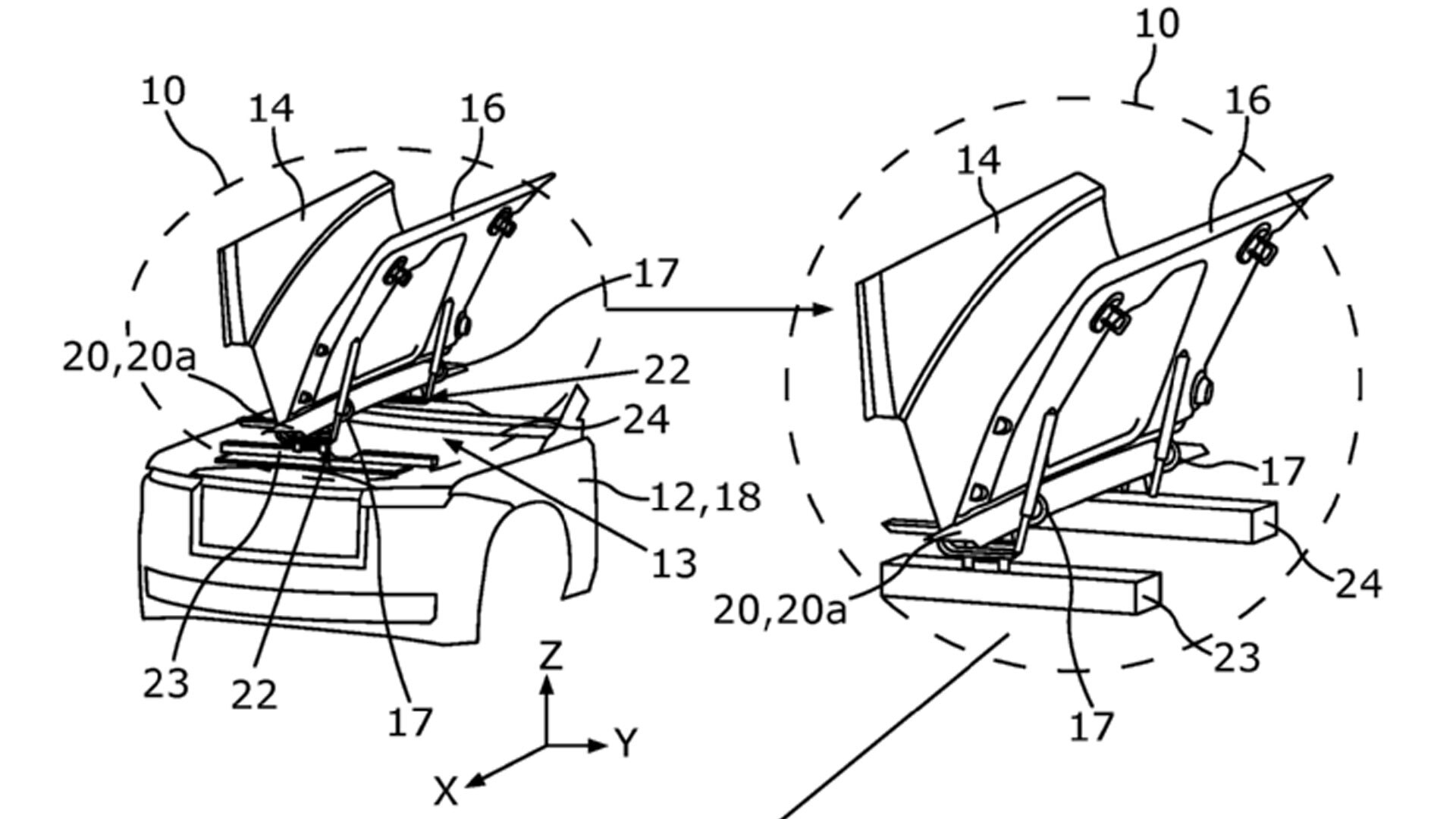
Thanks to a beefy camera lens, we can see the ‘hood’ will have a central spine with a retractable spirit of ecstasy hood ornament at the front. On either side are two movable panels, which apparently lift up similar to a trunk lid.
Rolls-Royce filed a patent for the idea in 2024 and it gives you a pretty good idea of what to expect. We can also see what appears to be a hinge at the front of the hood, although it looks like a drill attachment with a Phillips bit when you zoom in closer.
SHProshots
Forgotten tools aside, the crossover has a fully enclosed grille with a top-mounted camera. It’s flanked by split lighting units including lower headlights with “RR” badging. The model also sports a wide lower intake with horizontal bars.
The rest of the design is far more conventional and closely echoes the current Cullinan. As a result, there’s a strong shoulder line and slab-sided bodywork. They’re joined by a familiar greenhouse, a relatively flat roof, and a thick rear pillar.
The déjà vu design continues out back, but the EV has a unique bumper that lacks exhaust cut outs. The bumper also houses the license plate recess, which is a change as it’s mounted to the liftgate on the Cullinan.
These similarities originally had us believing the model was the second-generation Cullinan. However, there’s been some speculation that the two crossovers could co-exist alongside each other – at least initially.
SHProshots
While there are more questions than answers at this point, the model will undoubtedly follow in the footsteps of the Spectre. The coupe sports a 102 kWh battery pack as well as a dual-motor all-wheel drive system developing 577 hp (430kW / 584 PS) and 664 lb-ft (900Nm) of torque.
This enables the model to accelerate from 0-60 mph (0-96 km/h) in 4.4 seconds and have a WLTP range of 329 miles (530 km). There could also be a more powerful Black Badge variant with 650 hp (485 kW / 659 PS) and 793 lb-ft (1,075 Nm) of torque.
That being said, the crossover could benefit from newer technologies like the facelifted 7-Series. BMW recently announced the flagship sedan is getting their Gen6 eDrive technology and this will include a cylindrical cell lithium-ion battery with a 20% higher energy density. We can also expect the model to incorporate some other Neue Klasse advancements.
The Mercedes C-Class with EQ Technology is losing its disguise.
New photos give us our best look at the EV’s streamlined bodywork.
Should offer a dual-motor all-wheel drive system developing 483 hp.
Spy photographers have snapped the Mercedes C-Class EQ on multiple occasions and the automaker officially previewed the model last fall. It now appears to be getting closer to its debut as lightly camouflaged prototypes have been spied undergoing testing in Germany.
While the front end is still heavily disguised, a previous teaser image has revealed the model will follow in the footsteps of the GLC EQ and adopt an illuminated, fully enclosed grille. It will also sport a light up surround as well as nearby star-infused headlights.
More notably, we can see our first glimpse at the production hood. It features soft curves and a protruding middle section.
Moving further back, there’s streamlined bodywork and a rakish windscreen that flows into a sloping roof. The overall design recalls the EQE and EQS, but the C-Class EQ has a sportier and less exaggerated greenhouse. We can also see the model will be offered with both traditional and flush-mounted door handles as well as an assortment of different wheels.
Baldauf
Two of the prototypes appear to be equipped with an AMG or Night Package. They have an assortment of changes including sportier wheels, black window trim, black side skirts, and black mirror caps.
Out back, there are muscular rear haunches and a trunk with an integrated spoiler. They’re joined by a rounded bumper as well as taillights with circular accents featuring star graphics.
Spy photographers didn’t get a good look inside, but previous images have suggested the cabin will echo its crossover counterpart. This suggests the sedan could be offered with three different screen setups, including a relatively basic version with a 10.25-inch digital instrument cluster and a 14-inch infotainment system.
The middle option would be an MBUX Superscreen, which throws a 14-inch front passenger display into the mix. However, the real show stopper should be a 39.1-inch MBUX Hyperscreen that spans the width of the dashboard.
Powertrains And Range
Baldauf
Powertrain details are more mysterious, but the GLC EQ gives us a pretty good idea about what to expect. It has a 94 kWh battery pack, which feeds a dual-motor all-wheel drive system developing 483 hp (360 kW / 490 PS) and 590 lb-ft (800 Nm) of torque. This enables the crossover to accelerate from 0-62 mph (0-100 km/h) in 4.3 seconds, hit a top speed of 130 mph (210 km/h), and have a WLTP range of 418 miles (673 km).
However, we can expect additional variants including models with rear-wheel drive. The company has previously said one version will offer 497 miles (800 km) of range, which would fall well short of the BMW i3’s 559 miles (900 km).
There’s no word on when the C-Class EQ will be unveiled, but the photos suggest a debut could be right around the corner and the automaker has previously said 16 new models are coming this year – including six EVs.
Volkswagen is considering a next-generation Touareg.
If approved, the redesigned SUV would be fully electric.
Porsche Cayenne Electric could offer hints at what to expect.
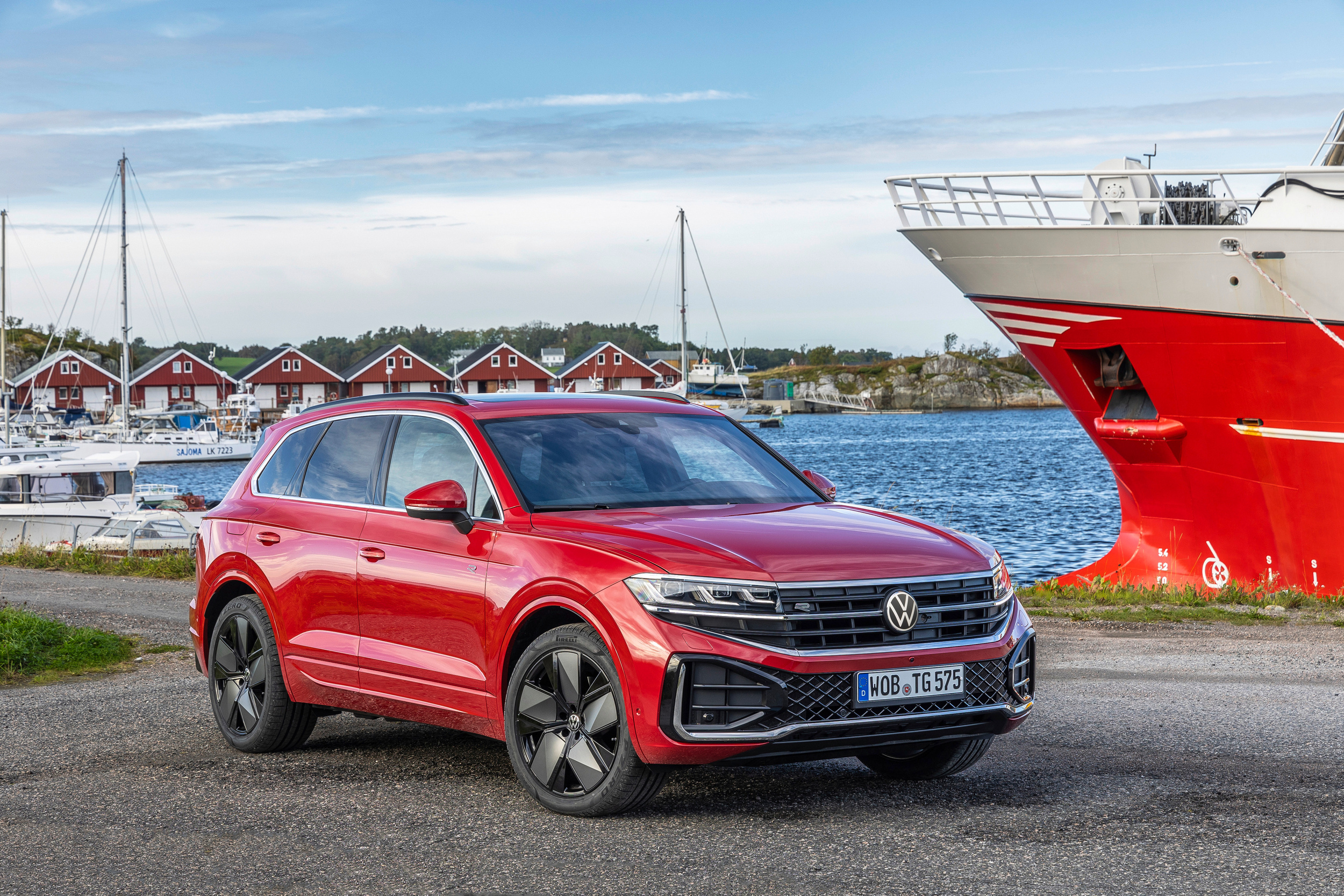
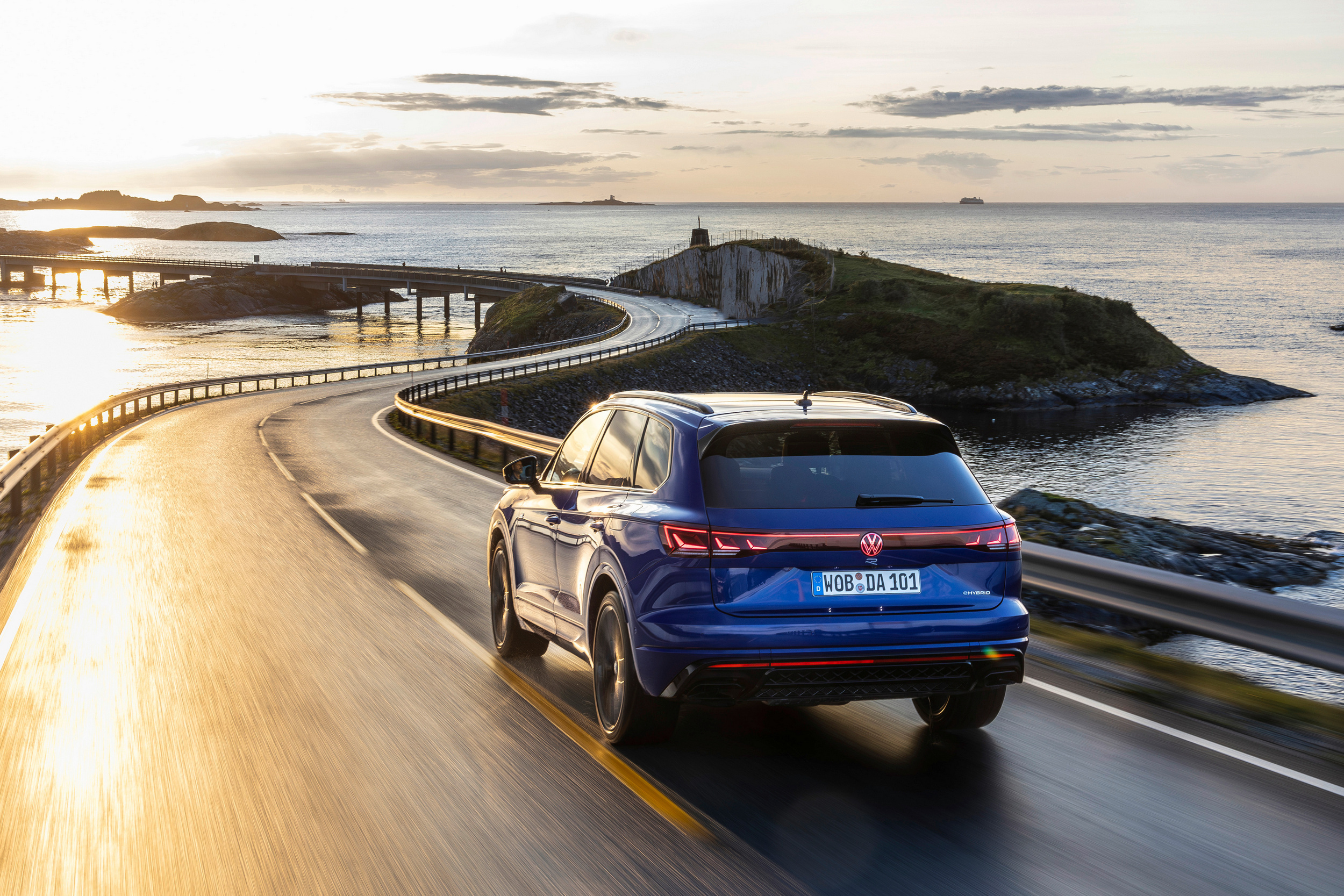
Volkswagen recently stopped accepting orders for the Touareg as the company prepares to sunset the model. However, the automaker is reportedly considering an electric successor that would enable them to hold onto well-heeled customers.
In an interview with Autocar, Volkswagen’s sales and marketing boss said ,”We are the brand for the people,” but the Touareg has “its place and this is why we are looking into opportunities for a next-generation. ”
Martin Sander went on to acknowledge low sales, but noted there’s a certain type of customer that wants “great design and space, and a very high level of quality and sophistication but, for whatever reason, do not want to be associated with a premium brand.”
In essence, it’s for people that want the luxury and style of an Audi, but with a Volkswagen badge. Sander went on to describe Touareg customers as “very down-to-earth people who are affluent,” but “low-key” and don’t want to show off. He went on to note many are business owners and it might send the wrong signal if they show up to a customer’s home in a vehicle like a Porsche Macan.
Little is known about the next-generation Touareg but, if approved, Sander said it would be fully electric and a large SUV. This suggests the model could be based on either the PPE or SSP platform. The former underpins the electric version of the Porsche Cayenne and that model has typically been closely related to the Touareg.
If history repeats itself, the ID. Touareg could follow in the footsteps of the entry-level Cayenne Electric and have a roughly 113 kWh battery pack, a 390 kW DC fast charging capability, and a dual-motor all-wheel drive system producing a combined output of around 435 hp (324 kW / 441 PS). Of course, the Volkswagen could be less advanced to help keep prices down.
Lexus must be feeling artistic as the company has introduced two separate one-off vehicles in the past week. One embraces style, while the other is focused on music.
Without further ado, the automaker teamed up with Alex Alpert to unveil a unique IS 350 at EXPO Chicago. It embraces the artist’s “signature line-art style” and features black lines that largely accent the shapes of Lexus’ entry-level sedan, giving it the look of something sketched before it was built.
The F Sport variant has black wheels, matching mirror caps, and dark window trim. It should also have a familiar 3.5-liter V6 developing 311 hp (232 kW / 315 PS) and 280 lb-ft (379 Nm) of torque. This enables the sedan to accelerate from 0-60 mph (0-96 km/h) in 5.9 seconds before hitting a top speed of 143 mph (230 km/h).
Besides the art car, Alpert will paint custom IS 350 hoods at NYCxDesign and Art Basel. They’ll feature a “series of symbolic illustrations that connect to Lexus brand values and Japanese heritage, including motifs representing Lexus’ elite and precise craftsmanship, hospitality, engineering precision, performance, and smooth driving.”
RZ Blue In Green
The second model is an RZ that celebrates what would have been the 100th birthday of musician Miles Davis. It was created in collaboration with Laufey and was inspired by her “reimagined interpretation of Davis’ iconic composition Blue In Green.”
As part of the makeover, the electric crossover features a unique paint job that “shifts from deep blue to green as light moves across its surface.” The model also sports a custom illuminated “L” badge as well as brass-colored brake calipers that are a nod to Davis’ trumpet.
The brass theme continues inside, where it’s joined by red and black upholstery. Other highlights include written lyrics in the cargo area as well as a unique startup sequence that plays the first notes of Davis’ Blue In Green.
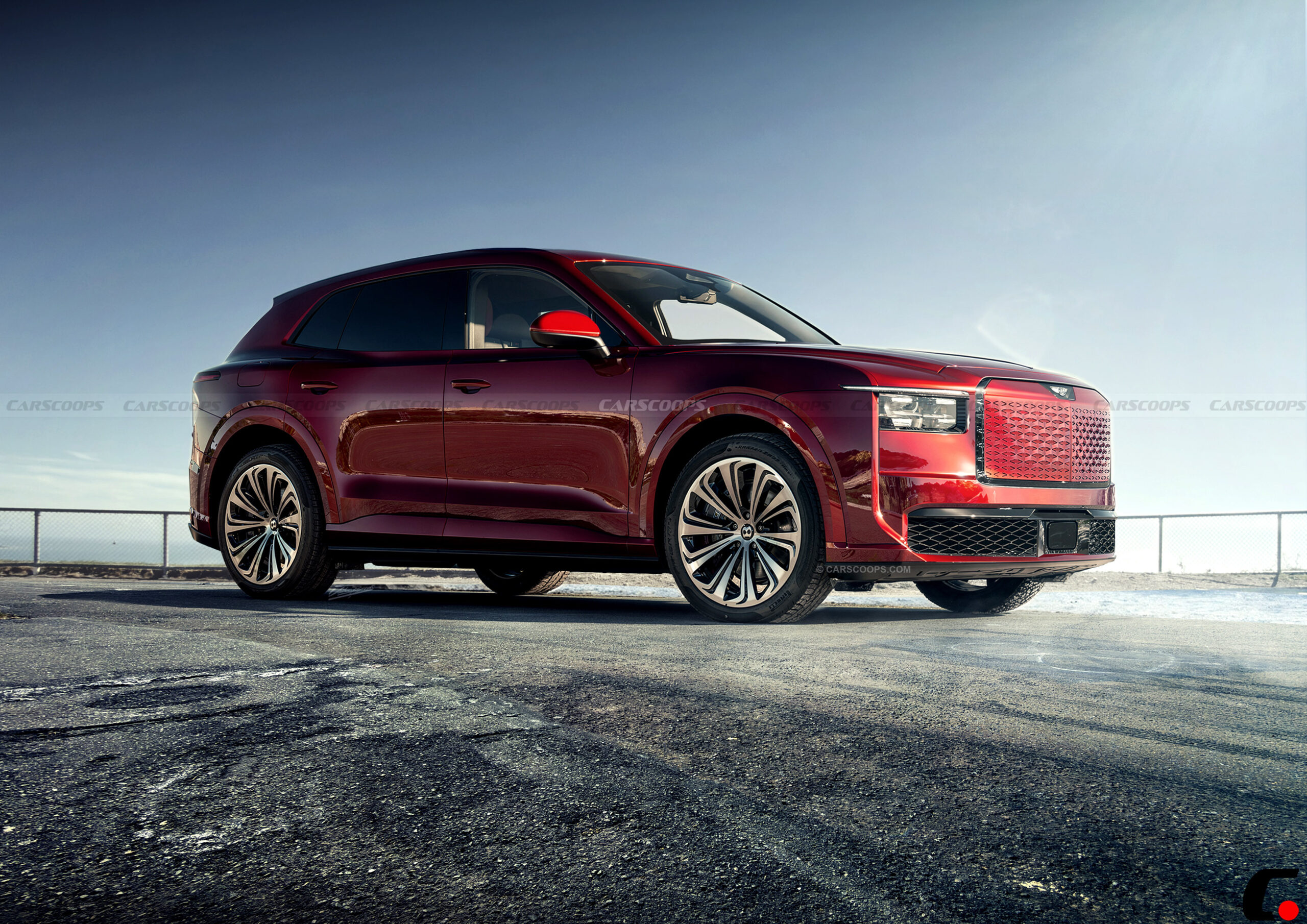
Bentley’s smaller SUV, likely called Barnato, is set for a 2027 launch.
Pricing is expected to start at the lower end of Bentley’s range.
The new model rides on Porsche and Audi’s shared PPE EV platform.
Bentley’s “urban SUV” has been spied on multiple occasions, but the automaker hasn’t said much about it. That’s slowly starting to change as the company gears up for a debut later this year.
In an interview with Road & Track, Bentley Americas CEO Mike Rocco revealed a teaser campaign is in the works and the crossover will eventually arrive in the United States in the third quarter of 2027. That’s a ways off and the automaker is still fine-tuning pricing.
While nothing is set in stone, Rocco implied the model, which is expected to be called the Barnato, will likely be priced on the “lower end” of its lineup. Bentley doesn’t exactly advertise pricing, but the Bentayga starts around $210,000 and the new model will likely play in the same neighborhood.
SH Proshots
Regardless of the final number, Bentley seems pretty confident in the crossover despite lackluster EV sales. As Rocco explained, “A lot of work, a lot of research has gone into this vehicle.” This includes consumer clinics, where 80% of people who saw the model said they would buy it.
The executive also suggested the crossover won’t necessarily be defined by its powertrain. Instead, people will embrace the fact that it’s a new Bentley SUV, which is street-focused.
We’ll learn more about the vehicle later this year, but the Barnato will ride on the PPE platform that underpins the Audi A6 and Q6 e-trons as well as the Porsche Macan and Cayenne Electric. The latter features a 113 kWh battery pack, a 390 kW DC fast charging capability, and outputs of 435 hp (324 kW / 441 PS), 657 hp (490 kW / 666 PS), and 1,139 hp (849 kW / 1,155 PS).
Speaking of the Cayenne Electric, pricing starts at $109,000 and climbs to $163,000 for the Turbo variant. This means that roughly $50,000 could separate it from the Barnato.
Some automakers ignored hybrids to bet big on EVs.
That bet went bad and could get worse as gas prices soar.
Toyota and Hyundai stand to benefit from diverse lineup.
A few years ago, automakers faced a tough choice. They could eschew hybrids and plug-in hybrids to go all-in on EVs, or adopt a more balanced, but expensive approach that saw them invest in multiple technologies.
A number of companies went the electric route and that ended up costing them greatly as adoption was slower than they anticipated. If that wasn’t bad enough, the United States eliminated the federal tax credit and governments rolled back overly ambitious green agendas.
This has pushed automakers to cancel EVs and abandon plans to go electric-only. Companies have posted huge losses and now they’re suddenly playing catch-up with rivals that took a more nuanced approach.
Expensive Gas Is Going To Make Things Even Worse
Since some companies were betting on a quick transition to EVs, a number of them don’t have many hybrids or plug-in hybrids to offer customers. That’s bad news in an era where the national average price of a gallon of gasoline is above $4 and climbs to nearly $6 in some states.
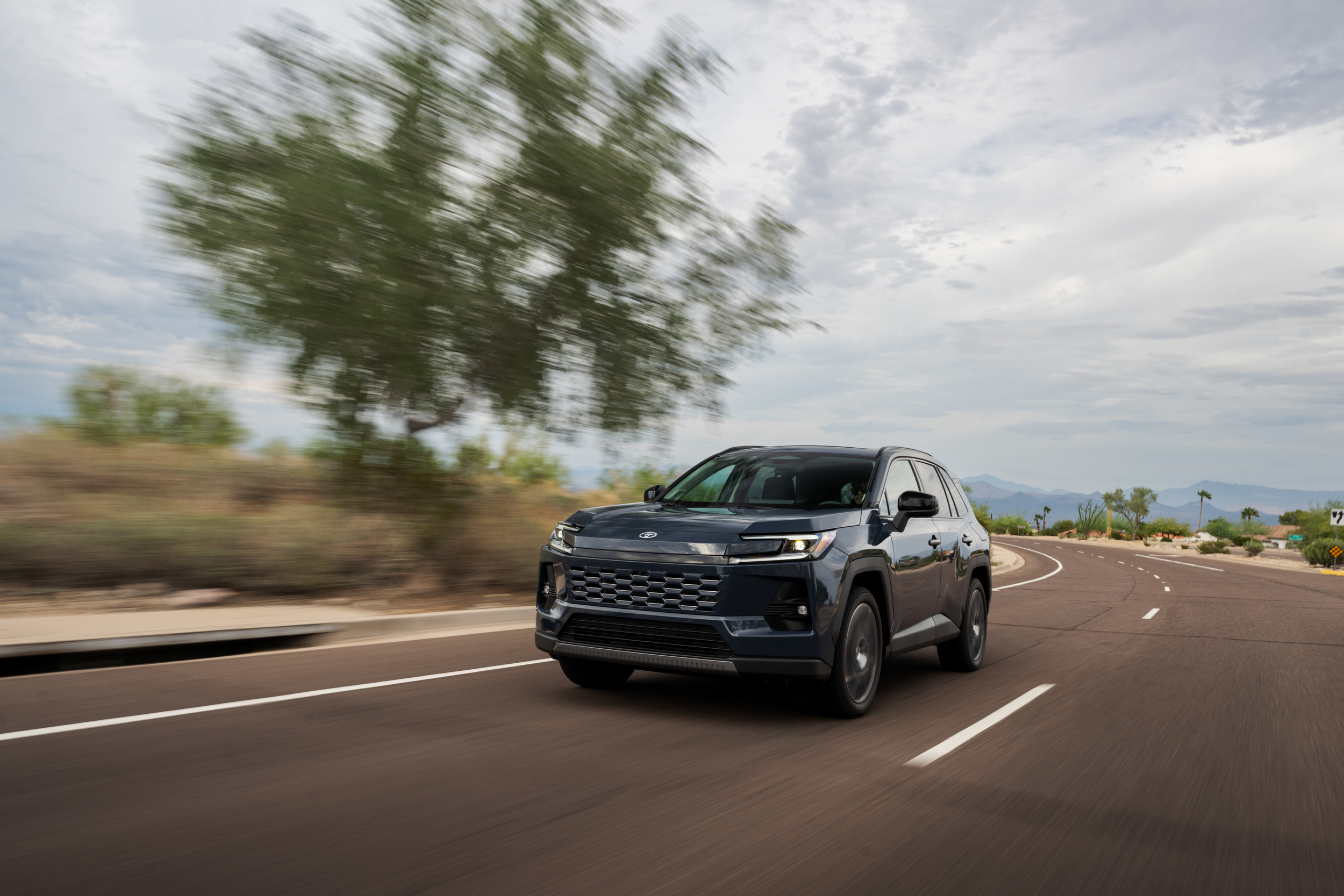
The only hybrid GM has in America is the $108,600 Corvette E-Ray and that’s a huge problem. Consumers in the market for a compact crossover might look at an Equinox, which returns up to 26 mpg city, 29 mpg highway, and 27 mpg combined. That’s not terrible, but the Toyota RAV4 gets 47 mpg city, 40 mpg highway, and 43 mpg combined. This is a huge difference, especially in an era of sky high gas prices.
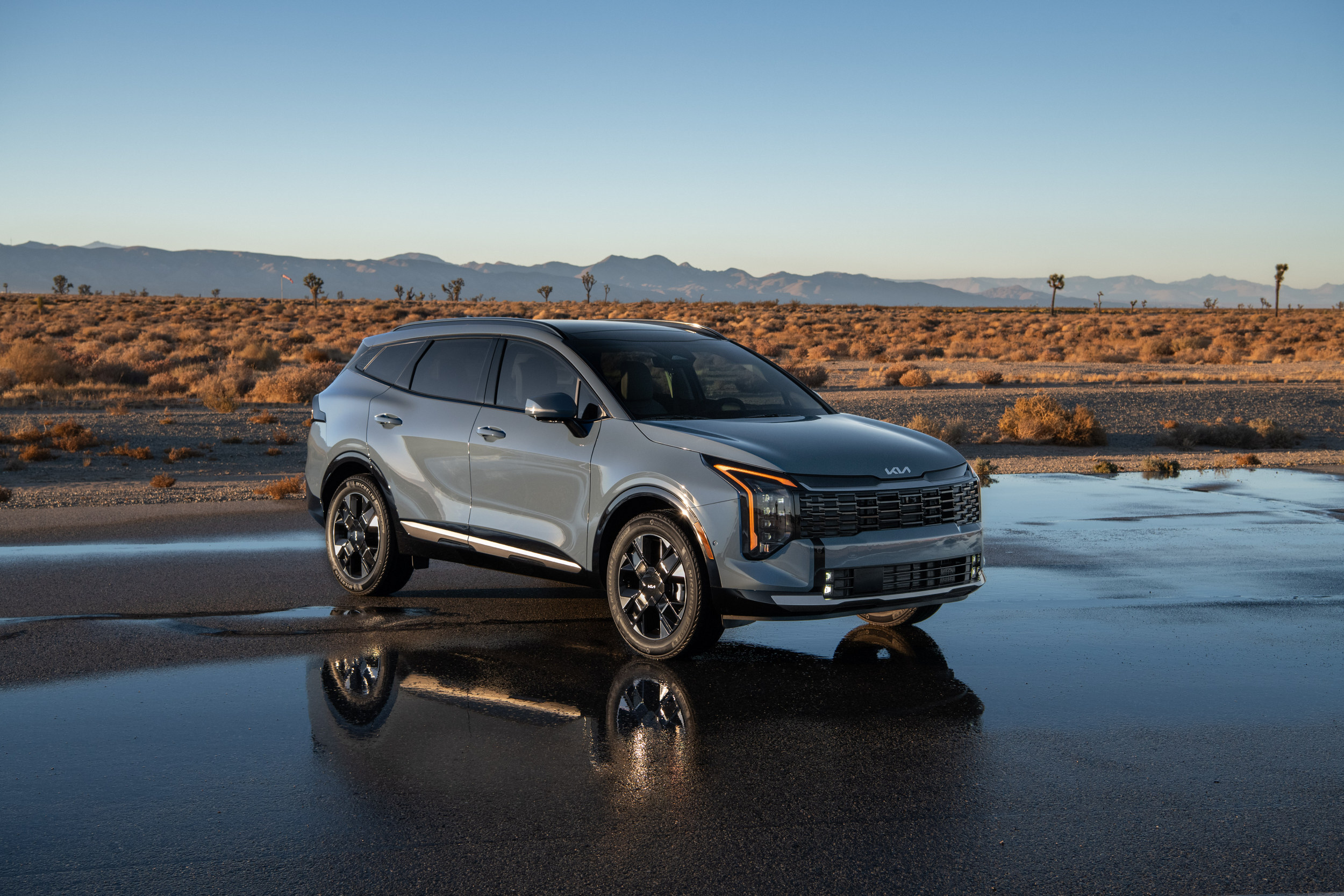
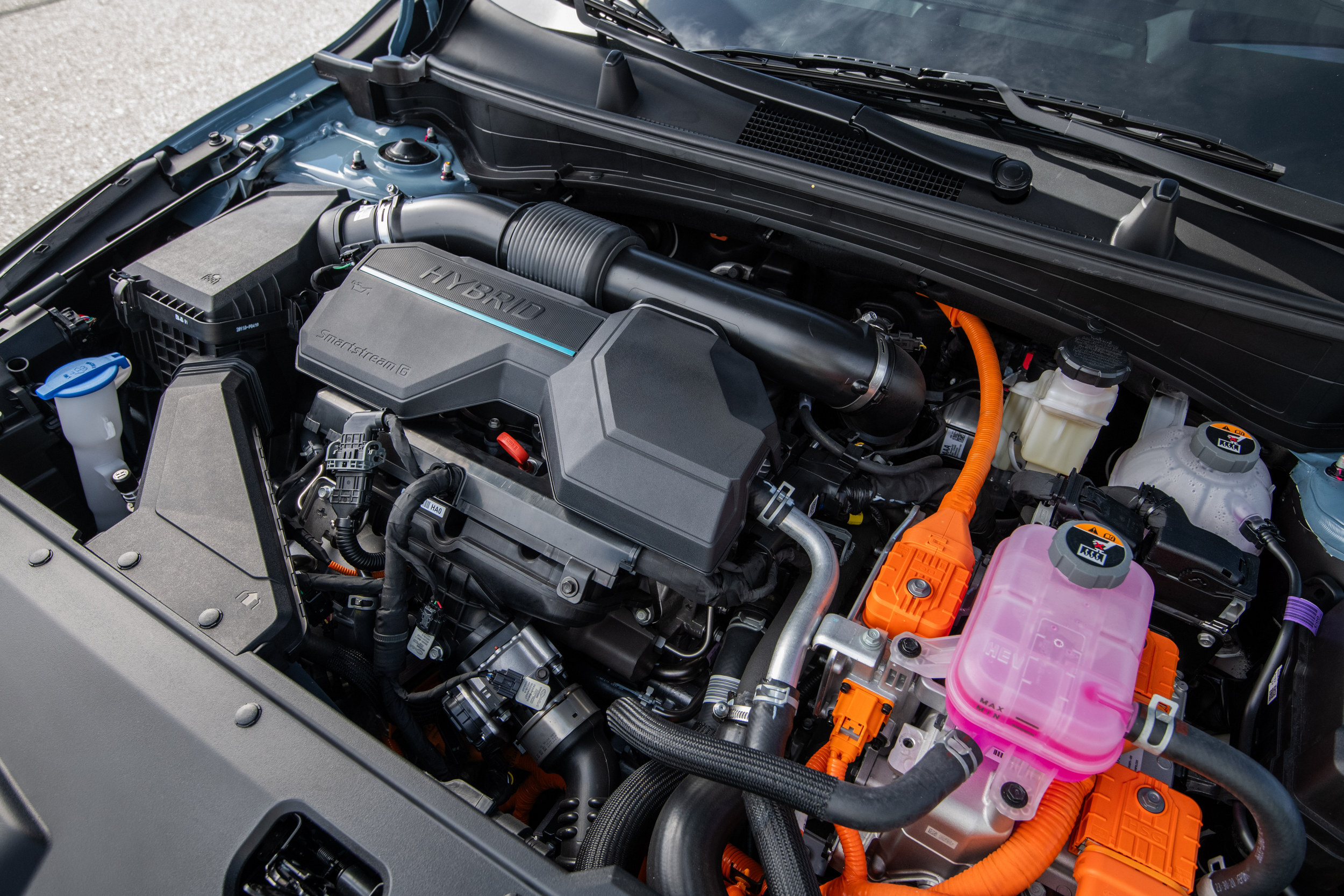
Hyundai and Kia also offer hybrid competitors in the form of the Tucson and Sportage. The former offers up to 38 mpg across the board, while the latter returns up to 41 mpg city, 44 mpg highway, and 42 mpg combined. It’s also worth noting all three competitors offer plug-in hybrid variants, while GM doesn’t offer a single one in the United States.
General Motors isn’t the only automaker that bet big on EVs and lived to regret it. Ford has a limited hybrid lineup that consists of the Maverick and F-150. The Escape, which offered hybrid and plug-in hybrid options, was recently killed off, while the Explorer Hybrid is limited to police and the Pope.
Hybrid Sales Are Skyrocketing
While the war in Iran is barely more than a month old, hybrid sales are booming. Kia recently revealed sales of hybrids soared 73% to set a new quarterly record.
Last month was also Hyundai’s best ever March for hybrid sales. The company noted hybrids saw a huge jump in the first quarter as the Elantra Hybrid was up 141%, while the Sonata Hybrid soared 107%. The Santa Fe Hybrid also got a 47% boost as consumers embraced efficiency.
While Toyota sales fell 6.9% in the first quarter, high gas prices could help to reverse that trend as the company offers a dizzying array of hybrids. Seventeen, to be exact, according to our last count. This includes the Camry, Corolla, Crown, Corolla Cross, and Prius, as well as the Crown Signia, Highlander, Grand Highlander, Land Cruiser, RAV4, 4Runner, Tacoma, Tundra, Sequoia, and Sienna. Two of those, the Prius and RAV4, are also offered as plug-in hybrids.
That’s a huge lineup, especially compared to Ford, GM, and Stellantis. The latter recently killed off plug-in hybrids and only offers the new Cherokee Hybrid in America. However, range-extended variants of the Ram 1500 and Grand Wagoneer are coming.
While EVs do offer some cover to these companies during periods of high gas prices, consumers have been clear: most want hybrids, not fully electric vehicles.
The facelifted Mercedes EQS will offer steer-by-wire technology.
It will come with a new and more compact yoke steering wheel.
Updated EV will have revised styling and improved infotainment.
The Mercedes EQS has been an unmitigated disaster as consumers ignored the anonymous, electric blob. The underwhelming reaction pushed the automaker to rush out an emergency facelift in 2024, which featured a more traditional grille, a hood ornament, interior tweaks, and a beefier battery pack.
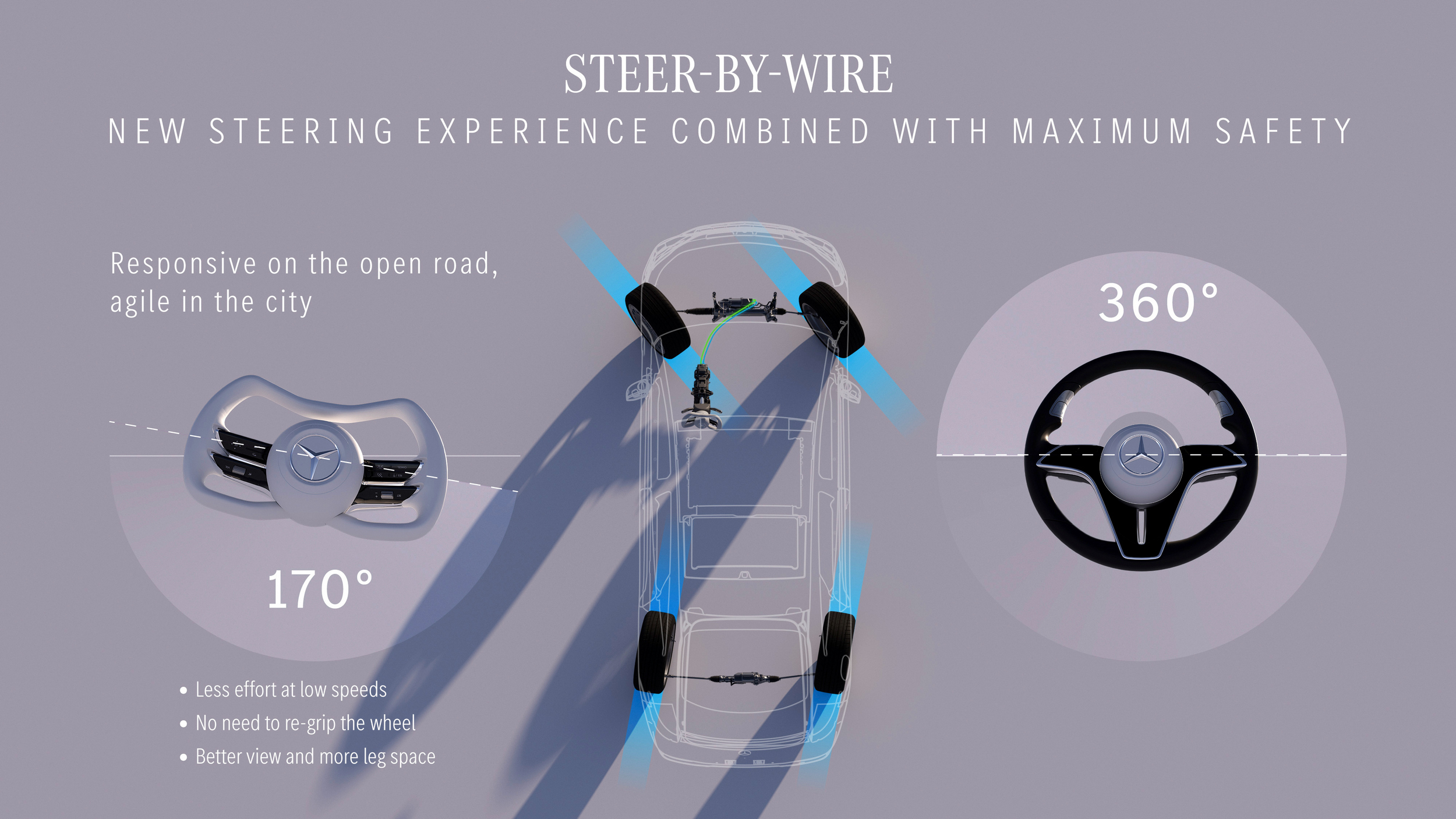
The company is now preparing a second facelift and Mercedes has confirmed the model will embrace steer-by-wire technology as well as a yoke steering wheel. They’re a bit late to the game, but said the change will usher in a variety of benefits.
While the automaker didn’t go into many specifics, they said the changes reduce steering effort and mean drivers no longer need to adjust their grip on the wheel while turning. In effect, small movements can make a big difference when driving.
Mercedes went on to say road vibrations transmitted through the steering wheel are eliminated as there’s no longer a mechanical linkage. The automaker also promised the “precise, intuitive steering feel” will be maintained despite being digital.
The steer-by-wire system will be optional, but Mercedes said it has already logged over a million kilometers (621,371 miles) worth of testing. They added the technology has redundancies built in to ensure safety including two signal paths, so “steering capability is always guaranteed.”
A New Steering Wheel
Models equipped with steer-by-wire technology will have a new, yoke-style steering wheel. It features a rectangular design with four spokes as well as curves at the top and bottom.
Mercedes said the yoke gives drivers more space, while also aiding entry and egress. Drivers can also see the digital instrument cluster more easily as the steering wheel rim no longer blocks part of the view. Those are tangible benefits, but the company noted the new designed required the development of a unique airbag.
Other Changes
The interior pictures suggest the cabin will largely carryover, but a closer inspection reveals an updated infotainment system with new graphics and a revised layout. It presumably runs the new Mercedes-Benz Operating System that debuted on the CLA and is slowly spreading across the company’s lineup.
Mercedes also gave us a peek at the updated exterior, which sports star-infused headlights. We can also expect a revised grille and updated bumpers.
More importantly, the EQS could adopt a new 800 volt electrical architecture to significantly reduce recharging times. We also wouldn’t be surprised to find a new battery pack with an improved cell chemistry as well as more efficient motors that were developed in-house. These changes should deliver a significant improvement in range, although that wasn’t much of a problem as the current model can travel up to 390 miles (628 km) between stops.
Kia posted its best-ever first quarter sales in America.
Customers snapped up 207,015 vehicles for a 4.1% increase.
Result is due to strong sales of Sportage, Telluride and K4.
General Motors had a terrible first quarter, but Kia was triumphant as sales climbed 4.1% to reach a new record of 207,015 vehicles. The company said the result underscores their “steady growth despite uncertain market conditions.”
The redesigned Telluride is proving to be a key asset as it helped Q1 sales climb 16.9% to 35,928 units. The company went on to note that’s the “highest quarterly result in the vehicle’s history.”
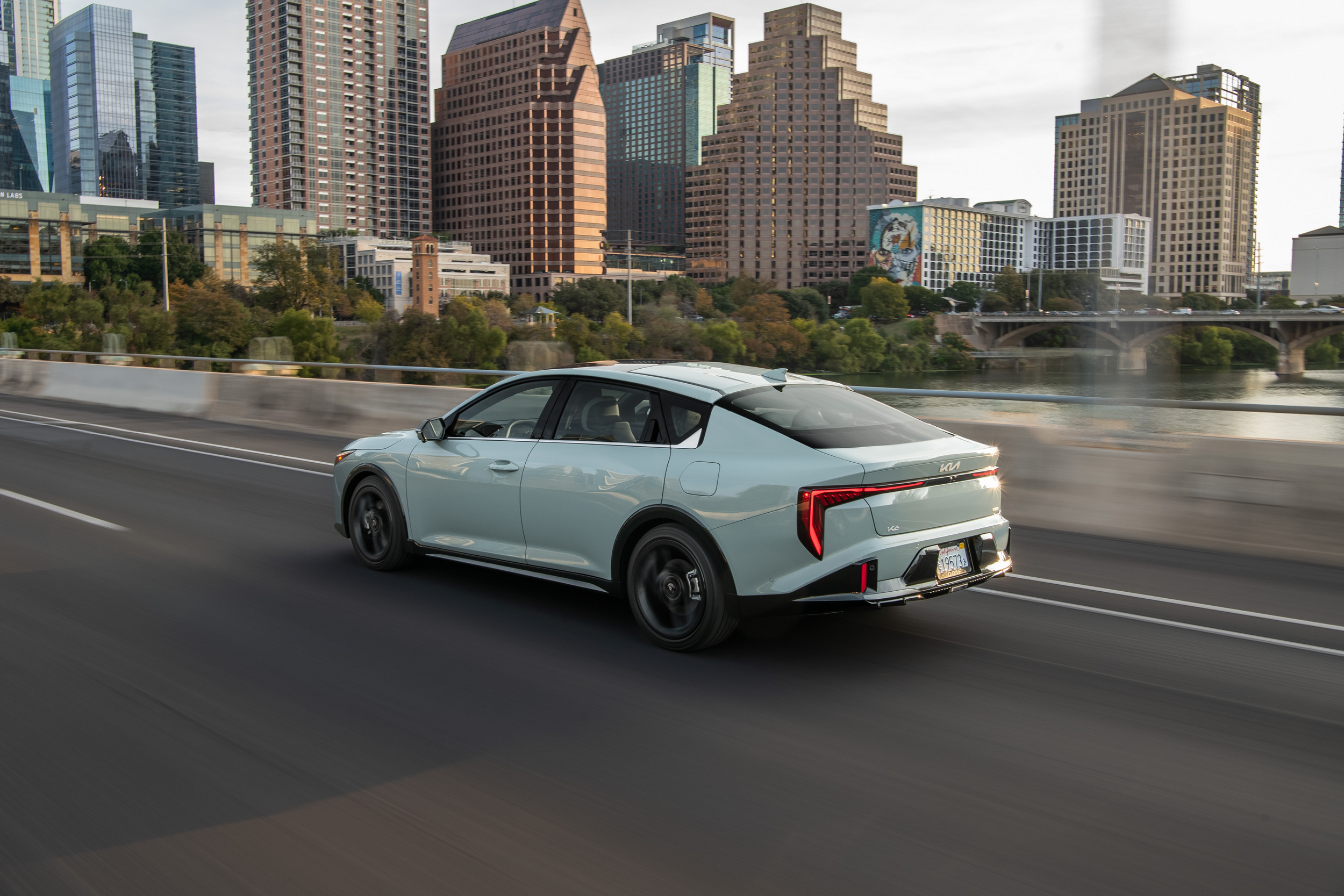
Other big gainers were the K5 and Seltos, which were up 19.4% and 29.2%, respectively. The Sportage climbed 8.2%, while the Carnival bucked minivan stereotypes to post a 27.8% increase in the first quarter. It’s also worth noting the K4 was the brand’s second best-selling vehicle and sales were up 0.6%.
EVs Struggle, While Hybrids Soar
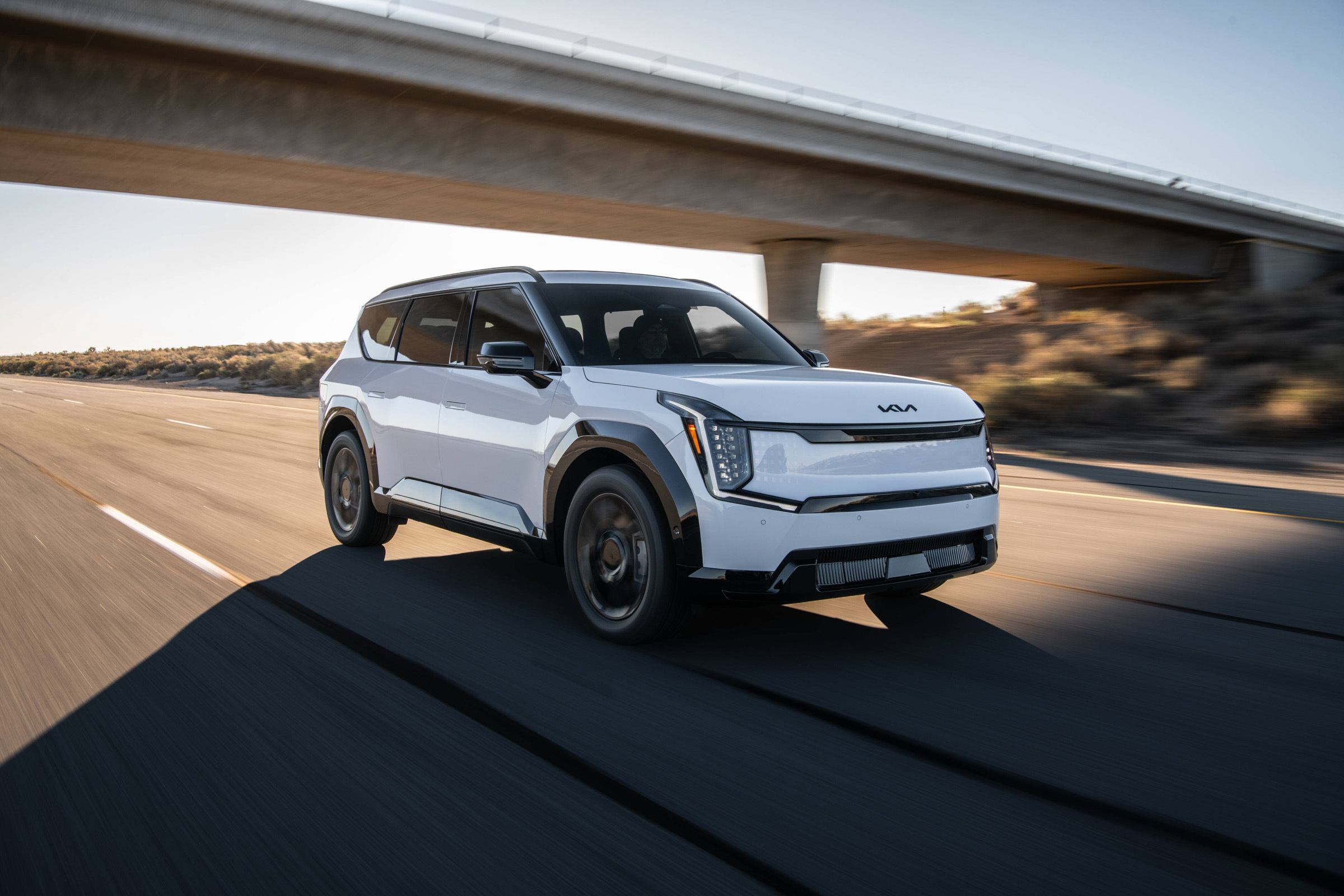
It wasn’t all good news as EVs continue to struggle following the elimination of the federal tax credit. EV6 sales fell 45.8% in the first quarter, while the EV9 was down 27.1%. On the bright side, sales of the three-row crossover did climb 7.1% in March. However, that only equates to an additional 83 vehicles.
While consumers turned their backs on EVs, they embraced hybrids. Sales skyrocketed 73% to achieve a new quarterly record. Kia can also expect a boost from the 2027 Seltos, which recently debuted with a new hybridized 1.6-liter engine.
Putting electrification aside, the Sorento is having a difficult time as the model was off 14.4% in the quarter. Sales also took a hit from the discontinuation of the Soul, although some dealers still have inventory in stock.

 Login
Login