Normal view

There are new articles available, click to refresh the page.
Before yesterdayMain stream

Family Wants Cybertruck Off The Roads After Teen Killed In Crash

  • Malachi James, 14, died in a Christmas crash with a Cybertruck.
  • Family wants Cybertruck banned for weight and safety concerns.
  • Their concerns are the same many have about trucks in general.

On Christmas night, the driver of a Tesla Cybertruck allegedly piloted their vehicle into oncoming traffic and hit a Toyota Corolla. Inside that car was 14-year-old Malachi James, who died as a result. Now, his family is raising questions about whether or not the U.S. should follow Europe’s lead and keep the Cybertruck off public roads.

“We are going to do our best to look at some ways to see if we can get them removed from the streets,” said Royael Saez, Malachi’s aunt, to WTNH.

“We don’t believe in something like this; this is a tank.” The family argues the Cybertruck is simply too big and too fast to safely share the road with normal traffic. “From our understanding, it’s already banned all over Paris, so obviously they know something like this shouldn’t be on the road,” Saez added.

More: Tesla Cybertruck Too Unsafe To Be Sold In Europe, German Authorities Say

While the vehicle meets U.S. safety standards and boasts a five-star rating from the National Highway Traffic Safety Administration, experts note its size and weight remain significant factors in crash severity. We’ll circle back to those factors, though.

Trucks Are Growing, and So Are the Risks

Dr. Eric Jackson from the Connecticut Transportation Institute explained, “They are very large vehicles, they are very heavy vehicles…a unibody structure, so it’s one solid frame throughout.”

He added that the Cybertruck is equipped with 11 cameras that record sensor data during collisions, helping investigators analyze accidents. The lightest Cybertruck model weighs 6,634 pounds, according to Tesla’s website.

While the James family’s concerns have focused on Tesla’s futuristic truck, it’s worth noting that the Cybertruck is far from unique in its size or weight. The Rivian R1T weighs roughly 6,800 pounds. Standard-sized pickups from Ford, GM, and Stellantis can all weigh as much, if not more.

Heavy-duty trucks like the Ford F-350, GMC Sierra 3500 HD, and RAM 3500 can weigh over 7,000 pounds and are considerably larger than any Cybertruck.

Regardless of powertrain or shape, heavier cars are worse at just about every important metric on public roads. Braking, handling, and visibility all suffer when compared to everyday commuter vehicles.

Critics are quick to call out the angular nature of the Cybertruck, but the reality is that all trucks probably deserve a lot more scrutiny than they receive.

As for the case that has broken the hearts of the James family, police now have their suspect in custody. He has 11 pending cases preceding this one, including one for reckless driving. Video from the scene appears to show him speeding and overtaking cars in the oncoming lane moments before the fatal crash. That type of behavior is dangerous in any car, not just a big angular pickup.
BMW Sold More Cars Than Ever In America, But EV Buyers Checked Out

  • BMW hit a new sales record in the United States last year.
  • Every pure EV model experienced a decline in US demand.
  • Gas-powered SUVs remained the brand’s strongest sellers.

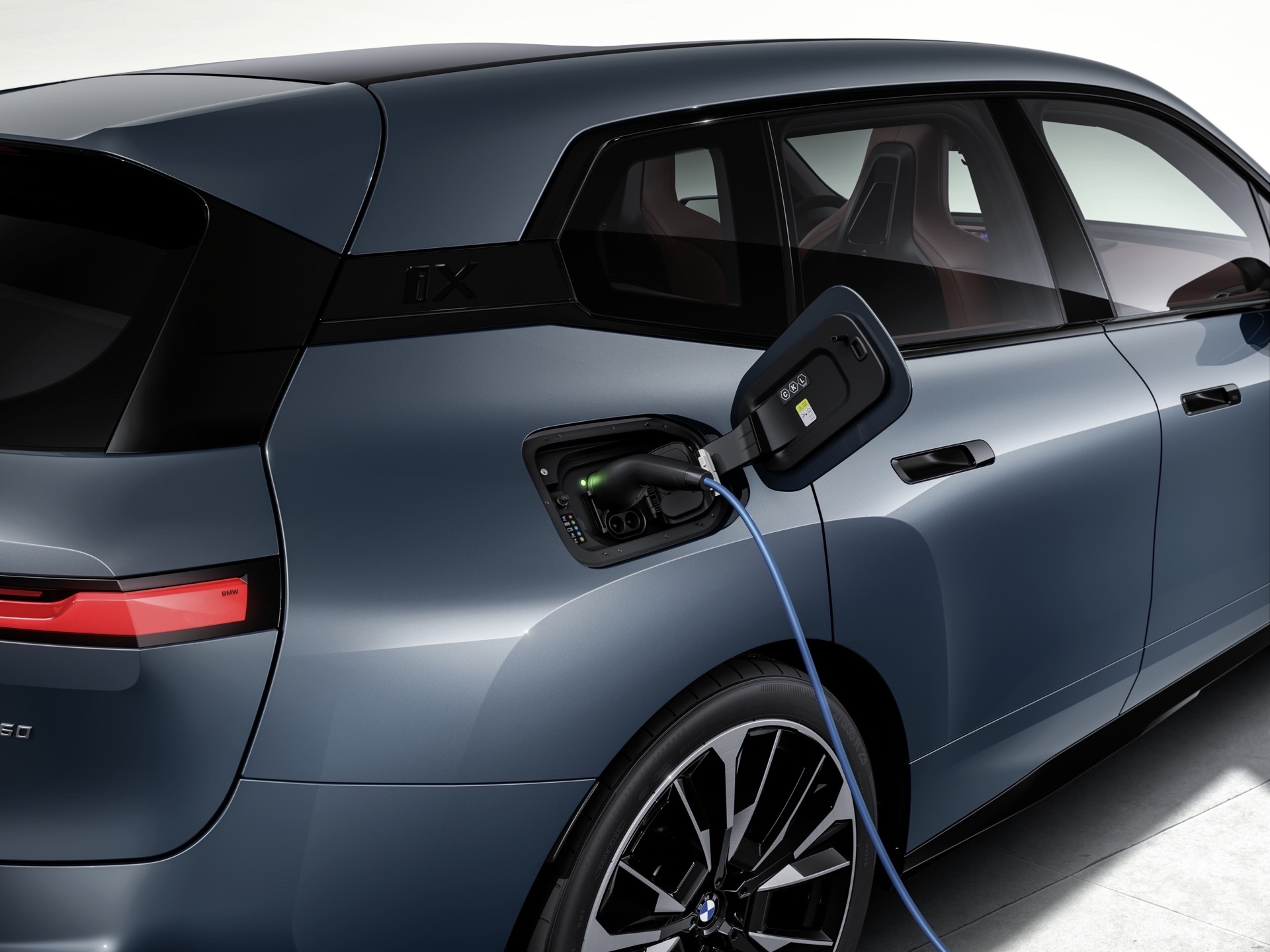
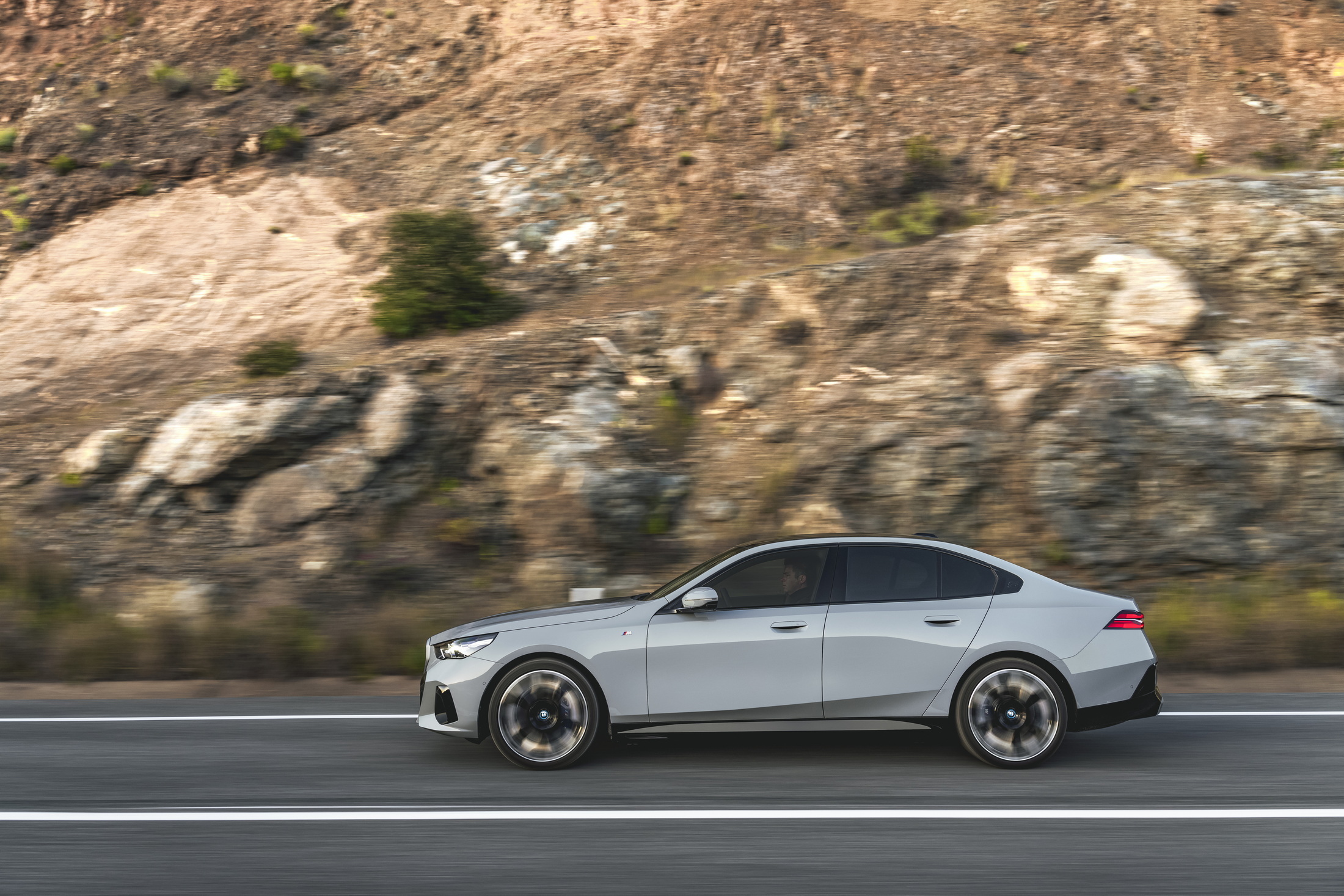
BMW just wrapped up its most successful year ever in the US, with more cars leaving dealership lots than in any other year in the company’s American history. But beneath the record-breaking headline, a more complicated picture is starting to emerge for EVs, as sales momentum falters following the White House’s decision to eliminate the generous federal tax credit that had helped keep demand afloat.

Read: The Sales Battle Between Mercedes And BMW Just Got Embarrassing

In 2025, BMW sold 388,897 vehicles across the country, a 4.7 percent increase from the 371,346 units it delivered in 2024. The gain came even though fourth-quarter sales slipped 3.4 percent, dropping from 117,506 to 113,512 units. MINI also posted growth, with a 9.3 percent year-on-year rise and a total of 28,749 cars sold.

EV Sales Crater

 BMW Sold More Cars Than Ever In America, But EV Buyers Checked Out

Then there’s the EV situation, which looked considerably less upbeat. BMW sold 42,484 fully electric vehicles in the US last year, down 16.7 percent from the 50,981 it managed in 2024. The decline was particularly sharp in Q4. After the federal government pulled the $7,500 EV tax credit, sales in the final three months collapsed by 45.5 percent to just 7,557 units.

BMW USA Sales 2025
ModelQ4 ’25Q4 ’24% Change20252024% Change
i3000.0%110.0%
i80000
2 Series6,2135,01124.0%20,97515,38436.3%
3 Series11,1859,55217.1%33,03131,3305.4%
4 Series7,50211,254-33.3%39,37942,608-7.6%
5 Series6,0978,147-25.2%27,10725,3157.1%
6 Series1121
7 Series2,8623,806-24.8%11,39310,7146.3%
8 Series1,1671,287-9.3%4,0295,345-24.6%
Z4510658-22.5%2,1132,129-0.8%
X16,90610,092-31.6%27,38627,3060.3%
X21,8471,45526.9%6,7393,61986.2%
BMW cars44,29051,263-13.6%172,155163,7525.1%
X326,53718,89040.5%76,54668,79811.3%
X49982,487-59.9%5,9109,978-40.8%
X524,37626,323-7.4%76,24672,3485.4%
X64,1393,7879.3%12,0009,48126.6%
X79,8069,953-1.5%31,57529,6326.6%
XM65758911.5%1,8781,974-4.9%
iX2,7094,214-35.7%12,58715,383-18.2%
BMW trucks69,22266,2434.5%216,742207,5944.4%
BMW brand113,512117,506-3.4%388,897371,3464.7%
Cooper S Hardtop 2 Door1,3802,268-39.2%6,6708,445-21.0%
Cooper S Hardtop 4 Door1,2731,677-24.1%5,4053,21668.1%
Cooper S Convertible973204765.0%3,7292,20868.9%
Cooper S Clubman112-91.7%14783-98.2%
Countryman3,2604,771-31.7%12,93111,64711.0%
MINI brand6,8878,748-21.3%28,74926,2999.3%
BMW GROUP120,399126,254-4.6%417,646397,6455.0%
SWIPE

Every one of BMW’s battery-electric models in the US saw a meaningful drop in sales. The i4, which remained the top-selling EV in the lineup, slipped 14.1 percent from 23,403 to 20,114 units. The i5 fell even more sharply, dropping 21.5 percent to 6,877. The i7 was down 15.3 percent to 2,905 units. The iX also struggled, with an 18.2 percent decline that left it at 12,587 sales for the year.

On a more encouraging note for the brand, BMW’s plug-in hybrids gained traction. Sales rose by 30.7 percent, climbing from 19,398 in 2024 to 25,351 in 2025. It wasn’t enough to offset the EV downturn, but it’s a sign that US buyers haven’t turned their backs entirely on electrification.

X Marks the Spot

The X3 led the lineup once again as BMW’s top-selling model, rising 11.3 percent to 76,546 units. That was just enough to slightly edge out the larger and more expensive X5, which posted 76,246 sales, a 5.4 percent increase over 2024.

Several other models also recorded solid gains. The 2 Series, which groups together the mechanically unrelated Gran Coupe and two-door variants, jumped 36.3 percent to 20,975 units. The 3 Series climbed 5.4 percent to 33,031, while the X6 posted a 26.6 percent increase, reaching 12,000 sales. As for the controversial XM, it recorded a 4.9 percent drop in sales compared to 2024.

 BMW Sold More Cars Than Ever In America, But EV Buyers Checked Out

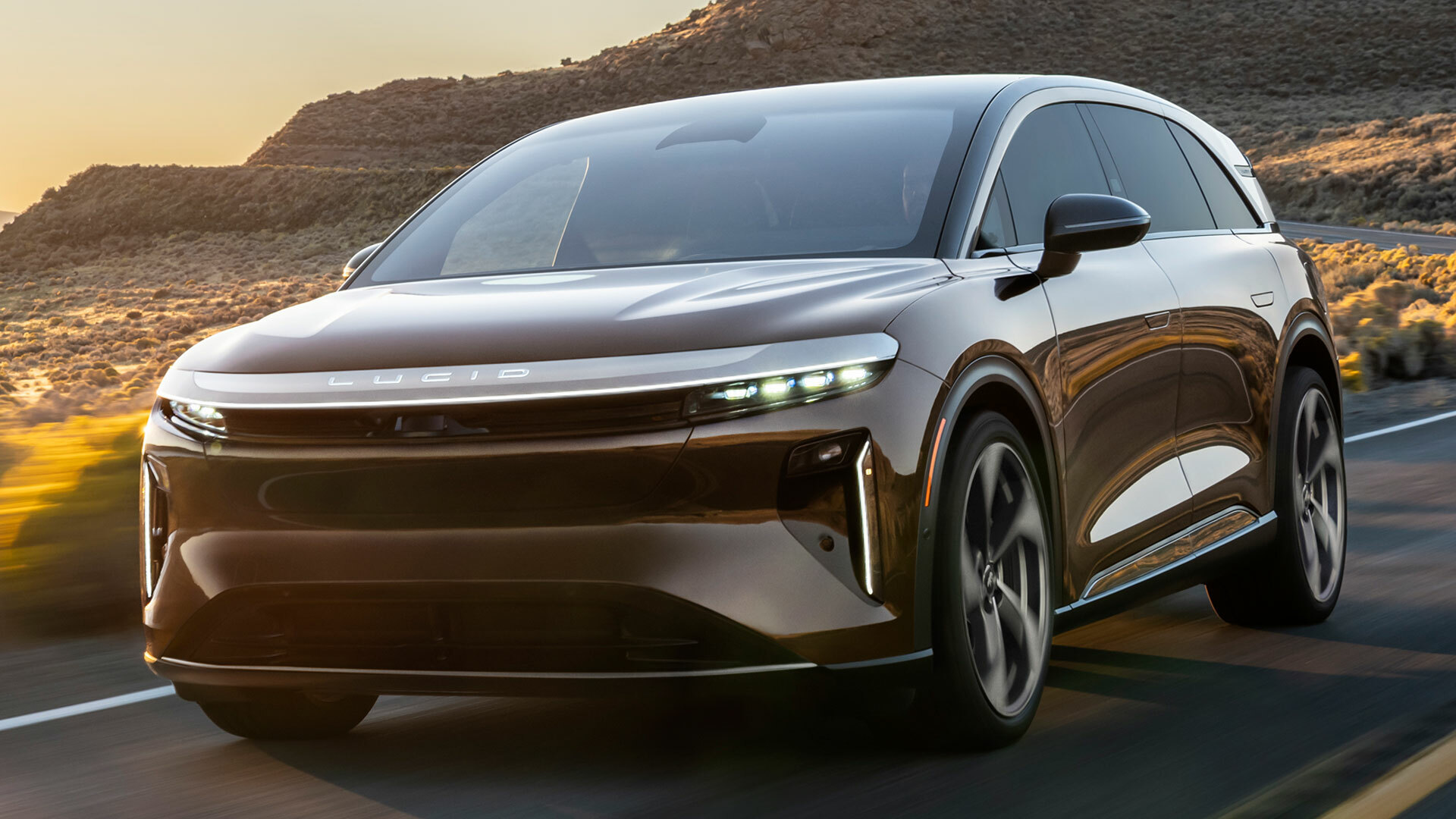
Lucid Pulled Off What Most EV Brands Couldn’t After The Tax Credit Was Cut

  • Lucid’s 2025 sales rose 104 percent compared to 2024 totals.
  • Gravity SUV launch helped drive strong Q4 performance gains.
  • Q4 deliveries rose 31 percent, capping Lucid’s best quarter yet.

Despite a sharp drop in EV demand across much of the U.S. market, Lucid managed to chart its strongest quarter yet. Following the Trump administration’s decision to eliminate the $7,500 federal EV tax credit at the end of September, most automakers saw EV sales falter during the final stretch of 2025. Lucid, however, went in the opposite direction and closed the year with a notable uptick.

The company reported that it built 8,412 vehicles in Q4 2025, marking a 116 percent jump over the previous quarter. Deliveries also climbed to 5,345, up 31 percent. For Lucid, it wasn’t just an improvement, it was the best-performing quarter of the entire year.

Read: No Tax Credit? No Worries, Lucid Has A $7,500 Gravity Discount

The start of 2025 looked far less promising. In the first quarter, Lucid produced only 2,121 vehicles and delivered 3,109. The second quarter showed progress, with 3,863 vehicles built and 3,309 delivered. By Q3, production edged slightly to 3,891, and deliveries rose to 4,078.

Lucid’s full-year production and sales figures were also strong. It produced 18,378 vehicles in 2025, a 104 percent increase over the year before. Deliveries reached 15,841, representing a 55 percent year-over-year gain.

 Lucid Pulled Off What Most EV Brands Couldn’t After The Tax Credit Was Cut

Helping Lucid boost its production and sales throughout the latter part of 2025 was the arrival of the all-electric Gravity SUV .While the company has yet to disclose how many units of the Gravity were produced, sold, or delivered, its presence clearly contributed to the quarter’s growth. Just how much is still unclear.

Lucid’s Own Credit

One likely reason Lucid avoided the sales slump seen elsewhere is its Advantage Credit program. Designed to soften the blow of the lost federal incentive, Lucid introduced a $7,500 credit of its own, applicable to new Gravity orders.

It was first set to expire at the end of December but has now been extended through January 18. While not a permanent fix, it offers a near-term solution for buyers left in the lurch after the tax credit rollback.

 Lucid Pulled Off What Most EV Brands Couldn’t After The Tax Credit Was Cut

Hyundai’s EV Sales Fell Off A Cliff In Q4, But That Didn’t Stop It From Setting Records

  • Hyundai ended 2025 with record US sales for a third year straight.
  • Hybrids and SUVs, drove strong growth as EV demand faded late 2025.
  • Total sales rose 8 percent year over year but fell 1 percent in Q4.

If you only look at Hyundai’s headline numbers, 2025 was a triumph. The brand posted its best December ever in the US car market, its third straight year of record total sales, and its fifth consecutive year of record retail volume. Total sales reached 901,686 vehicles, and December alone delivered 78,930 sales.

Fist bumps all around, right? Sounds like everything is going wonderfully. But scratch beneath the surface and the picture becomes more complicated and less joyful, especially if you care about electric cars.

Related: Hyundai Sold Its Russian Factory For $97, Now It Might Never Get It Back

Because Hyundai’s EVs stumbled badly at the end of the year. Ioniq 5 sales fell 50 percent in December compared to the same month last year. Ioniq 6 dropped even harder, down 62 percent. In the fourth quarter, both models were also down sharply, by almost 60 percent.

Ioniq 9 Jumps In

Over the full year, the story is slightly kinder but still uneven. Ioniq 5 finished 2025 up nearly 6 percent year over year, but Ioniq 6 was down 15 percent. The newly launched three row Ioniq 9 added EV volume during 2025, ensuring Hyundai’s total electric sales in the last 12 months beat out those for 2024, when the Ioniq 9 was still waiting to be launched.

But in Q4 and December, the EV total was down dramatically, despite the 9 having joined to lend a hand.

Hyundai US Sales December 2025
ModelDec 25Dec 24% Chg
Elantra11,37511,585-1.8%
loniq 52,2794,595-50.4%
loniq 64591,209-62.0%
loniq 93800
Kona6,7845,84616.0%
Nexo01-100.0%
Palisade11,69210,29813.5%
Santa Cruz1,6102,042-21.2%
Santa Fe14,44013,3098.5%
Sonata5,8567,642-23.4%
Tucson22,19320,17210.0%
Venue1,8621,7993.5%
Total78,93078,4980.6%
SWIPE

And EVs weren’t the only models struggling. The Sonata was down 13 percent in 2025 (and 32 percent in Q4), and the Santa Cruz light truck dropped 20 percent during 2025 (and 21 percent in Q4). The Kona didn’t fare too well either. Its sales slid 9 percent between January and December.

Hybrid Help

So how did Hyundai still manage record numbers? The answer is hybrids and SUVs. Hybrid sales jumped 71 percent in December and were up 36 percent across the year, driven by demand for electrified versions of the Elantra, Sonata, Tucson, Santa Fe and Palisade.

Hyundai US Sales Q4 2025
ModelQ4 25Q4 24% Chg
Elantra31,98835,080-8.8%
loniq 55,94814,082-57.8%
loniq 61,3463,167-57.5%
loniq 91,0120
Kona17,53617,664-0.7%
Nexo25-60.0%
Palisade31,14728,26310.2%
Santa Cruz4,8666,862-29.1%
Santa Fe40,24435,32913.9%
Sonata14,18020,913-32.2%
Tucson68,99160,17914.6%
Venue6,0774,76427.6%
Total223,337226,308-1.3%
SWIPE

Meanwhile, Hyundai’s core SUVs surged, with Santa Fe up 20 percent for the year, Palisade up 13 percent and Tucson up 14 percent.

In other words, Hyundai’s record year was not built on electric, but electrified momentum. Buyers did not stop shopping, they simply changed how they shopped, preferring to spend their money on more traditional vehicles with more traditional powertrains.

Hyundai US sales 2025

Model20252024% Chg
Elantra148,200136,6988.4%
loniq 547,03944,4005.9%
loniq 610,47812,264-14.6%
loniq 95,1890
Kona74,81482,172-9.0%
Nexo594-94.7%
Palisade123,929110,05512.6%
Santa Cruz25,49932,033-20.4%
Santa Fe142,404119,01019.7%
Sonata60,09469,343-13.3%
Tucson234,230206,12613.6%
Venue29,80524,60721.1%
Total901,686836,8027.8%
SWIPE

Hyundai

Starting Now, Minnesota EV Owners Will Pay Double Fees, And That’s Just The Beginning

  • EV registration fees now scale with a vehicle’s original MSRP.
  • F-150 Lightning buyers could pay over $300 in registration fees.
  • Plug-in hybrids now face a new $75 minimum yearly surcharge.

Owning an electric vehicle or plug-in hybrid in Minnesota just became a pricier proposition. New legislation rolling out this month increases registration fees across the board, meaning drivers of EVs and PHEVs will see their annual costs jump, some significantly so, depending on the vehicle.

Up until now, electric vehicle owners in the state have paid a flat $75 annual surcharge in lieu of gas taxes, which are traditionally used to fund local road maintenance.

Also: Some States Give Up To $9,000 To Buy An EV, Others Charge You Hundreds

Under the updated rules that went into effect on January 1, 2026, that surcharge has doubled to a minimum of $150 for all EVs. Plug-in hybrid drivers, previously exempt due to their partial reliance on gasoline, are now included as well, with a new minimum fee of $75 added to their registration.

How Value Shapes the Surcharge

The updated surcharge isn’t flat. It scales based on the vehicle’s original sticker price and age. In the first year of registration, fully electric vehicles will be assessed an additional fee equal to 0.5 percent of the manufacturer’s suggested retail price (MSRP). For plug-in hybrids, the rate is set at 0.25 percent.

As vehicles age, the surcharge is reduced each year according to a sliding scale. By the second year, the calculation uses 95 percent of the original MSRP. That figure drops to 90 percent in year three, 80 percent in year four, and continues to decline by 10 percent increments. Once a vehicle is more than ten years old, the fee is based on just 10 percent of its original MSRP.

 Starting Now, Minnesota EV Owners Will Pay Double Fees, And That’s Just The Beginning

What Does It Mean for Popular Models?

For those considering an electric pickup like the Ford F-150 Lightning, the first-year fee could run as high as $325. By year two, that drops slightly to $309, and by year three it falls to around $253. Drivers of a Tesla Model 3, one of the state’s most common EVs, would be looking at $221 in the first year, followed by $210 in year two and $172 in year three.

As reported by Kare11, lawmakers have framed the new system as a way to ensure road infrastructure funding keeps pace with the shift away from internal combustion engines. Still, the move has raised concerns that it could dampen enthusiasm for EVs and plug-in hybrids at a time when adoption is just beginning to gain momentum.

The registration fee increases are not the only policy changes on the horizon. Beginning July 1, 2027, all public charging stations in the state that operate at 50 kW or higher will face a new tax of five cents per kilowatt-hour delivered. While relatively modest, the fee adds another layer of cost for EV drivers using fast charging options.

 Starting Now, Minnesota EV Owners Will Pay Double Fees, And That’s Just The Beginning

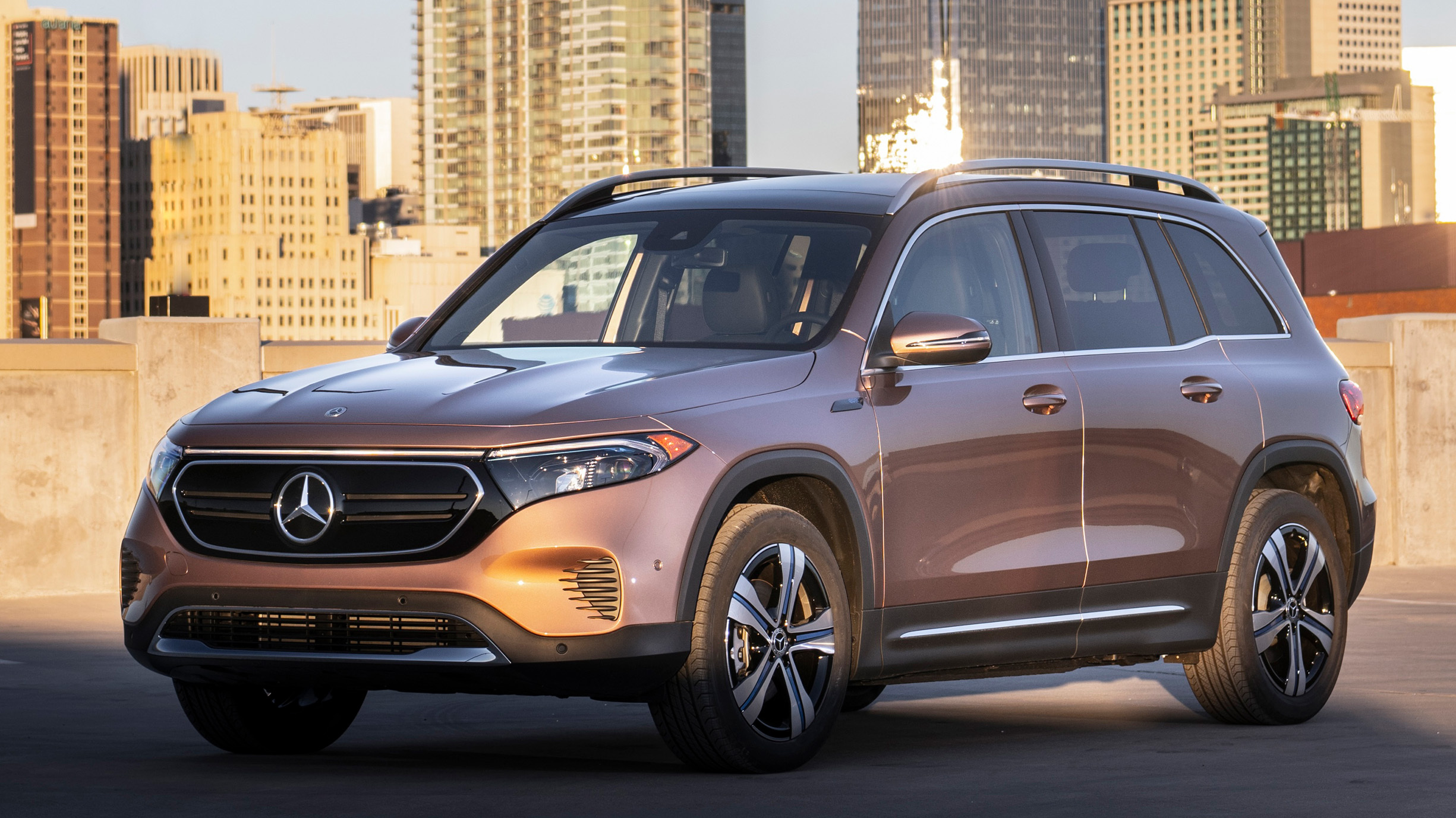
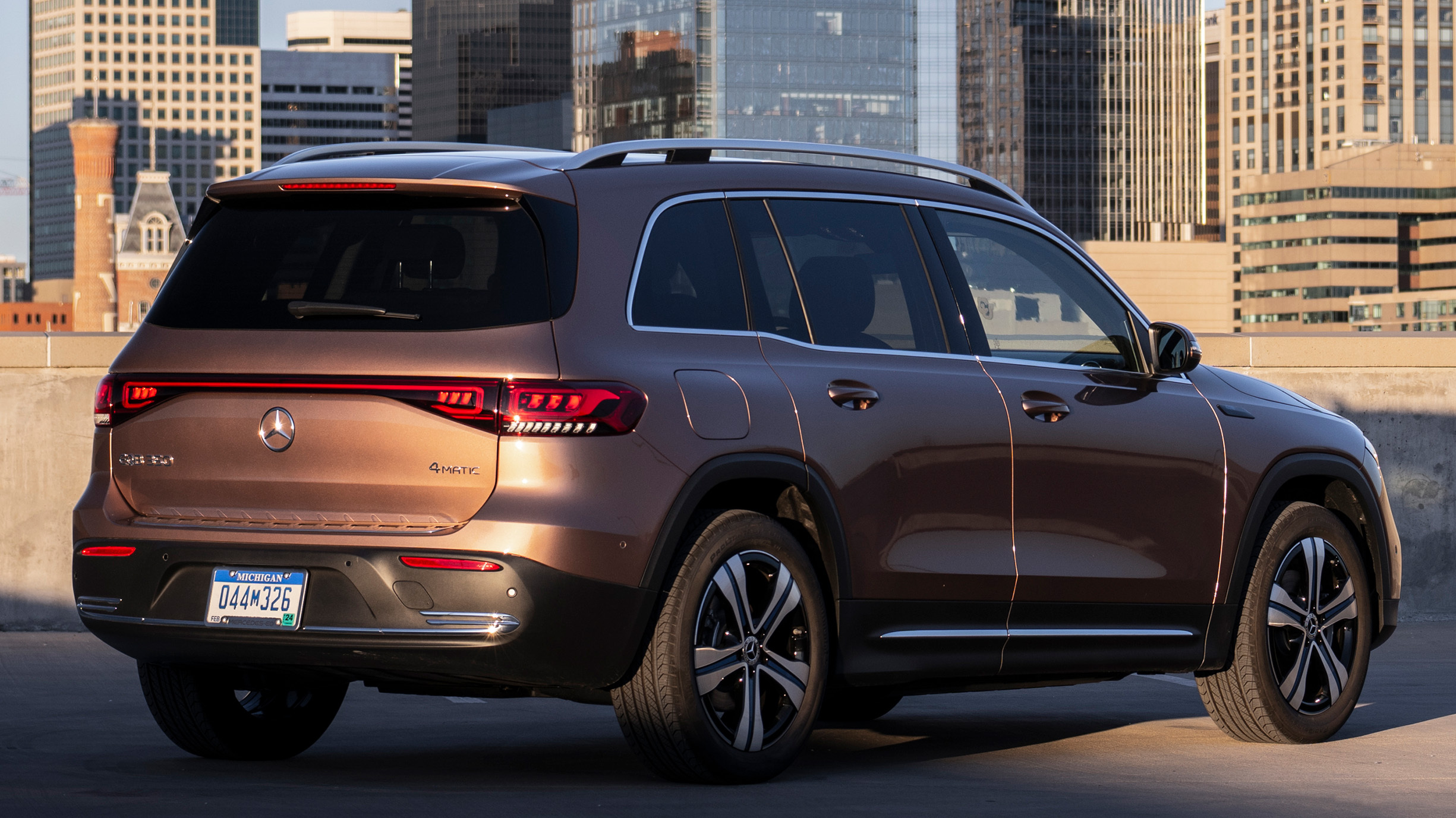
Mercedes Warns EV Drivers Not To Charge Past 80% Or Risk The Consequences

  • Mercedes EQB EVs are being recalled over the danger of a battery fire.
  • Owners of 169 EQBs are being told not to fully charge their vehicles.
  • Dealers will update the battery software to prevent short circuit risks.

Mercedes EV drivers with a bad case of range anxiety might want to stock up on Ambien, now that the automaker is warning them not to charge their cars to full. The German brand has instructed owners of certain electric SUVs to limit charging to 80 percent because their cars could suffer what engineers term a “thermal event.”

In other words, a short circuit of the battery cells might result in a fire, and we’ve all seen enough videos of EV infernos to know they can be devastating, and extremely difficult to put out.

Read: Multiple Fires Spark Urgent Warning For VW EV Owners

Fortunately for Mercedes and its owners, this issue only affects a relatively small number of cars. Just 169, to be exact, including 100 EQB 300 4Matics and 48 EQB 350 4Matics. Both are dual-motor EVs, but the recall also concerns 21 owners of the single-motor EQB 250.

Previous Form

And while the scope of this safety campaign is small, some of you might remember that the brand previously recalled over 7,000 of the SUVs in the US early in 2025 due to a fire risk. In that case Mercedes issued the same guidance about not charging past 80 percent until the fix – a software update – was applied.

 Mercedes Warns EV Drivers Not To Charge Past 80% Or Risk The Consequences

All of the newly-recalled EQBs are what Mercedes calls “early-stage” MY22-23 vehicles, the automaker claiming that batteries fitted to later EQBs are more robust, and not caught up in the recall.

It also says that while owners of the 169 EVs that are affected will probably receive dash cluster warnings if things were hotting up under the floorpan during drives, a parked EQB could light up with no warning.

So if these early EQBs have less robust batteries, Mercedes must be swapping them out for newer ones, right? Apparently not. Instead owners will get a simple software update, although it’s one that still requires a trip to a Mercedes service center early in 2026.

Short-range Missile

The EQB 350 was only rated for a miserable 227 EPA miles (366 km) with a full battery, so restricting charges to 80 percent would bring the max range down to around 180 miles (290 km).

Factor in the need to leave a safety margin at the ‘empty’ end of the battery charge indicator and you could be looking at 150 miles (242 km) between fills. Let’s hope your relatives live nearby, or that you’ve made peace with spending part of the holidays loitering at freeway charging stations.

 Mercedes Warns EV Drivers Not To Charge Past 80% Or Risk The Consequences
Mercedes

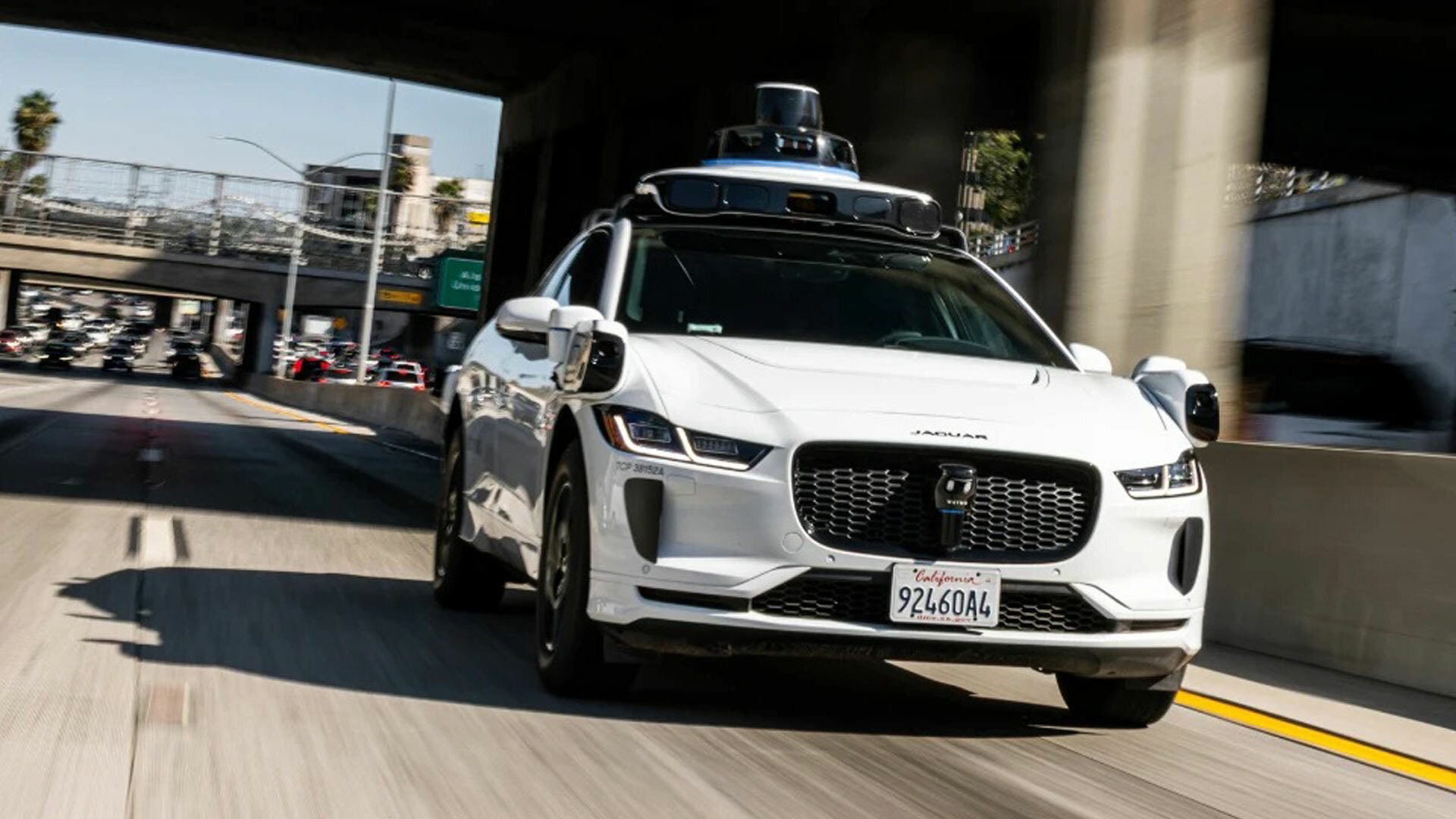
People Get Paid $24 Just To Walk Up And Shut A Robotaxi Door

  • Some robotaxis stall when doors are left slightly open by riders.
  • Workers say the job is often inefficient and barely profitable.
  • New robotaxi models may fix this with automated sliding doors.

Getting paid to shut a car door might sound like the setup for a joke, but in parts of Los Angeles, it’s become a legitimate line of work. As autonomous vehicles increasingly take to the streets, a small but growing number of local towing companies have found themselves serving as on-call assistants to robotaxis with limited physical capabilities.

Read: What Happened When Robotaxis Met A Citywide Blackout Is A Little Scary

For as much as $24 a pop, these companies are paid to close car doors left ajar by distracted passengers exiting Waymo’s self-driving vehicles. If the situation is more complicated, such as a car stranded mid-route, they can earn between $60 and $80 for helping get the vehicle moving again.

What Happens When Tech Forgets the Basics

 People Get Paid $24 Just To Walk Up And Shut A Robotaxi Door

A recent report highlights how tow truck drivers are now using an app called Honk, which contracts with Waymo’s autonomous EV fleet in the Los Angeles area.

If a rider exits without properly closing the door, the car won’t budge. It simply waits, parked awkwardly in the street, until someone shows up to finish the job. That someone often arrives thanks to a notification from Honk.

According to Cesar Marenco, owner of Milagro Towing in Inglewood, California, who spoke with The Washington Post, he handles around three jobs per week for Waymo through the Honk app, usually to shut a door or tow a vehicle that’s run out of charge.

It’s not exactly a money-maker. JKK Towing owner Evangelica Cuevas says that the Honk app doesn’t always provide them with the precise location of a vehicle, meaning they may have to walk around for up to an hour just to locate it.

When factoring in the fuel costs, receiving between $22 and $24 to close a door, or up to $80 to tow a vehicle, doesn’t always make it profitable.

The Cost of Chasing Robotaxis

 People Get Paid $24 Just To Walk Up And Shut A Robotaxi Door

Earlier this month, several of Waymo’s robotaxis stopped after a power outage at traffic lights throughout San Francisco. Several tow companies were alerted to the disruption. Not everyone believes the rates offered by Waymo are fair.

Jesus Ajuiñiga, manager of Alpha Towing and Recovery in San Francisco, told The Washington Post that he’s turned down Waymo calls. The rates, he says, don’t come close to the $250 he normally charges to tow an all-wheel-drive vehicle. And for some, that’s just too steep a compromise.

Things could start to change. Whereas the Jaguar I-Pace models primarily used by Waymo need their doors to be manually shut, the new robotaxis built by China’s Zeekr that Waymo is currently testing, have sliding doors like a minivan, meaning they can be opened and closed automatically.

 People Get Paid $24 Just To Walk Up And Shut A Robotaxi Door
Waymo’s latest robotaxi, built by Zeekr

Every One Of These 15 Tesla Deaths Raises The Same Question

  • Tesla crashes where doors won’t open are drawing new scrutiny.
  • At least 15 deaths cited doors as a possible contributing factor.
  • More than half of those deaths occurred within the last year.

A new report has put the spotlight on a troubling pattern of fatal crashes in the US involving Teslas, where passengers were unable to open the doors, trapping them inside. As the brand’s EVs grow more common on American roads, so too does scrutiny over their safety features, or in this case, the lack of physical fail-safes in the event of a crash.

Read: Tesla Sued Again After Doors Wouldn’t Open As Car Burned

The investigation zeroes in on Tesla’s electronic door handles, a signature design feature that has since been adopted by several other automakers, raising concerns about an industry-wide trend toward software-dependent safety mechanisms.

During an ongoing investigation into safety concerns about these door handles, Bloomberg found evidence that at least 15 people have died in the past decade in incidents involving Teslas where locked or inoperable doors were cited as a potential factor in the victims’ inability to escape.

More than half of those deaths occurred within the past year, suggesting the issue may be becoming more common, or at least more visible, as awareness grows.

Behind the Numbers

The report acknowledges a critical limitation. There is no publicly maintained federal database that tracks fatalities specifically linked to electronic door handle malfunctions. As a result, the findings aren’t meant to represent a definitive or exhaustive total.

Instead, Bloomberg built its list by reviewing every known fatal electric vehicle crash involving fire in the US, then analyzing whether evidence suggested that the doors could not be opened either by occupants or emergency responders.

In each of the 15 cases they flagged, nonfunctional door handles were cited as having “impeded either the occupants’ efforts to escape or rescuers’ attempts to save those inside the vehicle.”

One such incident happened in Virginia, where a Tesla Model 3 skidded off a snowy highway, hit a tree, and caught fire. Footage from inside the patrol car shows that the officer was unable to open the Model 3’s door, forcing him to bash open one of the windows and pull out the driver.

Audio from the Wreckage

One fatal crash occurred in Wisconsin last year, killing five people inside a Tesla Model S. Audio from three 911 calls was later obtained, including one placed automatically by an occupant’s Apple Watch.

At least two of the occupants can be heard screaming and crying for help in the recordings, with one clearly saying, “I’m stuck” as the fire spread through the vehicle, ultimately claiming their lives. It remains unclear whether the other three victims survived the initial impact before the blaze took over.

Tesla Responds to Design Concerns

 Every One Of These 15 Tesla Deaths Raises The Same Question

Tesla, for its part, appears to have quietly acknowledged the concerns in part. In September, reports surfaced that the company was exploring revisions to its door handle system. Future models may include a combination of electronic and manual release mechanisms, something already standard in brands like Audi and Lexus.

Perhaps eager to reassure shoppers about the safety of its vehicles, Tesla recently launched a new page on its website focused purely on safety. There, the company explains that its vehicles are designed to automatically activate hazard lights and unlock doors in the event of a serious collision. It also notes that the vehicle can contact emergency services autonomously.

However, Tesla also includes a key disclaimer: these features “may not be available in all regions or for all vehicles based on build date.”

While Tesla appears to be making some moves to address the issue in the future, questions still remain, not just about the company’s design choices, but also about the regulatory landscape and the lack of clear oversight. The analysis doesn’t claim that electronic door handles are inherently unsafe, but it does point to the need for more reliable fail-safes in situations where delays can be deadly.

 Every One Of These 15 Tesla Deaths Raises The Same Question

Texans Roast Police Department’s New “Garbage Can” Cybertruck

  • Cybertruck donated to Kemah police by Enterprise Leasing.
  • Officers will test if it works for daily patrol operations.
  • Some Texans doubt the Cybertruck’s battery can keep up.

Authorities in Kemah, a small city just southeast of Houston, will soon be cruising the streets in an American-made pickup truck, though it’s not the kind most Texans are used to seeing.

Rather than another lifted, gas-hungry behemoth, the Kemah Police Department has added a Tesla Cybertruck to its fleet. The move didn’t exactly spark hometown pride. Judging by the comments on the department’s Facebook post, locals are having a field day with the decision.

Read: Vegas Cops Just Got 10 Cybertrucks And Elon Had Nothing To Do With It

A growing number of police forces across the United States have started to add Cybertrucks to their fleets. Just a couple of months ago, police in Texas took delivery of ten highly-modified Cybertruck police cruisers built by Unplugged Performance.

A Different Kind of Cop Car

 Texans Roast Police Department’s New “Garbage Can” Cybertruck
Kemah PD

By comparison, the Cybertruck delivered to cops in Kemah looks completely standard, except for the police livery. They say that the truck was donated by Enterprise Leasing and that it will be used for testing to see if the Tesla works as a patrol vehicle.

Importantly, the police say they didn’t spend any taxpayer money on the acquisition. That hasn’t stopped residents from weighing in, many of them voicing strong opinions in the comments section of the department’s Facebook post.

What Do Texans Think?

“Lmaooo imagine the battery dying tryna chase someone,” wrote one commentor, while another posted “Y’all ain’t catching anyone in that.” There’s no word on what specify Cybertruck variant this is, but even if it’s the base model, we’re willing to bet it could easily be used to catch most motorists in Texas.

 Texans Roast Police Department’s New “Garbage Can” Cybertruck
Kemah PD

One Facebook user left this gem of a comment: “Hey guys, if anyone’s missing their refrigerator I found it, it’s having an identity crisis and is now trying to identify as a cop car.” Another wrote, “Flood waters, here we don’t come!”

One comment summed up the skepticism in classic internet style: “If that thing is chasing me, ain’t no way I’m stopping for a garbage can.”

Whether or not the Cybertruck proves practical for police work in Texas remains to be seen. The vehicle does offer notable performance and strong safety credentials, both potentially valuable in patrol scenarios. The biggest question may be around charging logistics, especially for a force built around the consistency and familiarity of combustion engines.

 Texans Roast Police Department’s New “Garbage Can” Cybertruck
Kemah PD

Farley Just Realized $55K EV Trucks Don’t Sell, After Ford Made Sure That’s All It Sold

  • Ford will take a $19.5B charge tied to its EV shift in 2026.
  • F-150 Lightning sales dropped as prices climbed past $50,000.
  • CEO says high-end EVs aren’t selling at expected volume levels.

Rewind a few years and Ford, like most of its rivals, charged full speed into the electric future. The goal was clear: catch up to Tesla and help turn the U.S. into a thriving hub for EV innovation. Fast forward to today, and the future looks very different.

Read: Jim Farley Warns Europe It’s Selling Its Future To Chinese Carmakers

Much of Ford’s early EV effort hinged on the F-150 Lightning. Promoted by some as a cornerstone of the brand’s future, and initially the most affordable electric pickup in the States, the Lightning carried a lot of weight on its metaphorical bed.

But just three years after it launched, Ford has pulled the plug. CEO Jim Farley recently confirmed that part of the reason comes down to simple economics: buyers aren’t lining up for EVs priced north of $50,000.

Are Expensive EVs the Problem?

During an interview with CNBC, Farley addressed Ford’s announcement that it will take a $19.5 billion charge in 2026, tied to its decision to pivot away from EVs and refocus on internal combustion models. According to him, the company’s electric lineup simply wasn’t aligned with what buyers actually want.

“More importantly, the very high-end EVs, the $50,000, $60,000, $70,000, and $80,000 vehicles, they just weren’t selling,” Farley said.

Back in 2021, when the F-150 Lightning was first revealed, the base price came in at a relatively digestible $39,974. But that didn’t last for long, as the Blue Oval made a series of price hikes. By 2025, the base model had swollen to $54,780, an increase of nearly 37 percent, pushing it out of reach for many of the truck buyers it was originally meant to appeal to.

\\\\\\\\\

Hybrids In Focus

While Ford is now shifting its focus away from EVs, that doesn’t mean it’s done with electric motors and battery packs. During the same interview, Farley said that the company is committed to “following customers to where the market is, not where people thought it was going to be, but to where it is today.”

As such, Ford will start to prioritize hybrid and extended-range EV models. There will be a “whole lineup” of new hybrid models, including a hybrid Bronco. Farley also pointed out that Ford has quietly secured the number three spot in U.S. hybrid sales, and dominates the hybrid truck space with an estimated 80 percent market share.

Farley added that the company expects its electric Model E division to reach profitability in 2029, three years later than initially expected. By 2030, he still expects half of Ford’s global sales to be electrified vehicles. But most of those, he clarified, will be hybrids and extended-range electrics, not pure battery EVs.

Sixteen States Say Trump’s Admin Is Illegally Holding EV Money Hostage

  • Lawsuit claims Trump admin unlawfully withheld charger funds.
  • Newsom says California will defend the Constitution in court.
  • Arizona Delaware Maryland Illinois Michigan and New York sued.

More than a dozen U.S. states are taking legal action against the federal government over what they argue is an unlawful freeze of funding for the national electric vehicle charging network.

At stake is billions of dollars already approved by Congress to expand EV infrastructure across the country, now stalled under the current administration.

Read: Trump Administration Rolls Out Updated EV Charger Program

The lawsuit, led by California Attorney General Rob Bonta and California Governor Gavin Newsom, includes 15 other states and the District of Columbia.

It alleges that the U.S. Department of Transportation, under the Trump administration, “has quietly refused to approve any new funding under two electric vehicle charging infrastructure programs,” in direct contradiction of federal law.

The Infrastructure Investment and Jobs Act, passed by Congress in 2022, was designed to deploy thousands of EV charging stations nationwide. But as of this spring, distribution of that funding has slowed to a halt.

In California alone, the program earmarked $59.3 million for medium- and heavy-duty EV freight corridors, $55.9 million for zero-emission freight transport routes, and $63.1 million for repairing and replacing out-of-service chargers.

What’s Being Contested?

 Sixteen States Say Trump’s Admin Is Illegally Holding EV Money Hostage

The lawsuit argues that the administration’s failure to release these funds violates both the separation of powers and the Administrative Procedure Act, which governs how federal agencies implement laws passed by Congress.

Who Else Is on Board?

Backing California’s legal challenge are attorneys general from Arizona, Delaware, the District of Columbia, Illinois, Maryland, Massachusetts, Michigan, New Jersey, New York, Oregon, Rhode Island, Vermont, Wisconsin, and Pennsylvania. Their shared position is that the federal government can’t simply decline to carry out programs that were funded and mandated by law.

“The Trump Administration is unlawfully withholding funds from the Bipartisan Infrastructure Law — investments Congress approved to build America’s EV charging network, reduce pollution, and create thousands of good-paying jobs. We won’t stand for it,” Governor Gavin Newsom said.

“California will defend the Constitution, our communities, and the future we’re building. With 2.4 million zero-emission vehicles on our roads and critical projects ready to move forward, we’re taking this to court.”

Attorney General Bonta added to the criticism, calling the funding freeze a threat to public health and environmental progress. “This is just another reckless attempt that will stall the fight against air pollution and climate change, slow innovation, thwart green job creation, and leave communities without access to clean, affordable transportation.”

 Sixteen States Say Trump’s Admin Is Illegally Holding EV Money Hostage

Just Six Months Later, BMW’s Hiking Its 2026MY Prices Again

  • BMW is raising prices on most 2026 models starting January 1.
  • MSRP hikes range from $400 to $1,500 depending on the vehicle.
  • The company first increased prices of its 2026MYs in early July.

After Porsche’s recent round of price hikes, it looks like BMW will soon follow suit. According to a report from CarsDirect citing a dealer bulletin sent this week, BMW will be doing the same in the new year.

While it didn’t explicitly point to tariffs as the cause, the timing does invite speculation for certain models, even if the biggest increase happens to hit a model built right in the United States, where tariffs aren’t the go-to excuse.

Also: Porsche Keeps Making Customers Pay For Trump’s Tariffs

BMW’s internal notice reportedly states that most vehicles in its range will see a price increase of roughly 1 percent, though not every model is affected. The adjustment will result in MSRP hikes ranging from $400 to $1,500 and will go into effect on January 1, 2026.

 Just Six Months Later, BMW’s Hiking Its 2026MY Prices Again

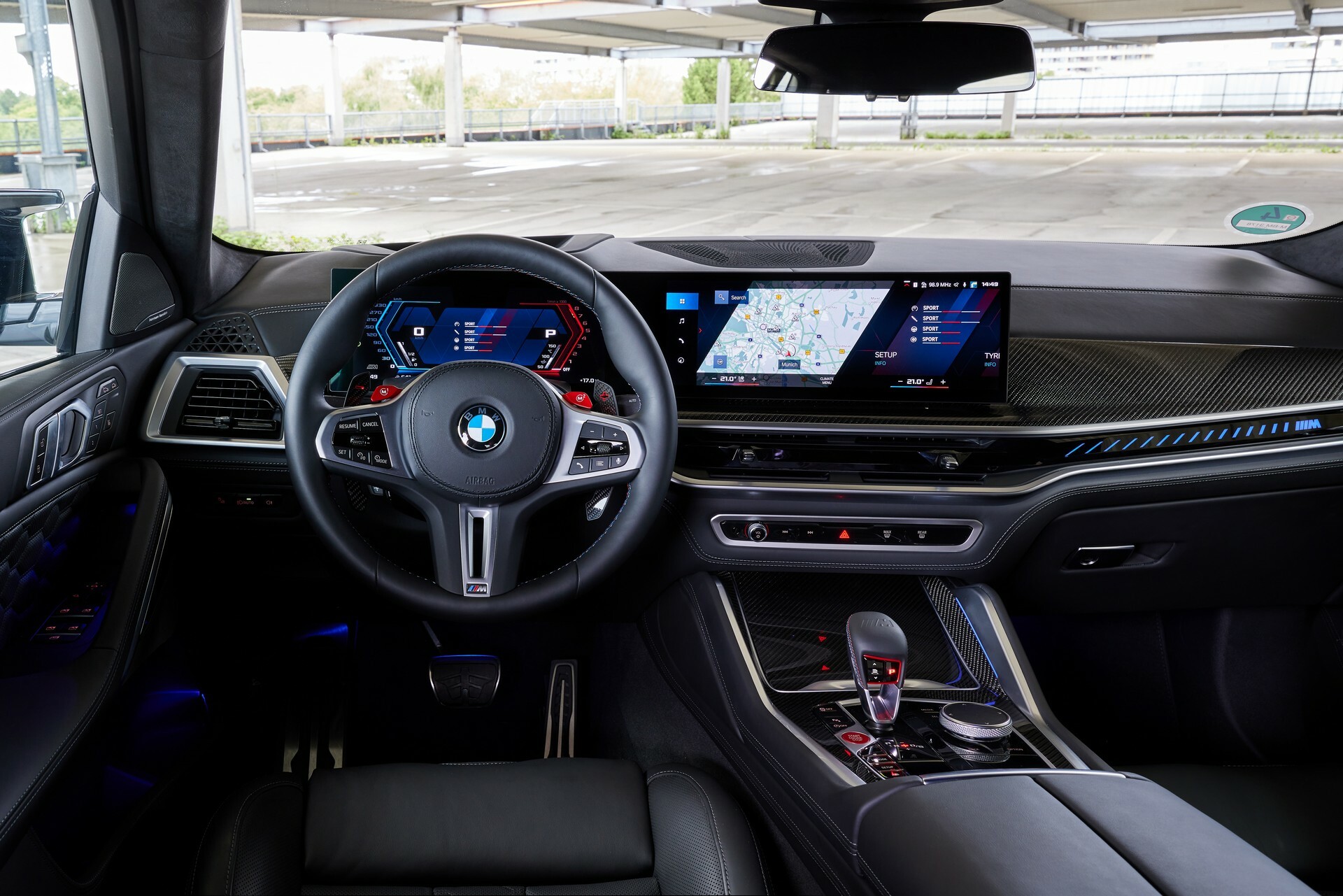
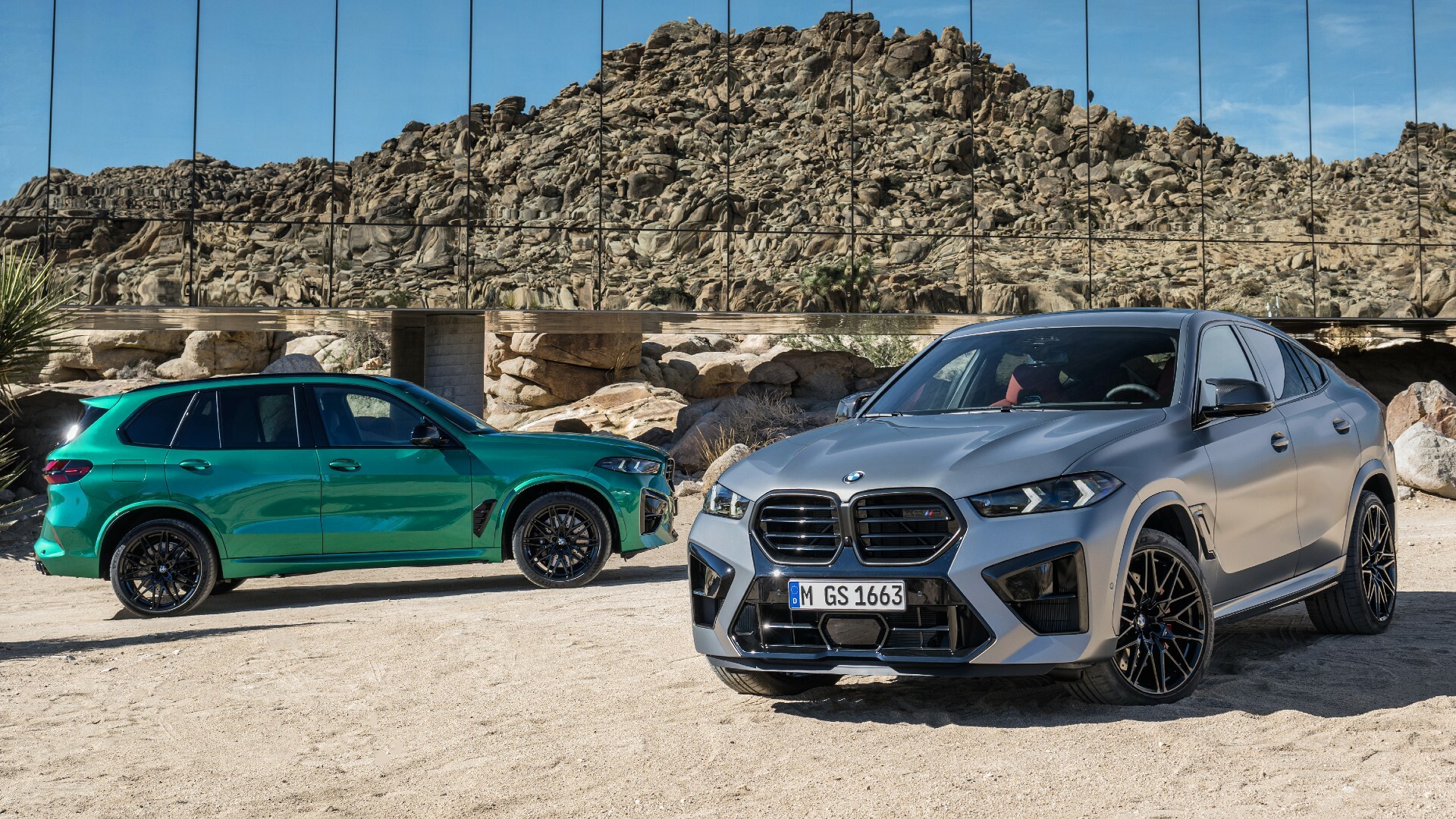
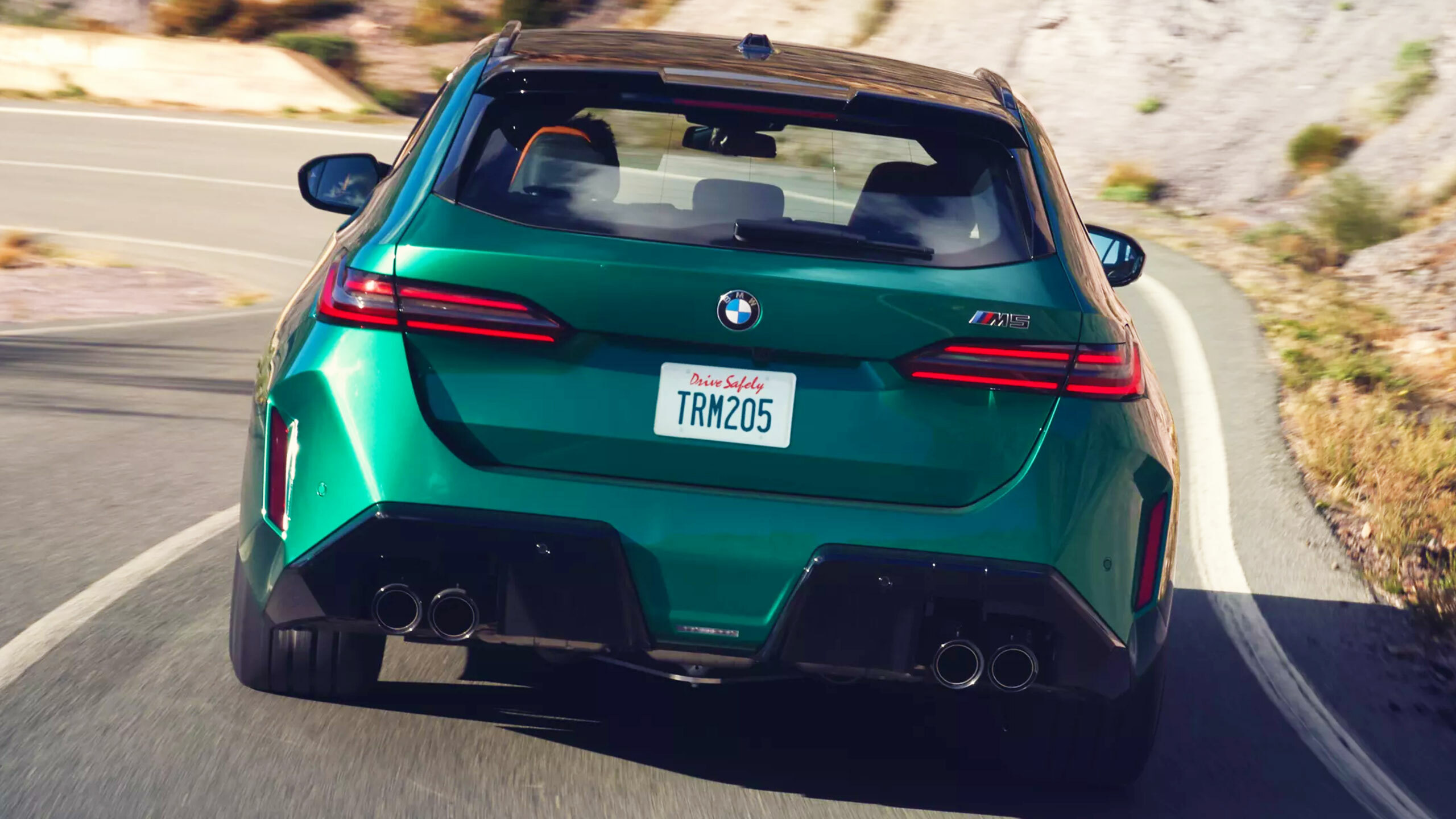
The most significant increases apply to the M5 Sedan and Touring, both up $1,400, and the BMW X6 M Competition, which will now cost an extra $1,500. Interestingly, the i4, i5, iX, i7, 7-Series, Z4, and XM are excluded from the price hikes.

This isn’t the first time that BMW has increased prices over the past six months. Back in July, it announced that the MSRPs of most 2026 models would rise by as much as 1.9 percent, resulting in price hikes of $2,500 for vehicles like the BMW X5 M and X6 M.

Those two models are built in the States, alongside other SUVs at the automaker’s South Carolina facilities. So technically, they shouldn’t have been impacted by tariffs, or at least not significantly, unless imported components factored in. As usual, the truth sits in a grey area.

 Just Six Months Later, BMW’s Hiking Its 2026MY Prices Again

For buyers looking to sidestep the latest round of price changes, it may be worth checking local inventory for cars already on dealer lots. Vehicles delivered before the end of the year are likely to carry current pricing.

Tariffs may have influenced BMW’s pricing for 2026, but the broader pattern raises more pressing questions. This is the second increase in just six months, suggesting something beyond routine adjustments.

Annual price bumps aren’t unusual in the auto industry, particularly with new model years. But those are usually linked to updates or added content, not blanket, across-the-board hikes with no clear explanation, and certainly not with this frequency.

 Just Six Months Later, BMW’s Hiking Its 2026MY Prices Again

If You Think EV Sales Are Dead, You’re Probably Staring At The Wrong Map

  • EV and PHEV sales climbed significantly in China and Europe.
  • Roughly 18.5 million electrified vehicles were sold this year.
  • North America’s EV market declined despite global momentum.

While the headlines might suggest an EV apocalypse is underway, with manufacturers pulling back and investments drying up, the reality is a bit more complicated. Sure, some markets are cooling and certain automakers are reconsidering their timelines, but the global picture paints a different story.

At least for now. The coming months could easily tip the scale again, especially in regions where policy and consumer behavior tend to swing fast.

Read: More Buyers Are Ditching EVs And Choosing Gas Again

New data shows that worldwide sales of battery-electric and plug-in hybrid vehicles have actually grown this year, bolstered by steady demand in China and across Europe.

According to figures from Rho Motion, approximately 18.5 million EVs and PHEVs have been sold globally between January and November 2025, representing a 21 percent increase from last year.

Where the Growth Is

Unsurprisingly, China leads the way with reported sales of 11.6 million, a 19 percent rise from the same period in 2024. While Europe remains a far smaller market, with 3.8 million EVs and PHEVs finding new homes, it experienced a higher growth rate with sales jumping 33 percent.

A closer look at Europe reveals that 35 percent more BEVs have been sold this year, and 39 percent extra PHEVs have been delivered. Contributing to this growth was France, where for the first time this year, year-to-date sales rose in November, although only by 1 percent.

EV Sales Jan-Nov 2025
Region YTD 2025YoY Change
Global18.5 million+21%
China11.6 million+19%
Europe3.8 million+33%
North America1.7 million-1%
Rest of World1.5 million+48%
SWIPE

Rho Motion

Italy also experienced a strong November with EV and PHEV sales jump to 25,000 units after an incentive program was launched, encouraging locals to sell their old ICE models.

Still, the trajectory in Europe could change direction quickly. On Tuesday, the European Commission revealed plans to drop the proposed 2035 ban on new combustion-engine vehicle sales, a reversal largely driven by industry lobbying.

What About America?

 If You Think EV Sales Are Dead, You’re Probably Staring At The Wrong Map

Things couldn’t be anymore different in North America, in particular in the US. While EV sales increased in November compared to October, the first month without the federal EV tax credit, they are still far below what they were when the $7,500 credit was still available.

Data from Rho Motion notes that sales in North America have fallen 1 percent this year, meaning it’s quickly turned into a global laggard when it comes to global EV adoption.

Following President Trump’s decision to rollback CAFE fuel economy standards, sales of EVs and PHEVs are unlike to grow at a significant rate, and may ultimately decline.

In contrast, the rest of the world, grouped together in the dataset, logged 1.5 million EV and PHEV sales this year, up 48 percent compared to 2024. While the volumes are smaller, the growth suggests that in many regions, electrification is still gaining ground, just not always where the spotlight is aimed.

 If You Think EV Sales Are Dead, You’re Probably Staring At The Wrong Map

Only 7 Percent Of Cars Sold Last Month Cost Under $30,000

  • Average transaction price hovers near $50K with no slowdown.
  • Affordable cars fade as luxury trucks and SUVs dominate sales.
  • EV prices soften slightly but rely heavily on rising incentives.

If you were hoping falling interest rates, bigger incentives, or sheer consumer exhaustion might finally drag new-car prices back to Earth, number-crunching industry experts have some bad news.

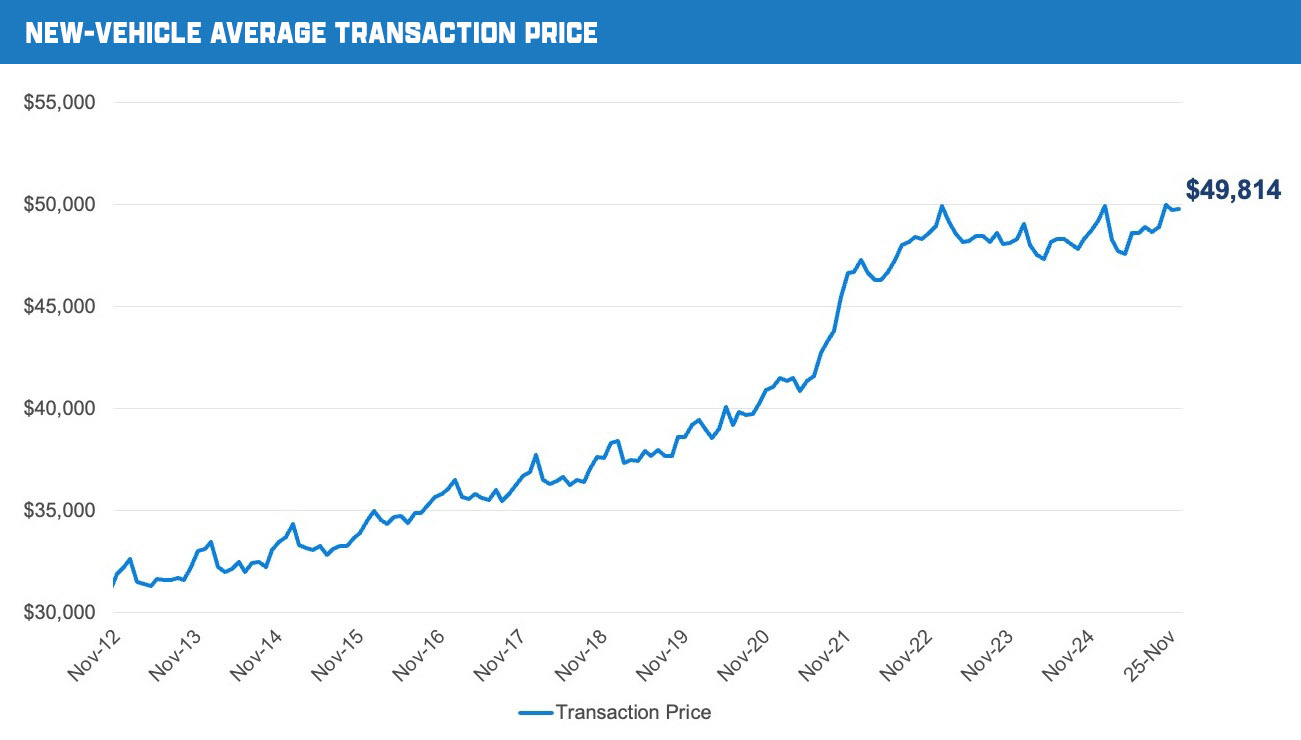
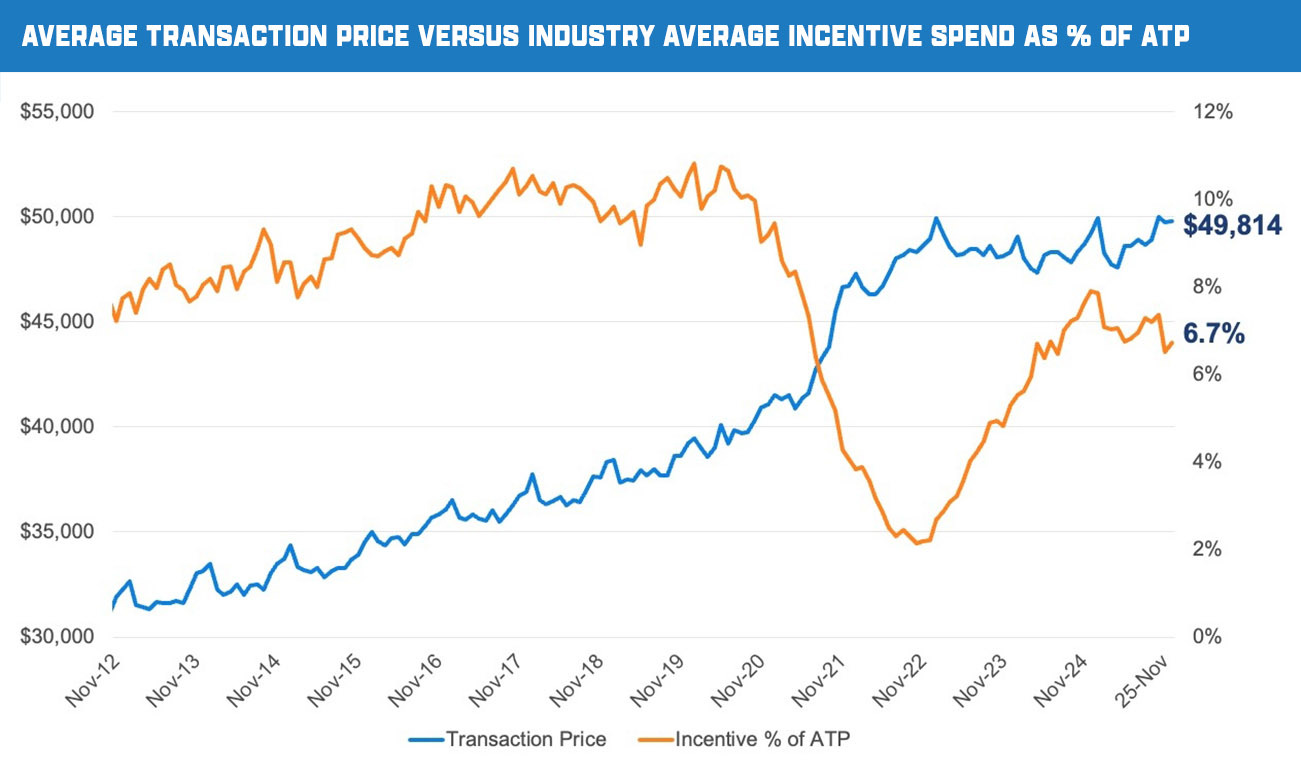
According to the latest Kelley Blue Book data, the average transaction price of a new vehicle in the US hit $49,814 in November, and it’s showing no real sign of dropping.

Also: Nobody Wants These 2024 Models And Dealers Are Drowning In Inventory

That figure is up 1.3 percent year over year and effectively unchanged from October, suggesting the industry has settled into a comfortable rhythm where fifty grand is the new normal.

Cox Automotive says prices usually peak in December, meaning the holiday season could push things even higher as buyers gravitate toward well-optioned trucks, luxury SUVs, and vehicles that require six figures of income and very little financial anxiety.

Fewer Incentives

Incentives are still around, but they are not doing the heavy lifting they once did. In November, incentives averaged 6.7 percent of average transaction prices, down from nearly 8 percent a year ago.

Automakers simply do not need to discount aggressively when buyers keep selecting expensive trims with panoramic roofs, giant screens, and fancy wheels.

 Only 7 Percent Of Cars Sold Last Month Cost Under $30,000
Cox/KBB

The data makes one thing clear. Cheap cars are disappearing from the sales mix. Vehicles with MSRPs under $30,000 accounted for just 7.5 percent of November sales, down sharply from 10.3 percent a year earlier.

Meanwhile, more than one in 10 vehicles sold cost over $75,000. The most popular sub-$30K survivors remain familiar names like the Toyota Corolla, Chevrolet Trax, and Hyundai Elantra, clinging on like endangered species.

While transaction prices may have leveled off for now, average MSRPs, commonly known as the asking price, are still inching upward, reaching $51,986 in November. That marks a 1.7 percent increase over last year.

Blame Pricey Trucks

 Only 7 Percent Of Cars Sold Last Month Cost Under $30,000

Trucks continue to be a major contributor to price inflation. Full-size pickups now average more than $70,000 for the third month in a row and accounted for over 14 percent of all sales in November, with nearly 183,000 units delivered. That helps explain why the industry average keeps floating upward even when compact and midsize segments remain relatively stable.

Read: Senators Want Cheaper Cars, Even If It Means Getting Rid Of Automatic Braking

Electric vehicles add another twist. The average EV transaction price fell slightly month over month to $58,638, but remains up 3.7 percent year over year. Incentives jumped to over 13 percent of prices as sales softened again, dropping more than 40 percent compared with last year.

Tesla’s average transaction price rose to $54,310 in November, even as sales fell 22.7% year over year, largely due to sharp declines in Model 3 demand. Prices for the Model Y, the best-selling EV in the U.S., edged up slightly. Cybertruck sales fell to 1,194 units, their lowest monthly total of 2025, though its average price rose to $94,254.

Who’s Really to Blame?

According to Cox Automotive Executive Analyst Erin Keating, today’s prices aren’t just the result of inflation or supply hangovers, but they reflect what consumers are choosing to buy.

“It’s important to remember that the KBB ATP reflects what consumers choose to buy, not what’s available,” she explained.

“Many new-car buyers today are in their peak earning years and are less price-sensitive, opting for vehicles at the higher end of the market to get the features and experiences they value most. In November, sales of vehicles priced above $75,000 outpaced those below $30,000, underscoring this preference for premium products” Keating added.

 Only 7 Percent Of Cars Sold Last Month Cost Under $30,000
Cox/KBB

The takeaway is simple. Prices are high because buyers keep buying high. Until that changes, the average US driveway will continue to look alarmingly expensive.

We just have to hope the trend doesn’t discourage automakers from developing and building the more affordable models that less affluent Americans still need.

Average Transaction Price by Automaker Group
GroupNOV-25OCT-25NOV-24MoM % ChangeYoY %
Change
BMW$70,864$70,037$71,2421.2%-0.5%
Ford Motor Company$57,639$57,724$57,079-0.1%1.0%
Geely Auto Group$60,759$59,480$60,2692.2%0.8%
General Motors$55,778$56,173$53,443-0.7%4.4%
Honda Motor Company$38,819$38,839$39,384-0.1%-1.4%
Hyundai Motor Group$38,966$38,331$38,9131.7%0.1%
Mazda Motor Corporation$36,134$35,179$36,2312.7%-0.3%
Mercedes-Benz Group AG$75,000$74,421$77,2220.8%-2.9%
Renault-Nissan-Mitsubishi Alliance$37,330$37,326$35,3810.0%5.5%
Stellantis$55,803$54,513$56,3872.4%-1.0%
Subaru Corporation$36,521$36,146$34,8091.0%4.9%
Tata Motors$103,768$104,662$101,878-0.9%1.9%
Tesla Motors$54,310$53,528$55,2471.5%-1.7%
Toyota Motor Corporation$45,265$45,249$44,2750.0%2.2%
Volkswagen Group$56,590$58,280$53,463-2.9%5.8%
Industry$49,814$49,760$49,1850.1%1.3%
SWIPE
Average Transaction Price by Brand
MakeNOV-25OCT-25NOV-24MoM % ChangeYoY %
Change
Acura$49,083$49,275$54,009-0.4%-9.1%
Audi$64,902$65,072$62,972-0.3%3.1%
BMW$72,616$71,973$73,5160.9%-1.2%
Buick$36,694$36,324$34,9881.0%4.9%
Cadillac$87,739$84,566$68,0253.8%29.0%
Chevrolet$50,759$51,064$48,944-0.6%3.7%
Chrysler$47,101$46,917$48,1460.4%-2.2%
Dodge$47,899$49,232$51,390-2.7%-6.8%
Ford$57,010$57,120$56,512-0.2%0.9%
Genesis$65,574$64,343$62,1951.9%5.4%
GMC$66,430$66,555$66,339-0.2%0.1%
Honda$37,559$37,685$37,869-0.3%-0.8%
Hyundai$38,272$37,934$37,6760.9%1.6%
Infiniti$68,484$65,863$63,2054.0%8.4%
Jeep$52,421$49,772$51,9955.3%0.8%
Kia$36,719$36,090$37,5971.7%-2.3%
Land Rover$105,767$106,505$104,318-0.7%1.4%
Lexus$61,901$62,406$59,147-0.8%4.7%
Lincoln$69,713$70,110$66,624-0.6%4.6%
Mazda$36,134$35,179$36,2312.7%-0.3%
Mercedes-Benz$75,000$74,421$77,2220.8%-2.9%
MINI$41,148$40,810$40,7110.8%1.1%
Mitsubishi$32,840$32,366$29,7651.5%10.3%
Nissan$35,567$35,721$34,039-0.4%4.5%
Porsche$122,674$125,071$113,107-1.9%8.5%
Ram$64,724$65,301$63,744-0.9%1.5%
Subaru$36,521$36,146$34,8091.0%4.9%
Tesla$54,310$53,528$55,2471.5%-1.7%
Toyota$42,344$42,393$41,368-0.1%2.4%
Volkswagen$38,266$38,133$36,3230.3%5.3%
Industry$49,814$49,760$49,1850.1%1.3%
SWIPE
Average Transaction Price by Segment
CategoryNOV-25OCT-25NOV-24MoM % ChangeYoY %
Change
Compact Car$26,949$26,982$27,094-0.1%-0.5%
Compact SUV/Crossover$36,329$36,208$36,8730.3%-1.5%
Entry-level Luxury Car$57,414$56,997$56,3730.7%1.8%
Full-size Car$55,335$53,694$44,7623.1%23.6%
Full-size Pickup Truck$66,192$66,439$65,459-0.4%1.1%
Full-size SUV/Crossover$78,623$79,529$75,444-1.1%4.2%
High Performance Car$134,538$134,786$124,500-0.2%8.1%
High-end Luxury Car$125,823$129,114$116,321-2.5%8.2%
Luxury Car$62,636$60,961$58,8052.7%6.5%
Luxury Compact SUV/Crossover$52,587$52,298$52,6380.6%-0.1%
Luxury Full-size SUV/Crossover$98,538$99,519$103,338-1.0%-4.6%
Luxury Mid-size SUV/Crossover$74,082$73,799$73,6620.4%0.6%
Luxury Subcompact SUV/Crossover$40,982$41,269$41,581-0.7%-1.4%
Mid-size Car$33,958$33,814$33,1850.4%2.3%
Mid-size SUV/Crossover$49,272$49,361$48,501-0.2%1.6%
Minivan$47,575$47,388$48,2310.4%-1.4%
Small/Mid-size Pickup Truck$43,805$43,752$43,5260.1%0.6%
Sports Car$49,723$51,423$48,489-3.3%2.5%
Subcompact Car$25,791$25,862$22,393-0.3%15.2%
Subcompact SUV/Crossover$30,962$30,646$29,8621.0%3.7%
Van$59,984$61,051$57,789-1.7%3.8%
Industry$49,814$49,760$49,1850.1%1.3%
SWIPE

Data Cox Automotive / KBB

More Buyers Are Ditching EVs And Choosing Gas Again

  • New study shows rising demand for combustion-powered vehicles.
  • Fewer shoppers are considering battery-electric options today.
  • Interest in hybrid models is slipping alongside EV enthusiasm.

The auto industry’s pivot to electric vehicles was never expected to be seamless, but a recent shift in buyer sentiment suggests the transition may be hitting more resistance than anticipated. According to a new study, a growing number of car shoppers are once again leaning toward combustion engines, reversing some of the momentum EVs had built in recent years.

A report from professional services firm EY indicates that EV adoption is slowing worldwide, in part due to shifting policies like those recently enacted in the United States.

Read: Ford’s CEO Applauds Trump’s CAFE Rollback, Says They Were Forced Into EVs

Among consumers planning to buy a new or used vehicle within the next 24 months, about half now say they intend to purchase one powered by a combustion engine. That marks a 13 percent jump from the previous year, a sharp turn in consumer preference.

Declining Appetite for Electrics and Hybrids

 More Buyers Are Ditching EVs And Choosing Gas Again

That’s not the only surprising conclusion from this study. EY’s report also notes that the preference among new and used car buyers to buy a battery-electric vehicle has dropped by 10 percent, landing at just 14 percent overall.

The picture for hybrid models isn’t much brighter. Interest in those models has dipped by 5 percent, now sitting at 16 percent. And among those still considering an EV, more than a third, or 36 percent, say they’re either rethinking their decision entirely or planning to delay their purchase, citing geopolitical developments as a major factor.

It’s possible that this trend could continue. Less than a year into President Trump’s second term, several policy changes have already been implemented that are more favorable to internal combustion engine vehicles. These measures are expected to influence both consumer behavior and manufacturer output in the coming years.

Policy Reversals Take Hold

 More Buyers Are Ditching EVs And Choosing Gas Again

Earlier this month, he officially rolled back CAFE standards, opening the door for car manufacturers to build more combustion models. Automakers argue this aligns with actual consumer demand, claiming Americans still largely prefer these vehicles over their electric counterparts.

Europe is seeing a similar recalibration. Two years ago, the European Union announced plans to effectively ban the sale of new combustion vehicles by 2035.

However, this ban appears increasingly likely to be relaxed, opening the door for hybrid models, and combustion-engine cars using e-fuels to be sold beyond 2035. This will no doubt have a significant impact on EV sales throughout the region.

 More Buyers Are Ditching EVs And Choosing Gas Again

Sources: EY, Reuters

Ford Got The Loan And Built The EV Battery Plant. Now Everything’s Falling Apart

  • SK On takes over Tennessee plant as Ford gets two in Kentucky.
  • Trump administration will cut a loan up to $9.6 billion total.
  • Ford CEO says U.S. EV sales could fall by as much as 50 percent.

In 2021, Ford and South Korean battery manufacturer SK On committed to a massive $11.4 billion investment aimed at building several joint-venture electric vehicle battery plants across the United States. It was a huge business decision that showed Ford’s commitment to the EV market.

That was then. As 2025 winds down, the two companies are pulling the plug on the battery partnership altogether, a sharp turn that underscores how turbulent the EV landscape has become.

Also: Ford’s CEO Applauds Trump’s CAFE Rollback, Says They Were Forced Into EVs

The move follows two key developments. First, the rollback of the federal EV tax credit, which has hit sales across the board. Second, the U.S. administration’s recent decision to revise fuel economy standards, a move expected to favor gasoline-powered vehicles over electric ones.

Disruption in the Battery Game

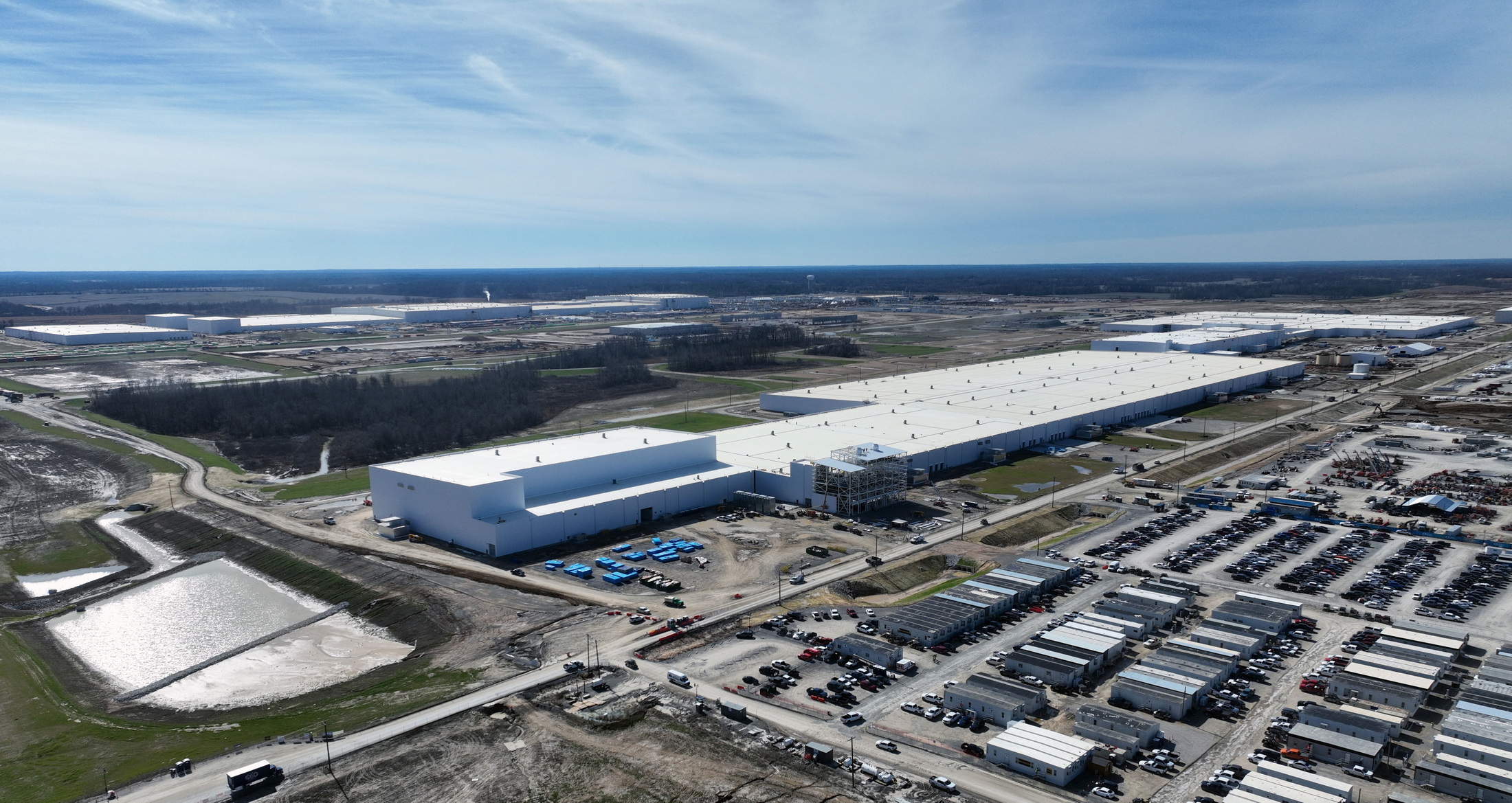
Through the high-profile breakup, SK On will take over the joint venture factory that’s already been established in Tennessee, known as the BlueOval plant. Ford will then take control of two factories in Kentucky located next to each other.

SK On was the one to formally dissolve the partnership, although the company maintains that it intends to continue working with Ford around the Tennessee facility.

It believes that ending the joint venture will allow it to enhance productivity and improve operational flexibility. Additionally, it notes the split will allow it to accelerate its North American energy storage system business.

What Happens to the Government Loan?

 Ford Got The Loan And Built The EV Battery Plant. Now Everything’s Falling Apart
Ford BlueOval Tennessee

One of the more immediate consequences of the split is a reassessment of a government loan approved near the end of the Biden administration. Originally pegged at up to $9.6 billion for the joint venture, the loan will now be reduced under the Trump administration’s oversight.

Exactly how much it will be cut remains to be seen. According to Bloomberg, the loan will be restructured to “reduce exposure to taxpayers and ensure its prompt repayment.”

Read: Ford And SK On Get $9.6 Billion Loan From US Government For Local Battery Plants

It’s understood that Ford is working voluntarily with the Energy Department to repay the loan more quickly than originally planned.

Bleak Outlook for EV Sales

 Ford Got The Loan And Built The EV Battery Plant. Now Everything’s Falling Apart

In the background, Ford’s local EV sales are falling, and chief executive Jim Farley expects further carnage. He recently said that because of the Trump administration, EV sales could fall by as much as 50 percent in the US.

Ford also lost $5.1 billion before interest and taxes on its EV business in 2024 and expects to lose even more this year.

“We believe the writing was on the wall this partnership was not going to work moving forward,” WedBush securities managing director Dan Ives told the Detroit Free Press.

“Ford has to make some difficult moves and this was a smart strategic one to rip the band-aid off. The EV market is dramatically scaled down for Ford now and they have to adjust accordingly.”

These Dealers Say Ford Paid $600 For EV Repairs Worth Nearly 40 Times

  • Dealers say Ford only paid $600 per EV battery replacement.
  • They claim the real cost should be $22,600 per battery.
  • More lawsuits are reportedly being prepared in other states.

As more legacy automakers navigate the shift to electric vehicles, the complexity of servicing and supporting them is beginning to reveal fault lines, especially when it comes to who pays for what.

Ford is now facing allegations that it underpaid two New York dealerships for comprehensive EV battery replacements, according to a lawsuit filed in US District Court.

Read: Ford Accused Of Advertising A Missing Feature On New Trucks

And the trouble may not stop there, as attorneys say similar legal actions are in motion and could eventually be consolidated into a class action, raising the stakes for the company.

Jericho Turnpike Auto Sales and Patchogue 112 Motors allege that Ford has sidestepped state warranty reimbursement laws by issuing low flat-rate payments for full battery pack replacements, rather than covering the actual costs of the repairs.

The dealer says it has completed 15 EV battery replacements on Ford models since early 2024. Of those, Ford allegedly reimbursed the dealer just $600 per battery for 13 jobs that should have cost $22,600 each, leaving a gap of $286,200. In the remaining two cases, the dealer received $13,000 per battery. Even so, the lawsuit claims Ford still failed to pay the full amount.

Patchogue 112 Motors reports a similar pattern, stating it was paid only $600 per battery instead of the expected $22,600.

What Are Ford’s Responsibilities?

 These Dealers Say Ford Paid $600 For EV Repairs Worth Nearly 40 Times

At the heart of the lawsuit is the question of how franchised dealerships are compensated for warranty and service contract repairs.

The filling alleges that Ford ignored legal requirements despite a state statute requiring manufacturers to reasonably cover repairs and manufacturer service contracts not “less than the price and rate charged by the franchised motor vehicle dealer for like services to non-warranty and/or non-service contract customers.”

That includes the cost of parts plus a 40 percent markup. Dealers are also allowed, under the law, to apply their typical non-warranty retail markup on labor, which can range from 70 to 200 percent depending on the service. The lawsuit claims Ford has not followed these provisions.

Leonard Bellavia, one of the attorneys representing the dealerships, told Auto News that Ford isn’t alone. His firm is pursuing similar claims against other automakers in multiple states, all centered on what he describes as a pattern of failing to meet warranty payment obligations

\\\\\\\

VinFast’s American Dream Is Cracking From The Inside Out

  • Fewer than 1,500 VinFast cars registered in the US this year.
  • VinFast had promised hundreds of US dealers by late 2024.
  • Only 17 VinFast dealers have VF 8 or VF 9 models in stock.

VinFast’s bid to break into the American market has struggled to gain traction. The Vietnamese automaker’s US adventure has been marked by sluggish sales, dwindling dealership support, and a strategy that appears to be unraveling faster than it came together.

As more partners step back from the brand, questions are beginning to surface about the future of VinFast’s presence in the States.

Read: Owners Sue VinFast After VF 8 Takes Almost 24 Hours To Charge

VinFast currently offers the VF 8 crossover and the three-row VF 9 locally, and at one point, it floated plans to bring a compact VF 3 and even a pickup truck to American buyers. Those ambitions now seem increasingly out of reach.

Stalled Expansion Plans

Adding to that, the company ceremoniously broke ground on a North Carolina factory in 2023, aiming to begin production just a year later. That timeline quickly fell apart. Construction was halted, and the plant’s opening has now been postponed until 2028.

The signs aren’t encouraging. According to a report from AutoNews, VinFast now has fewer than two dozen stores operating across the US. That figure continues to shrink, as one location shut down in July, another closed in November, and a third in North Carolina is scheduled to close before the year ends.

Even among the remaining dealers, many are operating in name only. Several locations have no vehicles on site, and some are down to just a handful of units.

Indeed, of the 22 active dealers that VinFast says it has, just 17 of them have EVs in stock. Most of them have 15 or fewer vehicles available. In the case of one dealer in Florida, it has just a single 2024 VF 8 in stock, priced at $52,910.

Sales Collapse

 VinFast’s American Dream Is Cracking From The Inside Out

VinFast sales have taken a big hit this year. Through the first ten months of this year, just 1,413 of its vehicles were registered in the United States, representing a 57 percent decline from the year prior. This comes despite the fact that total EV sales across the US have jump 11 percent this year.

The company’s expansion has clearly not gone as it would have liked. It originally expected to quickly sign 125 dealers, and then planned to have hundreds of outlets across the country by the end of 2024. As of August, it claimed to have “nearly 30 authorized dealerships.”

According to VinFast chairwoman Thuy Thu Le, the company has paused its aggressive push into the US and won’t open any more dealerships for the time being.

“Given the tariff situation and the instability in the EV market, we just need to see how that settles before we kind of push hard in the U.S.,” Thuy told Autonews. “Until we see some growth and stability in the U.S. market, we don’t intend to open more dealerships. Instead, we cultivate the relationship with the existing dealers and make sure they can get to profitability faster.”

\\\\\\\\\

California Has A New Way To Make EV Owners Pay

  • California may charge EV drivers up to 4 cents per mile driven.
  • Gas tax funds 80 percent of state road maintenance costs today.
  • Officials are testing new ways to fund roads as EV use grows.

California has set an ambitious goal of reaching carbon neutrality by 2045. That path runs straight through mass electric vehicle adoption, which means saying goodbye to traditional gas-powered cars, and with them, a major chunk of how the state pays for its roads.

With gas tax revenue poised to shrink, officials are now exploring a new alternative: a per-mile road tax for EV drivers.

Also: Plug-In Hybrid And EV Drivers Face Pay-Per-Mile Tax In The UK

As it stands, approximately 80 percent of California’s road maintenance budget is funded through a gas tax. For every gallon pumped at the station, around 61 cents goes toward keeping the state’s vast network of highways, freeways, and local roads in working order.

How Will EVs Pay Their Share?

Obviously, as more and more people shift to EVs, this revenue stream will slowly dry up. This is where the road tax could come into play. California recently completed a pilot program for a road tax earlier this year, charging EV owners between 2 and 4 cents for every mile that they drive.

In theory, it’s a straightforward way to recover the funds needed for upkeep without relying on fossil fuels. But implementation may be anything but simple.

For one, it could end up costing quite a bit to set up and run. For another, drivers who rack up serious mileage, often those in rural areas or with long commutes, might bear the brunt of the expense.

 California Has A New Way To Make EV Owners Pay

As noted by Fox 26 News, a commuter traveling daily between Hanford and Fresno could face around $11 a week under the proposed system. Multiply that over a month or a year, and it becomes a noticeable new cost for people who may not have easy alternatives.

Then there’s the question of how the state would monitor each vehicle’s mileage. One proposed method involves installing a tracking device that plugs into the car and logs the miles traveled.

That could get expensive fast, especially if it needs to be rolled out across every EV on California’s roads. And even if the technology is viable, it brings up a different kind of cost, one to driver privacy.

Read: California EV Drivers Now Risk A $490 Fine Under New Rules

Many Californians would likely have reasonable concerns about being monitored so directly, especially if the data is handled by third parties or used beyond just tax purposes. Balancing effective tracking with individual privacy rights could prove to be a sticking point.

According to David Kline from the California Taxpayers Association, the logic behind the tax is simple: “Someone’s got to pay for the roads,” he said. “It should be the people who use the roads.”

However, he is concerned that the road tax could end up “switching the burden to different people,” questioning whether some of those who have to drive long distances can afford the new tax. That tension between fairness and practicality remains unresolved as the state weighs its next move.

 California Has A New Way To Make EV Owners Pay

We Imagined Stellantis’ Tiny EV As Jeep, Dodge, And Chrysler Oddballs

  • Fiat will bring its smallest EV to America, and it’s not even a car.
  • We visualize Jeep, Dodge, and Chrysler versions of the tiny EV.
  • Each brand gets its own styling twist on the same platform.

Americans aren’t exactly spoiled for choice when it comes to pint-sized urban runabouts. Those Kei cars from Japan that caught Donald Trump’s attention recently are off-limits, and Europe’s laughably compact quadricycles are considered too tiny to share the road with trucks and SUVs.

Still, Stellantis seems ready to test the limits of what American drivers will accept, choosing to bring over the Fiat Topolino, a vehicle so small, it makes the already diminutive 500 look like a family hauler.

Read: Fiat’s Bringing An EV To America So Small It Makes Kei Cars Look Like Cadillacs

To give you a sense of scale, the Topolino measures just 2.53 meters long (99.6 inches), making it seven inches shorter than the already tiny Smart Fortwo. That car, if you remember, looked like a Little Tikes Cozy Coupe next to your average truck.

 We Imagined Stellantis’ Tiny EV As Jeep, Dodge, And Chrysler Oddballs

Stellantis has been dabbling in the heavy quadricycle category since 2020, starting with the Citroen Ami, followed by the Opel Rocks Electric in 2021, and most recently the Fiat Topolino in 2023. All three share the same platform, and all three are designed with urban mobility in mind rather than highway cruising.

That got us wondering: what if this squat little EV were rebadged as a Dodge, Chrysler, or Jeep? Would American buyers warm up to it with a familiar name on the front?

Officially, Stellantis has no plans to expand the model lineup in North America. But given how freely these micro-EVs swap badges in Europe, it’s not much of a leap to imagine a domestic version. Maybe if it wore the right logo, this pocket-sized commuter could stand a better chance on American streets.

So we sketched out a few ideas: what would it look like if Dodge, Jeep, and Chrysler each took a swing at the format?

Jeep TrailBug: Like A Golf Cart For The Apocalypse

 We Imagined Stellantis’ Tiny EV As Jeep, Dodge, And Chrysler Oddballs
Illustrations Thanos Pappas / CarScoops

Based on the rugged Citroen Ami Buggy – more specifically, the Rip Curl concept with grippy tires, an LED roof bar, frame doors, and other accessories – the Jeep version was an easy win.

Using the Citroen Ami Buggy as a starting point, and specifically, the Rip Curl edition with its chunky tires, roof-mounted LEDs, and open-air doors, we imagined a Jeep-branded version that leans fully into rugged charm.

More: 2025 Citroen Ami Gets Funkier With Bulging Eyes And 2CV-Style Gills

The reworked front fascia includes a five-slot grille (sorry folks, room constraints nixed the full seven), with circular Wrangler-style LED headlights and Jeep-branded alloys. Matte plastic panels and a spartan cabin keep it functional, while the aesthetic reads more off-road pit crew than farmer’s market errand runner.

No, it wouldn’t come with Trail Rated credentials, but the TrailBug could still inject some Jeep attitude into cul-de-sac crawls and campground loops.

Dodge Lil’ Demon: Tiny Muscle Car Attitude

 We Imagined Stellantis’ Tiny EV As Jeep, Dodge, And Chrysler Oddballs
Illustrations Thanos Pappas / CarScoops

Our Dodge concept starts from the Opel Rocks Electric but pushes it in a more aggressive direction. The front gains a retro-style Cross Hair grille and a sharper lower bumper design.

More: Updated Opel Rocks Is A Mild Refresh Of The Citroen Ami Twin

Other touches pull directly from the brand’s muscle playbook, including Challenger-inspired quad headlights, Charger Daytona wheels, and a red paint scheme with full-length black stripes.

Chrysler AeroMini: A Retro Armchair On Wheels

The Chrysler version stays closest to the Fiat Topolino, as the retro aesthetic works great regardless of badge. We added a Chrysler wing emblem up front, U.S.-spec yellow indicators, chrome disc wheels, whitewall tires, and vintage mirrors.

The result is part mid-century cruiser, part bubble car. Its glossy navy finish paired with satin silver accents looks more like something from an airport lounge in 1958 than a modern EV.

 We Imagined Stellantis’ Tiny EV As Jeep, Dodge, And Chrysler Oddballs
Illustrations Thanos Pappas / CarScoops

As with their European siblings, all three of our fictional variants would share the same EV drivetrain and hardware underneath.

More: Tiny Jeep Dune Digital Concept Wants To Conquer Your Sidewalks

A single electric motor puts out 8 hp (6 kW / 8 PS), drawing power from a 5.4 kWh battery that offers up to 46 miles (75 km) of range. Hardly numbers that will worry Tesla, but then again, this thing looks more like a powered shopping cart than a proper car , and it performs accordingly.

In the US, these would likely fall into the “Neighborhood Electric Vehicle” category. They’re legal on certain public roads, but only at low speeds. European regulations follow a similar pattern, as under the L6e quadricycle class, models like this are capped at 28 mph and must weigh under 425 kg (without the battery).

So, from our imaginary garage, which of the three would you bring home? Would you take the Jeep TrailBug with its post-apocalyptic vibe, the sporty Dodge Lil’ Demon, or the Chrysler AeroMini channeling the Eisenhower era? Let us know which one you’d most like to wheel down the block.

Who knows, maybe someone from Stellantis is listening.

\\\\\\\

Photos Stellantis, Illustrations Thanos Pappas for CarScoops

❌
❌