Normal view

There are new articles available, click to refresh the page.
Today — 31 January 2026Main stream

Yangwang’s Jumping U9 Hypercar Couldn’t Jump Its Way Out Of This Collision

  • A Yangwang U9 crashed into a Zeekr 009 and BYD Seagull in China.
  • Thankfully, no serious injuries or battery fires occurred.
  • The U9 claims it can drive on three wheels and jump over road obstacles.

For a hypercar famous for hopping over potholes like a caffeinated kangaroo, the Yangwang U9 just had a very grounded moment. The Chinese electric hypercar was involved in a multi vehicle crash in Zhejiang, and this time its trick suspension could not spring it out of trouble.

According to reports shared on Chinese social media, the incident happened near an intersection while a Zeekr 009 electric MPV was stopped at a red light. The U9 reportedly struck the Zeekr at speed, then continued on to meet some roadside greenery and an advertising sign on the median.

More: BYD Drops Giant Palm Tree On $150K YangWang And It Drives Off Like Nothing Happened

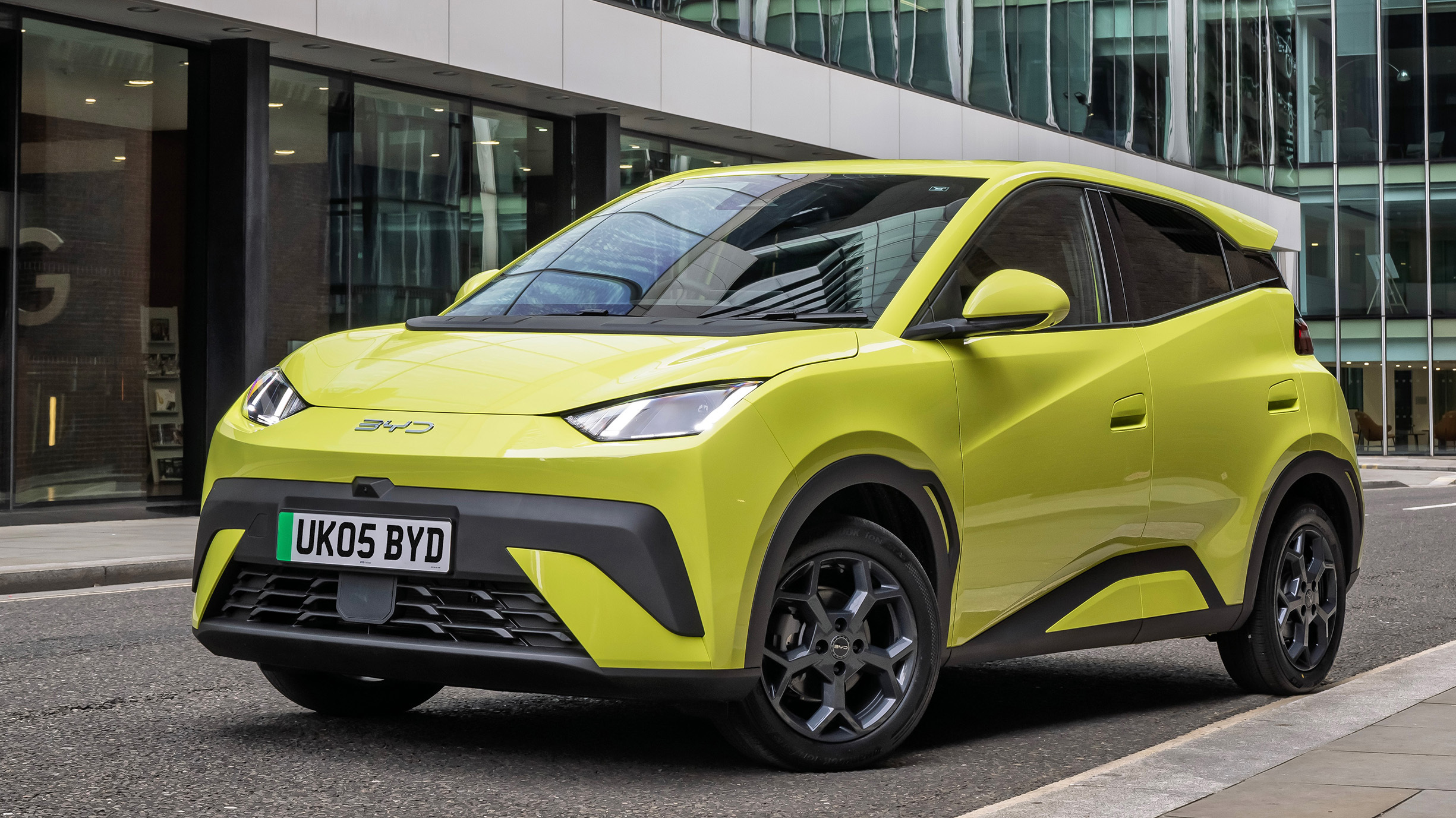
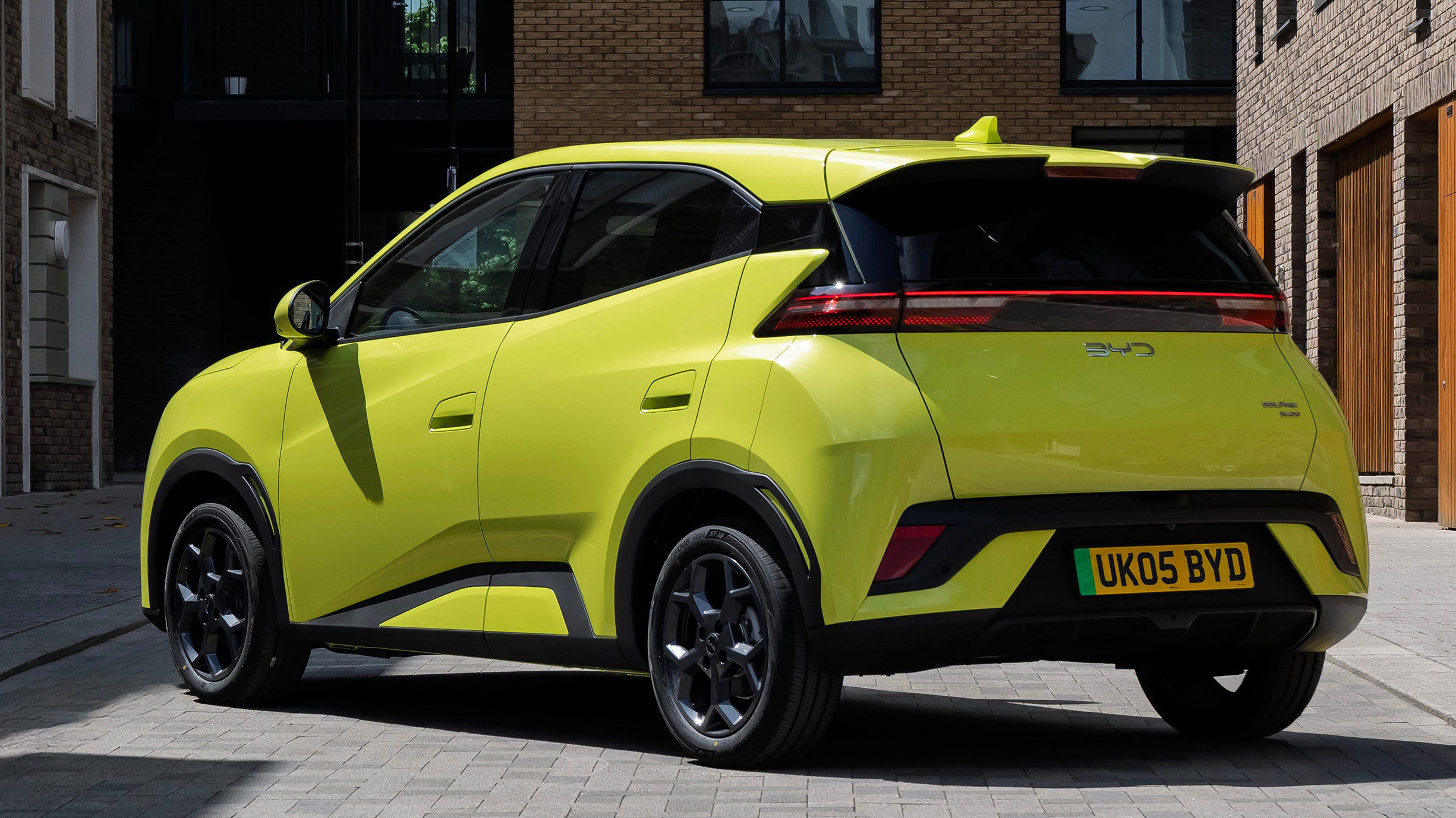
A BYD Seagull also got caught up in the chain of impacts, according to Car News China, making this one unfortunate EV love-in. Thankfully, early accounts say no one in any of the vehicles suffered serious injuries, and there were no fatalities.

 Yangwang’s Jumping U9 Hypercar Couldn’t Jump Its Way Out Of This Collision

Images from the scene show heavy front-end damage to the U9, while the Zeekr 009 appears to have taken a serious hit as well, as one of its front wheels was reportedly detached.

One thing observers were quick to note was what did not happen. Despite the severity of the crash sequence, there were no reports of battery fires in any of the cars, including the U9. In a high-performance EV with a massive battery pack, that’s something to be thankful for.

Pointless Tricks

The Yangwang U9 made headlines this time last year when the BYD-owned brand released a video showing it leaping over small obstacles in the road. Using its trick Disus X suspension, the quad motor hypercar can clear potholes and spikes, dance, and drive on three wheels. But as this accident proves, some laws of physics can’t be cheated.

The regular U9 packs a 1,287-hp (1,305 PS / 960 kW) quad-motor powertrain, but last fall an appropriately-named limited edition U9 Extreme with an outrageous 2,978 hp (3,019 PS / 2,220 kW) achieved 308.4 mph (496.22 km/h).
\\\\\\\\

Images BYD fans

💾

Yesterday — 30 January 2026Main stream

Tesla’s Replacing Half Its Lineup With Something That Doesn’t Even Have Wheels

  • Tesla is ending Model S and X production this year, Musk says.
  • Model S helped prove EVs could be fast, fun, and desirable.
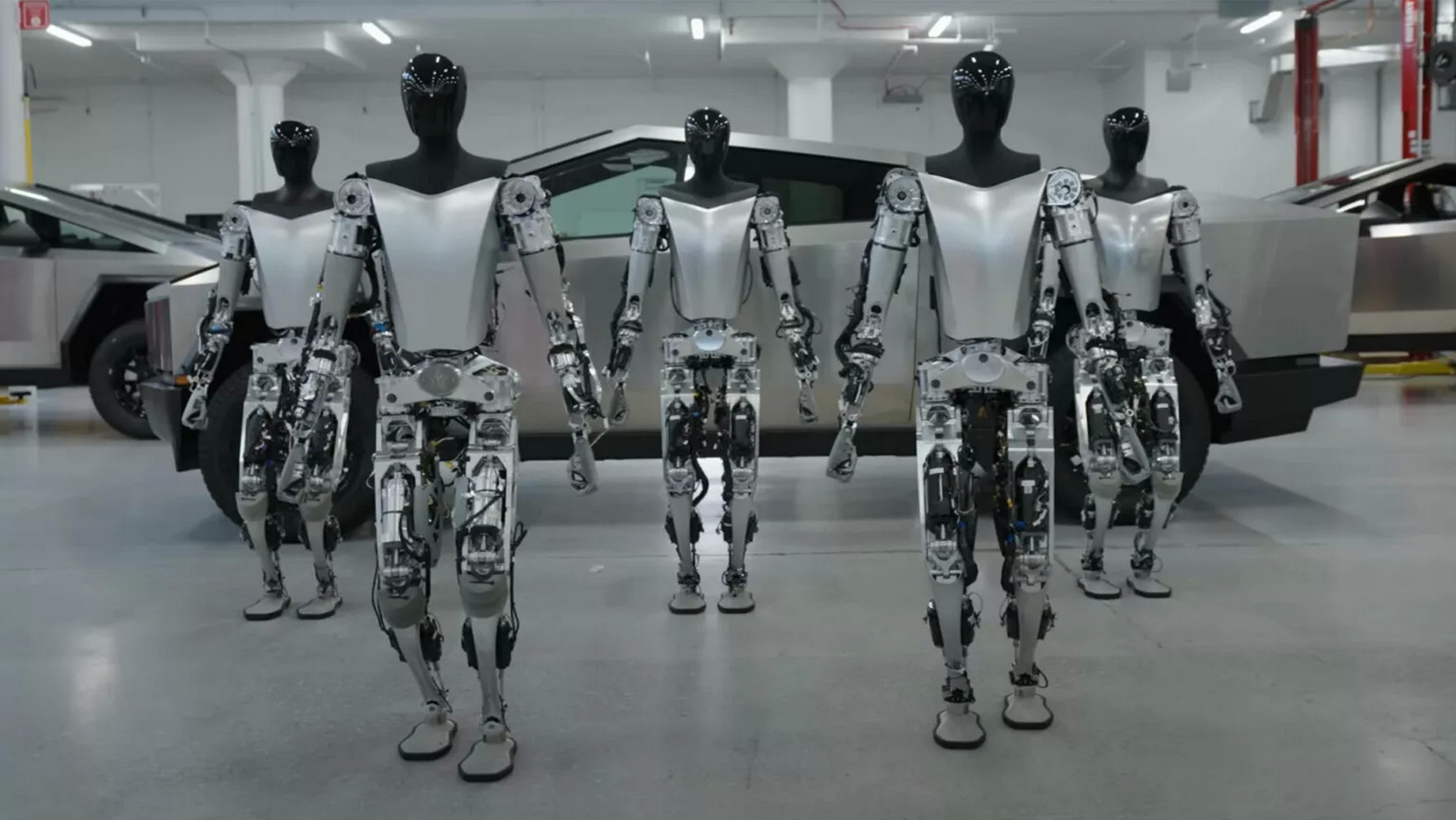
  • Fremont, CA, plant will be retooled to build humanoid robots.

Tesla is quietly switching off two of the cars that helped kickstart the modern EV revolution. The Model S sedan and Model X SUV are heading for retirement as the company steers away from cars and toward humanoid robots instead.

CEO Elon Musk made the announcement on an earnings call on Wednesday, explaining that S and X production would end in California next quarter, and the Fremont plant would be repurposed to build Optimus robots.

Related: Worker Says Tesla Robot Knocked Him Out, Now He’s Knocking For $51 Million

“It’s time to bring the Model S and X programs to an honorable discharge because we’re really moving into a future that is based on autonomy,” Musk told investors.

 Tesla’s Replacing Half Its Lineup With Something That Doesn’t Even Have Wheels
Tesla

“We’ll obviously continue to support S and X programs for as long as people have the vehicles, but we’re going to take the production space in our Fremont factory and convert that into an Optimus factory with the long term goal of having 1 million units a year.”

Game changer

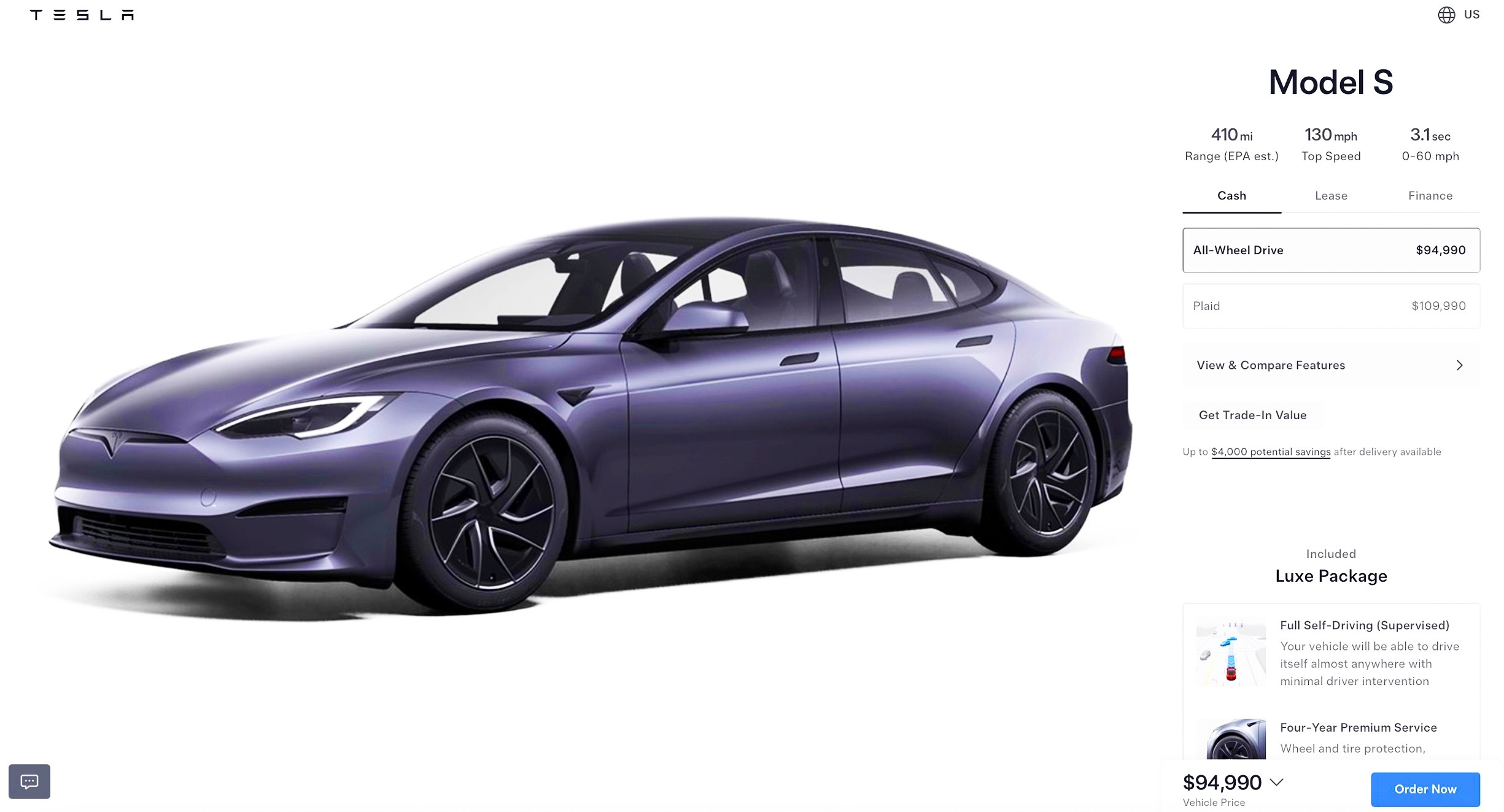
It feels strange to say goodbye to the Model S, and Musk himself conceded the news was “slightly sad.” When it launched back in 2012, it rewrote the rulebook. Here was an electric car that was not a compromise box on wheels but a sleek, luxury sedan with Aston Martin vibes that could outrun a BMW M5 – and later, supercars – in a straight line. Alongside the Nissan Leaf, it helped drag EVs into the mainstream.

 Tesla’s Replacing Half Its Lineup With Something That Doesn’t Even Have Wheels

The Model X followed with its dramatic falcon wing doors and family friendly space, though it never quite matched the S for cultural impact. Still, both became rolling symbols of Tesla’s rise from scrappy startup to industry disruptor.

Replacements Overdue

The problem is time waits for no car, especially in the EV world. Sales numbers told the story. The Model 3 and Model Y became Tesla’s volume heroes, while S and X faded into niche status. While Tesla refreshed the S and X over the years, it never gave us all-new versions even as the threat from Western and Chinese rivals grew stronger.

Now, rather then reboot them, Tesla has decided to pivot to something different altogether, something with the potential to make even more money, and have an even bigger impact than the S did a decade ago.

Before yesterdayMain stream

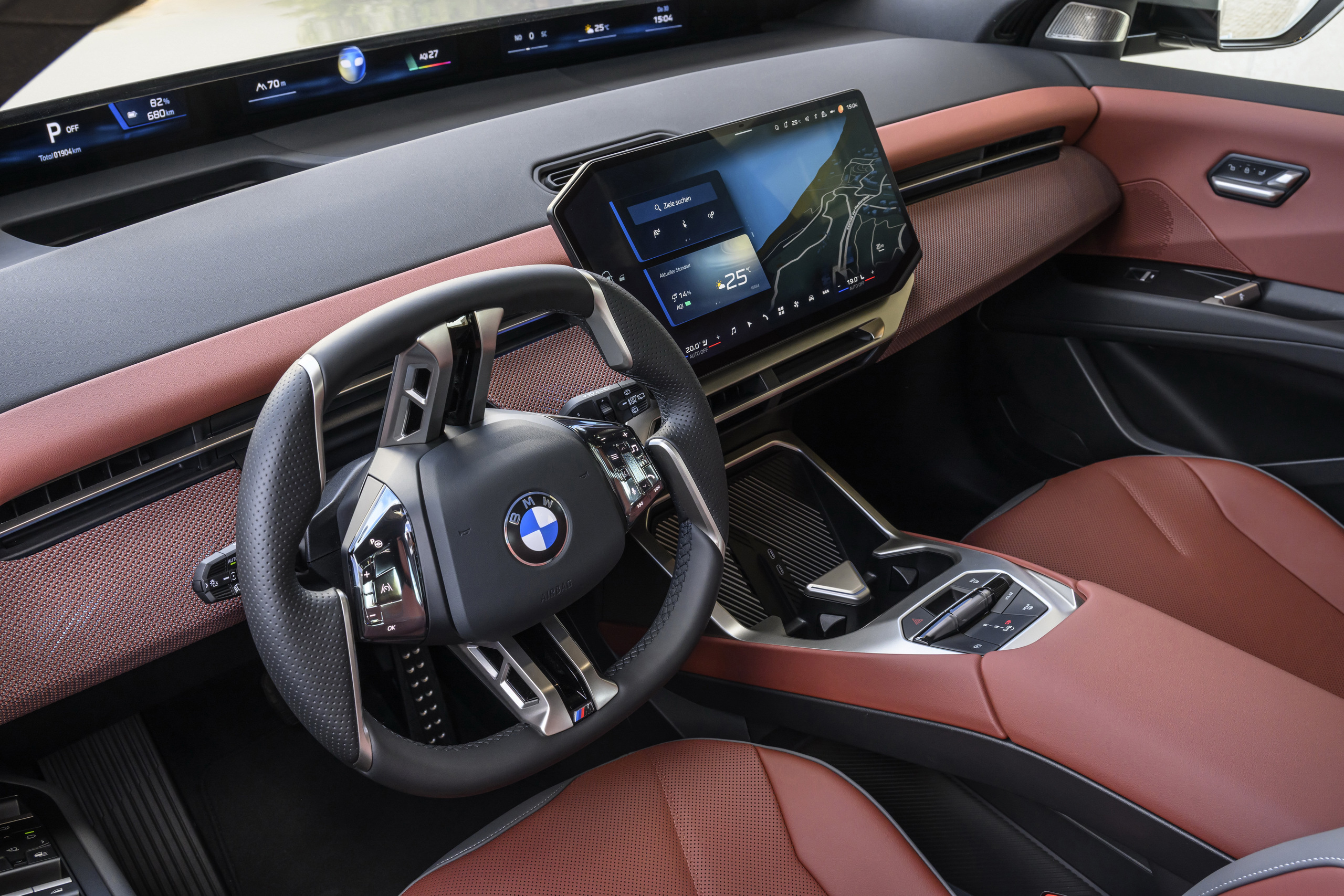
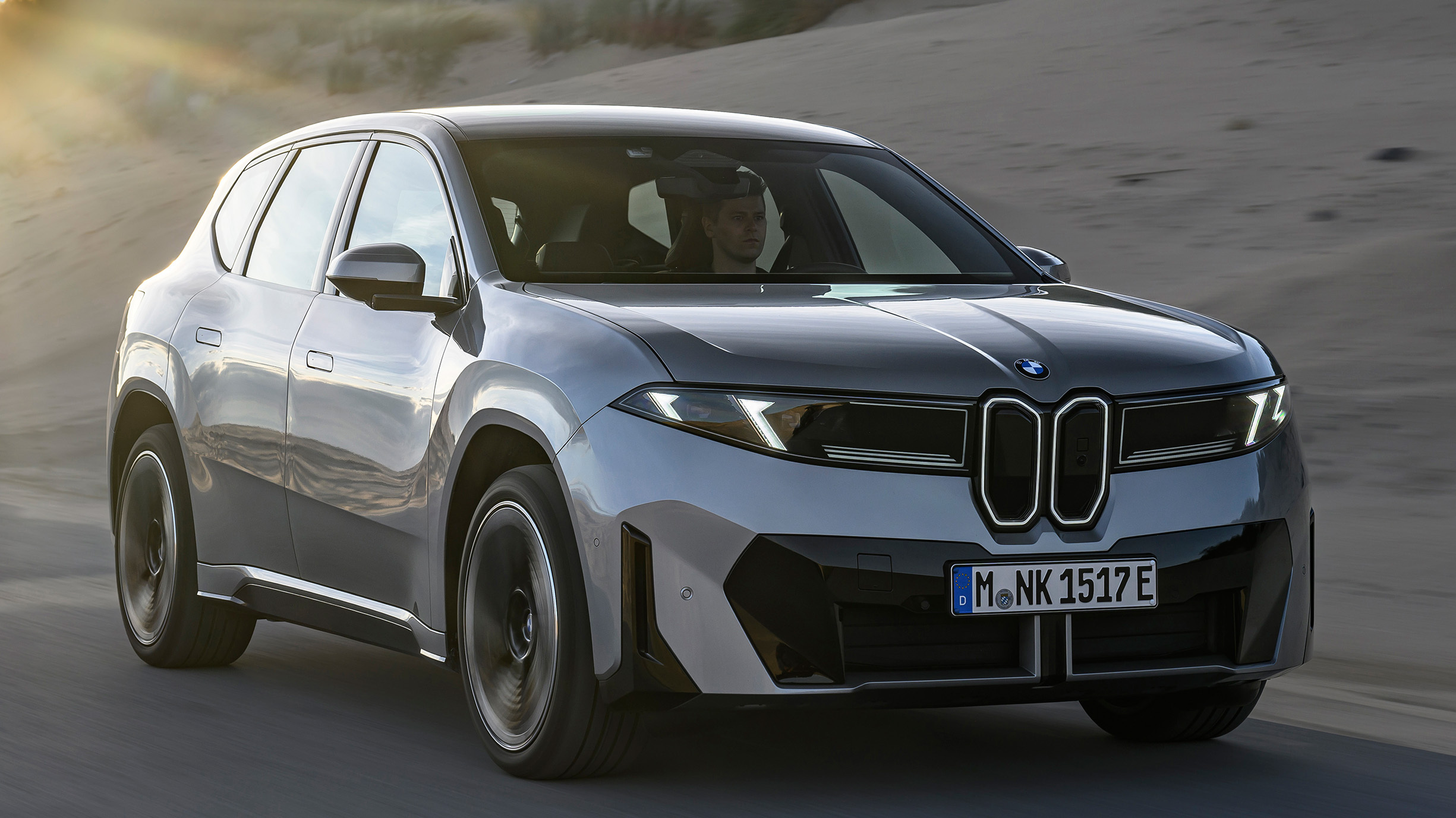
BMW iX3 Is Nearly Sold Out For 2026

  • Neue Klasse iX3 demand is so strong BMW is adding production shifts early.
  • Strong early sales bode well for the Neue Klasse 3-Series arriving later this year.
  • BMW also upgrades charging, colors, and range for iX3 and other electric SUVs.

The Neue Klasse revolution has barely begun and already BMW has a problem. The good kind. Buyers are snapping up the new electric iX3 so quickly that it’s almost sold out through to the end of 2026, forcing the company to speed up plans for extra factory shifts.

Related: BMW iX3 M Coming As A Quad Motor Performance EV

That’s a big vote of confidence for a car customers haven’t even driven yet. Since its debut last autumn, the iX3 has made up around a third of BMW’s electric orders in Europe. Deliveries only start in March, yet much of the planned output is effectively gone.

 BMW iX3 Is Nearly Sold Out For 2026

To keep wait times from stretching into next winter, BMW is bringing forward a second production shift at its brand new Debrecen plant in Hungary, Auto News reports. The site is BMW’s first factory built purely for EVs, and while it’ll eventually build around 150,000 cars a year, it’s currently still ramping up. Clearly, that ramp needs to get steeper.

This matters far beyond one SUV. The iX3 is the first model on BMW’s all-new Neue Klasse platform and wears a bravely modern Neue Klasse design, as will the upcoming Neue Klasse 3-Series replacement later this year.

If buyers are this enthusiastic about the SUV, BMW executives will be feeling pretty good about the electric sports sedan waiting in the wings.

More Tech, More Color for 2027MY

 BMW iX3 Is Nearly Sold Out For 2026

BMW isn’t wasting time in adding polishing the package to make the iX3 even more desirable, either. From spring, the compact SUV gains an optional 22 kW AC charging upgrade, cutting home and workplace charging times. It also adds Vehicle to Load capability, letting owners power external devices at up to 3.7 kW and making camping trips more sophisticated.

There are fresh paint choices, too, including Eucalyptus Green metallic and Frozen Space Silver, plus some interior trim tweaks and the introduction of new options like a stainless steel loading sill, bright white steering wheel and an M-striped key.

Smaller SUVs Get Some Love Too

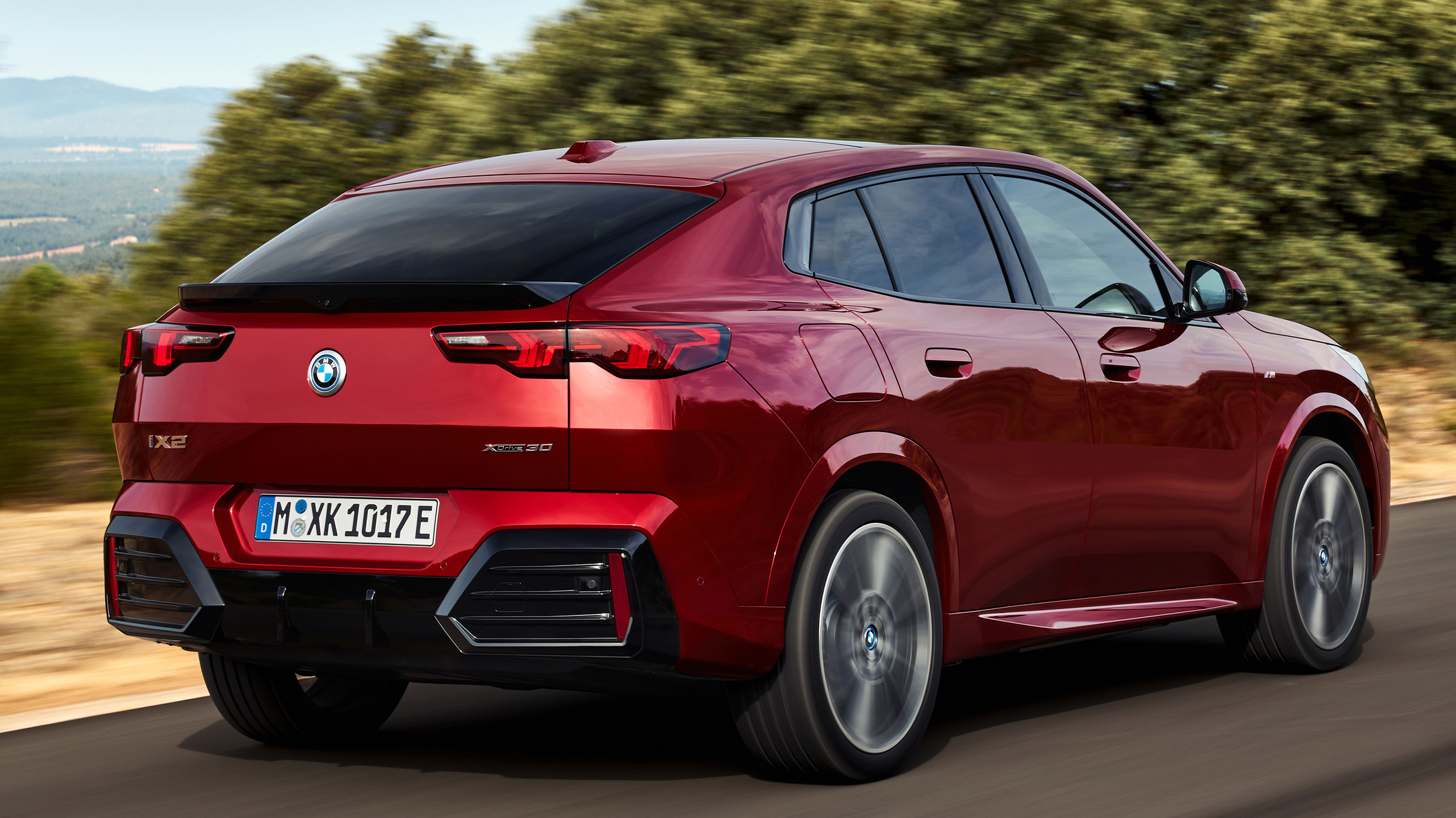
And BMW’s older electric crossovers aren’t being ignored this year, even if the iX3 is hogging the spotlight. The iX1 and iX2 receive more efficient silicon-carbide semiconductor components, boosting range by about 25 miles (40 km) depending on version. That’s a handy bump for everyday usability, improving the previously poor range of the best-performing eDrive20 to as much as 319 miles (514 km).
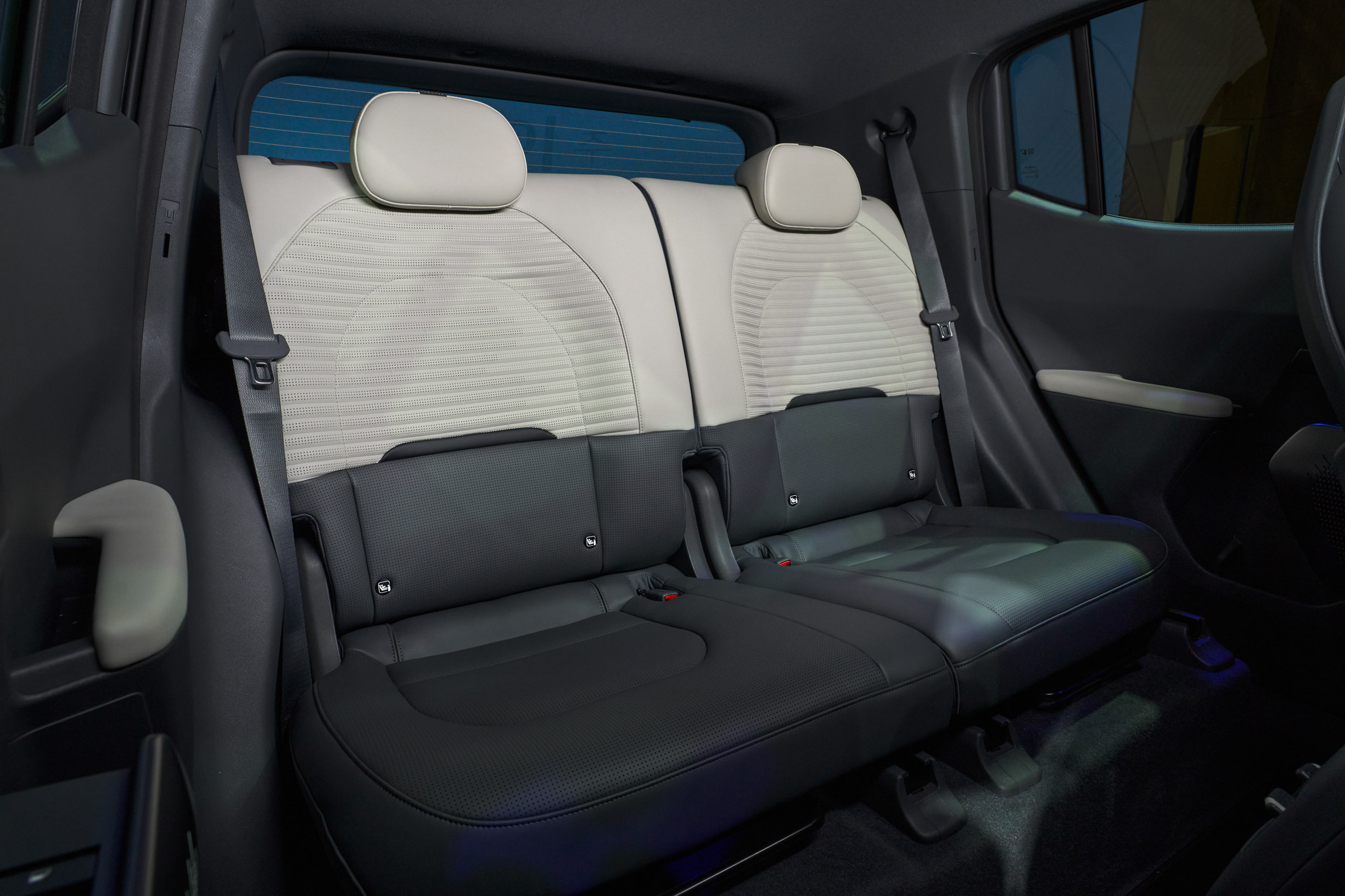
 BMW iX3 Is Nearly Sold Out For 2026
BMW

Jaguar Denies Its New EV Just Sprouted Tailpipes, But Not Everyone’s Convinced

  • Jaguar reportedly studying range-extender hybrids with new EVs.
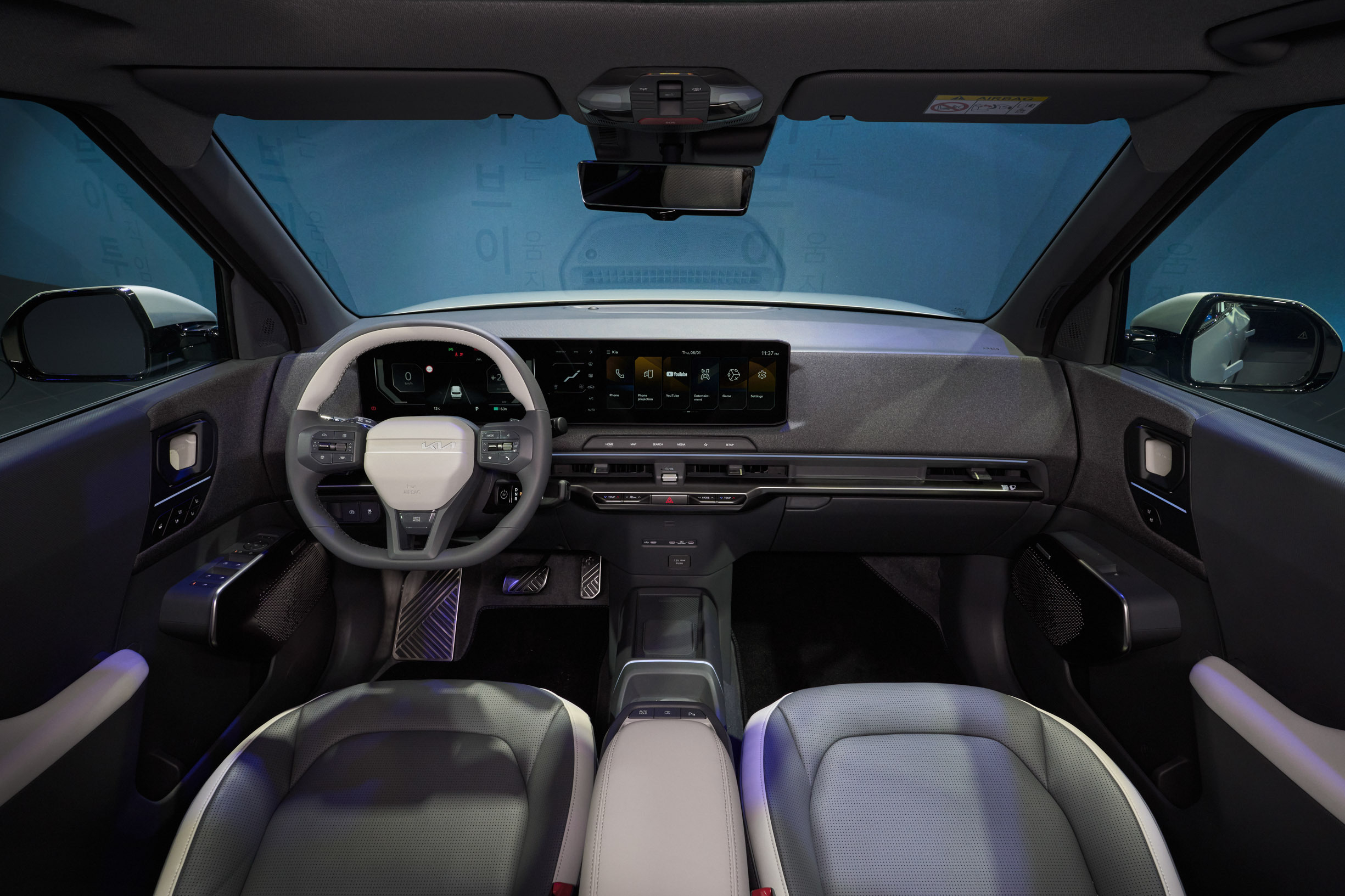
  • Small petrol generator could boost EV range to over 600 miles.
  • Brand insists EV-only plan stands, with first model due in 2026.

Jaguar hit the reset button hard in preparation for an all-electric luxury future, but a fresh report claims JLR is backtracking before it’s even launched the first of its new-generation cars. Sources close to the company allege engineers are trying to figure out how to sneak a petrol engine back into the picture to offer a hybrid model alongside the EV. Jaguar officials, for their part, deny any change in direction.

The Brit luxury brand is exploring range-extender electric tech that use a small combustion engine purely as a generator, according to UK newspaper The Times. In a range-extender hybrid the car’s wheels are still driven by electric motors, but a small combustion units acts as a backup power source for long trips when charging stops feel like a chore.

Related: Not Even Jaguar’s Dealers Are Buying Its $130K EV Plan

The potential payoff is big. Insiders who spoke to The Times suggest total range could jump from around 435 miles (700 km) in pure EV form to as much as 684 miles (1,100 km). That would go a long way toward calming buyers who like the idea of electric but still get nervous about road trips that involve more than one coffee stop.

Engineering Headache

Adapting JLR’s new JEA EV platform wouldn’t be easy because of the battery placement, Auto News reports. But companies like Renault-Geely collab Horse Powertrain have already spotted a niche for providing combustion engines to convert EVs into hybrids, and Porsche is ICE-converting its electric 718 sports cars mid-development, so we don’t doubt it could be done if Jag throws enough time and money at the problem.

 Jaguar Denies Its New EV Just Sprouted Tailpipes, But Not Everyone’s Convinced

This possible pivot comes after Jaguar’s dramatic rebrand and EV-only relaunch plan raised more than a few eyebrows. The new marketing campaign ditched traditional logos, embraced abstract visuals and promised a boutique lineup of high end electric models starting with $130k four-door production version of the Type 00 concept due to be revealed this year. Two more EVs, including at least one SUV come later.

Luxury EV sales slump

At the same time, real world demand for expensive Western EVs has cooled, especially in the United States and China. Porsche, for example, has already admitted it is leaning back toward hybrids and combustion models after EV sales failed to meet expectations. Jaguar’s global sales ambitions suddenly look much harder in that context and some dealers say they’re skeptical about the whole EV strategy.

 Jaguar Denies Its New EV Just Sprouted Tailpipes, But Not Everyone’s Convinced

Range extenders are already gaining traction in China, where buyers appreciate the electric drive feel but still want the safety net of petrol backup. In Europe, though, they’re less common, and under current rules, they don’t count as zero emissions cars, so could only be legally sold until 2035.

“Not happening”

Jaguar officially says nothing has changed and that its future remains electric only, but we don’t believe for a minute that Jag isn’t both concerned by current EV trends, and at least investigating how to answer to them.

Read: Jaguar Thinks Its $180K EV Gamble Could Finally Ditch Its BMW Complex

“Plans to reinvent Jaguar as an electric-only luxury automotive brand are unchanged,” a Jaguar spokesperson told The Times. “We are looking forward to unveiling the first new electric Jaguar later this year.”

Separately, a senior source told Autocar that the report was “rubbish,” and that Jaguar’s EV-only relaunch would proceed exactly as planned.

\\\\\\\\\\\\

Jaguar

New Mercedes C-Class Is About To Do Something It Should Have Done Years Ago

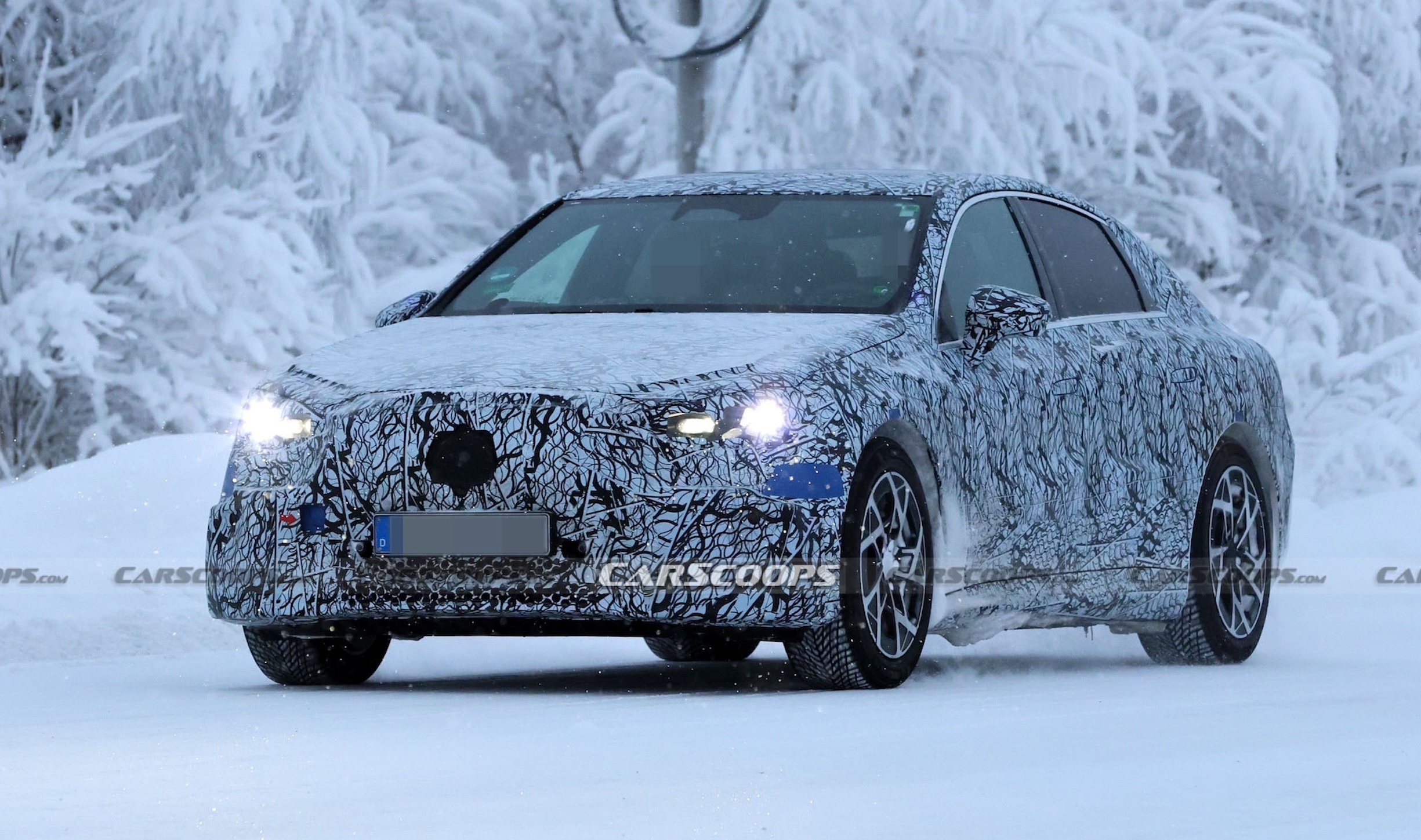
  • Mercedes’ new C-Class with EQ Technology has been spied.
  • The first ever C-Class EV debuts in the second half of 2026.
  • Borrows huge illuminated grille and 800-volt tech from GLC.

Mercedes might have eased back on its electric goals in the face of slowing global demand, but it still has plenty of hugely important EVs on the way. And this is one of them, the first ever electric C-Class, which debuts later this year.

If Mercedes sticks to current naming convention it’ll be saddled with the clunky C-Class with EQ Technology name, something we’re familiar with from models like the new GLC with EQ Technology, which made its global debut at the Munich Motor Show last September.

Related: Mercedes Refuses To Let Its Luxury Electric Sedan Die Just Yet

And that’s not all the new zero emissions sedan shares with the electric GLC. Both ride on Mercedes’ new MB.EA platform, while the smaller CLA sedan uses a different MMA architecture.

 New Mercedes C-Class Is About To Do Something It Should Have Done Years Ago
SH Proshots

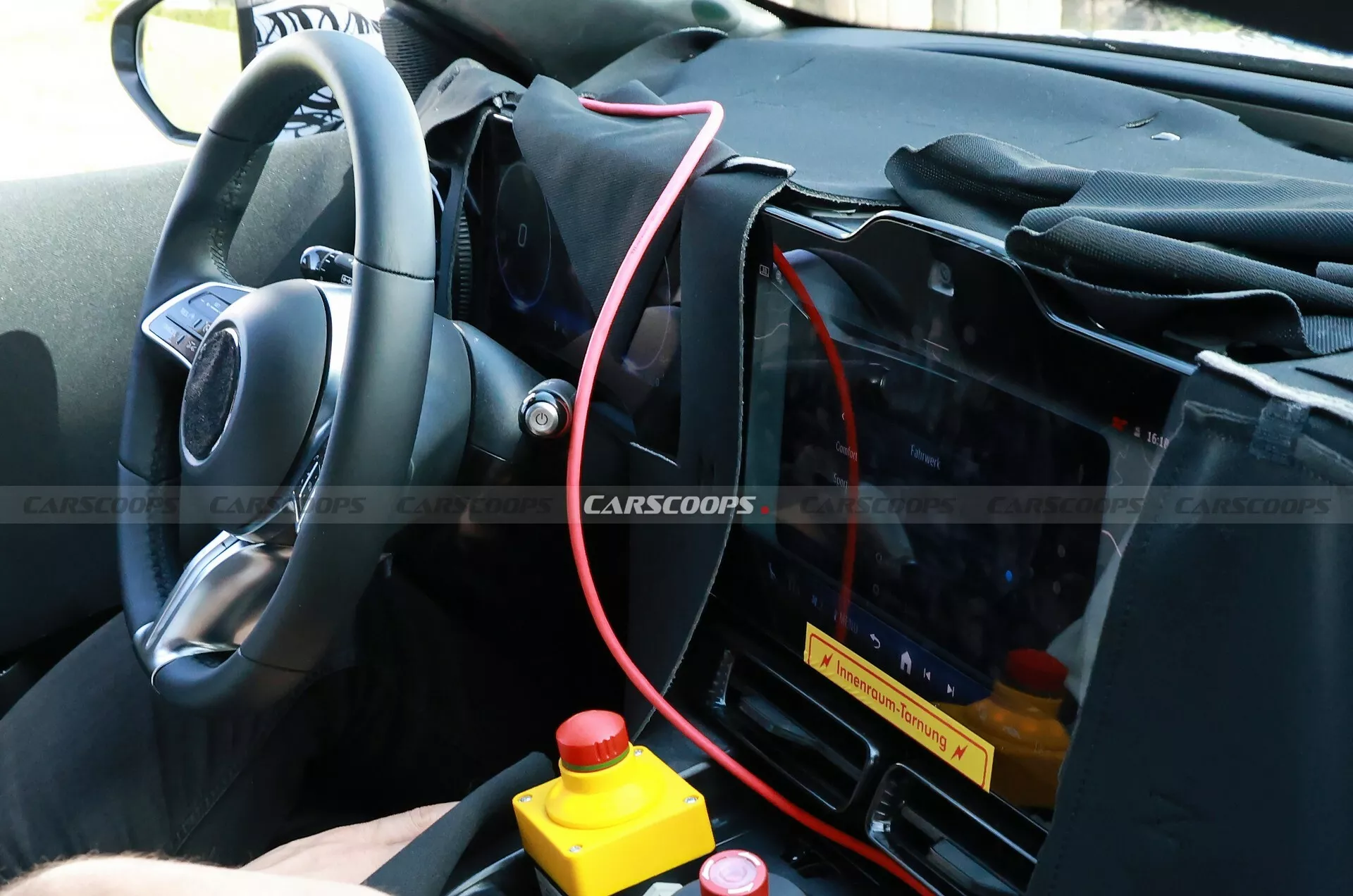
The C-class – which will be sold alongside an updated version of today’s combustion C-Class – also adopts the large, illuminated, traditional-look Mercedes grille that the GLC debuted, and which is expected to be rolled out across multiple model lines in the next couple of years.

450+ mile range

\\\\\

SH Proshots

Based on what we know of the GLC EQ, the electric C-Class will get 800-volt electrics, and the C400 version should have a 483 hp (489 PS / 360 kW) dual-motor drivetrain that gets it to 60 mph (97 kmh) in well under 5 seconds.

It could also get the same 94 kWh lithium-ion battery pack as the SUV, and if that’s the case, expect the lower, lighter sedan to improve on the GLC’s already excellent 443-mile (713 km) range.

Pillar-to-pillar screens

 New Mercedes C-Class Is About To Do Something It Should Have Done Years Ago
SH Proshots

Glimpses of the C’s interior in previous spy shot hauls indicate that it’ll feature the same 39.1 inches (99.3 cm) MBUX Hyperscreen display that stretches right across the dashboard.

That’ll give the C-Class a very different interior ambience to its electric BMW i3 sedan rival, which is also schedule to debut this fall, but is believed to feature minimal conventional dashboard screens, favoring head-up displays instead.

The i3’s Neue Klasse exterior should mean the BMW feels more modern on the outside, too, though it could prove too futuristic for some fans who like the way the current 3-series looks.

One thing’s for sure, and it’s that electric sedan buyers are going to be spoiled for choice come 2027 when both cars land in dealerships. Which would you pick?

\\\\\

SH Proshots

VW’s Killing The ID.4 To Bring Back A Familiar Name

  • VW plans to rename ID.4 as ID. Tiguan with facelift, report says.
  • Familiar name aims to make VW electric SUVs easier to sell.
  • Facelift brings new look, better interior and new FLP battery tech.

Volkswagen’s ID.4 electric SUV is getting a new suit and a new name to go with it. A report out this week suggests the ID.4 will soon be rebadged as the ID. Tiguan, confirming what we suspected in a recent spy shot story.

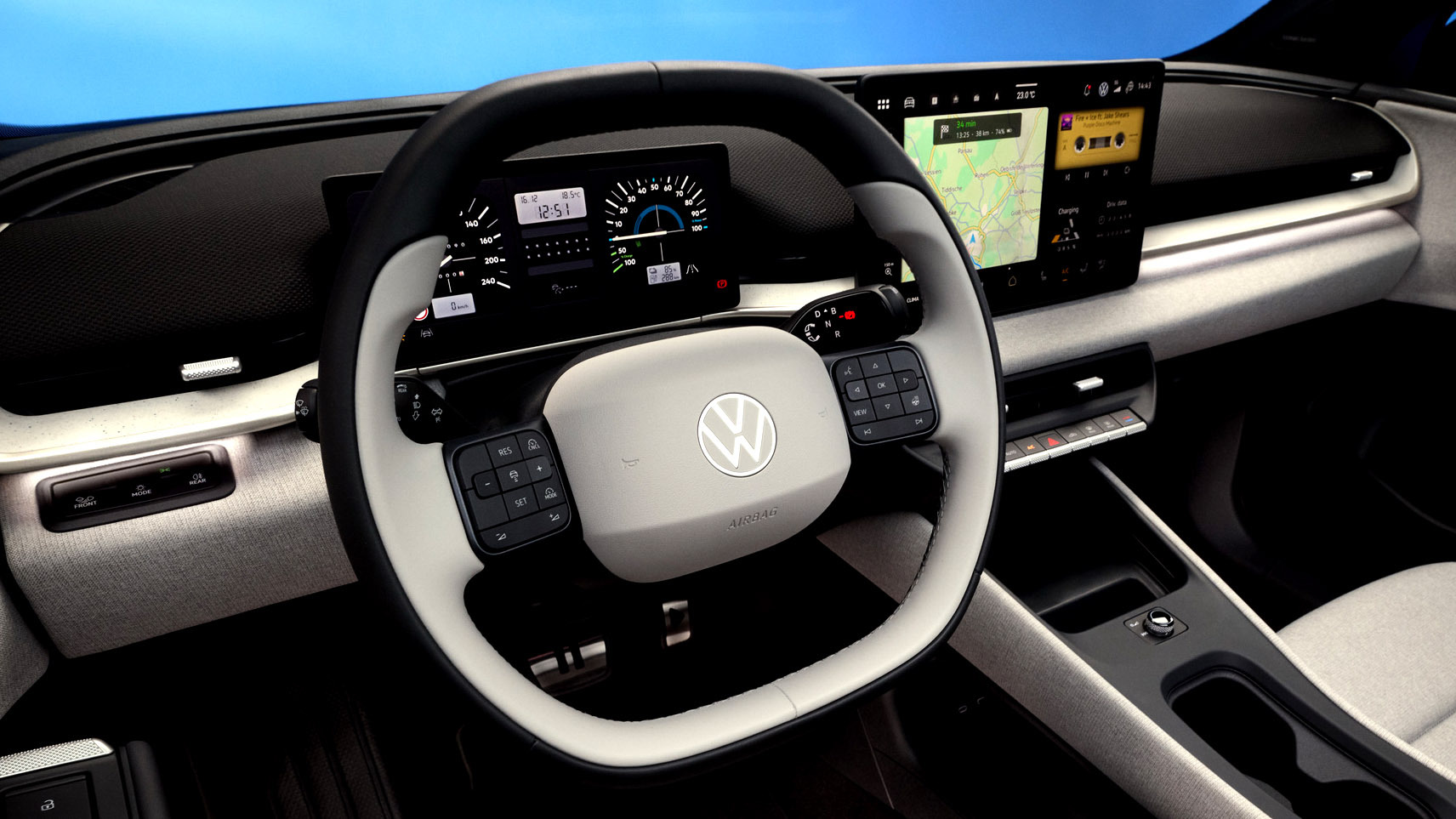
Also: VW’s ID. Polo Interior Brings Back Something You Thought Was Gone For Good

The name change will arrive alongside a comprehensive facelift later this year, according to Auto News. Their nformation reportedly came from the IG Metall labor union during a press conference in Germany, which is about as official as things get without VW actually saying anything. Unsurprisingly, Volkswagen declined to comment.

\\\\\\\\

Baldauf

This move fits perfectly with VW’s recent decision to abandon cold numeric names in favor of familiar badges. It was recently confirmed that the production version of the ID.2all hatch concept will be called ID. Polo when it arrives in European dealerships this year, and don’t be surprised if the ID.Every1 concept turns into an ID. Up.

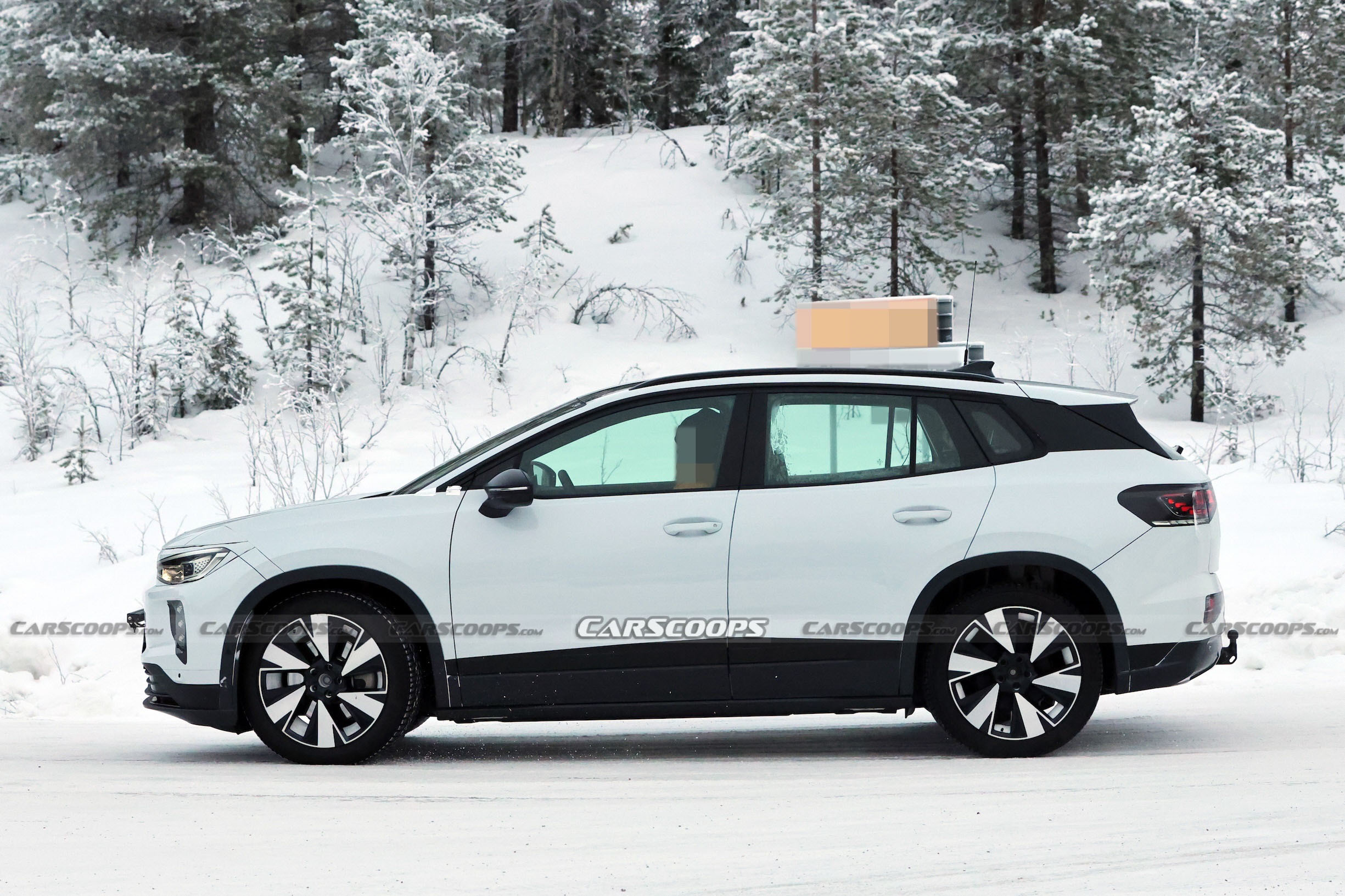
We’ve already seen what the ID. Tiguan looks like in prototype form. Our spy shots revealed a heavily revised exterior with new doors, redesigned lights, fresh bumpers, and a reworked rear hatch. The shape remains familiar, but the surfacing is sharper and more upright, bringing it closer to the combustion Tiguan and the upcoming ID Cross.

Rediscovering Buttons

 VW’s Killing The ID.4 To Bring Back A Familiar Name

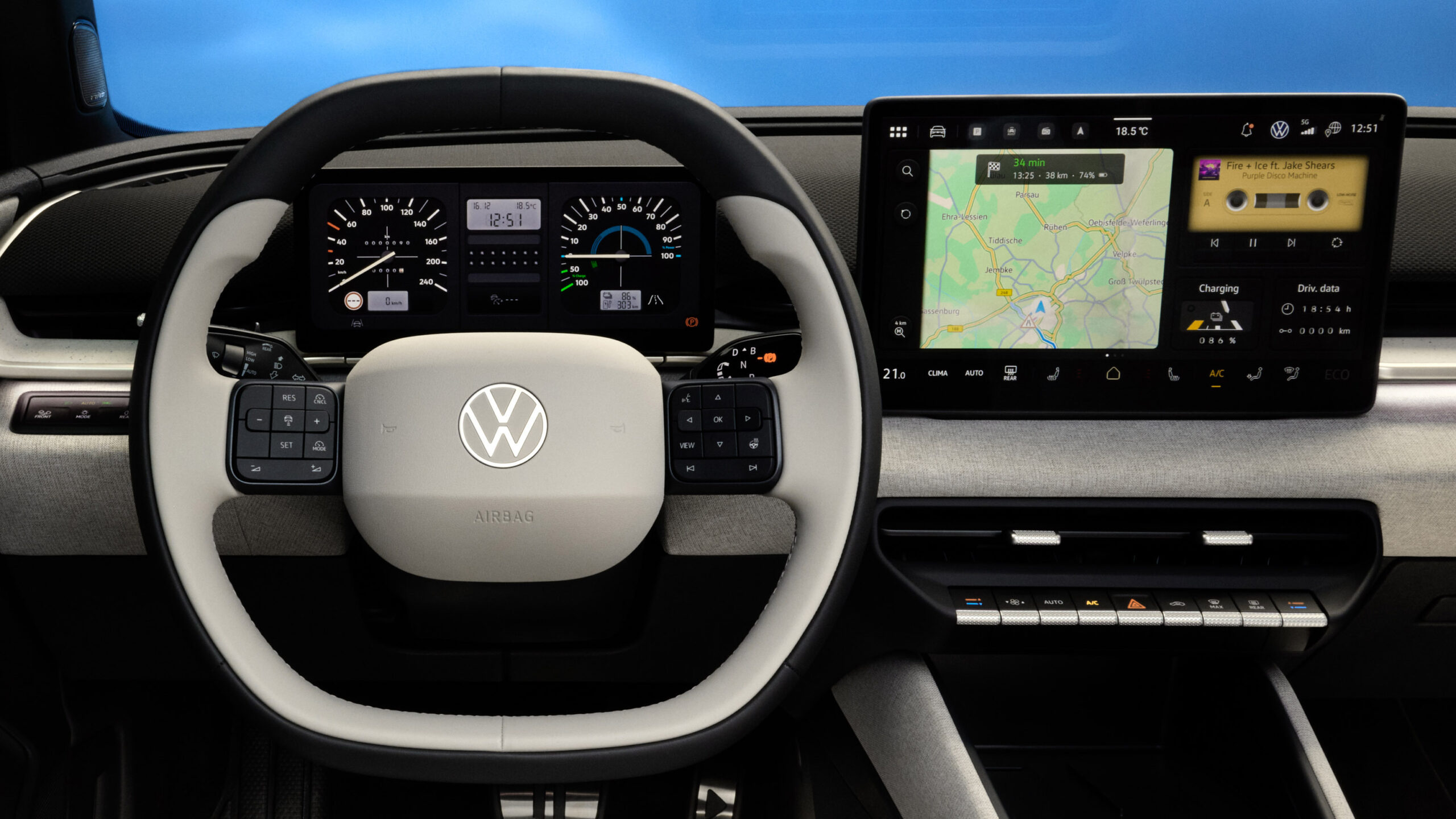
The changes are more than skin deep. Inside, Volkswagen appears ready to undo some of its recent interior mistakes. Physical buttons are expected to return, including a proper volume knob, along with better materials and a cleaner dashboard layout.

The touchscreen and digital cluster should grow in size, while updated software promises a smarter voice assistant that hopefully listens this time. The result should look something like the interior of the new ID. Polo, shown below.

Battery Upgrade

 VW’s Killing The ID.4 To Bring Back A Familiar Name
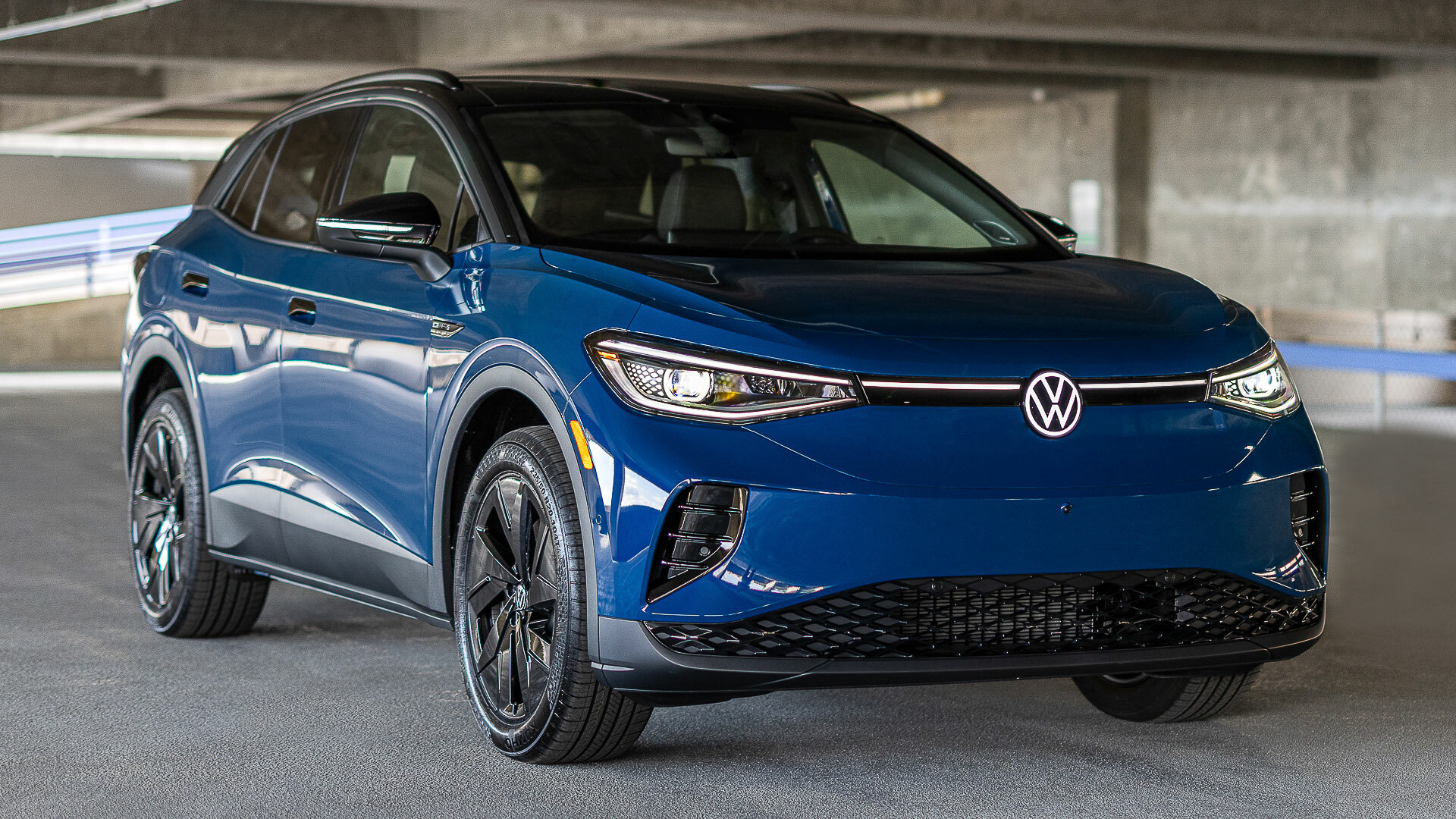
The current 2026 VW ID.4.

Underneath, the facelifted ID. Tiguan is expected to ride on a revised MEB plus platform. That likely means newer battery cells, including LFP chemistry in some versions, improving efficiency and potentially boosting real-world range. Don’t expect a voltage upgrade though, as it will stick with 400-volt architecture and modest charging speeds.

Performance updates should be mild, since VW already boosted the base single-motor version in 2024 to 282 hp (286 PS/ 210 kW), though dual-motor versions could get a lift to help them regain their advantage over rear-drive models. The focus overall though, will be on usability, refinement, and making the electric Tiguan feel like a natural alternative to the combustion SUV carrying the same name.

Production of the new ID. Tiguan will continue in Emden, Germany, through 2031, Auto News reports, suggesting VW sees plenty of life left in this model. And that makes sense, since the ID.4 was one of only two models that grew, rather than lost, sales in the US last year.

\\\\\\\\\\

Baldauf

This Xiaomi-Backed Electric Stratos Is Coming To Europe

  • Chinese SC-01 will be built in Italy, sold across Europe, report says.
  • Europe scheduled to get 1,000 cars; debut takes place January 24.
  • Bi-motor, AWD two-seater gives 429 hp, 0-62 mph in 2.9 sec.

Electric sports cars are finally happening in a big way, but Europe might not be waiting for Porsche or Alpine to lead the charge. A small Chinese brand you have probably never heard of wants in on the action, and it looks like a far more serious enthusiast proposition than the MG Cyberster.

More: Chinese Sports Car Looks Like A Tesla Roadster Hooked Up With A Lancia

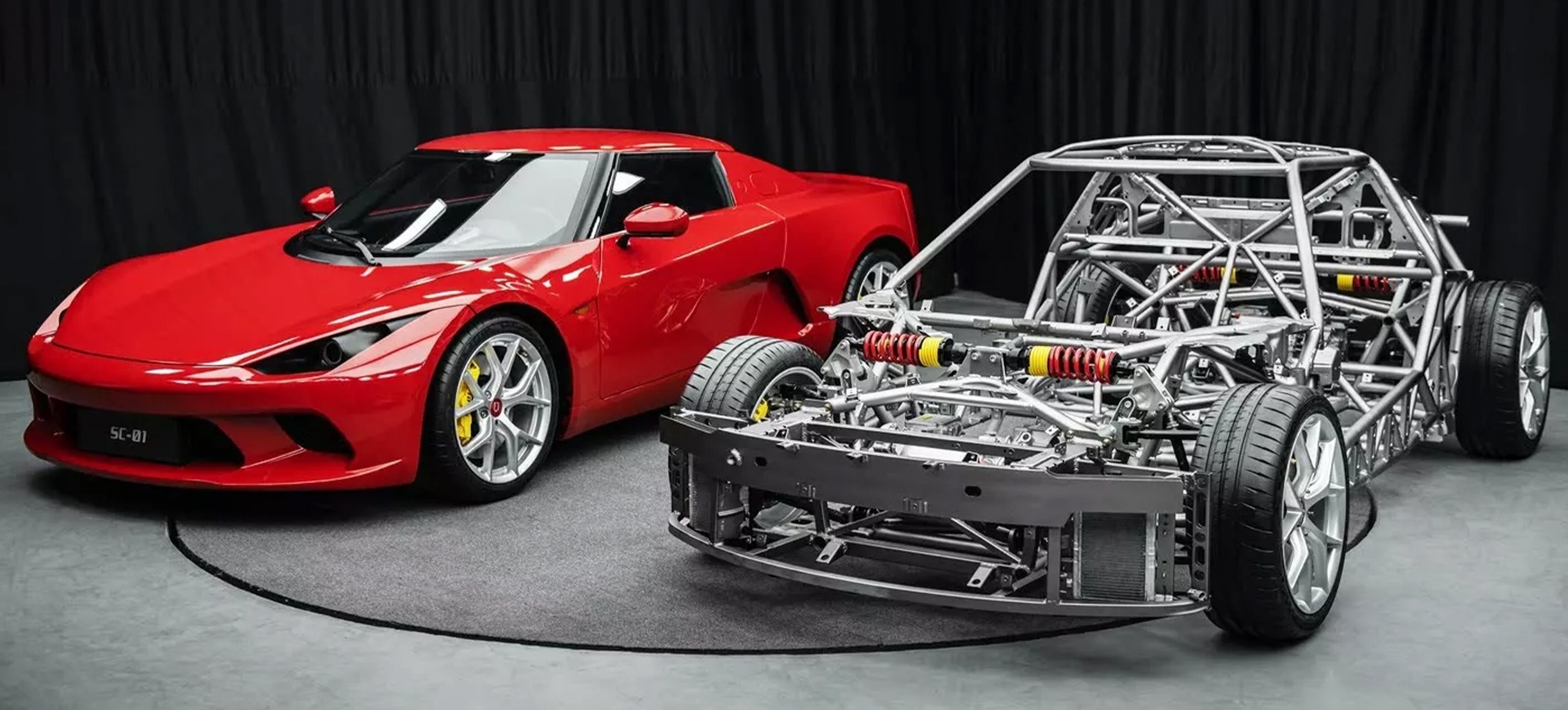
The car is the SC-01, a lightweight electric sports coupe that’s not just headed to Europe, as the company itself has confirmed, but also set to be built there, according to Chinese media. Backed by Xiaomi and Jiangling’s JMEV brand, around 1,000 of these compact two-seaters are expected to be produced in Italy.

 This Xiaomi-Backed Electric Stratos Is Coming To Europe

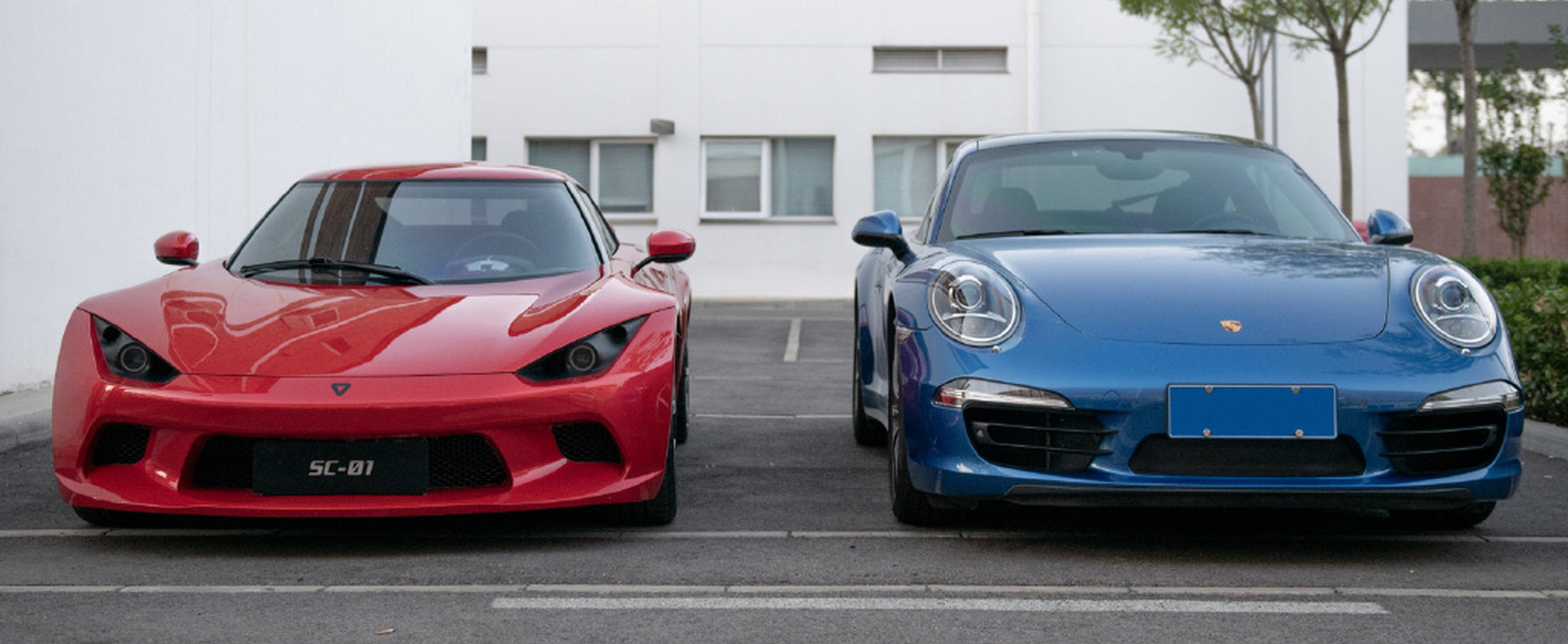
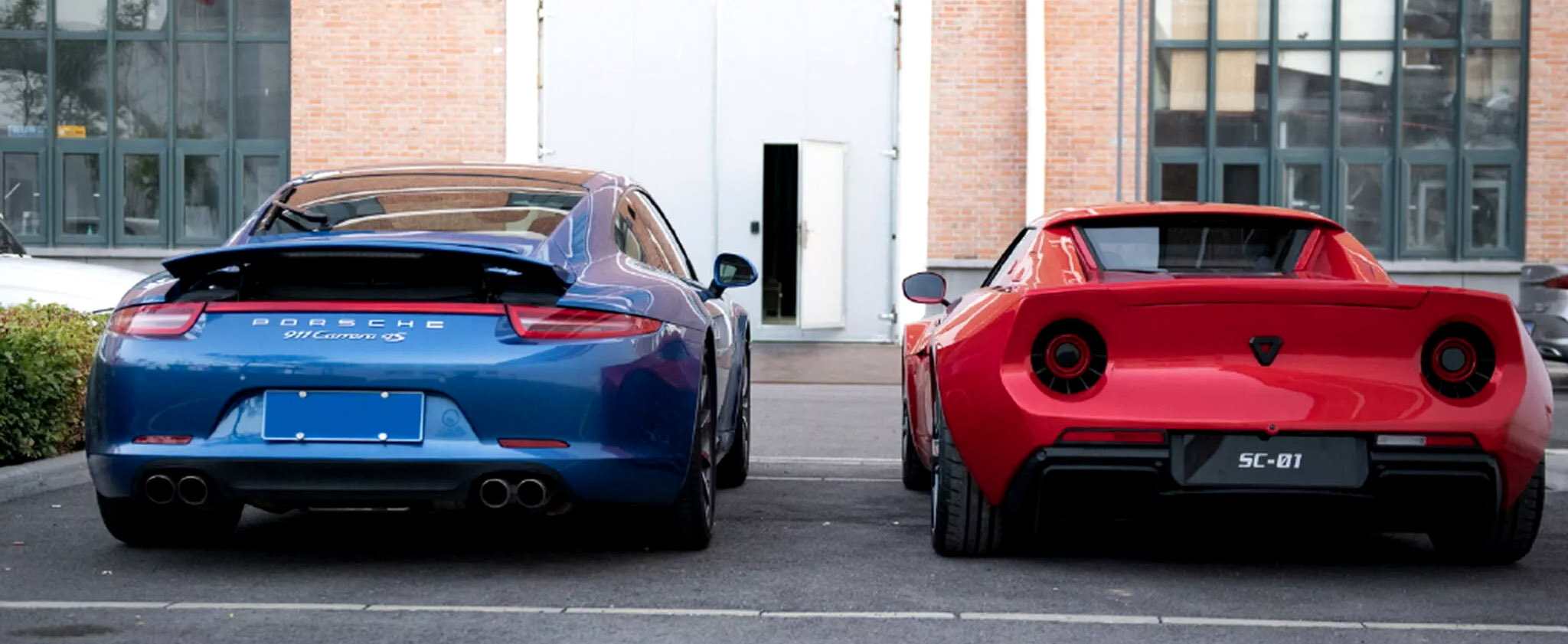
Visually, the SC-01 leans hard into classic wedge territory. Think Lancia Stratos proportions filtered through a modern EV lens, with compact dimensions and proper sports car stance.

At 4106 mm (161.7 inches) long it’s a smidge shorter than an Alpine A110 and around 270 mm (10.6 inches) more compact than the recently axed ICE Porsche 718 Cayman. The real headline, though, is the weight.

Hardcore Diet

 This Xiaomi-Backed Electric Stratos Is Coming To Europe

At 1,365 kg (3,009 lbs) the aluminium SC-01 is astonishingly light for an EV – 520 kg (1,150 lbs) lighter than a RWD MG Cyberster and 620 kg (1,370 lbs) down on MG’s AWD variant.

The Cyberster already seemed more like a mini Mercedes SL than a hardcore sports car, and those numbers, plus the SC-01’s front and rear pushrod suspension only underline the impression.

Power comes from dual electric motors producing a combined 429 bhp (434 PS / 320 kW), enough to launch the SC-01 to 62 mph (100 kmh) in a claimed 2.9 seconds.

A 60 kWh battery gives the car a quoted 311-mile (500 km) range on the optimistic CLTC cycle, so reckon on more like 270 WLPT miles (435 km) and even less if you’re driving it like you’re supposed to.

Minimal Screen Tech

 This Xiaomi-Backed Electric Stratos Is Coming To Europe

Inside, the SC-01 might surprise you even more. There’s no massive touchscreen wall of the kind you might expect from a modern Chinese EV. Instead you get a single driver display and physical climate controls.

In other words, it feels like someone built it for people who actually enjoy driving, and plan to be driving too hard to spend precious moments hunting for a switch on a digital display.

How Much will it Cost?

 This Xiaomi-Backed Electric Stratos Is Coming To Europe

Exact Euro prices and an on-sale date are still TBC, but according to Car News China, the car may launch at around 500,000 yuan, which comes to around $72,000, €61,000, or £53,000. That’s a significant step up from its domestic Chinese price of 229,800 yuan, or roughly $33,000 / €28,500 at current exchange rates.

Still, that would put it at a competitive advantage to the new generation of electric sports cars from Porsche, Alpine, and Lotus, some of which are still years away, and are sure to cost more.

\\\\\\\\\\\\\\

SC-01

EV Sales Are Booming Everywhere Except One Place

  • Worldwide EV sales jumped 20 percent to a record 20.7 million.
  • Europe and China boomed while America actually went backward.
  • Loss of incentives left US new-car buyers hitting the pause button.

The global electric car party is still raging, but the US has decided to go home to bed early with a nice soothing cup of gasoline. New data shows worldwide EV sales hit 20.7 million units in 2025, up a healthy 20 percent from 2024.

That total was capped by a strong finish, with roughly 2.1 million EVs sold globally in December alone, underlining that momentum elsewhere remained intact through year-end. Almost everywhere on Earth people bought more electric cars. But in North America it’s a different story.

More: If You Think EV Sales Are Dead, You’re Probably Staring At The Wrong Map

China remained the heavyweight champion with 12.9 million EVs sold, up 17 percent. Europe turned into the surprise star, rocketing ahead by 33 percent to 4.3 million units. Even the rest of the world got in on the action with a massive 48 percent surge to 1.7 million units.

 EV Sales Are Booming Everywhere Except One Place

Much of that growth outside the traditional EV strongholds was fueled by a flood of Chinese-built models, as domestic price competition pushed manufacturers to look overseas.

Then we get to North America, which managed a rather awkward 4 percent decline, Rho Motion reports. And it would have been worse if Mexico’s EV sales hadn’t grown 29 percent thanks to an influx of cheap Chinese cars.

In the US, that annual decline masked a sharp late-year swing, with buyers rushing to lock in incentives before September, followed by a steep pullback once those credits disappeared.

Tax-Credit Carnage

 EV Sales Are Booming Everywhere Except One Place

The removal of federal tax credits at the end of September pulled the rug out from under the US market, and buyers reacted exactly as you might expect, meaning that EV sales for the full year grew by just 1 percent. Sales spiked in August and September as incentives wound down, then collapsed in the final quarter, dropping nearly 50 percent compared with the previous quarter.

But in Canada, which lost its EV incentives much earlier in 2025, full-year sales tanked by 49 percent.

Analysts now predict US EV sales will shrink by almost a third in 2026. No wonder Ford is scrapping its F-150 Lightning in favor of a hybrid and Ram opted not to bring an electric truck to market at all.

Europe Keeps Plugging In

 EV Sales Are Booming Everywhere Except One Place

Across the Atlantic the mood could not be more different. Europe sprinted ahead thanks to stronger subsidies and looming emissions rules. Germany jumped 48 percent and the UK rose 27 percent.

Even France managed to finish the year in positive territory after a slow start. That late recovery in France was driven largely by renewed consumer incentives, after months spent underwater earlier in the year.

Other regions quietly delivered impressive numbers too. Southeast Asia almost doubled sales, South and Central America grew by 49 percent, and South Korea enjoyed a 50 percent rise thanks to new models and government incentives.

 EV Sales Are Booming Everywhere Except One Place

Japan, however, stayed stubbornly loyal to hybrids, proving not every country is ready to go fully electric. EV penetration there remained stuck at around 3 percent for yet another year, despite steady gains elsewhere in the region.

Incentives Are Key

The message from the data is clear. Around the world the EV transition is still accelerating, but America had a taste and decided that, without financial sweeteners, it preferred the old menu. Whether that’s a temporary pause or a long detour will depend on politics, prices, and what carmakers do next.

EV sales by region 2025
RegionSales (millions)Diff. vs 2024
Global20.7+20%
China12.9+17%
Europe4.3+33%
North America1.8-4%
Rest of World1.7+48%
SWIPE

Data: Rho Motion

Redesigned 2027 Kia Niro Desperately Wants To Be An EV3

  • Kia has revealed the facelifted Niro in South Korea.
  • Crossover gets wishbone-shaped DRLs like Kia’s EVs.
  • Re-profiled trunk lid loses license plate to the bumper.

After bombarding us with EV news earlier this month, including the reveal of the new EV2 and several GT performance models, Kia is showing us that it hasn’t forgotten about its combustion and hybrid models. It’s dropped three images of a compact 2027 Niro crossover fresh from a mid-life makeover.

Related: Kia Might Offer A Manual K4 Hatch In America, But The Wagon’s Another Story

But there’s still an EV connection to this news, and not just because Kia still sells the Niro with an optional pure electric powertrain. Kia’s designers clearly had the automaker’s sharper-suited electric SUVs in mind when they picked up the scalpel for the Niro update. The front end of the updated Niro borrows heavily from models like the EV2, 3, 5 and 9.

 Redesigned 2027 Kia Niro Desperately Wants To Be An EV3

The new nose is squarer and more upright, and it adopts the wishbone-shaped DRLs of its electric brothers. Kia has even managed to draw attention away from the air intakes the combustion car’s radiator needs by giving the Niro an EV-style body-color band between the headlights.

\\\\\\\

There are no major changes to the central body structure and doors, but  the designers have definitely been busy at the rear end. The Niro doesn’t take on the EV models’ Y-shaped taillights, but it does get an entirely new hatch that looks far cleaner and more modern.

Review: Before You Buy A Small SUV, Look At Kia’s 2026 K4 Turbo Hatch First

It’s similar to the one on the ICE-powered Sportage SUV, and that means the license plate has been moved down to the rear bumper. We can also see a new black panel that echoes the boomerang shape of the rear lights, and the whole shebang rides on new 18-inch wheels, Kia says.

Screen Refresh

 Redesigned 2027 Kia Niro Desperately Wants To Be An EV3

The updates aren’t restricted to the Niro’s exterior. Inside, it gets a redesigned upper half of the dash featuring same conjoined, twin-12.3-inch digital displays you’ll find on the numbered EV models and also the latest Sportage, plus a new-look two-spoke steering wheel.

Hybrid or EV?

Kia revealed the Niro’s new look in Korea, adding that we’ll find out more about the MY27 crossover in March. So we might have to wait until then to learn whether there are any changes to the drivetrain.

The current Niro comes with a choice of 139 hp (141 PS) 1.6-liter hybrid and 180 hp (183 PS) 1.6 plug-in hybrid petrol engines, though it’s also available in some markets as a 201 hp (204 PS / 150 kW) EV with a 253-mile (407 km) EPA range.

A Kia official said, “The New Niro, which has maintained its heritage as the first eco-friendly SUV, will provide high customer satisfaction with excellent usability based on practical value as well as a high-quality design that reflects the latest trends.”

 Redesigned 2027 Kia Niro Desperately Wants To Be An EV3
Kia

When Porsche’s New EV Concept Gets Dirty, It Needs A Deckhand, Not A Detailer

  • One-off Macan Turbo Concept Lago debuts at German boat show.
  • Cabin features wood floor mats and marine-style fabric seats.
  • New 790 Spectre uses a Macan EV powertrain and makes 536 hp.

Porsche and boats have been flirting for a while. The German sports car brand already helped create a rapid electric speedboat with Austrian builder Frauscher. Now the partnership is back with a smaller boat called the 790 Spectre and a one-off, marine-inspired Macan concept to keep it company.

No, the Macan Turbo Concept Lago can’t jump from the road to water like a Gibbs Aquada or Amphicar 770. But it borrows some neat nautical design and trim ideas in the same way that the Frauscher’s boats have cribbed the Macan’s motors and battery pack. And it has some of the most stylish floor mats we’ve ever seen.

Related: Alfa’s Yacht-Winged Giulia Quadrifoglio Special Is Fast, Wild, And Already Sold Out

Porsche raided its Exclusive Manufaktur personalisation catalog and roped in experts from its Sonderwunsch “special wish” department to give the concept a distinctly salty vibe.

Darkteal Metallic paint, which originates from Porsche’s Paint to Sample programme, covers the outside while neat graphics tie the car to the matching boat. Even the keys wear the same color.

Swab the Floor Mats, Matey

\\\\\\\\\\

Open the doors and the nautical theme gets stronger. Real wood inspired by boat decks lines the front and rear luggage compartments and the floor mats look ready for bare feet.

A compass replaces the usual dashboard stopwatch and the seat centers use marine grade fabric trimmed with Crayon leather. Green contrast stitching finishes the look and proves Porsche’s trim specialists can customise almost anything.

Frauscher 790 Spectre

\\\\\

The Concept Lago is just a one-off, unlike the new Frauscher 790 Spectre it’s designed to promote. Engineers built the 7,970 mm (313.8 inches) sports boat around the same 100 kWh battery and dual electric motor setup used in the Macan Turbo, though Porsche quotes 630 hp (639 PS / 470 kW) for the SUV and 536 hp (544 PS / 400 kW) for its sea-going counterpart.

The hull is new and lighter than before and the cockpit borrows plenty of Porsche style touches, including the steering wheel and elements of the seat design. Buyers can personalise the boat with special paint and materials to mirror their car.

Orders for the 790 Spectre are open now, but the price is going to make a $112,700 Macan Turbo Electric look downright affordable. While neither Porsche or Frauscher has indicated an exact sticker, the fact that the earlier 850 Fantom Air cost around $600k tells us this one is for wealthy Porsche and boat lovers only.

\\\\\\\\\

Porsche

VW’s Facelifted ID.4 Is Starting To Look A Lot Like A Tiguan

  • Facelifted VW ID.4 spotted testing ahead of debut later this year.
  • Visual changes include new doors, lights, bumpers, rear hatch.
  • Updated MEB+ platform may add LFP batteries and extra range.

Volkswagen isn’t sitting still when it comes to electric cars, even if most of its lineup in the US has struggled to gain traction this year. The ID.4, one of only two VW models whose American sales actually increased in 2025, is getting more than a light polish.

Instead, it’s heading into a major refresh that reshapes it into what some within the company are already calling the “electric Tiguan.”

Related: Every VW Model Dropped In Sales, Except The Two You’d Never Expect

Our first spy shots show a crossover that’s recognizably an ID.4, but one that’s been carefully sharpened. The front end is squarer, clearly aligned with the upcoming ID Cross look.

\\\\\\\\\\\\\

SB-Medien

As you can see in our spy shots, the doors are new with proper pull handles, and the rear end has been subtly reworked with a concave rather than convex tailgate panel, plus a re-profiled D pillar.

It’s not a ground-up redesign, because there’s only so much you can change with a facelift. The underlying structure appears mostly identical, which makes sense for a mid cycle update.

However, the surfacing and proportions have been tweaked just enough to bring the ID.4 visually into sync with the new Tiguan and VW’s upcoming electric ID.Cross, which was unveiled in concept form last September, and goes on sale in Europe later in 2026.

Buttons Are Back

 VW’s Facelifted ID.4 Is Starting To Look A Lot Like A Tiguan
The upcoming ID. Polo seen here will be the first of many new VWs to feature physical controls.

Inside is where the biggest changes may be felt day to day. Physical buttons and switches will feature prominently, including a real volume knob, alongside a new dashboard, better materials, and a revised user interface. We got our first glimpse of this direction in the official photos of the new ID. Polo’s interior (pictured above) earlier this month.

The software gets an upgrade too, with an improved AI-powered voice assistant, and the currently undersized digital gauge cluster will grow in size.

Powertrains and Batteries

 VW’s Facelifted ID.4 Is Starting To Look A Lot Like A Tiguan
SH Proshots

Under the skin sits a revised MEB plus platform that should feature LFP battery chemistry for better efficiency and potentially more range, though it’ll still be stuck with 400-volt electrics.

Powertrains are expected to receive light updates rather than dramatic changes. But VW did, after all, only relatively recently dramatically improve the output of the base single-motor ID.4, which since 2024 produces 282 hp (210 kW / 286 PS). That represents an increase of 80 hp (60 kW / 82 PS) over the previous version.

This facelifted ID.4 is expected to arrive near the end of 2026, helping carry the model through to 2028. That’s when a fully new version is due, this time based on a true 800-volt platform. That is nearly sure to be badged ID.Tiguan, if VW hasn’t decided that this year’s facelift is extensive enough to justify that name change for the 2027 model year.

\\\\\\\\\\\\\\\\\\\

SH Proshots

Canada Just Let Cheap Chinese EVs Back In

  • Canada will cut EV tariffs from 100 percent to 6.1 percent.
  • China will slash canola duties from 84 percent to 15 percent.
  • The trade deal aims to repair Canada–China relations.

Canada and China announced a major tariff shift today in Beijing, and while it’s sure to have some North American farmers whooping with joy, it might also result in the region’s auto workers punching walls in frustration.

In late 2024, Canada had imposed a 100 percent tariff on Chinese-made electric vehicles, following similar action by the United States. That effectively shut out Chinese EVs from the Canadian market and was meant to protect local industry. China retaliated with crushing tariffs on Canadian canola seed of 84 percent, which effectively bottlenecked an export industry worth billions of dollars.

Also: EU Could Scrap Chinese EV Tariffs, But Buyers Won’t Like What Comes Next

The new agreement reached by Canadian Prime Minister Mark Carney and Chinese President Xi Jinping rewrites that script. Canada will now allow up to 49,000 Chinese electric vehicles a year to be imported at a reduced tariff of around 6.1 percent, a massive drop from the previous 100 percent, and ease tariffs on steel and aluminium.

By the fifth year of the agreement, the EV import cap will rise to 70,000 units. “That’s a return to levels last seen in 2023, the last full year before the Canadian tariff actions,” Carney said.

Even so, the number remains relatively modest in the context of the overall market. Canadian consumers bought nearly 1.9 million vehicles last year, meaning Chinese EVs will still account for a small fraction, albeit a larger one when looking solely at electric vehicles. That said, we still don’t have the total EV sales figure for 2025.

Canola Tariffs Cut

 Canada Just Let Cheap Chinese EVs Back In
Carscoops

China, for its part, will cut its canola seed duty to about 15 percent by March 1, significantly improving market access for Canadian farmers. The move is part of a broader effort to repair strained relations between the two nations and comes as the result of the first high-level visit by a Canadian prime minister to Beijing in nearly a decade.

But not everyone is thrilled. Some Canadian auto workers and industry observers worry that lower EV tariffs and an influx of affordable cars could increase competition in an already challenging market. And ahead of the final meeting Ontario Premier Doug Ford made clear he was against the lifting of tariffs.

Jobs Created, Not Lost

 Canada Just Let Cheap Chinese EVs Back In
BYD

Carney, however, predicts the EV pact will result in “considerable” Chinese investment into Canada’s auto sector that will create jobs, Reuters reports, while helping it meet its climate goals.

“For Canada to build its own competitive EV sector, we will need to learn from innovative partners, access their supply chains, and increase local demand,” he said.

US President Donald Trump and his administration will certainly be dismayed at this latest news from Canada. But there will also be thousands of American soy bean farmers whose livelihoods have been trashed by tariffs that will be wishing Trump would make a similar deal.

 Canada Just Let Cheap Chinese EVs Back In
SB Medien / Carscoops

Americans Just Blew $15 Billion On Pickups In A Single Month

  • Truck buying pushed U.S. average transaction prices to a new high.
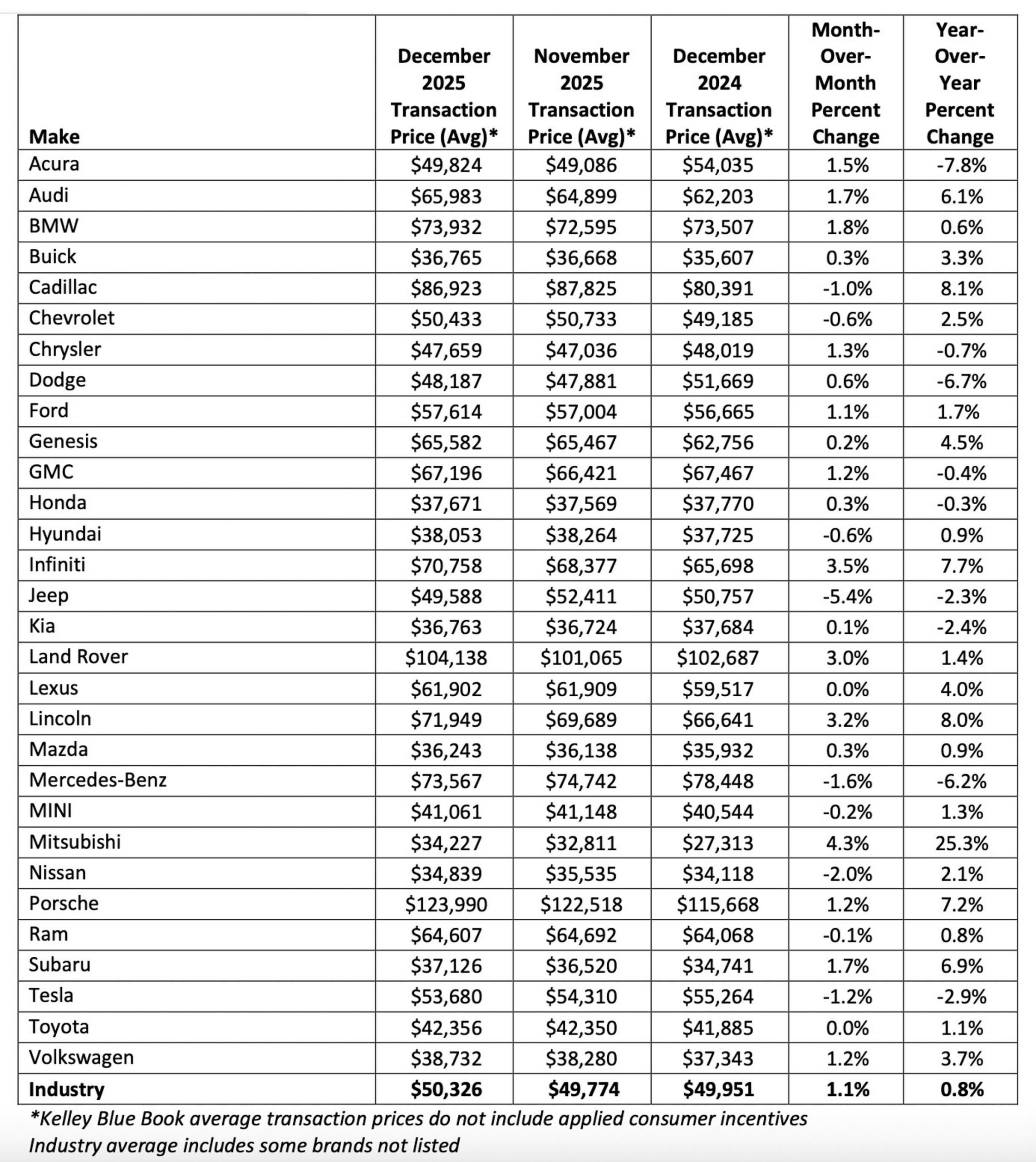
  • December 2025 ATP hit $50,326, up 0.8% yearly and 1.1% monthly.
  • Over 233,000 full-size trucks sold at a $66K average, Cox says.

New vehicle prices traditionally peak in December, but last month they really boomed, the average transaction price (ATP) in America reaching an all-time high after breaking the $50,000 barrier for the first time in September of 2025. And it was trucks, appropriately enough, that did the heavy lifting.

Kelley Blue Book says the average transaction price for a new vehicle climbed to $50,326 in the final month of 2025, up 0.8 percent year on year and up 1.1 percent from November. Americans’ desire to put a pickup on their driveway helped fuel that growth, with drivers splurging a staggering $15 billion on full-size trucks in December alone.

Related: Woohoo! We Found A New Honda Prelude With A Discount

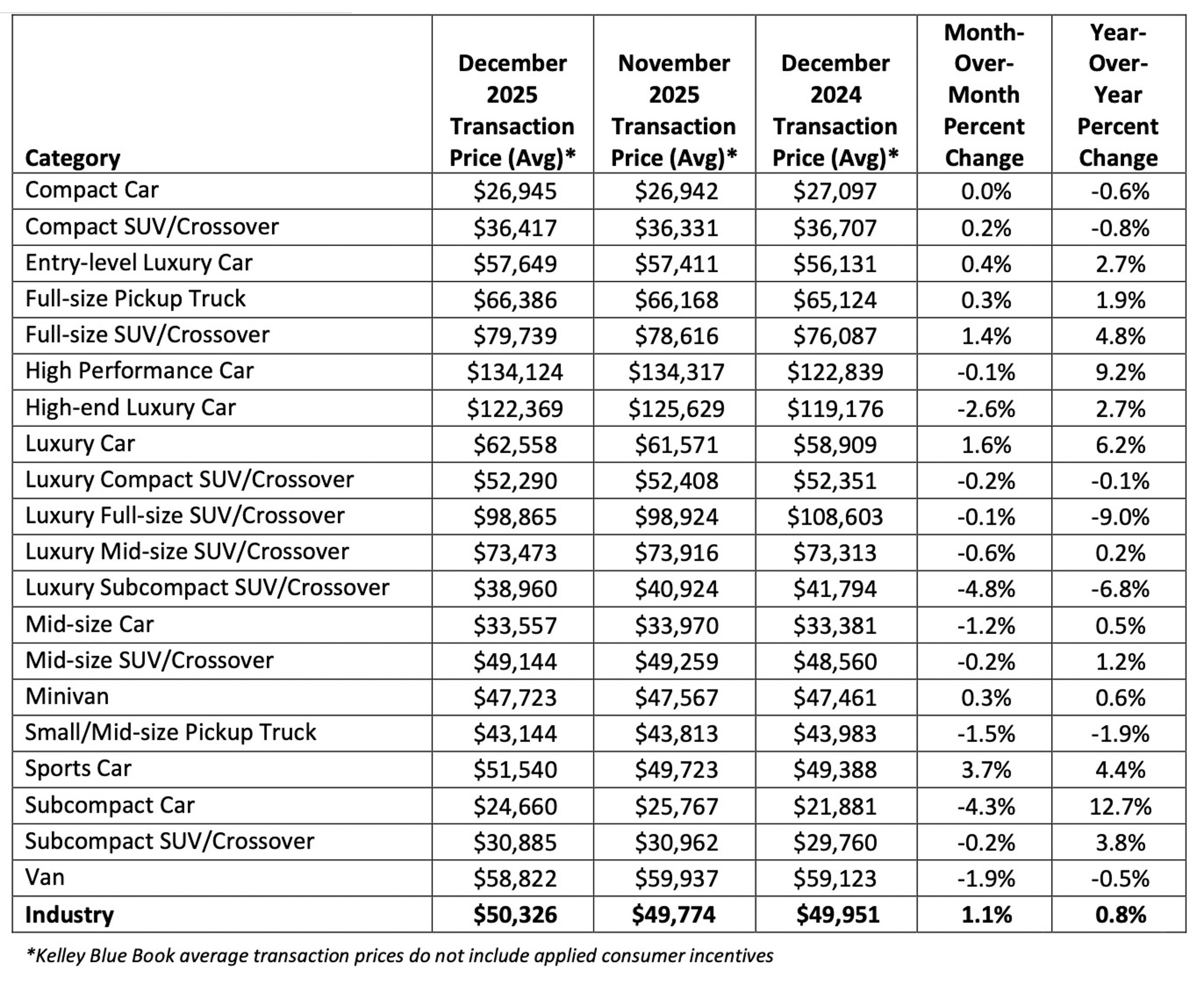
Jumbo pickups including the Ford F-150 and Chevy Silverado had an averaged price of $66,386 in December, according to Cox Automotive’s data, that average a modest 1.9 percent higher than the previous December. But over 233,000 of them were sold, turning the segment into a kind of economic leaf blower that pushed the entire industry’s average higher.

Choosing luxury

That truck performance confirms that average prices aren’t simply rising because everything naturally gets more expensive, even when inflation is low. They’re rising because buyers are choosing more expensive stuff. Nearly 20 percent of shoppers went for luxury rides in December, according to Cox and that doesn’t even include high-end trucks, which increasingly behave like luxury vehicles with bed liners.

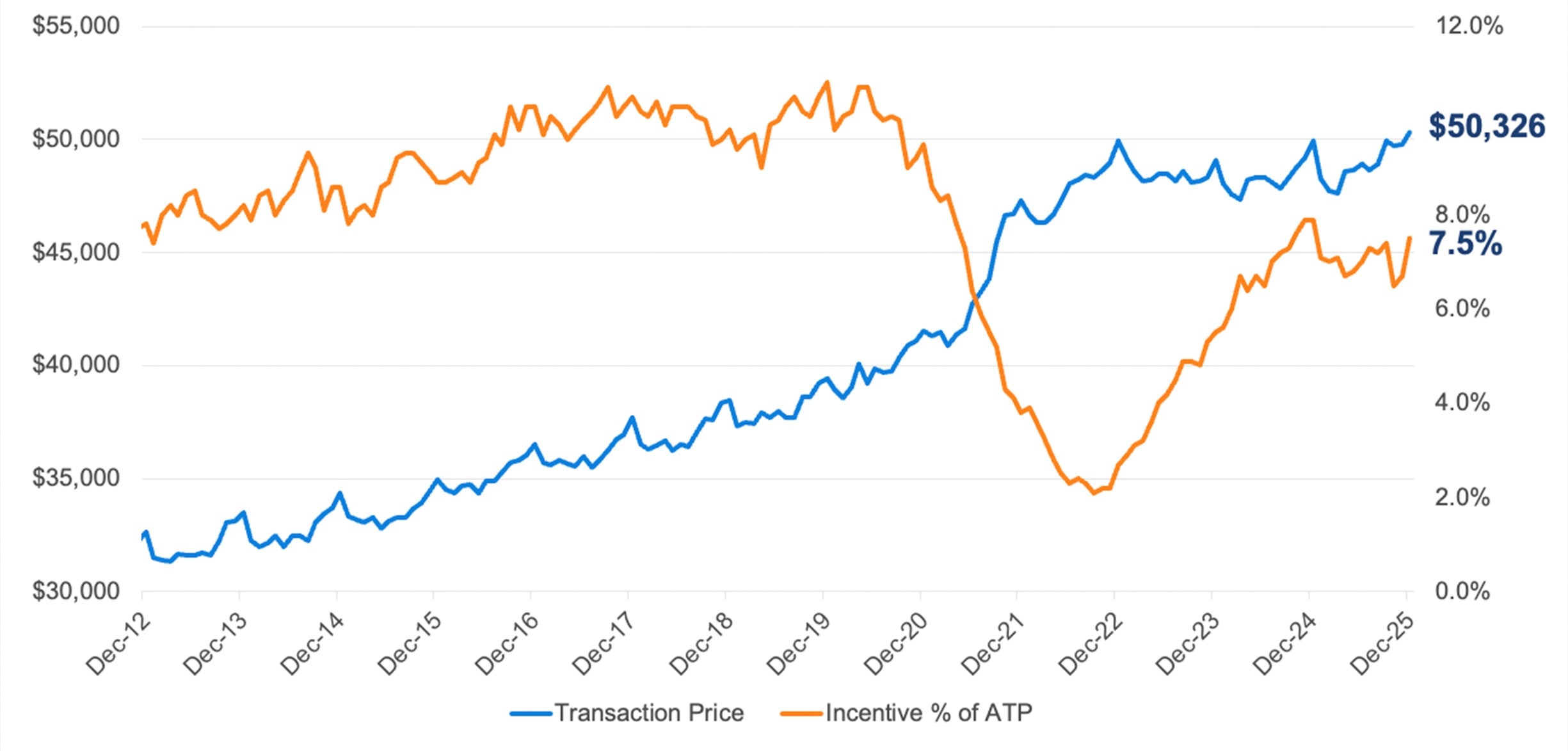
Transaction Price Versus Incentives
 Americans Just Blew $15 Billion On Pickups In A Single Month
Cox Automotive

December’s $50,326 ATP, by the way, reflects what buyers are actually paying at the dealership. It wasn’t the only number to hit a new high. The average new-vehicle manufacturer’s suggested retail price (MSRP), often referred to as the “asking price,” also set a record last month, reaching $52,627. That figure is 1.2 percent higher than it was in December 2024. Notably, the average MSRP has stayed above $50,000 for eight straight months.

The industry average incentive rose to 7.5 percent of transaction price, higher than November but lower than last year and far lower than pre-covid levels. That means the sticker shock is real regardless of the difference between ATP and MSRP.

“We typically see elevated prices in December, as the market delivers a strong mix of high-end and luxury vehicle sales,” said Cox Automotive Executive Analyst Erin Keating. “It’s important to remember, the Kelley Blue Book ATP is a reflection of what was sold in a given month, not what is available. Last month, nearly 20% of shoppers bought luxury, a peak for 2025 – and that doesn’t include the volume of high-end pickups that were snapped up by affluent shoppers.”

Big EV Incentives

 Americans Just Blew $15 Billion On Pickups In A Single Month

On the electric front it was a mixed bag, which is hardly surprising given how much uncertainty tariffs and the loss of tax credits has injected into a segment whose growth has slowed. Average EV transaction prices dipped slightly from November but stayed higher than a year ago at just over $58,000 on average.

But much more generous incentives – a record 18 percent, more than twice that for combustion cars – must have played a big role in pushing monthly electric sales above 84,000 units in December. That last figure is the best since credits were axed in September, but 2025’s total EV sales of around 1.28 million is down 2 percent on 2024, Cox analysts say.

Average Transaction Price by segment
 Americans Just Blew $15 Billion On Pickups In A Single Month
Cox Automotive
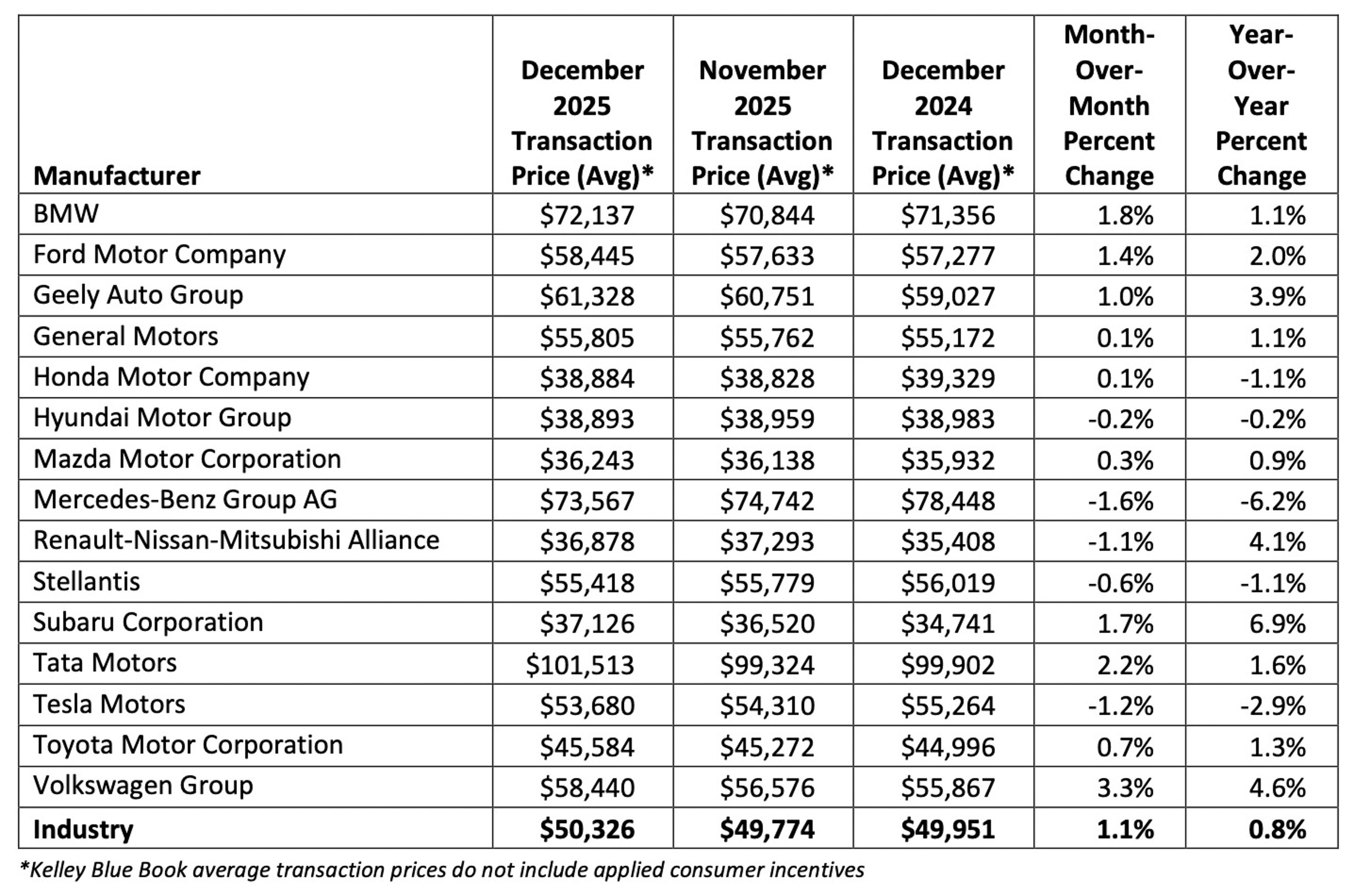
Average Transaction Price by automaker
 Americans Just Blew $15 Billion On Pickups In A Single Month
Cox Automotive
Average Transaction Price by brand
 Americans Just Blew $15 Billion On Pickups In A Single Month
Cox Automotive

Skoda’s Got A New Flagship With The Name To Prove It

  • Peaq becomes Skoda’s first electric seven-seat SUV later in 2026.
  • Based on 2022’s Vision 7S concept with modern solid design language.
  • Rides on same MEB platform as other VW Group EVs including ID. Buzz

Skoda has finally put a name to its long awaited electric seven-seater, and it’s a short one with a lot riding on it. The new flagship will be called Peaq, to reflect its position at the top of the Skoda lineup, and it arrives in summer 2026 as the brand’s biggest and most ambitious EV yet.

Remember the stylish Vision 7S concept from 2022? The Peaq is that car toned down just enough for production and aimed straight at families who want space, comfort and zero tailpipe emissions without jumping into premium brand pricing. Think of it as an electric Kodiaq, only smoother, quieter and more digital.

Related: Skoda’s Kia EV9 Rival Isn’t Fooling Anyone With This BMW Disguise

The Vision 7S was the first full expression of Skoda’s Modern Solid design language, and though Skoda hasn’t yet revealed any pictures of the Peaq beyond its badge and a handful of dark teasers, it’s expected to stick pretty close to that look. That means a blocky, confident shape, a clean Tech Deck front end instead of a traditional grille, flush door handles and distinctive T shaped lighting signatures front and rear.

We’ve already seen heavily disguised prototypes testing at the Nürburgring, and while the camo played tricks with the details, the proportions made one thing clear. This is a big car by European standards at around 5m (197 inches) long, with three rows and a proper road presence.

\\\\\\\

VW family ties

Under the skin, the Peaq will ride on the Volkswagen Group’s MEB platform, the same architecture used by cars like Skoda’s own, smaller Enyaq, and the VW ID. Buzz and ID. 7. The original concept packed an 89 kWh battery and promised over 373 miles of range on the WLTP cycle, and something close to that is expected for the production version.

Rear-wheel drive and dual-motor all-wheel drive versions are likely, with the quicker model delivering around 335 hp (340 PS / 250 kW), though Skoda could theoretically offer an entry-level model with rear-wheel drive, as VW does with the ID. Buzz in Europe.

Skoda admits the Peaq will be its most expensive model yet, sitting above the Enyaq, but it’ll still pitched as a value choice compared with rivals like the Kia EV9, Volvo EX90 and Hyundai Ioniq 9. If we were heading up those other brands we’d be taking this Peaq threat very seriously.

\\\\\\\\\\\\\\\\\

New Skoda Peaq teaser shots and spy images

EU Could Scrap Chinese EV Tariffs, But Buyers Won’t Like What Comes Next

  • EU may replace tariffs on Chinese EVs with price controls.
  • Minimum pricing could ease tensions but still limit imports.
  • Policy shift would protect European-built cars from China.

After months of trade tension and shifting political winds, the European Union is now considering a dramatic reversal of its electric vehicle policy. Just 18 months after introducing steep tariffs aimed at shielding domestic manufacturers from a flood of Chinese EVs, officials are weighing a new approach that could scrap those levies altogether.

But that doesn’t mean those Chinese automakers will have things their own way.

Related: Europe Tried To Block Chinese Cars But Ended Up Helping Them Instead

Instead of tariffs of up to 45 percent, the exact rate varying depending on how much financial assistance the EU investigators believed each Chinese brand got from the Chinese government, the EU is looking into setting minimum prices for the Asian imports.

Chinese companies would need to submit pricing proposals “adequate to eliminate the injurious effects of the subsidies and provide equivalent effect to duties,” according to a European Commission document seen by the South China Morning Post. Other factors, such as planned future investments in the EU, would be taken into account, the report says.

Trade Tensions

A minimum price would allow Western automakers building cars within the EU to compete with the likes of BYD and Chery. But because the Chinese brands wouldn’t have to hand over tariff cash and would instead keep profits, the system would ease trade tensions between the two regions.

After the EU slapped tariffs on imported EVs, China responded by introducing tariffs on goods heading the other way, including dairy, pork, and brandy, Bloomberg reports.

 EU Could Scrap Chinese EV Tariffs, But Buyers Won’t Like What Comes Next
BYD

The EU’s tariffs ironically hurt some of the Western brands they were supposed to help, because cars like the BMW iX3, which was made in China and shipped to Europe for sale, were also subject to the duties. Volvo moved its Euro-market production of EX30 electric SUVs from China to Belgium to escape the tariffs.

Unstoppable

And despite the introduction of those tariffs, Chinese brands have taken an increasingly large share of the European car market. Its EVs continued to prove popular, but its hybrid models, which are not subject to tariffs, have been flying out of showrooms.

In 2024, Chinese cars accounted for around 2.5 percent of European sales; by the end of last year that had grown to around 7 percent, and almost one in every 10 cars sold in the UK in 2025 came with a Chinese badge.

 EU Could Scrap Chinese EV Tariffs, But Buyers Won’t Like What Comes Next
BYD

Toyota Debuts Electric Pickup For Europe, And It’s Just The Beginning

  • Toyota revealed the Euro-spec Hilux at Brussels Motor Show.
  • New EV version joins the mild-hybrid diesel in the lineup.
  • Hilux BEV offers 160-mile range with dual-motor AWD setup.

The Hilux has spent decades surviving anything the world throws at it, from mud and floods to plummeting from a Top Gear crane – though not being dropped from a helicopter. Now Toyota is testing its most famous small pickup with a more complicated challenge: staying relevant in an electric future.

Related: New Toyota Hilux Brings Sumo-Inspired Looks And EV Option

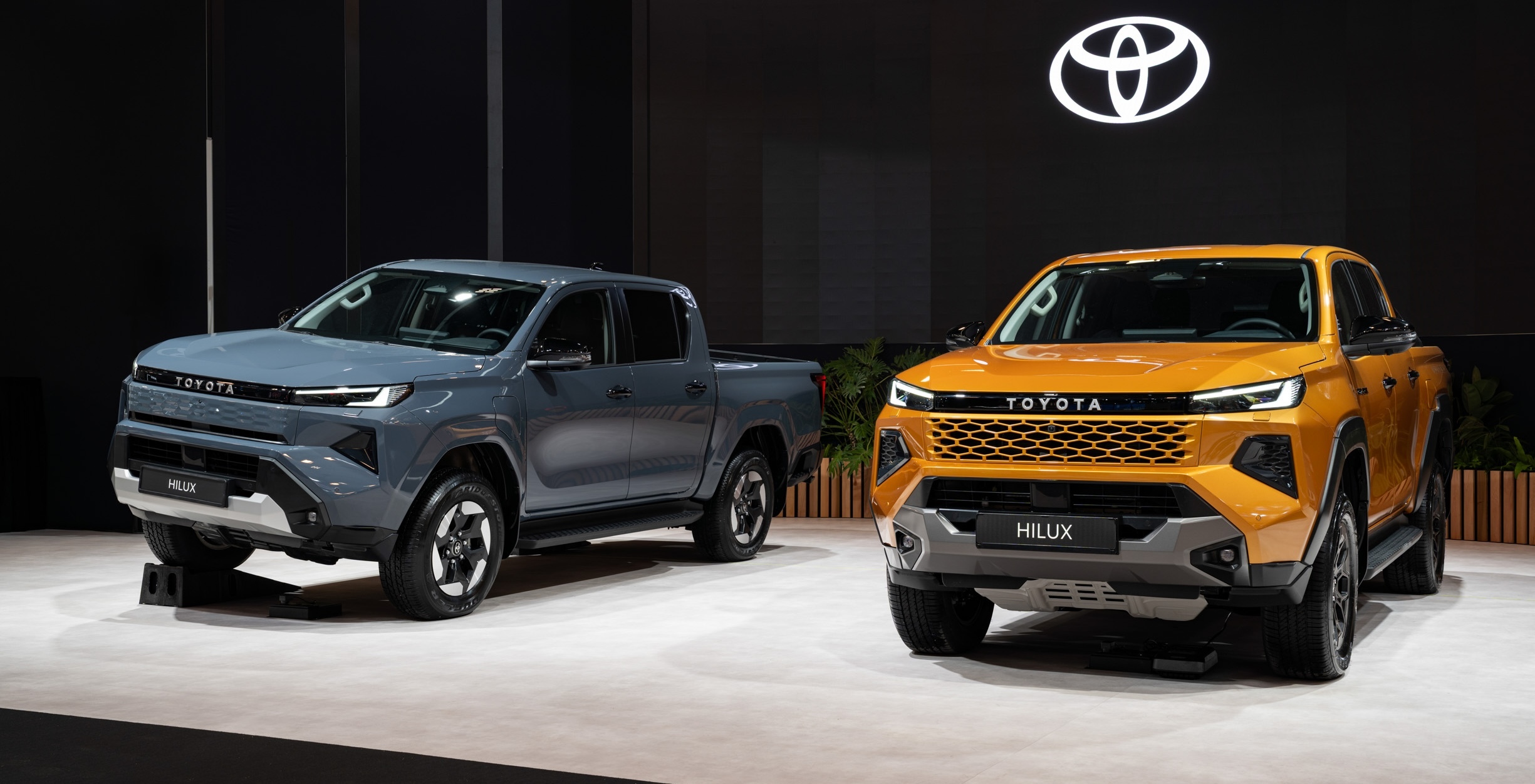
Toyota unveiled the Euro-spec ninth-generation Hilux in mild-hybrid and fully electric Hilux BEV form at this week’s Brussels Motor Show, months after both trucks debuted in Asia. The first ever EV Hilux is big news, but soon it won’t be the only version of the unstoppable truck that doesn’t emit any tailpipe nasties.

As we reported last year, Toyota Toyota hasn’t just confirmed that it’s working on a hydrogen-powered Hilux that will arrive later, it’s already testing them out in the open. Yes, the same pickup that built its legend hauling bricks and sheep is about get a fuel-cell stack.

Multipath Meets Multipurpose

\\\\\\\\\\

Toyota calls this its multipath strategy, though for many buyers little will change. Because they’ll still be able to get a truck with the same 201 hp (204 PS) 2.8 litre diesel mild hybrid (shown above) that made its debut in the previous generation Hilux’s twilight years. Some less-developed European countries will even get a non-hybrid diesel.

In the UK and Europe the 48-volt oil burner is expected to be the volume seller even after the EV’s arrival. It keeps up the old model’s 1,000 kg (2,205 lbs) payload and 3,500 kg (7,720 lbs) tow ratings, while being smoother and slightly cleaner than before.

Electric But Still Unbreakable

\\\\\\\\\\\\

But business-owning truck buyers with an eye on cutting running costs and tax bills will want to give the Hilux BEV a look. It uses a 59.2 kWh battery with motors on both axles for permanent all-wheel drive.

The front motor makes 151 lb-ft (205 Nm) and the rear 198 lb-ft (268 Nm), and Toyota quotes a WLTP range of 160 miles (258 km), which sounds unimpressive in a passenger-car context, but that climbs to 236 miles (380 km) in urban use.

Payload drops to 715 kg (1,580 lbs) and towing to 1,600 kg (3,530 lbs) in the EV, but the fundamentals remain. You’re getting the same body-on-frame construction, 212 mm (8.4 inches) of ground clearance and 700 mm (27.6 inches) of wading depth, whichever power source you choose. And the BEV gets a special off road drive mode tuned for electric torque and braking.

All In the Grilles

 Toyota Debuts Electric Pickup For Europe, And It’s Just The Beginning

Both hybrid and BEV models adopt the same new Cyber Sumo design that was reportedly developed by Toyota’s Australian team. Characterized by stronger angles and flatter surfaces, it gives the Hilux and more modern, big-truck look, though it seems not everyone loves it. The EV is easily identified by its hole-free grille panel and (less obvious) re-shaped silver bumper insert.

Also: Toyota’s Most Expensive Supercar Has Something In Common With Lexus’ Cheapest Sedan

The modern makeover continues inside the crew cab-only interior where drivers and passengers are treated to a 12.3-inch digital gauge pack and same-sized tablet touchscreen, plus a steering wheel from the new Land Cruiser.

\\\\\\\\\\\\\\\

There are dual storage compartments on the passenger side, dashboard-mounted cupholders, and a full suite of electronic safety gadgets, but Toyota remembered to cram in plenty of physical switches for regularly-used functions.

UK sales start in June, Toyota says, and prices – guaranteed to be higher than for the outgoing truck – will be revealed within the next few months.

\\\\\\\\

Toyota

New Mazda CX-6e Looks Like The Future, But Drives Like It’s Still 2019

  • Mazda’s CX-6e electric SUV makes its debut at the Brussels Motor Show.
  • Tesla rival is the European version of the EZ-60 sold in China and Australia.
  • Only electric power and no hybrid planned for Europe; US gets nothing at all.

Mazda has pulled the wraps off its new CX-6e electric SUV at the Brussels Motor Show and it’s easily the best-looking SUV the brand has done in years. But under the skin this premium EV is also years behind rivals from BMW and Audi.

The CX-6e isn’t a pure Mazda creation. Like the mechanically similar 6e sedan, it’s the result of a joint project with Changan and is built in China on the same line as the Deepal S07. Mazda has done the design, tuning and branding work, but the bones are very much shared.

Related: Mazda Goes All In On Huge Display And No Buttons For Its Latest SUV

The Chinese connection means it won’t make it to the US, but it lands in European showrooms later in 2026 where it will take on the Tesla Model Y, BMW iX3 and Audi Q6 e-tron. And it’ll probably cost three times what it does in China, where prices start at just $16,800.

Off The Pace

Under the 2,902 mm (114.3 inches) wheelbase is a 78 kWh LFP battery feeding a single rear motor making 258 hp (258 PS / 190 kW) and just 214 lb-ft (290 Nm) of torque. Mazda claims a WLTP range of up to 300 miles (483 km), which looks like a joke when Volvo this week revealed its similarly-sized EX60 will have up to 503 miles (810 km) of range. Even Tesla’s most basic Model Y Standard, a more accurate rival for the CX, gives you 314 miles (505 km) between charges.

\\\\\\\\\\\\\\\\\\

The performance is nothing to get excited about, either. Zero to 62mph (100 kmh) takes 7.9 seconds, and while we’re talking speed, the 195 kW max charge rate is far from class-leading, meaning a 10 to 80 percent refill in about 24 minutes. AC charging tops out at 11 kW, which is on par with rivals, however.

Screens Everywhere, Buttons Nowhere

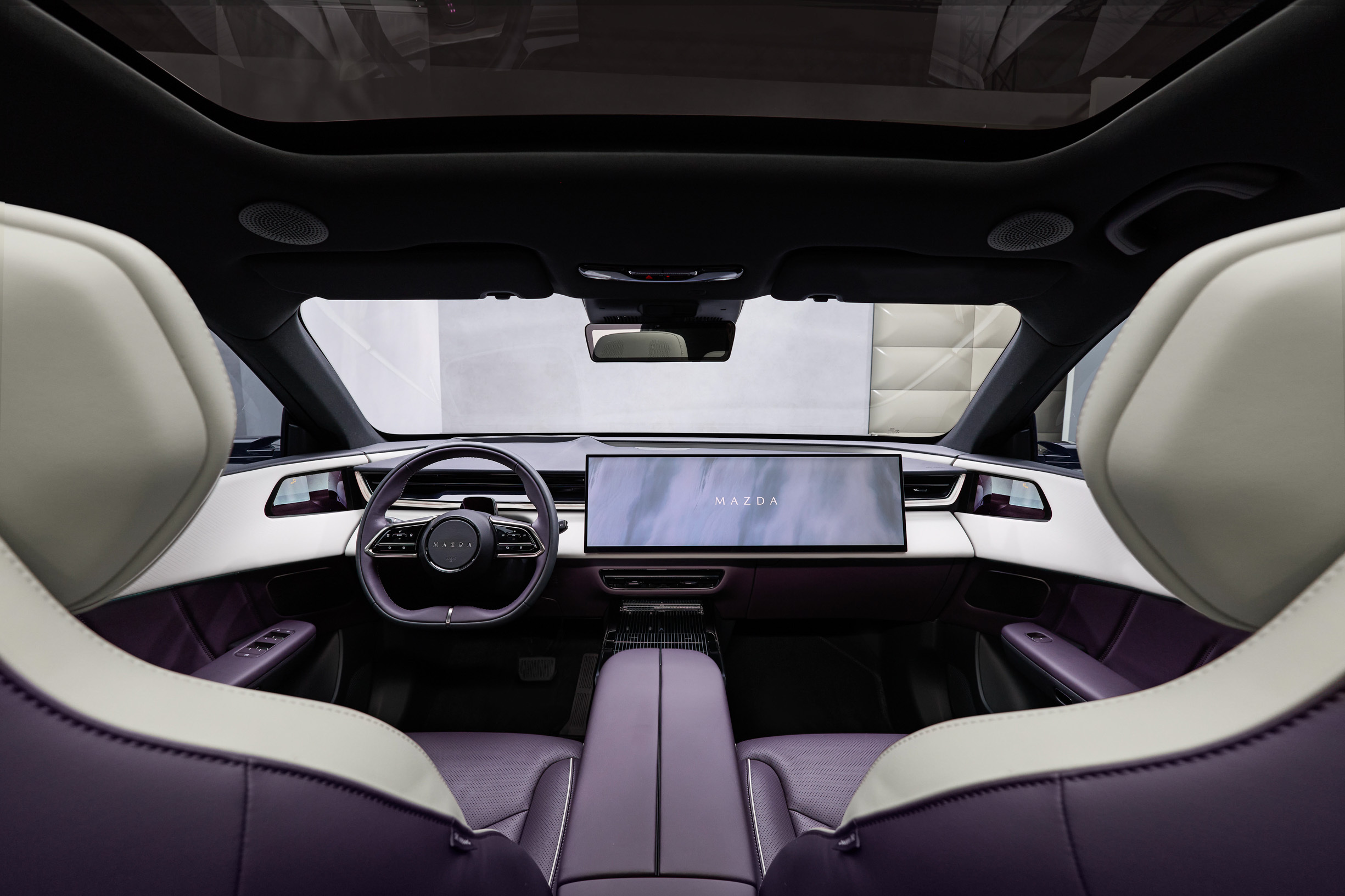
The interior is where the CX-6e really leans into the future. A huge 26 inch display stretches across the dash and a head up display removes the need for a traditional instrument cluster. Other tech highlights include gesture shortcuts, speakers in the headrests and screens for the camera-based door mirrors neatly embedded in the door cards.

 New Mazda CX-6e Looks Like The Future, But Drives Like It’s Still 2019

Size-wise, the CX-6e is longer and wider than the combustion CX-60 but it can’t touch the ICE SUV or its electric rivals for cargo space. The EV only offers 468 litres (16.5 cu-ft) compared with 570 liters (20.1 cu-ft) in the CX-60, and over 850 litres (30 cu-ft) in a Model Y, though you do also get an 80-liter (2.8 cu-ft) frunk for cables, which you don’t in the Tesla.

Style Over Substance.

We think the CX-6e looks great inside and out, but that style and the still-TBC prices might have to do a lot of heavy lifting to make buyers overlook the poor range, performance and practicality.

\\\\\\\\\\\\\\\\\\\

Mazda

Kia’s EV2 Is Like A Renault 4 Without The Nostalgia

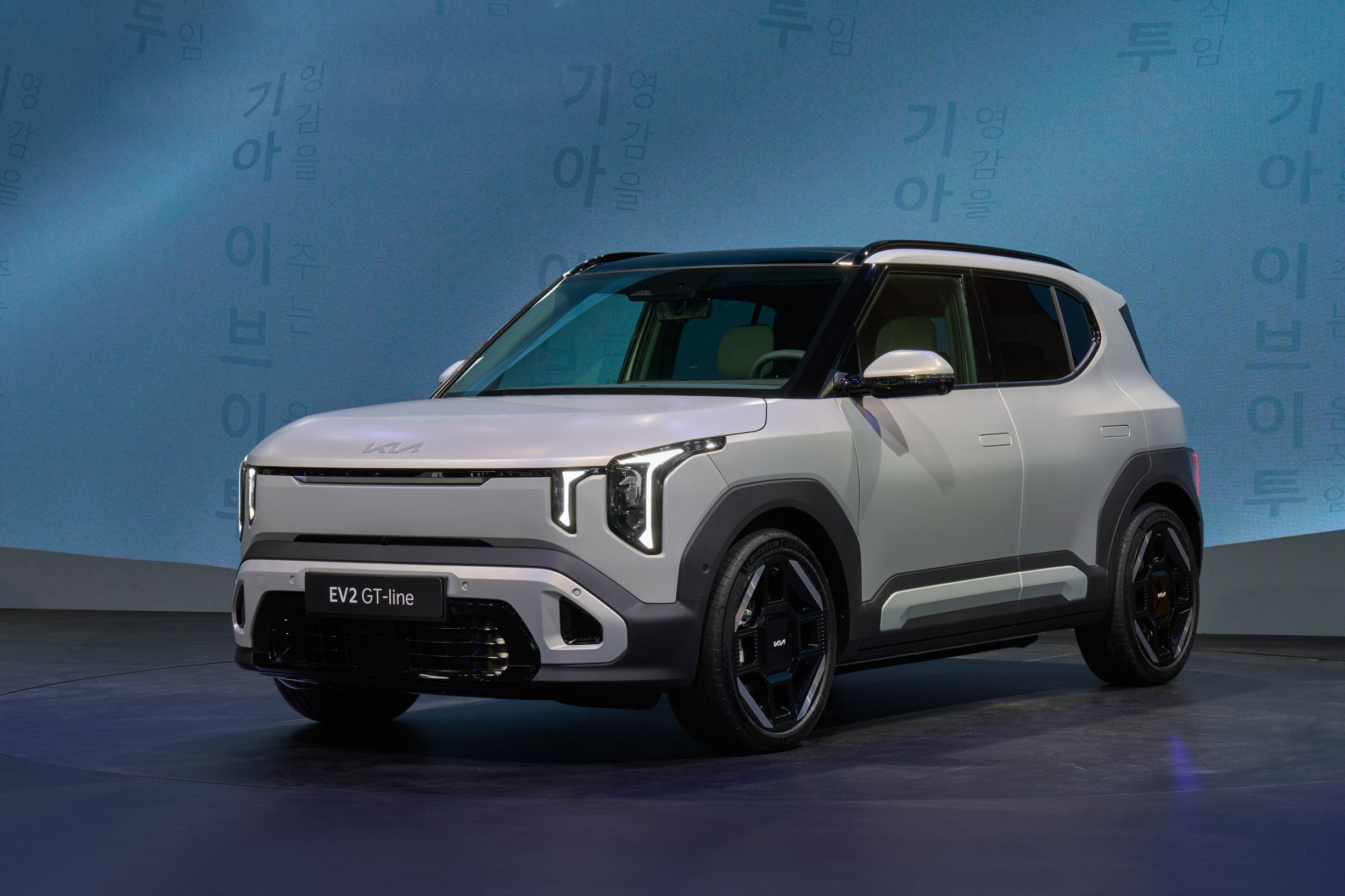
  • Kia debuts its entry-level EV at the Brussels Auto Show.
  • Biggest of two battery options gives 278-mile range.
  • EV2 debuted alongside GT versions of EV3, 4 and 5.

The electric SUV world is getting crowded, but Kia thinks it’s found a sweet spot. Meet the EV2, a new B-segment electric SUV that wants to be your first EV, your family car and your everyday runabout all at once. It’s compact, practical, packed with tech and at an estimated £26k/€30k, should be relatively affordable, too.

Kia is positioning the EV2 as its most accessible electric car yet. It sits below the brand’s bigger EV3 and EV5 SUVs but borrows their design language, technology and desirability. Think of it as a punchy YouTube short culled from your favourite long-form vid. The EV2 made its debut at this week’s Brussels Motor Show alongside GT-branded performance versions of the EV3, EV4 and EV5.

Related: Kia’s US EV Sales Collapsed, But It Just Did Something It’s Never Done Before

A circa-4.1m (160 inches) length means it’s suitably city-sized, the design is upright and confident, with vertical lighting signatures, chunky arches and a stance that looks adventurous and cute at the same time. Wheel choices run from 16 to 19 inches, and there’s even a GT line version if you want your small SUV with a side of attitude. Hopefully a full-house GT is in the works.

Up to 278 miles of range

 Kia’s EV2 Is Like A Renault 4 Without The Nostalgia

Two batteries are offered, each coming with a different power output. A 42.2 kWh version mated to a 145 hp (147 PS / 108 kW) motor available from launch this spring promises up to 197 miles (317 km) for drivers with few plans to leave town.

Coming later, along with the GT-Line versions, the 61.0 kWh pack aims for 278 miles (448 km) and adds flexibility if you think you might need to take on some longer journeys. Kia hasn’t revealed how much muscle the EV2 with the bigger battery gets, but both models feature a single motor driving the front wheels.

Charging times hover around 30 minutes on DC fast chargers, though like the EV3, EV4 and EV5, the EV2 makes do with slower-charging 400-volt electrics, rather than the lightning-fast 800-volt hardware used in the pricier EV6 and EV9. But it does support both 11 and 22 kW AC charging and offers V2L and V2G, letting you power devices or even send energy back to the grid.

Renault 4-grade space

 Kia’s EV2 Is Like A Renault 4 Without The Nostalgia

The EV2’s quoted 2,565 mm (101 inches) wheelbase is 59 mm (2.3 inches) shorter than a Renault 4’s, but Kia promises you won’t be disappointed by the interior space. Buyers get to choose between four- and five-seat configurations, and by sliding and reclining them you can stretch legroom or expand the cargo space depending on your needs. 

With seats slid forward, suitcase room tops out at up to 403 litres (14.2 cu-ft), in the slightly roomier four-seat version, which isn’t far short of the 420 liters (14.8 cu-ft) the Renault 4 delivers. Plus there’s a handy little 15-liter (0.5 cu-ft) frunk for cables that the Renault can’t match.

Big-car tech

 Kia’s EV2 Is Like A Renault 4 Without The Nostalgia

The tech is also surprisingly serious for a so-called entry-level EV. You get a triple-screen layout with a digital cluster, climate display and central touchscreen, just like you do in Kia’s pricier cars. But it’s actually a new lower cost ‘lite’ version of the ccNC infotainment system designed for the company’s more affordable cars. 

OTA updates, digital keys and app integration are all part of the deal, as are remote parking, surround view cameras and a long list of driver assistance systems normally reserved for more expensive cars.

Made in Europe for Europe, the Slovakia-built EV2 is shaping up to be yet another big hit for Kia. If it gets the pricing right, this could be one of the most important electric launches of the next few years, because small, sensible and actually affordable sounds bang on trend right now.

\\\\\\\\\\\\\\

Kia

The New EX60 Is The First Volvo To Talk Back At You

  • Volvo’s new EX60 SUV can add 211 miles of range in 10 minutes.
  • One teaser image appears to show a third row of seats folded down.
  • The BMW iX3-rivalling EX60 will be revealed in full on January 21.

Update: Volvo continues to tease the upcoming EX60, releasing new photos that include our first, albeit obstructed, view of the interior, along with fresh details about the tech it will carry. Chief among them is the integration of Google’s Gemini AI assistant.

Taking center stage in what appears to be a clean, minimalist dashboard is a tall portrait-style infotainment screen. Below it, there’s what seems to be a physical scroll knob, possibly flanked by tactile controls on the lower console, though the blurred image makes it hard to say for sure.

AI That Talks Back

\\\\\

However, Volvo says the interface won’t rely solely on taps and swipes. The EX60 will be its first model to launch with Gemini, which lets drivers speak naturally, without needing to memorize set phrases or divert attention to screens.

“Drivers can ask Gemini to find a hotel booking address in their email, check if a recently bought item fits in their EX60 trunk, or brainstorm ideas for an upcoming road trip,” Volvo says.

Also: VW Brings Back Physical Buttons After Admitting Touchscreens Are A Disaster

Gemini is directly integrated into Volvo’s newly named HuginCore system, an in-house platform combining proprietary software with technologies from Google, NVIDIA, and Qualcomm.

Powering it all is next-generation hardware, including Qualcomm’s Snapdragon Cockpit and Auto Connectivity platforms, along with NVIDIA’s DRIVE AGX Orin chip, giving the EX60 the highest processing capacity of any Volvo to date.

And, as with most modern cars, Volvo says the EX60 will continue to evolve long after it leaves the showroom, thanks to over-the-air updates and ongoing Gemini development.

 The New EX60 Is The First Volvo To Talk Back At You

Original story continues below.

Volvo’s about to drop a crucial new electric car, and it looks like it’s bringing receipts. The EX60 launches later this month but a teaser this week revealed range figures that none of its BMW, Mercedes and Tesla rivals can match, and a hint that it might come with seating for seven.

We’ll have to wait until the debut on January 21 to get the full breakdown of what’s under the EX60’s skin, but the fact that the EX90’s little brother is rated at 503 WLTP miles (810 km) of electric range is enough to generate headlines.

Related: He Built The Volvo You Remember, Now He Has To Fix What It Became

For context, BMW’s brand new iX3 has up to 500-miles (805 km) rating, and the GLC 400 with EQ Technology that debuted at the same Munich Auto Show last September is only good for 443 miles (713 km), Mercedes says. Tesla’s most touring-focused Model Y can’t even crack 400 miles (644 km).

Fast Charging

Volvo also says you won’t have to spend too much time hanging around charging stations when you do eventually need a top-up. Thanks to its 800-volt electrics the EX60 can add 211 miles (340 km) of range in as little as 10 minutes. You also get a 10-year warranty on the battery.

 The New EX60 Is The First Volvo To Talk Back At You

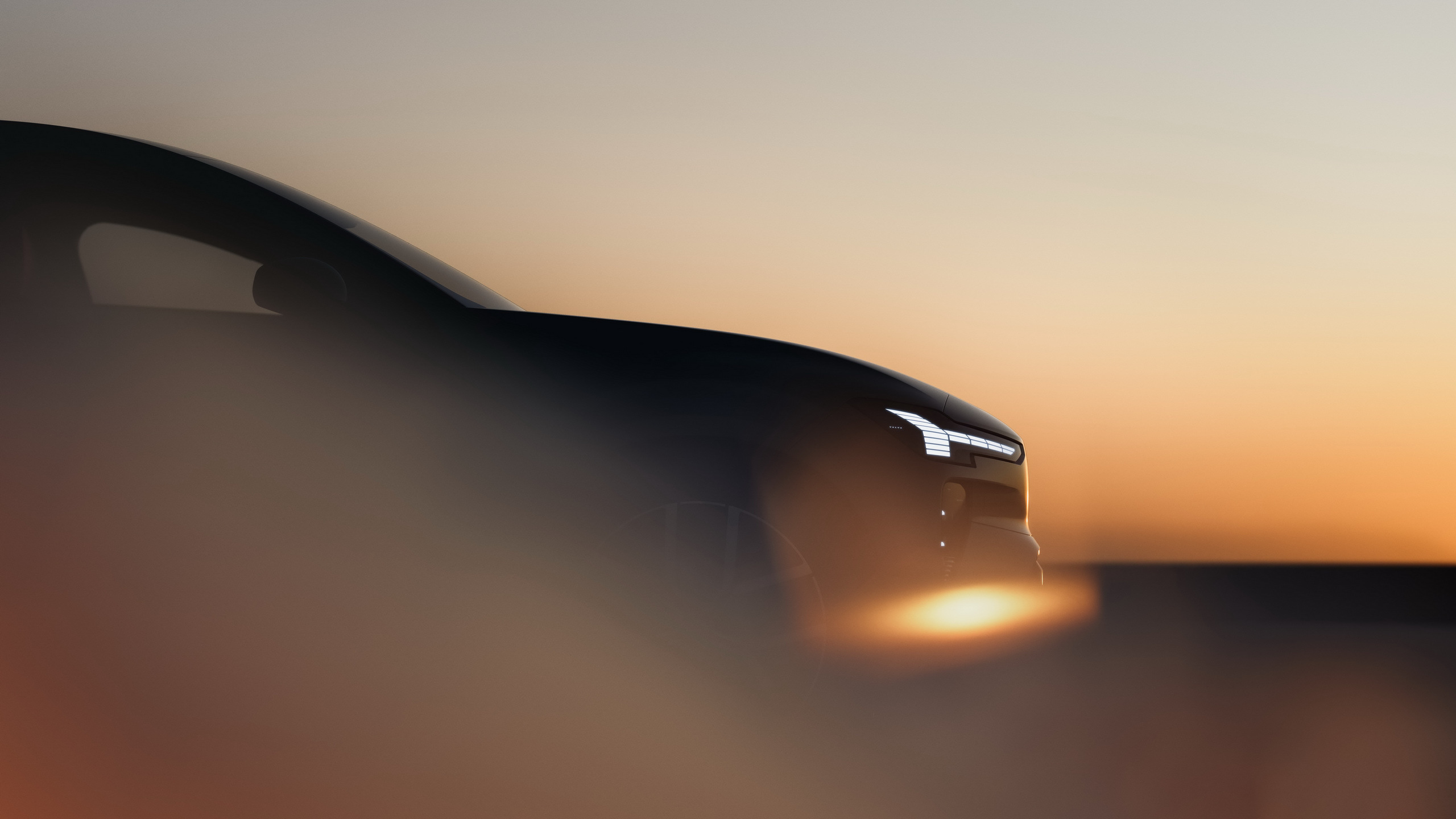
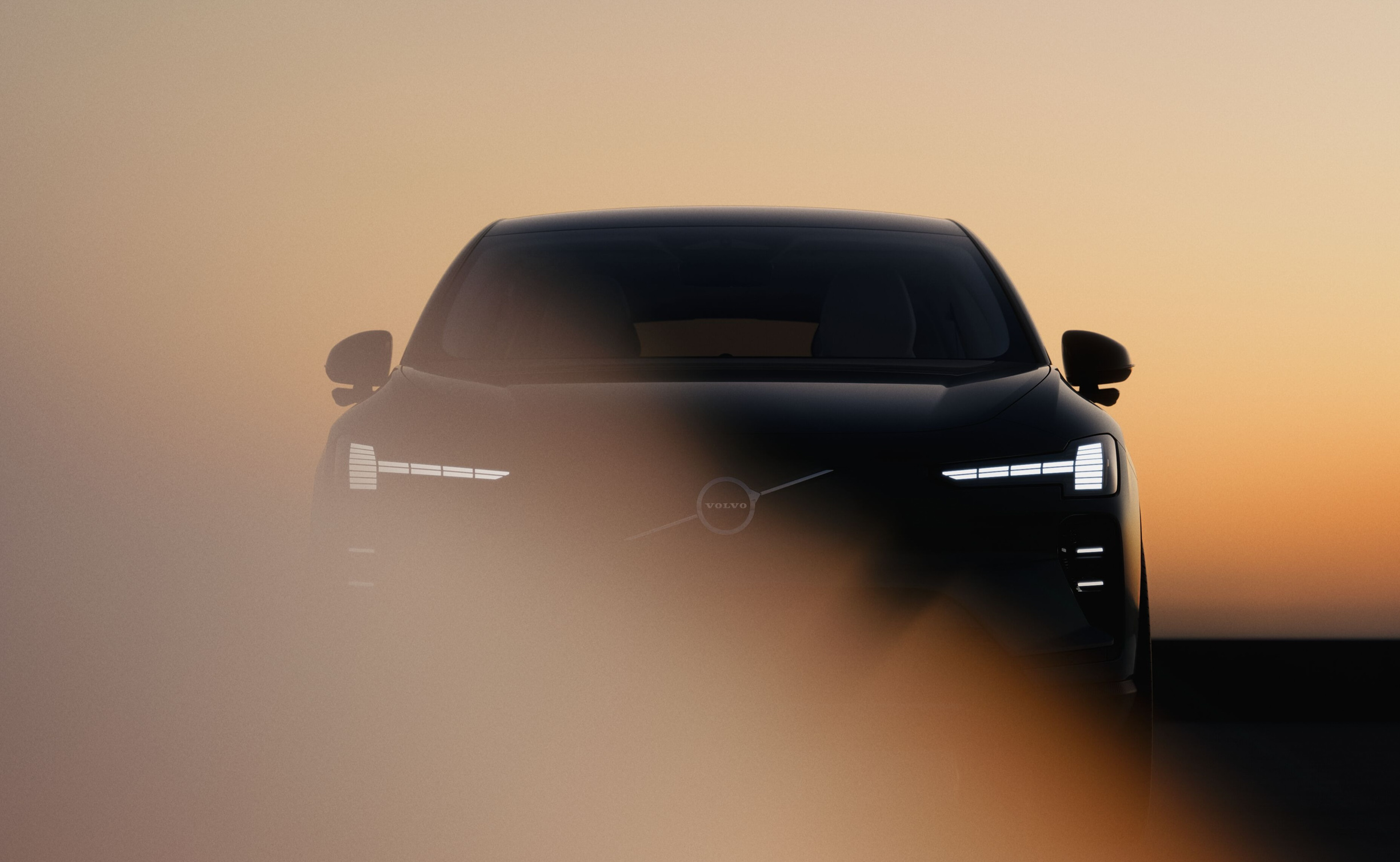
We’ve already had a sneak look at the rear and profile of the EX60 in previous teasers, and along with revealing the electric range, Volvo has now given us a look at the front. The brand’s trademark Thor hammer DRLs are present, made up of segmented LEDs, and we can also make up a pair of ADAS sensors mounted below each door mirror.

Reinventing the Seatbelt

The EX60 is the first Volvo to ride on the company’s SPA3 platform, an upgrade of the earlier SPA2 architecture that underpins models like the EX90. It’ll also be the first of the brand’s cars to get Volvo’s new adaptive seatbelt, which uses sensors to work out the height, weight and shape of a passenger before deciding how much belt force they need in a crash.

Seating for Seven

 The New EX60 Is The First Volvo To Talk Back At You
Volvo

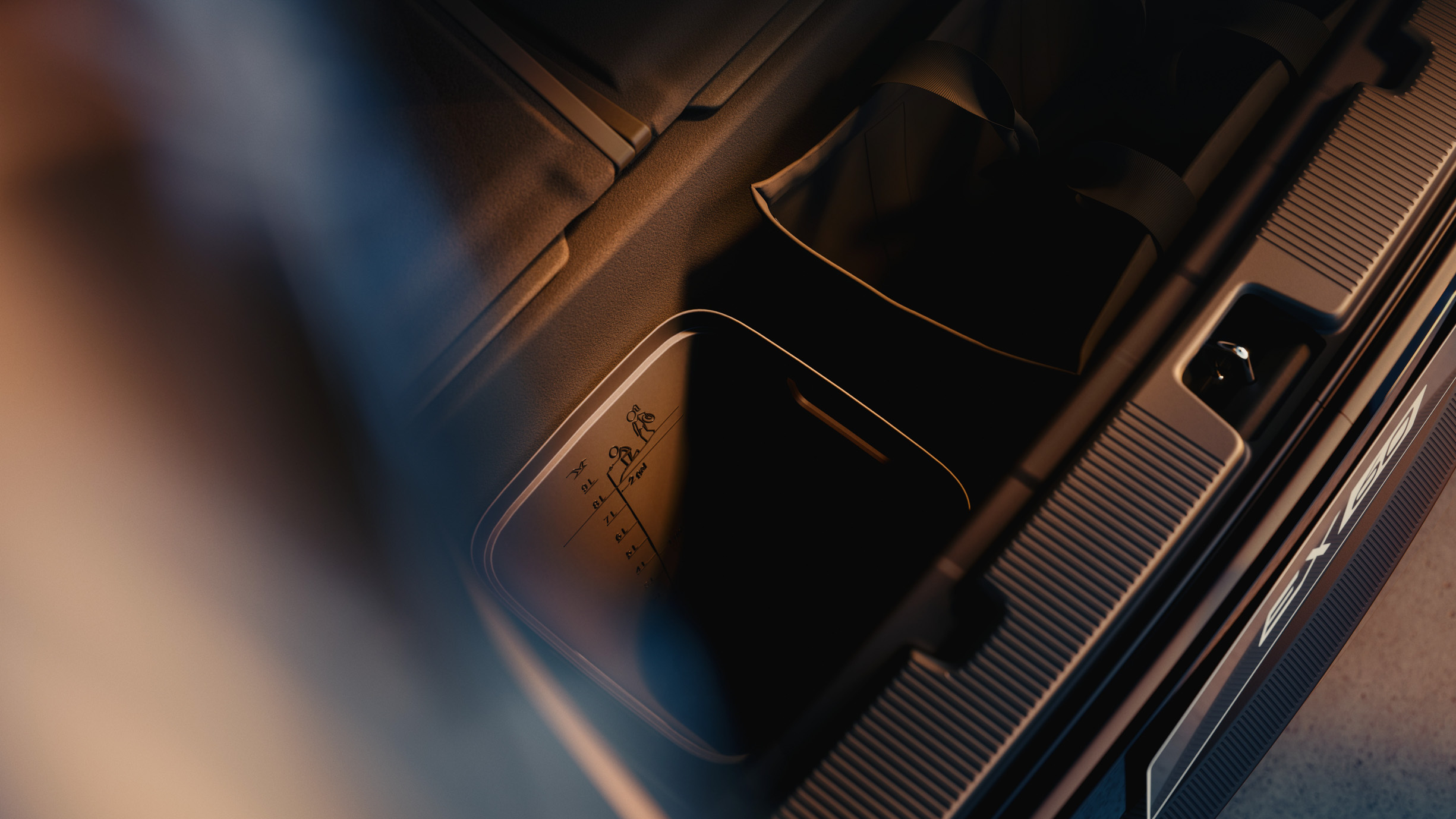
And unlike its BMW iX3 and Mercedes GLC rivals, which are strictly two-row affairs, it looks like the EX60 could have a small third row of seats stashed under the trunk floor. Though Volvo hasn’t mentioned anything about seven seats, in the image of the trunk it definitely looks like there are two seats folded away.

The picture of the body-in-white also shows mountings for a 50:50 split third-row, and the impression we get is there would still be enough space for a few shopping bags even if the seats were in use. We’ll find out more on January 21.

\\\\\\

Volvo

Chinese Vacuum Brand Drops A 1,876 hp Taycan-Trampling Reality At CES

  • Dreame’s first EV is the Nebula Next 01, revealed at CES 2026.
  • It uses four electric motors to deliver a massive 1,876 hp output.
  • Final design leans more toward Ferrari and Lotus than Bugatti.

For months, Chinese consumer electronics company Dreame looked like it was trying to sneak into the car world dressed as a Bugatti. The early renders felt like Chiron fan fiction, and even the later teaser leaned heavily on a rare Bugatti one offs for inspiration. But now the covers are off at CES in Las Vegas, the real thing looks less Molsheim and more Maranello.

Related: Dreame’s Cullinan SUV Clone Might Be Rolls-Royce’s Worst Nightmare

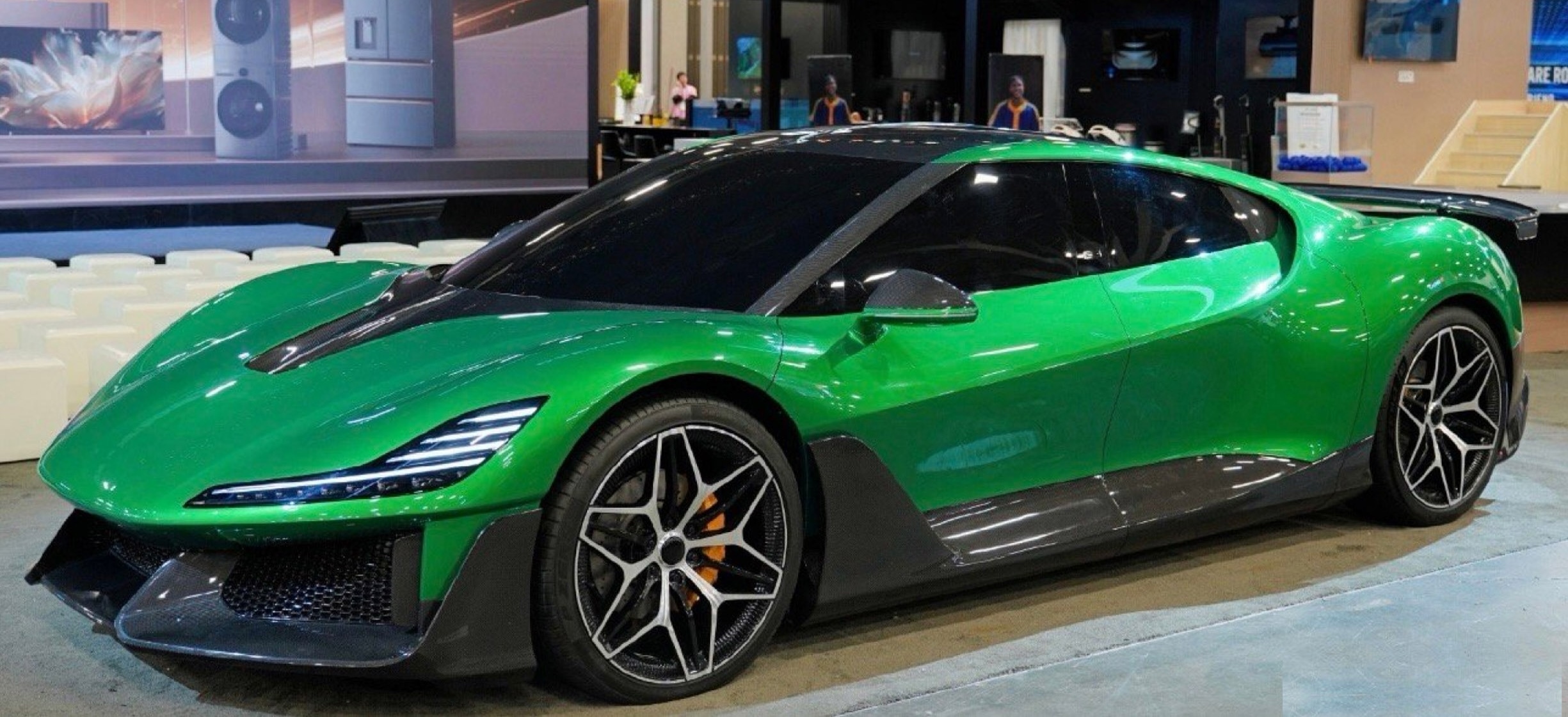
The Nebula Next 01, as we now know the brand and model thanks to Car News China, still wears a dramatic shape, but it’s swapped out the heavy-handed hypercar cosplay for something lighter and more athletic, almost as if Lotus had a hand in the design. If the name rings a bell, that’s because we’ve heard it before, but we’ll get back to that in a minute.

A Ferrari F8’s Face

 Chinese Vacuum Brand Drops A 1,876 hp Taycan-Trampling Reality At CES
Fengyu Huanhuan / Carnewschina / Autohome

And while there are similarities between the shape of the C-pillar kink here and the one on the Bugatti Brouillard, there’s no sign of the Bugatti horseshoe grille on a nose that reminds us far more of a Ferrari F8 Tributo than any Chiron.

We already knew the Nebula Next 01 would have four doors, but the overall shape says supercar more than sedan, and the aggressive carbon lower aero pack and motorsport-stye trunk-lid wing hint at some serious racetrack potential.

Hypercar Levels Of Power

\\\\\\

Fengyu Huanhuan / Carnewschina / Autohome /Dreame

Backing that aero trickery up, is a quad-motor electric drivetrain making 1,876 hp (1,902 PS/ 1,399 kW). Zero to 62 mph (100 kmh) takes just 1.8 seconds, the report says, putting on the same performance level as other Chinese exotics like the Yangwang U9 and Xiaomi SU7 Ultra, not to mention any supercar from Europe’s legacy brands.

Family of Three

\\\\\

Rather confusingly, Dreame has a second brand called Kosmera, which is also teasing two more low-slung four-door cars at CES, one of which looks like it could be a different version of the Nebula 1. But the third car’s front-wheel is pushed further away from the A-pillar and it has two visible charging/filling flaps, suggesting it is a front-engined PHEV.

The Nebula 1 is still a concept at this stage and one without an interior, so plenty could change before production allegedly starts later this year at a Berlin, Germany plant close to Tesla’s Gigafactory. Or so the company’s CEO recently claimed. Still, if it drives as well as it looks and is priced to match the SU7 Ultra, Porsche’s Taycan sales could be heading from bad to worse.

❌
❌