Reading view

There are new articles available, click to refresh the page.

For The First Time, Electrified Car Sales Surpassed Gas Vehicles In Australia
  • Australians bought 35,058 electrified cars last month, edging gas.
  • New low-cost EVs from China may push sales even higher in 2026.
  • Demand for diesel vehicles has stayed steady across five years..

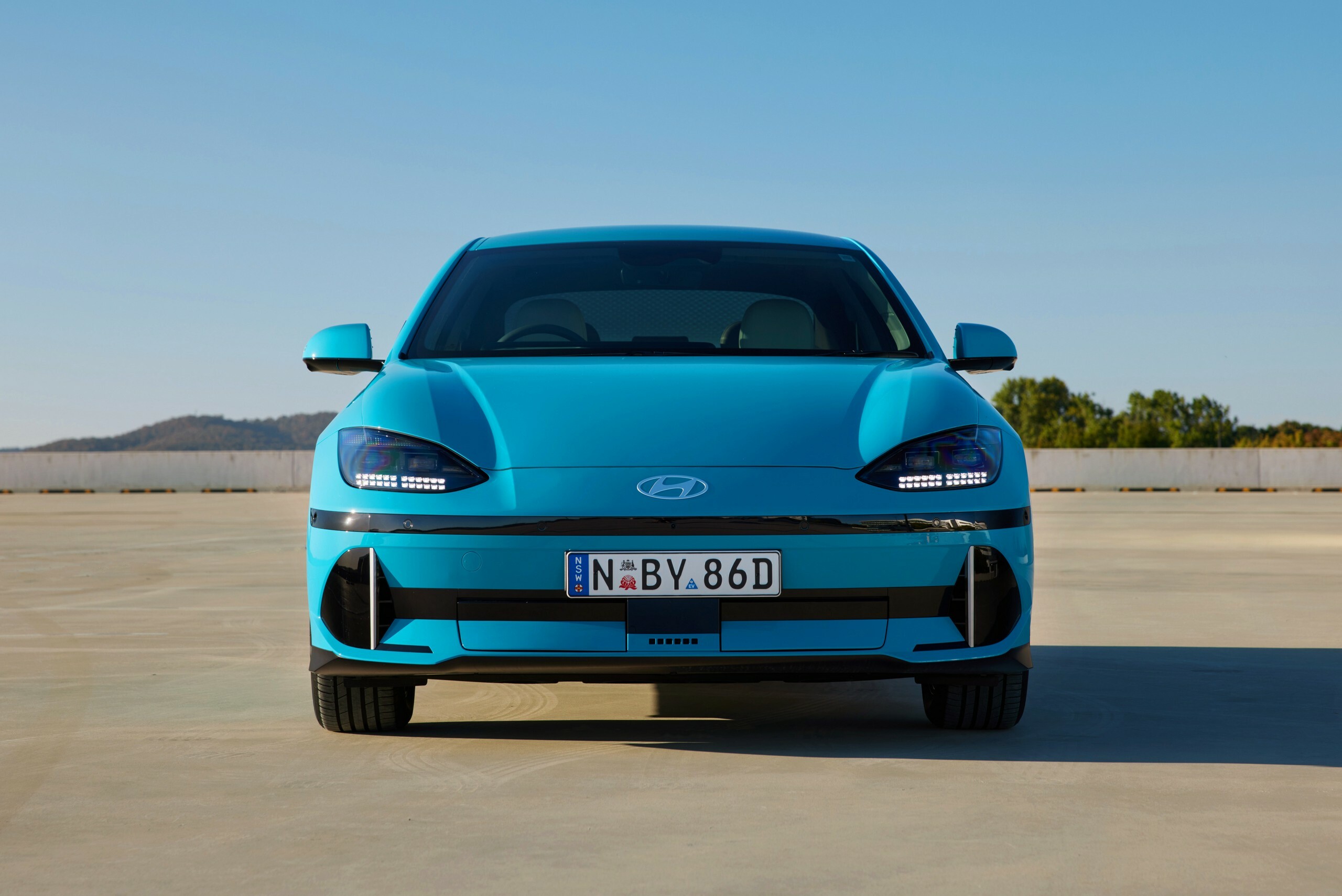
Australia may be late to the EV party, but the guest list is growing fast. Despite trailing behind many nations in electric vehicle adoption, recent sales data shows an accelerating shift among local buyers. For the first time, electrified cars have outsold (gasoline) petrol-powered vehicles in a single month.

This could very well mark a turning point, positioning 2026 to potentially become the first full year where battery-assisted cars surpass traditional combustion sales.

Read: Hyundai Slashes $7K From Its Smallest EV, But It’s Still $10K Pricier Than Its Chinese Rival

In December, a total of 35,058 hybrids, plug-in hybrids, and battery-electric vehicles found new homes across the country. This was slightly above the 34,559 petrol cars sold over the same four-week period.

China’s Growing Influence on the Numbers
 For The First Time, Electrified Car Sales Surpassed Gas Vehicles In Australia

Zooming out to the full year, total electrified sales reached 355,887 vehicles, securing a 28.6 percent share of the overall market. Pure battery-electric vehicles made up 103,270 of that figure, accounting for an 8.3 percent slice.

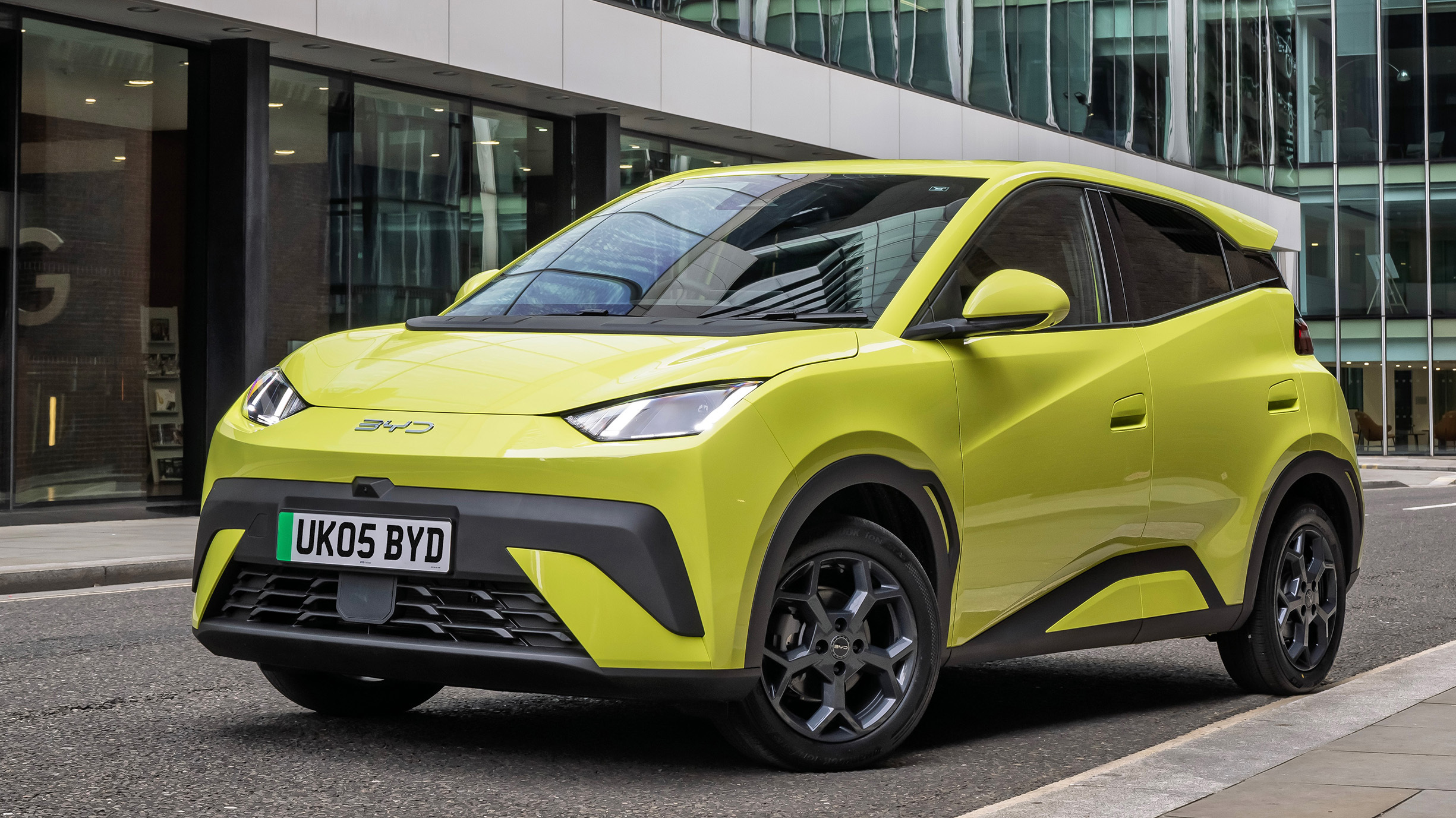
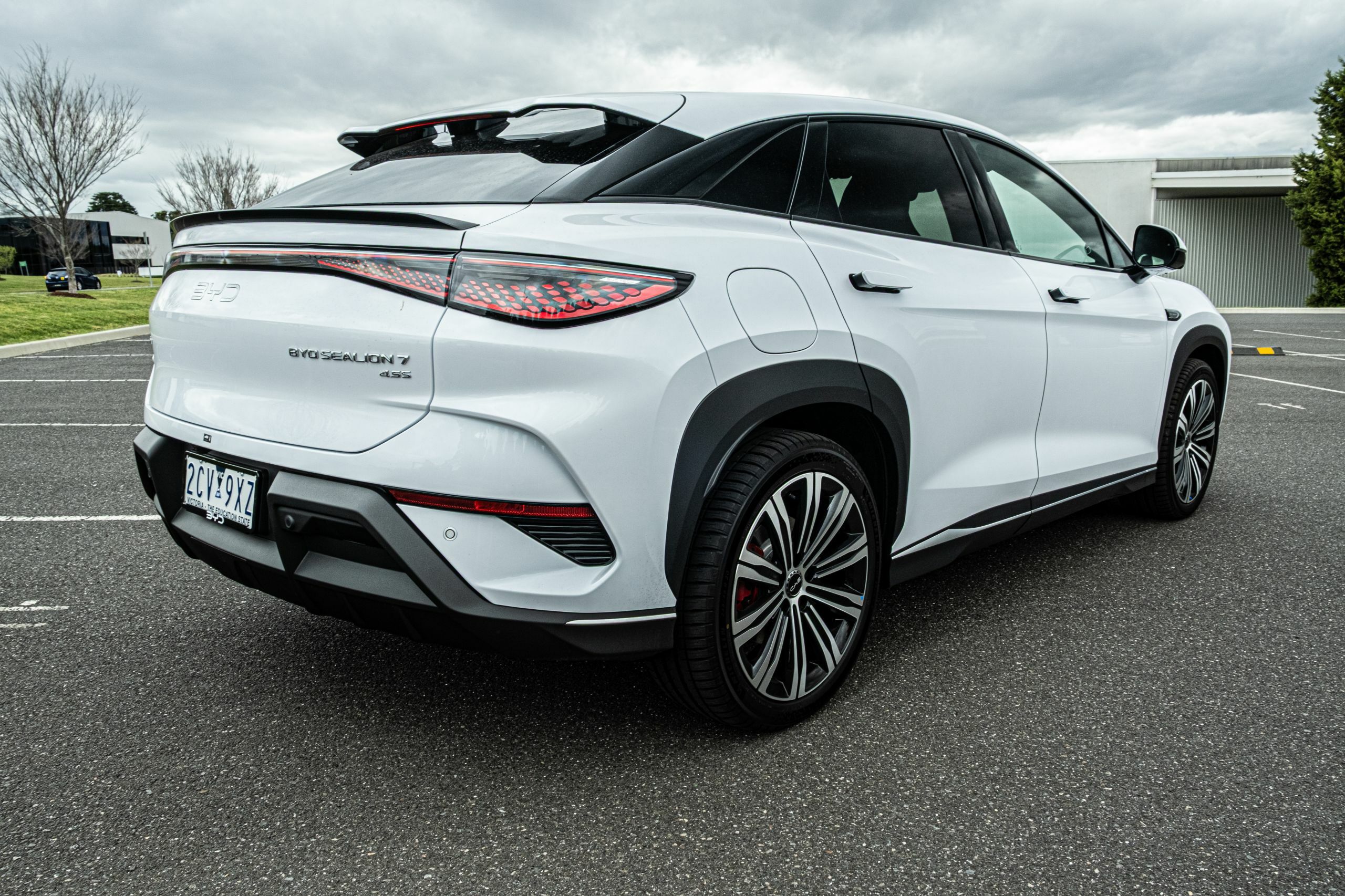
Much of this momentum can be traced to the growing presence of Chinese manufacturers, whose expanding lineups have proved popular with Australian buyers. Brands such as BYD, Geely, MG, Xpeng, and Zeekr have led the charge.

Demand for EVs from China will likely grow even more this year. A slew of small and affordable electric offerings will soon hit the market, including Nio’s Firefly, the Geely EX2, and the BYD Atto 1, Australia’s Drive reports.
 For The First Time, Electrified Car Sales Surpassed Gas Vehicles In Australia

Petrol Still Leads the Pack

Although demand for electrified cars is increasing, petrol cars still represent the largest slice of the market. Indeed, a total of 475,279 were sold in 2025, which was 38.3 percent of the total market. Diesel models also remain popular, accounting for 29.4 percent, a figure which has remained relatively steady for the past five years.

It’s a long way from the market of a decade ago. Back in 2015, petrol cars accounted for a dominant 67 percent share, a clear sign of how much the market and consumer habits have changed in just ten years.

Traditional hybrids also had a strong showing last year. Australians bought 199,133 of them, giving the segment a 16 percent share. Plug-in hybrids, while still a smaller category, made notable progress as well. With 53,484 units sold, they secured 4.3 percent of the market, suggesting growing interest in flexible, transitional technologies

 For The First Time, Electrified Car Sales Surpassed Gas Vehicles In Australia

Honda Dealers Are Furious About Afeela, But Honda Doesn’t Seem To Care

  • Honda and Sony will sell Afeela EVs directly to buyers only.
  • Dealers say Afeela pulls funding from core Honda models.
  • Lawsuit claims Afeela’s sales model breaks California law.

As Honda doubles down on its electric dreams, tensions are rising inside its own retail network. Honda dealerships are pushing back against the company’s joint EV venture with Sony, arguing that it’s siphoning attention and resources away from the core Honda and Acura lines, especially at a time when EV demand has begun to cool. The company, however, appears unmoved.

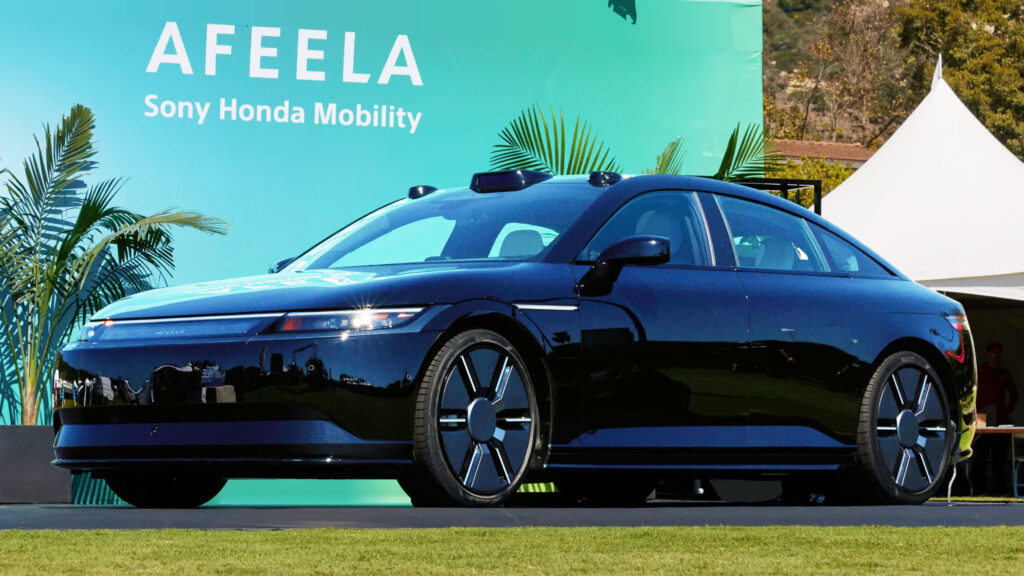
Sony Honda Mobility unveiled its near production-ready Afeela 1 electric sedan at this year’s Consumer Electronics Show, preparing it for a limited launch in California in late 2026. Alongside the sedan, the company also teased a second model, a crossover still in development.

Read: After A $90K Sedan, Sony Honda Thinks What America Needs Now Is Another Pricey Electric SUV

Honda will manage all direct sales, vehicle deliveries, and servicing for the Afeela lineup, and will also collaborate with independent repair providers to support ownership beyond the showroom.

Dealers Push Back on Direct Sales

 Honda Dealers Are Furious About Afeela, But Honda Doesn’t Seem To Care

This has rubbed many dealers the wrong way. In August last year, the California New Car Dealers Association filed a lawsuit against Honda and Sony, claiming the direct-sales strategy is illegal under the California Vehicle Code.

Sony Honda Mobility has countered, maintaining that it operates as a separate business entity, and therefore isn’t bound to use Honda’s existing dealership infrastructure.

“While we understand the intent may be to target a different, tech-savvy customer segment, we see no compelling reason to bypass the established dealer network that has supported the brand for decades,” Bill Feinstein, the chairman of the Honda Dealer Advisory Board, told Auto News.

Honda says it has been “clear and transparent” with dealers that they will not be involved in the sale or distribution of the Afeela models.

A Hard Sell?

 Honda Dealers Are Furious About Afeela, But Honda Doesn’t Seem To Care

Feinstein didn’t stop there. “It’s really hard to understand how a premium electric vehicle priced at $90,000-plus makes sense with EV demand softening, high interest rates and intense price competition,” he said.

He also voiced concerns about the broader impact on the business. “We’re deeply worried about the ongoing drain on financial and engineering resources. Every dollar spent in Afeela’s R&D, manufacturing and marketing is a dollar not spent on core Honda and Acura products, where we see greater potential for volume growth and profitability.”

Despite the resistance, Sony Honda Mobility isn’t phased. At last week’s CES in Las Vegas, the joint venture unveiled a prototype of its next model, an all-electric SUV that shares much of its design language with the sedan. The company says this new model could hit the US market as early as 2028

\\\\\\\\\\\\

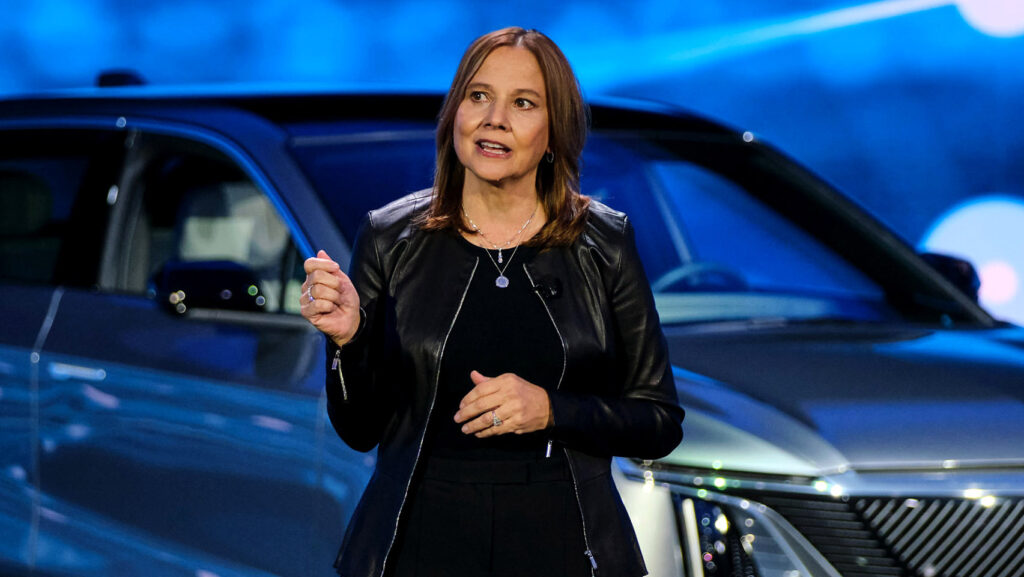
Barra’s Playing Both Sides On EVs, Just In Case The White House Changes

  • GM will reintroduce plug-in hybrids despite its EV-first strategy.
  • Mary Barra says hybrids remain under evaluation for key markets.
  • Plug-in hybrids made up just 1.8 percent of U.S. sales last year.

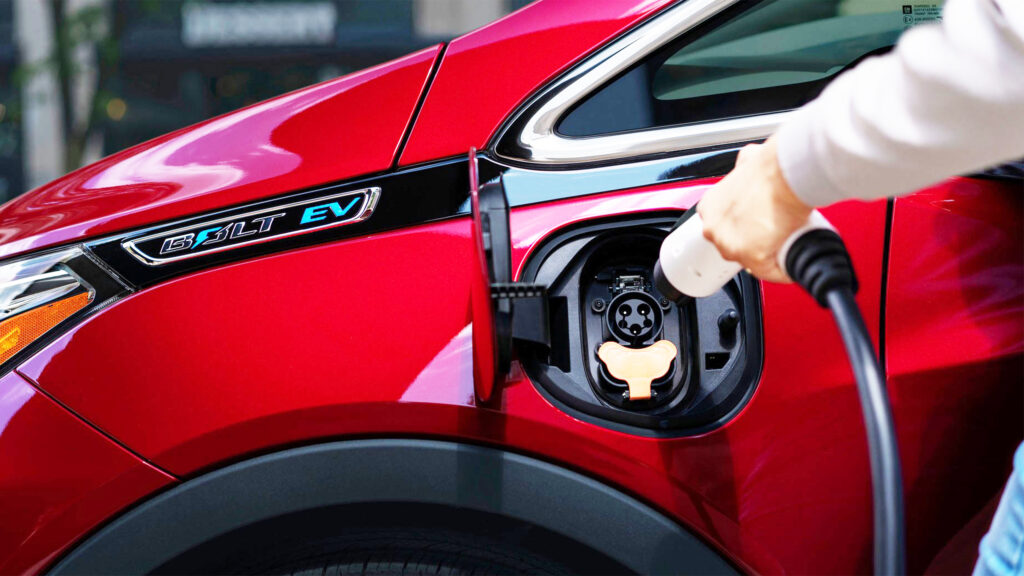
General Motors is finally stepping into the plug-in hybrid game, a move that’s been a long time coming. Despite shifting political winds that have made it easier to build thirsty combustion models, GM still sees full electric vehicles as the ultimate goal.

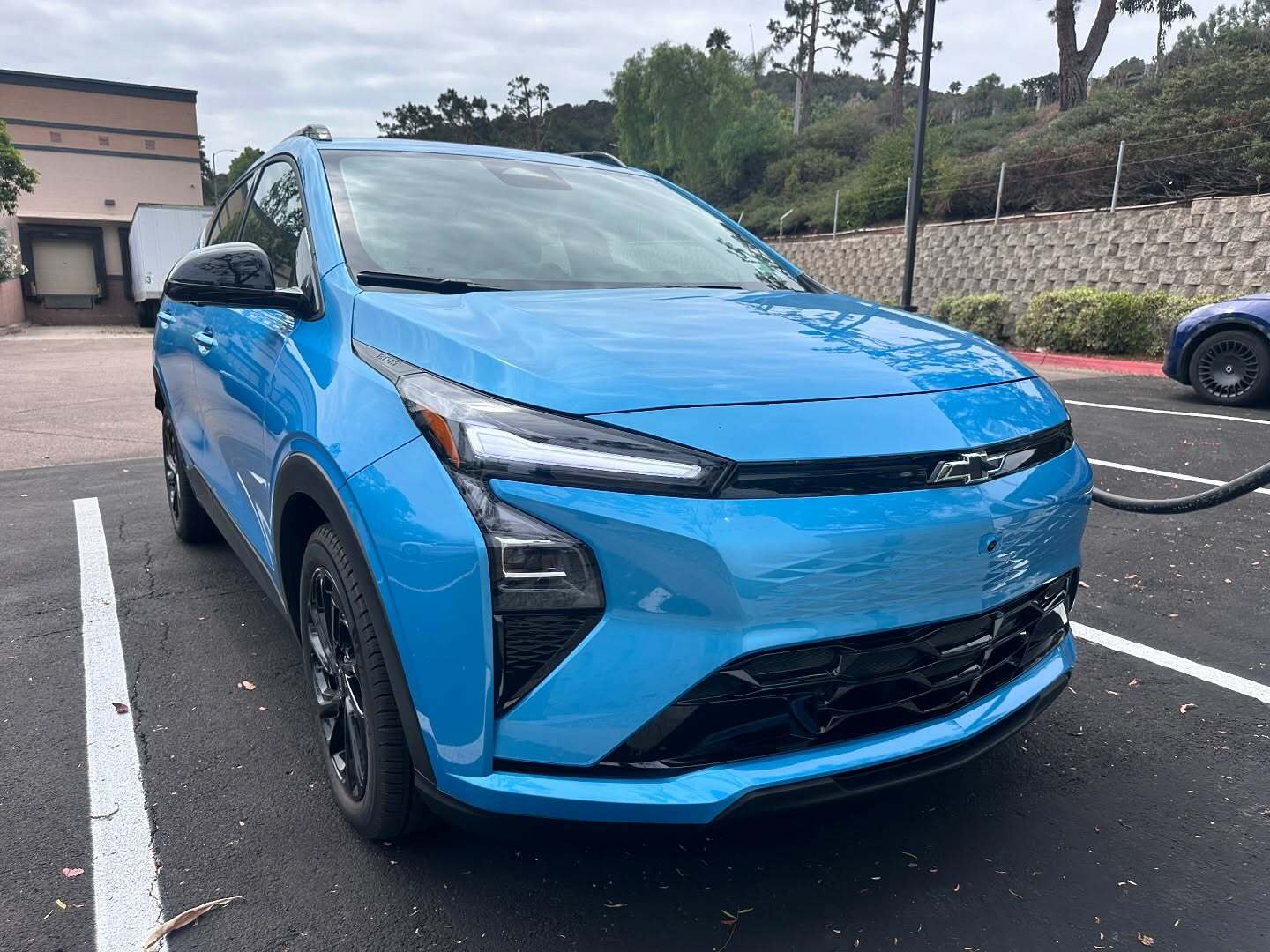
Read: Chevy Promised 255 Miles, The New Bolt Beats It Anyway

With tariffs weighing on costs, the federal $7,500 EV tax credit now off the table, and fuel economy standards loosened, automakers are being forced to rethink their timelines and adjust accordingly.

While speaking at the Automotive Press Association, Mary Barra confirmed that GM “had to make some fairly significant changes,” including cutting billions of dollars’ worth of EV investments. But she also made clear that new hybrids are in development, Autonews reports.

Plug-In Plans Materialize

“We are evaluating plug-in hybrids,” Barra said. “We have plans to do some. In the past, plug-ins were the only hybrids that actually counted toward the regulatory perspective. So we have plans to do those, and we’ll have hybrids where we think we need to. But again, we’re mainly investing and continuing to work on EVs because we think that’s the end game.”

 Barra’s Playing Both Sides On EVs, Just In Case The White House Changes

In mid-2024, Barra revealed there were plans to start selling plug-in hybrids in the US in 2027. In her most recent remarks, she didn’t provide an updated timeline or name any specific GM models slated to receive the new powertrains.

However, she acknowledged that hybrids present their own challenges, particularly the fact that many owners don’t bother to plug them in. Nonetheless, GM is weighing both plug-in and conventional hybrid setups as part of its evolving strategy.

Read: Drivers Buy Plug-In Hybrids And Forget The ‘Plug-In’ Part

“We’re trying to be very thoughtful about what we do from a hybrid and a plug-in hybrid perspective,” she said.

Staying the Course on EVs

 Barra’s Playing Both Sides On EVs, Just In Case The White House Changes

Even though GM will invest in PHEVs, it isn’t pulling back from BEVs quite as aggressively as some of its competition. For example, Ford recently took a $19.5 billion writedown after axing several important EV programs and partnerships. GM, by contrast, expects to take a $6 billion charge related to scaled-back EV spending, alongside a separate $1.6 billion charge posted in the third quarter.

Read: Stellantis Quietly Kills Its Plug-In Hybrids In America

During her remarks at the same event, Reuters reports that Barra emphasized GM’s desire to remain adaptable, especially given the uncertain regulatory environment ahead.

“I’m a little surprised at some [automakers] that are really pulling away very quickly, because we don’t know what will be in ‘29, ‘30, ’32.”

 Barra’s Playing Both Sides On EVs, Just In Case The White House Changes

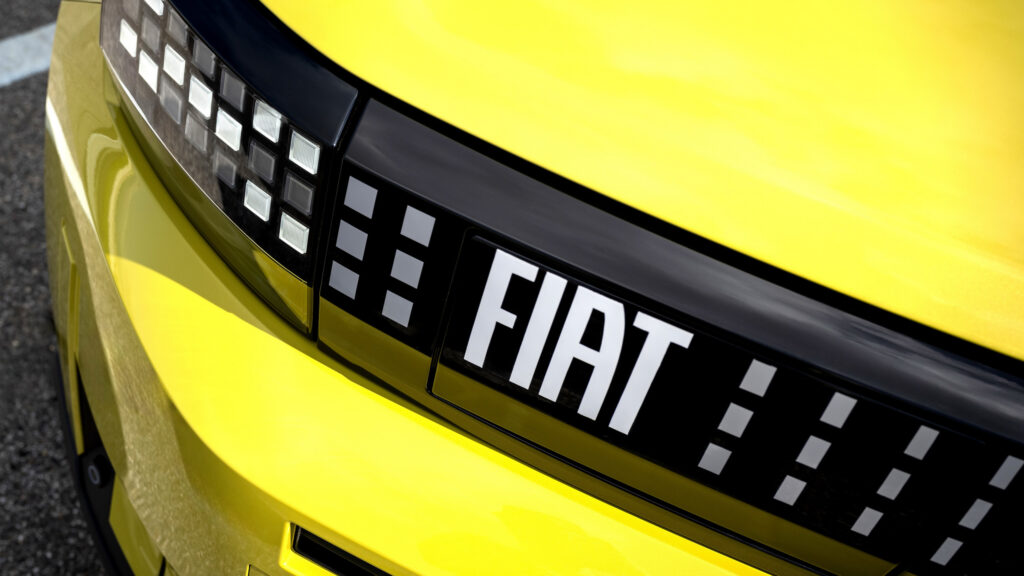
Fiat’s Best Sellers Could Soon Be Slower Than the Speed Limit

  • Fiat CEO supports limiting city car top speeds to 73 mph.
  • Speed limiters could replace costlier ADAS tech in small cars.
  • Models like the 500 and Panda mostly stay in low-speed zones.

Some city cars just aren’t built for speed, and Fiat seems ready to lean into that idea even more. Its famously compact 500 and Panda models might soon become intentionally slower, not due to technical limitations, but as part of a wider strategy to comply with European safety regulations without driving up costs.

Fiat CEO Olivier Francois recently suggested that capping top speeds could be a practical alternative to loading small, affordable models with costly driver-assistance tech.

Review: New Fiat Grande Panda Hybrid Makes Budget Look Cool Again

“I would happily limit my city cars, my smaller cars, to what is today the maximum legal speed limit,” he told Autocar. “It’s already a limitation. There is something weird that I need to over-spec my cars to go above the legal speed limit.”

According to Francois, the average legal top speed across Europe is around 73 mph (118 km/h), adding that most of the safety equipment “has been developed for cars to go way above the speed limit.”

How Fast Should a City Car Go?

But Fiat’s best-sellers, including the 500, Panda, and the newly introduced Grande Panda, aren’t exactly Autobahn material. They spend most of their lives in slow-moving urban traffic, where speed is hardly the point.

 Fiat’s Best Sellers Could Soon Be Slower Than the Speed Limit
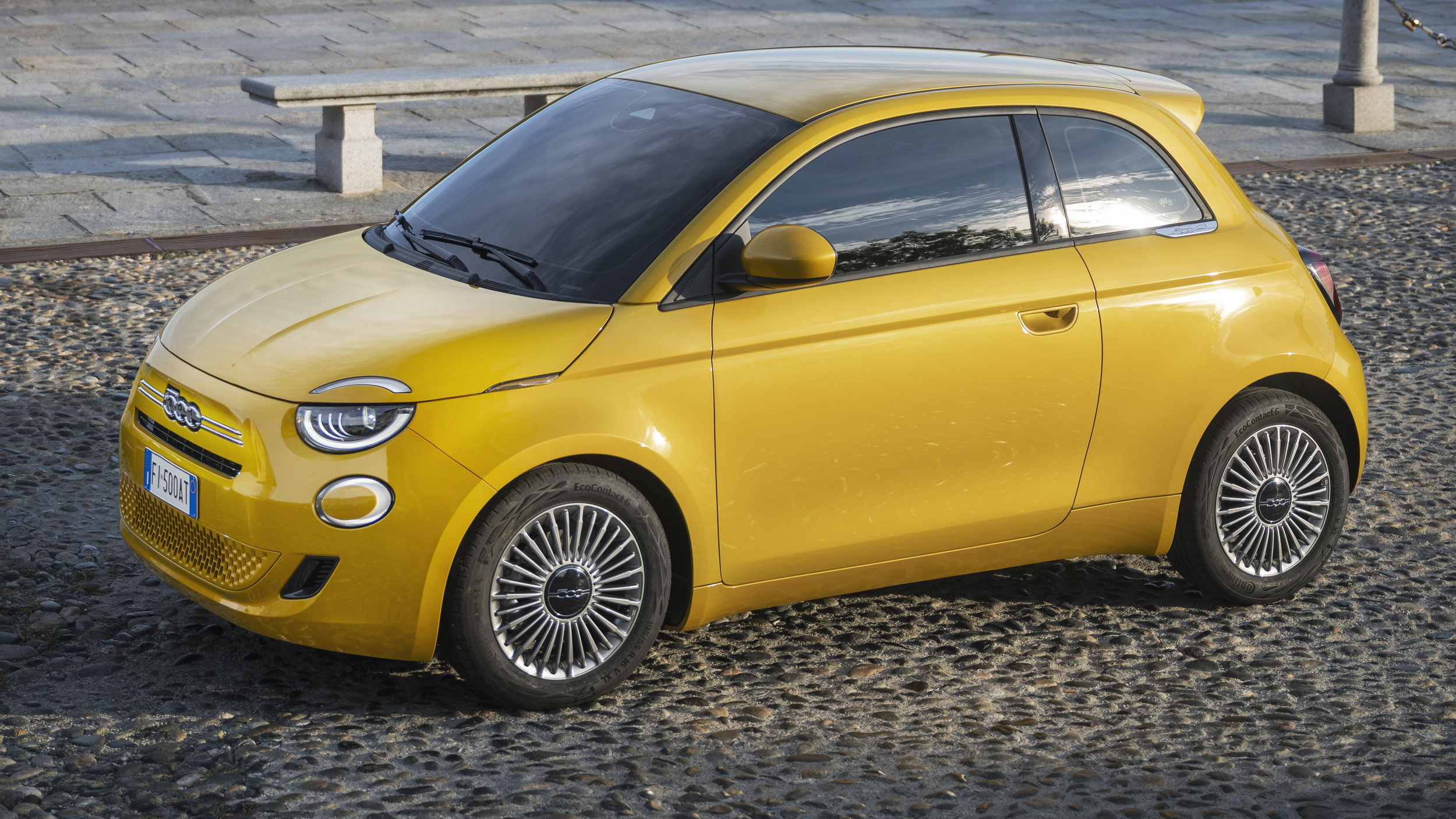
Fiat 500 Hybrid

Francois doesn’t think limiting their top speed to 73 mph (118 km/h) would make much of a difference, since none of the city cars in question is especially fast to begin with.

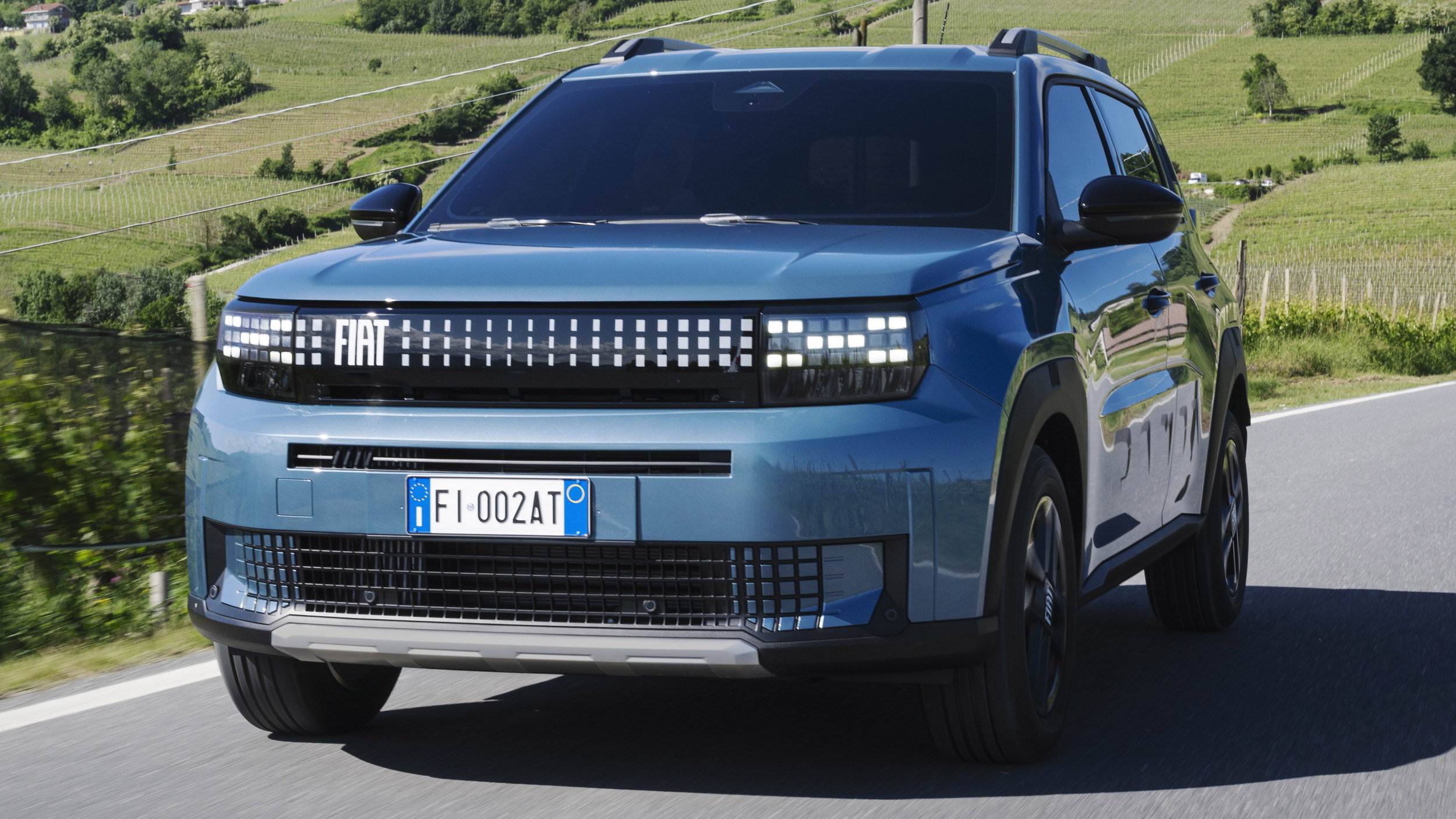
More specifically, the electric Grande Panda is already limited to 82 mph (132 km/h), a cap intended to help preserve battery range. The internal combustion and hybrid versions of the subcompact hatchback are less restricted, capable of reaching up to 99 mph (160 km/h).

The Fiat 500e, meanwhile, comes with a limiter set at either 84 mph (135 km/h) or 93 mph (150 km/h), depending on battery size. As for the new 500 Hybrid, it can theoretically hit 93 mph (150 km/h) as well, though based on its acceleration figures, that top speed might be more of a long-term goal than a regular achievement.

Slower Means Safer

 Fiat’s Best Sellers Could Soon Be Slower Than the Speed Limit

Francois thinks that a new speed limiter could serve as a cheaper alternative to more sophisticated ADAS that would inevitably increase the price of the models with little or no benefit to the customer. He also welcomed the proposal for a new small car category in Europe that could be free of the strict safety rules applicable in higher segments.

More: EU Quietly Plans New Car Class That Could See Prices Drop To €15,000

“I have a hard time understanding why we need to install all this super-expensive hardware,” he said. “Sensors, cameras, road sign recognition… All this is a little bit inadequate, a bit crazy, and has contributed to raising the average price of a city car by 60% over the last five or six years. I don’t think that city cars in 2018 or 2019 were extremely dangerous.”

Francois’s suggestion is to take a step back, reducing complexity rather than increasing it. “Our proposal was literally to say ‘let’s go a little bit backward from overloading cars with expensive hardware’.”

 Fiat’s Best Sellers Could Soon Be Slower Than the Speed Limit

He argues that applying the same safety rules across all vehicle categories misses the point, especially when it comes to small cars built for dense city environments. “We fundamentally think that with all these rules, the most unsustainable portion lies in the city cars and urban driving,” Francois said.

These vehicles, he notes, are often inexpensive, bought by younger drivers, and used primarily for short-distance commutes. Their speeds, and the risks involved, are much lower.

If Fiat decides to introduce new speed restrictions across its lineup, it wouldn’t be the first to take that route. Volvo, Renault, and Dacia have already capped some of their vehicles at 112 mph (180 km/h), aiming to lower the risk of severe accidents.

 Fiat’s Best Sellers Could Soon Be Slower Than the Speed Limit
Fiat Grande Panda Hybrid

Dacia’s New Twingo-Based EV Could Undercut Its Own Cheapest Model In Some Markets

  • Dacia’s new budget EV will be based on the Renault Twingo.
  • European pricing is expected to start at around €18,000.
  • This entry-level EV will support Dacia’s CO2 fleet targets.

As affordable EVs from China continue to pour into Europe, the question for legacy automakers is no longer if they should respond, but how quickly they can. For Dacia, the solution is straightforward: beat them at their own game by offering budget-friendly electric cars under a European badge.

Also: Dacia Working On New Sub-€18k EV For Europe

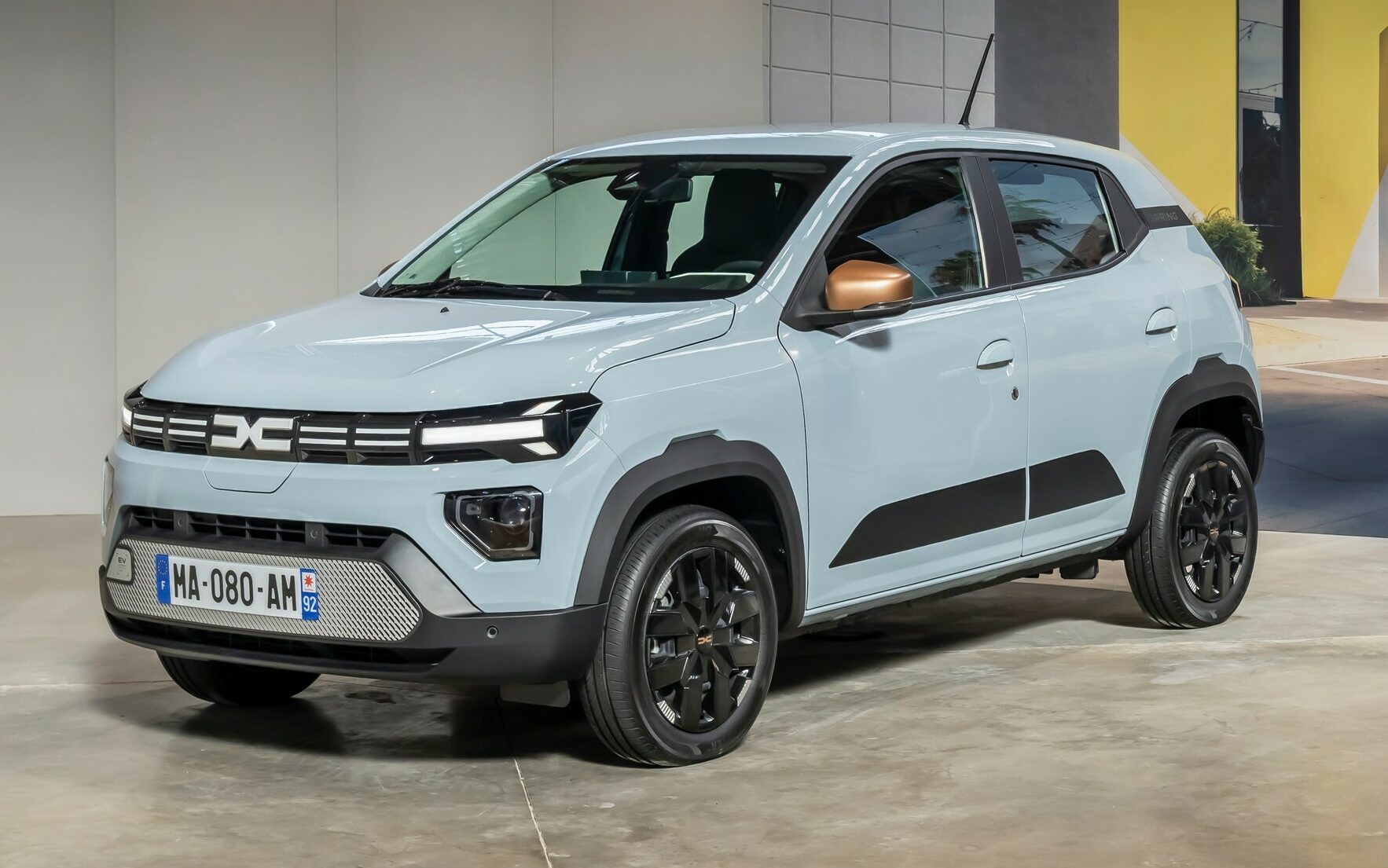
The Romanian brand, part of the Renault Group, already sells the Spring across the continent. Built in China, the Spring has carved out a niche as one of the cheapest EVs available in Europe, including Germany, where it can be had for just €11,900 ($13,900) after a massive €5,000 (around $5,900) discount that’s offered for a limited time.

But Dacia isn’t standing still. A second entry-level electric model is set to arrive in the second quarter of next year, priced around €18,000 (about $20,100).

The Twingo Connection

 Dacia’s New Twingo-Based EV Could Undercut Its Own Cheapest Model In Some Markets
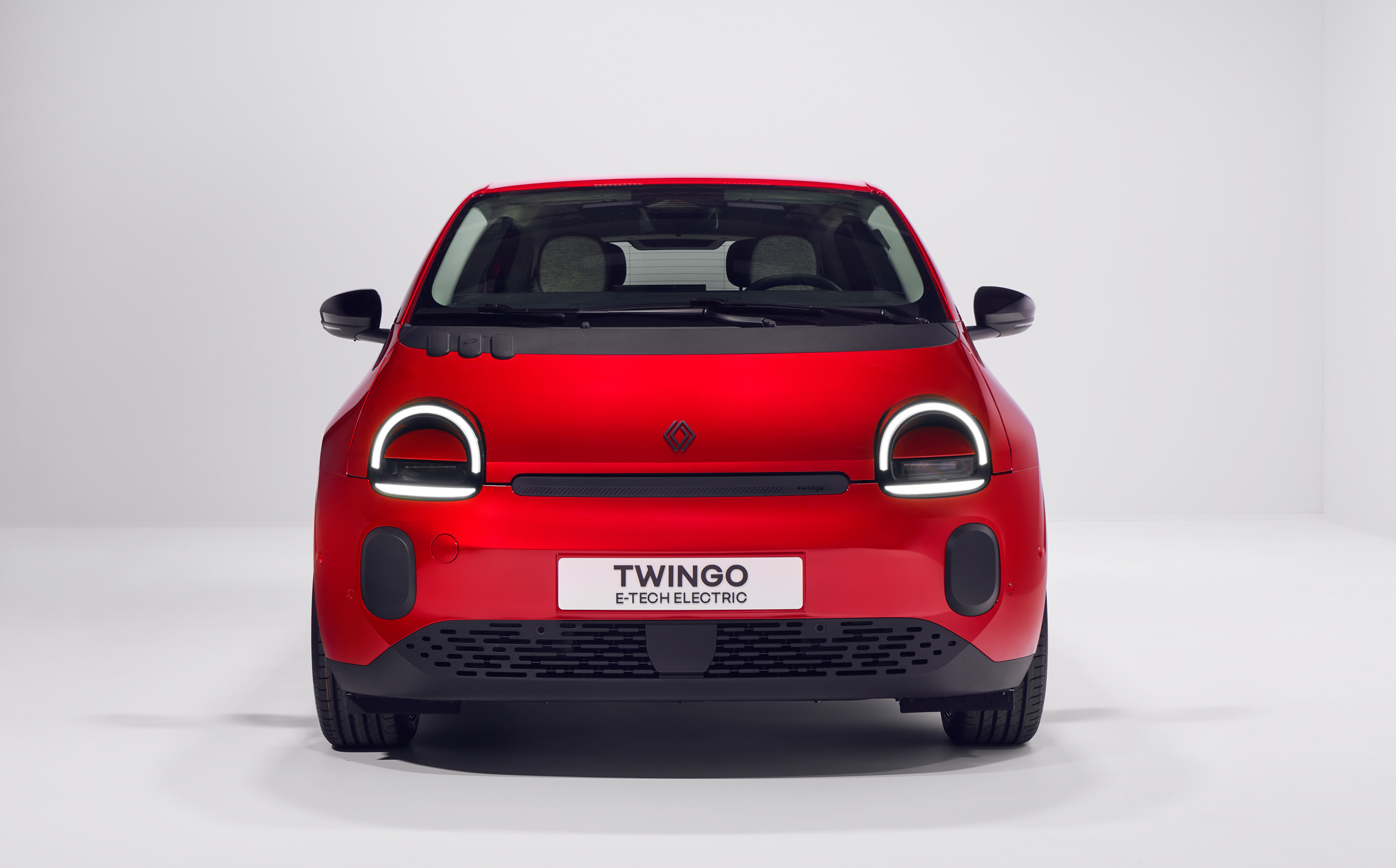
Renault Twingo

This upcoming model will be based on the new Renault Twingo. Unlike the China-manufactured Spring, the new EV will be assembled in Slovenia, sharing the same Novo Mesto plant as its combustion-powered sibling.

“Our aim is basically to maximize the offer of EV in the [minicar segment],” Dacia sales chief Frank Marotte confirmed to Auto News. “What we see is that the A-segment and probably in the future the B-segment are moving very fast toward BEV models.”

A Different Flavor of Affordable

To avoid cannibalizing sales of the Spring, Dacia says the new model will be “completely different,” not just in exterior styling but in color choices, interior design, and feature mix. The idea is to give each model its own identity, even if they serve similar purposes at the affordable end of the EV spectrum.

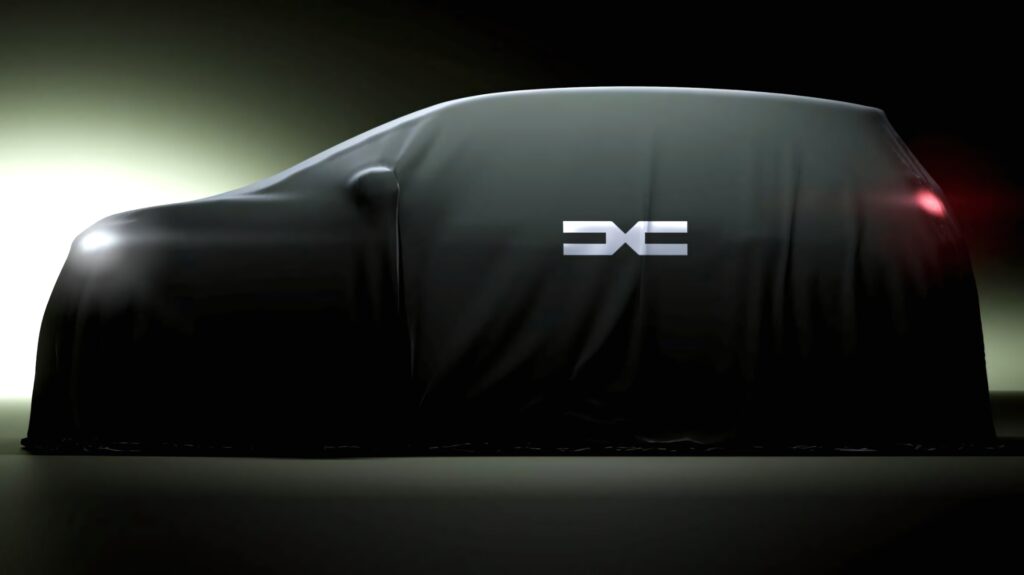
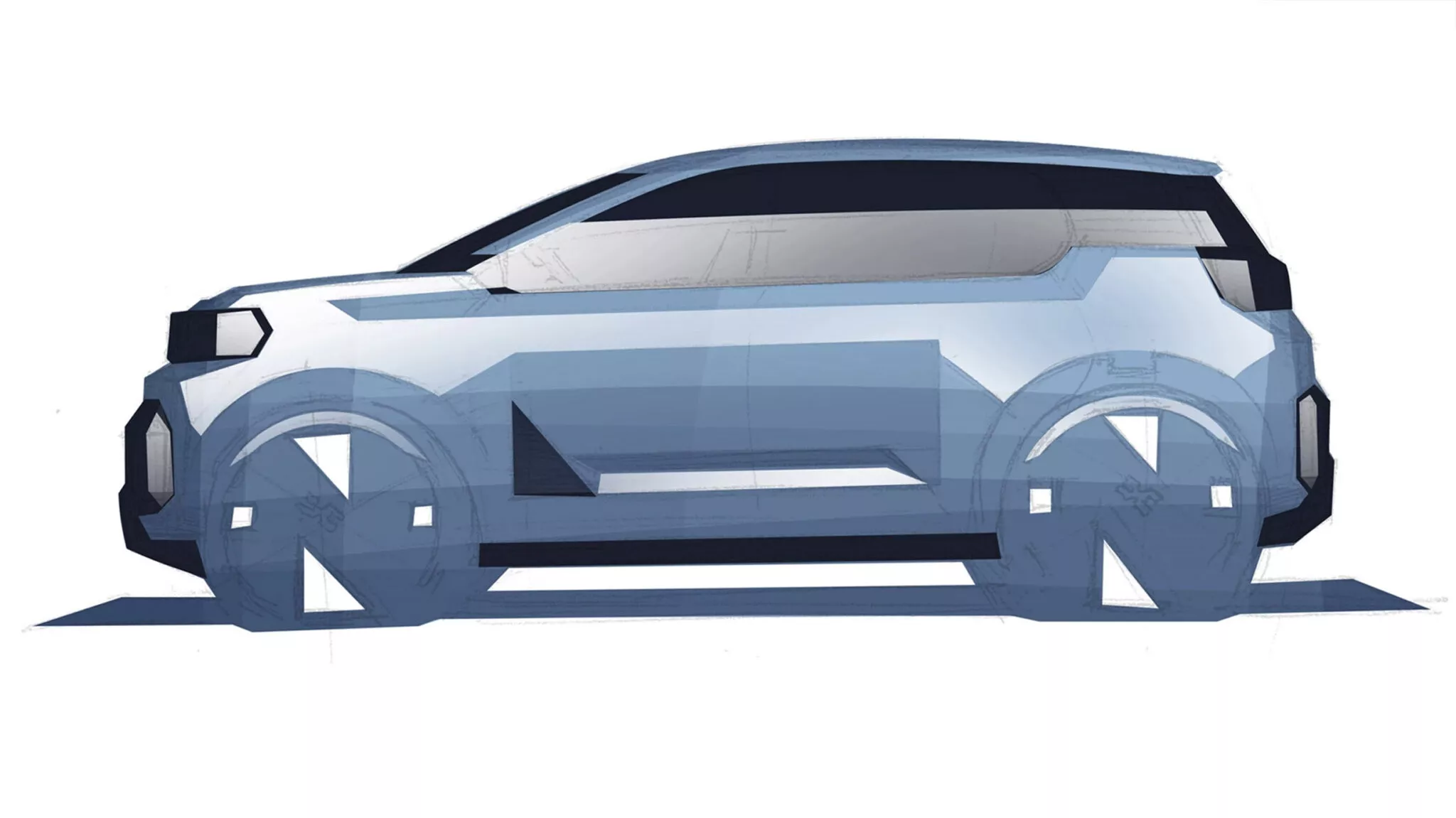
Dacia has already dropped a few hints about the design. A teaser sketch revealed a compact hatch with crossover cues and sharp lines, while a more restrained, camouflaged prototype appeared during a quarterly business update. Neither gives the full picture, but both suggest the new EV won’t be a softened copy of the Spring.

 Dacia’s New Twingo-Based EV Could Undercut Its Own Cheapest Model In Some Markets
Dacia Spring EV

Depending on where you live, the newcomer might actually be the cheaper option. In countries like France and the UK, government subsidies currently exclude Chinese-built models, potentially tipping the scales in favor of this Slovenia-produced car. Pricing could fall below that of the Spring once local incentives are applied.

Read: This EV Was Already Cheap, Then Dacia Knocked Off Nearly $6,000

There’s also a regulatory upside. The new EV will help Dacia lower its fleet-wide CO2 emissions average, an important piece of the puzzle as EU targets tighten. The brand missed emissions goals for both 2025 and 2024, but this new model is part of a push to stay within the rules by 2027.

The car will ride on a shortened version of Renault’s AmpR Small platform, the same one underpinning the new Twingo. Power will come from a single electric motor delivering 81 horsepower and 129 lb-ft (175 Nm) of torque, paired with a 27.5 kWh lithium-iron phosphate battery pack. At this stage, only one variant has been confirmed, and the Dacia-branded model is expected to use the same setup

 Dacia’s New Twingo-Based EV Could Undercut Its Own Cheapest Model In Some Markets
An official sketch of Dacia’s upcoming affordable EV

BMW’s Electric M3 Tries To Simulate Everything It Just Replaced

  • BMW M confirms the first quad-motor EV will debut in 2027.
  • The electric M3 will use a 100 kWh cylindrical cell battery pack.
  • Simulated gears and sound aim to give emotional engagement.

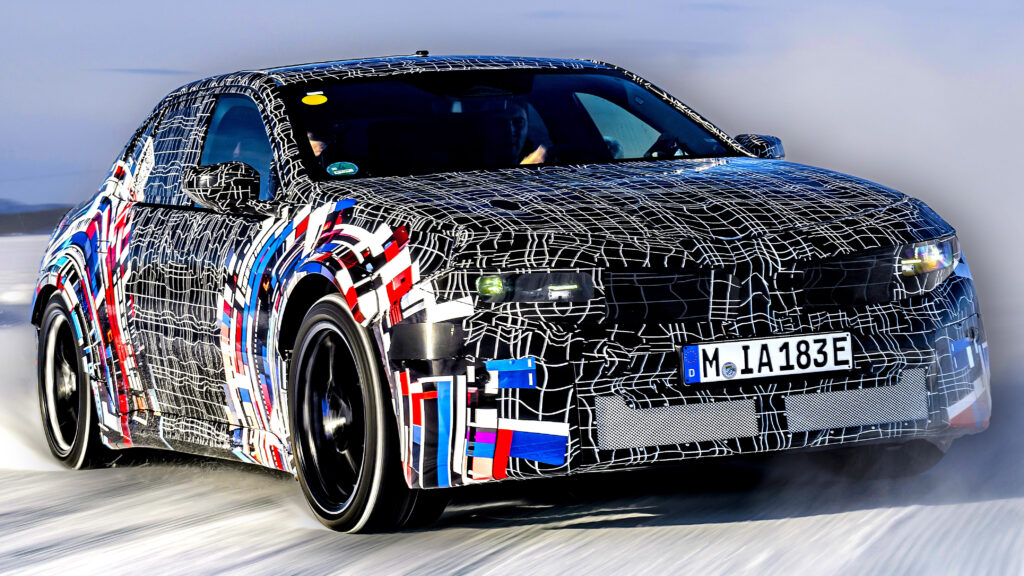
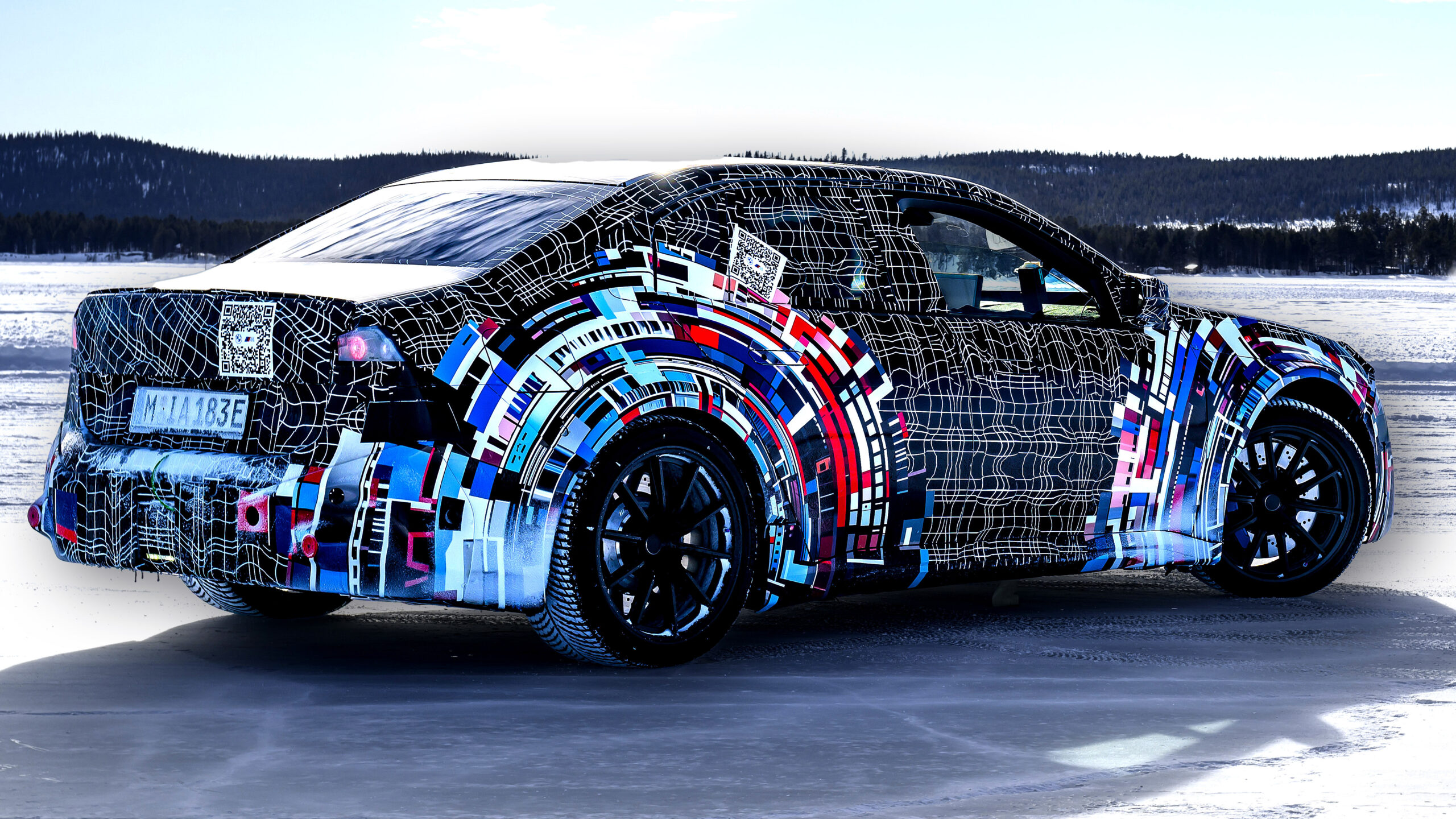
The era of all-electric performance cars from BMW M is nearly upon us. For years, the brand has been feverishly developing its next generation of cars and has confirmed that the first of these new models, the electric M3, will debut in 2027.

BMW isn’t officially calling the prototype shown here the Electric M3, or even the i3 M, though both names might seem like logical picks. If we had to guess, the latter feels like the more likely direction.

What Powers the Neue Klasse M?

At the center of all future electric models from BMW M, starting with the M3, will be an innovative powertrain based on the sixth-generation technologies found across the standard Neue Klasse family. At the front axle, there will be two motors, while at the rear, there will be a further two motors, each of which drives a single rear wheel.
Read: BMW’s Electric M3 Might Be Silent, But It’s Built To Make You Scream

BMW isn’t yet ready to reveal how much power its quad-motor system will produce, but don’t be surprised if future EV Neue Klasse models have four-digit horsepower ratings.

 BMW’s Electric M3 Tries To Simulate Everything It Just Replaced
The motors are arranged in parallel, delivering power to one gearbox per wheel. Each of the two drive units also incorporates an inverter. The motors also allow for the precise control of power and torque at each wheel, creating what BMW says is a driving experience “that has never been achieved before.”
Supplying the motors will be a 100 kWh battery pack using BMW’s latest cylindrical cells. Driving ranges will obviously vary depending on the model, but the brand notes the pack has been designed to withstand the rigors of racetrack use. To offset some of the hefty weight of the electric powertrain, these electric M models will include lightweight natural fiber components.

Rear-Drive When You Want It

In news that will no doubt please hardcore driving enthusiasts, M says the front axle can be fully decoupled, turning its models into rear-wheel-drive beasts. Switching into RWD will also improve efficiency and boost driving range, so you can save the planet and spin up the wheels at the same time.

\\\\\\\

Channeling Hyundai’s Playbook

This isn’t where the driver-focused features will end. Much like the Hyundai Ioniq 5 N, electric M Neue Klasse models, like the M3 EV, will include simulated gear shifts and a special soundscape, aiming to add some emotion into the EVs, which are often void of excitement.

The ’Heart of Joy’ high-performance control unit will control all driving-related processes, like control of the wheels and the steering, operating alongside four high-performance computers. To put it simply, M’s Neue Klasse models will be tech fests aiming to put the driver at the center of the experience.

\\\\\\\

What Jeep’s UK Boss Said About The Defender Might Hint At Wrangler’s Future

  • Jeep dropped the Wrangler in Europe over new regulations.
  • Jeep’s UK chief says a new version could arrive down the line.
  • He hopes the SUV can follow the path of Land Rover’s Defender.

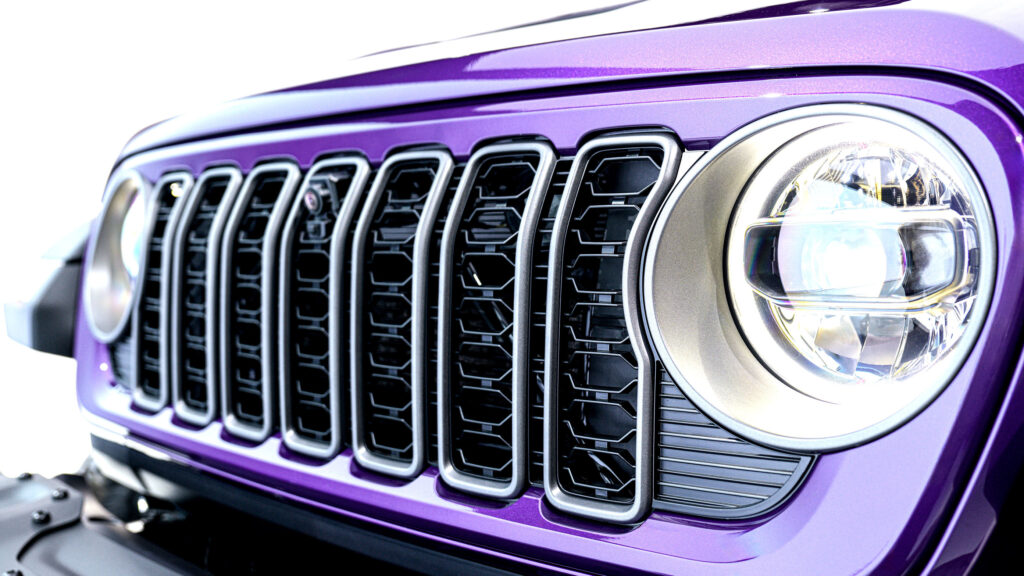
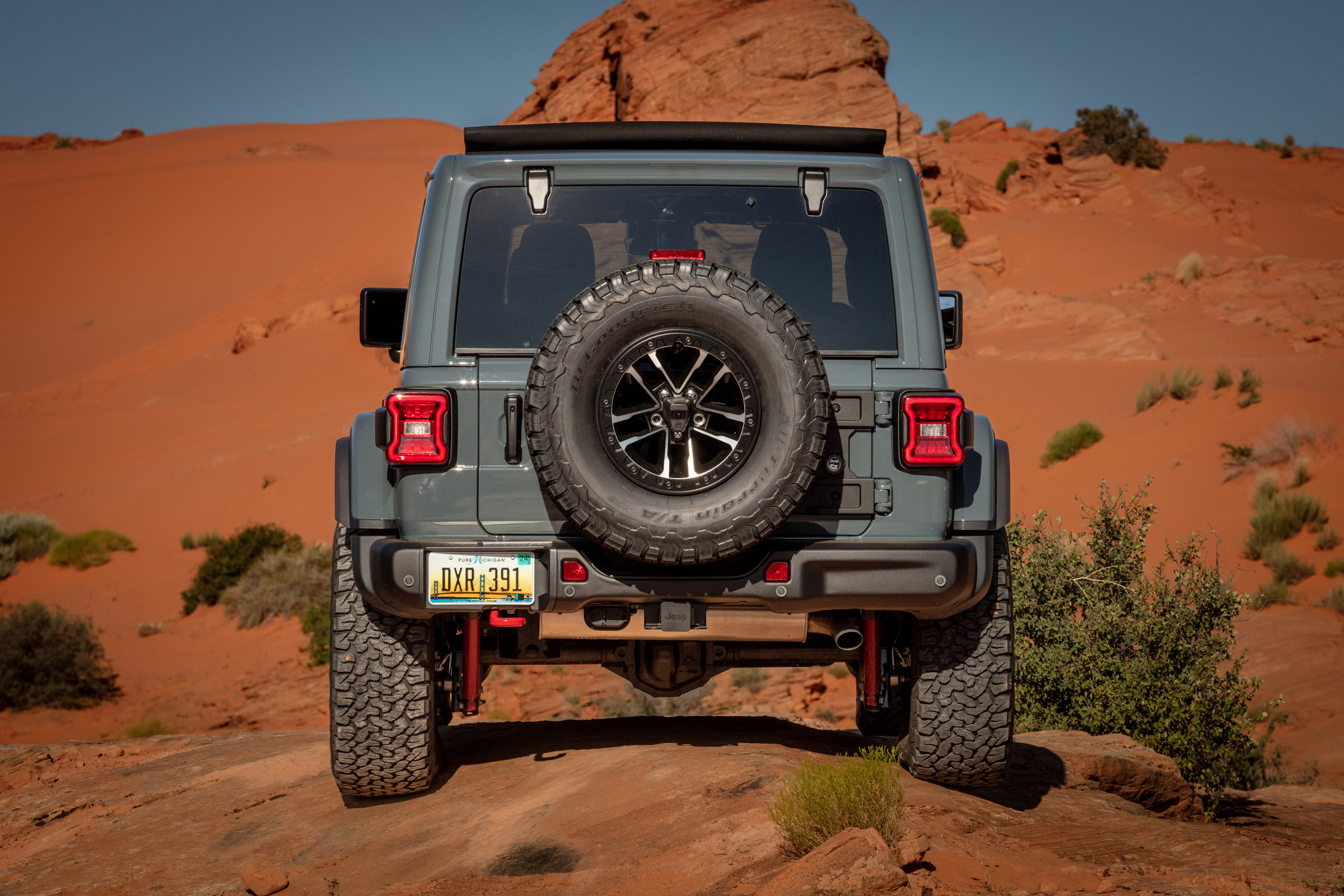
European buyers might soon get another shot at the Jeep Wrangler, after the model was recently discontinued across the continent. You’ll still find it at dealerships through the first half of 2026, but only what’s left in stock. After that, buyers will have to wait for Jeep to introduce the next-generation model.

More: Stellantis Quietly Kills Its Plug-In Hybrids In America

Jeep recently stopped taking new orders the current Wrangler in Europe, including the UK, because it no longer complies with updated GSR2 safety regulations. These require modern driver-assistance and monitoring systems, which the Wrangler lacks, along with updated cybersecurity protections.

On top of that, emissions played a role in its departure. The turbocharged 2.0-liter GME-T4 inline-four used in European models emits up to 269 grams of CO₂ per kilometer, putting it in the same category as some high-performance V8 SUVs. The fact that Jeep discontinued all hybrid variants in the US, probably didn’t help either.

It may be gone for now, but it won’t be gone forever.

Next Chapter in Sight

 What Jeep’s UK Boss Said About The Defender Might Hint At Wrangler’s Future
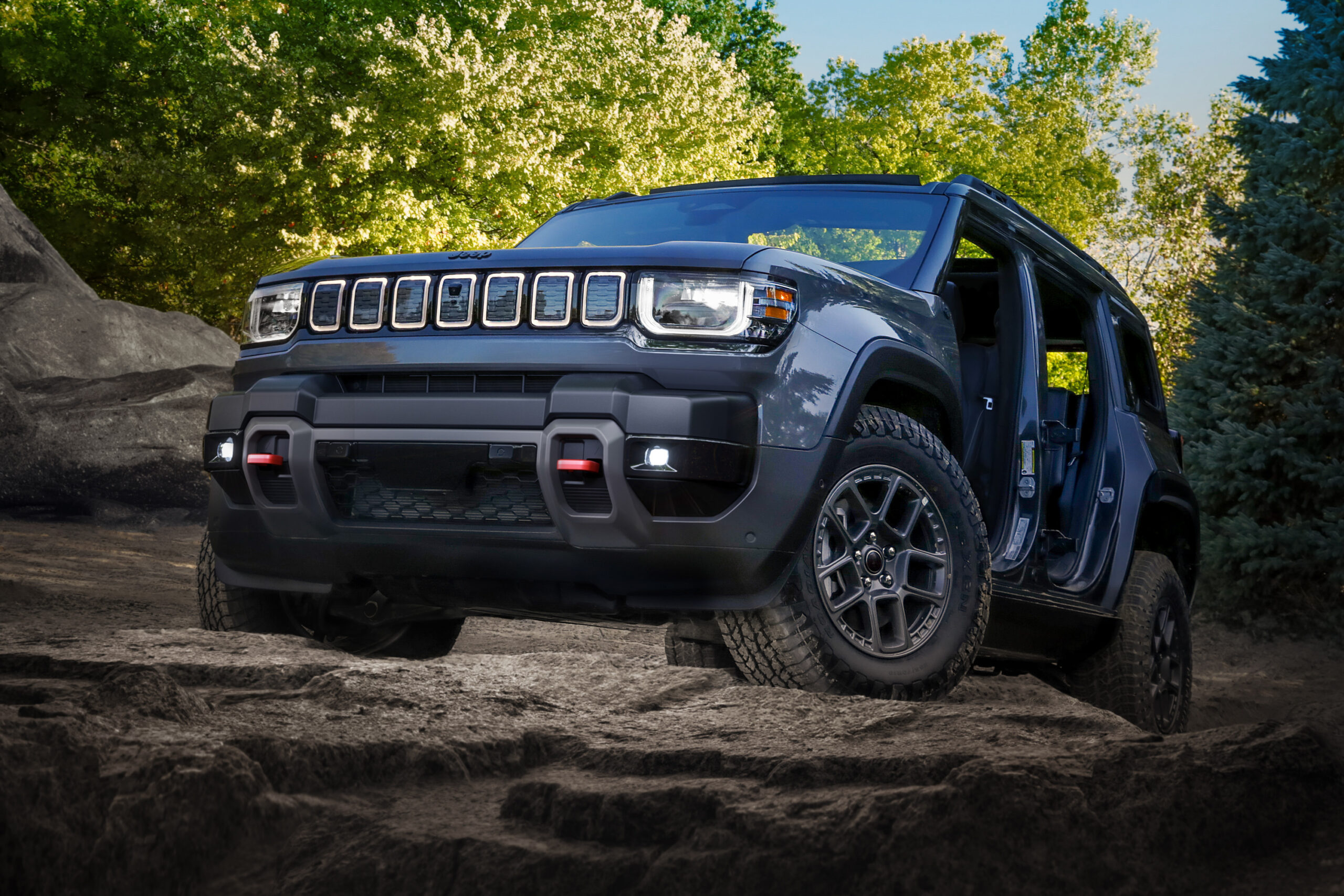
For now, the Wrangler will be replaced by the Recon in Europe

According to Jeep UK managing director Kris Cholmondeley, the current model has been “a victim of regulation” and he is confident there will be “another incarnation down the line.”

“I’ve had chats with the head of Europe and the head of the global team,” Cholmondeley told Auto Express. “I think we’re all aligned that we’d like to see it back – that’s what I would say. What and when? I don’t know. I honestly don’t know if it could come back as plug-in hybrid or full-electric. I just know the brand; it’s got such heritage, it seems silly to lose that.”

 What Jeep’s UK Boss Said About The Defender Might Hint At Wrangler’s Future

Lessons from the Defender

Although limited details are known about the next-generation Wrangler, it will almost certainly lean heavily on electrification with plug-in hybrid versions, and perhaps even an EV. Cholmondeley is hopeful that Jeep can replicate what Land Rover has done with the new Defender, making a future generation of the Wrangler more refined, while still retaining the off-roading abilities that have made it so iconic.

“Look at [the Land Rover] Defender,” he said. “If you can take something like a Wrangler and have a little bit of refinement, but still keep its personality, you see the hundreds [of sales] going to thousands, don’t you?”

Read: Jeep’s New Special Edition Looks Like It Borrowed A Bronco’s Sunday Best

While the Wrangler is one of Jeep’s most iconic models, the British director said the brand can retain an important presence in Europe, even without it in its range.

“Wrangler has been an enduring icon, but it has always been niche. That’s lovely for the heart – [but] in terms of the ongoing viability, a good brand can die by being too niche and not having a broader commercial appeal,” he told Autocar.

“Our job is to protect the core and the spirit and broaden the appeal. So I love Wrangler and everything it stands for, but I also love Avenger and Compass. They’ve got all that Jeep DNA running through them, but they’ve got much broader appeal.”

\\\\\\\

Model Y’s New Third-Row Looks Perfect For Kids You Secretly Don’t Like

  • Tesla has introduced a new seven-seat version of the Model Y.
  • Seats cost $2,500 and are limited to the Model Y Premium AWD.
  • There are also other changes including a larger 16-inch display.

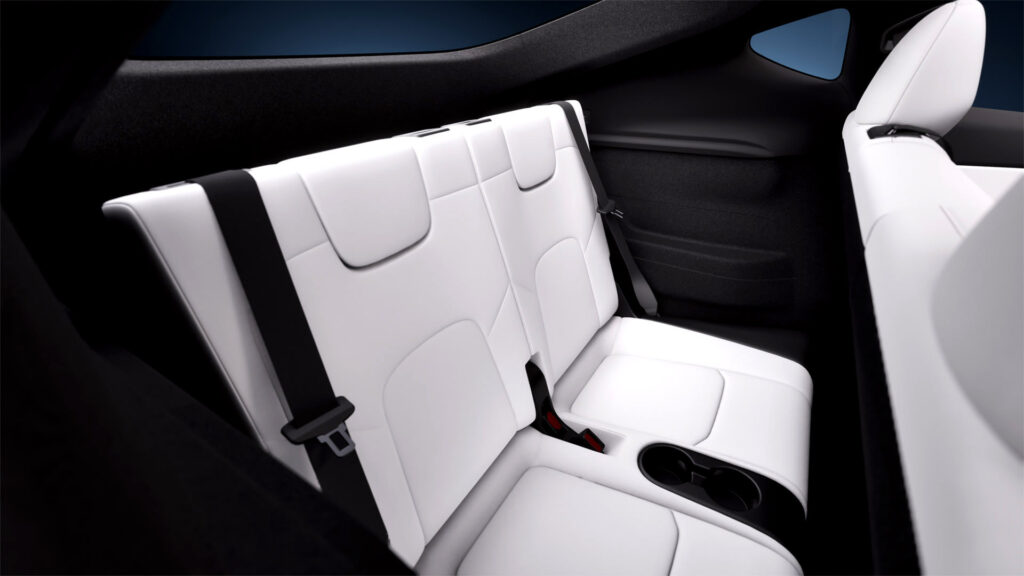
Tesla has introduced a new seven-seat version of the facelifted Model Y Premium. It’s available exclusively on the all-wheel drive Premium variant and costs an additional $2,500.

While the company hasn’t provided specifics on the fold-flat third row, it appears nearly identical to the setup found in the pre-facelift Model Y, meaning it can accommodate two small children at best. Unfortunately, they won’t find much back there besides two cup holders and some armrests integrated into the cargo area.

More: Tesla’s Model Y L Gets Bigger And Pricier With New Six-Seat Layout

Pricing starts at $51,490 and the vehicle has an EPA-estimated range of 327 miles (526 km). The crossover can also accelerate from 0-60 mph (0-96 km/h) in 4.6 seconds, before hitting a top speed of 125 mph (201 km/h).

\\\

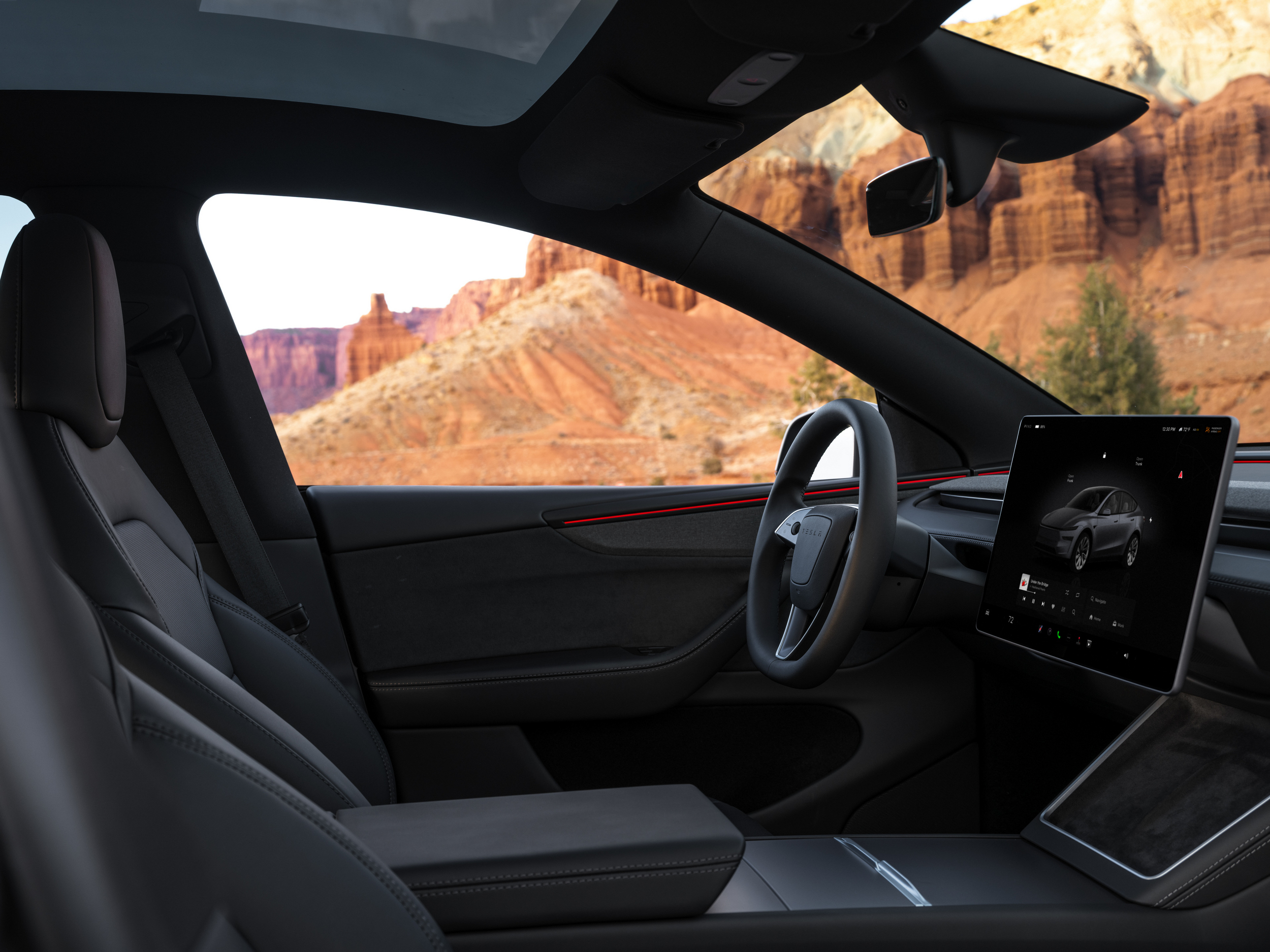
In other news, Tesla revealed all Premium and Performance variants will now come equipped with a black headliner and a larger 16-inch infotainment system. That’s up slightly from the previous 15.4-inch display.

Tesla didn’t mention additional changes, but reports suggest the model also gains matte black badging and a new 20-inch wheel design. The latter are known as the Helix 2.0 and they cost $2,000. Unfortunately, the titanium colored wheels lower the range of the aforementioned all-wheel drive Model Y Premium to 303 miles (488 km).

 Model Y’s New Third-Row Looks Perfect For Kids You Secretly Don’t Like

Trump Killed The Federal EV Credit, So California Wrote Its Own

  • Newsom proposes $200M to replace canceled federal EV tax credits.
  • Plan targets point-of-sale rebates for new zero-emission vehicles.
  • Rebate follows pressure from automakers and environmental groups.

California California is moving to jumpstart electric vehicle momentum in the wake of the now-vanished $7,500 federal tax credit, and it’s bringing serious money to the table. To keep buyers engaged and support EV adoption, the state plans to introduce a new point-of-sale incentive designed to lower the upfront cost of electric vehicles right at the dealership.

The centerpiece of Governor Gavin Newsom’s newly unveiled $348.9 billion state budget proposal includes a one-time $200 million allocation for a point-of-sale rebate program targeting light-duty zero-emissions vehicles. Specifics are still under development, including how many rebates will be offered and which vehicles will qualify.

Next Phase of the EV Push

“Despite federal interference, the governor maintains his commitment to protecting public health and achieving California’s world-leading climate agenda,” California Air Resources Board spokesperson Lindsay Buckley said. “This incentive program will help continue the state’s ZEV momentum, especially with the federal administration eliminating the federal EV tax credit and carpool lane access.”

Read: California Won’t Replace $7,500 EV Tax Credit as Newsom Accuses GM of Selling Out

Car buyers in California rushed to snag new EVs in the third quarter of last year before the tax credit expired. Indeed, a record number of 124,700 zero-emission vehicles and plug-in hybrids were purchased across the state between July and September, the highest number on record. Predictably, sales tapered off in the fourth quarter once the credit was gone.

 Trump Killed The Federal EV Credit, So California Wrote Its Own

It’s not just consumers who will be pleased to hear California has incentives up its sleeve. Back in September, a group of automakers including Honda, Hyundai, VW, Audi, and Rivian sent a letter to Governor Newsom, urging the state to create a $5,000 EV rebate to offset the loss of the federal incentive previously scrapped under the Trump administration.

An incentive program won’t just benefit the hip pockets of locals. As reported by the LA Times, transportation is the largest source of climate and air pollution in California, so the more zero-emissions vehicles that can be sold there, the cleaner the air will become.

Also: California Flips On Immigrant Truckers, And Now Washington Wants Payback

Governor Newsom added that the state “refuse[s] to be bystanders” as China and other countries lead the industry’s shift to EVs.

“We must continue our prudent fiscal management, funding our reserves, and continuing the investments Californians rely on, from education to public safety, all while preparing for Trump’s volatility outside our control,” he said. “This is what responsible governance looks like.”

\\\\

Americans Just Blew $15 Billion On Pickups In A Single Month

  • Truck buying pushed U.S. average transaction prices to a new high.
  • December 2025 ATP hit $50,326, up 0.8% yearly and 1.1% monthly.
  • Over 233,000 full-size trucks sold at a $66K average, Cox says.

New vehicle prices traditionally peak in December, but last month they really boomed, the average transaction price (ATP) in America reaching an all-time high after breaking the $50,000 barrier for the first time in September of 2025. And it was trucks, appropriately enough, that did the heavy lifting.

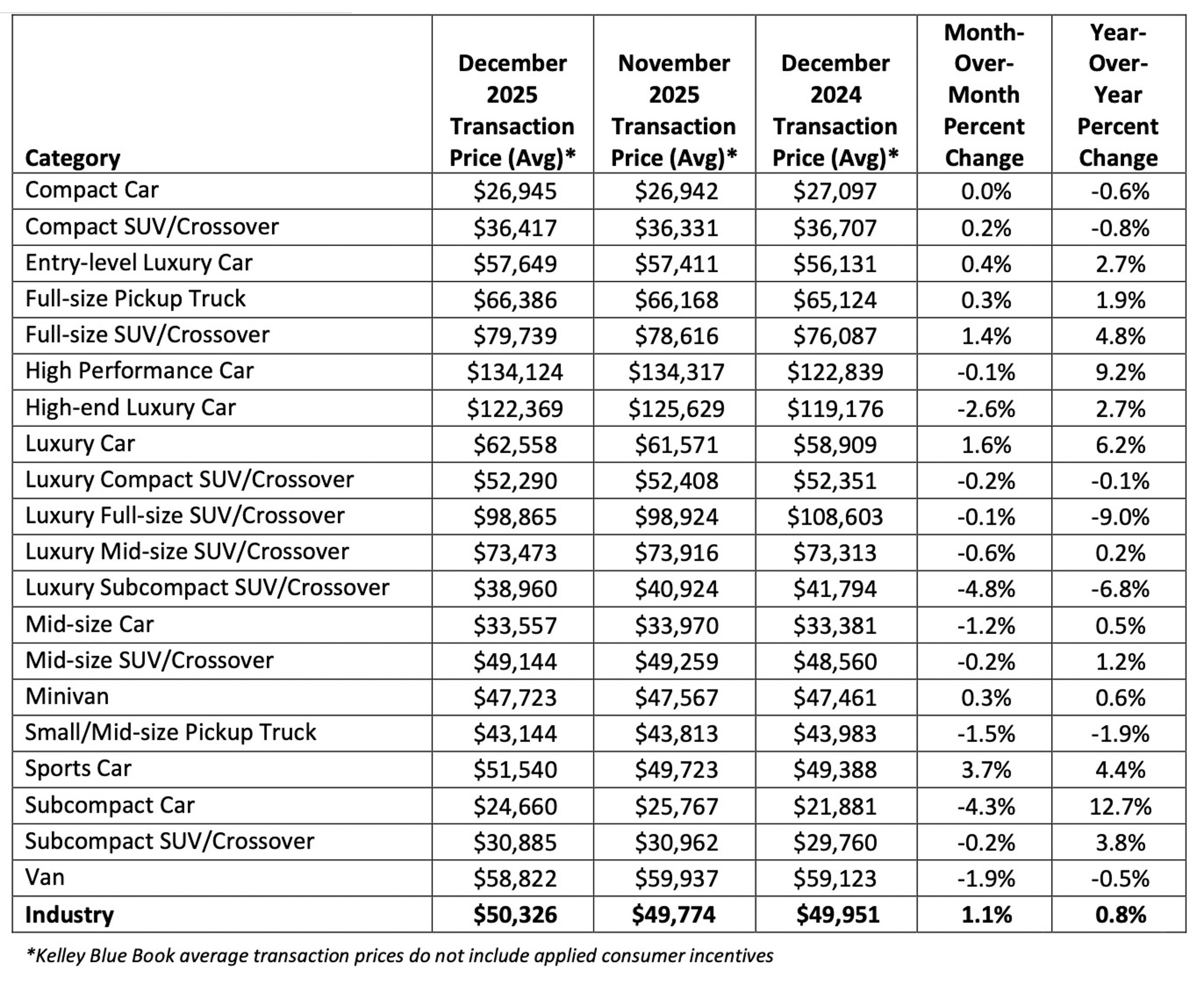
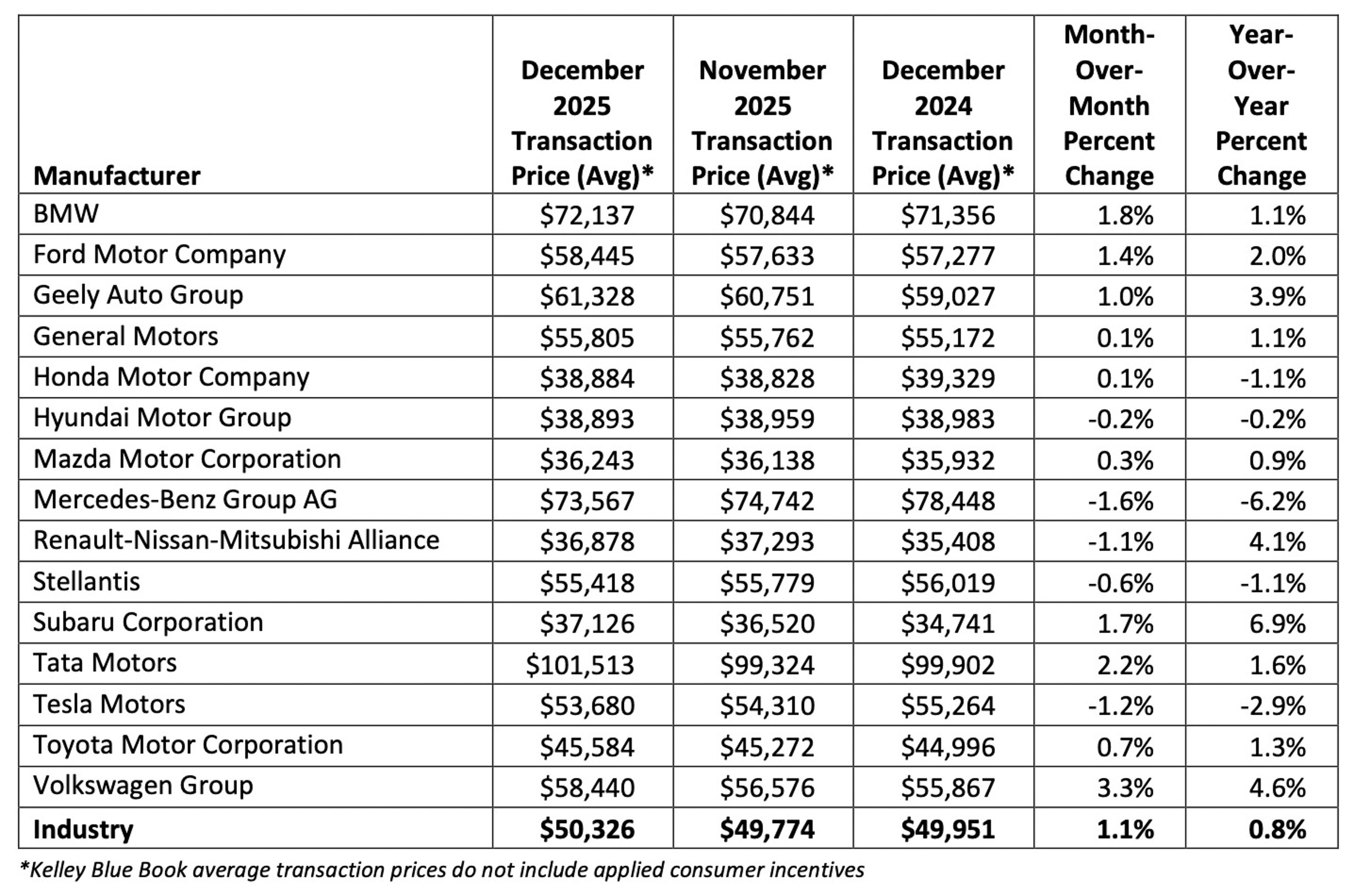
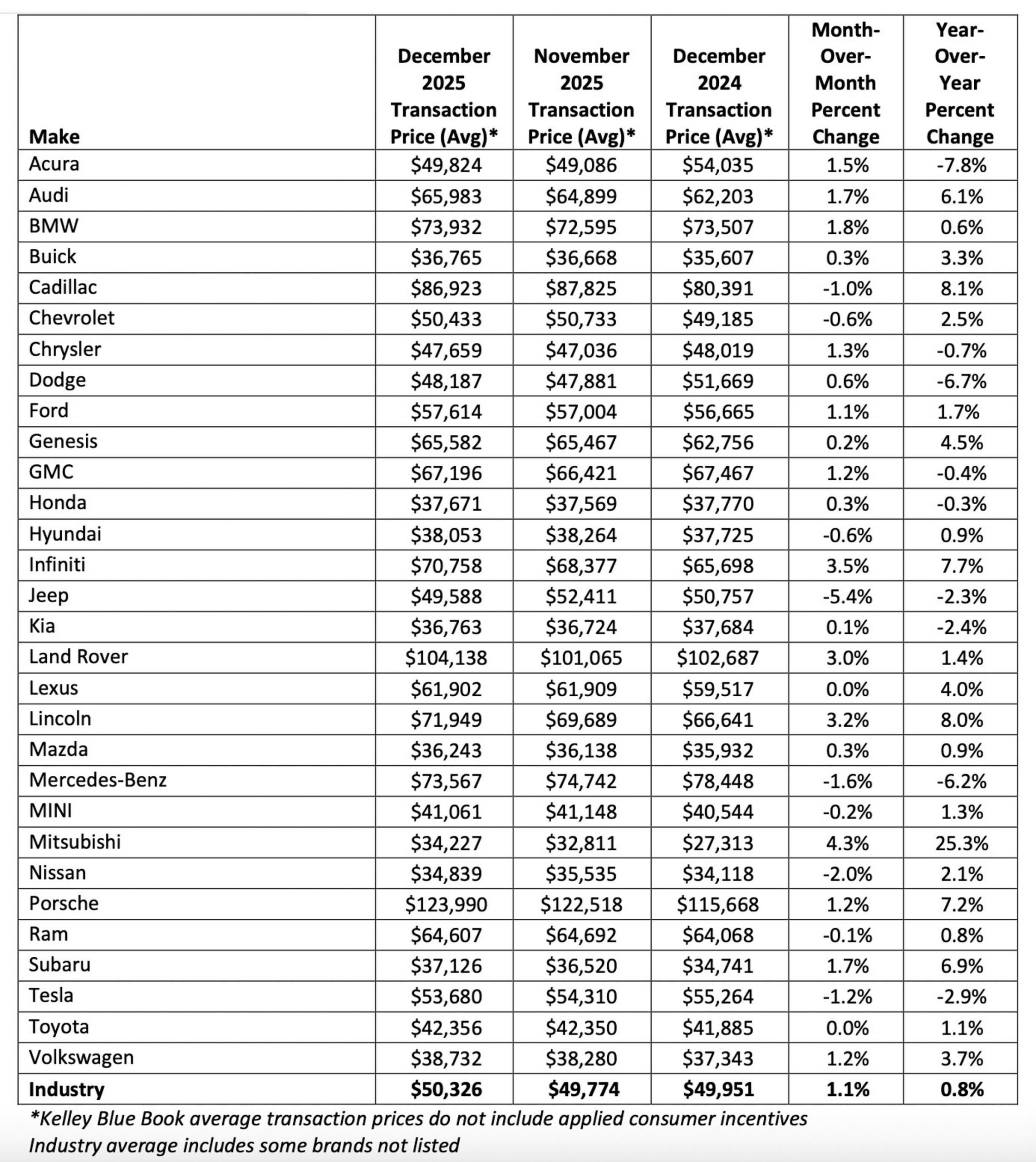
Kelley Blue Book says the average transaction price for a new vehicle climbed to $50,326 in the final month of 2025, up 0.8 percent year on year and up 1.1 percent from November. Americans’ desire to put a pickup on their driveway helped fuel that growth, with drivers splurging a staggering $15 billion on full-size trucks in December alone.

Related: Woohoo! We Found A New Honda Prelude With A Discount

Jumbo pickups including the Ford F-150 and Chevy Silverado had an averaged price of $66,386 in December, according to Cox Automotive’s data, that average a modest 1.9 percent higher than the previous December. But over 233,000 of them were sold, turning the segment into a kind of economic leaf blower that pushed the entire industry’s average higher.

Choosing luxury

That truck performance confirms that average prices aren’t simply rising because everything naturally gets more expensive, even when inflation is low. They’re rising because buyers are choosing more expensive stuff. Nearly 20 percent of shoppers went for luxury rides in December, according to Cox and that doesn’t even include high-end trucks, which increasingly behave like luxury vehicles with bed liners.

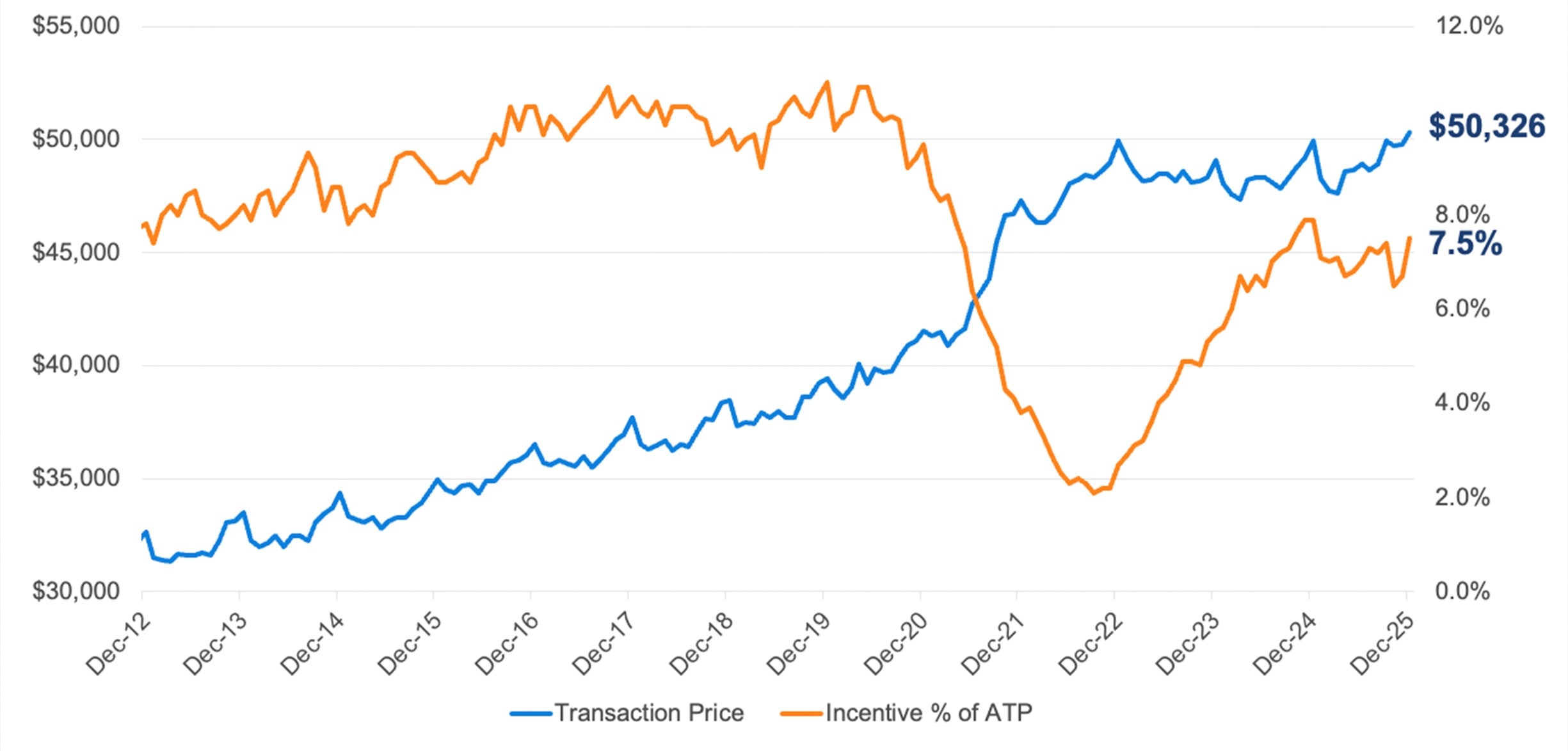
Transaction Price Versus Incentives
 Americans Just Blew $15 Billion On Pickups In A Single Month
Cox Automotive

December’s $50,326 ATP, by the way, reflects what buyers are actually paying at the dealership. It wasn’t the only number to hit a new high. The average new-vehicle manufacturer’s suggested retail price (MSRP), often referred to as the “asking price,” also set a record last month, reaching $52,627. That figure is 1.2 percent higher than it was in December 2024. Notably, the average MSRP has stayed above $50,000 for eight straight months.

The industry average incentive rose to 7.5 percent of transaction price, higher than November but lower than last year and far lower than pre-covid levels. That means the sticker shock is real regardless of the difference between ATP and MSRP.

“We typically see elevated prices in December, as the market delivers a strong mix of high-end and luxury vehicle sales,” said Cox Automotive Executive Analyst Erin Keating. “It’s important to remember, the Kelley Blue Book ATP is a reflection of what was sold in a given month, not what is available. Last month, nearly 20% of shoppers bought luxury, a peak for 2025 – and that doesn’t include the volume of high-end pickups that were snapped up by affluent shoppers.”

Big EV Incentives

 Americans Just Blew $15 Billion On Pickups In A Single Month

On the electric front it was a mixed bag, which is hardly surprising given how much uncertainty tariffs and the loss of tax credits has injected into a segment whose growth has slowed. Average EV transaction prices dipped slightly from November but stayed higher than a year ago at just over $58,000 on average.

But much more generous incentives – a record 18 percent, more than twice that for combustion cars – must have played a big role in pushing monthly electric sales above 84,000 units in December. That last figure is the best since credits were axed in September, but 2025’s total EV sales of around 1.28 million is down 2 percent on 2024, Cox analysts say.

Average Transaction Price by segment
 Americans Just Blew $15 Billion On Pickups In A Single Month
Cox Automotive
Average Transaction Price by automaker
 Americans Just Blew $15 Billion On Pickups In A Single Month
Cox Automotive
Average Transaction Price by brand
 Americans Just Blew $15 Billion On Pickups In A Single Month
Cox Automotive

Honda Is Replacing Its Classic ‘H’ Logo, But Not On Every Model

  • Honda’s new borderless H emblem arrives on cars starting 2027.
  • It will appear on 0 Series EVs and 13 next-generation hybrids.
  • The new badge rollout includes dealers, branding, and motorsport.

Update: We reached out to Honda for clarification on whether its new logo will appear solely on electrified vehicles (EVs and hybrids) or across all models, including gasoline-powered ones.

“Honda has announced that the new H-Mark will be applied to EV/HEV models launched after 2027,” a US spokesperson told us. “Honda has no details to share regarding gasoline models at this time.”

Honda is preparing for a small but symbolic shift in its visual identity as it steps deeper into electrification. The company has announced that a newly designed emblem will begin appearing on its electrified production vehicles and across other areas of its automotive business, including dealerships and motorsport divisions.

More: Prelude, Type R And CR-V Get Sporty HRC Makeovers, And Honda Didn’t Stop There

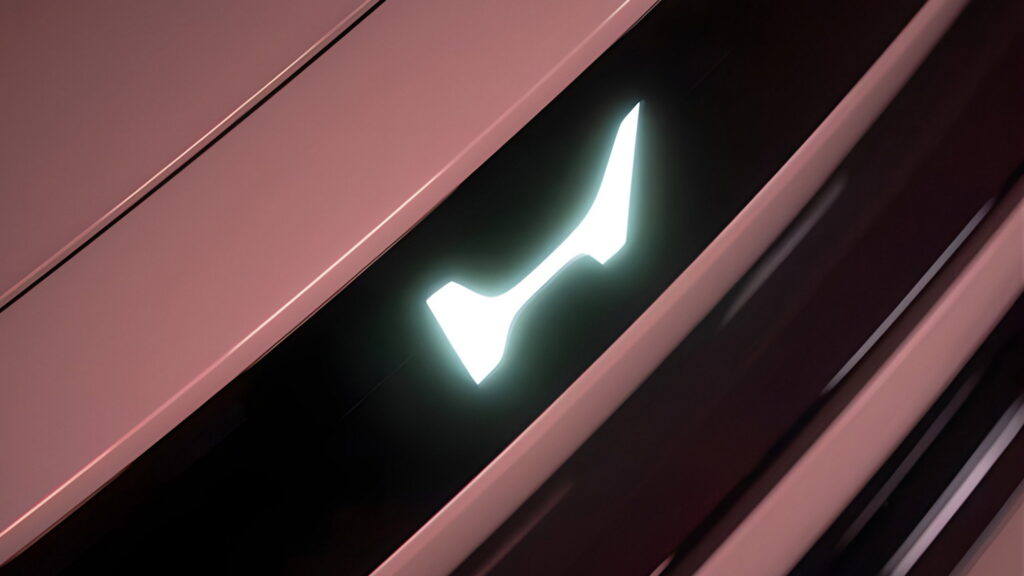
The classic H mark has been reimagined with a simplified, borderless design and will make its production debut on future electric vehicles and next-generation hybrids beginning in 2027.

Which Models Get It First?

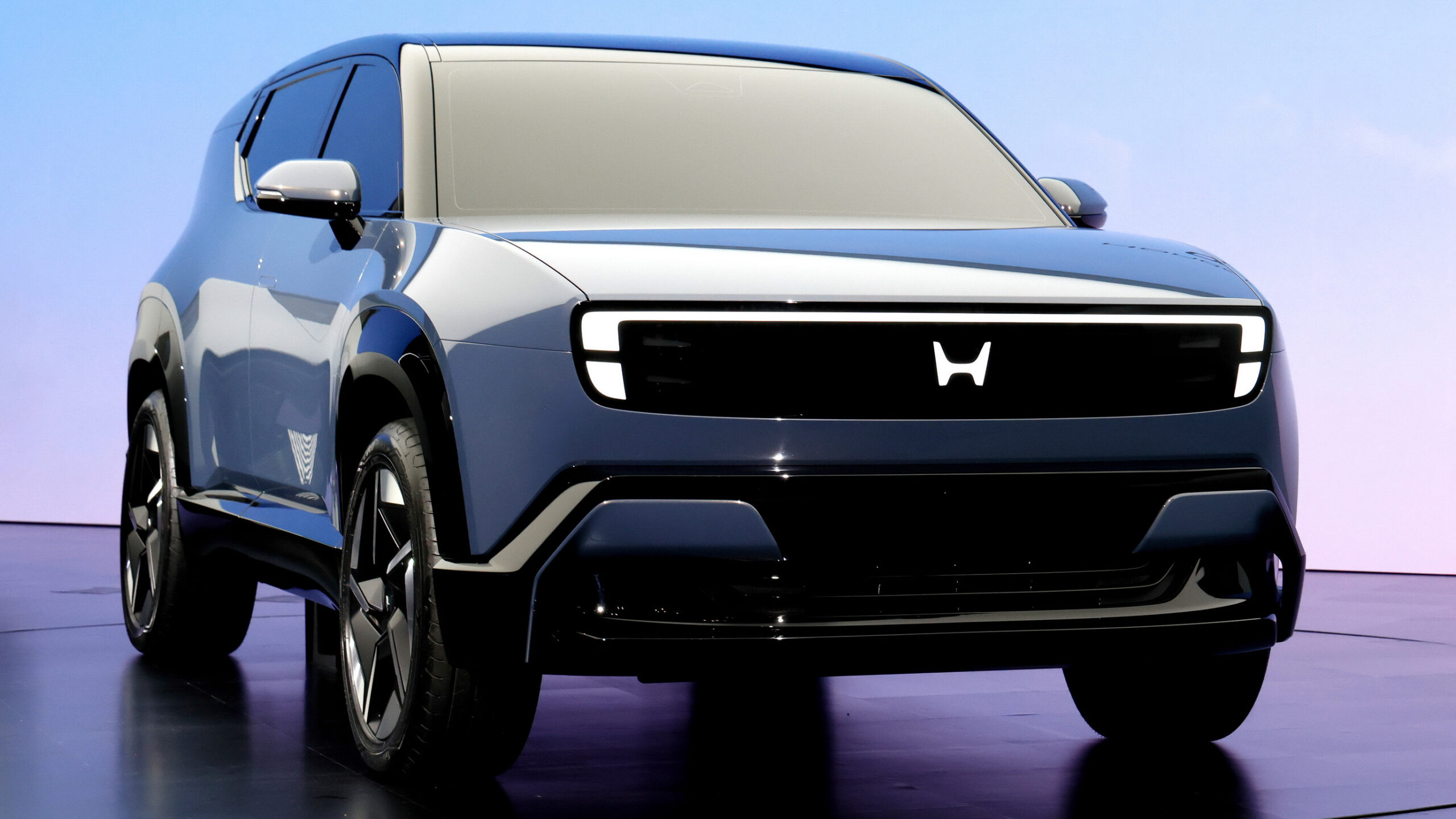
The new logo made its first appearance on Honda’s 0 Series concepts, revealed in early 2024. The first production model expected to wear it is the 0 SUV, which will be built in Ohio. That vehicle was originally slated to launch in 2026, although the first confirmed use of the new badge is now set for 2027.

Following the 0 SUV, Honda will introduce the closely related 0 Saloon, which also features the illuminated emblem. A third vehicle, the compact 0 Alpha SUV, is being developed as a global model, with particular attention to the Japanese and Indian markets.

 Honda Is Replacing Its Classic ‘H’ Logo, But Not On Every Model
Honda 0 Alpha

Alongside its all-electric lineup, Honda has confirmed the emblem will appear on a series of new hybrids as well. Between 2027 and 2031, the company plans to roll out 13 new vehicles featuring an updated version of its e:HEV hybrid system. The revised setup promises better efficiency, stronger performance, and tighter integration of components.

More: Next CR-V And Civic Hybrids Borrow A Trick From The Prelude To Feel Fun Again

This means the Prelude coupe and the upcoming Super-One hatchback could be among the final new models to carry the current emblem, unless Honda opts to retrofit them with the new badge as part of future model year updates.

While there is no mention of future ICE-powered products, Honda has confirmed that the new branding will be “rolled out gradually across automobile models and other business areas” such as dealerships, communications initiatives, and motorsport activities.

The H mark has served as Honda’s signature since 1963, with previous redesigns arriving in 1969, 1981, 1991, and 2001. The latest version, inspired by the image of two outstretched hands, is intended to symbolize a “second founding” for the brand as it moves through a period of transformation.

\\\\\\\\\\\\\\

Skoda’s Got A New Flagship With The Name To Prove It

  • Peaq becomes Skoda’s first electric seven-seat SUV later in 2026.
  • Based on 2022’s Vision 7S concept with modern solid design language.
  • Rides on same MEB platform as other VW Group EVs including ID. Buzz

Skoda has finally put a name to its long awaited electric seven-seater, and it’s a short one with a lot riding on it. The new flagship will be called Peaq, to reflect its position at the top of the Skoda lineup, and it arrives in summer 2026 as the brand’s biggest and most ambitious EV yet.

Remember the stylish Vision 7S concept from 2022? The Peaq is that car toned down just enough for production and aimed straight at families who want space, comfort and zero tailpipe emissions without jumping into premium brand pricing. Think of it as an electric Kodiaq, only smoother, quieter and more digital.

Related: Skoda’s Kia EV9 Rival Isn’t Fooling Anyone With This BMW Disguise

The Vision 7S was the first full expression of Skoda’s Modern Solid design language, and though Skoda hasn’t yet revealed any pictures of the Peaq beyond its badge and a handful of dark teasers, it’s expected to stick pretty close to that look. That means a blocky, confident shape, a clean Tech Deck front end instead of a traditional grille, flush door handles and distinctive T shaped lighting signatures front and rear.

We’ve already seen heavily disguised prototypes testing at the Nürburgring, and while the camo played tricks with the details, the proportions made one thing clear. This is a big car by European standards at around 5m (197 inches) long, with three rows and a proper road presence.

\\\\\\\

VW family ties

Under the skin, the Peaq will ride on the Volkswagen Group’s MEB platform, the same architecture used by cars like Skoda’s own, smaller Enyaq, and the VW ID. Buzz and ID. 7. The original concept packed an 89 kWh battery and promised over 373 miles of range on the WLTP cycle, and something close to that is expected for the production version.

Rear-wheel drive and dual-motor all-wheel drive versions are likely, with the quicker model delivering around 335 hp (340 PS / 250 kW), though Skoda could theoretically offer an entry-level model with rear-wheel drive, as VW does with the ID. Buzz in Europe.

Skoda admits the Peaq will be its most expensive model yet, sitting above the Enyaq, but it’ll still pitched as a value choice compared with rivals like the Kia EV9, Volvo EX90 and Hyundai Ioniq 9. If we were heading up those other brands we’d be taking this Peaq threat very seriously.

\\\\\\\\\\\\\\\\\

New Skoda Peaq teaser shots and spy images

Mercedes Refuses To Let Its Luxury Electric Sedan Die Just Yet

  • Facelifted Mercedes EQS has been spotted in winter testing.
  • Expect revised bumpers and optional star-pattern lighting.
  • Powertrain upgrades may include 800V system and new motors.

Mercedes is already looking forward to a fully electric S-Class with EQ Technology but, before it arrives, the company will introduce a second facelift for the slow-selling EQS. It’s expected to debut later this year with changes that are more than just skin deep.

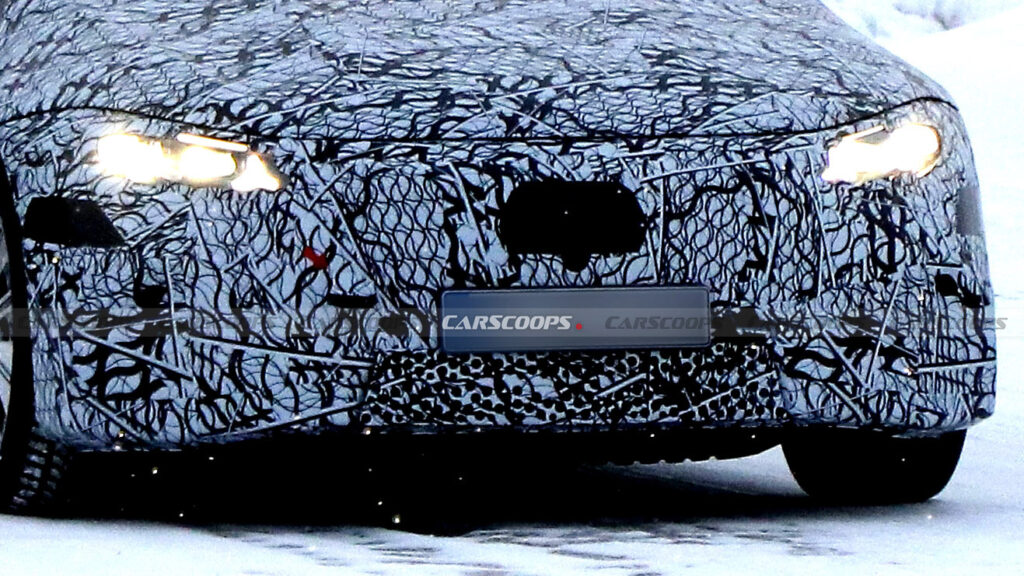
Recently spied undergoing cold weather testing, the 2027 EQS looks pretty unremarkable. However, a closer inspection reveals the car will come equipped with star-infused headlights. The taillights carryover, for now, but they’ll likely follow suit on the production model.

More: Mercedes EQS Solid State Prototype Hits The Street With 621 Miles Of Range

Additional changes are hard to see, but it appears the model will have a lightly revised rear bumper. The front end could also be updated, although it’s hard to be certain with all that camouflage.

Mercedes has been tight-lipped about the car, but it’s expected to adopt a new 800 volt electrical architecture. This is a significant update and one that Polestar and Volvo did with the 3 and EX90.

\\\\\\

Baldauf

We’ll likely learn more in the coming months, but we can expect significantly improved charging times. The upgrades won’t end there as the model is also rumored to get an improved battery cell chemistry as well as in-house developed electric motors known as eATS 2.0. The model could also trade its single-speed gearbox for a new two-speed unit.

These changes should significantly improve efficiency and range. It’s too early to talk numbers, but the EQS 450 Plus offers an EPA range of 390 miles (628 km). That’s fantastic, but it’s nowhere close to the Lucid Air, which can travel up to 512 miles (824 km) between charging sessions.

\\\\\\

Baldauf

Nissan Lost Its EV Sales Lead In Japan For The First Time In Q4

  • EV sales from Nissan’s rivals jumped sharply late last year.
  • Japan now offers EV subsidies of up to $8,300 per buyer.
  • BYD will launch its all-electric Racco kei car this year.

Electric vehicle sales in Japan have never quite taken off, but disruptions are underway. For nearly 15 years, Nissan held the top spot in the country’s EV market, thanks largely to the Leaf. Now, that grip is loosening.

A cooling appetite for Nissan’s EVs and rising demand for newer offerings from rivals have pushed the market into a new phase. For the first time, Nissan has been overtaken as Japan’s top-selling EV brand in quarterly sales, with Toyota stepping into the lead during Q4 2025.

Read: Toyota Sold Just 18 EVs In Japan Last Month

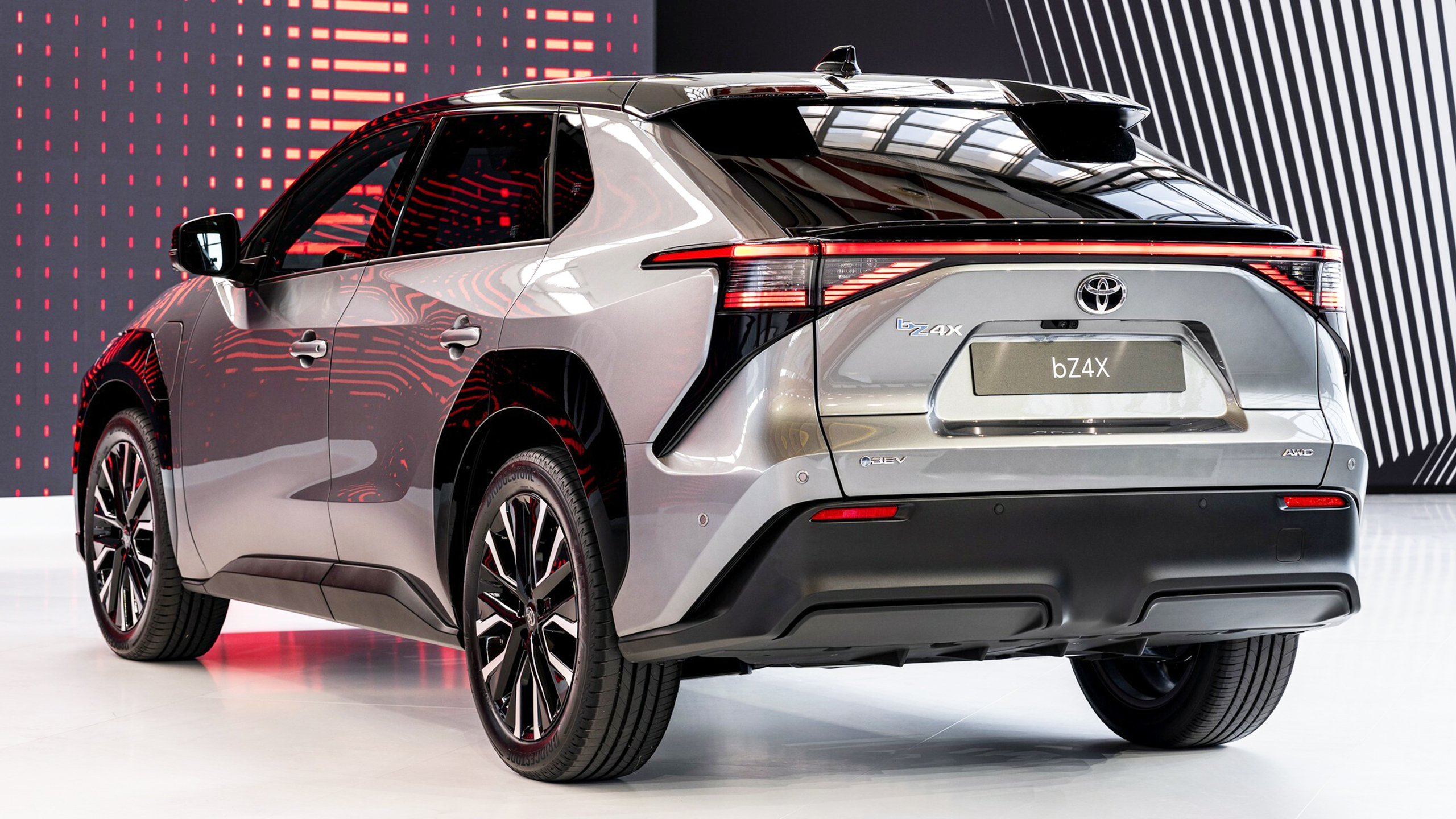
According to the latest data from Japan’s automotive industry association, Toyota sold 3,684 EVs domestically in the fourth quarter of 2025, a surge helped by the October launch of the bZ4X. While that figure is still modest by global standards, it represents a thirteenfold increase over the same period in 2024.

Nissan, meanwhile, saw its electric sales plunge 56 percent to 2,857 vehicles. The Leaf and Sakura both experienced weaker demand in the closing months of the year.

 Nissan Lost Its EV Sales Lead In Japan For The First Time In Q4

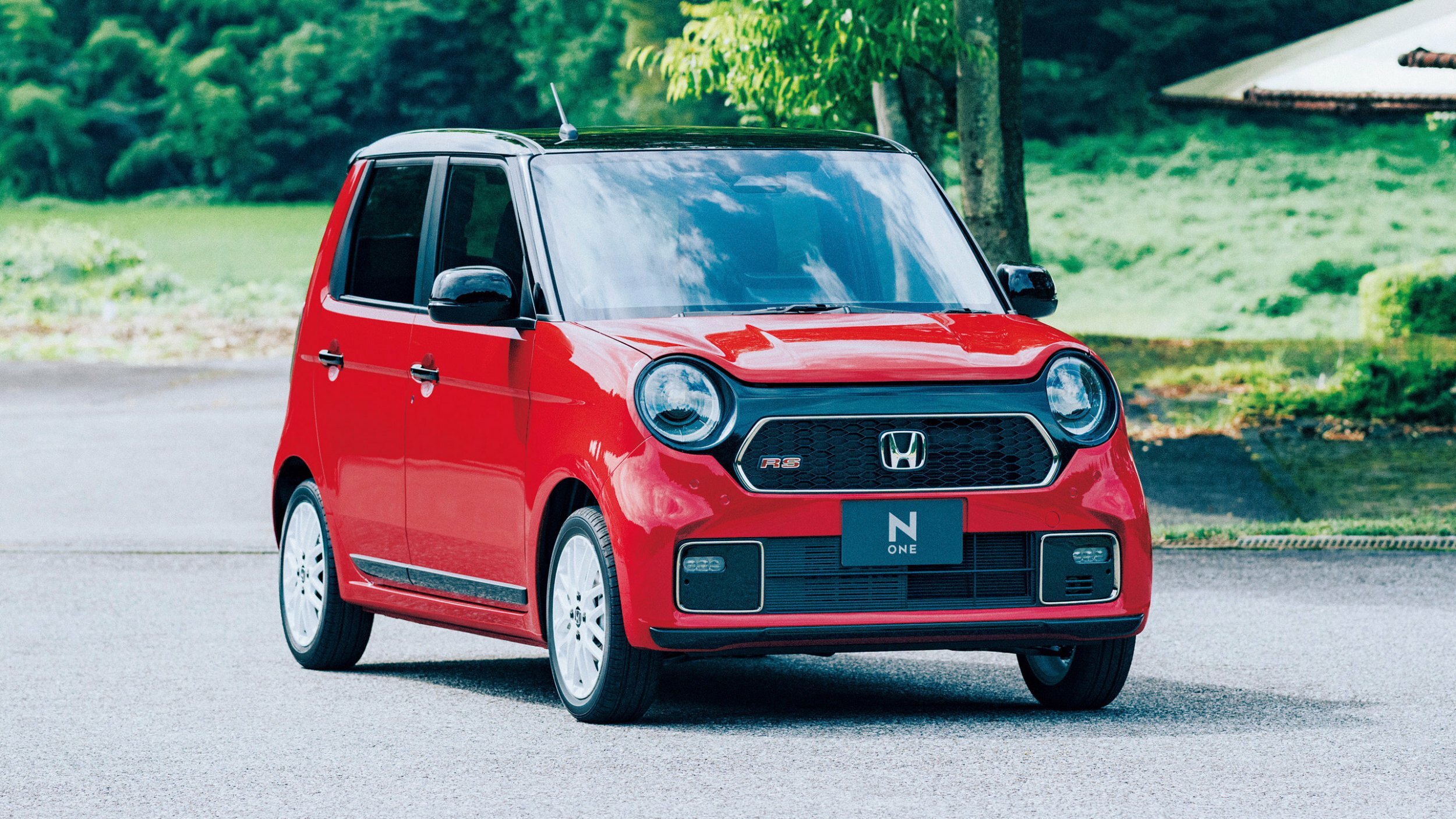
The momentum wasn’t limited to Toyota. According to Nikkei Asia, Honda also made gains, boosted by the launch of the N-One e:. With a range of up to 295 kilometers (183 miles) on a single charge, it now holds the title for longest-range electric minicar in the market.

Honda sold 2,732 units in Q4, a lift that was enough to pass Tesla, which also saw its numbers rise. Tesla’s sales increased by 62 percent year over year, reaching 2,600 vehicles in the quarter.

EVs Still a Niche in Japan

 Nissan Lost Its EV Sales Lead In Japan For The First Time In Q4

While EV sales have accelerated in much of the world over the past few years, they still make up only a small fraction of the Japanese market. At present, electric vehicles account for just 1.9 percent of all new car sales in the country. This is the lowest share among advanced economies.

Several new models slated for launch in 2026 could help lift that figure, and the government is moving to speed up the transition too. This year, qualifying buyers can receive up to 1.3 million yen ($8,300) in subsidies, aimed at nudging more drivers toward electric.

BYD may soon become a more significant contender. The Chinese automaker posted a 72 percent increase in Q4 sales, reaching 832 units. It plans to launch its all-new Racco electric kei car in the Japanese market this year, positioning it to make a more aggressive push into a historically difficult segment.

 Nissan Lost Its EV Sales Lead In Japan For The First Time In Q4
BYD Racco

EU Could Scrap Chinese EV Tariffs, But Buyers Won’t Like What Comes Next

  • EU may replace tariffs on Chinese EVs with price controls.
  • Minimum pricing could ease tensions but still limit imports.
  • Policy shift would protect European-built cars from China.

After months of trade tension and shifting political winds, the European Union is now considering a dramatic reversal of its electric vehicle policy. Just 18 months after introducing steep tariffs aimed at shielding domestic manufacturers from a flood of Chinese EVs, officials are weighing a new approach that could scrap those levies altogether.

But that doesn’t mean those Chinese automakers will have things their own way.

Related: Europe Tried To Block Chinese Cars But Ended Up Helping Them Instead

Instead of tariffs of up to 45 percent, the exact rate varying depending on how much financial assistance the EU investigators believed each Chinese brand got from the Chinese government, the EU is looking into setting minimum prices for the Asian imports.

Chinese companies would need to submit pricing proposals “adequate to eliminate the injurious effects of the subsidies and provide equivalent effect to duties,” according to a European Commission document seen by the South China Morning Post. Other factors, such as planned future investments in the EU, would be taken into account, the report says.

Trade Tensions

A minimum price would allow Western automakers building cars within the EU to compete with the likes of BYD and Chery. But because the Chinese brands wouldn’t have to hand over tariff cash and would instead keep profits, the system would ease trade tensions between the two regions.

After the EU slapped tariffs on imported EVs, China responded by introducing tariffs on goods heading the other way, including dairy, pork, and brandy, Bloomberg reports.

 EU Could Scrap Chinese EV Tariffs, But Buyers Won’t Like What Comes Next
BYD

The EU’s tariffs ironically hurt some of the Western brands they were supposed to help, because cars like the BMW iX3, which was made in China and shipped to Europe for sale, were also subject to the duties. Volvo moved its Euro-market production of EX30 electric SUVs from China to Belgium to escape the tariffs.

Unstoppable

And despite the introduction of those tariffs, Chinese brands have taken an increasingly large share of the European car market. Its EVs continued to prove popular, but its hybrid models, which are not subject to tariffs, have been flying out of showrooms.

In 2024, Chinese cars accounted for around 2.5 percent of European sales; by the end of last year that had grown to around 7 percent, and almost one in every 10 cars sold in the UK in 2025 came with a Chinese badge.

 EU Could Scrap Chinese EV Tariffs, But Buyers Won’t Like What Comes Next
BYD

China’s Biggest Electric SUV Yet Wasn’t Made For Drivers

  • ES9 is China’s longest electric SUV with a 127.9-inch wheelbase.
  • Dual electric motors deliver 697 hp and 516 lb-ft of torque total.
  • It supports three-minute battery swaps across Nio’s network.

For China’s most wealthiest car buyers, the appeal of driving often takes a back seat to being driven. Luxury isn’t measured in horsepower alone, but in legroom, comfort, and the ability to stretch out while someone else handles traffic.

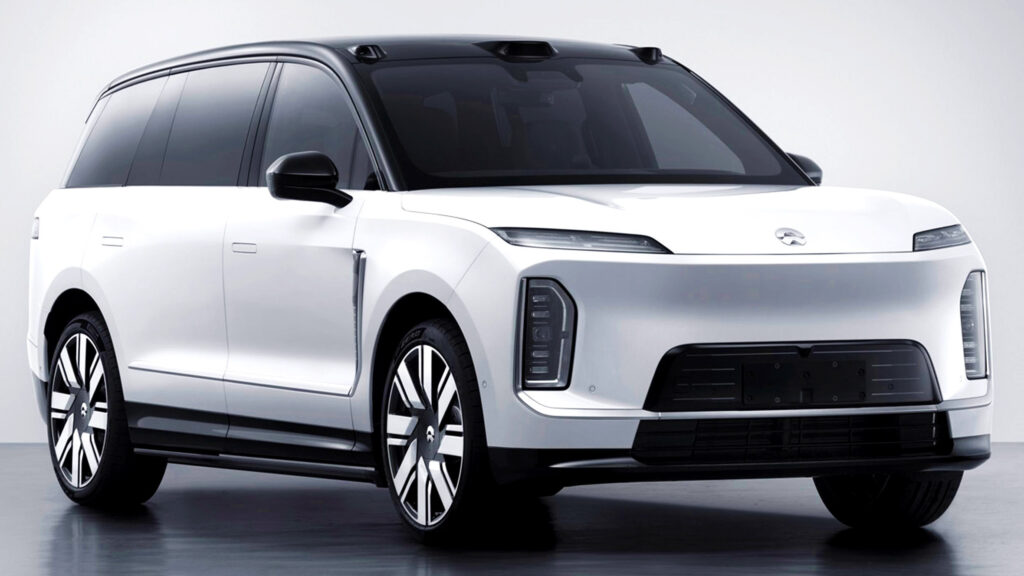
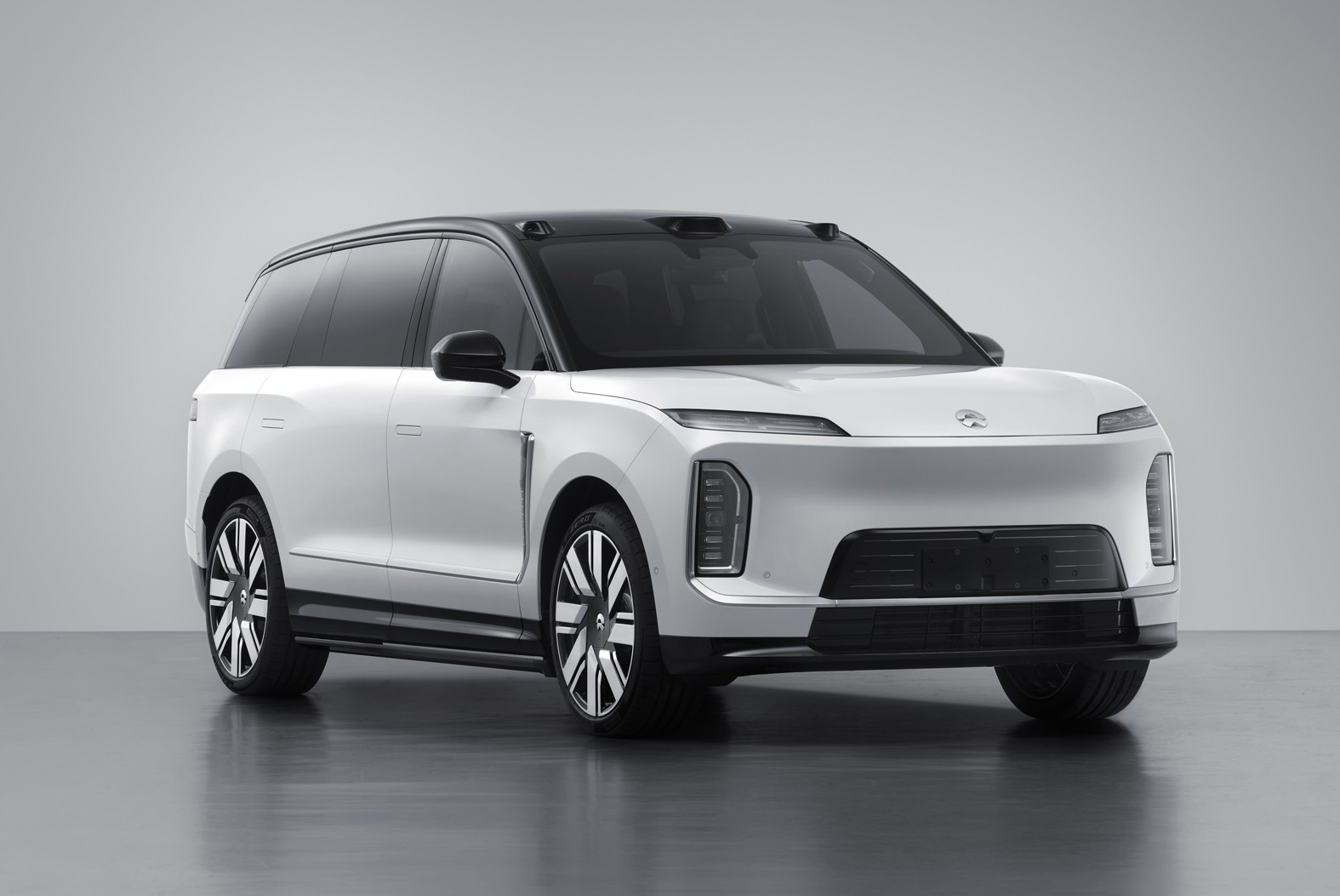
With that in mind, Nio is preparing a new electric SUV designed squarely for this audience, and for larger families as well. Shown here in newly released photos, the Nio ES9 is set to join the brand’s growing lineup, slotting in just above the ES8.

Big Numbers, Bigger Presence

This upcoming flagship will become the largest electric SUV available in China, overtaking the ES8 for that title, according to CarNewsChina. Figures from the Ministry of Industry and Information Technology confirm it stretches 5,365 mm (211.2 inches) in length, spans 2,029 mm (79.8 inches) in width, and stands 1,870 mm (73.6 inches) tall.

Read: This Full-Size Electric SUV Packs 456 HP And Costs Less Than A Honda Civic

That makes it 85 mm (3.3 inches) longer, 29 mm (1.1 inches) wider, and 70 mm (2.7 inches) taller than the ES8. More importantly, the wheelbase stretches to 3,250 mm (127.9 inches), an increase of 120 mm (4.7 inches) over the ES8, which translates to noticeably more room for passengers.

To put that in perspective, its footprint lands somewhere between the standard Cadillac Escalade and the extended-wheelbase Escalade ESV.

 China’s Biggest Electric SUV Yet Wasn’t Made For Drivers

Visually, the design of the ES9 is very similar to its smaller brother, although it does have a more upright and squared front fascia. There are split DRLs and headlights at the front, alongside a large grille and a ribbon of black along the bottom of the bumper. As with the ES8, there’s a LiDAR protruding from the roof.

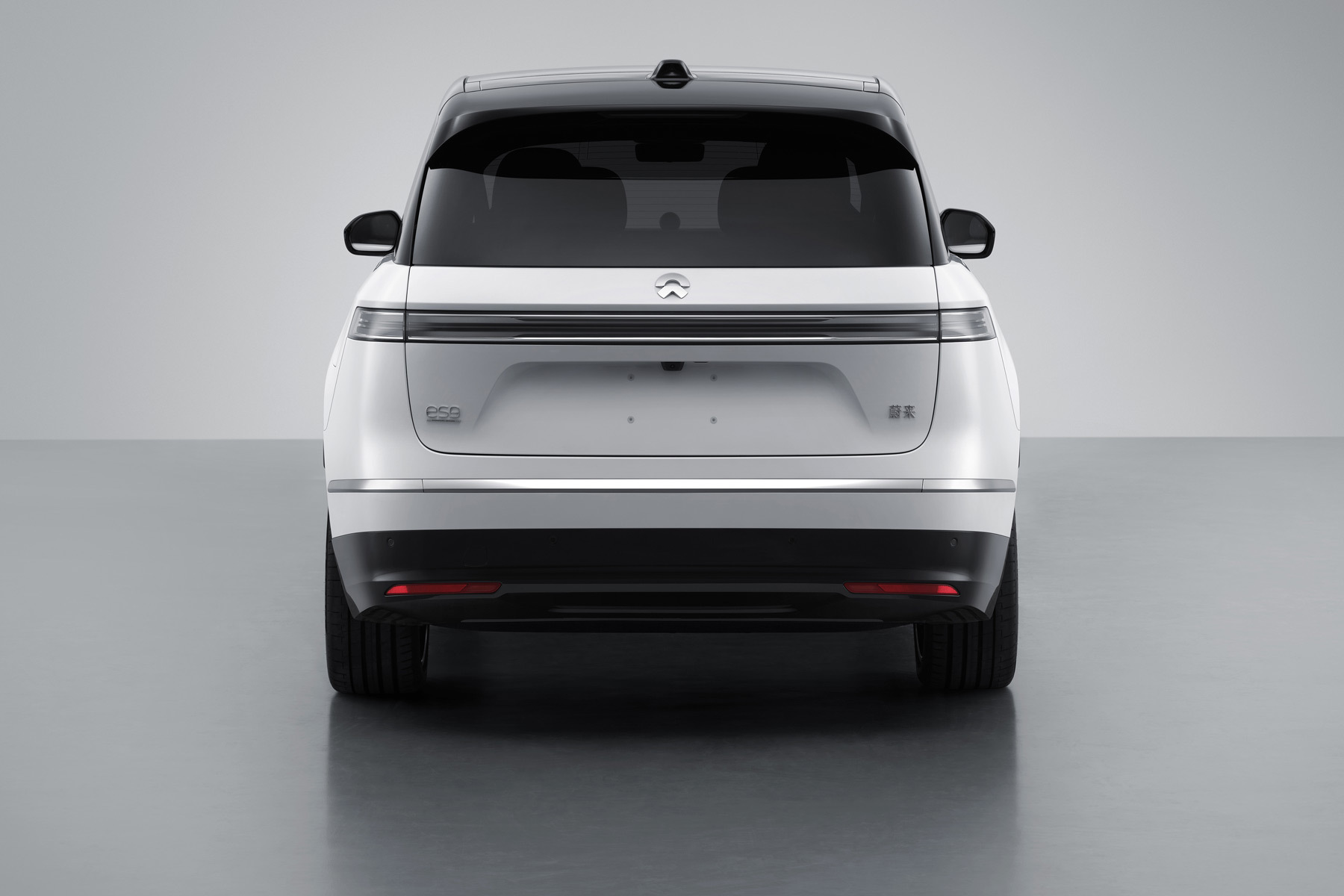
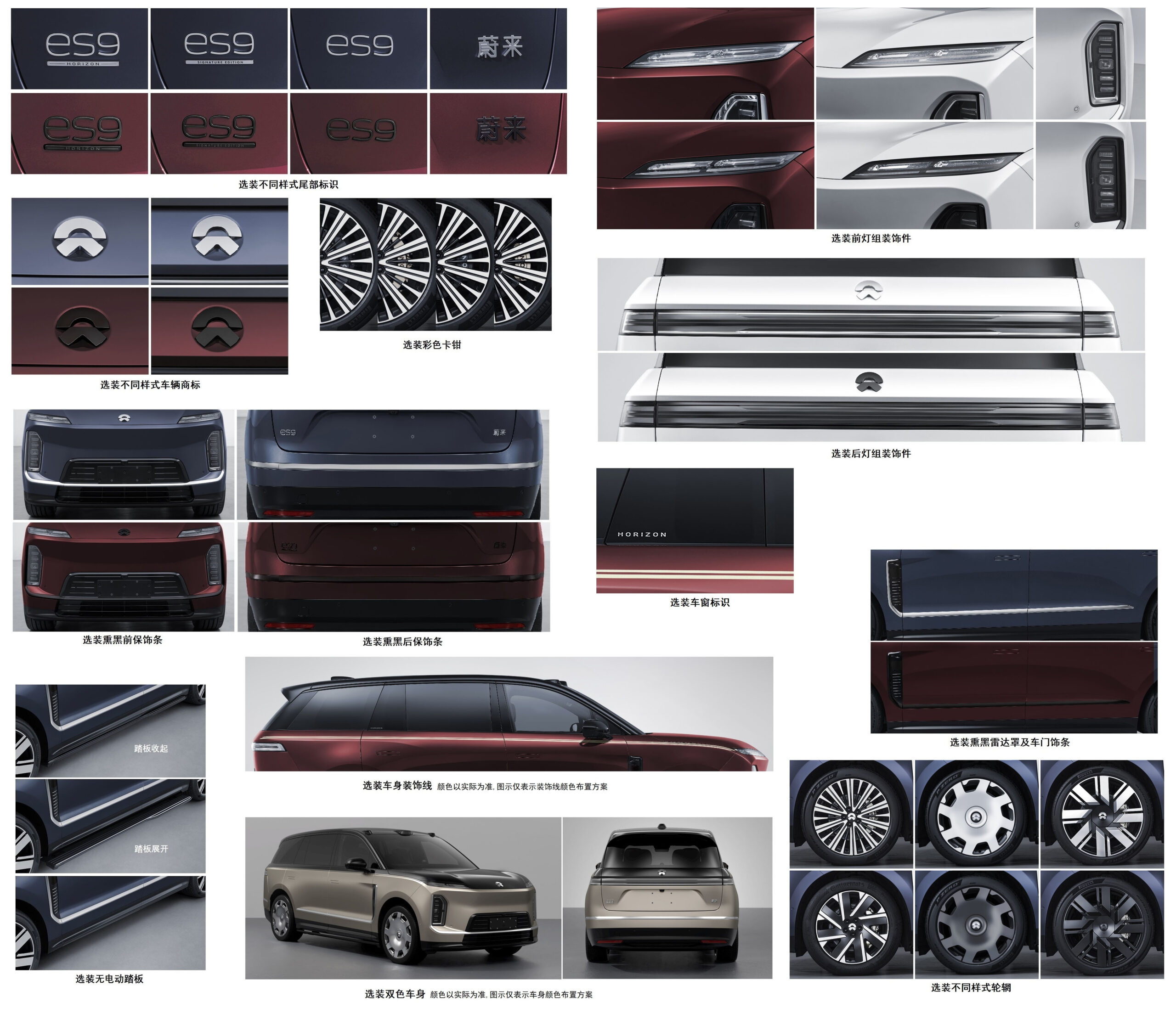
Around back, the design leans toward simplicity, featuring a single LED light bar and little else of interest. Other photos of the SUV reveal that retractable side steps will be available, as will at least six different wheel designs/finishes. Shoppers will also be able to choose between black or silver accents running along the body.

Dual-Motor Drive

 China’s Biggest Electric SUV Yet Wasn’t Made For Drivers

We don’t yet know what the cabin of the ES9 will look like, but we do have some important powertrain details. Powering the SUV will be a 241 hp (177 kW) electric motor at the front axle and a 456 hp (335 kW) motor at the rear axle, combining to deliver 697 hp (513 kW) and 516 lb-ft (700 Nm) of torque. The battery pack will be sourced from CATL and is expected to have a capacity of 102 kWh.

There’s no word on what charging speeds this battery will support, but in the land of Nio, charging times aren’t particularly important, as Nio operates a huge battery-swapping network where a depleted battery can be replaced with a fully charged one in just 3 minutes.

A full reveal is expected in the coming months, with its domestic launch set to follow soon after. Availability in markets outside China has not yet been confirmed.

 China’s Biggest Electric SUV Yet Wasn’t Made For Drivers

Porsche Just Admitted It Blew It With The Macan

  • Porsche admits its EV-only Macan strategy was a misstep.
  • New gas-powered SUV will arrive before end of 2028.
  • Future 718s will offer gas, hybrid, and electric options.

Plenty of automakers are rethinking their electric vehicle strategies. Some names make it easy to shrug and say, well, they probably bit off more than they could chew. Stellantis, for instance, has struggled to steer its EV plans with any consistency. But it’s not just the usual suspects pulling U-turns.

On the other side of that coin, you’ll find Porsche, which, like Stellantis and other mainstream brands, is now backtracking hard on its EV plans. The brand’s former CEO just openly admitted that making the Macan an EV-only model was a mistake. Porsche has plans to fix its foible, too.

A Misstep in the Macan Playbook

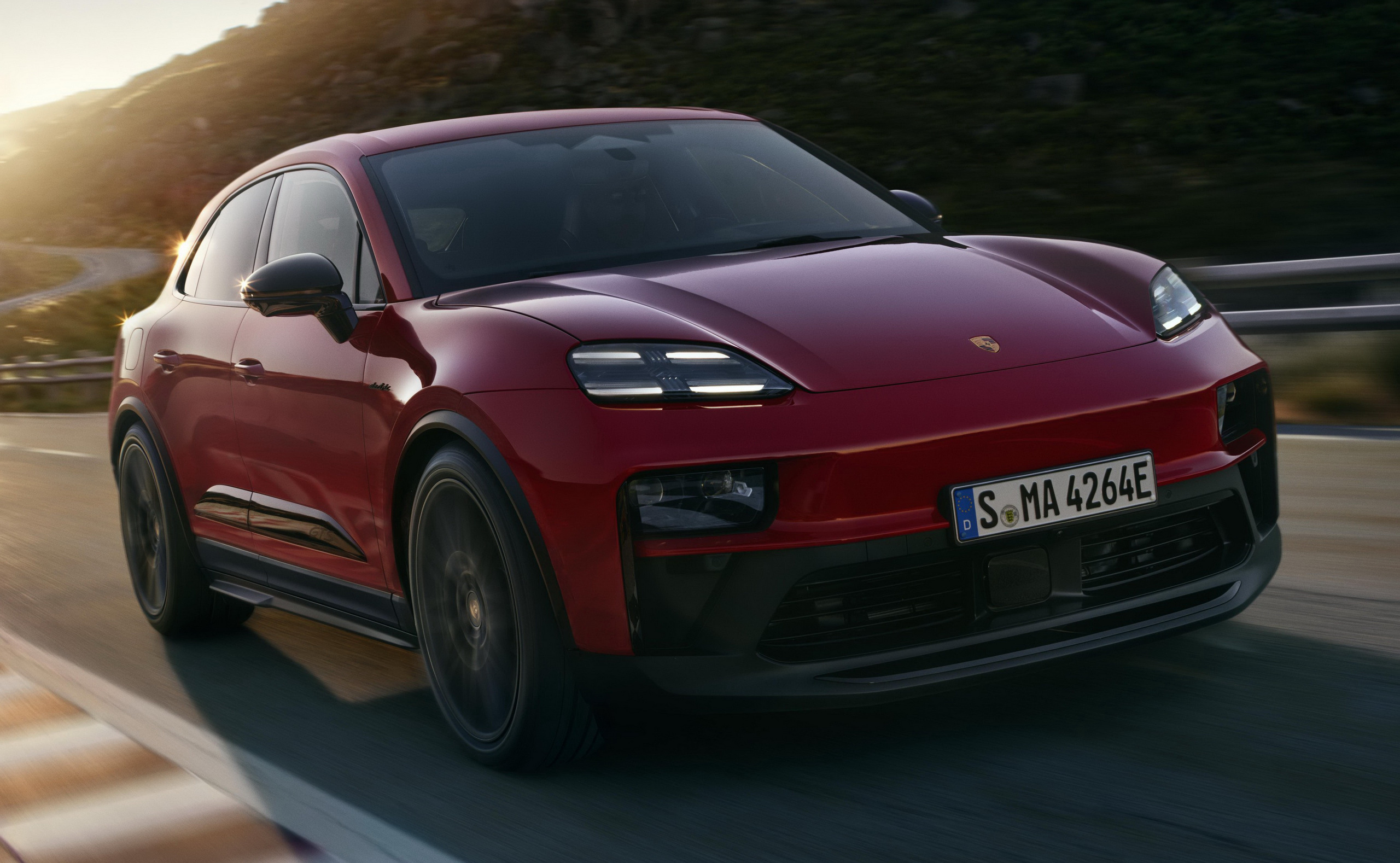
Former CEO Oliver Blume, who stepped down at the start of 2026, revealed that making the next-generation Macan electric-only was a mistake. Speaking with Frankfurter Allgemeine Zeitung, Blume said, “We were wrong about the Macan,” reflecting on Porsche’s 2019 decision to retire the gas-powered Macan in favor of a fully electric model.

More: Porsche’s Next 718 To Borrow 911 Power But Purists May Not Approve

We were there when the EV launched in early 2024. While purists didn’t love it, plenty of folks figured that most Macan buyers cared more about the badge than the engine. But cooling demand for pricey luxury EVs and regulatory hurdles made the all-electric Macan a tougher sell than some expected. Blume acknowledged that hindsight is 20/20.

“Based on the data at the time, we would have made the same decision,” Blume said, “but the situation today is different. We are responding by adding combustion engines and hybrids.” Porsche now plans to reintroduce a gas-powered compact crossover but it won’t be called the Macan.

What Comes After the Macan EV?

 Porsche Just Admitted It Blew It With The Macan

The new model, arriving no later than 2028, will occupy the same segment below the Cayenne SUV and is expected to use Volkswagen Group’s Premium Platform Combustion architecture, which underpins the Audi Q5. Blume described the upcoming crossover as “very, very typical Porsche” and deliberately distinct from the Macan EV.

More: Porsche Purists Might Want To Sit Down For The Next Macan With Front Bias

The Macan misstep isn’t the only one the brand is handling. Porsche also confirmed that future 718 sports cars, initially slated to go EV-only, will offer combustion and hybrid options.

It turns out that even one of the world’s most famous and focused brands can misread the market and industry to an almost embarrassing degree. In the end, we all just end up with more Porsches in more flavors and I can’t say I’m sad about that.

 Porsche Just Admitted It Blew It With The Macan

Tesla Never Sold The Six-Seat Cybertruck, So A Dad Built One Himself

  • Cybertruck owner added a center seat to carry four kids up front.
  • Tesla showed this layout in 2019 but never offered it to buyers.
  • Custom seat has no visible airbags, which may affect crash safety.

Tesla owners aren’t strangers to modifying their vehicles. Sometimes, that action comes out of a desire for additional safety. Other times, it’s because Tesla itself didn’t deliver on a previous promise. And occasionally, those two aspects of design come into fierce opposition. That’s what happened here.

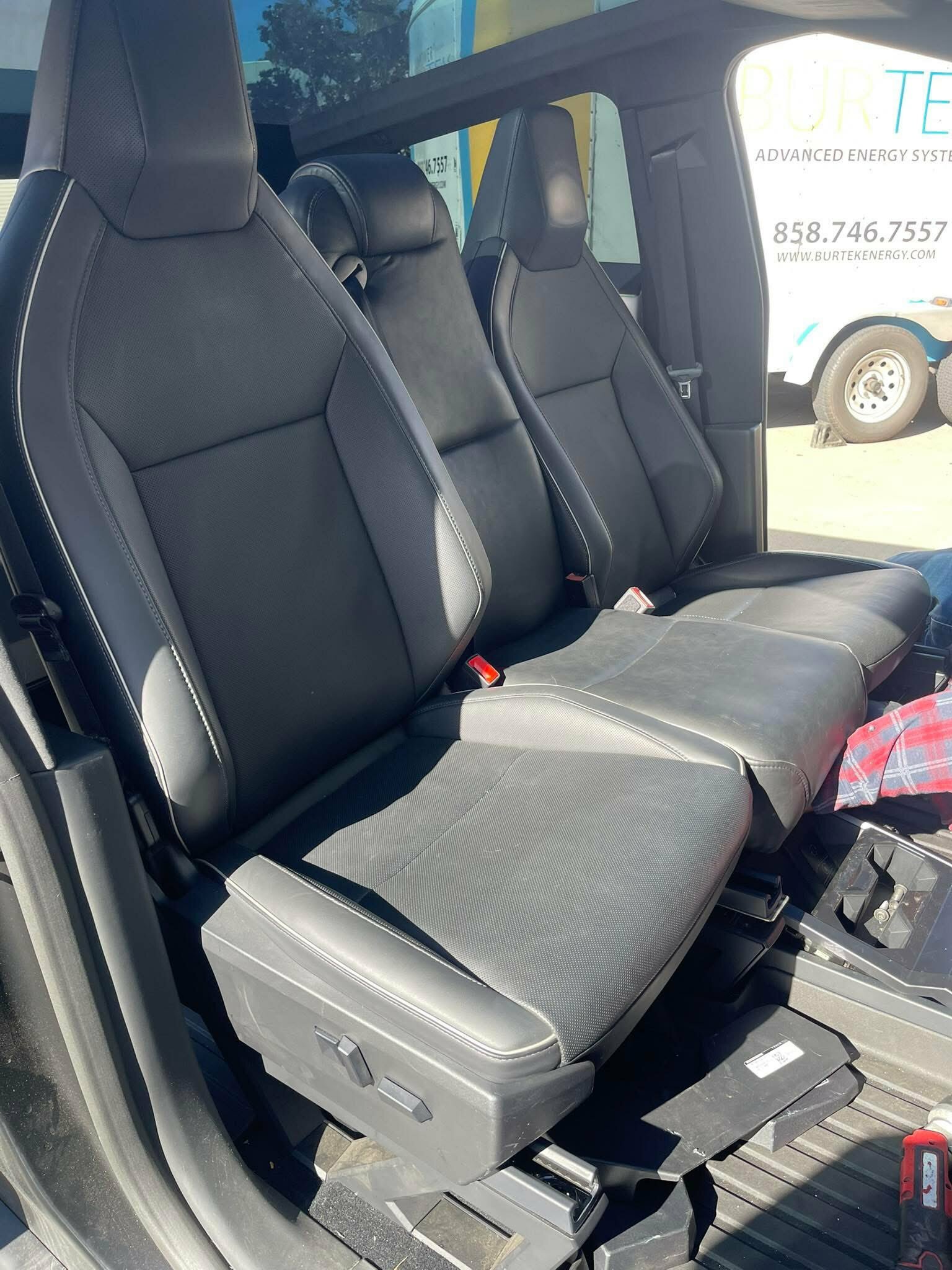
A father of four needed space for his entire family, and when it became clear that Tesla wouldn’t offer a six-seat Cybertruck, he took matters into his own hands. He commissioned a custom version and later shared the results in a Tesla group on Facebook.

More: Cybertruck’s $16K Range Booster Is Dead And Tesla Isn’t Saying Why

The custom setup removes the center console of the truck and replaces it with a narrow upright seat wedged between the original pair. It comes complete with a seatbelt, but that might be where safety ends. We’ll come back to that, though. Let’s focus first on the design itself.

It’s a far cry from the angular unit Tesla once teased, but at least the upholstery matches. Some folks might not even realize that it’s an aftermarket addition because of that.

What Killed Tesla’s Center Seat Plans?

At the same time, it’s tough to call this a big win for now. While Tesla originally showed renders of a similar setup, it never came to pass. Many believe that’s because of safety regulations regarding the center seat.

Some observers have noted that the truck includes a driver’s side inboard airbag, which could strike anyone seated in the center. There’s also no airbag directly in front of that position. And beyond the lack of protection, there’s always a chance the seat may not be anchored to mounting points strong enough to hold up in a crash.

 Tesla Never Sold The Six-Seat Cybertruck, So A Dad Built One Himself
Credit: Roger D. / Facebook

To be clear, this isn’t a knock on the owner’s intentions. Wanting to carry your entire family with you is obviously normal and easy to understand. But it does highlight a recurring Tesla theme. The brand and CEO often make bold promises, offer flashy renderings, and then production vehicles quietly walk things back a bit.

Tesla once showed a front bench. That version never reached production, and now an owner has stepped in to fill the gap with a custom modification. In doing so, he’s taking on a level of risk that some might find concerning in a six-figure vehicle. Maybe the solution here is to just get the Model X since it actually has room for the whole family.

BMW Slashes EV Prices By Up To $42,000 In China, And It’s Not Alone

  • BMW cut prices across 31 models to stay competitive in China.
  • Fourteen brands launched incentives before the New Year rush.
  • Officials fear price cuts could trigger harmful deflation risks.

Price cuts aren’t just a domestic strategy for Chinese automakers. Even Western legacy brands are jumping in. Last week, BMW announced sweeping reductions across 31 of its models in China, highlighting a more aggressive effort to keep pace with intensifying competition in the world’s largest auto market.

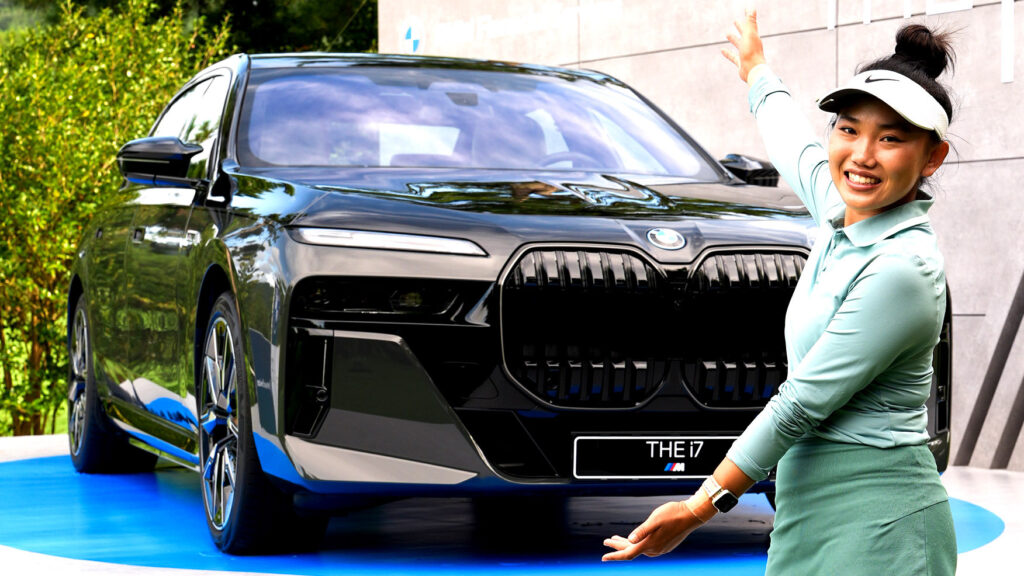
The biggest cut came to the BMW i7 M70L, the high-performance flagship of the all-electric 7-Series. This dual-motor sedan delivers 659 horsepower and 811 lb-ft (1,100 Nm) of torque. As of last week, it now carries a price tag that’s 301,000 yuan lower, a reduction of roughly $42,000.

Read: BMW Is Cranking Out Cars “Like Pretzels” And Says Even China Can’t Keep Up

While the i7 had the largest drop in raw numbers, the steepest percentage cut went to the iX1 eDrive25L. BMW trimmed the price of the long-wheelbase variant of the compact SUV by 24 percent, bringing the new starting figure to 228,000 yuan, or about $32,600.

 BMW Slashes EV Prices By Up To $42,000 In China, And It’s Not Alone
BMW iX1

Speaking to Bloomberg, BMW said the price changes are part of its “regular price management,” adding that “final transaction prices are independently negotiated and determined between authorized BMW dealers and customers.”

How Far Will Discounts Go?

Behind the curtain, though, the timing suggests more than just routine recalibration. November marked the second straight month of declining sales in China, according to data from the China Passenger Car Association. That slide has spurred several automakers to adjust pricing.

Meanwhile, regulators have introduced measures designed to prevent brands from undercutting costs, prohibiting sales below production cost and banning dealer incentives that push prices beneath that threshold, Bloomberg reports.

Also: China Is Banning Tesla-Style Door Handles

BMW’s recent cuts appear to bring official pricing closer to what customers were already paying after negotiations. According to Yale Zhang, managing director at Automotive Foresight, the updated stickers largely reflect existing transaction norms rather than undercutting them. “The new prices aren’t any lower than typical dealer selling prices,” Zhang noted.

When Deals Become a Warning Sign

 BMW Slashes EV Prices By Up To $42,000 In China, And It’s Not Alone

Big savings could be just around the corner. With the Chinese New Year approaching in February, many manufacturers are expected to introduce further incentives in hopes of front-loading first-quarter sales.

At least 14 car brands have already rolled out some form of discount or incentive program since the beginning of 2026. Zhang believes this trend is less a temporary blip than a reflection of broader pressures within the market.

“Various kinds of promotional activities may ebb and flow in the market from time to time, but they are here to stay,” Zhang told the news outlet.

Chinese authorities, meanwhile, are taking a cautious stance. With more manufacturers opting to slash prices, regulators are increasingly concerned about the potential knock-on effects. They worry that an extended period of discounts could spark deflation, disrupt the automotive supply chain, and put downward pressure on wages.

 BMW Slashes EV Prices By Up To $42,000 In China, And It’s Not Alone
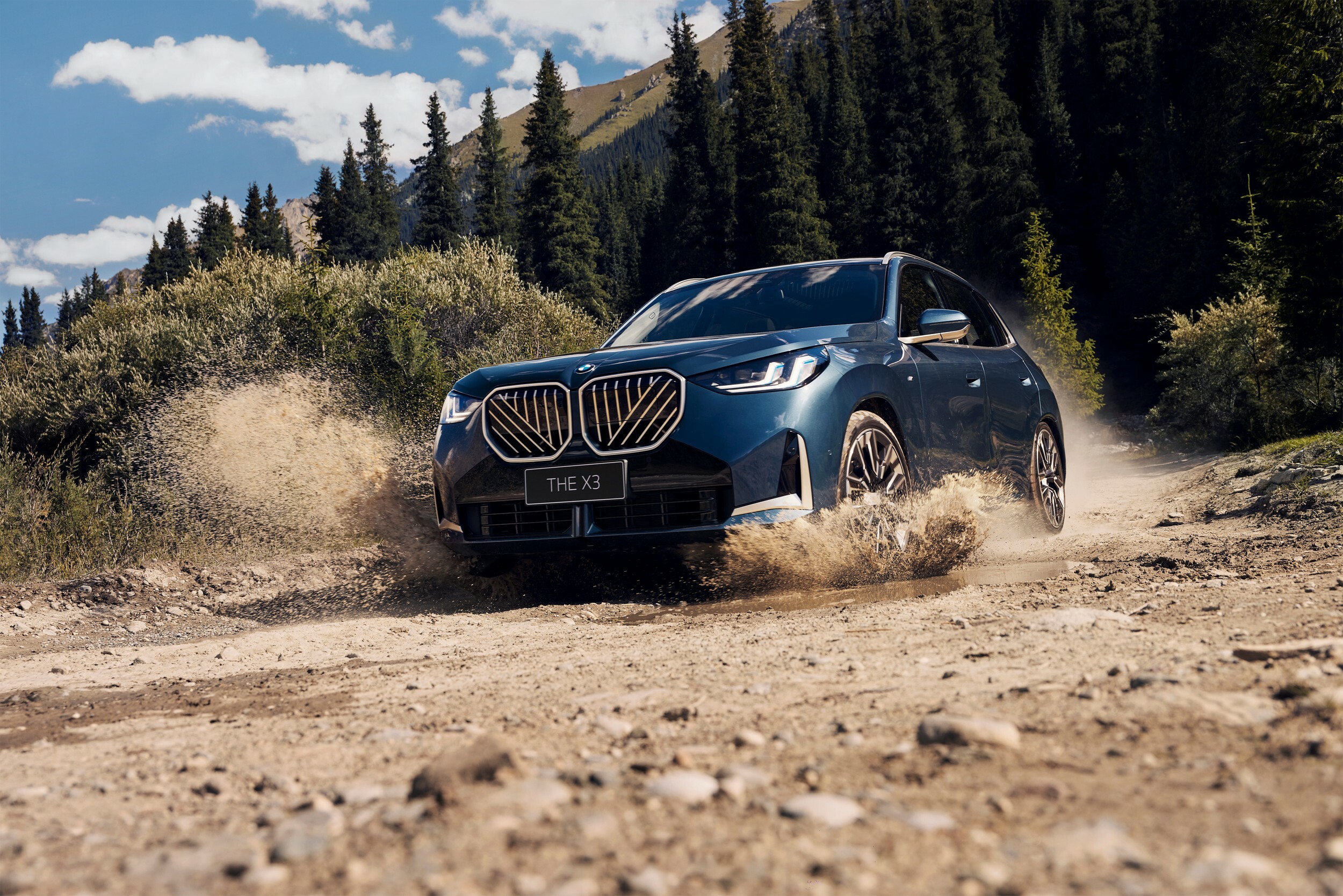
BMW X3 China

Toyota Debuts Electric Pickup For Europe, And It’s Just The Beginning

  • Toyota revealed the Euro-spec Hilux at Brussels Motor Show.
  • New EV version joins the mild-hybrid diesel in the lineup.
  • Hilux BEV offers 160-mile range with dual-motor AWD setup.

The Hilux has spent decades surviving anything the world throws at it, from mud and floods to plummeting from a Top Gear crane – though not being dropped from a helicopter. Now Toyota is testing its most famous small pickup with a more complicated challenge: staying relevant in an electric future.

Related: New Toyota Hilux Brings Sumo-Inspired Looks And EV Option

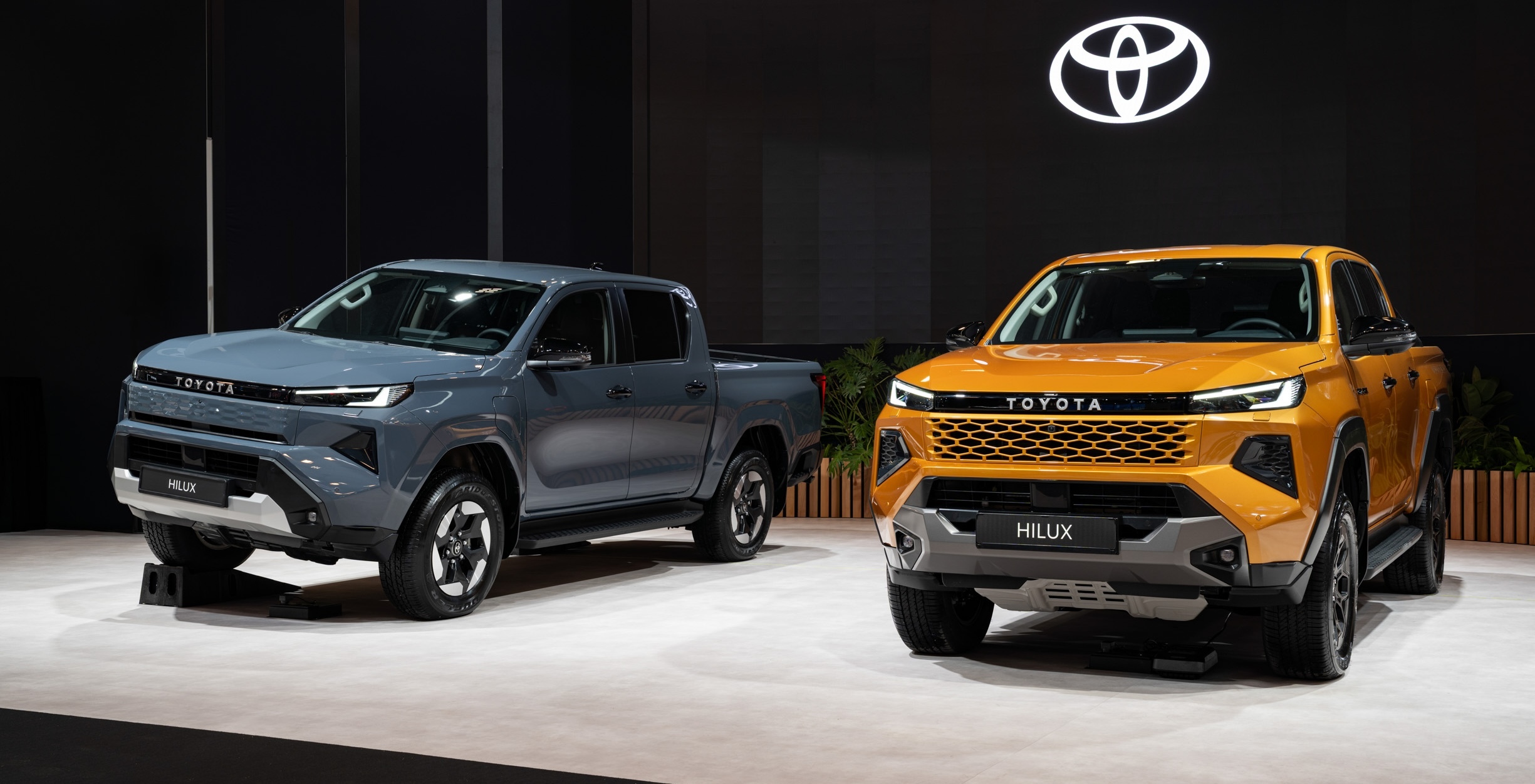
Toyota unveiled the Euro-spec ninth-generation Hilux in mild-hybrid and fully electric Hilux BEV form at this week’s Brussels Motor Show, months after both trucks debuted in Asia. The first ever EV Hilux is big news, but soon it won’t be the only version of the unstoppable truck that doesn’t emit any tailpipe nasties.

As we reported last year, Toyota Toyota hasn’t just confirmed that it’s working on a hydrogen-powered Hilux that will arrive later, it’s already testing them out in the open. Yes, the same pickup that built its legend hauling bricks and sheep is about get a fuel-cell stack.

Multipath Meets Multipurpose

\\\\\\\\\\

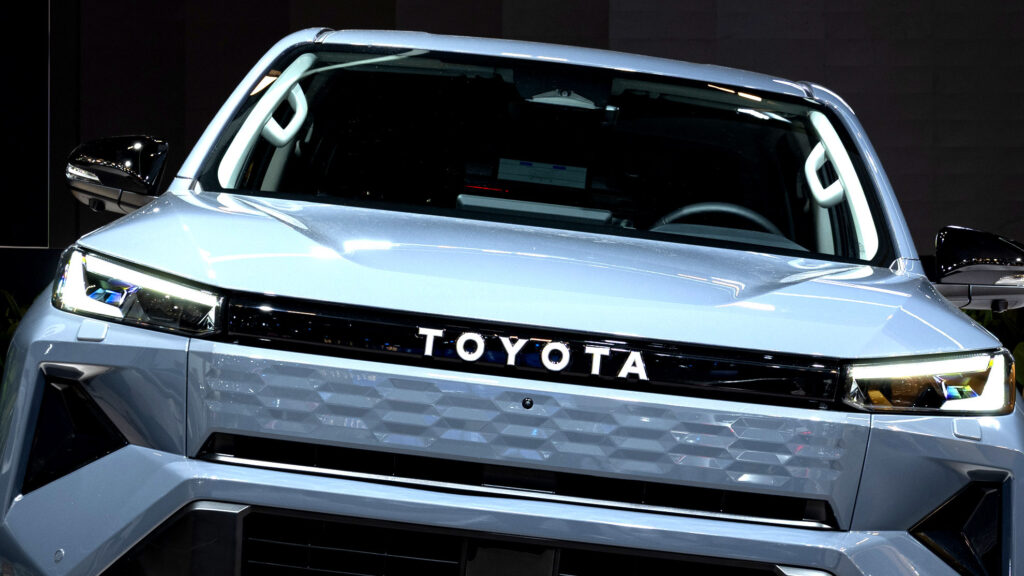
Toyota calls this its multipath strategy, though for many buyers little will change. Because they’ll still be able to get a truck with the same 201 hp (204 PS) 2.8 litre diesel mild hybrid (shown above) that made its debut in the previous generation Hilux’s twilight years. Some less-developed European countries will even get a non-hybrid diesel.

In the UK and Europe the 48-volt oil burner is expected to be the volume seller even after the EV’s arrival. It keeps up the old model’s 1,000 kg (2,205 lbs) payload and 3,500 kg (7,720 lbs) tow ratings, while being smoother and slightly cleaner than before.

Electric But Still Unbreakable

\\\\\\\\\\\\

But business-owning truck buyers with an eye on cutting running costs and tax bills will want to give the Hilux BEV a look. It uses a 59.2 kWh battery with motors on both axles for permanent all-wheel drive.

The front motor makes 151 lb-ft (205 Nm) and the rear 198 lb-ft (268 Nm), and Toyota quotes a WLTP range of 160 miles (258 km), which sounds unimpressive in a passenger-car context, but that climbs to 236 miles (380 km) in urban use.

Payload drops to 715 kg (1,580 lbs) and towing to 1,600 kg (3,530 lbs) in the EV, but the fundamentals remain. You’re getting the same body-on-frame construction, 212 mm (8.4 inches) of ground clearance and 700 mm (27.6 inches) of wading depth, whichever power source you choose. And the BEV gets a special off road drive mode tuned for electric torque and braking.

All In the Grilles

 Toyota Debuts Electric Pickup For Europe, And It’s Just The Beginning

Both hybrid and BEV models adopt the same new Cyber Sumo design that was reportedly developed by Toyota’s Australian team. Characterized by stronger angles and flatter surfaces, it gives the Hilux and more modern, big-truck look, though it seems not everyone loves it. The EV is easily identified by its hole-free grille panel and (less obvious) re-shaped silver bumper insert.

Also: Toyota’s Most Expensive Supercar Has Something In Common With Lexus’ Cheapest Sedan

The modern makeover continues inside the crew cab-only interior where drivers and passengers are treated to a 12.3-inch digital gauge pack and same-sized tablet touchscreen, plus a steering wheel from the new Land Cruiser.

\\\\\\\\\\\\\\\

There are dual storage compartments on the passenger side, dashboard-mounted cupholders, and a full suite of electronic safety gadgets, but Toyota remembered to cram in plenty of physical switches for regularly-used functions.

UK sales start in June, Toyota says, and prices – guaranteed to be higher than for the outgoing truck – will be revealed within the next few months.

\\\\\\\\

Toyota

❌